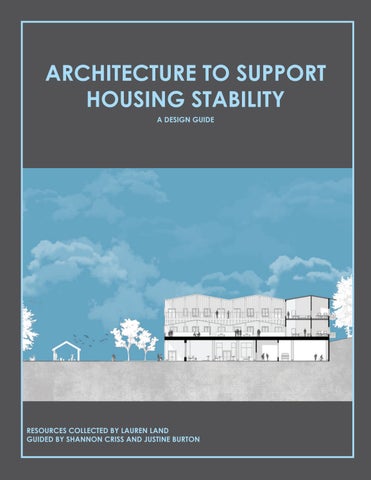
ARCHITECTURE TO SUPPORT HOUSING STABILITY
A DESIGN GUIDE
RESOURCES COLLECTED BY LAUREN LAND
GUIDED BY SHANNON CRISS AND JUSTINE BURTON
Architects have a responsibility to the health, safety and wellfare of their communities, and are in a position of advocacy to make real changes in the way our cities support people.
Aside from the necessity of creating high-quality affordable housing, design work in any urban project can incorporate steps for homelessness prevention.
DESIGN FOR HOUSING STABILITY
2
SUMMARY OF RESEARCH LESSONS FROM STOPGAP CASE STUDIES TAKEAWAYS + DESIGN PRINCIPLES EXAMPLE OF APPLICATION ADDITIONAL REFERENCES 04 06 10 16 18 34
SUMMARY OF RESEARCH
This research is based on a focus on participatory design, which devotes design skills to engagement with aspects of society that are underserved by architects.
The focus of attention for this study is on homelessness.
The effects of homelessness on a person’s life are difficult to understand for someone who hasn’t experienced it. For this reason, well-meaning architectural projects often miss their mark.
This study compiles relevant case studies as well as personal experience from Justine Burton, the founder of the local nonprofit StopGap Inc.
From this directed research, a few common factors stand out and can be used to guide future design work supporting housing security and independence.
DESIGN FOR HOUSING STABILITY
4
DESIGN PRINCIPLES FROM RESEARCH
PRIVACY / SECURITY
SOCIAL SUPORT ENGAGEMENT HEALTH
5
LESSONS FROM STOPGAP
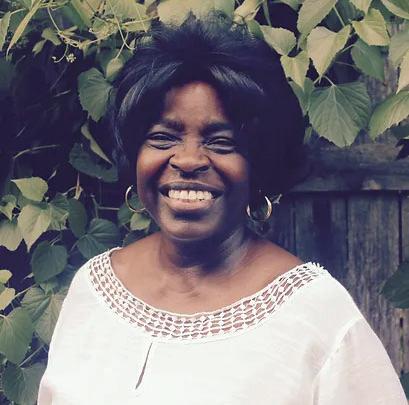
JUSTINE BURTON
EXECUTIVE DIRECTOR & FOUNDER OF STOPGAP INC.
Having experienced homelessness at age 16, Justine used her firsthand understanding of youth homelessness and a degree in Human Services to create StopGap Inc. - the only Douglas County organization with the sole purpose of helping at-risk youth transition to independence as they reach adulthood.
6
Youth aging out of foster care are at an extremely high risk of falling into the cycle of homelessness.
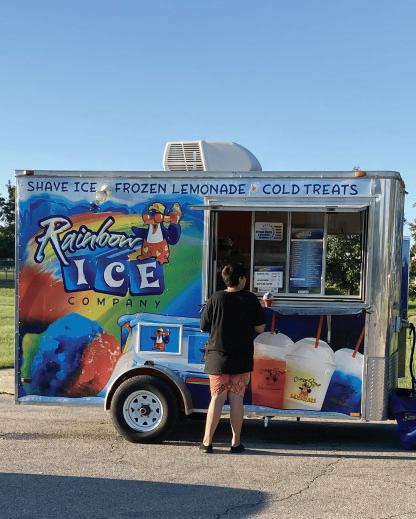
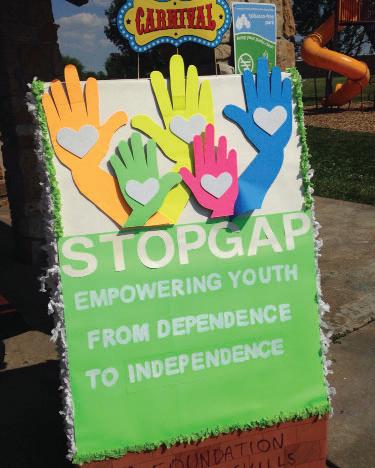
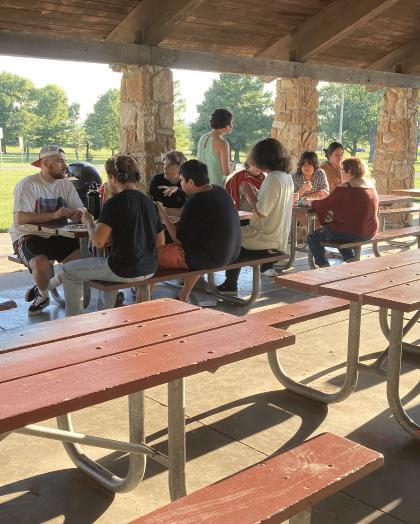
StopGap Inc. works towards PREVENTION through outreach events and life skills classes, growing with the goal of offering a supportive group housing program.
ENGAGEMENT EVENTS PLANNED :
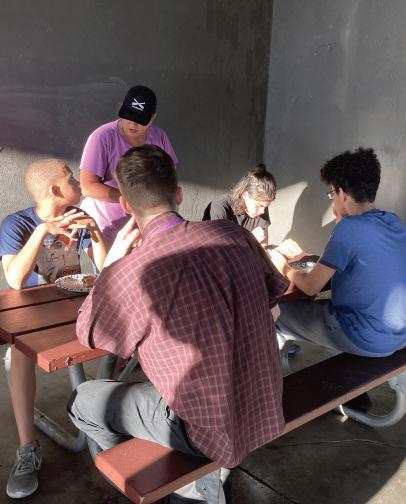
Our volunteer team planned several events to encourage school-age kids to spend time on safe and healthy group activities.
YOUTH ART FAIR : This event will showcase high school students’ art projects from school classes or personal works. Inspired by Lawrence’s yearly “Art in the Park” event, the art fair aims to support youth talent, passion, and pride in their work.
Other events planned include an open gym night and a meet & greet with KU athletes, a bowling night, and fundraisers such as a 5k run and casino game night.
Several of these activities had to be canceled due to a lack of interest from participating schools and sponsors- this was a lesson on the difficulties of running a grassroots organization which can sometimes compete with established nonprofits.
DESIGN FOR HOUSING STABILITY
7
OUTREACH EVENTS
8
THE LIGHTHOUSE TRANSITION PROGRAM
StopGap’s fundraisers aim to raise money for supportive group housing.
Justine plans to provide a 4-5 bedroom house that will become an 18-24 month intensive supervised program in a secure place to live, learn life skills, and receive counseling.

9
CASE STUDY
RESTART HOUSING
EL DORADO ARCHITECTS - KANSAS CITY, MO (2015)
ReStart Housing creates permanent housing for young adults aging out of foster care, providing them with supportive services and independence in single-bedroom apartments.
The ReStart organization and StopGap Inc. share the same goal of preventing homelessness after foster care, with a focus on the kind of supportive housing that Justine’s Lighthouse Transition Program will accomplish.
VARYING LEVELS OF PRIVACY
OPPORTUNITIES FOR COMMUNITY
DAYLIGHTING & VENTILATION
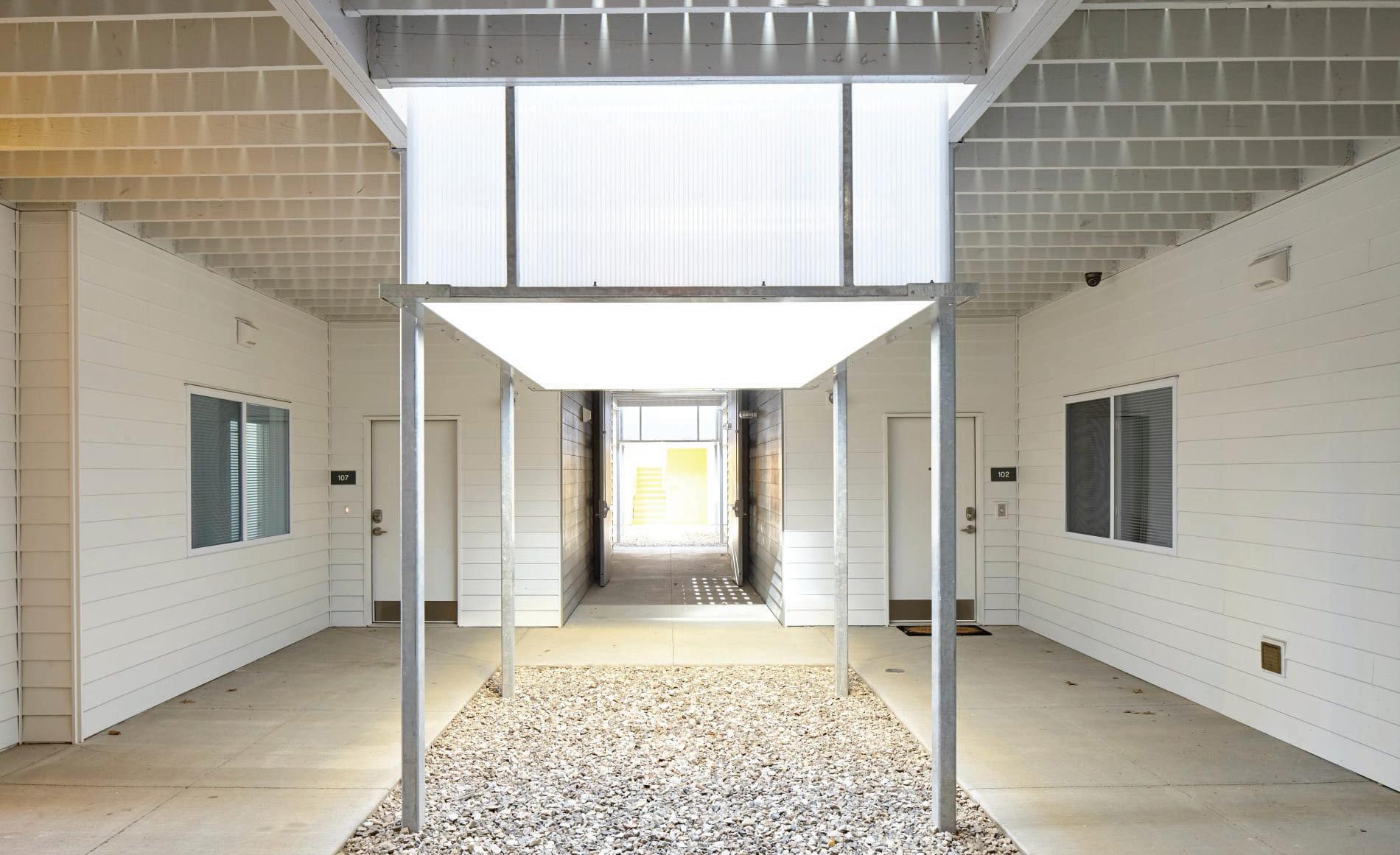
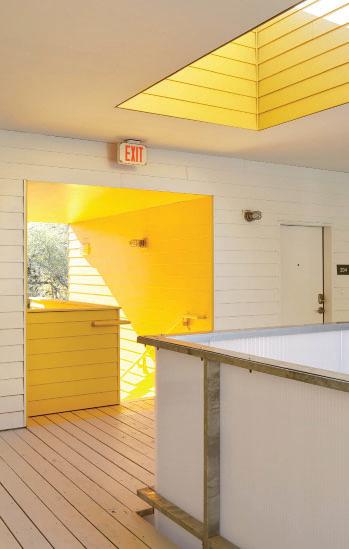
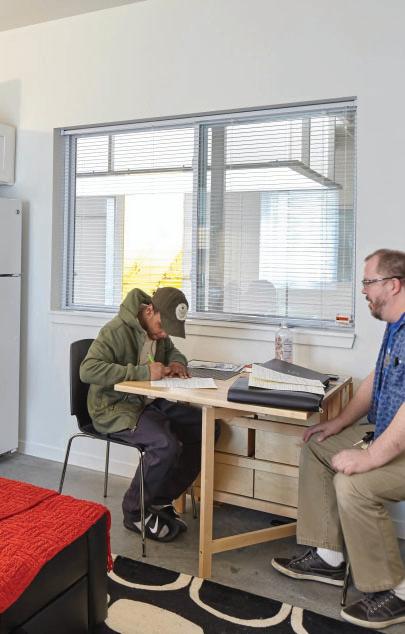
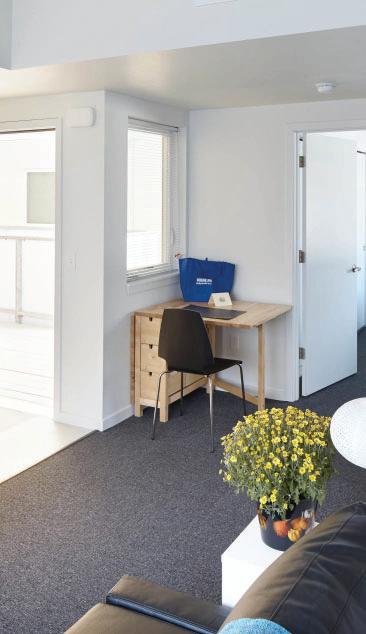
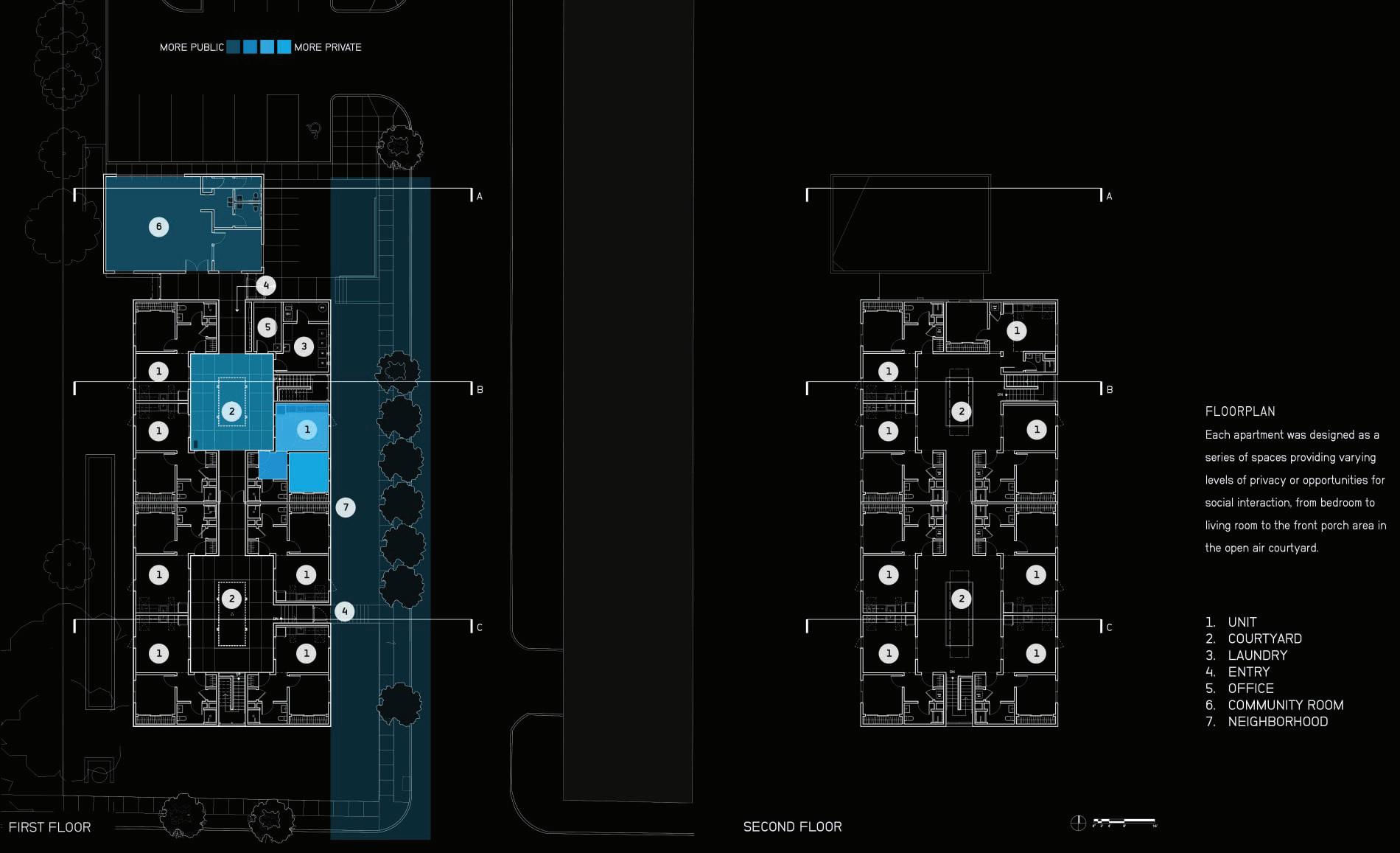 Images from El Dorado Architects.
CASE STUDY
WPI OLDER WOMEN’S HOUSING PROJECT STUDIO BRIGHT ARCHITECTS - MELBOURNE, AUSTRALIA (2021)
The Older Women’s Housing Project is a four-unit community of single resident homes, designed as a prototype to be duplicated. It aims to be adaptable through different stages of aging, allowing for a study space to be closed off and adapted as living space for a caretaker.
The project’s focus is on a specific demographic: older women who have money saved up that disqualifies them from social housing programs, but would run out quickly paying high rent and costs of living. Without support, these women are at a high risk of becoming homeless.
IDENTITY AND CUSTOMIZATION
OPPORTUNITIES FOR COMMUNITY
DAYLIGHTING & VENTILATION
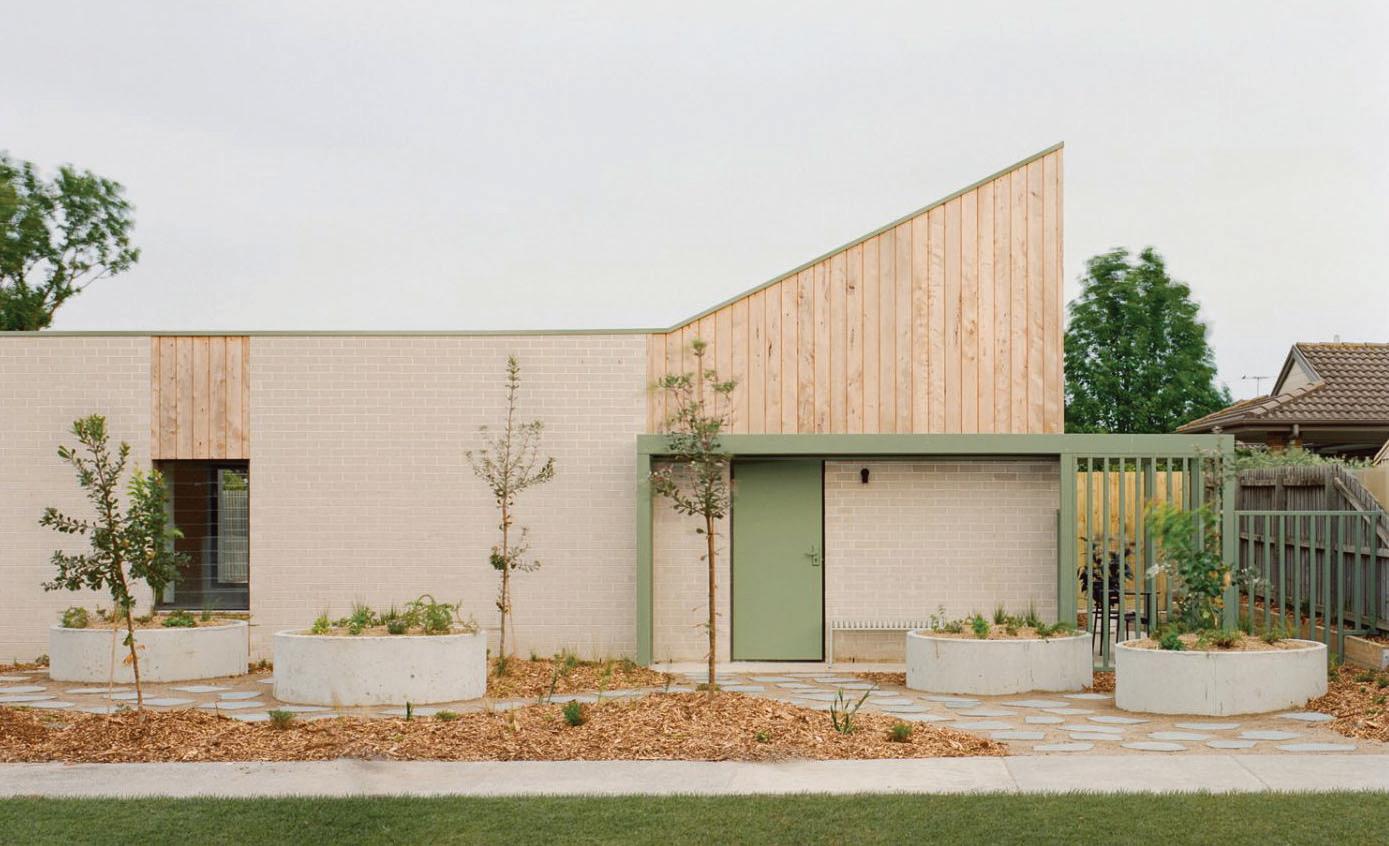
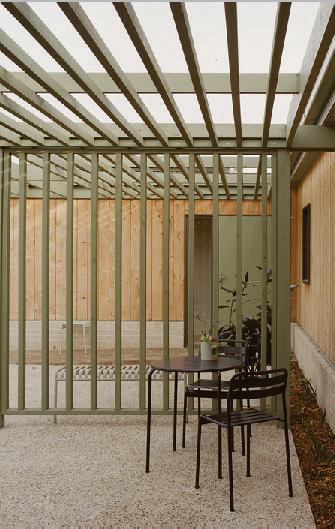
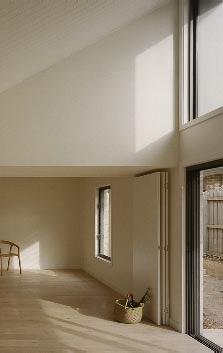
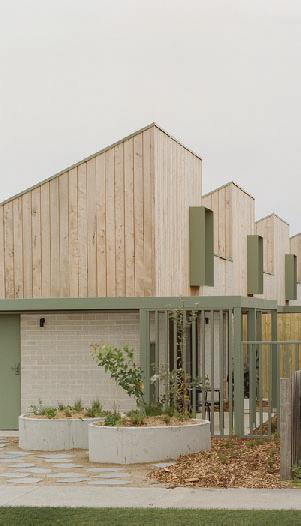
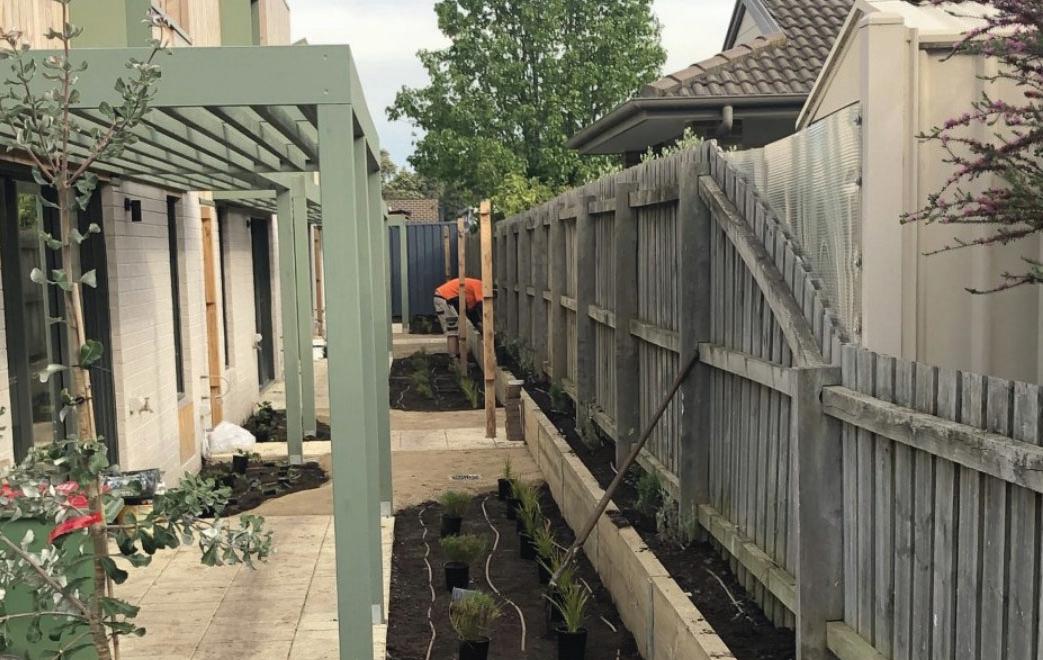 Images from StudioBright and WPI Facebook Page.
CASE STUDY
FLOR 401 LOFTS
KONING EIZENBERG ARCHITECTS - LOS ANGELES, CA (2020)
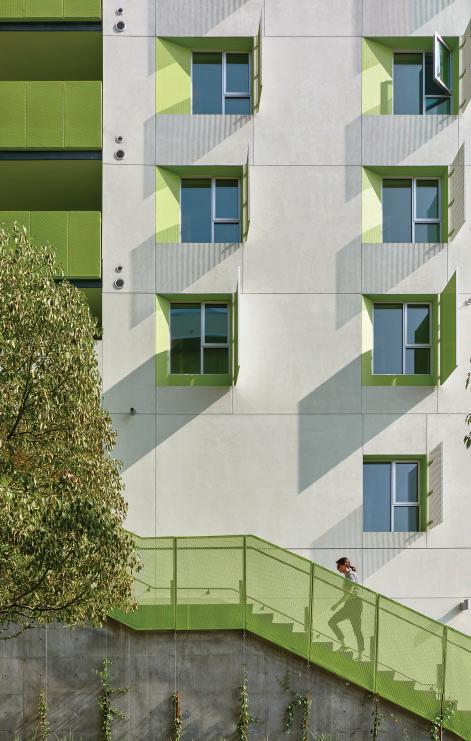
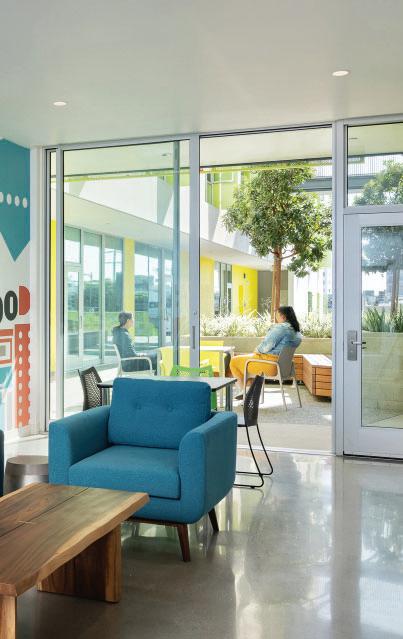
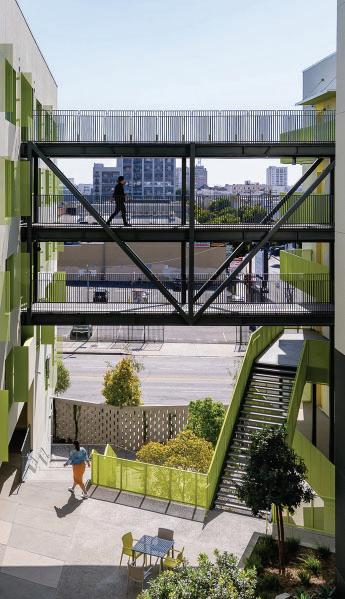
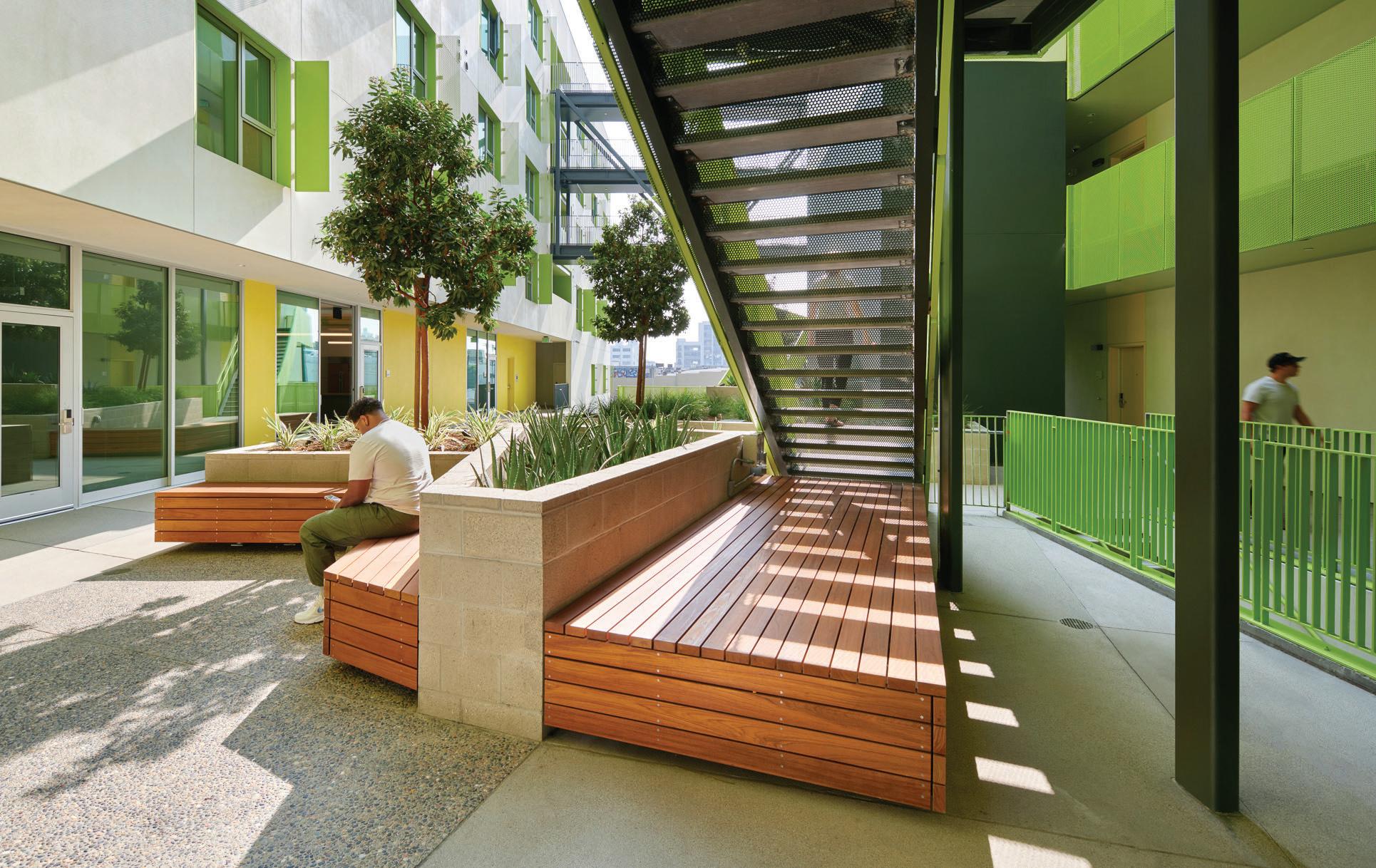
Flor Lofts, a supportive housing building in Los Angeles, California, is a case study in housing architecture programming. It includes community spaces and 98 suite units. The importance of a mix of separation and interaction is stressed; residents need to feel protection and privacy alongside convenient access to shared commodities.
A concrete block screen wall wraps around the ground floor courtyard, which welcomes residents to supportive services inside. A rooftop deck is elevated above street level. Open, external stairs and bridges between wings also provide passive security through visibility to the courtyard below.
PRIVACY AND SECURITY
OPPORTUNITIES FOR COMMUNITY
DAYLIGHTING & VENTILATION
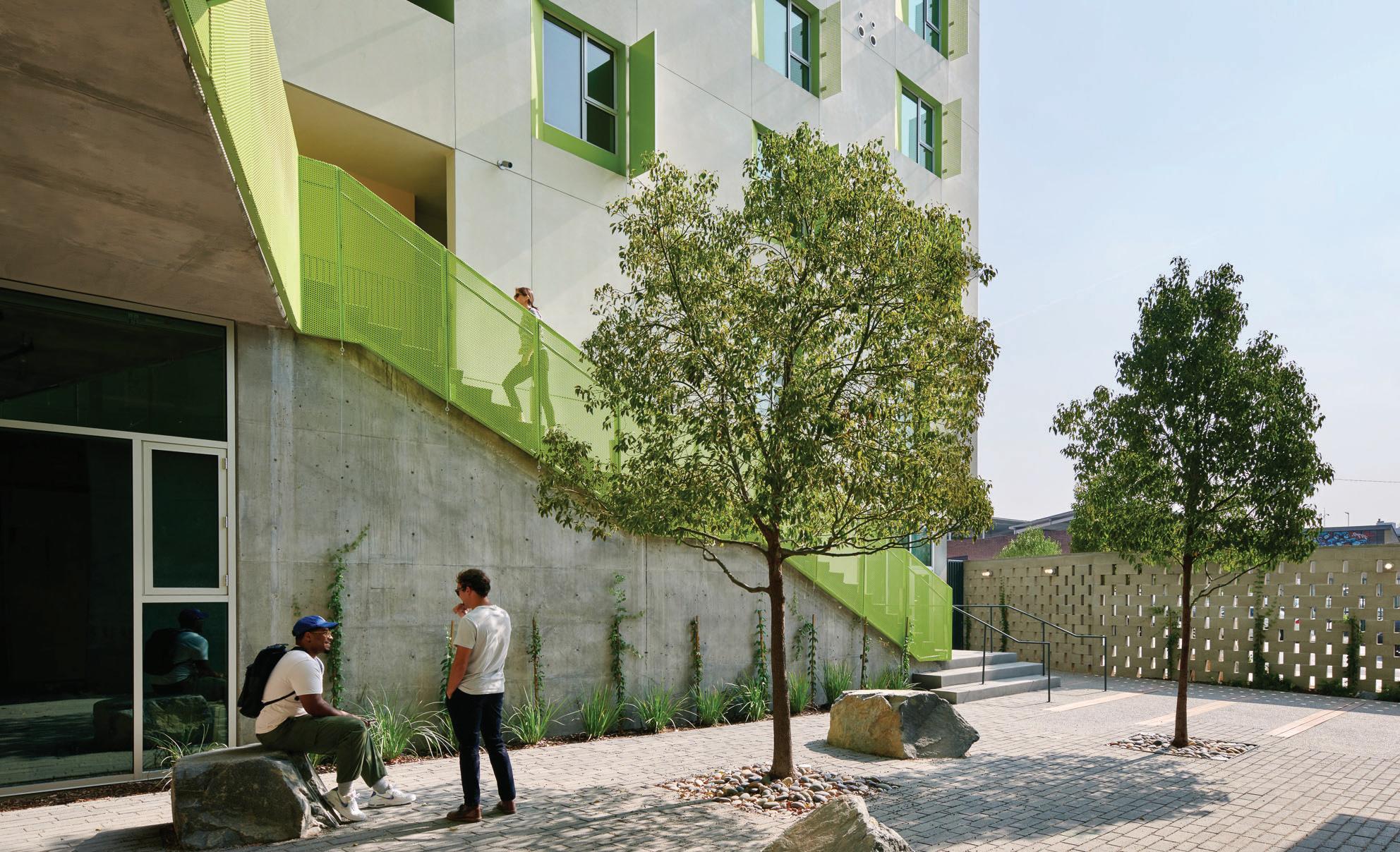
 Images from Koning Eizenberg Architects.
APPLICATION OF FINDINGS
Supportive housing is its own field of architecture, with a program involving extensive social services. The design considerations of environments for people who have experienced trauma are also closely applicable to many architectural projects in healthcare.
To apply this research to a broader scale, my future design work will prioritize factors which prevent homelessness and support those experiencing it. These include:
CREATE QUALITY AFFORDABLE HOUSING
RESEARCH AND WORK WITH AFFORDABLE HOUSING ORGANIZATIONS
STANDARD OF LIVING : PRIORITIZE NATURAL LIGHT AND FRESH AIR VENTILATION FEELINGS OF SECURITY THROUGH CONTROLLED ACCESS & CUSTUMIZABLE SPACE
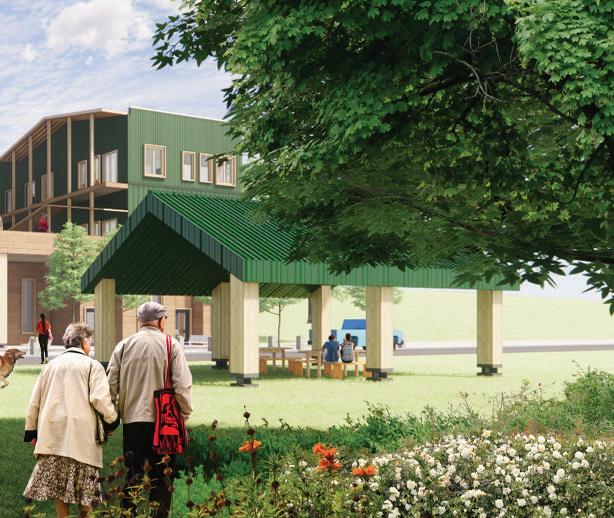
CREATE LIVELY PUBLIC SPACE
ENCOURAGE PUBLIC SOCIAL ACTIVITY FOR A NETWORK OF SUPPORT
SUPPORT BIKE TRANSIT & TRANSIT VARIETY
ADVOCATE FOR BIKE INFRASTRUCTURE
CONSIDER PROGRAM PLACEMENT AROUND PUBLIC TRANSIT
ENGAGE WITH AT-RISK POPULATIONS
CONTINUE RESEARCH OF SPECIFIC NEEDS THROUGH ENGAGEMENT
ADVOCATE FOR HOUSING SECURITY TO ARCHITECTS
16
DESIGN PRINCIPLES FROM RESEARCH
PRIVACY / SECURITY
SOCIAL SUPORT ENGAGEMENT HEALTH
DESIGN FOR HOUSING STABILITY
17
01
EXAMPLE OF APPLICATION
ROSEDALE CONNECTIVE PLAN FOR
HOUSING SECURITY
FOURTH YEAR - FALL 2022
SHANNON CRISS 608 STUDIO
ROSEDALE - KANSAS CITY, KS
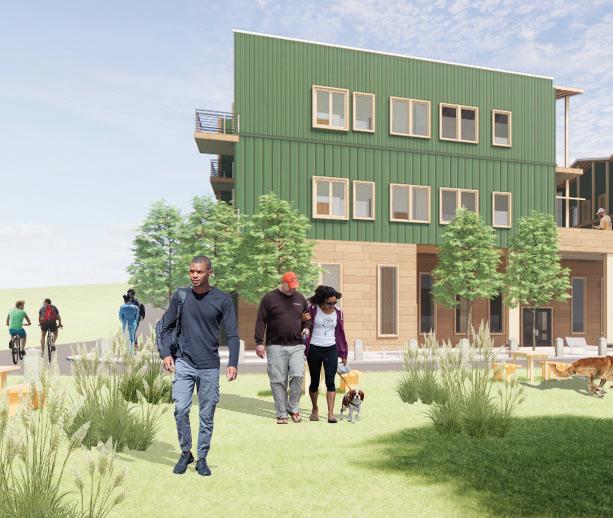
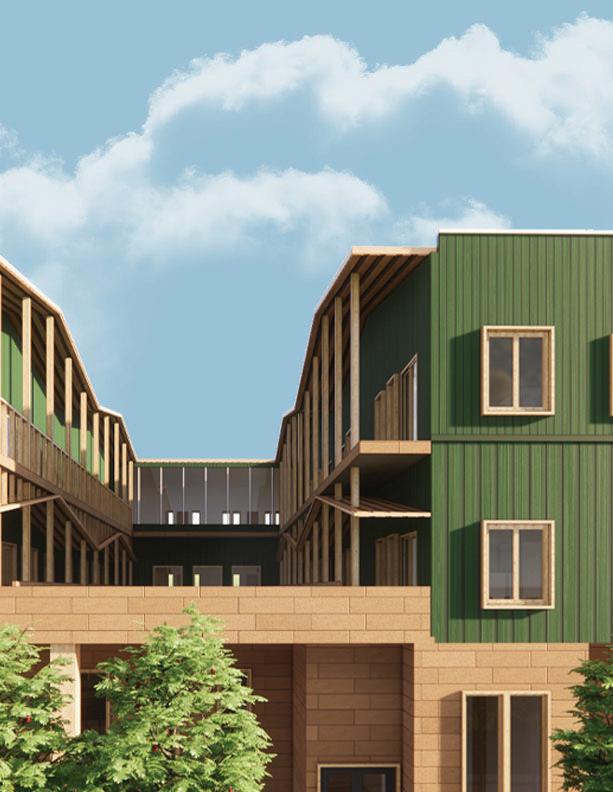
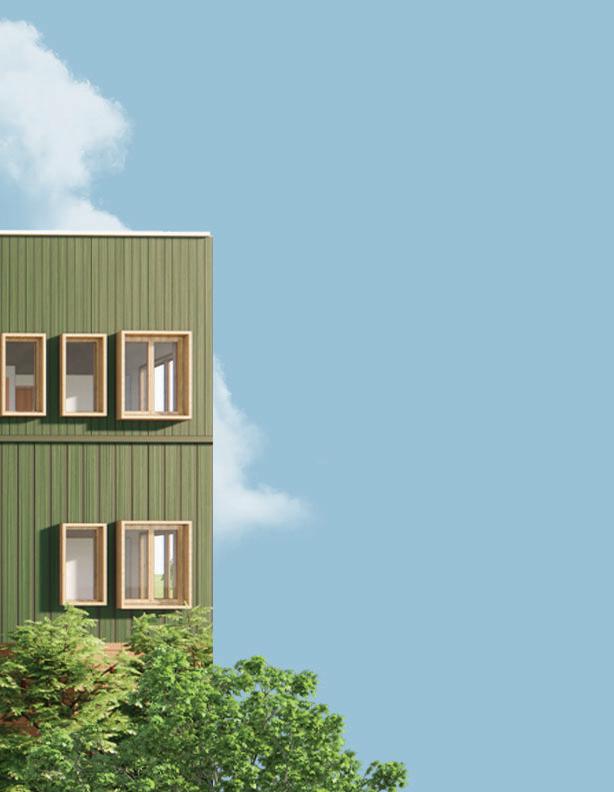
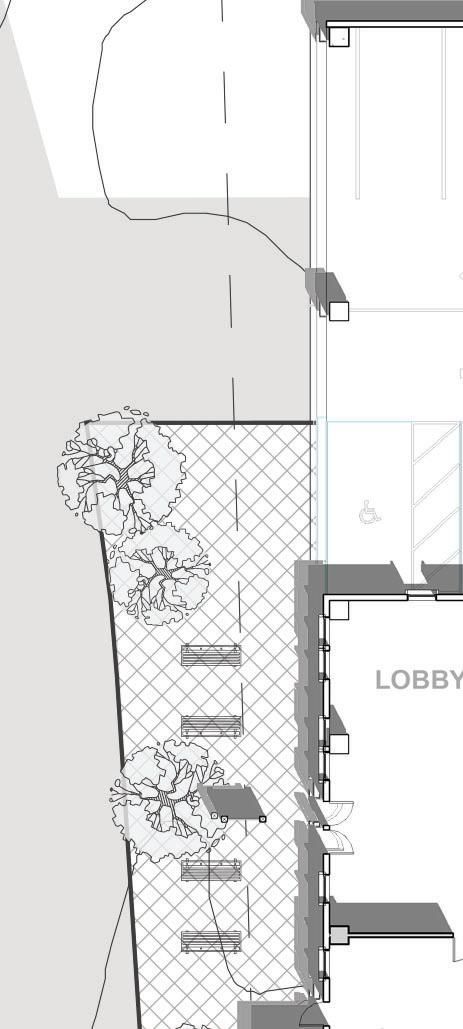
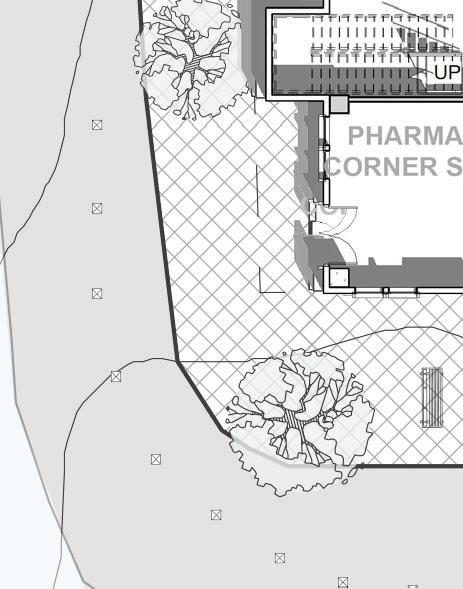
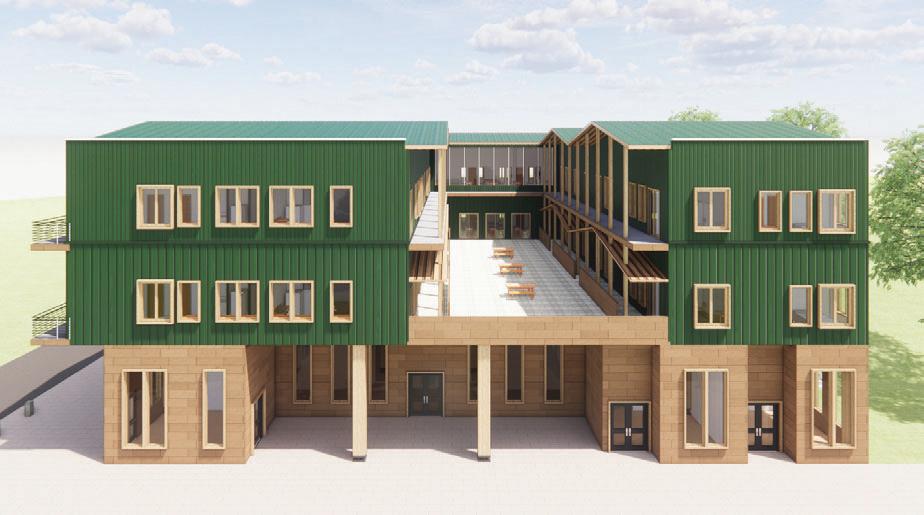
The focus of this project - “Boulevard Apartments” - was to bring in support for housing security in Rosedale, a neighborhood community in Kansas City, Kansas.
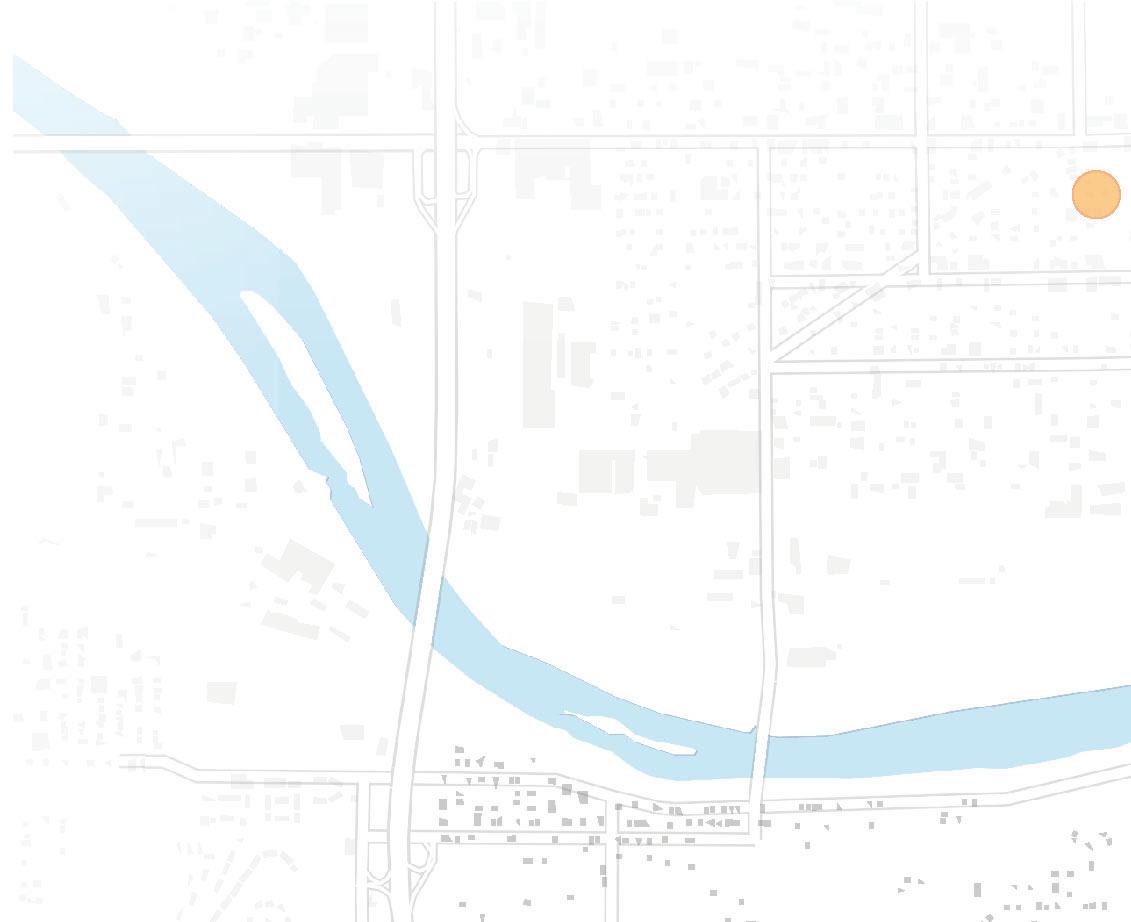
65% of Rosedale’s residents are renting their homes, but the neighborhood is entirely single-family homes not well-suited to affordability or proximity to centralized resources.
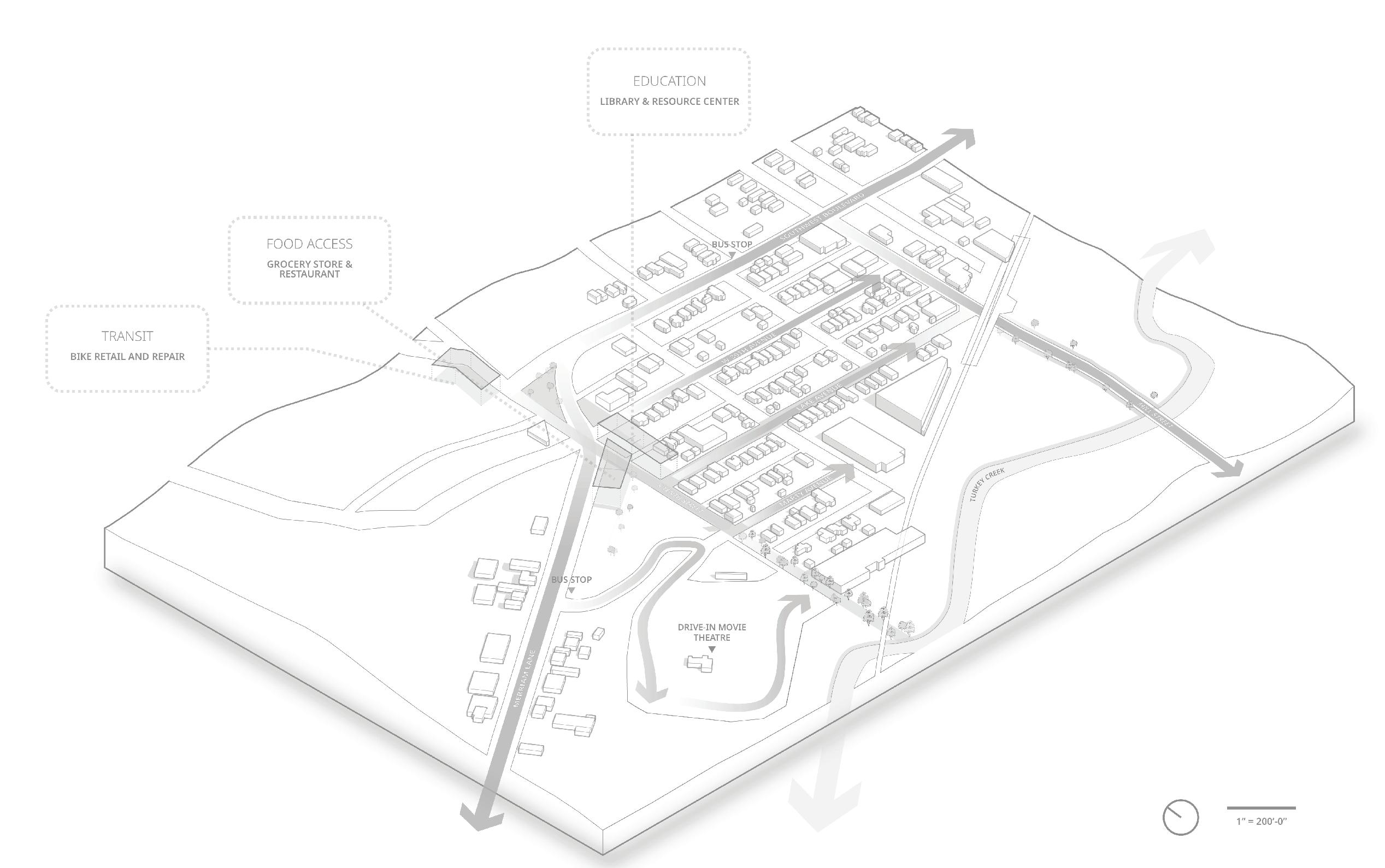
Adding density to the housing options in this area will start to provide the necessary support for vital resources addressed in our group’s ‘connective plan’ for Rosedale. These resources include increased bike transit infrastructure, food access, and poverty assistance services.
01
ROSEDALE CONNECTION PLAN : SUPPORT FOR HOUSING SECURITY
URBAN RESEARCH
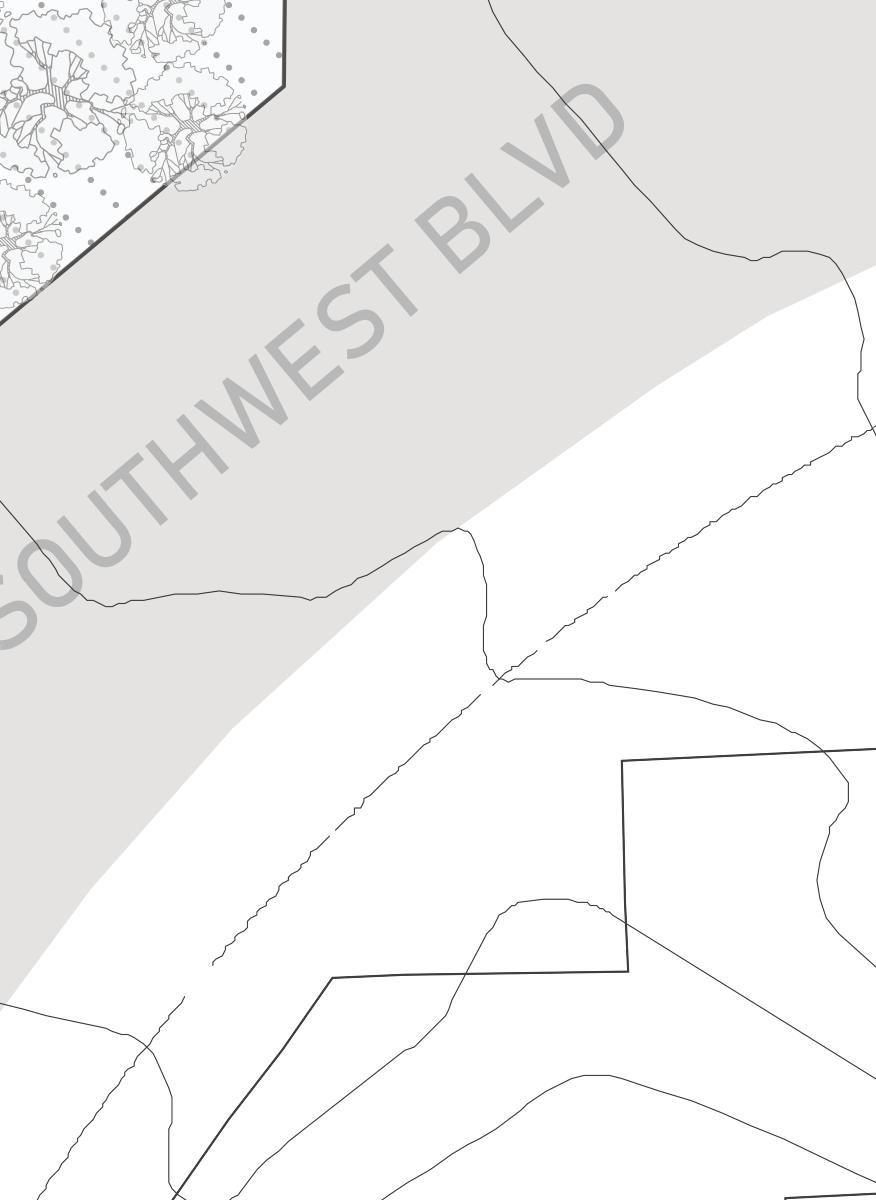
The research of this project’s urban development plan was done in groups of four. My group planned to connect Rosedale’s existing amenities - including a drive-in movie theatre venue that already doubles for other community events, Turkey Creek to the south, and Rosedale’s central commercial street (Southwest Boulevard).
We used complete street ideas to form a concept that connects these resources on the level of pedestrian experience



STABILITY HOMELESS SUPPORT 1” = 200’-0” 02
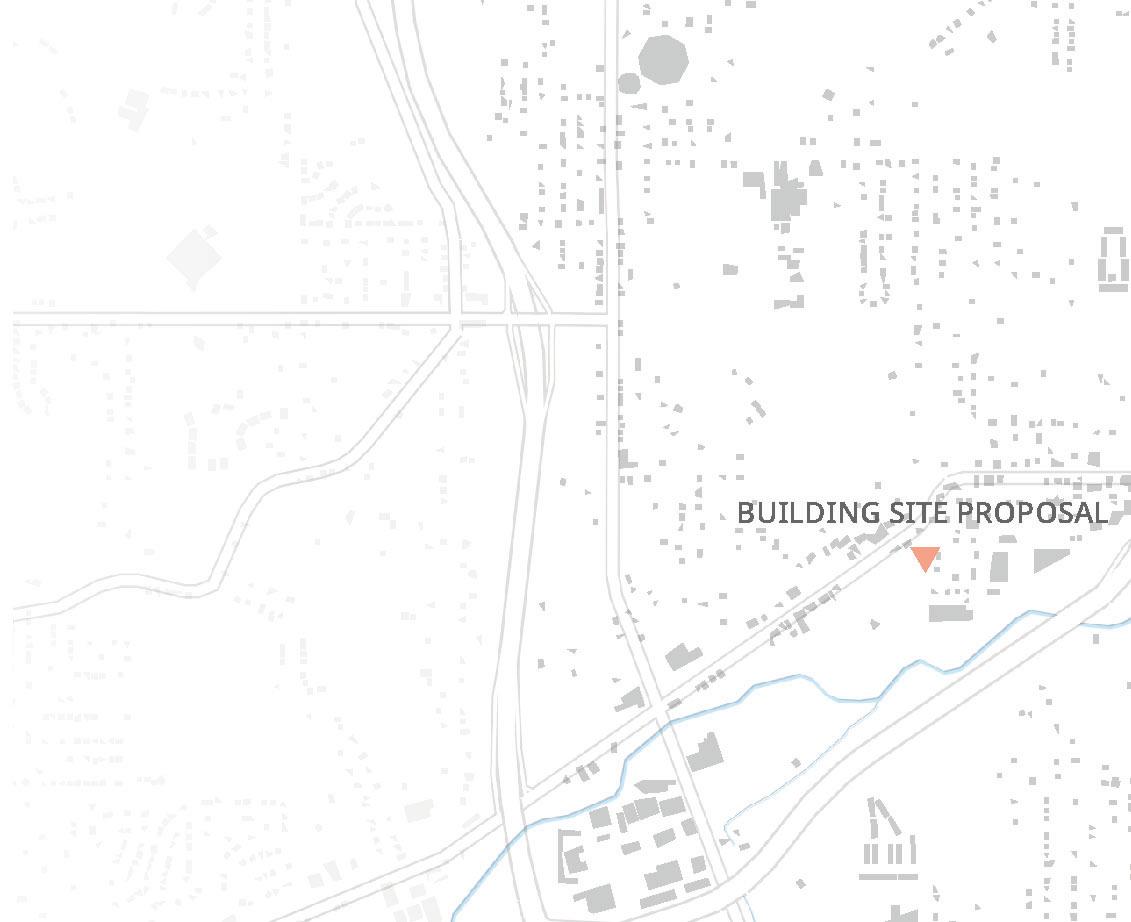
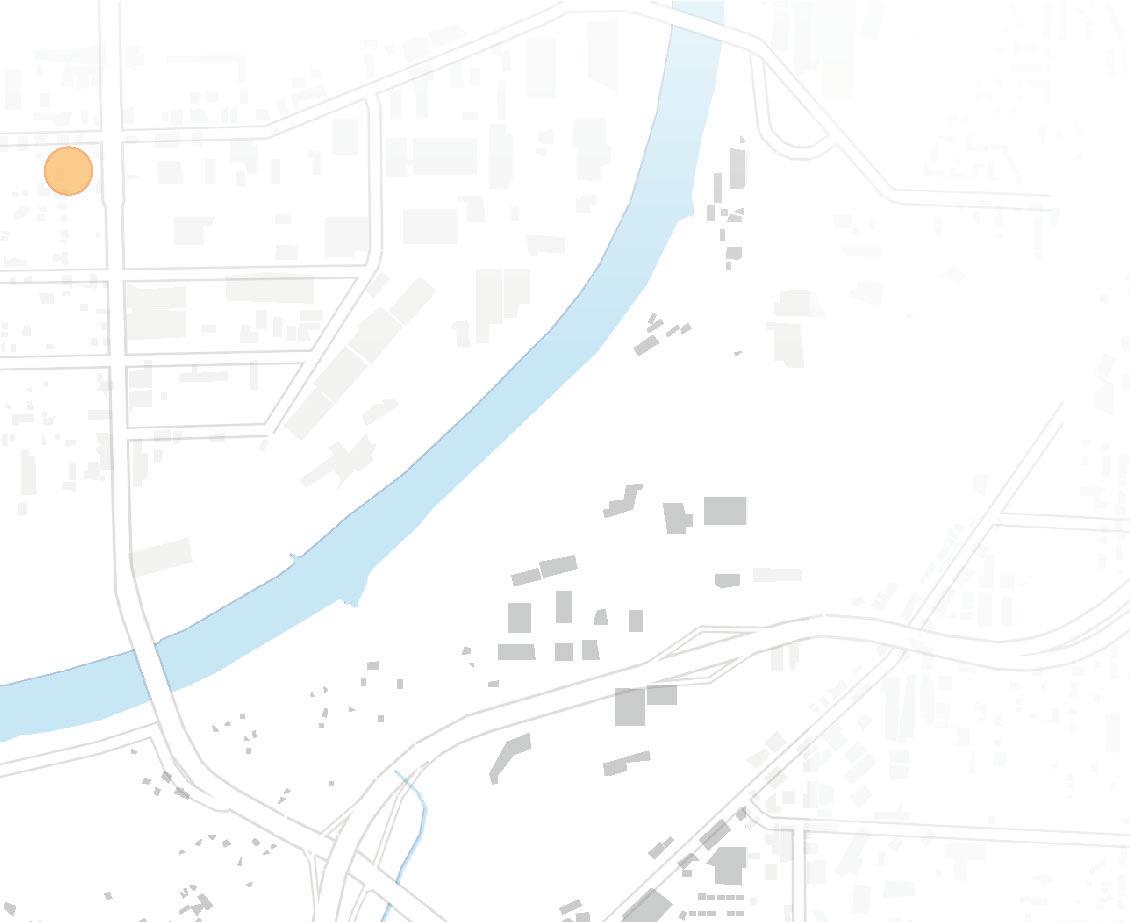
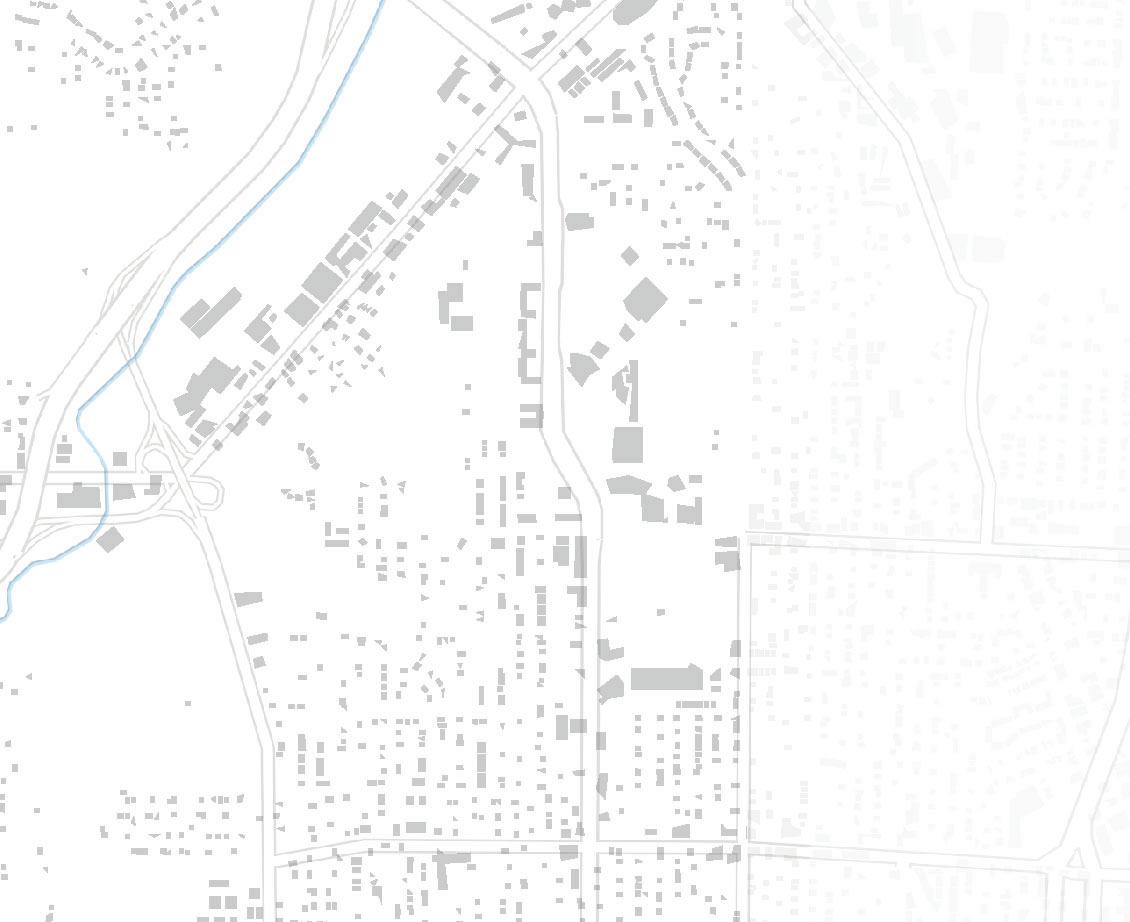

LOCATIONS OF POVERTY ASSISTANCE RESOURCES - (all outside the limits of Rosedale)

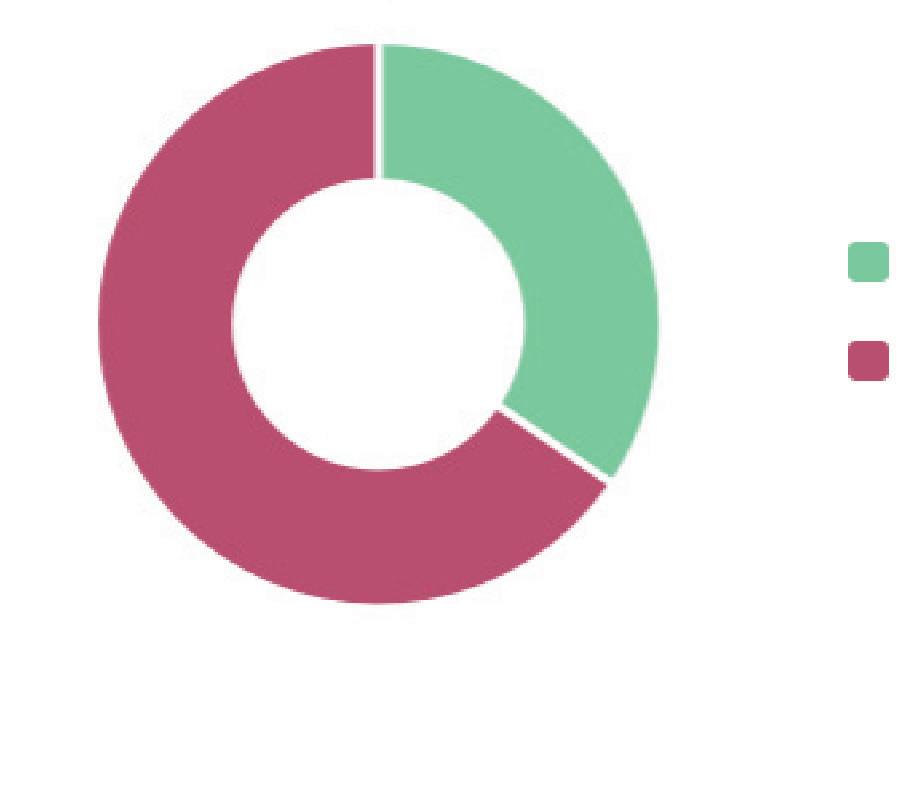
Owner Occupied 34.55%
Renter Occupied 65.45%
ROSEDALE BACKGROUND
Residential areas are cut off from urban resources.
Rosedale has a strong need for affordable housing.
BUILDING SITE PROPOSAL
03




DESIGN CHOICES THAT PROMOTE
HOUSING SECURITY :
PRIVACY AND SECURITY



SOCIAL CONNECTION AS SUPPORT
HEALTH & OUTDOOR
ACTIVITY




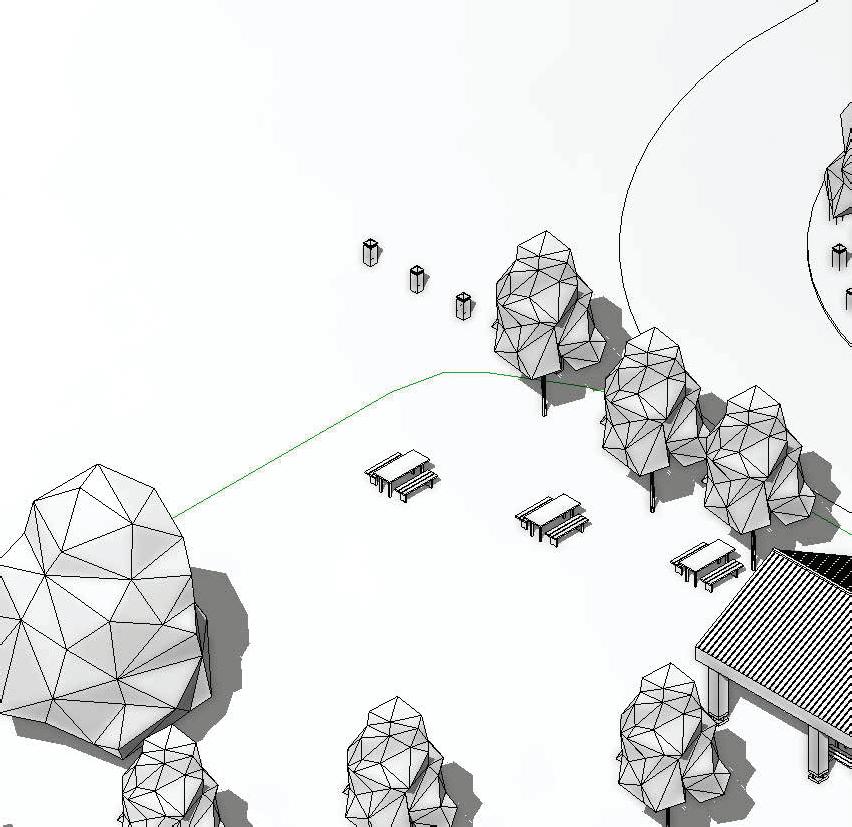

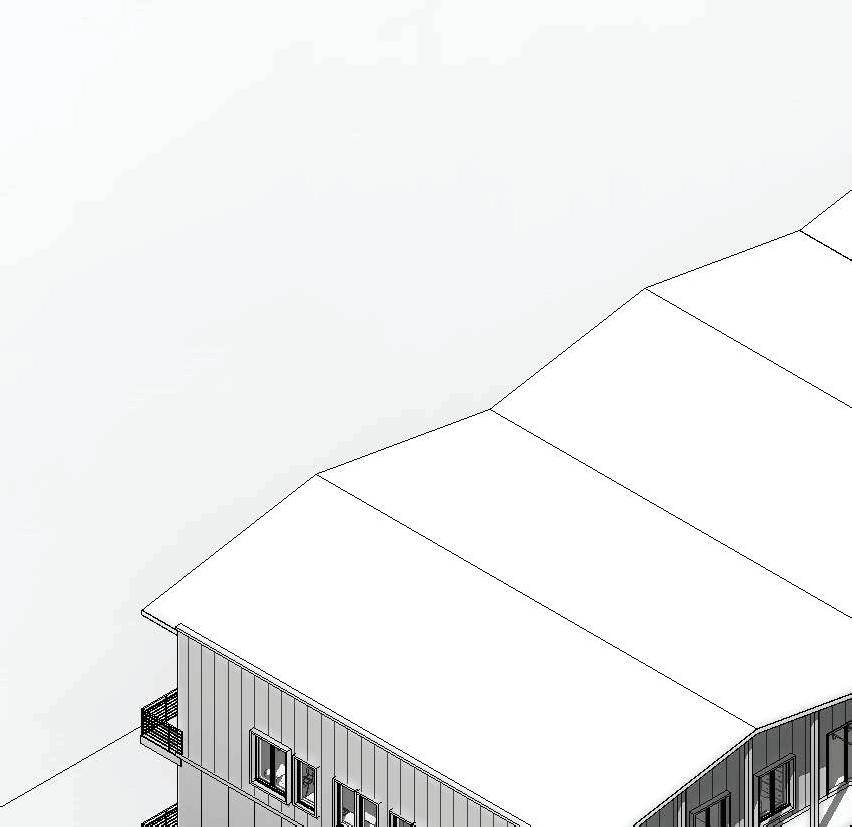
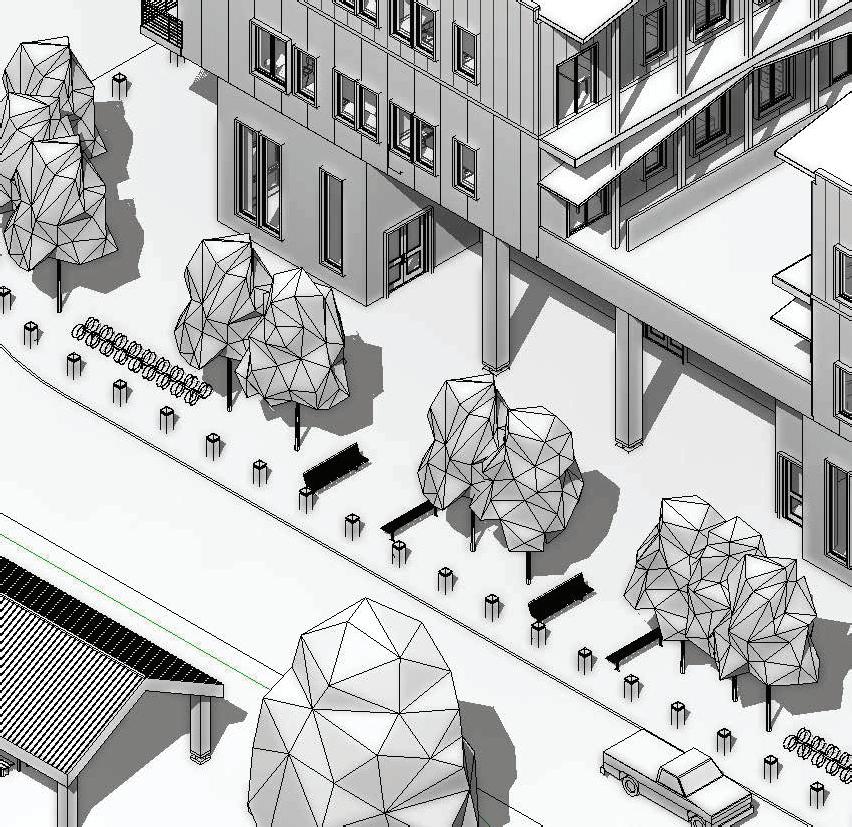

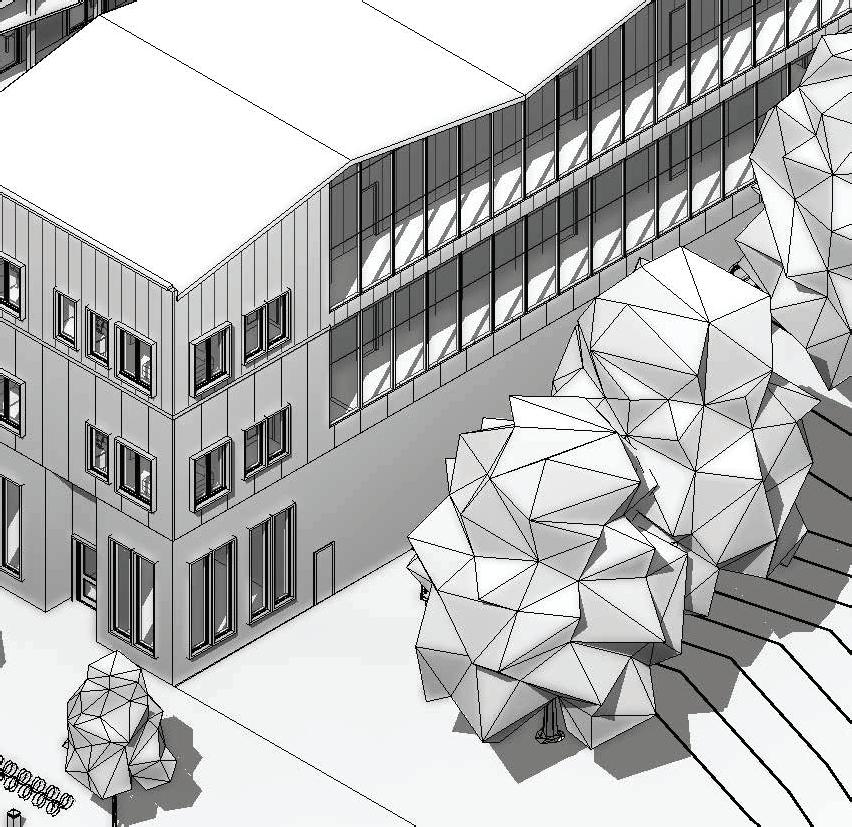










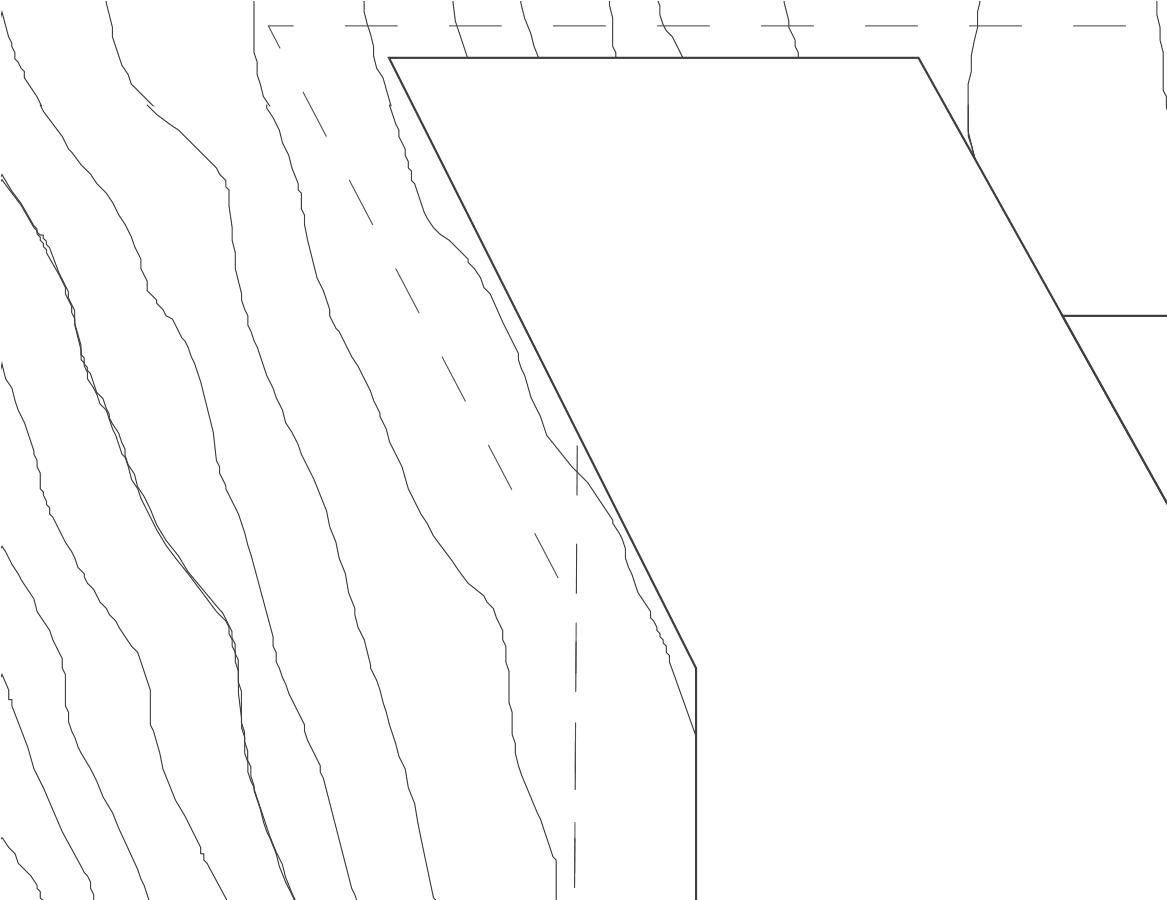


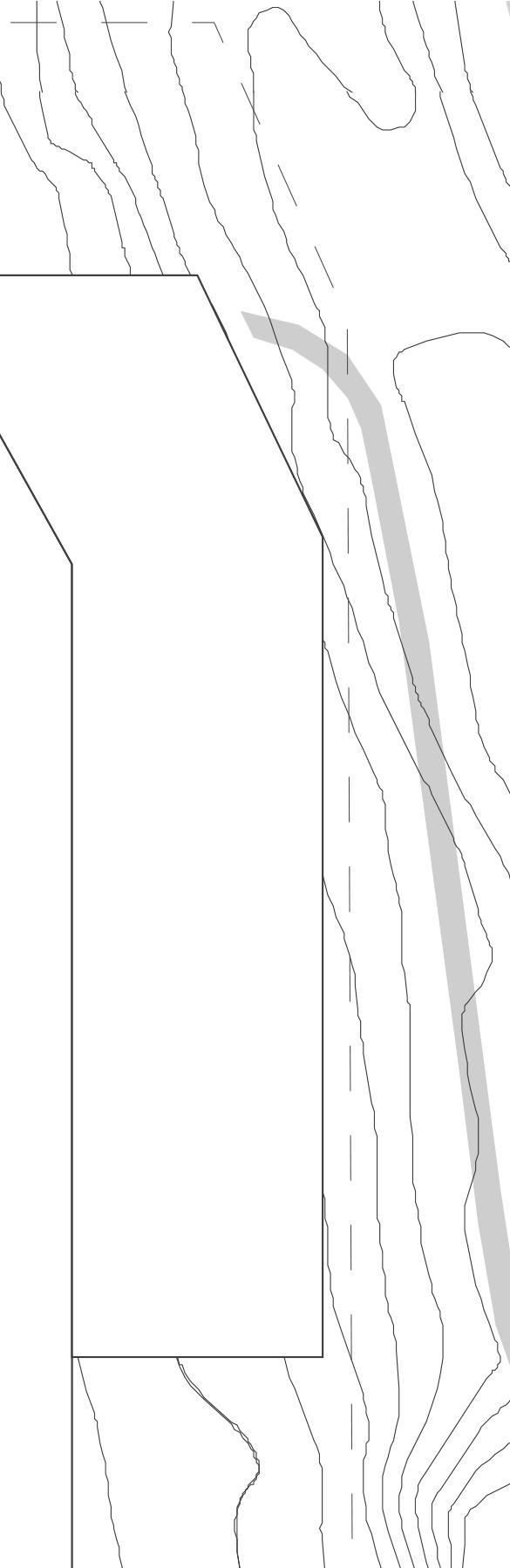
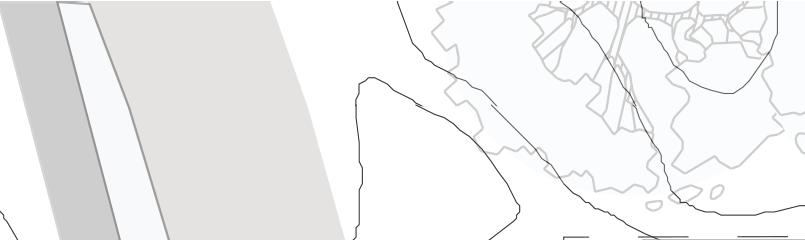
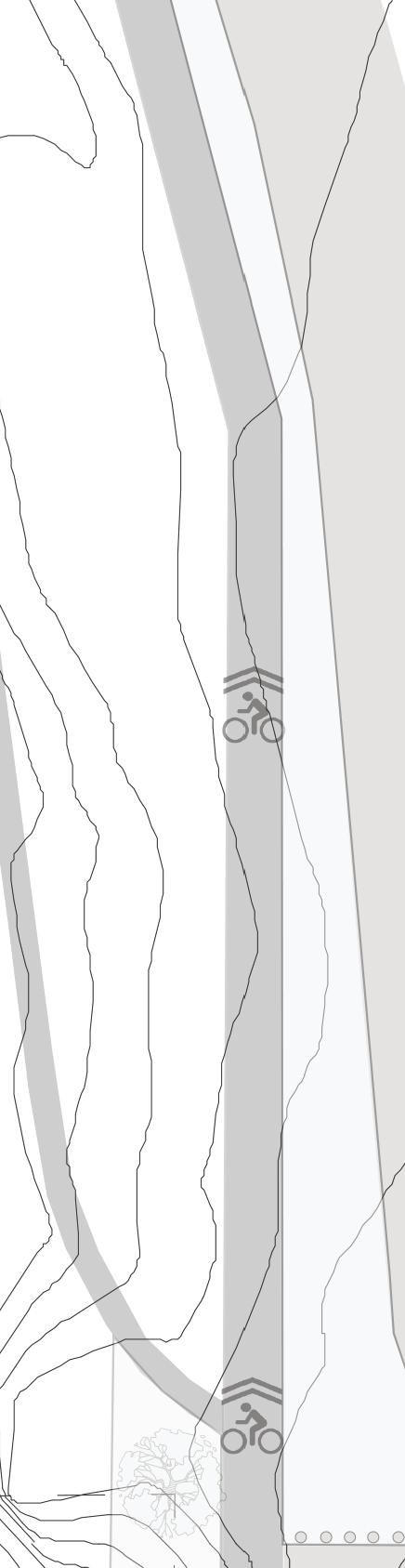

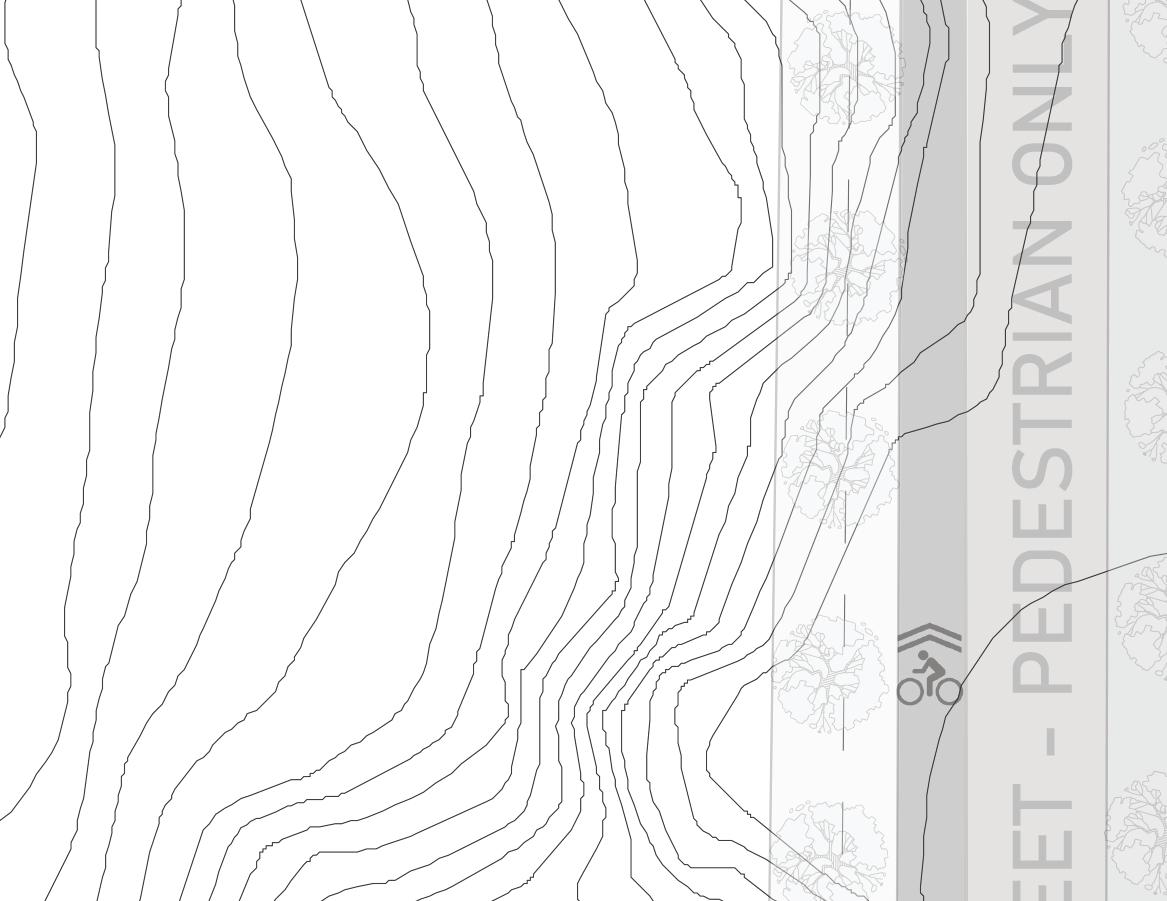
PLAN FOR INCREASED BIKE TRANSIT INFRASTRUCTURE
DEDICATED BIKE LANE
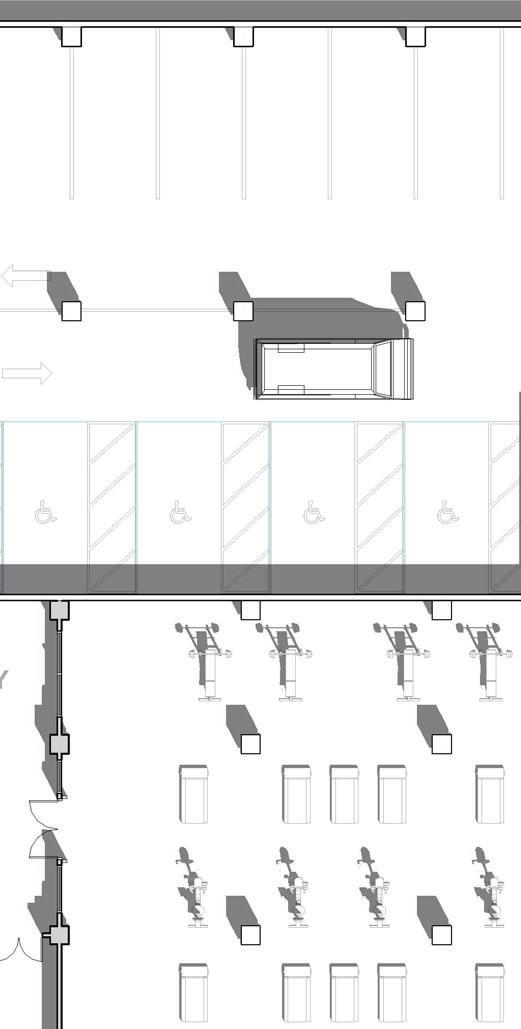
SECURE BIKE PARKING
ADDITIONAL CAR PARKING
DEDICATED FROM EXISTING DRIVE-IN MOVIE THEATRE (OFF HOURS PARK & RIDE)



0 20 40
IN FEET 06
GRAPHIC SCALE
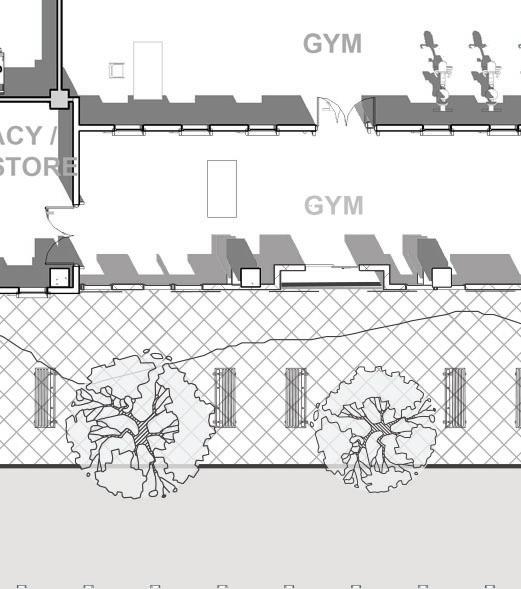
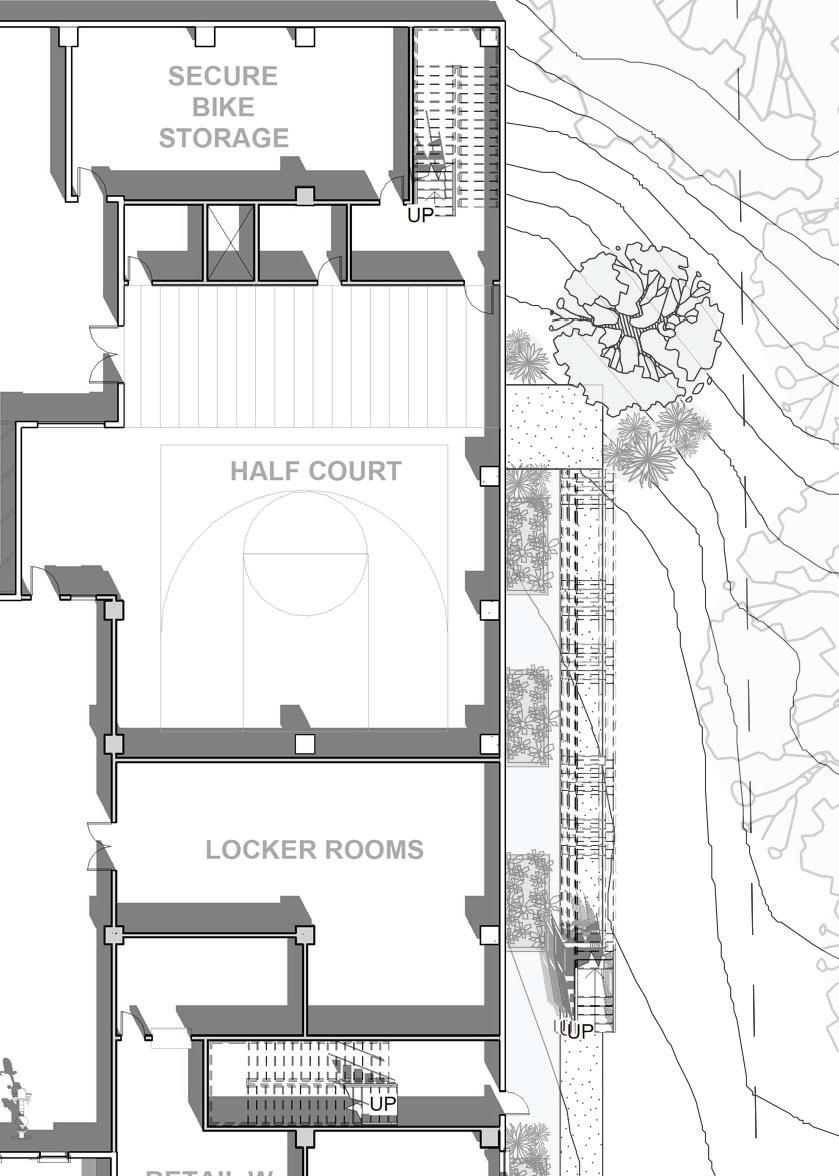
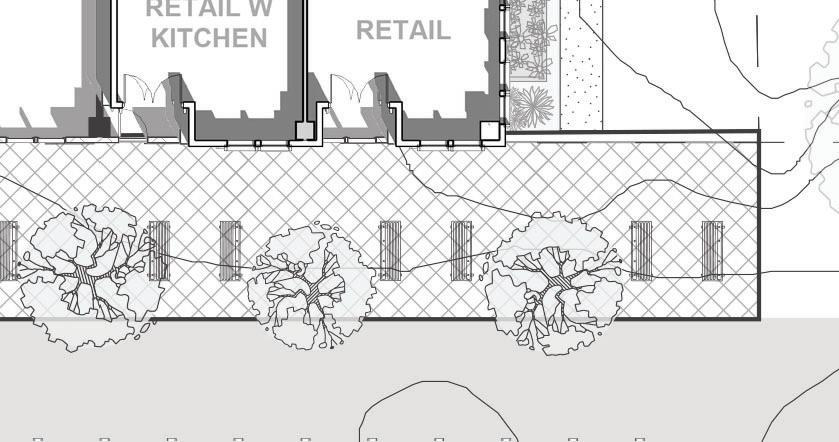
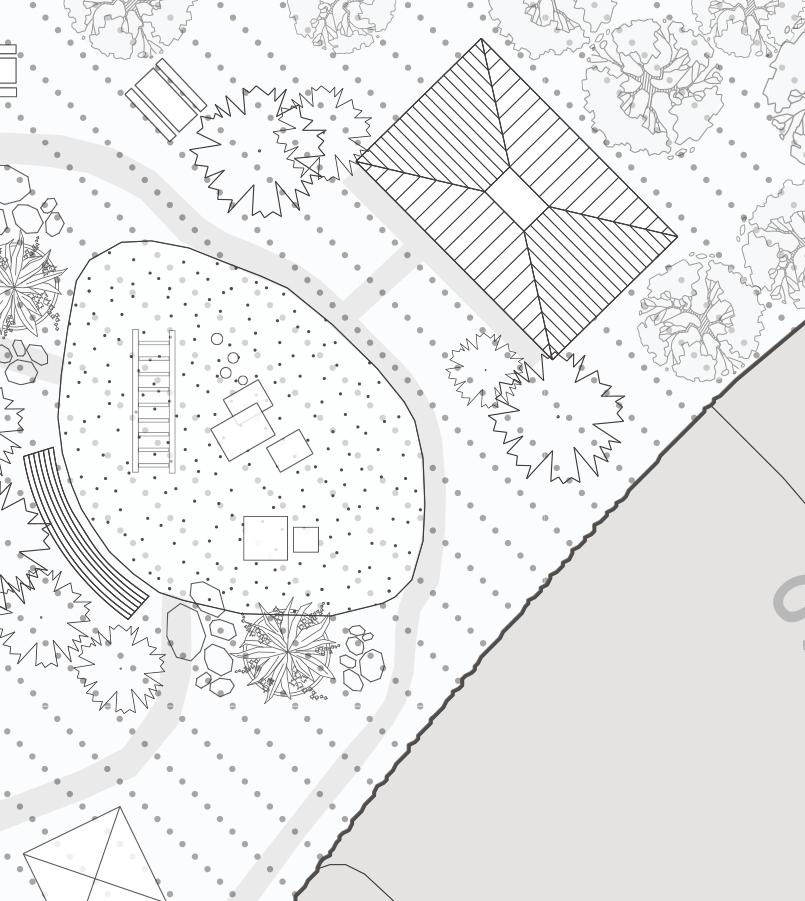






07

DN UP W D W D REF. REF. REF. REF. REF. REF. REF.
SPACE
10 20 40 GRAPHIC SCALE IN FEET 08
PROGRAM DEVELOPMENT : SECOND FLOOR PLAN SOCIAL SUPPORT THROUGH SHARED / INTERACTIVE LIVING
0
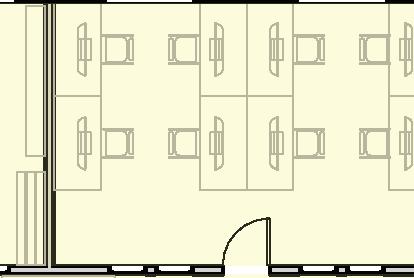












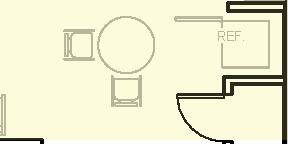

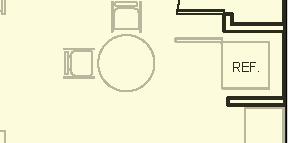
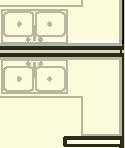


DN UP DN UP D D D D D D DN REF. REF. REF 09
THIRD
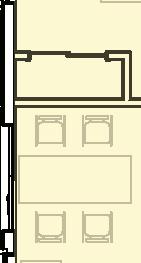

0 10 20 40 GRAPHIC SCALE IN FEET DN W D W D REF. REF. REF. REF. REF. REF. REF. REF. REF 10
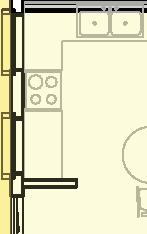
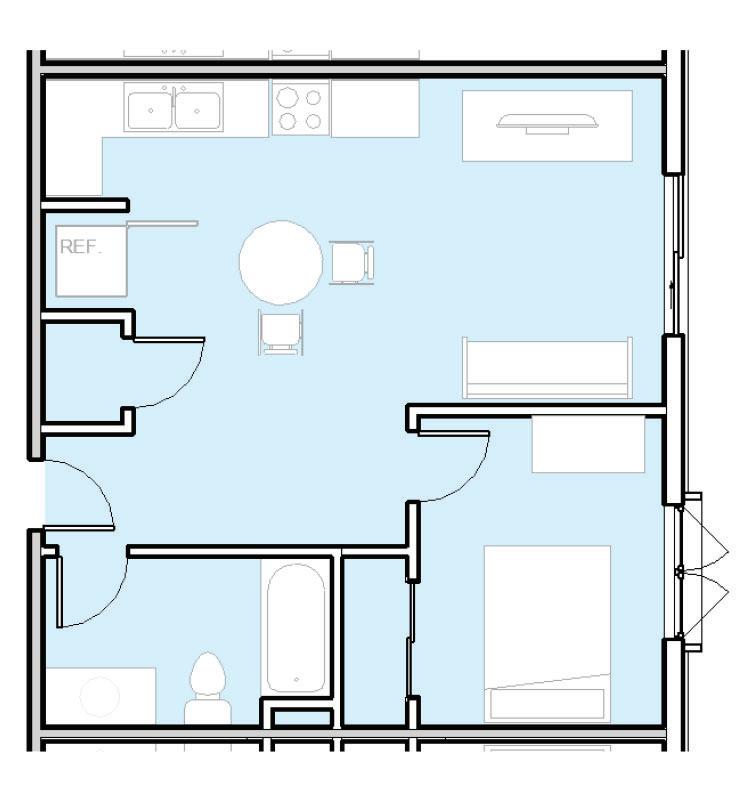
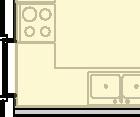
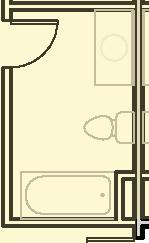
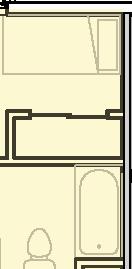
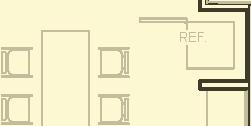
FLOOR PLAN TYPICAL 1-BED UNIT LAYOUT (FAMILY UNITS IN YELLOW)

DN DN W W W W W W D D D D D D REF. REF. REF. 11
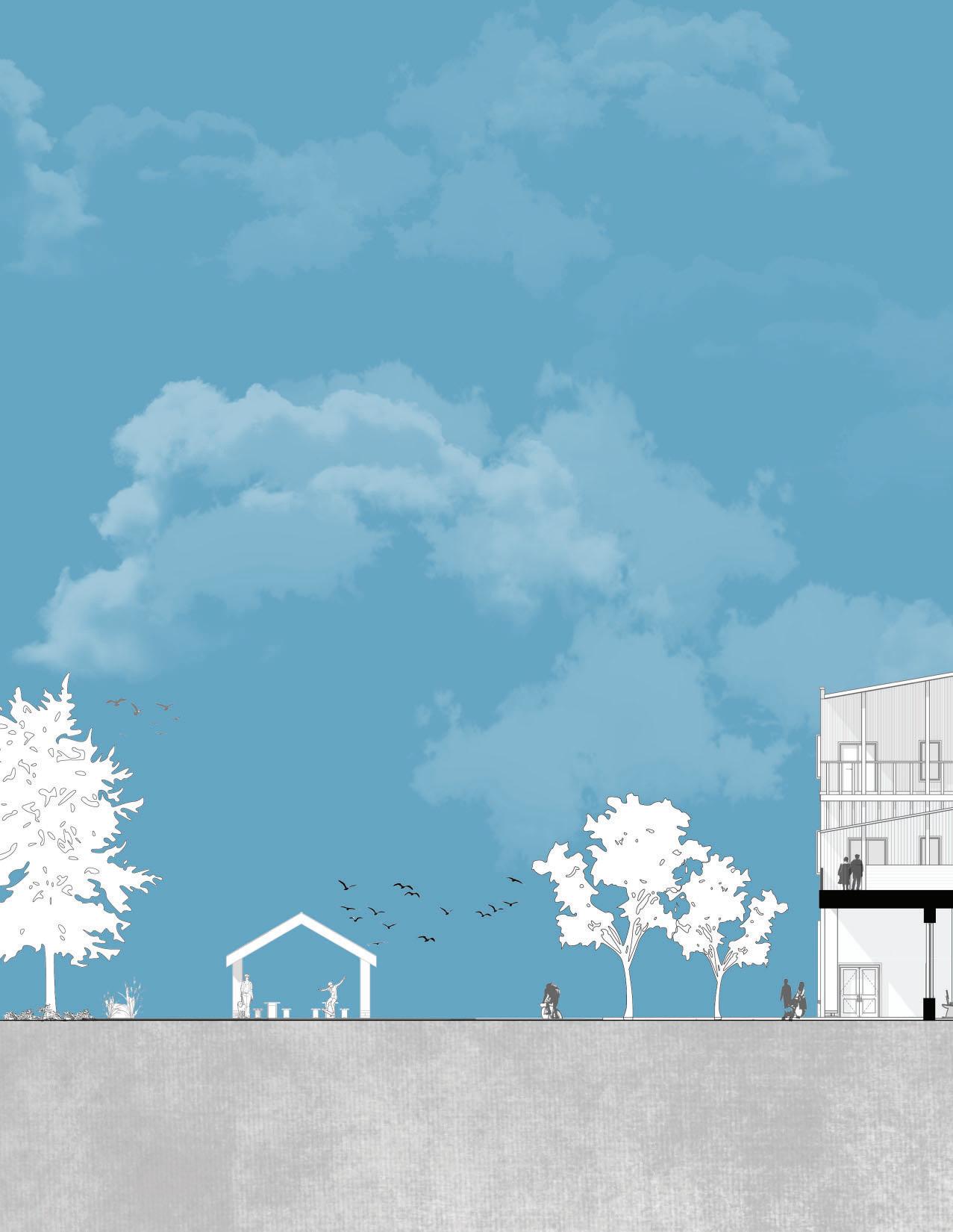
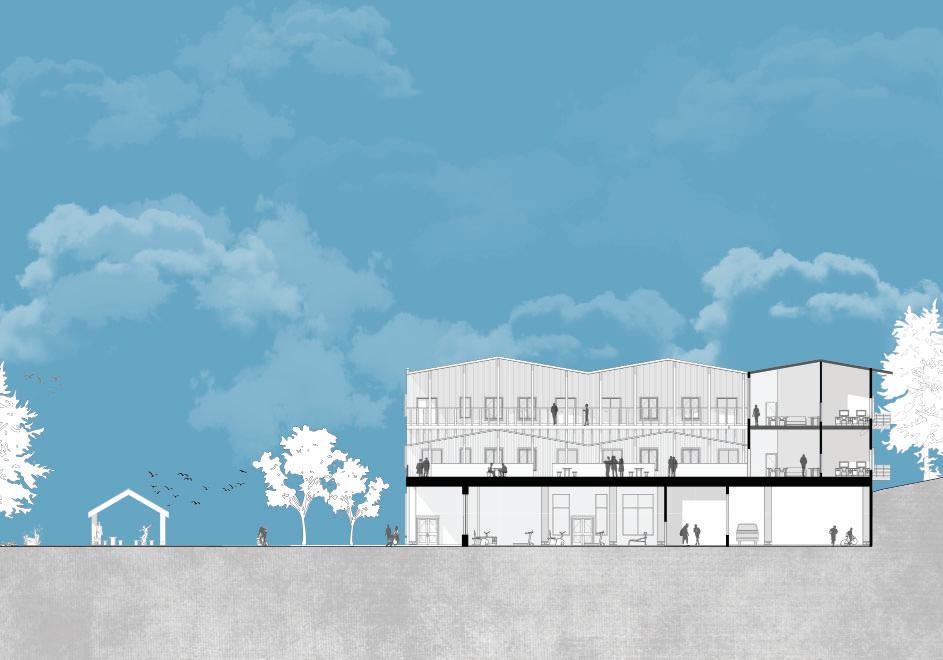
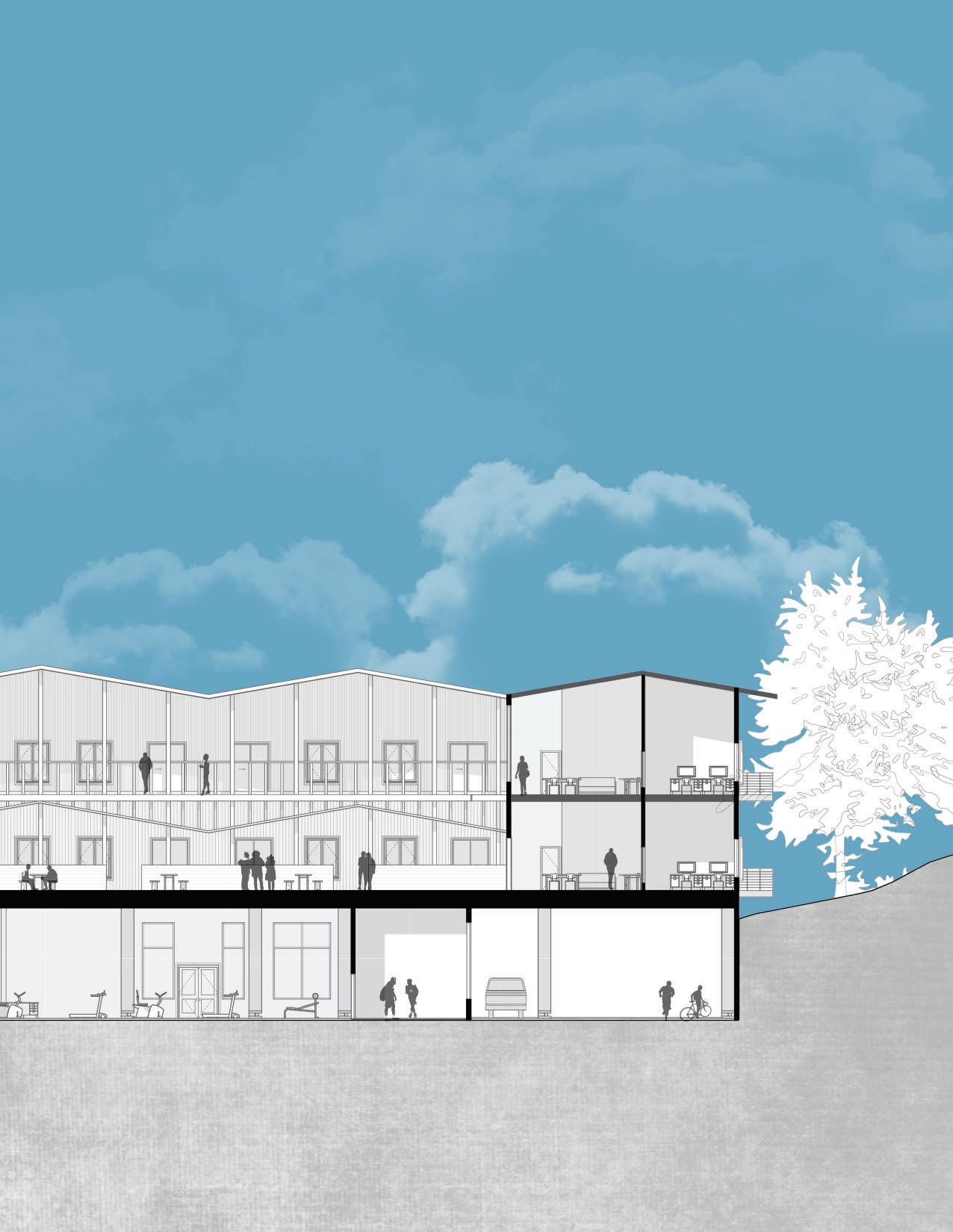
BUILDING SECTION - VIEW FACING WEST
N
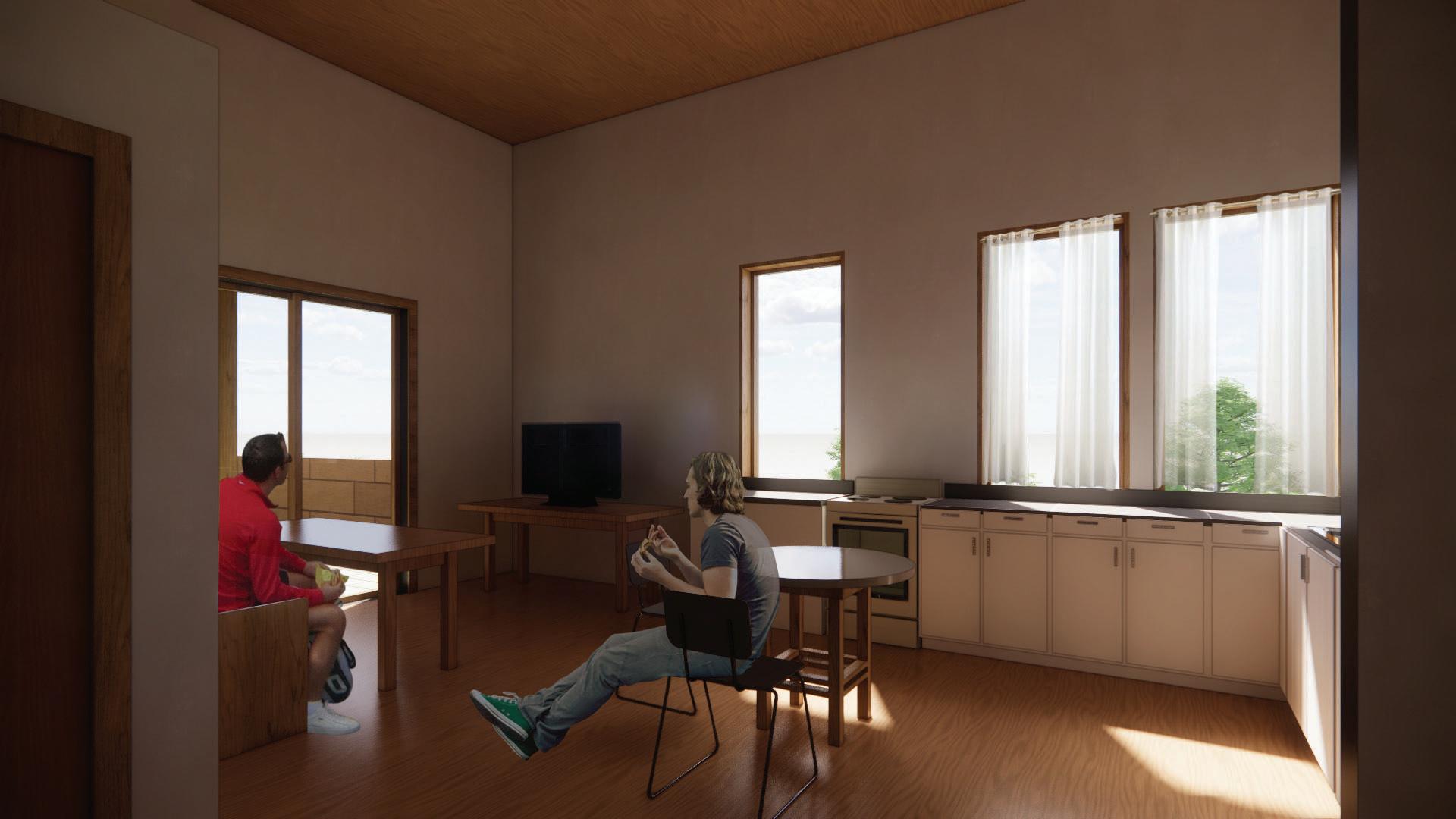
TYPICAL APARTMENT UNIT - KITCHEN / LIVING ROOM ACCESS TO ROOFTOP PATIO
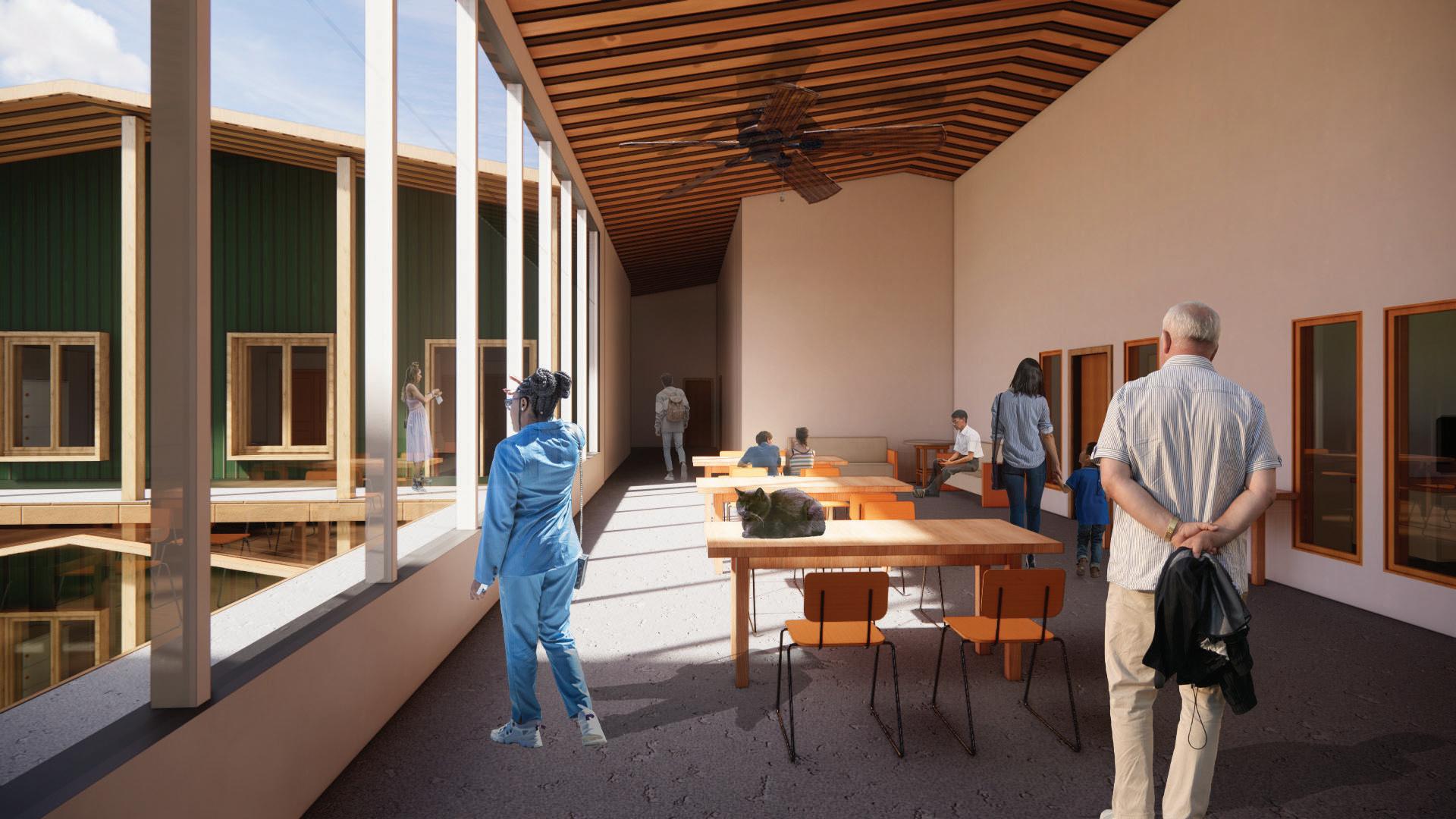
RESIDENT COMMON ROOM - THIRD FLOOR SHOWN
16
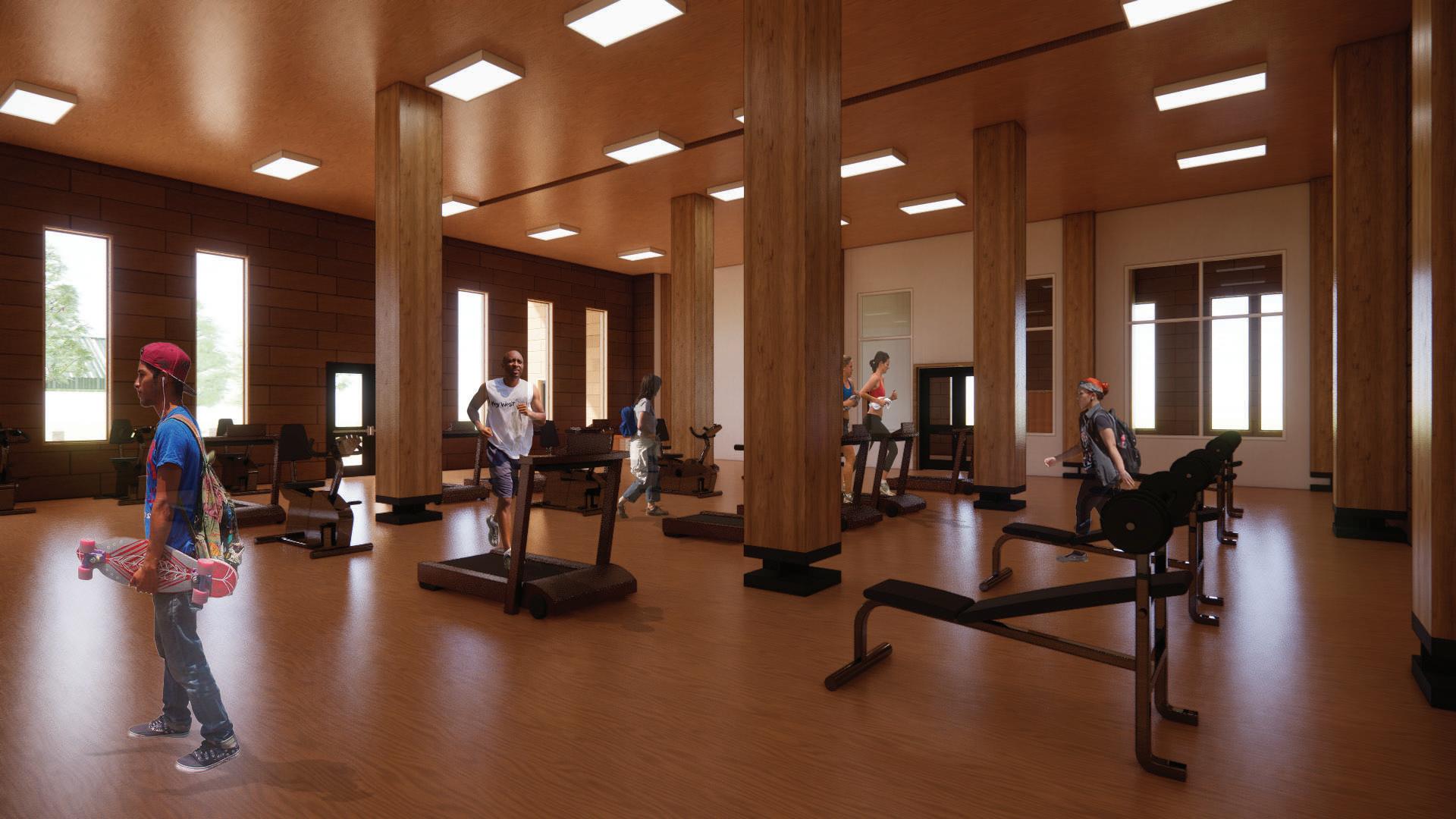
STREET LEVEL GYM - OPEN TO RESIDENTS AND PUBLIC
17
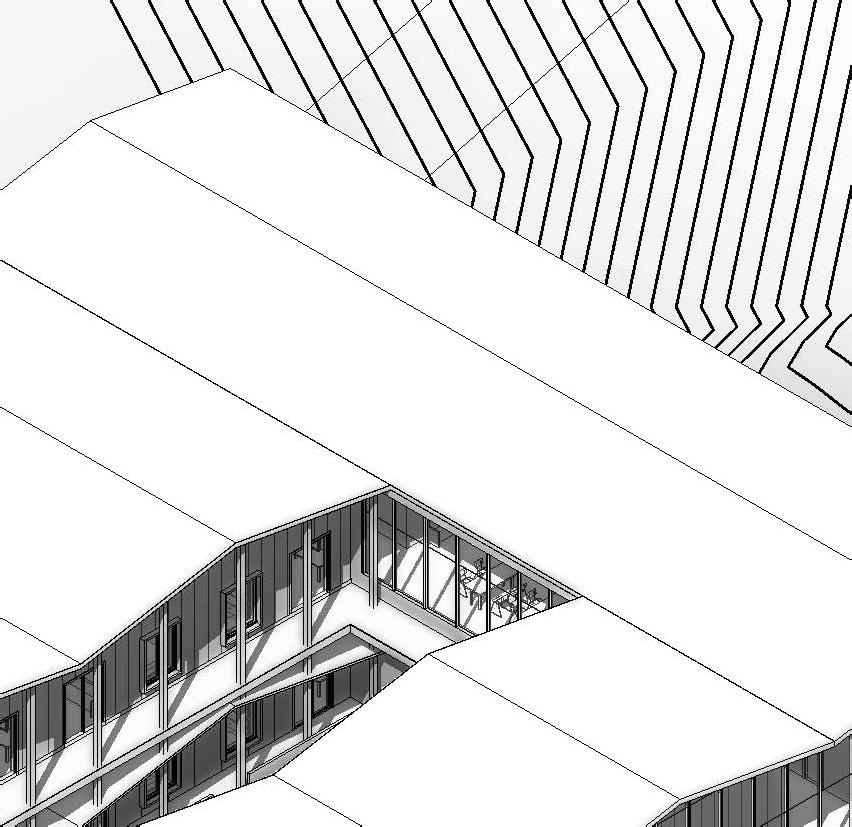
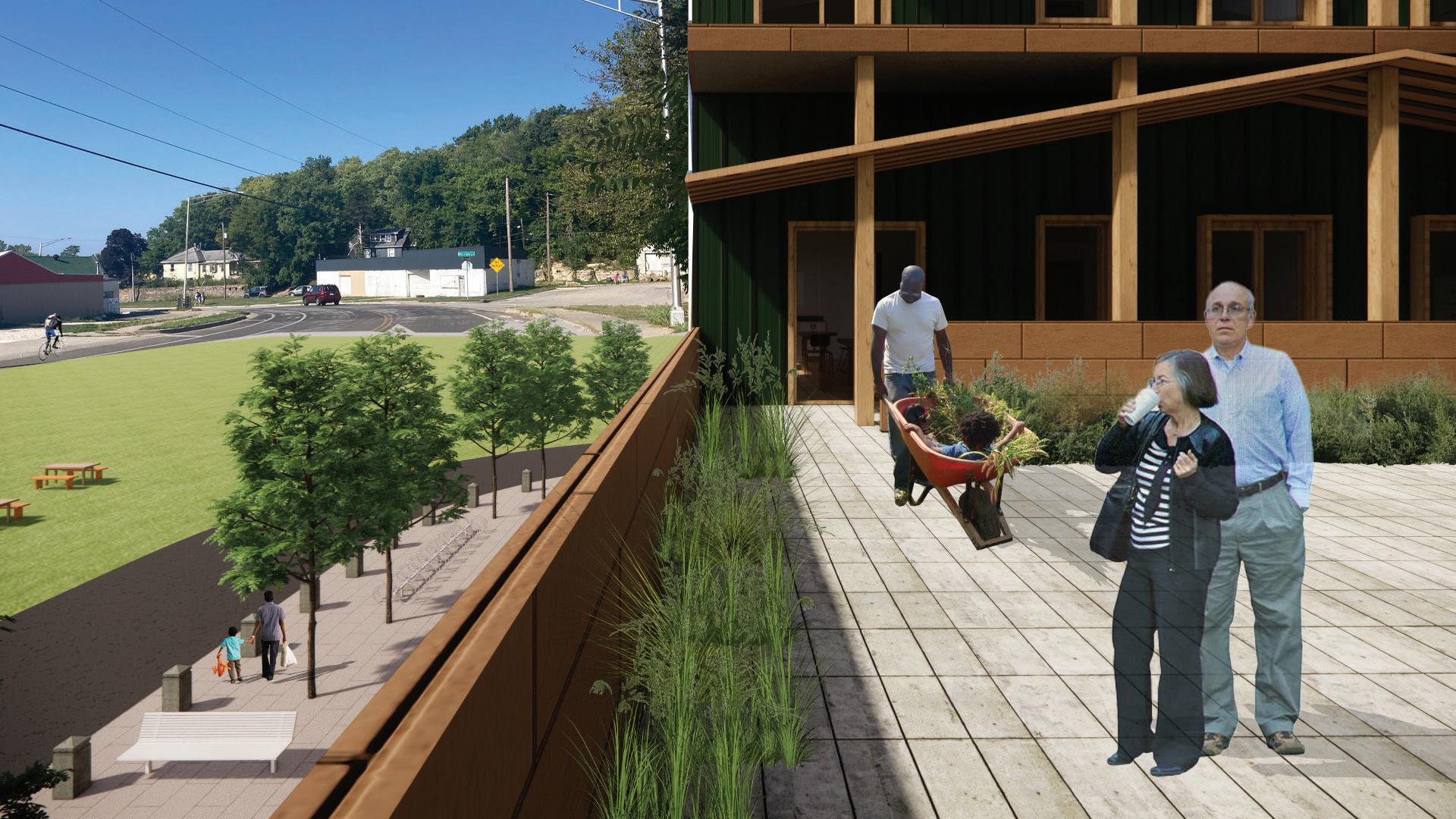
ROOFTOP PATIO - SECOND FLOOR, OVERLOOKING STREET BELOW
ADDITIONAL REFERENCES
DESIGN RESOURCES FOR HOMELESSNESS ORIENTATION REPORTS : DESIGNRESOURCESFORHOMELESSNESS.ORG
9 WAYS TO MAKE HOUSING FOR PEOPLE
DAVID BAKER ARCHITECTS
A DESIGN GUIDE FOR OLDER WOMEN’S HOUSING MONASH UNIVERSITY
34
DESIGN FOR HOUSING STABILITY
35