PORTFOLIO
Summer 2024
Laura Matos
Summer 2024
Abstract:
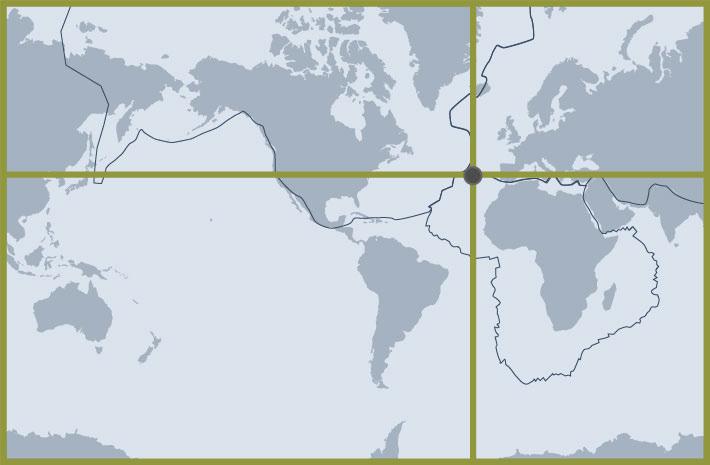
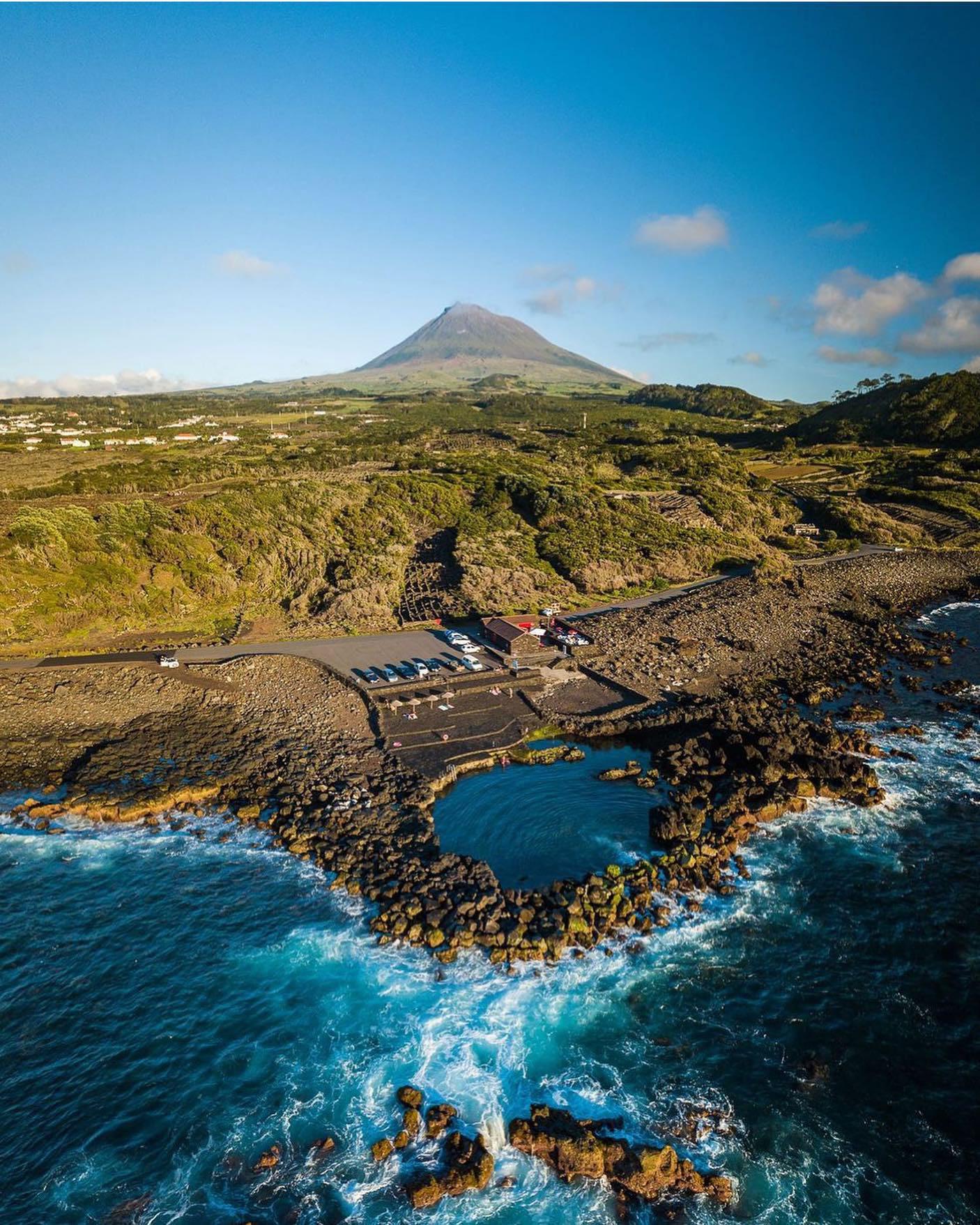
The culture of building with volcanic stone on the Portuguese Azorean Island of Pico represents the resilience of human creativity. The original settlers of this isolated Atlantic Island were faced with an adverse environment, nonetheless they were able to overcome nature itself and transform the local abundant volcanic stone into vineyards and shelters so that they may survive. The resulting architecture is an intrinsic part of local culture, landscape, and history. This traditional architecture continued to evolve into modern and postmodern typologies that reflected the changing conditions on the island throughout the twentieth and twenty-first centuries. While these new buildings employed modern materials and construction methods, they have always maintained a respect for historic materials and methods. The result is a built landscape that evolved from a singular culture over time. However, conservation efforts of this culture are threatening the authentic conditon of the landscape by prioritizing the preservation of traditional architecture in a state of disuse and stagnation to support tourism over the current needs of the people. This is most true in the policies outlined for the UNESCO world heritage site on the island that sees local explorations of material, design and construction methods; which took place as part of a modern and postmodern era of construction on the island, as too dissonant from the historic structures to be allowed, citing them as imported models. This fails to acknowledge that the North American or European migrant is an ever-present figure on the island and the new constructions are equally representative of the local history. As the island enters a new generation with the introduction of the role of the architect there must be a careful consideration of not only what to build but how and for whom. This project seeks to first, tell the story of the creativity of the people that constructed the vernacular, modern, and postmodern buildings on the island of Pico. Then to layout a path for continued evolution of local building tradition that considers the singular historic context, the changing needs of the people, the limited material palette, and the intangible resilient spirit of the local people who created a home in the most inhospitable of places.
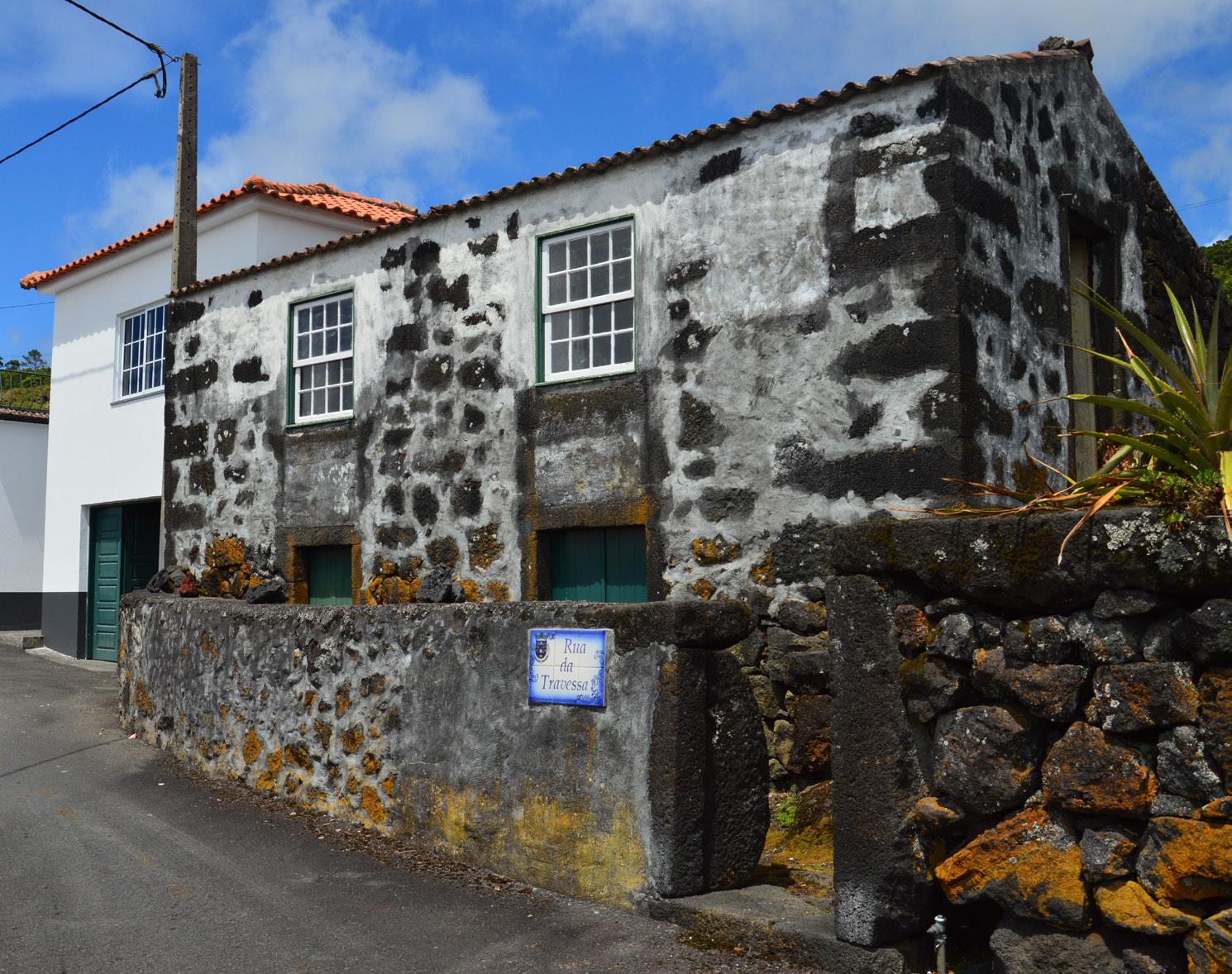
Traditional Architecture
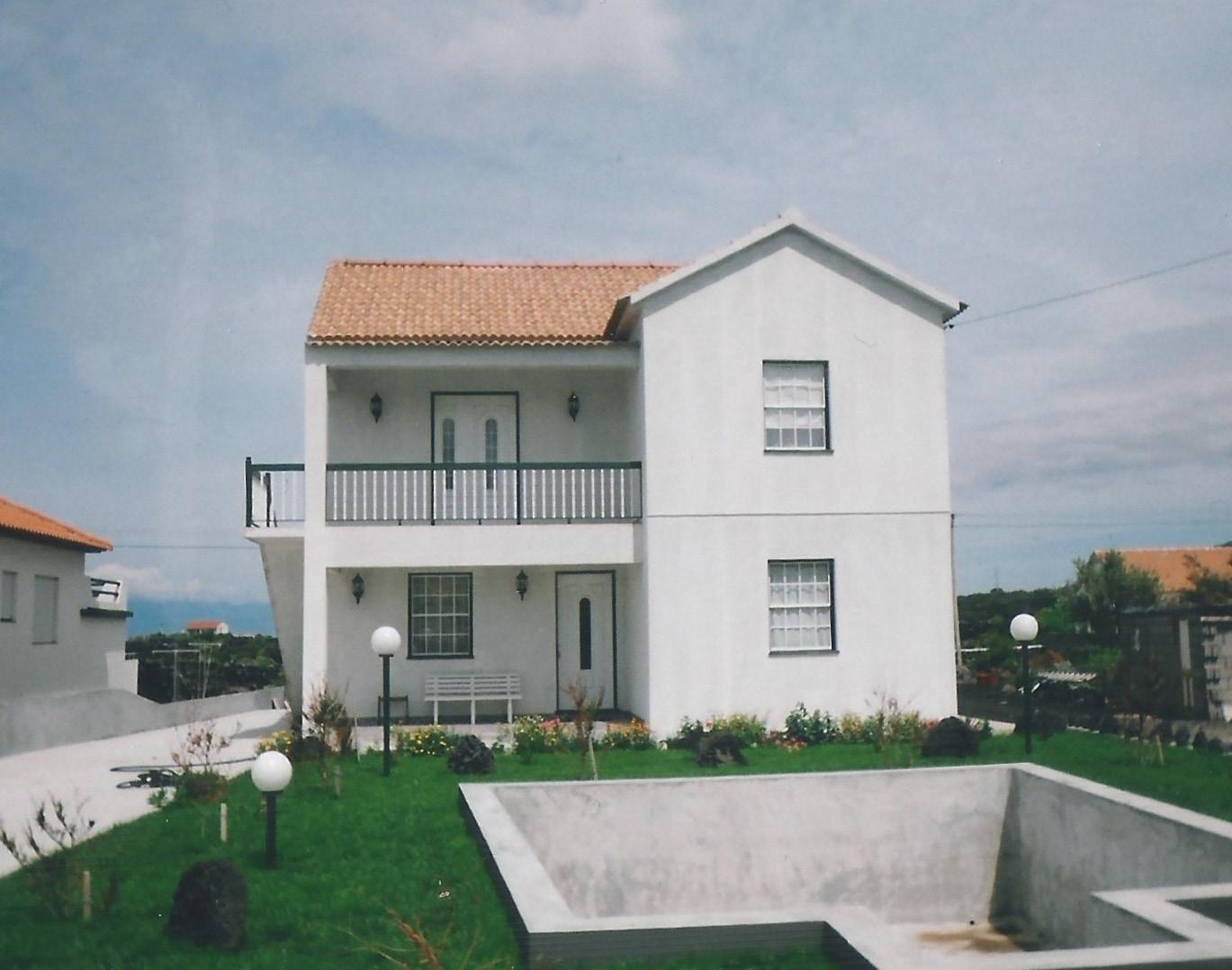
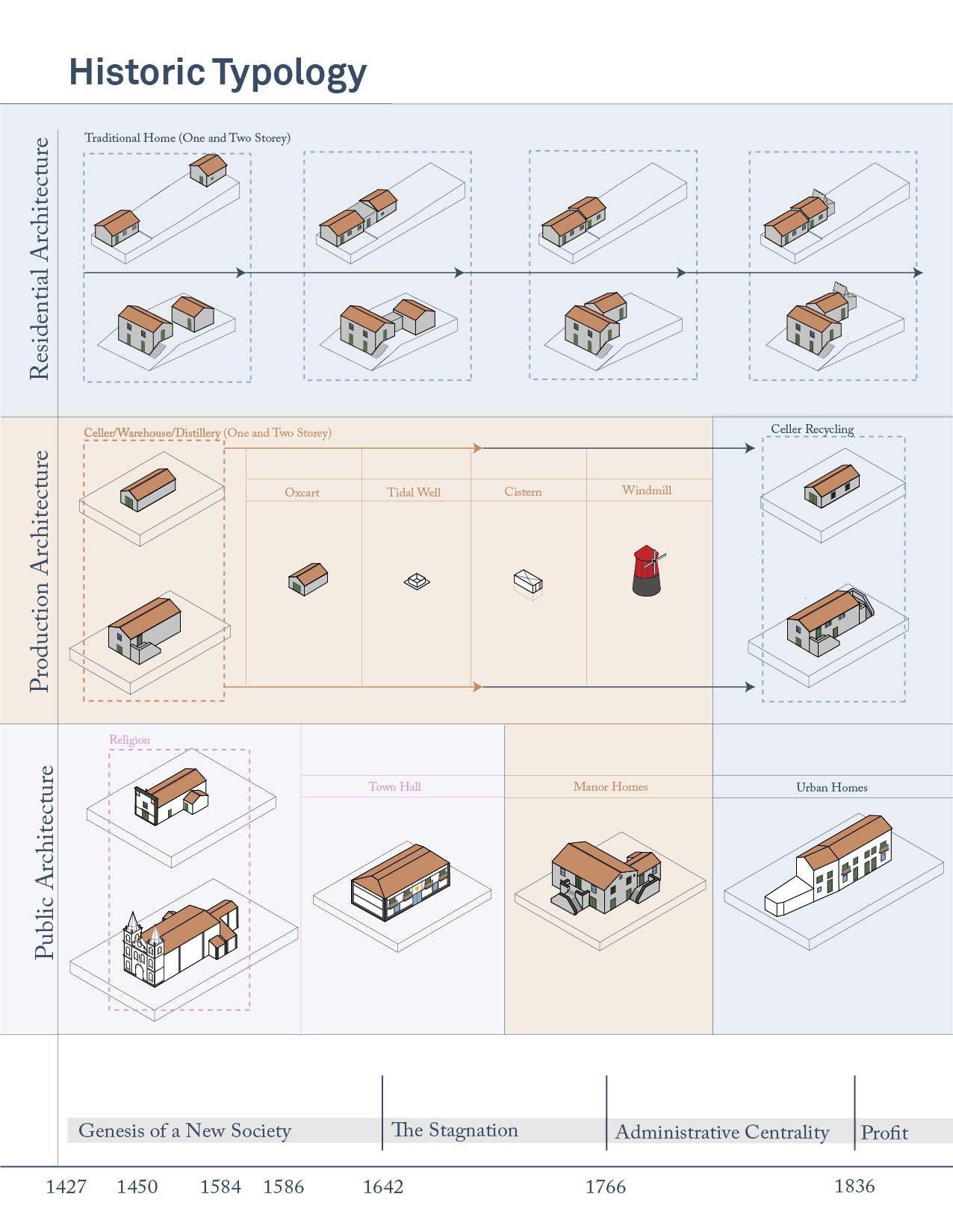
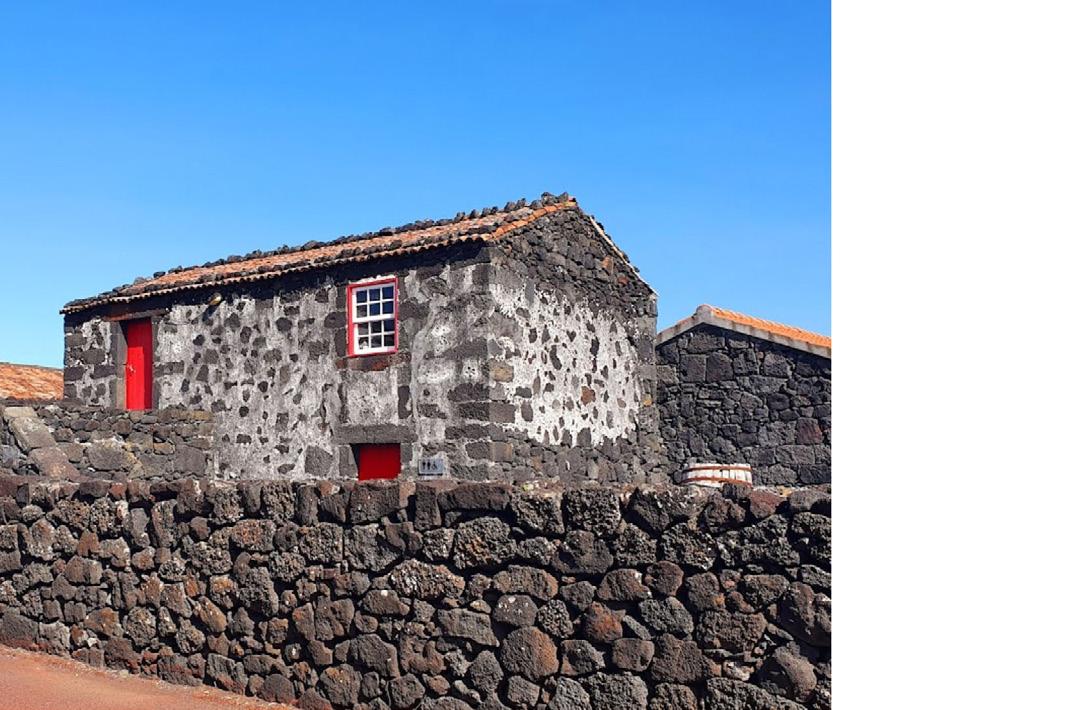
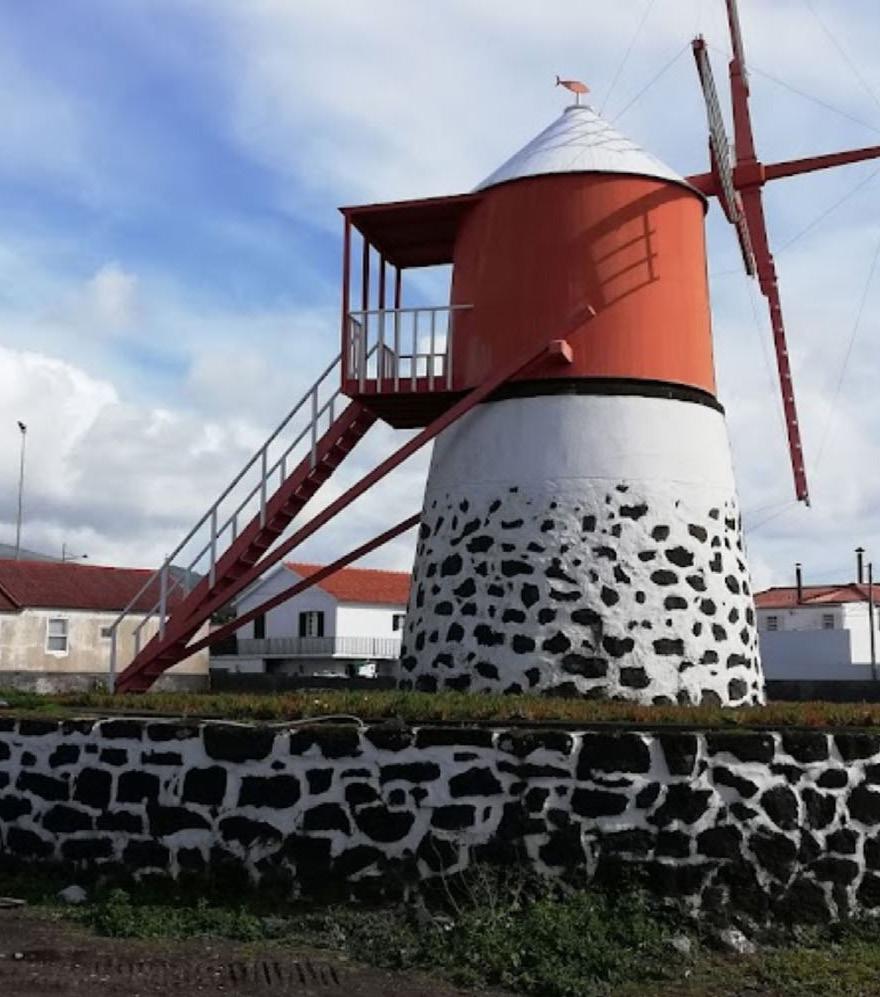
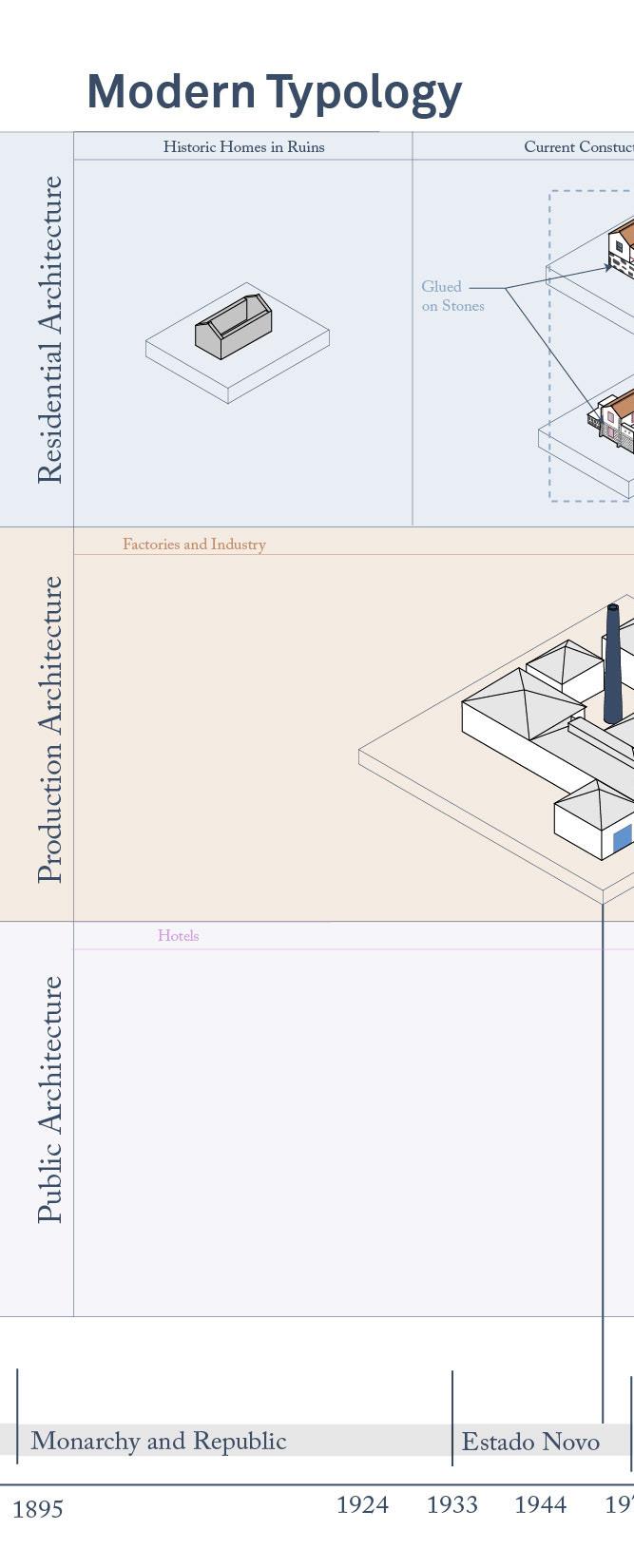
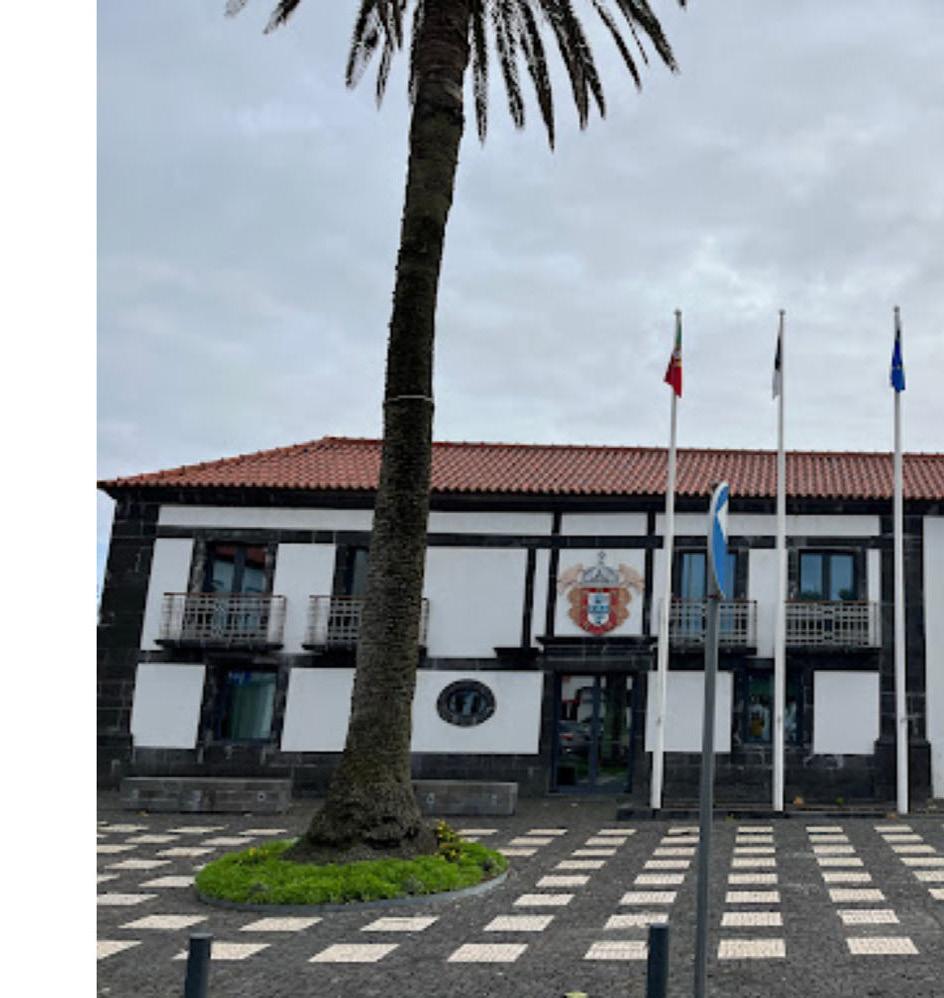
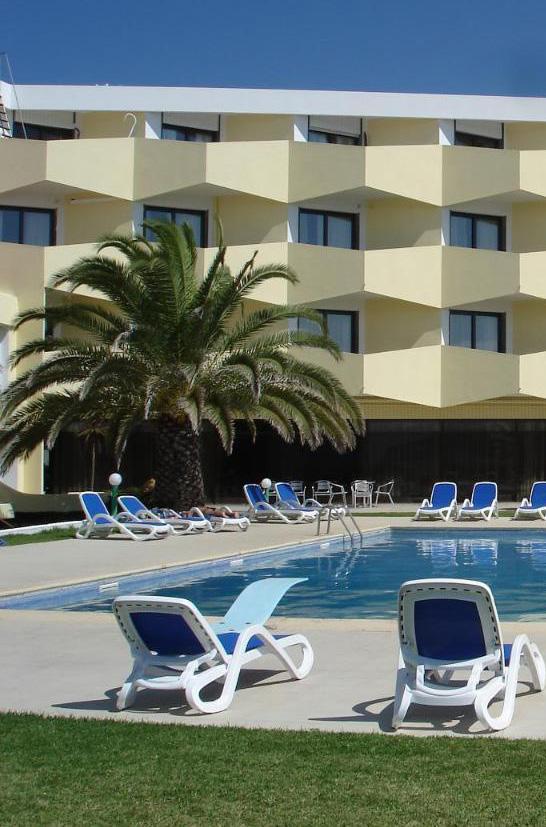
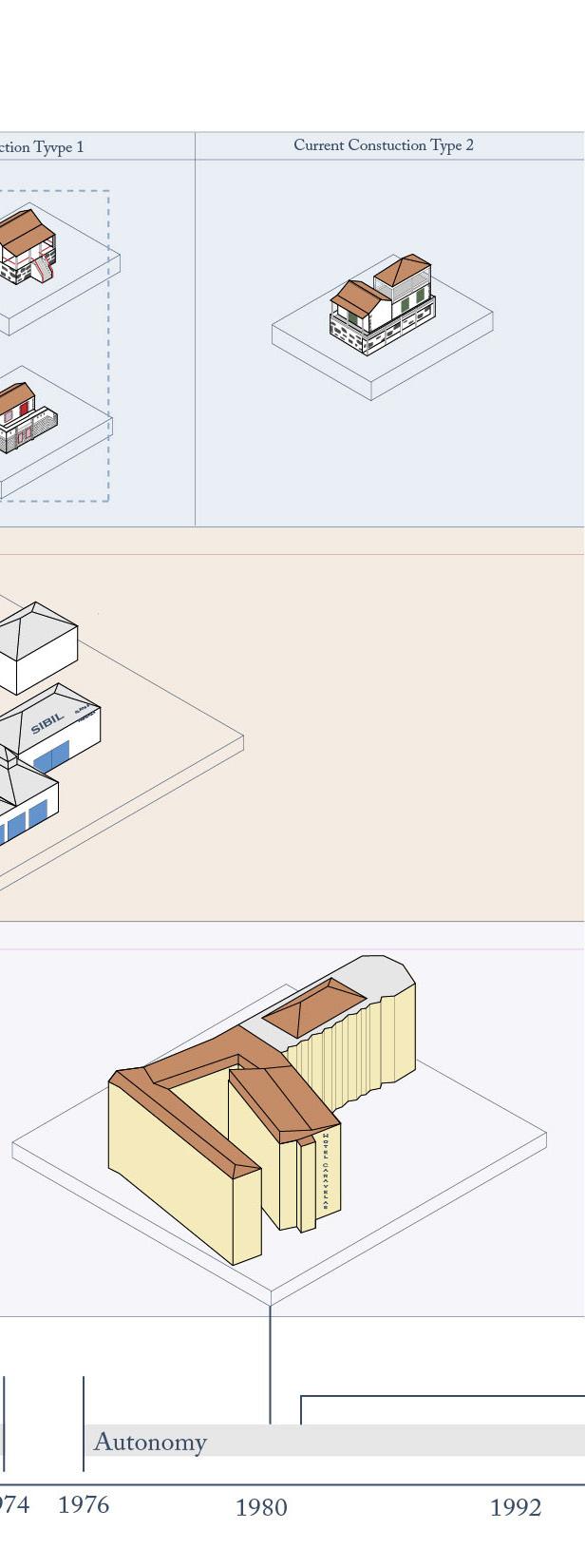
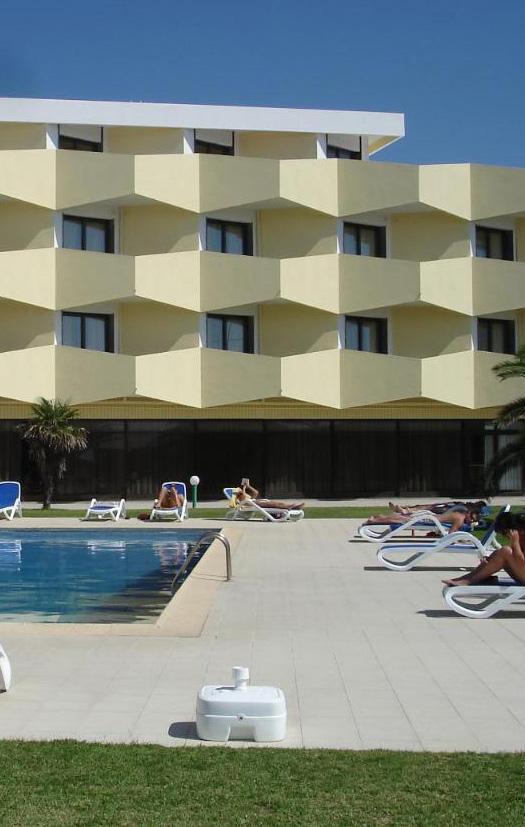
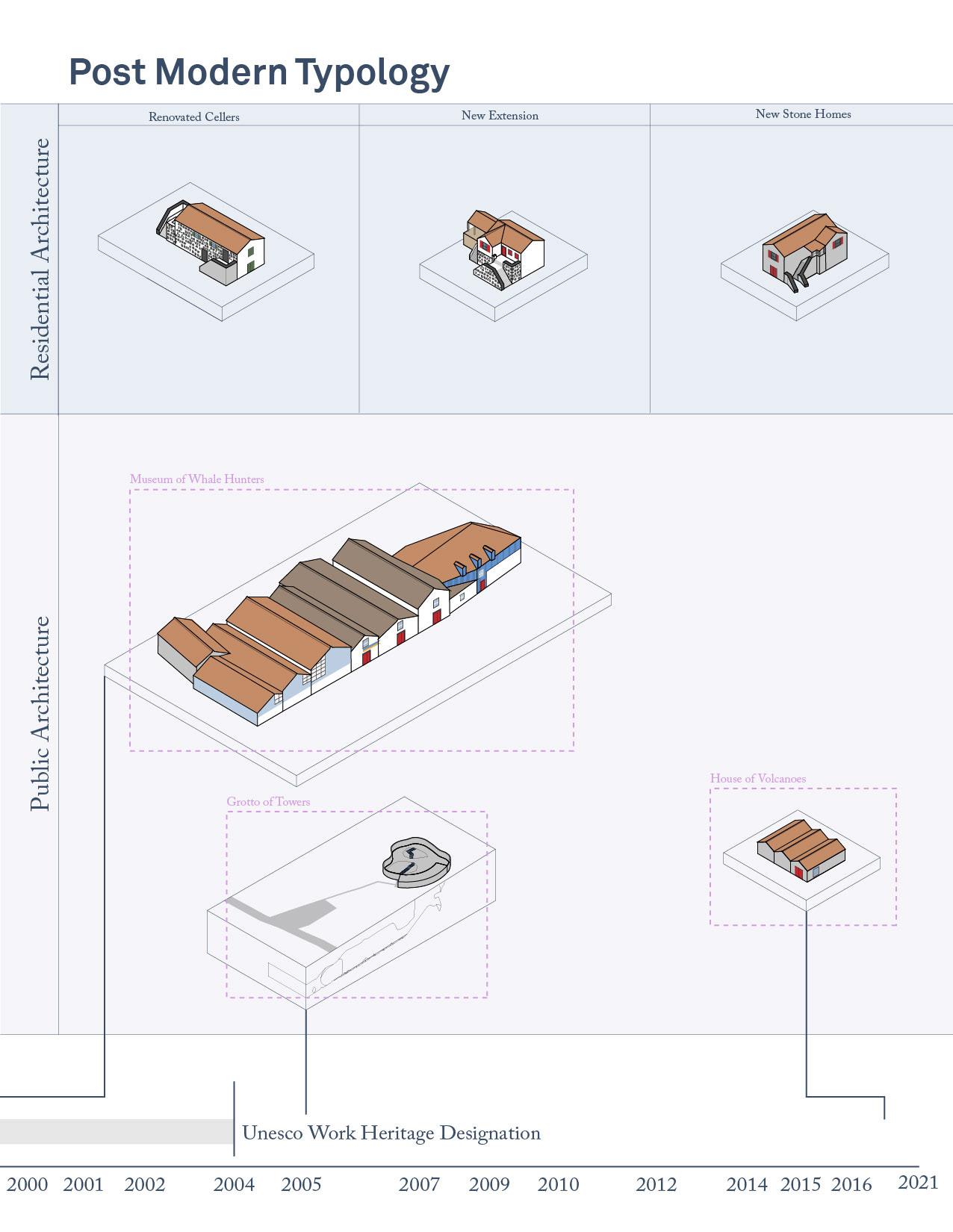
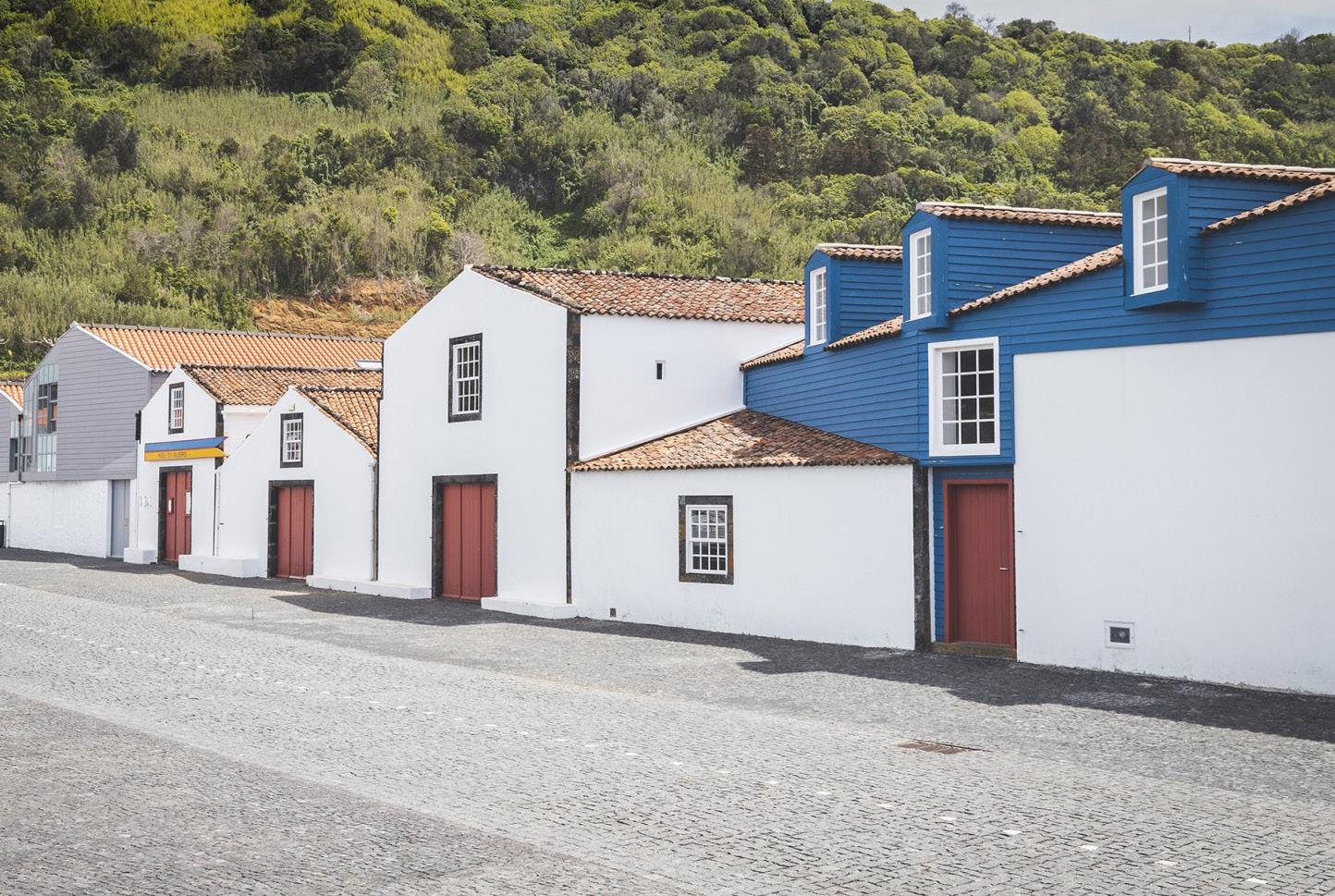
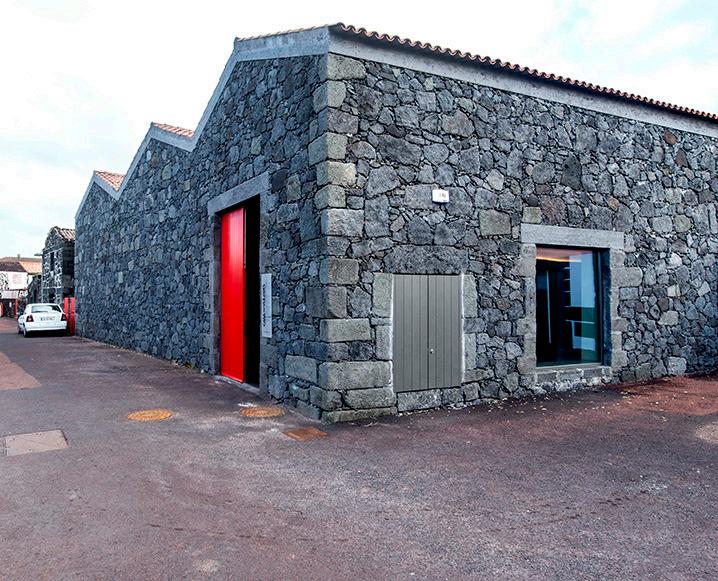
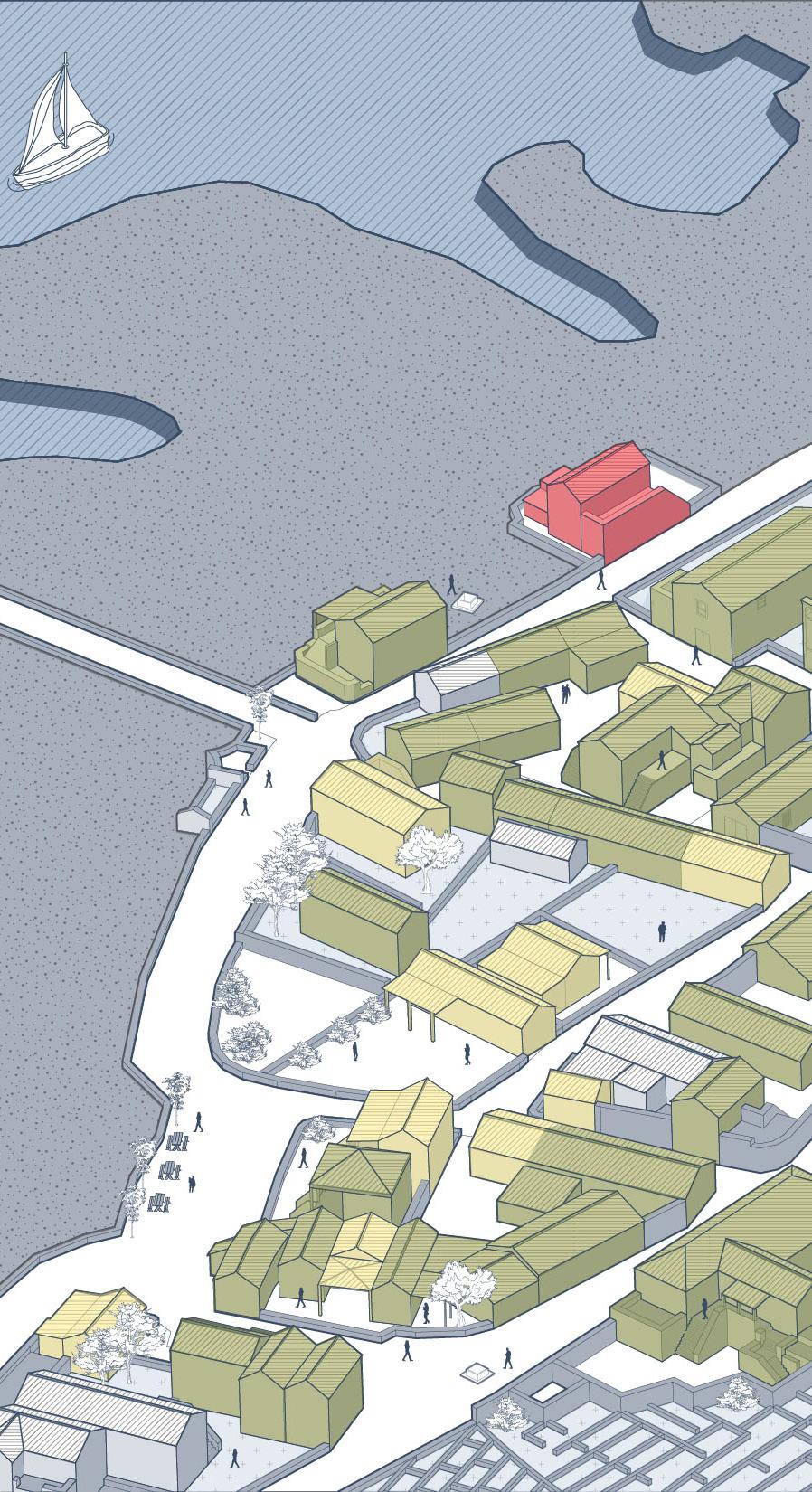
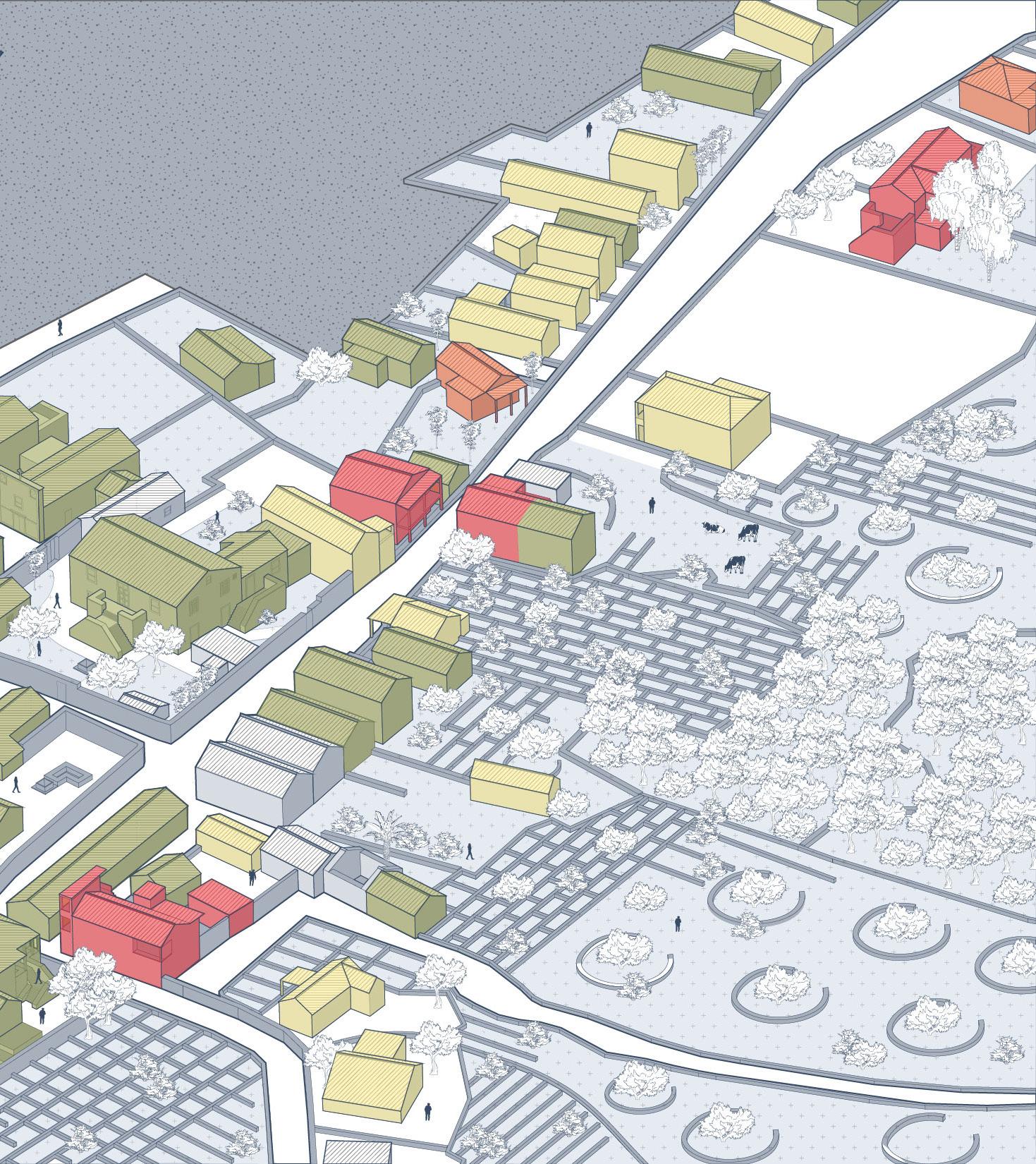
Within the UNESCO world heritage site on the island the architecture is highly controlled and choose to perserve buildings for toursim instead of for everyday use by the local inhabitants. This diagram shows the village of Lajido and the buildings that are deemed to have “no significant dissonance (green), some dissonance (yellow), less significant dissonance (orange) and very siggnificantly dissonant (red).” This examination revels an arburitary line drawn between what is and is not accepted by conservationist and point to the need for a wider understanding of the built landscape.
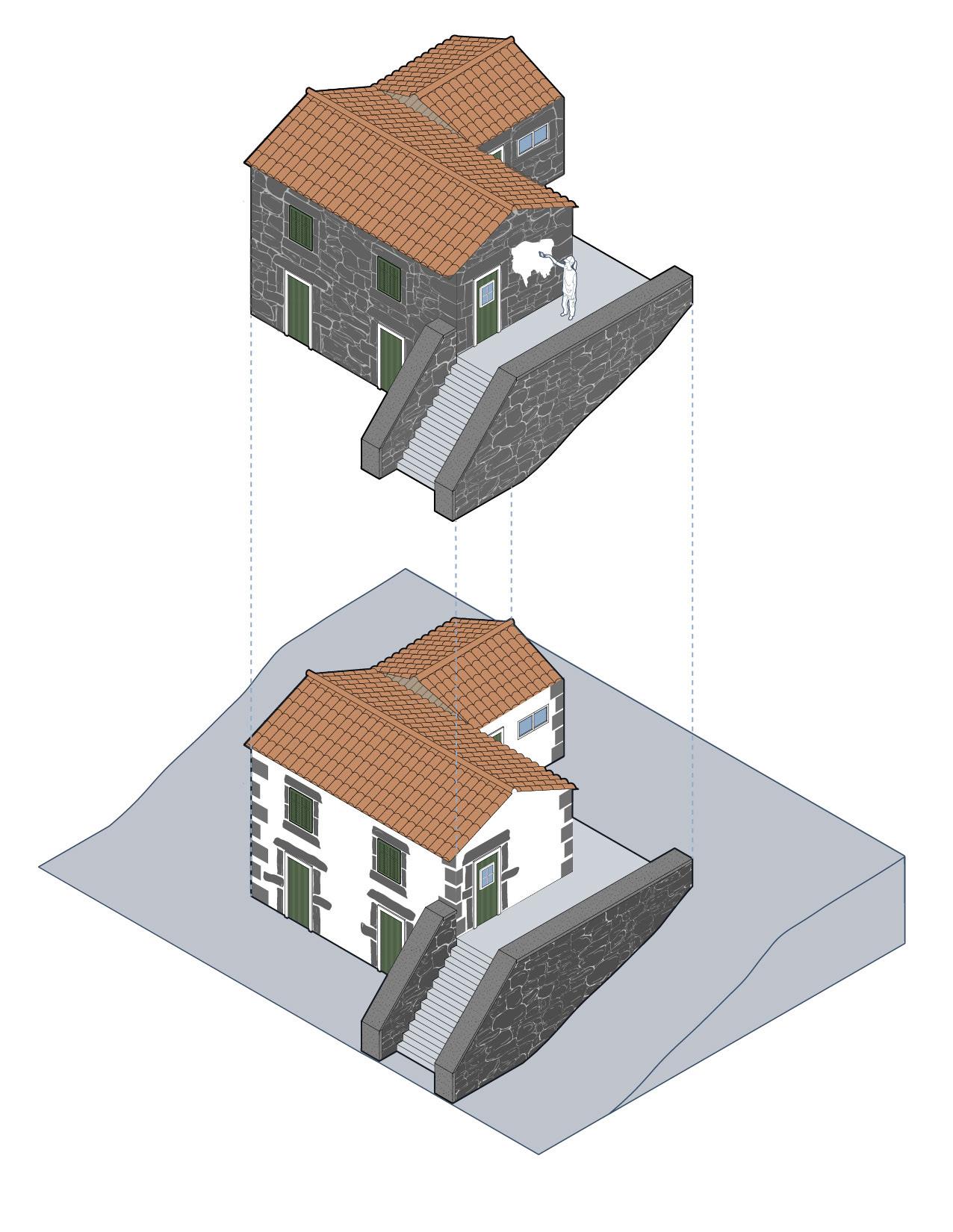
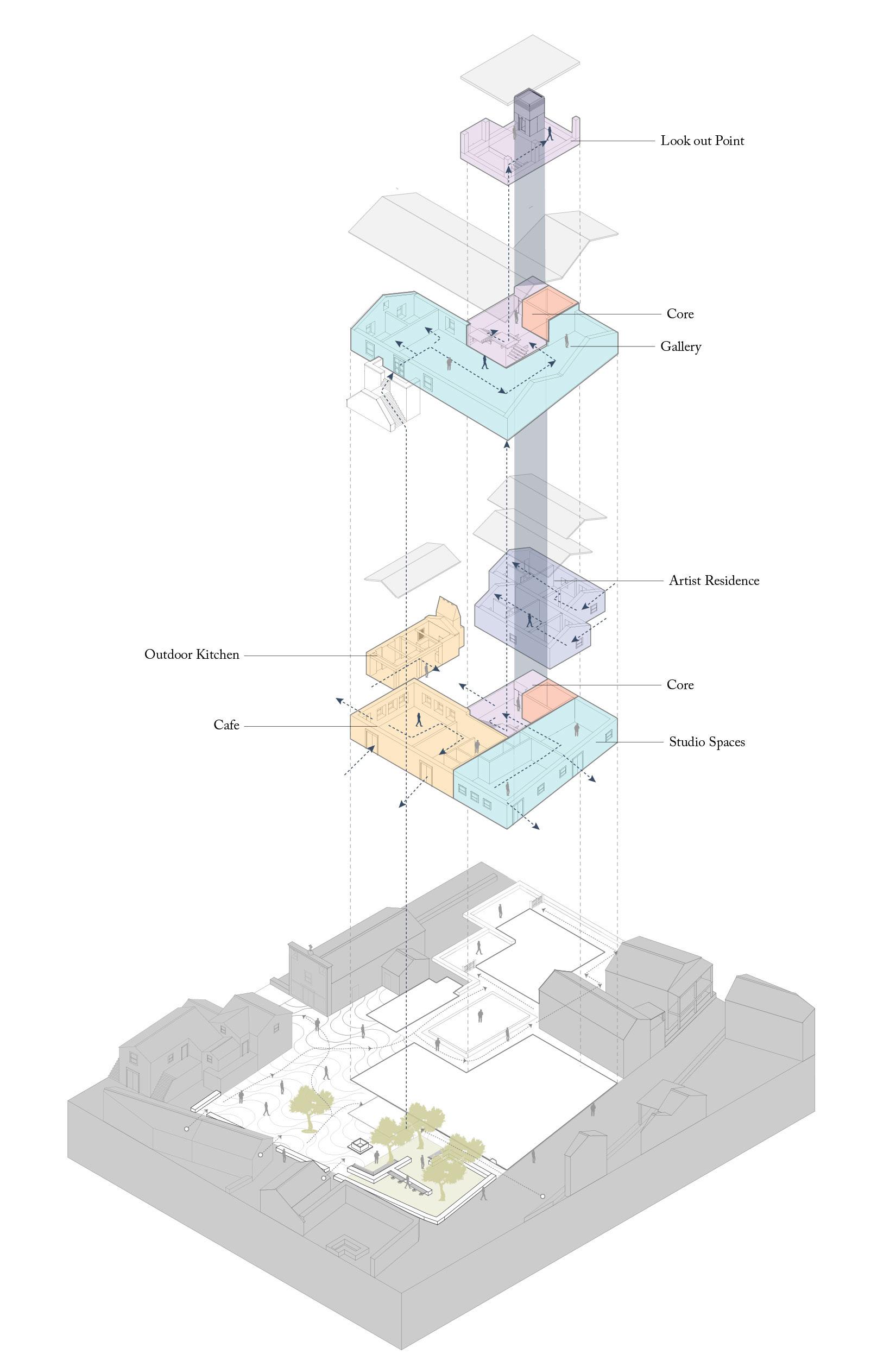
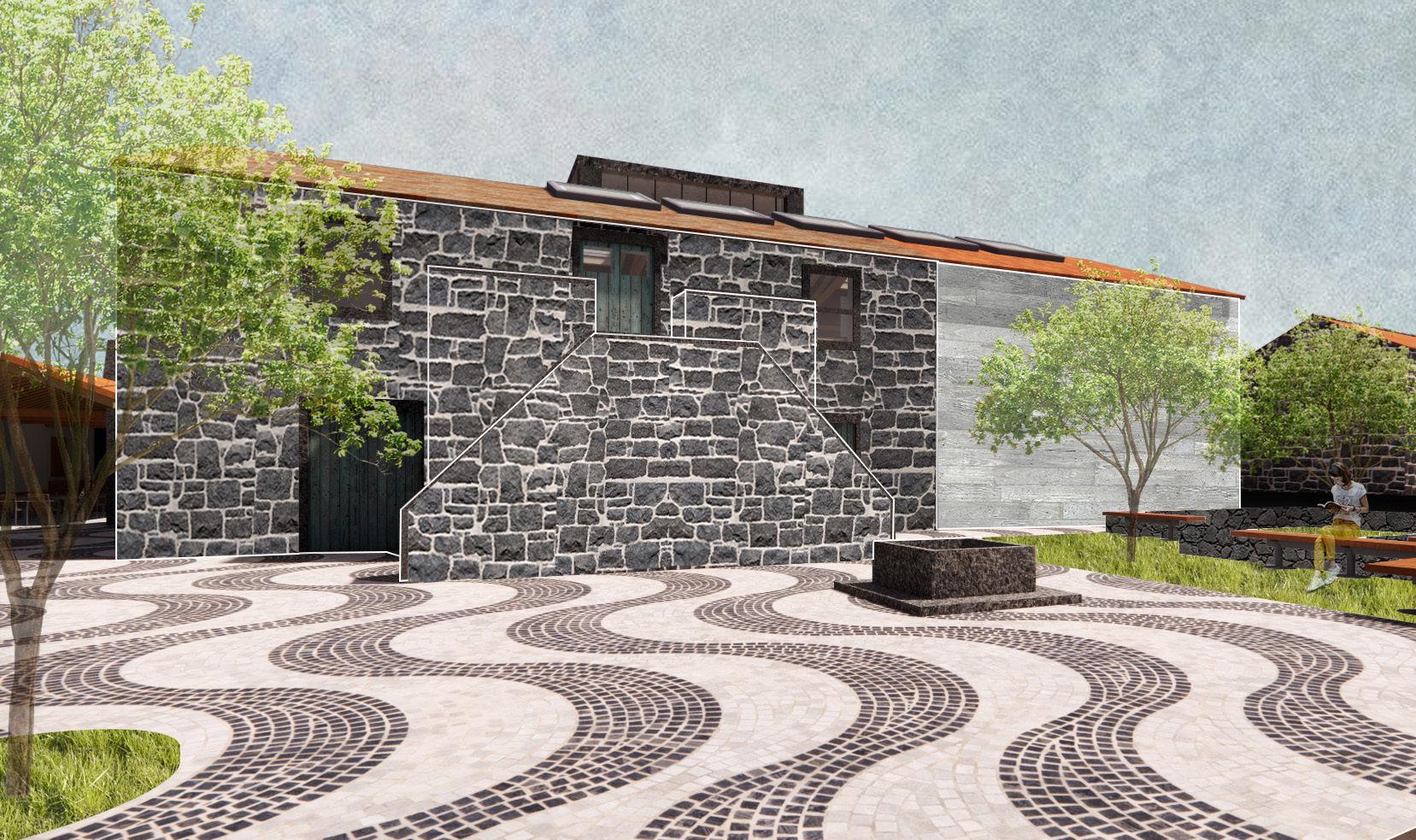
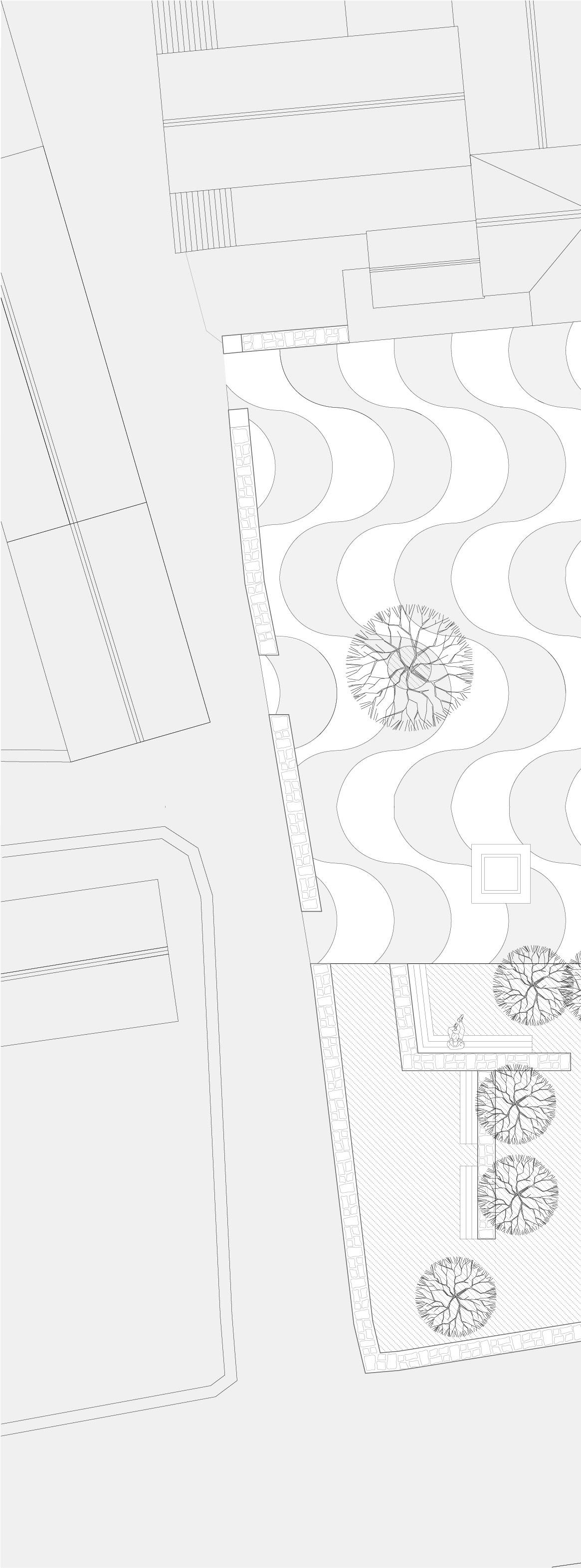
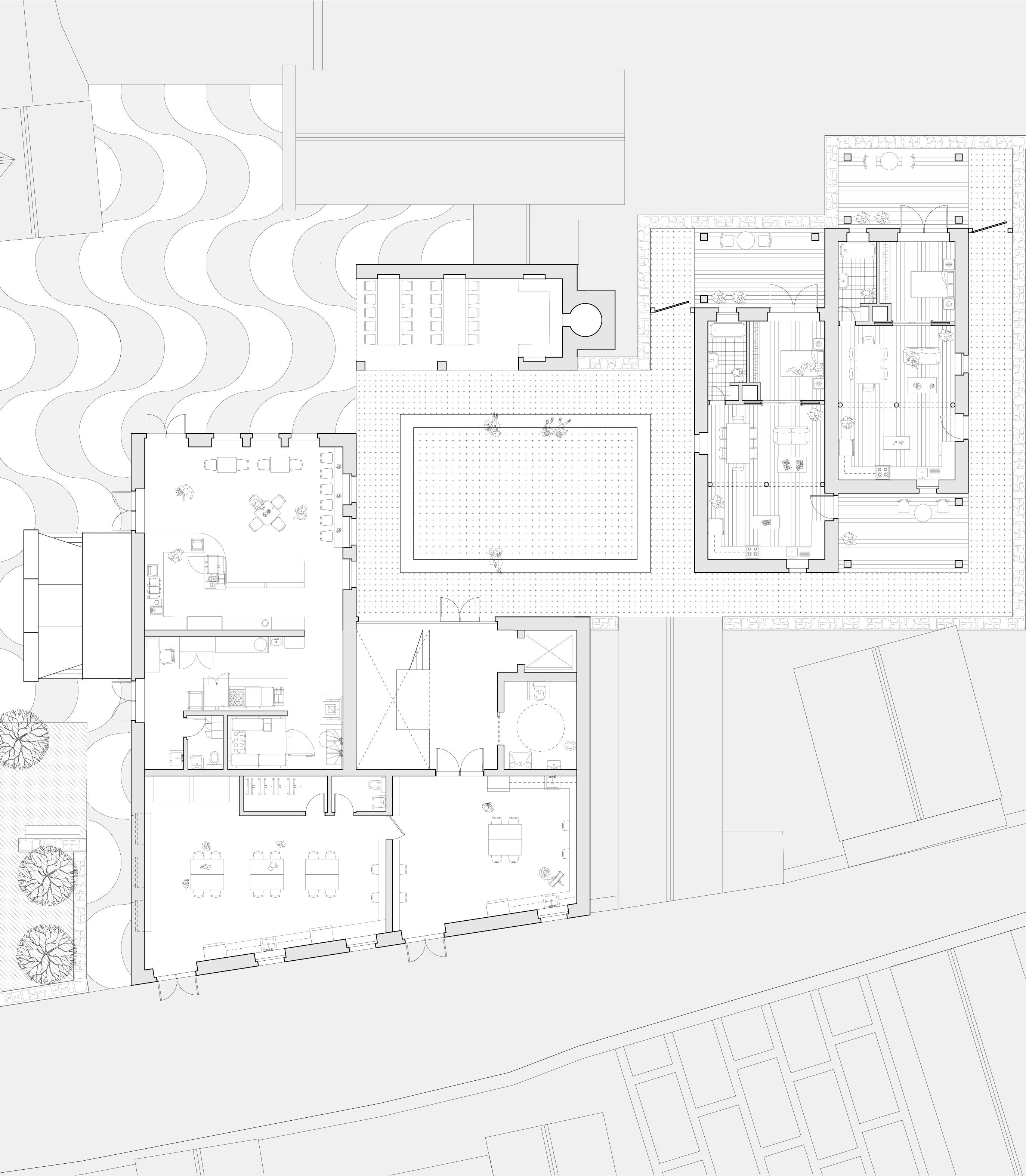
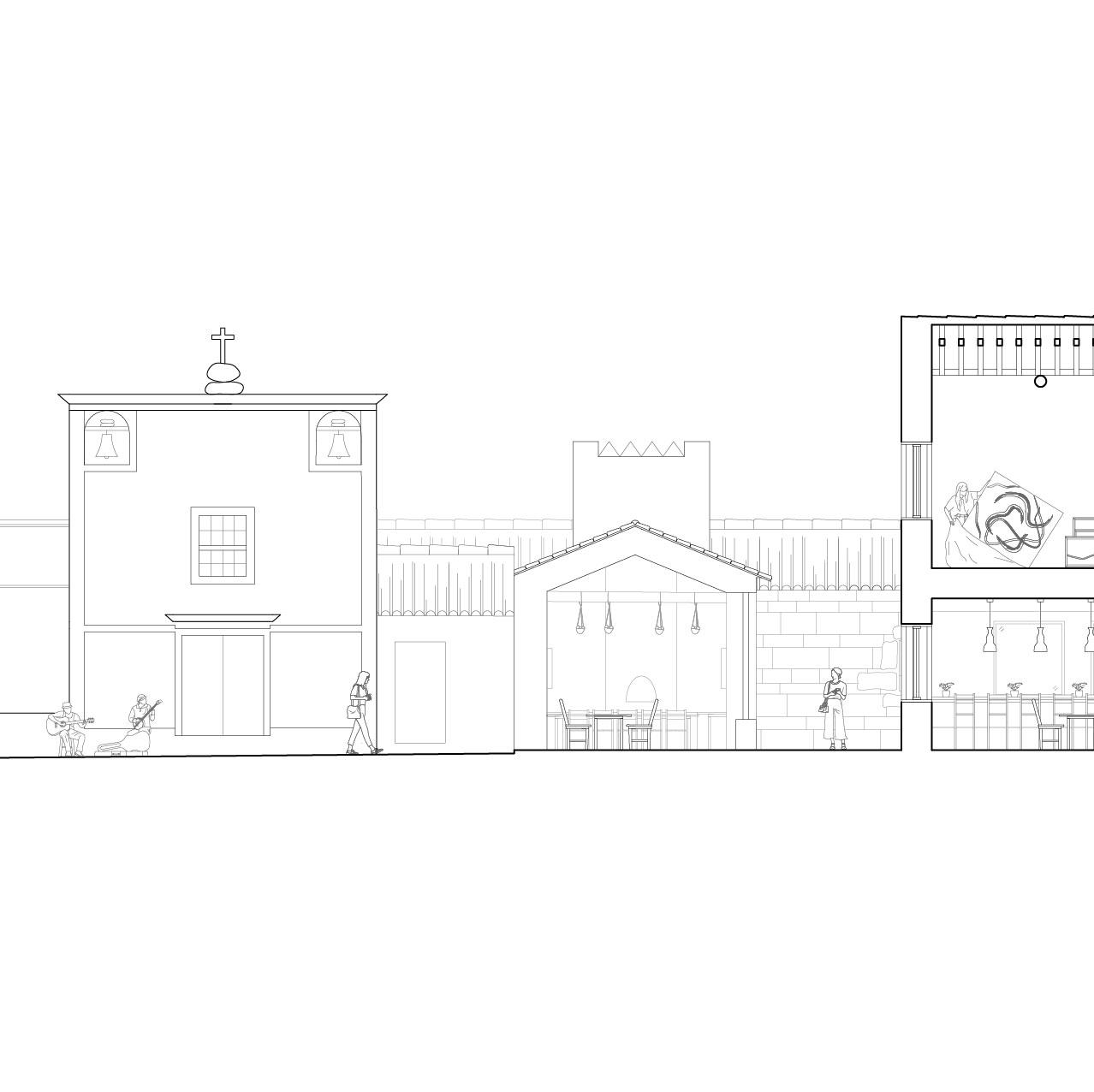
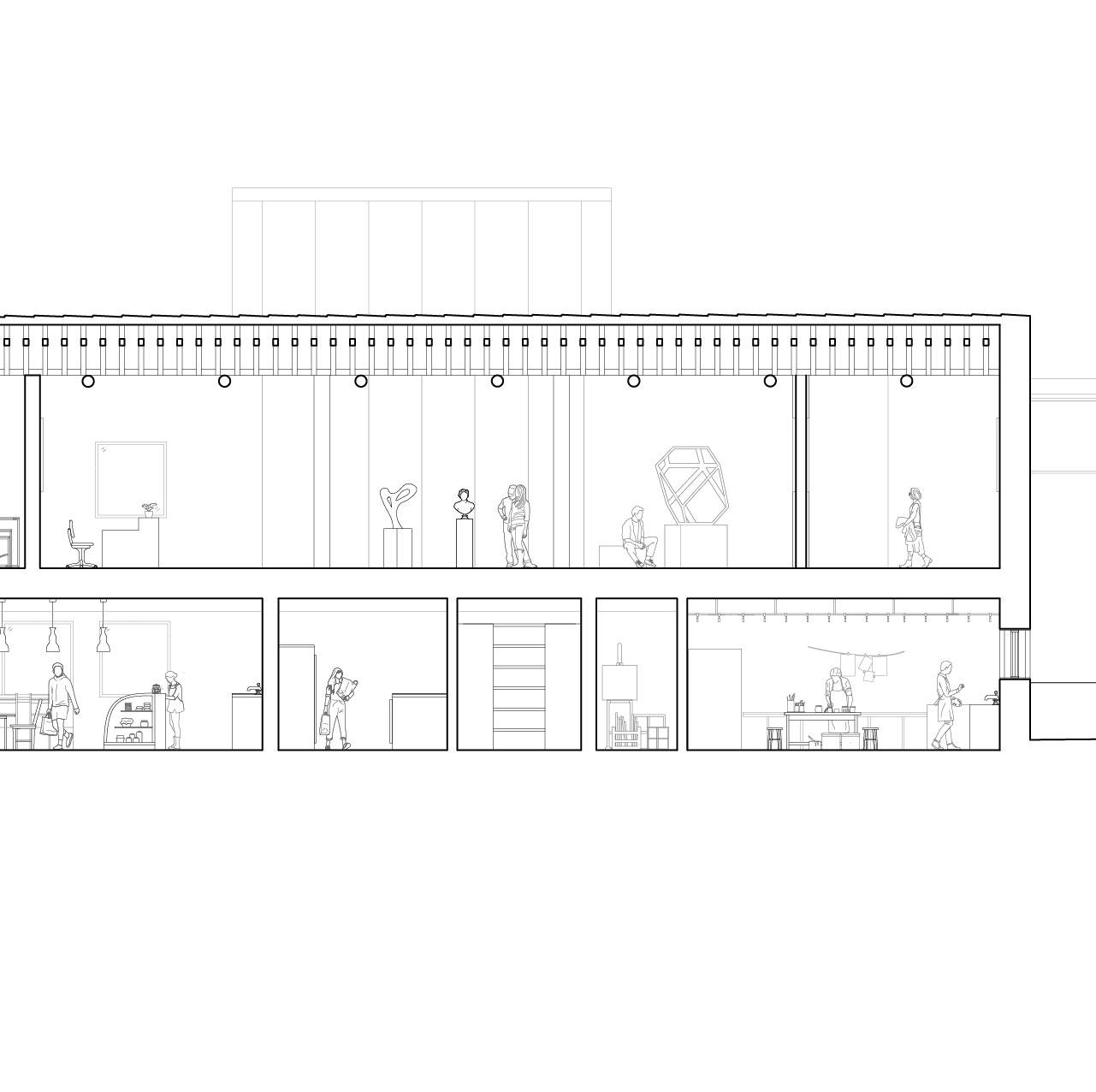
The idea of the design is to remove the supportive buildings, kitchen, and a large part of the perimeter wall. Thus, opening the site up to the street while also reducing its historic structures to the main volume of the house which is the most original and historically significant part of the site. The proposal then seeks to extend the building to the street and meet the remaining perimeter wall which now becomes part of the facade thus maintaining the street presence as is. This extension will be done in concrete to create a genuine reflection of the materials use I will not be cladding it in stone. This is consistent with many of the surrounding buildings. However, to recall the other influences on the site and to further make use of local materials the concrete will be board formed creating a nod to wooden siding used in American east coast architecture without risking the rot that could occur with the use of wood as cladding. This volume will then contain the cafe, art gallery and maker spaces.
Then the building is further extended upwards to create a tower lookout point. This borrows from the many other terraces in the village that attempt to get both the ocean and mountain views. This tower will be always accessible for locals and tourists to have constant access to the view. This is achieved via a circulation core at the back of the project that is cladded with glass.
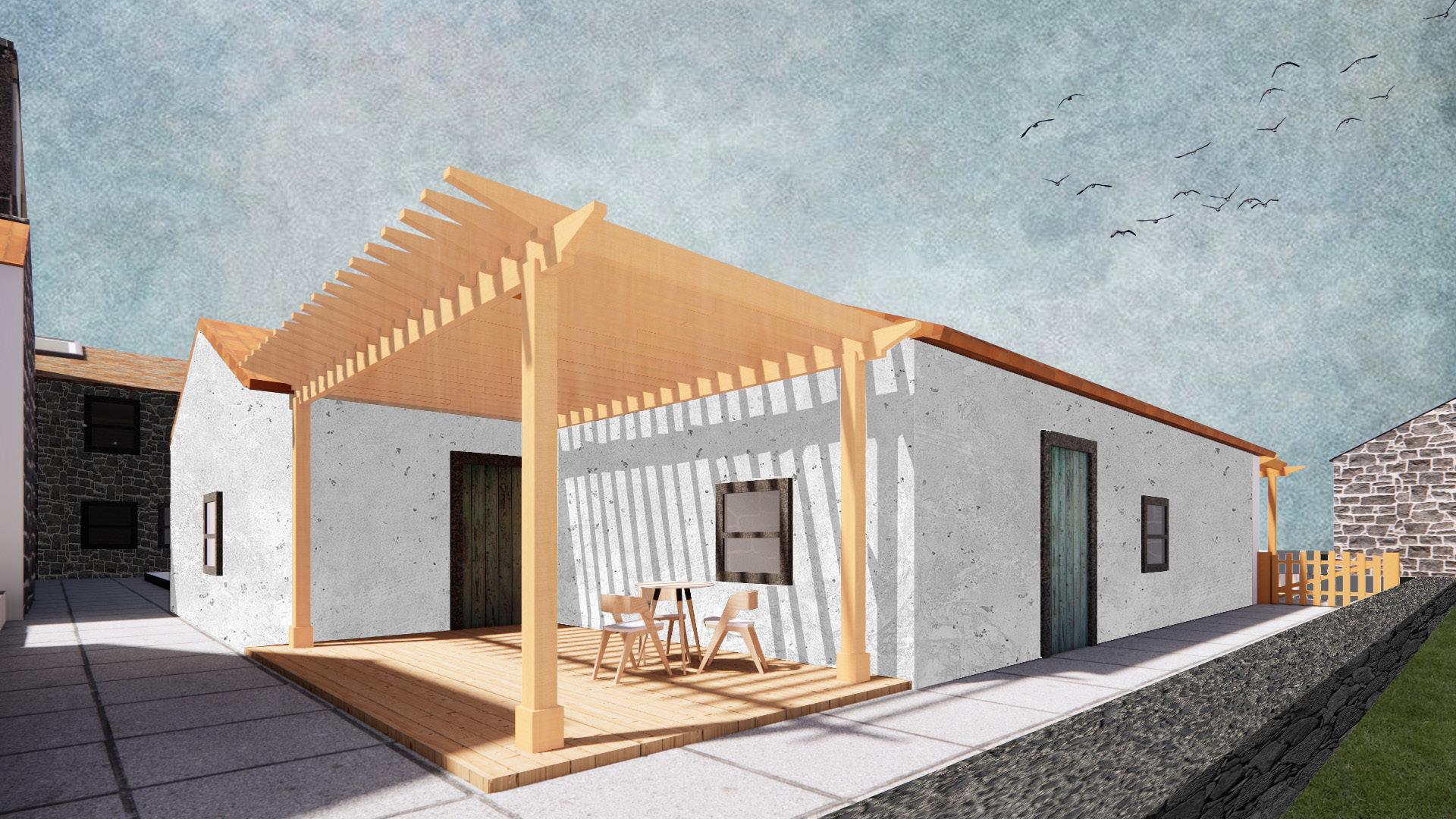
Outside of this volume in the back spaces, the previously removed stones are used to create a public outdoor kitchen to be used by the community in daily life as well as during festivals.
On what was previously a cistern two artists residents will be built in concrete, cladded in plaster. with the potential for artists to use stones, shells, murals, or mosaics to decorate the structures. Recalling the modern architecture of the village. Finally, the proposal maintains a large part of the site for outdoor gathering space. Keeping all trees for which, the home is named in place adding seating and Portuguese tiling to create a useable landscape.
The proposal does not call for a radical change in the rules but inteads attempts to respect the historic while expanding the references of the village.
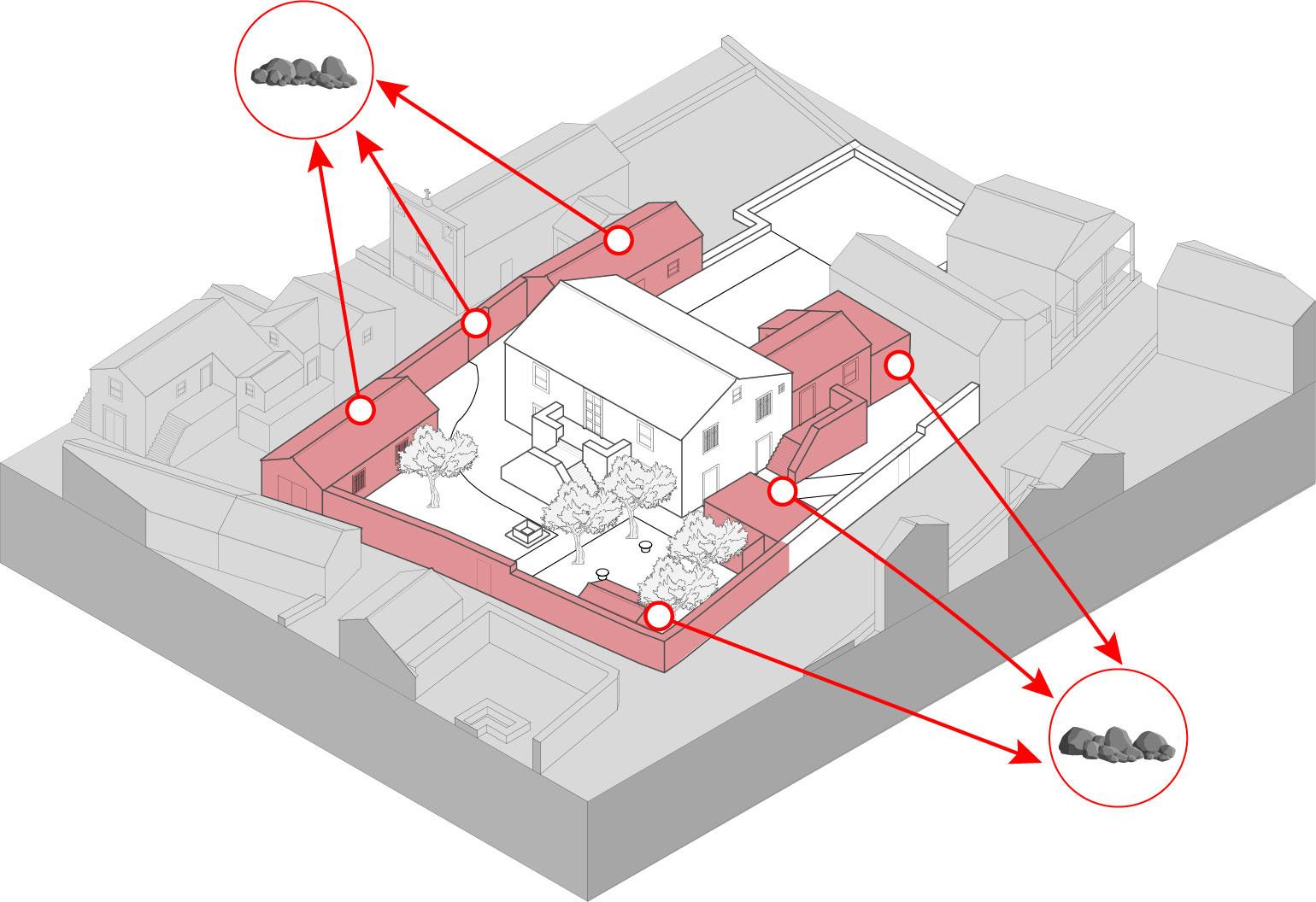
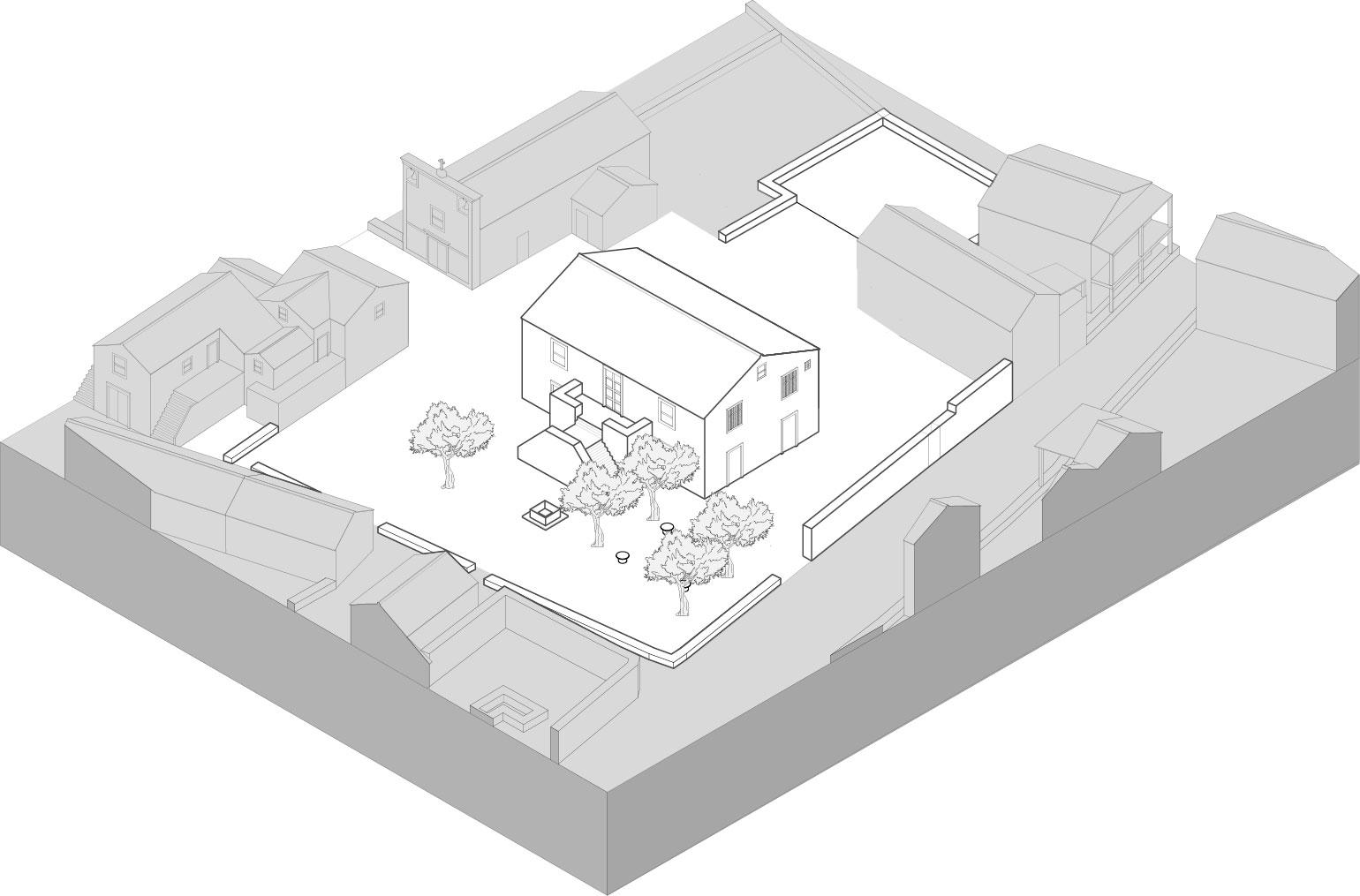
Step 1: Remove large part of property wall and all supporting buildings including kitchen leaving only main volume of the home and a roadside curb wall
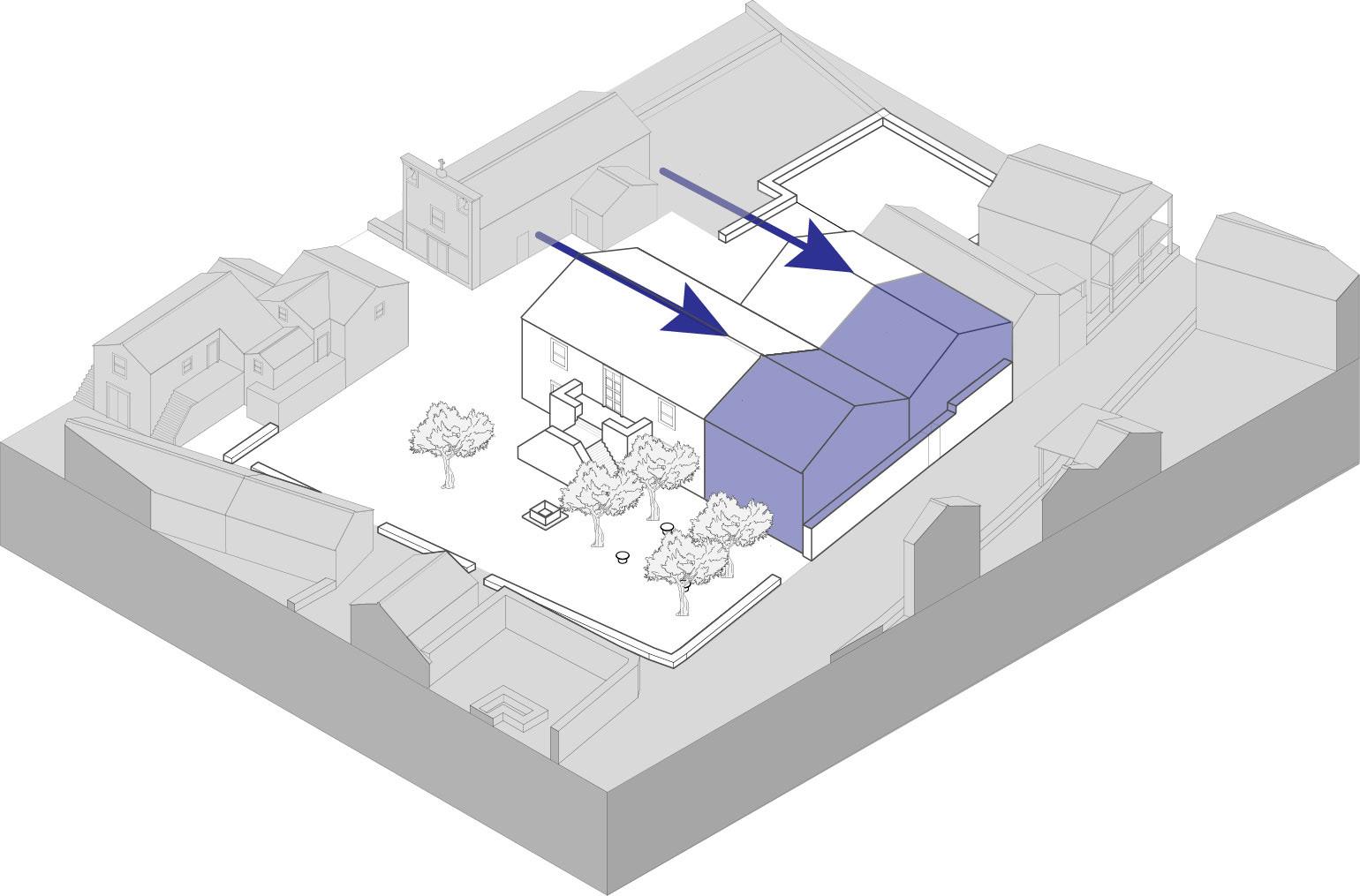
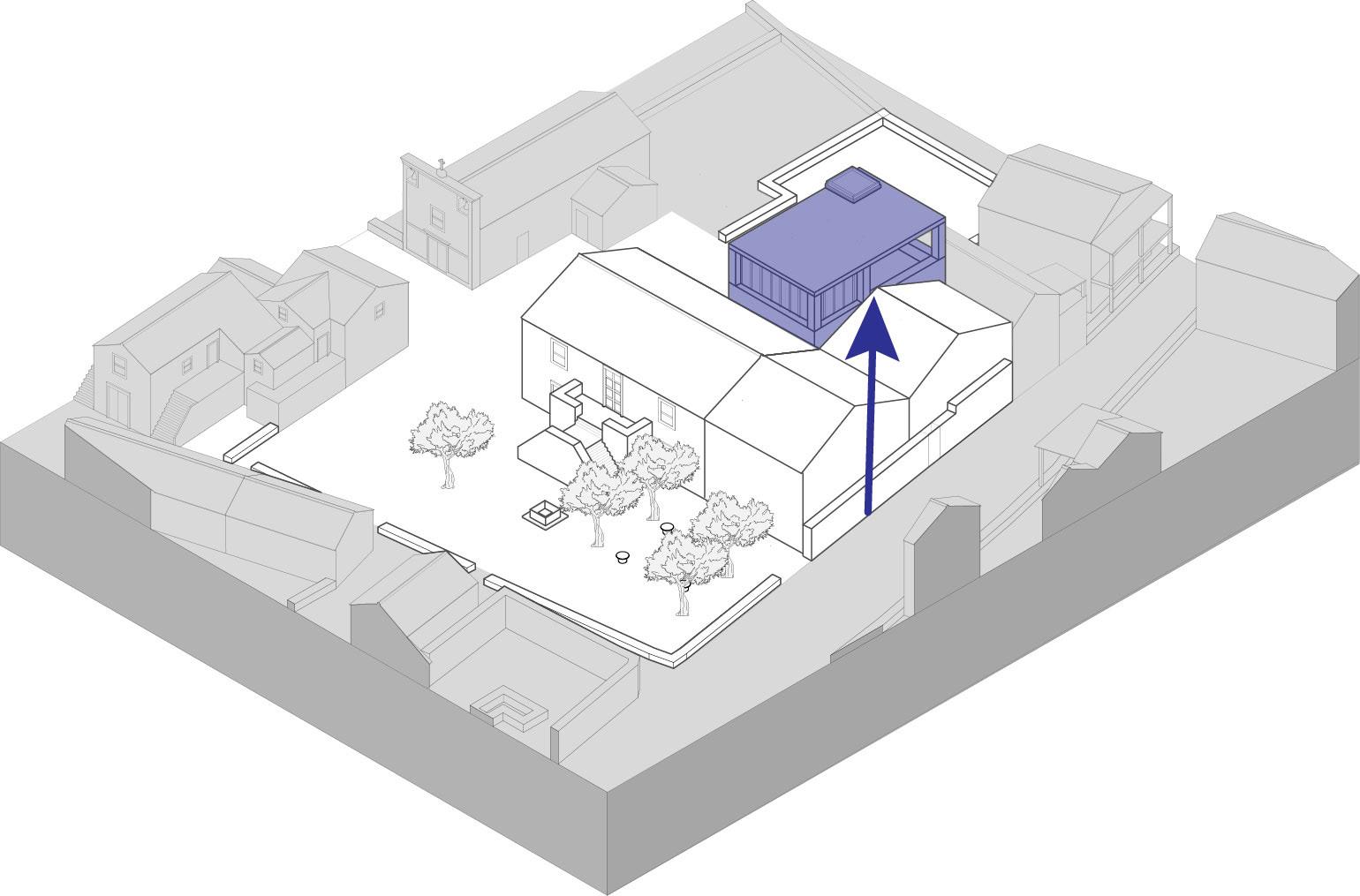
Step 2: Extend building to meat remaining perimeter wall to accomidate new program and extend upwards to create a look out point
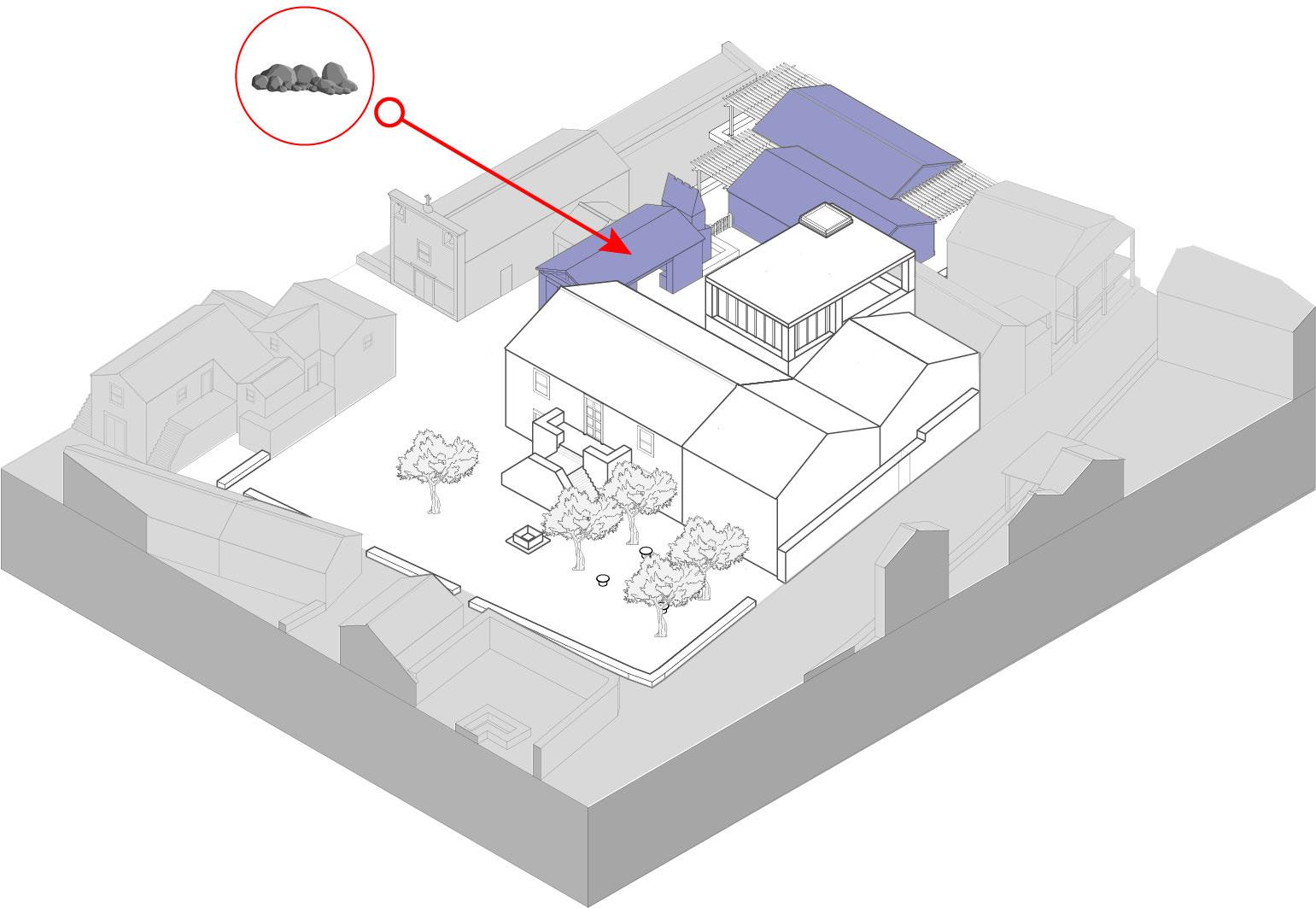
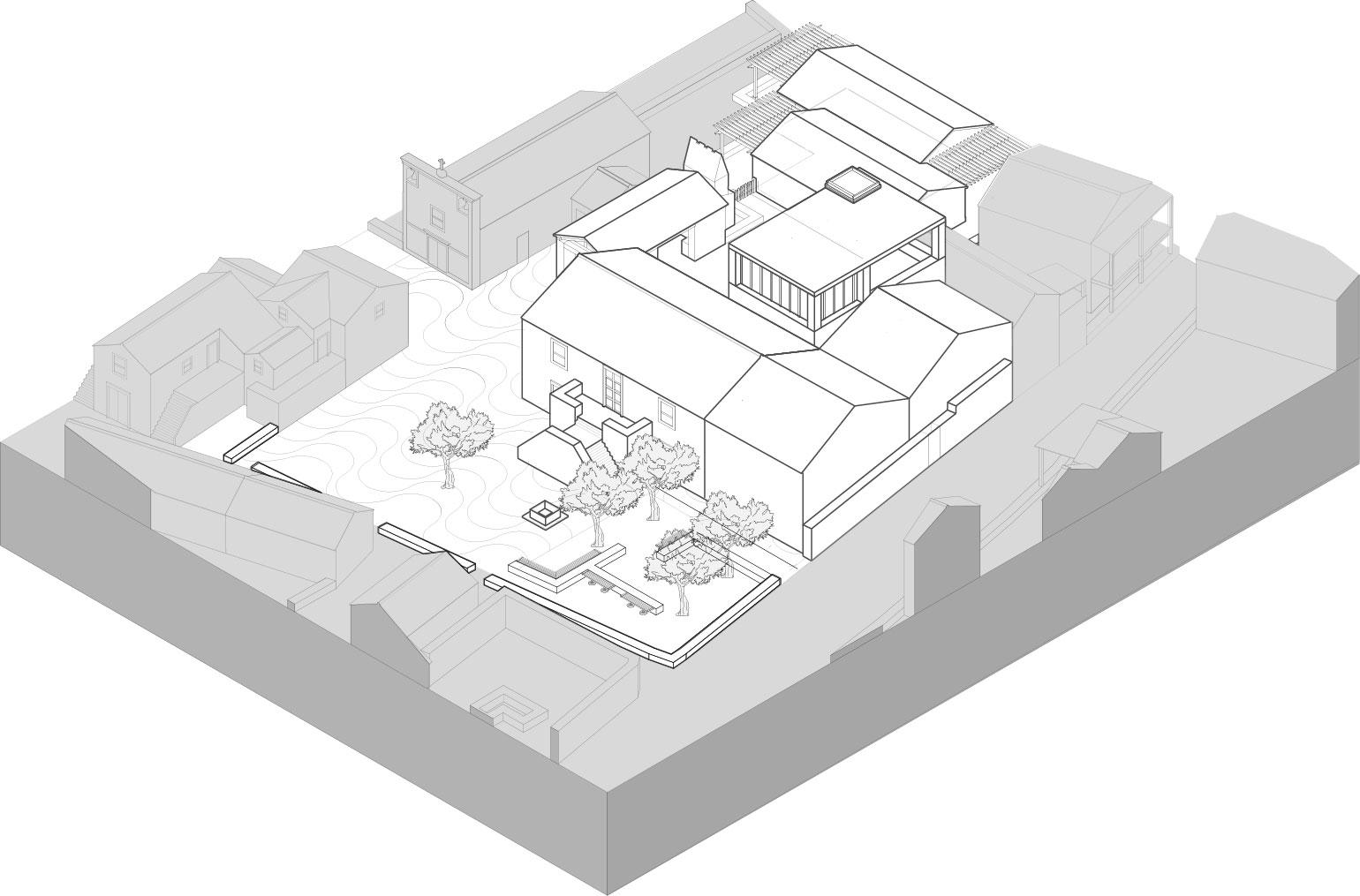
Step 3: Use stones removed from other parts to create an outdoor kitchen space for festivals and add two artists residence on pervious cistern space
Floor Plan
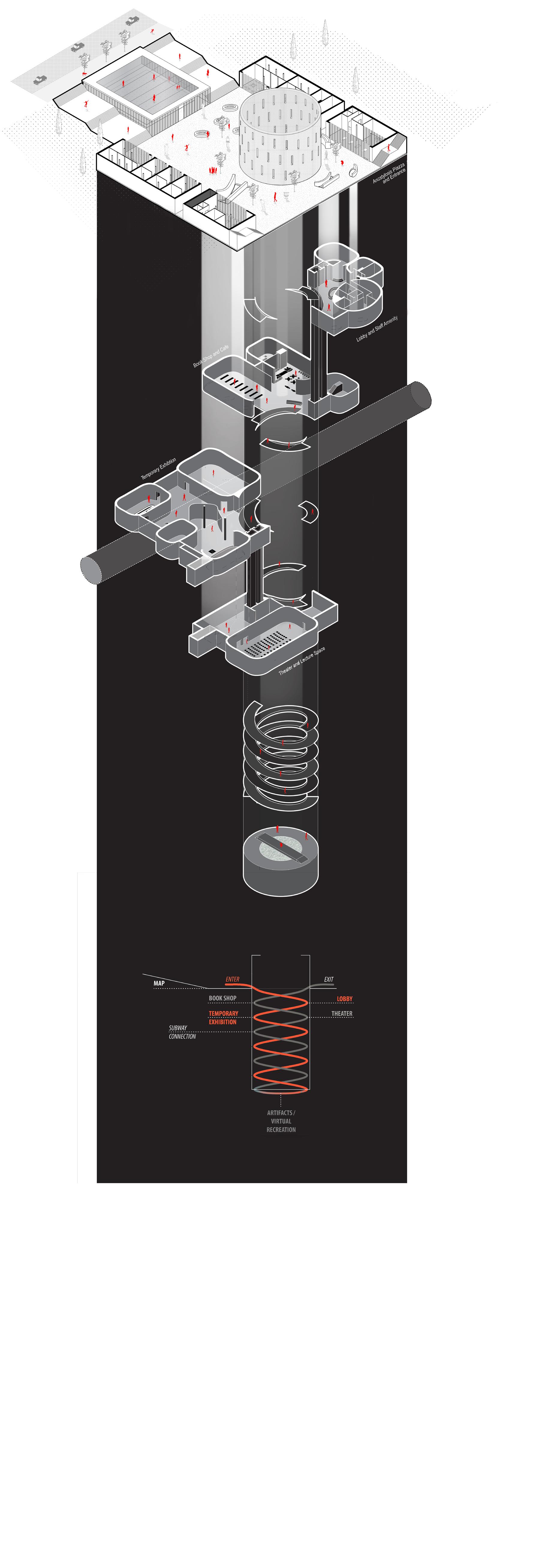
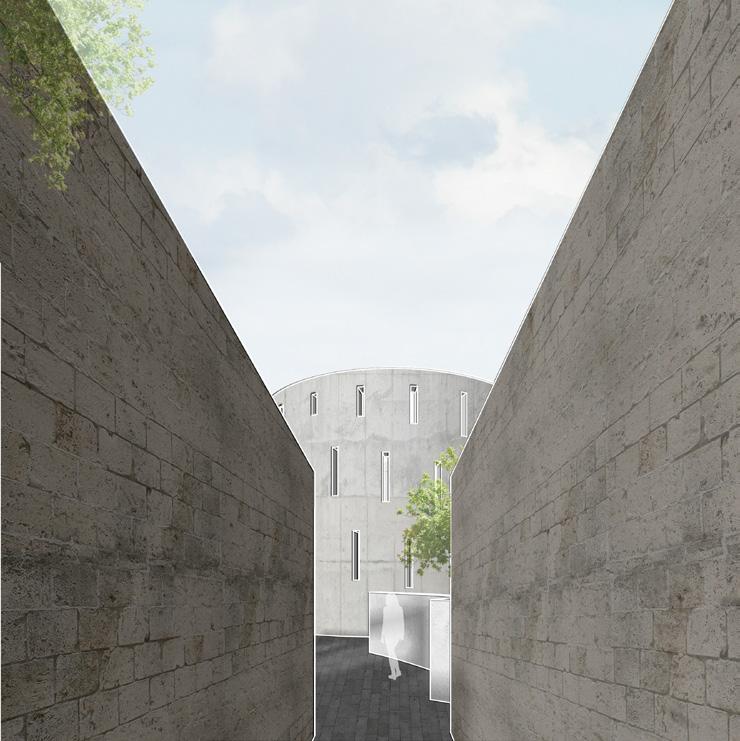
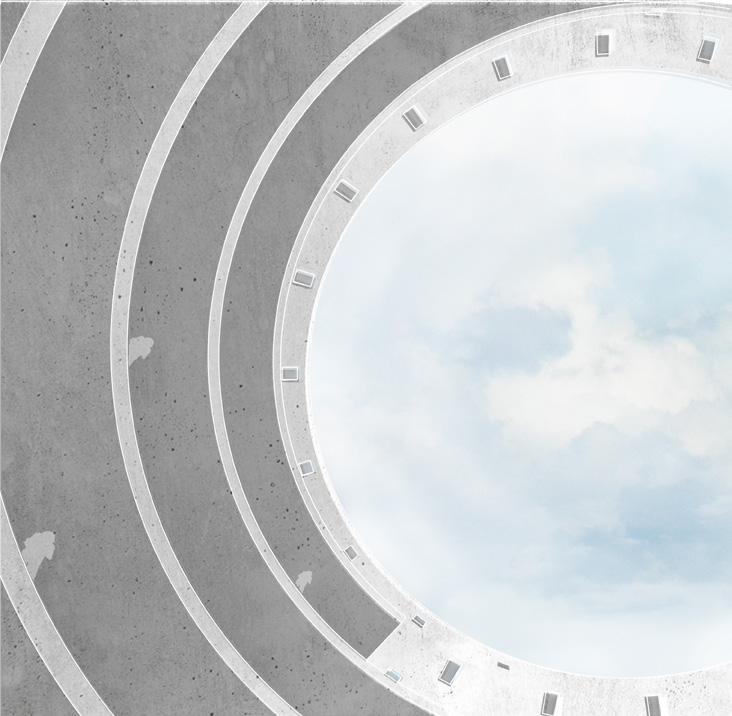
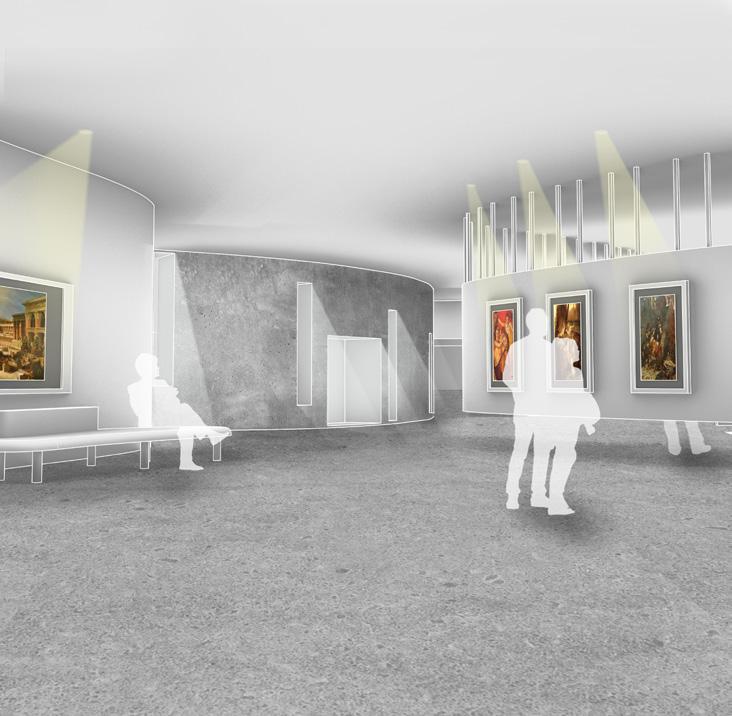
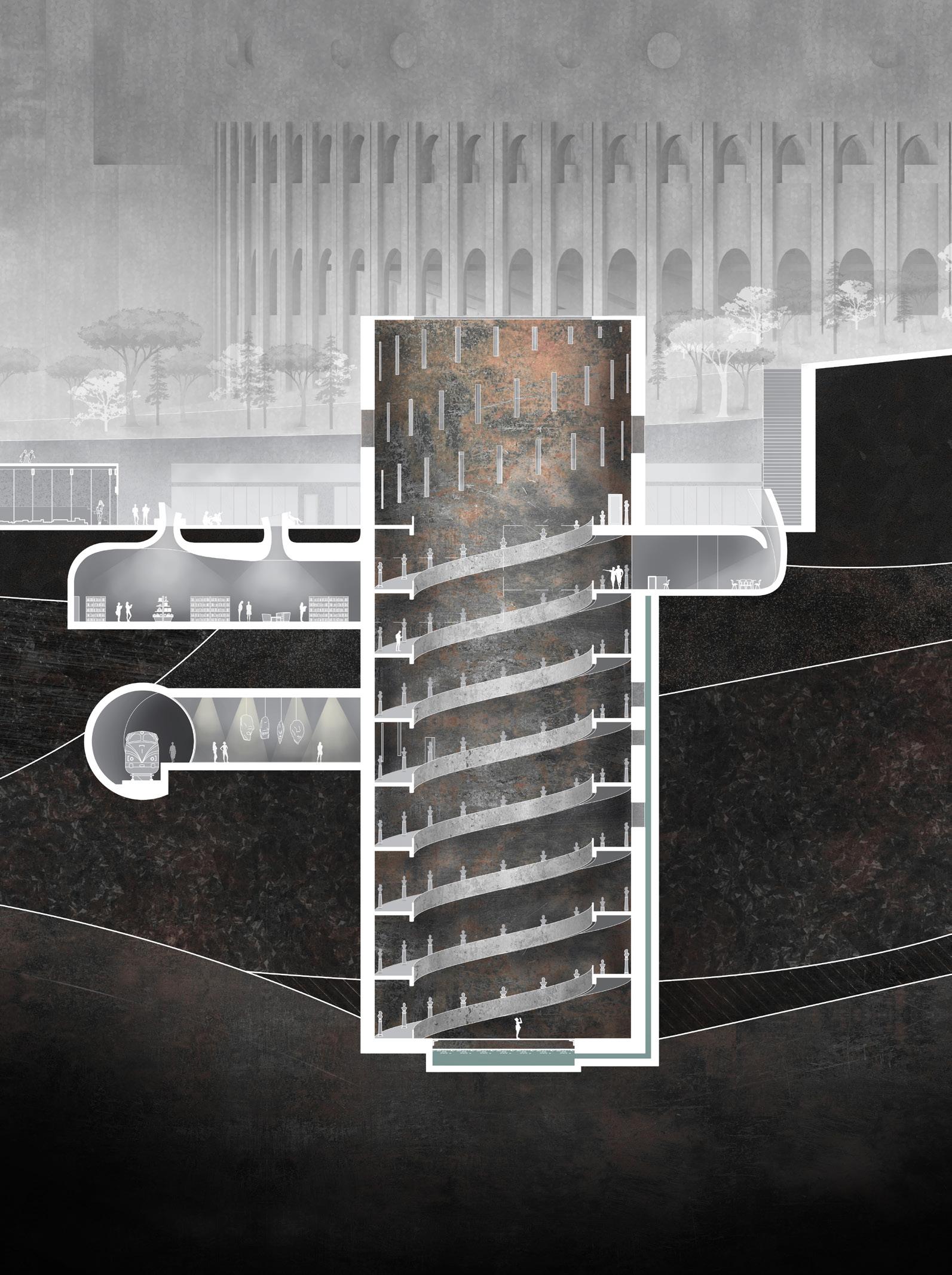
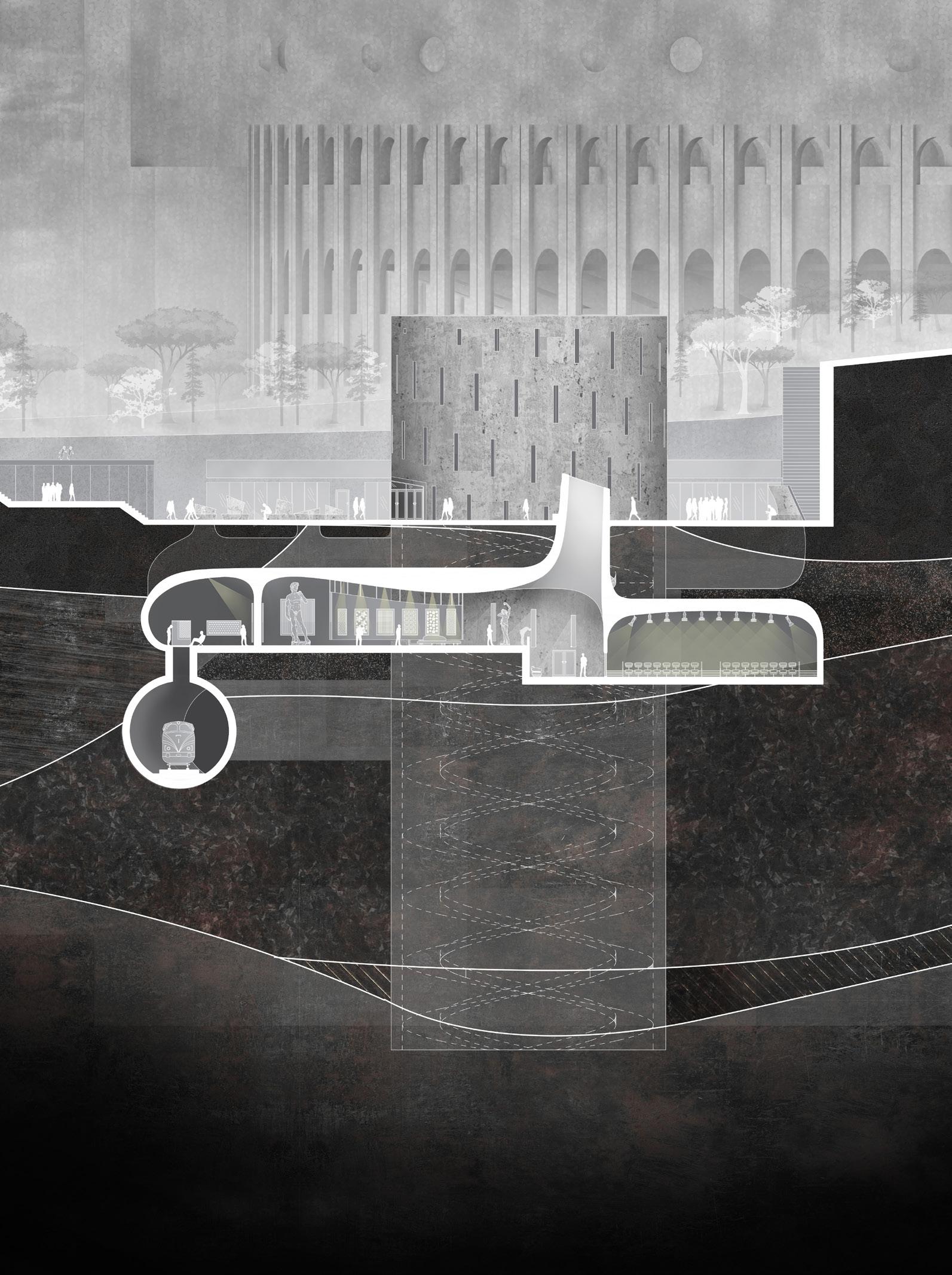
This project was created duing my Rome term with the University of Waterloo in Fall of 2019. Throughout my time living in Rome I was stuck by the sense that Rome is a place built on top of itself manytimes over. This concept exists in a very real way when one visits the Basilica di San Clemente a baroque church buily on a medievil one, built on a Roman structure. This inspiration and my love of geology ment that when given a site adjacent to the collosseum my partner and I chose to attempt to design a structure that would highlight this vertical underground city. The following project was completed in collaboration with Laura Deacon. The design consists of a series of delicate paths that reach and dugged out courtyard that then gives access to an undergound tower that brings tourists into the heart of the city and exploses the layers of construction, including on this site the subway system. The program is a museum organized verticaly with the oldest artifacts at the bottom and the newest on the surface. This vertical experience reaches its pinical in the sprial staircase where the earth and sky compress all eras into one space 40 meters deep.
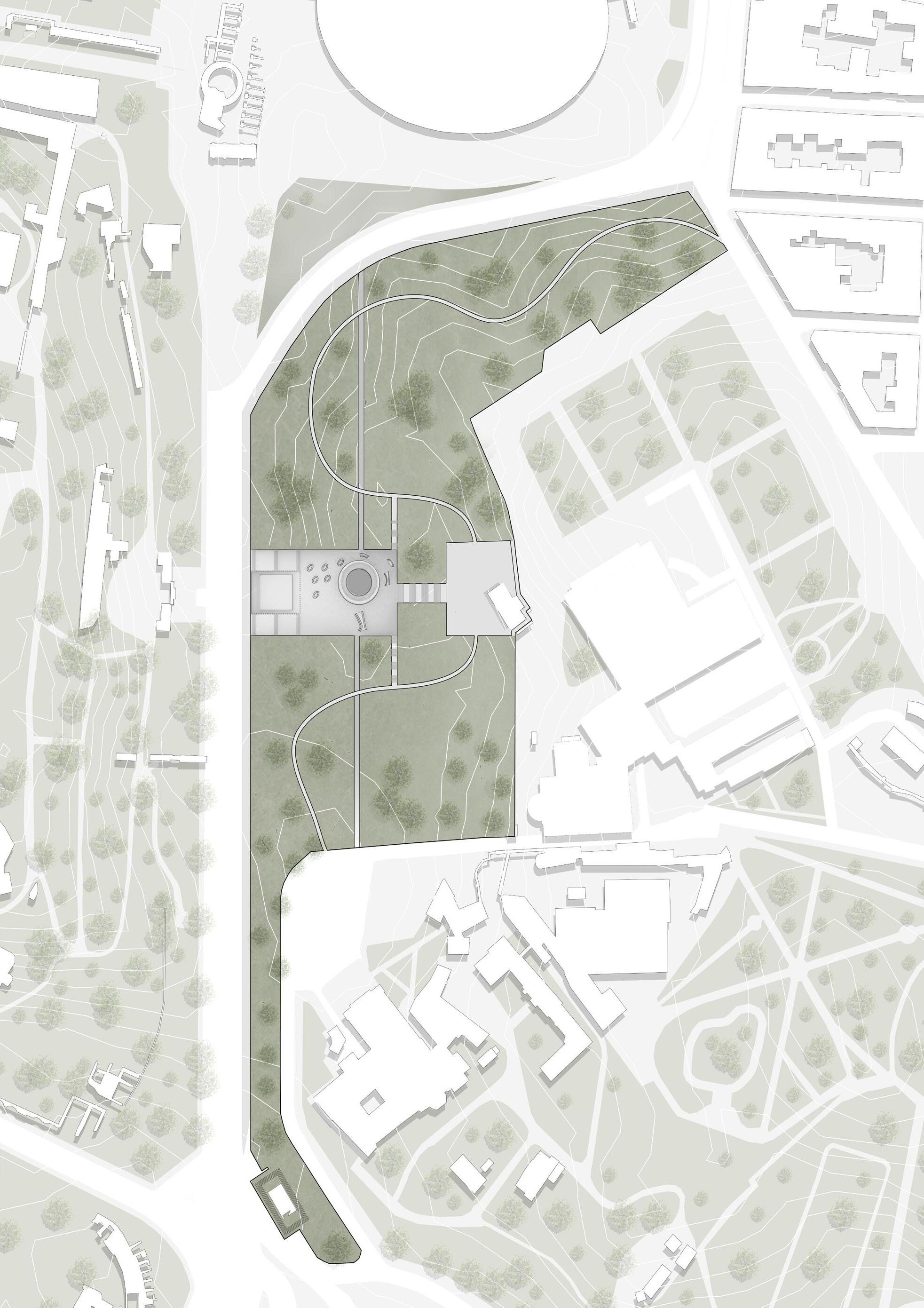
Ground Floor Plan @ 1:200
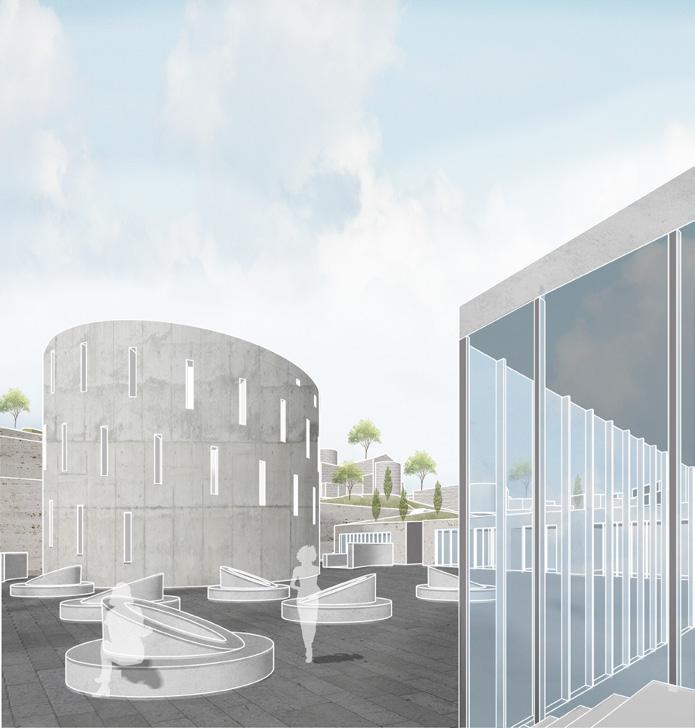
Exterior Spaces
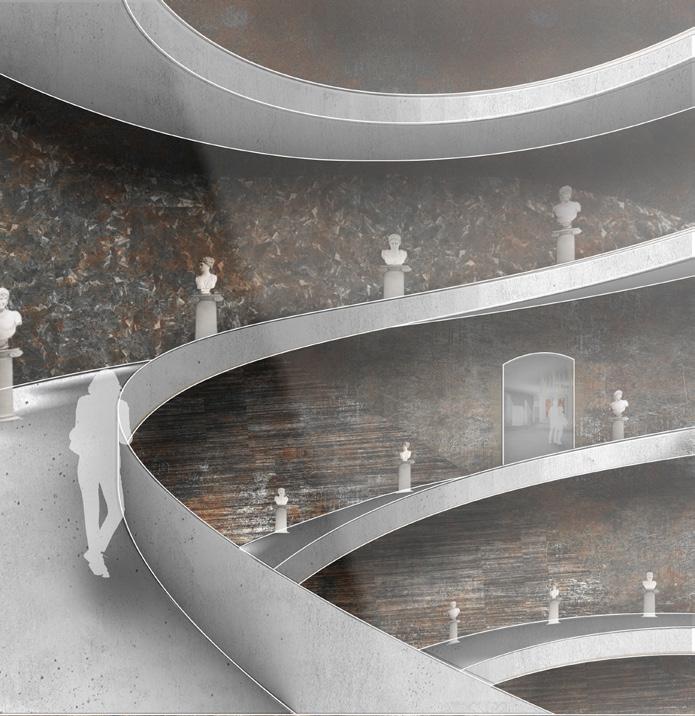
Excavation Space Interiors
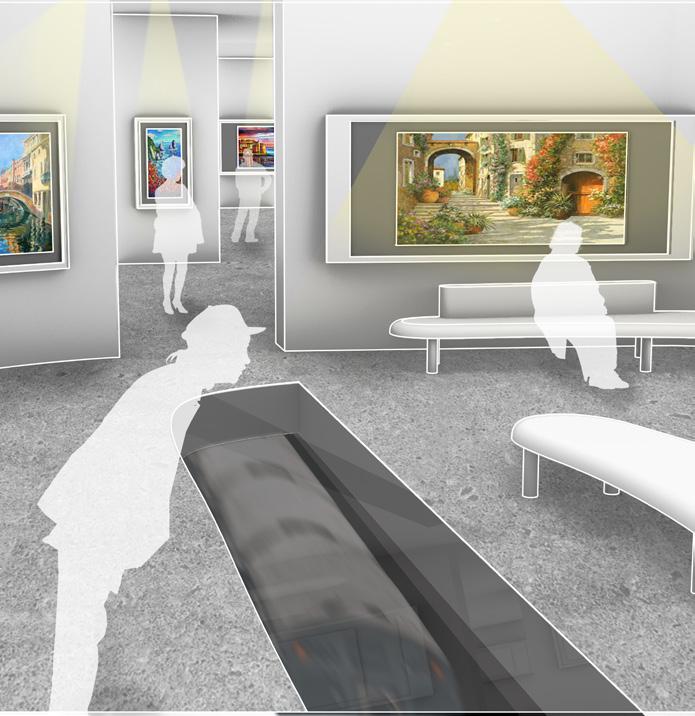
Gallery Space Interiors
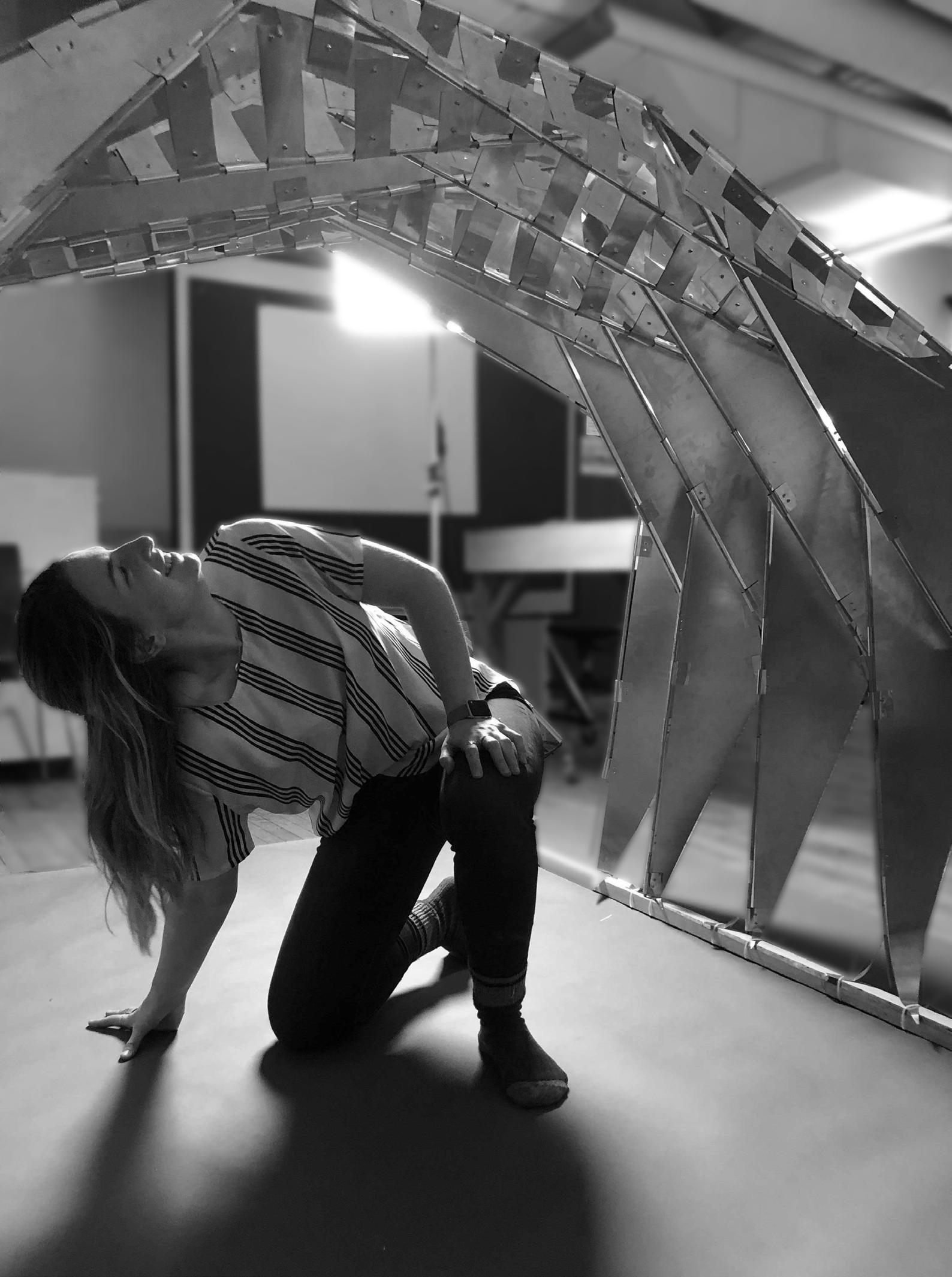
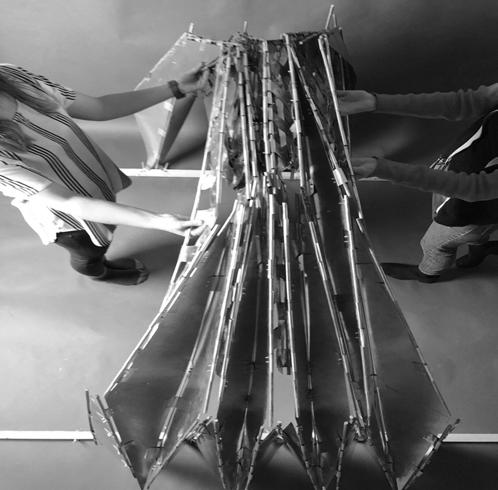
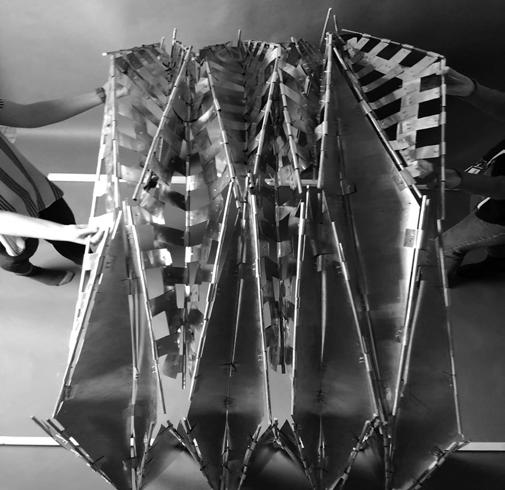
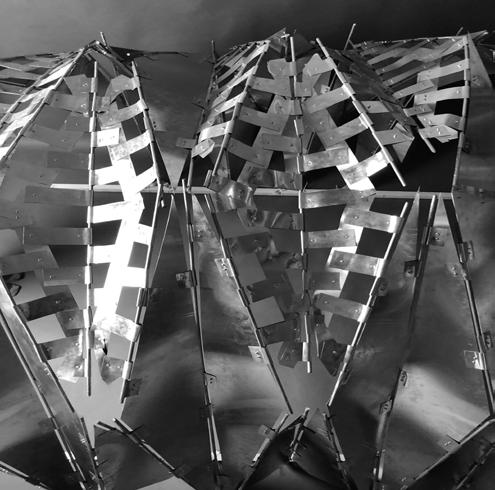
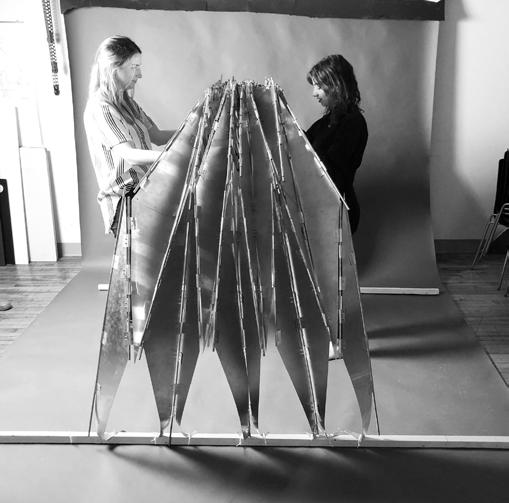
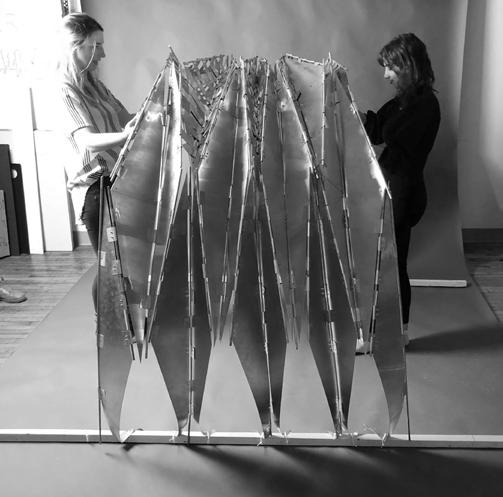
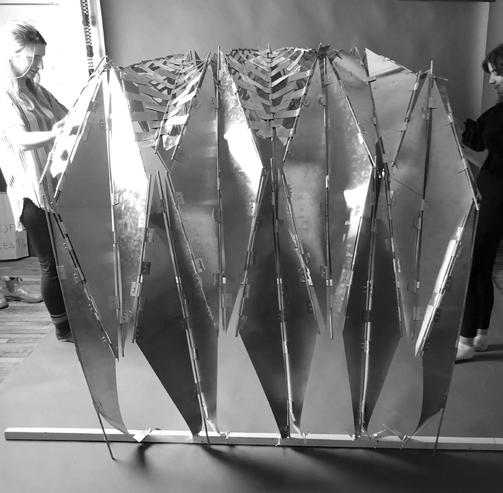
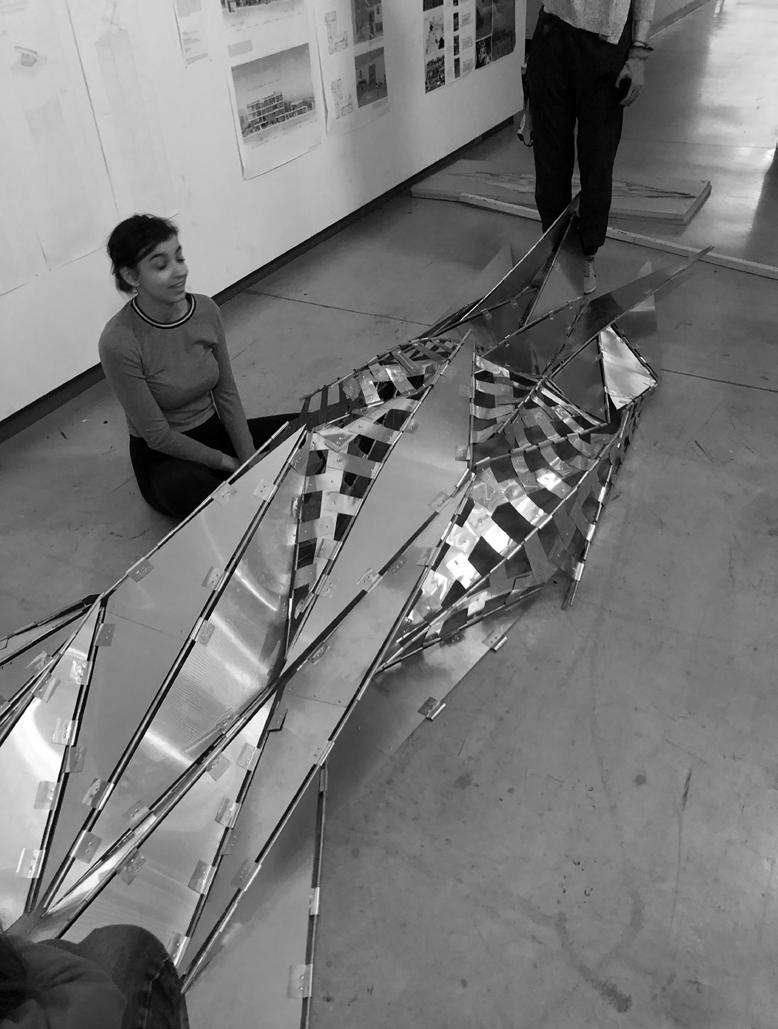
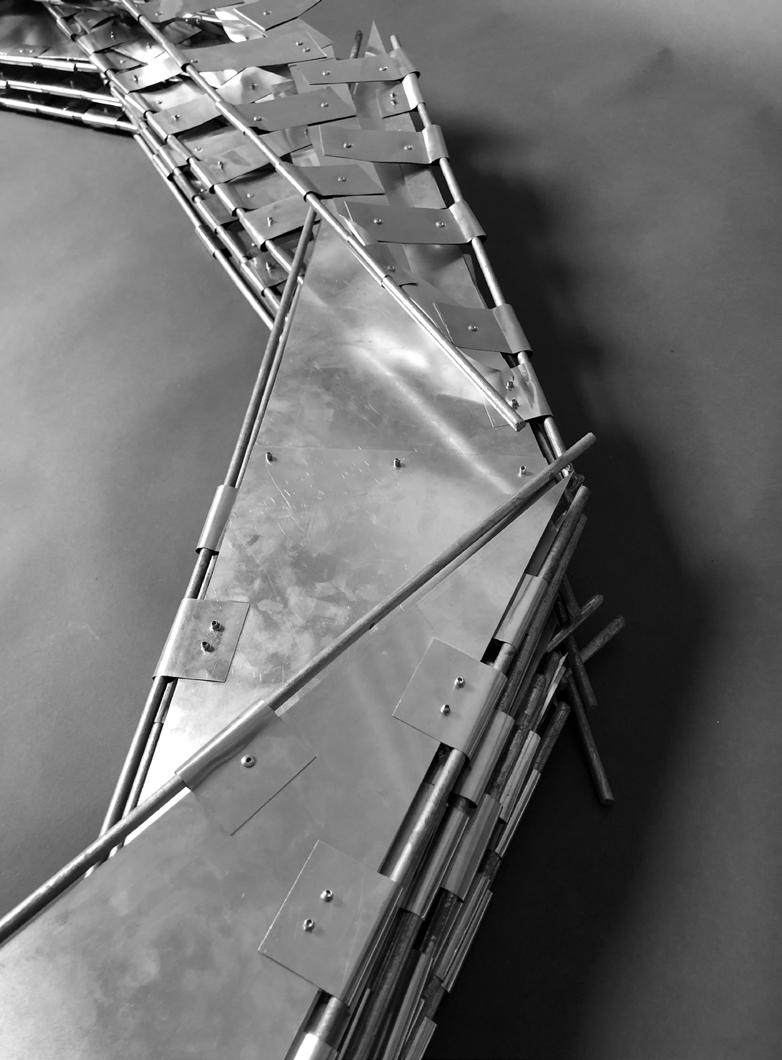
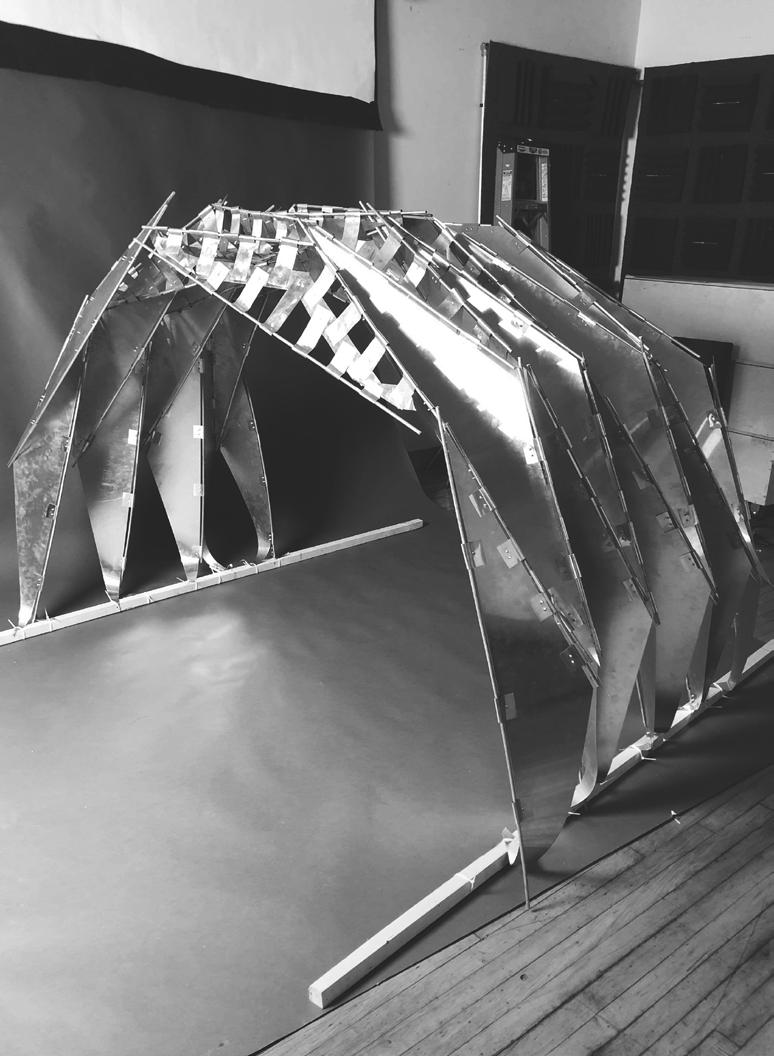
Metals are essential materials in buildings. Their unique and varying properties allow for structural and aesthetic innovations in our built enviroment. Choosing to explore this material from the perspecitve of its role in movement in architecture through both its use as hardware in openings (door knobs, hinges, window sills) and its use in mechanical kinetic parts. The resulting project is a 1:1 model of a kinetic aluminium arch. Using a standard module of 48 triangular pieces of 22 grade aluminium were configured and assembled using 241 aluminium duct hinges.
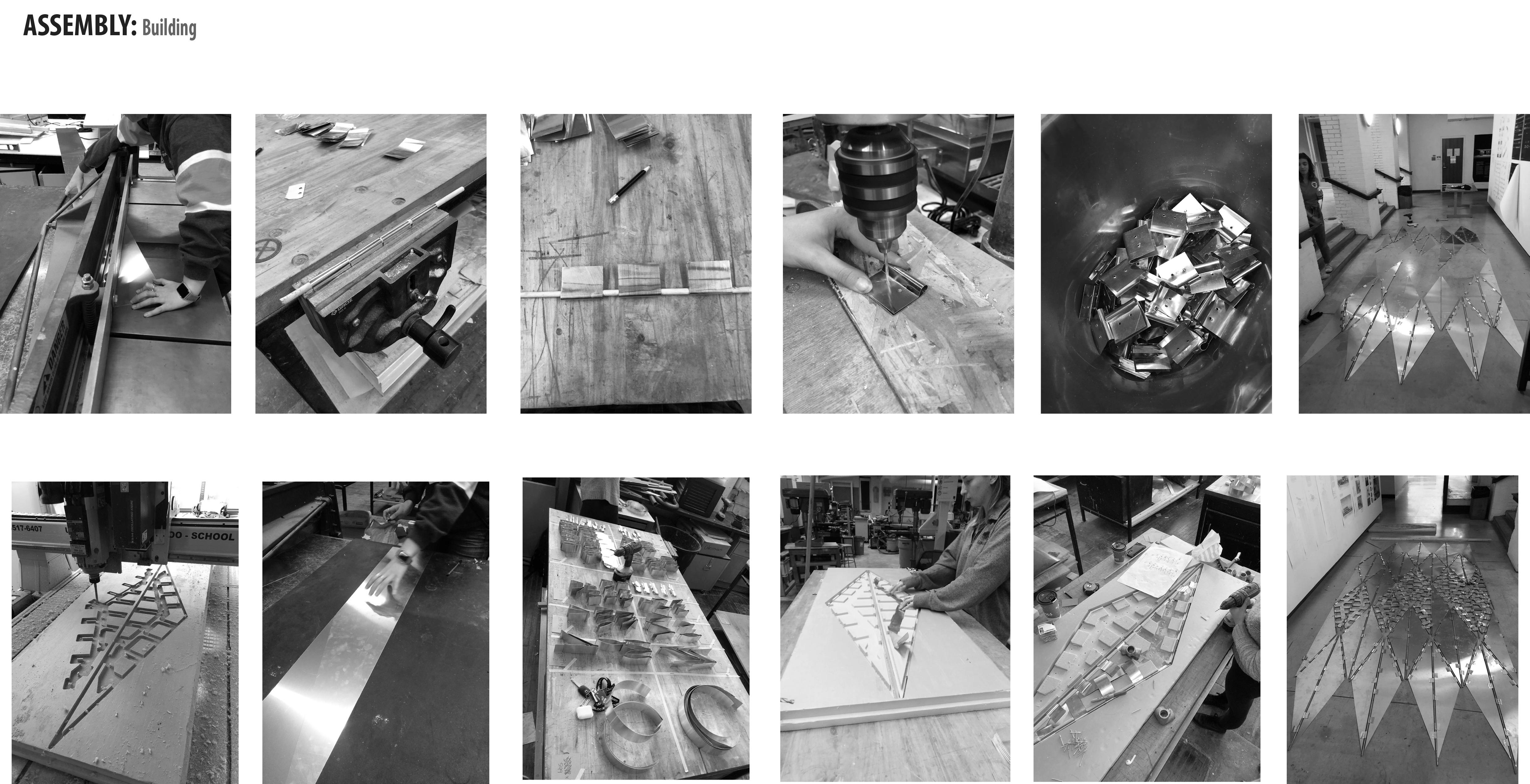
1. Raw materials: include twelve narrow 22 gauge aluminium sheets (200 mm x 4200 mm) and five rolls of aluminium duct.
2. The metal sheets were then cut on a shear machine, into 48 triangular pieces and half pieces. The duct is cut into strips.
3. All pieces are drilled to allow for future connections.
4. Using a table mounted vice 241 hinges are folded and attached to the pieces. While 12 other pieces use a CNC foam jig to make precise panels made of completely hinges
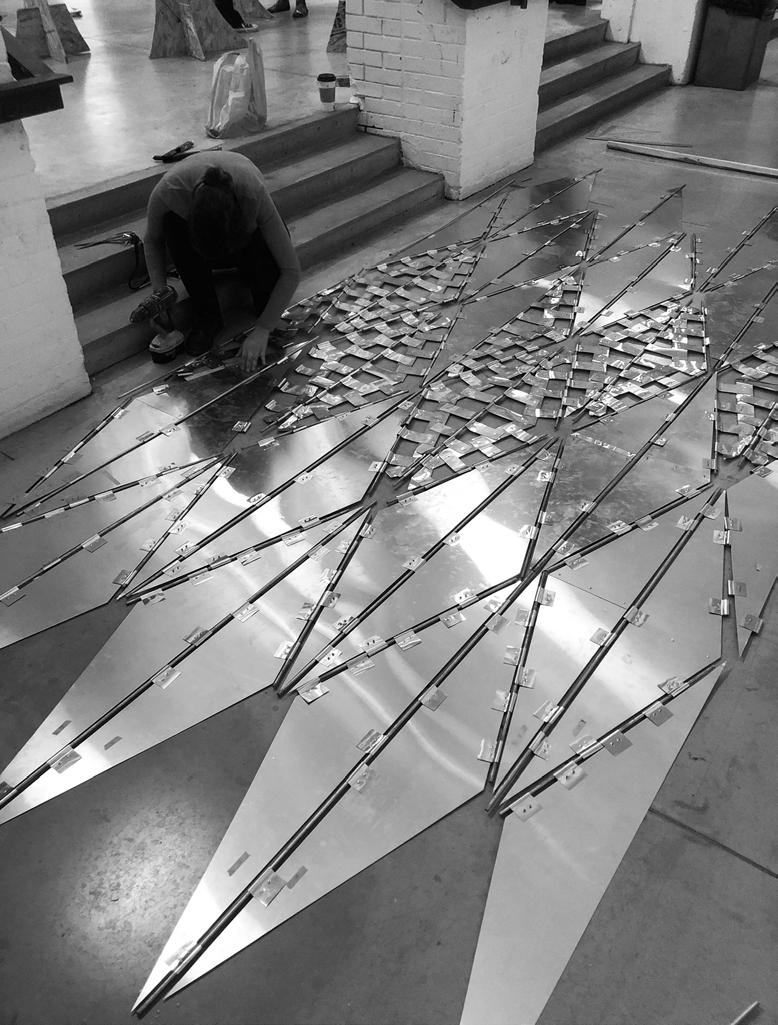
5. All pieces are layout and riveted together
6. Layout and assemble
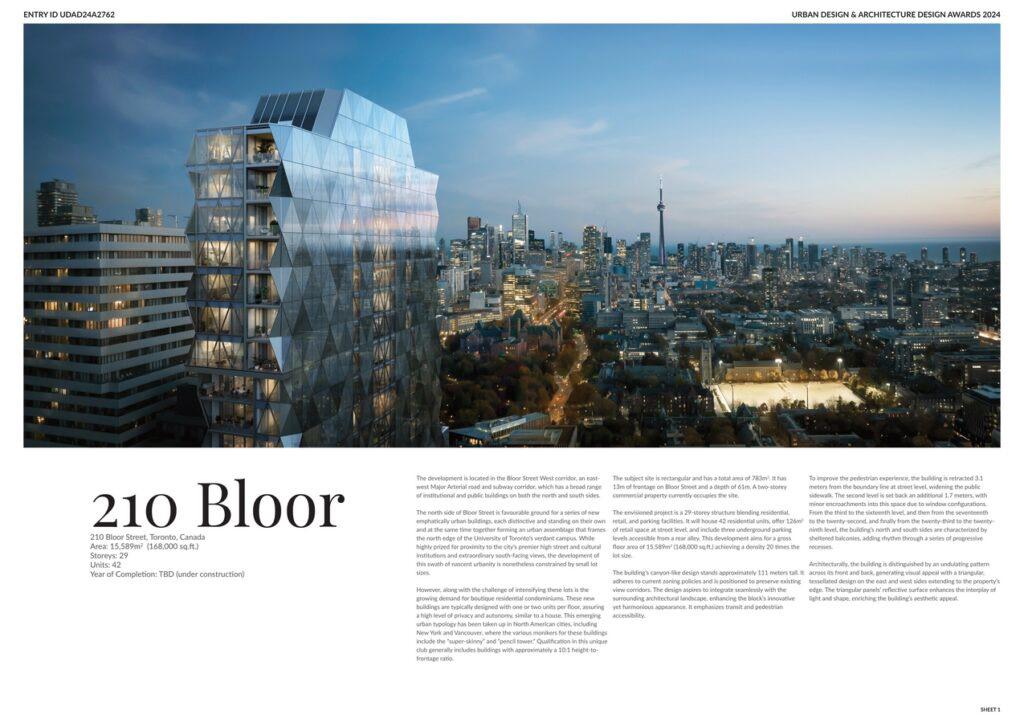
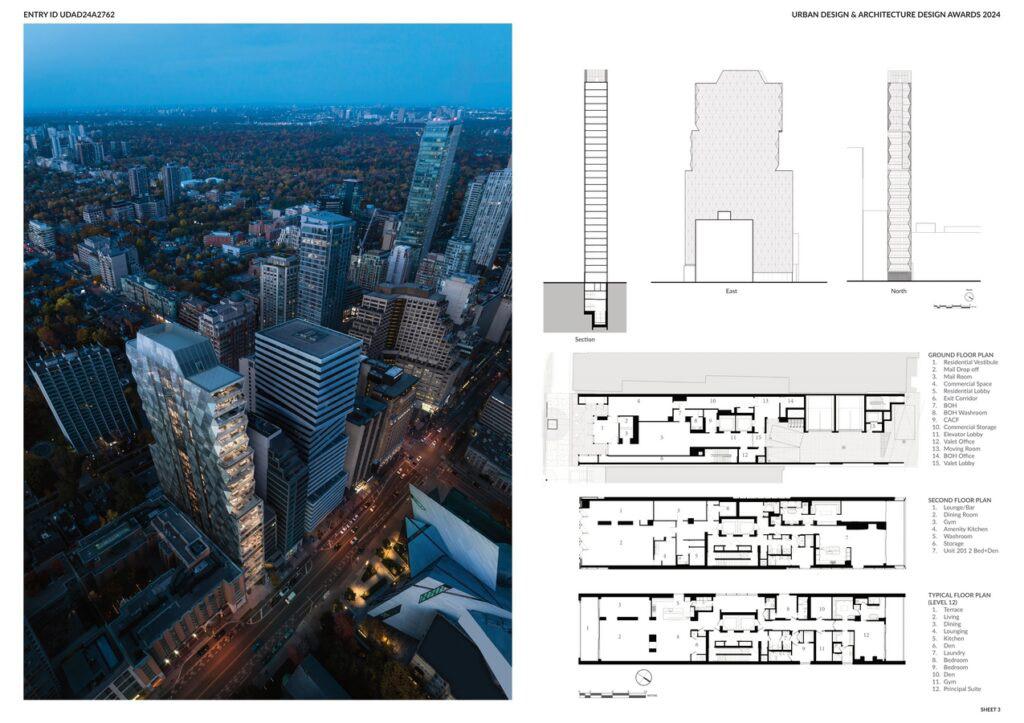
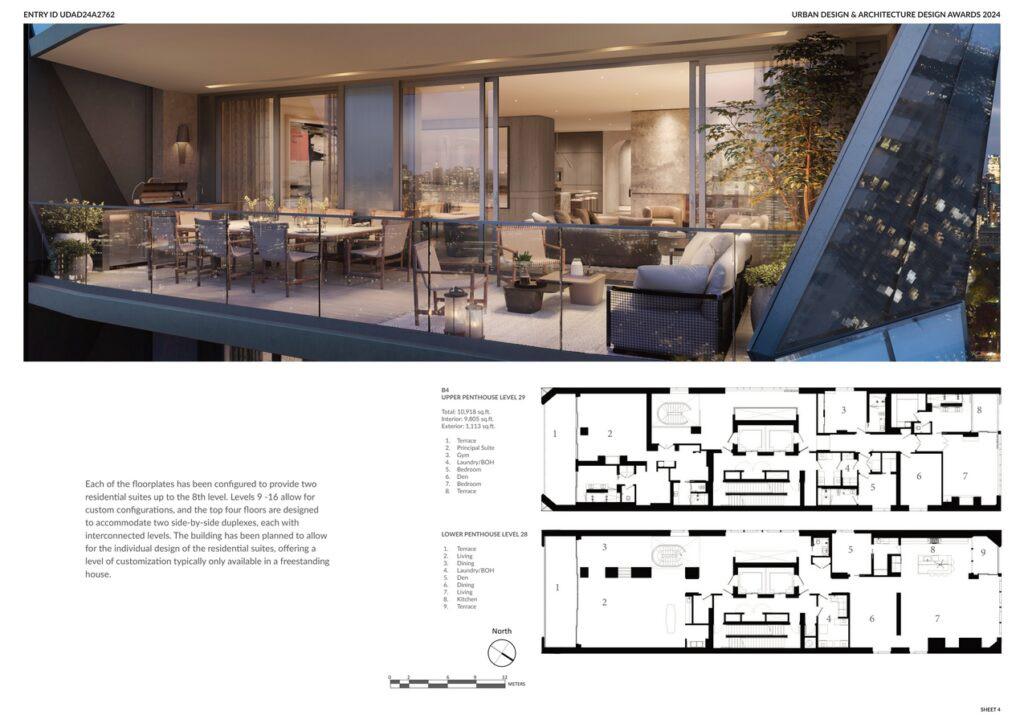
I worked as part of the team at Core Archtects to draw and render the deisgn and perpare the award package, which was ultimately successful and won a gold award.
The north side of Bloor Street is favourable ground for a series of new emphatically urban buildings, each distinctive and standing on their own and at the same time together forming an urban assemblage that frames the north edge of the University of Toronto’s verdant campus. While highly prized for proximity to the city’s premier high street and cultural institutions and extraordinary south-facing views, the development of this swath of nascent urbanity is nonetheless constrained by small lot sizes.
The subject site is rectangular and has a total area of 783m2. It has 13m of frontage on Bloor Street and a depth of 61m. A two-storey commercial property currently occupies the site.
The envisioned project is a 29-storey structure blending residential, retail, and parking facilities. It will house 42 residential units, offer 126m2 of retail space at street level, and include three underground parking levels accessible from a rear alley. This development aims for a gross floor area of 15,589m2 (168,000 sq.ft.) achieving a density 20 times the lot size.
The building’s canyon-like design stands approximately 111 meters tall. It adheres to current zoning policies and is positioned to preserve existing view corridors. The design aspires to integrate seamlessly with the surrounding architectural landscape, enhancing the block’s innovative yet harmonious appearance. It emphasizes transit and pedestrian accessibility.
Architecturally, the building is distinguished by an undulating pattern across its front and back, generating visual appeal with a triangular, tessellated design on the east and west sides extending to the property’s edge. The triangular panels’ reflective surface enhances the interplay of light and shape, enriching the building’s aesthetic appeal.
Scott Henson Architects 2017
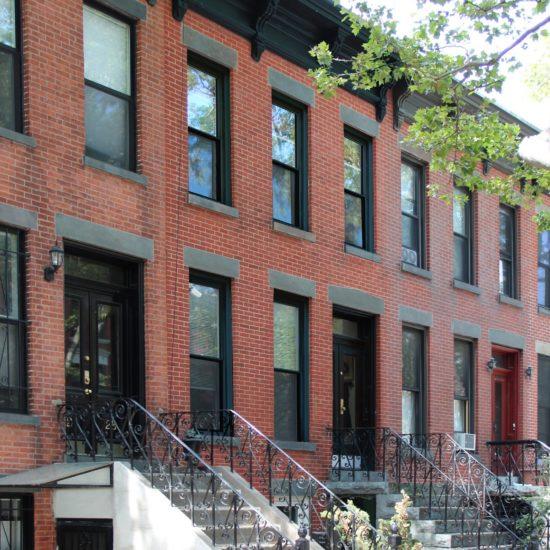
I worked as part of the team at Scott Henson to research and design a passive house solution or a hertiage protected townhouse in Queens, New York.
This proved to be a challenge with the historic masonry which needed to be made air tight for passive house while maintaintaing the historic apperience. The facade repairs had to be precise and use carefully chosen materials. The envelope need a continuous vapour barrier while accomidating a leaning party wall.
lsmatos@uwaterloo.ca