MID Portfolio Application 2022
Lara Machum
LARA ROSE MACHUM
ADDRESS

75 River Elm Dr. West St. Paul PHONE (204) 793-1197

Machuml@myumanitoba.ca
ADDRESS
75 River Elm Dr. West St. Paul PHONE (204) 793-1197
Machuml@myumanitoba.ca
University of Manitoba Winnipeg, MB · 2017 - Present
Faculty of Architecture Bachelor of Environmental Design
Graduating May 2022 Field of study: Interior Environments
Maples Collegiate High School 2017
Deans Honour List, University of Manitoba 2020 – Present
Founder and President of 365 Art Club 2019 - Present

Communication
Excellent interpersonal and communication skills coupled with solid technical skills gained both through on the job experience and academic projects.
Strong critical thinker with the ability to engage in reflective and independent thinking. An active learner who questions ideas and uses creativity to solve problems.
Proven track record of working effectively in a team in highly stressful situations while maintaining professionalism with both colleagues and customers.
Exceptional organization and time management skills.
TAKE A SIP TEAHOUSE 09 | 09 | 2021 – 12 | 09 | 2021
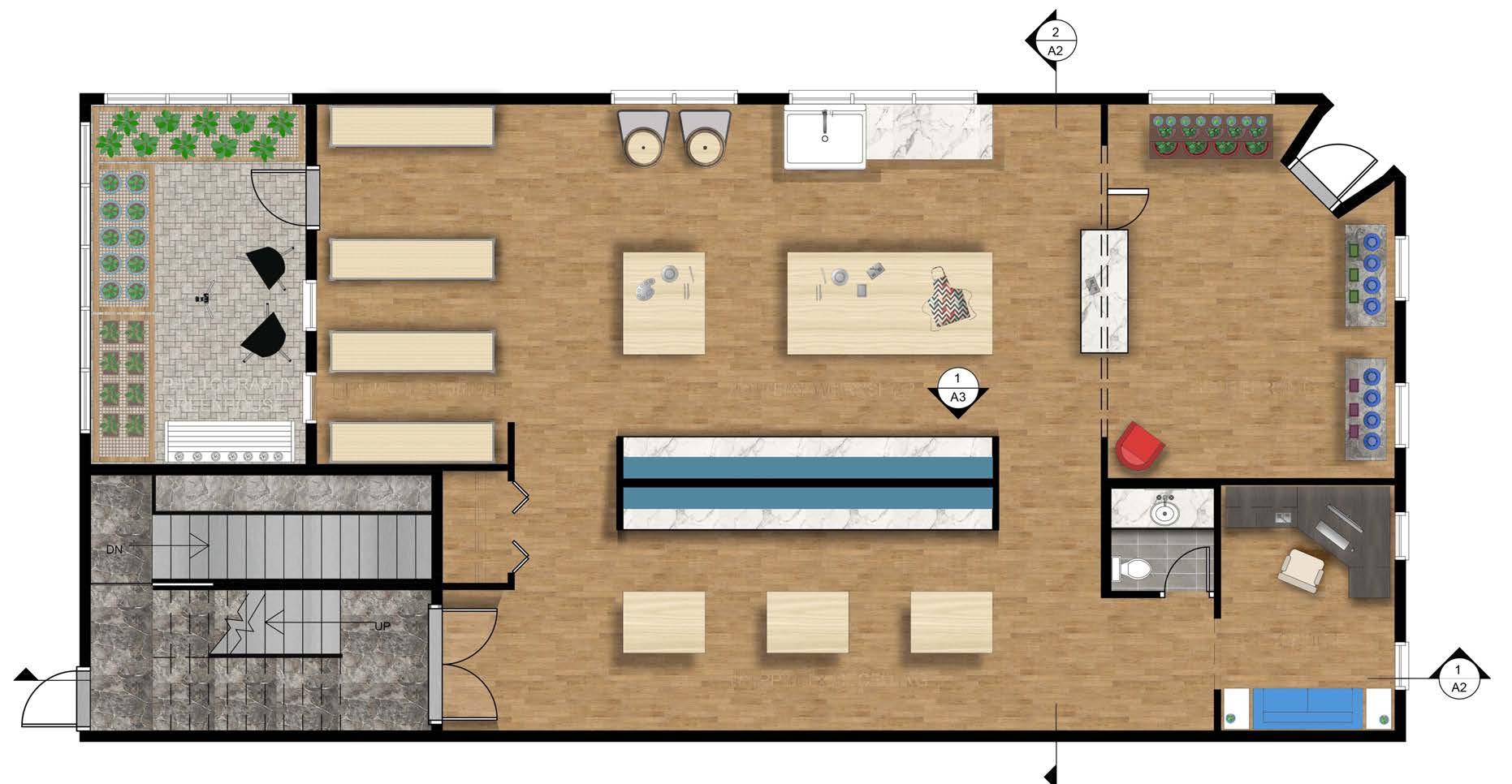
At Take A Sip Teahouse a custom experience is created allowing individuals to indulge in their favorite cup of tea like never before. Situated at 125 Pacific Avenue in the Exchange District, this site proves to be the center of Winnipeg’s diverse environments. Surrounded by all walks of life, everyone creates their own personalized experience upon engaging the sensory systems of smell, taste, and touch throughout the store.
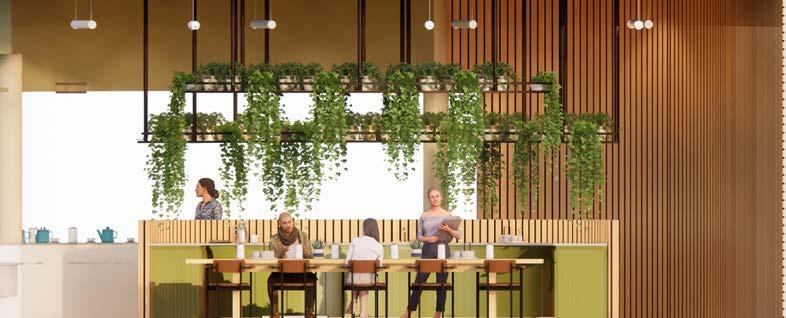
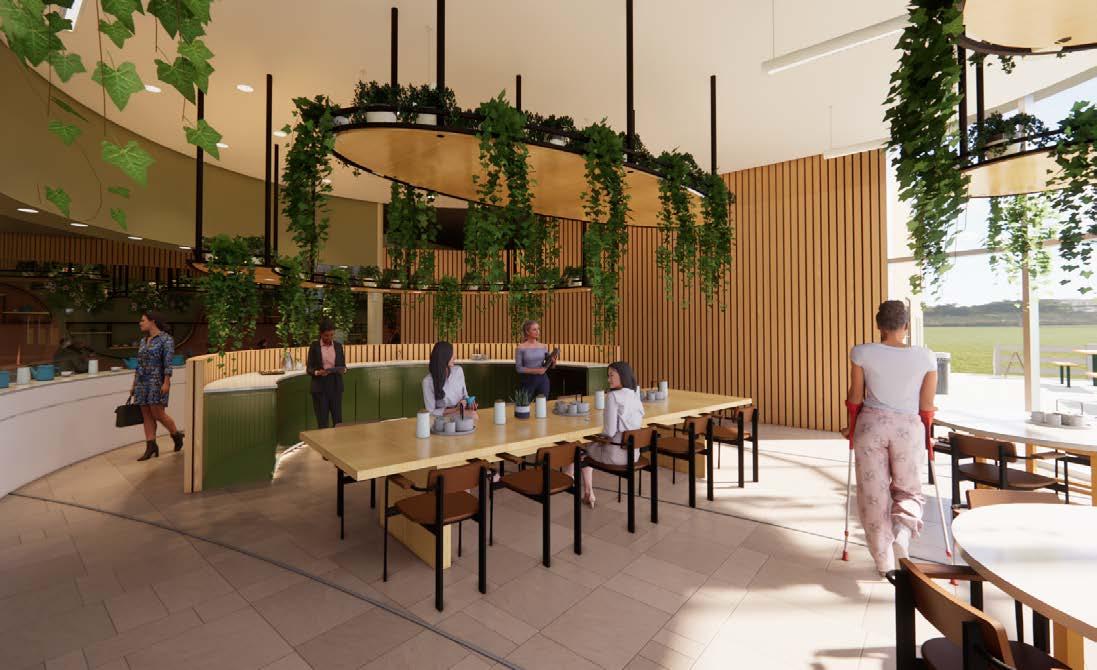
Customers can purchase a wide selection of teas from our carefully curated cafe with specialty blends made from the in-store grown herbs. From caffeinated to decaffeinated, black to herbal infusions Take A Sip has it all! Individuals are encouraged to taste while relaxing in the uniquely designed seating areas that inspire both communication and quite reflection. However, the real experience is through making the tea oneself. Custom to individual preferences, the store offers a wide range of workshops that allow connections to be made with the surrounding environment and customer senses.
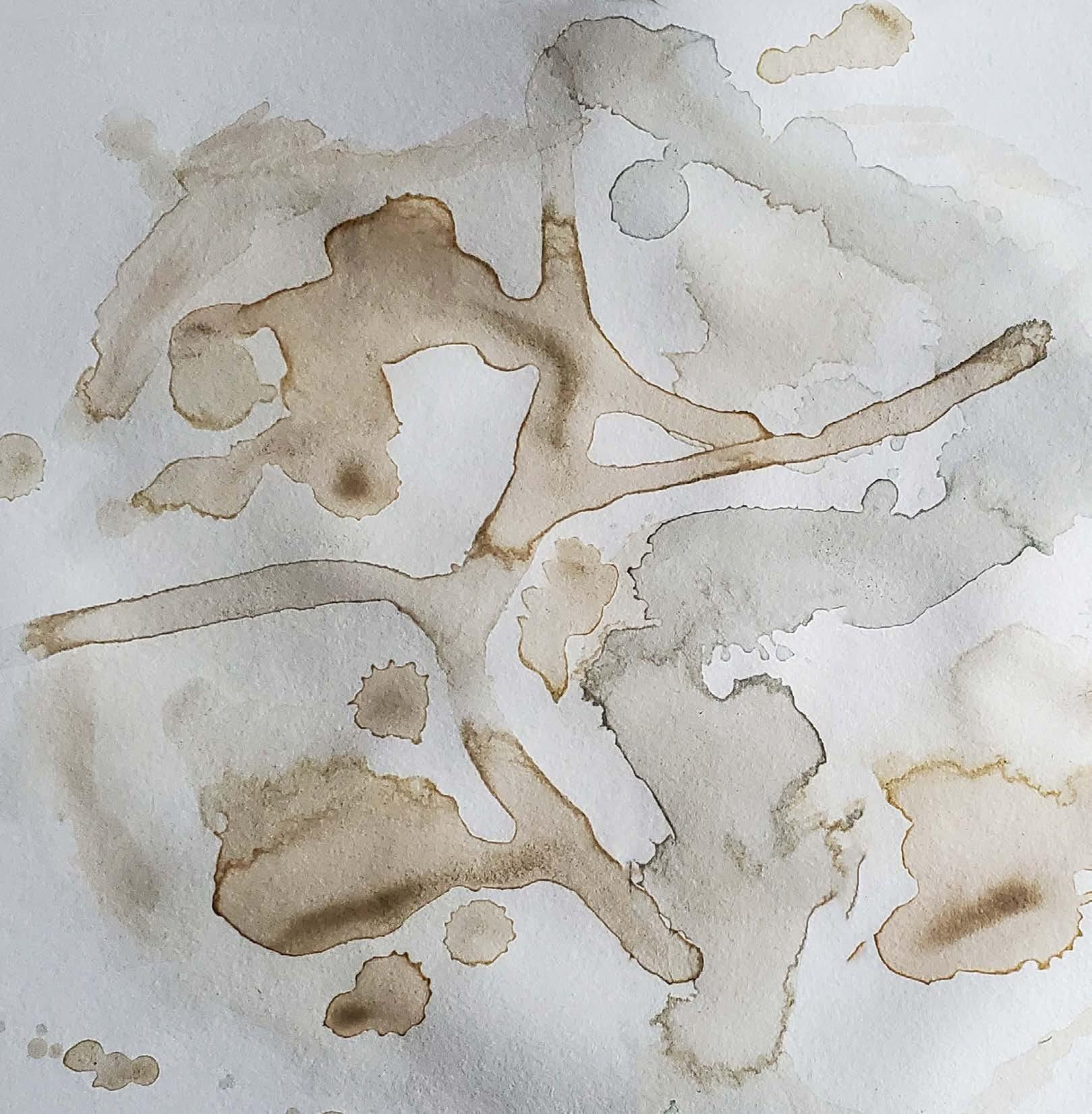
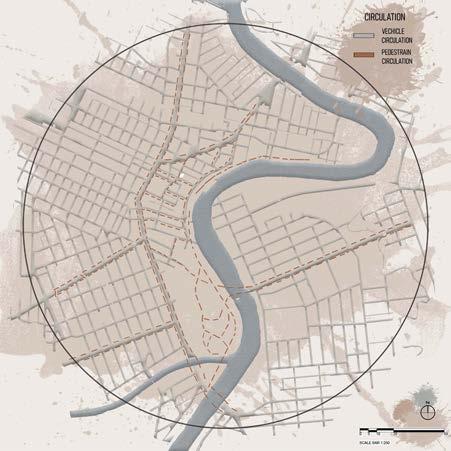
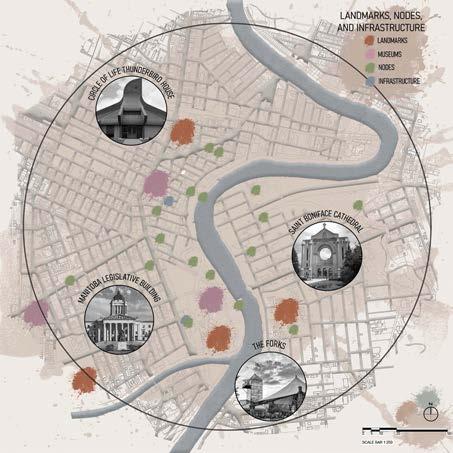
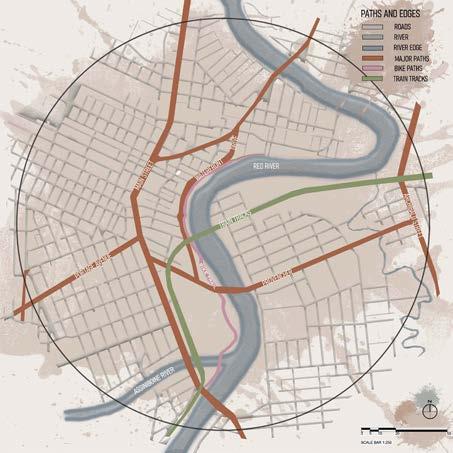
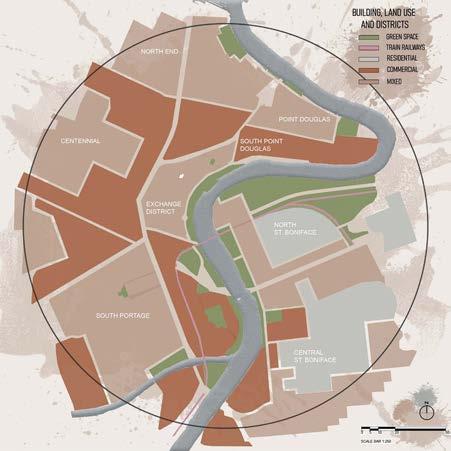
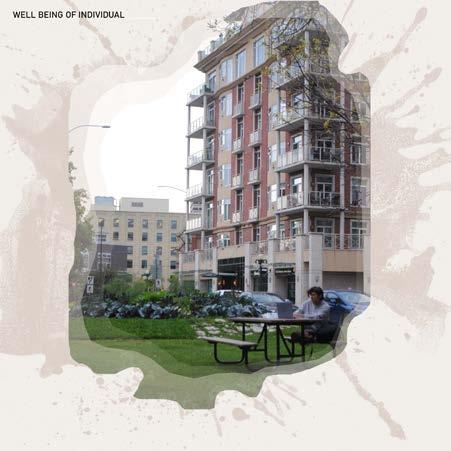
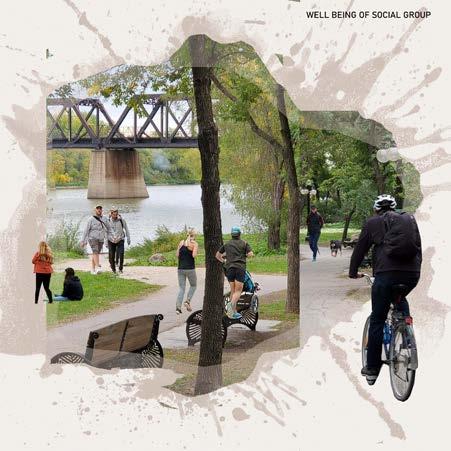
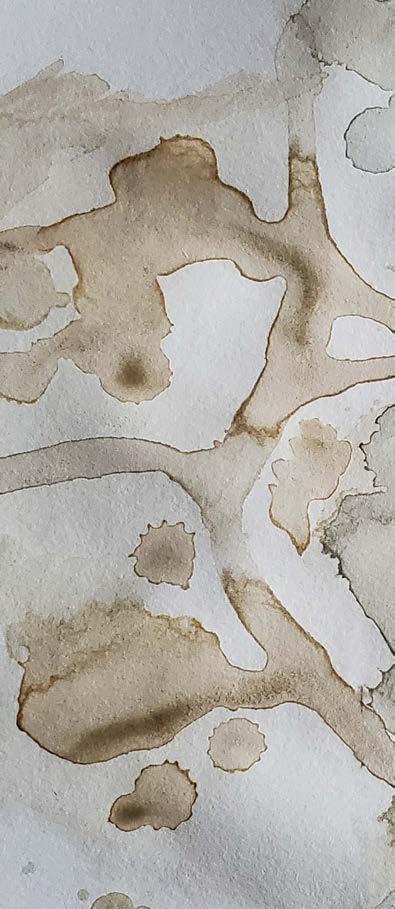
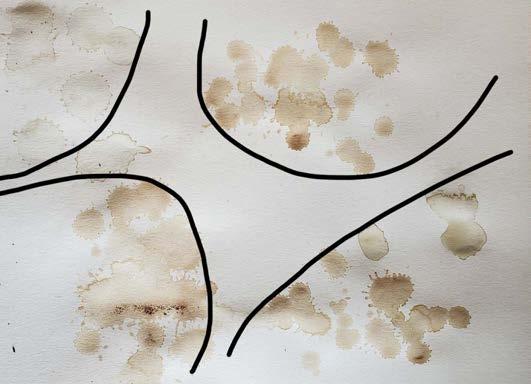
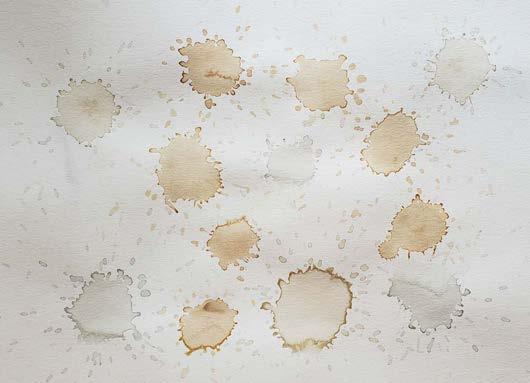
The typology rationale of the store is a teahouse whose programing of the space was inspired by the exploration of painting with tea. Throughout the process it was discovered that the multicoloured tea splatters created an interesting relationship with the void in between. This discovery allowed fluid pathways to emerge, highlighting paths of movement that could later be the inspiration of spatial organization within the building.
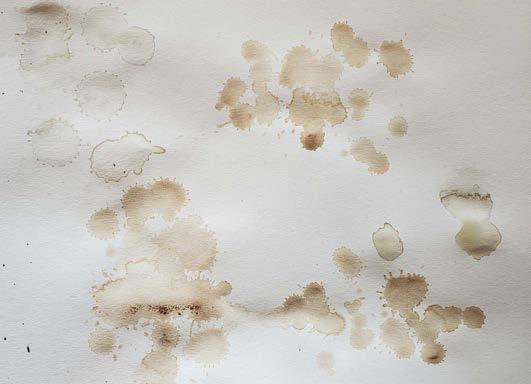
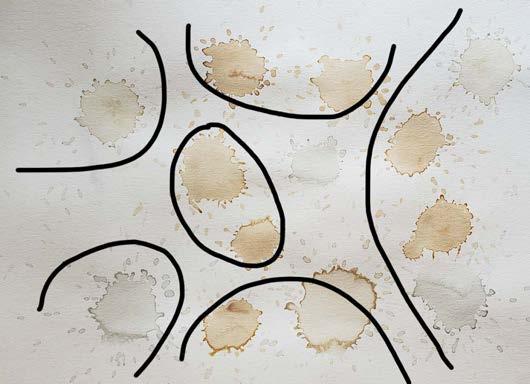
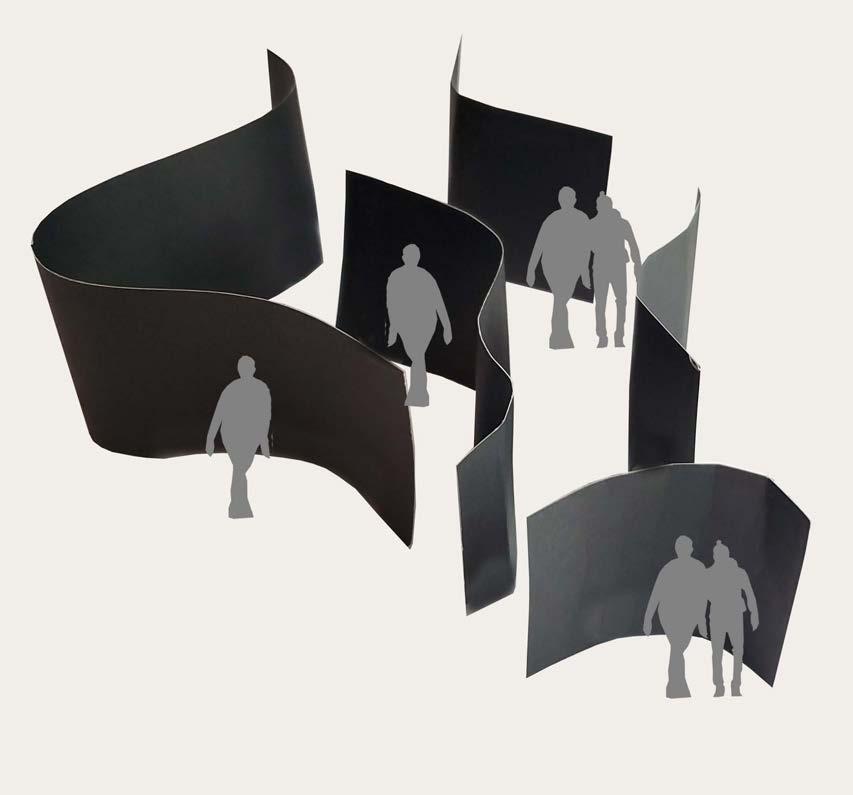
The created design language became the center of exploration as the fluid movement allowed for boundaries between spaces to be blurred. This became the focus on the exterior and interior of the building, providing curved walls to dictate movement and spaces of both private and public use.
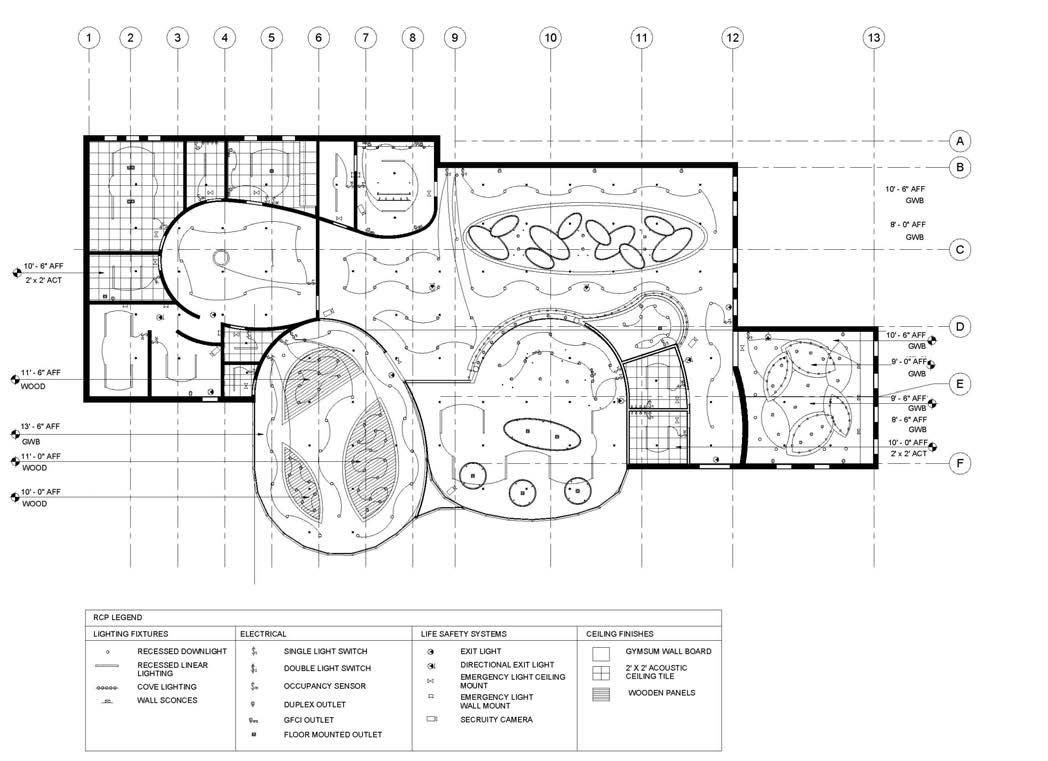
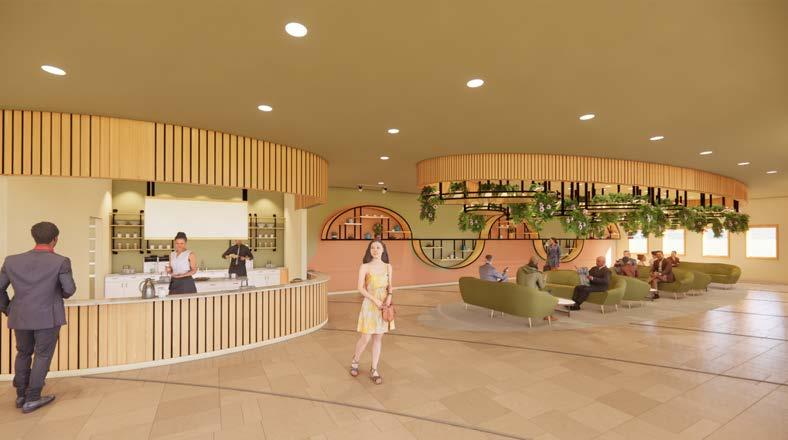
The reception area was designed to greet the public upon entry into the teahouse. Its use of natural materials, warm paint tones, and cove lighting provide an initial glimpse into the inviting atmosphere of the store.
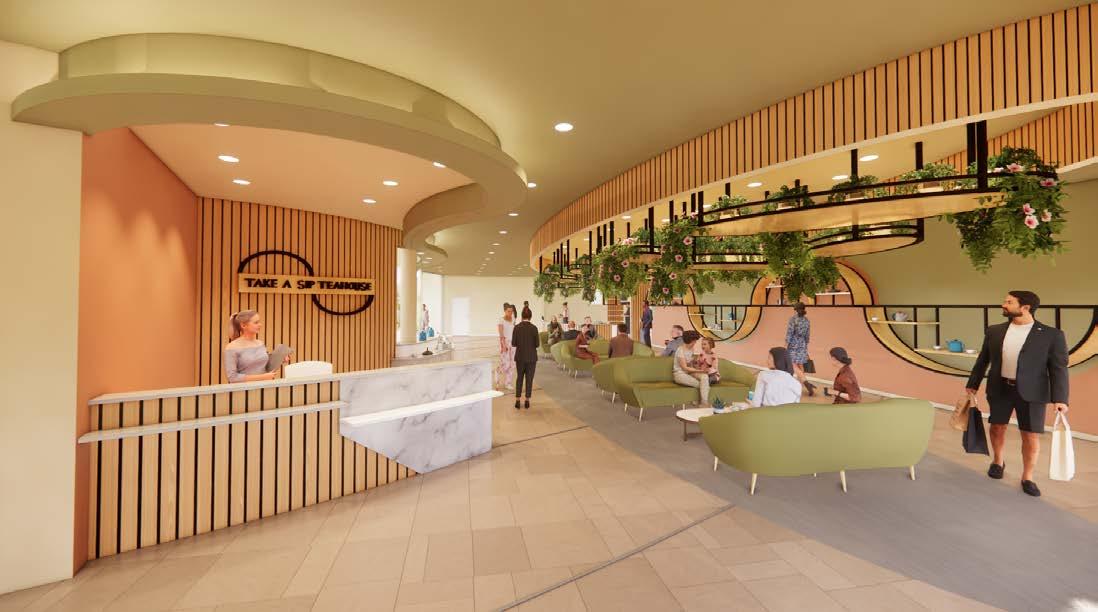
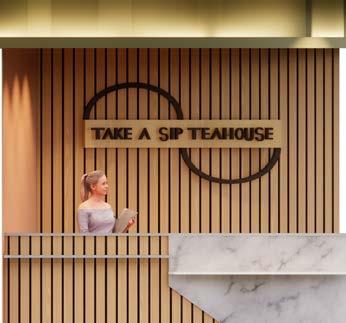
The reading area was designed as a cozy and quite place to escape the hustle and bustle of daily life. An extension off the main lounge, this space provides comfort in its window nooks and a subtle radiating glow in the ellipse shaped ceiling features.
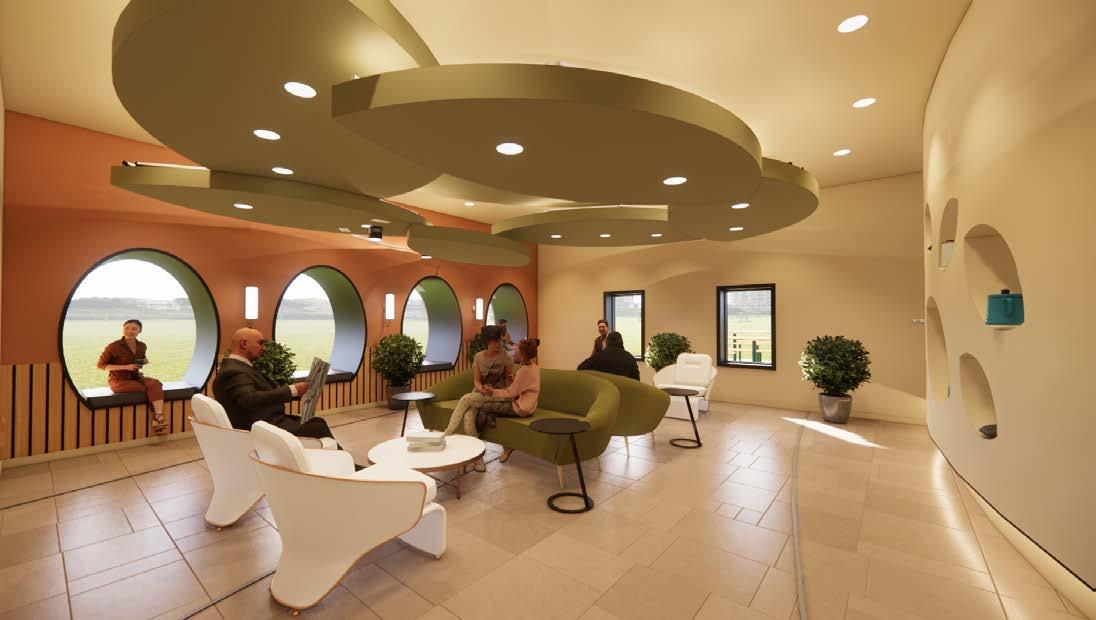
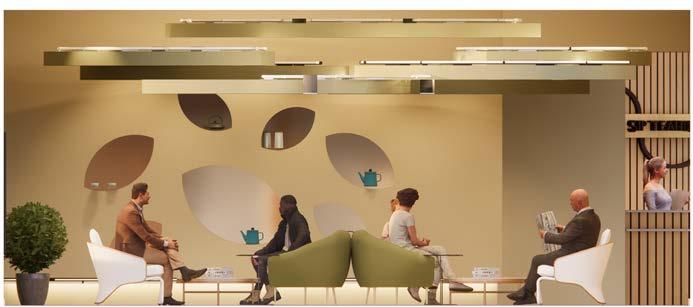
The lounge is a space designed to encourage conversation among guests. It provides a cozy seating area bounded by the ellipse shape carpet and ceiling features. In the center, display shelves are hung with potted plants to mimic the greenhouse experience. Lastly, on the back wall a series of display shelves can be found. They contain multiple levels to exhibit different featured teapots and teacups for sale.

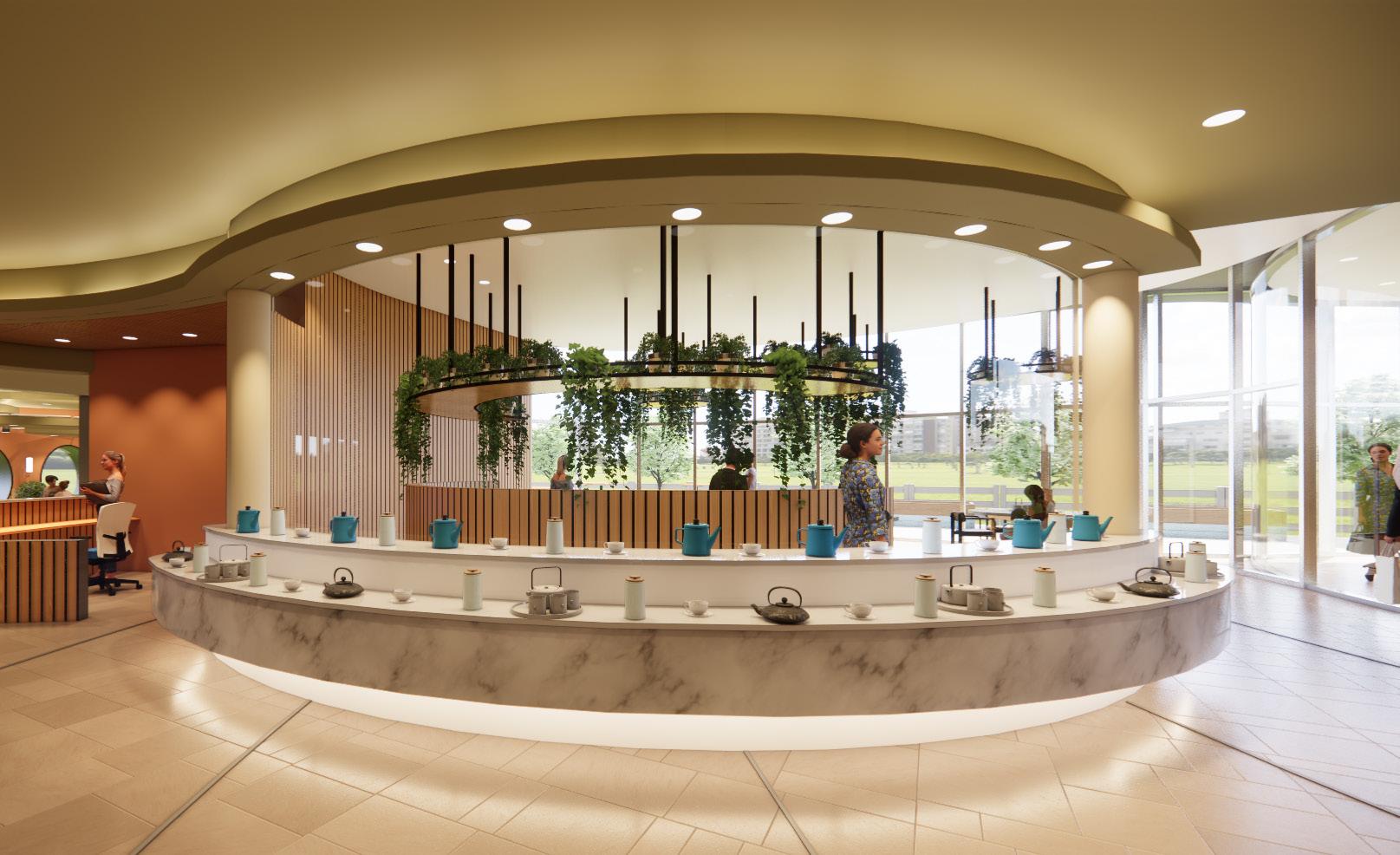
The main display area for tea products is shown in the middle of the store. It was designed to create boundaries between different areas of the teahouse, acting as a partition wall with glass in the middle. The glass has a duel function of providing visual view points into the workshop, and acting as an acoustical boundary from the lounge and cafe.
The design intention of the workshop is to bring the public into the immersed experience of making tea. This space provides a semi-private area for customers to work with instructors without being closed off in a classroom like setting.
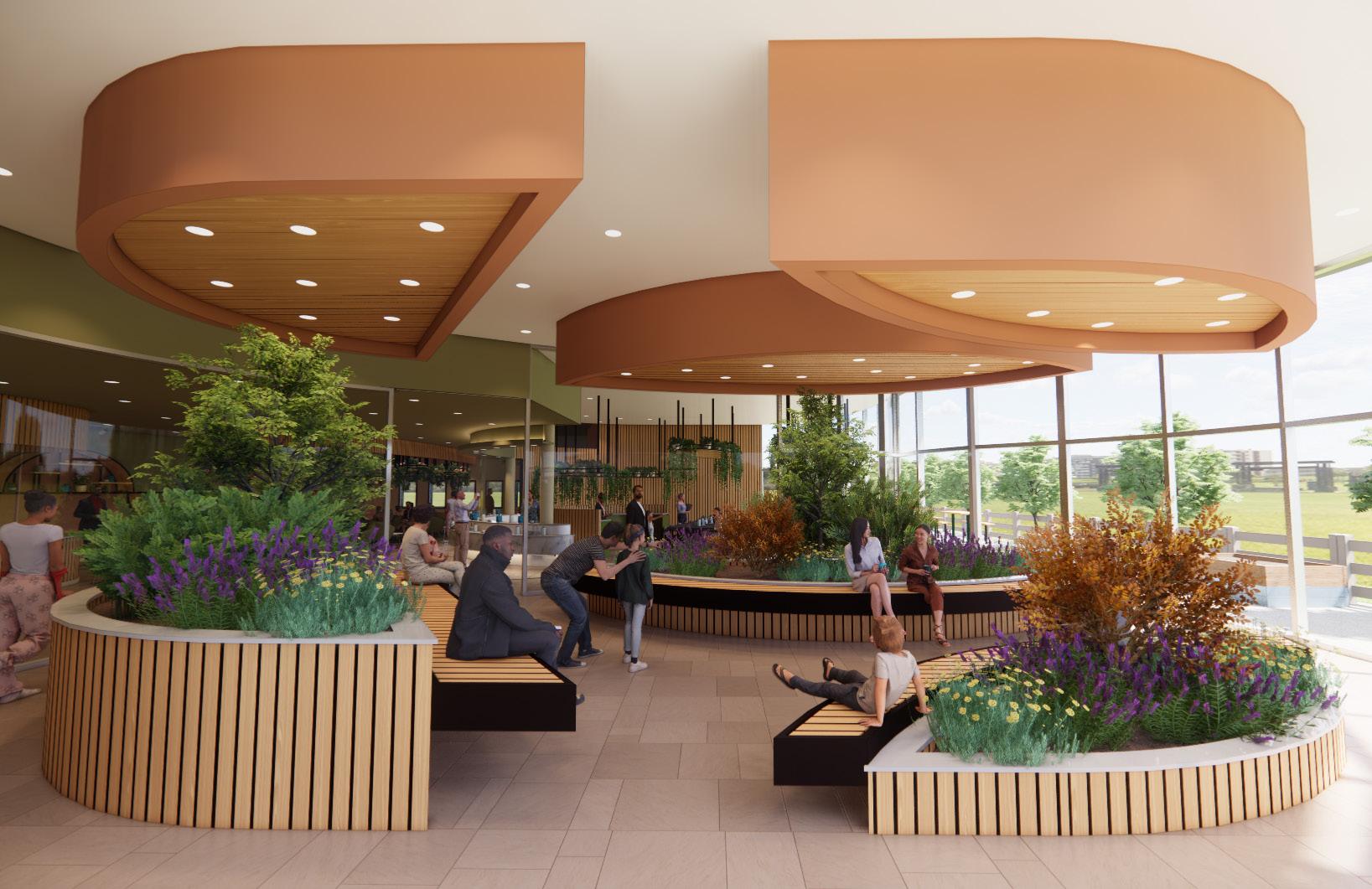
This project challenges the traditional culture of campus society. It seeks to explore and exploit the hidden oddities which are rendered strange for its placement, but beautiful in its context.
The goal of this project was to modify the relation between movement and context within the University of Manitoba’s Fort Garry Campus. By exploring the function of spatial conditions, it was understood that the boundaries of interior and exterior spaces could be stretched beyond their traditional context.

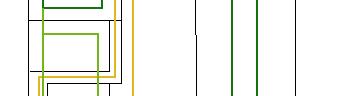
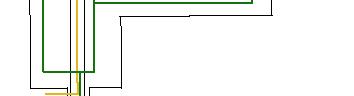
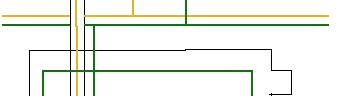
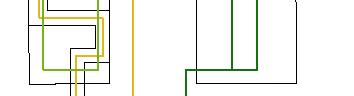

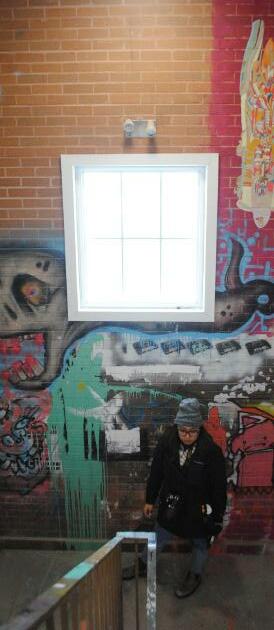
The site chosen for this project was the Agriculture and Art Barn buildings. Its hidden features of greenhouse laboratories, art storage, and graffiti stairwell stuck out to the group as oddities beyond their traditional context. These diagrams reflect the group’s observations of inaccessibility within and between buildings.
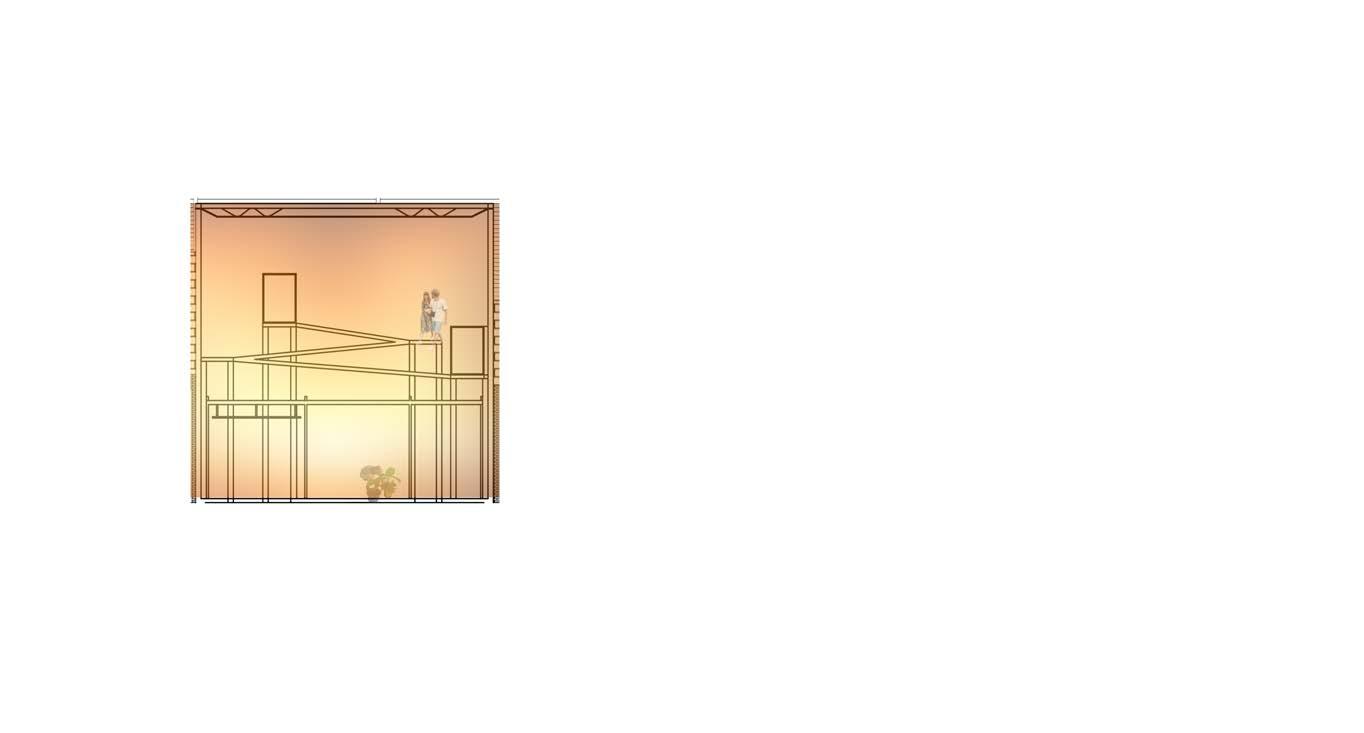
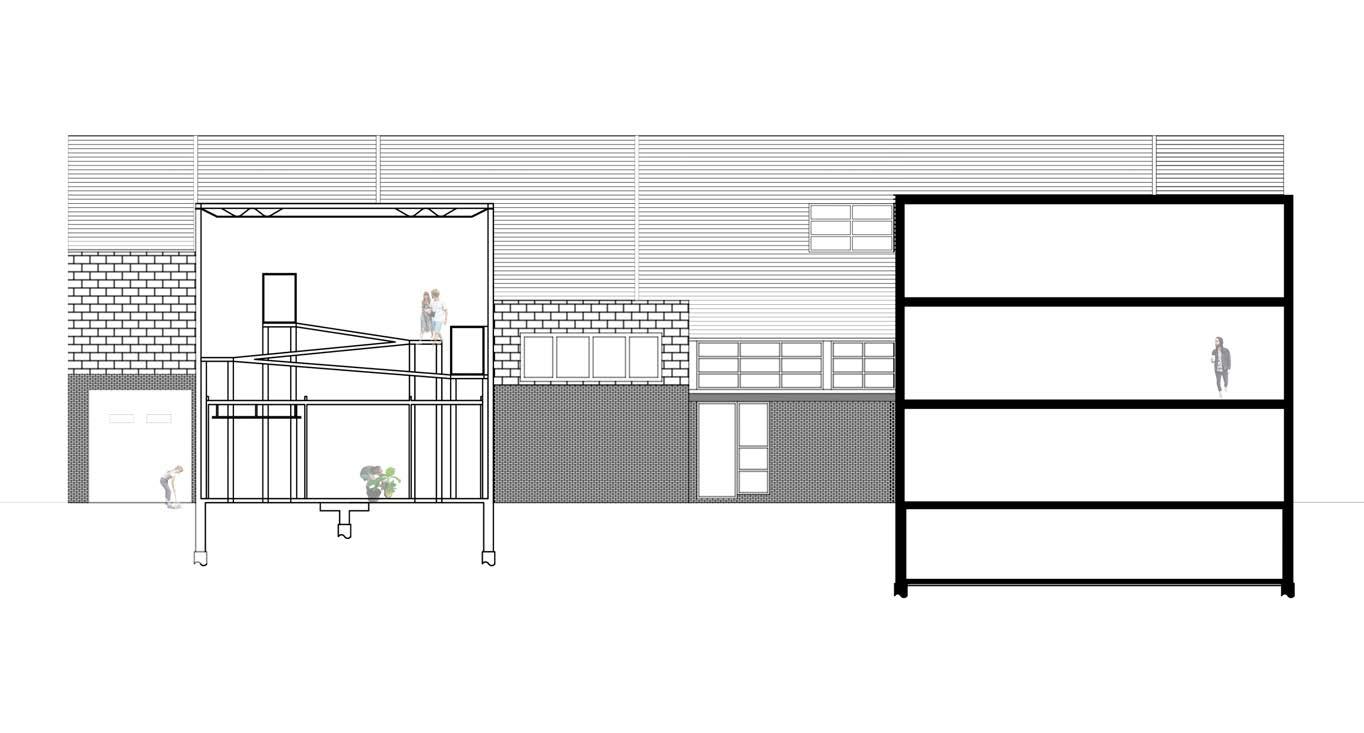
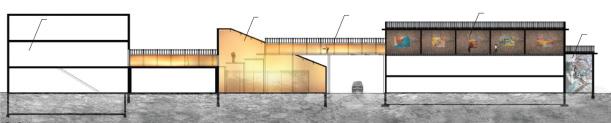
This inaccessibility inspired the group to connect the hidden oddities that lied within the separate buildings. A bridge from the Art Barn through the greenhouse and into the Agriculture building was created to allow for individuals to access the buildings without interfering the work within. Resulting in a passageway on the second level that allows the public to become immersed with the oddities in addition to maintaining original site conditions.
FLOURISH
09 | 08 | 2020 – 12 | 09 | 2020
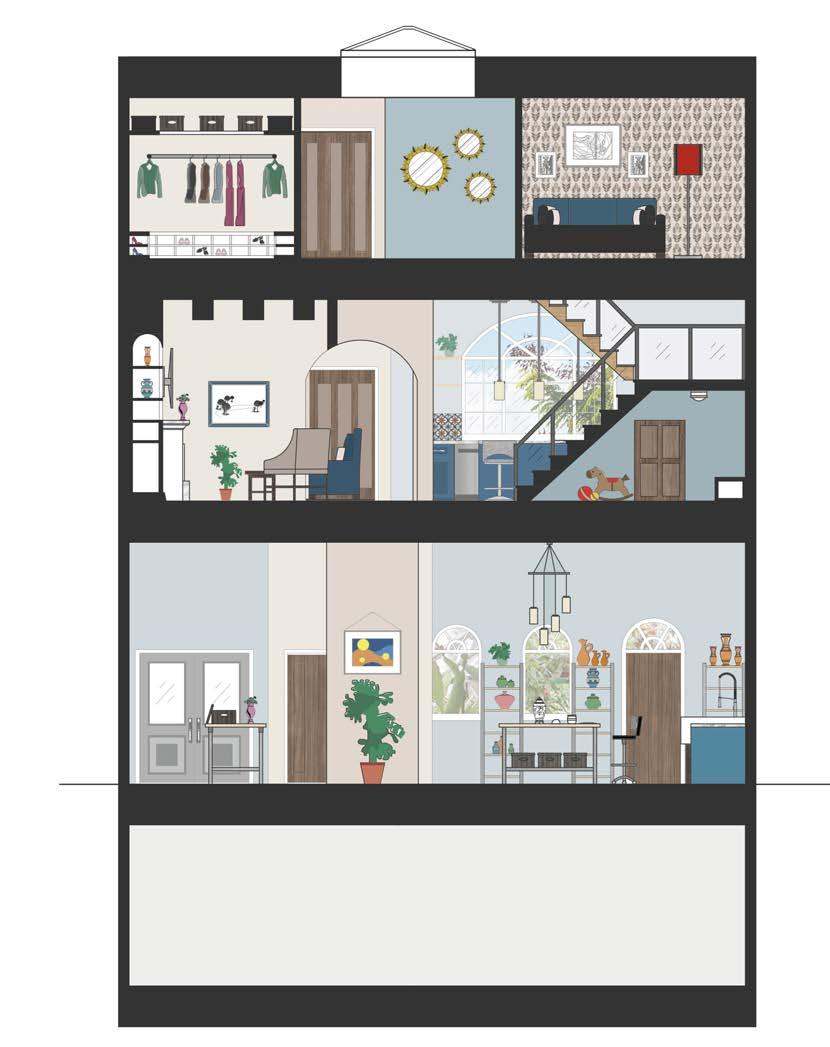
Flourish Pottery is a home-based business that sells custom pottery vases for plants. Located at 164 Langside Street in Winnipeg Manitoba, this small local shop was driven to join the online retail platform of Etsy after the national pandemic of COVID-19 hit.
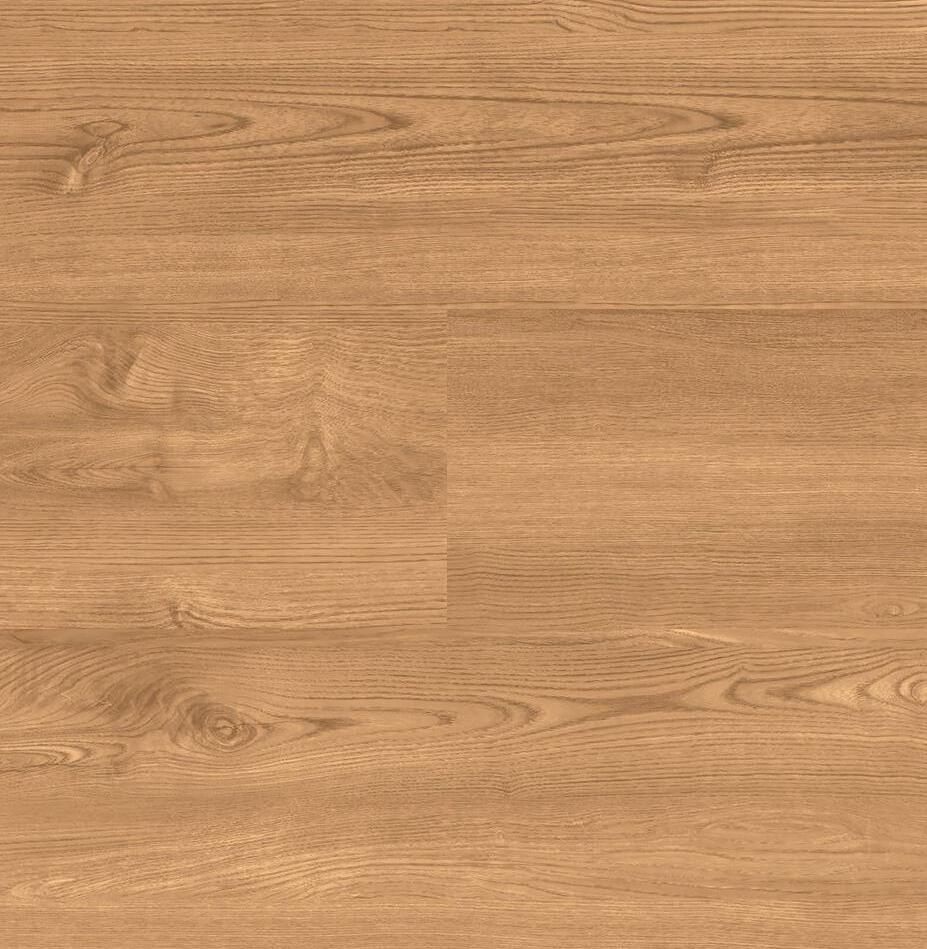
This project focused on the collaboration of design styles between the owners of the house and shop. The space follows a bright and open concept that will retain the sun’s warmth and natural lighting through energy efficient design and materials. Its use of neutral earth tones provides the space with a sense of serenity, while the colourful accents and geometric patterns allow for a playful atmosphere to be created. The furniture and lighting fixtures will be contemporary accompanied with Spanish inspired accents. Overall, the style is a collaboration of contemporary and traditional design.
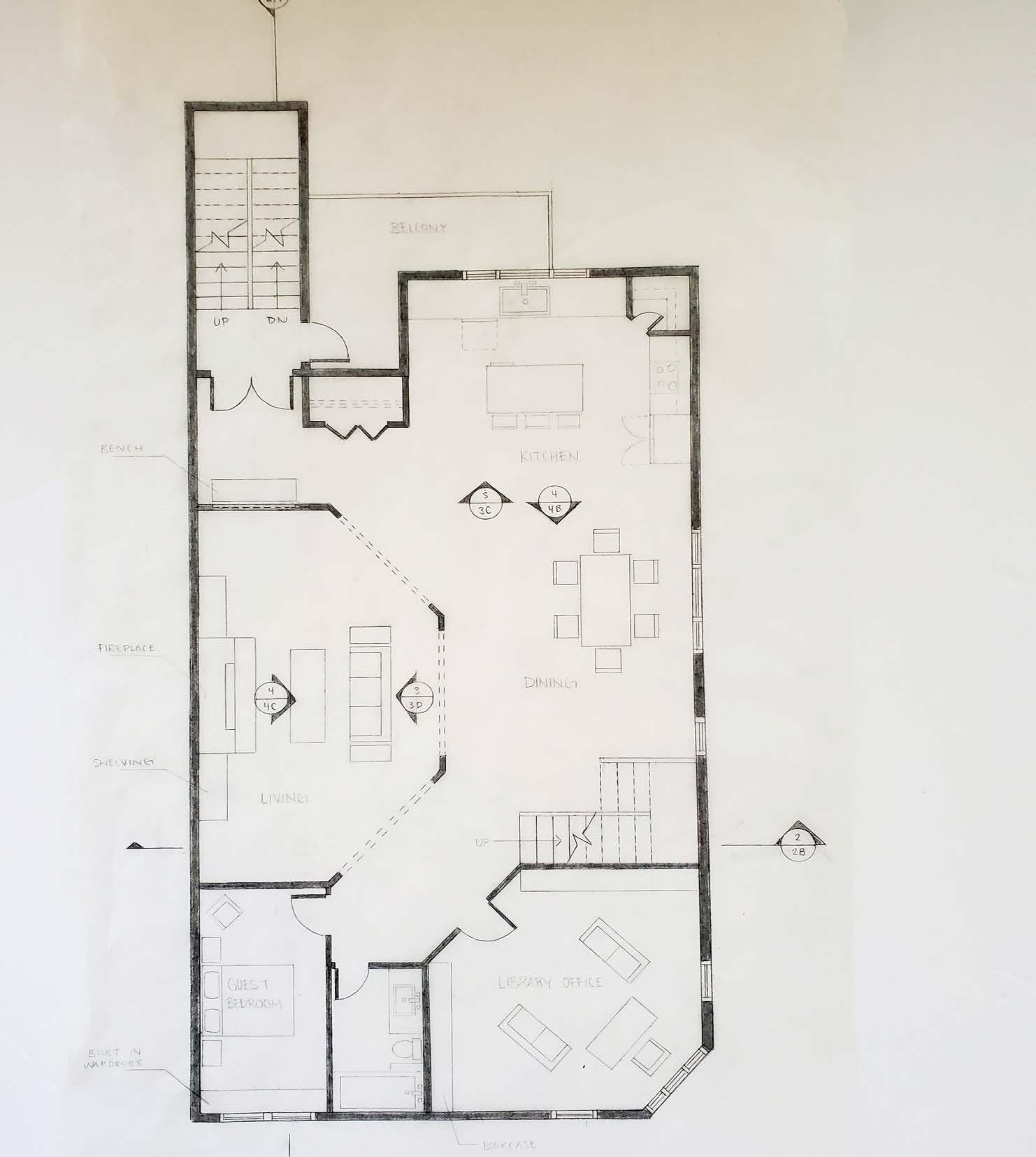
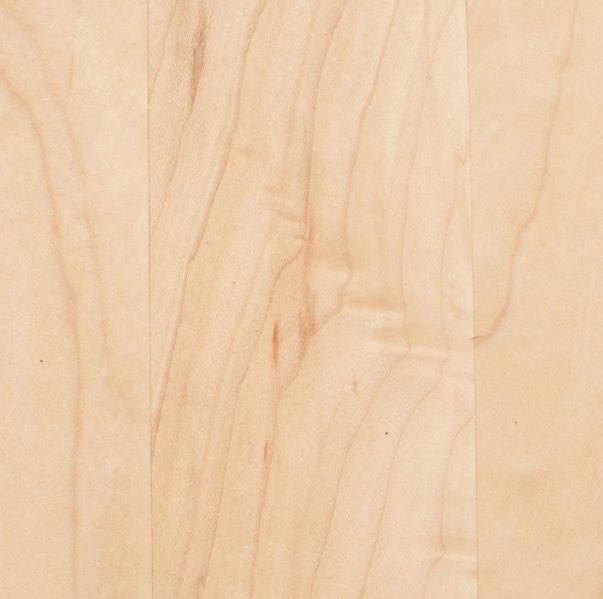
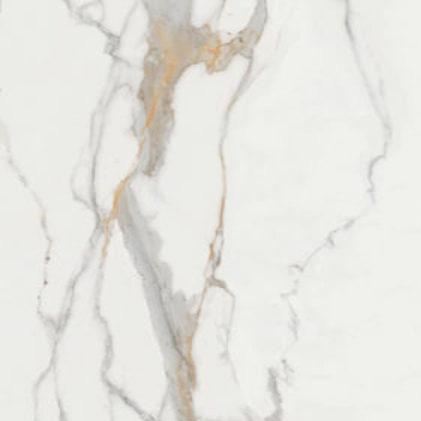

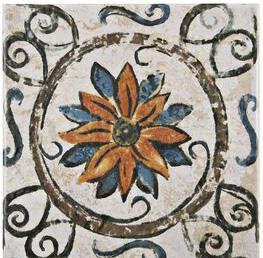
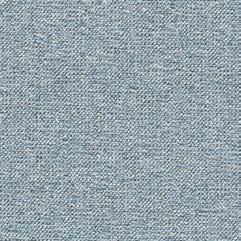
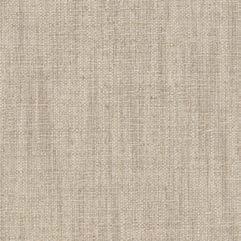
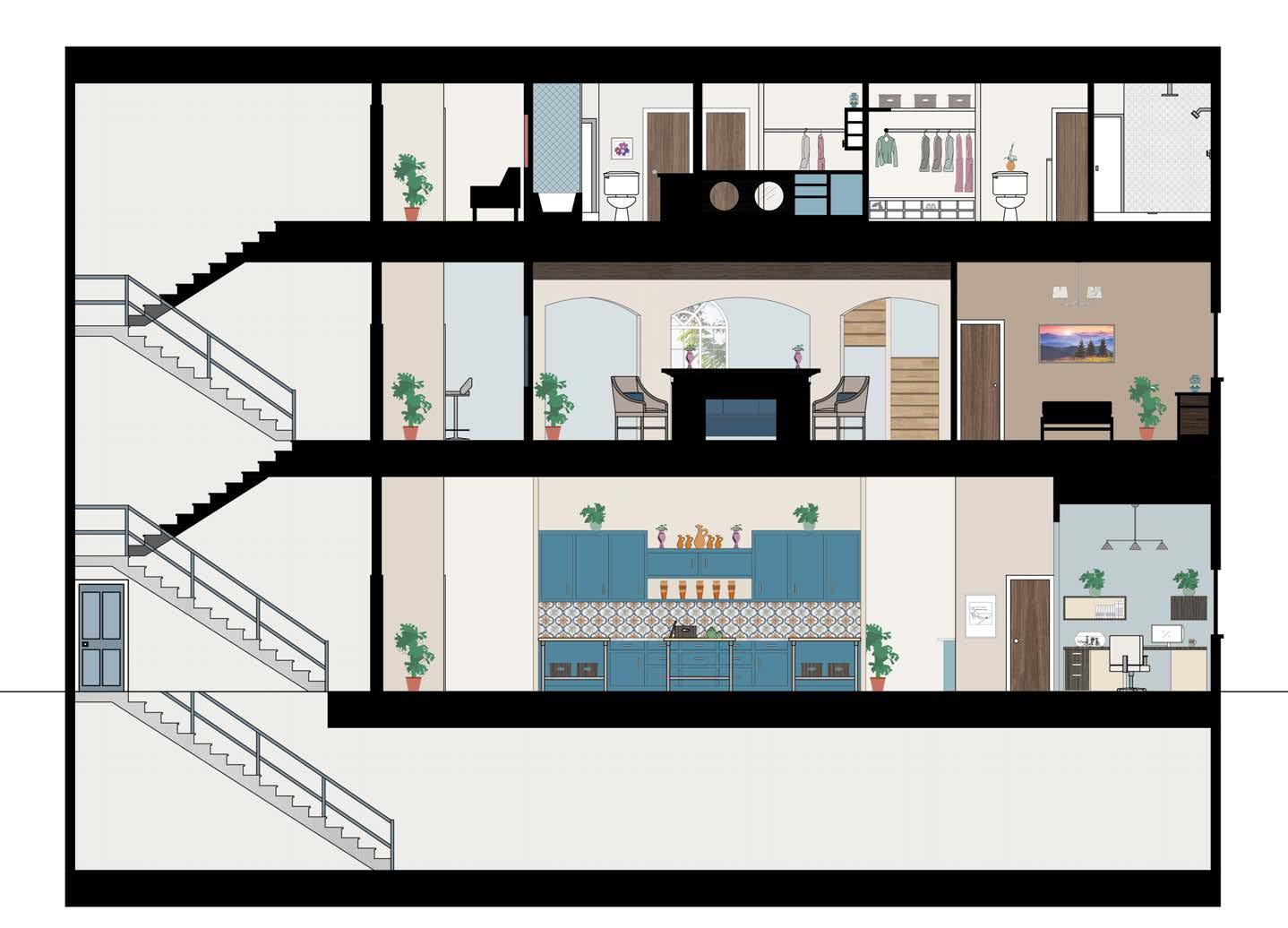
To create an open and positive space that will enhance both work and home life of occupants. This was achieved by incorporating natural sunlight in the building through large open windows and skylights. Further, the building maintains an open concept with clear adjacency’s to ensure tasks can be completed efficiently.
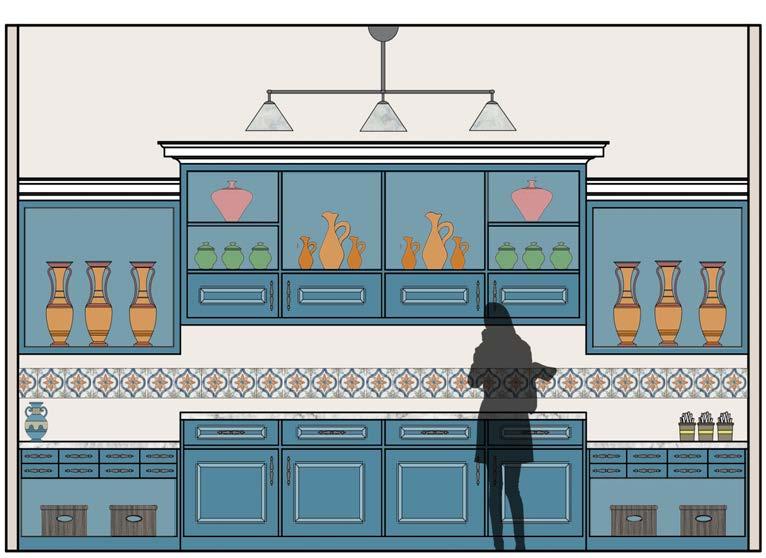
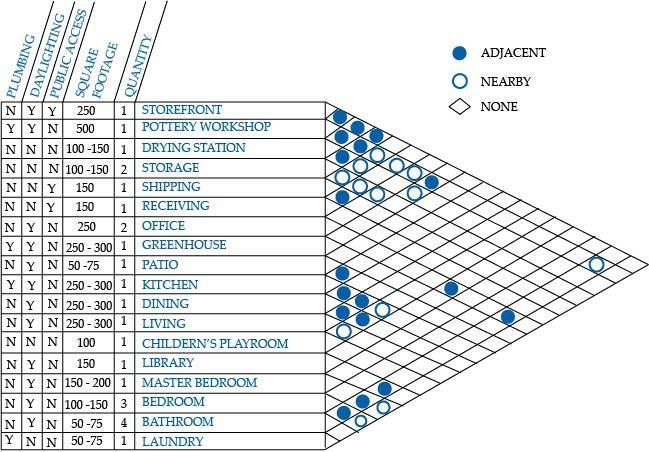
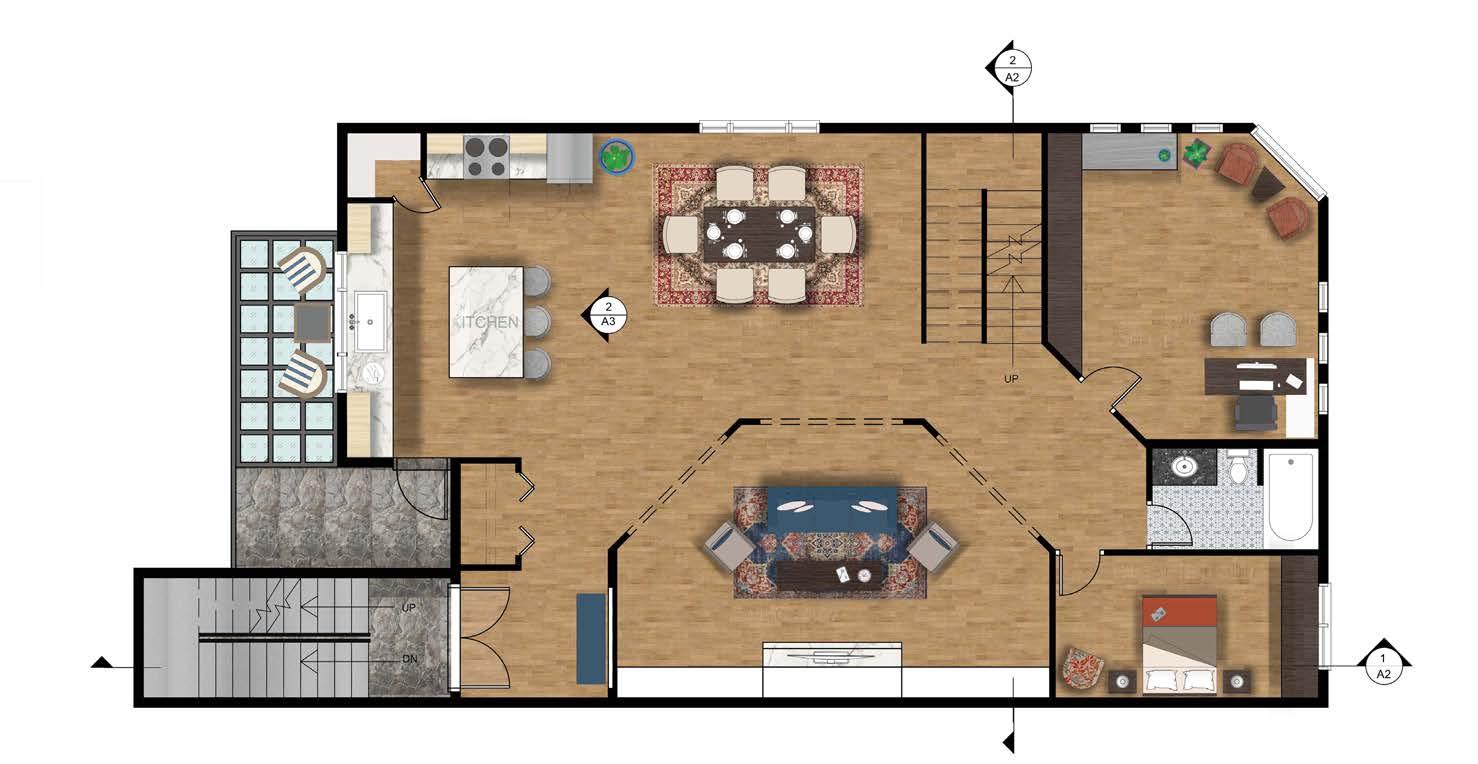
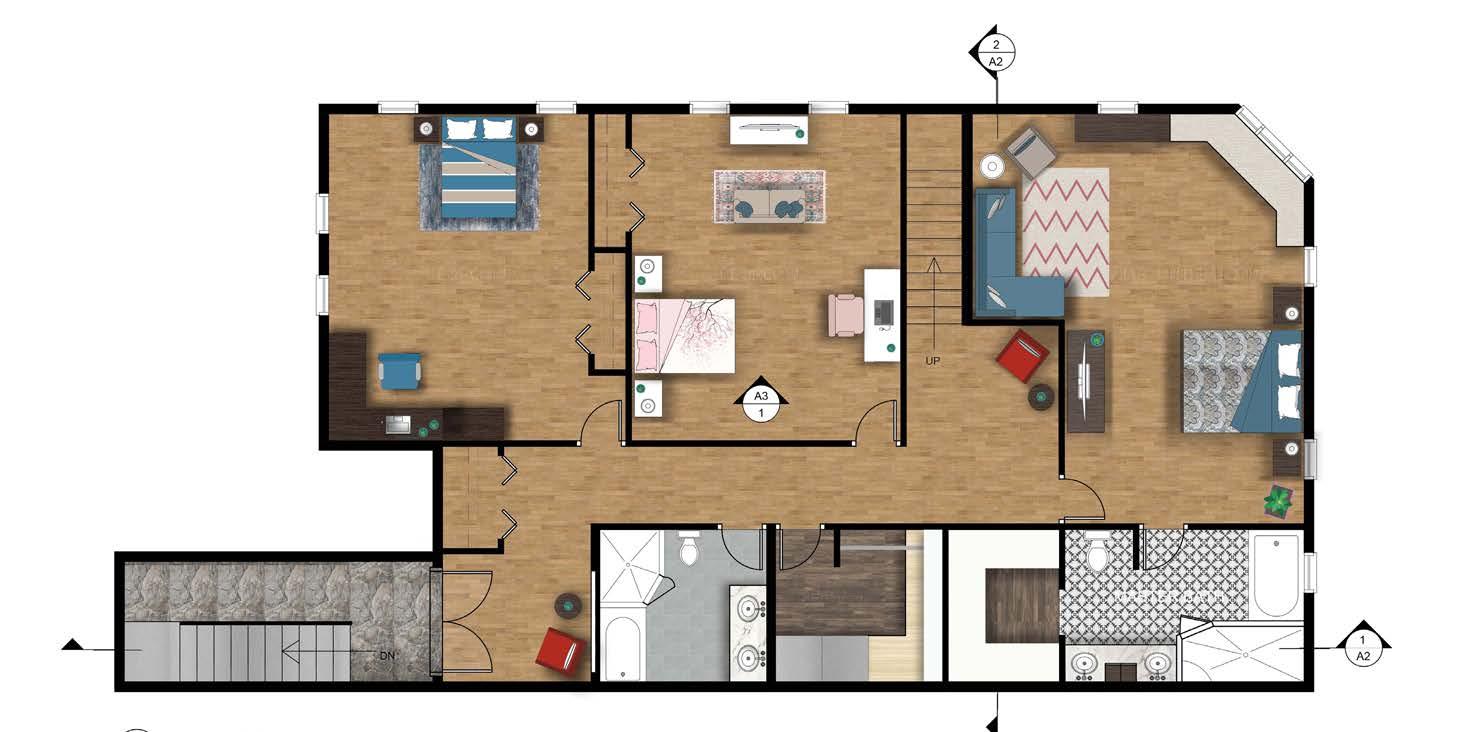
These sections show the spatial relationships between different rooms and levels of the building.
NIGHT AND DAY 04 | 01 | 2021 – 04 | 23 | 2021
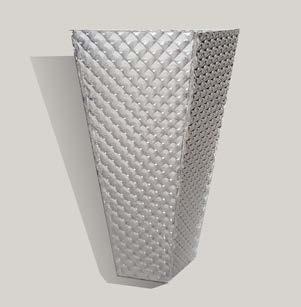
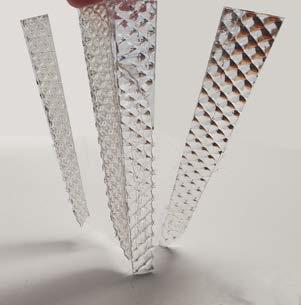
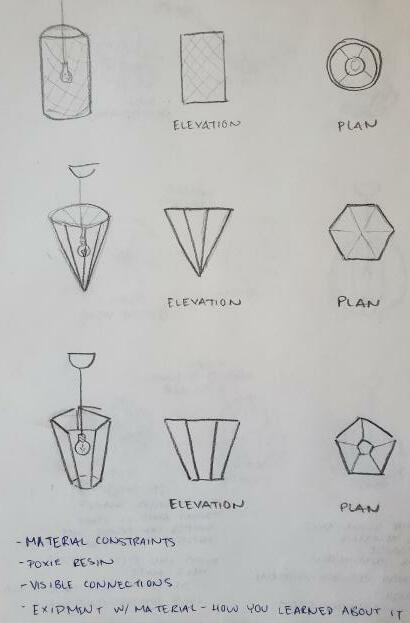
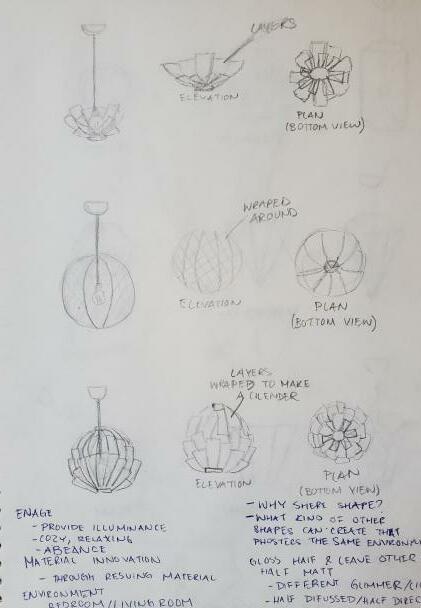
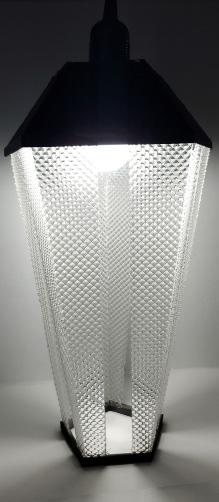
This project aims to create a light fixture that enhances an interior or exterior environment. The materiality used to construct the light must be repurposed from items found around the designers residence.
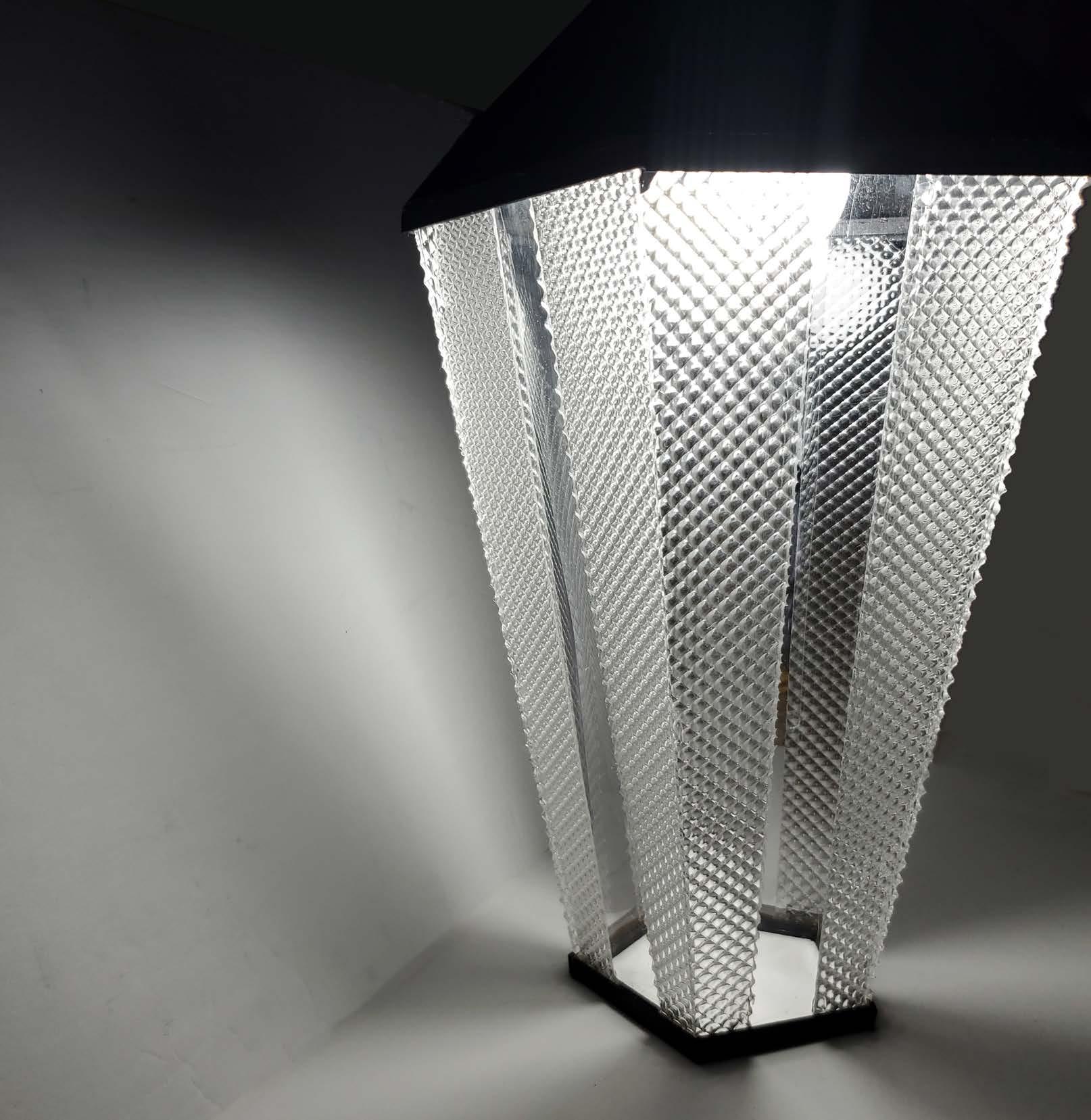
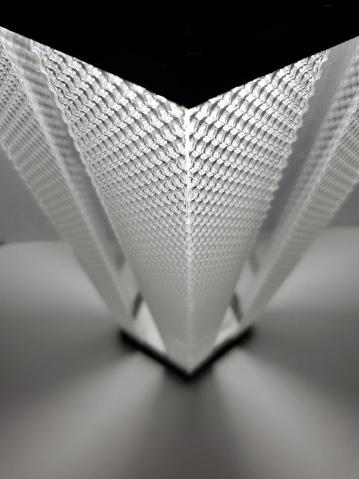
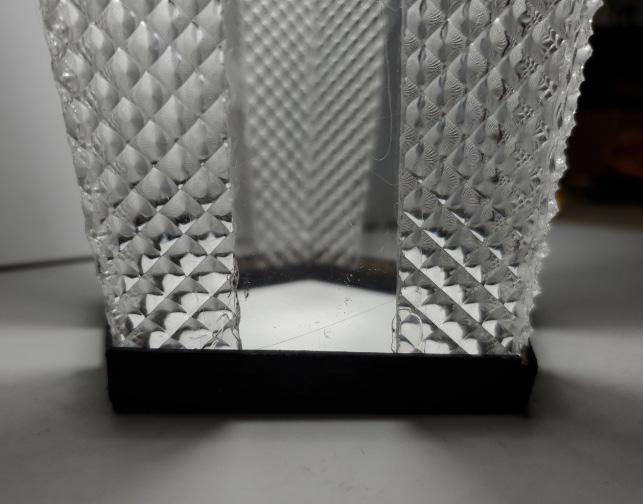
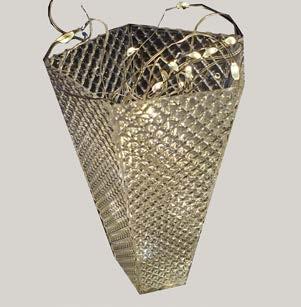
This lighting pendent was designed to effectively illuminate an intimate environment. Whether located in a bedroom, living area, or outdoors, this fixture utilizes varying properties of diffused light to make the observer feel relaxed and cozy, while providing the space with a hint of sparkle. As a result of layered plastic materials and their properties of diffused and translucent transmission of light, the fixture is a statement piece that visually engages the eye through its vocal glow and ambient lighting. Radiating a variety of illuminance from the perforated plastic materials and admitting a warm glow throughout the space. Lastly, this pendant further incorporates sustainable innovation by reusing perforated and non-perforated plastics.
The original design idea for this pendent light was to mold and bend the perforated plastic material into a sphere like shape. However, through material exploration limitations of the plastic’s properties were discovered and a new form was created.