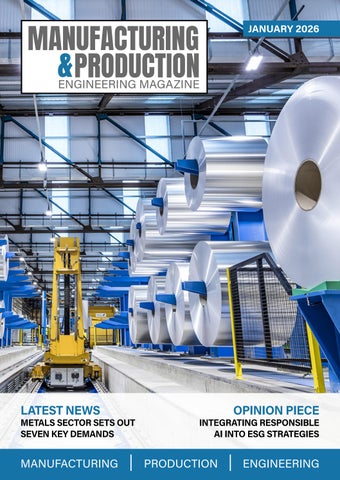
Manufacturing & Production Engineering Magazine - January 2026
METALS SECTOR SETS OUT
SEVEN KEY DEMANDS
OPINION PIECE INTEGRATING RESPONSIBLE AI INTO ESG STRATEGIES
Process improvement is like cycling. Everything runs more efficiently with the right partner.
Energy optimization is the key to sustainable production. As a strong partner for strategic energy management, we help you cope with rising energy costs and tighter environmental targets. We are at your side –uncovering the ways to save and be resourceful while maintaining safety, quality, reliability, and uptime.
Editor
Paul Attwood editor@mpemagazine.co.uk
Senior Editorial Assistant
Sophie Weir editorial@mpemagazine.co.uk
Features Editor
Harry Peters editorial@mpemagazine.co.uk
Production/Design
Laura Whitehead laura@lapthornmedia.co.uk
Sales Manager
Charlotte Chapman charlotte@mpemagazine.co.uk
Accounts
Richard Lapthorn accounts@lapthornmedia.co.uk
Admin Assistant
Jade Still jade@lapthornmedia.co.uk
Circulation Manager
Leo Phillips subs@mpemagazine.co.uk
Publishing Director
Maria Lapthorn maria@lapthornmedia.co.uk
Lapthorn Media Ltd 5-7 Ozengell Place, Eurokent Business Park, Ramsgate, Kent, CT12 6PB Tel: 01843 808 102
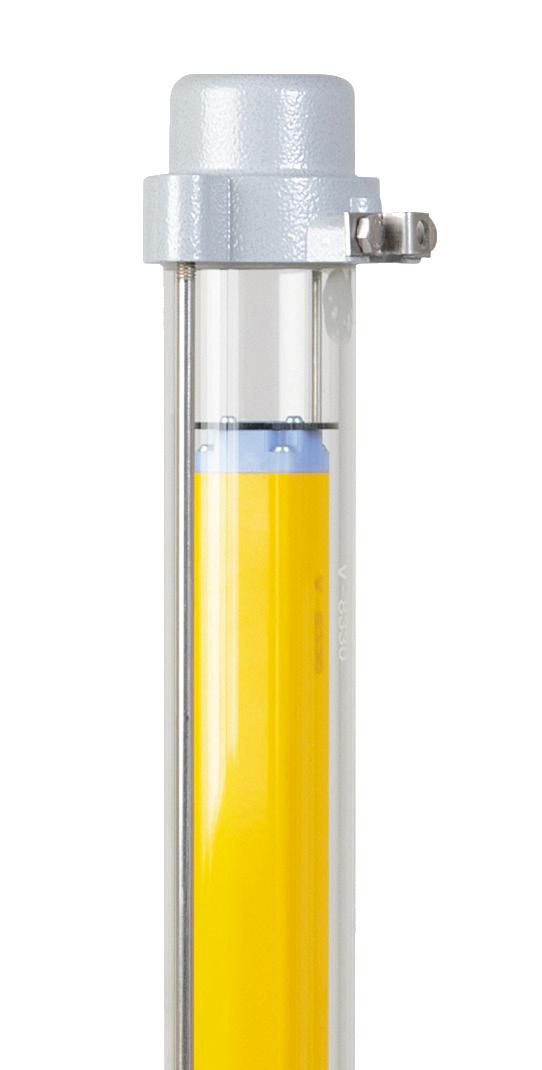
Precise level control with the right technology
How advanced drive technology enables lights-out manufacturing PP C&A warns manufacturers are falling into a growing ‘capacity trap’ Empowering India’s leading cable manufacturer HFCL with high-quality printing British Manufacturers Encouraged to Embrace India’s Expanding Export Opportunity
Editors Note
Welcome to the latest issue of Manufacturing & Production Engineering Magazine.
In this edition, we highlight the innovations and challenges shaping the future of manufacturing. From energy-optimisation strategies and advancements in EDM technology to the growing impact of AI, robotics and digital transformation, we explore how companies are boosting efficiency, sustainability and competitiveness. We also address key pressures facing UK manufacturers, including rising energy costs and the productivity gap, while showcasing practical solutions such as outsourcing, asset finance and intelligent document processing.
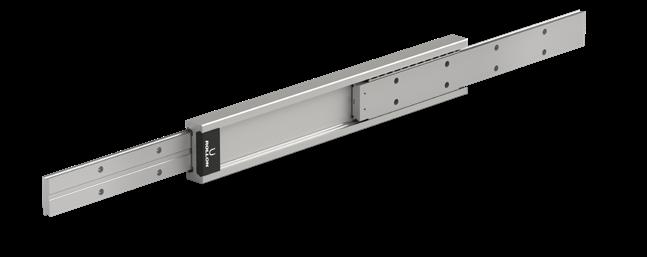
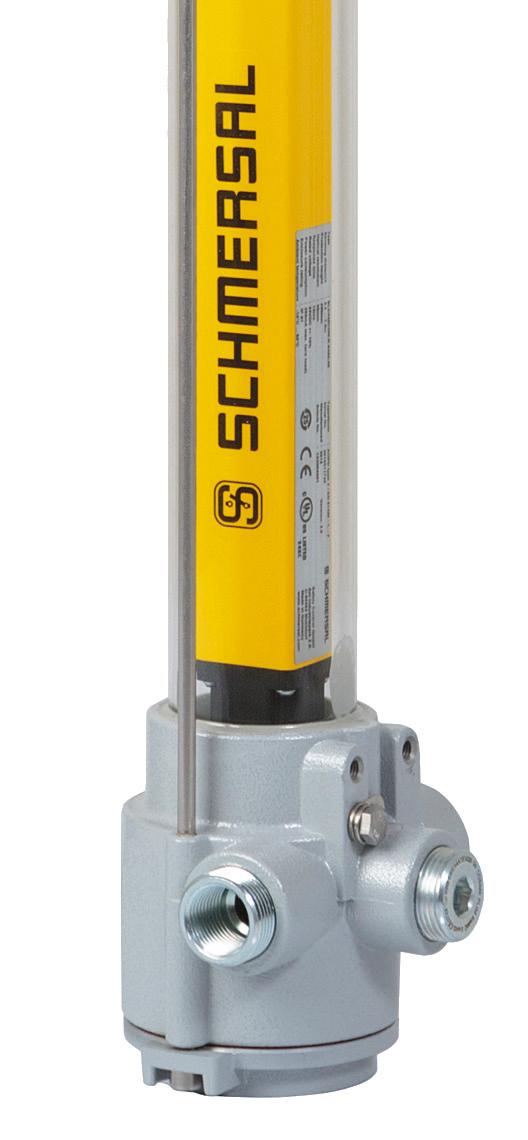
This issue features the latest product developments—watertight connectors, telescopic rails and explosion-proof safety light curtains—alongside industry achievements, new appointments and global opportunities in 3D printing and sustainable packaging.
We hope you enjoy this edition, and if you have news to share, please contact editorial@ mpemagazine.co.uk.
Paul Attwood Editor
Excelling with Sodick Technology
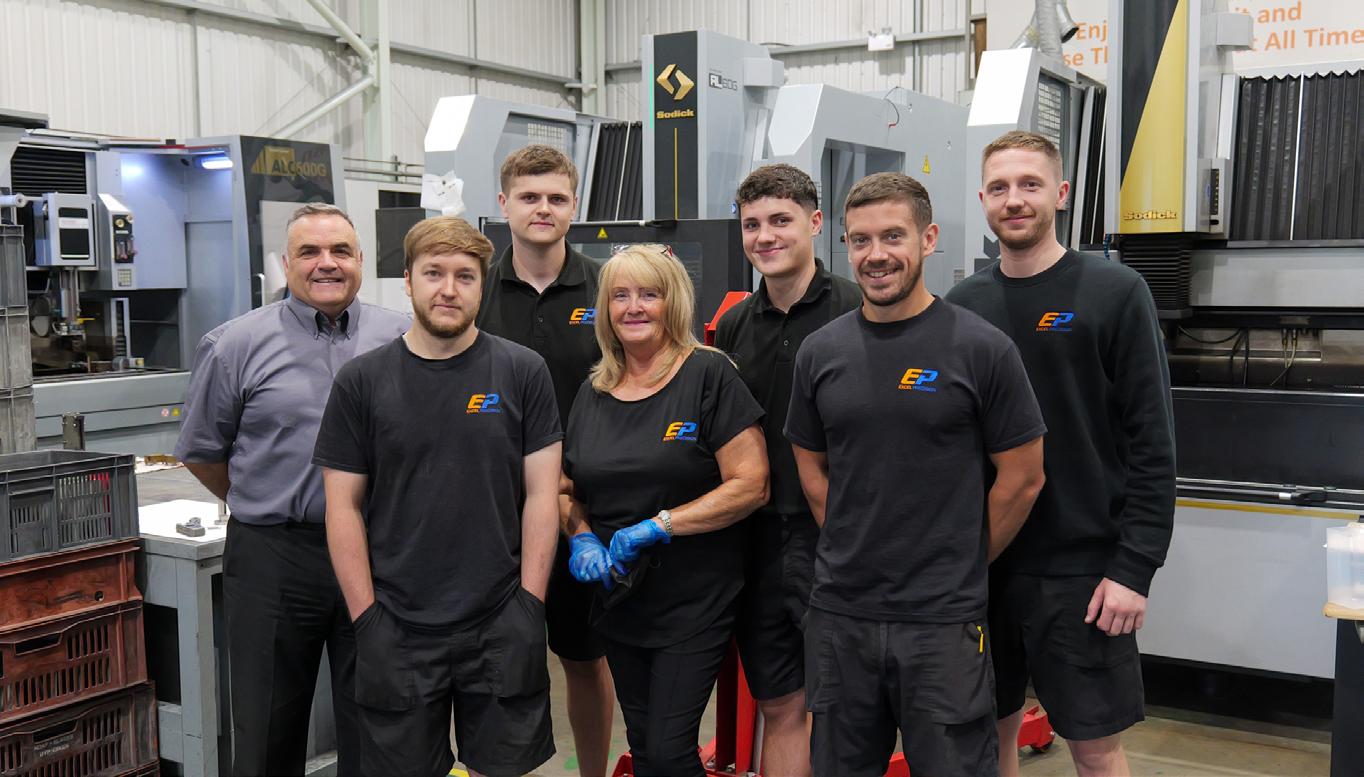
Excel Precision Group has become one of the UK’s leading EDM specialists, with Sodick machines from Sodi-Tech Europe forming the core of its advanced manufacturing capability. Operating from Gloucester and Birmingham, the company delivers subcontract wire and spark erosion services across aerospace, defence, oil and gas, Formula One and an expanding medical sector—all supported by Nadcap AC7116/3 Rev B and AS:9100 Rev D accreditations.
A long-standing partnership with Sodick underpins this capability. Recent investments include three AG60L die-sink EDMs, alongside ALC400G, ALC600G and AL60G wire machines.
These technologies have delivered measurable gains. On complex titanium defence components, the ALC600G has increased conformance from 90% to 100% on angled faces with 5μm tolerances, while cutting cycle times from 65 to 35 minutes. Parts previously requiring two machines can now be completed on one. The AG60L further enhances performance with superior surface finishes, advanced flushing and exceptional reliability.
With extended operating hours and growing national and European reach, Excel Precision combines precision, responsiveness and continuous innovation.
PICTURED BELOW: The Excel team with Managing Director Gary Taylor far-left
Delta and Siemens to Complement their Power Solutions to Help Customers Cut Data Centre
Deployment Time, Costs, and Carbon Emissions
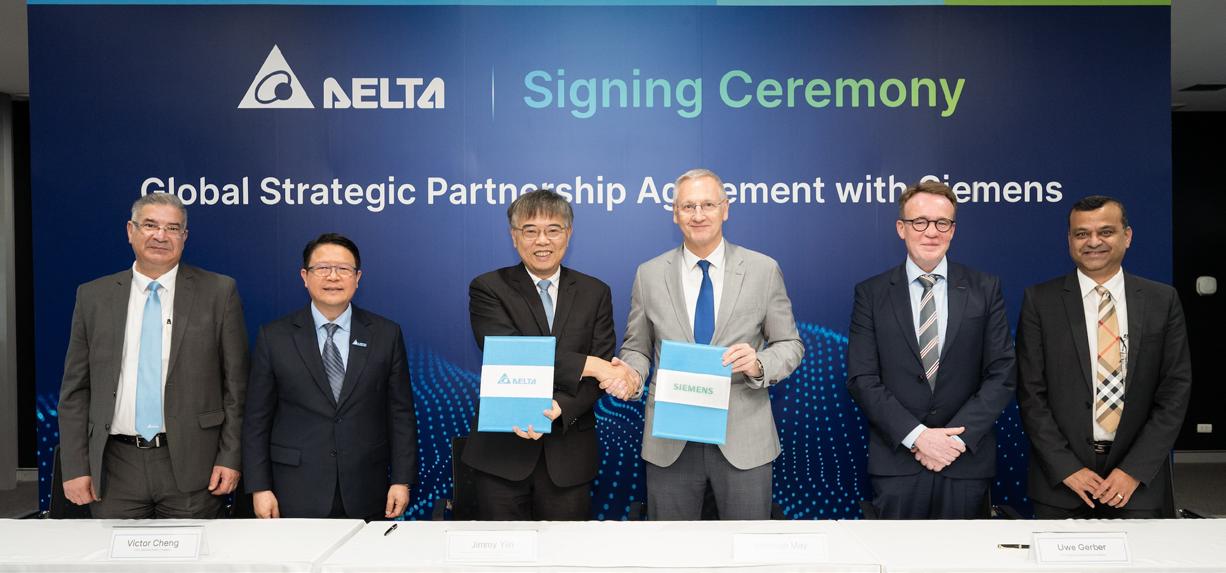
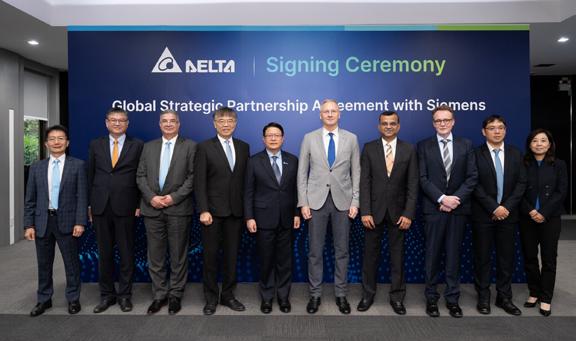
Delta, a global leader in power management and smart green solutions, and Siemens Smart Infrastructure have formalised a global partnership to deliver prefabricated, modular power solutions designed to accelerate data centre deployment while significantly reducing CAPEX. The partnership will enable hyperscale and colocation operators to gain an advantage in the competitive AI and cloud computing market, offering
high performance in power management and reliability.
The partnership focuses on prefabricated, integrated containerized power solutions (SKIDs, eHouses). Prefabrication and pre-testing off-site provide a standardised, plug-and-play approach that reduces timeto-market by up to 50%, lowers construction risk, and maximises data centre square footage. The optimised design enables up to 20% CAPEX reduction and up to 27% lower carbon emissions through reduced concrete use.
Siemens and Delta remain committed to partnerships that complement their expertise and foster interoperability across the value chain to support customers and accelerate sustainable innovation. Visit: www.delta-emea.com
Total Group Targets Infrastructure and Construction Boom with £100m Growth Blueprint
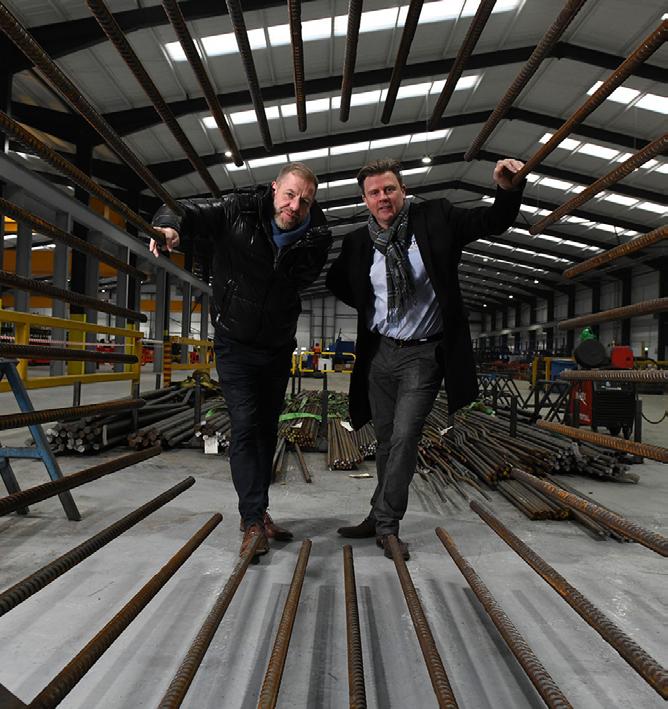
Total Group, one of the UK’s leading manufacturers of sustainable steel reinforcement and building products, has outlined a three-year growth plan to capitalise on the UK’s infrastructure boom. The Group – comprising Total Construction Supplies (Processing) and Reinforced Solutions Ltd – is aiming to quadruple revenues to £100m, positioning itself to support major projects across construction, housing, transport, and nuclear.
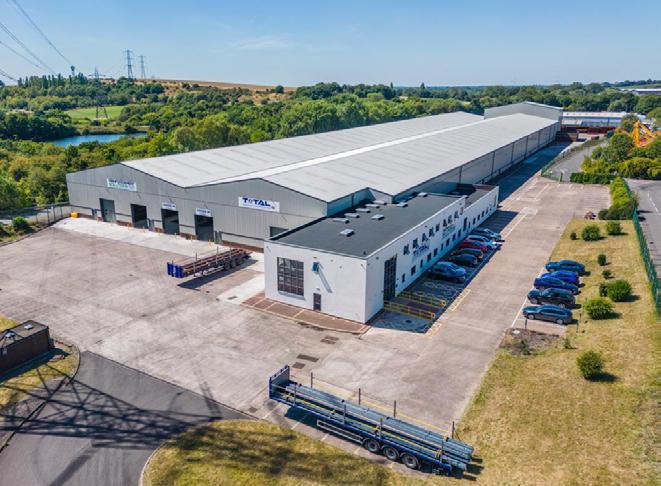
The Midlands-based firm has invested in more than 500,000 sq ft of worldclass manufacturing space across four sites, producing cut and bent rebars, reinforcement bars, meshes, column and piling cages, and prefabricated structural elements. A 130-strong workforce, a new apprenticeship programme, and a major sustainability initiative have helped reduce its carbon footprint to below 500kg annually for the first time in its 27-year history.
“There is an unprecedented amount of infrastructure work taking place, and both government and the private sector are looking for domestic suppliers they can trust,” said Joseph Law, Strategic Development Director. “We believe we could quadruple revenues between now and the end of 2028.”
Total Group has delivered reinforced and prefabricated products for projects including a nuclear submarine base, Thames Tideway, Bromford Tunnels on HS2 and Hinkley Point. With sites in Bilston,
Wolverhampton, Cannock and Ilkeston, its sustainable reinforcement solutions support large-scale slabs, heavy loads and high-traffic infrastructure. Ongoing investment will expand capacity, support precast customers, and enhance recycled content in products.
Founder Matthew Hague added: “There’s no reason why we can’t produce 1000 tonnes of product every month and move towards £100m annual revenues.”
Through ongoing training and a series of environmental initiatives, the company is planning to halve its carbon emissions by 2028.
For further information, please visit www.total-group.co.uk
PICTURED BELOW: (l-r) Matthew Hague and Craig Gibbons (both Total Construction Supplies)
British Playground Manufacturers Showcase Social Value Credentials with New Certification
Made in Britain, the not-forprofit organisation championing British-made products, is giving UK play equipment manufacturers a competitive edge through its new Environmental & Social Value (ESV) Certification.
Sutcliffe Play and Wicksteed Leisure have adopted the Certification to highlight their contribution to economic growth, environmental responsibility and positive social impact. Aligned with the UK Government’s Social Value Model (2025) and the Procurement Act 2023, it allows manufacturers
to demonstrate environmental and social value without changing operations.
Developed with MAP UK & International, the Certification helps manufacturers promote commitments to local supply chains, community engagement and environmental sustainability.
John Pearce, CEO of Made in Britain, said: “It’s fantastic to see how the ESV Certification is benefitting Sutcliffe Play and Wicksteed Leisure. They’re producing some of the best play equipment in the world in a sustainable, ethical way, and the
Certification helps them get the credit they deserve.”
The ESV Certification is available to all Made in Britain members: www.madeinbritain.org/about/ environmental-social-value
Case Study
Learning from the Eagle: How Liebherr-Aerospace Built a Global Landing Gear Manufacturing Network with Starrag
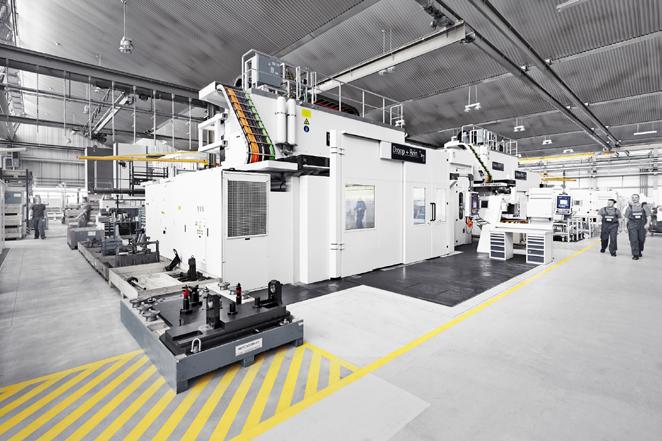
For more than 20 years, LiebherrAerospace has been refining its approach to manufacturing landing gear with a level of precision inspired by nature. In its wellknown video, an eagle touches down on rocky ground with instinctive accuracy — a reminder that the best “landing gear” exists in the wild. But aviation demands far more. Modern aircraft weigh hundreds of tonnes, land in every weather condition, and must do so safely millions of times over their lifetime. Achieving this level of reliability requires exceptional engineering — and a long-term manufacturing strategy built around Starrag’s Droop+Rein technology.
Engineering Under Extreme Loads
Landing gear components are among the most stressed structures on an aircraft. They must absorb enormous forces, withstand impact loads, and perform under unpredictable conditions. At Liebherr-Aerospace Lindenberg GmbH, this challenge is
met through a high level of vertical integration and advanced machining capability.
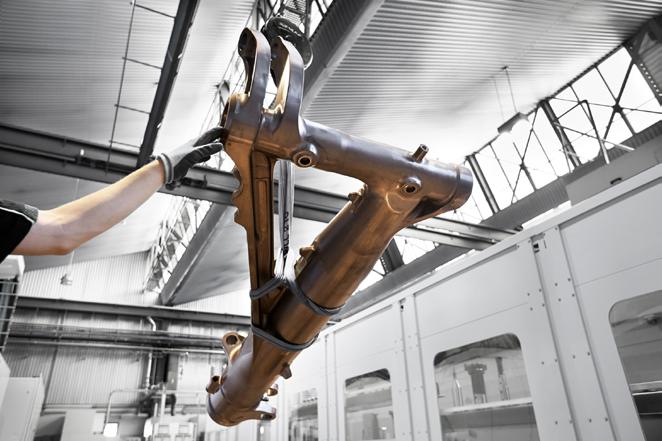
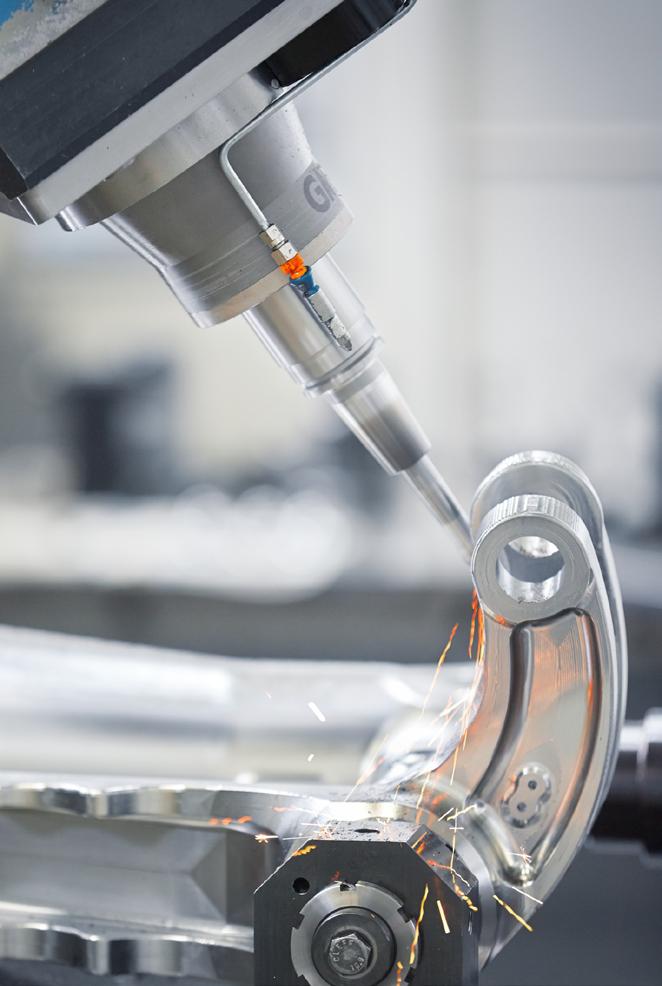
More than 80% of landing gear components require machining, often to micron-level tolerances on complex geometries. The parts are typically made from high-strength titanium or steel alloys and can involve up to 40 sequential machining operations, from multi-axis milling of intricate contours to deep drilling with tight positional tolerances.
Because many landing gear parts include protruding features, rotation on a turning machine is often impossible, meaning everything must be milled in one controlled, stable setup. According to Starrag’s Lee Scott, “It’s almost like mould construction — complex external surfaces, ultra-tight tolerances and dozens of drilling operations, all completed in a single clamping operation.”
A Network Built on Droop+Rein Precision
Liebherr installed its first Droop+Rein FOGS M40 in 2004. The machine’s rigidity, thermal stability and large working envelope made it ideal for landing gear housings and struts. Over the next decade, Liebherr expanded this into a fully integrated, fourmachine manufacturing network in Lindenberg, each system modernised with robot-assisted tool handling, laser measurement and tool magazines holding over 250 tools.
The strategy was built not only on capability but also uptime. Starrag guarantees over 95% technical availability — achieved through joint maintenance planning, service agreements and regular on-site workshops. Remarkably, even the earliest machines still operate above this threshold two decades later.
This Lindenberg model became a blueprint for global expansion. Between 2014 and 2025, Liebherr added nine further Droop+Rein FOGS machines across partner facilities in China, India, France and other locations. Starrag participated from the earliest design stages, ensuring identical processes and consistent machining results across continents.
Proven Capability, Global Impact
Today, around 60 Droop+Rein machining centres are used in landing gear production worldwide; one in seven belongs directly or indirectly to the Liebherr network. Their partnership was showcased at EMO 2025 with a fully assembled Airbus A350 nose landing gear — the largest Liebherr has ever produced. The landing gear housing itself is machined on a Droop+Rein FOGS in Lindenberg, demonstrating the precision and stability required for critical aerospace structures.
From the first FOGS installation to a global, highly automated manufacturing ecosystem, the collaboration between LiebherrAerospace and Starrag shows how long-term investment, standardised processes and engineering discipline can deliver world-leading landing gear systems — manufactured with eaglelike precision.
www.starrag.com/en-us
Manufacturing Insurance Designed Around
Gallagher offers the strength and positioning of a global insurance group, combined with the personalised care and attention of a local UK broker. With a rich history dating back to 1927, we believe we have the expertise and experience to meet your manufacturing insurance and risk management needs. For further information, please scan the QR code. CONNECT WITH A SPECIALIST TODAY.
Measurement, Sensors & Monitoring
Precise level control with the right technology
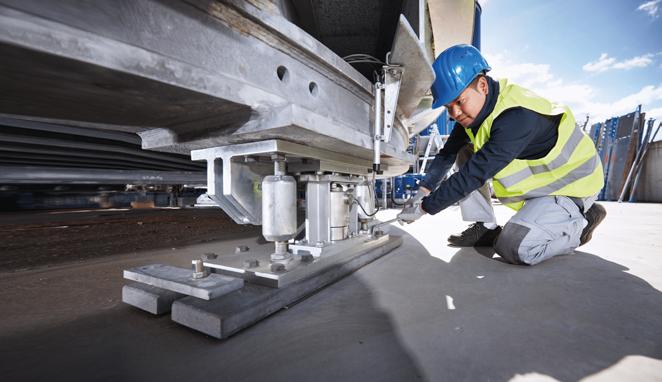
Whether in silos, tanks or process containers, exact detection of fill levels is crucial for stable, safe and economical production. Yet many common measuring methods reach their limits in practice. This article compares established technologies such as radar, ultrasound and capacitive sensors with the gravimetric method – and shows why weighing technology is superior where it matters.
In sectors such as Food, Chemical and Pharmaceutical, precision is essential. Reliable level measurement avoids overfilling, ensures material availability and supports continuous control. The choice of measurement technology depends on product properties, structural conditions and regulatory requirements. Above all, systems must accurately determine actual container content under all conditions — regardless of shape, medium or environment.
Traditional measuring methods and their limitations
Radar, microwave, ultrasonic, capacitive, hydrostatic and optical technologies are widely used. However, many record an indirect value — such as distance to the surface or pressure at the bottom — from which fill level is calculated. This leads to uncertainty in cases of foam, bridging, uneven pouring cones, caking or fluctuating density.
Experience at chemical company Solvay Fluor in Frankfurt illustrates these limitations. Non-contact methods produced unsatisfactory results, as temperature and density changes impaired accuracy.
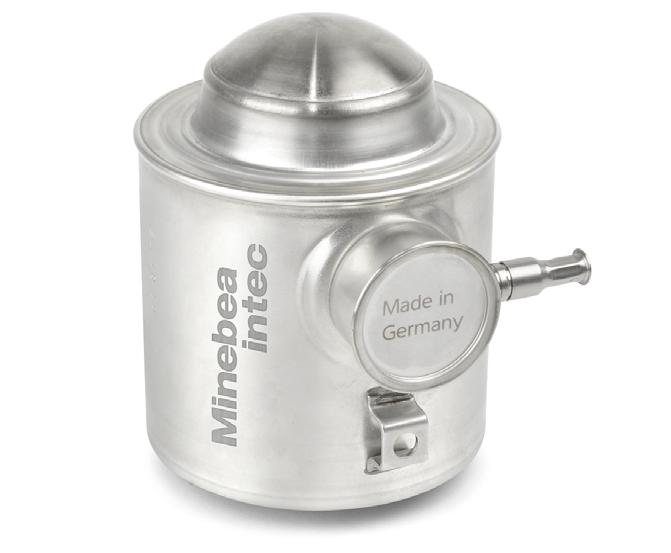
The solution came from retrofitting PanCake load cells® from Minebea Intec, a global manufacturer of weighing and inspection technologies. These enabled precise level measurement by weight, achieving a maximum deviation of just 1.1 per cent, compared with around 2.5 per cent using previous methods.
Gravimetric measurement:
objective, non-contact, precise
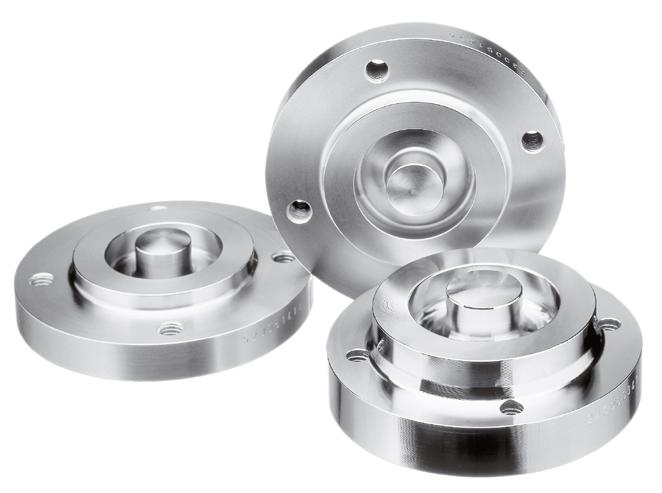
Unlike other methods, gravimetric level measurement does not rely on a derived signal — it measures mass. Load cells such as PanCake® or Inteco® capture the weight of the entire container and its contents, independent of material properties, density variations or form factors. The result is consistently precise, linear measurement across the entire filling range, even with viscous liquids, bulk materials or aggressive chemicals.
Another advantage is that the sensor technology sits completely outside the container, eliminating the need for perforation and avoiding issues such as incrustations, corrosion and repeated calibration. This is particularly important for hygienecritical Food or Pharmaceutical applications. Hygienic load cells are CIP/SIP-capable, cleanroomcompatible and developed to EHEDG and FDA requirements.
Process reliability and costeffectiveness
PanCake® load cells are designed for easy retrofitting and integration into existing systems. They can be installed without structural changes, a clear advantage over radar or ultrasonic alternatives. Internal analyses show that savings of up to 50 per cent can be achieved even at acquisition stage.
Operating costs are low, as the system has no wearing parts and delivers stable accuracy over many years, reducing service demands and improving total cost of ownership.
Level monitoring under extreme conditions
Gravimetric systems using PanCake® load cells are certified for extreme environments (ATEX, IECEx), offering high safety even in explosive atmospheres or at fluctuating temperatures. In industries handling toxic, flammable or highly viscous media, this robustness is decisive. At Solvay Fluor, introducing PanCake® load cells improved safety and overall process efficiency.
Future-proof through digital integration
Modern weighing electronics, such as MiNexx weighing indicators®, integrate easily into existing control systems via analogue signals or digital standards such as ProfiNet, Ethernet/ IP or Modbus. This enables realtime data, traceability and complete process documentation.
Mass is the true benchmark
As industrial processes grow more complex, traditional methods such as radar or ultrasound quickly reach their limits. Gravimetric systems offer an objective, accurate and economical alternative — regardless of medium, container shape or conditions. With PanCake® and Inteco® load cells, Minebea Intec delivers proven technologies that provide maximum accuracy, reliability and costeffectiveness over the entire life cycle.
Measurement, Sensors & Monitoring News
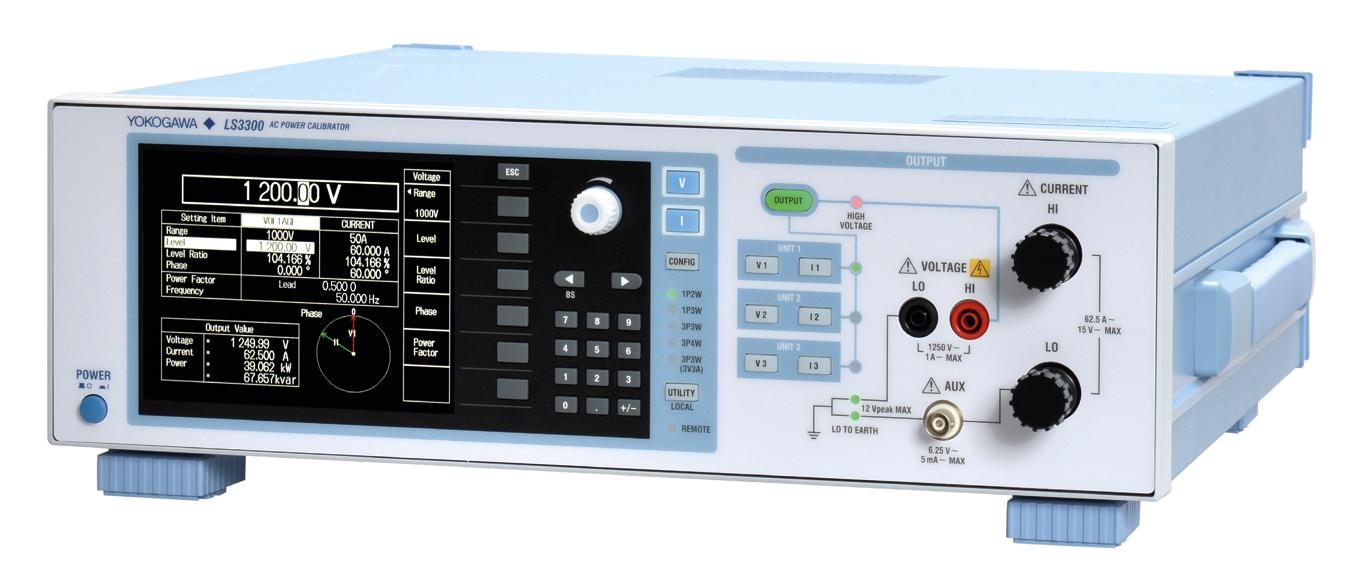
Yokogawa Adds Harmonic Output Capability to LS3300 Precision AC
Yokogawa Test & Measurement has expanded the functionality of its LS3300 Precision AC Power Calibrator with a new Harmonic Output Capability, enabling more comprehensive and cost-effective calibration of modern power meters. The enhancement allows the LS3300 to generate stable, accurate AC waveforms that include harmonic content—making it a versatile alternative to larger, high-end systems.
The LS3300 is designed to support manufacturers, calibration engineers and metrology labs that require reliable calibration signals without compromising accuracy or lab space. By producing voltage, current and phase outputs with high stability, the calibrator helps users test a wider range of devices using a single compact unit.
The new harmonic option answers the growing need to evaluate power meters under realistic conditions, as today’s electronic devices—such as drives, inverters and switching power supplies— introduce complex harmonic distortion into AC systems.
For three-phase calibration, up to three LS3300 units can be synchronized via an intelligent master/ slave configuration, supporting currents up to 180 A and compliance with IEC standards.
Key features include high accuracy traceable to national standards, a wide output range, intuitive GUI, automation support and a compact form factor that suits both fixed and mobile setups.
With this update, Yokogawa strengthens its offering for power equipment manufacturers, electronics producers and calibration labs seeking efficient, future-proof AC power calibration.
Power Calibrator
ifm Launches SU Puresonic Hygienic Ultrasonic Sensor for High-Precision, High-Cleanliness Flow Measurement
ifm has unveiled its new SU Puresonic Hygienic ultrasonic flow sensor, engineered for precise, contact-free measurement in the food, pharmaceutical and water treatment sectors—where hygiene, reliability and accuracy are critical.
Using ultrasonic technology, the SU Puresonic measures flows of both conductive and nonconductive media with impressive precision, handling everything
from ultrapure water to food oils such as sunflower and rapeseed. Its completely stainless-steel measuring tube contains no seals, moving parts or internal measuring elements, eliminating common issues like leaks, blockages and pressure loss, while ensuring long service life.
A DIN 32676-compliant SUHxx clamp connection enables fast, tool-free installation and reduces dead space, supporting thorough CIP/SIP cleaning and sterilisation routines.
The hygienic series also introduces a wider range of nominal widths (DN15–DN100) and an expanded temperature range of –40°C to +120°C (up to 150°C briefly), increasing flexibility across demanding applications. With wetted surfaces polished to ≤ 0.4 µm, the SU Puresonic meets stringent hygiene standards while delivering stable, high-performance flow monitoring.
Seismic Monitoring & Protection Systems Keep Nuclear Sites Safe
Condition monitoring applications do not come more critical than those associated with the nuclear power sector where specialised instrumentation for plant condition monitoring and seismic protection is critical. Furthermore, with global consensus trending toward viewing nuclear energy as a key low-carbon power source, many countries across Europe and beyond are investing in reliable, independent supplies of clean energy for the future.
Condition and vibration monitoring specialist Sensonics partners with the nuclear industry to deliver high-integrity seismic
TE Connectivity Showcases
Next-Generation
Connectivity and Relay Technologies for Industrial Automation
TE Connectivity will present a range of new technologies designed to advance seamless connectivity from sensors to the cloud at the upcoming SPS exhibition.
monitoring and event recording, alongside advanced instrumentation for plant condition monitoring and protection systems.
As the leading supplier of seismic monitoring and protection systems to the UK’s licensed nuclear sites, for over 50 years Sensonics have developed systems for a diverse range of applications, providing safe shutdown and recording facilities in the event of an earthquake. Our Machine Protection Systems ensure reliable operation of critical rotating and reciprocating equipment across the nuclear island, turbine island, and balance of plant.
The Sensonics range of sensors include seismometers, seismic
Highlights include the company’s new ECONIDUR plated contacts and the SNR II slim PCB relay, both engineered to support high-performance, sustainable industrial automation.
ECONIDUR Plating Technology
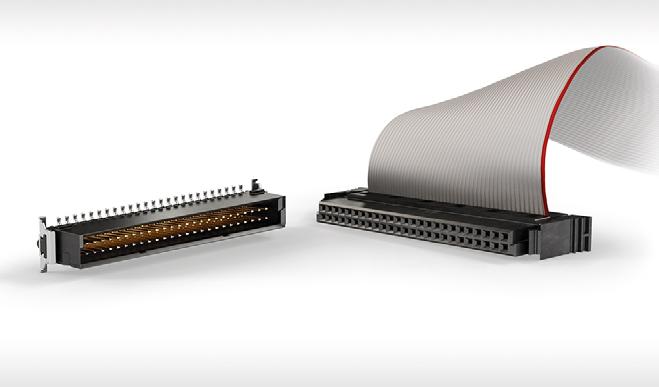
TE’s new ECONIDUR nickel–phosphorus plating significantly reduces CO₂ emissions—by more than 44% compared with preciousmetal plating—while maintaining the durability required for demanding environments. The plating supports high-speed data transmission, strong resistance to vibration and gas exposure, and reliable long-term performance. Key connector families, including MicroSpeed and SMC, will soon be available with this new plating option.
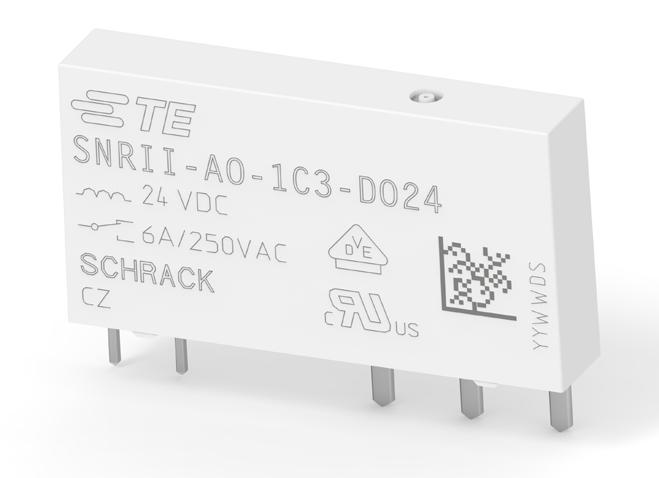
SNR II Slim PCB Relay
Building on TE’s established SCHRACK SNR series, the SNR II relay introduces improved vibration resistance, extended service life, and greater load capability at higher temperatures. It offers full backward compatibility with earlier models, making it ideal for space-constrained control systems and easy drop-in
switches, accelerometers, velocity sensors, LVDTs and proximity probes, including radiation hardened and intrinsically safe options. All are available with direct 4-20mA processed outputs for vibration, shaft speed, and position, providing a cost-effective solution for balance-of-plant monitoring.
For additional functionality such as shutdown protection and digital communications Sensonics offers the Sentry G3 supervisory system and the DN26 G3 monitor, which is ideal for local machine panel integration. Both are proven, flexible, and cost-effective tools for protecting critical rotating machinery in nuclear applications.
upgrades. The design also targets a CO₂ footprint reduction of more than 15%.
Advancing the SPE Ecosystem
TE will also highlight its latest Single Pair Ethernet (SPE) hybrid connector in M12 format, developed in line with IEC 63171-7. As an active contributor to SPE standards, TE supports the evolution of simplified, end-to-end Ethernet architectures that reduce cabling complexity and improve sustainability.
Visitors will be able to explore TE’s solutions through an interactive 3D application tool that places products within realistic industrial environments, offering contextual understanding and instant access to detailed specifications.
Measurement, Sensors & Monitoring News
Pressure Control Requirements for the UK’s Hydrogen Future
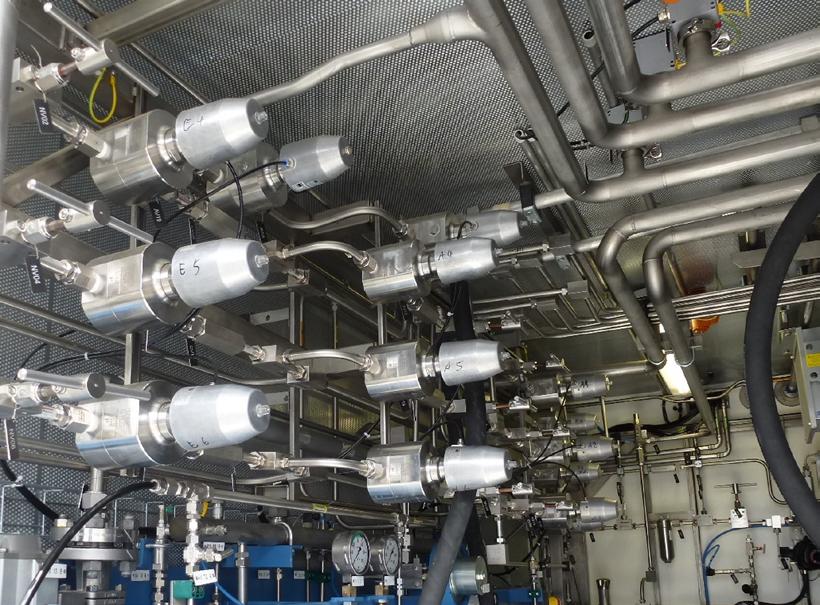
As hydrogen adoption grows across UK transport and industry, safely managing high-pressure and ultra-highpressure gas flow is becoming increasingly important. Whether supplying refuelling stations or supporting on-site industrial power, precise pressure control is essential to maintain system safety, efficiency, and long-term reliability.
Hydrogen is now being transported and stored largely via tube trailers— truck-mounted bundles of thickwalled pressure vessels operating at 350–500 bar. Refuelling stations typically compress hydrogen up to 500–1,000 bar to ensure fast transfer into vehicle tanks. These pressures demand specialised valve technologies engineered to handle both the mechanical stresses and the unique behaviour of hydrogen.
A key challenge is hydrogen embrittlement, where hydrogen atoms permeate stainless steel and create micro-cracks. To counter this, valves for ultra-high-pressure systems use reinforced designs, including machined and screwed tube constructions rather than welded assemblies, reducing potential weak points. Valve seats must also maintain extremely
low leakage—down to 0.0001 ml/s—requiring precision sealing mechanisms that remain stable under rapid pressure changes.
Seal materials are equally critical. Traditional elastomers can absorb hydrogen, leading to permeation, damage during decompression, and eventual leakage. PEEK seals offer far higher resistance, retaining integrity from –40°C hydrogen pre-cooling to +80°C peak compression temperatures.
Even with optimised materials and construction, routine inspection is essential. Bürkert recommends checks every 80,000–100,000 switching cycles, supported by inspection features that simplify leak detection. PEEK seals can be replaced when required, while hydrogen-resistant stainless-steel valve bodies deliver long service life.
Bürkert supplies a wide range of high-pressure and ultra-highpressure hydrogen valves—covering solenoid and process designs— compliant with ISO 19880-3 and ATEX/IECEx standards. With hydrogen infrastructure expanding, careful specification and expert engineering support play a vital role in enabling safe, reliable flow control for the UK’s emerging hydrogen economy.
Aerotech Introduces
Compact Hexapod Drives for Simplified, HighPerformance Motion Control Measurement, Sensors &
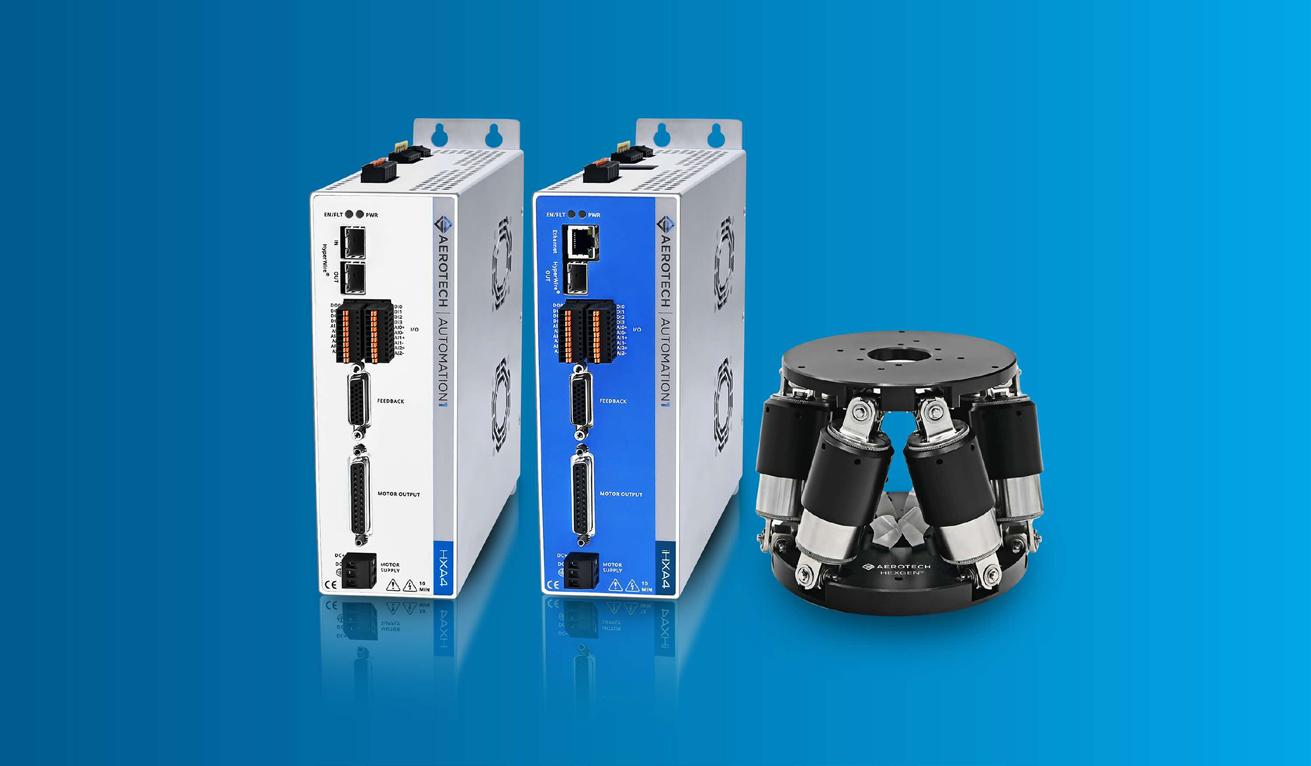
Aerotech has expanded its Automation1 platform with the launch of the Automation1-HXA4 and Automation1-iHXA4 hexapod drives—compact, economical units designed to make highprecision six-axis control easier to deploy across advanced
measurement and automation environments.
Both drives allow a hexapod to be managed like any other axis on the Automation1 network, reducing system complexity while maintaining the high performance associated with Aerotech’s second-generation
hexapod family, including models such as the HEX150-125HL. The Automation1-HXA4 integrates a full motion controller and drive in one unit, further streamlining setup.
Brian Fink, Product Manager at Aerotech, said the new drives were built “to enable effortless coordination across complex motion systems” and deliver toptier hexapod performance at an accessible price point.
Key Features
• Compact design to minimise panel space and simplify installation
• Reduced wiring complexity, with only two connectors required per hexapod
• Enhanced control, including Position-Synchronized Output (PSO) and Safe Torque Off (STO)
• Seamless integration within Automation1 for multi-axis coordination
• High value, offering advanced capability at an attractive cost The new drives support demanding applications such as optical alignment, photonics packaging, wafer probing, aerospace and satellite testing, electro-optics qualification, and synchrotron or beamline sample manipulation.
Take control of your unstructured data before it controls your business
By Marcin Pichur, Regional Vice President, Sales (UK, Spain, Italy, Poland)
Every manufacturing and engineering enterprise has a digital junk drawer. Not the one filled with loose bolts and outdated manuals, but a sprawling, invisible repository of unstructured data; from scanned delivery notes and supplier contracts buried in email threads to quality reports scattered across shared drives and handwritten maintenance logs tucked into legacy systems. Left unmanaged, this clutter erodes clarity, slows decisions and introduces risk into processes that demand precision.
The consequences are immediate. Audits stall, compliance falters and teams spend more time searching than solving. In industries where margins are tight and timelines tighter, this friction is unacceptable.
Take a single purchase order. It might be scanned, emailed, saved to a shared folder and manually entered into an ERP system. Each step introduces a new risk duplication, omission, error. Multiply that across thousands of documents and the operational drag becomes significant: maintenance logs misfiled, supplier certifications expired, quality documentation trapped in unreadable formats.
This goes deeper than a data management challenge. It strikes at the heart of business performance, demanding a strategic response.
PICTURED
Marcin Pichur, Regional Vice President, Sales (UK, Spain, Italy, Poland)
LEFT:
From manual effort to strategic insight
The solution is not more storage or faster scanning. It is intelligence. Intelligent Document Processing (IDP) transforms documents from static files into dynamic sources of insight.
Using deep learning, IDP reads, understands and extracts meaning from content. Whether it’s a clause in a supplier agreement, a serial number on a shipping manifest or a line item on a multi‑page invoice, IDP identifies what matters most. It distinguishes between similar elements, applies business rules, flags anomalies and routes validated data into core systems, such as ERP, MES, QMS, HRIS, where it becomes immediately usable.
This shift fundamentally changes the nature of work. Engineers no longer chase calibration certificates, finance teams reconcile invoices without manual entry and compliance officers conduct audits with confidence, knowing every document is indexed, traceable and secure.
Where IDP delivers real impact
In manufacturing and engineering, IDP is a force multiplier that transforms documentation into a strategic asset. Some high‑impact applications include:
• Supply Chain documentation: Streamlines ingestion of bills of lading, customs forms and delivery receipts, reducing delays and improving traceability.
Intelligent Document Processing
(IDP) transforms documents from static files into dynamic sources of insight.
-
Marcin
Pichur When documents are processed intelligently, they become part of a broader data ecosystem.
- Marcin Pichur
• Quality assurance: Automatically classifies inspection reports and test certificates, linking them to production batches for faster root‑cause analysis.
• Maintenance and asset management: Digitises handwritten service logs and integrates them into CMMS platforms, improving uptime and predictive maintenance.
• Compliance and certification: Indexes regulatory documents, ISO certifications and safety audits, monitoring expiry dates to ensure continuous compliance.
• Finance and procurement: Reconciles invoices and purchase orders in real time, reducing errors and accelerating cash flow.
From fragmentation to operational intelligence
When documents are processed intelligently, they become part of a broader data ecosystem. Patterns emerge. Trends become visible. Leaders gain the ability to act not just quickly, but wisely.
Imagine a plant manager instantly accessing supplier performance metrics from delivery documentation, a CFO viewing real‑time spend analysis across multiple facilities, or a compliance lead receiving automated alerts when safety documentation is incomplete. This is operational intelligence and it begins with document intelligence.
As regulatory demands intensify across safety, sustainability and data protection, IDP enforces governance by design. Documents are encrypted,
access‑controlled and auditable. Errors are caught early, not after the fact. Sensitive data is protected. Audits are met with confidence, not chaos.
For those in the industry, this is not only about avoiding penalties, it is about building trust with regulators, partners and customers. That trust is sustained by reliability, and reliability depends on strong document governance.
The strategic mandate for leadership
The metaphor of the junk drawer is familiar. But in manufacturing and engineering, it is more than a nuisance, it is a warning. When information is hard to find, hard to trust or hard to use, a business is operating below its potential.
I have seen firsthand how IDP transforms operations. It reduces cost while unlocking capability. It moves beyond automation, elevating human expertise. And it turns clutter into clarity. The technology is ready. The use cases are proven. What remains is the decision to lead.
So ask yourself: Are the documents in your business working for you, or against you? Are you treating information as a strategic asset, or a necessary evil? Are you building a business where data flows freely, supports compliance, fuels decision‑making and works as hard as the people who rely on it?
IDP is not a tool for tomorrow. It is a mandate for today. In a world of increasing complexity, it offers control. In a landscape of rising risk, it offers resilience. And in a market defined by speed, it offers competitive advantage.
The drawer is full. It is time to empty it and build something smarter in its place.
Visit: https://hubs.li/ Q03V0ynx0
Events & Awards News
Prime Vision and Dell Technologies Win Computable Award with AI-Powered Sorting Solution
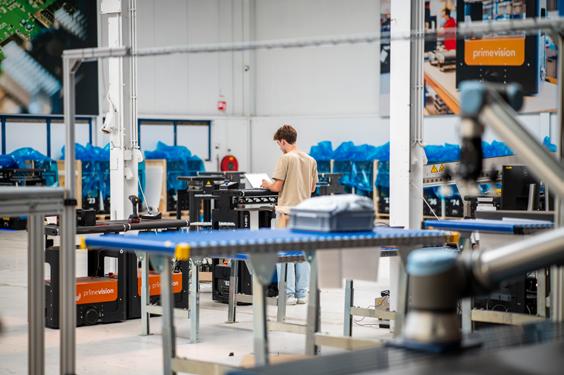
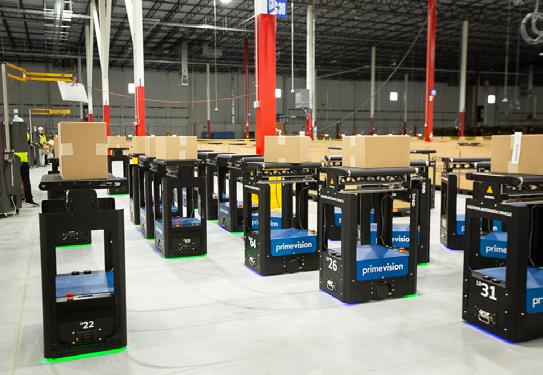
Prime Vision, in partnership with Dell Technologies, has won a Computable Award for its project “Efficient Sorting with Vision AI and Robotics”—a solution that blends artificial intelligence, robotics and edge computing to transform parcel and letter sorting.
The project, recognised in the Large Business ICT Project category, showcases how advanced digital technologies can make sorting operations more scalable, flexible and resilient, particularly during peak volumes.
Integrating Vision AI, Robotics and Edge Computing
The award-winning system brings together three core capabilities:
• Vision AI uses 2D and 3D imaging to identify parcels and letters, even with damaged labels or irregular shapes.
• Autonomous robots manage the physical sorting process, reducing manual handling and boosting throughput.
• Edge computing processes data in real time on-site, eliminating latency while strengthening security and operational reliability.
Built for the demands of modern sorting centres— including minimal downtime tolerance, efficiency pressures and legacy system integration—the solution provides a future-ready path for organisations looking to modernise through AI, robotics and real-time data intelligence.
Xylem Receives Three Awards for Advanced River Monitoring
Xylem UK has been recognised with three major industry awards for its advanced river monitoring technologies, which are helping UK utilities meet the requirements of the Environment Act 2021. The achievements highlight the growing role of digital solutions in strengthening compliance, resilience and water quality across the sector.
At the Instrumentation & Electronics (I&E) Awards, Xylem received the Digital Transformation Award for its monitoring sonde technology and digital tools that support continuous water quality assessment under Section 82 of the Act. This regulation requires utilities to monitor conditions upstream and downstream of storm overflows and treatment works outfalls.
Central to Xylem’s offering is its HydroSphere platform, which enables
Engineering firm achieves finalist status at global honours once again
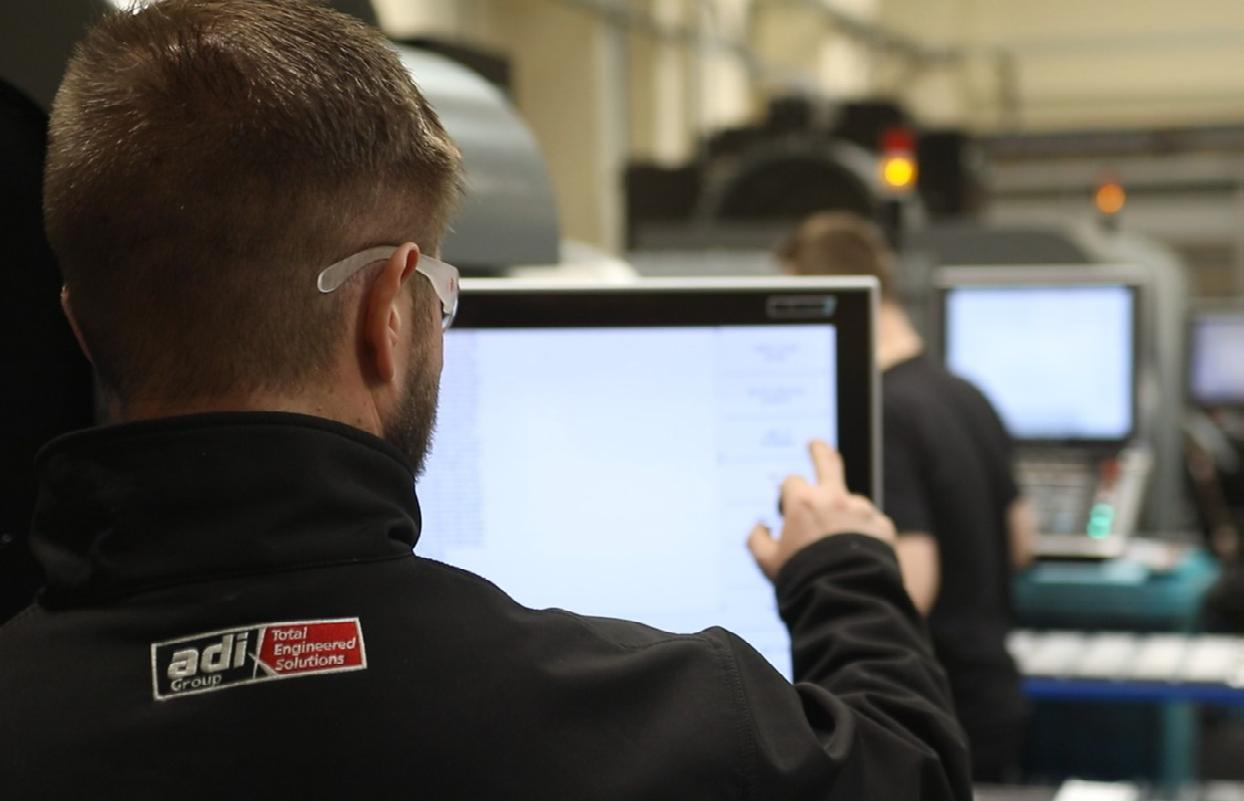
Multidisciplined engineering firm adi Group has once again secured finalist status at the globally renowned IChemE Awards.
Founded in 1994, the IChemE Awards celebrate innovation and excellence across sectors ranging from biopharmaceuticals and sustainability to renewables, EDI and nuclear technology. adi Group has been recognised by the awards
before, and this year appears on the 2025 finalists list for the Industry Project Award. The nomination follows the company’s successful in-house design, development and construction of a fully automated mashed potato line for a major client.
Alongside being finalists—winners will be announced in Manchester on 20 November—adi Group is also sponsoring the Training &
Development Award, reinforcing its long-standing commitment to nurturing future engineering talent.
James Sopwith, Group Strategic Account Director, said: “Everyone at adi Group is immensely proud to once again reach the IChemE finals, this time for our fully automated mashed potato line project. This recognition highlights the depth of engineering expertise across our
Events & Awards
AI-powered event recognition, smart alarms, GIS mapping and configurable dashboards. Integration with satellite imagery and digital twinning through Xylem Vue further enhances proactive water quality management.
At the same awards, James Chapman, Xylem’s Environmental Solutions Business Development Manager, was named Instrumentation Industry Personality of the Year for his leadership in delivering scalable, data-driven river monitoring solutions.
Xylem and Anglian Water also secured the Best Real-Time Water Quality Monitoring Project at the Environmental Monitoring Awards. Their joint project trialled continuous monitoring of four final effluent outfalls using HydroDaaS Gold, Xylem’s data-as-a-service model, achieving 98% data uptime with highly accurate readings and no significant sensor drift. Xylem’s Phosphate and Ammonium Process Online Analysers also received high commendation in the wastewater monitoring category.
PICTURED BELOW: James Chapman, Xylem’s Environmental Solutions Business Development Manager
Spencer Group Celebrated as a Best Place to Work for the Second Time in 2025
Spencer Group has strengthened its reputation as one of the construction industry’s top employers after being named Best Place to Work – Large Firm at the Construction News Workforce Awards. The recognition marks the company’s second national accolade for employee wellbeing this year, following its win at the New Civil Engineer Awards.
Judges praised Spencer Group’s mature and comprehensive approach to wellbeing, spanning mental, physical and financial support. Initiatives include Mental Health First Aiders, Time to Talk Day participation, enhanced familyfriendly policies and “bring your dog to work” days, all designed to promote a healthy work–life balance. The company also invests heavily in personal and professional development through its Personal Development Review process, Future Leaders programme and the PRINT® behavioural insights tool. As a founding partner of Ron Dearing UTC, Spencer Group continues to support emerging talent through extensive apprenticeship and training pathways.
business and our ability to deliver endto-end solutions. We’re equally proud to support the Training & Development Award, which aligns with our commitment to developing young engineers and creating clear pathways into hands-on careers.”
Entries are judged by a volunteer panel that evaluates societal benefit, sustainability, environmental impact and engineering excellence. This year’s awards attracted submissions from more than 100 companies across 23 countries, underscoring the programme’s global reach.
adi Group delivers multi-disciplinary engineering services for UK manufacturers, offering concept design, systems integration, installation and ongoing maintenance across complex production environments.
HR Director Yvonne Moir said the award reflects the company’s belief that “people are key to our success” and its commitment to creating an environment where everyone can thrive.
This latest accolade contributes to a strong year of recognition for Spencer Group across multiple national industry awards.
Events & Awards News
Innovation and Sustainability at the Heart of Advanced Engineering
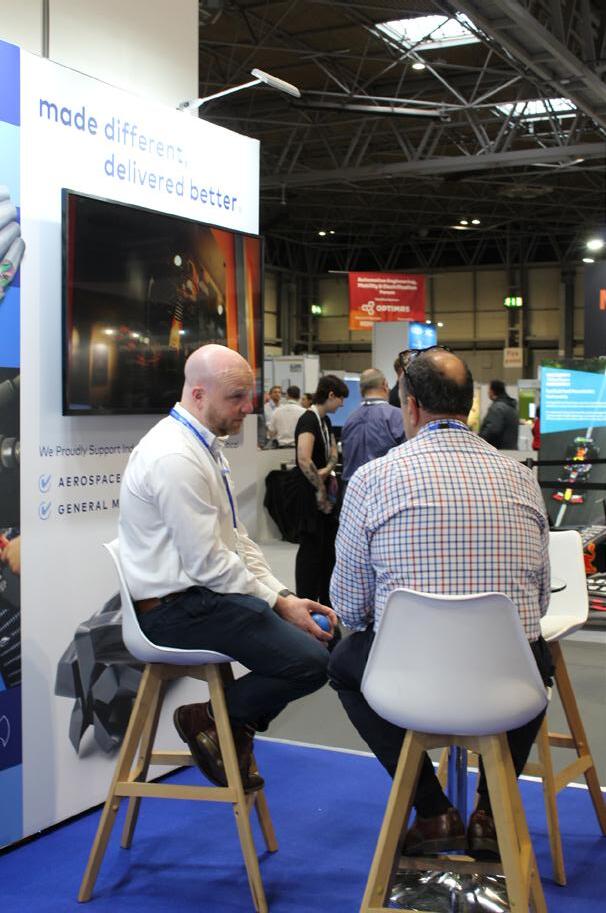
At Advanced Engineering, Exactaform joined hundreds of leading manufacturing suppliers and thousands of engineering professionals for two days of collaboration, knowledgesharing and industry insight. The event brought together experts from aerospace, automotive and defence, highlighting the technologies and ideas shaping the future of engineering.
For Exactaform, the show offered valuable opportunities to connect with peers, engage with expert speakers and explore the innovations advancing performance and sustainability across modern manufacturing. Discussions within the aerospace sector stood out in particular, underscoring the growing importance of precision tooling in improving efficiency, supporting lightweight structures and reducing environmental impact.
Driving a More Sustainable Aerospace Future
Speakers from organisations including Rolls-Royce, Innovate UK and ADS Group emphasised that achieving long-term net-zero ambitions will rely on collaboration across the supply chain. Topics such as lightweight materials, advanced aerodynamics, composite technologies and more sustainable production methods all reinforced the sector’s shift toward responsible engineering.
These themes align strongly with Exactaform’s own commitment to innovation, efficiency and environmental responsibility. As manufacturers strive for cleaner, more efficient processes, precision tooling continues to play a crucial role.
Exactaform’s Sustainable Engineering Approach
Sustainability sits at the centre of Exactaform’s approach— from the tools it designs to the way it manufactures them. The company’s one-shot tooling solutions are engineered for complex, lightweight materials and are designed to reduce machine time, energy consumption and waste.
Showcasing Tooling Innovation
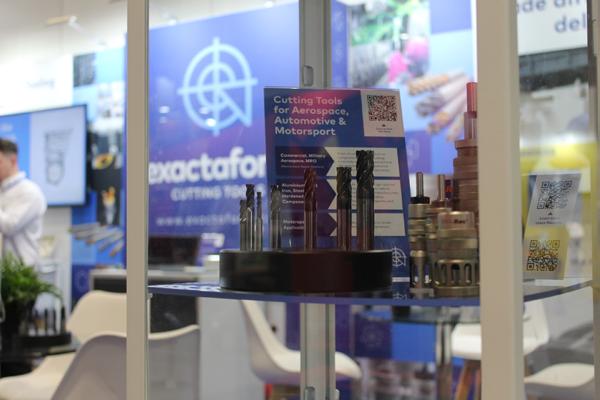
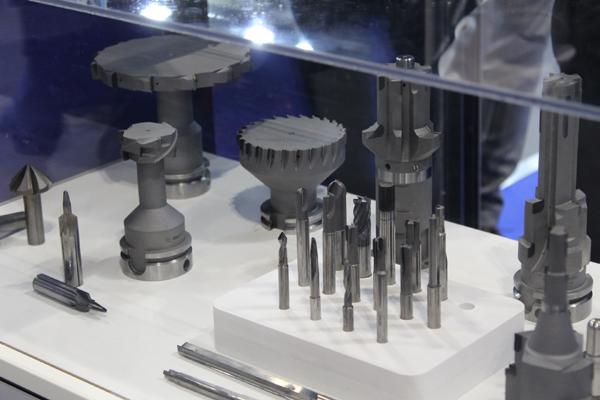
Exactaform showcased its latest PCD and carbide tooling technologies for aerospace and automotive applications, including the ExactaMil XE13 and XE22 carbide end mills and the Exacta-Set milling system. Tailored solutions for CFRP, aluminium and titanium demonstrated how smarter tooling can lower costs, improve precision and support long-term sustainability goals.
MGS Technical Plastics Secures Double Win and Advances to Make UK National Finals
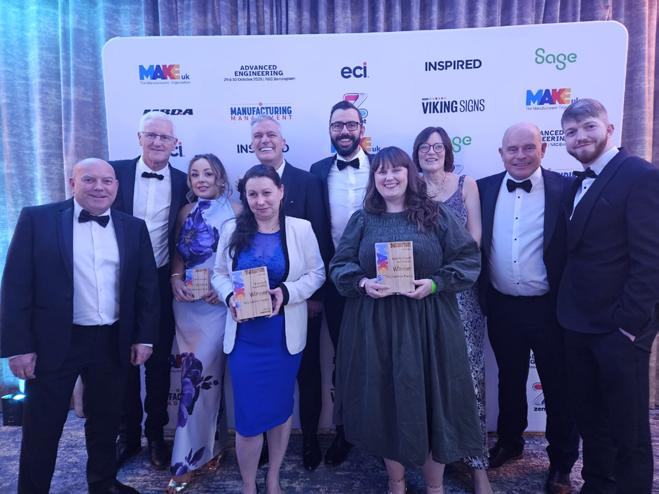
MGS Technical Plastics has earned its place in the Make UK national finals after celebrating two major wins at the North West Manufacturing Awards. The Lancashire-based firm took home Business Growth & Strategy and Energy & Sustainability, with national winners set to be announced in January 2026.
Judges highlighted MGS’s clear long-term strategy, backed by investment in advanced technology, a strong apprenticeship pipeline, expansion into new markets and inventive use of social media to spark customer enquiries. The business also secured runner-up for SME of the Year, reinforcing its strong performance across the board.
Recognition in Energy & Sustainability reflects a five-year transformation that has seen MGS halve its carbon footprint through more efficient production, waste reduction and circular economy initiatives.
The double win adds to an impressive year of accolades as MGS moves on to compete on the national stage.
At OPC Assessment, we are more than test publishers; we’re experts in our field with more than 25 years’ experience supporting our global clients in the rail and transport sector, engineering industry and beyond.
Our psychometric tools help to: recruit top-tier talent develop high-performing employees support career-long growth
Hosted on our user-friendly Candela™ platform, clients can explore our extensive range of innovative assessment tools. Guided by our expert psychologists, we can advise on bespoke recruitment solutions tailored to your specific needs.
Food & Drink Manufacturing
Acting on food waste
By Phil Brown, Sales Director, Fortress Technology.
Over 59 million tonnes of food waste is generated annually in the EU. The cost of this waste ethically, financially and environmentally is huge, and the challenges continue to grow. Manufacturing plays a big role in tackling the issues.
Waste can arise at all stages of the production process. It can often be easily avoided if a more detailed approach to prevention planning is adopted. Manufacturing drivers include stringent specifications, whereby slightly off-spec but perfectly edible food is thrown straight into the bin. This may occur due to labelling defects or increasingly high aesthetic expectations from consumers and retailers.
Peelings, trimmings and discarded meat cuts are other common problems that create waste. Yet, according to UK NGO WRAP, machinery performance problems can be one of the main culprits of food waste in the processed food sector. Poor management practices can threaten brand image, especially given the rising number of consumers who consider a company’s social and environmental pursuits when purchasing items.
By incorporating CSR and sustainability principles into waste
management strategies, companies could help turn food waste into value. Considering machinery performance problems are one of the leading causes of this issue, it can be safe to assume that investment in high-performance machinery with automated processes could help to resolve manufacturing waste.
False rejects soon add up
With inspection systems, one of the most common sources of waste is false rejects. This occurs when a good product is identified as containing a contaminant or when packaged products are at an incorrect weight. When specifying inspection systems, reliability and accuracy is paramount. Line vibrations can cause false readings, resulting in the rejection of otherwise sellable products. It is why Fortress Technology designs its metal detectors, X-ray, checkweighing and combination systems with a heavier framework to reduce environmental vibrations.
Checkweighing systems come with benefits including the potential to reuse non-conforming products. For example, the Raptor Combination and X-ray Combination systems by Fortress Technology are equipped with independent reject mechanisms, with dual bins to separate contaminant and weight rejects.
All eyes on vision
Recalls of unsafe products can be attributed to increasingly complex supply chains. Typically, the reason for recalls comes down to incorrect labelling at the point of sale. This can be due to wrong data input, poor quality printing, damaged labels, illegible barcodes, products
that don’t match packaging or contaminants.
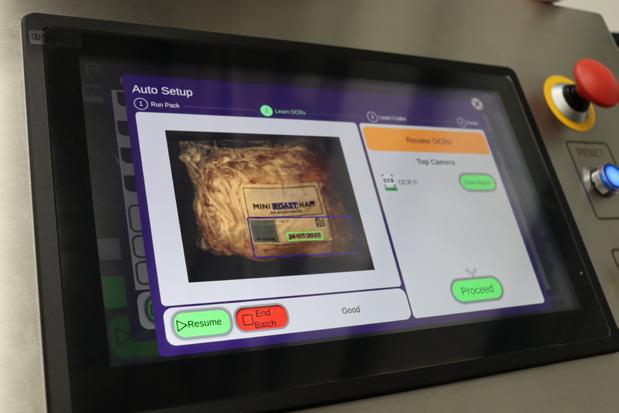
Since label errors account for the greatest number of recalls, machine vision is increasingly being adopted to assist with label checks. To address this issue, Fortress has launched Vyper Vision. Providing top and bottom inspection, the system uses advanced optical character recognition (OCR) to detect and reject faulty labels and printing errors.
Avoiding human errors
Machinery performance issues are also a major cause of factory food waste. False rejects, machinery stoppages and product recalls can swiftly have an adverse effect on profitability and brand reputation. Automatic testing offers a repeatable methodology to ensure a metal detector, checkweigher and X-ray system is working as it should be.
All Fortress Technology systems feature a failsafe, paperless, fully auditable COP test routine. Rather than relying on operatives to schedule, perform, document and submit inspection performance checks, the machines pre-configure every test by retailer and product being inspected. Once a test is performed, a dated due diligence report is created and signed by the operative on the HMI screen.
These innovations demonstrate the value of technology integrations and how they support waste reduction campaigns as well as strengthening food safety.
PICTURED TOP: Automatic testing offers a repeatable methodology to ensure a metal detector, checkweigher or X-ray system is performing as it should be.
PICTURED BELOW: At 200ppm, Vyper Vision when fitted to a Raptor Combi system examines every label on every pack as it is being inspected for contaminants and weighed.
Sustainable Strength: Basket Multipacks for Glass Bottles
From Bottlemaster to BasketWrap® - a heritage of innovation, a future of sustainability
Packaging with Purpose
As sustainability moves from aspiration to obligation, beverage brands face mounting pressure to reduce plastic, comply with rapidly evolving regulations, and deliver packaging that resonates with environmentally conscious consumers. Glass bottles remain a premium choice for consumers and fibre-based baskets, from Smurfit Westrock, are a proven multipack solution - combining strength, shelf impact, and circularity in one component that consumers
find easy and intuitive to both use and recycle.
Ahead of the Curve: A Heritage of Innovation
Fibre baskets may feel like a modern response to sustainability, but their roots run deep. In 1947, Atlanta Paper Company introduced the Bottlemaster – an early paper-based multipack for bottles — alongside the Bottle Master Carton Opener, the industry’s first automated system for basket-style packaging.
This early innovation set the stage for a packaging revolution: combining recyclability, strength, and efficiency long before sustainability became a global imperative.
By 1996, Smurfit Westrock advanced this legacy with the BasketWrap automation solution - the first system capable of running two different carton styles, (ClusterPak®) wraps and baskets, on the same production line. This breakthrough gave beverage producers unprecedented flexibility, allowing them to tailor packaging to different markets, product positioning and sustainability goals without costly line changes. That product flexibility helps drive up machine utilisation, improving the ROI for these assets. Today, baskets remain a cornerstone of our portfolio, refined for modern compliance, value engineered for efficiency and delivering consistently to meet consumer expectations.
Why Baskets Are a Strong Choice for Glass Bottles
• Consumer Handling: Integrated handles make carrying glass bottles easier and more comfortable.
• Product Protection: Partitions reduce scuffing and breakage riskcritical for glass.
• Branding & Shelf Impact: Large printable surfaces allow bold graphics, sustainability cues, and promotions.
• Sustainability: Fibre-based, fully recyclable, and aligned with PPWR recyclability targets.
• Automated Packing: Produced using high-speed lines that are adaptable across formats and suitable for configurations of 4-8 bottles.
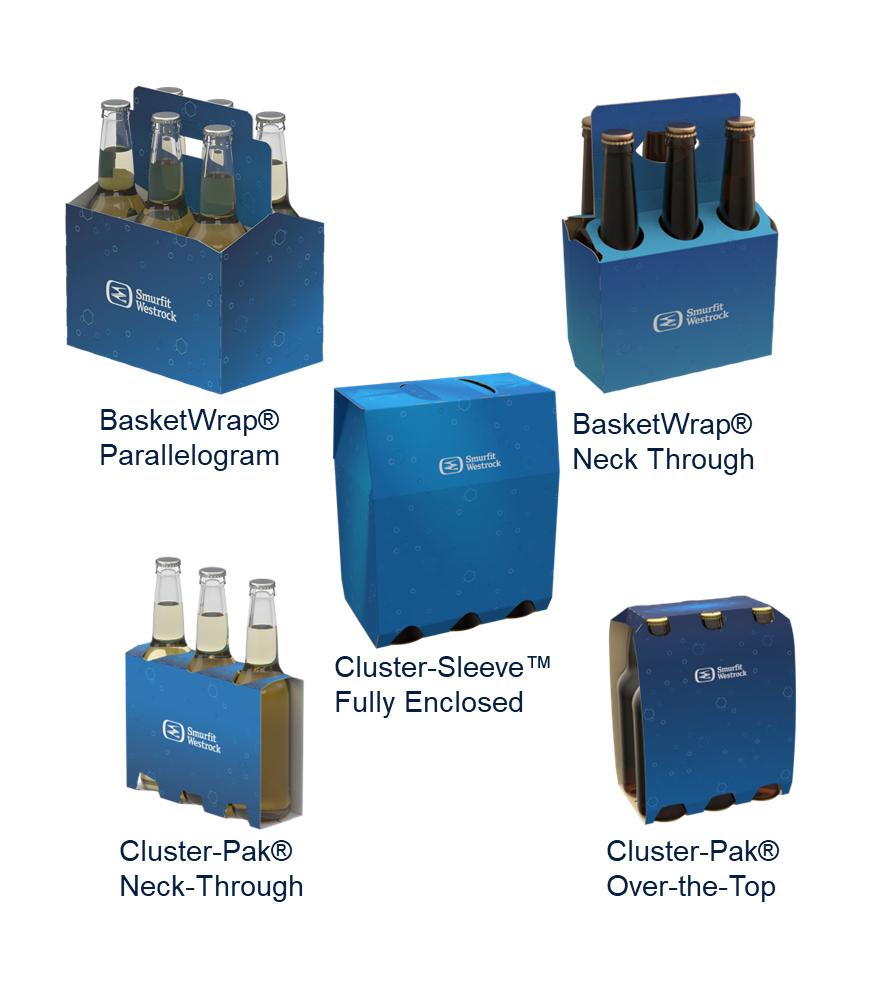
Smurfit Westrock offers a full range of paper-based multipack solutions - including wraps, clips, and fully
enclosed formats - but baskets stand out as a strong option for glass bottles, balancing consumer convenience, protection, and premium shelf presence.
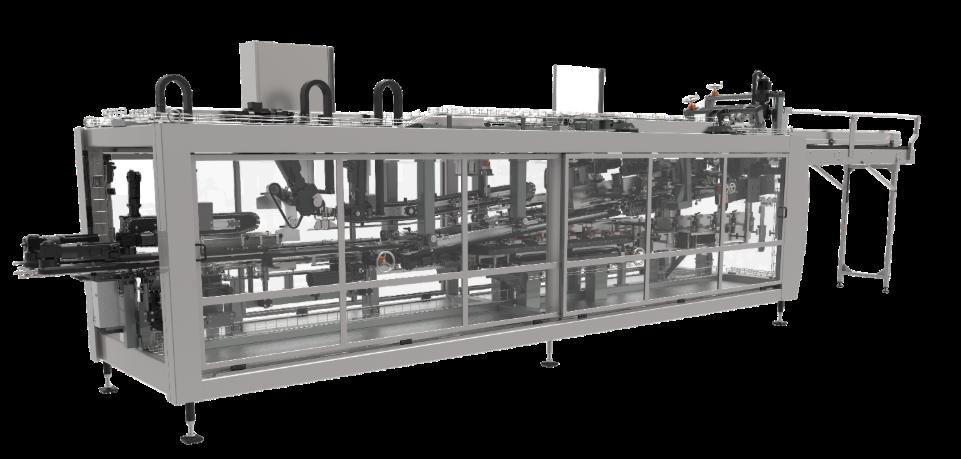
Smurfit Westrock’s BasketWrap® system is designed to make fibrebased multipacking both scalable and flexible. It enables beverage producers to pack cartons directly with their product using Smurfit Westrocksupplied machinery - combining wrap and basket capability on a single production line.
Dual-format versatility:
• Runs up to 9 wrap styles and 4 basket styles on one line
• Supports 4–8 bottle baskets, including traditional and neckthrough formats for secure bottle retention
• Features a robust handle and bottom-locking mechanism for pack integrity
Automation range:
• Semi-automated systems (single height/diameter, 7 packs per minute)
• Fully-automated, mid-speed systems (multi-height/multidiameter for 40 to 75 packs per minute)
• To fully-automated, high-speed systems (multi-height/multidiameter, up to 250 packs per minute)
future-ready solution that supports both wrap and basket formats- helping brands stay agile, compliant, and efficient.
Sustainability Credentials
Switching to baskets from shrink film is more than a packaging change - it’s a measurable sustainability win:
• Eliminates single-use plastic film.
Operational excellence:
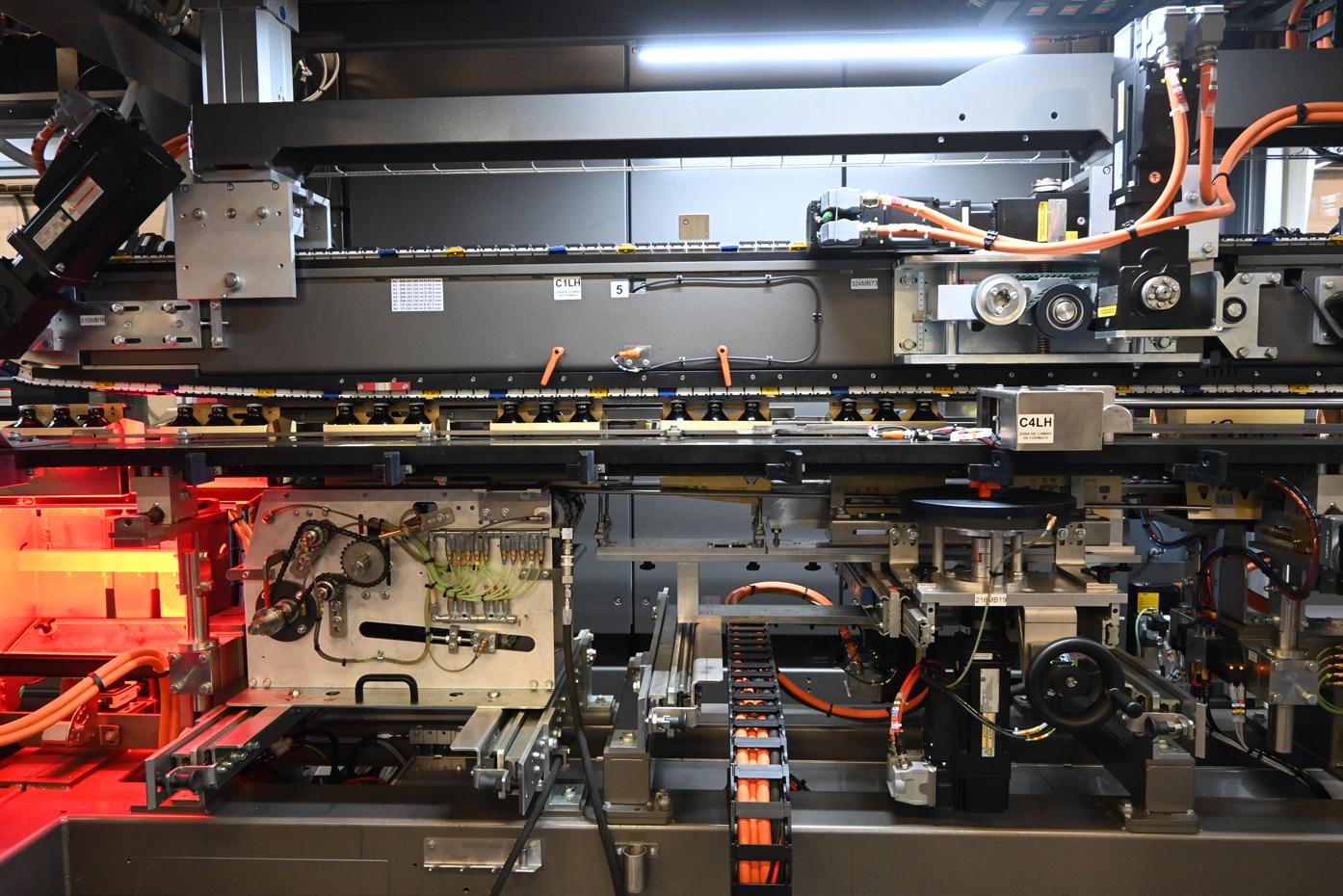
• Open-frame design for safe, easy access
• Proven machine efficiencies and QC systems to keep fillers running smoothly
• Missed lock detection with automated pack rejection
• Tool-less, automated changeovers for speed and repeatability
Whether you’re entering the market or scaling up, BasketWrap® offers a
• Supports circular economy goals and PPWR compliance.
• Provides visible fibre cues that reassure/enthuse consumers.
Looking Ahead
From the Bottlemaster in 1947 to BasketWrap® automation in 1996, and today’s advanced basket multipacks, Smurfit Westrock has consistently been ahead of the curve. As sustainability becomes non-negotiable, baskets represent a practical, scalable, and consumerfriendly way forward.
Discover the future of multipacking. Contact our team today to learn more.
www.smurfitwestrock.com
Injection Moulding & Plastics
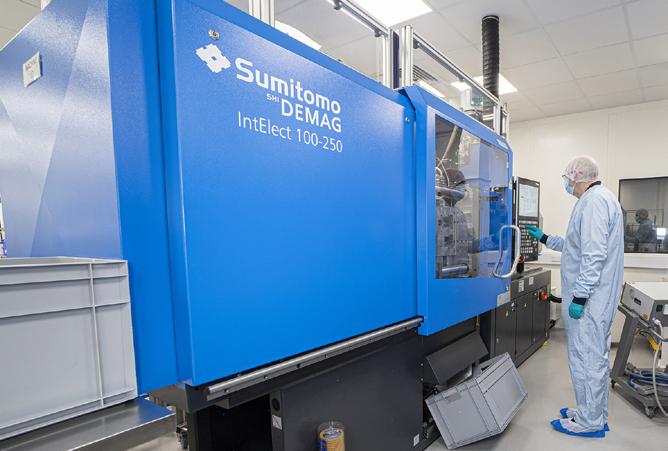
Manufacturing bespoke filters in the UK with BEC Group
Plastic injection moulders BEC Group take us through what manufacturing hundreds of thousands of bespoke plastic filters each year looks like at their Hampshire based facility.
Producing filters for any industry can be a difficult business; particularly the smallest or most intricate. At BEC Group everything from complex AdBlue filters for the automotive industry to tiny biomedical filters are made. The end-to-end process of design, tooling, and moulding is all carried out at one specialised site.
Whilst blow moulding or compression moulding can also be used to produce similar filters, they lack the precision that injection moulding brings to manufacturing. This is key to producing complicated geometries and details to function effectively and meet stringent filtration requirements.
Injection moulding by nature is a costeffective way of manufacturing filters at high volumes, producing identical mouldings quickly and at a low cost per part. Despite a high initial outlay in producing steel tooling, payback times can be incredibly short when filters are mass produced.
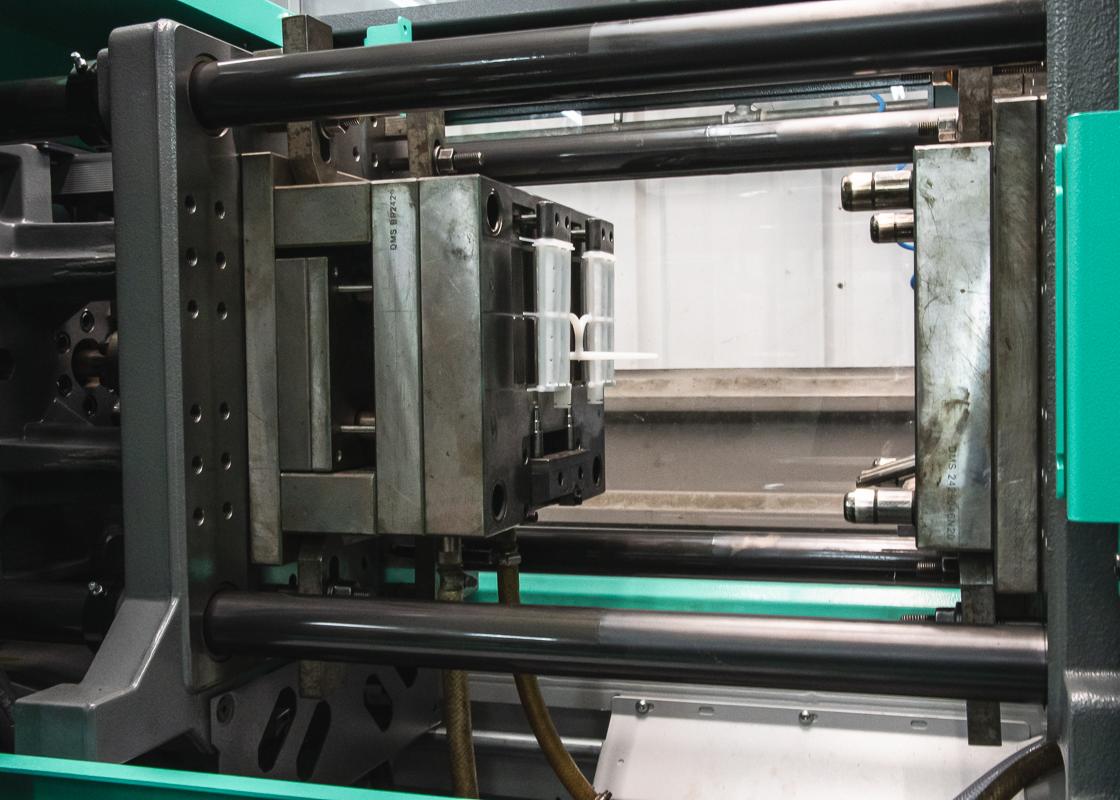
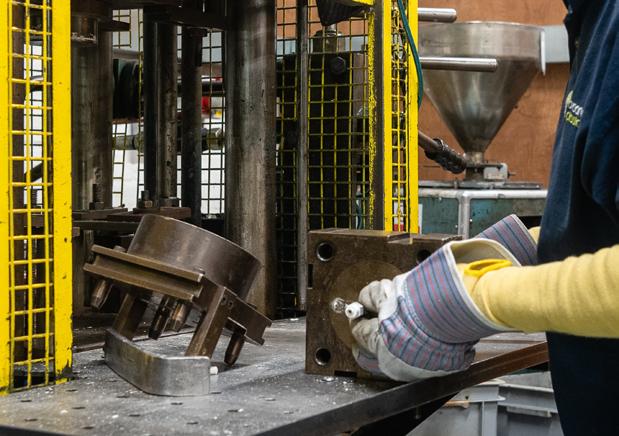
The process of producing a mesh filter in plastic begins at BEC by loading a filter mesh onto a metal core. A steel mould tool closes around the mesh, molten plastic is injected into the tool and around the mesh, encapsulating it in a plastic moulding to create a support frame for the filter.
The support frames are commonly made from nylon, polypropylene, or polyester due to their durability and chemical stability when filtering water, oil, or air. Typically, the mesh of the filter is made from nylon, but stainless steel and bespoke mesh media is also made. Dependent upon the application and particulate size requiring filtering- mesh hole sizes can range from 10 micron to 2000 micron. These plastic encapsulated filtration devices are shipped around the globe, from Europe to the USA.
Close working relationships between the BEC design team and their customers allow for a culture of innovation and communication.
“We work with our customers to give them exactly what they want. A collaborative design process means we can produce a bespoke solution for unique problems. We’re here to help.”
We work with our customers to give them exactly what they want. A collaborative design process means we can produce a bespoke solution for unique problems. We’re here to help.
- Paul Holland
Paul Holland, Design & Innovations Manager at BEC Group. The research and development team are frequently challenged to produce effective filters, at affordable prices, in tough environments.
ISO 9001:2015 certification demonstrates BEC’s dedication to outstanding customer service and providing consistently high-quality filters to customers. Extensive work in the automotive industry reflects their ability to keep to tight deadlines and strict quality requirements.
To find out more about filter manufacturing with BEC Group email hello@becgroup.com, call 01425 613 131 or visit becgroup.com.
Injection
Reviving the Relevance of Compression Moulding
By Thomas Catinat, Operations Manager at Broanmain Plastics
The cornerstone of advanced composite manufacturing, in its 1920s Bakelite heyday compression moulding was the key process for shaping thermoset materials. Despite the rise in other mass production techniques, including injection moulding, 3D printing and LSR moulding, compression moulding continues to dominate in the manufacturing of durable, quality parts.
Thomas Catinat, Operations Manager at Broanmain Plastics, explores the lasting legacy of compression moulding, including the application advantages of this technique. “For stronger and more wear-resistant parts produced in lower volumes, compression moulding and direct screw transfer (DST) remain extremely valid and popular options,” observes Thomas.
For sectors like aerospace, automotive, transport, utilities, marine, electronics and renewable energy, compression moulding is undergoing a bit of a resurgence. This is mainly attributed to these industries using more advanced composite materials.
In many instances, compression moulded parts are more durable as a result of the tensile strength. Parts can also be more sustainable as bio-based materials are increasingly being used.
The compression process
A forming method that relies on heat and pressure to mould plastic materials, the first step in compression moulding involves creating a strong, precise metal tool. This is designed to the required dimensions and shape.
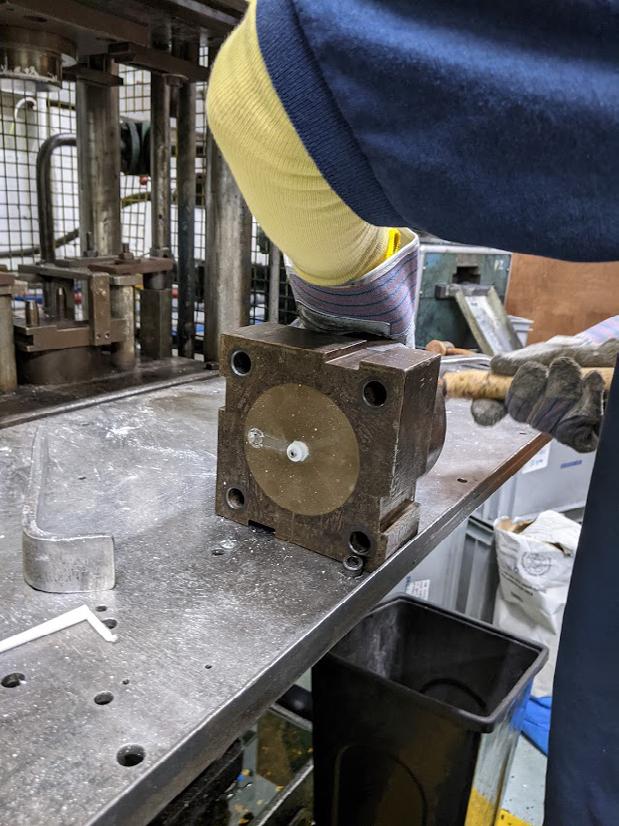
A compression moulding machine then places partially heated material into the open, heated mould cavity. Broanmain offers compression moulding using Bulk Moulding Compound (BMC). This composite is a polyester ‘dough’ material that is manually put into the tool in pre-measured amounts.
The mould is closed with a top force or plug member, and pressure and heat is applied to ensure the material reaches all parts of the cavity. The part is then cured until the material sets into shape.
Finally, the part is removed from the tooling where it is trimmed down. If intricate details are required, these are often created on a CNC mill.
“It’s a highly skilled and precise process,” affirms Thomas.
DST is a hybrid of compression and injection moulding. It allows for the processing of thermoset materials such as epoxy, phenolic, DAP, alkyd and DMC in an injection moulding machine. Although more time is needed to change the equipment components and barrel, automation can significantly accelerate the process.
“Although more labour intensive than injection moulding, where the compression method is beneficial is shaping highly durable parts with significant thickness. The compression moulding tool makes even stiff and high durometer plastic materials perfectly vulcanised and dimensionally stable. It still works best on smooth surface parts that don’t have complex geometries,” adds Thomas.
Despite the strong outlook, accessibility to UK moulders with the capabilities and capacity to offer compression moulding and DST alongside mass injection moulding has fallen significantly. “It’s a process that Broanmain has continued to invest in. In order to adapt to our customers’ delivery needs and to ensure knowledge of this traditional technique is retained for future generations, most Broanmain machine operatives are trained in both compression and injection moulding,” reports Thomas.
For more information visit: www.broanmainplastics.co.uk
PICTURED TOP: Compression moulding remains a highly skilled and precise process, with demand anticipated to double in the next decade.
PICTURED LEFT: Inserted compression components are designed to be robust and need to be dimensionally stable.
Latest Product Launches
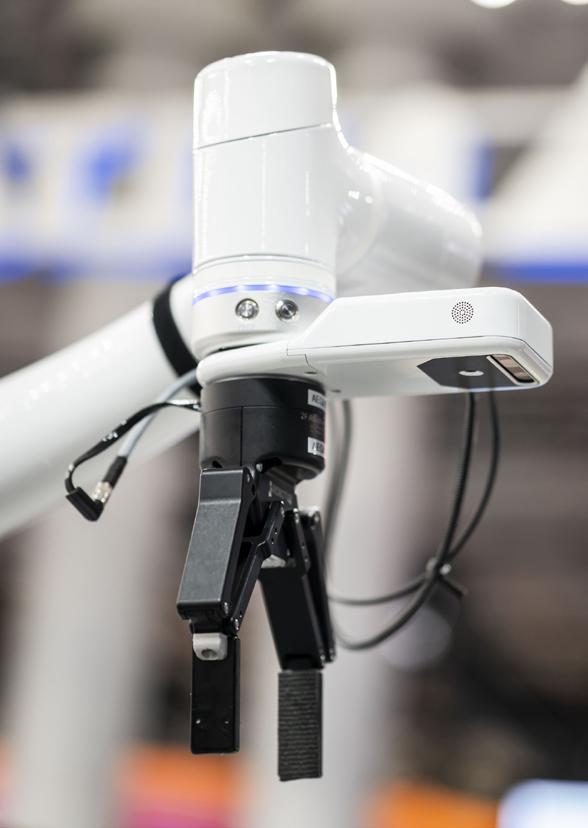
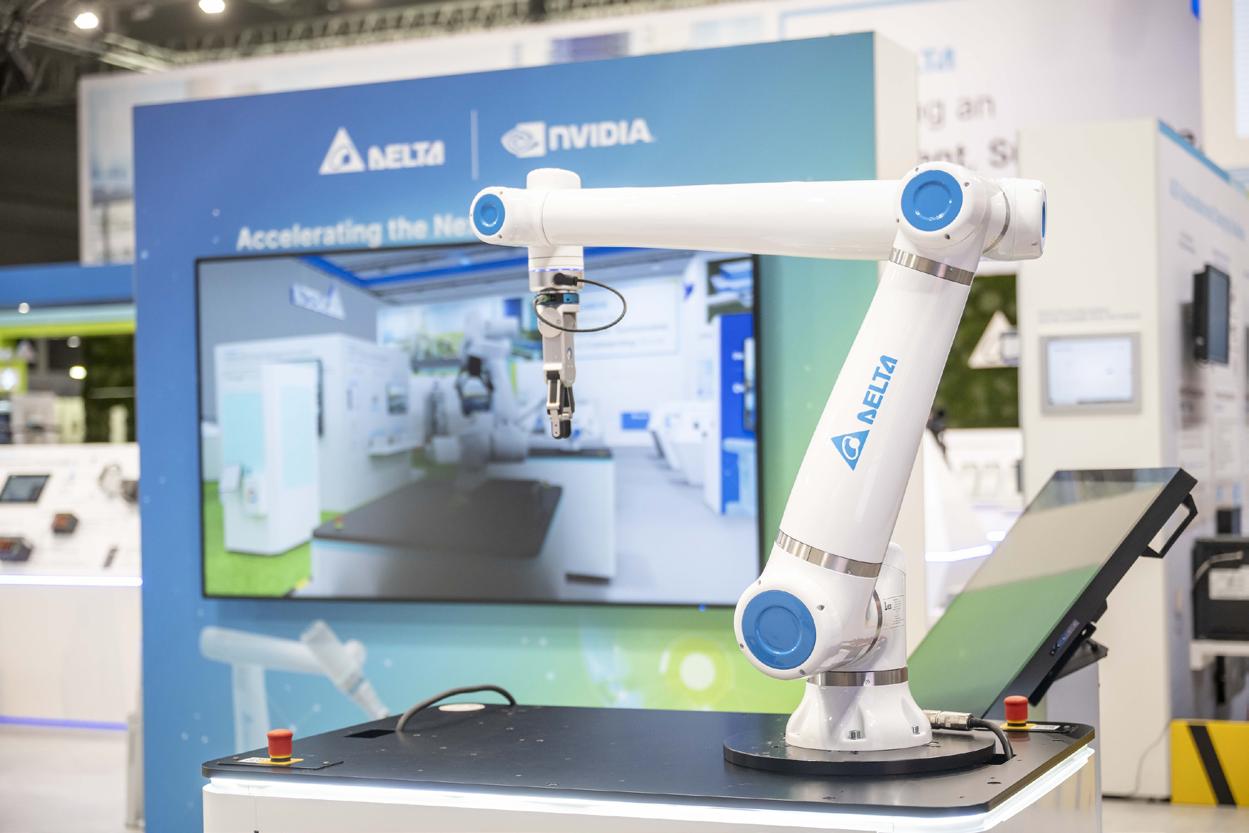
Delta Launches D-Bot Robotics Platform at SPS 2025 to Accelerate Flexible Automation
Delta has unveiled its new Delta D-Bot Robotics Platform at SPS 2025 in Nuremberg, introducing a scalable, cost-effective automation ecosystem designed for both global manufacturers and SMEs. Built on a unified architecture, the platform integrates seamlessly across production, logistics and assembly environments.
By embedding NVIDIA Omniverse libraries and NVIDIA Isaac Sim, Delta enables
customers to design, simulate and validate robotic workflows virtually before deployment. This “real-to-sim and sim-to-real” approach reduces commissioning time, speeds up development and lowers on-site adjustment costs.
Smarter Human–Robot Collaboration
Delta also introduced the new Cognibot-Kit, adding cognitive intelligence to the D-Bot range. Powered by the compact Power AI Box and connected to Delta’s Neuraverse cloud, it supports 360° voice recognition, gesture control and 3D object detection— enabling cobots to adapt in real time to dynamic workflows.
Enhanced Safety Through Radar Imaging
As part of its safety-driven automation philosophy, Delta has partnered with Waveye to incorporate next-generation imaging radar into the D-Bot platform. The system distinguishes reliably between humans and machines, enabling proactive intervention without compromising performance—ideal for collaborative workspaces.
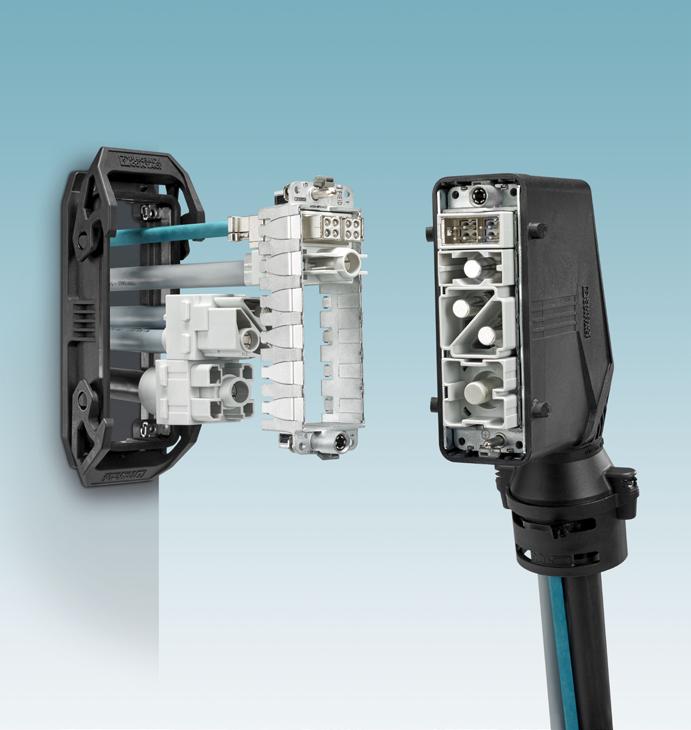
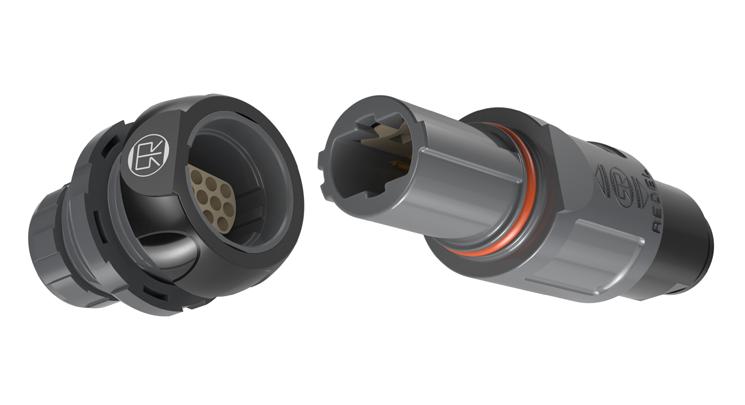
Heavycon power contact insert modules for high-current applications
The new Heavycon power contact insert modules from Phoenix Contact have been specially developed for high-current applications up to 300 A. Combining them with other modules for signal, data, and power transmission in one housing creates a highly compact interface.
The new power contact insert modules are available in two versions: with crimp connection for conductors up to 120 mm² and with Push-in connection for conductors up to 16 mm². The special features also include the tool-free latching and unlatching of the crimp contacts. This enables quick and safe wiring, even in confined spaces and when already installed. The Push-in Technology also enables the easy, tool-free connection of conductors up to 16 mm².
The Heavycon power contact insert modules are designed for a rated voltage of up to 1,000 V and currents of up to 300 A. The modules are suitable for Heavycon module carrier frames and offer shock and vibration resistance in accordance with DIN EN 61373.
Latest Product Launches
Using Acoustic Imaging to Cut Costly Leaks in Hospital Oxygen Systems
Hospital oxygen networks move huge volumes of gas, meaning even tiny, inaudible leaks can add up to significant losses. A study across 12 Spanish hospitals estimated annual oxygen use at around 350 m³ per bed, meaning a 1,000-bed hospital consumes roughly 350,000 m³ each year.
Online Auction Sale
With thousands of pipe joints across a site, even a 1% leakage rate equates to 3,500 m³ of lost oxygen.
The challenge for maintenance teams is rarely fixing leaks but finding them—especially the microleaks that can’t be heard or easily seen.
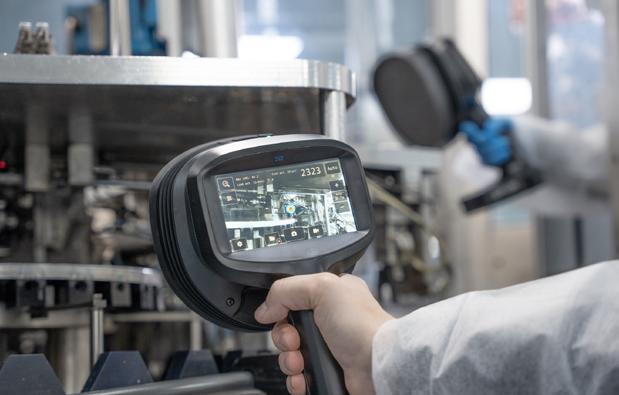
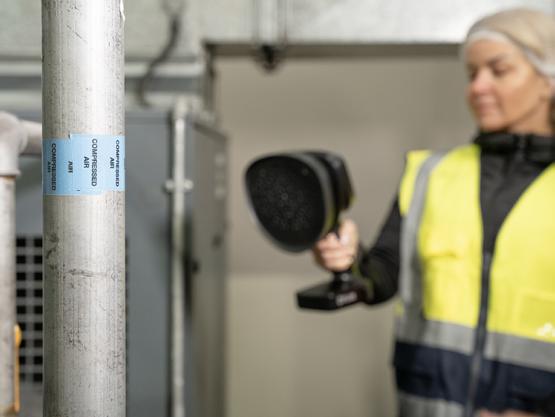
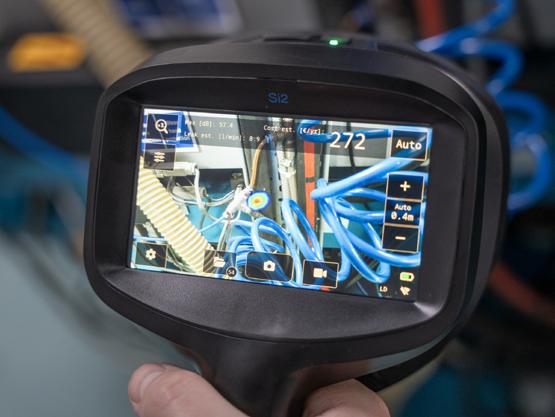
Flir’s latest acoustic imaging camera, the Si2-LD, is designed to detect precisely these hidden faults. The handheld unit identifies leaks as small as 0.0032 L/min from 2.5 metres away and detects 0.05 L/min leaks at distances of up to 10 metres, making elevated or hard-to-access pipework far
easier to inspect. Its wide 2–130 kHz detection range, 12 MP camera, HD display and integrated LEDs enable rapid, accurate imaging even in poorly lit areas.
Beyond oxygen, the Si2-LD can quantify losses across nitrogen, CO₂, ammonia and compressed air systems—calculating the financial impact directly on-device.
By revealing otherwise undetectable leaks, acoustic imaging is helping hospitals cut waste, improve safety and reduce costs across their entire medical gas infrastructure.
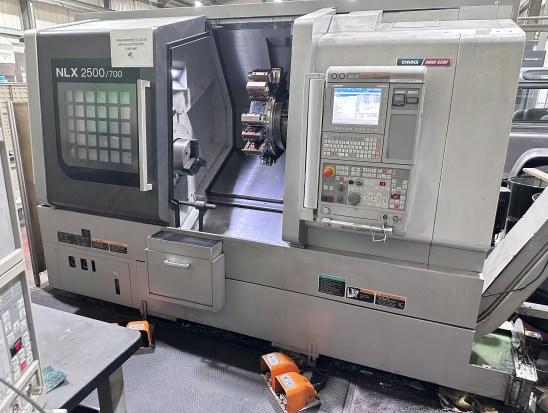
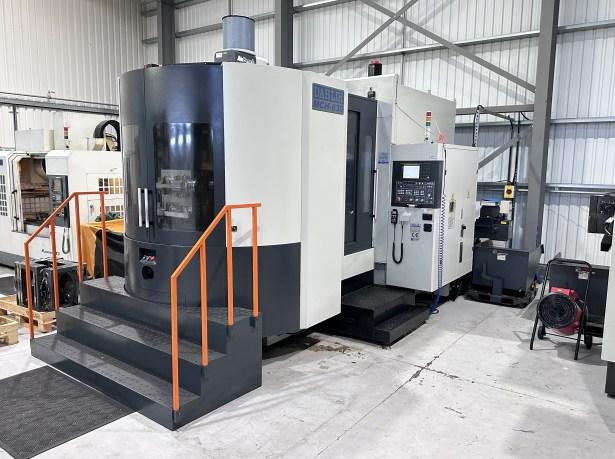
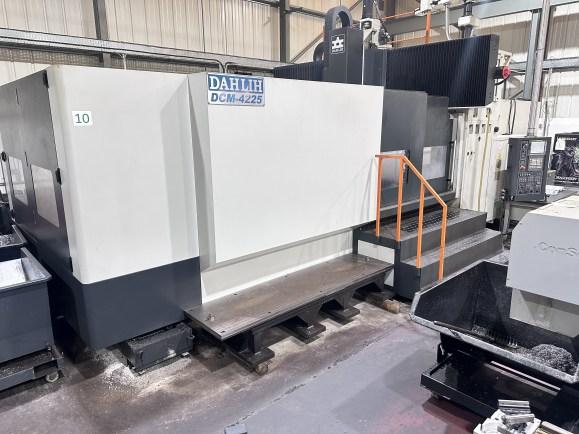
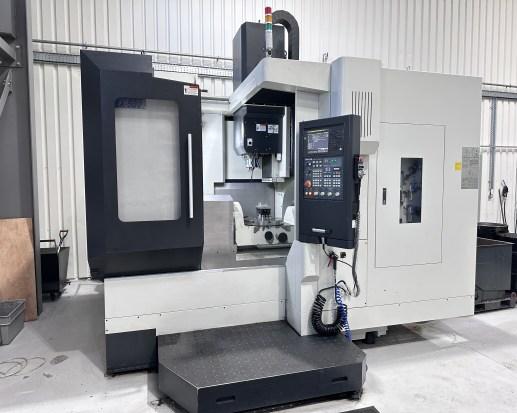
Exceptional Offering of Late Model DMG Mori Mill/Turn Lathes, Dahlih/Kitamura/ DMG Mori Horizontal & Vertical Machining Centres, Lang Vices, DEA Scirocco CMM, Inspection Equipment, Toolroom Machinery previously used by BSL Industries Ltd
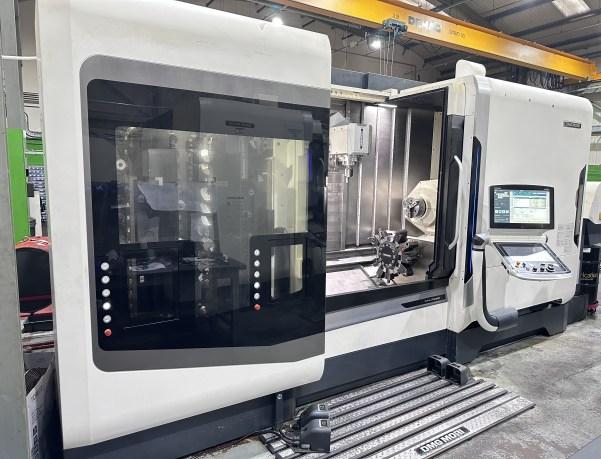
·DMG Mori NTX2000/1500 2nd Gen Mill/Turn Lathe (2020)
·DMG Mori NTX2000/1500SZM Mill/Turn Lathe (2018)
·Dahlih DCM 4225 Double Column Machining Centre (2017)
·Dahlih DMX500 (4+1) Machining Centre (2023)
·Dahlih MCH630 Horizontal Twin Pallet Machining Centre (2019)
·(2) Mori Seiki NTX2000/1500SZ 5-Axis Mill/Turns (2011-2013)
·(2) Mori Seiki NLX2500SY/700 Turning Centre (2012-2013)
·Dahlih DMX320 (4+1) Machining Centre (2021)
Mori Seiki NVX5100-II/40 Vertical Machining Centre (2013)
·Mori Seiki NMV5000 DCG 5-Axis Machining Centre (2011)
Kitamura Mycentre M-4XD Vertical Machining Centre (2013)
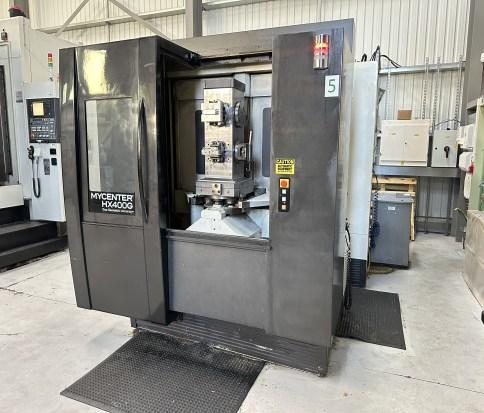
Kitamura Mycentre HX400G Vertical Machining Centre (2014)
How advanced drive technology enables lights-out manufacturing
By 2030, 35 per cent of large manufacturing companies will have fully autonomous facilities, according to Industry 4.0 specialist Intelligence Industrielle. Known as “lightsout manufacturing”, these autonomous sites promise major gains in productivity, efficiency, safety and sustainability. Here, Mike Davies, managing director of Electro Mechanical Systems (EMS), explores how advanced motor technology is making this possible.
In September 2025, the World Economic Forum welcomed twelve new members into its Global Lighthouse Network, bringing membership to 201 facilities. Sites are chosen for pioneering use of Industry 4.0 technologies — automation, robotics, AI, digital twins and data-driven production — to drive measurable improvements. Among the most ambitious practices is lights-out manufacturing.
Lights-out manufacturing refers to production environments that operate around the clock with minimal human intervention, relying on automated technologies to assemble parts, run lines, perform inspections and manage logistics. Fully unmanned production is still uncommon, but the success of one electronics manufacturer in Vietnam and a semiconductor facility in Shanghai shows lights-out operation can move from theory to practice.
Turning vision into reality
Lights-out manufacturing offers clear benefits. Factories can run continuously, increasing productivity by around 30 per cent while reducing defects by approximately 40 per cent. With fewer personnel near hazardous tasks, safety risks fall. Intelligent management of lighting, heating and ventilation optimises energy use and lowers operational costs.
Despite these advantages, implementation remains challenging. Many sites still use legacy equipment never designed to integrate with modern automation or digital systems, creating technical issues or requiring costly upgrades — from tens to hundreds of millions of pounds depending on scale.
Lights-out also places significant demands on the technologies that enable it. Robotic arms, conveyors, CNC machines and autonomous guided vehicles are common in automated facilities, but operating continuously and unsupervised
while maintaining precision and reliability places considerable strain on them. In these environments, even a minor fault can ripple across production, disrupting logistics or halting output.
Rather than designing ever more advanced machines, the solution lies in ensuring components are engineered for reliability, precision and efficiency.
Driving lights-out
Motors are among the most important components in automated technologies, providing motion, control and accuracy. Under continuous, unsupervised operation, they must deliver longterm durability, repeatability and efficiency.
Stepper motors move in fixed micro-increments for accurate positional control. Advanced designs such as FAULHABER’s AM3248 series provide compact, high-torque solutions with 1.8-degree step angles and microstepping options, delivering fine resolution and smooth motion. Their low inertia and minimal detent torque enable rapid acceleration and deceleration while maintaining repeatability essential for pick-andplace or inspection systems.
Brushless DC motors offer long service life, high efficiency and smooth operation. Using electronic commutation reduces wear and maintenance — essential in lights-out environments. AGVs or conveyors must run continuously; brushless motors support this by delivering durability and minimising unplanned downtime. Their low vibration improves accuracy in delicate processes such as inspection and CNC machining.
As manufacturing moves toward greater autonomy, the capabilities embedded in each component will define what is possible. Advanced motors engineered for precision and durability are key enablers of the lights-out future.
For more, visit here.
MORE THAN 20.000 MOTORS AVAILABLE FROM STOCK!
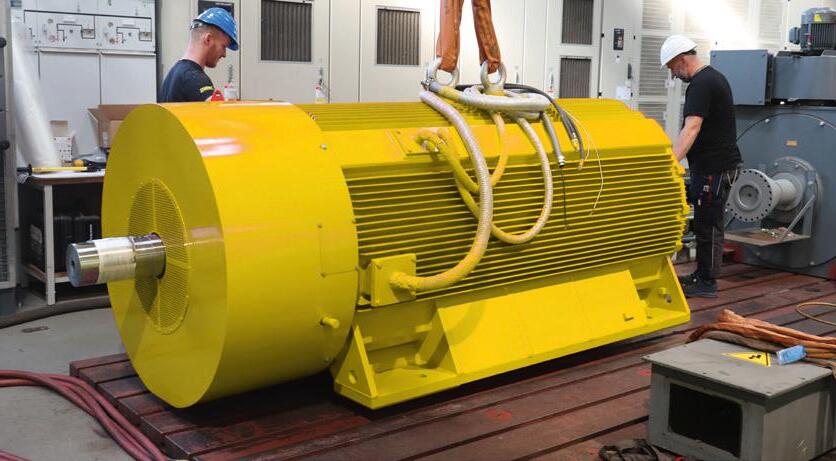
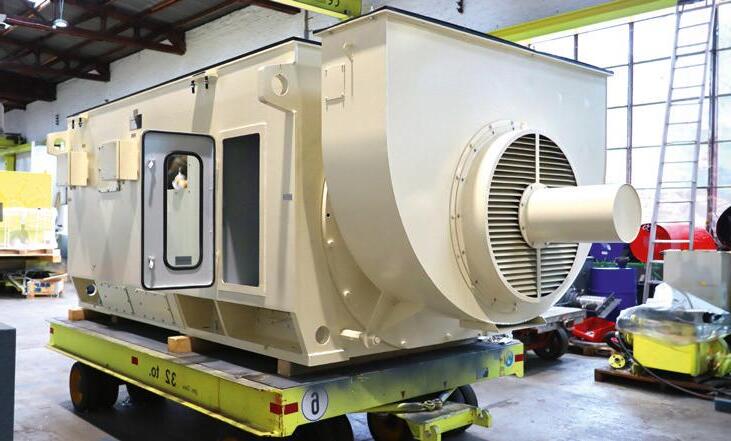
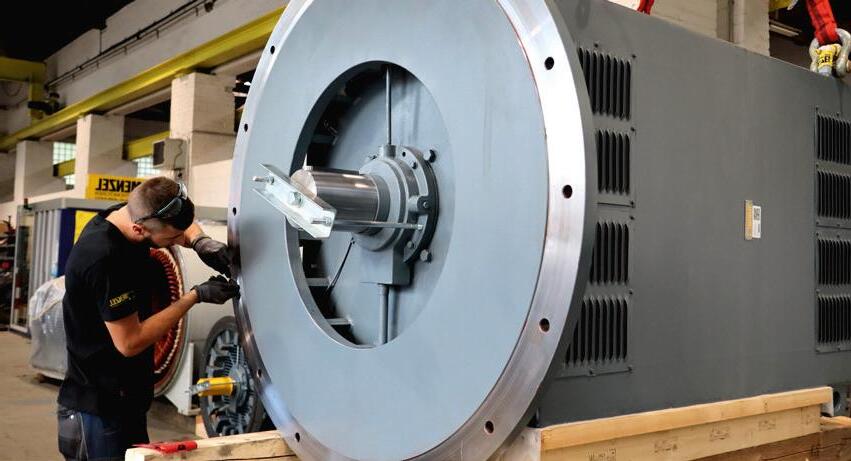
Motors up to 25 MW and 13.8 kV
• Low voltage slip-ring and squirrel cage motors up to 3,000 kW
• Medium voltage slip-ring and squirrel cage motors up to 15,000 kW
• Direct current motors up to 2,000 kW
• Frequency converter-proof drives
• In-house load test facility up to 13.800 V, 2.300 kVA, 120 Hz
Customized special designs
• Custom designs for special applications and operating conditions
• Optimized motor design for higher efficiency
• Mechanically and electrically interchangeable motors
Martin Rooney | Tel.: +44 1664 500 844 | Mobil: +44 7957 618046 martin.rooney@menzelgb.co.uk NEW ELECTRIC MOTOR PLANT FROM JANUARY 2024
MENZEL Elektromotoren GmbH
German Headquarters
Am Alten Walzwerk 2 | 16761 Hennigsdorf | Germany
menzel-motors.com info@menzel-motors.com
24,000 m 2
The future is now for Stafford firm nurturing its home-grown workforce
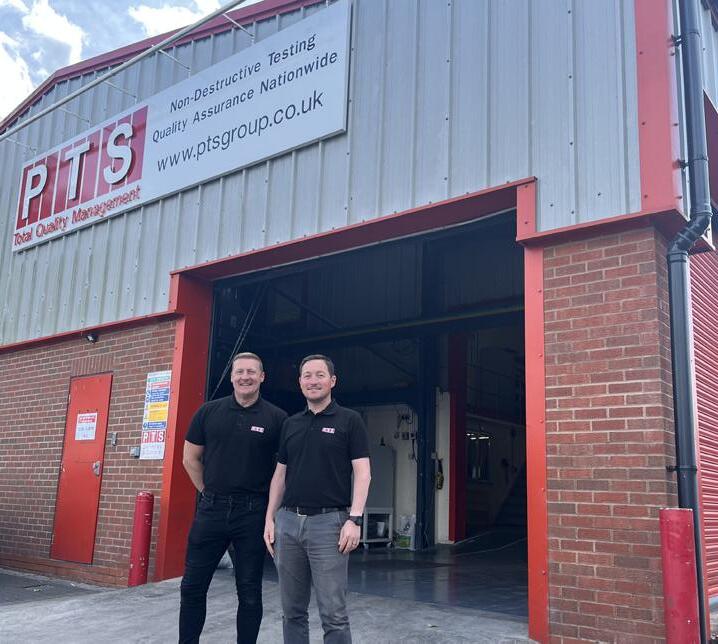
Employee numbers at PTS Group, a Non-Destructive Testing (NDT) company based at Common Road Industrial Estate, have doubled in recent years with the firm proudly boasting a figure of 99% of its technical staff being taken on locally.
It’s a policy that has encouraged raw young talent with little or no experience within the industry to take positive steps along a career path that has seen them flourish alongside the business over the company’s 30-year history.
Technical Director Steve Baldwin said: “We have a long-held reputation for giving youth a chance with a focussed commitment on locally sourced recruitment, in and immediately around our home base of Stafford.
“Most were unsure about a career path, working as delivery drivers or in pubs for example, and did not even know that they could do an engineering career until they started at PTS Group.
“They came in with no experience but are now going on to have fantastic careers.
ECITB launches new qualification for supporting engineering construction operations
The Engineering Construction Industry Training Board (ECITB) Awarding Body is inviting colleges and training providers in England to deliver a new regulated qualification it has launched today.
The Level 2 Certificate in Supporting Engineering Construction Operations prepares candidates for employment as support operatives.
The qualification is designed to be completed in its entirety within a college or training centre that will then enable a safe progression into the workplace/employment.
It will verify learners are able to work safely in an engineering construction environment; prepare work areas, tools, materials and equipment; perform basic marking out and basic shaping activities; support the assembly, removal and dismantling of components and reinstate the work area after engineering construction activities. They will also be able to interpret and follow documentation and procedures, maintain working relationships and communicate effectively.
The qualifications are based on Occupational/Apprenticeship
One young employee who has taken advantage of the PTS Group in-house training programme is Guy Bailey. Guy wasn’t clear about what he planned to do as a career - dropping out of studying English at university.
He completed one week’s unpaid work experience at PTS Group, was taken on as an employee and is now, in the eyes of the company, up to speed with people who have been there 10 years.
Guy said: “It opened up a whole new idea of what the future could hold and even though it was just a week, I knew it was something that I would like to pursue . . . and it gave me the chance of earning a wage while developing my knowledge of the company and having on-the-job training.
For more information, visit www.ptsgroup.co.uk.
PICTURED TOP LEFT: Guy Bailey at PTS Group
PICTURED BOTTOM LEFT: Ed Roe and Steve Baldwin at PTS Group
standards and National Occupational Standards (NOS) for the trade, encompassing the required knowledge, skills and behaviours. This ensures the qualifications are relevant and future proofed.
PICTURED ABOVE: ECITB CEO Andrew Hockey meeting an engineering construction learner
Schneider Electric responds to Government updates to the national curriculum
UK Manufacturing Faces Productivity Gap – But Optimism Rising as Firms Look to Digital and Skills Investments
A new research report released today by The Manufacturer, in partnership with Barclays - ‘Mind the Gap: Closing the Productivity Divide in the UK’s Manufacturing Sector’ – reveals that the UK manufacturing industry is facing a productivity gap compared to its international peers – but that business leaders are acting quickly to close this gap through digital transformation and workforce development.
The new findings show that 53% of manufacturers are looking to reskill or upskill to boost productivity, seeking to close the close the gap which currently puts the UK about 10% lower than the G7 average in productivity and puts Germany 16% ahead of the UK in productivity per hours worked.
More than half of surveyed manufacturers (56%) reporting that they believe national manufacturing productivity is in decline, but notably, a near equal number (50%) are already prioritising an increase in digital transformation over the next 12 months in an effort to turn the ship. In addition, the report also reveals a renewed focus amongst industry leaders on embedding a culture of continuous improvement with over half of firms (53%) now use KPI dashboards for real-time performance tracking, while 42% have adopted ERP systems to improve visibility and efficiency.
The current landscape leaves ample room for improvement – and collaboration – across industry and government. By streamlining access to support, simplifying funding mechanisms, and aligning policy with a long-term industrial strategy, public and private partners can help unlock the sector’s full potential – particularly for SMEs seeking accessible pathways to technology adoption and skills development.
Curriculum reform is a key step forward, but stronger industry engagement is vital to close the skills gap, says Kristin Baker, Schneider Electric’s Vice President of Industrial & Process Automation UK & Ireland
The government’s decision to update the national curriculum for the first time in over a decade is a key step in the right direction when it comes to preparing the next generation for the realities of a more connected, automated, and sustainable future. A stronger focus on data, digital, and STEM skills will set the groundwork to increase the pipeline of students looking to go into IT and OT engineering careers, which will be vital to supporting the scalability of the IS8 fastgrowth sectors identified in the industrial strategy.
UK manufacturing is undergoing rapid transformation, driven by technologies such as AI, data analytics, and industrial and process automation. The need for a digitally fluent workforce has never been greater.
And the pace of change in manufacturing sectors like aerospace, life sciences, food and beverage and chemical production will lead to an even greater demand for qualified digital and data engineers.
We also conduct STEM outreach partnerships with schools and organisations like the Tottenham Hotspur Foundation.
The introduction of a broader computing GCSE, alongside a proposed qualification in data science and AI for 16–18-year-olds, will help build the foundations for the future engineers and technicians who will be essential to delivering the UK’s industrial strategy and boosting productivity across all sectors.
A large responsibility still lies at the feet of industry itself. It is down to businesses like ours to create pathways that inspire young people to pursue rewarding careers in science and engineering. This can be done through the increased access to enriching apprenticeship and graduate programmes that enable clear career-progression opportunities.
Alongside Schneider Electric’s apprenticeship scheme, which onboarded more than 50 applicants across the UK and Ireland this year, we are committed to providing additional education opportunities through Schneider Electric University, a free, self-paced learning tool that provides vendor-neutral training in energy, sustainability, and digital innovation. We also conduct STEM outreach partnerships with schools and organisations like the Tottenham Hotspur Foundation.
Embedding data literacy, AI awareness, and critical thinking skills from an early age will not only help close the industrial skills gap but also empower the next generation to reimagine the future of UK manufacturing.
Asset Finance –your next option for funding
Asset finance products:
Asset finance is an alternative funding solution that helps businesses access essential equipment or release cash without the strain of an outright purchase. It makes the unaffordable affordable by spreading costs and protecting cash flow. Agreements can be tailored to suit your business, offering flexibility on terms and repayment schedules.
• Hire Purchase (HP): Acquire equipment on credit. The finance company owns the asset until the final payment, after which you can purchase it.
• Finance Lease: Repay the full value plus interest over the lease term. At the end, choose to continue renting, sell and share proceeds, or return the asset.
• Operating Lease: Rent the asset for part of its useful life, paying reduced rentals based on its residual value at the end of the agreement.
• Refinance: Release cash tied up in existing assets. The finance company buys the asset and finances it back to you, with repayments aligned to income generated. At term end, you own the asset. This option is ideal for funding new investments, covering unexpected costs, or easing cash flow. Funders can also take over existing agreements and extend terms to reduce monthly payments.
Asset finance offers flexibility, affordability, and a smart way to keep your business moving forward. owns At reduced company aligned is easing
Asset finance offers flexibility, affordability, and a smart way to keep your
Europlaz: UK medtech must rethink time-tomarket to stay globally competitive
UK medtech firms need to rethink their time-to-market strategies to outpace global competitors, according to medical manufacturing specialist Europlaz.
Technical Director Ian Goodacre says companies that adopt modular documentation, embed compliance early and leverage strategic outsourcing will be best positioned to capitalise on emerging NHS initiatives — particularly NICE’s new Early Value Assessment (EVA) programme.
“EVA is a promising step toward easing long-standing NHS bottlenecks,” said Goodacre. “It offers a structured route for technologies meeting unmet national needs to secure conditional recommendations while evidence is gathered. It could be a real gamechanger.”
EVA provides rapid assessments for diagnostics, devices and digital tools, with early value signals published as Health Technology Evaluations. Europlaz believes this shift, combined with a national push for compliance-by-design, presents a major opportunity for UK innovators.
Goodacre says the next five years will be defined by both risk and opportunity: “UK manufacturers who embrace strategic outsourcing, modular documentation and compliance-by-design will thrive regardless of external reforms.”
Europlaz’s recommended strategy includes:
• Modular technical files to speed approvals across jurisdictions
CBM warns of ‘Energy Armageddon’ hitting UK manufacturers
The Confederation of British Metalforming (CBM) has warned that UK manufacturers are facing an “Energy Armageddon”, with new non-commodity charges and a “stealth tax” adding millions to already crippling energy bills.
President Stephen Morley said recent changes — including Balancing Services Use of System reforms and the Nuclear RAB model that sees firms subsidise Sizewell C — are driving unsustainable cost increases of 10–30% for many members, in some cases adding £1m in extra charges.
“This is a massive threat to our industrial security and could be the final nail in the coffin for many manufacturers,” Morley
said. “Businesses producing vital components for automotive, aerospace and defence are being pushed into an unfair playing field.”
The CBM criticised the government’s recent move to increase relief for the UK’s most energy-intensive industries, saving them £420m a year, pointing out that only around 340 firms qualify. Thousands of SMEs — many also heavy energy users — remain excluded despite facing some of the highest energy prices in the G7.
CBM CEO Geraldine Bolton recently raised the issue with the Energy Select Committee, but CBM says concerns have gone unanswered. The organisation is urging the Prime Minister and
• Early integration of ISO 13485, MDR, CE and UKCA compliance to reduce delays
• Strategic outsourcing to mitigate staff shortages and accelerate throughput
Europlaz has recently invested £4m in expanding its Southminster production facilities.
Goodacre notes that current UKCA/ CE approval timelines of 24–30 months lag behind key markets — with US FDA breakthrough approvals taking 12–18 months and Singapore and South Korea averaging under a year. This gap, he argues, reinforces the need for smarter, more agile development models.
“Contract manufacturers like Europlaz aren’t just vendors — we are growth enablers,” he added. “Building resilience into supply chains will give UK OEMs the competitive edge.”
Visit www.europlaz.co.uk.
Business Secretary to extend support across the wider supply chain.
“Without SMEs, the backbone of automotive, aerospace and defence manufacturing simply cannot operate,” Morley added.
The CBM also warned that Ofgem’s regulatory framework for energy networks will place further cost pressures on industry as network investments linked to netzero ambitions ramp up.
PICTURED ABOVE: Processing at Somers Forge’s factory in Halesowen
Metals sector sets out seven key demands as firms warn UK trade policy is hurting competitiveness
PP C&A warns manufacturers are falling into a growing ‘capacity trap’
Machine builders and OEMs are increasingly falling into a “capacity trap” that limits growth and stretches internal teams beyond their limits, according to outsourcing specialist PP Control & Automation.
Director Andy Whittaker says companies clinging to traditional in-house manufacturing are seeing clear warning signs — including delayed shipments, rising overtime and longer lead times — yet are reluctant to acknowledge that internal production can no longer keep pace with demand.
“Demand is rising, but the ability to fulfil it is shrinking,” Whittaker said. “The shopfloor is full, labour is tight, and adding more of either feels impossible. Put simply, the business has outgrown its in-house capability.”
He is urging machinery builders and OEMs to consider outsourcing non-core, repeatable
and resource-heavy operations so internal teams can focus on engineering, innovation and customer value. Outsourcing, he says, is about “regaining control, not giving it away”.
Whittaker says specialist partners bring structured processes, consistent quality and scalable capacity: “A good outsourcing partner doesn’t just build parts — they build continuity. They help clear backlogs, shorten lead times and increase delivery consistency without extra headcount or floor space.”
He stresses that outsourcing strengthens internal teams rather than replaces them: “When production pressure lifts, engineering can get back to solving problems, operations can plan proactively, and leadership can look ahead instead of firefighting.”
Visit www.ppcanda.com
Nearly two-thirds of UK metals firms say current Government trade policies are damaging their competitiveness, according to the UK Metals Council’s State of the Metals Industry in the UK 2025/26 report.
The survey of 150 companies paints a mixed picture of trading conditions, with 52% calling for improved financial incentives to help them adapt to regulatory and market changes, and a similar proportion seeking stronger Government support for skills and training. More than a third say a revised relationship with both the EU and US remains essential.
In response, the Council has published seven key asks, including:
• Closing the metals skills gap
• Achieving energy cost competitiveness
• Securing frictionless trade
• Ensuring proportionate, predictable regulation
• Accelerating decarbonisation, efficiency and innovation
• Championing critical raw materials and secondary metals
• Appointing a dedicated Minister for Manufacturing
The UK metals sector encompasses more than 24,000 companies and one million employees, supplying critical components to medtech, advanced engineering, retail, defence, infrastructure, and transport.
Despite the challenges, the report highlights strengthening resilience: a 50% rise in firms seeking new international markets or partnerships, around 20% exploring trade opportunities created by new UK agreements, and a quarter diversifying to offset the impact of leaving the EU.
To access the full report, visit www.ukmetalscouncil.org.
Inductive encoders:
a robust solution for precise motion
Sayali Shinde, Design Engineer at Portescap, discusses the technology behind inductive sensors.
In a medical operating theatre, a hand-held surgical device powered by a miniature BLDC motor needs precise control to optimise procedure success. Similarly, a robot handling a tool for precision manufacturing requires accurate control to achieve micron-level adjustment. In both examples, an encoder is an essential feedback device that measures the speed or position of the shaft of an electric motor. The encoder communicates this information to the controller, which calculates the discrepancy between the setpoint and the actual speed or position, then sends a corresponding signal back to correct any error. Operating continually at high speeds, this creates a closedloop system essential to precise control.
Encoders can operate on an optical principle, using a patterned disk and optical sensors, yet dirt or dust can impact the reading. Magnetic encoders, relying on a magnetised disk and magneto resistive sensors, can also be used, but these devices are more affected by stray magnetic fields, leading to errors in environments with high electromagnetic interference (EMI).
Electromagnetic principle
Another option is an encoder based on electromagnetic induction, impervious to contamination and
Unlike magnetic encoders, the performance of an inductive encoder doesn’t diminish over time.
- Sayali Shinde
less susceptible to magnetic fields. Unlike magnetic encoders, the performance of an inductive encoder doesn’t diminish over time. An inductive sensor operates on an electromagnetic principle and signals speed and position changes through the interaction between its electromagnetic field and the motor shaft. When an alternating current flows through the inductive coil, it generates an electromagnetic field. A motor shaft within proximity disturbs the field and induces eddy currents—loops of current generated when a conductor is exposed to a changing magnetic field. These create a secondary magnetic field that interacts with the primary field, altering the inductance of the sensor coil and changing its output signal. As the shaft rotates, the inductance changes periodically, and the frequency corresponds to speed. The sensor can also determine angular position by tracking the phase of these inductance variations.
Advantages of inductive sensors
Adding an encoder typically increases motor length, and for flat or pancake-style BLDC motors this may negatively impact the assembly. However, inductive technology is advantageous as the encoder elements and commutation Hall sensor sit on the same PCB, maintaining overall motor length.
feedback
Inductive sensors achieve fast response times. Changes in position or speed cause immediate alterations in induced eddy currents, directly affecting coil inductance and enabling real-time feedback. These devices also enable high precision sensing, achieving high resolution through detecting small variations in the inductive signal. Accurate measurement of these variations provides precise motion feedback.
With inherently robust features, integration within the motor housing, and lack of mechanical components, inductive encoders offer long service life. Free of optical disks, they achieve compact design, typically provide low power consumption, and suit batterypowered or portable applications. Their simplicity makes them easier to install and set up, and they can output various signals such as PNP, NPN, or analogue.
Support in specification
An inductive sensor can still be affected by magnetic interference, and nearby metallic objects can disrupt accuracy, causing false readings. EMI generated by electrical equipment may also compromise operation. Some inductive encoders may be unsuitable for sterilisation environments, such as surgical applications, where damage can occur.
While integration into miniature motion systems can be advantageous, their use requires appropriate specification according to operational and environmental factors. Expert support in selecting the right feedback sensor technology is valuable to achieve long-term application success and faster development.
Visit: www.portescap.com/en
PICTURED LEFT: In a medical operating theatre, a hand-held surgical device, powered by a miniature BLDC motor, needs precise control to optimize the success of the procedure.
Integrating responsible AI into ESG strategies
Artificial intelligence (AI) is changing the way businesses operate, but it presents both opportunities and risks. While AI can enhance ESG performance and help identify risks, it can also create environmental impacts and present ethical, legal, and compliance challenges. Developing a robust environmental, social, and governance (ESG) strategy is therefore more important than ever.
As frameworks like the EU AI Act and ISO/IEC 42001:2023 come into play, organisations must ensure that AI supports wider ESG objectives. Here, leading certification body ISOQAR offers practical ways of integrating responsible AI within ESG commitments, supporting innovation while driving compliance, ethics, and trust.
Understand what AI means for your organisation
AI is not a single technology but a spectrum—Machine Learning (ML), generative models, and Large Language Models (LLMs). Each requires different resources and will impact ESG strategy differently. Organisations typically fall into two categories:
• AI users: Consume AI tools for analytics, marketing, or customer service. ESG considerations focus on ethical and responsible use.
• AI developers: Build, train, and deploy AI models, with responsibilities covering the full AI lifecycle.
Conduct an internal audit
Data centres running AI models consumed around 415 TWh of electricity in 2024, roughly 1.5% of global electricity use. With workloads expected to double by 2030, understanding the environmental footprint of AI systems is critical. Conducting an internal audit of current and planned AI systems helps assess:
Integrating ESG considerations at the design and development stage prevents ethical and sustainability risks from turning into compliance issues later.
Establish ethical AI governance
Governance is a key driver of ESG targets, and responsible AI starts with accountability. Despite heavy investment, 74% of companies say they’ve yet to see real value from AI because governance and ethical oversight lag behind technological ambition. Organisations should set clear policies defining acceptable AI use, accountability structures, and human oversight. Developers may embed ethical considerations throughout the model lifecycle— from data sourcing to deployment. Creating a responsible AI framework that addresses fairness, transparency, and privacy supports an internal culture of responsibility and ensures AI contributes to longterm ESG objectives.
Operationalise AI within ESG strategy
More than half of global companies report that AI has had a major impact on decarbonisation and sustainability planning.
Governance must translate into measurable outcomes through performance metrics such as energy efficiency, fairness scores, bias detection rates, and compliance indicators. ESG reporting frameworks should be updated to include AI-specific risks, and cross-function training should ensure that ethical AI practices, data security, and risk management are understood.
Prepare for certification
Certification demonstrates that responsible AI is embedded into the organisation. ISO/IEC 42001 guides organisations through establishing an AI Management System (AIMS), conducting audits, and refining processes. Research shows that 73% of UK executives say a lack of governance frameworks is their biggest barrier to scaling responsibly, and 63% would trust AI tools more if validated by an external organisation. Certification supports compliance with global regulations and demonstrates that AI systems are ethical, transparent, and aligned with ESG principles.
Implement rigorous testing and monitoring
Responsible AI is ongoing. Continuous testing and monitoring should track model behaviour, identify bias, and ensure systems evolve responsibly as regulations change. This enhances security and reliability while enabling innovation within safe boundaries and demonstrating leadership in ethical AI deployment.
AI can fully complement ESG strategies if managed responsibly. Strong frameworks and clear targets allow organisations to integrate ethical and sustainable AI into decision-making and innovation pipelines, turning AI into a driver for ethical innovation and lasting stakeholder trust.
Critical Manufacturing Appoints Paul Straeten as Vice President of Life Sciences
Bob Retires After Three Decades at Alloy Wire International
After 30 years of dedicated service, Robert “Bob” Bucknall-Jones has retired from Alloy Wire International (AWI), marking the end of an era for the Black Country manufacturer. Bob joined the business in 1995— thanks to an introduction from his now-wife Alison—and began as a wire drawer before moving into stock management, playing a key role in the company’s growth and global reach.
Reflecting on his time at AWI, Bob said the “family atmosphere” and shared values of trust, friendliness and teamwork had been central to the company’s success. He has seen AWI grow from around £5m in annual sales to more than £16m, exporting specialist wire to over 60 countries and even supporting the UK ventilator effort during the pandemic.
To mark his three decades of service, Bob received a commemorative watch and a gift voucher he plans to spend on his granddaughter Ivy. Retirement, he says, will mean more time with family, trips in the caravan and finally booking his first cruise.
Managing Director Tom Mander described Bob as “a fantastic character” whose loyalty and positive spirit helped AWI maintain its best-in-class service.
AWI remains 100% employee-owned and continues to invest in its long-serving team while exporting wire in 62 exotic alloys worldwide.
Critical Manufacturing, a leading provider of nextgeneration Manufacturing Execution Systems (MES) and a subsidiary of ASMPT, has announced a major appointment. Paul Straeten, a digital transformational visionary, is now appointed as Vice President of Life Sciences.
Paul joined the company on October 24, bringing over 20 years of experience in manufacturing operations, supply chain, and Industry 4.0 technologies across the biotechnology, pharmaceutical, and medical device sectors.
Prior to joining Critical Manufacturing, Paul led largescale MES and SAP programs at Medtronic - one of the world’s
Danutek Strengthens Sales Structure to Support Long-Term Growth
Danutek Hungary Kft., a leading supplier of capital equipment and service support to the electronics manufacturing industry in Europe, has appointed Peter Vida as Sales Manager.
The appointment forms part of Danutek Hungary’s wider strategy to modernise its sales structure and ensure the company remains well positioned to support both customers and suppliers for the long term. The reorganisation has seen Mate Nusser promoted to Head of Sales, with a renewed focus on building a technically strong, customer-
most complex manufacturing ecosystems. By enhancing machine connectivity, real-time data integration, and automated vision inspection, he helped elevate operational excellence and accelerate AI implementation across global supply chain networks.
centric team that reflects the company’s culture of innovation and service excellence.
Peter brings nearly 20 years of experience in electronics manufacturing, having worked in maintenance, engineering, and project management roles. He holds qualifications in mechanical engineering, lean management, and business administration, combining strong technical insight with practical, handson experience in production environments.
Science and Technology
Nuclear Science and Technology
MSc - 1 year full time
time part time Certificate for CPD
MSc - 1 year full time
MSc - 2 or 3 year part time
PG Diploma • PG Certificate
MSc - 2 or 3 year part time
Short Courses for CPD
Designed
Designed
Ethernet-APL in Process Control: From Commissioning to Proactive Maintenance
Ethernet-APL is redefining process plant management by providing complete transparency throughout the system lifecycle— from commissioning to ongoing operation and maintenance.
The Ethernet-APL Field Switch from FieldConnex, showcased with Pepperl+Fuchs at SPS 2025, enables installers to visualise all switches and connected field devices instantly during commissioning. Installation quality can be checked in real time and documented automatically in a commissioning report, ensuring reliable communication from the start.
All device and switch settings can be configured remotely and fully recorded in the asset management system. This reduces errors, simplifies device replacement, and facilitates collaboration between engineering, operations, and maintenance teams. The switch continuously monitors installation quality and system status, allowing maintenance to intervene proactively without impacting production.
By bridging control technology and the field, Ethernet-APL integrates IT and OT systems, unlocking rich operational data. This transition from reactive to proactive plant management reduces downtime, enhances reliability, and increases productivity across the facility.
New surge protection for North American power supply systems
With Valvetrab US-SPP, Phoenix Contact is extending the Safe Protection Plus product family to include ULlisted surge protection devices for the North American market. The devices are suitable for all common supply system configurations in accordance with the NEMA standard.
Valvetrab USSPP is a robust surge protection device with forward-thinking installation and safety characteristics. The devices are UL Type 1 Listed and can therefore be easily integrated into new and existing systems without additional testing.
The replaceable surge protection plugs and modular remote signaling ensure easy installation and maintenance.
The new, high-performance disconnection ensures even faster and more reliable tripping in the event of a fault. Integrated protection against unplugging and accidental contact increases safety during operation. The biconnect connections enable simple bridging to other components.
Valvetrab US-SPP fulfills the requirements of the NFPA 79 standard and thus provides standard-compliant protection for industrial machinery in the USA.
Rollon Launches HGT-MG Telescopic Rail with Synchronization Magnets for Higher Load Capacity and Extended Service Life
Rollon, a global leader in linear motion solutions, has expanded its HGT telescopic rail range with the HGT-MG, featuring a redesigned ball cage and synchronization magnets to enhance load capacity, smooth motion, and durability.
The HGT-MG is available in sizes 60 and 80 and incorporates a newly engineered ball cage with reduced pitch, along with internal magnets in
the end blocks. These magnets align and synchronize the rail elements during extension, reducing the force required to operate the rail while supporting heavier loads. A damped end stroke further ensures quieter operation and extends service life by minimizing mechanical stress.
With the HGT-MG, Rollon reinforces its portfolio of highperformance linear motion solutions, offering reliable,
application-driven products designed to meet the evolving demands of modern automation.
Reducing Energy Loss and Improving Safety in Glass Production with Acoustic Imaging
Precision and efficiency define modern glass production, but undetected compressed air and gas leaks threaten both. Flir’s acoustic imaging technology helps manufacturers locate and fix leaks quickly, turning invisible losses into measurable energy savings and improved safety across every stage of production.
A Half-Century of Innovation in Glass Manufacturing
The global glass industry, worth over $120 billion annually, has undergone a remarkable transformation over the past 50 years. From conventional sheet and plate glass processes in the early 1970s to modern float glass plants in Europe, North America, and Japan, advances have improved surface quality, reduced costs, and enabled larger production volumes. Later innovations—coated and insulated glass, low-emissivity treatments, automation, robotics, and digital controls—
further enhanced efficiency, energy performance, and product consistency, shaping today’s energy-conscious, high-tech glass manufacturing environment.
Invisible Energy Losses from Compressed Air
Compressed air is a vital yet often overlooked utility in glass production, powering valves, conveyors, tooling, and mould purges. Even small leaks can cause significant energy loss, reduced line pressure, and compromised product quality. For example, a 3 mm leak in a system operating at 6 bar for 8,000 hours per year can cost around €2,800—wasted energy that could otherwise improve efficiency and safety.
Detect, Quantify, and Prioritise Leaks with Flir Acoustic Imaging
The Flir Si2-LD handheld acoustic camera simplifies leak detection. Its ultra-sensitive microphones detect the smallest air or gas leaks from a safe distance, even without halting operations. Covering a wide frequency range of 2–130 kHz and featuring bright LED lights, the device ensures precise detection in complex or dimly lit production areas.
The Si2-LD can also detect and quantify leaks in oxygen, nitrogen, ammonia, and other industrial gases, allowing plants to reduce losses while mitigating safety risks such as fire or toxic hazards.
LEMO, a global leader in high-quality interconnect solutions, has unveiled the REDEL SP IP68 Series, a next-generation connector line designed for medical, test & measurement, and UAV applications.
The series introduces resin-free IP68 sealing, providing fully watertight and dustproof performance without the need for potting or resin. This simplifies assembly, ensures regulatory compliance, and maintains high reliability even in demanding environments.
Constructed from FDA-certified PPSU, the connectors are lightweight yet durable, resistant to repeated sterilisation, harsh cleaning agents, and mechanical stress. The patented internal Push-Pull latching system and flexible insert design deliver secure, ergonomic connections, while the compact Ø15.5 mm footprint supports up to 22 contacts, offering high-density connectivity in tight spaces.
Key Features:
• Resin-free IP68 sealing – watertight and dustproof when mated
• Patented internal Push-Pull latch for secure, reliable connections
• Compact, high-density design with up to 22 contacts
• Durable PPSU construction resistant to sterilisation and cleaning
• Reinforced mechanical shock resistance for long-term reliability
• Flexible insert system for ergonomic and repeatable connections
LEMO also provides BioCompatic® medical-grade cables and innovative cable clamping solutions to create fully IP68compliant assemblies, ensuring long-term performance and simplified installation. ISO 13485–certified manufacturing delivers plug-and-play harnesses that combine connector reliability with expert cable assembly.
The REDEL SP IP68 Series is now available worldwide through LEMO and its network of distributors. Samples and further information can be requested at www.lemo.com
British Manufacturers Encouraged to Embrace India’s Expanding Export Opportunity
British manufacturers are being urged to prepare for a significant rise in demand from India as momentum builds around the UK-India trade agreement. Members of the Made in Britain community say the deal presents an “incredible export opportunity”, particularly for companies offering highquality, specialised products.
Dulas, a Welsh engineering firm known globally for its WHOaccredited vaccine storage solutions, is among the Made in Britain members already strengthening links with Indian partners. As part of a recent UK delegation, the company saw first-hand India’s strong appetite for collaboration with British manufacturers across energy, healthcare and advanced engineering.
Ruth Chapman, Executive Managing Director at Dulas, said the visit demonstrated “a clear agenda and meaningful engagement,” advising UK manufacturers to start building relationships early to gain an advantage in a fast-expanding market. She noted that the Made in Britain accreditation plays a crucial role in reassuring international buyers that they are investing in high-performance, reliably engineered products.
The trip also underscored the economic potential of deeper trade ties, with the UK Government reporting major
job creation and investment benefits already emerging from strengthened collaboration with India.
John Pearce, CEO of Made in Britain, said the organisation is committed to helping manufacturers unlock new global opportunities. “British products carry an international reputation for quality and sustainability. As the UK and India expand their economic partnership, we want our members to be at the forefront of this growth.”
Made in Britain continues to provide manufacturers with practical export guidance, including specialist sessions on navigating opportunities within India’s growing industrial sectors.
PICTURED BELOW: Ruth Chapman, Executive Managing Director at Dulas, pictured with Prime Minister Keir Starmer on board the UK India Trade Delegation flight earlier this year.
Manufacturers Explore the Future of 3D Printing at Made Smarter and CNC Robotics Showcase
SME manufacturers from across the North West gathered at CNC Robotics’ advanced facility in Bootle to explore how 3D printing is reshaping modern production. Delivered in partnership with Made Smarter, the showcase offered a hands-on introduction to robotic additive manufacturing and its growing role in boosting efficiency, reducing waste and accelerating innovation.
Delegates from sectors including aerospace, motorsport, architectural materials and glass manufacturing saw live demonstrations of robotic systems working with metal, thermoplastics and PU tooling paste. The sessions highlighted how additive manufacturing enables rapid prototyping, complex geometries and faster turnaround times while cutting material use.
CNC Robotics shared its own digital transformation journey, demonstrating how the company has evolved from early automation pioneers to advocates for technology adoption through the Made Smarter programme. Attendees also heard how fully funded support—such as leadership development, transformation workshops and grant funding—can help smaller manufacturers adopt emerging tools with confidence.
Manufacturers attending praised the showcase for clarifying how 3D printing could streamline processes, enhance craftsmanship and unlock new design approaches—from faster aerospace prototyping to digitally driven terracotta production and mould-making in motorsport.
ATEX CERTIFIED SAFETY LIGHT CURTAINS FOR EXPLOSION PROTECTION
Production areas of the chemical industry, refineries, paint shops, bulk material processing, sawmills and grain processing companies have increased risk of explosion. For these applications, Schmersal has developed the ATEX certified SLC/SLG440 safety light curtains and grids.
The Ex-SLC440 for finger, hand and body detection are available in variants with a resolution of 14 and 30mm and ranges from 0.3 to 20m. The Ex-SLG440 safety light curtains are suitable for access control in hazardous areas. The waterproof and dustproof devices achieve IP66 and IP67 protection and can also be used outdoors.
The devices can be installed in potentially explosive gas and dust atmospheres, they are used to protect hazardous areas and access points for machinery. If one or more beams are interrupted, the dangerous movement is brought to a standstill.
SCHMERSAL | Enigma Business Park Malvern, Worcestershire, WR14 1GL