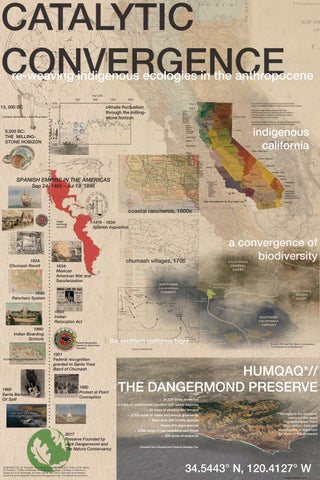
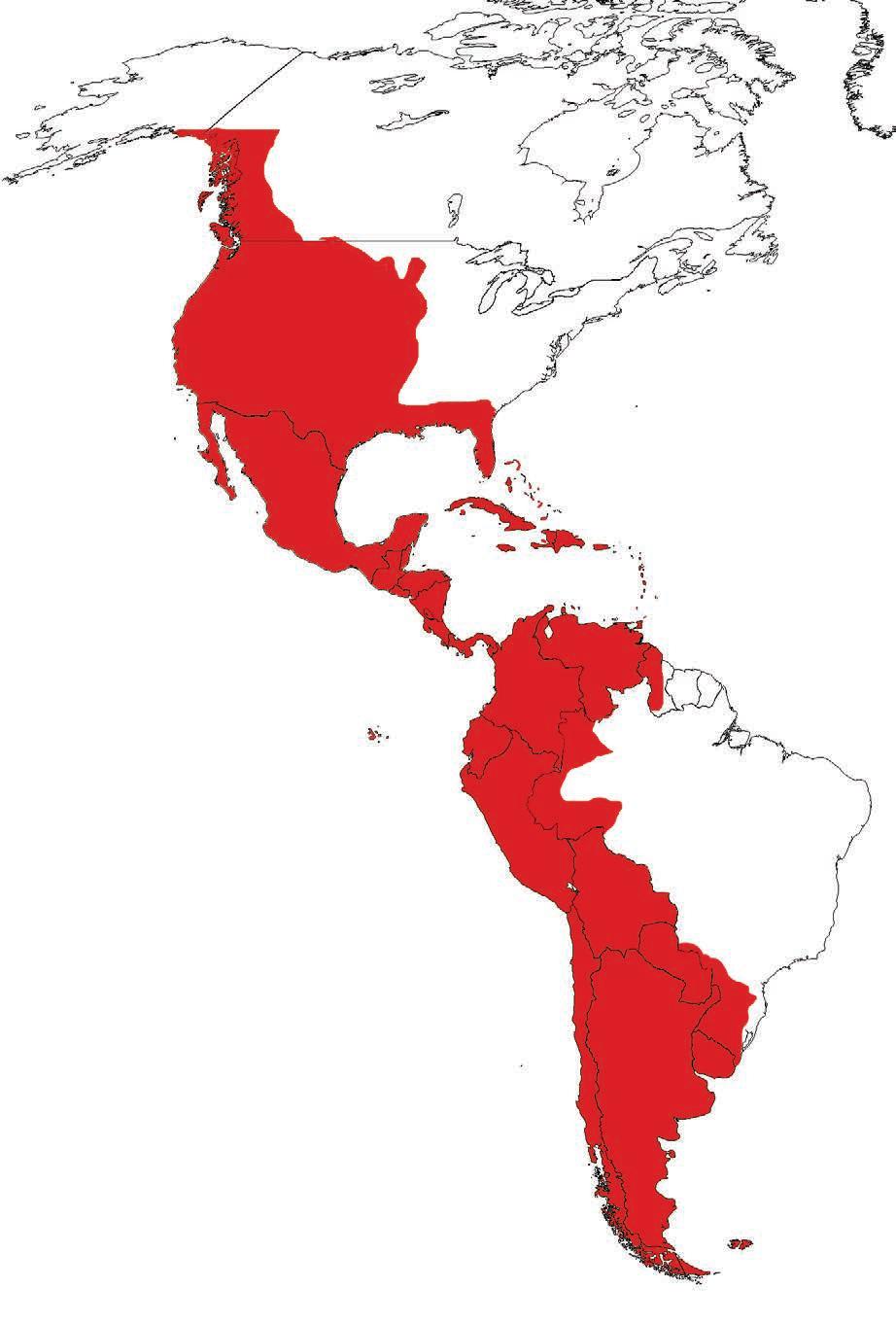


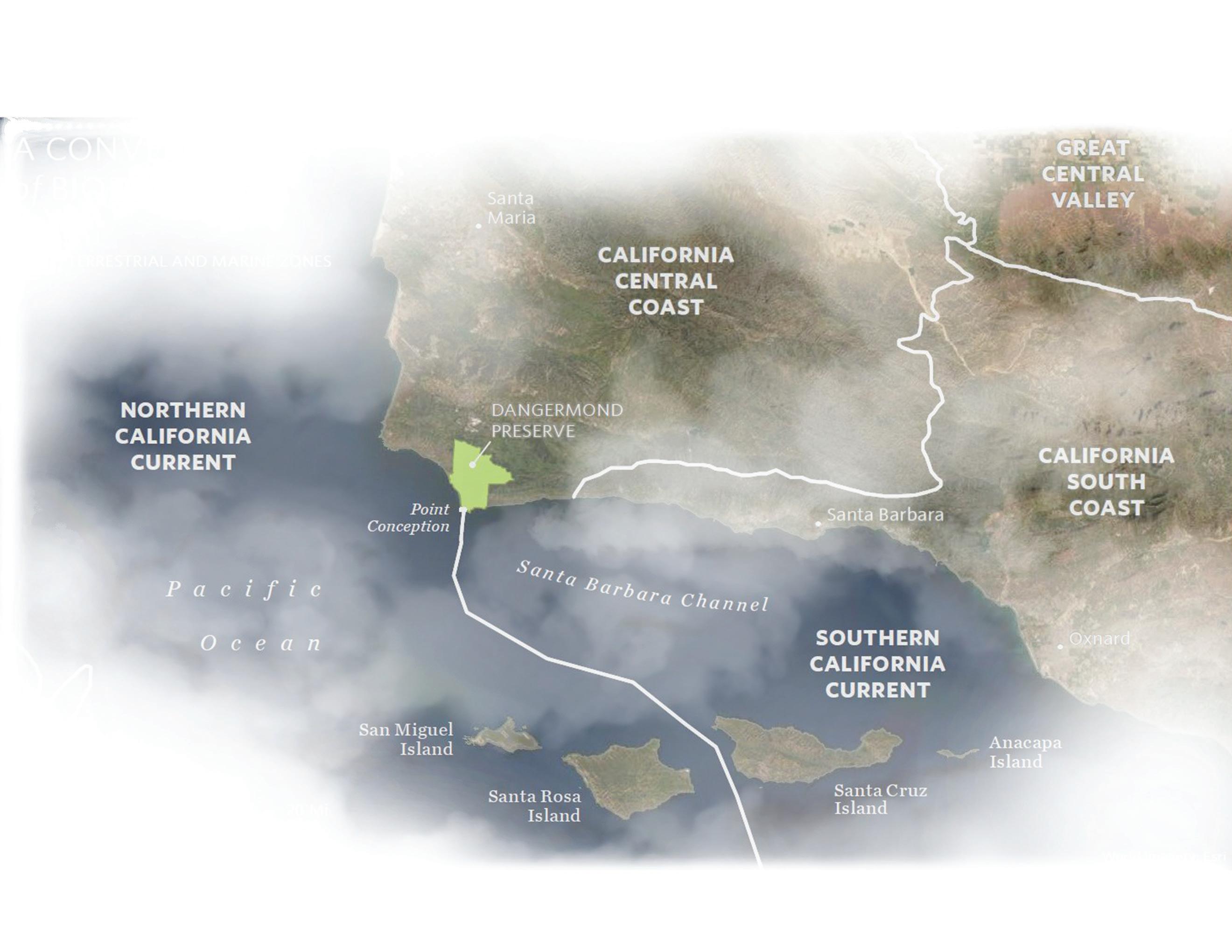
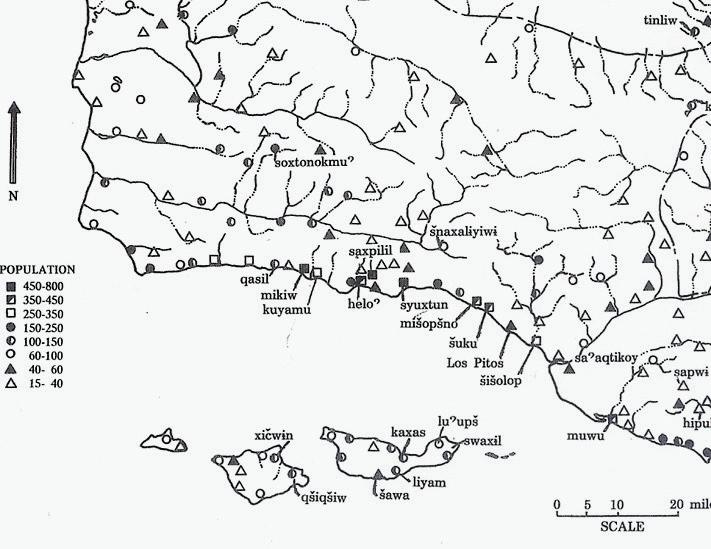


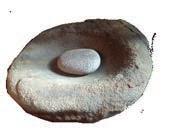

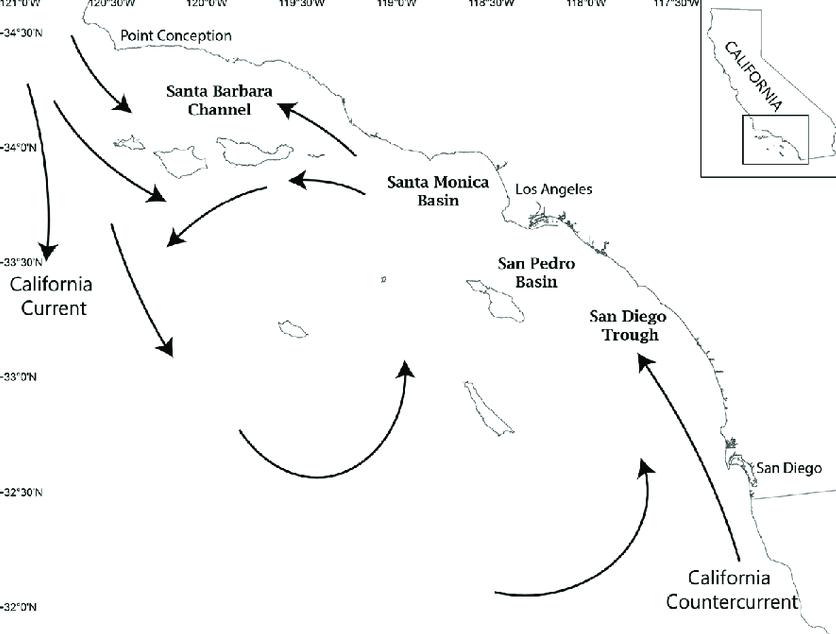
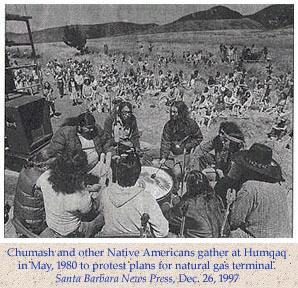
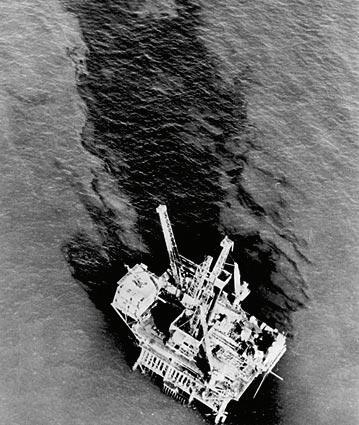
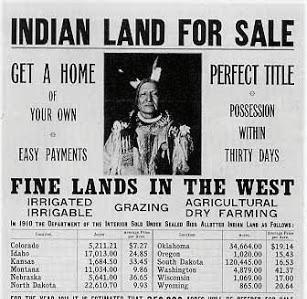

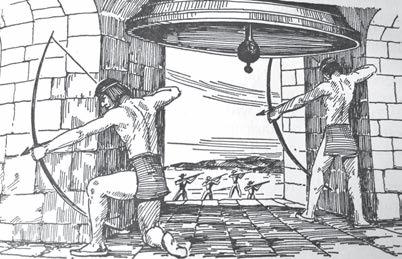
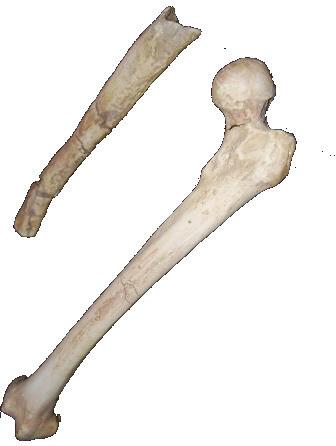

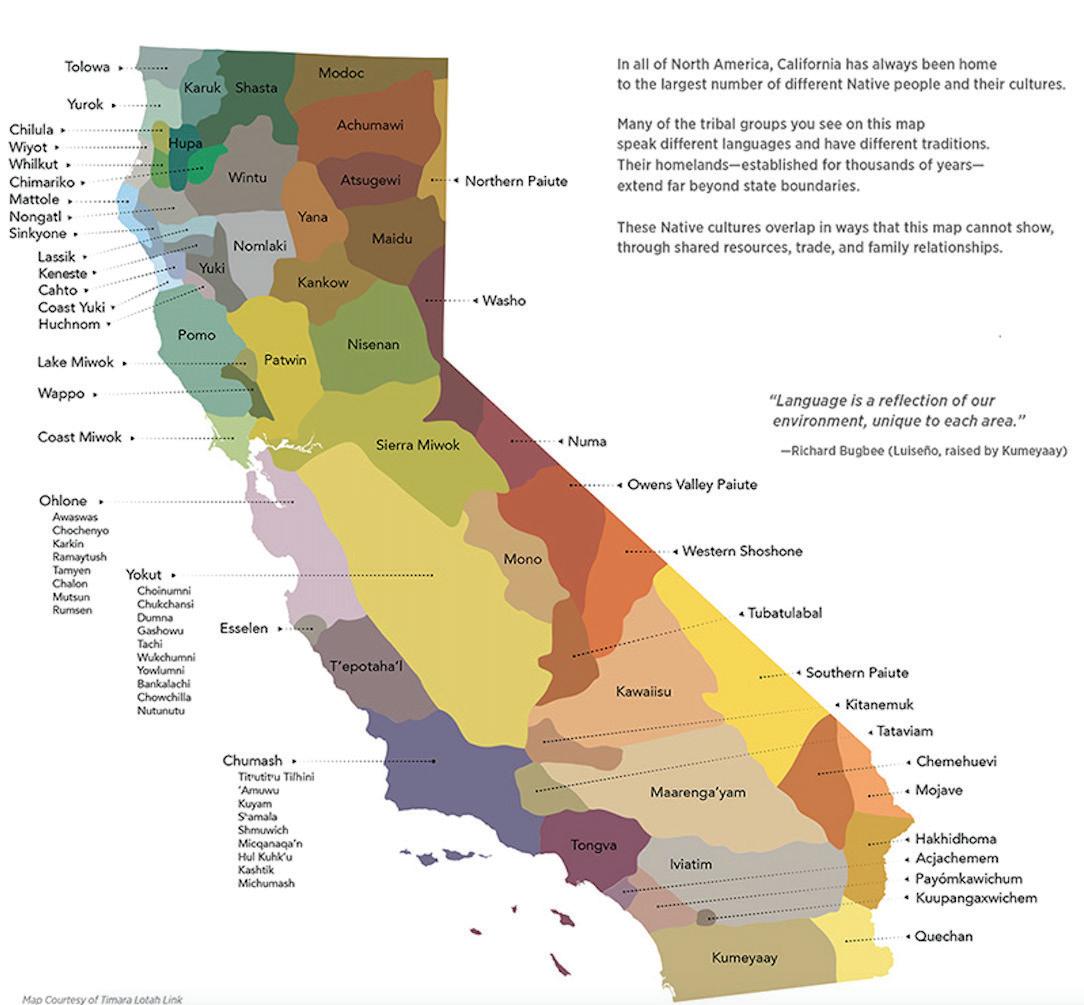
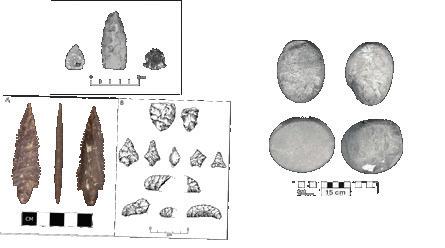
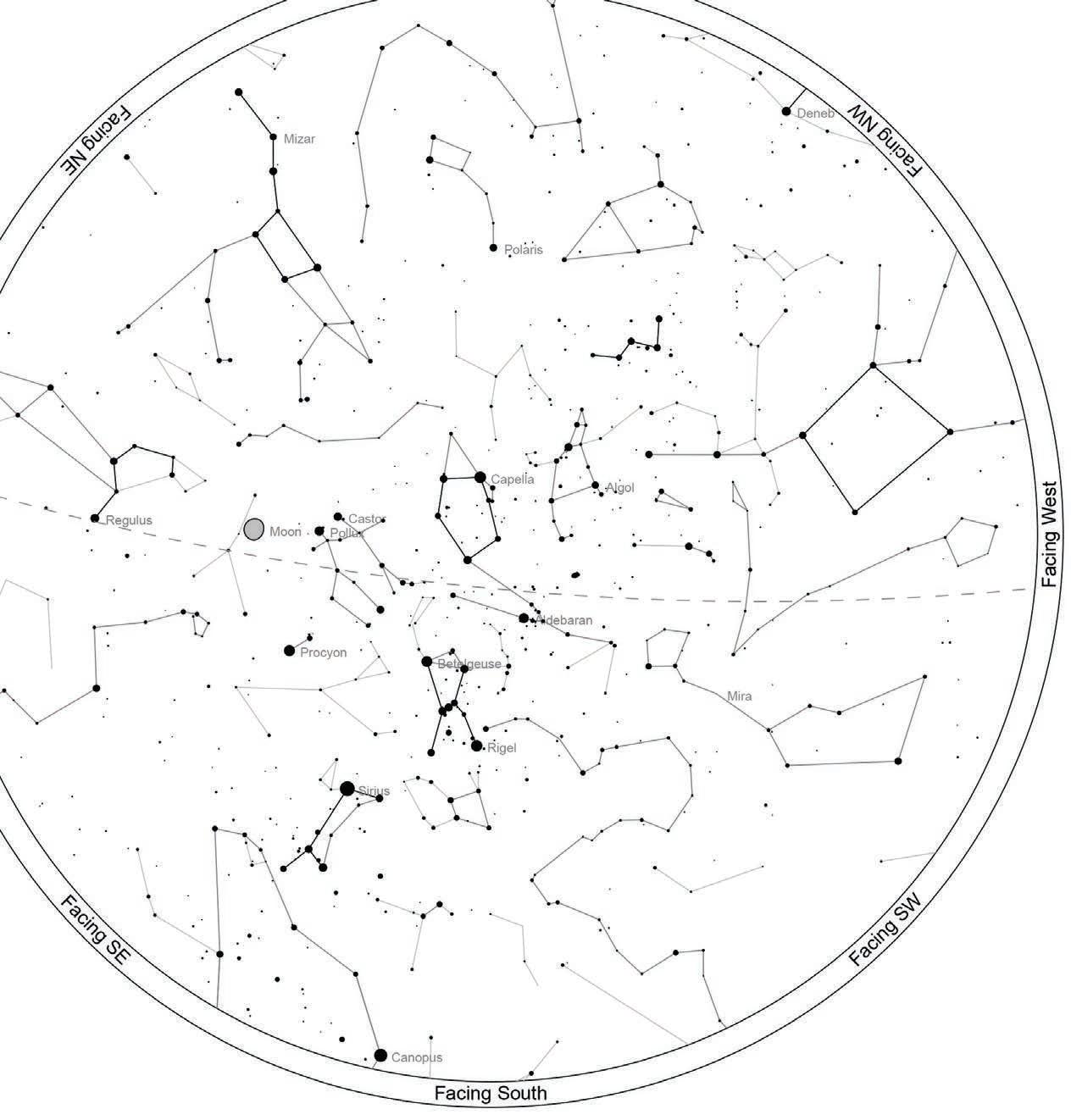
CATALYTIC CONVERGENCE re-weaving indigenous ecologies in the anthropocene a convergence of biodiversity the southern california bight **”Humqaq is the ancestral name for the lands that encompass Point Conception, held as a sacred point of departure for souls of the deceased chumash villages, 1700 coastal rancheros, 1800s 34.5443° N, 120.4127° W HUMQAQ*// THE DANGERMOND PRESERVE • 24,329 acres protected > 8 miles of undisturbed coastline with sandy beaches • 50 miles of streams and arroyos • 5,000 acres of native and annual grasslands • More than 200 wildlife species • Nearly 600 plant species 6.000 acres of oak woodland and forest • 300 acres of wetlands --Numbers from Dangermond Preserve Strategic Plan Imagery: Google Earth Source: ESRI and The Nature Conservancy: “A Convergence of Biodiversity” Source: CSULB.edu Map and statement by Tima Lotah Link Arlington Springs man :: Santa Rosa Island Oil Drilling map of Santa Barbara, 1950 Federal Recognition Granted to Santa Ynez Chumash 1901 Federal recognition granted to Santa Ynez Band of Chumash 1834: Mexican American War and Secularization 1478 - 1834: Spanish Inquisition 1969 Santa Barbara Oil Spill 1980 Protest at Point Conception 2017 Preserve Founded by Jack Dangermond and The Nature Conservancy 1860: Indian Boarding Schools 1850: Indian Relocation Act 1846: Ranchero System SPANISH EMPIRE IN THE AMERICAS Sep 24, 1493 – Jul 13, 1898 1824: Chumash Revolt 13, 000 BC climate fluctuation through the millingstone horizon 9,500 BC: THE MILLINGSTONE HORIZON Image: Wikimedia Commons indigenous california Butterfield, H.S., M. Reynolds, M.G. Gleason, M. Merrifield, B.S. Cohen, W.N. Heady, D. Cameron, T. Rick, E. Inlander, M. Katkowski, L. Riege, J. Knapp, S. Gennet, G. Gorga, K. Lin, K. Easterday, B. Leahy and M. Bell. 2019. Jack and Laura Dangermond Preserve Integrated Resources Management Plan. The Nature Conservancy.
XALAM // THE PIPEYARD
a proposed epicenter for indigenous land management, ethnobotanical storytelling and place-based arts
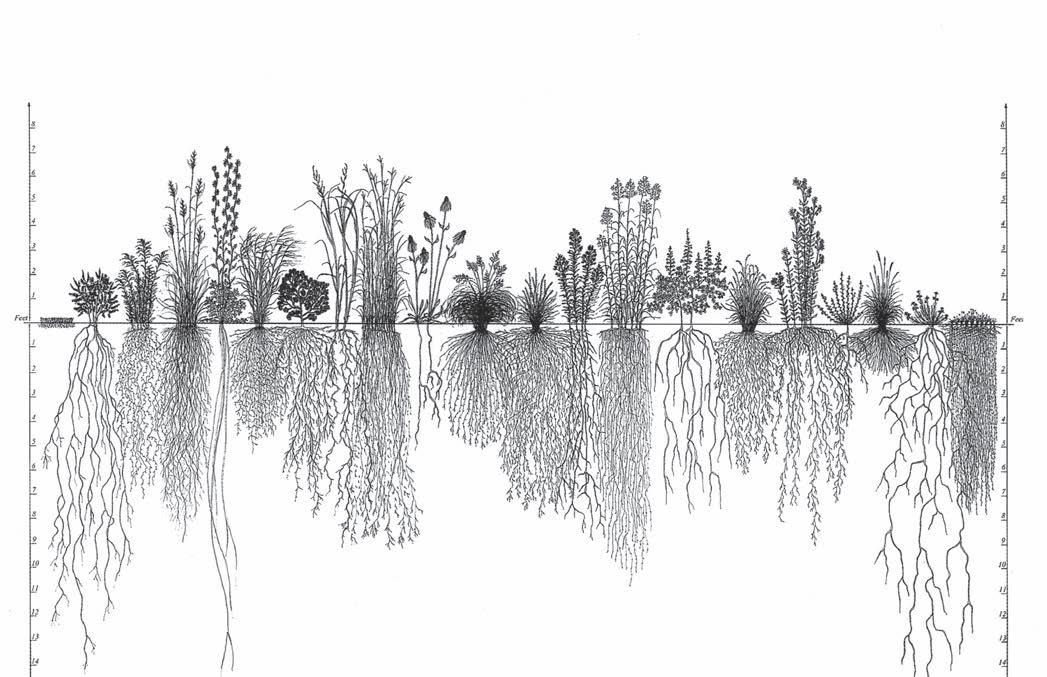
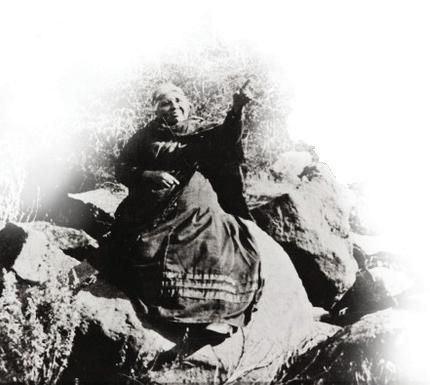
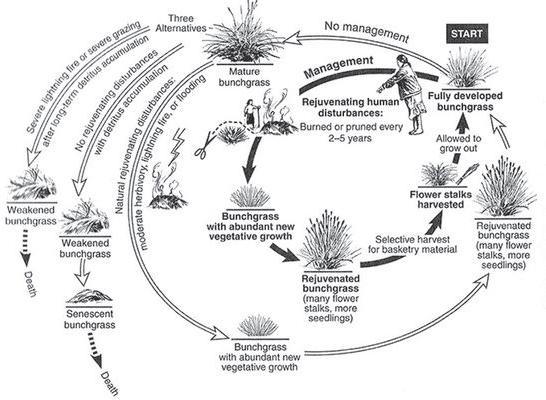
indigenous grassland management
reintroduce cultural fire

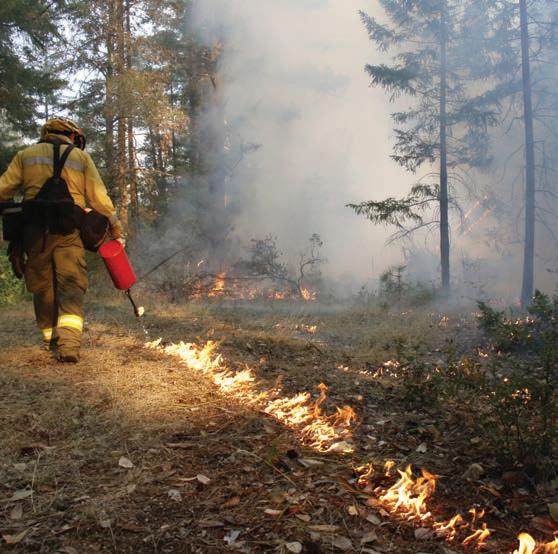
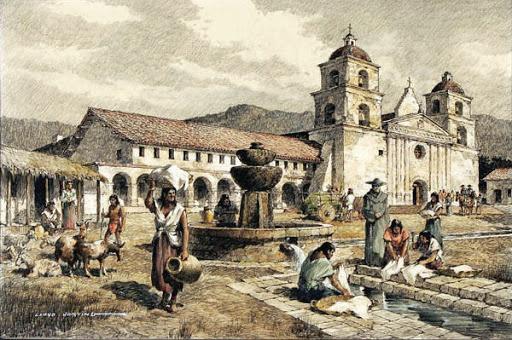
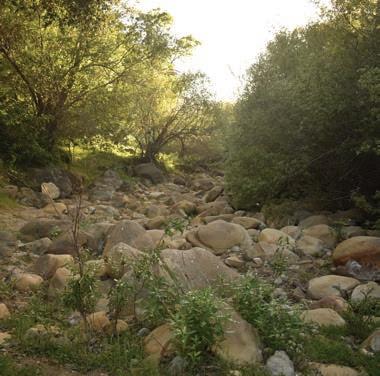
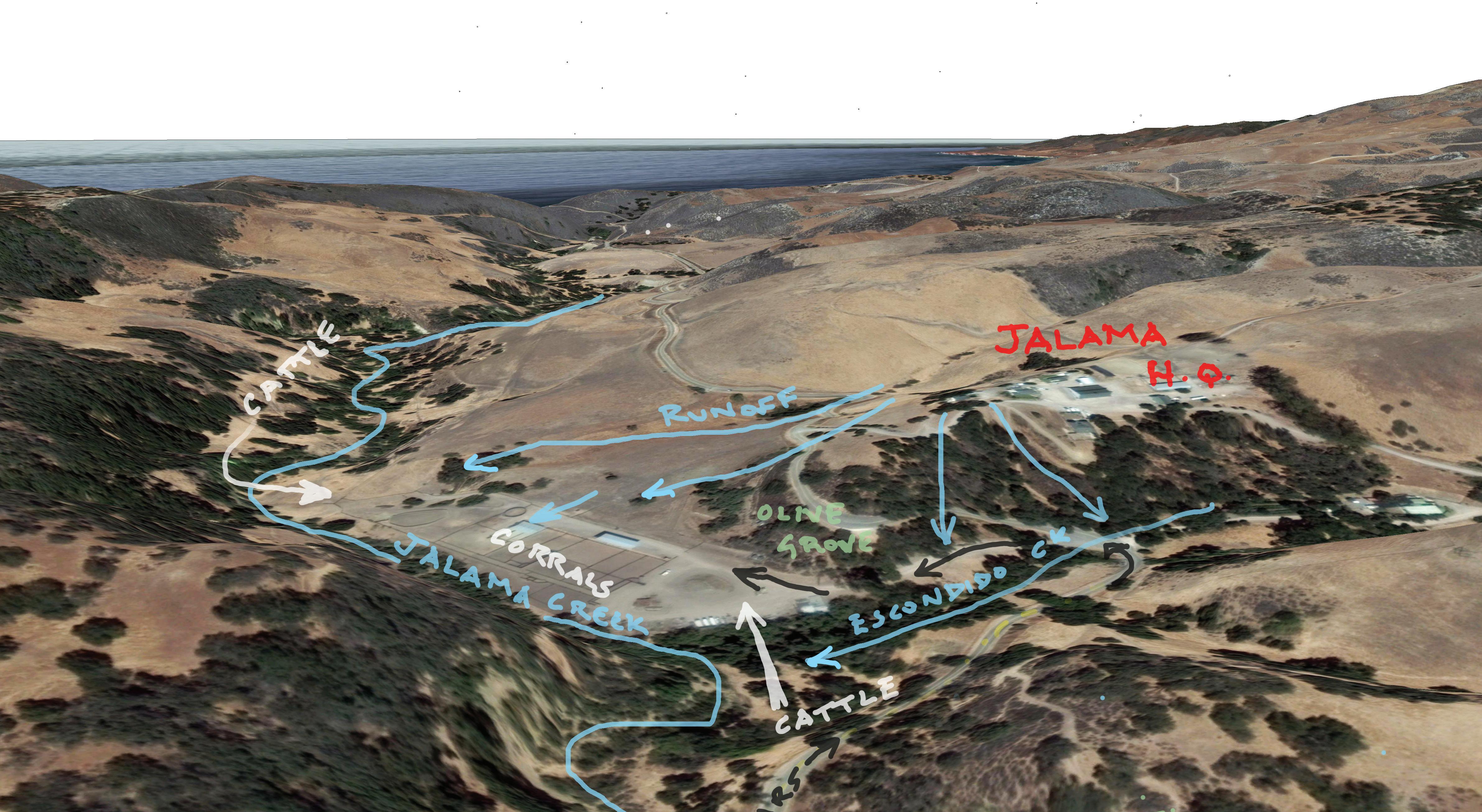
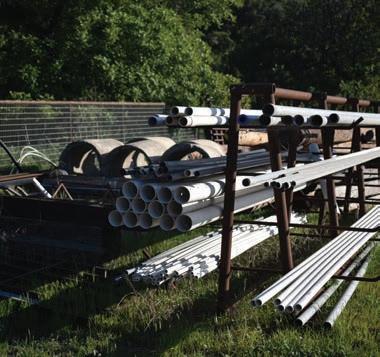
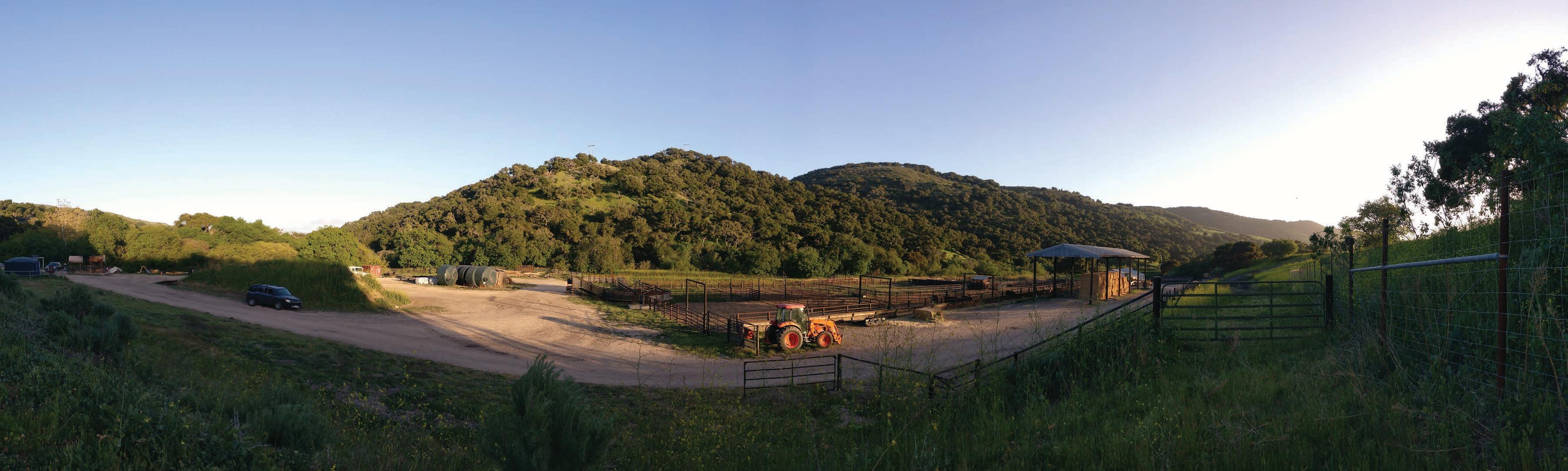
The layers of history encapsulated within the Pipeyard site reflect major chapters of the Preserve as a whole. The ancient village site of Xalam was once a gathering place between inland and coastal villages, and a stand of olive trees placed by Spanish missionaries still stands as a memory of European colonization and the labor of native peoples in California. The legacy of the Ranchero system has been a driving identifier of the land’s identity as a coastal ranch, where cattle breeding and grazing operations continue to this day.
The Pipeyard is reimagined as a regenerative site and laboratory for the teaching and practice of cultural methods of tending, gathering, designing, and management in relationship with the land.
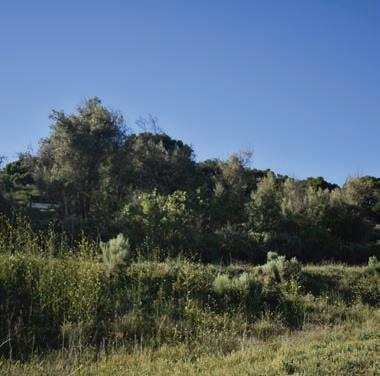
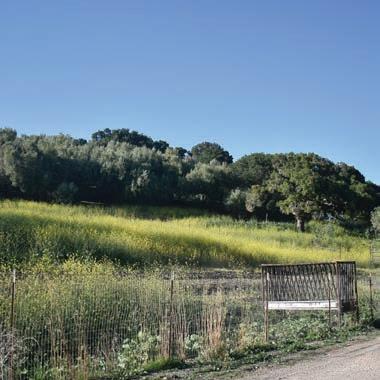
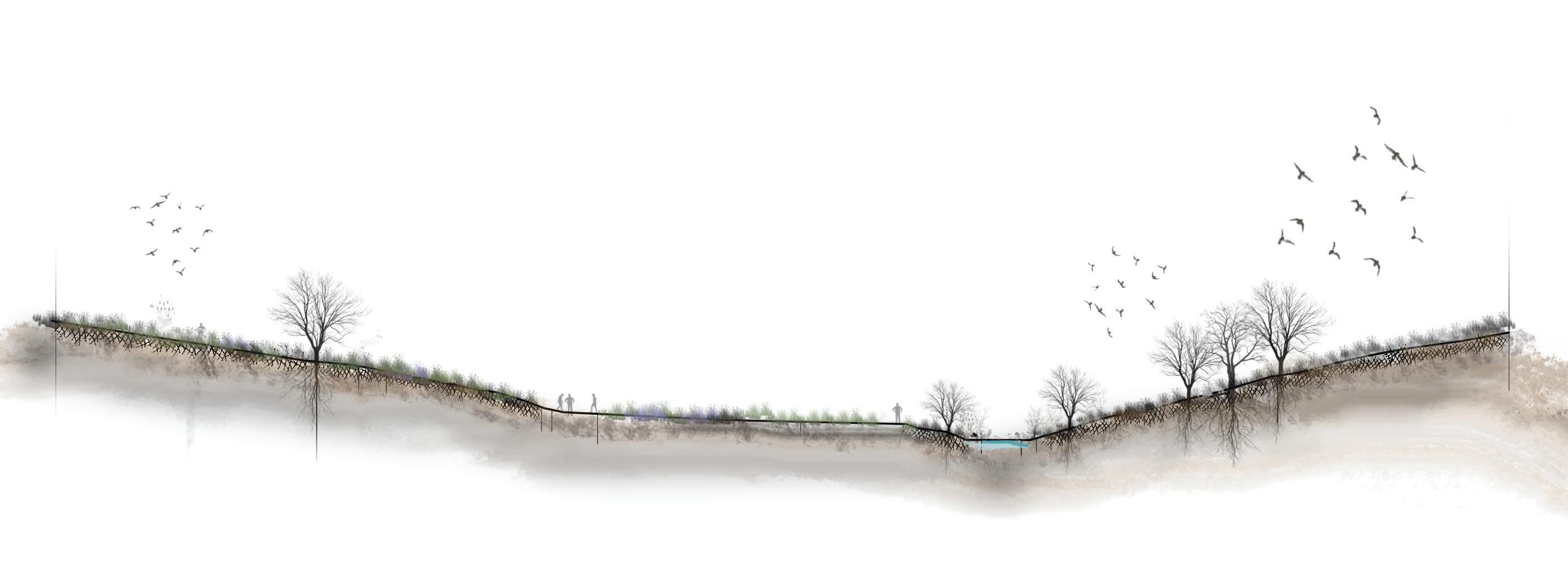
Restoration of grassland, woodlands and riparian ecosystems is interwoven with the engagement of the Chumash community and intertribal networks, emphasizing the practice of traditional methods of tending that are central to the preservation, transmission and expression of cultural lifeways that have survived centuries of colonial occupation. As a ‘living laboratory’, the Dangermond Preserve presents an opportunity for the advancement of indigenous leadership long overdue in the fields of conservation and environmental management.
soil building for carbon sequestration
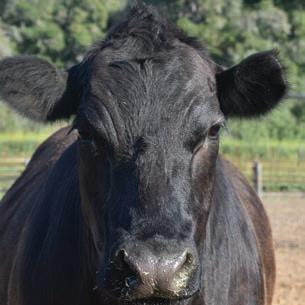
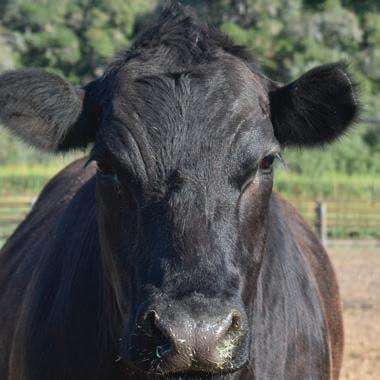
regenerative grazing and cattle management
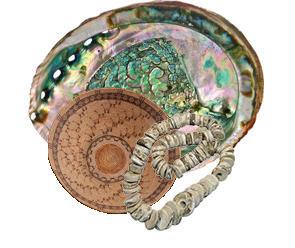
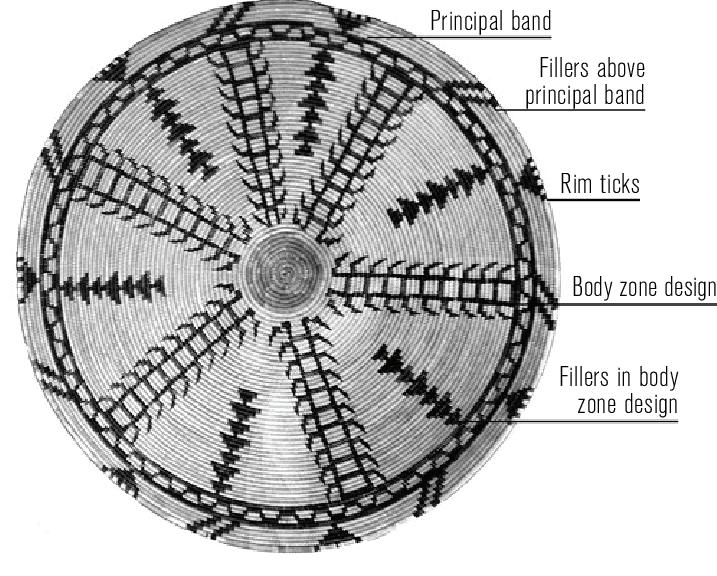
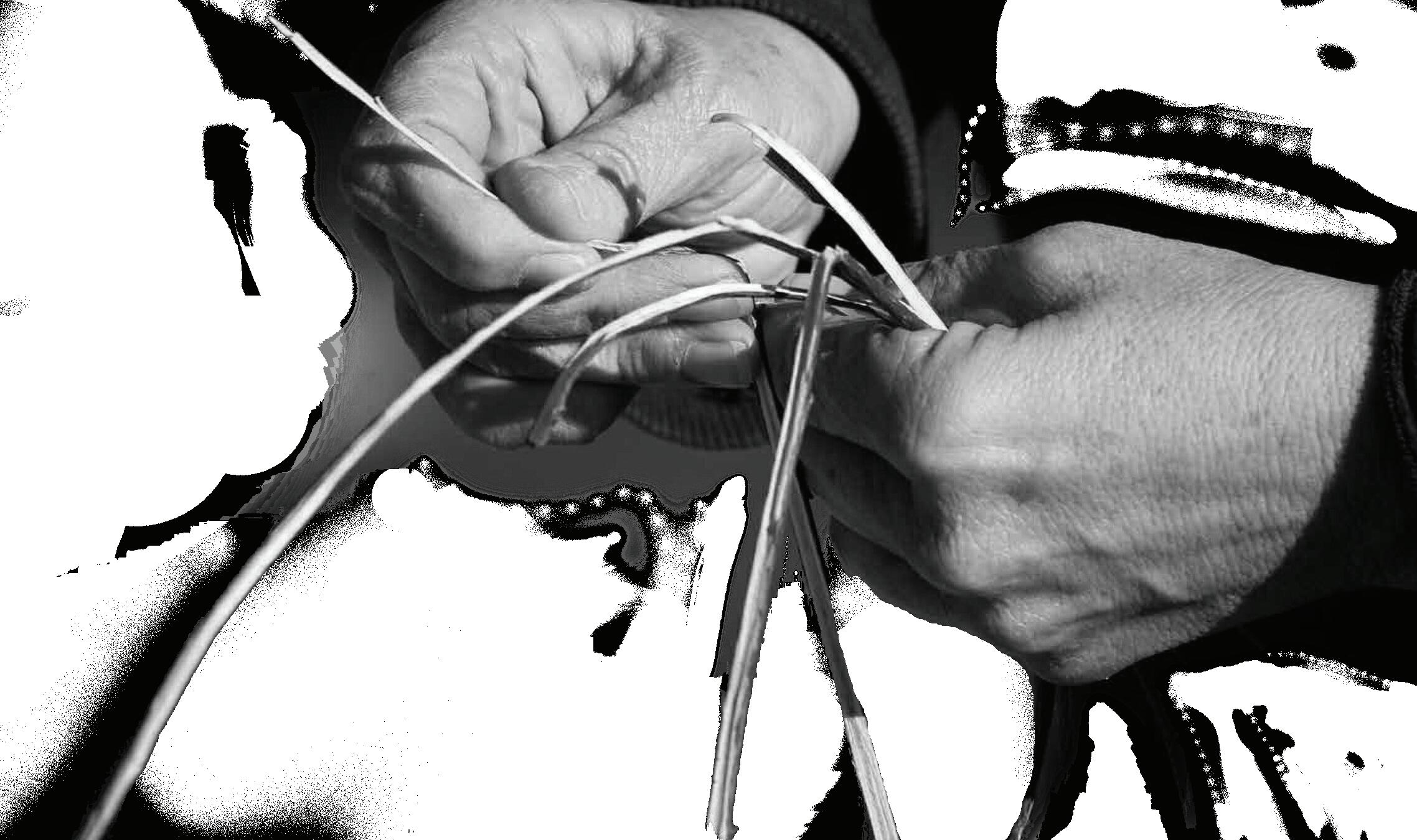
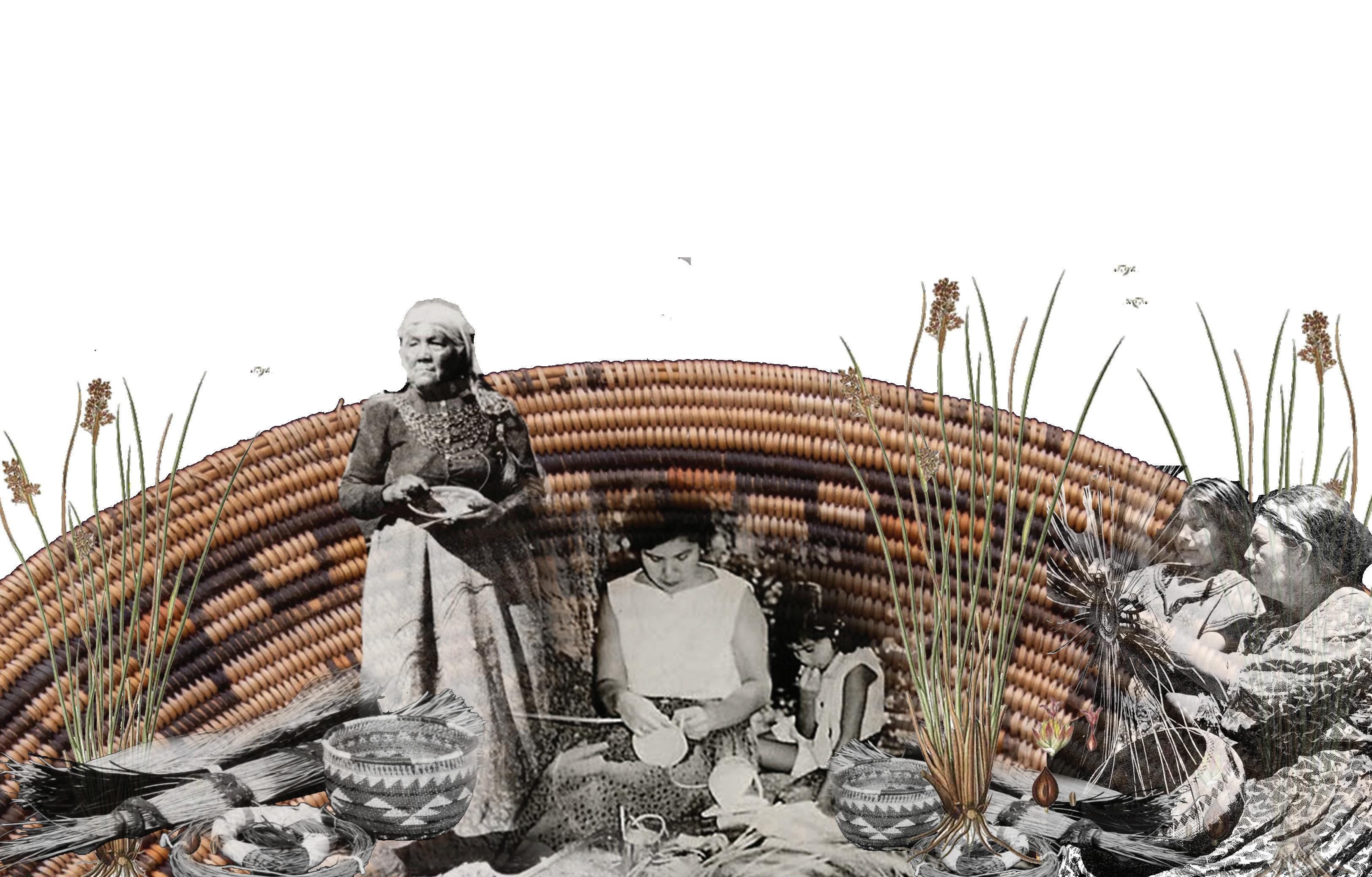
basketry and traditional place-based arts integrate methods of gathering, tending the environment, and vital transmission of culture through genererations
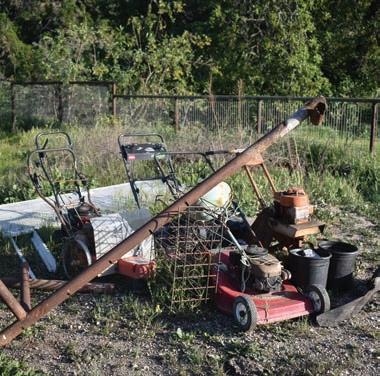
ranch materials
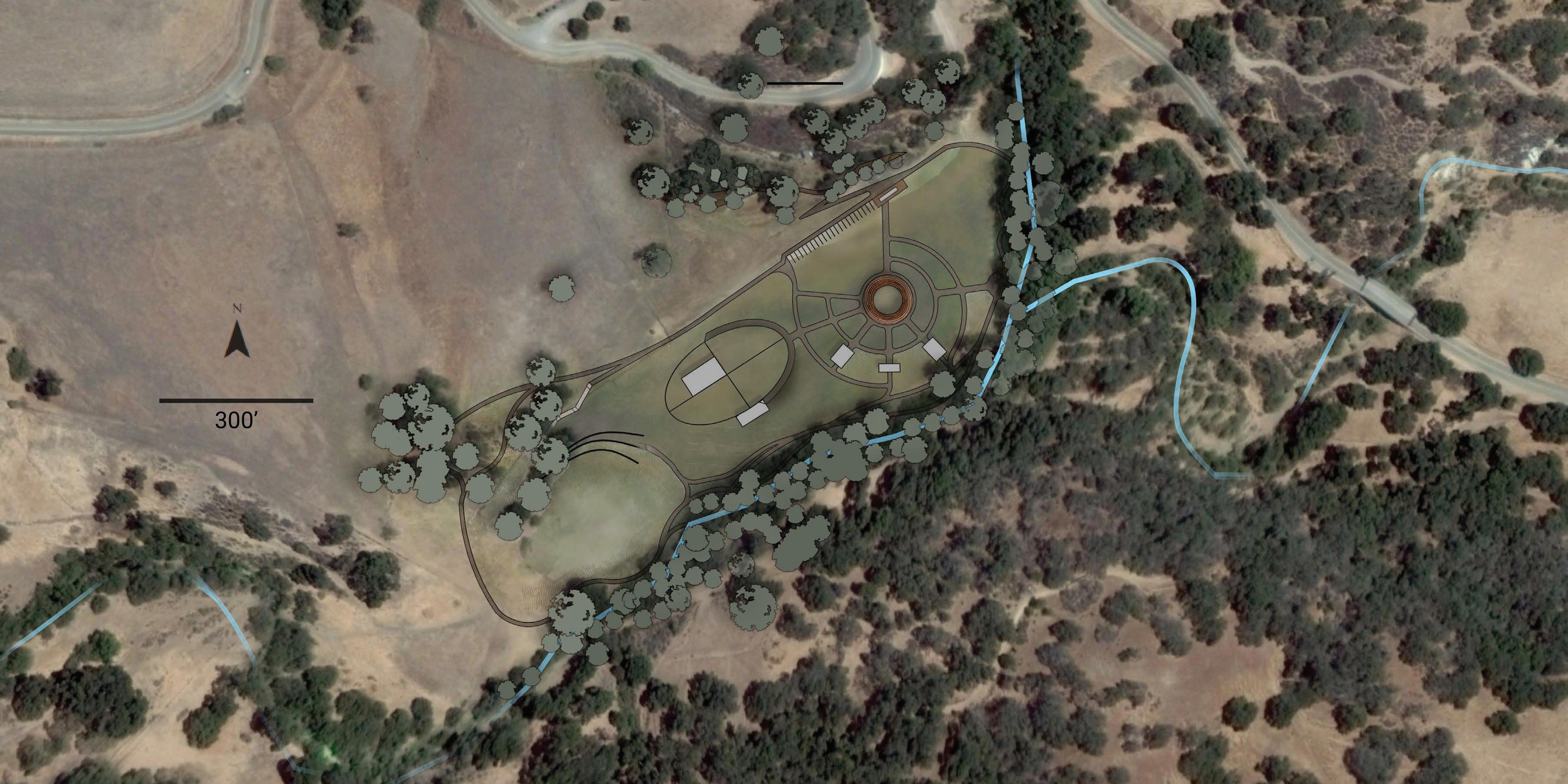
PROJECT AREA: 23 ACRES
34°30’47.3”N -120°27’24.5”W
Image: Kat M. Anderson Tending The Wild Image: Natural Resource Conservation Service, USDA Image: NPR.org > 4 000 ft of pipe
cattle and ranch infrastructure invasive plants
spanish era olive trees two creeks
REWEAVE: CLIMATE CULTURE CONSERVATION
reclaiming xalam as a village epicenter for gathering, tending, and ceremony: integrating the work of memory, healing, and a catalyzing space for TEK education
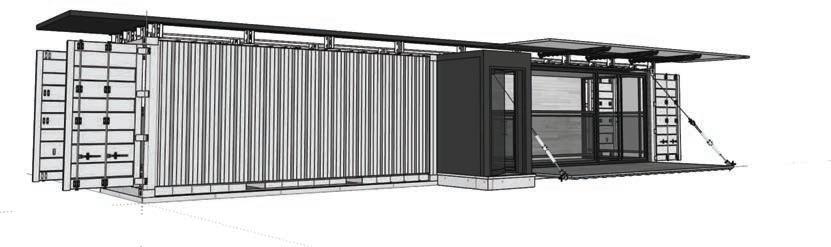
indigenous design-build studio
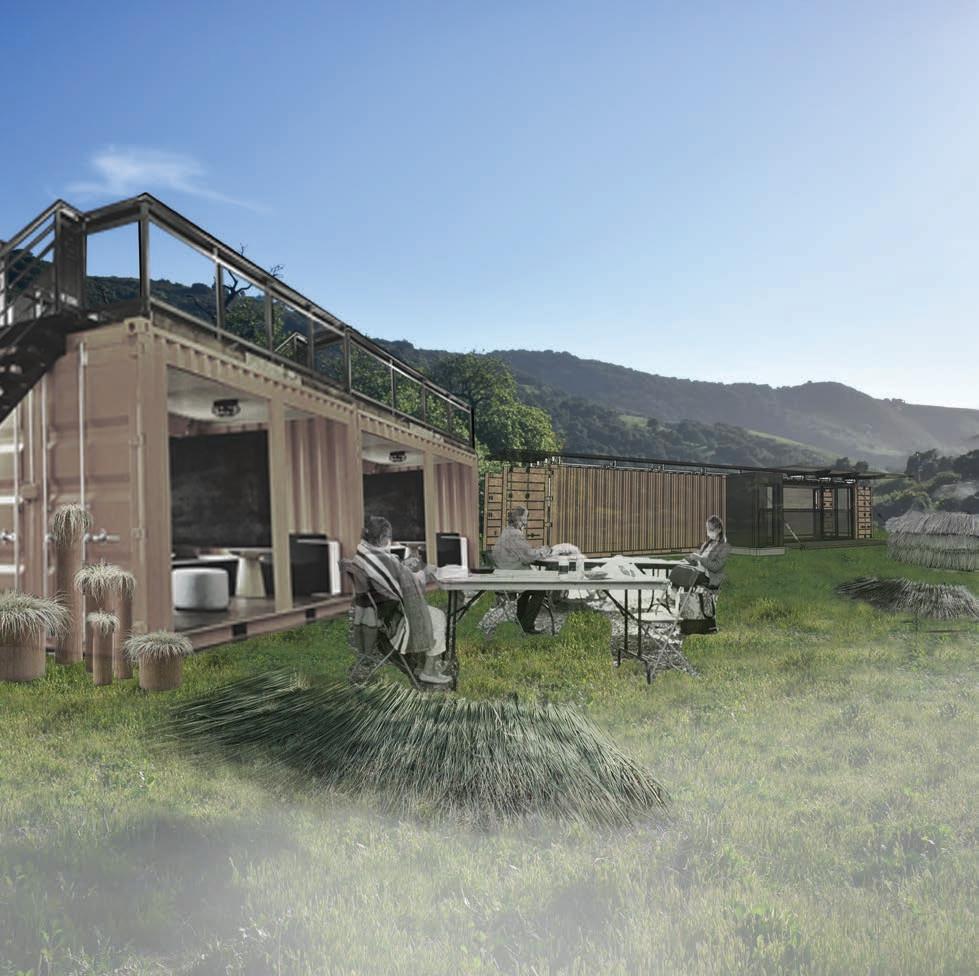
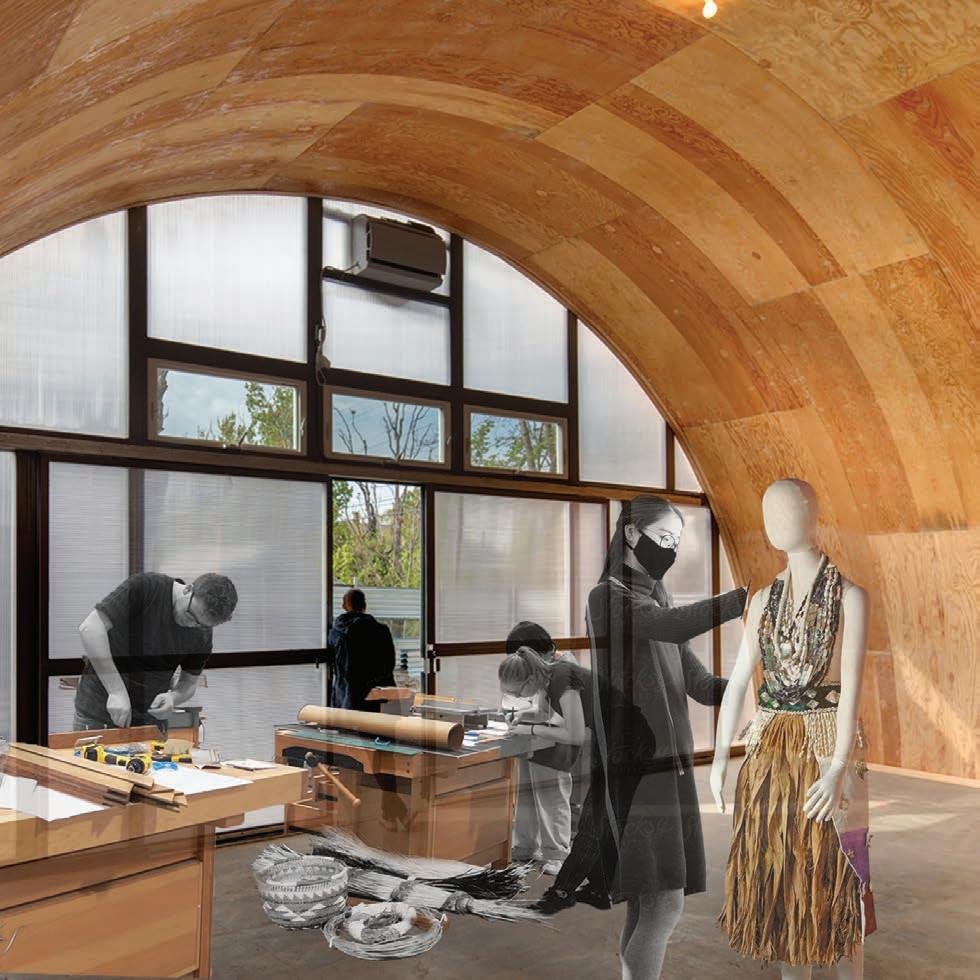
cultural center// ethnobotanical nursery


Seed bank and linguistic center, holding space for the practice and teaching of indigenous languages, ehtnobotanical knowledge and indigenous food systems to support foraging and the tending of edible and medicinal ecosystems beyond the preserve
creek research// watershed education
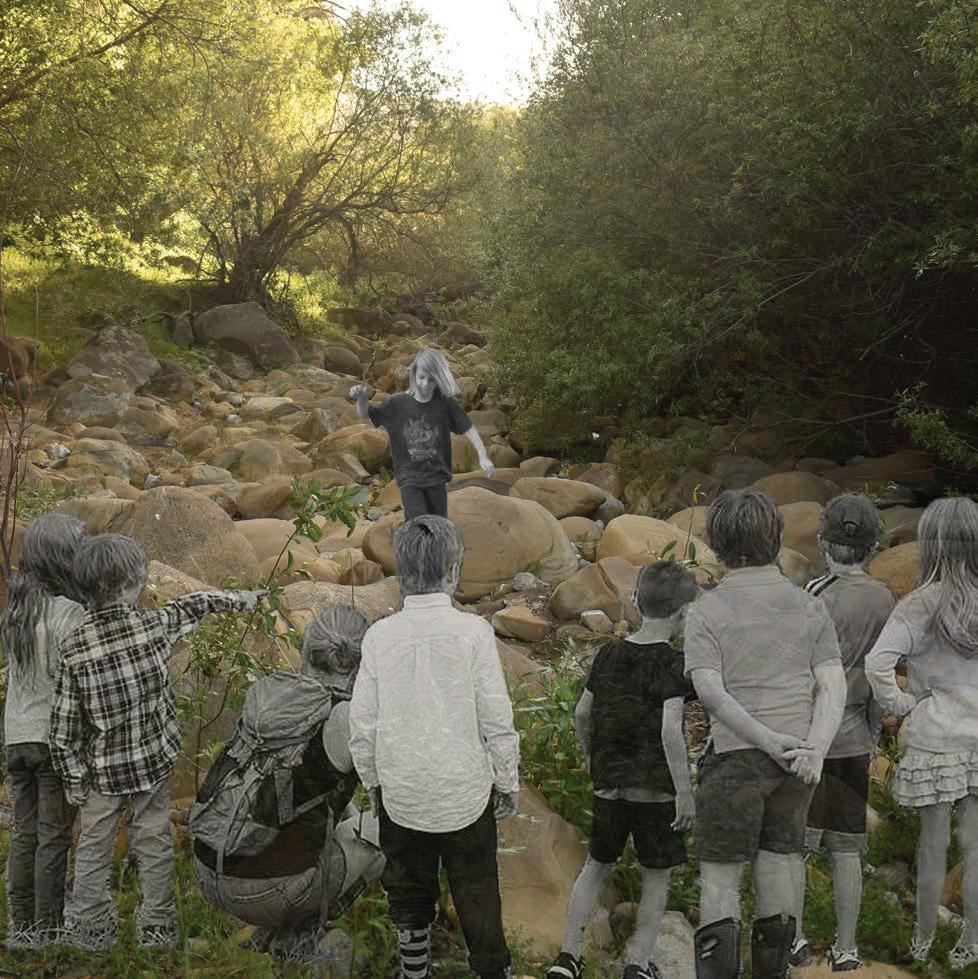
fire and water are intrinsically linked to the health of the watershed, offering the opportunity to teach visiting classes about the integration of culture, tending, inspiring the connection with themselves and the lands that give life
rematriate : rename : restore
as a guiding theme, pattern language and metaphor for the task at hand, the significance of weaving cannot be understated. as access, sovreignty and leadership is restored to tribal communities in the ensuing pressure of climate change, rematriating the land and the practice of traditional arts represent a means of integrating traditional knowledge for a resilient future.
Regalia by Leah Mata Fragua
Building: True North by Studio Detroit
Building: Sketchup Warehouse