








Catalina Mihu, Editor-in-chief
Your commments or suggestions are always appreciated: e-mail: mihu@foodmultimedia.de
A bakery invested EUR 4.2 million in an innovative plant that would produce 2,500 tons of cookies per year in a facility with a sustainable method that is unique to the company. The patented technology allows the cookie factory to run a steam-free baking process, operating without exhaust chimneys in the production line and without steam and hot gas discharge chimneys. Instead, special geothermal water exchangers are used. The plant earned the ZETA (Zero Emissions To Air) certification from Eurocert.
A company earned the Golden Award for Technology and Quality, a distinction presented by Business Initiative Directions (BID) in Paris. It is one of the trophies joining a valuable collection that includes business excellence awards, healthy food and superior taste recognitions, packaging designs and marketing prizes, as well as acknowledgments as the country’s business champion.
In other news, a devastating explosion engulfed a factory in a fire that claimed the lives of five workers and completely destroyed the facility. The night shift employees who lost their lives were all women, who had chosen nighttime work to tend to their children during the day. A propane leak was the cause, we learned as details continue to unfold, adding to the tragedy every day. Meanwhile, the justice department carries out its duty to correct the devastating trajectory of the business and its people. An entire country witnesses the storyline that led to the disaster. Consumers have been throwing premium products made by the company on the floor, between shop aisles, and stepping on them in protest. Employees reveal dark details about missed safety measures, and firefighters discover punctured pipes and faulty valves, while some await outside the courthouse in support of the owner, as I write this before the closing of our first edition of baking+biscuit international of 2026.
These three stories are all about the same company: the once beloved, now deeply troubled Violanta, a Greek cookie maker. Violanta’s main headquarters are in Trikala, where the fire broke out. It has three other locations, a factory in Larissa (where the patented innovation is installed), as well as a branch in Athens and one in Thessaloniki. A second Violanta factory, based in Petroporos, was just sealed for extended investigations on safety and all related necessary certifications for production. The business has an international distribution network with 42 centers worldwide, for its products that are known for their quality. With a turnover of over EUR 40 million, Violanta employs about 350 people.
Without commenting on ongoing, crucial legal proceedings, my question is, what will tomorrow bring and, importantly, what should it bring to Violanta’s people? How could the next day be better for them, as employees? And then, how does a business, a brand, clear its way out of in-house devastation? I hope that a new day will bring, first and foremost, safety for everyone working in bakeries, whether in a plant, in an office, in a delivery truck, or behind a counter. And a quiet moment of reflection on having safety redundancies in place, to save lives. Then, baking can resume, every day.
Catalina Mihu

“SUSTAINABILITY IS A NON-COMPETITIVE ENVIRONMENT TO SUPPORT AS AN INDUSTRY”
Andrew Pyne, Chief Executive of the UK’s Federation of Bakers, looks back on an eventful year in the country and outlines the organization’s projects, challenges and priorities.
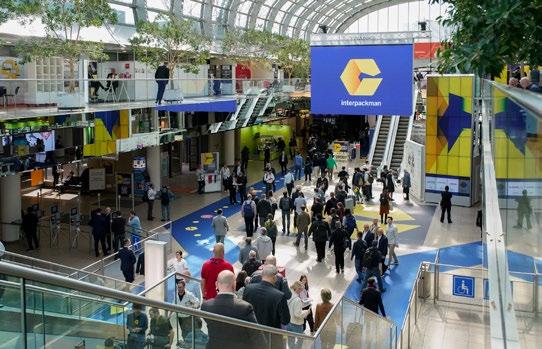
WHAT MOVES THE INDUSTRY IN THIS INTERPACK YEAR?
Packaging and all related processes are undergoing transformative changes in 2026. In May, interpack promises to reflect them.
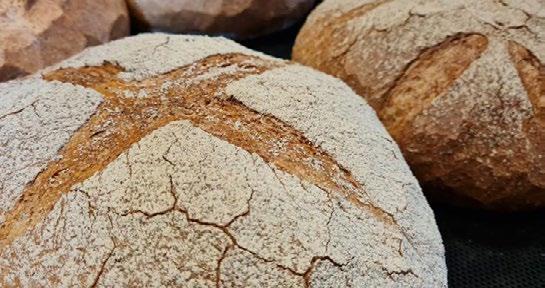
THE POWER OF WATER AND ROBOTS, COMBINED
The decoration achieved by scoring is a reflection of the breadmaker’s identity, branding and creativity. Robotics helps bring this decorating method to industrial bakeries, with all its powerful attributes for both the products and the brand.
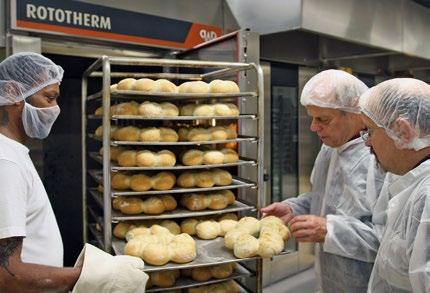
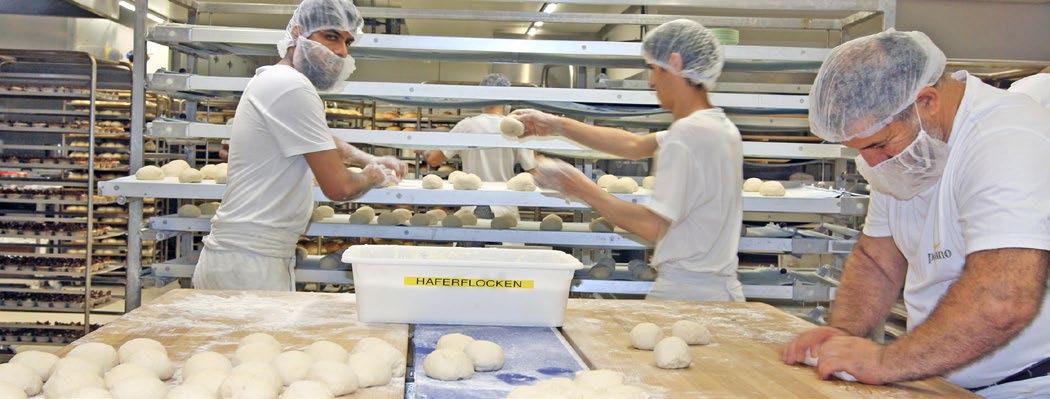
For Christian Hertig, every minute counts. At his Panesano bakery in Zurich, Switzerland, preparations are in full swing for deliveries to customers for the country’s biggest holiday. His team of 18 nationalities is highly focused, but there is still time for jokes at the work stationas they shape the dough.
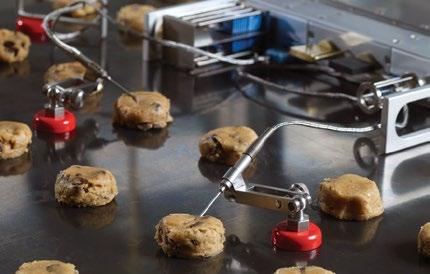
MAKING BAKING PERFORMANCE VISIBLE
Complete control of baking conditions is not just about measuring data, it’s about delivering consistent product quality, solving production problems, and confidently scaling products across lines and locations.
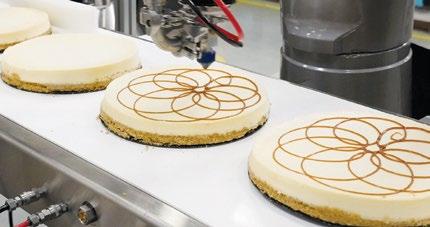
THE CAKE HIRO IS HERE
At IBIE 2025, Coperion launched the Unifiller HIRO Robotic Cake Decorator, a robotic arm designed for high-volume bakeries to perform precise tasks such as writing, drizzling, and creating custom designs.
06 Panesano, Switzerland: At Panesano, the clocks tick a little faster”
10 Andrew Pyne, Chief Executive, Federation of Bakers: “Sustainability is a non-competitive environment to support as an industry”
40 Paul Nunes, CEO, President, Ashworth: “Innovation is always at the heart of what we do”
INTELLIGENCE
22 SOLLICH: The road to smarter chocolate processing
24 i nterpack ’26: What moves the industry in this interpack year?
26 Reading Thermal: Sensors making baking performance visible
30 AMF Bakery Systems: Scoring: the power of water and robots, combined
32 Coperion: The cake decorating HIRO is here
36 Dawn Foods: There’s no sweet like marzipan PIZZA (PART II)
46 Reading Bakery Systems: Mixing covering all pizza bases
48 Puratos: Sprouted grains: the unsung health hero of bakery?
52 FMCG Gurus: Top trends for 2026

Food2Multimedia is a publishing house operating at an international level and specializing in researching and editing technical information for the baking sector.

baking+biscuit international
Our specialist journal concentrating on production professionals in large companies in the industrial and chain-store sectors. Published six times a year in the English language.
Our Review series provides in-depth analysis of clearly defined issues. This involves market analyses and is a comprehensive, informative presentation of the state of the art in process engineering.
The f2m dictionary translates bakery terms into a mulitude of different languages.
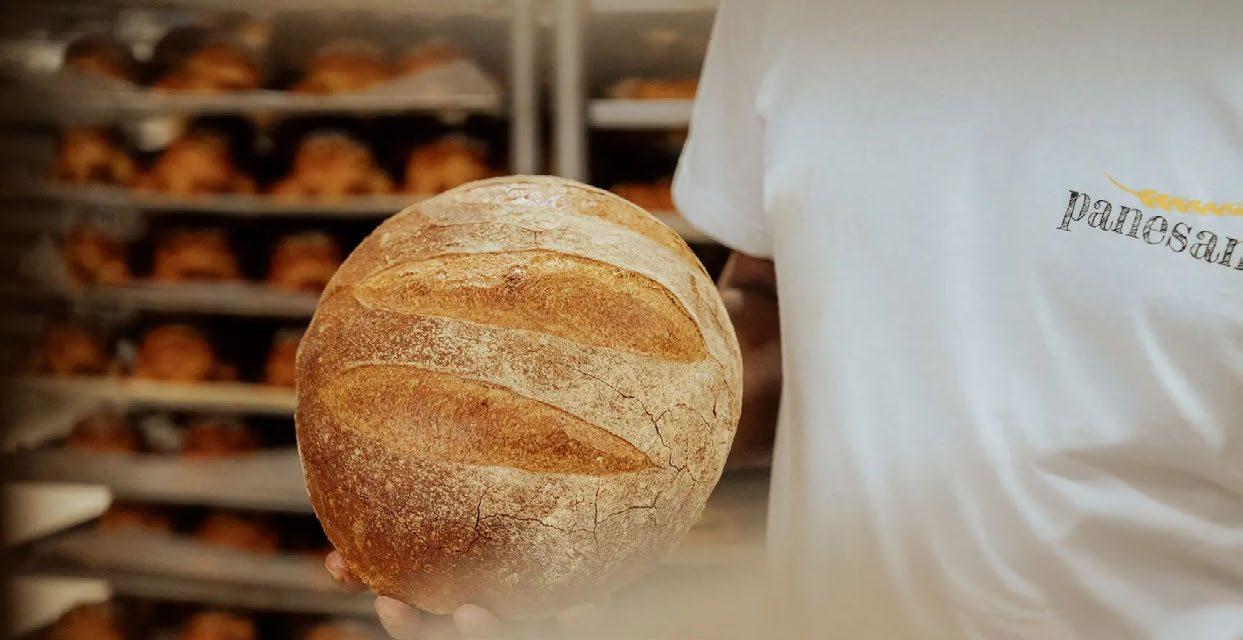
For Christian Hertig, every minute counts. At his Panesano bakery in Zurich, Switzerland, preparations are in full swing for deliveries to customers for the country’s biggest holiday*. His team of 18 nationalities is highly focused, but there is still time for jokes at the work stationas they shape the dough.
+ When an order needs to be delivered overnight, at short notice, Christian Hertig is there in the bakery. He knows how it’s done – and not just in the bakery. Within just two years, he has built up the production, logistics, and sales departments at Panesano AG – almost singlehandedly. He now employs 60 people.
“I have experience and I know what I want,” says Christian Hertig. He makes quick decisions and values partners who think for themselves and help him develop his ideas. One of them is Claude Migré, project manager at Wuest AG. Together with Stutz AG, the company is the sales and service partner of WP BAKERYGROUP in Switzerland. Migré is a baker and production specialist and has been Christian Hertig’s sparring partner during the ramp-up of production. Hertig trusts his recommendations and asks questions.
Above all, because Hertig wants to be more efficient, more flexible, and faster than his competitors. “Competition is fierce,” he says. Panesano works with a logistics partner to deliver fresh and frozen baked goods to retailers, wholesalers, restaurants, and institutional caterers. Customers appreciate the flexibility and quality. Flour, butter, and eggs come from Switzerland and are delivered by local partners.
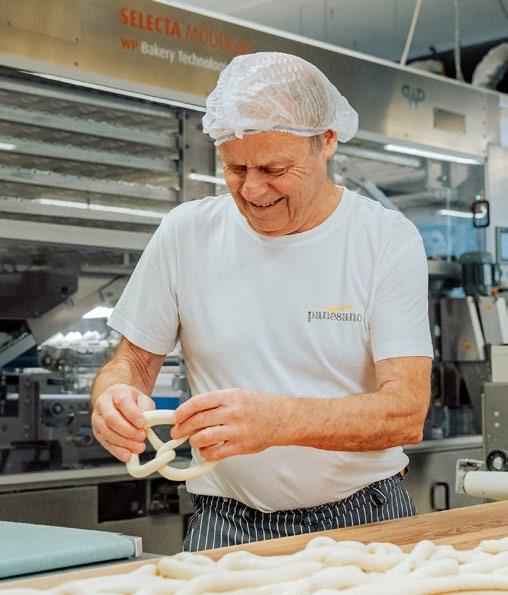
*The largest folk festival is the Swiss Wrestling and Alpine Festival, featuring competitions in Swiss national sports such as Swiss wrestling, hornussenn (an indigenous Swiss sport played by two teams of 16 to 20 players that alternate in striking a puck known as a ‘Hornuss’ (hornet) or ‘Nouss’), and stone throwing. The festival takes place every three years.
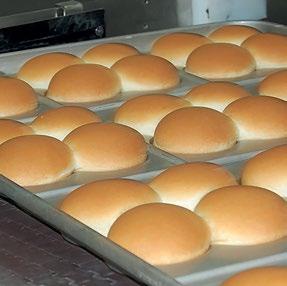
The bread roll production line offers a high degree of flexibility with an hourly output of 3,600 to 9,000 pieces and a pre-proofing time of 8 to 16 minutes. Green operation with direct depositing is also available as an option. In addition to various pressure boards, a wide range of modules for wrapping, pressing, and long rolling can be used. The system can also be individually expanded with interchangeable strips. The WP Selecta Modular is operated with a hygienic, maintenance-free suspension chain. The suspension inserts can be easily changed. The name says it all, according to the company: the WP Selecta Modular roll production line consists of a basic module, a long roller, a stamping unit with revolving punch head for stamping tools, a cutting unit, a depositing device, and a power cabinet. External units for sprinkling, multi-long rollers, slanted cutting devices, external depositing devices, and tray loading robots can also be added.
The WP ROTOTHERM rack oven is an all-rounder in production, using electricity, gas, or oil as energy sources. Small baked goods, rolls, pretzels, and even Danish pastries are produced on the rotating rack trolley. The ROTOTHERM is also available in Heavy Duty and Drive Through versions for high capacities. The patented WP Thermogate enables rapid heating and, with shot-to-shot baking*, a higher baking capacity. The particularly even steam formation increases the volume of the baked goods and produces moist pastries. According to the manufacturer, the highly efficient insulation, optimized air flow, and fully automatic control significantly reduce baking time and energy consumption – while improving product quality.
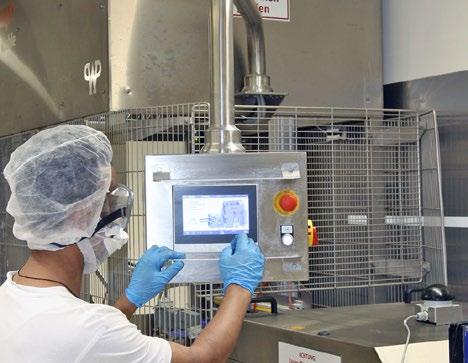
The WP Comjet consists of the WP Allround proofing system or the WP DBA proofing module and the WP Automatic Loader. The dough pieces are loaded fully automatically from the proofing/ feeding system trolley via unrollers or peel boards and transported to the proofing area. This means that up to 240 trays per hour can be proofed by just one person. The two lye curtains and the patented lye shower ensure even lye application even at high throughput speeds. The longer lye belt is ideal for applying lye to larger pieces. The deposit belt keeps the baking trays free of excess sprinkles. The adjustable heating system keeps the lye at a constant temperature and ensures shine and browning throughout the entire production process. The fill level sensor prevents dry running when the lye level is too low. In the Pro version, the lye tank is automatically refilled and mixed with the set lye concentration. The extendable 180-liter lye tank facilitates hygienic cleaning.
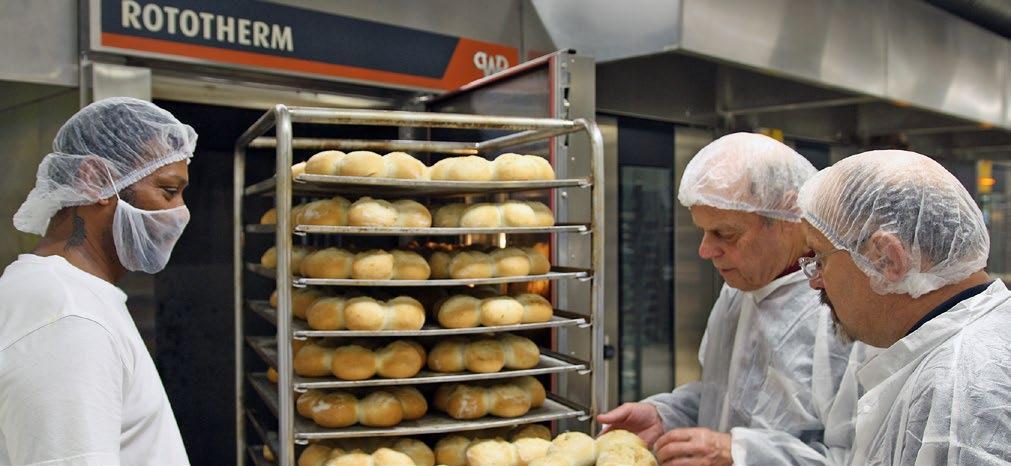
*The ROTOTHERM oven series supports baking batch after batch without having to wait for temperature regulation; the heating system is designed to maintain consistent oven temperature and steam level from one ‘shot’ (batch) to the next, improving output and efficiency in continuous baking operations.
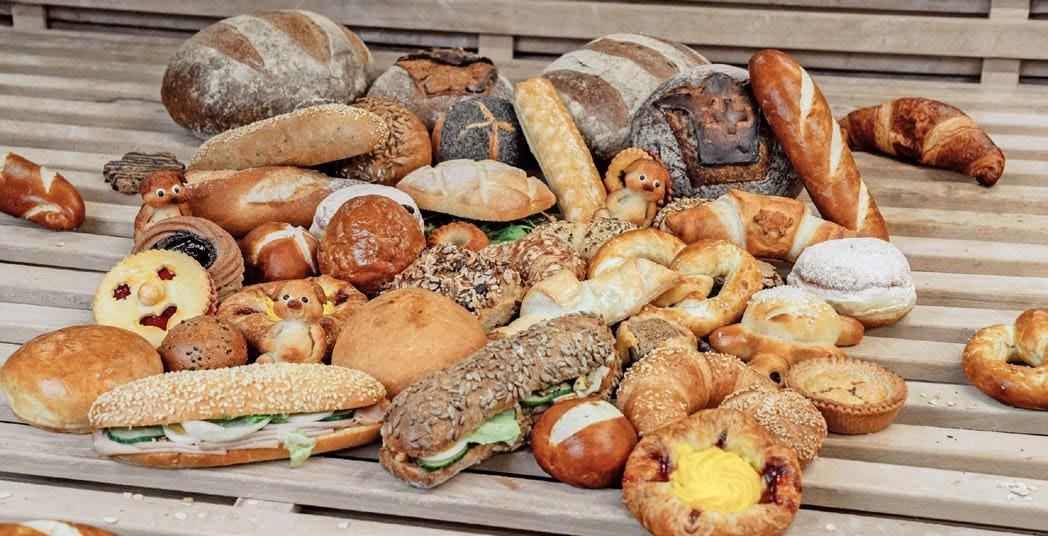
Niches and orders that are too short-term for others
Christian Hertig seeks out niches, tries new things, takes on orders that are too short-term for others, and produces in two shifts, seven days a week. The Comjet from WP Riehle, a proofing system with automatic feeding, is in idle mode after the night shift, while a few meters away, the Selecta Modular, a system for small baked goods, runs almost continuously day and night: small bread rolls in various weights and with different patterns are produced on it, as well as dough rolls for pretzels. There is no molding machine: there is not enough space for one, and his employees are very nimble.
On days like these, the rack ovens are as busy as Zurich’s main train station at rush hour. The loaded rack trolleys are lined up in several rows, ready to enter the oven. The fifth oven has recently been put into operation, a WP ROTOTHERM. A minute-shorter baking time with the same result is an argument that convinced Christian Hertig.
180, Aargauerstrasse, 8048 Zurich
Founded: 2024 www.panesano.ch
Managing Director: Christian Hertig
Employees: up to 60, including 55 in the bakery
Product range: 400 products
Specialties: butter croissants, small bread rolls, pani, pretzels
and now
Office buildings and hotels are across the train station. Who would suspect that there is an artisan bakery here, at Aargauerstrasse 180? Well, as in many small businesses, Panesano also sells baked goods through a window from 6 AM to 2 PM. Christian Hertig is delighted with the employees from the surrounding offices and also with the craftsmen who are renovating the multi-story building inside and out while it is still in operation.
“Artificial knee joints and hip prostheses used to be manufactured here,” he explains. The floors are actually too low for modern production, and the company operates on two levels. So why here? Short delivery routes to his customers in the Zurich region, and tram line 4 stops directly opposite the building. For Christian Hertig, every minute counts in this respect too. He only allows the dough to rest. +++
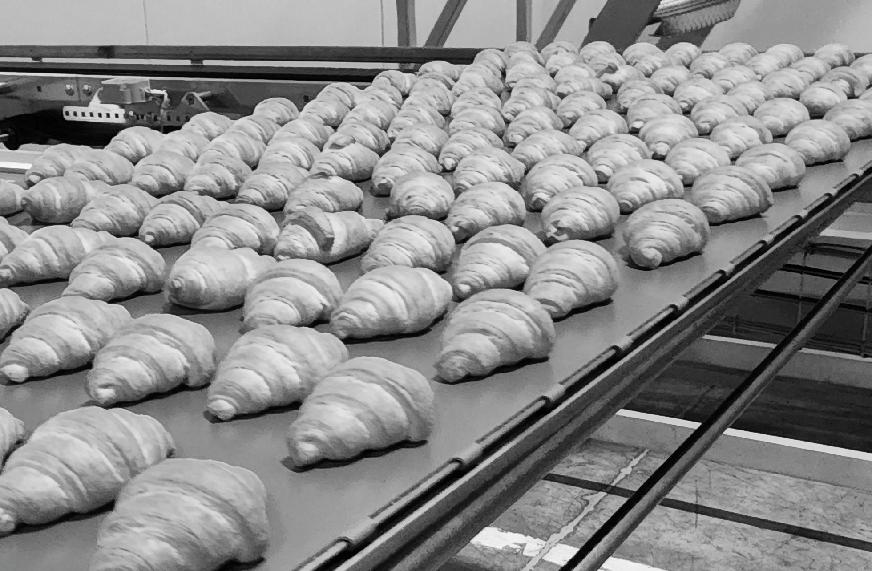
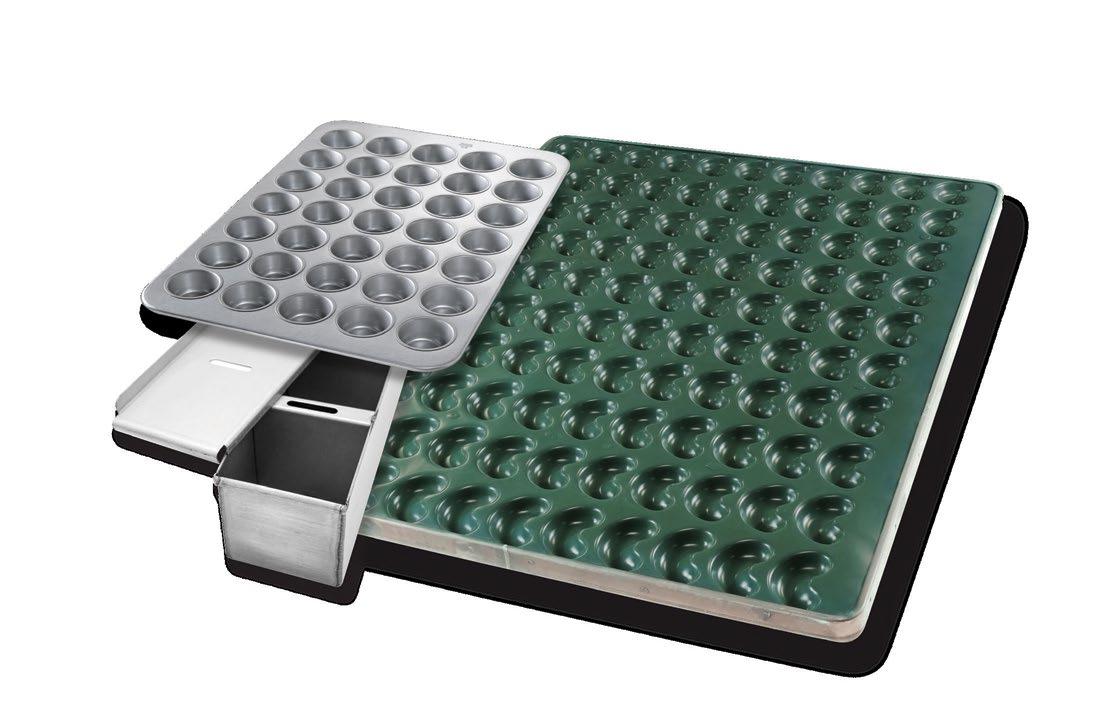

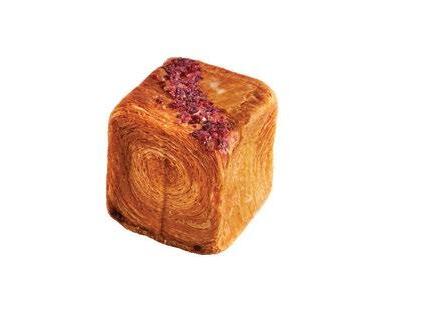

Stand out in today’s evolving croissant market with custom baking trays and tin sets. Choose from a range of materials, mould types, and coatings to create pans tailored to your current products or new ideas.


Andrew Pyne, Chief Executive of the UK’s Federation of Bakers, looks back on an eventful year in the country and outlines the organization’s projects, challenges and priorities.
+Catalina Mihu: Just before the end of the year, several industry events were held in Brussels, including the AIBI Bread Campaign, the Sustainable Wheat Initiative and committee meetings, which brought together all European trade associations. How would you describe the pulse of the industry, from these end-of-year gatherings?
Andrew Pyne: There are many positive developments and some genuinely interesting people on the European board. The feeling is that we, as a bakery industry, need to do more and talk about our sector more. I think, historically, we have just been carrying on with our work; everybody does a brilliant job manufacturing great products, but we don’t take enough time to talk about the great job that we do, or the amazing products that we have.
We also need to talk more about some of the challenges we face. The transition to sustainability is a journey that doesn’t come quickly, doesn’t come easily, and doesn’t come cheaply.
Another important example could be the conversation around ultra-processed foods, in light of health concerns. I think this label doesn’t really apply to products in our category. Besides, ‘ultra-processed’ is a meaningless title for most people. When consumers are surveyed for market research, if they are avoiding UPF, of course, they will say ‘yes’. But is there a corresponding impact on sales? Not really evidenced yet.
Consumers love our bakery offerings and enjoy a wider range of specialties for different occasions. This is a growing trend, and a really interesting space that holds a lot more opportunity still. That’s a good sign.
Mihu: Last year, ABF announced the acquisition of Hovis Group, signaling a change on the UK’s bread market. What is your perspective on the latest market changes?
Pyne: We’re also seeing businesses merging, with some recent examples such as Delifrance and Vandemoortele in
the EU, and the proposed Hovis Allied merger here, in the UK. Consumer shopping and consumption behaviors are evolving, and the industry is changing to reflect that. But I think it is a really positive space. We look forward to 2026, and we know that the industry can do more, we will do more, and will communicate through the appropriate channels. So I think it’s a positive outlook.
Mihu: What was the conversation around UPF vs. bread at these recent meetings?
Pyne: The board reviewed our strategy and all the emerging elements. However, ultra-processed food is definitely a topic we recognize; in the bakery industry, products are mostly positioned as either processed or ultra-processed, depending on whether they are wrapped or not. We saw the Lancet series that was published trying to categorize what UPFs are, what they look like, how they should be understood and what the policy areas are surrounding the category. There’s a lot of debate on this topic, too! As an industry, we look at scientific evidence. UPF is not clear until it is defined, providing evidence about a detrimental impact on health. Then, policy makers can look into how the regulatory environment needs to change, if at all. At the moment, such a clear definition and supporting evidence do not exist; meaningful regulations cannot be created based on theories, without having defined criteria and specifications. The concept is still very loosely detailed and very generic, with the difference between products in an in-store bakery, for example, being that they are processed until packaged, when they become ultra-processed. How does that change what a product is? It doesn’t make sense, from a scientific perspective; more information and research are needed on this topic.
“The Industry Sustainability Strategy Working Group shortlisted five main areas on which we would work: food waste, packaging and the circular economy, Scope 3, Scope 1 and Scope 2, and nature and the environment (including agriculture, with a focus on wheat).”
Andrew Pyne, Chief Executive, Federation of Bakers
It’s also been argued that the number of ingredients used can make products fall into the UPFs category. But, to give just one example, in the UK, non-wholemal flour is fortified, by The Bread and Flour Regulations, which means that there are more than five ingredients going into products, five ‘ingredients’ that most people don’t recognize – such as niacin, thiamine, folic acid, calcium carbonate and the like. They are not in the kitchen cabinet, but it’s a legal requirement to have in flour. So, if that’s your definition of
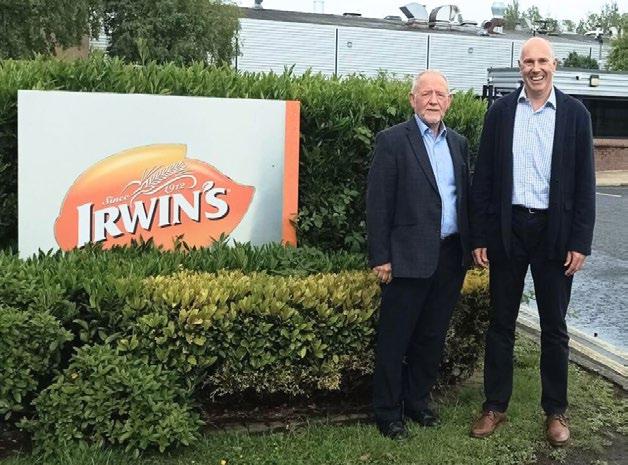
Andrew Pyne visited Federation of Bakers’ member Irwin's Bakery (W.D Irwin & Sons) in Portadown, hosted by Irwin’s Chairman Brian Irwin, a fourth-generation owner of the family business. Irwin also serves as the FoB Chairman
being over-processed - using ingredients that aren’t found in your kitchen cupboard, then it’s just nonsense. It can’t be applied to baked goods that way, or indeed any goods using UK non-wholemeal flour.
Mihu: What were the main conversation topics?
Pyne: We believe that all large plant bakers should be supported by our shared knowledge, experiences and codes of practice. Challenges around sustainability and related investments were part of the conversation. We are also planning substantial actions in 2026 – we will share details later on.
We looked into how we can best represent our national trade associations. From AIBI’s perspective, at a European level, we can use our voice to accelerate required changes. We also want to ensure we are supporting our membership and encouraging their growth.
Mihu: One of the long-running projects of the FoB has been the folic acid flour fortification, which now nears implementation. What was the Federation’s contribution to flour fortification?
Pyne: The Federation of Bakers supports the fortification of flour with folic acid and have done so for many years. We agree that it’s the right thing to do because it benefits public health. We know the science behind it and its positive impact. It’s taken a long time to get to this stage: the consultation came out in 2022 and it was included in The Bread and Flour Regulations in 2024. The amendment not only detailed the fortification with folic acid, but also aligned some other vitamins and minerals in the UK’s manufacturing

space. From flour producers to users, four associations collaborated on it: the UK Flour Millers, the British Retail Consortium, the Food and Drink Federation (FDF), and the Federation of Bakers (FoB). We worked collectively to determine how to take what was then a regulation process and implement it by December 2026, within the given timeline. Efficient implementation was key, which, for our members, means avoiding packaging write-offs and additional costs, and ultimately bringing the compliant product to the consumer as soon as possible. But obviously, it was incumbent on the flour millers to deliver the folic acid into the flour. We worked closely together to engage with the Department for Environment, Food & Rural Affairs (DEFRA) – the government department behind the regulation, to help with technical guidance. We created a delivery strategy in this way. What does it mean? Seeing as around 30% of UK products contain flour, that’s an awful lot of packaging that needed to be updated. We also needed to ensure that the information was passed on; the FDF sent updates to its membership. We all worked together on a realistic timeframe to change packaging. Existing stock of packaging supplies couldn't simply be wasted, for example. So, the project also included supporting DEFRA, giving them a strategy of how the industry proposed to implement it, and then having to work back with the supply chain. Premix suppliers had to source the folic acid, which is then sold to the flour millers to be added. This requires a significant timeframe in itself. Only then can the members of the bakery industry start working on changing packaging. The whole process highlights how the bakery industry collaborates with the supply chain. Most major flour millers in the UK
have been using the new fortification in their milling process since the beginning of autumn 2025. So it’s a success!
Mihu: What obstacles have you encountered in this process?
Pyne: The previous Bread and Flour Regulations came into force in 1998. It was updated in 2024, so legislation changes are a very lengthy process to begin with. Starting from the type of folic acid used (the regulation requires pharmaceutical-grade folic acid to be used) and associated costs, meant that many different pieces had to fall into place to complete the process.
Mihu: But scientific advances happen so much more quickly now.
Pyne: We hope so. We would hope to keep pushing the next time there’s a development out there that benefits the population and should be included. We are now finished with the folic acid fortification; it was implemented in most of the industry before the end of 2025 – and the good news is that’s one year ahead of the December 2026 regulation deadline. That should be celebrated! The industry acted fast, as quickly as it could within the constraints, and delivered this fortification very swiftly.
Mihu: How has this been perceived by the consumers?
Pyne: That’s a conversation we’ve had with DEFRA, as we did anticipate questions.
Because it’s a government regulation, we said the government should own the communication on that. We considered a consumer campaign to educate consumers, but it didn’t go through.
But, the Food Standards Agency was given the responsibility to post a dedicated page on its website, explaining fortification, the rationale and its health benefits. So, as an industry, we can point consumers to this very trusted resource, where the key information about this legal requirement is available.
There’s always been some form of concern regarding having fortification for the masses when it benefits a minority; however, the academic research and science supports it is safe to consume for the society overall, while it supports prenatal health immensely.
Mihu: Speaking of communicating ingredients and their benefits, how are messages delivered to consumers, through what channels?
Pyne: It’s the brands that are best suited to deliver consumer messages, and the people behind them – whether that be the retailers of private label (which, in the UK, is roughly half of the bread market), or brand.
Our audience, as the Federation of Bakers, is different. We’re first of all supporting our members to establish an alignment of messaging. It entails engaging with our stakeholders, and that can be within government, but also the influencers, people who are writing about bakery baked goods, whether


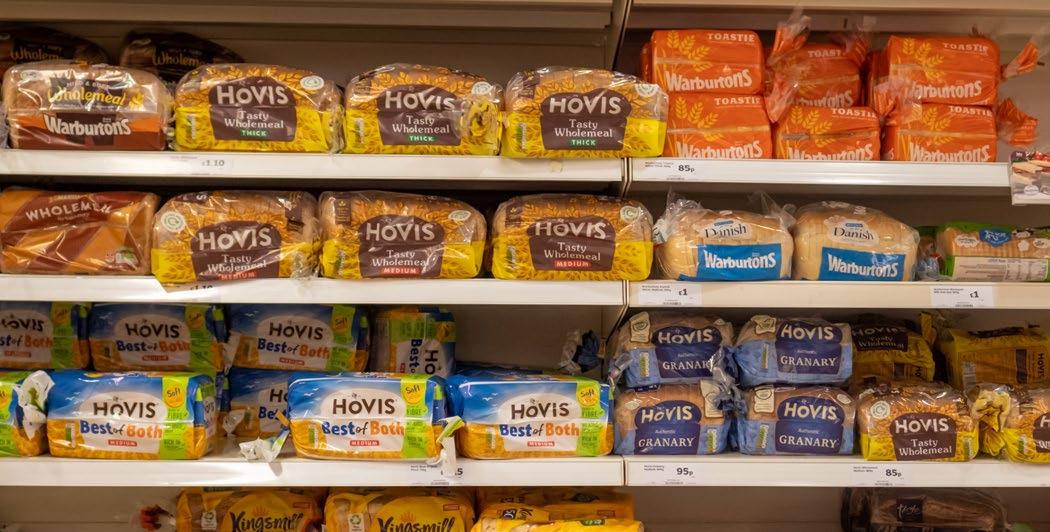
that be in print media or online. Those are the people whom we should be informing, the people we should communicate with, so we can have an impact as a federation.
Mihu: Speaking about an alignment of messaging, what is the general consensus now, regarding the priorities of the UK industry?
Pyne: The main priority for us and our members is that we all work on sustainability. We’re looking for answers to different questions. What is it we are doing as part of our journey to tackle food waste, for instance? Household food waste is significant within bakery. And what are we doing as an industry in the manufacturing space? It’s also important to consider waste in production. We are also focusing on health and safety, for which we have a dedicated committee.
Our challenge is how to promote the positive achievements that we accomplish and the journey that we’re on, but also to protect the bakery industry from misinformation. And there is a lot of misinformation out there, from various campaigns lacking knowledge.
Mihu: What’s on the agenda of the FoB’s sustainability group now?
Pyne: The Federation of Bakers Committee focuses on food waste and packaging. We prioritize these two areas. In the UK, there are taxes on packaging and regulations around the amount of recycled content that must be used, which are particularly relevant to us. Currently, we have to ensure that packaging transitions develop not only in step with our understanding of the world, but also as regulation changes. We also need to find ways to use as few packaging resources as we can, particularly if they are derived from
fossil fuels. It’s the responsible thing to do for our environment, for society, for communities, as well as for business. Sustainable packaging is directly linked to a brand’s reputation now.
In addition to packaging, WRAP, a government-funded body, also looks at food waste. According to them, baked goods are one of the most wasted foods in households. There are many possible explanations as to why, one of them being that baked products are relatively cheap. If people don’t eat the crusts at the end of a loaf of bread – and many don’t, that’s food waste. People buying multiple products because they like variety for various occasions, or types of consumers, also leads to waste.
There are so many choices now that people are buying a whole range of items. Some 30 years ago in England, they would have bought a loaf of bread, but now everybody wants variety – in bakery choices and elsewhere. If you think about the bakery occasions, there are alternatives each time: a sandwich could be made with a wrap, with a pizza, or with a flatbread or a bagel. The diversity is brilliant; it will not go away, and it’s an opportunity for the industry.
WRAP have the household survey research and evidence regarding waste, but we recognize that bakery products are wasted, given their variety and affordability.
The Federation of Bakers established an Industry Sustainability Strategy Working Group to bring the industry together, starting with the Baking Forum in 2023. The challenge was finding ways of working collectively, as an industry. The FoB is committed to working on an overarching sustainability strategy that can align the supply chain, with concrete methodology and accountability, while ensuring transparent communication. Sustainability is a non-competitive environment to support as an industry. The Industry Sustainability Strategy Working Group surveyed the industry, from





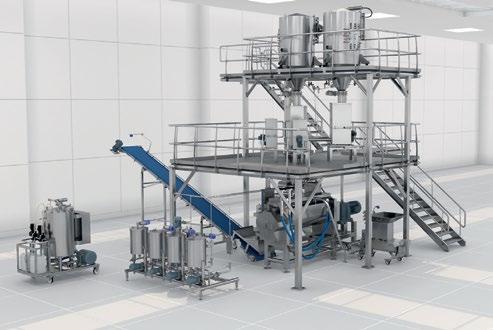
Coperion unites the leading technology brands in food manufacturing to deliver innovative system solutions for your bakery.
Technology for:
• Systems and ingredient automation
• Fermentation, mixing, dividing, forming, depositing and baking
• Decorating and cutting


“‘Regenerative agriculture’ is a good term, but I think we need to be careful not to claim to be doing something completely radical and different than previously, which is trying to identify the best practices for growing wheat. The principle is ‘do the right thing’.”
Andrew Pyne, Chief Executive, Federation of Bakers

manufacturers and ingredient suppliers to technology suppliers, engineering and service specialists, to identify the key areas we need to focus on.
We shortlisted five main areas on which we would work: food waste, packaging and the circular economy, Scope 3*, Scope 1** and Scope 2***, and nature and the environment (including agriculture, focusing on wheat, from supply availability, breeds, and sustainable sourcing).
Here again, we talk about language. There is no commonly accepted formal definition for sustainable agriculture, so different companies have set their own. Criteria might be reducing the amount of pesticides, it might be using borders, or encouraging wildlife; but there is no single universally agreed definition of regenerative agriculture. There is a general agreement on some criteria that constitute responsible farming. When I talk to farmers, they now say call it ‘regenerative’ farming: they try to minimize their inputs, they try to look after their land because it’s something inherited from their family, they care for the soil, and they produce as good a crop as they can because that’s what they are selling, and their livelihood.
‘Regenerative agriculture’ is a good term, but I think we need to be careful not to claim to be doing something completely radical and different than previously, which is trying to identify the best practices for growing wheat. The principle is ‘do the right thing’; it doesn't matter whether you do it because you are running a business, for the community, or for society, as a farmer or as a business person. Do the right thing! If we all work with that mindset, then we will all have a better environment and society, we will help each other, and we will have better products.
‘The right thing’ can mean many things; we have our moral compass and guidance. That is where we need to challenge ourselves.
Mihu: How does doing ‘the right thing’ balance with having a profitable business? And how is the UK’s industry changing?
Pyne: Looking at the latest developments in the UK, the image of profitable businesses looks interesting at the moment. The landscape is reflective of consumers’ transition from the types of products that we have historically consumed, mainly sliced, wrapped bread. Consumers now want more diverse products and are changing their habits. That does not necessarily mean they are eating less, because the value of bakery and morning goods is still increasing, for instance. Looking at other figures paints the full picture: the volume of sliced bread is in decline, but there is growth in other areas, such as specialty breads. And again, ‘specialty breads’ is quite a wide term, encompassing wraps, flatbreads, brioche, rolls, international breads, or breads with additions. These were not part of the mainstream eating habits 10 or 20 years ago; it’s mainly a recent purchasing shift. So, the UK is now transitioning from producing and consuming predominantly sliced bread to manufacturing a range of other alternatives, great bakery products, bread and viennoiserie. It’s important to remember, however, that the dominant product on the UK market is still the wrapped loaf, all changes considered. We mustn’t overlook it, but we must relate to the changing consumer habits. Evolution is a good thing. Change here means a volume decline that, even if it’s as little as 1%, still stands for a lot of loaves on a very large scale.
*Scope 3: all indirect GHG (not included in Scope 2) that occur in a company’s value chain, including both upstream and downstream activities
**Scope 1: direct GHG emissions originating from sources that are owned or controlled by an organization
***Scope 2: indirect GHG emissions from the generation of purchased energy (specifically electricity, steam, heat, or cooling) consumed by a company.
Source: GHG Protocol



Mihu: Science-based arguments are the most powerful in the conversation about the qualities of bread. How does the Technical Committee support that?
Pyne: Here, we can talk about supporting research on different aspects, including higher fiber wheat, for example. So, we know that fiber is a consumer journey. We’ve all read about fiber maxing and we know that consumers are not getting enough fiber in their diets. It’s an important part of a healthy diet and bakery already plays a considerable part in this regard. We’re looking into how we can play an even greater role in that. Plenty of new high-fiber products are being launched. How can we also help the researchers who are breeding plants with a higher fiber level within the plant itself? At the same time, breeds that are naturally resistant to natural weather occurrences and have a higher yield add to the balance. That’s worth looking into. There’s always regulation being discussed, too; we look into all of those technical components as well.
“We use the term ‘technology and AI’ because AI is just one category of tools that technology might use. Technology can give us lots of data. AI can help us validate that data, interpret that data, and learn how to use it. But we mustn’t confuse it with the principle that the technology has to be there to provide good-quality information. AI is only as good as the quality of information that it can receive. ”
Andrew Pyne, Chief Executive, Federation of Bakers
Mihu: Speaking of things that are under development, what projects are on the FoB’s agenda this year?
Pyne: While we are still developing the 2026 priorities, we can also talk about communicating the importance of bakery. It’s often an open-book category, certainly within the government, or within regulations. We need to state that bread is a staple product and a healthy product. Remember, it’s an important source of fiber, calcium and protein. It provides vitamins and minerals to the UK diet. It plays a very important role in the diet, and we should remind people of that. We continue to talk about its benefits to a healthy lfestyle.
We will also accelerate our work on a sustainability strategy to establish how to help the industry in this transition period. It takes time and investment. Changing an oven, for instance, is a very high cost to bear in one go, so such a change requires a solid plan and finding the right timing. It’s something to reflect on, especially now, when margins and profitability are key. This is why we’re seeing mergers happening, and why some businesses are looking to secure
financing for investments that would help them transition into this new phase. Our members are working out how to invest in the next technology that will help them be sustainable and profitable, while providing consumers with the affordable, diverse products they seek, throughout this transition process.
Mihu: 2025 was a very eventful year in the UK’s industry. In March, the FoB held the second Baking Forum Conference – what were the key topics and how is 2026 envisioned, from your members’ perspective?
Pyne: We’re organizing the Baking Forum every two years, because we want to make sure that we can make progress in the areas that we discuss in the meantime. The 2025 edition was great, under the theme of sustainability and technology. Firstly, all the sponsors and exhibitors from 2023 wanted to be involved in the Baking Forum again. We had new exhibitors too, so we could clearly see the interest from the industry.
Sustainability was the big topic, and continued the theme from 2023. Some of the interesting technology conversation topics were around AI and what the implementation in bakery could look like. Many questions were covered: Where does one start on that journey? What does it look like? That’s what everybody’s trying to envision. We all know about the net zero aim; whether it be by 2050, or you’ve made your own company goals, how do you do it? Because if you’re a baker, you need to look beyond the bakery. It has to be a common effort, together with the milling industry, ingredient manufacturers, and all suppliers. We need the support of the industry. We are an energy-intensive industry, using both gas and electricity, but predominantly gas for ovens, to do that. How do we ensure that the infrastructure is there to supply green gas, green energy, whatever it may be?
This is a good conversation. For example, we realize the UK infrastructure needs a lot of work to enable businesses to transition from gas to electricity for an oven (and make it affordable), for example. There were some really interesting conversations, also including technology and using AI in production. We were so successful that from the outcome, we made a donation of GBP 30,000 to the Bakers Benevolent Society. Profit is not our objective for this event, so we used it for a baking industry charity that looks after people who worked in the bakery industry, or trade allies. By bringing people together, we've also managed to support the bakery industry in this way.
Preparations for the 2027 event started in January this year. It would be great if you could come and join us next time and see it firsthand.
Mihu: I would love to! Thank you for the invitation. Speaking of AI, with the excitement around its opportunities, some studies show businesses have yet to see ‘meaningful
The UK Baking Industry Code of Practice (CoP) for the Labeling of Sourdough Bread and Rolls was published in 2023 by ABIM. ABIM started to develop the document and then partnered the FoB and the people manufacturing sourdough. “We joined the project to offer our support. We worked with our members to make sure that we have a code of practice that gives a clear definition of what constitutes original sourdough vs. what is made with sourdough. As long as the labeling is not misleading, you can have great products in both categories. Respecting the consumer’s trust is really important in communication here. That is what a code of practice should do and we’re really pleased to see that it is widely used in the industry as it was planned. It’s also important to remember that, like most codes of practice, it will evolve in time,” said Andrew Pyne.

returns’, as Forbes recently wrote, for instance. What does AI implementation in bakery look like today, in the UK?
Pyne: It all depends on what people talk about as AI. We use the term ‘technology and AI’ because AI is just one category of tools that technology might use. Technology can give us lots of data. AI can help us validate that data, interpret that data, and learn how to use it. But we mustn’t confuse it with the principle that the technology has to be there to provide good-quality information. AI is only as good as the quality of information that it can receive.
Mihu: You also had new associate members join the FoB in 2025. Who is welcome to join and what partnership do you seek throughout the supply chain?
Pyne: We have two types of membership, full members –large plant scale bakers – and associate members, which is a more diverse membership category, including various suppliers to the bakery industry, from ingredient manufacturers to millers and engineering and technology providers, as well as related services.
We encourage our members to share developments within the sector and how they help the bakery sector continue to take those steps forward. Everybody plays a role in advancing. If everybody can bring a fraction of a gamechanging move, then with our 30 associate members, we can continue to have an evolving industry. Regarding partnerships, we have had quite a long list, not only in our supply chain, but we also collaborate with other organizations.
As a member of AIBI, for instance, we are a part of the European Trade Association, and gain access to developments on European markets, and an understanding of regulatory challenges at a much wider level. Ideas travel very quickly: a new regulation from Italy, France, or Spain
could soon be adopted in other markets, for example. We also work with the Food and Drink Federation, the association representing the UK food manufacturers. We have similar issues, such as labor force challenges or international trade, so we can share expertise. Then we work very closely with the UK Flour Millers and with the Association of Bakery Ingredient Manufacturers (ABIM). The Food Standards Agency is also an important connection for expertise on food safety. And we work with WRAP on food waste and packaging issues. In addition, we’ve traditionally collaborated with Campden BRI. The research organization is helping our members with anything from product development to detailed analyses.
Mihu: On the topic of trading with and beyond the EU – in light of new and different packaging regulations, how do you see international trades within the industry?
Pyne: We discussed the EU deforestation regulation, EUDR; but we also have the UKDR to consider. The Packaging and Packaging Waste Regulation (PPWR) is also in our focus. We are very much paying attention to the regulations that are coming along as we are looking to minimize trading costs and regulatory burdens. We work with the FDF in this area. What we want, as UK manufacturers, is regulatory consistency and alignment.
On the other hand, let’s look at ingredient regulations around labeling. If we label ingredients in a way consumers can recognize them, it would solve a lot of perception issues. For example, ascorbic acid, which is used in bread, would be much easier understood by consumers if we labeled it as vitamin C. But the UK and European food law labeling says we must label it as ascorbic acid. That’s just one example; food law labeling doesn’t necessarily mean consumer-friendly. We challenge ourselves to do the right thing regarding ingredients. That is why innovation from the ingredient

manufacturers is really helpful to the bakery industry to achieve all the wonderful taste, texture and flavor characteristics we want, with the added benefits the ingredients may also have. Again, we have to look at labelling carefully: a ‘clean label’ is a good goal, for example, but having a totally clean label can also be misleading or counterproductive. Does clean label mean that our products don’t remain fresh as long as ‘regular’ products? If it means that, then do clean labels contribute to food waste? Does that make it counterproductive to the initial intent?
If we can make bread last for a few days longer than 24 hours, that meets the UK consumer’s shopping habits. We make sure it lasts for a few days in an entirely safe way. These are all part of the current conversation.
“The only thing fresher than a loaf of bread is the newspaper”
Mihu: Looking at market dynamics, some of the biggest events in Europe took place in the UK in 2025, starting with Associated British Foods acquiring Hovis. How would you describe the business environment at the moment in the UK?
Pyne: There are a number of recent mergers and acquisitions: Vandemoortele acquired Délifrance, which has a UK branch; then the Greencore and Bakkavor merger, which has just completed, will also change the UK landscape. Mergers and acquisitions of large businesses may be nothing new, but they are a result of an understanding that you can create a more sustainable and profitable business between two companies combined, taking advantage of their synergies while removing some operating costs.
One of the key areas in doing successful business in bakery, in the UK and anywhere, is the logistics of delivery, which must be flawless. A lot of goods and products may be delivered to distribution centers, whereas bakery transport
must function like clockwork. Mr. Brian Irwin, FoB chairman, had a great analogy about prompt delivery: “The only thing fresher than a loaf of bread is the newspaper.” Good logistics are a big component of having the day’s newspaper on sale at every outlet across the country, every day. Bakery must be the same, and it’s one of the elements that needs to be refined.
At the moment, there is recognized overcapacity. So we need to reassign some of that capacity. If you’re only making sliced bread, it will be harder and harder to make a sustainable profit in the UK going forward. Product diversity is key to giving consumers what they want. We’ve seen two food trends over the last year or two: fiber-maxing products with protein. From my perspective, this is an opportunity within the bakery industry because products are naturally high in fiber and they naturally contain protein, along with the other vitamins and minerals they provide.
We will also continue to see an evolution of more international-style breads. Consumers seem very open to trying something new within the bakery sector. Who would have thought that the likes of flatbreads would become so significant that they could generate (currently) the highest growth in the bakery sector, according to Kantar. Now, the question is, what’s next? Where will be the next source of great bakery inspiration? Innovation will keep driving the sector because there’s always going to be something new that consumers will have tried somewhere, or they want to try. The question will then be how to bring it to our UK market. That means the industry has to evolve to stay relevant. Speaking of bringing something new to consumers, we have seen that the growth of sourdough has been meteoric since COVID, in the UK. It’s no longer the preserve of home made bread or an artisan product; it’s fast growing in retail. +++









Chocolate consistency must always be mastered to deliver perfect results, with its inherent, naturally occurring variations. The delicate ingredient requires skill and technology to process. New Artificial Intelligence solutions bring a welcome contribution.
+A KitKat bar will always be the same experience, anywhere around the world; its fame is built on it and is counting on it. Chocolate will always have the familiar taste and feel. It is a must, as extensive R&D work went into formulating it. Processing chocolate requires exact control and comprehensive knowledge about its behavior and chemistry. SOLLICH has both. The German specialist is an established name in chocolate processing solutions. In 2023, SOLLICH introduced AI-powered tools to its tempering machines. This was not a goal without challenges, as chocolate varies from one batch to another, being a product of natural ingredients.
The good news: the company has ‘taught’ the AI to solve the big obstacle and take chocolate’s natural variations into account, while it is being processed. AI was developed to continuously monitor the tempering degree, helping to control the process precisely. The system uses data captured with sensors, which is analyzed and processed using an algorithm developed by SOLLICH. It then generates and provides the operator with recommendations on how to optimize the process. The key is in the AI learning: “AIbased assistance systems are designed to reliably handle natural process variations. The models are trained on longterm operating data, allowing them to learn normal behavior patterns, including typical fluctuations. Intelligent thresholds ensure that normal variations are tolerated while critical deviations are detected early,” explains Klaus-Dietrich Franzmeier, Director Sales and Marketing, SOLLICH.
SOLLICH developed the AI-based assistance system to make the equipment operating more user-friendly – easier to use for the people in production, regardless of their experience and skill level. All the operator needs to do is implement the recommendations compiled by the AI system and adjust the machine to the corresponding parameters.
To guarantee that the generated recommendations remain accurate, the AI system is trained on historical reference data from the specific process it monitors and is individually configured for each machine. In addition, regular retraining ensures that the model remains accurate as operating
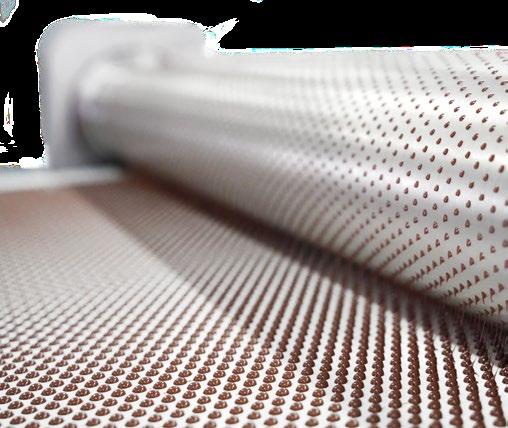
The SOLLICH TEMPERGRAPH automatically measures the tempering degree and can optionally be integrated directly into the enrobing machine. This is complemented by further developed components such as the dew point indicator in the cooling tunnel, which prevents incorrect settings during the cooling process and reliably ensures product quality.
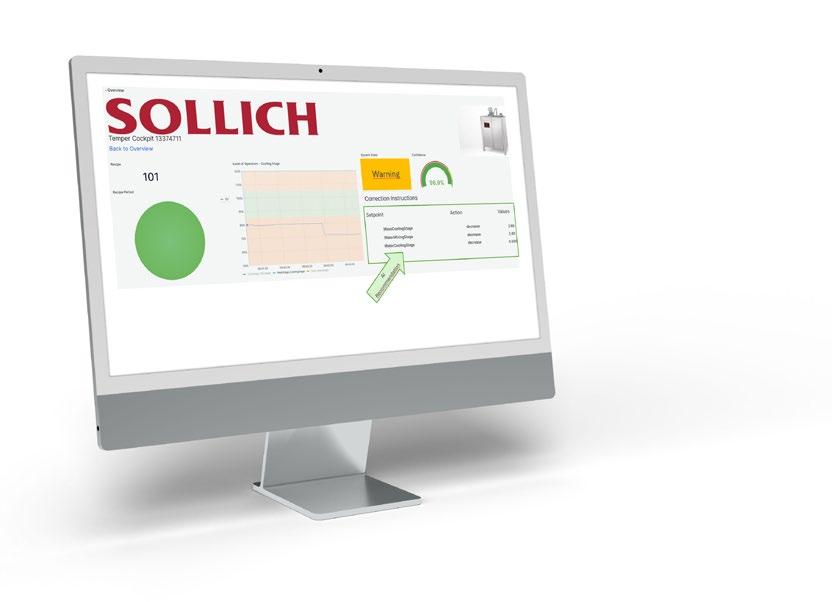
SweetConnect is a platform for the confectionery industry that digitalizes after-sales processes, from documentation and spare parts to monitoring tools and related services, without requiring the equipment manufacturer to develop any IT infrastructure. Users gain instant access to machine data, troubleshooting guidance, and maintenance history. Through the platform, they can also collaborate directly with equipment
Recommendation
In addition, the platform also features app services for advanced machine data analysis and precise error resolution, provided by the technology manufacturers. The SweetConnect also includes an integrated marketplace, where spare parts from multiple manufacturers
Launched in 2021, the SweetConnect platform was founded by KG, Sollich KG, Chocotech GmbH, and Winkler und Dünnebier Süsswarenmaschinen GmbH (WDS). In 2024, Aasted ApS also became a member of the collaborative project.
can be entirely error-free, all recommendations are advisory in nature and remain within clearly defined boundaries,” the specialist also observes. In addition, the tempering unit’s built-in safety and control mechanisms ensure secure operation at all times and reliably prevent unsafe or critical machine settings.
Data related to system and performance data is continuously acquired and processed through the SweetConnect platform. “Our cloud-based SweetConnect platform enables secure access to data and AI services, ensuring that individual production models remain accurate, up to date, and highly effective,” the specialist underlines. All relevant process signals available from the controller are useful for the AI-based assistance system, such as temperatures, pressures, and electrical currents. “Based on this analysis, the system provides concrete, actionable recommendations (see figure) in the form of optimized process setpoints. Operators can apply these recommendations manually via the HMI to quickly return the process to a stable and known operating state,” SOLLICH specialists explain.
Data safety is a priority for SOLLICH and was thoroughly built into the system, the company emphasizes: “We comply with all guidelines regarding data security according to the latest EU requirements. Full implementation of the CyberResilience - Act (CRA) plays a central role here.” The data is hosted in the cloud on a European Azure server.
SOLLICH introduced the self-analysis function of the tempering machines in 2023. Since then, the Temper Assist functionality has been further developed regularly, including testing with several companies using the solution. In one of the latest improvements, the assistant was expanded to include monitoring of throughput volumes.
The company has been focusing on updating the system with new smart features that unlock new AI benefits for chocolate enrobing. The goal is to automatically adjust process parameters for minimizing the operator’s effort and further stabilizing product quality. The latest developments will be showcased at interpack in Düsseldorf. +++


Packaging and all related processes are undergoing transformative changes in 2026. In May, interpack promises to reflect them.
+The packaging industry has been navigating continuous changes to reflect industry dynamics coming from many fields, including innovative advances and new regulations, as well as new and ongoing social and political moves.
In this environment, interpack aims to construct the 2026 edition as a clear reflection of this complex set of changes. The interest has been visible, with some 2,800 exhibitors from over 60 countries – who sold out the show more than one year before the opening day – participating.
In the bakery and confectionery sector, for example, exhibitors including Aasted, American Pan, AMF Bakery Systems, AZO, Sollich, Burford, Reading Bakery Systems, RONDO, Theegarten-Pactec and SACMI Packaging & Chocolate will be present. This sector will span Halls 1, 3 and 4. Across six halls (11–14, as well as 5 and 6), the extensive exhibition area for food, beverages, consumer goods and industrial products will see companies including Handtmann, Ashworth, FRITSCH, Gerhard Schubert, Ishida, KHS, Krones, MULTIVAC, Syntegon Technology and Verhoeven bring the latest developments in automation, efficiency and sustainability.
Visitors can already consult the exhibitor and product database online to prepare for their trade fair experience.
Three ‘Hot Topics’ will crystallize the main themes of the exhibition this year: Smart Manufacturing, Innovative Materials and Future Skills. The significance of these topics is underlined by Markus Rustler, President & CEO at TheegartenPactec and President of interpack 2026: “The sector is being shaped by two central trends: sustainable packaging solutions such as cellulose-based or monomaterials, plus
“interpack 2026 is more important than ever. Against the backdrop of profound transformation across many sectors, a wide range of topics are on the agenda, including AI, automation, new regulations, the need for future skills, and innovative materials.”
Thomas Dohse, interpack Director
rising automation, also in order to reduce dependency on qualified personnel in certain fields. Something is becoming evident at the same time: well-trained employees remain crucial. The main thing companies can do to stand out is offer their employees meaningful tasks that allow them to make a genuine impact.”
Artificial intelligence, automation and data-based production models are quickly gaining in importance while stricter regulations, cost pressure and skilled labor shortages trigger the need for quick reaction and preparations from the packaging industry.
‘Smart Manufacturing’ will translate to tools, concepts and services enabling more intelligent, sustainable and economical production. The machinery section at interpack will showcase new solutions for this, with the focus area including AI-supported systems, robotics, automation, intelligent controlling, ‘value from data’ and resource efficiency.
The packaging materials area of the trade fair brings together a concentrated expertise of over 1,000 exhibitors with their variety of packaging solutions, materials and packaging aids. With ‘Innovative Materials’, interpack is once again placing its special focus on this topic, reflecting its central importance to the packaging industry. Material requirements are constantly increasing and now include new regulatory provisions, higher expectations of sustainability and recyclability, plus additional functional requirements. Under the ‘Innovative Materials’ hot topic, the spotlight will be on materials, material concepts and design approaches that combine functionality, resource efficiency and recyclability. New material technologies that are anticipated to shape the packaging of tomorrow will include highly developed plastics, fiber-based materials and smart coatings. This hot topic will take the stage at the interpack Spotlight Forum on May 12 – program details will be announced.
Seven halls and floors are dedicated to packaging materials, including many premieres by first-time exhibitors. “The variety of materials and their applications at interpack is unique anywhere in the world,” says Thomas Dohse, interpack Director. “By making Innovative Materials our hot topic, we are consciously placing the packaging materials sector at the strategic focus this year and consolidating developments from international markets.”
Packaging materials made of paper, cardboard, corrugated cardboard, as well as packaging printing solutions can be found in Hall 8a. Paper and cardboard-based packaging occupies a global market share of around 16% for consumer goods, a segment poised for further growth by an anticipated 8% by 2029 (when the next interpack takes place).
Qualified employees are the lifeline of any industry. The ‘Future Skills’ hot topic centers around the transformation of the labor force. The focus lies on qualification, promoting young talent, digital know-how and the skills that are required for future-proof processes and technologies. “interpack 2026 is more important than ever,” Dohse notes. “Against the backdrop of profound transformation across many sectors, a wide range of topics are on the agenda, including AI, automation, new regulations, the need for future skills, and innovative materials. Now is the time to take action together.”
Alongside the exhibition, special events are also part of interpack’s agenda: they include the Spotlight Forum, where experts discuss current trends, the Start-Up Zone –for fresh ideas and new perspectives, and ‘Women in Packaging, among others.
interpack 2026 opens its doors from May 7 to 13. The 2023 edition had around 143,000 visitors. +++

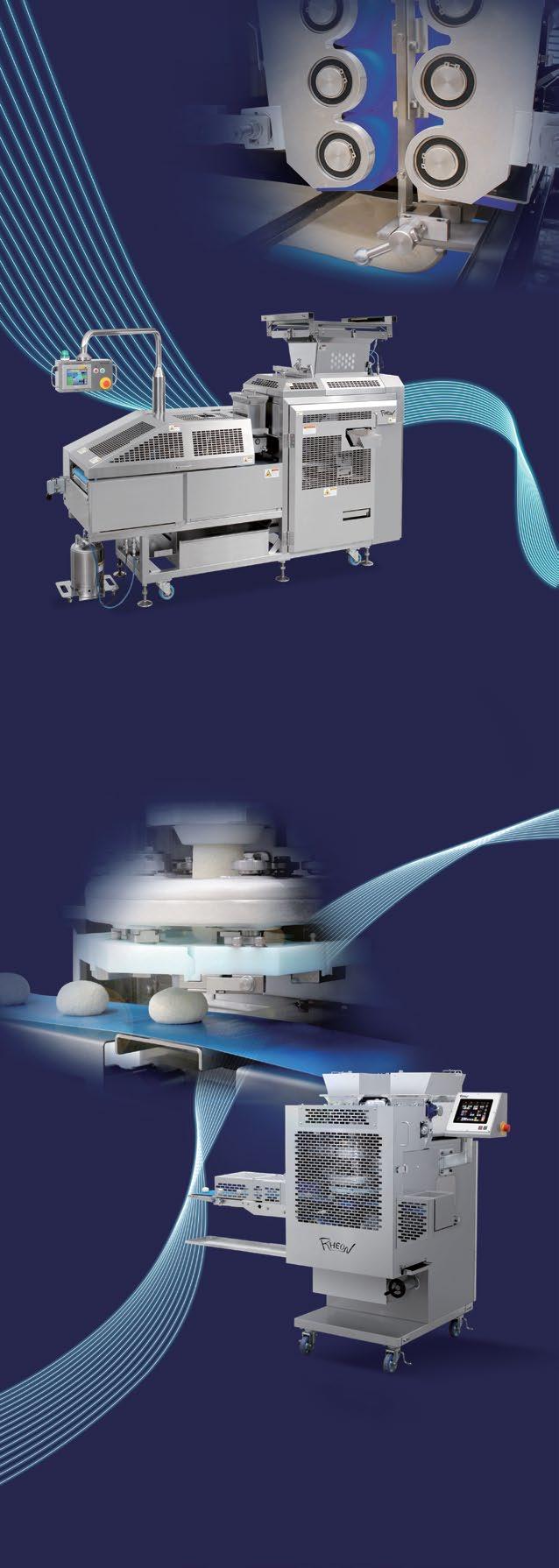




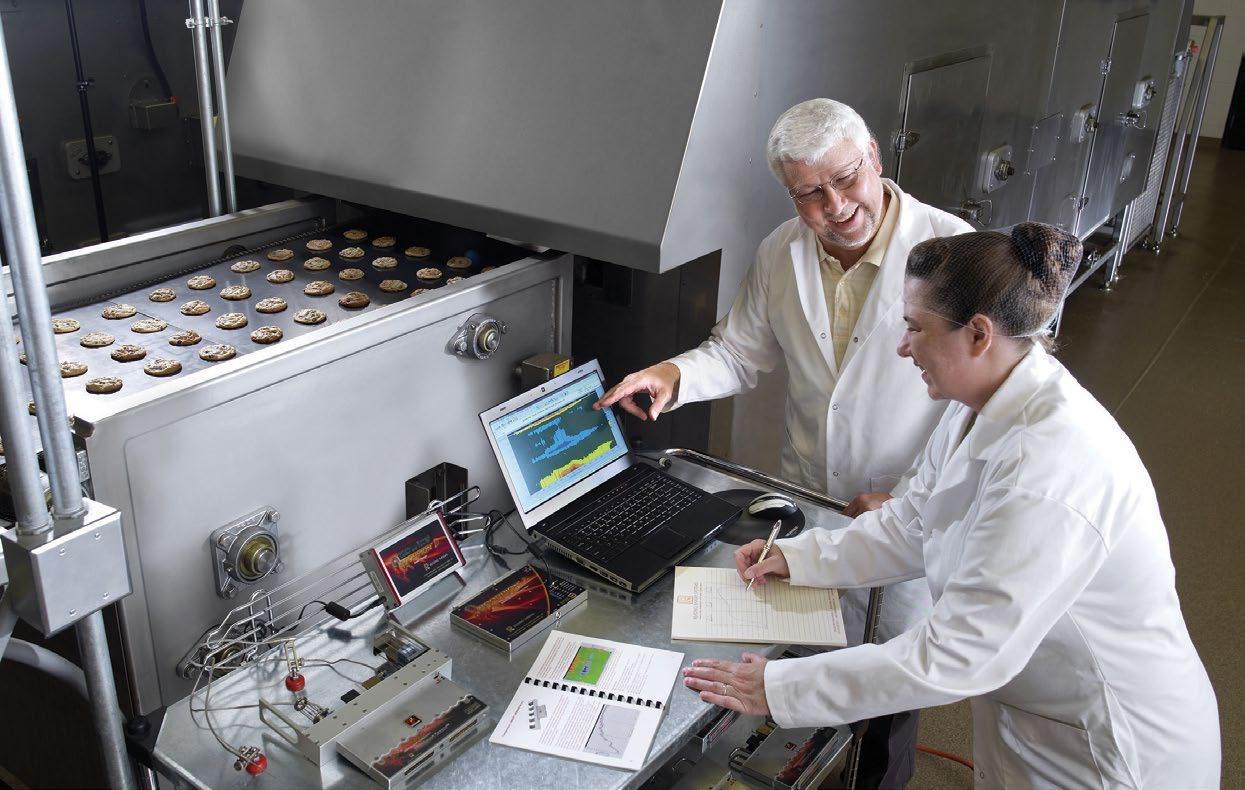
Complete control of baking conditions is not just about measuring data, it’s about delivering consistent product quality, solving production problems, and confidently scaling products across lines and locations.
+In today’s bakery and snack production environments, achieving consistent results requires more than a well-defined ingredient recipe. It also requires a clear, repeatable process recipe – one that ensures the right combination of temperature, airflow, humidity, and heat energy is delivered to every product, every time. This is where process profiling becomes essential.
Baking parameters vary widely depending on the product and platform. Temperature, air velocity, heat flux, and humidity all play a role in how a product bakes, dries, and ultimately performs in the market.
The SCORPION ® 2 Data Logging Measurement System from Reading Thermal is designed to capture these critical parameters in real production environments, so operators can see exactly what is happening across their process. But the real value is not just in collecting data. It is in using that data to improve consistency, eliminate variability, and make better decisions.
When baking conditions are fully understood and documented, manufacturers can:
+ maintain consistent product color, texture, and moisture + reduce variability between shifts, lines, and plants + troubleshoot process issues quickly
“The heat flux sensor is useful in understanding how fast heat moves into the product. The data can offer deeper insights for process tuning beyond just temperature readings, with convective to radiative energy ratio data helping to characterize the type of heat needed for recipe portability or scaling.”
Andrew Rosenthal, General Manager, Reading Thermal
Many production challenges are caused by conditions that are difficult to detect without measurement, including hot and cold spots, airflow imbalances, or humidity variations that affect drying and shelf life. Today’s modern ovens are instrumented; however, they cannot show what happens along every inch inside the process.
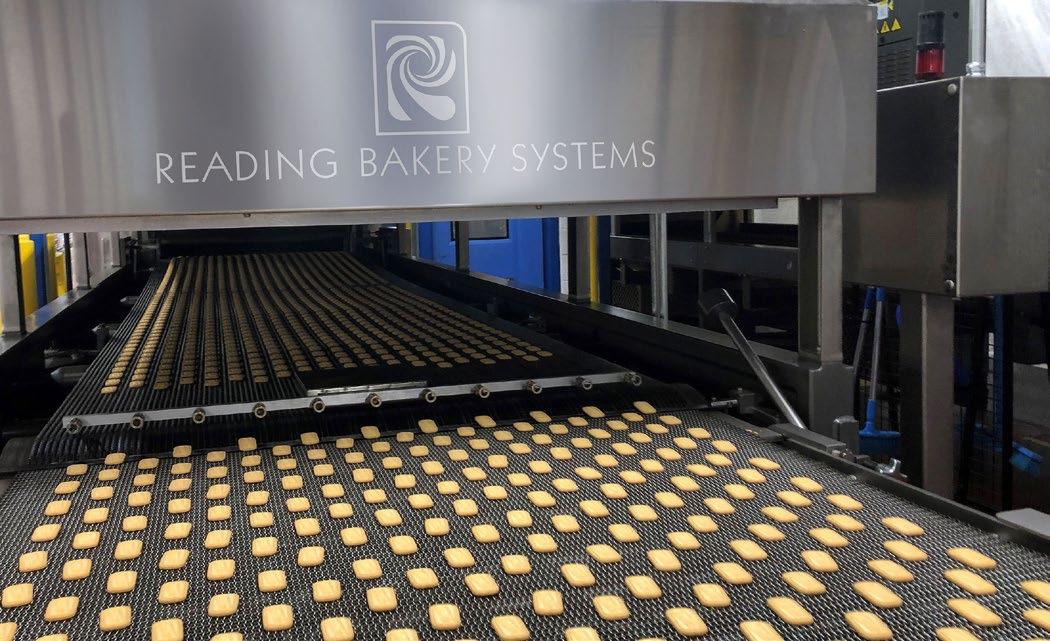
SCORPION Smart Sensor arrays provide the clear picture of what is happening throughout the process. Temperature and airflow arrays reveal variations across the oven width, while heat flux and humidity measurements show how energy and moisture are interacting with the product.
These insights allow operators to:
+ identify uneven baking before it impacts product quality + detect airflow restrictions or burner issues early + balance zones for uniform baking across the band + fine tune setpoints to match actual product needs
This visibility transforms troubleshooting from guesswork into a data-driven process by relating how oven parameters affect critical product properties.
One of the biggest challenges for manufacturers is dialing in new products or restarting production after changeovers. With SCORPION profiling, operators can quickly establish optimal belt speeds, zone setpoints, and airflow conditions. Instead of relying on trial and error, teams can quickly converge on the correct process window, reducing startup time and minimizing off-spec product.
In R&D and product development environments, compact multi-sensor tools such as the R&D Smart Sensor provide a complete process snapshot in a single pass, capturing temperature, airflow, product core temperature, and heat
transfer together. This enables faster product development and more confident scale-up to production.
As manufacturers expand to new facilities or add new production lines, one of the most critical challenges is ensuring that the same product can be produced consistently across multiple systems. Process profiling provides the foundation for recipe repeatability.
By mapping not just the temperature, but also airflow, heat transfer, and humidity, manufacturers can replicate the same baking conditions across different ovens or plants. This capability is essential for multi-plant production strategies, co-manufacturing programs, as well as scaling successful products into new markets.
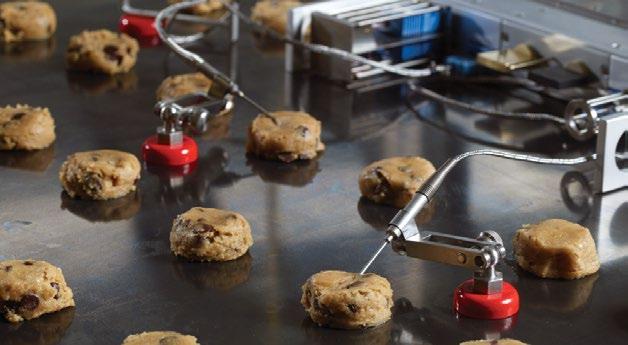
Variability in baking conditions leads to inconsistent products and inefficiencies. Profiling helps reduce waste by identifying and correcting the root causes of variability before they impact production. It also reveals opportunities to improve energy efficiency by optimizing burner/blower setpoints and baking time once true thermal margins are understood. Tighter and predictable control can lead to faster changeovers, saving fuel and energy every day.
Thermal profiling is also a critical tool for food safety validation. SCORPION systems provide documented data to support kill-step verification and demonstrate thermal lethality in compliance with food safety standards. Because the system operates in real production conditions, the data reflects actual process performance giving manufacturers confidence in both product safety and regulatory compliance.
SCORPION Temperature Interfaces allow users to capture this critical compliance data in up to 10 product core samples simultaneously, reducing re-checks needed from expanding doughs. After providing operating and recipe details, the included Food Safety Module within the SCORPION software easily generates compliance reports for you to archive.
Warburtons launched a new campaign, featuring a video narrated by Morgan Freeman titled “150 years in the Baking”. Consistent with previous videos, the anniversary ad opens with Jonathan Warburton, Warburtons Chairman, sitting at his desk, beside him a warm, buttery slice of Toastie loaf. The fifth generation of Warburtons – Jonathan, Ross and Brett – have been managing the company since 1991.
Data from the SCORPION 2 system drives measurable process optimization by making oven performance visible at the product level. It visualizes baking uniformity across the full oven width to support consistent product quality, reduces trial-and-error during startups and changeovers, and reveals how heat is really transferred into the product – not just the surrounding air temperature. By identifying the specific airflow and humidity conditions that influence texture, finished weight, and shelf life, SCORPION 2 enables faster adjustments, tighter control, and more predictable outcomes.
Ultimately, the value of process profiling lies in the decisions it enables. When manufacturers have clear, accurate insight into how their processes are performing, they can:
+ improve product consistency
+ accelerate innovation
+ reduce waste and energy use
+ maintain food safety
+ confidently scale production
In short, better data leads to better baking. +++
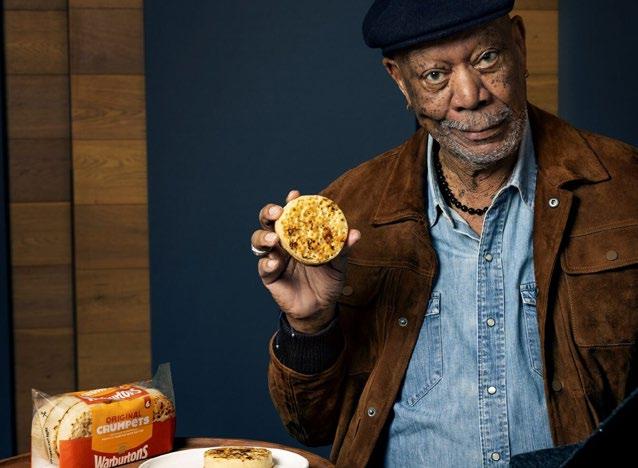
Freeman highlights the breadmaker’s history, illustrating its passion for baking, spotlighting key moments of bakery innovation, in parallel with humanity’s historical achievements. The video suggests a continued legacy as the sixth generation will continue to write Warburtons’ history. “For the next 150 years, who knows?” Freeman says, before he is light-heartedly, ‘cut off’ by Jonathan Warburton, who underlines the key message: “There will always be a Warburton behind this desk!”
Morgan Freeman said, “Lending my voice to chronicle 150 years of this family’s unwavering dedication to the simple, yet profound, act of baking… well, that’s a narrative that truly deserves to be heard. Their commitment to quality baking, passed down through generations, shines through, making it abundantly clear why they’ve remained a beloved household name for so long. And I confess, I found myself quite taken by that crumpet – 300 holes, I told you these Warburtons were crazy!” +++

Crafted with freshly blanched almonds and rooted in a long-standing heritage of Dutch craftsmanship, the Royal Steensma range offers dependable quality, authentic taste, and exceptional workability.
• Premium Marzipan (58% almond content) – delivers intense almond flavour and an authentic marzipan experience.
• Marzipan (29% almond content) – a convenient, ready-to-use option ideal for moulding and decoration.
• Confectionery Kernel Paste – a cost-effective alternative made from white beans and apricot kernels, offering an almond-like flavour and excellent functionality.
Three complementary solutions designed to help bakeries combine premium quality with commercial versatility.
We are Dawn, Your Partner for Bakery Success!
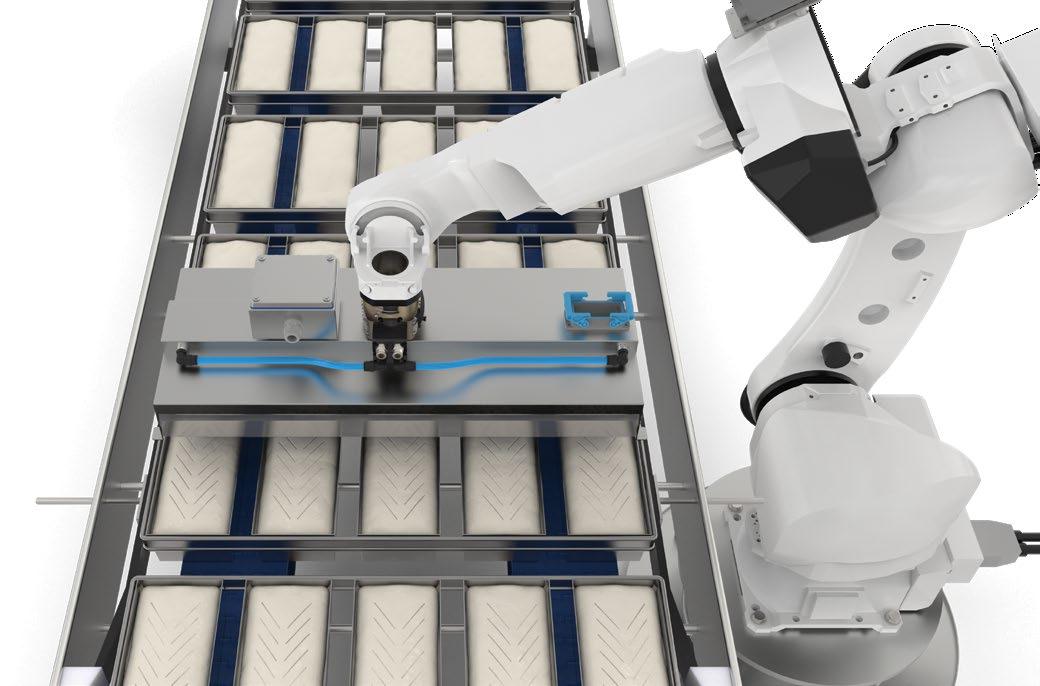
The decoration achieved by scoring is a reflection of the breadmaker’s identity, branding and creativity. Robotics helps bring this decorating method to industrial bakeries, with all its powerful attributes for both the products and the brand.
+Dragons, intricate flowers, cats and butterflies: breads scored in exciting patterns are an art form in their own right, and hold as much ‘vi ral’ potential as any other social me dia trend. A quick search for ‘bread scoring’ can quickly become a source of inspiration and craftsmanship ad miration. Bread that is also a piece of edible art elevates the entire experi ence of the eating occasion, and with it, the creator’s brand – and business. Bread-art is a major part of baking competitions, attracting enthusiastic crowds.
For large-scale bakeries, the chal lenge is using their inspiration in ap plications while automating the pro cess. The skilled, creative hand for pattern scoring might not be there for every shift, with a consistent skill level, day after day; and certainly scoring breads by hand would be an impossi ble challenge anyway, when the
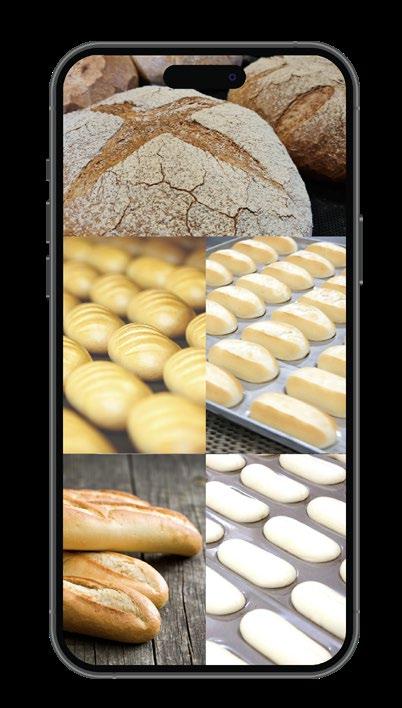
production volumes reach 10,000 breads per hour. Robotics can help in this case.
Robotic arms equipped with blades or water jet spraying units can be programmed to execute intricate patterns on a pre-defined area of the bread, at the exact depth and angle required for a pattern that bakes well while amplifying the intended shape.
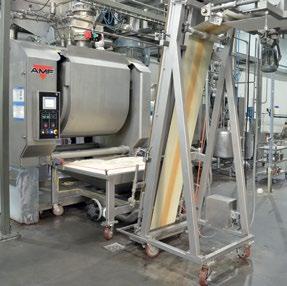
The Tromp Decojet Robot by AMF Bakery Systems uses industrial robots for scoring to create water cuts in proofed dough. It can be used for scoring a wide number of products on the support each requires: from breads and buns to baguettes, placed in baking trays, peelboards, or directly on the belt.
To customize designs and adjust the scoring process to each type of dough, adjustments can be made to
the water jet pressure, the speed, height and angle of the scoring action. For convenience, fully pre-programmed setting options can be used, which not only ensures consistent results but also makes changeovers instant. “The process accuracy is ensured and can always be monitored via the HMI,” AMF underlines. The water pressure varies with dough characteristics: “A soft, pre-proofed product only requires 3-4 bar cutting pressure while other, stiffer dough products require a higher pressure. The cutting depth is also controlled with the pressure, which is adjustable up to 10 bar,” the specialist explains.
To score products on different supports, or without any bakeware, “A predefined head is placed as end-ofarm tooling of the Decojet Robot. This head contains a certain number of nozzles on a fixed pitch that match the pitch of products, either placed
directly on the belt or in trays,” AMF specialists explain. While performing the splitting action, the robot head takes into account the moving speed of the products on the belt or in trays, as they pass through the work station, and match their movement to execute the program in the designated area of each product. For the safety of the staff working in the facility, the robot’s station is fully enclosed in a protecting case/fencing. The Tromp system requires a total workspace of approximately 2 x 2 m to be added next to the line. For increased speed, volumes and design complexity, several units can be set up to share the workload.
Any pattern can be scored into the dough’s surface; a calculation tool is available to determine which end-ofarm tool is required for a product, at the required capacity. The capacity
depends on the complexity of the cutting pattern, AMF highlights.
Three different end-of-arm tools are available and can be interchageably used with the Tromp Decojet Robot: + One with a single row of nozzles, + One with two rows, and + One with three rows of nozzles.
The number of nozzles and the exact pattern needed depend on the product and their position. The end-of-arm tool can be manually changed to another head, AMD specialists add.
The robot system can work without interruptions for any number of production hours, as needed. The technology provider recommends regularly running the cleaning cycle of the water supply, to avoid any bacteria formation in the hoses, nozzles and pump. The robot itself should go through a early check-up. +++

Title: Sustainability touchstone
(Prüfstein Nachhaltigkeit)
Publication: 2024
Language: German 200 pages , 49 €*
Price including VAT, for printed and digital copies. Shipping costs are not included.
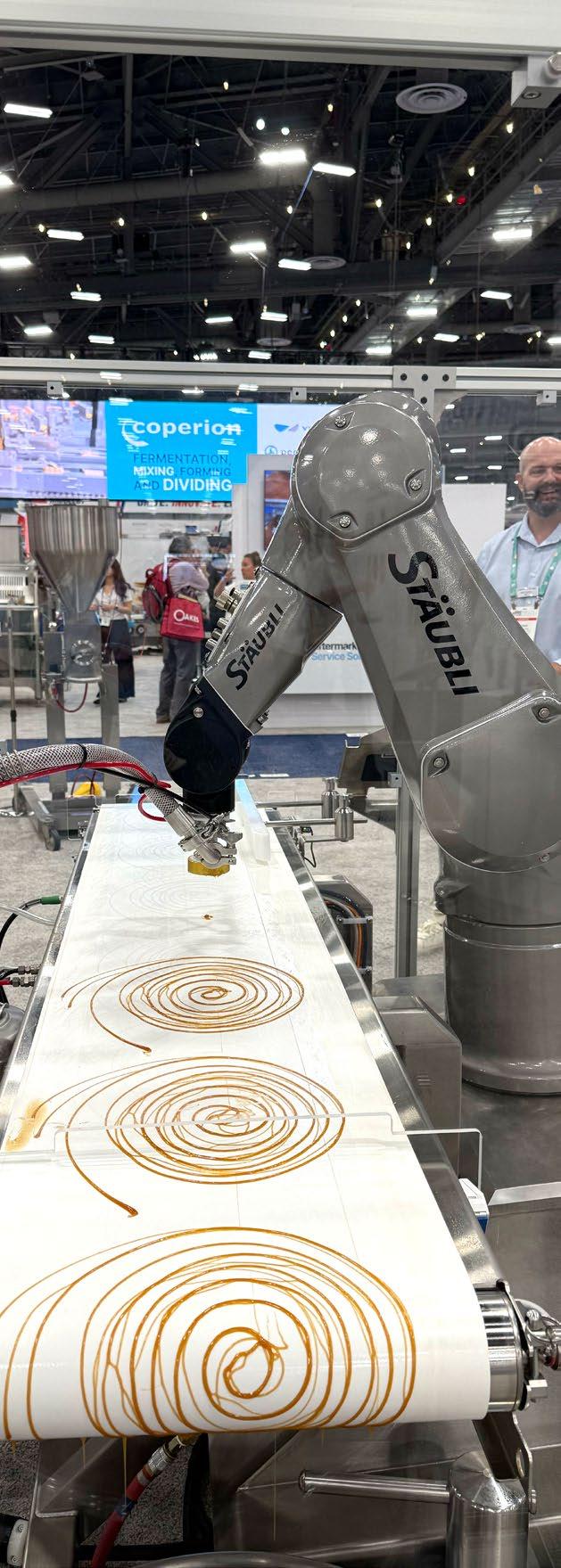
At IBIE 2025, Coperion launched the Unifiller HIRO Robotic Cake Decorator, a robotic arm designed for high-volume bakeries to perform precise tasks such as writing, drizzling, and creating custom designs.
+Decorating sweet bakery specialties, either cakes or donuts, muffins or pies, is an invaluable opportunity to create not just a beautiful result, a product that reflects artistry, but also a memorable experience. It’s a powerful tool and a joyful part of sweets. This finishing step, however, is painstakingly labor-intensive when done manually, directly proportional to the intricacy of the result.
With the Unifiller HIRO Cake Decorator, Coperion aims to help preserve the craftsmanship while automating the process. To this end, a robot was developed to execute the vision designed by the creator of the artwork, while taking over the effort of applying the decorative elements and doing so with perfect consistency in results. The solution also supports cake makers struggling with labor issues, especially for repetitive, difficult tasks. The robotic system has six degrees of freedom in its movements, so that even the sides of the cake can be embellished. Staubli provides the robot’s arm and its ‘brain’, while Unifiller’s team developed the user interface and the UX design that allows the user to enter decorative elements that are interpreted by the robot as a set of code that it can use to move accordingly.
“Food is fashion. Food is seasonal. You might be working on a product at full capacity on one side of the plant, and other parts may be running at lower capacity, or use more human labor. But, when capacity needs to be boosted elsewhere, the robot can travel to the new ‘hot spot’.”
Derek Lanoville, Product Development Technologist, R&D Manager for Unifiller technologies
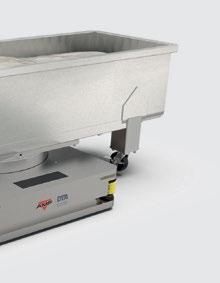
HIRO can decorate the top and the side of a cake and can be used flexibly in operations of various capacities. The robot is adaptive regarding the size and placement of the cake arriving at the decorating station. These are all parameters it establishes for each cake, using its built-in vision technology. It’s also adaptive to its own workspace: it comes on
wheels and can be easily moved to be placed on different machines, unlike other robotic solutions, which are generally bolted to the floor. The floors are not always perfectly level in all bakeries, and conveyors can run in different directions (including uphill, downhill, slightly tilted, etc.), or purposely run without straight lines; the designers of the HIRO system took these factors into consideration. Once the HIRO arrives at the new station, the equipment is leveled without having to disconnect it, a calibrating operation that can be carried out by any factory worker. Derek Lanoville, Product Development Technologist and R&D Manager for Unifiller technologies, explains: “The robot has a range-finding laser on the arm, which it uses to find three points of reference on a pre-established set of geometry for calibration, giving it the plane in which it’s going to work. Its vision system then validates that all the data it expected to find, was correctly identified, before the robot adjusts its program to match that plane.” Using codes made up of unique sets of symbols for the robot to find means that the operator can use one robot in several working stations. This is particularly helpful when different lines are running different kinds of desserts. “Food is fashion. Food is seasonal. You might be working on a product at full capacity on one side of the plant, and other parts may be running at lower capacity, or use more human labor. But, when capacity needs to be boosted elsewhere, the robot can travel to the new ‘hot spot’,” Unifiller’s specialist adds. The design team worked on making the HIRO universally easy to use and not have any language barrier or need for a particular staff member who has specialized training; this is a feature that can be seen from the setup stage. “This robot fills in that void of talent in decorating cakes perfectly. Skilled labor required for this task is hard to find and train, since it involves squeezing material from the pastry bag for long hours at a time. “ Lanoville highlights.
The HIRO robot can use virtually anything that can be applied with a pastry bag as a decorating medium, as well as combining formulations of different colors and consistencies to paint the picture it’s been given, at high speed. Caramel drizzle was used for demonstrating purposes at the IBIE Coperion stand, for example. When drawing the outline of an object, the thickness of the line is strictly controlled by the opening of the outlet, the pumping pressure and the speed of the movement to ensure the design is executed correctly and consistently. Programming the nozzle to dwell in certain spots creates effects similar to paint brushing. Using this effect with a buttercream of any whipped topping product, which has been dyed green, can create leaves, for example. To recreate handcrafted decoration styles, the robot uses decorating tips that are similar to those used on manual pastry bags. This also makes it easy for bakers to upgrade to automated decorating, since they already know which stainless steel tip produces a certain
effect. Usually, the materials used the most for decorations are fudge icings, whipped toppings and buttercream icings.
“Through the Connect Advisor Remote Services, we can share files, pictures and wiring diagrams, all in an effort to remove waiting time and quickly get the customers back up and running, for any issues they might encounter.”
Kevin Geye, Director of Aftermarket Business Development for Coperion
The system’s decorating capacity can vary significantly according to the size of the cake, the complexity of the design and the number and consistency of decorating materials. Coperion’s Unifiller specialists recommend designs with fewer embellishments when speed is of the essence. “The more starts and stops a pattern has, the slower the execution of the pattern,” explains Lanoville; which is why a pattern such as “XOXO” will take longer to ‘draw’ than a continuous outline of a stylized flower, for example. For even greater decorating capacities, multiple HIRO units can work side by side, as the software will allow them to synchronize and share tasks while avoiding collision at all times. An algorithm finds the most effective way of dividing decorating tasks between robots, in a collaborative effort guided by the vision system, which acts not unlike an orchestra conductor telling each member of the group what to do and when: “Any design essentially comprises shapes and lines; an image can be broken down into the elements that make it and, once connected, will give the planned aesthetic. This is how multiple robots can work together,”
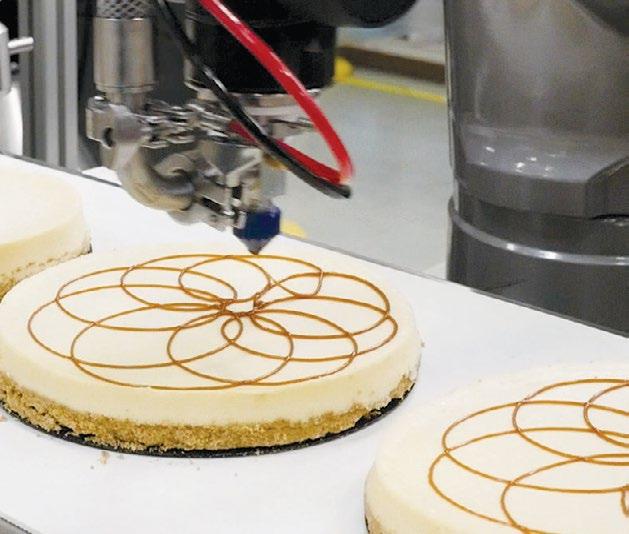
the specialist explains. Dividing tasks does not only mean finding the most efficient path assignment, but also establishing how materials of various viscosities are best applied, so that the patterns are not altered, even if a material accidentally loses a small drop. Because, that could put a tear on an otherwise smiley face design, for example. This is where experience comes in.
Given the wide variety of application tools, the breadth of materials that can be used and the multitude of designs that can be achieved, the Unifiller robotic arm can be setup before delivery to match the bakery’s work. It is equipped with the correct attachments, decorating nozzles, and the most effective pumps for the materials used. “Food may be fashion, but technically, the decorating process is variations along the same general lines. Just like a shirt is still a shirt in different decades of fashion,” Lanoville observes. This makes it easy to adapt the robot to any kind of decorating requirements. Even cake sizes tend not to vary much, given the constraints coming from the physics of baking, regardless of the size of the oven. This is why there are not that many limits when it comes to automated cake decorating, and any kind of customization can be delivered. With the HIRO robot, Coperion has developed a standard solution that only needs small amounts of customization to make different products unique – and still have a comprehensive array of available choices in terms of designs, the specialist observes.
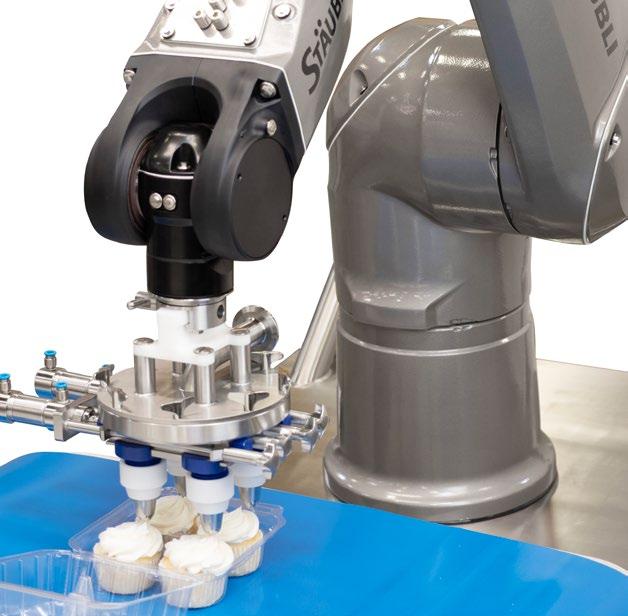
“The robot has a range-finding laser on the arm, which it uses to find three points of reference on a pre-established set of geometry for calibration, giving it the plane in which it’s going to work. Its vision system then validates that all the data it expected to find was correctly identified, before the robot adjusts its program to match that plane.”
Derek Lanoville, Product Development Technologist, R&D Manager for Unifiller technologies
As the six-axis robot’s joints move the arm, a small amount of air pressure prevents dust from accessing any part of the system. Moreover, the HIRO was designed to be reliable in humid environments and when exposed to wash-down chemicals, to prevent downtimes.
The robot was built with IP67 waterproof certification 1 , meaning it can be completely washed down using a pressure-washing system, to ensure sanitation standards. Its mobility also makes it tmuch easier to clean: it can quickly be wheeled to a washing area and hosed down.
To optimize maintenance, Coperion also worked on developing remote services, to be able to connect customers to its technical experts who can inspect the equipment and quickly address any issues. The Connect Advisor Remote Services were also a new launch at IBIE 2025; they use RealWear and proprietary workflows to facilitate remote support. “On our side, we see the problem, capture and share a screenshot; we can annotate that to help the operator with the steps they need to make and with troubleshooting issues that need to be addressed. We can share files, pictures and wiring diagrams, all in a seamless effort to remove waiting time and quickly get the customers back up and running when they encounter issues,” explains Kevin Geye, Director of Aftermarket Business Development for Coperion. “The platform instantly connects a person with a person, which means each bakery will receive support in their time zone and language, for their specific technical issue – or help identify the issue, respectively.
The HIRO robot is ultimately intended to make cake decorating successful and easy, while bakers are still very much in charge of design and operating decisions. It is human creativity that will create the heartwarming decorations (flawlessly applied) for any occasion, after all. +++
Introducing the new 893 C.
Closing up to 120 bags per minute with state-of-the-art motion control, ethernet, and wireless communications, the speedy 893 C Automatic Bag Closing Machine has efficiency baked right in. LEARN MORE AT KWIKLOK.COM


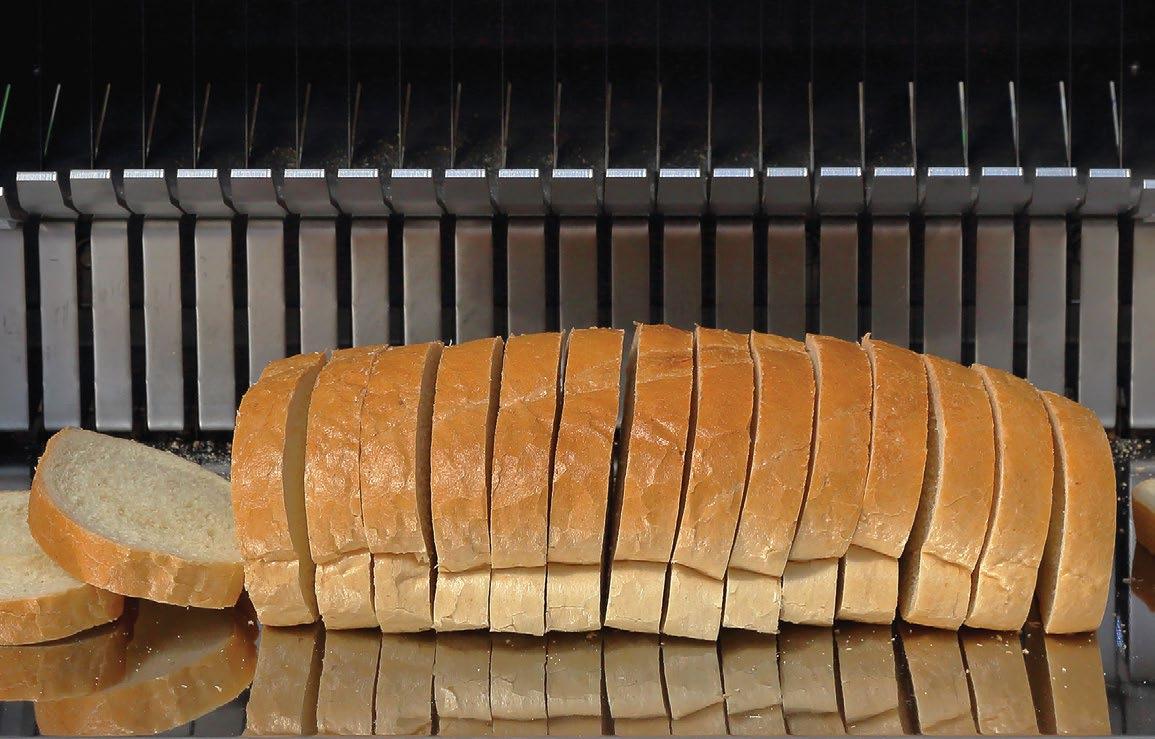

For life-like, luxurious decorating elements, fillings or toppings with bold flavors, marzipan is a premium dessert darling.
+Forever adaptable and unmistakably sumptuous, marzipan has long been synonymous with holidays, which earned it a stable, cherished place in European homes, where more than half of all the marzipan in the world is consumed. In Sicily, frutta martorana is a classic example of how marzipan can shapeshift into lifelike fruitshaped desserts, realistically colored with vivid, vegetable dyes. They make beautiful gifts for All Souls’ Day. Marzipan from Toledo bears EU’s Protected Geographical Indication (PGI) certification, bestowed on products that are renowned for a region. Made with at least 50% sweet almonds, they are kneaded, shaped into figurines, or braided. Although a Christmas staple in Spain, marzipan is an all-year-round dessert in Toledo, where ‘animalitos’, with the famous ‘Anguila de mazapán’ – eel-shaped marzipan sweets, are especially loved.
Germany alone represents around 30% of the world market and is home to the famous Lübeck marzipan, also a PGI delicacy protected by the EU, which must contain no more than 30% sugar.
It comes with its own traditions in other European countries, too: in the UK, marzipan is synonymous with festive decorations for Christmas and wedding cakes. In the Netherlands, it is the favourite sweet of the beloved Sinterklaas holiday, with marzipan figures shaped as fruit, animals, or novelty characters, offered as traditional treats. Although it has a more seasonal focus for the Dutch people, it is also found year-round, in the form of cake decorations and as small sweets, while almond paste is typically preferred for baked goods.
Although most often associated with Christmas season celebrations, with specialties such as Marzipanbrot,
The global marzipan market was estimated at USD 1.48 billion in 2025 and is anticipated to reach USD 1.71 billion by 2032, with consistent growth from its traditional ‘home’ in Europe, which accounts for nearly 80% of the entire consumption worldwide.
Its artisanal and premium nature continues to position marzipan as a luxurious indulgence in the global confectionery market, as consumers increasingly prioritize quality, craftsmanship, and natural ingredients. The integration of marzipan in highend bakery chains, cafés, and specialty dessert boutiques has expanded its reach beyond retail.
Headwinds on this promising market come from fluctuating almond prices, which directly impact production costs, and competition from substitute products such as modeling chocolate and fondant. However, the market’s resilience lies in its adaptability, as manufacturers are exploring healthconscious formulations and sustainable sourcing practices to meet evolving consumer expectations.

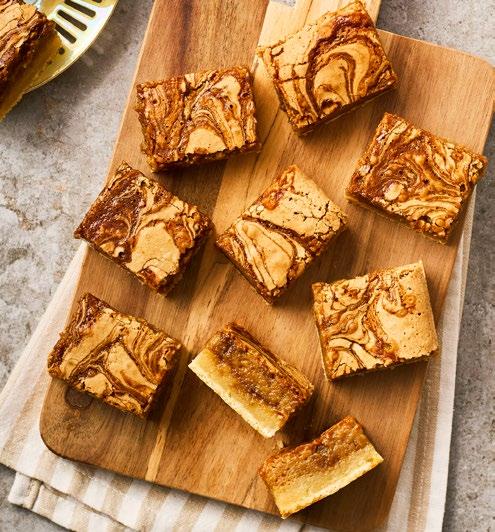
Marzipankartoffeln, or Christmas Stollen, marzipan can also be found among Easter treats, shaped into eggs and various figurines, while in Germany and Scandinavia, ‘lucky pigs’ are traditional New Year gifts.
Marzipan and alternatives
A hallmark of premium patisserie, marzipan signals handcrafted desserts that celebrate flavor and craftmanship. It appears across high-end product segments from festive centerpieces to year-round creations.
Dawn Foods helps bakeries plan and scale their marzipan offerings and explore contemporary twists on traditional applications.
The company recently developed new additions to its solutions in this category, made with freshly blanched almonds and suitable for a wide range of bakery applications.
The Royal Steensma Marzipan and the new Confectionery Kernel Paste are two complementary solutions, developed for flexibility in applications, to help bakeries offer premium quality. The Royal Steensma Marzipan is made with a specially developed blend of Californian and Spanish almonds to deliver a rich almond flavor and the premium texture that is synonymous with marzipan.
The new range includes:
+ Premium Marzipan (with 58% almond content), intended for intense flavor and the authentic marzipan taste + Marzipan (with 29% almond content), ready-to-use option for molding and decoration
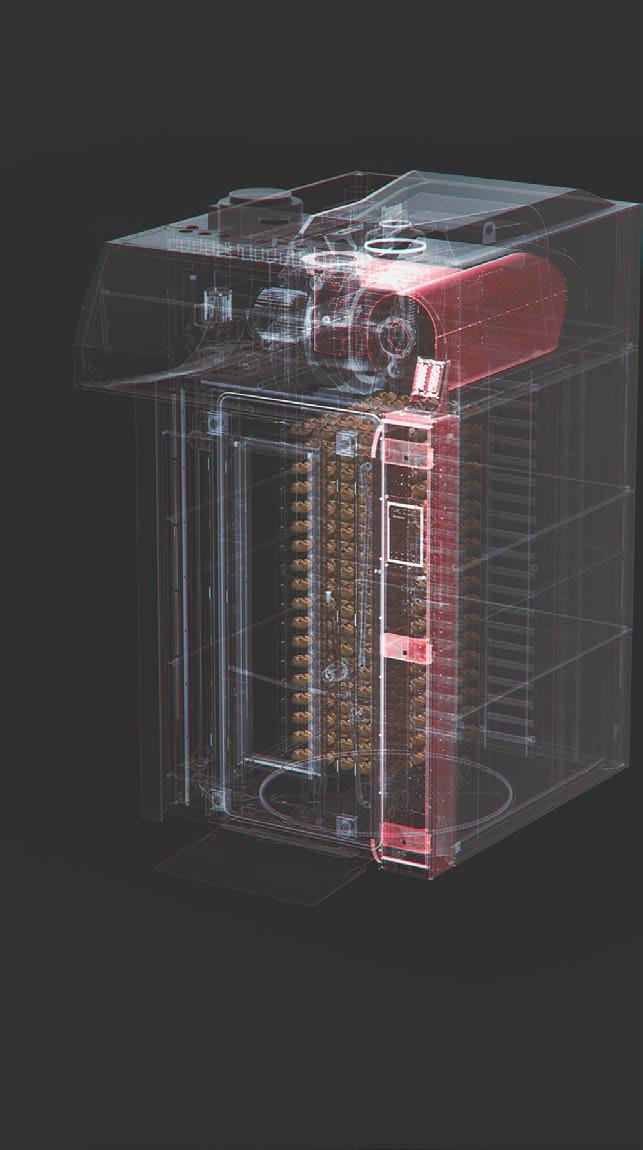
“SAVE ENERGY” DESIGN
TECHNOLOGY MEETS BAKER‘S CRAFT. For your perfect buns
The Koenig oven ensures the best, most consistent baking results for your entire product range. The well-thoughtout design offers an unbeatable ratio of baking surface to footprint.
Smart control at a glance
The new intuitive control system enables easy operation and includes various functions such as simple optimization of your energy consumption, the most important statistics about your oven, and a dedicated defrost function.

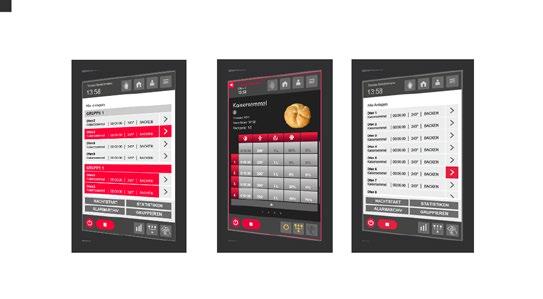
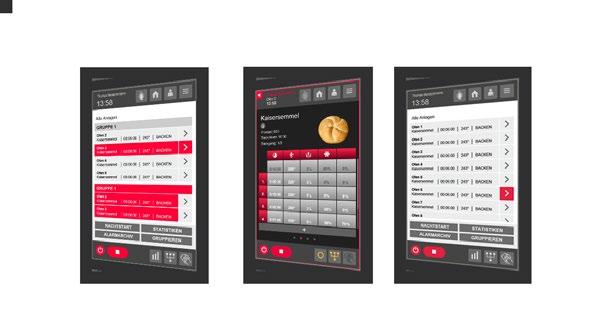
here
“Rooted in a long-standing heritage of Dutch craftsmanship, Royal Steensma Marzipan is trusted by bakers for its consistent quality, authentic taste, and outstanding workability,” Dawn Foods highlights. Koenig Group Baking Equipment 8045 Graz · Austria info@koenig-rex.com · koenig-rex.com
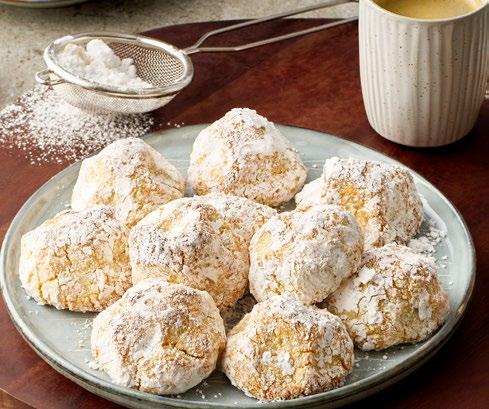
Dawn Foods also researched an alternative option that would support bakeries with increasing cost pressures in this category – the Confectionery Kernel Paste. This solution is a cost-efficient alternative to traditional marzipan, made from white beans and apricot kernels. It has a similar flavor and functional properties to marzipan, and it can be flexibly used to create affordable product ranges with no restriction to product creativity.
The products are packaged in a 10 kg bag - in - box. The company chose this option to obtain a good balance between protecting the marzipan from drying out and limiting the amount of plastic used. When not used, Dawn Foods recommends “Storing marzipan in a cool, dry environment. It is important to always wrap the marzipan tightly in plastic after opening to prevent drying out.” If the marzipan has dried out, it is not lost, however. It can be refreshed with a small amount of water or glucose syrup.
Royal Steensma Marzipan 58% is a ‘raw marzipan’, meaning it can be used as an ingredient in several recipes. The sugar content can be adjusted to fit unique recipe requirements, as well as additional flavor components, such as rose water or rum.
Royal Steensma Marzipan 29% was developed as a ‘ready - to - use’ product, for convenience in production. It can be applied directly, for example, to shape marzipan figures or various decoration elements.
The new marzipan ranges and the kernel paste can be used in many bakery applications – traditional recipes and new product creations. With the new solutions, Dawn also shared recommendations from its own research. Application ideas could include colourful marzipan decorations and flavored marzipan, which can be achieved using Dawn Compounds, or bite - sized marzipan cookies, ideal for cafés.
Ingredients:
+ 1,000 g Royal Steensma Marzipan 58%
+ 90 g Dawn Compound Passion Fruit
+ 100 g eggs
Instructions:
1. Mix the egg with the marzipan, using a flat beater; then add the compound.
2. Roll the mix into a 3-cm-diameter strand.
3. Roll the strand in granulated sugar and cut into slightly slanted cookies.
4. Leave the cookies to dry on the tray lined with baking paper for two hours.
5. Bake – deck oven temperature 220°C top/180°C bottom heat for 12 minutes.
The marzipan has a consistent texture, so it can flexibly produce reliable results in artisanal, semi - automated, and fully automated bakeries, Dawn Foods details. New ideas can also be scaled up, preserving the perfected quality of the finish in all intended details. Dawn’s application specialists can provide assistance with set - ups, process parameters, and pairing the marzipan with Dawn mixes, fillings, and compounds to create winning concepts.
Marzipan is not just any ingredient – “It’s a creative tool that brings flavor, craftsmanship, and artistry to the bakery,” Dawn emphasizes. The specialist suggests several ways it can be utilized to express the unique creativity of the baker and their work.
It can be used to enrich doughs and fillings with its signature almond flavor. “When mixed with egg or egg white, it becomes a smooth macaroon-style mass ideal for pastries, cookies, and cakes,” Dawn Foods notes.
For more elaborate creations, as often seen in premium confectionery, marzipan can also be further refined by adding spices and other flavors, to develop special profiles. It is often paired with chocolate, which can be seen in high-end pralines, bars and sweets.
Its smooth, pliable texture also makes marzipan perfect for decorative work, which can take any shape from simple cut-outs to hand modelled figures. It can be cut and molded into crisp patterns that maintain their shape, for decoration that can be added as a special finishing touch to cakes and pastries.
Marzipan creates those small, one of a kind moments of sensory luxury that consumers now crave, as personalized indulgence and seasonal inspired flavors gain popularity, even in smaller, refined formats. Creativity is the limit. +++
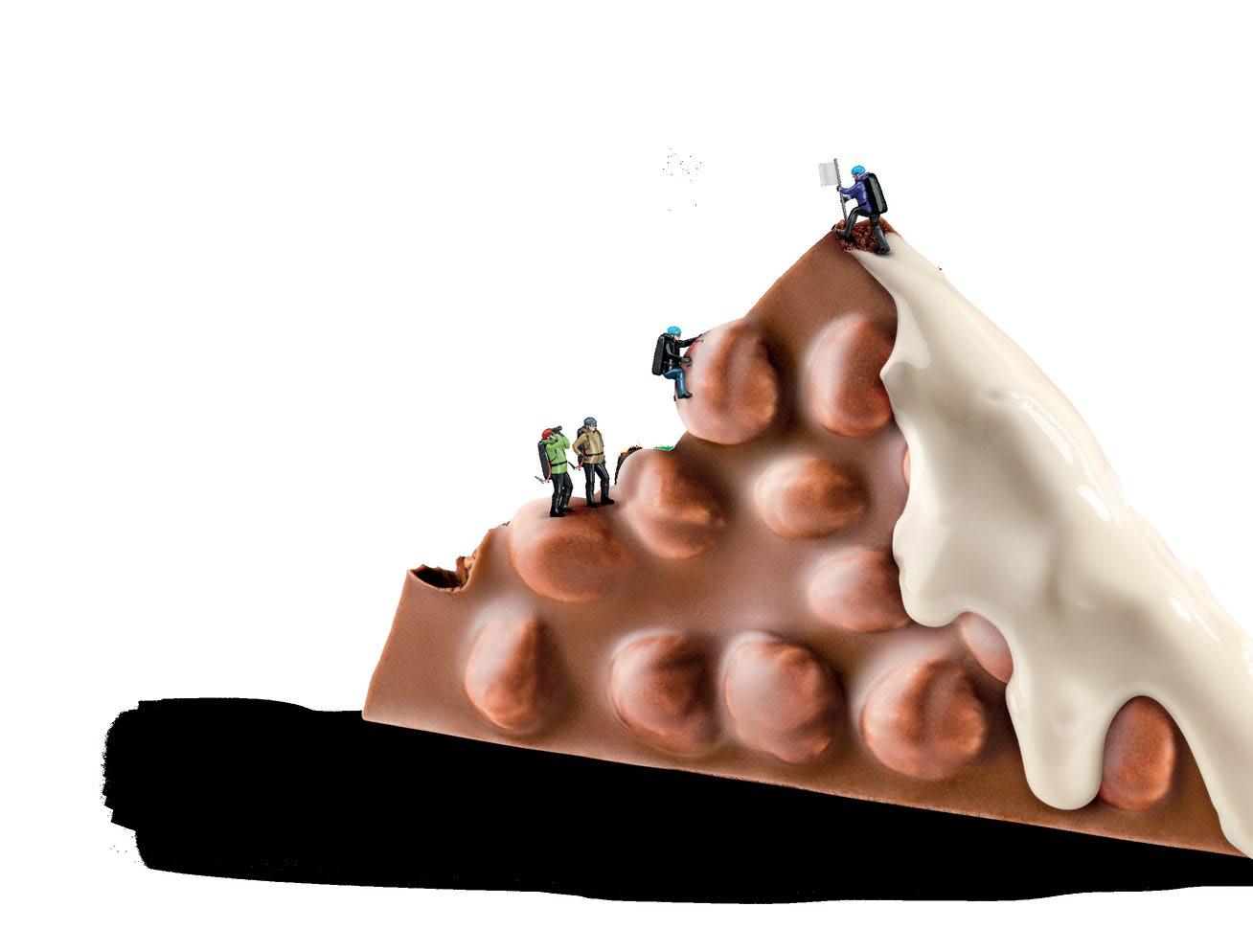


PAUL
NUNES, CEO, PRESIDENT, ASHWORTH
“Innovation is always at the heart of what we do”
Paul Nunes was appointed President and Chief Executive Officer of Ashworth in June 2023. He has extensive experience in various roles with the company for over three decades.
+Catalina Mihu: You took on the helm at Ashworth in 2023, having been with the company for about 30 years now. What insights do you value in your new role, from your extended experience with Ashworth?
Paul Nunes: I’ve actually been here for 31 years. At times, stepping into the leadership role still feels new, but most of the time it doesn’t, given my long history here and the close partnership I had with our former CEO, Vincent Moretti. We worked as a team, which made the transition smoother, especially since I have experience across several areas of the company.
After Vincent Moretti's retirement, we faced new challenges, particularly labor shortages. Like many others in the industry, we struggled to hire in our own facilities. Ashworth has traditionally been a place where employees stay for many years, thanks to our people-focused culture. However, today’s younger workforce is a little bit different, as they choose to go from job to job to gain experience and knowledge, while following their personal goals. In the period following COVID, many people reevaluated their careers and made changes, which added to the challenge. It affected us and our manufacturing operations, especially after having decades of employees who worked here for 30, 40, and even 50 years. From that standpoint, it wasn’t an easy transition. We had to work through those challenges, but I’m pleased to say that things are in a much better place. We’ve built a team of committed employees, we’ve invested in training, and we’ve successfully come out on the other side of this issue.
Mihu: How did you change the company culture to make people want to join and stay again?
Nunes: We focused on retention. Our managers and supervisors received additional training, reinforcing skills they already had but may not have been using consistently. This included having more one-on-one conversations, and schedulingregular check-ins with employees across all levels of the organization to understand their perspectives. We intentionally created open, honest dialogues that could range from suggestions for improvements to questions or concerns, as well as personal challenges that might be affecting their work. Addressing these issues has always been important to us. Ashworth has a long history of supporting employees through difficult periods, both professionally and personally.
People recognized that we genuinely make an effort to support them, and that commitment has led many to say, ‘I want to work for a company like that!’
Mihu: And you are a prime example of this policy, having built your career with Ashworth for more than 30 years. Nunes: I am! I started in accounting and finance and then went on to HR. Then I dabbled in a couple of other areas along the way, including IT, so I really have a thorough background of the company and how it runs. I was part of the acquisitions of our European companies back in the
90s, for instance. And that’s one thing I’ve always liked about our company: people matter here. Our employees are the reason our company thrives – whether they’re building our belts, or supporting our customers. We believe in our people, and we invest in them. My time in Human Resources taught me a lot about the value of that investment, while my experience in finance revealed another dimension of the business: measurable results. Through what I call a ‘performance scorecard’, I saw firsthand how effective we were with managing and developing our workforce and how it directly impacts our financial performance. Without the right people, and without training them properly, our results would suffer as a direct consequence. That connection has been paramount.
“Some of our latest developments, such as our plastic conveyor belt line and our side drive technology, also stem directly from customer feedback. Addressing customer concerns is truly at the core of our R&D work. ”
Paul
Nunes, President, CEO, Ashworth
Mihu: With this diverse background in various fields and company departments, how did you crystallize your own leadership philosophy for the top management role?
Nunes: It certainly gives you a different outlook on things because every area has a different perspective and different workflows. In IT, for example, there’s a sense of urgency. We need to keep the network up and running and rsolve issues quickly. In Human Resources, sometimes we have that urgency, too, when an employee has a concern or needs support. Finance is inherently very deadline- and compliance-driven.
Experiencing all these environments shaped me into a leader with a well-rounded understanding of the business. I can better appreciate where people are coming from when they raise an issue, and I genuinely empathize with their challenges. That empathy has helped me as a leader – people know I understand their situations and that I’m here to help. They feel comfortable confiding in me and coming to me for advice.
Mihu: How many people work for Ashworth?
Nunes: We have about 260 people worldwide, including all of our offices, as well as Jonge Poerink Conveyors (a Dutch manufacturer acquired in 1994), which is a sister company that operates independently of our belt business.
Mihu: What does Ashworth’s network look like?
Nunes: We have things headquartered in several locations. Our service business is based in the Midwest of the United
Ashworth developed the technology to make metal belt splicing faster, safer, and easier, without requiring welding. It is available on Omni-Grid ® 360 and Omni-Pro ® belts. “Rapid Splice ® offers the strength of metal with the simplicity of plastic belting,” Ashworth underscores. The technology minimizes the risk of splice failure and minimizes downtime. It was tested for durability for 100,000 cycles.

States; we have an administrative office in Massachusetts, and here, in Virginia, we operate our primary U.S. manufacturing site, which also houses our sales and marketing teams. In addition, we have offices in Europe handling our sales efforts across the region.
“Ashworth is highly conscious of customer downtime, which is why we continue to advance our smart monitoring solutions. ”
Paul Nunes, President, CEO, Ashworth
Mihu: You spoke about a smooth transition into your leadership role helped by working with Vincent Moretti for many years before he retired. How did you work together to shape the company strategy? What values and priorities did you both establish and what is changing, in line with transformations in the market?
Nunes: We were very aligned on our values. People are our number one value, and it remains like that today. That was my responsibility, while Vinny oversaw sales and customer-facing efforts, and was involved in the innovation work with engineering. I managed the ‘supporting’ functions, but I also spent many years working directly with customers and staying closely connected to their needs. As a company, we continue to evolve with the times. The way we navigated recent labor shortages is a perfect example of that adaptability.
Mihu: R&D is at the heart of going forward for any company. How has R&D at Ashworth evolved? What new priorities are driving new developments?
Nunes: We always start by listening to our customers –their challenges, their needs, and the nuances of their operations. Ashworth has long been established as a solution provider, whether that means developing a new product or finding a more innovative way to supply an existing one. I

remember a customer running production 24/7, where downtime simply wasn’t an option. We recommended keeping a spare belt on hand so that, if a belt wore out, the changeover would be seamless. We also scheduled regular engineering and service visits to ensure their equipment stayed optimized. Ultimately, it’s about providing the right solution, and that solution looks different for every customer and every product conveyed.
Recently, we’ve seen increased regulation around food safety, which drives us to enhance hygiene features across our belt portfolio. We’re focused on making our products easier to clean and helping customers minimize downtime. That’s why we developed our SmartSpiral® and SmartOven® monitoring systems, which offer predictive maintenance capabilities. With these tools, we can identify potential issues before they cause a shutdown.
Some of our latest developments, such as our plastic conveyor belt line and our side drive technology, also stem directly from customer feedback. Addressing customer concerns is truly at the core of our R&D work. Another example is our Rapid Splice ® concept. For years, we heard how challenging it was to splice a welded belt. It required maintenance crews to intervene at carefully scheduled times, often during late shifts, and the quality of the weld depended heavily on the crew’s skill level. If the weld wasn’t done correctly, the belt could tear inside the system, causing major problems and extended downtime. Rapid Splice was designed to solve those issues by making belt section replacement faster, easier, and far less dependent on specialized welding skills.
Mihu: The Rapid Splice Technology is one of Ashworth’s newest developments; it was one of the highlights at IBIE last year. How was it perfected and how does Ashworth approach R&D for its solutions for bakeries?
Nunes: We tested the Rapid Splice extensively in-house –and we’re still testing it – to ensure it truly meets our customers’ needs. We also conducted field testing, refining the concept based on real-world input and customer feedback. The idea originated from a recurring challenge: many customers didn’t have on-site personnel who could reliably
weld, nor did they always have the proper welding equipment. As a result, weld quality could vary, sometimes causing damage within the system and leading to extended downtime when a belt section needed replacement. In many cases, customers had to bring in specialist teams to handle the work. With Rapid Splice, our goal was to eliminate much of that downtime and address the growing shortage of specialized labor by offering a faster, simpler, and more reliable solution for replacing belt sections.
Mihu: How does the technology eliminate the need for welding?
Nunes: The belts have rods that are welded into the links. With Rapid Splice, we use a technology that drills out that weld – so a simple drill is all that’s needed – and then the rod can be replaced. The new rod has a fixed button head on one side and an attachment mechanism on the other, allowing it to fasten securely without requiring any welding. This means the replacement can be done manually and quickly. The technology is designed to remove and replace a damaged section of the belt as a temporary fix, not as part of the standard installation process. It’s a reliable band-aid solution that gets the system back up and running with minimal downtime.
ADVERTISEMENT
Mihu: And how long can it be in place before welding needs to be scheduled?
Nunes: It works for an unlimited time! When we install a belt, we’re going to continue to weld it during the installation process, when our factory service group is on site. However, if a belt section ever needs to be replaced, Rapid Splice provides a quick and easy way to get that done.
Mihu: What was the reaction to the concept at IBIE ‘25, where it was launched?
Nunes: We introduced it in Las Vegas, and the feedback has been overwhelmingly positive. We had lots of customers and interested industry players come out to see the demonstrations at our booth, which we held almost every hour, as people came along. It was interesting that visitors wanted to see this and thought it was quite revolutionary, since up until now, almost everyone in the industry has had to weld these belts together when they wanted to bring in new sections. It is definitely making things a lot easier for customers!
Mihu: Ashworth was established with the innovations made by George & Elijah Ashworth. This year, the company celebrates 80 years in food conveying. What would you























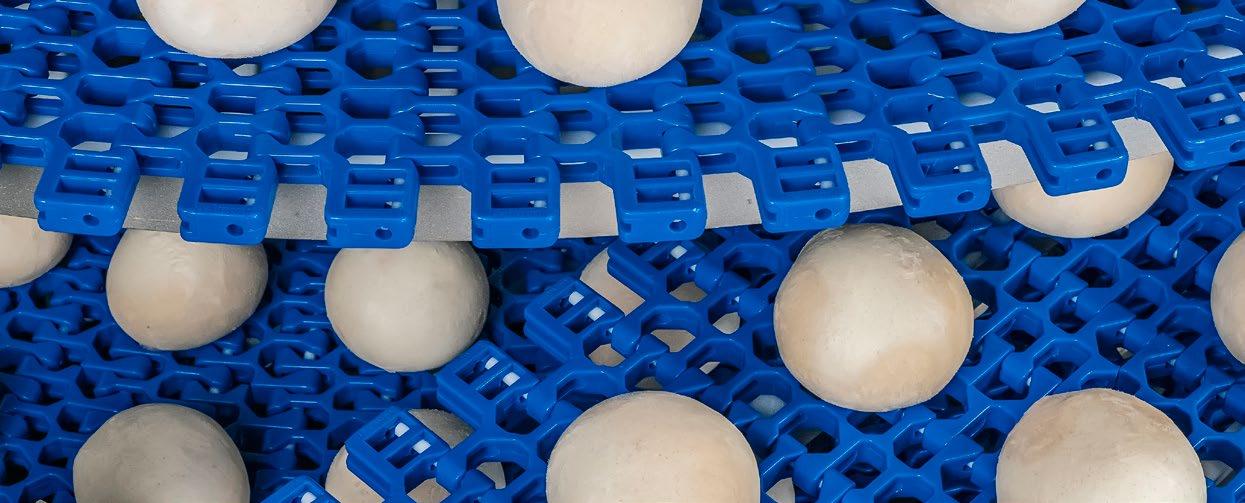
+ Real-time spiral performance data available remotely
+ Continuous monitoring of spiral temperature, belt tension, cage power and motor power (optional: can be expanded with three more sensors)
+ Features a patented bottom bearing wear sensor
+ Ensures secure stand-alone monitoring, independent of the plant’s network
+ Provides access to multiple spirals and plant locations from one screen
+ Issues easy-to-see user alerts and system feedback
highlight as the milestones in the company’s innovations over the years?
Nunes: It’s 80 years in the belt business, but the company’s history actually dates back to the 1800s, when Ashworth operated in the textile industry. When the Ashworth brothers came from England to the United States, cotton processing was becoming a major focus in the U.S., and the company quickly established itself as an innovator, holding hundreds of patents in textile technology. That spirit of innovation has continued throughout our history. Today, we have around 200 patents in conveying, and innovation remains at the heart of everything we do as we develop solutions for our customers.
Our belt business began after World War II, when frozen food gained popularity. Ashworth introduced the flat wire belt, which is still sold today and widely used for freezing, and then expanded into baking bands shortly after. Our CB5 Baking Band®, patented in 1963, transformed the baking industry with its nearly solid surface and ability to track straight, addressing a major challenge at the time. It became an industry standard for decades and remains highly popular for baking biscuits and crackers. Then, in the late 1960s, we invented the low-tension system, which enabled belts to turn curves and fundamentally changed what was possible in terms of space-saving design. More recent innovations include the Omni Grid ® 360 Weld, a hygiene-focused solution that allows low-tension
belts to be cleaned more easily. These technologies have all become industry standards.
Mihu: Is it correct to say that Ashworth is behind the invention of spiral systems?
Nunes: Absolutely! We were the inventors of spirals. It goes to show that innovation has always been part of the Ashworth. And we’ve kept that innovation alive through everything we’ve done.
Mihu: As innovations currently revolve around smart bakeries and smart production lines, most technology solutions now come with a hardware component and a software component. How do you focus on both of these aspects?
Nunes: As a company with an engineering and innovation background, we do believe in data-driven solutions. As digital technology has developed, we have developed the SmartSpiral ® and SmartOven ® monitoring systems, and we work on continuously refining them. We already have customer reports showing that SmartSpiral has saved them valuable time and many thousands of dollars in maintenance costs. With monitoring systems in place, customers know exactly when their system needs attention, enabling them to plan service proactively rather than responding to unexpected breakdowns.
Mihu: Ashworth has a global presence today, with a portfolio that consists of Ashworth Bros, Inc., Ashworth Belts B.V., Ashworth Europe, Ltd., Jonge Poerink Conveyors, and Ashworth Factory Service Corp. How do these companies work together?
Nunes: Ashworth companies that offer belts or services are all working together interchangeably. The company has grown over time, which can be seen from this list, but we’re all one brand; we are Ashworth. You can get the same solutions from any of these branches; they don’t each act as the point of contact for specific solutions. All have a global reach and in close communication. The exception is Jonge Poerink Conveyors, which works as a separate company providing modular, custom conveyors
“We’re also placing an even greater focus on hygiene – an area that’s increasingly important to our customers – and developing products that perform reliably in a wide range of environments and temperature conditions.”
Paul Nunes, President, CEO, Ashworth
to both the food and logistics industries, which are sold worldwide. It specializes in turn curves that connect straight running conveyors, customized and adapted to different conveying surfaces, widths and radius ranges.
Mihu: From your perspective of working with bakeries all over the world, how would you describe the needs of bakeries in Europe with the needs of bakeries in the US and elsewhere?
Nunes: At this moment, we see European bakeries trying to modernize in terms of food safety, while also dealing with increased regulation, or national-level government regulations. We are also seeing an increased demand for service. And typically, in Europe, we're challenged with smaller footprints, too, so we need to provide smaller, more compact systems. In the US, that’s not such an issue. Certain products we provide are more popular in Europe because of their smaller footprint.
In the US, we see that there’s very little time for maintenance; capacity is a top priority, and labor shortage is a major issue. We see regulation issues in the US market, too, but not to the same extent. They usually follow changes adopted in Europe, so we get a bit of foreshadowing in that sense, of what we could expect.
And then in Asia, we see some challenges, too, with capacity and upcoming regulations in areas that were not previously regulated.
Mihu: How is your R&D set up across companies, industries, or across focus areas?
1860 The company is founded by George & Elijah Ashworth, as a card clothing manufacturer
1946 Ashworth creates the Metal Products Division, producing woven metal conveyor belts
1955 The Belt Division headquarters opens in Winchester, Virginia
1994 Ashworth acquires Cooper Handling Conveyor Belt (UK)
1995 Ashworth starts international expansion, with the acquisition of Dutch conveyor belt producer Jonge Poerink
2010 Dutch sales office opens in Amsterdam
2010 UK manufacturing plant opens
2011 Singapore sales office opens
2011 Tokyo sales office is established
Nunes: Our R&D function operates globally and isn’t tied to any one industry or any specific Ashworth company. While some products are developed with a particular industry in mind – usually because customers in that sector raise a recurring challenge – we often find that these solutions benefit multiple industries once they come to market. Many of our developments end up being far more versatile than originally expected.
Our R&D work is always driven by what we hear from customers, and it’s very much a global effort, shaped by input from across all our regions.
For engineering commissioned solutions, our current standard delivery time ranges from six to ten weeks, depending on the complexity of the project.
Mihu: What about software, such as the monitoring system? How long does it take to be implemented?
Nunes: That takes a little bit longer – it can be a few months because the system is highly customized. A small amount of downtime is expected, since installing a spiral monitoring system requires us to access the equipment directly. However, that downtime is very brief.
Mihu: What new developments can bakeries look forward to from Ashworth? And how does your work in other industries build expertise that can transfer to bakery?
Nunes: Customers are looking for products that are stronger, more capable, and longer lasting. Ashworth is highly conscious of customer downtime, which is why we continue to advance our smart monitoring solutions. We’re also placing an even greater focus on hygiene – an area that’s increasingly important to our customers – and developing products that perform reliably in a wide range of environments and temperature conditions. All of these factors guide our work. Recently, we partnered with a customer in the protein industry on a project involving a smoking operation on a spiral – something quite innovative. Many of the learnings from that project are transferable to the baking industry, because the solutions were designed to perform in high temperature or harsh environments involving ingredients such as eggs, frostings, or glazes, which behave similarly to proteins. That knowledge is easily carried over. Our advancements in automation and new technologies always begin with what individual customers need. The smoking solution wasn’t something we had originally planned, but it came directly from a customer’s idea, and we developed it together. We would be thrilled to collaborate with baking companies in the same way. +++
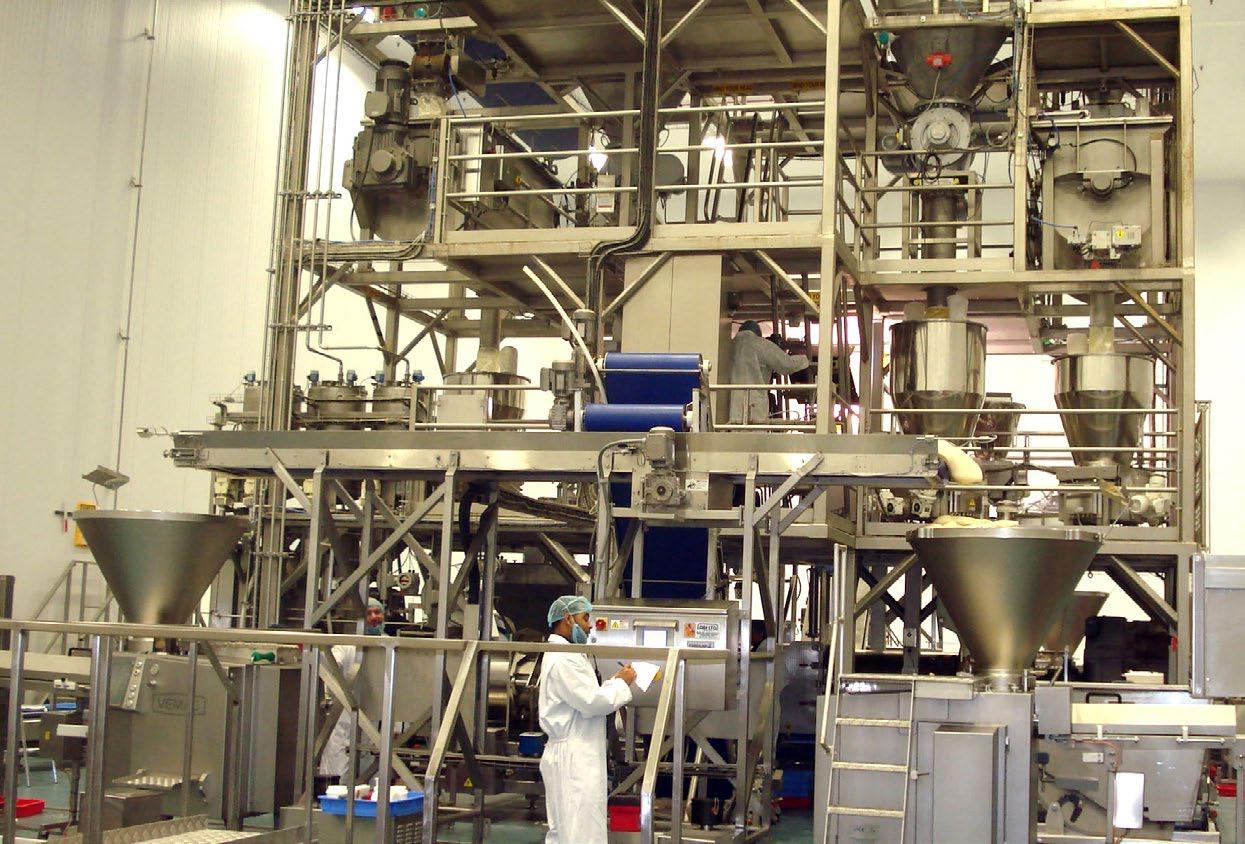
With hundreds of recipe styles and variations, pizza shines in unique colors that speak the local language of snacking around the world. What makes each stand out is the dough.
+A thin, chewy crust makes the original pizza, first made in Napoli, instantly recognizable: think margherita, the global menu staple. Since then, each country and region have been creating versions of their own. New-York-style pizza is world-famous, with a thin yet sturdy crust that holds a wealth of ingredients. Chicago’s own deep-dish pizza is another American iteration, which has long surpassed the city’s borders in popularity. Sicilian pizza is often made with a thick crust, and so is its neighbor – Greek pizza. In France, we find Flammekueche, or Tarte Flambée, an Alsatian specialty made with a very thin, crispy crust made without yeast; while the so-called ‘Turkish pizza’ – Lahmacun has a thin and crispy, flatbread-like crust and is topped with minced meat and Middle Eastern herbs and flavors.
These, and hundreds of other unique pizza creations, count on the exact type of dough intended, so that it can handle the mix of toppings and deliver the sensory experience the consumers expect. The preparation requirements of each type of dough vary greatly, starting with the mixing stage. Each formulation and process that follows mixing – whether
“We’ve implemented process feedback programs that automatically adjust dough temperature and production rates based on downstream conditions.”
Reading Bakery Systems specialists
the dough is sheeted and cut, pressed, or balled and frozen – demands specific hydration levels, gluten development, extensibility, and temperature control. For large-volume operations, continuous mixing is the answer, for any specialty. With a caveat: the process should be precisely set up for the product: “Because no two pizza processes are the same, the continuous mixing system must be precisely adjusted to produce consistent, high-quality dough for each unique application,” specialists in mixing technology from Reading Bakery Systems highlight.
Optimizing industrial-volume, continuous mixing for pizza doughs is not without challenges, stemming from numerous
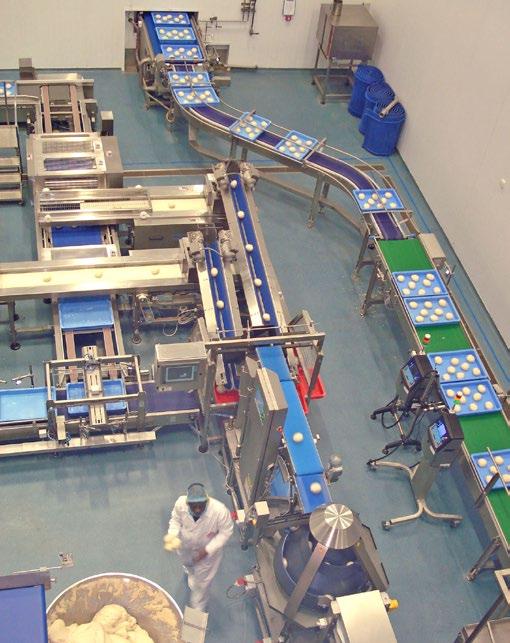
factors: scaling up from smaller systems, fine-tuning process parameters, and monitoring performance across all stages. “Maintaining consistency at higher throughputs requires tight control and reliable automation,” RBS underlines.
Testing makes the perfect process setup, starting with pilot systems and scaling up data accurately. At the RBS Science & Innovation Center, the company’s experts use pilot-scale continuous mixers to validate pizza dough processes before setting up full production operations. “Our Exact Continuous Mixers can be fully configured to each application, allowing independent adjustment of mixing energy, element configuration, and dwell time. Advanced automation ensures precise ingredient delivery with state-of-the-art controls for both dry and liquid systems. Real-time monitoring of all parameters, including temperature and energy, enables automatic corrections and operator alerts to maintain product consistency,” the specialists explain.
The Exact EX Continuous Mixer model developed by RBS is the best match to the complex processing challenge that is automated pizza dough processing, with all its variables. “This model handles stiff doughs requiring moderate gluten development, thanks to its heavy-duty shaft and customizable paddle configuration. The Exact EX Mixer features a liquid jacket for temperature control and optional liquid circulation through the shaft and chamber pins,” RBS explains. In addition, thanks to its clamshell design, operators have easy access for sanitation and maintenance, which helps minimize downtime. This Exact dough mixer series
accommodates smaller and large-scale operations, with possible production volumes ranging from 500 to 17,000 lbs per hour, across seven mixer sizes.
RBS has installed Exact Mixing pizza continuous mixing systems worldwide, in configurations tailored to each bakery’s layout and production goals. For instance, some facilities use dual-mixer setups for higher capacity and built-in redundancy, while others use a single high-output mixer to minimize footprint. “Each installation is customdesigned to match available space, throughput, and downstream equipment,” RBS underlines.
Accurate ingredient metering is key to achieving constant mixing results. For continuous mixing, precise dosing is particularly important as it contributes to maintaining the characteristics of large quantities of dough.
Every ingredient that goes into RBS’ Exact Continuous Mixer is measured as a mass flow: “Loss-in-weight feeders meter in dry ingredients and Coriolis systems meter in the liquid ingredients. The control system continuously monitors each flow rate against recipe setpoints, automatically correcting deviations or stopping the process if needed,” the specialist details. Operators can review the system’s performance on-screen at any given time and access historical trend data for optimization and troubleshooting, if required.
RBS continues to improve its continuous mixing technology, with features that further optimize its performance, process control and reliability. “Recent advancements include electronic shear-pin monitoring for drives and upgraded operator interfaces that provide richer, more actionable data. We’ve also implemented process feedback programs that automatically adjust dough temperature and production rates based on downstream conditions,” RBS explains. This intelligent automation helps maintain consistent product quality, reduces waste, and saves operators’ time spent on manual tasks, as it ensures the entire line automatically runs efficiently.
New features are engineered: “Our Exact Mixing R&D team continues to push the boundaries of what continuous mixing can achieve — exploring dough mixing at colder temperatures for the pastry industry and developing solutions for markets that have traditionally relied on batch mixing.”
The goal is to perfect a system that will provide a smarter, more sustainable dough mixing process, continuously. No matter the topping combination, any type of pizza dough can be created and consistently delivered to the pizza processing line. +++
Part I was published in bbi, issue 6 - 2025.
A healthy lifestyle is in the eye of the beholder, but when it comes to bread, consumers are in agreement: whole grains are associated with great-tasting, health-benefitting choices. Sprouted grains are particularly appreciated in the well-being segment, offering enhanced benefits to savvy consumers and new opportunities to bakeries.

By Dr. Sara de Pelsmaeker, Group Health & Well-Being Director, Puratos
+Consumers want more from their bakery products. They are looking for functional ingredients that deliver tangible health benefits. At the same time, they want baked goods to fit into their busy lives – and importantly, that taste good. The challenge for bakers is balancing taste and health, as shoppers don’t want to sacrifice pleasure in the pursuit of better well-being. According to Puratos’s Taste Tomorrow consumer insights, 80% of shoppers globally believe whole grains and seeds add taste to bread.
Sprouted grains are one of the ways to meet these evolving needs, providing enhanced nutrition while improving the taste and offering an exciting new texture that consumers want to experience. The global market for sprouted grains and seeds is growing fast; it is expected to increase at a compound annual growth rate (CAGR) of 8.7% from 2024 to 2031. This growth reflects real opportunity. Here we explore how sprouted grains can help create products that stand out – delivering improved health benefits while maintaining all-important sensory qualities.
Sprouted grains are whole grains that have just begun to germinate. When grains are soaked in water and under the right conditions, they ‘sprout’, revealing their full nutritional potential. Before the shoot becomes a full plant, the grain is considered a sprouted grain.
This process is not new. People have valued sprouted grains for thousands of years, from ancient Chinese medicine to 18th-century sailors who used them to fight scurvy. But the way we use sprouted grains today is new. Modern food
producers now use controlled sprouting processes to ensure food safety and optimize nutritional value. Sprouting also benefits taste and texture, making grains naturally sweeter.
“There is no globally accepted definition or regulation of sprouted grains. This means labeling and health claims can often be inconsistent across different markets. Despite this challenge, product launches featuring sprouted grains have increased significantly worldwide, especially in bakery and snack categories.”
Dr. Sara de Pelsmaeker, Group Health & Well-Being Director, Puratos
However, there is no globally accepted definition or regulation of sprouted grains. This means labeling and health claims can often be inconsistent across different markets. Despite this challenge, product launches featuring sprouted grains have increased significantly worldwide, especially in bakery and snack categories. So, why are bakers starting to reach for these novel inclusions?
There is robust scientific evidence that backs up the health benefits of sprouted grains. When grains sprout, natural enzymes become active. These enzymes increase the bio accessibility of important minerals such as iron, phosphorus and zinc – meaning the body can absorb them more
easily. Sprouting also boosts levels of certain vitamins, antioxidants and beneficial compounds like gamma-aminobutyric (GABA) and polyphenols. The enzymatic action during sprouting breaks down complex structures in the grain, making it easier to digest. This is particularly valuable for consumers who experience digestive discomfort with regular grains.
Animal and in vitro laboratory studies suggest that sprouted grains may offer benefits for cholesterol levels, blood sugar control and gut health. However, clinical evidence in human health is still emerging and more research is needed to confirm these effects. One particular study highlights new potential health benefits, including enhanced amino acid composition and protein digestibility. This means sprouted grains may offer better quality protein compared to non-sprouted versions. Perception also matters. According to Taste Tomorrow research, 89% of European consumers believe that grains and seeds make bread healthier. This strong consumer belief creates a clear opportunity for bakers to meet market demand with products that deliver an enhanced nutritional profile.
But health benefits alone do not drive repeat purchases –sensory experience does. Consumers will not continue buying baked foods that disappoint their taste buds, no matter how nutritious they are. This is where sprouted grains offer extra benefits. The same enzymatic action that boosts nutrition also enhances taste, with some products in the market combining sprouting with fermentation to create an even more unique taste. Sprouted grains bring a naturally nutty, slightly sweet flavor profile that appeals to today's consumers.
Consumers are becoming more aware of the nuanced flavors and textures of using grains and seeds in bakery, according to Taste Tomorrow. They are looking for complexity and quality in their sensory experience. But not all sprouted grains deliver these benefits equally. A key factor is sprouting time. Enzymes need sufficient time to work, to convert starches into natural sugars and break down proteins for better

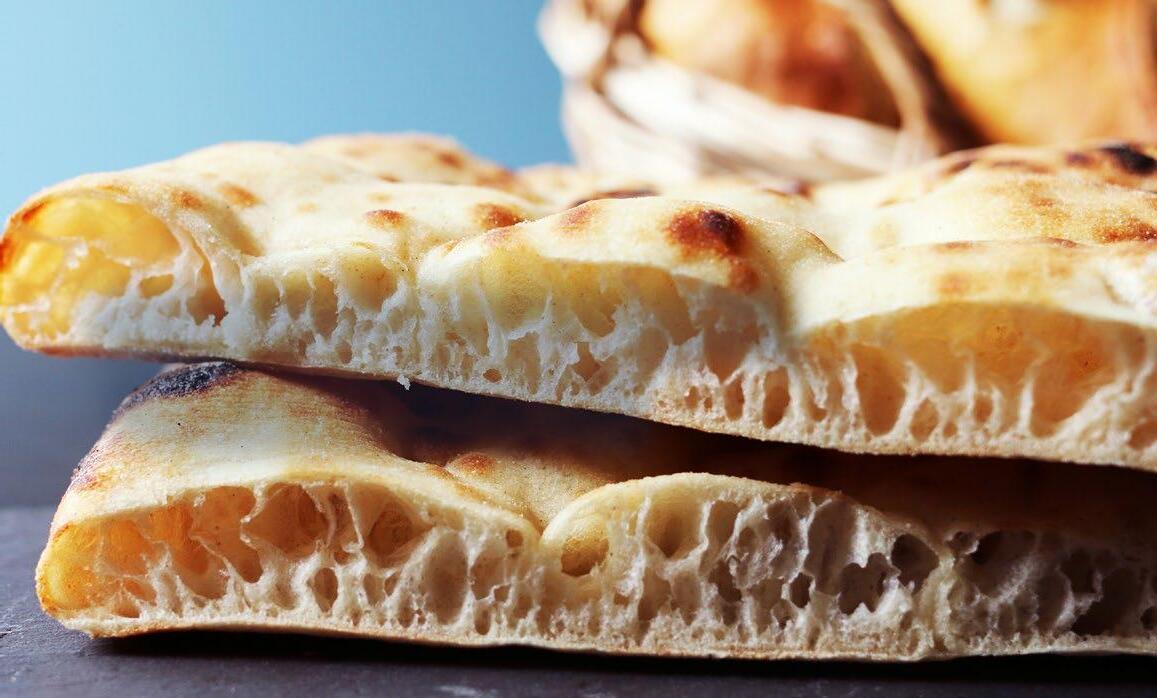


texture and digestibility. A short sprouting process simply cannot achieve these results.
While some sprouting processes stop after 24 or 36 hours, Puratos invests more than 60 hours in its sprouting process, giving enzymes the time they need to fully develop the grain's potential. Longer sprouting leads to more complete enzymatic conversion, resulting in superior taste, texture and nutritional benefits. Puratos’s specialist facility in Estonia follows this careful process to ensure every batch delivers the quality that bakers and their customers expect.
Sprouted grains align perfectly with three major consumer trends: gut health, whole foods and plant-based ingredients. All are underpinned by shoppers becoming more intentional about the products they buy. In fact, Taste Tomorrow shows that 61% of consumers in Europe select certain foods and ingredients based on the health benefits they have to offer.
Gut health in particular has become a mainstream priority in recent years – it is no longer a niche concern. Today, 72% of Europeans are interested in foods that improve gut health, and almost half of those are buying gut-friendly products every week, according to Taste Tomorrow. Consumers are also becoming more aware of how gut health connects to broader wellness, including immune system function and mental well-being. Sprouted grains, with their improved digestibility and prebiotic potential, fit naturally into this growing category.
Sprouted grains also meet clean label demands. Consumers perceive them as natural and minimally processed: exactly what today's market wants. Taste Tomorrow shows that 65% of consumers say they would buy more at bakeries where
When grains sprout, natural enzymes become active. These enzymes increase the bio-accessibility of important minerals such as iron, phosphorus and zinc – meaning the body can absorb them more easily.
everything is baked with natural ingredients. This represents a clear competitive advantage for bakers who can communicate authenticity, simplicity and quality.
As consumer interest grows, bakers have room to experiment with different formats. Sprouted grain flours, for example, are a tasty alternative to traditional flours not just in bread, but also in cakes, biscuits and chocolate products. Whatever the format of sprouted grains, formulation can be challenging. The latest ingredients are designed to overcome these typical challenges without compromising product quality. Wholegrains like Puratos's Sproutgrain Rye offer excellent functionality in bakery formulations, delivering the health and taste benefits of sprouted grains while providing a delicious malted flavor.
Sprouted grains are power ingredients that offer a unique combination of health, taste and texture benefits. They allow bakers to create standout products that meet the demands of today’s informed consumers without compromising on sensory experience. As awareness grows and demand accelerates, there’s an opportunity for bakers and brands to prove that great taste and nutrition can go hand in hand.
+++

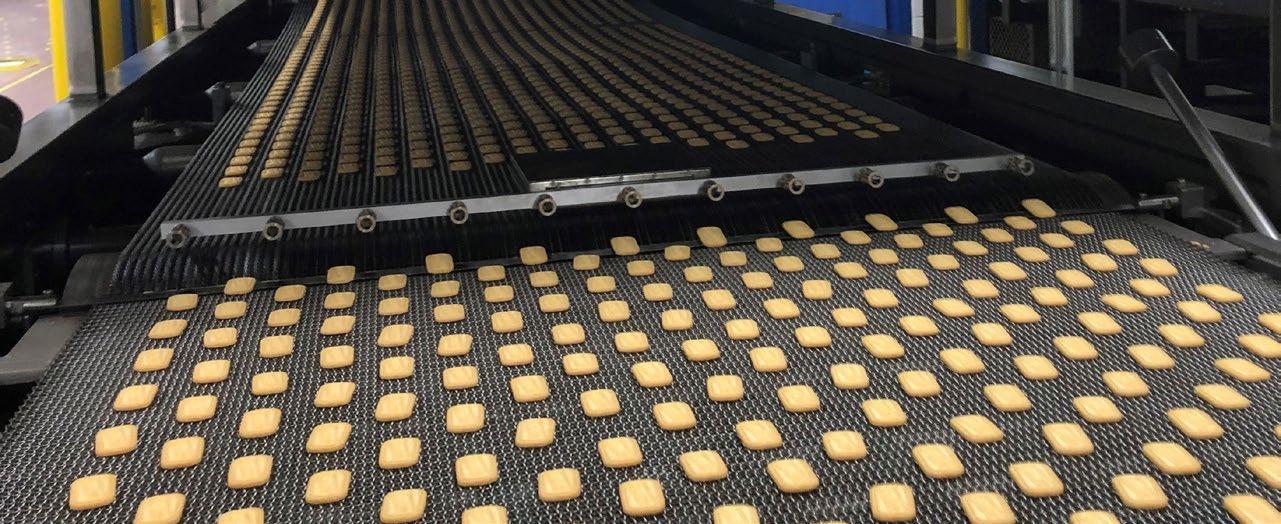
oven, dryer, or cooling tunnel with the new Digital Air Velocity Sensor Array from Reading Thermal. The new Sensor Array accurately identifies airflow differences between baking zones, concentrated air velocities on the conveyor, as well as unwanted oven entrance/exit air currents. This intelligence enables users to develop Air Velocity Profiles for repeatable process adjustments to maximize quality and reduce waste.
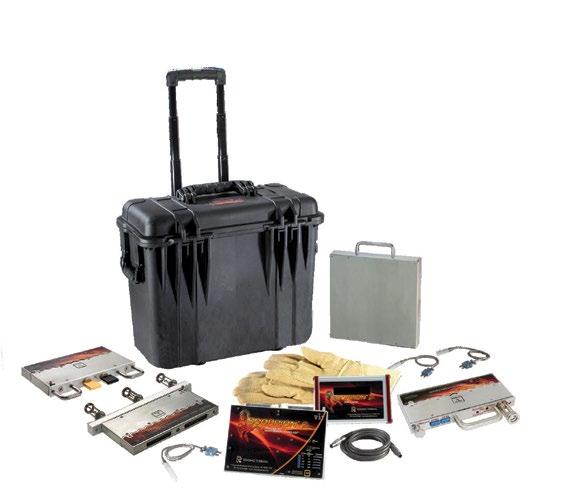

By Jess Ryall, Content and Marketing Executive, FMCG Gurus
+ Global consumers feel they’re living through ongoing uncertainty, influencing daily choices and long-term plans. People want control over their emotional and physical well-being, yet rising barriers to healthy living, along with financial stress and global conflict, leave many feeling less in control. As a result, consumers are turning to small pleasures, meaningful relationships, and products that offer comfort, value, or escape. Meanwhile, growing distrust in information sources and concerns that society is ‘changing too fast’ are reshaping expectations across food, drink, and wellness. Our 2026 outlook highlights ten major global consumer trends, with the first five and their sub-trends outlined here.
Data shows that 57% of global Generation Z consumers state that they sometimes feel the world is changing at too fast a rate.
People feel overwhelmed by rapid societal change. This is prevalent across all demographics, but especially Generation Z. Rising concerns about global conflict, personal finances, and shifting cultural norms are driving worries about the macroeconomy. This is pushing consumers toward trusted brands, familiar flavors, and products that remind them of simpler times. In 2026, nostalgia, comfort, and perceived authenticity will play a powerful role in purchasing decisions.
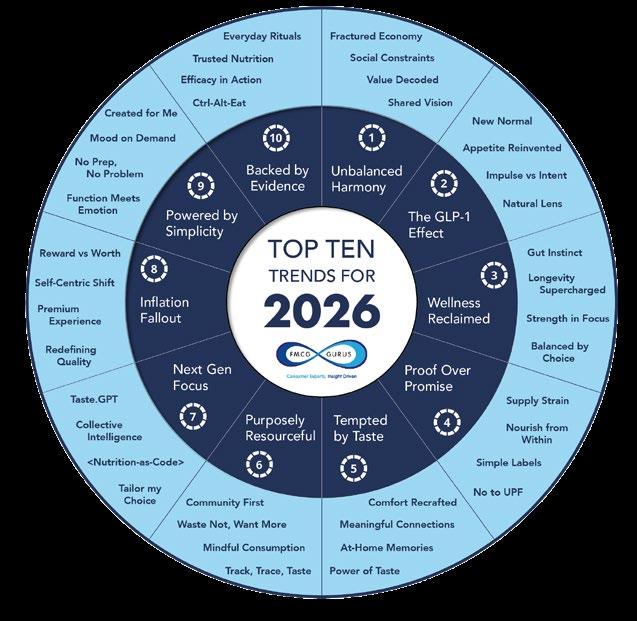
Sub trends:
+ Fractured economy
+ Social constraints
+ Value decoded
+ Shared vision
A majority of 69% of global consumers state that they would be interested in buying a food or beverage that stimulates GLP-1 hormones in a natural way.
The global conversation around weight loss has fundamentally shifted. With many consumers already using GLP-1 medication and nearly half wanting to lose weight, demand for effective, sustainable solutions is rising. However, perceptions of GLP-1 are polarized, from enthusiasm around rapid results to concerns over dependency, safety, and side effects. This will create two growth pathways for brands: products that naturally stimulate GLP-1, and nutrientdense food and drink designed to support users during and after medication.
Sub trends:
+ New normal
+ Appetite reinvented
+ Impulse vs intent
+ Natural lens
Almost half (45%) of global consumers say they worry about their physical health, while 44% worry about their emotional health. Consumers are increasingly aware that day-to-day habits directly impact longevity, yet many feel their physical and
“There are three key areas of focus for the year ahead: trust and transparency, mood and indulgence, and convenience reimagined. Consumers are demanding proof over promise, expecting brands to demonstrate integrity through clear sourcing, science-backed claims, and visible impact. Emotional well-being and escapism remain critical, with products expected to enhance mood, provide comfort, and help people reprioritize amidst busy lives. Finally, convenience continues to be a premium, but it must be coupled with health, simplicity, and ease of use. Brands that integrate these elements while maintaining taste, quality, and authenticity will be best placed to resonate with consumers in 2026.”
Benjamin Campaniello Content & Data Analyst at FMCG Gurus


Behind every great baked product, there’s real innovation.
Cibus Tec is where industrial technologies find their stage, their audience, and their full potential.
Supported by Top Players, others on the way






emotional health is suffering. Heart health, digestive wellness, sleep, and stress management are top concerns, with rising barriers such as financial cost, time scarcity, and stress making healthy living feel more difficult. In the next year, there is expected to be increased demand for simple, natural, affordable solutions that deliver noticeable results and for brands to help consumers regain balance rather than overwhelm them with complexity, which can test consumer trust.
Sub trends:
+ Gut Instinct
+ Longevity supercharged
+ Strength in focus
+ Balanced by choice
The study shows that 58% of global consumers state that, over the past year, they have been more attentive to the ingredient lists on the food and drink products they buy. As distrust grows, consumers are scrutinising how food is formulated, processed, and sourced. Concerns around ultraprocessed foods, hidden ingredients, and supply chain strain continue to build. With many believing brands prioritize profit over people, authenticity and transparency are no longer optional. Companies that clearly communicate sourcing, processing, and sustainability, as well as real responsibility, will be best positioned to retain trust in an increasingly sceptical marketplace.
Sub trends:
+ Supply strain
+ Nourish from within
+ Simple labels
+ No to UPF
Out of consumers who say they find traditional/nostalgic food flavors appealing, 51% say this is because they find these flavors indulgent.
In a world defined by stress and financial caution, consumers are turning to small moments of indulgence for emotional relief and a sense of escapism. Traditional and nostalgic flavors are gaining popularity, with over half of consumers using snacks for comfort at least some of the time. As spending on foodservice declines, people are trading up on premium at-home treats that deliver restaurant-quality enjoyment at everyday prices. Taste matters, and indulgence must feel both rewarding and justified.
Sub trends:
+ Comfort recrafted
+ Meaningful Connections
+ At-home memories
+ Power of taste
The 10 top trends shaping consumer behavior in 2026 are detailed in FMCG Gurus’ 2026 Trends Magazine, freely available online, here: https://fmcggurus.com/top-tentrends-for-2026-trend-digest +++
PUBLISHING HOUSE
baking+biscuit international is published six times a year.
Single copies may be purchased for EUR 15. Subscription rates are EUR 75 per annum. Students (with valid certification of student status): EUR 40. (All rates include postage and handling, but not VAT).
Cancellation of subscription must be presented three months prior to the end of the subscription period in writing to the publishing company. Address subscriptions to the above stated distribution department.
Claims will not be accepted for any copies not received or lost copies due to reasons being outside the responsibility of the publishing company. This magazine, including all articles and illustrations, is copyright protected. Any utilization beyond the tight limit set by the copyright act is subject to the publisher’s approval.
Online dispute resolution in accordance with Article 14 Para. 1 of the ODR-VO (European Online Dispute Resolution Regulation): The European Commission provides a platform for Online Dispute Resolution (OS), which you can find at http://ec.europa.eu/consumers/odr
Valid advertising price list: 2025
Food2Multimedia GmbH Schoolkoppel 27 21449 Radbruch, Germany +49 4178 244 9797 www.foodmultimedia.de
EDITOR EMERITUS
Hildegard M. Keil hildegard_keil@t-online.de
PUBLISHER
James Dirk Dixon dixon@foodmultimedia.de
EDITOR-IN-CHIEF
Catalina Mihu mihu@foodmultimedia.de
EDITOR
Helga Baumfalk baumfalk@foodmultimedia.de
COPY EDITOR
Annie Dixon annie.dixon@foodmultimedia.de
SUBSCRIPTIONS Viktoria Usanova usanova@foodmultimedia.de DISTRIBUTION vertrieb@foodmultimedia.de
ADVERTISING Dirk Dixon dixon@foodmultimedia.de
SOCIAL MEDIA
Annie Dixon annie.dixon@foodmultimedia.de
LAYOUT/GRAPHIC
LANDMAGD Design aus der Heide
Linda Langhagen, design@landmagd.de
Leinebergland Druck GmbH & Co. KG Industriestr. 2a, 31061 Alfeld (Leine), Germany
IT IT Consulting BRUNK Felix Brunk, felix@brunk-net.de

One point of contact for technology, maintenance and service
Custom silo and dosing solutions for every production environment
Preventive maintenance and fast repairs
Solutions that meet the highest standards for hygiene and food safety
Smart Bakery Next: smart technology delivering real-time insights, automated control, and full traceability of raw materials










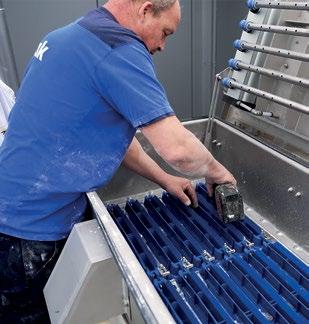



kaak.com