.
lanchenba ningthoujam. Architectural Portfolio - 2024
PROFESSIONAL EXPERIENCE
Apr 2022 - Nov 2023 (7 mon.)
Apr 2022 - Feb 2023 (10 mon.)
Oct 2021 - Feb 2022 (5 mon.)
INTERNSHIPS & COURSES
Jul 2022 - Feb 2023 (7 mon.)
Oct 2020 - Jan 2021 (4 mon.)
EDUCATION
Aug 2016- Aug 2021 (5 yrs.)
SKILLS
CAD / Modeling
Visualization
Post-Production
MS Office
LANGUAGES
English
Hindi
Manipuri
Graduate Architect (WFH)
Hyperspace Architecture, Canberra
Junior Architect
IDEA Consultancy, Sikkim
Architectural Consultant
SPACE, Sikkim
BIM Professional Course
Novatr (OneistoX)
Architectural Intern
BB & Associates, Manipur
Bachelor of Architecture (B. Arch)
D Y Patil College of Engineering and Technology, Kolhapur
AutoCAD / Revit / Sketchup
Lumion / Enscape / Vray
Illustrator / InDesign / PhotoShop
Word / PowerPoint
Advanced
Intermediate
Intermediate / Native
Ph. no
+91 87298 18887
lanchenbaningthou@gmail.com
https://www.linkedin.com/in/ar-lningthou/
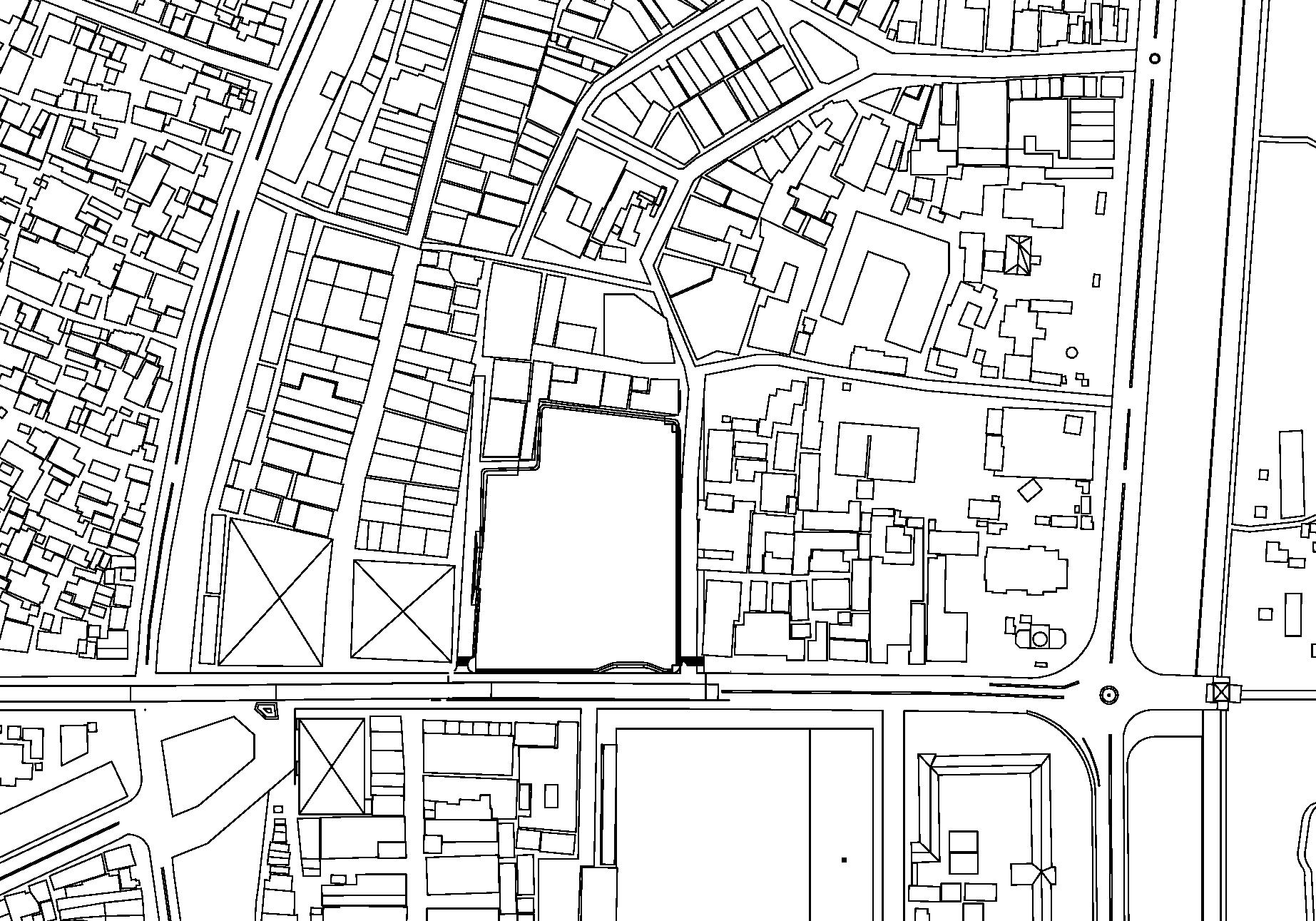
Public Commons Market near New Market Road, Imphal West, Manipur- 04
FSI (Floor Space Index)1.5
Total Built-up Area16,100 sqm
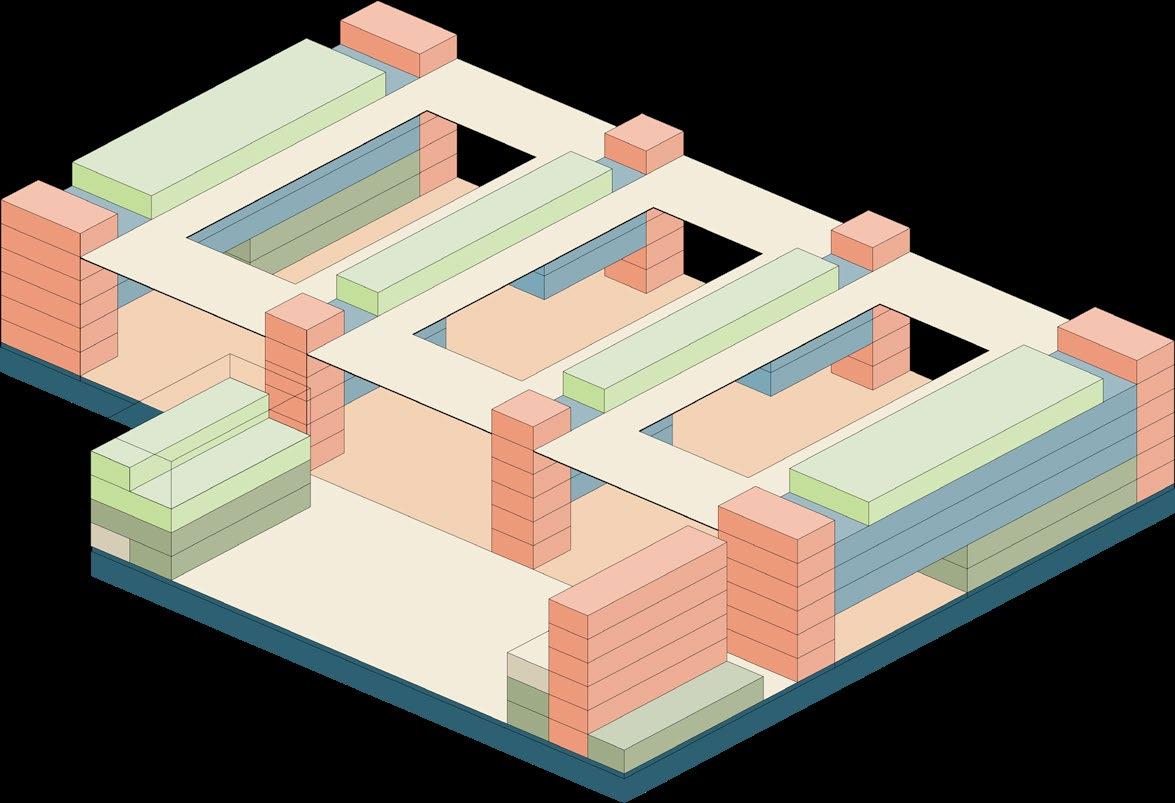
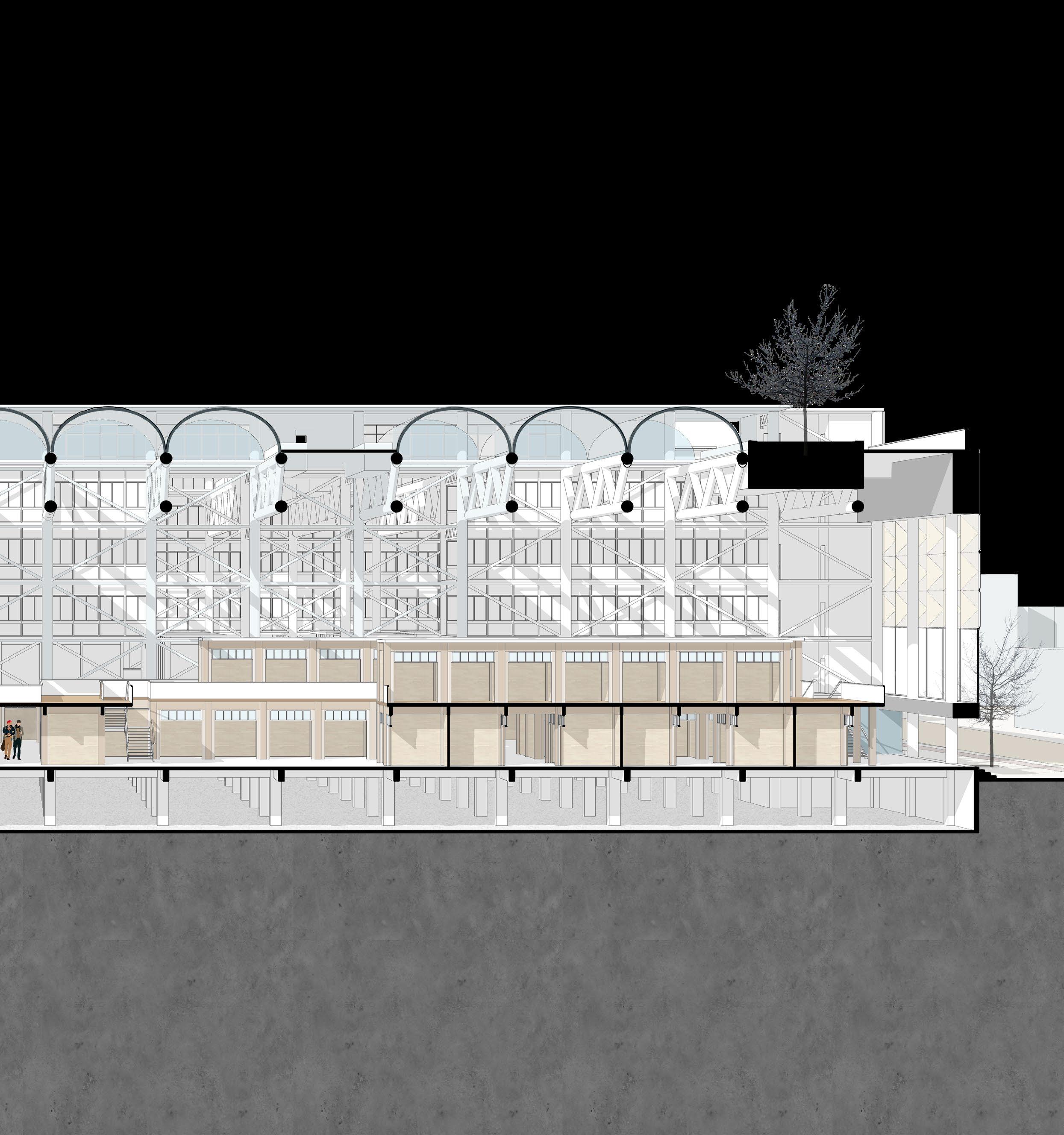
Covering about 8,500 sqm and built in steel, Commons Market would house the 500 stalls for the existing licensed vendors previously displaced due to the site redevelopment project.
The new building would introduce a new class of urban building to the people of Imphal; on is truly for the people, and of the people. The new design would usher in a new era of development of the city, and establishing a modern landmark that the locals can be proud to call theirs.
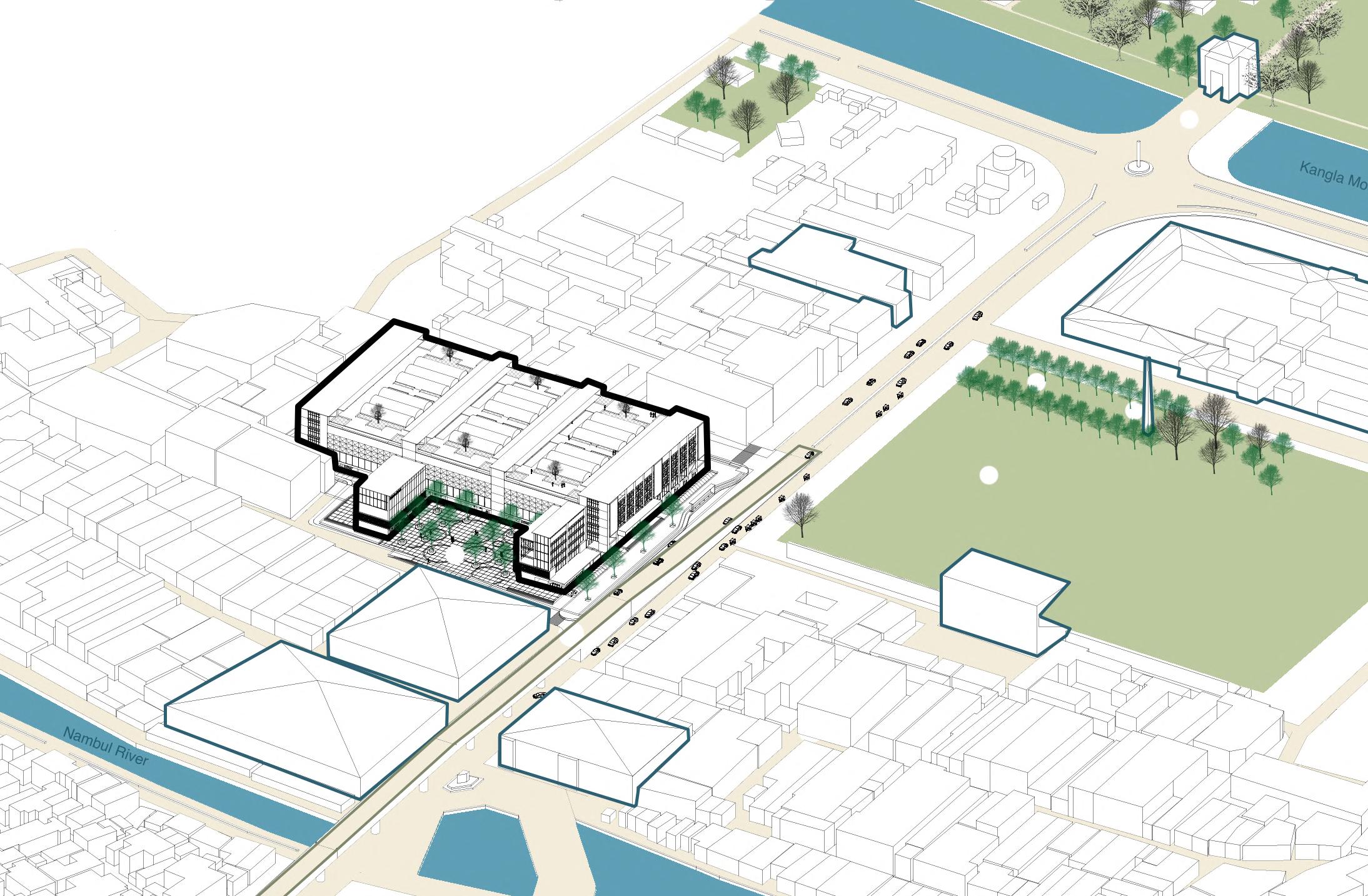
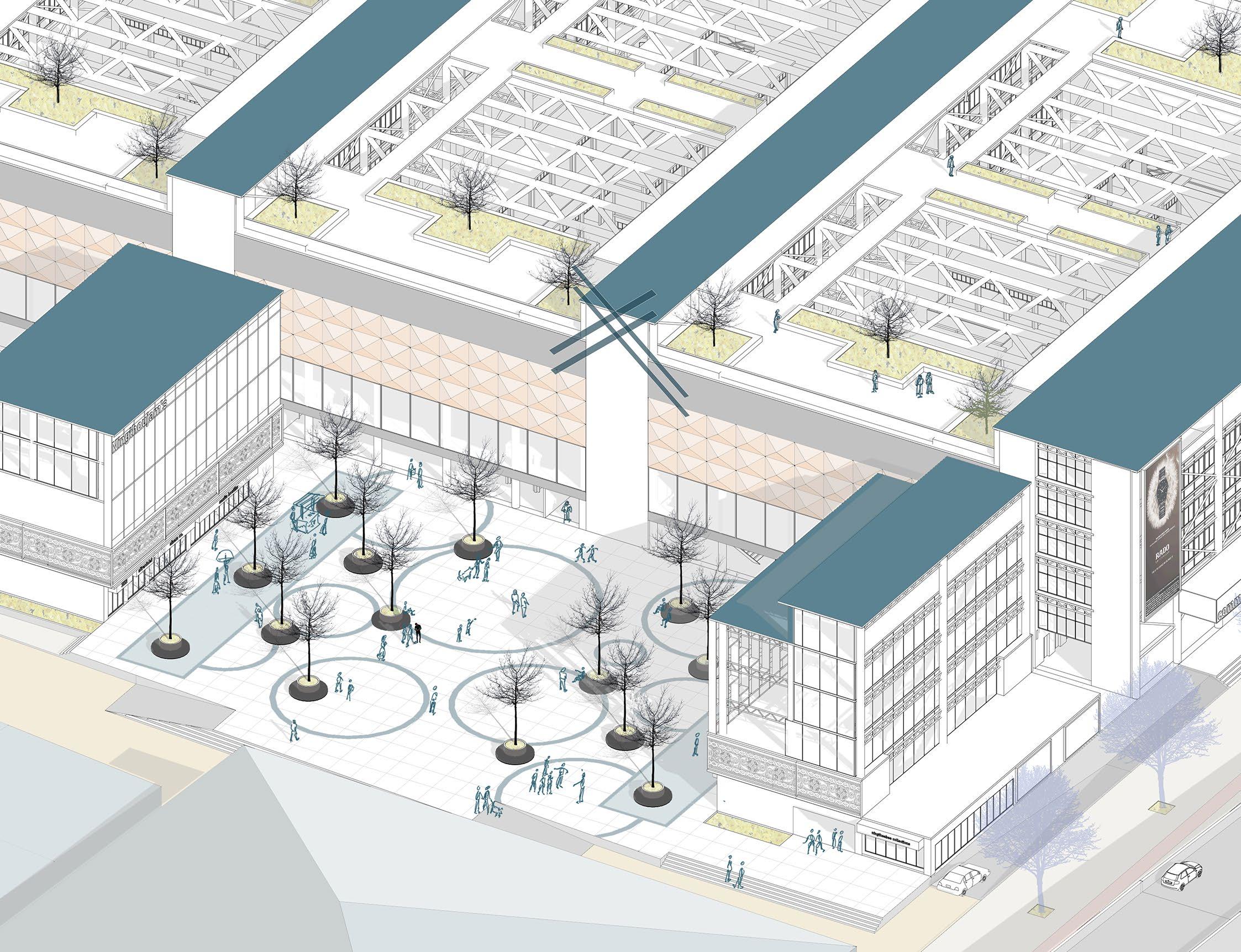
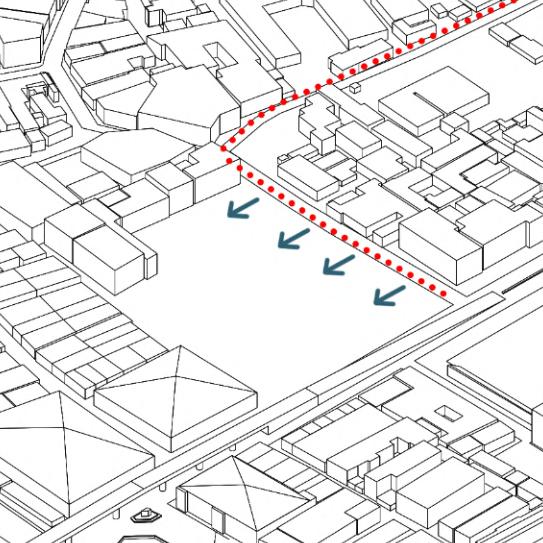
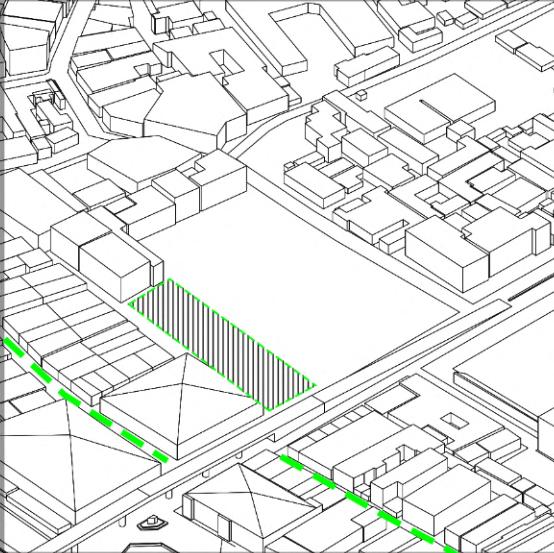
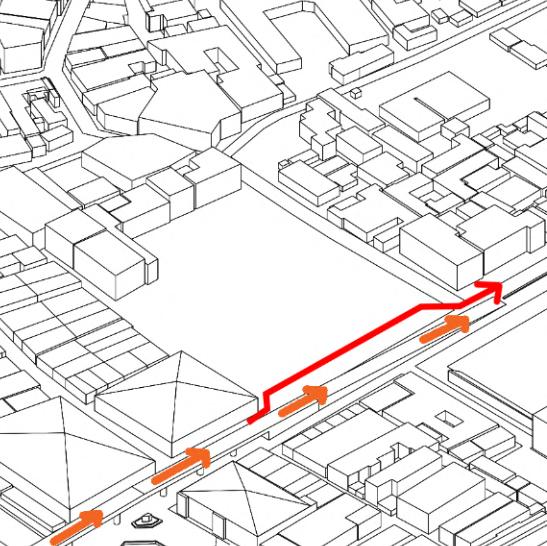
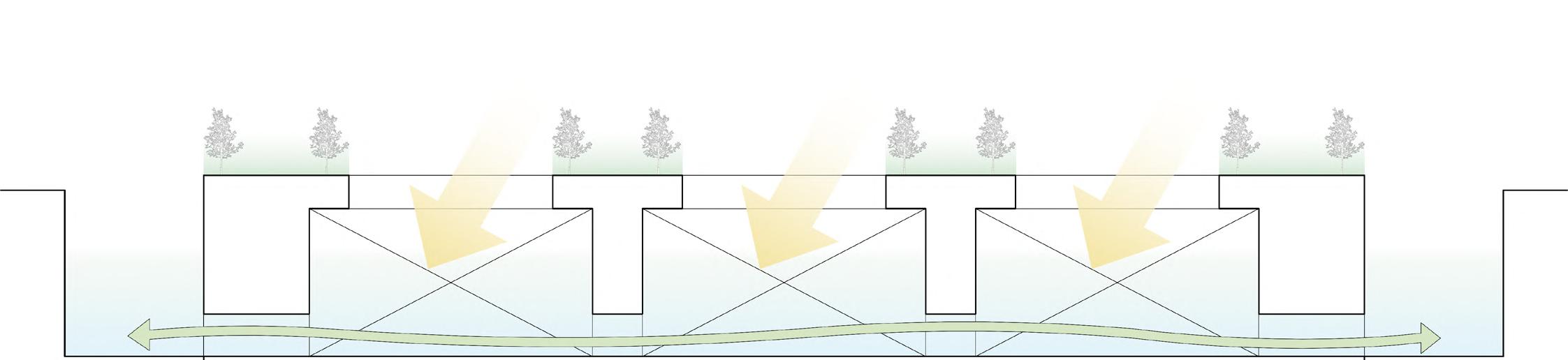
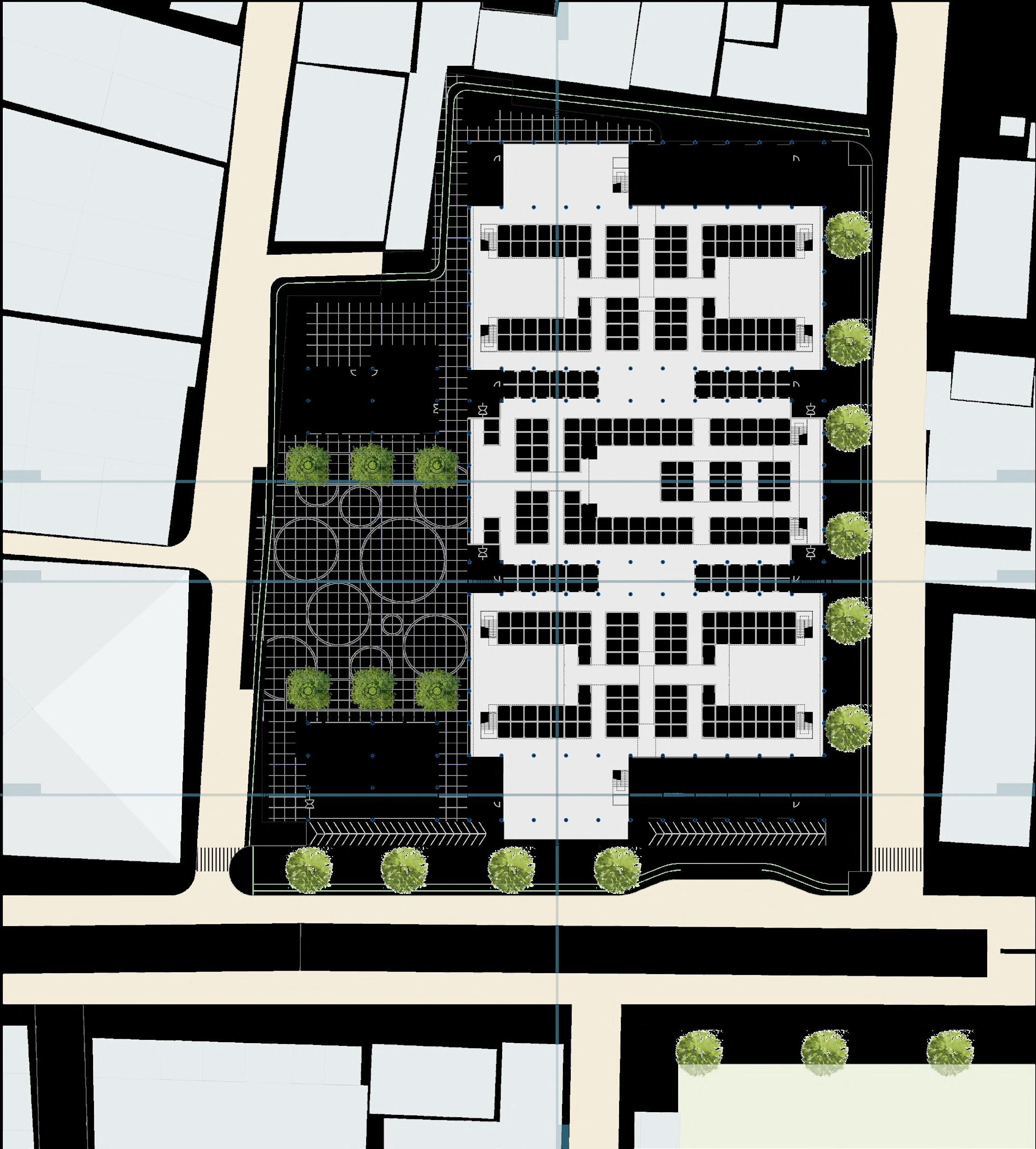
The building would consist of three great halls (30m x 18m) that would house about 400 stalls. Sunlight enters the building through massive skylights on the roof.
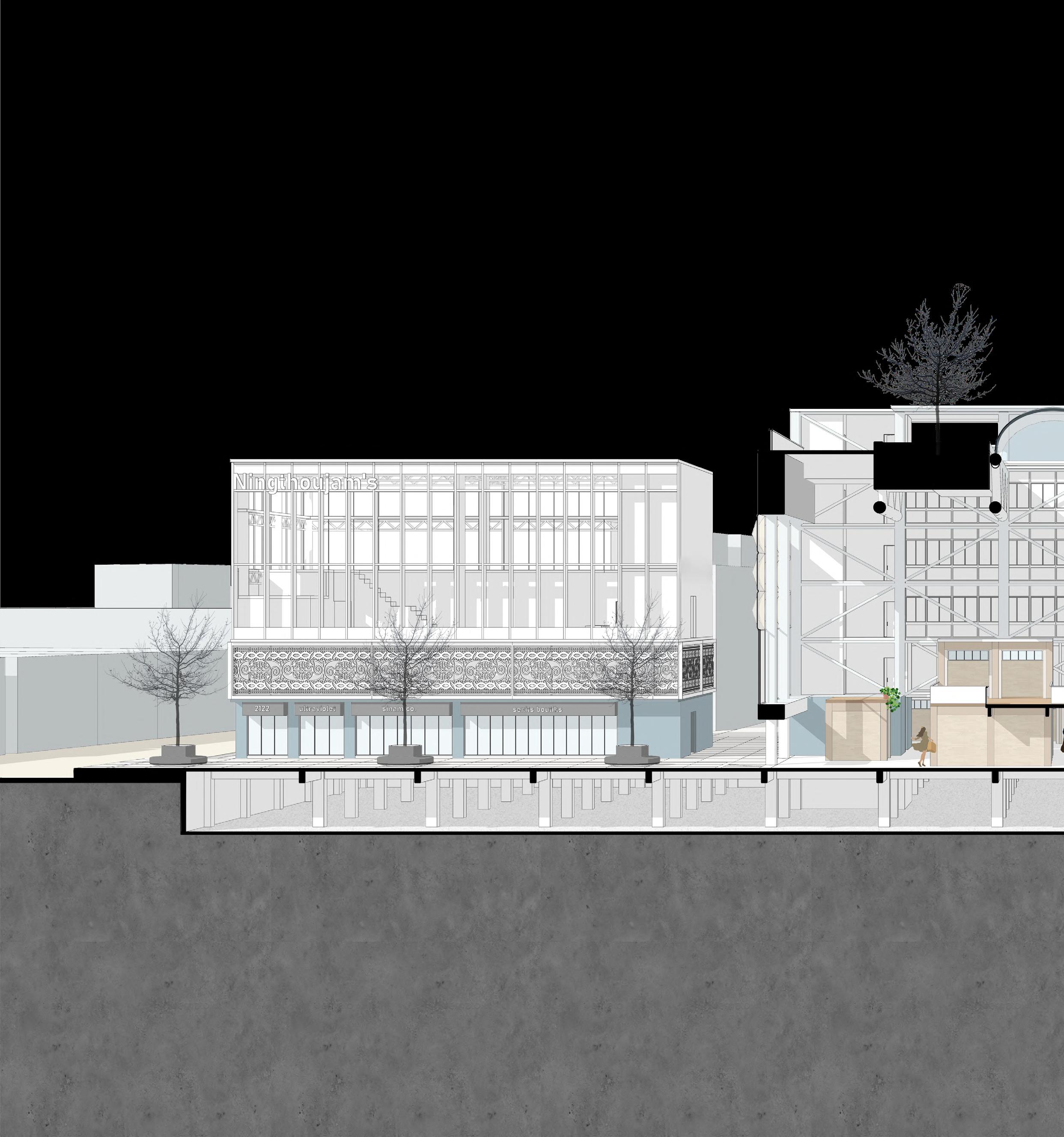
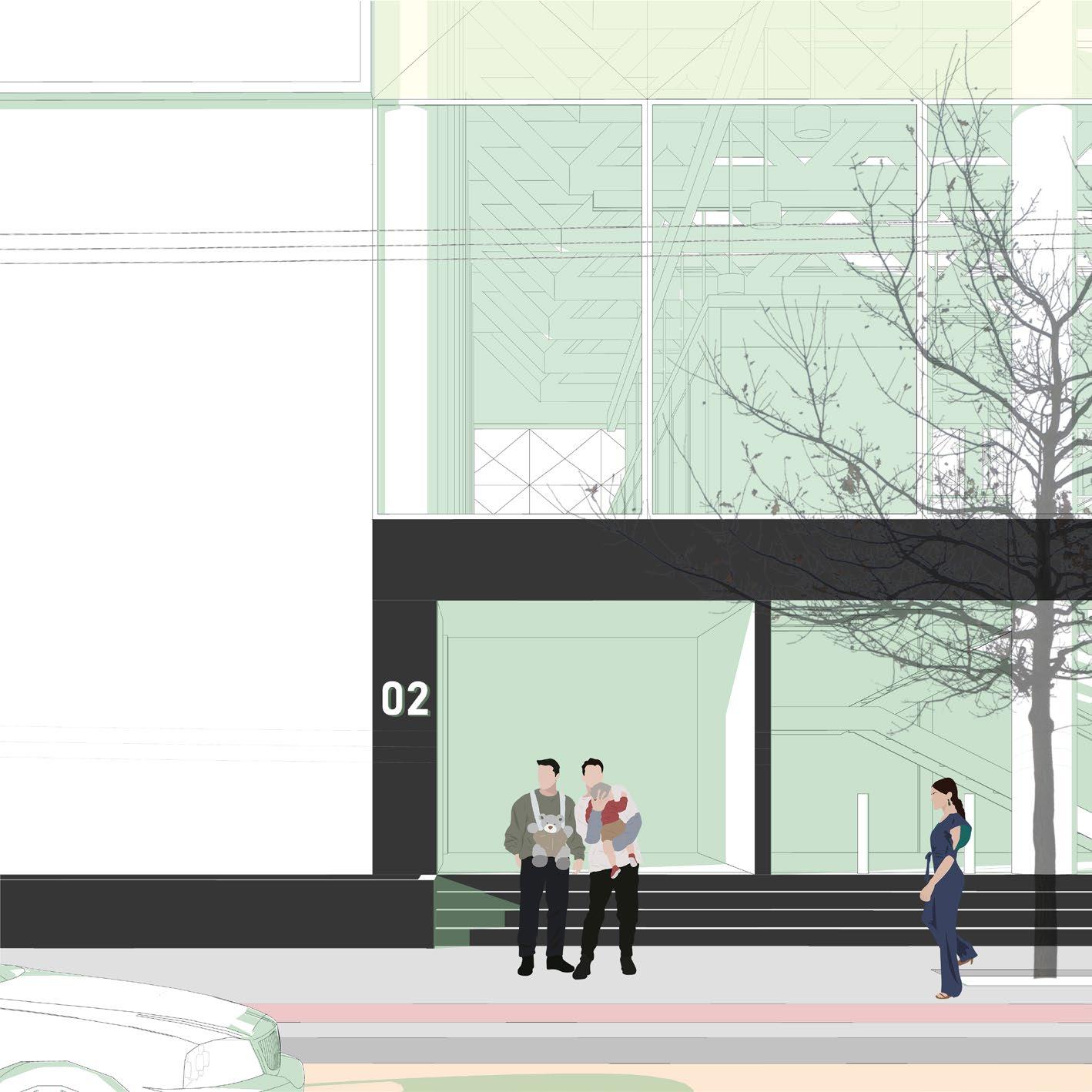
The ground floor of the building is seamlessly connected to the surrounding street, with common activities and access from all sides, thus embracing an ‘open market’ concept.
An F&B space around a rooftop garden with views of the city.
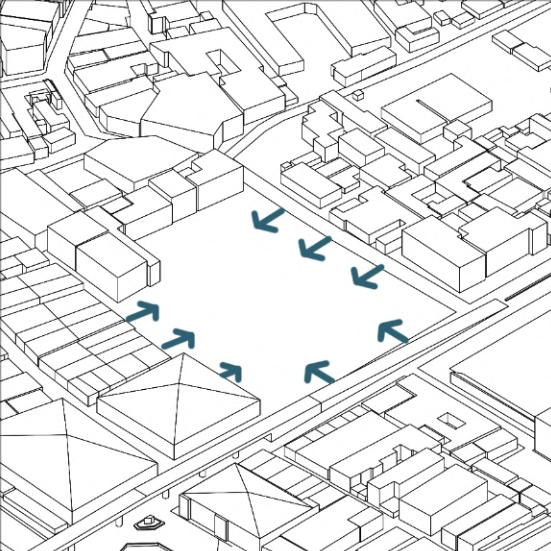
A spacious public plaza out front, with parking below. Placing the Plaza Opening the Site rooftop garden
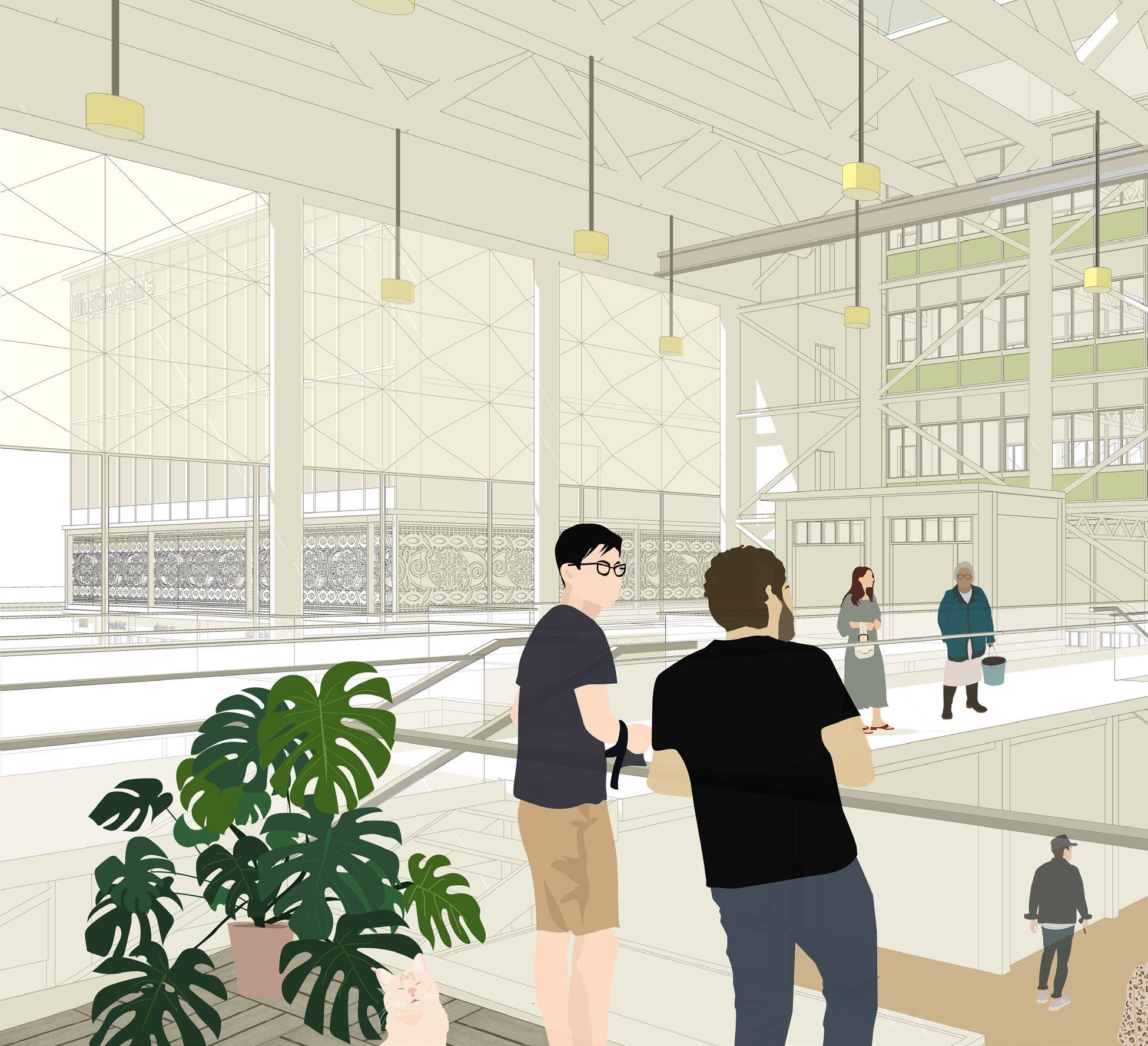
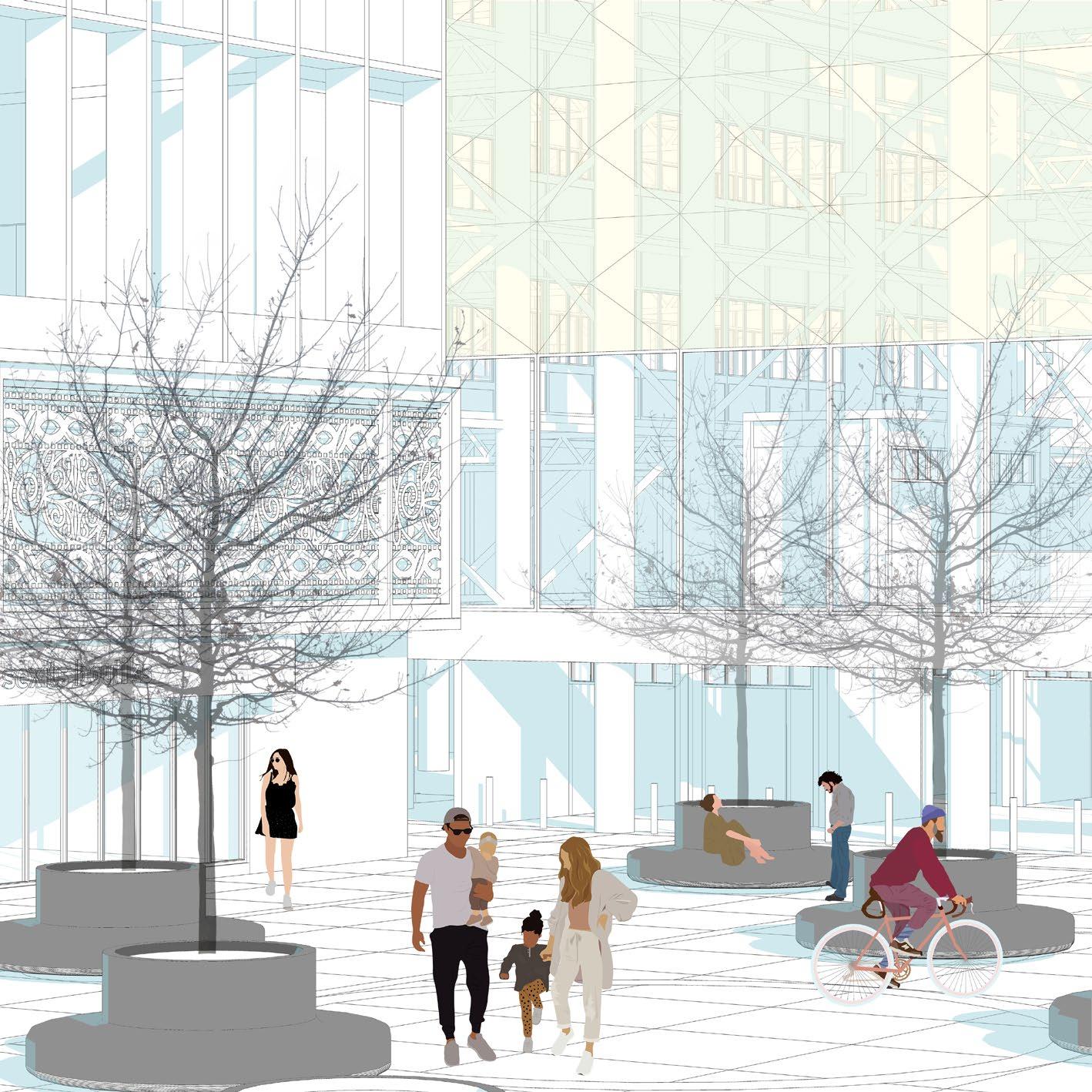
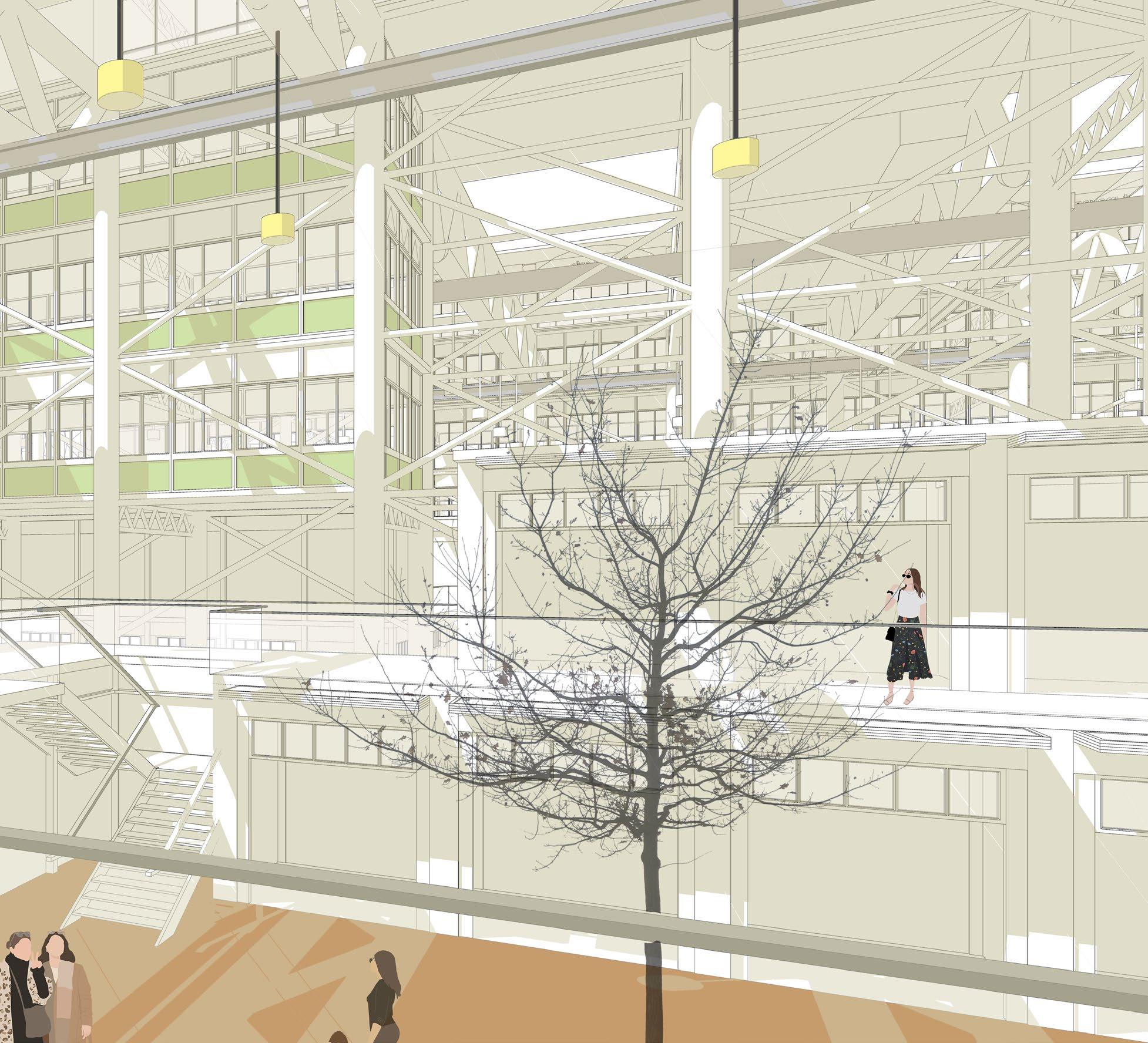
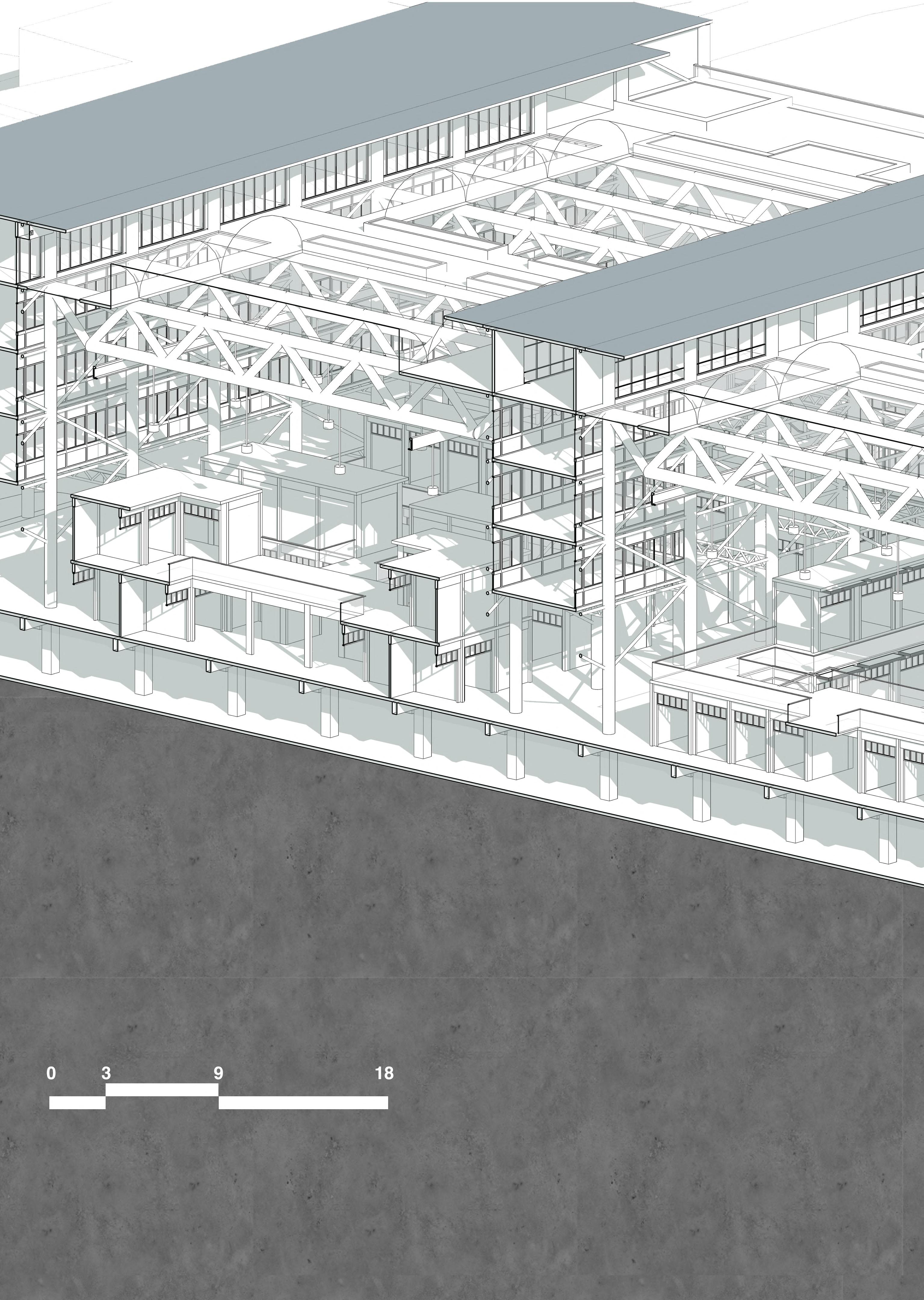
Mixed-use spaces designed according to these principles allow for people to live, work play and shop all in one place, and also become a destination for people from other neighborhoods. They are an excellent way to better connect the people to their city, encourage more involvement from the community and improve the overall standard of living in that locality.
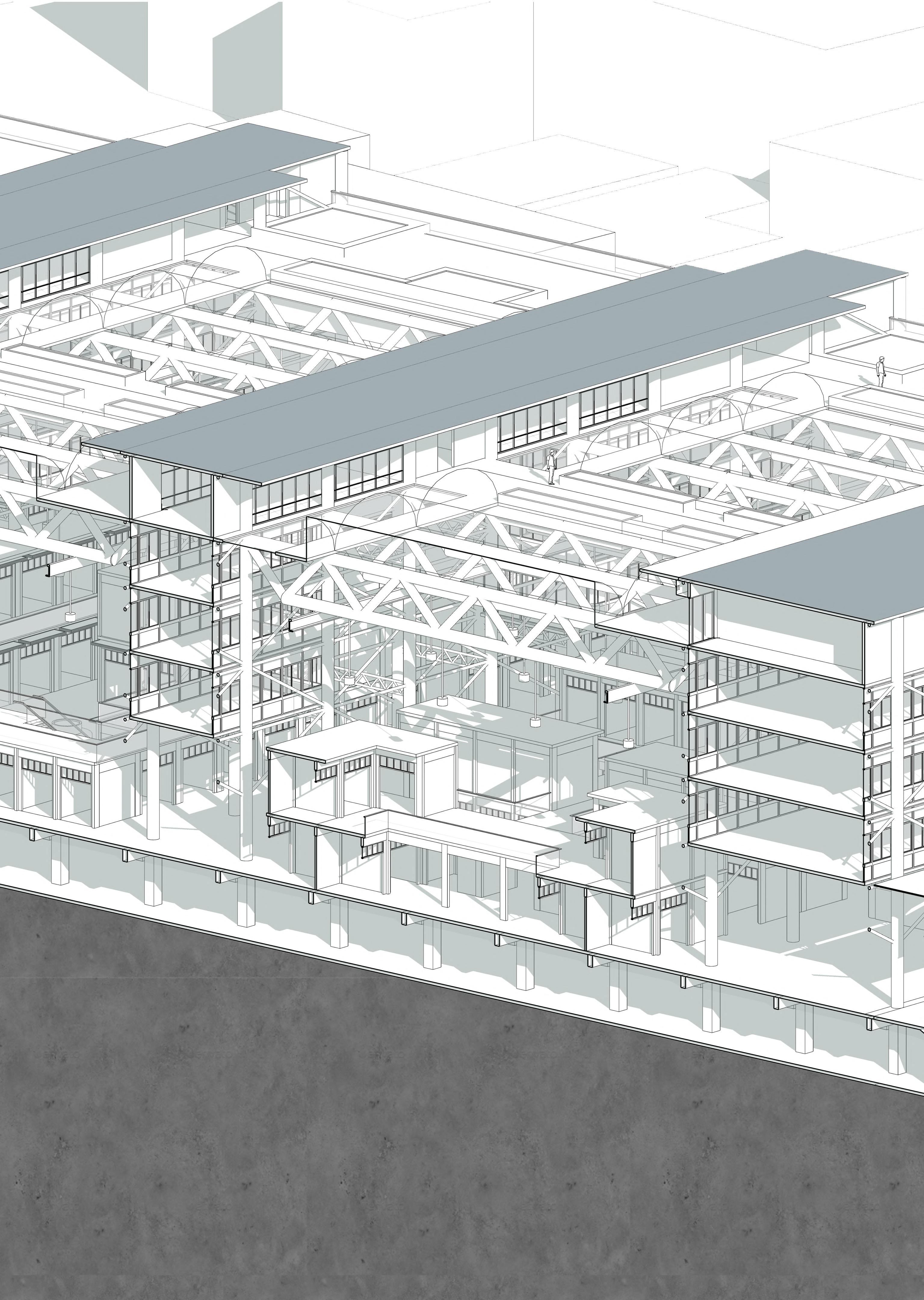
Conceptual Proposal
Initial Proposal DateNov
Part of an upcoming campus for an institution that would include a boarding school, a school for music and applied arts, a cultural center, apartments, and additional buildings, this structure comes with a very unique set of requirements.
The campus would be dedicated to preaching the life and teachings of Bhagawan Sri Sathya Sai Baba, and this house of worship was to be envisioned to serve as His honorary residence at the campus. The building is to house a prayer hall, a private room to serve as an honorary bedroom, and rooms for meditation.
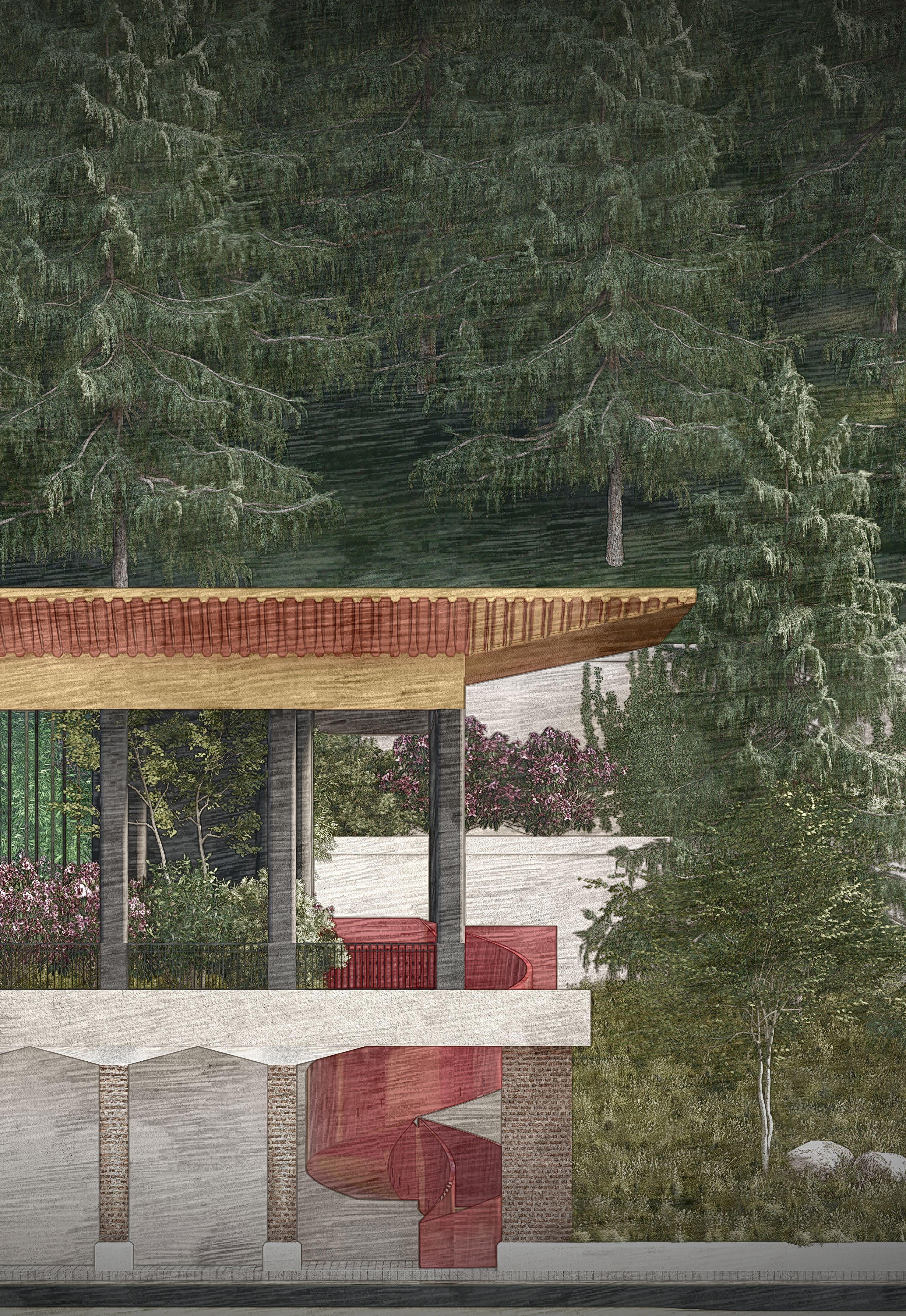
To understand the concept, I must first explain the relevant daily life of Sathya Sai Baba and His devotees.
He resided in the Yajur Mandir, and he came out everyday into the adjoining Kulwant Hall to grant Darshan to his devotees gathered there. The Yajur Mandir was a private residence, with almost no access to other people. On the other hand, the daily hymns and bhajans, and almost all major festivities and celebrations took place in the Kulwant Hall. It was the happening place of Prashanti Nilayam, His ashram.
Every once in a while, while giving Darshan, He would select a few devotees into His inner chamber for private conversations. There, He had conversations with them on a range of topics, from personal issues to questions about the universe.
The Abhyudaya is to be inspired by the Yajur Mandir - a residence of God, but to make it more accessible to His devoteees, i.e., incorporate the Kulwant Hall and His inner chamber into the building.
As per the brief, the building would house two primary spaces - a place for congregation (a small one, for about a hundred people), and a place for solitude (mimicking His inner chamber and Yajur Mandir).
The building would have no architectural implications to any religion of any sort, since this is to be a place for all religions. However, the building must also respect the local context with its facade. The building must have a humble outlook, yet exude a subtle grandness.
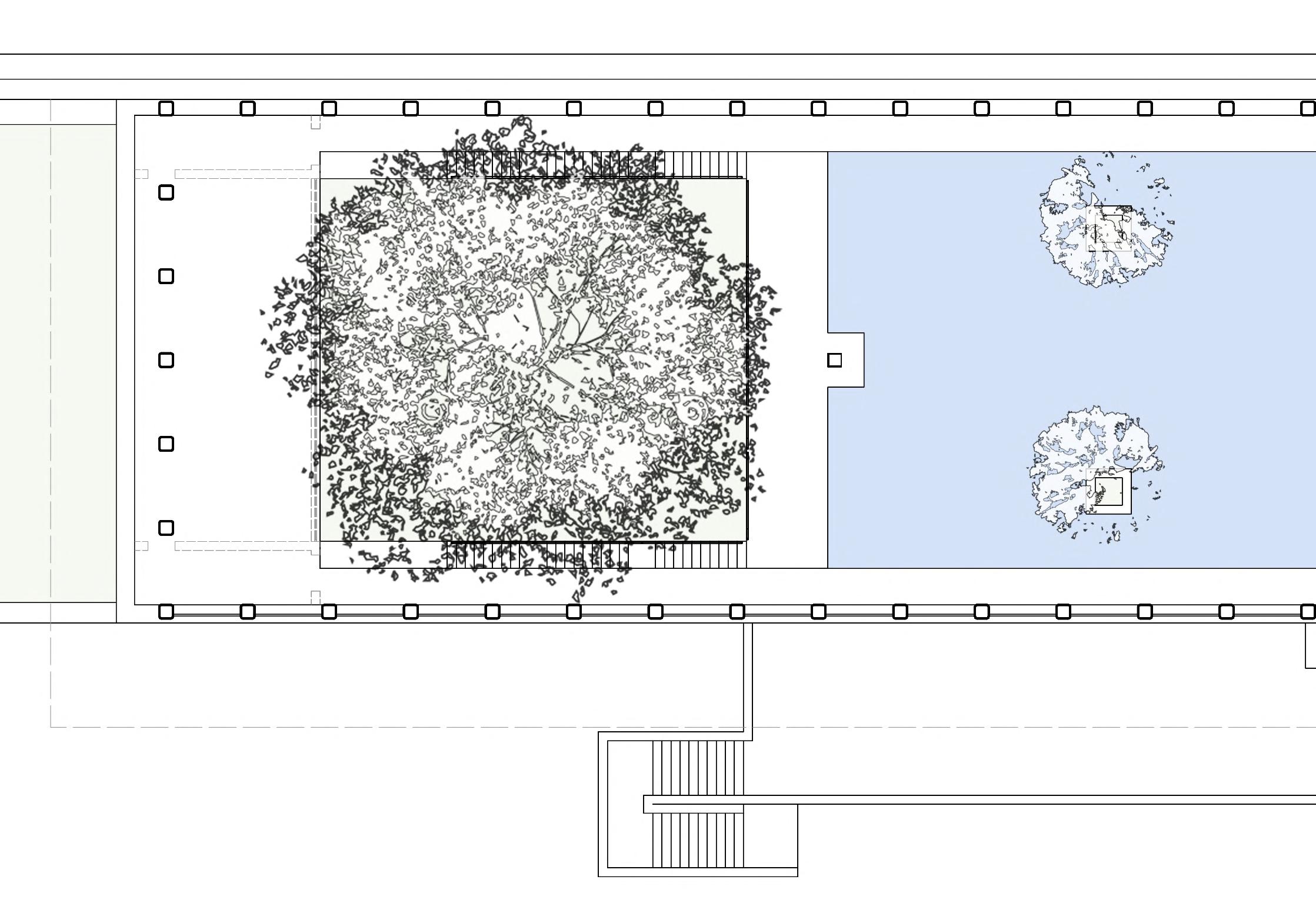
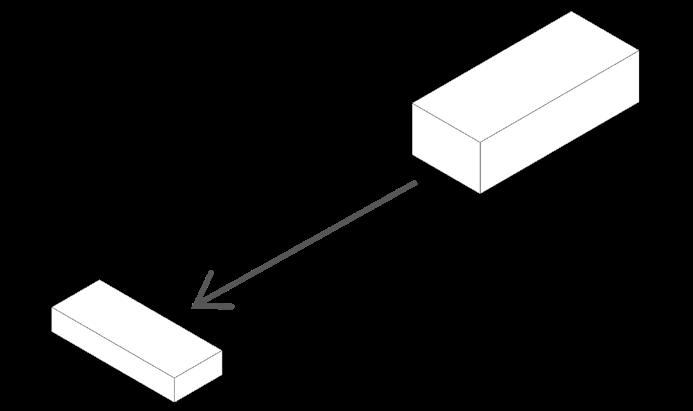
Two primary spaces - the House of Worship facing the House of Solitude across the Altar, all placed on a linear axis

The House of Worship is inspired by the humble grandeur of the Kulwant Hall. The House of Solitude is meant to be a smaller space
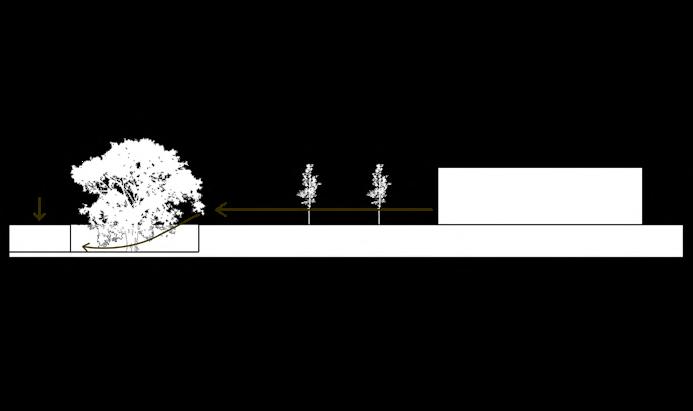
The House of Solitude would be placed at a lower level to provide a bit of privacy, along with the Tree of Meditation.
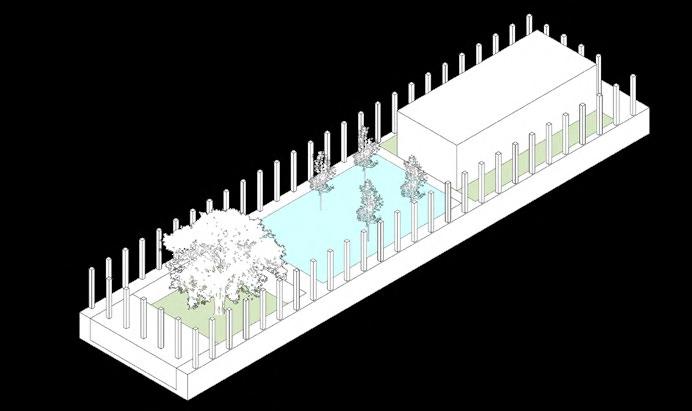
A facade of pillars to serve as an enclosure to the compound, inspired from local architecture
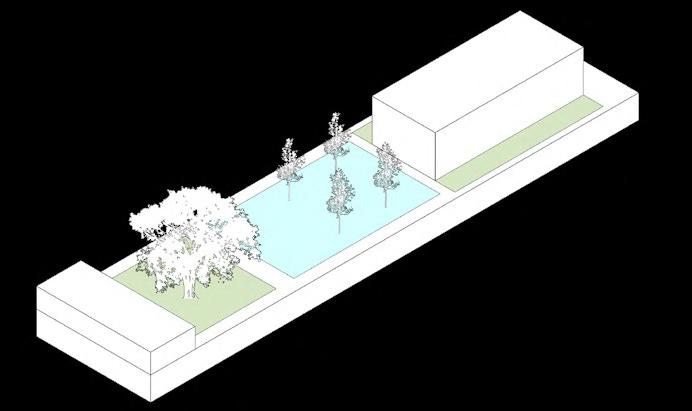
Nature surrounds the devotees at the House of Worship, with sunlight flooding down the roof, emphasizing the fact that we are but a small part of Mother Nature
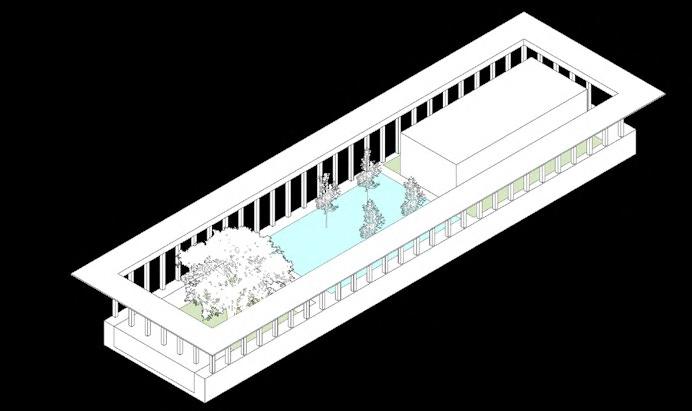
A golden roof added around the pillars, with elements inspired from local architecture
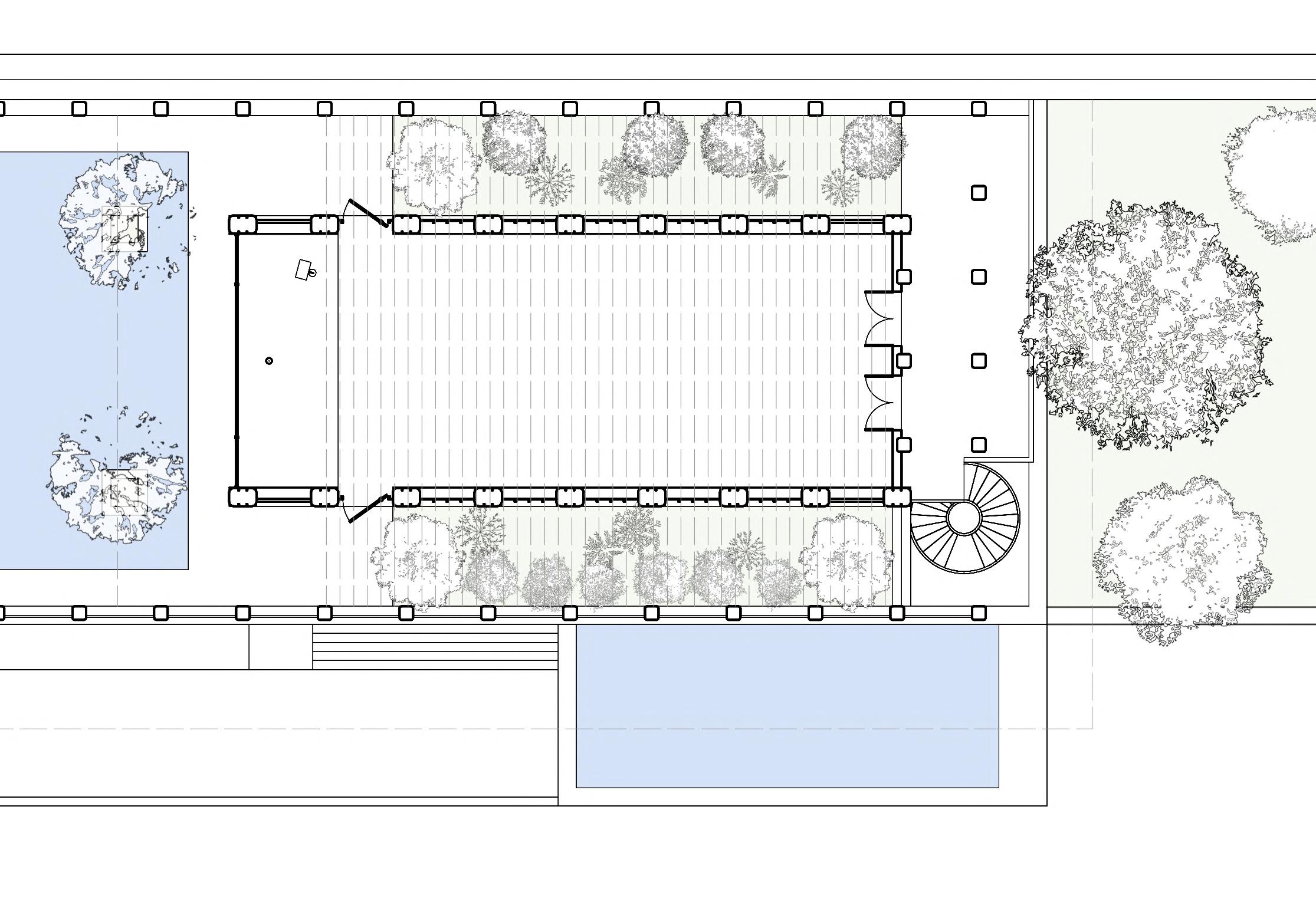
5. The Tree of Meditation
Go down into your soul and focus your senses. The Vata Vriksha serves as a symbol and point of focus for meditation.
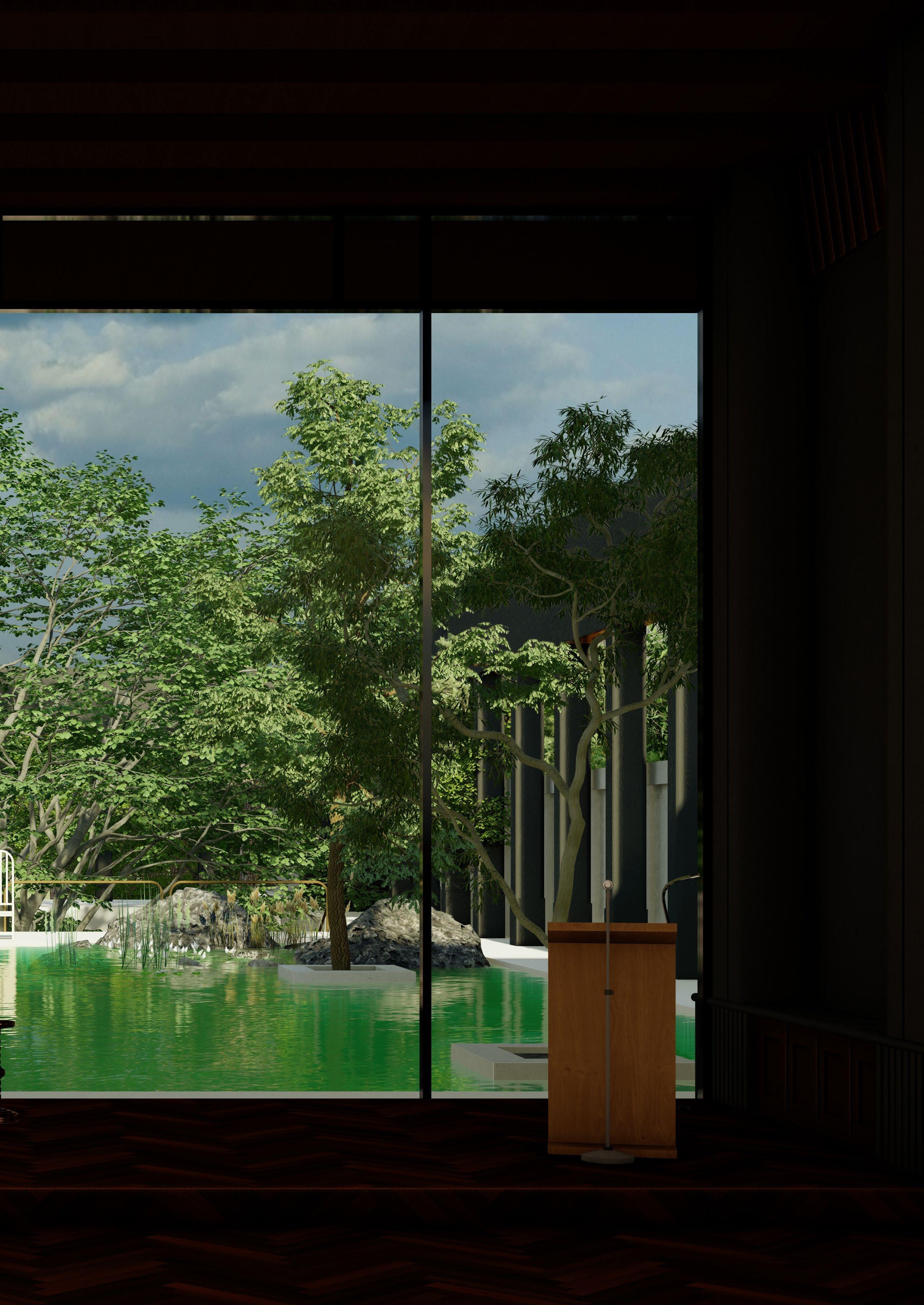
4. The Altar Garden
Instead of an altar and shrine to a particular God, the universe itself is revered. Mother Nature in her glory, with a chair in the center. The four elements, in their proportions.
6. The House of Solitude
Find inner peace by looking into yourself. Cut off from the outer world, in your heart, is where God resides.
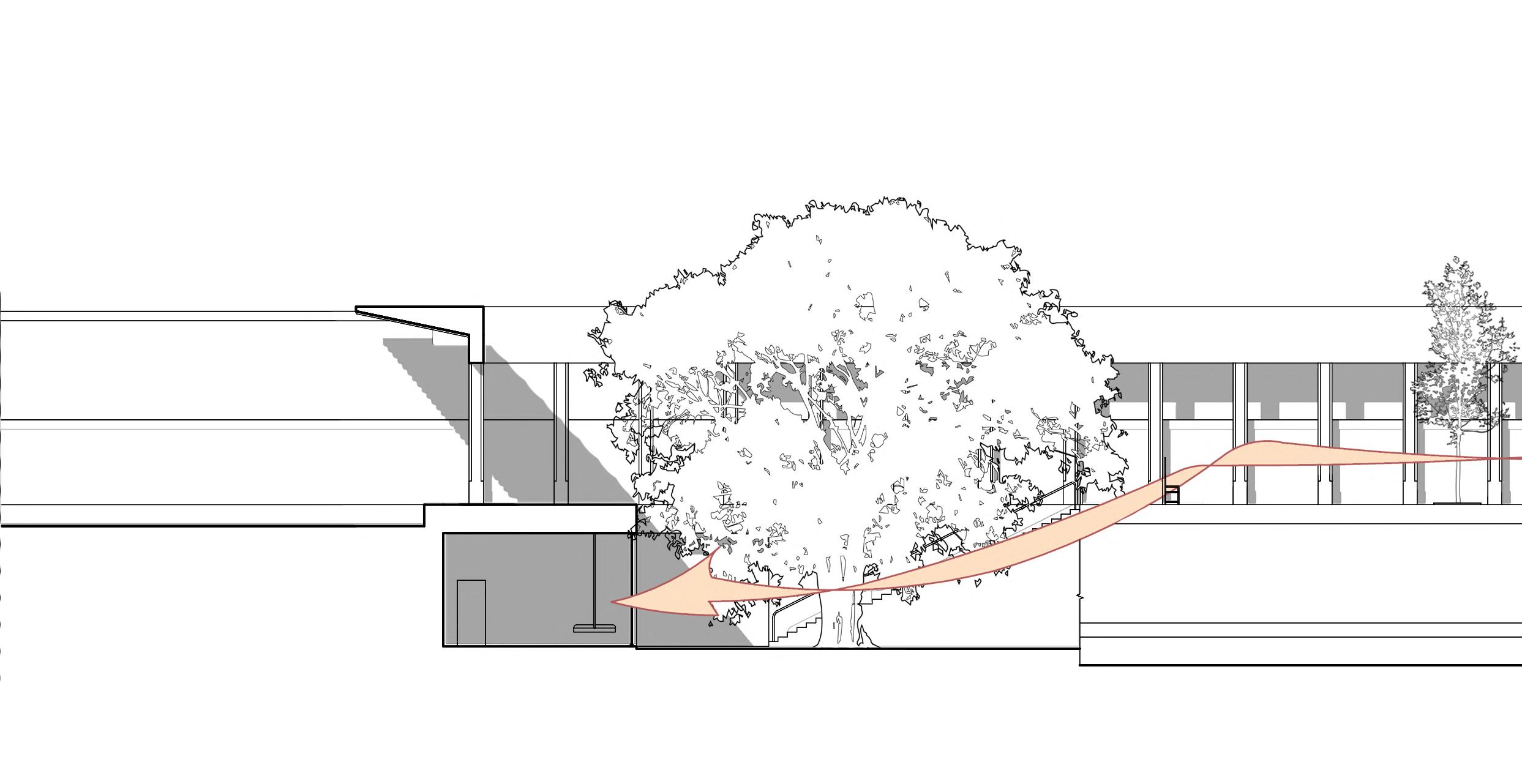
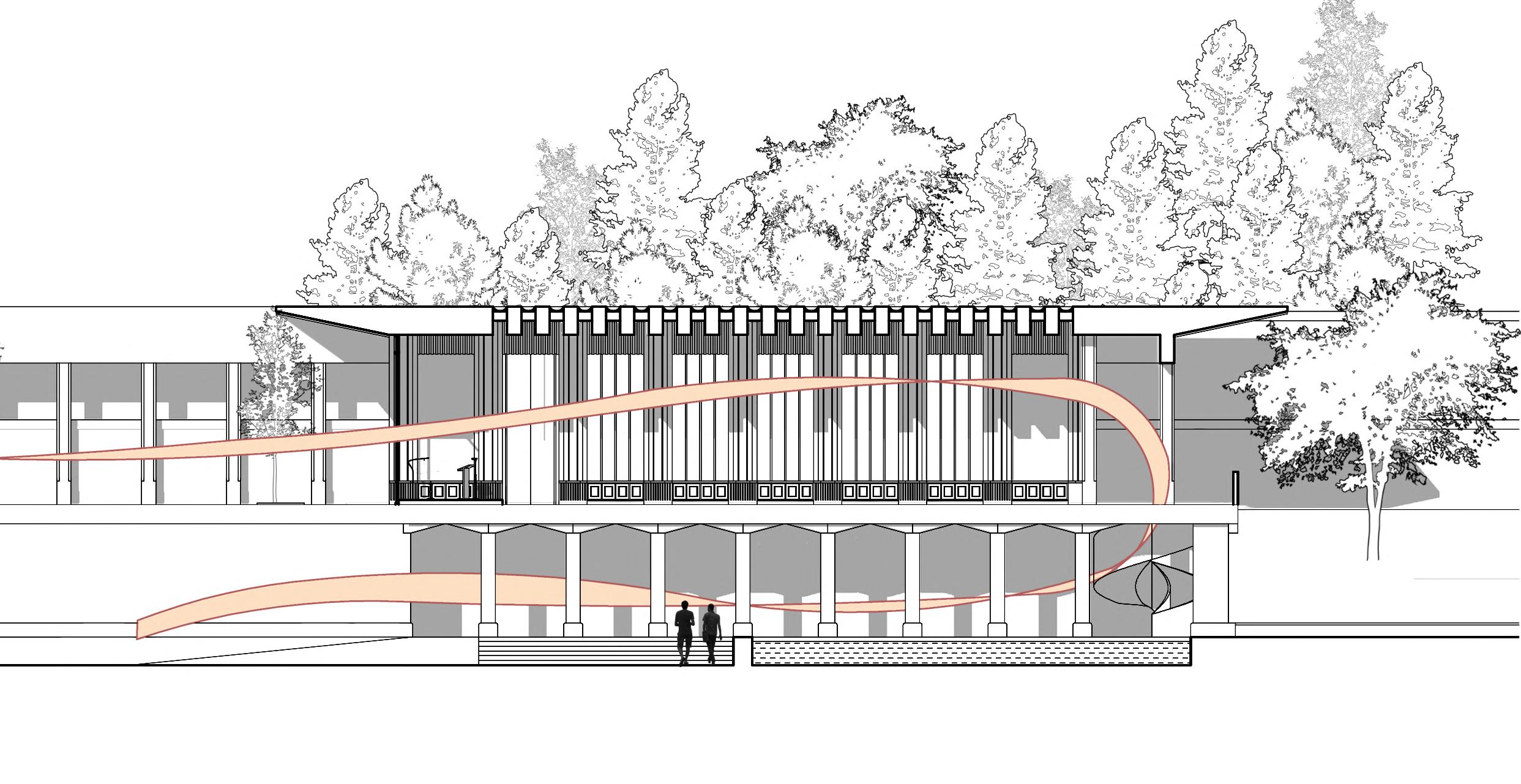
Journey into Solitude sounds in architecture
1. The Plaza
A place of common gathering. A gushing fountain welcomes the devotees through the colonnade passageway. The outer world, one of noise and disturbance.
2. The Balcony
The in-between. A space before the main hall, a view of the campus. Sounds of the fountain, the chirping of birds. A reduced level of noise, signalling the beginning of prayer.
3. The House of Worship
A place of congregation. Surrounded by nature, a quiet and simple hall with a stage for sermons. A single lamp out front.
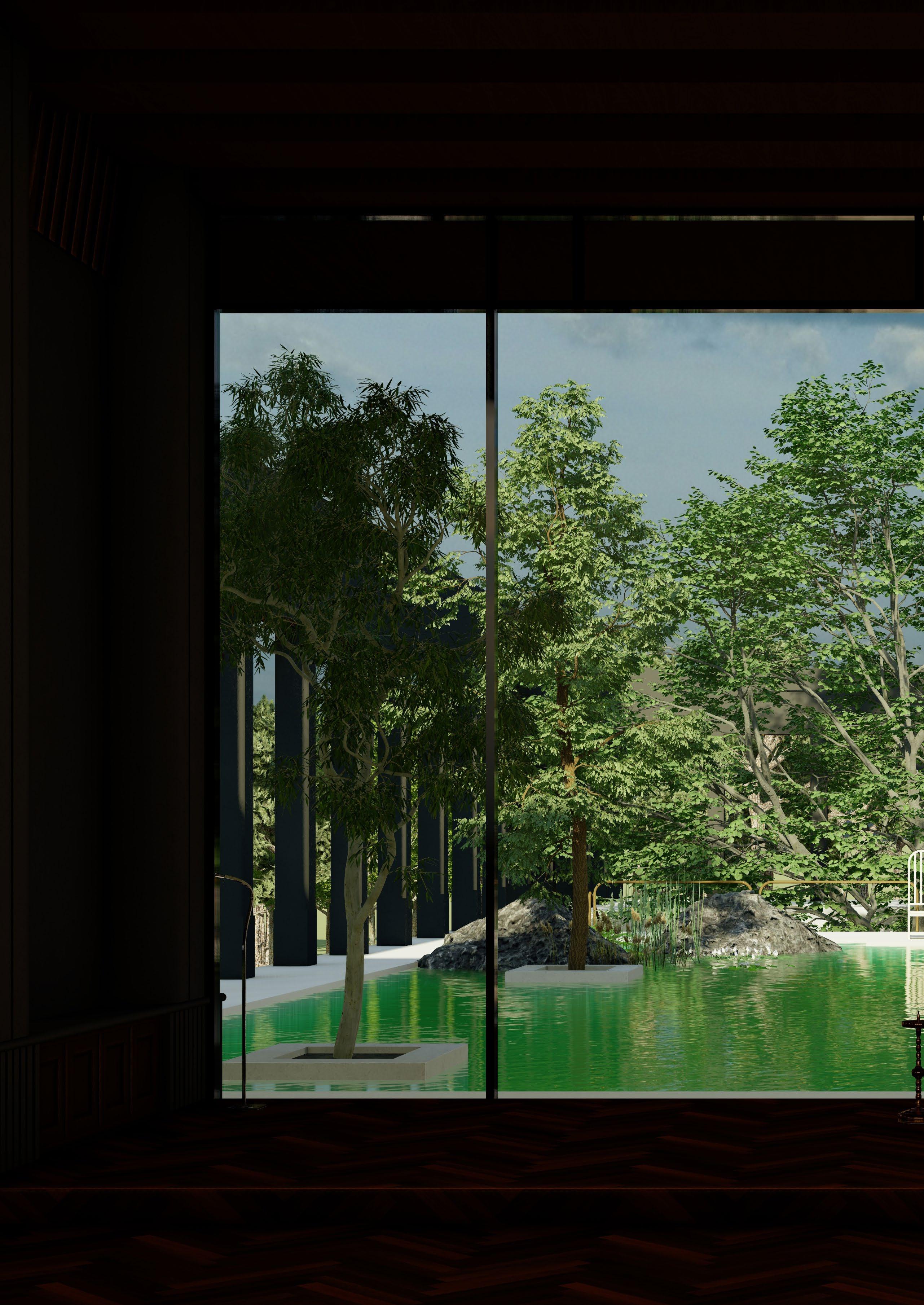
The shrine pays homage to the birth of the universe; the world egg floating in the cosmic ocean. The golden egg is believed to be the seed of all creation in many beliefs. The egg is represented by the empty chair in the middle, with the universe branching out of it, represented by the branches of the Tree of Meditation. The reflecting pool represents the cosmic ocean, and also a reflection of our soul. Devotees may come to pray, and while doing so, can imagine the God of their choice on that chair.

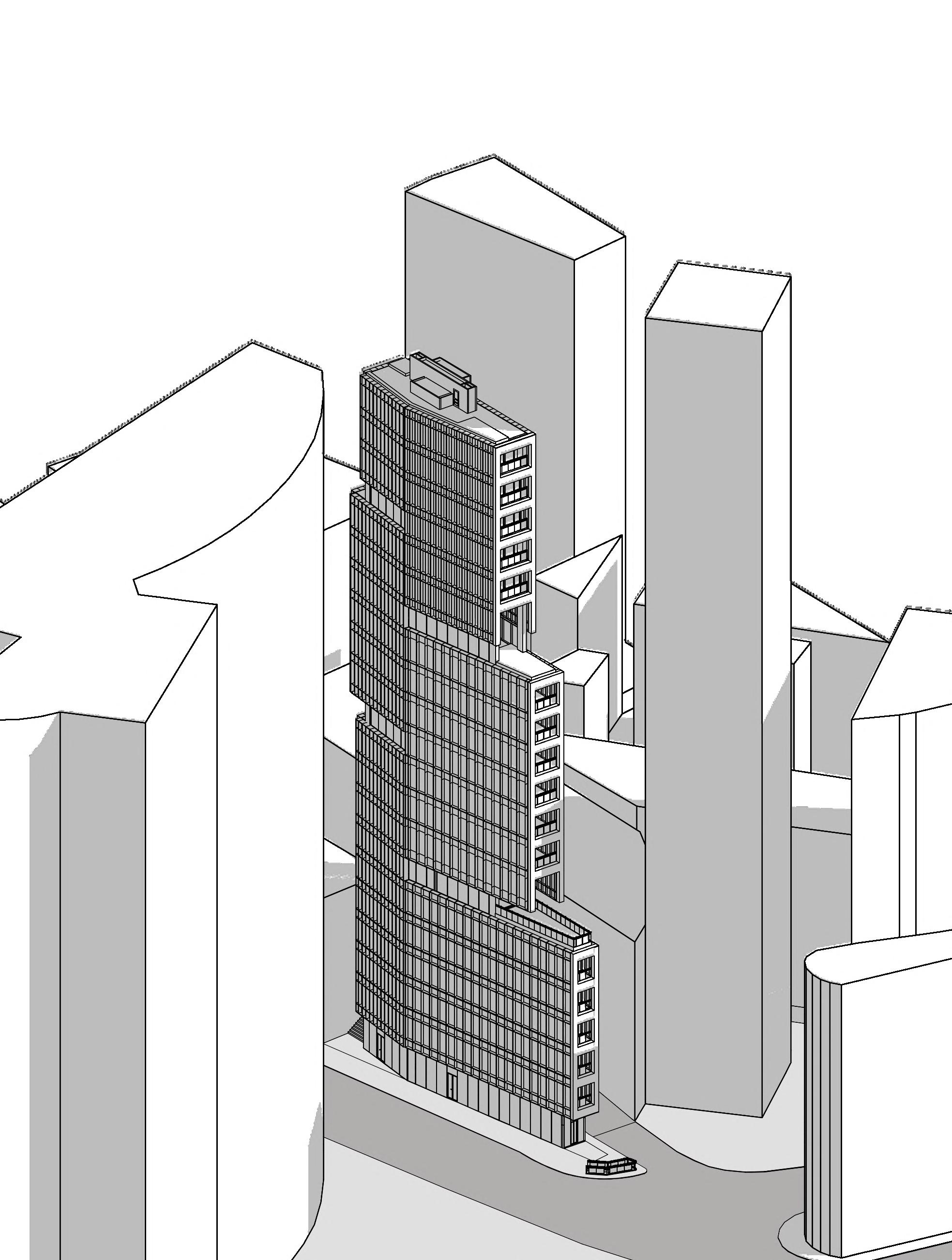
The project location is at the Intersection of Wellington Street and Queens Road Central in the Central District of Hong Kong Island. The existing building, built in the 70s, doesn’t maximize the current allowed GFA of the plot. Given the prime location, and the under-utilized available GFA, the owner is set to study the possibilities of another building volume that can provide a better ROI while creating a landmark at a critical urban point.

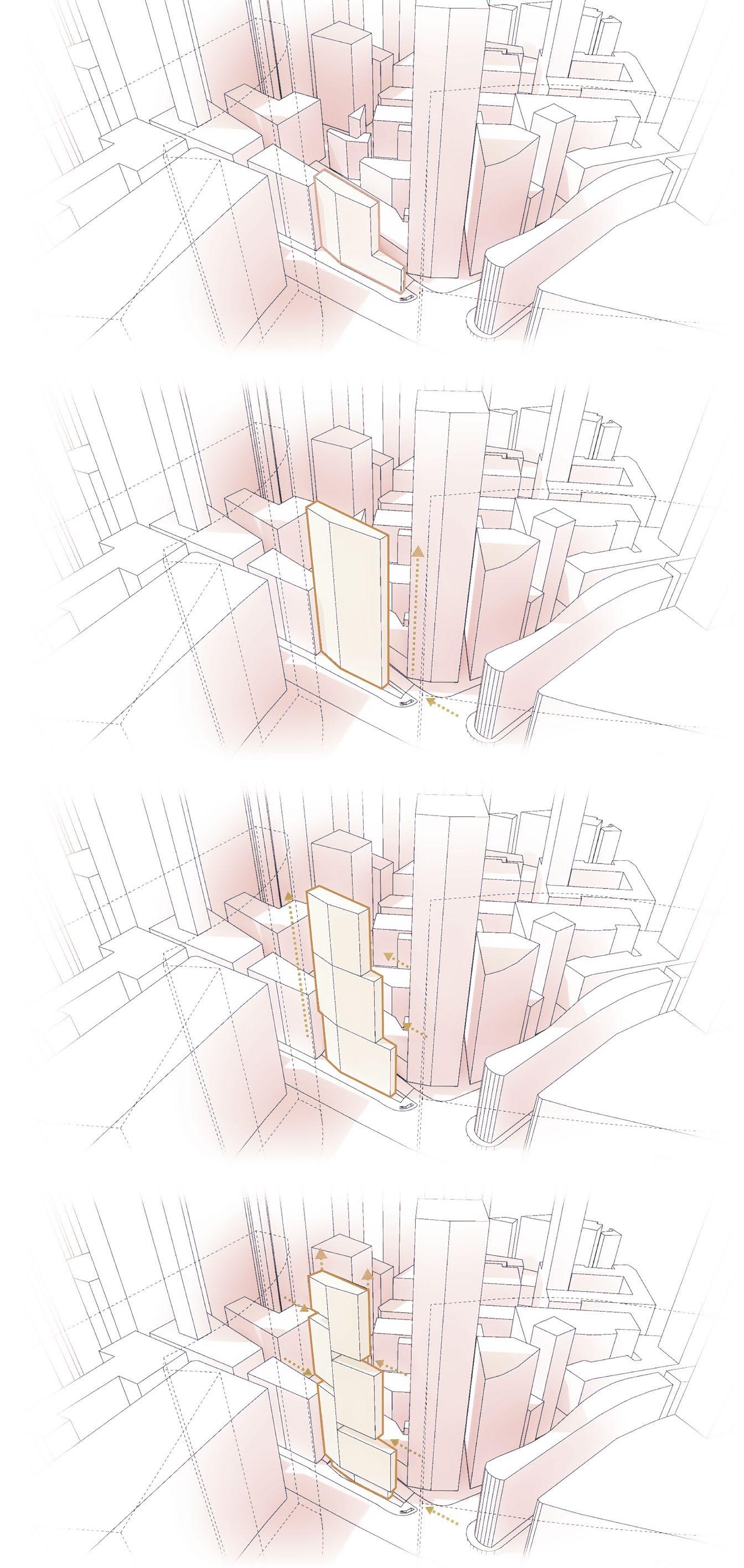
Existing building volume built in 1970
Extrude to the maximum allowed number of storeys
Create a series of setbacks allowed as per the local regulation of the addition of extra storeys in order to make up for lost GFA
Creation of sky-gardens and public spaces also allow the volume to grow higher, recovering GFA and increasing the final number of storeys


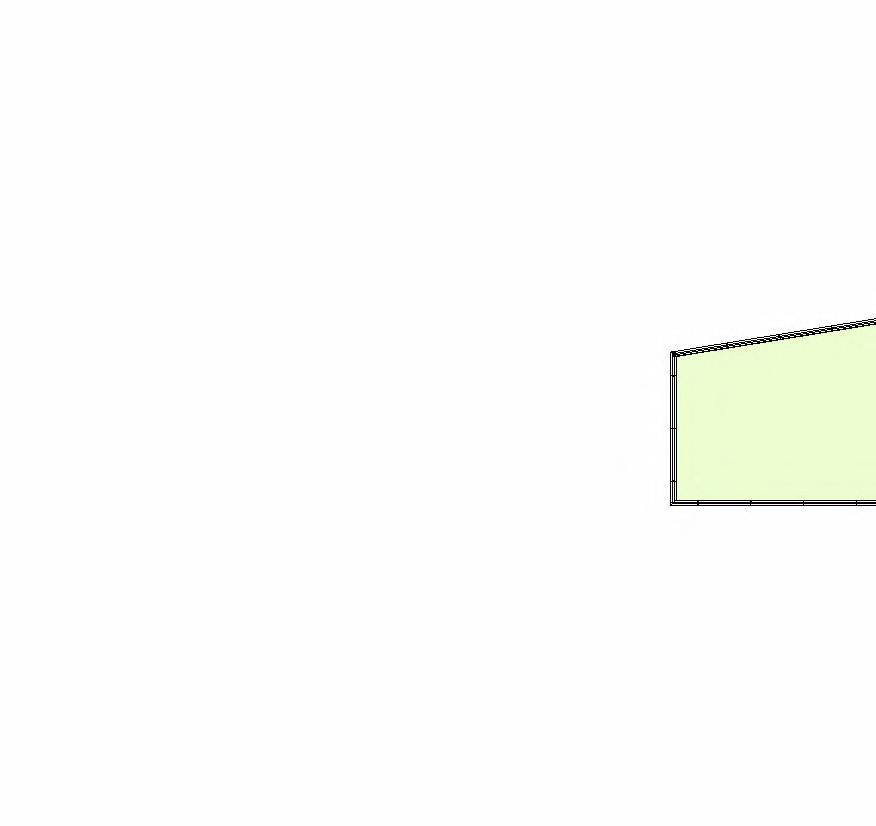
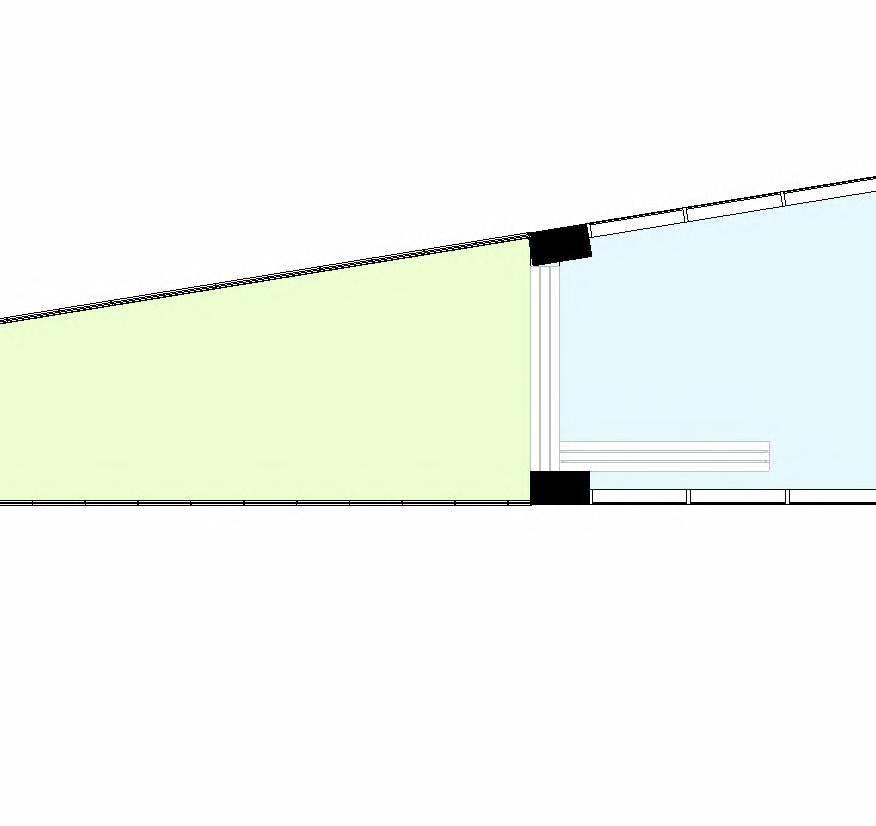
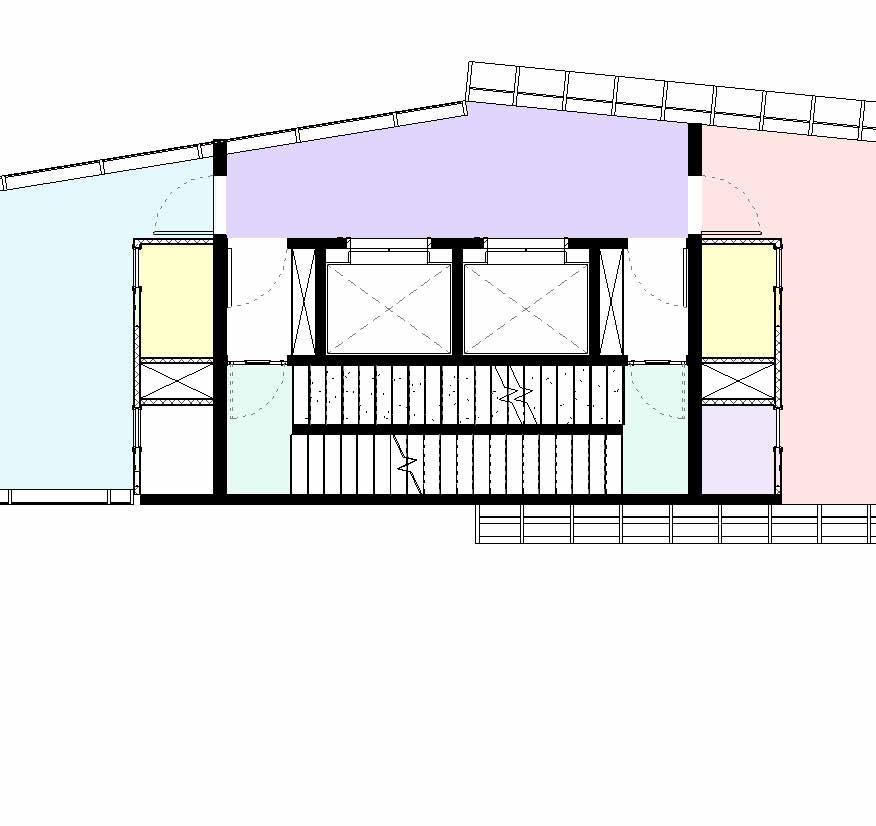
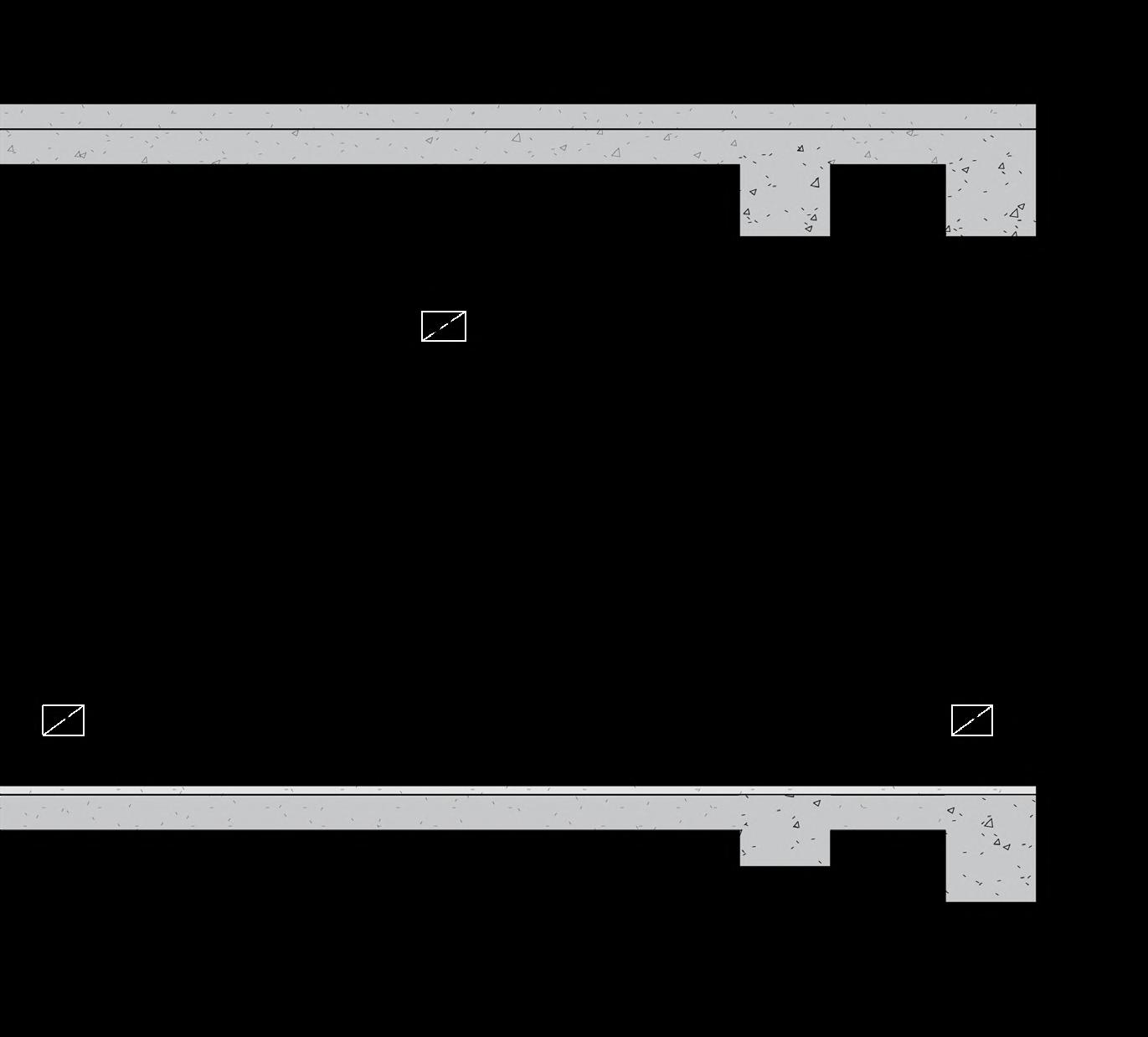
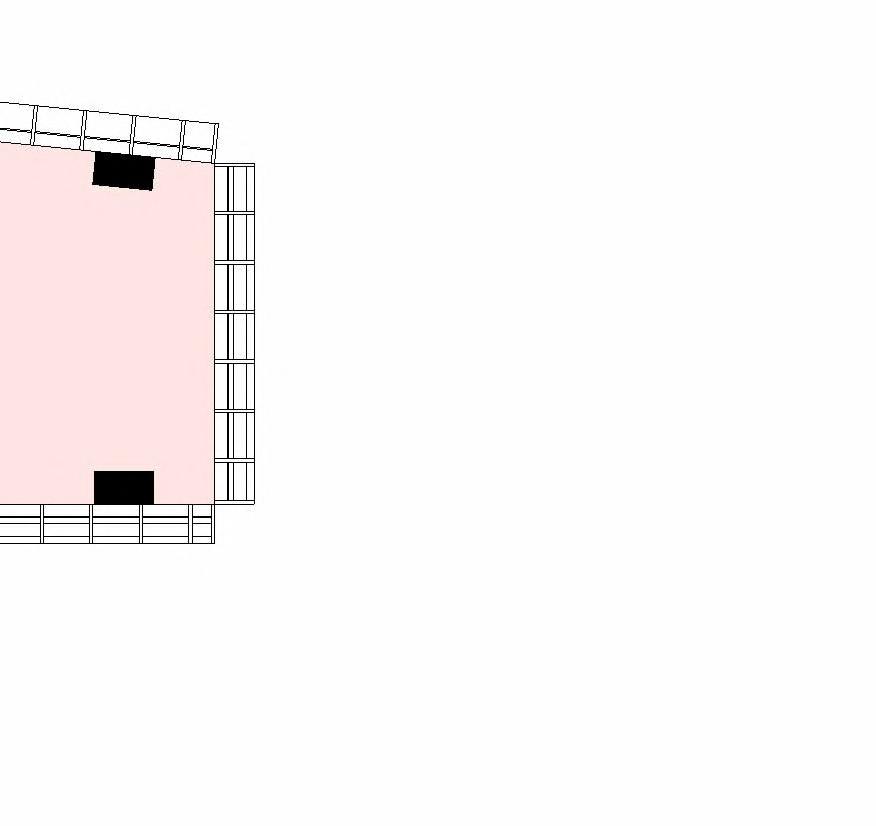
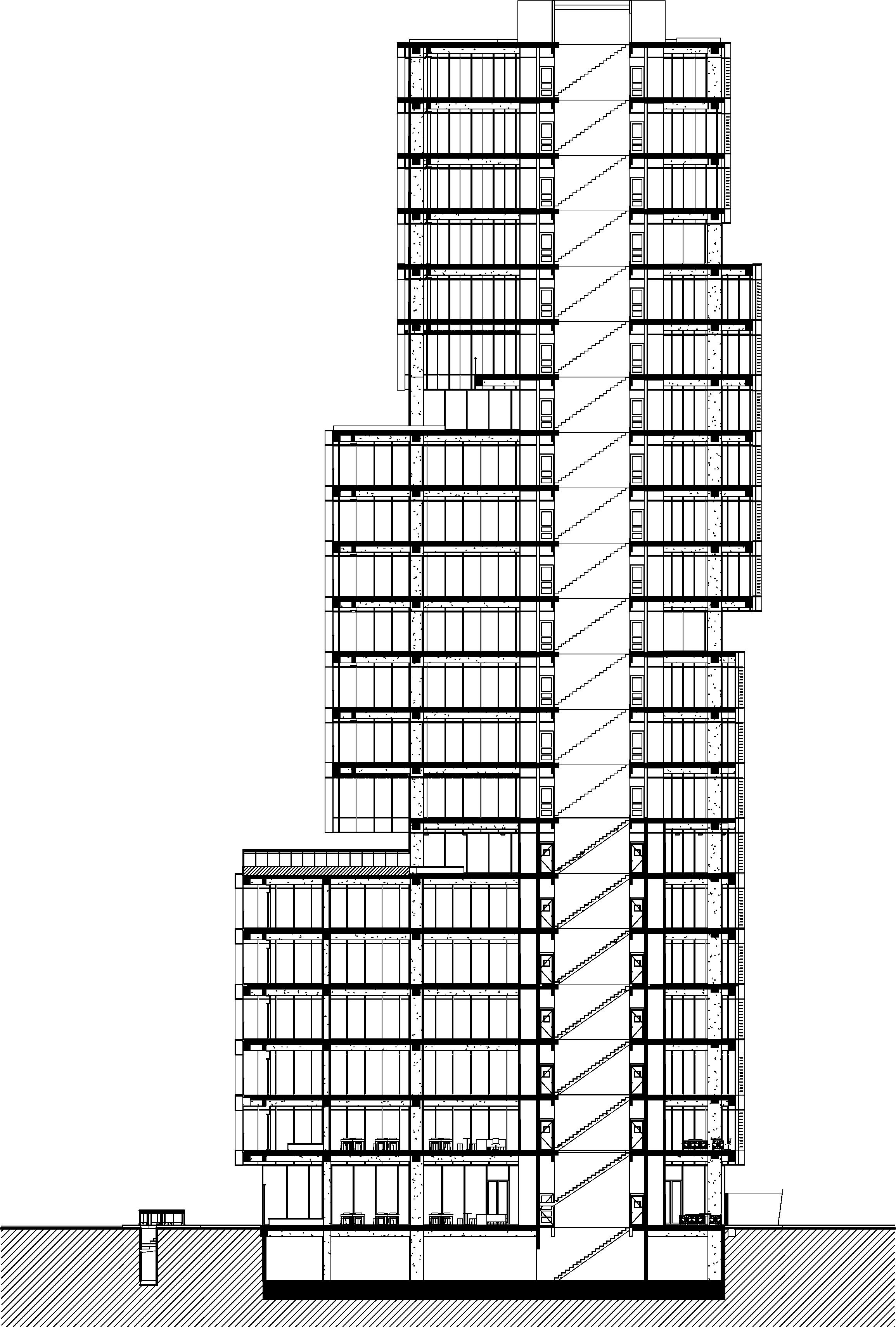
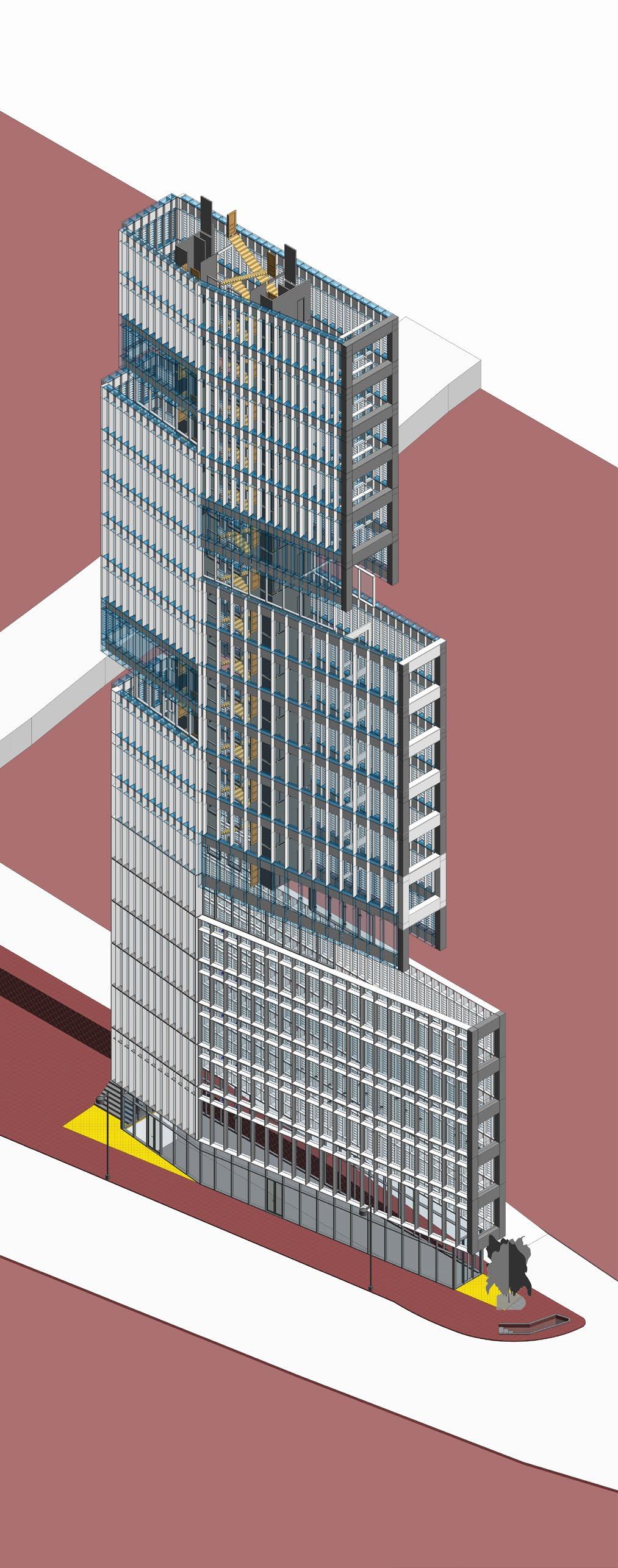
Architectural Model
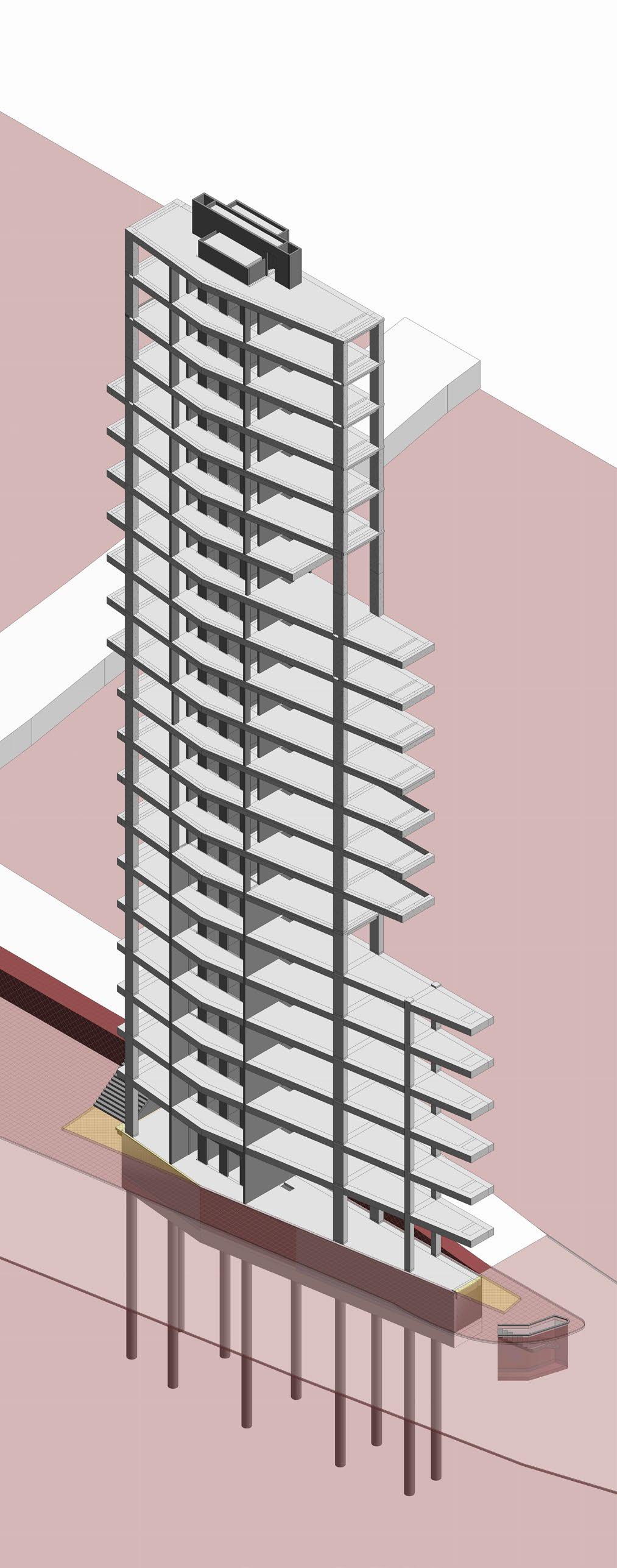
Structural Model
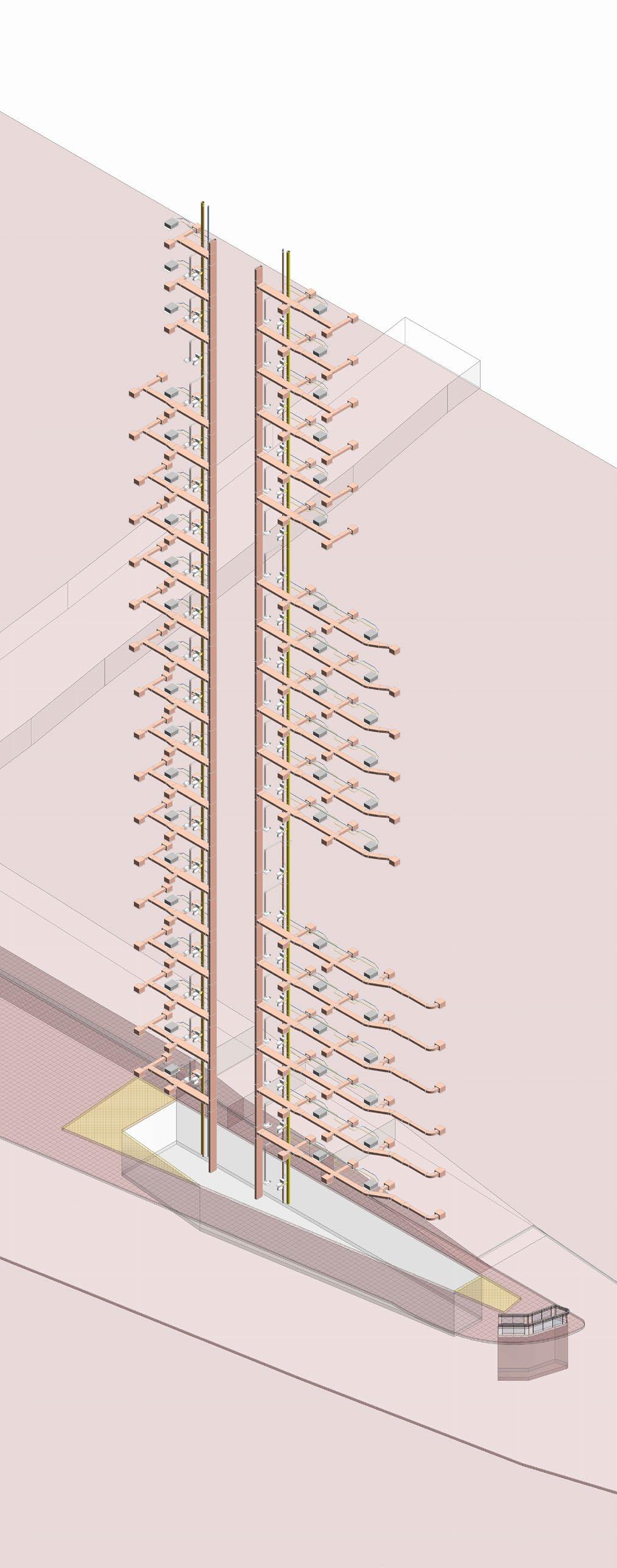
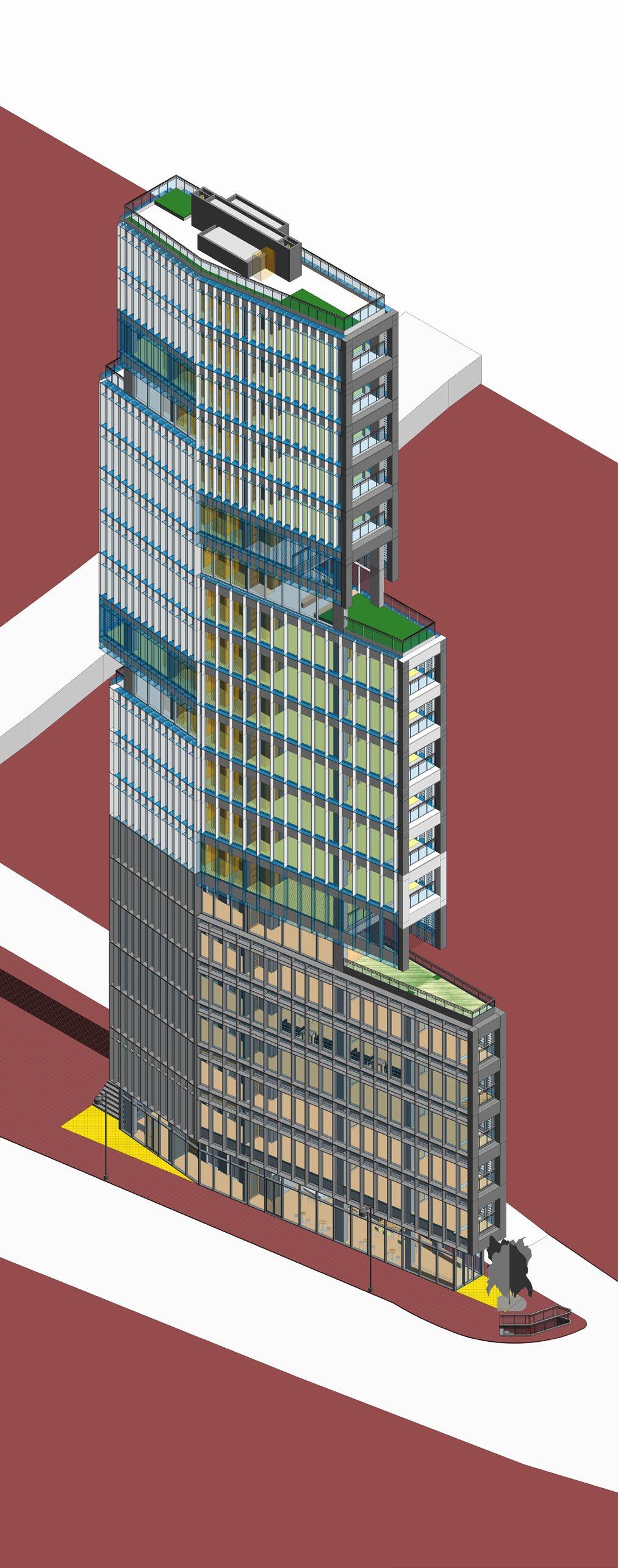 MEP Model
Coordination Model
MEP Model
Coordination Model
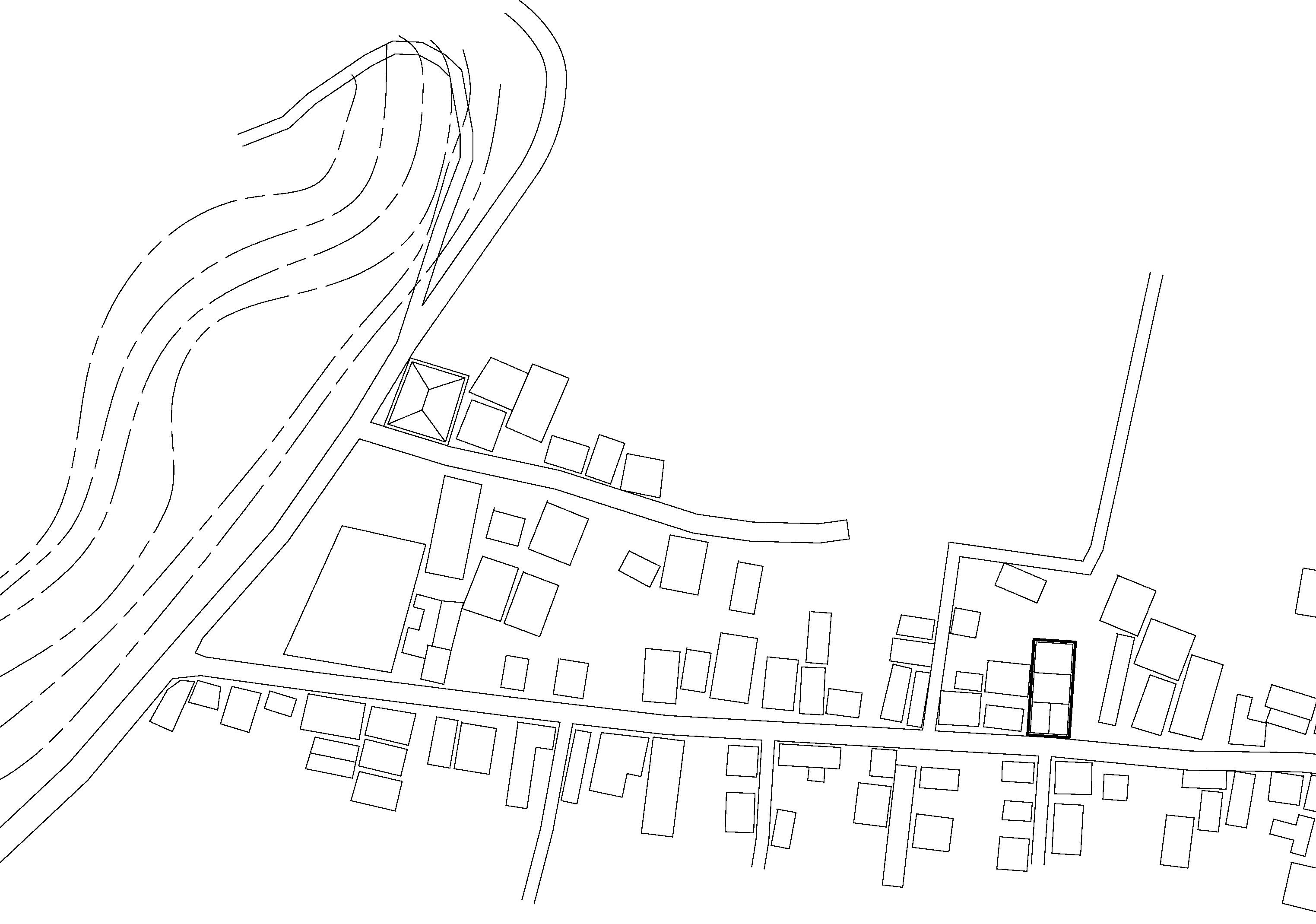
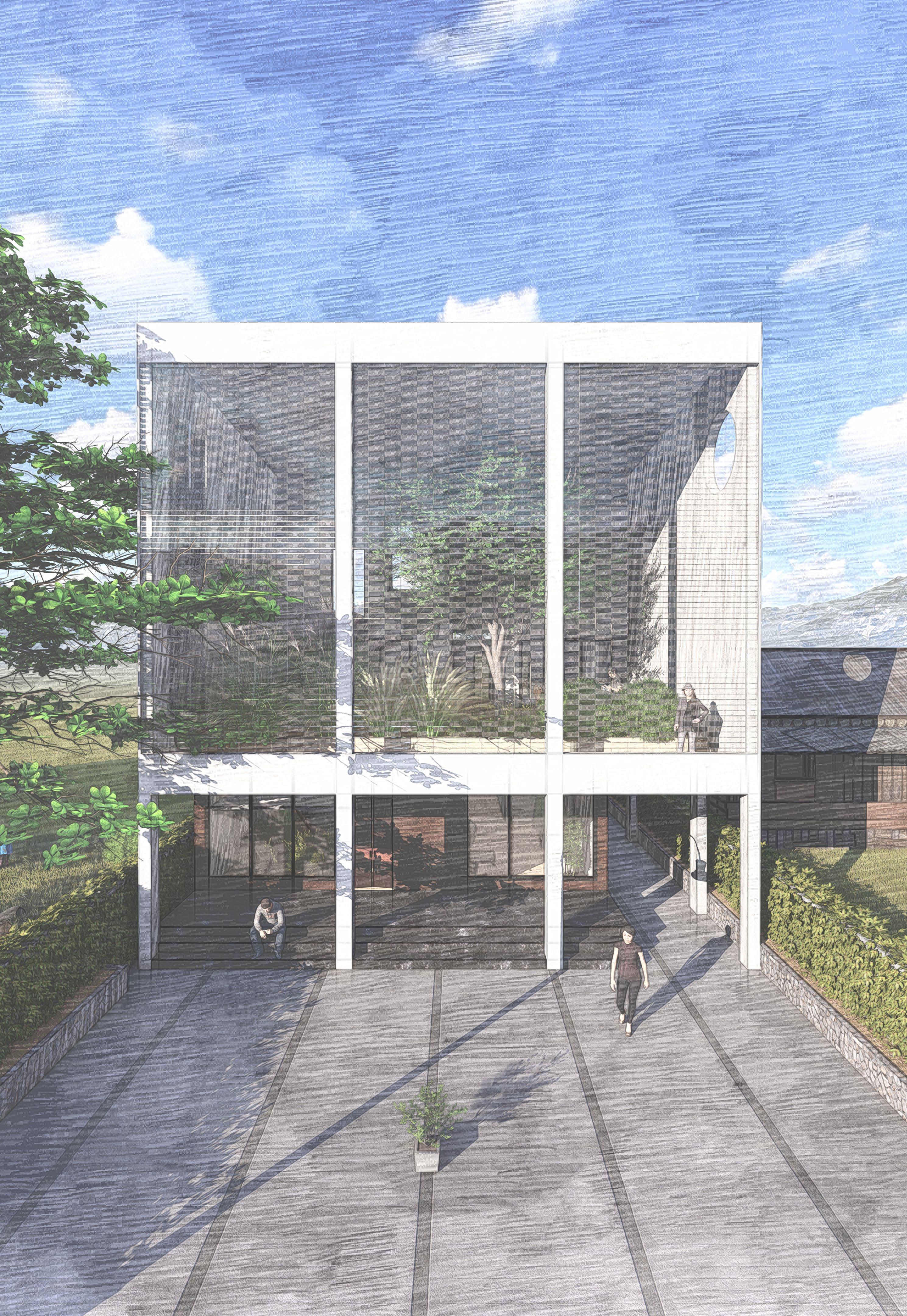
Residences are sensitive buildings, carefully tailored to meet the client’s explicit needs. Apart from that, they are also designed to stand out from the crowd, and at the same time respect and conform to the local norms and traditions. House 199 is an elegant modernist approach to the largely utilitarian Meitei homes with open space in front of the house used to conduct home functions and ceremonies.
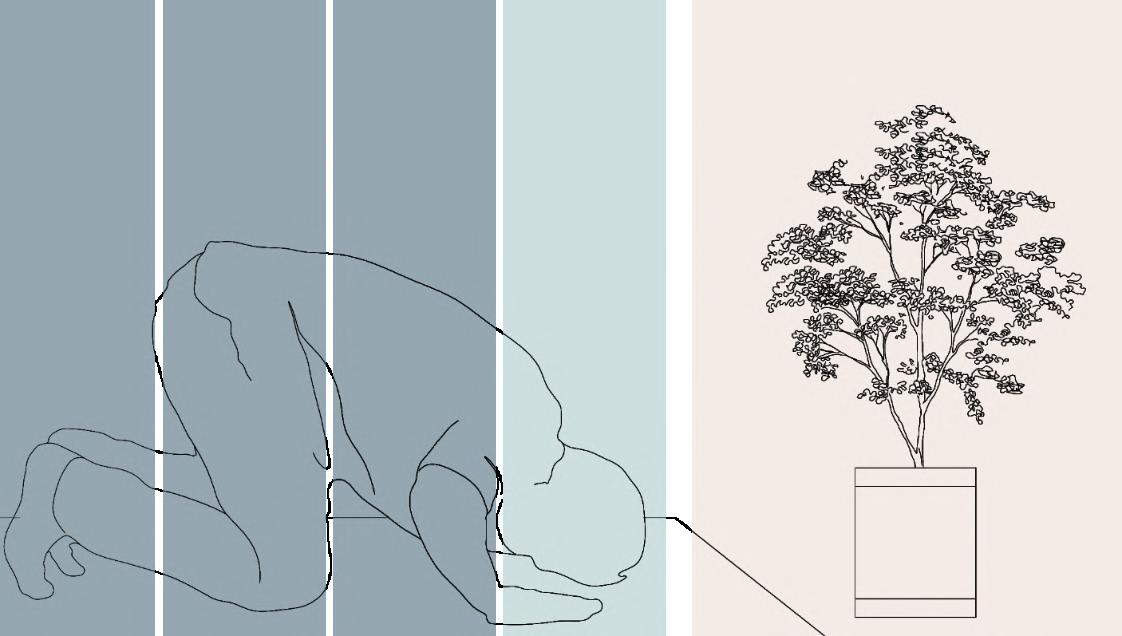
The client belongs to the Meitei community of Manipur, and are quite religious and traditional. To a Meitei, the house itself is like a person that we interact on a daily basis. House 199 is designed as a person on his knees, bowing his head down to the Tulsi, as if in reverence. Spaces are arranged in various parts of the ‘body’ accordingly.
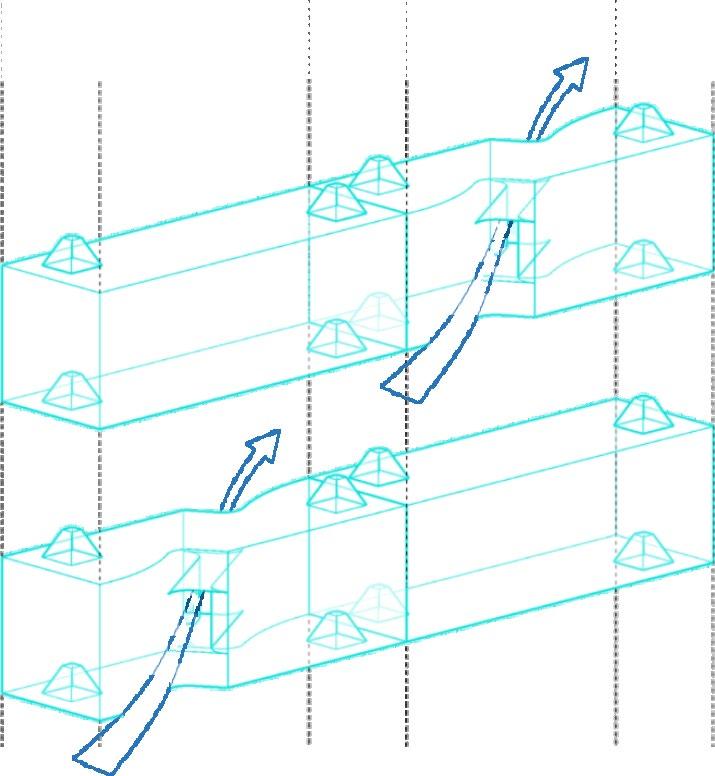
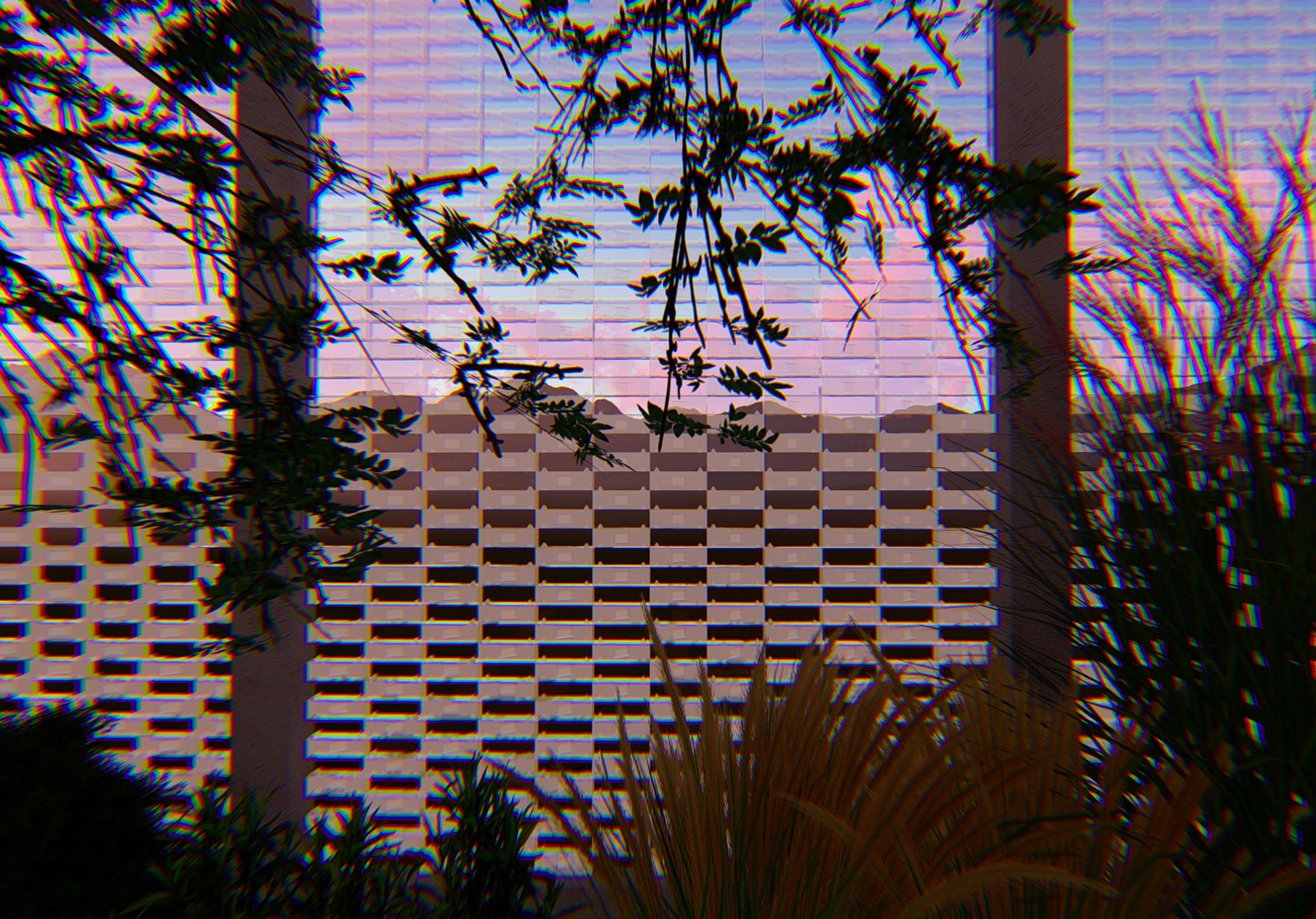
Designing the East Facade
The idea was to let light and winds into the garden, and also allow for a clear view of the sunrise. Alternate bricks have holes oriented such that they let in the South-East winds. They are also tilted a little upwards to block rain from entering.
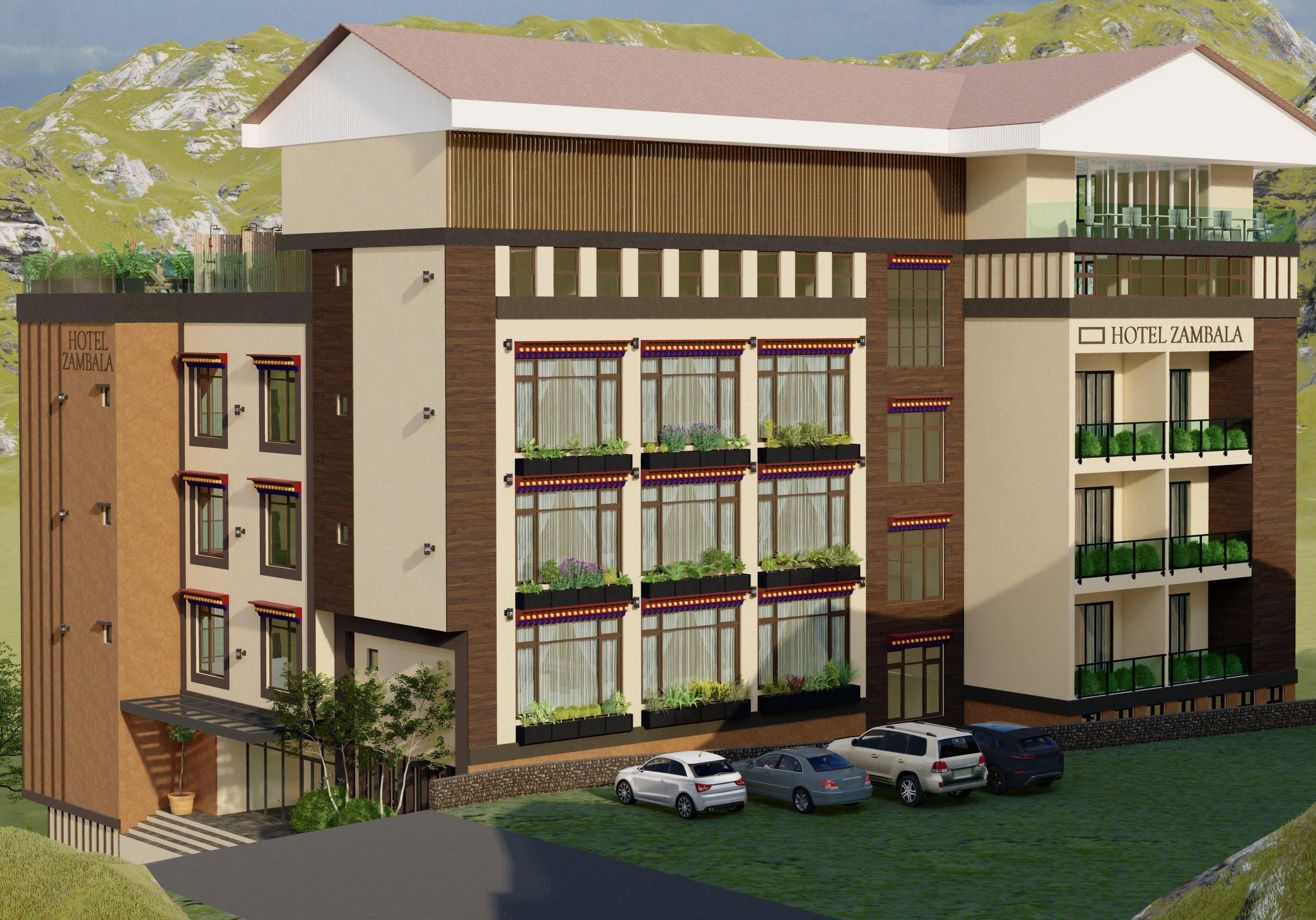
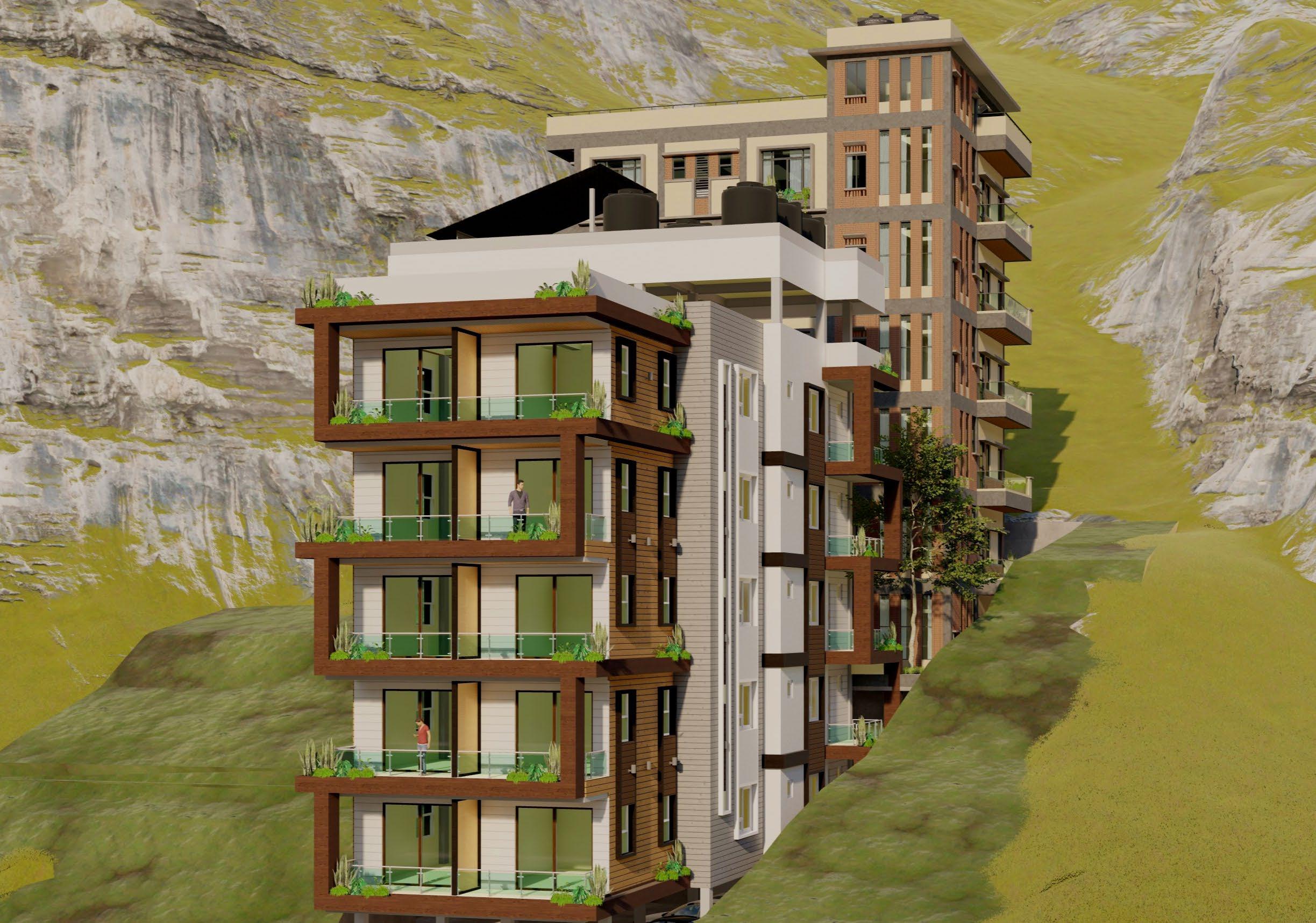
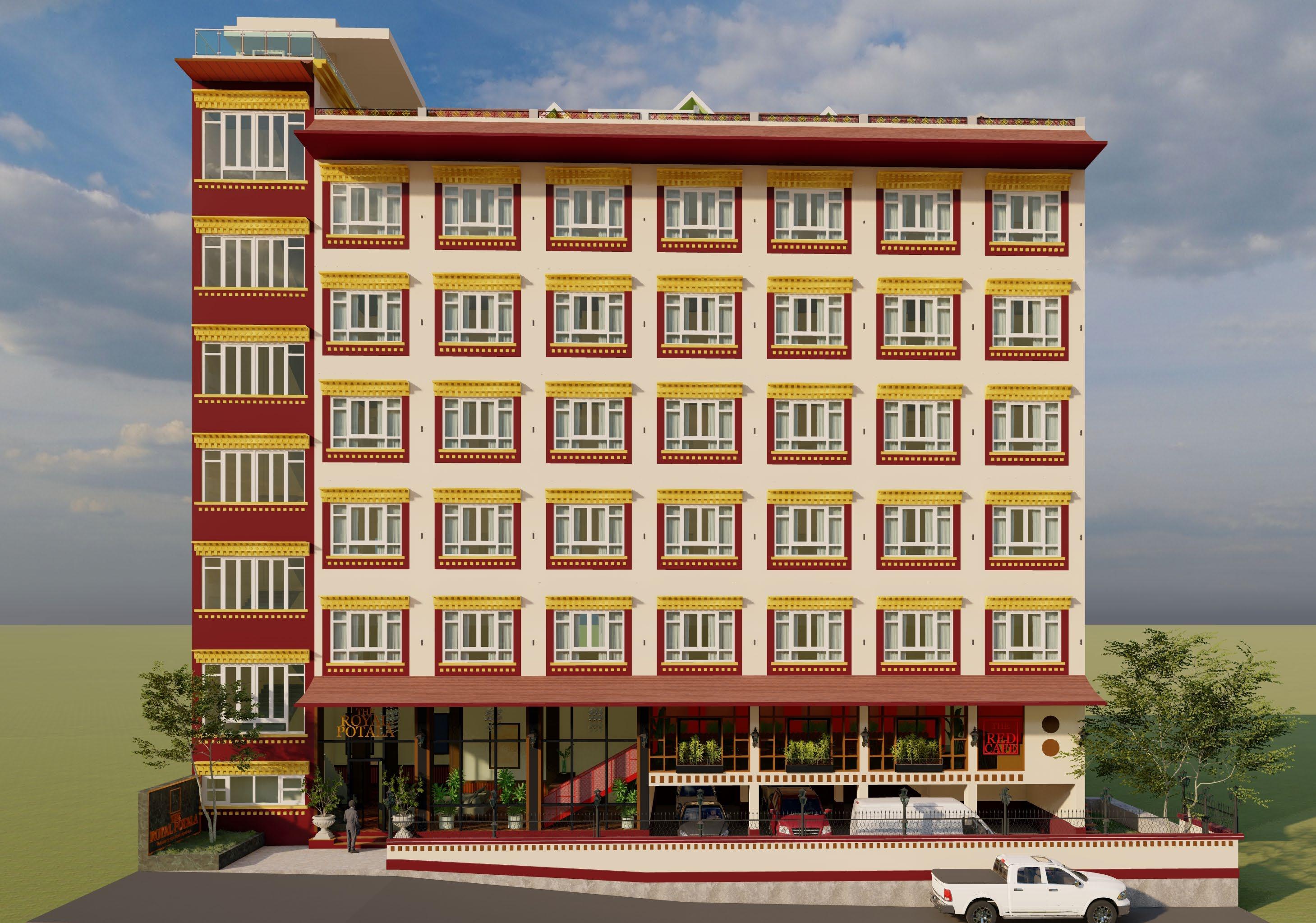
I was part of the core design team that was responsible for all Design Developments of ongoing projects at the firm. During that time, I was majorly responsible for design conceptualization and visualization, while also actively taking part in creating detail drawings, client meetings and site inspections. The firm handled various commercial (hotel), housing (apartments) and public (SMART City)projects during my time at the firm, for which I conducted various site inspections too.