TFO LIO architecture 2020-2023 ARCHITECTURE 2021-2023
Laila Stewart
POR
LAILA STEWART
Monroe, Louisiana
EDUCATION
Louisiana Tech University, Ruston, LA
2019-2023 Bachelor of Science in Architectural Studies

2023-2024 Master of Architecture candidate
CONTACT INFORMATION
Phone: (318)-732-4549
Email: lailajstewart@gmail.com
ARCHITECTURAL INTERESTS
- Historic Preservation
- Urban Design
- Residential Design
- Interior Design
EXPERIENCE
M3A ARCHITECTURE, JACKSON, MS
Aug. 2022- Sep. 2022 Student Intern
SOFTWARE SKILLS
Autocad
Rhino
Lumion
Photoshop
Revit
SketchUp
Illustrator
Grasshopper
AWARDS & ACHIEVEMENT
2022- AIA Louisiana Members’ Choice Award
2022- AIA Louisiana Award of Merit
ADDITIONAL INVOLVEMENT
2020-2021 Lambda Sigma Honor Society
2022-2023 National Organization of Minority Architecture Students
Treasurer
2022-2023 American Institute of Architecture Students Member
2022-2023 Women in Architecture Member
REFERENCES
William McElroy, M3A Architecture
email: Wmcelroy@m3aarch.com

An Le, Louisiana Tech University
email: anle@latech.edu
RESUME LinkedIn
Bamboo Biotechnology Center Salt Lake City, UT SUSTAINABLE DESIGN Colony Park Food & Community Center Austin, TX URBAN DESIGN Paleontological Research Center Elges Nessleg, Russia ACSA STEEL COMPETITION Mosaic Art Cabin Choudrant, LA DESIGN BUILD 02 01 03 04

LinkedIn TABLE OF CONTENT
Colony Park Food & Community Center
Austin, TX
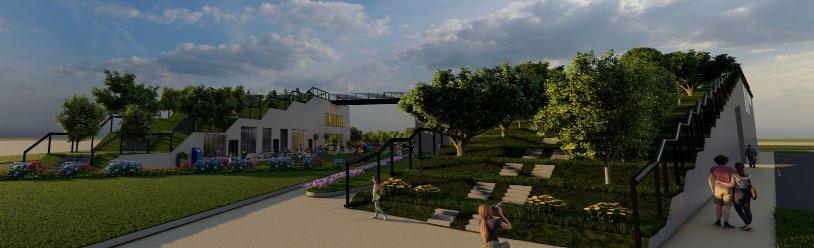
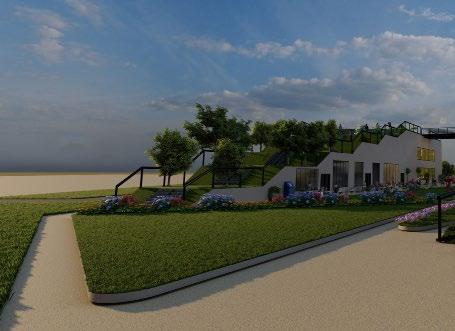
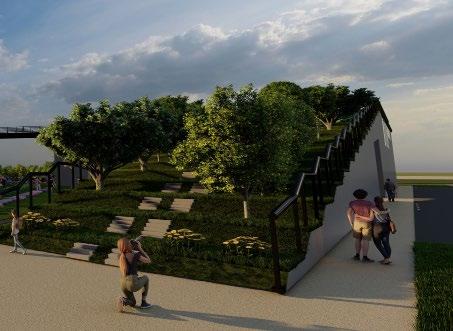
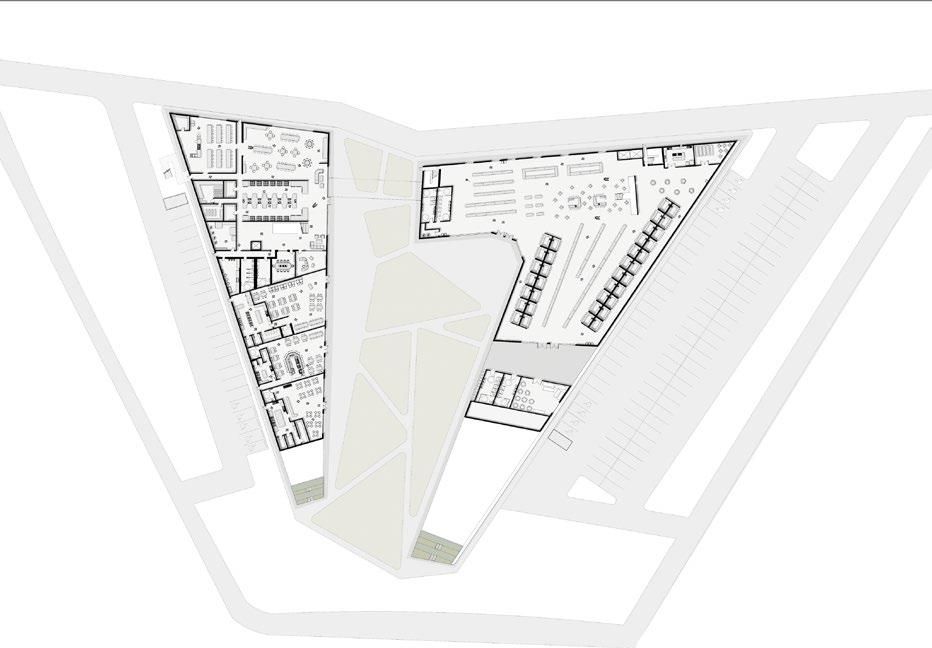
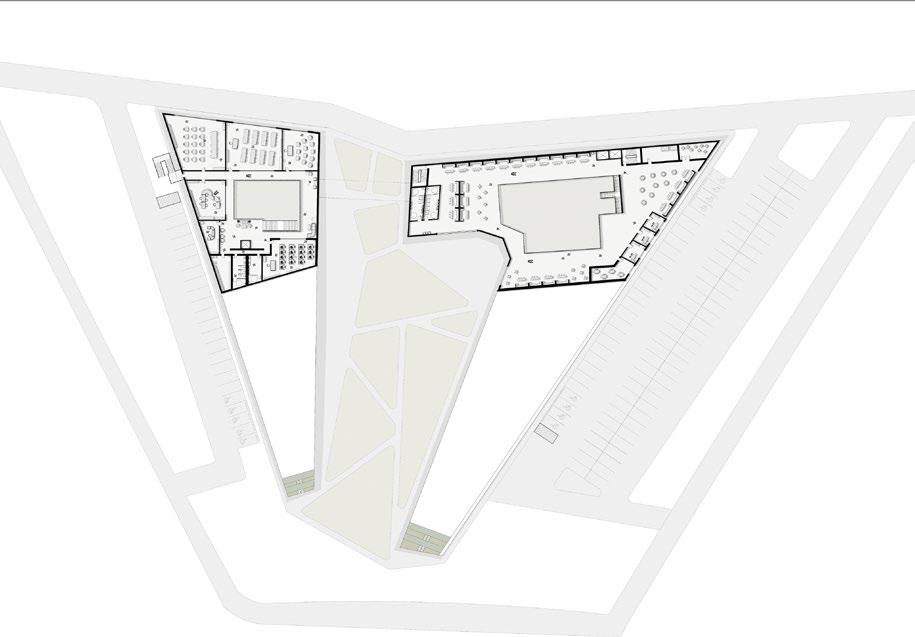
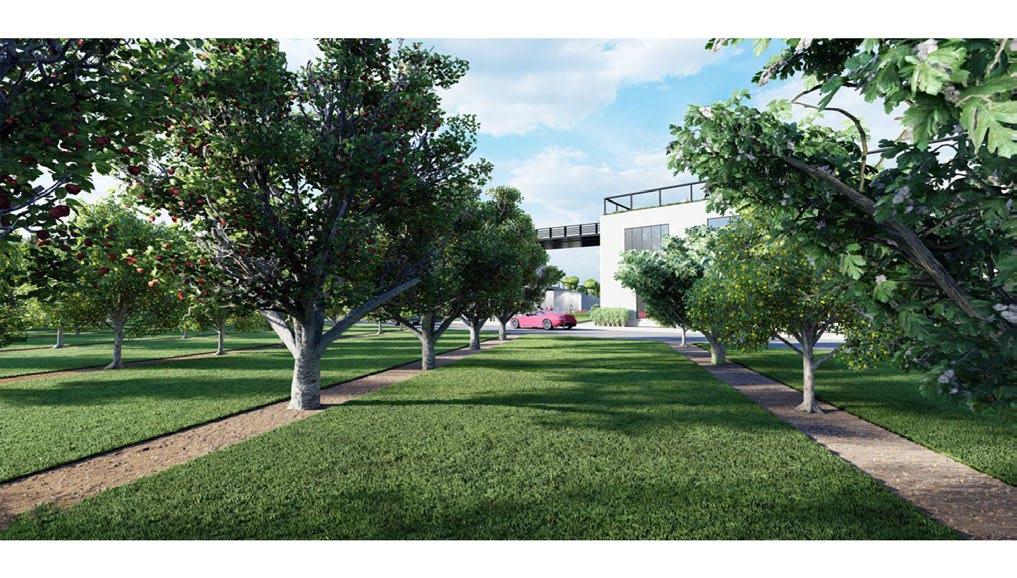
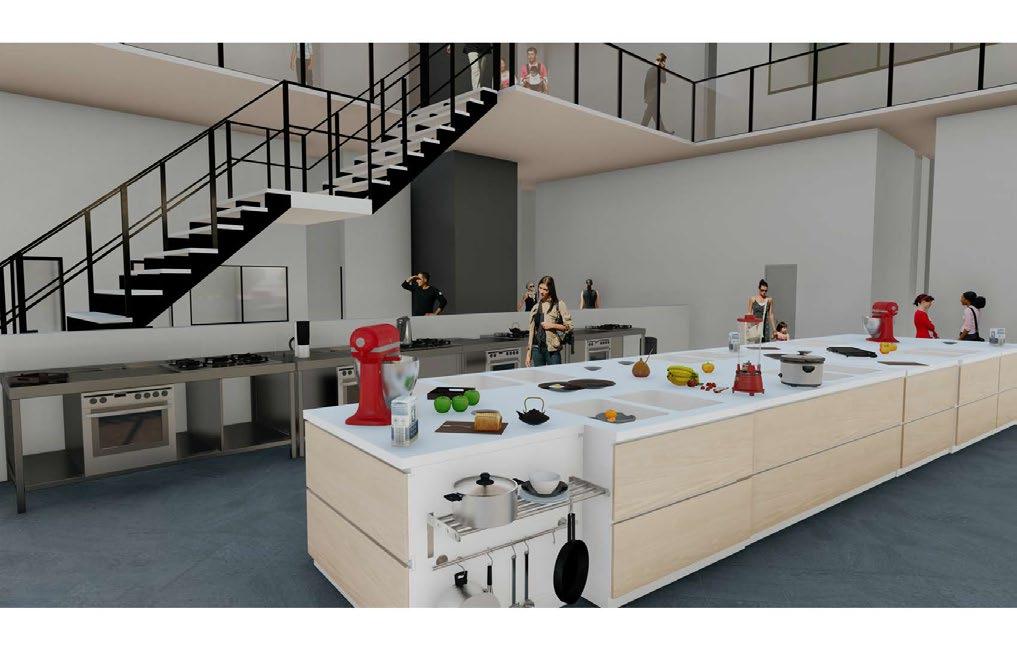
Colony Park is an existing community in Austin, Texas. This project proposed a new urban design for that community. The Colony Park Food & Community Center is the core of sustainable living for the proposed development. Through urban design and planning, the community center was developed to provide a connection between sustainable living and economic wealth for the community. The center is made up of a farmers market and a community kitchen & learning center, with a bridge that represents the conceptual connection between the buildings. The center is also connected to a edible forest across the street that allows the public to receive produce from it. This center is designed to create a system, based on composting, community engagement, & overall, sustainable living in Colony Park.
Master Plan- Colony Park Community, Austin, TX
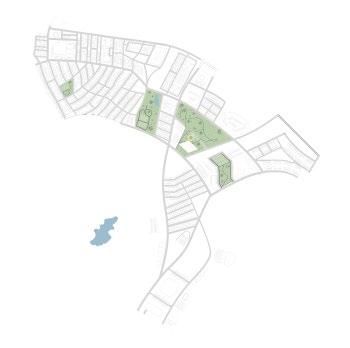
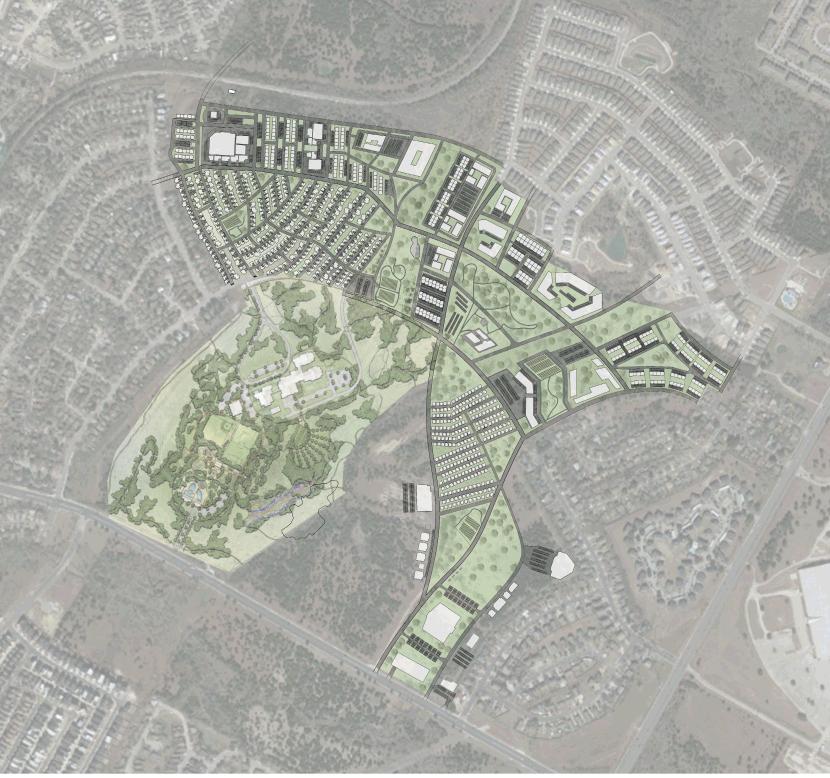
Environmental Map
-Edible Forest
-Irrigation System
-Community Gardens
-Greenhouse
Concept Proposal:
LEARN: CULINARY SCHOOL EXPAND: COMMUNITY GARDENS & FARMERS MARKET
RECYCLE: EDIBLE FOREST & COMPOST
Economic Map
-Residential
-Commerical
-Compost Bins
Equity Map
Farmers Market
Job Opportunities Community Kitchen
Site Plan
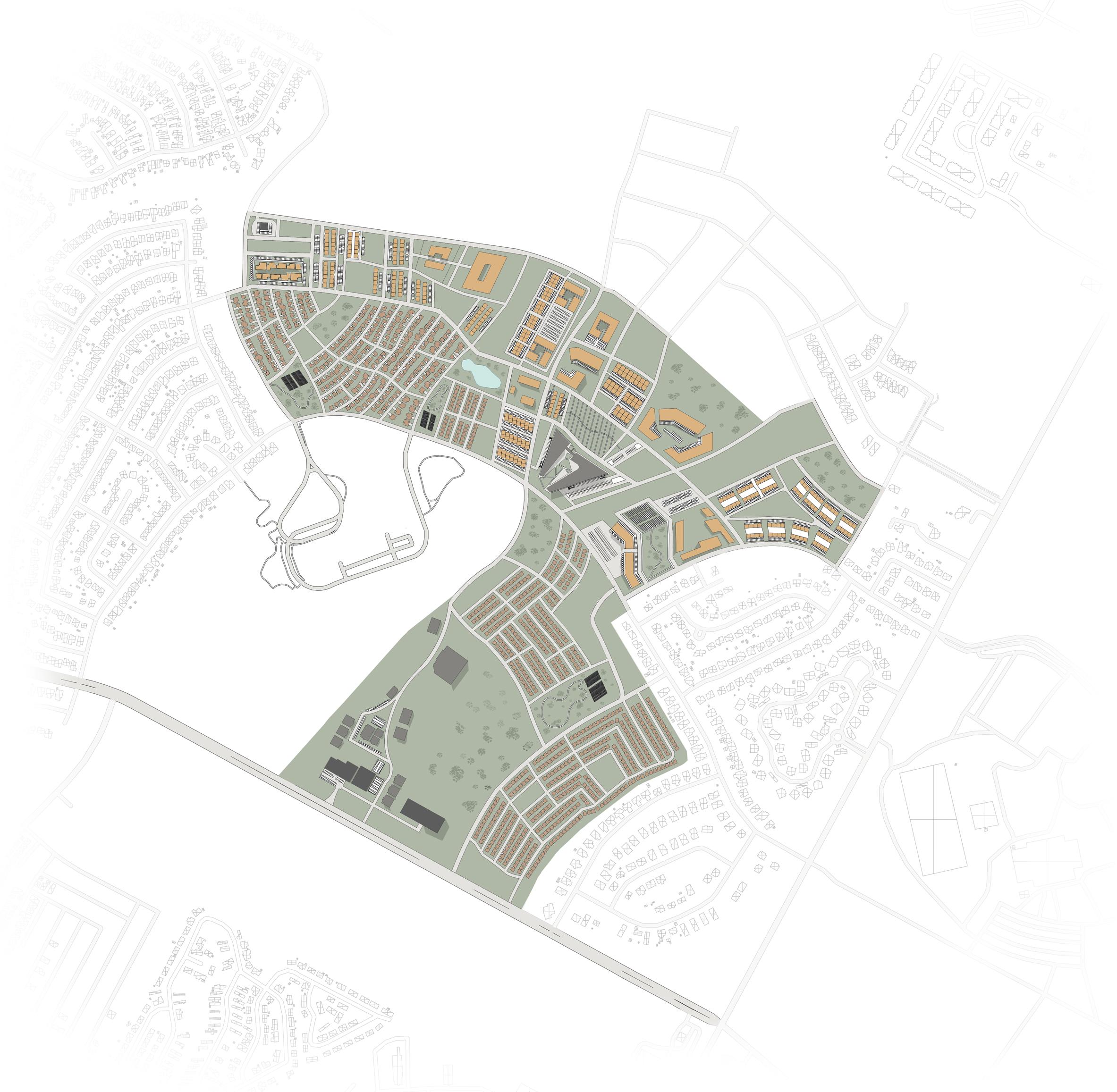
Targeted Structures:
-Farmers Market
-Learning & Nutrition Center
-Edible Forest
Single Family Housing (957 units)
-Single homes (300 units)
-Duplexes (657 units)
Multi-Family Housing (950 units)
-Townhomes (308 units)
-Apartments (11 apartments- 642 units)
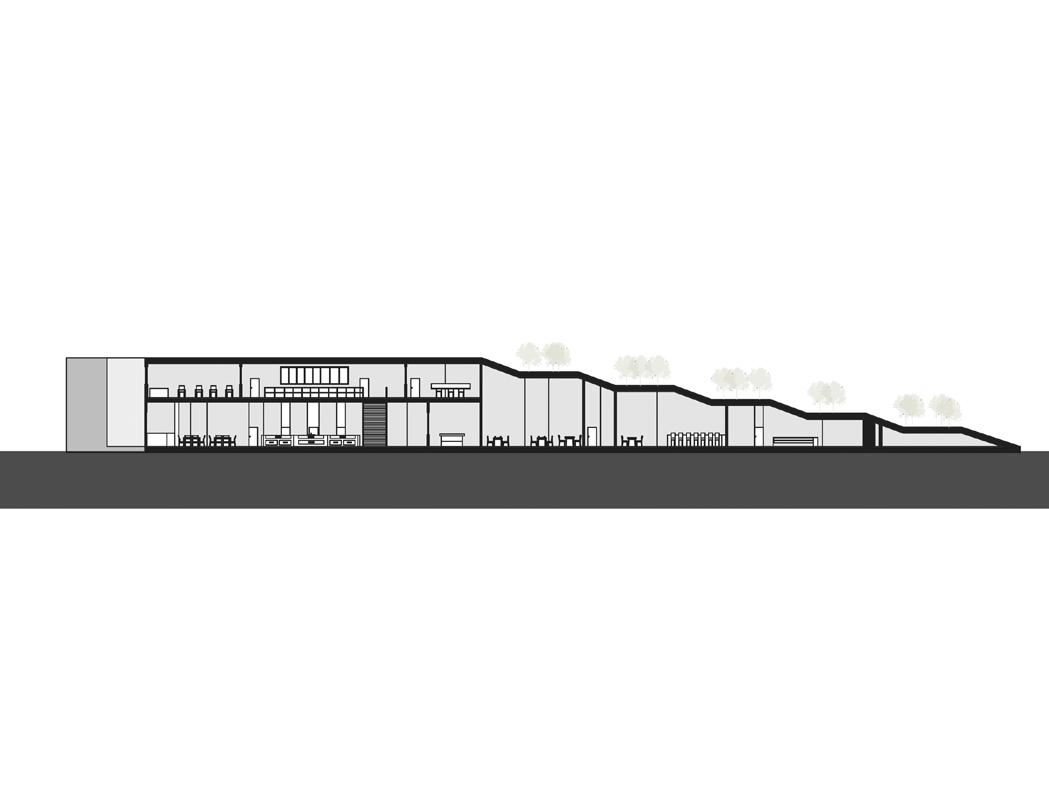
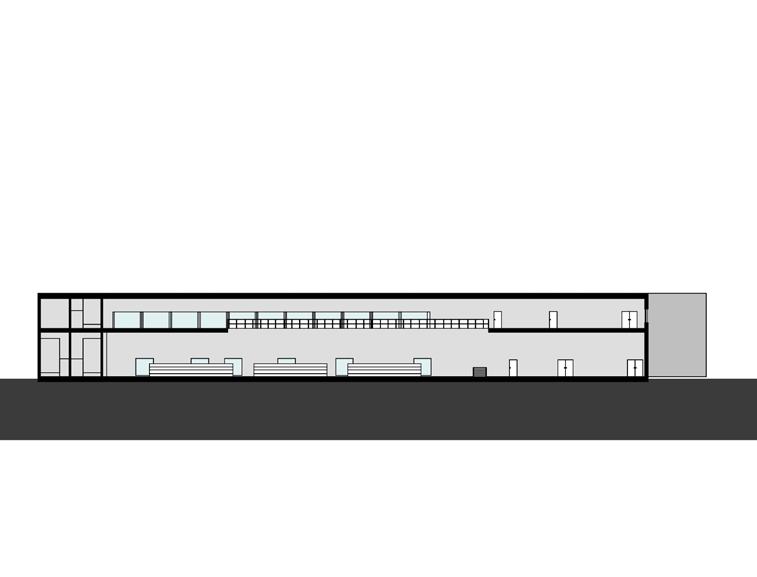
Section A Section B
Classroom Kitchen
Dining Area
Community Kitchen
Restaurant
Cafe
Market
Storage
Preparation Kitchen
Plaza 1. Classroom 2. Office
Computer Lab
Market 1 2 3 6 4 9 7 8 4 5 5 1 1 1 2 2 3 2 2 2 4 7 4 A A B B B B A A
First Floor Plan Second Floor Plan 1.
2.
3.
4.
5.
6.
Hall 7.
8.
9.
3.
4.
OUTDOOR MARKET & PLAZA
 COMMUNITY CENTER GREEN ROOF
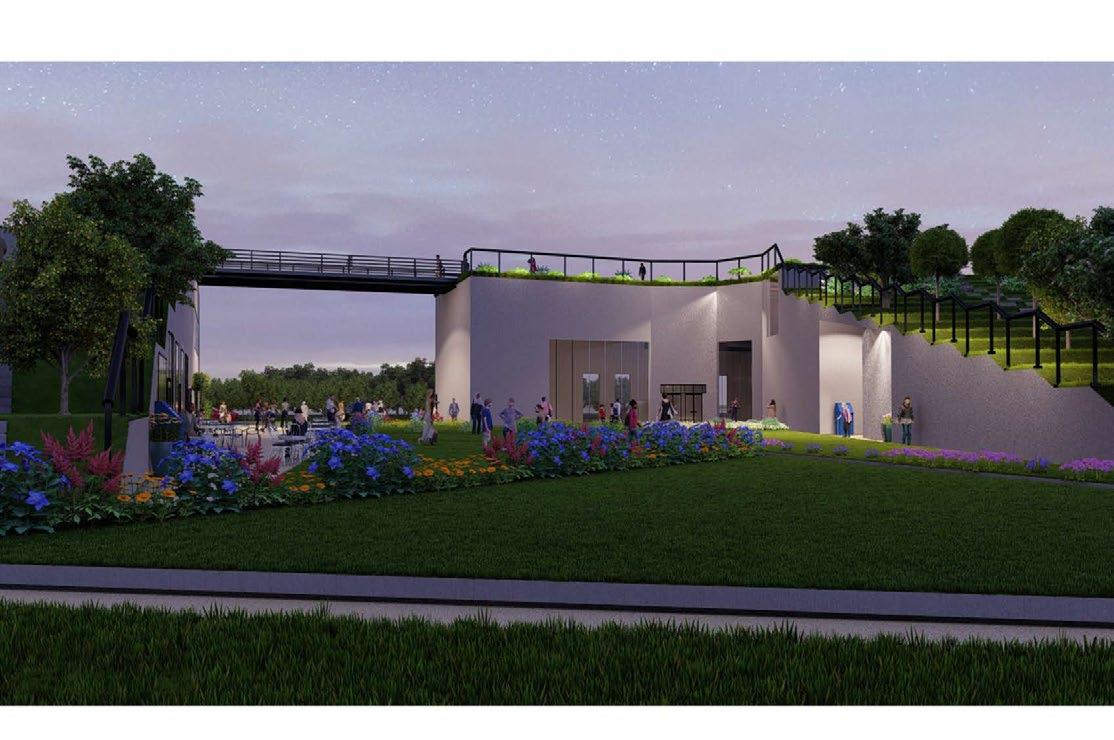
Green roof is accessible with ramp & provides produce for community kitchen
COMMUNITY CENTER GREEN ROOF
Green roof is accessible with ramp & provides produce for community kitchen
COMMUNITY KITCHEN
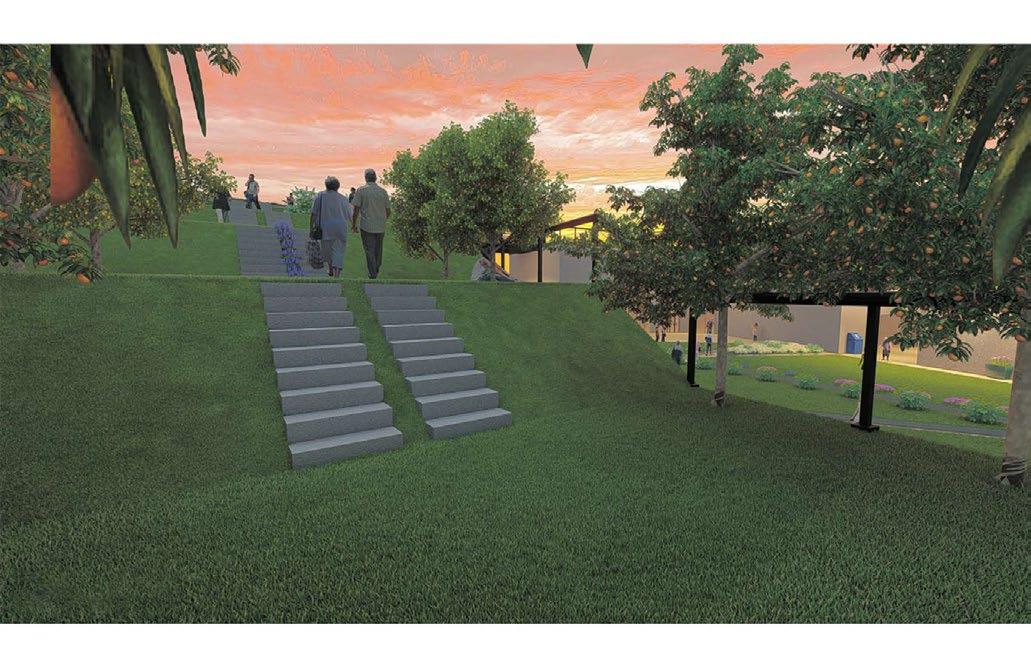
EDIBLE
Outdoor public park used to grow & recycle produce for the community
Interior view of public kitchen inside the community center
FOREST
Colony Park Food & Community Center Fall 2022- Urban Design
Bamboo Biotechnology Center
Salt Lake City, UT
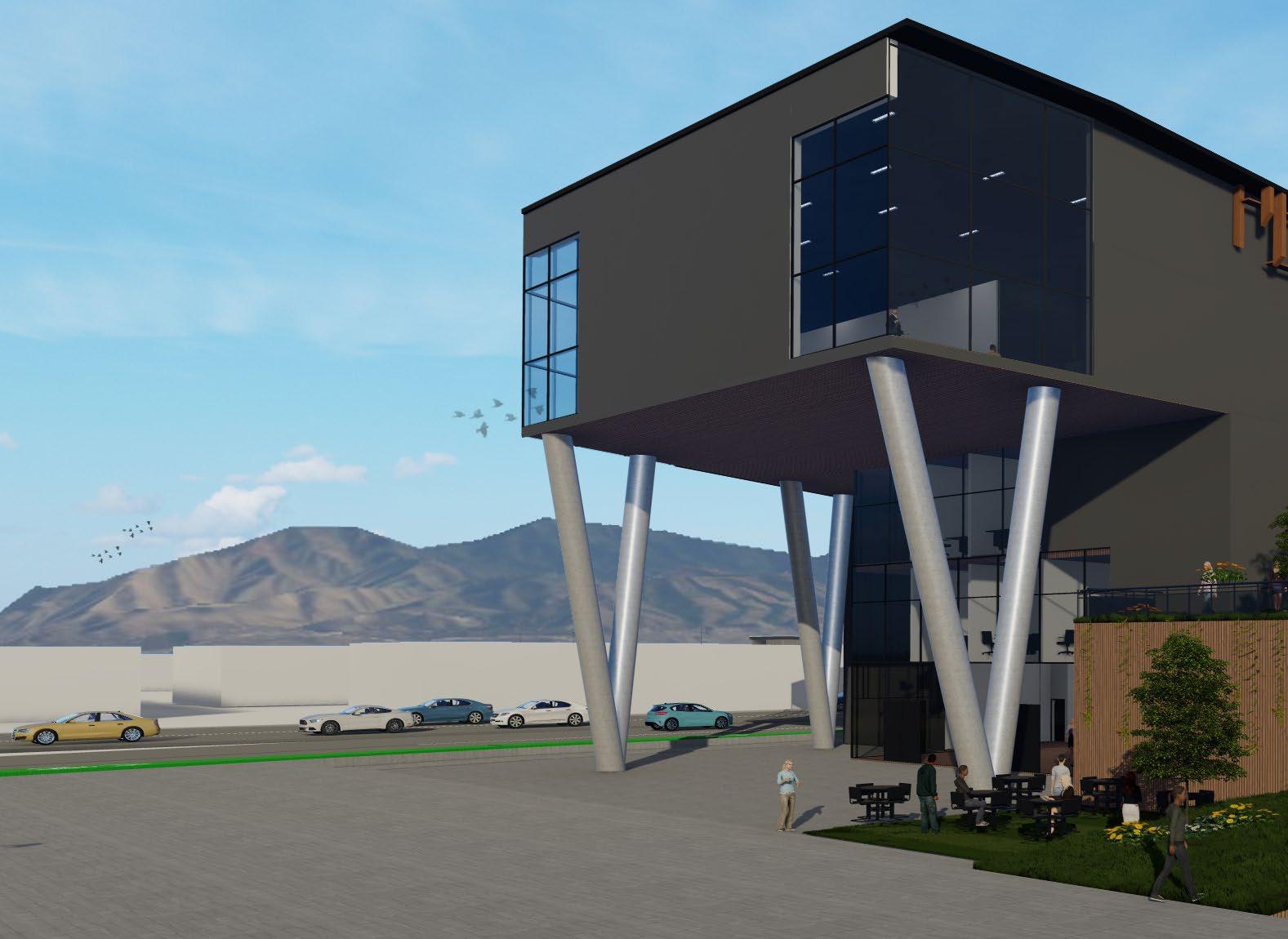
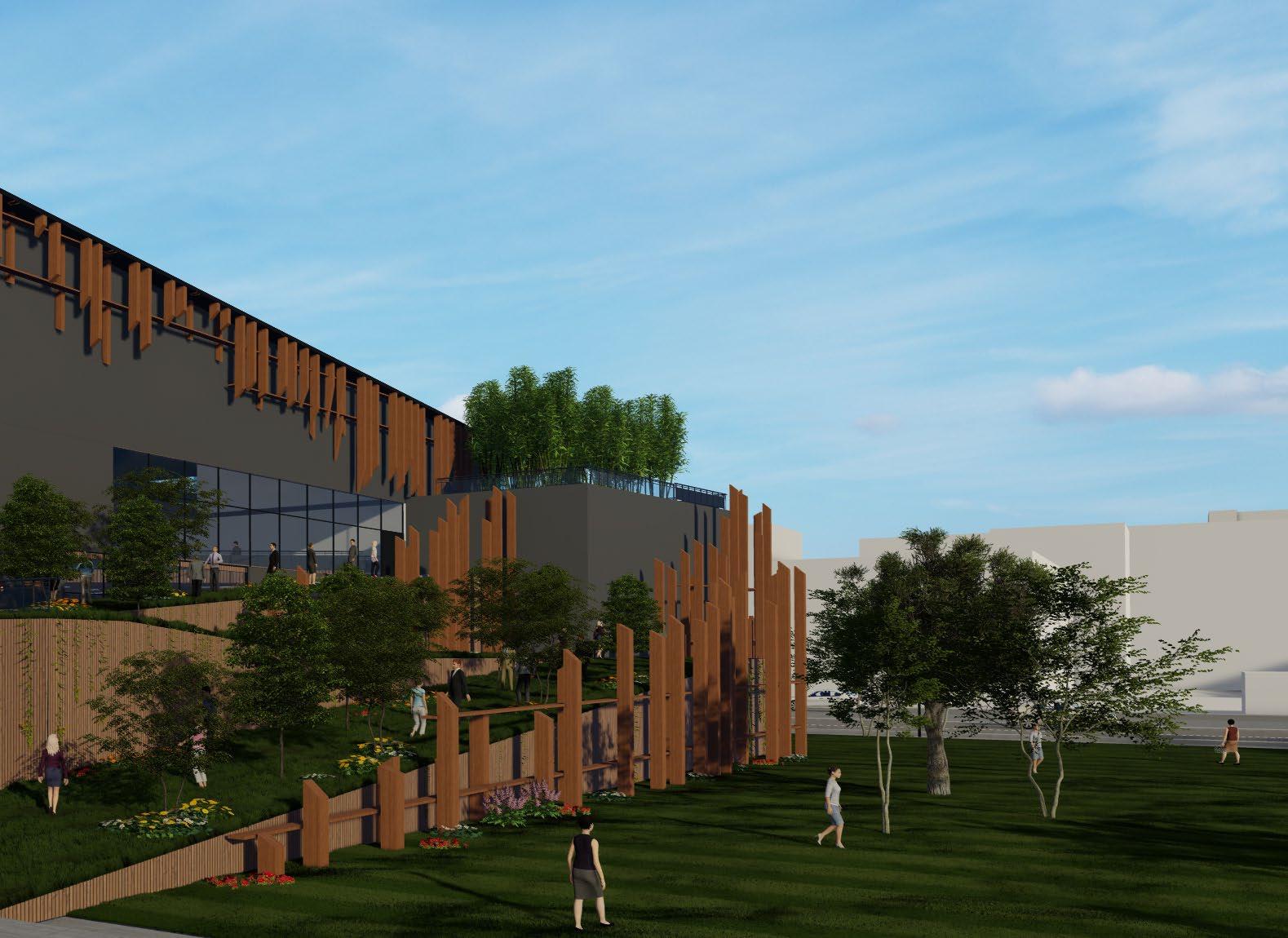
The Bamboo Biotechnology Center is a tech incubator located in Salt Lake City, Utah. The center is sponsored by Silicon Slopes. Along with Silicon Slopes, the main client of the center is Lamboo. This building is an office building for clients to rent & build startup companies. The center also uses a research lab to study sustainable ways to create products. The research lab analyzes data to find solutions that can save & replenish decreasing trees due to deforestation, & replacing tree products with bamboo. The building has a research area on the top floor & tech incubator spaces on the third & second floor. The bottom floor is dedicated to the public to teach about sustainable living. The building’s materials also promote sustainability, with the main building material being bamboo to decrease the use of tree products. This building is the root of saving & replenishing resources by decreasing deforestation rates & replacing tree products with sustainable bamboo material through biotechnological research.
Bus Stops
Bus Routes
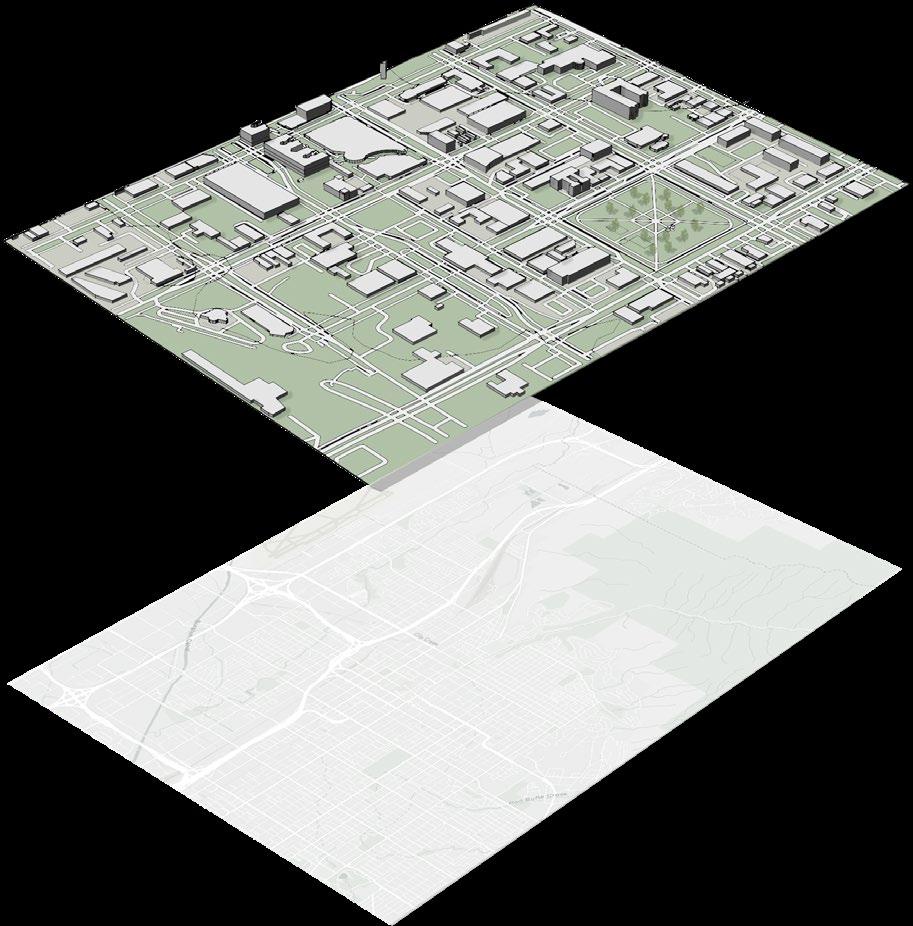
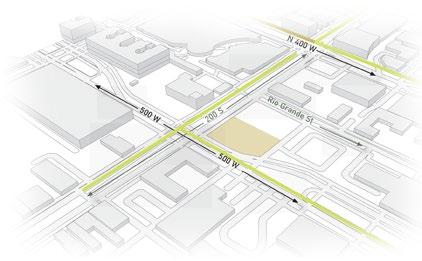
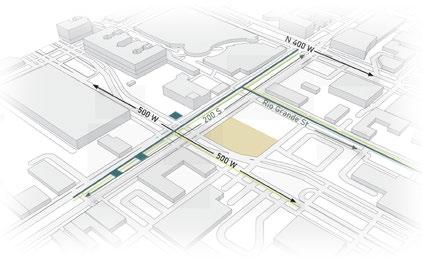
Rail Routes
Good Traffic
Moderate Traffic
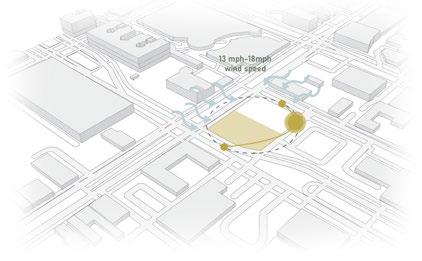
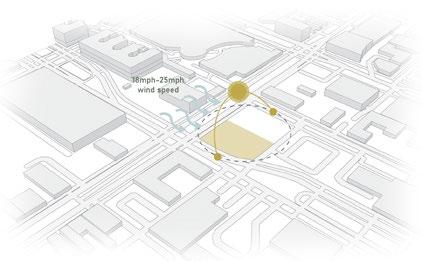
Summer Wind
Direction
Summer Sun
Path
Winter Wind
Direction
Winter Sun
Path
210 Rio Grande Street
Salt Lake City, UT
Concept:
This building is the ROOT of saving & replenishing resources by decreasing deforestation rates & replacing tree products with sustainable bamboo material through biotechnological research.
Biotechnology is the integration of natural sciences and engineering sciences in order to achieve the application of organisms, cells, parts thereof and molecular analogues for products and services. The proposed building is a research facility dedicated to taking dwindling resources and creating a sustainable process to make more sustainable products. This sustainable process also has an influence on the building’s form and program resulting in biotech architecture. Biotech architecture combines global technologies with local responses to site and social conditions.
Resource Trees
of Paper Products
for Timber Sustainable Material Bamboo Abundant Sustainable Product Fast Growth Rate Beneficial to Environment
Depleting
Deforestation Use
Need
80% 4 10 Trees are burned, degraded, and logged at astonishing rates of the world’s forests are already destroyed Every 2 seconds man destroys an area of forest the size of a football field out of get chopped down and processed into paper products Processing are being logged for chocolate, toothpaste, paper, magazines, animal feed, and more Paper Products Forests store nearly 300 billion tons of carbon Bamboo is a versatile plant that can tackle the loss of forest acres due to deforestation There is a low maintenance for bamboo- needing no fertilizers or pesticides more CO2 is absorbed than trees making it a better plant for the environment and air 35% There is a different species of bamboo for every climate, therefore they can grow all over the world It only takes 5 years for bamboo to be harvested yr 2 yrs 3 yrs 4 yrs 5 yrs Bamboo has a fast growth rate & can grow up to 3 feet per day
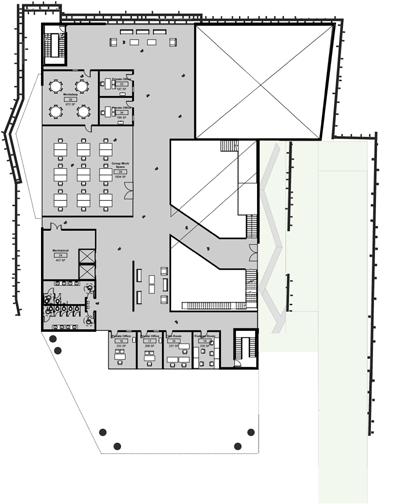
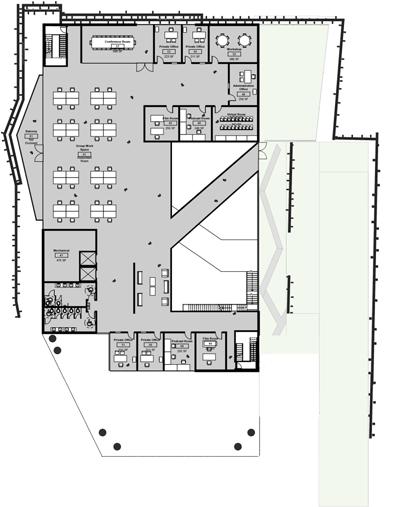
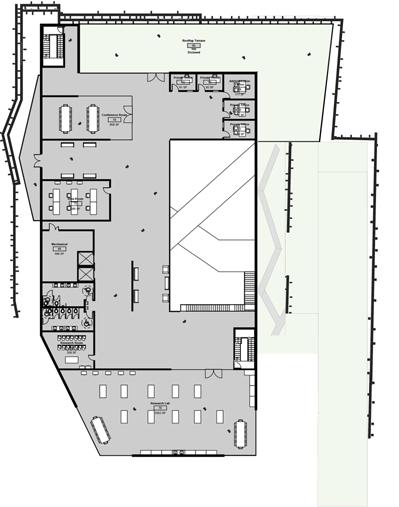
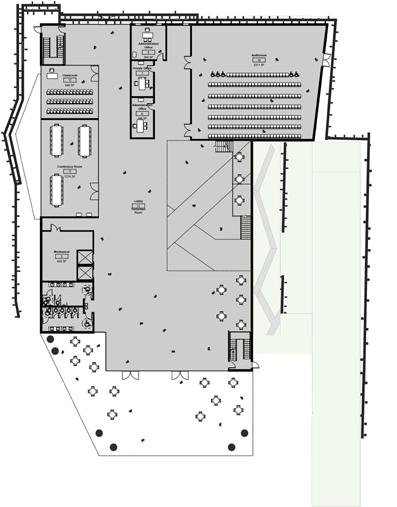
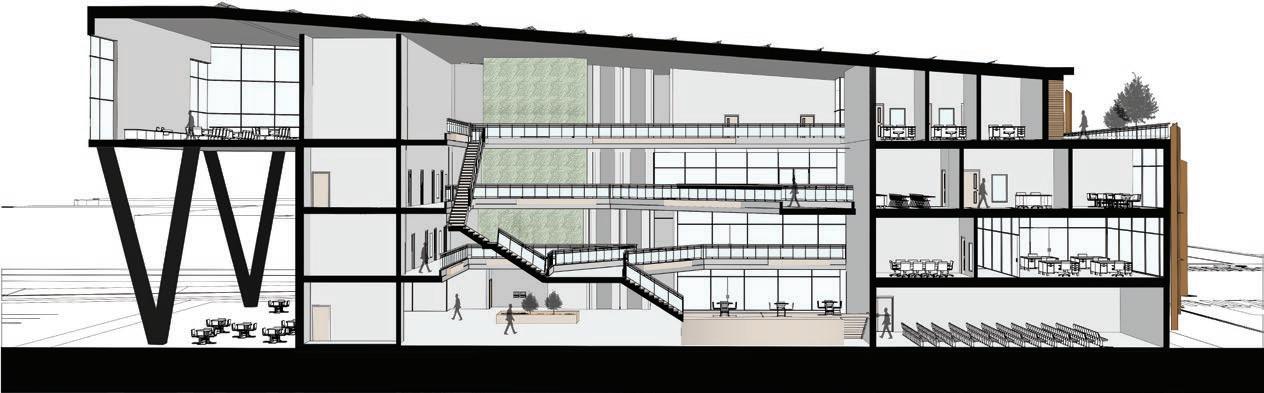
First Floor Plan Second Floor Plan Third Floor Plan Fourth Floor Plan 1. Conference Room 2. Classroom 3. Lobby 4. Cafe 5. Auditorium 6. Storage 7. Administration Office 8. Reception Office 1. Podcast Room 2. Film Room 3. Workshop 4. Group Work Area 5. Private Office 6. Storage 1. Conference Room 2. Group Work Area 3. Virtual Room 4. Podcast Room 5. Film Room 6. Storage 7. Administration Office 8. Workshop 9. Private Office 10. Balcony 1. Conference Room 2. Storage 3. Administration Office 4. Research Room 5. Private Office 6. Research Lab 7. Balcony 8. Rooftop Terrace 9. Data/IT Room 1 2 3 4 5 6 7 8 7 1 2 3 4 5 6 1 5 5 5 1 2 3 4 10 6 9 4 5 5 7 8 9 9 9 1 2 3 9 6 4 5 5 7 8 5 5
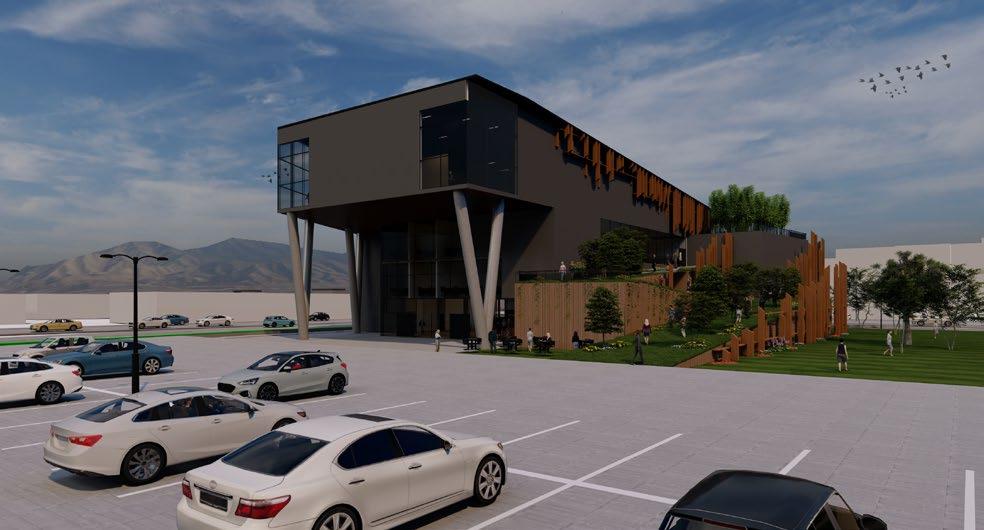 SOUTH EXTERIOR VIEW
Main entrance from parking lot
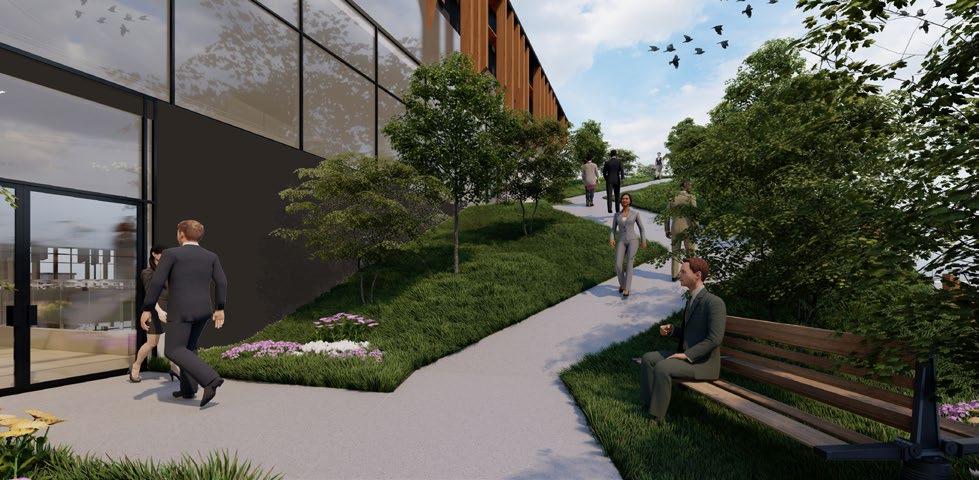
GREEN RAMP
Walkway leading up green ramp & second floor entrance
SOUTH EXTERIOR VIEW
Main entrance from parking lot
GREEN RAMP
Walkway leading up green ramp & second floor entrance
SUSTAINABLE BAMBOO FACADE
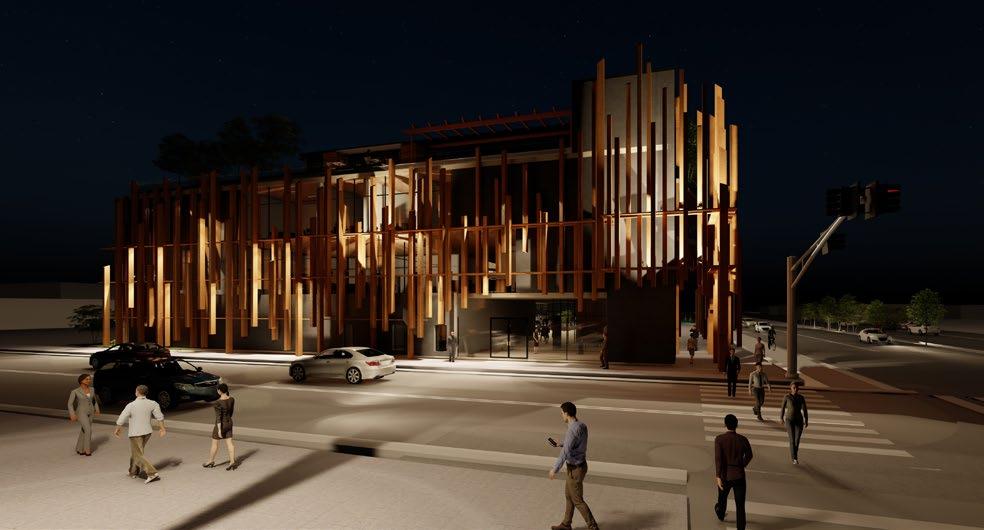 Northern view of facade, side entrance, & green roof
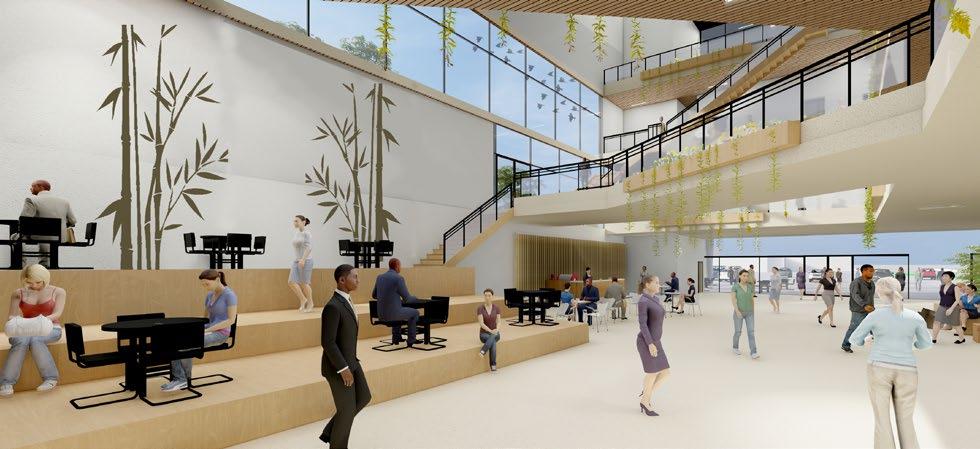
LOBBY Interior main entrance and atrium
Northern view of facade, side entrance, & green roof
LOBBY Interior main entrance and atrium
Winter 2023- Sustainable Design
Bamboo Biotechnology Center
Paleontolgical Research Center
Elges Nessleg, Russia
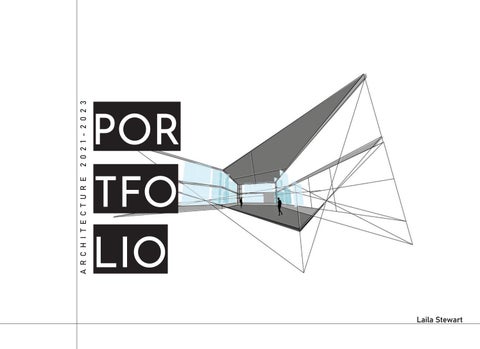
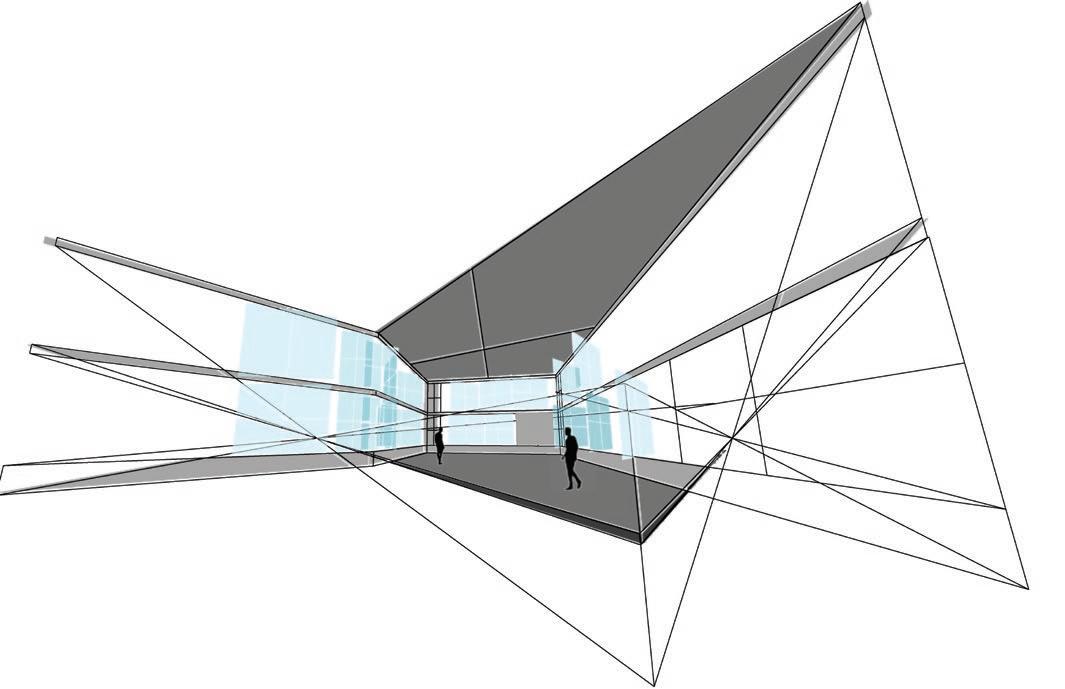
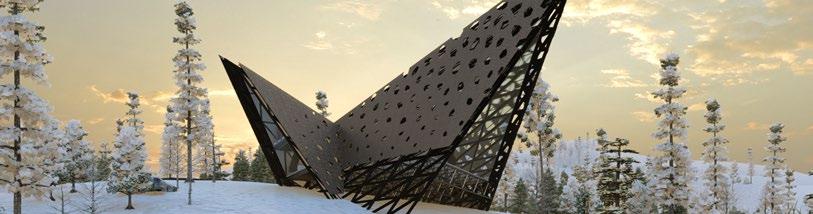
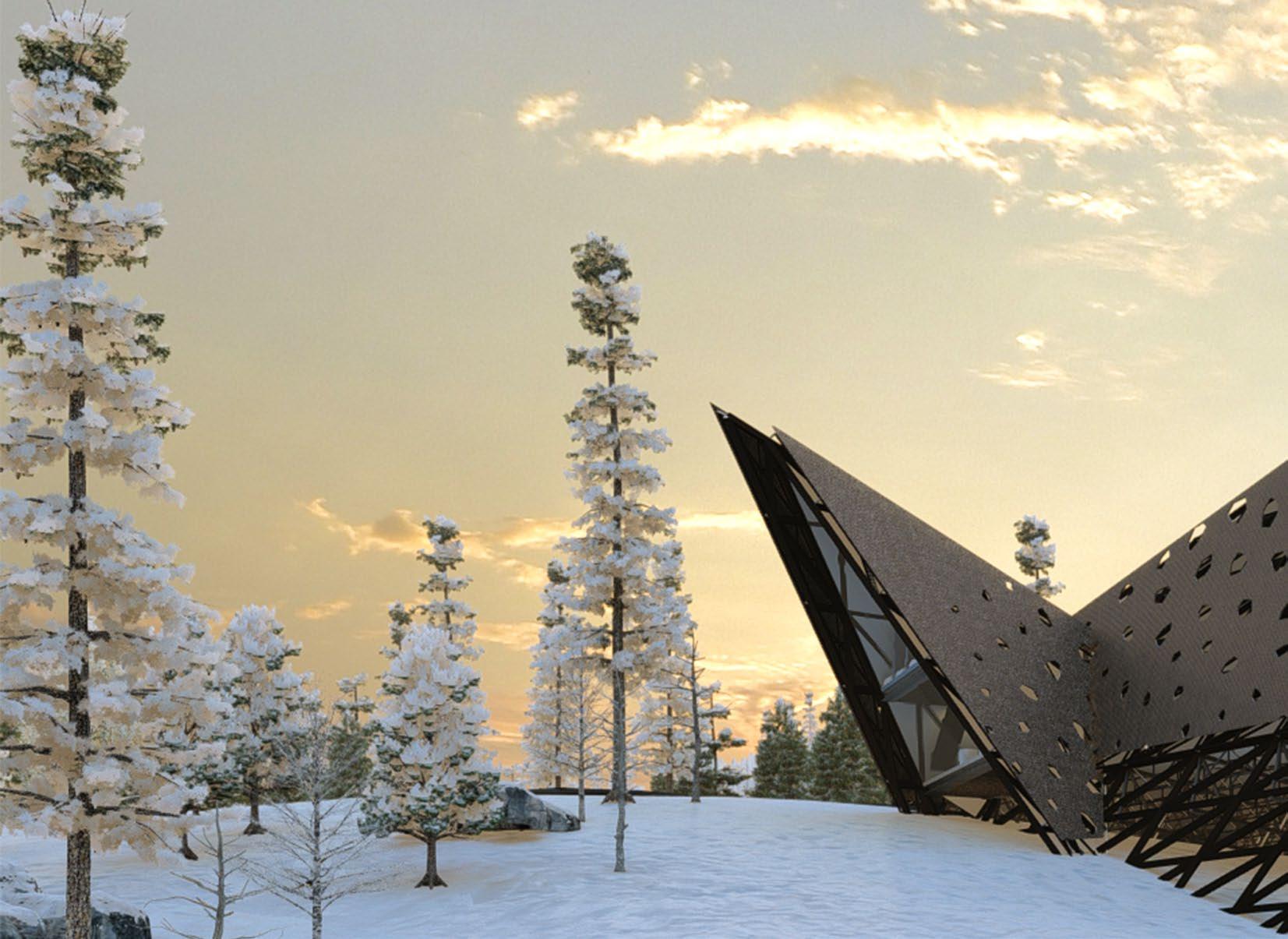
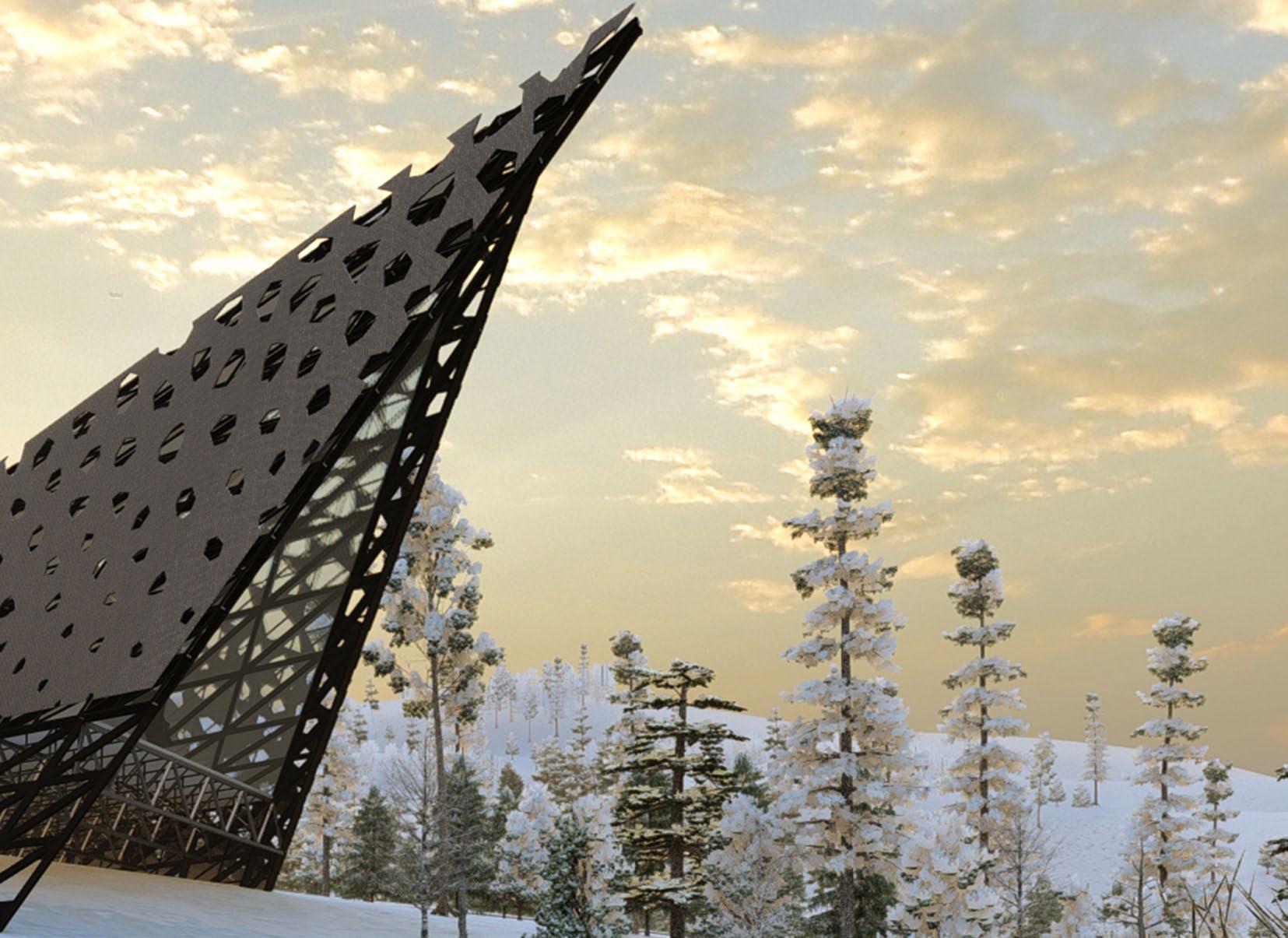
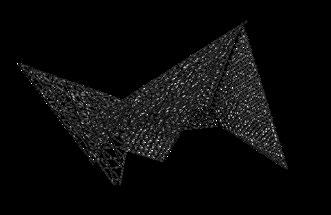
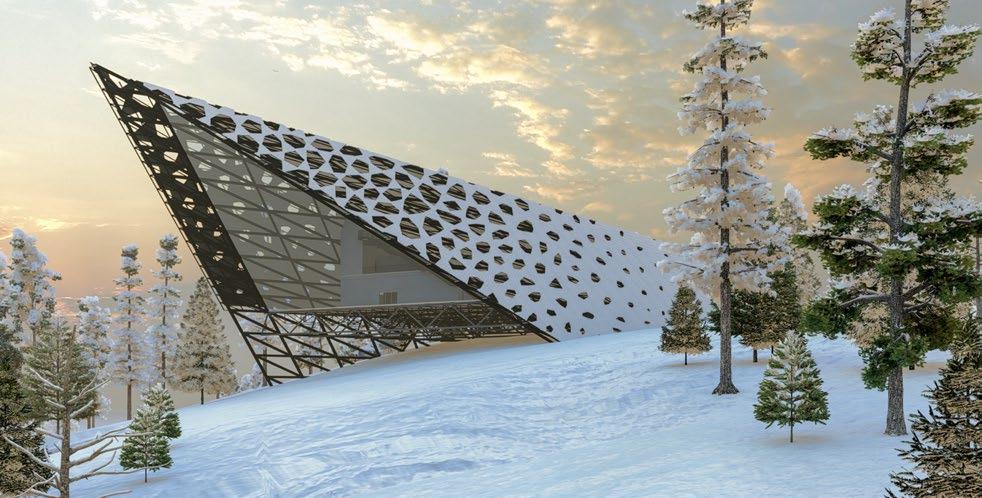
This building is a paleontology research lab and discovery center that focuses on analyzing fossils of current and extinct animals and materials found in regional permafrost. This building will focus on researching permafrost findings such as prehistoric fossils, viruses, and remains of previous ecosystems, while engaging public learning. The main public area is a discovery center, which displays the permafrost findings. Architecture acts and serves as a bridge between the building and environment. In doing so, we use structure and glass as a main component to obscure the lines and frame the nature outside of the building while also bringing it inside.The building has an angular form consisting of multiple extruded triangles to frame the surrounding nature.
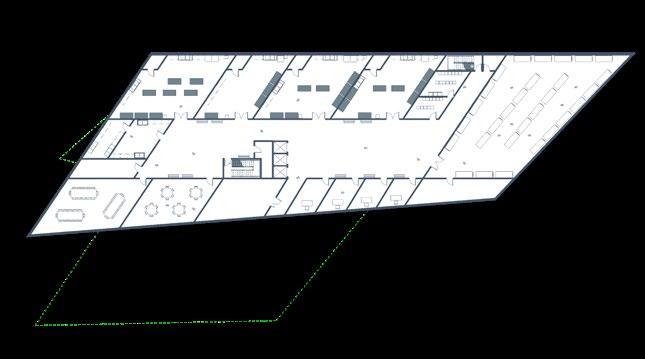
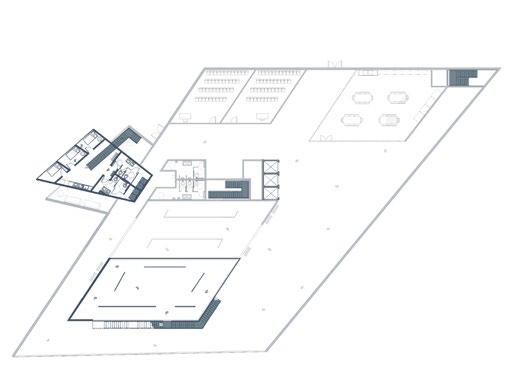
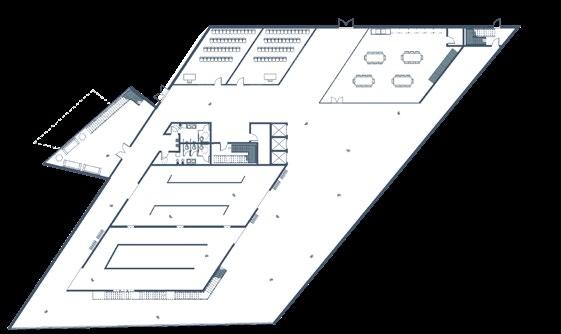
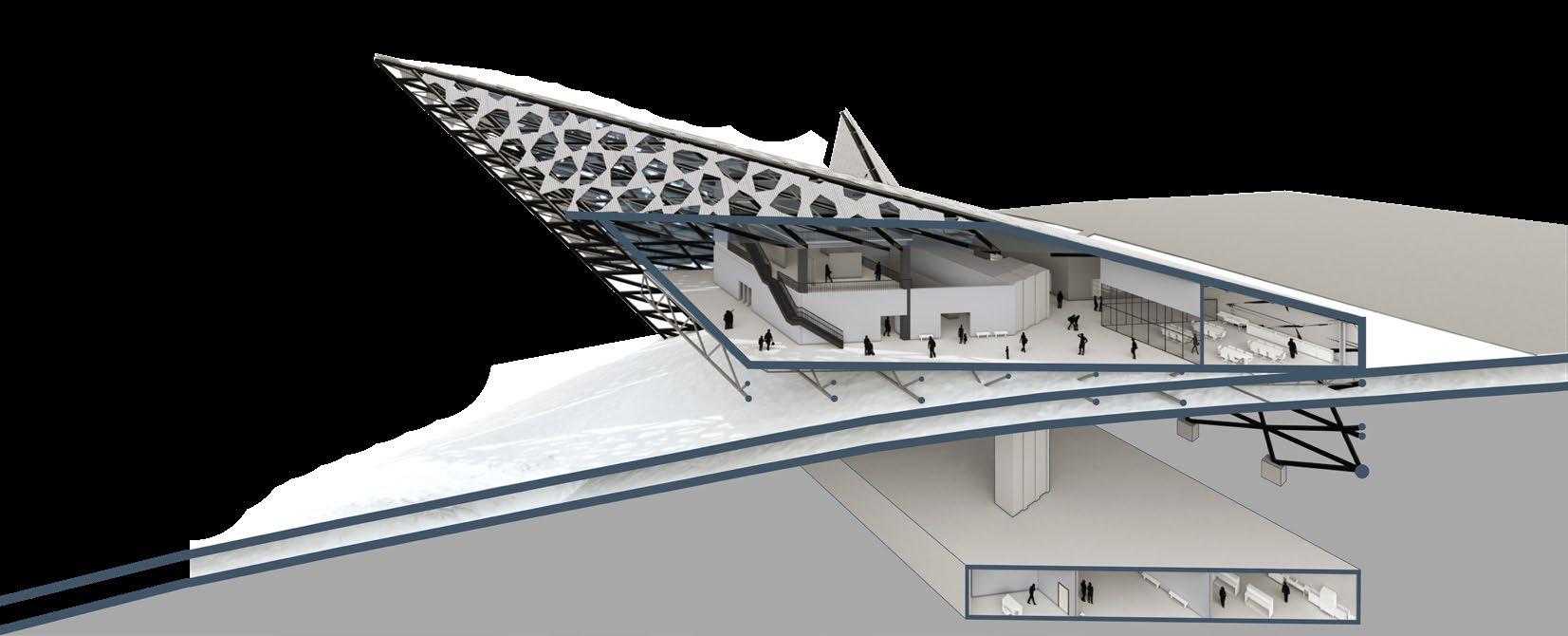
First Floor Plan Second Floor Plan Third Floor Plan 1. General Purpose Lab 5. Sanitation Station 9. Archive 2. Material Research Lab 6. Dishwashing Room 10. Archive Storage Room 3. Microscopy Lab 7. Conference Room 11. Mechanical 4. Material Storage 8. Office 12. Storage ACTIVE LAYER PERMAFROST Floor Elevated Archive is built into permafrost for safety and security
concrete
1. Classroom 5. Lobby 2. Public Display Lab 6. Resident Rest Area 3. Exhibition Space 7. Mechanical 4. Gallery 1. Gallery 2. Kitchen 3. Bedrooms 2 3 4 5 1 1 6 7 7 8 8 8 8 9 10 11 12 1 1 2 3 4 4 5 6 7 4 3 3 3 2
Structure is anchored into the permafrost in a
base
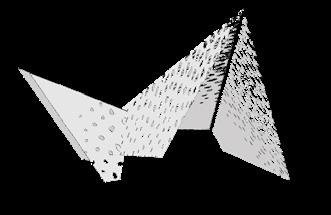
SKIN
Perforated Rain-screen
SECONDARY SKIN STRUCTURE
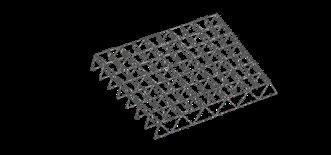
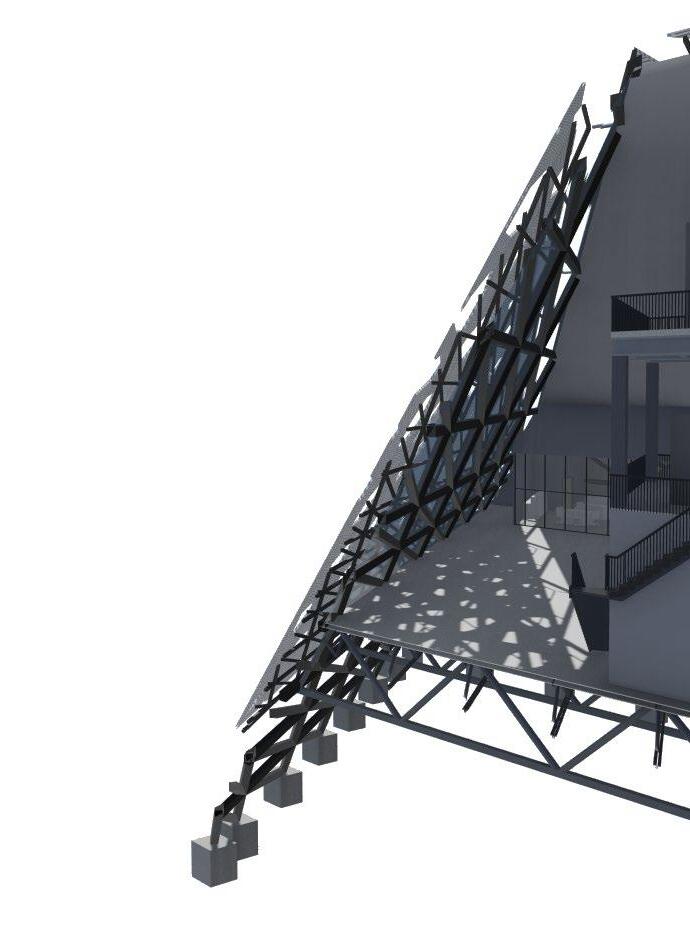
Steel Diagrid System
PRIMARY STRUCTURE
Steel Diagrid System
BEAMS & COLUMNS
Steel Members
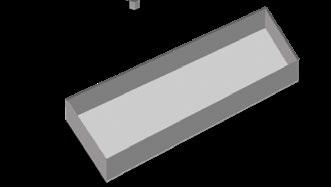
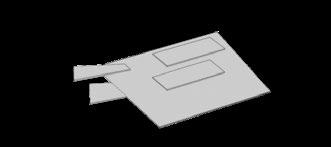
FLOOR PLATES
Ground level & second level
TERTIARY STRUCTURE
Steel Truss & Girders
FOUNDATION
Concrete Foundation Pin
UNDERGROUND LEVEL
Concrete Foundation
STRUCTURE POINT CONNECTION
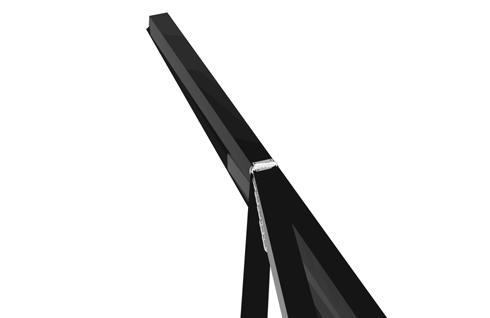
The primary and secondary diagrids meet at an imperfect point through an on site weld. These members create a sturdy structure for the front of the building holding glazing.
SKIN CONNECTION
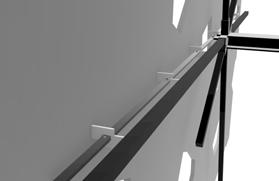
The rain-screen skin is attached to the secondary structure using clips for attachment. The ring beam that connects the primary and secondary diagrids determine the distance between the building and the skin, which ranges from 24 to 32 inches.
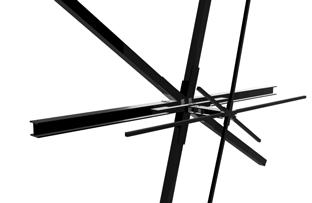
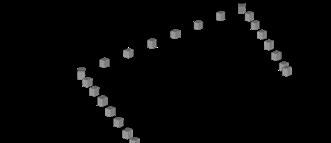
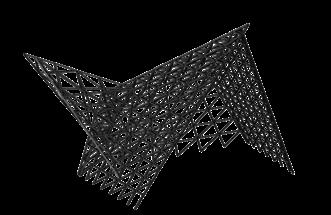
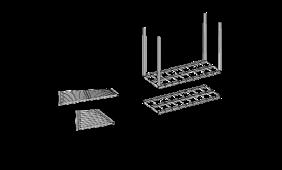
DIAGRID CONNECTION
The diagrid system is a set of steel members connected by gussets and nodes which, when put together, form a triangular pattern. The diagrid system consists of a larger primary grid and a smaller secondary grid, which are attached by a ring beam.
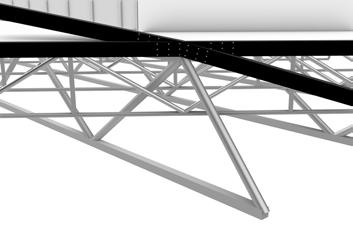
FLOOR CONNECTION
The ground level floor plate utilizes the edge member of the diagrid system to set up the floor joist and truss systems, which support the floor.
WEST EXTERIOR VIEW
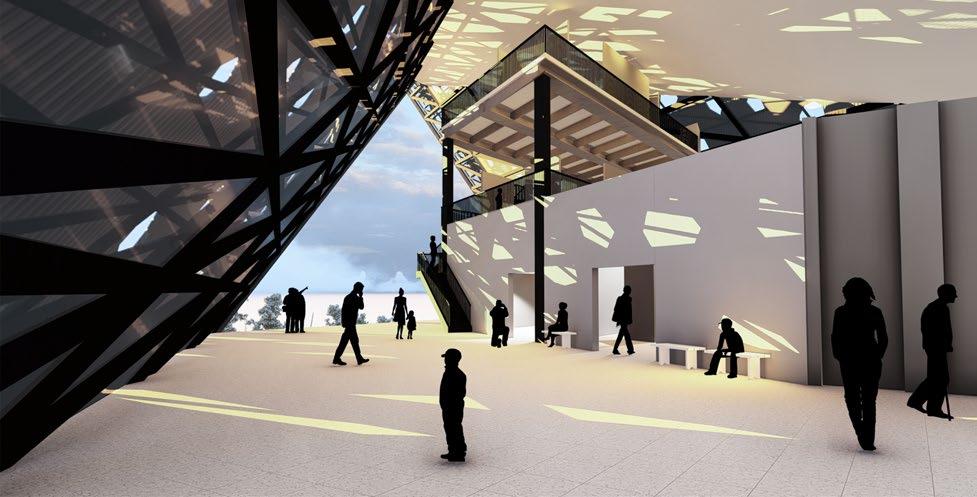
LOBBY Lobby and exhibition space with up close diagrid view
Western view of facade and structural diagrid system
Paleontological Research Center
Spring 2023- ACSA Steel Competition
Mosaic Art Cabin
Choudrant, LA
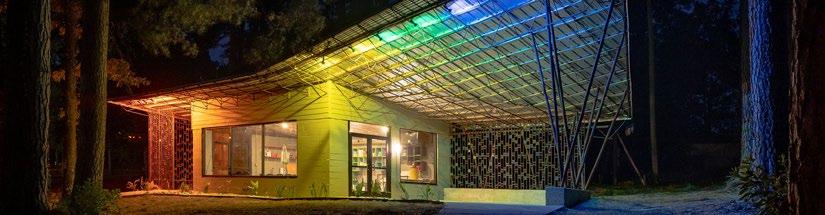
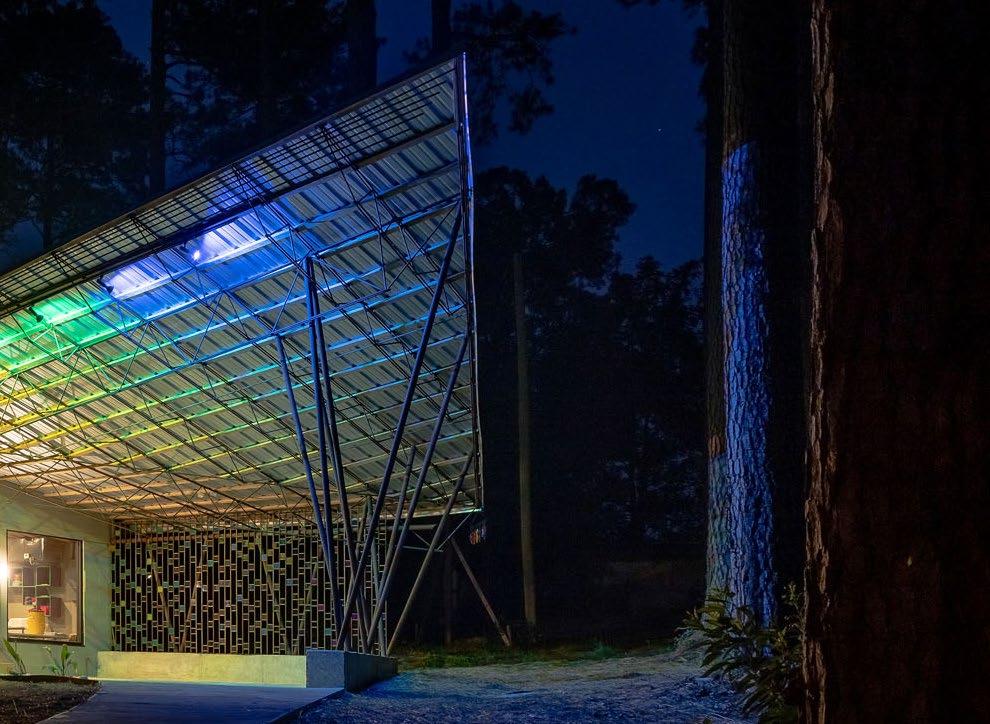
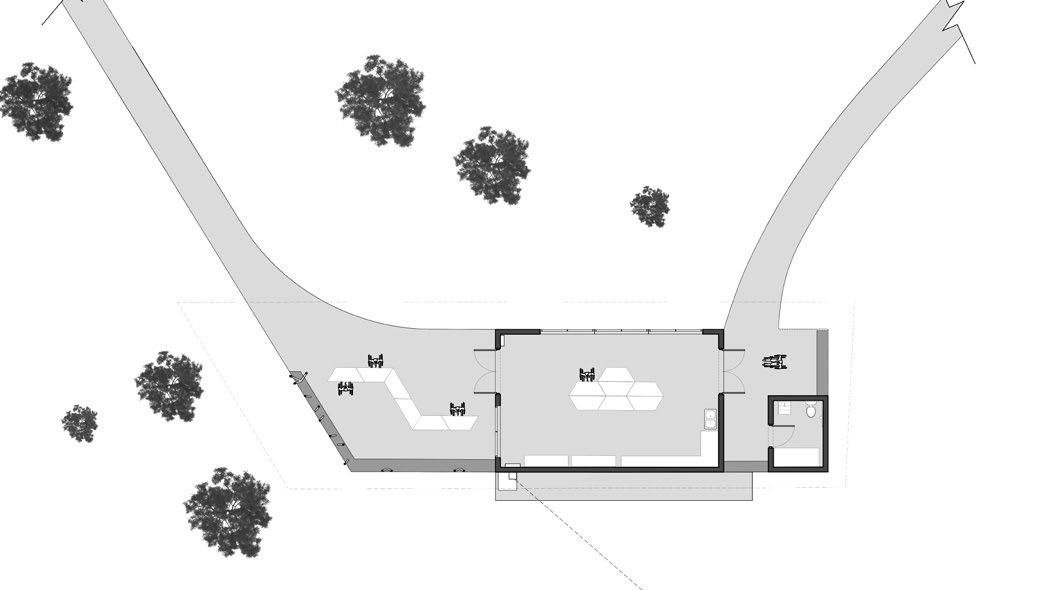
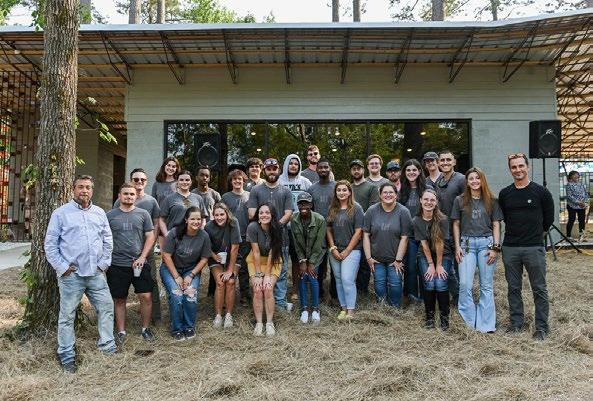
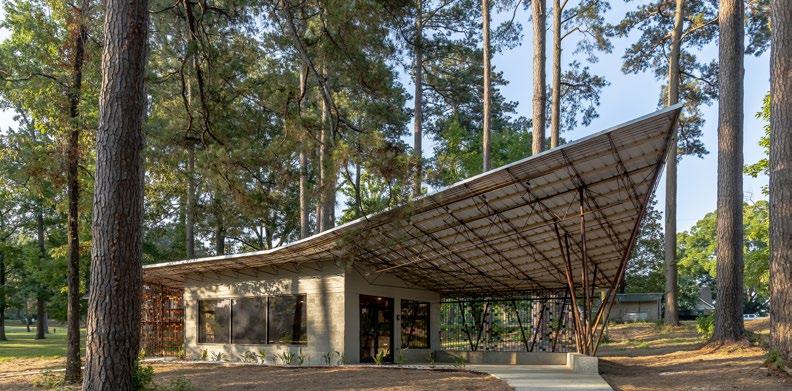
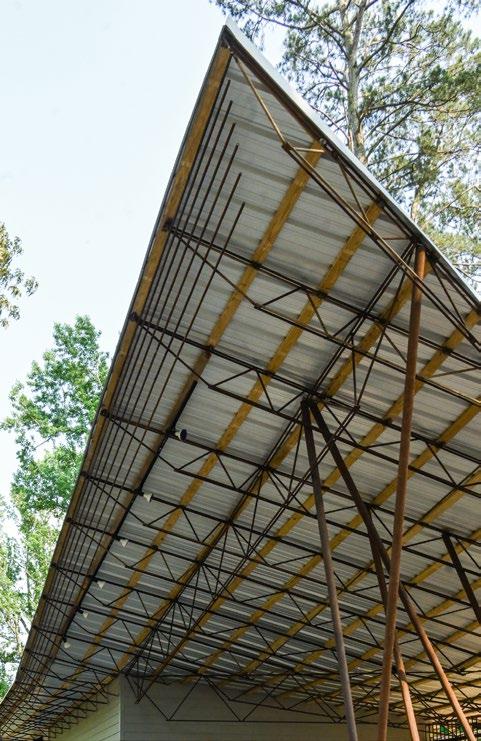
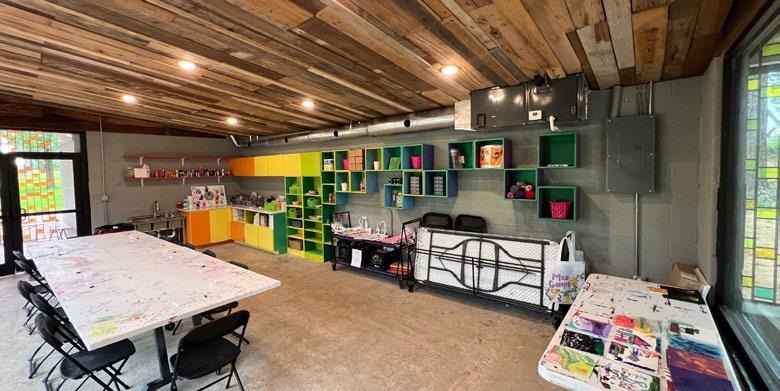
In the Spring of 2022 the ARCH 335 Design Build Studio within the School of Design at Louisiana Tech University designed and built the Mosaic Art Cabin at Camp Alabama to enhance the camper experience and serve the special needs of the children that attend Med Camps of Louisiana’s summer camp programs.
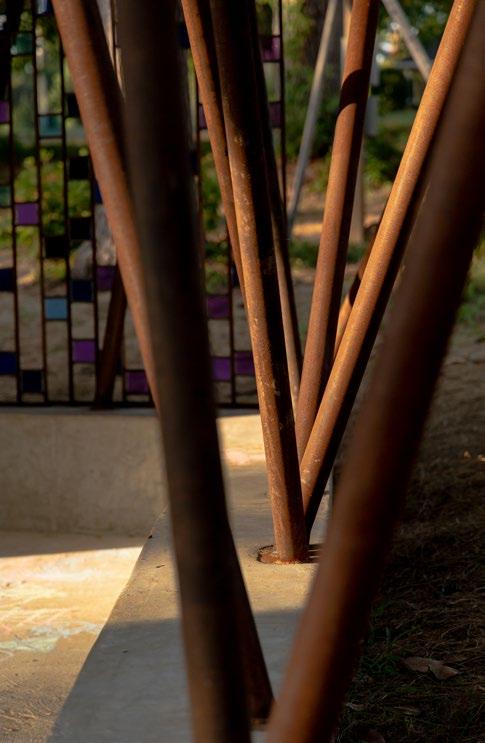
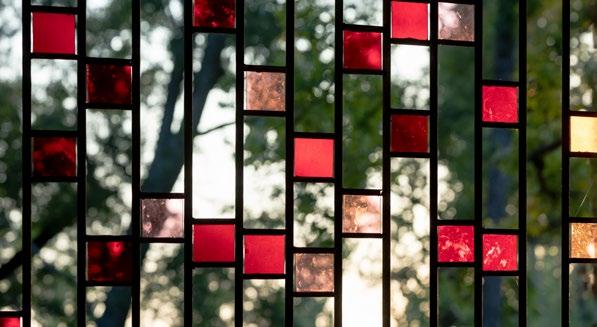
Being one of many Design Build projects at Camp Alabama, the Mosaic Art Cabin stands out, physically and conceptually, because it brings all factors of art together. The art cabin is a beacon of light and joy shown throughout the day, and physically at night. The purpose of the project was to promote inclusivity among the children that attend the camp. The campers are able to create and display art in a safer and more accommodated space than before. The campers are also able to enjoy making art without feeling left out or out of place. Throughout the project, I participated in demolishing and modifying the site, laying cmu blocks, collecting and restoring wood, constructing ceilings and wall components, and welding metal. This project was very successful for everyone involved including the designers and campers. We, as designers, created an interactive place for the kids to make art while also making it accessible for all disabled campers. We also constructed amazing architecture that the community is able to see and enjoy.
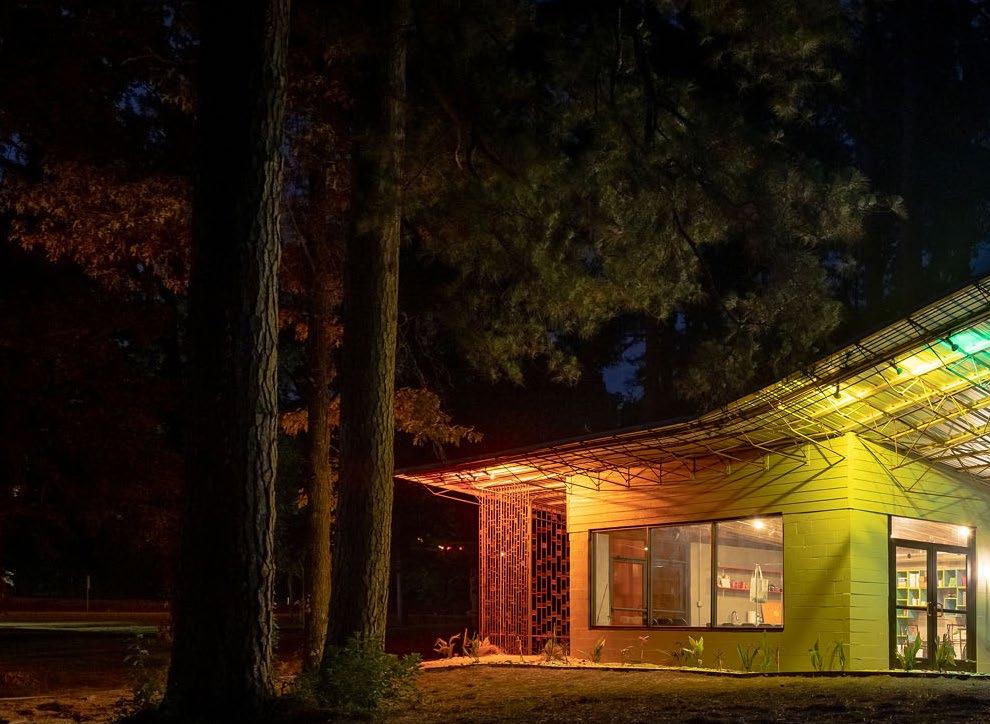
HWY


Camp Alabama
Choudrant, LA


Archery & Paintball
Existing Cabins
Boating
Fishing
Rec Hall & Pool
O’Neil Chapel
Stroud Store
Gibbs Pavilion
Hutton Hall
Art Cabin
145
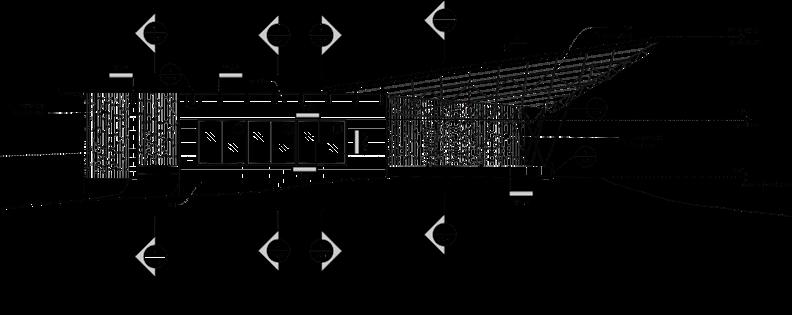
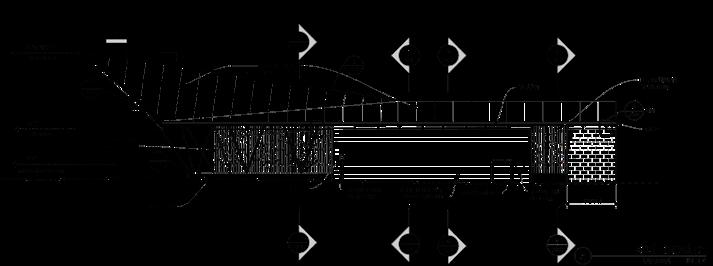
Self drawn elevation North Elevation Self drawn elevation South Elevation
Floor Plan
Winter 2022- Spring 2022- Design Build
Cabin
Mosaic Art
Laila Stewart, B.S. Architecture 2021-2023 Phone: 318-732-4549 Email: lailajstewart@gmail.com