[p4-5] Gene editing treatment used to cure sickle cell anaemia by Nadia Shenawy, L6J
[p6-7] Chemistry in Action trip - a teacher’s POV by Mrs Samantha Jansz, Chemistry teacher
[p8-9] The history and future of antibiotics by Akshitha Sunkari, L6E
[p10-12] Using notes from the past to understand the present: in conversation with Ludovico Lapo Luperi by Anoushka Mudgil, U5Y
[p13-15] Asteroid Mining’s Economic Potential for Space by Ashna Anand Sahay, L4M
[p16-18] The importance of the gut microbiome and its effects on mental health by Sharbani Udia, L6C
[p19-21] The Role of Metals in Modern Medicine by Claudia Littledale, L6E
[p22-23] Is programming by Humans becoming an obsolete career path? by Mr Hughes, Computer Science teacher
[p24] The Future of Mental Health Treatments by Dharmini Bouri L6A
[p25] Wordsearch
[p26-27] STEM News Around the World
[p28-31] Recent STEM News at LEH
Welcome to the Catalyst Spring Edition 2026. This STEM Journal is filled with a variety of interesting topics, written by both students and teachers. Many thanks to all of the wonderful people who have contributed to this edition. I hope you enjoy reading just as much as I have whilst compiling and editing it.
Saskia Hanson L6J
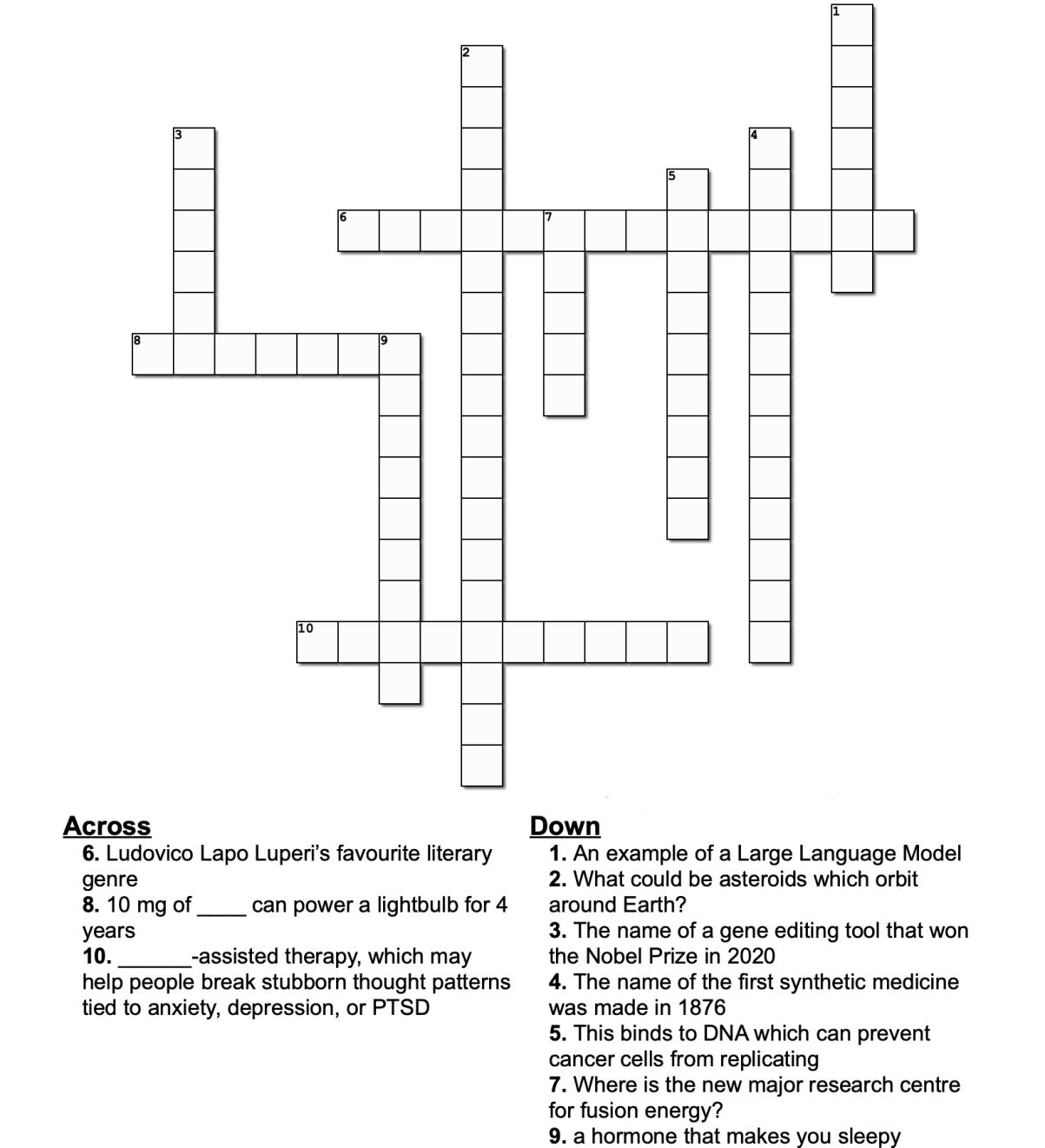
Catalyst Spring 2026 Crossword Puzzle
The crossword puzzle answers are related to the articles. If you think you have completed it, email your answers to shanson@lehs.org.uk
Gene editing treatment used to cure sickle cell anaemia
by Nadia Shenawy
Abstract:
Sickle cell is a group of genetically inherited diseases that affect red blood cells. Sickle cell anaemia is one of the most serious types, as it affects the shape of the red blood cells produced. This reduces the lifespan of the red blood cells and can cause blood clots due to the abnormal shapes blocking blood vessels. Red blood cells usually have a lifespan of 120 days, but with anaemia they only survive 10-20 days, causing a shortage and therefore meaning cells do not receive enough oxygen, leading to fatigue and slow metabolism. This is a lifetime disease, but there is now a possible treatment that was recently approved for use by the NHS.
Key words: sickle cell anaemia, gene therapy, CRISPR, exa-cel, DNA
Body 1 – Exa-cel
Researchers at Imperial College Healthcare NHS Trust, along with international academic researchers, industry partners and patients have run clinical test on the gene therapy, Exa-cel. It is based on CRISPR, a gene editing tool that won the Nobel Prize in 2020. Clinical trials show that it can stop the unexpected and painful crises due to blocked blood vessels. The same technology was approved by NICE in August 2024 to treat transfusion-dependent beta thalassaemia, a severe form of thalassaemia, a group of diseases that affect haemoglobin. Until now, the only long-term solutions to both these blood conditions were bone marrow transplants, which need a close match to work optimally. There is also the risk of rejection - where white blood cells attack the transplant as it recognises it as a foreign body - and transplants are not always available to everyone. For these reasons, this advancement is revolutionary, as it offers a new treatment option for patients aged 12 and above who are eligible for a transplant yet remain on an extended waiting list.
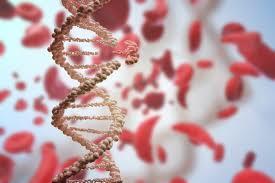
Exa-cel cutting a gene out of DNA
Body 2 – How it works
Exa-cel precisely edits the genes in the bone marrow to enable it to produce functioning haemoglobin. It involves moving the stem cells out of the bone marrow and collecting it from the blood. CRISPR is then used to cut a strand of DNA, disabling the faulty gene. Functioning genes are then infused back into the DNA, allowing the body to start producing its own haemoglobin properly. According to both the global clinical trials, “28 out of 29 sickle cell patients were free of severe pain and 39 of 42 beta thalassaemia patients no longer needed blood transfusions for at least a year”. This shows how incredibly effective this method is at treating both blood conditions.
Conclusion
Professor Bob Klaber, director of strategy, research and innovation at Imperial College Healthcare NHS Trust, says that: “The treatment is an example of true medical innovation and will provide patients with no other options a potential cure for the painful, debilitating symptoms of their diseases.” It is clear that this treatment will improve and save many lives.
• CRISPR disables the BCL11A enhancer, which normally suppresses foetal haemoglobin. This causes the body to re-activate foetal haemoglobin (HbF), which compensates for faulty adult haemoglobin.
• No “functioning genes” are infused into DNA.
Chemistry in Action trip- a teacher’s POV
by Mrs Samantha Jansz
Wednesday, 12th November gave me a welcome lie in! The series of lectures was at The Emmanuel Centre, usually a place of worship, but today was devoted to Chemistry.
The event kicked off with the great discussion ‘Are microorganisms better chemists than you?’ Michael Sulu, a lecturer at UCL, told us biochemists work out how to move, mix and heat liquids to make a change using microorganisms. He gave us the history of synthetic biology using insulin harvesting from pigs as an example. Now, bacteria are instructed to recreate molecules-tiny little factories that take no breaks. The metabolism is hijacked, the mechanism is switchable, controllable, and tuneable, chirality is sorted and cells are grown by fermentation. Applications include a universal flu vaccine, using fungi as very specific pesticides to create zombie insects, and building the relationship between food and good mental and physical health.
Dr Rianne Lord was up next and told me everything I needed to know about metals. Did you know zinc is in about 300 of our enzymes? Thus, metals could be utilised to treat diseases. Metals are used in cytotoxicity screenings. As cancer tumours grow, the middle lacks oxygen and hence metals change oxidation states and colours. This can be tracked using a scanning electron microscope (SEM).
Three interns, not much older than our L6 students at the lectures, inspired us with where their chemistry has taken them. One is working with a metal recycling startup company tackling the problem of e-waste from phones. Imperial College conducts industry sponsored research meaning you get paid while you study-this is a win win! Freshcheck are a colour change company working with bacteria to avoid food recalls and food waste by providing a visual clue once your food is past its best. Genius!
Dr Tim Gregory totally Dr Who’d us with his charismatic delivery of his lecture on amazing atoms and nuclear science. He completely changed my old-fashioned view of nuclear power. Mr Mangion purchased his book at once and there are copies at school available. He made the science accessible with facts: 10 mg of uranium can power a lightbulb for 4 years (for context, a paracetamol tablet is 500 mg); a nuclear power station has the same carbon footprint as wind power; if a person uses radioactivity through their whole lifetime, the waste will fill a coffee cup of material that is radioactive for a million years. In January, the UK decided to bury its waste. Dr Tim says since the early 60’s, nuclear batteries have been used to power missions including both Voyagers, New Horizons, and Casini.
‘When the drugs stop working’ was the title of the final talk on antibiotic resistance. Antibiotics have dramatically helped to extend our average lifespan from 40 to 80 years in just 150 years. I did not know that Salvarsan or Compound 606 was the first antibiotic, effective for syphilis and African trypanosomiasis (sleeping
sickness) until the discovery of the less toxic, penicillin in 1945. Fleming predicted back then that the under-dose and overuse of antibiotics, will increase bacterial resistancesmart man! We are now on our last resort / our final defence against germs and the superbugs, like MRSA. Dr Alex Baker urged us all to commit our lives to making the world a better place using our Chemistry. What a super message.
Dr Peter Hoare also gave us some exam tips. It’s always good to hear the old favourites like RTFQ (read the full question) and that 35% of the exam is factual recall.
This was an excellent and inspirational trip, and I would encourage next year’s 6th formers to go. It is so good to have a change from the familiar, comforting and safe walls of LEH and broaden your horizons. You never know where your education will take you and the sky really is the limit.
The History and Future of Antibiotics by Akshitha Sunkari
Alex Baker, a synthetic organic chemist at University of Warwick, delivered a talk, at Chemistry in action, entitled ‘When the Drugs Stop Working: The Uncensored Chemistry of Antibiotics’. He explored how antibiotics were first discovered, how they work, and why antibiotic resistance is becoming such a serious global problem.
Before people even knew bacteria existed, infections were treated with honey, breastmilk, cow bile and garlic. These natural remedies were widely used before modern medicine, and long before the first real antibiotics. Many people think penicillin, discovered by Alexander Fleming, was the first antibiotic. Although penicillin completely changed medicine, it was not the first antibiotic made, or the first widely used antibiotic.
The first synthetic medicine was made in 1876, which was methylene blue, used to treat malaria. The underlying concept was by staining the malaria parasite, it can be specifically targeted and killed. After this, researchers worked on finding a treatment for syphilis. Paul Ehrlich, along with Sahachiro Hata, tested hundreds of chemicals. They infected rabbits with syphilis and tested different compounds on them. Eventually, this led to Salvarsan - the first real antibiotic. It required around 20 injections over 18 months and had a very small therapeutic window - meaning it was easy to give too much or too little. It also worked by blocking pyruvate dehydrogenase. Salvarsan was also the first antibiotic to gain resistance.
Another key development was the discovery of Prontosil, a sulphonamide antibiotic, developed by IG Farben. It acted by interfering with para-aminobenzoic acid and folic acid production in bacteria. A later form of sulphonamide – sulphapyridine - became famous for saving Roosevelt’s son in 1936 and Winston Churchill in 1943.
Alexander Fleming discovered penicillin in 1928 when he noticed that a mould accidentally growing on one of his bacterial plates was killing the bacteria around it. Penicillin works by mimicking a natural cell-wall peptide. Its structure includes a βlactam ring, a secondary ring, a carboxylic acid group, and an R-group that allows different penicillin types to be made. However, resistance appeared quickly. Some bacteria produce penicillinase, an enzyme that destroys about 1,000 penicillin molecules per second. To protect penicillin, amoxicillin was later combined with clavulanic acid, a “suicide inhibitor” that blocks penicillinase. This combination is known as co-amoxiclav. But resistance did not stop.
Methicillin was introduced next, and soon after came MRSA which is a strain resistant to many antibiotics. For tough infections like MRSA, some antibiotics are still effective, including:
• Vancomycin – binds directly to the bacterial cell wall.
• Trimethoprim – blocks part of folic acid production.
• Sulfamethoxazole – a sulphonamide that blocks another part of that same pathway.
Bacteria develop resistance through:
• Decreased drug entry or increased efflux
• Drug inactivation
• Target modifications
• Target protein protection
• Target bypass
These mechanisms show how adaptable bacteria are when exposed to antibiotics.
Antimicrobial resistance is one of the most urgent health problems today. Around 40 million people could die globally from drug-resistant infections between 2020 and 2050. In 2019, there were 1.27 million deaths directly caused by drug-resistant bacteria. Developing new antibiotics is extremely difficult and expensive: around $1 billion, and only 1 in 15 antibiotics in pre-clinical decline will reach patients.
As Fleming himself said: “Then there is the danger that the ignorant man may easily under-dose himself and by exposing his microbes to non-lethal quantities of the drug make them resistant.”
This is a reminder that misuse can help resistance spread.
TOP TIPS:
To protect the antibiotics we still have, it is important to:
1. Use antibiotics only when recommended by a qualified health professional.
2. Only obtain antibiotics from proper medical sources.
3. Follow instructions exactly - the right dose, duration, and route.
4. Return unused antibiotics to a pharmacy for safe disposal.
Using notes from the past to understand the present: in conversation with Ludovico Lapo Luperi by
Anoushka Mudgil
Weathered looking parchment paper covered with scrawled, curling Italian fills my iPad screen. No, I have not been using a medieval version of Duolingo, but for the last few months, I have been volunteering online as a citizen scientist for ReData: a project on the citizen science platform Zooniverse “related to the recovery of historical meteorological data” with the goal to “recover and digitize meteorological data archived between 1879 and 1940 at the Royal Meteorological Office” – according to their page [1]. Though it is great to know that my attempts to decipher slightly unusual ways of writing numbers are contributing to a better understanding of weather events and the climate, I wanted to find out some more, which led to me getting in touch with Ludovico Lapo Luperi, a PhD student involved in the project, who was nice enough to chat with me one evening, and answer all my questions - both about ReData and otherwise.
When we connect, Lapo has all his stuff packed up in boxes, about to move to Paris to start his PhD, before then going to Canada for a few months, having just graduated with a masters in nuclear physics at the Università degli Studi di Milano, in Italy.
“I'm a nuclear physicist, so I don't really fit the image of the weather guy,” he explains. “I came into this project during one of my classes at uni, and they were looking for someone to analyse the data and I said, "Yeah, why not? This is quite cool." ” Though ReData aims to help contribute to our understanding of climate events, it is just fundamentally handling data.
However, the question is, how should one process all of this data? “We have about 60 million data points and variables to study and our team is 10 people, maybe 12, but even if we had a thousand people, it would take a long time to actually do what we are doing on Zooniverse and nobody has that kind of time laying around; it's better to rely on like 60 million people to dedicate one minute a day. […] Volunteers are our base to actually convert our past into our future.”
Anyone on the website now wouldn’t question the ease of the process, but this was not always the case. Since joining the ReData team in November 2024, Lapo has been the Zooniverse coordinator and has greatly improved the online interface and workflow for volunteers. When the project started, he calculated that it would have taken twelve years to complete. Now, it’s predicted to take three. The process has been so sped up, from when initially “every classification required an average of six minutes to complete. Now [it is] down to less than a minute.”
Furthermore, another of Lapo’s achievements is fostering a trusted community of regular volunteers who genuinely care about the project, which has even meant that the project can have better faith in their transcriptions. Until recently, each report was classified thrice to ensure accuracy, but now with 96% of classifications concurring, this has been reduced to twice, increasing efficiency.
Yet I question, in this day and age when everything somehow manages to incorporate an AI feature, why not create an AI model to digitise the data? The answer is surprisingly simple: after a number of the ReData team having graduated, there aren’t enough people to write the code, and also there aren’t adequate data samples to train the model. The variety of handwritings and their quality would be too difficult for an AI to process.
“I found out that they did not have strict rules for writing numbers. […] We have worked with a couple of people that have [written] some nice AI system codes, and we tried some of those recognition models. We had little trouble, but the majority of the documents cannot be read properly; or they could work, but we would still have to check every single one of them and it would take too long.”
However, using AI might still be a possibility; after World War One, reports were written with a typewriter, making it much easier to decipher - but that’s an idea for the future.
Once all the data is digitised, ReData wants to ensure it’s available for everyone to use for their own research. As of now, though we have lots of data for the most of Europe, that is not the case with Italy. I am told that “Italy is basically missing in all of the historical weather maps.” So, the more data, the better, as it contributes to a more comprehensive understanding of a country’s climate, and thus, once examined alongside other weather patterns, also a better understanding of climate changes globally.
“At some point this data is going to be published. People will have to cite our work, obviously, but they will be able to use what we collected, as that is the ultimate goal of science: to share and cooperate.”
The project’s own focus is analysing the devastating 19th century flooding in the Polesine area in Italy. Though Lapo can’t reveal much now, I am told that some analysis was completed earlier this year, which was presented [2] alongside the project at EGU2025, an important international conference in Vienna.
However, ReData is only a small part of Lapo’s life, as he comments that as everything is all set up, the project only takes up about fifteen minutes of his day. So how does he spend the rest of his time? As a university student, his workload sounded intense, as he tells of a typical day.
“I was supposed to follow classes - I almost never went though. But yeah, I basically [went] to the study room or classes. Either way, I was going to study all day. At some point I was coming back home, to have dinner and to go to bed, and that was late; it requires a lot of effort to actually study these kinds of things.” Though it may initially sound slightly stress-inducing (of which I am assured it was), it does seem to pay off. “Usually, your life at uni is studying. But it's worth it. If you like it, in the end it's worth it and in the end, you get a nice job, a job that you actually like.”
Despite being a self-described workaholic, he does find some time for other pastimes. From running to writing to reading, his interests do go beyond just science (even if his favourite literary genre is science fiction).
“[I like] trying new stuff. That's why [I] got into this project. It sounded cool. I just tried it, and then I stuck with it, but I just try different things every now and then. I mean, I like to work, so I find work in other things, not physics related, but it's fun. When you find something that you like, it's very nice, because when you get curious about something, you just keep studying it.”
To finish, I ask Lapo what advice he would give to any young people wanting to go into science.
“You have to like it, at least. You should love it, but if you are inclined to actually pursue a career in science, you have to try, because it may be worth it - like really worth it.
Once you find your path it is like ‘Wow, I love doing this’ and after a while, you're just doing 16 hour [shifts] because, ‘yeah, this is peculiar. Let's look into this’, and then something happens. It's a life that doesn't have a real schedule, it's not a normal job, but it's a job that you get to love quite easily if you actually like it. […] If you really love it, you will be as happy as anything. Okay, just try, try your best, and try to do what you like.”
Talking with Lapo was a lovely and enlightening experience and gave me a lot of insights into the inner workings and intricacies behind scientific projects. If anyone is interested in volunteering for ReData, please get involved! It only takes a few minutes a day to contribute a lot.
Asteroids are small celestial bodies that contain precious and expensive substances. They orbit the Sun. These asteroids are placed within the asteroid belt (between Mars and Jupiter). Asteroids are not spherical unlike planets; they instead vary in mass, length and height. They are the remains from early solar events; their sole purpose is to remain as time tablets that maintain clues for the conditions and processes that caused the formation of the planets.
Most asteroids can be divided into 3 massive classes based completely off their physical houses: carbonaceous (C-type), silicate (S-type), and metal (M-type). Each kind offers a valuable insight into the substances available for mining. This can then play a pivotal function with the future for mining. C–type areas the most common type of asteroid – 75% of asteroids are C-type. They contain water, natural compounds, carbonates, amino acids, and multiple complex molecules. They have hydrogen and oxygen which are key components for fuel. S-type asteroids contain an abundance of silicates, mixed together with olivine and pyroxene. Silicate asteroids have precious metals that include nickel, iron and magnesium. M-type asteroids are composed of more than nickel and iron, they have the potential to yield significant quantities of iron, nickel, gold, and platinum.
Mining these minerals in space could help ease the strain on Earth’s natural reserves and decrease the environmental stress associated with terrestrial mining. Additionally, researchers are also investigating Near-Earth Asteroids (NEAs). They could be asteroids which orbit around Earth.
Asteroid-Mining is a concept that has developed from science-fiction into a realistic notion. As humanity develops and we discover new things, we need to extend past Earth and provide a sustainable future.
One of the main reasons for that we have come to the concept of Asteroid-Mining is the shortage of essential resources on Earth. Most substances needed to run current industries (from electronics to renewable power technologies) are getting scarcer to find on Earth. Precious metals, including gold, platinum and uncommon earth elements are exceptionally small, and obtaining them leaves a huge carbon-footprint and is exceptionally expensive.
Additionally, Asteroid-Mining can also reduce the dependence on terrestrial deliver chains which may be liable to oil geopolitical conflicts and natural disasters. Through the new-found way of mining, global companies could make a stronger supply of vital materials.
Another way why Asteroid-Mining is essential is because it can make Earth more sustainable. Planet Earth has very little resources, and the environmental effects of conventional mining are increasing in ways that are hard to ignore. Deforestation, soil degradation, and water infection are just a few of the horrible outcomes of Earth-based mining.
Resource Hunting in Space: Asteroid Mining Methods
Asteroid-Mining can revolutionise industries and help to deepen our understanding of the cosmos and life on other planets. It opens new doors for mining technology. However, to exploit these assets from the asteroids, the gadgets would be very complex and would require superior techniques and insane upgrades to address the conditions posed with the useful resource of the gap surroundings.
Asteroids are well-known as “treasure troves” due to the wealth of resources in them. As we know, there are 3 main types of asteroids (M-type, S-type, and C-type). The assets they offer include gold, platinum, and uncommon earth elements. To uncover these elements, mining would have to be specially tailored to function in: microgravity environments, and the absence of atmospheric strain (the pressure or strain on the planet due to human-induced global-warming).
One of the most crucial traits in Asteroid-Mining is the evolution of robotic mining structures. This system is designed to carry out tasks in microgravity surroundings. However, if we use conventional mining techniques, (including drilling or excavation), it could prove impractical or, impossible. Robotic mining systems may be geared up with superior gadgets. Robots would use drilling or cutting machines. This would then penetrate the ground of the asteroid and extract valuable materials.
These gadgets could become more convenient if they included lasers, that could be used to vaporise floor cloth. Additionally, this technology has the advantage of being distinctly low in mass. It has the potential to be deployed remotely, decreasing human involvement within the mining technique.
Another influential factor we need to consider is the use if ISRU (In-Situ Resource Utilisation). It’s important because it specialises in the utilisation of resources found in place for use on-site. ISRU aims to use resources at once from the asteroids to lessen the need for transporting assets from Earth. This technique is important for the sustainability of long-term missions. It minimises our dependence on Earth.
Asteroid-Mining: Risks and Challenges
Although asteroid mining has a huge economic potential, it faces multiple technological challenges.
Asteroid-mining is extremely particular because of the unique traits of the gap surroundings. Essentially, this implies that there is no gravity, or weather, which necessitates the improvement of our mining system. It will need to be designed for
those conditions. Asteroids have low gravity, which will result in a huge challenge for mining equipment as it becomes much tougher to anchor or stabilise system to effectively extract materials.
Continuing on from that point, asteroid surfaces are unique, which complicates the mining process. Machines may get stuck on rocky surfaces or softer, dirt-like areas, causing delays and operational interruptions. To feature efficiently in those hard environments, mining gadgets will need to be equipped with special features and advanced technology. Some ways we can do this include laser-based slicing (this offers better efficiency in comparison to traditional gear) and Autonomous Cars (they can traverse the asteroid’s surface and initiate mining protocols).
These machines require superior sensors, and Artificial Intelligence (AI). They will be used to identify hazards, goal specific assets and procedure the substances extracted. Also, we will need good communication systems to manage and send data throughout the mission.
Once substances are extracted, they need to be transported and processed, each of which has its own challenge. In the absence of conventional terrestrial transportation systems, specialised shipping technology is required.
Not only this, but we also need sustainable waste management strategies to make sure that byproducts are either recycled, repurposed or effectively disposed of.
Although asteroid mining faces several challenges, advancements in AI, robotics and nano technology will play important roles in overcoming such challenges. As generation progresses, asteroid mining will become a key participant in retaining economic growth, promoting technological innovation and addressing useful resource scarcity on Earth.
Additional notes:
• Most M-type asteroids are thought to be iron-nickel rich, rather than preciousmetal rich.
• While some may contain platinum-group metals, economic viability remains highly uncertain.
The importance of the gut microbiome and its effects on mental health by
Sharbani Udia
‘You are what you eat.’ This famous saying has existed for decades before groundbreaking research began on the gut biome. Now, through research we know there are roughly 100 trillion microbial cells in the human gut (1) which is 10 times the number of microbial cells than the rest of the human body. Through research we know the gut is not just a long tube, but a complex structure containing over 70% of the immune system. Through research scientists have discovered how the gut microbiome is related to our mood. In this essay, I will be covering how the gut affects the brain, how our diet shapes the microbiome, and why this relationship is essential for mental health.
In 1822, a young trader named Alexis St Martin was standing outside a trading post when a long firearm went off and shot him in the stomach. His injuries were fatal, with part of his lungs, his stomach and his breakfast spilling out of it. Thankfully, an army surgeon named William Beaumont was at the scene and helped him. After numerous surgeries throughout the year, St Martin began to recover, however there remained a gaping hole in the solution - and that was the gaping hole in St Martin’s stomach. Beaumont took this as an opportunity to observe and study the gut, as you can imagine how rare a situation like this was in the 1800’s. He began to notice how the gut was affected by St Martin’s emotions and a few years later came up with the gut-brain axis theory (2). He believed that the brain and the gut were not two independently working organs, rather organs that were reliant on each other and interconnected. He later went on to do research, showing how emotional status affected the rate of digestion (3), though this research was not given the spotlight until the early 20th century when studies linking the two organs became more significant.
The gut microbiome is essentially all the way from your mouth to your colon, including your stomach, your oesophagus and everything in between. Every food you eat has chemicals that can either support or harm your body. For example, take Tryptophan. It is an amino acid found in foods such as eggs, fish and dairy products. This amino acid produces serotonin and melatonin. Serotonin is a hormone that calms you and makes you happy. Melatonin is a hormone that makes you sleepy. If your diet is low on Tryptophan, expect your mood to drop faster than your bedtime, because chances are, you aren’t getting enough sleep either. Another essential amino acid is Tyrosine which is found in almonds and lentils. Tyrosine is broken down into dopamine and epinephrine. Dopamine is significant as it motivates you, and epinephrine (also known as adrenaline) is what propels your fight or flight response. Without Tyrosine, your motivation will be on vacation, and your fight or flight will be on airplane mood. Lack of Serotonin and Dopamine increase the risk of depression.
However, even if you eat healthy, the condition of your gut microbiome is key in processing these foods for hormones. The gut holds a diverse number of microorganisms, such as bacteria and viruses. Within the bacteria, there is a large variety of species that have different purposes in the gut. Some digest vegetables, some digest fats. Suppose a person chose to eat lots of foods containing high fat
percentages. The bacteria that digests fats would outgrow the other bacteria. This would skew the ecosystem and allow the bacteria that digests fats to dominate more over other bacteria, such as the ones that digest vegetables. Repetitive eating = repetitive microbes.
The effects of this can be reversed, but it often takes a lot of time and energy, and in some cases, you lose very important bacteria that do not come back. This creates an imbalance in the body, preventing proper processing of even healthy foods (4)
When the balance of these microbes shifts, the gut can no longer produce or regulate many of the chemical messengers that influence the brain. Since most neurotransmitter precursors - like those for serotonin, dopamine, and even stress hormones - are processed in the gut, an imbalanced microbiome can directly affect mood, motivation, stress levels, and overall mental health. So even if you fix your diet, your gut might still be too busy sorting out its chaos to help your mood.
This is why it is crucial that we take care of our stomachs and diet from as early on as possible. Unfortunately, the world we live in is surrounded by things that destroy our gut microbiome. As a teenager myself, I can relate to the cravings for junk food right before lunch, or late at night. Crisps, pizza, sweets and fizzy drinks. These all contribute to the dominance of some species in the gut compared to others, stopping neurotransmitters like dopamine from reaching our brain. Antibiotics and other medication for infections do not just wipe out the bad bacteria in the gut, but all of it. Stress, from exams or homework, causes microbial imbalance due to the intimate relationship between the gut and the brain.
Obviously, we cannot just stop taking antibiotics or never feel stressed. However, there are foods we can incorporate into our diets to improve both our gut microbiome and mental health (5).
1 Garlic and Onion contain dietary fibre which feeds bacteria in the gut and helps them grow
2 Fermented foods such as kimchi and yoghurt contain probiotics that help with microbial imbalances.
3 Bananas contain vitamin B6 that help in the production of dopamine and serotonin.
4 Cabbage and beans — contain an amino acid called Glutamine that is converted into GABA, a neurotransmitter that reduces anxiety and calms your nerves.
5 Gelatine and Legumes contain Glycine which regulates sleep.
6 Whole grains — contains Histamine, which not only helps with allergies but is also a motivation and wakefulness neurotransmitter.
Ultimately, our gut and our brain are not two separate worlds, rather partners that work hand in hand - shaping the way we feel, think, and live. By making conscious choices about what we eat, we are keeping the delicate balance in our gut stable. When we nourish our gut, we are not only improving digestion, but our mood, motivation levels and our overall mental health. Realising and understanding this connection is the first step we can take towards controlling our physical and mental health.
Bibliography:
[1] 20 Things you Didn’t Know About the Human gut Microbiome - PMC
[2] How gut bacteria are controlling your brain
[3] The Microbiota-Gut-Brain Axis: From Motility to Mood - Gastroenterology
[4] Your Gut Microbiome: The Most Important Organ You’ve Never Heard Of | Erika Ebbel Angle | TEDxFargo
[5] What foods help gut bacteria? - BHF
[6] The Brain-Gut Connection | Johns Hopkins Medicine
Additional notes:
• Latest estimates suggest roughly equal numbers of microbial and human cells.
• Most neurotransmitters cannot cross the blood–brain barrier.
• The gut influences the brain indirectly via precursors; the vagus nerve and immune and hormonal signalling.
• Whole grains have a low histamine content as a neurotransmitter source.
The Role of Metals in Modern Medicine by Claudia Littledale
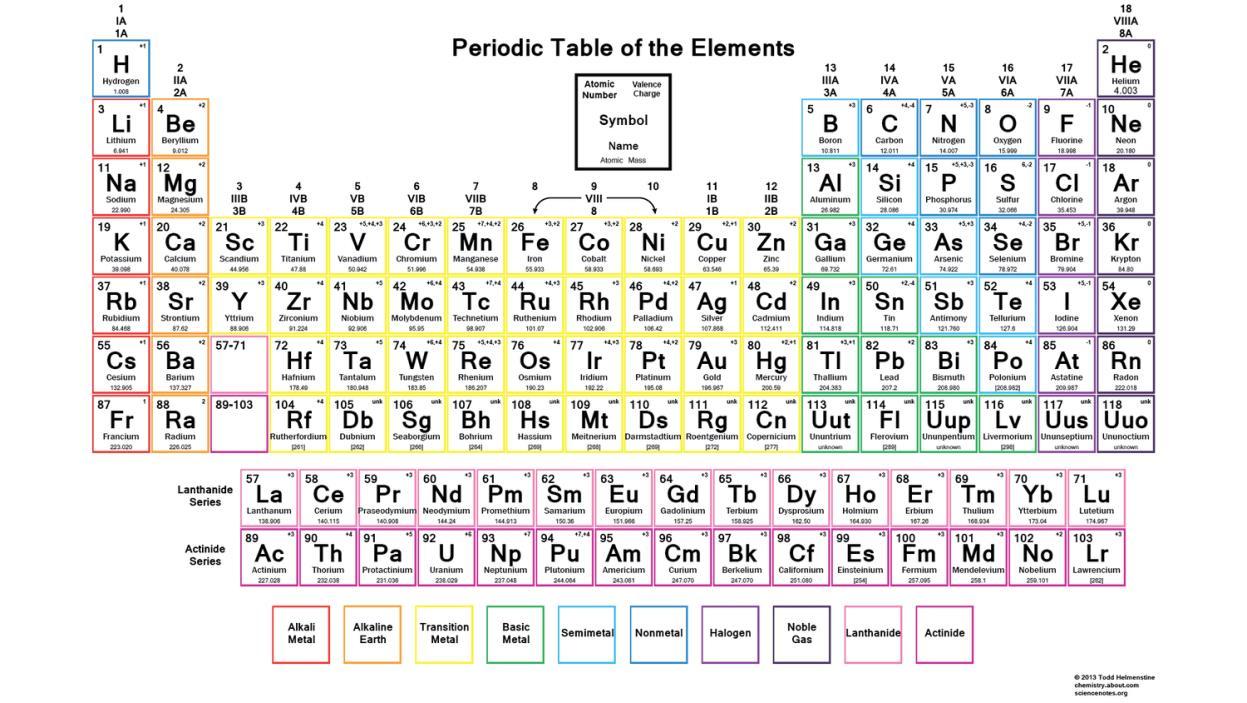
Metals play essential and diverse roles in modern medicine, stemming from their unique physical and chemical properties. Approximately two-thirds of the periodic table consists of metals.
Historical Uses of Metals ‘METALS OF ANTIQUITY’
Metals have been used in medicine for centuries:
• Gold in ancient Egypt
• Silver in ancient Greece (for its antimicrobial properties)
• Arsenic, historically used to treat STDs, (existing in multiple isomeric forms)
The first seven metals which humankind identified and used in the past are:
• GOLD (6000 BC) = Jewellery
• COPPER (4200 BC) = Weapons
• SILVER (4000 BC) = Ornaments, Jewellery, Monetary systems
• LEAD (3500 BC) = Container, Pipes
• TIN (1750 BC) = Bronze, Adding to Cu = Weapons
• IRON (1500 BC) = Weapons
• MERCURY (750 BC) = Tombs dissolve Ag and Au
FUN FACT:
Kings spent fortunes trying to find the secret of the Philosopher's stone where lead could be turned into gold with the transmutation agent being able to right bodily imperfections, cure all illnesses and confer long life. For a long time, mercury (Hg) was thought to be this agent.
Metals in the Human Body
Several metals are naturally present in the human body and are required for healthy function. They often act through redox switching, meaning they can change oxidation states easily, allowing them to participate in reactions essential for life.
A central example is IRON:
Heme iron exists predominantly in the +2-oxidation state, which allows it to bind oxygen efficiently.
• This form is readily absorbed by the body and is crucial for preventing anaemia.
• Iron supplements typically contain Fe³⁺, which is converted in the body, often aided by vitamin C, to the more absorbable Fe²⁺ form.
Negative Effects of Metals
Despite their importance, certain metals can become harmful. Excess or improperly regulated metals can accumulate, leading to toxicity. Negative effects include:
• Neurodegenerative diseases
• Cancer
• Heavy-metal poisoning
Environmental and artificial exposure (e.g., lead, mercury) exacerbates these risks since the body cannot always regulate or excrete many metals effectively (since certain metals aren’t naturally occurring in the body).
Metal-Based Drugs in Modern Medicine
One of the most significant breakthroughs is cisplatin, discovered when platinum exposure was found to stop E. coli from dividing (Rosenberg). This led to its development as an anticancer drug.
Cisplatin works by binding to DNA, preventing cancer cells from replicating. As platinum is not naturally occurring in the body, it cannot be regulated or excreted efficiently, contributing to side effects. Despite this, cisplatin remains one of the most effective chemotherapy agents.
Other metals under investigation or already used therapeutically include gold, ruthenium, and iron, often for overcoming drug resistance, treating malaria, or exploring new anticancer strategies.
Metals in Imaging and Diagnostics
Metals are also crucial in modern imaging:
- MRI uses metal-based contrast agents to enhance image clarity.
- PET scans similarly rely on radiometals to trace physiological processes.
These techniques revolutionize diagnosis by providing non-invasive, highly detailed internal imaging.
Nanomedicine and Metal Nanoparticles
A growing field involves gold nanoparticles, which can be functionalized by attaching proteins or peptides.
• Their oxidation states can be altered, influencing how they interact with biological systems.
• Many can also be made fluorescent, allowing them to be used in imaging or targeted drug delivery.
These technologies take roughly 15 years to go from concept to clinical use, reflecting the extensive testing required for safety and efficacy.
Cytotoxicity Screening and Fluorescent Molecules
Before metal-based drugs are approved, they undergo cytotoxicity screening to assess how harmful they are to cells. Fluorescent molecules sometimes metal-based themselves are used as tools to track interactions and improve understanding of drug behaviour.
Metals remain indispensable in modern medicine. Whether enabling life-saving imaging, fighting cancer, or powering cutting-edge nanotechnology, their unique chemistry makes them irreplaceable. At the same time, understanding and managing their potential toxicity is crucial. Continued research ensures metals are harnessed safely and effectively, pushing forward the boundaries of medical science.
Is programming by Humans becoming an obsolete career path? by Mr
Hughes
As a Computer Science teacher, I am frequently asked “will coding become obsolete” or “should I take GCSE Computer Science”? These are fair questions. Students and parents are rightly reflecting on which qualifications and careers are fit for an AI enabled future. So, let us stare into the crystal ball and try to answer that question.
As a “Gen X” person, I have lived the constant tech revolution that we have all become used to. The internet. Smart Phones. Broadband. I worked in London as a Project Manager during the exciting, turbulent ‘dot com’ era. I get the same sense of disruption now as organisations, whether it be a small business, a hospital service or education provider, try to understand and use AI to remain relevant and competitive.
A commonly cited example of AI use is the scanning of x rays to quickly identify patients who may have cancer, allowing earlier treatment and increasing the likelihood of a positive outcome. The AI program can scan more x rays quicker, cheaper and more accurately than a team of highly qualified expensive (yet still fallible) doctors. Jobs in all industries, from law to engineering, are also being revolutionised. As AI is so good at automating complex tasks, it is likely many career paths will change dramatically or disappear entirely. The roles that remain will work in partnership with AI tools to maximise productivity.
In the last two years the programming output from ChatGPT and Copilot have improved enormously. Previously, when asked for a coding solution, the output would be full of bugs and idiosyncratic design choices. Today, the output from these Large Language Models is extraordinarily good. You can describe what you want, and the AI will write functioning code for you. So, AI is becoming exponentially more powerful and is being implemented everywhere.
However, we should be cautious of writing off humans as coders. If you are a business owner, engineer, technician, website developer, or application designer you absolutely need to have a sense of how programming works, not to mention analytical thinking and problem decomposition skills.
Even in a world where AI writes some of the actual code, we need people who understand programming concepts such as sequence, selection and iteration, and who can decompose a problem into sub routines, knowing what data needs to be passed to the sub-routine and returned to the main program.
Any designer or engineer today needs to understand how data flows to make good design decisions, prompting your AI to produce resilient programs that work efficiently, keep data secure and which can easily be developed further.
The Computer Science GCSE allows you to creatively develop critical thinking and critical thinking skills, decomposing the task into sub routines, writing code that, of course, does not work straight away. Debugging the code and developing the project further is incredibly rewarding and creative. These logic tracing and problem-solving skills are not just for programming. They are career relevant skills for life.
Computer Science is more than learning about code. It is not a simple career pathway from the GCSE to programmer. Understanding how data is collected, stored and manipulated is key to many career pathways. Understanding how to prompt AI effectively will help you make use of powerful AI tools to progress your career in whatever sector you select.
The Computer Science GCSE contributes to citizenship and community in the same way that English, Geography and History do. In this ‘Brave New World’ we need citizens who have given some thought to the ethical application of technology. Technology offers wonderful opportunities and is likely to change what it means to be human, just as fire, farming and the wheel did. However, technology also has the potential to erode citizens human right to privacy, and the use of big data to profile us risks undermining democracy and freedom. The Computer Science GCSE is an opportunity to argue the ethics of many aspects of our fast-evolving society, from self-driving cars to the surveillance state.
The explosion in ‘AI slop’, copying the music of famous artists and generating ‘fake’ but realistic video content that, along with the social media algorithm, has the potential to undermine any sense of a common reality. A healthy society provides opportunities for its citizens to consider the opportunities and the drawbacks AI and technology bring. The Computer Science GCSE Ethics unit explores the risks and the opportunities.
Futurologists point to an event horizon of ‘General AI’, where the machine becomes so smart it can design the next version of itself, evolving at the speed of light until the latest version is so much faster and smarter than humans that we invent a “God in a Box”. Where does humanity fit in a world where we are no longer the smartest being in the room? The likelihood of this happening, or the answers may not be obvious, but we should walk towards the future informed and with ‘eyes open’.
When asked ‘Is programming by Humans becoming an obsolete career path?’ my answer is a “no”. Career paths are evolving, and we need to keep a close eye on the changing nature of work and the skills required, but that is true for every sector. AI can write great text, but we do not question the value of an English GCSE. My view is Computer Science gives us a good understanding of programming concepts but also develops critical thinking and a range of other practical skills. Furthermore, this GCSE helps build strong empowered citizens able to make considered ethical decisions in whatever career path they choose. In a world infused with technology, having a conceptual understanding of how it works can only empower.
The Future of Mental Health Treatments by Dharmini Bouri
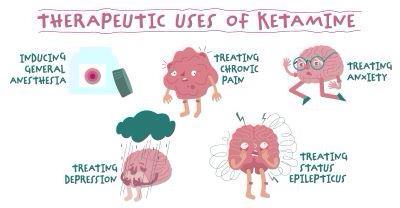
Mental health care is changing fast, offering hope in ways that old treatments sometimes couldn’t. Ketamine therapy can lift severe depression much faster than traditional medications - sometimes in hours instead of weeks. It works by affecting the brain’s glutamate system, helping neurons form new connections and “rewiring” circuits linked to mood. There is also psilocybin-assisted therapy, which early research suggests may help people break stubborn thought patterns tied to anxiety, depression, or PTSD. Psilocybin temporarily alters brain connectivity, allowing patients to see old problems in a new light. It’s not magic, but it’s certainly exciting - who wouldn’t want a treatment that actually works a little faster.
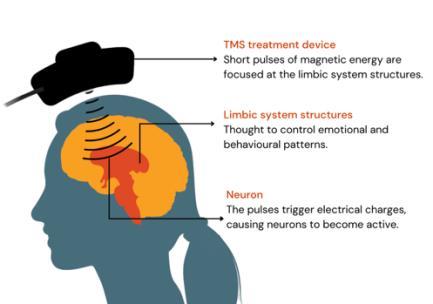
Technology is playing a key role too. Transcranial magnetic stimulation (TMS) uses magnetic pulses to target specific brain regions, helping people who haven’t responded to medications. It sounds futuristic, but it’s already being used in clinics - and yes, magnets can do more than just hold up your fridge photos. Together, these approaches hint at a future where mental health care is faster, more personalised, and maybe even a bit more hopeful (and less stressful) for everyone.
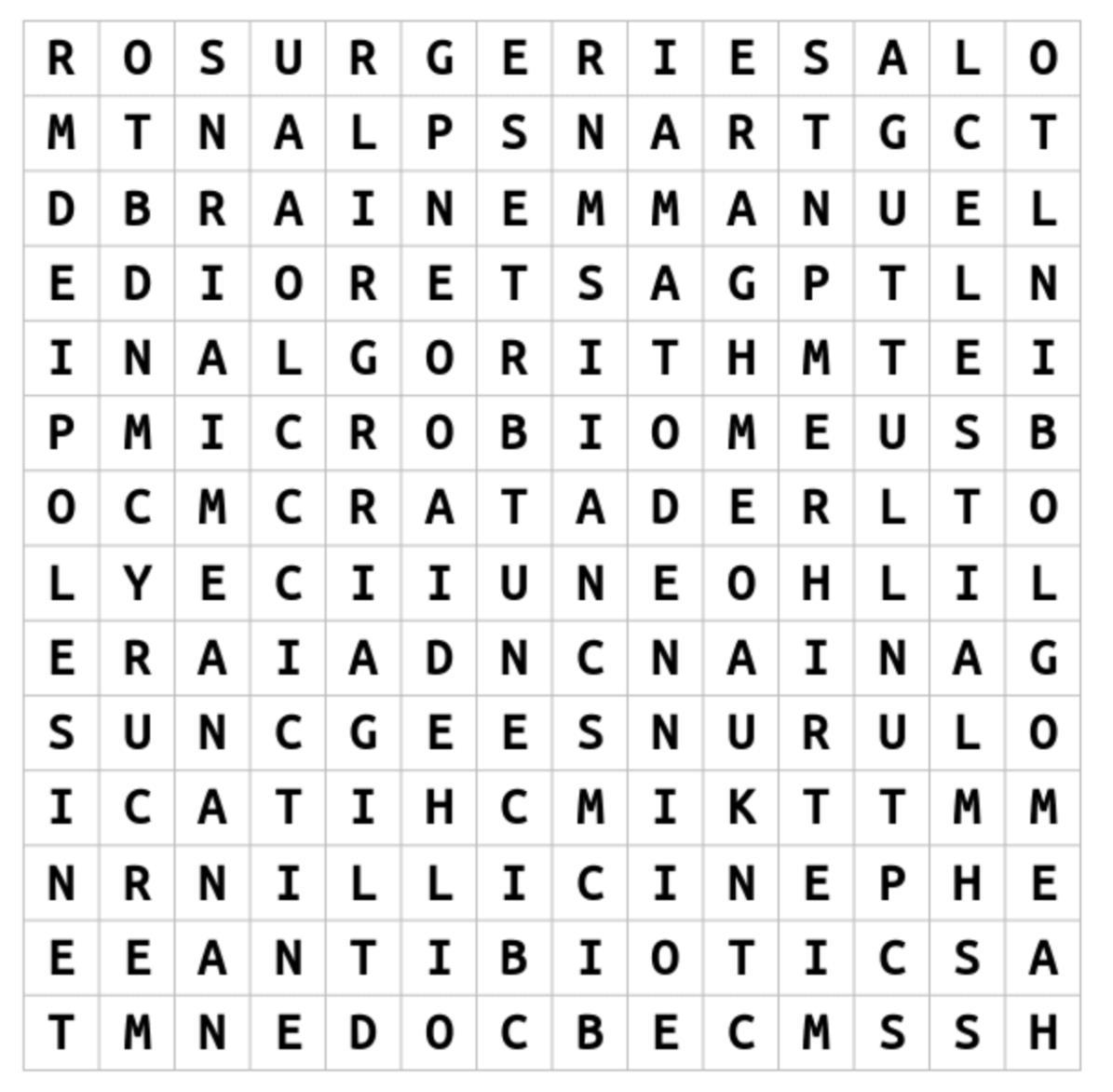
PENICILLIN ASTEROID MERCURY HAEMOGLOBIN
MEDICINE TRANSPLANT SURGERIES NEURONS
CODE EARTH EMMANUEL CELESTIAL
ALGORITHM MICROBIOME POLESINE KIMCHI
ANTIBIOTICS REDATA ANAEMIA BRAIN
GUT
STEM News Around the World
Recent astronomical observations have sparked intense debate by suggesting that dark energy (the mysterious force driving the Universe’s expansion) may be changing over time, potentially weakening rather than remaining constant. Data from the Dark Energy Spectroscopic Instrument and a reanalysis of supernova observations by a South Korean research team indicate that cosmic acceleration could be slowing, raising the possibility that gravity might eventually reverse the expansion and lead to a “Big Crunch” instead of an ever-expanding or “Big Rip” Universe.
Read more here: https://www.bbc.co.uk/news/articles/c17xe5kl78vo
2025 was International Year of Quantum which spurned many celebratory events worldwide. It was used to recognise the importance of quantum science and the need for wider awareness of its impact (past, present and future). Many national scientific societies gathered to support marking 100 years of quantum mechanics with this UN declared international year.
2025 was an exceptional year for observing aurora borealis. This was caused by a series of powerful solar flares and coronal mass ejections (CMEs) from the active sunspot region AR4274. This also triggered major geomagnetic storms, allowing the Northern Lights to be seen much further south than usual, including parts of the UK. Furthermore, 2026 is also predicted to also have dazzling views of the Northern Lights. You can look at statistics and read more here: https://www.spaceweatherlive.com/en/solar-activity/solar-cycle.html https://www.bbc.co.uk/weather/articles/ce8nz3m3k10o
Fusion energy may be a step closer to reality due to a major new research centre being developed in China, designed to accelerate progress in this long-sought clean energy source. The facility will focus on advancing nuclear fusion technologies that aim to replicate the processes powering the Sun. This offers the potential for abundant, lowcarbon energy with minimal waste. China has signalled that the centre will be open to international collaboration, inviting scientists and institutions from around the world to contribute expertise, share data, and tackle the significant technical challenges that remain. By combining large-scale investment with global cooperation, the project could help speed up breakthroughs and bring practical fusion power closer than ever before.
There is good news for renewable energy in the UK as 2025 was a record year for wind and solar electricity. There was significant progress as the electricity system shifted away from fossil fuels and more to renewable sources. Wind and solar output in particular set new records and helped push the UK closer to its 2030 clean energy goals. In the second quarter of 2025, renewable sources produced about 54.5% of the UK’s electricity mix. Projections also show substantial future growth in renewable capacity as part of the broader energy transition.
Read more here: https://www.bbc.co.uk/news/articles/cz947djd3d3o
COP30 in Belém, Brazil, delivered mixed results, with countries agreeing to increase climate finance and support adaptation efforts, but failing to commit to a clear global phase-out of fossil fuels. While progress was made on funding and implementation of climate plans, many critics said the outcome fell short of what is needed to limit global warming to 1.5 °C.
Read more here: https://unfccc.int/cop30
The Science Nobel prizes in 2025 were awarded to scientists working towards quantum computing (Nobel Prize in Physics 2025); development of metal-organic frameworks (Nobel Prize in Chemistry); and discoveries concerning peripheral immune tolerance (Nobel Prize in Physiology or Medicine 2025).
Read more here: https://www.nobelprize.org/all-nobel-prizes-2025/
It is always amusing for what is proposed for Ig Nobel prizes. Some favourites from 2025 include the nutrition prize (studying the extent to which a certain kind of lizard chooses to eat certain kinds of pizza); Biology Prize (experiments to learn whether cows painted with zebra-like striping can avoid being bitten by flies) and the Physics prize (discoveries about the physics of pasta sauce, especially the phase transition that can lead to clumping, which can be a cause of unpleasantness).
Read more here: https://www.bbc.co.uk/news/articles/crkjzxrrkd5o https://improbable.com/ig/winners/#ig2025
STEM News At LEH
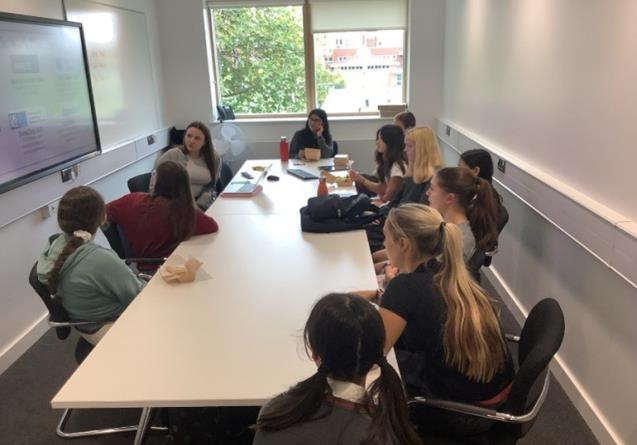
Meet the STEM team…
The school is very grateful to Mrs Burt for her ongoing sponsorship of the STEM scholarships.
Upcoming news:
On Wednesday 4th March, there will be a lecture as part of the Sir Gordon Southerland lecture series about Food and Nutrition in the conference room.
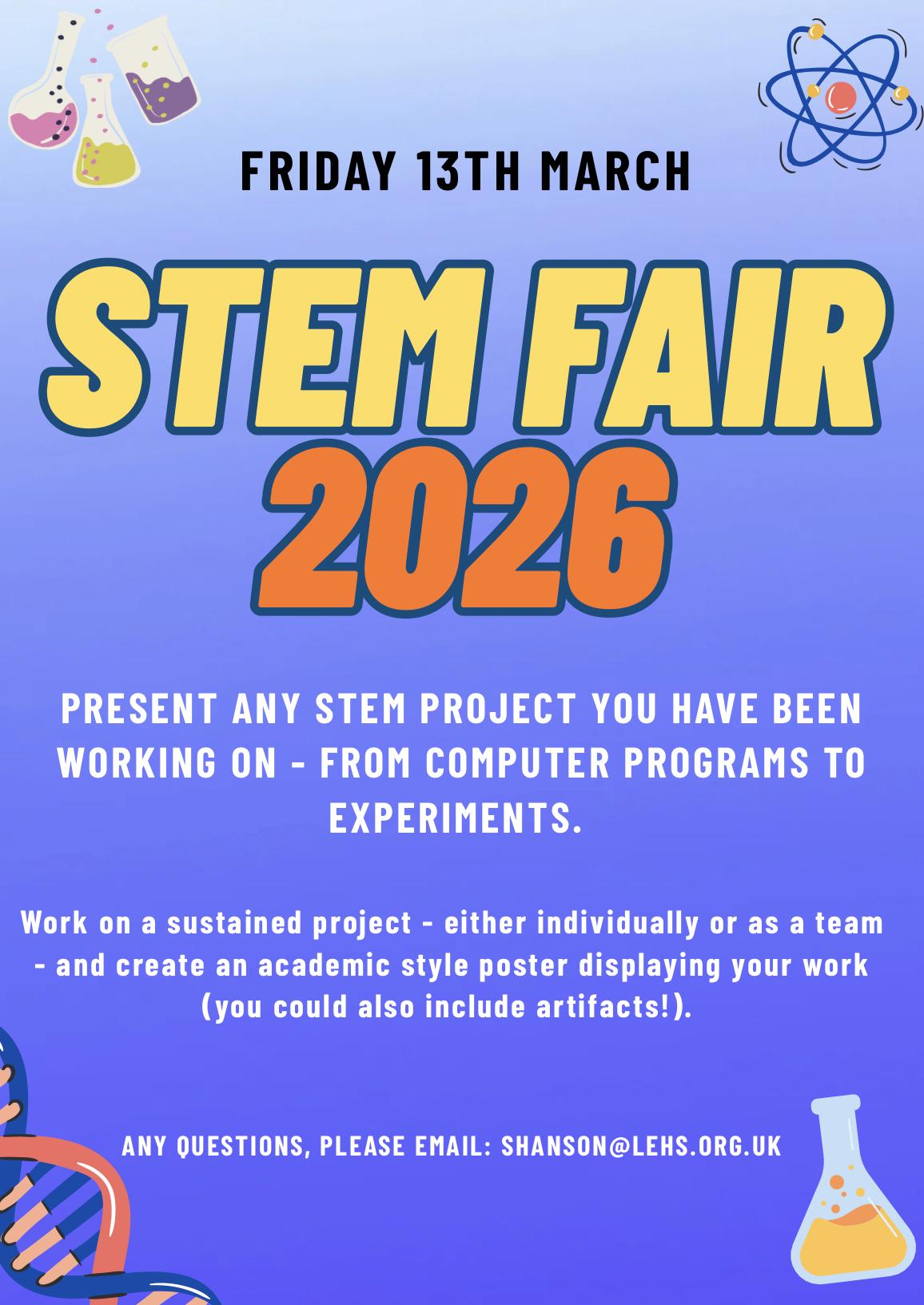
On Friday 13th March, the LEH STEM Fair 2026 will take place.
Anoushka Mudgil U5Y (STEM Scholar and STEM Rep) (STEM Scholar)
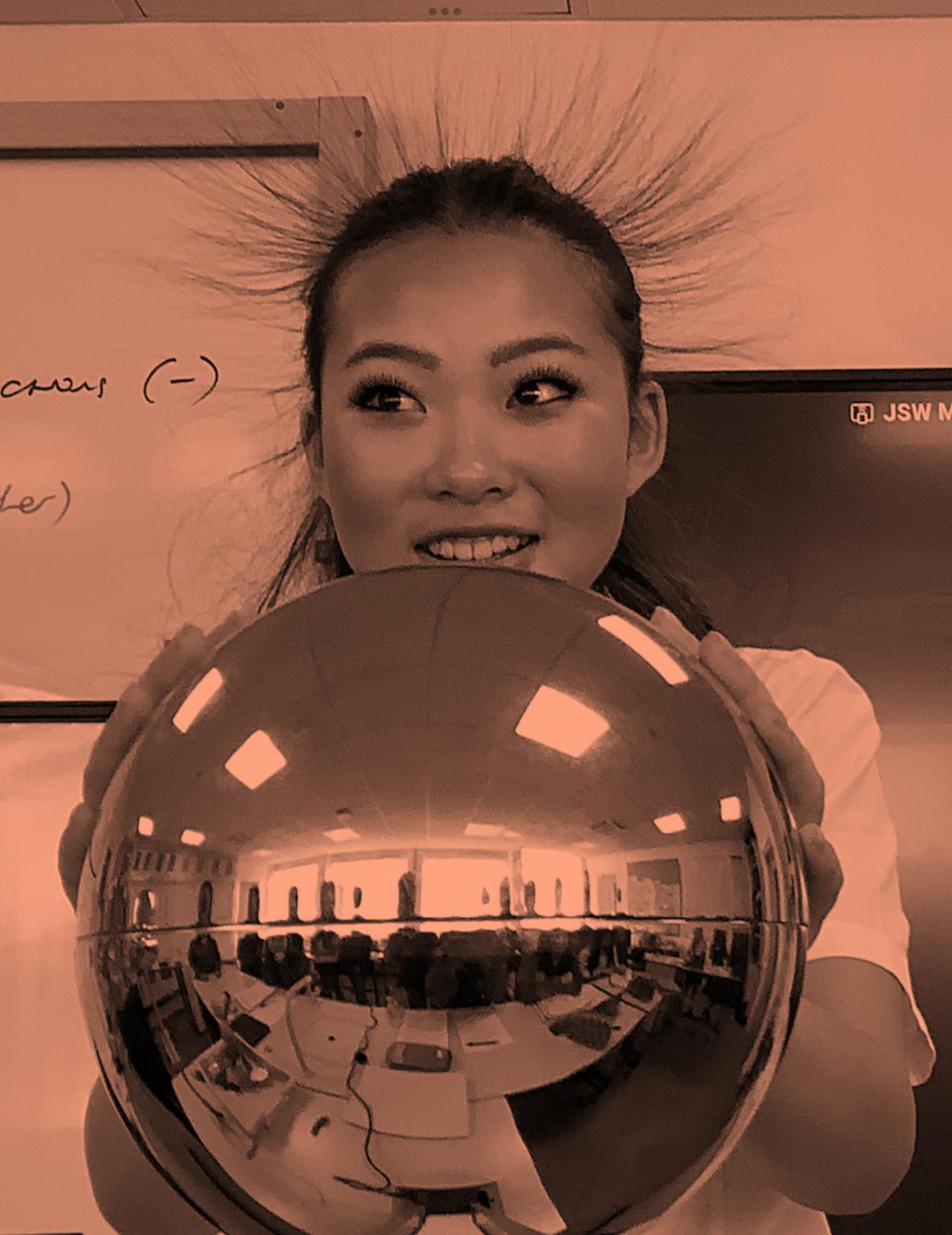
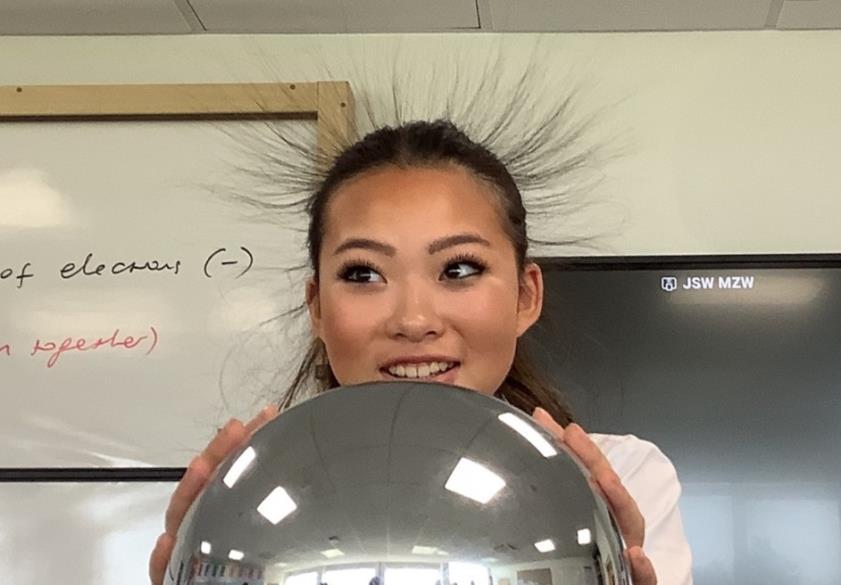
Van der Graaff generator
Great picture of Bernice (U5)
Muons virtual launch event
4th November 2025
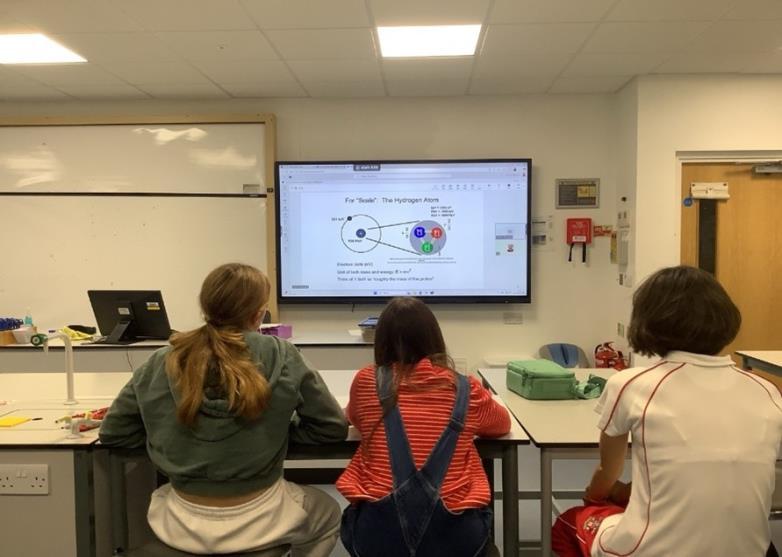
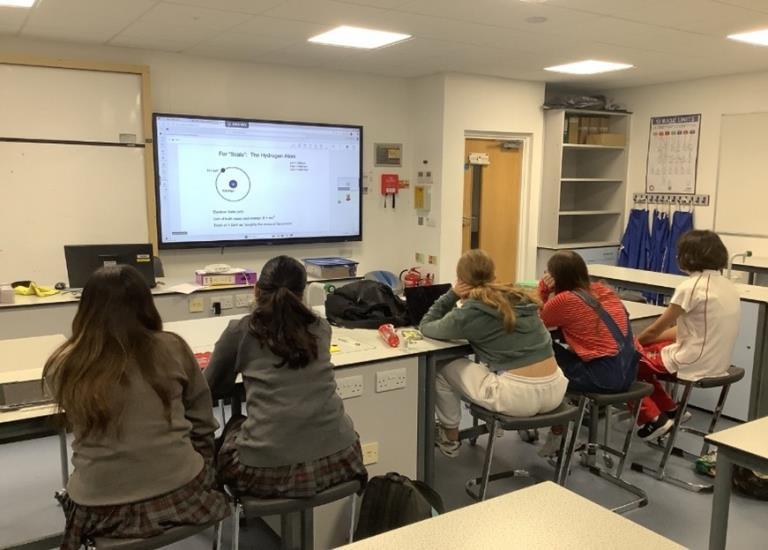
Muons are unstable subatomic particles, about 200 times larger than electrons, but with the same negative charge, created from cosmic rays hitting the atmosphere.
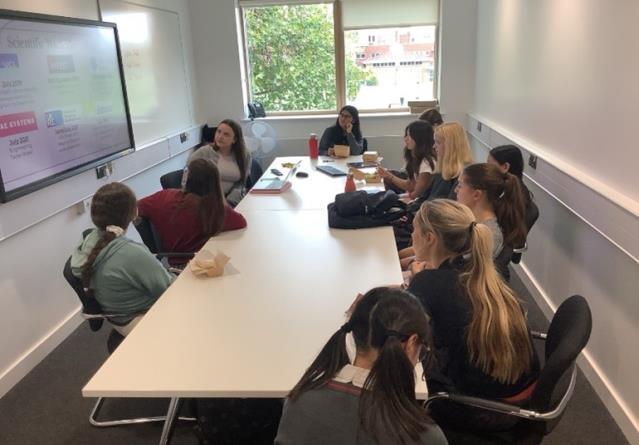
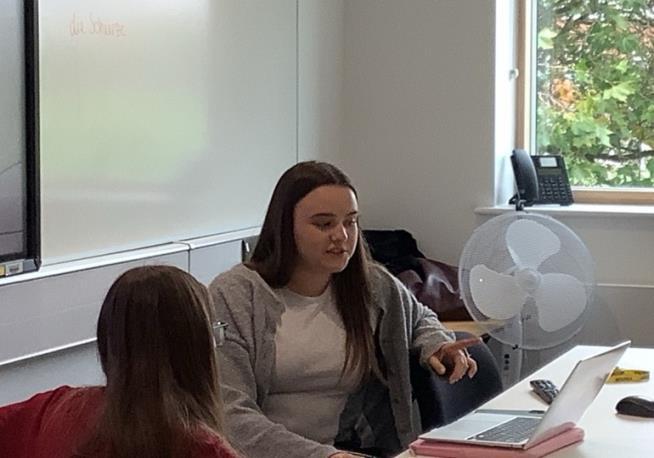
Visit from alumnae Arabella Eales Wednesday 1st October 2025