William Ladley
AIA, LFA, LEED AP BD+C, WELL AP, TRUE Advisor, Fitwel Ambassador
SELECTED PROJECTS





William Ladley
AIA, LFA, LEED AP BD+C, WELL AP, TRUE Advisor, Fitwel Ambassador
AIA, LFA, LEED AP BD+C, WELL AP, TRUE Advisor, Fitwel Ambassador
RESIDENTIAL
Jacob’s Place………………………………………………………. Senior Project Manager
Phipps Plaza South……………………………………………... Architect
Central Park Plaza Condominiums……………………….. Architect/ Project Manager
Anna Gonzalez Apartments………………………………….. Senior Project Manager
Warren Street Lofts & Penthouse…………………………. Architect/ Designer
HISTORIC
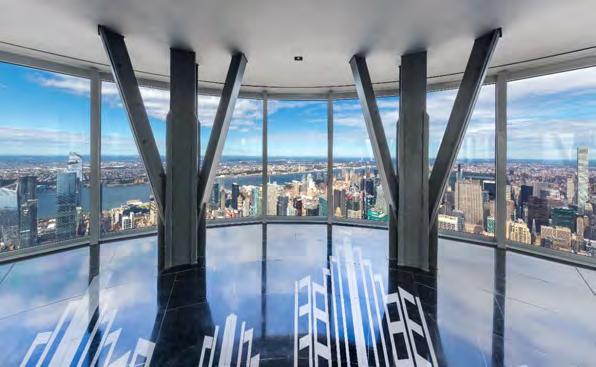
Empire State Building………………………………………….. Architect/ Project Manager
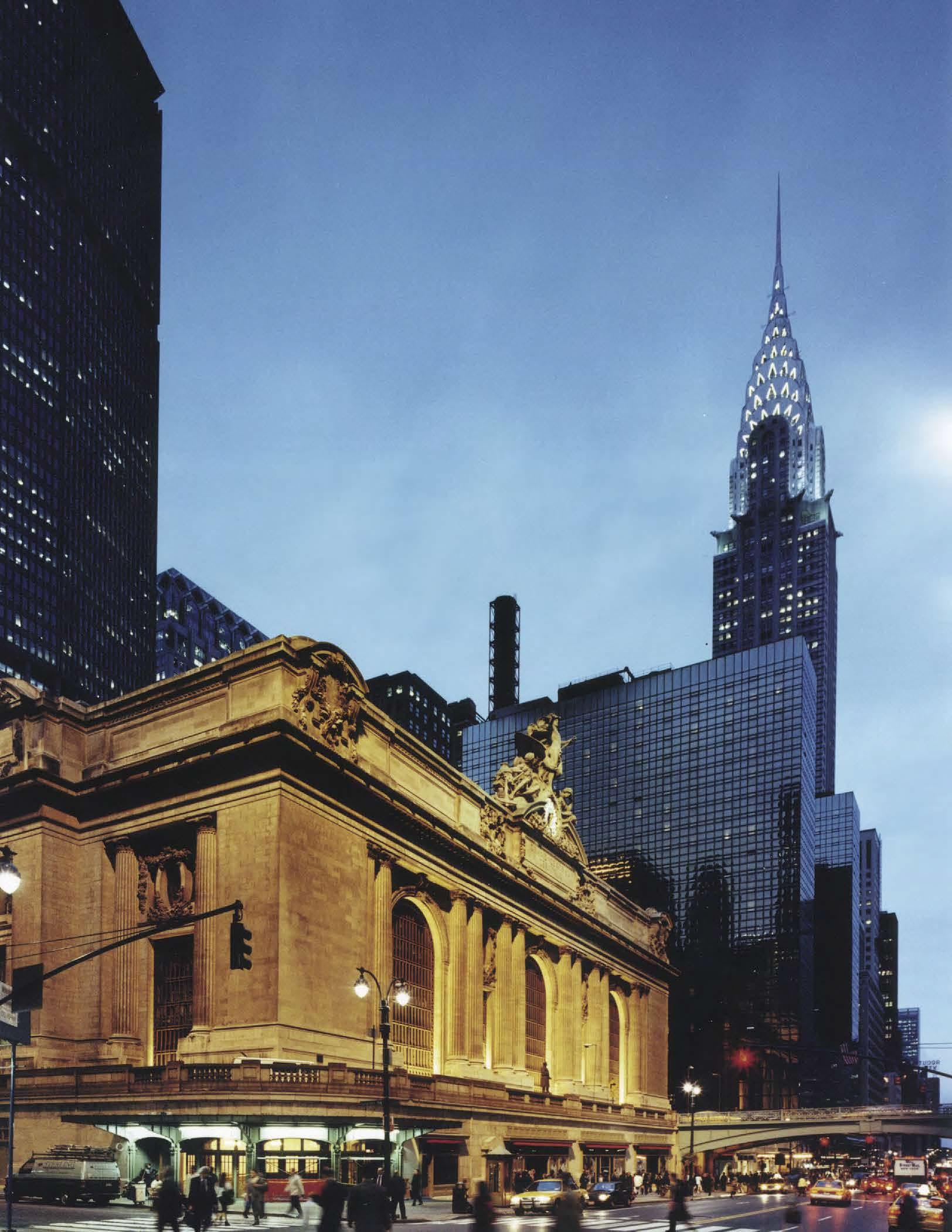
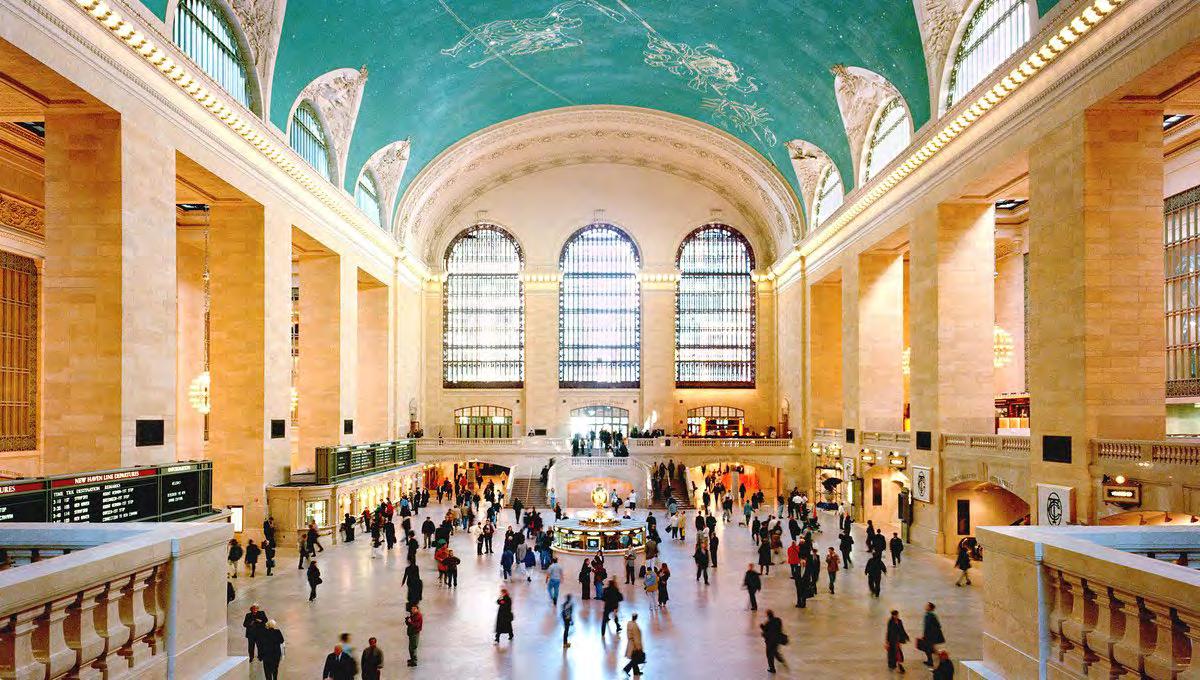
Grand Central Terminal………………………………………… Project Architect
COMMERCIAL/ MIXED-USE
Hahne & Co. Building…………………………………………… Project Architect
World Diamond Tower (580 Fifth Avenue)…………….. Architect/ Project Manager
Credit Agricole workplace……………………………………… Sustainability & Wellness Consultant
Circadian Hotel…………………………………………………….. Sustainability & Wellness Consultant
Luxury Brand Headquarters (confidential)…………….. Sustainability Consultant
INDUSTRIAL
GMDC Ozone Park Industrial Center………………………Project Architect
Expeditor’s International………………………………………. Architect
CULTURAL/ EDUCATIONAL
Enoch Pratt Free Library………………………………………. Sustainability Specialist
La MaMa Experimental Theater……………………………. Architect
Saint Teresa Church…………………………………………….. Architect
School of Public Health (confidential)…………………... Sustainability & Wellness Consultant
STRATEGY
Luxury Resort (confidential)…………………………………. Sustainability Consultant
Beyer Blinder Belle Strategic Sustainability Plan…… Team Leader for Sustainability
Meta Global Workplace Design Standards……………. Sustainability Consultant
Meta Net Zero Supplier Engagement Program………Sustainability Consultant
Inclusive Design Gap Study (confidential)……………..Inclusive Design Consultant
PUBLIC & COMMUNITY ENGAGEMENT …………………… Public speaking and collaboration
NEW YORK, NY
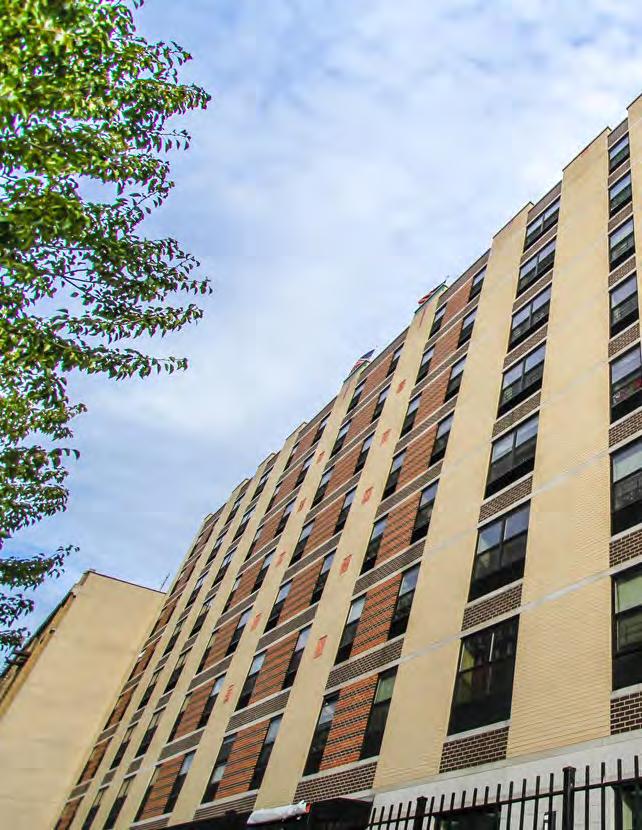
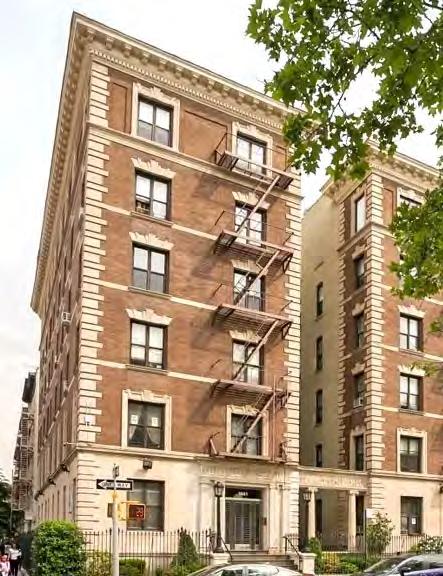
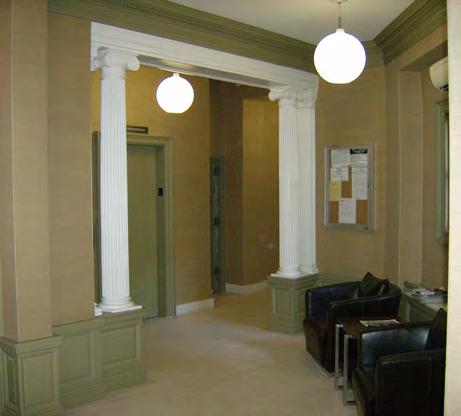
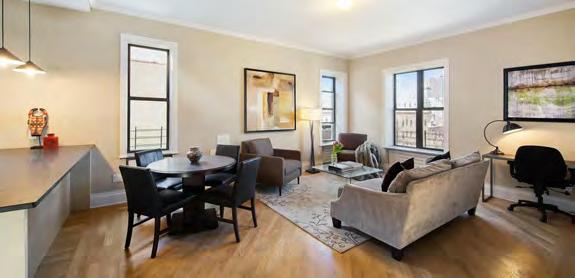
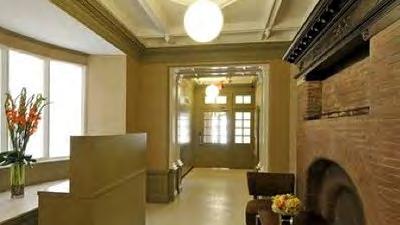
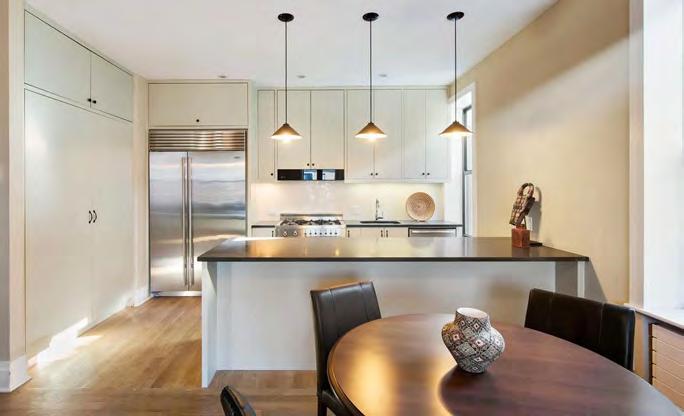
Restoration of an existing historic 48 -unit residential building in Harlem to a luxury condominium.
Historic Lobby and Entrance Restoration
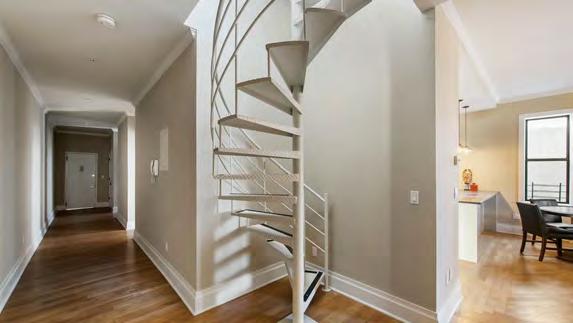
Renovation of apartments with modern heating, kitchen, bathrooms, finishes, and closets.
Integration of amenities (lobby concierge, recreation space, fitness center)
Community day care center on ground level with 8 classrooms, offices, and outdoor play space
Team: Tahl-Propp Equities, Israel PelesArchitects, Curated, ADAL Engineering, Sharon Engineering
State
NEW YORK, NY
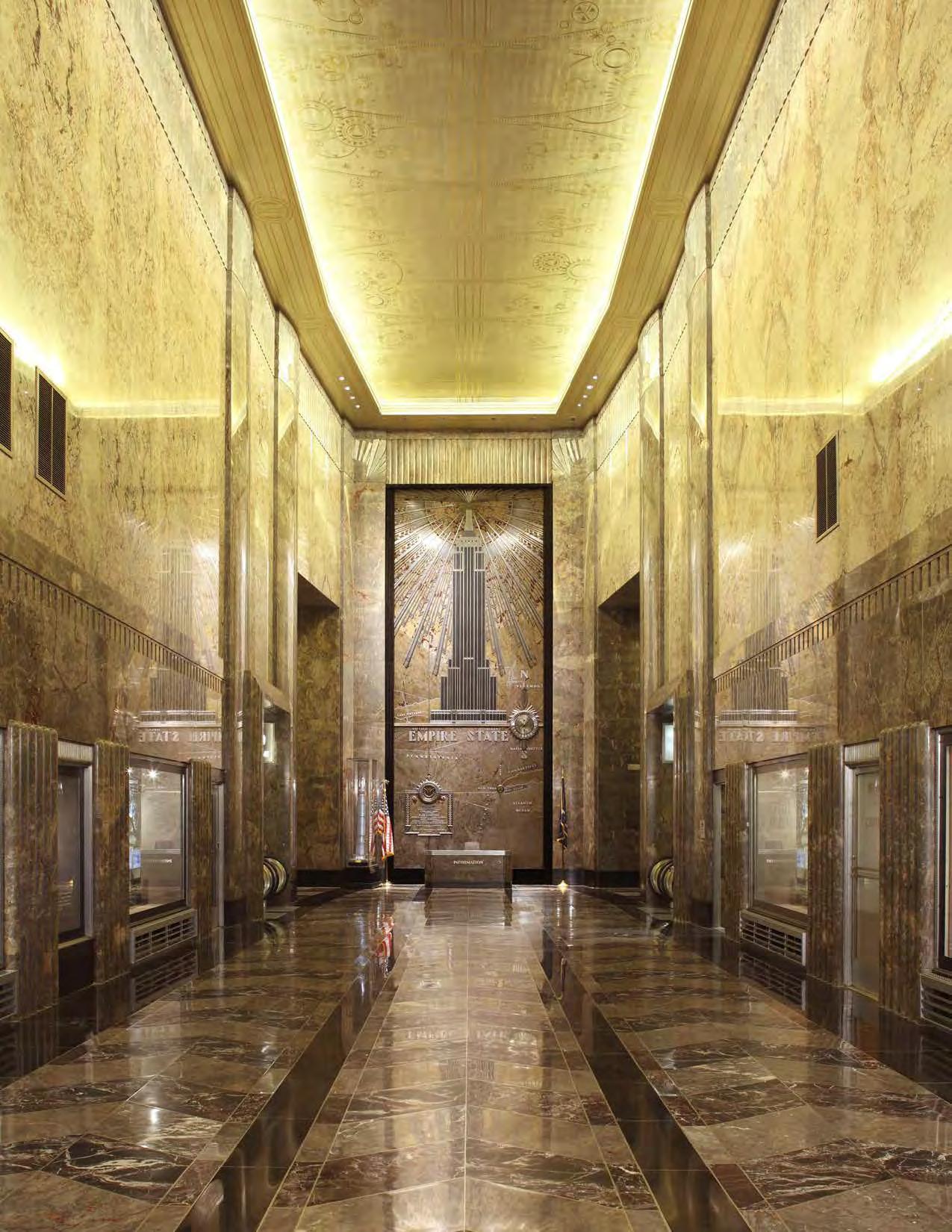
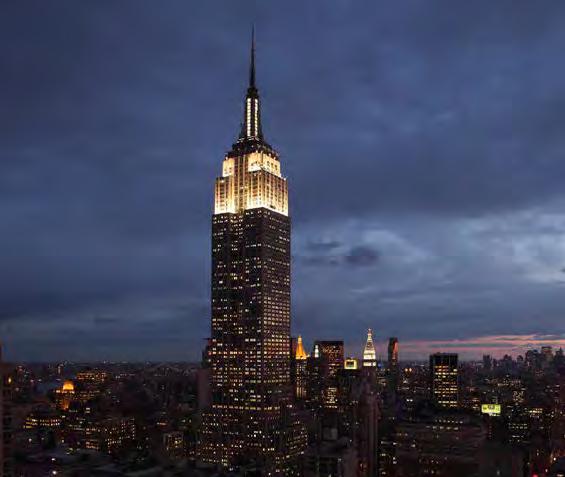
The restoration and modernization of exterior and public interior spaces of this iconic landmark
Completed in 1931 , the Empire State Building, is a National Historic Landmark, and a New York City interior and exterior landmark. Modifications to the building over time obscured the grandeur of its original Art Deco design. Beyer Blinder Belle was commissioned to lead a specialized team to restore the lobby and contiguous public spaces. Following two years of research and planning, the lobby was returned the to its original vision, including a faithful restoration of the stunning Art Deco ceiling murals, the addition of upgraded technology systems, and improved tenant services and visitor experience.
Client: Empire State Realty Trust Team: Beyer Blinder Belle, Jones Lang LaSalle, Thornton Tomasetti, Goldman Copeland, Rizzo Group Size: 150,000 sf
Lobby Restoration Completion: 2009
Construction Cost: $13 million (lobby restoration)
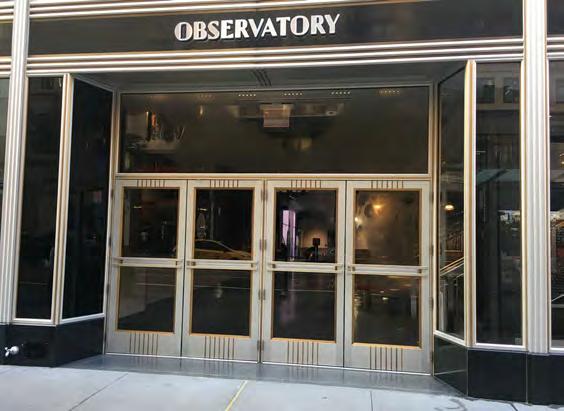
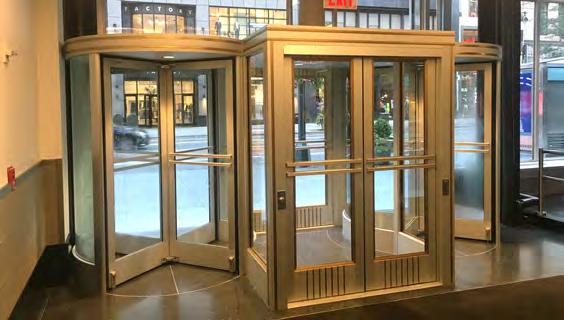
Concurrent with the lobby restoration, BBB prepared a Conceptual Master Plan that addresses important planning and design issues throughout the lobby, street entrances, corridors, elevator bank areas, retail spaces and public floors. This Master Plan was approved by the NYC Landmarks Commission and serves as the design standard for continuing updates in historic public areas of the building.
• Storefront Replacements: Modern, insulated, accessible storefronts with historic finish and appearance.
• Observatory: Complete transformation for improved visitor experience, including new expanded ground level entrance lobby, exhibit spaces, restoration of the 86th Floor Observatory, and transformation of the 102nd Level to a new floor-to-ceiling glazed room with 360-degree views.
NEW YORK, NY
The transformation of America’s busiest train station into a contemporary, multi-modal transit, civic, retail, and dining hub.
Starting in the 1990s, Beyer Blinder Belle began transforming Grand Central Terminal, beginning with an existing conditions assessment, historic structures report, and a master plan that served to return the facility to a state of good repair. Following the master plan, a multi-phased restoration began, starting with an investigation of new preservation processes and a wide range of original and historic materials.
Rehabilitation work included the Taxi Stand, the former Main Waiting Room, and the Main Concourse. This involved updating building-wide systems and significant revisions and additions to vertical circulation between the Main and Lower Concourse including new escalator banks, upgraded pedestrian ramps, and the re-creation of a monumental stair that appeared in the original design but was never built. Quality food tenants were added to the Lower Concourse, bringing vitality and needed amenities.
Client: MTA Metro-North Railroad; GCT Venture Team: Beyer Blinder Belle, AECOM Size: 1.2 million sf
Retail redevelopment was accomplished by harnessing found space, resulting in additional restaurants, cafés, and specialty retailers, including transforming a new 43rd Street station entrance on Lexington Avenue into an indoor European-styled fresh food market. Restaurants were added to the previously vacant North and East balconies in the Main Concourse; and the passage that originally led to the Incoming Train Room was redesigned to include a café and open retail areas.
In 2023, the East Side Access terminal expansion was completed, providing increased train capacity and pedestrian access, new platforms, and commuter amenities, including the adaptive reuse of the Biltmore Room and Dining Concourse connections. Related work included integration of new digital train timetable and messaging screens into the historic framework throughout the Terminal.
The Main Waiting Room plaster work and paint were cleaned and restored in 2021 as part of ongoing stewardship and maintenance.
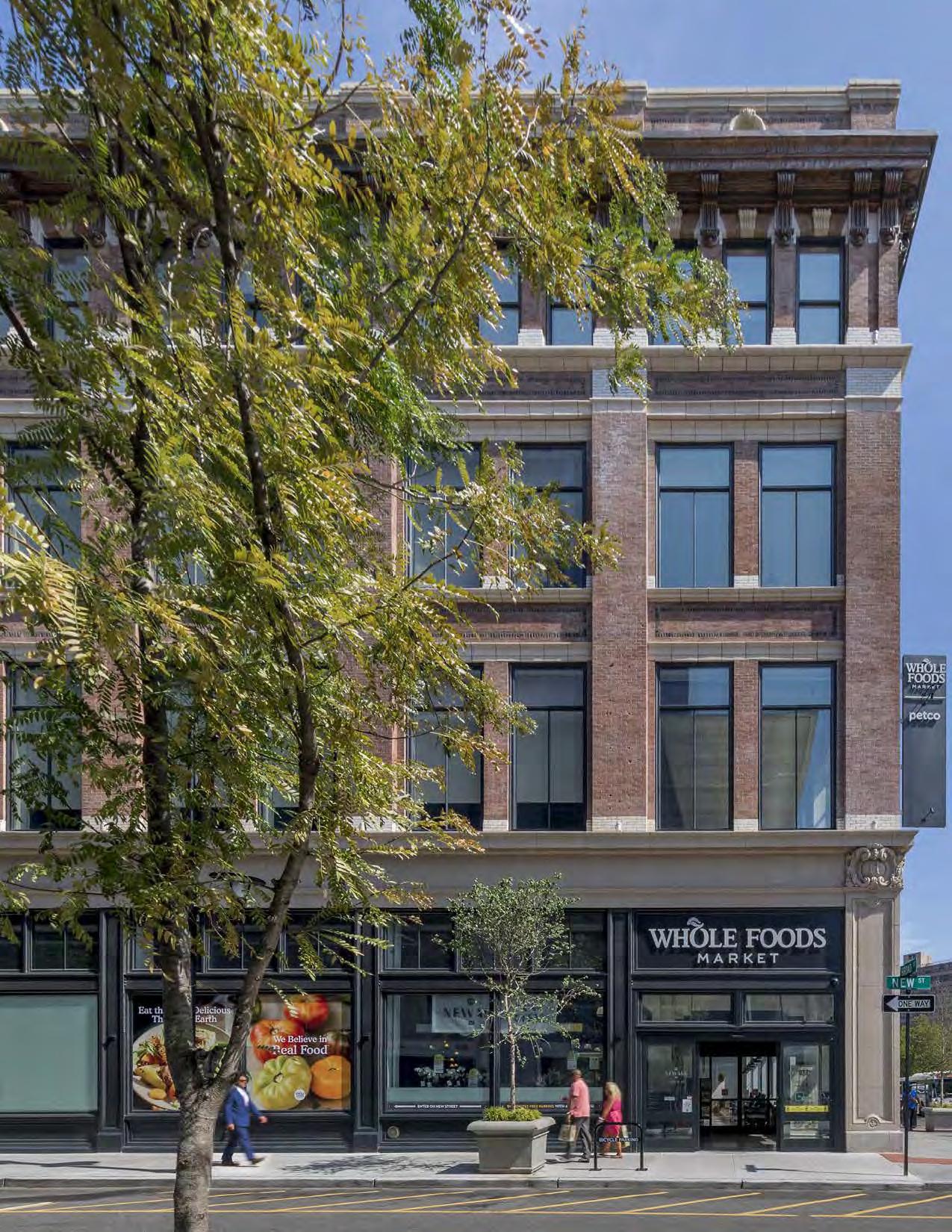
Transformation of the long-vacant Hahne & Company department store in downtown Newark into a vibrant mixed-use development
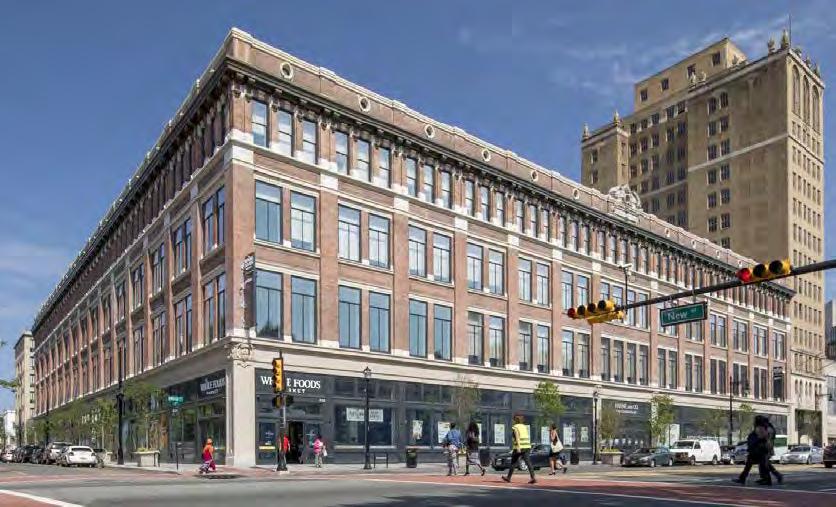
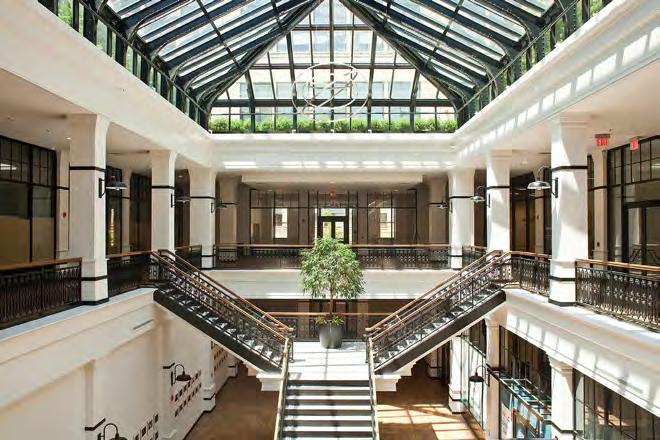
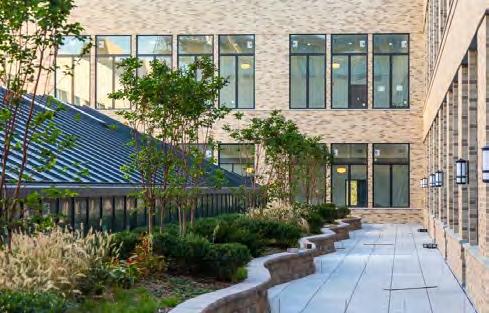
Beyer Blinder Belle served as primary designer and as restoration architect for this building, one of the largest department stores in the United States when first completed in 1901. The historic building, listed on the National Register, was carefully restored to its former grandeur, including the detailed masonry and limestone exterior and new modern insulated retail storefronts and windows that closely resemble the original. The store’s former skylit retail atrium was reincorporated as a 2-story public thoroughfare, creating an indoor civic space with direct access to retail (including anchor tenant Whole Foods Market), commercial offices, residential apartments, and an expanded Rutgers University campus.
The upper floors of the historic building, combined with a new 9-story residential building provide more than 160 residential units, 64 designated as affordable. Two new accessible vegetated roof courtyards above the skylit atrium and between the expanded portions of the complex function as social and visual cores.
The project became a model for urban revitalization and a generator of economic development for its surrounding University Heights neighborhood.
Clients: L+M Development Partners; Hanini Group
Team: Beyer Blinder Belle; Inglese Architecture & Engineering
Completion Date: 2017
Size: 533,000 sf
Awards: AIA New Jersey Merit Award, 2018

NEW YORK, NY
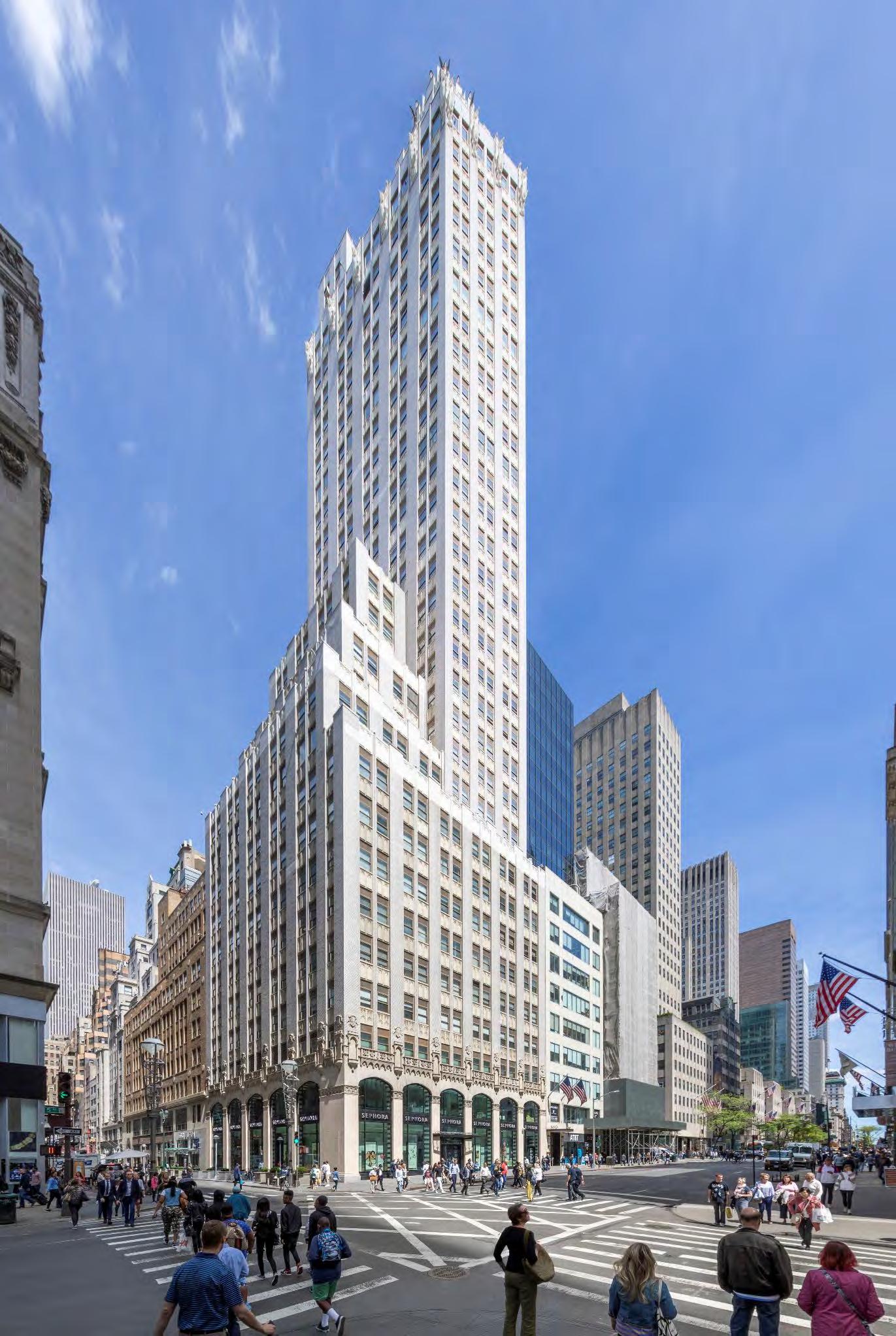
Creation of a flagship retail space and contemporary lobby on Fifth Avenue by transforming the lower floors of a historic commercial building in Midtown Manhattan.
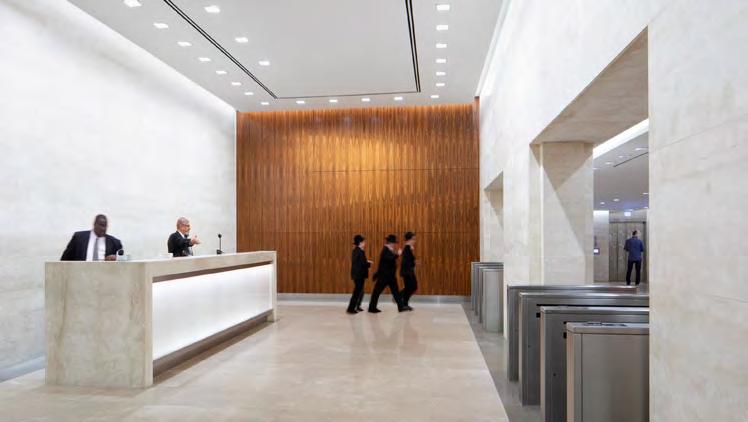
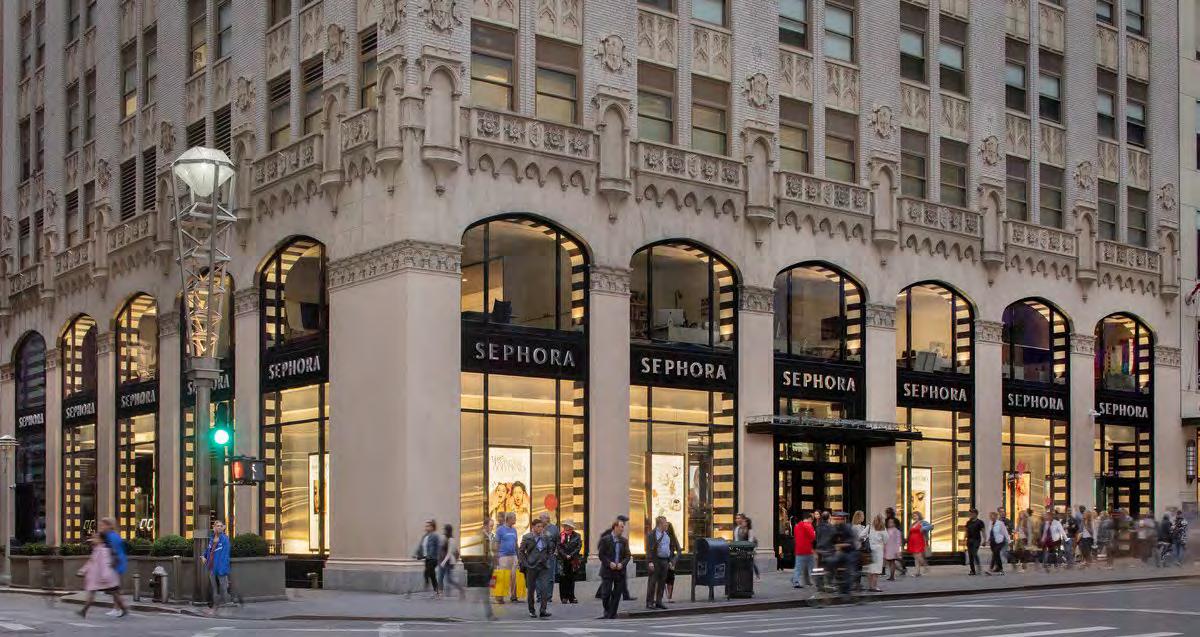
The World Diamond Tower building, originally constructed in 1925, is located in the heart of the Diamond District and the Fifth Avenue shopping district. By relocating the original lobby entrance and smaller retailers to the West 47th Street side, Beyer Blinder Belle created a new, modern, double-height lobby with upgraded security features. This freed up space on Fifth Avenue for a new flagship retail space.
A new energy -efficient curtain wall system fills the existing 2-1/2-story high grand arched window openings. The curtain wall system utilizes oversized clear glass panels that meet the contemporary retailer’s need for visibility coupled with a more traditional mullion framing system that aligns with the historic character of the building. The existing historic limestone facade was restored, and a modern glass canopy adorns the relocated and expanded lobby entrance. The project also included a gut renovation and conversion of three floors of commercial space into large open retail and office spaces.
Client: Forty Seven Fifth Company, LLC
Team: Beyer Blinder Belle; Severud Associates, AKF, Lawless & Mangione
Completion Date: 2017
Construction Cost: $12 million
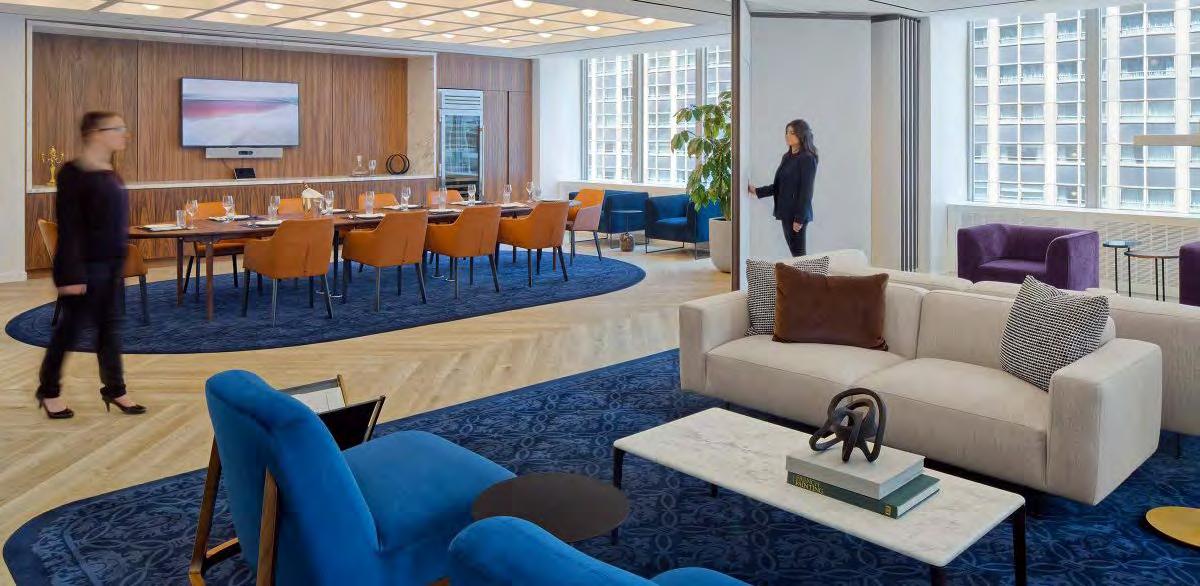
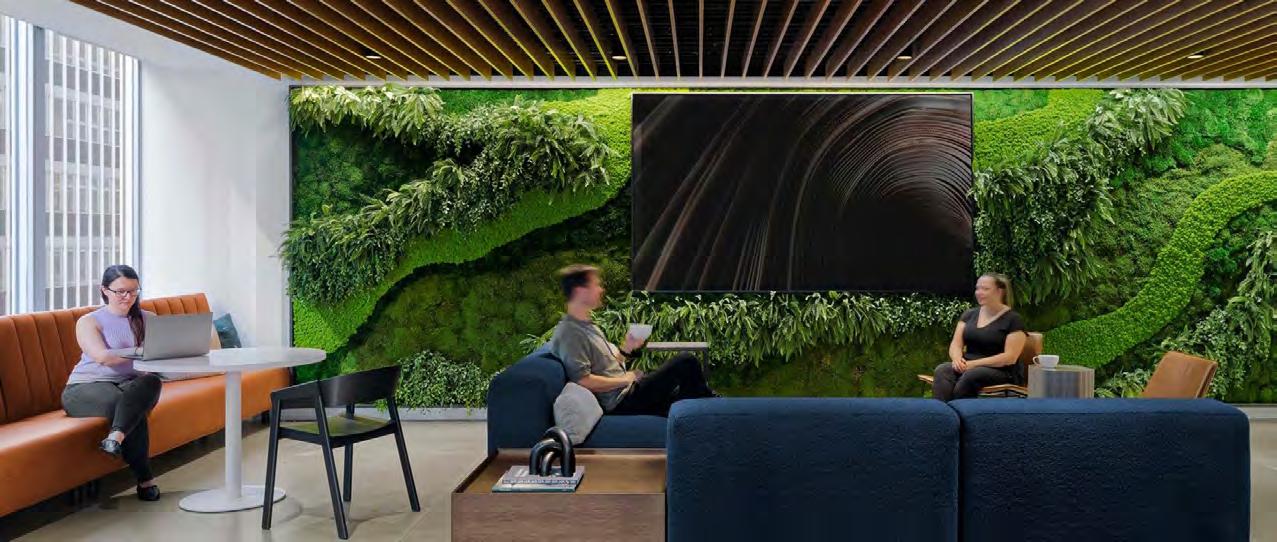
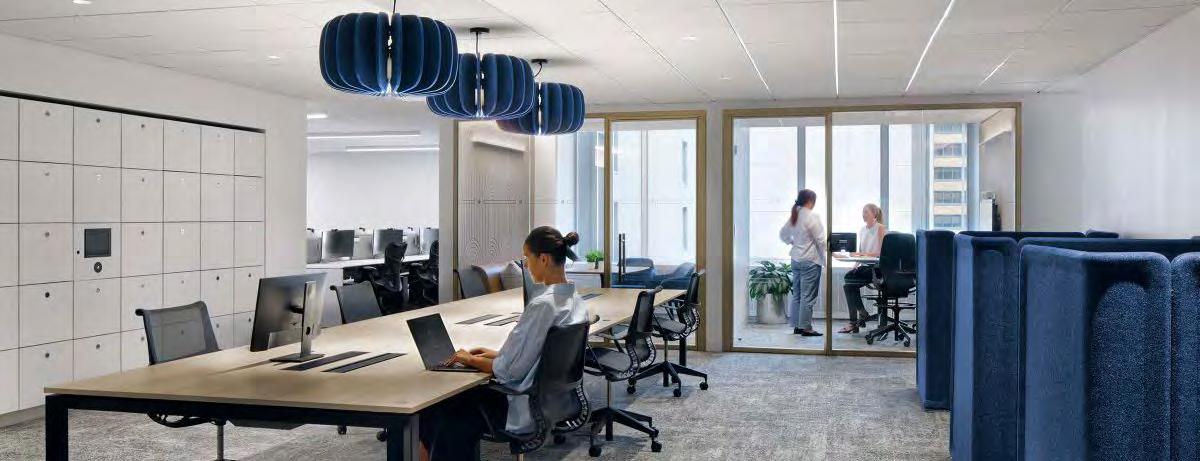
Consolidation and transformation of an existing office into a modern, adaptable and collaborative work environment.
Work included sustainability strategy and WELL and LEED certification. Design features include:
Pivot to a flexible office model, to align with hybrid work and more collaboration and amenity spaces, separated into neighborhoods.
Design focused on well-being of occupants, including access to daylight, views to outdoors, restorative spaces, ergonomic furniture, superior acoustic zones and treatments, and improved air quality.
Superior energy efficiency, water conservation, and waste management strategies.
Implemented soft, natural finish materials selected based on human-centric criteria: health impacts, bio-based and recycled content, and lower embodied carbon.
Achieved LEED Gold and WELL Gold certification.
Client: Credit Agricole CIB Size: 160,000 sf
Status: Completed 2023, certifications in 2024 Development Cost: Confidential Team: M Moser Associates, RDA Engineering
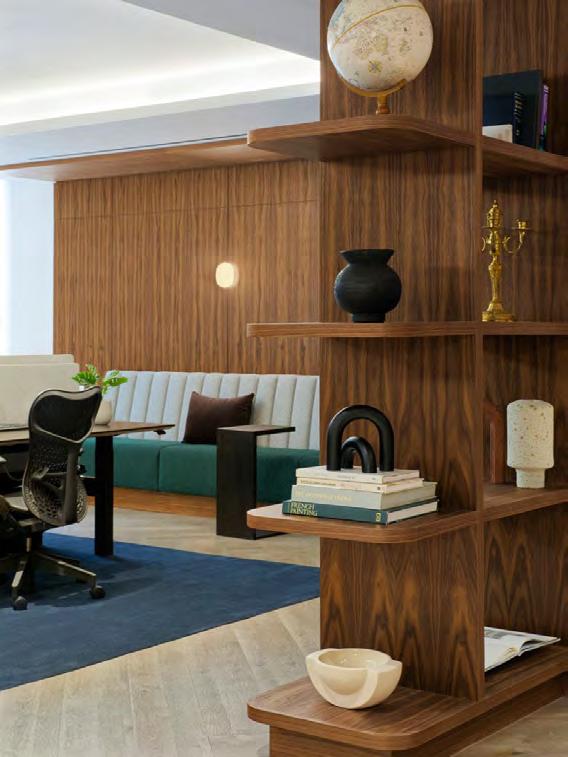
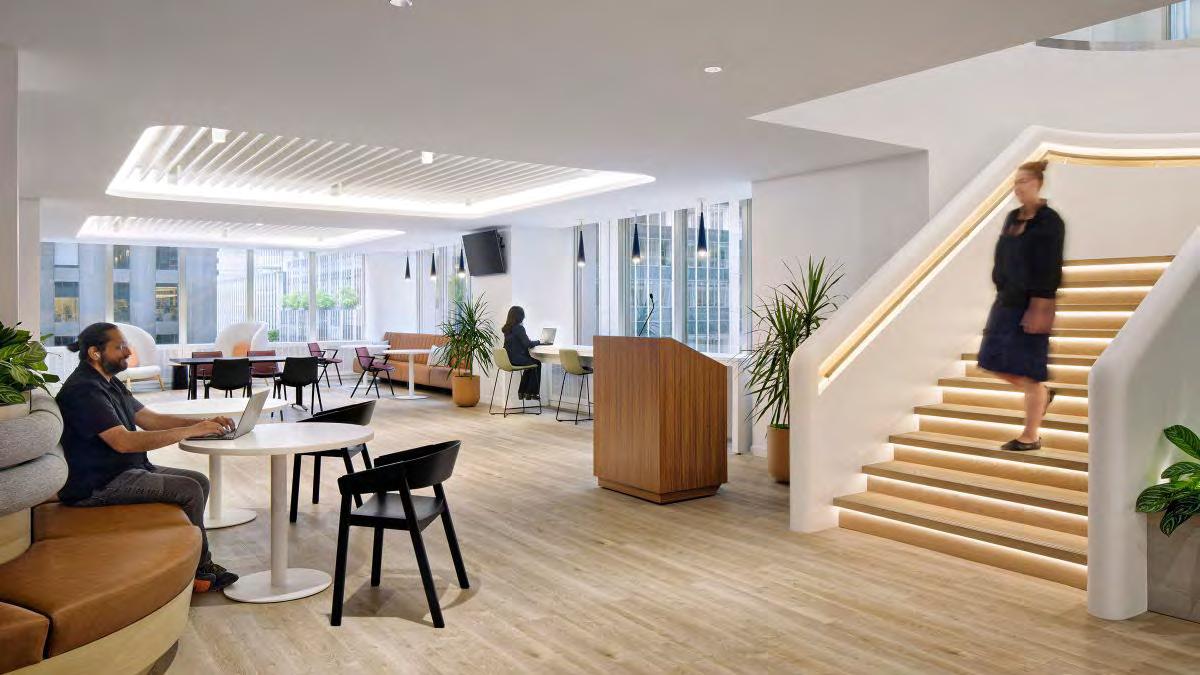
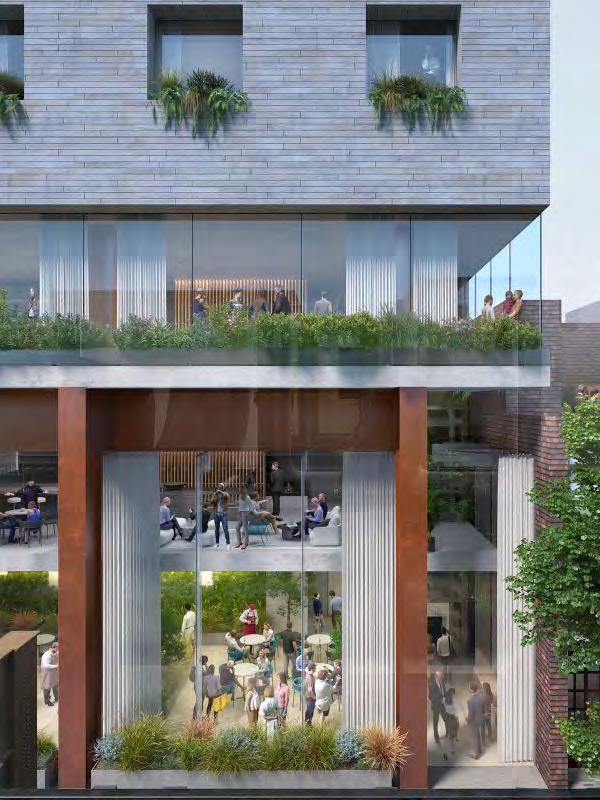
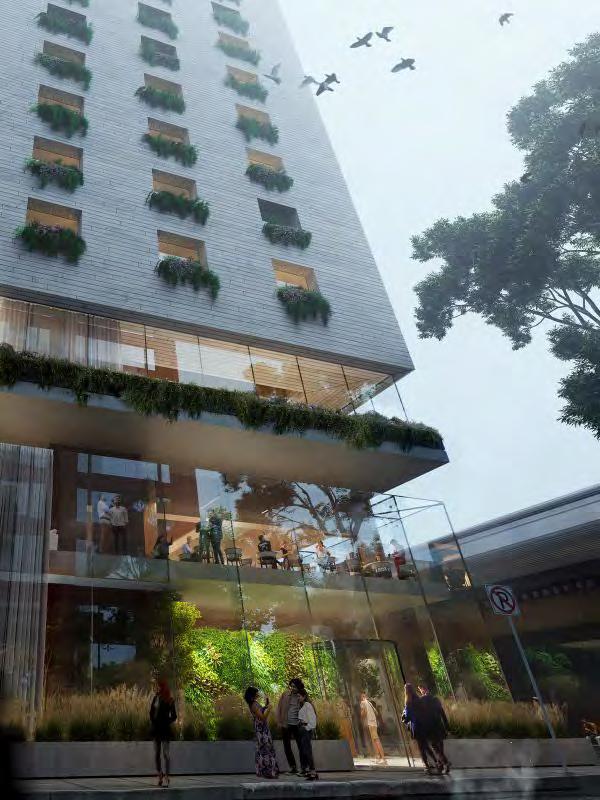
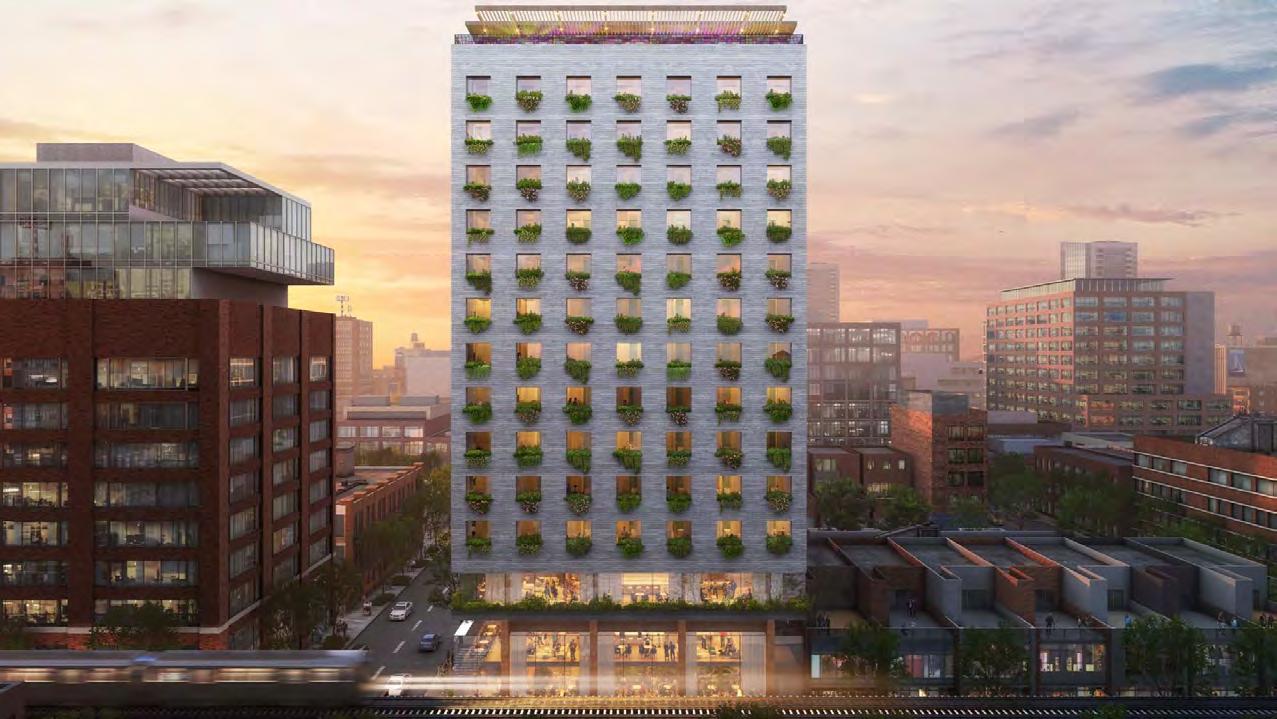
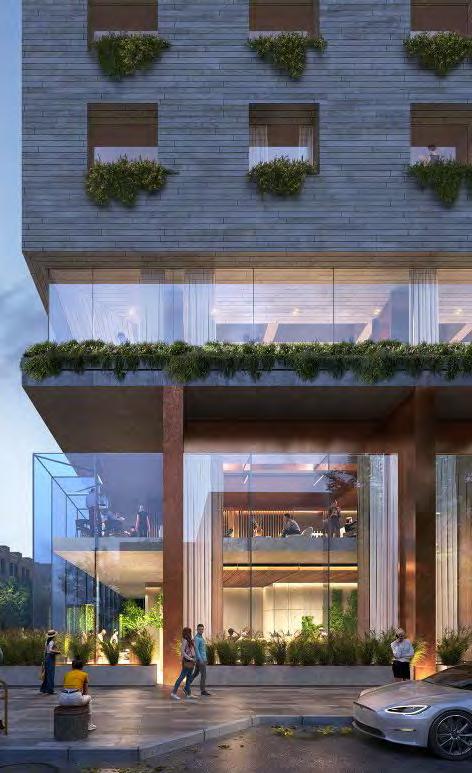
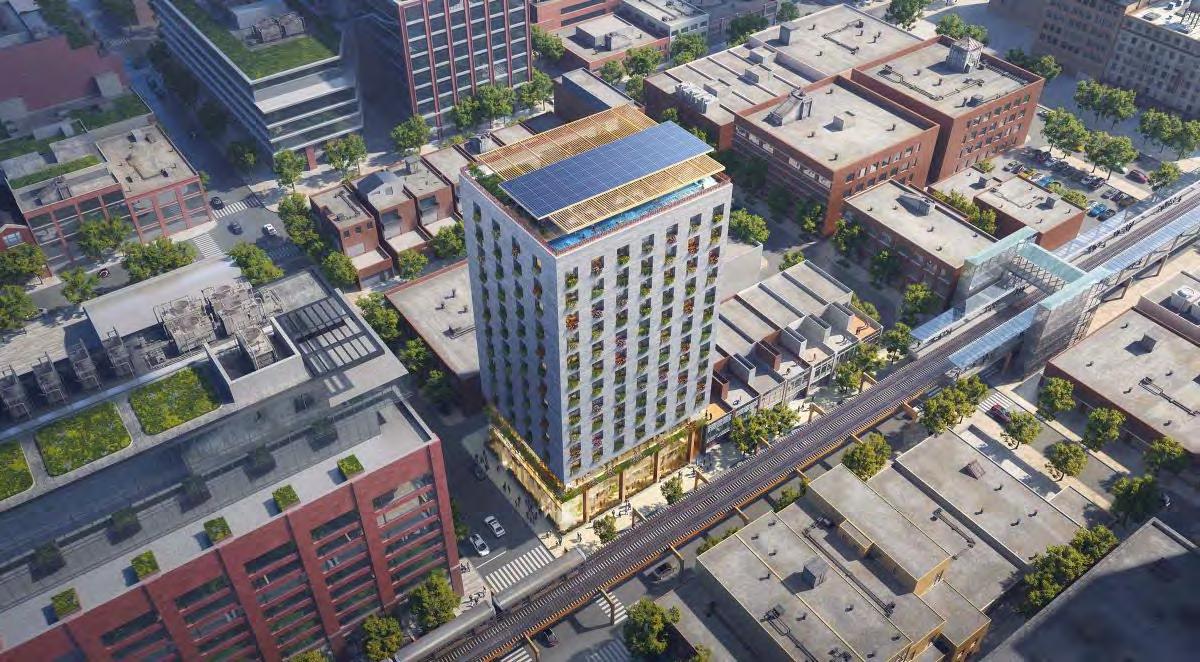
Development of a net -zero hotel that prioritizes human wellness, natural circadian rhythms, and an excellent night’s sleep for guests.
This addition to the vibrant Fulton Market neighborhood:
incorporates a full-service spa, 3 floors of amenity space, over 100 guest rooms and a four-seasons rooftop dining experience.
Includes co-working space that integrates the future of travel, work, restoration, and wellness.
Is projected to be net-zero carbon due to its efficient building design (aligned with Chicago’s Climate Action Plan) and selection of low -embodied carbon materials
features guest rooms, public spaces, and amenities that incorporate biophilic design and circadian rhythm principles, creating a harmonious and thriving space for business and leisure travelers.
Is targeting WELL Platinum and International Living Future Institute Zero Carbon certifications.
Client: Cogswell Realty, Erol Stapleton
Size: 115,000 sf, 100 guest rooms
Status: Targeted completion 2026
Development Cost: Confidential Team: M Moser Associates
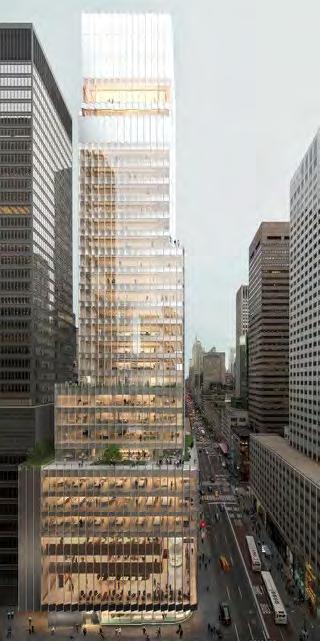
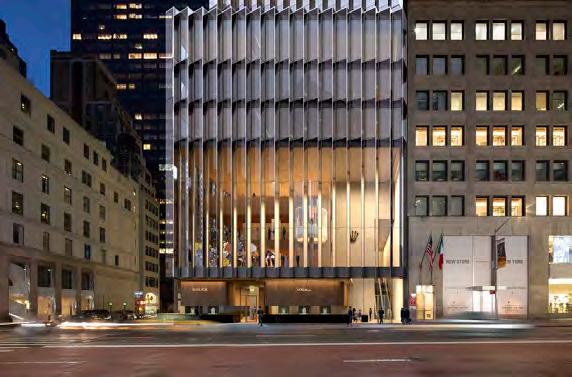
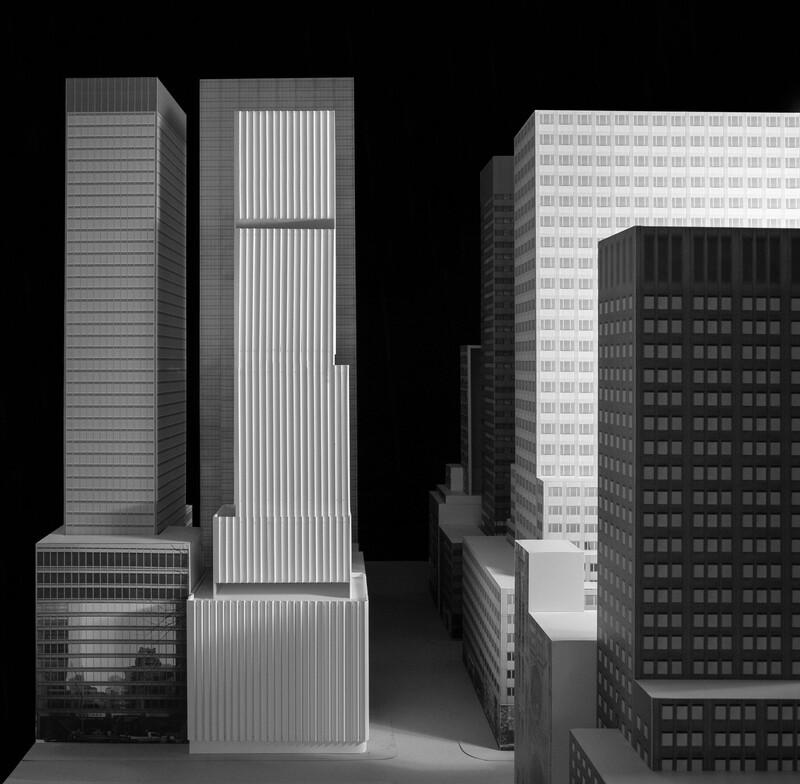
Development of a new 30-story office headquarters of a European luxury brand, including a 4 -story flagship retail space at the base and an event space on the top floor.
Work included sustainability strategy and building certification administration. Design features include:
Dynamic glass façade that limits summer heat gain while maximizing openness and views
Fully electrified heating and cooling systems
Superior indoor air quality.
Interior materials and finishes selected for lowcarbon footprint, ingredient disclosure, recycled and non-toxic content.
Design focus on well-being of occupants, including access to daylight, views to outdoors, restorative spaces, and amenities.
Multiple outdoor landscaped terraces for building occupant use.
Targeting LEED Platinum and WELL Platinum certification.
Client: Confidential Size: 30 stories, 576,000 sf Status: Completion anticipated in 2025 Development Cost: Confidential Team: David Chipperfield Architects, SiteWorks, Adamson Associates, Arup, Langan, G&T, Thornton Tomasetti, Pavarini McGovern
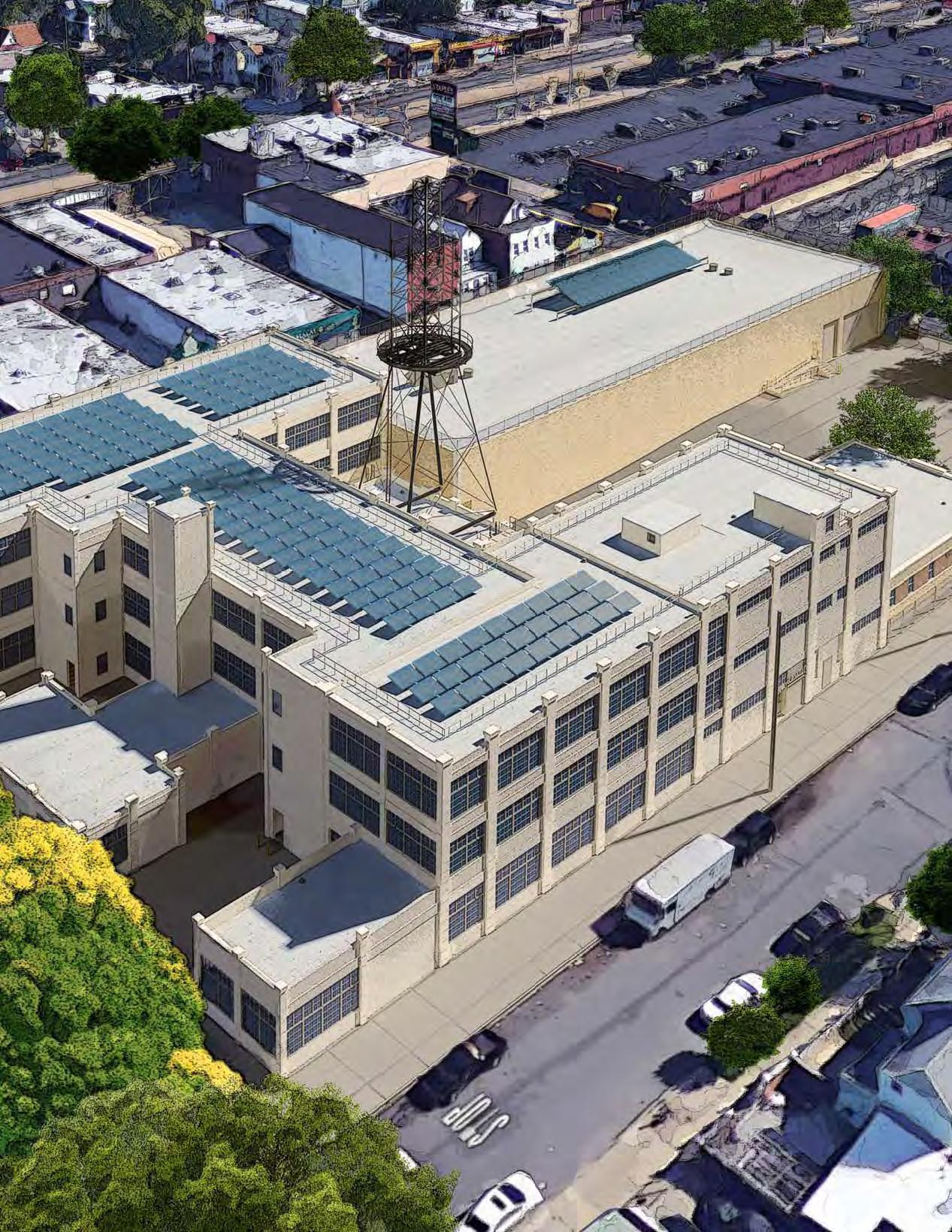
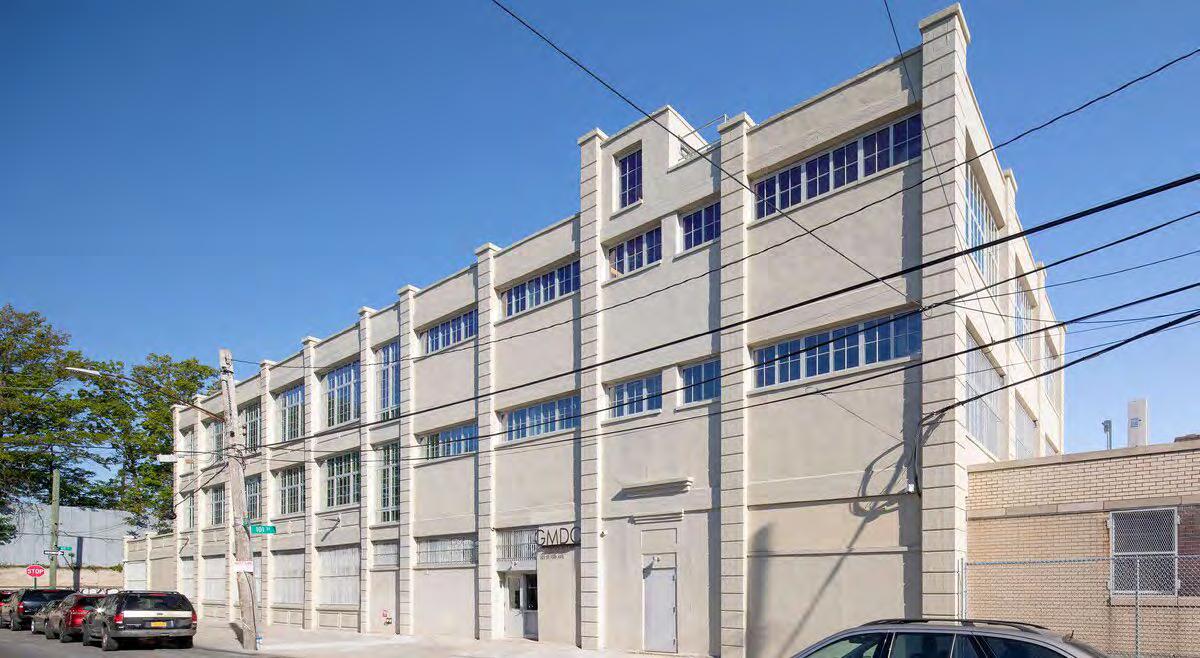
Rehabilitation and conversion of a historic 1906 factory building in Queens, into a multi-tenant facility for small manufacturers and artisans.
The Greenpoint Manufacturing and Design Center (GMDC), a non-profit developer of affordable industrial space, rehabilitates old factory buildings in Brooklyn and Queens. GMDC rents space to local manufacturing businesses in its mission to support industrial jobs and entrepreneurs in New York City.
The building, constructed in 1906 for Spear & Company, was one of the first cast-in-place concrete structures in New York City, and served as a hat, candle, and bicycle factory in its long history. Extensive repairs were made to the exposed concrete façade, and a full window replacement replicated the distinctive design of the original ones. Loading and freight elevator facilities were updated, and all mechanical and life safety systems were completely replaced. The design was approved by the New York State Historic Preservation Office (SHPO) and National Park Service (NPS) for historic preservation tax credits.
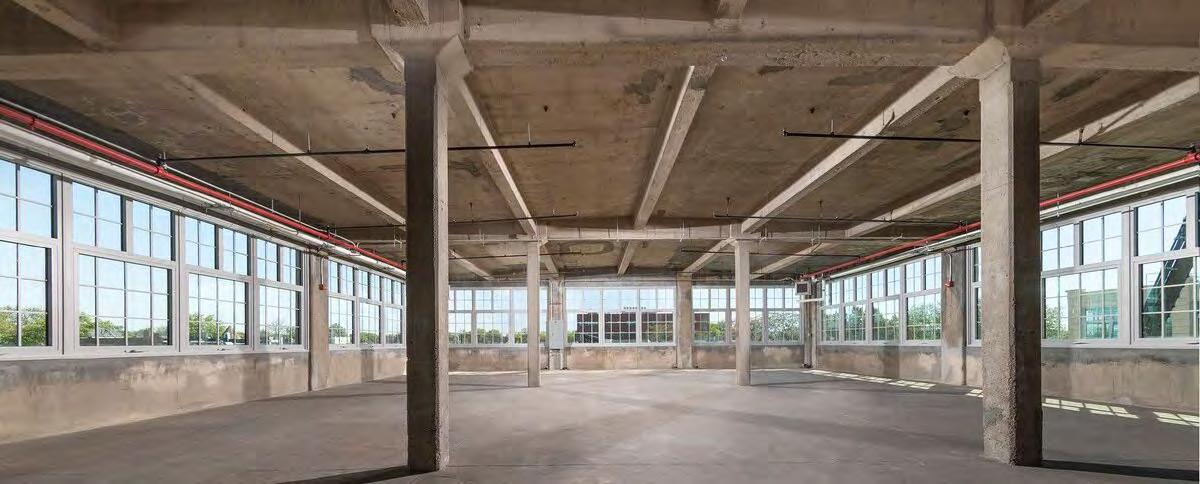
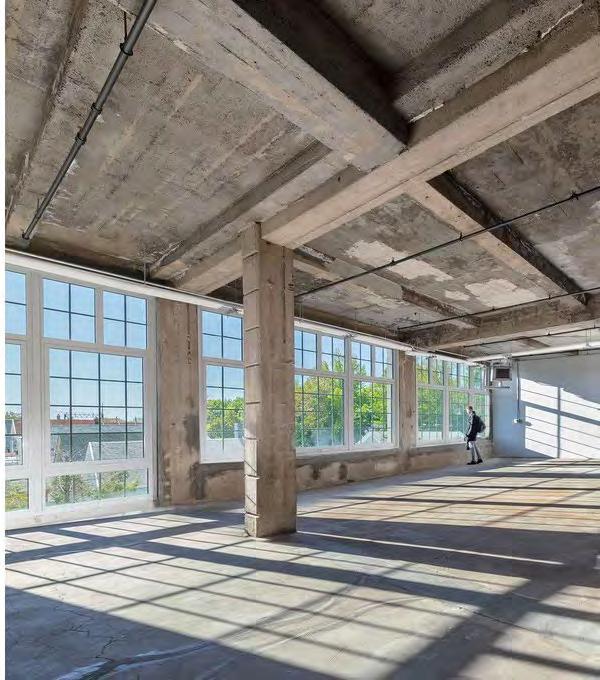
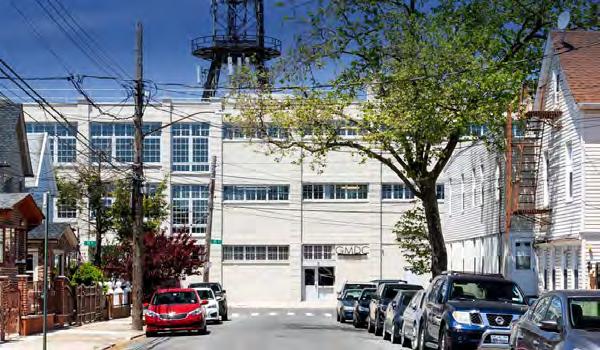
Post-renovation, the complex provides rental spaces for 25 small and medium sized manufacturing tenants and is a primary job generator for the area. Spaces feature high ceilings and large operable windows, providing ample daylight, views, and natural ventilation.
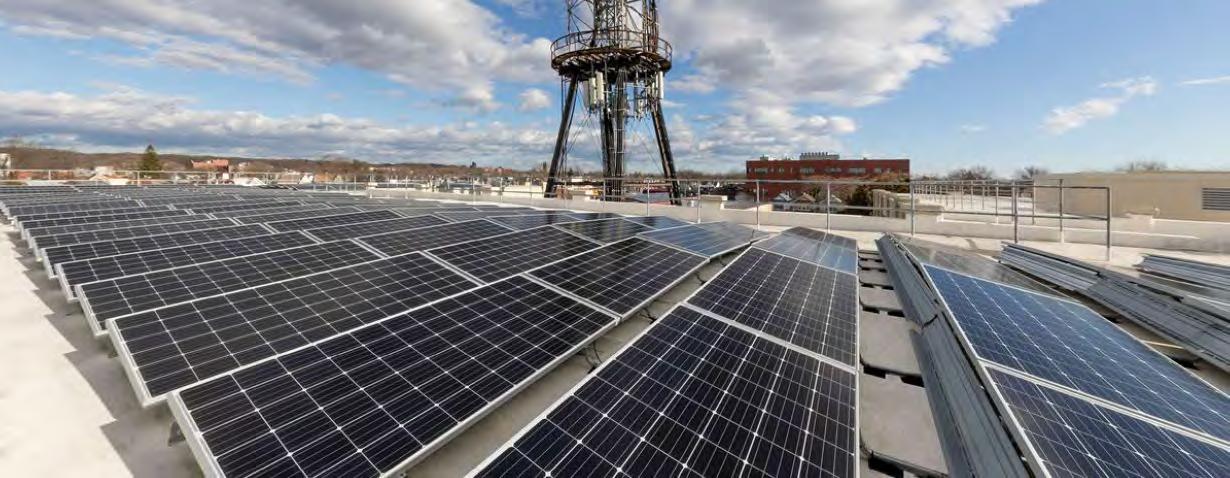
The project achieved LEED Silver certification. The roof houses an installation of 12,000 SF of photovoltaic panels to offset tenants’ electrical costs. The project was eligible for “priority site” LEED points because of its location in an economically distressed census tract.
Client Greenpoint Manufacturing & Design Center
Size 85,000 SF
Status: Completed 2019
Construction Cost $15 million
Team: Greenpoint Manufacturing and Design Center, Beyer Blinder Belle Architects & Planners, Gregory Dietrich, Old Structures Engineering, ads Engineering, Horizon Engineering, BTA, Westerman Construction

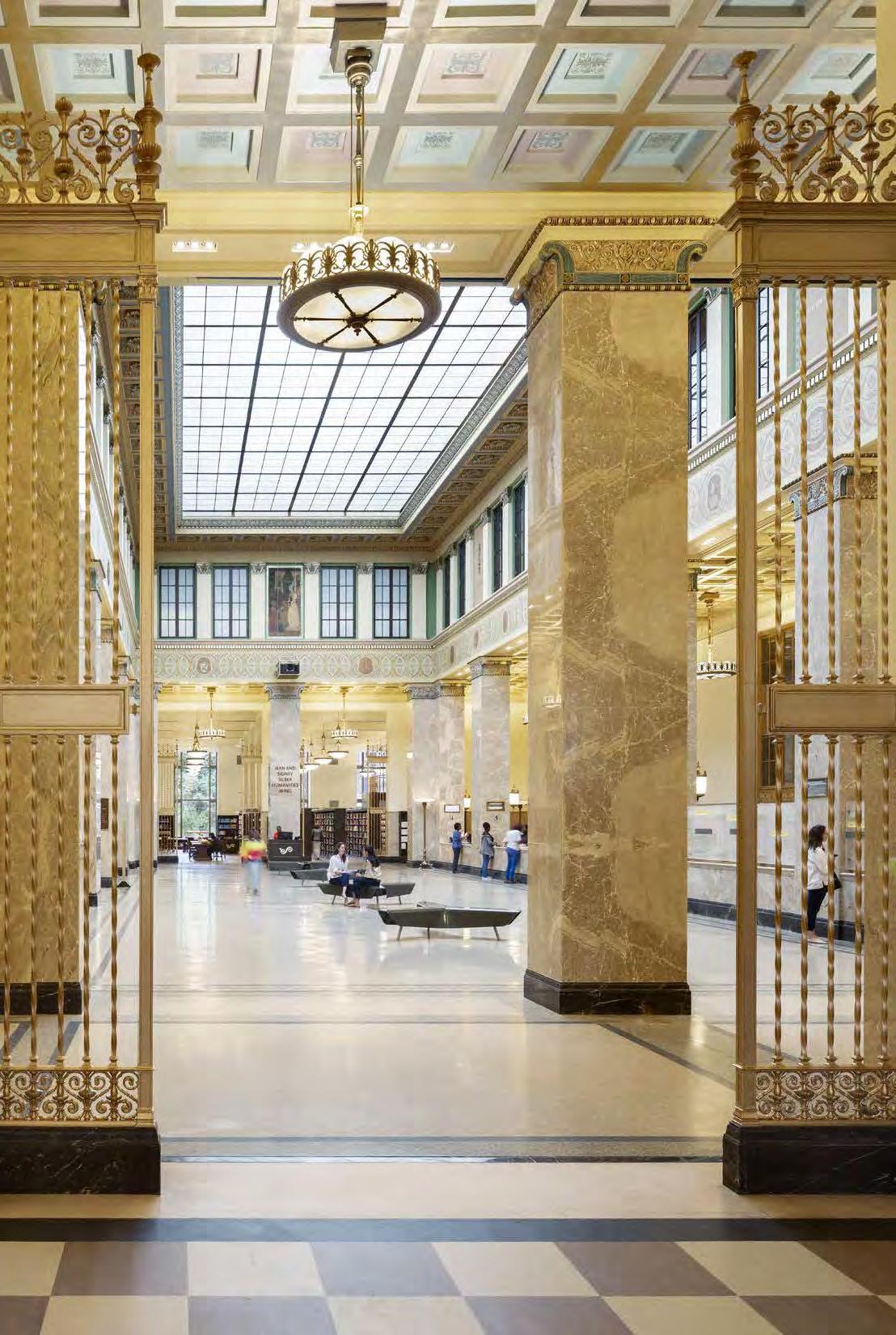
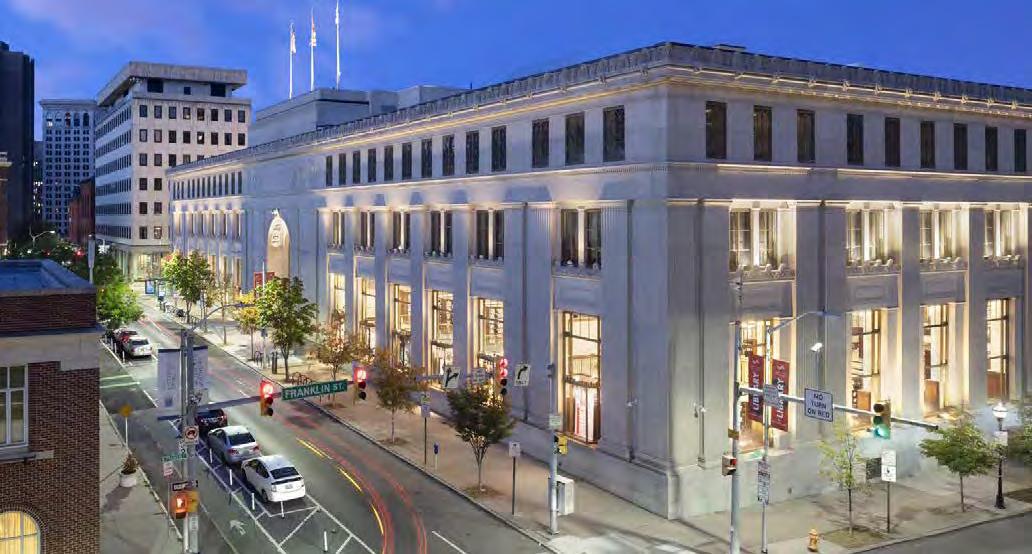
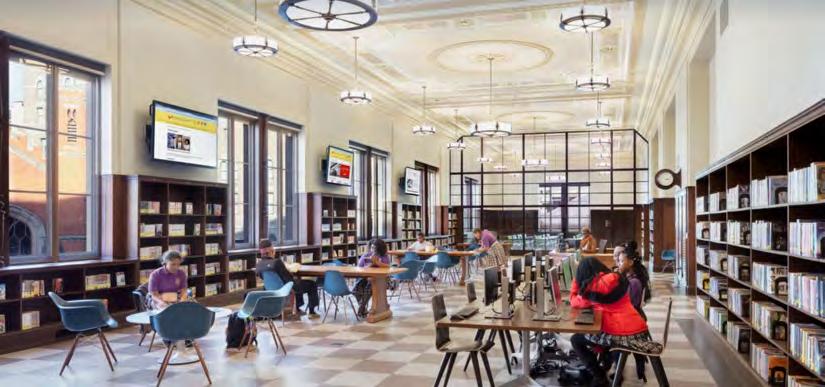
Renovation of this celebrated central public library for its second century with flexible spaces, integrated technology, improved energy efficiency, and community -focused programming.
Beyer Blinder Belle developed a comprehensive restoration and rehabilitation plan for the beloved historic Central Library for the City of Baltimore and Maryland’s State Library Resource Center, a monumental Art Deco civic building completed in 1933.
Historic rooms were restored, and new interventions made to accommodate a contemporary library program that prioritizes collaboration, creative learning, and digital fluency. New spaces including the Teen Wing, the Creative Arts Center, and the Job and Career Center, along with conference rooms and staff offices—were expressed in a contemporary design language that integrates up-to-date systems and technology with sensitivity to the original historic fabric. The monumental Central Hall was fitted with sound and video projection equipment, giving it renewed purpose as a “Town Hall.” On the interior, historic materials and finishes were restored; decorative metal elements and paintings were also brought back to their original state, while historic lighting was restored or replicated.
The renovation replaced mechanical, electric, and plumbing systems, and installed new life safety systems. The building exterior was also revitalized through a restoration of the limestone facade and original steel windows. Wherever possible, the building envelope was treated for energy efficiency, including weatherization, air sealing, new glazing, and insulation. The project achieved LEED Silver certification.
Clients Enoch Pratt Free Library; Maryland Dept of General Services
Size 290,000 sf
Status: Completed 2019
Construction Cost $115 million Team: Beyer Blinder Belle; Ayers Saint Gross; Mueller Associates; Tillotson Design Assoc.; A. Morton Thomas; Cerami; WFT; SpeXsys; EverGreene Arch Arts; RESTL; VDA; Gilbane
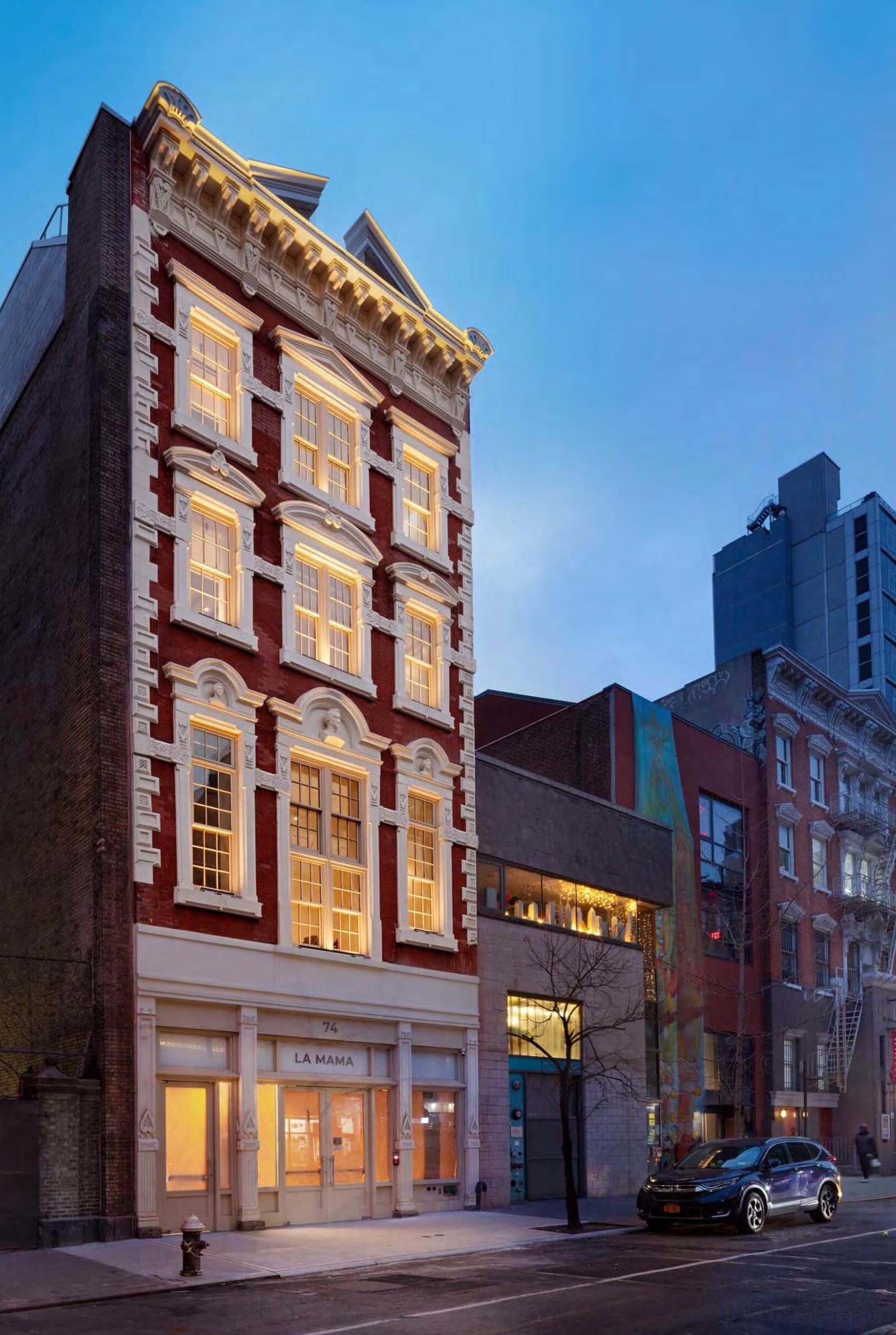
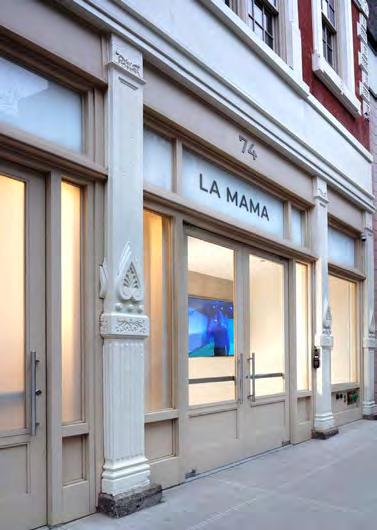
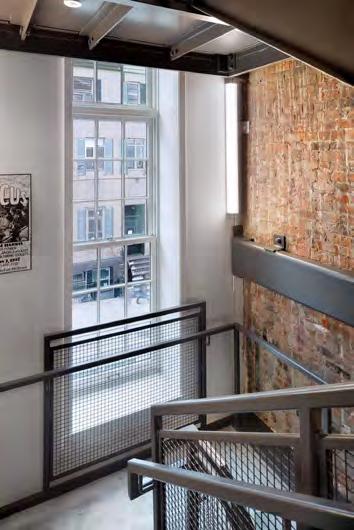
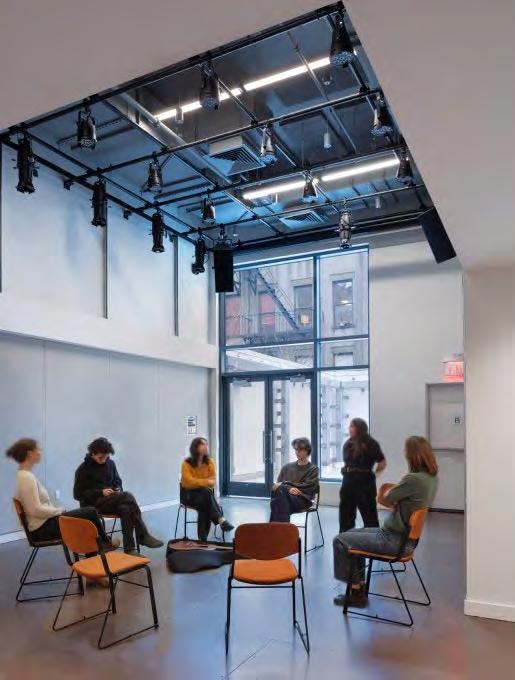
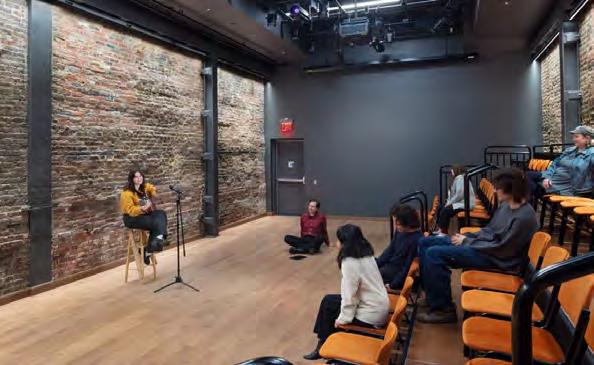
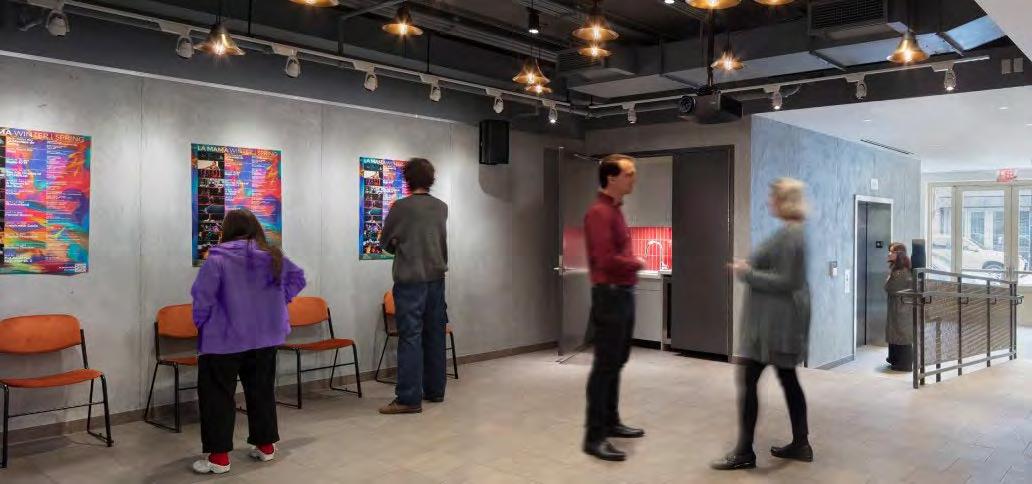
Preservation, alteration, addition, and modernization of this important cultural landmark: the theater’s 4story red brick-clad structure, originally built in 1873 and not renovated since 1969.
An off-off Broadway theater, located on Manhattan’s East Village and founded in 1961, La MaMa Experimental Theatre Club has evolved into an internationally -renowned cultural institution.
Beyer Blinder Belle reimagined and invigorated the existing theater with an expanded, modern, and inclusive lobby, new “cabaret” and cafe areas, and performer support areas. By reconfiguring floor levels, the primary performance space and a flexible practice/ performance space were expanded and improved with state-of-the-art acoustics and theater equipment. The work also included restoring the historic facade and re-introducing glazing at the main entrance to enhance the visual connection to the street. The building includes an outdoor terrace and green roofs and is targeting LEED Silver certification.
Client La MaMa Experimental Theatre Club
Size 11,000 sf
Status: Completed 2023
Construction Cost $24 million
Team: Beyer Blinder Belle, Jean Guy Lecat, Charcoal Blue, Severud Associates, Rodkin Cardinale, CBBLD, RPO Inc., Altanova
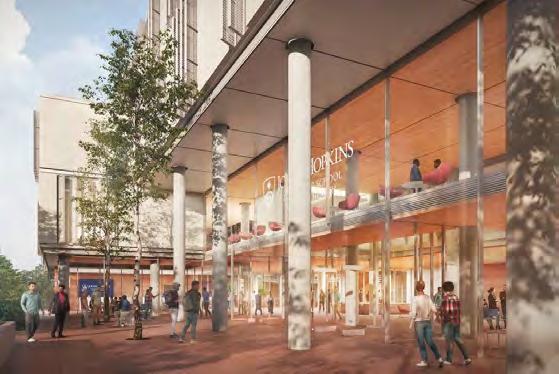
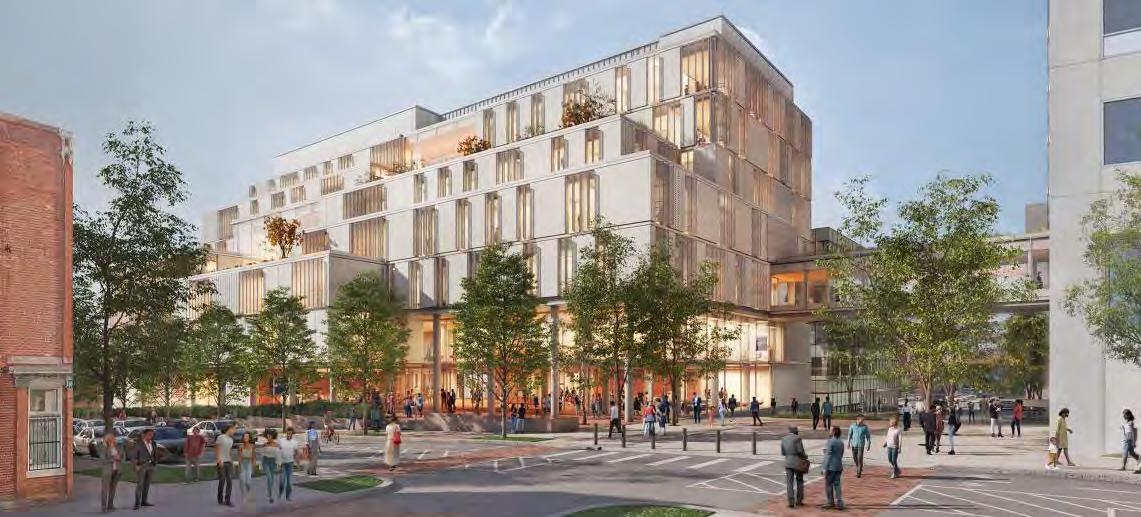
Development of a new 7 -story building to expand the university’s industry -leading School of Public Health.
Due to its prominence in the local city and the United States, the project is targeting a high set of goals:
Energy-efficient façade including extensive glazing for transparency, balanced with aluminum fins to limit solar heat gain.
Appropriate scale to the adjacent residential neighborhood, with a brick façade that mimics local vernacular.
Site will include landscaped public spaces, including an outdoor courtyard.
Highly efficient heating and cooling systems with backup power to act as a resilience hub for the community during extreme weather events.
Superior indoor air quality.
Building will act as a Living Lab, where air, potable water, wastewater, and treatment systems will be monitored and tested regularly for public health implications by faculty, students, and researchers.
Targeting LEED Gold certification.
Client: Confidential
Status: Completion anticipated in 2026
Team: Hopkins Architects, Ltd, Hord Coplan Macht Arup, Buro Happold, Thornton Tomasetti Rockwell Group

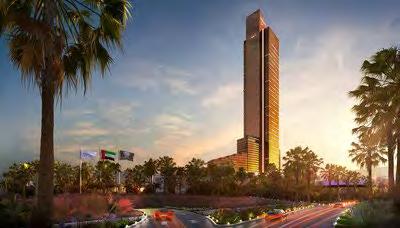
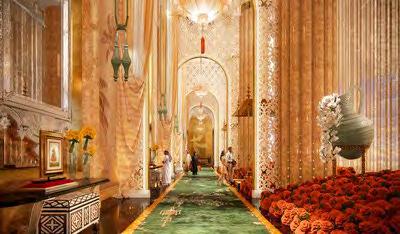
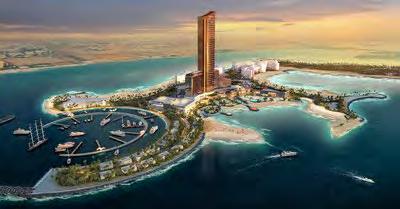
Sustainability strategy for the design and operations of a luxury resort complex on the Persian Gulf coast.
The proposed sustainability strategy includes:
Reduced carbon emissions through efficient building envelope and HVAC design.
Lower embodied carbon of building materials through the use of local sourcing, recycled content, and low -carbon cement for concrete
Low consumption of water, including the treatment and reuse of wastewater.
Low -waste strategies including on-site treatment of food waste, compost of all landscape waste, multi-stream recycling, and reusable containers for guest amenities.
Creation of on-site habitats for marine and coastal fauna and flora.
Restoration of local mangrove and coral reef ecosystems, coupled with opportunities for guests to directly experience and visit restored habitats.
Focus on biophilic and vernacular design to connect guest with local ecology and culture.
Client: Confidential
Size: 1,500 guest rooms, suites, and villas; spa, 24 restaurants, amenities, gaming, entertainment Status: Completion anticipated in 2027 Development Cost: $3.9 billion Team: HKS, Arup, Buro Happold
BEYER BLINDER BELLE ARCHITECTS & PLANNERS
New York, Boston, Washington
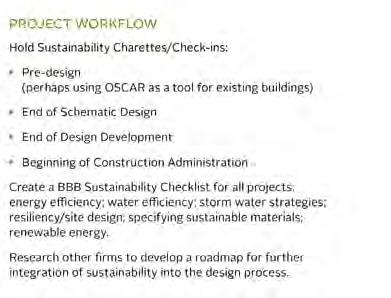
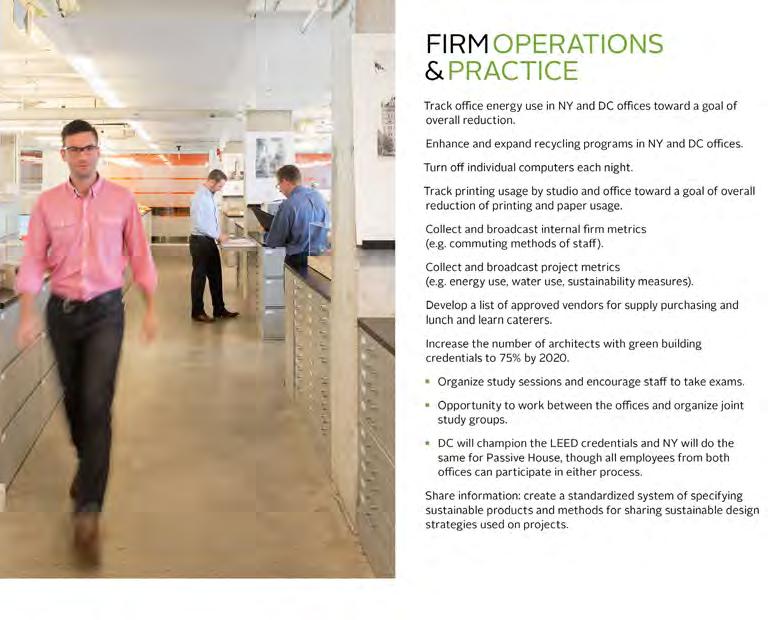
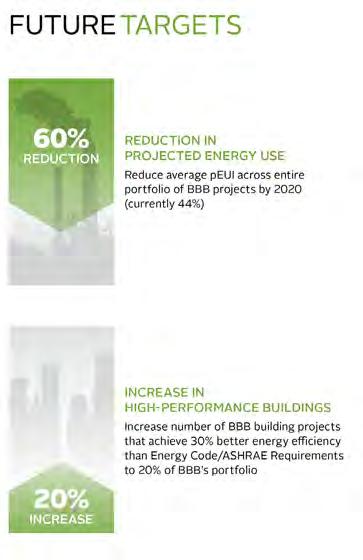
Development of a long-term Sustainability Action Plan for the design firm across their practice, projects, and operations.
The Plan was developed over one year with stakeholders across the firm’s three offices and disciplines, including junior and senior staff and leadership and includes short and long-term goals.
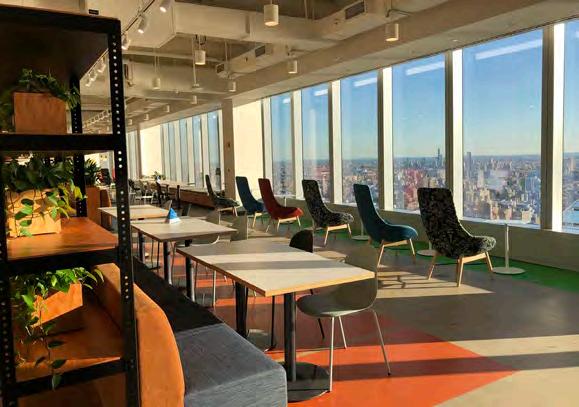
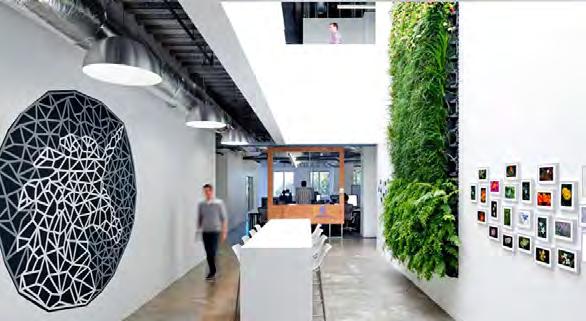
Advance Meta’s design standards for their global office portfolio to align with or exceed industry best practice.
Prepared offices for health and wellness for return to work after COVID-19 pandemic.
Ample access to daylight and views to outside, with indoor and outdoor recreation spaces with every office
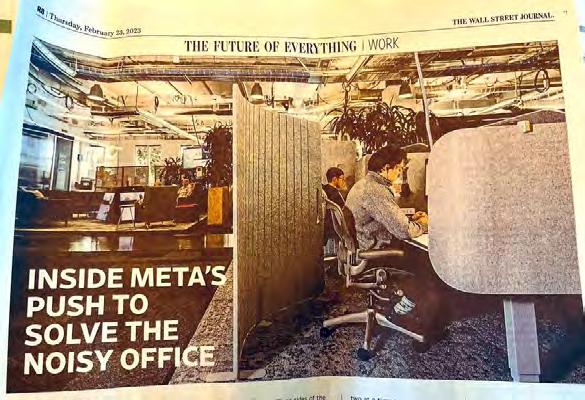
Improved acoustics to support focus work
Efficient and human-centric lighting
Availability of multiple work settings to accommodate diverse users and tasks.
Use of durable, lower-carbon materials, made of disclosed non-toxic ingredients, that can be repurposed at end of life.
Improved indoor air quality
Availability of healthy food and clean drinking water on-site
On-site pilots to test workstations, layouts, acoustics, sound-scaping, and lighting (featured in Wall Street Journal)
Energy-efficient building envelope and HVAC systems to reduce carbon emissions
LEED Gold certification for all offices
Achieved global WELL Health-Safety Rating for over 160 offices
Fitwel certification for 16 buildings in Dumbarton campus (Fremont, CA) due to its ample outdoor amenities and healthy workspaces (winner of a 2022 Fitwel Best in Building Health award)
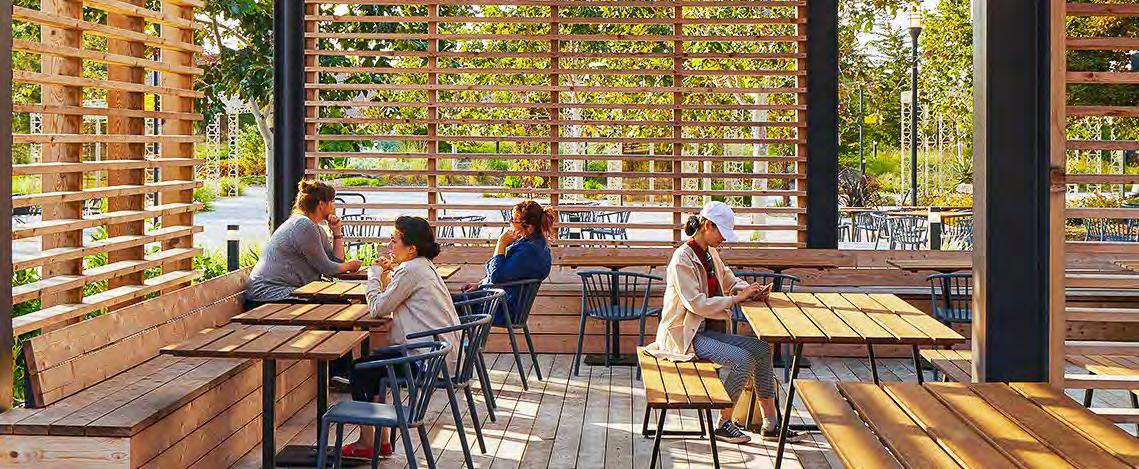
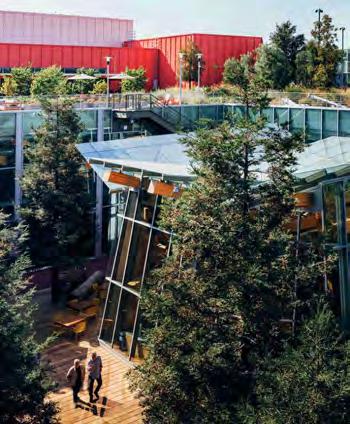

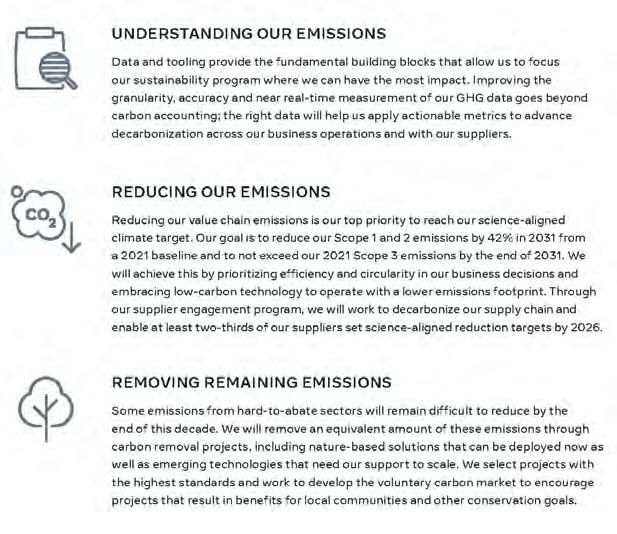
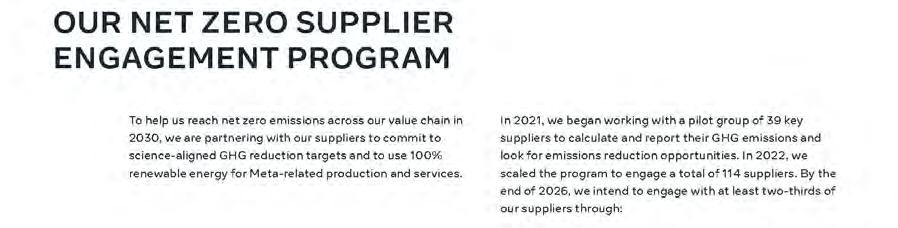
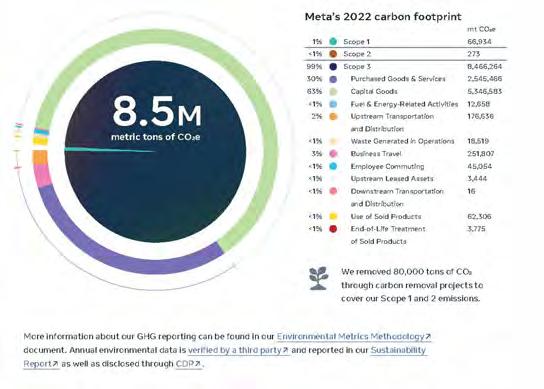
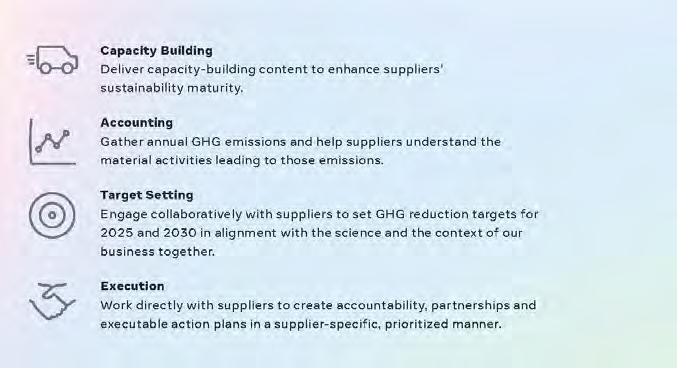
Development of a program to engage directly with the company’s suppliers to reduce Scope 3 emissions from products, materials, and services purchased by Meta.
Met quarterly with manufacturers, suppliers, and vendors
Engaged with suppliers regarding embodied carbon footprint, material content and health, and circularity
Collected data, set short and long-term targets, and tracked progress

NEW YORK, NY
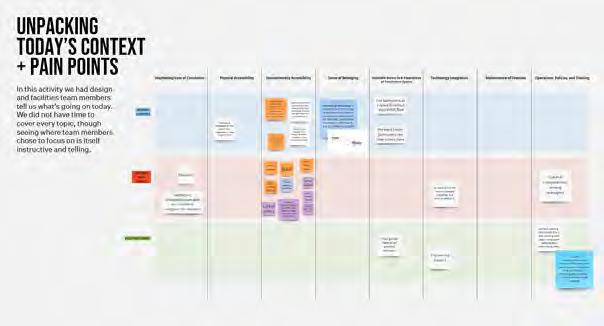
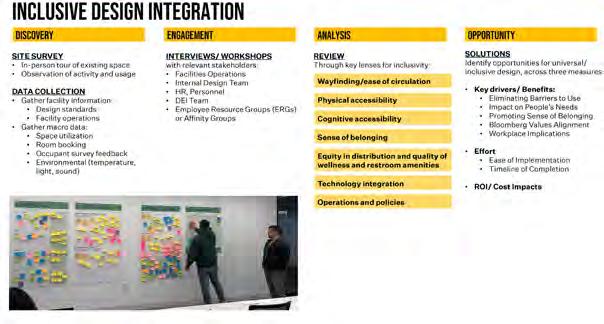
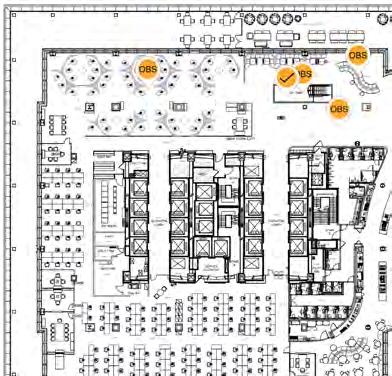
Detailed gap study of an existing 1 million square-foot corporate headquarters for a major financial media company.
Initial research to understand corporate ethos, earlier initiatives and studies, and company’s current design standards.
On-site surveys of existing spaces and observation of occupants.
Targeted interviews with key stakeholders to understand perceived strengths and gaps, as well as understanding of internal policies, programs, and procedures.
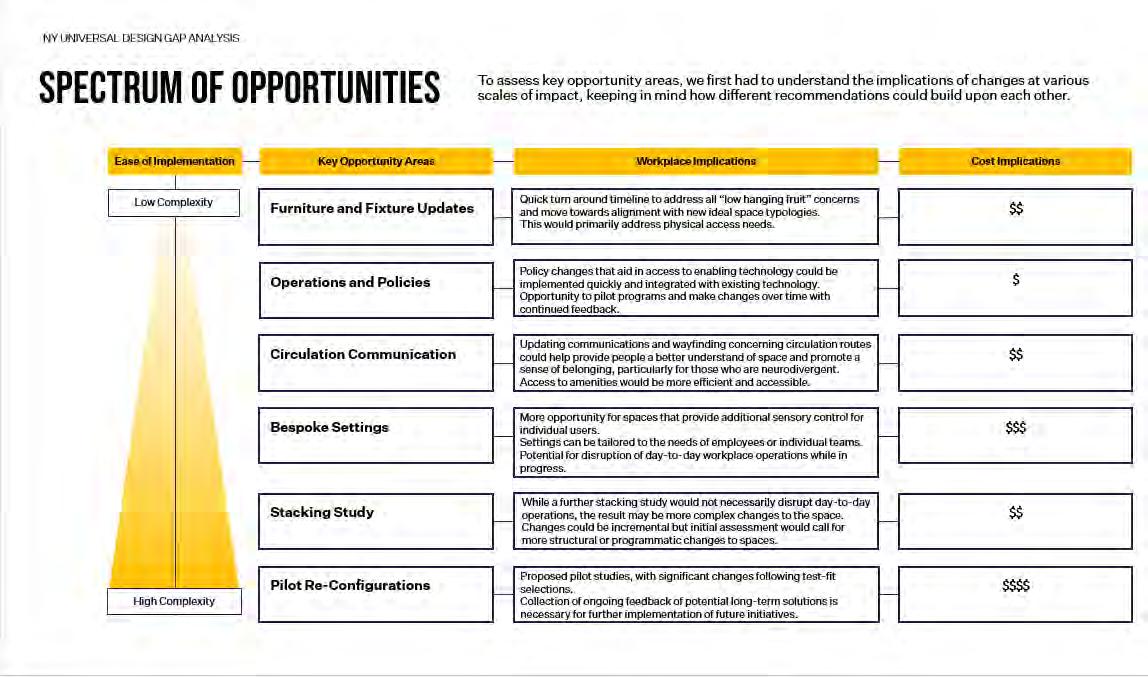
Collected and analyzed data. Issued written report that details gaps, offers recommendations, and outlines possible remedies, including estimates of cost, impact, and complexity.
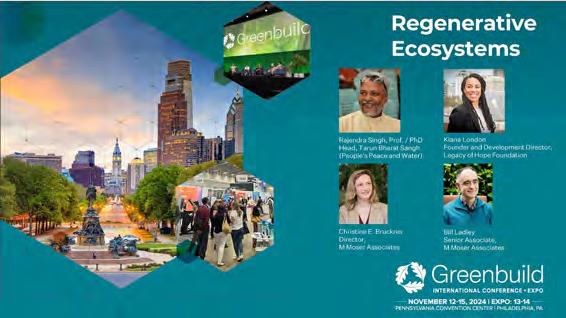
Greenbuild
November 2024
Speaker in panel about Regenerative Ecosystems
The Metropolis Climate Toolkit for Interior Design March- August 2021
Participated in Hackathon and working groups to develop the toolkit with other industry professionals
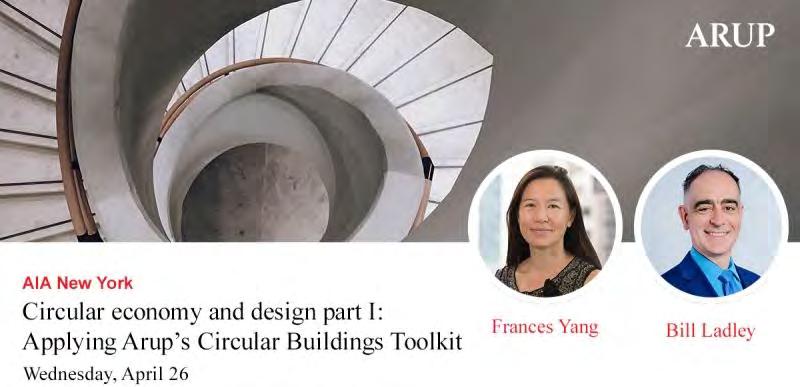
Circular Economy and Design Part 1: Applying Arup's
Circular Buildings Toolkit
AIA New York, April 2023
Professional Development Talk/ Webinar
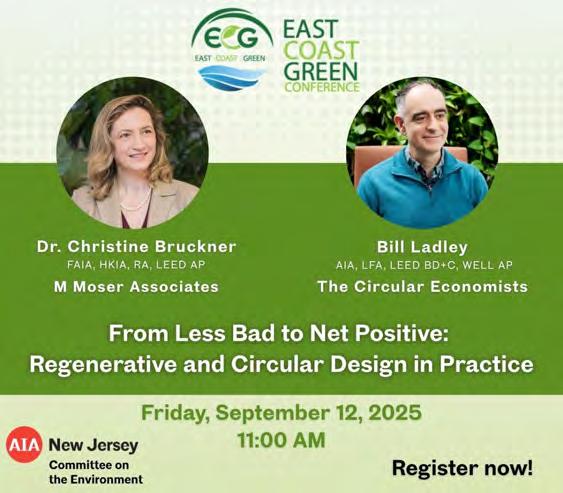
East Coast Green Conference
September 2025: Upcoming public speaking role focused on regenerative and circular design

Can Architecture Reach Net Zero By 2050?
- Architect magazine, October 2019
“We felt that it was important to lend our voice,” says Bill Ladley, AIA, senior associate at Beyer Blinder Belle, about why his firm signed on to the 2030 Commitment in 2016. (The other reason was a sustainability ethos that Ladley feels has been intrinsic to the firm from the beginning.) “Part of it is simply power in numbers.”