Architecture is all about intentions.
Honesty in Architecture In Architecture, honesty is achieved when the true structure of the building is truly shown without any cover ups on it, the use of the real surface of the material (M. Ali, 2017). The architecture is honest when it does not pretend to be something it is not. However, this movement does not limit itself to the use and treatment of materials. It is designed in a way that it conveys a connection with the existing community and its one primary goal is to serve its identified purpose - to achieve a certain outcome from the structure.
The design process To start with, honest architecture simply picks upon the goal/s of a particular project. From there, it will develop itself in its own way, forming solutions to achieve the purpose and goal of the project.
E-mail lacsonkclaire@gmail.com Contact 0977-244-4200
Address Sibulan, Negros Oriental, Philippines, 6201
St. Paul University Dumaguete
Primary 2005
Elementary 2011
High School 2015
Silliman University
Bachelor of Science in Architecture 2021
Architecture Licensure Exam 2024
College Achievements
National Architecture Week 2019
First Place: Ultimate Design Competition
UAPSA 26th National Congress (2019)
Best in Relevance: Seminar Workshop
United Architects of the Philippines Student Auxiliary (Silliman University Chapter) Member 2015-2021
4th year Level Representative 2019 -2020
Architect Apprentice 13C Arkitektura 2019-2020
Cañizares Architects Design Company (CADCo.) 2021-2023
Junior Project Architect ARKinamix Architecture 2024 - present
Character Reference Ar. Jose Diego R. Cañizares, UAP, REB
Managing Partner at CADCo.
Suite 6A Base Line HQ, Base Line Center, Cebu City
+63-32-348-3595
Autodesk Revit Architecture
ArchiCAD
Google Sketchup
Autodesk AutoCAD
Lumion Pro
Adobe InDesign
Adobe Photoshop
Manual drafting and sketching
Architectural Interior works | Firm: Cañizares Architects Design Company | Role: Project-in-charge | General Maxilom
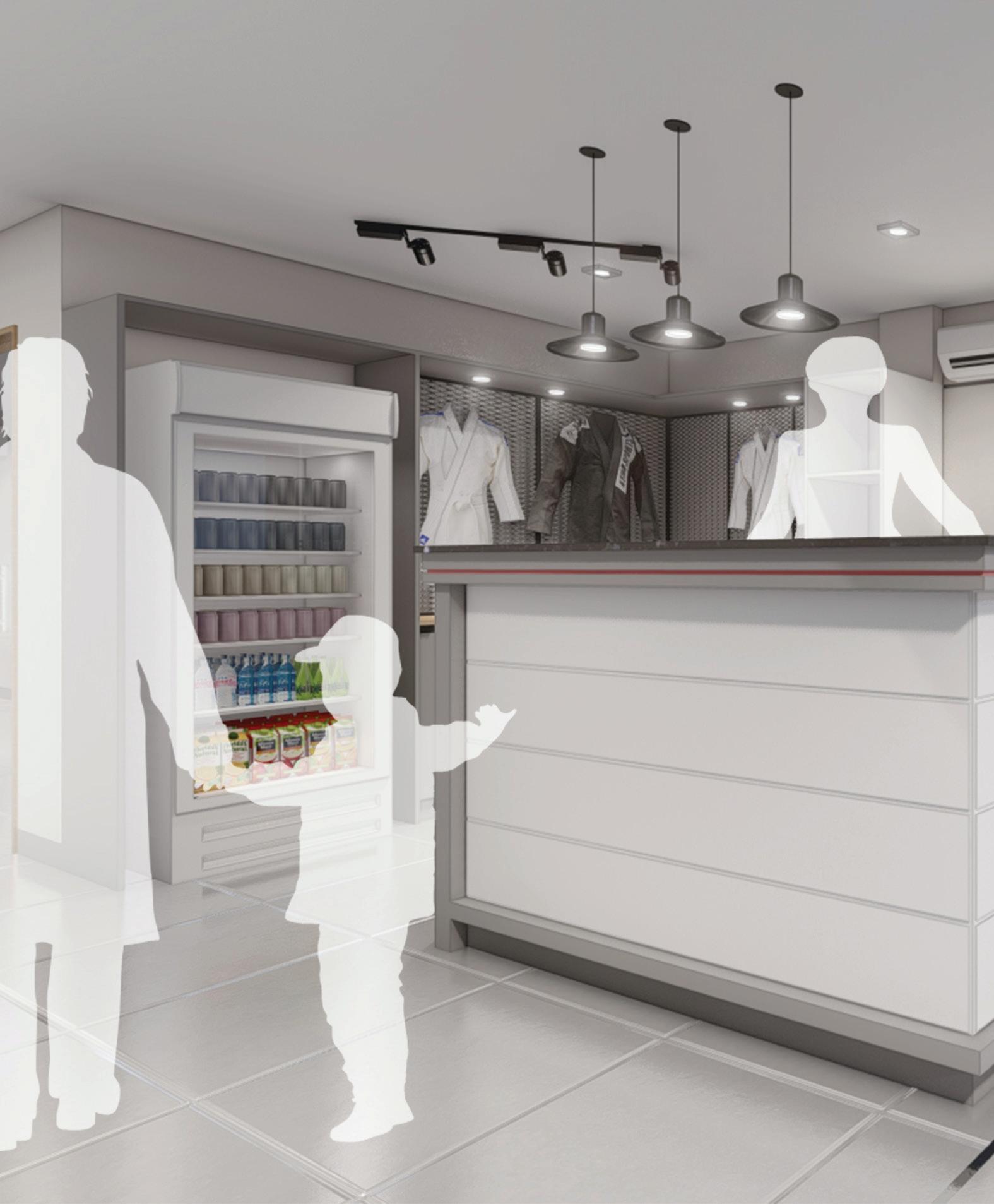
Maxilom Avenue, Cebu City | AutoCAD | Sketchup | Lumion
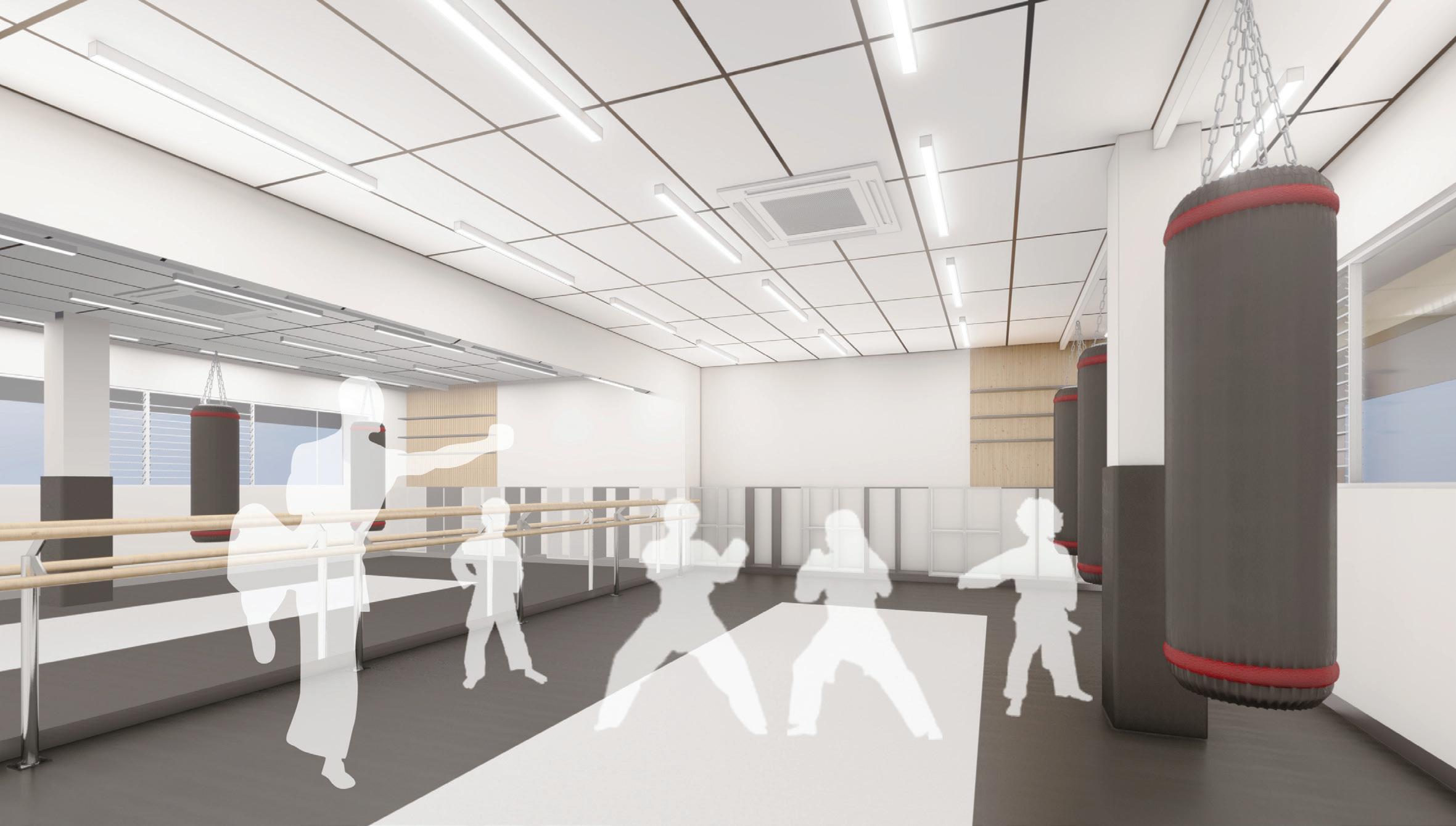
Design goal To be able to balance recreation with day-to-day functions and activities is a must to ensure one’s mental and physical health.
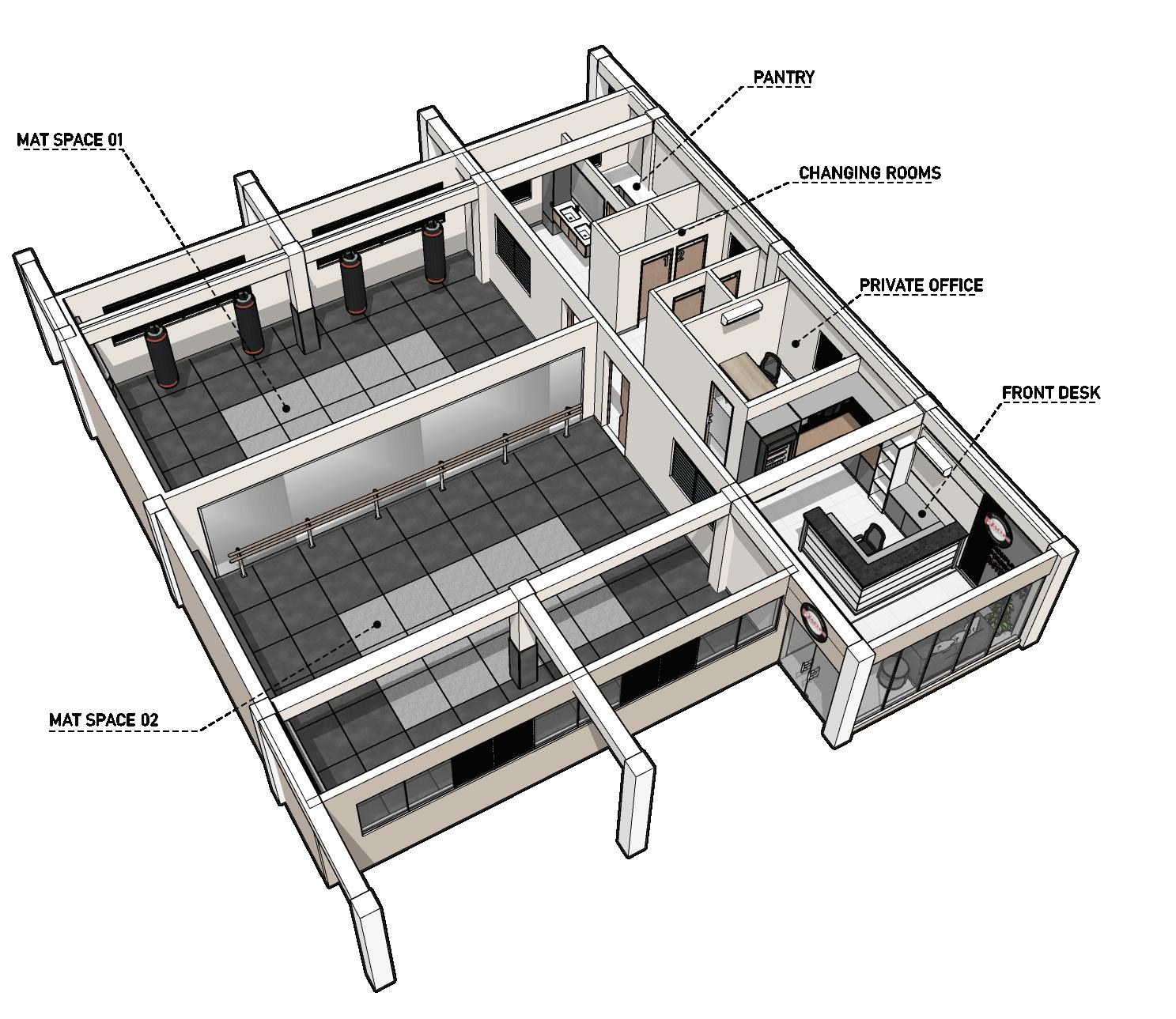
This project aims to cater to different modes of recreation such as ballet, taekwondo, and the like while carefully taking into consideration particular budget constraints. The facility is 250 square meters in area and is located at One Mango Avenue in the city of Cebu.
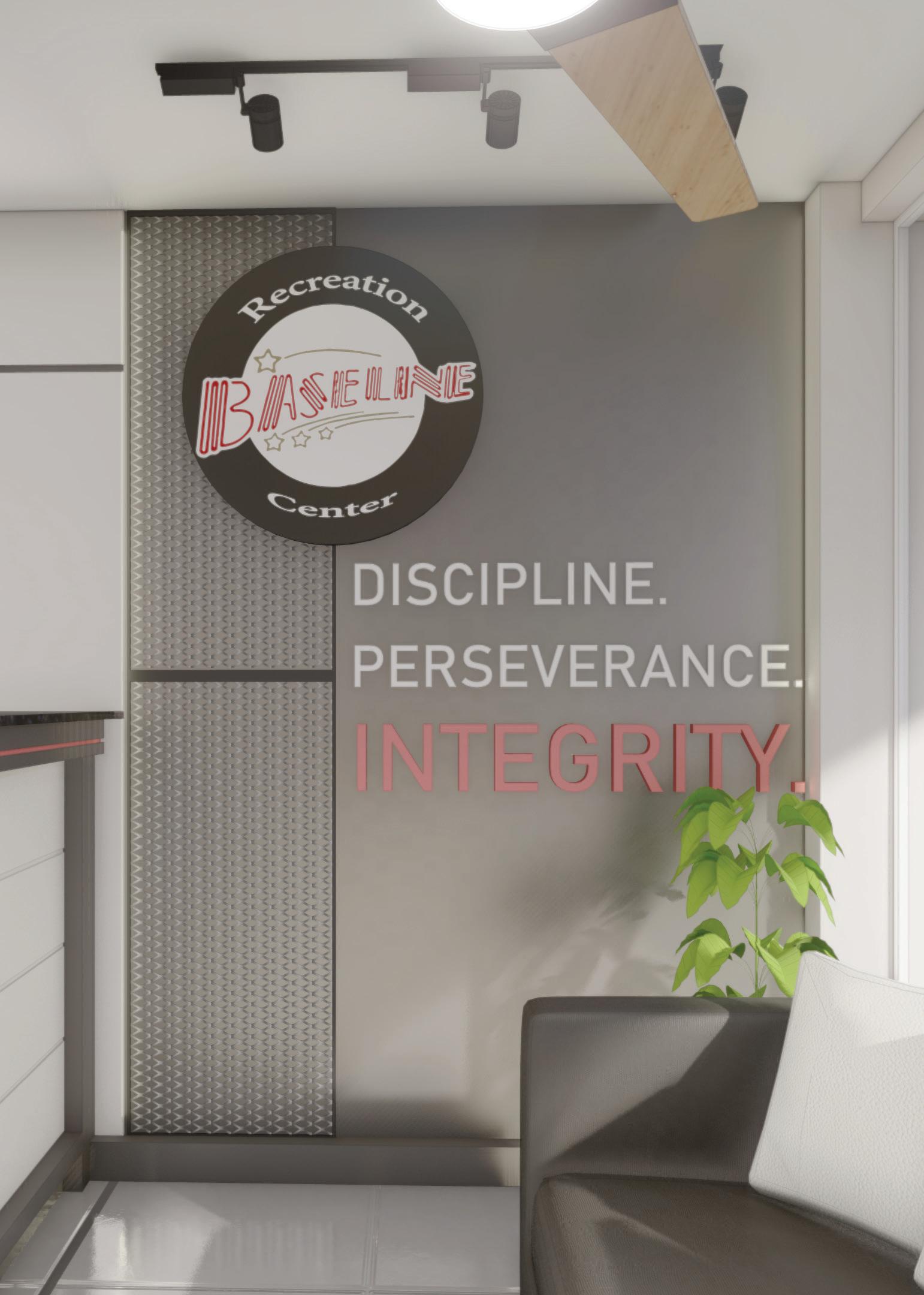
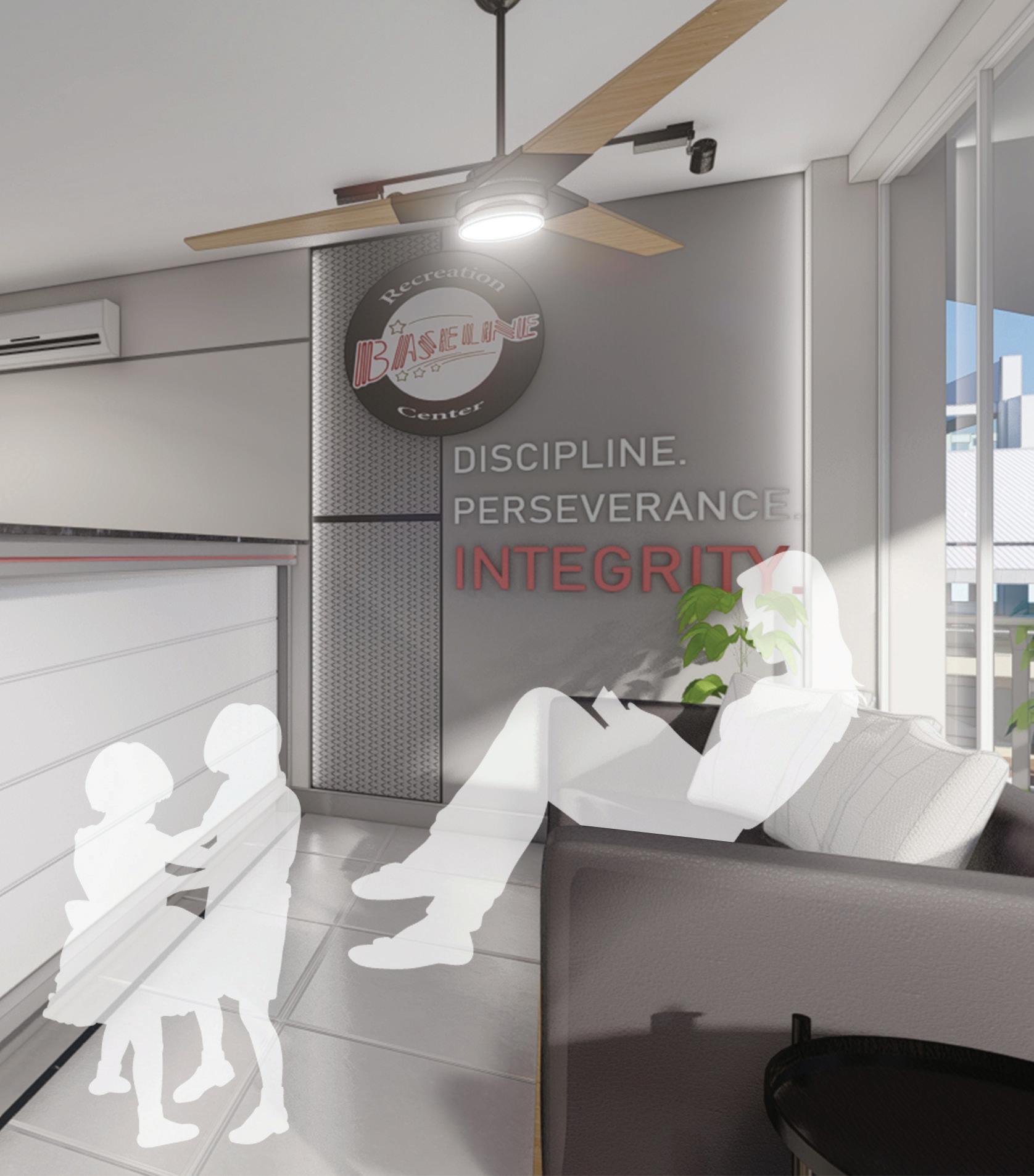
Top left A distinguished signage welcomes the guests at the front desk.
Top right The overall interior is composed of clean and neutral motifs.
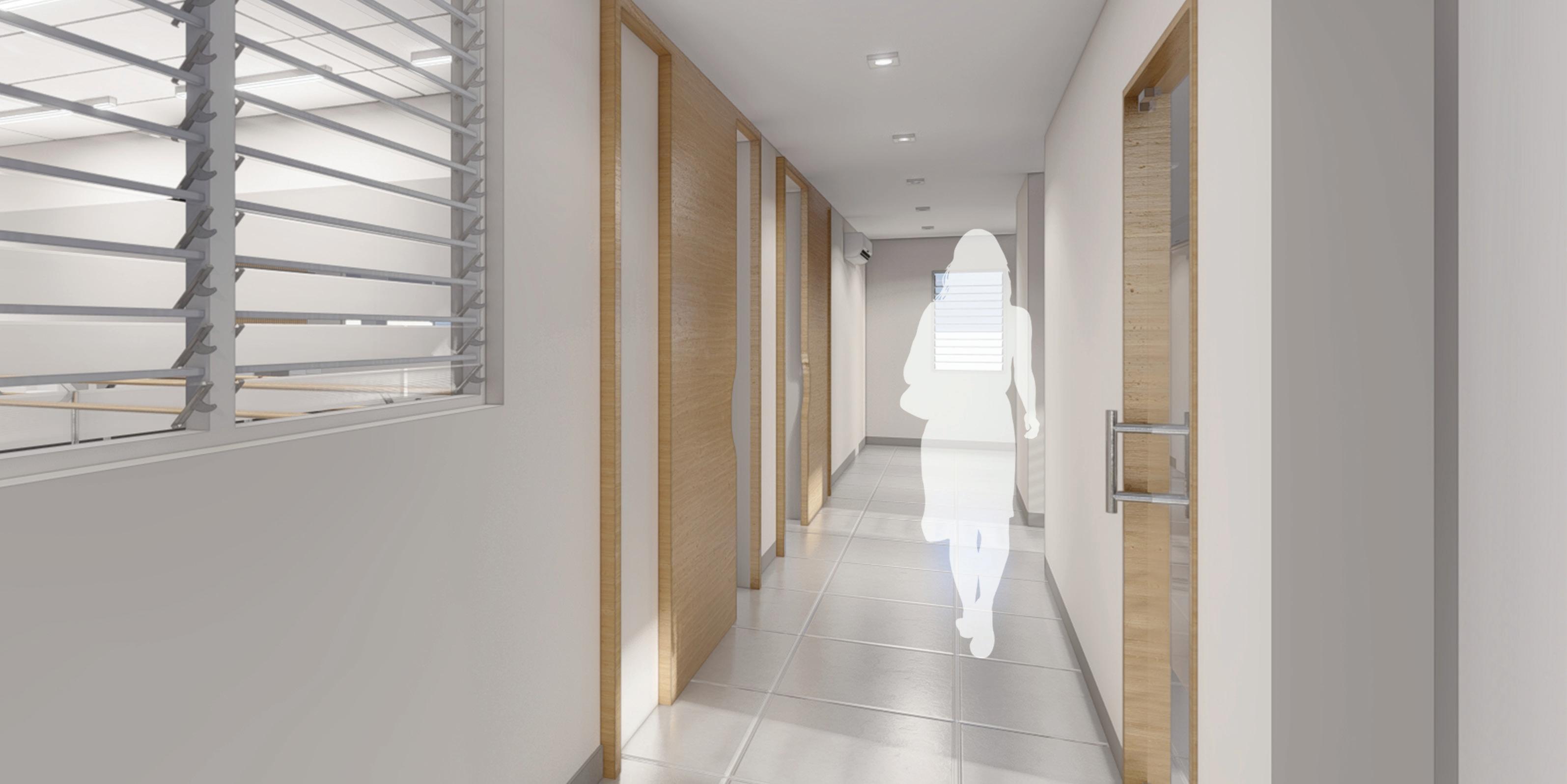
Bottom left Mat Space 2 is decked with a full length mirror, punching bags, and modular shelves.
Bottom right The isometric diagram shows the allocation of spaces within the recreation center.
Subject: Design X - Architectural Thesis | Group: Kimberly Bajada, Kieth Medija, Katrina Lacson | Role: architectural
Transportation Resilience is the ability of a transportation infrastructure to adapt, recover and respond from threats and disasters (Weilant, Strong, & Miller, 2019). With the number of disasters that struck the world, it is indeed timely to adapt Transportation Resilience into the design of public transportation facilities.
Setting The research environment of this study was at the Port of Sibulan, Negros Oriental, with the main problem as (1) lack of safety and (2) convenience, and the main research goal as: to determine effective design strategies and solutions that are viable for an efficient disaster-resilient passenger terminal.
Design Goal
The architectural goal is to propose a passenger terminal in the seaport area of Sibulan that is primarily resilient against current and future calamities such as terrorism, pandemics, typhoons, liquefaction, storm surges and the like; and secondarily an intermodal type to maximize convenience for users transitioning from sea transport to land transport and vice versa. With the concluding goal to continue mobility for people and goods despite present calamities or disasters.
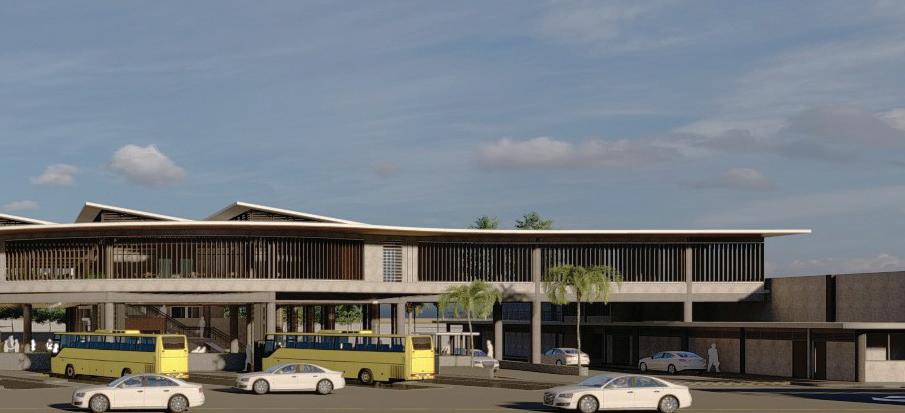
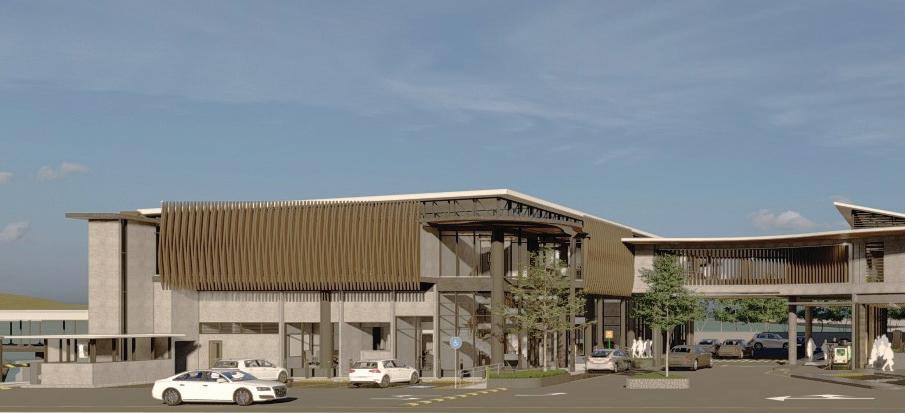
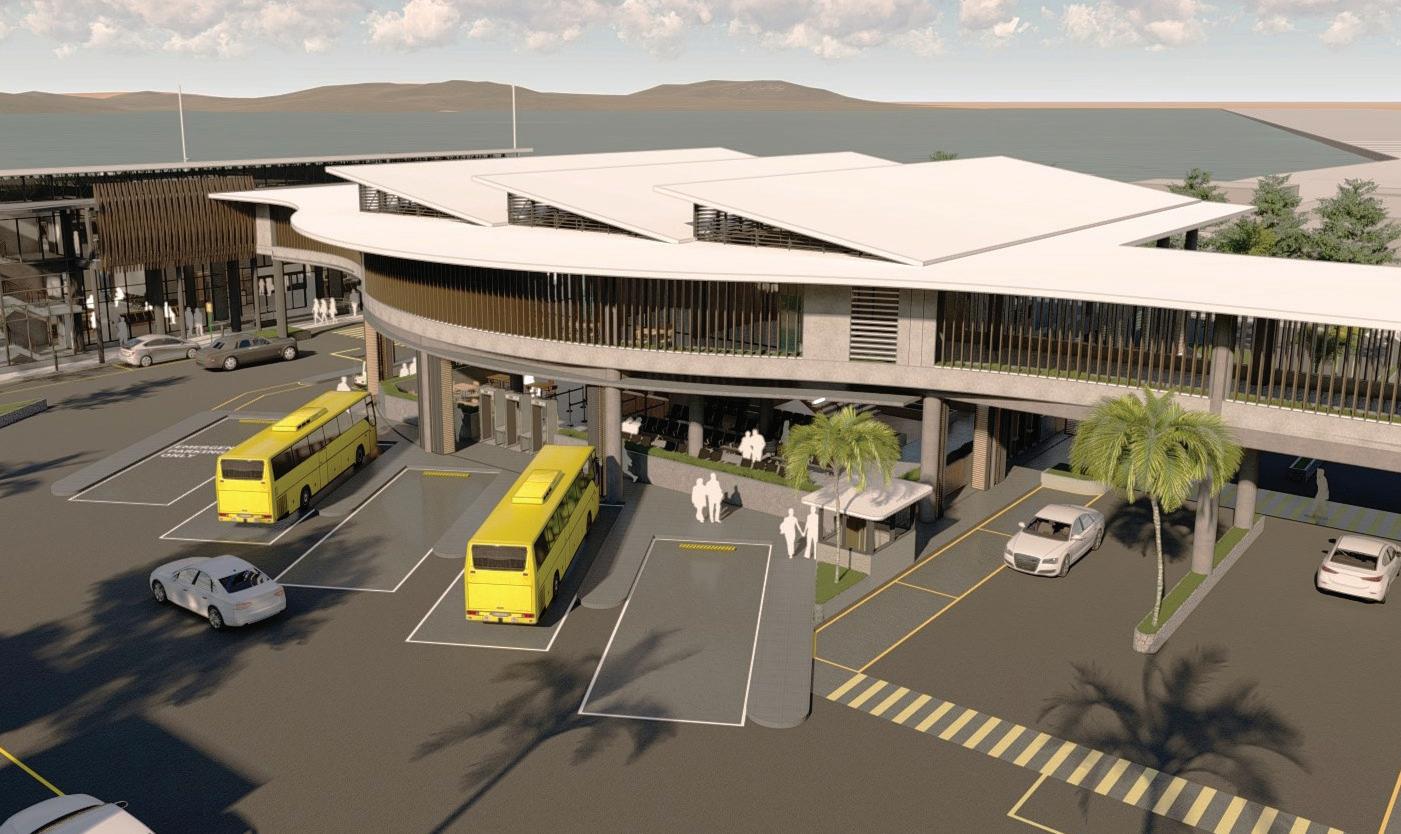
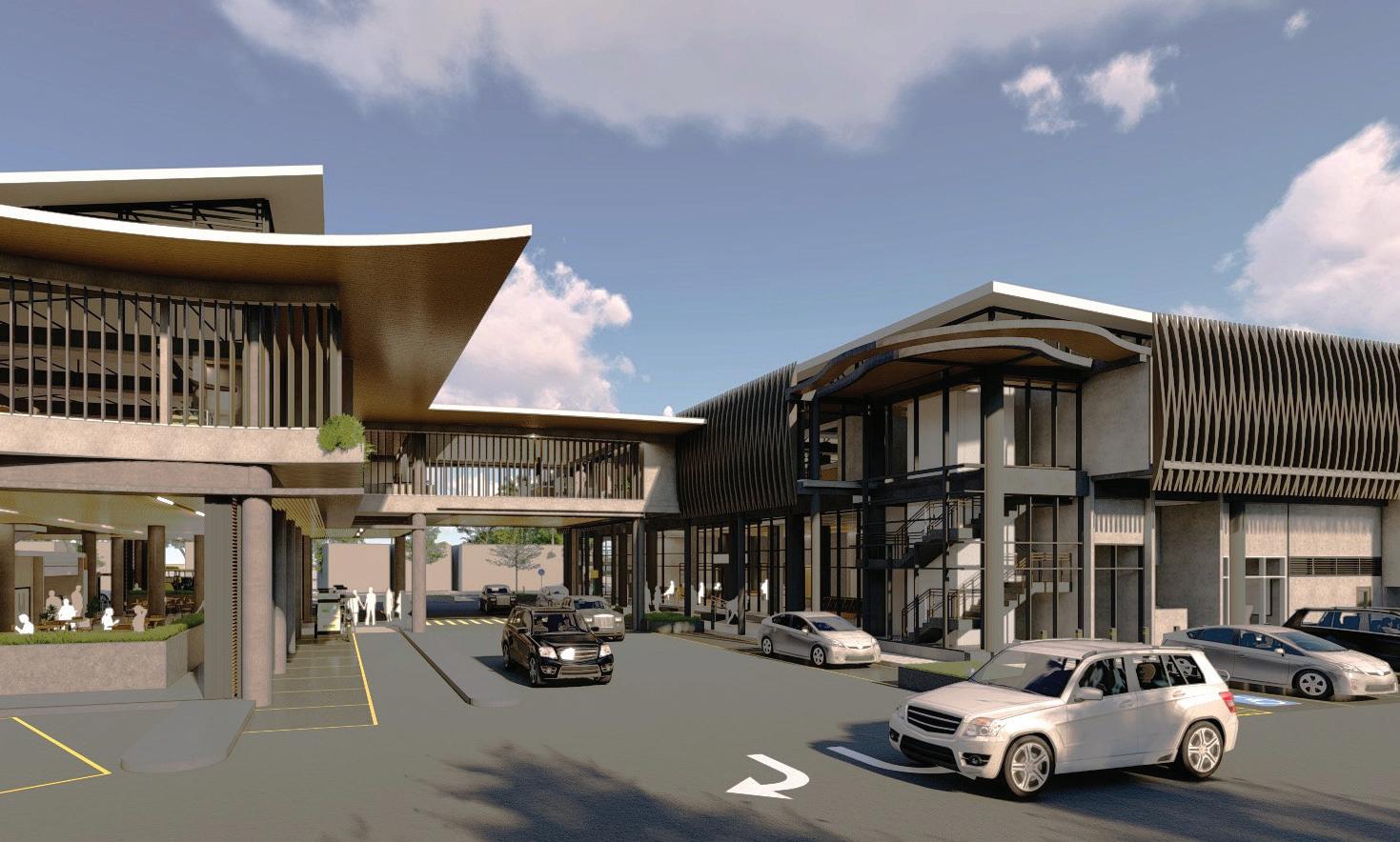
Top A panoramic view from the site’s right side elevation shows the designated vehicle and pedestrian points.
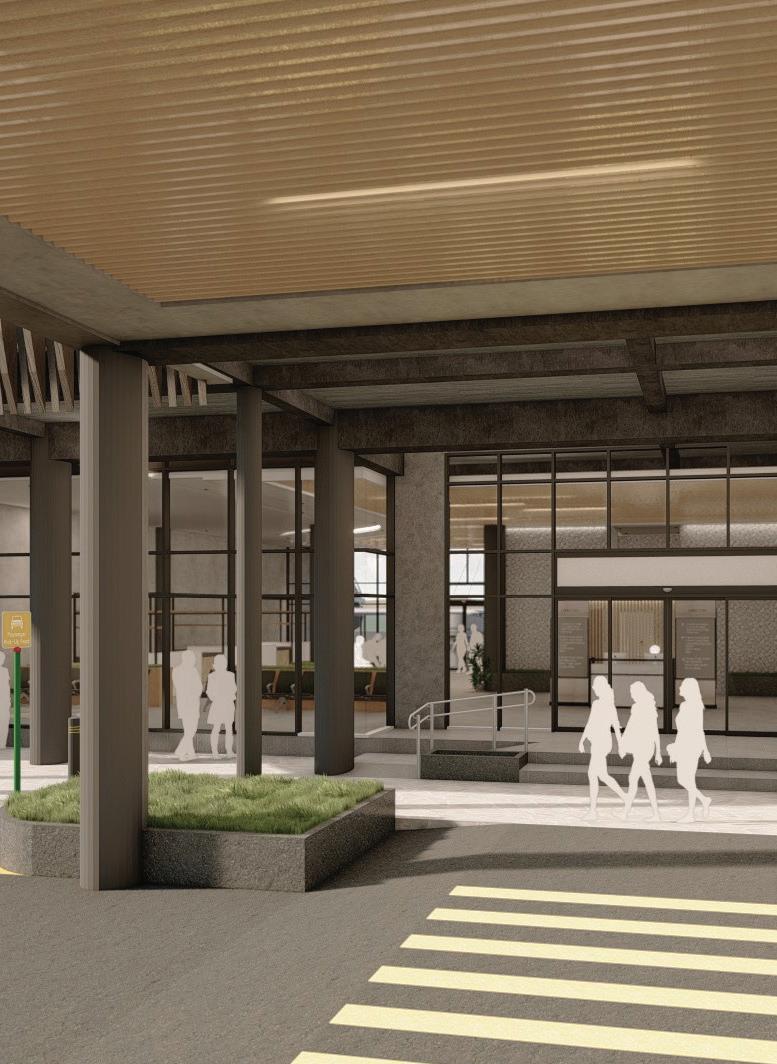
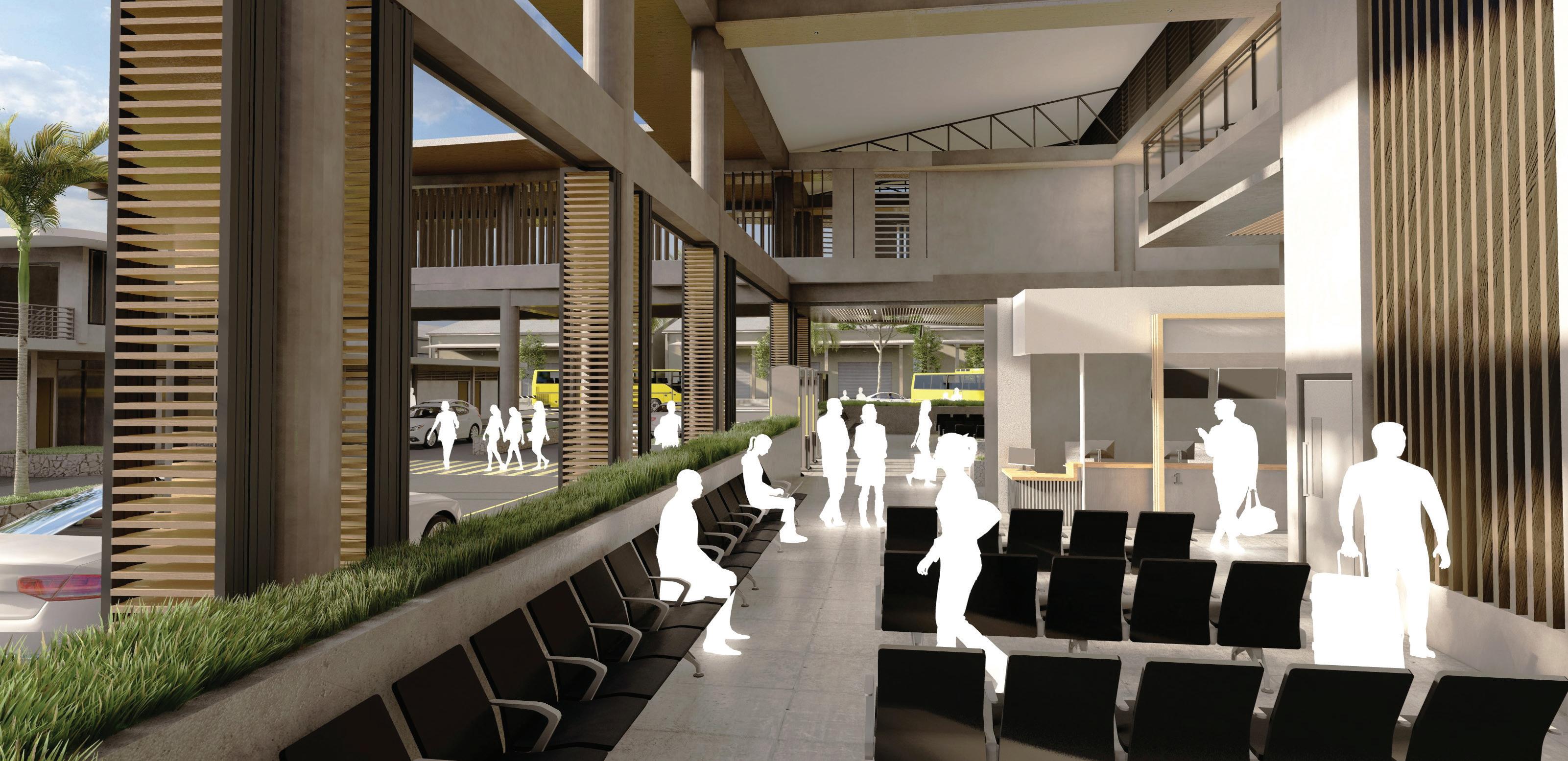
Bottom left A pedestrian’s view upon entering the seaside building.
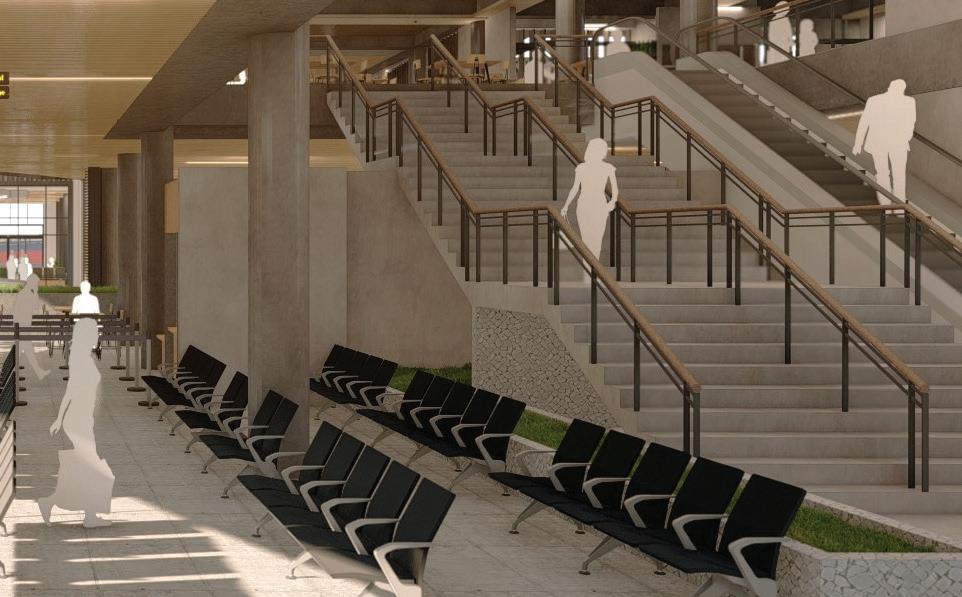
Bottom right The landside building also encompasses a waiting area for land travel.
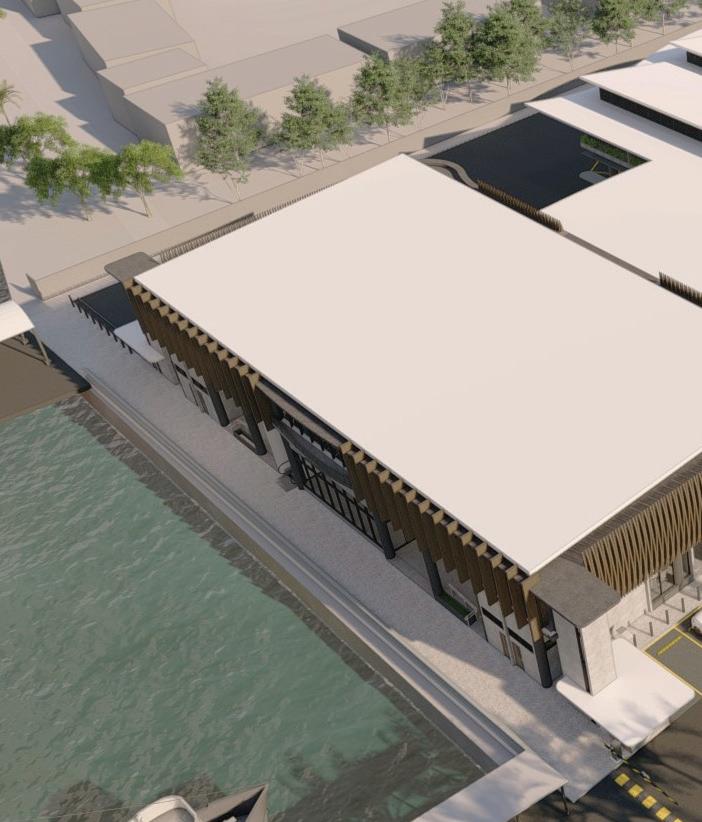
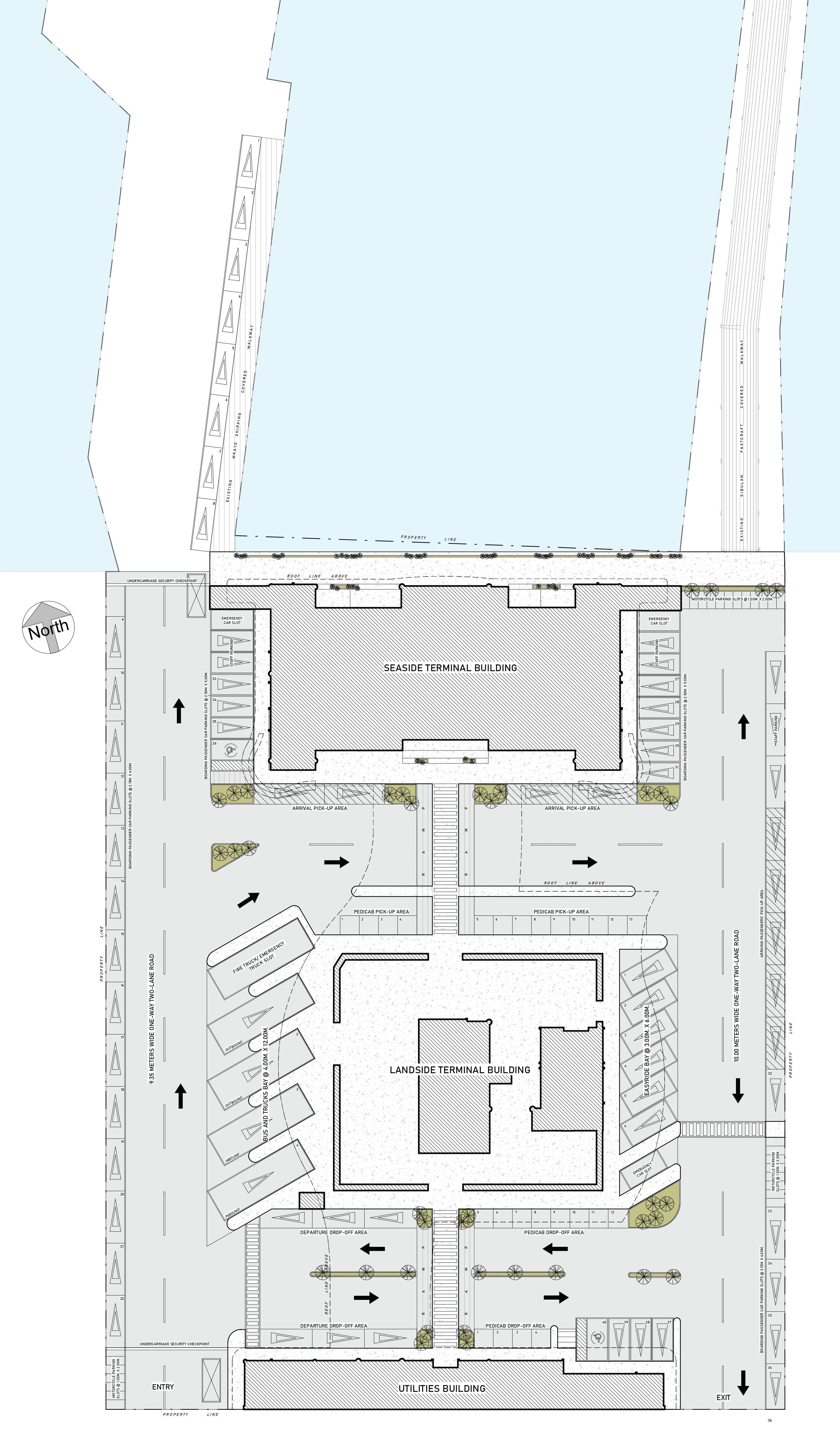
Below The whole site is composed of two main buildings and an additional portion at the rear for utilities and maintenance.
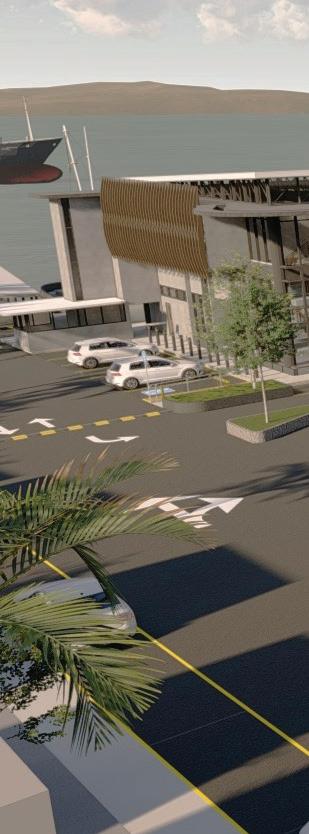
Right The bird’s eye view showcases the entirety of the site’s left side.
Middle A combination of geometric and curvilinear shapes are utilized to emit the feeling of seamless mobility and continuity.
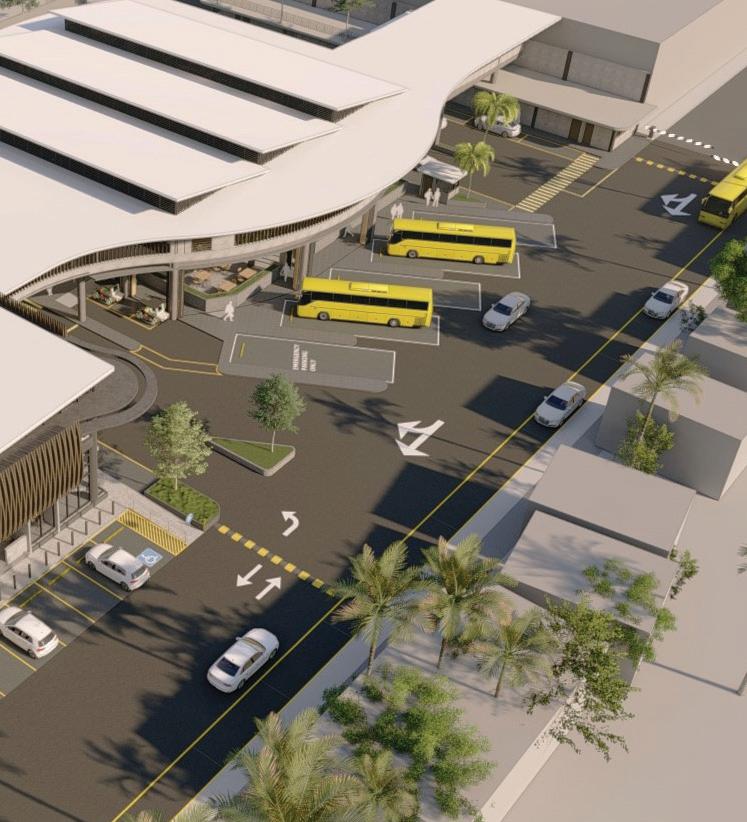
Bottom right Particular PUVs are designated at the landside terminal, most especially pedicabs or tricycles which are the prominent in the municipality.
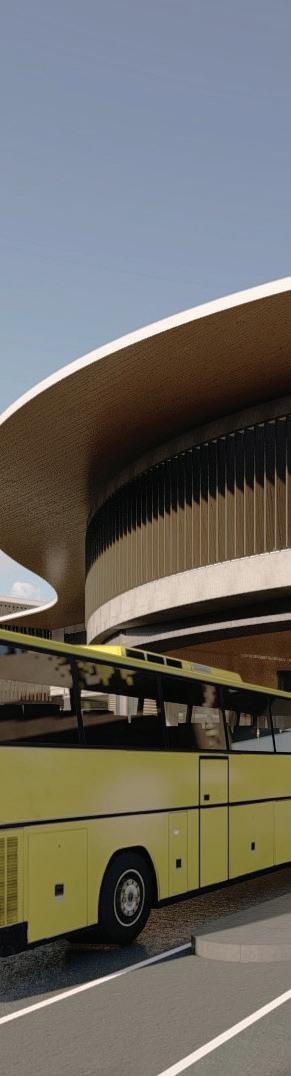
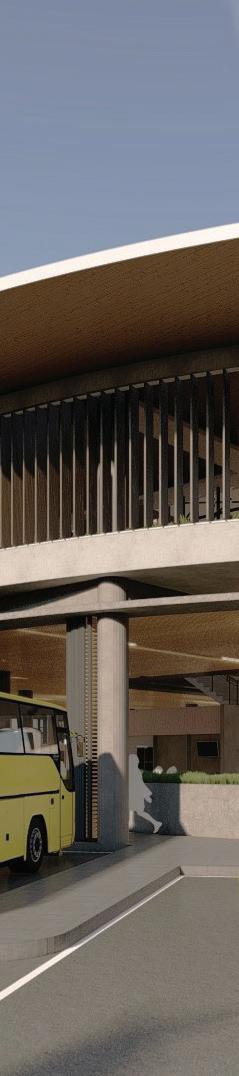
Mangroves The characteristic acquired by the designers is its ability to withstand floods, tsunamis and storm surges by slowing down waves and absorbing flood waters that fights against rising sea levels. One of the site’s common recurring issues is liquefaction. The Mangrove’s roots are interpreted to become stilts as a structure of the project.
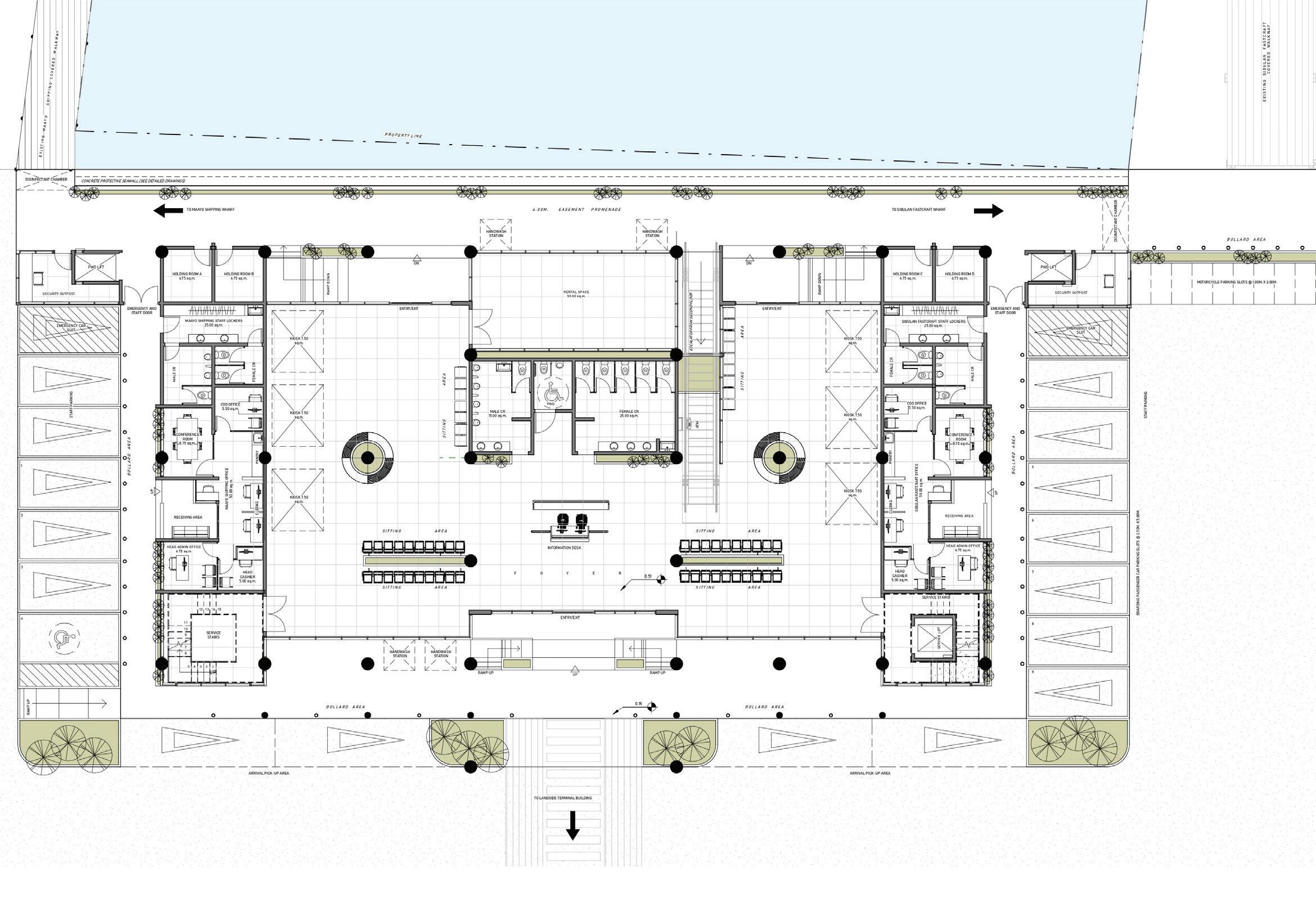
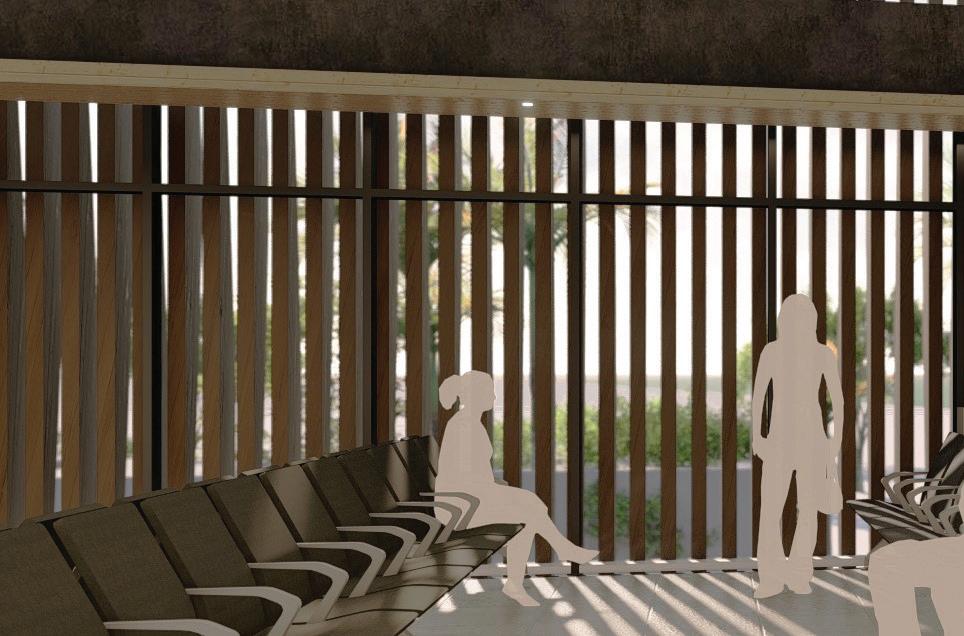
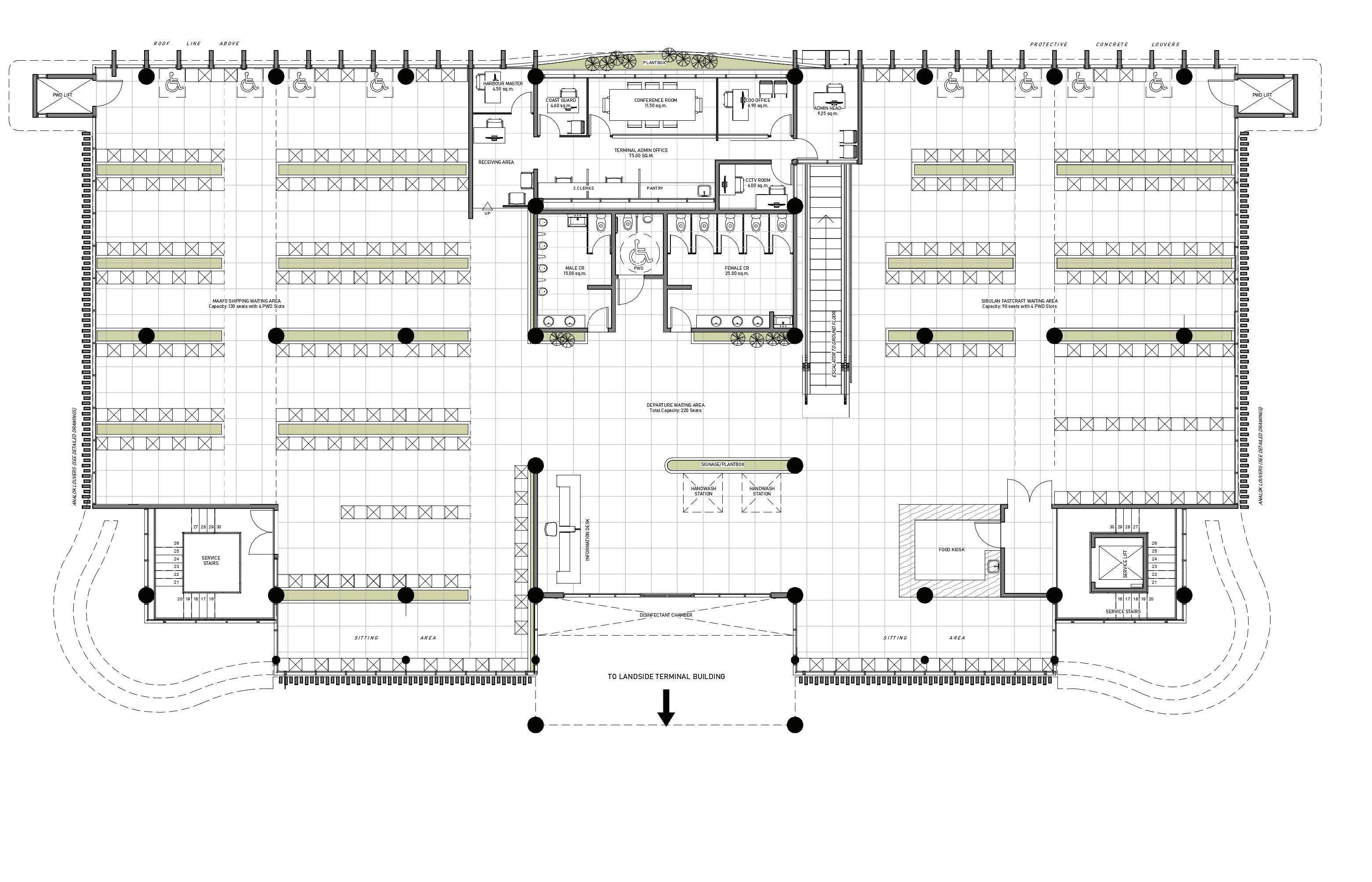
The seaside building, as its name implies, faces the sea and is exclusive for ferry passengers and workers only. The ground floor is allocated for arriving ferry passengers and two offices (Maayo Shipping and Fastcraft). Each passenger is required to pass through this building for added screening and security. Also, laborer locker rooms are provided based on their requests on the surveys done in the study. Two sets of stairs flank on each side of the building, in compliance with the fire code.
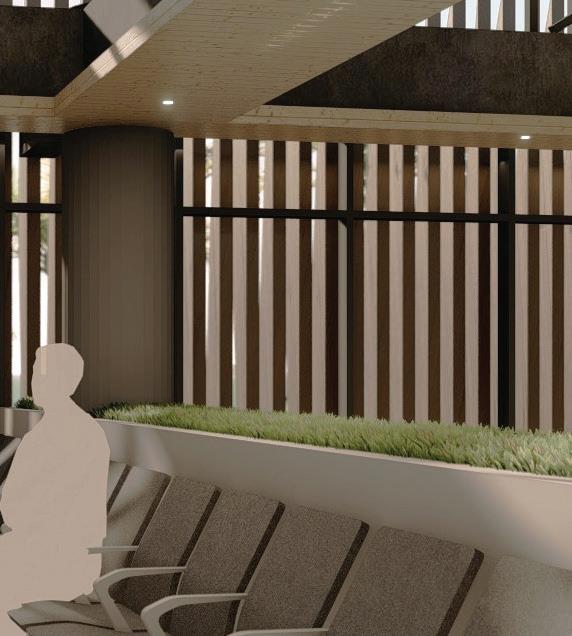
The second floor is allocated for departing ferry passengers and the terminal admin office overlooking the wharf area and coastline. The plan is mostly open which allows room for configuration, especially during a pandemic.
Right A passenger’s view of the ground floor dining area that is vast with natural daylight and ventilation.
Below left Landside terminal building ground floor plan.
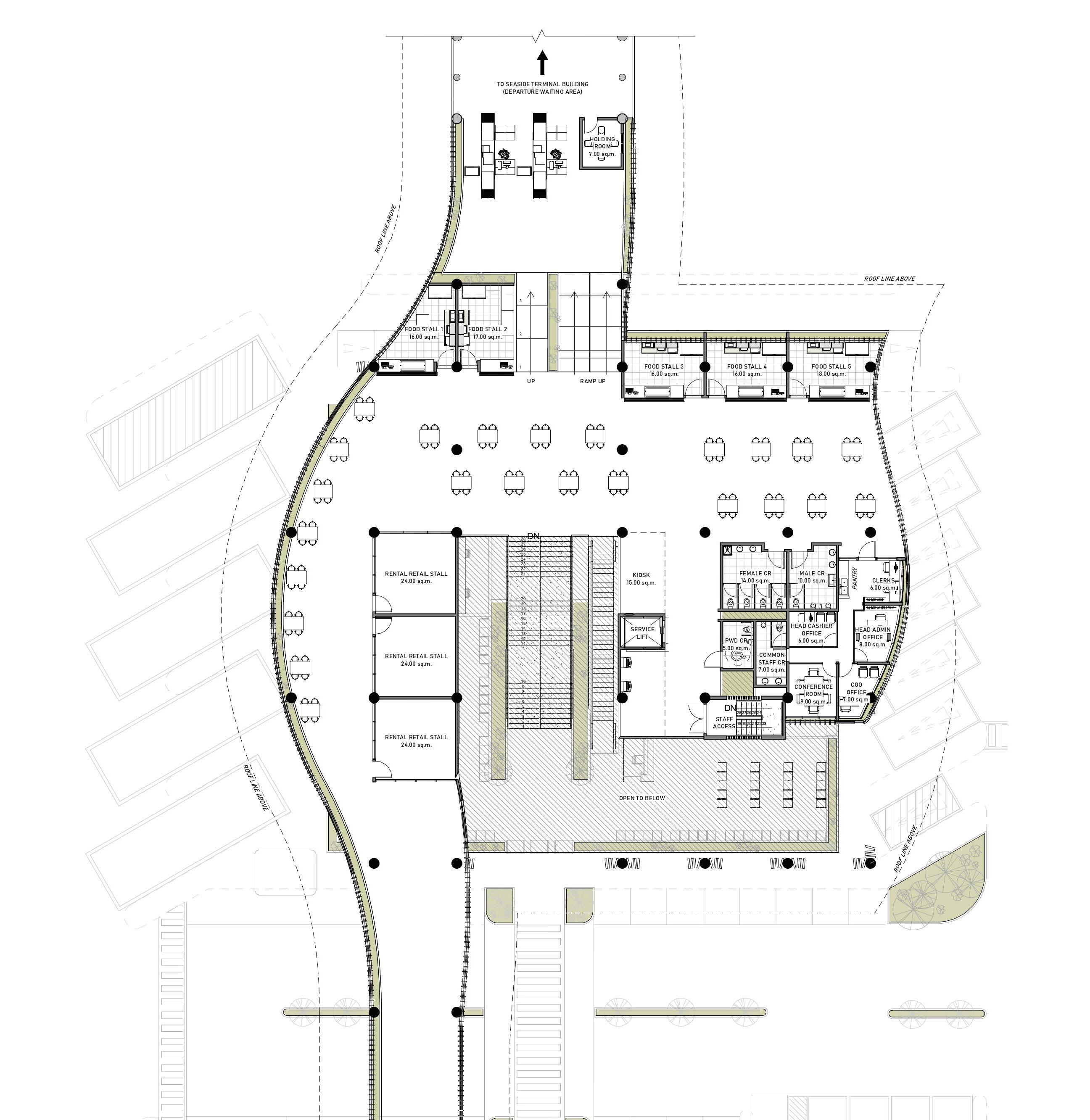
Below right Landside terminal building second floor plan.
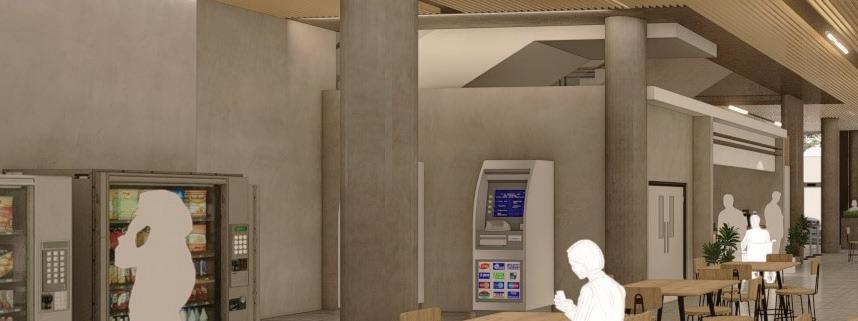
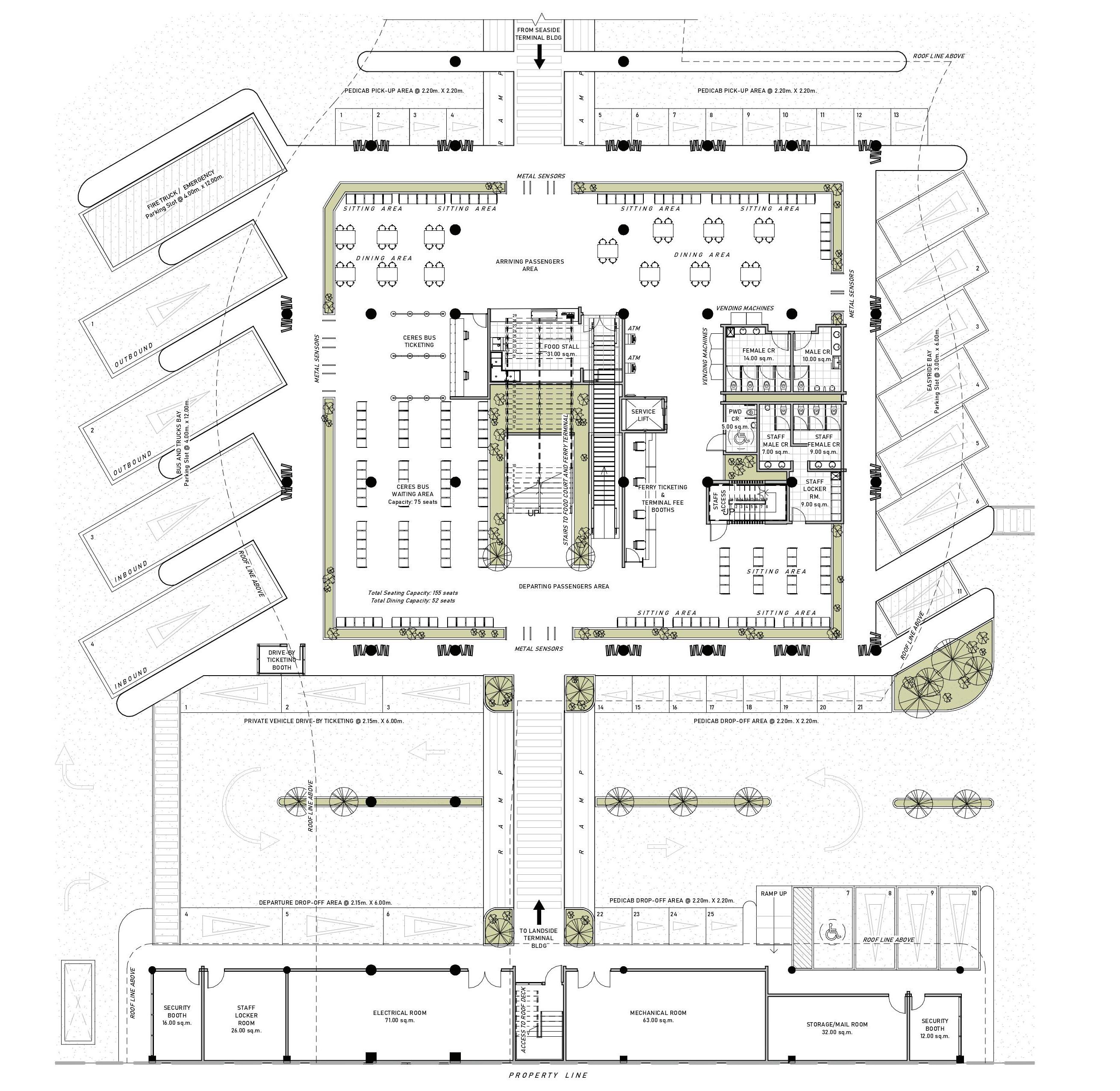
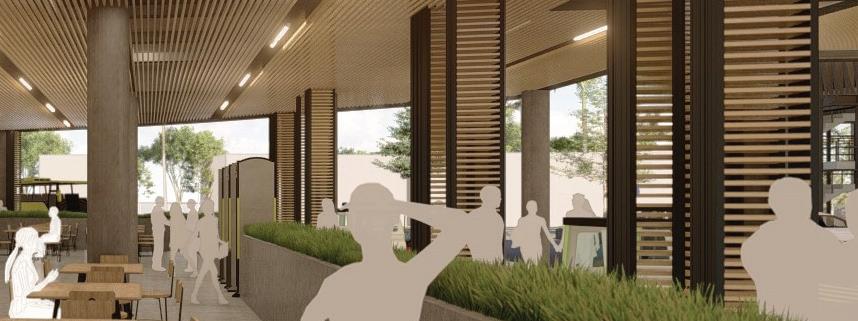
The landside building is open for all, whether you’re a ferry or land travel passenger. There are not much full walls at the ground floor. This is in accordance to the site’s vulnerability to flooding and liquefaction. For security, it is surrounded by steel louver shutters to be used on closing time.
Mobility There are four modes of transportation that are catered in this building: buses, private vehicles, pedicabs and easyrides. Ticketing booths are located at the ground floor while the baggage check is at the second floor prior to entering the seaside building. For improved revenue and profit, rental spaces and a food court are provided at both floors.
Further into the back, the utilities building is where the equipment and machines that power up the site are stored, flanked at each side by security outposts for added security.
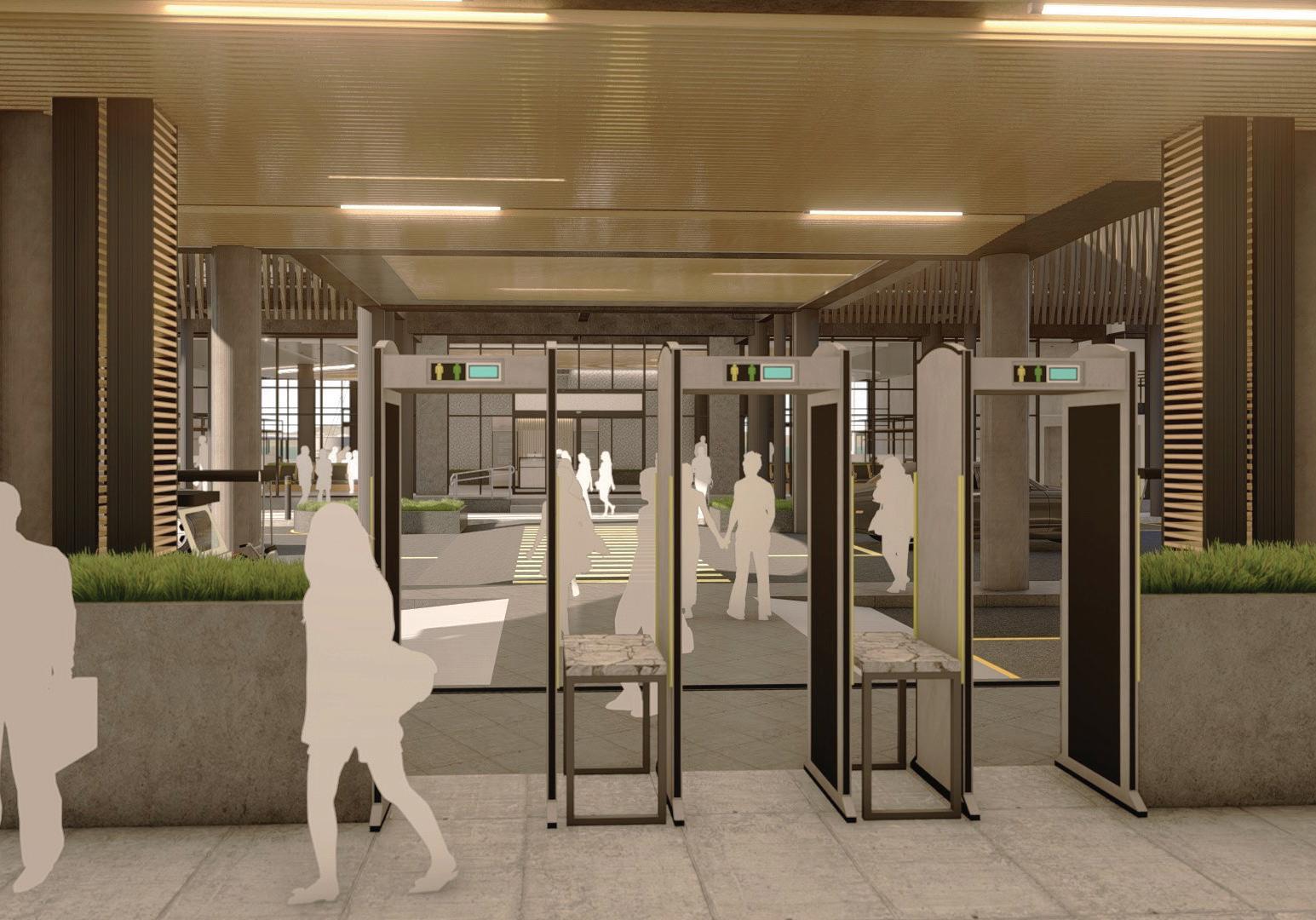
Left Security checkpoints flank the entrances and exits of the landside terminal building.
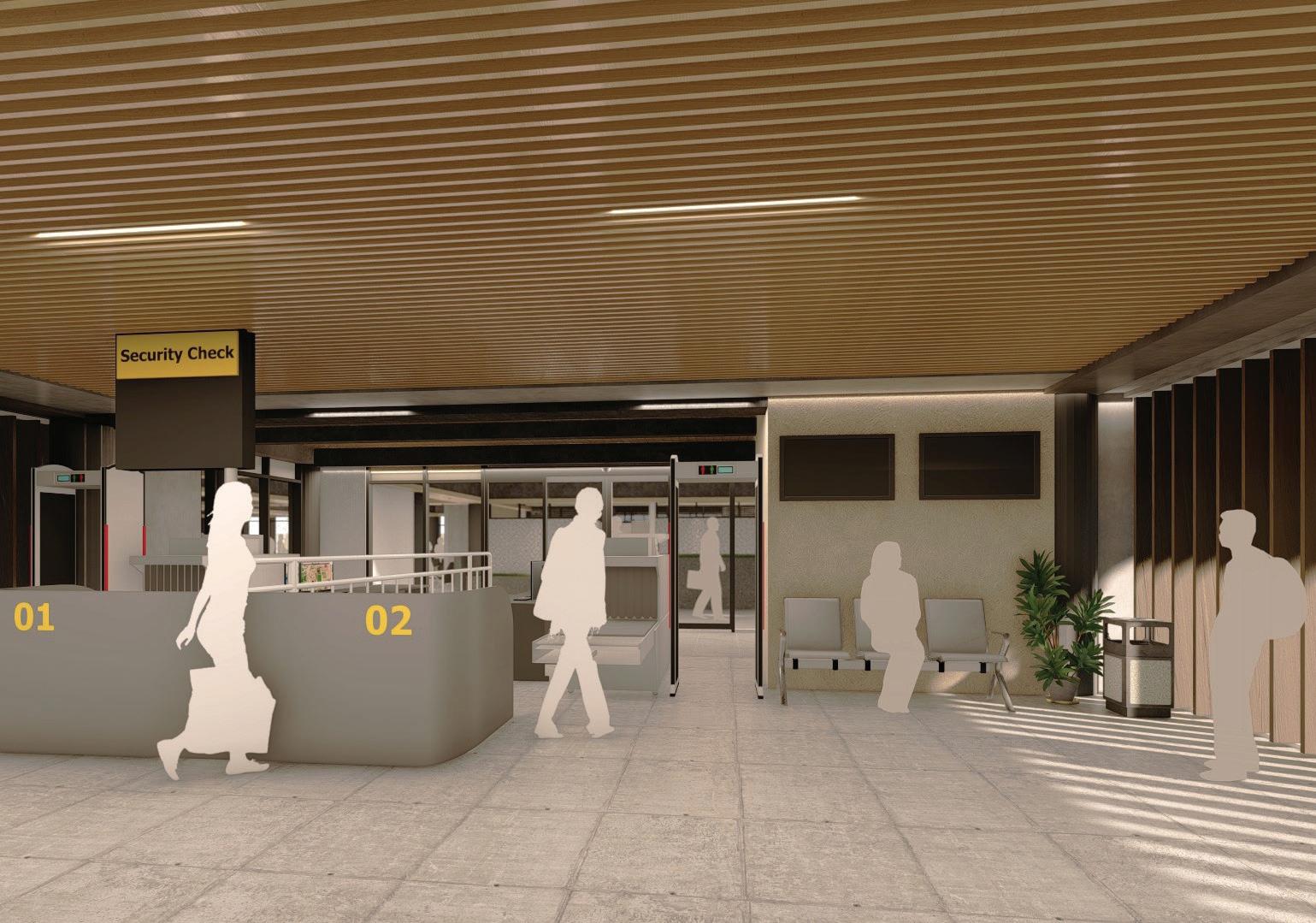
Right A security baggage check service is provided at the second floor footbridge where both buildings are conjoined.
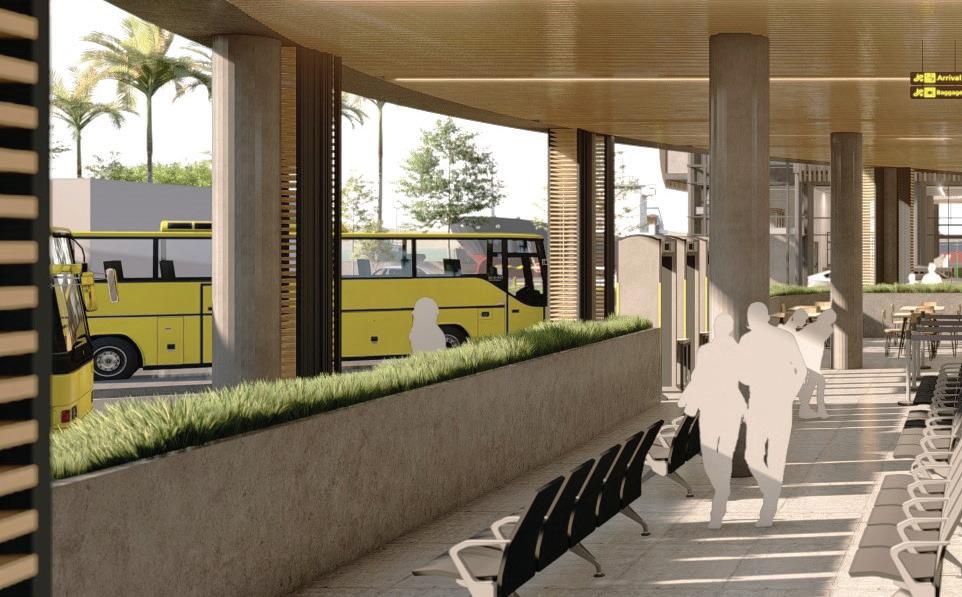
Below This side of the building is a waiting area allocated for bus passengers.
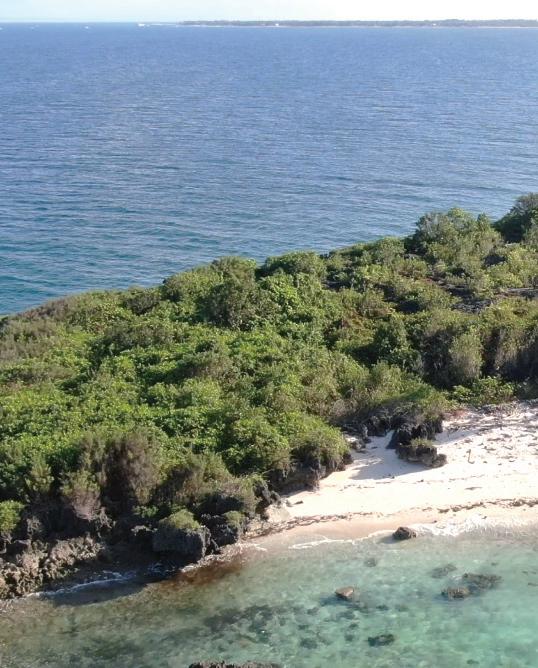
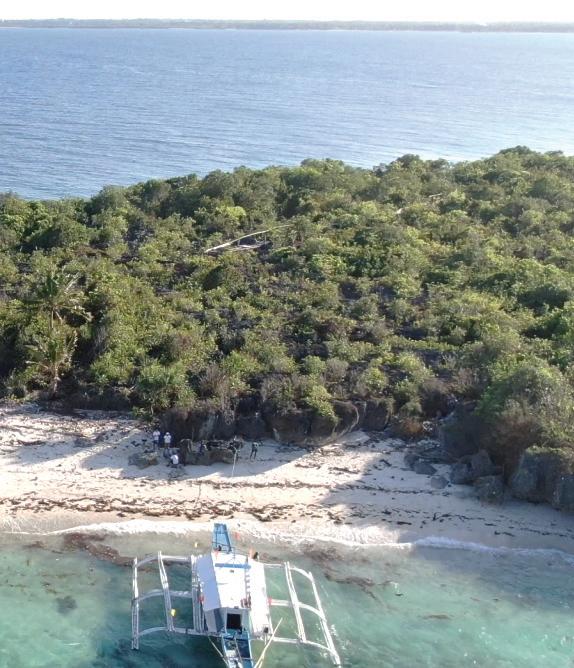
Originally called the Hilantagaan Diot, Virgin Island is a 30.9-Hectare pristine enclave of crystal-clear waters and pure white sand beaches. The island is located at the eastern side of Bantayan Island and only a few minutes away from the Port of Santa Fe. Lush in wild trees, mangroves, and cliff edges, Virgin Island is perfect for the ultimate nature getaway experience.
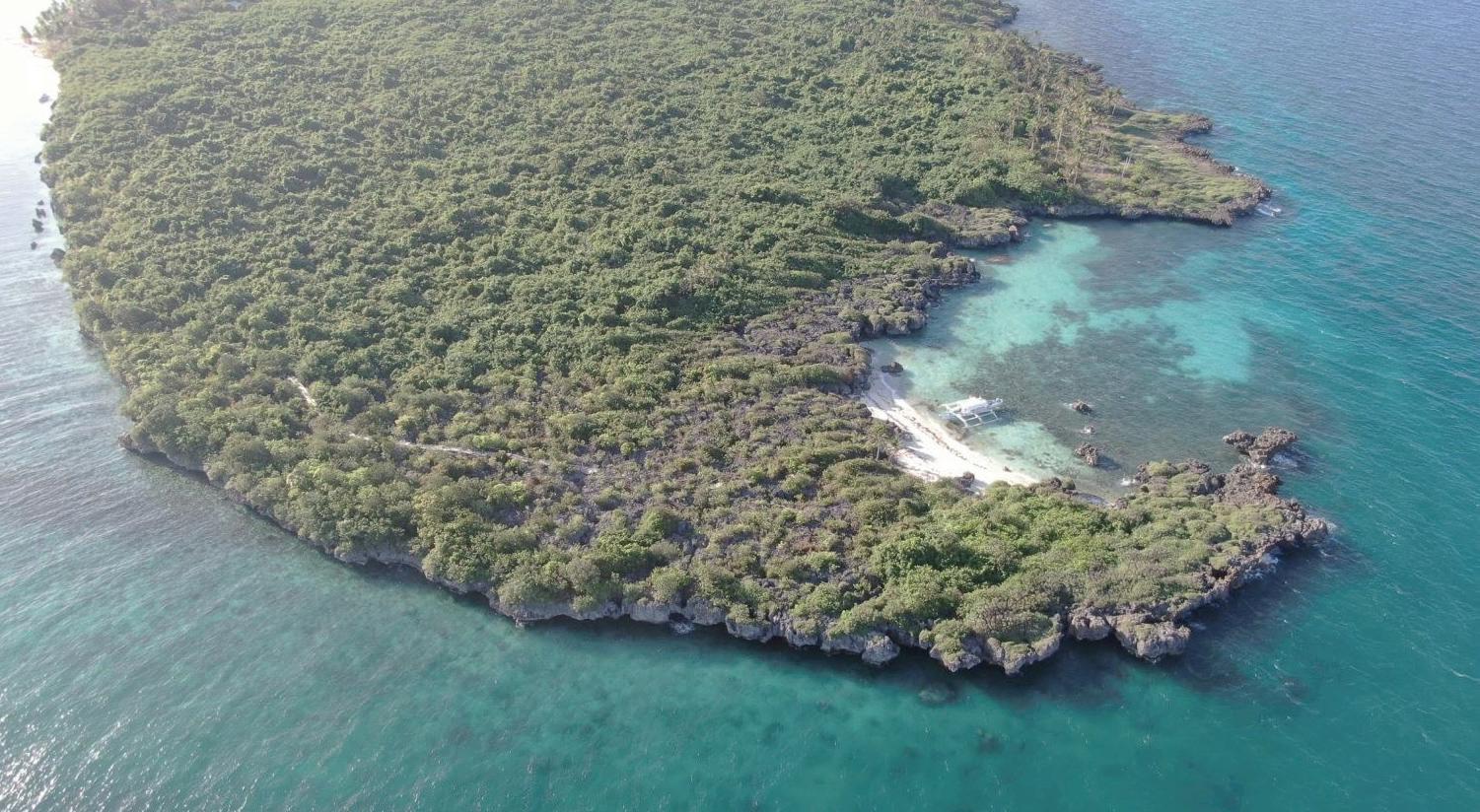
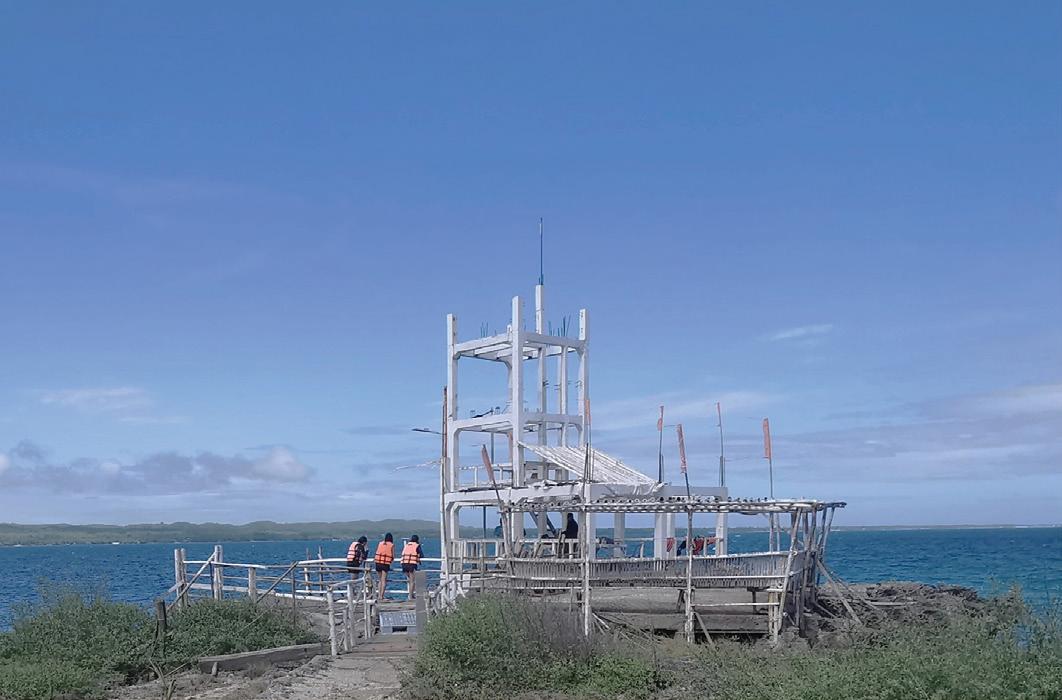
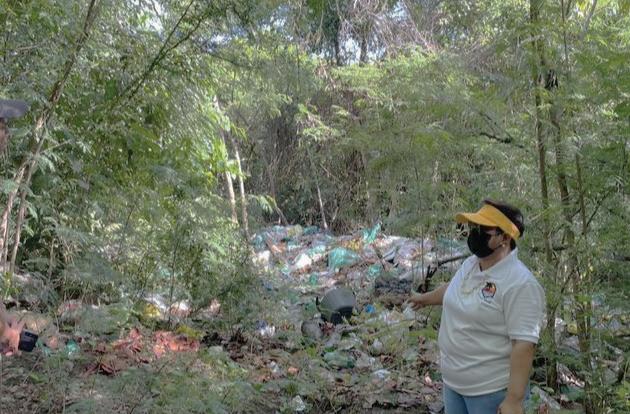
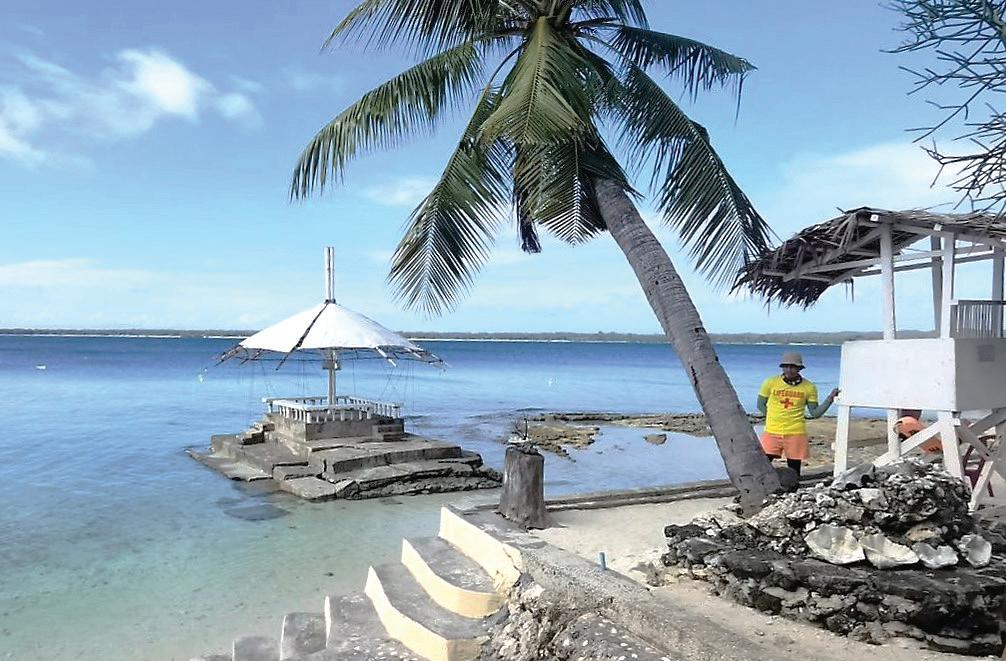
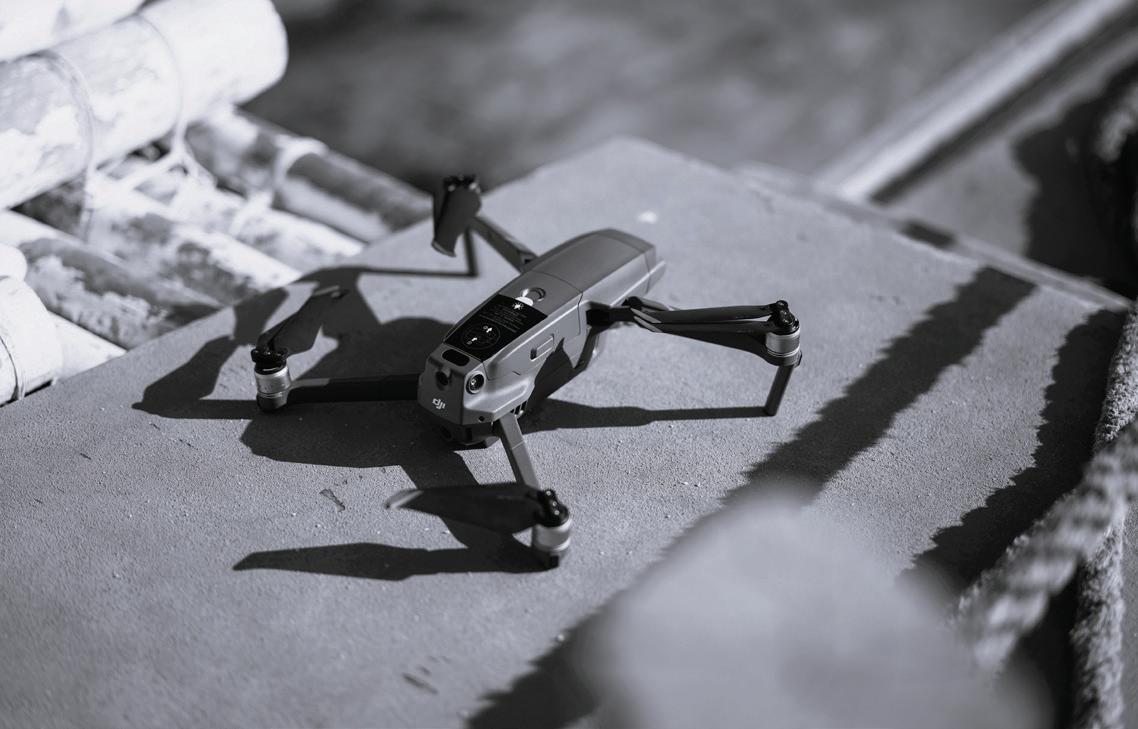
Top The island takes form of a crescent shape. Below Existing structures are found to impose areas of concern. (e.g. permanent structures encroach on the shoreline, no proper waste treatment facility)
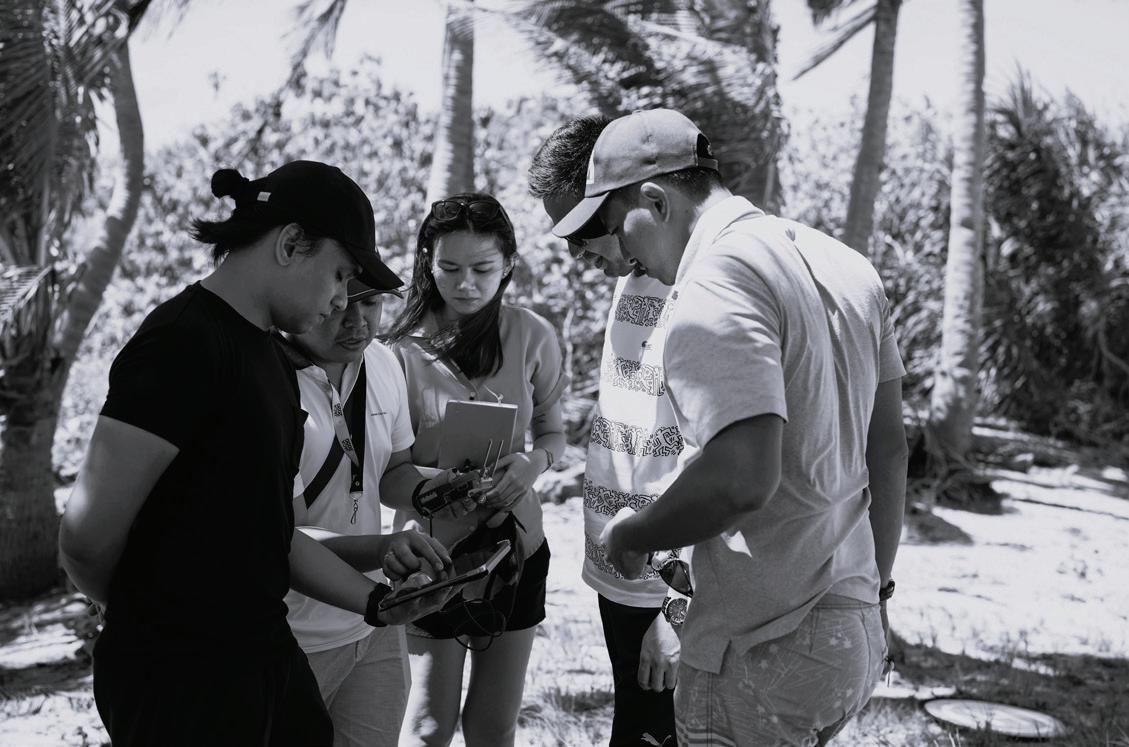
Below The design team embarks on a thorough process of full immersion and project identification.
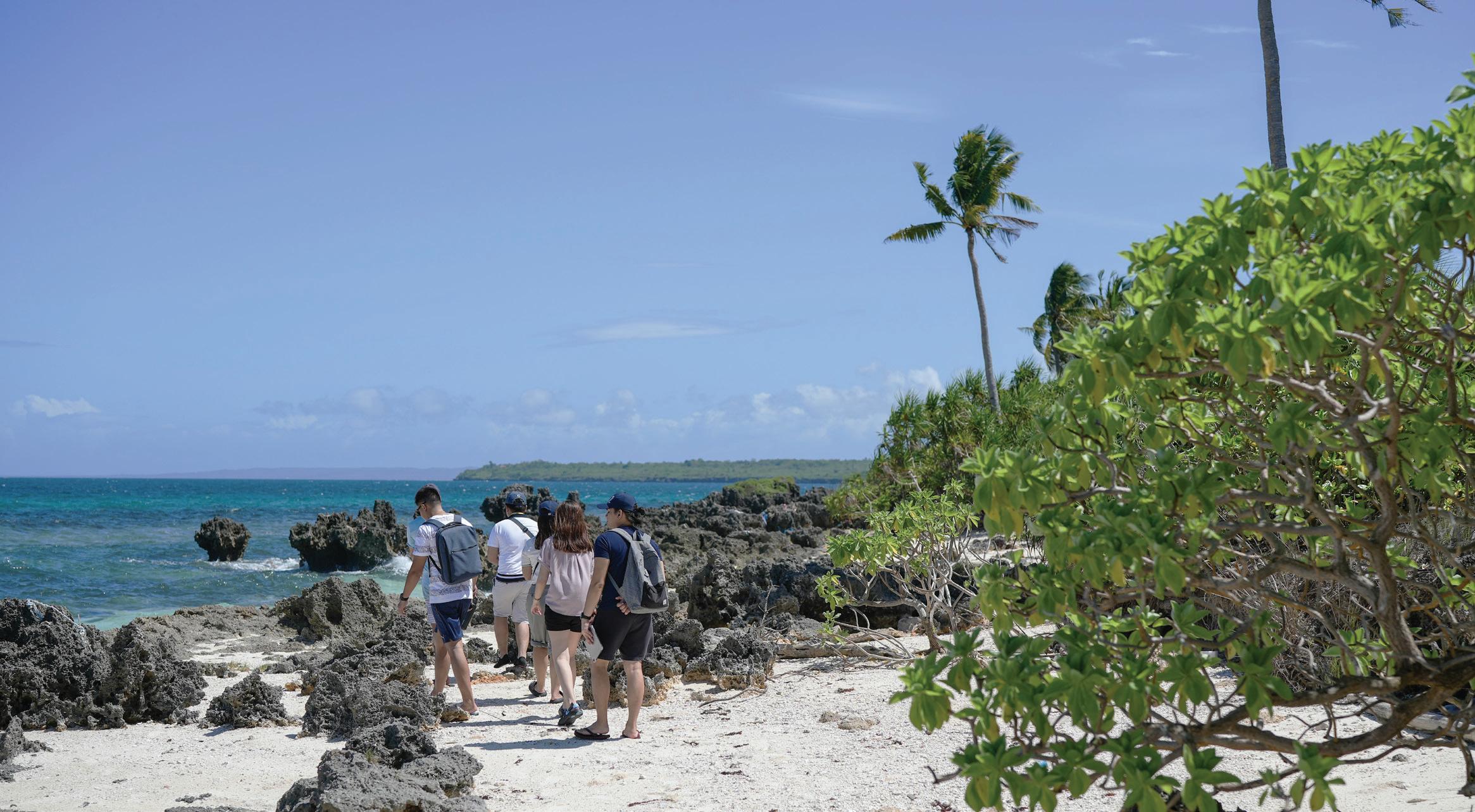
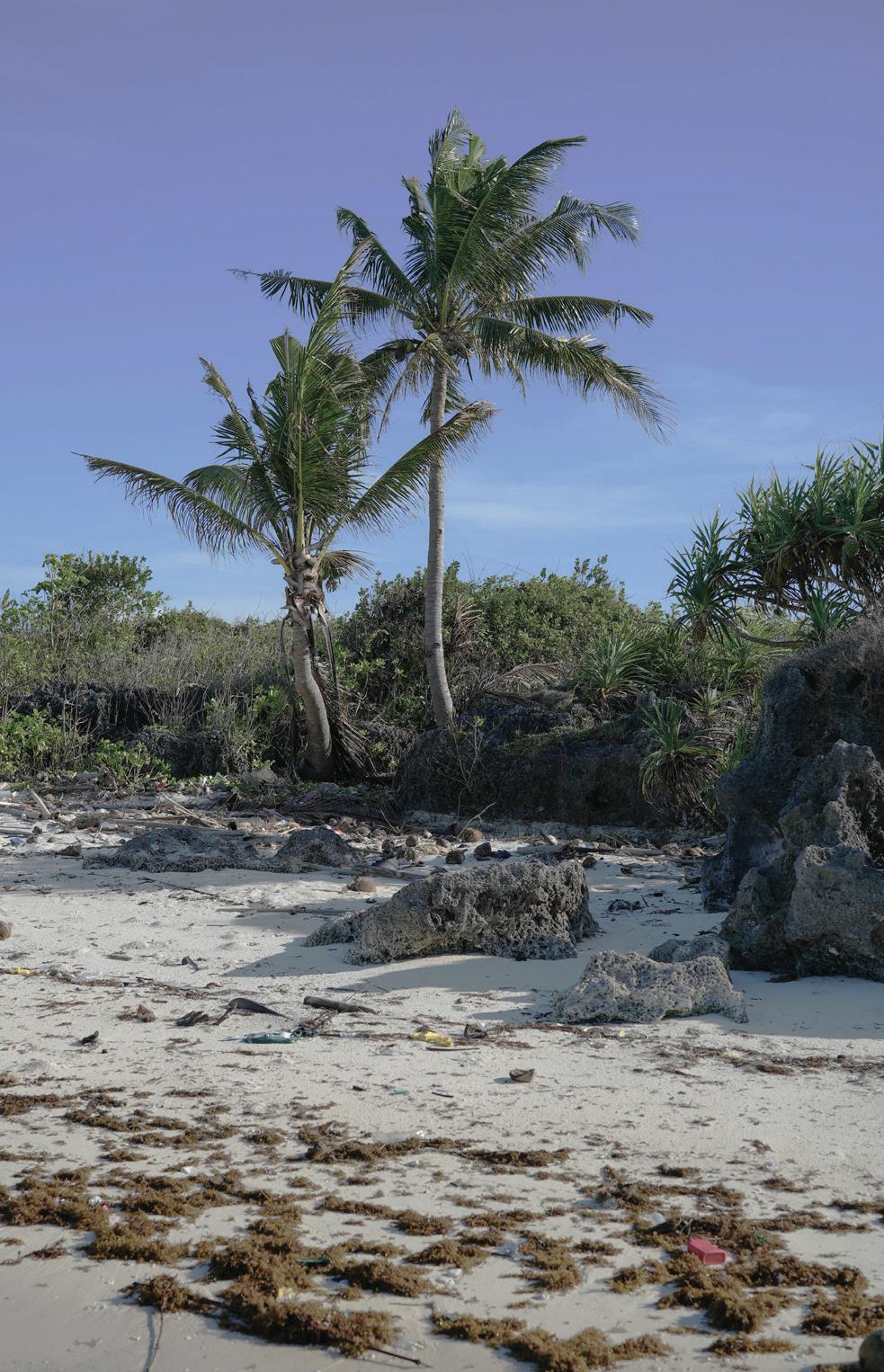
Redefining the Virgin Island experience: evolving with nature through responsible planning and design.
Design Process
The idea to redefine the Virgin Island experience is envisioned to be done through integrating leisure and recreational activities to create a seamless experience. It allows the users to engage in tranquility and relaxation as they indulge in the Island’s nature and resources.
Moreover, it is through understanding the multitude and diversity of the users of the island that establishes a sustainable perception of how it ensures being guided by long-term principles especially as it evolves and progresses with the environment.
Identifying the existing conditions and developments benchmarked on how the designers approached the design development for this project. These served as the backbone of the project as it was ideal to tailor-fit the methods that will not interfere with the current operations of the Island.
Additionally, evolving with nature entailed optimally maximizing the resources that were readily available to the Island such as native and local materials.
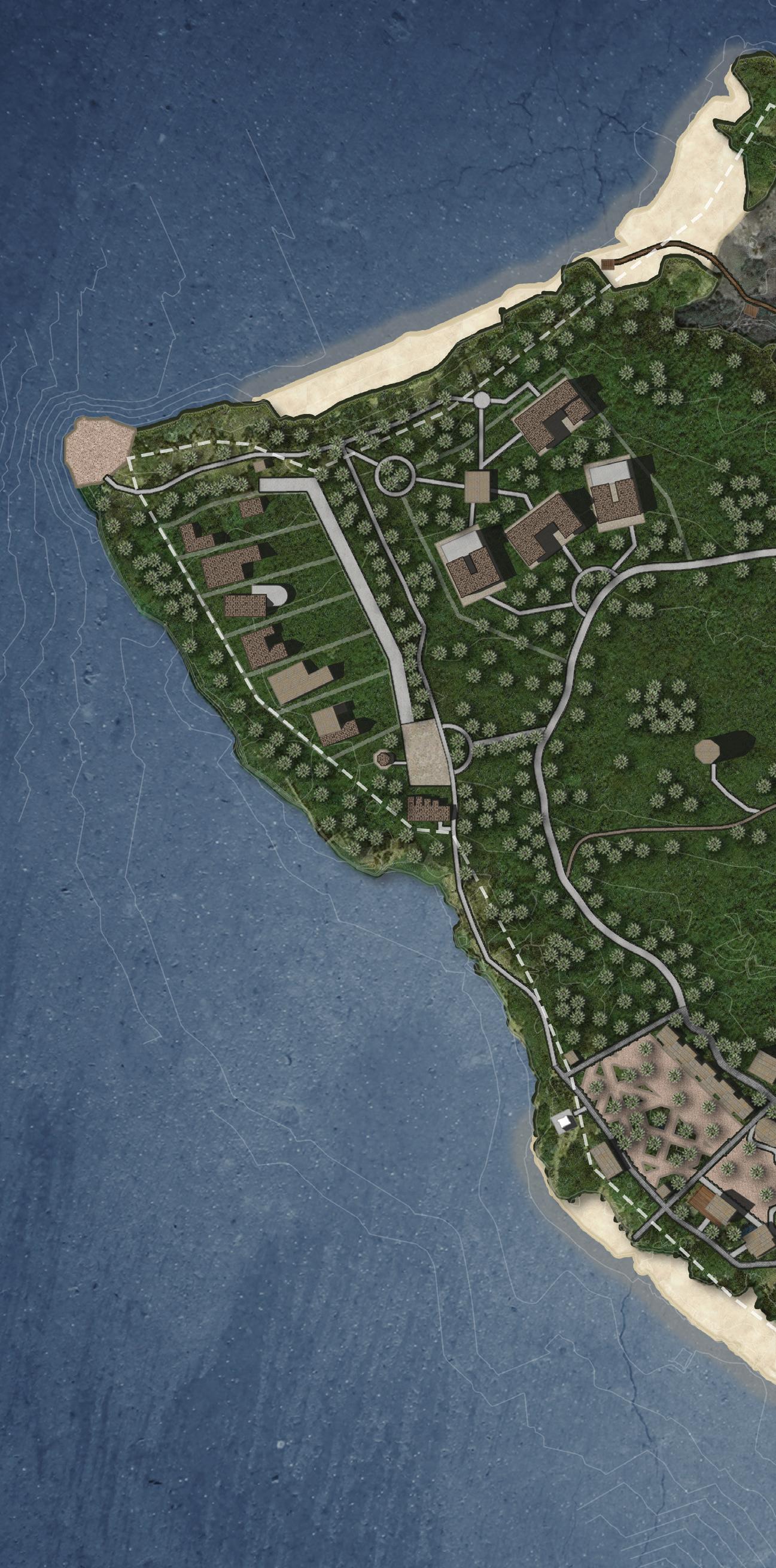
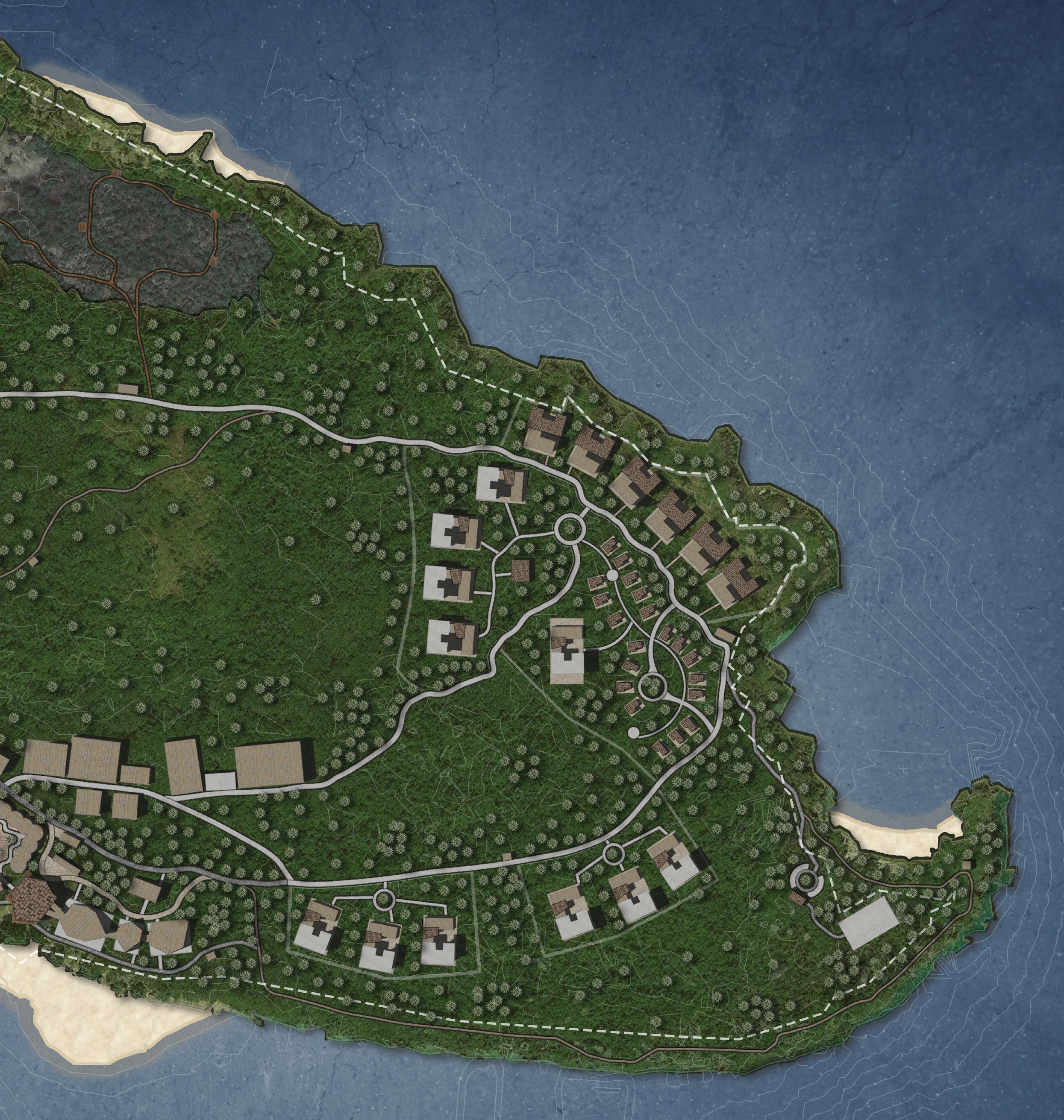
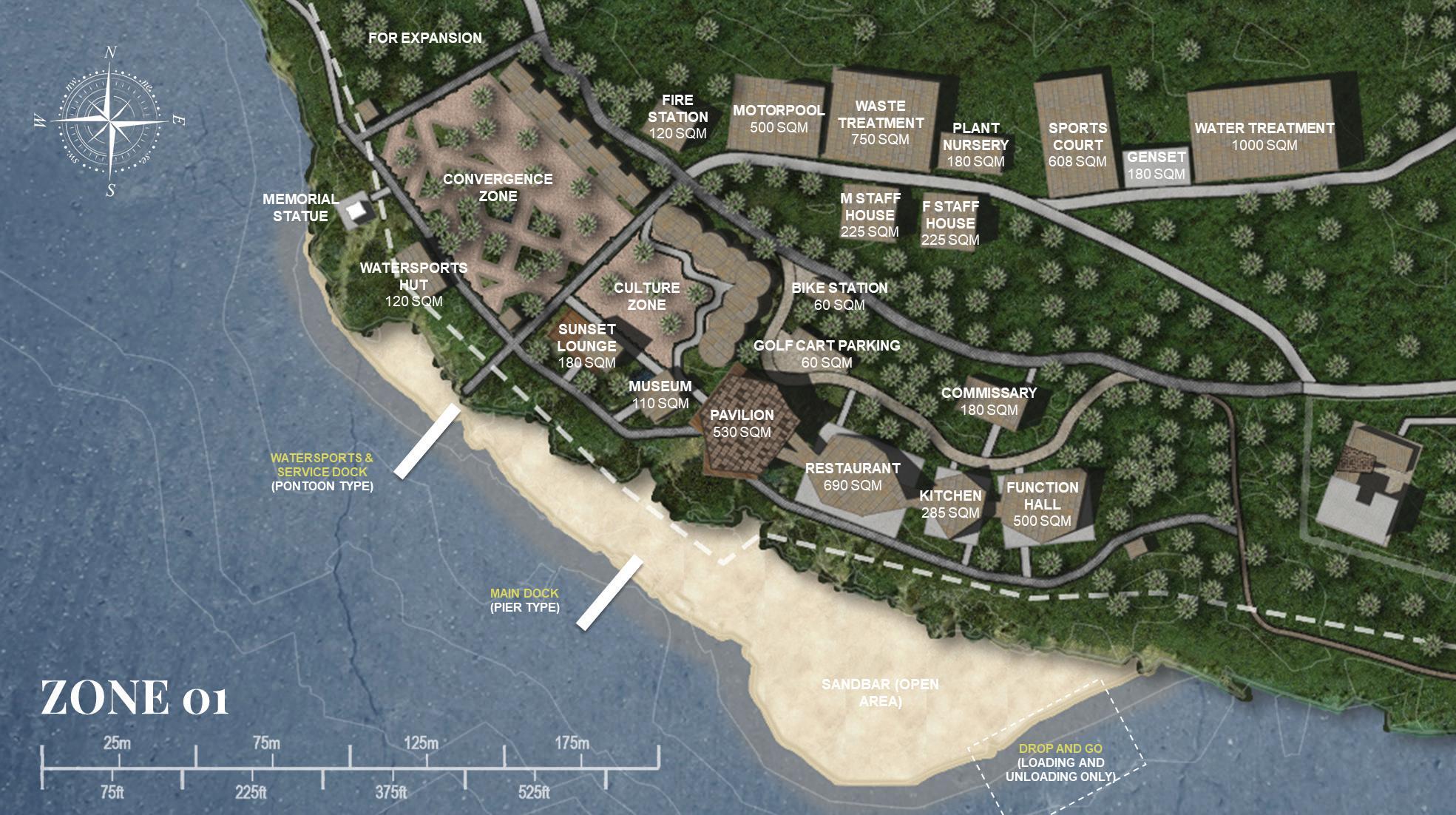
Top Upon entry, Zone 01 welcomes the guests with public amenities to be enjoyed by both day-pass and overnight users.
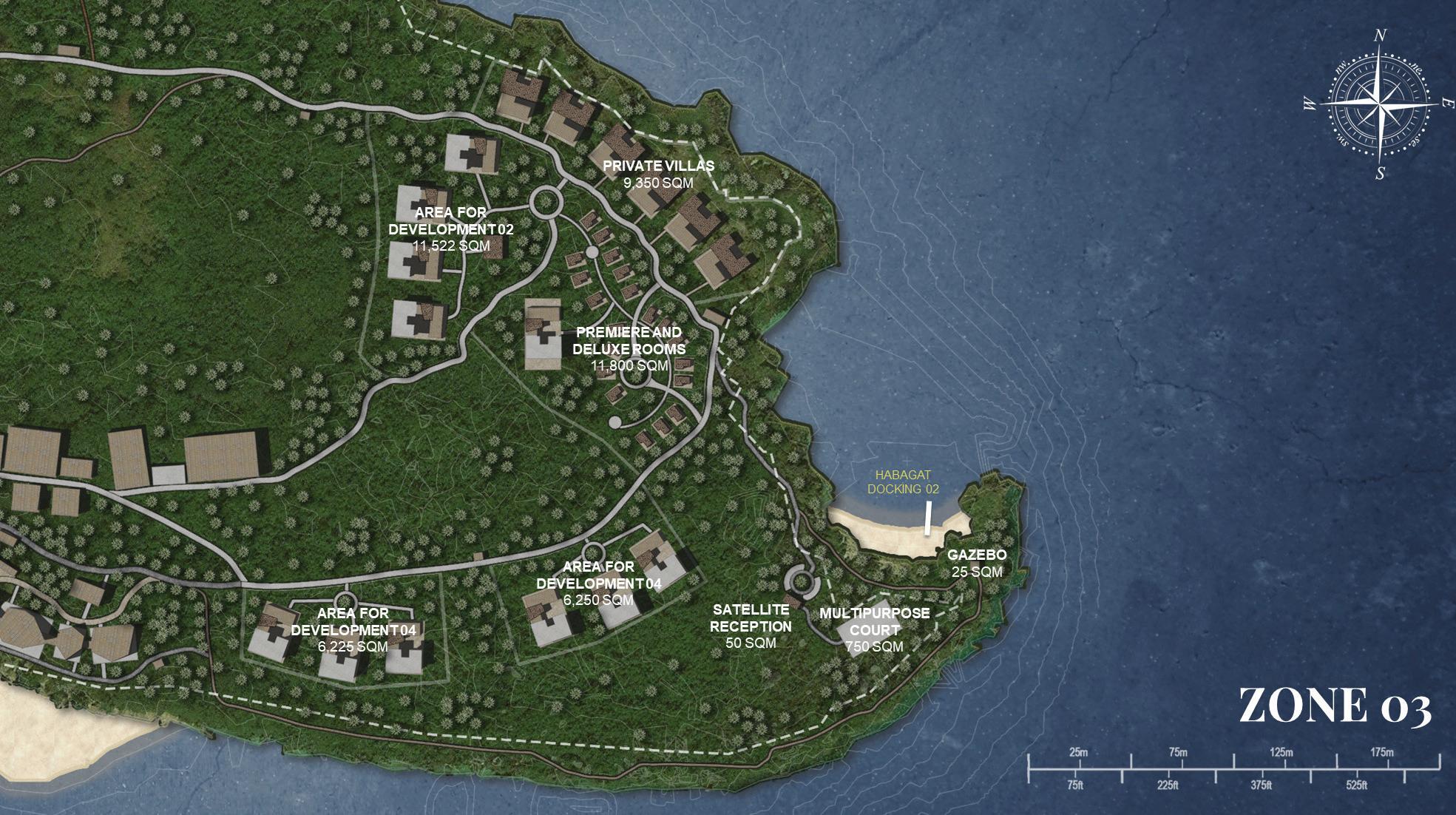
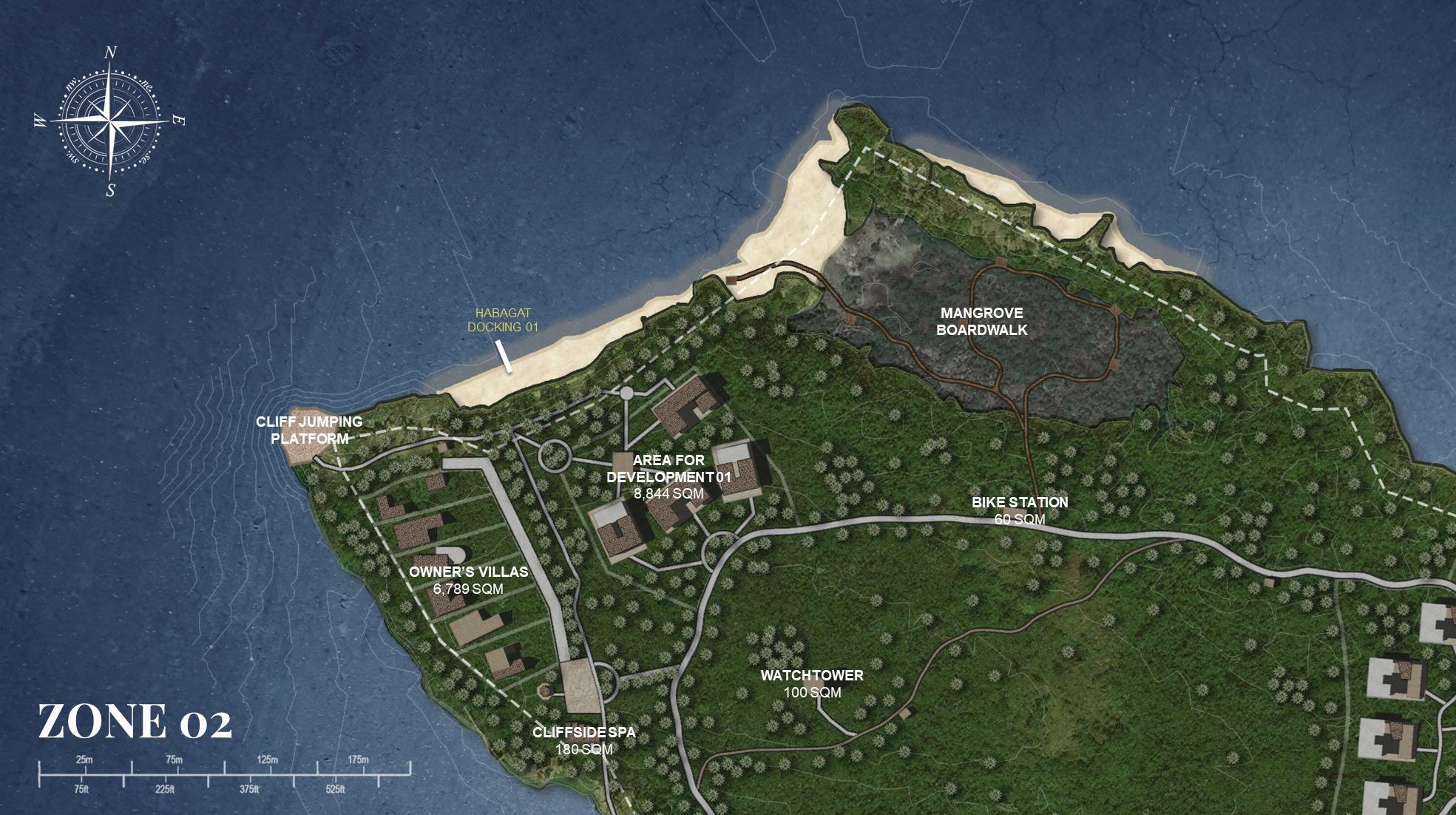
Right Zone 02 focuses more on the private spaces such as overnight villas, areas for development, and a private docking area during Habagat Season.
Below Lastly, Zone 03 is situated on the North West portion of the island. It comprises of the owner’s private villas and an allocated area for development.
The overall master plan of Virgin Island comprises of a total land area of 309,066 square meters. A benchmark of 50% of the total land area excluding setbacks and easements (154,533 square meters) will serve as the maximum land area intended for development.
lacsonkclaire@gmail.com