

As Gibbs Construction prepares to celebrate our 50th anniversary in 2026, we want to thank LABI for being there every step of the way. While we’ve been building spaces in our state – airports, schools, and commercial, entertainment, and healthcare facilities – LABI has been building the Louisiana economy, defending free enterprise, and promoting opportunities for all. From one builder to another, congratulations on 50 years of building a better, stronger, more equitable Louisiana.

Commercial
THIS YEAR LABI CELEBRATES a remarkable milestone—50 years as the unwavering voice for Louisiana’s entrepreneurs, innovators and job creators.
Since our founding in 1975, LABI has been a champion of free enterprise, advancing pro-growth policies and working to foster an environment where businesses of every size can thrive. For five decades, we’ve worked to ensure that the people and companies who power our economy have a strong, respected and effective voice. That voice has shaped policy,
strengthened the state’s economy, empowered countless communities and helped make Louisiana a more competitive place to work, invest and build a future.
Our 50th anniversary is a time to celebrate how far we’ve come—but also to reflect on what has made LABI strong. At its core, this organization has always been about people. It was built by visionary leaders who understood that Louisiana’s future depends on collaboration, accountability and the courage to push for progress even when the path forward isn’t easy.
As I’ve reflected on this milestone, one theme has come up again and again: trust is the foundation of everything we do. When LABI was founded, leaders like Ed Steimel believed that Louisiana’s business community needed a unified organization built on credibility and principle. They knew if LABI was going to speak for job creators, it had to earn that right every single day.
We are fortunate to stand on the shoulders of the leaders who came before me—Steimel, whose determination gave LABI its foundation; Dan

Juneau, whose steady leadership and strategic vision expanded our reach; and Stephen Waguespack, who modernized our mission and prepared us for a new era. Their legacies continue to guide us as we carry LABI into the next half-century. Through their leadership and that of so many others, LABI’s voice became one that businesses and employers could rely on—from the Capitol to the coast and everywhere in between. Not because it’s the loudest, but because it’s trusted. Trusted to tell the truth. Trusted to stay focused on what’s right for Louisiana. Trusted to represent thousands of businesses with honesty and consistency.
That trust wasn’t given. It was built—brick by brick, relationship by relationship—and 50 years later, it continues to guide every decision we make. In an ever-changing world, trust has become a kind of currency. Whether you run a family business, lead a nonprofit or advocate at the Capitol, credibility remains your most valuable asset—and one of the hardest to regain once it’s lost.
Today, as we build upon our past and work to harness the innovations that challenge our present, our work remains as vital as ever. The challenges Louisiana faces—from workforce and infrastructure to competitiveness and innovation—are complex, but so are the opportunities. Businesses are evolving. Industries are transforming. And LABI is committed to ensuring that Louisiana is the place where enterprise can grow, talent can thrive and families can prosper.
As we look ahead, our mission is unchanged: to defend free enterprise, champion pro-growth policies and create the conditions for lasting success. And above all, to continue earning the trust of our members, our policymakers and the people of Louisiana. Because trust is not a one-time achievement—it’s a lifelong pursuit.
Here’s to 50 years of progress—and to the next 50 years of possibility. Together, we’ll continue shaping Louisiana’s future, strengthening our communities and taking care of business.
Thank you for being part of this extraordinary journey and for helping LABI build the foundation for the next half-century of progress. The best is yet to come!

EDITOR
Kelli Bozeman
ADVERTISING SALES AND PROJECT MANAGER
Rowdy Gaudet
ART DIRECTOR
Jessica Andry
CONTRIBUTING WRITERS
Ava Borskey, Amy Cimo, Rowdy Gaudet, Ashley Gordon, Emily Kern Hebert, Johnston von Springer
CONTRIBUTING PHOTOGRAPHERS
Sara Essex Bradley, Fotosold, Jacqueline Marque, Jeannie Frey Rhodes, Collin Richie
President & CEO
Will Green
Communications
Senior VP of Marketing & Strategic Communications: Rowdy Gaudet
Director of Policy Communications: Mariah Hernandez
Communications Manager: Johnston von Springer
Graphic Design Manager: Jessica Andry
Events Manager: Taylor Andrus
Member Relations
VP of Member Relations: Elena Lacour
Policy
Senior VP of Government Relations: Jim Patterson
VP of Government Relations: Patrick Robinson
Directors of Government Relations: Mary Beth Derrickson, Shelby Dunbar
Government Relations Coordinator/Executive
Assistant: Carly Watts
Government Relations Intern: Thomas Beaullieu
Administration
Director of Financial Operations: Tabitha Holliday
Director of IT: Andre Forbes
Front Desk Manager: Sheila Saniford
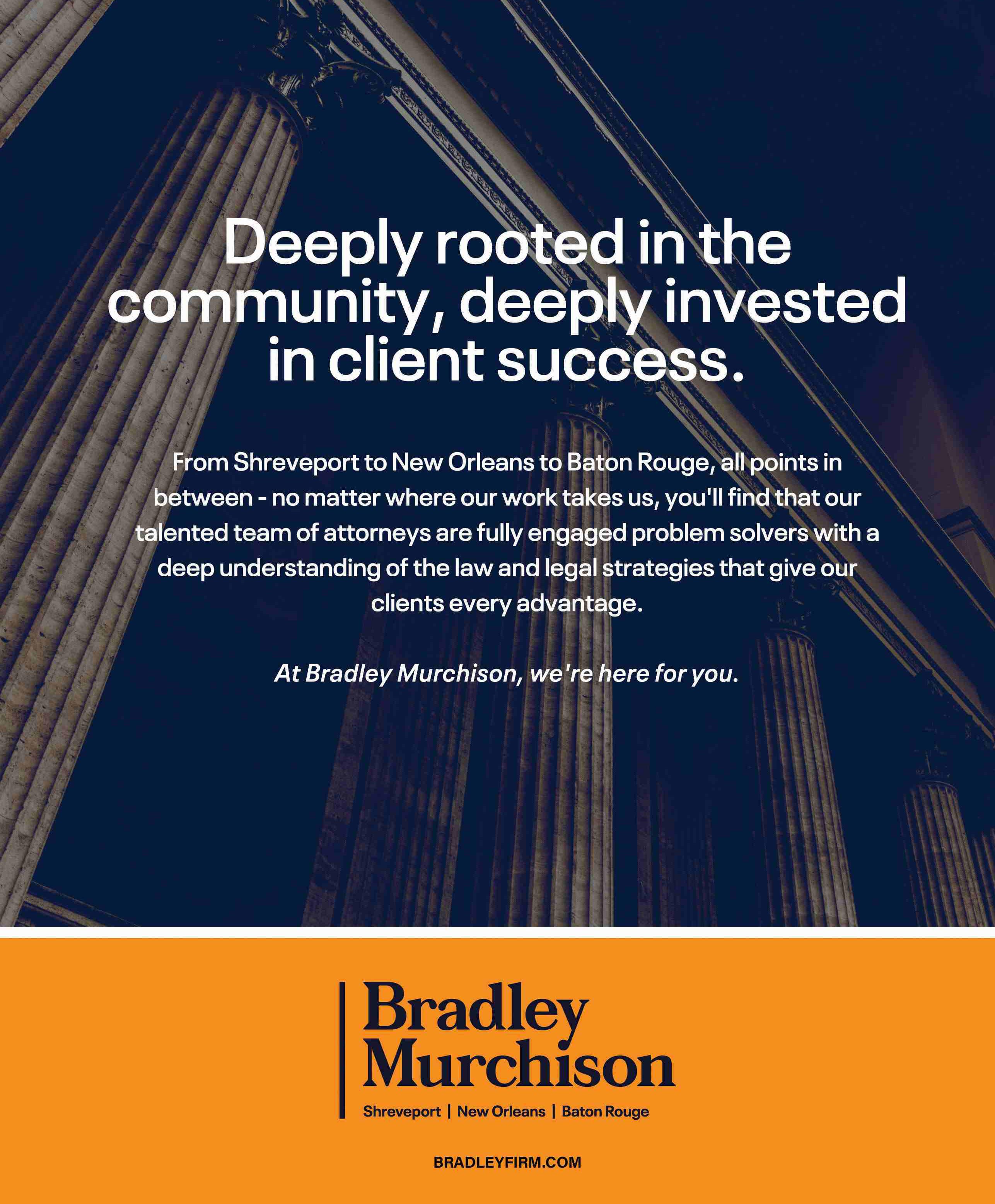
IT’S BEEN AN INCREDIBLE HONOR to serve as Board Chair during LABI’s 50th anniversary, a milestone that reminds me just how vital this organization is to Louisiana’s future. After more than two decades of involvement with LABI, I’ve seen firsthand its extraordinary impact on policy and people across our state. It has always been, and remains, a respected and influential voice for employers of every size across every industry.
Fifty years is a remarkable milestone—not just a sign of endurance, but of real progress.
From the beginning, LABI’s founders understood a simple truth: Louisiana’s prosperity depends on free enterprise and the growth of private businesses. There can be no economic growth without business growth, and LABI fights every day to improve the conditions that make that growth possible.
What makes LABI unique is its reach and relevance. LABI is in boardrooms and communities throughout the state, engaged in economic development efforts and workforce initiatives that ensure Louisiana’s job creators have a seat at every table that matters. Through steady advocacy and collaboration with business leaders and policymakers, LABI keeps working to build a stronger, more competitive Louisiana.
That mission is not new. In LABI’s early years, the organization led the effort to pass Louisiana’s Right-toWork law in 1976—a foundational reform that strengthened worker freedom, attracted investment and made clear that Louisiana was open for business.
As a lifelong entrepreneur and business owner, I know firsthand how challenging it can be to operate and expand a company. It’s reassuring to know LABI is out front every day,
standing up for the policies that help businesses grow, innovate and succeed right here at home in Louisiana.
To the dedicated LABI staff, our engaged board, volunteers, and every member across this state, thank you. Your investment in LABI, hard work, belief in free enterprise, and commitment to progress are what make this organization extraordinary. Together we’re building a stronger Louisiana— and laying the foundation for a bright future for generations to come.

TOM COX CHAIR, LABI BOARD OF DIRECTORS
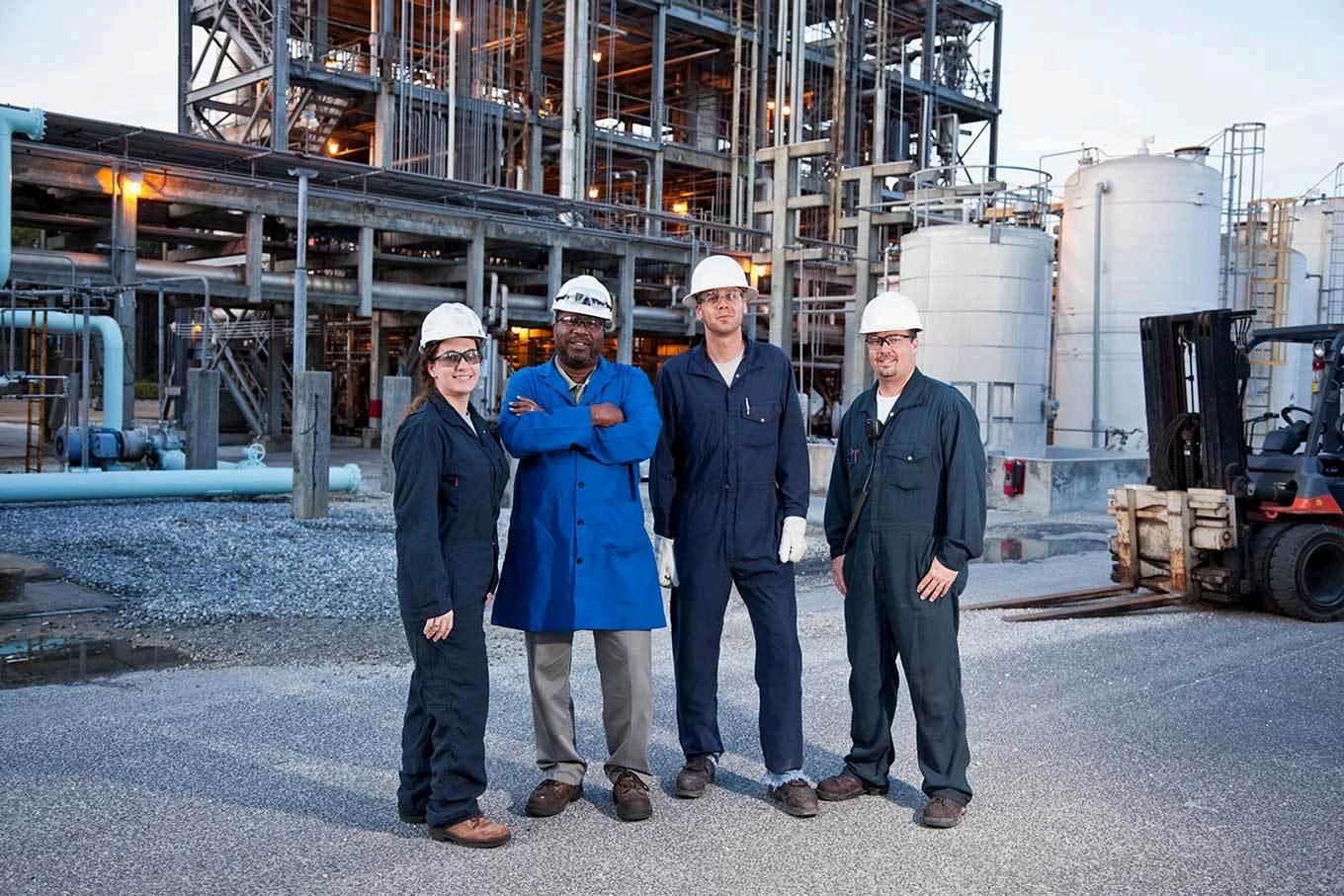
For over 55 years, the Greater Baton Rouge Industry Alliance has united industry leaders, contractors, and suppliers to develop innovative solutions to shared challenges advancing safety, workforce development, public affairs, and operational excellence across our region.
Now, through the New Orleans Industry Alliance and Industry Makes, we’re expanding that collaboration across Southeast Louisiana.
Membership means a seat at the t able where industry priorities are shaped, partnerships are built, and progress is driven.


Join the conversation that’s shaping Louisiana industry visit www.gbria.org.
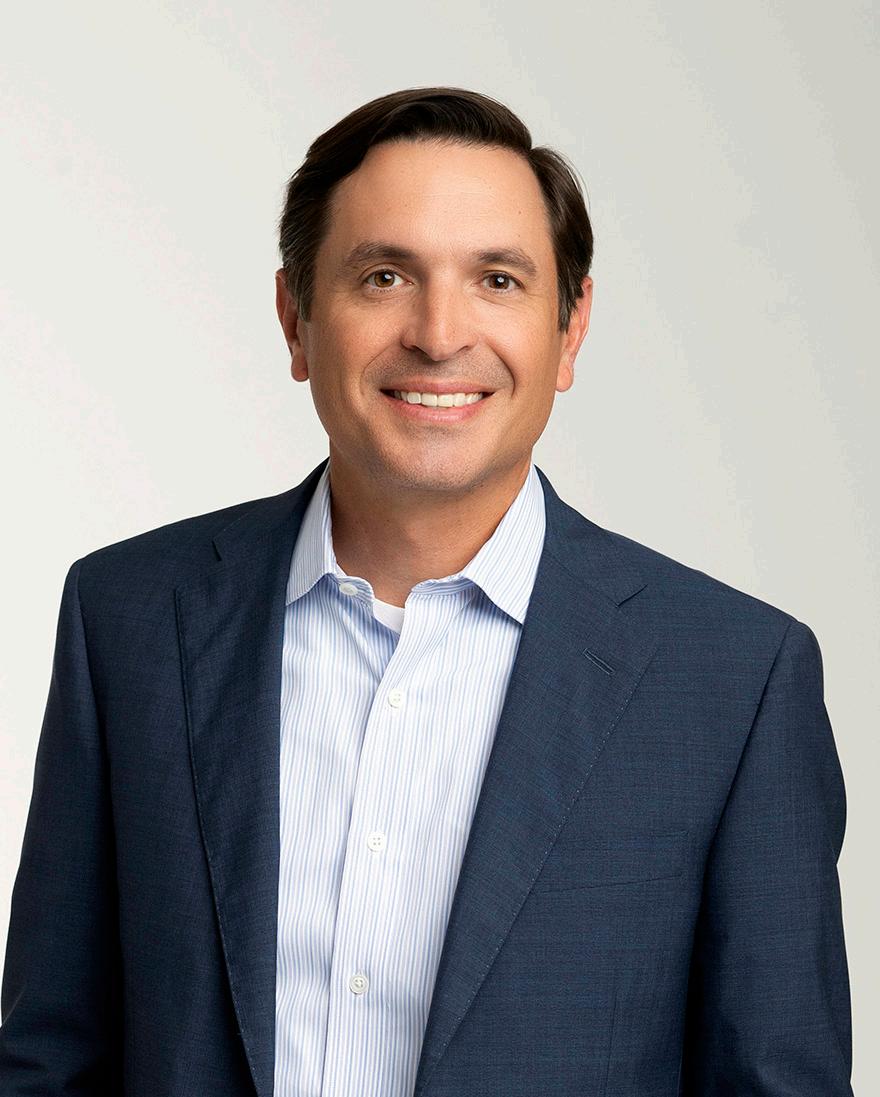
LABI AND I WERE BORN in the same year, which is fitting because it was the privilege of my career to be associated with such a great organization for a decade.
Day-to-day understanding and appreciation of LABI by Louisiana’s political establishment and chattering class will naturally fluctuate, but make no mistake, history will clearly show the 50-year record of this passionate group of leaders as critically impactful for Louisiana. Why? For a few core reasons.
LABI is the idea factory for Louisiana. Fifty years of reforms to make us more competitive with other states and more attractive to working families came from the staff intellect and volunteer leader experience from so many that generously donated their time and talents.
LABI has heart, as evidenced by 50 years of dedicated commitment to education reforms that provide opportunity for all.
LABI has guts, shown time and time again over the decades by standing up to a political system designed more to maintain the status quo rather than challenge conventional wisdom.
LABI is an incubator of leaders, with a long track record of instilling a broader commitment to the greater good into accomplished individuals and a humble approach to having its programmatic direction driven by the policies that stem from their input.
What I have learned in the last year is something I suspected all along. LABI is unique not only in Louisiana’s history, but in America’s. All states need an organization like LABI; very few have ever had one.
On a personal note, I am so proud of the talented team members I worked with during my time basking in the LABI sun, and I hope those people realize how much they mean to me and how proud I am of all they stand for. That beautiful LABI building may be a personal source of pride, but the peo-
ple that worked and volunteered in it are the ones who have truly left their mark on me and my family forever.
Thank you, LABI, for a great 50 years. My hope is that the next 50 are filled with even more ideas, heart, guts and leadership than before… Lord knows all of Louisiana is depending on it.
LABI PRESIDENT AND CEO, 2013-2023
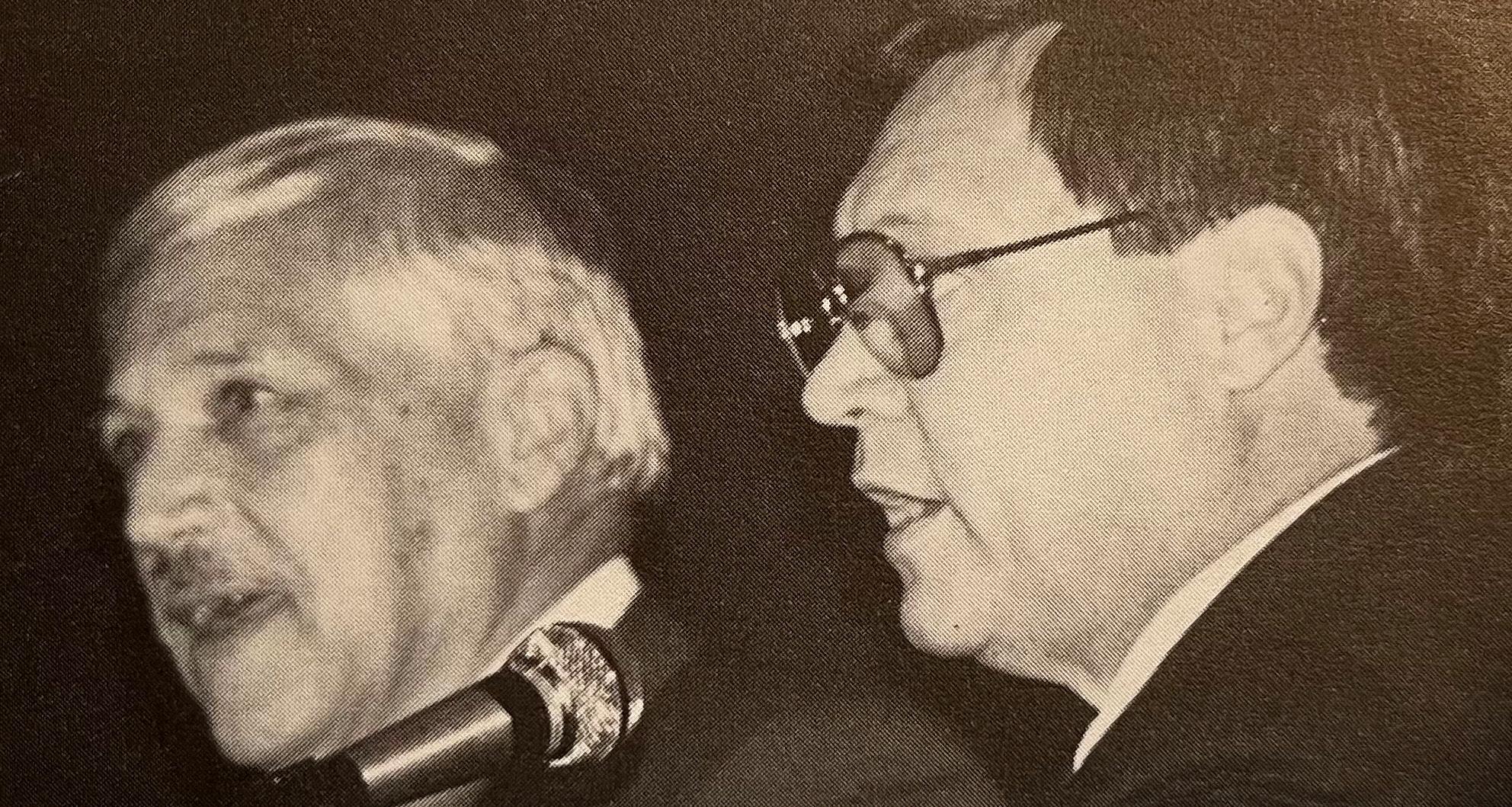
Looking back at the work and words of the two men who helmed LABI’s first 38 years
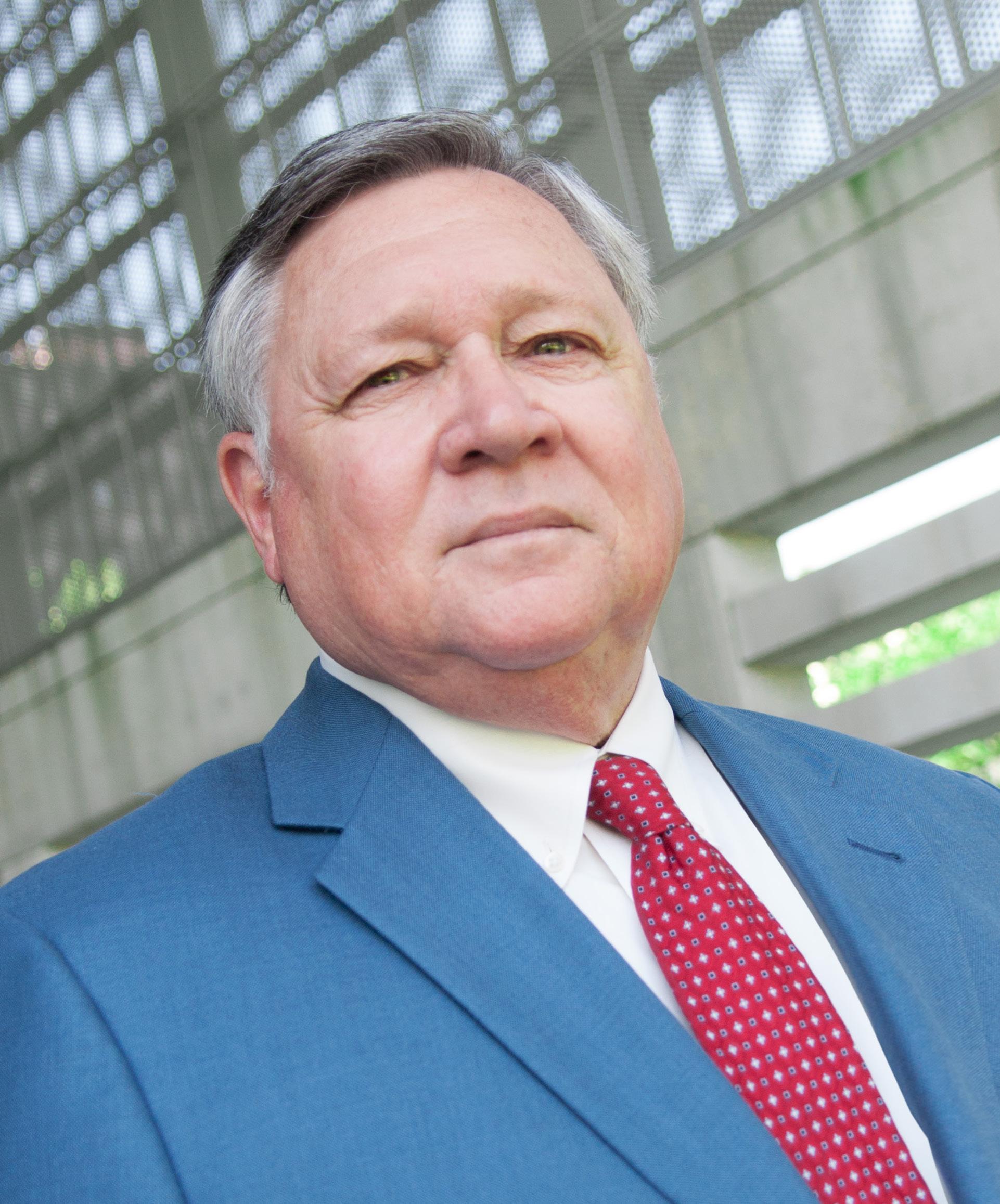
LABI PRESIDENT, 1975-1988
WHEN HE PASSED AWAY at the age of 94 in 2016, The Advocate called LABI founding President Ed Steimel a “state policy and fundraising giant” and went on to say he spent his adult life “fighting to improve quality of life in Louisiana.” Indeed, from his role in the passage of Louisiana’s Right-toWork law to his guidance of the creation of the Louisiana Quality Education Trust Fund, Steimel’s impact is still felt across the state.
ED STEIMEL, 2000
“With the birth of LABI in September of 1975, the business community had for the first time a unified mission for serious change.”
ED STEIMEL, 1997
“Generally, the problem is that the industrial world has not found out what we have done in this state. This is a good state to do business in.”
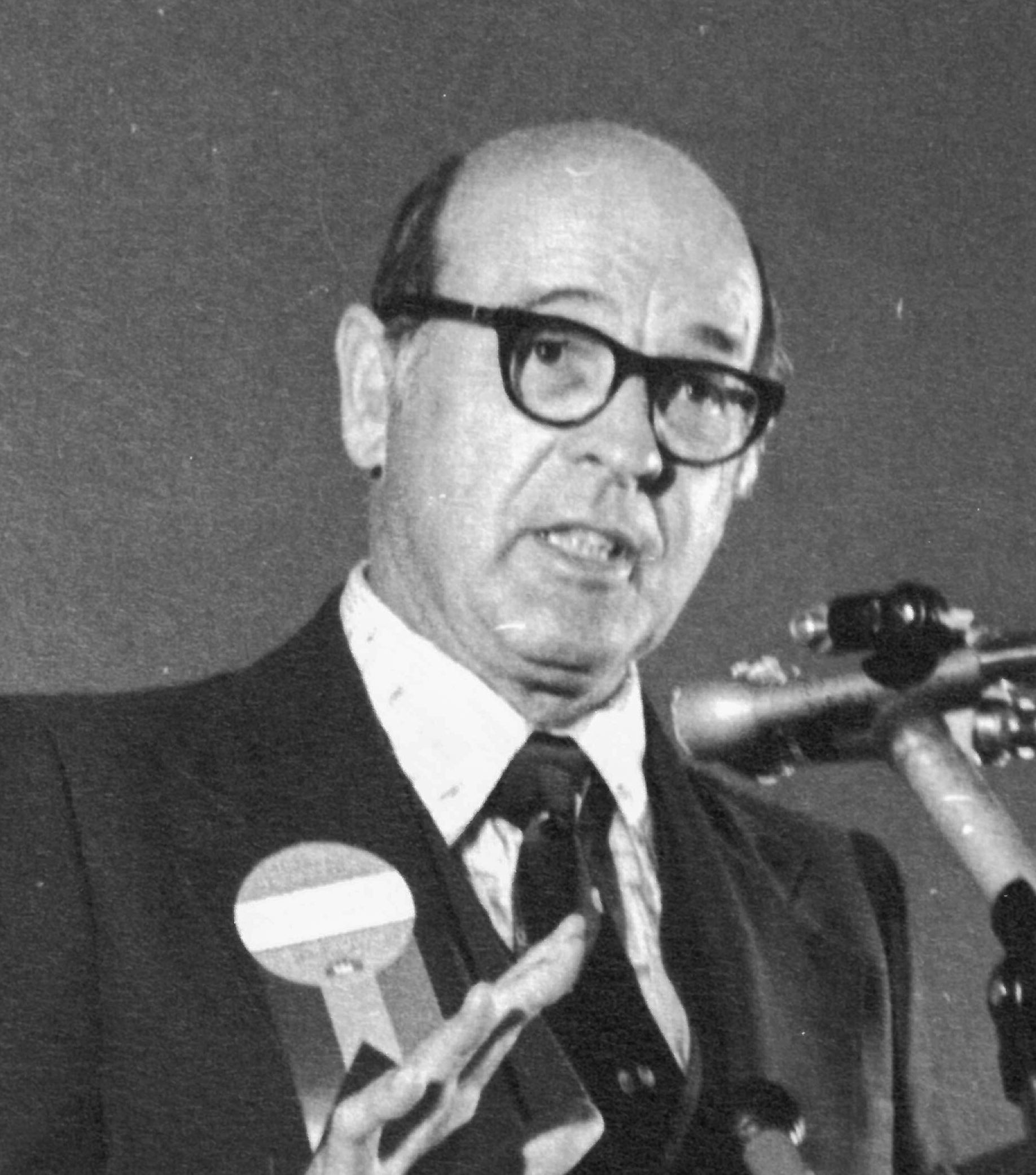
ED STEIMEL, 2000
“Since 1976, bills to repeal Right-To-Work have been filed eight times. Eternal vigilance is necessary if we don’t wish to fight this battle again.”
LABI PRESIDENT, 1989-2013
ED STEIMEL, 1997
“I think the most important thing I ever did was to work for the improvement of education, particularly public education.”
"YOU COULDN'T IMAGINE any bigger shoes to fill than those shoes,” Dan Juneau once said of Steimel. Yet Juneau managed to forge his own meaningful path during 24 years as LABI president—so much so that the Louisiana Legislature gave him a special commendation upon his retirement, acknowledging his “lifelong commitment to economic growth in Louisiana.” Juneau played a significant role in legislative reforms on issues ranging from unemployment and workers’ compensation to business tax reductions and workforce development.
DAN JUNEAU, 1990
“I don’t think I’m going out on a limb when I say the single most important factor in Louisiana’s economic survival and its hope for economic revival is LABI.”
DAN JUNEAU, 2000 DAN JUNEAU, 2005
“Government should not be asking business leaders, ‘Where shall we tax you next?’ Instead, the question must be, ‘How can we help you to grow the economy?’”
“LABI’s strength is, and always has been, its members.”





We’re putting our energy into a better Louisiana.
BY EMILY KERN HEBERT

“LOUISIANA IS CONSISTENTLY ON THE TOP OF THE LIST.” Those were the words of Film Louisiana president Jason Waggenspack at an October press conference touting the state’s resurgence in film and television projects. A large feature film is set to begin filming in the Baton Rouge area in January, Waggenspack noted, while several TV series and film productions are gearing up for production around New Orleans and Shreveport. As production companies seek locations for their projects, they are once again selecting Louisiana over Georgia, New Mexico and other film-focused states. As he put it, “2026 is starting to look rather promising.”
But the film industry is far from the only sector that is seeing an uptick in the Bayou State. As you’ll read on the next several pages, major projects in a wide range of fields are in the works from the northernmost reaches of the state to the coast, with impacts that will be realized for years to come. Louisiana, the spotlight’s on you.

A new era of infrastructure is taking shape along Louisiana’s coast. THE PORT OF NEW ORLEANS and the Louisiana Department of Transportation and Development have signed a Cooperative Endeavor Agreement to advance the St. Bernard Transportation Corridor—a long-planned roadway that will link the future Louisiana International Terminal in St. Bernard Parish directly to the interstate system. State leaders are calling the partnership transformative. “The St. Bernard Transportation Corridor will serve as a strategic link between our international trade system and our communities by providing safe, efficient and reliable access to the interstate,” says DOTD Secretary Glenn Ledet.
The new corridor will streamline freight movement, ease local traffic and create a long-awaited hurricane evacuation route for the region. Louisiana Economic Development Secretary Susan Bourgeois called the effort “a gateway for investment, trade, and new opportunities,” noting that LIT is projected to generate thousands of jobs and more than $1 billion in state and local tax revenue. Under the agreement, DOTD will provide technical support as Port NOLA leads development through a public-private partnership. “By working hand-in-hand with DOTD, we’re building world-class freight infrastructure and critical community benefits,” says Port NOLA President and CEO Beth Branch. “This project ensures Port NOLA and Louisiana remain globally competitive while strengthening local resilience.”

Louisiana has busted into the Top 10—coming in at No. 9—in the national “TOP STATES FOR DOING BUSINESS” ranking by Area Development Magazine. That’s the first time in five years the state has cracked the Top 10, moving up from No. 11 last year. The survey of more than 40 site-selection consultants assessed 15 factors including workforce readiness, infrastructure, permitting speed and cost of doing business. Louisiana not only improved its overall ranking but also captured six Top 10 finishes across individual categories—tied for the most in more than five years. State leadership says this recognition reinforces the message that Louisiana is open for opportunity: “Louisiana has always had the talent, resources and determination to compete with anyone in the country,” says Gov. Jeff Landry. Now, we’re proving it on the national stage.
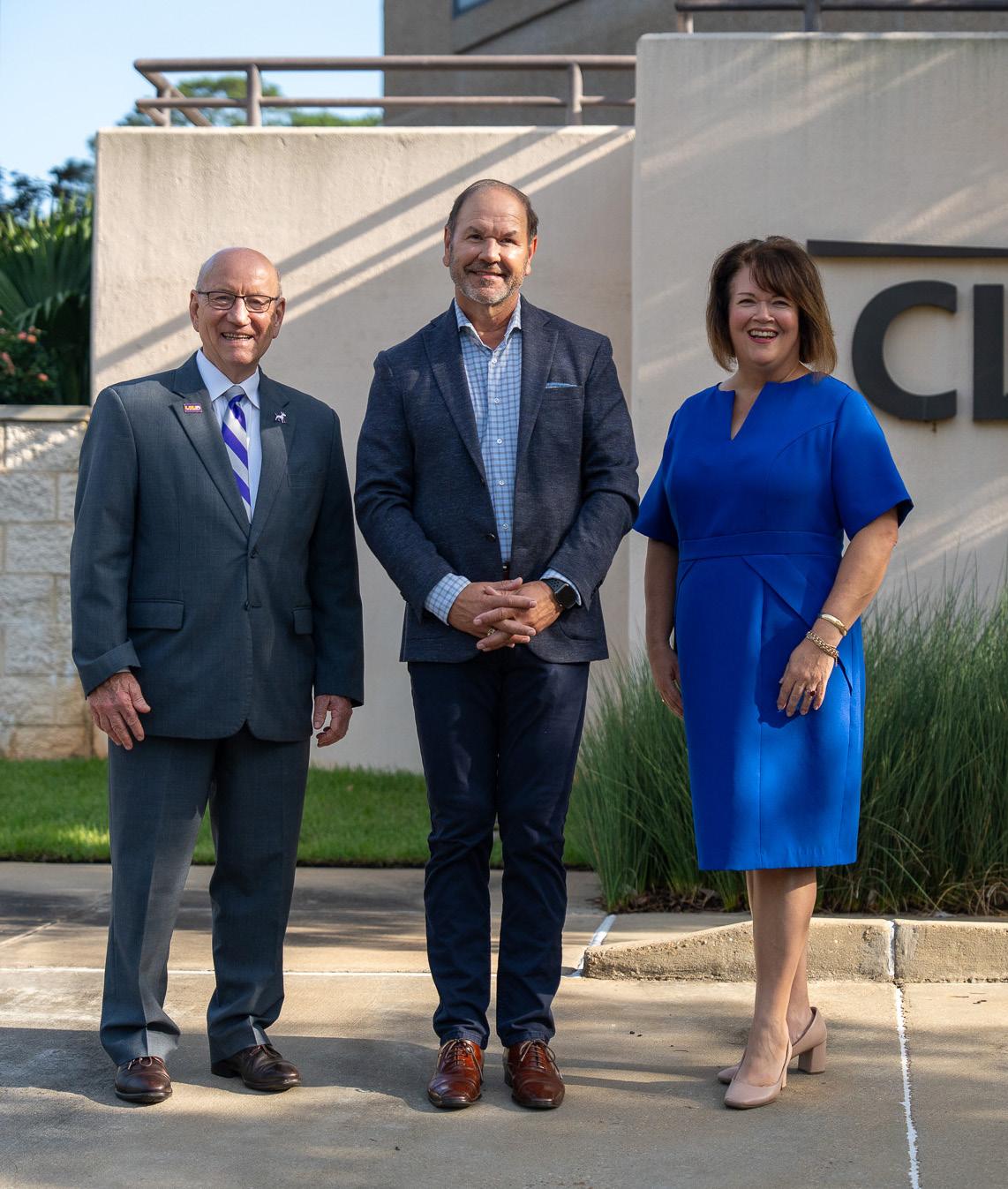
Louisiana is once again proving it’s built for mega-project scale. CF INDUSTRIES, together with JERA Co. Inc. and Mitsui & Co. Inc., has green-lit a roughly $4 billion investment to construct the world’s largest low-carbon ammonia production facility in Ascension Parish. The plant is designed to produce approximately 1.4 million metric tons of low-carbon ammonia annually and will capture and sequester more than 2.3 million metric tons of CO₂ per year via 1PointFive’s Pelican Sequestration Hub. The facility will be located at the RiverPlex MegaPark on the west bank of Ascension Parish, in proximity to existing industrial infrastructure—a strategic advantage cited by the partners.
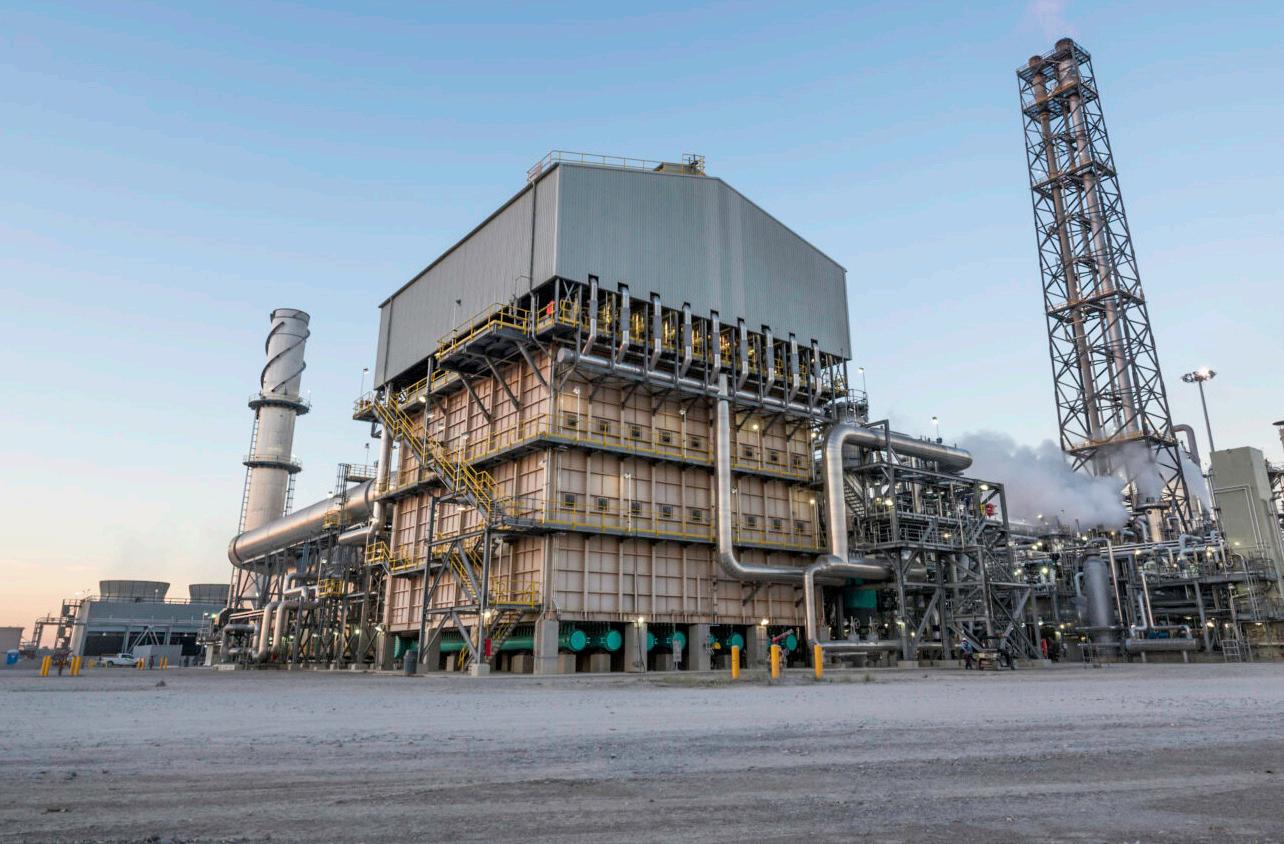
Central Louisiana is gaining a major boost in healthcare education. LSU Alexandria has secured initial funding to build a new 70,000-square-foot Health Education Campus in downtown Alexandria. Utility company CLECO is playing a key supporting role, contributing $1.4 million to the LSUA Foundation specifically for this project. The facility is designed to address a growing regional shortfall of nurses and allied health professionals. LSUA expects the new campus to increase its annual nursing graduates to approximately 250 and offer interdisciplinary, high-tech training environments.
“As a utility, our responsibility goes beyond delivering reliable energy—it’s about powering the future of our communities,” says Cleco President and CEO Bill Fontenot. “Strong, healthy communities are the foundation of a strong workforce and economy.”
Cutting-edge imaging isn’t just for satellites anymore—now it’s revolutionizing the way food is handled. Headwall Photonics of Massachusetts and New Orleans-based LAITRAM MACHINERY are partnering to bring hyperspectral imaging technology to industrial-scale food-processing operations. By combining Headwall’s advanced hyperspectral systems with Laitram’s automation equipment, the collaboration is poised to boost quality control, increase yields and streamline processing across seafood, poultry, fruits, nuts and more.
The technology “provides critical insights that go beyond what is visible to the naked eye,” says Headwall CEO Mark Willingham. Laitram CEO James Lapeyre adds that this integration enables “even more precise and efficient quality control capabilities… empowering our customers to excel in their operations.”
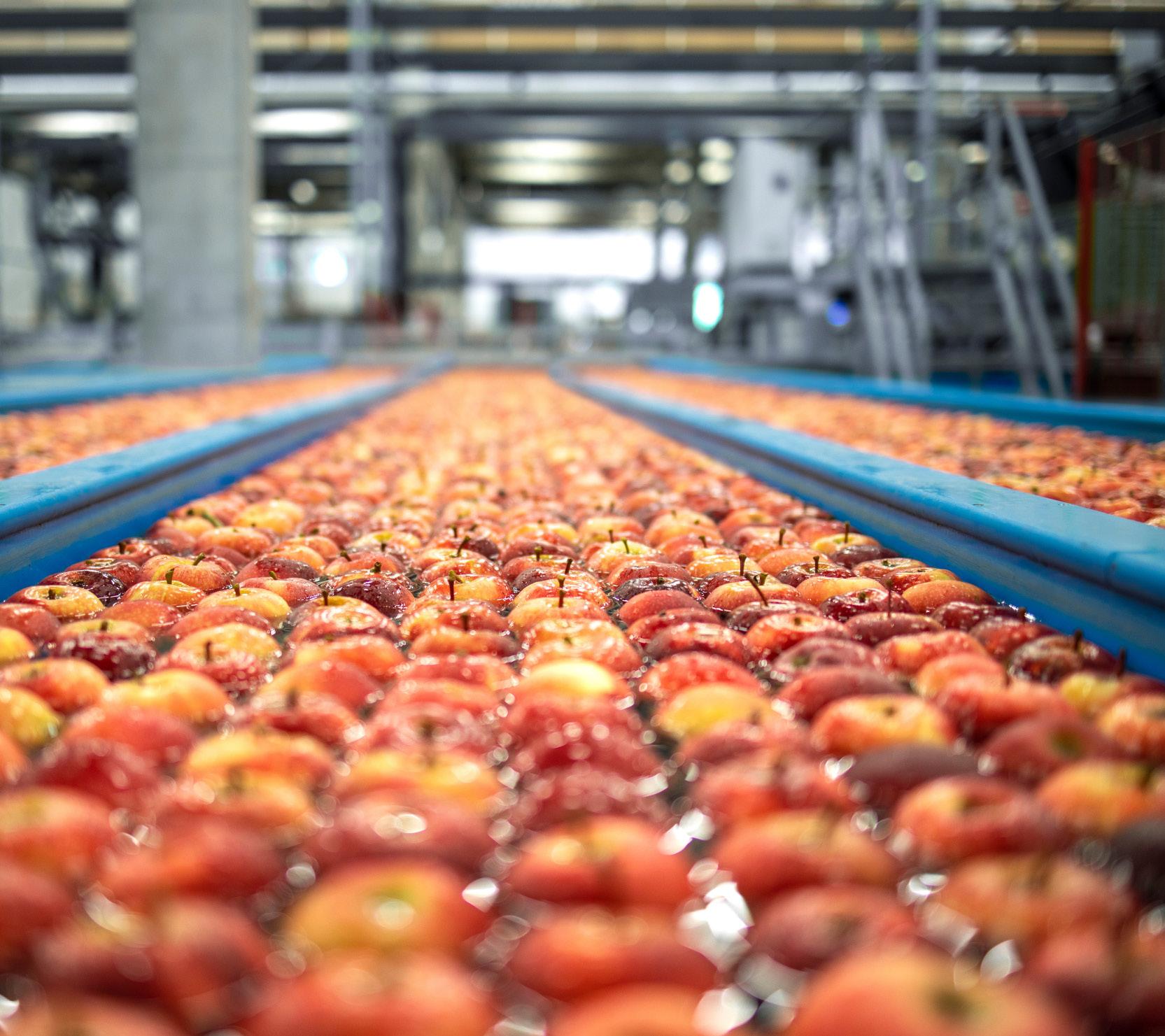
While the rollout is starting in seafood processing, the very same tech can be applied across multiple food markets, putting Louisianabased innovation at the heart of a global food-automation shift.
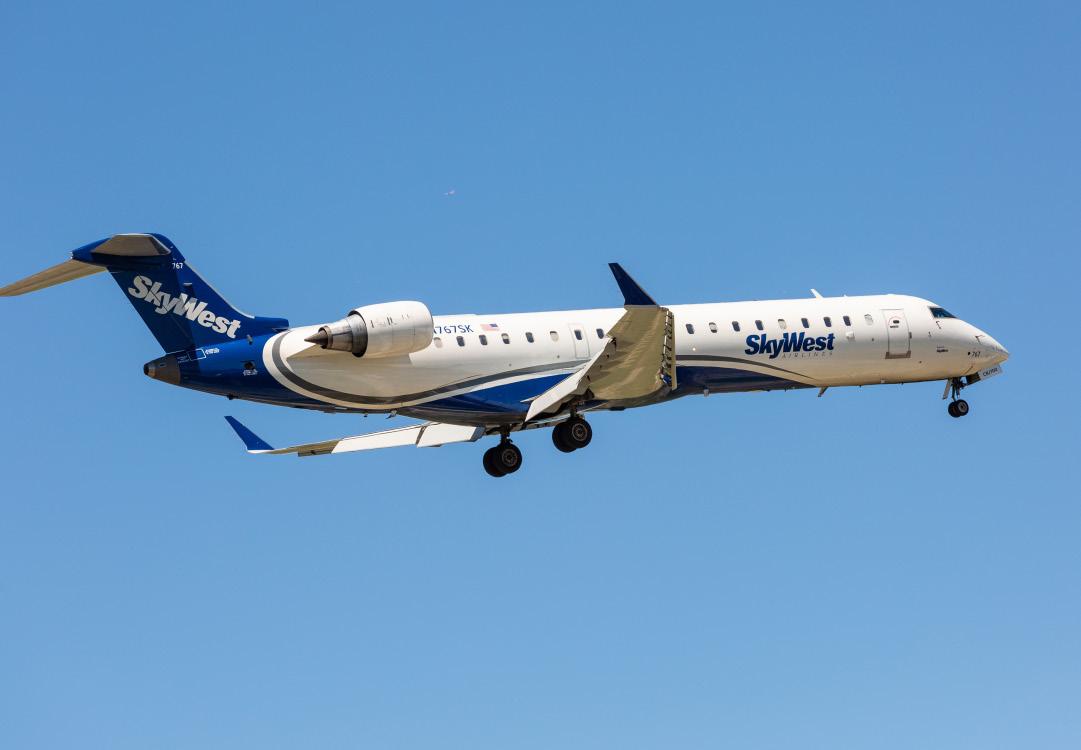
Northwest Louisiana is gearing up for liftoff. SKYWEST AIRLINES—the nation’s largest regional carrier—has selected Shreveport Regional Airport in Caddo Parish as the site for its newest maintenance base and facility. The company operates flights for major carriers including United Airlines, Delta Air Lines, American Airlines and Alaska Airlines. The hangar is expected to generate 150 direct new jobs, each averaging about $70,000 in annual salary—roughly 27 percent above the parish average wage—and is forecast to trigger an additional 375 indirect jobs. The new facility will support SkyWest’s fleet of nearly 500 regional aircraft.
LED Secretary Susan Bourgeois notes that aerospace and logistics are priority sectors for the state, and this project helps expand Louisiana’s industry portfolio. “This move reflects the whole-of-government approach we’ve taken,” adds Gov. Jeff Landry, “rallying state and local stakeholders to put local economies first.”
GREEN FUELS OPERATING is investing $110 million to revive the historic Evangeline Processing Facility in Acadia Parish, transforming it into a next-gen, net-zero-emissions refinery. The project will bring about 60 new jobs averaging around $80,000 per year—more than 180 percent above the parish’s average wage. The facility, first opened in 1957, will be modernized to include a 20,000 barrels-per-day refining unit focused on producing marine-grade diesel and bunker fuel, while harnessing GFO’s patented Net Zero Emissions Technology.
“Our revolutionary NZET refining technology solves the 150-year-old problem of refinery emissions, enabling us to build clean refineries in the communities where oil is produced,” says GFO CEO Derek Williamson. Construction is expected to begin in November and be completed in May 2026. Under the transformation plan, the existing site’s 350,000-barrel storage capacity will remain active as the new infrastructure is built. This project underscores Louisiana’s move to combine its energy legacy with innovation.

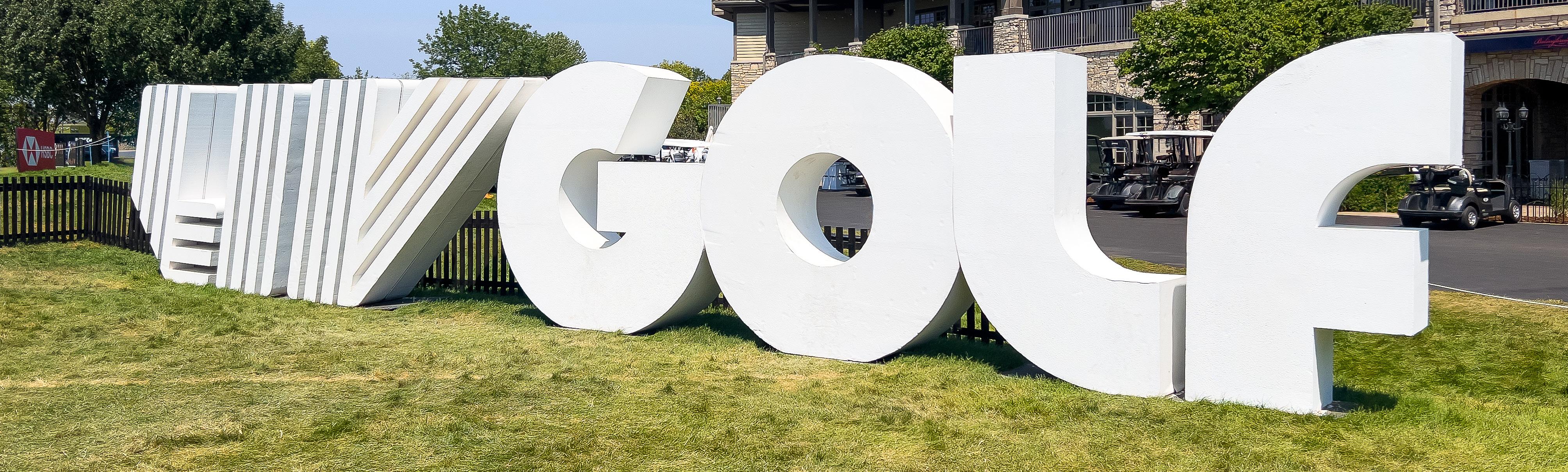
Professional golf’s most talked-about league is heading to Louisiana. LIV GOLF announced it will make its New Orleans debut June 26-28, 2026, bringing its signature blend of team competition and festival-style energy to City Park’s Bayou Oaks South Course. The course will undergo a major renovation led by golf legend Greg Norman, ensuring the city’s newest championship venue meets world-class standards. The tournament is projected to generate $40 million in economic impact and support more than 1,100 local jobs.
Gov. Jeff Landry called the event “a win for all Louisianans,” noting its power to create jobs and put the state “on the global map in a bold way.” LED has entered a Cooperative Endeavor Agreement with LIV Golf to provide performance-based support tied to economic returns, local business participation and tourism impact.
“Welcoming LIV Golf is another opportunity to show what makes Louisiana an exceptional place to live, work, and do business,” says LED Secretary Susan Bourgeois. City Park Conservancy CEO Rebecca Dietz added that upgrades will not only ready the course for professional play but also enhance the fan experience for years to come.
The New Orleans event joins a 14-stop global schedule that spans from Riyadh to Adelaide to South Africa and the United Kingdom. Tickets and hospitality packages are already available at LIVGolf.com—and Louisiana’s tee time on the world stage is officially set.
Louisiana companies have a new digital gateway to growth. SOURCE LOUISIANA, a first-of-its-kind statewide business directory, is helping connect local firms with the major contractors and large-scale projects shaping the state’s economy. The platform, now live at SourceLouisiana.com, gives Louisiana businesses a place to showcase their services, certifications and capacity—making it easier for prime contractors to find qualified local partners. From small, family-owned operations to established industrial suppliers, the goal is simple: keep more Louisiana businesses in the pipeline for opportunity.
Developed in collaboration with LED, Source Louisiana reflects the state’s broader mission to strengthen homegrown participation in public and private projects. By creating a single, searchable database, the tool ensures that Louisiana companies can be quickly identified for bids and subcontracting roles that once might have gone out of state. Businesses are encouraged to register, verify, and update their information as soon as possible to ensure they’re visible for upcoming projects. With billions in investments underway across the Gulf Coast, Source Louisiana aims to make sure the work—and the rewards—stay close to home.

A major tech leap is coming to North Louisiana.
announced a $370 million investment to build a 40,000 sq. ft. secure microchip packaging facility in Ruston, positioning the region as a hub for advanced manufacturing and national-security supply chains. The facility is expected to deliver 150 direct jobs with an average salary of $85,000, as well as roughly 146 indirect jobs. Partners include LED, Louisiana Tech University and the Louisiana Tech University Foundation, with land provided north of the Ruston Sports Complex and construction slated to begin in spring 2026 for a summer 2027 completion.

Louisiana is stepping into the global spotlight with a historic win. WOODSIDE ENERGY GROUP has committed $17.5 billion for the final investment decision on its new Louisiana LNG facility in Calcasieu Parish—the largest foreign direct investment in the state’s history. The project will deliver an initial capacity of 16.5 million metric tons per annum (mtpa) of liquefied natural gas, with full permitted expansion to 27.6 million mtpa. Construction is moving toward a 2029 start for first production, and BP will supply up


to 640 billion cubic feet of natural gas to the project. In addition to its global significance, the project is expected to create thousands of construction-phase jobs, generate substantial tax revenue and firmly anchor Louisiana’s leadership in the LNG export business.
T. BAKER SMITH has expanded its Gulf South footprint by welcoming Acadia Land Surveying and Cassady Acadia Land Surveying into the family, bolstering its surveying capabilities across Louisiana and Mississippi. The acquisition enhances TBS’s ability to deliver comprehensive surveying, engineering and environmental services across a wider regional network.
DANOS has acquired substantially all assets of Panel Specialists Inc., expanding its technical services in automation and panel fabrication while enhancing its pressure valve repair capabilities with new VR and T/O certifications. The acquisition strengthens Danos’ position as a turnkey provider for the energy and industrial sectors, allowing the company to deliver a broader range of fabrication and maintenance solutions across the Gulf South.
EXXONMOBIL is investing more than $100 million to upgrade its Baton Rouge facility to produce high-purity isopropyl alcohol—a critical component in semiconductor chip manufacturing. The project is expected to retain existing jobs, create approximately 45 construction positions, and reinforce Louisiana’s role in the U.S. tech supply chain when completed in 2027.
OCHSNER HEALTH has officially opened its newly renovated 100,000-square-foot outpatient facility, Ochsner Health Center—Bertrand, located in Lafayette, as part of a $35 million investment. The center expands access to care throughout Acadiana, supports physician training and bolsters specialty services such as orthopedics and internal medicine.
Business First Bancshares Inc., the holding company for b1BANK, has signed a definitive agreement to acquire Progressive Bancorp Inc. and its subsidiary Progressive Bank, expanding its footprint in North Louisiana and pushing combined assets to approximately $8.5 billion. Under the terms, Progressive shareholders will own about 9.3 percent of the combined company, and the deal is expected to close in the first quarter of 2026, pending regulatory approvals.

From everyday turns to unexpected detours, smart decisions start with a clear direction and the right protection. At Forth Insurance, we help you plan ahead with confidence. Whether you’re safeguarding your home, protecting your business, or preparing for what’s next, we’re here to guide you. Because in life, it’s not just about where you’re headed. It’s how well you’re covered along the way.

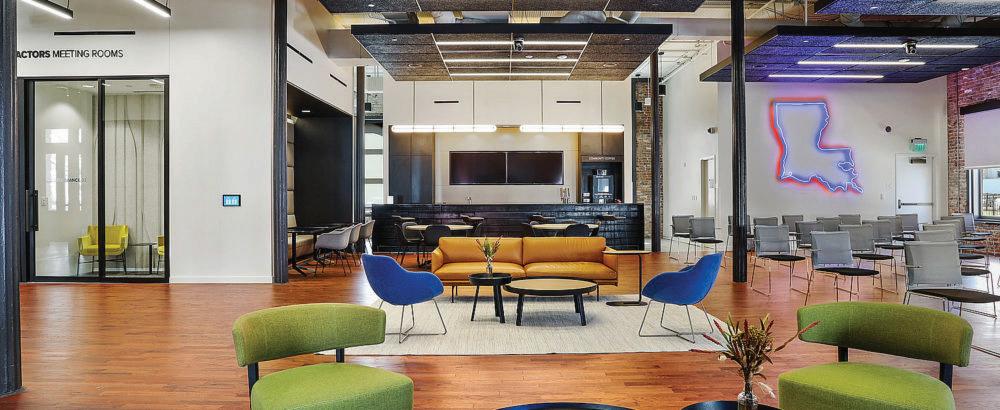
Looking for the perfect space to host your next corporate or social event? We've got you covered. The LABI Center for Free Enterprise is located in downtown Baton Rouge, just blocks from the State Capitol and within walking distance to downtown hotels, restaurants and attractions. Built in the 1880s, the Center boasts unique architectural elements including a variety of historic pieces that provide warmth and character to the venue. The building underwent an extensive historical renovation in 2019, creating a multifunctional meeting space with state-of-the-art audiovisual capabilities and a stunning outdoor entertaining area.
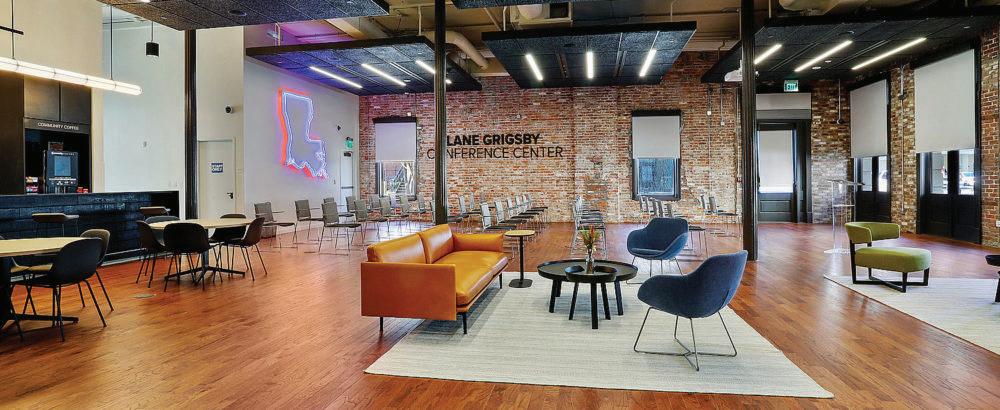

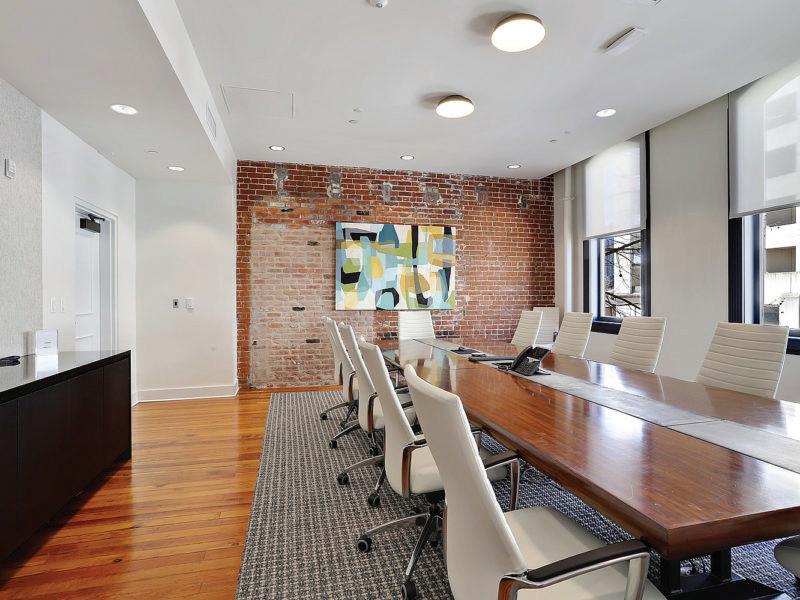
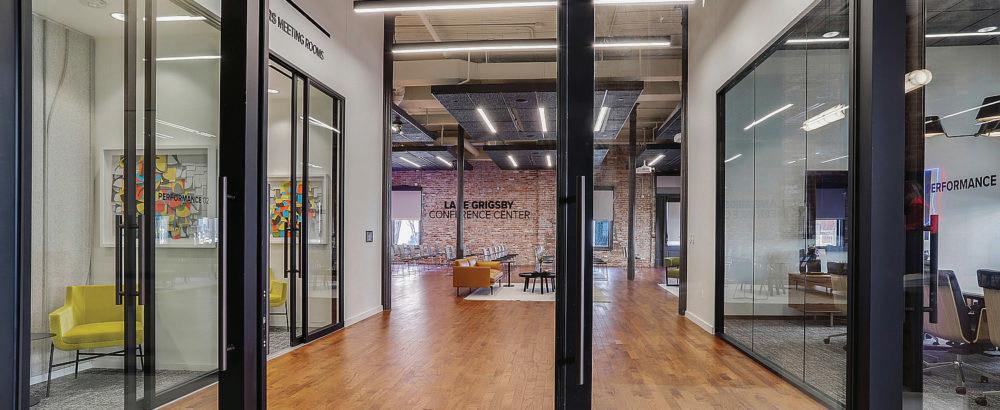
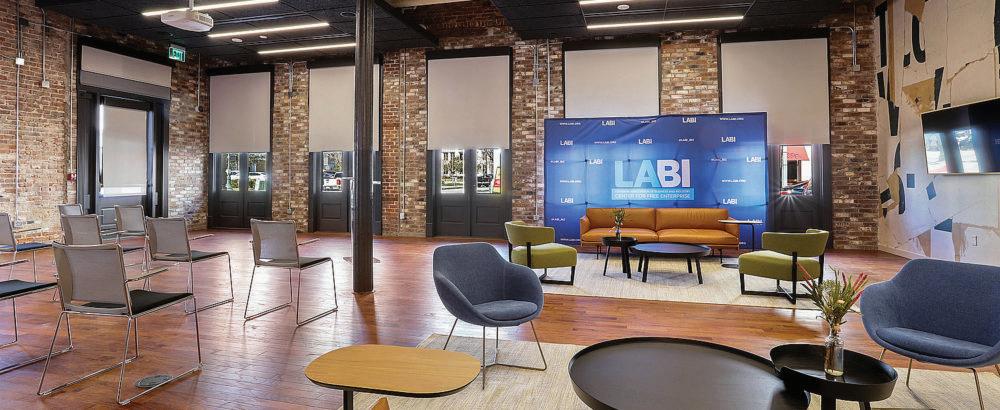

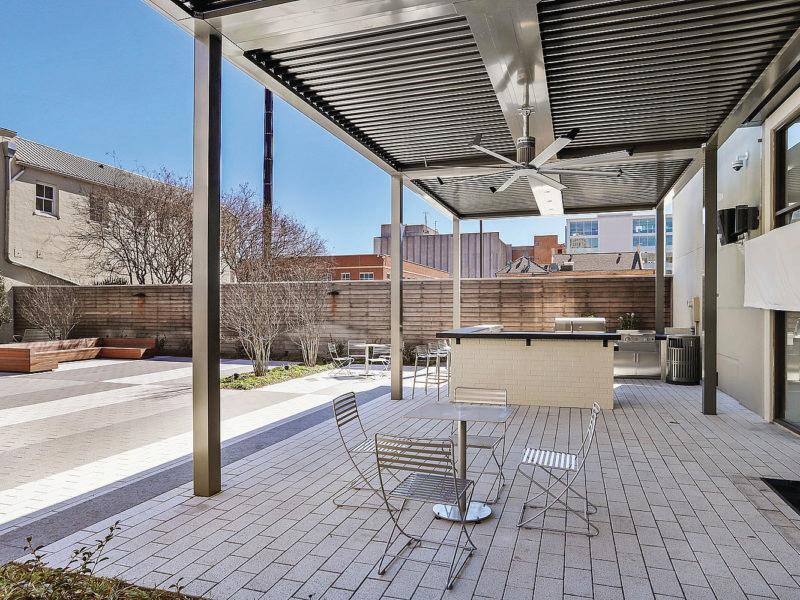
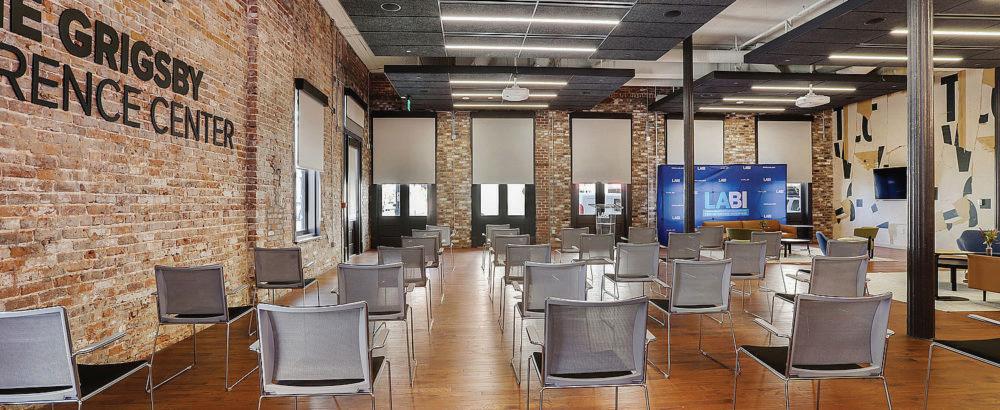
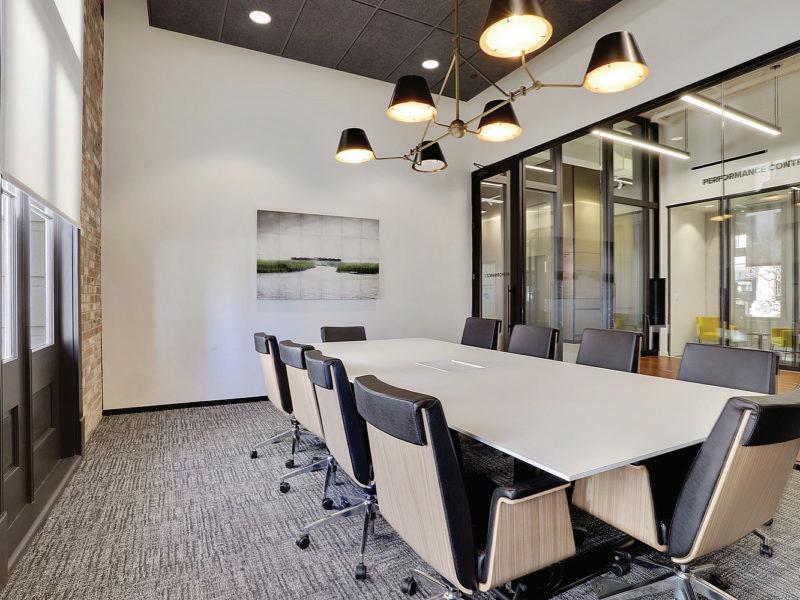
LABI board members share examples of how the organization’s work has made a difference to their industries
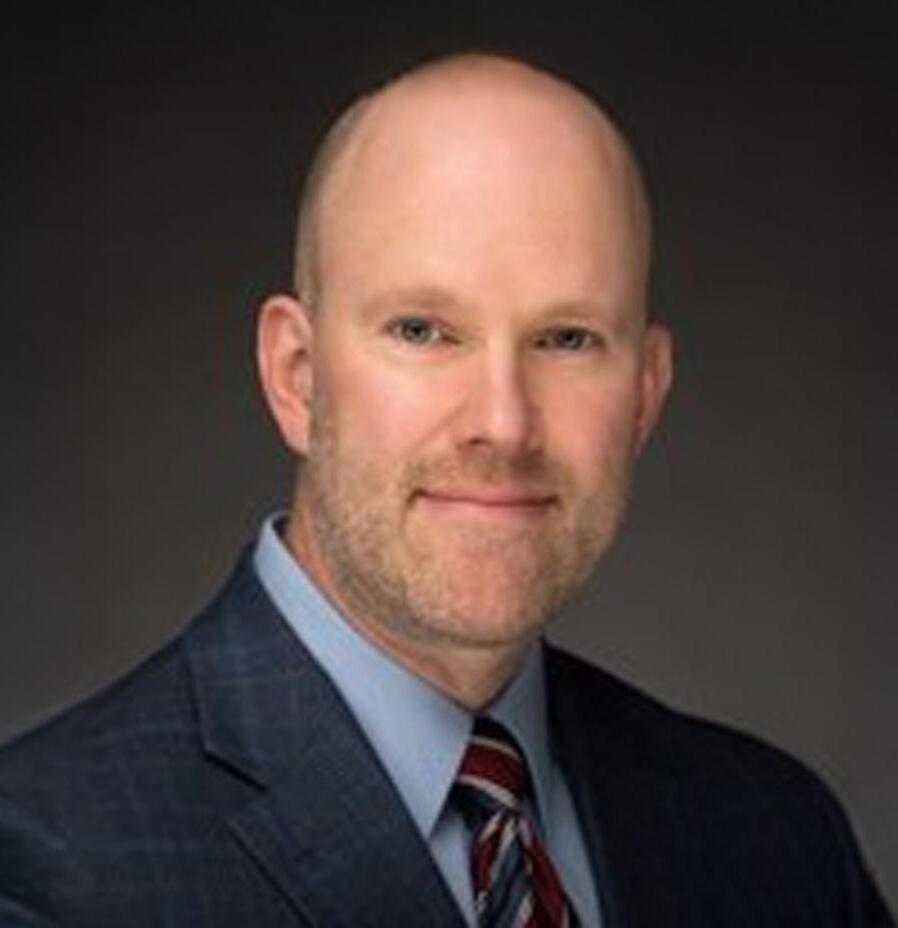
“In 2018, Louisiana businesses found ourselves dealing with uncertainty with what had previously been a powerful growth tool: the Industrial Tax Exemption Program (ITEP). Not only was the administration at that time making ITEP more complicated, but also greatly curtailing the incentive. Many assumed that this only affected ‘big business,’ but in reality many ITEP contracts went to companies with 25 or fewer employees. LABI provided education and engagement opportunities for both large and small Louisiana companies to advocate for and salvage this important resource.”
JOHN OVERTON, Owner and CFO, Turn Key Solutions
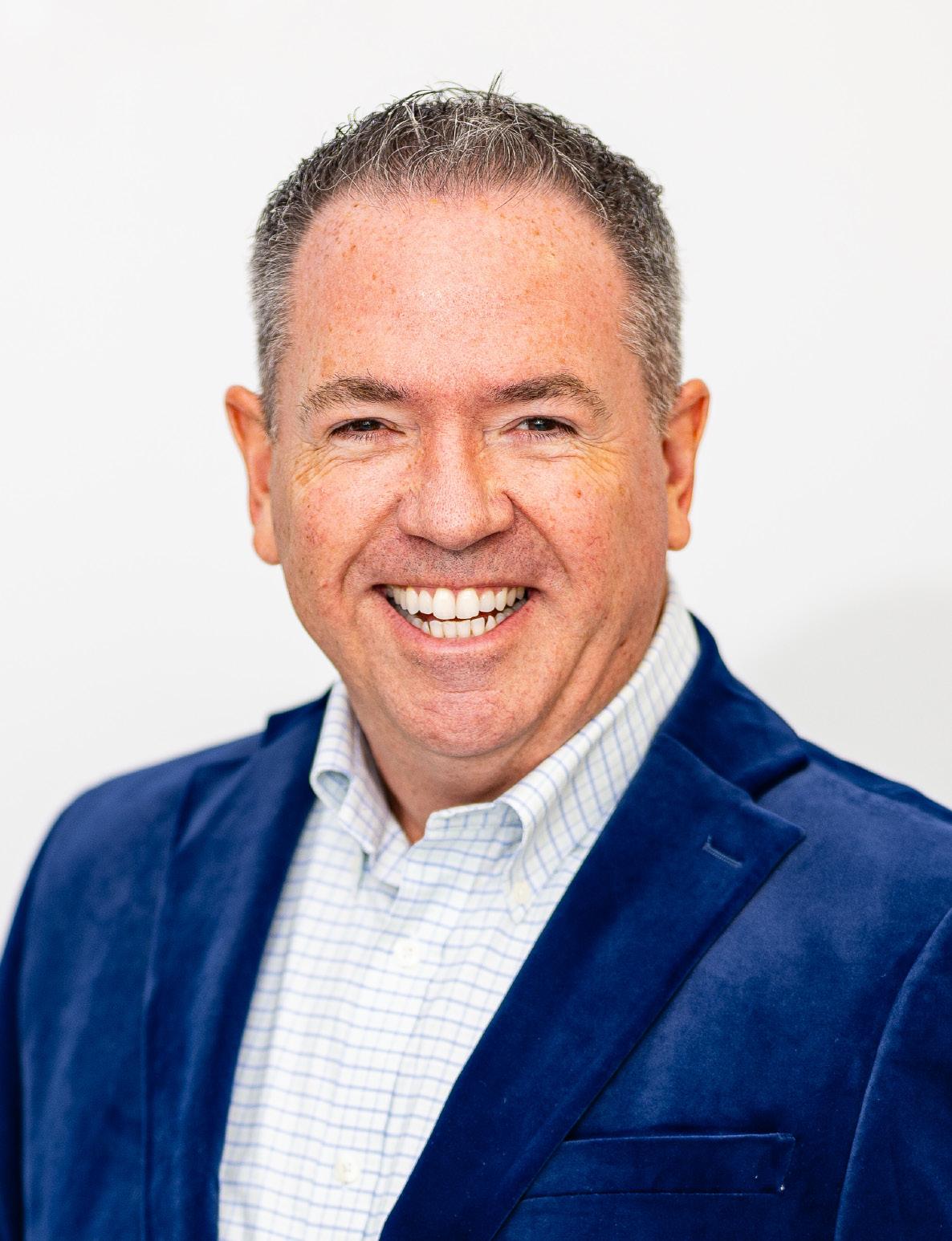
“The comprehensive workers’ compensation reforms of the middle ’80s and subsequent fine-tuning legislation of the early ’90s positively impacted our law firm’s ability to defend employers and drastically limit their exposures. While more reform is needed 35 years later, those changes made a huge difference at the time. Similarly, passage of the Product Liability Act in 1988 legislatively overturned court decisions which threatened the very existence of many Louisiana manufacturers. Finally, LABI’s 1996 tort reform repealing strict liability, joint and several liability, and punitive damages helped, for a time, to make our liability laws more reasonable.”
WAYNE FONTANA, Shareholder, Roedel Parsons Blache Fontana Piontek & Pisano
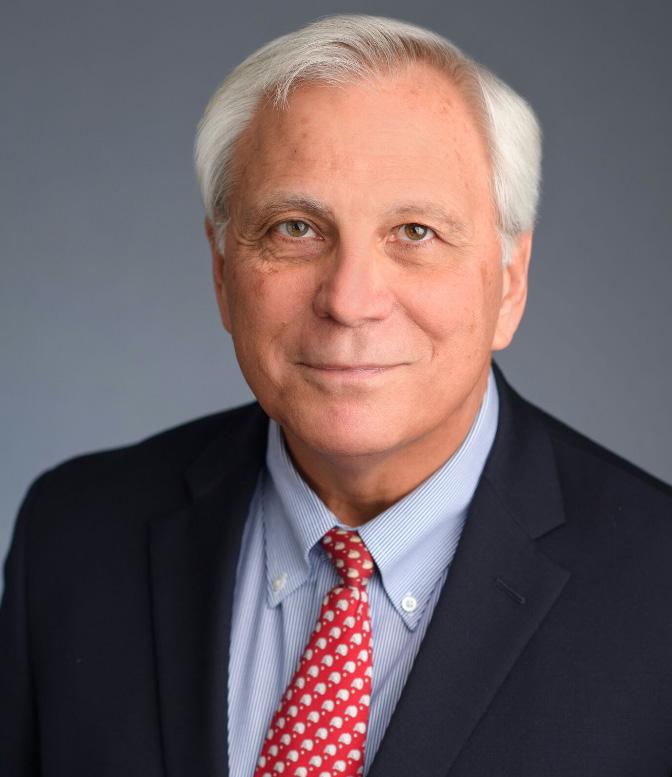
“It seems like a long time ago, but LABI’s decisive actions during COVID left a lasting impression on me. During an incredibly difficult time, and while businesses in other states were facing prolonged shutdowns, LABI pressed state leaders to broaden ‘essential business’ definitions and allow companies to remain open under safe conditions. I truly believe that without LABI’s direct influence and intervention, the situation would have been far worse for businesses in Louisiana. This was just one of many ways LABI stepped up to support Louisiana businesses during the pandemic, and that advocacy kept Golfballs.com operating, protected jobs and helped us continue serving customers nationwide during an uncertain time.”
TOM COX, LABI Board Chair | Founder and Executive Chairman, Golfballs.com Inc.

“One clear example is LABI’s decades-long advocacy for meaningful tax reform. By leading efforts to simplify and modernize Louisiana’s complex tax code, LABI has reduced barriers for businesses and made the state more competitive for investment and job creation. This work, as outlined in the LA23 Strategic Plan and its call for a fair, stable and predictable tax structure, has directly supported the work Advantous does for its clients by creating a more certain and stable tax climate that fosters growth. LABI’s leadership ensures Louisiana businesses can grow with confidence while attracting new opportunities to the state.”
JASON DECUIR, Partner, Advantous Consulting LLC
“Through the years, LABI's grassroots advocacy has been paramount to the success of Cleco Corporation. The organization's involvement in the legislative and regulatory process to provide for a streamlined and predictable environmental and regulatory permitting process is critical to utility companies like Cleco. These efforts also assist existing and new businesses and industries that want to operate in the state. Prioritizing and supporting new generation assets, expansions of existing facilities, and clean energy initiatives all focused on a lower cost to the consumer are critical to our company's success. We thank them for the many years of partnering with us.”
ERIC SCHOUEST, Vice President of Marketing and Governmental Affairs, Cleco Power LLC
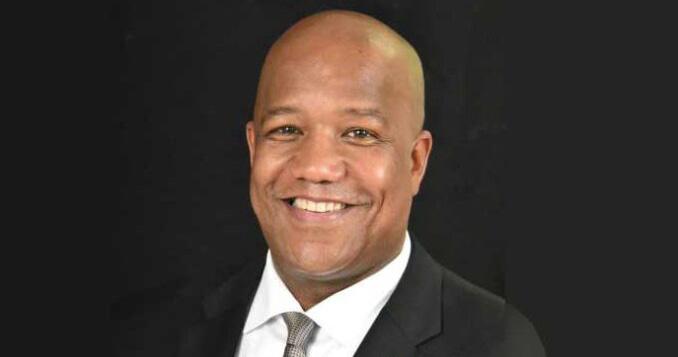
“For five decades, LABI has been a strong voice for policies that make Louisiana more competitive. Their advocacy for fair tax and regulatory frameworks has directly supported companies like AT&T as we spend billions of dollars to expand broadband and wireless infrastructure across the state. By ensuring a stable, progrowth business climate, LABI has helped open the door for major investments that connect communities, create jobs and strengthen Louisiana’s economy for the future.”
DAVID AUBREY, President, AT&T Louisiana
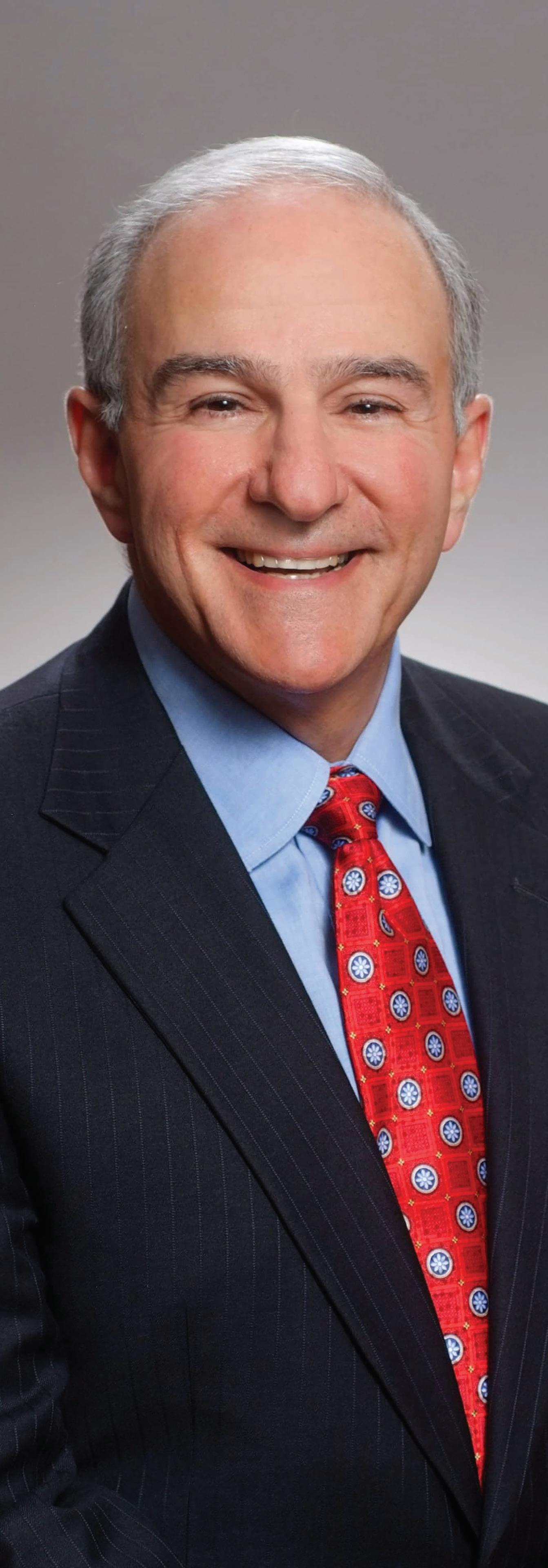
“As a unionized employer, the Right-to-Work legislation passed in the state of Louisiana in 1976 was pivotal. The newly organized LABI took a very bold stand in support of this historic legislation which permitted any worker the opportunity to secure a job with a unionized firm without being forced to join the union which represented the bargaining unit at a particular company. Then-Gov. Edwin Edwards signed the passed legislation in order to not hamper economic growth and development. This legislative success showed LABI’s ability to bring business and industry together for the good of all of Louisiana!”
J.H. CAMPBELL JR., Manager, Client Consulting Services LLC

“During the COVID-19 pandemic, significant staffing shortages and widespread employee burnout drove financial pressures from high temporary labor costs at Ochsner. In response, we doubled down on efforts to build our own clinical workforce pipeline, including working with the Louisiana Legislature to establish the Health Care Employment Reinvestment Opportunity (H.E.R.O.) Fund. Now, with several successful programs in place, the H.E.R.O. Fund provides matching grants to educational institutions and healthcare providers to train workers in high-demand fields such as nursing and allied health. LABI was among the most vocal champions of this initiative and consistently advocated for policies that incentivize employers to invest in work-based learning opportunities, including internships, apprenticeships and dual-enrollment programs.”
KRISTY NICHOLS, System Vice President of Government Relations and Public Policy, Ochsner Health
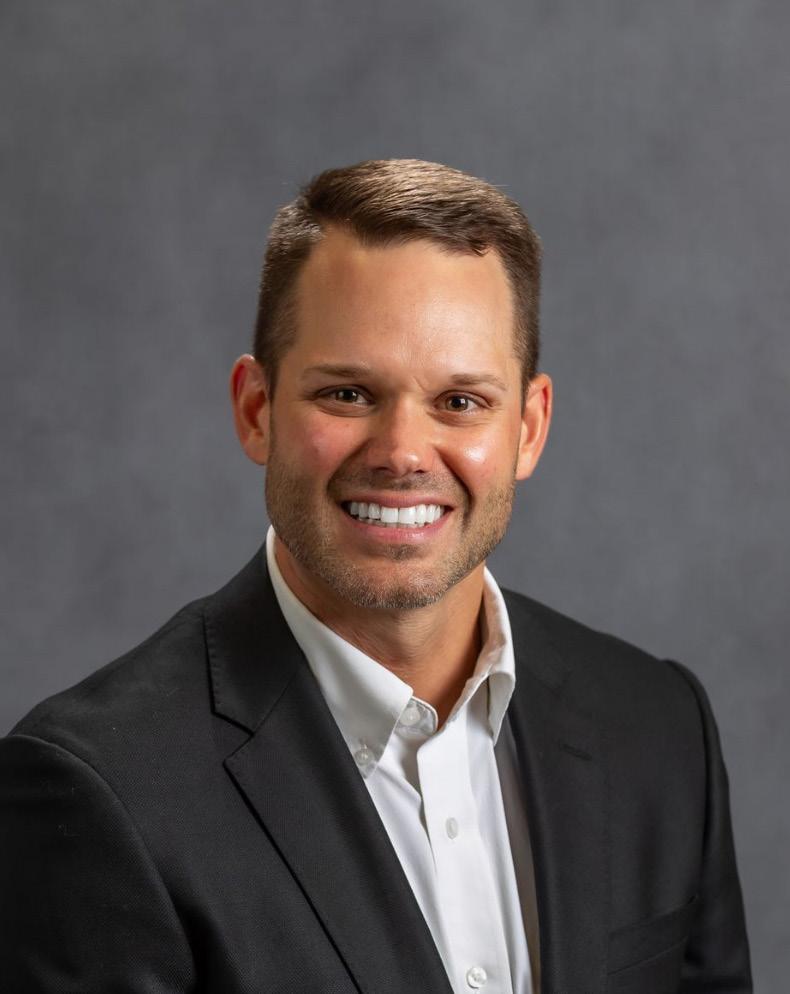
“LABI is at the core of what promotes small business in the everchanging business climate in Louisiana. The foresight and strategy behind its efforts allow businesses to stay informed and well positioned as they navigate the marketplace.”
PEYTON FARR, Producer, Forth Insurance
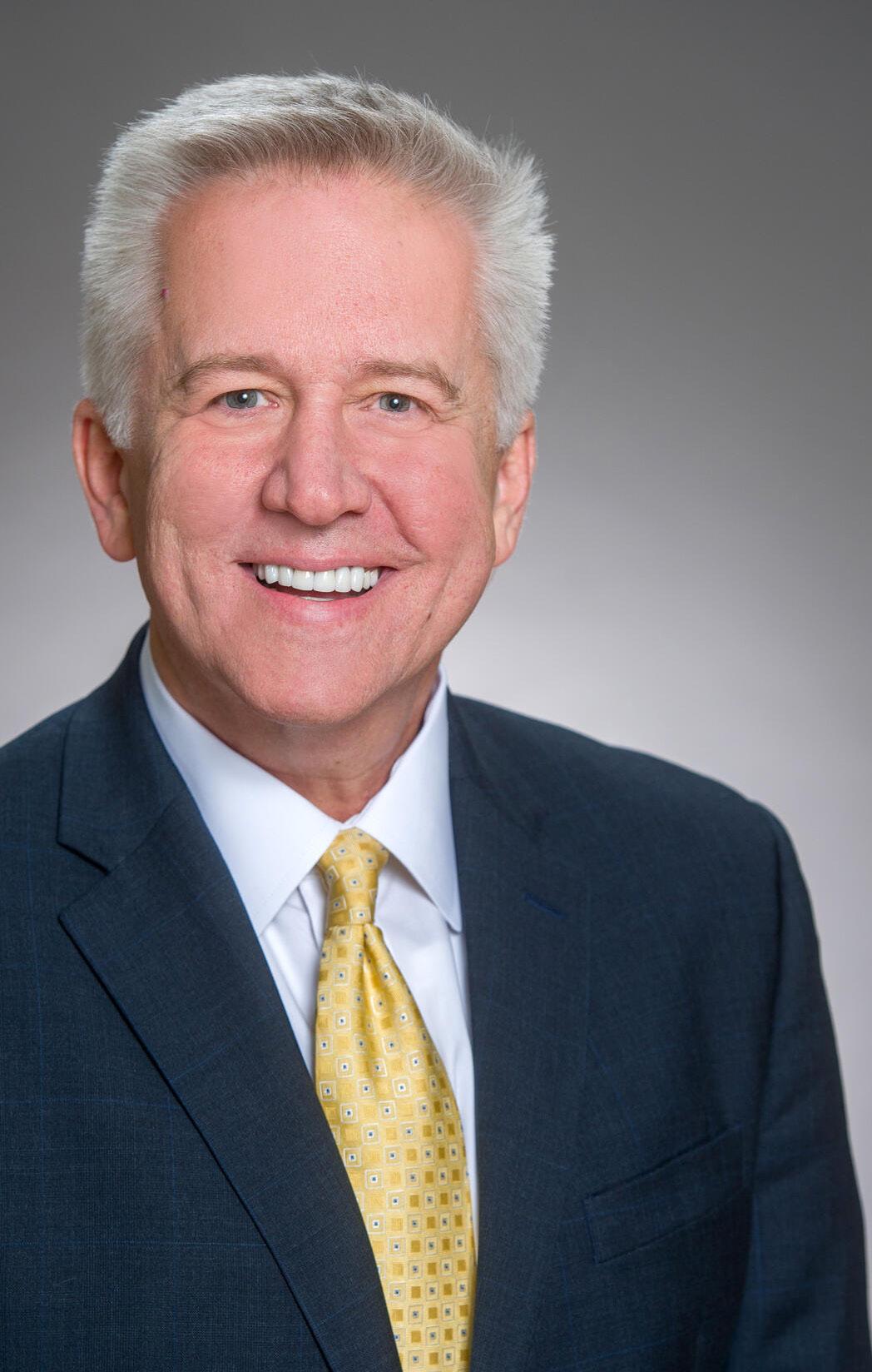
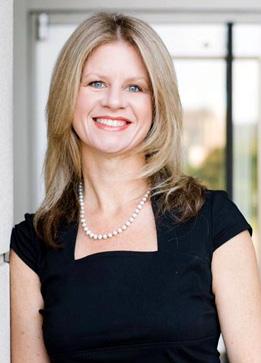
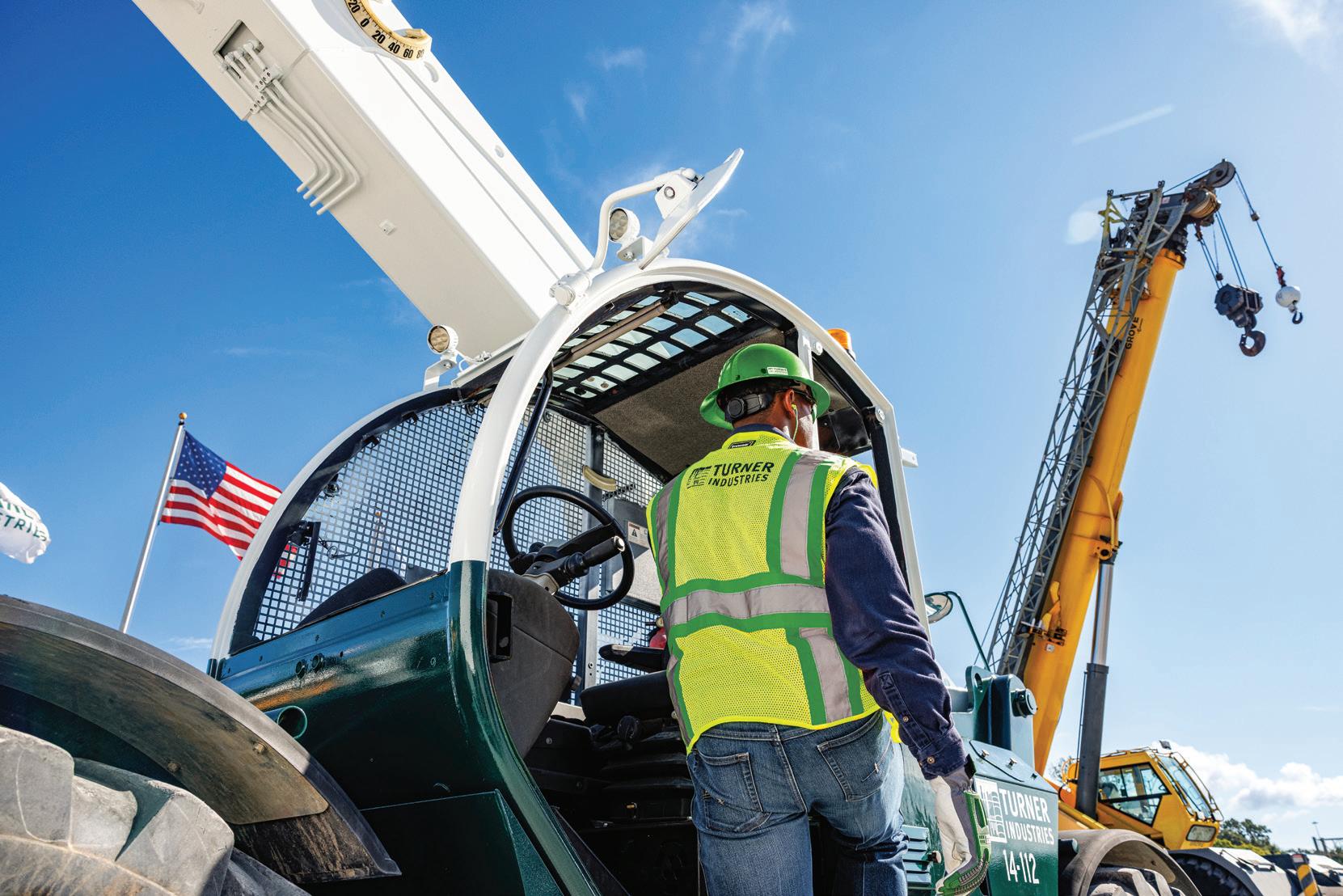
“Over LABI’s five decades, their tireless advocacy for workforce development has been mission critical to our industry. When skilled craftspeople and technicians were needed for Louisiana’s industrial corridor, LABI built partnerships between community colleges and employers like Turner Industries. Their push for customized training programs helped to create pipelines of welders, millwrights, boilermakers and more right here in Louisiana. LABI understands that Louisiana’s economic future depends on having a skilled workforce ready for industrial careers. That advocacy work directly impacts the industry’s ability to staff major projects and grow Louisiana’s economy.”
STEPHEN TOUPS, President, Turner Industries Group LLC
“As a community bank, our clients are our neighbors and friends who work across all sectors and industries. LABI’s success in provoking meaningful change to insurance reform will benefit our clients and their families and allow them to continue to live, work and invest in our community. The community banking industry thrives when our clients and their businesses thrive. Insurance is a real cost that effects every family and business. The insurance reform will pay great dividends for our communities.”
SLADE SIMONS, Executive Vice President of Wealth Management and Trust Divisions, Gulf Coast Wealth Management
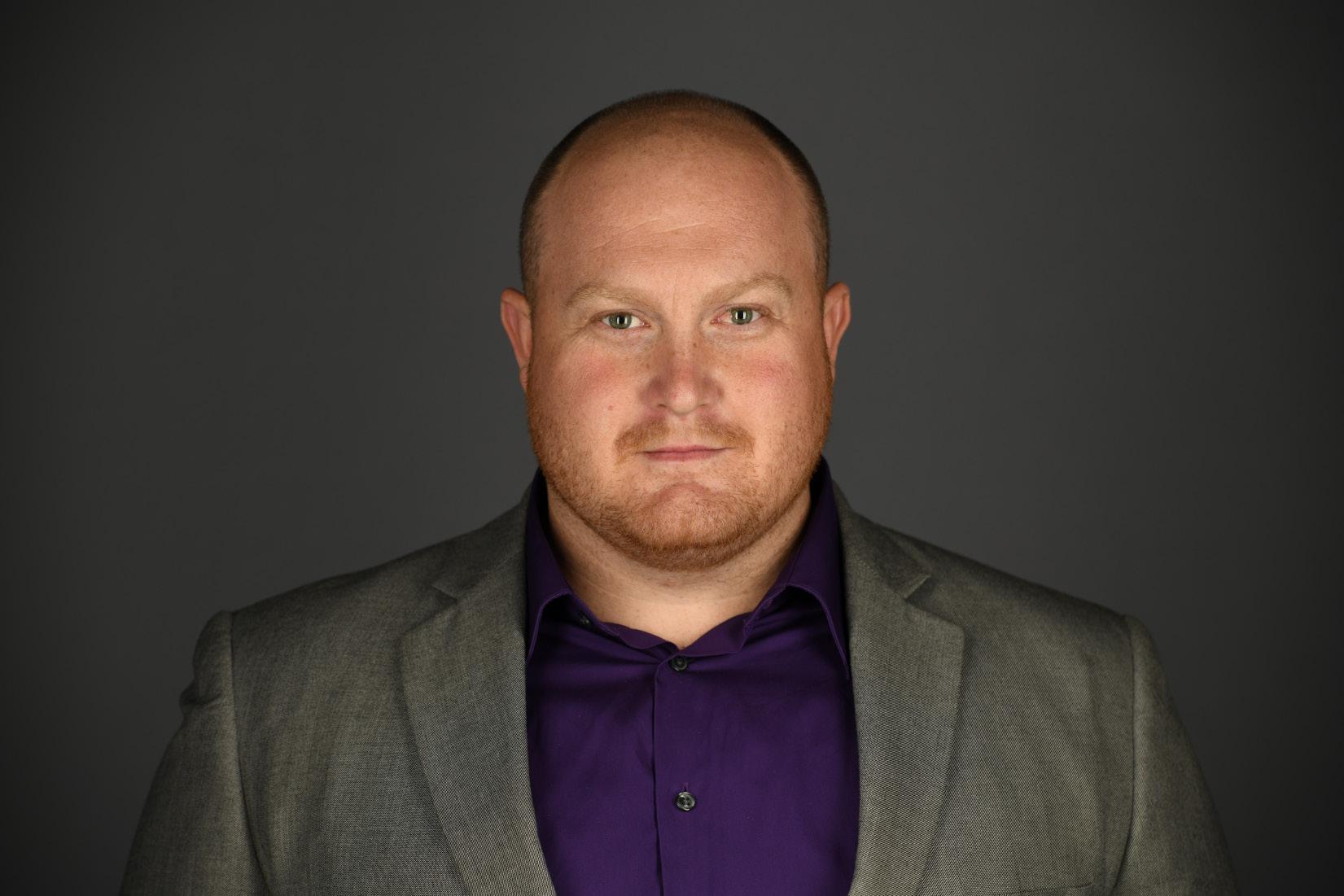
FEB 10
FROM
LABI MEMBER & LEGISLATIVE VIP RECEPTION
LABI Center for Free Enterprise
FEB 11
ANNUAL MEETING
The Crowne Plaza, Baton Rouge
MAR 9
BACK TO BUSINESS RECEPTION
LABI Center for Free Enterprise
SEPT - OCT
REGIONAL RALLIES
Locations throughout the state
SEPT 1-3
WORKERS' COMP CONFERENCE
L’Auberge Hotel & Casino, Baton Rouge
SEPT 28
LABI FOUNDATION GOLF TOURNAMENT
University Club, Baton Rouge
NOV 17
LOUISIANA BUSINESS EXCELLENCE AWARDS LUNCHEON
Renaissance Hotel, Baton Rouge

Members of LABI’s Emerging Leaders Council share their hopes for Louisiana’s business landscape in 50 years. Read on for their bold visions for the state in 2075.

“By 2075, I envision Louisiana to be a powerhouse of economic innovation and a vibrant hub of culture, grounded in its existing strengths. I want Louisiana to become a cradle for energy transition and science, with coastal restoration, biomanufacturing, AI processing and natural resources. Leveraging our world-class ports, railroads, and infrastructure, Louisiana evolves into the logistical heart of North America. Resources like oil and gas, timber, delta soils and minerals are stewarded sustainably, fueling circular economies. In 50 years, I foresee Louisiana becoming an economic jewel rooted in unique culture, natural resources, free enterprise, innovation and enduring legacies.”
CAROLINE WALTERS, Associate, Merrill Lynch Wealth Management
“There’s a stereotype that true financial success is reserved for a few lucky entrepreneurs or connected individuals. In the next 50 years, successful lifelong careers in Louisiana will be a foregone conclusion. This has to start with Louisiana’s children and education system. I was saddened to learn through ELC of the parallels between violent crime and failing early childhood education rates. In the next 50 years, every child will have safe and productive spaces to learn, grow and pursue meaningful careers. Juvenile crime rates, the struggling foster system and education challenges will only be topics in history books. With LABI’s leadership, I know this goal can be realized.”
JEN O’CONNELL, Incoming ELC Chair | Partner, Taylor Porter

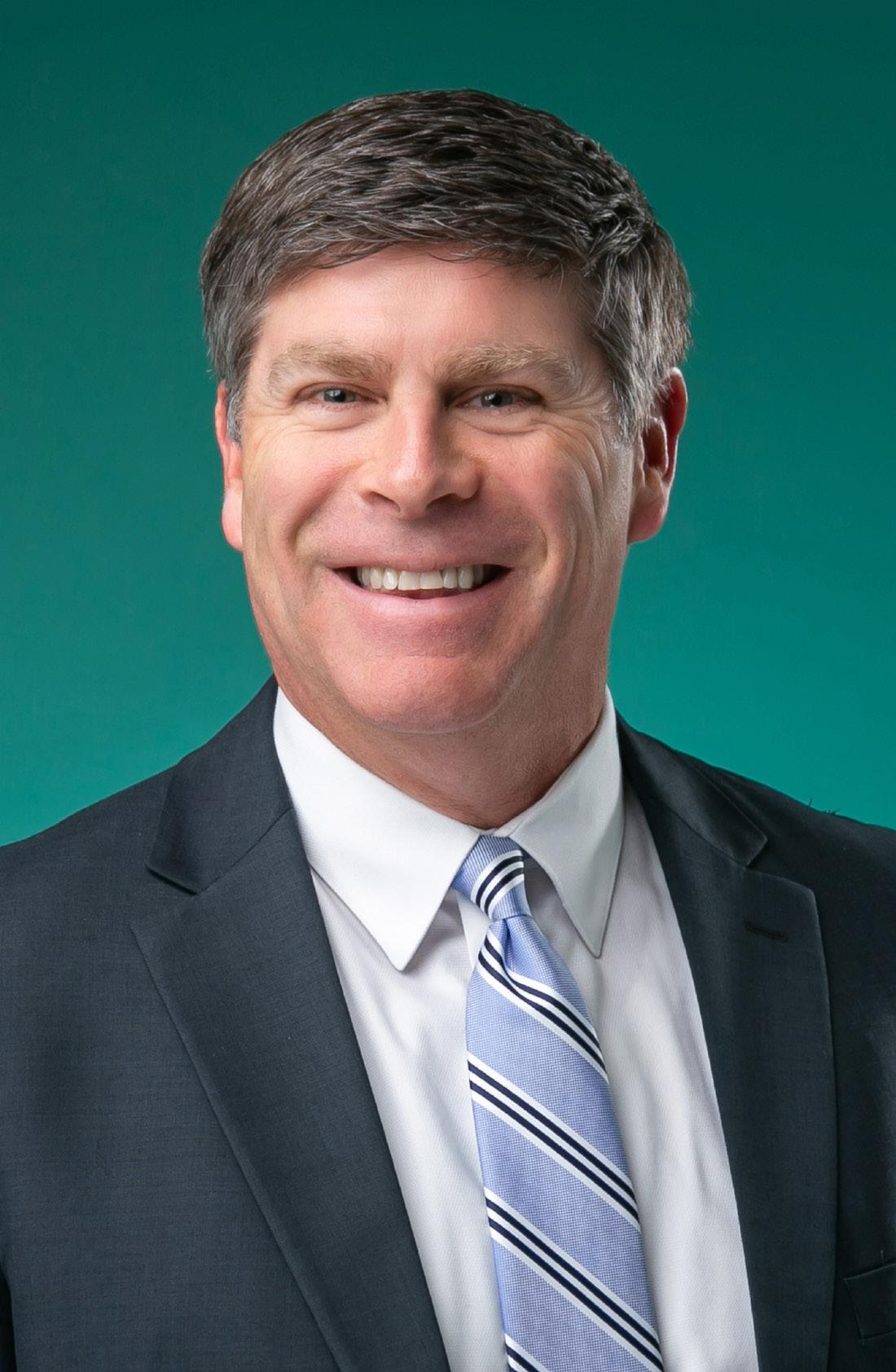
“By 2075, I see Louisiana ranked among the top 5 states for business in the U.S. Currently, CNBC ranks us 46th, but recent changes led by Gov. Landry, state legislators, and key stakeholders are driving meaningful improvements. As part of Cleco’s Economic Development team, I’ve seen firsthand how new shovel-ready sites, improved infrastructure, and a favorable tax climate can attract new businesses and help existing businesses grow. With continued commitment, Louisiana will become a premier destination for companies looking to expand, making our state a leader in economic growth and opportunity.”
CONNOR BRADFORD, Economic Development Project Manager, Cleco
Power
LLC
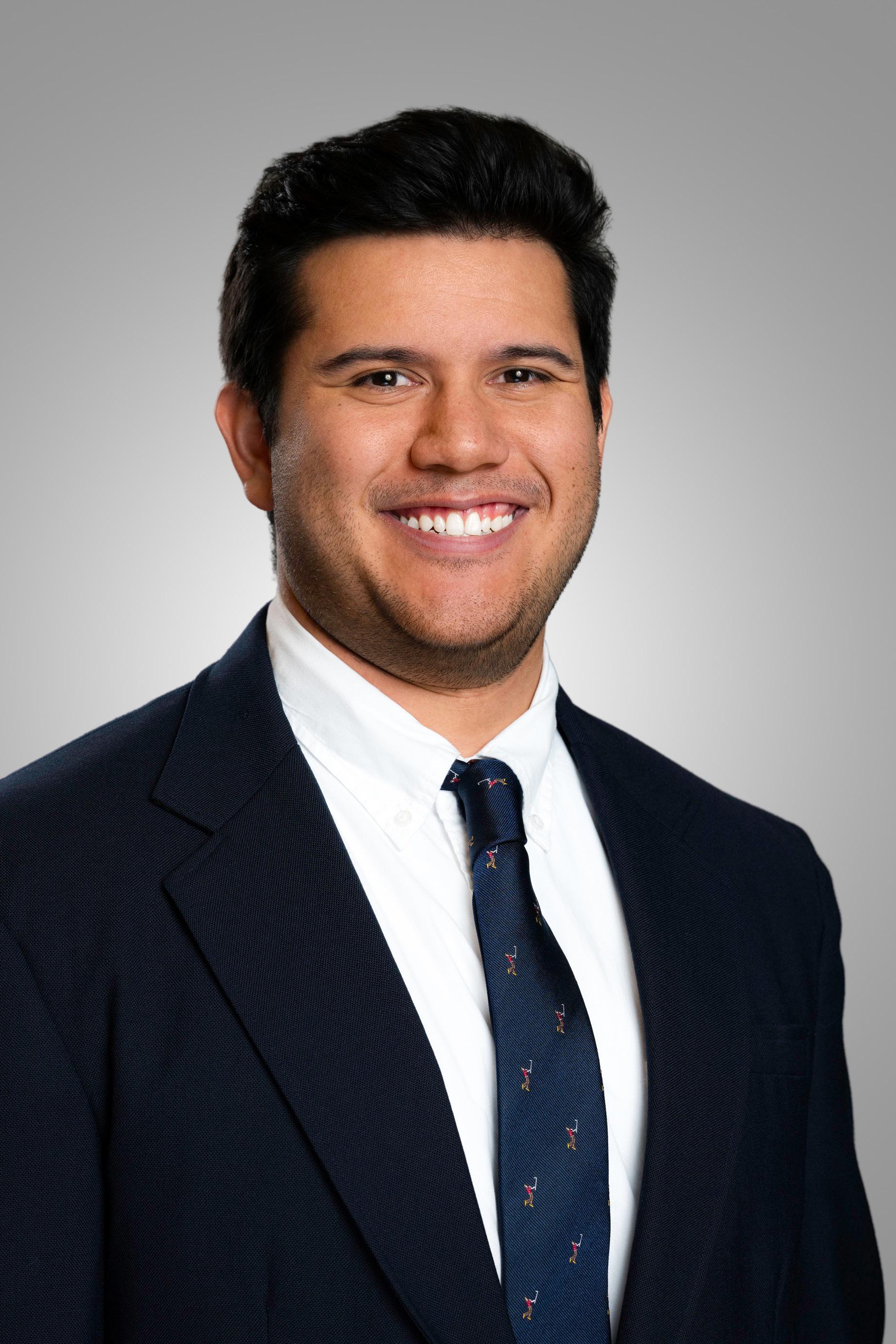
“By 2075, I envision Louisiana as a global powerhouse where energy, innovation and technology converge. Our petrochemical base will evolve into the cleanest and most efficient in the world, fueling industries with sustainable practices. Artificial intelligence will be embedded across sectors, from energy to infrastructure, making Louisiana a leader in digital transformation. And through relentless innovation, we’ll attract top talent and investment, positioning our state not just as a hub for the Gulf South but as a driving force in the global economy.”
JAMES HOWELL,
Pipeline
& Industrial Market Sector Leader, T. Baker Smith
“By 2075, I would like Louisiana’s business climate to drive population growth as people relocate here for education, jobs and entrepreneurial opportunities. I hope Louisiana’s energy industry thrives as the state encourages innovation, welcomes investment and takes advantage of its Gulf ports. As larger businesses find success in the state, small- to mid-size businesses flourish under low taxes, regulatory clarity and a more business-friendly legal environment. Lastly, I hope Louisiana’s cultural industries also expand through entrepreneurship, and tourism and law and order create a stable climate for long-term growth and opportunity.”
JACQUES BOURQUE, Chief Financial Officer, Catalyst Bank
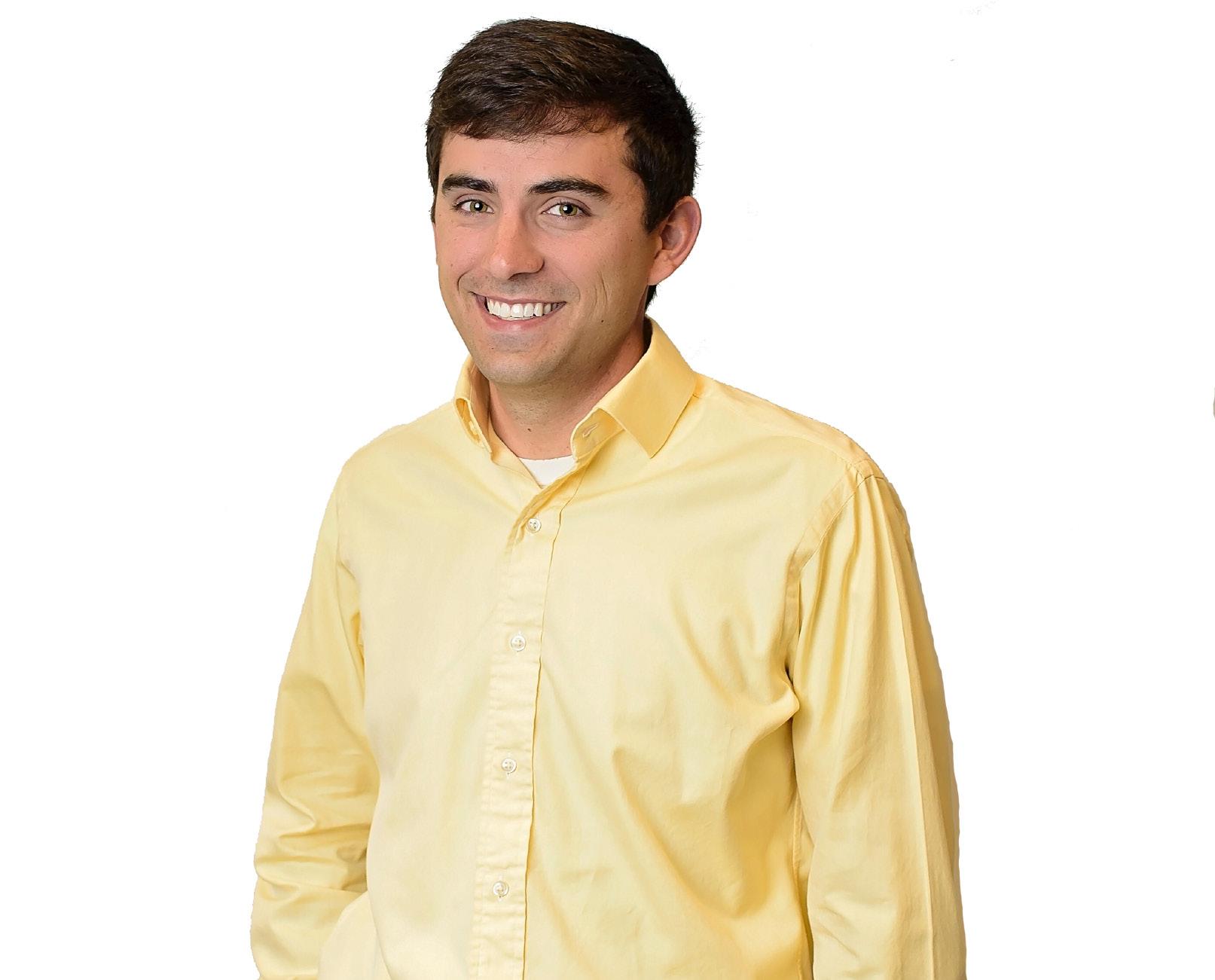
“By 2075, I envision Louisiana as a hub of innovation and resilience—where businesses thrive through sustainable industries, advanced technology and an unmatched quality of life that keeps our talent here at home. Our legacy will be a state that not only embraces change but leads it, with a diverse economy, world-class infrastructure and a culture that honors our heritage while welcoming new ideas. Together, we will build communities rooted in opportunity, creativity and pride for generations to come.”
TREY LEDET, Vice President, Gibbs Construction
“As LABI celebrates its 50th anniversary, I envision Louisiana in 2075 as a dynamic hub of energy innovation, with our refining industry leading advancements in efficiency and alternative fuels. This evolution will drive economic growth and job creation while fostering a diverse and inclusive business ecosystem. Central to this vision is the next generation of leaders, empowered through strong partnerships between education and industry. They will carry our legacy forward, blending our rich culture with modern technological advancements. In 2075, let Louisiana shine as a beacon of resilience and creativity, where every community contributes to a prosperous future.”
MELANIE CLOUATRE, Outgoing ELC Chair Treasurer/Manager of Credit, Placid Refining Company LLC
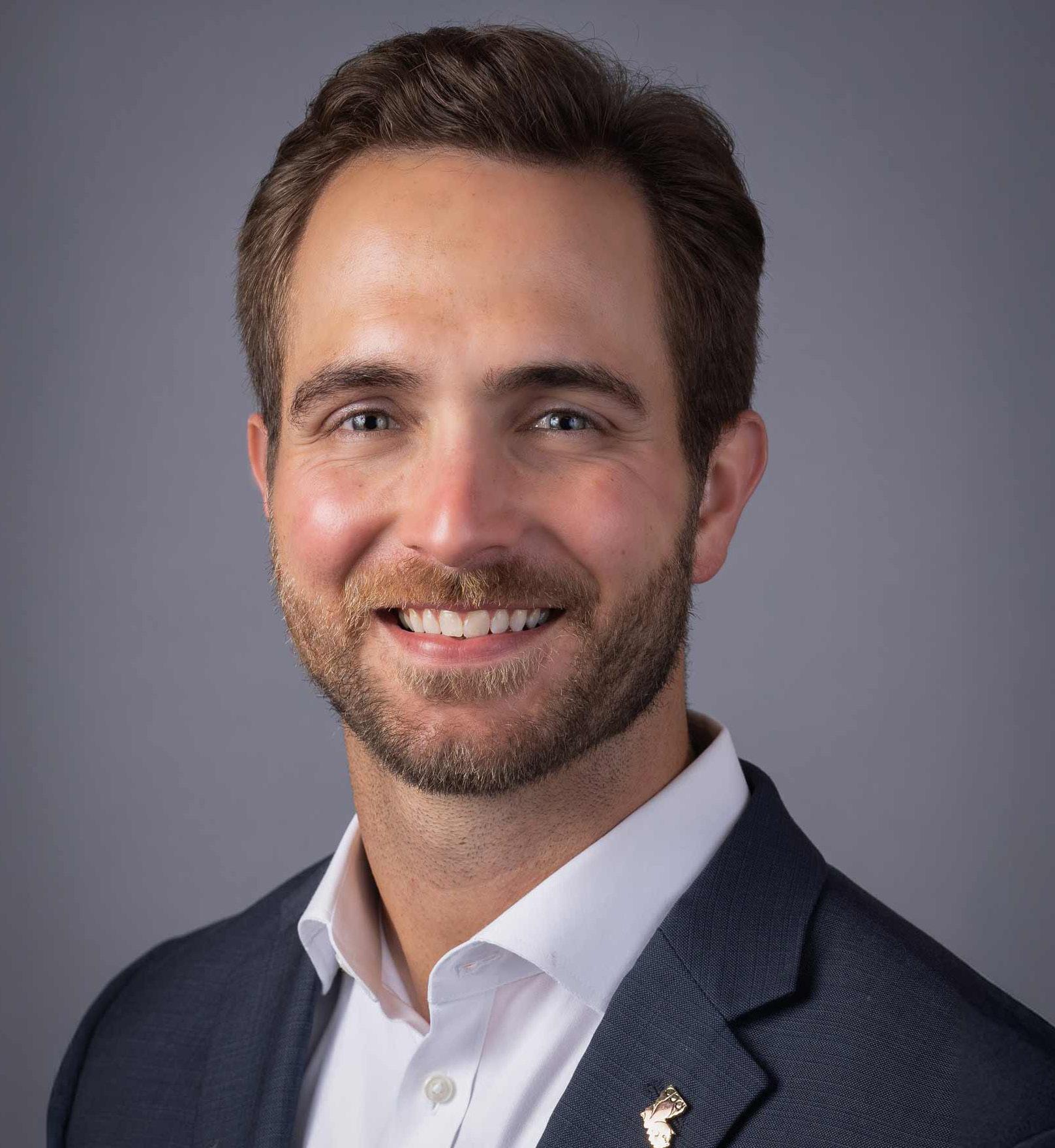
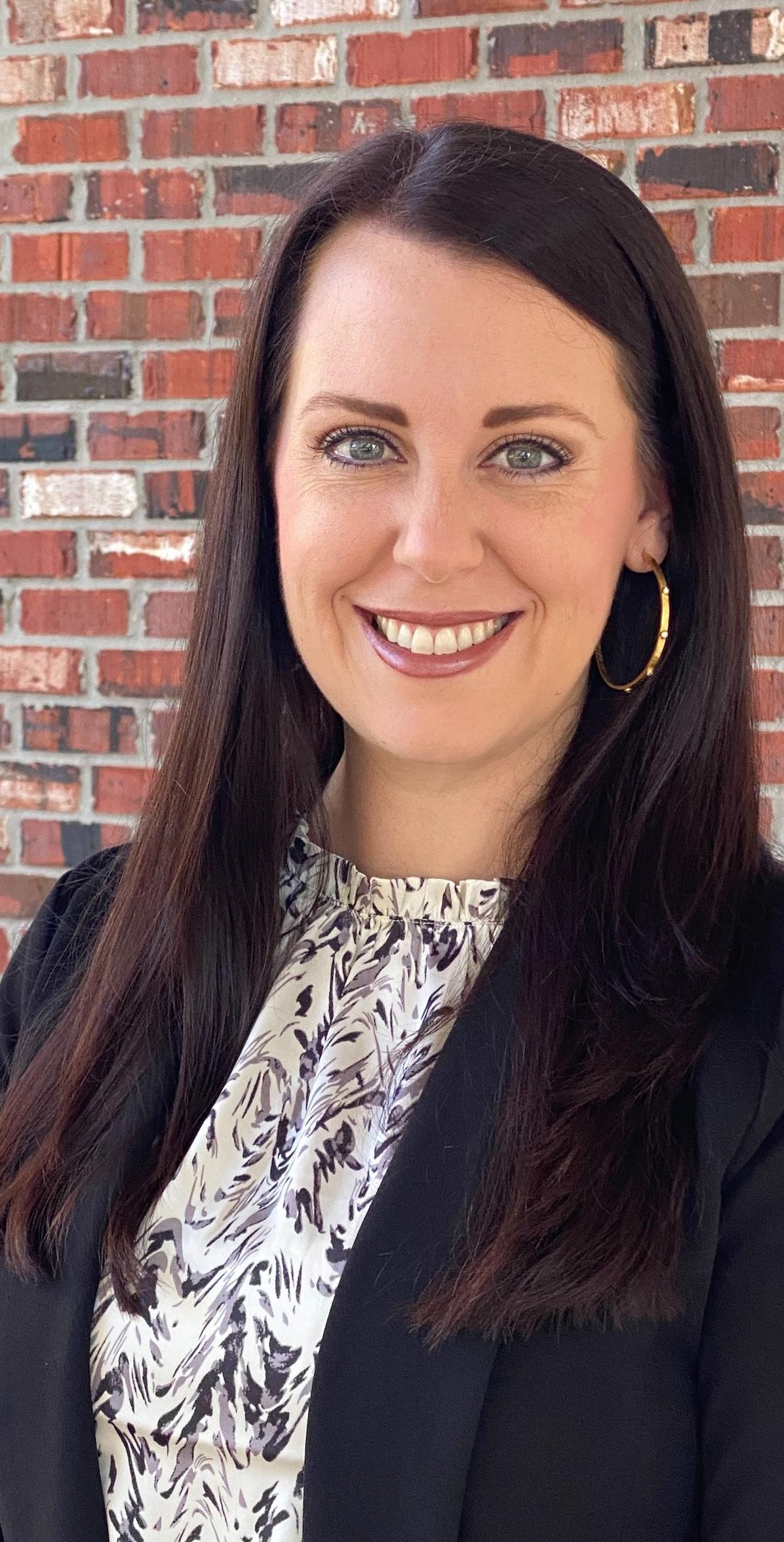


“By 2075, I envision Louisiana as a model for business resilience and innovation. Our infrastructure, power, water and transportation will be among the most reliable in the nation, giving companies confidence to invest and grow here. We will pioneer world-renowned methods of coastal restoration and storm protection that are both sustainable and cost-effective. This foundation will attract Fortune 500 companies to establish headquarters here, while Louisiana-born businesses rise to join their ranks. Most importantly, our children will see opportunity at home, dreaming boldly about their futures and proudly building their lives and careers in Louisiana.”
KATIE MCKEOGH, Account Supervisor—Public Affairs, The Ehrhardt Group
“Several years ago, I saw a gap: young people weren’t getting involved in championing the business community or understanding the importance of policy. To bridge this, I helped start the Emerging Leaders Council. We brought together a diverse group of young professionals from across Louisiana to hear from LABI, talk directly with elected officials, and network with business leaders. My goal was to create an organization that empowers the next generation, showing them firsthand the impact they can have on their communities.”
NIAL PATEL, Founding ELC Chair
Vice President, Cornerstone Government Affairs
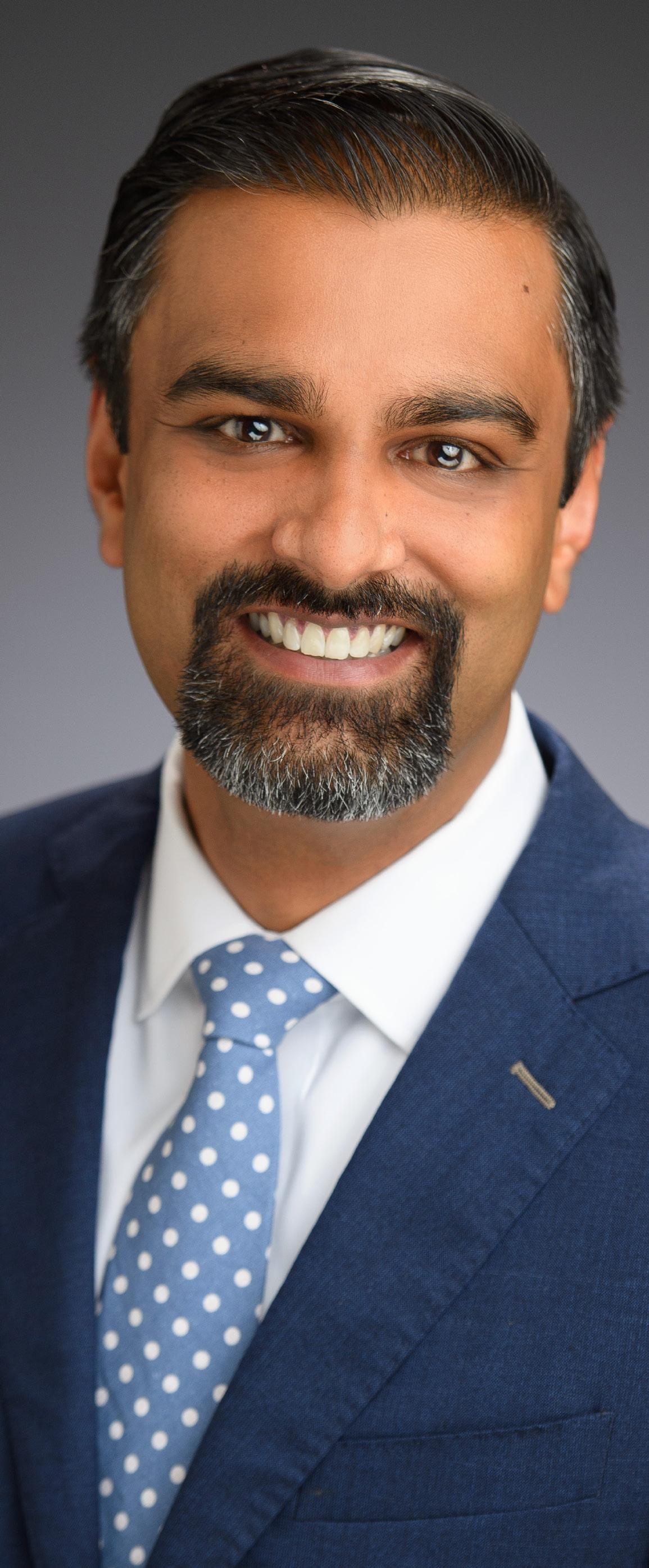
“I would hope to see a thriving and cohesive business climate in Louisiana—one that invites free enterprise and affords opportunity not hindered by overregulation. It would be a beautiful thing to see the state truly tap into our deep culture and natural resources so readily available. I think we have great innovators today, but to stay relevant in the future, we need to be able to attract the premier innovators and, as important, keep the young innovators from leaving the state. That involves investment in our schools, infrastructure, neighborhoods and the communities we live in.”
DEREK FORET, Partner—Assured Service Line LEAD, Hannis T. Bourgeois LLP
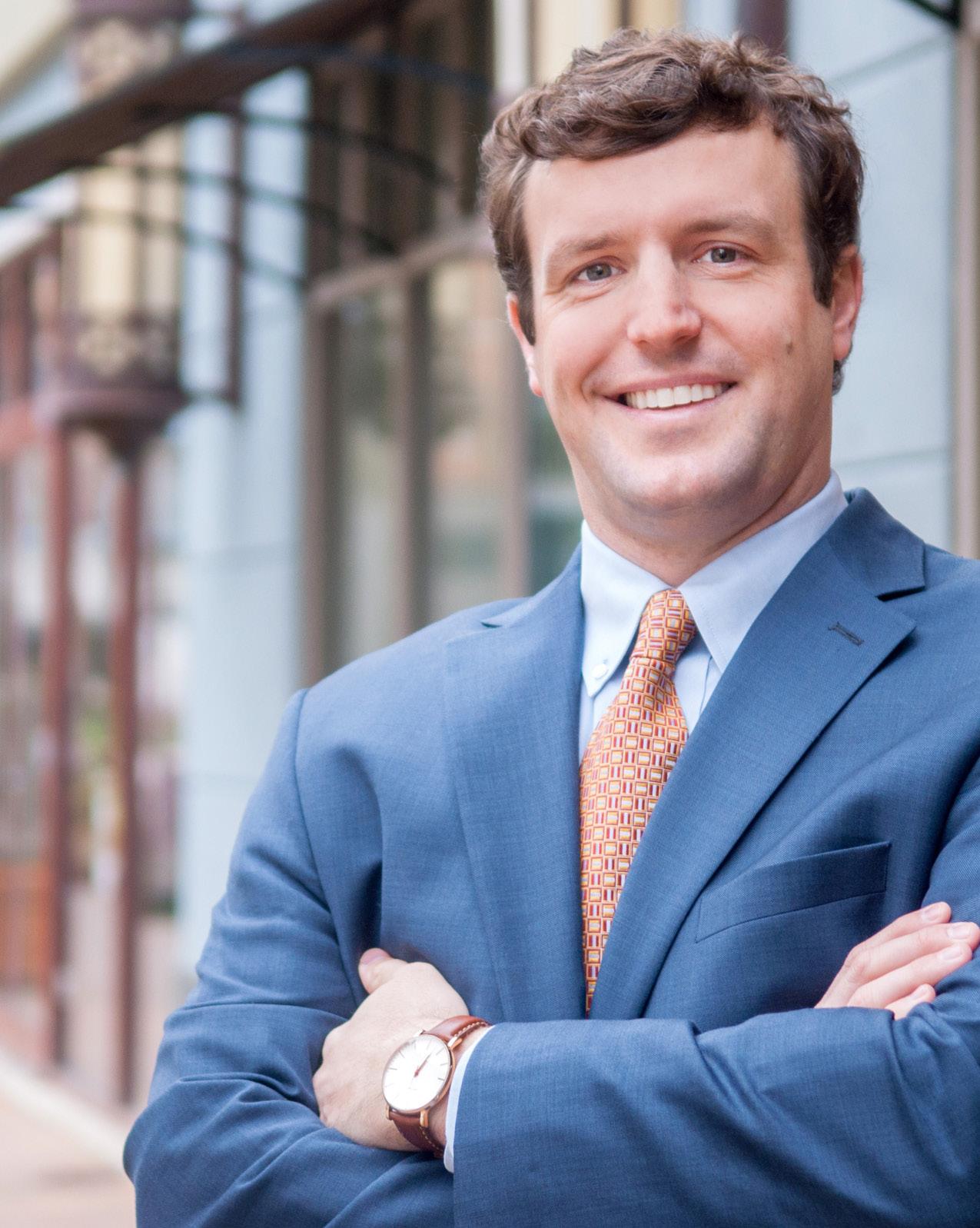

“By 2075, I see Louisiana as a global hub for energy and manufacturing innovation, while staying true to our enduring values of family and culture. We protect and utilize our unique resources and strategic location to create opportunity—offering excellent schools, affordable living, quality healthcare and a vibrant cultural experience that enriches the lives of all who call Louisiana home.”
JENNIFER FOREST, Controller, Martin Sustainable Resources LLC
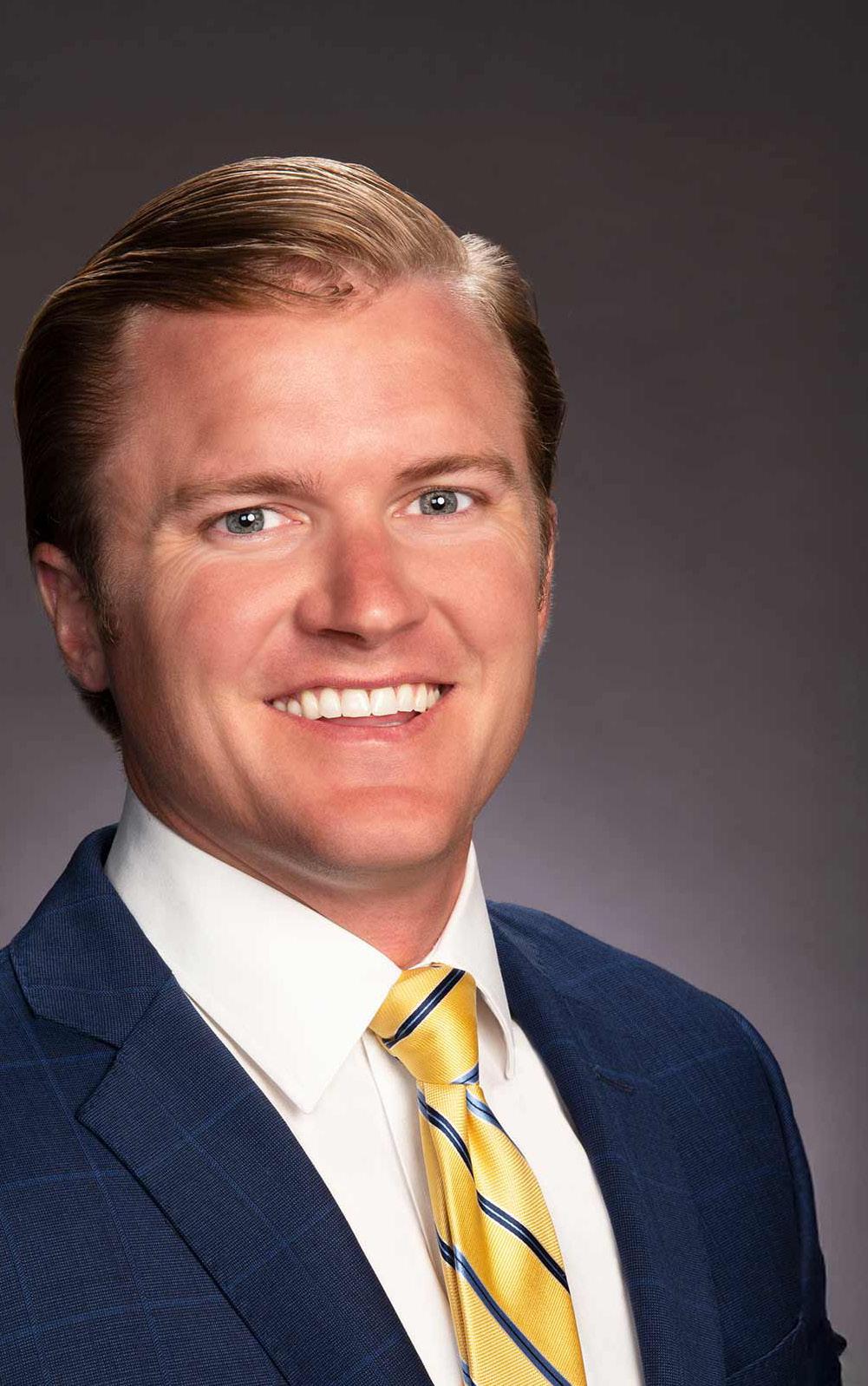
“In 2075, I envision Louisiana as the leading state for entrepreneurs committed to solving complex challenges. A place where big ideas flourish and doors are always open. Our business community is celebrated globally for profitably tackling humanity’s greatest needs: energy, water, health and resilience. Innovation is not the exception, but the norm. We’ve built a thriving ecosystem where bold thinking is rewarded, where talent wants to be, and where opportunity abounds for purpose-driven leaders. This legacy begins now—because the community we want our grandchildren to inherit starts with the business community we build today.”
SETH IRBY, Chief Marketing and Customer Experience Officer, LWCC
The LABI team congratulates Director of Government Relations, Mary Beth Derrickson, on recently being named to Business Report’s Forty Under 40 List for 2025! Mary Beth’s leadership and commitment to collaboration have advanced meaningful solutions that strengthen Louisiana’s workforce and education system. This honor reflects her reputation as a trusted, respected voice at the Capitol and her deep dedication to our state.


As the Louisiana Association of Business and Industry celebrates five decades in 2025, take a look back at the organization’s milestones and accomplishments. From the passage of Louisiana’s Right-to-Work law in 1976 to the helping hand LABI provided to businesses after some of the state’s biggest natural disasters, the following pages highlight many of the most memorable moments in our history, as well as some of the longtime members that have been with LABI through it all.

BY ASHLEY GORDON

When the Louisiana Association of Business and Industry was founded in 1975, the state was grappling with the political aftershocks of the civil rights era, rising inflation and a business climate that many corporate leaders considered unpredictable and overly unionized.
What began as a relatively quiet coalition of industry voices would soon evolve into one of the most influential policy-shaping forces in Louisiana politics—one that continues to leave its imprint on legislation, elections and the broader economic direction of the state.
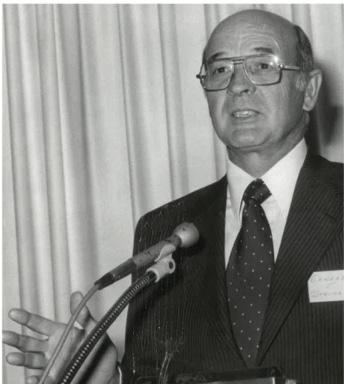
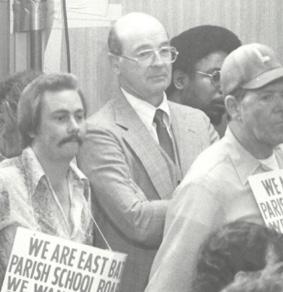
LABI’S FOUNDING was anything but accidental.
In 1974, a group of business leaders from across Louisiana converged to correct an imbalance that had developed in state politics. The mission was to improve the business and political climate across the state. One challenge to the group’s impact was that the leaders belonged to different organizations. With a common goal in mind, they decided to officially join forces. Officers of the Louisiana State Chamber of Commerce, the Louisiana Manufacturers Association and the Louisiana Political Education Council agreed to merge their memberships, funding and staff into one organization. In 1975, LABI was born.
“LABI was the primary force in changing Louisiana from a labor-dominated state to a state more sensitive to business concerns,” says Wayne Fontana, shareholder at Roedel Parsons. “We all want
competitive opportunities for our children and grandchildren, and LABI’s efforts to provide those opportunities here in Louisiana are unequaled by any other organization.”
From the outset, LABI positioned itself as a watchdog and bulldog: defending business interests and aggressively pursuing legislative reforms. Its early agenda reflected a broader national pushback against labor union power, high corporate taxes, and environmental regulations.
The group built its base by aligning with chambers of commerce, trade associations and individual business owners, offering them a centralized voice in Baton Rouge. The state’s unique mix of heavy industry—especially oil, gas and petrochemicals—along with agriculture, shipping and a sprawling service sector, created fertile ground for a statewide, pro-business lobbying organization.
“Industry started coming to Louisiana in the late 1960s, thanks to Governor McKeithen’s Right-to-Profit laws that basically said, ‘Louisiana wants you to come, and we are open for business,’” says Lane Grigsby, founder of Cajun Industries. “It attracted labor and unions. When the unions started to abuse their power, it threatened to run off the national companies who had just built plants in Louisiana.”
At the time, the idea of a private-sector advocacy group pushing back on pro-union policies and calling for fiscal conservatism was seen by some as controversial. But LABI’s founders believed that without a concerted effort, Louisiana would fall further behind economically. They recruited Ed Steimel to lead LABI. Steimel had served as executive director at the Public Affairs Research Council for 20 years and had established himself as
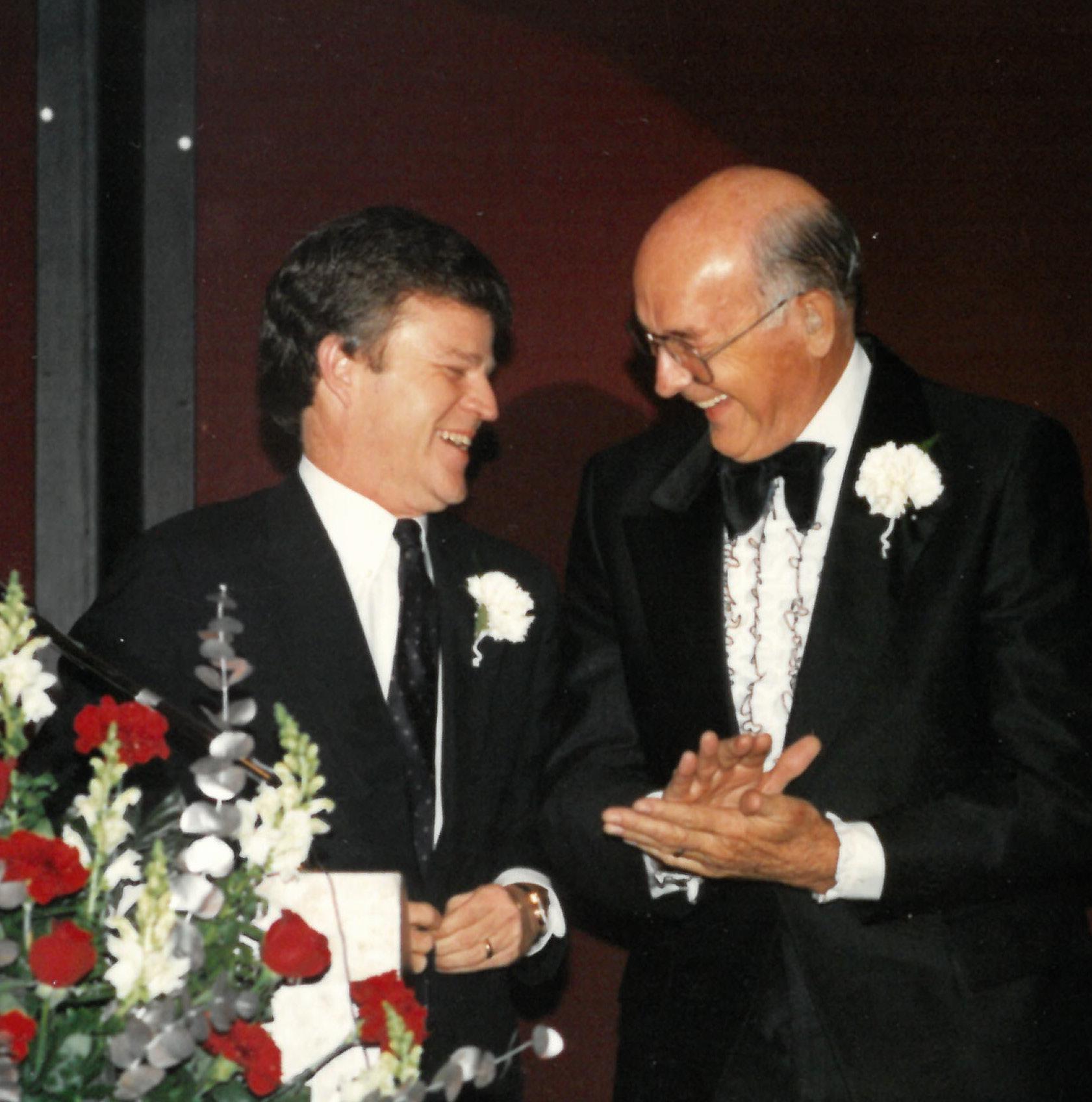
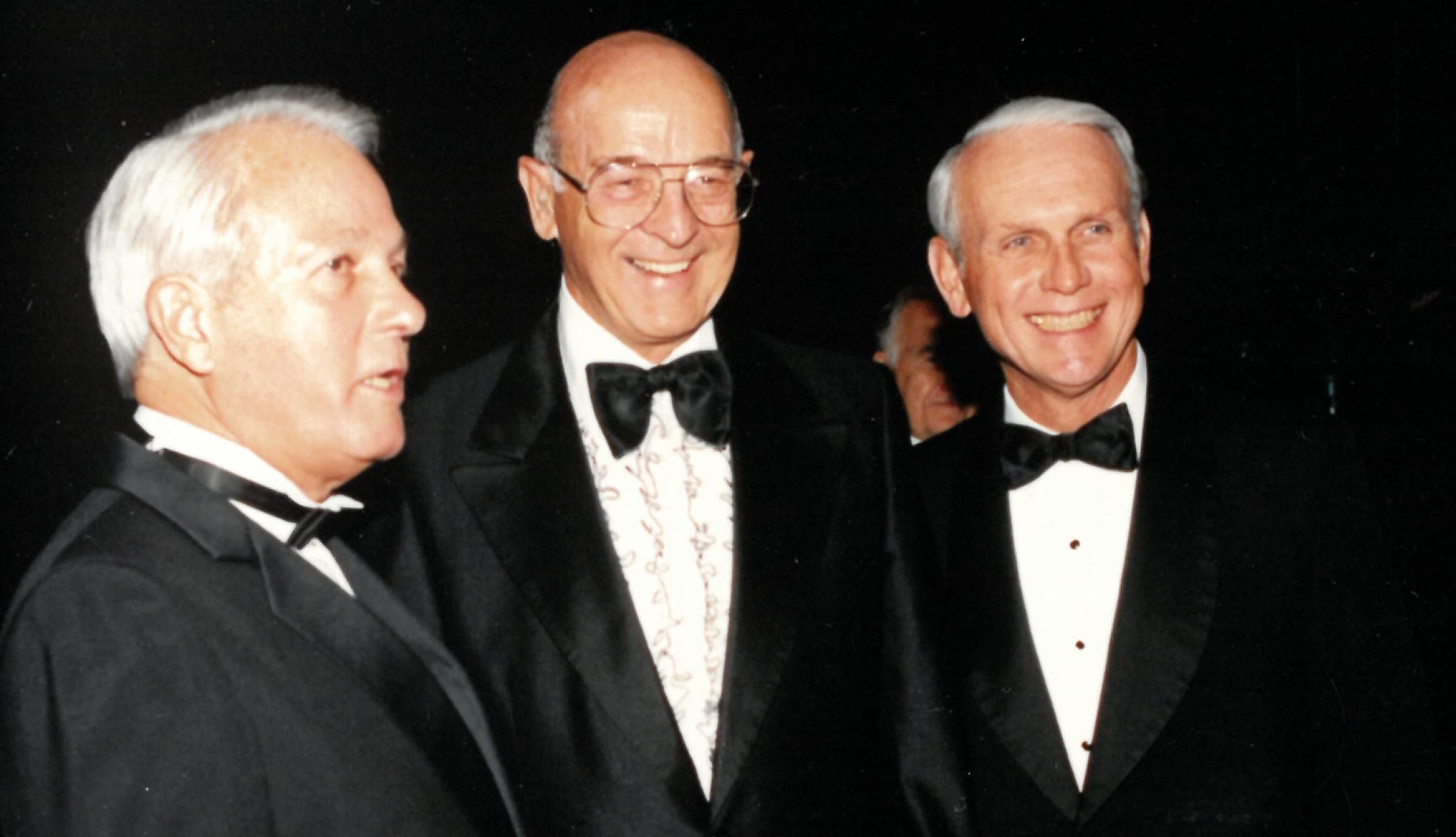
a voice for smart policy reforms, never backing down from a fight. From the beginning, LABI’s mission was clear: to foster a climate in which the free enterprise system could thrive.
LABI’s first real moment in the political spotlight came with its vigorous campaign for a Right-to-Work law in Louisiana. After a fierce battle, Right-to-Work passed in June 1976, scoring LABI its first major political victory. (See “The Roots of Rightto-Work” story on pg. 50 for more information.) It signaled LABI’s emergence as a power broker capable of reshaping the state’s labor landscape.
“Right-to-Work wasn’t passed by a bunch of businesspeople with great influence. There were many local companies— regular people—whose businesses were enhanced by industry coming here and using their services. It was a fight for all of them,” says Grigsby. “A couple things
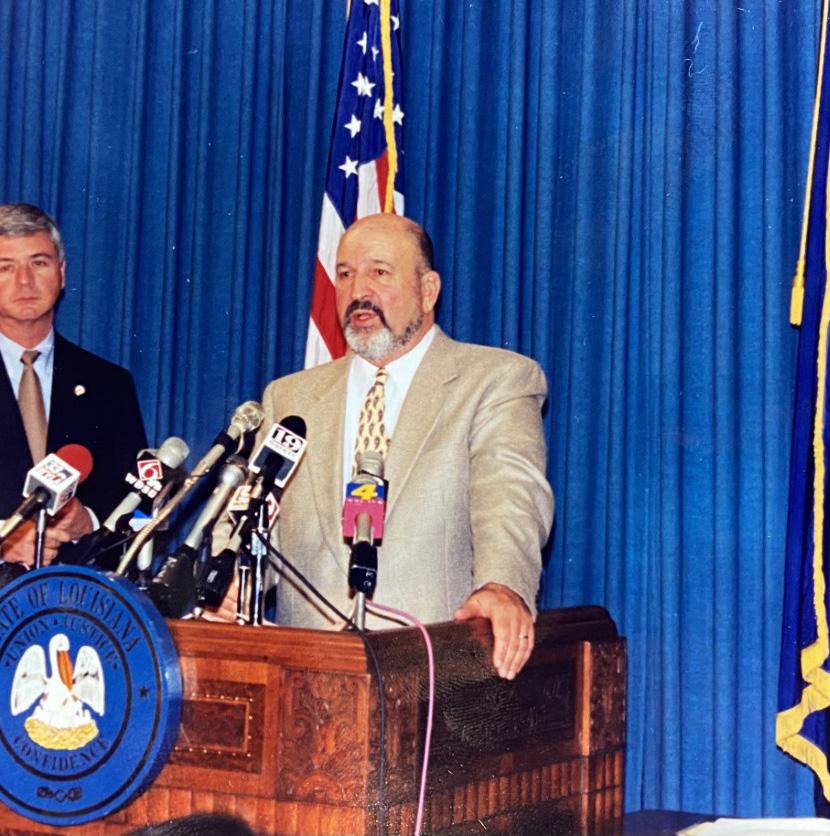
helped the fight: Working men really did need reasonable pay. And there was extreme abuse by the labor unions. Had the unions not been so corrupt, it probably wouldn’t have passed.”
Over the decades, LABI expanded its focus beyond labor policy. It has since become a major player on issues ranging from tort reform and tax policy to education accountability and workforce development. The organization’s hallmark has been its strategic clarity: championing a low-tax, pro-growth, market-driven approach that appeals to national investors and local entrepreneurs alike.
“Pro-growth is pro-business. And if policy stifles business, it stifles opportunity for all of us,” says Tom Cox, founder and executive chairman of Golfballs.com as well as chairman of LABI’s Board of Directors for 2025. “LABI’s clarity has always been knowing that economic growth is
the path to better schools, better jobs and a better Louisiana.”
In the turbulent economic climate of the 1980s, Louisiana businesses faced mounting pressure from rising insurance premiums, ballooning unemployment costs and a state compensation system many employers argued was tilted too heavily against them. At the time, Louisiana faced skyrocketing insurance costs that placed employers at a competitive disadvantage, while the structure of unemployment compensation was often criticized for discouraging work and burdening businesses. LABI stepped into this debate with a clear mission: reform the system to encourage growth, reduce costs and align Louisiana with the needs of a modern economy.

After helping to elect the most business-friendly legislature in 2019,
pass the first significant tort reform legislation since the 1990s.
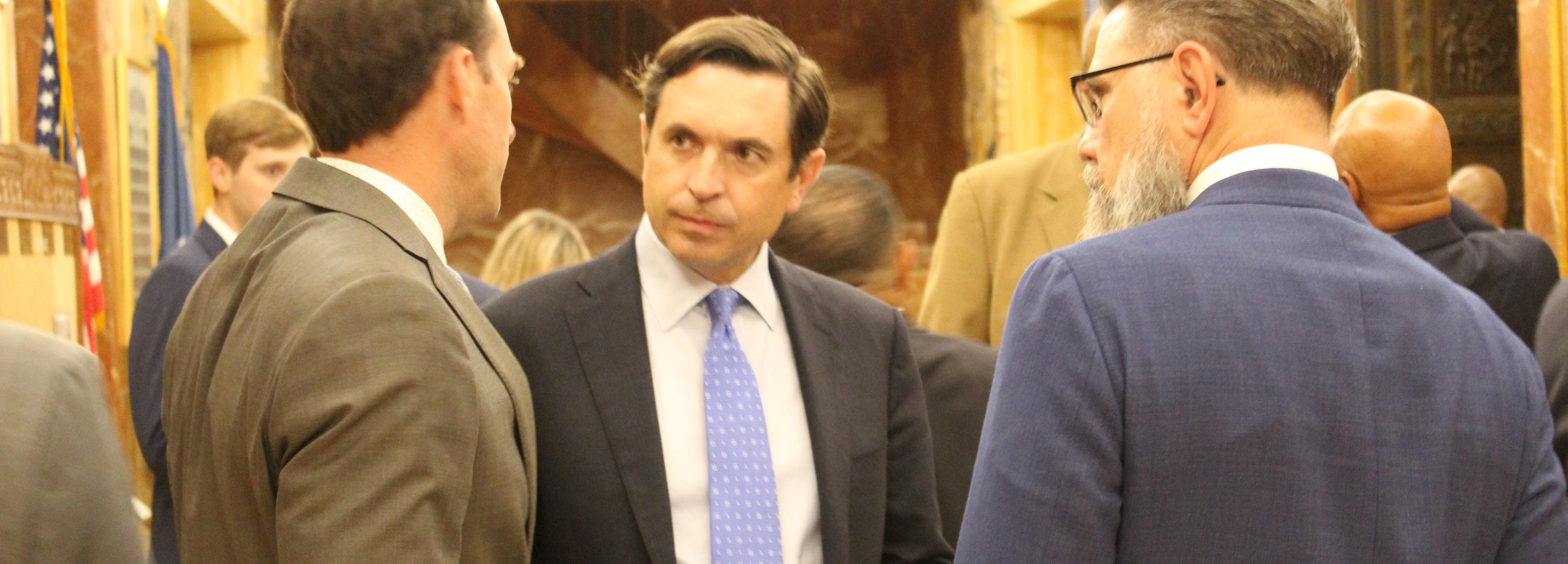
“In the 1980s, LABI gets a new hat,” says Grigsby. “We are a workplace organization, and our goal is to keep the state economically feasible so we can compete on a global scale.”
On unemployment compensation, LABI pushed for stricter eligibility requirements and stronger oversight to ensure benefits were going to those truly in need, while curbing fraud and abuse. These reforms sought to stabilize the state’s trust fund, which had been under strain, and to keep tax rates from ballooning for Louisiana employers. Workers’ compensation, however, was the battleground where LABI’s influence left its most lasting mark. In the mid-1980s, Louisiana businesses faced some of the highest workers’ compensation premiums in the nation.
“After helping draft and pass major reform legislation for Louisiana’s workers’ compensation system, I became a true
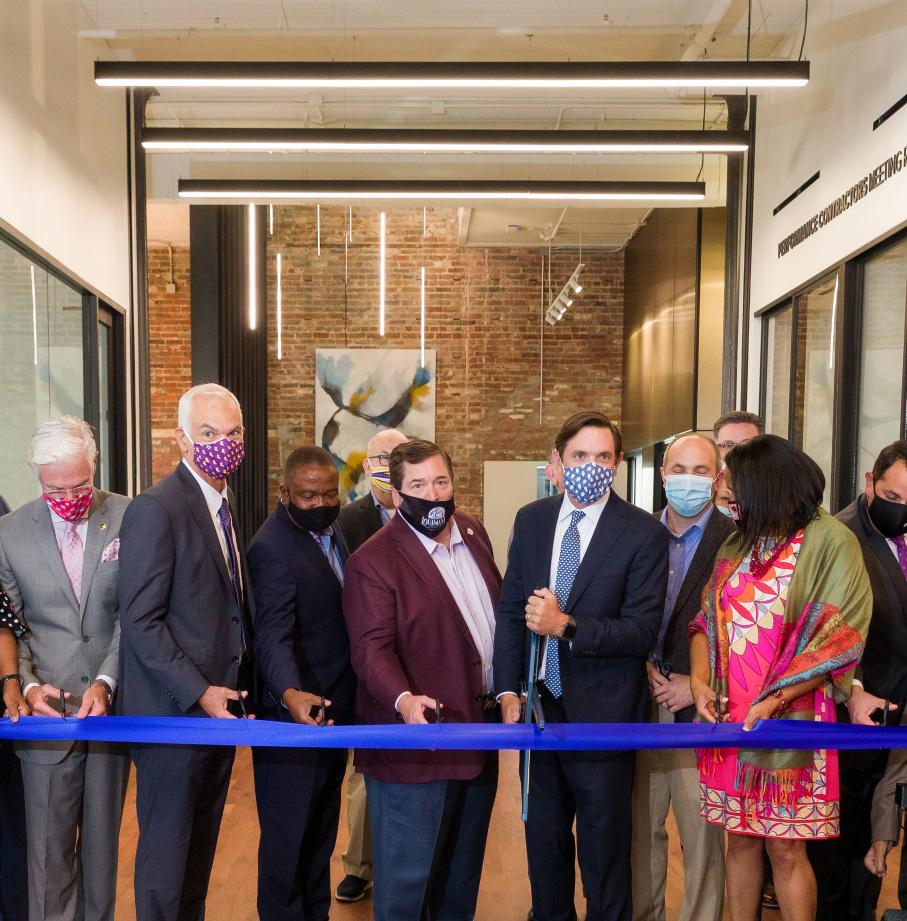
believer in LABI and became involved,” says Fontana, who first joined LABI in the early 1980s when he was a young lawyer in his 20s. He became a board member and chaired LABI’s Liability Taskforce in 1988. “That taskforce and LABI’s efforts led to passage of Louisiana’s Product Liability Act, which legislatively overturned court decisions that had threated the very existence of Louisiana’s manufacturing sector,” Fontana says.
LABI spearheaded reforms that culminated in the creation of the Louisiana Workers’ Compensation Corporation (LWCC) in 1992, a direct response to the insurance crisis of the 1980s. LWCC was the product of LABI’s persistent advocacy throughout that decade, as the group laid the groundwork for a competitive, employer-focused system. The LWCC offered a new model: a private, nonprofit mutual insurance company designed to provide
stability in the market and lower costs for employers while maintaining protections for workers. Its creation marked a turning point, showcasing LABI’s ability to not only shape legislation but also restructure institutions themselves.
By the 1990s, LABI had cemented its place as the state’s most influential business voice. In 1989, Steimel passed the LABI leadership torch to Dan Juneau, who would go on to serve as CEO for almost 24 years. The group entered the new decade with sharpened focus: creating a climate that attracted investment and kept Louisiana competitive in an increasingly global economy.
“Having been birthed by its almost sole purpose of passing Right-to-Work in order

to compete with its sister states, LABI substantially expanded its influence and policy issues over the years,” says Fontana. “While maintaining its original mission of protecting the interests of Louisiana job creators, improving the state’s business climate and championing the free enterprise system, LABI emerged as the one business organization that touches all the bases with respect to the factors which impact economic development and quality of life.”
Through the first part of the new century, LABI’s influence grew steadily. It built a formidable network of policy experts, lobbyists and regional partners. It began tracking the voting records of state legislators and publishing annual scorecards—an approach that made it easier for business leaders and citizens to understand where their elected officials stood on economic issues. In addition to labor issues, the organization turned its attention to fair and sensible taxation policies, education reform, workforce development, tort reform and a level playing field in the courtroom, an equitable and affordable workers’ compensation system, insurance availability and affordability, and
infrastructure. It also developed Political Action Commitees (PACs) to help identify and recruit quality candidates. In every area, LABI approached its mission through a pragmatic lens—supporting reforms that benefited employes but also emphasizing their long-term value to the broader economy.
When Stephen Waguespack stepped into the role of president and CEO of LABI after Juneau’s retirement in 2013, he brought with him both deep political experience and a fresh vision for the state’s most powerful business advocacy group. A longtime aide to former Gov. Bobby Jindal with years also spent in Washington, D.C., Waguespack had earned a reputation as a sharp strategist with a steady hand for navigating Louisiana’s often-turbulent political waters.
“During most of my tenure, the Capitol was focused on raising taxes and delivering new mandates, and it was my honor to lead the fight against that drive on behalf of Louisiana businesses,” says Waguespack, who is now senior vice president of the U.S. Chamber of
Commerce and president of the Institute for Legal Reform. “Even better, our wins benefited most the working families, parents and entrepreneurs hoping to start a new business in our state.”
Under his leadership, LABI sharpened its focus on making Louisiana a more competitive place to do business. Waguespack championed tax reform, workforce development and infrastructure investment while pushing back against regulations he argued stifled economic growth. He also worked to modernize LABI’s image, moving the organization beyond its role as a behind-the-scenes lobbying force to a more public, grassroots-driven advocate for business. He crisscrossed the state, speaking to local chambers of commerce, small business owners and industry leaders alike, positioning LABI as not only a Baton Rouge-based institution but also a statewide movement. And—with a vision focused squarely on the future— Waguespack spearheaded the move of LABI headquarters into a renovated, state-of-the-art building in downtown Baton Rouge, just steps from the Capitol, that offers substantial meeting spaces and also serves as an event venue. (Read more
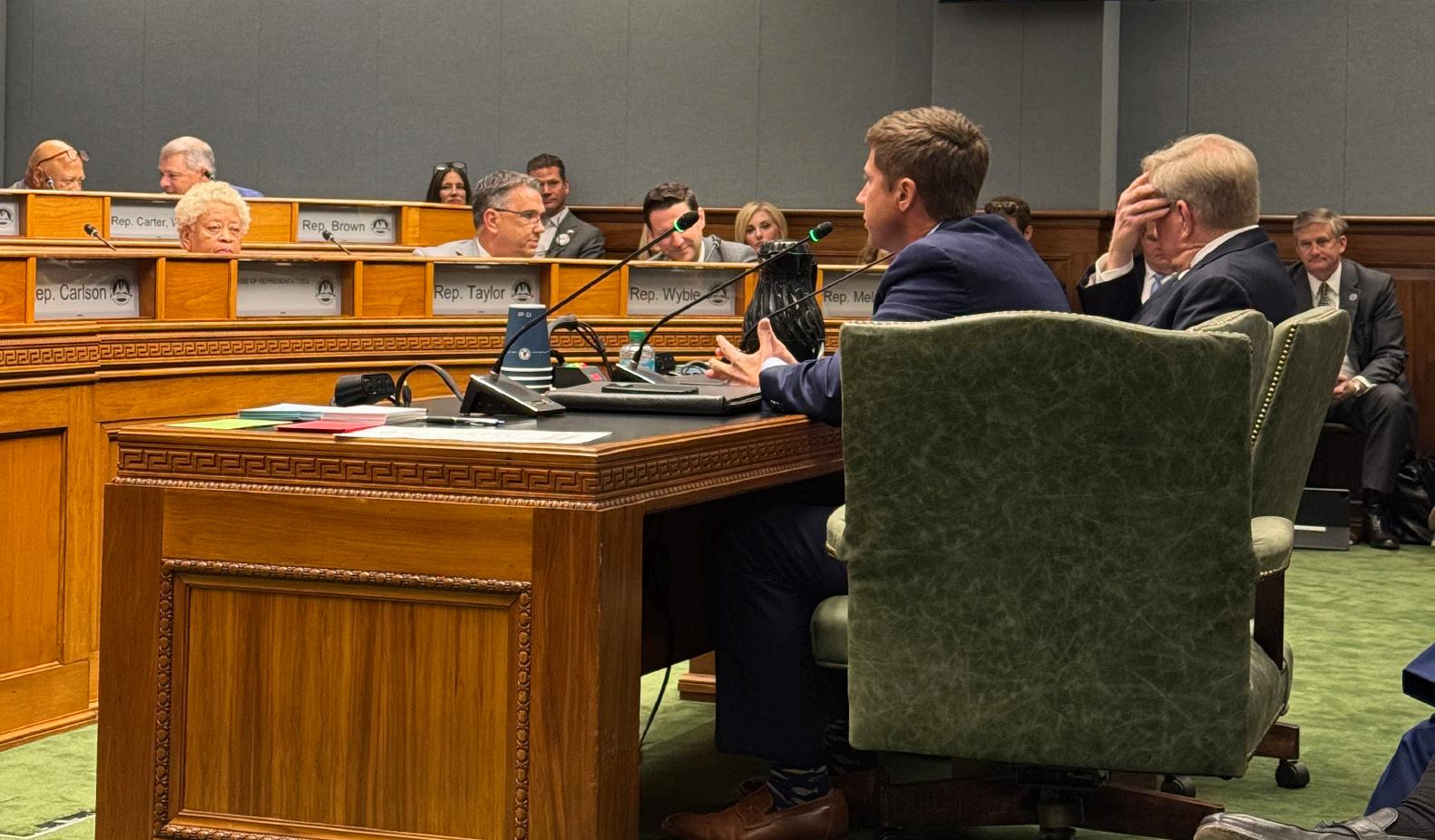
LABI CEO Will Green testifies in legislative committee regarding a 2025 bill supported by the organization that shifts Louisiana from a pure comparative fault system to a modified comparative fault system. The bill passed and takes effect in 2026.
about this facility beginning on page 69.)
“Moving downtown into an innovative building that could serve as the gathering place for businesses, policy makers and community activists to celebrate free enterprise was critical for LABI’s evolution,” says Waguespack. “The dialogue and debate that is housed in that building is key to developing the robust ideas needed to elevate Louisiana for years to come.”
When Will Green assumed the helm of LABI in 2023, he became only the fourth president in the organization’s history—a testament to both LABI’s stability and the high expectations surrounding its leadership. Green, who previously led the Louisiana Auto Dealers Association, emphasized building on LABI’s legacy of advocacy while also steering it toward a modern, inclusive vision of economic growth.
“Louisiana has the tools to compete on a national and even global scale,” says Green. “LABI’s work is about building a framework where natural resources, human capital and strategic policy converge to unlock that long-term prosperity.”
LABI has taken years of ambition and put it into action. Under its LA Driven strategic plan for the state—a plan to position Louisiana as an economic powerhouse in the South by 2030—LABI pushed through a host of reforms in Louisiana’s latest legislative sessions that will affect education and workforce development. But there is more work to be done.
“Louisiana has made more progress in the last two years than in the previous decade,” says Cox. “But the toughest work lies ahead— insurance and legal reform remain two top priorities, affecting every business and family in our state. To keep tomorrow’s goals in reach, we must hold firm in our resolve to replace policies that stifle growth with those that encourage it.”
Looking ahead, LABI’s potential lies in scaling this momentum. By continuing to bridge education-to-employment gaps, streamline regulatory burdens and deliver transparency and fairness in government, Louisiana will emerge as one of the fastest-growing economic hubs in the South. The next frontier may include expanding the state’s burgeoning energy, technology and export sectors, leveraging infrastructure reform, and attracting business that prioritizes both innovation and social impact. The possibilities for economic rejuvenation—and opportunity for residents statewide—are real, and LABI is poised to lead the charge.
“That same passion and hunger that led to LABI’s formation 50 years ago still burns today,” says Green. “I’m thankful for those who were, and are still, willing to take the bold, necessary steps against the status quo in favor of free enterprise. Those leaders will find LABI ready to stand beside them, working together to deliver the future our families and job creators deserve.”
Congratulations to LABI on
Your continued commitment has helped shape the Louisiana we know today.

Taylor Porter represents local, regional, and national clients in the most complex transactions and litigation across a variety of industries.
For more than a century, we have been committed to excellence and quality representation, collectively working as a team while meeting the unique needs of our clients.
Learn more at taylorp orter.com

Baton Rouge | Lake Charles Robert W. Barton, Managing Partner LA-25-19398
As LABI celebrates 50 years of serving Louisiana’s businesses, the association also celebrates the large and small businesses that have been faithful LABI members throughout it all. In addition to this full list of charter members from 1975, these pages highlight a handful of longtime member companies around the state.
A. Wilbert’s Sons Limited Partnership
Abe’s Food Center
Abell Corporation
Adams Pest Control
Akzo Salt, Incorporated
The Albach Company, Inc.
Alexandria Iron & Supply Co.
American Appraisal Company
American Bank & Trust Company of Houma
American Building Maintenance, Incorporated
American Sugar Cane League
American Supply Company of Morgan City
Anthony Forest Products Co.
G. Ardoin & Company
Arkansas Louisiana Gas Company
Armentor & Wattigny
AGC Shreveport Chapter
Association of Louisiana Electric Cooperatives, Inc.
Atchafalaya Federal Savings Bank
Atco Investment Company
Automated Prescription Systems, Incorporated
Avondale Industries, Inc.
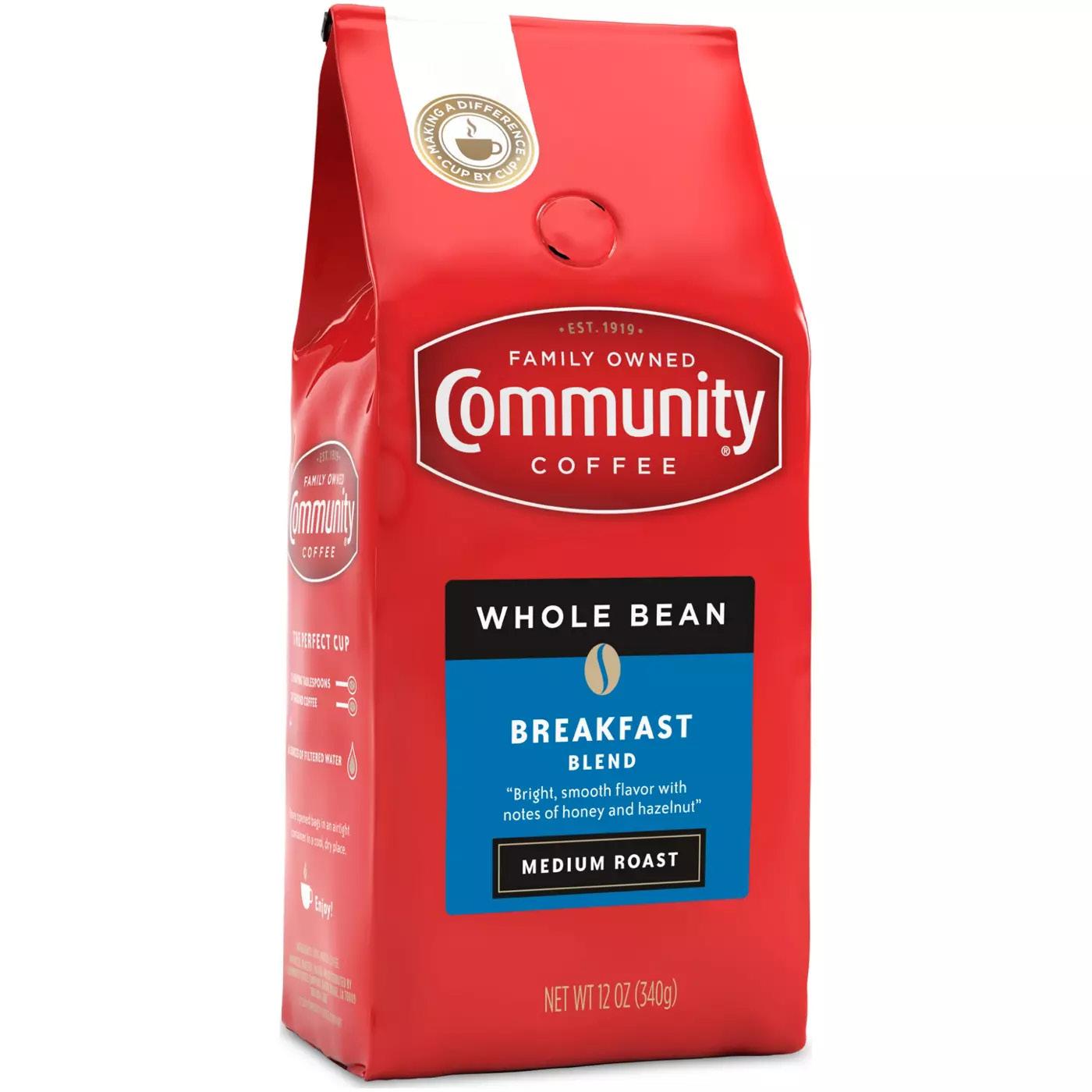
Cap Saurage’s 1919 grocery store has evolved into a family-owned powerhouse of perfect morning brews.
BASF Corporation
Bahlinger, Incorporated
Bank of Montgomery
Bank of Morehouse
Bank of New Roads
Barnard & Burk Group, Incorporated
Barron, Heinberg & Brocato, Architects & Eng.
Bastrop National Bank
Greater Baton Rouge Chamber of Commerce
Baton Rouge Coca-Cola Bottling Company
Baton Rouge Lumber Company
Bayou Pipe Coating
Bayou State Oil Corporation
Beach Brothers Furniture Store
Beacon Supply Company, Inc.
Beaird Industries, Inc.
Bean Dredging Corporation
Beer Industry League of Louisiana
J. A. Bel Estate
Bell Machine Company, Inc.
Bernard & Nungesser, Inc.
Bogalusa Concrete, Inc.
Boh Brothers Construction Company, Incorporated
Boise Cascade Corporation
Borden, Incorporated
Bossier Chamber of Commerce
Bowie Lumber Associates
Dr. C. E. Boyd
Brammer Engineering Inc.
Jim Branch Insurance Agency, Incorporated
Breazeale, Sachse & Wilson Attorney at Law
Brown Eagle Corporation
Brown & Root, Incorporated
Bruce Foods Corporation
Building Maintenance Corp.
Buquet Distributing Company, Incorporated
Burns Forest Products, Inc.
CF Industries, Incorporated
Cabot Corporation
Cain Chemical, Incorporated
Caire & Graugnard
Calcasieu Marine National Bank
Calcasieu Real Estate & Oil Company, Incorporated
Cameron Construction Company, Incorporated
Canal Barge Company, Inc.
Capital City Press
Capital Valve & Fitting Company, Incorporated
Louis J. Capozzoli & Assoc.
Carr Office Environments
Central Bank
Central Louisiana Chamber of Commerce
Central Louisiana Electric Co.
The Chamber/Southwest Louisiana
L. A. Champagne & Company
John E. Chance & Associates Incorpora
Chevron U.S.A., Incorporated
Cintas Corporation
Circle, Incorporated
CITGO Petroleum Corporation
City Bank & Trust Company
City National Bank
CNG Producing Company
Coastal Contractors, Inc.
Ruston Coca-Cola Bottling Co.
Colfax Creosoting Company
Commercial National Bank
Community Coffee Company, Inc.
ConAgra
Construction Materials, Inc.
Dr. John Cooksey
Cooper Industries, Inc.
Copolymer Rubber & Chemical Corporation
Couhig Pestaway Company, Inc.
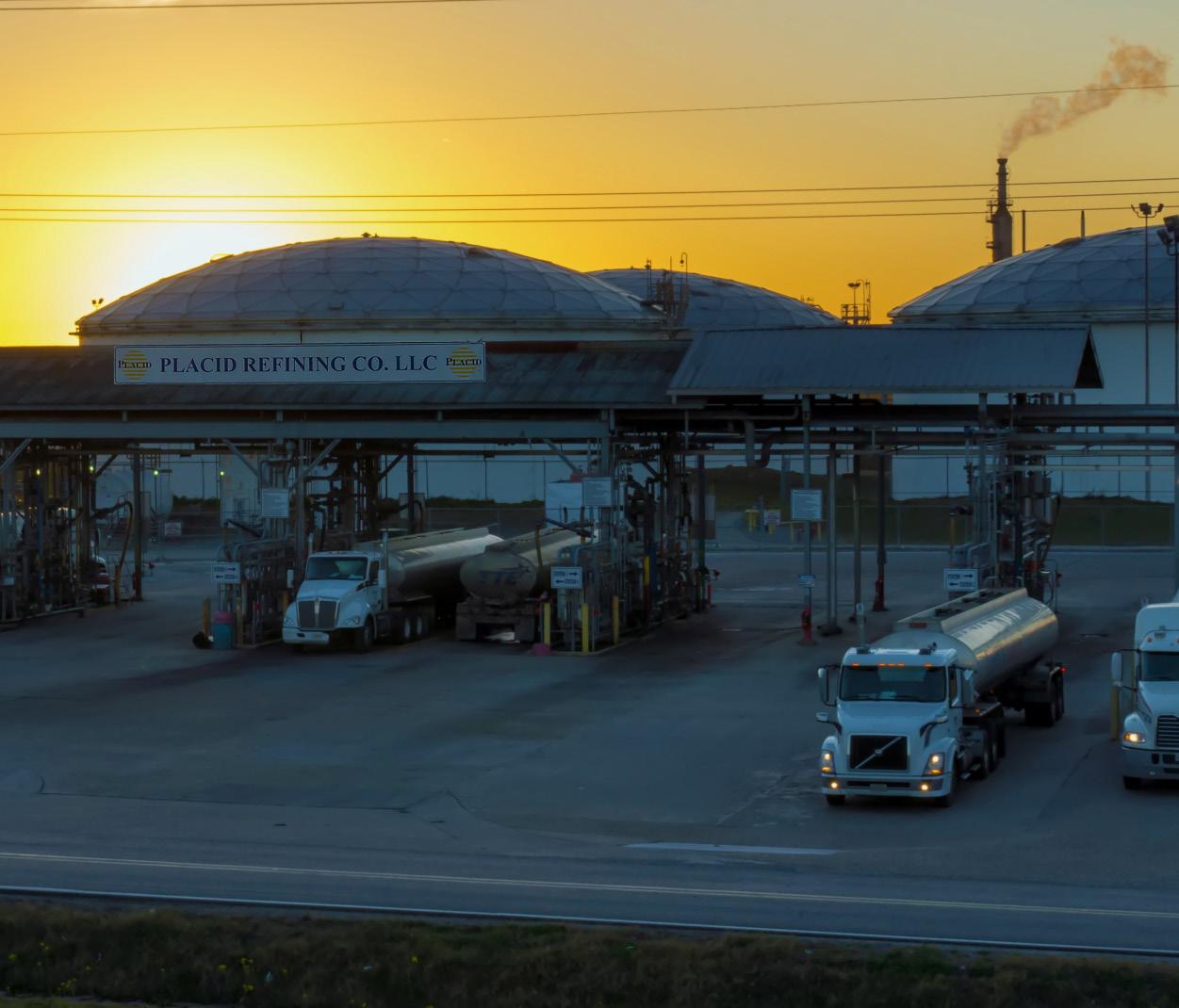
This independent firm produces and distributes a full range of transportation fuels across the Southeast.
Mr. Ed A. Courtney
Credit Bureau of Baton Rouge
Crest Industries, Inc.
Crow Interests
Cut Off Clinic
The Daily Advertiser
Daily Iberian
Dalwood Corporation
Davidson Louisiana, Inc.
Deep South Equipment Dealers Association
Delta Concrete Products Company, Incorporated
Deluxe Check Printers, Inc.
Dr. J. W. Deming
Dr. J. W. Deming
Max J. Derbes Appraisers & Real Estate Consultants, Inc.
Greater DeRidder Area Chamber of Commerce
Dixie Electric Membership Corporation
Dolese Concrete Company
Domingue, Szabo & Associates
Domtar Industries, Inc.
Doerle’s Food Service Inc.
Dow Chemical U. S. A.
Dravo Natural Resources Co.
Dresser Industries
Dugas Pest Control
Duplessis Cadillac, Inc.
E. I. Dupont deNemours & Co.
East St. Mary Area Chamber of Commerce
A. G. Edwards
Electronic Sales & Service Company, Incorporated
Elks Concrete Products, Inc.
Employers Info. Service, Inc.
Entex, Inc.
Ergon Exploration Incorporated
Ethyl Corporation
Eunice Chamber of Commerce
Evans Cooperage Company, Inc.
Exxon Chemical Americas
Exxon Company, USA
The Eye Clinic
Ferro Corporation-Grant Chemical Division
Fidelity National Corporation
Firestone Synthetic Rubber & Latex Company
First Federal Savings & Loan of Lake Charles
First Guaranty Bank
First National Bank in Donaldsonville
First National Bank of Lafayette
First Nat’l. Bank of Commerce
First National Bank
First State Bank & Trust
Ford, Bacon & Davis, Inc.
Forest Park Cemetery
Franklin Press, Incorporated
Freeport-McMoRan, Incorporated
Frost Trailer Parts, Inc.
Frymaster Corporation
GNB, Incorporated
W. J. Gayle & Sons, Inc.
General Electric Company
General Paper Company, Inc.
Georgia Gulf Corporation
Georgia-Pacific Corporation
Dutch Gosnell Manufacturing & Supply, Incorporated
W. R. Grace & Company
Greengate Garden Center
Gretna Machine & Iron Works, Incorporated
Gulf Coast Aerial Mapping Co.
Gulf States Utilities Co.
Guth Dairy, Incorporated
Hammond Chamber of Commerce
Hancock Bank of Louisiana
Dr. L. M.Harrison, Jr.
Hatfield Hardware & Lumber Company, Incorporated
J. V. Hawn Investments
Leonard B. Hebert, Jr. & Co.
Hendrix Manufacturing Company
Heritage Financial Corporation
Hilb, Rogal & Hamilton Company of Louisiana
Himont U.S.A., Incorporated
The Hobgood Company, Incorporated
Holzer Sheet Metal Works
Home Federal Savings & Loan
Houma Terrebonne Chamber of Commerce
Huval Baking Company, Inc.
Inglewood Land & Development Company
International Paper
Jack Jackson, Incorporated
James River Corporation
T. L. James & Company, Inc.
Greater Jennings Chamber of Commerce
K & B Incorporated
Since its founding in 1958, Crest Industries has grown into a leader in energy, infrastructure and industrial services.
Kinsey Interests, Incorporated
Elray Kocke Service, Inc.
Kullman, Inman, Bee & Downing
L. C. Medical & Surgical Clinic
LCR Corporation
Lafarge Concrete
Greater Lafayette Chamber of Commerce, Incorporated
Lake Arthur Lumber
Lake Charles Office Supply
Lakeside National Bank of Lake Charles
Lamar Corporation
Harry L. Laws & Company, Inc.
LeBlanc Management
Leesville-Vernon Parish Chamber of Commerce
Legg, Mason, Howard, Weil
Lengsfield Brothers, Inc.
J. B. Levert Land Company, Incorporated
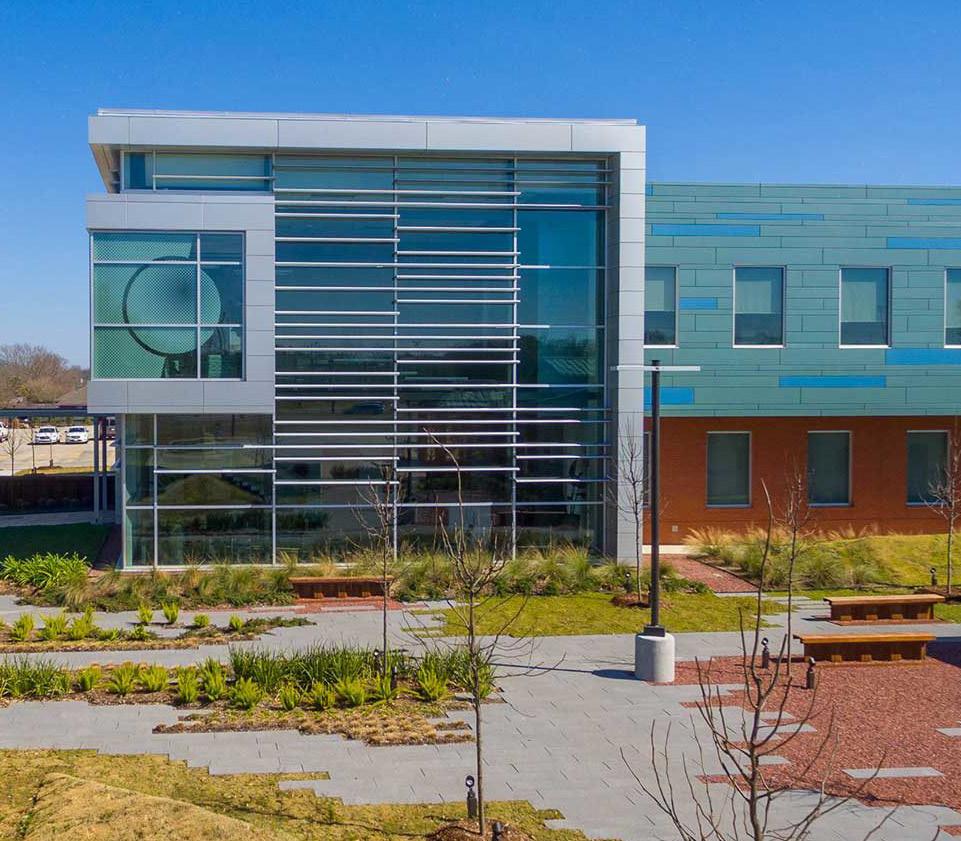
Integrated self-performed engineering, procurement and construction (EPC) services.
Lewis and Company, Limited
Libbey Glass
Liberty Rice Mill, Inc.
Lincoln Big 3, Incorporated
Lincoln Builders of Ruston, Incorporated
Mr. George L. Logan
C. M. Long, Incorporated
Lotel, Incorporated
Louisiana Asphalt Pavement Association
Louisiana Associated General Contractors, Incorporated
Louisiana Automobile Dealers Association
Louisiana Building Material Dealers Association
Louisiana Chemical Association
Louisiana Clarklift, Inc.
Louisiana Companies
Louisiana Farm Bureau Federation
Louisiana Forestry Association
Louisiana Grocers Association
Louisiana Home Builders Association
Louisiana Hospital Association
Louisiana Land & Exploration
Louisiana Machinery Co., Inc.
Louisiana Midland Transport
Louisiana Oil Marketers Association
Louisiana Pacific Corporation
Louisiana Power & Light Co.
Louisiana Press Association
Louisiana Realtors Association
Louisiana Savings Association
Louisiana Savings & Loan League
Louisiana Shipbuilding & Repair Association
Louisiana Soft Drink Association
Louisiana Television Broadcasting Corporation
Louisiana Transit Company Inc.
H. J. Lowe & Company, CPA
Madden Contracting Company
Malone & Hyde, Incorporated, Lafayette
Malone & Hyde, Incorporated, Monroe
Marathon Petroleum Company
Marcann, Incorporated
Marlin Exploration, Inc.
Marrero Land & Improvement Association, Ltd.
Roy O. Martin Lumber Company
Mathews, Atkinson, Guglielmo, Marks & Day
Mayer, Smith & Roberts Attorneys at Law
McDermott, Incorporated
McElroy Metal Mill, Inc.
McElveen Insurance Company
McInnis Brothers, Incorporated
Melton Truck Lines, Inc.
Manning Menard Oil Company
Merrick Construction Company
F. Miller & Sons, Incorporated
R. H. Miller Insurance, Inc.
Minden Bank & Trust Company
Minden Chamber of Commerce
Monsanto Company
Morton Salt Company Weeks Plant
Nadler, Incorporated
Natchitoches Parish Chamber of Commerce
National Food Products, Inc.
Waldemar S. Nelson & Company, Incorporated
News Star World Publishing Corporation
Occidental Chemical Corp.
Olin Corporation
O’Nealgas, Incorporated
Opelousas-St. Landry Chamber of Commerce
Ouachita Coca Cola Bottling Company
PPG Industries, Incorporated
P & W Industries, Incorporated
Mr. John T. Palmer
Pan American Life Insurance Company
Parish Concrete, Incorporated
Paxon Polymer Company
Pearce Insurance Agency
Pellerin Milnor Corporation
People’s State Bank
Piccadilly Cafeterias
Pioneer Bank & Trust Company
Pioneer Chlor-Alkali Company, Incorporated
Placid Refining Company
Plaquemine Towing Corporation
Plastics, Incorporated of Rayne
Ponchatoula Homestead Assn.
Porter’s Cleaners
Poulan/Weed Eater
The Powell Group
Power Packing Company, Inc.
Prager, Incorporated
Premier Bancorp, Incorporated
Price Waterhouse & Company
Process Services, Incorporated
Prudential Bache
Pumpelly Oil, Incorporated
Querbes & Nelson, Incorporated
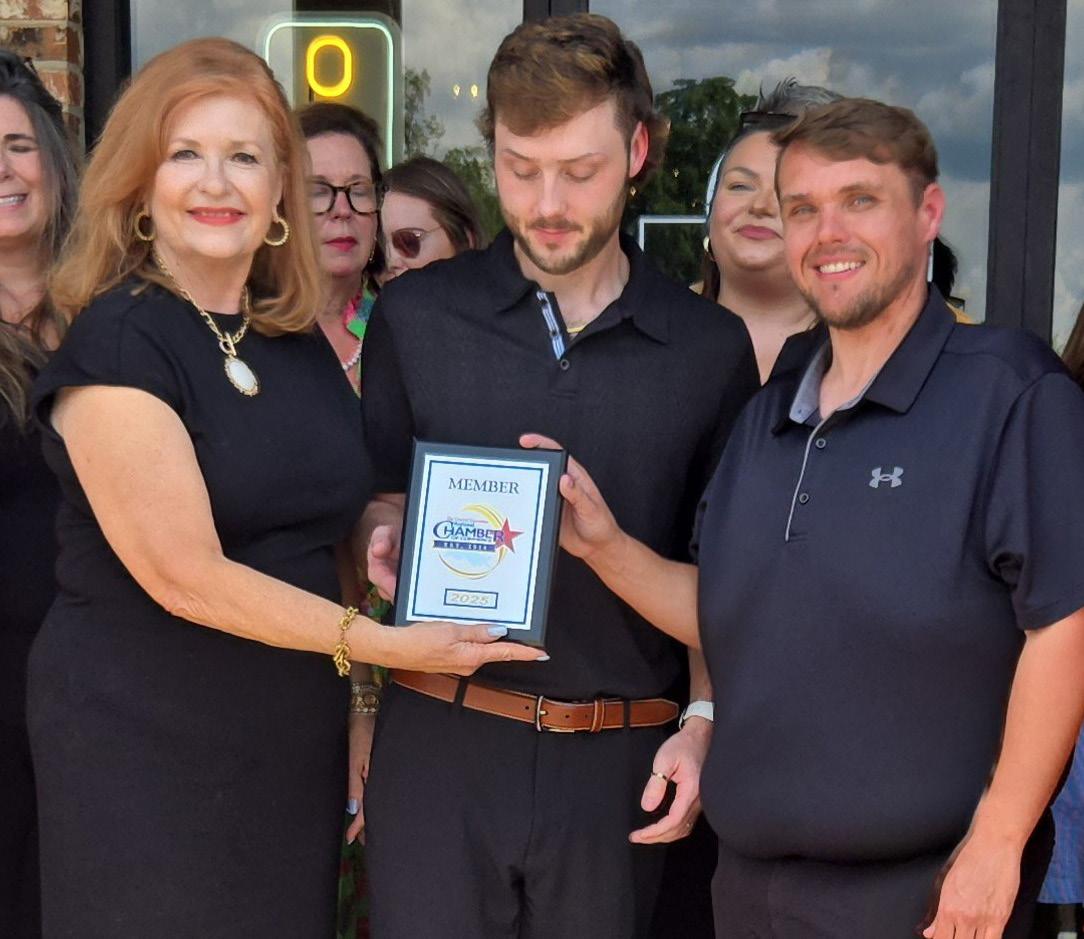
This diverse organization is the largest chamber in the region and is accredited at the 5-Star level by the U.S. Chamber of Commerce.
Rex Painting, Incorporated
Riviana Foods, Incorporated
Rosett & Motes, Incorporated
Ross & Wallace Paper Products, Incorporated
Royal Oldsmobile Company, Inc.
Rubicon, Incorporated
Ruston-Lincoln Chamber of Commerce
St. Mary Industrial Group
Savoie Industries, Inc.
C. A. Schnack Jewelry
Mr. Charels E. Schwing
Scott Truck & Tractor Company
Security Industrial Ins. Co.
Shackelford Gin
Shell Offshore, Incorporated
Shreveport Bossier Board of Realtors, Incorporated
Shreveport Budweiser Distributor, Incorporated
Shreveport Chamber of Commerce
688 Parts Service, Inc.
South Central Bell
South Coast Sugars, Inc.
Southern Builders, Inc.
Southern National Bank
Southern Plastics, Incorporated
Southern Savings Bank
Southern Valve Service, Inc.
Southport, Incorporated
Southwest Louisiana Electric Membership Corporation
Southwestern Electric Power Company
Spartan Building Corporation
Stamm Scheele, Incorporated
Steel Forgings, Incorporated
Stephenson Floor Coverings, Incorporated
Sterling Sugars, Incorporated
Stockwell, Sievert, Viccellio, Clements & Shaddock
Stupp Corporation
Sugar Enterprises
Sun Furniture City
TLC Services
Taussig Corporation
Taylor, Porter, Brooks & Phillips
Tenneco Gas Pipeline Group
Texaco, Incorporated
Texas Gas Transmission Corporation
Thibodaux Davis Hebert Deshotels
Times Publishing Company, Ltd.
Trans La
Transcontinental Gas Pipeline Corporation
Trappey’s Fine Foods
Tri Parish Bank & Trust Co.
Union Oil Co. of California
Uniroyal Chemical
Ville Platte Chamber of Commerce
Vulcan Chemicals
W H C, Incorporated
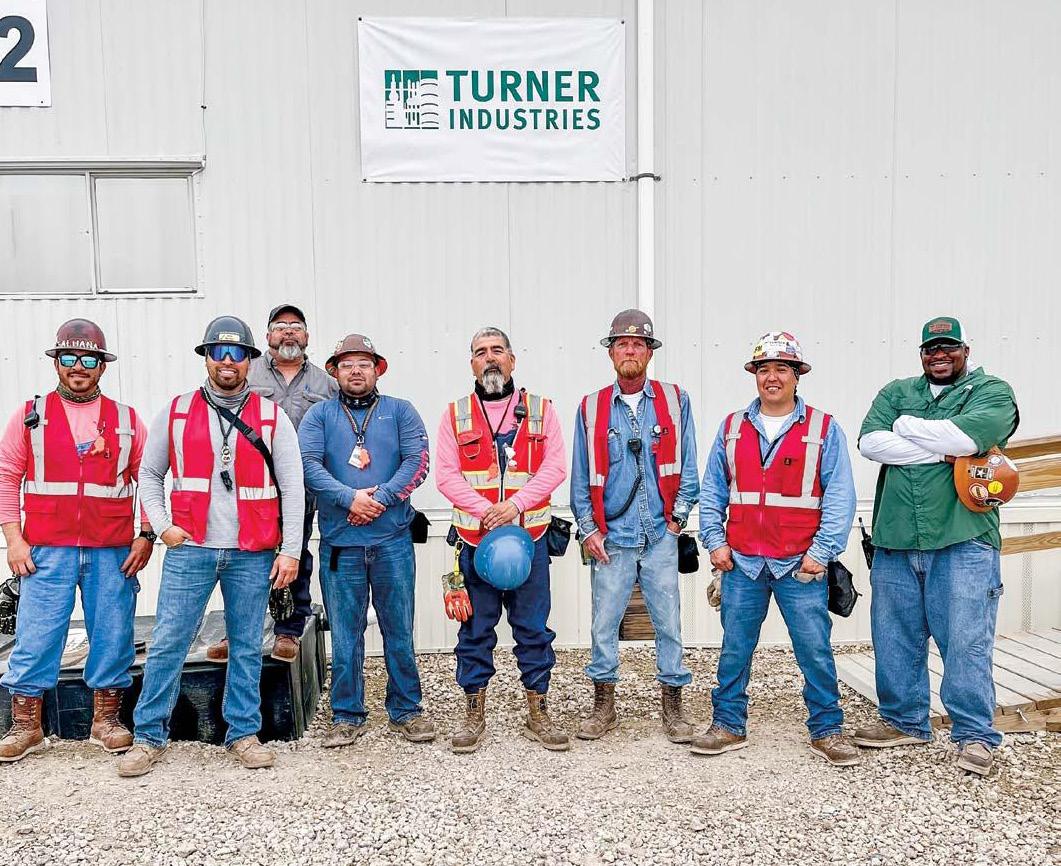
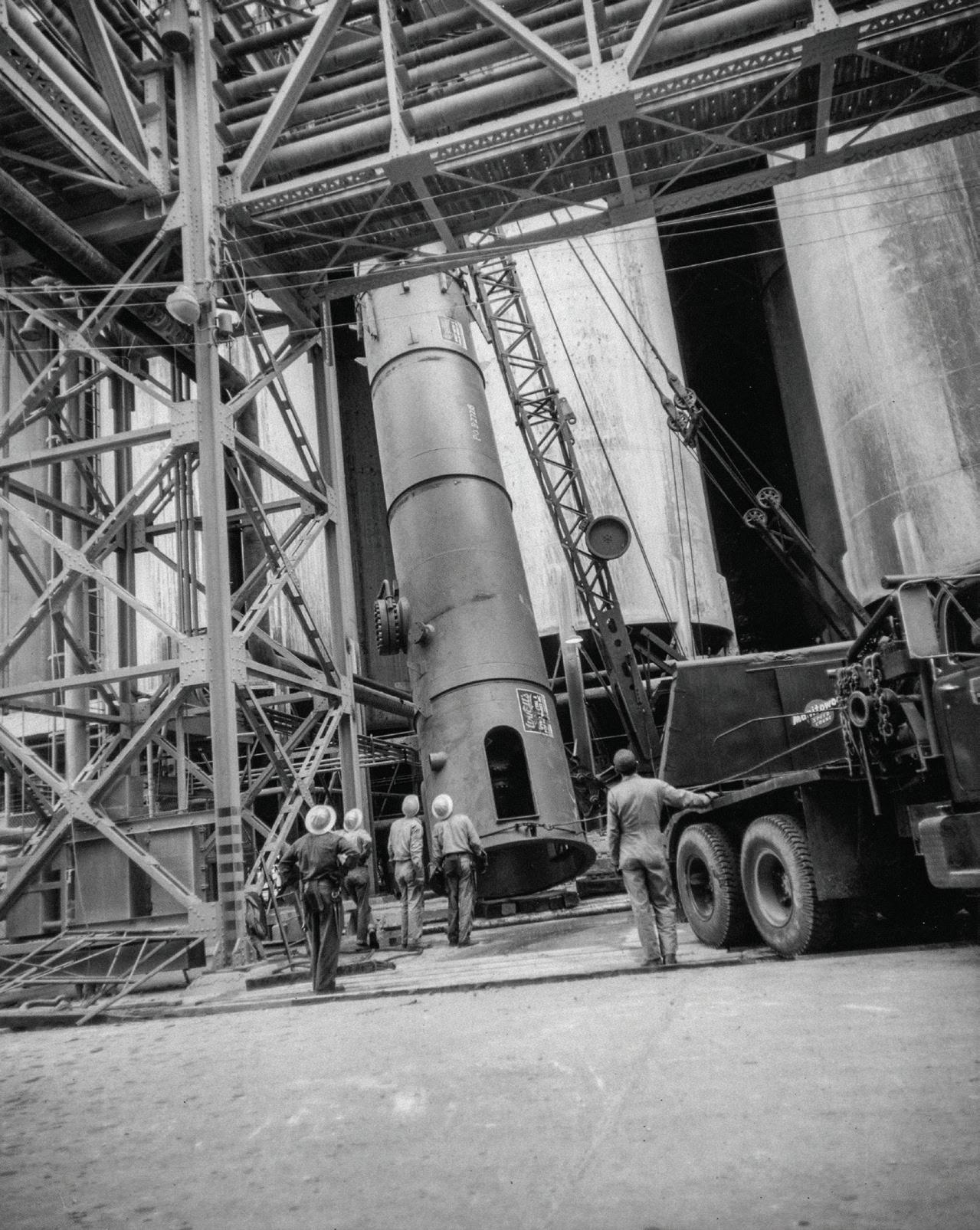
With roots dating to 1961, Turner tackles everything from heavy industrial construction and maintenance to pipe and module fabrication.
Walker Oldsmobile Company, Incorporated
Ward Oil Sales
Washington Life Insurance Company of America
Waskey Bridges, Incorporated
The Waterfront Employers of New Orleans
Watson, Blanche, Wilson & Posner
Weaver Brothers Land & Timber Company
West Monroe Chamber of Commerce
Westinghouse Electric Corp.
Wheless Drilling Company
Whitaker Construction Company
White & Babin
Whitney National Bank of New Orleans
Willamette Industries, Incorporated
Williams Brothers Construction Company, Incorporated
Wilson Warehouse Company
Woodfin Smith Pontiac, Inc.
Woodley, Barnett, Cox, Williams, Fenet & Palmer
Woodward-Clyde Consultants
Wray Ford, Incorporated
Mr. Charles C. Zatarain
Zetz Seven-Up Bottling Company
Radford Buick, Incorporated
Mr. Cecil E. Ramey, Jr.
William B. Reily & Company, Incorporated
Sam Reisfeld & Son, Incorporated
Reuther’s Seafood Company
Triad Chemical
Trunkline Gas Company
Turner Investments, Inc.
U O P
Union Carbide Corporation



BY AMY CIMO
LOUISIANA, the damage is measured not only in homes that are lost, but also in shuttered storefronts that line prominent streets across the state. For many communities, small businesses are more than just providers of goods and services—they are employers, neighbors, loved ones, sponsors of your local sports team, and a vital part of Louisiana’s culture and economy.
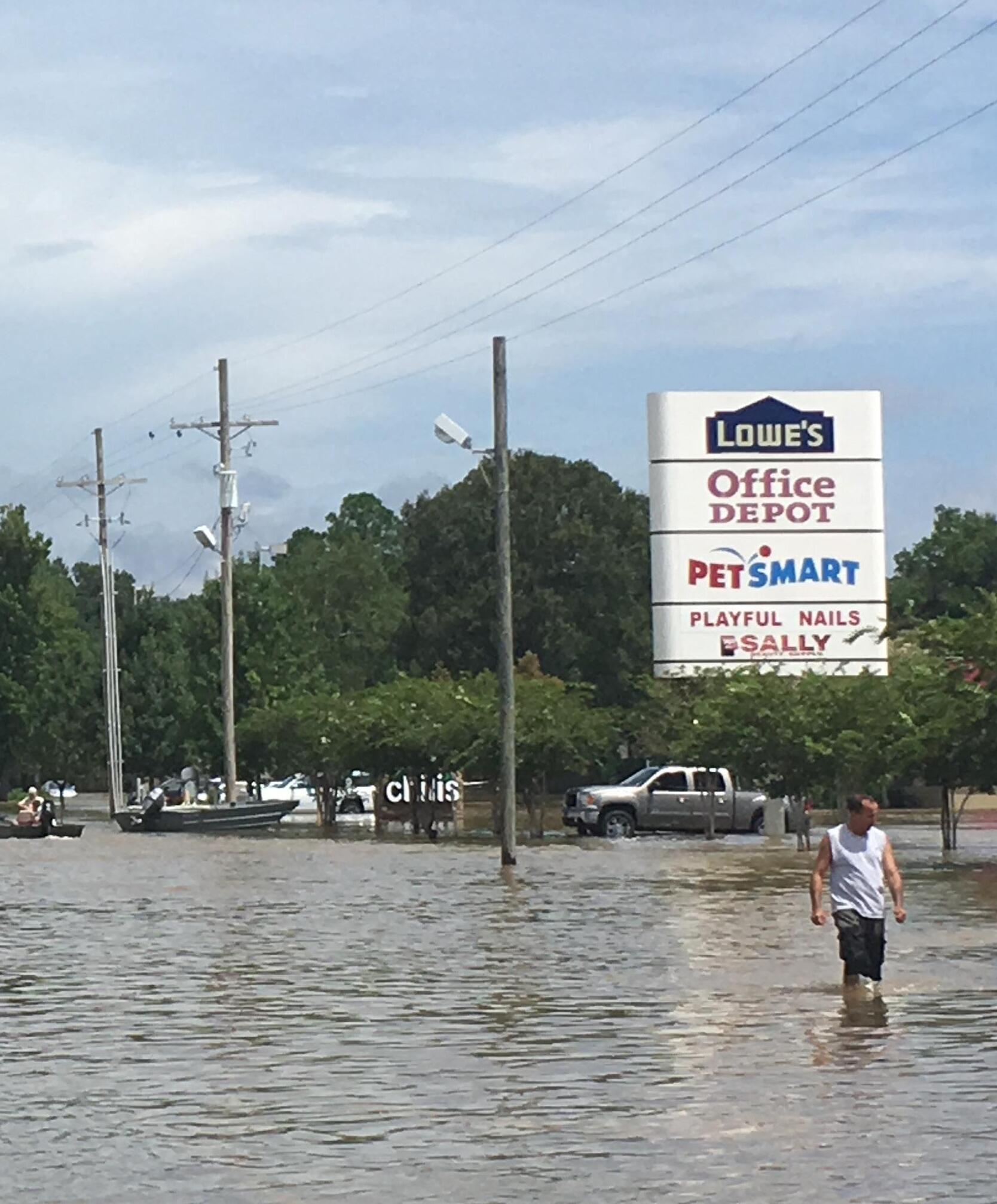
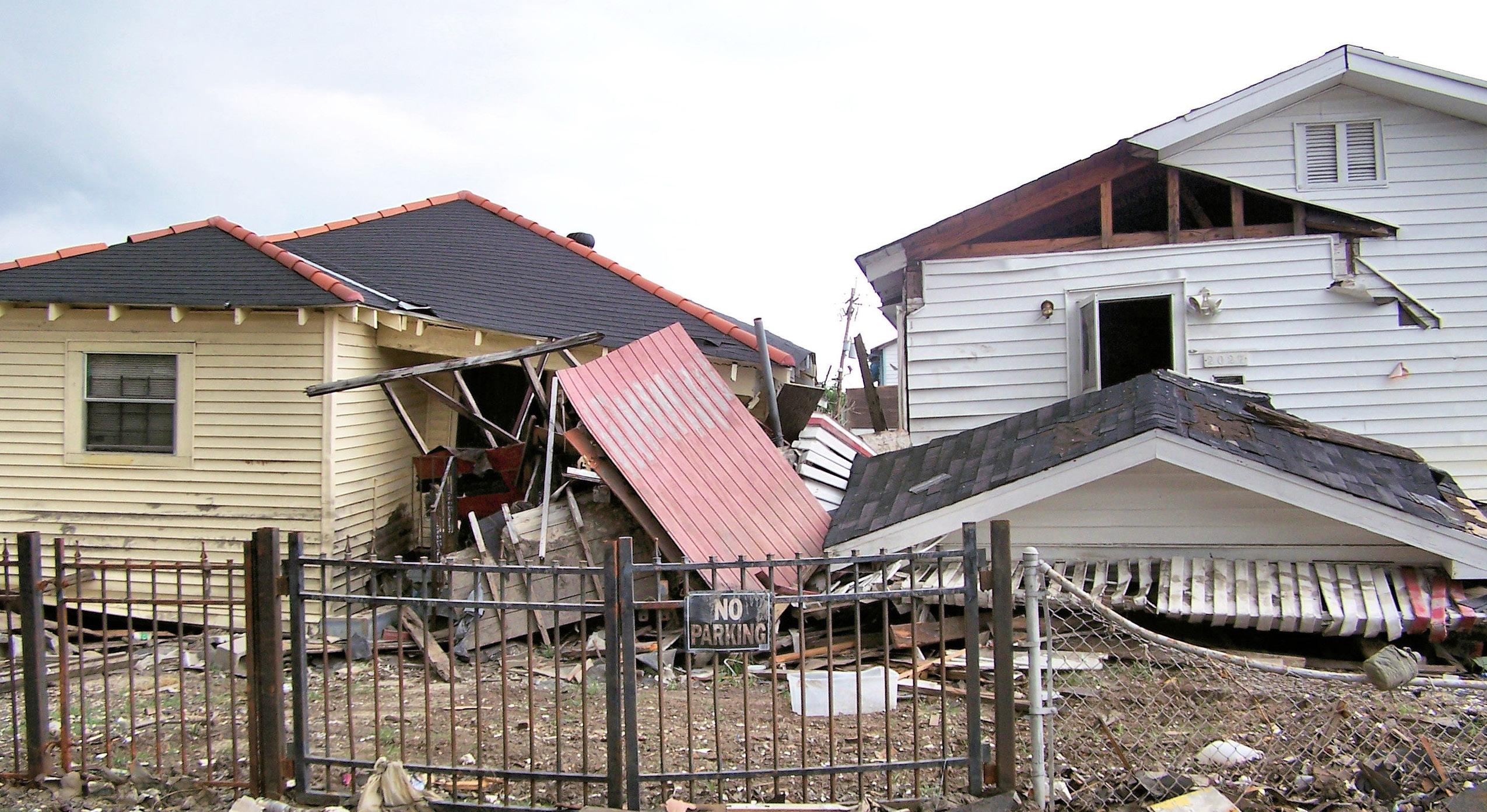
So when catastrophe hit—first with Hurricanes Katrina and Rita in 2005 and then with the historic floods of 2016—LABI stepped in to fill gaps and help businesses keep doors open when they needed it most. What began as an urgent act of community and compassion has since become one of LABI’s most enduring examples of partnership and leadership.
When Hurricane Katrina rocked the Gulf Coast, Brian Landry was serving as vice president of political action for LABI. In the days that followed, he remembers the phone ringing constantly.
“After the storm hit, LABI received many calls asking for assistance in small business lending and housing for their employees,” Landry recalls. “It was
strange to hear from so many successful businesses who were shell shocked in the aftermath. Many calls were just therapy calls, letting each small business owner talk through what they already knew needed to be done. It was obvious cashflow was affecting everyone.”
Federal aid was promised, but it was slow to arrive. Insurance claims lagged. LABI’s board knew that without quick intervention, many businesses might never reopen. That’s when the Small Business Disaster Relief Fund was created. In partnership with the Baton Rouge Area Foundation, LABI designed the fund to provide direct support to the community.
The application process was strikingly simple: a single page. The only ask: Be specific. “The funding requests varied, and we asked to know exactly how it would affect the business and employees,” Landry says. “We wanted the funds to be used for a relaunch, not a sendoff.”
The impact was immediate. A Slidell tire shop received money to replace vehicle lifts, allowing employees to get back to work during a time when damaged roads meant demand was higher than ever. Landry recalls an engineering firm owner in tears after receiving funds to replace destroyed computers. That equated to two months of breathing room needed while waiting on insurance and SBA loans.
And this support wasn’t all local. It poured in from around the country. Chicago-based technology company CDW pledged $350,000 after its employees voted to forgo their annual holiday party to contribute to Louisiana communities in need. CDW later matched additional donations for a total contribution of $700,000.
In a powerful moment of reciprocity, the Oklahoma City Chamber—previously aided by LABI following the 1995 bombing of that city’s Alfred P. Murrah Federal Building—sent a delegation with a donation for Louisiana businesses.
In all, the fund raised more than $1.7 million, assisting hundreds of small businesses across Louisiana. “The key lesson,” Landry reflects, “is to deliver capital to small businesses quickly after a disaster.
Streamline the process, cut through the red tape, and let them focus on recovery.”
More than a decade later, Louisiana was underwater again with the August 2016 “flood of the century.” For many hard-hit small business owners, the devastation of this flood was compounded by the fact that their own homes had flooded, too. According to a report released by Louisiana Economic Development, the storm impacted over 20,000 businesses and caused $8.7 billion in damage to both homes and companies across 22 parishes.
LABI again stepped up and stepped in—this time, however, with an additional resource: the newly formed LABI Foundation, which had been officially established just months earlier.
In the days following the flood, the Louisiana Small Business Rebirth Fund was launched. This was a collaborative effort in partnership with the Baton Rouge Area Chamber, Greater New Orleans Inc., the Louisiana chapter of the National Federation of Independent Business, the Louisiana Association of Chamber of Commerce Executives, and One Acadiana.
“The historic flooding in 2016 damaged so many communities, so we assessed
our membership to determine where we could be most helpful,” says Stephen Waguespack, then-president of LABI. “What became apparent was the need for small businesses in each impacted area. Many of those Main Street businesses did not have the time to wait for [insurance] reimbursements. Their communities were depending on them to get back online quickly.”
Waguespack emphasizes the importance of collaboration: “In a time of crisis like that, there are so many groups, foundations and donors looking for ways to help. It only made sense to create a collaborative program for all that energy.”
The Rebirth Fund distributed more than $760,000 in grants to 142 small businesses across the region. Recipients included all industries, from daycares, health clinics and veterinarians to auto mechanics, janitorial services and more.
For many business owners, these grants meant survival. “It was a game changer,” says Waguespack. “There were so many letters, emails and phone calls from recipients expressing their appreciation, sharing how it helped them stay in business and get back to serving their community.”
What set both the 2005 and 2016 funds apart was their immediacy. Federal programs were slow-moving, but LABI’s funds were designed to be the opposite.
“Small businesses are the most vulnerable to closure in the immediate days and weeks after a tragedy,” Waguespack says. “This program created a bridge to ensure that once the recovery was done, the local way of life was back as it was before.”
Elena Lacour, vice president of member relations at LABI, worked closely with the 2016 effort. She expands on how the Rebirth Fund highlighted the human side of disaster recovery. “I can tell you people were very appreciative, and they said it made the difference in whether they could open their doors again right away,” she says. “In the days following the flood, it was a struggle to find even a loaf of bread at the grocery store. Those small businesses reopening made daily life possible again.”
Both the Small Business Disaster Relief Fund and the Rebirth Fund proved that when Louisiana’s small businesses are given a “hand up,” entire communities recover faster. The ripple effect of one reopened shop extends far beyond the business: employees return to work, neighbors regain services, local spending is ignited, and the community is preserved.
“Small businesses are not just commerce,” Waguespack reflects. “They are truly part of the culture and way of life in so many communities. They step up when needed, and we had to step up for them.”
As LABI marks its 50th anniversary, the story of these funds underscores the organization’s broader mission: championing Louisiana businesses not just in boardrooms and at the Capitol but also on the ground in times of deepest need.
Perhaps Landry explains it best: “Investing in small businesses yields a higher economic impact as those funds ripple upward through economic channels. After these disasters, we learned that when we help small businesses, we help Louisiana rise again.”
By a year after Katrina, the rebuilding process was well underway in New Orleans, with help from the Small Business Disaster Relief Fund and donors from around the country.
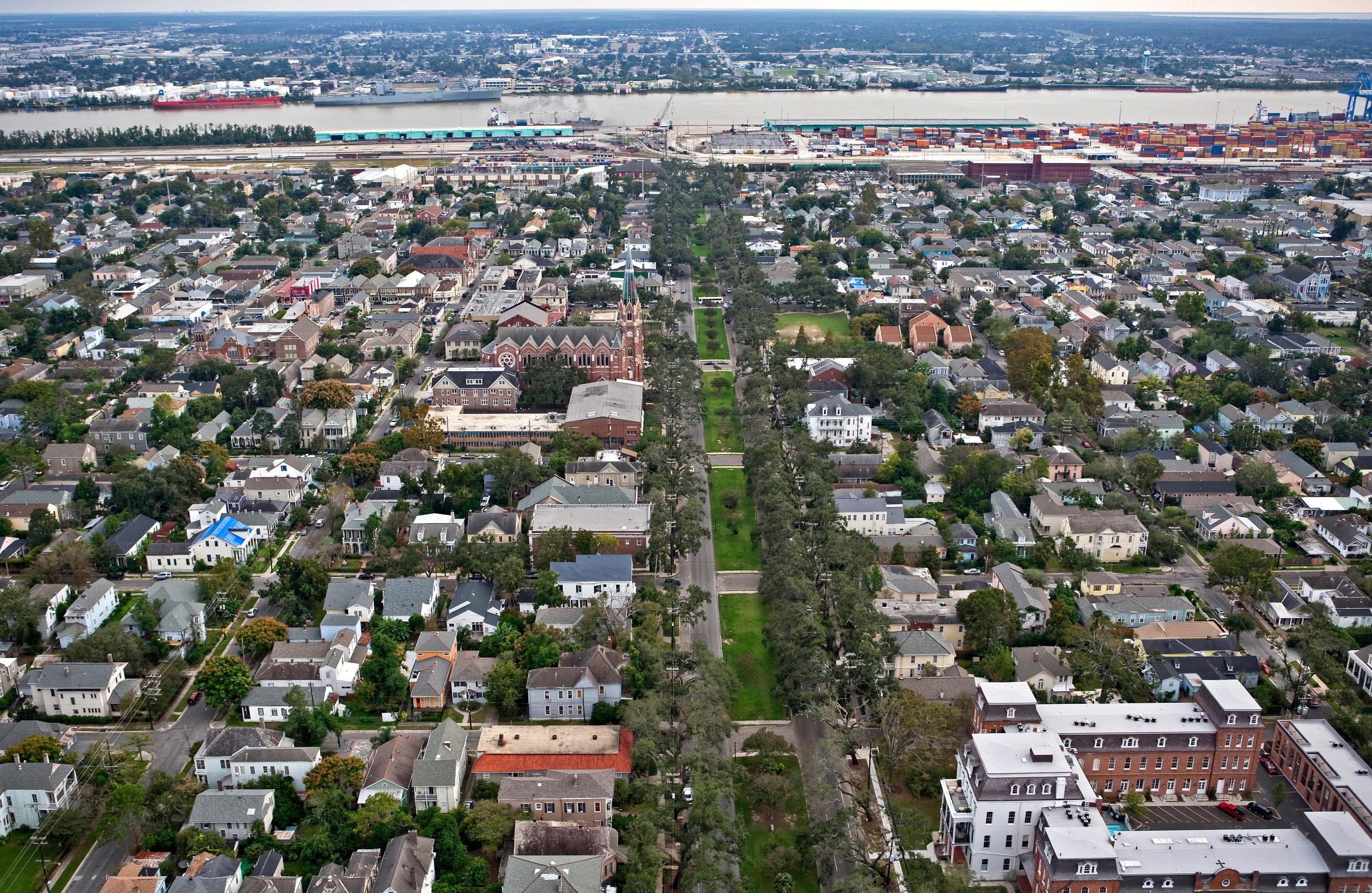

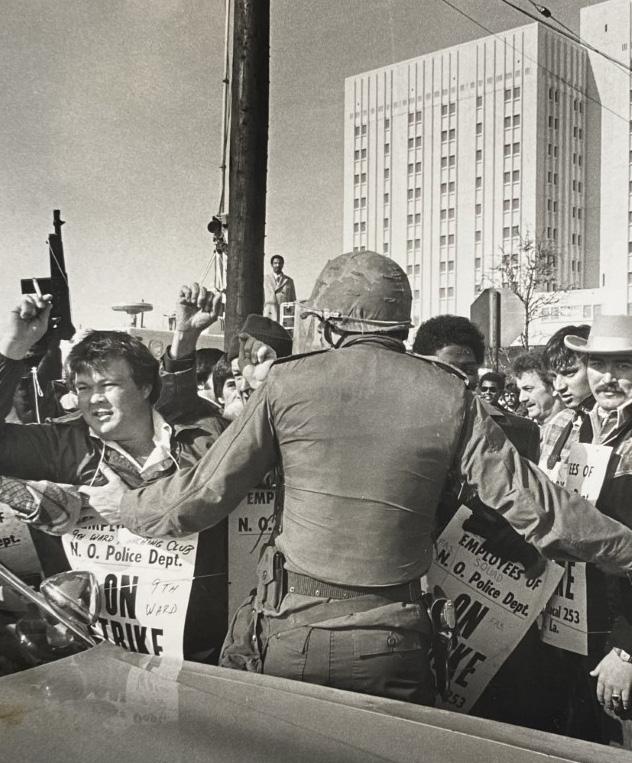
Take a closer look at the law that empowered workers, fueled growth, and spurred the creation of LABI
BY AVA BORSKEY
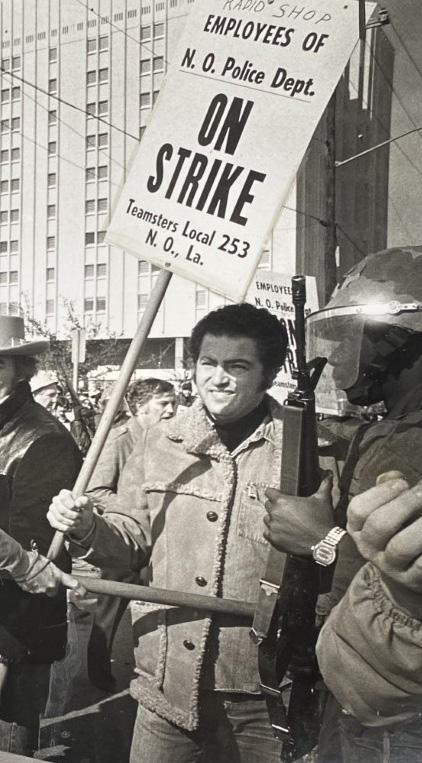
FIFTY YEARS AGO, Louisiana’s business and political climate was in turmoil. The fundamental issue at hand: right-to-work.
Simply put, right-to-work laws give workers the freedom to choose whether or not they would like to join a union. Without rightto-work laws, labor unions can control job sites by requiring all workers to pay union dues or fees as a condition of employment.
For decades, right-to-work issues were a powder keg in Louisiana that fueled violence and, in turn, mobilized the business community. The push for right-to-work legislation was a driving force behind LABI’s founding in 1975, and many of the organization’s members had firsthand experiences with hostilities surrounding right-to-work matters.
Archie Lyles, a former chairman of the LABI Board of Directors, found himself on the opposing side of a labor union strike in 1968, when his paper mill company started a project in DeRidder. Lyles recalled the events in a first-person point-of-view article in LABI’s 25th anniversary magazine in 2000.
With descriptive writing, Lyles recounted how thousands of labor union protesters dug a 6-footdeep trench that stretched 20 feet long, rendering the road to the paper mill plant useless. Strikers fought against and disarmed some law enforcement officers, while visibly fraternizing with others. The strike lasted longer than a week, until the owner of the plant threatened to move his company to Texas, and Gov. McKeithen was forced to send in the Louisiana National Guard to restore peace.
“Labor knew a simple fact,” Lyles wrote. “If you elected someone, you could influence him. Business didn’t understand this simple political fact. We complained, while Labor grew stronger.”
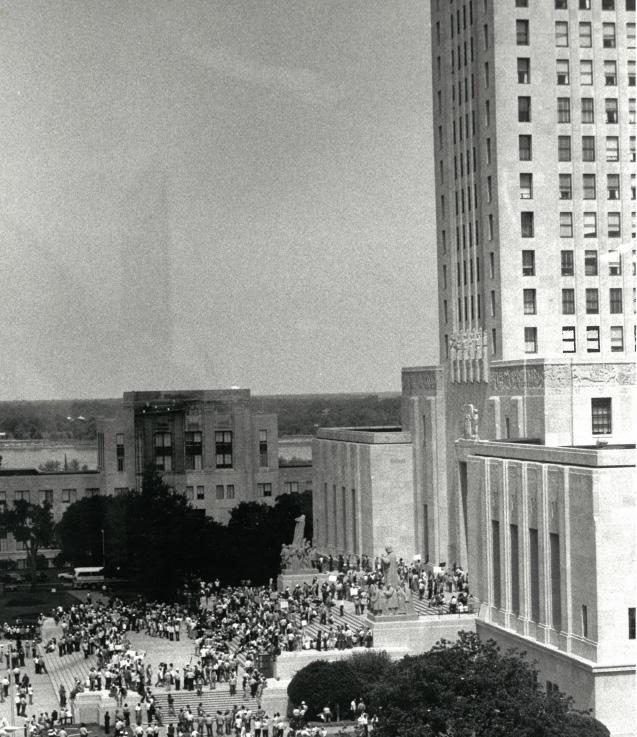
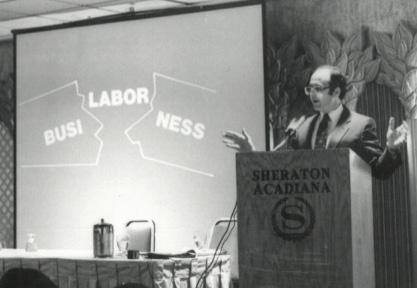
By the 1960s, Louisiana was the only southern state without right-to-work legislation, a fact that infuriated the late Tom Spradley, who was just embarking on his career in economic development. Spradley moved to Louisiana from Arkansas, one of the first states to ever pass right-to-work legislation. He said he knew right-to-work was the right thing to do.
When he arrived in Louisiana in 1968, Spradley began working for chambers of commerce across the state, including Lake Charles and Shreveport. A lobbyist at heart who would later establish his own governmental consulting firm, Spradley frequently commuted to and from the Capital City to meet with business and political leaders.
“I put 70,000 miles on a car in one year coming down to make sure they understood why it was important to pass Rightto-Work,” Spradley recalled.
Spradley said he often talked to individuals who, despite the abundant natural resources of Louisiana, said they couldn’t risk bringing their industry to the state because of the dangers of retributive labor unions.
“Labor owned the state in those days,” Spradley said. “I got really disappointed with the efforts the business community put forth. They were just getting slaughtered.”
Recognizing the collective lobbying power of labor unions, Spradley, along with many others, realized the business community needed to unite to do the same.
On September 4, 1975, LABI officially formed when three separate business organizations merged: the Louisiana Manufacturers Association, the Louisiana State Chamber of Commerce and the Louisiana Political Education Council.
economy by removing man-made impediments to economic growth.
§983. FREEDOM OF CHOICE. No person shall be required, as a condition of employment, to become or remain a member of any labor organization, or to pay any dues, fees, assessments, or other charges of any kind to a labor organization.
Added by Acts 1976, No. 97, §1.
LABI’s founders sent a delegation to ask Ed Steimel, executive director of Louisiana’s Public Affairs Research Council, to lead the newly formed business organization. He agreed.
“Ed Steimel had made a good career so far in Louisiana, pointing out the things we do wrong,” Spradley said. “He was such an icon of virtue with the business community.”
LABI’s overall goals at the time of its founding were threefold: Restore political balance; strengthen public education to develop self-reliant and productive individuals; and strengthen Louisiana’s
Passing right-to-work legislation was a more specific goal that LABI members believed would take at east two years to achieve—until a conflict between two competing labor unions led to the murder of a 26-year-old father of two. Joe Hooper had finally found a job after weeks of unemployment. He was in the construction trailer at the Jupiter Chemical Company in Lake Charles when the floor shook and the wall split in two. A forklift carrying gun-wielding labor union members burst through the building. A spray of bullets wounded five men and killed Hooper.
The AFL-CIO-organized mob had hoped to intimidate Jupiter into exclusively hiring AFL-CIO members, and not members of other unions. Instead, the January 15, 1976, incident made national news and effectively flipped public opinion on rightto-work.
Within three months, LABI announced the intention to pass right-to-work legislation. Steimel wrote a memo to LABI’s
Executive Committee saying, “the public attitudes are awaiting activation.”
Steimel had the stats to back his statement up. A public opinion poll in April 1976 reported that approximately 75% of Louisiana citizens believed union membership should not be a condition of employment and 77% favored the passage of a right-to-work law.
With Steimel leading the way, LABI sponsored a grassroots campaign and intense lobbying effort. The organization contacted every plant manager along the Mississippi, asking them to call their legislators in support of right-to-work. LABI raised funds for an intense media campaign, including TV spots and a special publication naming right-to-work as the way to attract new industry to Louisiana and expand entry-level jobs, the perfect solution to the state’s slow
PassedRighttoWork, organization leaders wrote, “For the first time, business was organized, business was vocal, and business meant business.”
On May 10, 1976, one of the most intense legislative sessions in Louisiana history convened. Throughout the months-long legislative process, large crowds gathered at the Capitol to hear the Right-to-Work bill.
Debate stretched for hours at a time, with both sides offering fiery opinions. Some spectators wore hard hats, while others carried signs. Both sides were represented, and state troopers were called in to help keep the peace.
On July 8, 1976, the Louisiana Senate passed House Bill 637, authored by Rep. Walter Bigby, a Democrat from Vernon Parish. Gov. Edwin Edwards signed the bill into law the following day.
For half a century, Placid Refining has proudly supplied high-quality fuels across Louisiana and the Southeast.
From our roots in Louisiana to our strong partnerships across the region, our commitment to reliable energy, local communities, and dedicated people has never wavered. As we celebrate our 50th year, we’re looking ahead –continuing to invest, innovate, and deliver for the next generation.
union legislation were repealed in the 1976 session, but none meant as much as right-to-work.
“Right-to-work was the crowning glory,” Spradley said. “It’s good for business, and business is good for labor.”
That 1976 Right-to-Work law still stands in Louisiana, contained in RS 23:981-987.
Jim Patterson, current vice president of governmental affairs at LABI, calls Rightto-Work “the law of the land.”
“It’s about freedom,” Patterson says.
“At the end of the day, anybody who is looking for opportunity for a career needs to be free to act in their own best interests.”
Patterson continues, “Your interests are something you should have the right to determine and advocate. And that’s what the law says. The opening salvo says you can join a union or not. That’s the stated





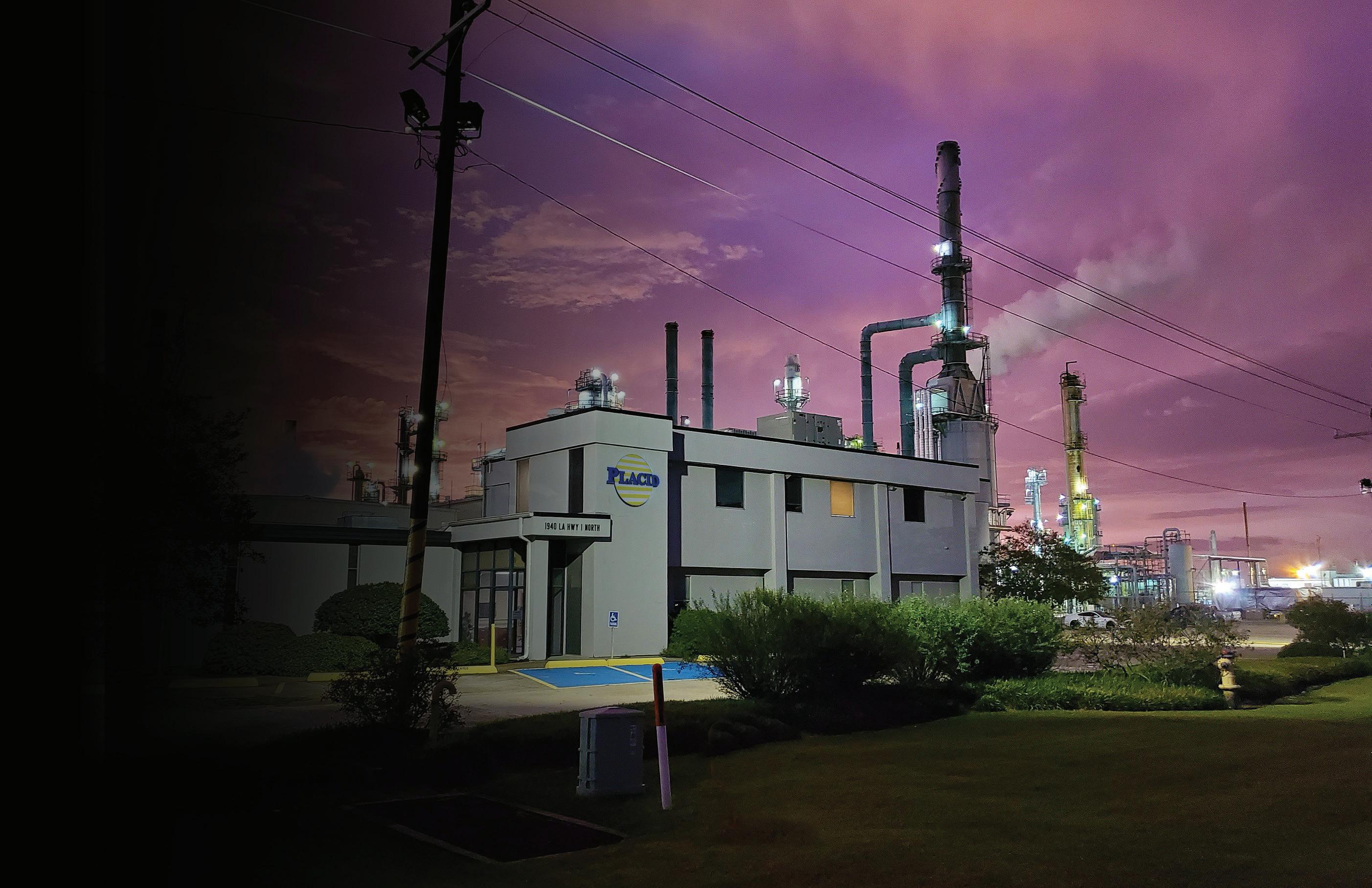

S&W Foods, Louisiana’s Leading Independent Foodservice Supplier, has been servicing the greater New Orleans hospitality industry for over 40 years, providing a wide selection of foodservice quality products- from exclusive gulf seafood to premium meats and fresh produce, canned goods, equipment, cleaning supplies and more. S&W is proud to announce the opening of our new Hammond headquarters, nearly 4 times the size of our previous facility, allowing us to service local hospitality businesses in this area and beyond better than ever before. Whether you’re a local restaurant, coffee shop, or bakery, elevate your offerings with S&W Foods’ premium products and dedicated service. Visit s-wfoods. com or call (985) 542-4444 today to learn how we can enhance your menu and support your business with personalized, local expertise.
BY AVA BORSKEY
It seems appropriate that the 50th anniversary of LABI coincides with another milestone for the organization—the 10th year of honoring outstanding Louisiana businesses, leaders and organizations. The Louisiana Business Excellence Awards, formerly known as the Free Enterprise Awards, recognize dedicated, innovative, forward-thinking and community-driven business leaders and organizations that are committed to improving our state. The winners were celebrated at a special luncheon on November 18; read more about them on the following pages.
“Our 2025 honorees remind us that business success and community success go hand in hand,” says LABI President and CEO Will Green. “The Louisiana Business Excellence Awards celebrate the entrepreneurs and companies driving innovation, creating jobs and shaping a stronger, more competitive Louisiana.”
HANK DANOS has a name that speaks for itself in the oil and gas industry.
Danos, LLC is a family-owned energy service company that has been operating in Louisiana since 1947. Danos offers end-to-end solutions from automation, fabrication and coatings to scaffolding, shorebase and logistics services.
Hank is a second-generation owner of Danos and the current chairman of the Danos Board of Directors. He grew up watching his father, Allen Danos Sr., run the business.
“From an early age, I was interested in—fascinated by—what we were doing,” Hank says.
Hank has lots of memories of traveling with his dad to and from business meetings. Every summer, Hank worked at the family company. He took on several positions, includ-
ing roustabout. Hank watched and learned as his father, a proud Louisiana man with strong values, interacted with customers and employees. Some of those interactions occurred entirely in French, Hank’s dad’s first language, which Hank himself later picked up on.
In 1970, after a battle with illness, Allen Danos Sr. passed away, leaving the family business to his two sons, 21-year-old Hank and 24-year-old Allen Danos Jr.
“It was pretty intense,” Hank says. “All of a sudden, my dad was gone. We were in charge, and we were trying to save a business.”
Luckily, Hank and his brother had lots of support from their mother, as well as the company’s employees and customers. The Danos boys were not only able to continue the family business but propel its growth, both
within the U.S. and internationally. Danos has worked on projects as far away as West Africa and the South China Sea.
Over the years, the Danos legacy strengthened and carried on to a third generation. Hank’s three sons, Paul, Eric and Mark, are currently at the helm of the Danos company. But Hank is still involved, commuting from his home in Lafourche to the Danos headquarters in Terrebonne Parish several days each week.
Hank’s commitment to his business, the energy industry and the Louisiana community has never once wavered. To honor over five decades of leadership and service, LABI recognized Hank as the recipient of the 2025 Ed Steimel Achievement Award, a recognition that is especially meaningful because Hank was fortunate enough to know Steimel personally—dating
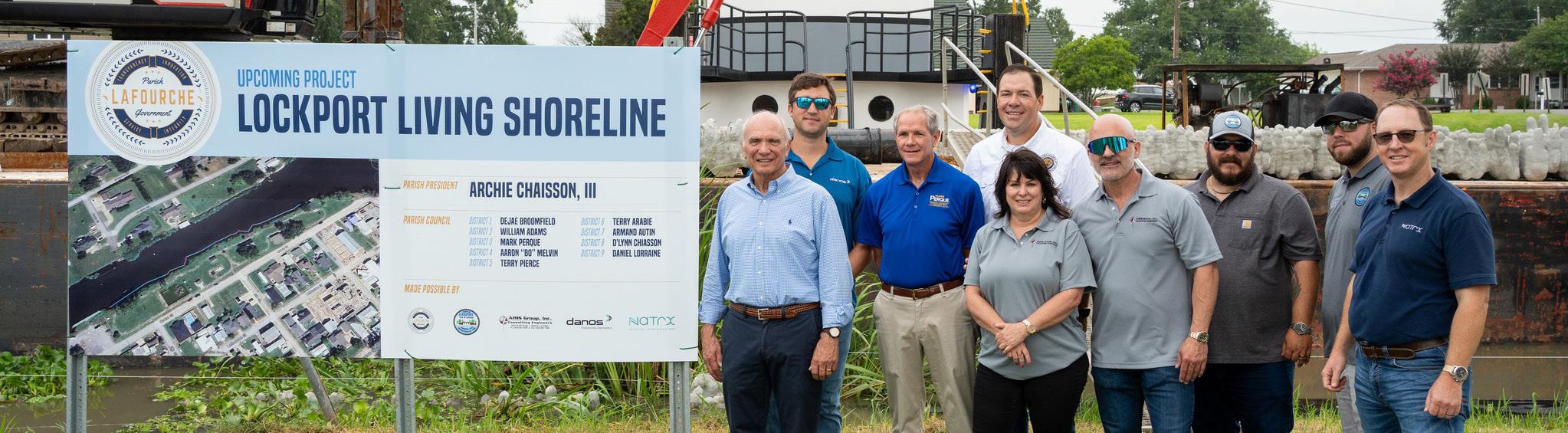
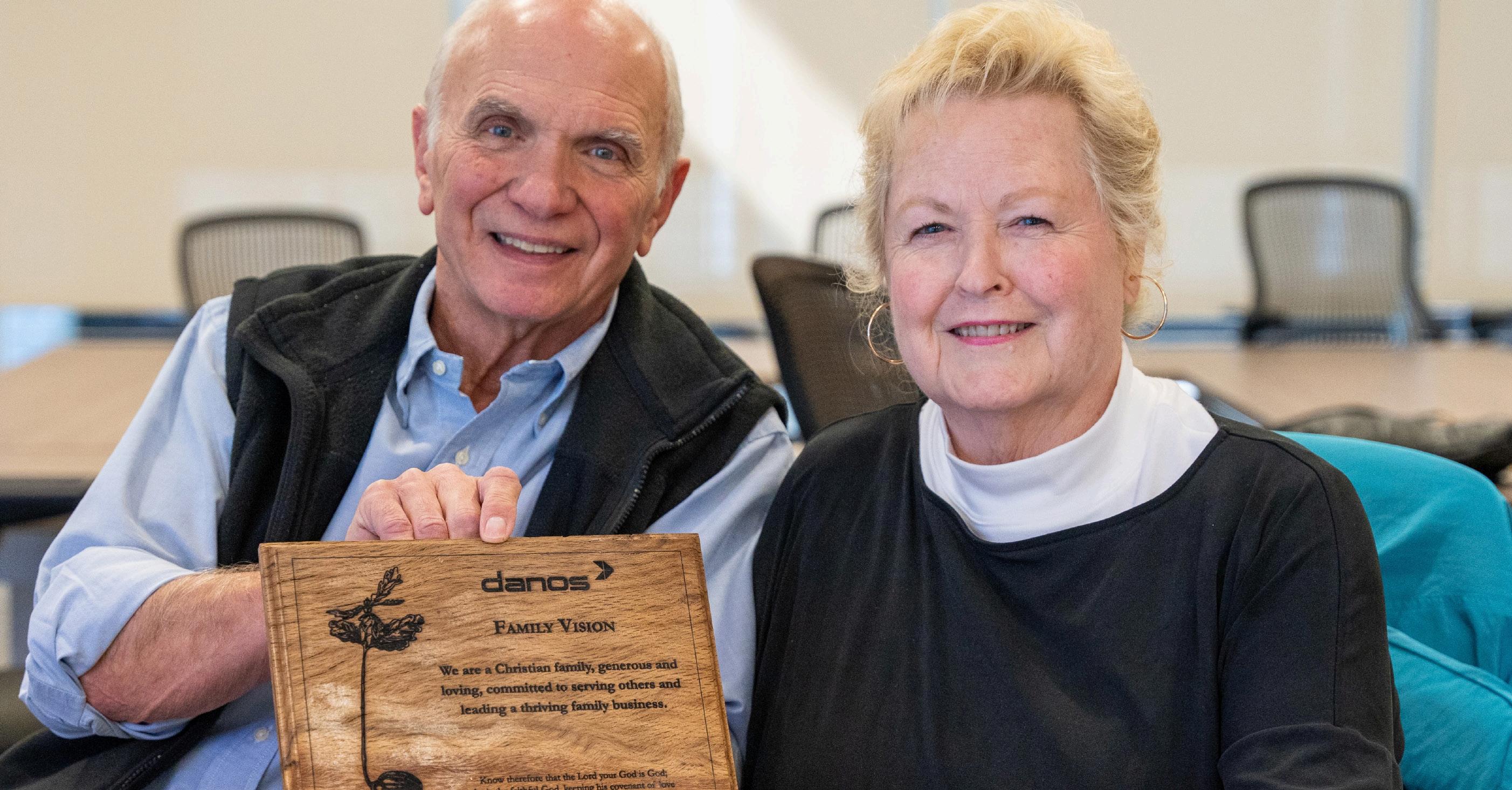
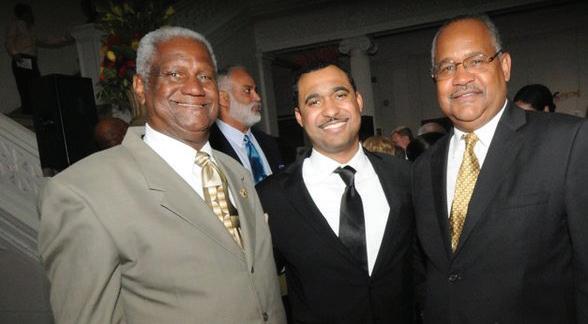
back to the very start of LABI, when right-to-work issues were at the forefront of the state legislature.
Hank remembers following the right-to-work debate closely. It was the mid-’70s, shortly after he stepped into his leadership role at Danos. Hank, like LABI, wanted Louisiana to pass right-to-work legislation, which would prohibit compulsory union membership. “I thought that workers should not be forced to join a particular organization,” Hank says. “We live in a culturally rich area where people are naturally independent.”
Hank says many of his employees felt confident negotiating for themselves.
“They could bust into my office anytime and tell me what they thought, what they felt,” Hank says. “We had great relationships.”
Hank joined a pro-right-to-work
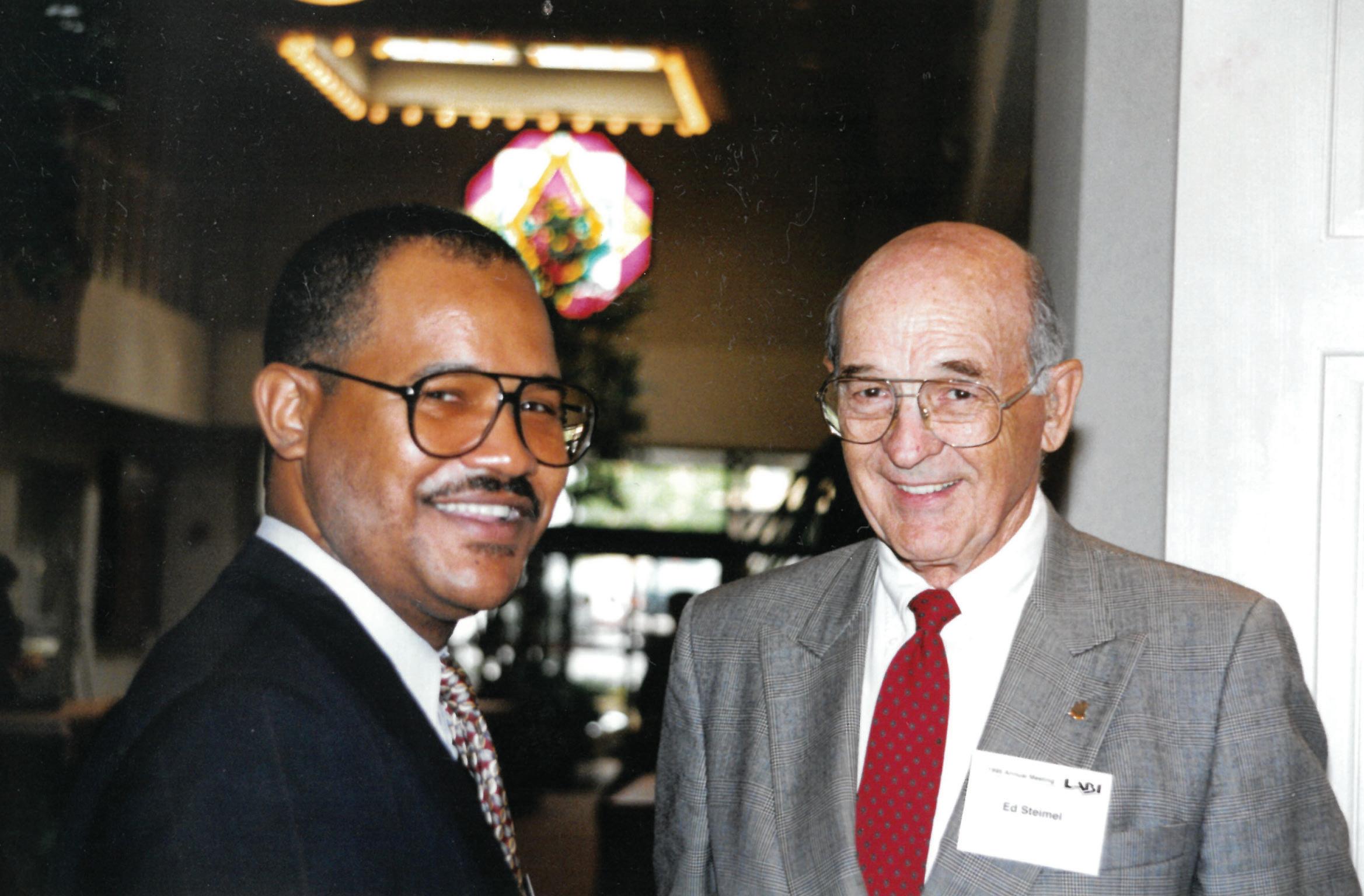
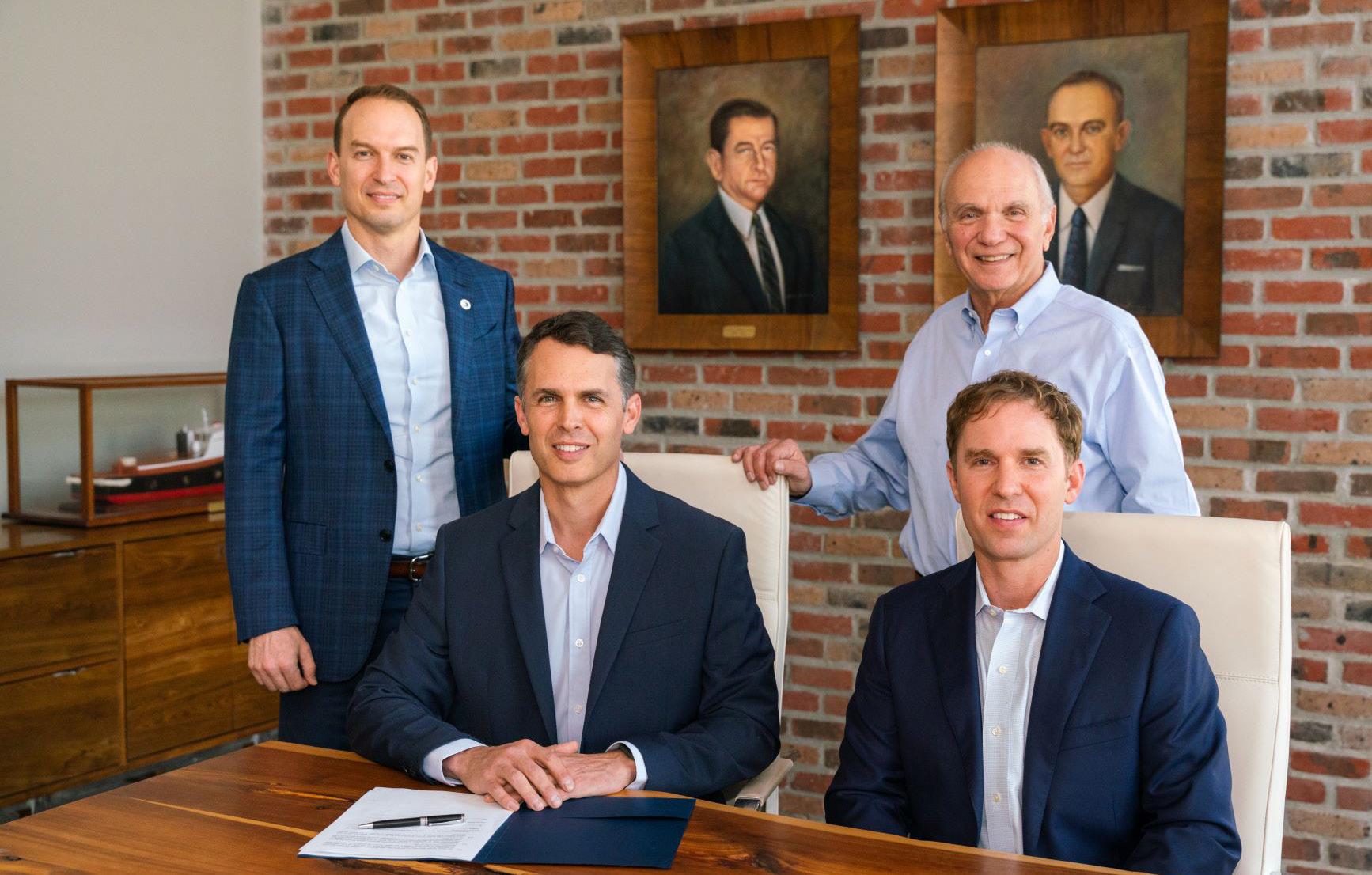
rally, and he and his company joined LABI. As a young business leader, Hank admired Steimel for his fair-minded, even-keeled representation of industry, especially through such a tumultuous time. It was something that always stuck with Hank, as he went on to serve on a number of boards within several organizations.
“Having the opportunity to represent our communities, our company and our industry in the state and in the nation’s capital is something that I feel quite proud to be a part of,” Hank says.
Hank has been part of the National Ocean Industries Association (NOIA), a lobbying group that serves offshore energy fields. He’s been involved with the Louisiana Oilfield Contractors Association, local chambers of commerce and the United Way. He helped found a non-denominational church
and served on the board of a mission group that assists the underprivileged.
“My parents really impressed upon me that it was important to give as well as receive,” Hank says. “If we were going to be blessed with a company that was going to be successful, we needed to give something back in terms of service, and to be as generous as we could with our resources to our community.”
When Hank thinks about community, he thinks about south Louisiana, the place where he grew up and continues to live and work. The place where Danos was founded and the place the company plans to stay.
“We built our company from a lot of Louisiana folks,” Hank says. “This is where our heritage is, our roots are.”
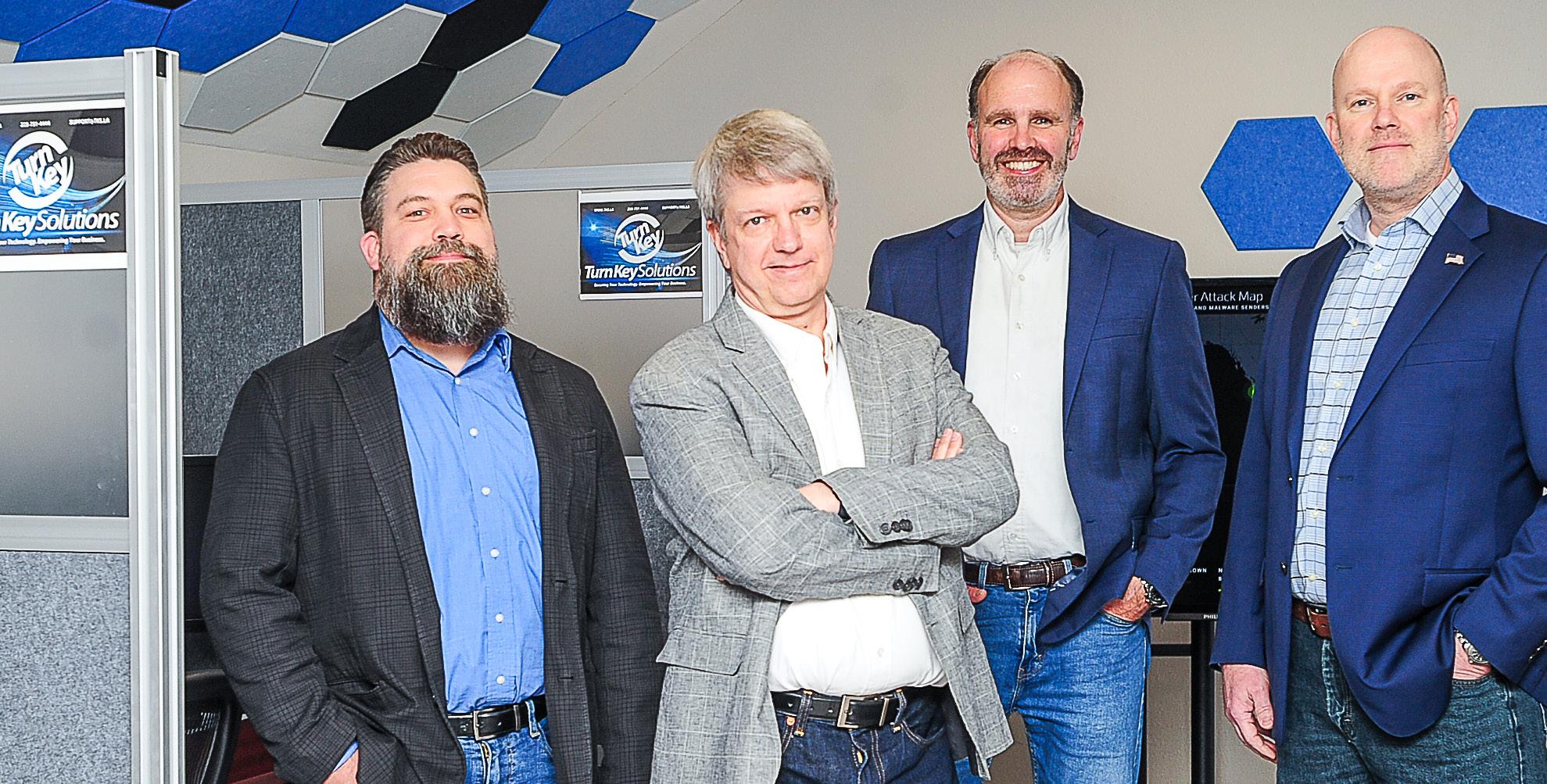
KEY SOLUTIONS is committed to being a partner to clients, not simply a vendor. For 26 years, Turn Key has prided itself on teaching clients the best ways to leverage technology to achieve business goals and stay at the cutting edge of industry.
“We’re always striving to be best in class, but the real joy is in helping our clients be best in class,” says John Overton, one of the owners and CFO of Turn Key Solutions.
Turn Key Solutions was founded by Henry Overton and Harold Robinson in 1999. A few months later, John joined the venture. The trio’s mission has always been centered on understanding businesses’ goals and providing top tier consulting services.
As technology evolved, so did the tools at the hands of businesses and the Turn Key team. Today, Turn Key provides fully managed IT support, cybersecurity services, AI expertise and more.
Turn Key Solutions currently serves more than 250 clients across the country. The majority of Turn Key’s clients, however, are headquartered in Louisiana, just like Turn Key itself. The company works across a variety of industries, including healthcare, finance, education, manufacturing and public administration.
While Turn Key helps clients of all shapes and sizes, the company is particularly committed to technology advocacy for small and mid-size businesses. As a leader of his own small business, it’s a cause that’s near and dear to John
Overton’s heart. “Small business, and the opportunity to be at the helm of one, is an incredible gift,” Overton says.
Overton is a huge small business advocate, serving on several boards throughout his career, including sitting as chair of LABI’s Small Business Council. Overton strives to ensure small business voices are just as represented as big business voices in Louisiana’s political scene.
“When I see legislation or regulation that would harm small business or negatively affect the employees that we serve, I can’t help but think there’s got to be a better way and get engaged,” Overton says. “I can’t sit and be quiet.”
Overton believes collaboration is key and that it’s possible, as long as small business proponents continue to show up
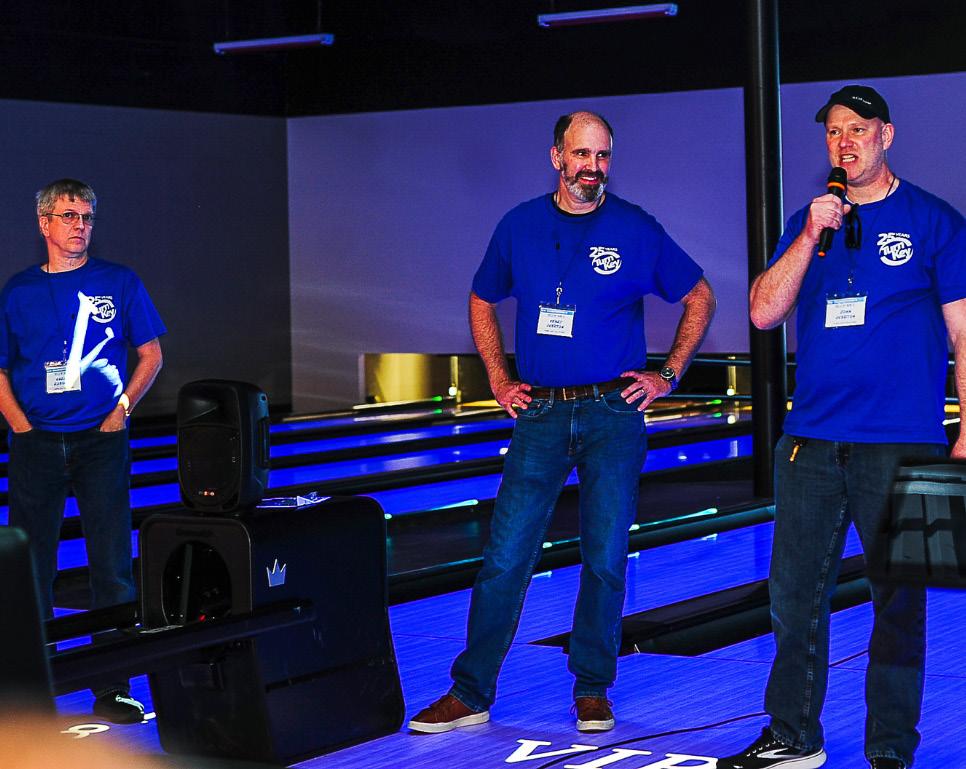
to meetings with politicians, economic development organizations and bigger businesses.
Much like Turn Key itself, Overton is optimistically solution oriented and hands on. He encourages fellow small business owners to take initiative to do the same. With a goal of empowering other small businesses, education has become a huge part of Turn Key’s mission. Just one glance at Turn Key’s website or social media reveals blogs and posts with numerous free tech tips and resources.
For its efforts to better Louisiana’s business community, Turn Key was recognized as the gold winner in the IT and Computer Services Category of The Advocate’s Best of Baton Rouge Awards. Overton says Turn Key’s team is the
real treasure, working consistently behind the scenes to make all those accomplishments possible. “Our aspirations always start internally,” he says.
Company-wide awards are built off individual awards—the day-to-day wins of employees overcoming challenges, obtaining new certifications and stepping into managerial roles. Turn Key has implemented several formalized systems to analyze and ensure employee development. As analytical people, the team at Turn Key uses a variety of matrices to examine the company’s own success as well as clients’ operational growth.
Overton says the business community has made great strides in accepting the roles technology can play in creating competitive advantage and achieving op-
erational maturity. Every day at Turn Key, he says, is a thrill when he gets to help businesses capitalize on tech and move the needle in tangible ways.
While Turn Key utilizes high tech tools, any tool is simply an extension of the team member or client employing it. Contrary to most people’s stereotypical view of IT companies, an attitude of service is at the core of everything Turn Key does. Overton keeps a Customer Satisfaction Tool open on his desktop all day, every day.
“I love to see the clients’ feedback coming in,” Overton says. “It brings a lot of meaning to what you’re doing. You’re not just doing ‘mysterious tech stuff.’ You’re helping them compete, and you’re helping them thrive.”
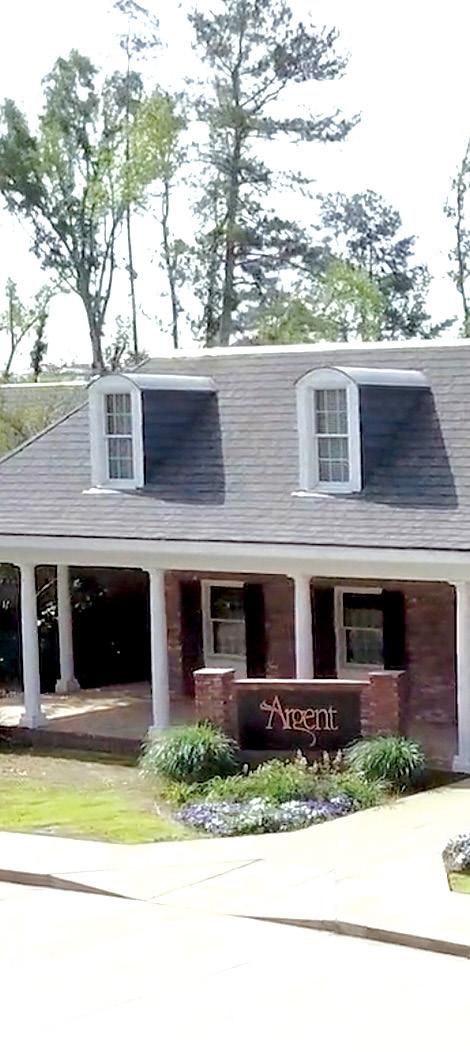
A CULTURE OF humble confidence— that’s the guiding philosophy behind Argent Financial Group’s 35 years of success.
Argent, a French word that translates to “money,” handles just that. The company provides individuals, families, businesses and institutions with a variety of financial services, from tax and estate planning to wealth and investment management to mineral rights and escrow services. What started as a small-town trust service company has grown into a full-scale fiduciary responsible for $110 billion in client assets.
While the numbers are impressive, CEO Kyle McDonald believes that what really sets Argent apart is its foundation of humble confidence.
“The culture that you build inside of an
entity is extremely important,” McDonald says.
When McDonfald founded Argent in 1990, company culture wasn’t as popular a topic as it is today. Back then, he didn’t have a name for the idea of “humble confidence,” but he always held those fundamental values and used it to lay the groundwork at Argent.
“We’re in the service business,” McDonald explains. “We provide services to our clients, and to serve somebody, you really have to humble yourself and take what I call a second seat to them. You have to be humble, and at the same time, you’ve got to be confident in your competencies.”
Argent prides itself on building a team that is professional and responsive to client needs. McDonald says it’s crucial to
recognize that every client has a unique situation. That often means creating unique solutions to meet clients’ current needs as well as the needs of generations to come.
“It’s always been our guiding principle that we were building a company that was sustainable,” McDonald says.
With that attitude of humble confidence, Argent has experienced many years of sustainable growth. Initially the entrepreneurial effort of one young Ruston State Bank trust officer, Argent has since expanded to over 550 employees at 44 offices around the country. Despite its wide footprint, Argent remains headquartered in Ruston, where it all began.
“Ruston has been a great community for us, a great community to raise a
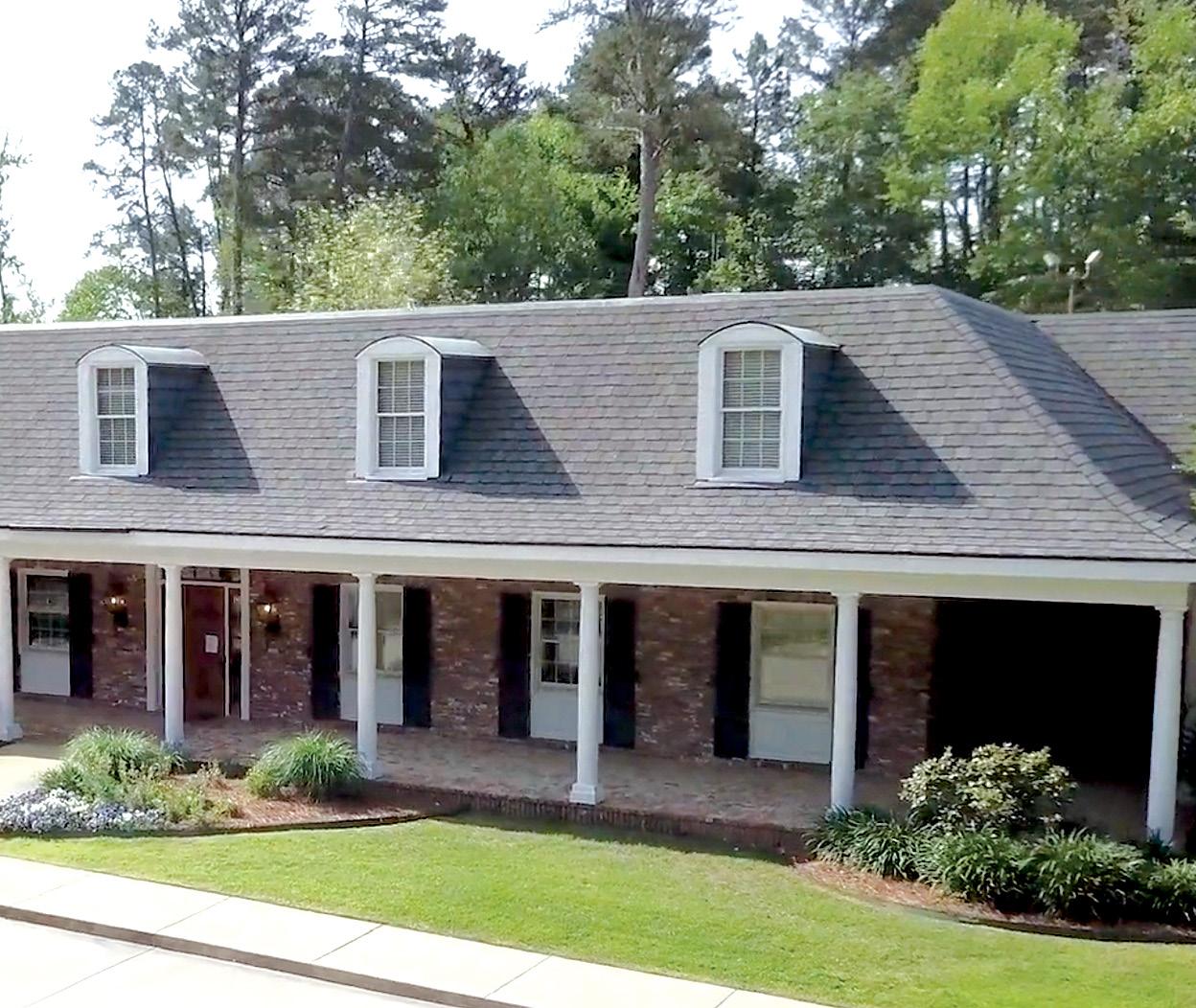
family in,” McDonald says. “We have a very vibrant business community.”
At the heart of the Ruston area’s community are two local universities, Louisiana Tech and Grambling State University. Argent has a strong relationship with each, managing finances for the universities, donating funds and participating in volunteer activities. Argent also supports the United Way of Northeast Louisiana and the Boys & Girls Clubs of North Central Louisiana, with staff members serving on both boards.
Most of Argent’s core staff resides in Ruston, with a significant number being alumni of Louisiana Tech. To this day, Argent boasts about 50% staff ownership.
The company has had some of the same stockholders throughout its history, something McDonald recognizes as key to a long-term vision.
“The growth that we’ve enjoyed is the result of the work of our staff and the
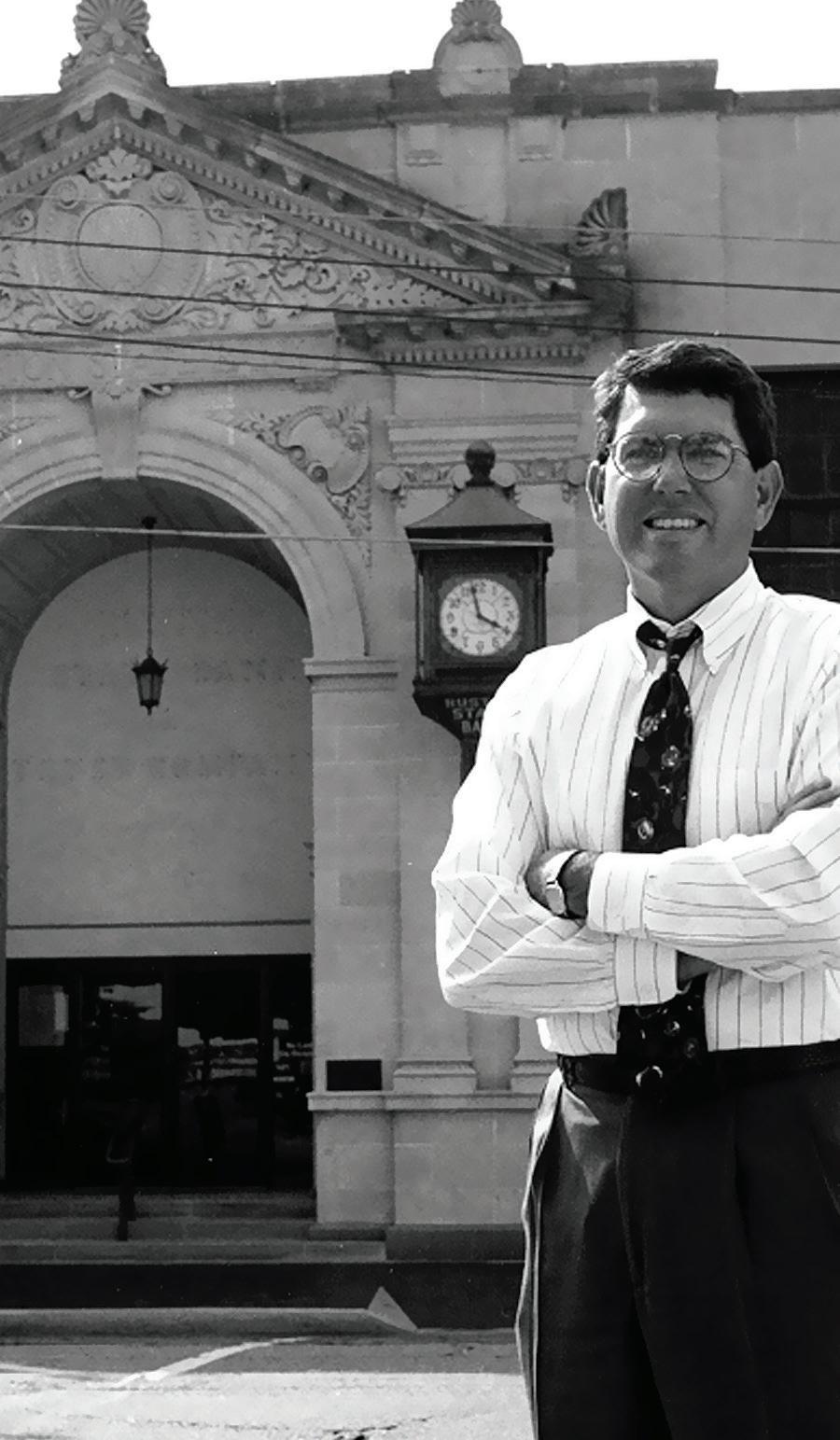
support of our clients,” McDonald says. It hasn’t gone unnoticed. In addition to being honored as LABI’s 2025 Large Company of the Year, Argent’s name has been a constant on several of the business world’s most respected lists. For the past seven years, Argent has made the Inc. 5000 list of the fastest-growing private companies in the country, a feat for a business celebrating its 35th birthday. In 10 of the last 11 years, Argent has made the LSU 100 list for fastest growing Tigerowned businesses.
McDonald attributes that growth to tactical mergers and acquisitions, as well as organic growth from offices and personnel. Argent stays open to opportunities as they come. “While we plan for things, we call ourselves
strategically opportunistic,” McDonald says.
As CEO of a well-established and growing company, McDonald is often asked for details concerning, “What’s next? What’s the next five-year plan?” Without fail, he responds, “It’s the same as the 75-year plan. Do what we can do to make sure that our entity is around to serve the clients that we’ve made promises to.”
An Argent blog post written by McDonald sums it up best: “Our clients depend on us to be there not just for themselves,” he writes, “but also for their children and grand-children and greatgrand-children and beyond. And we plan to be.”
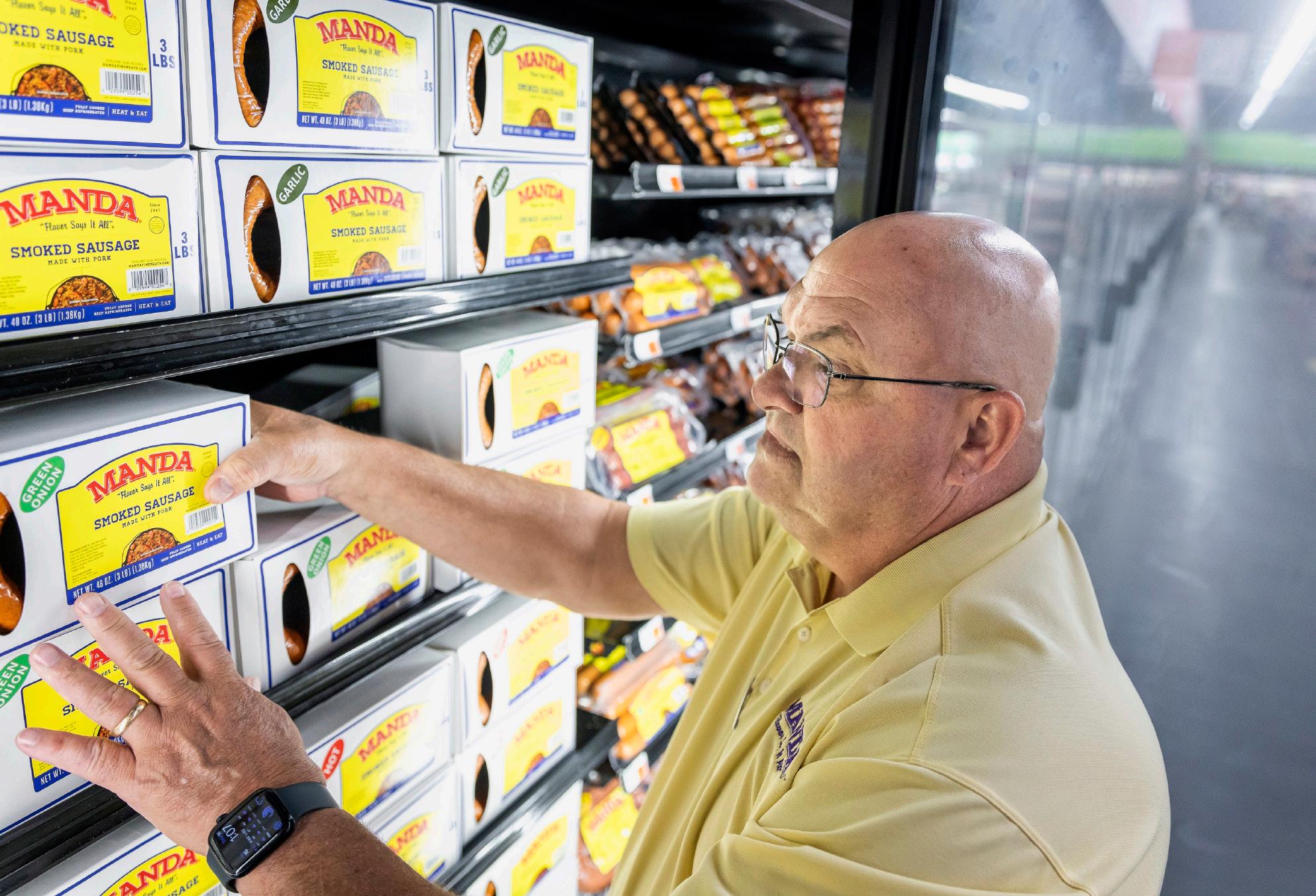
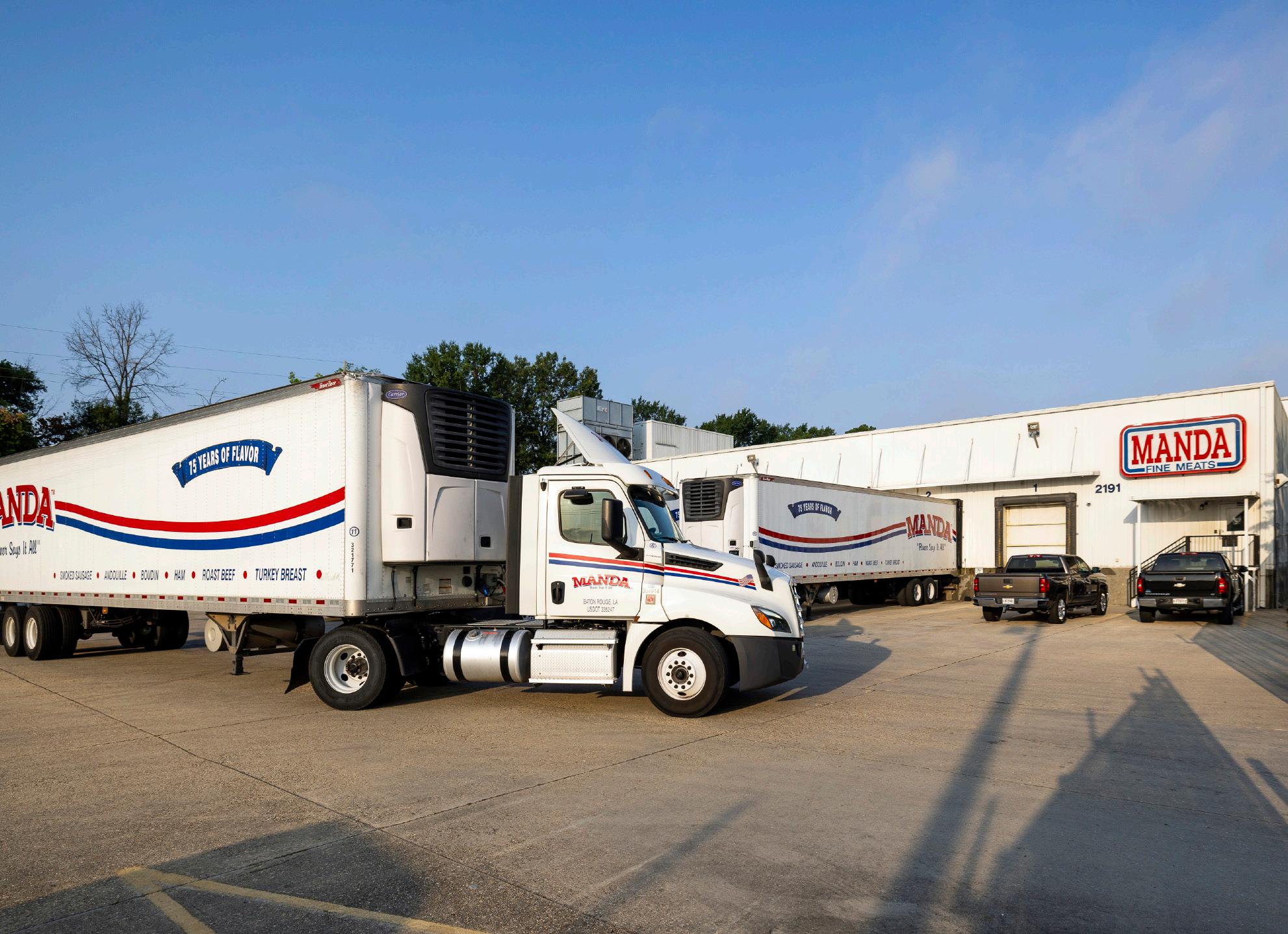
“Flavor says it all.” When you’re talking about Manda’s menu of sausages and deli meats, that slogan rings true. But when you’re discussing Manda’s history and company culture, it requires a few more words.
Manda Brothers Provision Co. started in 1947. Three brothers, Vincent, John and Bennie Manda, made a living distributing other companies’ food products around Baton Rouge.
With a reputation of reliability and honest service, business boomed. Eventually, the brothers put their own name on a label and stuck it on homemade hog head cheese. The product line expanded from there, and so did Manda’s footprint. Today, Manda products are found in stores across the southeastern United States.
At the helm of the modern business are three of original founder Vincent Manda’s grandsons, including current Manda CEO
Bobby Yarborough. “What’s here is more than just selling sausage—it’s continuing a reputation of quality,” Yarborough says. Quality is an all-encompassing term at Manda, from high-grade products to exceptional service to the surrounding community’s quality of life.
Whether a tailgate, fundraiser benefit or simple Sunday dinner, food is an essential part of any Louisiana gathering. As such, supporting the Greater Baton Rouge Food Bank is a strong part of Manda’s mission. Yarborough served on the food bank’s board for many years and chaired the capital campaign for the food bank’s current state-of-the-art facility. Manda also supports numerous other local organizations, like the Boys & Girls Clubs of Metro Louisiana, Downtown Kiwanis Club and several local hospitals and medical charities.
“We are about the community, and the community is what we are. That’s who we serve,” Yarborough says.
Manda has faithfully served the Baton Rouge community for nearly eight decades. During that time, the company has seen lots of change—from new standards of inspection for meat production to new technologies for keeping company records. Manda’s logo and branding have also seen updates, as recent as this year, to reflect a refreshed, modern style.
Yarborough believes in embracing change as it comes, but at the same time, holding true to the flavor that everyone knows and loves. “You don’t want to ever forget the things that made you successful,” he says.
Among his top three: Manda’s products, Manda’s team of people, and the fundamental way the company does business—promising to always do the right thing the first time.
That philosophy, Yarborough says, “never changes at Manda.”
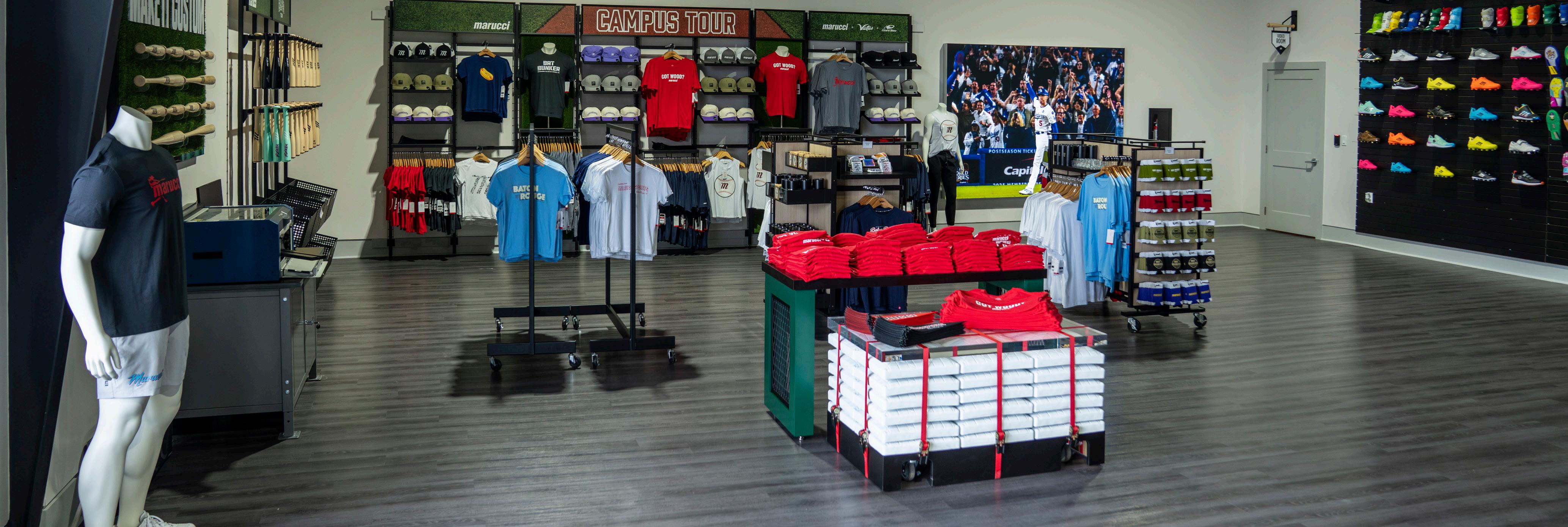
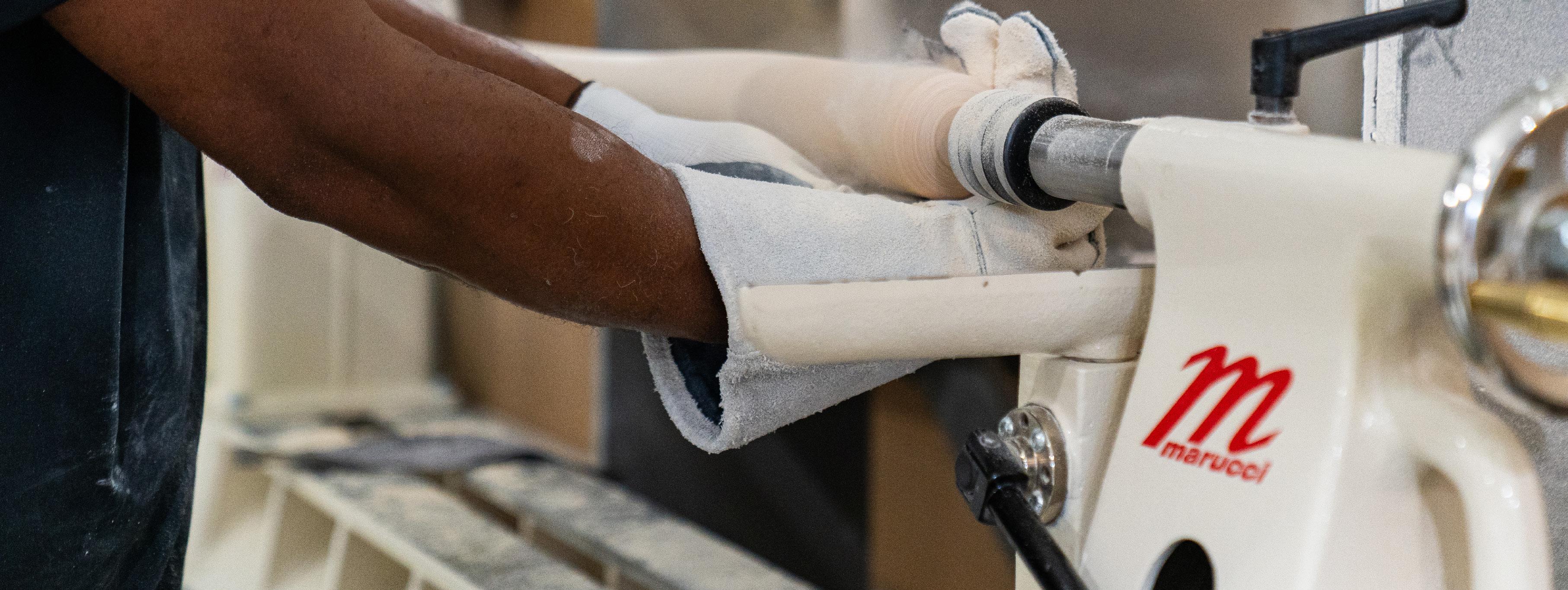
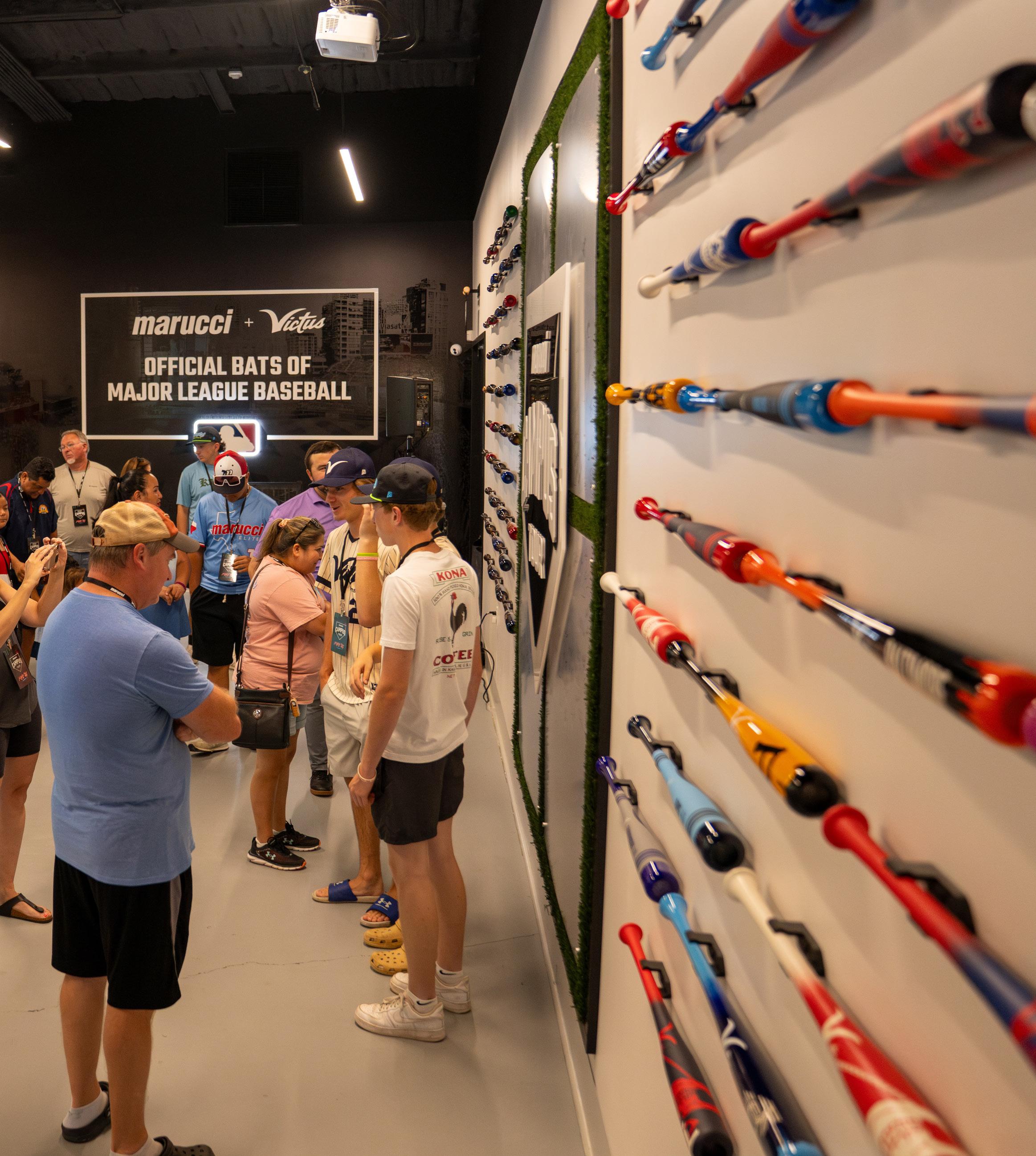
in Baton Rouge to the hands of over a quarter of the big leaguers standing at home plate, Marucci bats are handcrafted to the highest standards.
Marucci Sports is a Baton Rouge-based manufacturer of baseball and softball bats and other sports gear including gloves and cleats. Marucci is the only company in Major League Baseball with players using its products head-to-toe. On any given night, notable names like Alex Bregman, Freddie Freeman and Elly De La Cruz sport the Marucci brand on baseball’s biggest stage.
In 2025, Marucci earned the “Official Bat of Major League Baseball” title, supplanting Louisville Slugger’s longstanding reign. Michael Uffman, CFO of Marucci, says the credit for any recognition can be given to “all the people covered in sawdust every day, working long hours to make sure players have the best tool for their craft.”
Manufacturing a perfect product requires great attention to detail and a
high level of quality control. Marucci wood bats start their journey at mills in the Northeast. The wood is shaped into billets, kiln-dried and shipped to Baton Rouge, where the Marucci team carefully inspects each piece, using indicators such as weight and sound.
“We do something where, similar to tuning a guitar, we actually listen to the billet and record the tones that come out of it,” Uffman says.
If the billet sings, it must pass one final visual inspection before being cut. Once cut, the bat could wind up in the hands of the next MLB All-Star.
In addition to its headquarters, Marucci also has a Bat Performance Lab (BPL) in Baton Rouge, where players can test a range of models to determine which bat is best for their swing. The BPL attracts a significant number of baseball’s best to Baton Rouge, as does the Marucci World Series, an annual event that draws young talent from across the world and generates millions for the local economy. Always focused on growth, in September
of 2025, Marucci opened Campus Tours, another Baton Rouge attraction designed to give a special look at the magic behind the Marucci process.
“People always ask us, ‘What makes us different?’” Uffman says. “I would tell you that it’s the authenticity of the people that work here.”
At the helm of the company is CEO Kurt Ainsworth, a former MLB player and 1999 first-round draft pick out of LSU.
Brett Laxton, the former LSU pitcher who set a strikeout record in the 1993 NCAA Championship Game, runs Marucci’s main lathe, cutting most of the company’s bats. Marucci’s staff includes several former All-Americans and high school championship coaches.
While Marucci’s footprint has stretched far and wide, even reaching into Japan, keeping its manufacturing heart in Baton Rouge, at the epicenter of college baseball, means there’s no shortage of passionate people ready to step up to the plate, proud to contribute to a product that is truly “Louisiana made.”
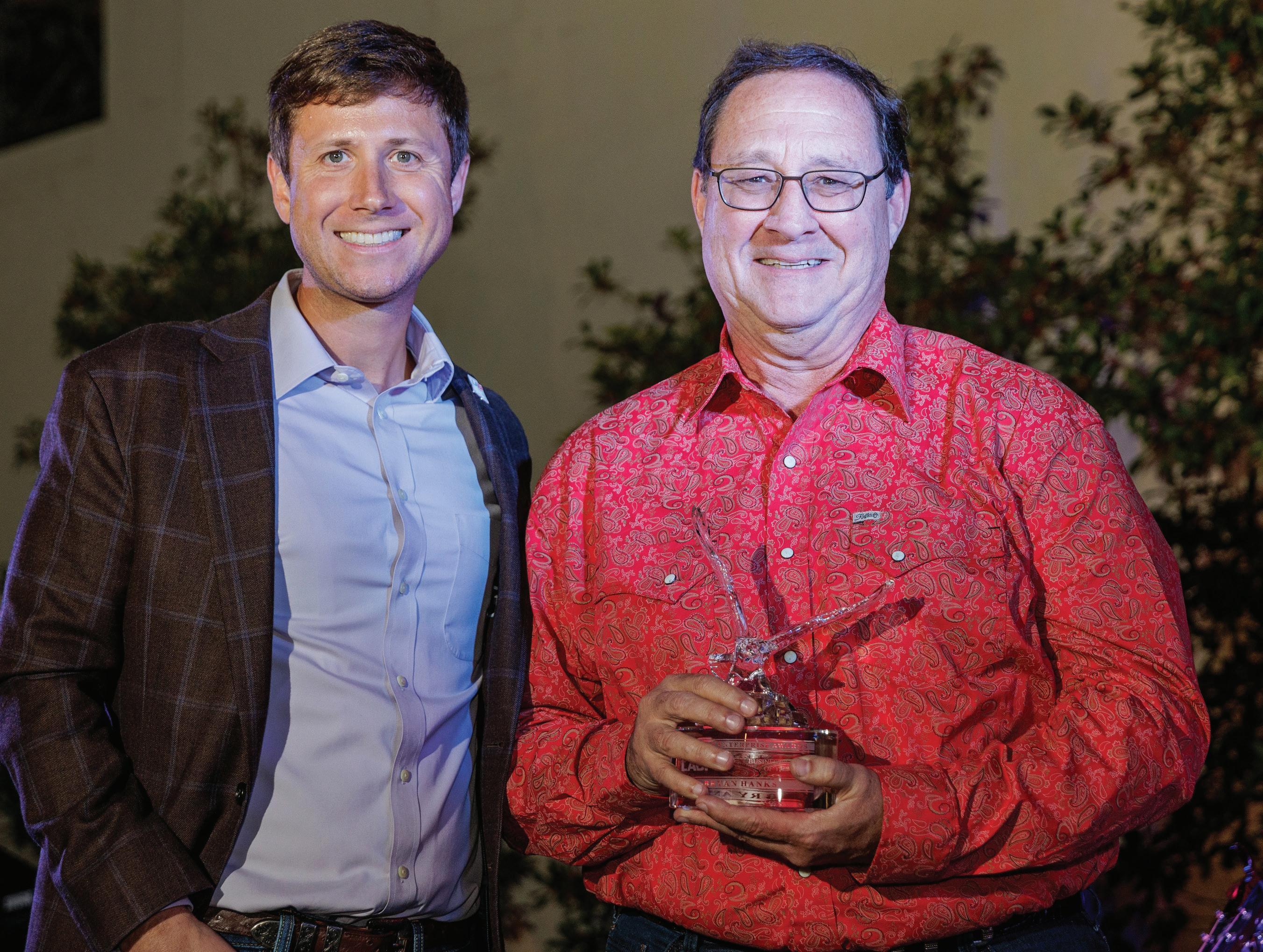
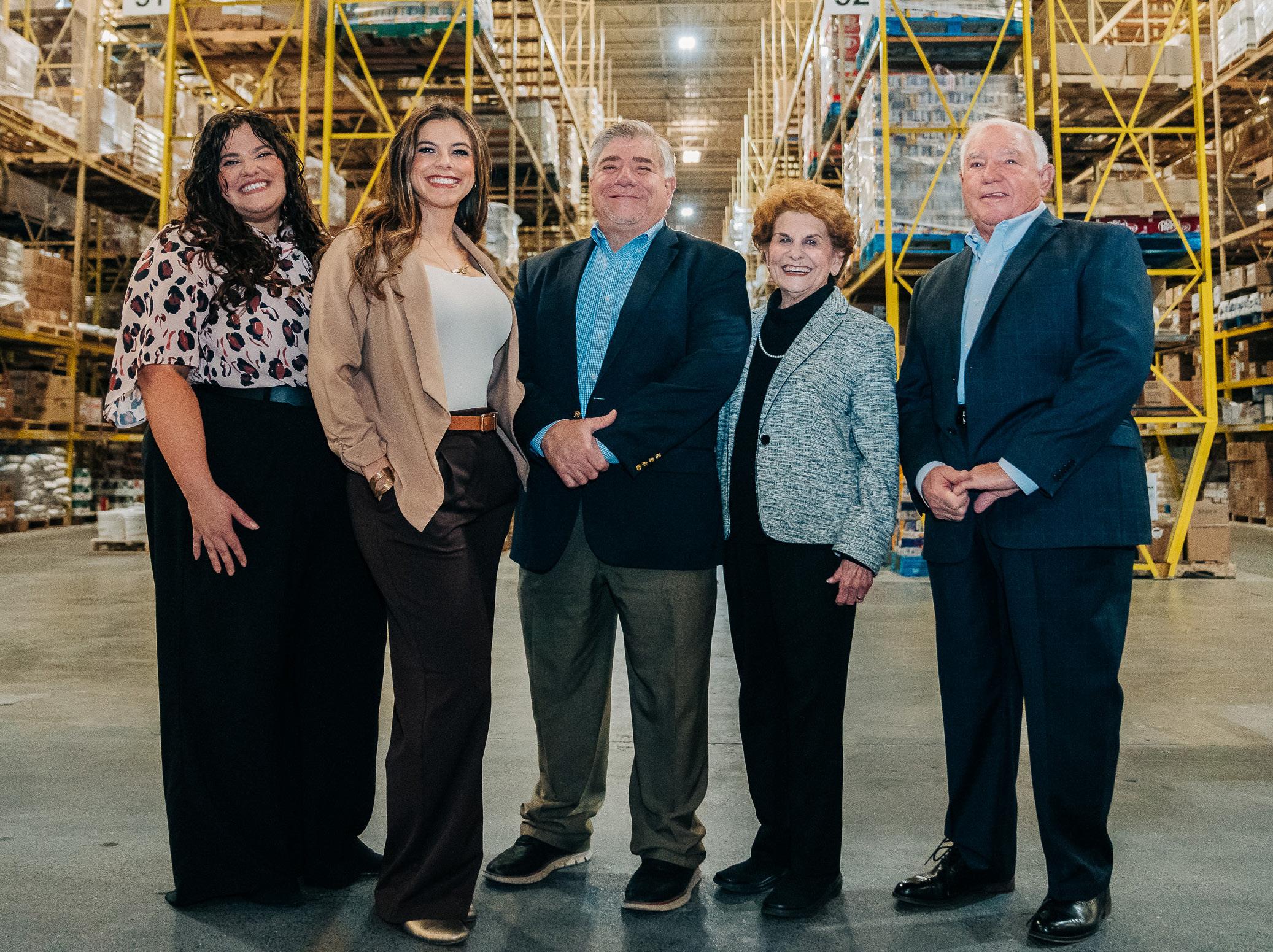
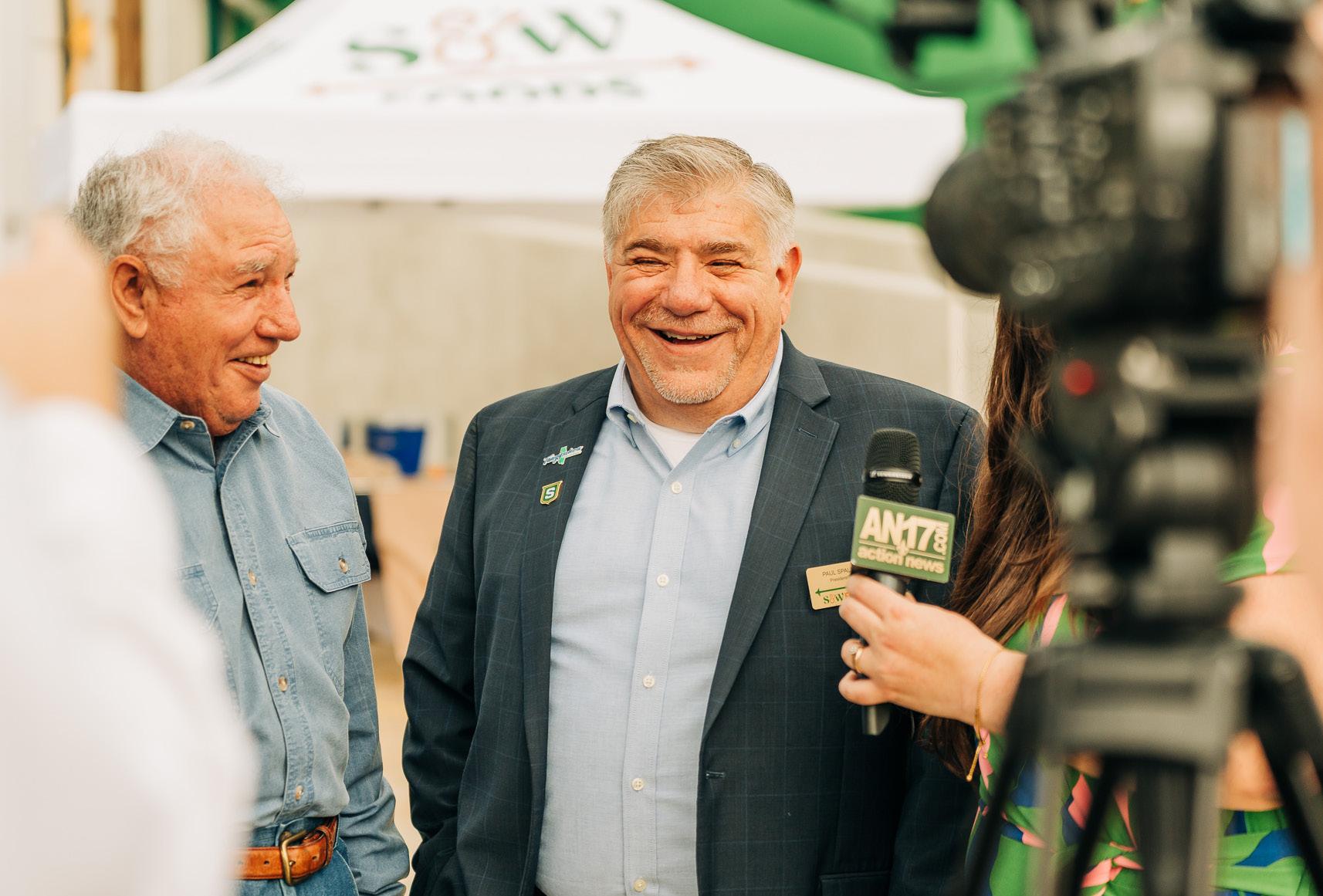
Chief Executive Officer, says Paul Spalitta, who holds that title as well as president at S&W Foods. As he tells it, the acronym also stands for Chief Eating Officer.
S&W Foods is a broadline distributor of food and foodservice supplies. Simply put, S&W is a grocery store for restaurants. Based in Hammond, S&W has grown to serve restaurants across the Gulf Coast, but at its heart you’ll find local Louisiana eateries and mom-and-pop shops.
“We like to call ourselves the champion of the independent restaurant,” Spalitta says. “We’re helping the small guy to stay competitive and profitable for the long term.”
At S&W, championing independent restaurants also means frequenting them. During the COVID-19 pandemic, Spalitta recognized the need to support struggling local establishments. His solution: the S&W Local Love initiative. For six weeks, Spalitta treated his employees to lunch if they chose to eat at local restaurants. The
effort was such a hit that S&W Local Love has returned for one week every year since.
“I love helping other people and being supportive,” Spalitta says.
Whether in good times or bad, S&W has supported local restaurateurs for nearly half a century. Spalitta has witnessed it all.
He was 11 years old when his parents started S&W. Spalitta always knew he’d join the family business. Every day, he got off the school bus at the old S&W warehouse. He spent summers and vacations working in the company. Throughout the years, he has worked as a salesman, CDL driver and virtually every other job in the building.
Spalitta remembers vividly when Hurricane Katrina hit. Back in 2005, S&W was one of the few distributors with a backup generator, and one of the first food suppliers back in operation.
Disaster response is a huge part of S&W’s reputation and Spalitta’s personal
mission. When tragedies happen, S&W is on the front lines, providing relief feeding for first responders and victims.
With a new 252,000-square-foot facility located at the crossroads of I-12 and I-55, S&W is strategically situated to respond after disasters and to distribute efficiently to a wide array of communities.
On a weekly basis, S&W serves about 1,000 customers, with plans to grow. In recent years, UniPro Foods has recognized S&W as Key Distributor of the Year, and Biz New Orleans recognized Spalitta as an Executive of the Year. Spalitta likens the accolades to being the quarterback on a football team, and like that star athlete in a post-game interview, he credits the wins to his wonderful team and his faith.
“God is a huge part of my life, and I attribute the success that I have to Him,” Spalitta says. “I love to give Him the honor and the glory for that, and try to show that gratitude in all that I do.”
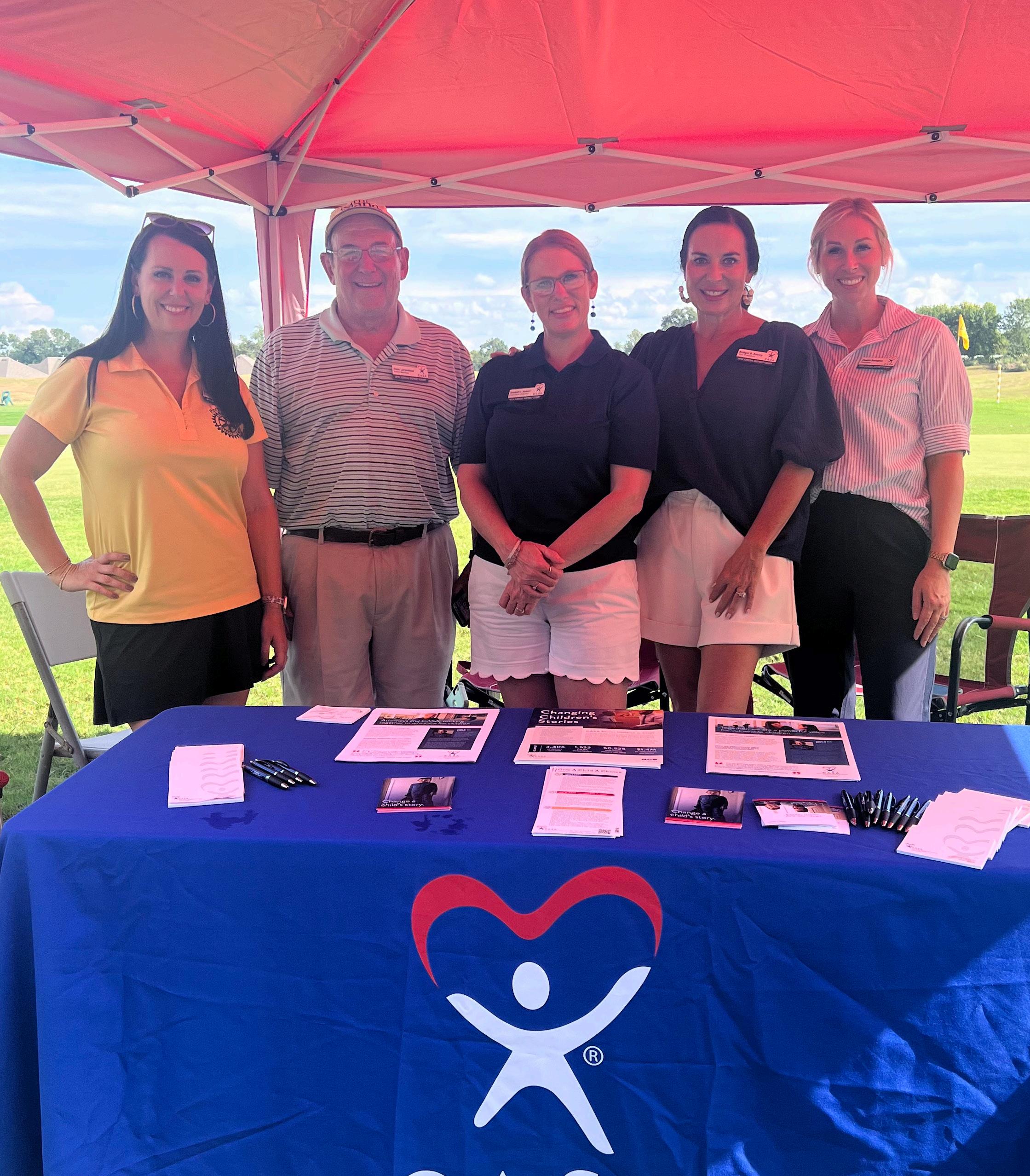
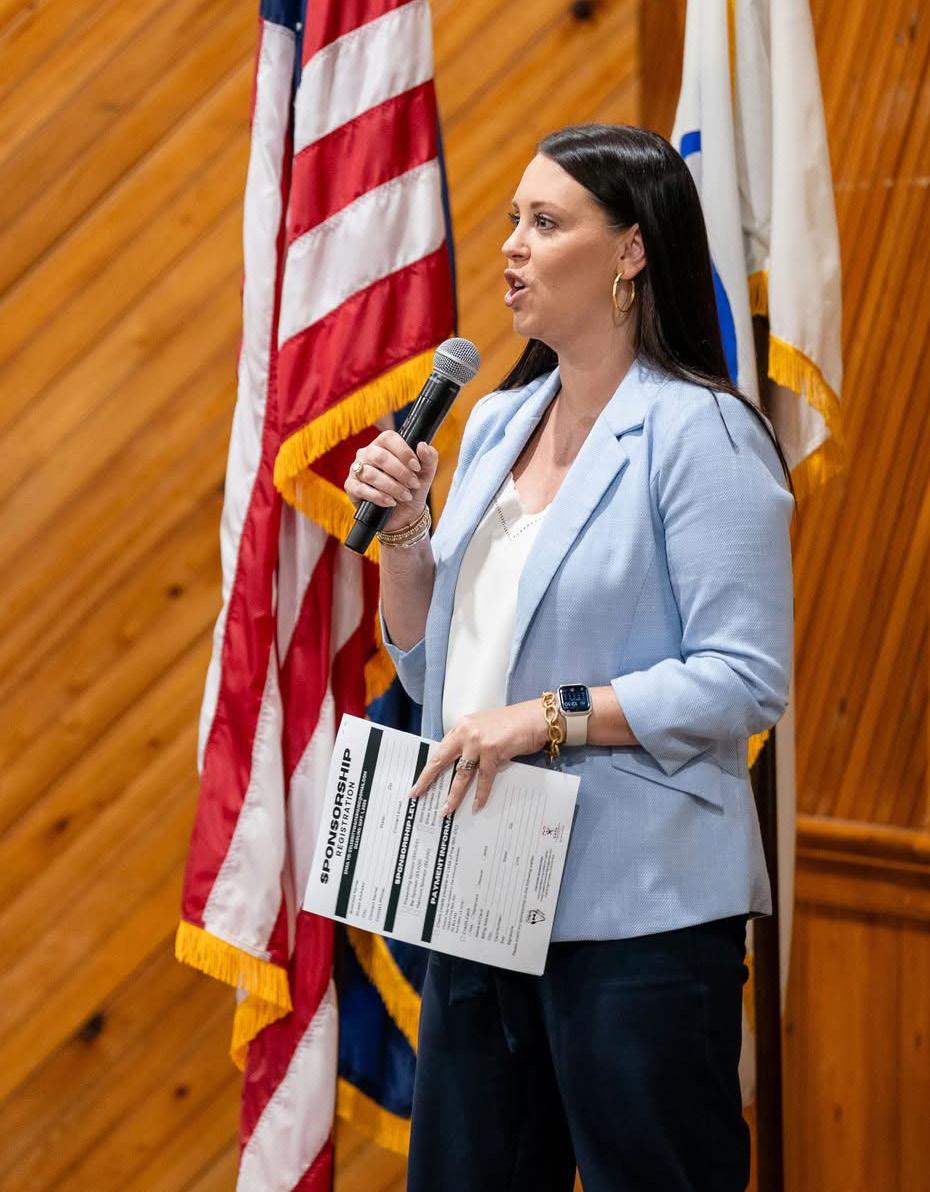
C-suite, Melanie Clouatre’s journey at Placid Refining Company has been defined by hard work and dedication. Over the past 13 years, she has progressed from staff accountant to credit manager to company treasurer.
While she’s proud of her career trajectory, she is equally proud of her involvement in her community.
“I’ve always wanted to not only have business growth, but also personal growth,” Clouatre says. “I’ve always believed in considering: What can we do as a company? What can I do as a person to make a difference?”
Through her position at Placid, Clouatre has had several opportunities to get involved and make a difference. She has represented Placid at the Port Allen Rotary Club and served as chair of LABI’s Emerging Leaders Council.
“You get involved in something, and people recognize your willingness to help, and more opportunities keep opening,” Clouatre says. “I take as many as I can.”
As a mother of two girls and a native of Brusly, one community effort that is especially dear to Clouatre’s heart is CASA of the 18th JDC, which advocates for foster children in Iberville, West Baton Rouge and Pointe Coupée parishes. Clouatre was on the steering committee for CASA of the 18th JDC, which was the final organization needed to make Louisiana 100% CASA covered. She helped the organization to get a tax ID number and nonprofit status and to recruit board members.
She has remained involved with CASA, including helping at the annual Celebrity Waiter fundraiser, which raised nearly $240,000 in 2025. Clouatre currently serves as vice president of the CASA of the 18th JDC board. She’ll move into the
president’s seat in the summer of 2026. “Hearing the success stories of some of these kids is what makes it worth it,” Clouatre says.
Working with children and young adults is one of Clouatre’s passions. She’s also involved in youth ministry at her church, St. John the Baptist Catholic Church in Brusly, where she and her husband recently started an ACTS Retreat so young adults can grow in their faith.
When she’s not working or volunteering, Clouatre can be found attending her children’s cheer competitions, traveling with her family, or studying for her MBA. It’s a busy life, but a happy one.
“I love what I do, and I love where I’m at,” she says. “When I was younger, I had all these plans of what I wanted to do. I didn’t end up anywhere I thought I would be. I think I ended up somewhere better.”
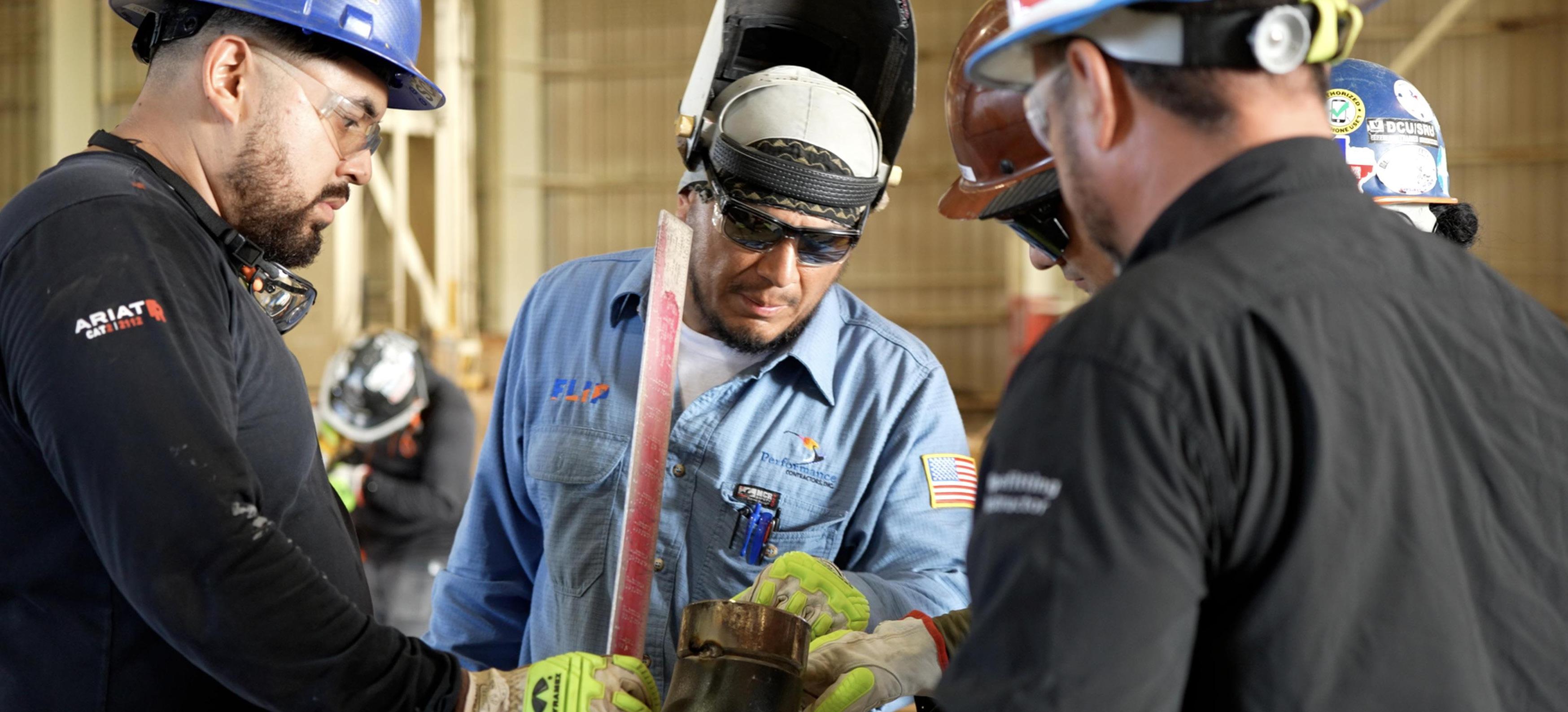

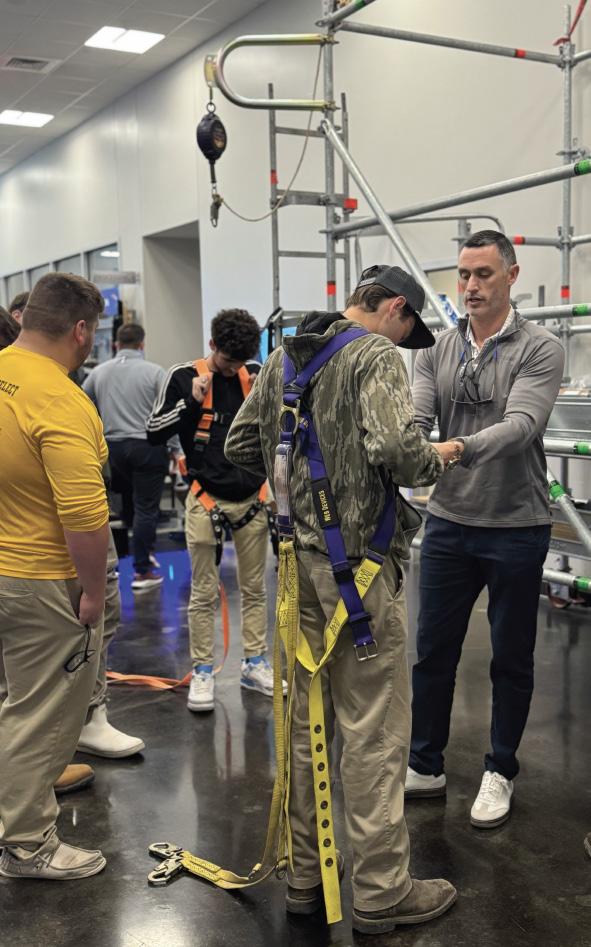
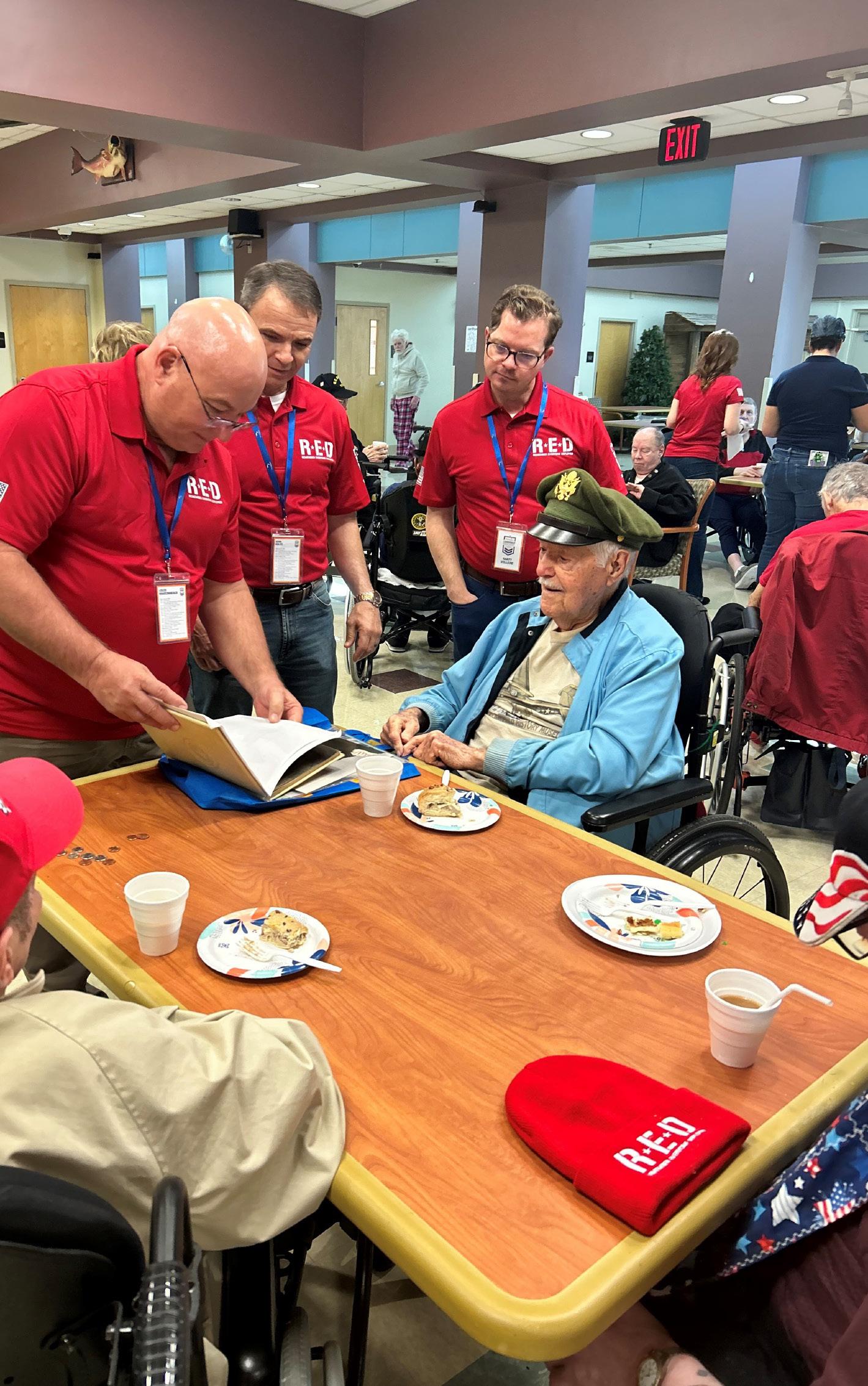
Performance Contractors, Art Favre learned long ago that in the construction business, what you’re really selling are services.
“And your services are basically only as good as the quality of people that you have to put on your projects,” Favre says. Since 1979, Performance Contractors has built a workforce filled with quality people by investing in education, training and career progression initiatives.
As a member of LSU’s very first graduating class in construction management, Favre has been especially involved in enhancing the construction management curriculum within Louisiana’s flagship university.
In recent years, Performance has hired around 100 college graduates, with a large percentage coming from LSU. Performance has been a key contractor advocating for a dedicated School of Construction Management with a new
building on university grounds. Under Favre’s fundraising direction, the project is well on its way to becoming a reality.
Performance believes a strong foundation is the key to future success. In addition to partnering with universities, the company prioritizes recruiting efforts that bring high school graduates to technical colleges or ABC programs to receive craft training. Performance also has full-time recruiters who solely focus on reaching military bases around the Gulf South.
“I think one of the best programs that we have—and it’s getting better and bigger every year—is our emphasis on hiring veterans,” Favre says.
Favre says many individuals exiting the military possess a certain level of maturity and motivation that is invaluable to a construction company. Today, Performance is one of the top employers of veterans in the United States.
“We’ve had a lot of success hiring veterans, and we’ve seen a lot of them move up into significant positions within the company,” Favre says.
Investing in career progression has contributed to Performance’s growth from three employees to a workforce around 14,000, many of whom have been with Performance for well over 20 years. Performance prides itself on being a progressive company with a holistic view. From company-funded mental health hotlines to safety-themed artwork contests for employees’ children, Performance recognizes that every team member is an individual with a life beyond the job site.
“They know that the company cares about them,” Favre says, “and that it’s very important to us to keep everybody safe and to go home just as safe as they were when they came to work the morning of each day.”
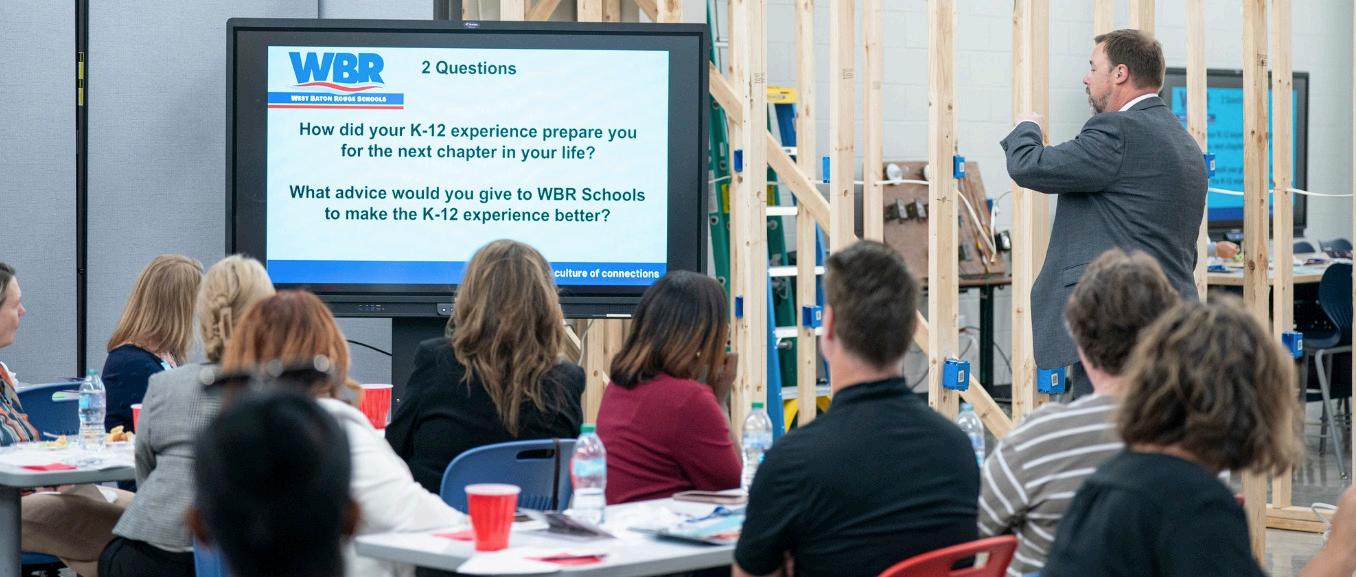
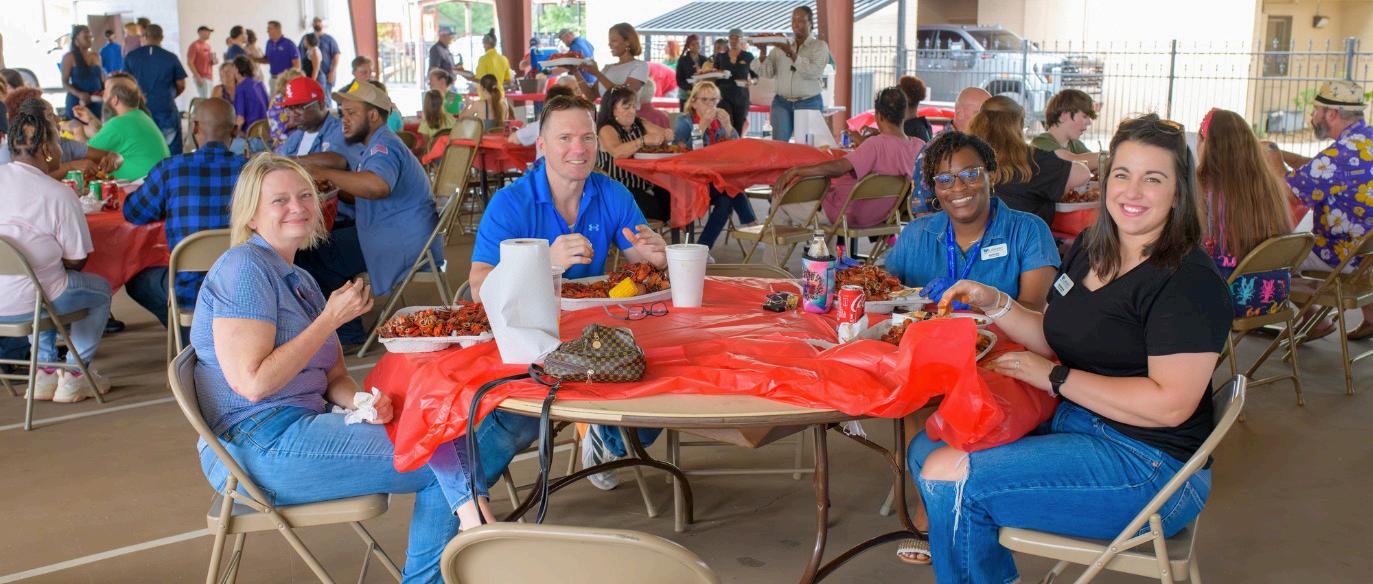
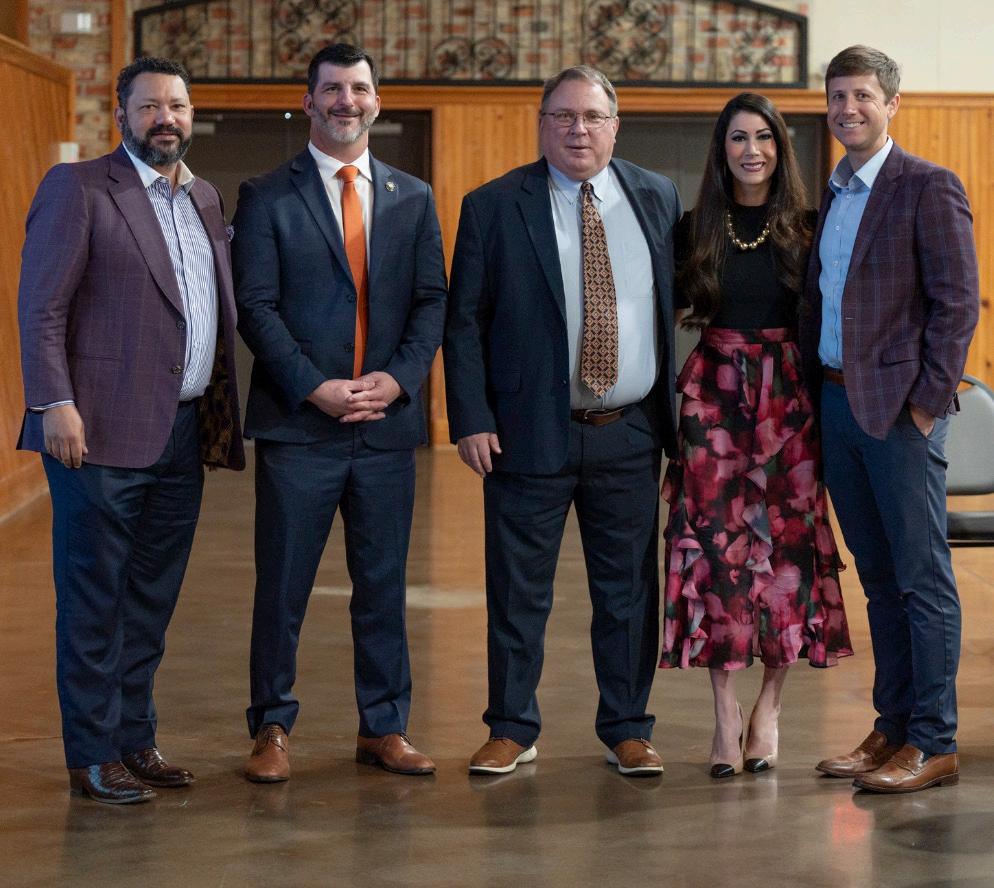
from hospitals to contractors to banks, the West Baton Rouge Chamber of Commerce has footprints across the state. At the Chamber’s office on Louisiana Highway 1 in Addis, there’s a dedicated team of two working tirelessly to represent and advocate for them all.
Executive Director Anna Johnson and Membership Director Sharon OubreWilliams are the Chamber’s only full-time employees. Both wear multiple hats to advance economic development, business development and governmental affairs in West Baton Rouge.
“We’re not the chamber that says, ‘That’s not my job,’ or ‘I don’t know,’” Johnson says. “Bring it to me, and we’ll figure it out.”
When Johnson started working at the chamber, one of the biggest challenges she faced was connecting small and mid-size businesses with the variety of resources
available through grants and other programs.
After many late-night emails, phone calls and one Waffle House dinner with former State Rep. Ted James, the WBR Chamber’s Small Business Summit was born. At the Small Business Summit, the Chamber partnered with Louisiana Economic Development to provide presentations on specialized programs and incentives. LED representatives also provided hands-on assistance to help small business owners complete program applications and paperwork while on-site.
In its first year, the Small Business Summit attracted over 150 attendees and has only grown since, with notable keynote speakers like Paul Mainieri and Kim Mulkey making appearances at the annual event.
Johnson sees small businesses as the fabric of West Baton Rouge. Intertwined within that fabric is the thread of industry
and larger businesses, which provide a trickle-down effect to sustain communities long-term. “Every business impacts the direction the state goes,” Johnson says.
With port and railroad access and a spirited culture, West Baton Rouge is uniquely situated to cater to both large and small ventures. And no matter the type of business, or its size, the WBR Chamber is there to help with a personal touch.
“If you call the Chamber, you’re not going to get an answering machine,” Johnson said. “You’re going to talk straight to me. There’s no gatekeeper.”
From meeting with companies to cleaning up after events to testifying at the Capitol, the work the WBR Chamber does is all encompassing and all in the name of local Louisiana business.
“We just roll up our sleeves and do the work,” Johnson says. “I wouldn’t trade it for anything.”



Built to Last
Built in the 1880s, LABI’s current headquarters originally served as home to a furniture manufacturing company. Its downtown location, which made it ideal for shipping the original owners’ goods on the Mississippi River, is equally convenient for LABI with its proximity to the Capitol.
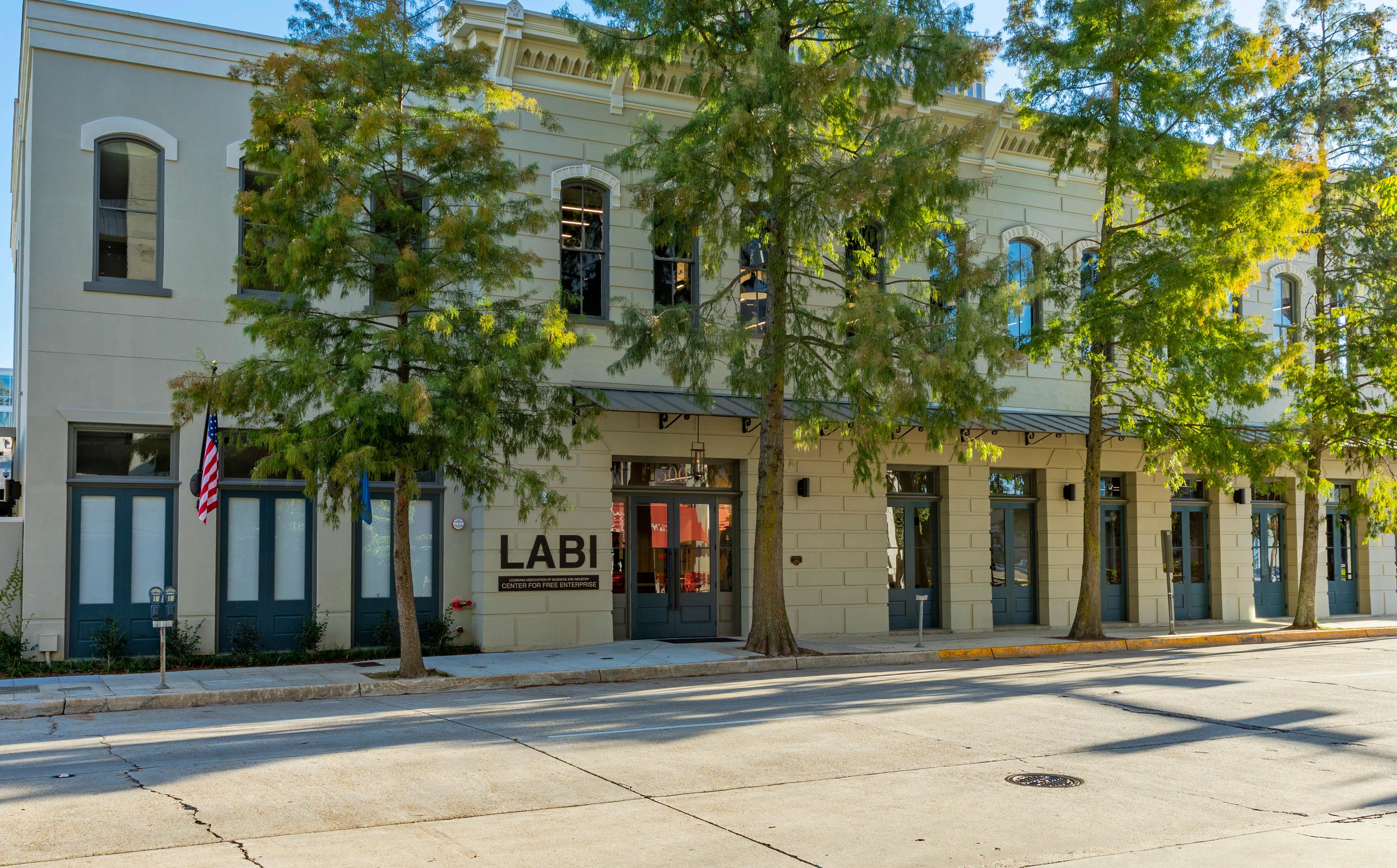
Home Base
With rectilinear forms and right angles reflecting the International Style of modern architecture, LABI’s original two-story building off College Drive was designed to meet the needs of the organization as it grew.
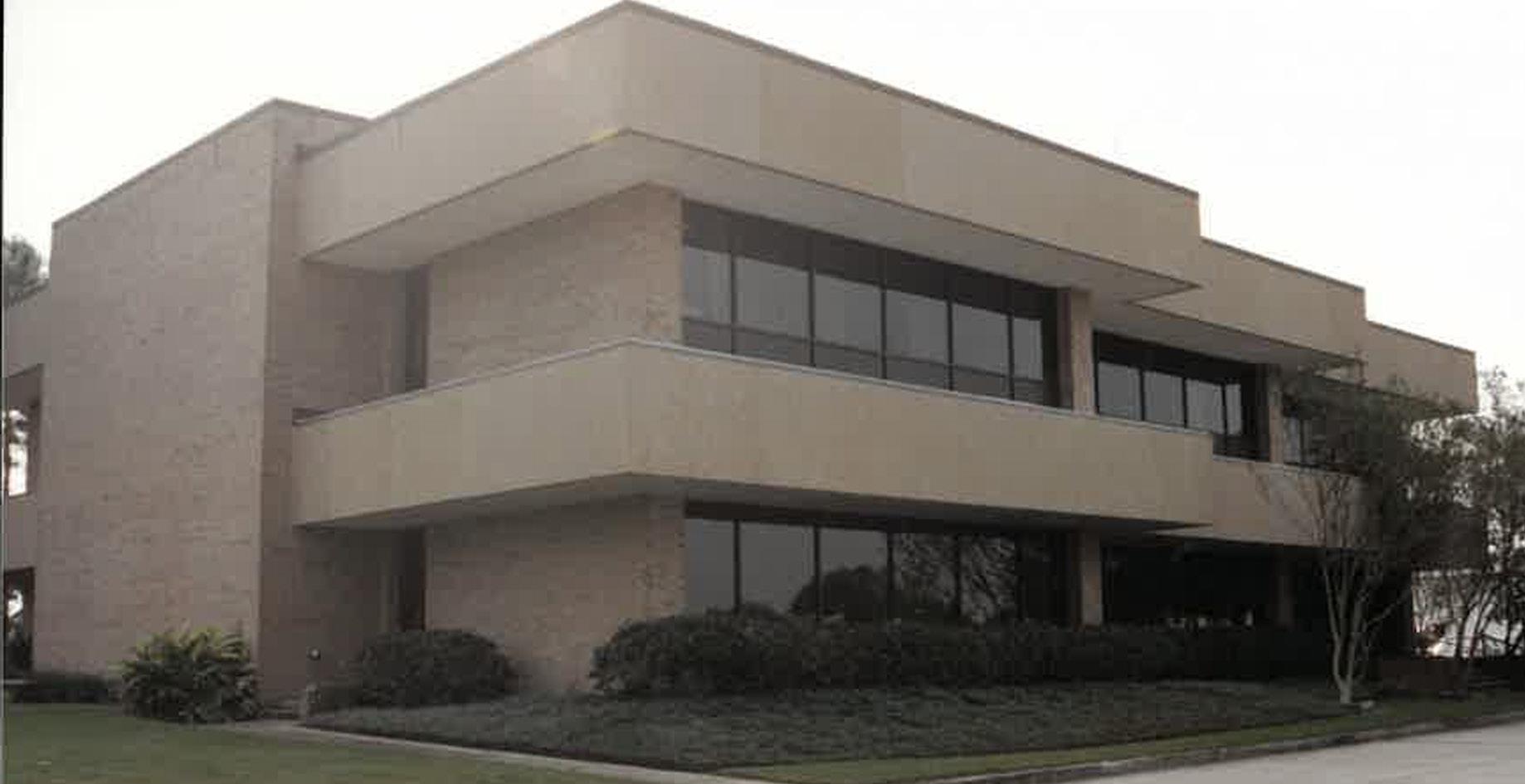
LABI’s first home base and its current downtown digs were both designed to bring together business leaders for collaboration and support
THE YEAR WAS 1982, and LABI leadership’s top priority was the state’s workers’ compensation system, which had become “an unbearable burden for many employers,” according to LABI’s 15th anniversary publication. The board pledged to focus all its resources on addressing the problem, and their efforts proved successful the following year when the Legislature passed “monumental reforms” that cut more than $200 million in costs. But working
BY KELLI BOZEMAN
together on issues like this one required a dedicated space with room for member businesses to meet. With that in mind, LABI President Ed Steimel and a group of dignitaries broke ground on the organization’s first headquarters on Valley Creek Drive in February 1982. The facility saw a significant expansion in 2001 when a conference center was added adjacent to the original space.
The site served the organization well until 2019, when LABI announced
its plan for the new LABI Center for Free Enterprise in a renovated historic building downtown. The new space at 500 Main Street—within easy walking distance to the Capitol—was designed to be a hub for connecting LABI members with state leaders and with each other. Its innovative elements ensure that members are engaged with policy discussions, networking events and educational opportunities.
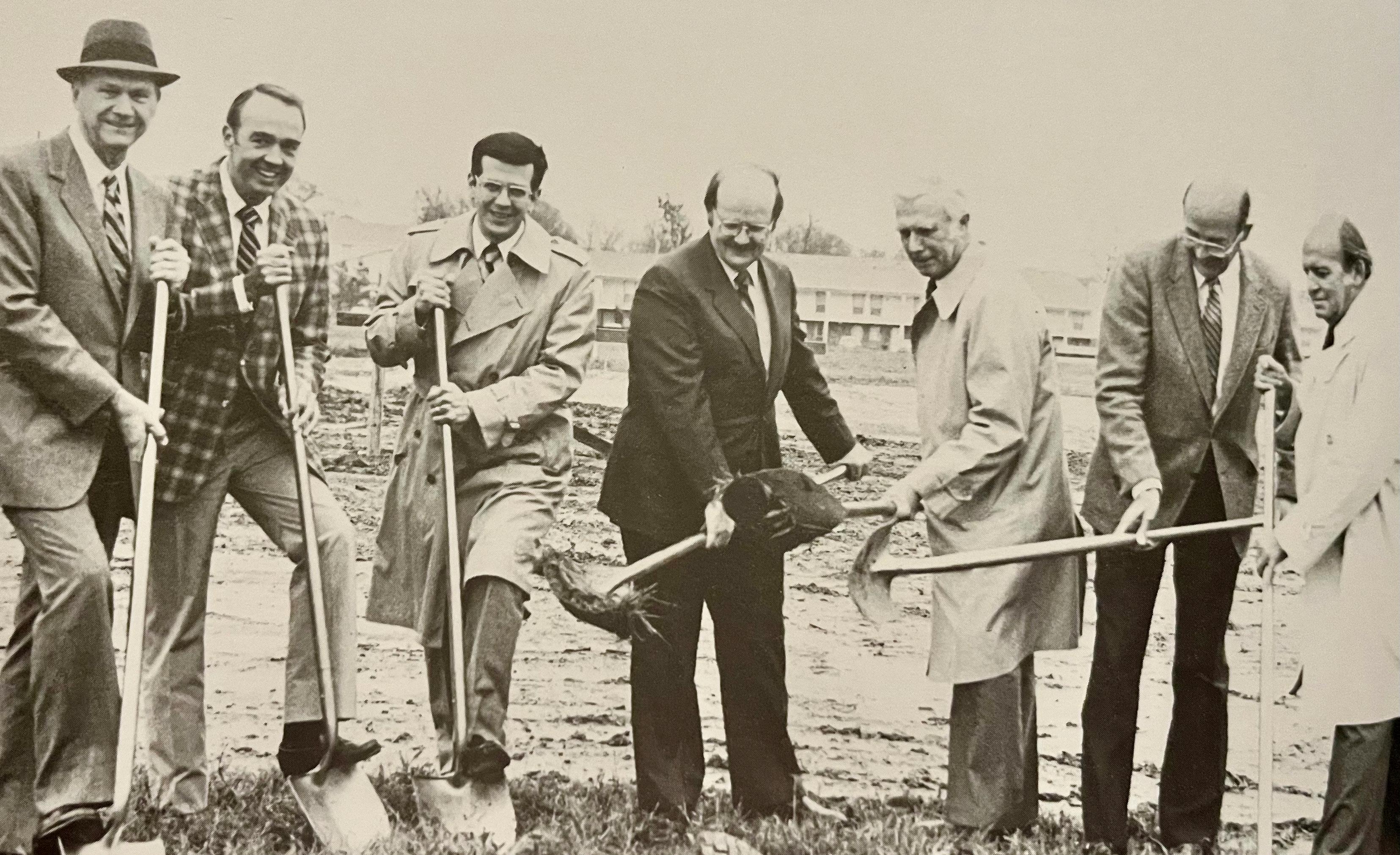
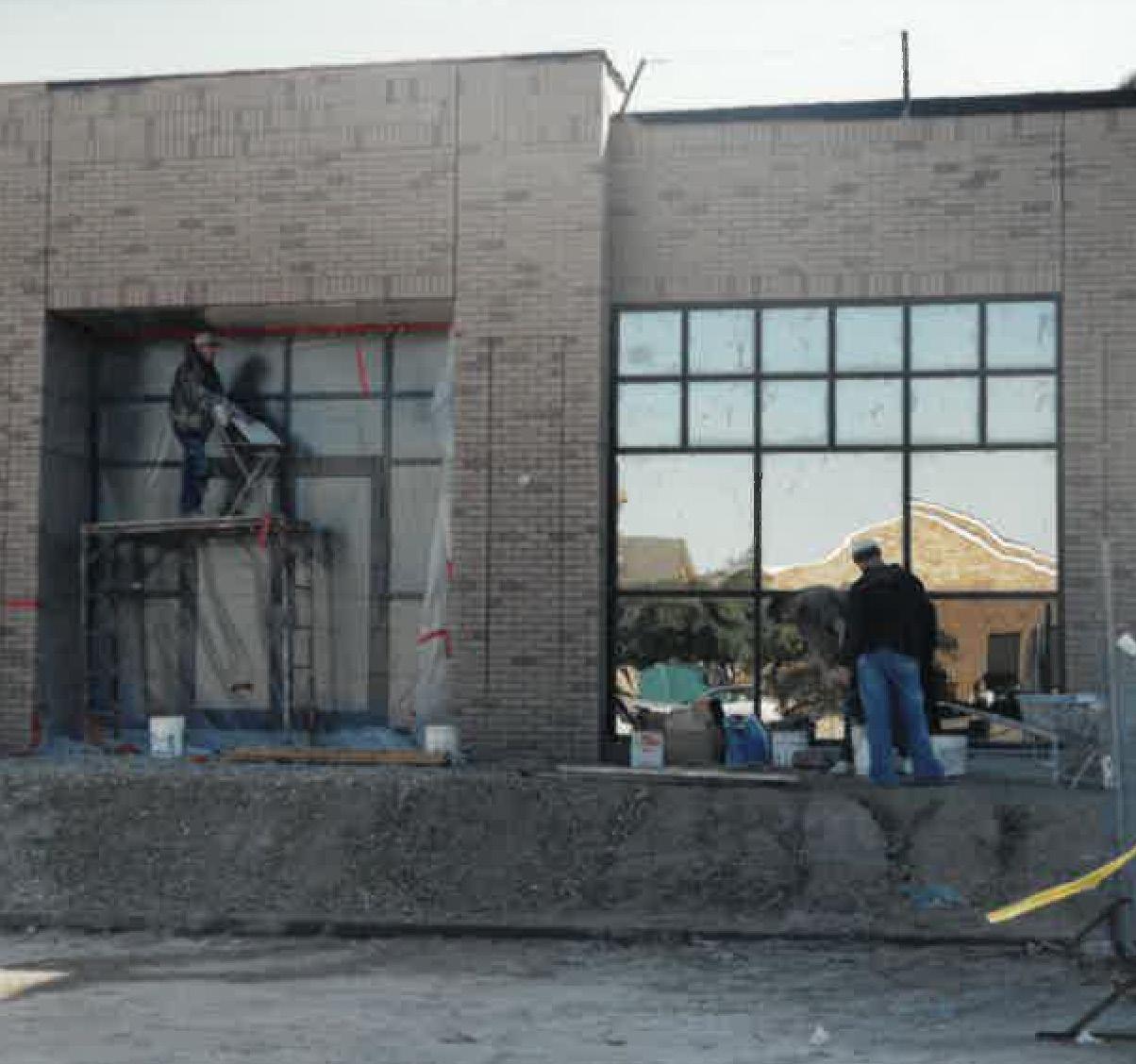
Construction began in 2001 on a 5,000-square-foot meeting facility linked to LABI’s Valley Creek headquarters. The LABI Conference Center seated up to 250 people in theater or classroom arrangements and could be divided into two medium-size meeting spaces. It also boasted state-of-the-art audio/visual equipment.
LABI’S 14,000-SQUARE-FOOT center of operations at 3113 Valley Creek Dr. housed its staff and also provided meeting space for members. The organization eventually outgrew the two-story space and added a 5,000-square-foot conference center in 2001 with the goal of accommodating larger gatherings and providing privacy for strategic planning. “Those who have attended a meeting in the present LABI boardroom know that it is cramped quarters, indeed,” noted a LABI 25th-anniversary publication in 2000. “If more than 60 of our 100-member board attend a meeting, it is standing room only for many.”


The building’s largest indoor gathering space, the Lane Grigsby Conference Center, can be configured in multiple ways to accommodate conferences, lectures, receptions, banquets, and other events for up to 350 people. The adjacent catering kitchen has custom coffee machines, while the bar area offers beer on tap for events.
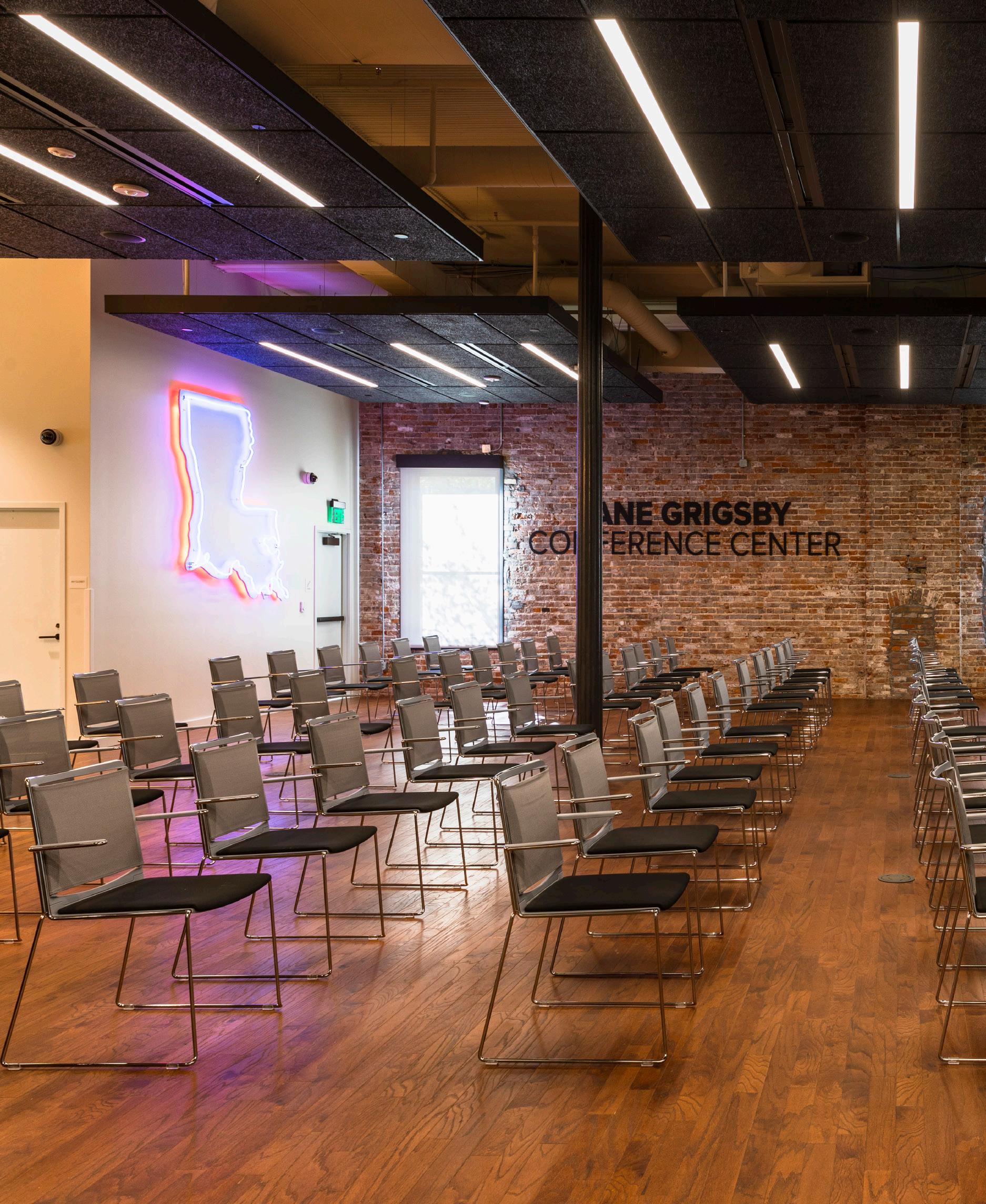
"500 MAIN STREET is a game-changer for LABI as a member organization, as well as our efforts to promote free enterprise in Louisiana,” said LABI’s then-President and CEO Stephen Waguespack when the building project was announced in 2019. “Our members have long wanted a space to help them feed off the energy and ideas of their colleagues from all parts of Louisiana.”
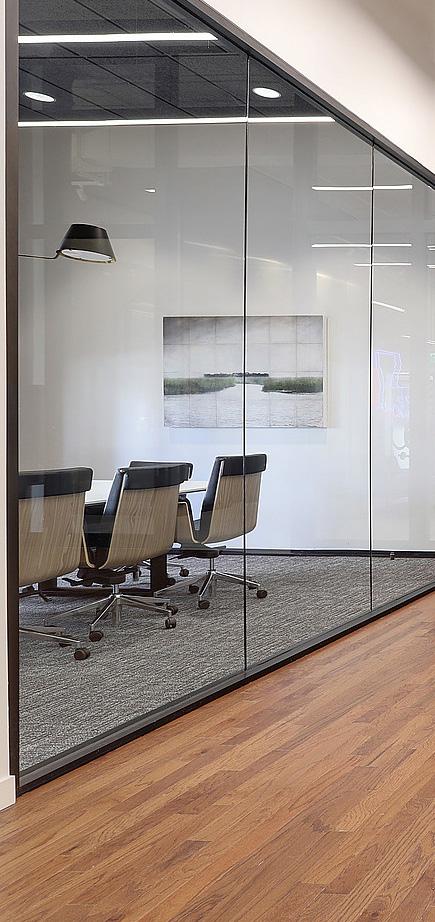
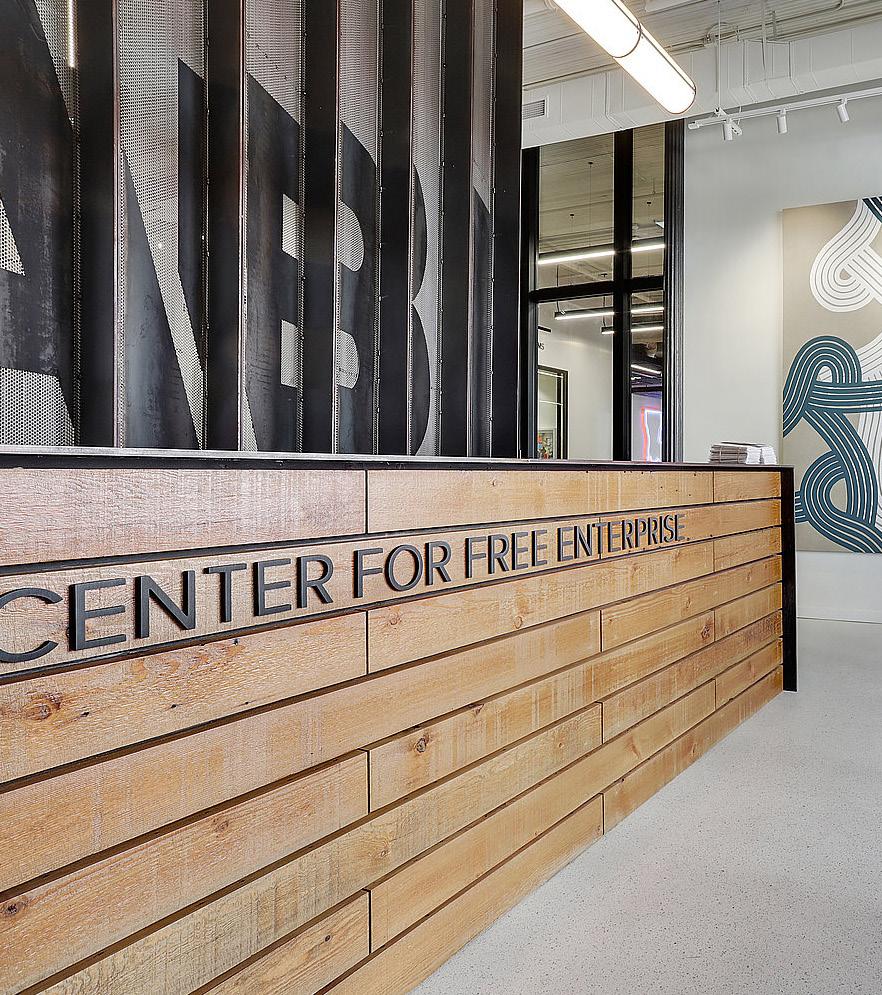
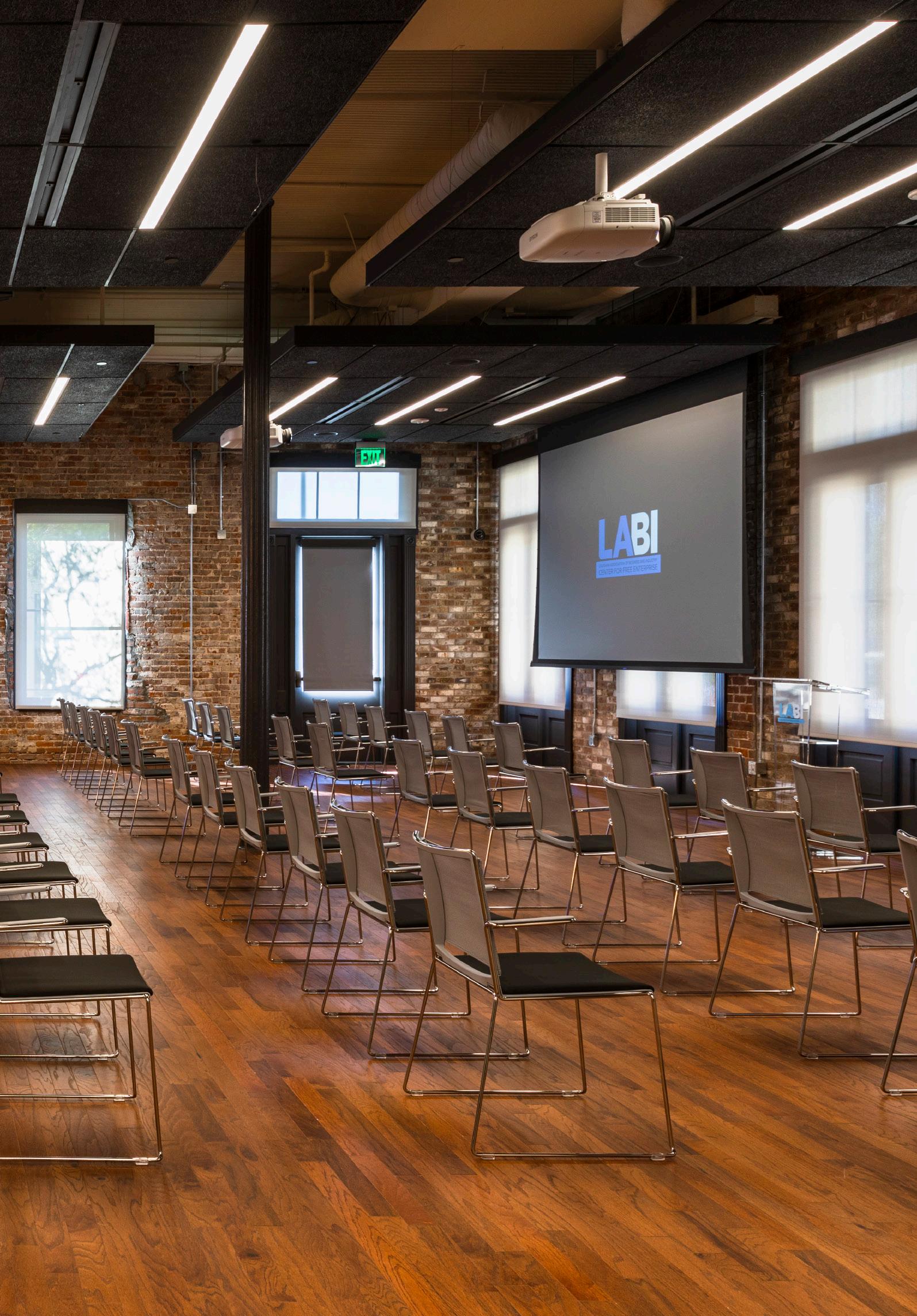
New Orleans-based architecture firm Eskew Dumez Ripple embraced the building’s brick and steel bones in the new design, with these materials evident beginning in the new lobby. On the far wall hangs a custom artwork by Berlin-based artist KEF! commissioned through Ann Connelly Fine Art, which curated art for spaces throughout the building. Faulk and Meek served as contractor for the project.
Outside the Box
A wide galley connects the conference center to the glass-walled Performance Contractors Meeting Room and two smaller chat rooms. Beyond this area, a seating area behind the lobby features a painting by north Louisiana artist Doug Kennedy.
Fresh air affairs happen year round in the Danos Outdoor Event Space, a spacious courtyard with audio/video capabilities and an outdoor kitchen furnished with Viking appliances. New Orleans-based Spackman Mossop Michaels was responsible for the landscape design, which infused the downtown space with lush touches and incorporated an Upfit louvered canopy.
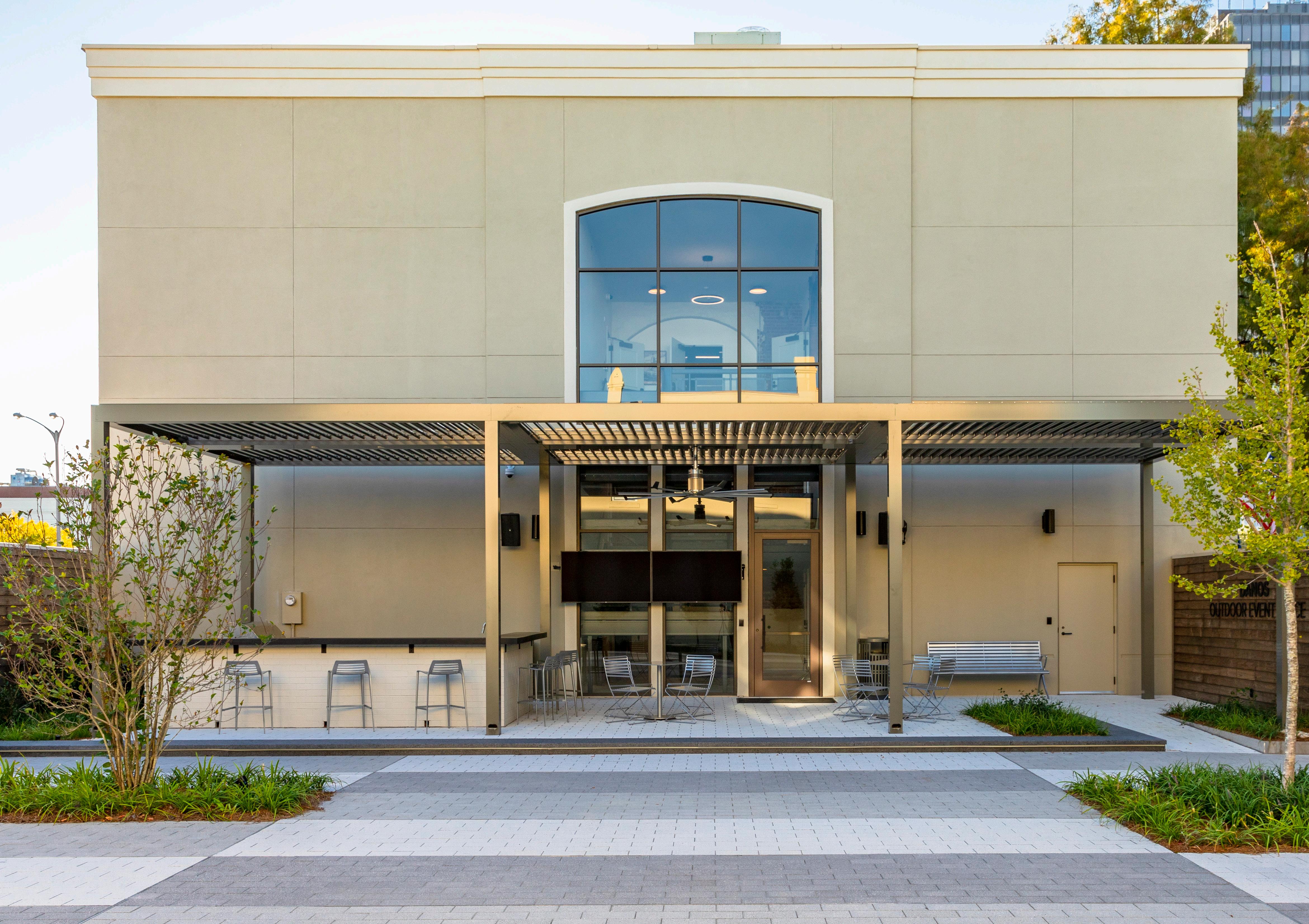
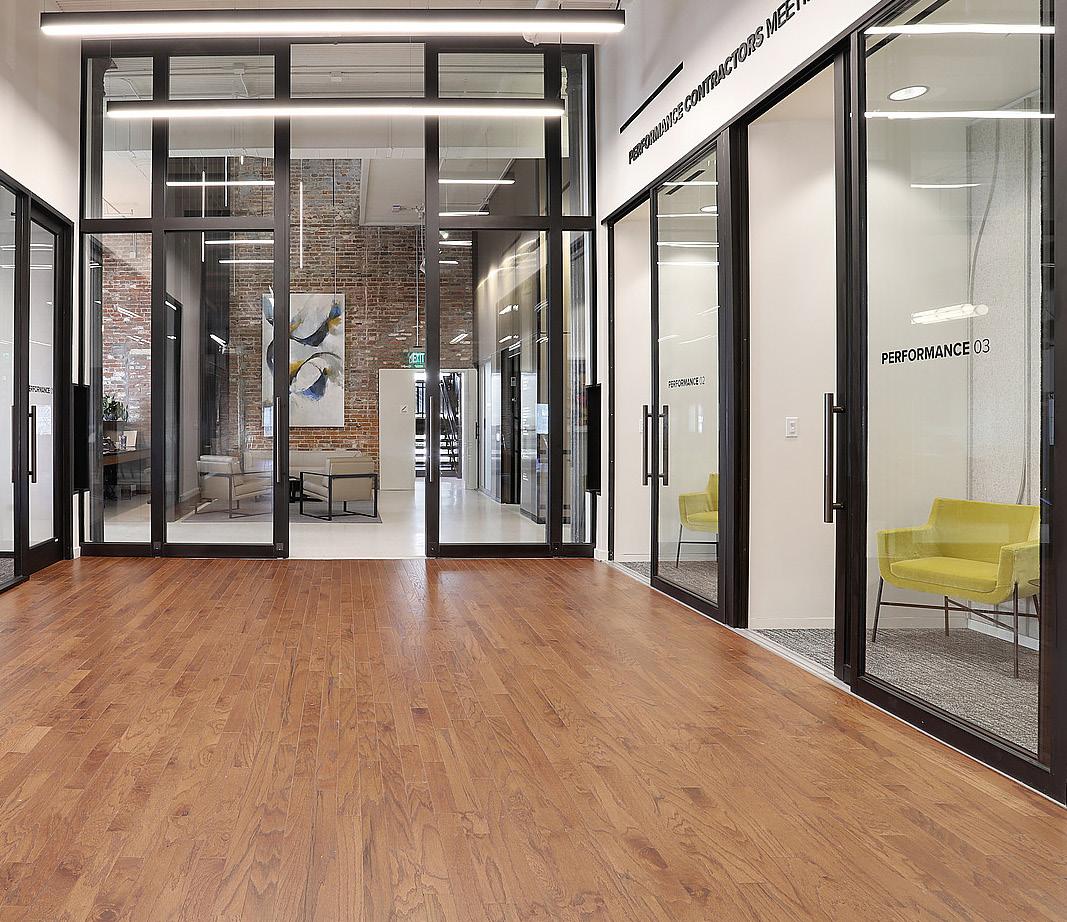
For information on renting any of the spaces in the LABI Center for Free Enterprise, visit labi.org/labi-event-spaces.

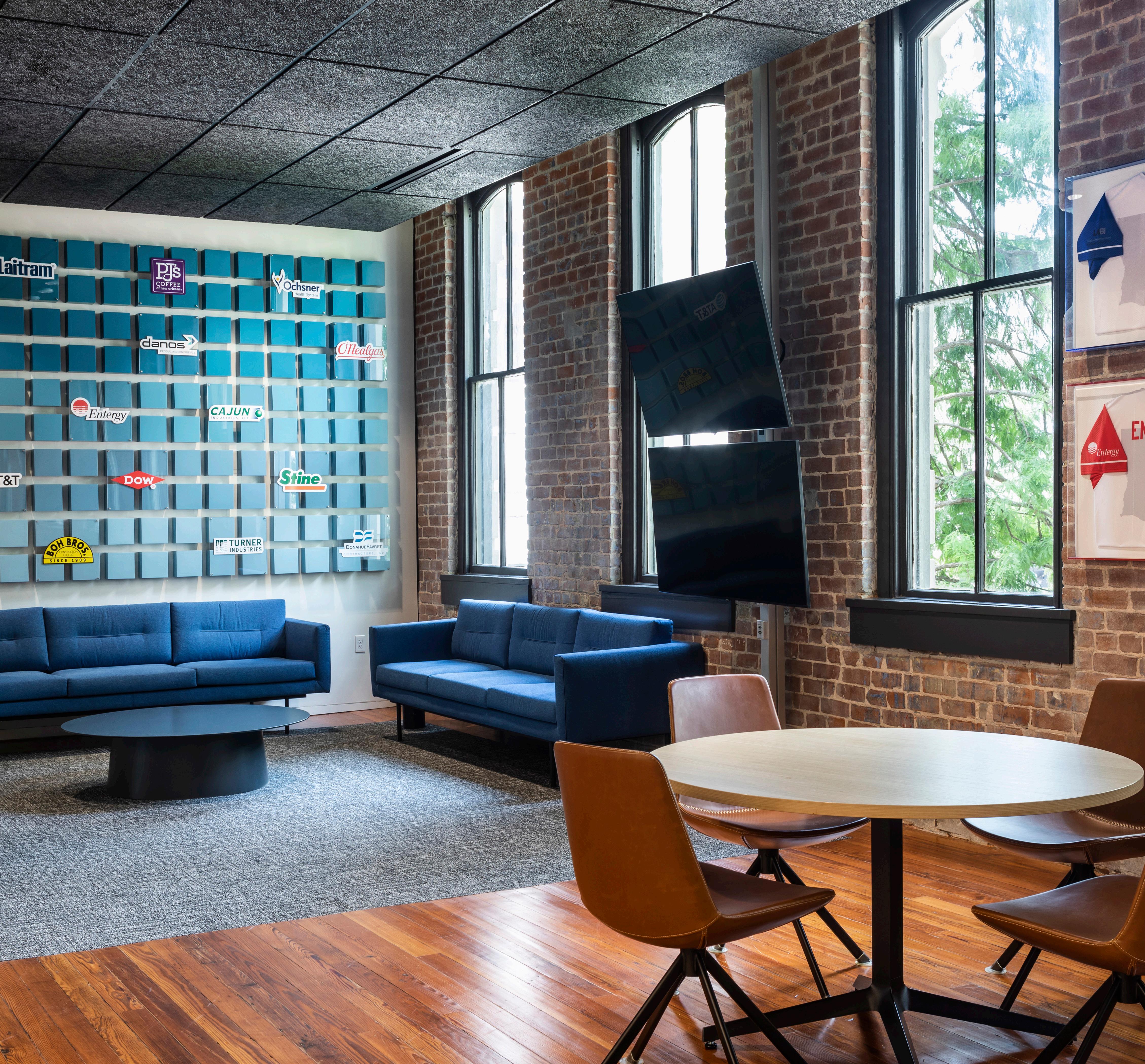
On the second floor, the logos of core building patrons are displayed on a custom wood panel installation that covers the wall of a cozy seating area dubbed the “Logo Lounge.” Nearby, custom jerseys hang on the building’s original exposed brick wall.
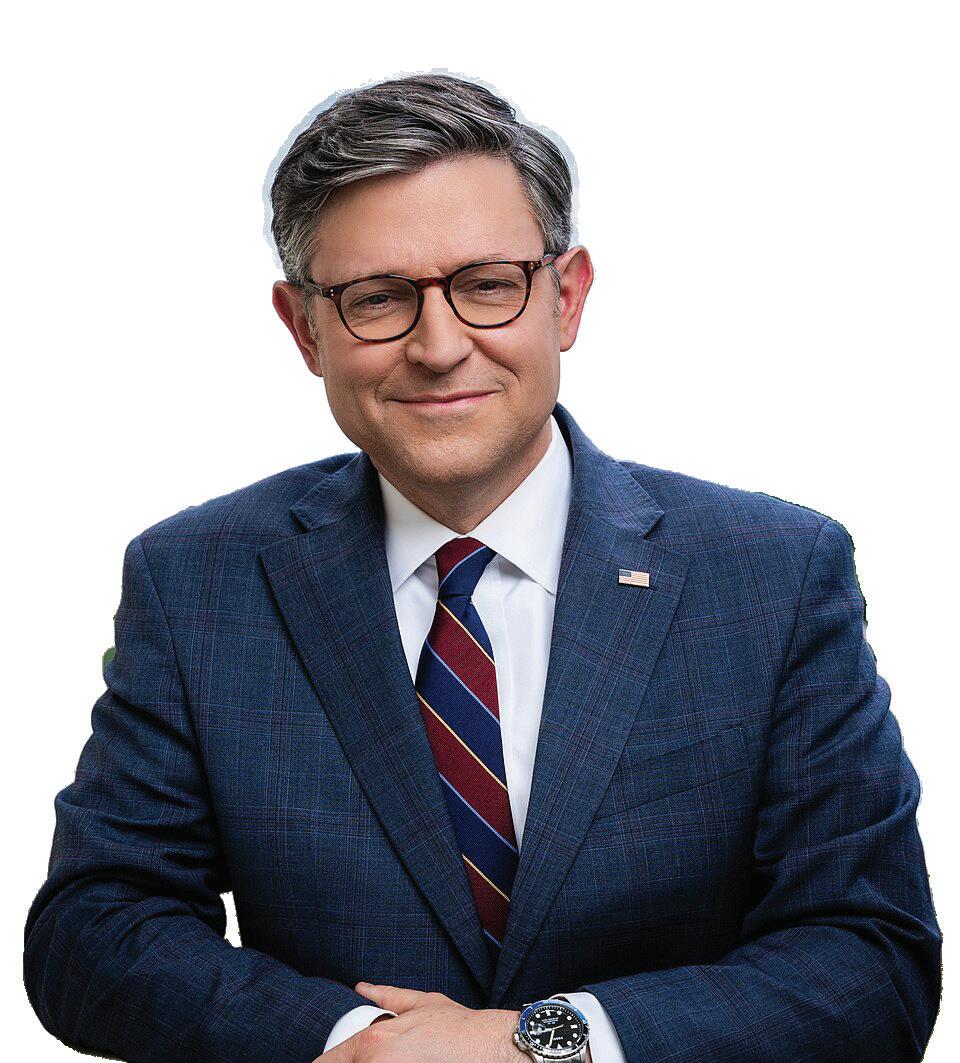

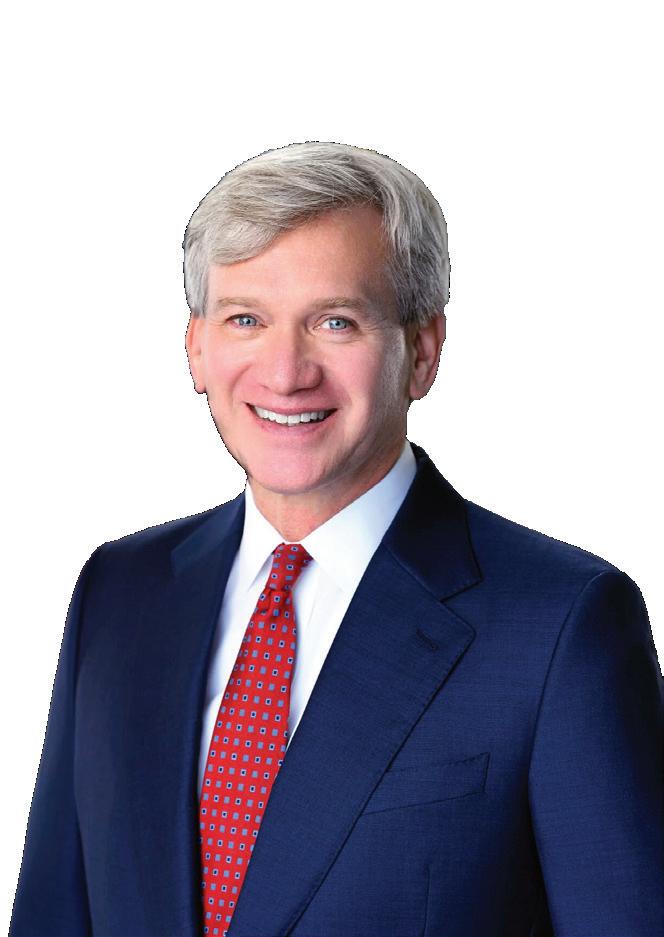
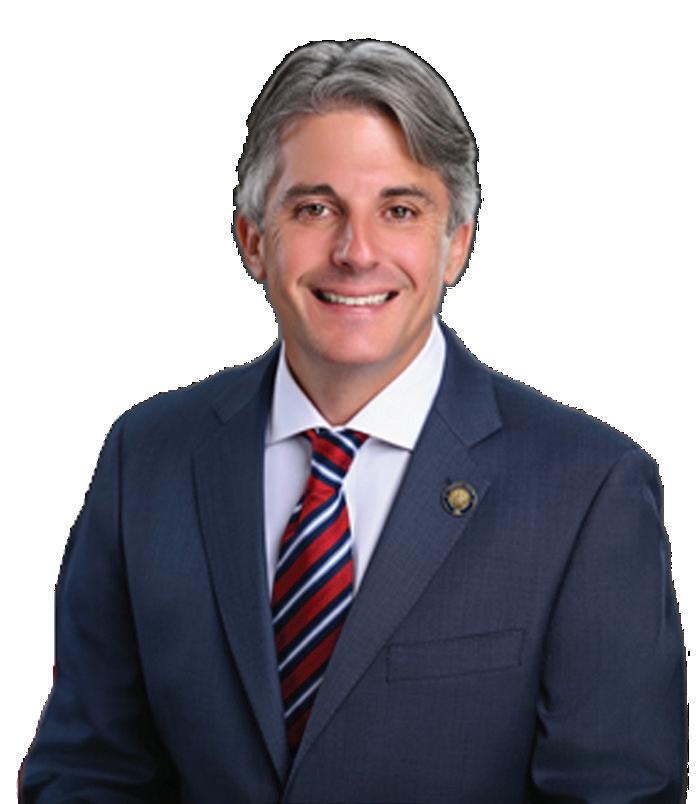
LABI is a premier and indispensable organization and its work has never been more important than it is right now! Thank you all for your involvement.
LOUISIANA INSURANCE COMMISSIONER TIM TEMPLE
For 50 years, LABI has been a champion for Louisiana’s business community, helping advance policies that strengthen our economy and expand opportunity across our state. Their leadership has been especially important in the ongoing work to reform our legal climate and improve the insurance marketplace, issues that impact every business and family in Louisiana. I congratulate LABI on this milestone anniversary and look forward to continuing our work together to create a more competitive, stable, and prosperous Louisiana.

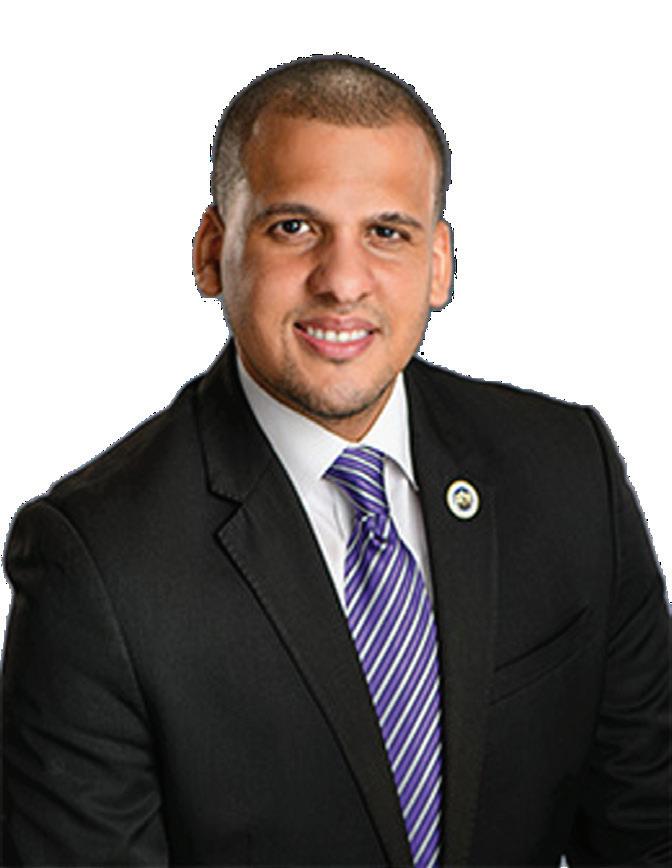
LABI is a well-respected voice in Louisiana, helping legislators and governors alike create policies that expand opportunity and encourage investment in our state. Their commitment to the success of Louisiana families and businesses has left an enduring impact on our economy. Congratulations to LABI on 50 years of leadership, and on behalf of the Louisiana Senate, I look forward to continuing our work with them as we shape Louisiana’s next chapter.
REPRESENTATIVE
LABI has long been a valued partner in our work at the State Capitol, o ering thoughtful solutions and clear advocacy for policies that strengthen education and expand opportunity in Louisiana. Over the years, we have worked together to advance workforce initiatives that help our students, our workers and our economy thrive. I appreciate LABI’s commitment to building a stronger future for every community in our state, and I look forward to continuing our partnership as we work to move Louisiana forward.

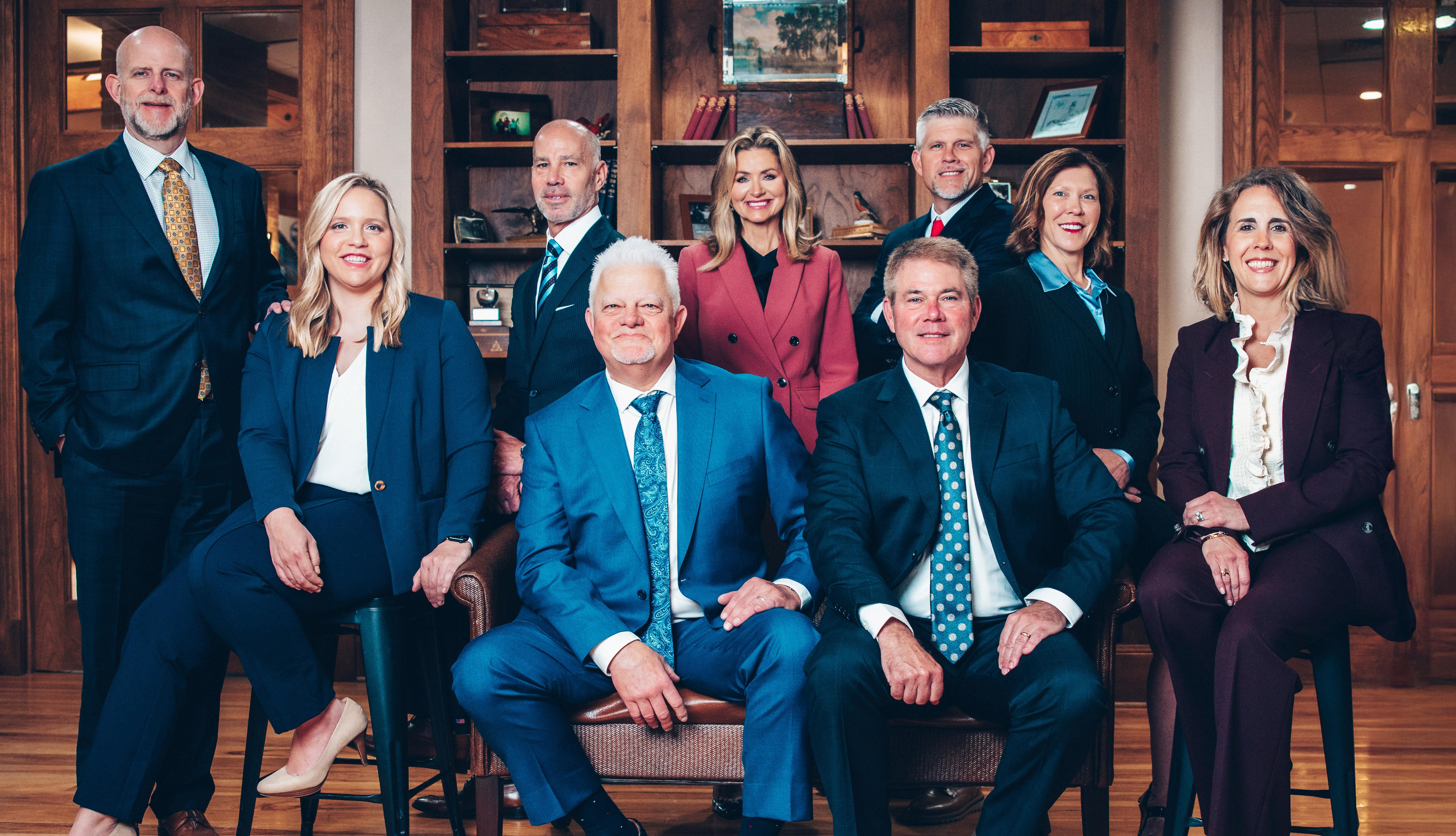
FOR MORE THAN A CENTURY, RoyOMartin has been shaping Louisiana’s landscape—literally and figuratively. Founded in 1923 and still family-owned, the company has grown from a regional sawmill to a national leader in forest products. But more than that, RoyOMartin represents the values, resilience and innovation that define what it means to be born and built in Louisiana.
Operating two manufacturing facilities in Louisiana—one in Chopin and another in Oakdale—and sustainably managing over 500,000 acres of certified timberland, RoyOMartin is deeply committed to its people, products and places. As the company enters its second century, a new campaign with the tagline “Building Tomorrow Together” reflects a bold focus on innovation, workforce development
and sustainable growth, all rooted in its Louisiana heritage.
“Innovation doesn’t stop with products.”
– President and COO Scott Poole
RoyOMartin’s product lineup is built for performance—and built for the South. The Eclipse® Radiant Barrier, for example, can lower attic temperatures by up to 30 degrees, helping homeowners reduce energy costs and ease strain on the power grid.
Responding directly to customer demand, the company recently launched TuffStrandWRB™, which combines RoyOMartin’s durable OSB panels with a factory-applied weather-resistant barrier and seam-sealing tape. The result: a tighter-built home, reduced labor time and eliminated need for costly house wrap.
“We’re improving manufacturing processes, developing new markets and working on exciting next-generation materials that meet the evolving needs of our customers.”
SUSTAINABILITY: ROOTED IN LOUISIANA’S LAND
With third-party certifications from both the Sustainable Forestry Initiative® (SFI®) and Forest Stewardship Council® (FSC®), RoyOMartin plants nearly five times
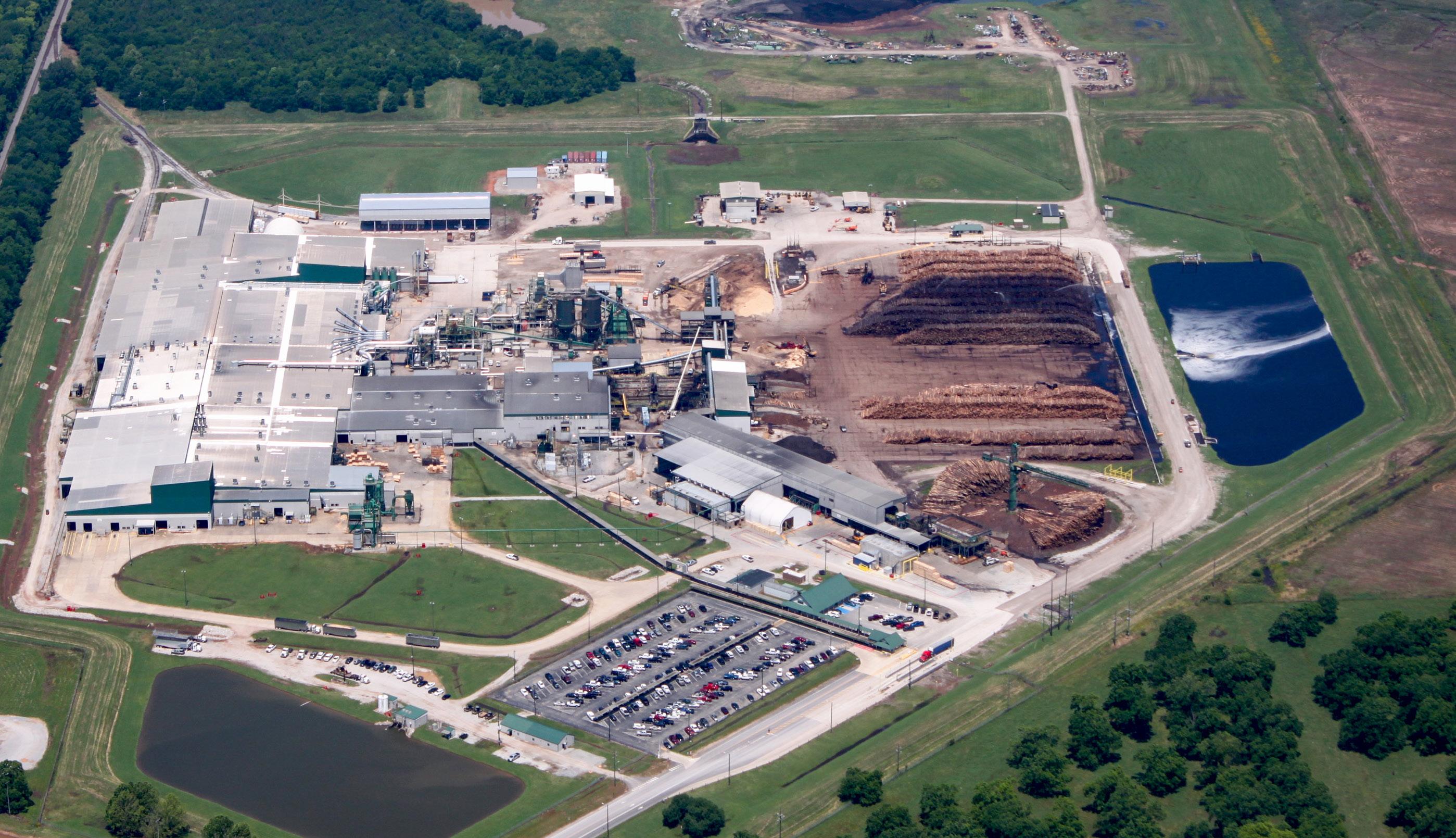
more trees than it harvests—more than 2 million trees per year. The company also incorporates habitat retention zones to preserve biodiversity. As the timber industry adapts to challenges like regional paper mill closures, RoyOMartin is also looking ahead. The company is exploring biofuel and renewable energy solutions to repurpose raw pulp material, keeping Louisiana at the forefront of sustainable innovation.
RoyOMartin is building more than just homes—it’s building futures. Through its one-of-a-kind workforce and education initiatives, the company is investing in the next generation of Louisianians.
The company mascot, Otis, visits local schools to bring literacy support and joy to elementary students, and programs like “Girls Can Too” and “WoodWorks,” which introduce middle and high schoolers to careers in the skilled trades, are helping young people across the state explore pathways to success in manufacturing
and beyond.
The company recently partnered with Louisiana Tech University, contributing $2 million to help launch a state-of-the-art Forestry Lab. The project supports handson learning in one of Louisiana’s most vital industries and prepares students for realworld opportunities in forestry and wood products innovation.
RoyOMartin’s success is deeply tied to the culture and community of Louisiana. The company’s workforce includes multiple generations of families who have worked in the industry, and today the fourth and fifth generations of the Martin family are helping guide the business forward.
The company believes its most valuable resource isn’t found in the forest—it’s the people who make up its team. It provides comprehensive healthcare, including access to its own on-site medical clinic and pharmacy. Two Employee Assistance Programs (EAPs) offer mental health
resources, including free annual counseling and coaching sessions.
“Our people are the reason I’m so excited about the future,” says Poole. “We have the smartest, most innovative team we’ve ever had, and with them, we’re not just building
“Our people are the reason I’m so excited about the future.”
– President and COO Scott Poole
products—we’re building communities.”
With more than a century of experience, RoyOMartin continues to shape the future of the wood products industry through sustainable practices, innovative solutions and a deep commitment to the people and places it serves. From the forests it stewards to the communities it invests in, the company remains grounded in its roots and committed to Building Tomorrow Together.
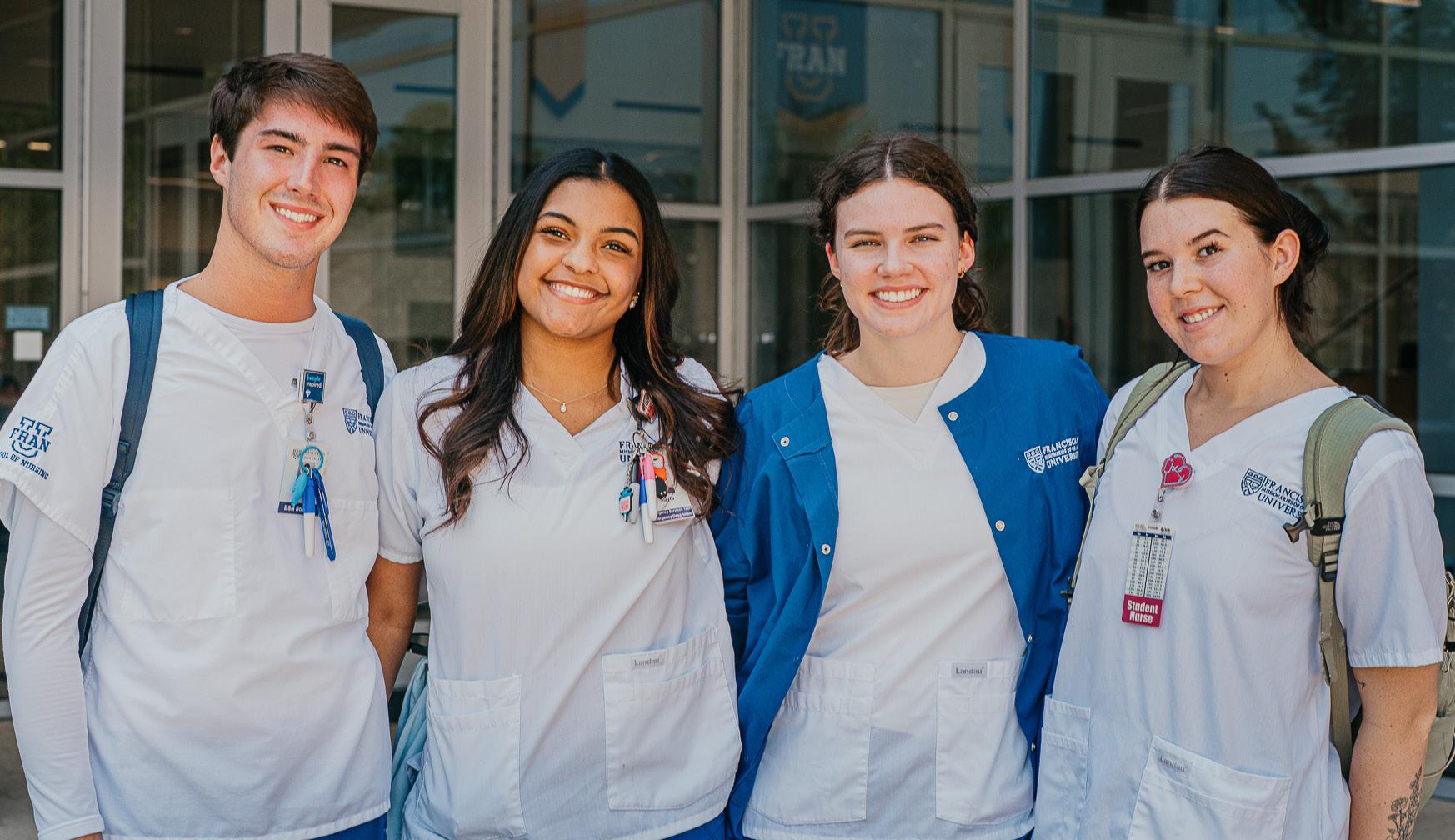
FOR MORE THAN A CENTURY, Franciscan Missionaries of Our Lady University (FranU) has been a cornerstone of Louisiana’s higher education and healthcare landscape. Founded in Baton Rouge by the Franciscan Missionaries of Our Lady, the university has spent 102 years preparing students not just for careers but for lives of service rooted in faith, humility and excellence.
What truly distinguishes FranU is the enduring connection between its educational mission and healthcare ministry—a partnership rooted in the vision of the sisters who journeyed to Baton Rouge over a century ago to care for the community. “It’s very unusual for the educational and healthcare ministries to still be as connected as we are today,” says Dr. David Bellar, FranU’s recently appointed president. “That
deep connection allows us to prepare mission-focused students who enter healthcare not just as a job, but as a calling.”
Today, 98% of FranU students are Louisiana residents, many of whom remain in the region to serve their communities after graduation. The university’s programs—from nursing and health sciences to theology, business, psychology and natural sciences—emphasize academic rigor and ethical formation. Several programs consistently report 100% licensure exam pass rates and near-total employment rates, underscoring FranU’s commitment to workforce readiness.
FranU’s Franciscan identity is woven into every aspect of campus life. From orientation to graduation, students are immersed in a culture that emphasizes humility,
respect and joy. “Our students and faculty work hard, but they do so with a sense of purpose and joy that’s rooted in the mission and values of the Franciscan Missionaries of Our Lady,” Dr. Bellar says.
Service is another pillar of the FranU experience. Through an engaged service-learning program, students work with dozens of community partners across Baton Rouge. These partnerships provide hands-on experience while meeting critical local needs—from clinical outreach to nonprofit service. This dedication to community engagement has earned FranU the prestigious Carnegie Foundation Community Engagement Classification for more than a decade.
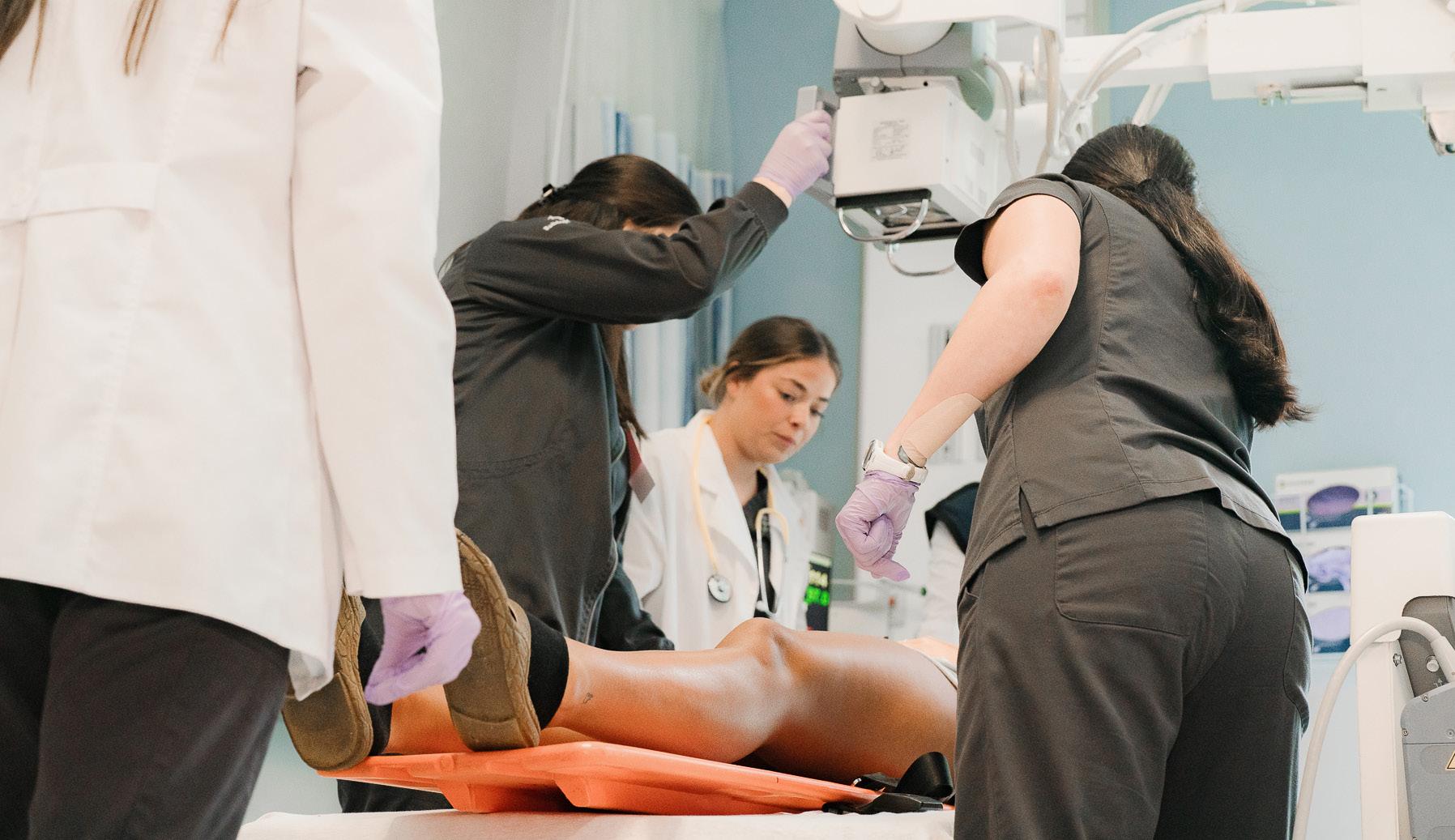
As FranU celebrates 102 years, it remains focused on preparing students for a future where technology, ethics and service intersect. With advances in artificial intelligence reshaping healthcare, the university is ensuring graduates are ready for modern challenges.
“Our students will graduate into environments where AI is everywhere— often behind the scenes,” Dr. Bellar explains. “At FranU, we don’t just teach the technology; we teach students how to navigate it ethically, informed by our Catholic identity and mission.”
Academic growth continues across the board. Interest in Radiologic Technology has quadrupled in the past three years, while biology pre-professional tracks and the Master of Healthcare Administration program are seeing steady increases. This fall, in partnership with the Diocese of Baton Rouge, FranU’s theology program began an exciting new chapter by enrolling its
first cohort of propaedeutic seminarians. These students, in the initial stage of Catholic seminary formation, represent an important expansion of the university’s role in theological education and spiritual formation.
“That deep connection allows us to prepare mission-focused students who enter healthcare not just as a job, but as a calling.”
– Dr. David Bellar
In an era when students and families carefully weigh the value of higher education, FranU’s outcomes are clear. Graduates consistently secure meaningful, well-paying jobs, with many advancing into leadership roles in healthcare and business throughout Louisiana.
With a strategic plan guiding the university through 2028 and a long-term vision in development, FranU is wellpositioned to grow its impact in the decades ahead. Dr. Bellar sees opportunities to expand partnerships, innovate in workforce training and deepen community engagement—all while staying true to the university’s Franciscan mission.
“The challenges in healthcare and education are constantly evolving,” he says. “But FranU has been adapting for 102 years, and we’ll continue to do so—preparing students grounded in their values, committed to service and ready to meet the needs of Louisiana and beyond.”
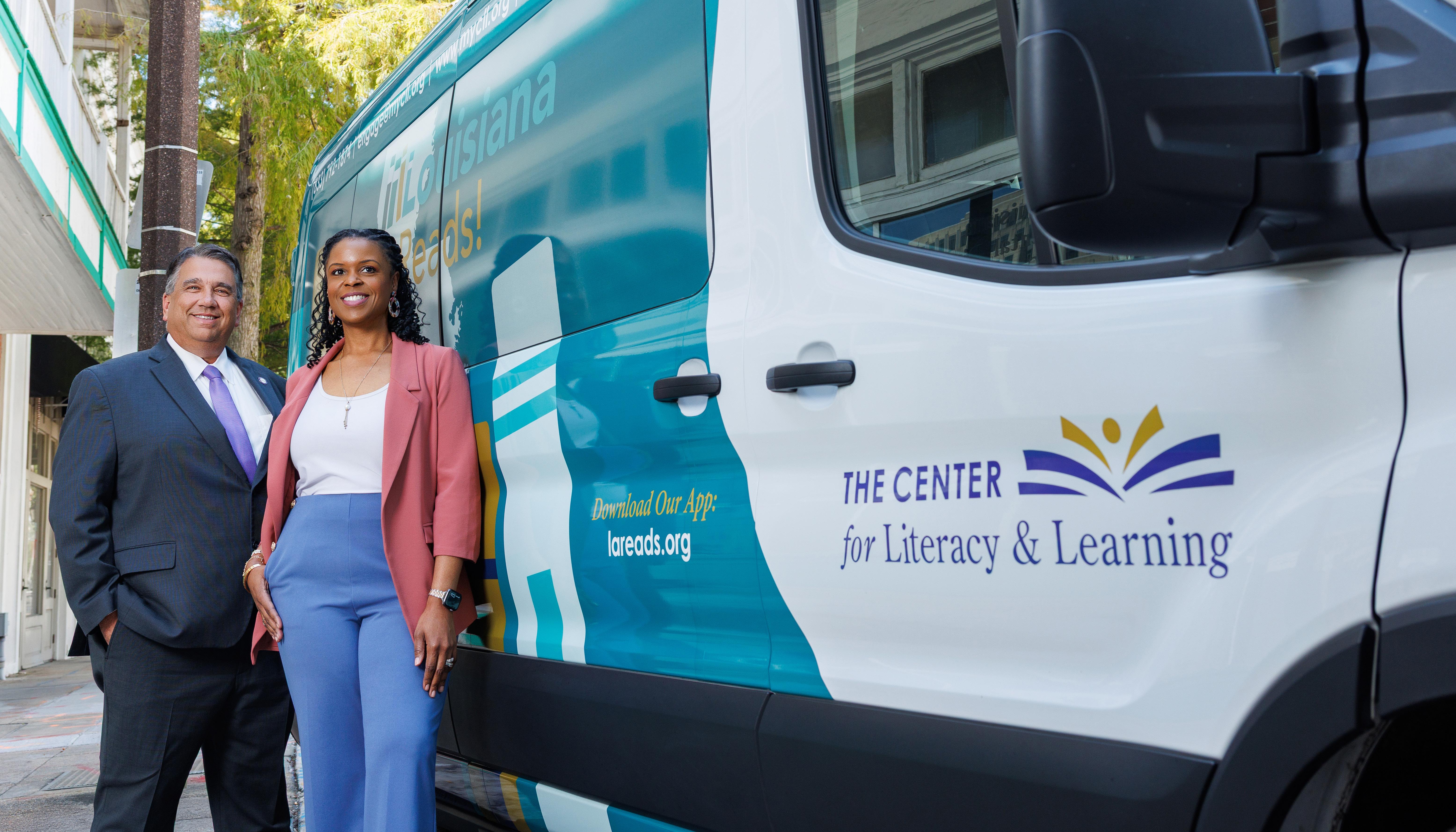
LOUISIANA HAS MADE MEASURABLE GAINS in literacy in recent years, moving up in national rankings and proving that change is possible. Yet too many children still struggle to read at grade level, and the long-term consequences ripple far beyond the classroom. The Center for Literacy & Learning is building on the positive momentum, expanding its reach with innovative programs, statewide partnerships and increasing national visibility.
Since 2019, The Center has been at the forefront of a movement to improve literacy outcomes in Louisiana. In September of this year, the organization took the conversation to Washington, D.C., with a literacy symposium that brought national policymakers to the table.
“Our leadership in literacy reform is being recognized on the national stage,” says Dr.
John Wyble, The Center’s CEO. “But the most important work we do is right here in Louisiana, building a stronger system for students, families and educators.”
“We’re training Louisiana’s future workforce. Without strong literacy skills, the exciting economic development projects we see across the state will struggle to become reality.”
– Dr. John Wyble, The Center’s CEO
One of The Center’s most impactful initiatives is its role as Louisiana’s Statewide Family Engagement Center (SFEC), a designation that places it among a select group of organizations nationwide. The program helps schools and families work together more effectively, with a more secular focus on literacy. That means equipping parents with reading strategies, hosting family workshops and helping schools design stronger engagement practices.
“This work doesn’t happen in silos,” says The Center’s President DeJunné Clark Jackson. “We’ve always supported educators and school systems, but bridging that gap to families was the missing piece. When we involve families alongside schools, the results for students grow exponentially.”
Through the Louisiana Reads! ™ initiative, The Center extends this family engagement
work directly into communities. The program provides parent education, literacy workshops and resources that build home libraries while strengthening the entire support system around each child; this is much more than a book distribution effort. A new Louisiana Reads! van enables staff to deliver programming statewide.
Educator training remains a cornerstone of The Center’s efforts, thanks to its focus on giving front-line educators the tools needed to improve student outcomes. The organization’s flagship event, the Plain Talk About Literacy and Learning Institute®, recently celebrated its 30th anniversary with more than 3,000 participants. It is recognized as one of the nation’s premier literacy conferences, drawing top researchers, policymakers and educators. Louisiana educator participation, which once hovered under 1%, has grown to more than 35% of attendees.
“The caliber of information that flows through Plain Talk is unmatched,” says Clark Jackson. “We’re connecting Louisiana teachers with the very people writing the books and research studies that shape best practice.”
Strong literacy skills don’t just benefit students—they shape communities and fuel economic growth. Students who struggle to read by third grade are less likely to graduate high school, which impacts workforce readiness and long-term earning potential. For Louisiana’s growing economy, the stakes could not be higher.
As Dr. Wyble explains, “We’re training Louisiana’s future workforce. Without strong literacy skills, the exciting economic development projects we see across the state will struggle to become reality.”
This is where the business community comes in. By partnering with The Center, businesses can invest in the future workforce while supporting families in their own communities. Opportunities include sponsoring Louisiana Reads! workshops, co-hosting family literacy events, or providing financial resources to expand programming statewide.

With Louisiana showing measurable gains in literacy, The Center’s leaders say momentum is on their side--but the work is far from done.
“We can’t rest,” says Wyble. “If we ease up now, we risk losing ground. We have to keep building stronger circles of support around every student.”
For Clark Jackson, success is about
more than test scores. “We want Louisiana families to be confident partners In their child’s learning,” she says. “When families, schools and communities come together, we not only raise reading levels, but also build stronger students, stronger families and ultimately a stronger workforce for Louisiana.”
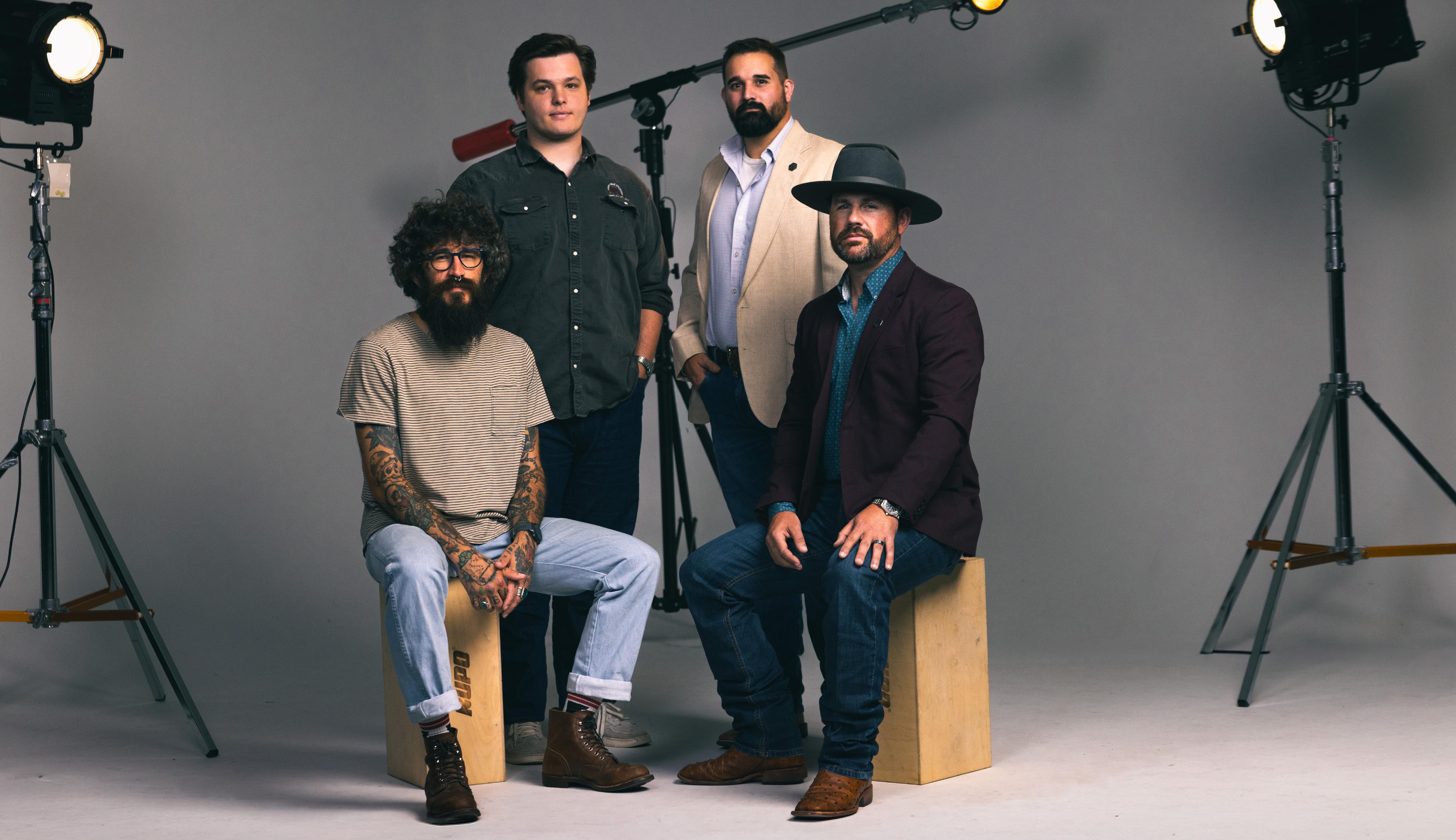
PLUGGED-IN CREATIVE IS CELEBRATING a decade of meaningful storytelling—10 years of helping organizations clarify their message, elevate their voice and connect through authentic, visually-driven content.
Founded by Andy Chason, the company was born from a moment of spiritual clarity: “You will tell stories.” That simple directive became the foundation for a creative team dedicated to turning complex ideas into compelling visual content.
With a distinctly blue-collar, grounded approach that’s honest, gritty, and real, Plugged-In Creative goes beyond surface-level marketing. Its team specializes in uncovering the root of the challenges companies face, using a disciplined fact-finding process that includes interviews, discovery sessions and immersive research. The result is content rooted in strategy, honesty and heart. “Our job isn’t to show up with a camera,” says Chason. “It’s to ask the right questions, understand the real problem and build a story that moves people.”
That philosophy came to life in 2020 with the widely acclaimed State of the City video for Monroe—a cinematic spoken-word piece that stirred civic pride and expanded the group’s reach to clients like Atmos Energy and beyond. This dedication to thoughtful, problem-solving storytelling is evident in
“Our job is to ask the right questions, understand the real problem and build a story that moves people.”
– Andy Chason
the company’s diverse portfolio—from small business campaigns to large-scale productions for national clients.
The team includes seasoned creatives like Montana Huckabay, the agency’s longest-serving member and a key force behind many of its most impactful projects. Huckabay describes the team’s
philosophy simply: “We dig deep to find the heart of the story. When we do that, the audience feels it.” Now, as it enters its second decade, Plugged-In Creative is looking to the future with bold new energy.
Plugged-In Creative is proud to announce its partnership with fellow Monroe-based production company Shop Talk Studios to form a new creative alliance: Plugged-In Collective. Shop Talk Studios is a full-service production company known for high-end commercial and branded content. Its work is defined by cinematic quality, intentional storytelling and a seamless blend of strategy and artistry. Its collaborative philosophy—“Creative work is best when it’s done in partnership”—aligns perfectly with Plugged-In’s own values.
This new collective is more than a merger—it’s a shared commitment to help businesses, communities and organizations tell their stories with clarity, purpose and excellence.The next chapter is here. And the story is just getting started.
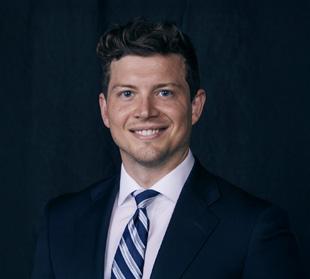
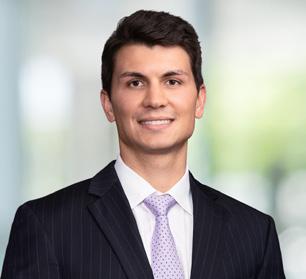
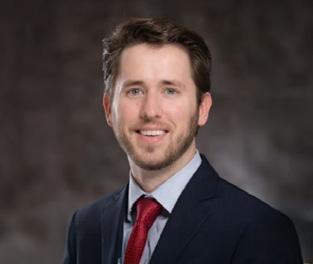

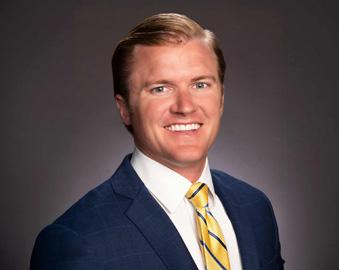


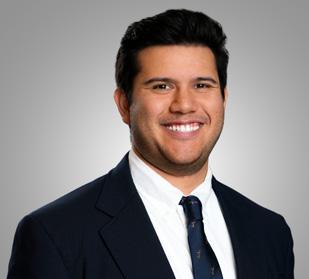
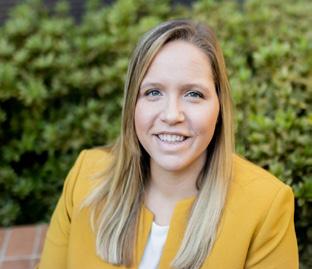







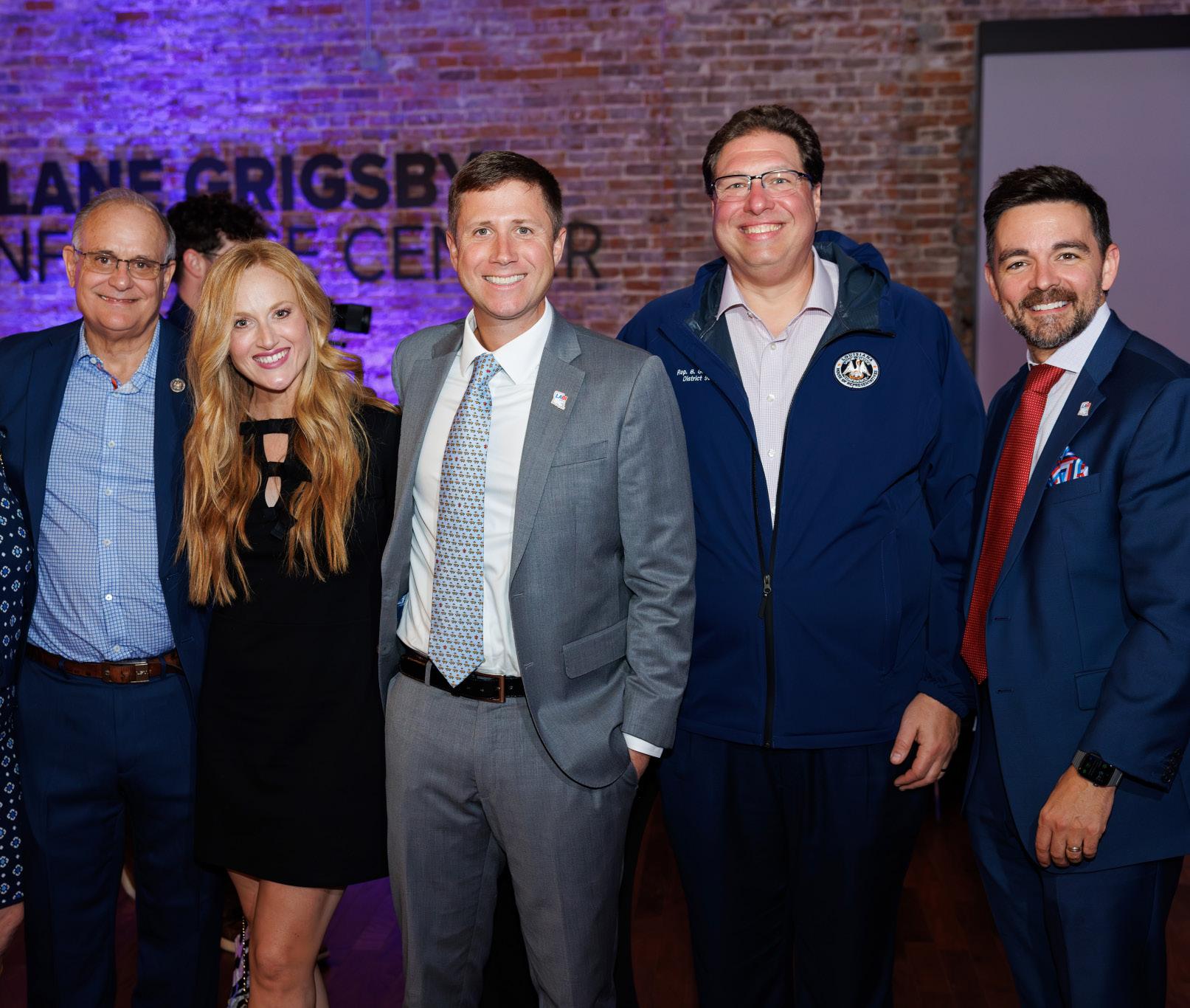

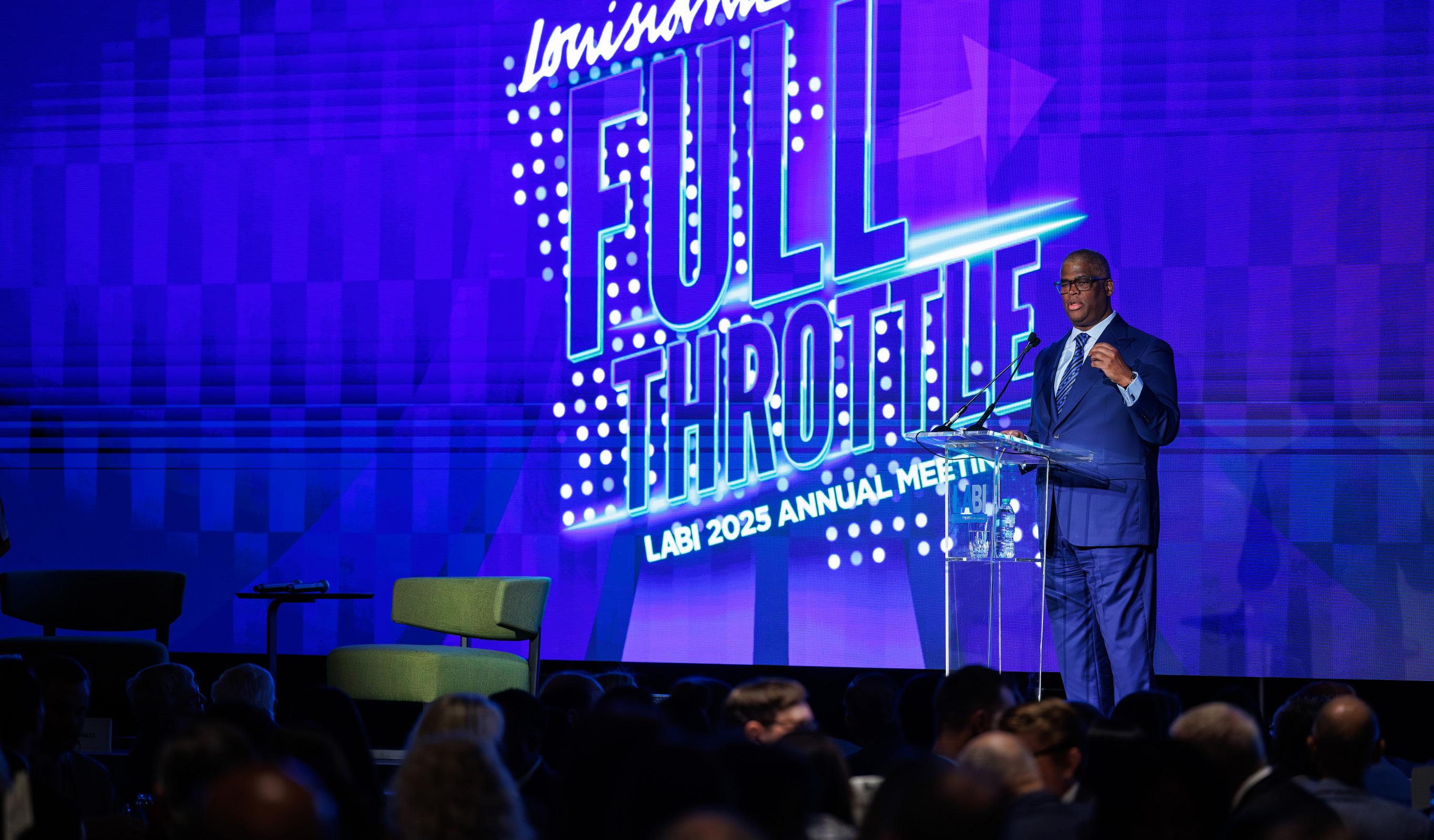
LABI HOSTED ITS 2025 Annual Meeting on February 19 at the Crowne Plaza. The event’s theme, “Louisiana Full Throttle,” underscored LABI’s unwavering commitment to maximizing opportunities to address challenges head on and secure a better future for our state. The meeting’s keynote speaker was Charles Payne, host of Making Money with Charles Payne on Fox Business. The day also included a panel discussion addressing “Energy Outlook 2025 and Beyond.” The LABI VIP Member & Legislator Reception took place the evening before the meeting at the LABI Center for Free Enterprise.

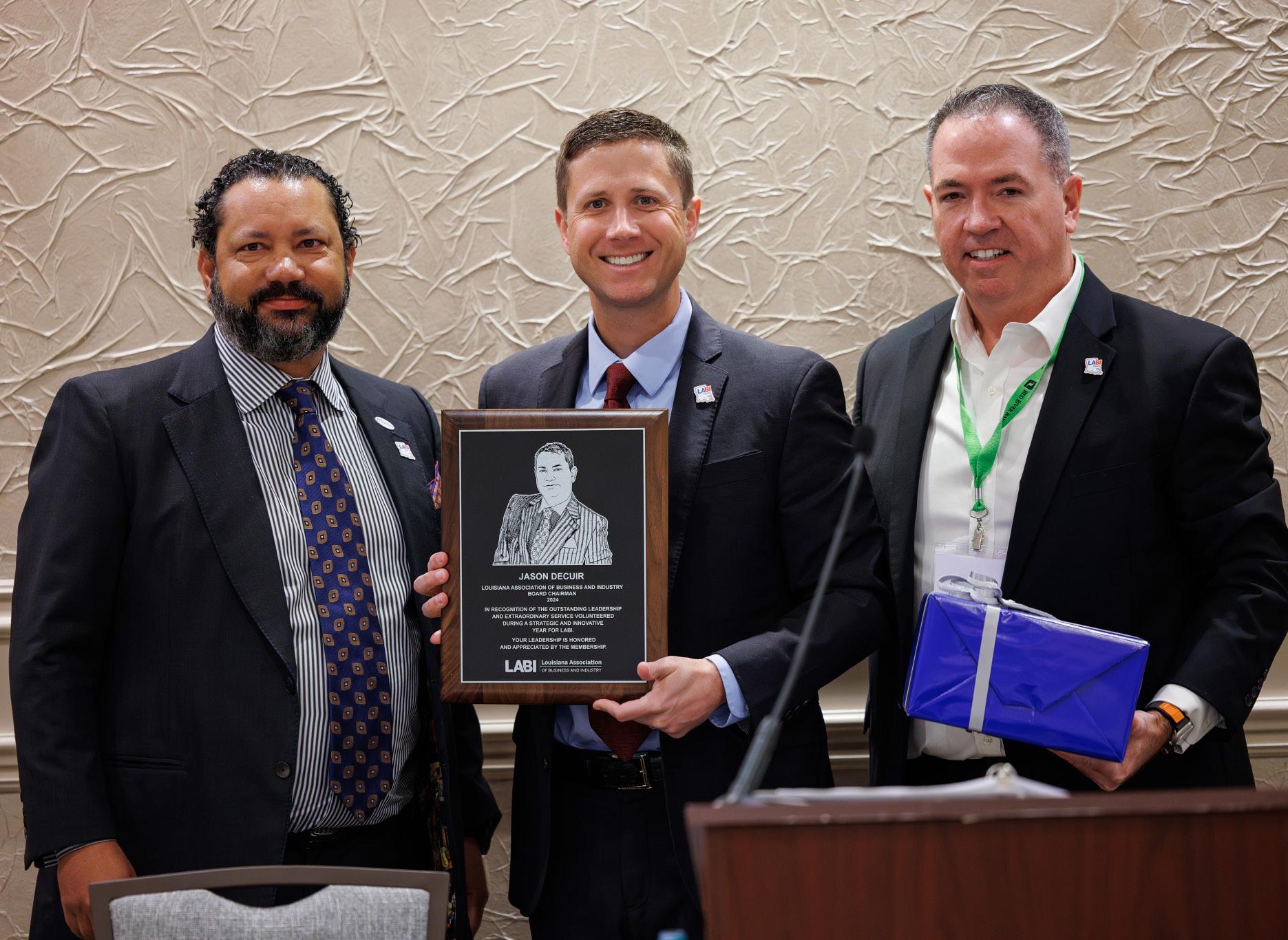
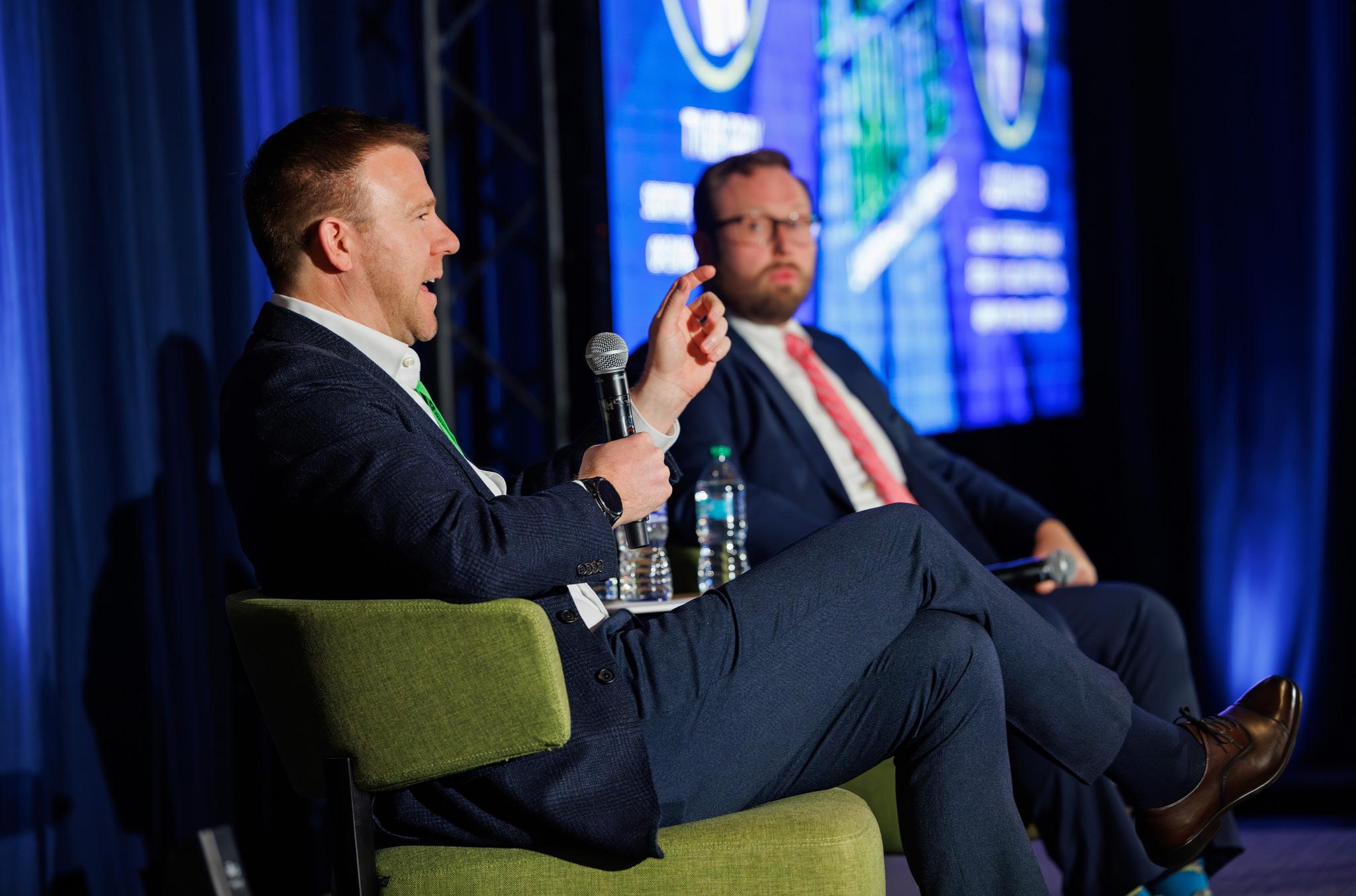
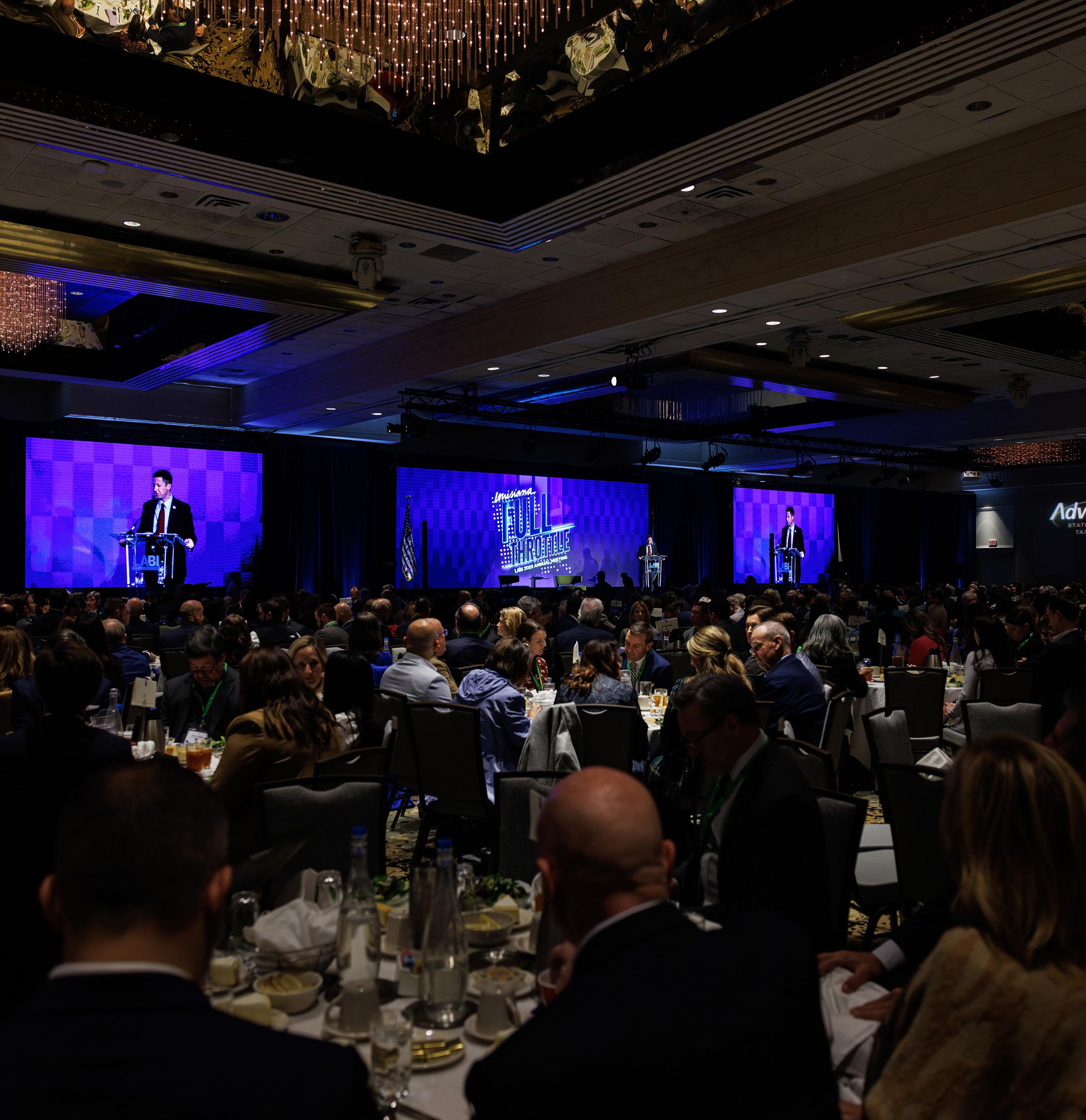
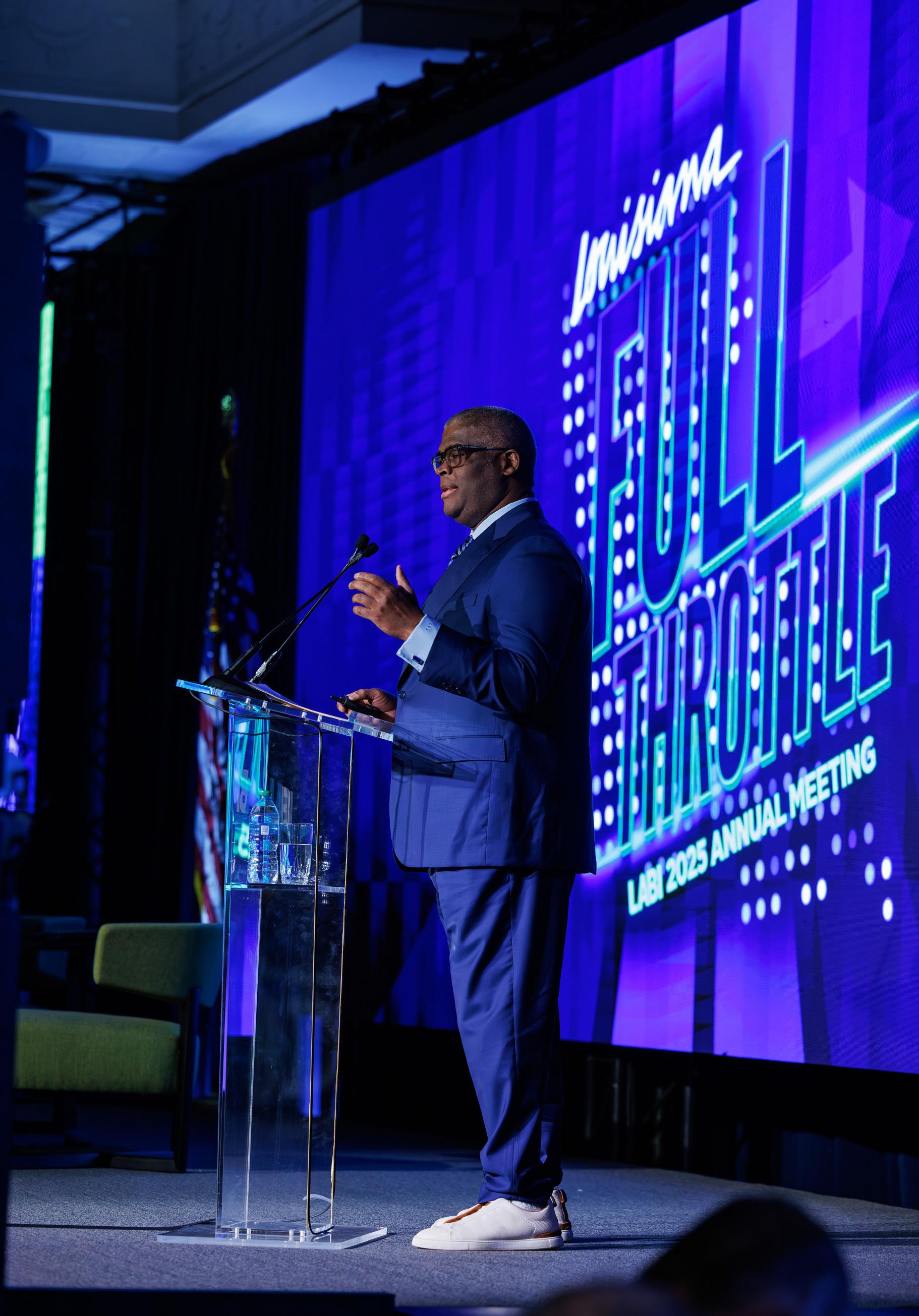
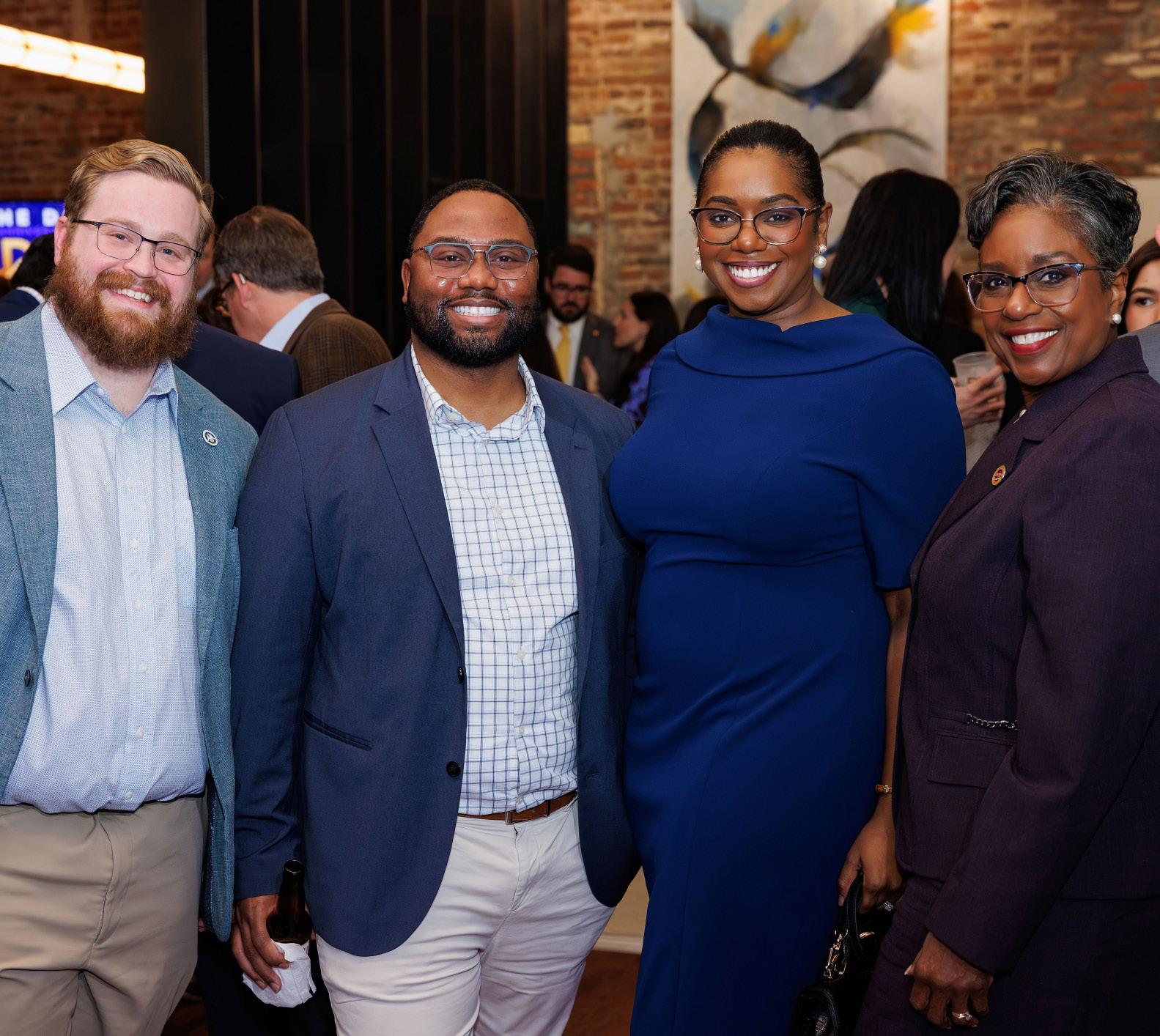
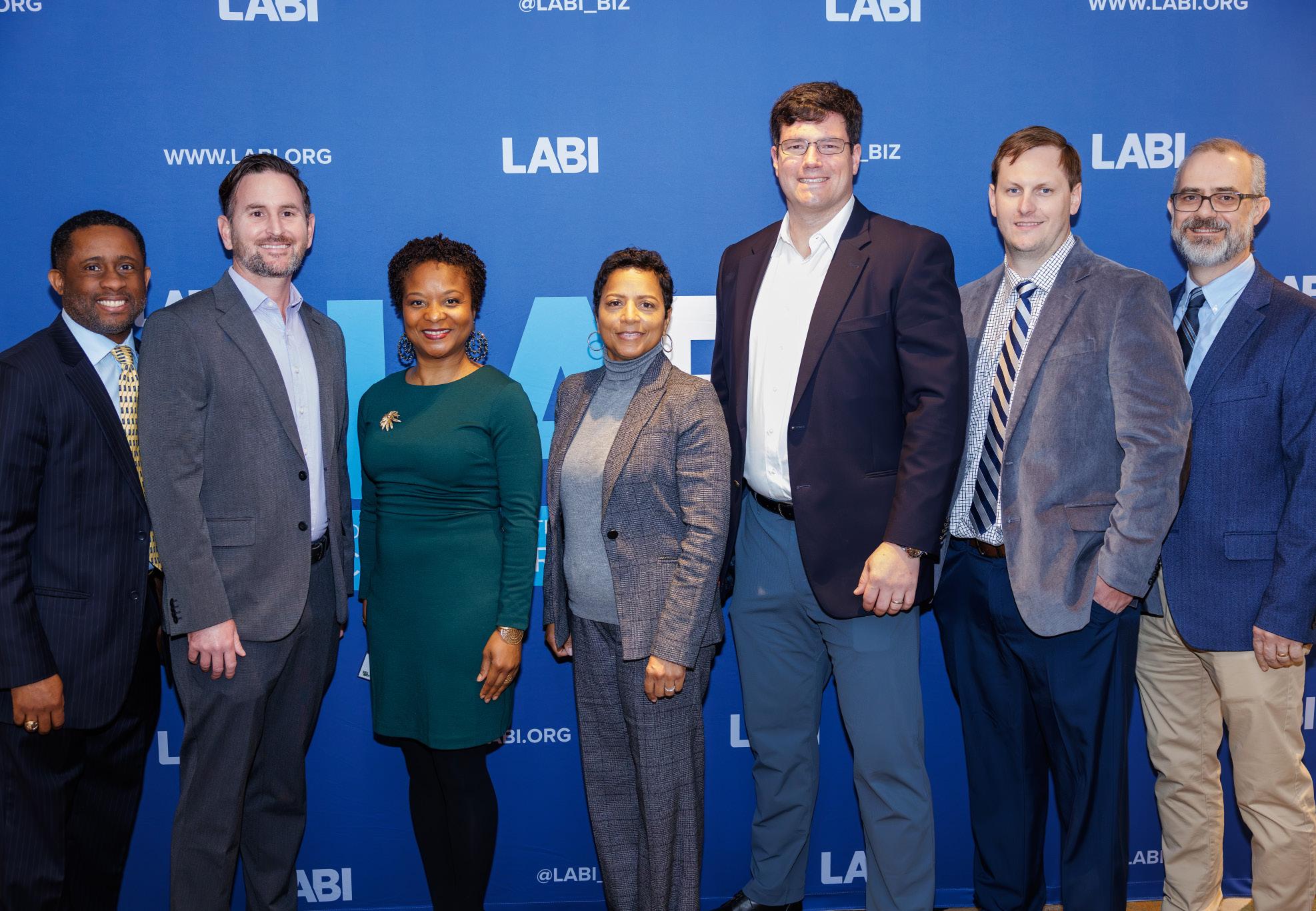
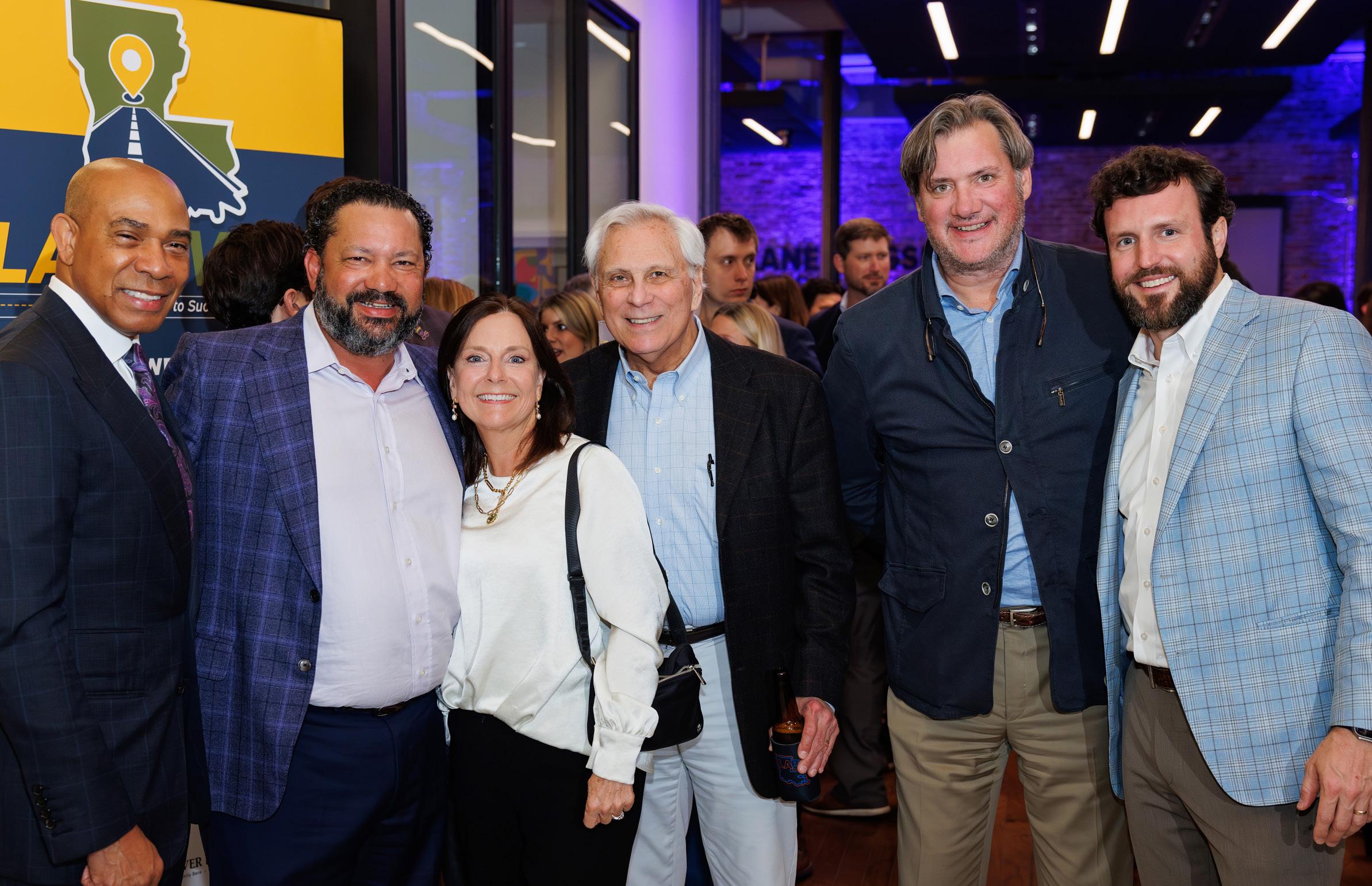
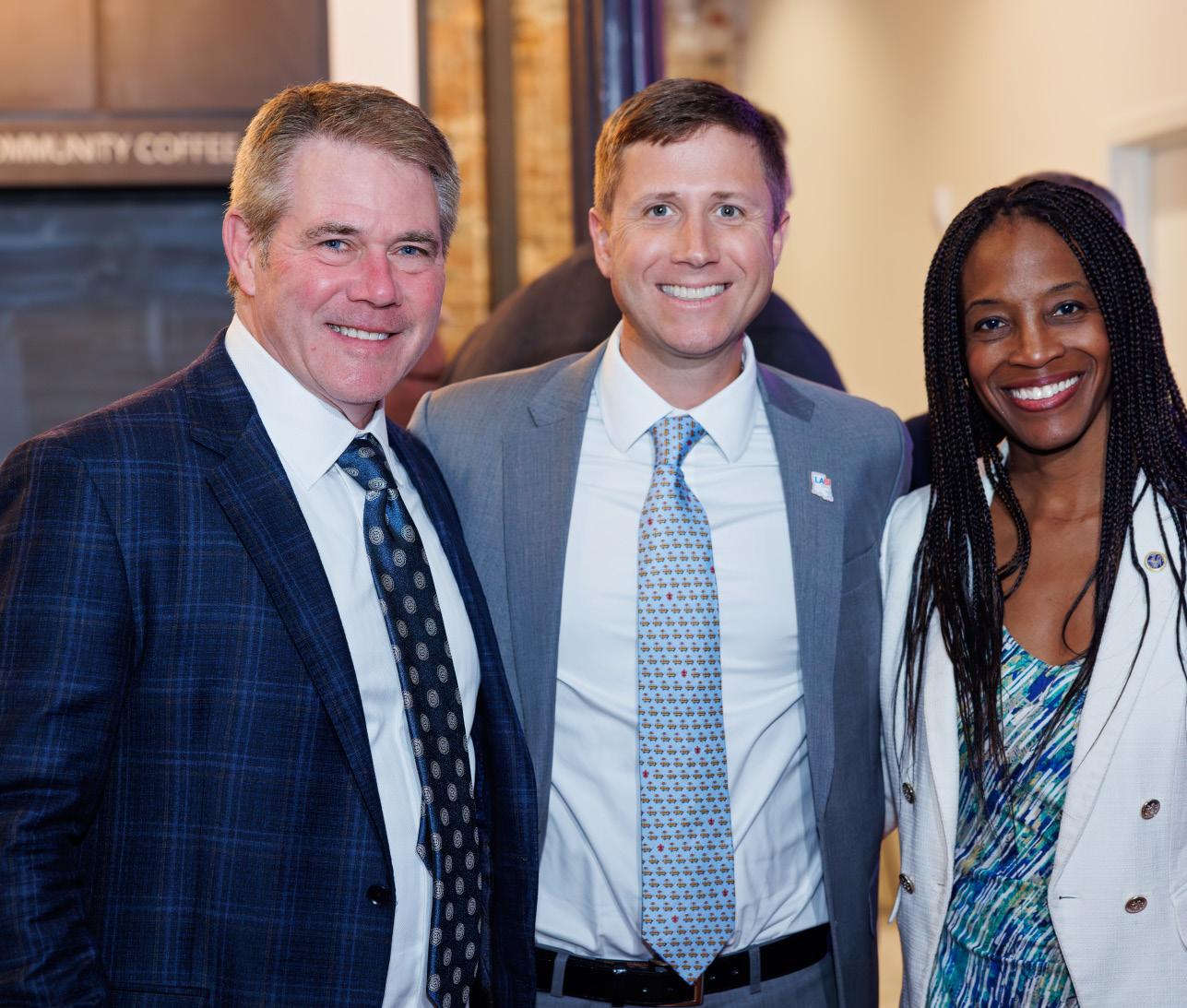
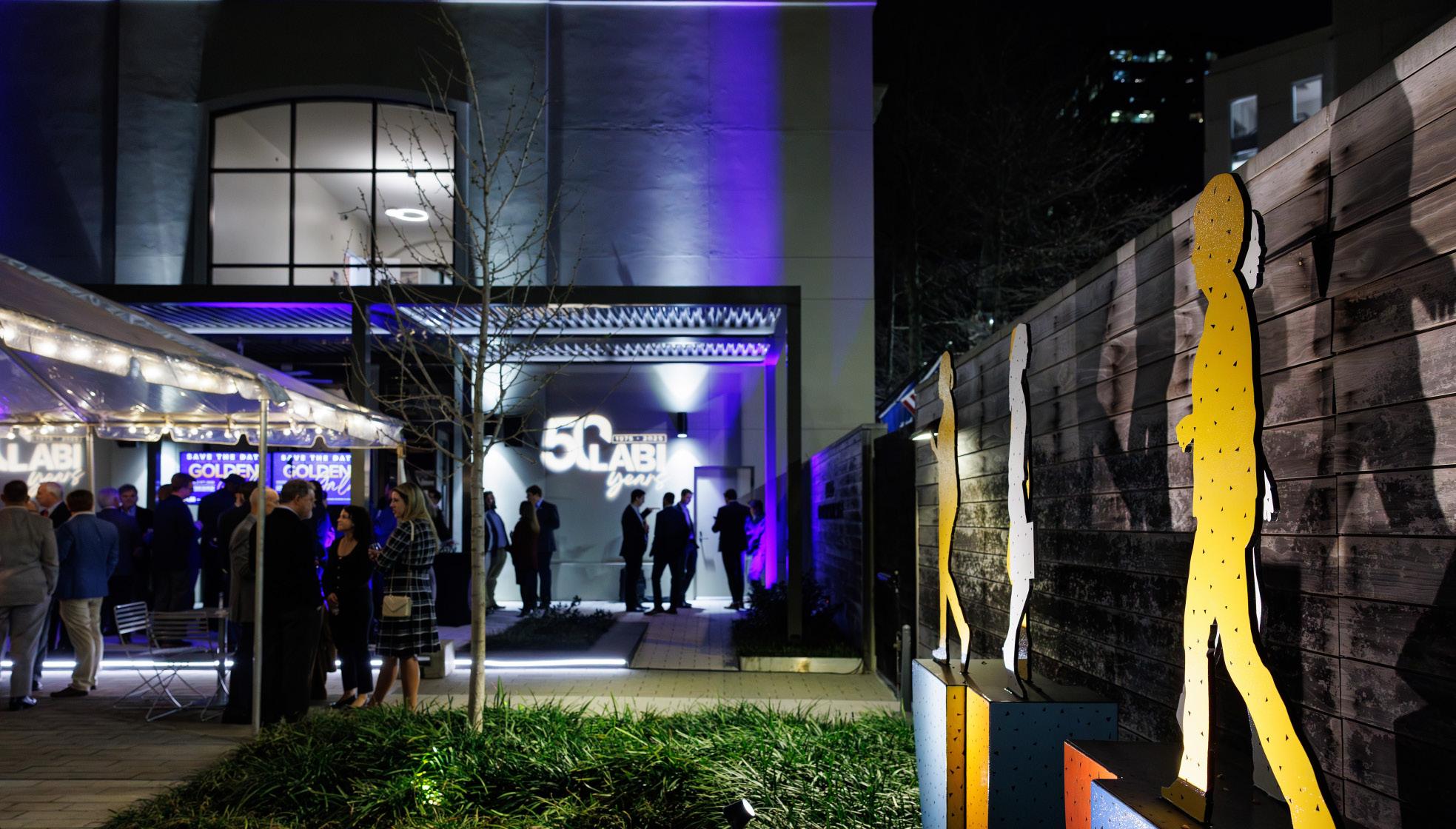
LABI takes pride in its team of experienced policy experts and dedicated professionals, who work tirelessly to champion Louisiana’s business community. Their expertise and commitment drive our mission forward, ensuring that the voice of free enterprise is heard. We invite you to meet the team behind LABI’s e orts and learn more about their impact.






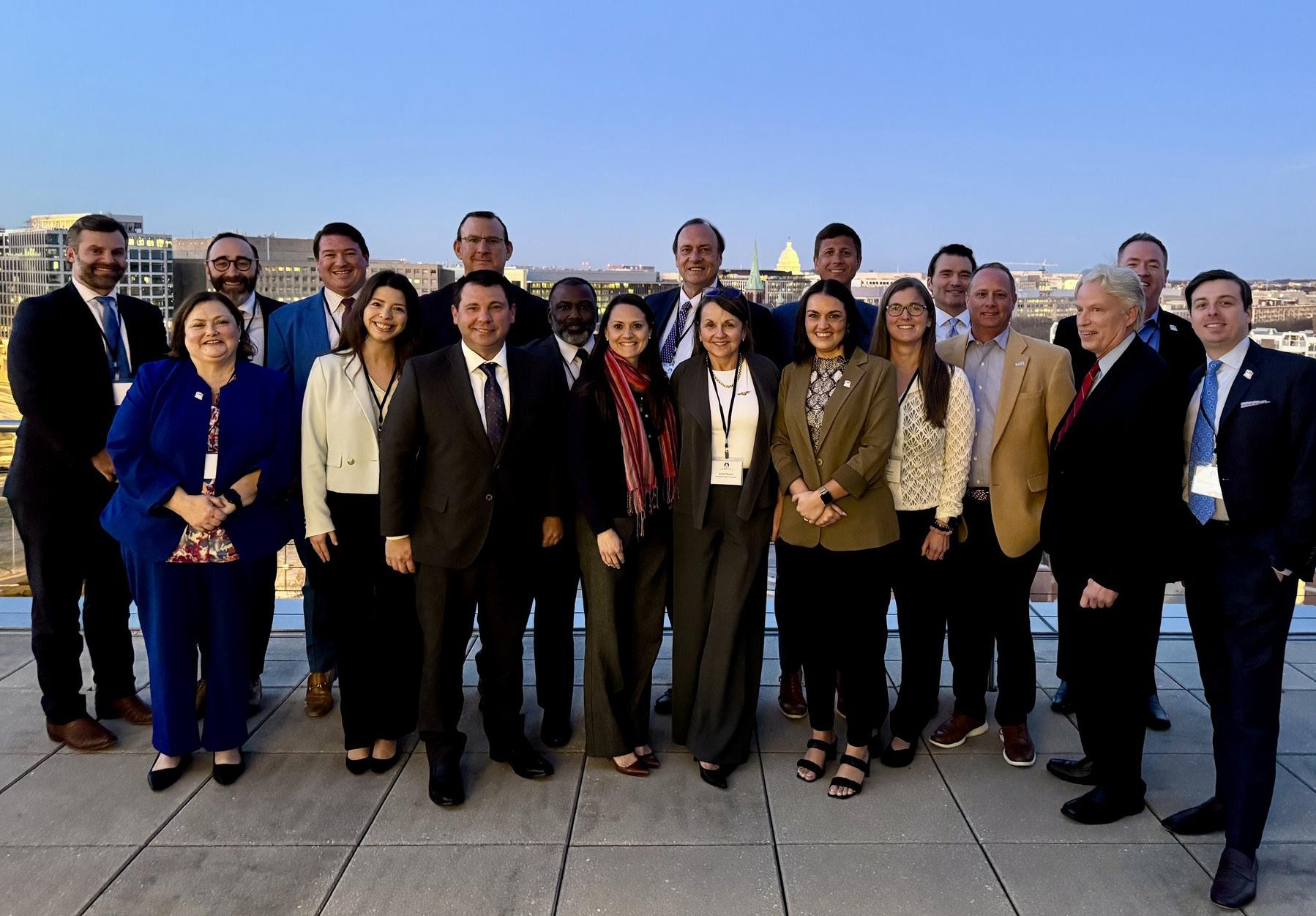
LABI HOSTED the Spring 2025 Federal Outreach Tour in Washington, D.C. in March. Nearly two dozen LABI members and Louisiana job creators participated in the two-day event, which included panels and discussions featuring organizations including the Tax Foundation and the Council on State Taxation; meetings with Louisiana’s Congressional delegation, House Committee on Natural Resources Chairman Bruce Westerman, and leaders of the American Petroleum Institute and the U.S. Chamber of Commerce; and a visit to the National Association of Manufacturers.
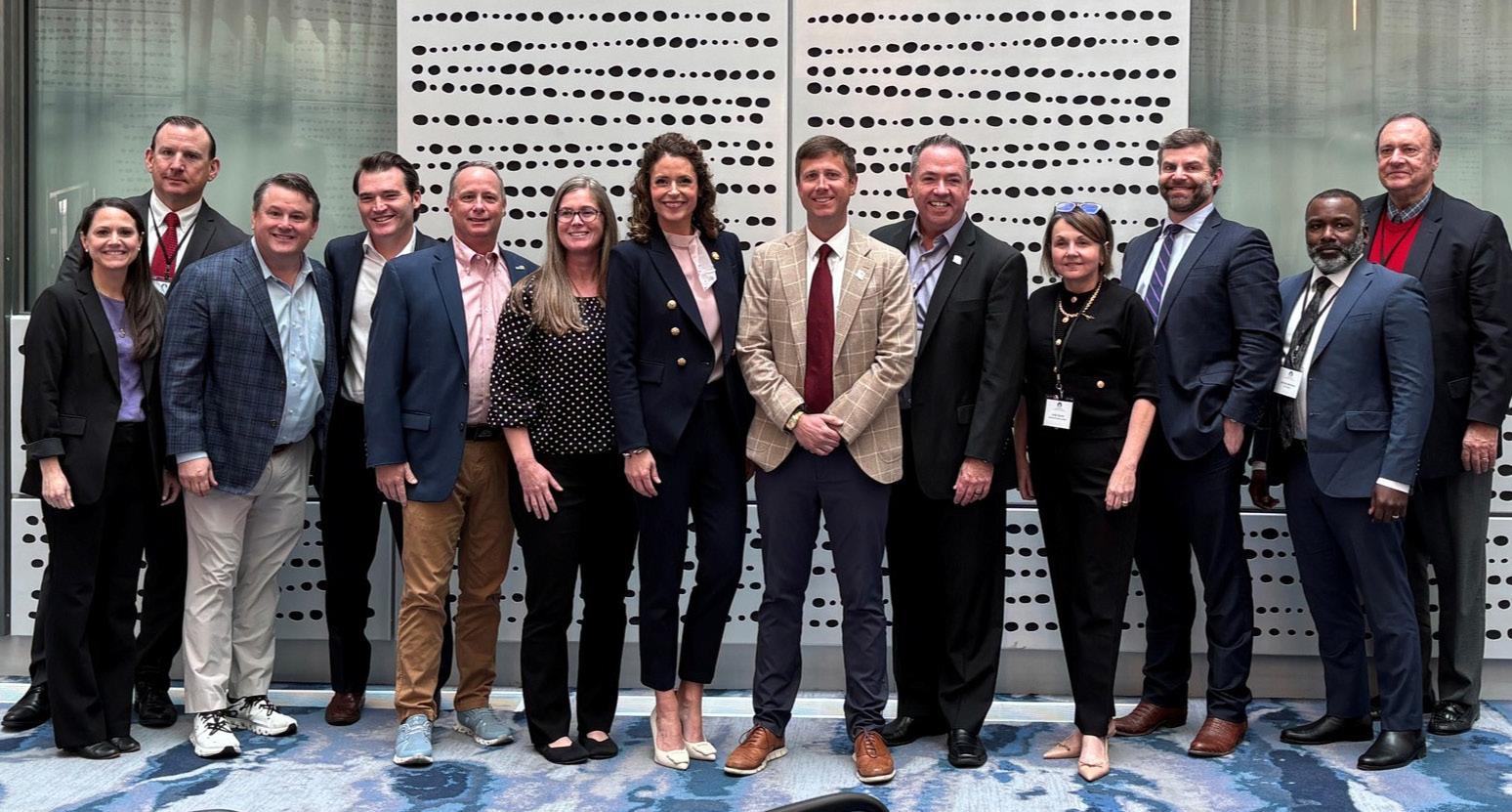
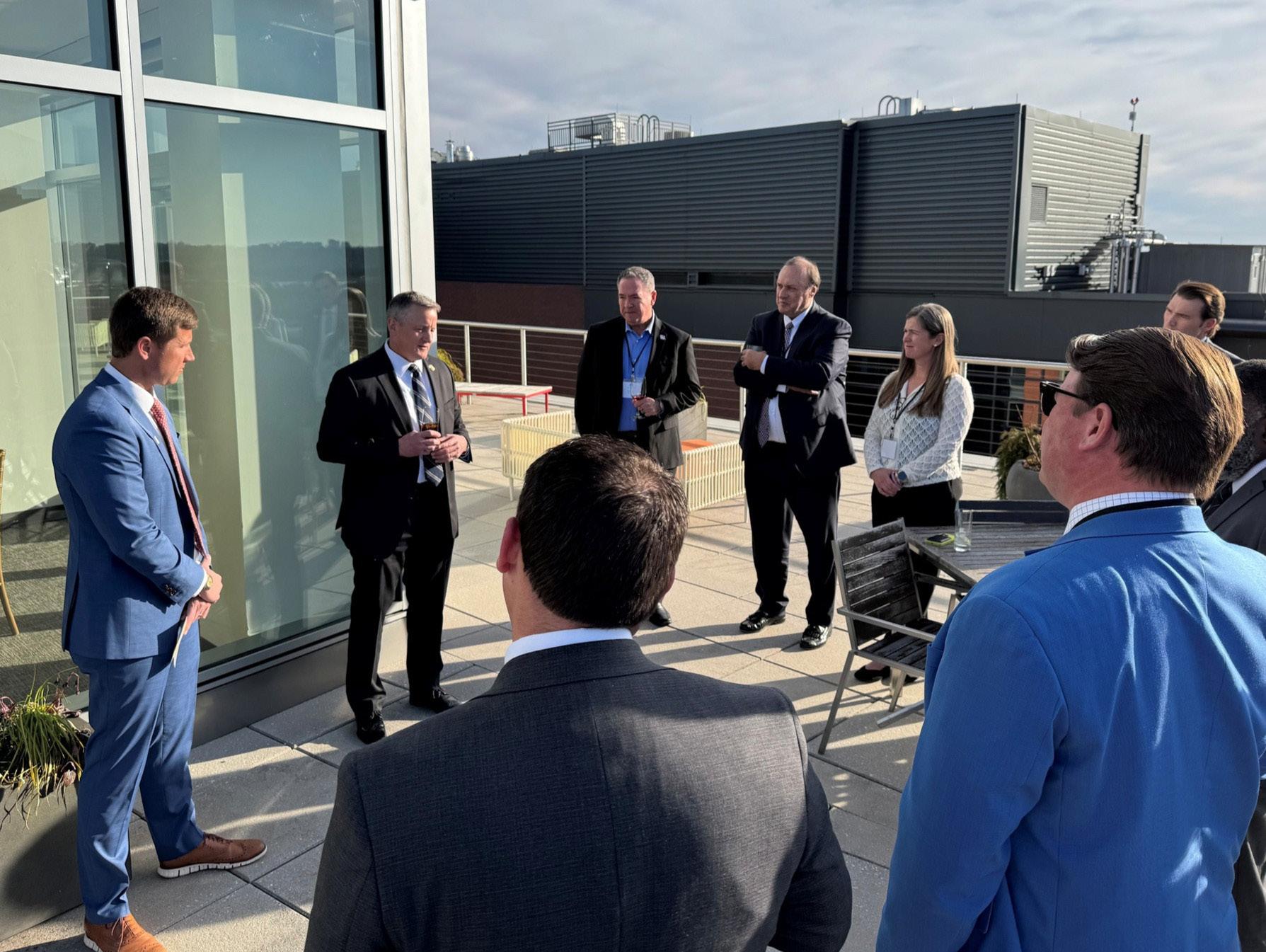
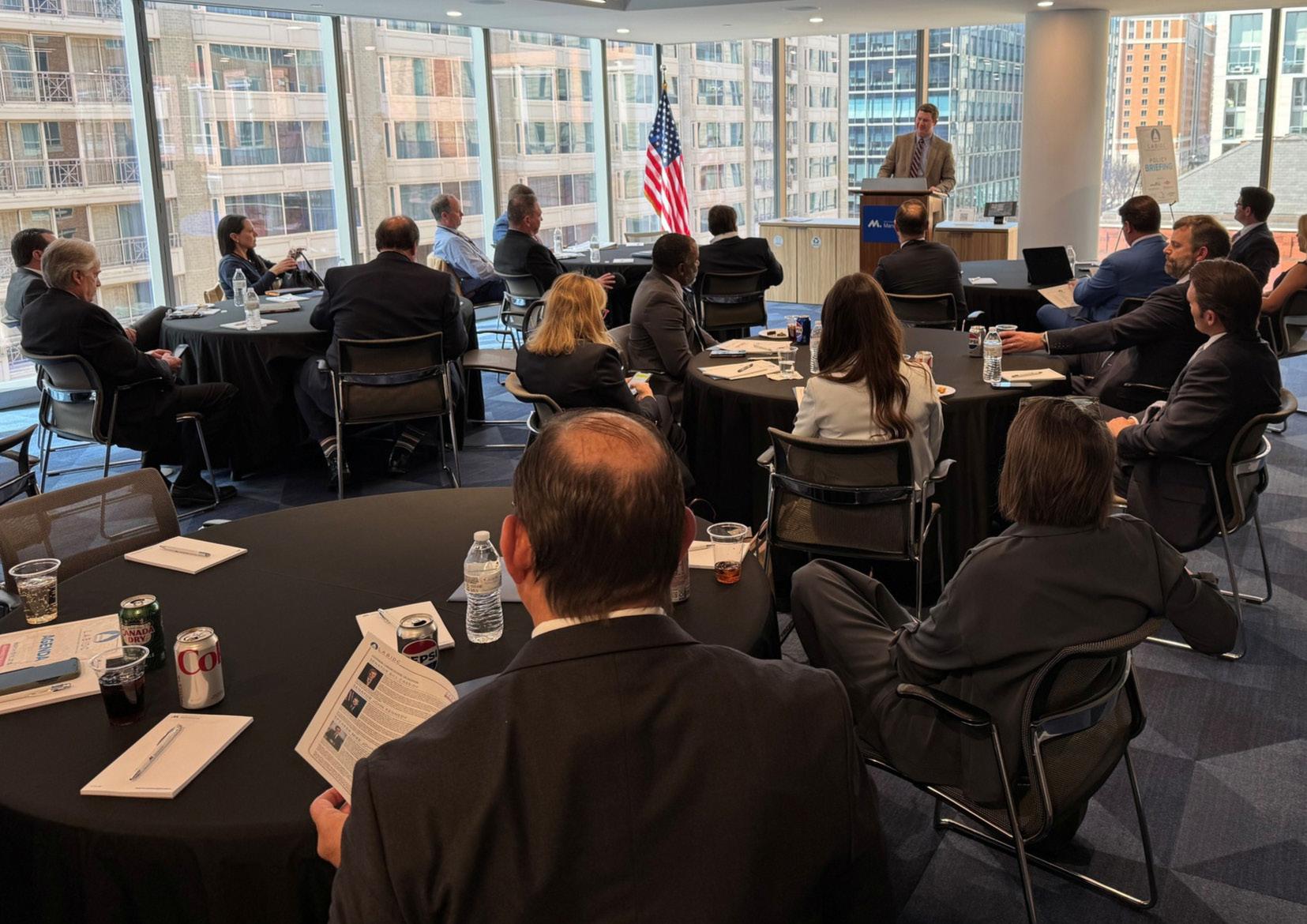
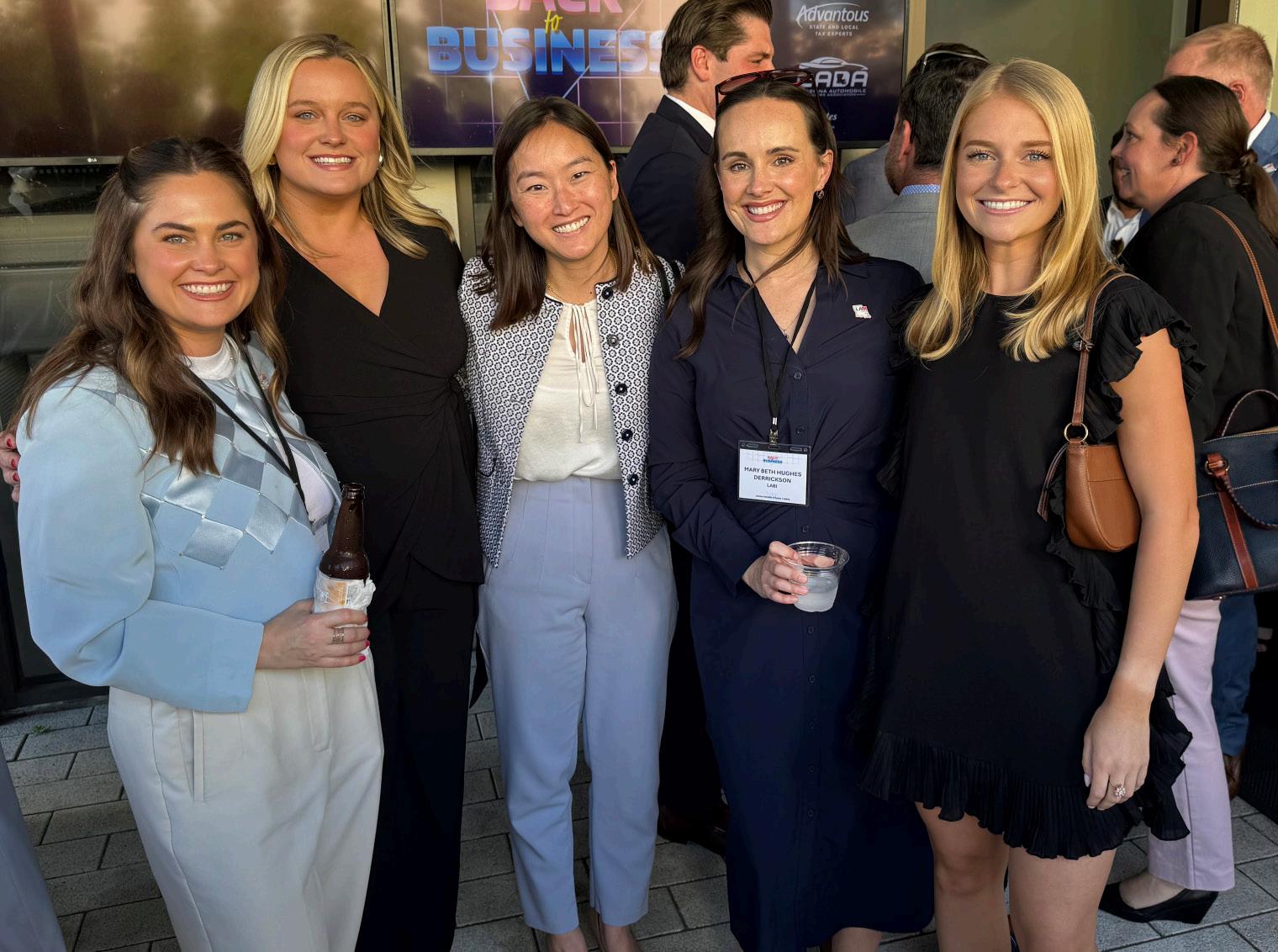
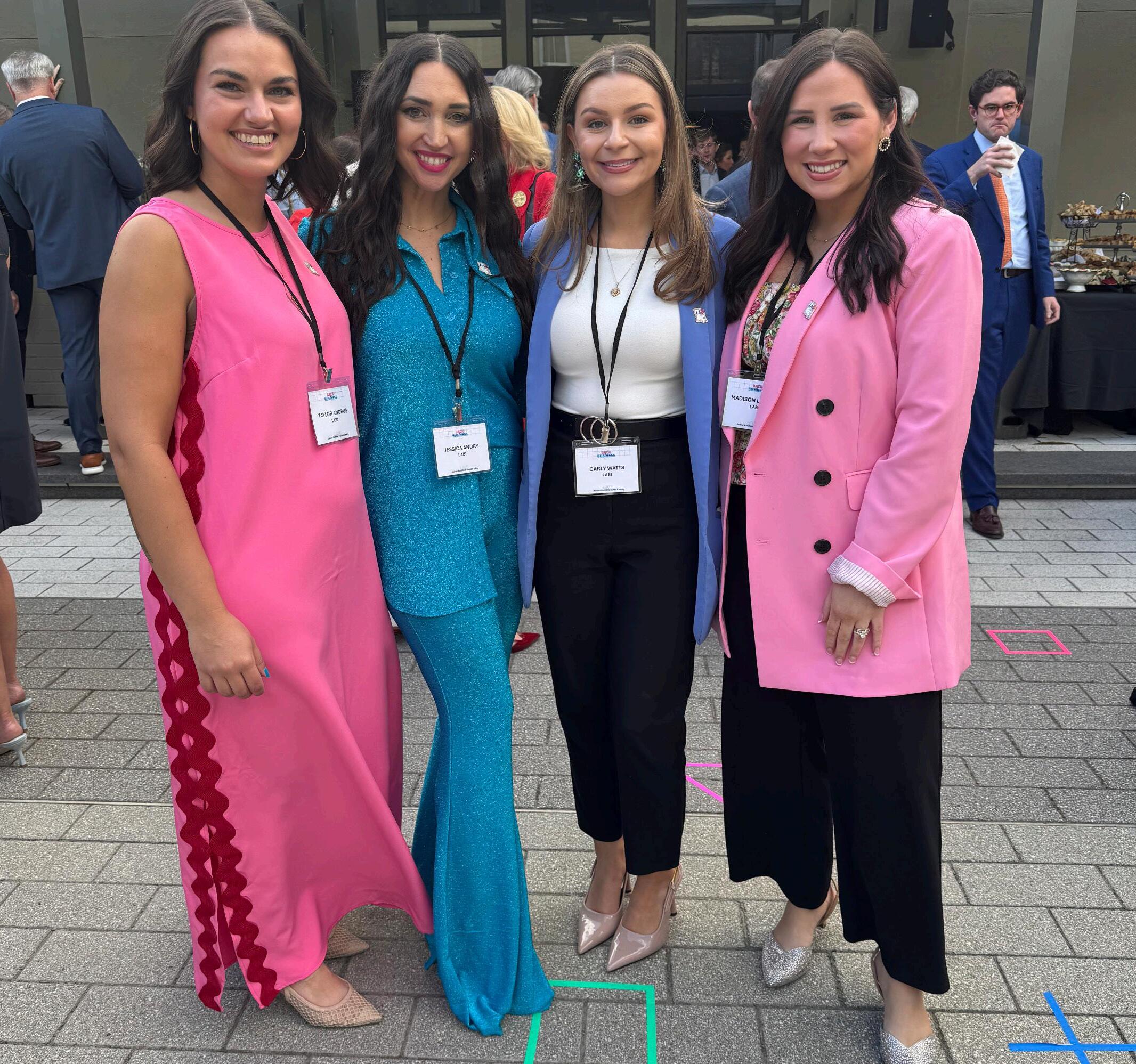
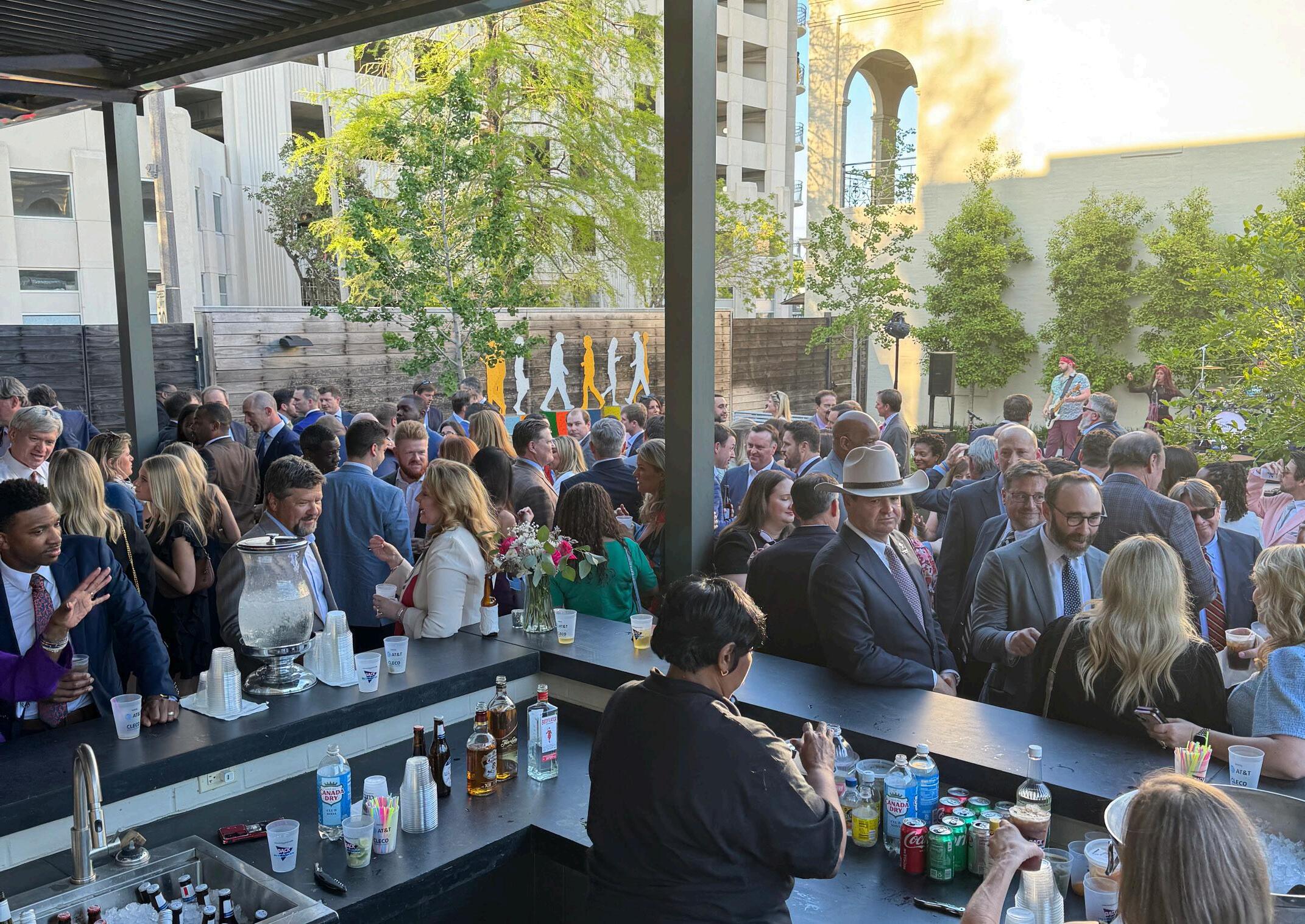
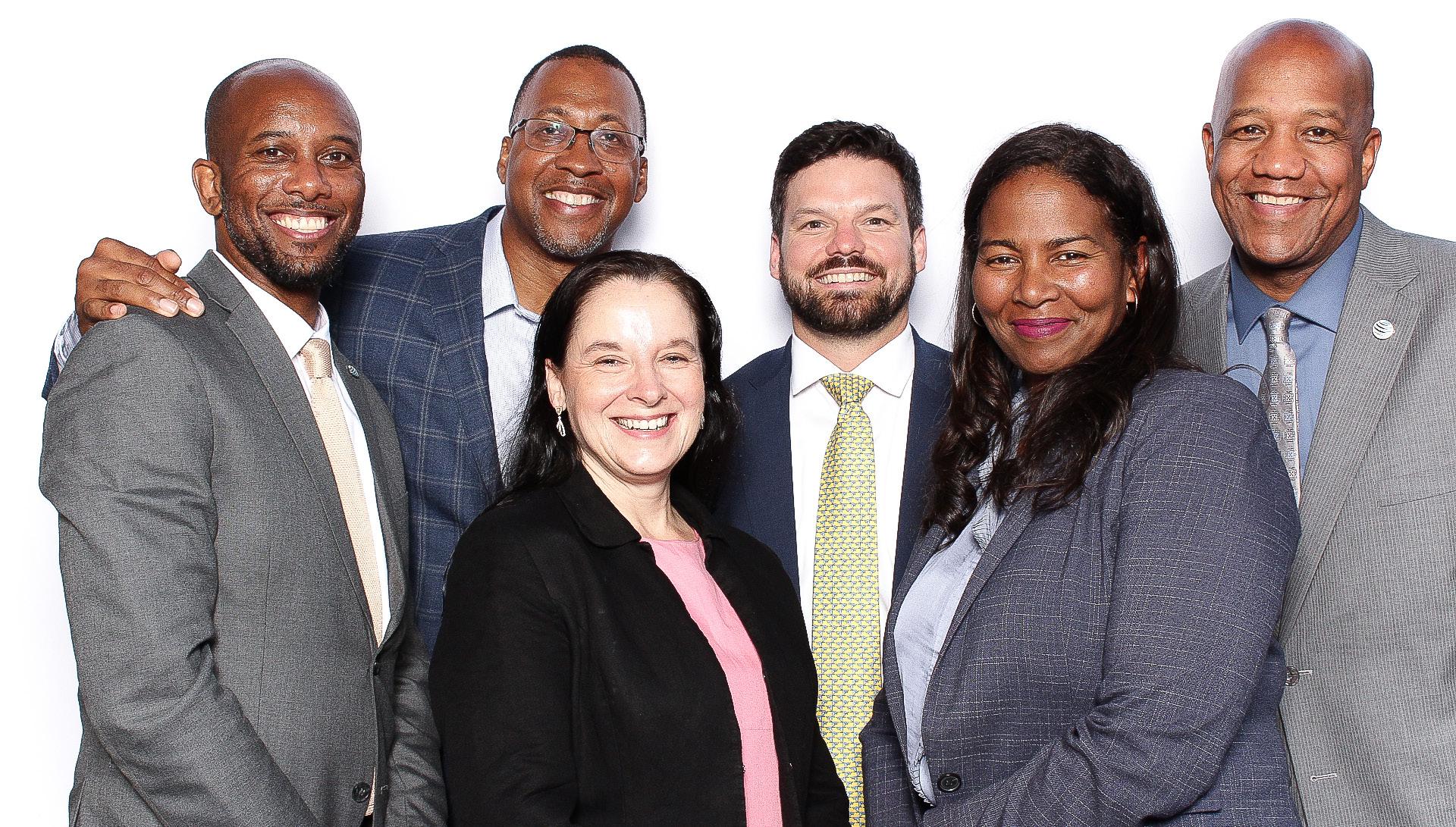
LABI KICKED off the 2025 Legislative Session with our Back to Business event April 14 at the LABI Center for Free Enterprise. LABI members mingled with legislators, business and community leaders, and Capitol staffers while enjoying live music by The Eighties Experience.
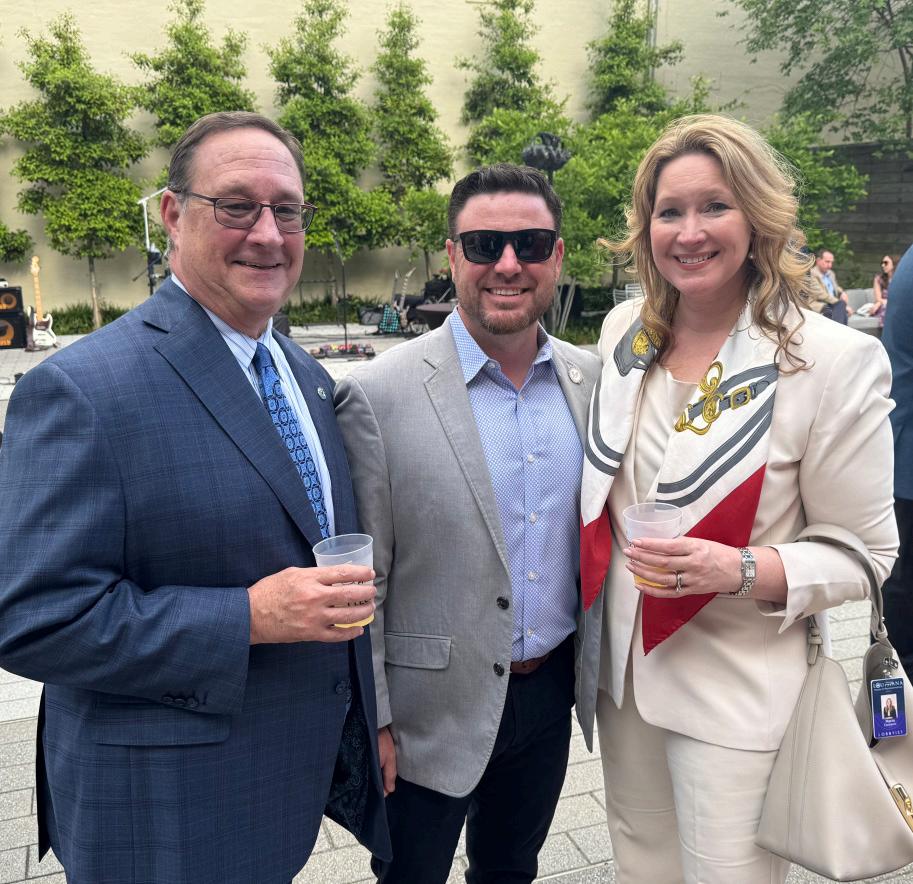
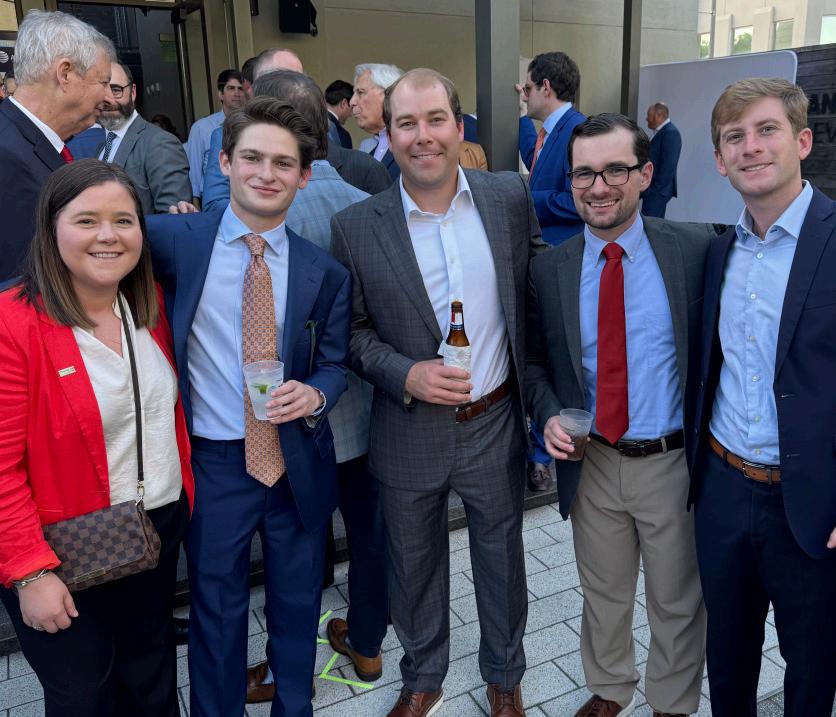
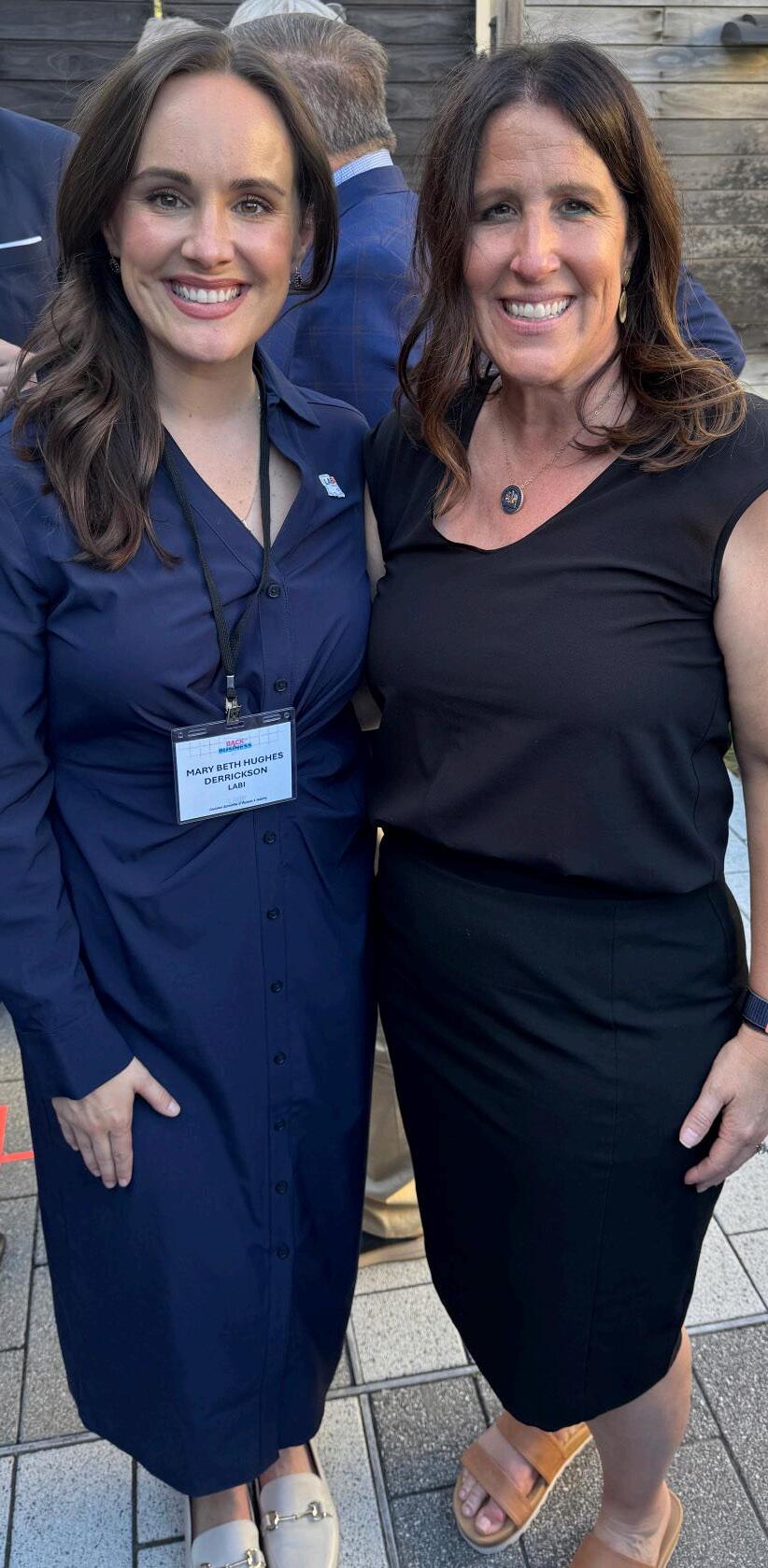

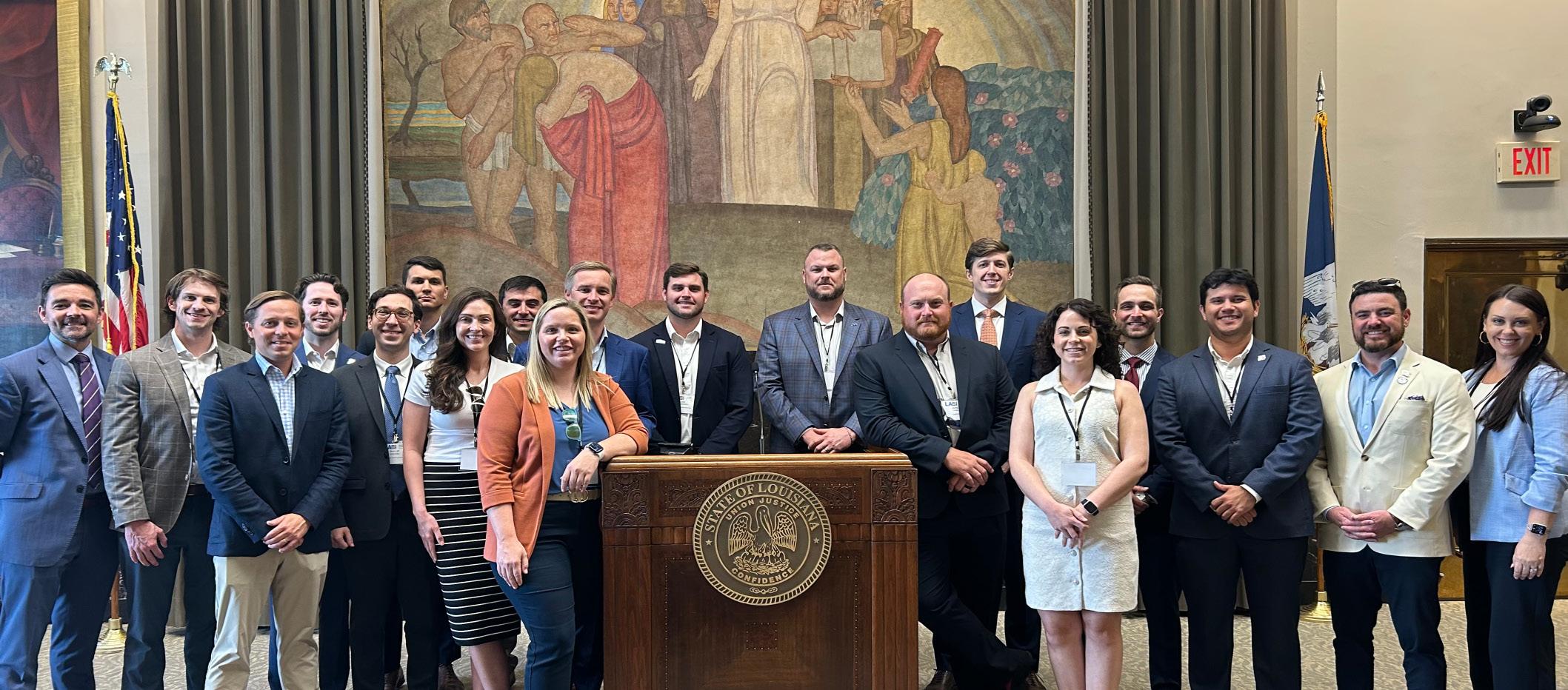
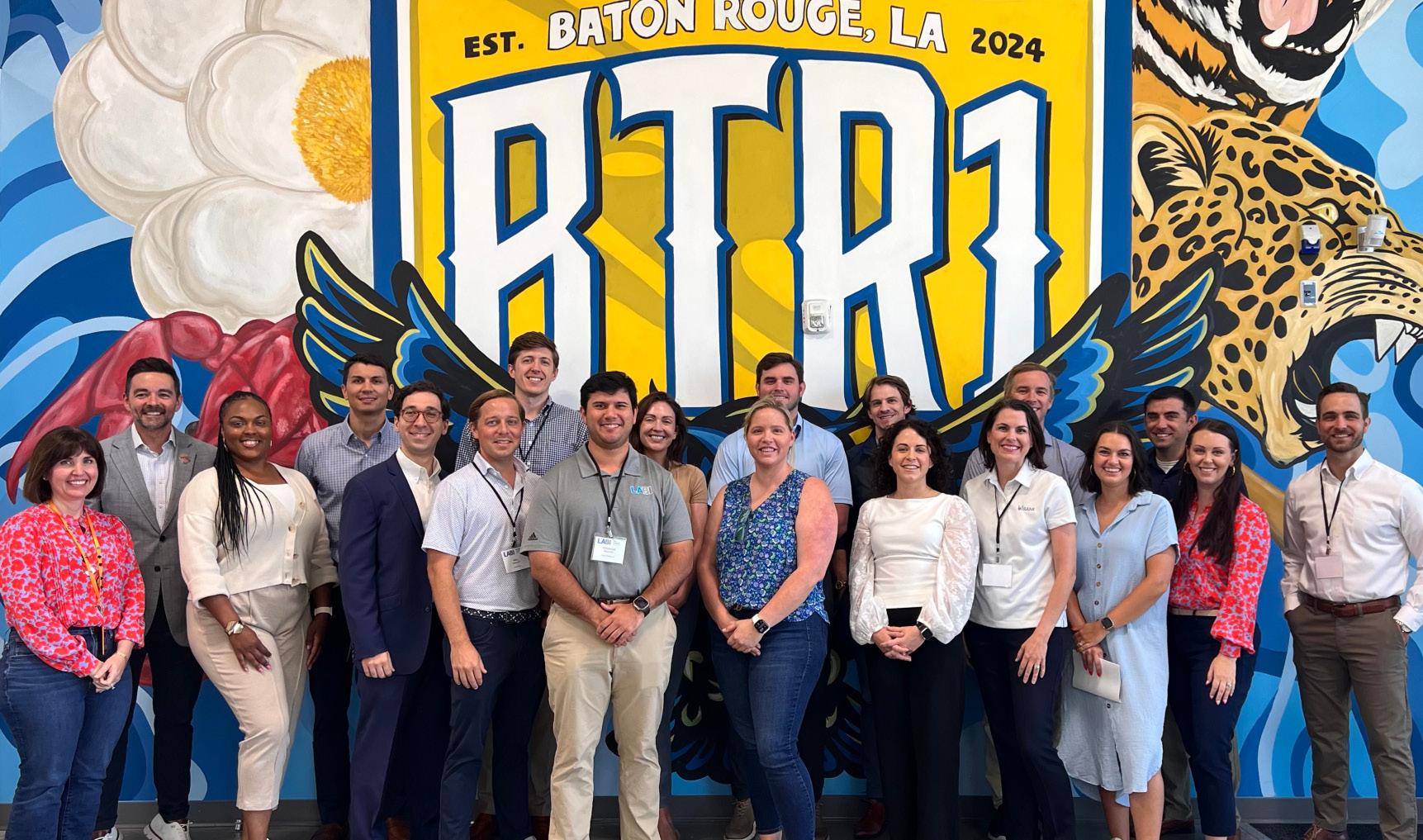
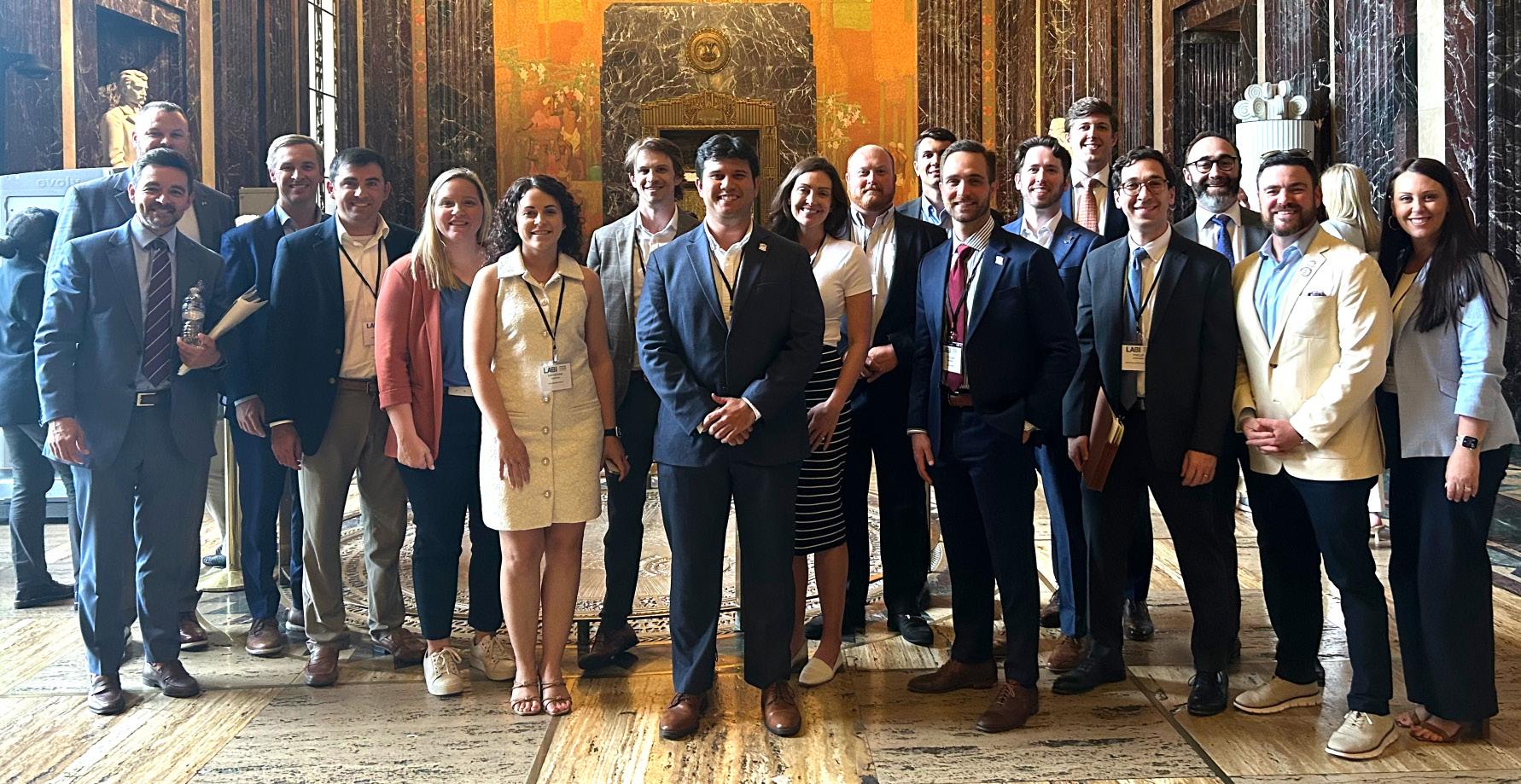
LABI HOSTED its annual Emerging Leaders Council Day at the Capitol on May 13 and 14. This group is made up of young professionals and entrepreneurs who hail from around the state and represent a wide range of industries, but they all share a common goal to make Louisiana the premier place to start a business and raise a family. Participants received updates on LA Driven and LABI’s legislative priorities, engaged in an economic development discussion with LED Chief Innovation Officer Josh Fleig, and were recognized by the Louisiana House of Representatives. The group also networked with members of Greater New Orleans, Inc.’s Next Gen Council and Forum 225. On the following day, participants took a tour of Amazon’s Baton Rouge fulfillment center.

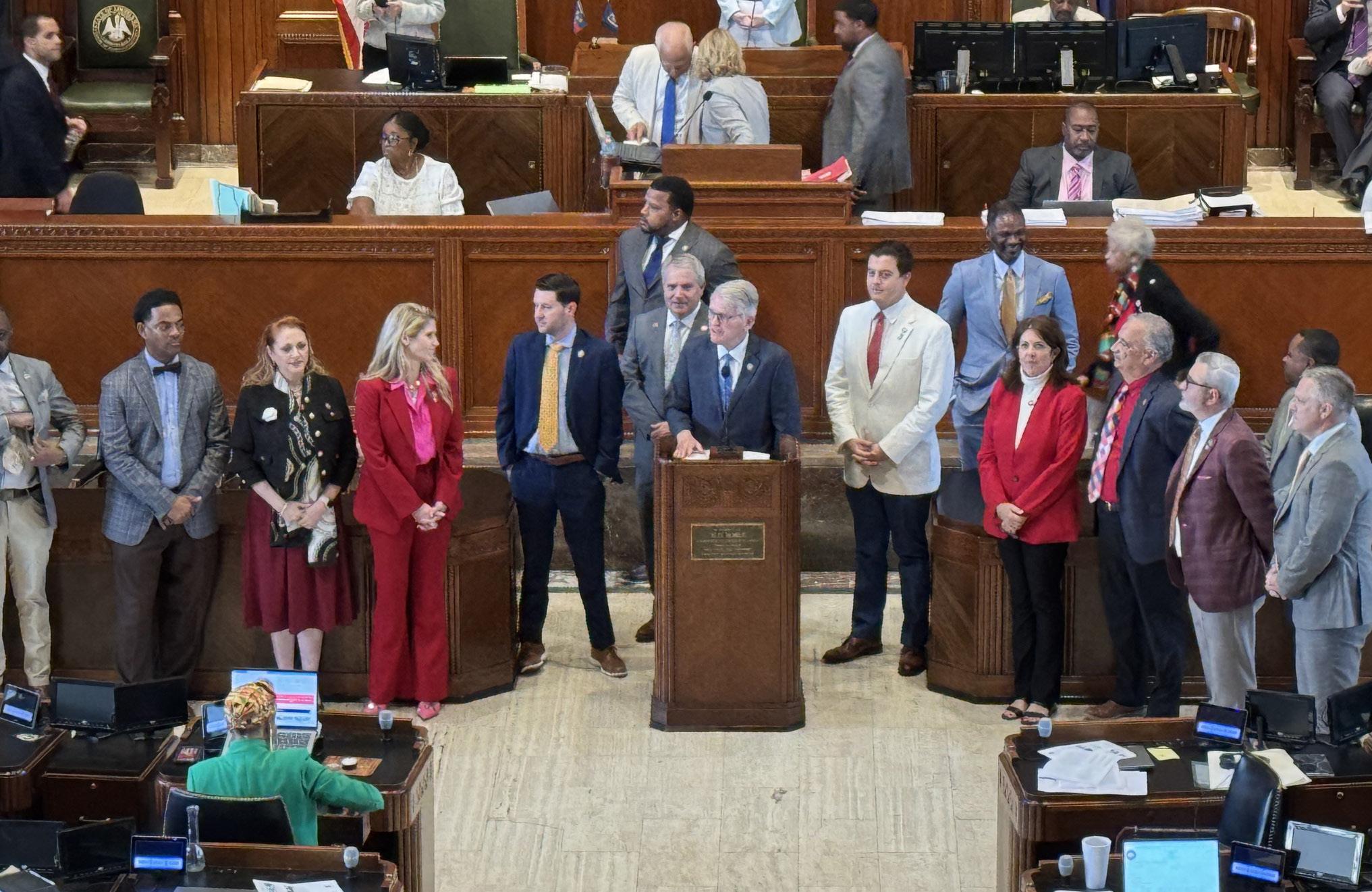
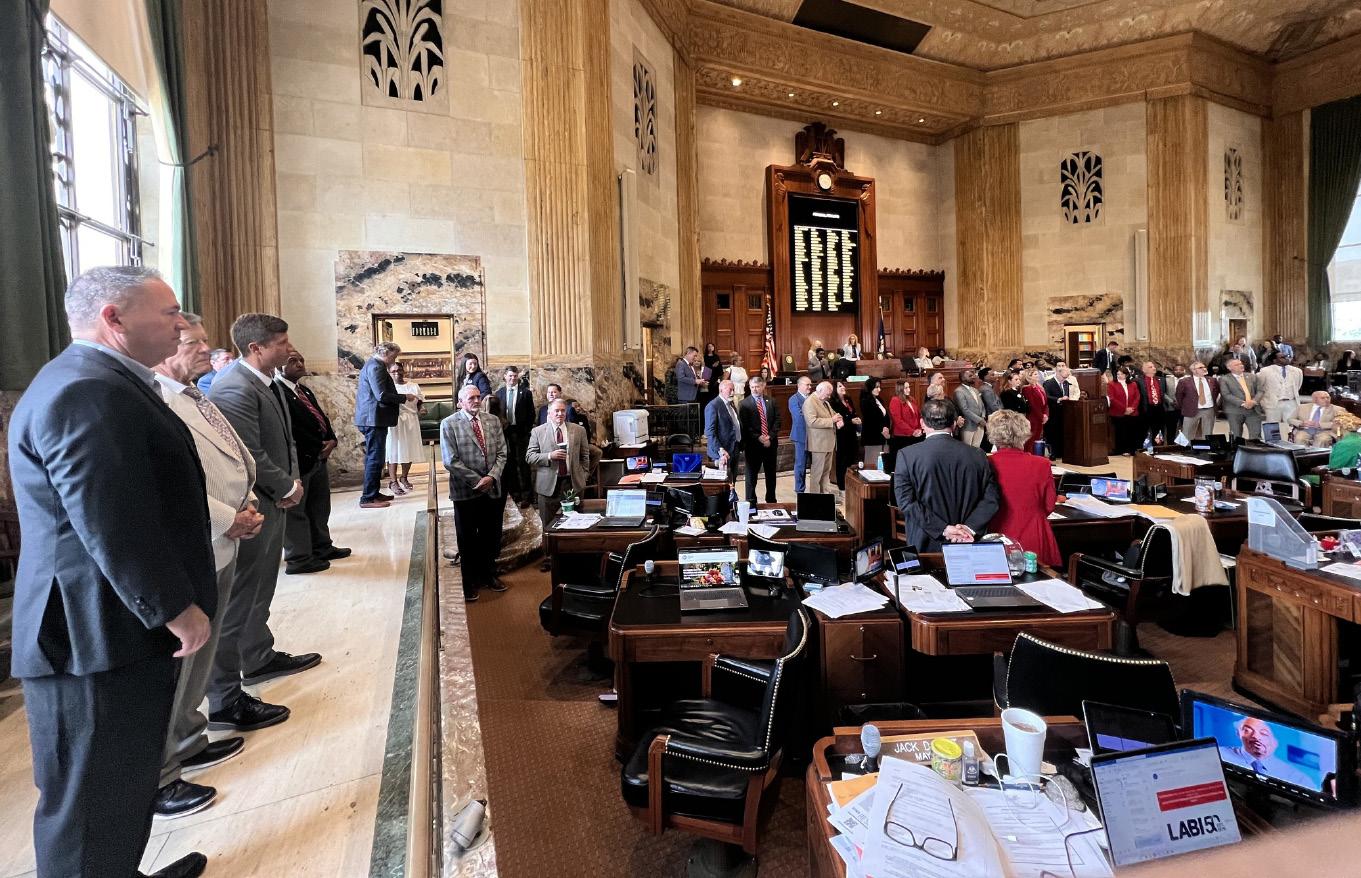
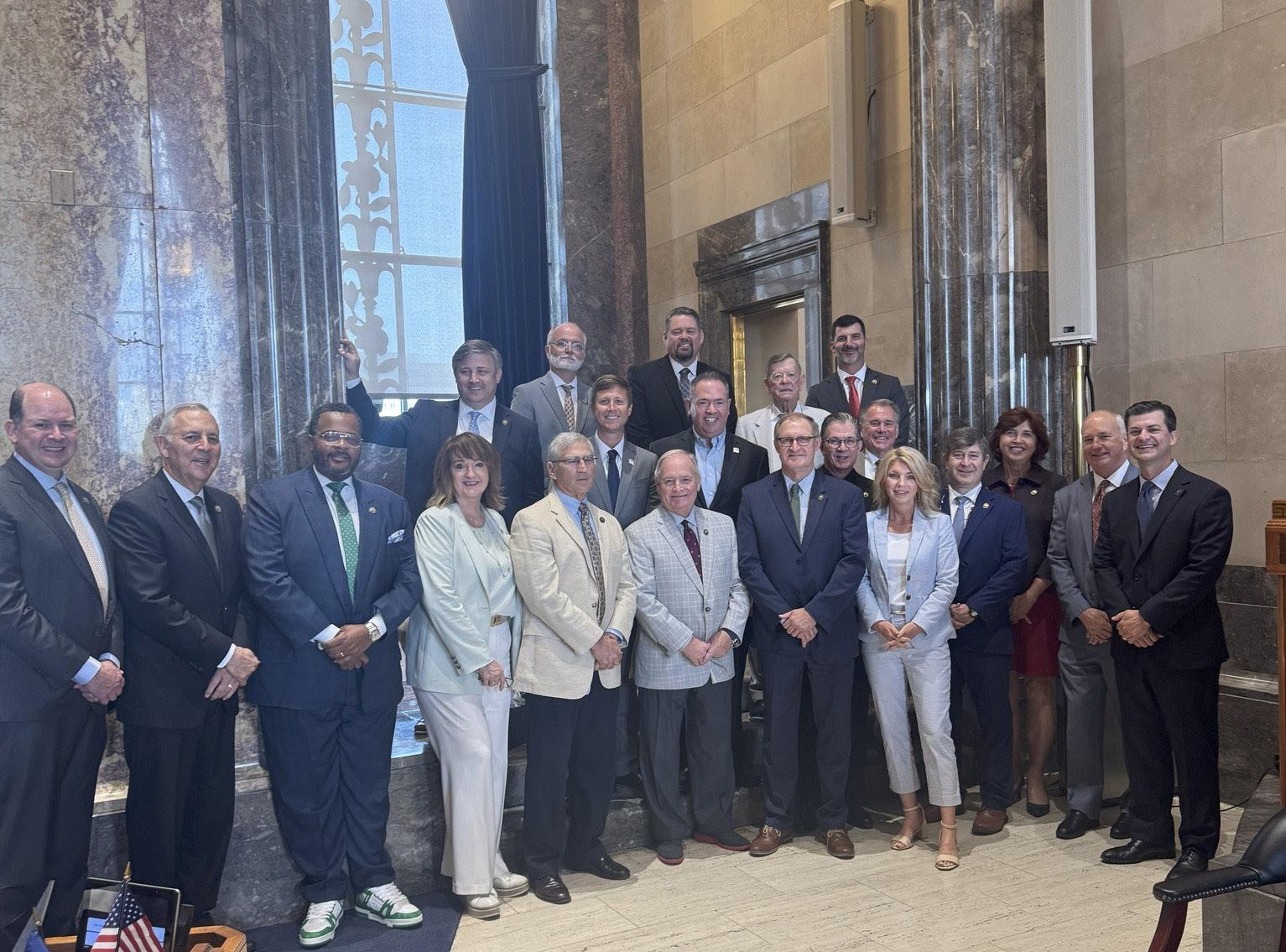
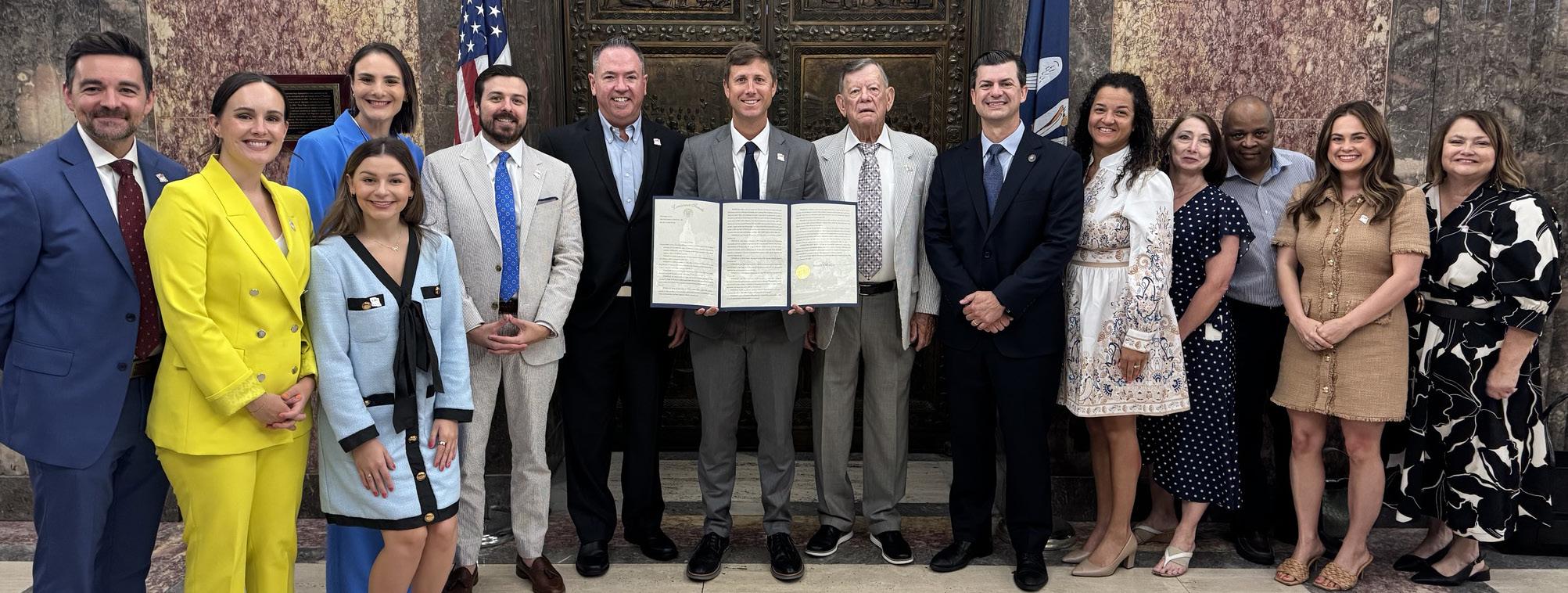
LABI RECEIVED commendations from both the Louisiana Senate and House of Representatives on the final day of the 2025 Legislative Session. While acknowledging LABI’s 50th anniversary this year, the two bodies recognized the support the organization has given to job creators and its efforts to strengthen the state’s business climate.
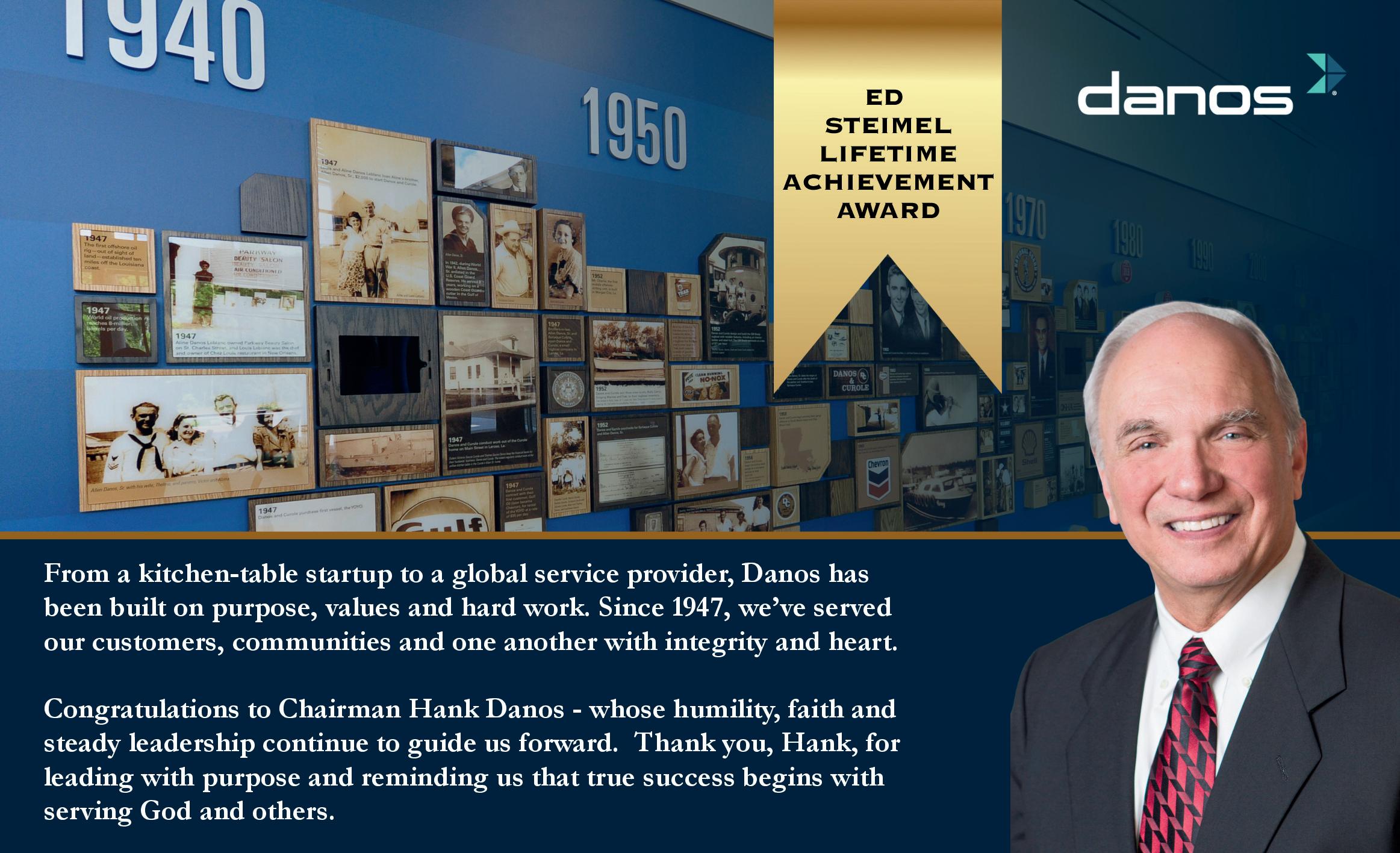
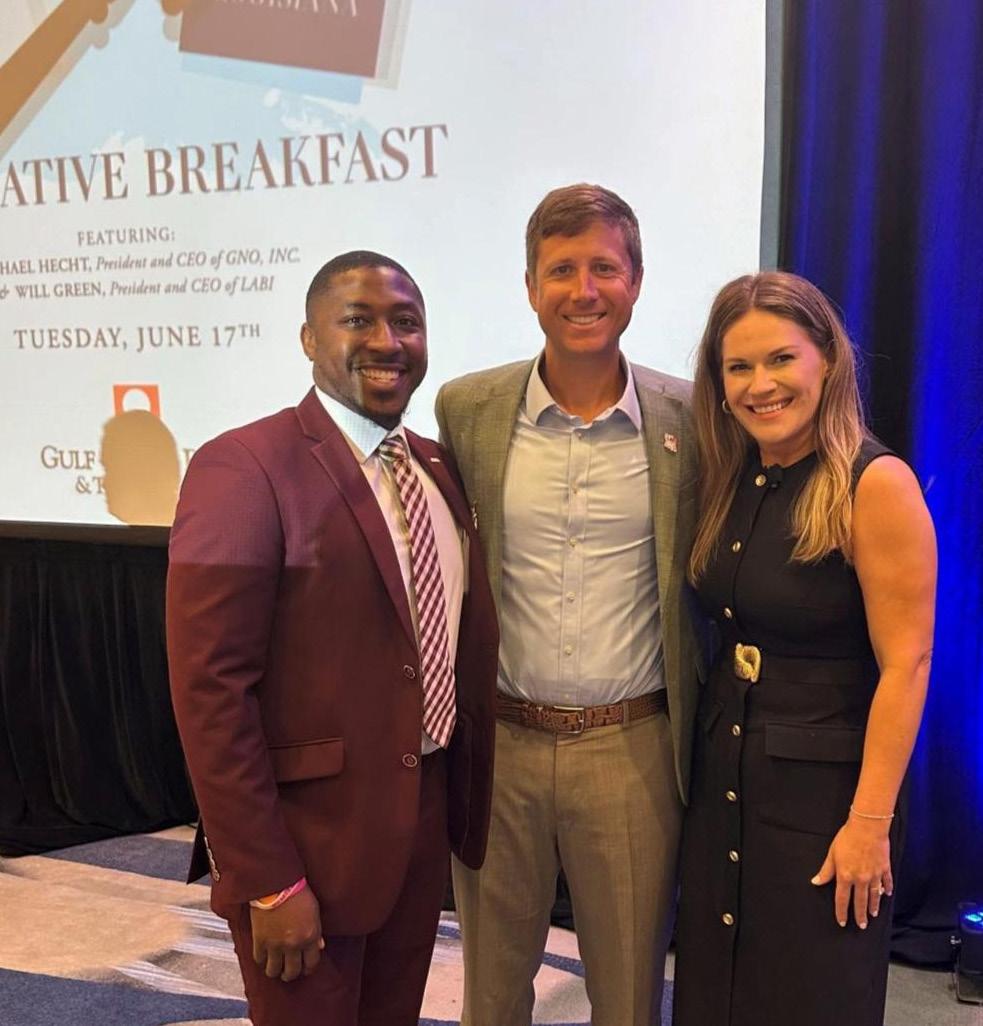
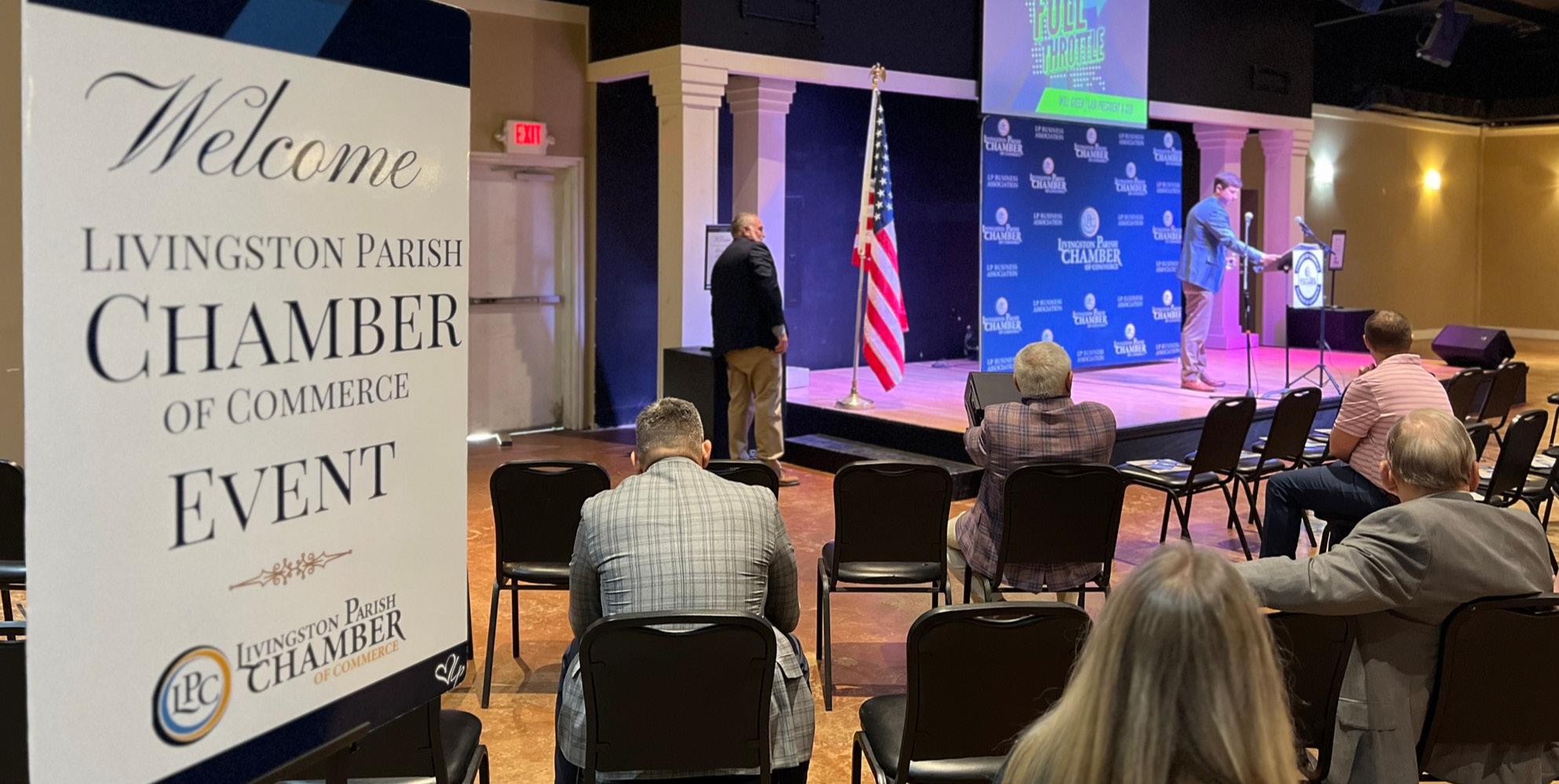
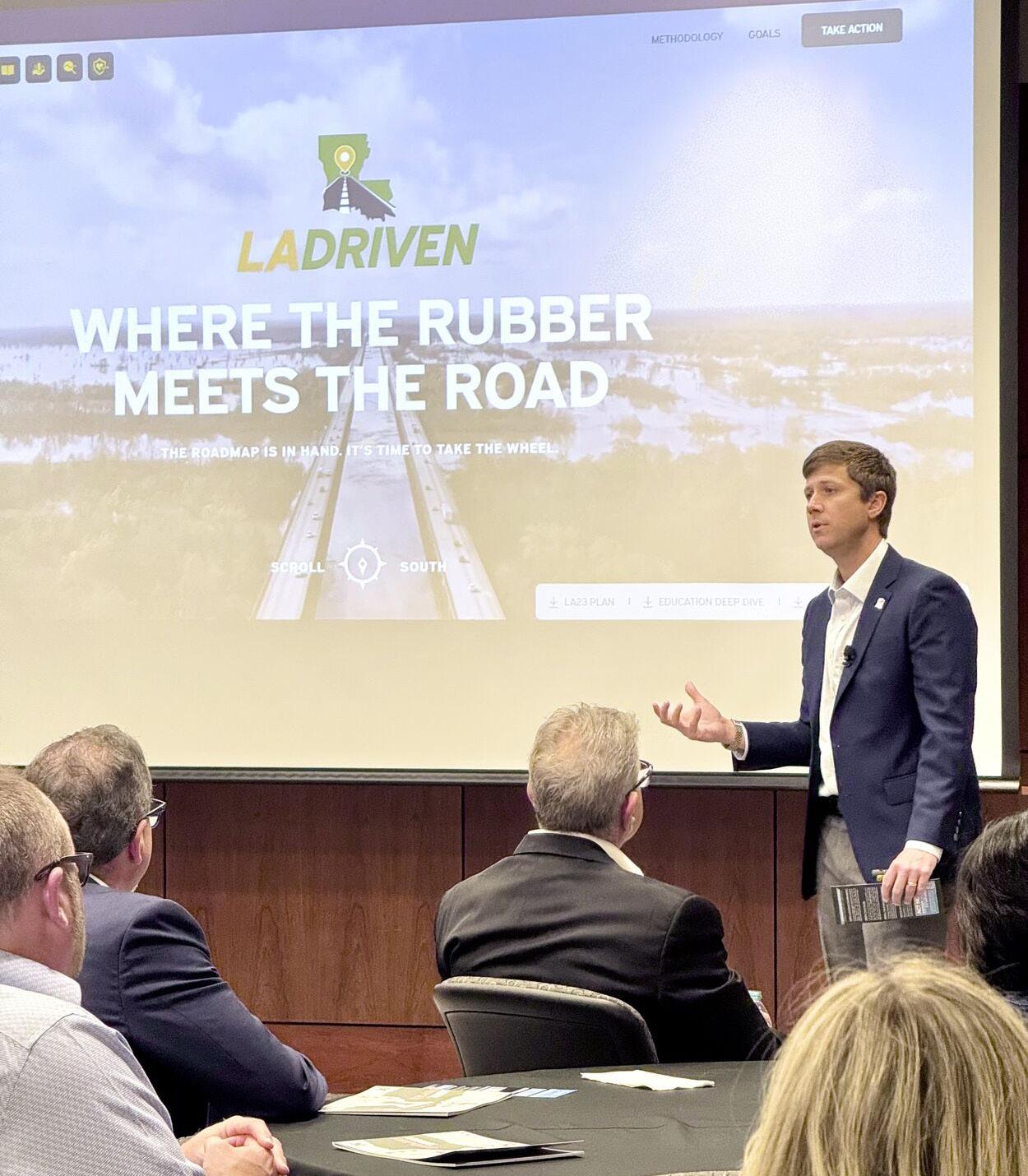
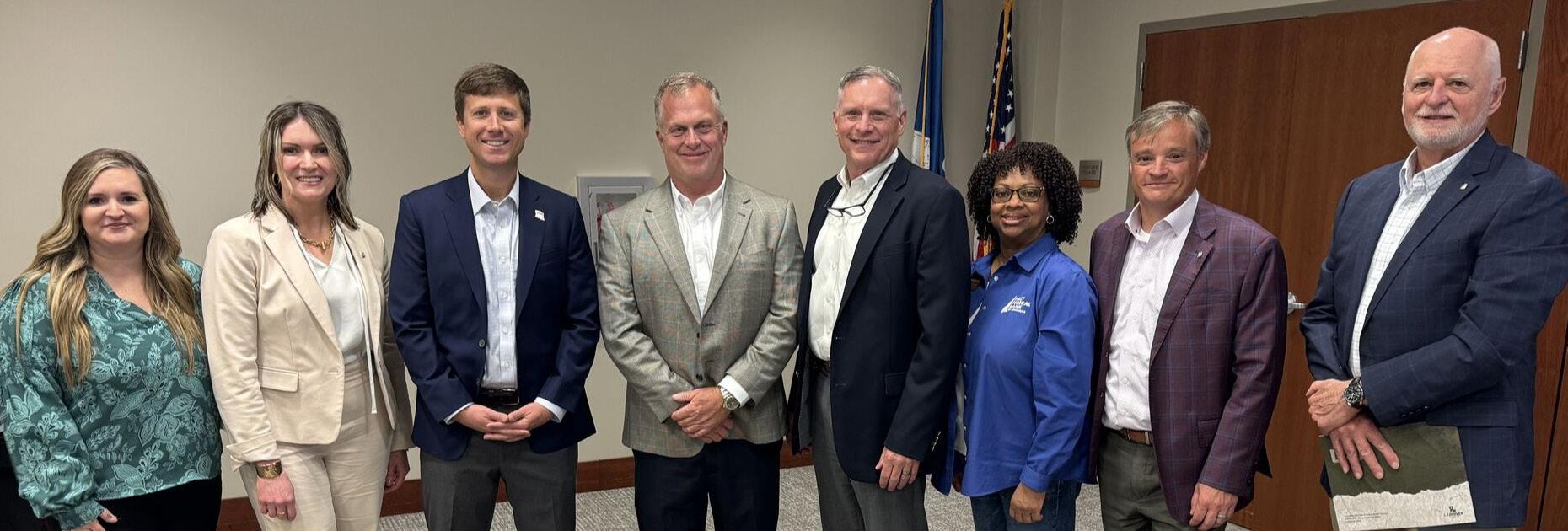
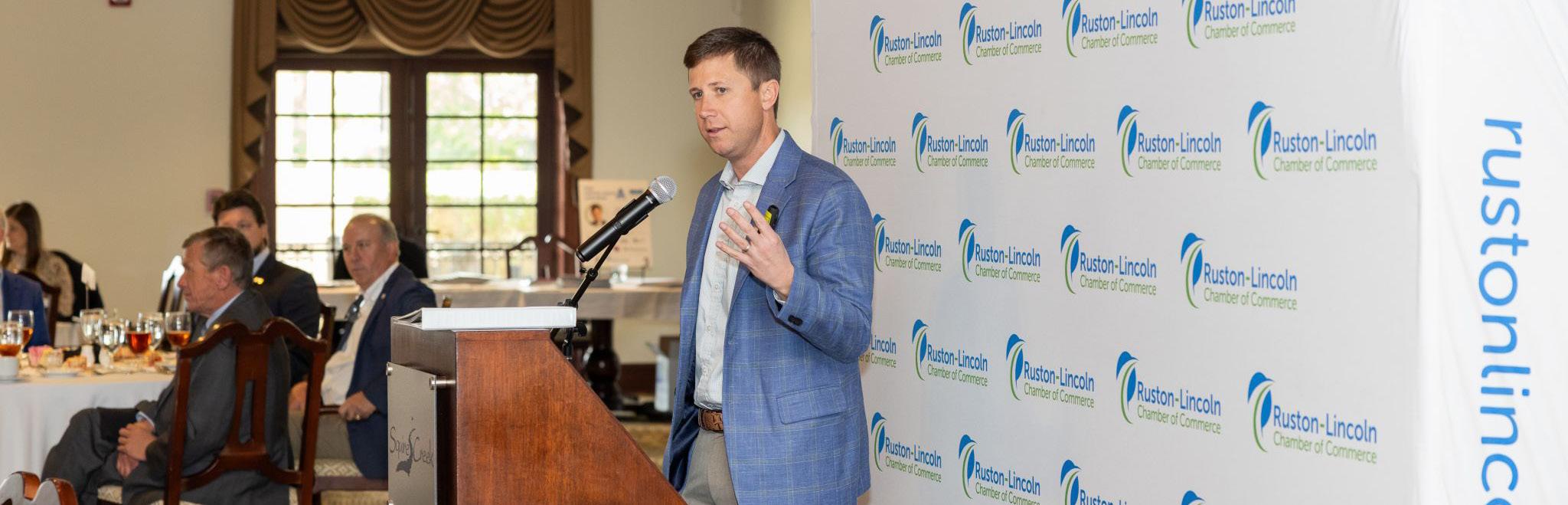
LABI PRESIDENT & CEO
Will Green and members of the organization staff hit the road once again for the 2025 Legislative Issue Conference (LIC) Tour on dates from February through June. The team met with local economic partners around the state to discuss policy priorities for the Legislative Session and to highlight issues the business community was tracking at the Capitol.
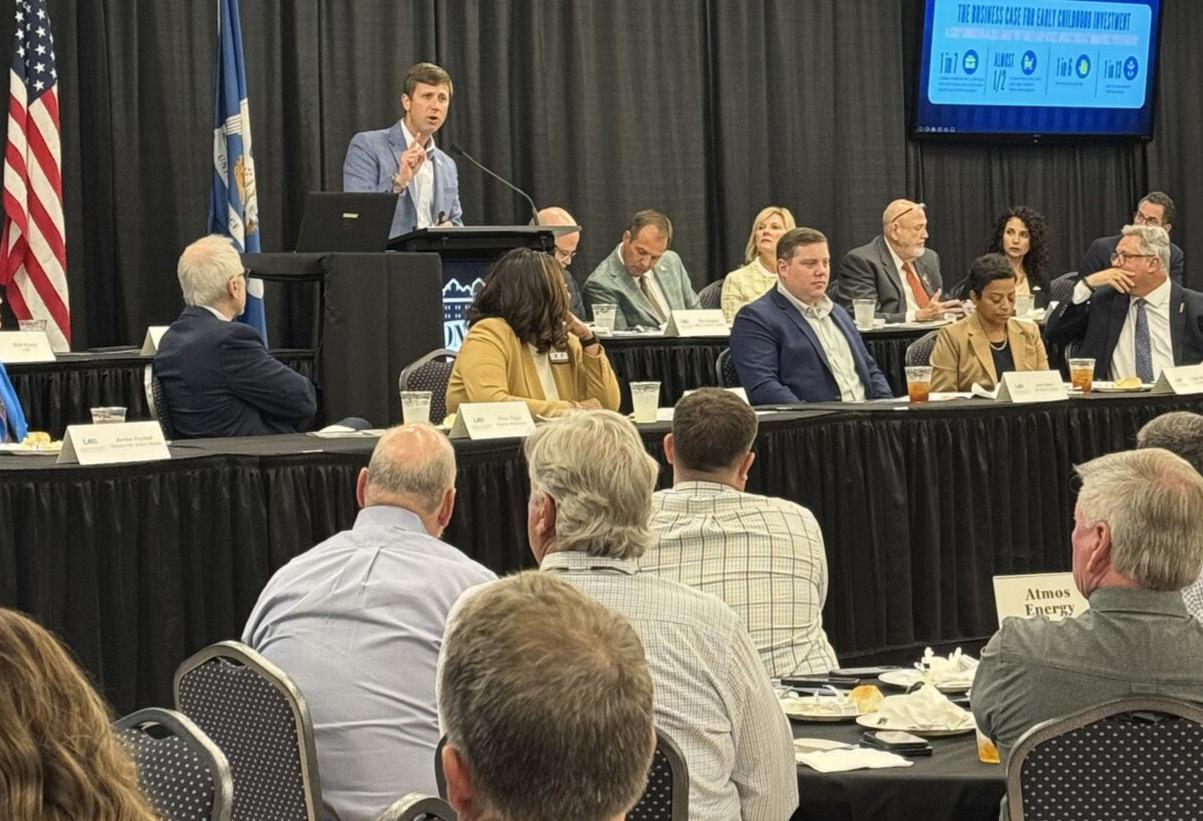
WE VISITED:
• Central Louisiana
Regional Chamber
• Ruston-Lincoln Chamber
• Natchitoches Area Chamber
• One Acadiana
• Monroe Chamber
• Greater Shreveport Chamber
• Bossier Chamber
• Chamber Southwest Louisiana
• Livingston Parish Chamber
• Ascension Parish Chamber
• Jefferson Chamber
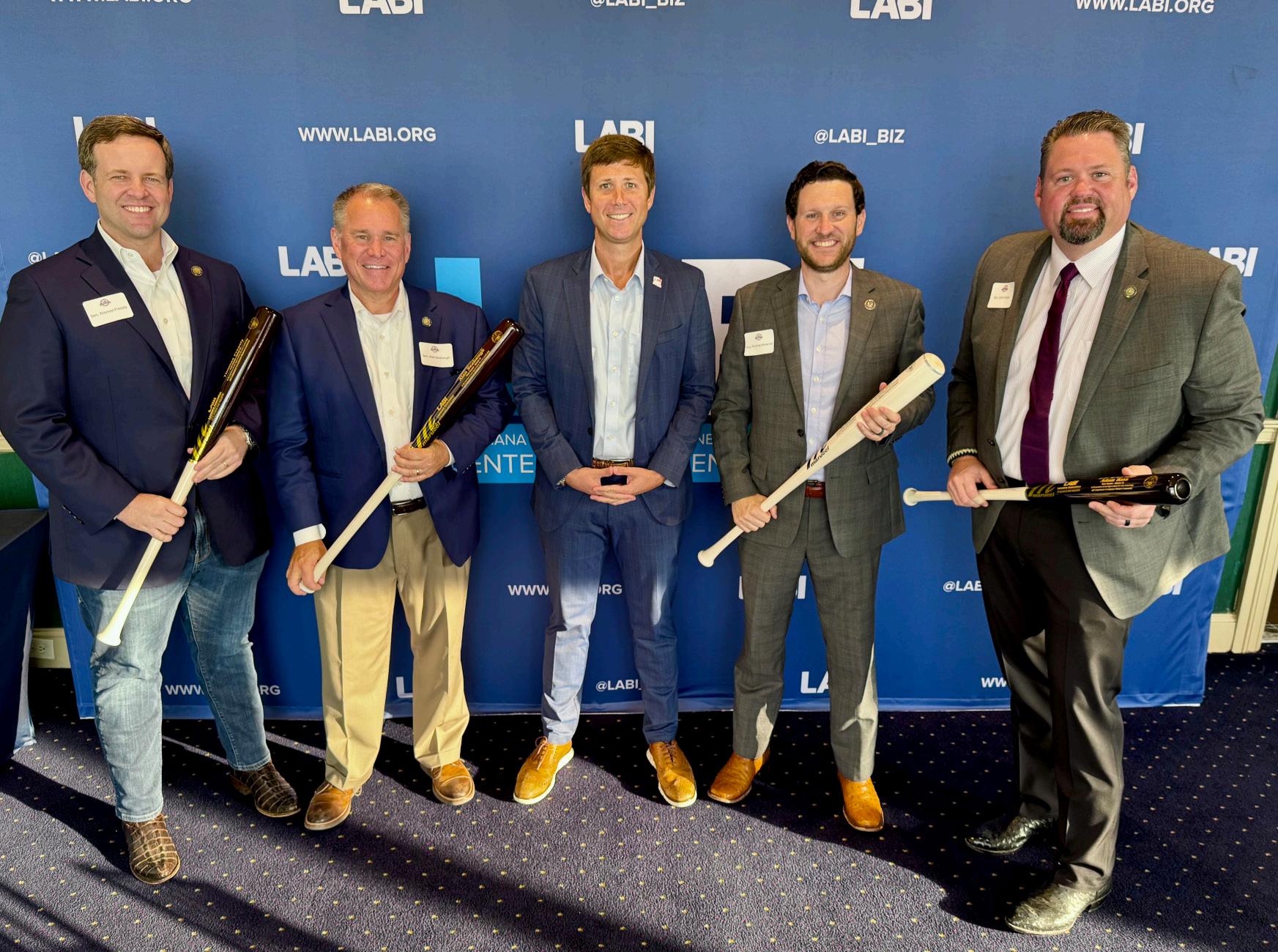
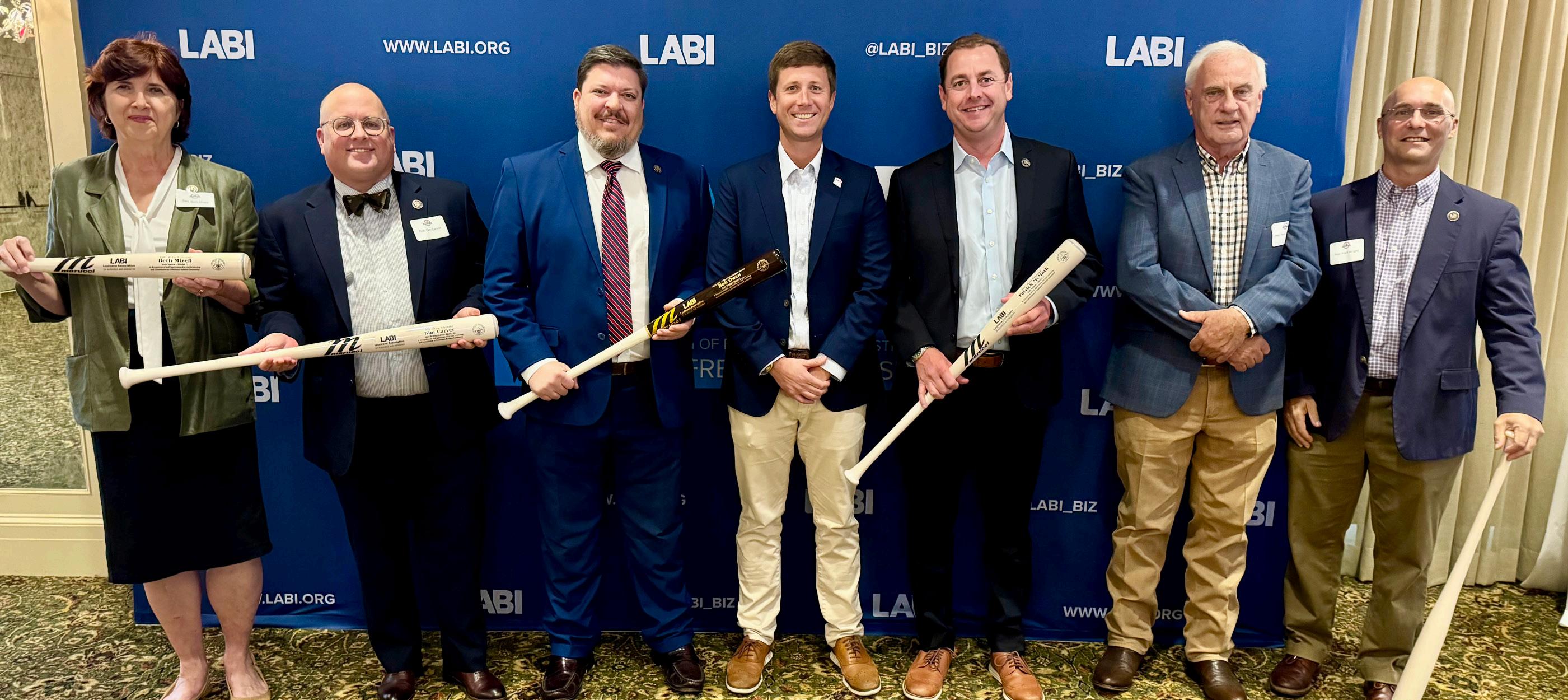
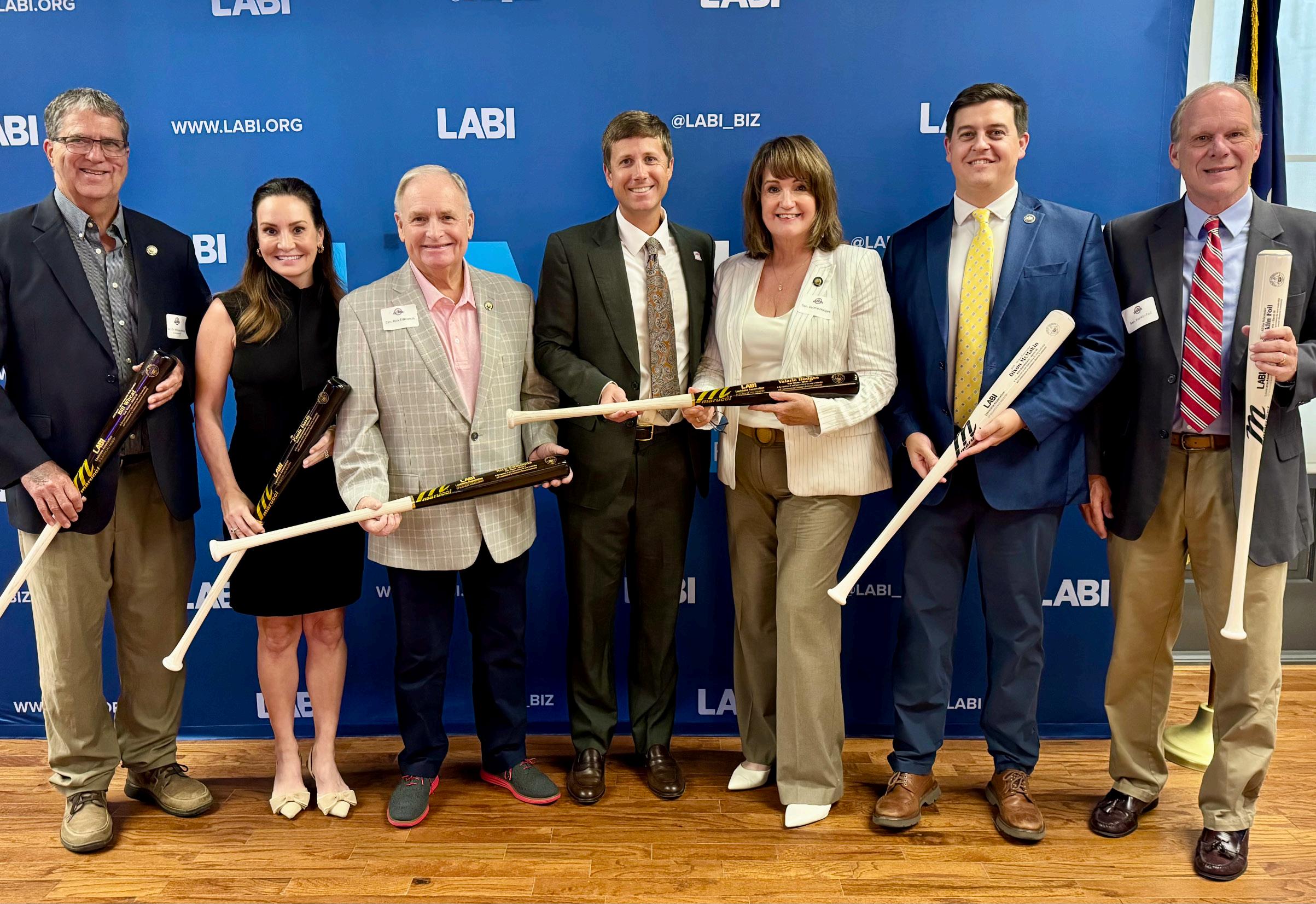
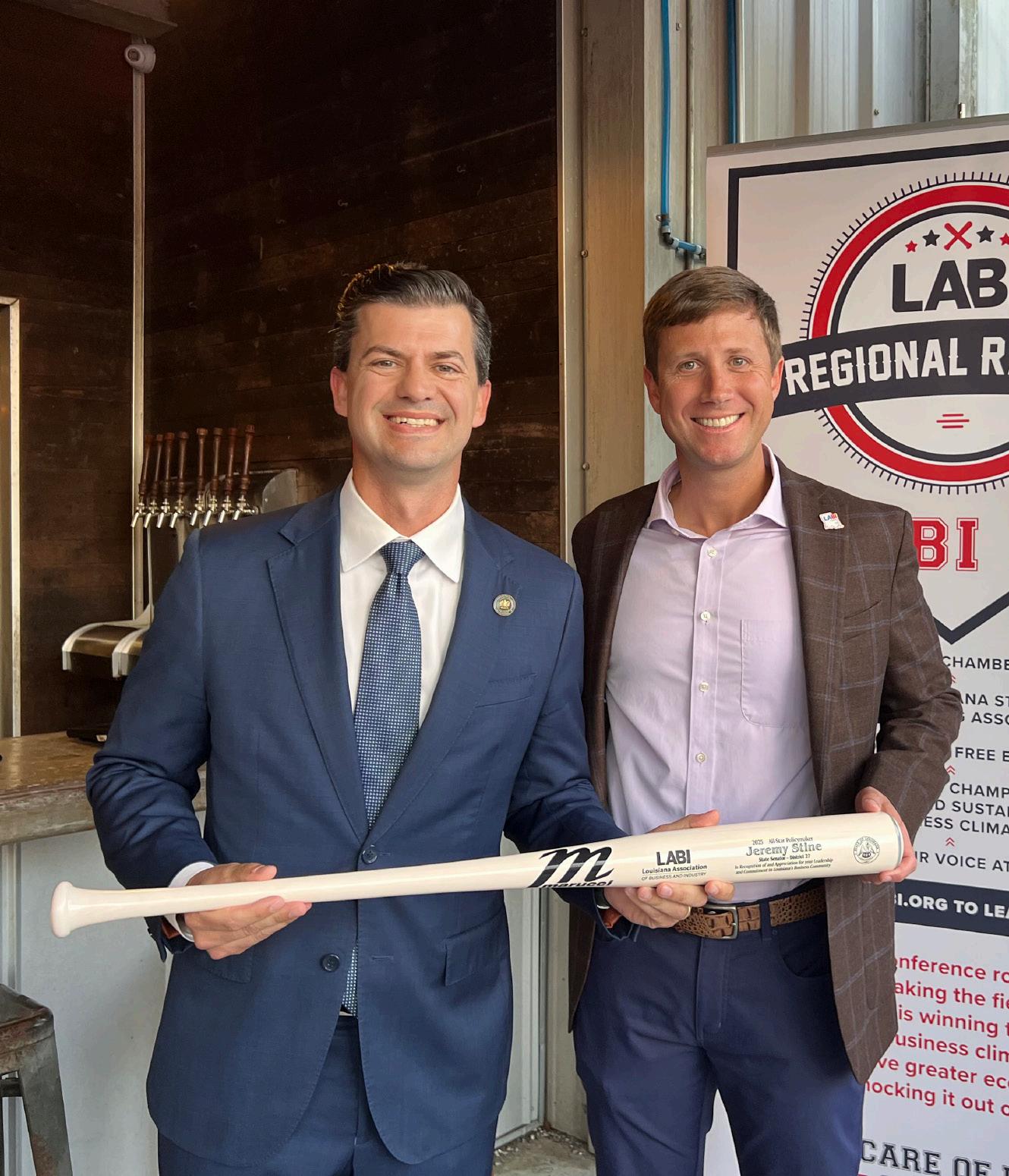
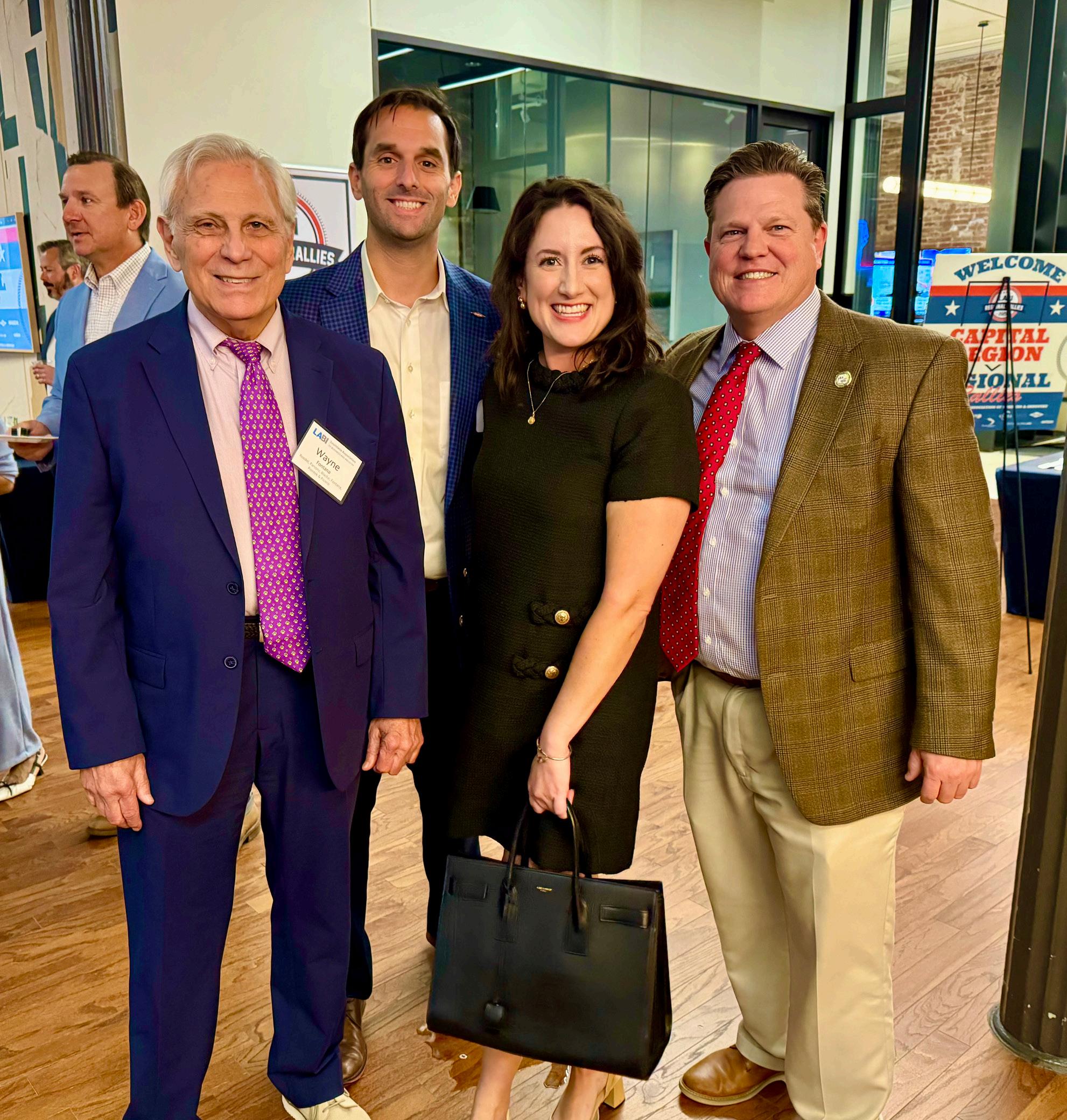
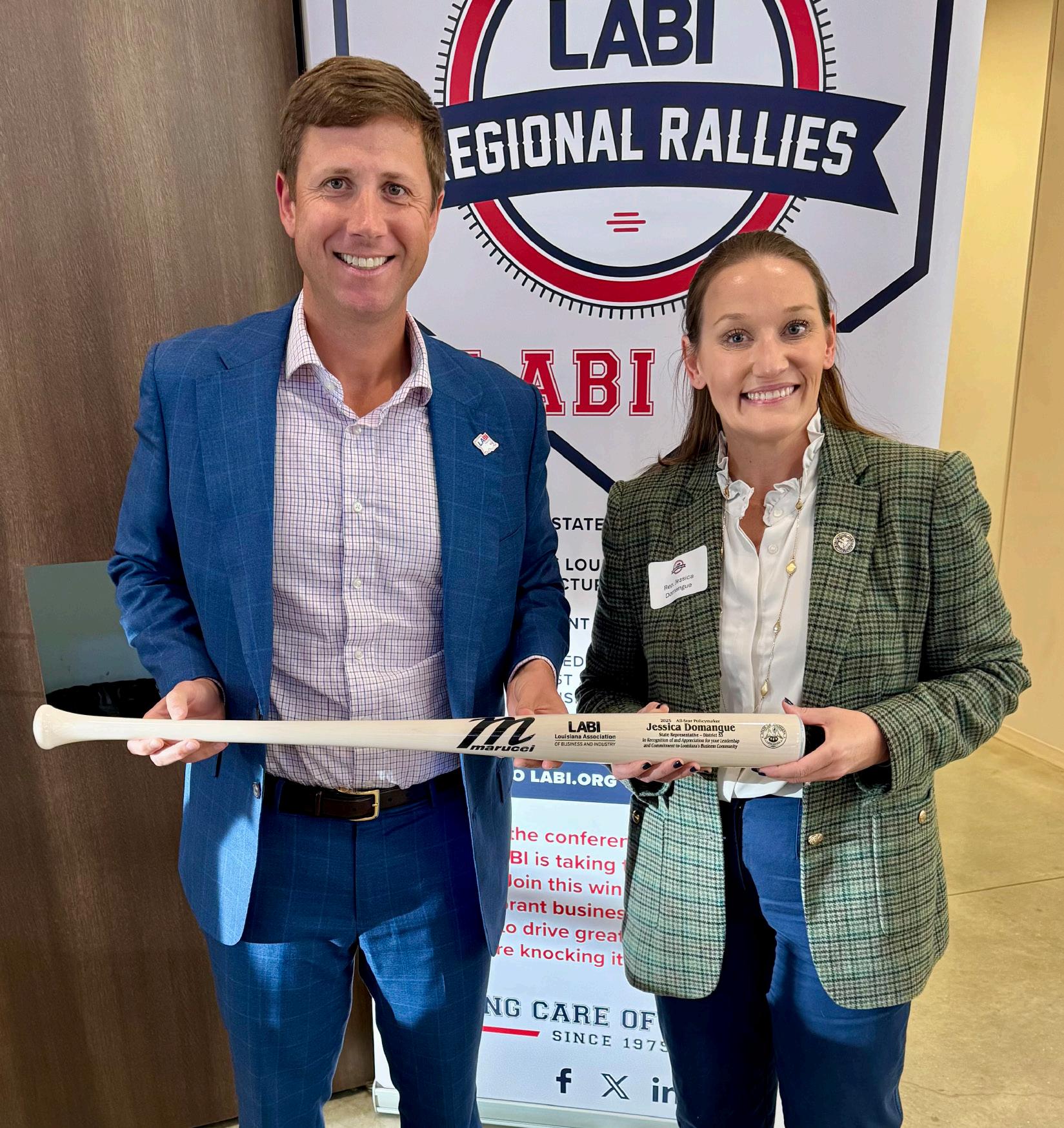
LABI HELD its second annual Regional Rallies Statewide Tour throughout the months of September and October. These events are designed to acknowledge our members, recruit new businesses, and celebrate pro-business legislators with awards for championing freeenterprise priorities during the 2025 Legislative Session.
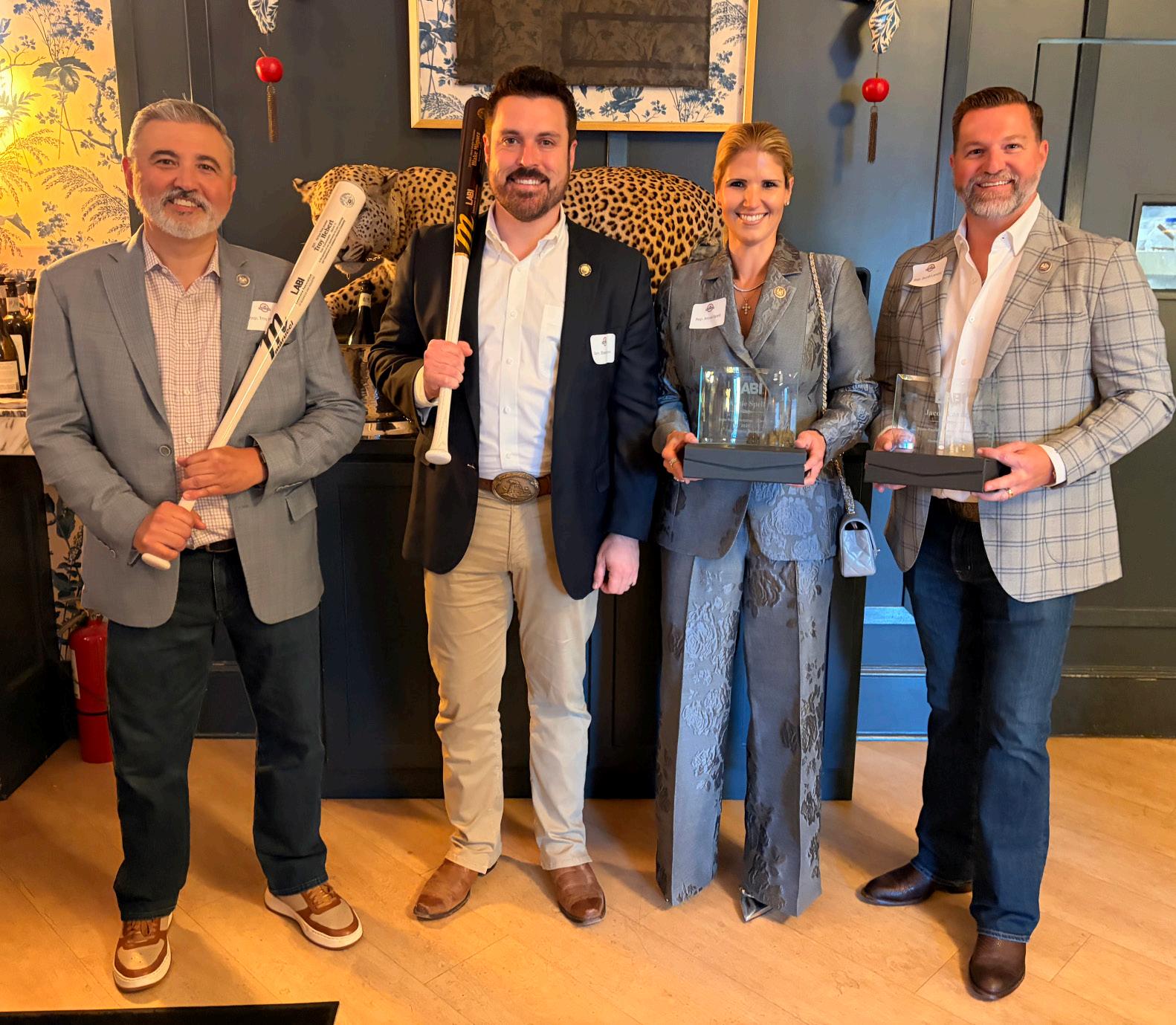
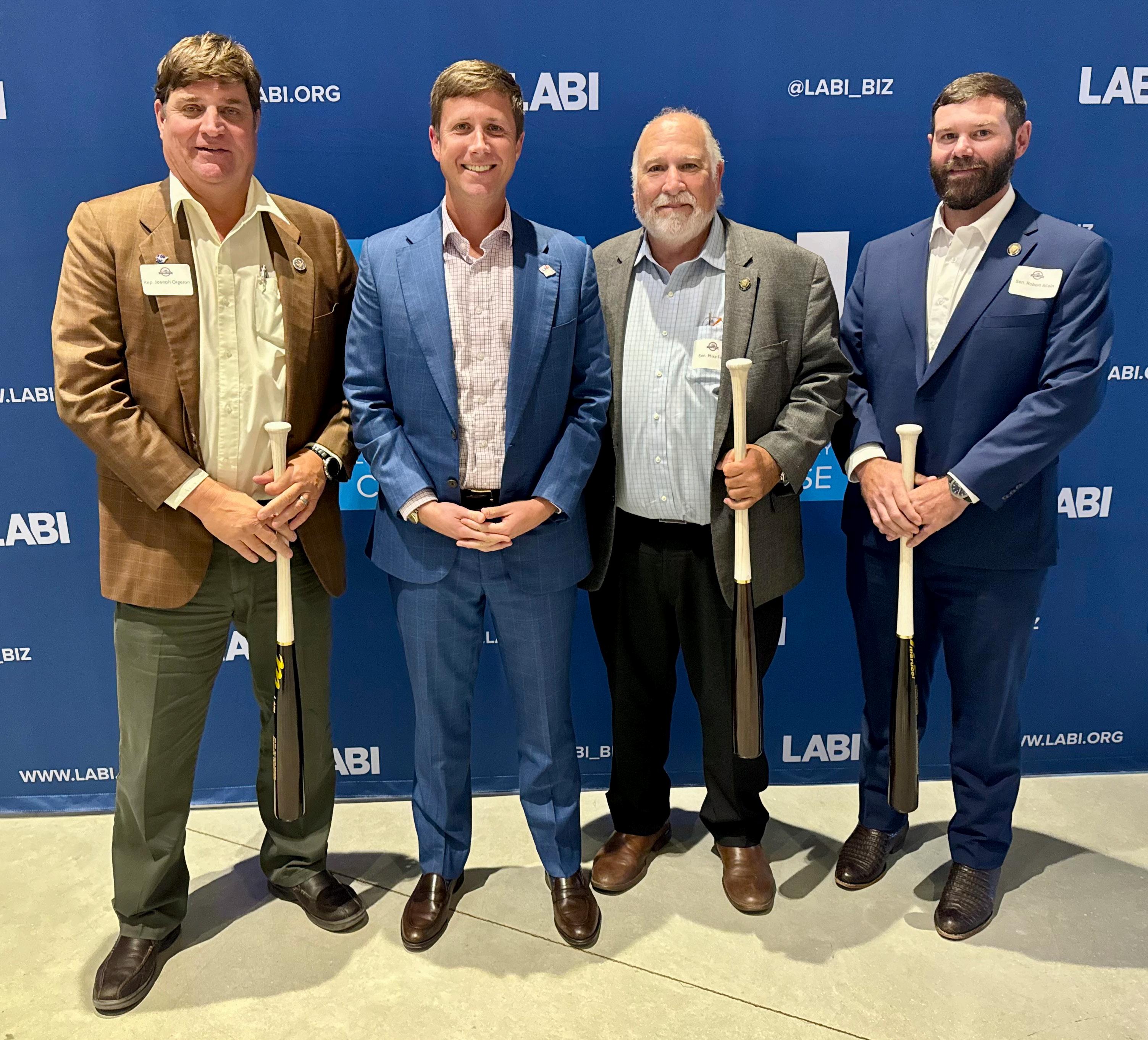
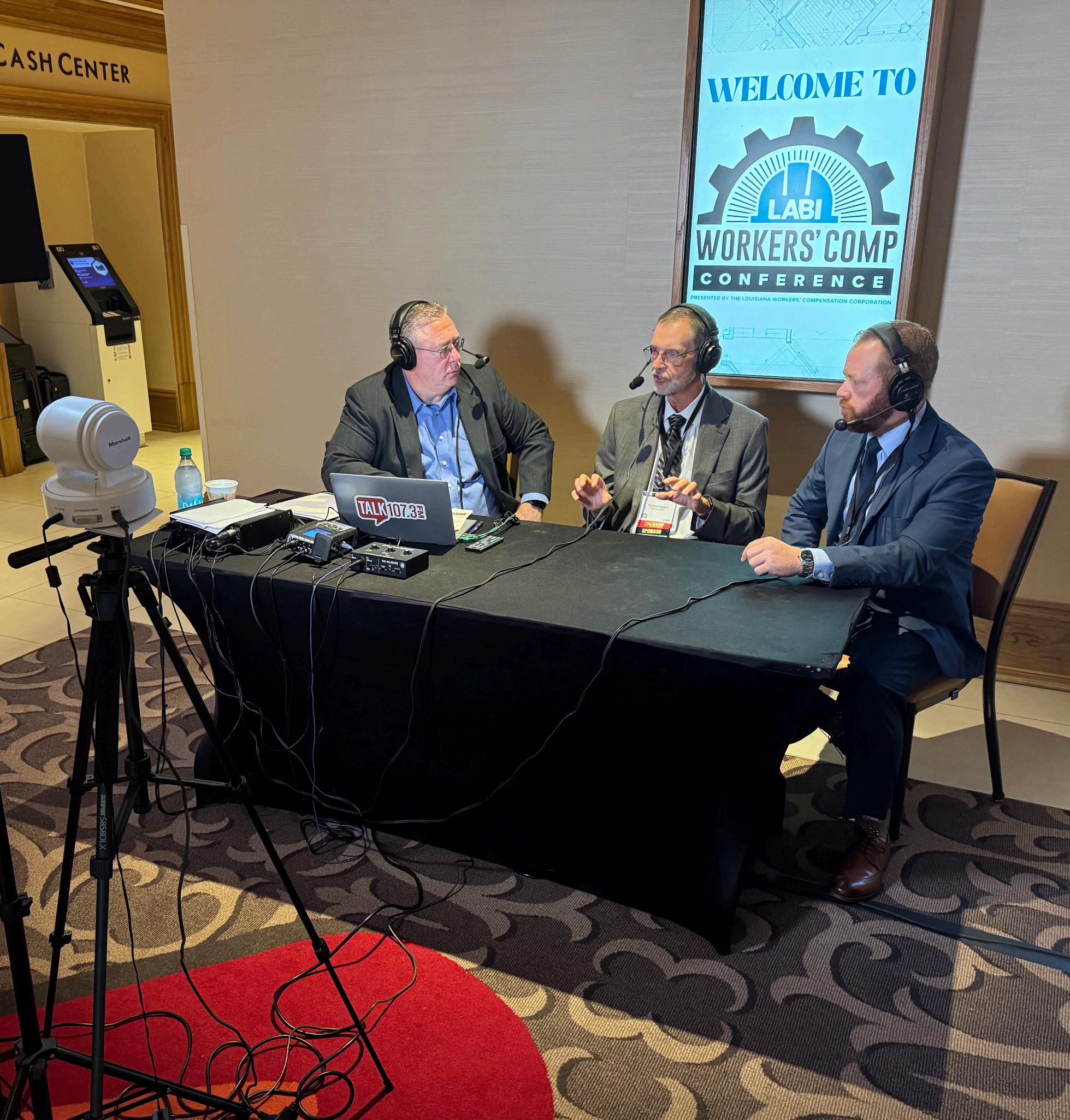

LABI HELD its annual Workers’ Compensation Conference October 7-9 at L’Auberge Baton Rouge. The event drew employers, attorneys and workers’ compensation professionals from around the state for networking opportunities and educational sessions on a range of topics related to state and national workers’ comp systems.
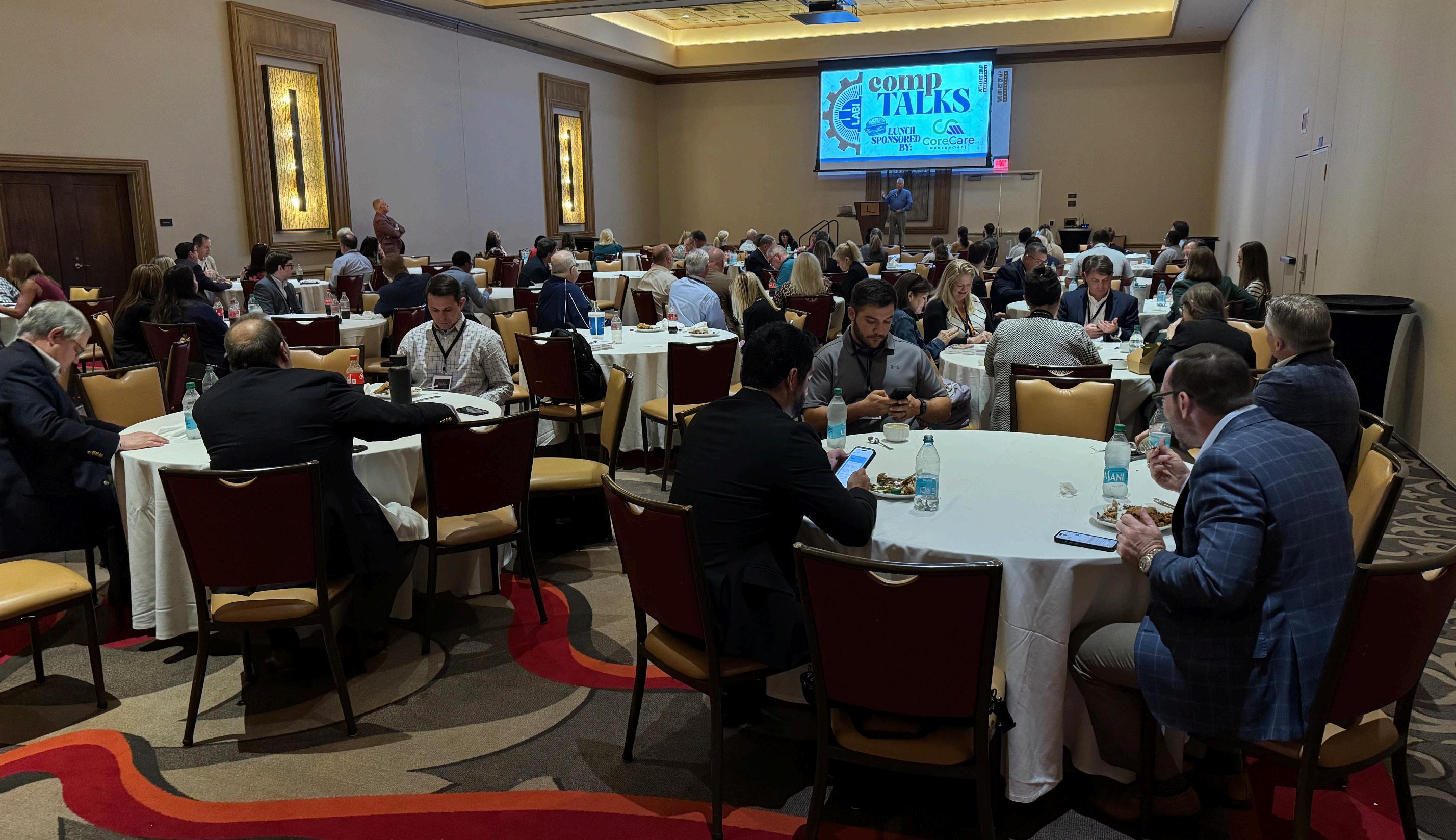
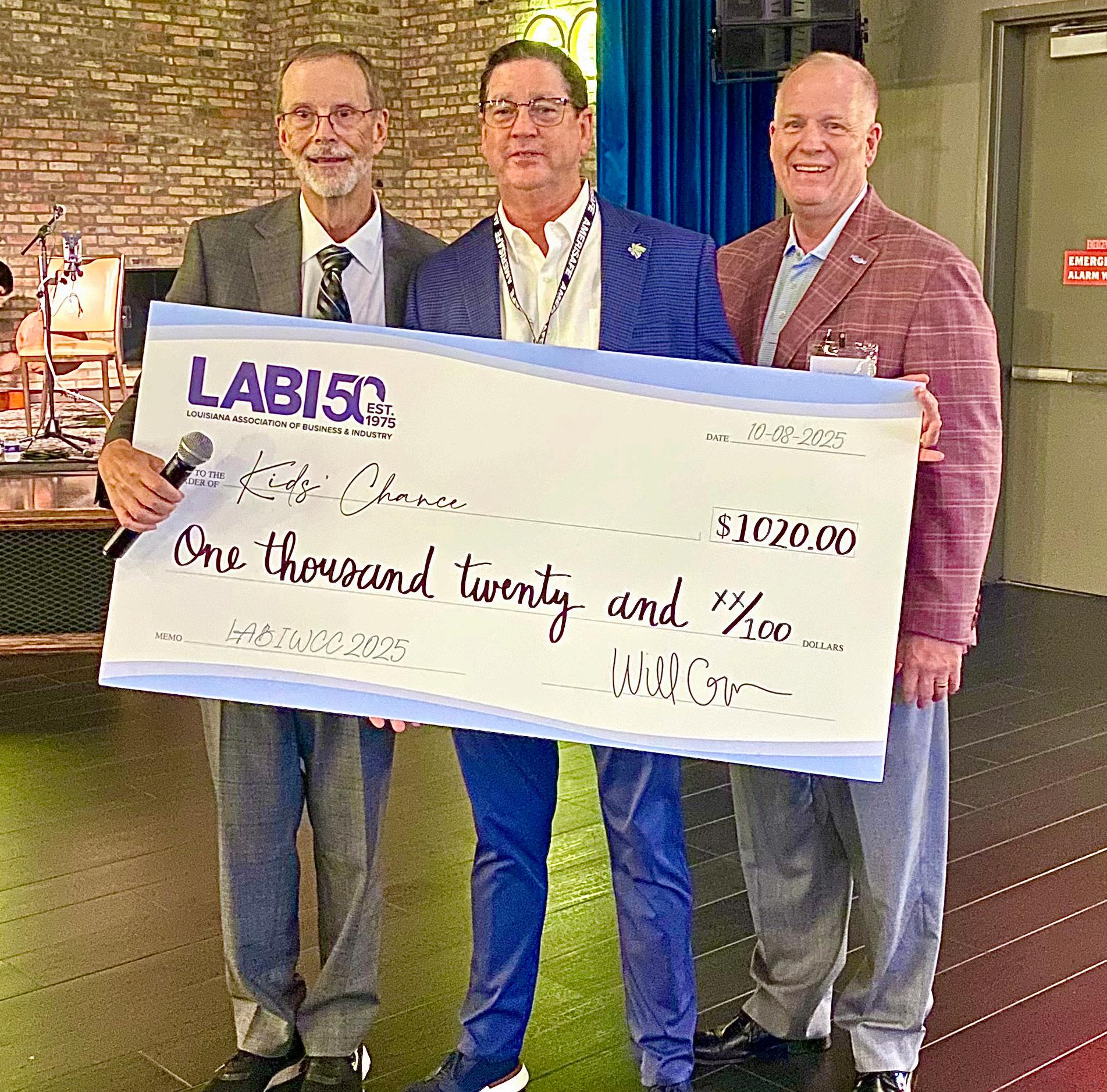
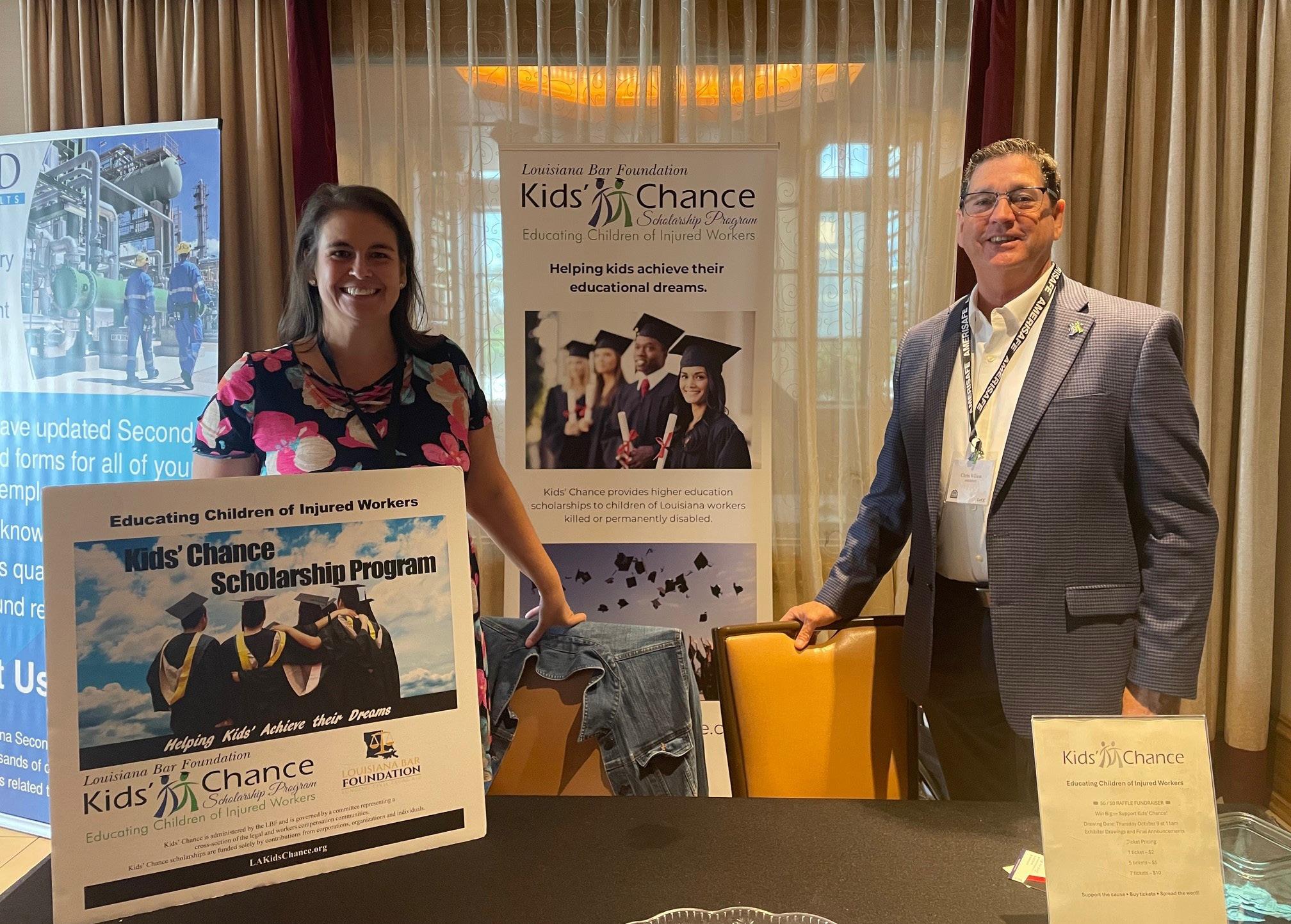
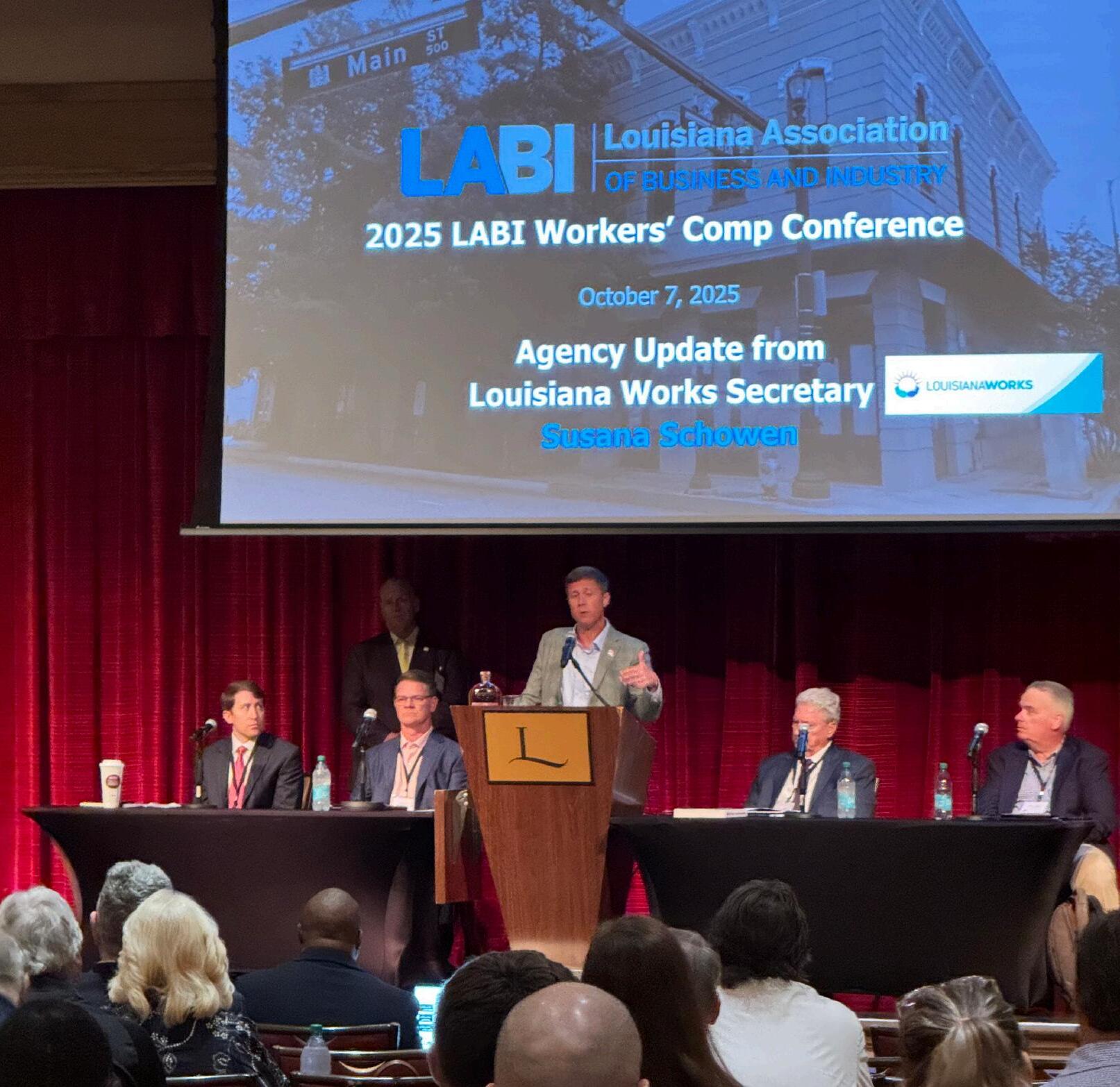
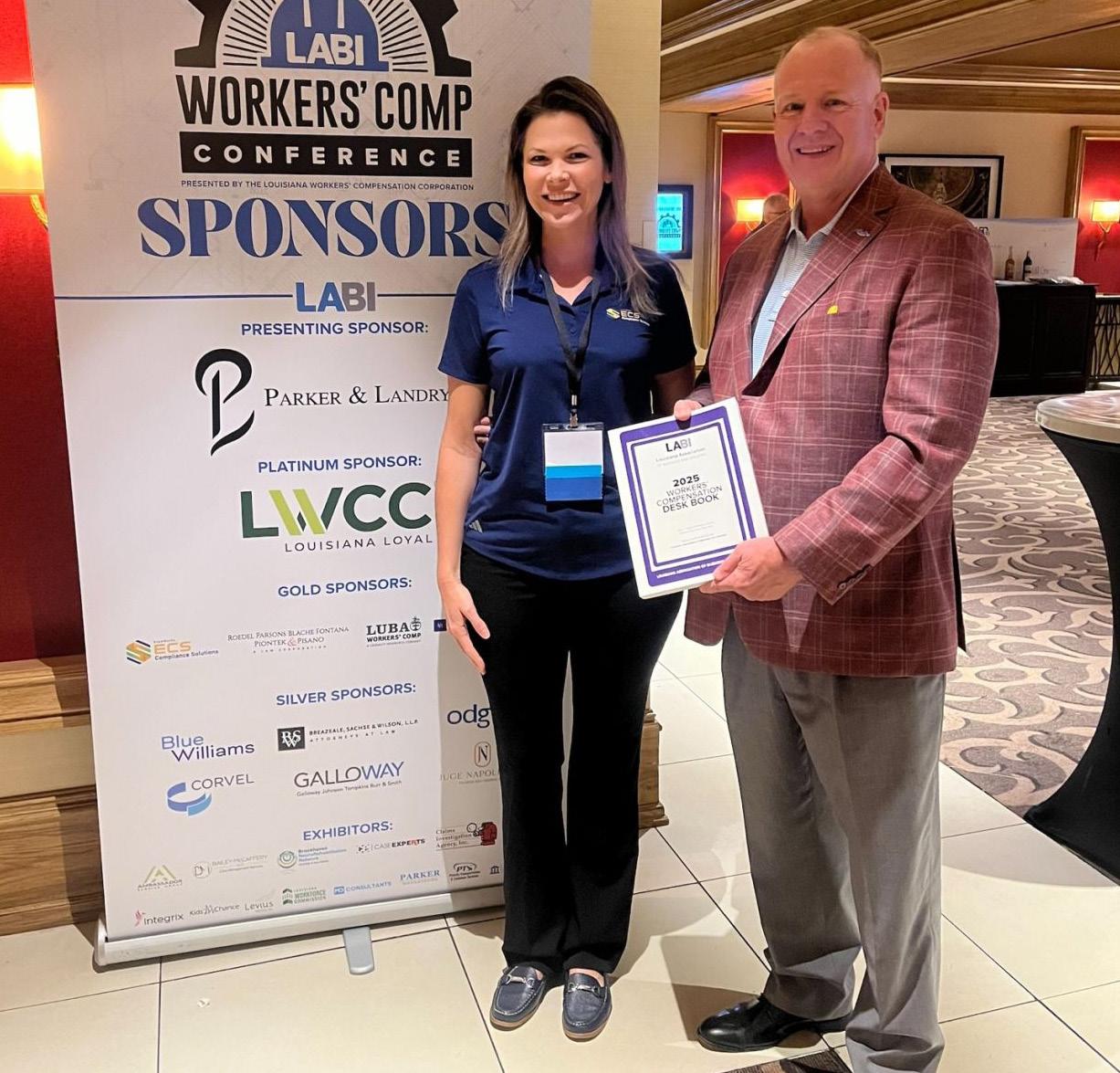
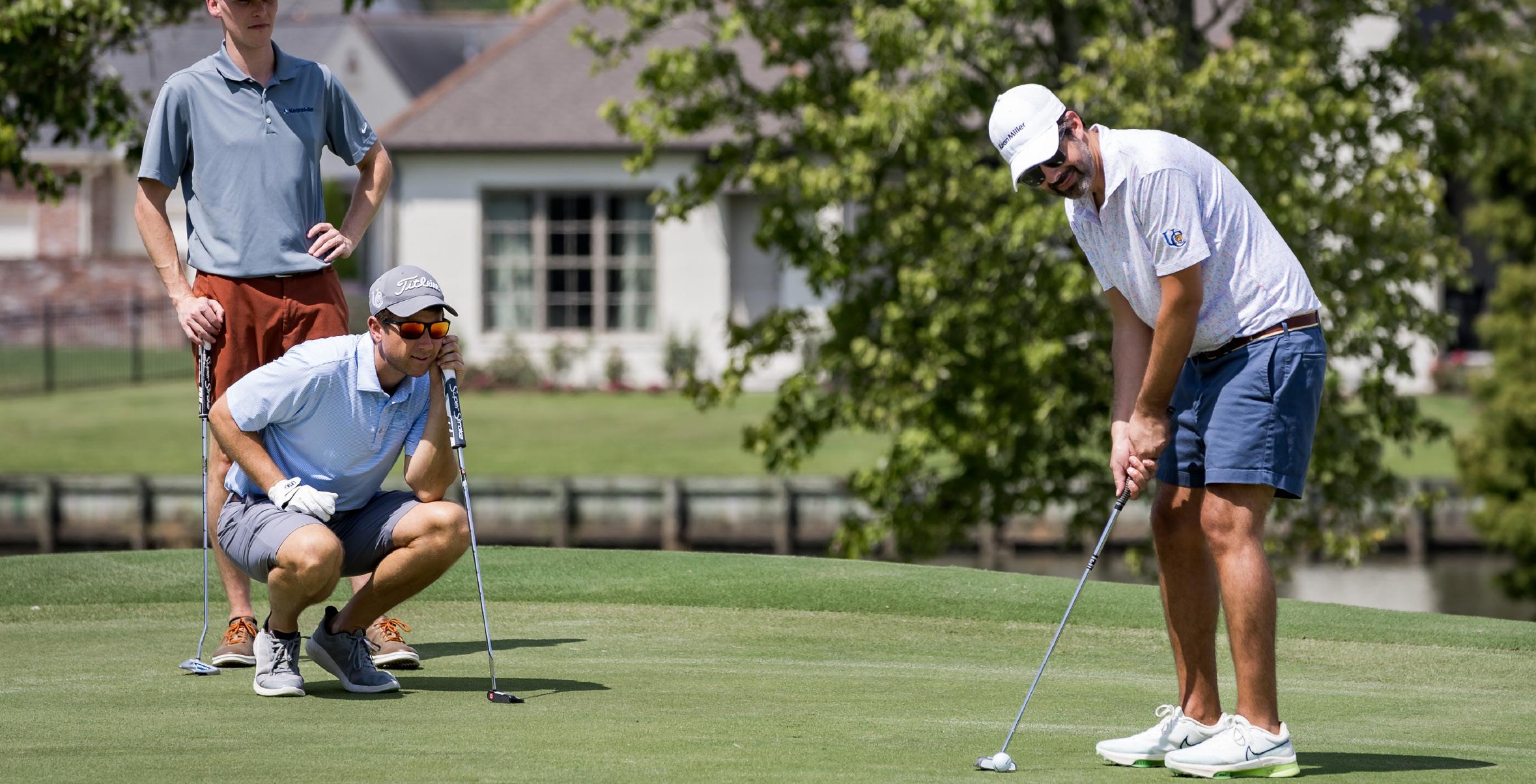
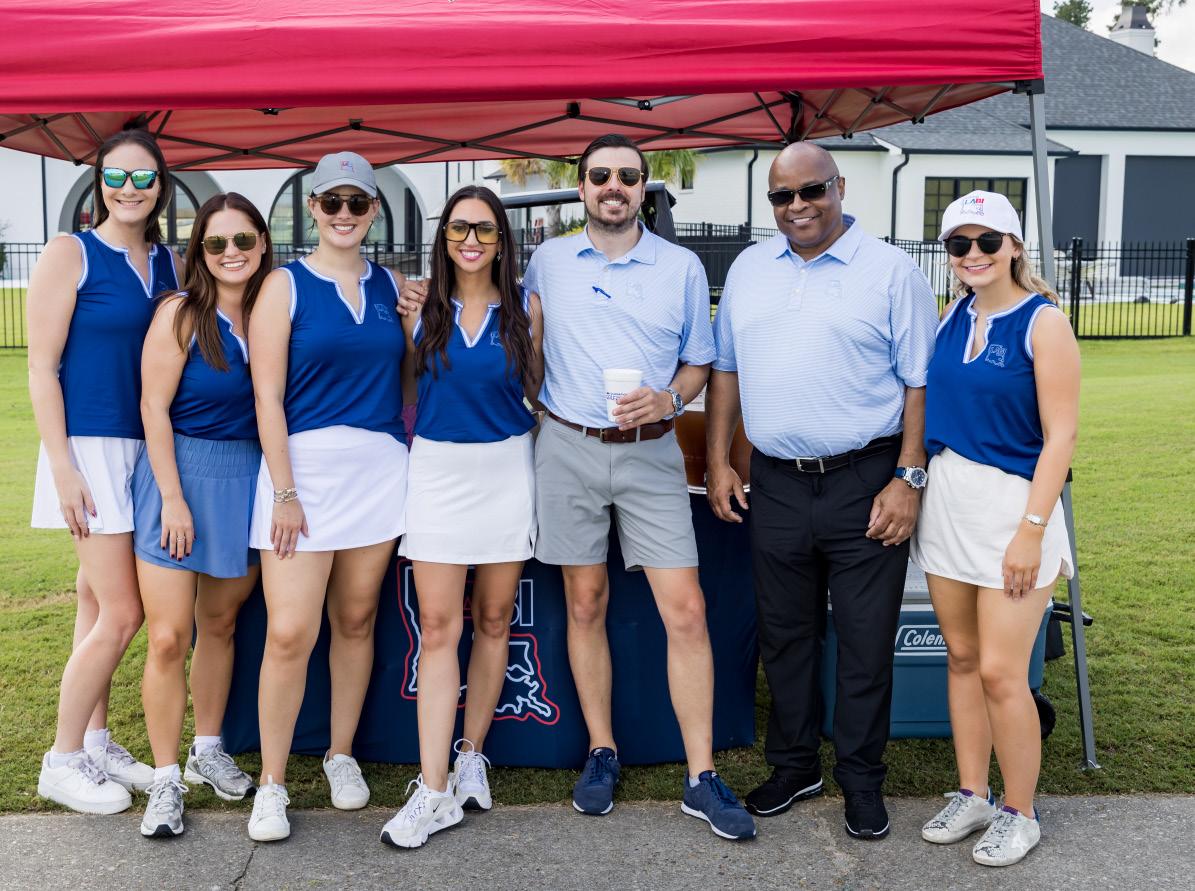

THE LABI Foundation Golf Tournament took place September 22 at University Club in Baton Rouge. The event brought together business and industry leaders from around the state. Proceeds support the Foundation’s work to empower Louisiana’s job creators through education, research and innovation.

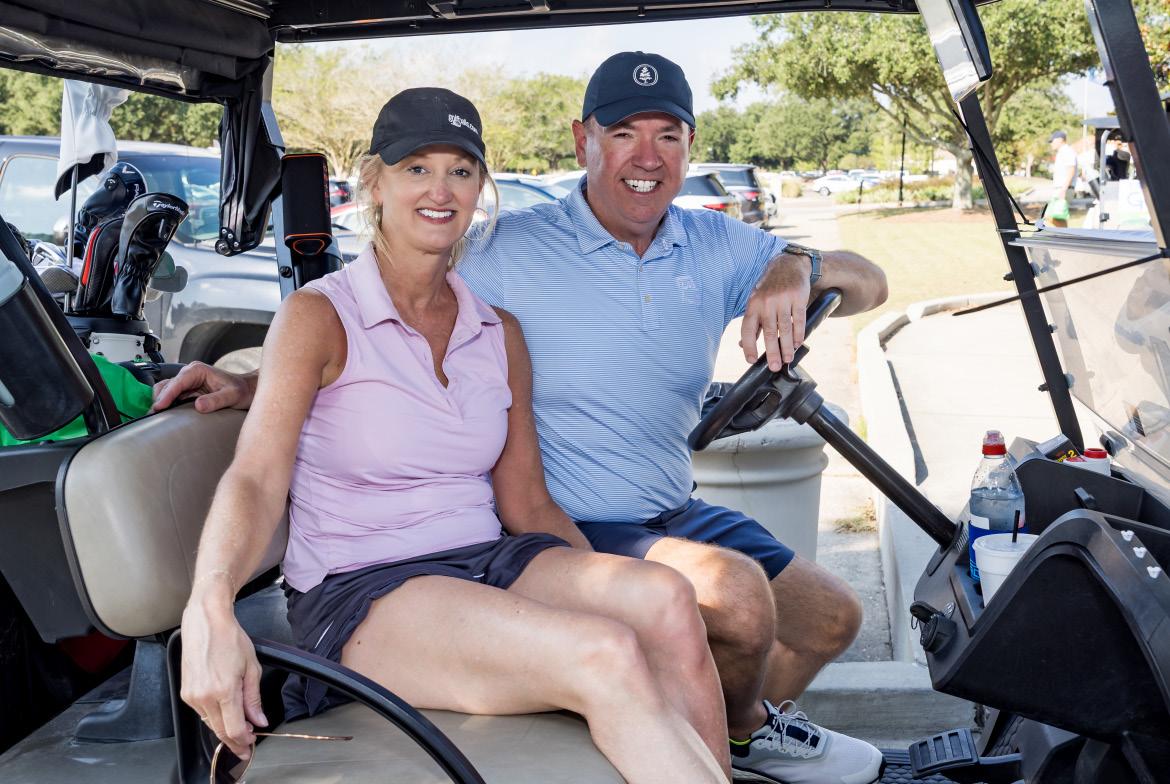
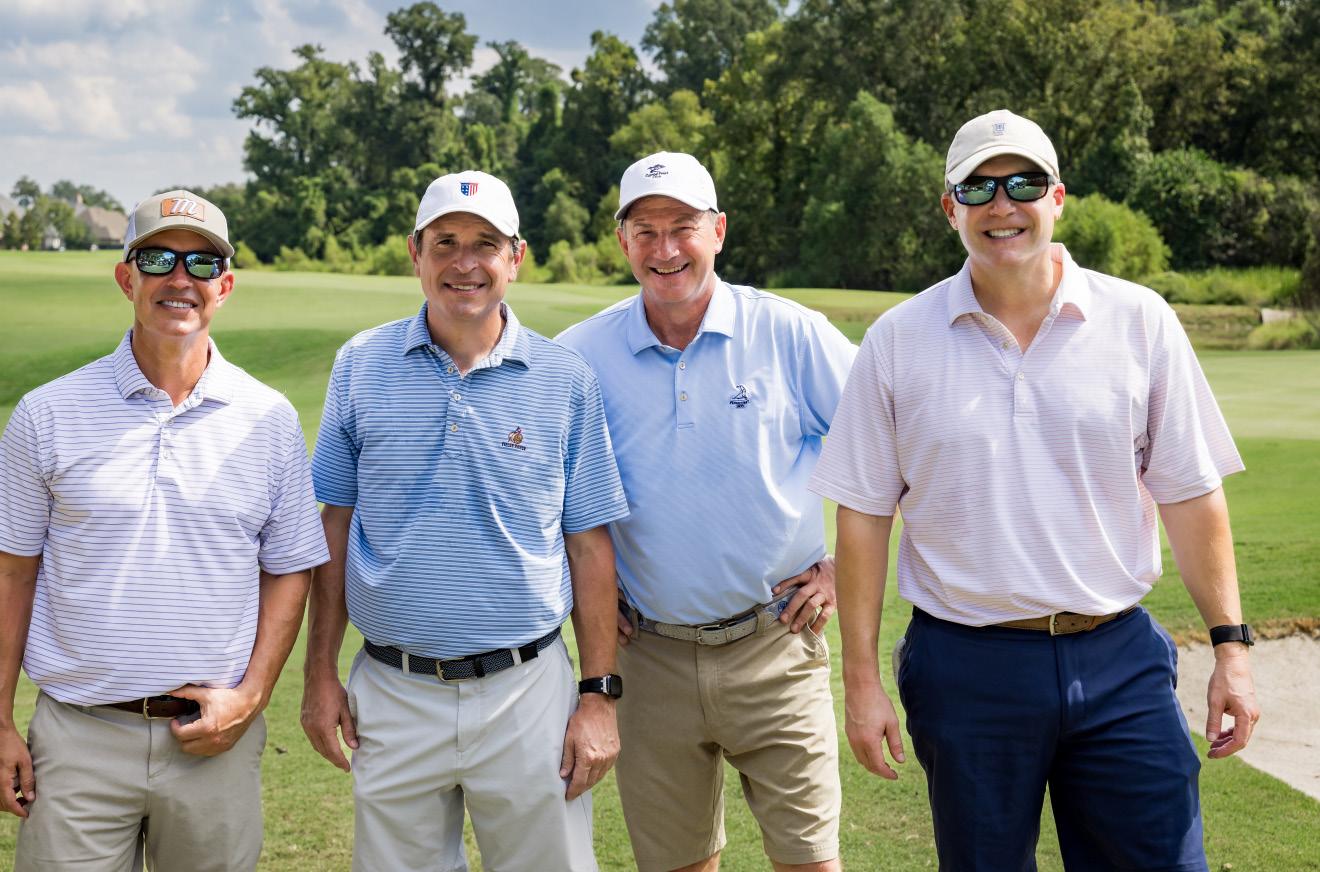

From project planning through full-service mail fulfillment, our team does it all. You can trust that our skilled hands and eye for detail will make your next print project everything you expect. And you
for decades.

2025 HAS BEEN A YEAR of reflection for LABI, honoring the visionaries whose commitment and leadership built an organization dedicated to making Louisiana a place where entrepreneurs can thrive, businesses can grow and families can stay and succeed.
That legacy continues to guide our path forward.
LABI’s next 50 years will not only be defined by our advocacy in the halls of government but will be broadened by our leadership in positively shaping Louisiana’s future. Our goal is to amplify an environment where anyone with ambition can seize opportunity and where prosperity becomes an expectation for every citizen. Achieving this requires building an economy centered on the principles of free enterprise, where innovation is encouraged, unnecessary obstacles and regulations are removed, and quality of life is elevated across the state through access to a strong workforce, excellent education, reliable infrastructure and affordable living.
BY ROWDY GAUDET
We remain committed to advancing policies that promote competitive taxes, support Louisiana’s energy producers, strengthen safety and resiliency, develop workforce capacity and deliver a strong education system. As a catalyst for opportunity, LABI stands not only for business, but for the people whose futures rely on a healthy, expanding economy. That includes the aspiring entrepreneur with a new idea, the young family striving for economic security, and students at every level preparing for the jobs of tomorrow. By investing in innovative solutions and directly confronting the state’s toughest challenges with bold strategies and creativity, LABI will move Louisiana into its next 50 years with greater determination and optimism. Our past has proven what is possible when the principles of free enterprise are embraced. Our brighter future requires that we aim even higher so that every person in Louisiana has the chance to build a successful life right here at home.
As we honor this milestone, we also
look ahead with purpose and intentionality. LABI’s next 50 years will be defined by fearless advocacy, impactful leadership and an unwavering commitment to strengthening Louisiana as a place where free enterprise thrives and economic opportunity grows for both businesses and citizens alike.
Just like our first 50 years, LABI cannot fulfill this mission alone. We remain deeply grateful to the members, business leaders, coalition partners and stakeholders who share our commitment to a more prosperous future for Louisiana. We will continue to stand shoulder to shoulder with them as we shape a stronger, more prosperous Louisiana for the next 50 years.

Early Childhood Education Investments: Two-Generation Strategy for a












Children in quality early learning programs are more likely to read on grade level by 4th grade.








Child care supports paren to work today and prepare children for tomorrow’s wo





Early education increases the likelihood of graduating from hig school.


Every dollar invested in child care yields significant returns for Louisiana’s economy.



Baton Rouge, LA 70801
For over 50 years, Cajun Industries has built a legacy of safety, performance, and lasting relationships. With a people-first culture, proven self-performing expertise, and a commitment to doing things the rightway, we bring trust, professionalism, and excellence to every project.


Cajun Industries celebrates LABI for 50 years of impact in Louisiana.