Professional and Academic Work Samples 2025
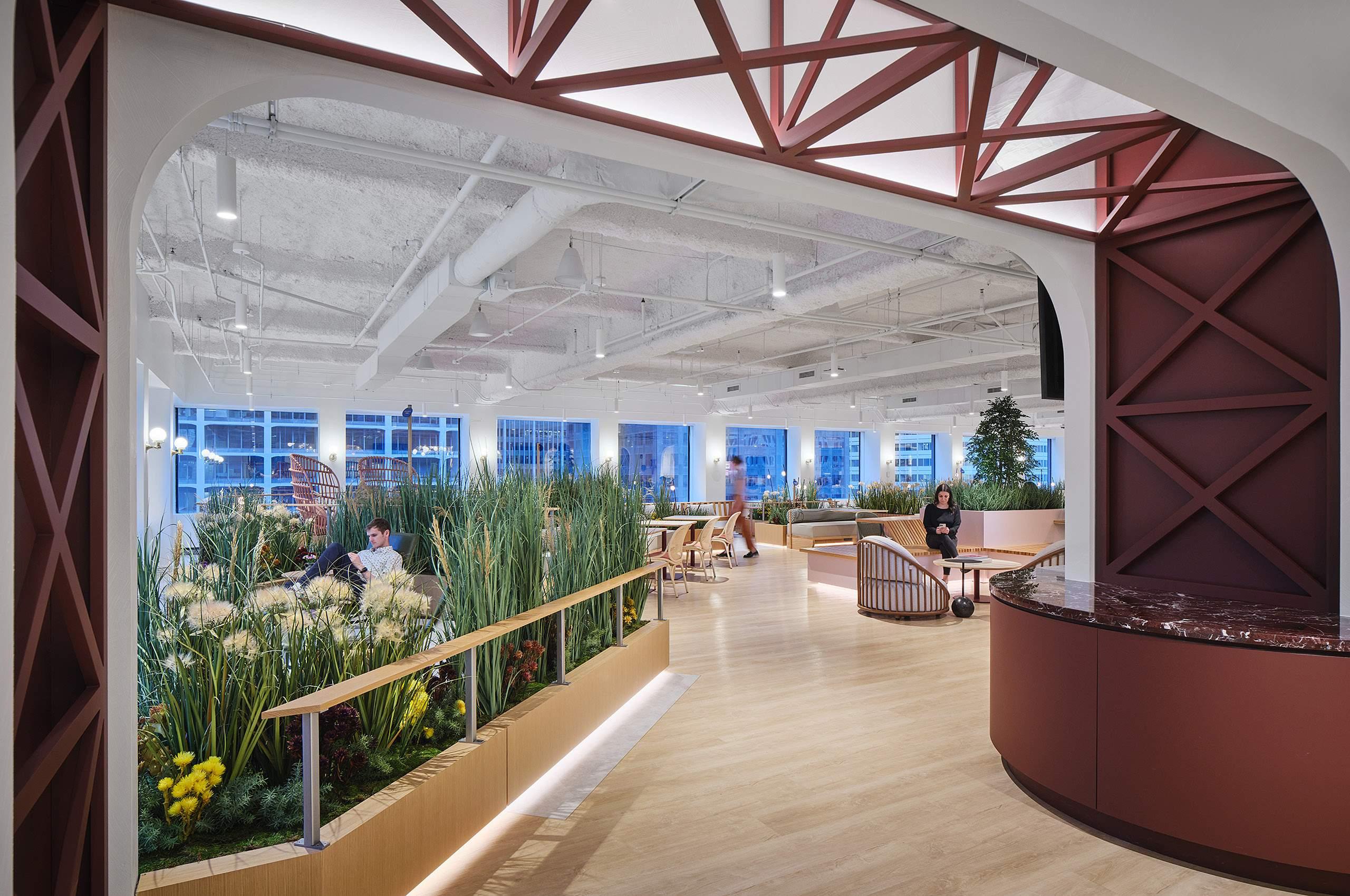
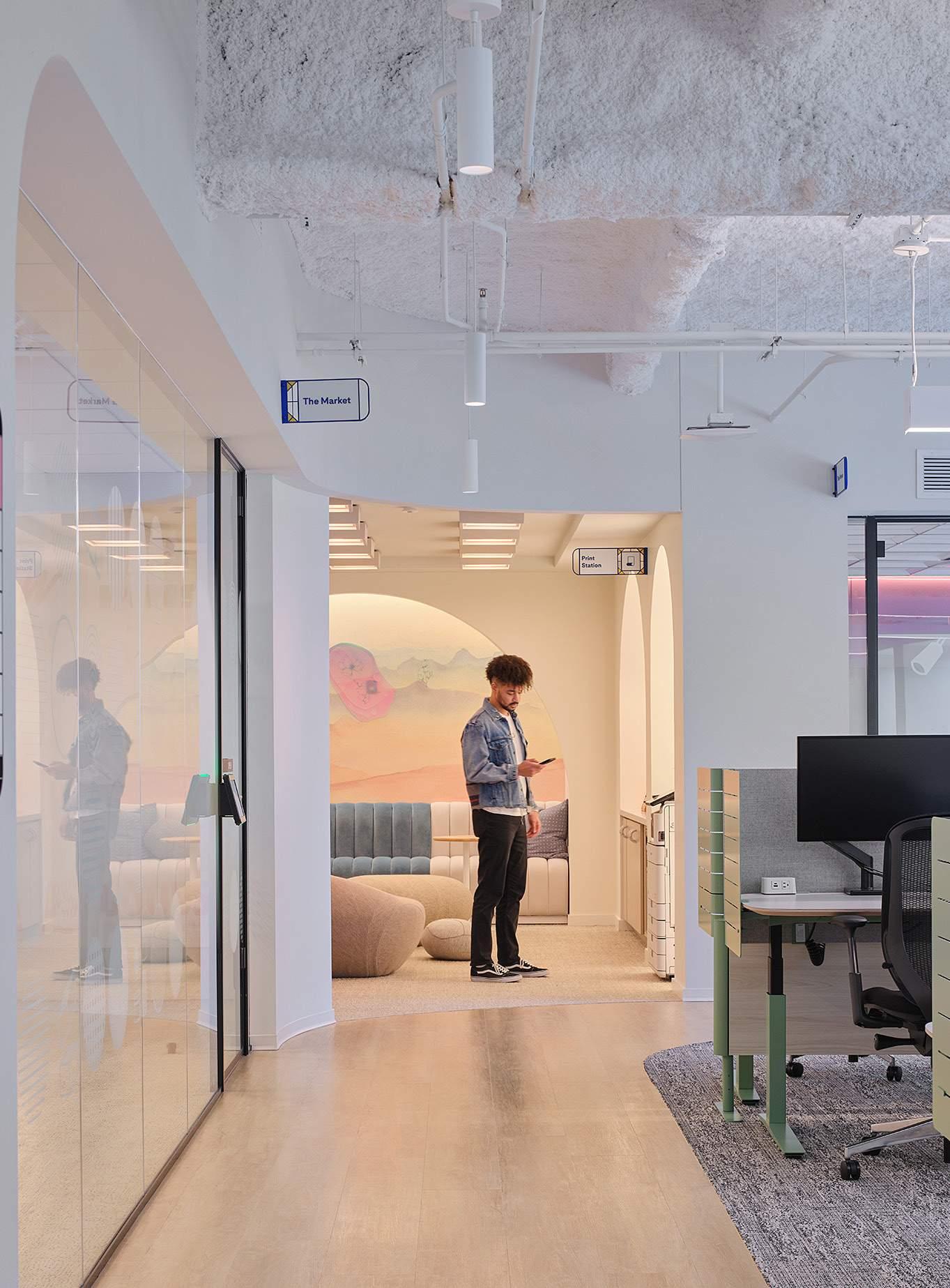
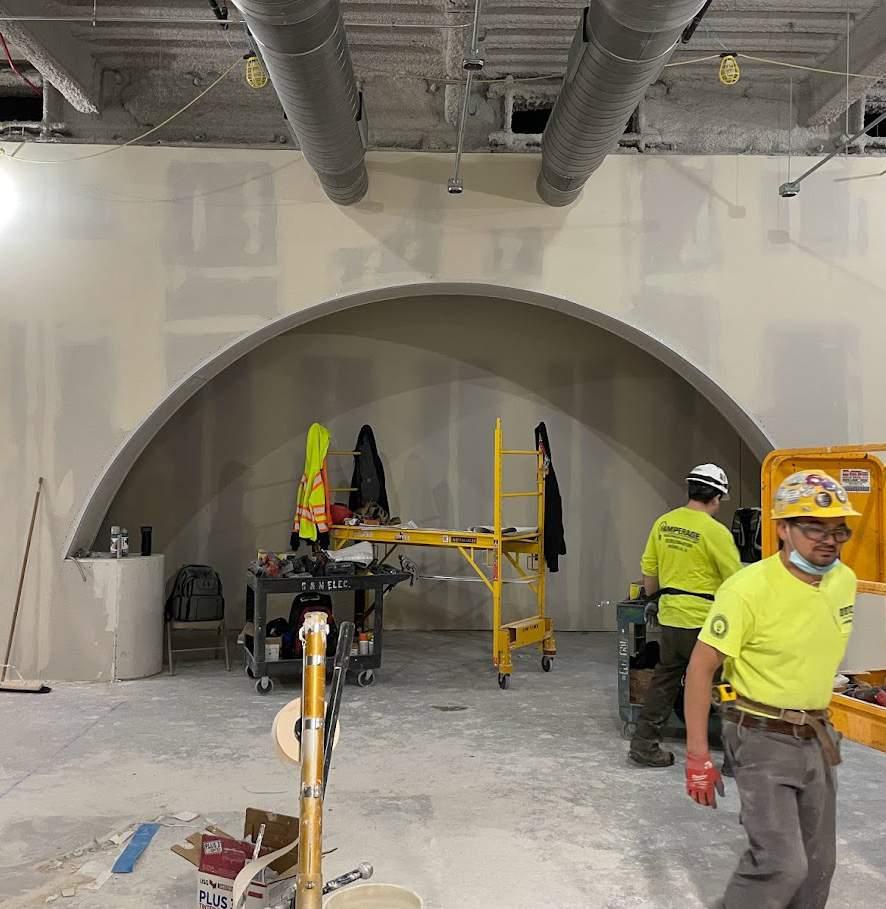
Pinterest Chicago Headquarters
Partners be Design
Responsibilities: Schematic and Design development
Construction documents, Construction Administration
BIM Revit Modelling, MEPFP & Structural Coordination
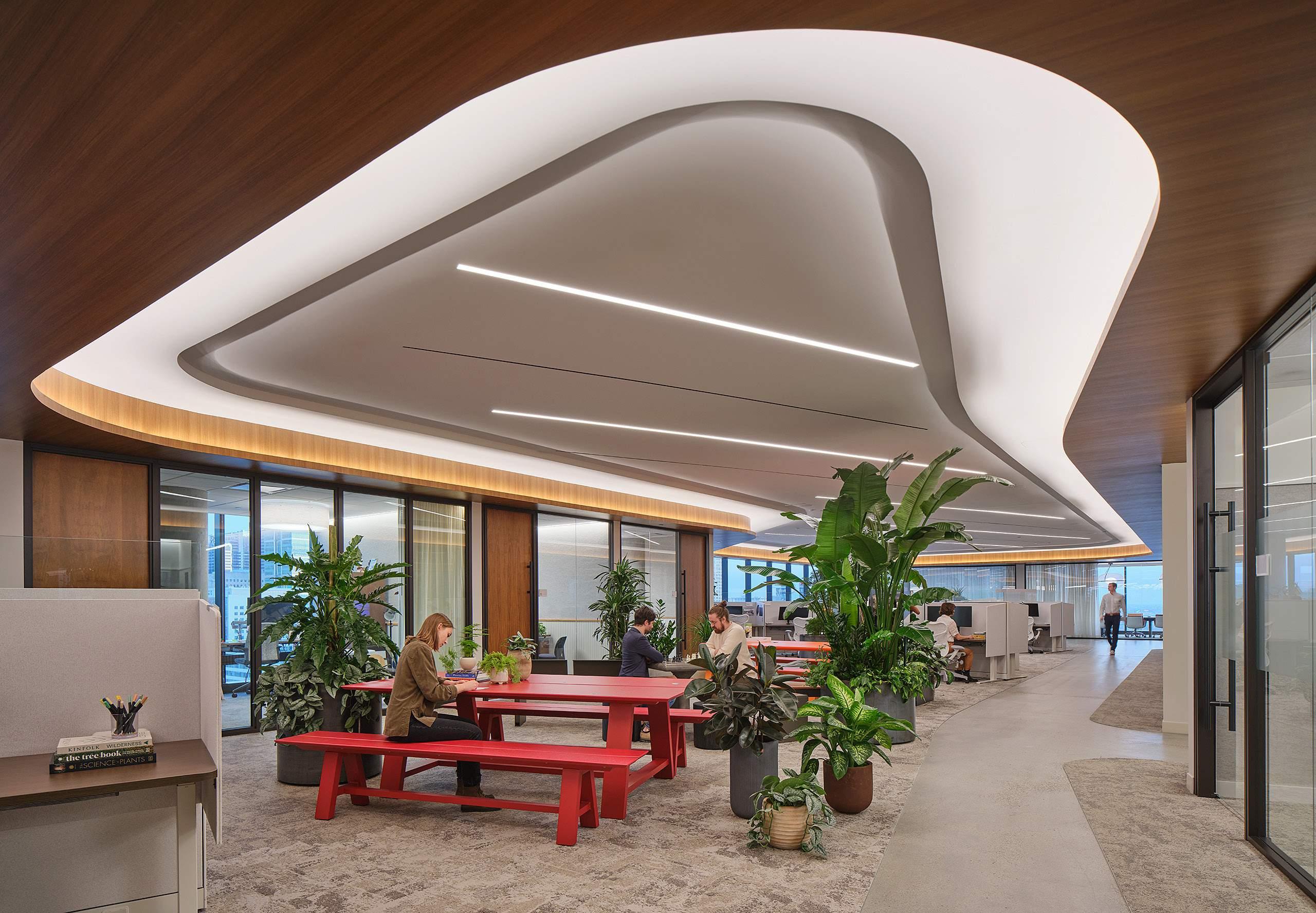
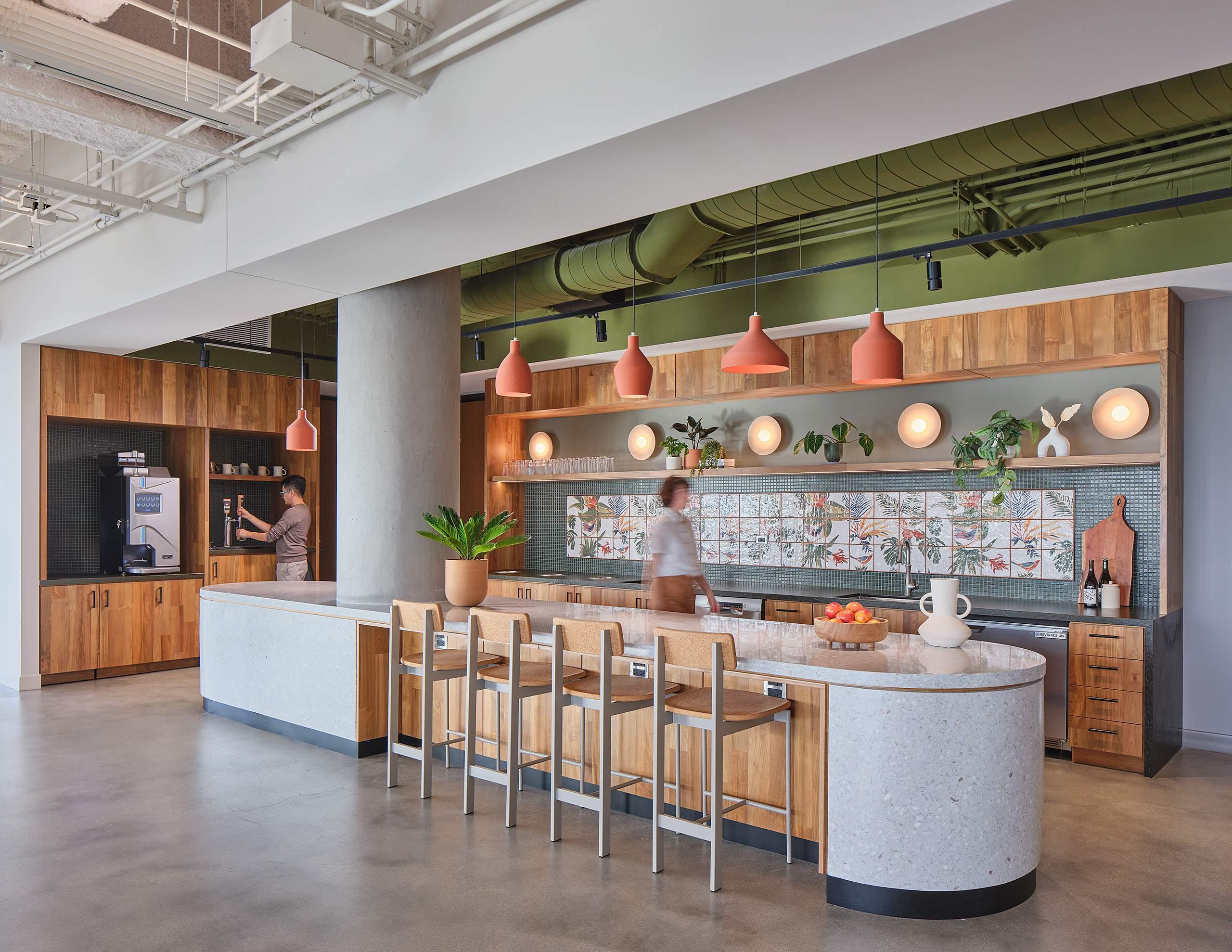
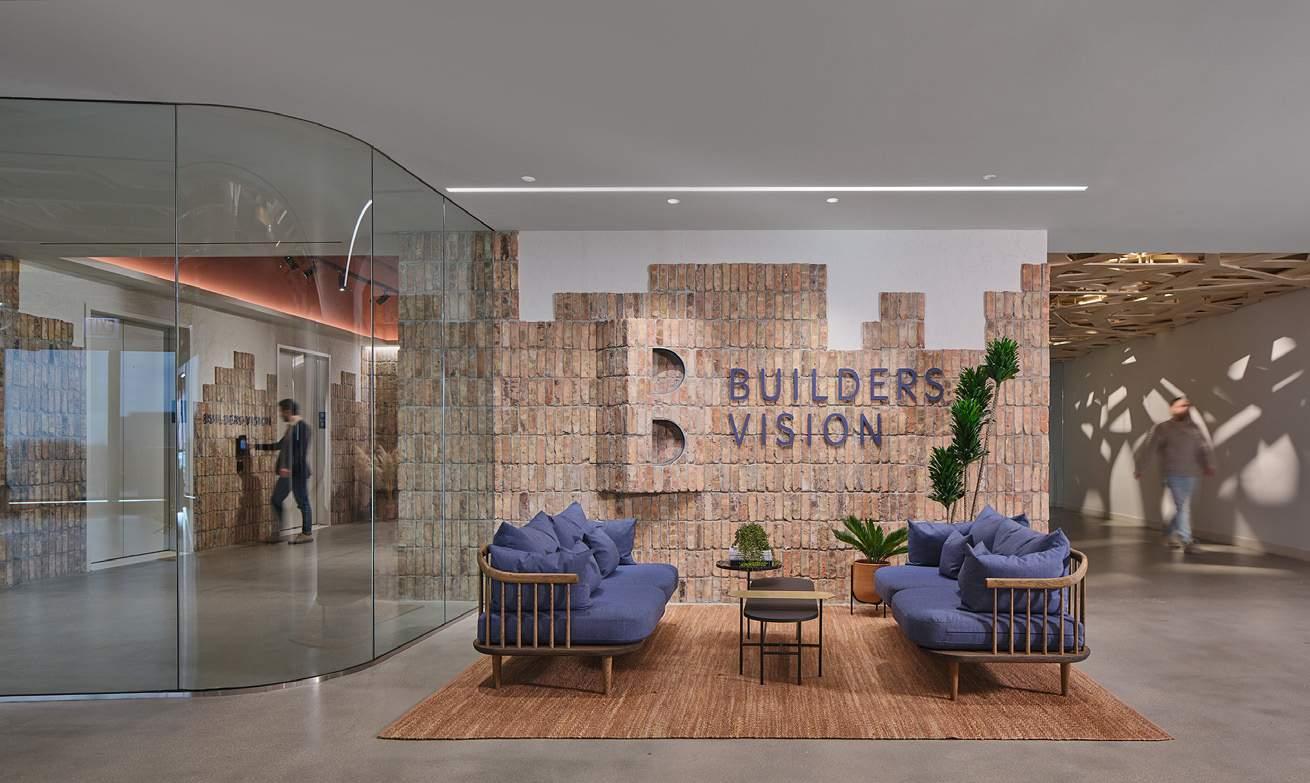
Builders Vision Chicago Headquarters
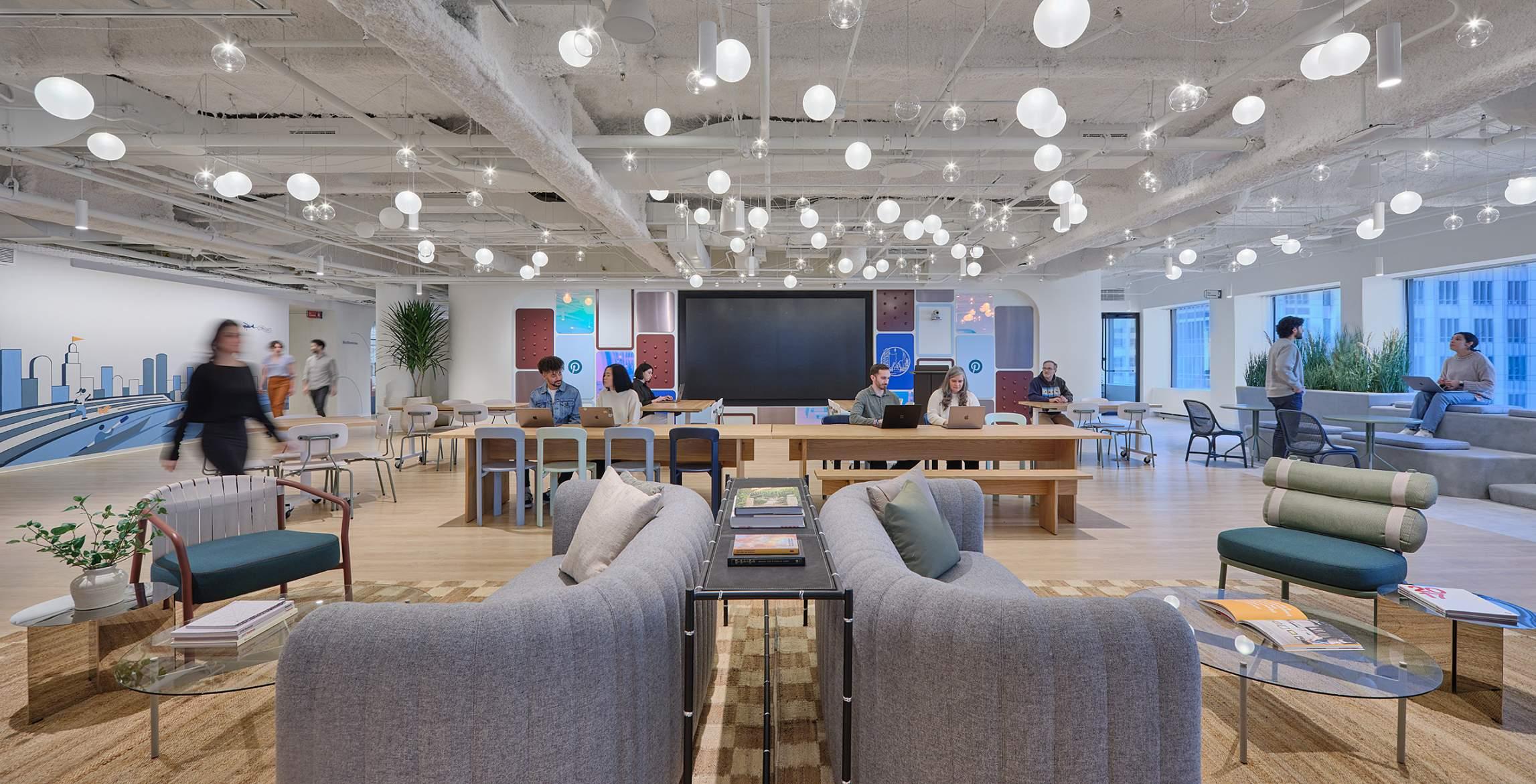
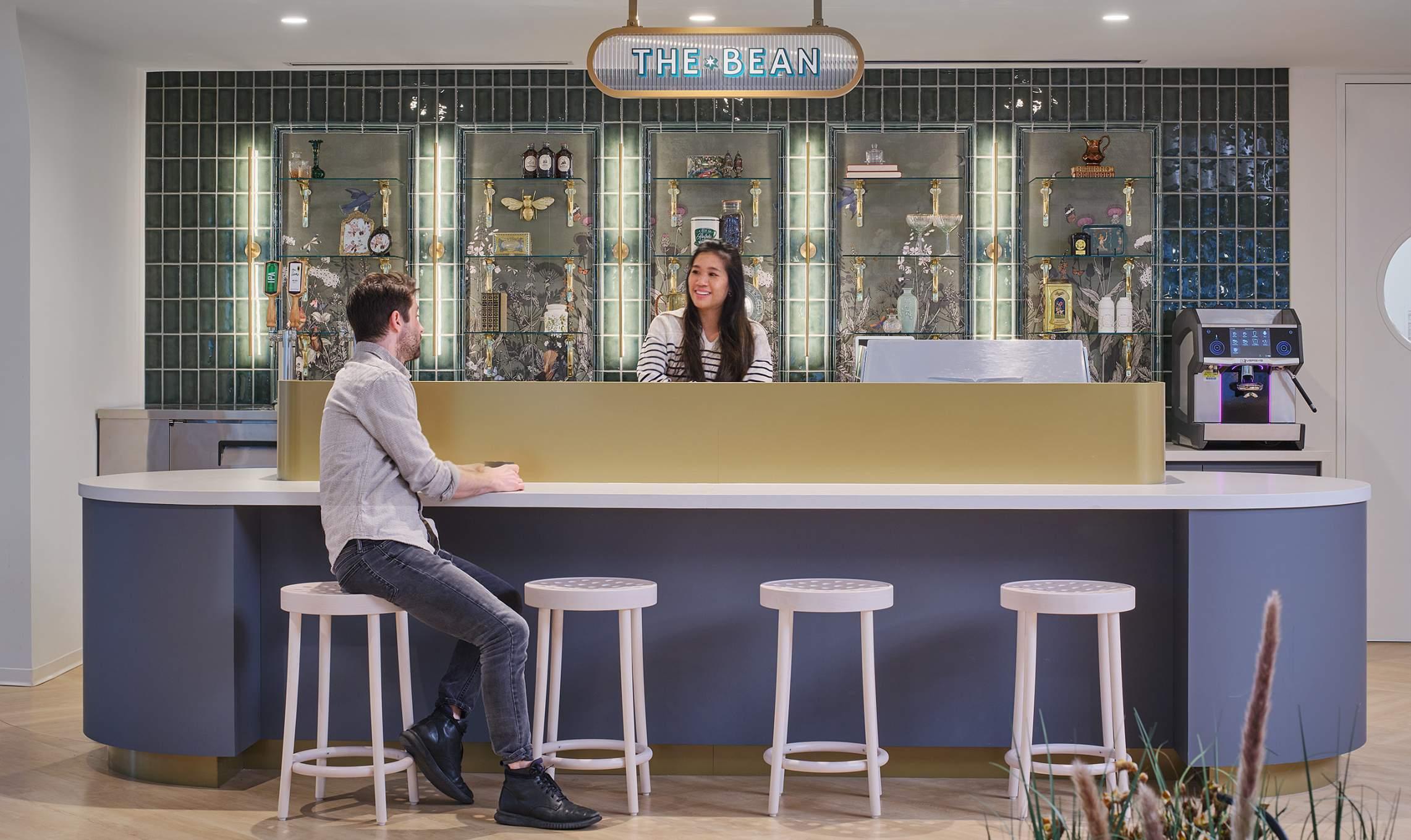
Partners be Design
Responsibilities: Schematic and Design development
Construction documents, Construction Administration
BIM Revit Modelling, MEPFP & Structural Coordination
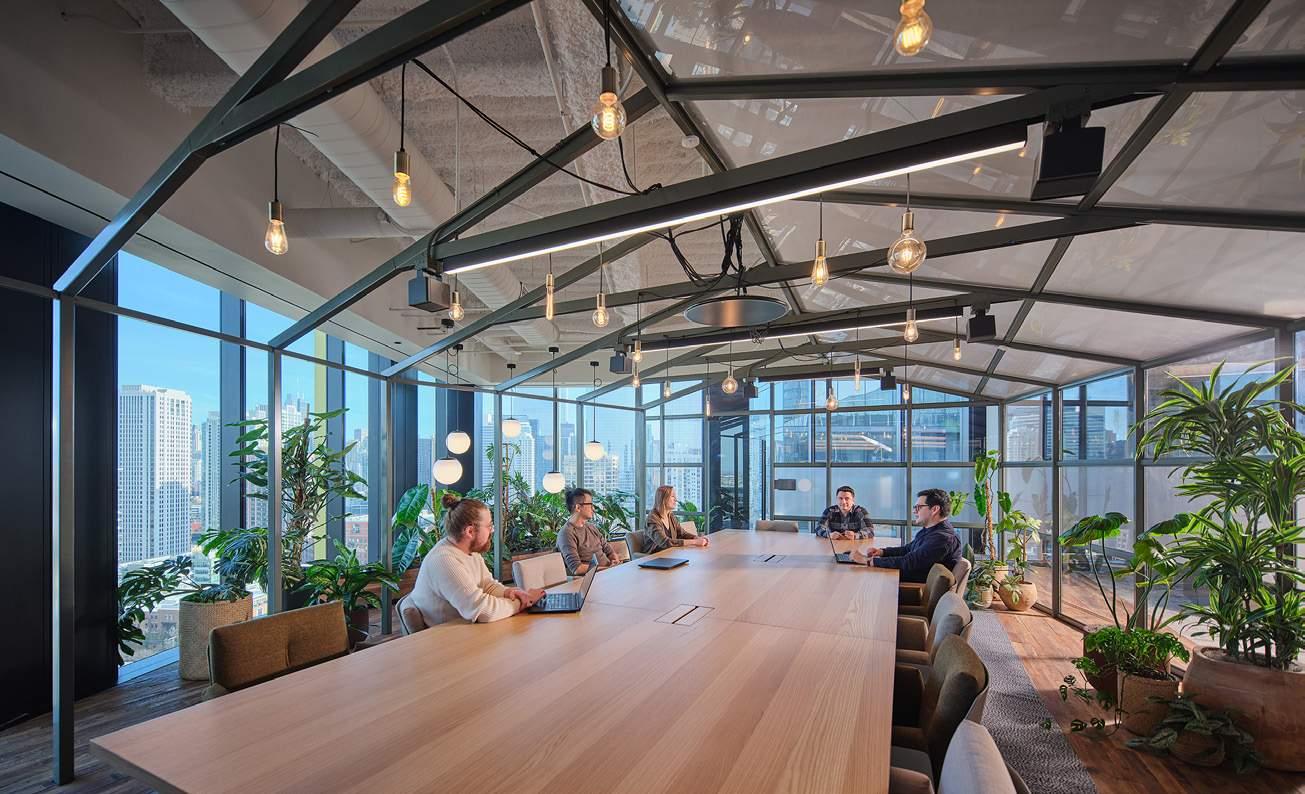
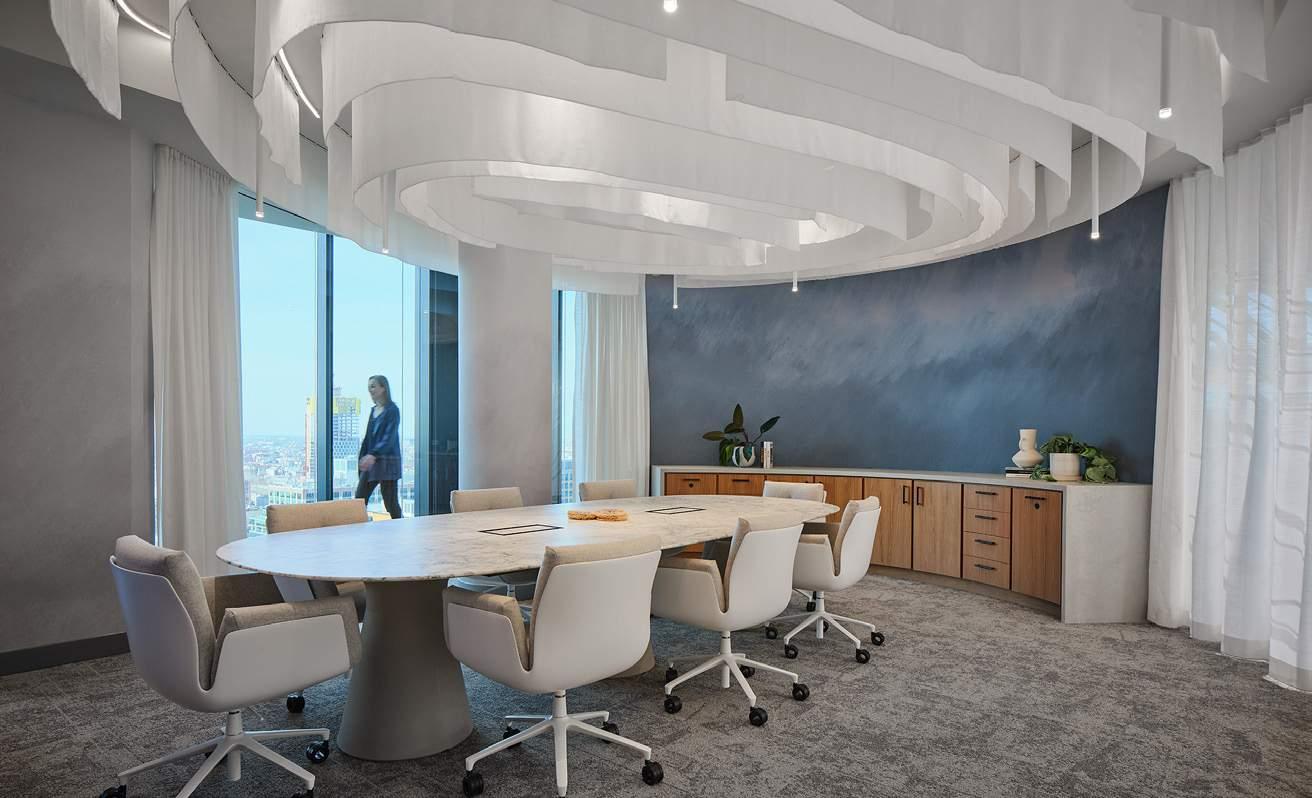
Partners be Design
Responsibilities: Schematic and Design development
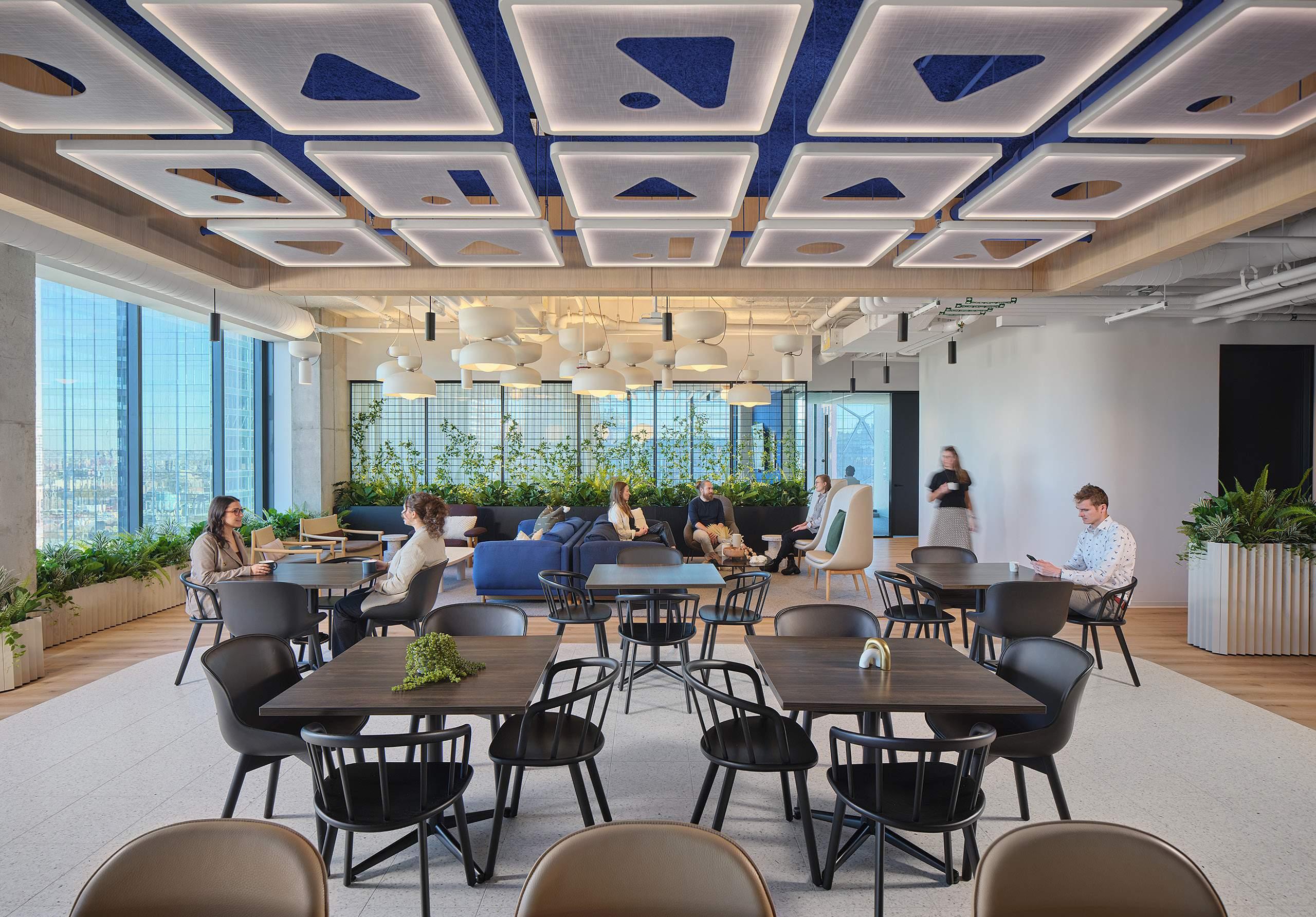
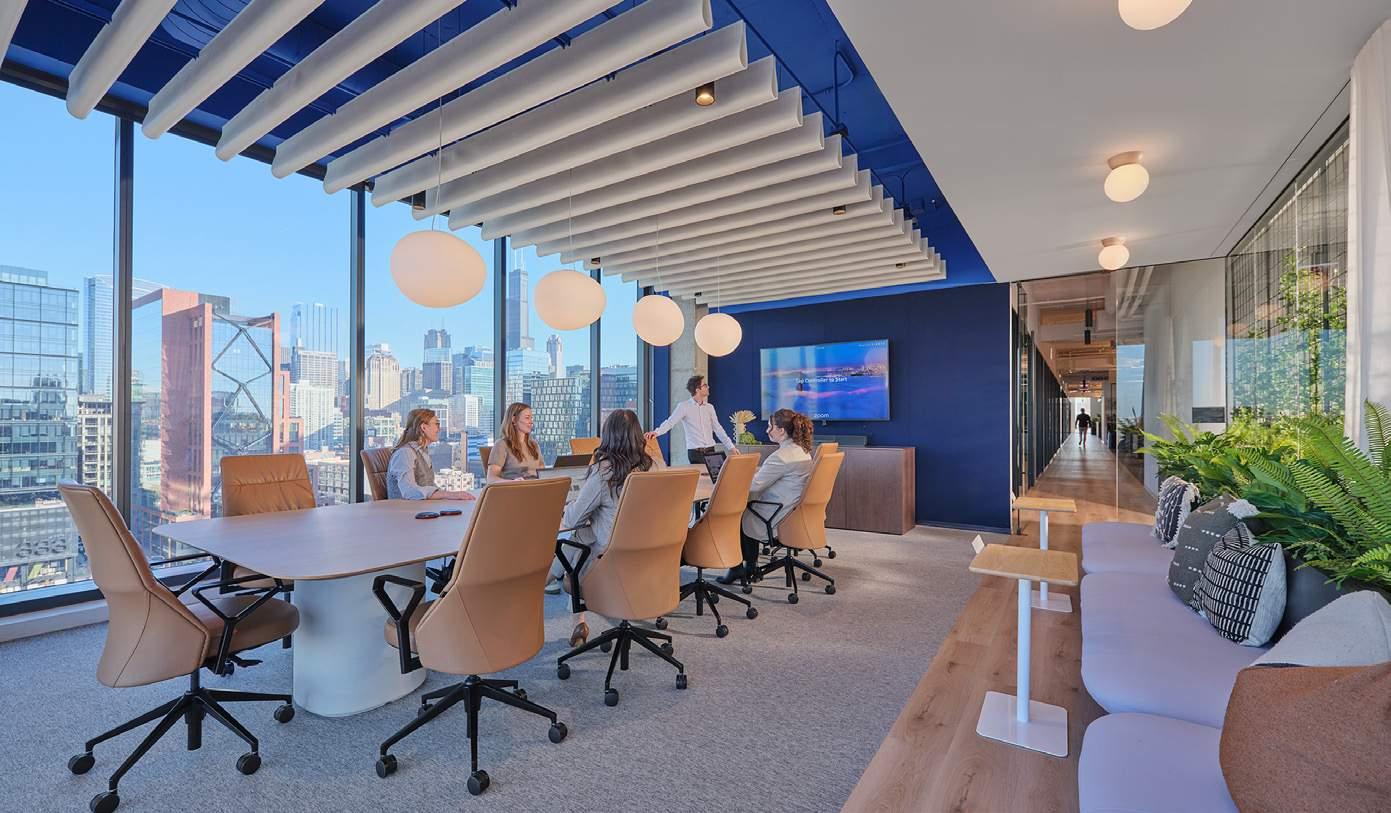
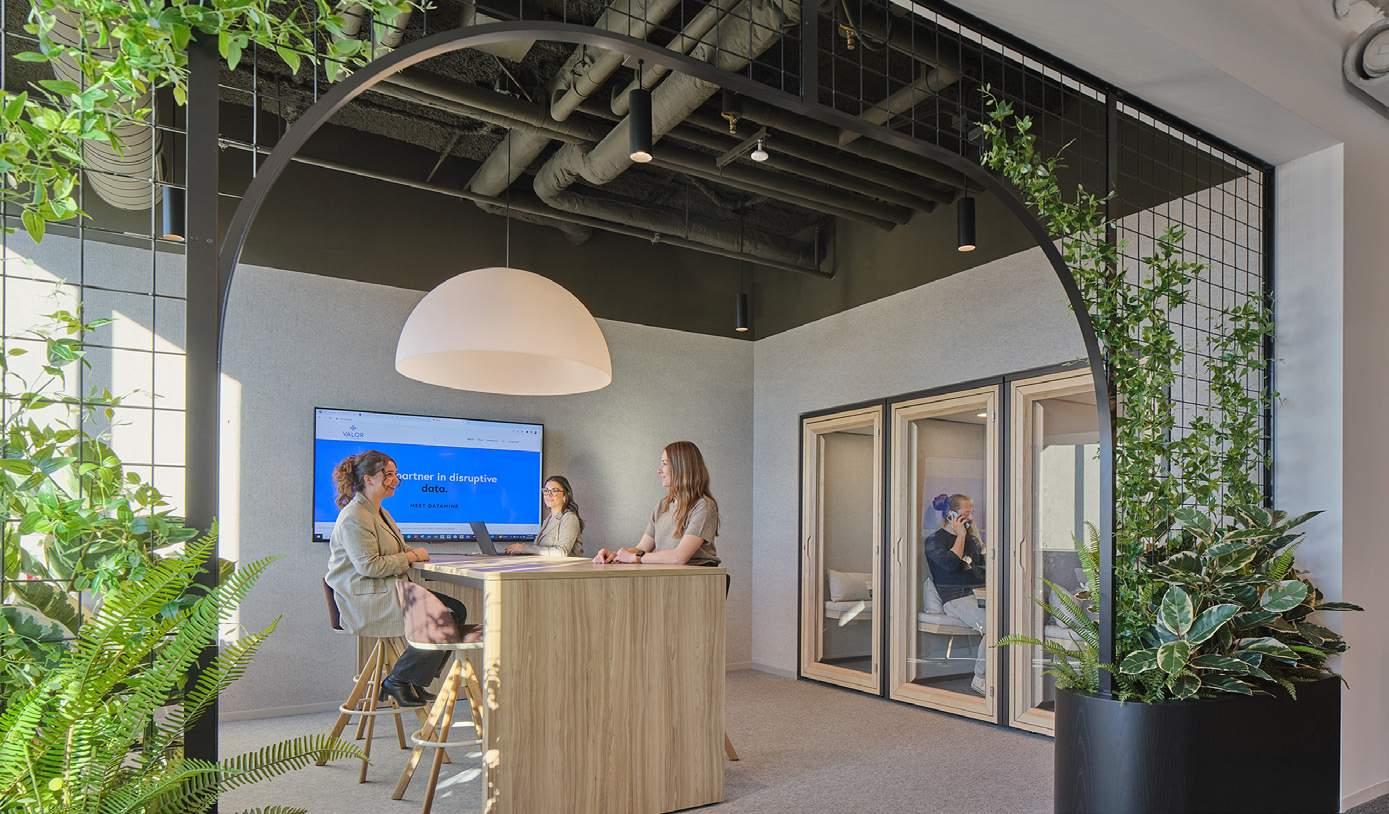
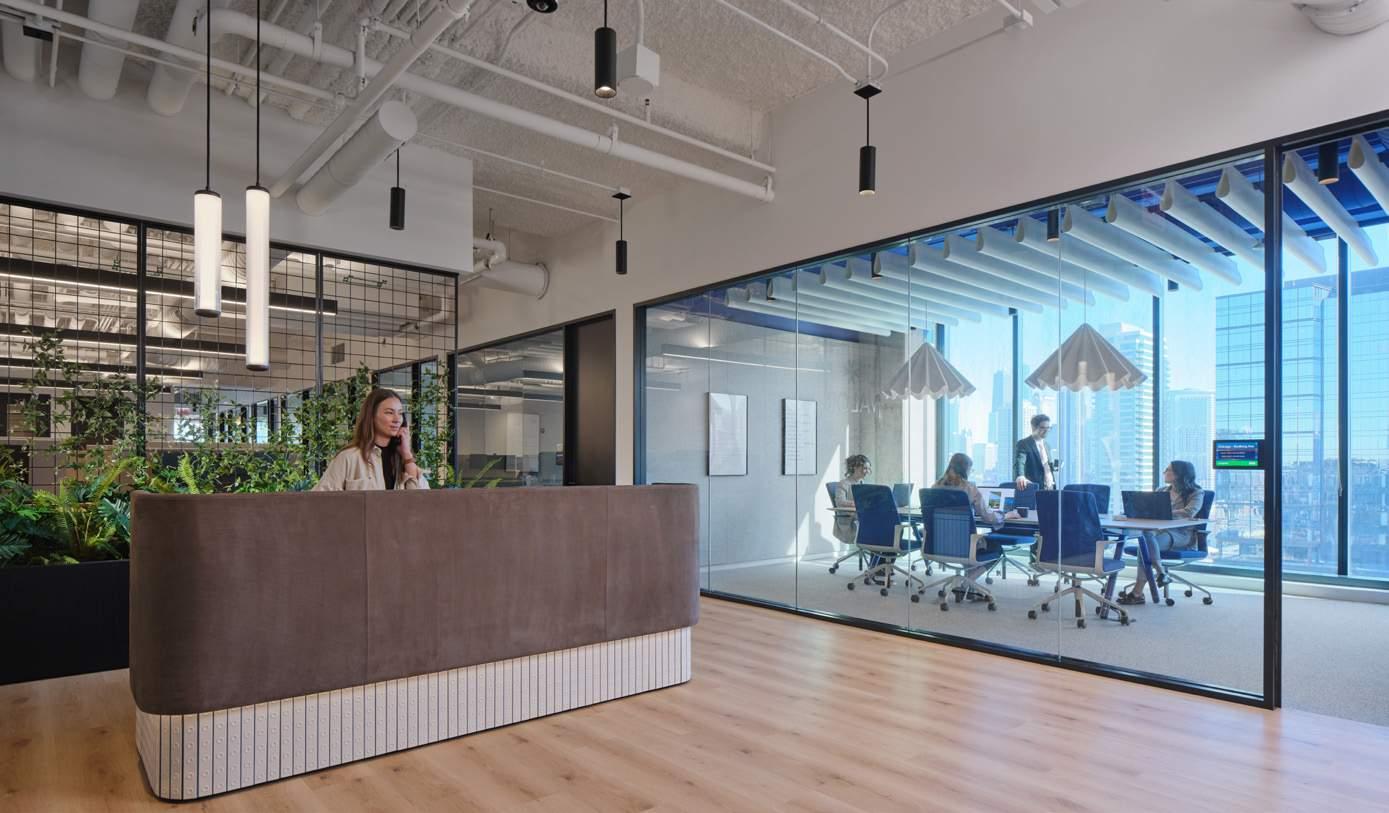
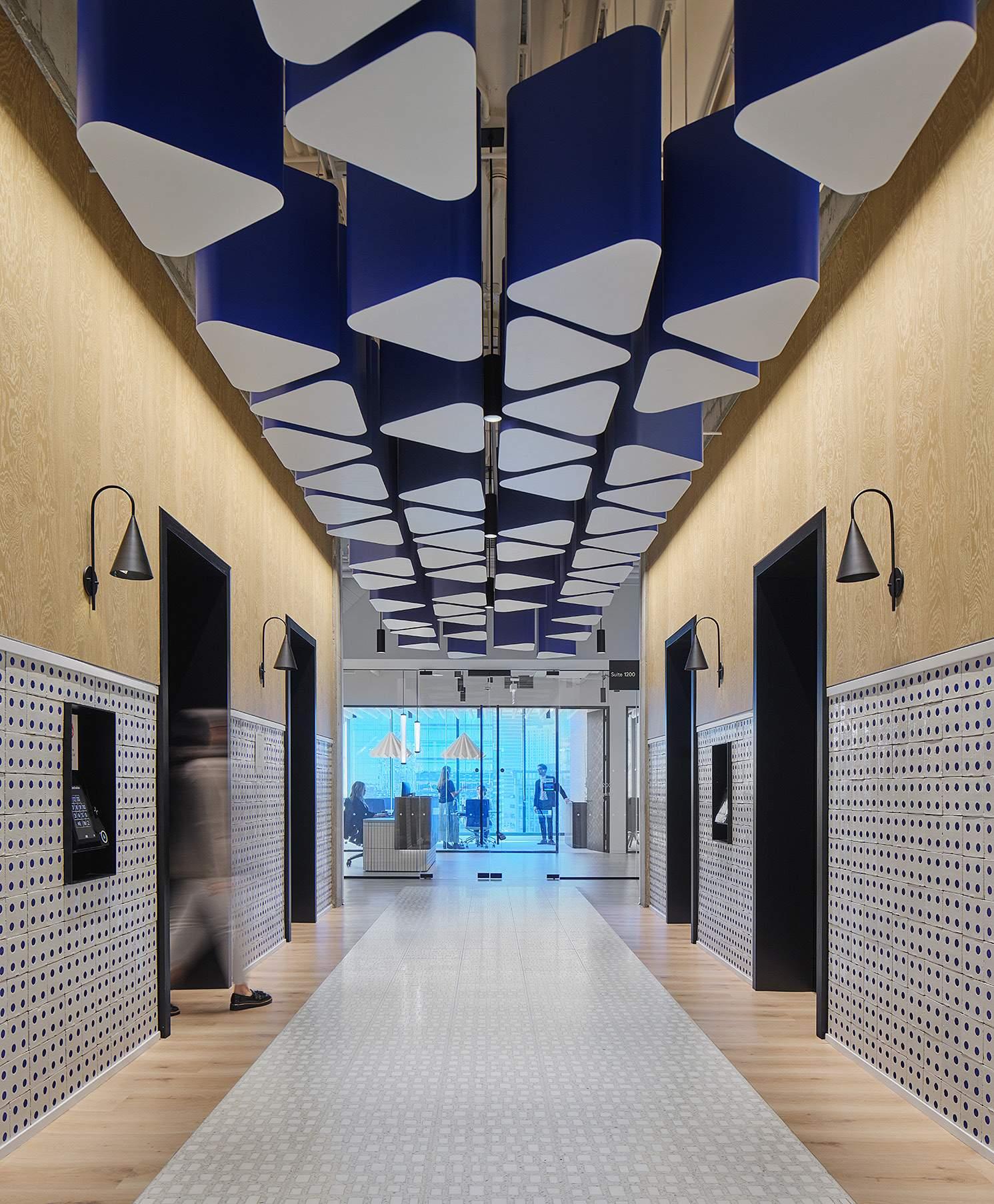
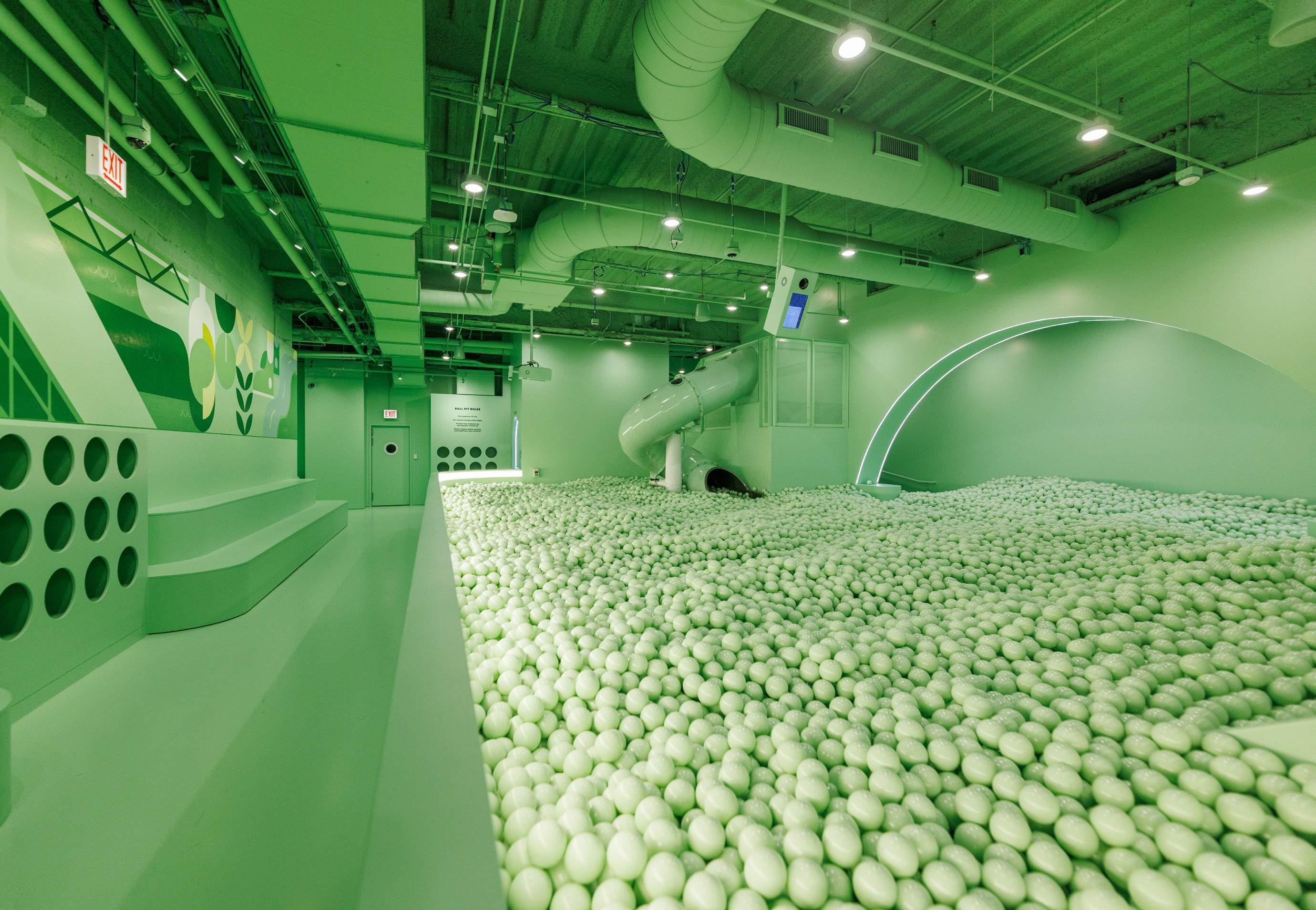
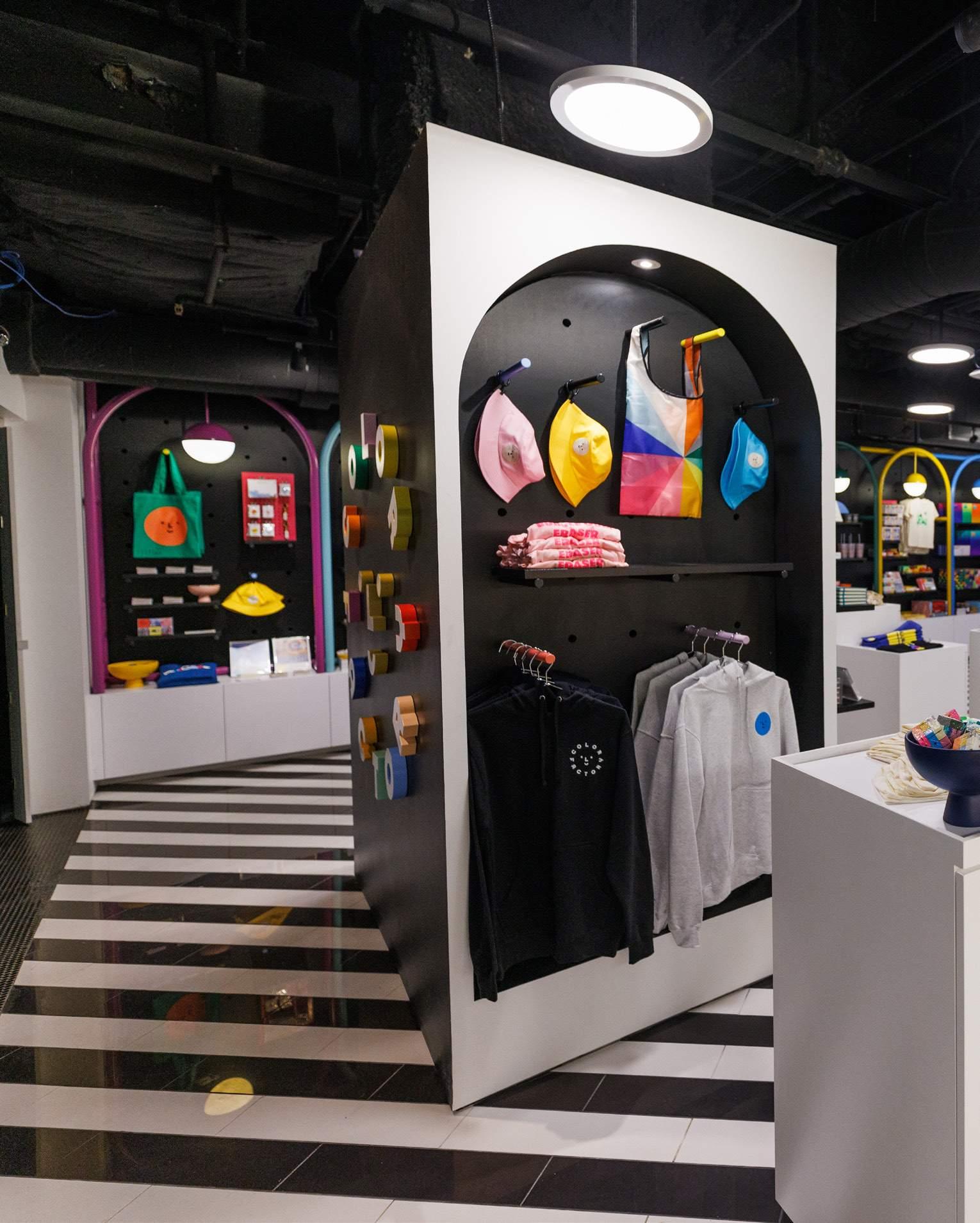
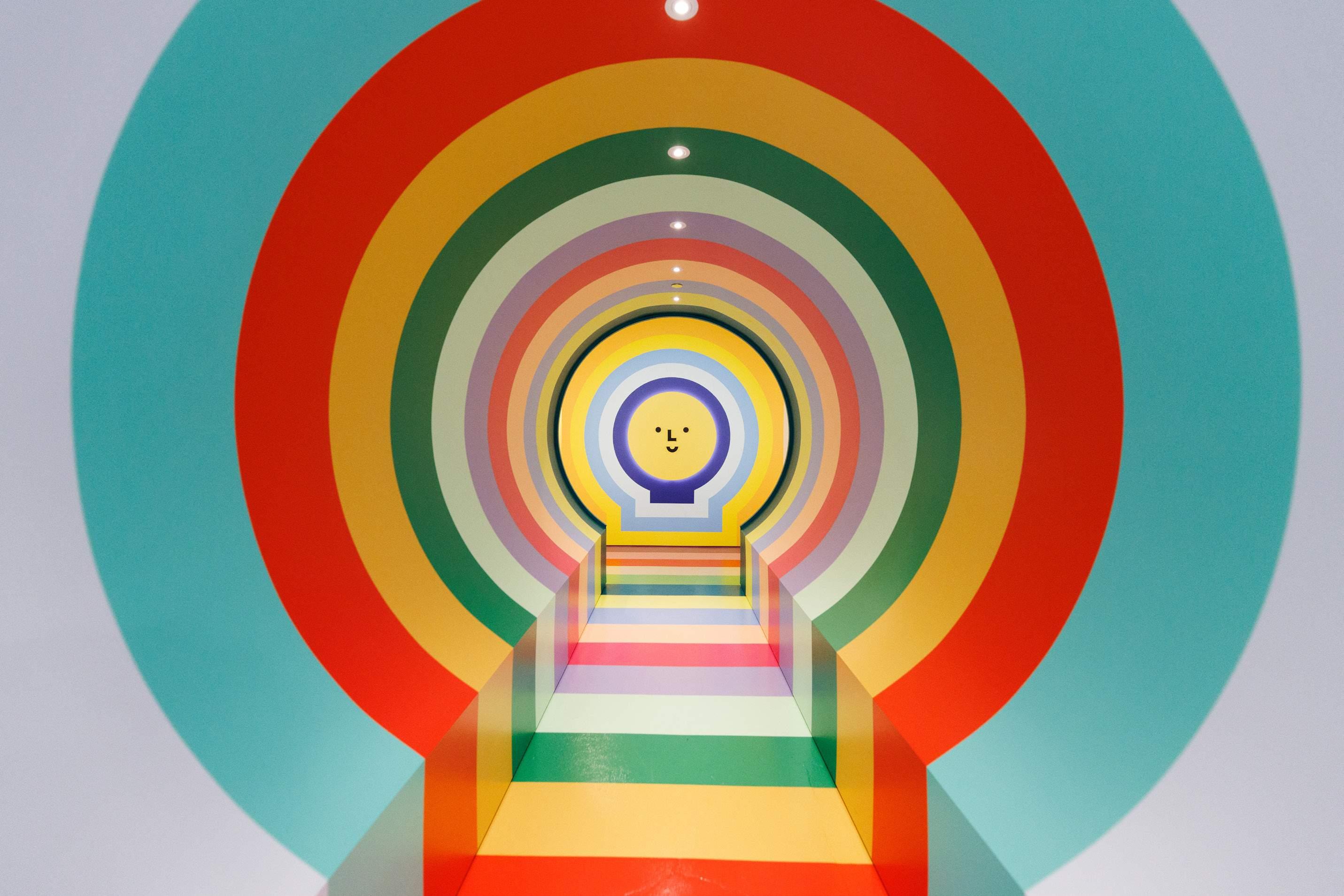
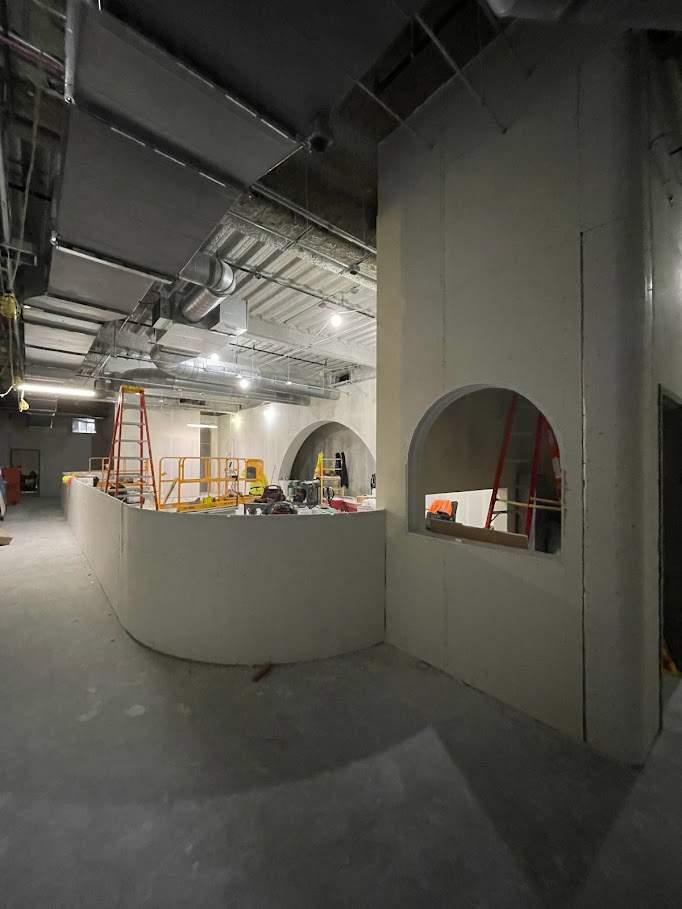
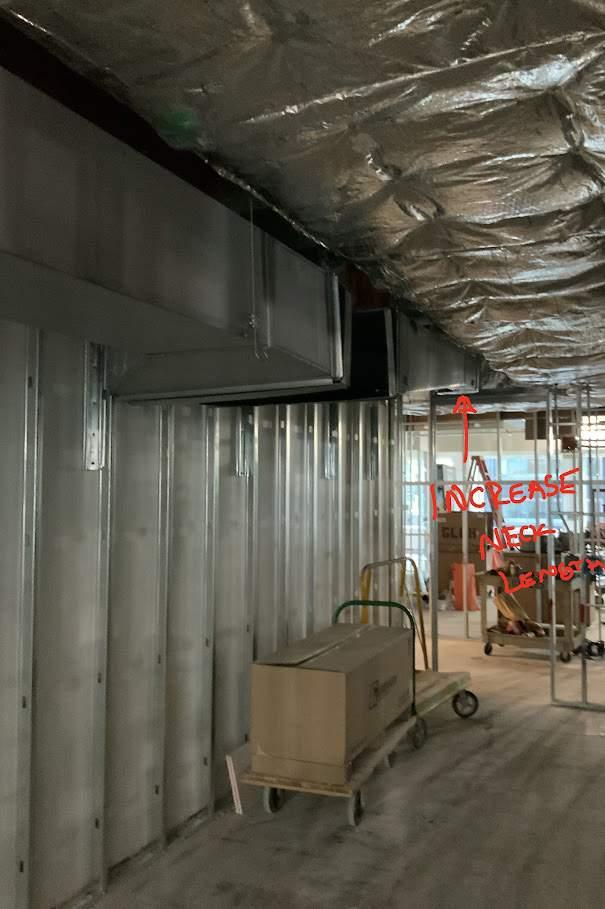
Color Factory Chicago Location
Partners be Design
Responsibilities: Construction documents, Construction Administration
BIM Revit Modelling, MEPFP & Structural Coordination
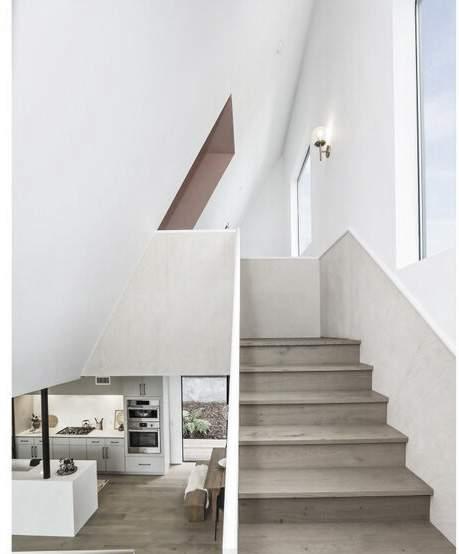
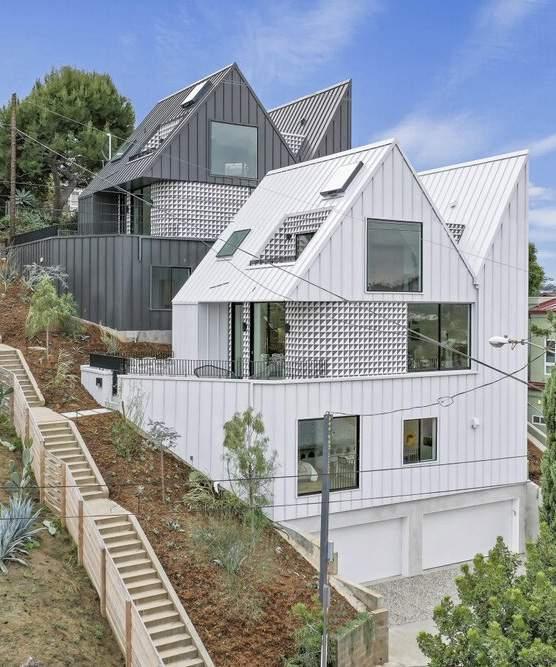
Peaks is comprised of two speculative single family houses located in the Silverlake neighborhood of Los Angeles. Oak acquired the land at the beginning of 2017, finished designing and permitting the drawings in mid 2018, and are currently 50% finished with construction. Oak is responsible for the development, architecture and construction of this project.
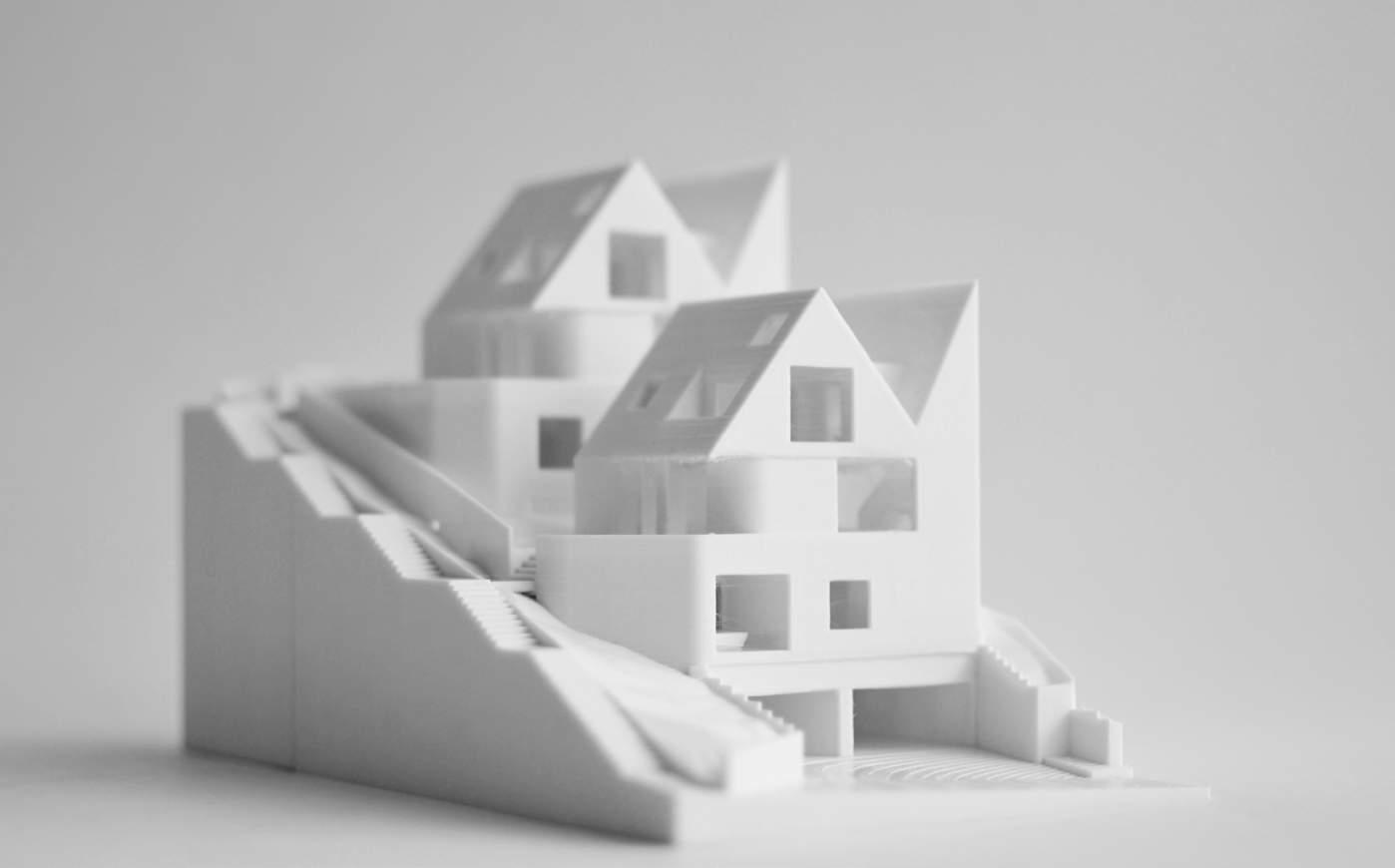
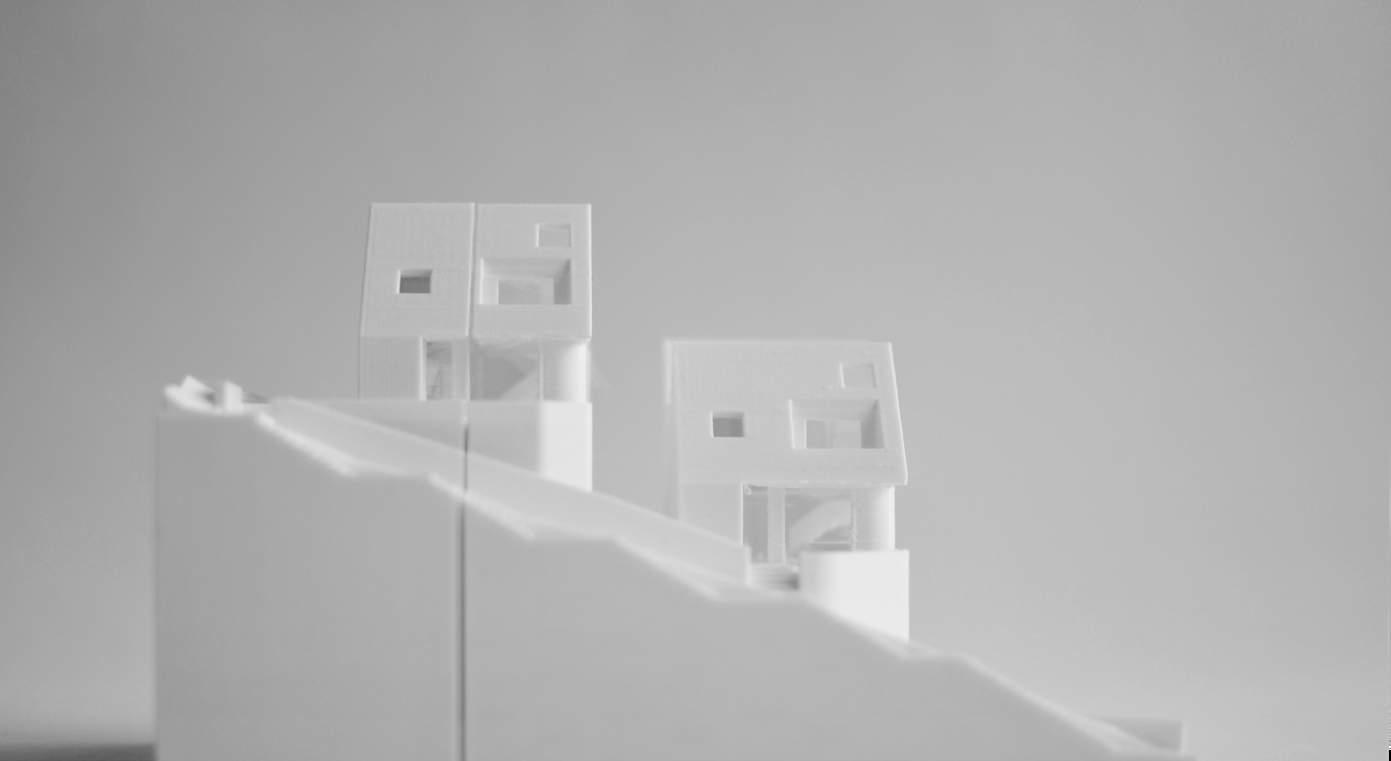
Responsibilities: Assist with general contracting
Develop and draw construction documents
Order materials and coordinate specific vendors
Physical Modeling, Digital Modeling, Revit Model
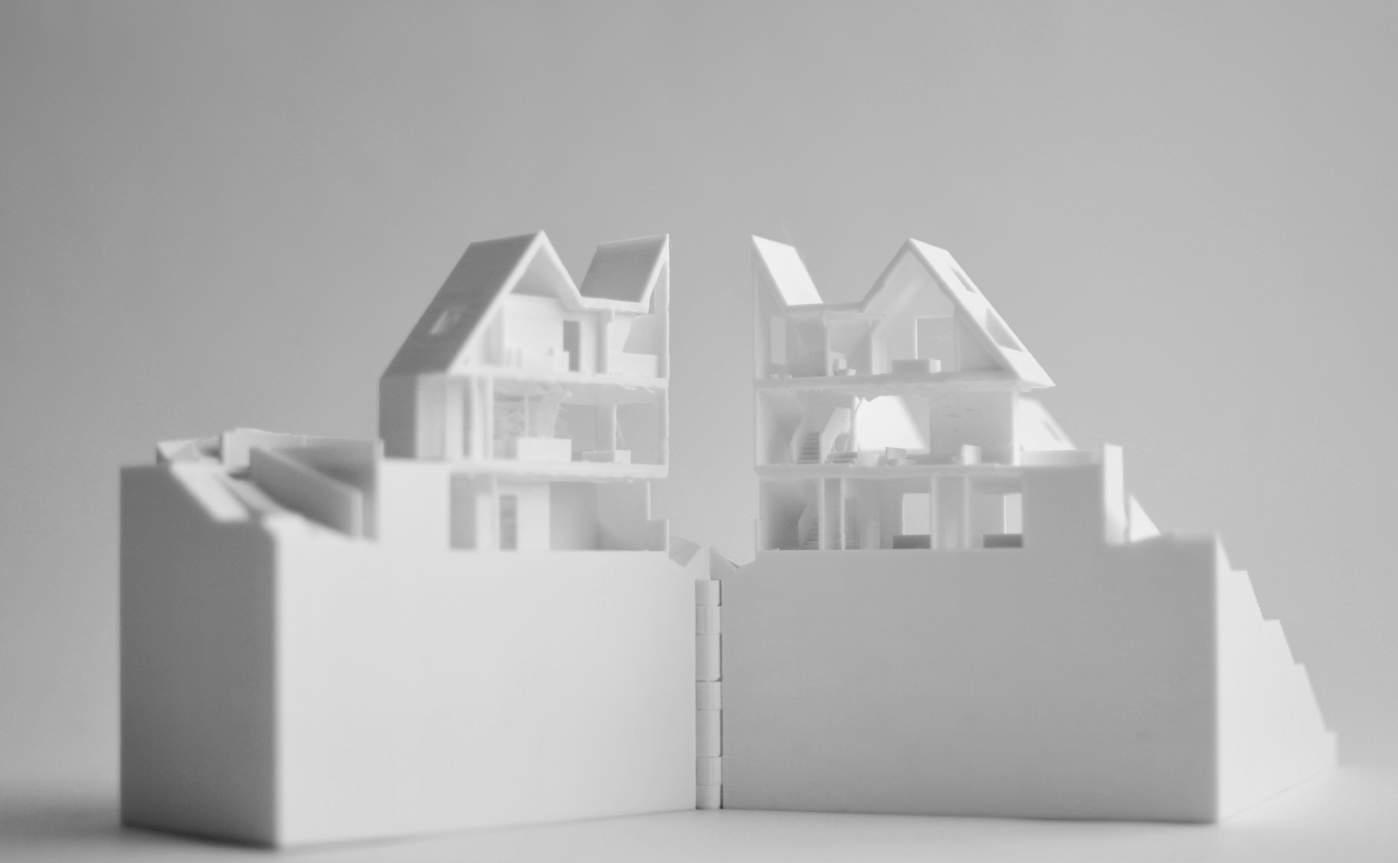
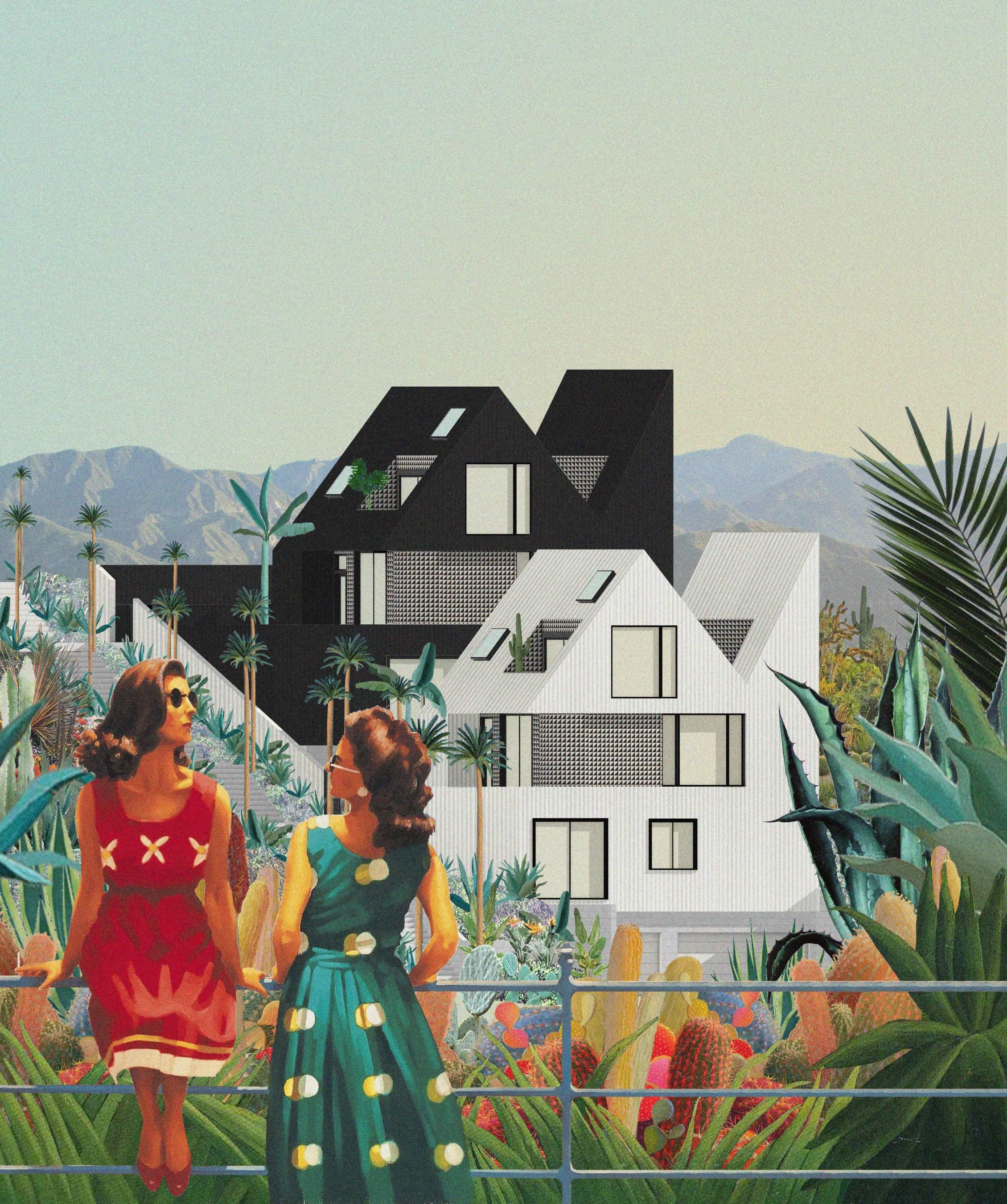
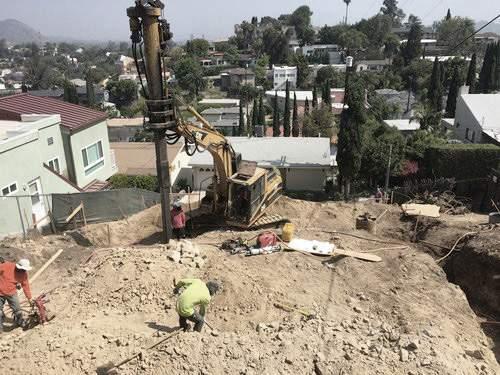
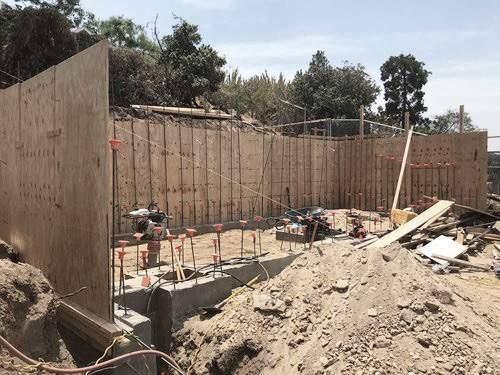
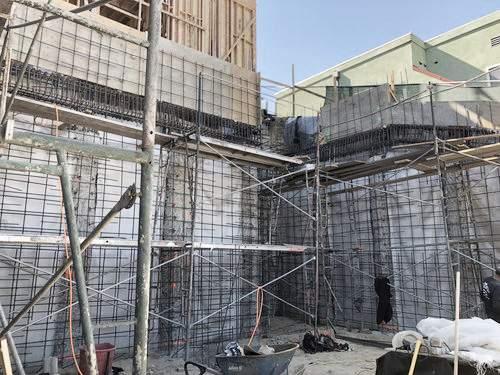
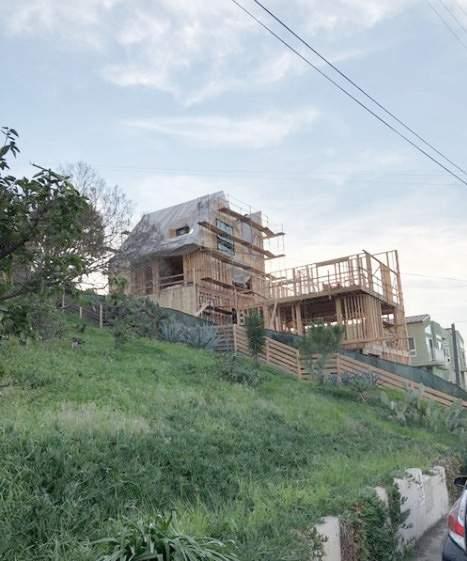
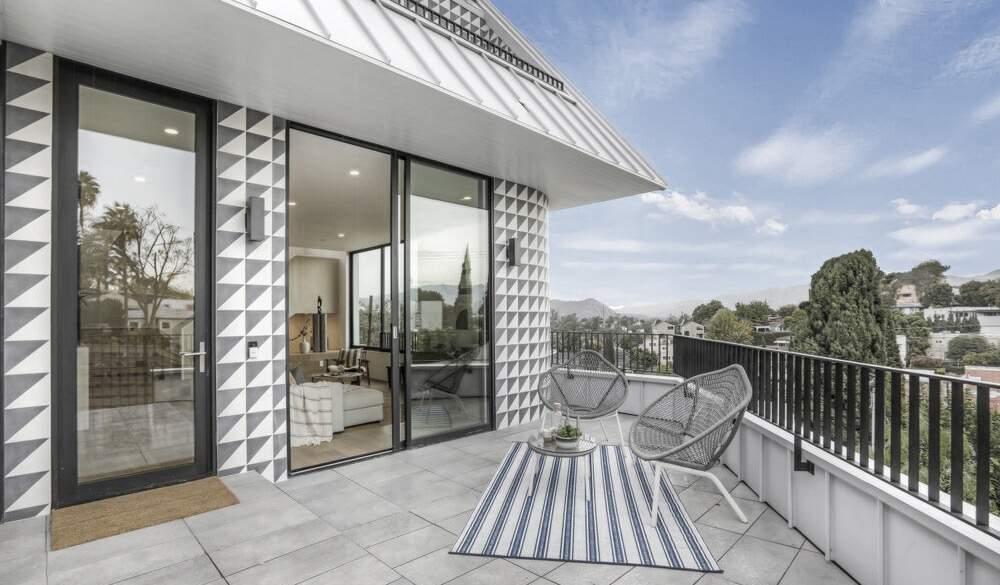
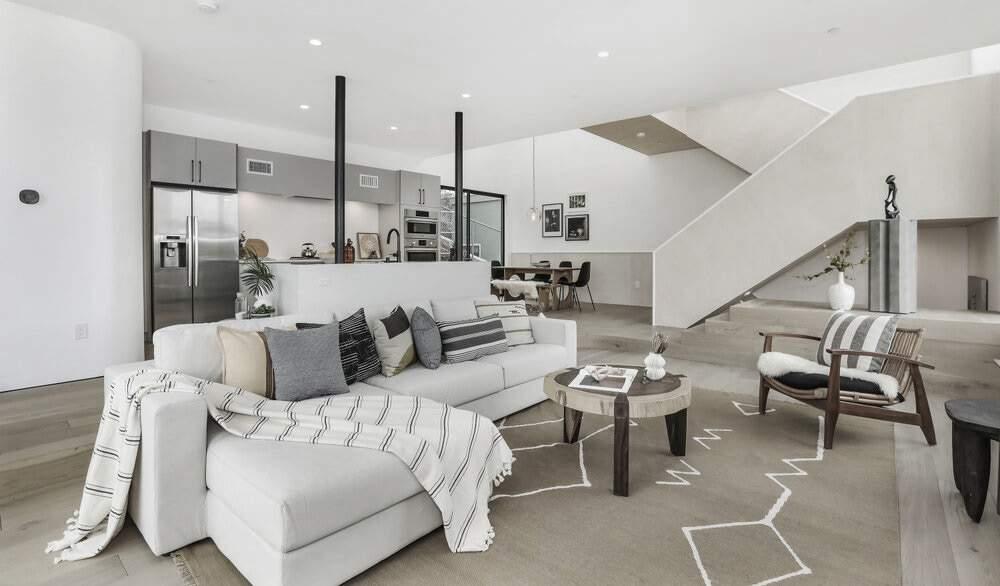
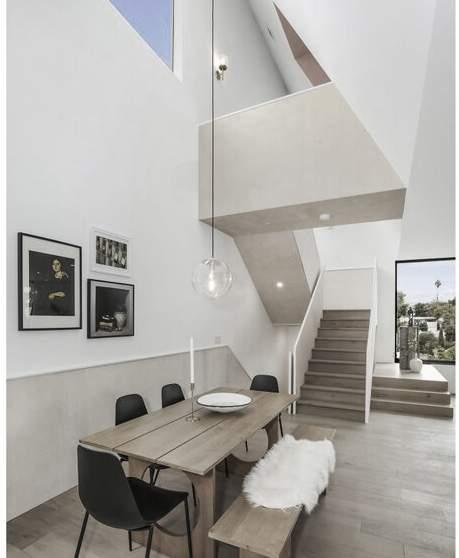
Responsibilities: All Rendering and BIM Modelling
Conceptual Design - Preliminary documentation Physical Modeling *Schematic drawings available upon request
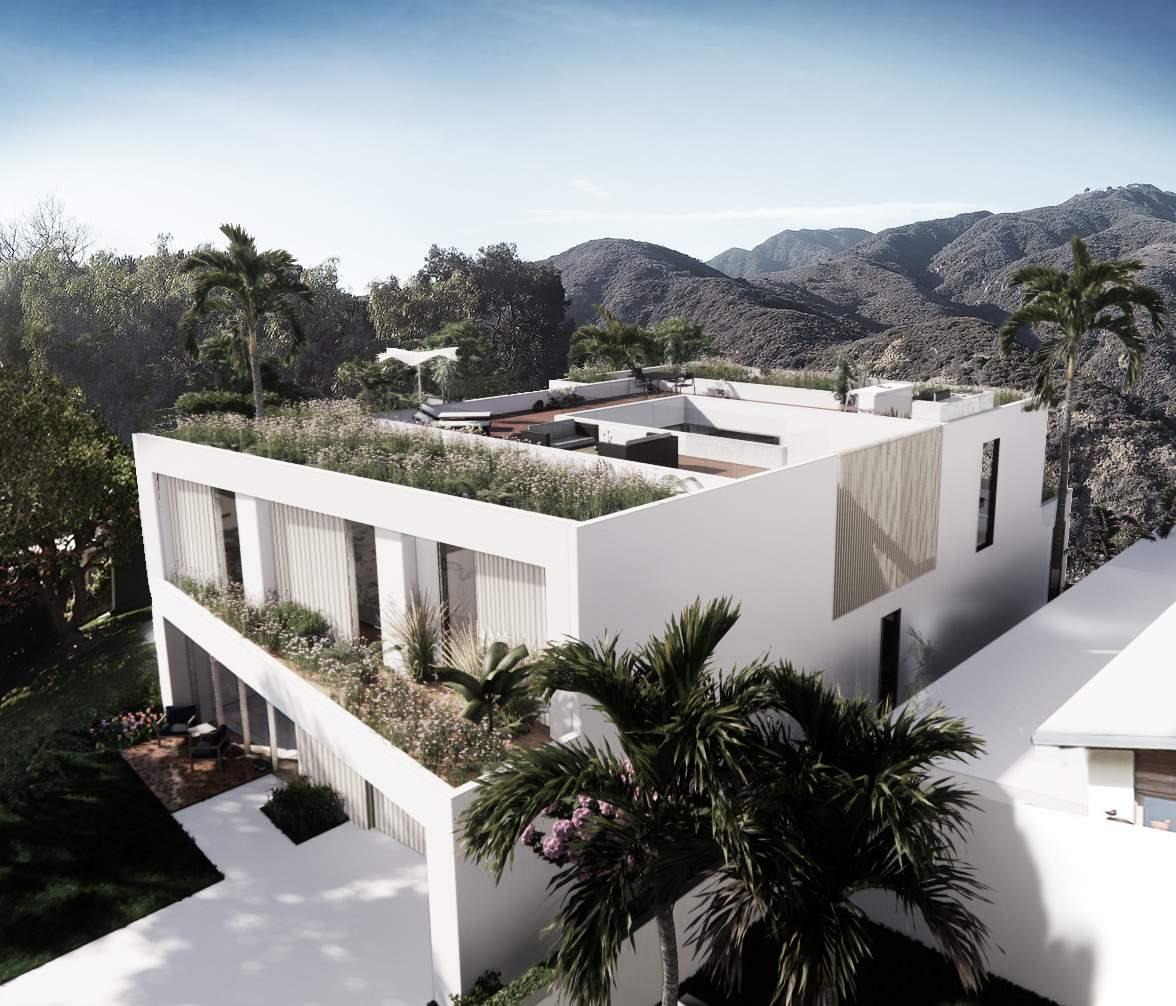
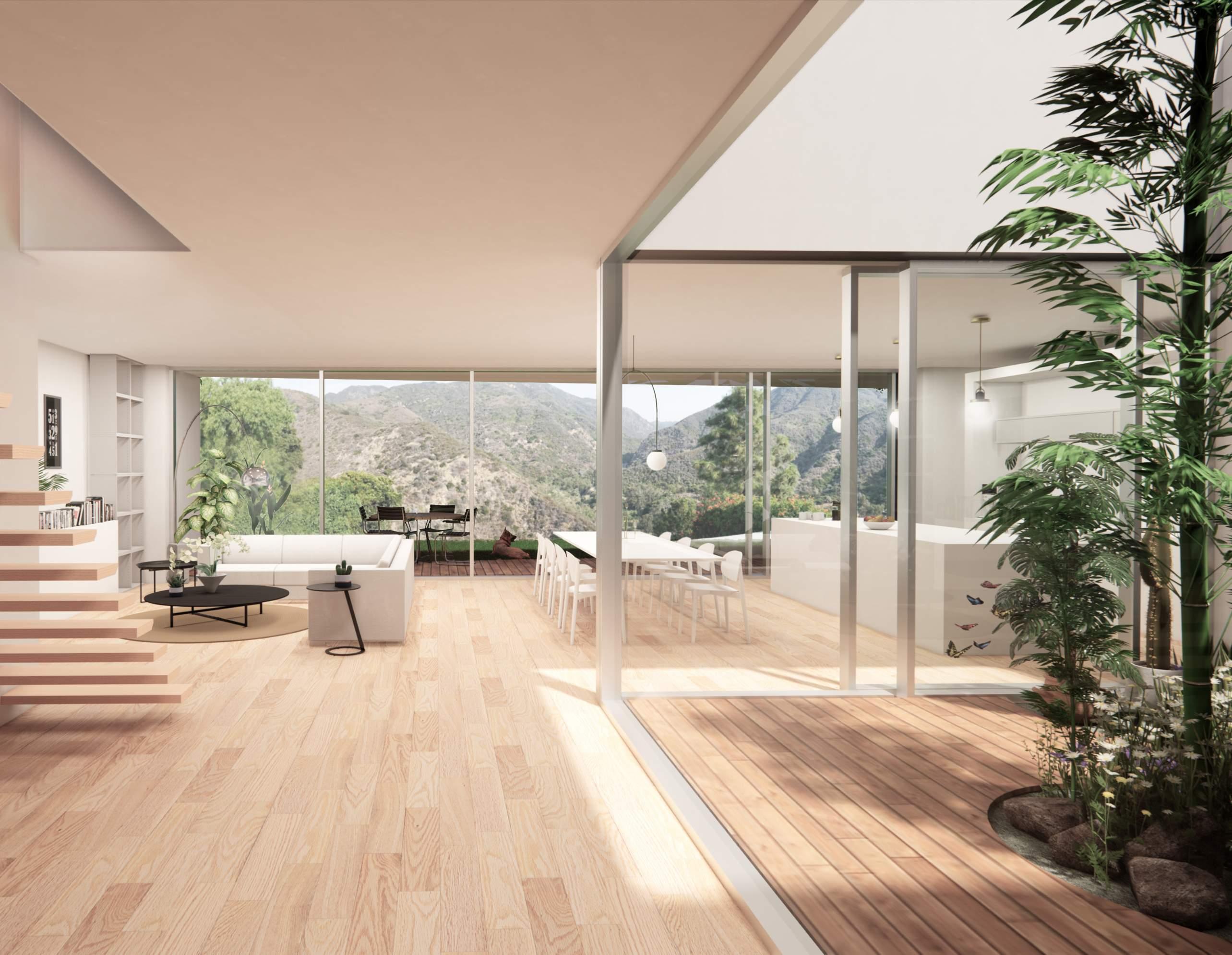
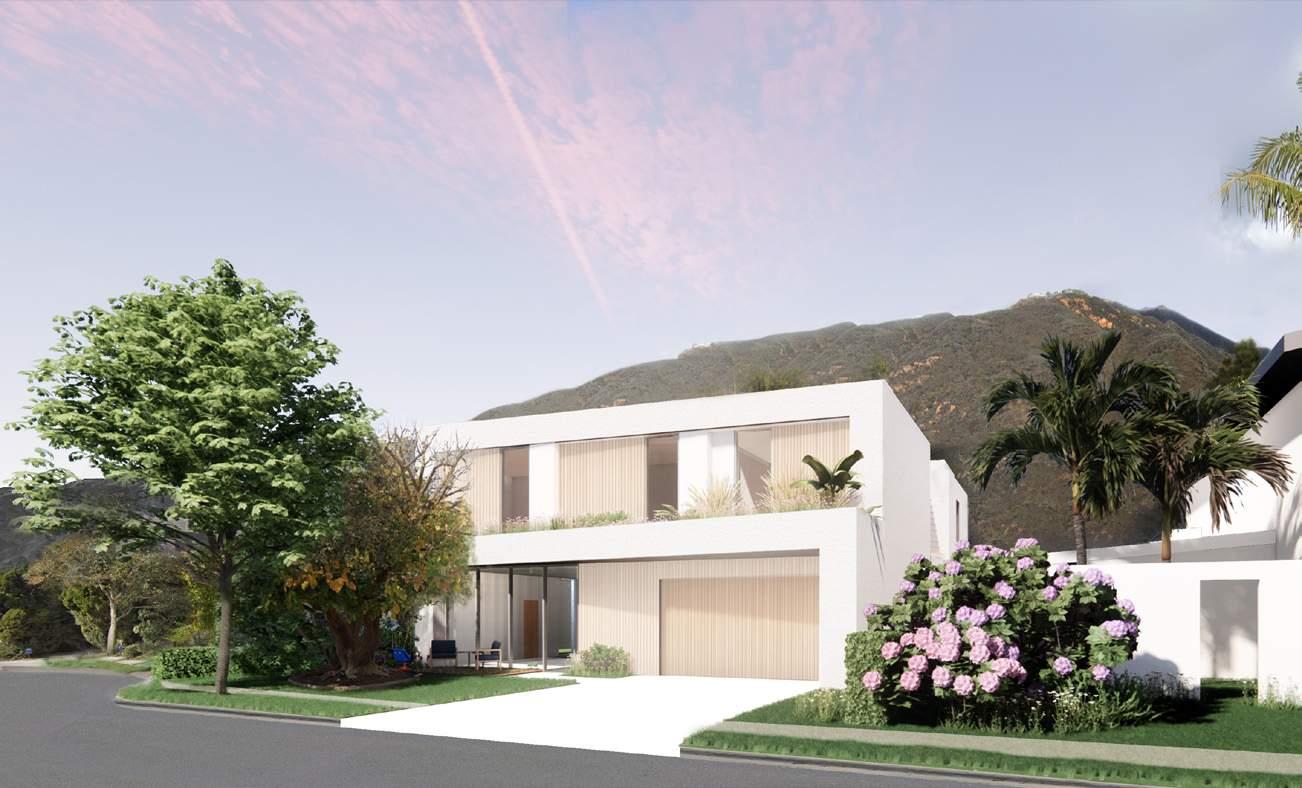
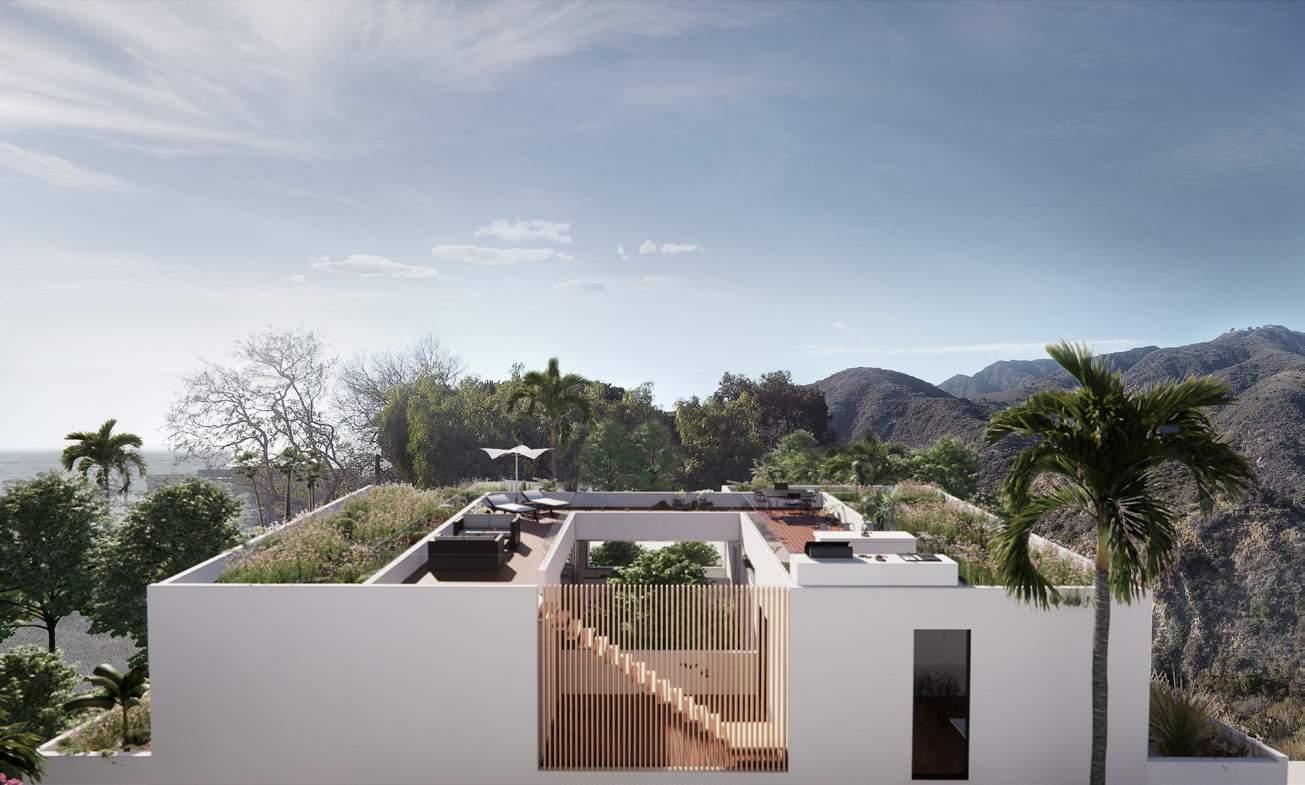
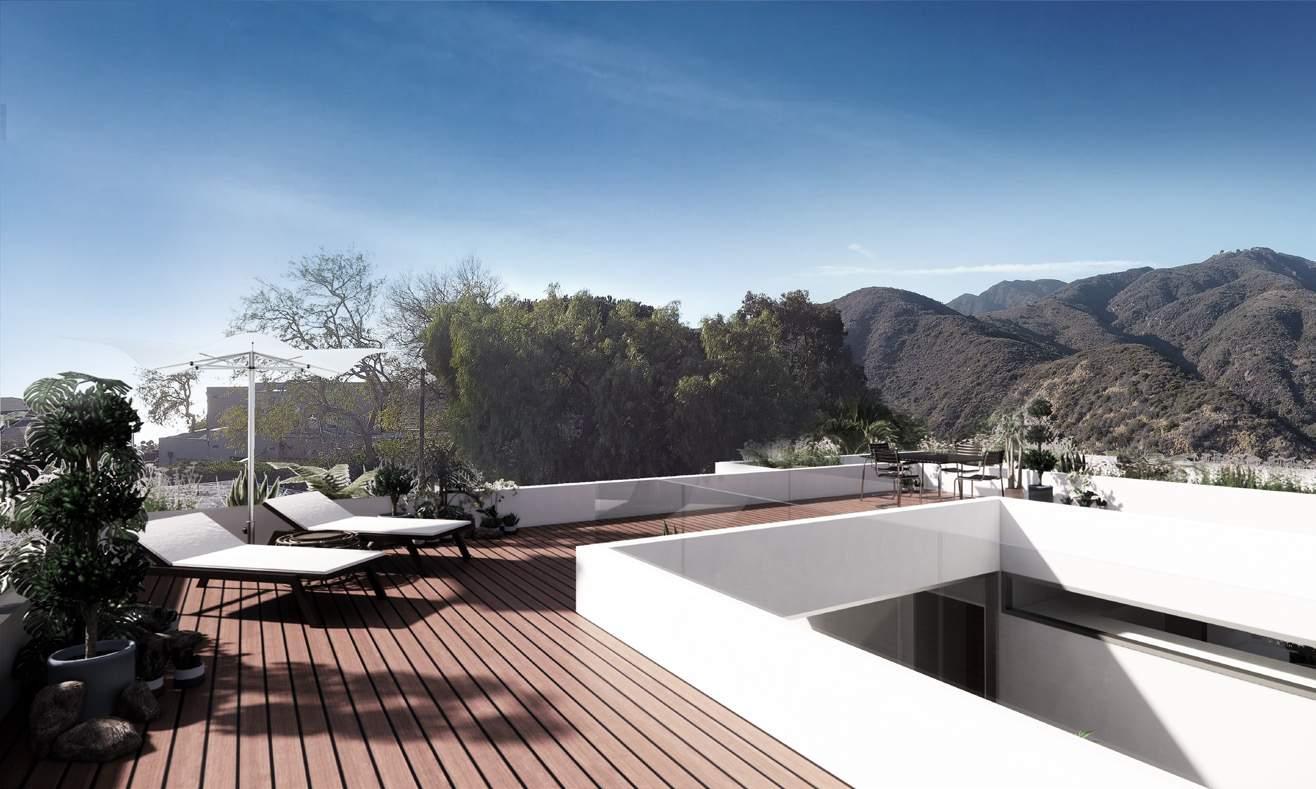
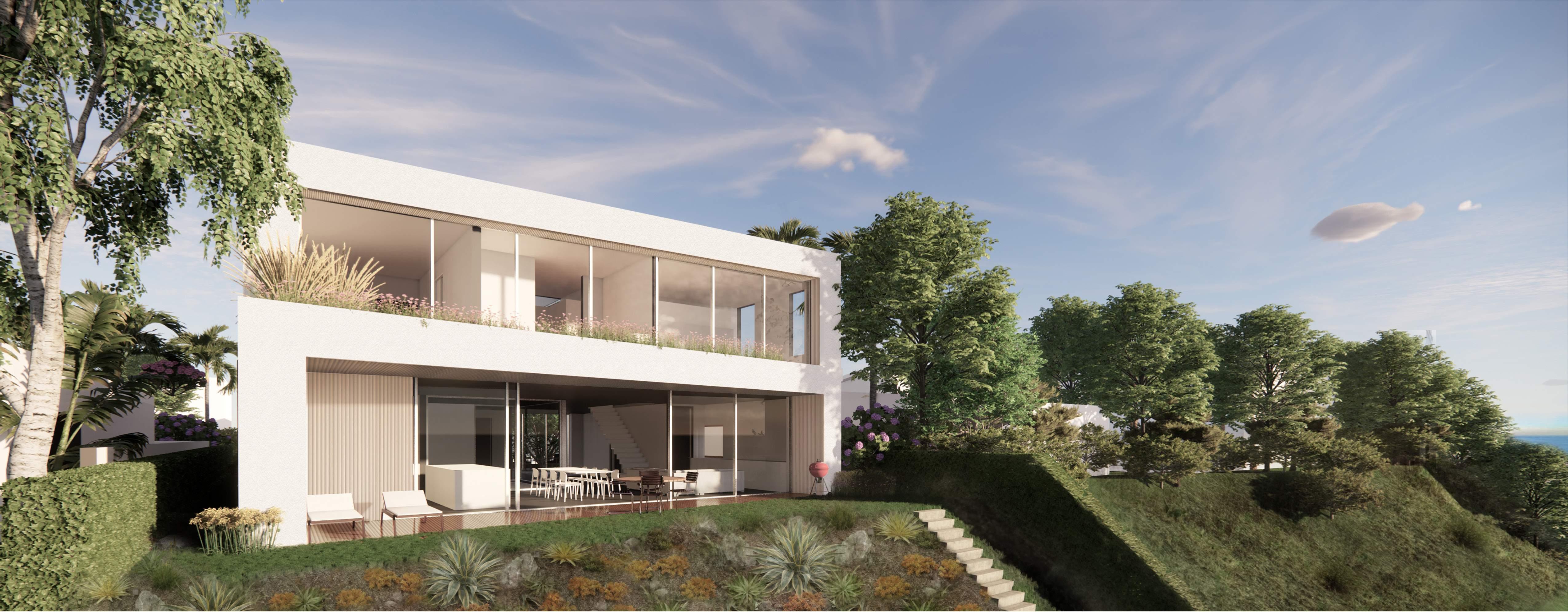
Sunset Mesa is a unique neighborhood bordering Los Angeles and Malibu, located on the bluffs above the Pacific Coast Highway. This property is located on the upper most edge of the neighborhood, with spectacular mountain views up Topanga Canyon. A 1,100 sf, 2-story addition is proposed to the front of the house that will gain the owners ocean views from Santa Monica to Long Beach. With a growing family, the ground floor extension of the living space will alleviate space constraints, while the second floor will allow for a home office and guest suite.
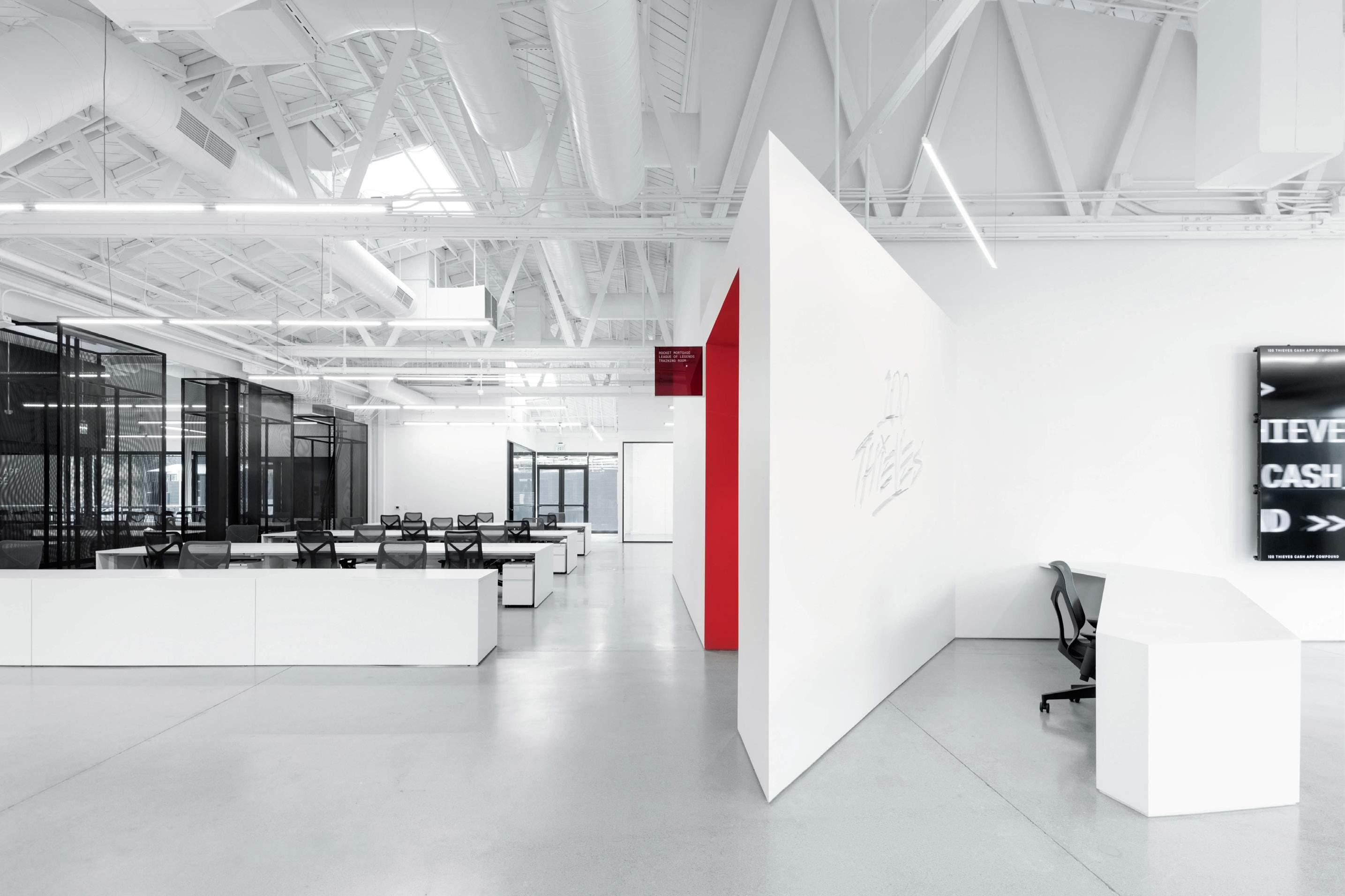
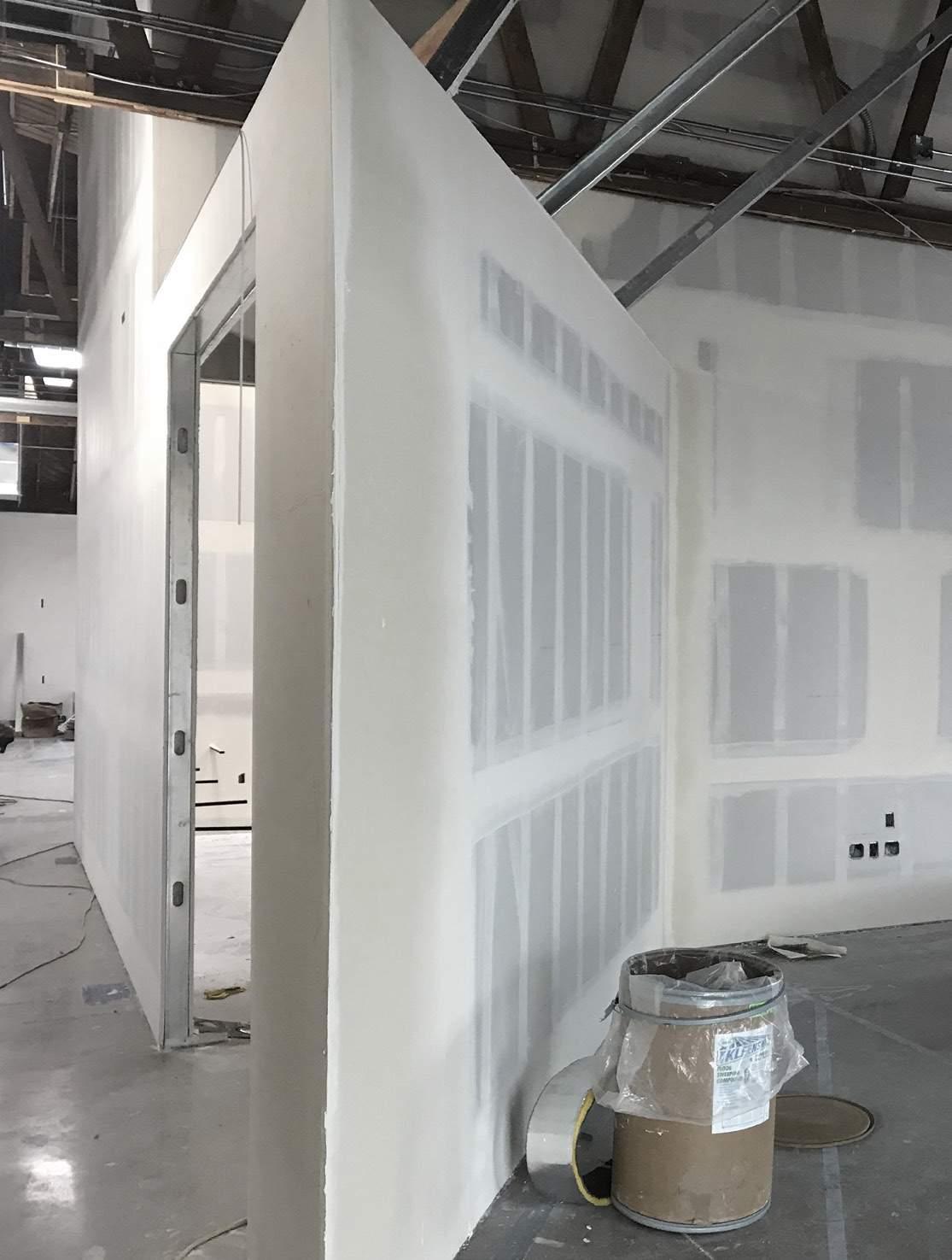
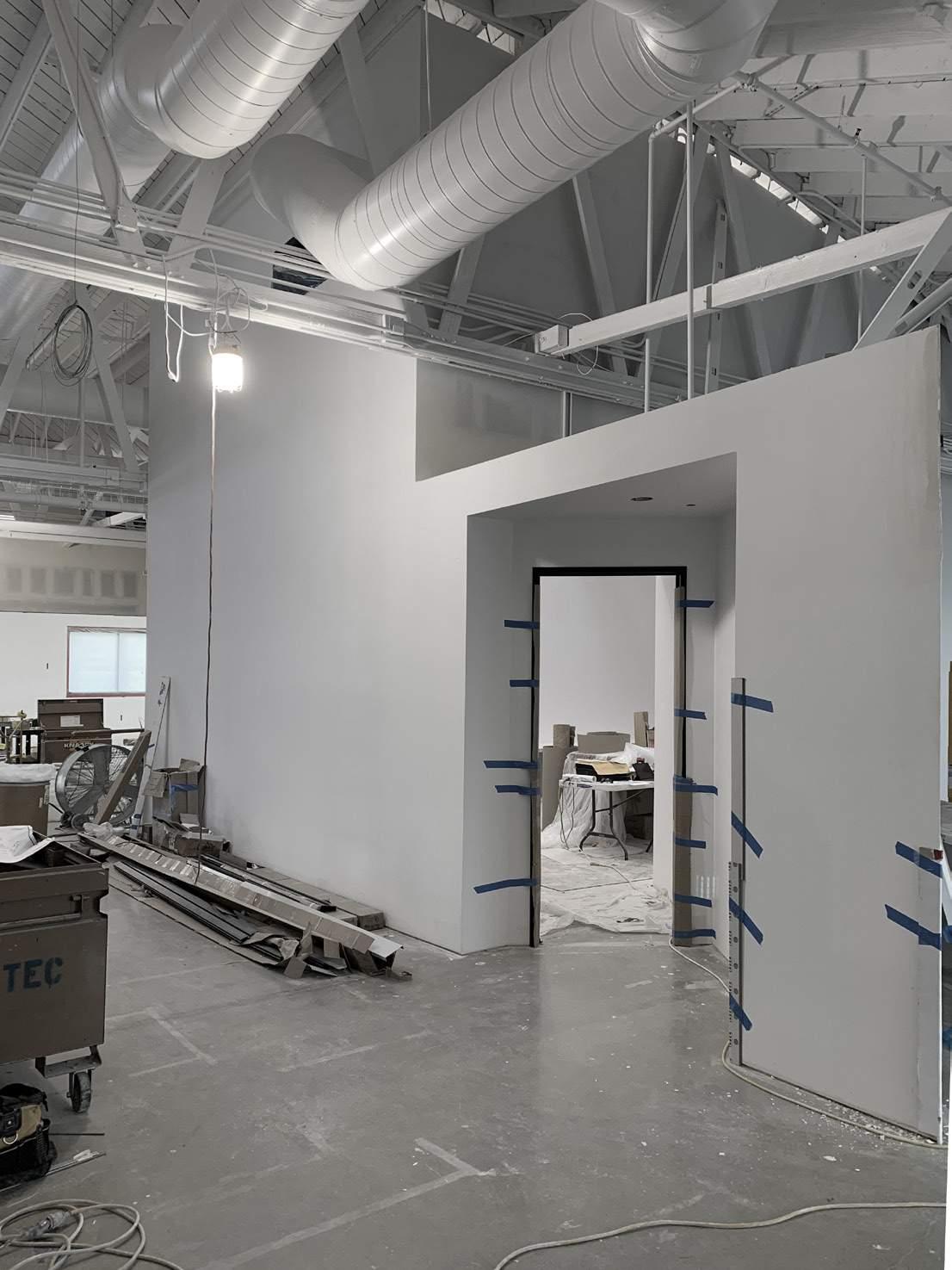
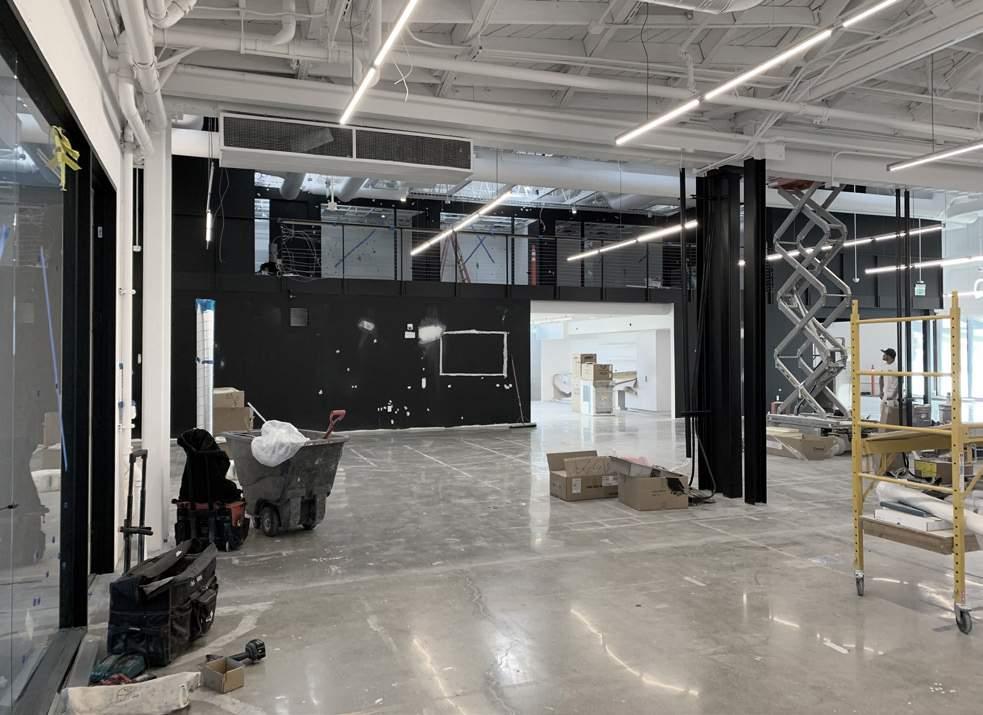
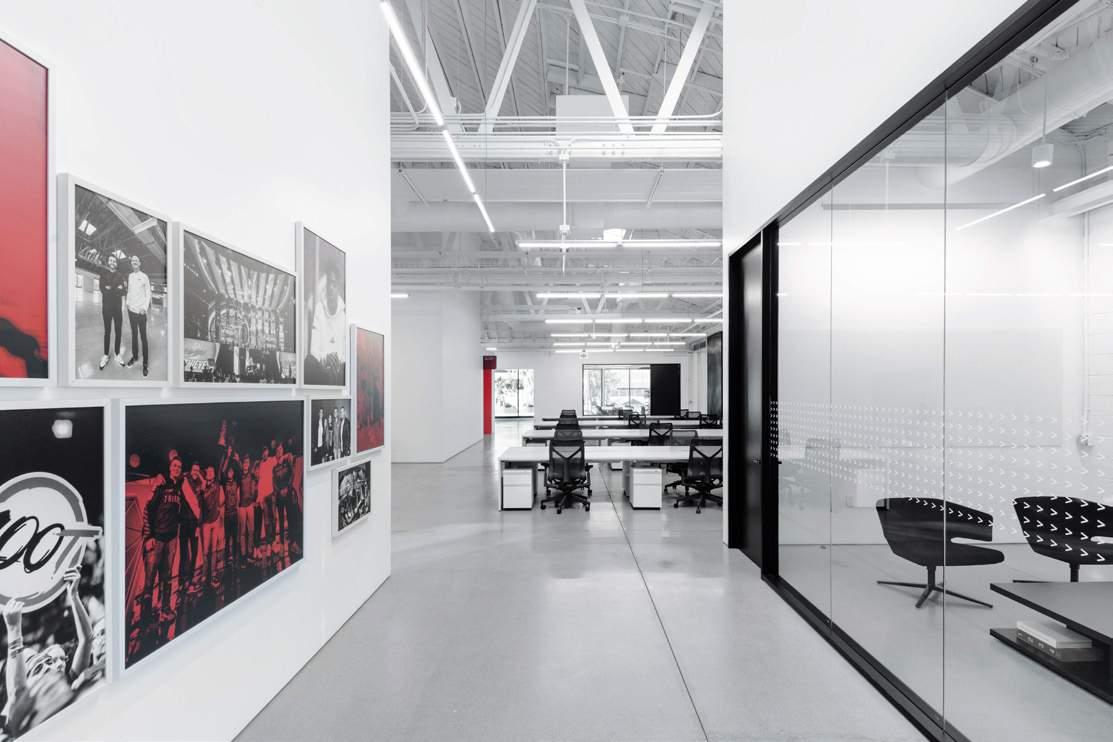
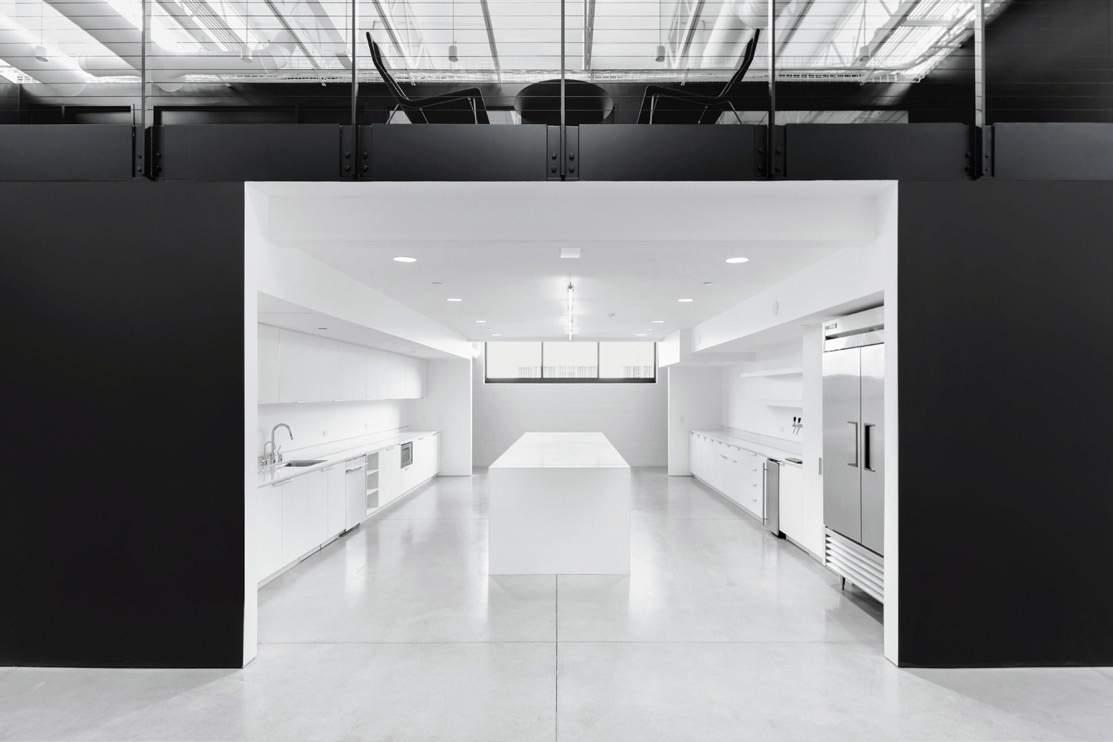
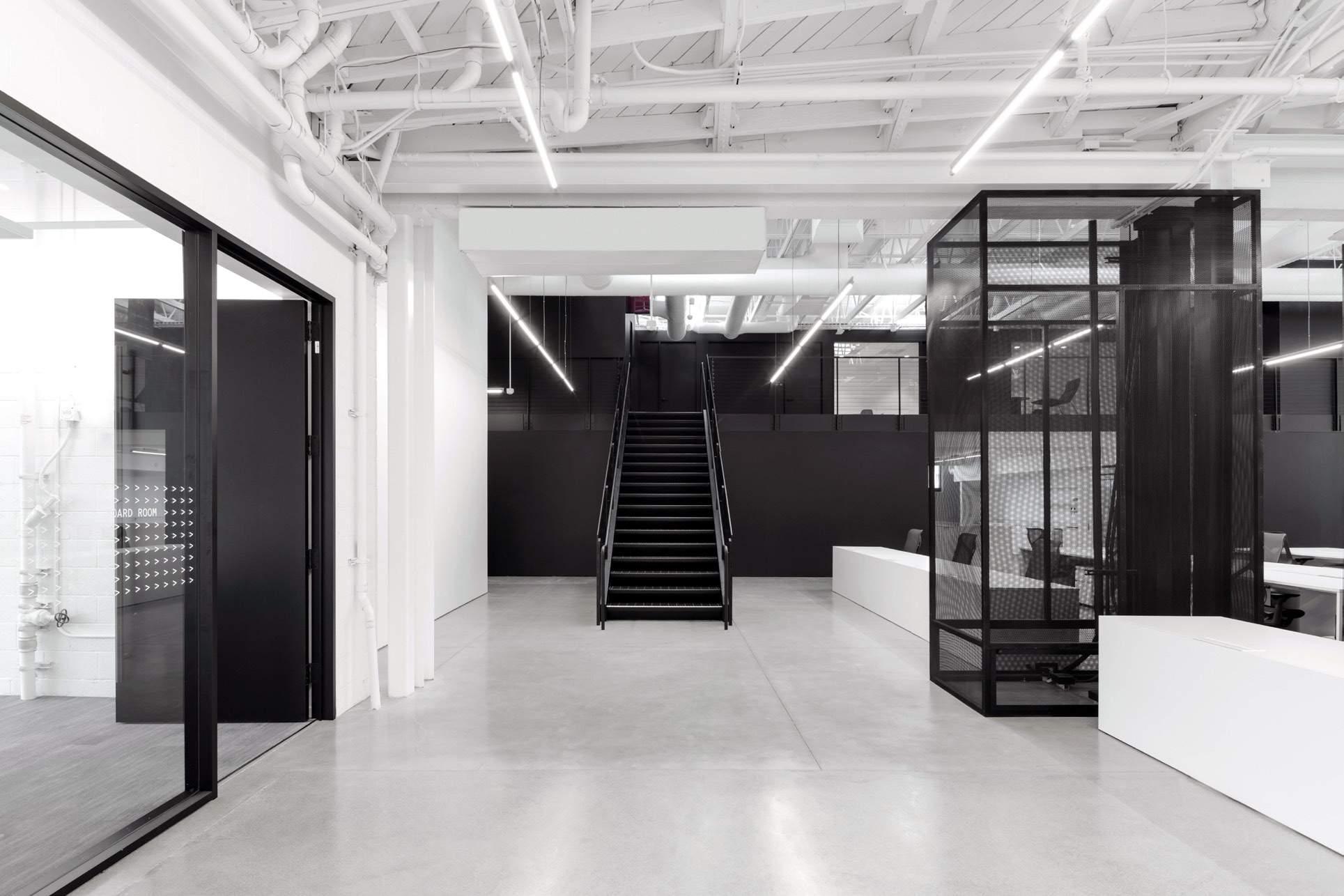
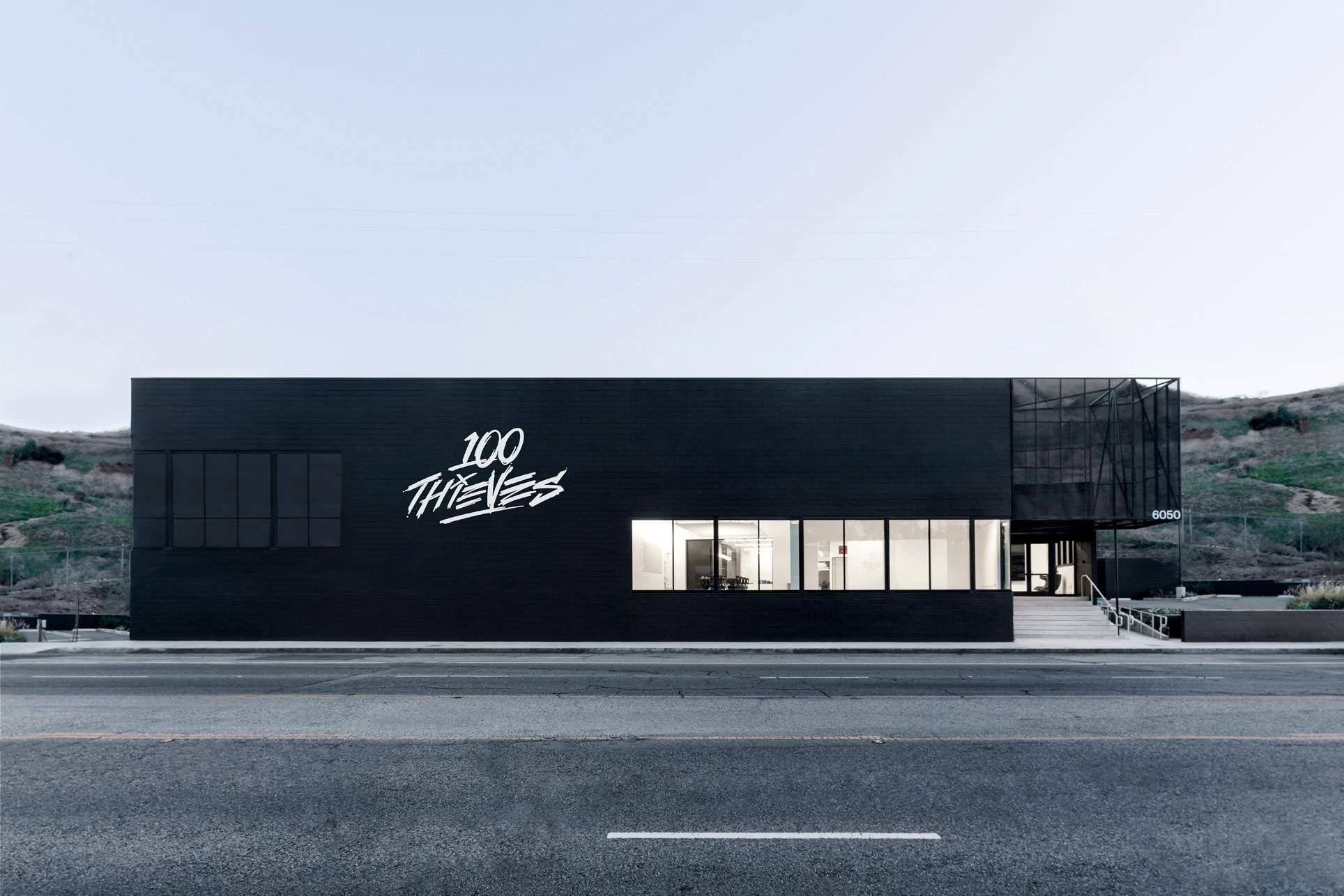
100 Thieves
ODAA Architecture & Design
Responsibilities: Conceptual Design Construction Administration
BIM modeling
Contractor and consultant coordination
*Construction Drawings available upon request
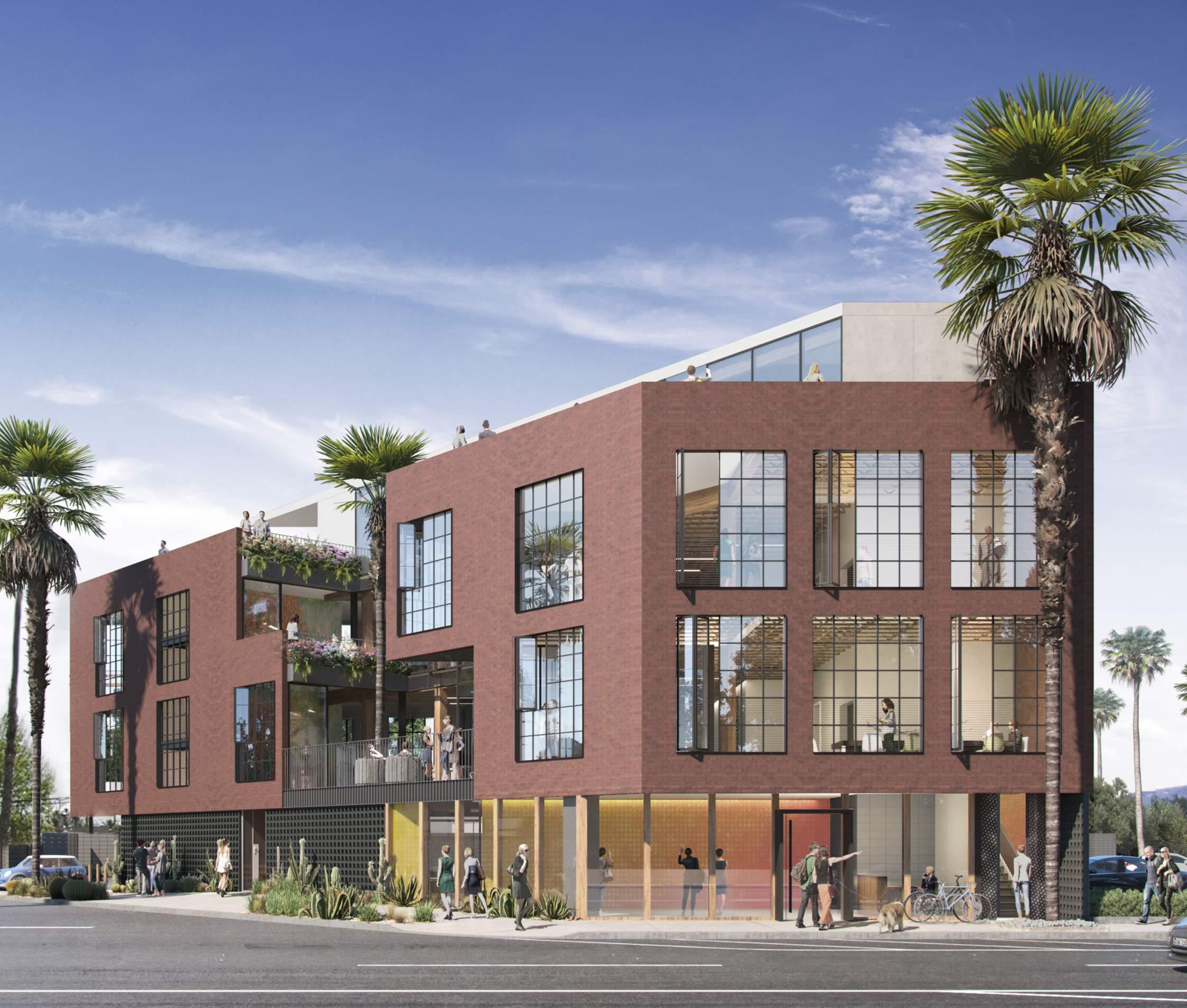
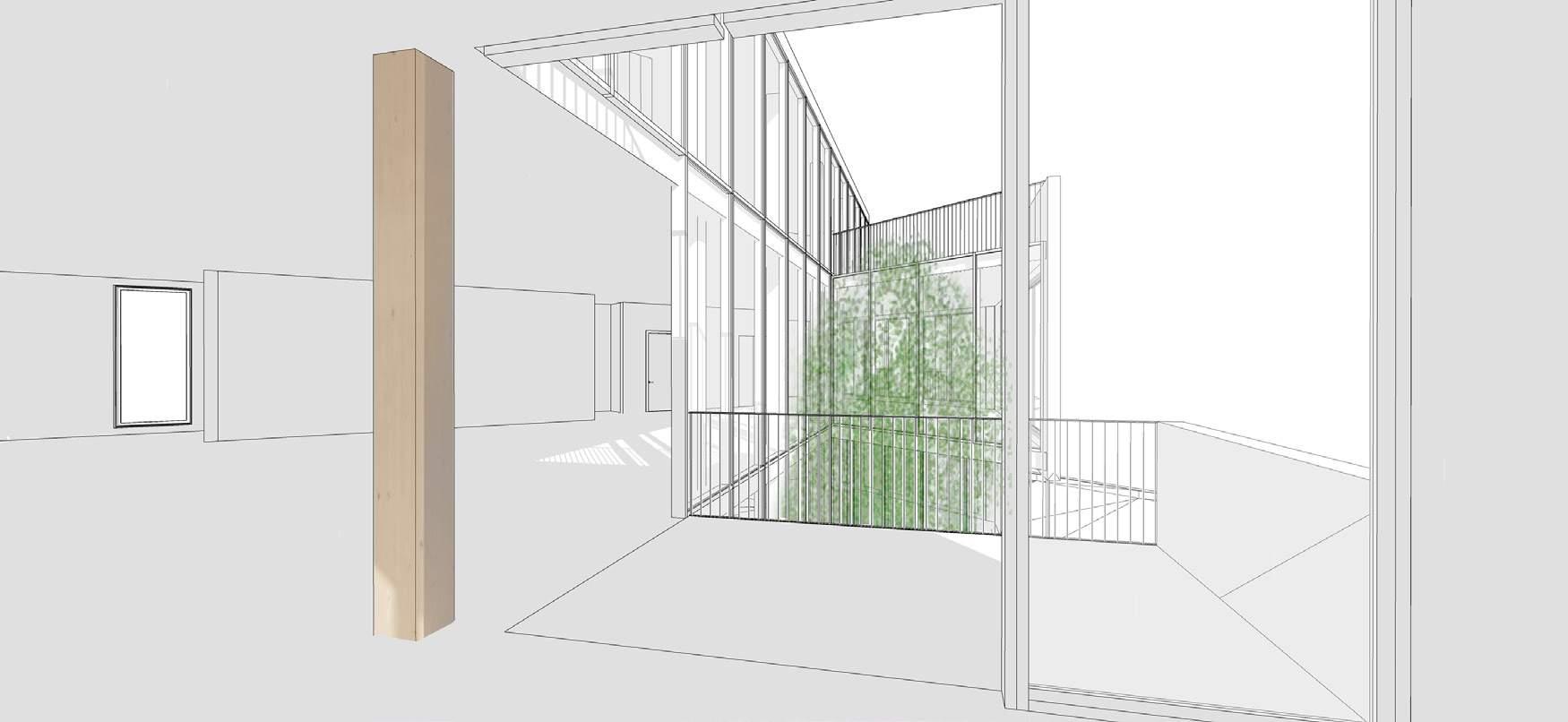
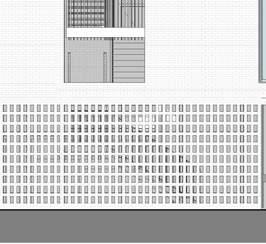
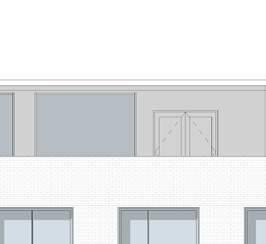
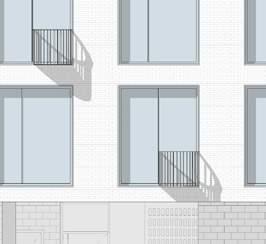
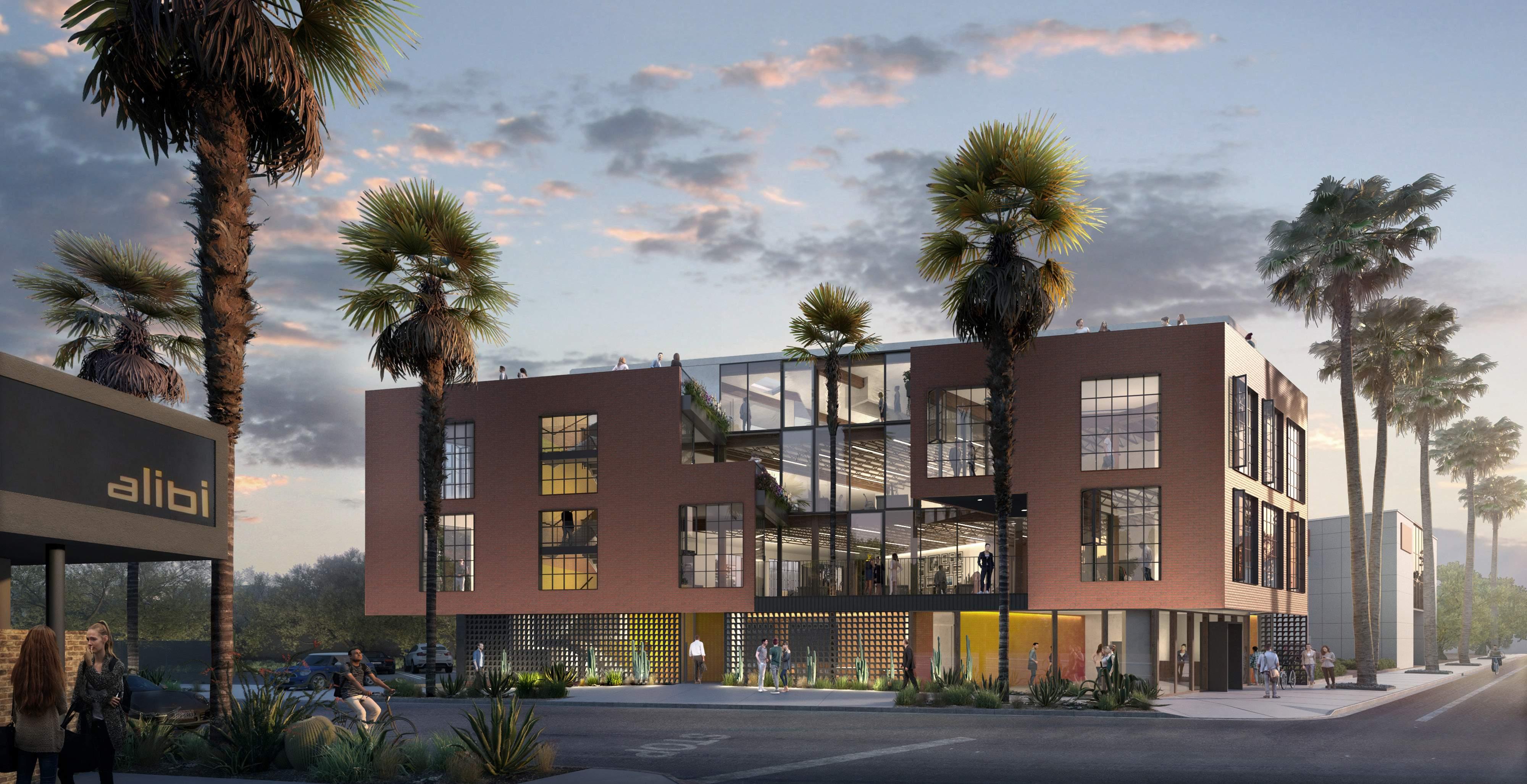
Located on a trapezoidal lot in Culver City, Washington Wing complements an already developing boulevard. This 12,000 SF creative office workspace provides flexibility for one tenant to occupy all floors or multiple tenants throughout the building. While the unique shape of the site presents a handful of challenges, our design cultivates a series of spaces that embrace its singular nature giving the building a distinctive ‘personality’.
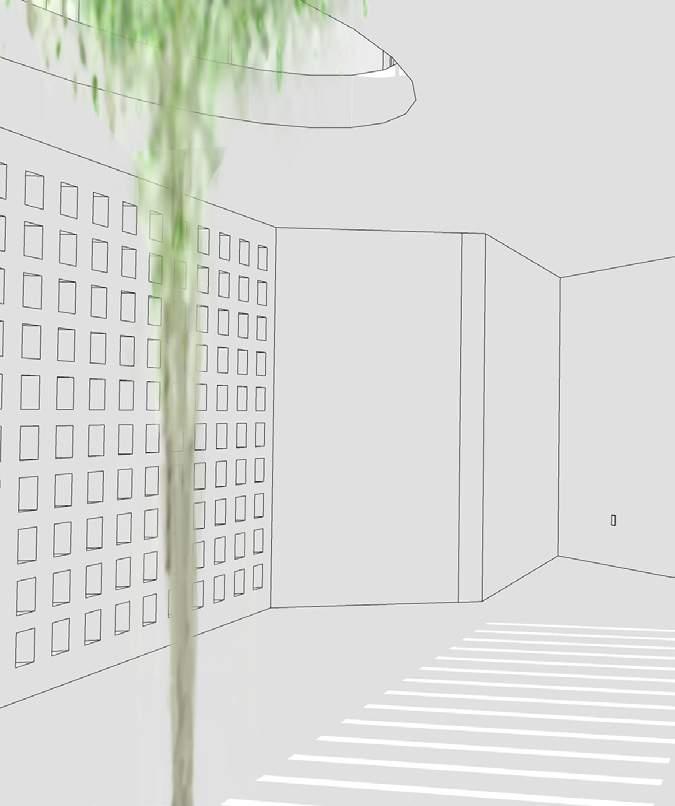
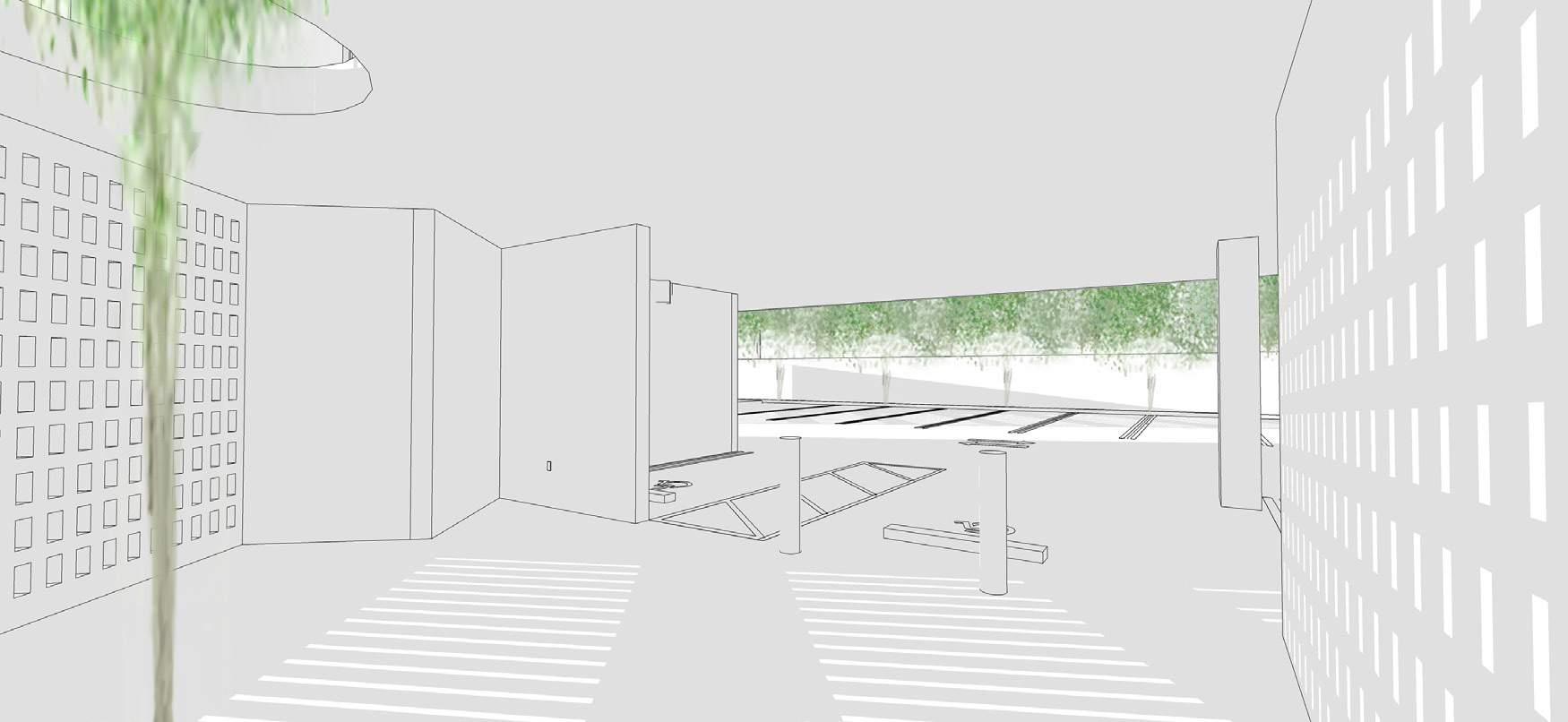
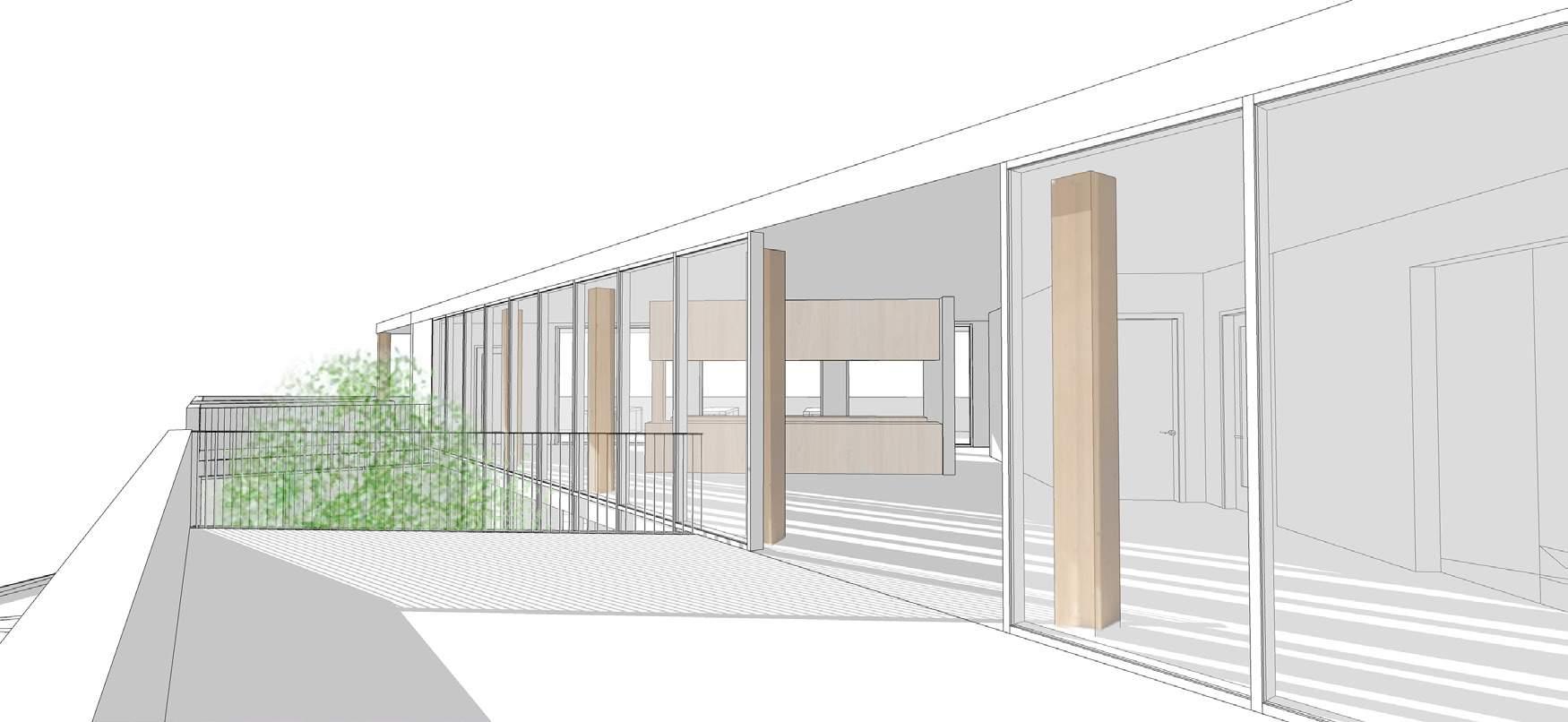
As a void in the volume offers each floor a dedicated outdoor deck and green space, the project yields a sustainable approach through cascading gardens. This exterior space can be occupied as independent discrete spaces for each tenant or develop into a cluster of outdoor spaces adding to the flexibility inherent to the design. To complement this green space, a planted tree rises from the ground floor to the roof deck, accentuating a visual connection between floor levels.
The project juxtaposes a red brick exterior, large timber columns, and large operable iron windows against the California palm trees lining the street to generate a New York style take on a West Coast industrial aesthetic. As a result, the building distinguishes itself from the ubiquitous commercial developments currently spanning the boulevard.
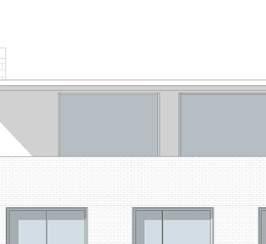
While the lower floors are used primarily as office space, the proposed penthouse develops a sense of community enhancing the creative office culture for any tenant. With health precautions in mind, this floor features several large openings on each façade blending the interior and exterior to create an open-air environment. With views stretching to the Santa Monica Mountains, Downtown, and the Ocean as one circulates, Washington Wing Creative Offices provides a unique backdrop to the ever-changing nature of Culver City.
Washington Wing Creative Office
ODAA Architecture & Design
Responsibilities: Conceptual Design - Construction Documentation
BIM modeling and coordination with Consultants
Physical Modeling, Digital Modeling Rendering
*Samples of construction drawings available upon request















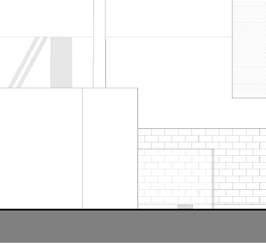
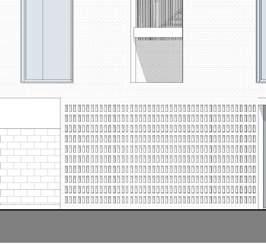


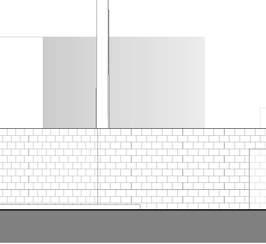

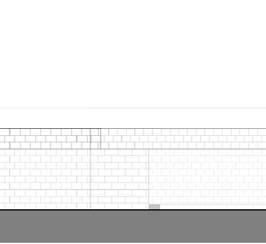
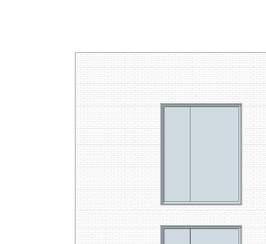



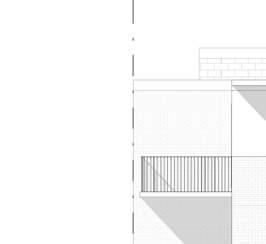
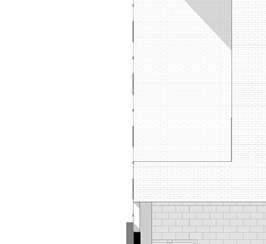


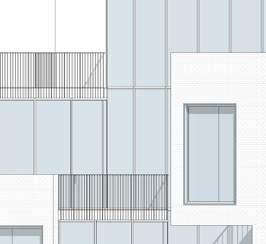


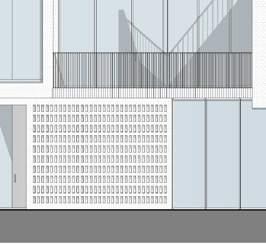
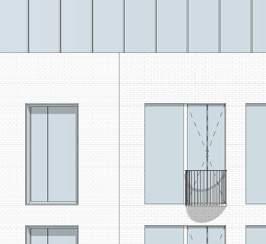
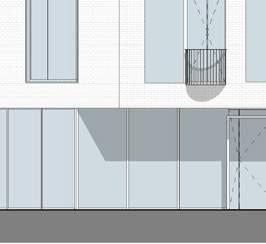
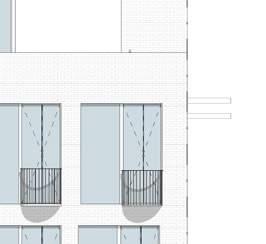

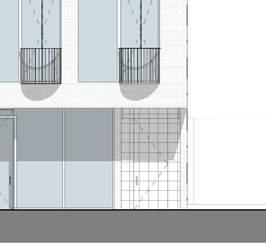


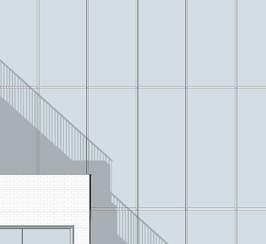



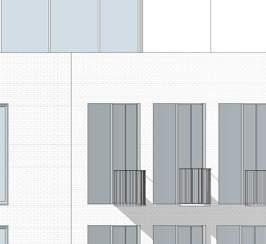
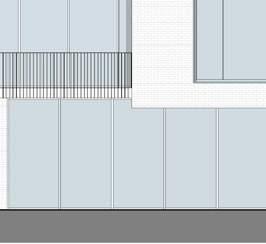

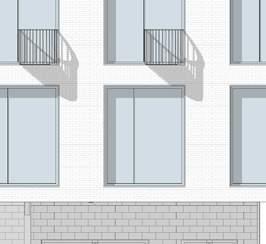






Architecture
Responsibilities:
Houses
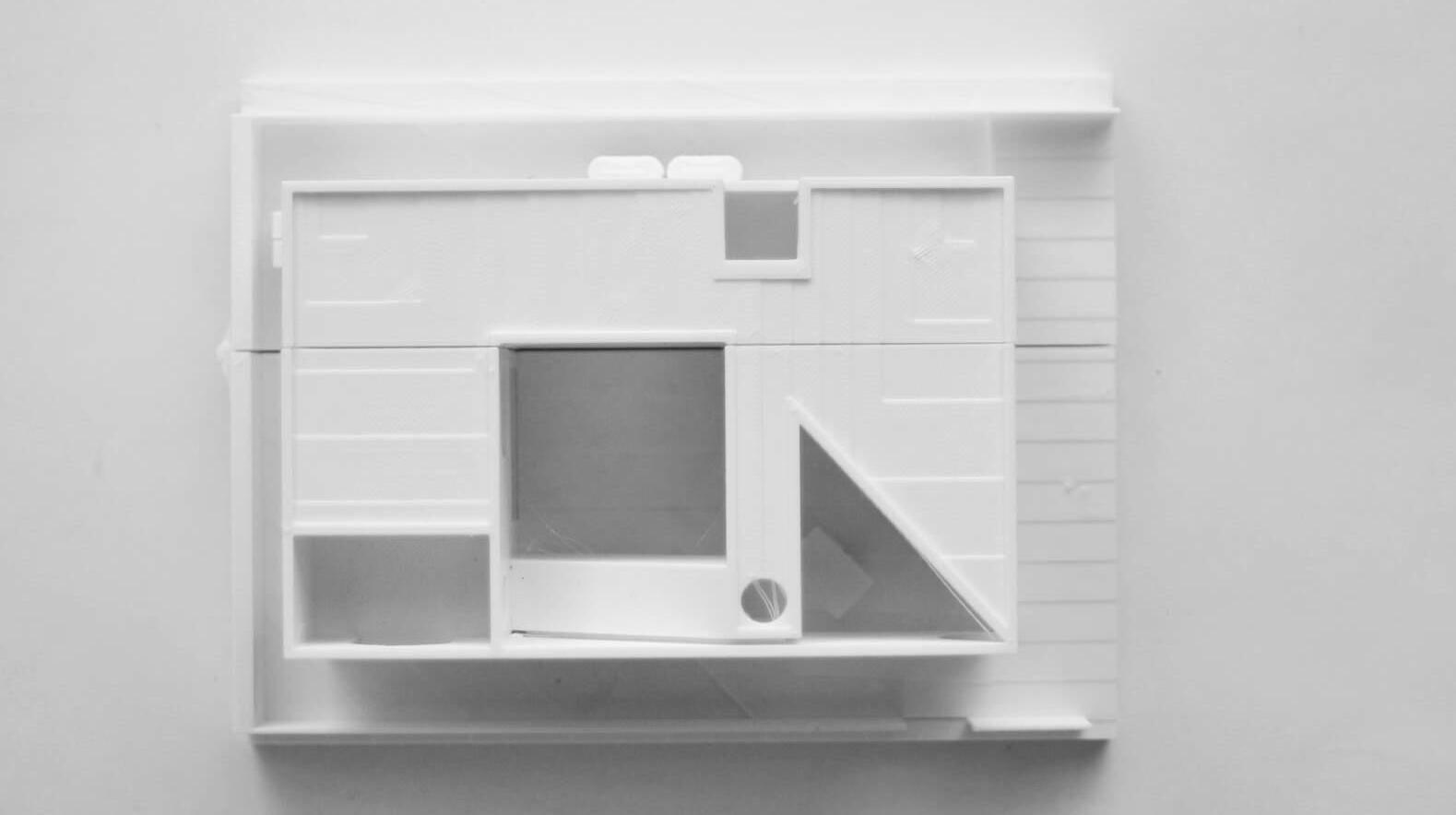
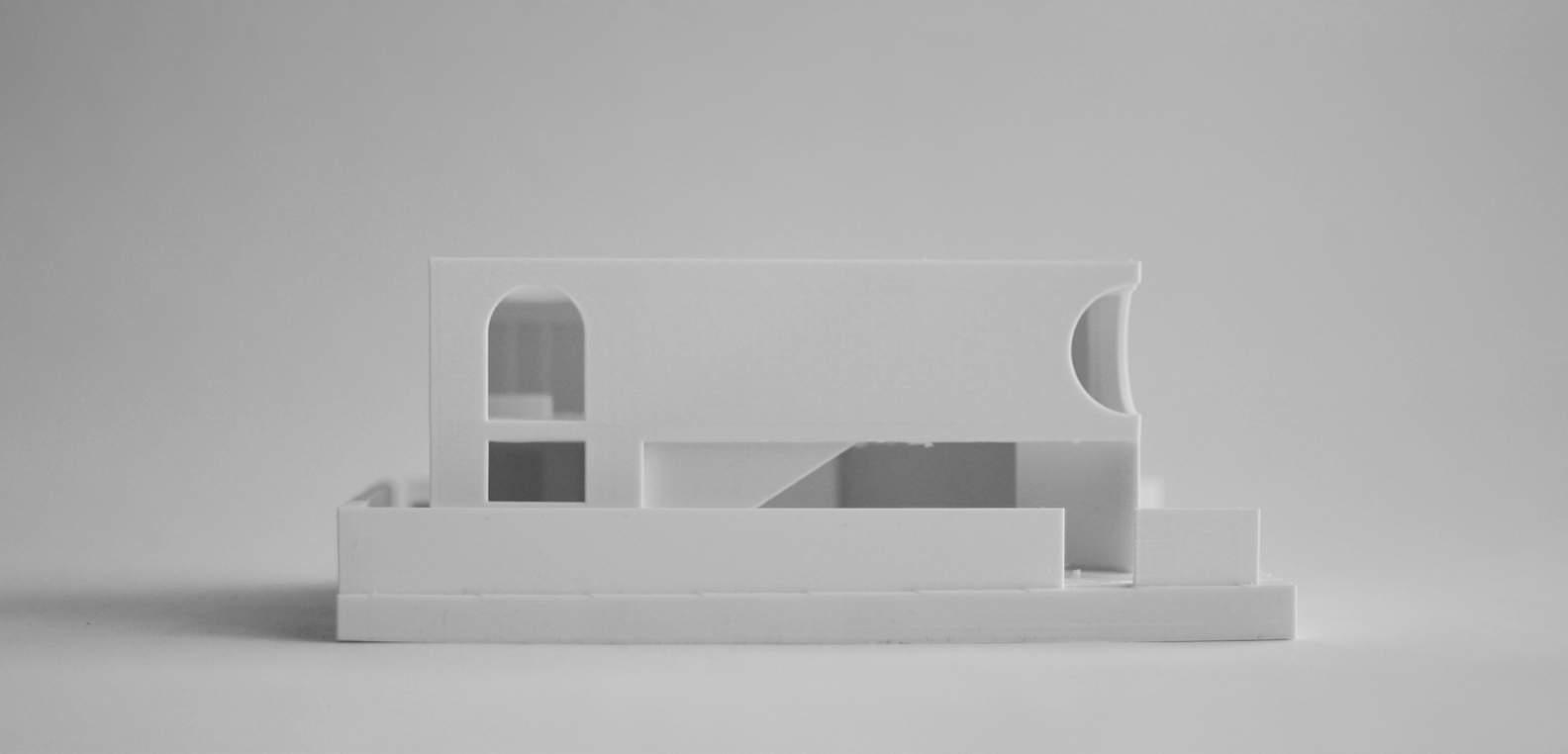
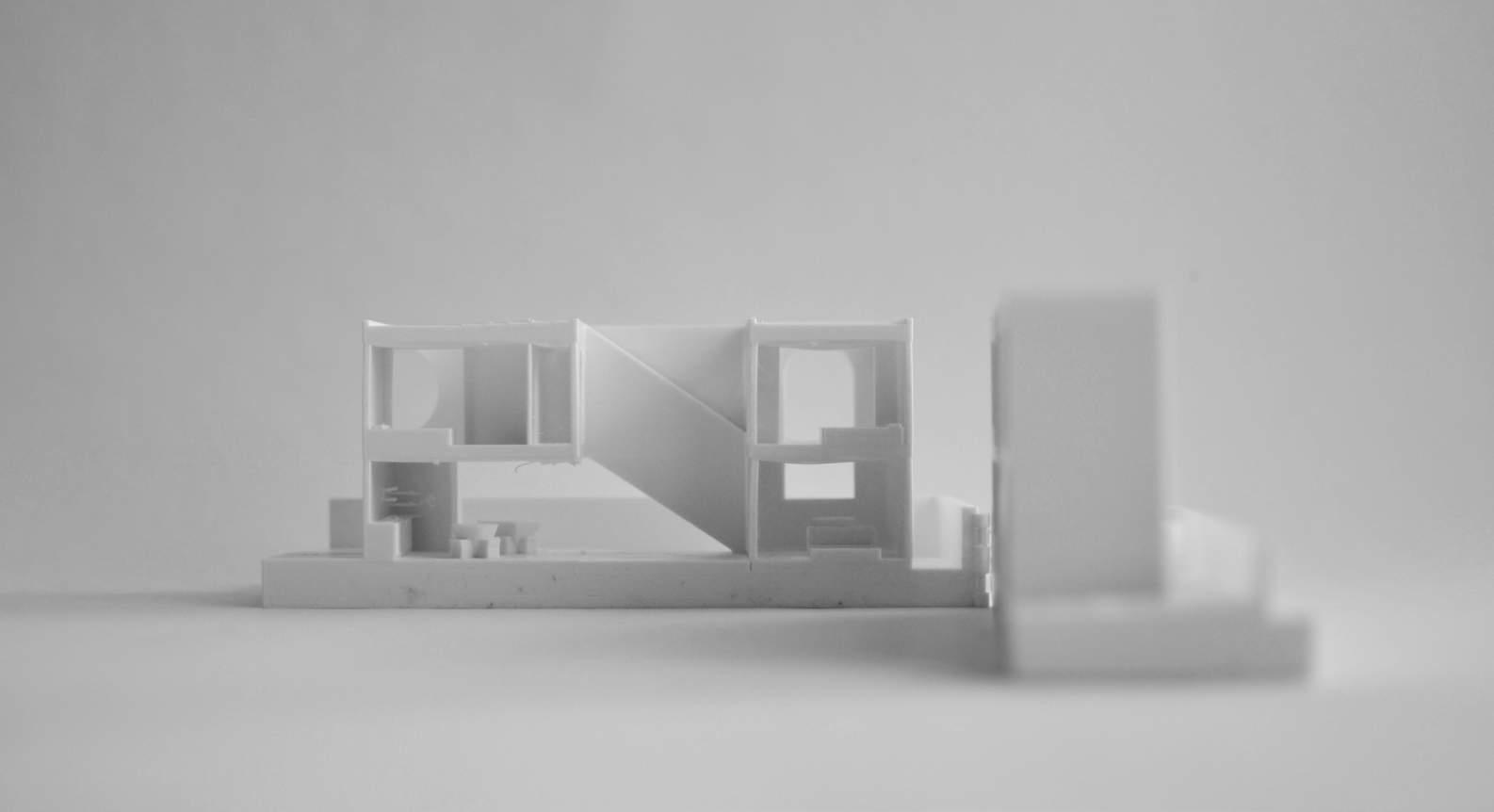
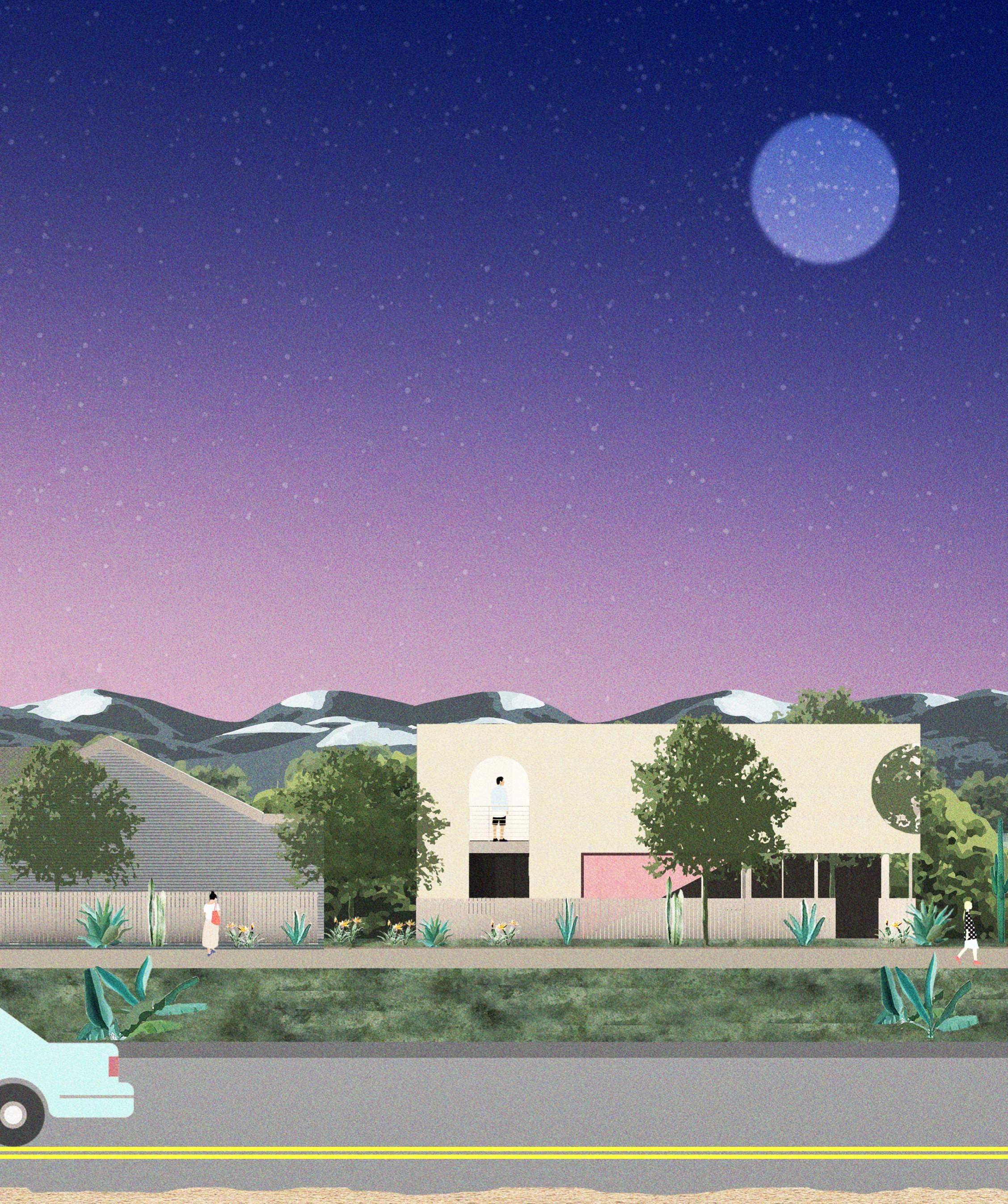
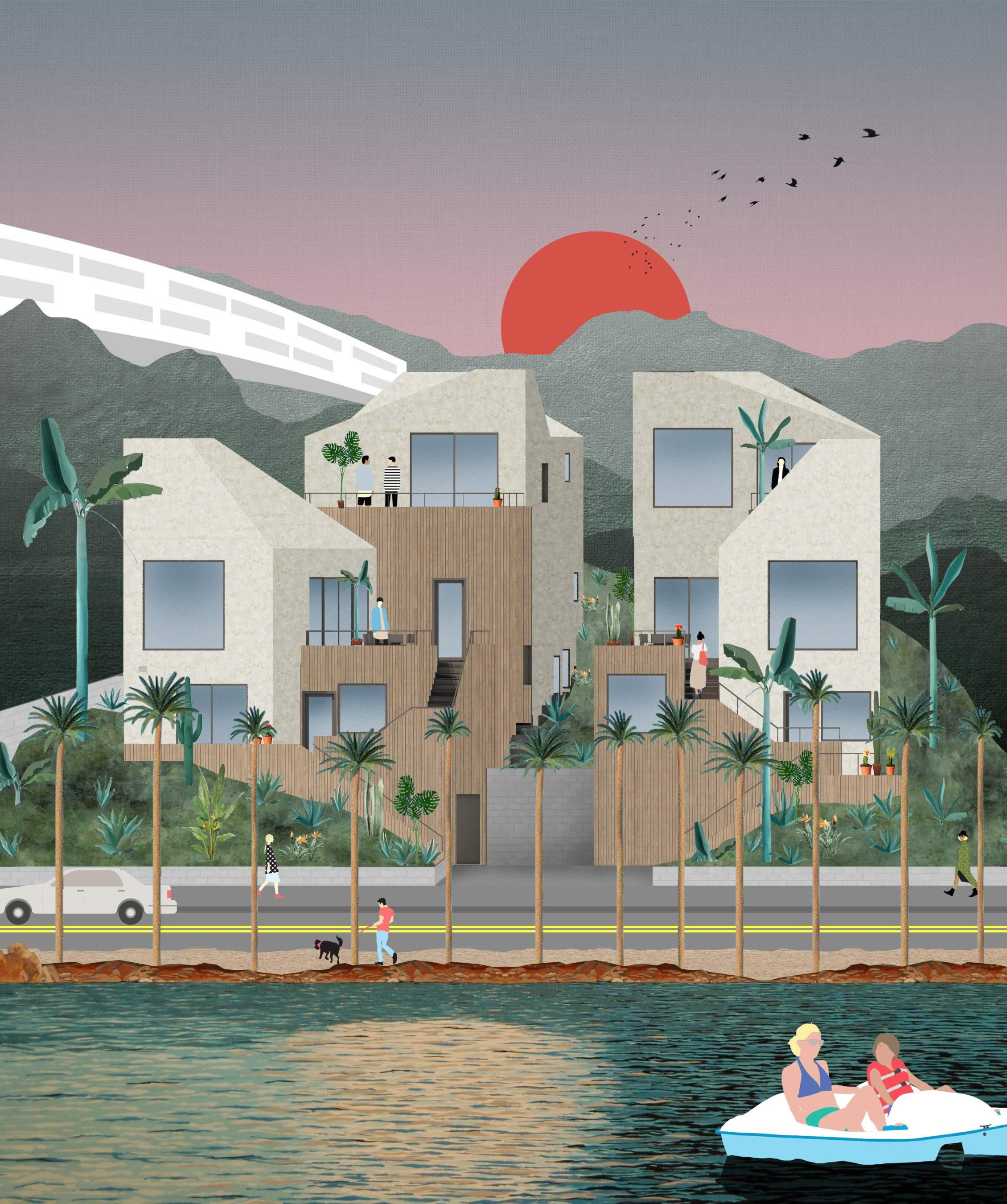
Lake Houses are two ground up speculative houses on adjacent lots located directly across from Echo Park Lake in Los Angeles. Oak acquired the land at the beginning of 2017, finished designing and permitting the drawings in late summer of 2018, and are currently a few weeks from breaking ground. Oak is responsible for the development, architecture and construction of this project. Oak Architecture
Responsibilities: Develop Design Concept through iterative process
Coordinate structural and mechanical
Assist with Hillside permitting and CDO approvals
2D Drawings & Rendering Physical Modeling, Digital Modeling, & Revit Model
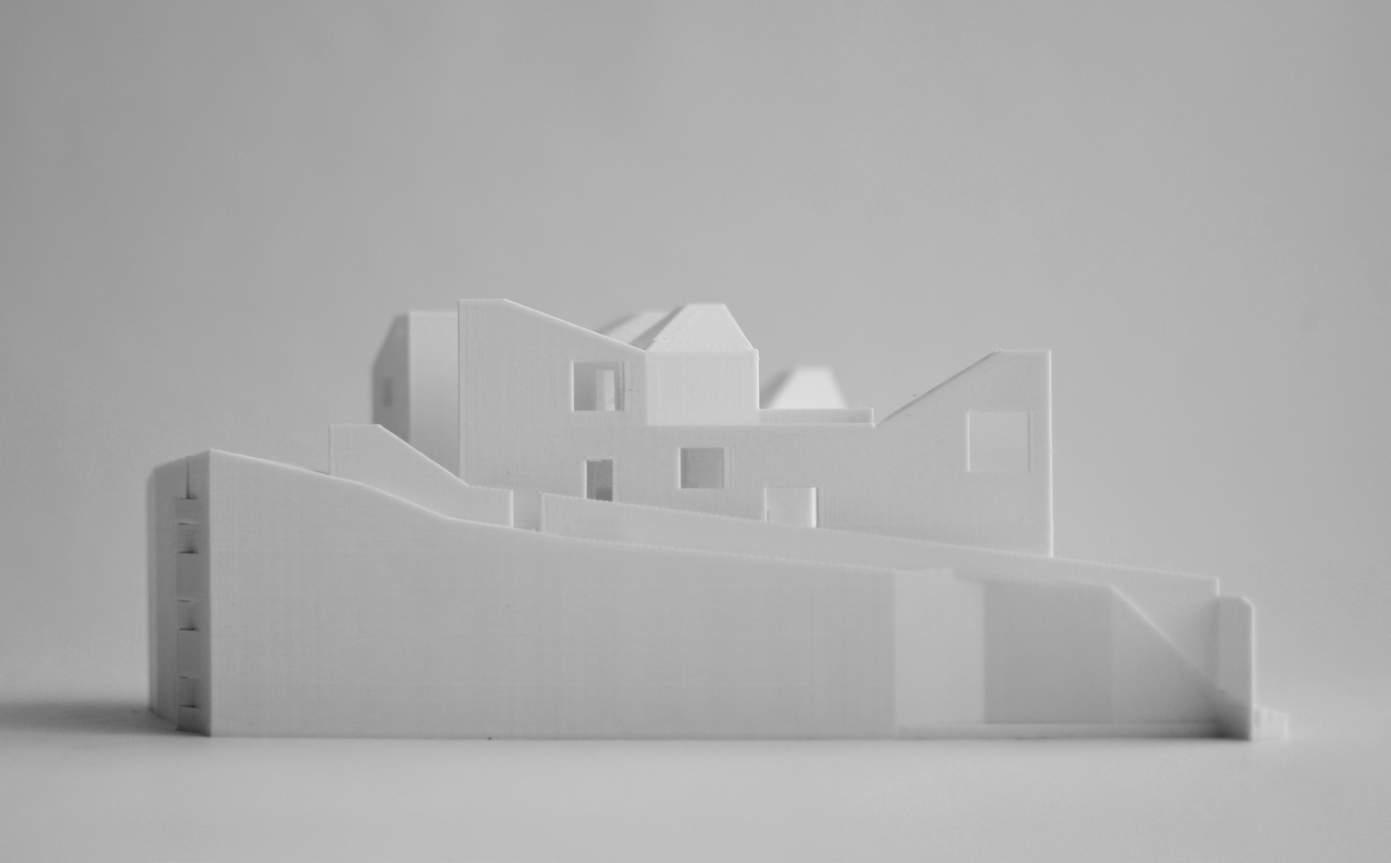
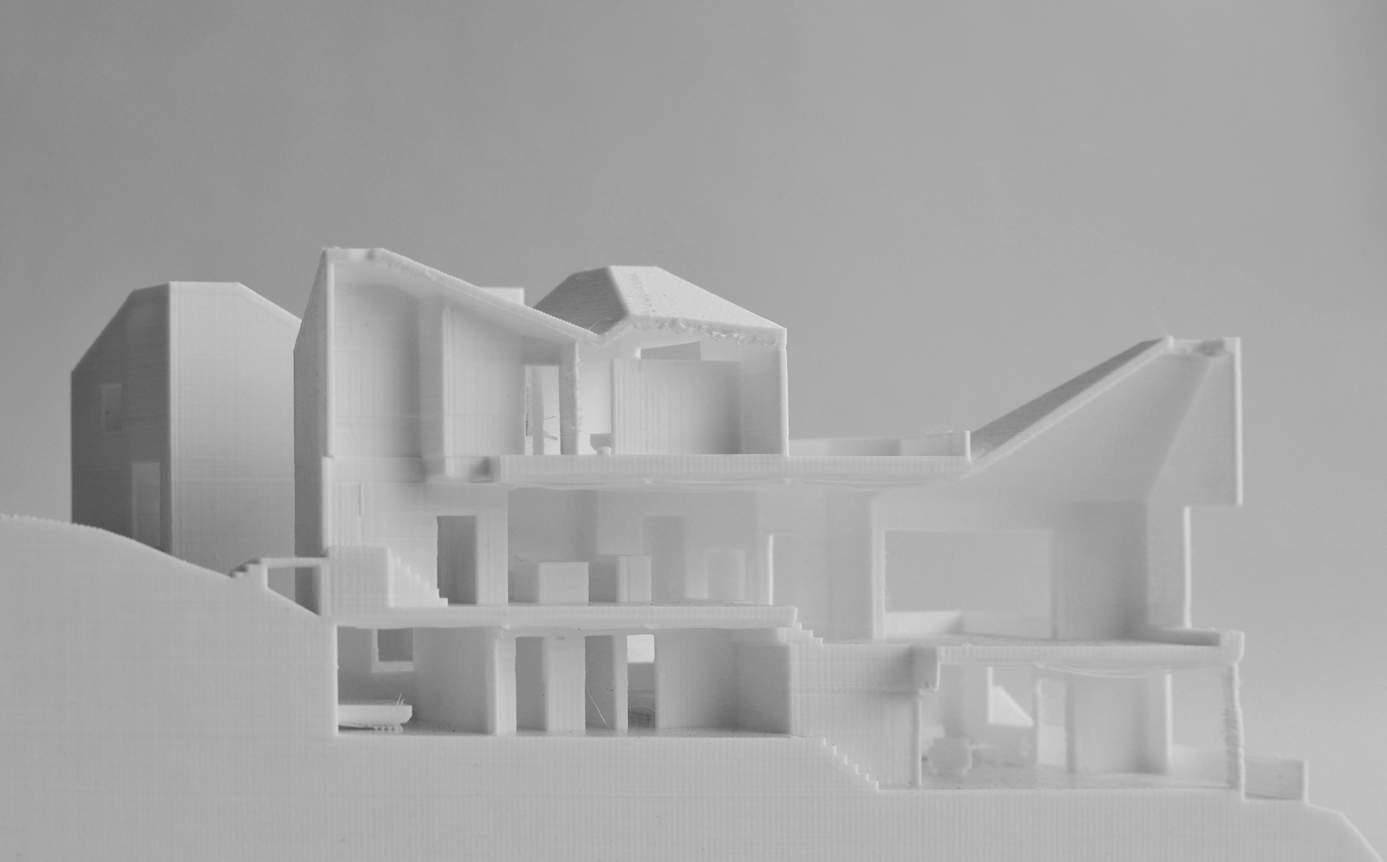
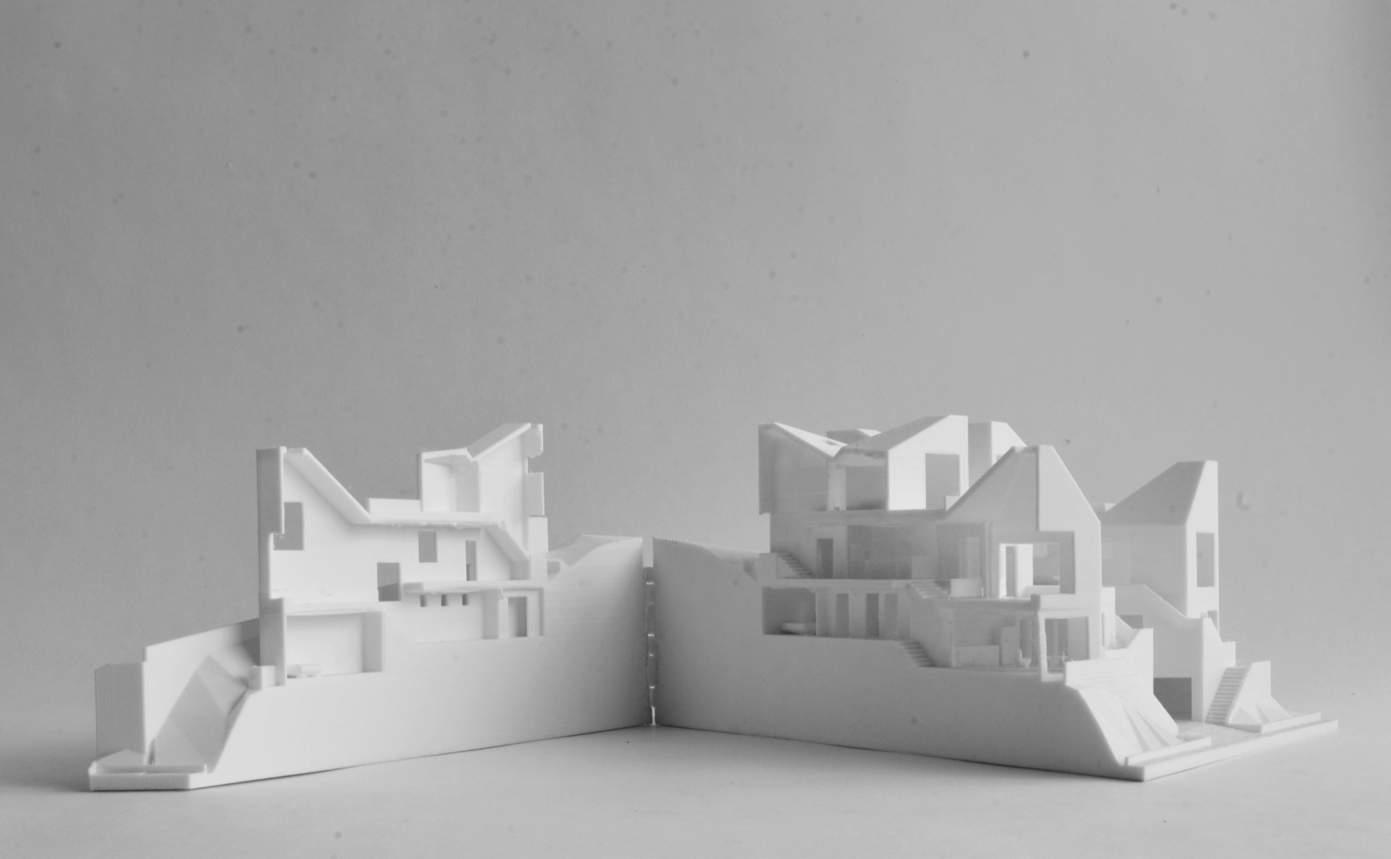
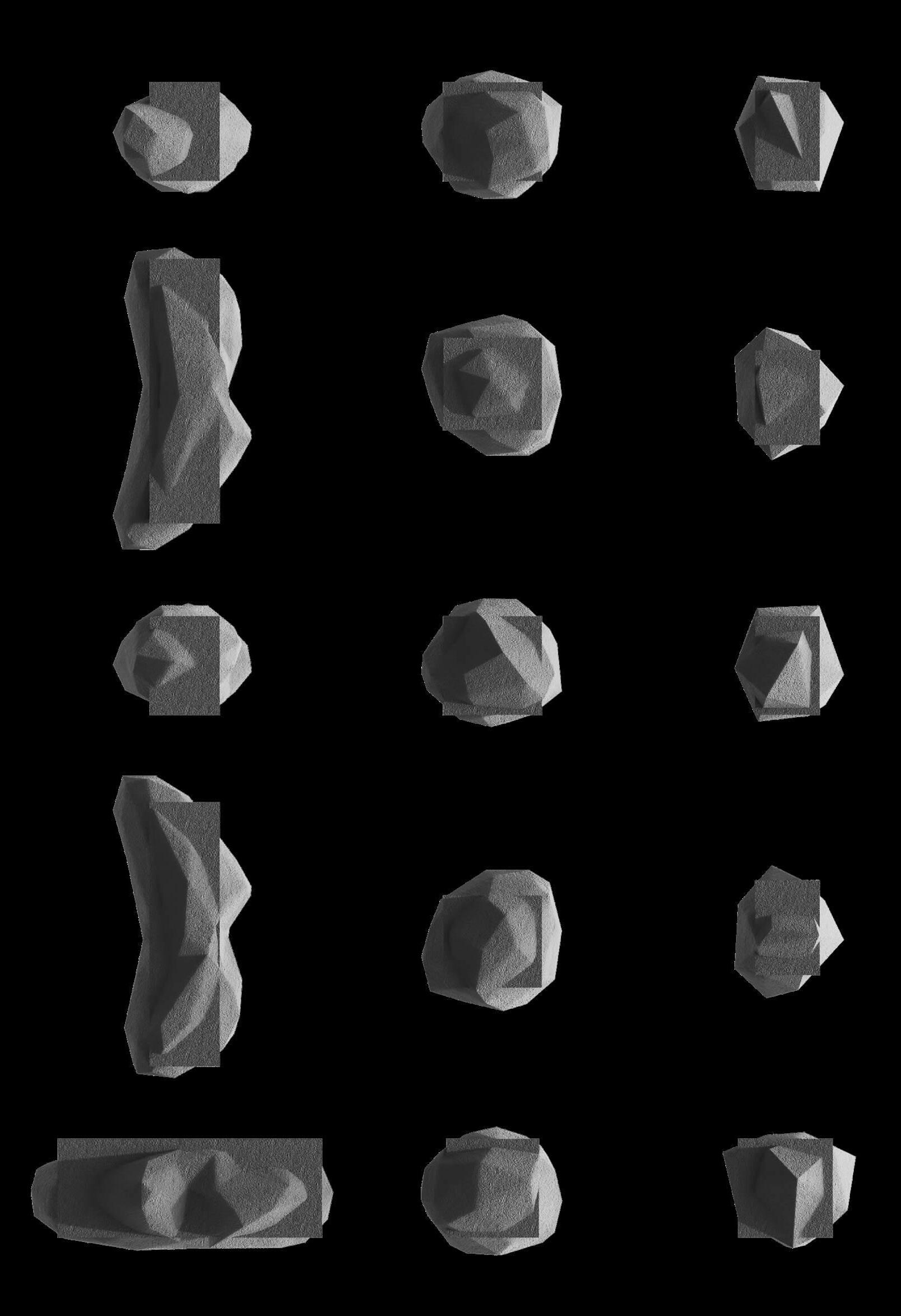
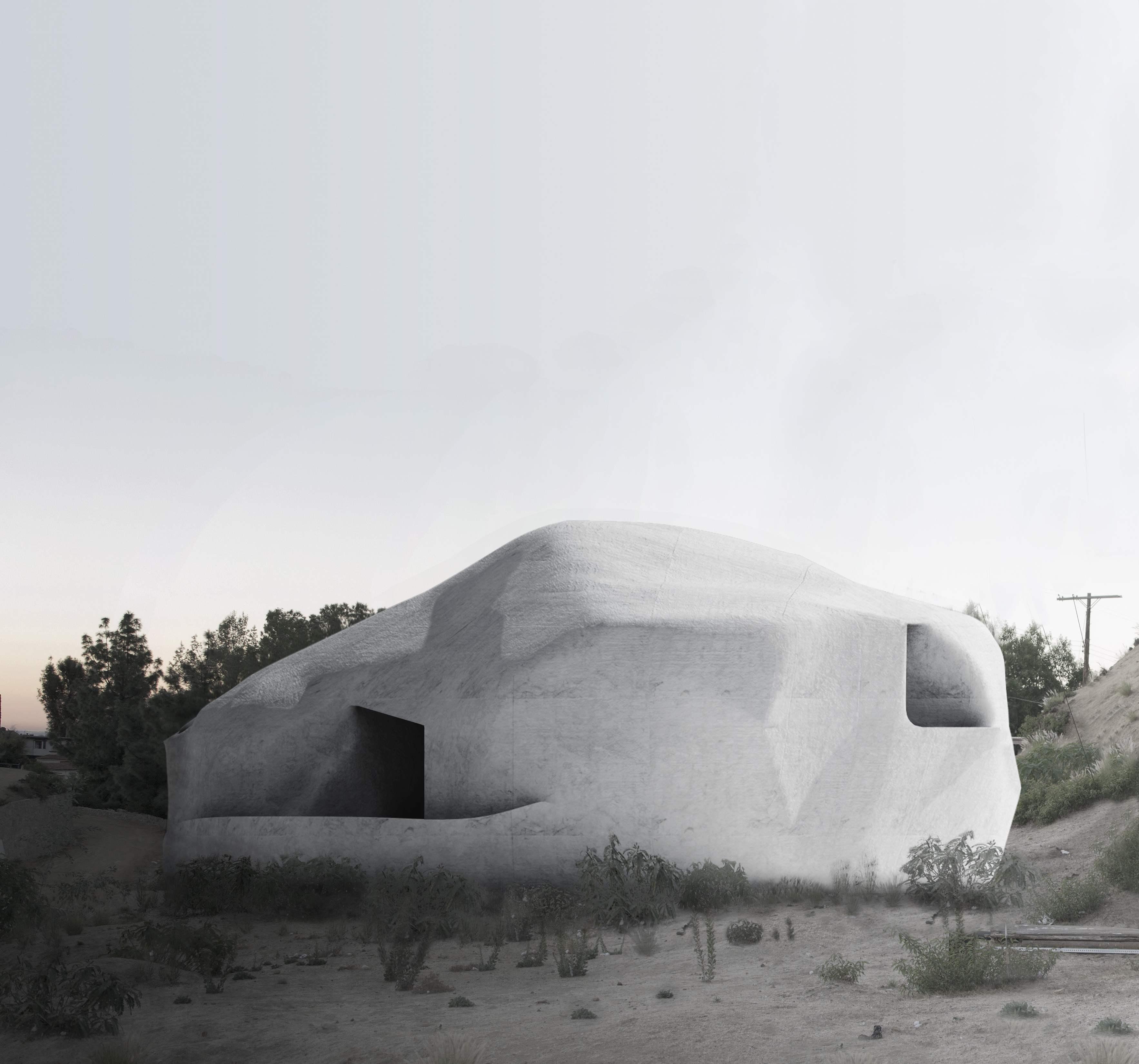
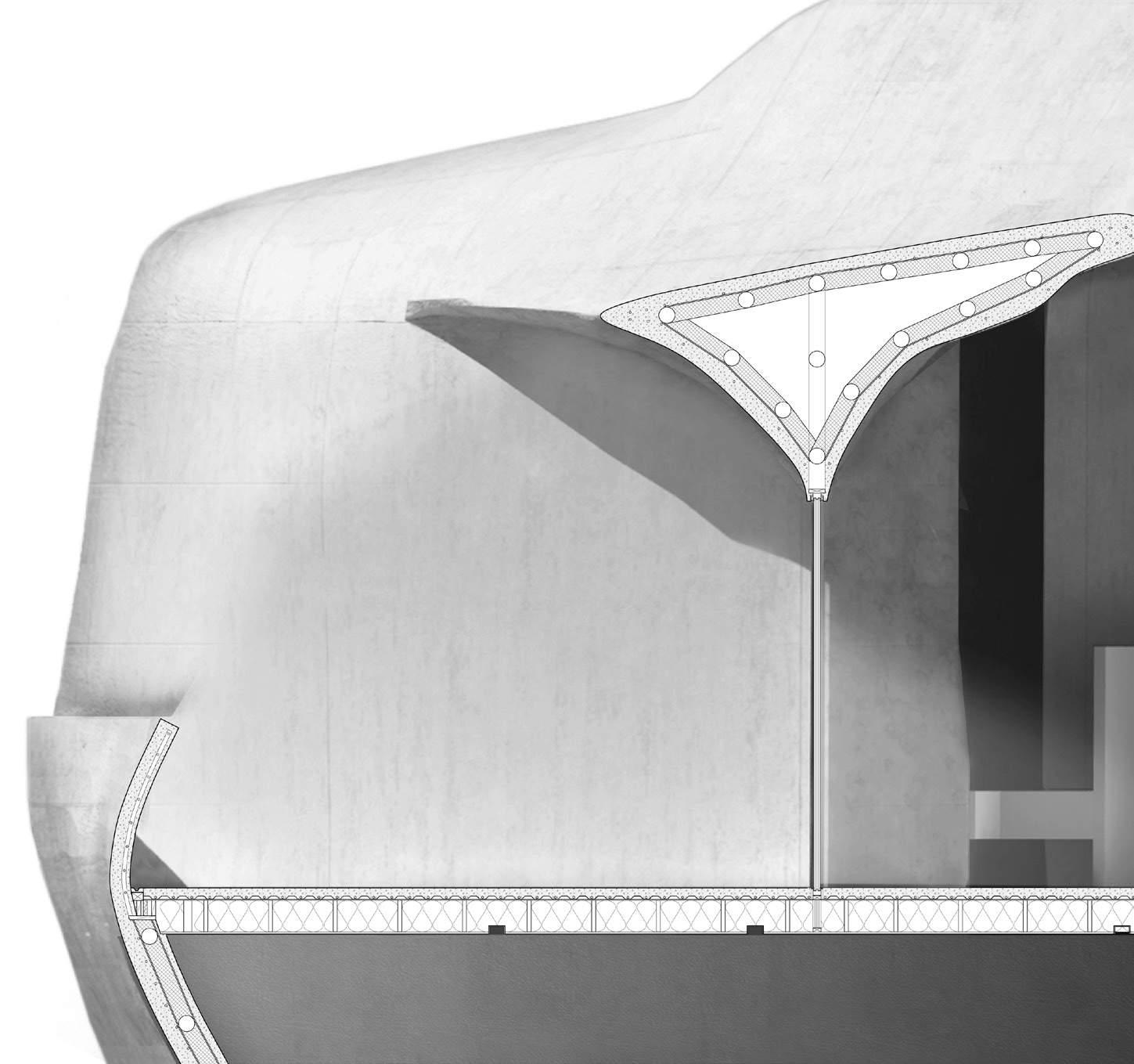
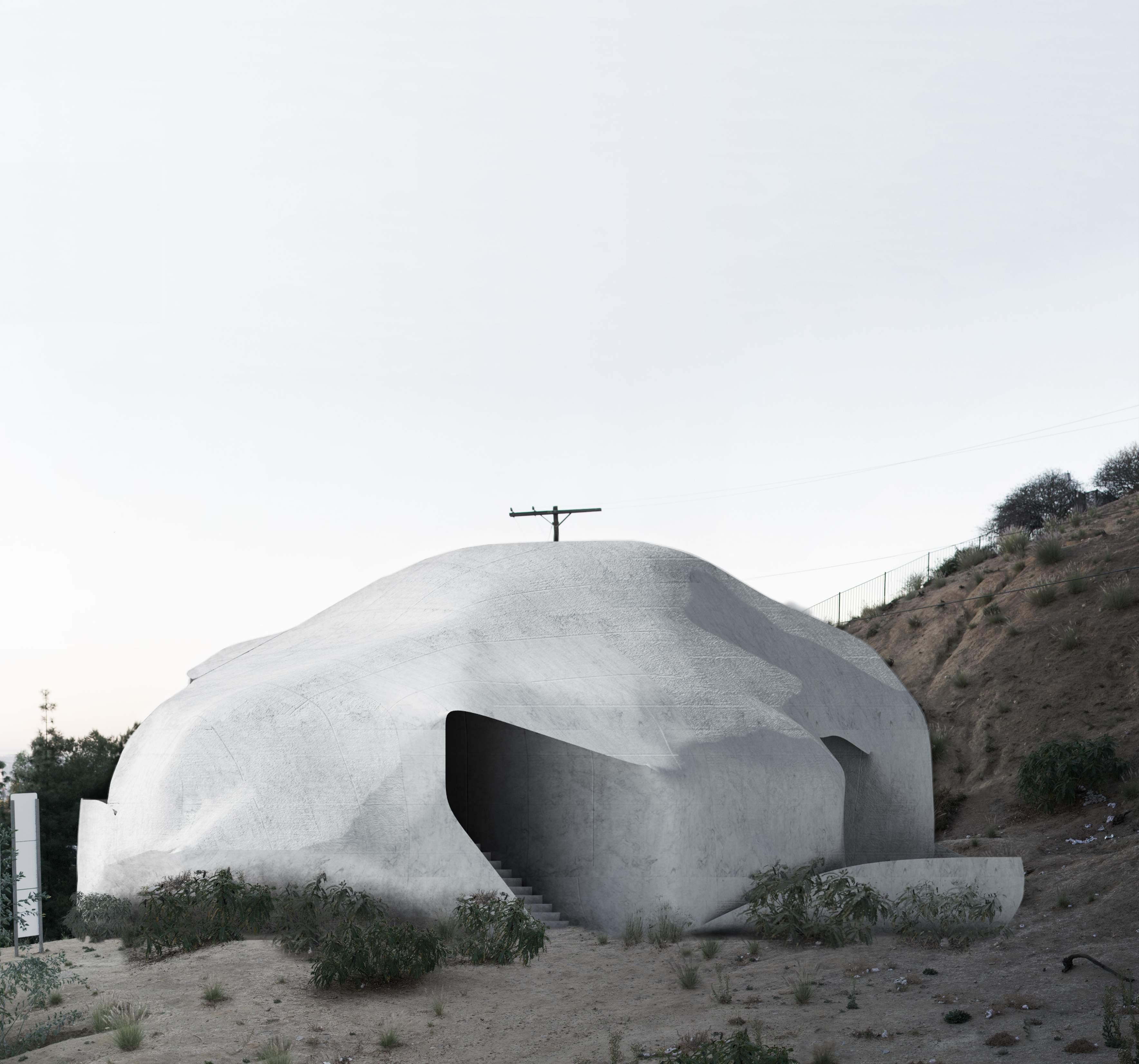
Temporal ambiguity conceptually motivates and organizes the form of this building. Intentionally anachronistic, this house is shown as both a massive crude geometry, as well as a highly refined and specific house - subtly suggesting the possibility of different time periods of construction, technology, and precision. The disparity between temporal states produces a dualism where we, as subjects, are faced with several signals to interpret. Is the building a solid mass placed on the site suggesting ancient megalithic, even prehistorical monuments? Or do the precisely geometric cuts, folds, and bends along the surface allude to a more refined, contemporary form? Studying Ant Farm’s House of the Century, one can observe the structure in two physical states, new and ruined. In both cases, the element that remain seemingly unchanged are the windows - in both states, the window remains oddly futuristic anachronistic in its placement.
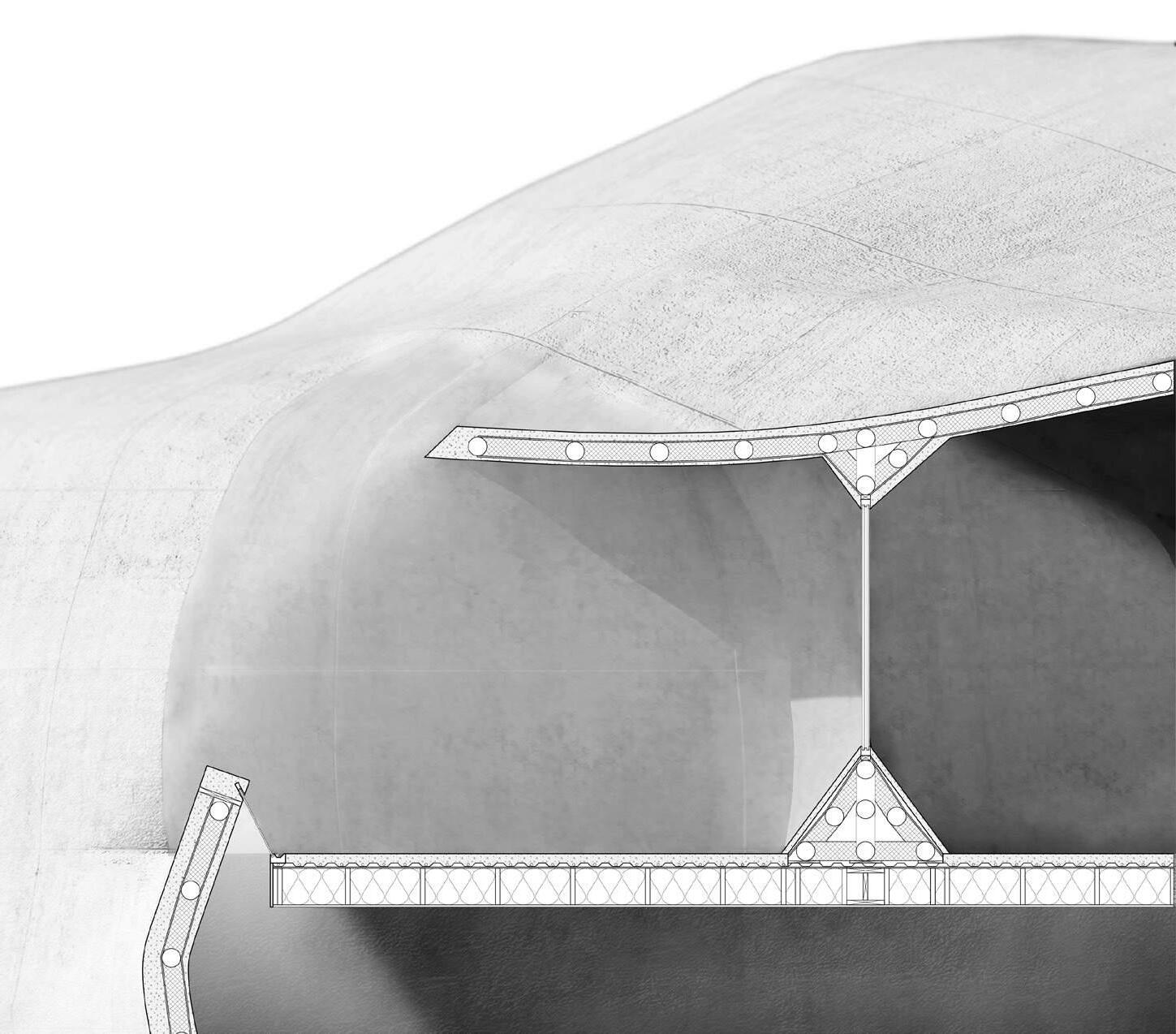
Atypical apertures locate this precise incongruity along the facade. Historically, openings in megalithic structures proliferate as crude in-between gaps - the result of two masses side by side. In many contemporary conventional houses, apertures tend to be punched through the face due to code regulations, egress or a need for light to enter the room. In either case, openings have no formal or gestural characteristics, but rather present themselves as an afterthought, retroactively attaching to the face or merely happening out of coincidence. In this project, the problem of the opening is lent more significance and is compounded as it is located directly below the Hollywood sign. This house is perpetually on stageregardless of whether or not it’s the focus. The contentious relationship between exterior and interior is aggravated by its site. The folds and bends elongate the threshold between inside and outside. Each apertures’ cavernous inset becomes the impetus for the formal dualism along the face of the building. The four main formal manipulations on the face of the building create a unique cavernous inset for either a window, a door, or a patio. Openings are treated with a thin glass, where each joint is hidden or concealed within the finish material of the facea level of detail not typically associated with ancient monolithic buildings, but rather referencing a more contemporary construction technique. Additionally, certain material qualities typically associated with ancient and prehistorical structures, such as coarse unrefined concrete are introduced to highly precise smoothed surfaces of the same material, but applied using contemporary techniques. While subtle, this inconsistency along the facade is intended to exude a sort of elusiveness that is not outwardly obvious, but rather affecting one subliminally. As one approaches the house, the gradual increase in resolution leads to a perceptive infidelity between what is originally observed and what one reads upon closer examination. The low resolution house presents itself as a monolithic object embedding into the site. As one approaches, the legibility, vis a vis proximity, presents the building with precise cuts and folds much clearersuggesting the dualism inherent in the building. Providing a secondary reading of the building as an entirely different structure.
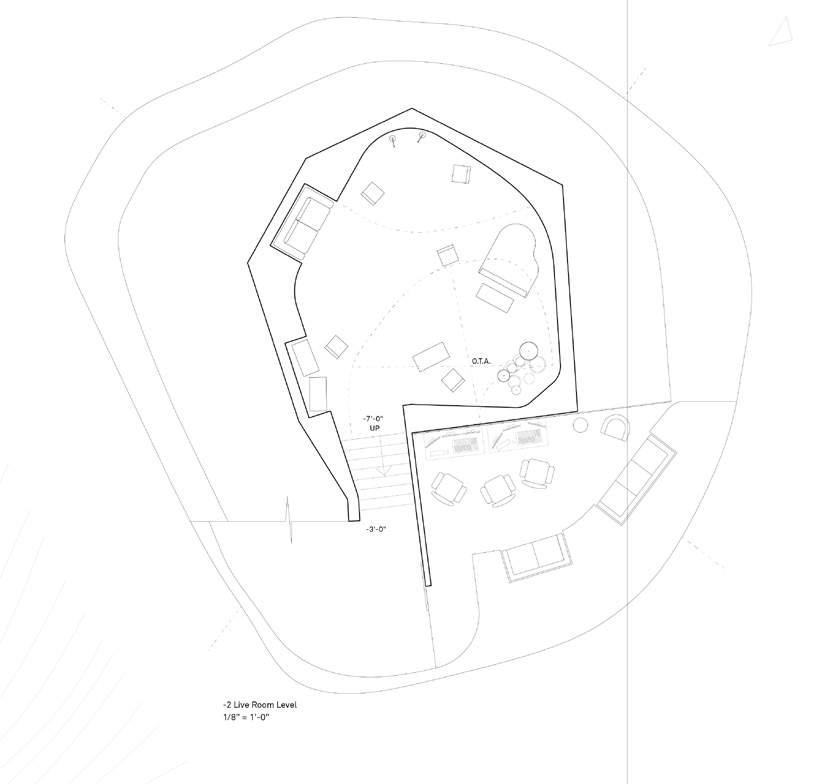
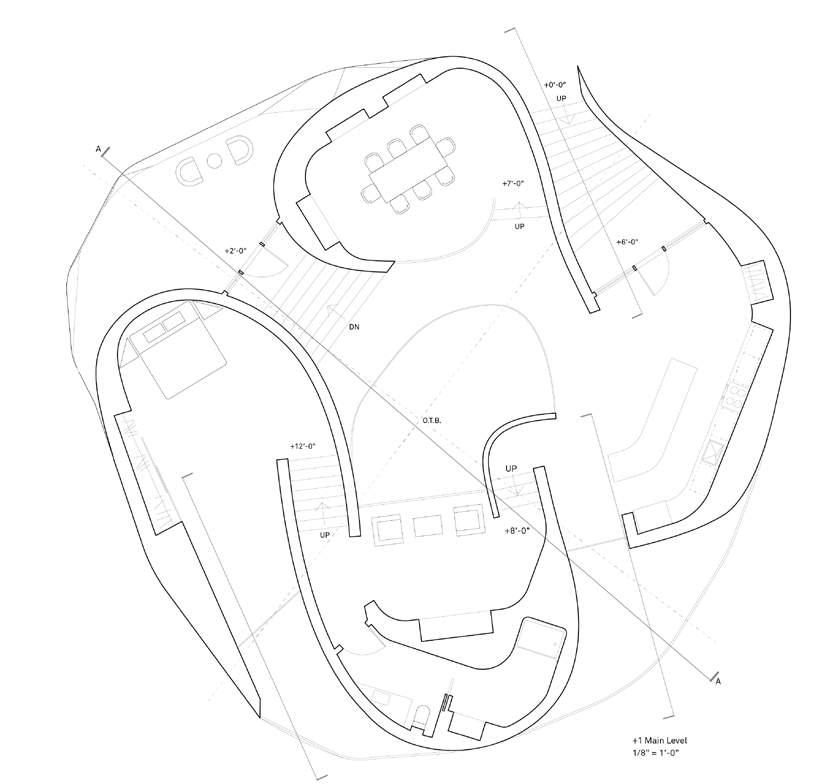
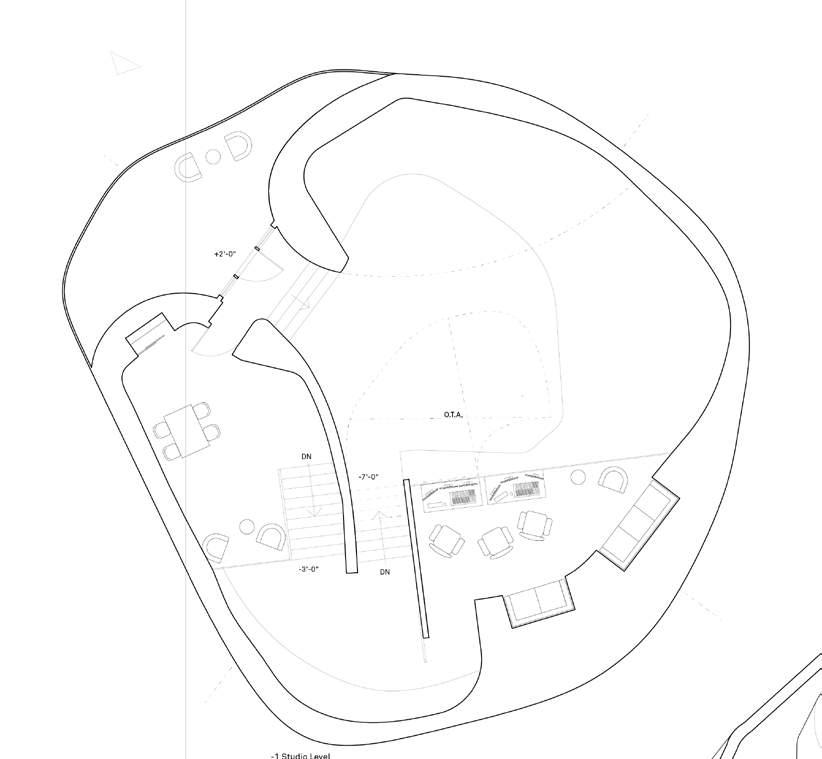
As one passes through the entrance aperture they enter into a house of temporal inconsistency. One is witness to both crude geometries as well as precise offsets, cuts and folds as walls thicken to become spatial and programs slip within, next to, above, and below. The manipulation of the exterior develops the formal boundaries on the interior where each room is defined by a different application of aperture, regardless of its reason for being. The kitchen is created through a thickening of the external wall, while the bedroom, living room and main bathroom all are created both by peeling and intersecting to create space. The lower-levels gradually step down to nearly 3 stories below the roof. This space utilizes the amorphous shape of the exterior as an echo chamber / reverberation room for sound recording. A recording studio.
While the interior layout of this project is important would like to stress that the buildings main design motivators come from the exterior. From nearly every angle outside this building a subliminal sense of dualism remains. Subtle, yet precise geometric cuts, proliferate each facade while material qualities gradually mediate between raw unrefined monolithic treatment to a smooth highly calibrated interior aperture.
Award: UCLA Currents Exhibition, Fall 2017 Anachronistic House
Publication: 2019 Wallpaper* Magazine Graduate Directory
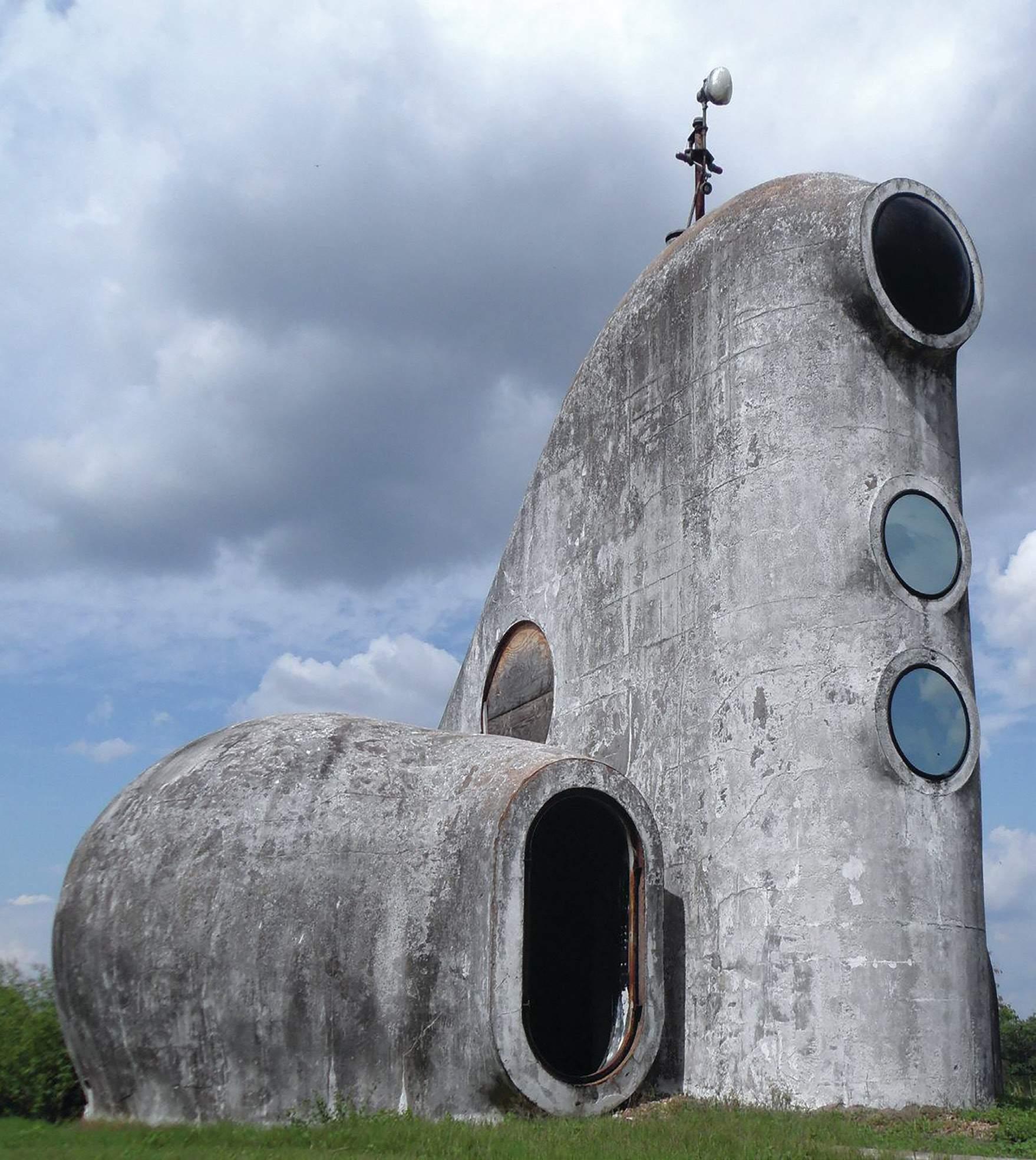
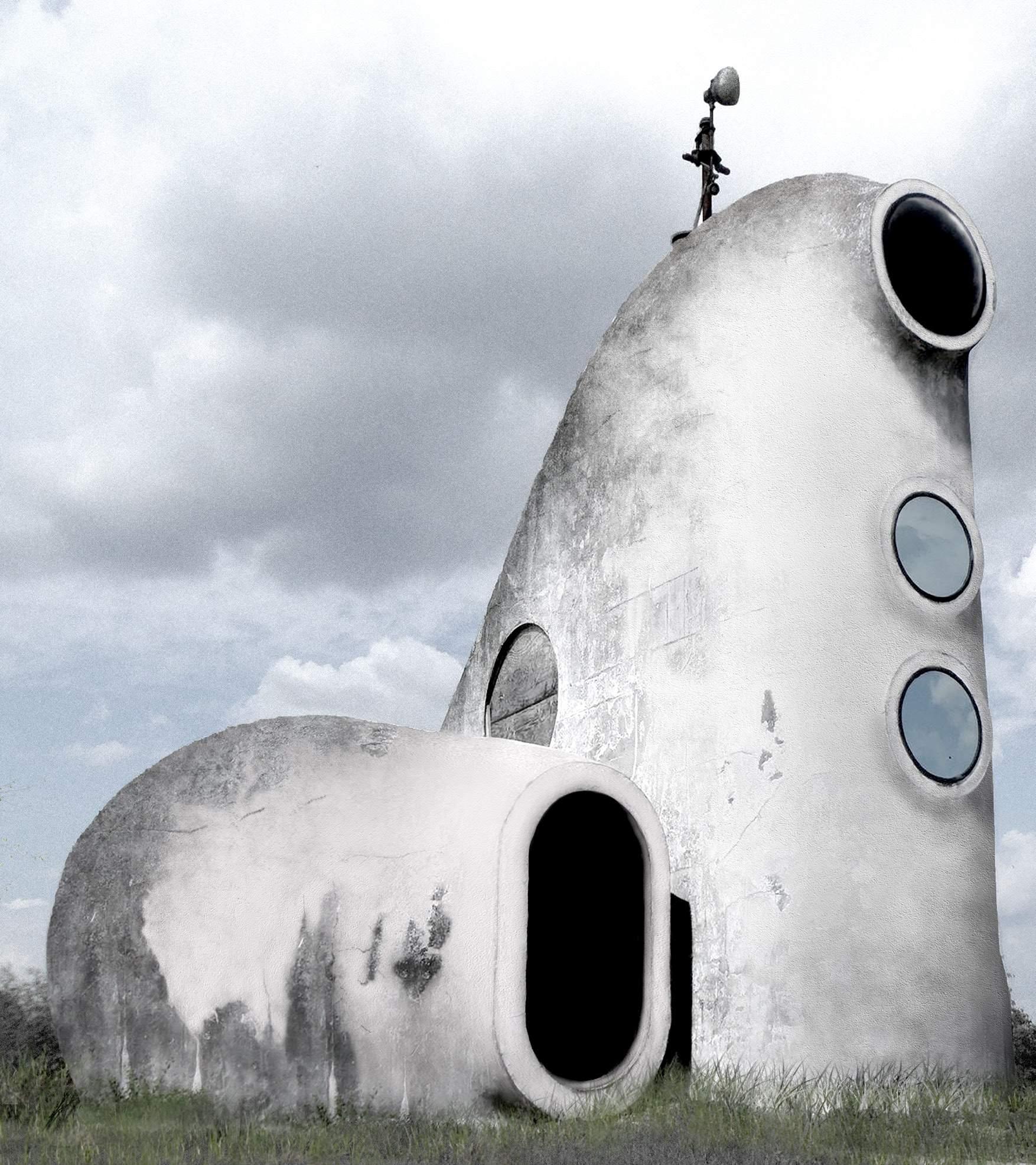
These images use time travel to become hyper real. The anachronistic house of the century (right image) portrays the building at some point in its first 10 years as well as a structure in ruins (left picture). This building, shown in two physical states, produces a semiotic dualism where we, as subjects, are faced with two individual signifier to interpret. Do we digest this image as the building in its heyday, being used as the iconic bachelor pad as the backdrop setting of a futuristic playboy shoot? Or is it an abandoned object nearly in ruins sitting by some lake off the highway about 40 miles south of Houston? Maybe this image is showing two dichotomized houses of the century. The time line exudes an elusiveness where the enigma is that the subject is feels a sense of unfamiliarity with what was once familiar. The study of this building, and the process of developing these images are precedent for the design of the Anachronistic House on the following pages.
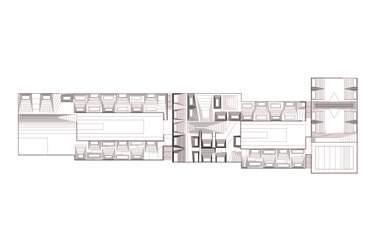
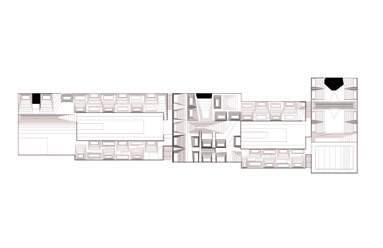
This project responds to the rainwater cycle of Seattle, an ever-present fluctuating medium, to design the form and organization of a new high school. Should technological advances in water management sustain or challenge our approaches to water when it interacts with buildings or sites? Responding to excess rainfall in the pacific northwest, this project incorporates water as a material system informing the constructed environment. Researching systems of containing, channeling, and releasing water inform the formal and organizational approach of this project. Water acts as the medium to create space; the roof forms to hold, recycle and direct water with the classrooms, library, theater, and other programs occupying the space below and between.
This building unveils the dynamic nature of water, revealing the magnitude and cycle of Seattle’s rainfall. The roof plan is the primary design element of the school. It is expressed through a series of contours, defining the peaks and valleys that choreograph the movement and containment of water. The school’s silhouette, volumetrics, and atmosphere are defined by the roof’s rainwater collection and distribution. Time is an important factor in the design, representation, and experience of the project. As water levels rise and fall, the roof and water construct variable figure ground registrations in the landscape. The exchange between depth and surface becomes dependent on rainfall. The extents of the site’s rainwater, traditionally not drawn in architectural drawings nor distributed among programmatic activities is foregrounded and used to alter the massing of the building adding time as an active factor in the production of occupiable space.
At three main points, the roof works to manage and divert the runoff from the playing fields to the north. By capturing unabsorbed site runoff, the roof a field of water basins - collects rainwater and moves it through the series of basins, overflowing when capacity is reached. The water system defines spatial organization, producing a specific relationship between roof basin and program. At times the basins are shallow- both collecting and moving small amounts of water while at other times, the basins are deep, providing larger volumes of water storage and allowing the roof to separate and organize the building program.
The building is organized by three spatial typologies - the large assembly areas (point to drawing), the courtyards, and the classroom spaces. Water collects in the larger central basins above each of these three spaces where a slow percolation process returns water to the ground. Should these basins fill to capacity, the water overflows into a series of smaller basins and valleys, directing the rainwater above the classrooms and discharging it into the central courtyards.
Throughout the year, the courtyards will see a significant variation in the degree to which they fill. During drier periods, these provide outdoor space for students and faculty, and other times are completely full. In each case, the choreography of the water throughout this system influences the experience of the spaces. In addition to the changing conditions of the roof-scape, upperlevel rooms overlook adjacent roofs; the water system produces both visual and spatial effects.
Rather than simply snap-on gutters, downspouts, and other accessory attachments, this project amplifies the role of the roof and the distribution of water to transform how we think about water’s relationship to architectural space and its organization. The volume and behavior of water reveals and sculpts new spatial understandings as thresholds between the roof-scape and ground plane configure the activities of the school.
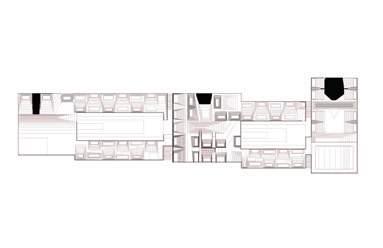
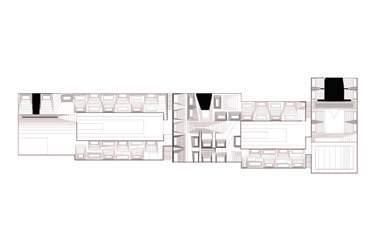
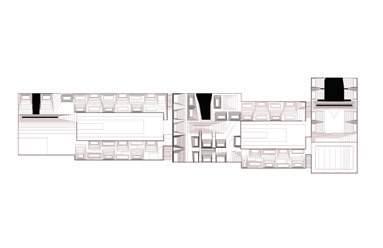
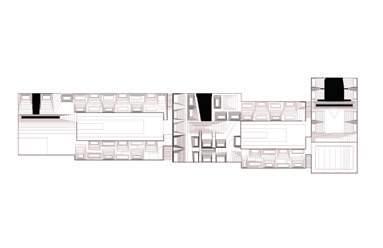
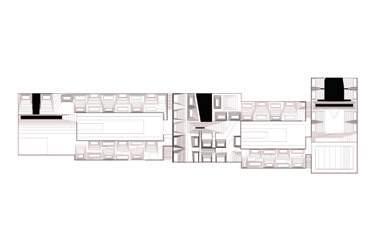
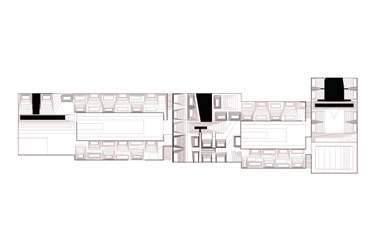
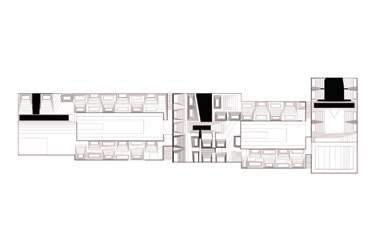
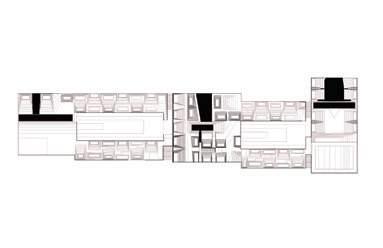
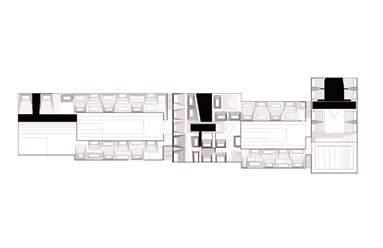
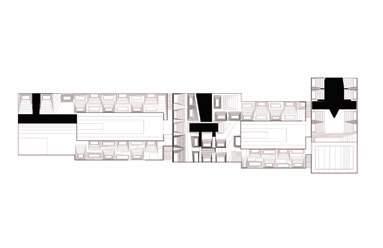
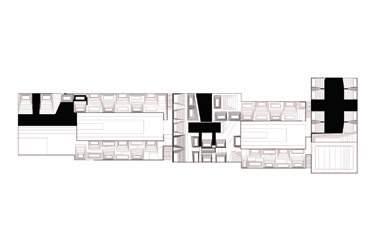
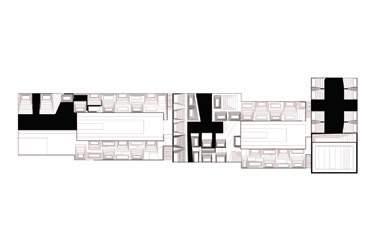
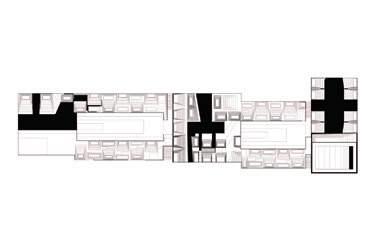
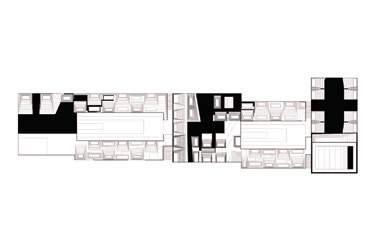
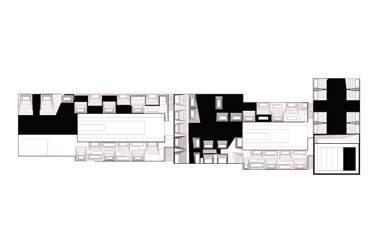
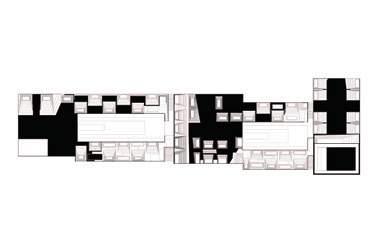
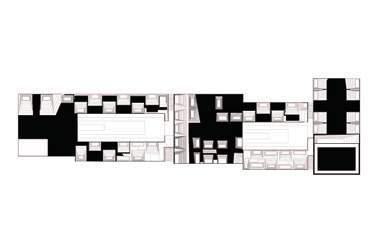
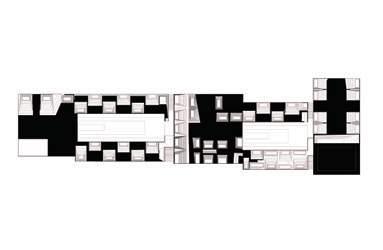
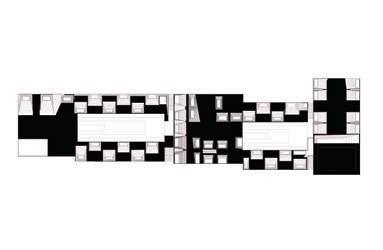
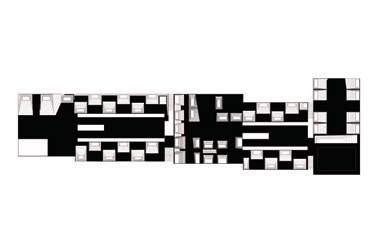
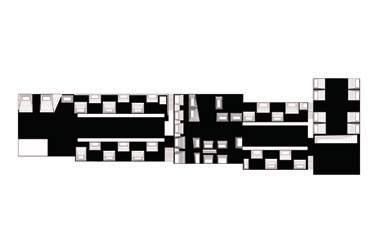
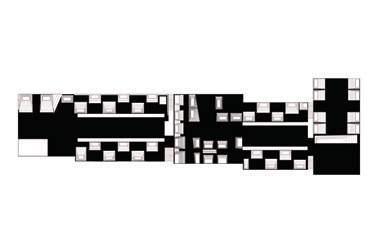
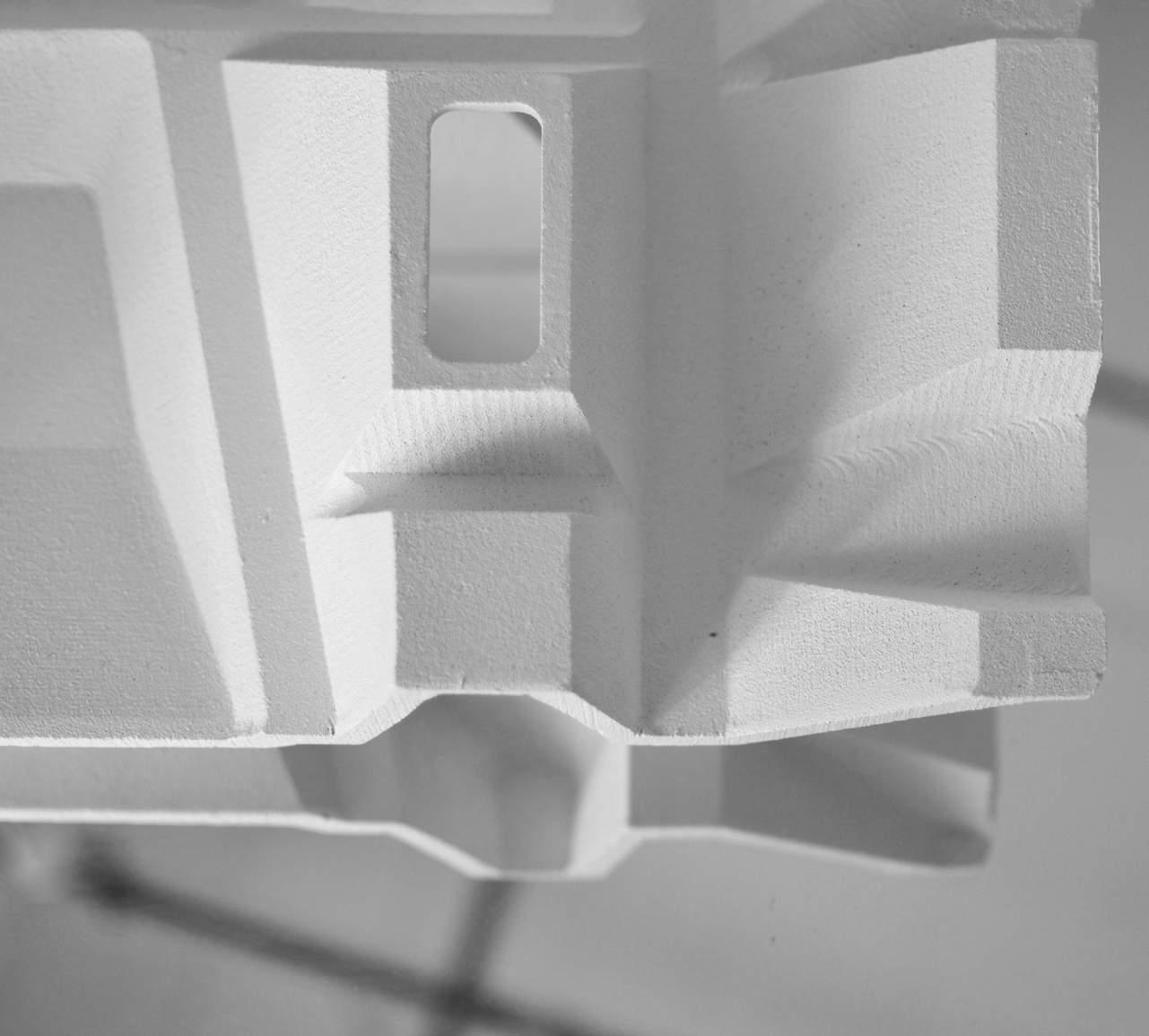
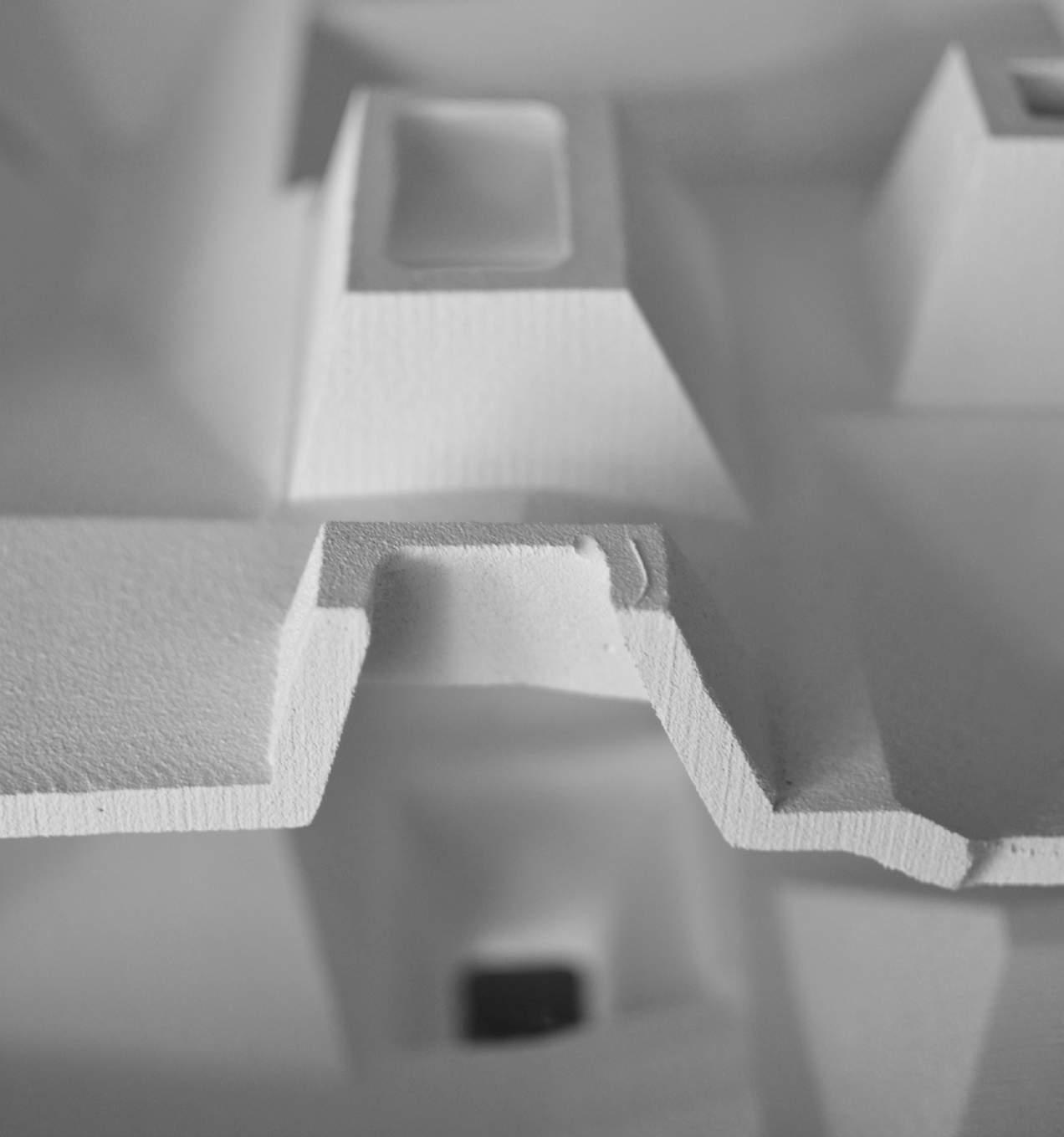
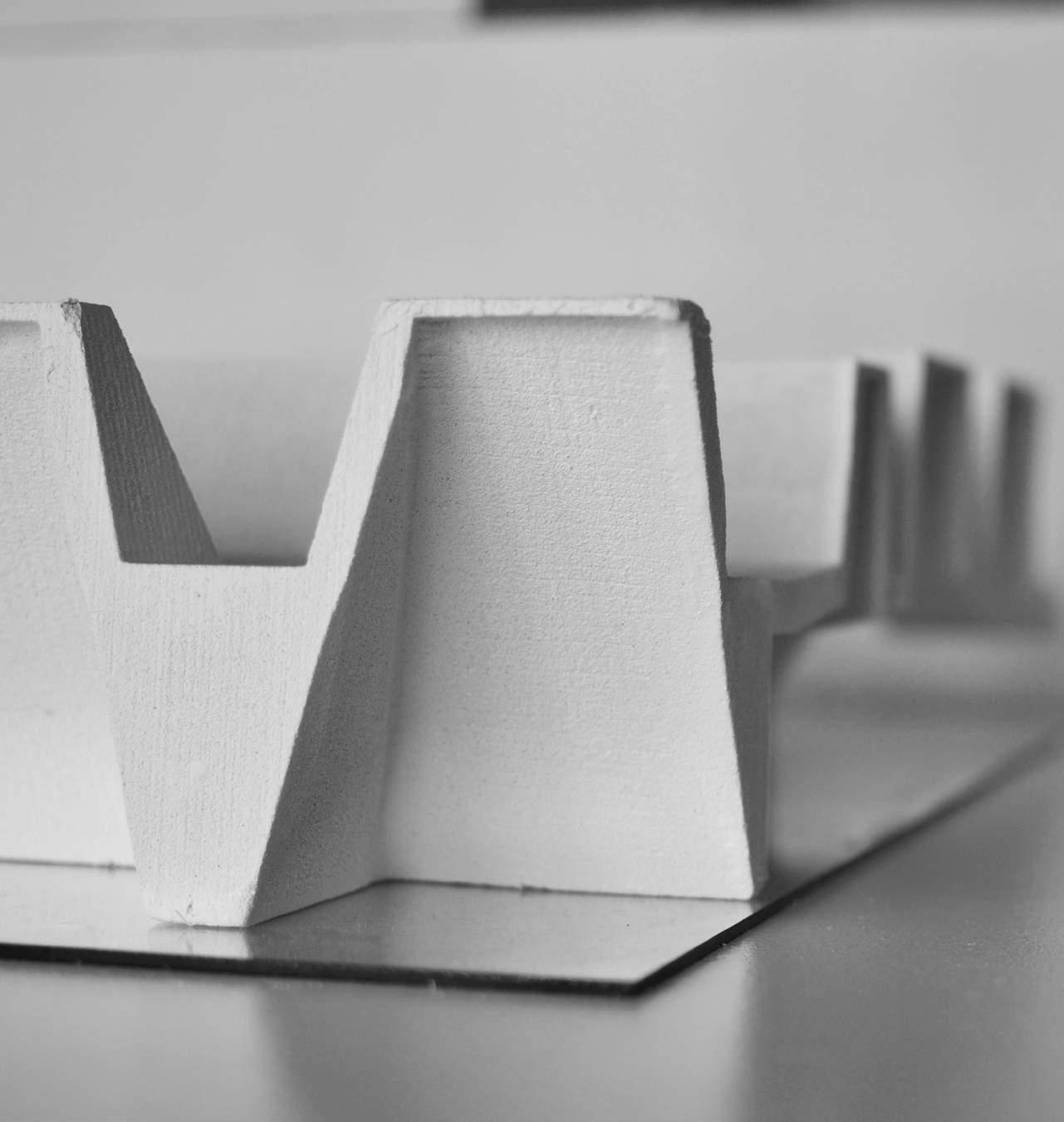


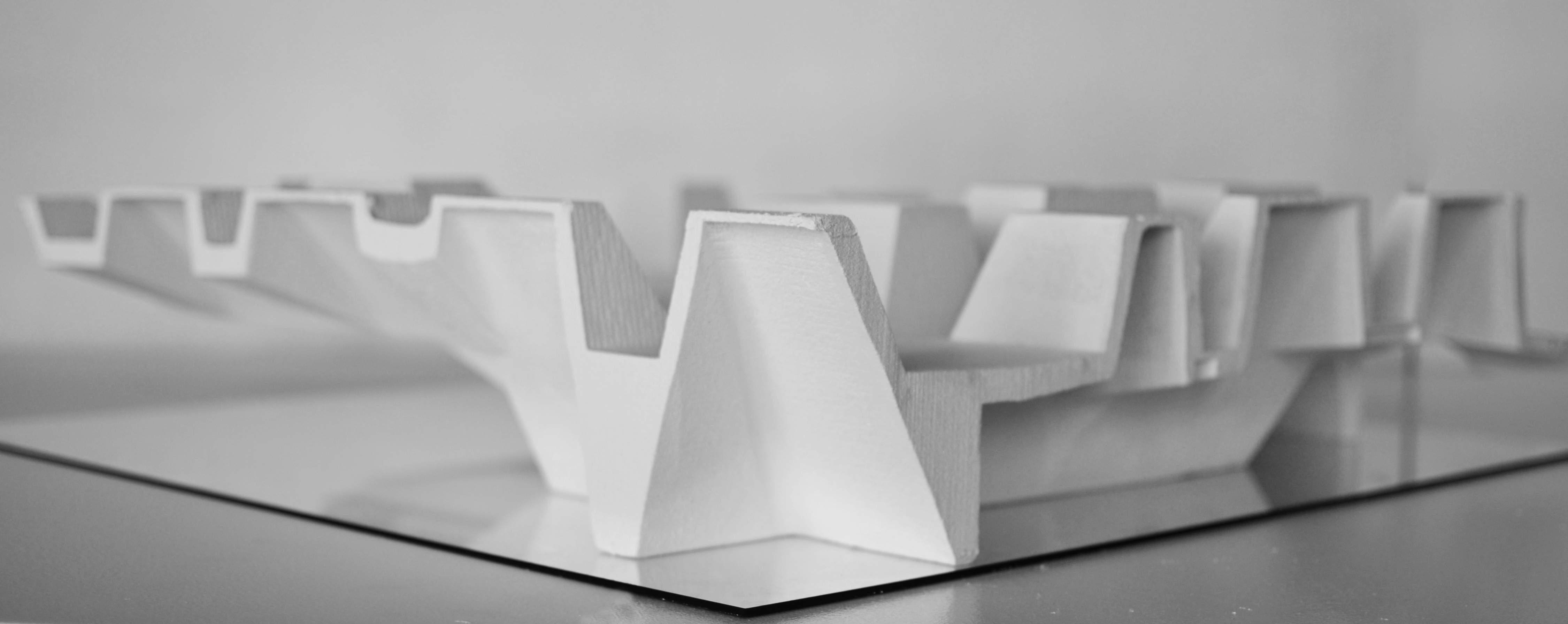
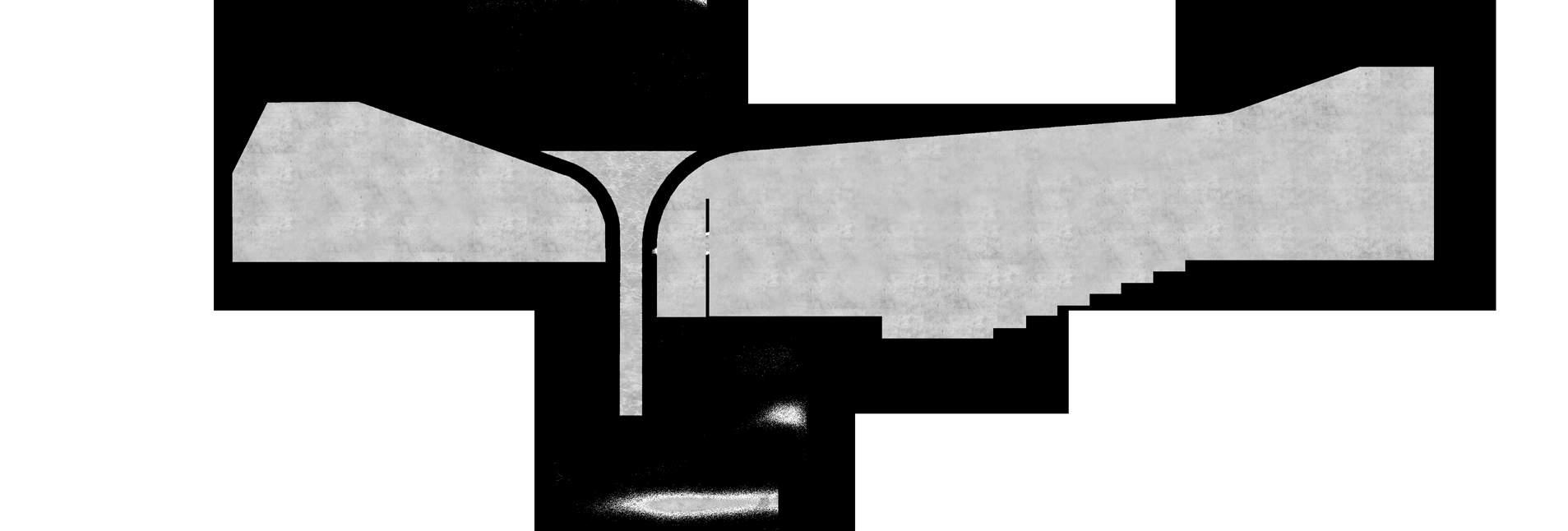
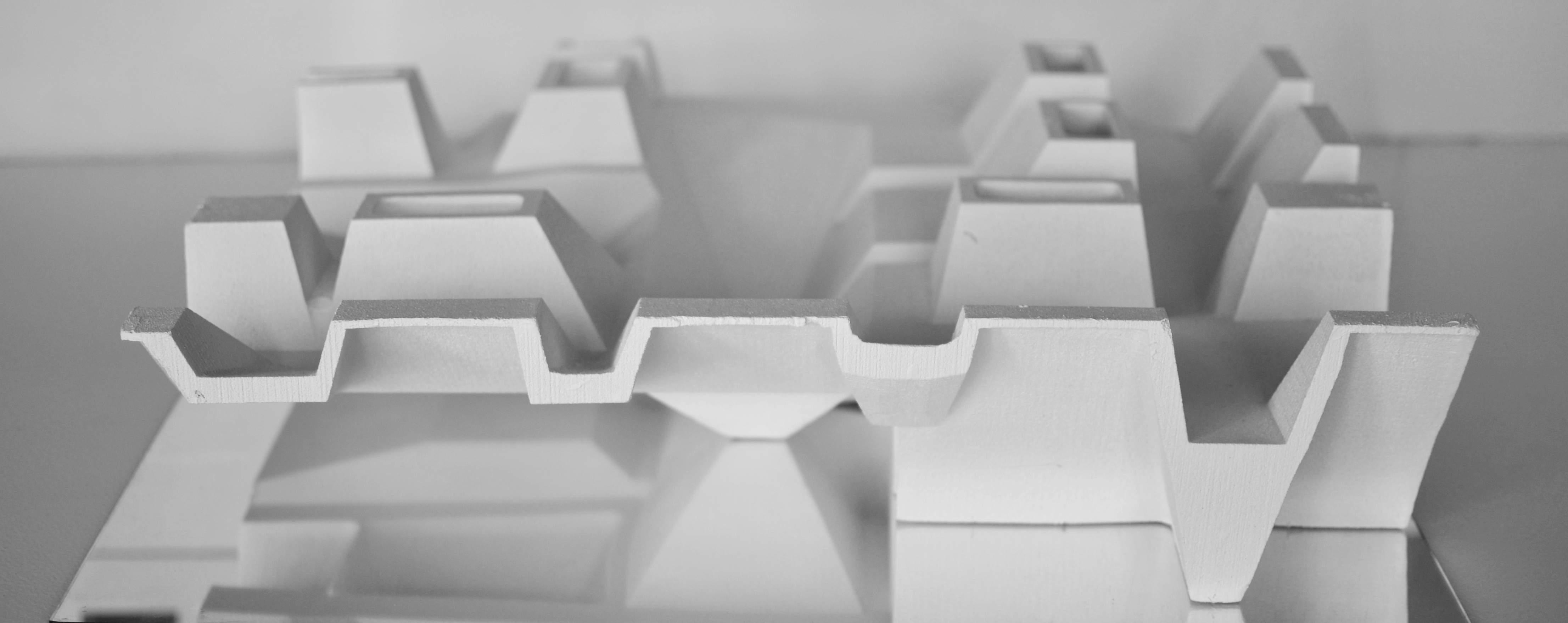

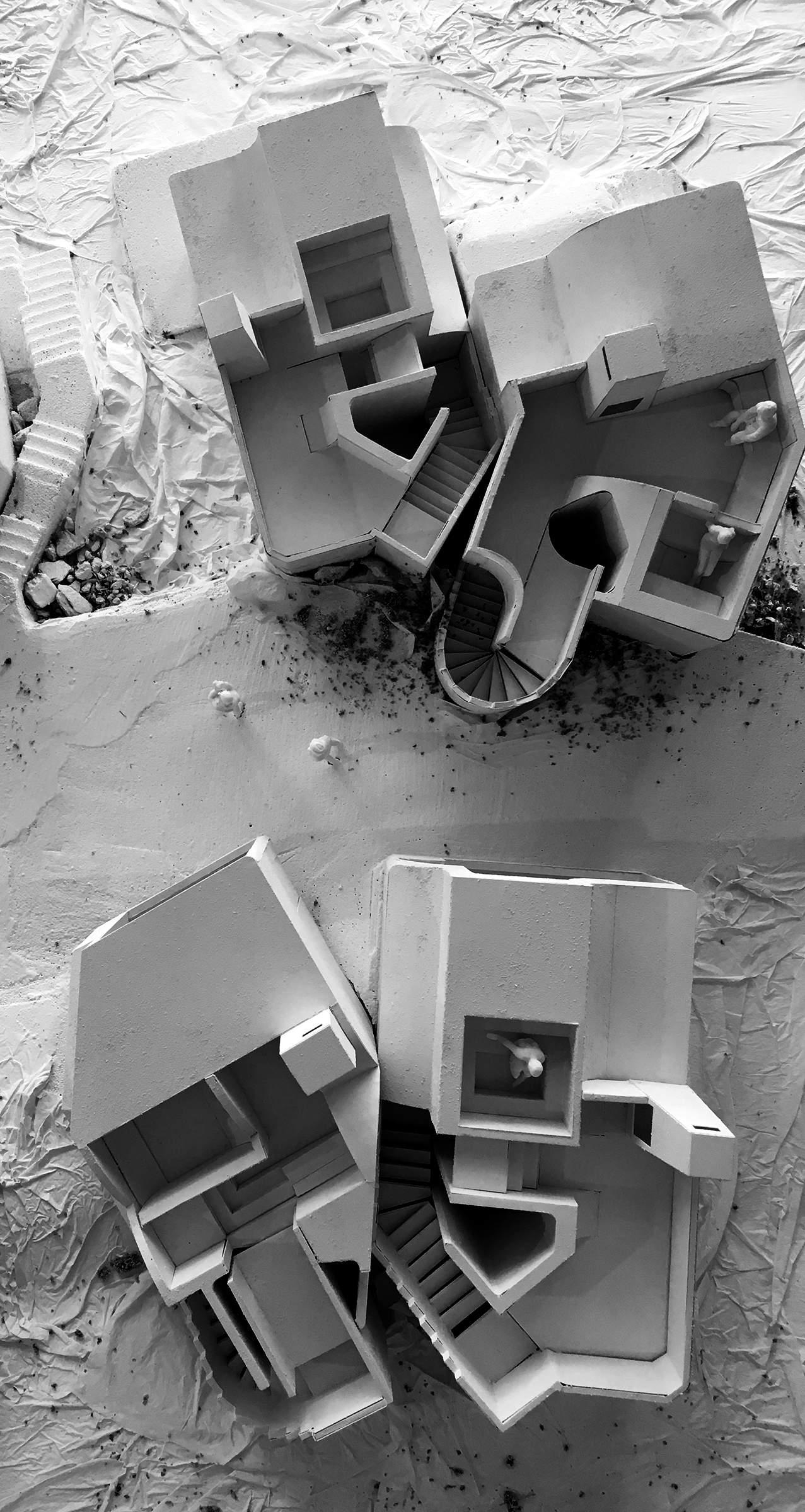
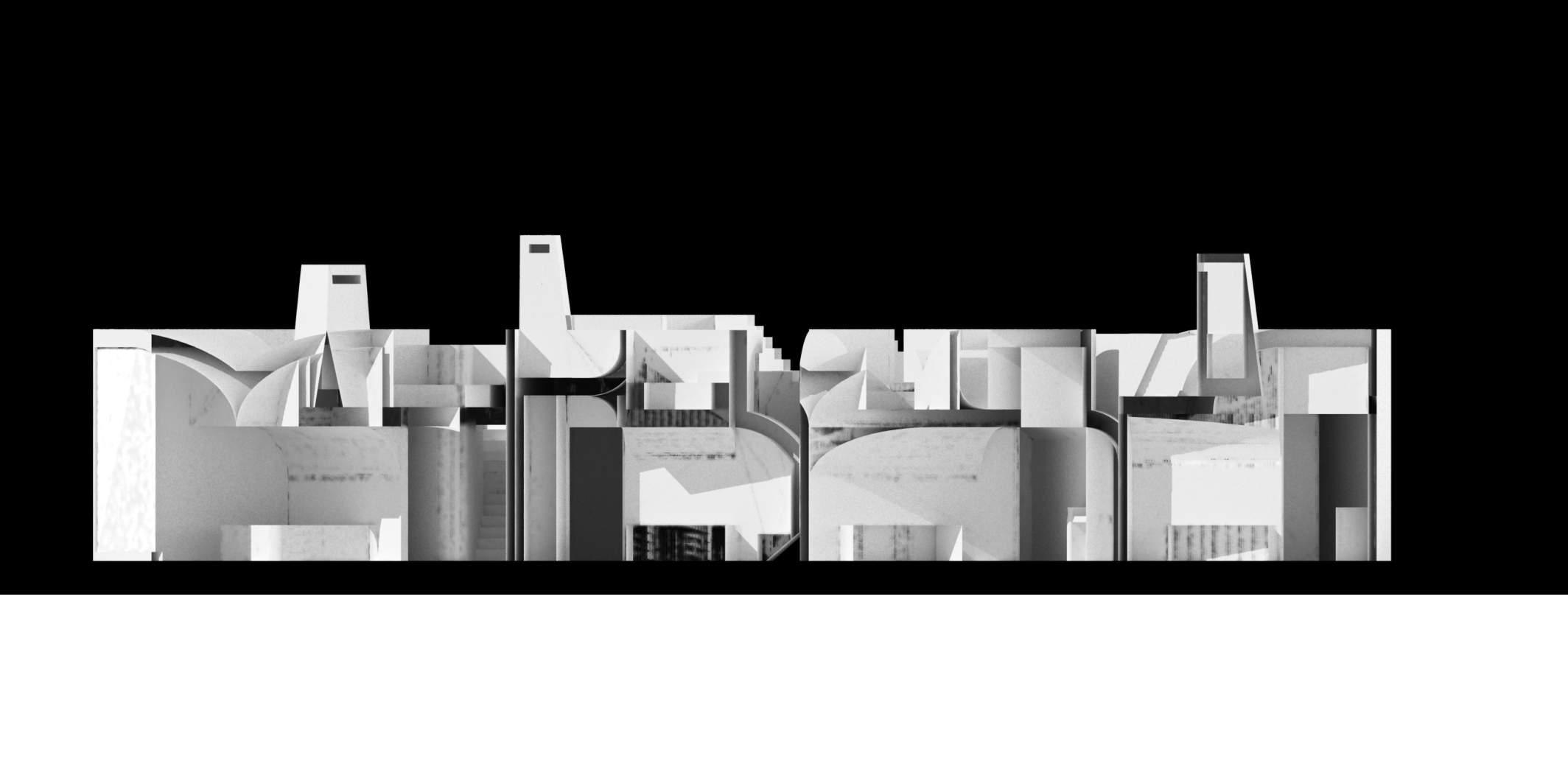
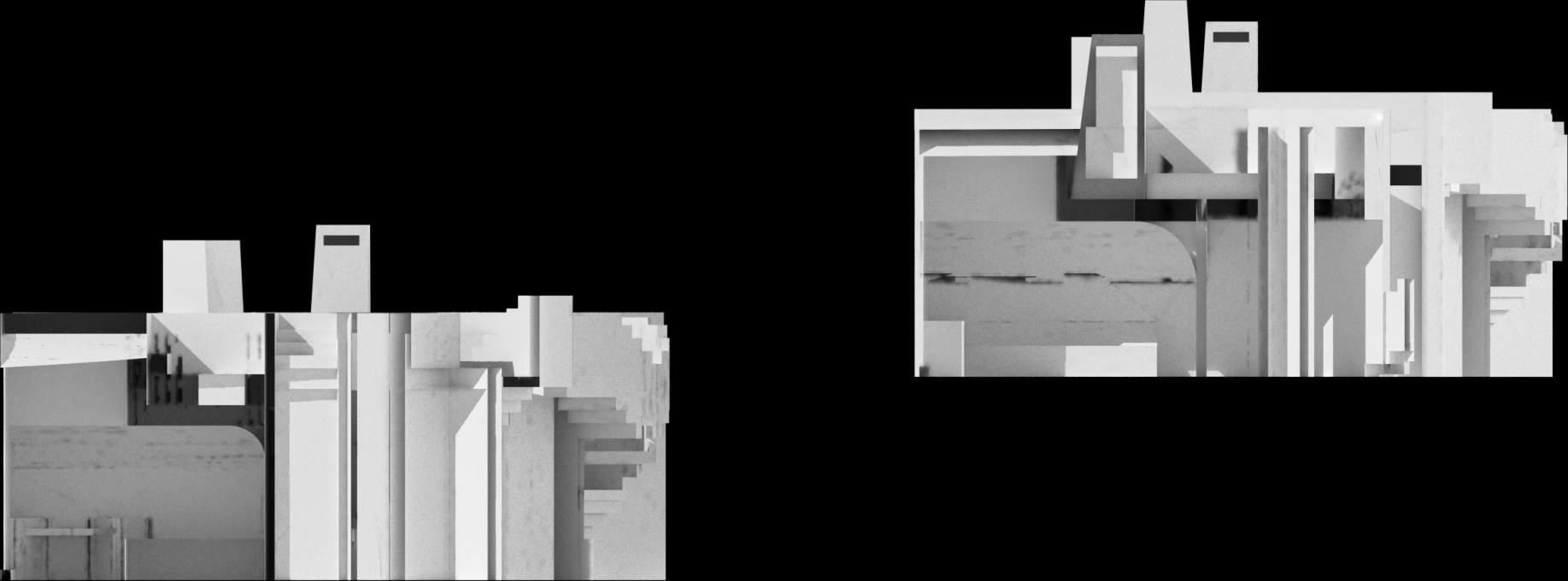
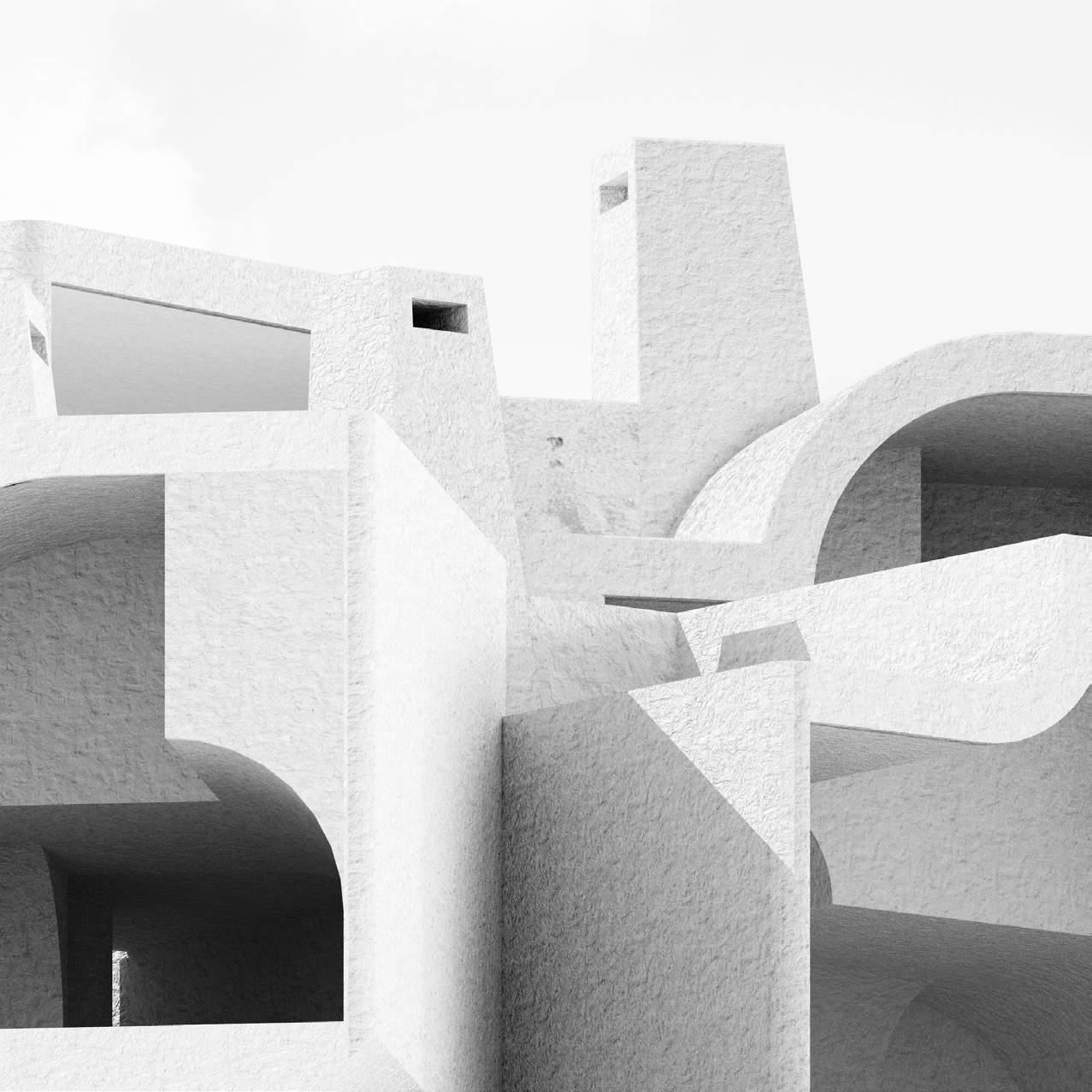
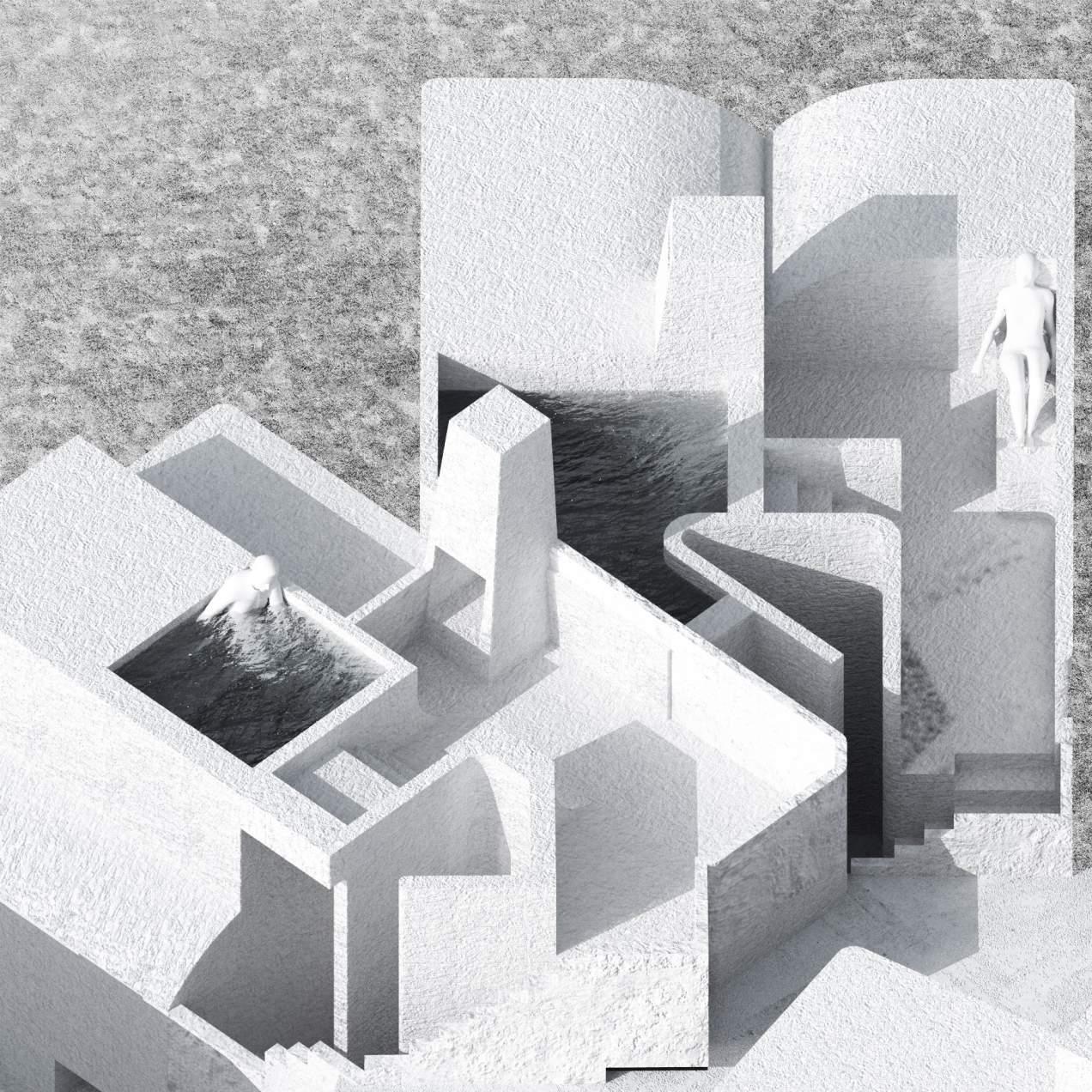
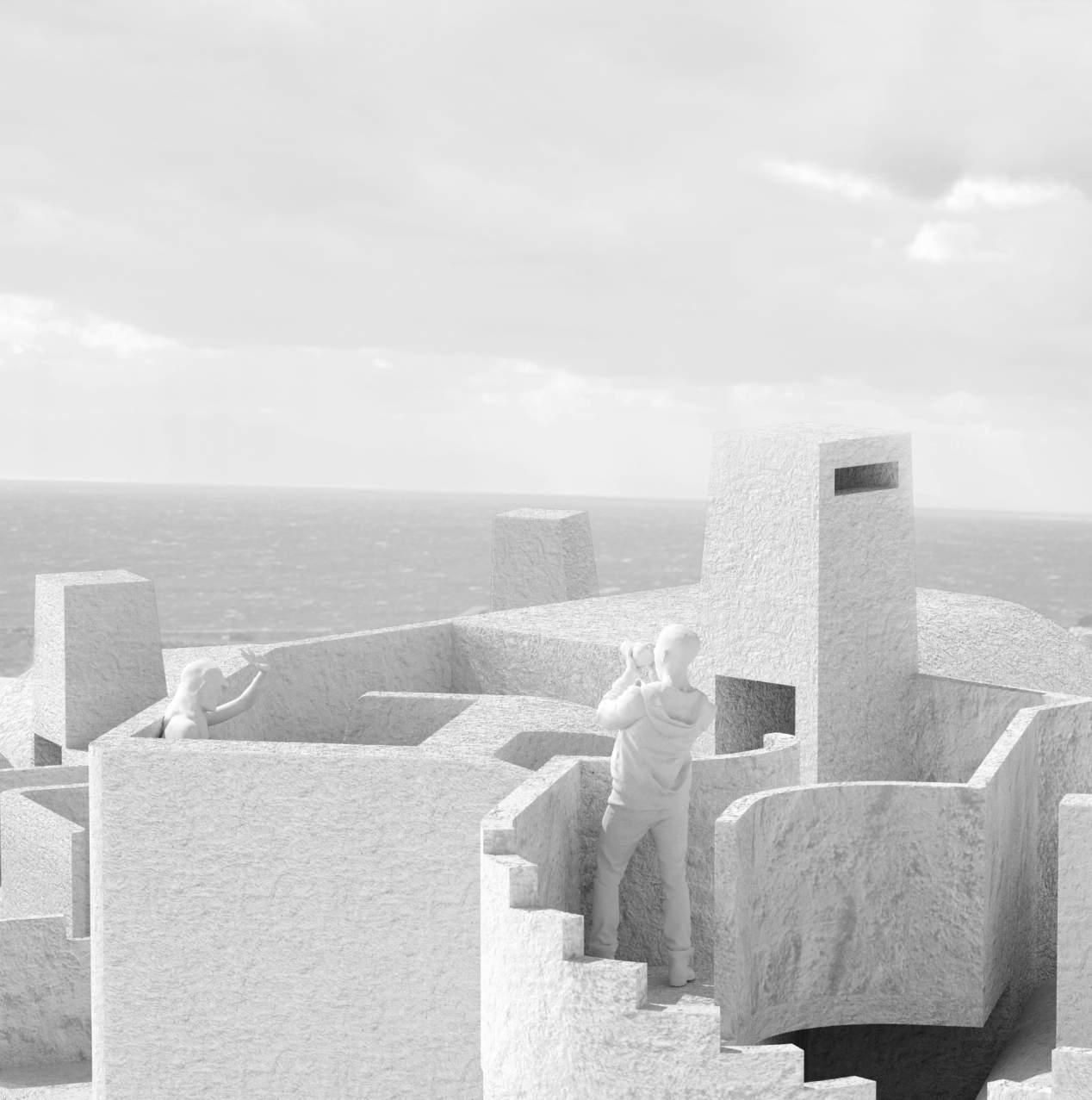
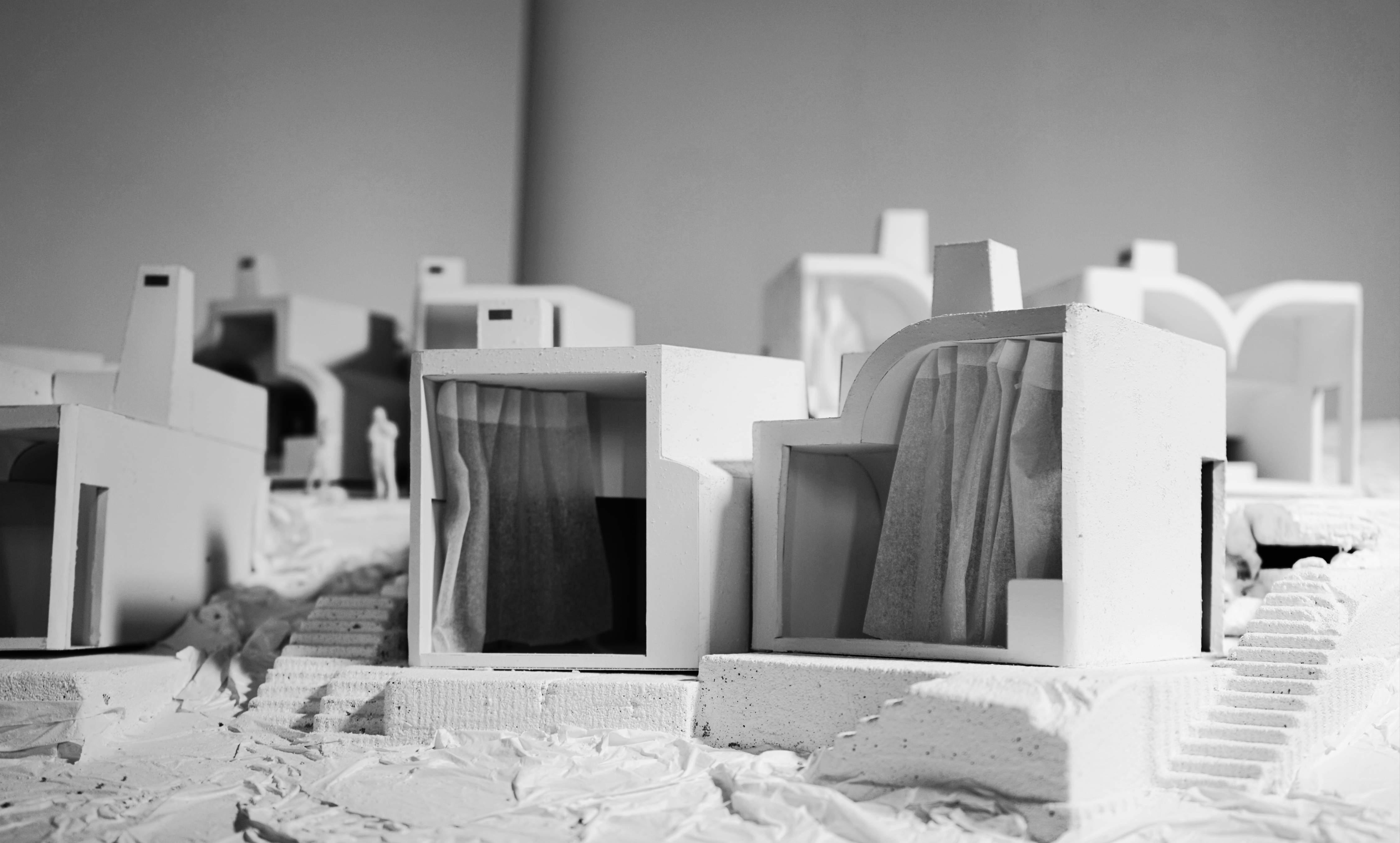
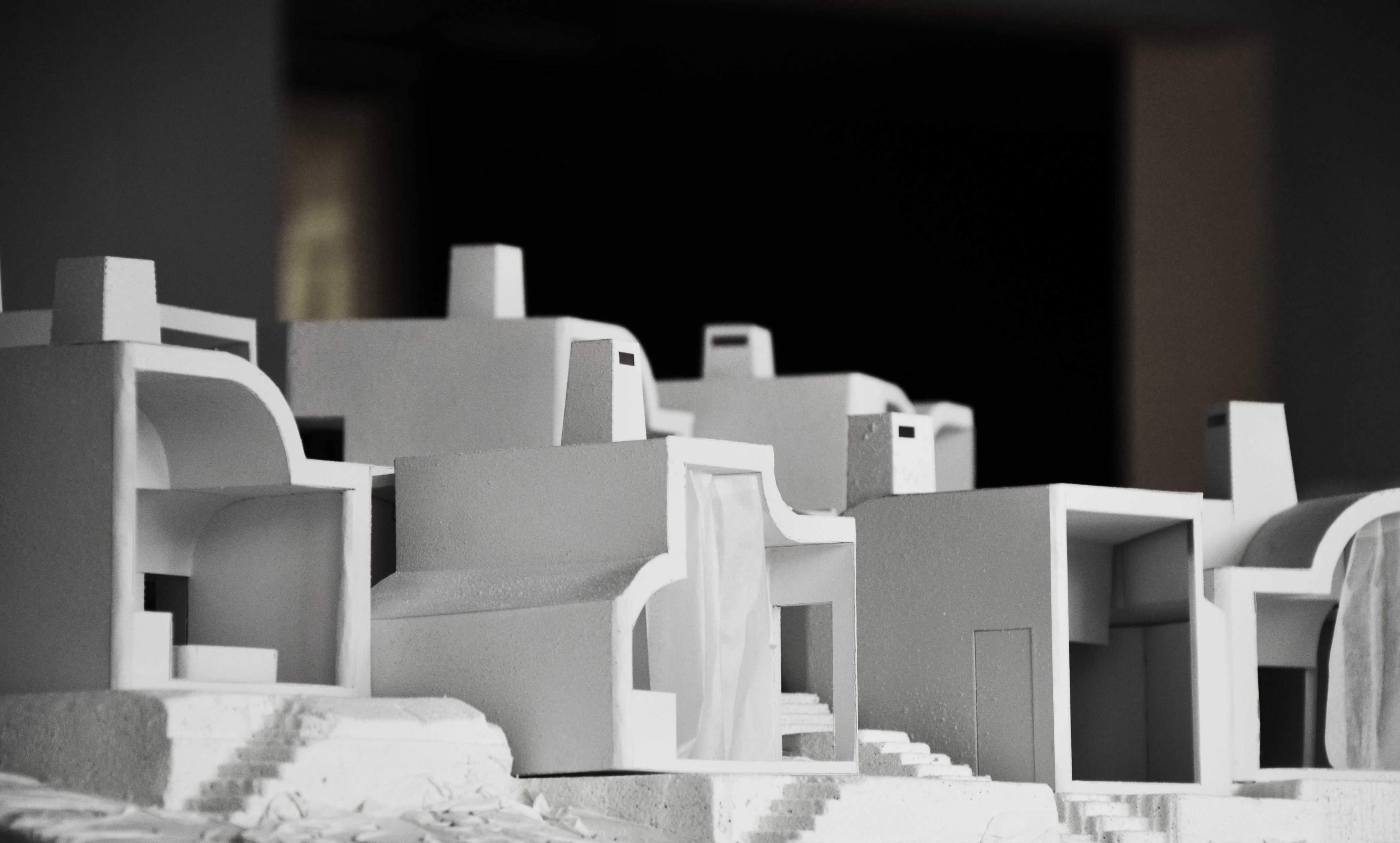
In Mykonos, the wall embodies more than a separation of space it seamlessly transitions into traditionally under thought fixtures while negotiating between the stairs, fireplaces, couches, desks, beds, and more. This proposal asks ‘what happens when the seemingly ex post facto objects, in this case fixtures, become both formal and spatial?’ The fixtures, then, become a spatial driver - not a spatial filler, designed congruently with the walls rather than afterthought. The formal language of each space is defined by the undulations made possible by the interior builtin fixture. The wall becomes a seamless transitional negotiation between the embedded form of the fixture and verticality of the wall. To borrow a concept from Beatriz Colomina, this Mykonian resort becomes a total interior - the specificity of the fixture on the interior rethinks the concept of the Mykonian vernacular on the outside. Each embedded fixture has a front and back, inside and outside, top and bottom - designed particularly to create specific spaces on from every point of view.
The architecture of Interpelago becomes both an emblem of the lifestyle in which it stands for, as well as an artifact of the historical foundations from which it is postured. This resort redefines the luxurious experience of vacationing in Mykonos as each unit captures a stunningly unique view of the gorgeous landscape from every bed, in every unit.
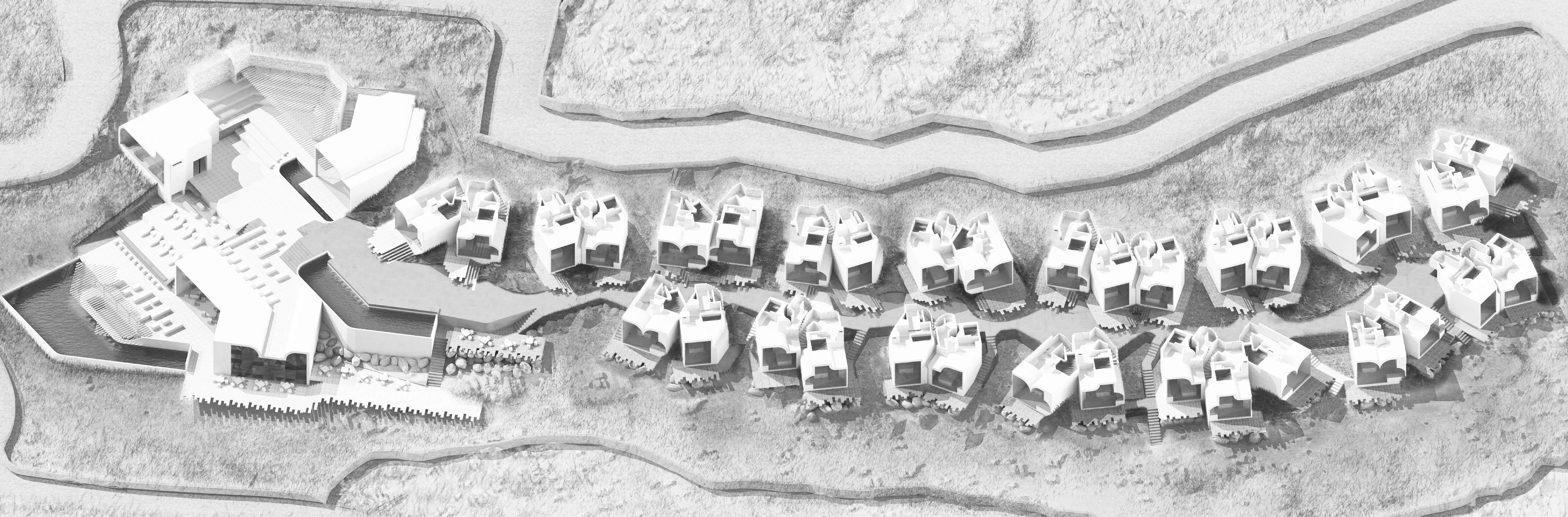
Interpelago translates the Cycladic island feel into the experiential layout of the resort. Units are dispersed throughout the site enabling a connection between two or three units for larger parties, while simultaneously providing private unique experiences for each individual unit. Aggregations of units throughout the site emphasize an archipelagoesque atmosphere while each unit becomes a unique island on the island.
The formal posture of this project becomes a resultant of the conglomeration of fixtures. Programmatic functions on the roof are defined by the three dimensionality of fixtures from below. Each rooftop houses a fireplace and a jacuzzi formed and seamlessly connected to the floor plan below, the roof and the exterior walls. The interior, the most hidden and sacred space in Mykonian architecture holds more weight now than ever before- it defines the spatiality on the interior as well as the formal language and character of the resort as a whole.
The furniture on the interior of each unit translate in three dimensions into the form the building, enabling outdoor and roof programs to flourish as a response to the fixture below. Roof decks on each unit contain Jacuzzis and fire pits for outdoor pleasure once the sun goes down all accessible by a private interior staircase. The main social space provides several terraces for sunbathing, two pools, a 50 foot swim-up bar and cabana, a bath house, and a restaurant bar - all overlooking paradise beach with sweeping views of the Aegean Sea.
Interpelago uses a historically significant Mykonian vernacular to provide a sensitive and unique resort. Guests of Interpelago experience a new definition of luxury through panoramic views, breathtaking architecture, and most of all Mykonos.