
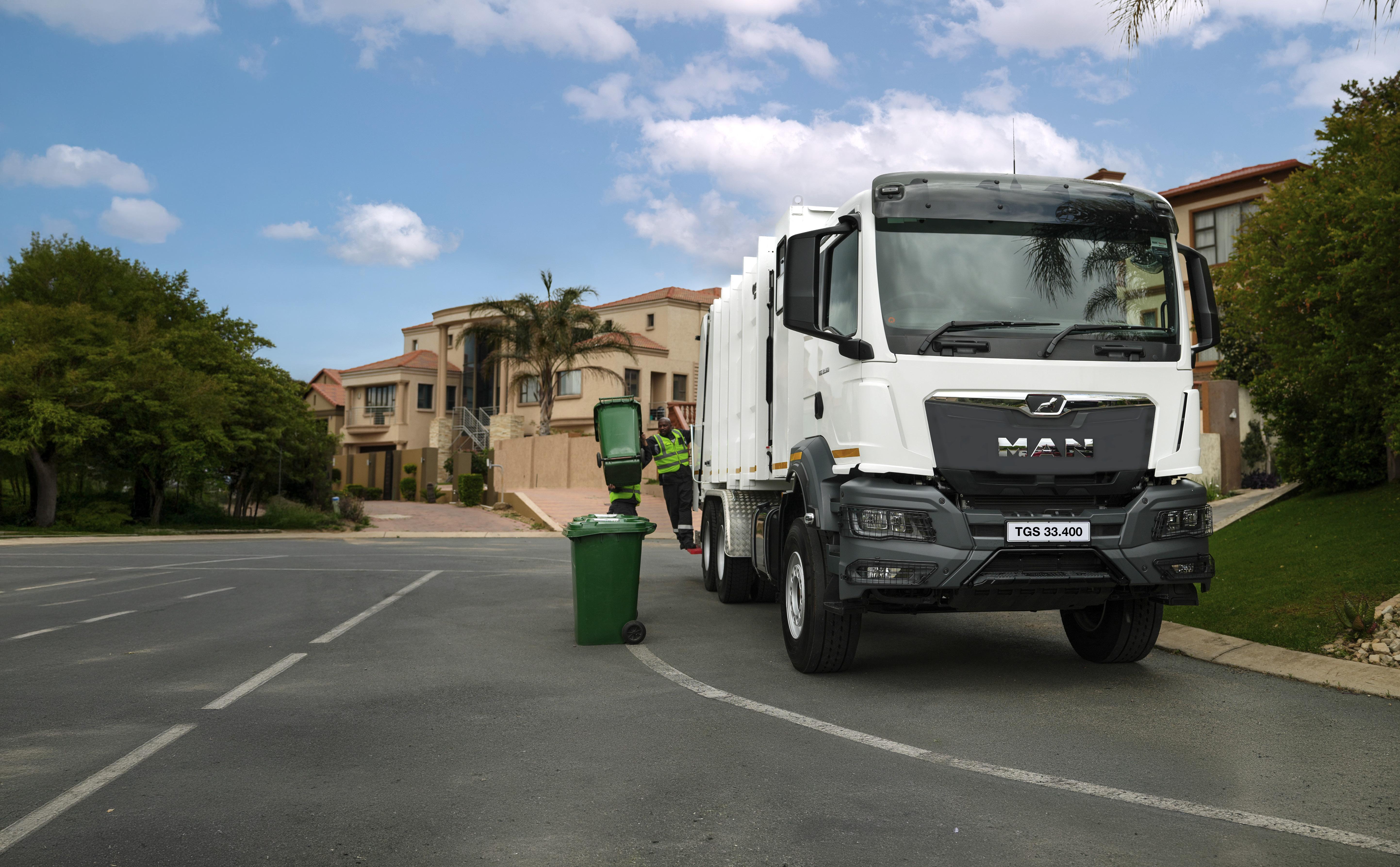
Waste collection demands equipment that performs every single day. The MAN TGS 33.400 is engineered for exactly that purpose.
With a 23m³ volume that allows maximum payload and a heavy-duty PTO built for continuous operation, the compaction system delivers consistent, high-density loading - allowing crews to collect more on every route. The MAN TipMatic gearbox, paired with the Collect Driving program for refuse collector, uses a gearshift strategy designed specifically for start-stop operation, improving efficiency and reducing wear that typically strains municipal fleets.
High ground clearance and robust planetary axles give the MAN TGS 33.400 dependable capability on challenging landfill terrain, ensuring a smooth transition from road to tip.
From streets to landfill sites, this cost-effective waste management solution is purpose-built to keep collecting - day after day.
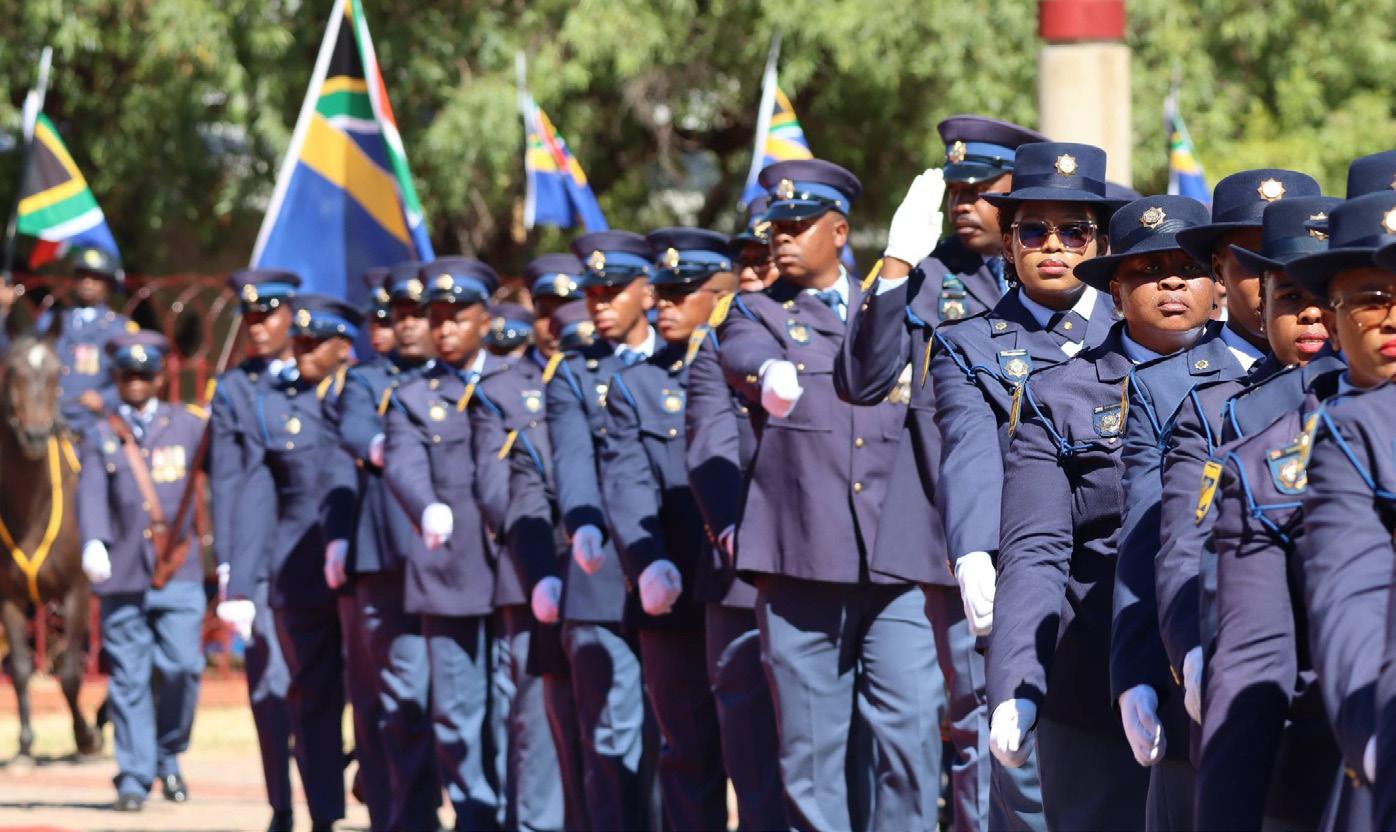
As South Africa observes Human Rights Month in March, the national conversation inevitably returns to the values that underpin our democracy - dignity, equality and justice. For South Africa to work, these principles must extend beyond the Constitution and find expression through the everyday functioning of institutions that deliver services, maintain infrastructure and create opportunity within communities.
In many ways, municipalities lie at the centre of this responsibility.
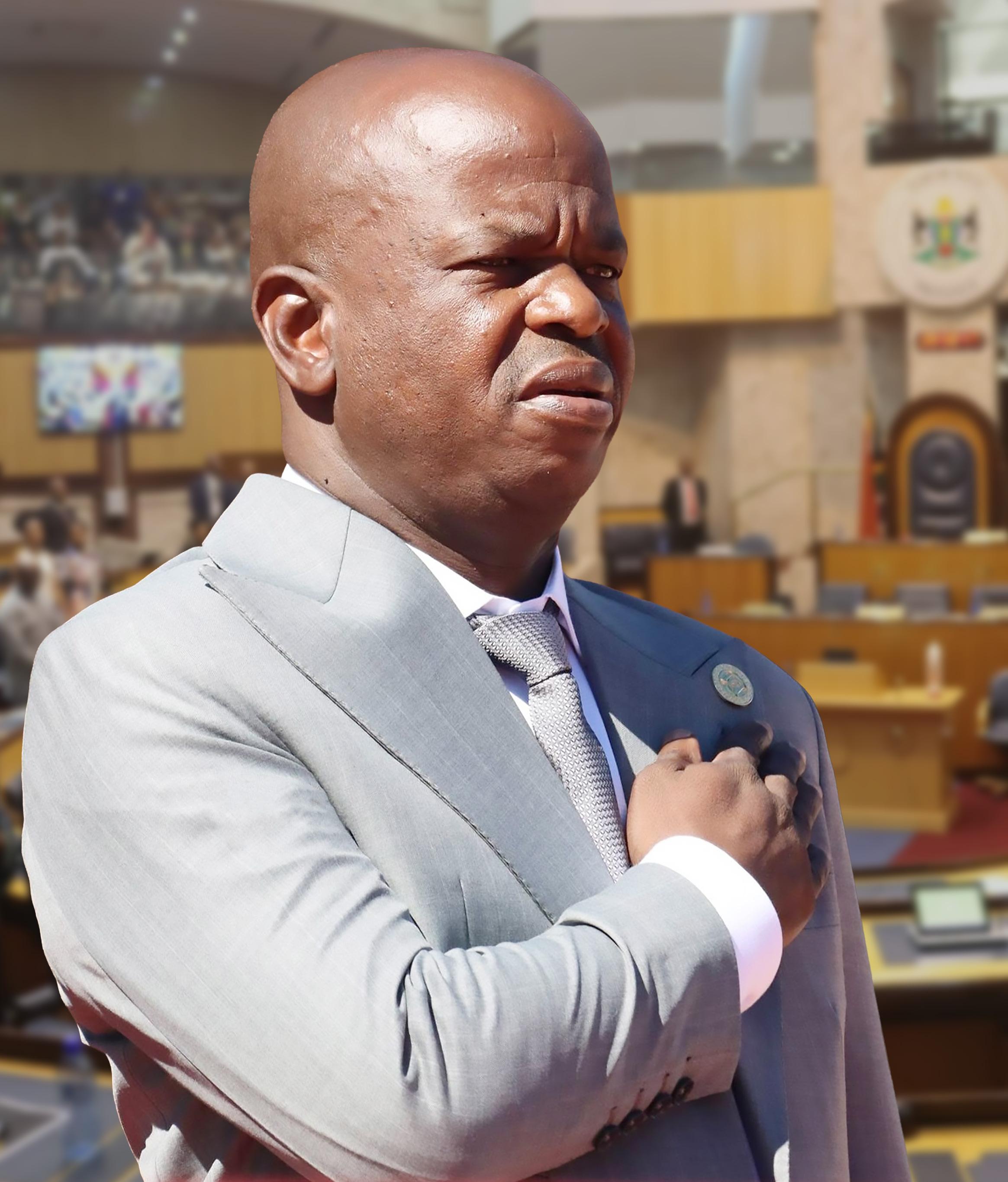
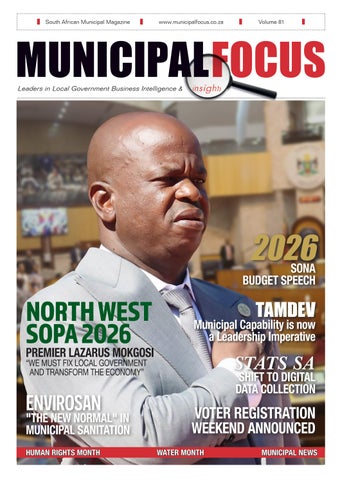
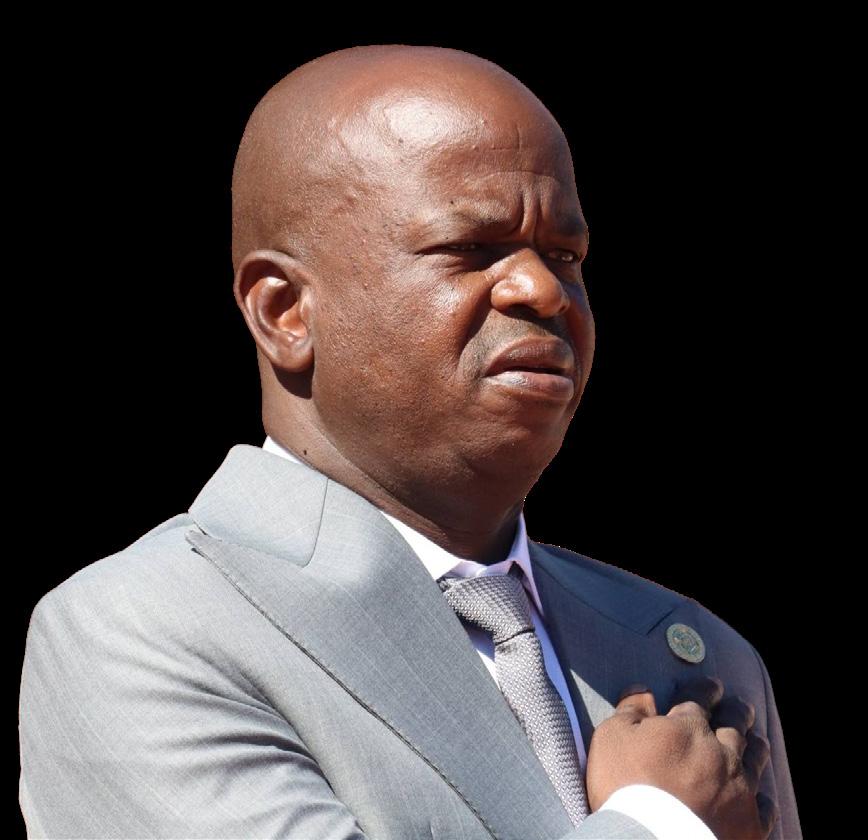
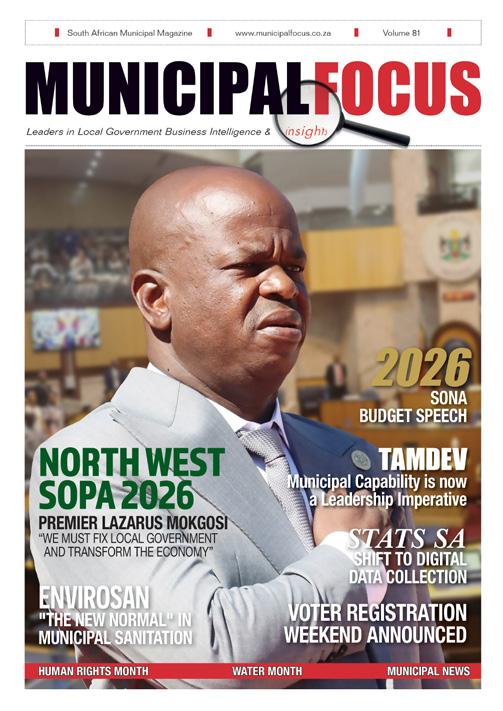
It is therefore fitting that the Front Cover Feature in this edition examines the North West SoPA, where Premier Lazarus Mokgosi declared 2026 the “Year of Decisive Action to Fix Local Government and Transform the Economy.” His message reflects both candour about the challenges facing municipalities - and determination to restore institutional functionality, strengthen governance, and rebuild public confidence in provincial sector public institutions.
The emphasis on capable institutions resonates strongly with the national outlook outlined in President Cyril Ramaphosa’s 2026 SoNA, where fixing the basics - water, electricity, infrastructure and effective local government - remains central to South Africa’s development agenda.
Our feature on SAMRRA reflects on government’s proposed policy shift towards rental housing subsidies, noting that access to well-located accommodation is critical after all. As the organisation reminds us, “location is not a luxury.”
Our coverage of the 2026 Budget Speech, showcases how National Treasury is charting a path towards fiscal stability and placing growth, infrastructure investment and state capability firmly at the centre of the national agenda.
The feature on the TAMDEV programme of the National Business Initiative (NBI)
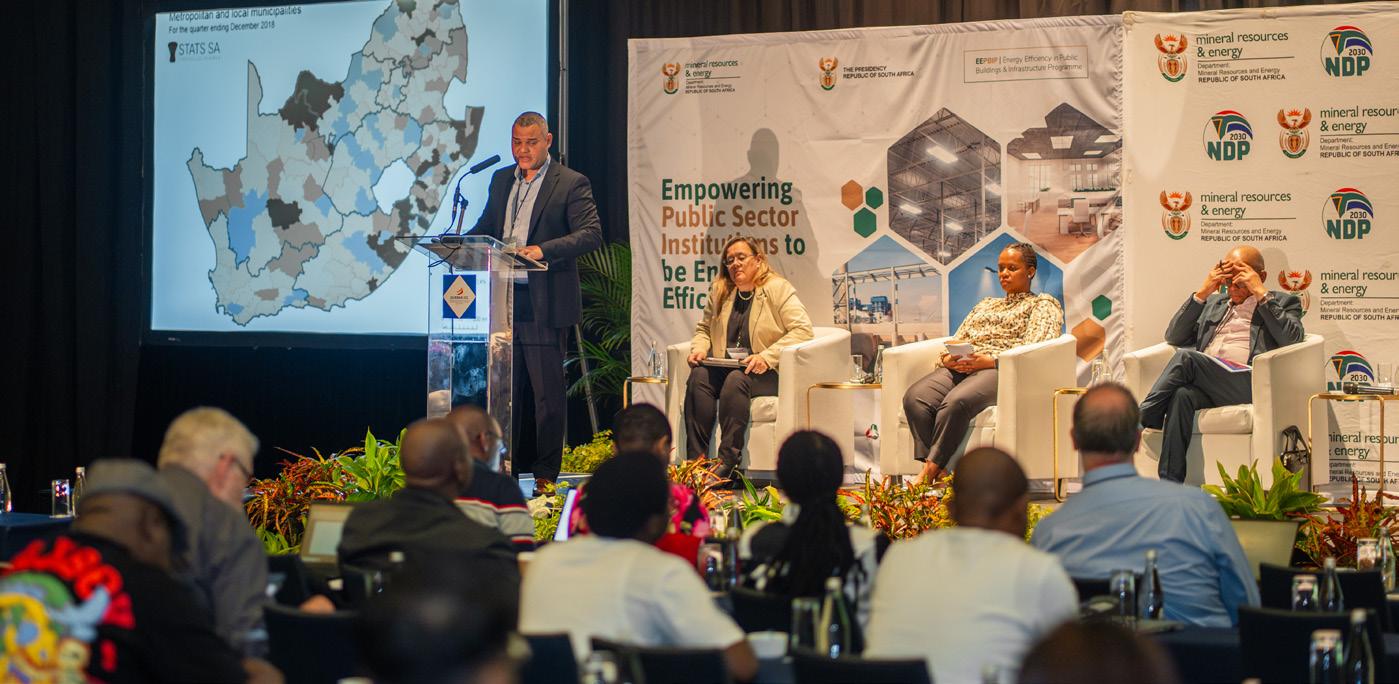
highlights the growing importance of partnerships that strengthen municipal capability where it matters most: in implementation. While the contribution by NuWater reminds us that water infrastructure is never simply technical - it touches dignity, health and opportunity within communities.
Our showcase of Envirosan’s “New Normal” water-efficient sanitation technologies to Implats’ ongoing investment in communities highlights that collaborative approaches remain essential in addressing South Africa’s infrastructure and development challenges.
Our Municipal News pages reflect on how municipal leadership and service delivery continue to shape dignity, opportunity and quality of life within communities.
The future of South Africa must be re-imagined through capable institutions, collaborative partnerships and leadership that delivers real progress.
We at Municipal Focus will continue to showcase the people and ideas driving that progress.
Keep safe and enjoy the read!
Warm regards,



44 NUWATER - Water is Not Neutral
50 TIKZN - Economic Inclusion through Investment in KZN
54 NBI TAMDEV - Why Municipal Capability is now a Leadership Imperative
58 FREE STATE SOPA 2026 - A Focus on Delivery, Growth and Governance
62 STATS SA - Unlocking Municipal-Level Statistics Through Digital Data Collection
66 WEARCHECK WATER - From Compliance to Confidence
MUNICIPAL NEWS
72 OR TAMBO DISTRICT MUNICIPALITY
74 GEORGE MUNICIPALITY
77 GREATER GIYANI LOCAL MUNICIPALITY
78 LESEDI LOCAL MUNICIPALITY
79 ALFRED NZO DISTRICT MUNICIPALITY
80 KWADUKUZA LOCAL MUNICIPALITY
82 ILEMBE DISTRICT MUNICIPALITY


“Communications, Marketing and Advertising are indispensable tools towards success and growth in any business venture…”
“Communications, Marketing and Advertising are indispensable tools towards success and growth in any business venture…”
Kweda Media & Communications offers a diverse range of business and sales solutions, strategies and ideas that are customised to meet our clients’ standards and exceed their expectations.
Kweda Media & Communications offers a diverse range of business and sales solutions, strategies and ideas that are customised to meet our clients’ standards and exceed their expectations.
Our Vision is driven by the passion to inspire, assist and elevate business enterprises by forming strategic collaborations that will yield multiple benefits of success and growth for all.
Our Vision is driven by the passion to inspire, assist and elevate business enterprises by forming strategic collaborations that will yield multiple benefits of success and growth for all.
Kweda Media and Communications is a Proudly South African, 100% black female owned company located in Plumstead, Cape Town, registered as a private company since May 2014 - we hold a level 1 B-BBEE certificate. We are a team of multi skilled staff members who have a fresh, innovative and diverse approach to working and always willing to put in the extra time and attention to ensure great service delivery on time.
Kweda Media and Communications is a Proudly South African, 100% black female owned company located in Plumstead, Cape Town, registered as a private company since May 2014 - we hold a level 1 B-BBEE certificate. We are a team of multi skilled staff members who have a fresh, innovative and diverse approach to working and always willing to put in the extra time and attention to ensure great service delivery on time.
Your vision… our drive
Your vision… our drive
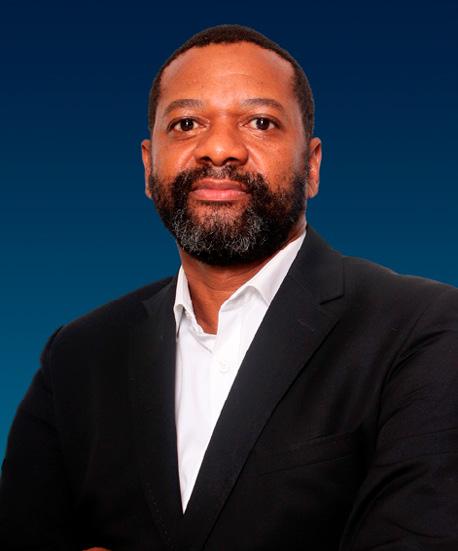
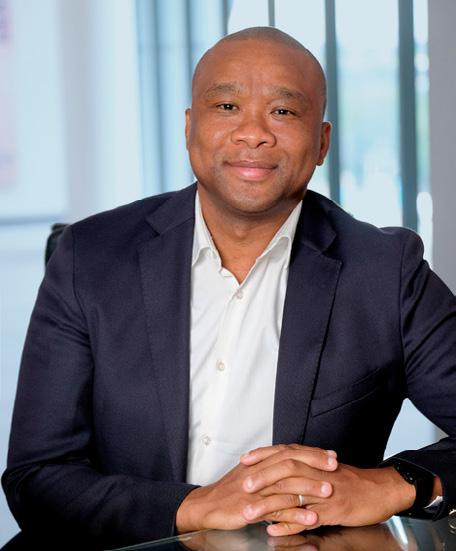
PUBLISHING EDITOR
PUBLISHING EDITOR
SIMO MKHIZE
SITHOLE MBANGA CEO: SA CITIES NETWORK
NORTH WEST PREMIER: LAZARUS KAGISO MOKGOSI
SITHOLE MBANGA
SIMO MKHIZE
DISTRIBUTION
Nardine Nelson nardine@kwedamedia.co.za +27 82 739 3932
Nelson
EDITORIAL CONTRIBUTORS
Nelson nardine@kwedamedia.co.za +27 82 739 3932
Nardine Nelson nardine@kwedamedia.co.za +27 82 739 3932
EDITORIAL CONTRIBUTORS
Contributors
Nardine Nelson nardine@kwedamedia.co.za +27 82 739 3932 Nkhoma
DISTRIBUTION
EDITORIAL CONTRIBUTORS
Isaac Mahlangu Andile Moyo
Contributors
Thebe Mabanga
Contributors Happy Nkhoma Isaac Mahlangu Madala Thepa
Nwabisa Pondoyi Madala Thepa
Kenny Mahlangu
MAGAZINE DESIGN & LAYOUT
MAGAZINE DESIGN & LAYOUT
Happy Nkhoma Isaac Mahlangu Madala Thepa
MAGAZINE DESIGN & LAYOUT
KCDA Design Agency
nardine@kwedamedia.co.za +27 82 739 3932 Nkhoma Isaac Mahlangu Nwabisa Pondoyi Madala Thepa
MAGAZINE DESIGN & LAYOUT
Digital Pixels Studio Paul Sampson paul@digital-pixels.co.za
Jaco Kotze jk@kcda.co.za
Digital Pixels Studio Paul Sampson paul@digital-pixels.co.za
Digital Pixels Studio Paul Sampson paul@digital-pixels.co.za
MAGAZINE DESIGN & LAYOUT
Digital Pixels Studio Paul Sampson paul@digital-pixels.co.za
Advertising Nazly Leite nazly@kwedamedia.co.za
Gareth Kay gareth@kwedamedia.co.za
Advertising Mphumzi Njovana mphumzi@kwedamedia.co.za Nazly Leite nazly@kwedamedia.co.za
Advertising Mphumzi Njovana mphumzi@kwedamedia.co.za
Lunga Zimemo lunga@kwedamedia.co.za
Advertising Mphumzi Njovana mphumzi@kwedamedia.co.za Nazly Leite nazly@kwedamedia.co.za
Nazly Leite nazly@kwedamedia.co.za
Production production@kwedamedia.co.za
Advertising Mphumzi Njovana mphumzi@kwedamedia.co.za Nazly Leite nazly@kwedamedia.co.za
Xolani Ngceba xolani@kwedamedia.co.za
Production production@kwedamedia.co.za
Production Rayhaan Suleiman production@kwedamedia.co.za
Production production@kwedamedia.co.za
Administration
Administration/Finance
Production Rayhaan Suleiman production@kwedamedia.co.za
Administration admin@kwedamedia.co.za
Administration Tameryn Moses tameryn@kwedamedia.co.za admin@kwedamedia.co.za
Roxi Gildenhuys roxi@kwedamedia.co.za
Administration admin@kwedamedia.co.za
Tameryn Moses tameryn@kwedamedia.co.za admin@kwedamedia.co.za
Marketing / Distribution
Subscriptions / Distribution subscriptions@kwedamedia.co.za
subscriptions@kwedamedia.co.za
Subscriptions / Distribution subscriptions@kwedamedia.co.za
subscriptions@kwedamedia.co.za
Nozi Mbanjwa marketing@kwedamedia.co.za

National Assembly, National Municipalities:
Provincial Mayors, Managers, Heads Tenders Conferences
GCIS, National Assembly, NCOP, National & Provincial Departments, Municipalities: Mayors, Managers, Heads of Procurement, Tenders and Purchasing Officers, Conferences and the Private Sector
DIGITAL E-BOOK CREATION
www.digital-pixels.co.za CCO: CELL C
Officers, Conferences Sector
GCIS, National Assembly, NCOP, National & Provincial Departments, Municipalities: Mayors, Managers, Heads of Procurement, Tenders and Purchasing Officers, Conferences and the Private Sector

www.KCDA.co.za
DIGITAL E-BOOK CREATION

www.digital-pixels.co.za CEO: SA CITIES NETWORK
www.digital-pixels.co.za CCO: CELL C
PUBLISHED BY Kweda Media & Communications
PUBLISHED BY Kweda Media & Communications
Communications
Tel: +27 (21) 768 0115
Communications Village Main Road, Plumstead, Cape Town
www.kwedamedia.co.za
PUBLISHED BY Kweda Media & Communications (Pty)Ltd, 1 The Village Square, Main Road, Plumstead, Cape Town 7800
1 The Village Square, Main Road, Plumstead, Cape Town Tel: +27 (21) 768 0115 www.kwedamedia.co.za
The Square, Main Road, Town Tel: +27 (21) 768 0115 www.kwedamedia.co.za
1 The Village Square, Main Road, Plumstead, Cape Town Tel: +27 (21) 768 0115 www.kwedamedia.co.za
Tel: +27 (21) 768 0115 www.kwedamedia.co.za
All editorial, business and production correspondence should be addressed to Municipal Focus, PO Box 12454 Plumstead 7800. Manuscripts, illustrations and other material must be accompanied by a stamped, self-addressed envelope. No responsibility can be accepted for unsolicited material. The editor reserves the right to amend and to alter copy and visual material as deemed necessary. Copyright by Kweda Media & Communications. All rights reserved. No part of this publication may be reproduced, stored in a retrieval system or transmitted by any form or any means without prior permission of the publisher. The opinions expressed in Municipal Focus are not necessarily those of the publishers.
business and production correspondence should be addressed to Municipal Focus, PO Box 12454 Plumstead 7800. Manuscripts, illustrations and other material must be accompanied by a stamped, self-addressed envelope. No responsibility can be accepted for unsolicited material. The editor reserves the right to amend and to alter copy and visual material as deemed necessary. Copyright by Kweda Media & Communications. All rights reserved. No part of this publication may be reproduced, stored in a retrieval system or transmitted by any form or any means without prior permission of the publisher. The opinions expressed in Municipal Focus are not necessarily those of the publishers.
All editorial, business and production correspondence should be addressed to Municipal Focus, PO Box 12454 Plumstead 7800. Manuscripts, illustrations and other material must be accompanied by a stamped, self-addressed envelope. No responsibility can be accepted for unsolicited material. The editor reserves the right to amend and to alter copy and visual material as deemed necessary. Copyright by Kweda Media & Communications. All rights reserved. No part of this publication may be reproduced, stored in a retrieval system or transmitted by any form or any means without prior permission of the publisher. The opinions expressed in Municipal Focus are not necessarily those of the publishers.
All business production correspondence should be addressed to Municipal Focus, PO Box 12454 Plumstead 7800. Manuscripts, illustrations and other material must be accompanied by a stamped, self-addressed envelope. No responsibility can be accepted for unsolicited material. The editor reserves the right to amend and to alter copy and visual material as deemed necessary. Copyright by Kweda Media & Communications. All rights reserved. No part of this publication may be reproduced, stored in a retrieval system or transmitted by any form or any means without prior permission of the publisher. The opinions expressed in Municipal Focus are not necessarily those of the publishers.
All editorial, business and production correspondence should be addressed to Municipal Focus, PO Box 12454 Plumstead 7800. Manuscripts, illustrations and other material must be accompanied by a stamped, self-addressed envelope. No responsibility can be accepted for unsolicited material. The editor reserves the right to amend and to alter copy and visual material as deemed necessary. Copyright by Kweda Media & Communications. All rights reserved. No part of this publication may be reproduced, stored in a retrieval system or transmitted by any form or any means without prior permission of the publisher. The opinions expressed in Municipal Focus are not necessarily those of the publishers.



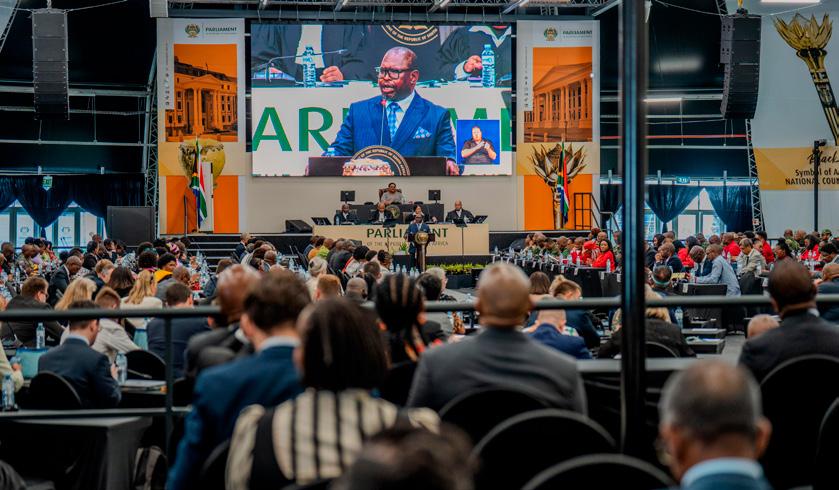
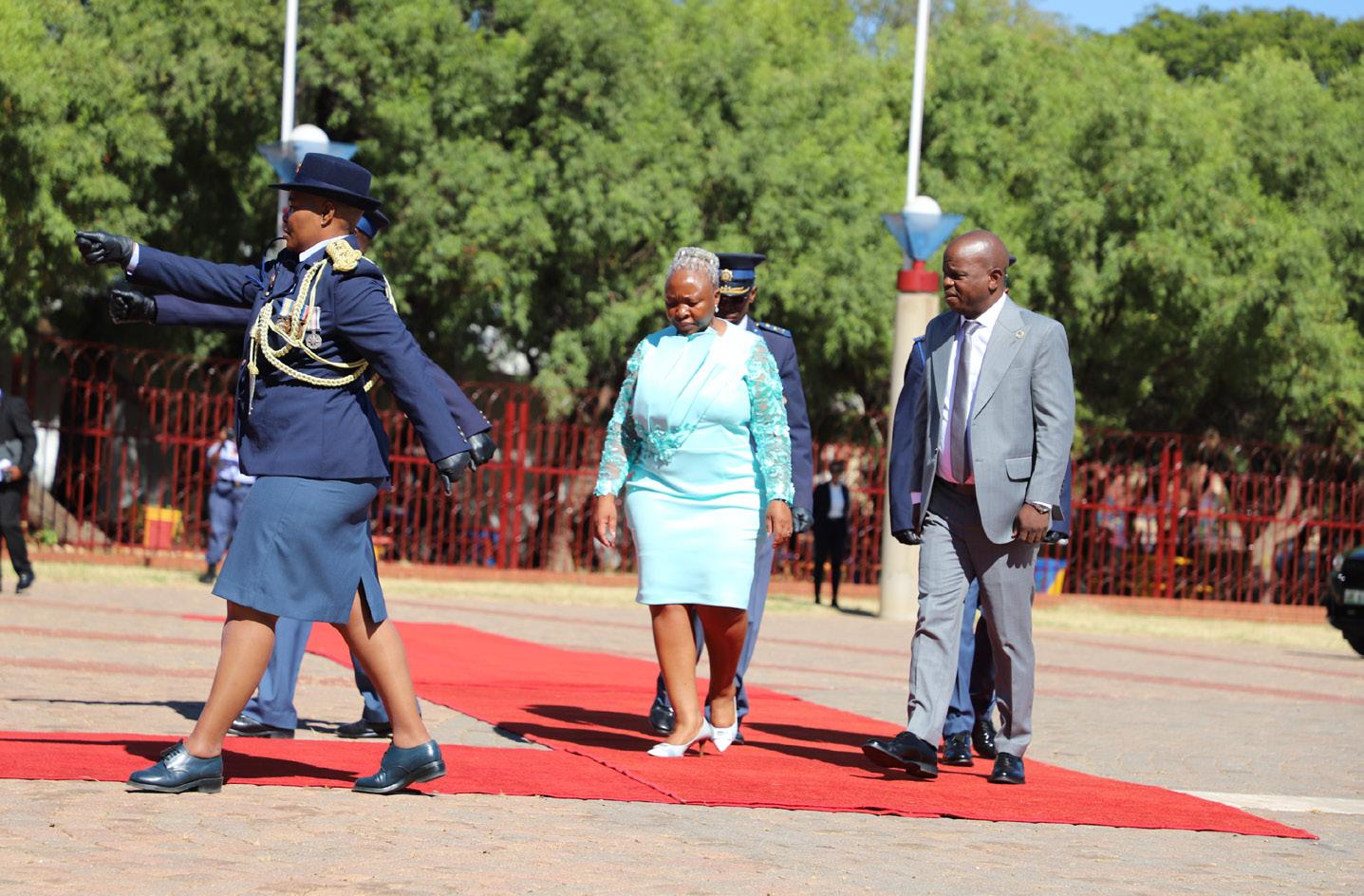
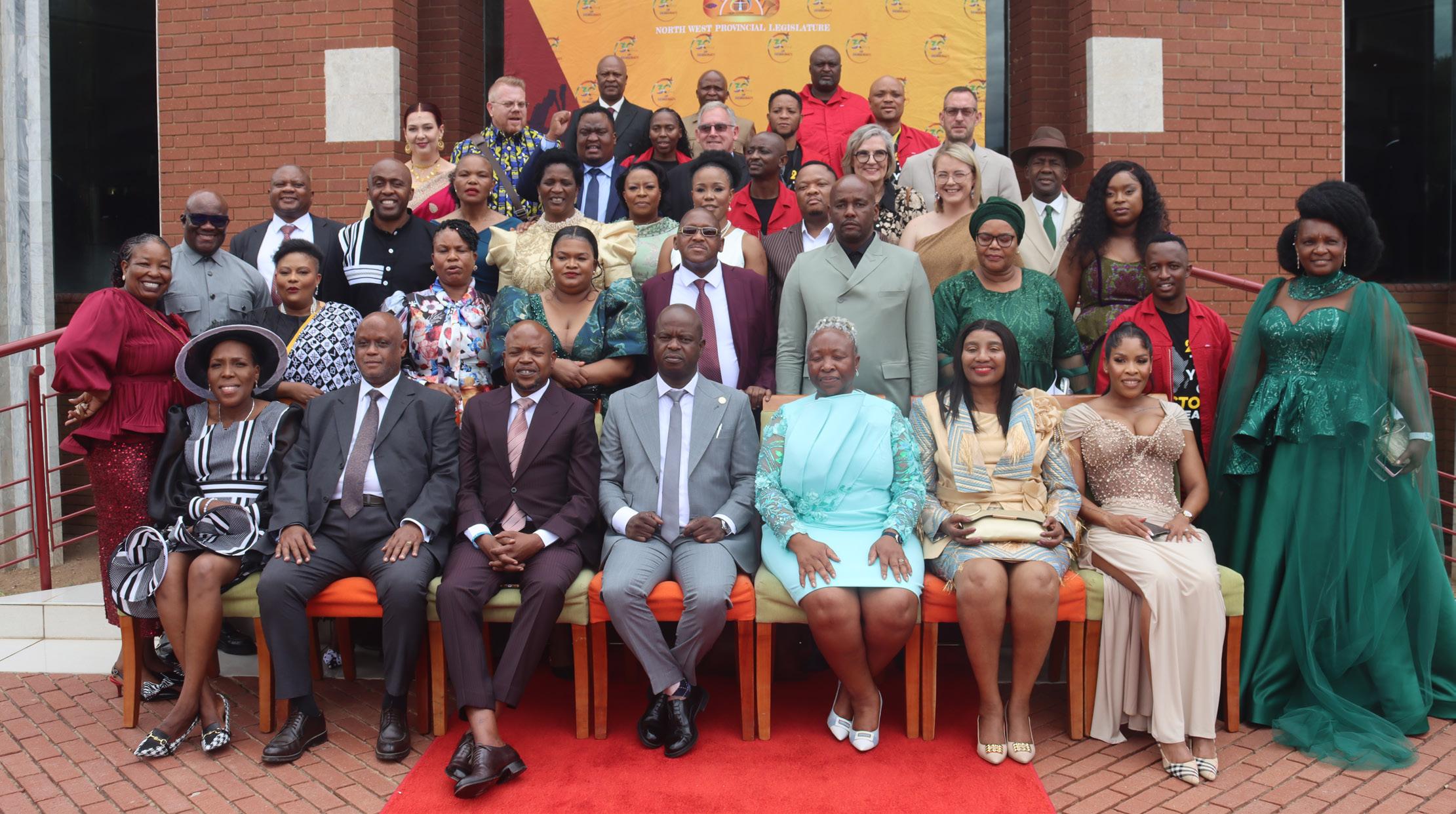
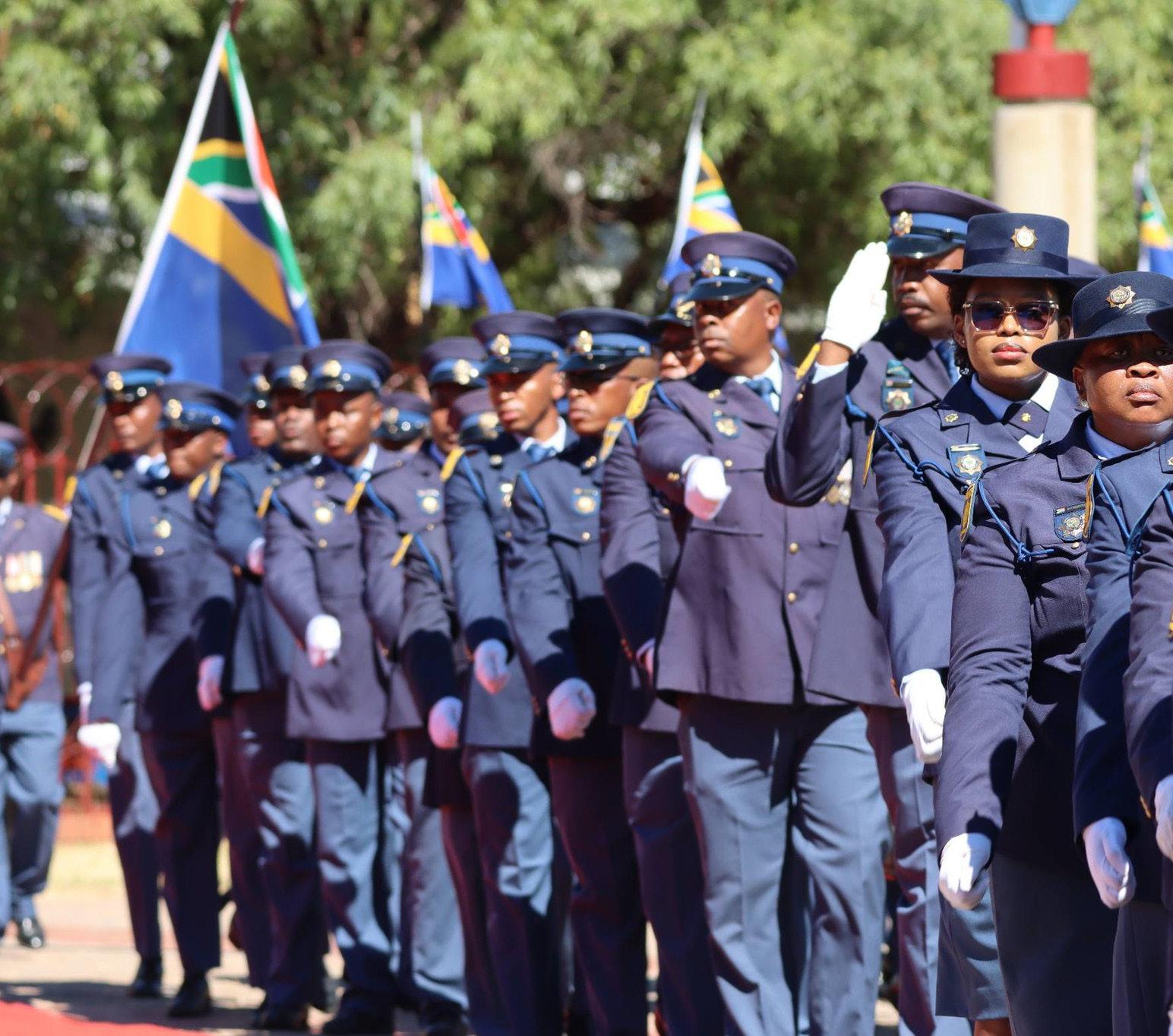
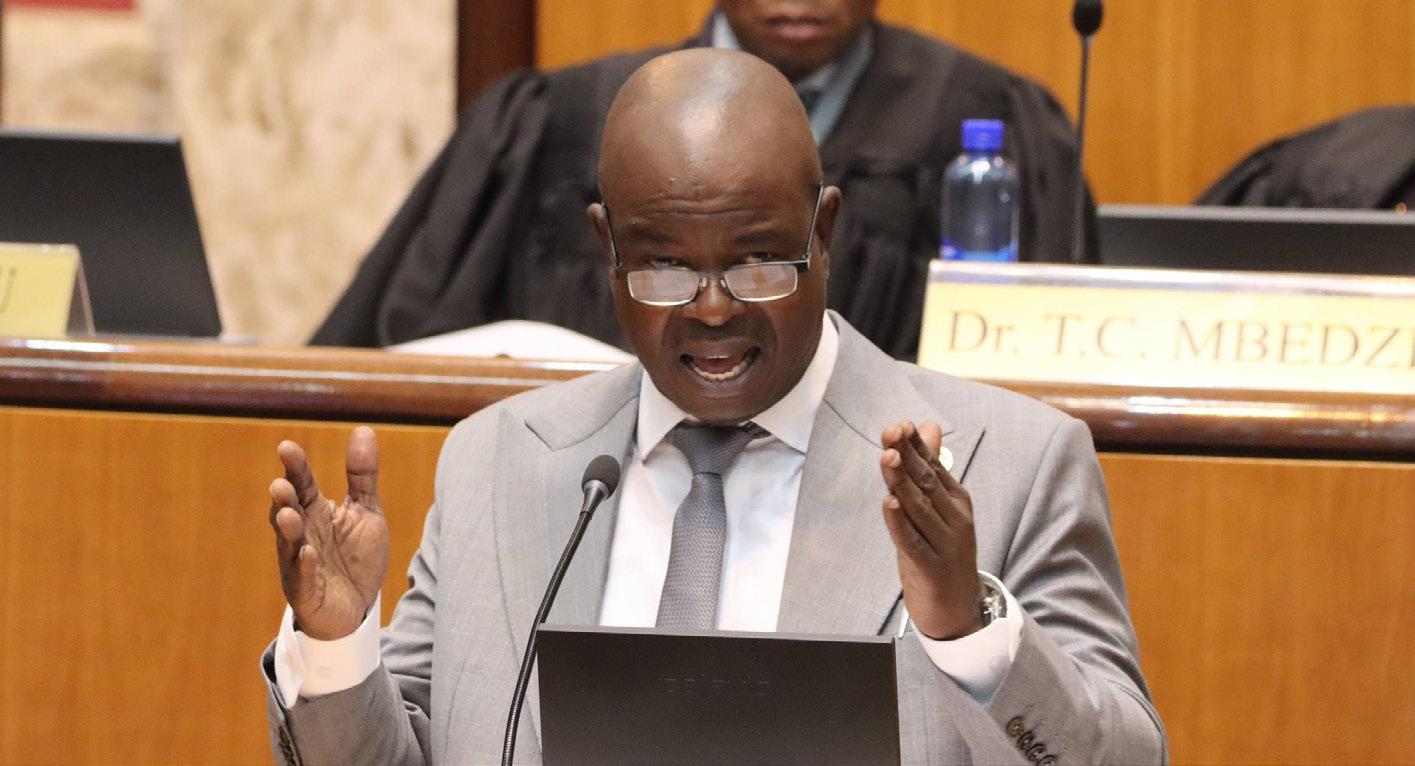
When Premier Lazarus Kagiso Mokgosi delivered the 2026 State of the Province Address (SoPA) at the North West Provincial Legislature in Mahikeng, the message was both candid and forward-looking. The province, he emphasised, has entered a decisive phase - one that requires restoring institutional functionality, accelerating infrastructure delivery and unlocking economic growth across multiple sectors of the provincial economy.
Declaring 2026 the “Year of Decisive Action to Fix Local Government and Transform the Economy,” the Premier outlined a comprehensive agenda centred on strengthening municipal governance, rebuilding public confidence in public institutions and positioning the province as a competitive destination for investment, development and longterm economic participation.
The timing of this agenda is particularly significant. South Africa’s municipalities remain under sustained scrutiny regarding governance standards, financial management and service delivery performance, while local government is widely recognised as the sphere where national policy priorities ultimately translate into tangible improvements in people’s daily lives. Against this backdrop, the North West Provincial Government is seeking to stabilise institutions, improve administrative capability and ensure that infrastructure investment and economic initiatives translate into measurable outcomes for communities and businesses alike.
Premier Mokgosi acknowledged the scale of the task ahead but expressed confidence in the province’s trajectory and the capacity of its institutions to deliver meaningful change.
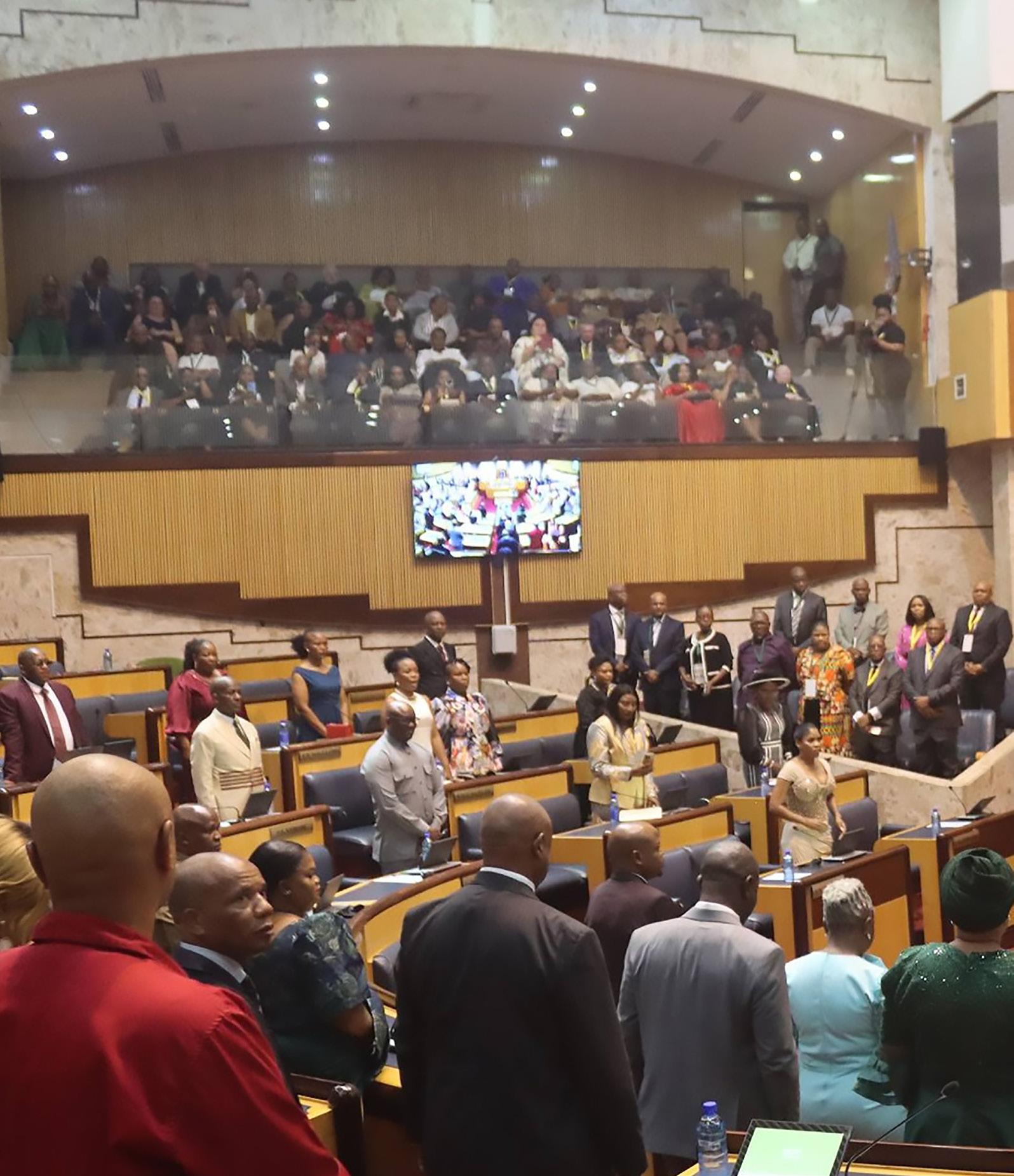
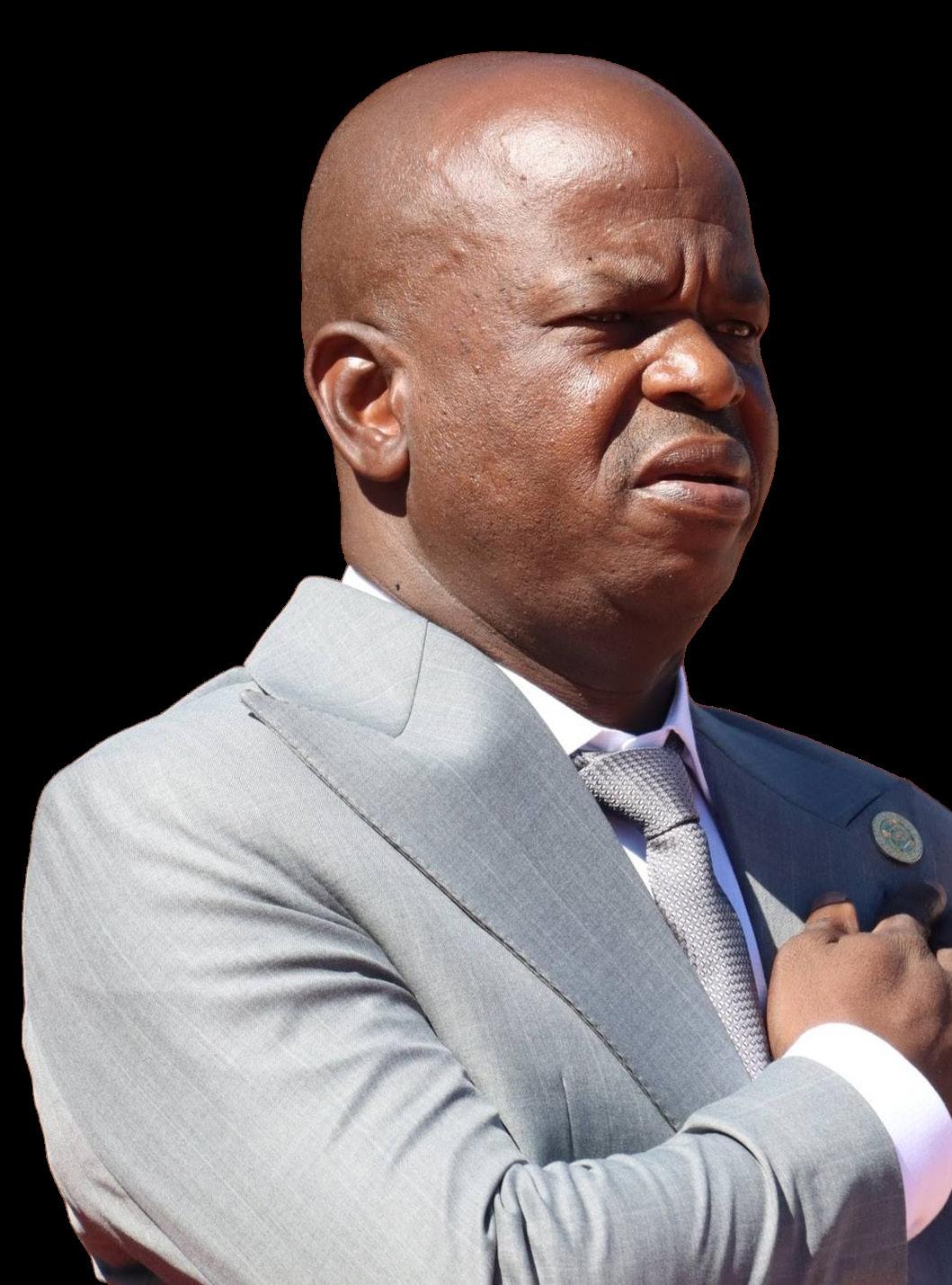
“We have told our story, acknowledging our challenges,” said Premier Mokgosi. “But together with the people of the North West we remain hopeful about the prospects of our developmental trajectory.”
“Our task is to build a province of equal opportunities, shared prosperity and institutions that serve our people with accountability, transparency and integrity.”
- Premier Lazarus Mokgosi
At the centre of the provincial agenda lies a renewed focus on stabilising and strengthening local government, recognising that municipalities remain the sphere of government closest to citizens, communities and businesses. Their performance influences everything from basic service delivery and infrastructure maintenance to investment confidence, job creation and broader economic activity across towns and districts.
Premier Mokgosi emphasised that the constitutional mandate of
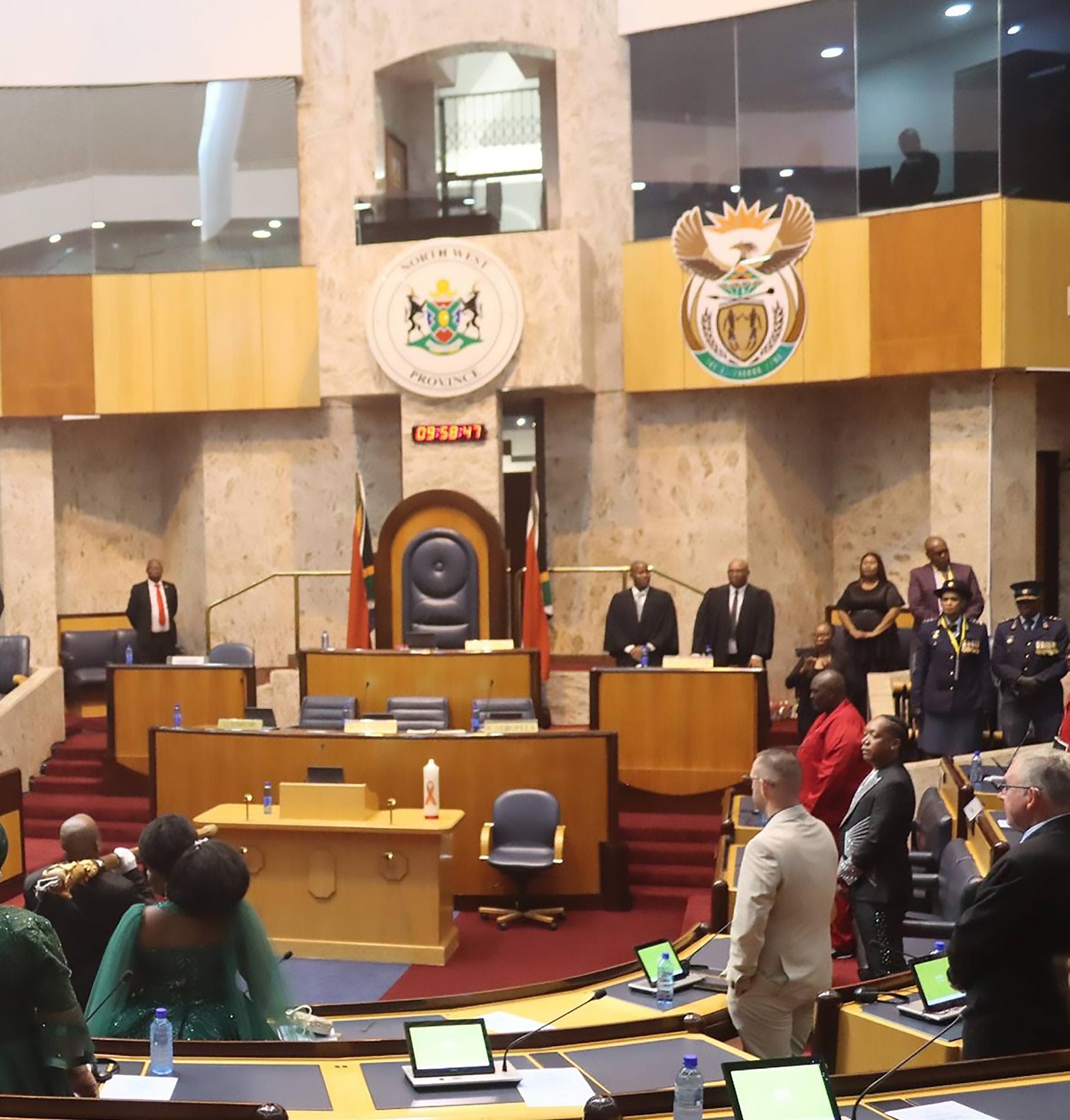

municipalities requires them not only to provide essential services but also to promote sustainable social and economic development within their jurisdictions.
“The developmental mandate of local government is derived from Section 153 of the Constitution,” he told the legislature, noting that municipalities are required to promote the social and economic development of the communities they serve.
However, the Premier made it clear that this mandate can only be realised if municipal institutions are stable, functional and supported by sound administrative systems. >
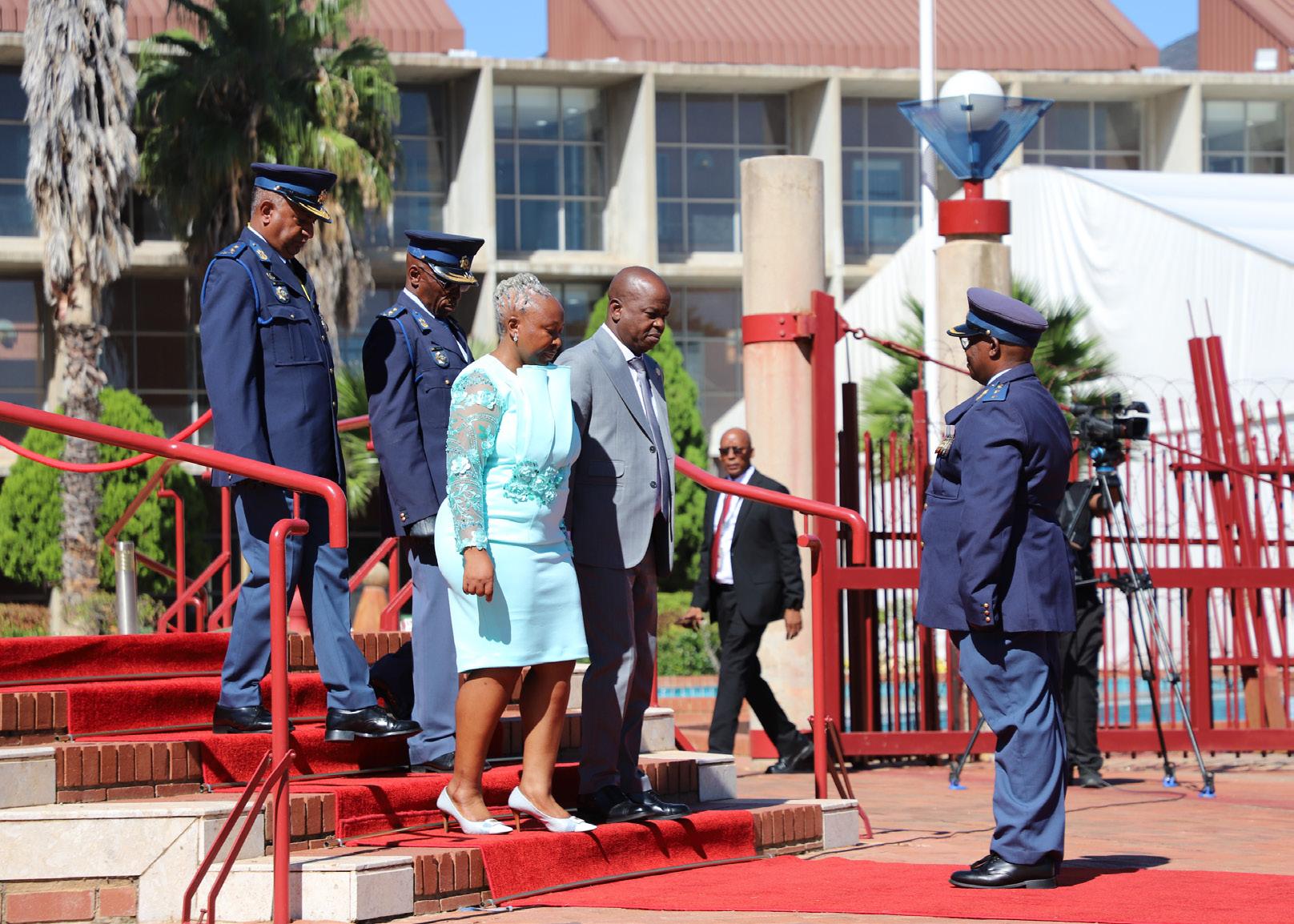
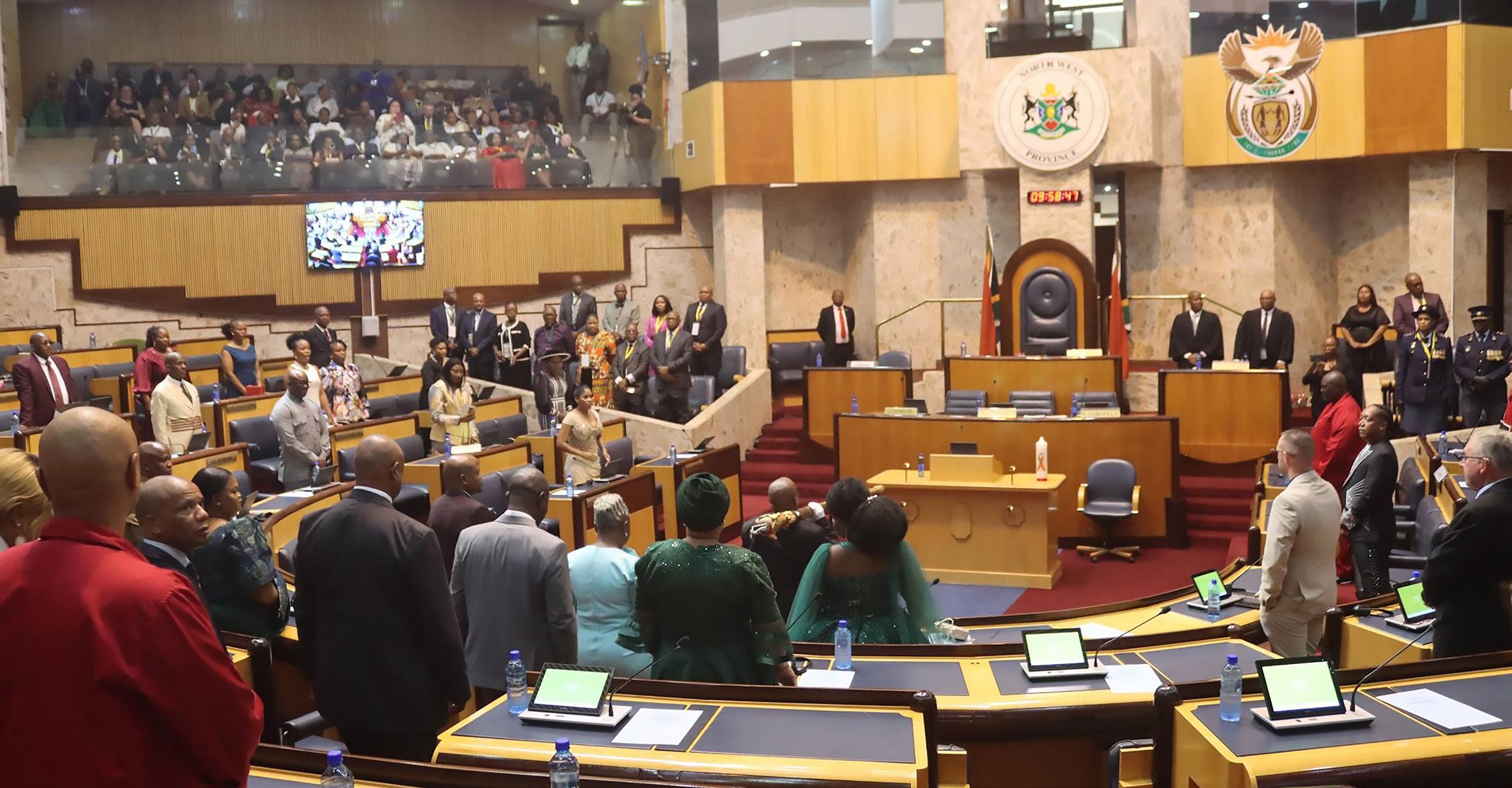
The provincial government has therefore prioritised targeted interventions aimed at restoring administrative functionality, strengthening financial oversight and supporting municipalities facing governance challenges or institutional instability.
Encouraging signs of progress are already emerging. Several municipalities - including Moses Kotane, Taung and JB Marks - have improved their audit outcomes from qualified to unqualified opinions, reflecting improvements in financial management practices and governance systems. At the same time, the number of municipalities receiving disclaimer audit outcomes has declined significantly.
The Premier noted that disclaimer opinions have decreased from nine municipalities in the 2020/21 financial year to only one municipality in the 2024/25 audit cycle, reflecting the impact of sustained governance reforms and oversight interventions.
While the progress remains uneven across the province, it signals that focused support programmes
and administrative interventions are beginning to yield measurable results. To build on this momentum, the provincial government will expand support through Section 154 interventions, strengthening municipal capacity in critical service delivery areas such as infrastructure maintenance, waste management, financial administration and technical planning.
“Together with the people of the North West, we remain committed to strengthening governance, accelerating development and building a province that works for all.”
- Premier Lazarus Mokgosi
Provincial departmentsincluding Public Works and Roads as well as Economic Development, Environment, Conservation and Tourismwill play an active role in assisting municipalities in these areas,
helping to stabilise institutions and improve operational capability.
The Premier emphasised that restoring municipal functionality is essential, not only for service delivery, but also for broader economic growth and investment confidence.
“There is a positive correlation between a functioning local government and a growing economy that works for all the people,” he said.
Beyond governance reforms, the provincial government is also working to strengthen the operational capacity of municipalities through targeted administrative and technical support. Many municipalities across the country continue to face shortages of specialised skills in areas such as engineering, financial management and infrastructure planninga challenge that has contributed to delays in service delivery and infrastructure maintenance. In response, the North West Provincial Government
is expanding collaborative support programmes designed to improve municipal planning, budgeting and infrastructure management. These interventions are intended not only to stabilise struggling municipalities but also to ensure that infrastructure investments are supported by strong technical oversight and sustainable operational planning.
Premier Mokgosi emphasised that improving municipal functionality is not an isolated provincial priority but a strategic requirement for economic development across the province.
“Municipalities are the practical location of enterprises, big or small, domestic or international,” he noted, underscoring the direct link between effective local governance and investment confidence.
For businesses considering investment opportunities, the efficiency and reliability of municipal services - from water and electricity supply to road maintenance and waste management - remain critical factors. Strengthening municipal institutions therefore plays an essential role in creating an enabling environment for economic activity and sustainable growth.
While municipalities remain a key focus area of the provincial reform agenda, the Premier stressed that improving governance must occur across all spheres of government if meaningful progress is to be achieved. Provincial government has therefore taken deliberate steps to strengthen accountability, financial management and institutional discipline within its own departments.
These efforts are already beginning to produce measurable improvements. Nine of the province’s eleven departments have achieved unqualified or clean audit outcomes, reflecting
strengthened internal controls, improved compliance systems and more rigorous oversight mechanisms.
Senior officials across provincial departments have also complied with financial disclosure requirements designed to prevent conflicts of interest and promote ethical leadership. These measures form part of a broader effort to rebuild public confidence in government institutions while reinforcing transparency and accountability in the management of public resources.
“Provincial government is following the example set by national government to improve governance by turning the tide of poor audit outcomes,” the Premier explained.
To deepen oversight and improve performance monitoring, the province will introduce a Smart-Gov Monitoring and Evaluation Dashboard in the 2026/27 financial year. This digital platform will integrate departmental performance data into a single system capable of tracking expenditure, programme implementation and service delivery outcomes in real time, providing leadership with an accurate and up-to-date picture of government performance.
Members of the Executive Council have also signed performance agreements with the Premier,
reinforcing consequence management and ensuring that political leadership is directly accountable for departmental performance and programme delivery.
Infrastructure investment remains one of the most important drivers of economic development, service delivery improvement and long-term provincial resilience. Recognising this, the North West government has accelerated several large-scale projects aimed at improving water security, strengthening transport networks and supporting urban development across the province.
Among the most critical priorities is the expansion of water infrastructure across municipalities, particularly in areas where communities have historically faced persistent supply challenges.
The Bulk Water Supply Scheme in Rustenburg Local Municipality is one of the flagship projects under implementation and will significantly improve water access for communities in villages including Bethanie, Modikoe, Berseba and Makolokwe. The second phase of the project is expected to commence shortly and will ultimately provide reliable water services to more than 140 000 residents. >
This initiative demonstrates the importance of partnerships between government and industry. The project is being implemented by Magalies Water Board in collaboration with Glencore Rhovan Mine, highlighting how Social Labour Plans can contribute to infrastructure development and socio-economic improvement in surrounding communities.
Complementing these efforts is Operation Bulela Metsi, an initiative aimed at fasttracking water and sanitation infrastructure across the province and improving equitable access to this essential resource.
Through this programme, nearly R300 million has already been spent on water and sanitation projects in areas including Maquassi Hills and Moretele Local Municipality. Looking ahead, the province has committed an additional R1.9 billion to bulk water infrastructure projects in municipalities that include Madibeng, Ratlou, Mahikeng and Ramotshere Moiloa.
These investments are central to the province’s strategy to improve service delivery while strengthening the infrastructure foundations required for sustainable economic growth.
• Expansion of the Rustenburg Bulk Water Supply Scheme benefiting over 140 000 residents
• R1.9 billion committed to bulk water projects across multiple municipalities
• Major road upgrades including Nelson Mandela Drive in Mahikeng
• R700 million allocated to rehabilitate the SwartruggensMagaliesberg Corridor
• Strategic partnerships with industry to support infrastructure development
• Ongoing implementation of Operation Bulela Metsi to expand water access
Beyond the immediate service delivery benefits, infrastructure investment is also recognised as one of the most powerful catalysts for economic growth and job creation. Major infrastructure projects generate employment opportunities during construction while
strengthening the long-term productive capacity of regional economies.
In the North West Province, infrastructure development is increasingly being positioned as a cornerstone of economic renewal. Investments in water infrastructure, roads and urban development are designed not only to address service delivery backlogs but also to improve connectivity between communities, unlock economic corridors and support industrial expansion.
The provincial government has therefore adopted a strategic approach to infrastructure planning, aligning capital investments with broader economic priorities such as tourism development, agricultural production and regional trade. In doing so, infrastructure projects are being designed to maximise both social and economic returns, ensuring that public spending contributes directly to inclusive growth.
This approach reflects a broader recognition that reliable infrastructure remains one of the most important foundations for long-term economic competitiveness.
Human settlements remain a key pillar of the provincial development strategy. Government has allocated more than R500 million for the construction of 1 148 housing units across municipalities including Madibeng, Moses Kotane and City of Matlosana, while bulk infrastructure has been installed on more than 1 800 serviced sites to support future housing development.
At the same time, the province has prioritised the completion of stalled housing projects that were abandoned by contractors in previous years. Through a targeted intervention programme, R30 million has been invested to complete 215 housing units, restoring dignity and security of tenure to communities that had waited years for these homes to be finished.
Alongside traditional housing delivery, the provincial government is pursuing ambitious urban development initiatives through its Smart and Mega Cities Programme, which aims to drive large-scale investment and modern urban development across strategic centres in the province.
One of the flagship initiatives within this programme is the Mahikeng Student City project, which has already secured private-sector funding and completed the technical planning phase. Once land matters are finalised, construction will begin on a development expected to create more than 3 500 jobs, while providing opportunities for SMMEs, youth, women and persons with disabilities.
Transport infrastructure remains essential for economic growth, mobility
and regional integration. To strengthen connectivity across the province, government has allocated over R1.6 billion for major road infrastructure projects aimed at restoring access to communities and supporting economic activity.
Among the most significant projects is the upgrade of Nelson Mandela Drive in Mahikeng, a multi-year investment exceeding R700 million that will widen bridges, improve intersections and strengthen key transport corridors within the provincial capital.
Additional road projects are planned across municipalities including Kgetlengrivier, Moretele and Moses Kotane, while R700 million has also been allocated to rehabilitate the 82-kilometre road linking Swartruggens and Magaliesberg, a strategic transport corridor connecting North West with Gauteng and Botswana.
These investments are expected to support freight movement, tourism growth and regional trade while improving daily mobility for residents.
Revitalising the provincial economy remains a central objective of the government’s programme of action. Recent labour statistics indicate encouraging progress, with the province creating 78 000 jobs during the last two quarters of 2025, reducing the official unemployment rate by 6.2 percentthe largest decline recorded nationally.
To further stimulate investment and industrial development, the province has established the North West Development Fund, capitalised with an initial R100 million and designed to mobilise additional privatesector investment.
In parallel, the provincial government is advancing the development of the Bojanala Special Economic Zone, anchored by investment commitments estimated at R12 billion and expected to create approximately 12 000 new jobs once operational. >
These initiatives form part of a broader strategy to position the province as a competitive investment destination within South Africa and the broader Southern African region.
• Establishment of the R100 million North West Development Fund
• Development of the Bojanala Special Economic Zone, anchored by R12 billion in investment
• Job creation momentum with 78 000 jobs created in 2025
• Expanded partnerships with mining, financial and industrial sectors
• Strengthening trade links through the Trans-Kalahari economic corridor
The province’s economic strategy also places increasing emphasis on partnerships with the private sector, recognising that sustained economic growth requires collaboration between government, industry and financial institutions.
Through engagements with mining companies, financial institutions and international investors, the provincial government is working to unlock new investment opportunities across priority sectors such as mining beneficiation, agriculture, tourism and manufacturing. These partnerships are intended to diversify the provincial economy while creating opportunities for small and medium enterprises to participate in expanding value chains.
In addition, the provincial administration is strengthening collaboration with neighbouring
countries and regional partners to expand trade and economic cooperation across Southern Africa. Strategic initiatives linked to the Trans-Kalahari economic corridor, for example, are expected to improve regional trade flows while positioning the North West as an important gateway for crossborder economic activity.
These developments reflect a broader vision of the province as an increasingly integrated participant in regional economic networks, capable of leveraging its strategic location, natural resources and infrastructure investments to drive sustainable economic growth.
Beyond individual programmes and projects, the success of the province’s development agenda will ultimately depend on effective implementation, coordination and accountability across all spheres of government.
As the Premier concluded his address, he emphasised that the
real measure of success will lie in implementation. Policy frameworks, development strategies and investment commitments must ultimately translate into visible improvements in service delivery, economic opportunity and quality of life for communities across the province.
“We remain hopeful about the prospects of our developmental trajectory,” he told the legislature, calling on government, business and civil society to work together to build a stronger and more inclusive provincial economy. For the North West Province, the year ahead presents a significant opportunity to build on the momentum outlined in the State of the Province Address. With a clear focus on strengthening governance, accelerating infrastructure delivery and fostering investment partnerships, the province is positioning itself to drive inclusive growth and deliver lasting benefits for communities and the broader economy.
As Premier Mokgosi concluded in his address to the Provincial Legislature, the ambition is clear:
“Let’s build a North West that works for all.”


Special Option Selection Period for Tanzanite One Members Opens from 9 March 2026 - 9 April 2026 Switch your option via:

(toll-free)


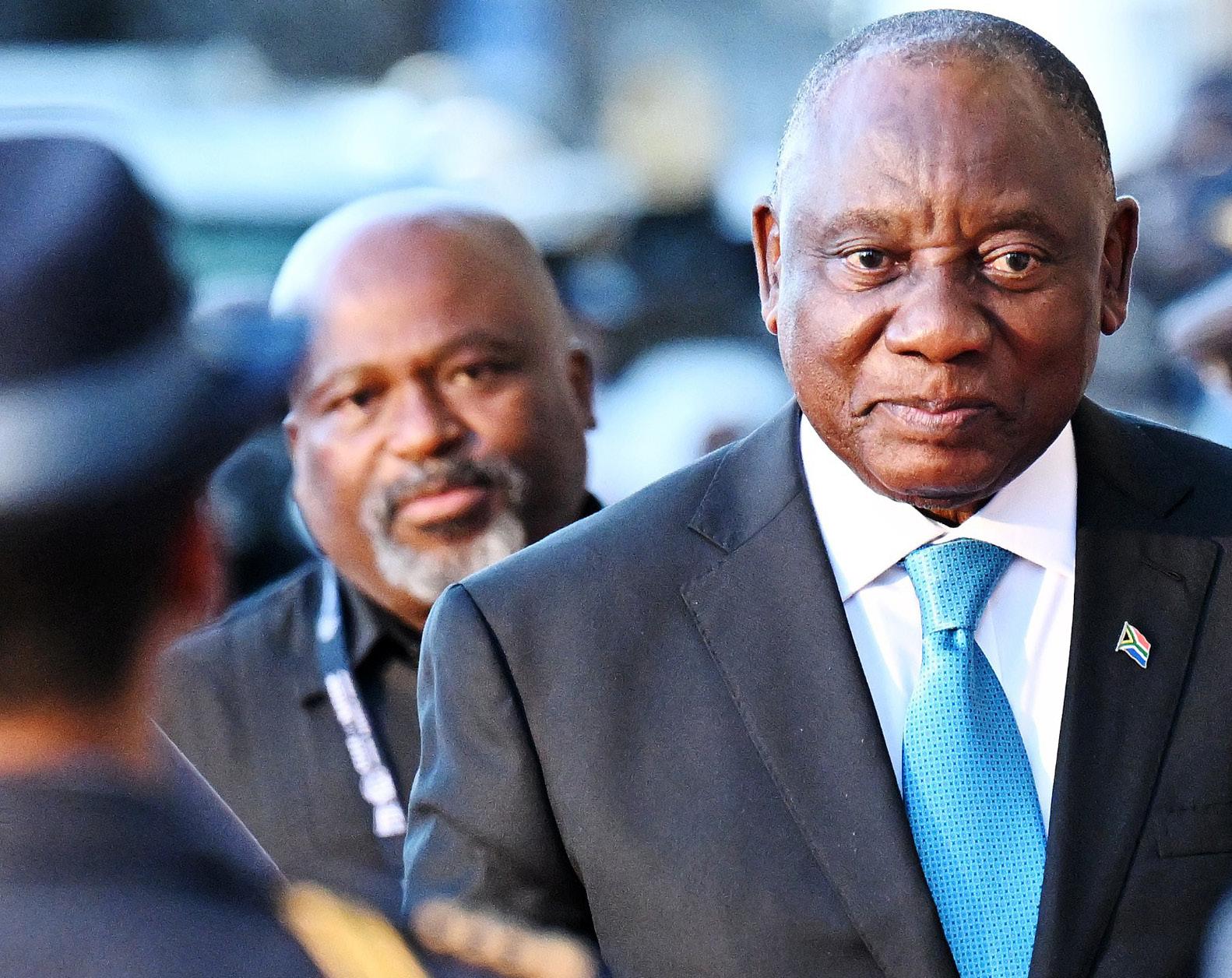
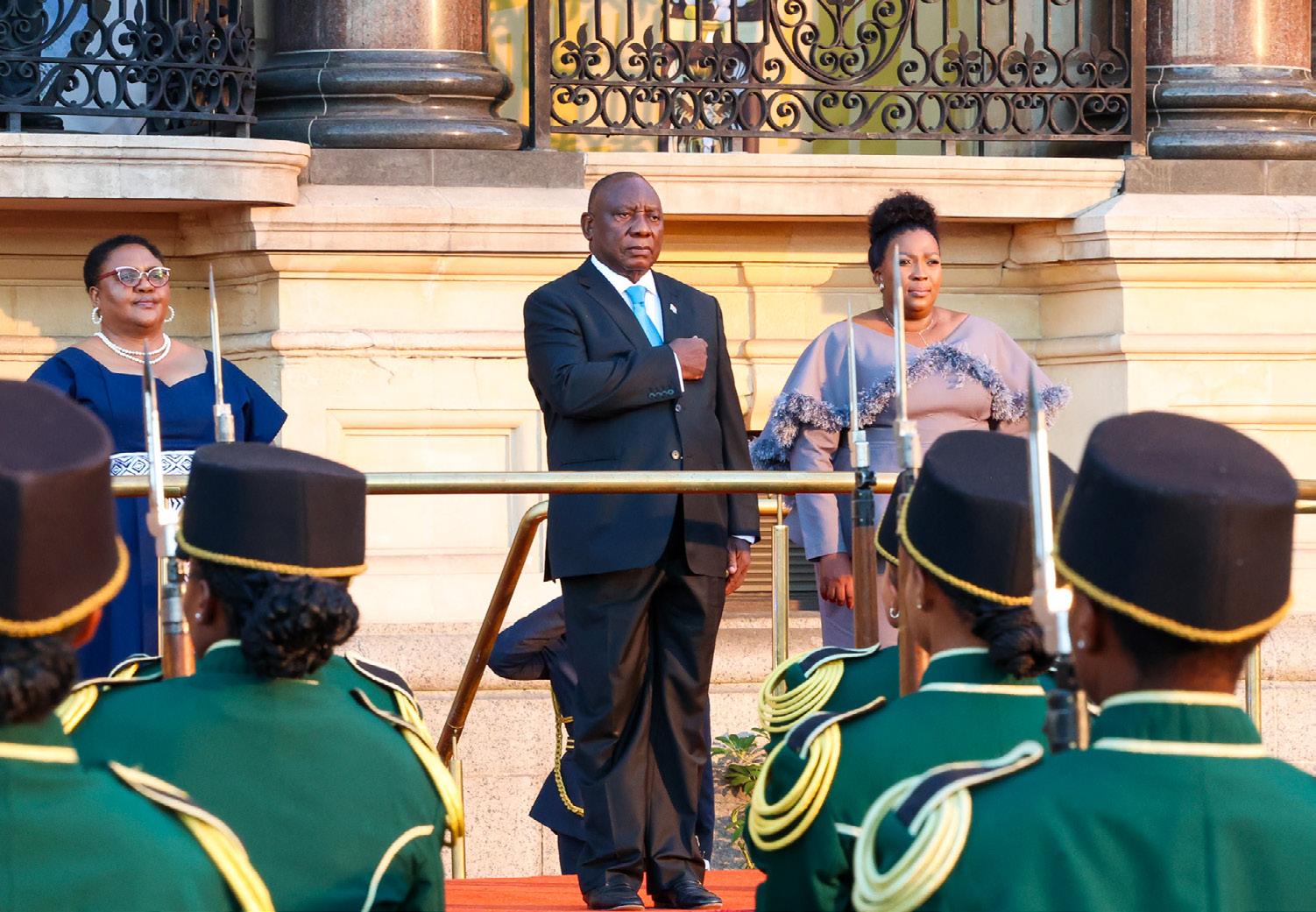
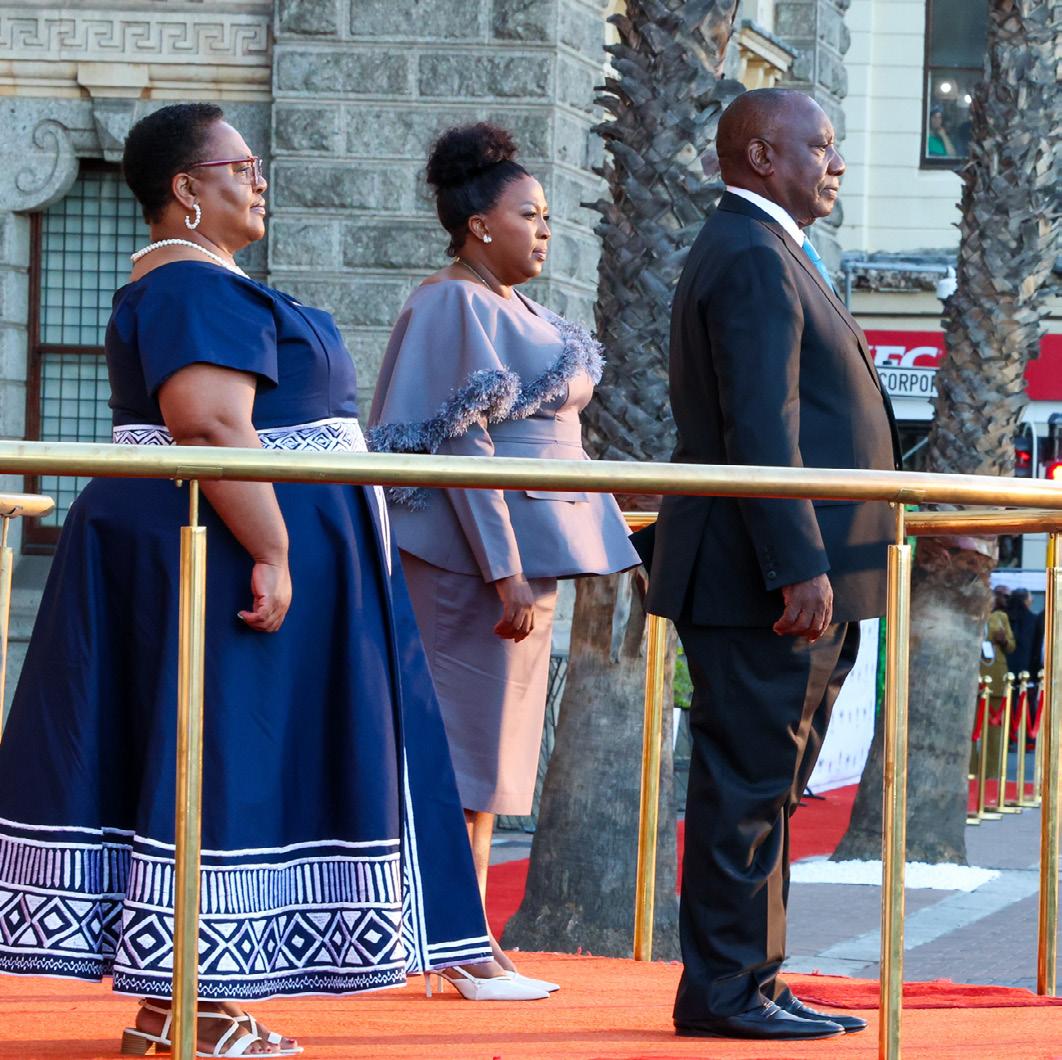

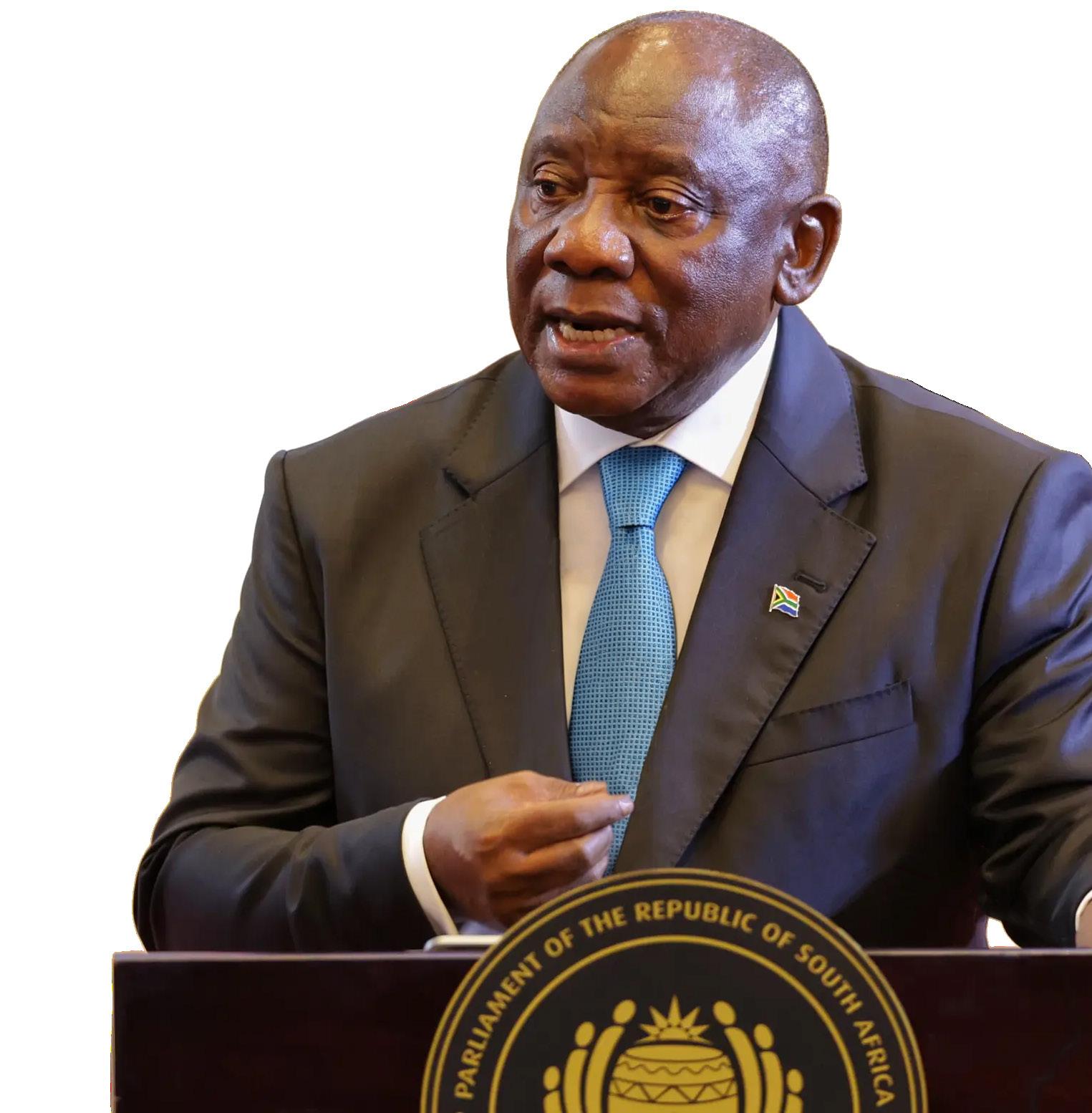
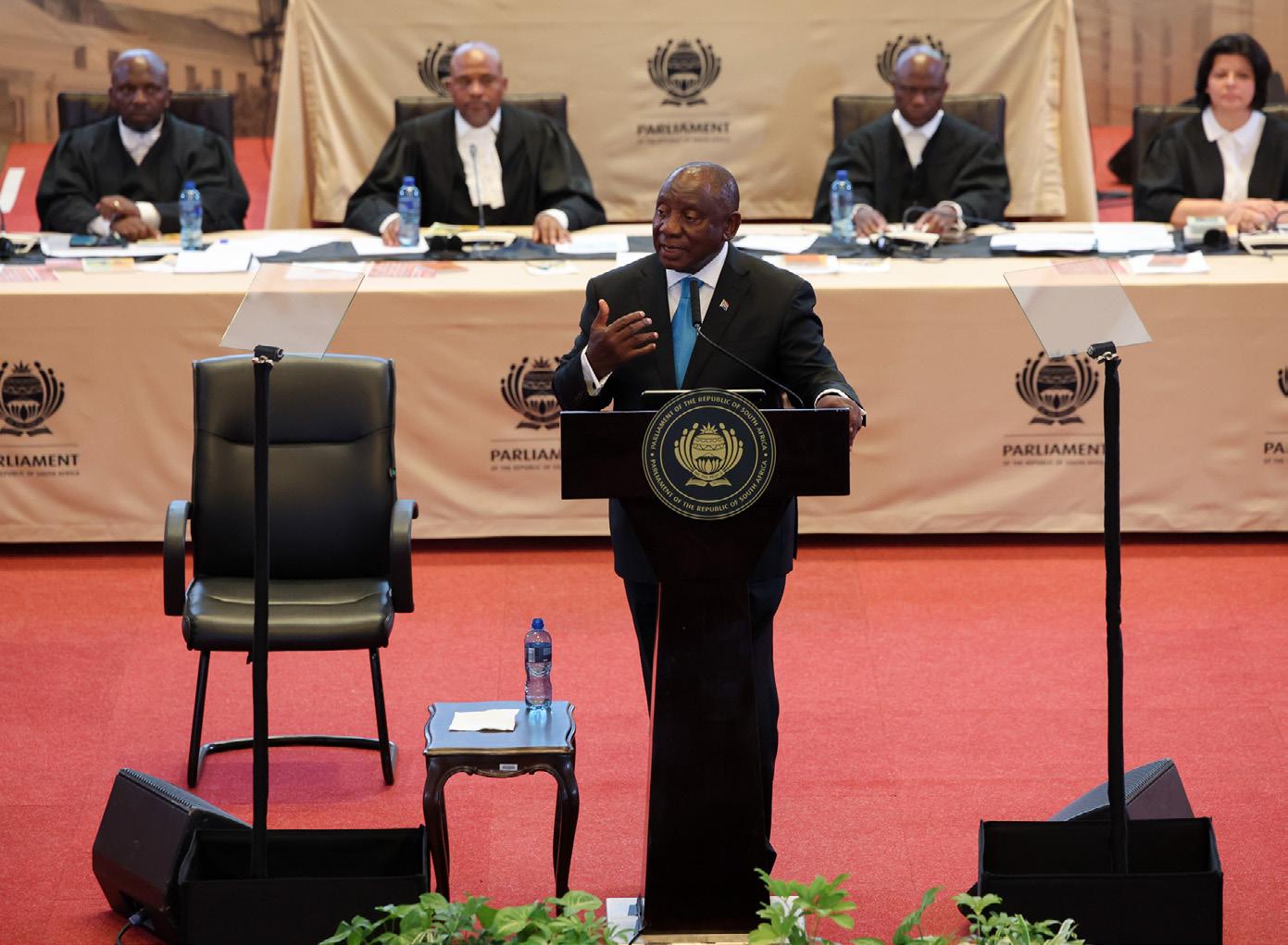
Jobs, a capable state, and fixing the basics where people live - water, electricity, roads and local government functionality - were at the centre of President Cyril Ramaphosa’s 2026 State of the Nation Address.
Delivered under the Government of National Unity (GNU) and framed by the MediumTerm Development Plan (MTDP), the address combined a reform agenda for the public service and municipalities with major infrastructure commitments, accelerated energy reform, decisive action on water security, and renewed focus on inclusive growth.
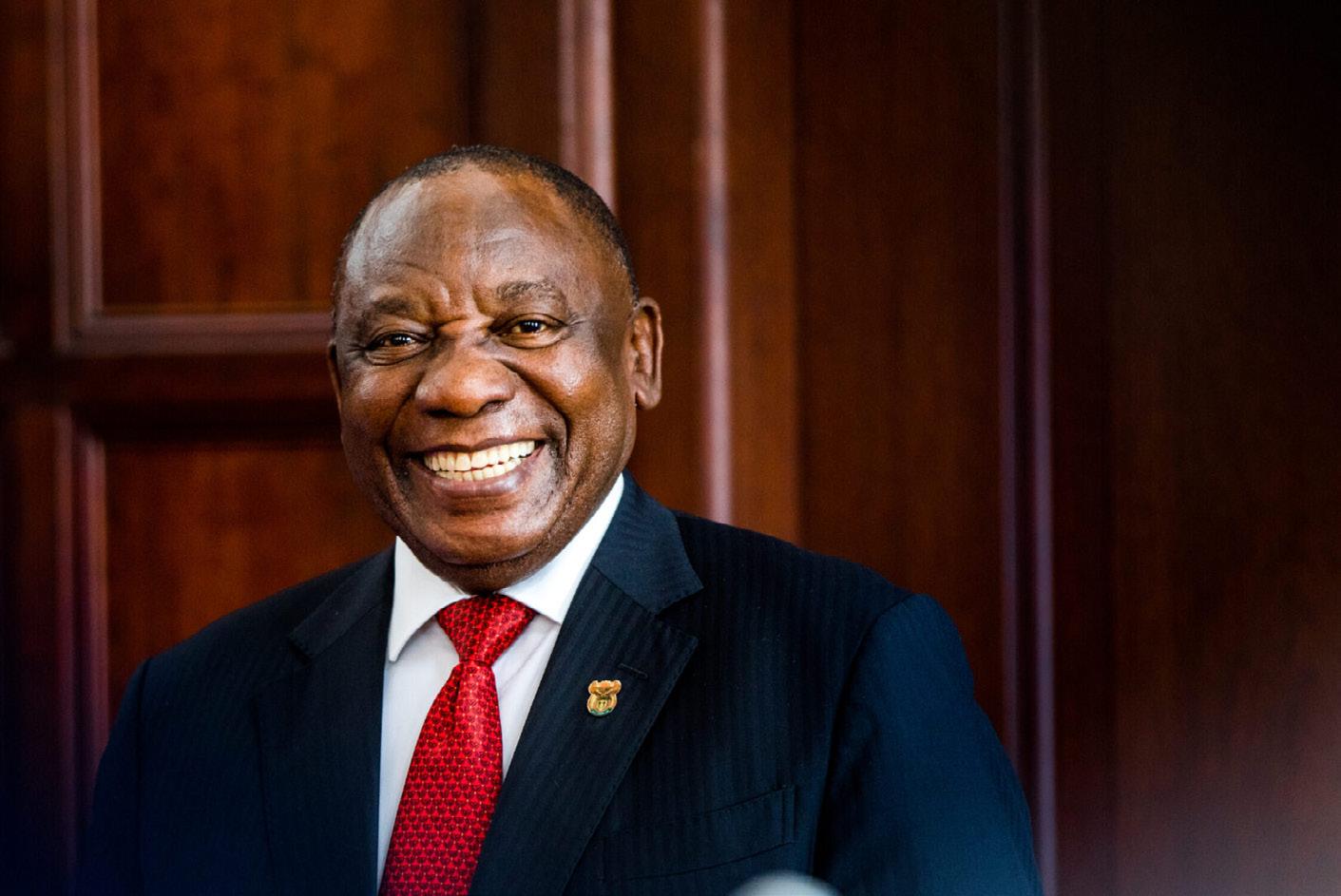
Honourable President Ramaphosa opened by paying tribute to the 14 South African soldiers who lost their lives while serving on a peace mission in the eastern Democratic Republic of the Congo. Naming each of the fallen, he honoured their sacrifice as one made not in pursuit of territory or resources, but in defence of the Congolese people’s right to peace and security. The acknowledgement reinforced South Africa’s long-standing commitment to continental stability and the pursuit of peaceful resolution to conflict.
From this reflection, the address transitioned into a broader reaffirmation of South Africa’s democratic values, delivered at a moment marking 70 years since the adoption of the Freedom Charter. President Ramaphosa described the Charter as the foundational expression of the country’s constitutional vision - a united, non-racial, non-sexist and democratic South Africa grounded in equality, justice and shared prosperity. This historic milestone, he noted, arrives as the nation prepares for a National Dialogue, intended to bring citizens together to help define a new path forward in an increasingly complex global environment.
The President situated South Africa’s priorities within the context of global shifts reshaping economies and societies. He referenced intensifying geopolitical tensions, competition over trade and technology, the accelerating impact of climate change, and rapid advances in artificial intelligence. These forces, he argued, present both risks and opportunities for developing economies.
Despite global uncertainty, the President struck a confident and resolute tone. South Africa, he said, would remain steadfast in defending its sovereignty, advancing its national interest, and upholding its constitutional democracy. The emphasis on resilience and unity underscored a central theme of the address: that cooperation - both domestically and internationally - remains South Africa’s greatest strategic asset.
Central to the President’s address was the consolidation of the Government of National Unity (GNU) following the 2024 national elections.
He characterised the GNU as a practical expression of South Africa’s culture of cooperation, with political parties committing to work collectively in the national interest.
The recently adopted MediumTerm Development Plan (MTDP) provides the framework for this collaborative governance. The plan outlines three strategic priorities:
• Driving inclusive growth and job creation
• Reducing poverty and tackling the high cost of living
• Building a capable, ethical and developmental state
The President stressed that economic growth remains the country’s most urgent imperative. Without sustained growth, he noted, efforts to reduce unemployment, poverty and inequality would remain constrained.
“Our most urgent task is to grow our economy so that we can create jobs, reduce poverty and improve the lives of all South Africans.”
- Honourable President Cyril Ramaphosa
A significant portion of the address focused on strengthening the capability, professionalism and integrity of the state. The President acknowledged widespread frustration among citizens who experience service delivery failures at municipal level - deteriorating roads, unreliable electricity supply, water interruptions, refuse collection backlogs and sanitation breakdowns.
To address these systemic weaknesses, government will:
• Strengthen the role of the Public Service Commission in senior appointments
• Introduce a Graduate Recruitment Scheme to attract young professionals
• Reinforce ethical standards and skills requirements across the public service
President Ramaphosa emphasised that a capable state must begin “where people live and work”, placing municipalities at the centre of reform efforts.
Recognising the financial and operational pressures facing many municipalities, the President announced several interventions:
• Establishment of professionally managed, ring-fenced utilities for water and electricity services
• Development of an updated White Paper on Local Government
• Review of the municipal funding model
• Expanded technical and governance support
He pointed to encouraging progress in eThekwini through the District Development Model, highlighting collaboration between government, business and community stakeholders as a template for recovery and resilience.
Infrastructure investment featured prominently as both an economic stimulus and a service delivery enabler. Government plans to spend more than R940 billion on infrastructure over the next three years, including R375 billion from state-owned companies. >
• Medium-Term Development Plan adopted
• Focus on a capable, ethical and developmental state
• Public Service Commission strengthened
• Graduate Recruitment Scheme introduced
• Ring-fenced water and electricity utilities
• Updated White Paper on Local Government
• Municipal funding model under review
• Expanded municipal support
• More than R940 billion over three years
• R375 billion from StateOwned Companies
• R100 billion infrastructure financing drive
Energy Reform
• Electricity Regulation Amendment Act in force
• Competitive market building blocks
• Transmission investment accelerated
Water Security
• Infrastructure Fund backing major projects
• Lesotho Highlands Water Project Phase 2 progressing
• uMkhomazi Dam advancing
• Ntabelanga Dam preparation underway
• National Water Resource Infrastructure Agency planne d
Jobs and Inclusive Growth
• 2.2 million work and livelihood opportunities
• Social Employment Fund expanded
• SAYouth.mobi supporting placements
• R20 billion per year Transformation Fund
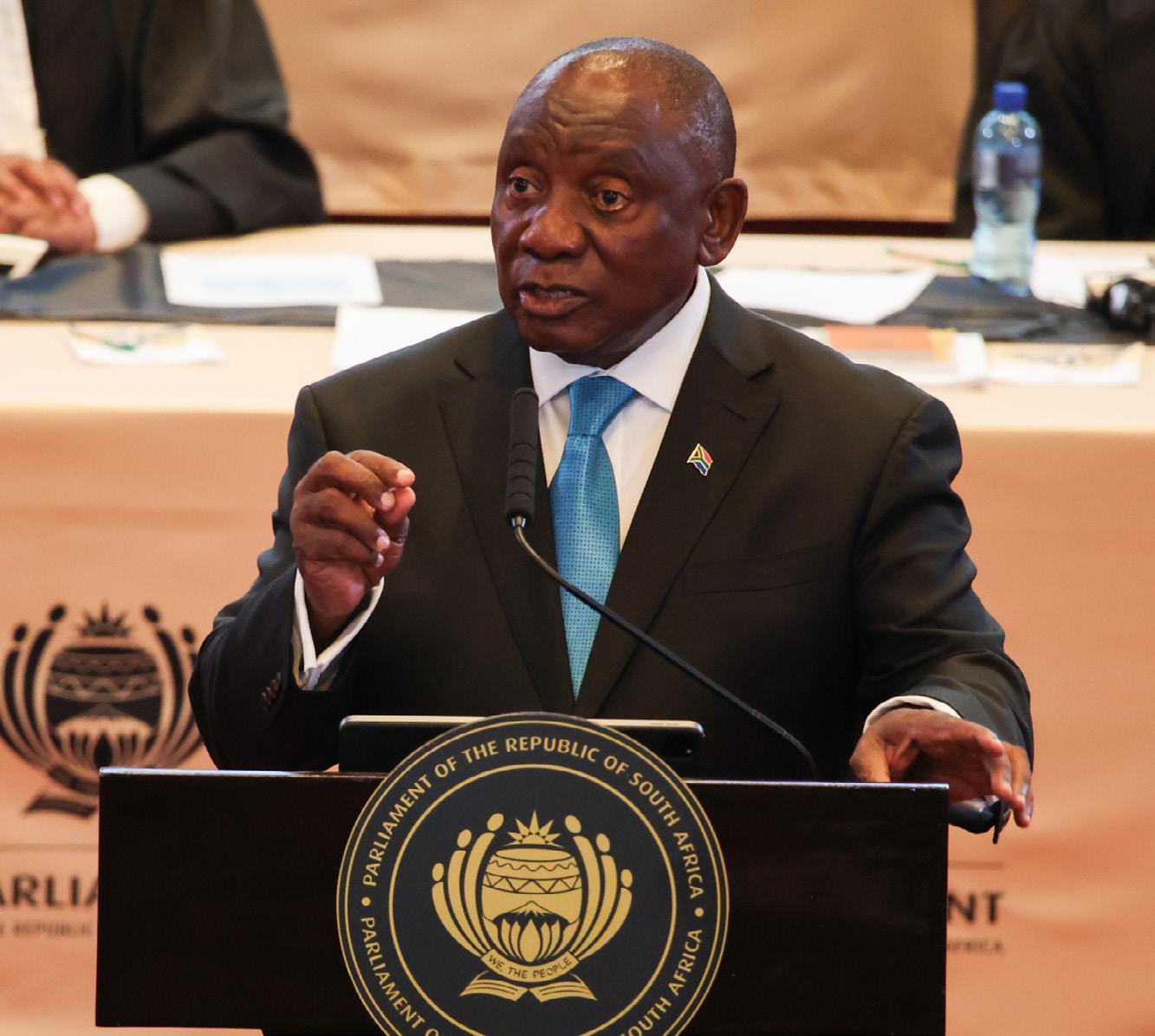
Key developments include:
• Blended finance projects worth nearly R38 billion approved through the Infrastructure Fund
• Continued construction of the Mtentu Bridge, set to become Africa’s tallest bridge
• Progress on the Polihlali Dam, strengthening longterm water security
• Revitalisation of small harbours
To unlock further investment, government is engaging financial institutions to mobilise R100 billion in infrastructure financing, supported by revised public-private partnership regulations and a project preparation bid window.
Energy security remains central to economic recovery. The President noted that reforms under the Energy Action Plan have significantly reduced loadshedding, with more than 300 days without load shedding since March 2024.
With the Electricity Regulation Amendment Act now in effect, government will advance:
• A competitive electricity market
• Greater private sector participation
• Investment in transmission infrastructure
• Expanded renewable energy integration
President Ramaphosa acknowledged that recent brief disruptions underscore the need to complete structural reforms to secure long-term stability.
Describing water reliability as both a social and economic necessity, the President outlined decisive steps to address infrastructure failures and supply constraints:
• Infrastructure Fund financing of major bulk water projects
• Removal of delays on Phase 2 of the Lesotho Highlands Water Project
• Advancement of the uMkhomazi Dam
• Preparatory work for the Ntabelanga Dam
• Establishment of the National Water Resource Infrastructure Agency
Through the Water Services Amendment Bill, government will introduce a licensing regime for water service providers and enforce compliance with drinking water standards.
The President reaffirmed progress under Operation Vulindlela, citing stabilisation and restructuring across network industries. Reforms aim to reposition Eskom, Transnet and other SOEs to deliver world-class infrastructure while enabling competition.
Measures include:
• Establishment of a dedicated SOE Reform Unit
• Strengthened governance and oversight frameworks
• Preservation of public ownership of strategic assets
Addressing structural inequality, government will implement:
• A R20 billion per year Transformation Fund
• Accelerated Public Procurement Act regulations
• Expanded support for women, youth and persons with disabilities
The President framed transformation as both a moral imperative and an economic growth strategy.
Employment initiatives highlighted include:
• 2.2 million work and livelihood opportunities created through the Presidential Employment Stimulus
• Expansion of the Social Employment Fund
• Youth placements via SAYouth.mobi
• Development of a modernised industrial policy
Growth sectors identified:
• Renewable energy and green manufacturing
• Electric vehicles
• Digital economy
• Agriculture, hemp and cannabis
• Mining and critical minerals beneficiation
The 2024 matric cohort achieved the highest pass rate in South Africa’s history, with an 87 percent pass rate.
President Ramaphosa emphasised the scale of the social wage, with more than 28 million South Africans receiving social grants and over 10.5 million learners attending no-fee schools.
Key priorities:
• Integrated support system for vulnerable citizens
• Expansion of Early Childhood Development
• Literacy and numeracy outcomes
• Artisan development through TVET colleges
Healthcare and the National Health Insurance
Hospital construction and revitalisation projects are underway across provinces.
Government will continue preparatory work for the National Health Insurance (NHI), including:
• Electronic health records
• Advisory committees
• Accreditation frameworks
“Extensive consultation will inform an updated White Paper on Local Government, aimed at shaping a modern, effective and fit-for-purpose local governance system.”
- Honourable President Cyril Ramaphosa
Safety, Crime Prevention and Justice
Anti-corruption efforts continue through strengthened investigative capacity and asset recovery mechanisms.
Crime-fighting priorities:
• Intensified Operation Shanela
• Reduction of gun violence
• Expansion of the Detective Service
• Deployment of smart policing technologies
South Africa’s G20 Presidency will prioritise solidarity, equality and sustainable development. The President reaffirmed commitments to African peace initiatives, multilateral co-operation, and international law.
Closing the address, President Ramaphosa called on all South Africans to engage meaningfully in the National Dialogue. The message was clear: progress depends on partnership, shared responsibility, and collective resolve.
“We will work together to build a nation that works for all.”
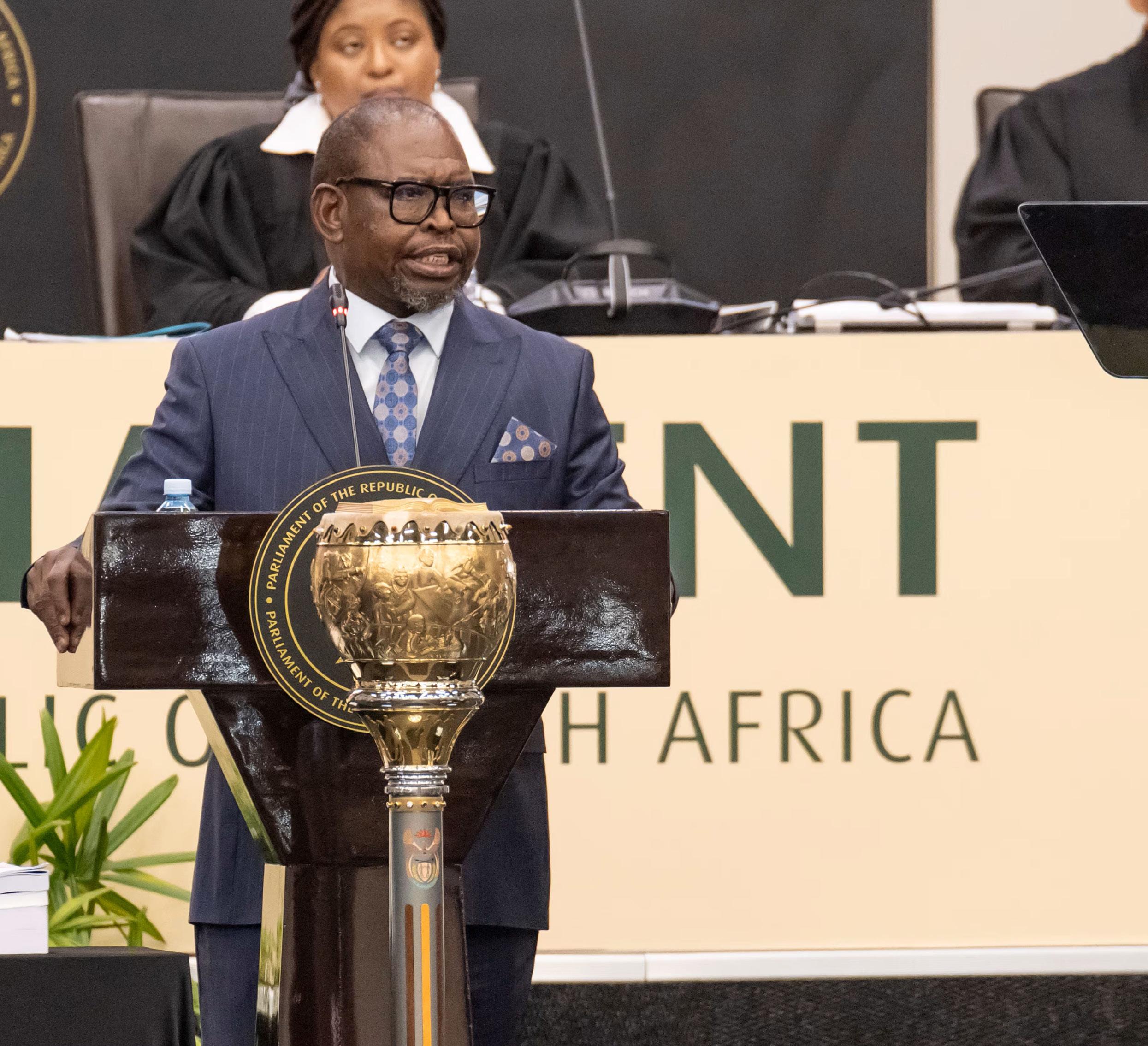
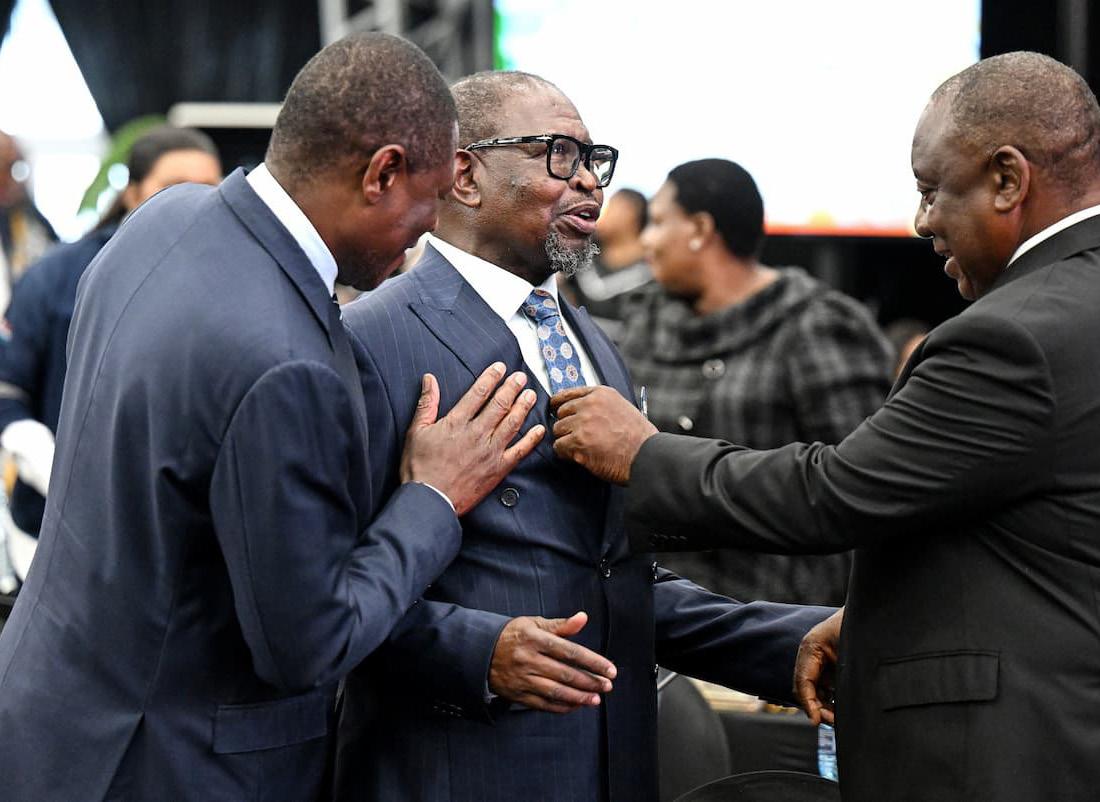
Honourable Minister of Finance, Mr Enoch Godongwana, tables a Budget that signals a decisive turning point in South Africa’s fiscal journey.

STABILISING THE STATE INVESTING IN GROWTH STRENGTHENING DELIVERY
After years of strain marked by state capture, global shocks, ratings downgrades and mounting debt-service costs, the 2026 Budget Speech presents a narrative of stabilisationand cautiously renewed confidence.
For the first time in 17 years, gross government debt stabilises as a share of GDP. The consolidated budget deficit narrows. Borrowing costs ease. And crucially, the country has exited the Financial Action Task Force grey list while securing its first credit rating upgrade in 16 years.
The message is clear: fiscal credibility is being rebuilt.
But the deeper question the Budget seeks to answer is whether that credibility can now translate into sustained growth, improved service delivery and strengthened state capability - particularly at provincial and municipal level.
The global economy is projected to grow at 3.3% in 2026, with emerging markets continuing to anchor global momentum. Against this backdrop, South Africa’s domestic growth outlook improves modestly.
Real GDP growth is projected at 1.6% in 2026, up from 1.4% in 2025. Over the medium term, growth is expected to average 1.8% reaching 2% by 2028.
While this signals gradual recovery, the outlook remains constrained by persistent logistics bottlenecks, weak infrastructure, and recent agricultural disruptions such as the outbreak of foot-and-mouth disease.
Government’s economic strategy therefore rests on four pillars:
• Maintaining macroeconomic stability
• Implementing structural reforms
• Investing in growth-enhancing infrastructure
• Building state capacity
The Budget Speech positions these pillars as the foundation for faster and more inclusive growth.
For the first time in 17 years, debt stabilisation signals that South Africa is regaining fiscal credibility and restoring confidence in its public finances.
The 2026 Budget consolidates the fiscal repair efforts of recent years.
The consolidated budget deficit narrows to 4.5% of GDP in 2025/26,
improving further to 4% in 2026/27 and 3.1% thereafter.
Gross debt stabilises at 78.9% of GDP in 2025/26 and declines gradually over the medium term.
The main budget primary surplus reaches 0.9% of GDP in 2025/26, expanding to 1.6% in the following year and rising further over the medium term.
To entrench discipline, National Treasury intends to introduce a principle-based fiscal anchor in the upcoming MediumTerm Budget Policy Statement. This would formalise fiscal sustainability in much the same way inflation targeting strengthened monetary policy credibility.
Importantly, the improving revenue outlook allows government to withdraw R20 billion in previously proposed tax increases without jeopardising fiscal sustainability.
Targeted savings of R12 billion over the medium term have been identified through expenditure reprioritisation, programme review and improved grant authentication processes. >
Tax revenue performance has shown resilience despite modest growth. Gross tax revenue for 2025/26 is revised up by R21.3 billion, driven by stronger-than-expected VAT, corporate income tax and dividends tax collections.
To ease pressure on households:
• Personal income tax brackets and rebates are adjusted fully in line with inflation
• The tax-free savings annual limit increases from R36 000 to R46 000
• Retirement fund deduction limits rise from R350 000 to R430 000
• The VAT registration threshold increases from R1 million to R2.3 million
• Capital gains tax exemptions for small business disposals by older persons increase from R1.8 million to R2.7 million, with the qualifying business value raised to R15 million
Excise duties on alcohol and tobacco rise in line with inflation, alongside fuel levies.
The Budget also addresses illicit trade, particularly in tobacco, recognising its impact on revenue and formal sector employment.
Total consolidated spending in 2026/27 amounts to R2.67 trillion, including a R5 billion contingency reserve.
More than 60% of non-interest spending remains allocated to the social wage. Basic education, health and social protection account for 70.3% of the social wage.
R292.8 billion is allocated to social grants in 2026/27.
Increases include:
• Old age, disability and care dependency grants rising to R2 400
• War veterans grant increasing to R2 420
• Foster care grant rising to R1 290 in April and R1 300 in October
• Child support grant increasing to R580
The Social Relief of Distress grant continues in its current form.
Education remains the largest spending component at 23.7% of consolidated expenditure.
Early childhood development receives significant support, with R12.8 billion allocated over three years to expand services to an additional 300 000 children. The National School Nutrition Programme continues supporting over 9.9 million learners.
The real test of the 2026 Budget lies not in stabilisation alone, but in translating fiscal discipline into growth, infrastructure delivery and stronger state capability.
R26 billion supports the HIV/AIDS programme, including antiretroviral treatment and prevention of mother-to-child transmission.


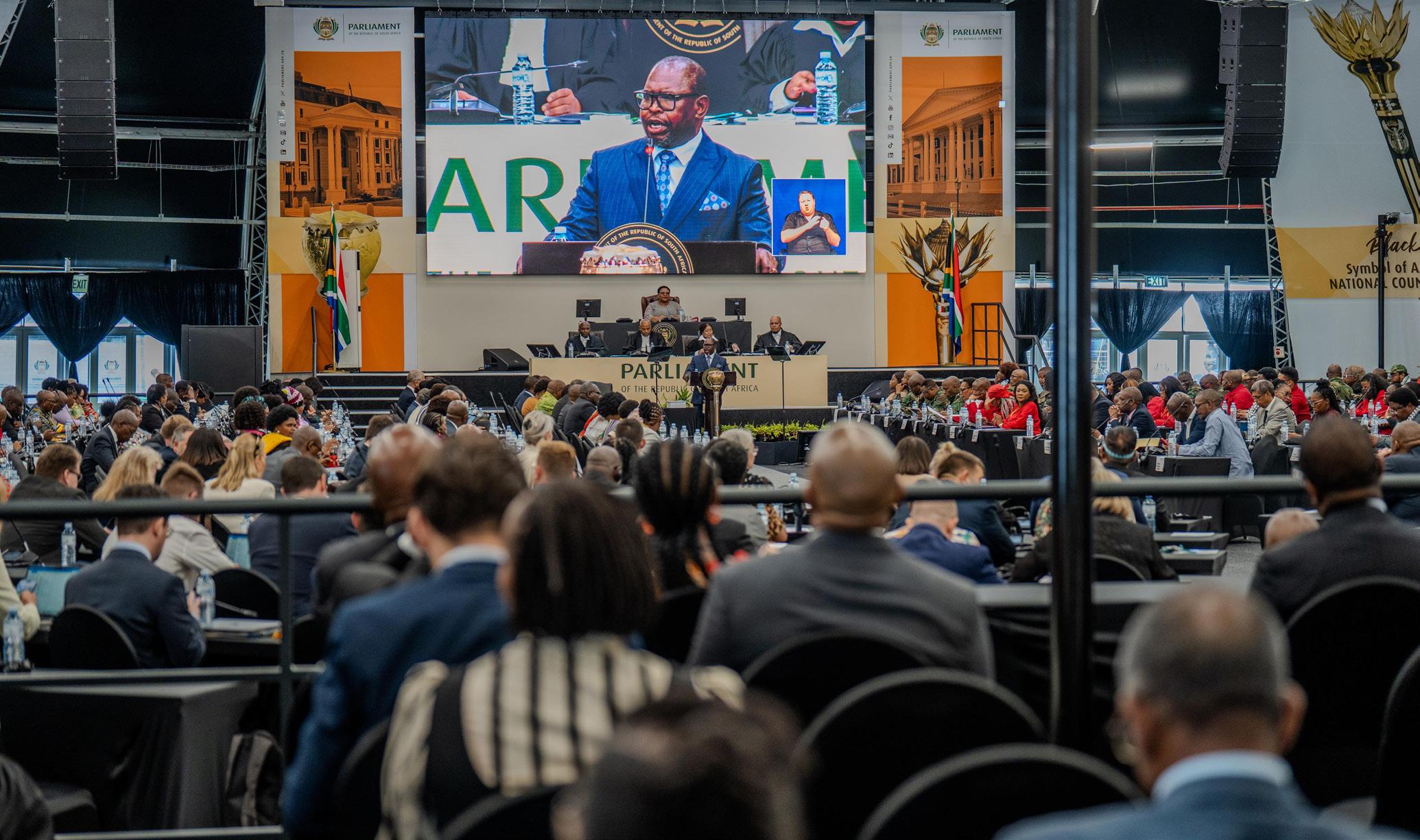
An additional R21.3 billion over the medium term strengthens healthcare staffing and addresses goods and services shortfalls.
For municipalities, the 2026 Budget Speech carries particular significance.
Of nationally raised revenue in 2026/27:
• 48.9% goes to national government
• 41.7% to provinces
• 9.4 % to local government
This translates to R182.3 billion allocated to municipalities.
R86.9 billion supports free basic services for 11.2 million households.
However, the Budget acknowledges stark realities: 63% of municipalities are in financial distress, and clean audit outcomes remain low.
A performance-linked reform model allocates R27.7 billion over the medium term to strengthen metro trading services in electricity, water, sanitation and waste management.
The reform requires ring-fencing revenue and reinvestment into the same services. Failure to meet operational targets will result in reduced allocations.
To address persistent underspending and governance weaknesses in nonmetro municipalities, a split delivery model is introduced. Where capacity is weak, infrastructure implementation may shift to capable districts or accredited implementing agents.
These reforms aim to protect citizens from service collapse while strengthening long-term financial planning at municipal level.
Public-sector infrastructure spending exceeds R1 trillion over the medium term:
• R577.4 billion by stateowned companies
• R217.8 billion by provinces
• R205.7 billion by municipalities
Transport and logistics account for the largest share.
Key focus areas include:
• SANRAL road maintenance and resurfacing
• PRASA corridor recovery and fleet renewal
• Expansion of electricity transmission infrastructure through the new Credit Guarantee Vehicle
• High-impact bulk water augmentation projects
The Budget Facility for Infrastructure continues funding strategic projects, including rail corridors and wastewater infrastructure. >
Public-Private Partnerships are being revitalised, with 63 projects currently in development and updated regulations for municipalities expected by 30 June 2026.
This Budget signals a disciplined transition from fiscal repair towards measurable delivery, institutional reform and long-term economic resilience.
Spending on peace and security rises from R268.2 billion in 2025/26 to R291.2 billion by 2028/29.
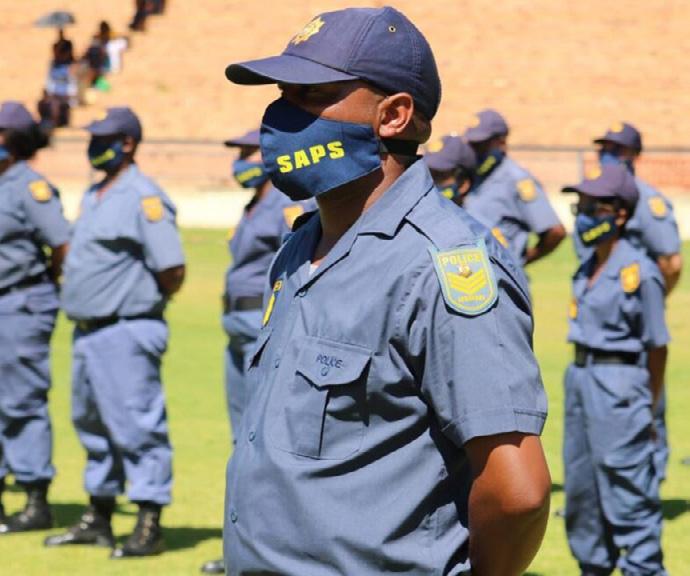
Allocations support:
• Border Management Authority capacity expansion
• Defence operational readiness
• Police and organised crime interventions
• Strengthened judicial independence and capacity
These investments aim to reinforce the rule of law and institutional integrity.
The 2026 Budget Speech is neither expansionary nor contractionary in the traditional sense. It is corrective.
It seeks to stabilise debt, strengthen institutions, modernise infrastructure delivery and shift expenditure composition toward growth-enhancing investment.
The emphasis on fiscal anchors, performance-linked municipal reform and infrastructure mobilisation signals a state attempting to move from crisis management to structured renewal.
Yet growth projections remain modest. Municipal capacity constraints persist. Infrastructure backlogs remain substantial.
The success of this Budget will therefore depend not only on allocations, but on execution.
If fiscal discipline holds, if infrastructure reforms unlock private capital, and if municipal performance improves under strengthened accountability frameworks, the stabilisation achieved in 2026 could become the foundation for sustained recovery.
The Budget concludes with a reaffirmation of constitutional commitment - that prudent fiscal choices are not an end in themselves, but a means toward dignity, equality and opportunity.
In that respect, 2026 Budget Speech 2026 marks not the end of fiscal repair, but the beginning of a more demanding phase: translating restored credibility into visible, measurable delivery.
And in the year ahead, that translation will be the true test of reform.
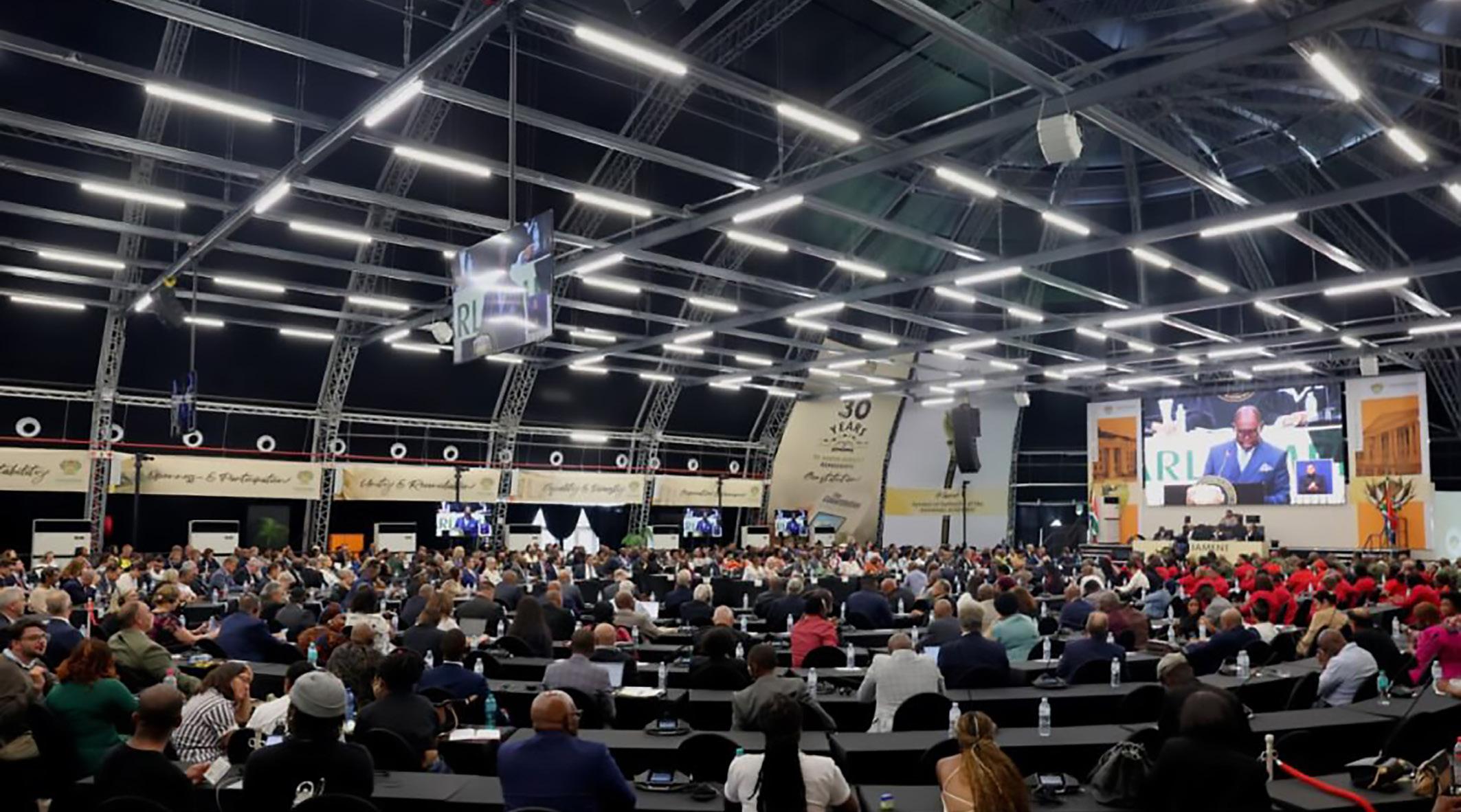





Ward boundaries for the 2026 local government elections have been finalised and handed over to the Electoral Commission of South Africa (IEC) in December 2025, to mark the conclusion of the process.
A total of 4305 out of 4488 wards have been finalised. Outstanding wards will be finalised by April 2026.


Established in 1999, the Municipal Demarcation Board (MDB) is an independent constitutional authority committed to strengthening South Africa’s local government landscape guided by the Municipal Demarcation Act (Act No. 27 of 1998) and the Municipal Structures Act (Act No. 117 of 1998).
The MDB executes its mandate without fear, favour, or prejudice — ensuring that municipal boundaries and governance structures serve the best interests of communities across the country.
At the heart of effective local government lies clearly defined and sustainable municipal boundaries. The MDB is entrusted with the responsibility to:
• Determine and Re-determine Municipal Boundaries
• Delimit Ward Boundaries for Local Government Elections
• Conduct Municipal Capacity Assessments
• Provide Advisor y Services on Local Government Matters
For over two decades, the MDB has remained steadfast in its commitment to independence, transparency, and public participation. Its work ensures that municipal structures are rational, sustainable, and responsive to the developmental needs of communities.
By shaping functional municipal boundaries and strengthening institutional capacity, the Municipal Demarcation Board continues to lay the groundwork for accountable governance which, it is envisaged, will improve service delivery across South Africa.
The MDB welcomes the anticipated enactment of the Independent Municipal Demarcation Authority Act, which will address existing gaps and advance the development of spatially transformed, equitable, and sustainable communities.

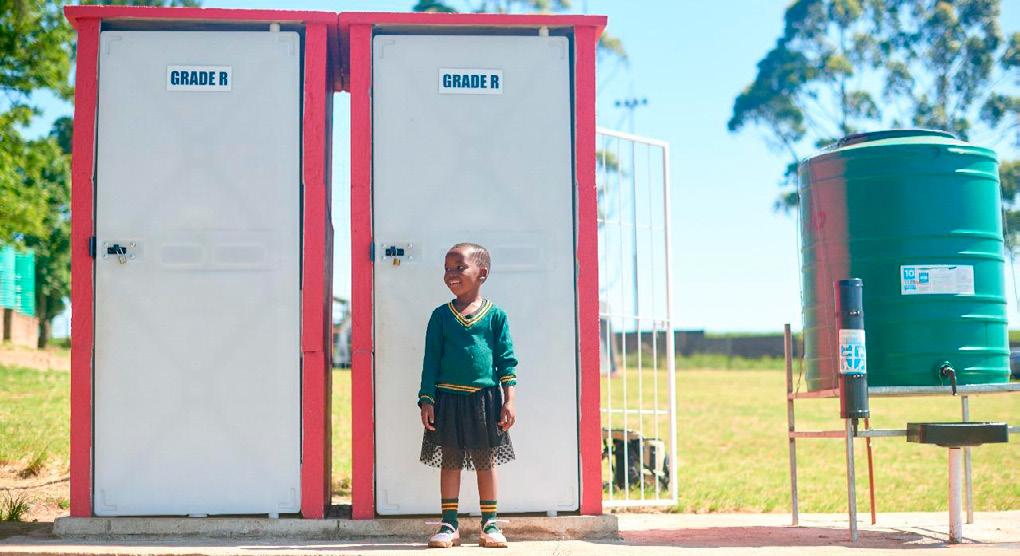
Envirosan Sanitation Solutions is a proudly South African manufacturer specialising in polymer-based sanitation technologies engineered for non-sewered, transitional and sewered environments . With a strong focus on water efficiency, durability and lifecycle sustainability, the company develops integrated sanitation systems tailored to the diverse realities facing municipalities across Southern Africa.
Through advanced injection-moulding manufacturing capability, Envirosan produces a comprehensive range of sanitation components, including dry sanitation systems, low-volume flush pedestals, handwashing units, high-density polymer doors and modular soakaway chambers. Each component is designed to perform reliably in high-use public environments while minimising maintenance demands and long-term operating cost s.
Rather than viewing sanitation as a single fixture, Envirosan approaches it as an integrated infrastructure system - incorporating user interface, hydraulic performance, safety, containment, wastewater dispersion and hygiene. This systemsbased philosophy aligns with modern municipal infrastructure planning, where sustainability, asset longevity and water conservation are increasingly central priorities.
The New Normal: Flushing with 1-2 Litres Potential Household Water Saving of 5000L per month!
Across much of Southern Africa, traditional sanitation systems have relied on flush volumes of 6-9 litres per use. While historically standard, such volumes
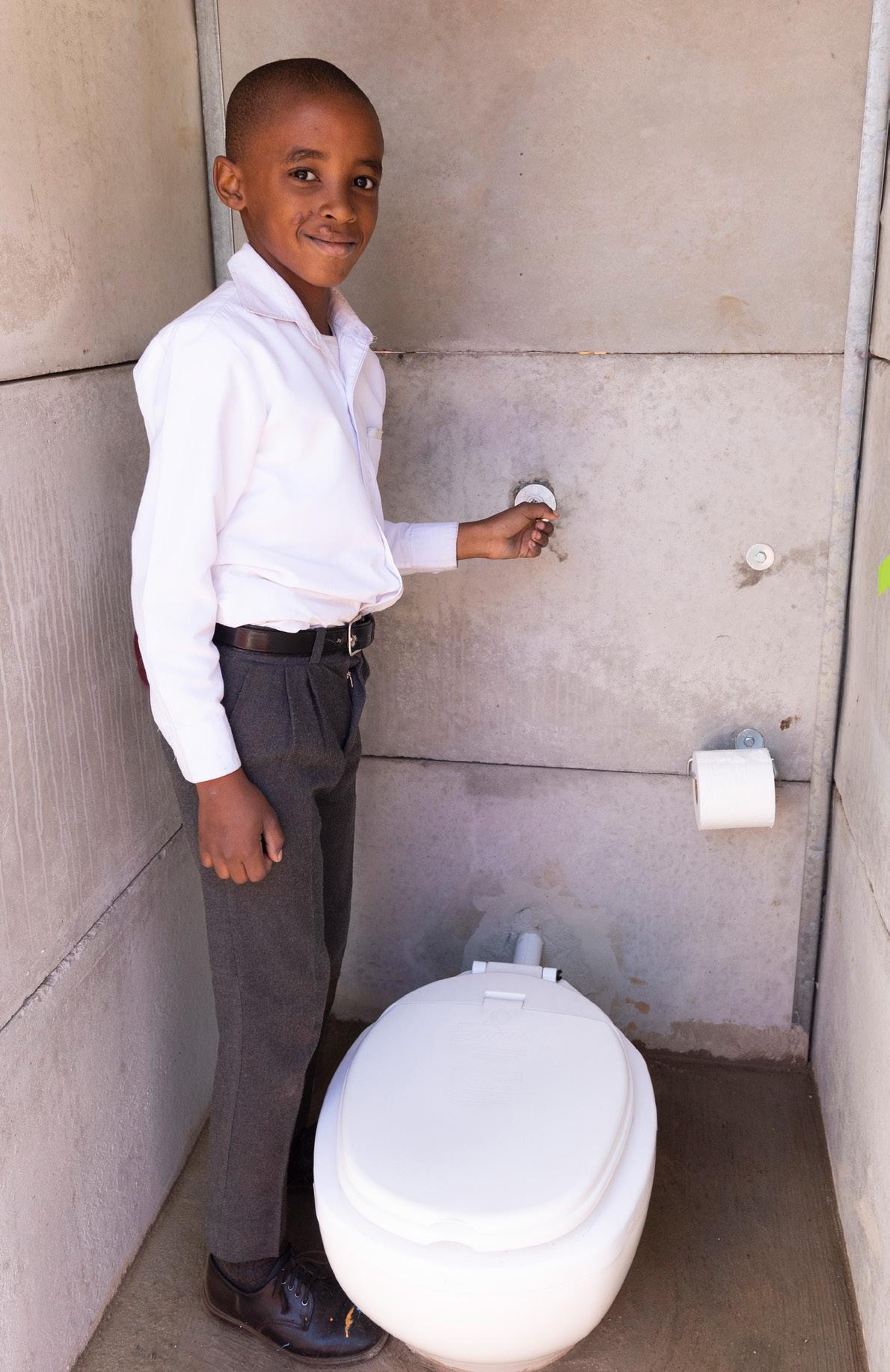
are increasingly difficult to justify in a region facing water scarcity, rising bulk supply costs and climate uncertainty.
Envirosan refers to the shift toward ultra-low flush technology as “The New Normal.”

At the centre of this transition is the EaziFlush™ system, engineered to operate effectively using only 1-2 litres of water per flush. This significant reduction in water consumption does not compromise hygiene or user dignity; rather, it reflects improved design optimisation for contemporary infrastructure demands.
For municipalities, reduced flush volumes offer measurable advantages:
• Lower bulk water demand in sewered networks
• Reduced hydraulic loading on wastewater treatment plants
• Extended lifespan of on-site pits and septic systems
• Lower desludging frequency
• Reduced pump energy demand
• Increased resilience during water restrictions
Whether deployed in formal urban sewered settlements, peri-urban transitional zones or fully non-sewered rural communities, the benefits of lower water consumption are consistent and cumulative.
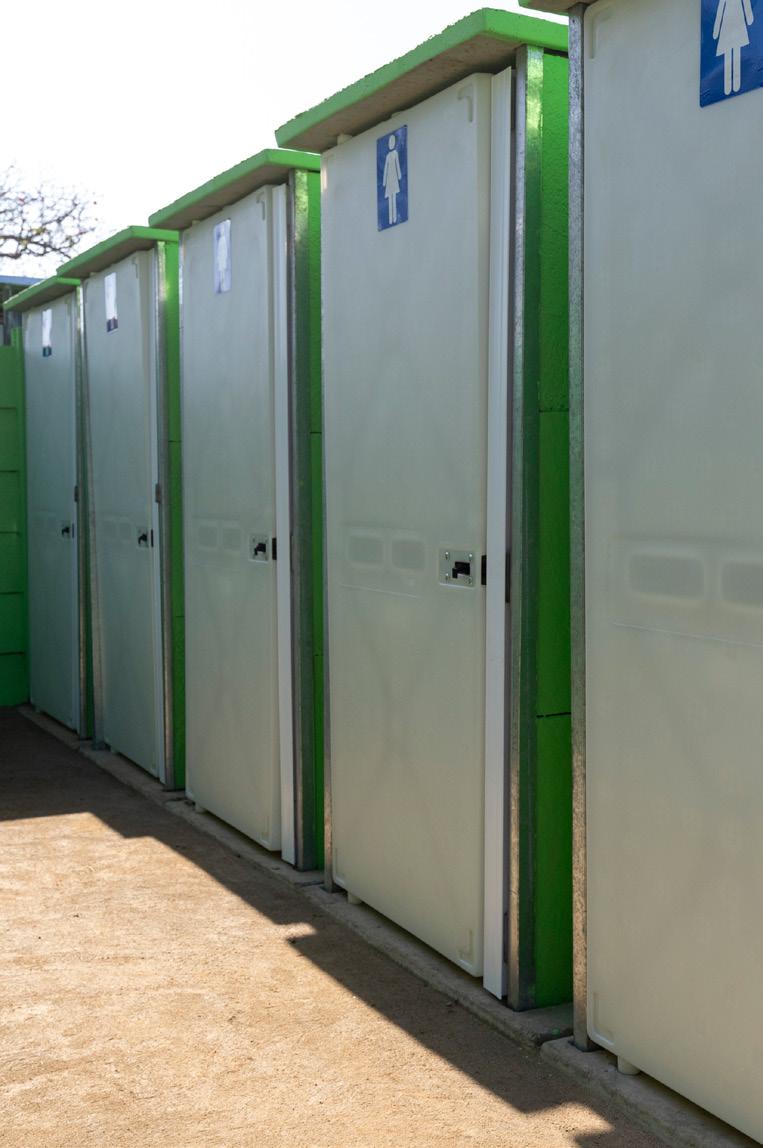
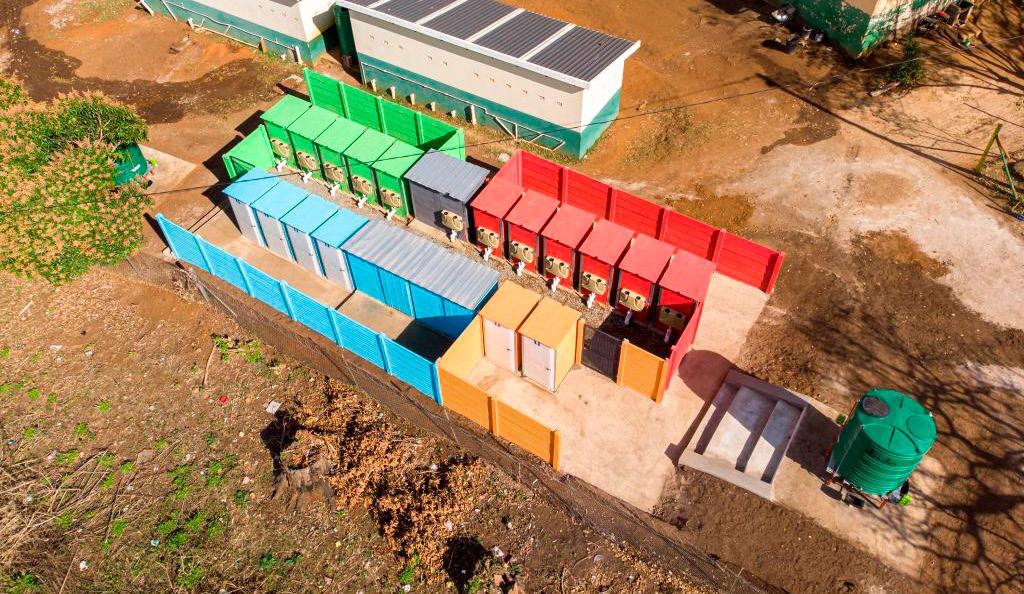
One of the strengths of modern low-volume systems lies in their adaptability.
• In non-sewered settlements, the EaziFlush™ reduces hydraulic stress on leach pits, and soakaways, extending containment lifespan and improving long-term performance.
• In transitional settlements, where infrastructure may be in the process of upgrading from on-site systems to formal reticulation, low-volume flush reduces water demand while maintaining compatibility with evolving service models.
• In fully sewered settlements, ultra-low flush volumes reduce inflow into reticulation networks and wastewater treatment plants. Lower inflow can contribute to improved plant efficiency, reduced overflow risk and deferred capacity expansion costs - an increasingly important consideration in metropolitan asset management.
By designing for all three contexts, Envirosan ensures that sanitation infrastructure remains adaptable to changing settlement typologies and municipal growth patterns.
Envirosan’s systems are manufactured using high-performance injection-moulded polymers.
Compared to traditional materials, engineered polymers provide:
• Smooth, non-porous surfaces for improved hygiene
• Resistance to corrosion and moisture-related degradation
• Hig h impact strength in hightraffic environments
• R educed maintenance requirements
• C onsistent manufacturing tolerances
In municipal facilities - particularly schools, public ablutions and transport hubs - durability directly influences total lifecycle cost. Components such as high-density polymer doors with dual-operation safety latches improve both safety and longevity, eliminating corrosion risks associated with steel alternatives.
From an asset management perspective, reduced maintenance translates directly into operational savings and improved service continuity. >
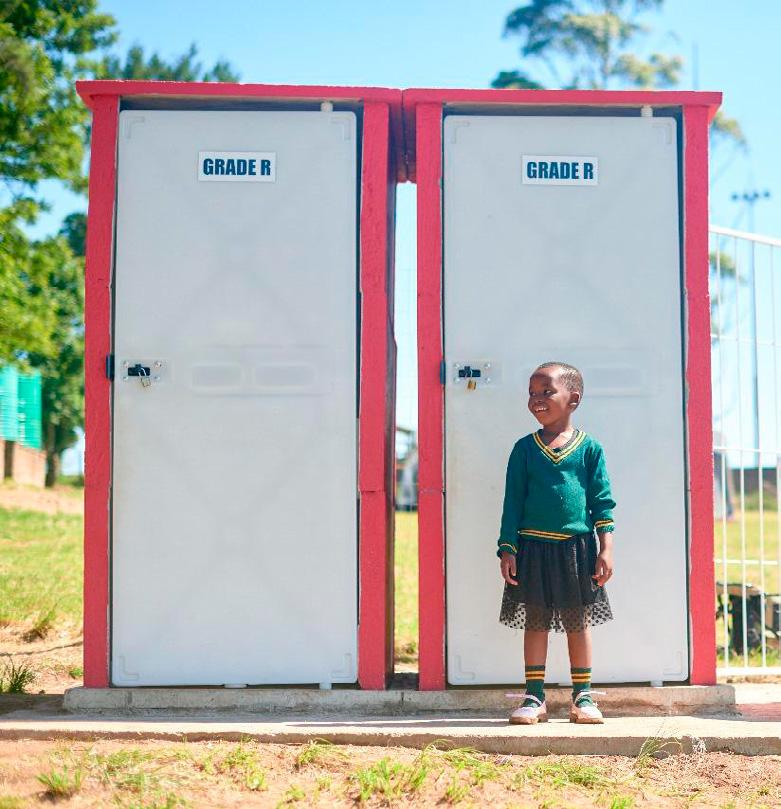
Safe and dignified sanitation in schools and community facilities remains a priority for municipalities.
Low-volume flush systems are particularly suited to educational environments where:
• Water supply may be intermittent
• User volumes are high
• Child safety is essential
• Maintenance capacity is constrained
Integrated solutions incorporating child-safe seating configurations, dignity-focused design, hygienic and durable materials, and integrated handwashing facilities ensure compliance with health and hygiene standards while safeguarding long-term infrastructure performance and asset longevity.
Reducing water use in school sanitation also supports broader municipal demand management strategies.
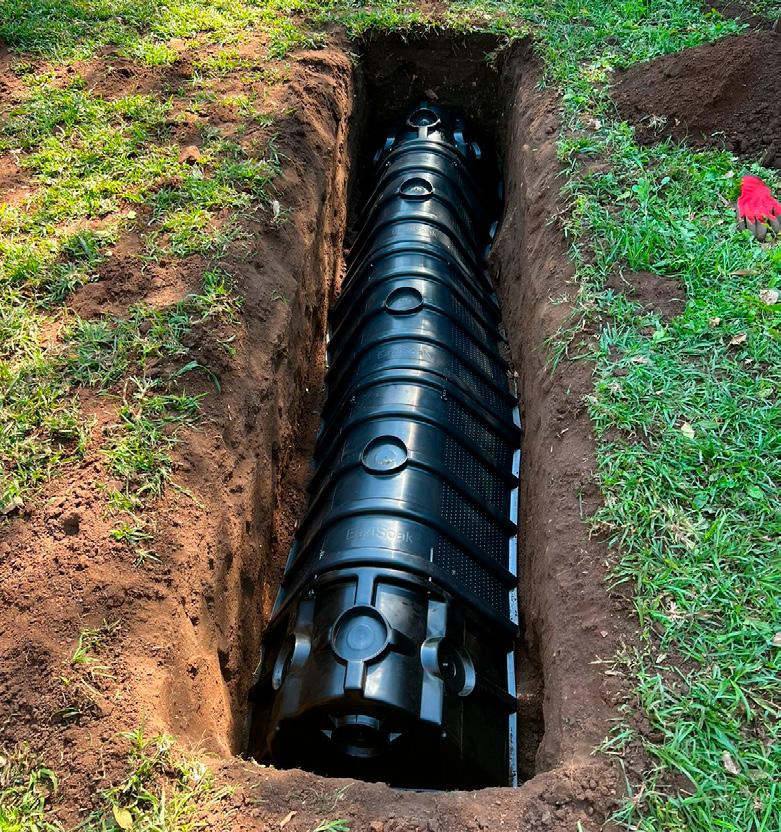
Effective sanitation extends beyond the flush mechanism. Envirosan supports installations with modular soakaway chamber systems designed to improve percolation efficiency and reduce excavation requirements compared to conventional stone-filled trenches.
Modular systems offer:
• Predictable hydraulic performance
• Reduced installation footprint
• Faster construction timelines
• Standardised sizing methodology
Modern infrastructure planning requires measurable data. To support evidencebased decision-making, Envirosan provides an interactive online calculator that enables municipalities to model projected water and cost savings when transitioning from highvolume to low-volume flush systems.
Decision-makers can estimate annual water savings and associated financial benefits by inputting variables such as:
• Household or facility numbers
• Average daily usage
• Flush frequency
• Local water tariffs
Such modelling supports:
• Budget justification
• Infrastructure funding applications
• Treasury submissions
• Council-level planning approvals
The move from 9-litre flush systems to 1-2 litre solutions represents a broader shift in municipal thinking.
Sanitation infrastructure must now be:
• Water-efficient
• Climate-resilient
• Upgradeable across settlement types
• Durable and low-maintenance
• Supported by data- driven planning
Envirosan’s systems embody this evolution. By designing for non-sewered, transitional and sewered environments alike, the company aligns sanitation delivery with modern infrastructure realities.
In a region where water security defines the future of development, flushing with 2 litres is no longer an innovation - it is becoming the municipal standard.
For municipal engineering departments, this improves quality control and reduces variability across large-scale projects.
Replacing assumption-based planning with quantifiable projections enhances accountability and transparency in sanitation delivery.
The New Normal is hereand it is defined by efficiency, durability and responsible water use.

Access the calculator through the QR Code or the Link: https://envirosan.co.za/eaziflush-water-savings-calculator/
CONTACT DETAILS:
Tel: 031 700 1866
E-mail: info@envirosan.co.za
Head Office: South Africa KZN/ Coastal: 9 Schafer Road, New Germany, Pinetown, 3610

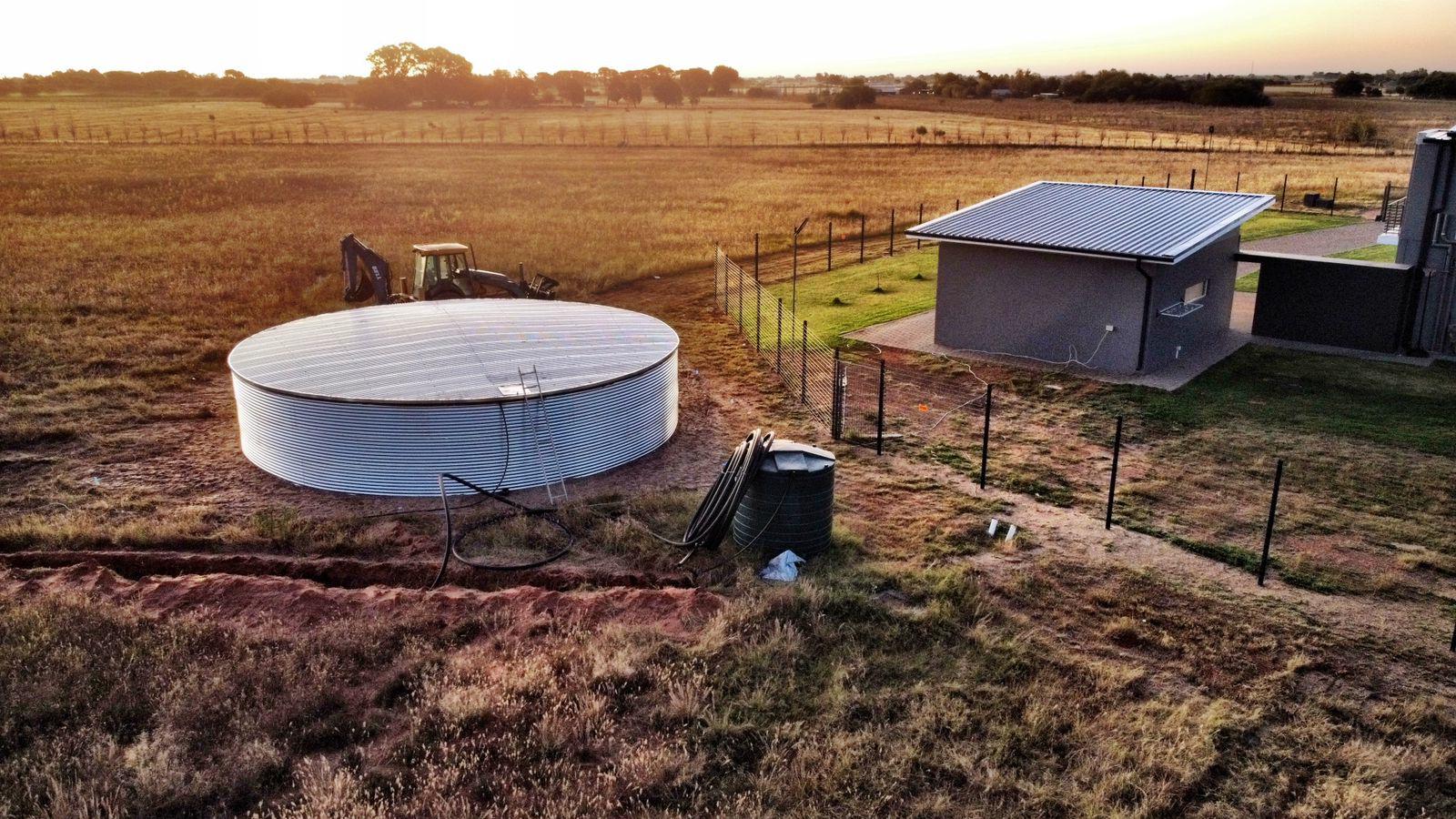
Supply of VapoGuard oating covers
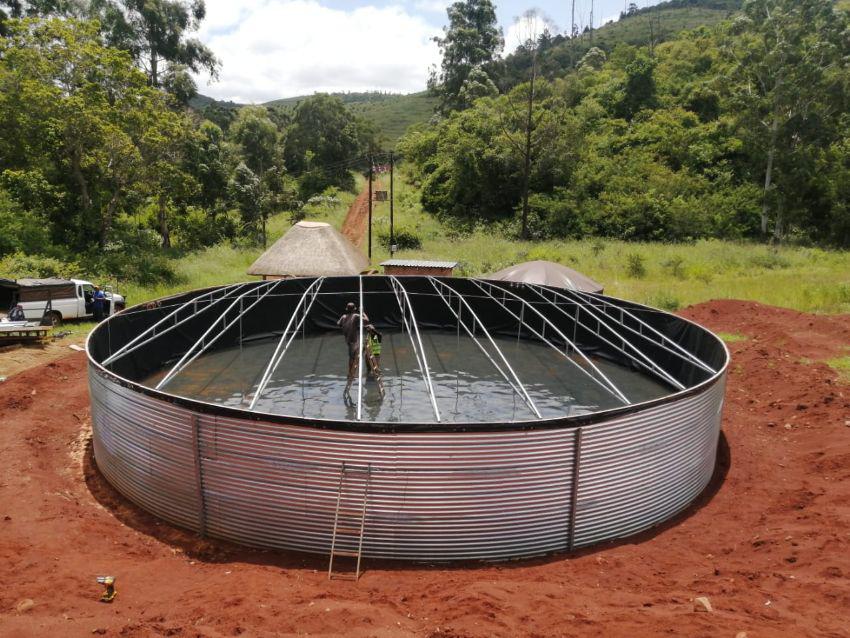
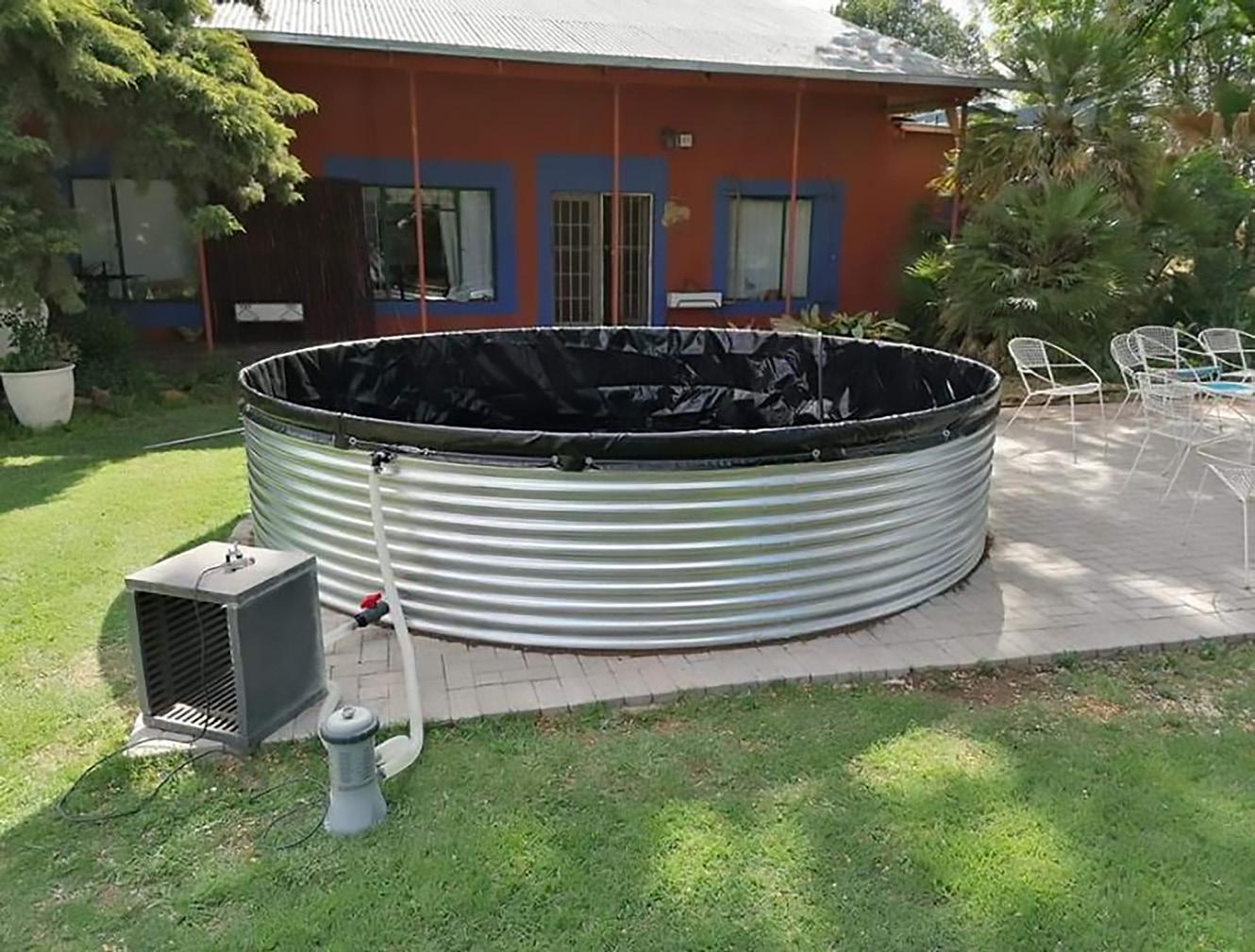
Corrugated and Alu Zinc Dams
Liners for Concrete & Zinc Dams
Earth Dam Liners
Potable Water Tanks
Grain Tanks
Water Reservoirs
Mining Projects Dam
School Water Projects Dams
Agricultural Tanks
Hydroponic Systems Dams
Aquaponic Systems Dams



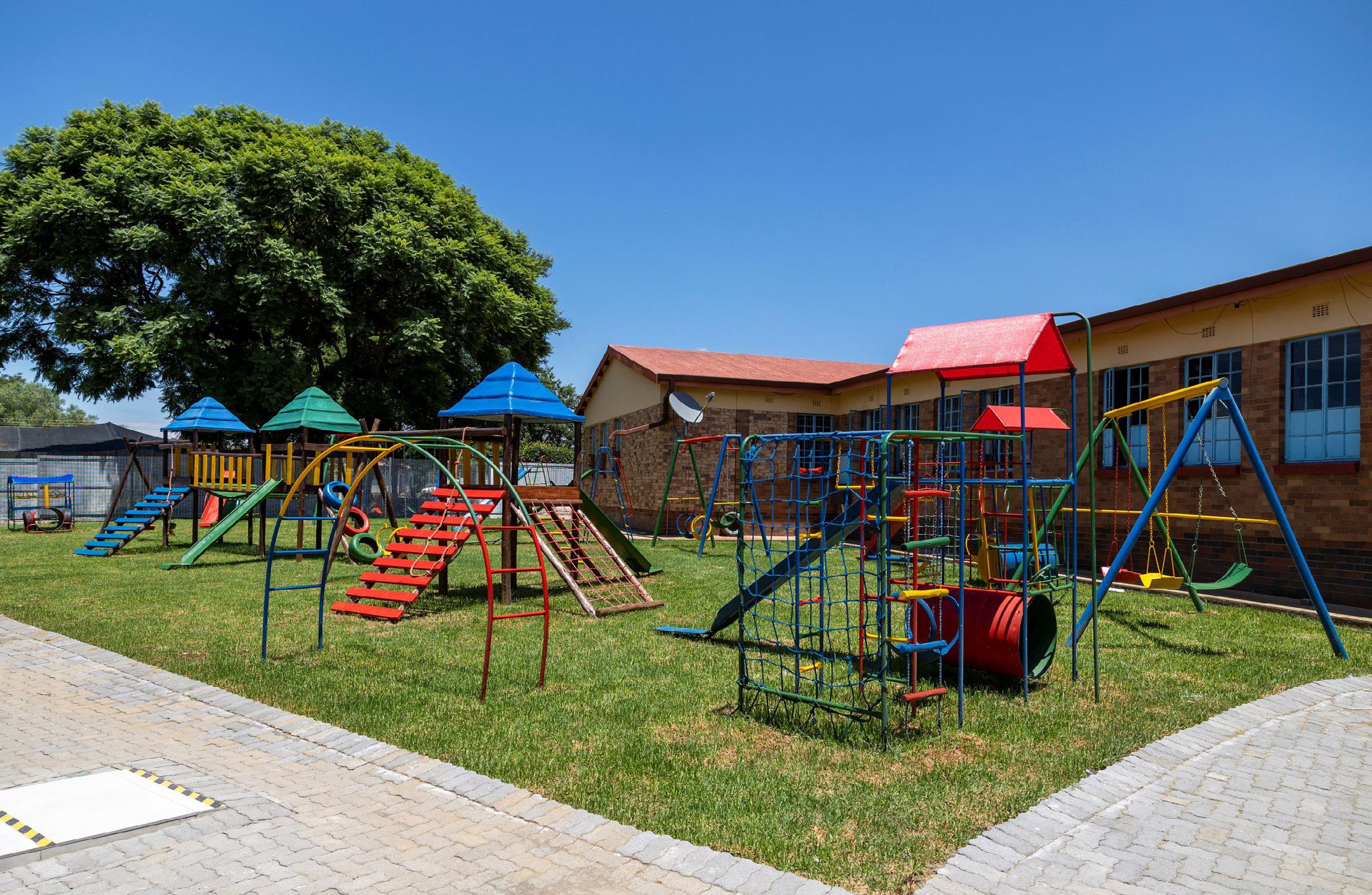
Implats continues to demonstrate how mining, when grounded in partnership and accountability, can deliver lasting value to the communities that host its operations. The Group’s approach to community upliftment is built on collaboration with local authorities and a commitment to investing in high impact initiatives that improve quality of life, strengthen local economies and enhance social resilience.
These investments directly reinforce the government’s renewed focus on strengthening essential infrastructure and advancing inclusive community development, as outlined in the most recent State of the Nation Address delivered on 12 February 2026, which prioritised revitalising roads, water systems, schools and community
facilities as part of a nationwide infrastructure drive.
In the 2025 financial year, Implats’ commitment translated into a substantial programme of social performance initiatives, directly benefitting more than 61 000 people while creating approximately 3 700 employment opportunities.
A cornerstone of Implats’ upliftment efforts is its investment in critical community infrastructure designed to support wellbeing and inclusive growth. At its Impala Rustenburg operation in the North West and its Limpopo-based Marula operation, the Group completed several major social and labour plan (SLP) projects aimed at expanding access to essential services.
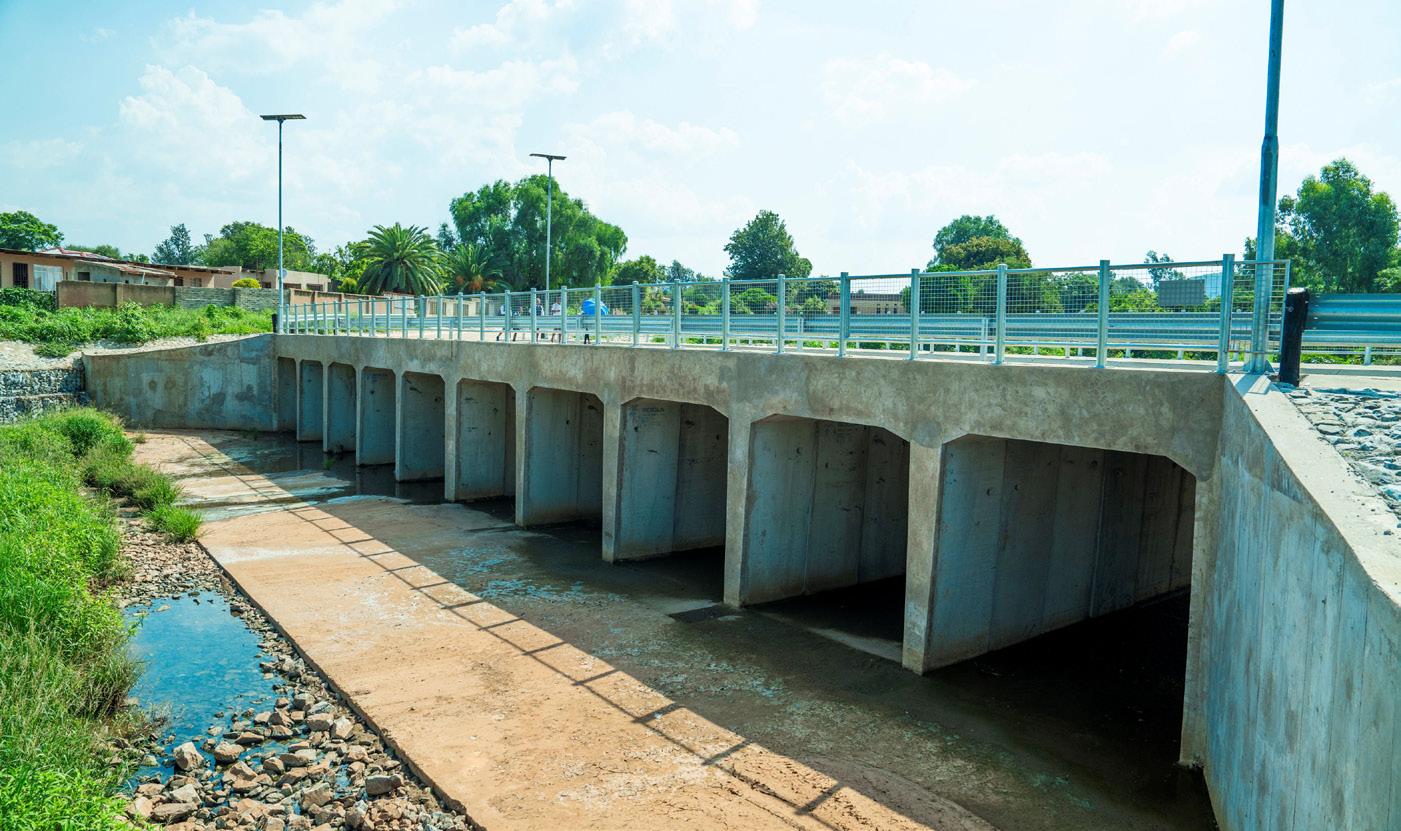
These include the construction of the Phokeng road and bridge, new ablution facilities at Seraleng Primary School and the development of the Bobuanja Community Centre in the Rustenburg region. Marula completed the construction of the Madikane hall, the road paving
projects in Diphale and Madikane, and the sidewalk construction in Morwakgomo, among others.
The Group’s Impala Refineries operation, based in Springs, Gauteng, completed key upgrades at High Technical School Springs as well
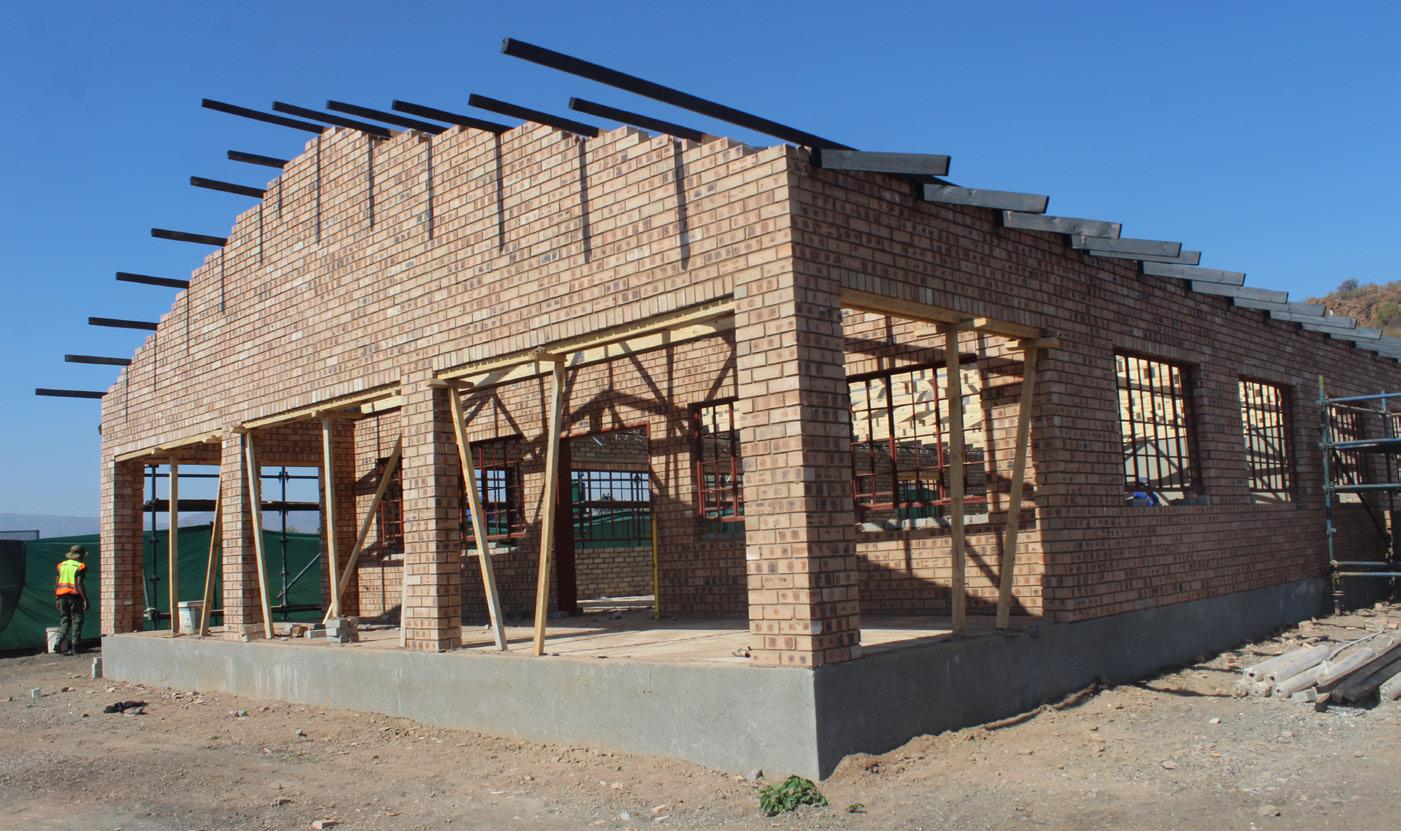
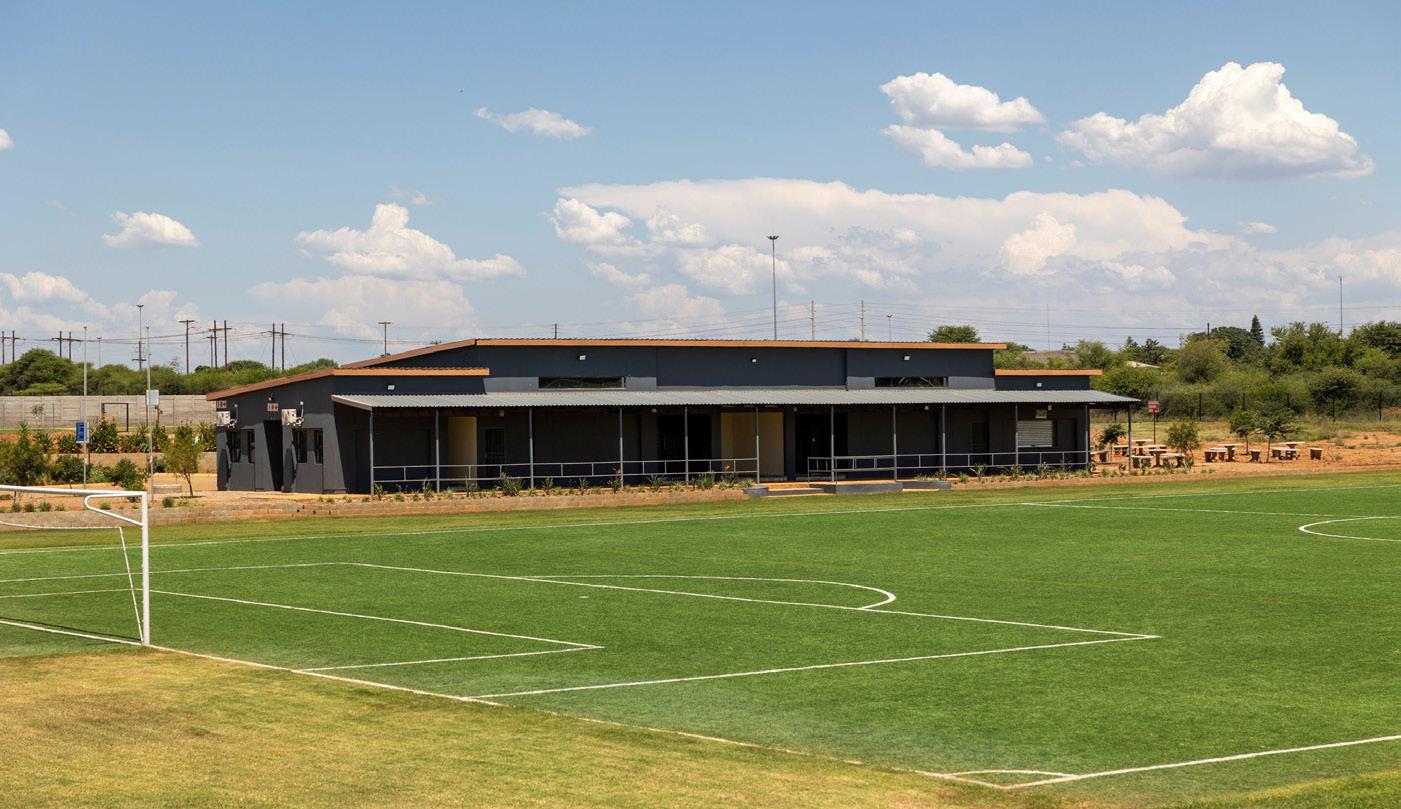
as enhancements at the MLT Institution in Tshakane, improving educational facilities that support future skills development.
These efforts reflect the integrated nature of the Group’s upliftment strategy where physical infrastructure and human development are advanced in tandem.
Water security remains a defining challenge for many mine-host communities, and Implats has taken deliberate steps to address this. In the North West, the company upgraded water infrastructure in Tsitsing, improving supply reliability for households that have long battled intermittent access. In Limpopo, Marula continued to maintain 23 water sources across the Four Farms communities, benefiting more than 12 500 people.
By investing in essential infrastructure, Implats is not only supporting communities today, but helping build the social and economic foundations for tomorrow.
Across its portfolio, Implats’ infrastructure projects form part of a wider social investment plan that delivered 17 community infrastructure developments in its 2025 financial year. This structured, long-term approach reinforces the Group’s social licence to operate and its role as a partner in shared development. By delivering tangible improvements to roads, schools, water systems and community facilities, Implats continues to drive meaningful and measurable progress in the regions that sustain its operations.

The South African Multifamily Residential Rental Association (SAMRRA) welcomes President Cyril Ramaphosa’s announcement in the State of the Nation Address outlining a new housing model that expands affordable housing and shifts support to include rental subsidies.
The President stated: “We are introducing a new model for housing, where people are given subsidies for ownership and rental in areas that are suitable for them. We are shifting from building houses for people to supporting them to build, buy or rent their own housing.”
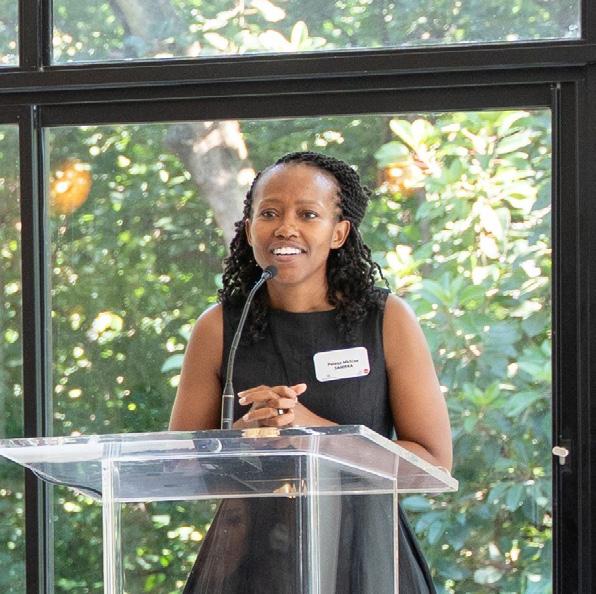
Palesa Mkhize, CEO of SAMRRA, comments, “The President’s announcement signals an important shift: the realisation that rental housing is not a secondary option. It is central to economic participation.”
This policy direction reflects economic reality and the lived experience of millions of South African households.
South Africa has a growing demand for quality, affordable housing that provides occupants with the safety and amenity that more conventional housing pathways often do not offer. This unmet demand continues to grow, driven by rapid urbanisation and socio - economic challenges, including economic uncertainty,
a growing middle class, consumer affordability pressures, decreasing household sizes, and the slow delivery of new housing supply. These structural shifts are steadily reshaping housing preferences, with rental accommodation increasingly positioned as a practical, flexible, and economically enabling solution for a significant portion of the population.
South Africa is a rental nation. Approximately 4.5 million (23%) households rent their homes, according to a 2025 report compiled by the Centre for Affordable Housing Finance (CAHF) with SAMRRA. 15% or around 685 000 households, reside in ’apartments’. In the face of growing (and unmet) demand, 54 000 new rental units were added to the market over five years, a 9% increase, positioning multifamily rentals as a cornerstone of modern housing solutions.
“Purpose-built, professionallymanaged, well-located multifamily rental housing accomplishes what the government seeks to achieve: improving lives with quality housing that also provides access, opportunity and amenity.”
- Palesa Mkhize, CEO of SAMRRA
For many low- and moderateincome families, home ownership is not immediately within reach. More importantly, SAMRRA members report that, increasingly, their residents are choosing to rent, actively seeking a balanced lifestyle in amenityrich, well-located rental homes.
The announcement of the new housing model also acknowledges that it is crucial for households to have the option of living in areas that are suitable for them.
Research undertaken by the Green Building Council South Africa (GBCSA) and SAMRRA member Divercity Property Fund in 2025, plainly shows that welllocated, resource-efficient housing boosts access to jobs and education, reduces transport costs, enhances the sustainability of our cities, and improves long-term asset performance.
“Location is not a luxury,” says Mkhize. “It determines whether a household can access work and manage the daily cost of living. You can’t just build housing. You need to think carefully about what you’re building, where you’re building it and who you’re
building it for. When families live closer to employment nodes and reliable public transport, we reduce the hidden cost of working and increase the potential for more South Africans to thrive.”
Multifamily residential rental property continues to demonstrate its strength as one of South Africa’s most resilient and compelling real estate opportunities, underpinned by vast demand and growing institutional participation. Demand is strongest where access to opportunity is greatest and, for this reason, SAMRRA members prioritise housing in well-located urban nodes close to employment, transport and social infrastructure. This includes, among many others, properties at the gateway to Sandton Central, in Sunninghill, Bryanston and in Menlyn in Gauteng, as well as in the Cape Town CBD, Salt River and Pinelands in the Western Cape.
“Multifamily rental housing is a resilient and compelling investment and, when done right, it also offers a high-impact economic and social strategy,” notes Mkhize. “This announcement by the President recognises that rental housing is a core pathway to opportunity for working South Africans.”
SAMRRA members manage a growing number of more than 75 000 rental units across approximately 550 properties. These are institutionally financed, professionally managed developments operating within clear governance frameworks. Their performance is measurable and auditable. This positions the sector to administer incomelinked rental subsidies efficiently and accountably.
The state does not need to start from scratch. The multifamily rental residential model is proven in South Africa, as it is abroad. The infrastructure already exists. The capital is active. The delivery pipelines are operating.
“SAMRRA stands ready to engage on the new subsidy framework and bring the might of our members to meaningful, measurable and market-ready solutions that deliver momentum. The opportunity is clear: leverage existing institutional capacity to scale rental housing that works for families and for the economy.”


Email: info@samrra.co.za
Get Social:
Connect with SAMRRA on: Facebook | LinkedIn | Instagram
The Electoral Commission has announced 20-21 June 2026 as the official voter registration weekend, marking a key milestone in the country’s preparations for the upcoming Local Government Elections.
It is important to note that for these elections, voters must register where they live and vote at the voting station where they are registered. Importantly, you do not have to wait for the registration weekend, you can register or update your details online at any time.
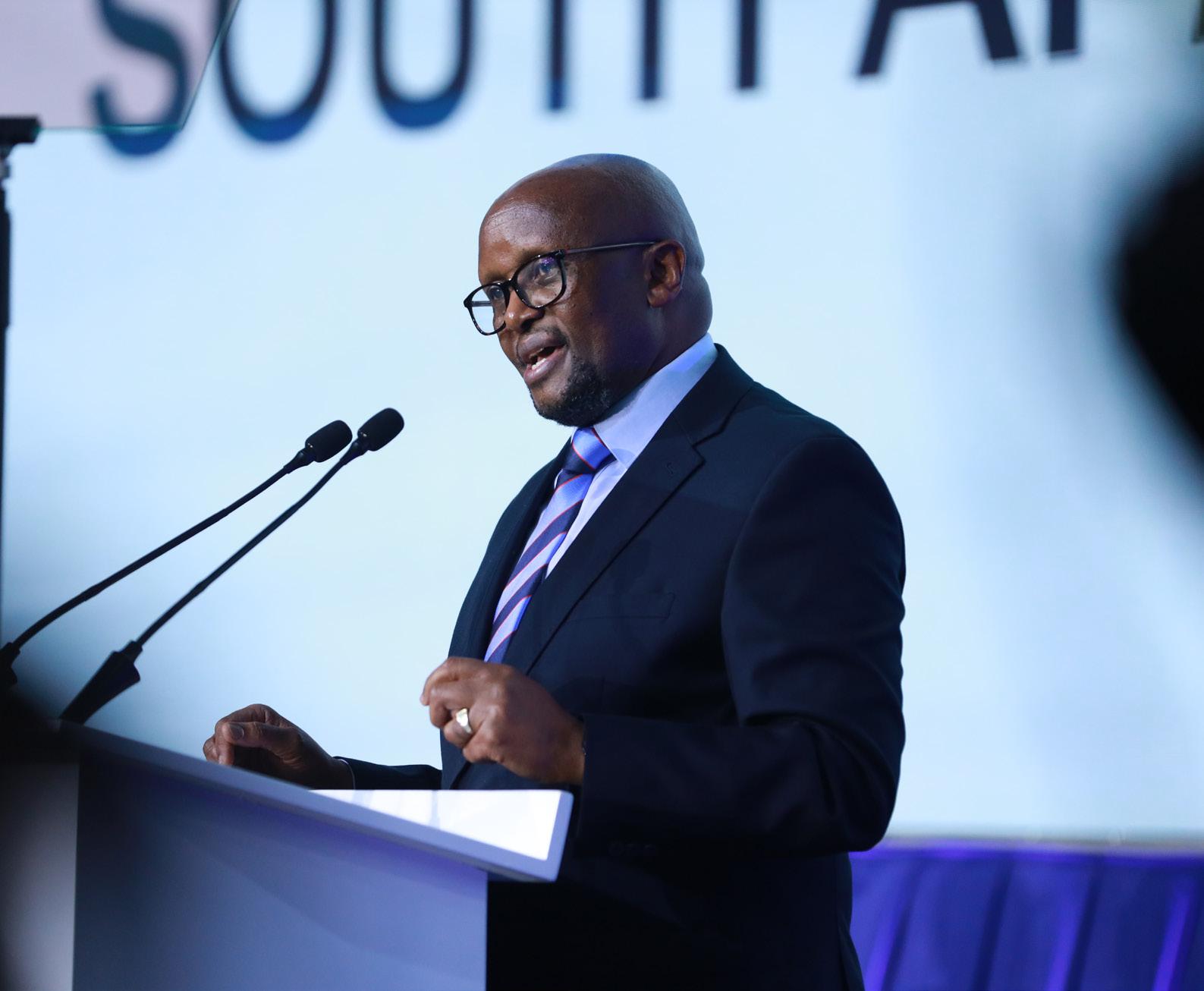
Chief Electoral Officer, Sy Mamabolo said the registration weekend is intended to maximise opportunities for citizens to register closer to where they ordinarily reside, thereby
facilitating access to the franchise and broadening electoral participation.
The timing of the registration weekend aligns with the Commission’s planning assumption that it must remain ready to administer elections whenever they are lawfully called.
“This alignment ensures procedural certainty, operational readiness and full compliance with the legal framework,” Mamabolo said.

Registering where you Live and the Election Process
Following the completion of the voter registration process, the Commission anticipates the proclamation of the election date by the Minister of Cooperative Governance and Traditional Affairs. Once the election date is proclaimed, eligible voters will have until midnight on that same day to register to vote.
“The proclamation of the election date will formally trigger the performance of activities that underpin the election timetable,” Mamabolo said.
These activities include the certification and publication of the voters’ roll, inspection of the voters’ roll and the lodging of objections, consideration and adjudication of objections by the Commission, as well as the submission of candidate nominations and the applicable cut-off deadlines.
Mamabolo emphasised that an early announcement of the election date is important to allow voters to make informed decisions about where they will be on voting day.
“The Commission’s position is that an early announcement of an election date is critical to allow South Africans

to decide where they will be on voting day, as this directly determines where they register,” he said.
He noted that this is particularly relevant for people whose place of study or work differs from their usual residence.
“For instance, a student studying in one province but ordinarily residing in another must know whether they will be on campus or at home when the country votes. That clarity ensures they register correctly and avoids unnecessary administrative complications closer to election day,” Mamabolo said.
In local government elections, voters may only vote at the voting station where they are registered. There is no legal facility to vote outside of the voting station of registration in municipal elections. This requirement ensures that voters participate in ward elections that have a direct relationship with their place of ordinary residence. In other words, voters elect ward councillors who represent the communities in which they live.
Meanwhile, the Electoral Commission has observed a steady increase in the number of citizens utilising its online self-registration platform, alongside ongoing community outreach initiatives aimed at strengthening civic participation.
The Commission’s voter education programme continues throughout the year, although civic and democracy education efforts are intensified ahead of elections. As part of this effort, 530 Municipal Outreach Coordinators (MOCs) had been appointed by the end of February 2026 to strengthen grassroots civic education across all municipalities.
“The reality is that some communities still prefer in-contact engagement for purposes of civic and democracy education,” Mamabolo noted.
The Municipal Outreach Coordinators serve as the Commission’s frontline community interface, facilitating voter education sessions and mobilising communities to participate in electoral democracy.
Voter registration remains a critical step in preparing for municipal elections, as voters must register where they live and vote at that voting station.
The MOCs will augment the nationwide voter education campaign, which hasexpanded significantly in recent months.
Since the start of the current financial year, the Commission has reached more than 2.6 million people through over 18 000 community events held across all nine provinces.
Between November 2025 and January 2026, the Commission reached an additional 830 223 people through 12 228 community engagements, bringing the cumulative reach of the voter education programme to more than 3.43 million people nationally.
“These engagements remain strategically focused on encouraging and preparing first-time voters, promoting active participation and fostering responsible citizenship among young South Africans ahead of future elections,” Mamabolo said.
The nationwide online voter registration campaign is already producing tangible results. Between November 2025 and March 2026, a total of 260 205 new voter registrations were recorded.
Of these, 128 113 voters registered through Voter Management Devices (VMDs) while 132 092 registered via the online self-service portal.
Mamabolo said the steady increase in registrations can also be attributed to the Online Registration Campaign conducted throughout February 2026, which encouraged citizens to register, update and verify their details remotely.
“Ordinarily, voter registration numbers decline in the period between two elections due to mortality. The gains in the numbers reflect the Commission’s concerted efforts to encourage voter registration and to increase voter registration opportunities,” Mamabolo said.
In addition, the Commission’s self-service online voter registration portal, which is available 24 hours a day, continues to play an increasingly important role in expanding access to voter registration.
“If you are eligible to vote, take the first and most important step - register and ensure your details are up to date on the voters’ roll,” Mamabolo urged.
South Africans can register or update their details at registertovote.elections.org.za.





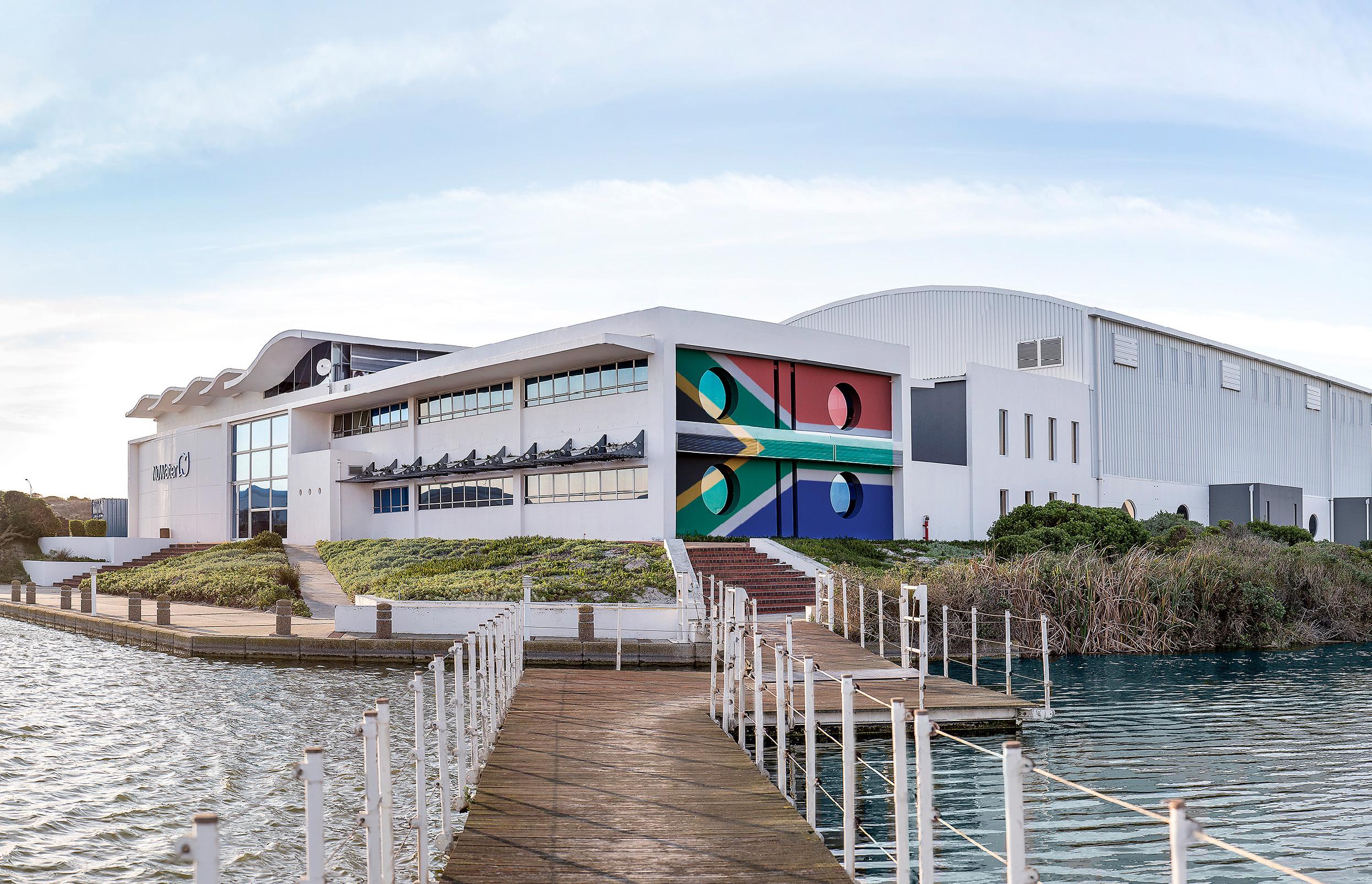
Written by: Billy James, Managing Executive
Water is often spoken about as if it were purely technical. A matter of treatment capacity, conveyancing efficiency and asset management. A system of pipes, pumps and reservoirs governed by engineering logic. Yet, water is never neutral.
It is embedded in political realities and social structures. It shapes who has time and who loses it. Who is safe and who is vulnerable. Who can participate fully in education and the economy, and who cannot. When water systems fail, the consequences are not evenly distributed.
On World Water Day 2026, under the theme “Water and Gender,” this truth becomes impossible to ignore.
Municipal engineers understand water in its physical form better than anyone. They understand abstraction, treatment processes, reticulation networks, metering systems and wastewater compliance. They manage ageing infrastructure, constrained budgets and growing demand. They work within procurement frameworks, regulatory requirements and climate uncertainty.
But they also understand something deeper.
They understand that infrastructure does not exist in isolation. It exists in communities.
Water is not merely a commodity measured in megalitres. It is not simply something to be produced, conveyed and billed. It is a public service that underpins dignity, health, security and opportunity.
When supply becomes intermittent, when sanitation systems are unsafe, or when infrastructure delays prolong service gaps, the burden is rarely shared equally. Women and girls disproportionately absorb the impact. They manage water scarcity in households. They travel further when access points fail. They shoulder increased caregiving when waterborne illness spreads. They navigate sanitation facilities that may not prioritise privacy or safety.
Water and gender are therefore inseparable from infrastructure performance.
Water is not neutral - its reliability shapes dignity, safety and opportunity, while its failure disproportionately deepens inequality.
Municipalities may own treatment works, bulk pipelines and reservoirs. They may report compliance statistics and production volumes. Yet ownership of infrastructure does not automatically translate into dignity.
If water does not reliably reach the point of use in a safe and accessible manner, infrastructure alone is insufficient. A utility is a tool. Equality and dignity are outcomes.
Municipal engineers operate at the intersection of this reality. They know that reliability matters more than theoretical capacity. They know that ageing assets, urbanisation and climate variability complicate delivery. They understand that capital budgets are limited and major upgrades require long planning cycles.
Across South Africa, many centralised systems are under strain. Urban growth has accelerated demand beyond original design assumptions. Climate pressures have intensified variability in raw water supply. Funding constraints delay expansion and refurbishment.
Communities, however, experience service gaps immediately.
Large scale treatment works and bulk conveyance systems remain foundational to municipal service delivery. They are essential to long term sustainability. However, when capital is constrained or geography limits expansion, relying solely on centralised infrastructure can slow progress towards equitable outcomes.
If the objective of the Water and Gender theme is to close gaps in dignity, security and opportunity, then delivery models must be adaptable to the challenges they seek to address.
Point of use and Decentralised solutions are increasingly critical in bridging the gap between infrastructure ownership and effective service delivery. Delivering treated water directly to schools, clinics,
Managing Executive: Billy James
rural settlements or peri urban communities can bypass structural delays associated with large capital projects. Decentralised systems can supplement strained treatment works, provide interim capacity during refurbishment, extend safe supply to areas not yet connected to bulk networks and improve quality.
These approaches do not replace municipal systems. They strengthen them.
Innovation in deployment models is not about diminishing the role of municipal engineers. It is about expanding their capacity to act within constrained environments.
NuWater has demonstrated how Decentralised treatment technologies can support municipalities facing capacity and funding limitations. These systems require minimal permanent civil infrastructure, can be deployed rapidly and operate either independently or integrated into existing municipal frameworks. Structured appropriately, they reduce upfront capital pressure while restoring or improving service delivery.
This flexibility allows municipalities to respond quickly to community needs while long term infrastructure plans progress through funding and procurement cycles.
NuWater stands ready to partner with municipalities to help achieve their service delivery mandates, to support engineers in championing this year’s World Water Day theme of Water and Gender, and to collaborate in building resilient, equitable systems in the years ahead. Partnership in this context is not a substitute for public responsibility. It is a means of strengthening public capability. >
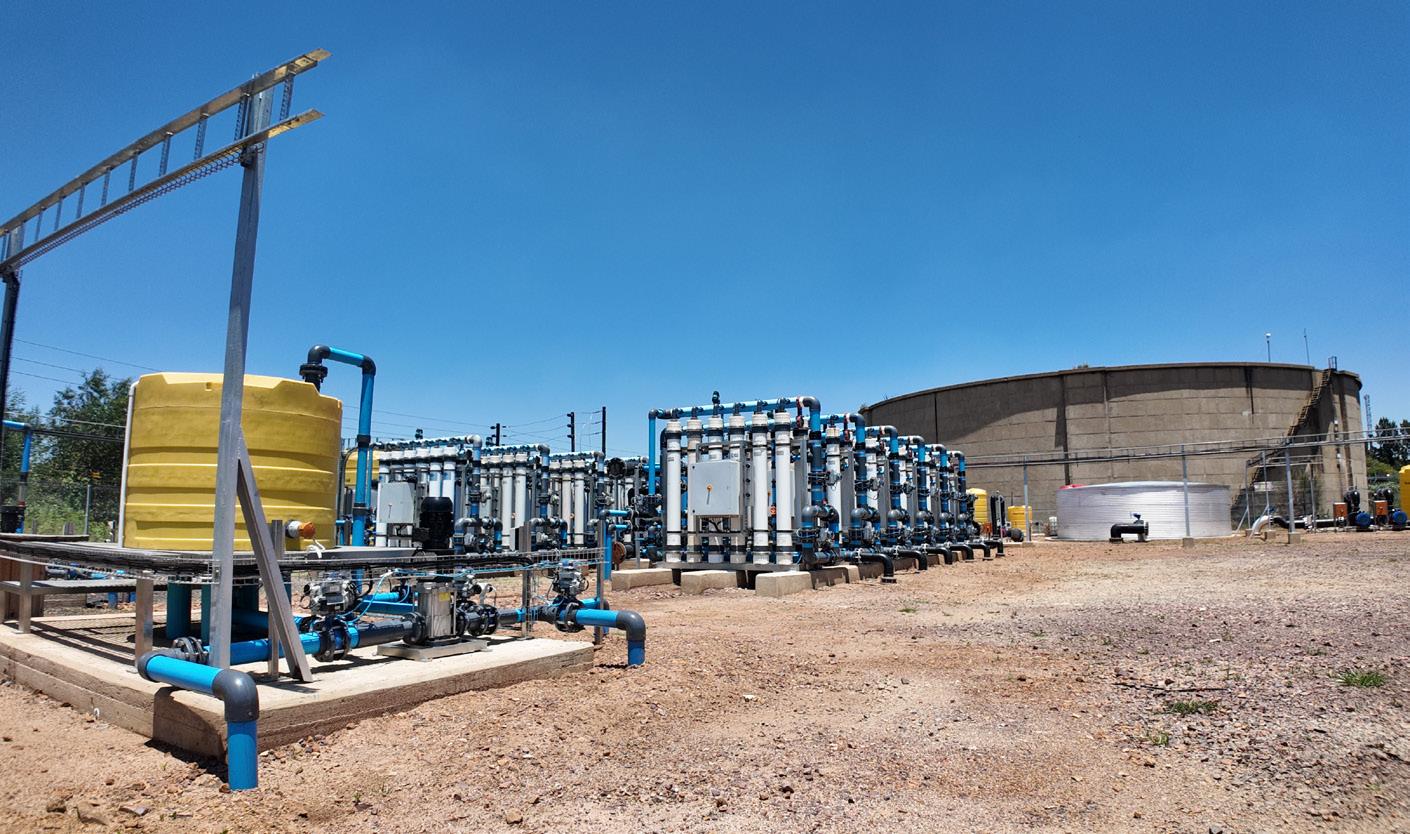
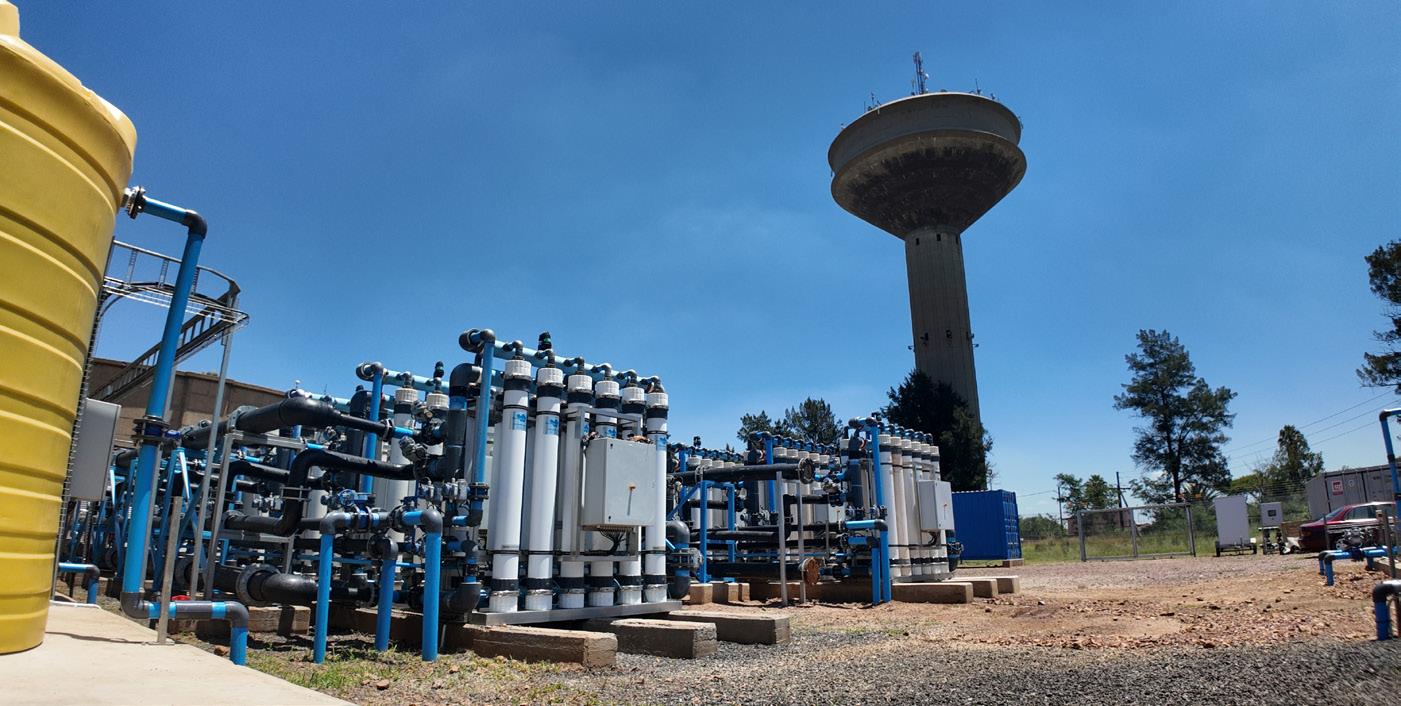
When Decentralised purification restores reliable supply to a drought affected community, the benefits extend beyond improved statistics. Time is returned to households. Health risks are reduced. Educational continuity improves. When wastewater is effectively treated at point of discharge, downstream environments and communities are protected. When reuse systems reduce pressure on primary supply, resilience increases.
These are practical steps towards narrowing the gap between infrastructure and lived experience.
Water and Gender calls for a shift in perspective. It requires asking who is most affected when systems underperform and prioritising interventions accordingly. It demands pragmatic decision making rather than
rigid adherence to infrastructure scale or tradition.
Municipal engineers already possess this insight. They know where pressure zones are vulnerable, where assets are nearing failure and where communities remain underserved. The challenge is not technical knowledge. It is enabling action at the speed equity requires.
Dignity cannot wait for ideal capital cycles. Water security cannot wait for extended procurement processes. Opportunity cannot wait for perfect funding conditions.
If water is not neutral, then service delivery cannot be neutral either. Every responsible tool must be considered.
Centralised systems, Decentralised units, reuse schemes, modular augmentation and collaborative funding models all have a role to play.
World Water Day 2026 is not a critique of municipal engineering. It is a reminder of its profound social impact.
Water is more than treatment and conveyancing. It is safety after dark. It is time returned to families. It is continuity in schools and clinics. It is participation in the economy. It is dignity.
Municipal engineers create the environment that makes these outcomes possible. They design, maintain, upgrade and safeguard the systems that underpin public life. With adaptive strategies and strong partnerships, they can extend that impact even further.
Water is not neutral.
And neither is the work required to deliver it equitably.
The task before the sector is clear, focus on those most affected, use every viable means available, and ensure that infrastructure is not simply owned, but experienced as dignity, security and opportunity.
That is what Water and Gender ultimately demands.
Contact Details: NuWater Campus: Tel: +27 21 788 3125
Email: info@nuwater.com
Address:
87 Capricorn Drive, Capricorn Park, Muizenberg, Cape Town, 7945




AVBOB announced a R15 billion Special Bonus in the form of its 65Alive Cash Benefit for qualifying members. In the last two financial years, AVBOB has alloca ted a total of R28,1 billion to members through its 65Alive Cash Benefit. The December 2025 Special Bonus marks the organisa tion's seventh Special Bonus declara tion and is linked to qualifying members’ policies, effective 1 December 2025.
As the name “65Alive” suggests, qualifying members are those tha t are 65 years and older with a policy tha t has been in force for a t least 10 years. Such members can no w claim their 65Alive Cash Benefit on the AVBOB self-ser vice portal. Over R276 million has been paid to members through the 65Alive Cash Benefit.
As a mutual society, AVBOB opera tes without external shareholders Its members, AVBOB policyholders, share in the Society’s profits, which are distributed in addition to the standard policy benefits It is this mutual model tha t allo ws AVBOB to put members first by re-investing profits into benefits tha t enhance their insurance, funeral and investment products.
The December 2025 Special Bonus extends beyond funeral and life insurance. It encompasses AVBOB investment plans – both the five- and 10-year options. These investment plans become pay able upon policy ma turity or earlier dea th. An Investment Plan policy ma tures when the full term has been completed, and all required premiums ha ve been paid.
Membership in a mutual society provides valuable benefits through long-term membership offerings. A part from the 65Alive Cash Benefit, AVBOB members can also benefit from Member Rewards and from FREE funeral benefits* valued a t up to R23 500 (*Terms and conditions a pply. FREE funeral benefits only a pply if AVBOB Funeral Ser vice conducts the funeral).
The Member Rewards programme presents a renewed opportunity for AVBOB members to receive value for their loy alty to the organisa tion through a carefully selected network of benefit partners and a variety of rewards to meet their daily needs.
All existing policyholders will receive an annual communica tion letter via post, SMS or email, outlining their policy benefits and an y a pplicable bonuses and/or 65Alive Cash Benefit It is thus crucial tha t AVBOB has up-to-da te contact details for its members
Policyholders are encouraged to review and upda te their information on the AVBOB self-ser vice portal: https://selfser vice.a vbob.co.za/connect/home
Members who do not yet qualify to claim their benefit can check how much they have been alloca ted. For more details on the 65Alive Cash Benefit, visit: https://www.avbob.co.za/general/65alive or call the AVBOB Call Centre at 0861 28 26 21 for assistance.
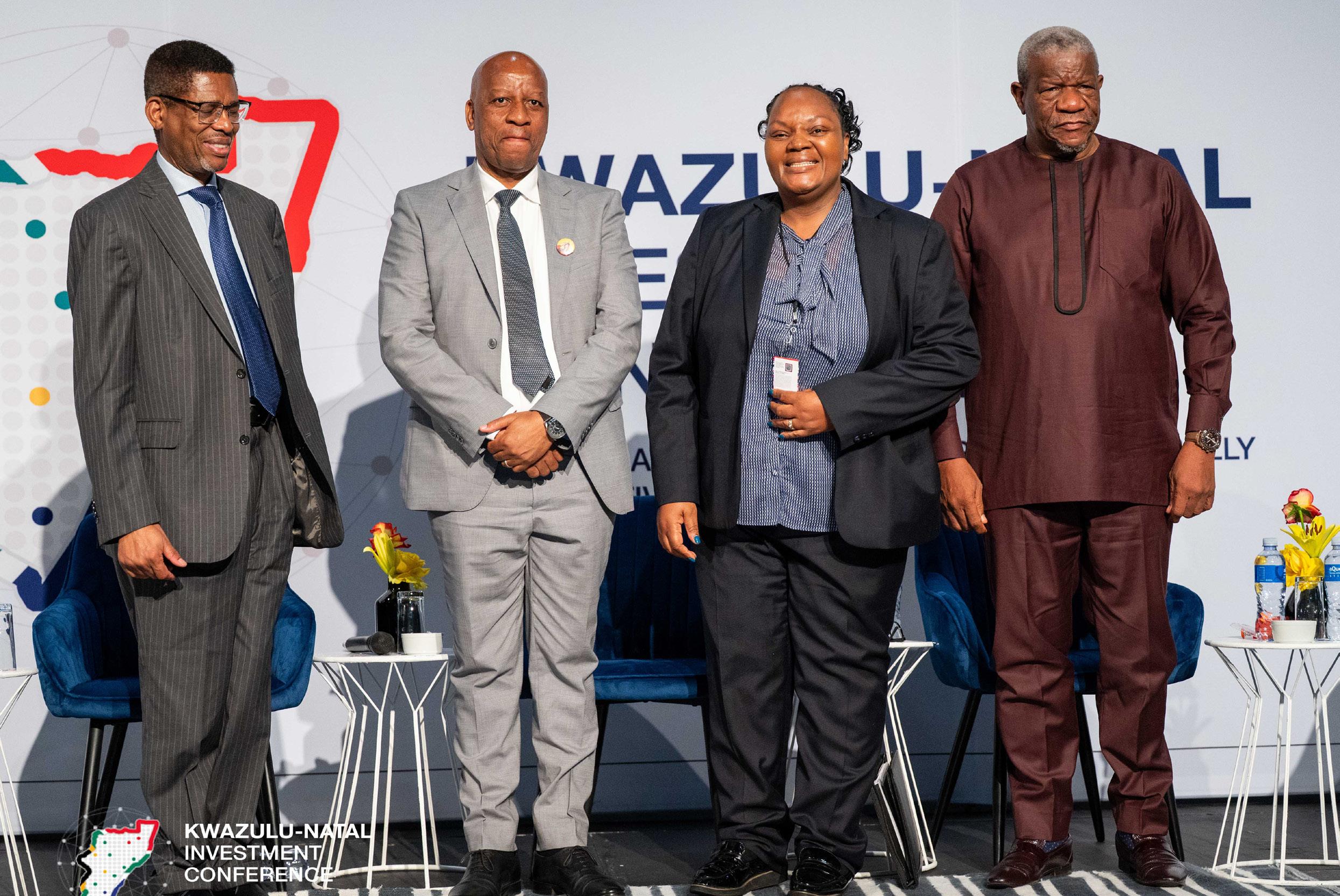
KwaZulu-Natal (KZN) stands ready to showcase catalytic investments at the South African Investment Conference (SAIC) on 31 March 2026, following a strong showing of investor confidence at the provincial gathering.
Investors pledged to develop projects valued at R100.1 billion at the KwaZuluNatal Investment Conference (KZNIC), held at the Durban International Convention Centre in October last year. These pledges are expected to create 60 270 direct and 244 689 indirect jobs over the next five years.
Presiding over the pledge ceremony, Sihle Ngcamu, CEO of Trade & Investment KwaZulu-Natal (TIKZN), said it was most
strategic that the projects spanned across the length and breadth of KZN, bringing economic opportunities to far-flung areas rather than concentrating development in urban economic nodes.“This is in line with the provincial government’s strategic priority to drive inclusive growth and job creation, which in turn informed the theme for the conference: Building a resilient, inclusive and globally competitive KwaZulu-Natal,” he said. TIKZN facilitates the KZNIC on behalf of the provincial government.
The projects ranged in value from R100 million to R20 billion, and span sectors including renewable energy, manufacturing, property development, tourism as well as agriculture and agro-processing.
KZN is a national leader in agriculture in particular, with this sector serving as key pillars of provincial economic growth, employment and export development. In 2024, agriculture and forestry contributed 5% of KZN’s GDP and 7% of provincial employment.
A key project in this sector which was committed at the KZNIC 2025, is “Project White Gold”, a large-scale cassava processing initiative by AVCO Foods. Valued at R1.1 billion, Project White Gold is a groundbreaking agroprocessing development that will establish a fully integrated cassava starch industry in the northernmost district of uMkhanyakude, from farming up to 7 500 hectares of cassava, to processing it into high-quality tapioca starch.
Zin Mabaso, co-founder and CEO of AVCO Foods, said KZN was chosen for this project because the climate is favourable, arable land is available, and the government is a willing partner in creating a conducive environment for doing business. During the construction phase, the project is expected to create almost 500 jobs across the processing plant and farming operations. Once fully operational, there will be approximately 250 permanent direct jobs.
“In addition, around 2 000 smallholder and subsistence farmers, mainly rural women, will supply cassava roots to the processing facility. We believe this project will have a significant impact by driving economic and social
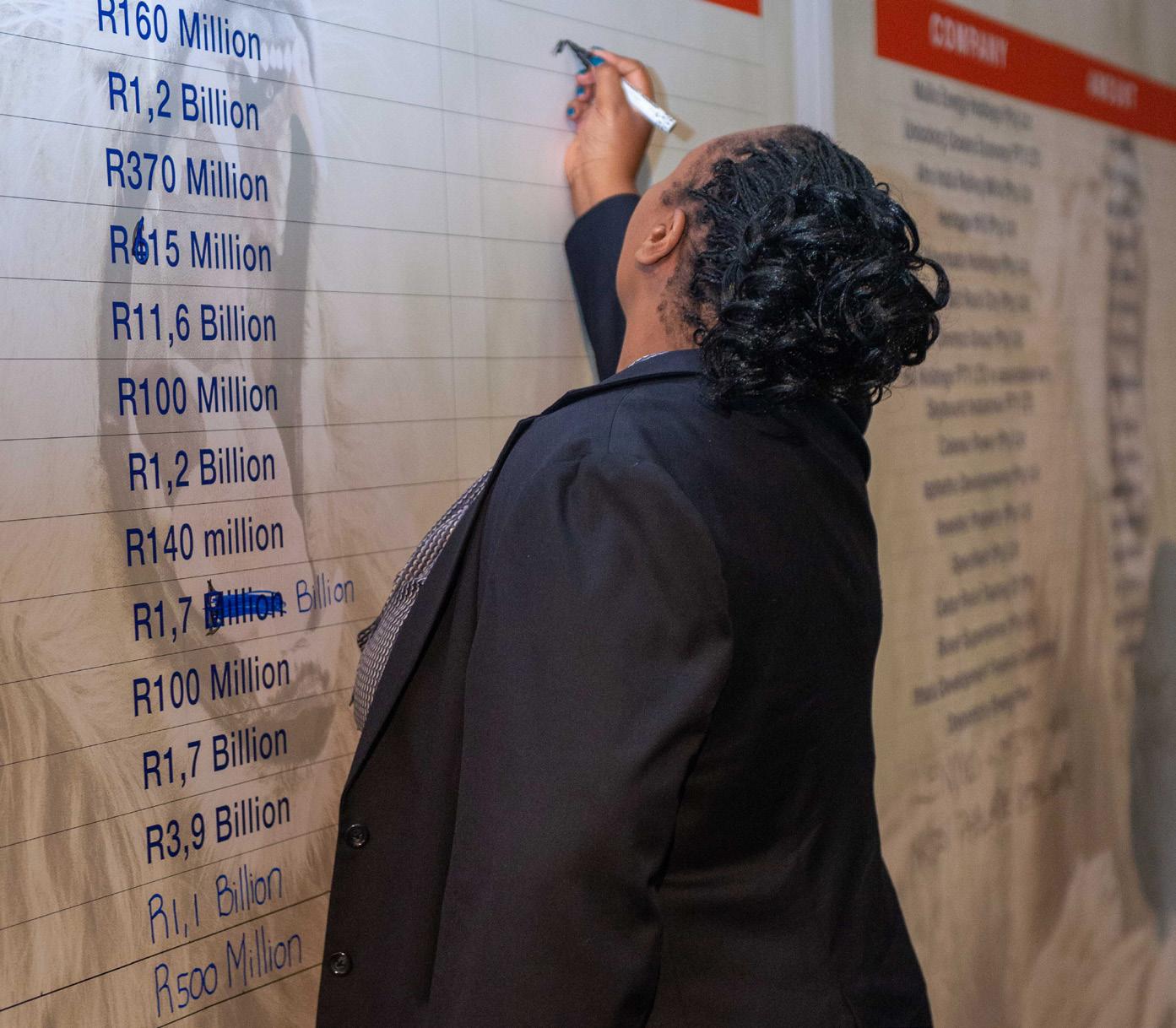
transformation in this district, which is one of the poorest in the province,” she added.
The processed starch will supply regional markets, substituting up to 20 000 tons of imported tapioca starch annually and position the province as an exporter into the global tapioca starch market. Provincial agricultural gross value added reached R43 billion (27% of national) in 2023, with investment of R15 billion.
Exports grew from R1.7 billion in 2019 to R7.5 billion in 2024, targeting Zimbabwe, Botswana, and Mozambique.
Mabaso said it was an honour to be part of the pledge ceremony at the KZNIC, an opportunity for AVCO Foods to demonstrate its commitment to creating economic opportunities
and much-needed jobs in the province, in front of Premier Thamsanqa Ntuli and a conference audience that included representatives from the business community, academia, government and the financial sector.
The KZNIC 2025 investment pledges are R14.9 billion more than the previous year’s, a benchmark Ngcamu said was set by the investors themselves. “I am pleased to share that these pledges were not just a show, they have broken ground and are creating real jobs. Of the 17 pledges made in 2024, 24% are already operational, with almost 60% already under construction, while the remaining are well advanced in planning,” concluded Ngcamu.
Real-time insights for a capable local government
By Martin Nangoro, Industry Principal Public Sector, Gijima
South Africa’s ability to deliver reliable water, electricity, sanitation and waste services is directly linked to the financial health of its municipalities. In the recent State of the Nation Address (SoNA), the President rea rmed a national priority that has become increasingly urgent: local government must be fixed if service delivery is to improve.
At the heart of municipal distress lies a common set of challenges — inaccurate usage data, outdated revenue systems, weak financial controls and limited
transparency over how utility funds are applied. These challenges undermine service delivery, erode public trust and place already constrained municipal budgets under further pressure.
The good news is that these challenges are solvable. Through the intelligent use of digital technologies — particularly IoT-enabled smart metering and modern revenue management platforms — municipalities can regain control over usage, billing and the application of funds in line with service delivery priorities.


Smart meters deliver verified, automated consumption data.
Manual readings disappear. Estimation ends. Management becomes proactive.
A trusted data layer is the foundation of reform.
Accurate, auditable consumption data
Reduced non-technical losses such as tampering and ilegal connections
Faster and more reliable billing cycles
Improved customer trust through transparent usage information
MSCOA readiness is not a compliance exercise — it is the foundation for transparency, accountability and better financial decision-making..
Data must integrate into structured revenue systems.
MSCOA alignment enables classification, automation and auditability.
Governance becomes embedded, not enforced.
Visibility drives accountability.
Digitally Ring-fencing Utility Revenue
Utility revenue must fund utility services.
Digital ring-fencing enforces allocation, control and reporting automatically.
Financial discipline becomes systemic.
From Policy Intent to Operational Impact
Reform requires modern systems, not incremental fixes.
Smart metering, real-time platforms and aligned revenue systems enable: Revenue protection, Service reliability, Transparent governance.
Operational discipline drives performance.
The tools already exist.
Trusted data, structured revenue systems and embedded financial controls enable capable local government.
Reform is achievable. Implementation is decisive.
Fully aligned to the Municipal Standard Chart of Accounts (MSCOA)
Capable of accurately classifying revenue by service, function and funding source
Designed to support automation, auditability and compliance
Gijima: A Partner in Municipal Digital Transformation
Gijima partners with municipalities to modernise revenue and service delivery systems.
We integrate metering, revenue platforms and financial governance into one coherent framework.
Reform is collaborative. Execution is disciplined.
Scan to book a session to discuss your modernisation journey.
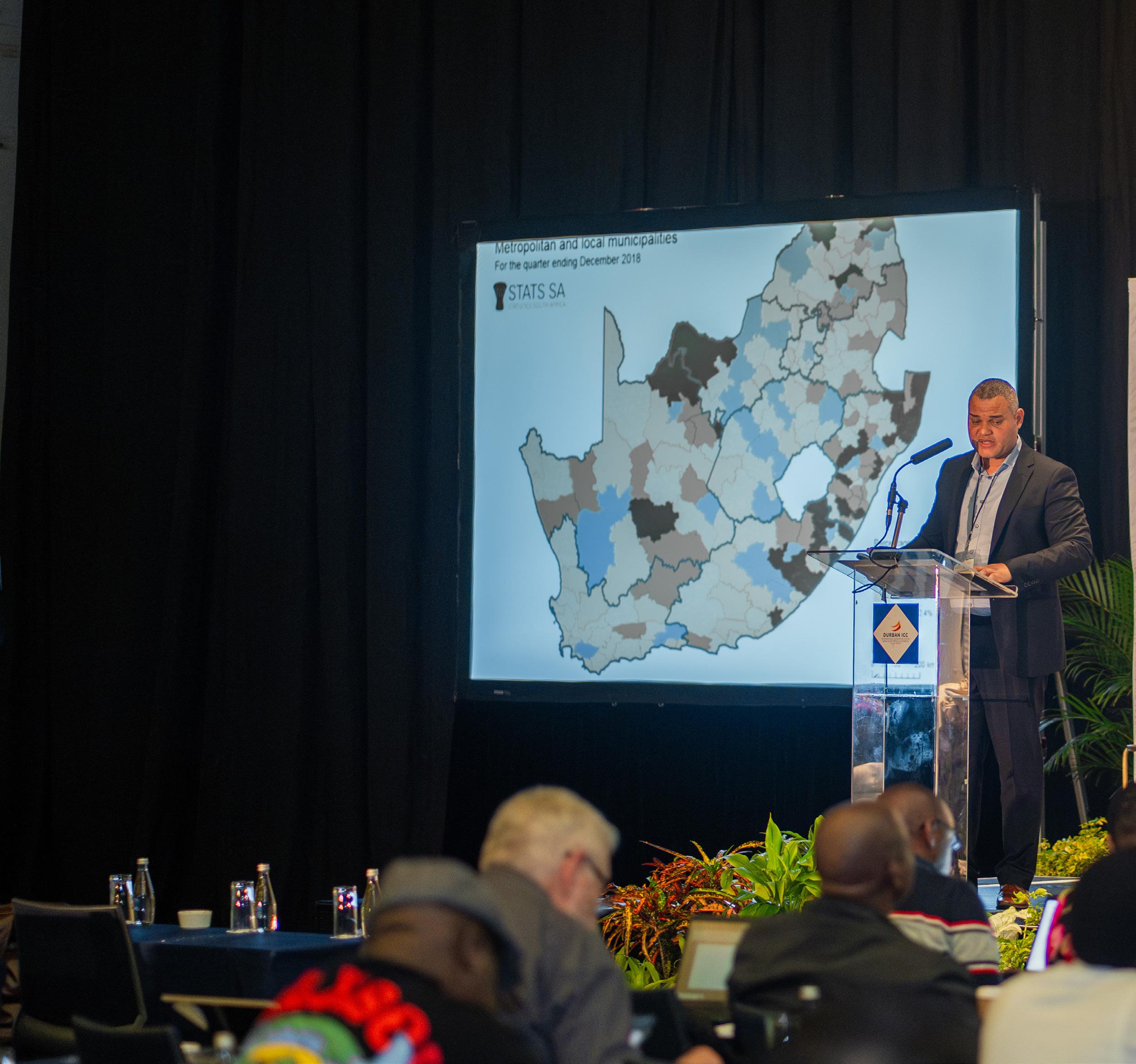
Local government is not merely an administrative tier; it is where national ambition is tested. It is where growth must be visible in functioning infrastructure and reliable services, where investors look for signals of stability, and where leadership is judged by outcomes rather than intent.
For municipal and private sector leaders alike, one reality is increasingly
undeniable: South Africa’s reform agenda will stand or fall at local level.
National reform initiatives, from Operation Vulindlela to the review of the White Paper on Local Government, have rightly placed institutional capability at the centre of the conversation. Yet frameworks alone do not shift performance. Reform ultimately succeeds or fails in execution, and execution
depends on systems that hold. Municipal capability is therefore not a peripheral policy detail; it anchors financial stability, service reliability and the competitiveness of local economies.
The question, then, is not whether reform is necessarybut whether municipalities have the institutional strength to deliver it consistently and at scale.
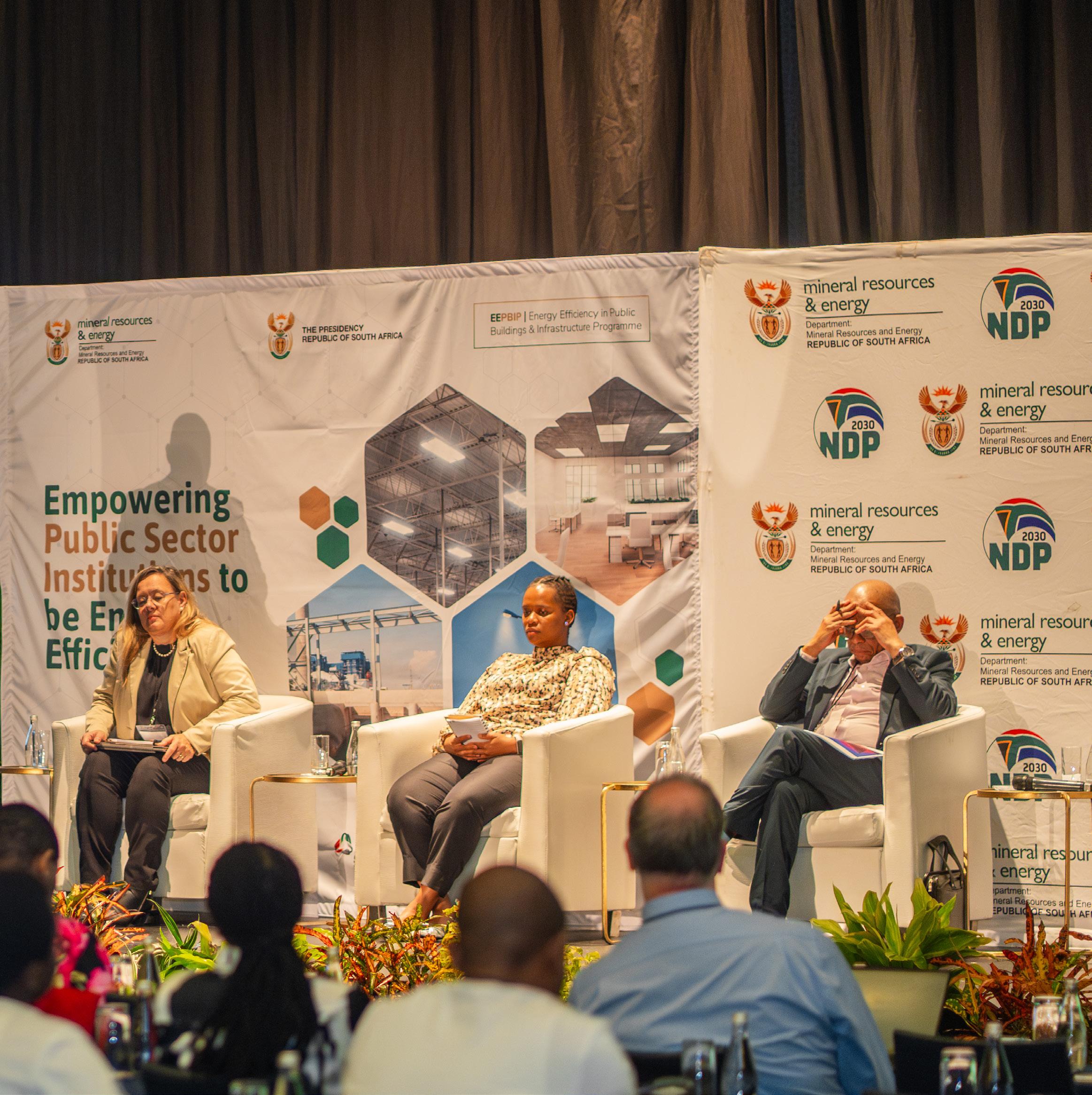
Municipal capability is no longer a policy discussion; it is a leadership test measured in functioning systems, stable finances and services that communities can see and trust.
Municipalities are facing sustained pressure, with persistent infrastructure backlogs, uneven revenue performance and mounting electricity and water losses placing strain on already limited budgets - at a time when communities
expect improvement that can be seen and felt.
Conversations with Executive Mayors, Municipal Managers and CFOs reveal a consistent theme: the desire to improve is present. What limits progress are fragile systems, overstretched technical capacity and project pipelines that are not sufficiently prepared for execution.
Closing that gap requires more than strategy; it requires embedded, practical support.
Through the National Business Initiative’s (NBI) Technical Assistance, Mentorship and Development
(TAMDEV) programme, municipalities are being supported to strengthen the institutional backbone necessary for sustained delivery. The objective is not to substitute municipal authority, but to reinforce it through ensuring that governance, financial management and project preparation processes are robust enough to carry reform commitments through to completion.
In practice, this means projects that are properly prepared before entering procurement; processes that can withstand scrutiny; financial controls that stabilise risk and development plans aligned with realistic funding and implementation capacity. >
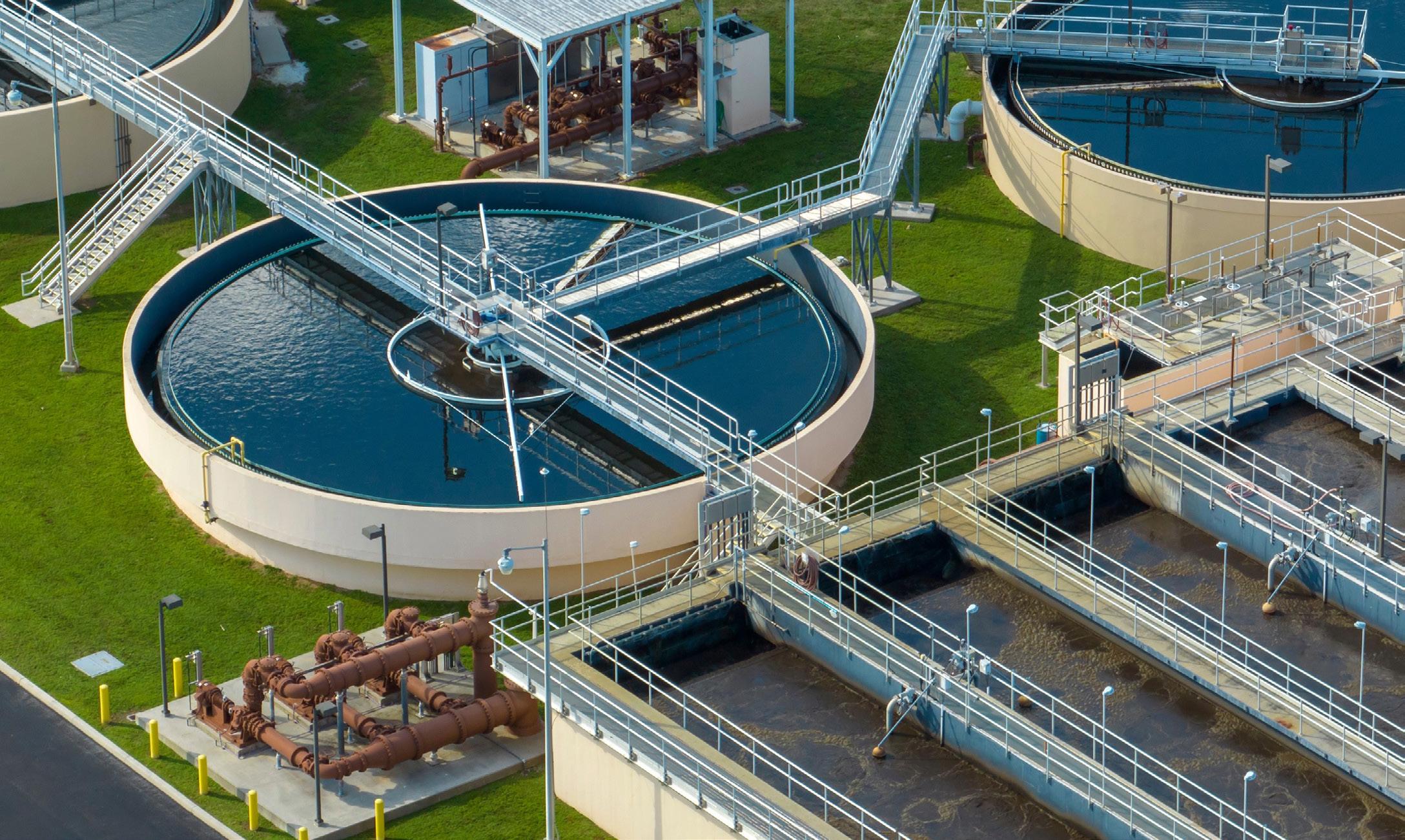

These are not minor administrative adjustments; they form the architecture of institutional credibility. For municipal leadership, strengthening these systems is therefore not routine operational oversight, but a strategic choice that shapes confidence, stability and long-term performance.
Few issues have exposed institutional strain more clearly than water security. Ageing assets, technical capacity gaps and inconsistent maintenance practices now present both operational and governance risk.
Within this environment, initiatives such as the Water Partnerships Office, implemented through TAMDEV, are supporting 25 water reuse projects across eight provinces. In several municipalities, treated effluent reuse has reached up to 20%, stabilising
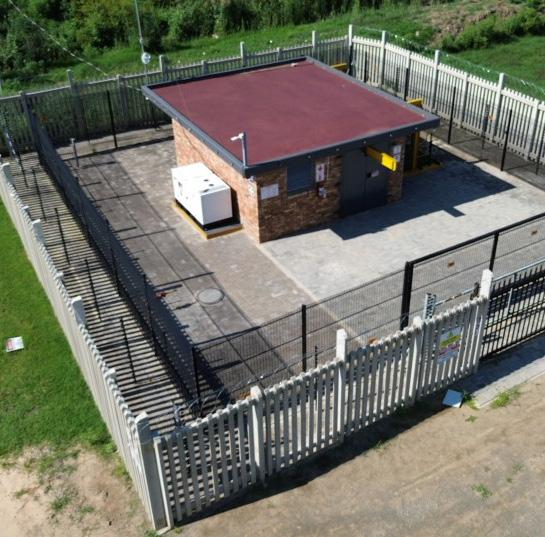
supply while protecting economic activity in water-stressed areas.
Parallel efforts to address non-revenue water in 11 municipalities are focused on strengthening metering accuracy, pressure management, data integrity and infrastructure maintenance.
Reducing non-revenue water is fiscal reform. Each percentage point recovered strengthens revenue integrity, supports maintenance budgets and improves long-term financial sustainability. In constrained environments, protecting revenue is an act of resilience.
Escalating electricity costs continue to strain municipal operating budgets. Through the Energy Efficiency in Public Buildings and Infrastructure Programme (EEPBIP), municipalities are being supported to improve project
readiness, strengthen procurement compliance and implement energy performance contracting models.
The impact is direct: lower operating expenditure, improved asset performance and greater budget predictability. Energy efficiency is often framed as an environmental initiative. In reality, it is a financial strategy.
Reform rarely fails because of inadequate policy. It falters when institutions lack the systems to execute consistently, when oversight weakens and when project ambition exceeds preparation.
Strengthening municipal capability therefore demands collaboration across spheres of government and with the private sector. Infrastructure finance requires credible, bankable projects.
Investment depends on predictable systems. Climate finance flows where governance risk is managed.
By supporting structured engagement into the revised White Paper on Local Government and working alongside municipalities to strengthen project preparation and institutional systems, programmes such as TAMDEV operate at this intersection, connecting reform intent with delivery capacity.
For leadership, trust is not abstract; it is shaped by performance. Repeated infrastructure failures diminish public confidence; fragile revenue systems weaken compliance; and exclusion from opportunity drives community disengagement.
Where technical reform is deliberately paired with community participation, such as linking non-
revenue water reduction with local employment initiatives, the impact extends beyond infrastructure. It builds shared ownership, protects public assets and reinforces the social contract between municipalities and the communities they serve.
Trust is not rebuilt through messaging alone. It is earned through visible and sustained performance, systems that function, services that endure and leadership that delivers.
And when performance becomes consistent, confidence follows.
The question facing local government is no longer whether reform is required. That debate has passed. The real question is whether reform will be implemented with the discipline, transparency and urgency that delivery demands.
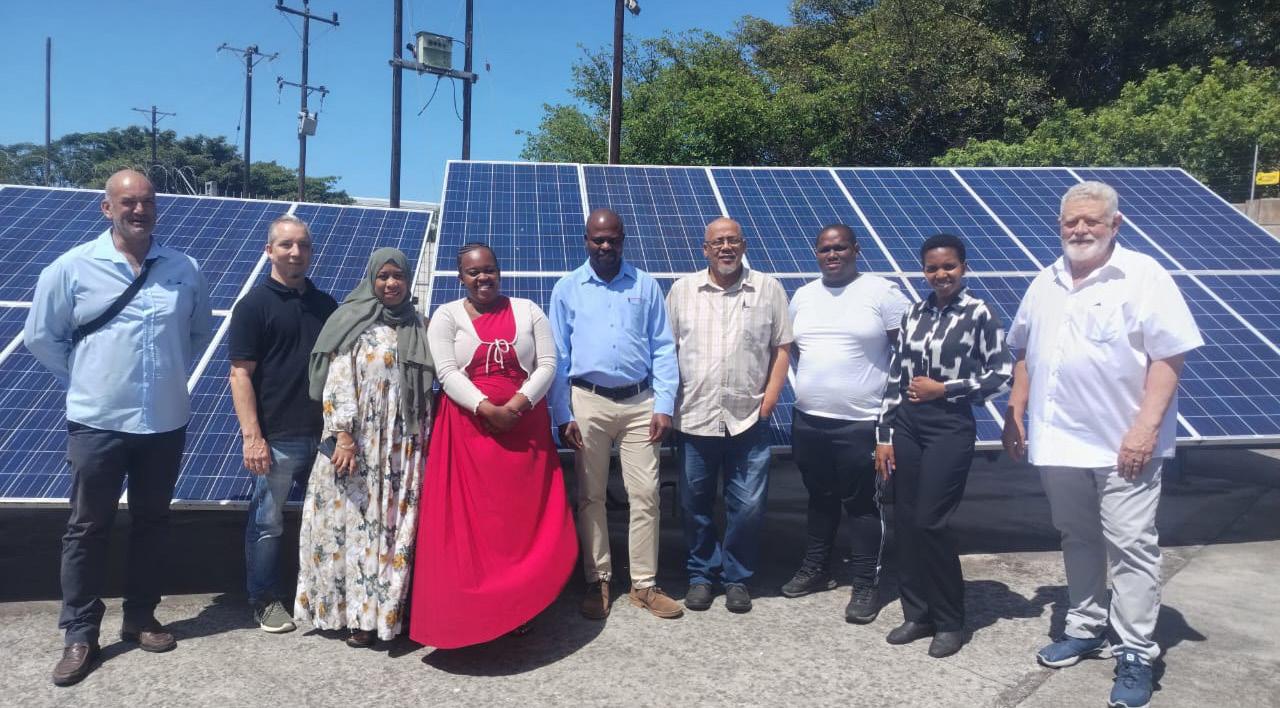
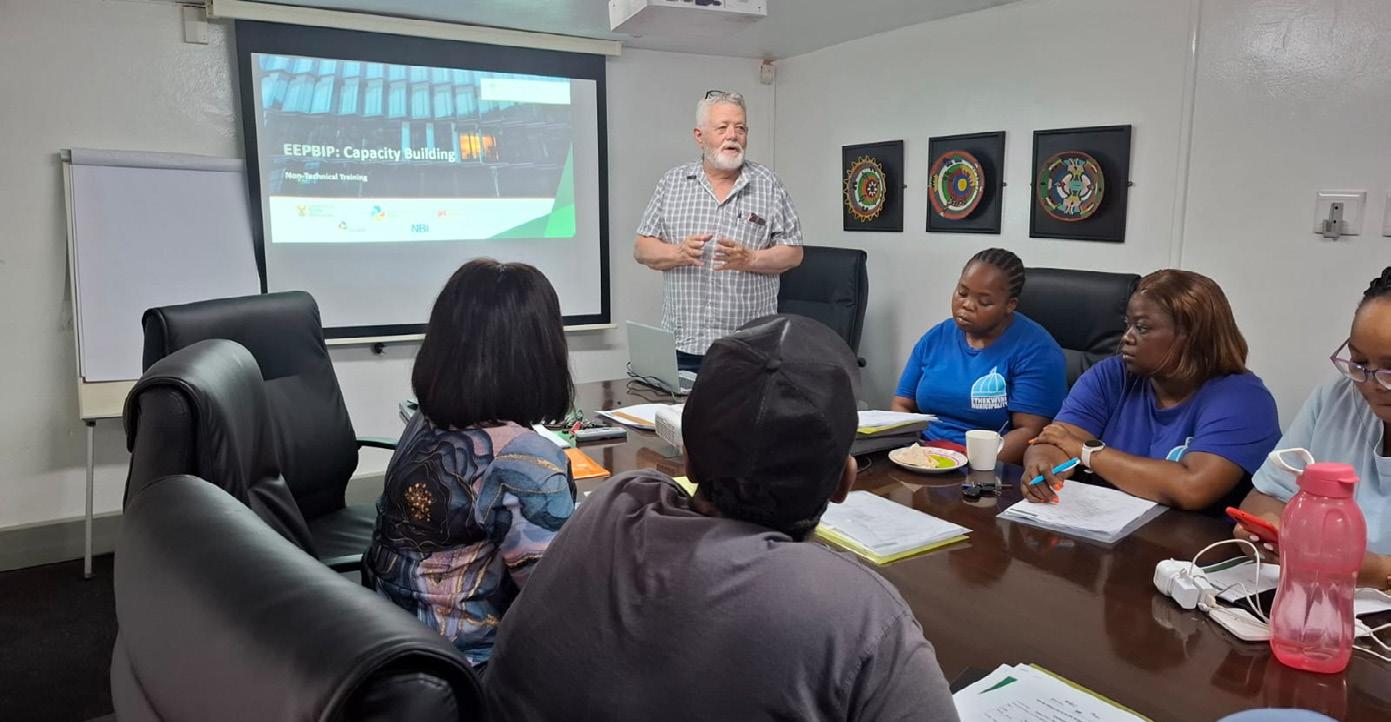
Municipal capability has become a defining leadership test - not in principle, but in practice.
Strengthening local government will not be achieved through isolated projects or short-term interventions. It requires institutional depth, consistent governance and practical, embedded support grounded in implementation realities.
This is where platforms like the NBI’s TAMDEV programme play a deliberate role - not as a parallel delivery structure, but as a reinforcing mechanism. By working alongside municipalities to strengthen project preparation, financial discipline, infrastructure oversight and reform alignment, the programme supports the institutional conditions that allow reform to take hold.
If South Africa is serious about inclusive growth, infrastructure delivery and economic competitiveness, capable municipalities must remain central to the national agenda as the operating foundation of national reform.
Reform only matters when it reaches the ground. And when institutions are strengthened, systems stabilised and leadership aligned with delivery, it does.
Contact details:
Phone: 011 544 6000
Website: www.nbi.org.za
Address: 5th Floor, 61 Katherine Street, Dennehof, Sandton, Gauteng 2196

On 20 February 2026, Premier MaQueen Letsoha-Mathae delivered the provincial State of the Province Address under the theme: “The Year of Decisive Action to Fix Local Government and Transform the Economy.”
The message was clear: the province is entering a consolidation phase - one focused on restoring municipal functionality, accelerating inclusive growth, and strengthening state capability.
The Premier was candid about the state of municipalities, noting that “the state of our municipalities is not encouraging,” citing poor financial management, weak governance systems, institutional instability and inadequate basic service provision.
The SoPA positions 2026 as a corrective year - aimed at rebuilding trust, restoring ethical governance, and ensuring accountability across local government structures. This commitment is aligned with the broader goal of building “an efficient, ethical, capable, participatory, responsive, transparent and accountable local government.”
For a province that will enter the 2026/2027 Local Government Elections
cycle next year, the focus on municipal performance is both timely and politically significant.
Under Priority 1 - Driving Inclusive Growth and Job Creation - the province reported a mixed but improving employment picture. Unemployment declined from 38.5% in Q2 2025 to 36.2% in Q3 2025, before settling at 37.2% in Q4.
The province expects economic growth of 1.85%, driven by lower inflation and renewable energy investment.
Through the Expanded Public Works Programme (EPWP), the province exceeded its previous target of 30 115 work opportunities, creating 46 118 opportunities, of which 22 698 were generated by provincial government and municipalities.
For 2026/27, the new EPWP target stands at 34 414 work opportunities.
These figures reflect a continued reliance on public employment programmes as a poverty alleviation and local economic stimulus tool.
The SoPA strongly positions the Free State as a renewable energy leader.
As of January 2026, 29 renewable energy projects worth over R100 billion in capital investment are being tracked, largely mobilised through private sector participation.
Projects such as the Khauta Solar Project, Springbok Solar Plant and Mulilo Battery Energy Storage Project
form part of a broader strategy to strengthen the national grid and support the Just Energy Transition.
Strategic development corridorsincluding the Karoo Development Corridor and Mangaung Development Corridor - are positioned as vehicles for unlocking investment, improving connectivity and stimulating regional trade.
This infrastructure-led growth model underscores the province’s intent to move beyond consumption towards production and energy export potential.
“We commit to implementing these priorities with compassion and determination. To serve the interests of our people, and nothing else.”
- Premier MaQueen Letsoha-Mathae
Road infrastructure received substantial attention.
In the 2025/26 financial year, capital projects created 1 013 jobs, exceeding the target of 826.
Reseal and fog spray projects were completed on multiple routes, including:
• Kroonstad - Bothaville
• Dealesville - Bloemfontein
• Jagersfontein - Bloemfontein
• Hoopstad - Bultfontein
• Zastron - Wepener
• Sasolburg - Deneysville
For 2026/27, R1.4 billion has been allocated to complete existing road projects, with focus on rural connectivity, small towns and pothole eradication.
Ten new road construction and maintenance projects will be procured toward the end of the financial year. >
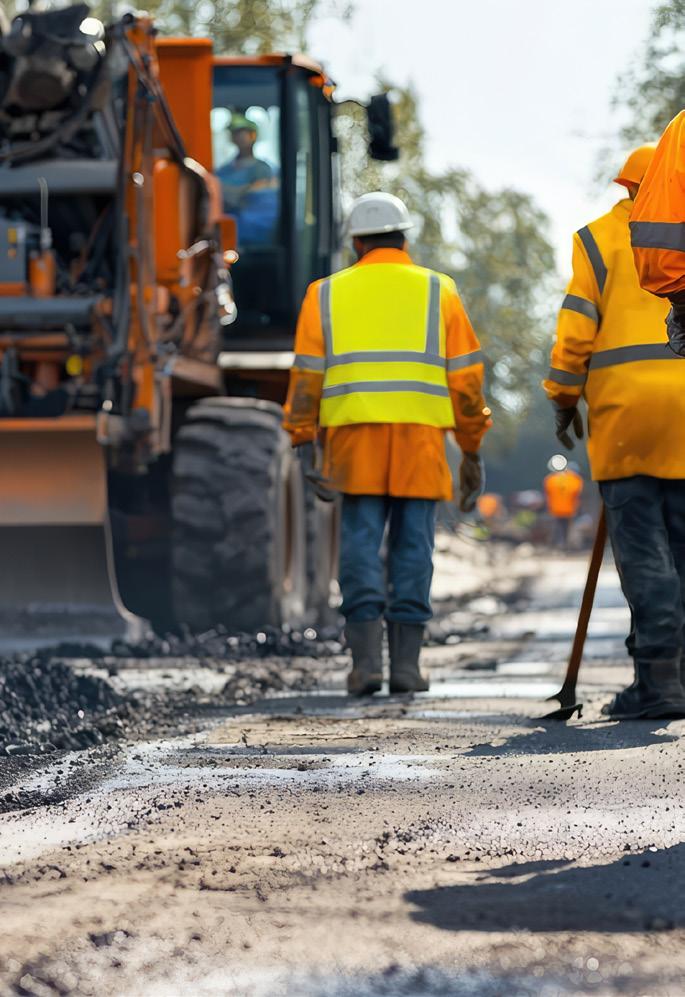

Under Priority 2 - Reducing Poverty and Tackling the High Cost of Living - the province reported that 1 044 006 of the province’s three million residents are social grant recipients.
Fifty Community Nutrition Development Centres provide cooked meals to 9 067 vulnerable residents, at a cost of R12.648 million.
The province also funds:
• 29 Protective Workshops for persons with disabilities
• 36 NPOs providing 24-hour residential care to 800 older persons
• 153 NPOs supporting 4 464 older persons through community-based care
These programmes illustrate the scale of social welfare demand in the province.
In health, the province appointed:
• 9 medical specialists
• 120 medical doctors
• 55 nursing staff
• 2 128 community healthcare workers absorbed
• 379 student nurses recruited
• 45 COVID-19 contract workers permanently appointed
The e-Impilo Electronic Patient Record system has been implemented in 30 clinics, while the Hospital Management System 2 has been deployed in 18 of 33 hospitals.
These digital upgrades point toward administrative modernisation within the health system.
The province achieved an 89.33% Grade 12 pass rate for the Class of 2025.
A strategic shift toward Early Childhood Development (ECD) is evident:
• 97 540 children accessing Early Learning Programmes
• 1 642 ECD centres registered for funding
• R642.104 million allocated for ECD funding in 2026/27
Operation Tharollo has been launched in 448 Quintile 1 - 3 primary schools, with a five-year budget of R105 million.
Under Priority 3 - Building a Capable, Ethical and Developmental Statethe Premier emphasised that governance effectiveness is inseparable from municipal functionality.
A review of lease agreements for government office accommodation has been initiated to address
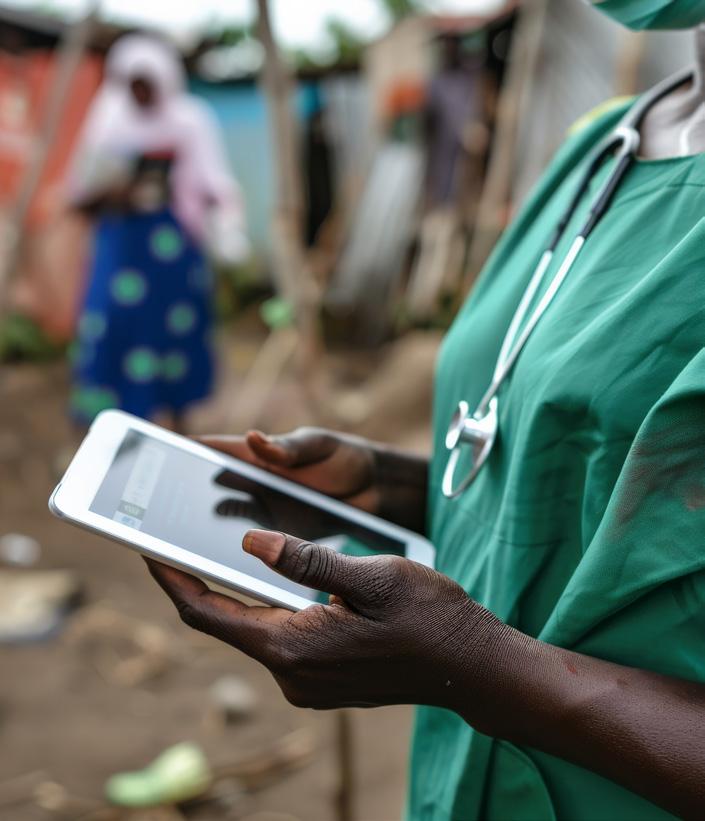
compliance and cost concerns, alongside exploration of a consolidated government precinct model.
The speech also reaffirmed a commitment to fighting corruption and preventing a recurrence of state capture, emphasising accountability and institutional rebuilding
The 2026 Free State SoPA marks a deliberate shift from broad ambition to structured implementation. Rather than announcing sweeping new programmes, the address consolidates existing priorities and sharpens the focus on delivery, municipal functionality and institutional discipline.
The emphasis throughout is on restoring credibility in governancestrengthening oversight, improving administrative efficiency, and ensuring that infrastructure investment and economic initiatives translate into measurable outcomes. In this context, the year ahead is framed around steady implementation, institutional stability and sustained service delivery progress across the province.







































The GEPF’s investment portfolio has grown to R2.69 trillion; proof that every year of service contributes to a fund built on trust and responsibility. Your dedication has built this strength, and this strength now protects your future.
From years of service to years of dignity... For Life


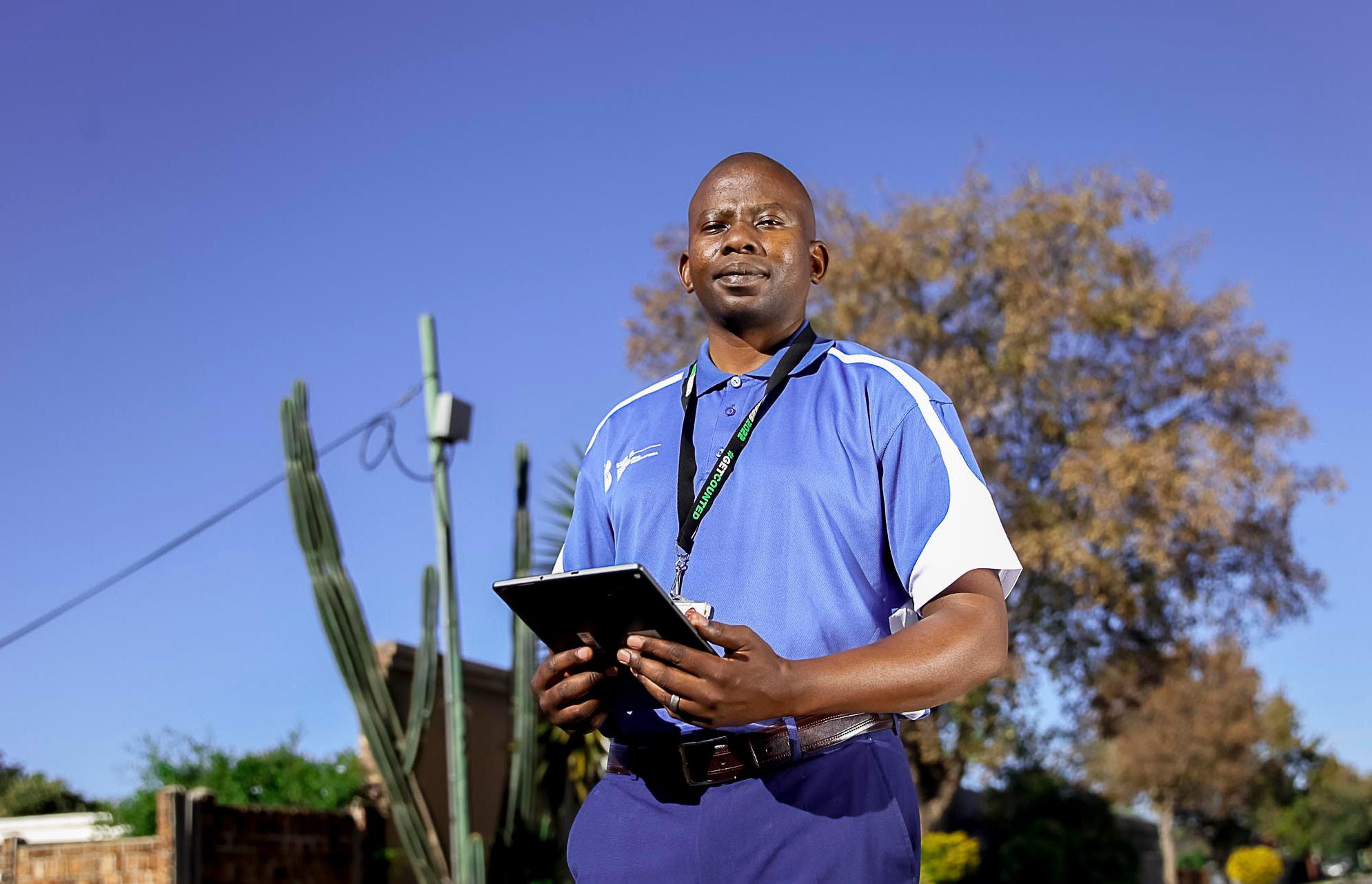
Statistics South Africa (Stats SA) is undergoing one of the most significant transformations in its history: the shift from traditional paperbased data collection to modern digital platforms. This transition -anchored by the introduction of the Computer-Assisted Web Interview System (CAWIS) for business surveys and the redesigned Continuous Population Survey (CPS) for households - represents far more than a technological upgrade.
It is a strategic shift aimed at producing more agile, accurate,
and timely data to meet South Africa’s growing demand for evidencebased decision-making. At the heart of this transition lies a critical national need: the ability to generate reliable statistics at municipal level.
Municipalities are at the centre of service delivery and local development. Yet historically, many national surveys have produced estimates mainly at national and provincial levels. Stats SA’s digital transformation is opening the possibility of generating credible statistics at much more detailed geographic levels.
Stats SA’s move from traditional Paperand-Pencil Interviewing (PAPI) to digital platforms is driven by a combination of operational, technological, and strategic considerations.
Manual processes used in business surveys - such as distributing paper questionnaires, manually capturing data, and filing records - are slow, costly, and prone to human error. Digital systems such as CAWIS improve efficiency, accuracy, and security while significantly reducing turnaround times.
At the same time, South Africa faces increasing demand for credible and detailed data. Service delivery challenges, governance needs, and socioeconomic pressures require data that reflects conditions at the local level. Digital data collection provides the infrastructure needed to produce this level of insight.
One of the most important benefits of digital data collection is the ability to generate high-quality data at finer levels of geography.
Stats SA is redesigning its household survey systems to support the production of lower-level estimates. This aligns with policy frameworks such as the National Development Plan and the Medium-Term Strategic Framework, which require more localised data to monitor development outcomes.
Digital tools enable real-time monitoring of fieldwork, automated validation of responses, and improved sample management. These capabilities make it increasingly feasible to generate reliable estimates at district and, in some cases, even local municipal level.
Digital collection dramatically reduces the time between data capture and analysis. Online submissions and automated processing shorten the data production cycle.
For municipalities that need upto-date statistics to plan services, allocate resources, and respond
to community needs, faster access to data is essential.
Modern digital data collection is helping municipalities plan, prioritise and deliver services where they matter most.
Producing reliable local statistics has historically been constrained by several challenges, including limited access to gated communities, safety concerns for fieldworkers, mistrust of surveys, and uneven digital access.
Stats SA is therefore adopting a multimodal approach to data collection. This includes webbased interviews, mobile data collection tools, and the potential
for telephonic or self-administered digital responses in the future.
Improved coverage across different communities will ultimately strengthen the reliability of municipal-level statistics.
Digital data collection is not an isolated reform. It is transforming the entire statistical value chain - from survey planning and data collectionto processing, analysis, and dissemination.
Currently, many users access Stats SA data through PDF publications and a website that can be difficult to navigate. >

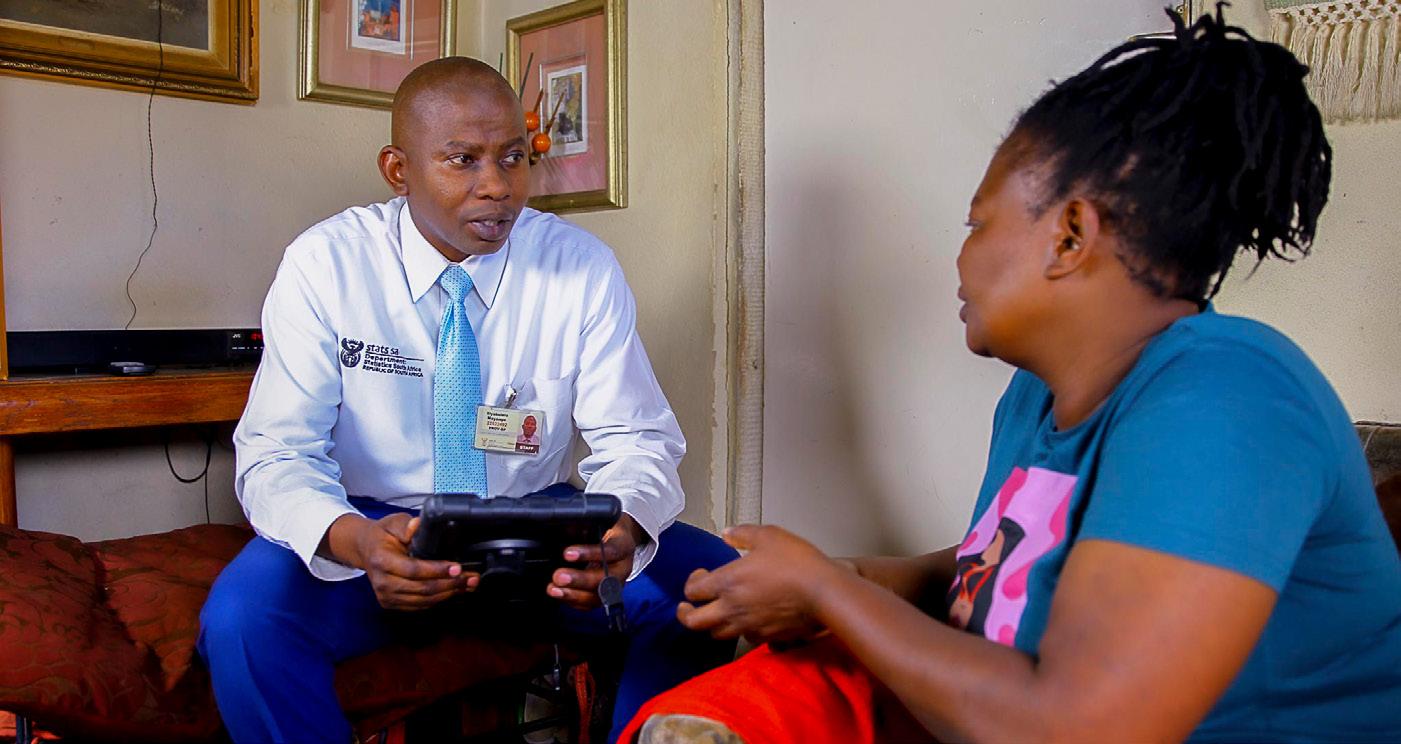
Globally, national statistical offices are moving towards interactive data platforms that allow users to explore statistics more easily. As part of its digital transformation, Stats SA aims to modernise its dissemination platforms, including the development of interactive dashboards and userfriendly data tools.
These platforms will make it possible to access municipal-level indicators through maps, visualisations, and downloadable datasets.
Digital systems such as CAWIS and the redesigned household survey platforms are being developed with strong security features and strict
compliance with the Protection of Personal Information Act (POPIA).
Access to survey data is tightly controlled, ensuring that only authorised personnel can view or process submitted information.
Maintaining public trust is essential, particularly when collecting data at local levels where respondents may fear identification in smaller communities.
Producing municipal-level data is only the first step. For statistics to make a real impact, stakeholders must understand and use them.
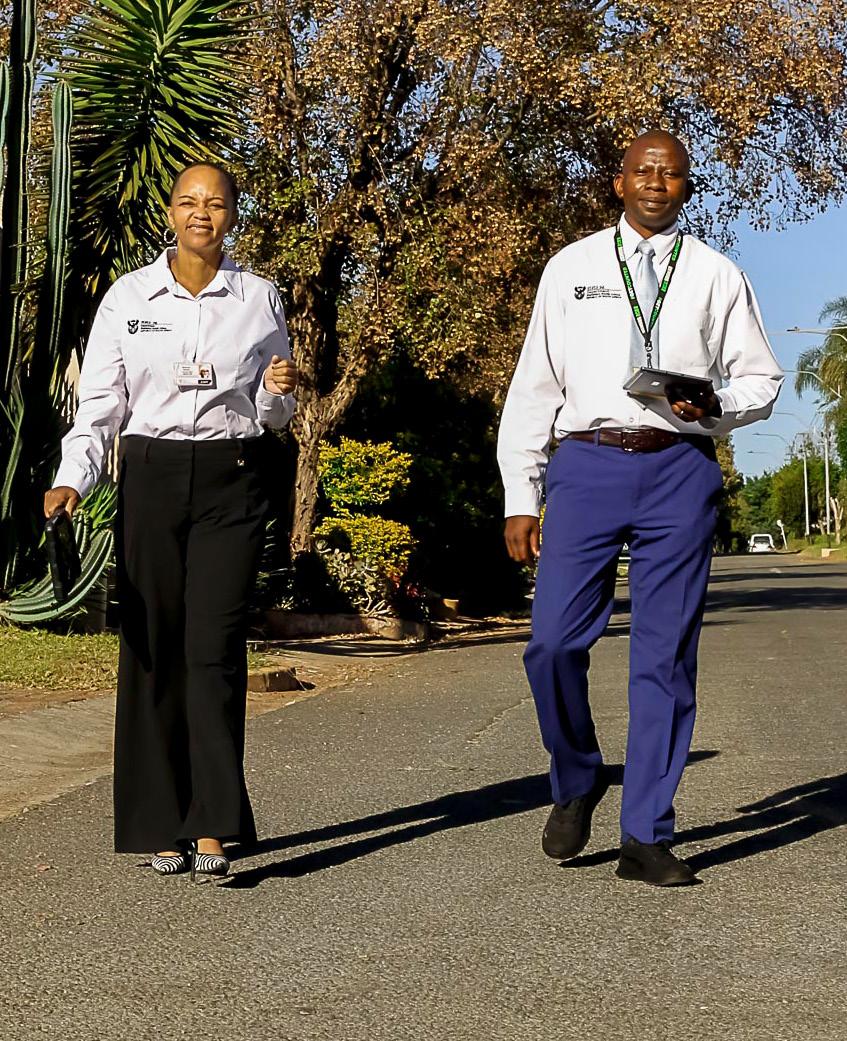
Stats SA is set to strengthen its stakeholder engagement efforts to:
• Build data literacy among citizens, journalists, and government officials
• Strengthen partnerships with municipalities and local leaders
• Improve awareness and trust in official statistics
These initiatives aim to ensure that municipal-level statistics support planning, budgeting, monitoring, and public accountability at grassroots level.
Stats SA’s transition to digital data collection through systems such as CAWIS and the redesigned Continuous Population Survey marks a major step forward for South Africa’s statistical system.
By modernising the statistical value chain, the organisation is laying the groundwork for producing reliable statistics at municipal level - data that is essential for planning, service delivery, and development monitoring.
With improved data quality, faster turnaround times, enhanced security, and stronger stakeholder engagement, Stats SA is helping to build a future where municipalities can make informed decisions based on credible, timely, and accessible official statistics.
www.statssa.gov.za

iQ Academy offers accredited programmes in Public Administration and Local Governance, tailored for municipal professionals seeking applied knowledge and practical competencies.














Our offerings range from comprehensive qualifications to short courses, enabling accessible, career-focused learning that supports effective service delivery in local government. LOCAL GOVERNMENT


















strategic change and learn to build lasting relationships with communities.



HOW TO ENROL:











IN LOCAL GOVERNANCE NQF LEVEL 5


Gain practical skills in service delivery, planning, policy, finance and leadership to support effective and accountable municipalities.



























































































HIGHER CERTIFICATE IN PUBLIC ADMINISTRATION & MANAGEMENT NQF LEVEL 5
Gain a solid foundation in government and governance, with a focus on the evolving skills, service approaches, and ethical standards shaping today’s public sector.


WearCheck Water, which operates specialist water laboratories in South Africa, welcomes the progressive and long-overdue shift introduced by the newly published SANS 241:2025 Drinking Water Standard.
According to WearCheck Water laboratory manager, Michelle Wium, the revised standard marks a decisive move away from a narrow, compliancedriven mindset towards a risk-based, preventative approach to protecting public health - a mindset long advocated by WearCheck.
SANS 241:2025 introduces significant changes to analytical requirements, closes critical gaps present in the 2015 edition, and reflects more accurately the real risks faced by drinking-water systems.
WearCheck Water analyses water samples for municipalities, among other clients, to determine the presence of contaminants in drinking water.
Water quality is not static. While source waters often remain consistent in the types of contaminants present, major changes in water quality typically occur
when the environment is disturbedthrough drought, flooding, infrastructure failure, industrial activity, construction, or mining. Historically, the previous standard did not adequately address how these shifts should be identified, assessed, and managed.
“From our perspective of working daily with municipalities, water-service providers and industry, this update represents a meaningful step forward in safeguarding our country’s drinking water and protecting public health.”
- Michelle Wium
“SANS 241:2025 now explicitly promotes risk assessment, continuous monitoring, and early intervention, enabling changes in water quality to be detected long before long-term health impacts are experienced. This approach aligns closely with World Health Organization (WHO) drinking water guidelines and reflects international best practice.
“A major strategic shift in SANS 241:2025 is the move beyond a “tick-box” compliance model towards water-safety planning and risk-based monitoring. The revision places much greater emphasis on water treatment and disinfection by-products, catchmentspecific pollutants, cyanobacterial (algal bloom) contaminants, and
improved representation of consumer exposure, particularly for metals.
“For municipalities, this means stronger integration between raw water monitoring, treatment optimisation, and distribution-system management - areas where laboratories play a critical support role,” says Wium.
Wium celebrates the updated features of SANS 241:2025, which include microbiological strengthening (intestinal enterococci added), physicochemical updates (smarter, more costeffective monitoring), disinfection and by-products, metals (total metals for True Exposure Assessment), catchmentspecific pollutants (one size no longer fits all) and public confidence.
“SANS 241:2025 is now designed for prevention, not reaction. It is far more than an updated compliance document. It is a risk-focused framework designed to protect public health in increasingly complex and stressed water systems. Its stronger emphasis on treatment of by-products,
WEARCHECK ...where analytical precision is an art form

algal bloom contaminants, and true exposure assessment reflects the realities faced by South African municipalities today.
“At WearCheck Water, we are committed to supporting our customers - municipalities, water service providers, and industry - with accurate data, expert interpretation, and risk-based insight. The updated standard provides a better reflection of the real risks posed by water quality, and we welcome its focus on proactive management rather than reactive compliance. This approach is key to ensuring safe, trusted drinking water for all South Africans,” says Wium.


As well as assessing drinking-water quality for municipalities, the company tests water for many other industries, such as agriculture, medical, industrial and mining, to assess whether water is safe to use, or that it complies with disposal regulations.
Fifty years on the clock this year, and WearCheck is still helping South Africans trust what comes out of the tap.
FOR MORE INFORMATION, PLEASE CONTACT: Tel: +27 (31) 700-5460
Email: marketing@wearcheck.co.za
Web: www.wearcheck.co.za

Water is Africa’s most precious resource, and ensuring its quality is essential for drinking, industry, and agriculture.
WearCheck’s ISO 17025 accredited labs provide expert water analysis, testing samples from various sources for safety, irrigation, and disposal. Trust us for reliable water
Ensure your water meets the highest standards - test with










































Growing Investments
Maximising
Maximising returns to build member financial wellbeing.
Driving Impact
Driving Impact
Creating positive change for members and communities.
Growing Investments
Growing Investments
Creating positive change for members and communities.
Maximising returns to build member financial wellbeing.
Maximising returns to build member financial wellbeing.
Securing Futures
Driving Impact
Securing Futures
Securing retirement today for sustainable futures tomorrow.
Driving Impact
Securing retirement today for sustainable futures tomorrow.
Creating positive change for members, their families and communities.
Creating positive change for members and communities.
Securing Futures
Delivering Lasting Value
Delivering Lasting Value
Securing Futures
Providing competitive costs, superior benefits, and exceptional service.
Securing retirement today for sustainable futures tomorrow.
Securing retirement today for sustainable futures tomorrow.
Providing competitive costs, superior benefits, and exceptional service.
Delivering Lasting Value
Governance that Delivers
Governance that Delivers
Delivering Lasting Value
Strong leadership, accountable decisions, measurable results.
Providing competitive costs, superior benefits, and exceptional service.
Providing competitive costs, superior benefits, and exceptional service.
Strong leadership, accountable decisions, measurable results.
Governance that Delivers
Governance that Delivers
Consecutive clean audits, strong leadership, accountable decisions, measurable results.
Strong leadership, accountable decisions, measurable results.


OR TAMBO DISTRICT MUNICIPALITY
Securing water infrastructure through strategic investment and long-term planning

GEORGE MUNICIPALITY
Strengthens mobility and connectivity
GREATER GIYANI LOCAL MUNICIPALITY
New CFO signals financial reform drive
LESEDI LOCAL MUNICIPALITY
Title deeds and new homes bring security and dignity
ALFRED NZO DISTRICT MUNICIPALITY
New Executive Mayor elected
KWADUKUZA LOCAL MUNICIPALITY
Earns recognition for governance and coastal excellence
ILEMBE DISTRICT MUNICIPALITY
Maphumulo Bulk Water Supply Scheme


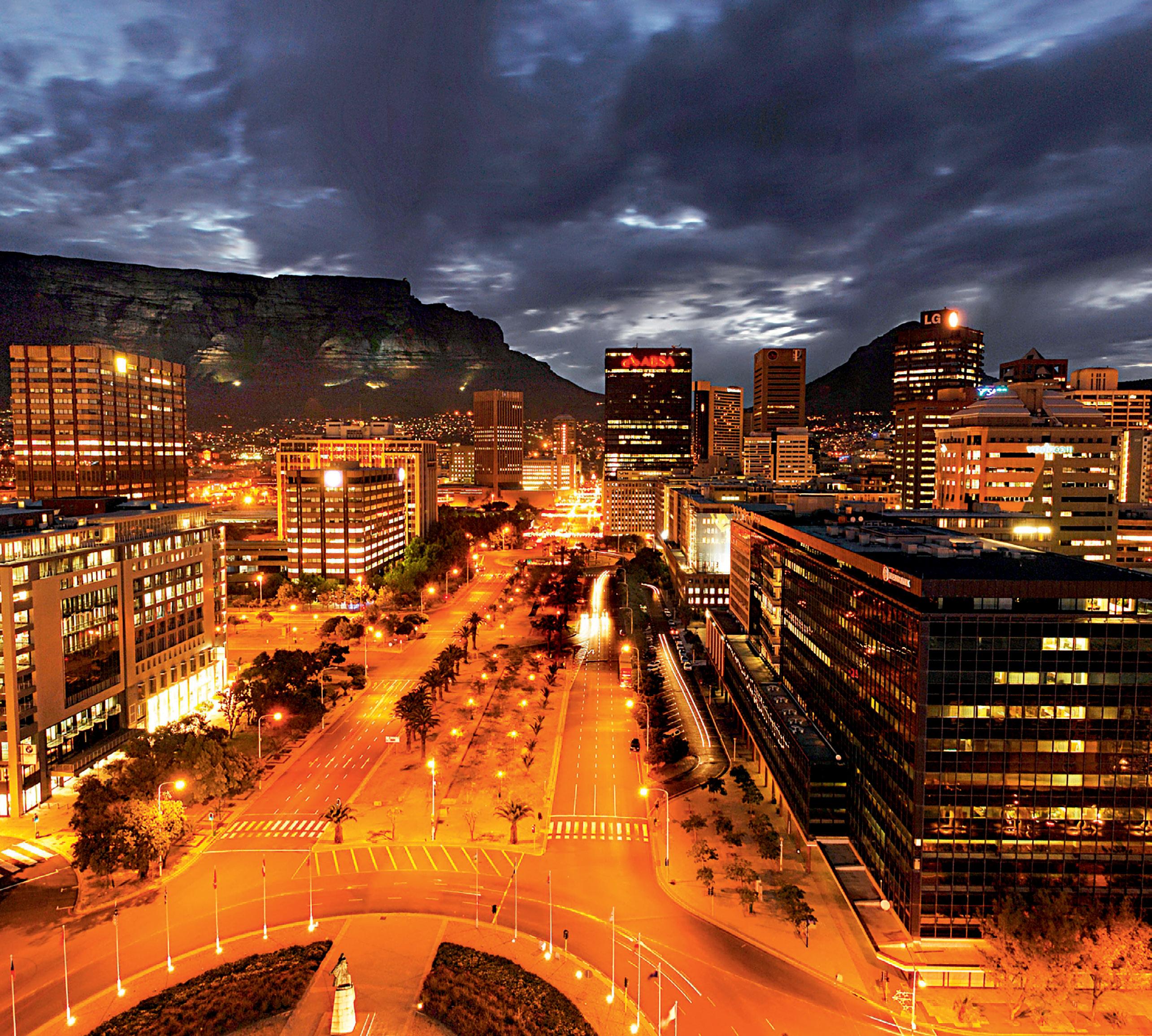
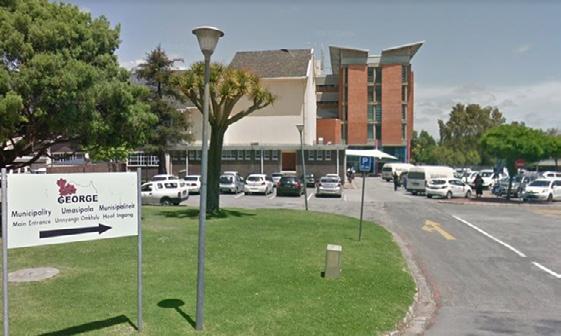
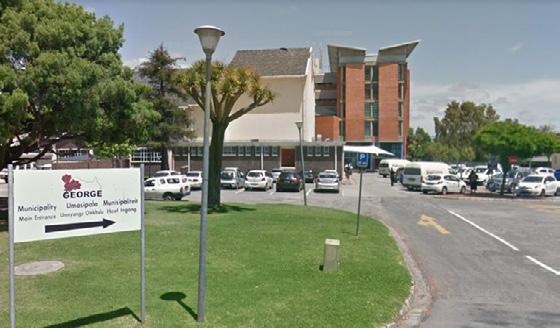
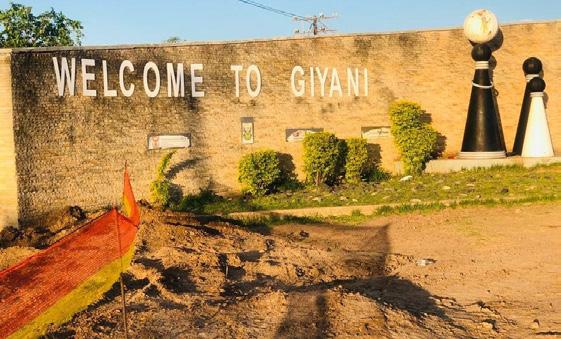
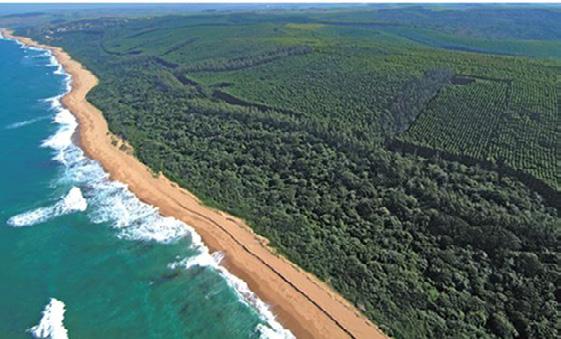
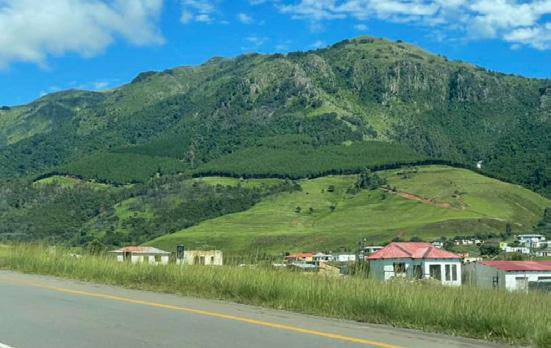

In a province where water security remains one of the most pressing service delivery imperatives, OR Tambo District Municipality is taking decisive steps to stabilise supply and strengthen long-term infrastructure resilience.
With more than 80% of its infrastructure grant funding directed towards water projects, the Municipality is sending a clear message: bulk water security is not a short-term intervention, but a strategic priority.
During the current financial year, over R518 million of the R716.9 million Municipal Infrastructure Grant allocation has been dedicated to water projects, including pipelines and reservoirs linked to water treatment works.
A further R95 million has been allocated through the Water Services Infrastructure Grant for 11 water schemes, while R250 million from the Regional Bulk Infrastructure Grant supports new bulk water infrastructure initiatives.
This scale of investment positions OR Tambo as one of the municipalities placing water infrastructure at the centre of its development agenda.
A cornerstone of the Municipality’s intervention strategy is the longterm stabilisation of raw water supply from Mthatha Dam to the Thornhill and Highbury Water Treatment Works, which serve Mthatha and surrounding communities.
The project includes the construction of nine pump stations forming a single, integrated raw water supply system from the dam. The civil works contract for these pump stations has been awarded at R49.8 million, with an additional R14 million allocated for the pumps.
By allocating over 80% of its infrastructure grants to water projects, OR Tambo District Municipality is placing longterm water security at the centre of its development agenda.

Importantly, while permanent infrastructure is under construction, supply continuity has been maintained

through a fully functional temporary siphon system. This ensures that the Thornhill Water Treatment Works continues to receive the required volumes of raw water without disruption.
Once commissioned, the pump stations will provide a permanent, direct raw water supply to both treatment works and serve as an alternative system during major breakdowns or planned maintenance. This significantly reduces the risk of prolonged supply interruptions and strengthens operational reliability.
Beyond the flagship bulk supply intervention, the Municipality continues to invest across the District to address both ageing infrastructure and growth-related pressures.
Of the total Municipal Infrastructure Grant allocation, R198.8 million has been directed towards sanitation projects, ensuring a balanced approach to water services delivery.
All projects are implemented in line with approved budgets and remain subject to ongoing technical and financial oversight, reinforcing governance and accountability in infrastructure spending.
This approach reflects a broader commitment not only to infrastructure expansion, but to disciplined implementation.
OR Tambo District Municipality’s current programme demonstrates a shift from reactive interventions

to structured, funded, longterm infrastructure planning.
By prioritising water security, integrating bulk systems, and maintaining uninterrupted supply during construction phases, the Municipality is strengthening resilience while improving service reliability for communities across the District.
In an era where infrastructure stability underpins economic activity, public health, and social wellbeing, OR Tambo’s sustained investment in bulk water infrastructure signals a municipality focused on durability, sustainability, and responsible governance.
April marks the anniversary of the passing of Oliver Reginald Tambo on 24 April 1993.
Remembered for his integrity, disciplined leadership and unwavering commitment to justice, Tambo believed in strong institutions built to serve communities with dignity and accountability.
As the municipality that bears his name, OR Tambo District Municipality operates within that enduring legacy - where ethical governance, longterm planning and service to the people remain central to its mandate.
In prioritising bulk water security and infrastructure resilience, the Municipality gives practical expression to the principles of responsible leadership and sustainable development that defined his life’s work.
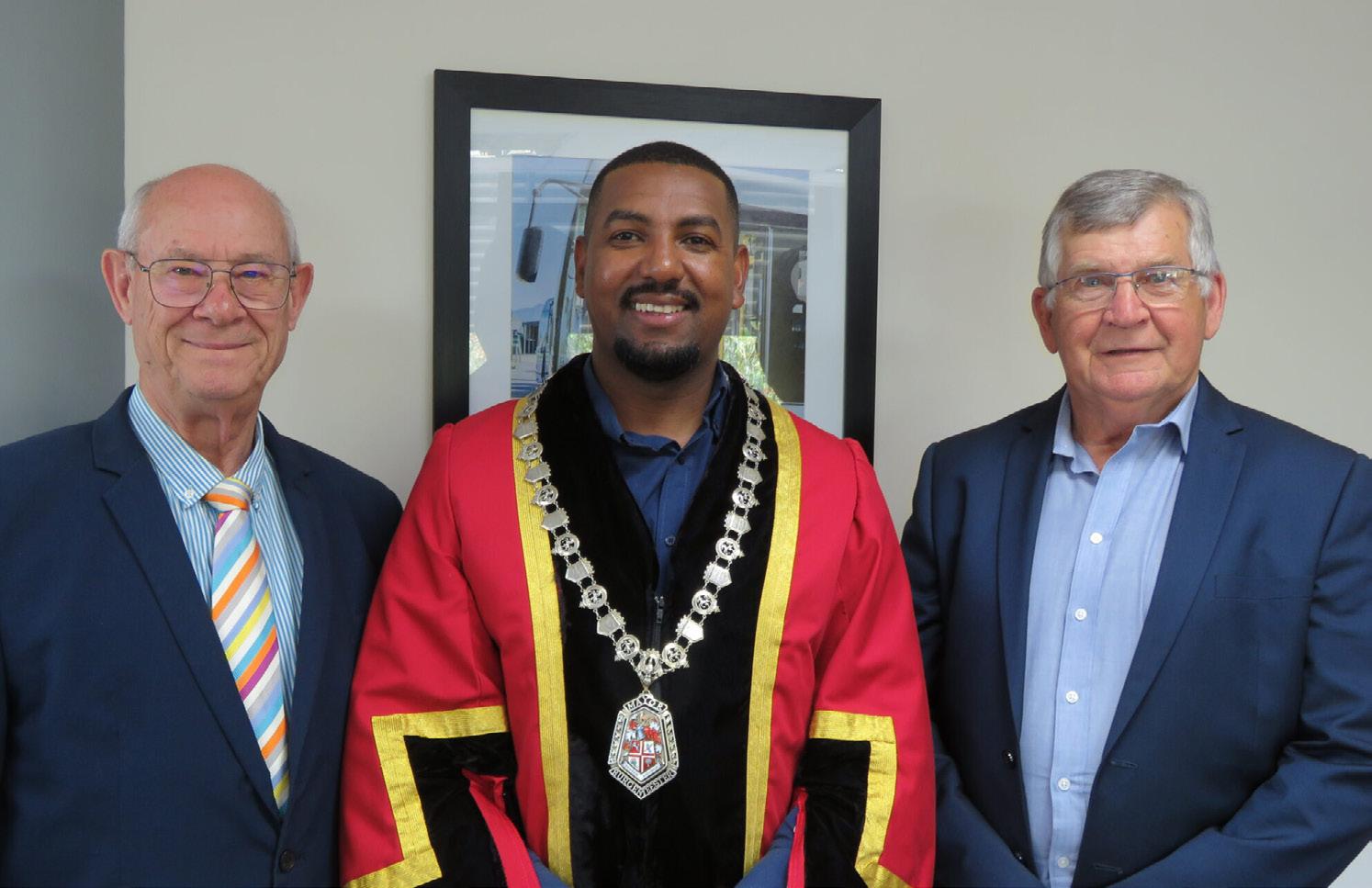
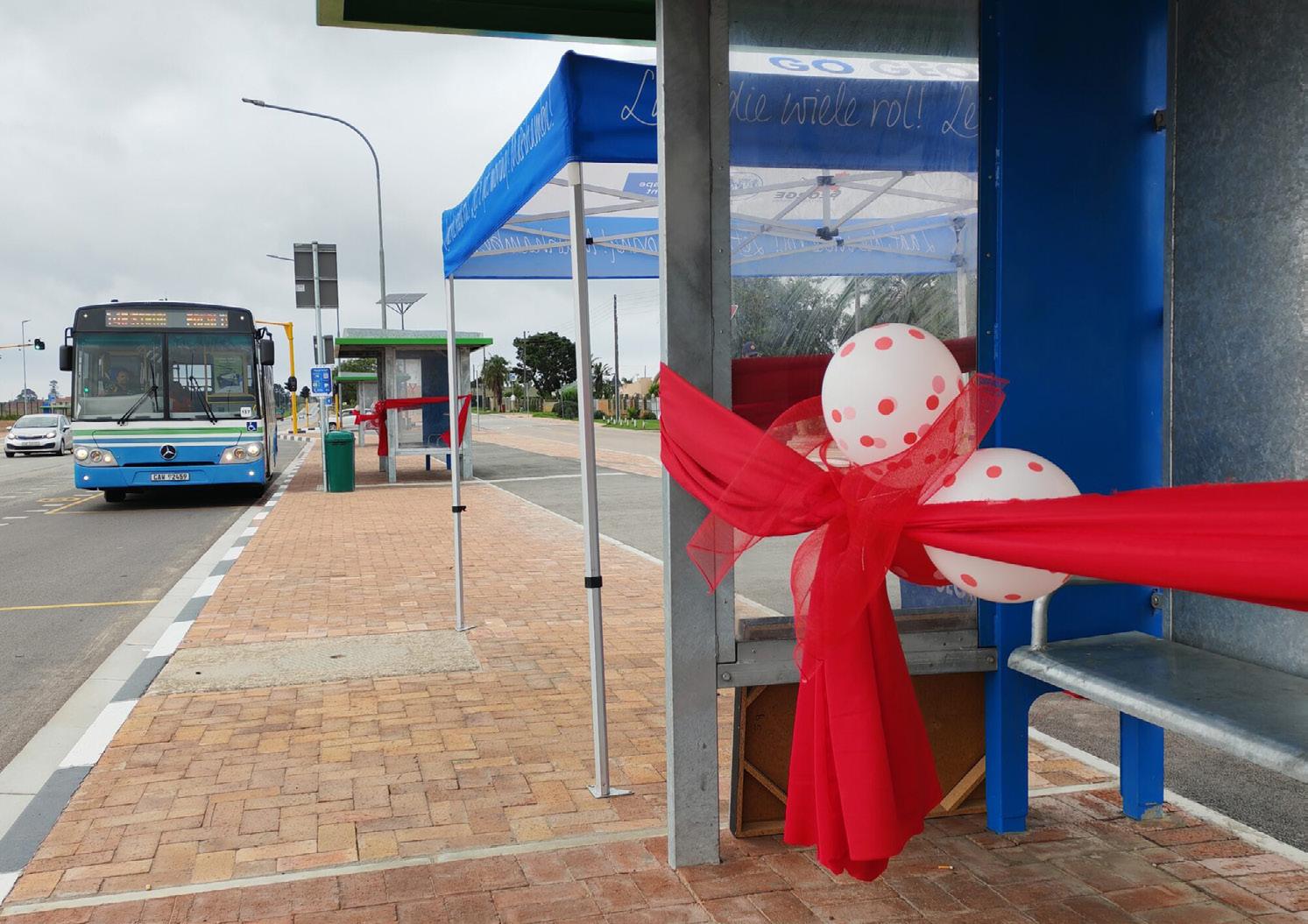
The City of George is advancing its vision of a modern, connected and commuter-friendly urban environment through a series of strategic transport and infrastructure investments. Recent developments within the George Integrated Public Transport Network (GIPTN) demonstrate how targeted upgrades, improved road infrastructure and innovative digital tools are enhancing mobility, safety and accessibility for residents across the city.
These initiatives, supported by collaboration between the George Municipality, the GO GEORGE service and the Western Cape Government, reflect a commitment to improving the daily commuting experience while strengthening economic and social connectivity between communities.
A milestone in the city’s public transport development was marked on 24 February 2026 with the official unveiling of the upgraded Beach Panther transfer facility in Pacaltsdorp. The project forms part of ongoing investments aimed at strengthening the reliability and accessibility of George’s integrated public transport system.
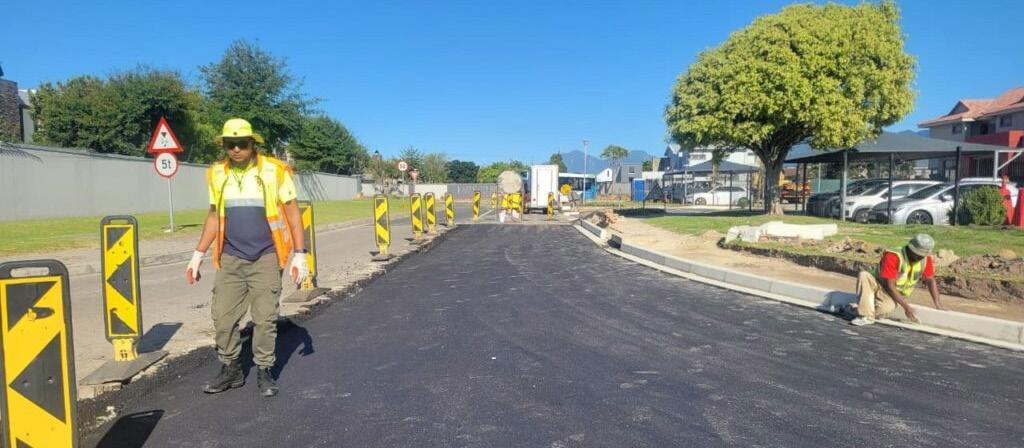
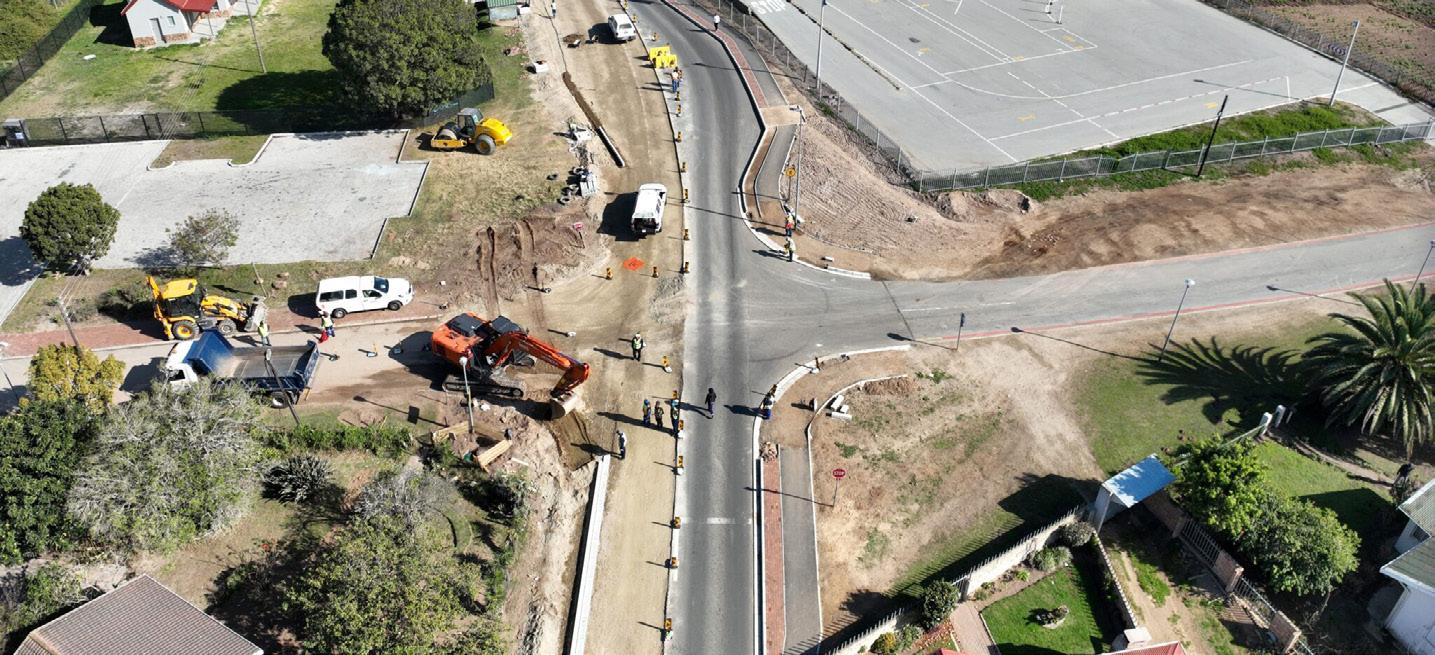
The R17.6 million upgrade, funded through the Public Transport Network Grant (PTNG), has enhanced the Beach Road area and created a safer, more efficient transfer point for commuters moving between bus routes. The upgraded facility includes expanded bus stops and covered shelters, wider median islands, paved pedestrian walkways and dedicated cycle lanes supporting non-motorised transport. These improvements are designed to enhance passenger safety and
convenience while encouraging increased use of public transport by providing accessible and welldesigned transfer facilities.
Alongside improvements to commuter facilities, George Municipality is implementing a comprehensive programme of road rehabilitation and infrastructure upgrades across key transport corridors in the city. These projects are designed to improve road
safety, strengthen public transport routes and support the long-term reliability of the GO GEORGE bus network.
Several upgrades are already nearing completion, with road rehabilitation works restoring critical commuter routes and improving traffic flow between residential areas, economic nodes and education facilities. These improvements include resurfacing works, stormwater infrastructure, sidewalks and universal access features aimed at making the city’s road network safer and more accessible for both pedestrians and public transport users.
Strategic investments in transfer facilities, upgraded road corridors and smart digital tools are steadily transforming how residents move safely and efficiently across George.
The upgrades also support the operational efficiency of the integrated public transport system by ensuring that bus routes remain structurally sound and capable of handling increased passenger volumes as the network expands.
Together, these projects form part of George Municipality’s broader mobility strategy - one that prioritises reliable

transport infrastructure, improved connectivity between communities, and the creation of a safer and more resilient urban transport environment.
In parallel with infrastructure upgrades, GO GEORGE has introduced digital tools designed to make the bus service easier and more accessible for commuters.
During the February programme of events, Western Cape MEC for Mobility, Isaac Sileku officially launched GoBot, an artificial intelligence-powered chatbot that provides passengers with instant access to travel information.
The platform forms part of a two-year investment in
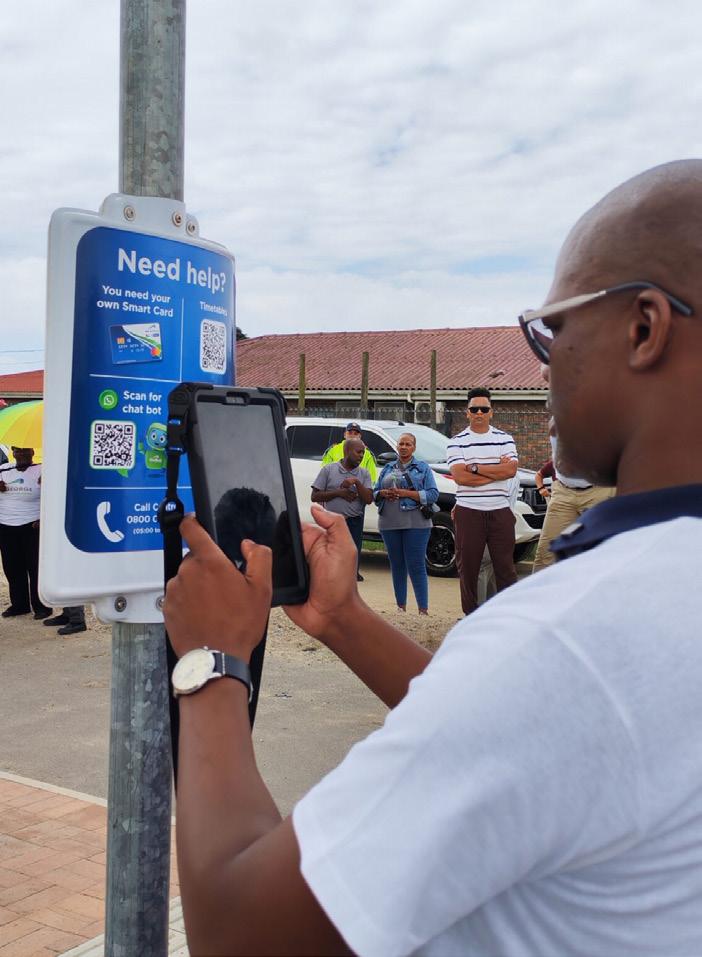
technology that allows commuters to access trip planning information at any time. Through GoBot and the upgraded GO GEORGE website, passengers can view updated timetables, plan routes and obtain real-time travel information from their mobile devices.
“By putting real-time information directly into passengers’ hands through GoBot and our upgraded digital platforms, we are removing the uncertainty from public transport,” said Minister Sileku.
Digital information screens and QRcoded pole collars at 40 pilot bus stops now allow passengers to access route information instantly by scanning codes with their smartphones.
These developments form part of a broader effort to strengthen mobility and economic connectivity across George - with improved transport infrastructure linking residential areas with workplaces, schools and service centres.
One example is the Industrial Route (Route 10), which connects Thembalethu with George Industria and nearby schools such as York High School and Eden Technical High School. Since its launch in October 2024, passenger numbers have grown significantly, highlighting the demand for reliable transport connections.
Through continued investment in infrastructure, technology and commuter facilities, George Municipality is moving towards a public transport system that improves daily mobility while supporting long-term urban development and economic opportunity.
By putting real-time information directly into passengers’ hands through GoBot and upgraded digital platforms, we are removing uncertainty from public transport.

In a strategic move to strengthen financial governance and accountability, Greater Giyani Local Municipality has appointed Masindi Raliphada, CA(SA), RA, as its new Chief Financial Officer, effective 1 February 2026. The appointment represents an important step in the municipality’s ongoing efforts to stabilise its financial environment and improve audit outcomes under the oversight of the Auditor-General of South Africa.
Born in Gogobole Village in the Sinthumule area, Raliphada brings a strong blend of public sector experience and technical financial expertise to the municipality’s senior
management team. Her career includes senior audit and executive roles at the Auditor-General of South Africa, as well as leadership experience at the South African National Biodiversity Institute (SANBI). With exposure across national, provincial and local government spheresin addition to private sector financeRaliphada assumes the role with a comprehensive understanding of public finance systems and regulatory frameworks.
Executive Mayor, Cllr Thandi Zitha, described the recruitment process as rigorous and thorough, noting that council was determined to secure a candidate capable of addressing financial management challenges and driving measurable improvement.
The municipality has expressed confidence that Raliphada’s appointment will contribute meaningfully to strengthening internal controls, improving compliance and enhancing financial oversight.
On assuming office, Raliphada indicated that her priorities include reinforcing financial discipline, ensuring consistent implementation of existing policies, and promoting timely, credible reporting. She has emphasised that sound financial management is foundational to
effective service delivery and sustainable municipal performance.
Her appointment also advances gender representation within Greater Giyani’s executive leadership, as she becomes the fourth woman to serve in a senior management role within the administration. Professional bodies, including the Association of Black Accountants of South Africa (ABASA), have congratulated her on the appointment.
As we gear towards the 2026/2027
Local Government Elections, and at a time when municipalities across the country are under increasing scrutiny regarding financial governance, Greater Giyani’s leadership transition in the finance portfolio signals a deliberate focus on institutional strengthening and improved financial management which is at the heart of local service delivery.
“…the best candidate has been appointed. We believe she will play a key role in improving the Auditor-General’s opinion on the municipality’s financial matters.”

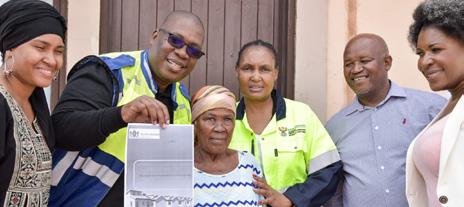
Devon and surrounding communities in Lesedi Local Municipality celebrated a historic moment on 27 February 2026, as more than 1 000 title deeds and 132 newly built homes were officially handed over to qualifying residents. The programme began at the Obed Mthombeni Sports Ground, proceeded by the handover at Impumelelo Mega Project (Extension4), led by Minister of Human Settlements Thembi Simelane, Gauteng Premier Panyaza Lesufi, and MEC Tasneem Motara.
Among the proud new homeowners were pensioners, 80-year-old Lina Mahlangu and 73-year-old Mary Motsoeneng, who had relied on relatives for shelter for years. Now, with their own homes and legal ownership, they gained not only security but a renewed sense of dignity.
“These title deeds are more than pieces of paper,” Minister Simelane stated.
“They symbolise ownership, stability, and hope for families across Lesedi. Every deed strengthens a household and the community as a whole.”
The Impumelelo Mega Project is set to deliver 6 284 housing units, of which 5 520 have already been completed. The latest handovers represent significant progress toward Gauteng’s target of registering 41 214 title deeds by 2029, reinforcing the province’s commitment to sustainable human settlements and economic empowerment.
Beyond the homes themselves, the developments include critical bulk infrastructure such as wastewater treatment works, reservoirs, sewer networks, and pump stations, ensuring long-term functionality and resilience for the settlements. While challenges like bulk electricity constraints remain,
government interventions are underway to address these bottlenecks.
Premier Lesufi emphasised the broader impact: “Secure housing and legal ownership are foundations for community growth, economic opportunity, and stability. Today’s handovers reflect a commitment to building resilient, thriving neighbourhoods in Lesedi.”
The combined handover of title deeds and houses underscores the collaboration between national, provincial, and local government, ensuring that services and infrastructure go hand in hand with housing delivery. For residents like Mahlangu and Motsoeneng, these new homes are a transformative milestone - marking not just a roof over their heads, but a tangible promise of dignity, security, and a brighter future.

“Homeownership restores dignity and security to families, while title deeds ensure that this security is legally protected for generations.”
- Minister of Human Settlements, Thembi Simelane
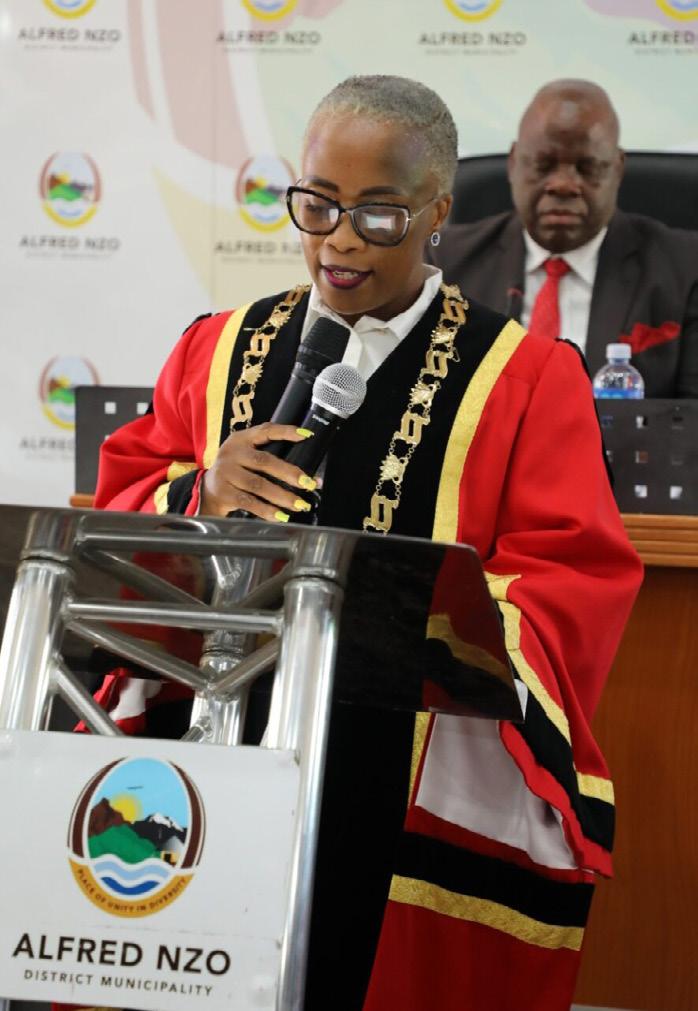
The Alfred Nzo District Municipality has entered a new chapter of leadership with the election of Cllr Tsileng Sobuthongo as Executive Mayor during a Special Council meeting on 3 February 2026. Sobuthongo steps into the role with prior experience as Mayor of Ntabankulu Local Municipality, bringing administrative expertise and a focus on service delivery to the district.
Joining her is Cllr Nomasomi Mshuqwana, returning as Deputy Executive Mayor, ensuring continuity while infusing the executive team with renewed energy. Together, the leadership duo has pledged to tackle longstanding service delivery challenges and restore public confidence in local governance.
In her acceptance speech, Mayor Sobuthongo emphasised the importance of delivering tangible improvements for residents. She committed to prioritising water and sanitation - ensuring that completed schemes function effectively, and that households have reliable access to safe, drinkable water.
“The district must reduce water and sanitation backlogs, support local municipalities in meeting their service mandates, and strengthen planning and implementation,” Mayor Sobuthongo stated, highlighting the dual approach of continuity and change. She called for coordinated efforts across all municipalities in the district, stressing that infrastructure projects must meet deadlines, budgets, and quality standards while supporting economic development.
The Mayor acknowledged past challenges, including a Qualified Audit Opinion for the 2024/25 financial year, and called for solutions to restore fiscal integrity. She emphasised the need for improved project planning, efficient delivery of infrastructure, and practical steps to strengthen the local economy. She also highlighted the role of the Alfred Nzo Development Agency (ANDA) in driving coordinated district-wide economic growth.
Mayor Sobuthongo framed her leadership in the spirit of Thomas Sankara: courage to challenge old formulas and invent a better future.
“We must be a generation of leaders committed to real steps of movement - transforming the historical narrative and building a sustainable future for our communities,” she said.
Mayor Sobuthongo has introduced a mayoral committee focused on key service and development areas, including infrastructure, monitoring and evaluation, disaster management, economic development, and improved communications with communiuties.
With this new executive team, Alfred Nzo District Municipality signals a renewed focus on service delivery, accountability, and infrastructure development - particularly in water and sanitation - offering hope that residents will soon see meaningful improvements in both governance and everyday services.
The election of Executive Mayor Sobuthongo brings experienced municipal leadership to the helm of Alfred Nzo District Municipality at a time of renewed focus on delivery.
KwaDukuza Local Municipality secured notable recognition and was named the best-performing municipality in KwaZulu-Natal by Ratings Afrika at the SAPOA Convention 2025, held at Sun City on 2 October - entering 2026 with continued momentum in financial governance and environmental management.
At a time when municipal performance across South Africa remains under scrutiny, the municipality’s achievements point to measurable gains in areas central to sustainability, investor confidence, and tourism development.
KwaDukuza’s recognition for both financial governance and coastal excellence signals a municipality that is not only managing effectively today, but building long-term confidence for investors, residents and visitors alike.
The SAPOA Awards also underline KwaDukuza’s growing prominence as a hub for strategic growth along the rapidly developing Dolphin Coast corridor. Strong governance in the municipality plays a critical role in attracting investment, supporting development, and sustaining economic growth in the region.
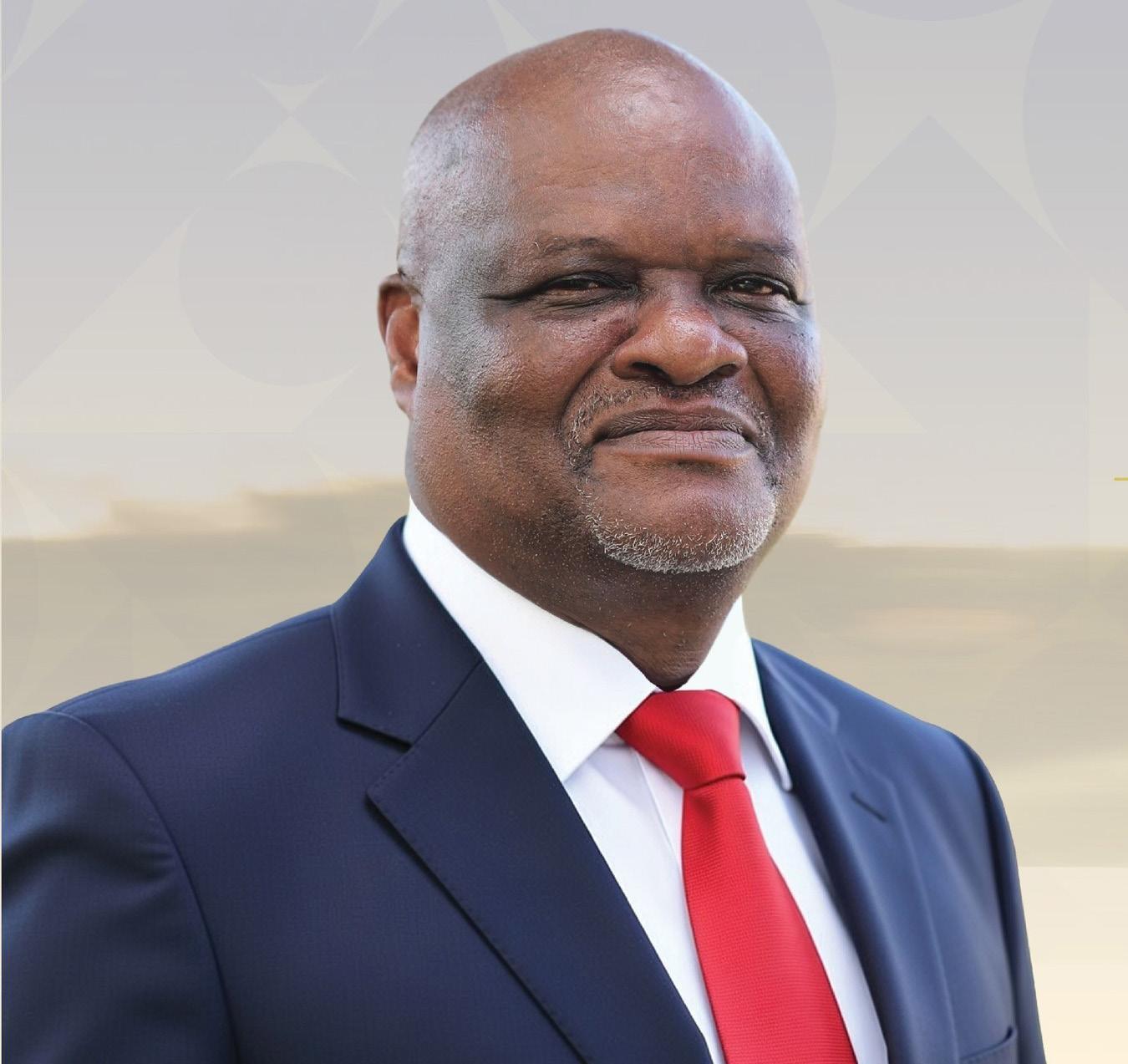
The municipality outperformed 16 of the province’s largest municipalities by budget and population size, selected from a pool of 44 KwaZulu-Natal municipalities and metros. This recognition reflects measurable improvements in governance practices, financial discipline, and operational efficiency.
KwaDukuza Mayor, Siduduzo Gumede, welcomed the recognition, describing it as an affirmation of the municipality’s
governance trajectory and economic contribution within KwaZulu-Natal.
“The province of KwaZulu-Natal can no longer be mentioned without the mention of KwaDukuza as a key strategic area that contributes significantly to provincial growth,” said Gumede.
For KwaDukuza, the award carries particular significance given its position within the Dolphin Coast corridor, where governance performance directly influences economic development,
investment attraction, and sustainable growth. The recognition underscores the municipality’s efforts to balance financial management with strategic planning for the region’s long-term prosperity.
KwaDukuza’s governance excellence is complemented by its achievements along its coastline. The municipality doubled its Blue Flag beach allocation for the 2025-2026 season, with four beaches - Blythedale Beach, Salt Rock Main Beach, Thompson’s Bay Beach, and Willard Beach - earning the prestigious Blue Flag status, awarded by the Wildlife & Environment Society of South Africa. The distinction recognises beaches that meet stringent international standards for environmental
management, safety, cleanliness, accessibility, and water quality.
The Blue Flag programme sets 33 criteria spanning critical areas such as:
• Environmental education
• Water quality
• Safety and services
• Cleanliness
• Accessibility
• Environmental management
A key highlight for the municipality is the reinstatement of Willard Beach, marking a strong recovery after it lost full Blue Flag status the previous year. Willard Beach’s return to full Blue Flag standing reflects improvements in environmental controls and operational responsiveness.
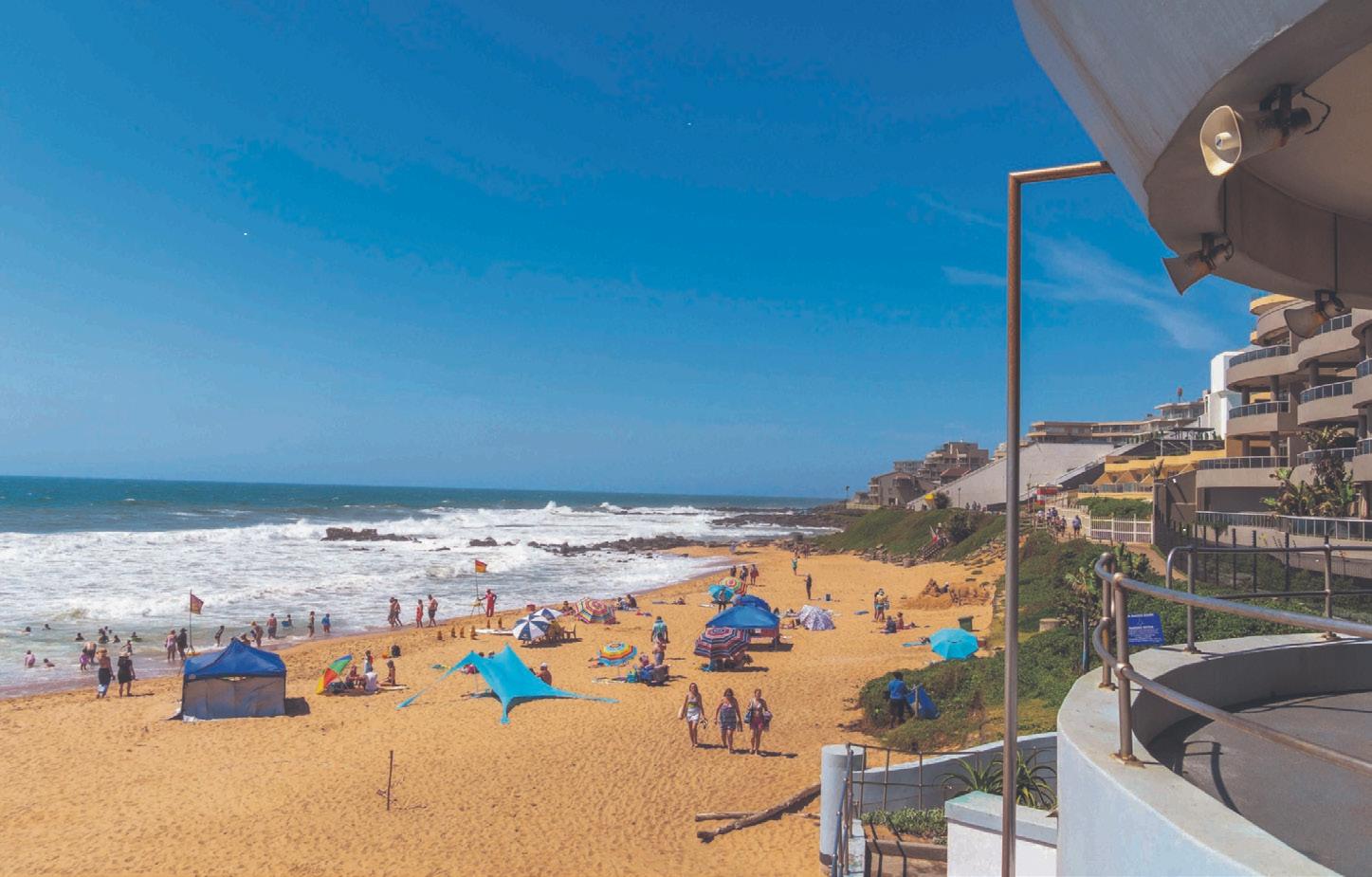
KwaDukuza now joins Ray Nkonyeni and Umzumbe as the third municipality in KwaZulu-Natal to receive Blue Flag recognition for multiple beaches this season. The coastal achievement reinforces the municipality’s governance accolades, demonstrating that strong administrative performance goes handin-hand with environmental stewardship and the promotion of tourism.
By achieving excellence both in governance and coastal management, KwaDukuza has positioned itself as a leading municipality nationally and provincially, showing that financial discipline, sustainable planning, and environmental responsibility are central to long-term prosperity.
The combined recognition for governance and coastal excellence highlights a municipality that is not only performing efficiently but also building confidence among investors, residents, and tourists along the Dolphin Coast corridor.
KwaDukuza’s progress demonstrates that strong administration and environmental stewardship are driving sustainable growth and strengthening investor confidence across the region.
Funded by the Department of Water and Sanitation (DWS) and implemented by uMngeni-uThukela Water, the commissioning of the Maphumulo Bulk Water Supply Scheme in ilembe District Municipality reflects coordinated intergovernmental delivery aimed at accelerating service provision and addressing historic backlogs in predominantly rural communities.
This transformative project is set to deliver clean, reliable water to approximately 160 000 households across Maphumulo, Ngcebo, Maqumbi and KwaDukuza.
The scope of the intervention is significant. The project includes the expansion of the local water treatment plant from 6 - 12 megalitres per day, upgrades to pump infrastructure, construction of a weir on the Hlimbitwa River, installation of raw water abstraction pumps, and the laying of bulk distribution pipelines. Together, these upgrades create a more resilient system capable of meeting rising demand and improving reliability.
For ilembe, however, the value of the project extends beyond engineering milestones. This reliable water access underpins public health, supports small enterprise, enhances food security and restores dignity to households long affected by inconsistent supply.
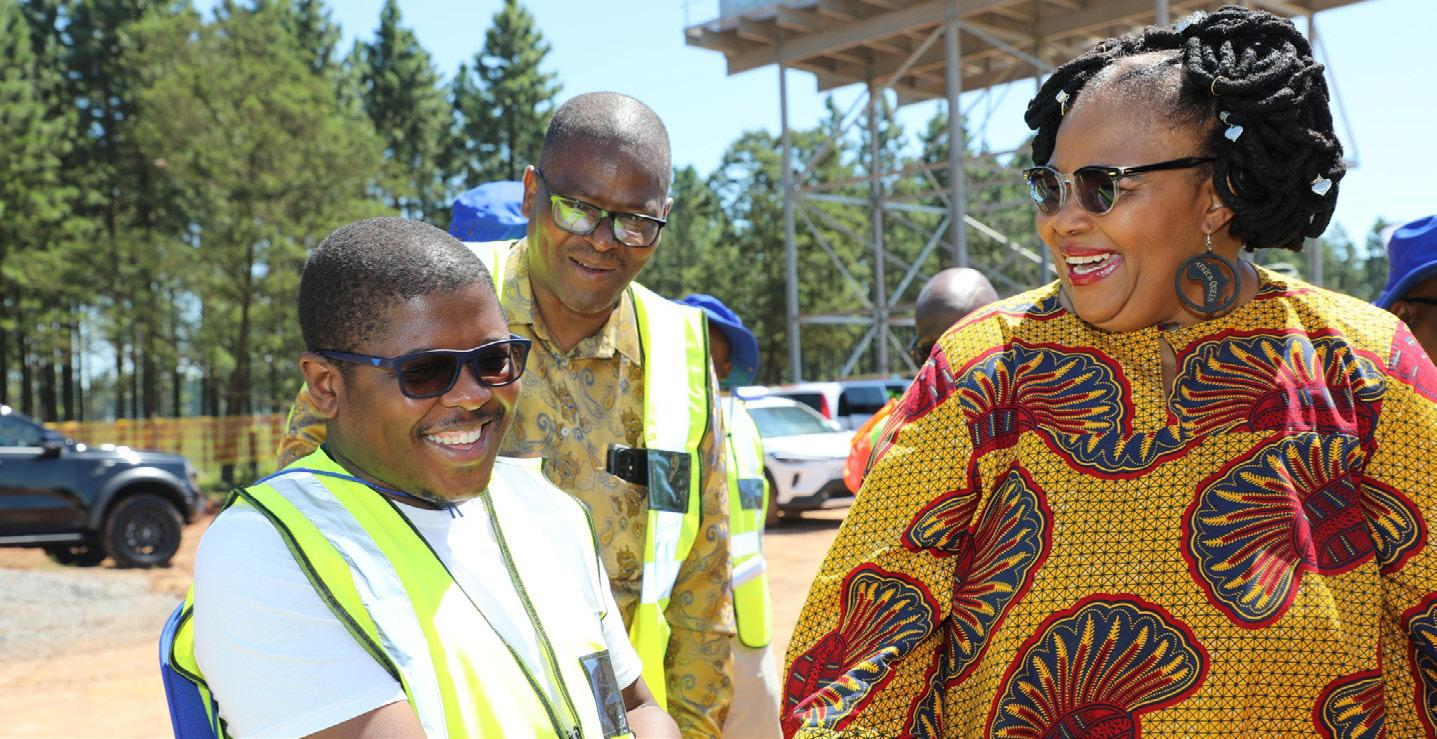
The commissioning will be followed by community engagement sessions, reinforcing the municipality’s commitment to transparency and inclusive governance.
The District’s progress aligns with the 2026 National Water Month theme, “Water and Gender ”, under the slogan “Where Water Flows, Equality Grows”. In rural communities, inadequate water access disproportionately affects women and girls, limiting educational opportunities and economic participation. Strengthening bulk supply and reticulation networks therefore carries both social and economic significance.
The Maphumulo scheme also forms part of a broader provincial programme focused on long-term water security.
Oversight of major infrastructure initiatives across KwaZulu-Natal, including projects linked to the uMkhomazi and uMshwathi systems, signals sustained investment in bulk supply and rural connectivity. Complementary measures such as borehole rehabilitation, spring protection and rainwater harvesting further strengthen resilience.
For ilembe District Municipality these projects signal steady, focused deliveryaligning national support, and municipal leadership with technical expertise to achieve measurable outcomes. As water flows more consistently into homes, clinics and villages, ilembe demonstrates how infrastructure investment, when effectively executed, becomes a catalyst for dignity, development and long-term security.






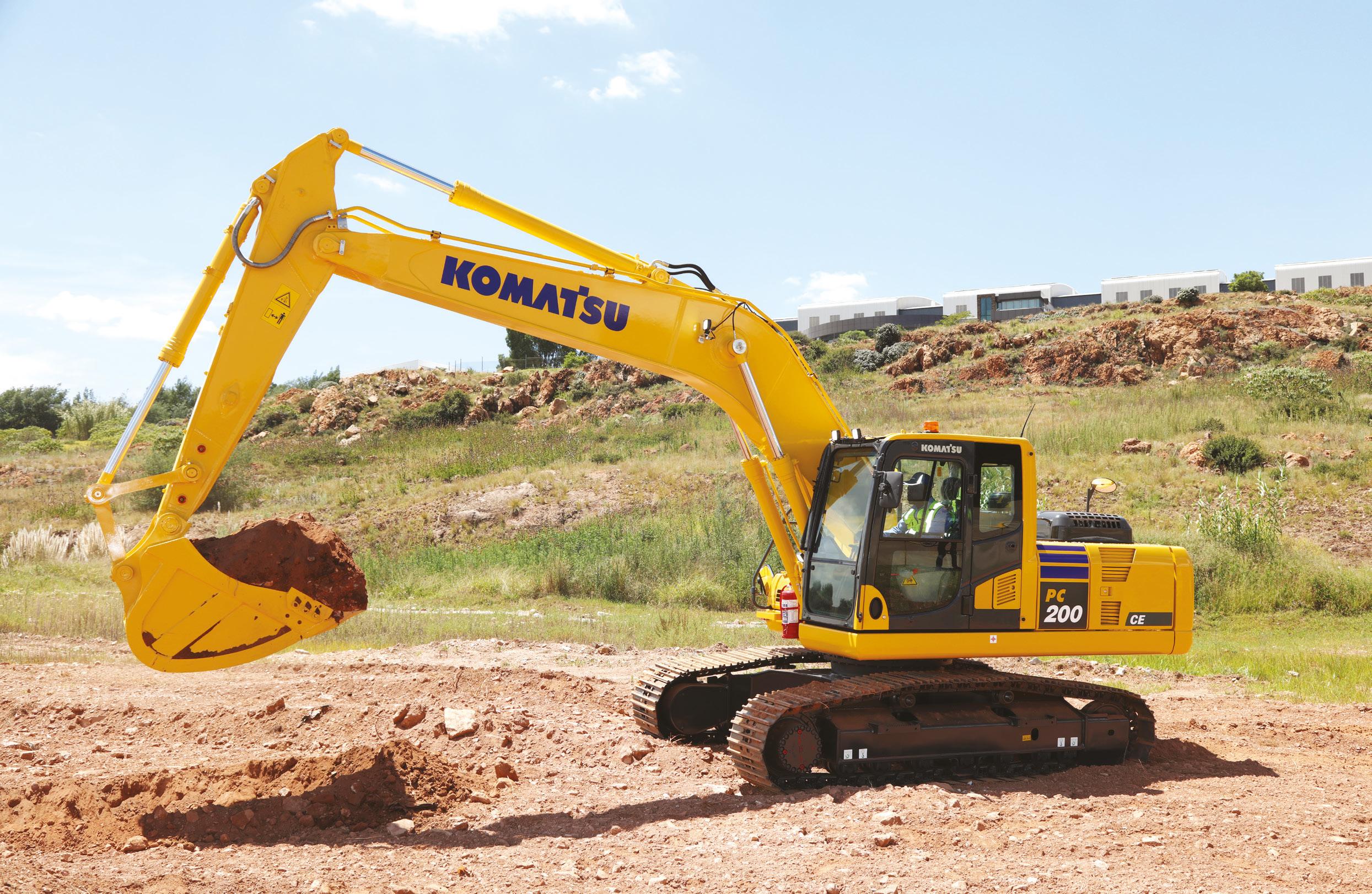
A next- generation 20-ton class excavator engineered to deliver exceptional fuel efficiency, reliable performance, and low operating costs.
Designed specifically for the South African general construction and civil engineering environments.

*Fuel efficient - 18% saving
*compared to the PC200-8M0