E-waste recycling India
Recycling of toner catridge|100% data destruction


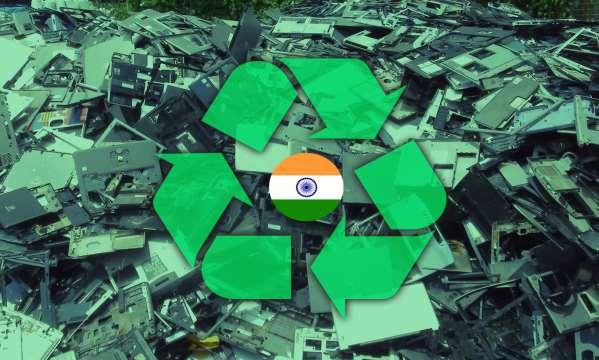
Electronic waste or e-waste portrays disposed of electrical or electronic gadgets. Utilized hardware which are bound for reuse, resale, rescue, reusing or transfer are likewise considered as ewaste. Casual preparing of electronic waste in creating nations may bring about genuine wellbeing and contamination issues, as these nations have constrained administrative oversight of e-waste handling.

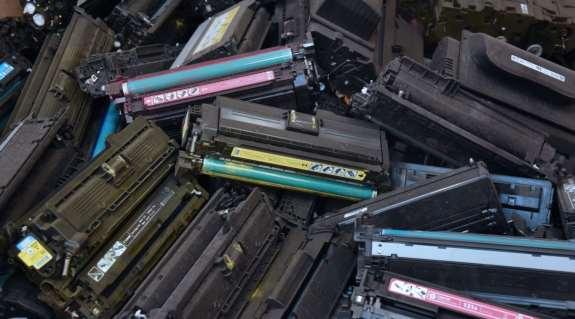
Recycling toner cartridges is an essential aspect of sustainable waste management, given the widespread use of printers and copiers in homes, offices, and businesses. Toner cartridges are used in laser printers and photocopiers to contain toner powder, a fine, dry mixture of plastic particles, carbon, and pigment that forms the printed text and images.
"100% data destruction" refers to a comprehensive process aimed at ensuring that all sensitive or confidential data stored on electronic devices is completely and irreversibly erased or destroyed. This process is critical when disposing of or recycling electronic devices such as computers, hard drives, smartphones, and other storage media to prevent unauthorized access to sensitive information.
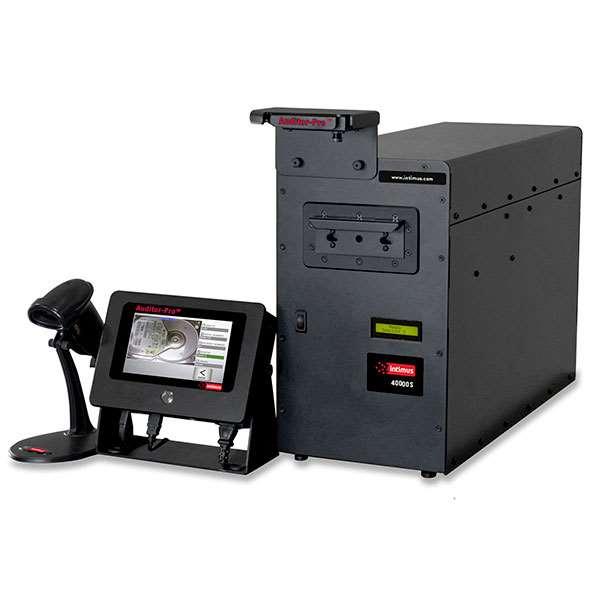
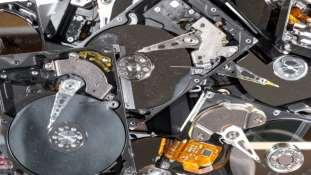
Hard disk shredding, also known as hard drive shredding or disk scraping, is a physical destruction method used to render a hard disk drive (HDD) completely unusable and irrecoverable.
This process is employed when data security is of paramount importance, and the data stored on the hard drive must be destroyed beyond any possibility of retrieval.
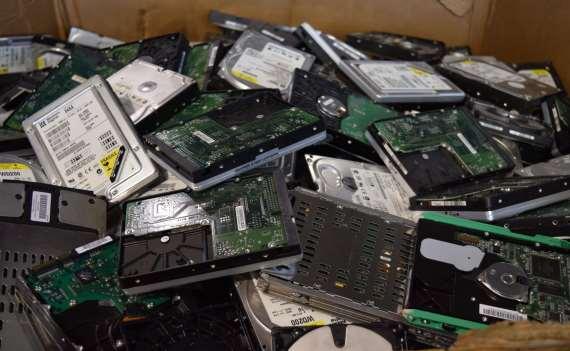

Data wiping, also known as data erasure or data sanitization, is a method used to permanently remove all data from electronic storage devices such as hard disk drives (HDDs), solidstate drives (SSDs), USB drives, and memory cards. The goal of data wiping is to ensure that no traces of the original data remain on the device, making it impossible or highly improbable to recover the deleted data using standard data recovery techniques.
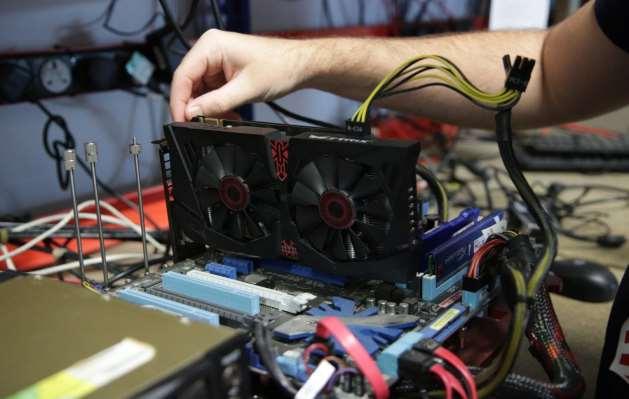
Calculator recycling involves responsibly disposing of old or unused calculators in an environmentally friendly manner.
While calculators are small electronic devices, they still contain materials that can harm the environment if not properly recycled.
Here's how calculator recycling typically works:
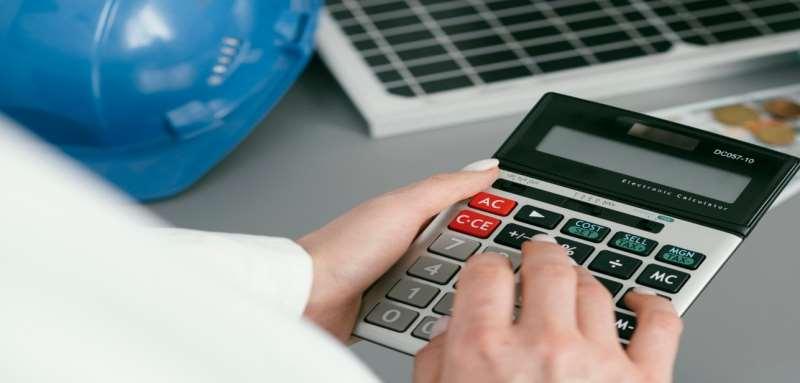
CD player recycling involves the responsible disposal of old or unused CD players in an environmentally friendly manner.
CD players, like other electronic devices, contain materials that can be harmful to the environment if not properly recycled. Here's how CD player recycling typically works:
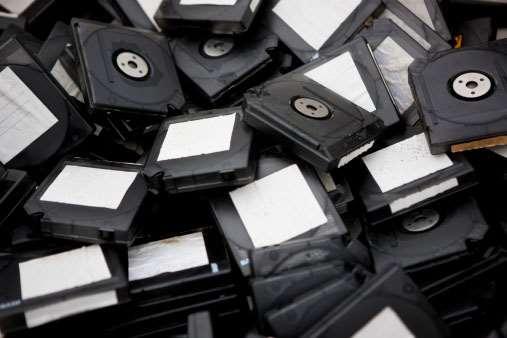
Computer recycling involves the responsible disposal or reuse of old, unused, or obsolete computers in an environmentally friendly manner.
Computers, like other electronic devices, contain various components and materials that can be harmful to the environment if not properly recycled. Here's how computer recycling typically works:
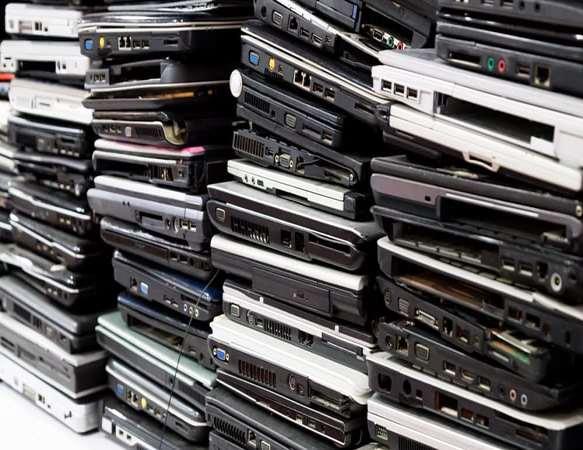
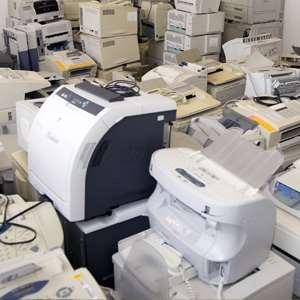
Copier recycling involves the responsible disposal or reuse of old, unused, or obsolete copiers in an environmentally friendly manner. Copiers, like other electronic devices, contain various components and materials that can be harmful to the environment if not properly recycled. Here's how copier recycling typically works:
Hard Drives Recycling
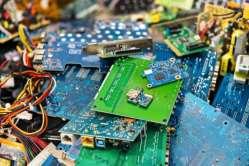
E-Components Recycling
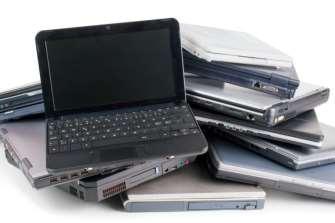
Laptop Recycling
E-Reader Recycling
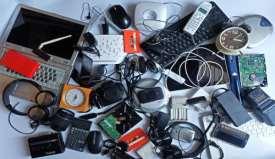
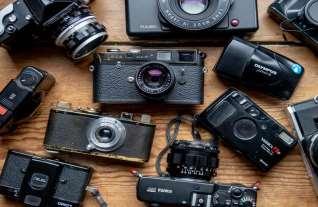
Digital Camera Recycling
DVR Recycling



Address- E WASTE RECYCLING INDIA 615, Pearl Plaza Premise Andheri West, Mumbai - 400 058, India Mail Us : info@ewasterecyclingindia.com Website– www.ewasterecyclingindia.com Call Us : +91 – 97690 77008 Thanks for watching