Eat Good: A Guide to Anti-Inflammatory Foods
Written By: Kelsey Stuback
Written By: Kelsey Stuback
Most of us think of inflammation as something negative. However,At its most basic level, inflammation is the immune system’s reaction to injury, infection, or irritation.
It involves the immune system sending white blood cells and chemicals to protect and heal the affected area. This can lead to signs such as redness, warmth, swelling, and pain. While acute inflammation is beneficial and crucial for recovery, chronic inflammation can be harmful and is associated with various diseases such as arthritis, heart disease, and diabetes.
The good news is that inflammation is not entirely beyond our control. Balanced nutrition rich in fruits, vegetables, whole grains, and healthy fats supports normal immune function. Regular movement helps regulate inflammatory signals. Quality sleep allows the body to reset and repair. Even managing stress through mindfulness or relaxation techniques can make a measurable difference.
Diet plays a significant role in either exacerbating or reducing inflammation. Certain foods can trigger the body’s inflammatory response, while others can help manage or prevent it. For instance, diets high in processed foods, sugars, and unhealthy fats, such as trans fats and saturated fats, can increase inflammation. These foods can disrupt the balance of omega-3 and omega-6 fatty acids in the body, often tipping it toward a pro-inflammatory state.
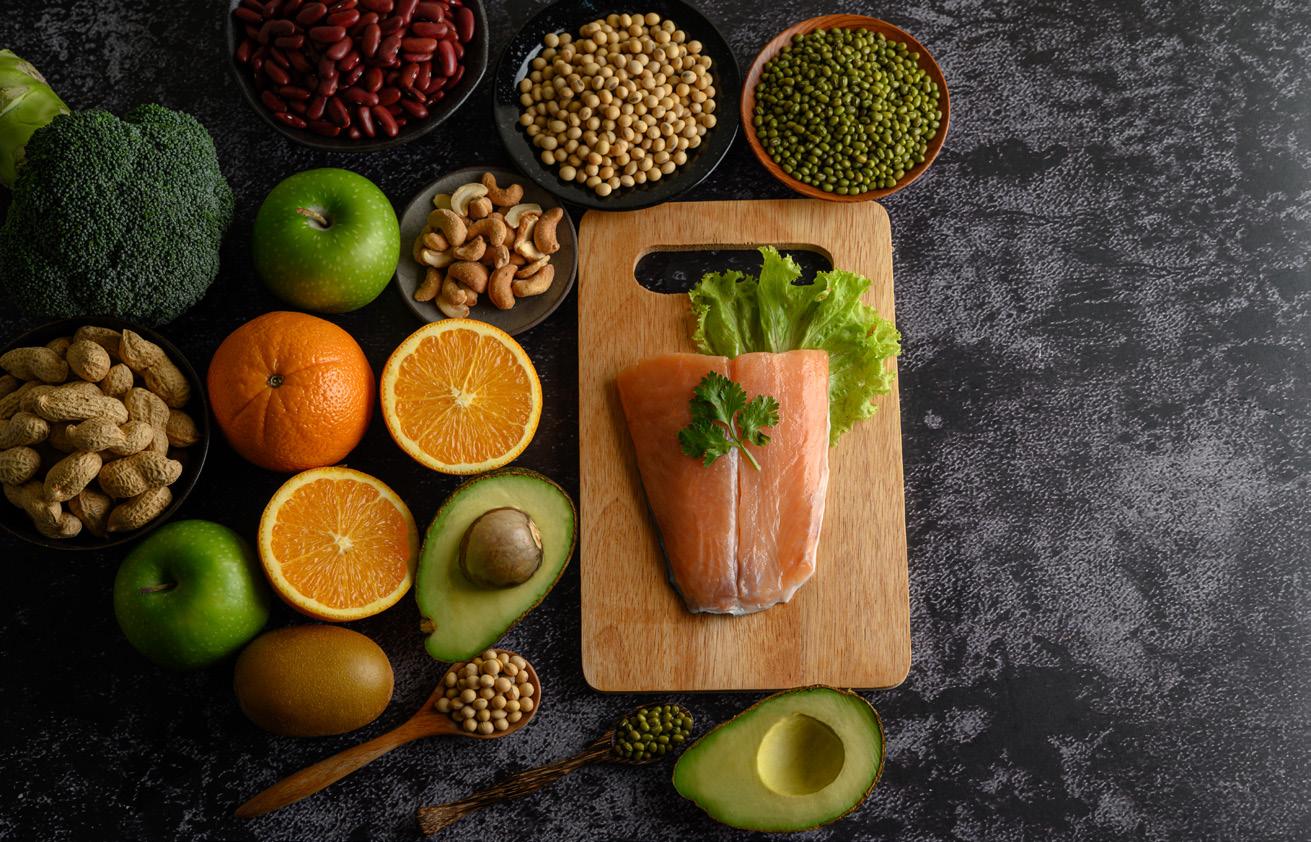
Incorporating anti-inflammatory foods into one’s diet can help manage inflammation. Foods rich in omega-3 fatty acids, such as salmon and flaxseeds, are known for their anti-inflammatory properties. A balanced diet that emphasizes whole, unprocessed foods can therefore play a critical role in maintaining overall health and reducing the risk of chronic diseases linked to inflammation.

It is important to remember that no single food causes inflammation on its own. Patterns matter more than occasional choices. Understanding which foods are most commonly linked to this process can help readers make more informed daily choices.
Trans fats are another concern. Though many countries have reduced or banned artificial trans fats in recent years, they can still appear in some packaged snacks, fried foods, and baked goods. These fats not only raise harmful cholesterol levels but are also known to increase inflammatory markers in the bloodstream.
One of the primary contributors is added sugar. Found in sodas, candies, baked goods, flavored yogurts, and even many packaged sauces, excess sugar can trigger the release of inflammatory messengers in the body. Diets high in refined sugar are also associated with spikes in blood glucose and insulin levels, which may further encourage inflammatory responses when repeated frequently.
Refined carbohydrates function in a similar way. White bread, pastries, many breakfast cereals, and other products made with white flour are stripped of fiber and nutrients during processing. Without fiber to slow digestion, these foods can cause rapid increases in blood sugar. Over time, frequent blood sugar spikes may contribute to metabolic stress and inflammation.
Processed and red meats have also been studied for their potential inflammatory effects. Bacon, sausages, hot dogs, and deli meats often contain preservatives and high levels of sodium. Some cooking methods, such as charring or frying at high temperatures, can create compounds that promote oxidative stress in the body, which is closely tied to inflammation.

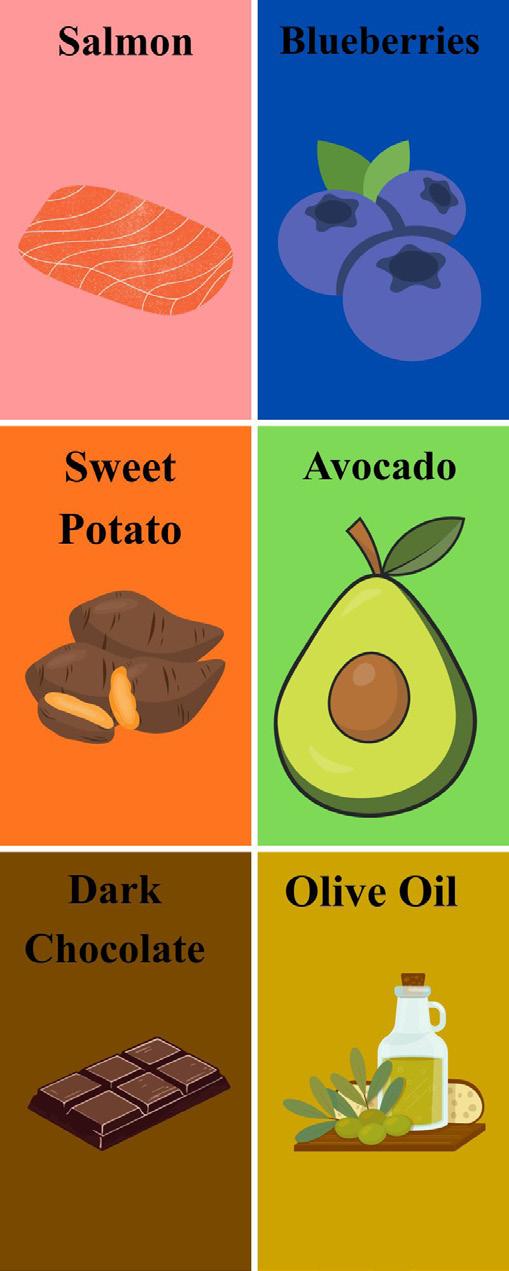
Consuming a diet rich in anti-inflammatory foods can help reduce inflammation in the body. These foods are typically high in antioxidants, vitamins, minerals, and other beneficial compounds. Some examples of anti-inflammatory foods include:
- Fruits and vegetables: These are packed with antioxidants and phytochemicals that help combat inflammation. Berries, leafy greens, tomatoes, and citrus fruits are particularly beneficial.
- Fatty fish: Fish such as salmon, mackerel, and sardines are excellent sources of omega-3 fatty acids, which have potent anti-inflammatory properties.
- Nuts and seeds: Almonds, walnuts, flaxseeds, and chia seeds are rich in healthy fats and antioxidants that can help reduce inflammation.
- Healthy fats: Olive oil, avocados, and coconut oil are examples of healthy fats that can help reduce inflammation.
When it comes to seeking out anti-inflammatory foods, choosing the right grocery store can make a significant difference. Here are some of the best places to source these health-boosting ingredients.
Whole Foods Market is an excellent destination for those looking to stock up on anti-inflammatory foods. Known for its commitment to natural and organic products, Whole Foods offers a wide variety of fresh produce, wild-caught fish, and organic nuts and seeds. Their emphasis on quality and sustainability ensures that you’re purchasing foods that are not only good for your health but also environmentally friendly. Additionally, Whole Foods often provides detailed information about their products, including sourcing details and nutritional benefits.
Trader Joe’s is another fantastic option for purchasing anti-inflammatory foods. This beloved chain is famous for its unique selection and affordability, making it a popular choice for health-conscious shoppers. Their variety of frozen fish and convenient pre-prepared meals can also make incorporating anti-inflammatory foods into your diet both easy and enjoyable.
For those who prefer to shop locally, farmers markets can be an invaluable resource. Here, you can find a host of anti-inflammatory foods grown by local farmers who prioritize sustainable and organic farming practices.
By exploring different grocery options, you can easily incorporate a variety of anti-inflammatory foods into your diet.