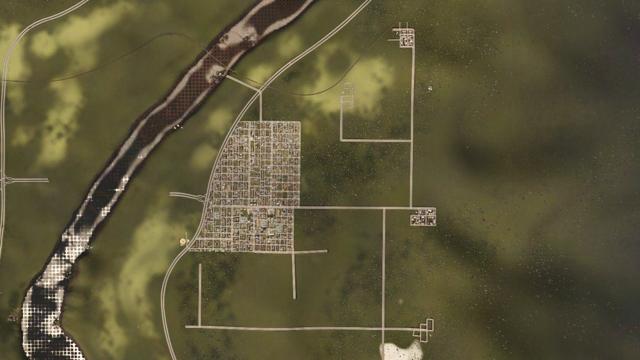
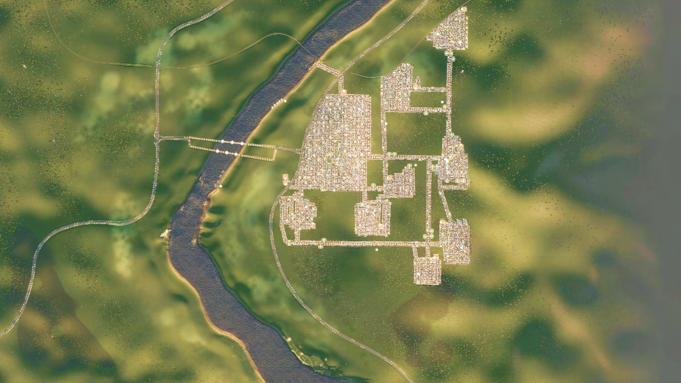
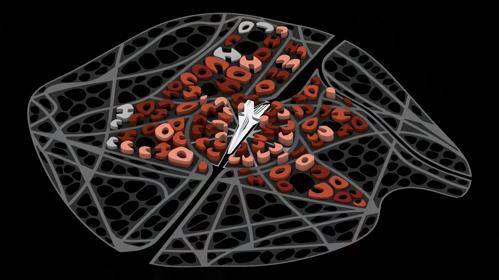
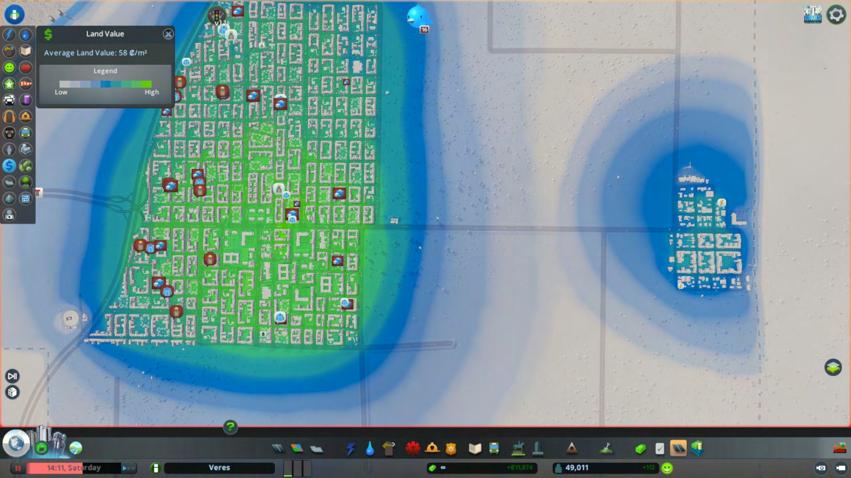
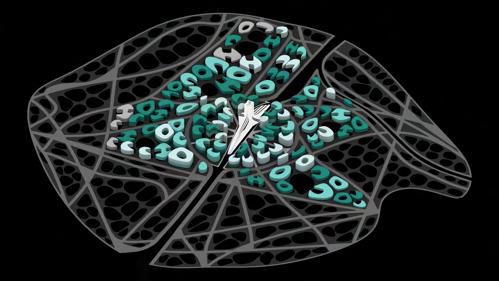
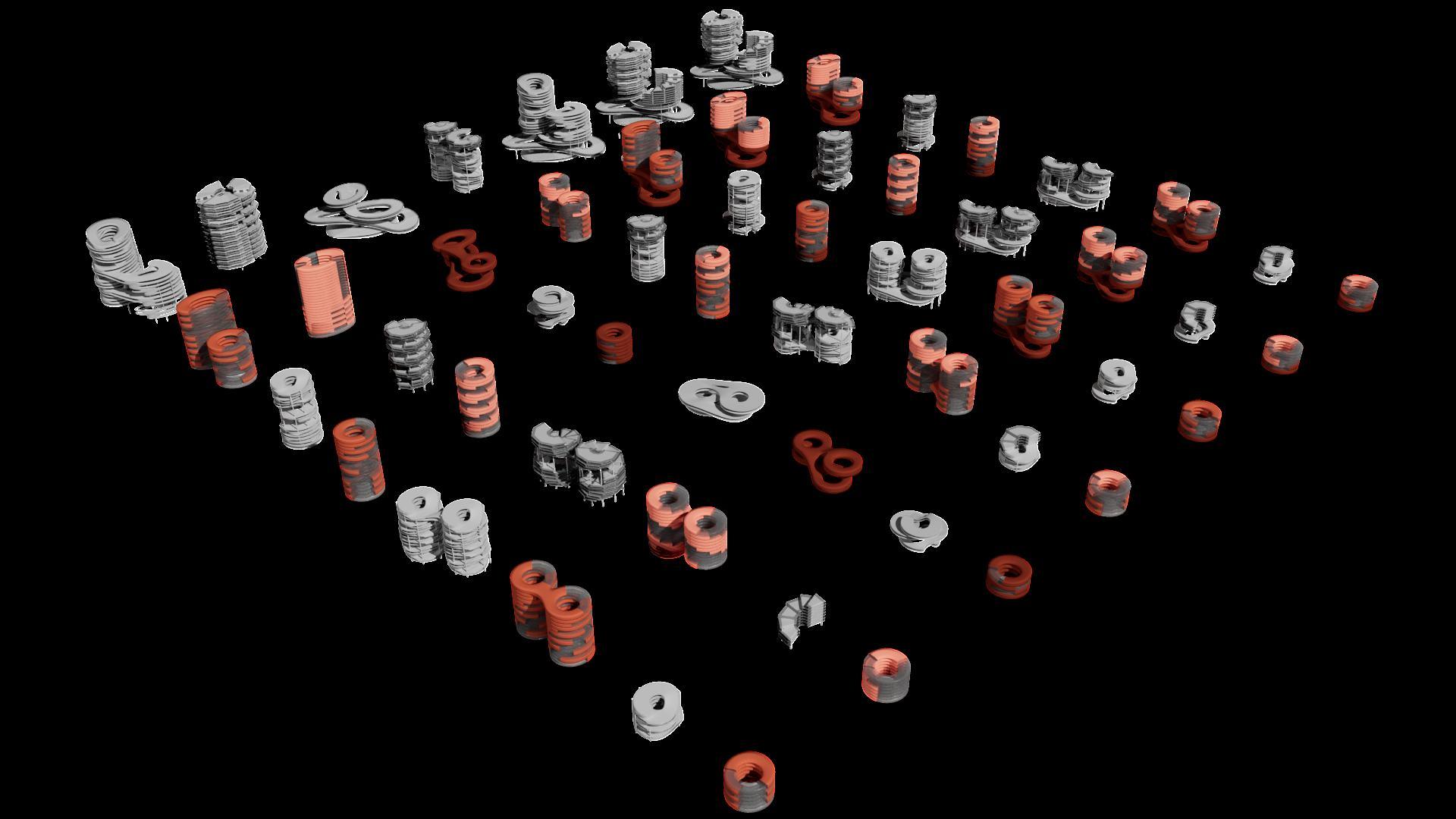
Even the cities with high population densities have low density areas not very far from the cities and they have much lower land values making it suitable for development
Even the cities with high population densities have low density areas not very far from the cities and they have much lower land values making it suitable for development, hence intensification
locating the urban argument
Croydon’s strategic position as a transit hub—30 minutes from both Central London and Gatwick Airport makes it ideal for commuter-focused intensification, with a long-term vision of evolving into a self sufficient urban center.
Kolkata
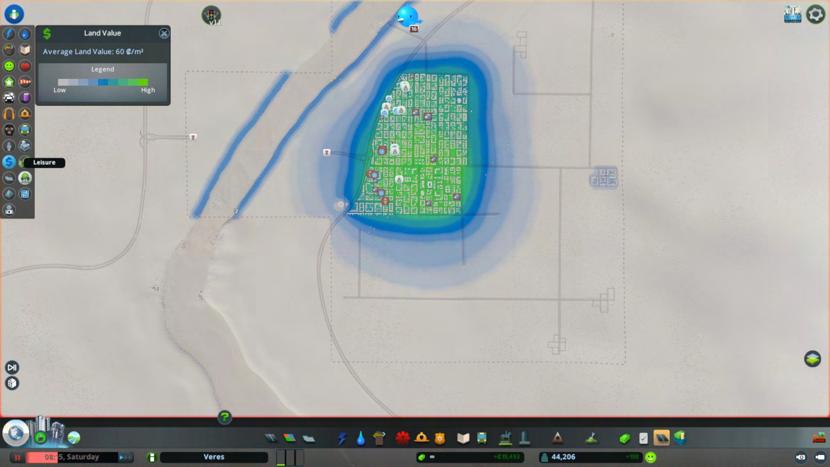
t=0
P: 44,206
TF: 31%
HI: 90%
LV: $60/ sqm
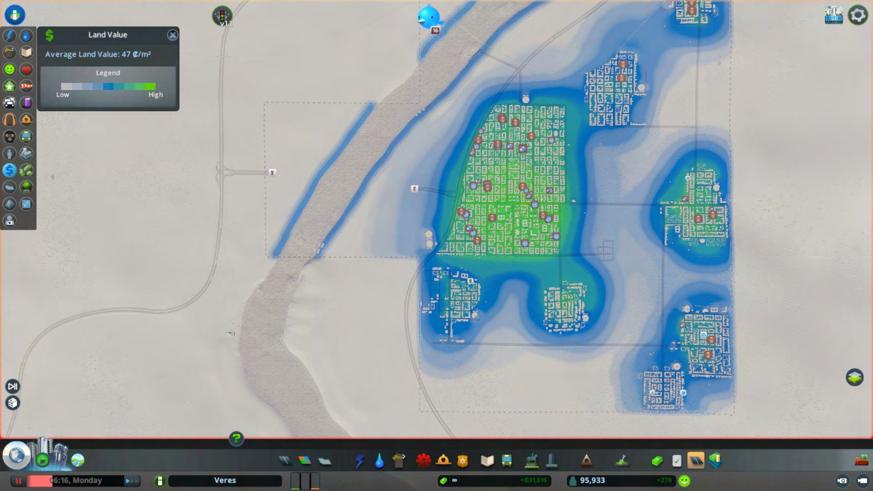
63,825
45%
$52/
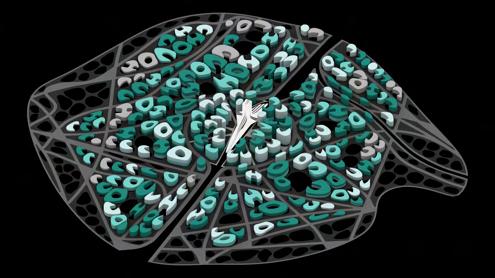
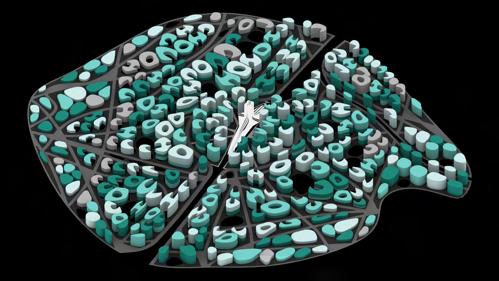
land use allocation based on a time-demand based growth model gamification algorithm
85%
$46/
contextual rules for residential contextual rules for commercial contextual rules for office zonal gr
P: 44,206
44%
HI: 81%
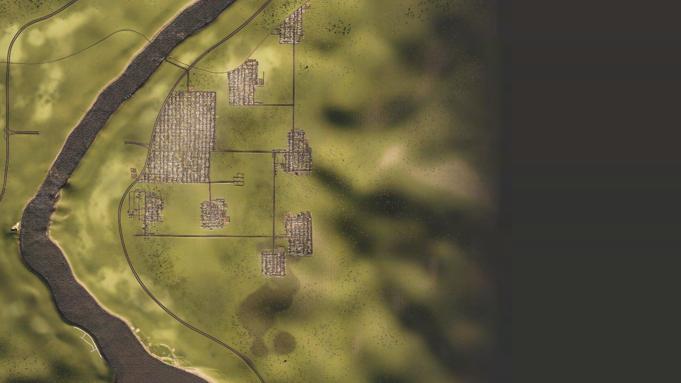
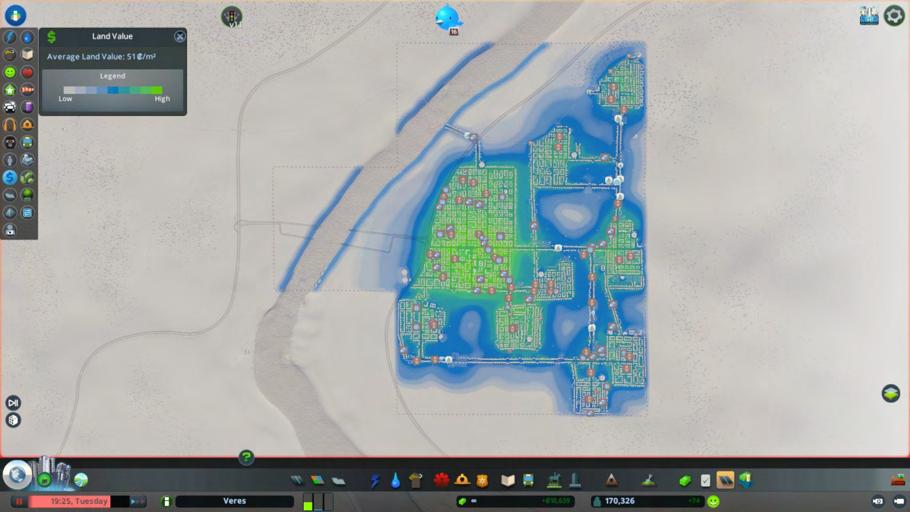
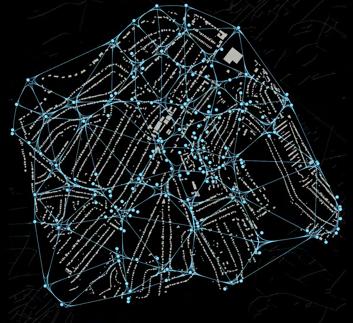
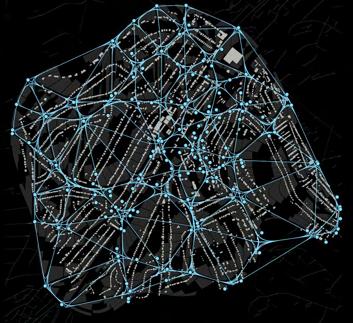
LV: $51/ sqm cities skylines| polycentric model of cities | time based growth model
t=0
avg land value vs growth of sub node over time
t=1
avg land value vs growth of sub node over time
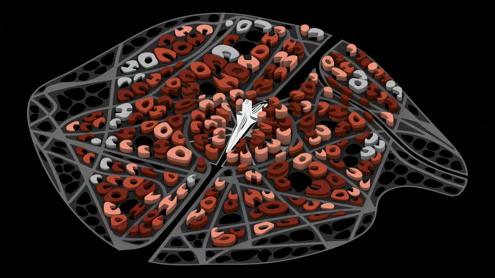
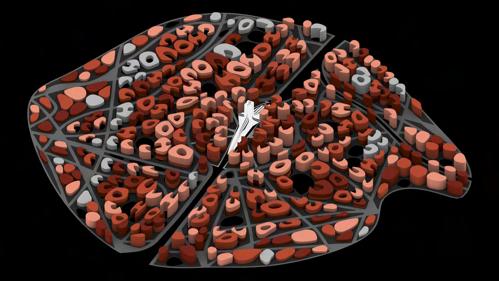
land value growth based on 4D land use allocation across the plots
t=2
avg land value vs growth of sub node over time
t=3
avg land value vs growth of sub node over time
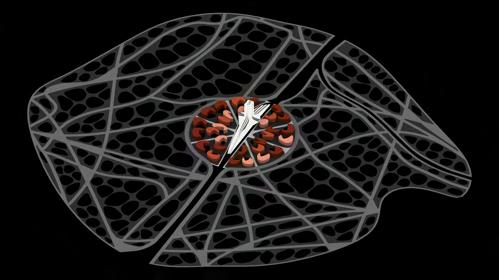
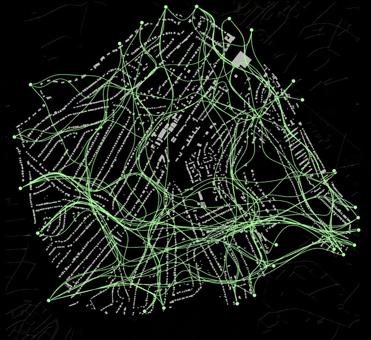
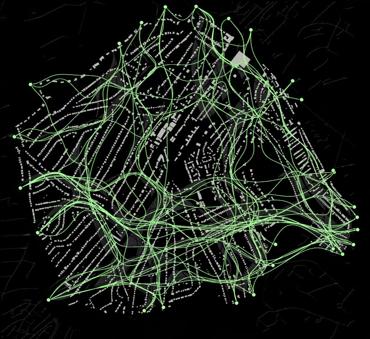
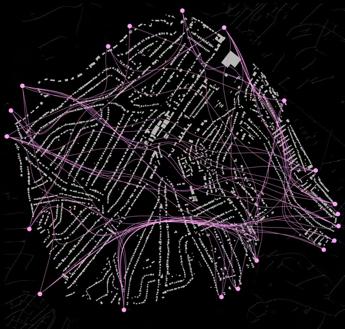
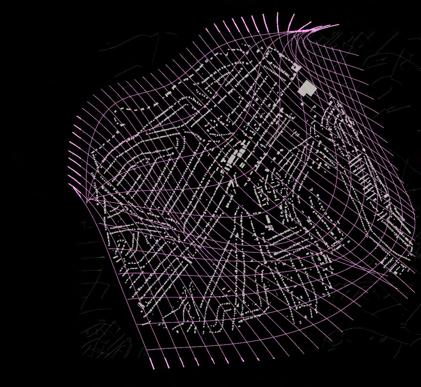
wool thread simulation was used to identify the optimized green, pedestrian and vehicular network urban system
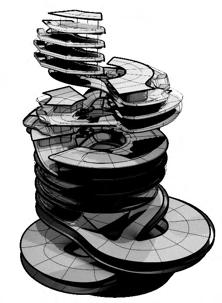
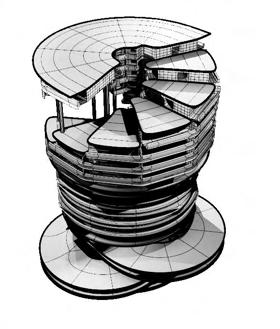
floor plate formalization
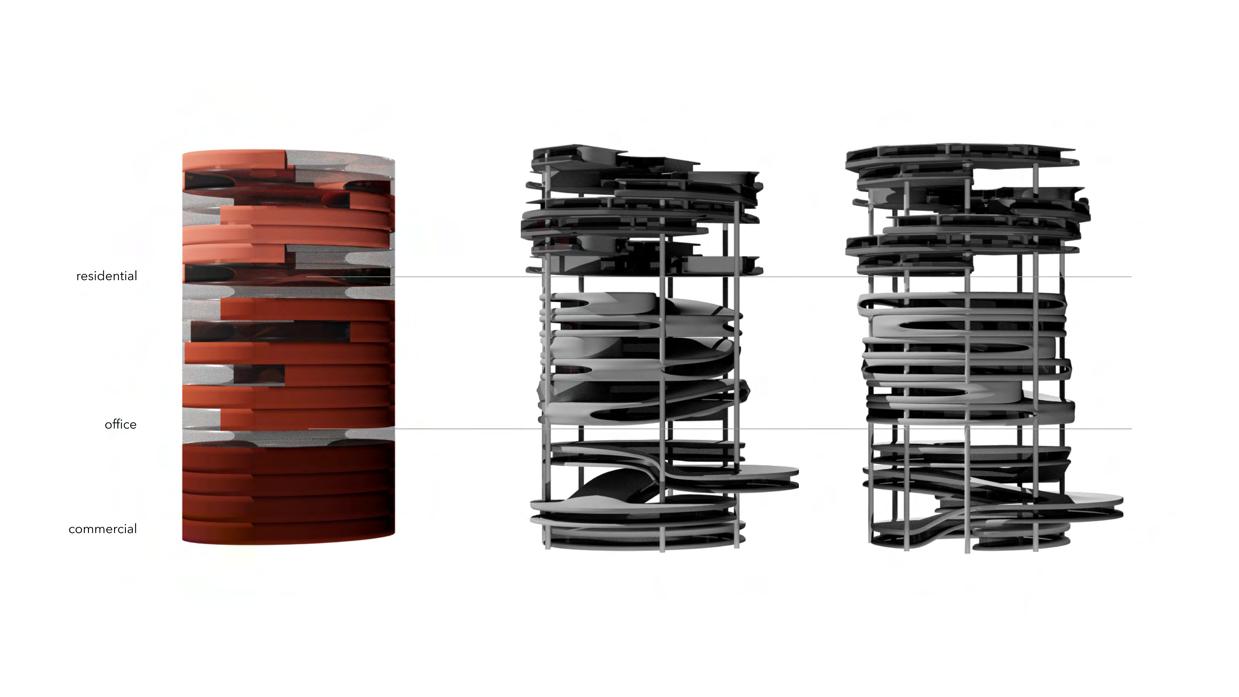
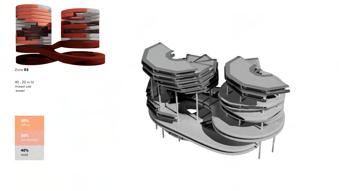
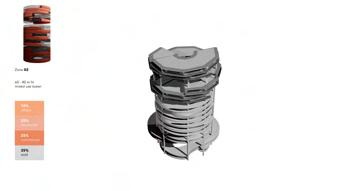
commercial spatial modules designed to be placed across various plot sizes and contextual cues
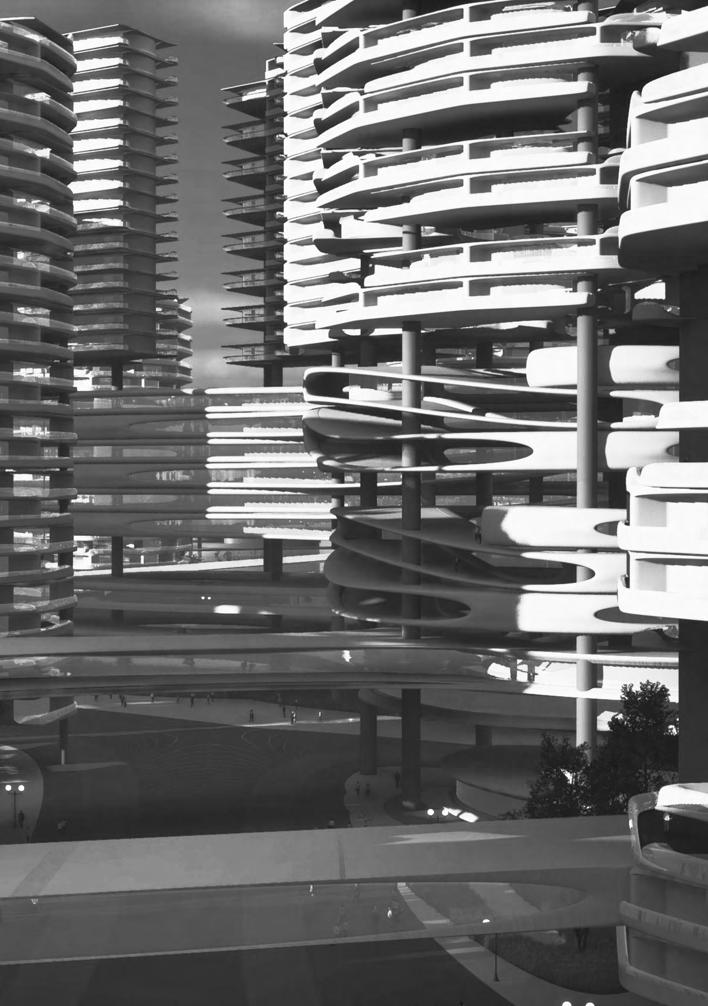
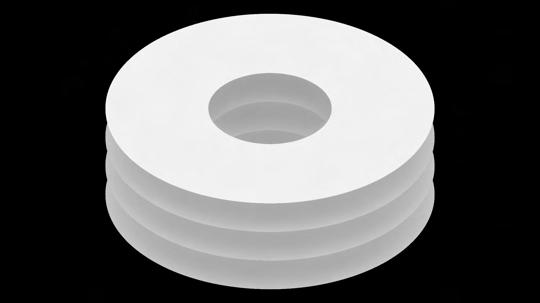
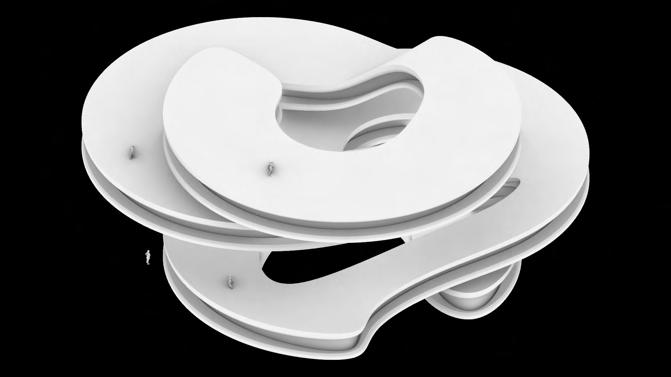
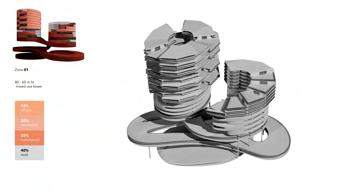
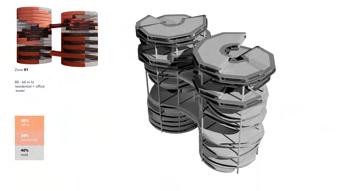
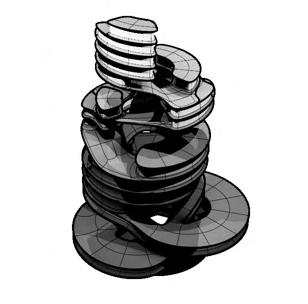
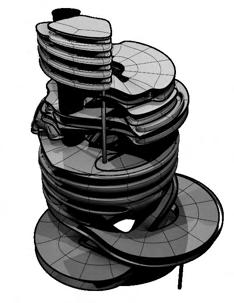
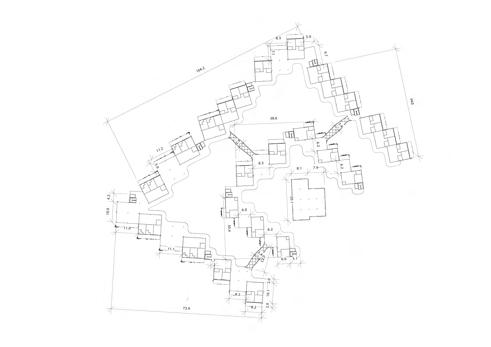
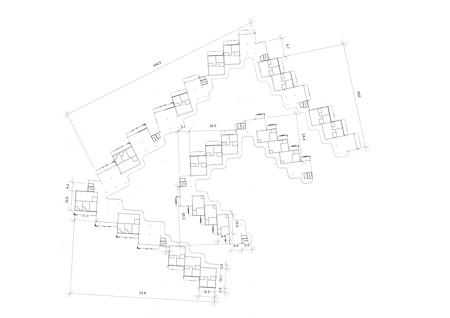
floor plate formalization was achieved to create interesting spaces as well as to enable a multi-level intensification
The floor plates were first stacked to accommodate the required volume of spaces and then staggered to achieve voids.
Meant to increase interaction and act as public spaces for gathering and also to serve as spots for urban greenery.
Residences proudly boast a mix of urban terraces arrived by staggering the floor plate and rotating it, efficiently arriving at required density, while also creating spaces for green cover and interactivity.
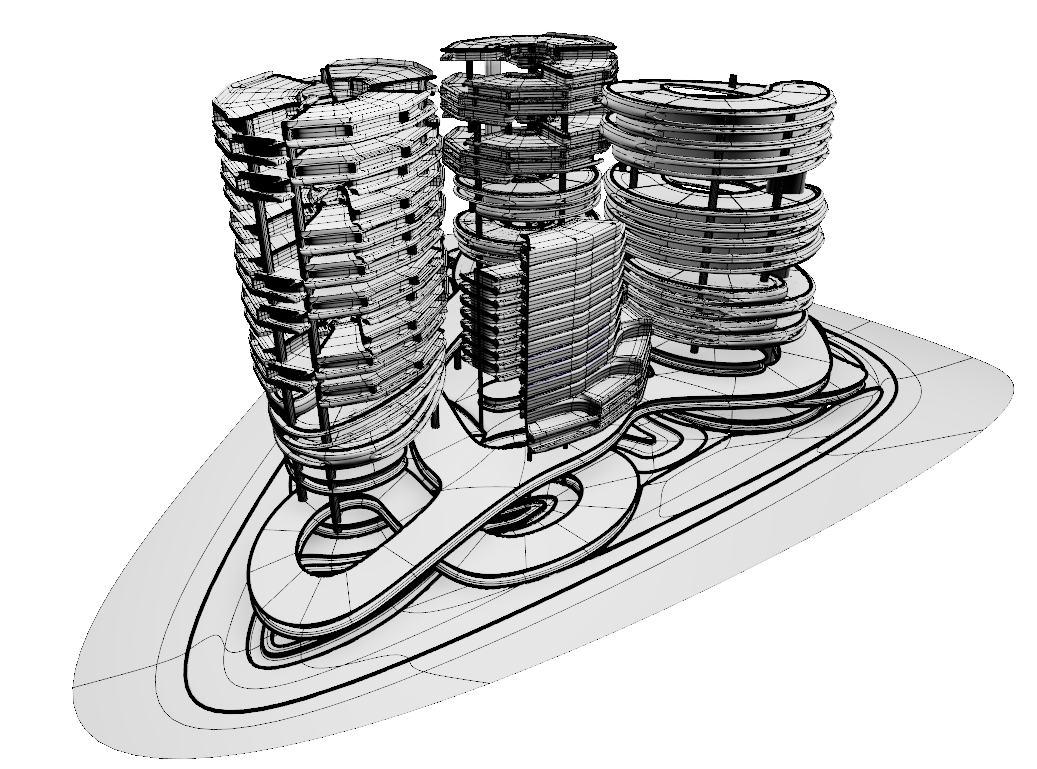
wool thread simulation was used to identify the optimized green, pedestrian and vehicular network district prototype
shape grammar studies
evolution of buildings from shape grammar to defining typologies
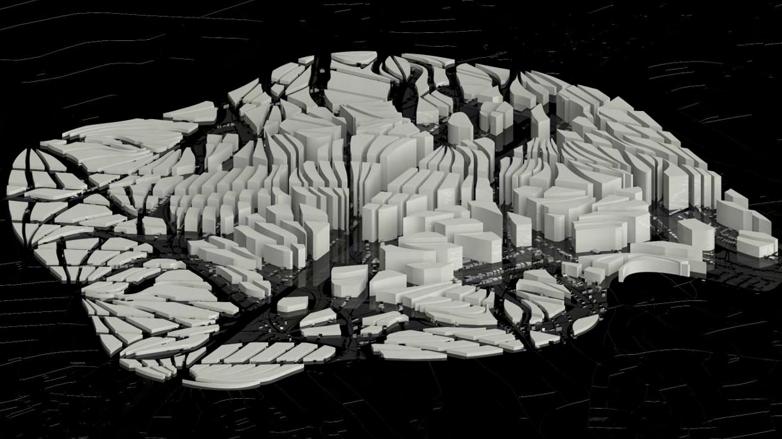
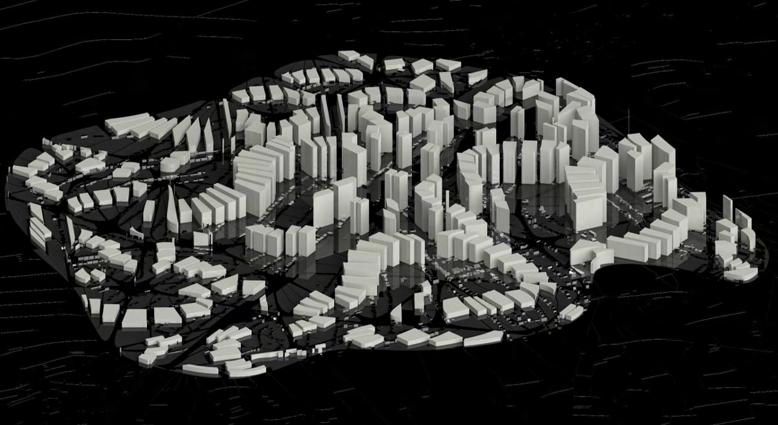
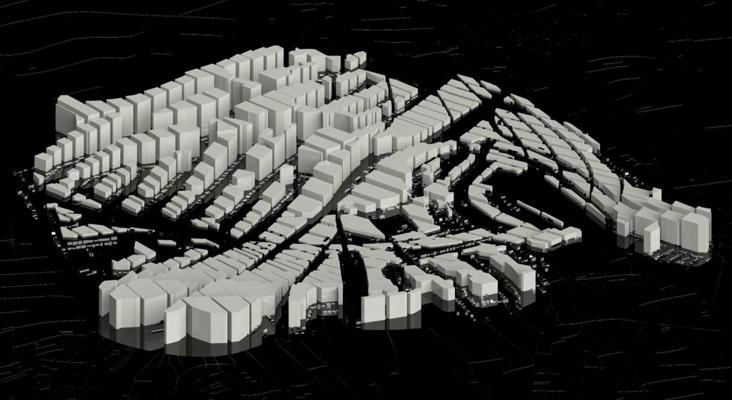
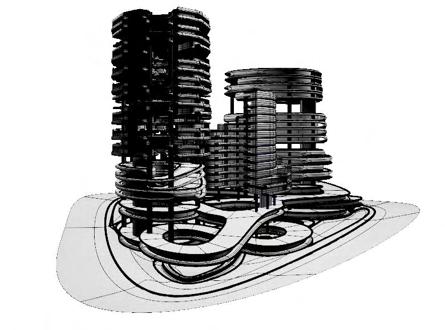
district studies
defining blocks of buildings making up a district around the transit hub
perspective studies
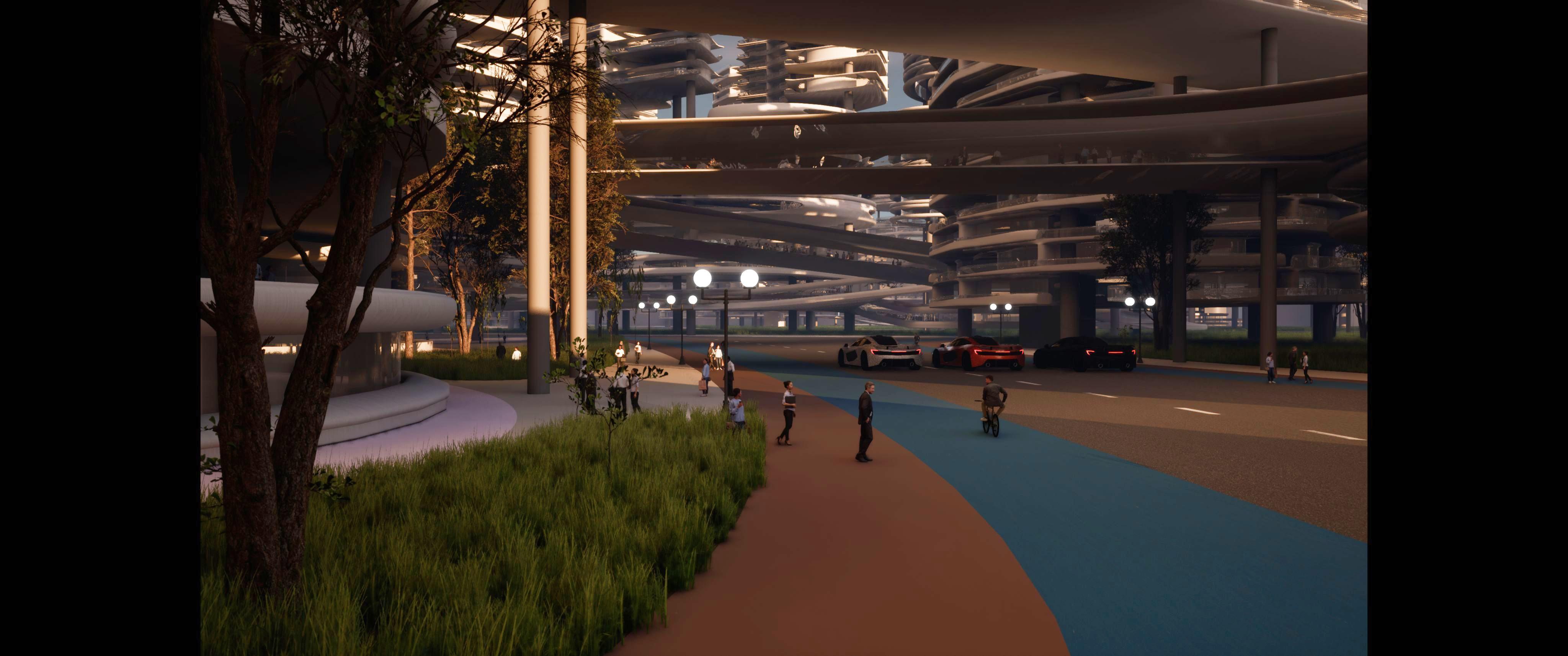
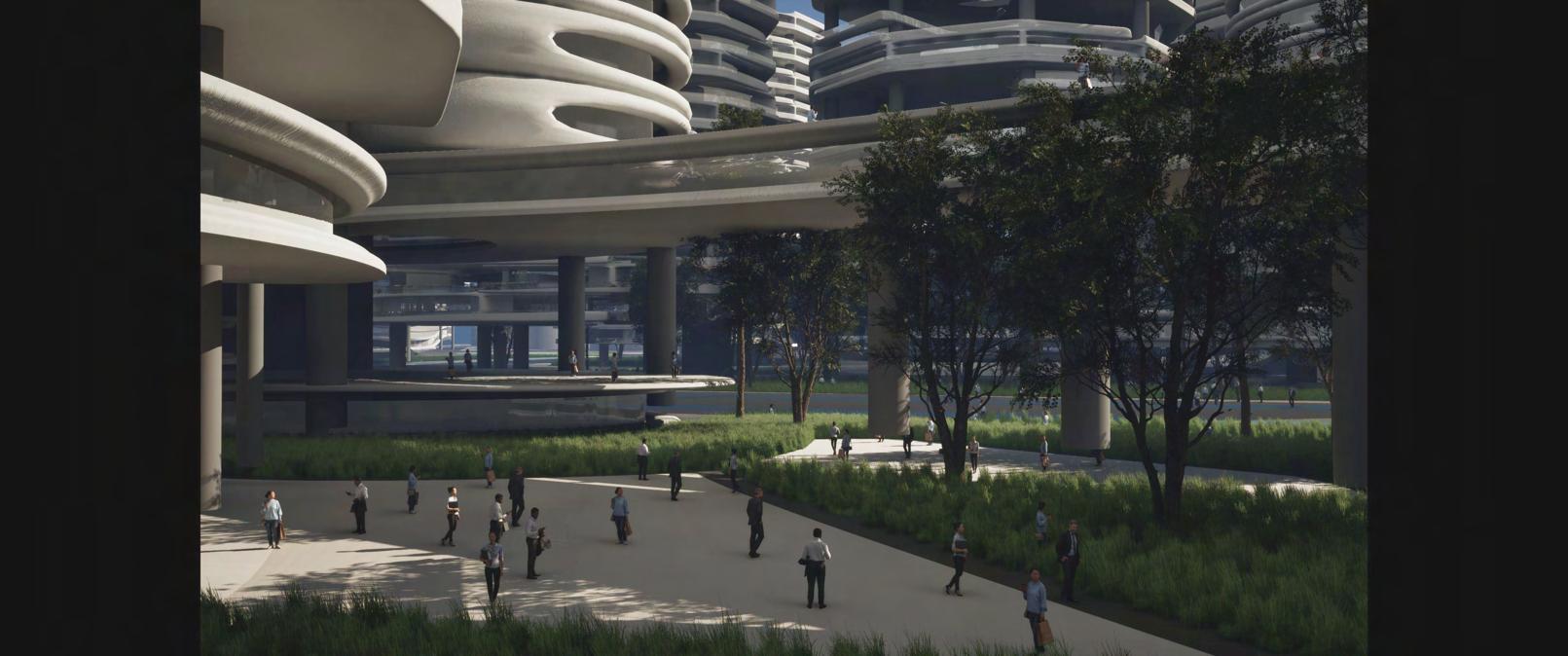
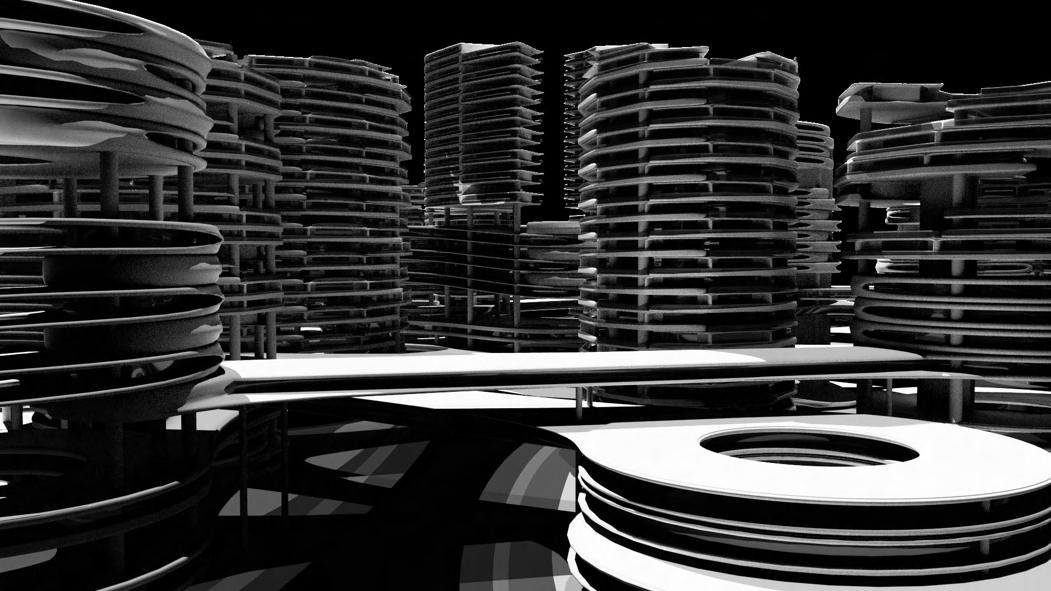
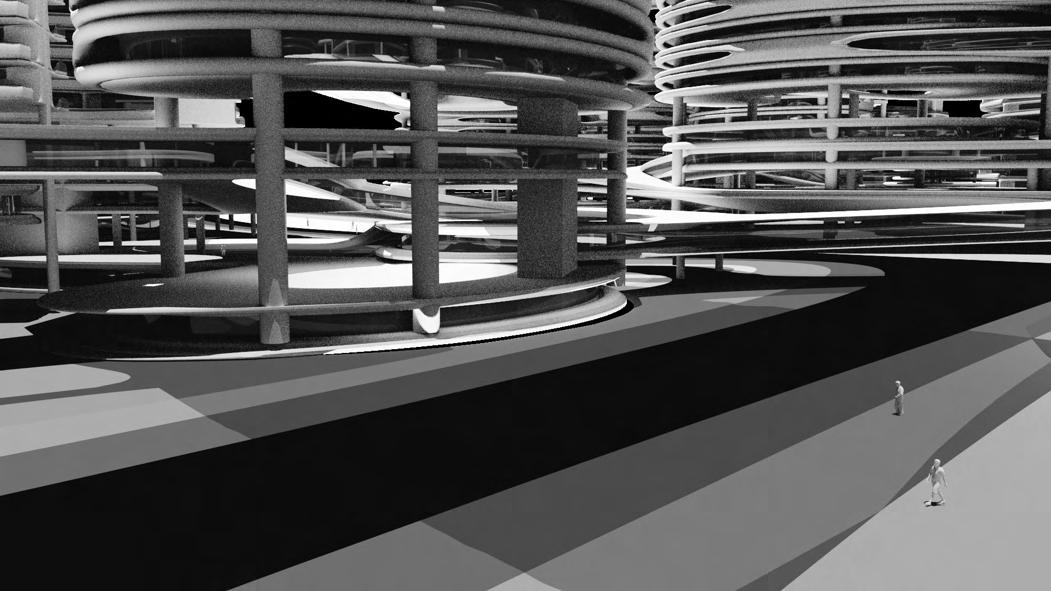
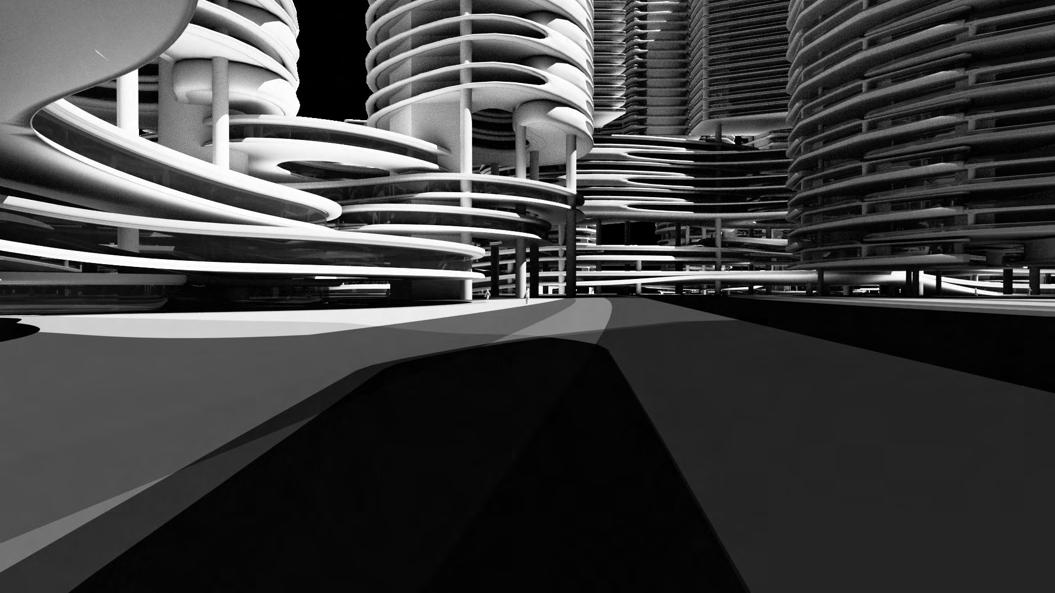
urban intensification first person perspective studies
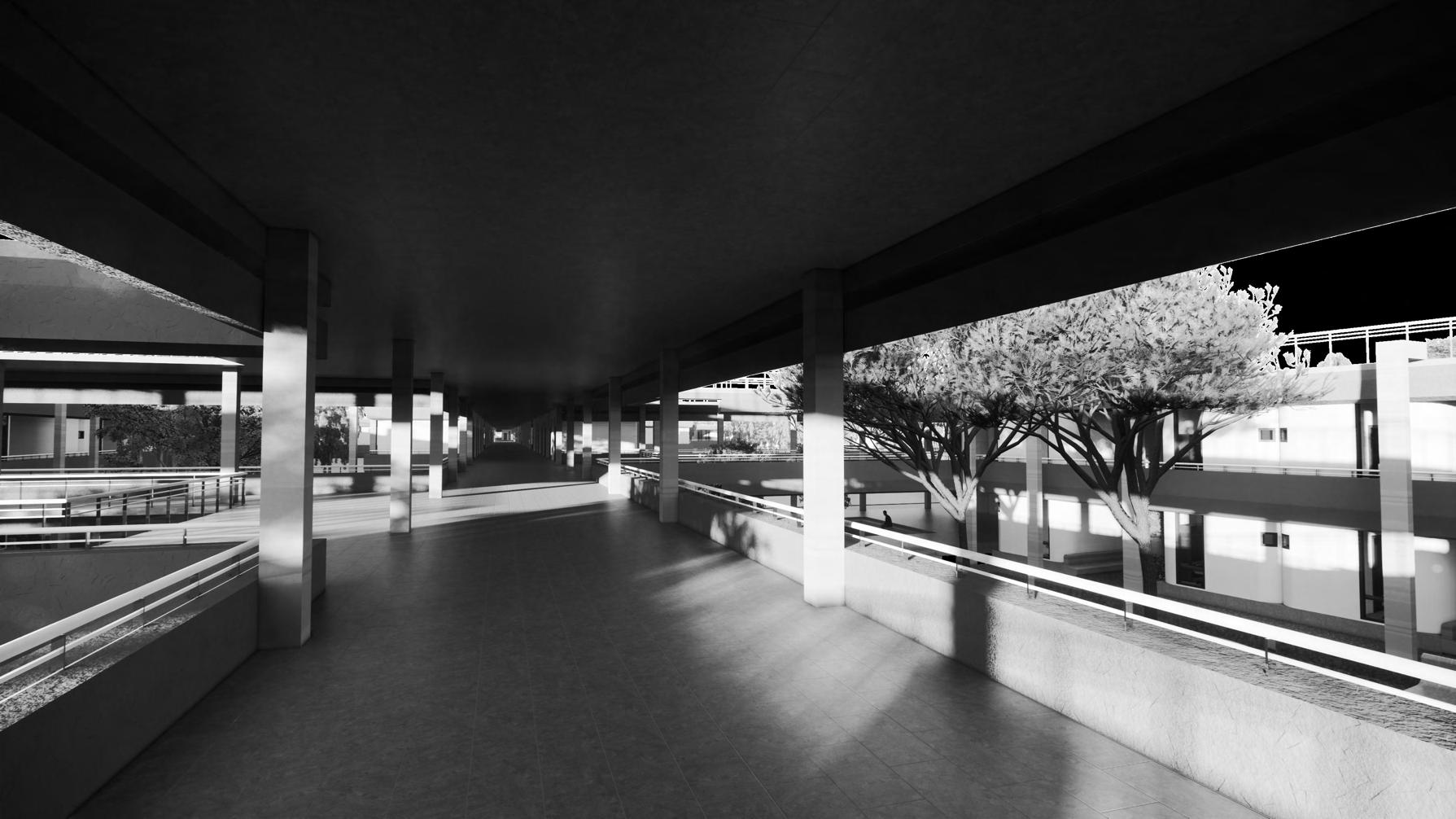
humane prison
tutors:
typology:
Civil | Undergraduate | Individual Project
Dr. P. Gopalakrishnan studio:
NITT | Dissertation
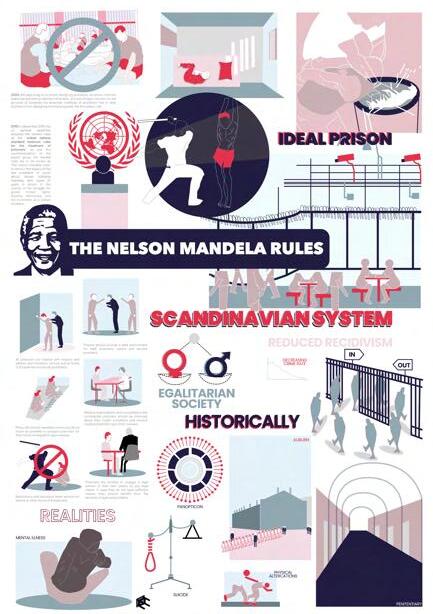
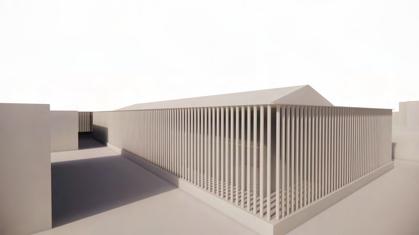
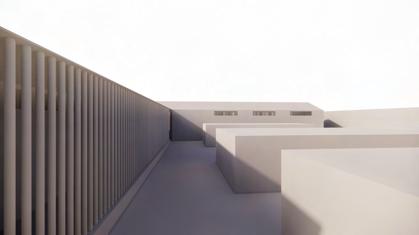
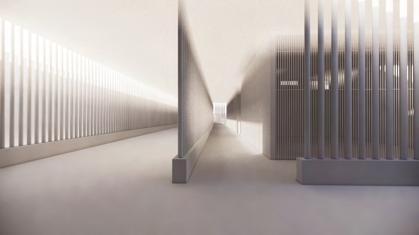
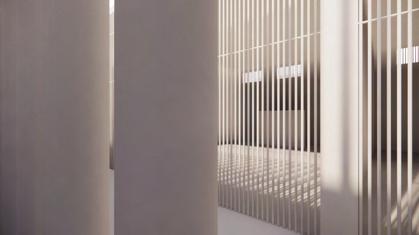
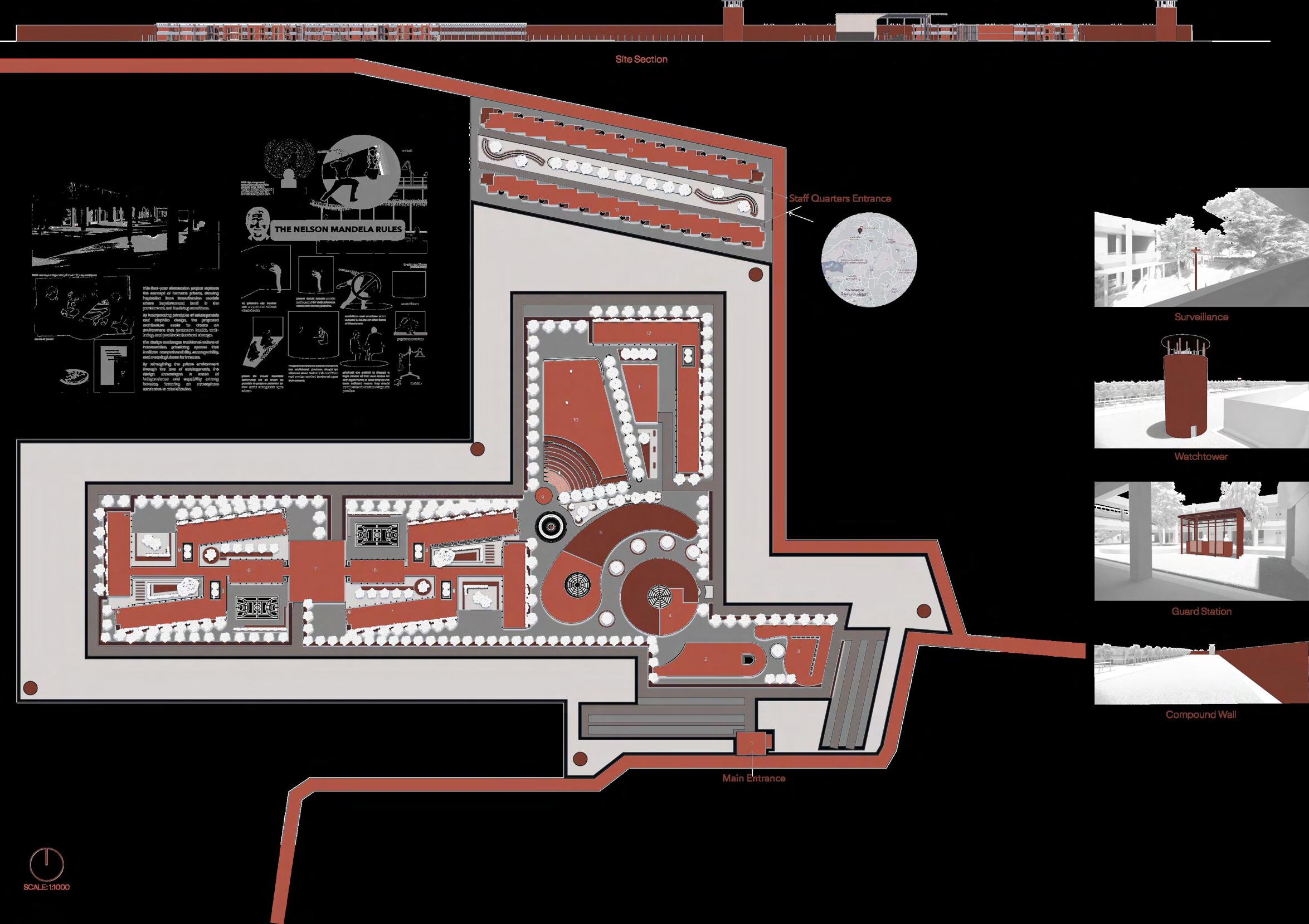
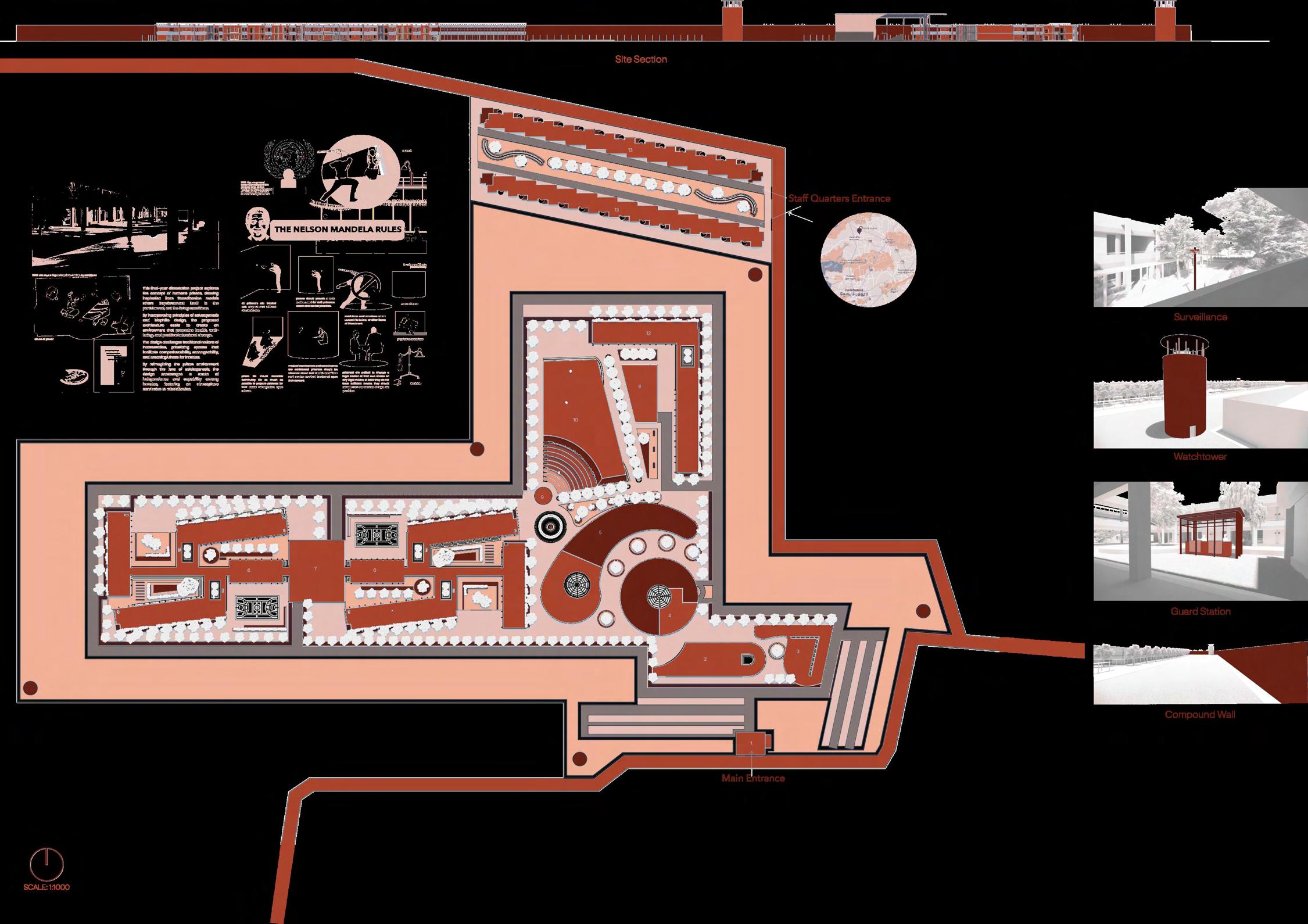
This final-year dissertation project explores the concept of humane prisons, drawing inspiration from Scandinavian models where imprisonment itself is the punishment, not the living conditions. By incorporating principles of salutogenesis and biophilic design, the proposed architecture seeks to create an environment that promotes health, well-being, and positive behavioral change. The design challenges traditional notions of incarceration, prioritizing spaces that facilitate comprehensibility, manageability, and meaningfulness for inmates.
applying the Scandinavian principles for prison systems, in India, due to their low recidivism rate the hypothesis
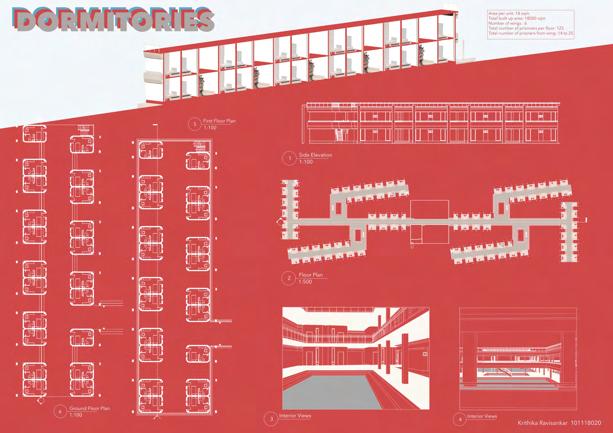
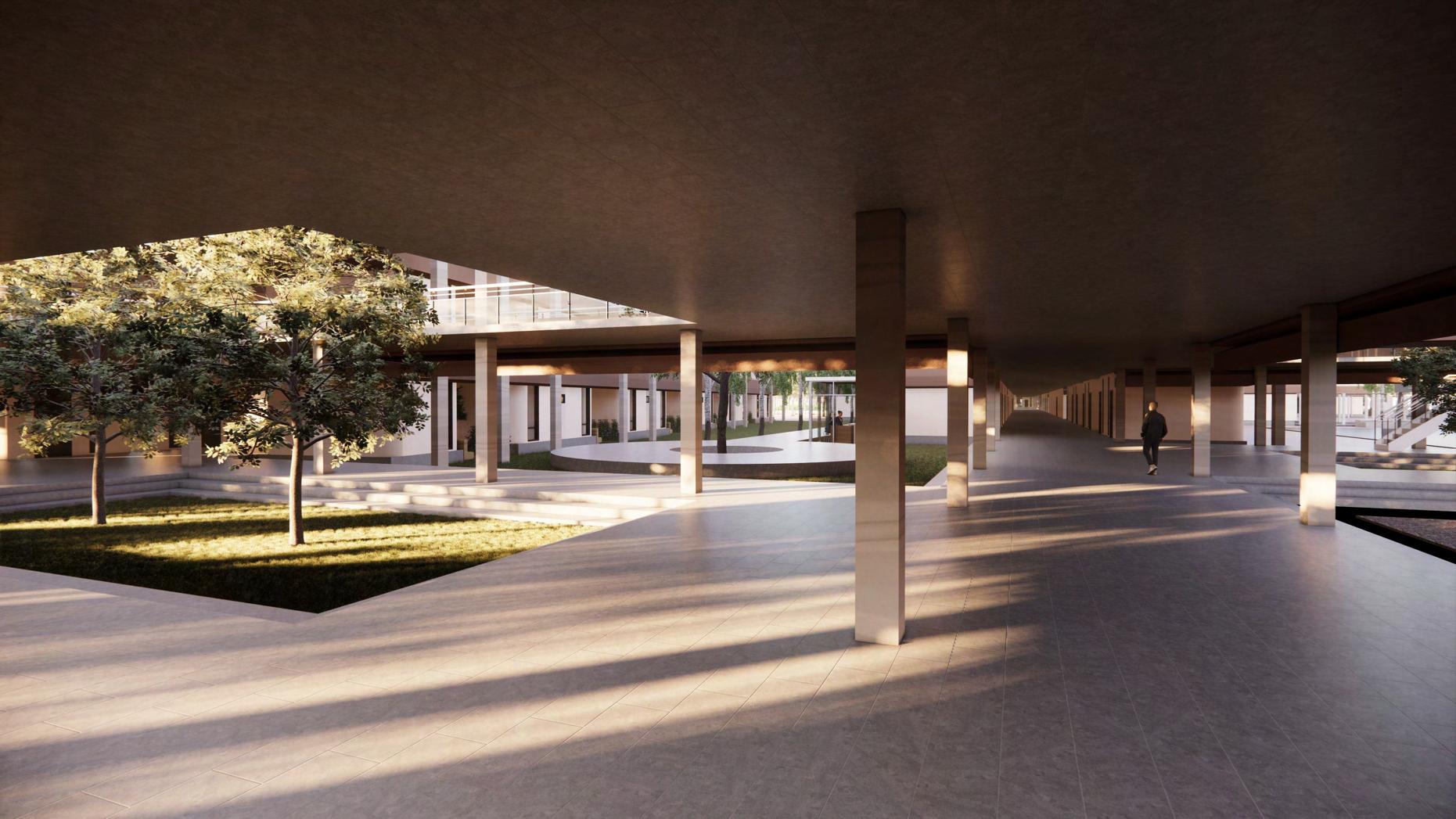
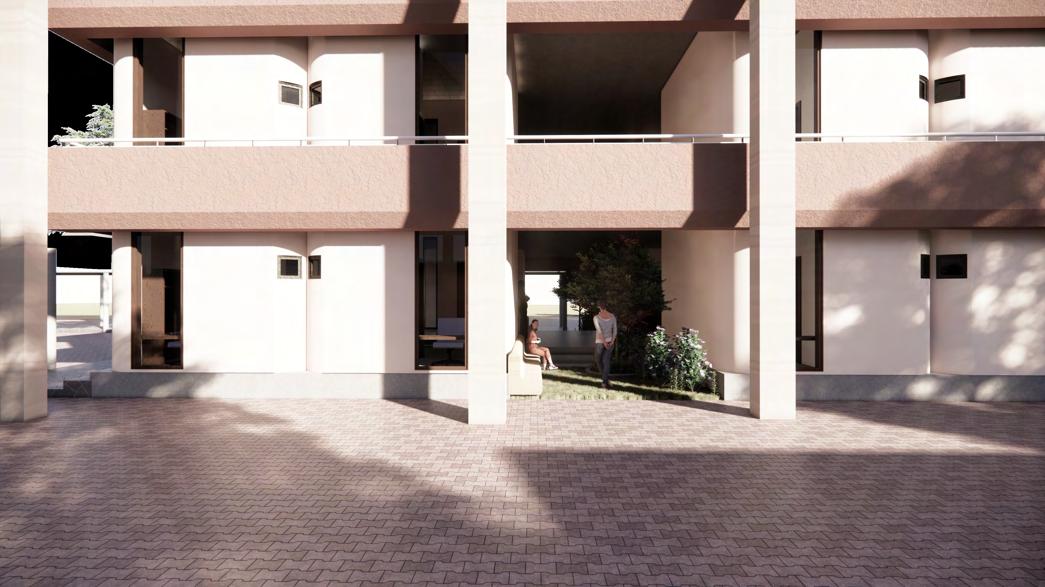
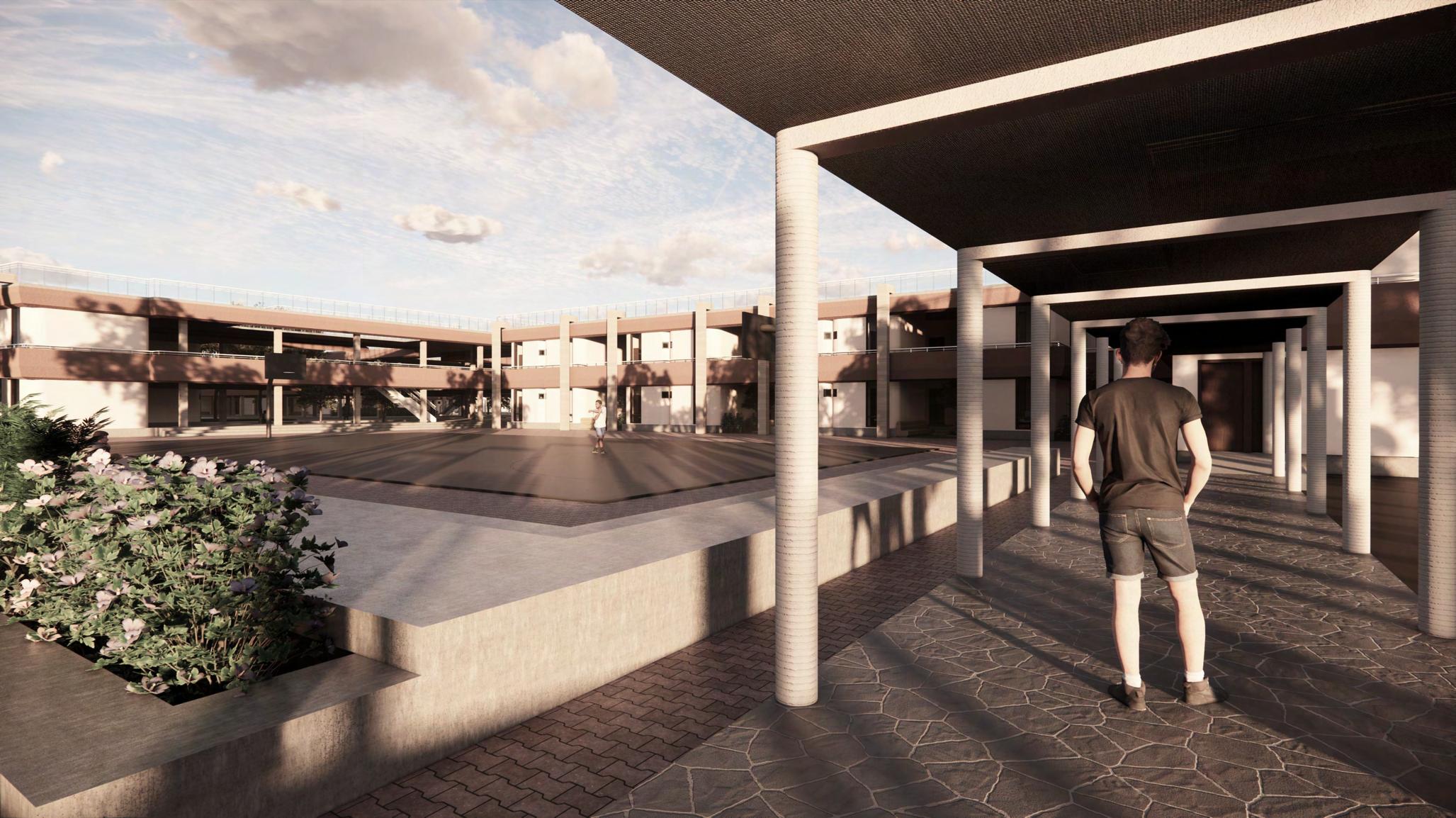
men’s dormitories; shows courtyard, corridors and guard stations
male dormitories
Area per unit: 18sqm
Total built up area: 18000sqm
Number of wings: 6
Total number of prisoners per floor: 125
Total number of prisoners per wing: 14 to 25
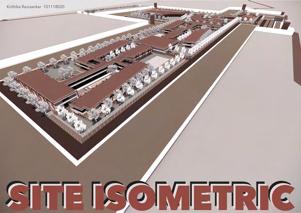
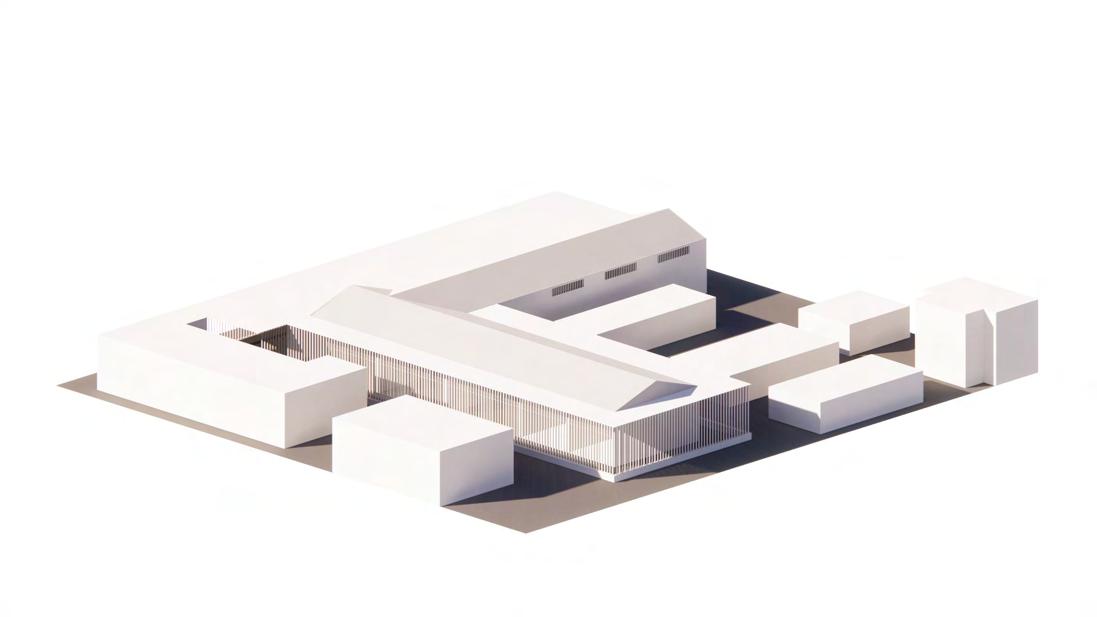
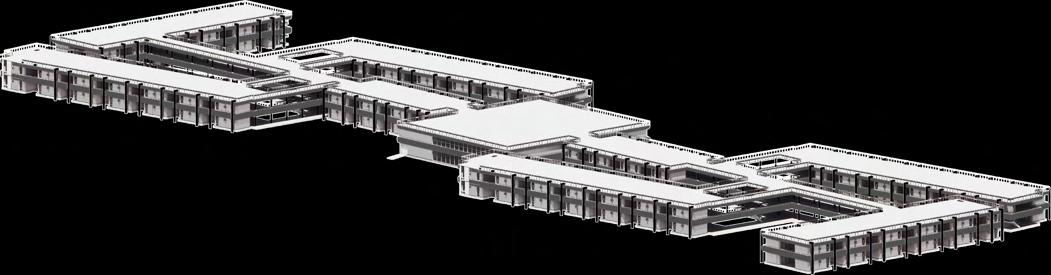
Isometric view of the male dormitories
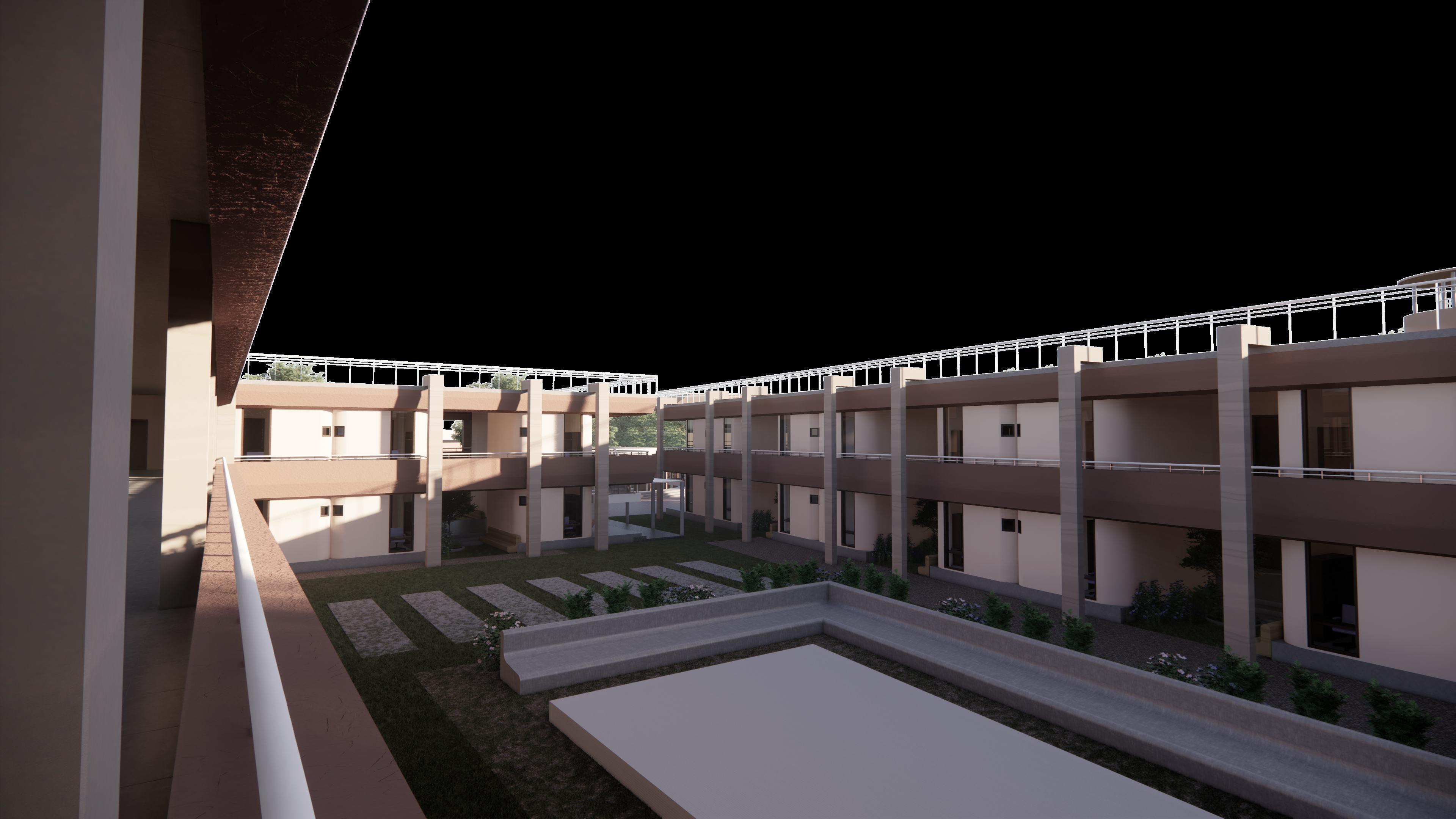
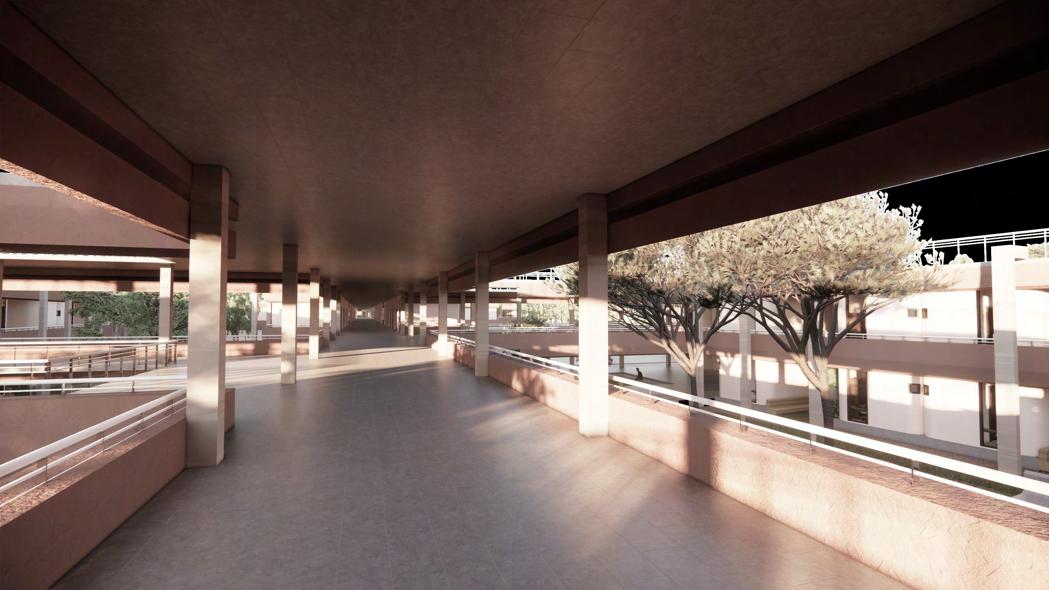
view from dorm balconies; creating spaces for social interaction as part of salutogensis
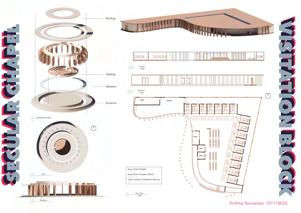
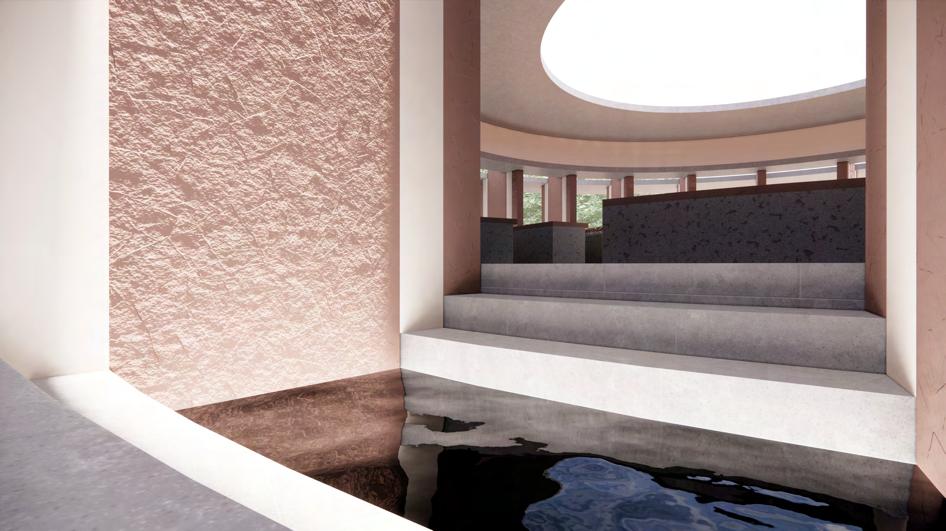
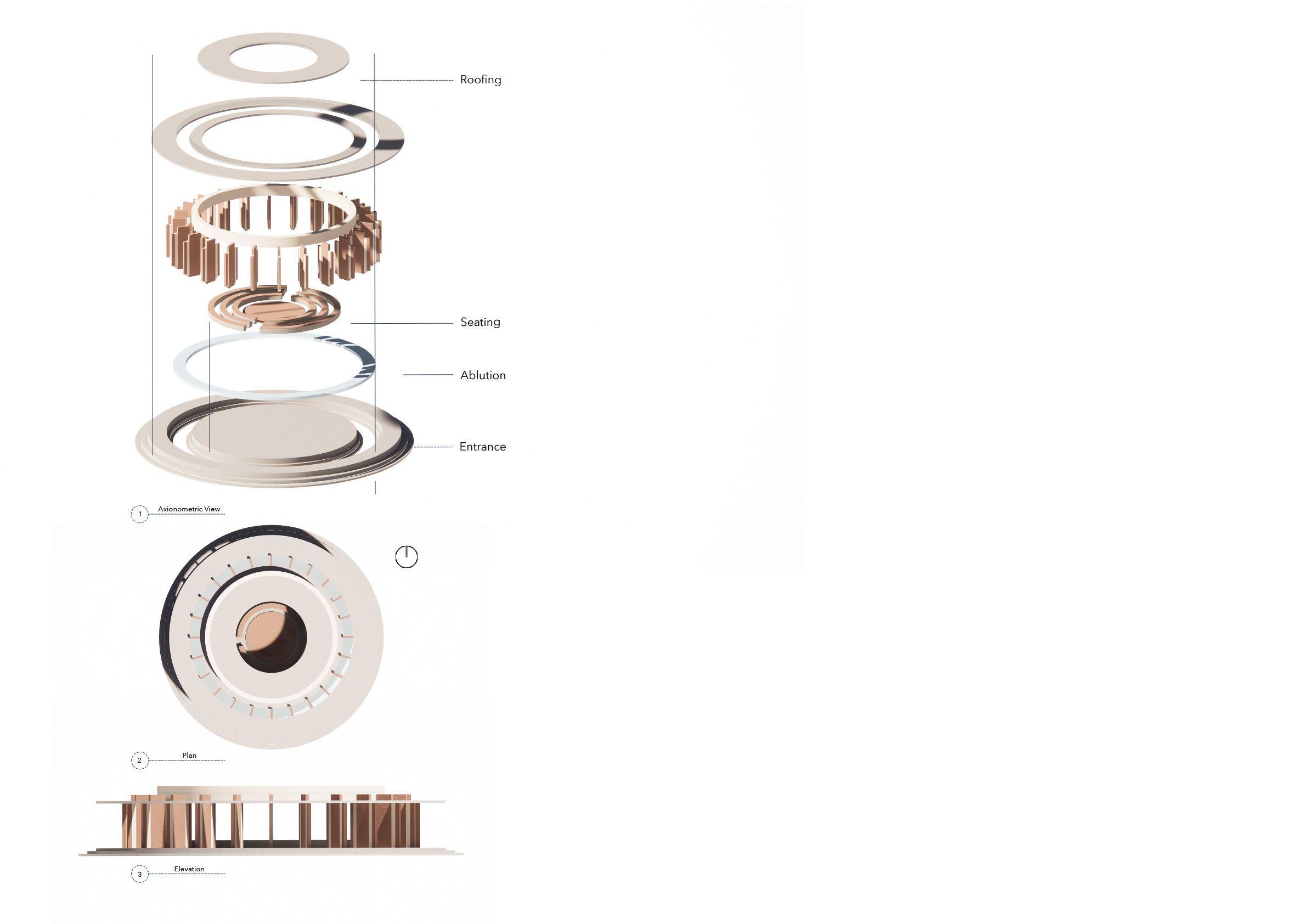
Religion plays a big role in reformation: The secular chapel is meant to be a silent space, where prisoners can follow their faith to lead them to the path of good.
view of the secular chapel
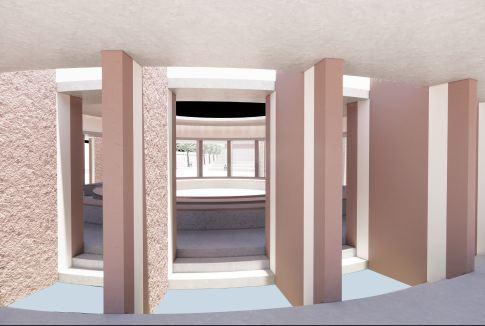
view of the female dormitory view looking into the men’s dormitories
on the first floor, looking out onto the courtyard
Plan
Elevation
Axonometric View
AIS RESIDENCE
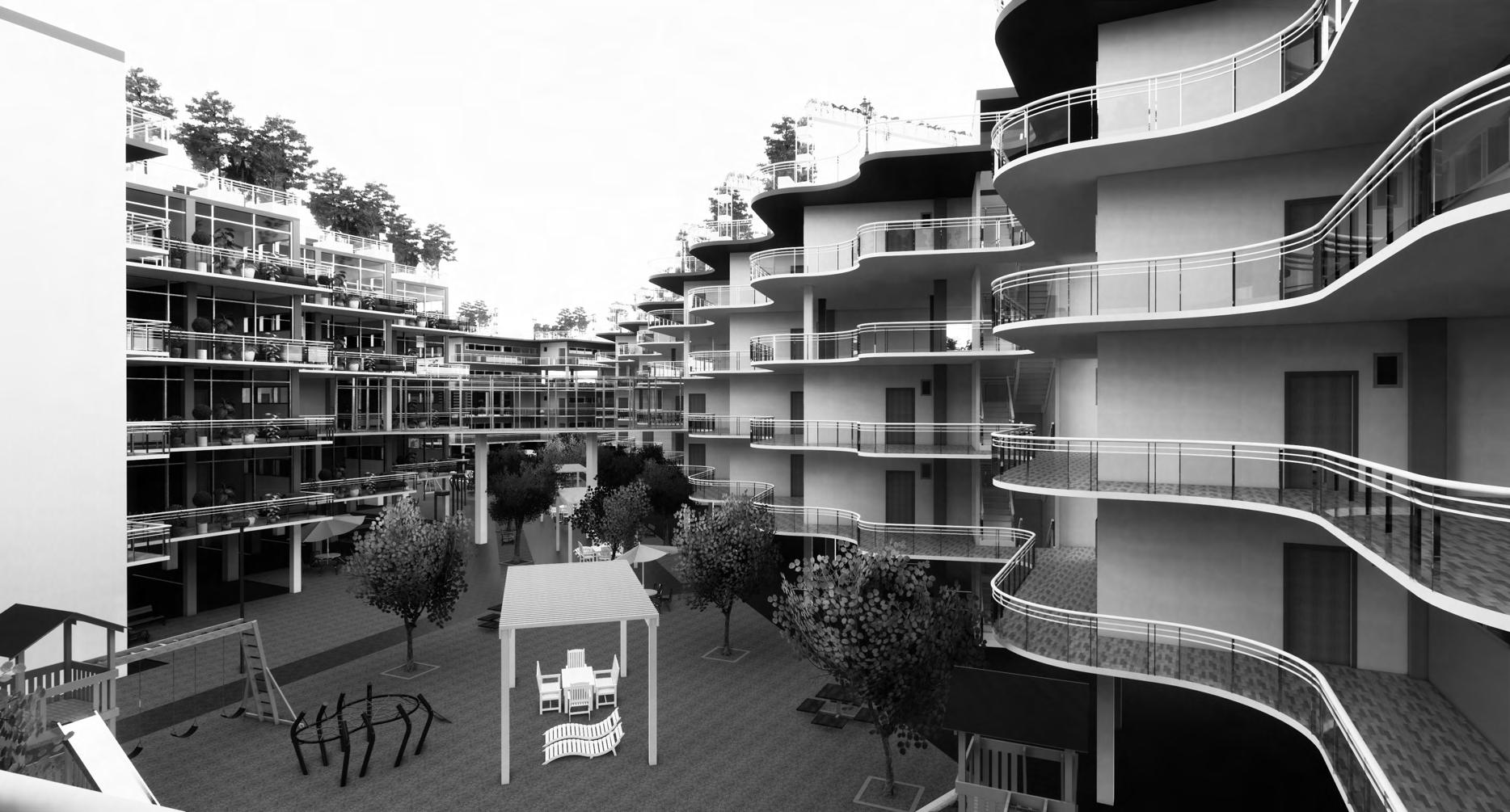
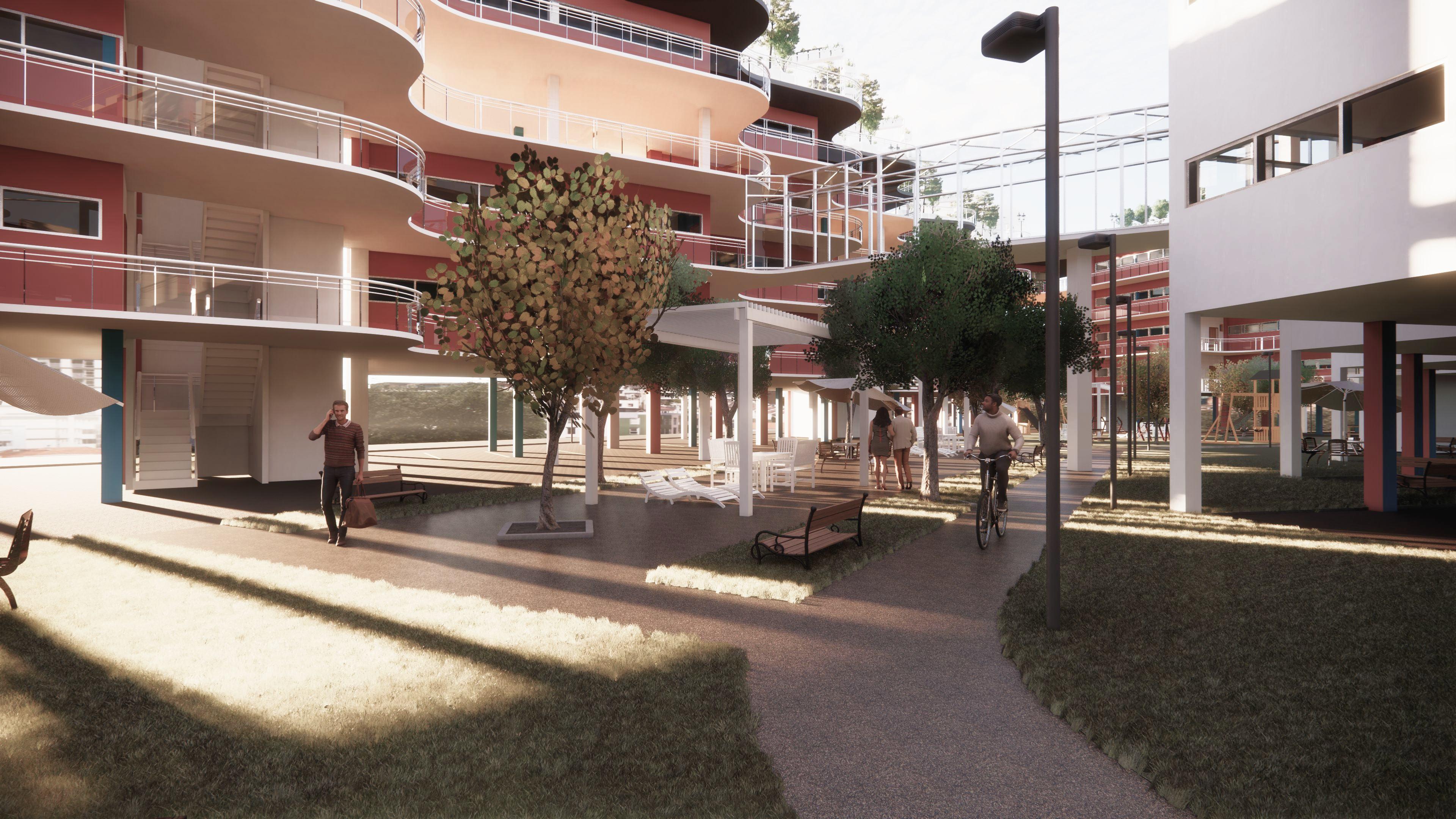
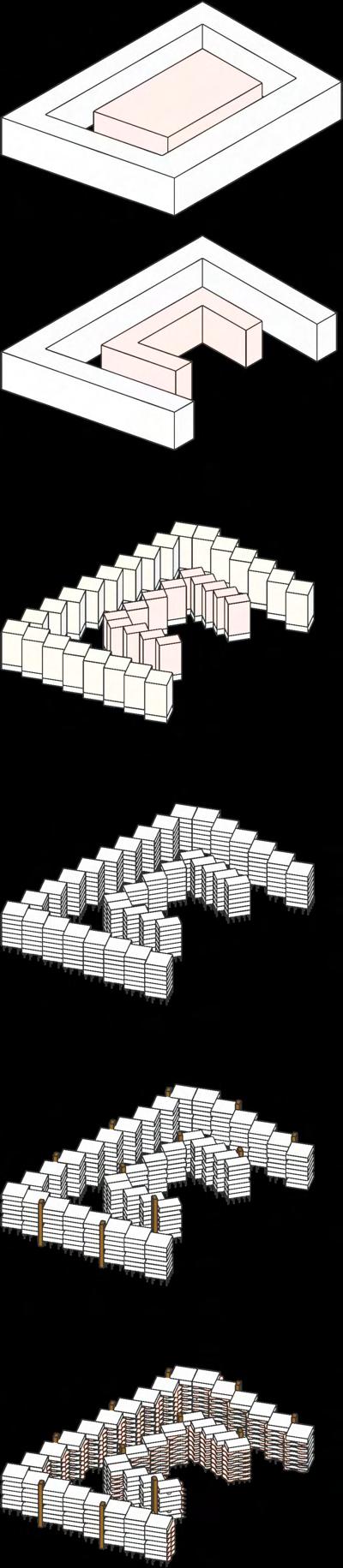
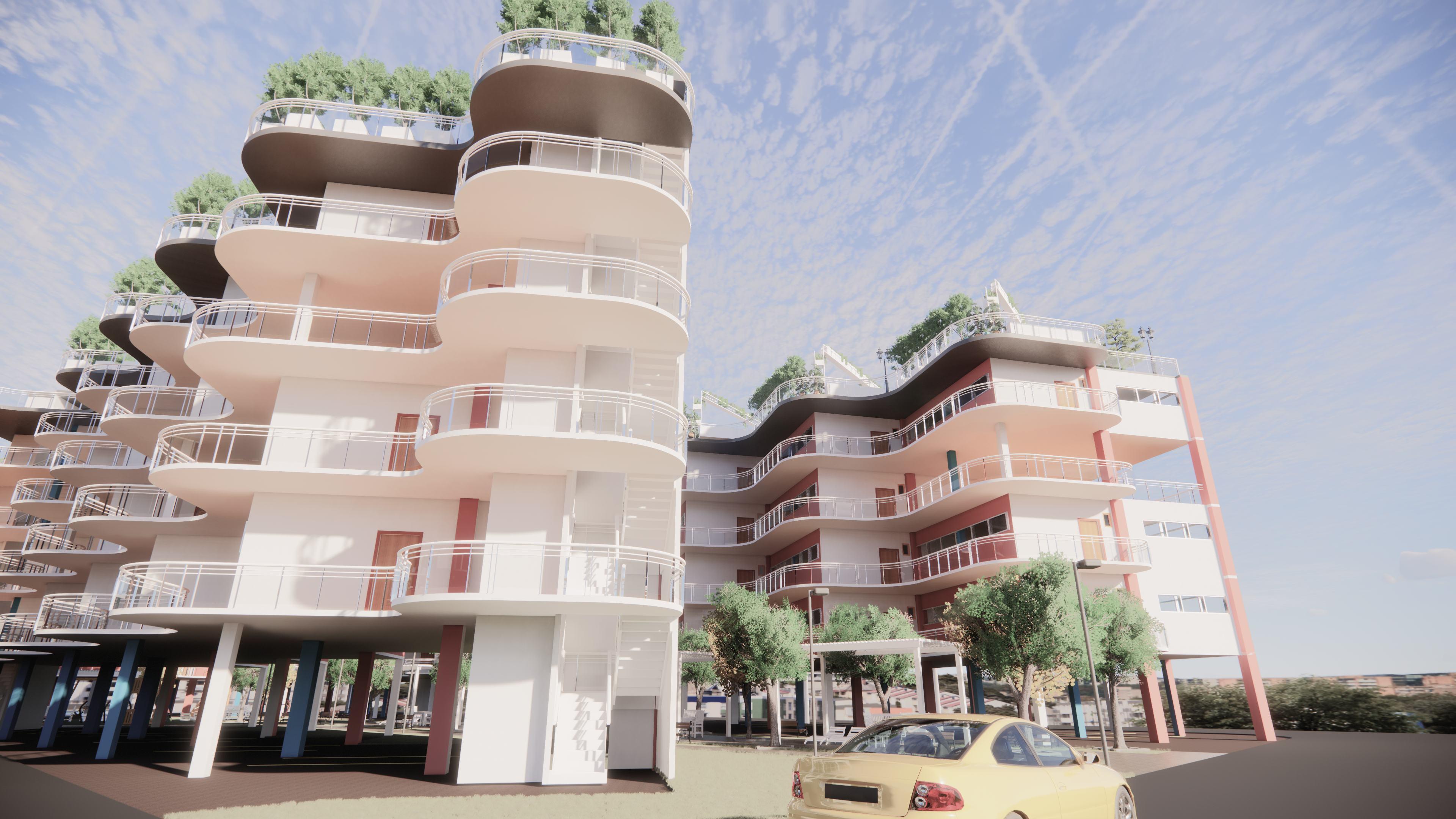
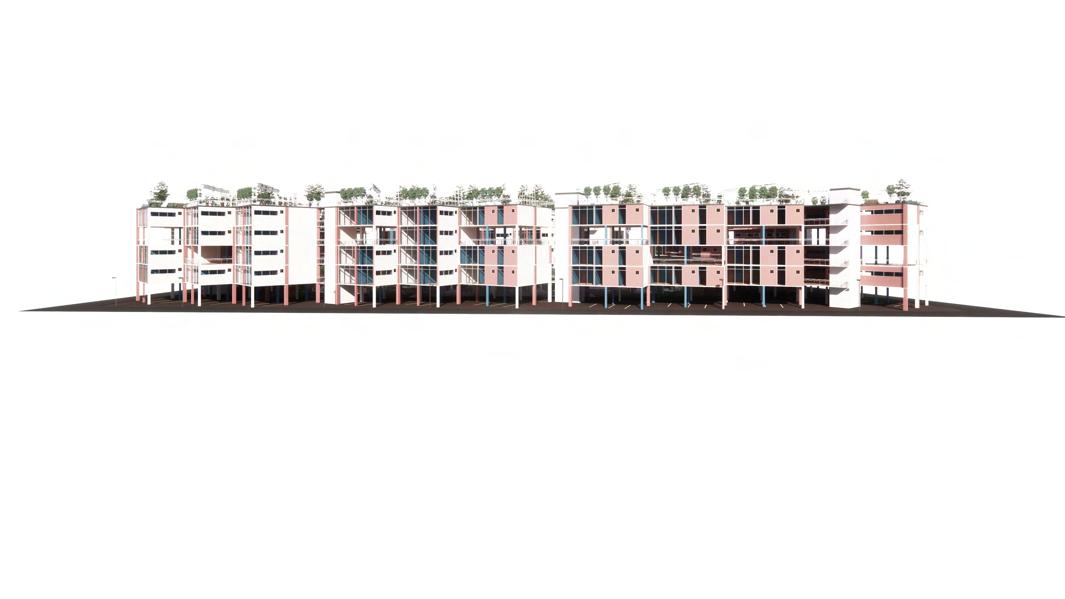
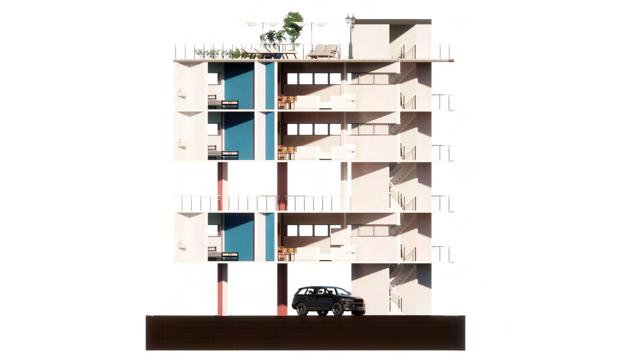
Le Corbusier’s five points of architecture; roof as a venue for entertainment, ribbon windows, pilotis, free floor plan, free facade and as an added aspect, walkability!
the process
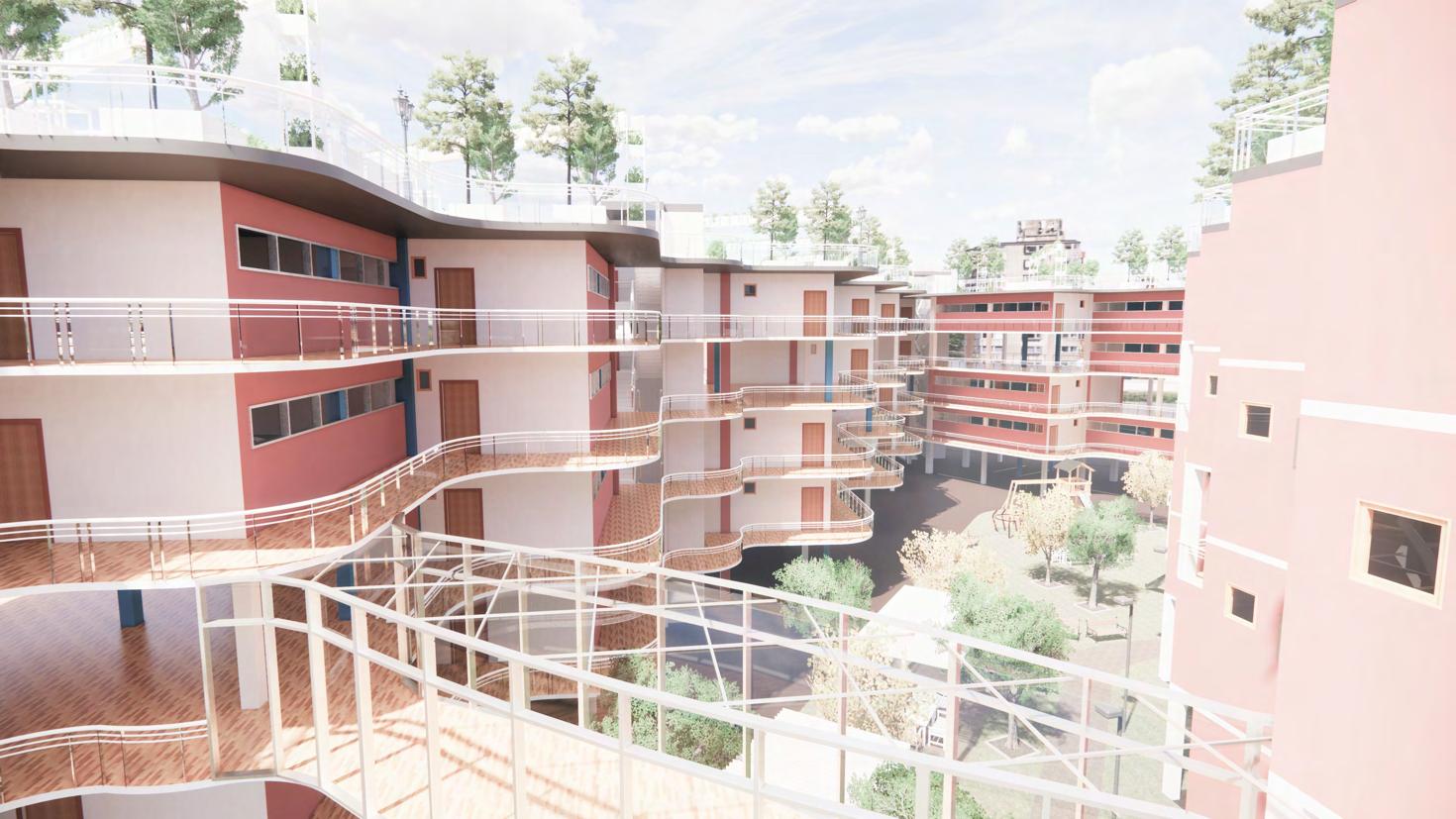
Massing played an important role not only in shaping the final structure, but also, in accommodating our requirements including privacy yet staying connected to another, and a sense of community.
ideology
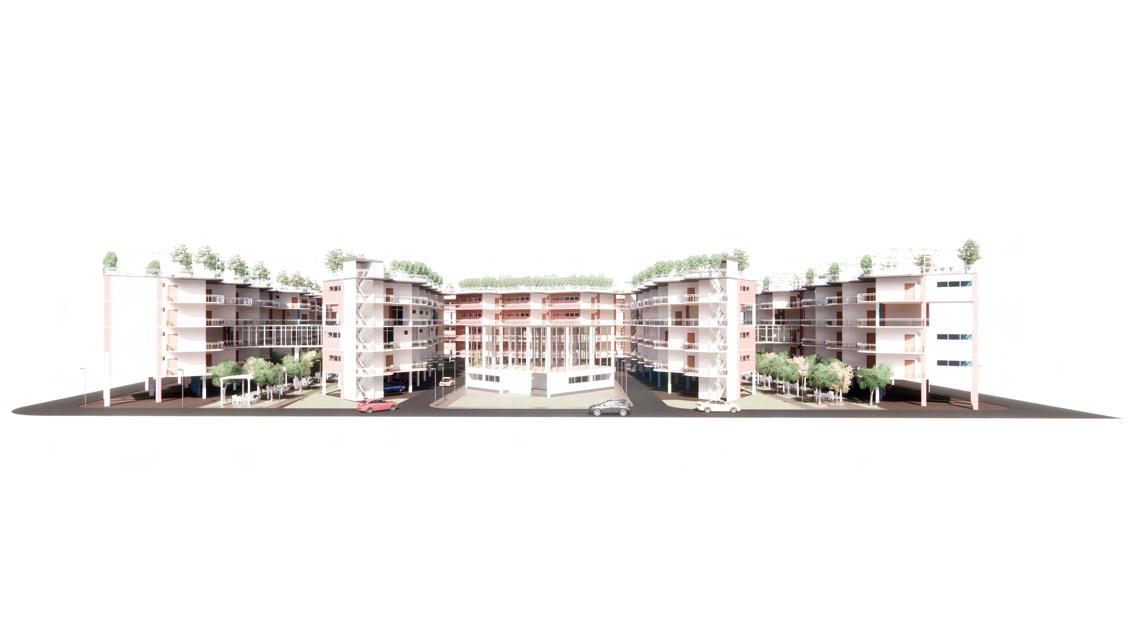
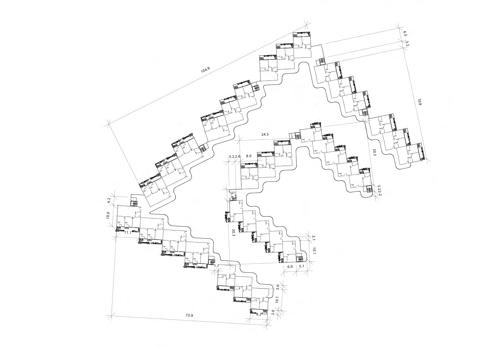
The blocks were then split into apartments, and supported by stilts in the ground floor allowing for parking in the outer ring restricting vehicular access, and walkability in the inner ring.
vertical circulation cores are added at intervals of every three blocks following standards, and then we supplement the design with organic corridors, connecting the lengths.
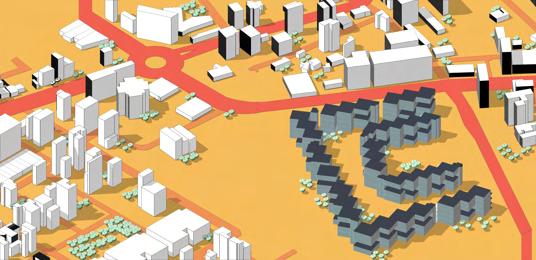
The form begins to take shape following the site’s profile. The form is then broken into two U shapes for segregation between three bhk and two bhk s and one bhk (which forms the inner ‘u’), which is then divided into blocks and staggered to allow for light penetration into all apartments.
Series shows the strategies implemented to achieve GRIHA for affordable housing
in air and soil pollution: Soil erosion channels; sedimentation
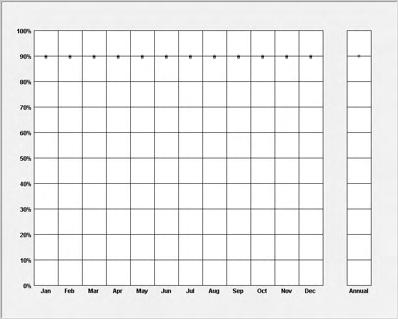
Occupant visual comfort: Meets the UDI requirements for 90% of the daylight time in a year.
Use of low-impact materials in building interiors: Low VOC paints, gfrg walls, floors, etc.
Low impact design: The low e-glass is oriented towards the south to maximize winter sun exposure.
Reduction
control.
Sustainable Building Materials: Glass fiber reinforced concrete for walls, floors, and ceilings.
Stormwater Management: 25% increase of trees, permeable pavements, groundwater recharge.
efficient equipment: BEE 3-star rated equipment, for monitoring and BMS.
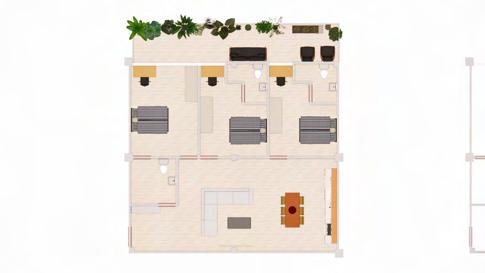
floor plates
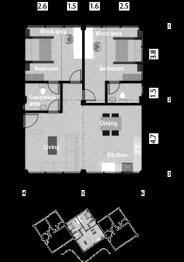
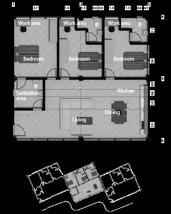
Type A (3 bedrooms, living room, dining, 3 restrooms, kitchen): 110sqm | 24 units
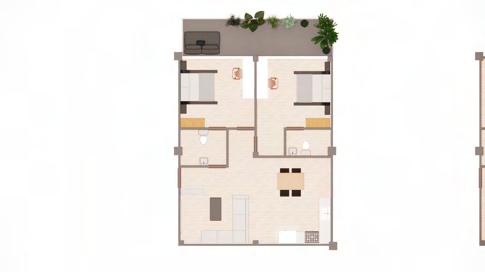
Type B (2 bedroom, living room, restrooms, dining, kitchen): 80sqm | 64 units
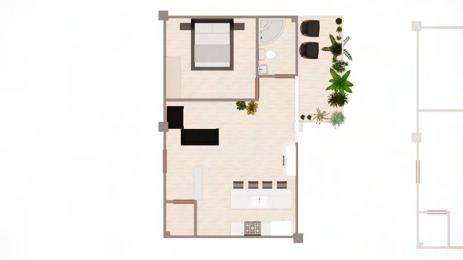
Type C (1 bedroom, living room, dining, restroom kitchen): 60sqm | 32 units
Community Center: 320sqm
elevations
Front and side elevation showing the full view of the buildings, shows staggered arrangement allowing for privacy; only inner ring and outermost ring can be used by motor vehicles
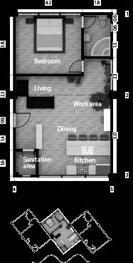
unit plans and block section
Each unit was designed to accommodate a workspace and a sanitation zone as soon as one enters.
Front Elevation
Side Elevation
tutors:
Prof. Kaushik Amalan Sigmund
studio:
NITT | Energy Efficiency Design Studio
typology:
residential | design studio | individual project
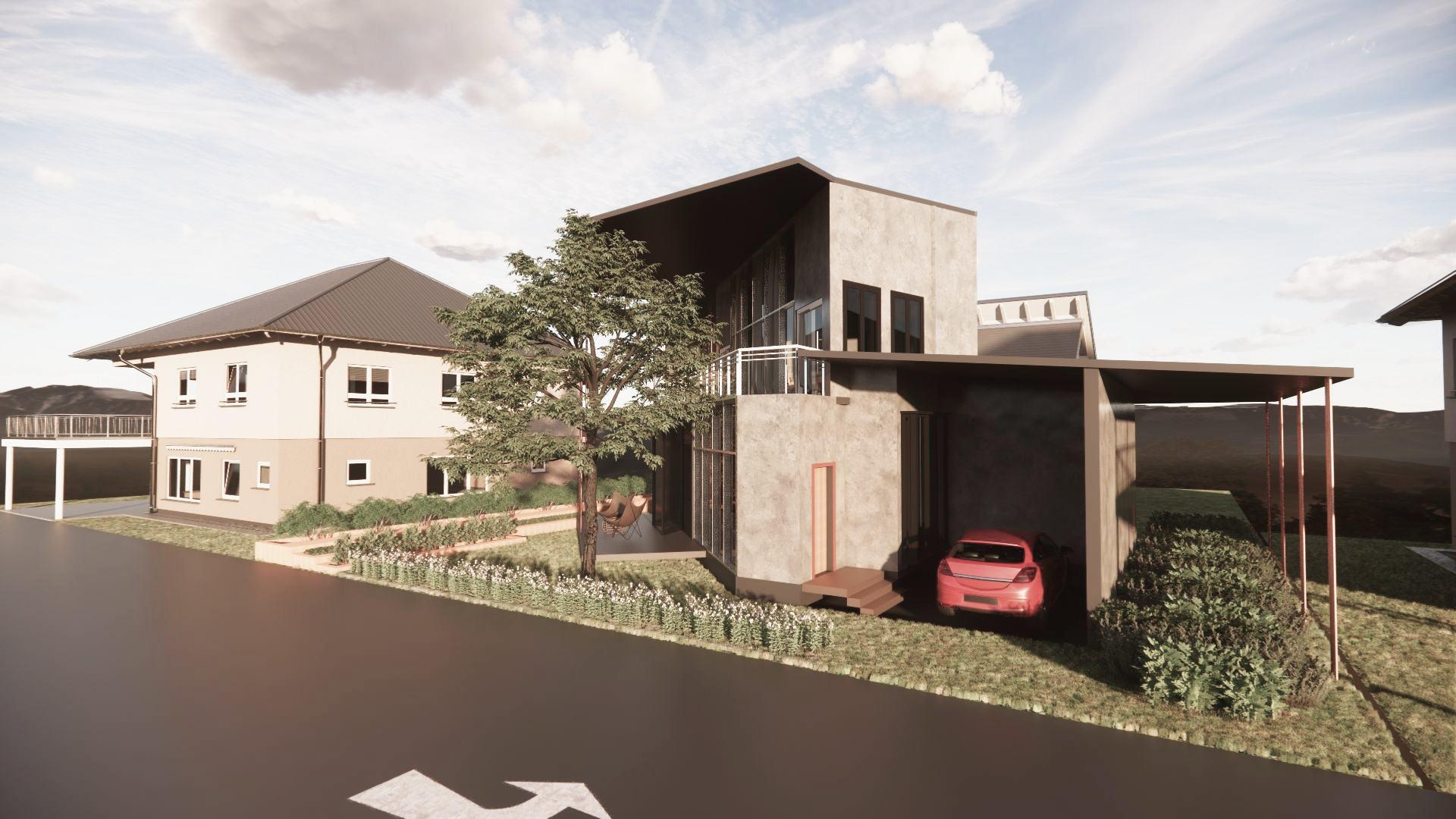
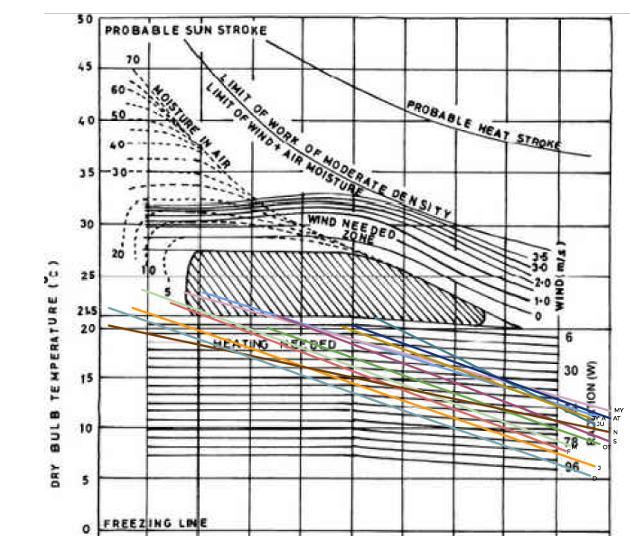
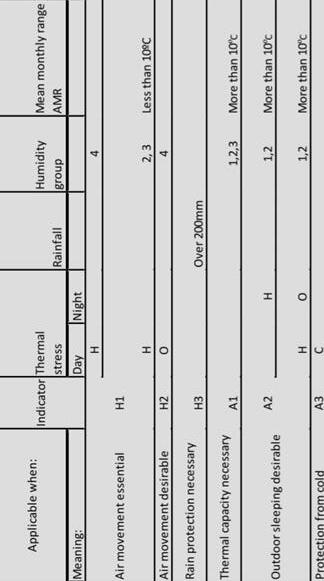
An individual design project, that deals with a specific locality and designing an energy -efficient residence for three members using Mahoney’s table and the Energy Conservation Building Code. The design was arrived at after careful understanding and studying of climatic data using Climate Consultant. The energy demand was met using photovoltaic panels placed on the roof. The sleek form, orientation, and materialization were brought about by an accurate understanding of mitigating harsh climatic conditions of the location.
KODAI HOUSE
An energy efficient home in Kodaikanal, a passive design strategizing exercise the focus Mahoney’s Table was used to convert climatic data into design decisions—guiding orientation, ventilation, shading, and materiality suited to Kodaikanal’s conditions the methodology
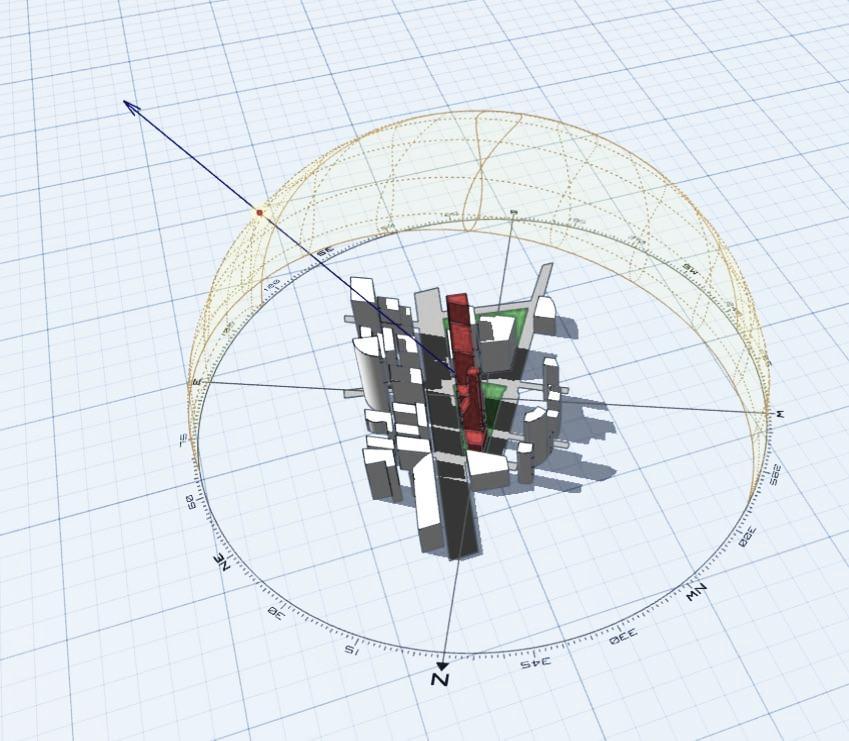
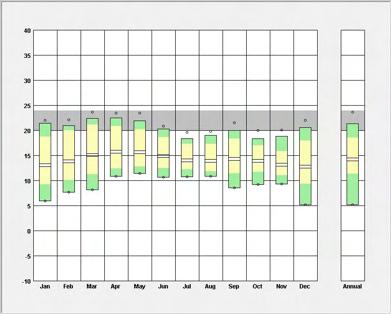
Analysis of solar path, temperature variations, and frequent cloud cover informed the building’s orientation and envelope design. Overhangs and louvered elements reduce heat gain, while diffused lighting strategies ensure comfortable daylighting without overheating climatology
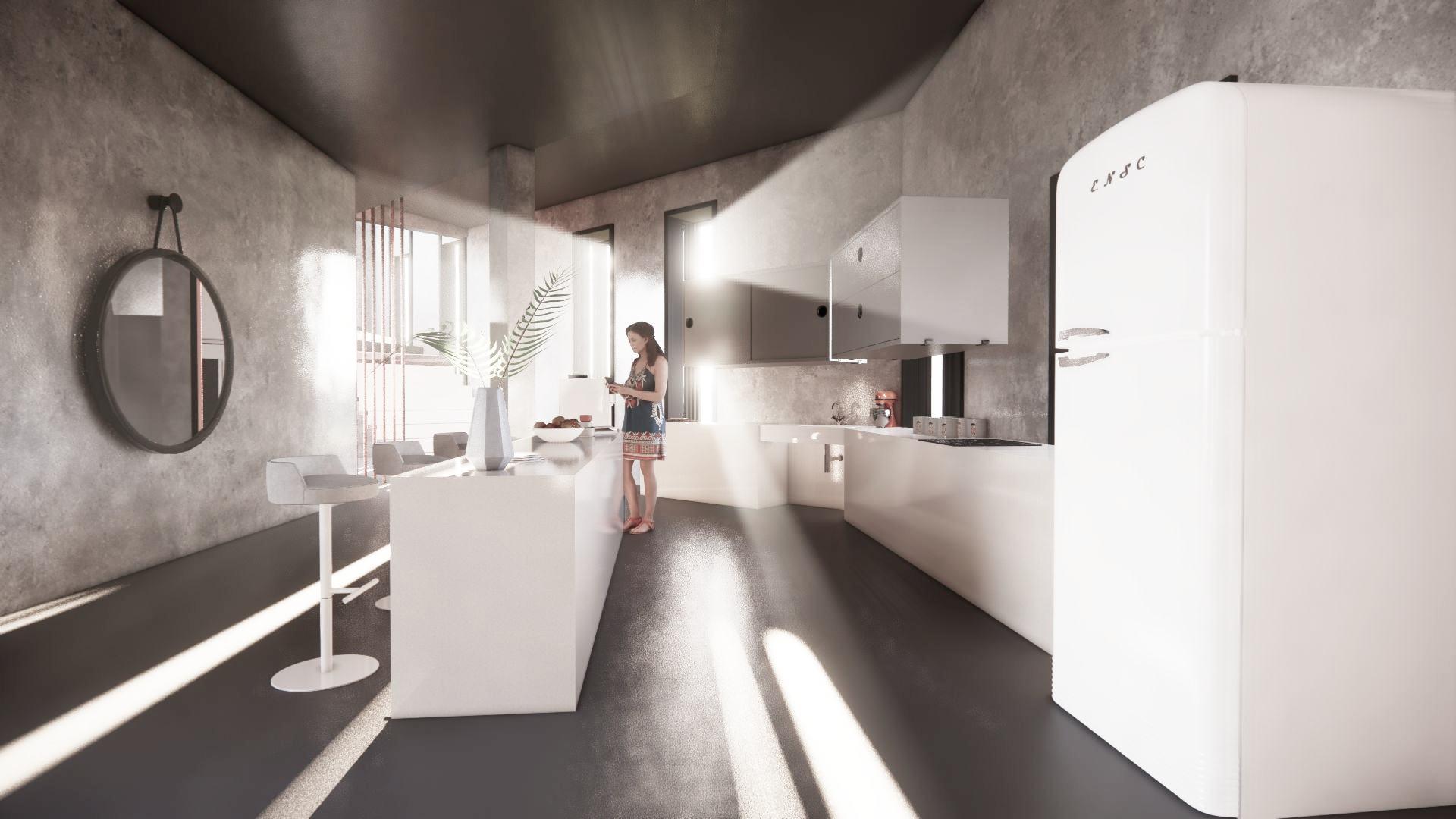
kitchen, as the sun rays hits
wind analysis
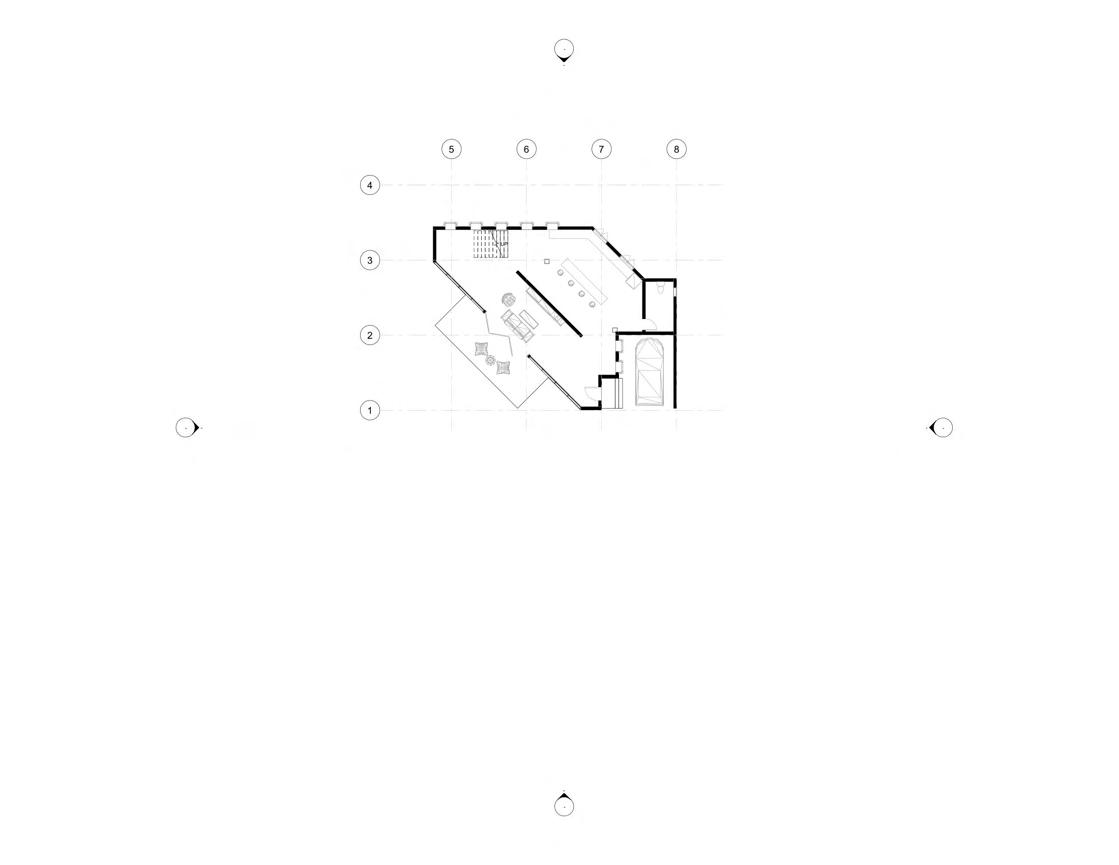
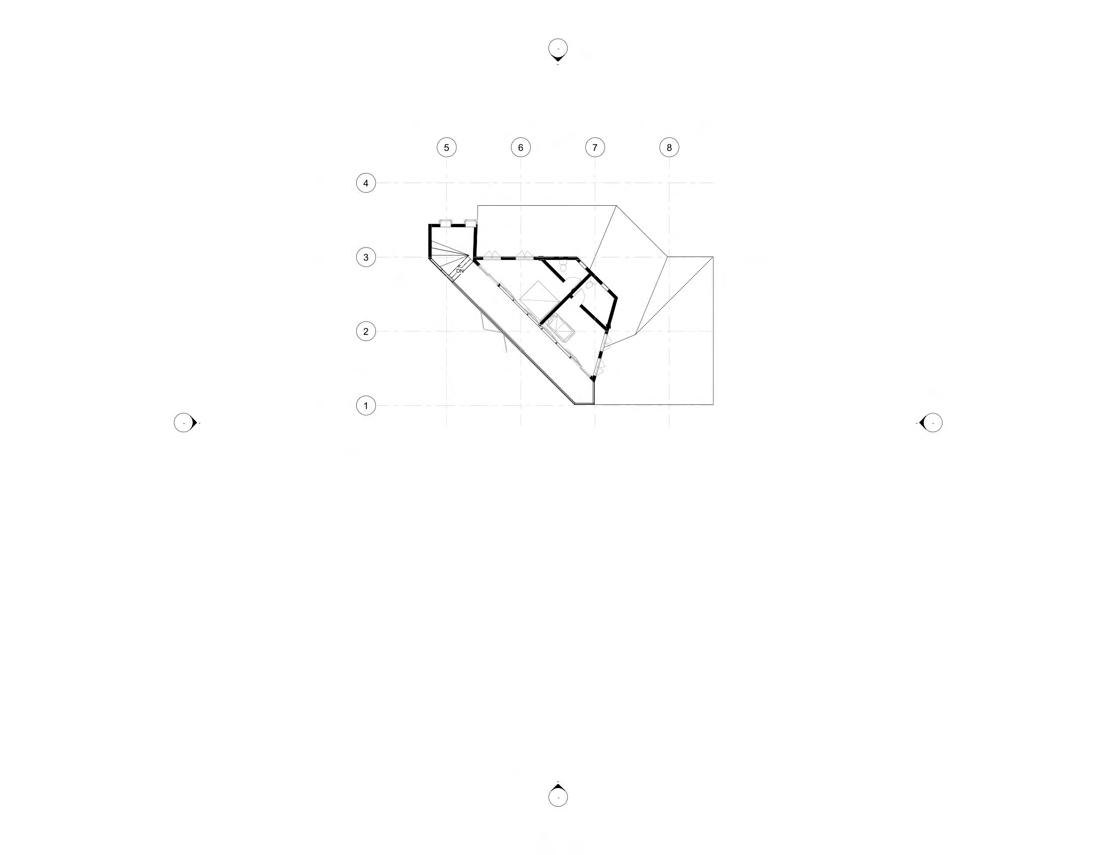
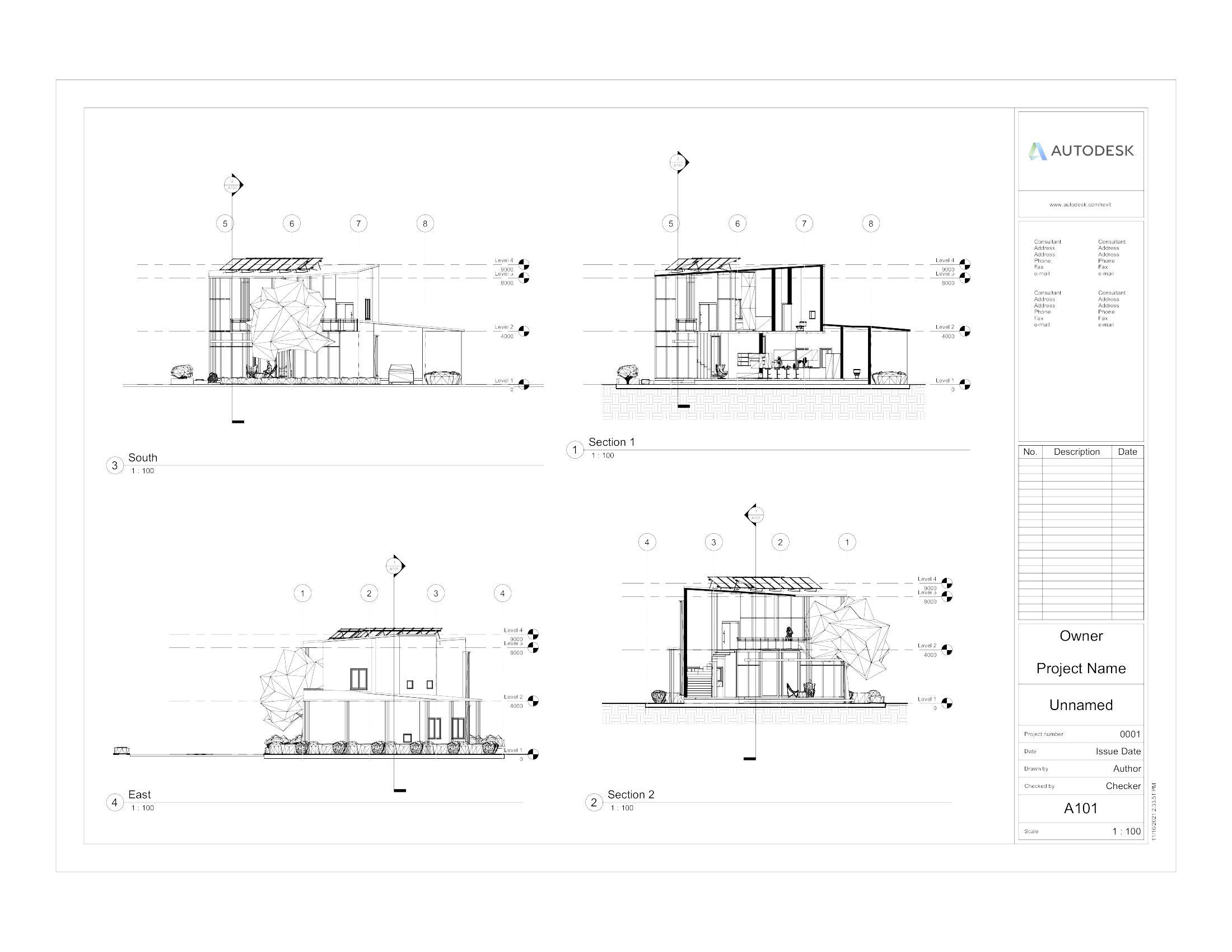
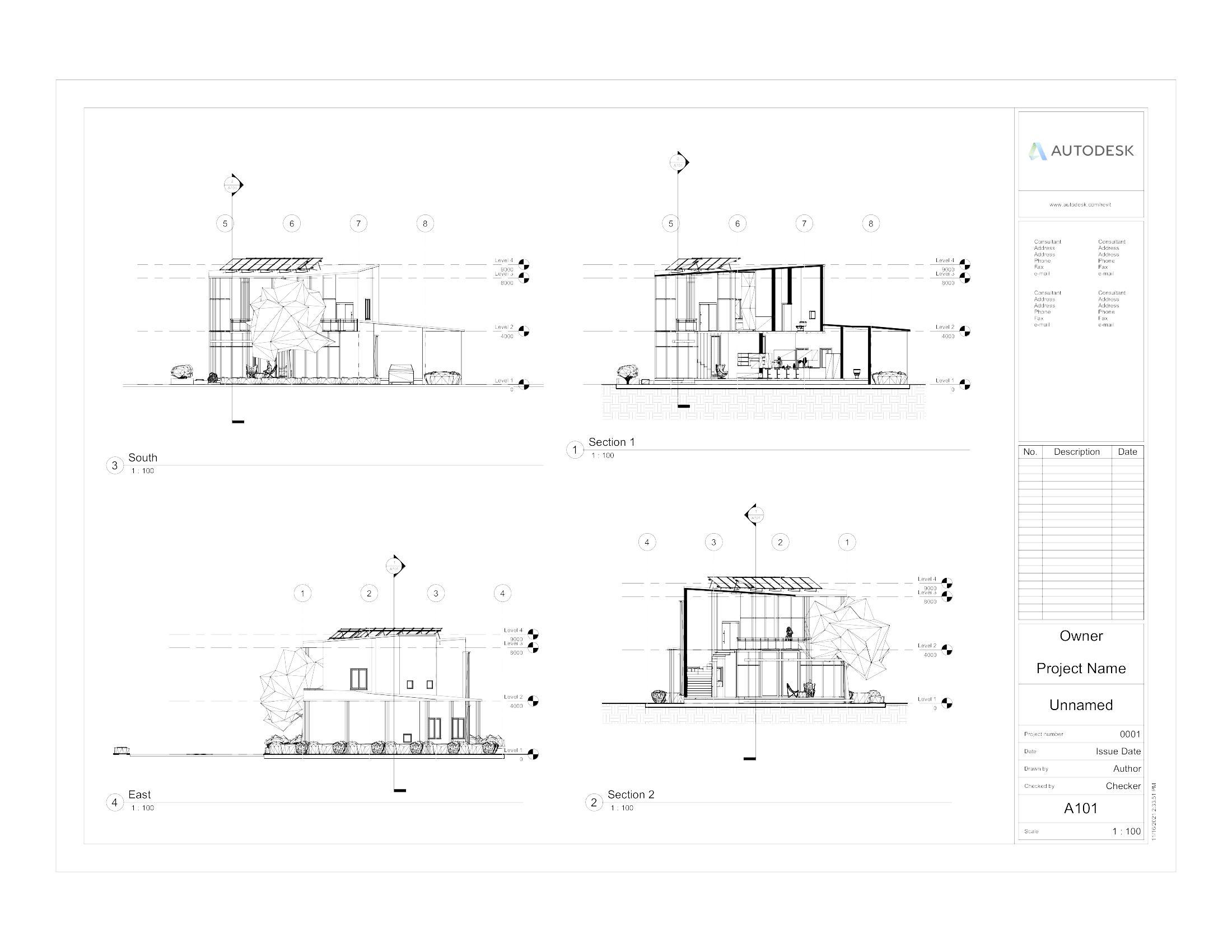
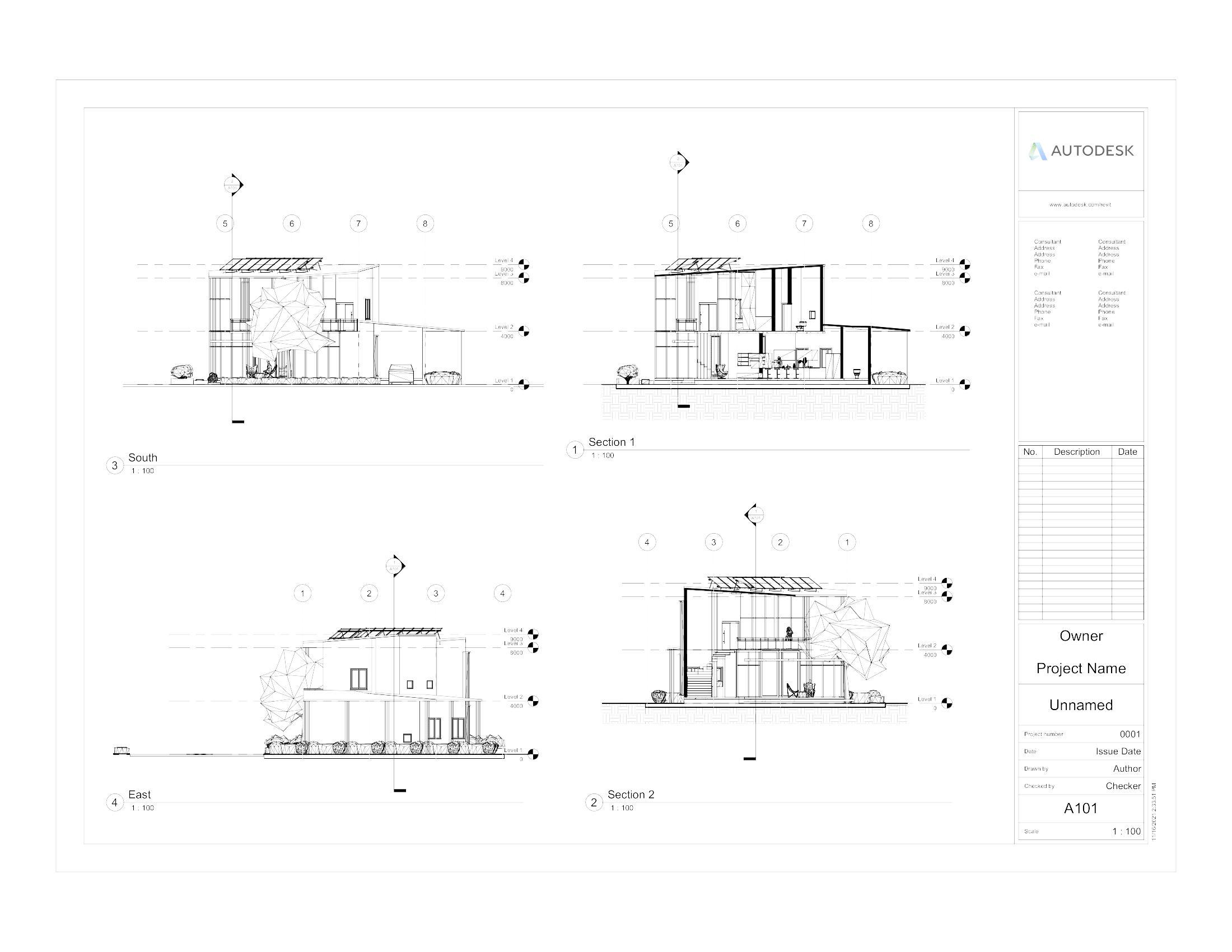
floor plans, elevations and section
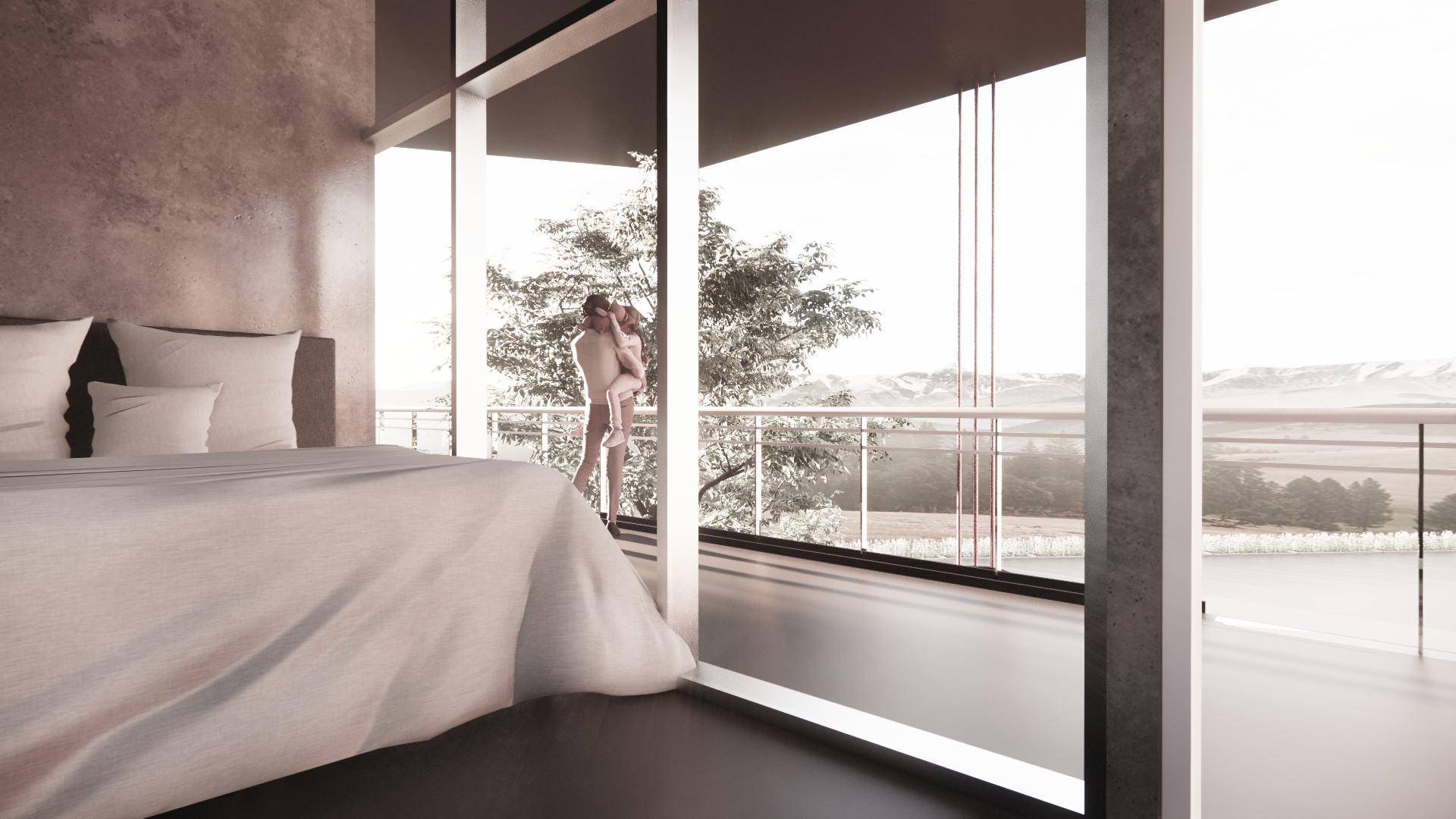
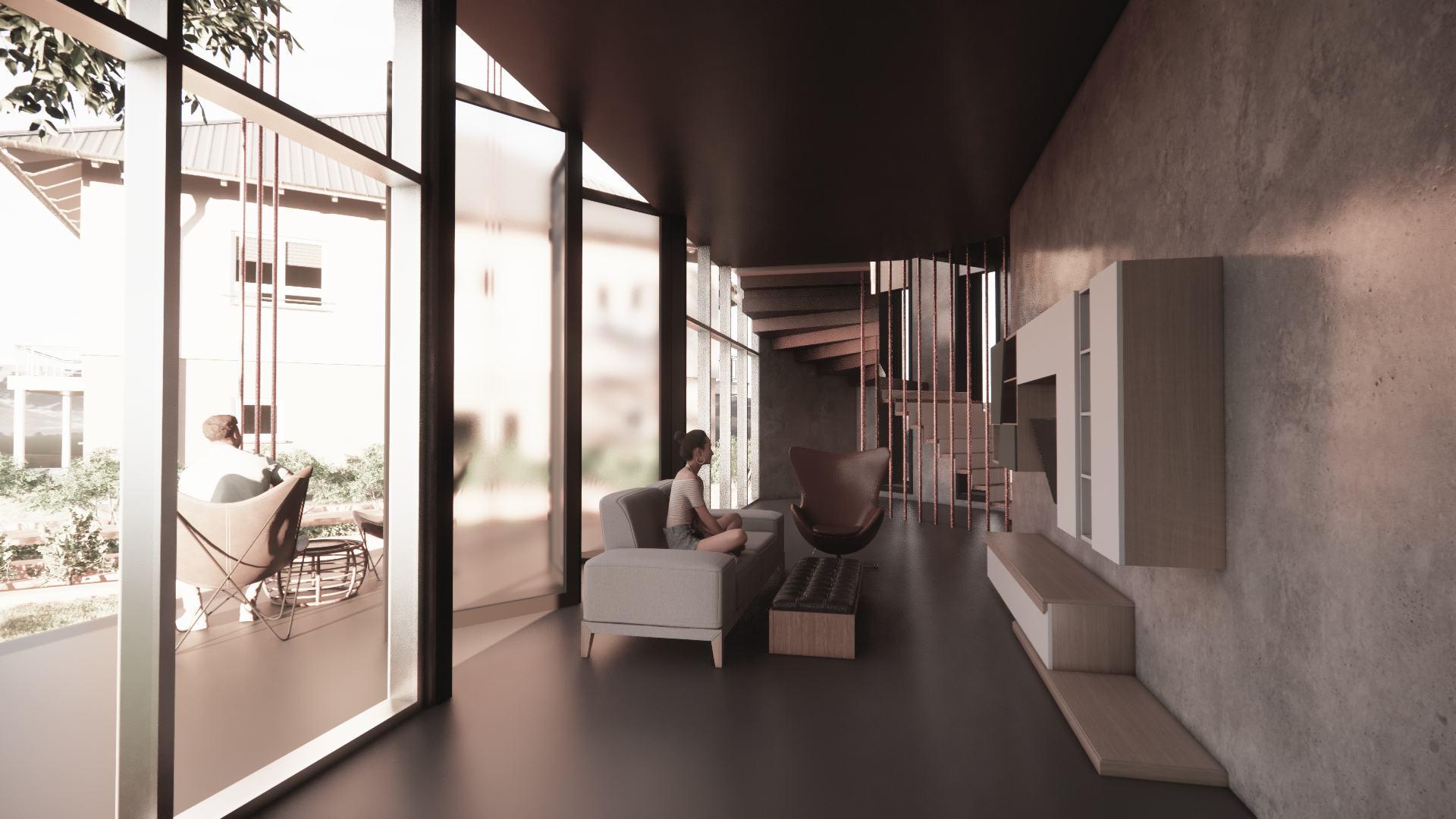
Plans, elevations and sections conveying the sleek nature of the space, meant for a small family of three. The house is designed to enjoy the views of the mountain ranges, and is powered by solar energy.