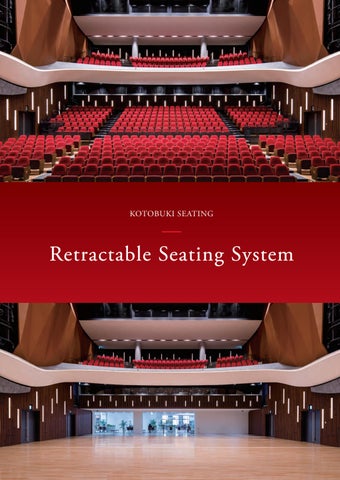
Retractable Seating System
More Freedom in Space.
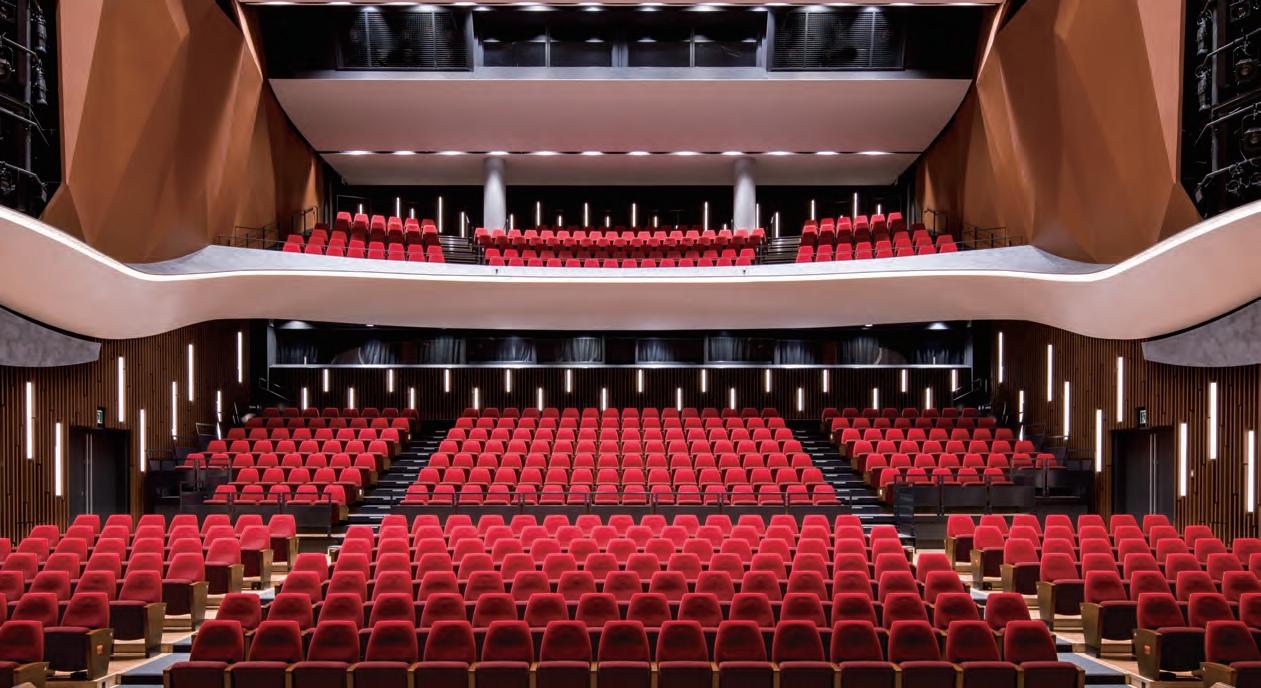
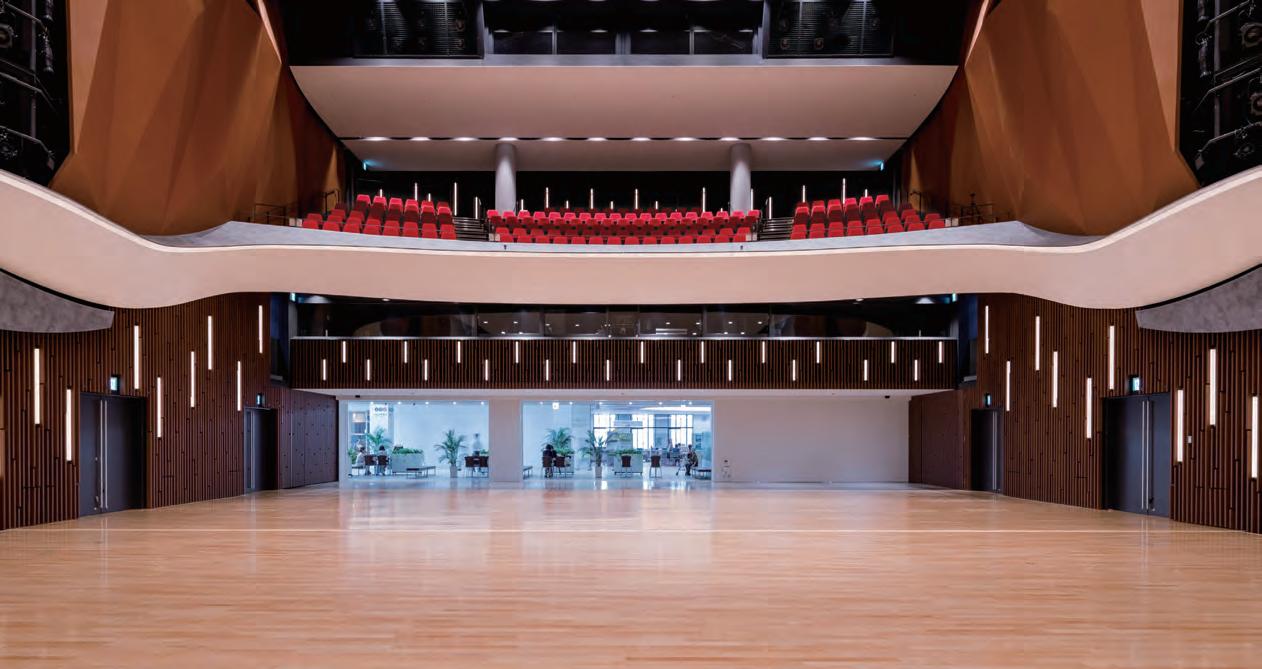
Retractable seating systems equipped with folding chairs for easy storage, significantly expand the possibilities for space utilization.
In 1958, Kotobuki Seating combined its accumulated knowledge and technology to develop Japan’s first retractable seating, meeting the diverse needs of public spaces.
Since then, Kotobuki Seating’s wide range of retractable seating has been extensively used in facilities such as auditoriums, theaters, education, sports, and hospitals in Japan and around the world.
Creating new value for each unique space.
Kotobuki Seating continues to respond to evolving customer needs and expand the possibilities of space utilization.
The History of Retractable Seating
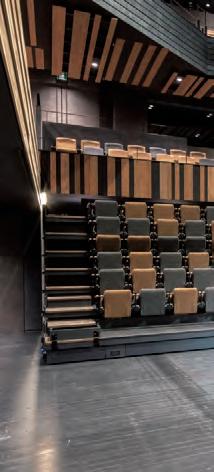
Retractable seating systems can be deployed or stored away. Their history began in 1958, and as products have evolved, the possibilities for multipurpose space utilization have expanded.
1950s The beginning of retractable seating
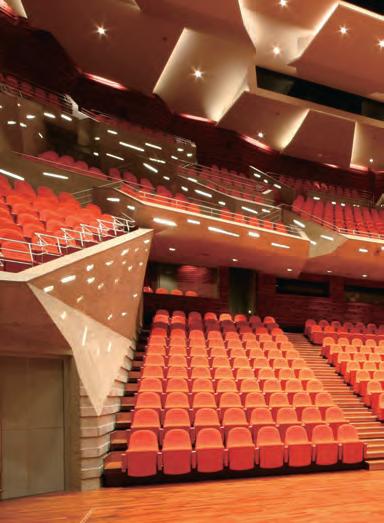
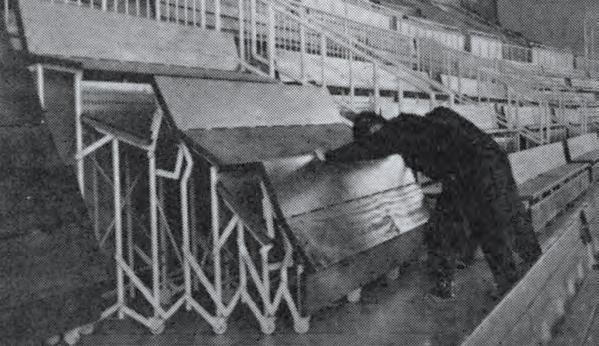
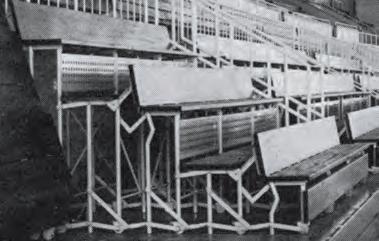
Retractable seating was first developed in the US in the 1940s, when its manufacturing and sales began. In Japan, we delivered the first domestically produced bench-type retractable seating in 1958 to the Jingu Gaien Indoor Swimming Pool in Tokyo. This marked the beginning of retractable seating in Japan. Since then, retractable seating has evolved by incorporating market needs and integrating knowledge and technology.
1960s - 1970s
Making gymnasiums multifunctional 2 3
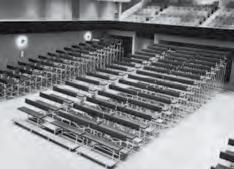
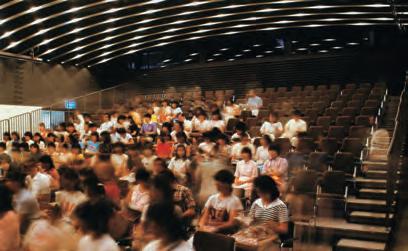
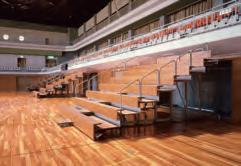
Since it featured wooden bench seating, it was in demand in public facilities and school gymnasiums, as it was in the US, but usability improved significantly with the introduction of the lock-cam mechanism, first installed at the Kishi Memorial Hall. In the 1970s, it was greatly improved with the introduction of guide rollers linked to a wire-rope mechanism, allowing operation with a single pull handle. Eventually, electric models became available, paving the way for the development of chair-type seating.
1981 First generation
Developed Japan’s first electric retractable seating system
1980 - 1985 Retractable Seating Systems transforming halls into multifunctional spaces
Between 1960 and 1980, Japan began constructing public halls, modeled after assembly halls, to accommodate a variety of performances and events. The majority of these public halls were called multipurpose halls, as they responded to the diverse needs of their community. Large halls for music,
drama, and even kabuki mostly installed fixed, tiered theater seating, while smaller halls for lectures, light music, and dance tended to require movable seating that could be used on a flat floor. This was when Retractable Seating Systems, designed for seating comfort, were introduced. It is seen as
Jingu Gaien Indoor Swimming Pool
Kishi Memorial Hall
Anjo City Gymnasium
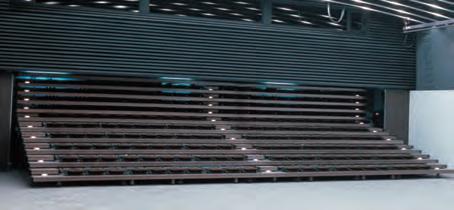
Yao Seibu Department Store
Japan’s first Retractable Seating System chairs were set on steps
Expanding worldwide 1985 - 1990s
Our first major overseas project was in 1985, when we delivered Retractable Seating System (1,851 seats out of a total of 3,996) to the Putra World Trade Centre in Malaysia (now the World Trade Centre Kuala Lumpur).
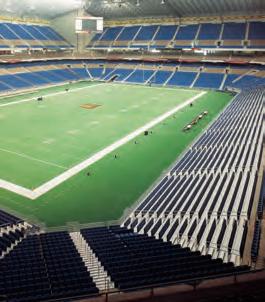
In 1987, we installed a 240-seat Retractable Seating System in the Small Hall of the Kingdom of Thailand Social Education and Cultural Centre (now the Thailand Cultural Centre). Expansion into Europe and the United States began when Interkal LLC. (USA) joined the group in 1987, followed by Audience Systems Ltd. (UK) in 1993. Interkal had a 40% share of the US school retractable seating market, and after joining the group, it also began exporting to Canada, South
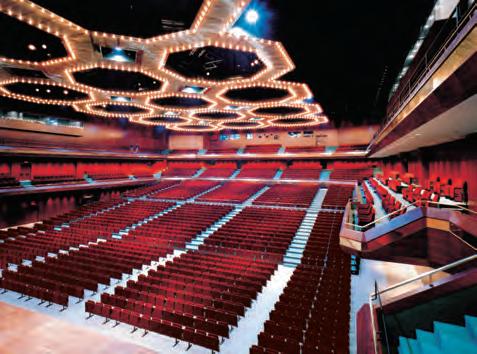
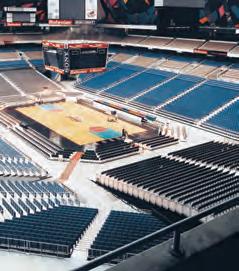
America, and other regions. In 1993, the company delivered one of the largest locally manufactured products in the world at the time, nearly 40,000 seats (out of a total 63,570 seats) to the Alamodome in Texas.
Audience Systems holds a 25% share of the UK market for retractable seating for theaters and sports facilities, and is adapting Retractable Seating System to the UK market and promoting it throughout Europe. Today, our Retractable Seating System has a presence not only in the US and the UK, but also in France, Vietnam, Malaysia, Taiwan, South Korea, Singapore, and Spain.
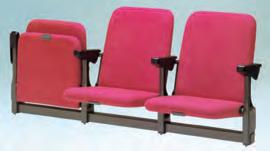
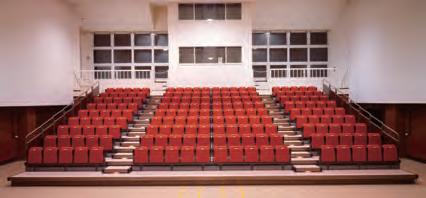
fundamentally different from conventional bench seating, featuring unique structural components, floor specifications, and design. It represents the culmination of over 20 years of retractable seating evolution and more than 60 years of chair technology. New Retractable Seating System making it pos-
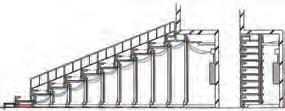
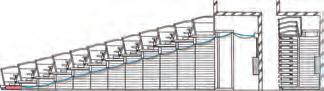
sible to change from watching sports to watching plays was adopted by Yao Seibu Department Store in 1981. The Type 0 mounted product, the prototype of today’s chairs, was delivered to the Furano City Working Youth home in 1983.
Furano City Working Youth home
Type 0
Developed compact folding chairs. The birth of modern system.
Electric bench seating in 1983
Electric Retractable Seating System in 1983
Putra World Trade Centre in Malaysia
Alamodome in the USA
Series of deliveries to large facilities in Japan 1980s - 1990s
In 1983, a 416-seat system was installed at Tokai University’s Matsumae Commemoration Hall, marking the first installation of Retractable Seating System in an educational facility auditorium. Since then, it has been widely adopted in school auditoriums and gymnasiums.
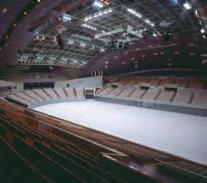
In 1985, the Aomori Prefectural Skating Rink installed them, attracting attention as a venue capable of setting up retractable seating directly onto the ice. In 1984, a flat-floor retractable seating system, which could be stored beneath the stage, was developed. In 1989, a tiered retractable seating
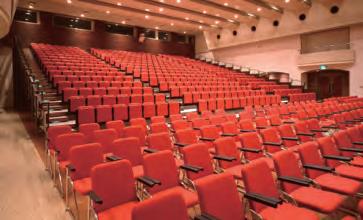
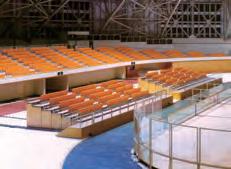
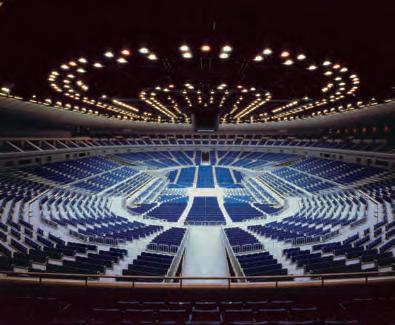
system with adjustable height was installed at the large-scale Yokohama Arena, providing 10,389 seats (including fixed seats), further expanding the possibilities for flexible space utilization through retractable seating.
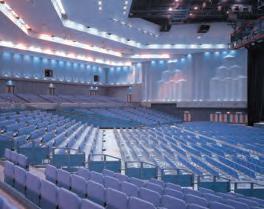
In the 1990s, a series of large convention centers opened, including the 1,216-seat Asty Tokushima in 1993, the 4,460-seat Fukuoka Convention Center in 1995, and the 1,318-seat Grand Messe Kumamoto in 1997, in which Retractable Seating System was installed to accommodate a variety of events.
1995
Second generation
Developed Japan’s first Retractable Seating System with 200 mm step height
Further evolution of Retractable Seating System 1990s - 2000s
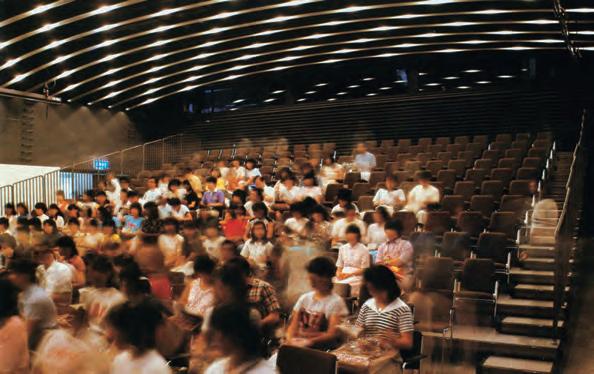
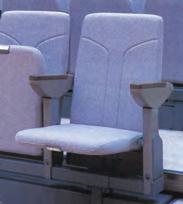
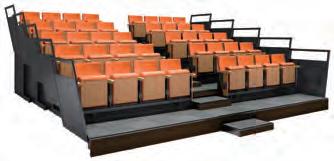
In 1998, installations of our Retractable Seating System surpassed 1,000 nationwide. That same year, we developed the next generation, Japan’s first model with a reduced step height of 200 mm (down from 250 mm), along with the Type 5 chair, designed to enhance seating comfort at this new height. By reducing the tier height by 20%, the room height
can also be reduced by 20%, resulting in a product that enhances space efficiency through a more economical building structure. In 2001, a laser guided traveling model equipped with an automatic direction-guiding system was developed.
Matsumae Commemoration Hall, Tokai University
Asty Tokushima
Aomori Prefectural Skating Rink
Nippon Convention Center
Yokohama Arena
Diversification of specialized public facilities 2010s - 2020s
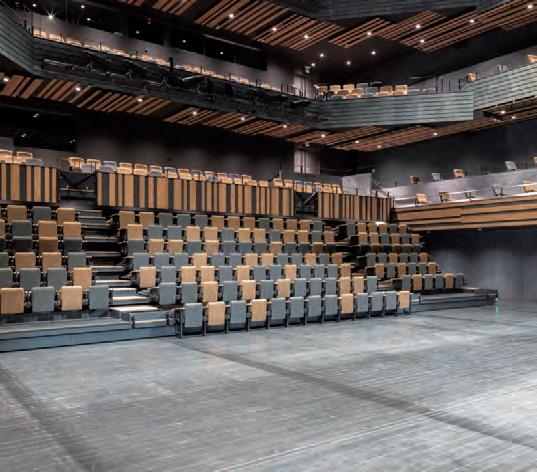
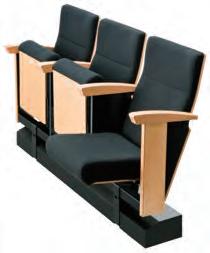
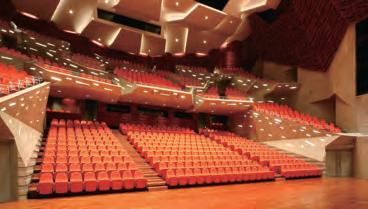
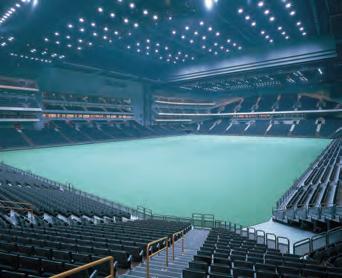
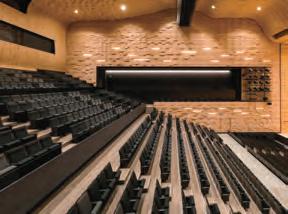
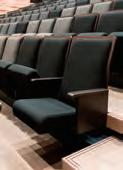
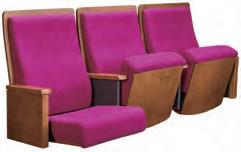
More than 30 years after the birth of Retractable Seating System, and with over 1,500 installations nationwide, our Premium Retractable Seating System was developed as a further upgrade. First installed in 2011 at the Yurihonjo City Cultural Center KADARE, it features the same comfort and appearance as theater seating. Subsequently, this retractable seating system, which redefined the concept with its generous use of solid wood and voluminous cushions came to be recognized as equivalent to theater seating. By 2019, we had installed more than 1,800 systems.
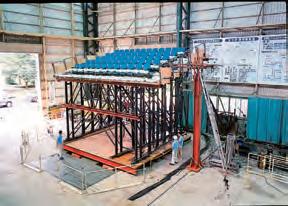
Meanwhile, in an earthquake-prone country like Japan, strength is vital. While there have been no incidents of top-
2011 Third generation
Brand-new Retractable Seating System, developed in response to customer feedback
2017
pling or collapse due to ear thquakes to date, safety was further enhanced in 2018 (to a shear force coefficient of 0.4) in anticipation of future large-scale earthquakes.
Currently, auditoriums and theaters are being rebuilt or newly constructed, and more and more halls within complexes are appearing. Sports facilities are also becoming more specialized and fitted with increasingly advanced equipment. As a pioneer in Japan and the manufacturer that introduced Japanese Retractable Seating System to the world, we will continue to move forward with our unique technology, improving and developing it to keep pace with the times.
2011
2020
2018 Fourth generation
Enhanced safety in anticipation of future large-scale earthquakes
Along with the shift to wooden theater seats, Retractable Seating System with fixed backs and armrests were increasingly incorporating wooden components.
2019
Meanwhile, in sports facilities, our system was evolving significantly, including the installation of 12,633 customized seats at Saitama Super Arena in 2000, the largest Retractable
2024
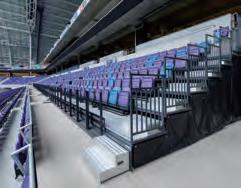
Seating System in Japan at the time and among the most advanced movable seating in the world. In 2001, we expanded our focus to include maintenance with the establishment of Kotobuki Seating Service Co., Ltd. (now KSS Co., Ltd.), a company specializing in after-sales service.
Saitama Super Arena
Yurihonjo City Cultural Center “KADARE”
Kamaishi Civic Hall “TETTO”
Truss structure verified for safety through structural analysis
Kotobuki Seating Group Companies
The Kotobuki Seating Group has experienced professionals active worldwide. We support clients in various countries and are expanding globally.
Audience Systems(UK )
K+ Seating(Spain )
(Korea )
Kotobuki Sea(Vietnam )
Kotobuki Taiwan(Taiwan )
Kotobuki Korea
Ferco Seating Systems(Malaysia )
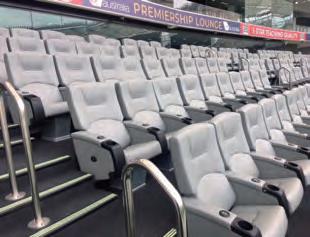
Optus Stadium (Perth Stadium), Australia
Sydney Opera House, Australia
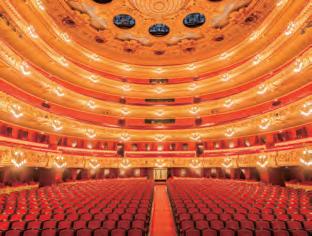
Liceu Opera Barcelona, Spain
K+ Seating (Spain)
Ferco Seating Systems (Malaysia)
Audience Systems (UK)
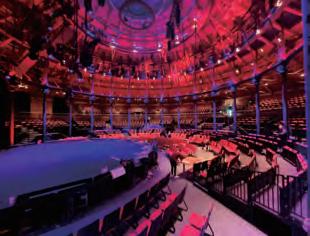
The Roundhouse, UK Audience Systems (UK)
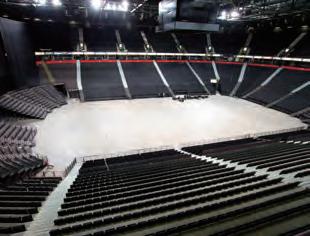
AO Arena, Manchester, UK Audience Systems (UK)
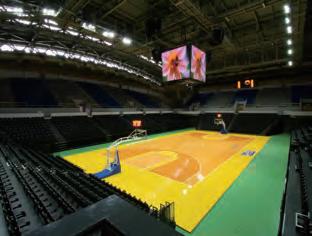
New Taipei Xinzhuang Gymnasium, Taiwan Kotobuki Taiwan (Taiwan)

Interkal(USA )
Kotobuki Seating(Japan )
Kotobuki Seating International(USA )
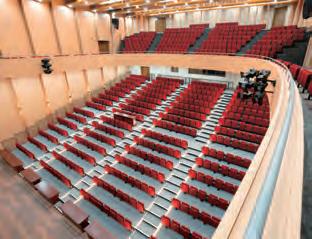
National Museum of Modern and Contemporary Art, Korea Kotobuki Korea (Korea)
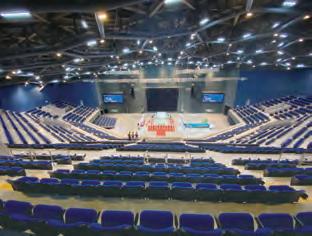
MGM Macau, China Kotobuki Seating International (USA)
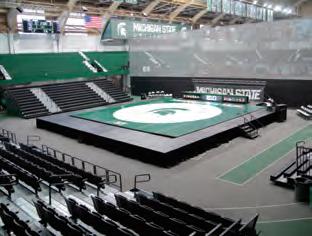
Michigan State University, USA Interkal (USA)
Photo courtesy of Scéno Plus
Hard Rock Live, Sacramento, USA Kotobuki Seating International (USA)
Hanoi Children's Palace, Vietnam Kotobuki Sea (Vietnam)
Kaohsiung Music Center, Taiwan Kotobuki Taiwan (Taiwan)
Retractable Seating Systems Worldwide
The Kotobuki Seating Group has supplied many retractable seating systems worldwide.
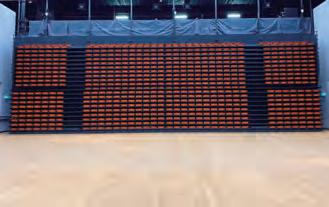
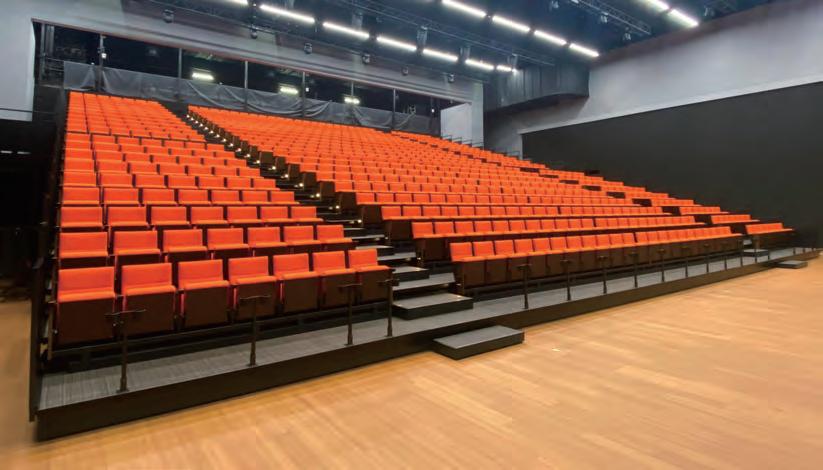
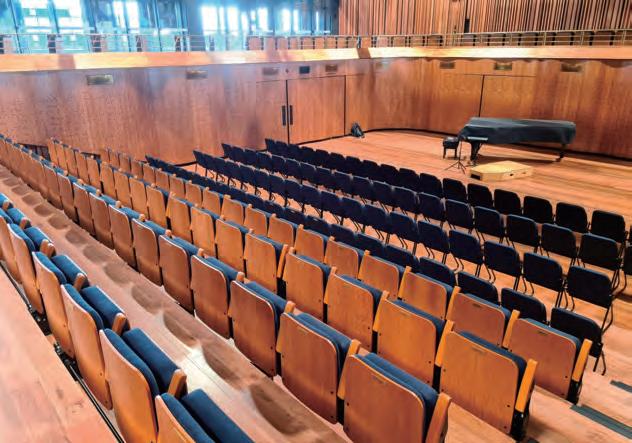
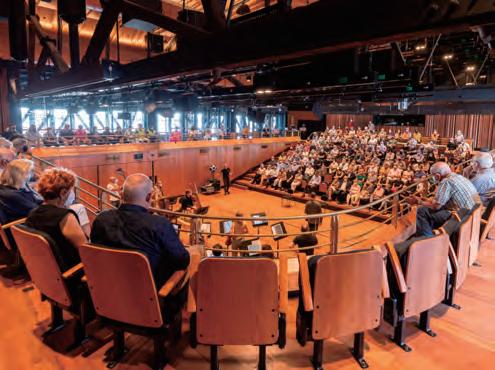
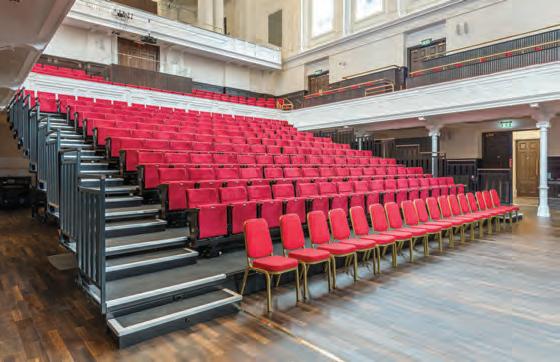
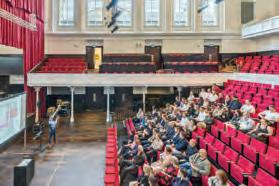
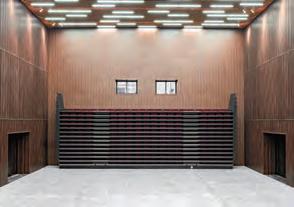
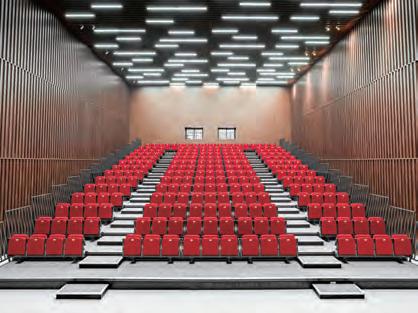
Retractable seating can be folded and stored against a wall or under a stage, allowing for flexible space utilization. We propose innovative solutions tailored to the diverse cultures, values, and uses of facilities in different countries.
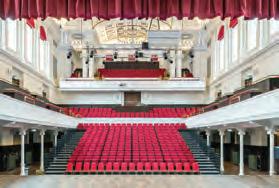
Auditoriums & Theaters
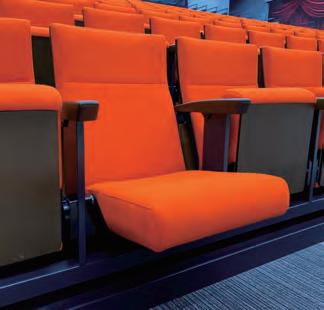
MGM Macau, China
Kotobuki Seating International (USA)
Walsh Bay Arts Precinct Australian Chamber Orchestra, Australia Audience Systems (UK)
Sports & Entertainment
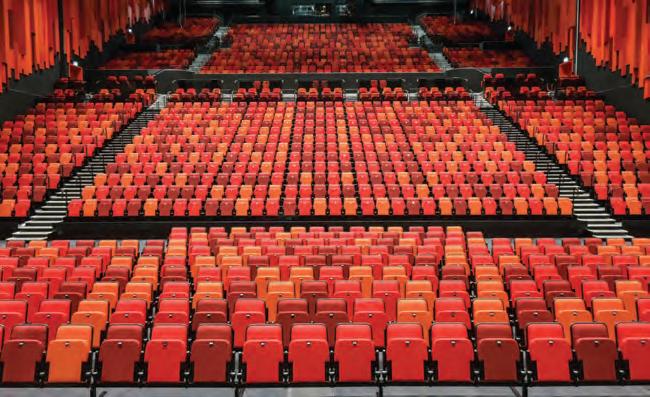
Public Facilities
Vietnam Circus Federation, Vietnam Kotobuki Sea (Vietnam)
Paisley Town Hall, UK Audience Systems (UK)
Audience Systems (UK)
The O₂ Arena, UK
First Direct Arena, UK
Audience Systems (UK)
Swansea Arena, UK
Audience Systems (UK)
Conference Rooms
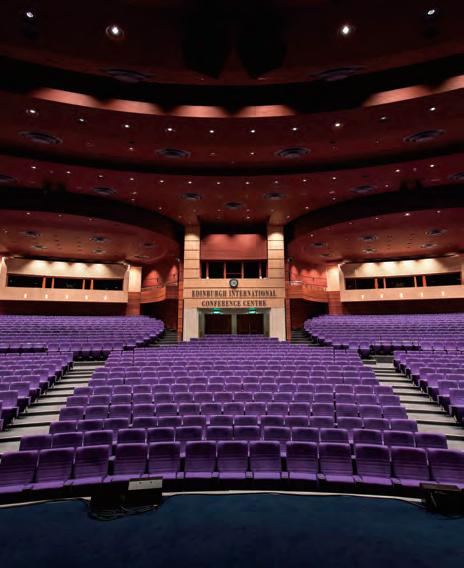
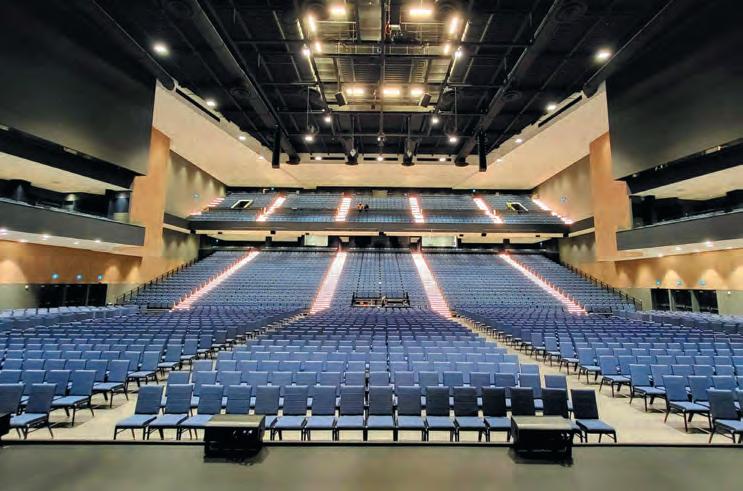
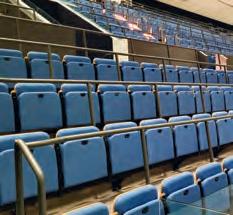
The Great Canadian Casino Resort, Toronto, Canada Audience Systems (UK)
Edinburgh International Conference Centre, UK Audience Systems (UK)
Siemens Healthineers Auditorium, US Audience Systems (UK)
Learning & Education
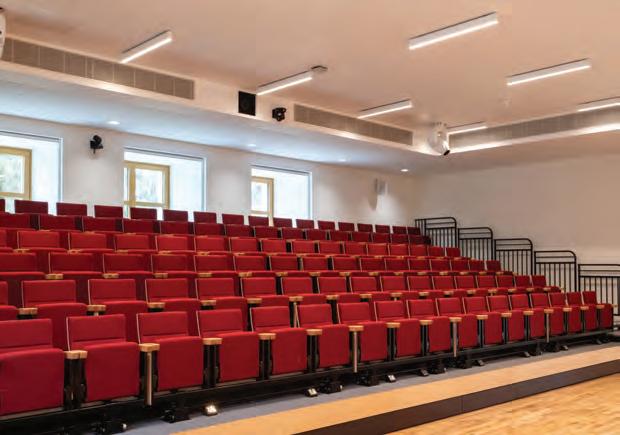
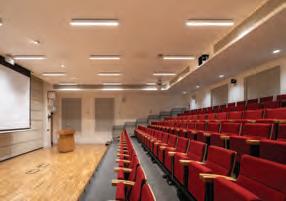
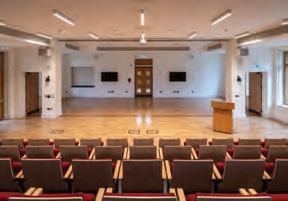
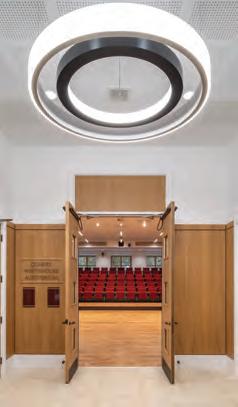
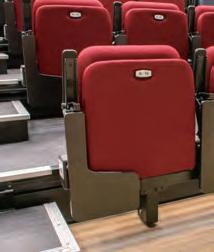
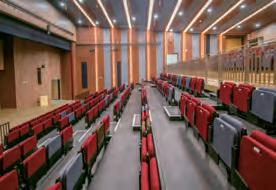
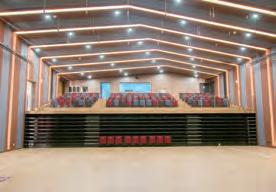
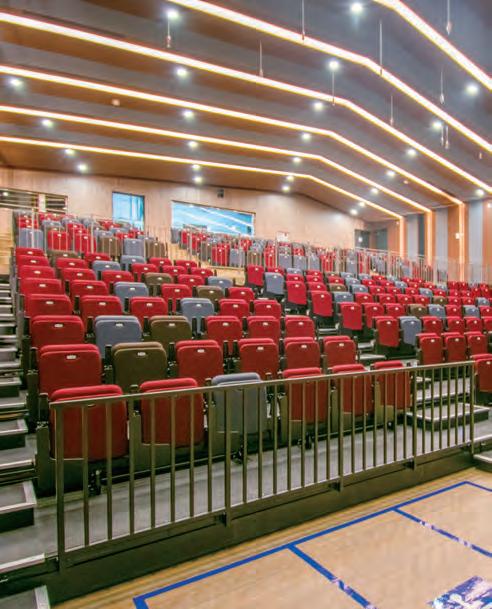
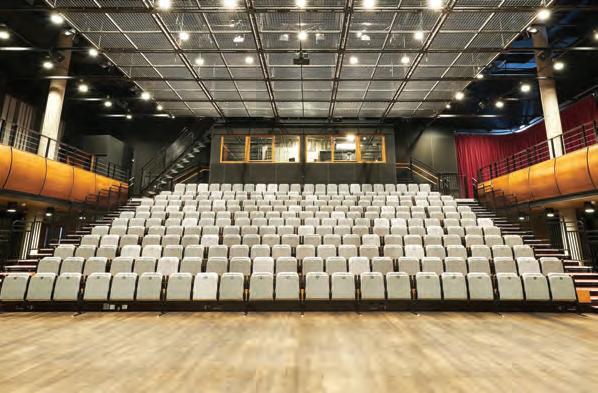
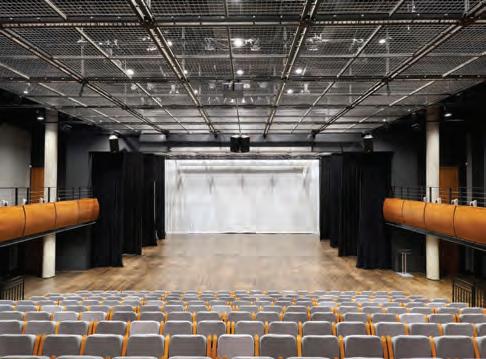
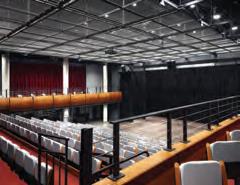
National Cheng Kung University, Macronix Hall, Taiwan Kotobuki Taiwan (Taiwan)
Anglo-American School of Sofia, Bulgaria Audience Systems (UK)
Bartlam Library, Selwyn College, Cambridge, UK Audience Systems (UK)
Index
Message p1
The History of Retractable Seating p2
Kotobuki Seating Group Companies p6
Retractable Seating Systems Worldwide p8
Utilization during Disasters p14
Public Facilities
(Government Buildings and Complexes)
Shin Nippon Machinery Hall (Kure Civic Hall) p16
Higashikagura Complex “Hananowa” Cultural Hall “Kanon” p18
Yonabaru Town Uenomori Kanachi Hall p20
Eastpia Miyako Civic Exchange Center Multipurpose Hall p22
Kuzumaki Town Complex Government Building “Kuzumaru”, Multipurpose Hall “Maki × Maki Hall” p24
Mine City Hall, Assembly Hall p26
Central Community Center Multi-purposeHall “Agupia Hall” p28
Origami Plaza Kaminokawa Nissan Hall p30
Shingu City Culture Center “Tankaku Hall” Culture Hall p32
Oita City Niage Complex Public Facility Multipurpose Conference Room p34
Shinkamata 1-Chome Complex “Kam Kam Shinkamata” Multi-purpose Hall p36
Disaster Reduction Centre Suita (DRC Suita) Training Room A p38
Toyama City Osawano Hall, Multipurpose Hall p39
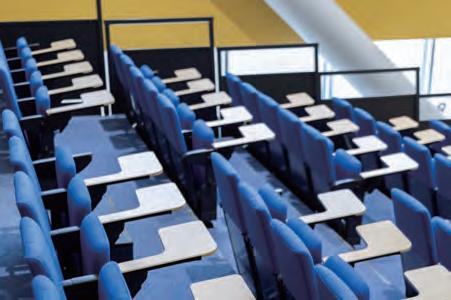
Auditoriums & Theaters
Aubade Hall (Toyama City Theater for Performing Art), Middle Hall p40
Saiki Shiroyamasakura Hall, Large Hall p44
Kamaishi Civic Hall “Tetto,” Hall A p46
Minato Terrace (Sakaiminato Civic Center) Civic Hall p48
Naha Cultural Arts Theater NAHArt Small Theater p50
Nagamori Shigenobu Civic Center, Hall p51
Hospitals
Yamaguchi University Hospital Building A, Auditorium interview p52
University of Tsukuba Hospital, Kirinoha Mall University of Tsukuba Hospital Hall p54
Hanaoka Seishu Memorial Hospital Seishu Memorial Auditorium p56
Kitami Red Cross Hospital Grand Hall “MINT” interview p58
Saiseikai Utsunomiya Hospital Miyanowa Hall p60
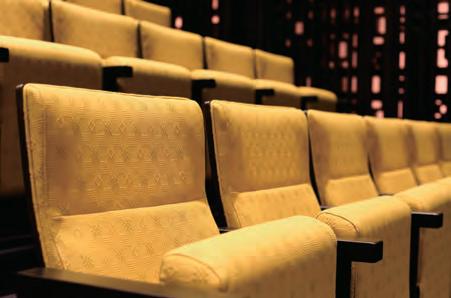
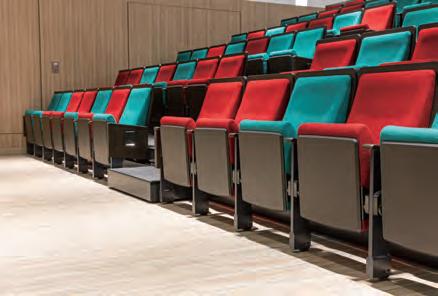
Learning & Education
Tachikawa Wakabadai Elementary School Suzukake Hall interview p62
Adachi City Ayase Elementary School Multipurpose Room 1 p64
Kyoto Keihoku Elementary and Junior High School, Gymnasium p65
Tokyo Metropolitan Fuchu Higashi High School Audiovisual Room interview
Fukushima Prefectural Futaba Future School Multipurpose Hall, Mirai Theater p66
Sports & Entertainment
Okinawa Suntory Arena p78
LaLa Arena Tokyo-Bay p82
Happiness Arena p84
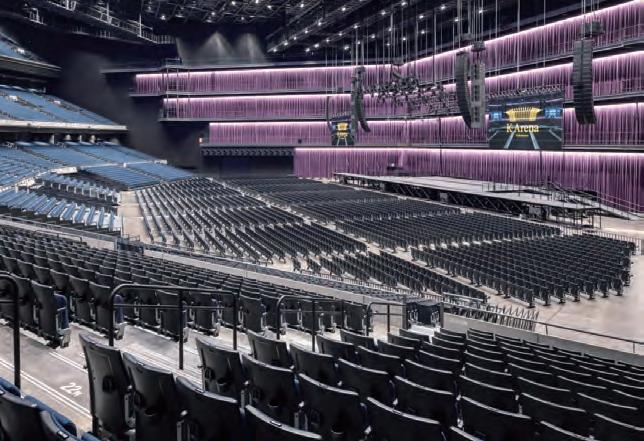
K-Arena Yokohama p88
Saga Arena, Main Arena p90
Yokohama Buntai, Arena p92
Adastria Mito Arena, Main Arena p94
Open House Arena Ota, Main Arena p96
Teriha Sekisui House Arena, Main Arena p97
Edion Peace Wing Hiroshima p98
Port Messe Nagoya, Exhibition Hall 1 p102
p104 Products
Fully Automatic p106
Semi-Automatic / Manual p124
Tokyo Metropolitan Tachikawamidori High School, Audiovisual Hall p70
Keio Shiki Senior High School Kosai-kan, Multipurpose Hall p72
Showa Daiichi Gakuen High School, SDG Arena p73
Toyo University, Akabanedai Campus Helspo Hub-3 Arena p74
Bunkyo University, Koshigaya Campus Building 14 LECRO, 14101 Main Lecture Room p76
Kyorin University, Mitaka Campus S. Matsuda Memorial Arena p77 p68
Notes on Use
Matrix Systems / Stacking Chairs p138
Stages p141
Dividing Curtain “SIKIRUTO” p144
Color Samples p145
Custom-made Fabrics by FABRIKO p150
Kotobuki Seating’s Long Life p151
Sustainability p154
Showrooms p156
Company Profile p157
• Specifications: Product dimensions shown in mm. W = width, D = depth, H = height, SH = seat height
• Floor-fixed products: Prices vary depending on placement conditions; quotations available upon request.
• Color reproduction: While care is taken in printing color photos, actual colors may differ from those shown.
• Case photos: Examples shown may include customized specifications.
• Others: Product specifications are subject to change without notice due to quality improvements or other reasons.
Unauthorized use, reproduction, or excerpting of all or part of this catalog is prohibited.
Utilization during Disasters
In normal times, retractable seating can be deployed to create a lively gathering space; in emergencies, it can be stored away to free up space for an evacuation center or supply distribution hub. Here we present some examples of maximizing the value of a space by making it multifunctional in case of emergency.
Case 1
Hall with retractable seating that can also serve as a temporary ward during a disaster

Tochigi Prefecture Saiseikai
Utsunomiya Hospital Manager, Management
Support Section / Management Strategy Office
Hirofumi Ueno

Tochigi Prefecture
Saiseikai
Utsunomiya Hospital
Management Support
Section
Ayaka Kawahara
Tochigi Prefecture Saiseikai Utsunomiya Hospital, Miyanowa Hall
Celebrating its 80th anniversary in 2022, Saiseikai Utsunomiya Hospital serves as a core disaster base hospital playing a key role in the region in times of disaster. As a core hospital for community healthcare, we are continuously expanding our functions to meet diverse needs. Miyanowa Hall was established in 2017 with the opening of the new South Building, which houses a chemotherapy center and other facilities. It is the hospital’s largest hall, approximately 390 m² in size and able to accommodate up to 380 people.
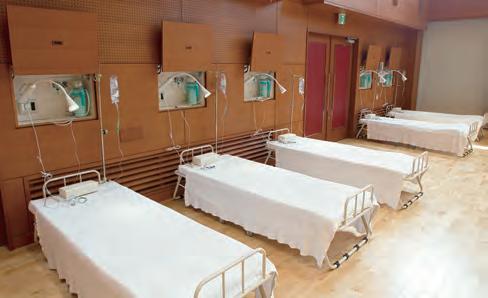
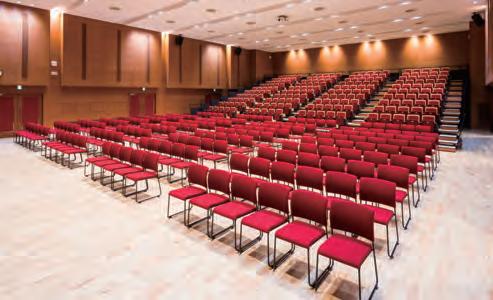
Equipped with a 200-seat electric retractable seating system and built-in medical gas lines, the hall can be used as a temporary ward in the event of a major disaster by retracting the seating.
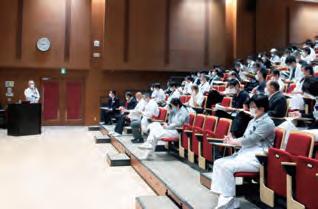
While the hall has a capacity of 380 people, it can also be used for seminars, conferences, presentations, and more by moving the retractable seating forward for groups of 200 people or fewer. It is also used for community seminars, public lectures, and various welfare-related events. During the Covid-19 pandemic, it served as a triage area for fever cases, a vaccination site, and a temporary childcare space for hospital staff’s children when schools were closed.
At Saiseikai Utsunomiya Hospital, during the construction of new facilities, we seriously reconsidered what functions a disaster base hospital should have and how it should contribute to the community. This led to the introduction of retractable seating that offers both tiered seating and flatfloor space.
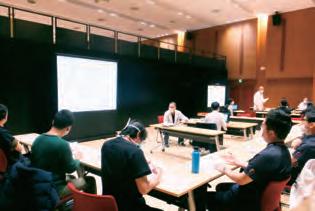
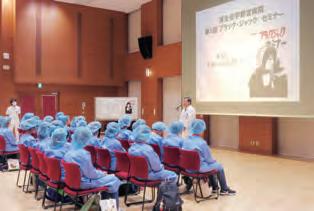
The retractable seating can be moved forward to host lectures with 200 or fewer participants.
The area behind the retractable seating can be used as a meeting space for small groups.
Equipped with 200-seat retractable seating that can be electrically deployed and retracted, the hall can hold up to 380 people with added stacking chairs.
Medical gas lines are built into the hall walls, allowing 50 beds to be set up in the event of a disaster.
Hall used as a
relief supply hub during torrential rainstorm in Western Japan

Shin Nippon Machinery Hall (Kure Civic Hall)
The new government building constructed in December 2015 by Kure City, Hiroshima Prefecture, is a multifunctional complex that houses municipal administrative offices, the city council’s secretariat, and a civic hall. The hall was designed with consideration for the potential need to secure a large space for relief supplies during disasters, so all first-floor seating is movable. The hall is equipped with retractable seating that serves as audience seating when deployed and creates flat-floor space when stored, enabling multifunctional use not only for events but also for disaster response operations.
During the torrential rains that hit western Japan in July 2018, the hall was the only place where a large flat space could be secured. Because there is also a loading entrance that allows large trucks to pull up directly, we retracted all the seating, laid out blue tarps, and opened the sliding wall at the back of the seating area to prepare for receiving supplies.
Relief supplies began arriving the day after the disaster struck. Many supplies arrived from all over Japan and were sorted in the hall into sections for food, water, blankets, and so on. These were stored until delivery according to the needs of affected areas, with the hall continuing to serve as a relief supply center until the end of August.
To deal with the expiration dates of food received as relief aid, the hall’s air conditioning was set to about 19°C and
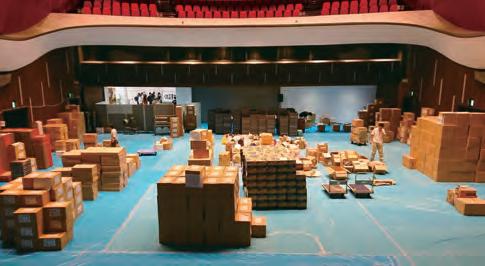
kept running 24 hours a day instead of using refrigerators, ensuring proper storage until distribution. There was no air conditioning in the gymnasium originally planned as the supply reception site, making it impossible to store relief supplies during the hot summer months.
The functional integration of the government complex made coordination easier, and having this hall available as a relief supply reception point was a significant advantage. Kure City’s new government building, constructed with the objective of being “disaster-resistant,” served as the disaster response headquarters, and its hall proved invaluable during the crisis.
Kotobuki Seating’s Initiatives
Zero incidents of earthquake-induced toppling or collapsing
As a manufacturer in earthquake-prone Japan, we consider it our responsibility to ensure that our retractable seating meets strict safety standards and undergo thorough structural testing, resulting in world-class strength and durability. To date, there have been no cases of toppling or collapse during major earthquake disasters, demonstrating our high level of safety.
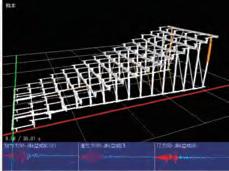
In preparation for the increasing number of major earthquakes, our retractable seating systems have been reinforced three times since 1995. We have also conducted seismic wave simulations equivalent to Japanʼs seismic intensity level 7 (see above), and our seismic resistance is highly rated by a performance evaluation agency designated by the Minister of Land, Infrastructure, Transport and Tourism.
Supporting community-building and compact cities with consideration for vitality and disaster preparedness
As Japan faces population decline and an aging society, the introduction of retractable seating that supports sustainable community development emphasizing vitality and disaster preparedness is spreading nationwide.
Receiving relief supplies (photo courtesy of Kure City)
Kure City Department of Culture and Sports Senior Manager, Cultural Promotion Section Toshio Sakine
Public Facilities
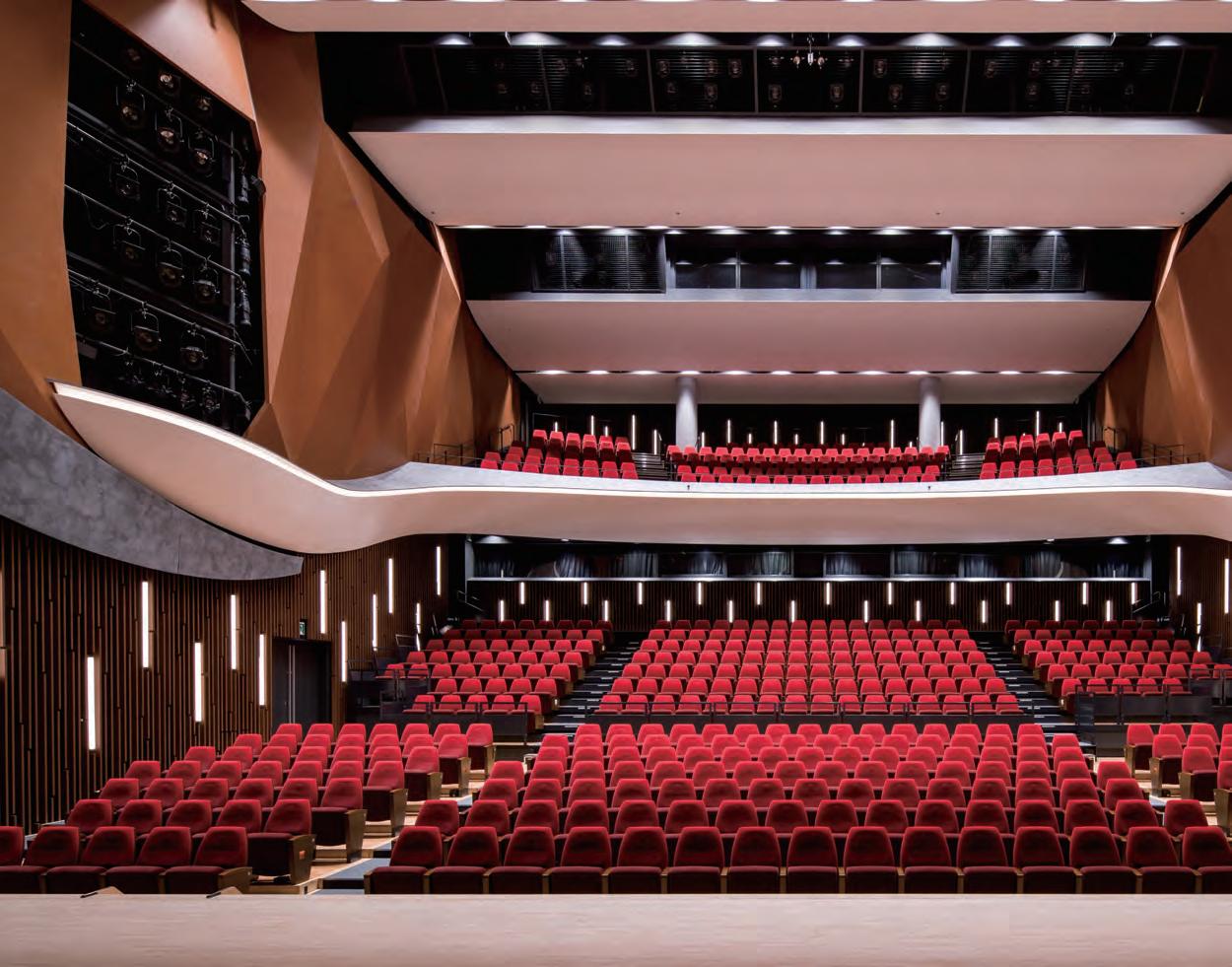
Shin Nippon Machinery Hall (Kure Civic Hall)
Kure in Hiroshima Prefecture is known as the home of the Battleship Yamato. Construction of these new buildings was completed in January 2016. They are located along Kuramoto Street, the main road of Kure. The site is that of the former city hall, civic hall, and community center.
The old city hall had served the city of Kure since its construction in 1962, but the decision was made to demolish it, along with the adjacent civic hall and community center, due to concerns about their seismic resistance. The four new government buildings on the old site consist of the city hall, assembly building, civic hall building, and parking garage, all interconnected by an indoor passageway called the Civic Mall.
This multipurpose facility is popular with many citizens as a center for community development.
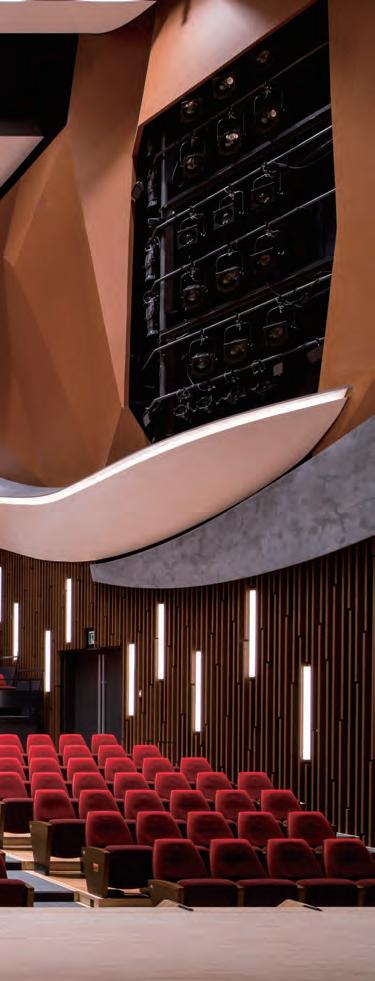
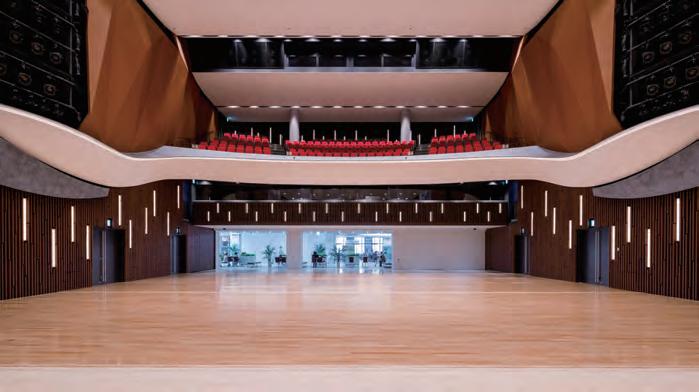
The multi-purpose hall located in the civic hall building can accommodate 624 people in theater style seating and 750 people in flat-floor style seating. The decision to install a movable seating system was based on the assumption that the hall would be used as a disaster response base for the Self-Defense Forces, police, and fire department in the event of an emergency situation requiring a large open space.
The seats at the front of the audience area are mounted on movable wagons. Toward the rear of the audience area is
Multi-functional hall accommodating 624 people in theater style and 750 people in flat-floor style.
Premium series
Detail
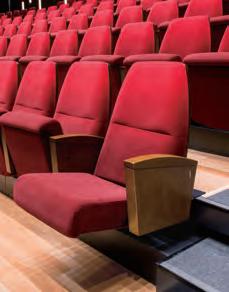
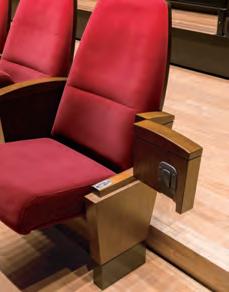
1 The rounded form of each chair, narrowing at the top of the backrest, evokes the shape of a candle. The color is gradated from the bottom to the top of the chair, representing the fire that seems to burn in the heart when touched by art.
2 Barrier-free seats have armrests that open and close, enabling wheelchair users to sit comfortably.
Location:Kure, Hiroshima Prefecture
Client:Kure City
Opened:March 2016
No. of seats :624 (207 retractable seats, 196 movable seats, 175 fixed seats, 6 wheelchair seats, 20 standing places, 10 family room seats, 10 multipurpose room seats)
Main unit deployment / retraction :Electric
Seat lifting / tipping :Electric
an electric retractable seating system developed by Kotobuki Seating.
When retracting all the seats, several steps need to be followed. First, the stepped floor at the front of the audience area is flattened using a floor lift mechanism. Next, the wagons with seats on them can be pneumatically lifted, allowing the front seven rows to be easily moved manually. All the front seats are moved onto the stage, and the retractable seating system can be operated with a single remote switch. By also moving the folded retractable seating onto the stage using the forward movement system, the flat-floor space is complete.

Finally, the sliding wall at the rear of the audience area can be retracted, instantly transforming the hall into a seamless flat space extending from the Civic Mall. It can be transformed into a space easily accessible to anyone passing through the government building. The wagon-mounted seating at the front and the retractable seating to the rear are both custom-designed with upholstery from FABRIKO, a group company of Kotobuki Seating, created specially for the Shin Nippon Machinery Hall.
The hall leaves a lasting impression, like a gently lit prayer for peace, and symbolizing the deep connection between the city and its people.
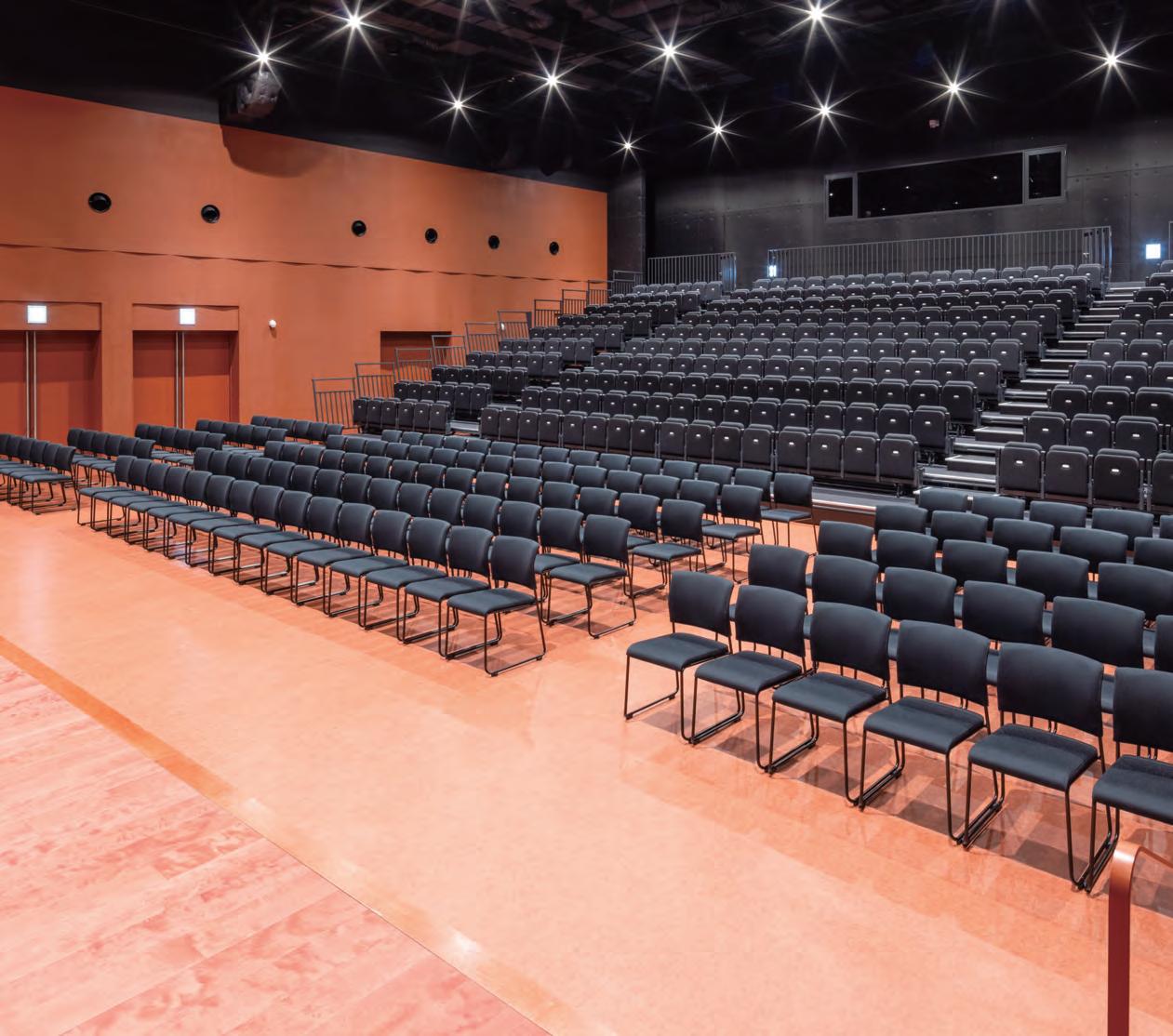
First-floor seats retracted. Opening the white sliding wall at the rear of the first-floor audience area creates a continuous space with the first-floor corridor of the government building.
Higashikagura Complex “Hananowa” Cultural
Hall “Kanon”
Hananowa is a multipurpose facility in Higashikagura, a circular place of harmony where citizens naturally gather and connect with each other. In addition to government offices, it includes a library, medical clinic, kitchen studio, bus waiting area, and the cultural hall Kanon that can accommodate up to about 450 people. All rooms are connected by a circular corridor.
The beautifully planted garden, designed by the renowned gardener Sayuki Ueno from Asahikawa, is a place of relaxation for the community, where visitors to the municipal office or library, patients returning from the clinic, and local preschool children can gather to enjoy the flowers.
As well as being home to Asahikawa Airport, Higashikagura in Hokkaido is known as the “Town of Flowers.” The nickname Hananowa was selected through a public contest among town residents, and reflects the hope that this facility, created in the Town of Flowers, will become a place where people meet and feel the warmth of personal connection. The name Kanon comes from the English musical term “canon.”
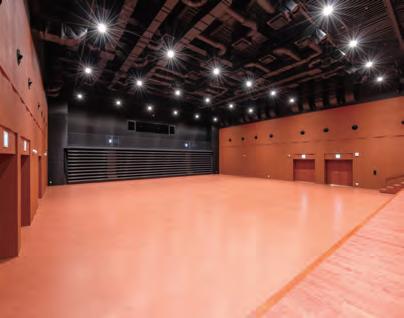
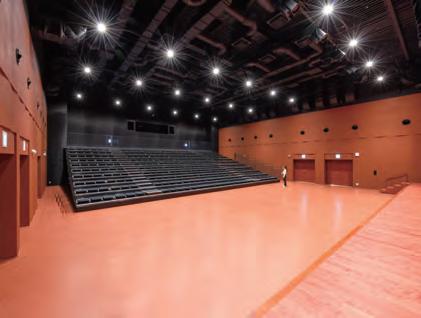
The hall is a flexible space that can accommodate a wide range of events, from performances such as concerts, plays, and lectures that require a stage and seating, to gatherings like parties and exhibitions that need a large, flat area.
The hall features a bright interior in traditional deep red, and is furnished with 280 chic black retractable seats and 160
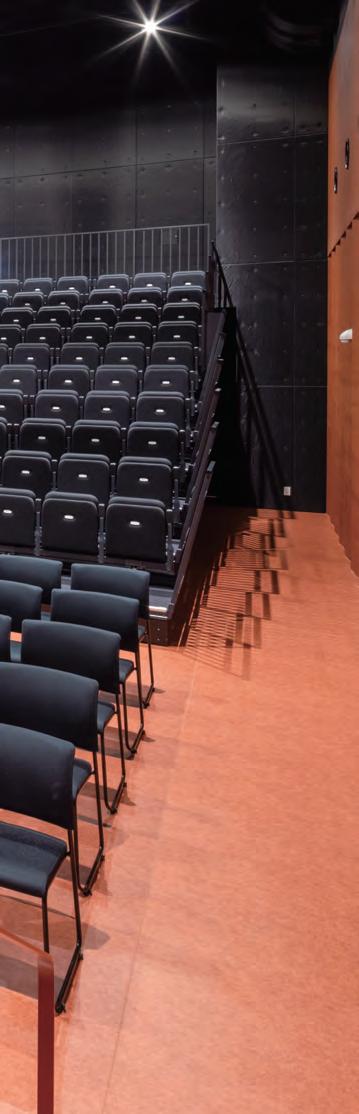
280 chic black retractable seats and 160 matching stacking chairs. The number and layout of seats can be adjusted according to the event.
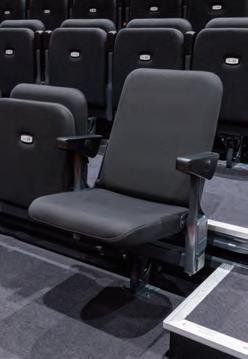
1 The mounted CS01 seats are upholstered with a highly durable and breathable 3D mesh fabric, keeping them well-ventilated and dry even during long performances.
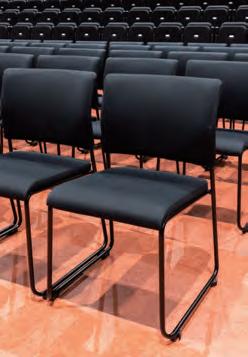
2 This is an Axis stacking chair. The two-layer seat cushion provides just the right amount of resilience, while the gently curved backrest cradles the user and offers stable support
Location:Higashikagura, Kamikawa District, Hokkaido
Client:Higashikagura Town
Opened:August 2024
No. of seats :440 (280 retractable seats, 160 movable seats)
Main unit deployment / retraction :Electric Seat lifting / tipping :Manual
matching stacking chairs. The retractable seating system is semi-automatic, with manual operation for lifting and tipping the chairs and electric operation for deploying and retracting the main unit. After the seats are folded down using the dedicated handles, pressing a remote button causes the 10-tier retractable seating system to collapse and retract into a special compartment built into the wall at the rear of the hall.
To set up the seating again, the deploy button is pressed to release the 10-tier retractable seating system from the storage compartment, then the folded seats are manually raised into the upright position. A special cart is also available for compact storage of the stacking chairs to save space, facilitating quick setup or storage of seating with minimal labor.

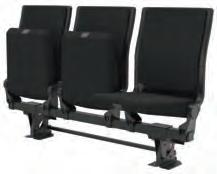
The CS01 seat, mounted on the retractable seating system, has been chosen for its comfort, and despite its slim profile, it is well-cushioned with a backrest and seat filled with polyurethane. When the seat is unoccupied, the seat folds up neatly against the backrest, maximizing the space between rows for people to pass along smoothly. Direct access to enter and exit the second-floor foyer from the back row of the retractable seating also contributes to the comfortable flow of people.
The Axis FC-310 stacking chairs positioned in front of the retractable seating have ganging clips on their legs to help keep the layout looking smart.
Since all the seating is movable, the space can be configured not only with or without seating, but also with only the retractable seating or with only the exact number of stacking chairs needed.
https://www.kotobuki-seating.co.jp/en/contact/