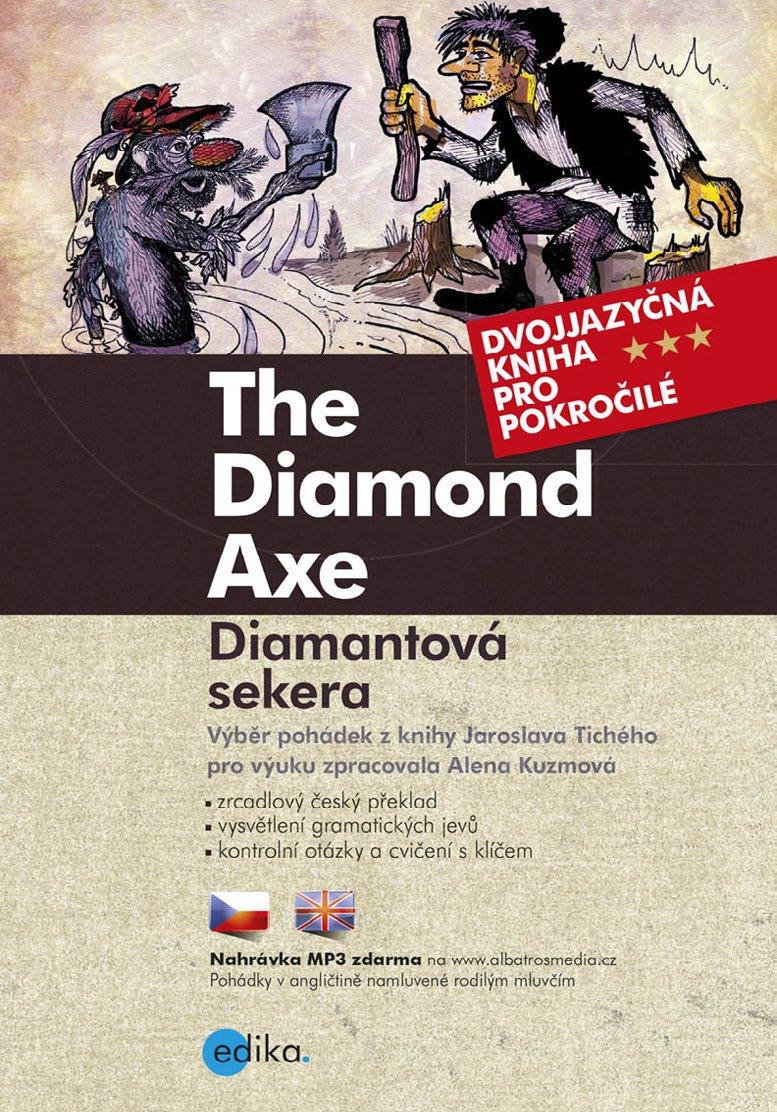
Diamantová sekera
Vyšlo také v tištěné verzi
Objednat můžete na
www.edika.cz
www.albatrosmedia.cz
Jaroslav Tichý
Diamantová sekera – e‑kniha
Copyright © Albatros Media a. s., 2018
Všechna práva vyhrazena.
Žádná část této publikace nesmí být rozšiřována bez písemného souhlasu majitelů práv.
THE DIAMOND AXE
Diamantová sekera
Výběr nejkrásnějších pohádek z knihy Jaroslava Tichého
Diamantová sekera
zpracovala jako anglicko-českou četbu pro středně pokročilé studenty angličtiny
Alena Kuzmová
Edika Brno 2018
Obsah
Předmluva
The Diamond Axe / Diamantová sekera
How the Cooper Duped the Wolf, Bear and Hare / Jak bednář přelstil vlka, medvěda a zajíce
The Secret Words / Tajná slova
The Misery / Bída
The Splinter and the Bark / Tříska a Kůra
The Rich Man and the Devil / Boháč a čert
The Brave Soldier / Statečný voják
The Wicked Countrywoman and the Hairy Scarecrow / O zlé selce a Chlupatém Hastroši
Key to exercises / Klíč ke cvičením
16/17
28/29
44/45
Předmluva
Kniha Jaroslava Tichého Diamantová sekera vyšla poprvé v roce 1964 a od té doby se dočkala řady vydání . Krásné pohádky pobaltských národů se stále líbí dětem i dospělým . V příbězích vystupují jak prostí lidé, tak i urození bohatýři, nadpřirozené bytosti, chytrá zvířátka a zázračné předměty .
Mezi vámi, dětskými čtenáři, ale i mezi vašimi rodiči či prarodiči, jsou zajisté také mnozí, kteří se učí anglickému jazyku a vyhledávají četbu ve zjednodušené angličtině jako vhodný doplněk ke studiu . Právě pro tyto čtenáře je určena kníha The Diamond Axe , která přináší výběr nejkrásnějších pohádek z knihy Diamantová sekera. Příběhy jsou zpracovány zrcadlově v anglicko-české podobě, takže kniha je vhodná i pro samouky . Text ve zjednodušené angličtině upravený pro středně pokročilé žáky doprovází český překlad, což umožňuje čtenářům porozumět dobře celému příběhu . Za každou pohádkou najdete souhrnné otázky, vysvětlení obtížnějších frází a několika gramatických jevů, které si můžete procvičit v následujících cvičeních . Knihu uzavírá klíč, který obsahuje odpovědi na souhrnné otázky k jednotlivým příběhům i řešení ke gramatickým cvičením .
Milí čtenáři, přála bych si, abyste s knihou The Diamond Axe strávili příjemné chvíle . Věřím, že vám četba poskytne nejen zábavu, ale také radost z pokroku, kterého jste již ve studiu angličtiny dosáhli .
Vaše
Alena Kuzmová
The Diamond Axe
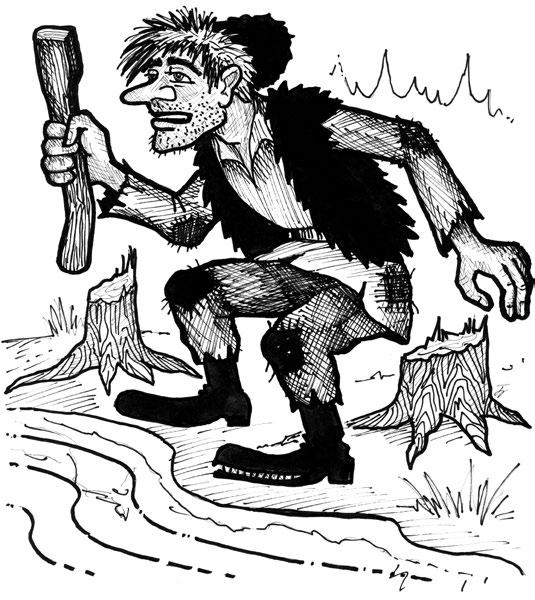
A poor man was cutting wood on the bank of the river when suddenly his axe leapt up off the shaft and straight into the water . The axe went to the bottom, it stands to reason . The poor man started crying regretfully . “What a misfortune! Oh, it’s a shame!” he lamented . “How shall I cut wood without an axe? How will I provide for my family?”
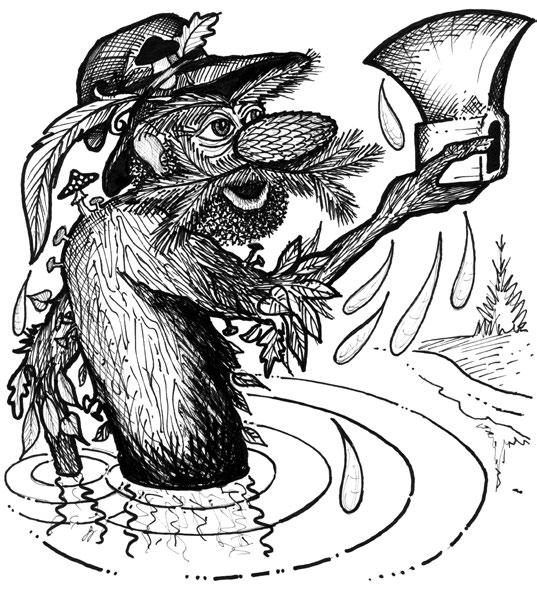
Suddenly something crackled in the bushes . Pitapat, pitapat – a limping old man limped out of the wood . He had grey moss instead of a beard, pine twigs instead of a moustache and a fir cone instead of a nose . “Why are you crying, good man? Why are you moaning?” he asked .
“Why shouldn’t I cry?” answered the poor man . “My axe has fallen into the water . How shall I cut wood now? How shall I feed my children?”
“Well, there’s an easy way to get rid of this misery,” said the old man . He peeled off his fur coat, took off his shoes and plopped into the river . The poor man had hardly managed to blink his eyes when the old man was already coming out of the water, carrying a golden axe in his hand .
“Here you are,” he said . “Is this your axe?”
“No, this one is not mine,” answered the poor man .
The old man sank below the surface again . In a short while he came up and passed a silver axe to the poor man . “Is this one yours?” he asked .
“No, it isn’t mine either,” answered the poor man . And so the old man dived for the third time and pulled out an iron axe . “And what about this one?” he asked .
“This one is mine!” exclaimed the poor man joyfully . He grasped his axe and was about to run home . However, the old man didn’t let him leave .
“Wait a moment! Take these two as well . If you aren’t stingy, I won’t be mean either,” he said .
Diamantová sekera
Chuďas sekal dříví na břehu řeky, když pojednou mu sekera vyskočila z topůrka a rovnou do vody . Sekera se potopila, to dá rozum . Chudák se dal do lítostivého pláče . „Jaké neštěstí! Ach, to je bída!“ hořekoval . „Jak mám bez sekery rubat dříví? Jak uživím svou rodinu?“
Najednou v křoví něco zapraskalo . Dupy dup, dupy dup – z lesa se vybelhal kulhavý dědek . Místo vousů měl šedý mech, místo knírů borové větévky a místo nosu jedlovou šišku . „Proč pláčeš, dobrý člověče? Proč běduješ?“ zeptal se .
„Jak bych neměl plakat?“ odpověděl chuďas . „Spadla mi sekera do vody . Jak mám teď sekat dříví? Jak mám nakrmit své děti?“
„Nu, té bídy je snadné se zbavit,“ řekl stařec . Shodil ze sebe kožich, zul si střevíce a žbluňknul do řeky . Chudák sotva stačil okem mrknout, když stařec už vylézal z vody a v ruce držel zlatou sekeru .
„Tu máš,“ řekl . „Je to tvá sekera?“
„Ne, tato není moje,“ odpověděl chudák .
Stařec se znovu ponořil pod hladinu . Za krátkou chvíli se vynořil a podal chuďasovi stříbrnou sekeru . „Je tato tvoje?“ zeptal se .
„Ne, ta taky není moje,“ odpověděl chudák . A tak se stařeček potopil potřetí a vytáhl železnou sekeru . „A co tato?“ zeptal se .
„Tato je moje!“ zvolal chuďas radostně . Chytil svou sekeru a už už chtěl utíkat domů . Avšak stařec ho nenechal odejít .
„Počkej chvilku! Vem si i tyhle dvě . Když ty nejsi chamtivý, já taky nebudu lakomý,“ řekl .
“Well, if you mean what you say, thank you,” said the poor man . “I’ll never forget your kindness . ” Thereupon the poor man set out on the way home, carrying all three axes on his shoulder: one of gold, one of silver and one of iron .
A rich neighbour heard about the poor man’s happiness . He was seized with such envy that he couldn’t sleep . ‘I’ll go to the river too,’ he said to himself . ‘I may be lucky as well . ’ He took his old axe and set out to the wood . He reached the same place as the poor man had before . He only swung once and his axe leapt up off the shaft and plopped into the water . “Oh, poor me! What a shame!” exclaimed the rich man .
„No, jestli to myslíš doopravdy, děkuju ti,“ řekl chuďas . „Nikdy ti tvou laskavost nezapomenu .“ Nato se chuďas vydal na cestu domů a na rameni si nesl všechny tři sekery: jednu ze zlata, jednu ze stříbra a jednu ze železa .
O chudákově štěstí uslyšel jeden bohatý soused . Zmocnila se ho taková závist, že ho ani nenechala spát . ‚Půjdu taky k řece,‘ řekl si . ‚Možná budu mít taky štěstí .‘ Vzal svou starou sekeru a vypravil se do lesa . Došel ke stejnému místu, co předtím chuďas . Máchl jen jednou a jeho sekera vyskočila z topůrka a žbluňkla do vody . „Ach já nešťastník! To je smůla!“ zvolal boháč .
Suddenly something crackled in the bushes . Pitapat, pitapat – a limping old man limped out of the wood . He had grey moss instead of a beard, pine twigs instead of a moustache and a fir cone instead of a nose . “Who’s crying here?” he asked . “Who’s met with an accident in my wood?”
“That’s me who’s crying,” answered the rich man . “I’ve met with an accident . I was cutting wood when suddenly bang! – the axe leapt up off the shaft and straight into the river . Who’ll pull it out for me now?”
“Perhaps I will,” said the old man . He peeled off his fur coat, took off his shoes and plopped into the river .
The rings on the water surface had hardly started rippling when the old man came up with an iron axe in his hands .
“Is it yours?” he asked the rich man .
“No, this one is not mine,” he answered . “Mine was better . ” The old man disappeared below the surface again . In a short time he came up and passed a silver axe to the rich man .
“What about this one?” he asked .
“This one is not mine either,” said the rich man . “Mine was even better . ” And so the old man dived for the third time and pulled out a golden axe .
“And this one?” he asked .
“This one is mine!” cried out the rich man . “I recognized it even from a distance . Let me have it, quickly!” But the old man didn’t obey .
“What if you are wrong?” he said . “There’s another axe lying on the bottom – a diamond one . It may be yours . ”
“You’re right,” said the rich man . “This one twinkled in the sun so much that I thought it was diamond . ”
The old man shook his beard, disappeared below the surface and took the golden axe away with him . However, he didn’t come up any more . And so the rich man has been sitting on the bank even till now . He’s been waiting for the old man to bring him the diamond axe .
Najednou v křoví něco zapraskalo . Dupy dup, dupy dup – z lesa se vybelhal kulhavý dědek . Místo vousů měl šedý mech, místo knírů borové větévky a místo nosu jedlovou šišku . „Kdo to tu křičí?“ zeptal se . „Koho potkalo v mém lese neštěstí?“
„To já křičím,“ odpověděl boháč . „Mě potkalo neštěstí . Sekal jsem dříví, když náhle buch! – sekera vyskočila z topůrka a rovnou do řeky . Kdo mi ji teď vytáhne?“
„Třeba já,“ řekl stařec . Shodil ze sebe kožich, zul si střevíce a žbluňknul do řeky .
Ještě se kola na vodní hladině nerozběhla, když se stařík vynořil se železnou sekerou v rukách .
„Je tvoje?“ zeptal se boháče .
„Ne, tato není moje,“ odpověděl . „Moje byla lepší .“ Stařík opět zmizel pod hladinou . Za krátkou chvíli se vynořil a podal boháči stříbrnou sekeru .
„A co tato?“ zeptal se .
„Tahle taky není moje,“ řekl boháč . „Moje byla ještě lepší .“ A tak se stařec potopil potřetí a vytáhl zlatou sekeru .
„A tato?“ zeptal se .
„Tato je moje!“ vykřikl boháč . „Už z dálky jsem ji poznal . Sem s ní,
honem!“ Ale stařec neposlechl .
„Co když se pleteš?“ řekl . „Na dně leží ještě jedna sekera – diamantová . Možná že to bude ta tvoje . “
„Máš pravdu,“ řekl boháč . „Tahle se tolik blýskala na slunci, že jsem si myslel, že je diamantová . “
Stařec potřásl vousem, zmizel pod vodní hladinou a zlatou sekeru vzal s sebou . Avšak více už nevyplaval . A tak boháč sedí na břehu dodnes . Čeká, až mu stařík přinese diamantovou sekeru .
Odpovězte na otázky:
1 . What was the poor man doing on the bank of the river?
2 . Why did the man start crying?
3 . Who limped out of the wood?
4 . What did the old man do hearing about the poor man’s misery?
5 . Which axe did the old man pull out of the river first?
6 . Which axe did he fish out for the second and for the third time?
7 . In addition to the iron axe the old man gave the poor man the axes from silver and gold . Why did he decide to do that?
8 . Why did the rich man go to the river?
9 . What did the rich man do by the river?
10 . Which axe did the old man pull out of the river for the rich man first?
11 . Why did the rich man lie that the iron axe wasn’t his?
12 . Which axes did the old man fish out for the second and for the third time?
13 . The rich man said the golden axe was his . Why didn’t the old man give it to him?
14 . Why did the old man dive for the fourth time? Why didn’t he come up any more?
Prostudujte si tyto fráze:
be about to do sth / už už chtít něco udělat
come up (minulý čas came) / vyplavat, vynořit se get rid of sth / zbavit se čeho go to the bottom (minulý čas went) / potopit se Here you are . / Tu máš . Tady to je .
I’ve met with an accident . / Potkalo mě neštěstí . if you mean what you say, . . . / jestli to myslíš vážně (doopravdy), . . . it stands to reason / to je samozřejmé, to dá rozum
Let me have it! / Sem s tím!
provide for sb / uživit, zaopatřit koho
set out (minulý čas set) / vydat se, vyrazit na (cestu)
sink below the surface (minulý čas sank) / ponořit se pod hladinu
What if you are wrong? / Co když se pleteš?
Gramatika:
• Průběhové časy v angličtině vyjadřují probíhající děj v určitém okamžiku či časovém úseku . Tvoří se z příslušného tvaru slovesa to be a příčestí přítomného slovesa (= tvaru končícího na -ing).
Příklady:
A poor man was cutting wood on the bank of the river when suddenly his axe leapt up off the shaft and straight into the water .
“Why are you crying, good man? Why are you moaning?”
• Neurčité zájmeno one, ones zastupuje ve větě podstatné jméno, které již bylo předtím zmíněno . Často mu předchází ukazovací zájmeno this nebo that či přídavné jméno.
Příklady:
“No, this one is not mine,” answered the poor man .
“Is this one yours?”
• Samostatná přivlastňovací zájmena se užívají, když po nich nenásleduje podstatné jméno .
Příklady:
“Is this one yours?” he asked .
“This one is mine!” exclaimed the poor man joyfully .
“Mine was better . ”
• Záporka not + either má význam také ne.
Příklady:
“No, it isn’t mine either,” answered the poor man .
“If you aren’t stingy, I won’t be mean either,” he said .
• Zvolací věty mohou začínat “What” a v přítomném čase lze vynechat sloveso to be.
Příklady:
“What a misfortune!”
“What a shame!” exclaimed the rich man .
Cvičení:
1 .1 Použijte slovesa v závorkách v prostém či průběhovém čase
přítomném či minulém:
1 . What (be) wrong with you? Why are/do you (cry)?
2 . Jane (cut) her finger when she (cut) bread .
3 . “What you (do) here?” “I (wait for) my wife to come . ”
4 . When I (come) into the room, they just (talk about) our director .
5 . Music (be) Jack’s hobby . He (go) to music school every Thursday .
6 . Where you (go) when I (meet) you yesterday afternoon?
7 . Why you (not get up and get dressed)? It (be) already 7 o’clock .
8 . You must have called me just as I (have a shower) . That’s why I (not answer) the phone .
1 .2 Přeložte do angličtiny:
1 . Nejez můj dort . Tvůj je tento .
2 . Tento svetr se mi nelíbí . Líbí se mi ten červený .
3 . Tato jablka nejsou moc chutná . Chtěla bych ta žlutá .
4 . „A co tento deštník? Je váš?“ „Bohužel, tento také není můj . “
5 . Také jsem si ničeho nevšiml .
6 . „Ztratil jsem klíče, když jsem běhal v lese . “ „To je ale smůla!“
7 . Podívej se na tu krajinu . Jaká je to krása!
1 .3 Přeložte do angličtiny:
1 . Už jsem chtěl odejít, když zazvonil telefon .
2 . Muž se ponořil pod hladinu, ale za krátkou chvilku vyplaval a držel něco v ruce .
3 . Měl byste se zbavit některých špatných návyků .
4 . „Můžete mi půjčit vaši propisovačku?“ „Tu máte . “
5 . Není snadné uživit takovou početnou rodinu .
6 . Kdy chcete vyrazit na cestu?
7 . Doufám, že to myslíš vážně .
8 . „Jsem si jistá, že tím zlodějem je náš soused . “ „Co když se mýlíš?“
How the Cooper Duped the Wolf, Bear and Hare
A cooper was nailing together a big barrel in the woods . He’d already tightened all the staves and fixed a hoop; it only remained to plane something here and there . Suddenly he heard branches cracking behind him . He looked around and stood frozen . A bear was rushing straight at him!
The cooper was seized by panic . ‘What shall I do? Shall I climb up a tree? The bear will climb there too . Shall I take flight? The bear will catch me up . ’
The cooper completely lost his cool .
And the bear was already breaking the bushes just a few steps from him . At the eleventh hour, the cooper lifted the barrel and slipped under it .
The bear ran up to the barrel and thought: ‘What’s this? Neither hay nor straw . . . ’ In the end he sat down on the barrel to take a rest . He sat there brushing away mosquitos with his paw . Then all of a sudden a wolf ran past after his work . “Where are you hurrying?” the bear shouted at the wolf . “Sit down here with me, Greybeard, and tell me something . ”
And so the bear and the wolf were sitting together, talking about all sorts of things . Suddenly a hare jumped out from the bushes and lolloped down the meadow . The bear shouted at him too: “Stop, hare! Aren’t you fed up with this skipping? Drop in for a natter!” And the hare sat down beside the wolf and bear willingly and started to chatter about the news from the wood .
The wolf was listening and listening when suddenly he said: “Oh, how hungry I am! My stomach is rumbling . ”
“You’re right,” answered the bear . “Run and fetch something to eat, toothy wolf . I’ll look around for something too . ”
“All right,” the wolf replied . “The day before yesterday I saw a fat ram at a cooper’s cottage in the village . I’ll go and try to take him out from the shed . And what are you going to bring, bear?”
“I’d say that a little honey would be a good dessert,” the bear answered . “Just in that cooper’s beehive the honey is very sweet . ”