Nejkrásnější pohledy na Prahu
Karel Dobeš David Černý
The Most Beautiful Views of Prague
Karel Dobeš David Černý

Karel Dobeš David Černý
Karel Dobeš David Černý
Grada Publishing
Upozornění pro čtenáře a uživatele této knihy: Všechna práva vyhrazena. Žádná část této tištěné či elektronické knihy nesmí být reprodukována a šířena v papírové, elektronické či jiné podobě bez předchozího písemného souhlasu nakladatele. Neoprávněné užití této knihy bude trestně stíháno
Notice for readers and users of this book: All right reserved. No part of this printed or electronic book can be reproduced and circulated in paper, electronic or any other form without the written agreement of the publisher. Unauthorized use of this book will be criminally prosecuted.
Fotografie / Photography Karel Dobeš Text David Černý
Vydala / Published by Grada Publishing, a.s. U Průhonu 22, Praha 7 / Prague 7 obchod@grada.cz www.grada.cz tel.: +420 234 264 401 jako svou / as its 10096. publikaci / publication
Odpovědná redaktorka / Editor Eva Škrabalová Grafická úprava, sazba a obálka / Pr intsetting, graphics and cover Martin Dubský Fotografie na obálce / Cover photograph Karel Dobeš Jazyková korektura / Language editing Pavlína Zelníčková
Počet stran / Number of pages 128 První vydání, Praha 2025 / First edition, Prague 2025 © Grada Publishing, a.s., 2025 Cover Design © Grada Publishing, a.s., 2025
Názvy produktů, firem apod. použité v knize mohou být ochrannými známkami nebo registrovanými ochrannými známkami příslušných vlastníků. The names of the products, companies, etc. used in the book can be protected trademarks or registered trademarks of the relevant owners.
ISBN 978–80–271–8034–9 (pdf) ISBN 978–80–271–5719–8 (print)
Na nesčetných pražských vyhlídkách lemujících
řeku dostaneme možnost podívat se do kopcovitého kraje, kterým se líně dere stříbropěnná Vltava. Tok se prohýbá a zatáčí do z kosmu viditelné siluety iniciály písmene P, jako by Vltava chtěla zákrutami svého toku Prahu podepsat.
Jedním z nejstarších a nejkrásnějších míst, odkud se nabízí pohled na celou Prahu, je Vyšehrad.
Ze zdí starobylého hradiště, které bylo vystavěno na vysoké pravobřežní skále, aby chránilo a dohlíželo na Prahu z jihu, můžete nahlédnout do pražské městské krajiny, ale i okolní přírody s děv ínskou plání Dívčích hradů, po které se v dáli prohánějí divocí koně Převalského.
Naproti Dívčím hradům je pak majestátní Branická skála se starými lomy. A pokud kvečeru pohlédnete směrem ku Praze, zapadající slunce barví město i řeku do zlatavých a růžových odstínů, které dojmou každého a leckterého i k slzám.
Uprostřed historického města se jako hřbet bájného draka vypíná zelený vrch Petřín, který měl to štěstí, že po staletí zůstal parkem pouze s minimální zástavbou. Jen na jeho vrcholu je malá pražská Eiffelovka, z níž je jedinečný pohled na celé město. Dokonce i na Pražský hrad koukáte z výšky.
A stačí popojít jen kousek na Letnou, kde z četných vyhlídek vidíte město zase z jiného úhlu. Celé Staré Město pražské s vysokými kostelními věžemi. Neodtrhnete oči od kostela Matky Boží před Týnem se dvěma věžemi, které nesou jména Adama a Evy, přičemž tlustší Adam, jak se sluší a patří, chrání svou Evu.
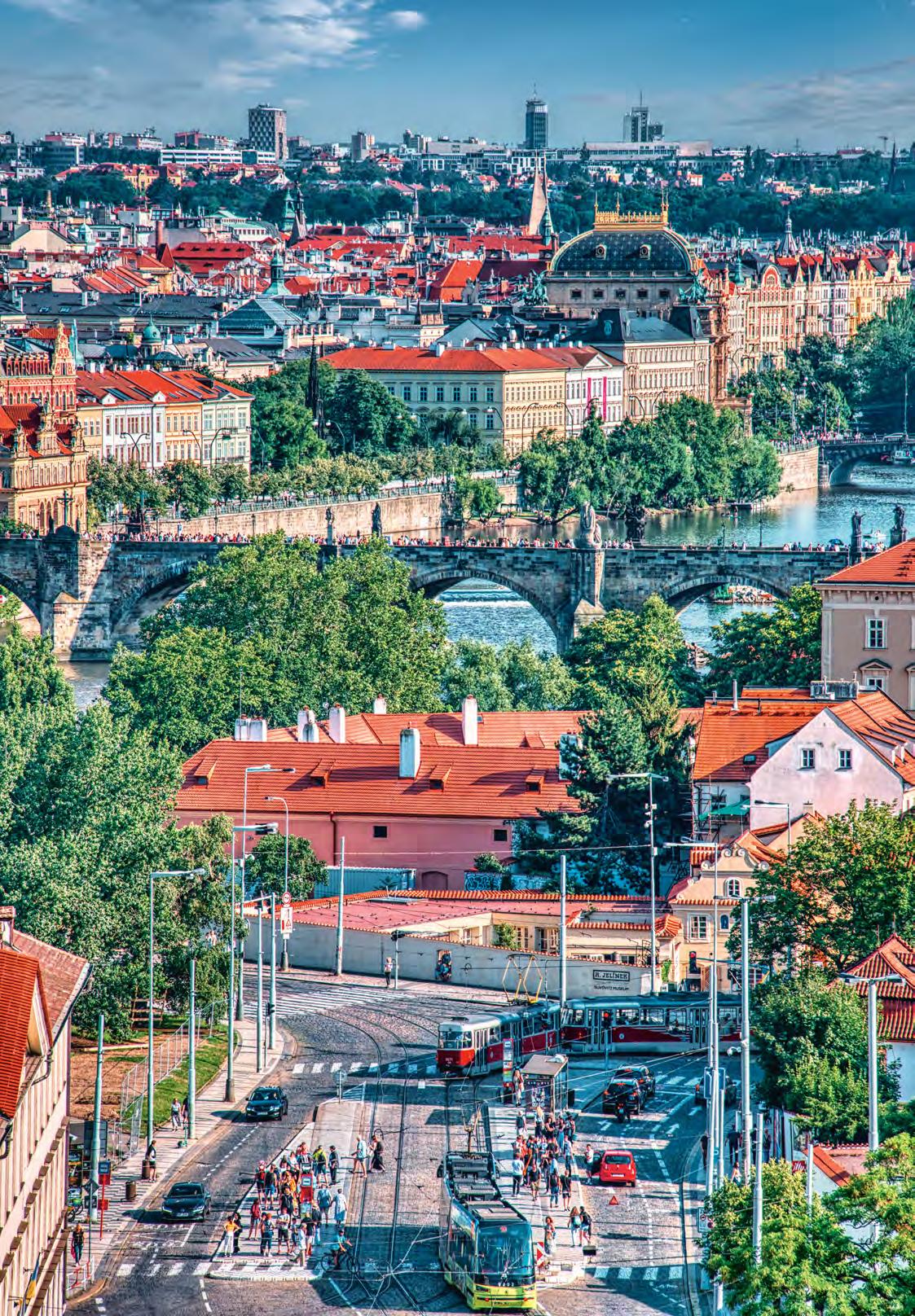
Když se podíváte vpravo směrem ke Karlovu mostu, naskytne se vám božský výhled na pražské mosty. Napočítáte secesní most Čechův, Mánesův most, jehož první jméno bylo most Františka Ferdinanda d’Este, Karlův most, most Legií, Jiráskův a Palackého most, a kdy ž zaostříte, vytušíte pod Vyšehradem i železniční most, který tak příjemně rachotí. Krásně je na světě. Kochejte se.
From the countless viewpoints that line the Vltava River in Prague, one can gaze across the hilly landscape through which the silvery, foam-crowned river winds its way. The Vltava bends and cur ves into the unmistakable silhouette of the letter “P” — as if tr ying to sign the city of Prague with its meandering flow, visible even from space.
One of the oldest and most beautiful places to take in a view of the entire city is Vyšehrad.
From the walls of this ancient fortress, built high on a rocky cliff on the right bank of the Vltava to guard and oversee Prague from the south, you can look out over the urban landscape of the city as well as the surrounding countryside. Off in the distance lies the Devín Plateau of Dívčí hrady, where herds of Przewalski’s horses roam wild.
Opposite Dívčí hrady rises the majestic Braník Rock, once home to old quarries. And if you look toward the city at dusk, the setting sun paints both river and rooftops in golden and pink hues — a sight so mov ing it can bring tears to your eyes.
In the heart of the historic city, the green hill of Petřín rises like the back of a mythical dragon. For centuries, it has remained a park with very little development — a stroke of luck for Prague. At its summit stands a miniature Eiffel Tower, from which you can enjoy a unique panorama of the entire city — even looking down on Prague Castle itself.
Take just a few steps to Letná, and the city reveals itself from yet another perspective. Here you see the whole Old Town with its many church towers. Your eyes will linger on the Church of Our Lady before Týn, with its twin spires named Adam and Eve — the broader Adam, as tradition dictates, protectively shielding his Eve
Looking right toward Charles Bridge, you’re treated to a divine view of Prague’s bridges: the Art Nouveau Čech Bridge, Mánes Bridge (originally named for Archduke Franz Ferdinand d’Este), the historic Charles Bridge, the Legion Bridge, Jirásek Bridge, Palacký Bridge — and if you squint just a bit, even the old railway bridge beneath Vyšehrad, which rattles so delightfully. What a beautiful world. Take it all in.
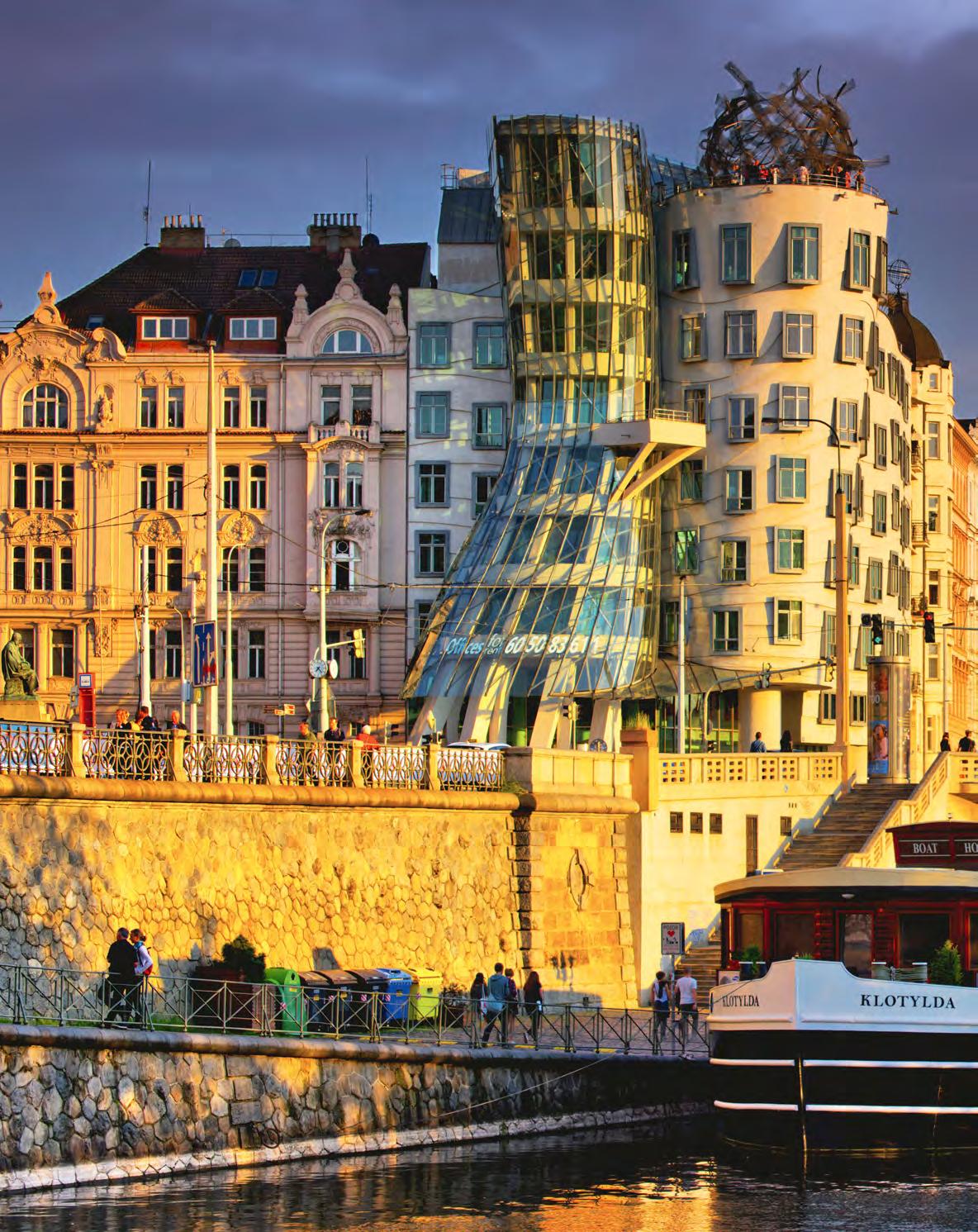
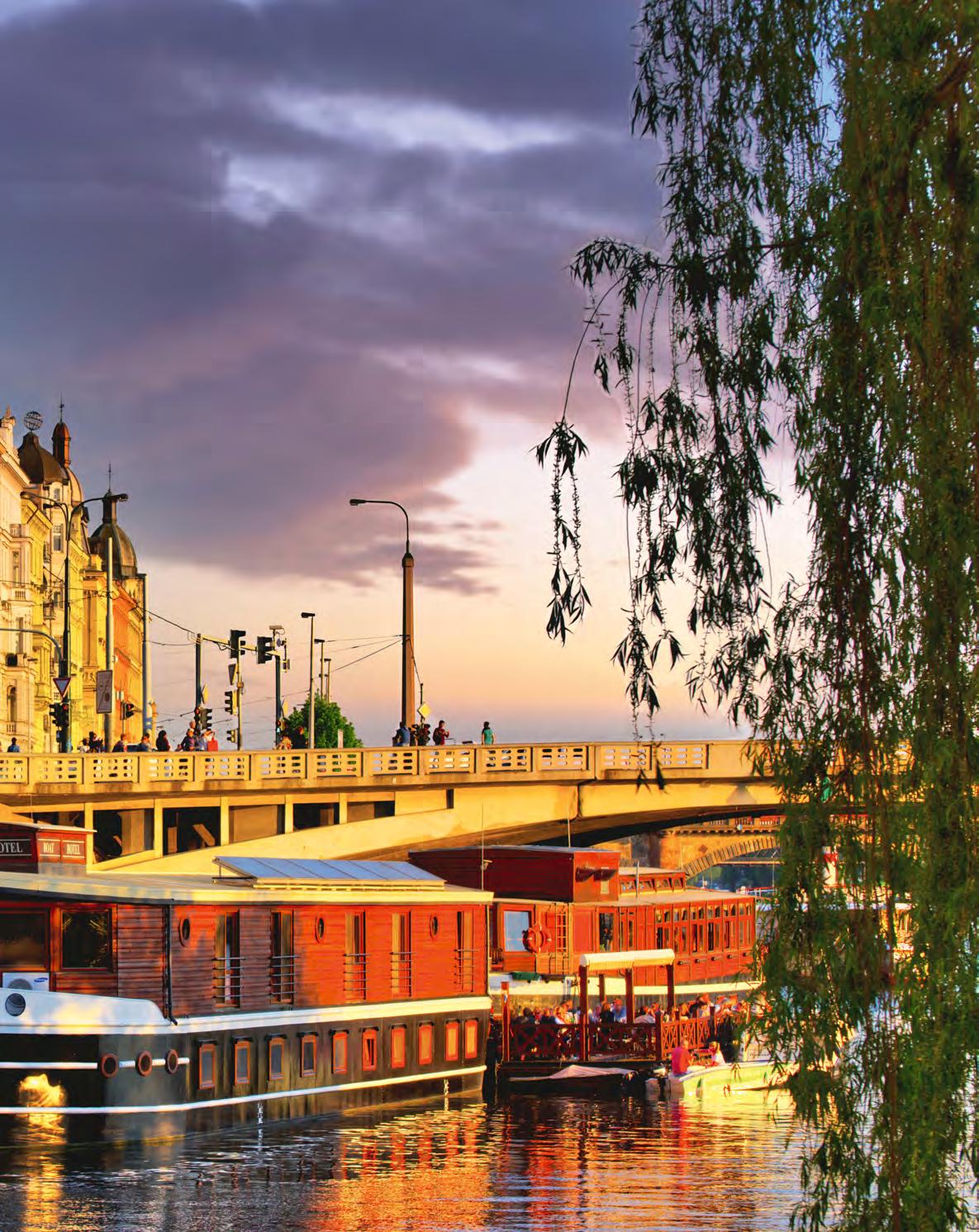
Praha má tu jedinečnou vlastnost, že dokáže jaksi přirozeně a nenásilně přijmout jakoukoliv architekturu. A tak v pražských ulicích stojí vedle sebe románské rotundy a dvorce, vysoké gotické věže kostelní i mostecké, načančané barokní paláce, domy i kostely, ale i stavby moderní, které mnohdy s odvahou vstupují do jedinečné pražské architektonické krajiny.
Na Pražském hradě, který je největším hradním komplexem na světě, najdete všechny styly. V průchodu mezi druhým a čtvrtým nádvořím jsou vidět za prosklenými okny zachovalé základy nejstarší kamenné stavby v Praze. Rotundu nechal v místech budoucího hradu už v 9. století (byl zřejmě postaven mezi roky 882–884) vybudovat první přemyslovský historický kníže Bořivoj. Do dnešní doby se zachovala většina severní části zdiva do výše jednoho a půl metru.
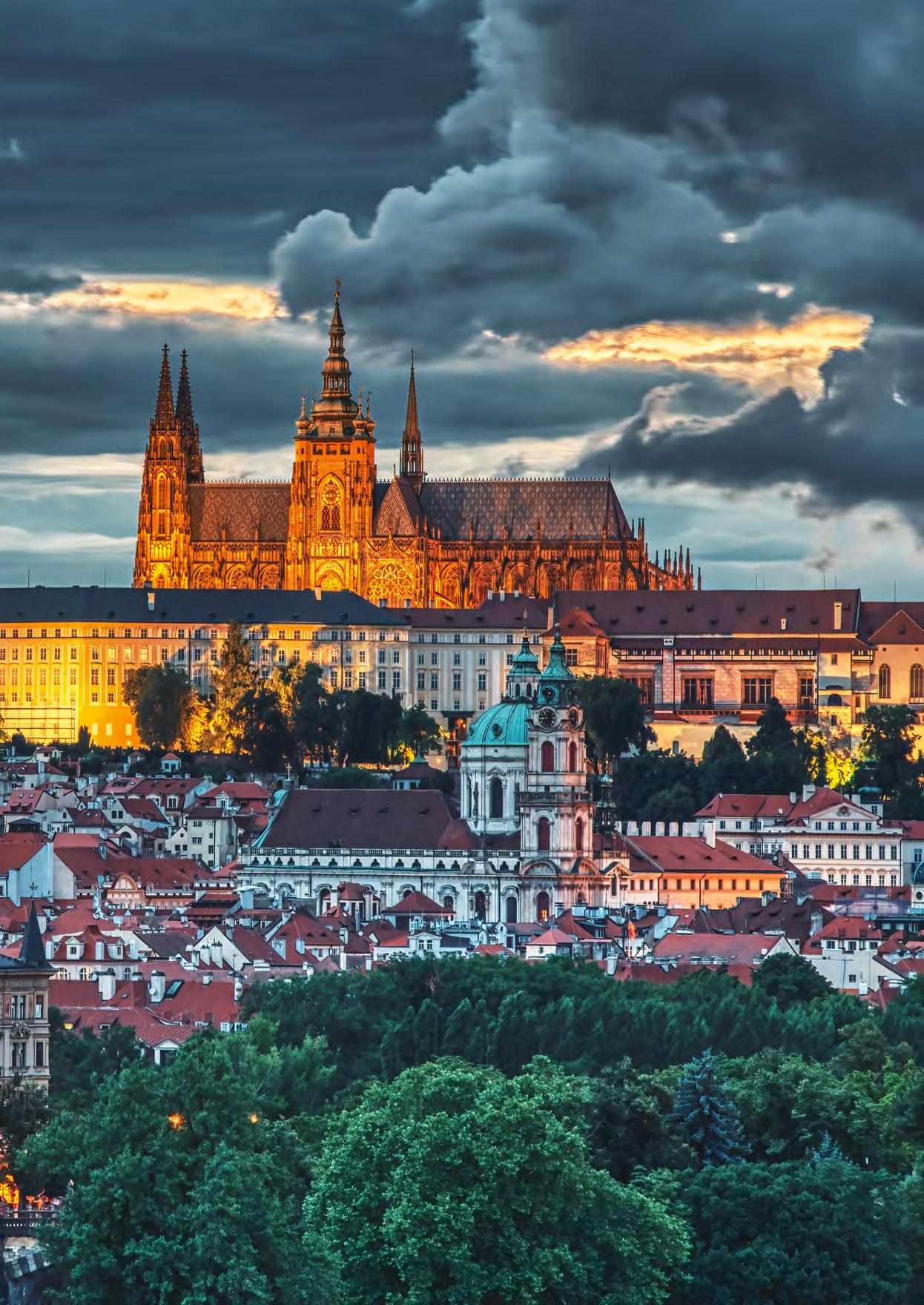
Nejviditelnějším symbolem Prahy je Hrad. Stojí na ostrohu nad soutokem řeky Vltavy a potoka Brusnice. Majestátní Chrám svatého Víta s velkou jižní věží a dvěma novodobými západními věžemi svou výjimečnou pozicí ovládá všechny pohledy na město. Uprostřed hradního komplexu už stojí třetí kostel, který se hlásí ke svatému Vítu, nad jehož ramenem byla z popudu svatého Václava vystavěna první rotunda. Ta byla nahrazena bazilikou, a nakonec současným Chrámem svatých Víta, Václava a Vojtěcha, jehož základní kámen byl položen za přítomnosti krále Jana Lucemburského a jeho syna, budoucího římského císaře Karla IV., v roce 1344. Chrám byl dokončen vlastně až v roce 2025 instalací chrámových varhan —jeho stavba tedy trvala 681 let.
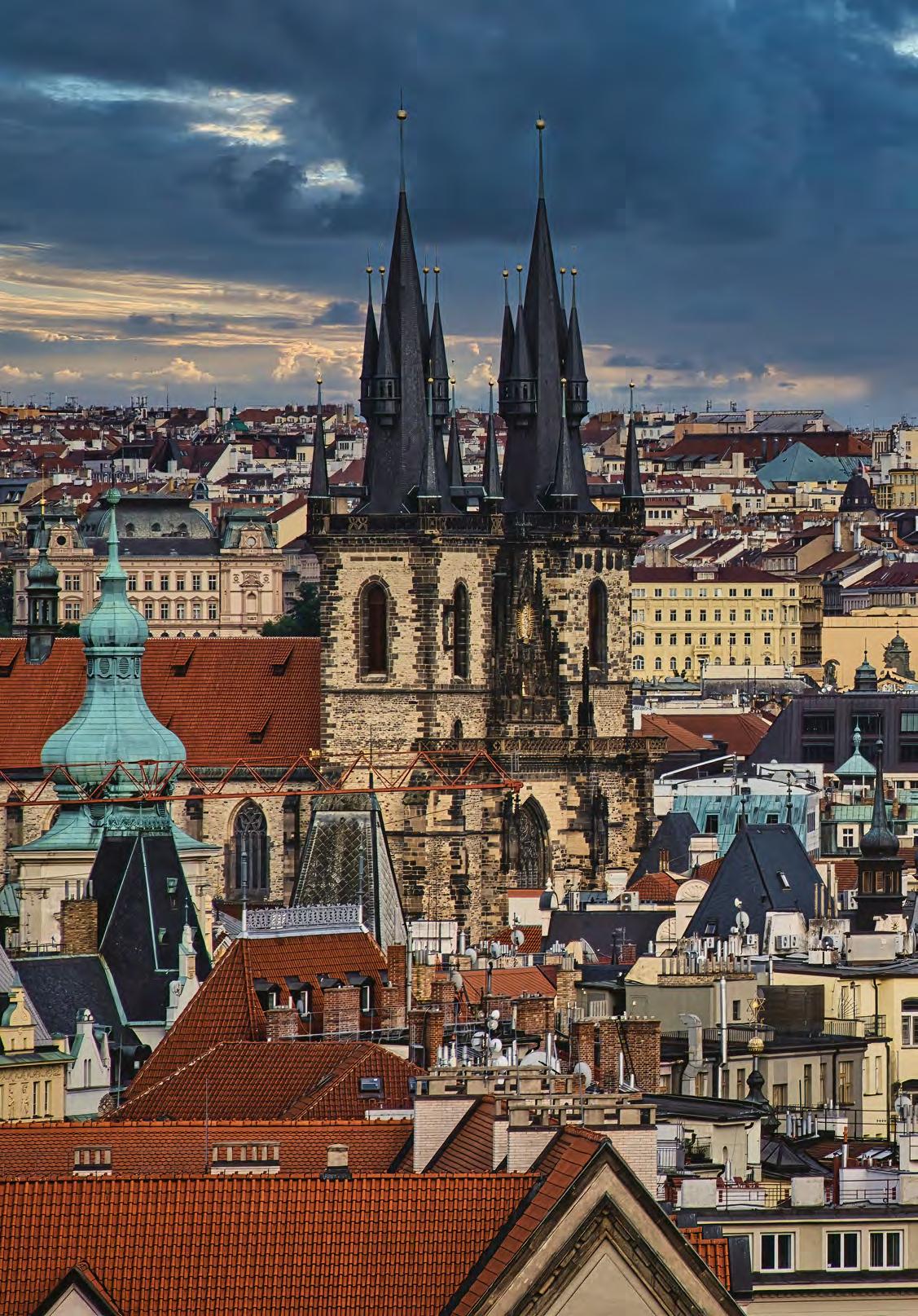
Dominantou Starého Města na pravém břehu Vltavy je velkolepý gotický chrám Panny Marie před Týnem. Velkolepý kostel se stavěl od poloviny 14. století do prvních desetiletí 16. století. Jeho západní průčelí tvoří jednu z nejznámějších dominant Prahy. Věže trojlodní baziliky rostou až do výše 80 metrů, klenba kostela je ve výši 30 metrů.
Téměř na každé fotografii Malé Strany je nepřehlédnutelný kostel svatého Mikuláše, stojící uprostřed Malostranského náměstí. Jeho výrazná zelená kupole určuje ráz celého Menšího Města pod hradem. Vždy si představím, jak museli být Malostranští udiveni, když rostla k nebi tato velkolepá barokní stavba.
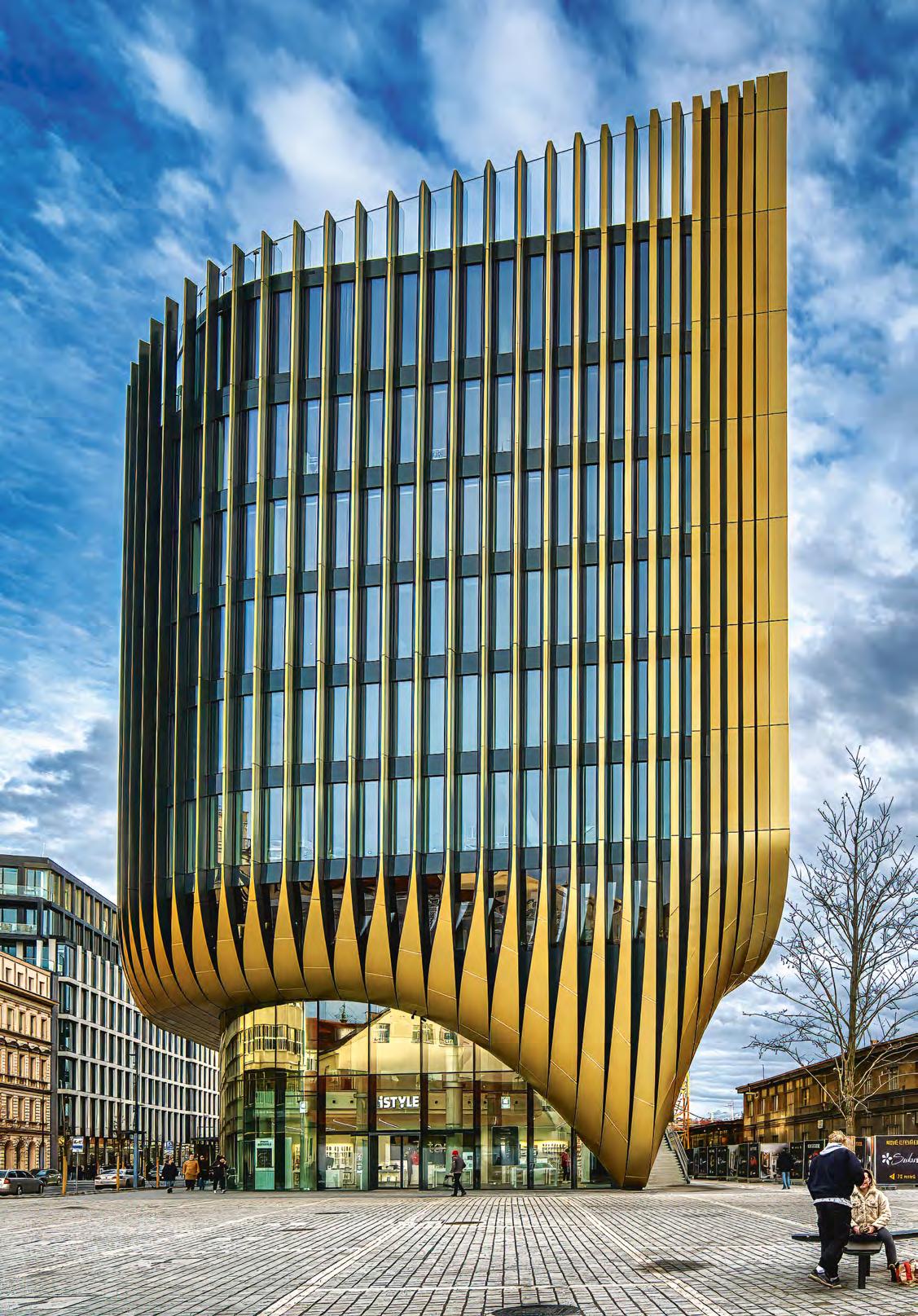
Stejné pozdvižení vzbudila stavba nové budovy u Masarykova nádraží. Masaryčka, navržená londýnským studiem Zaha Hadid Architects, vstoupila do města na samém okraji pražské památkové rezervace. Kde dříve byly nevzhledné nádražní budovy a ještě předtím pražské hradby, vznikla nepřehlédnutelná stavba, na které byste pravý úhel hledali jen velmi obtížně. Samotné přípravy a stavba budovy budily velké vášně, původní projekt prošel řadou změn, ale nakonec stavba získala všech potřebných 326 razítek. A je jisté, že si Praha jako vždy i s touto mimořádnou stavbou poradí.
Prague has a rare and remarkable quality: it can absorb virtually any architectural style in a natural and effortless way. In its streets, Romanesque rotundas and courtyards stand beside soaring Gothic church and bridge towers, ornate Baroque palaces, houses, and churches — as well as modern buildings that often boldly insert themselves into Prague’s distinctive architectural landscape.
At Prague Castle — the largest castle complex in the world — you’ll find every architectural style represented. Between the second and fourth courtyards, preserved foundations of the oldest stone building in Prague can be seen through glass windows. The rotunda was built in the 9th century (likely between 882 and 884) by the first documented Přemyslid prince, Bořivoj, on the site where the castle would later rise. To this day, most of the northern wall has survived to a height of about one and a half meters.
The most visible symbol of Prague is the Castle itself. It sits high on a promontory above the confluence of the Vltava River and the Brusnice stream. Dominating the skyline is the majestic St. Vitus Cathedral, with its massive southern tower and two more recent western towers. Positioned at the heart of the city, it commands every view. This is the third church dedicated to St. Vitus to stand within the castle complex. The very first rotunda was erected at the behest of Saint Wenceslas. It was later replaced by a Romanesque basilica, and finally by the current Cathedral of Saints Vitus, Wenceslas, and Adalbert. Its foundation stone was laid in 1344 in the presence of King John of Luxembourg and his son, the future Holy Roman Emperor Charles IV. Remarkably, the cathedral was only completed in 2025, with the installation of the main organ — a construction journey that took 681 years.
On the right bank of the Vltava, the defining feature of the Old Town skyline is the grand Gothic Church of Our Lady before Týn. Built between the mid14th century and the early 16th century, its western façade is one of Prague’s most iconic landmarks. The twin towers of this three-aisled basilica soar to a height of 80 meters, while the vaulted ceilings reach 30 meters above the floor.
In almost every photograph of the Lesser Town (Malá Strana), the striking Church of St. Nicholas stands unmistakably at the center of Malostranské Square. Its bold green dome shapes the entire character of this district nestled below the Castle. One can only imagine the awe of the locals as this magnificent Baroque masterpiece began to rise toward the heavens.
The construction of a different kind of building, near Masaryk Railway Station, has stirred similar astonishment. The “Masaryčka” building, designed by the London-based studio Zaha Hadid Architects, was erected at the very edge of Prague’s heritage conservation zone. Where unsightly railway buildings once stood — and before that, the city’s medieval walls — now rises a futuristic structure where right angles are few and far between. The planning and construction provoked heated debate; the original design underwent numerous revisions. But eventually, the project secured all 326 required permits. And as always, Prague has found a way to embrace even this extraordinary addition to its architectural mosaic.