Predicting Corporate Default and Mergers and Acquisitions
Reviewed by:
prof. Ing. Tomáš Klieštik, PhD.
dr hab. Błażej Prusak
Published with financial support from the Internal Grant Agency of the Brno University of Technology, project No. FP-S-20-6466 Prediction Models in Finance – SMEs’ Specifics, and project No. FP-S-18-5234 Prediction Models in Finance: Analysis of Factors and Predictions of Bankruptcy, Company Performance and Value.
2.1.3 The issue of multicollinearity and methods for its detection
2.2 Methods of Feature Selection
2.2.1 Student’s t-test and the Welch test
2.2.2 The Mann-Whitney U-test
2.2.3 The Chi-square test
2.3 Classification Methods for Deriving the Default Prediction Model
2.3.1 Parametric classification methods
2.3.2 Non-parametric classification methods
2.3.3 The combination of methods – hybrid models
2.4 Measures Used for Testing the Distress Prediction Model
2.4.1 Methods of analysing the variables significance
2.4.2 Goodness of fit measures
2.4.3 Accuracy measures
2.5 References
3 Corporate Default Prediction Models
3.1 Specifying the Object of Prediction
3.2 Causes of Corporate Default
3.3 Types of Credit Scoring Model
3.3.1 A credit scoring model according to the consideration of recovery rate
3.3.2 A credit scoring model according to consideration of credit risk measures
3.3.3 Credit scoring model according to consideration of the exposure to default
3.3.4 Credit scoring models according to the type of data utilised
3.4 Predicting the Default of SMEs
3.4.1 The adopted definition of SMEs
3.4.2 Financial constraints and default prediction issues in SMEs
3.4.3 Default predictors specific to SMEs and related issues
3.5 The Accuracy of Models under Alternative Conditions
3.6 Research Sample and Design – Default Prediction Model
3.6.1 The conditions in the economic environment in the analysed period
3.6.2 The research sample and its proportions
3.6.3 The analysed set of variables
3.6.4 Results – default prediction models
3.6.5 Detailed description of the steps proposed in the flowchart
3.6.6 The preselection of variables
3.6.7 Principal component analysis (PCA) results
3.6.8 Analysing the appropriate number of components
3.6.9 Component matrix
3.6.10 Creating a logit model
3.6.11 Deriving a hybrid model
3.6.12 Model testing results
3.7 Conclusions
3.8 References
4 Prediction of Synergies in Mergers and Acquisitions – the Case of the Czech Republic
4.1 Introduction
4.2 Why Investigate M&As? Even if the Volume Increases, the Effect Remains Unclear
4.3 Motives for M&As
4.4 Approaches to Synergy Measurement
4.4.1 Identification of synergies based on financial indicators
4.4.2 Identification of synergies based on determination of the business value
4.4.3 Estimation of the discount rate
4.4.4 The research methodology applied in the Czech Republic and the data used
4.4.5 Description of the research group
4.4.6 Determination of company value
4.5 Results: Identification of Financial Ratios for Synergy Prediction
4.5.1 Division of mergers into successful and unsuccessful according to financial ratios
4.6 Results: Synergistic Value Prediction
4.6.1 Modification of the company value determination procedure
4.6.2 Factors influencing the value of achieved synergies
4.6.3 A model predicting the achievement of synergy
4.6.4 Model predicting the value of synergies
4.7 Conclusion
4.8 References
5 Mergers and Acquisitions in Romania
5.1 Introduction
5.2 Mergers of Romanian Private Companies: Opportunities and Obstacles
5.2.1 Romanian mergers: a review of types, phases and evolution
5.2.2 Motives for participating in mergers
5.2.3 Hypotheses development
5.2.4 Target population and analysed sample
5.2.5 Models proposed for analysis and data source
5.2.6 Results and discussions
5.3 Determinants for Acquirers’ Behaviour on the Romanian Acquisitions Market
5.3.1 Evolution and characteristics of the Romanian market for corporate acquisitions
5.3.2 Hypotheses development
5.3.3 Target population and analysed sample
5.3.4 Models proposed for analysis and data source
5.3.5 Results and discussion
5.4 Conclusions
5.5 References
6 Conclusion
7 References
8 Attachments
8.1 List of Abbreviations
8.2 List of Tables
8.3 List of Figures
Preface
Prediction models are widely used in many aspects of life, including the social sciences (e.g. finance), natural sciences (e.g. medicine) and technical sciences (e.g. engineering). The doctor wants to know what nuances in the heartrate curve are symptoms of certain diseases or malfunctions so as to make a diagnosis before the patient’s condition becomes fatal. The businessman, when entering into a contract with a new partner, needs to know whether this partner’s financial situation will allow him to meet his obligations, so that the contract will benefit both parties. When designing a new airplane, the engineer is interested in whether the plane’s wings will withstand possible inflight turbulence so that the plane will not crash.
What all these have in common is that they are based on the assumption that there are certain patterns that have occurred in the past, and that these can be recognised in the present, making prediction possible. In statistical jargon this is the pattern recognition process.
Such predictions are usually performed on the basis of past personal experience or by means of statistical techniques derived to make this process less demanding and time-consuming.
The first steps were taken in 1936 by Roland Fisher, who discovered discriminant analysis. He used data on iris flowers, or rather the morphological variation of three related species. The data set consisted of fifty samples of each species of iris and four features were measured on each sample. Fisher’s idea of developing linear discriminant analysis lay in the creation of a model that would distinguish the species from one another.
Research on prediction in the natural sciences has a longer history than in the social sciences, particularly in economics and business.
This publication results from the project “Prediction Models in Finance: Analysis of Factors and Predictions of Bankruptcy, Company Performance and Value”. Its authors work at the Department of Finance at the Faculty of Business and Management at Brno University of Technology and are engaged in research and teaching focusing on corporate finance and financial management. Their work on this publication was based on their experience published in individual papers and dissertations. They decided to summarise that experience in the form of a comprehensive overview of methods suitable for the creation of prediction models in finance and methods useable to verify the nature of the data entered into these models. This procedure is a basic precondition for the correct application of models and, thereby, the validity of the results obtained. A further reason for their deciding to write this monograph is that research into corporate prediction models is generally based on public companies, with little attention having been devoted to private companies. Since only a few companies in the Czech Republic have issued publicly tradeable shares, the results published to date have little applicability under the conditions prevailing there. In addition, the accuracy of models developed in other countries drops significantly when applied to a different environment.
The authors believe that this publication may also inspire other authors engaged in research into companies in other countries with a similar company structure.
This book is divided into three basic areas. The first is an introduction to the issue of prediction and an overview of methods that can be used for the statistical testing of data and methods suitable for the creation of prediction models. This issue forms the content of the first and second chapters of this publication. This section also contains an overview of methods suitable for measurement of the differentiation capability of models.
The second area is the prediction of corporate distress. This section presents the reasons for company bankruptcy and selected models, though first and foremost it presents four models created by the authors for the segment small and medium-sized enterprises. The description of model creation may serve other authors in deriving their own models.
The third area is prediction in mergers and acquisitions, trends and the success of company mergers. Mergers and acquisitions are an extremely popular route for company growth, though they do not always end in success. This section of the publication presents the reasons for M&As, approaches to the measurement of their success, and two prediction models for predicting the success of M&As. The premise of this procedure is the creation of a methodology for determining the synergy value, i.e. the effect achieved by the merger of separate companies. The analysis of determinants of acquirers’ behaviour on the Romanian acquisitions market are presented in this part as well.
Ing. Michal Karas, Ph.D.
Faculty of Business and Management, Brno University of Technology, Czech
Republic
1 Introduction
Ing. Michal Karas, Ph.D.; prof. Ing. Mária Režňáková, CSc.
Brno University of Technology, Czech Republic
A prerequisite for a company to be a going concern is its ability to satisfy its customers’ needs, efficiently utilise available assets and resources, seek and implement development projects and, at the same time, always remain solvent. In the short-term, the objective of business is to generate profit, with profit being the positive difference between revenues and attributable direct costs over a period. The longterm objective of a business in a market economy is the value that an investor gains from their investment, i.e. the business value.
The value created by doing business is the sum of the results of countless decisions made by managers and employees at all levels. Each decision rests on consideration of a number of options that are judged against the criteria chosen (usually the expected effect). Even when every decision is carefully considered, the outcome cannot be guaranteed. This is due to the risk that assumptions made when taking decisions do not prove to be correct. The way to reduce risk in business lies in the identification of its sources, its diversification and in taking measures to reduce the incidence of risk factors. Prediction models based on the identification of risk factors and the identification of companies with a high likelihood of risk occurrence have an important role to play in the process.
1.1 Risk in Economics and Business
In the broadest sense, risk can be defined as any source of randomness that may have an adverse impact on a business. Risk cannot, however, be perceived only negatively – the negative consequences of risk often provide an impetus for innovation and progress. As with the outcomes of research and development they can only be assumed and are not certain in advance.
Risk, like all aspects of business, is defined in financial terms. It is most frequently measured as the variability of business and economic indicators; particularly the variability of cash flow. If the risk is low, it is merely monitored, and no particular attention is paid to it. The increasing variability of an indicator is cause for a change in risk perception or can even signal approaching company failure. This risk is commonly referred to as direct credit risk, default risk or downgrade risk (Culp, 2001). Credit risk occurs mainly in the financial sector and gauges the counterparty’s ability to deliver the required assets or financial resources. It is therefore associated with an issuer of securities or with the counterparty in a credit relationship. Because company failure is the end result of many factors, efforts are made to identify all potential sources of risk that may signal an increasing threat of failure. These are collectively called business risks. The perception of sources of risk changes over time and is related to the objectives of the company. Initially, risk factors were examined in relation to the return on invested capital, i.e. the objective was to determine which factors could negatively affect the company’s profitability. Currently, risks are predominantly assessed in relation to cash flow. For instance Sadgrove (2005) uses the term “revenue drivers” in this context for the decisive factors contributing most to corporate earnings and deems it justified to create a risk strategy for them.
There are four main areas of business risk: strategic, operational, financial and compliance.
Strategic risks are crucial from the perspective of the company’s long-term prospects. They are usually associated with the company’s external environment (opportunities and threats) and the company’s ability to respond to changes in that environment. The main sources of risk are the macroeconomic environment, competitors, consumer needs, technology, legal issues (e.g. contracts, litigation and intellectual property rights), mergers and acquisitions, changes in the market structure and market developments.
Operational risks are those relating to the organisation’s production and operations. They comprise of risks such as the delivery of poor-quality materials and services, the failure of suppliers and a significant proportion of customers, loss of distribution channels and errors in logistics, a decline in the quality of products and services, employee skills, errors in investment decision-making, downtime at production facilities, IS and IT support, insufficient quality of management, etc. According to financial managers of large companies, the decisive revenue drivers are their production facilities, logistics and IT equipment (Sadgrove, 2005).
Compliance risks are associated with the observance of rules and regulations, such as stock exchange rules, tax requirements, environmental legislation, accounting standards, ethics and internal controls. The importance of identifying and managing these risks is of particular importance in public companies.
Financial risks are mainly associated with the loss of a company’s profitability and solvency (resulting from an imbalance between current inflows and expenditure). They may be (and usually are) a consequence of other risks (e.g. failure of customers, an increase in
interest rates, unfavourable exchange rates, or an increase in the price of materials and overhead expenses), though also of errors in credit and cash management.
The traditional assumption of microeconomics and financial economics is that people are risk averse. This is certainly true in areas related to protection of the environment, health and safety and leads to attempts to identify the reasons for the occurrence of the given risks (i.e. their sources) and, based on this, to anticipate future developments and estimate potential consequences. The aim in running a business is to make an estimate in advance as to whether the outcome of an activity will have a positive or a negative impact on cash flow or, rather, what is the probability of the assumption of a positive impact (i.e. that cash flow will increase and when this will happen). The result is that activities and projects that should lead to positive results are selected, and activities that are associated with the risk of loss are eliminated (by avoiding them or transferring them to other entities). It should be noted that even this approach may not guarantee success from a long-term perspective, as it may lead to a decrease in potential cash flow. Incorrect evaluation of the impact of activities leads to losses. In statistics, this problem is described as a Type I or Type II error. A Type I error occurs when a hypothesis that is true is rejected, while a Type II error occurs when a hypothesis that is false is accepted (Culp, 2001). In the economy, this means that the consequence of a Type I error is a loss due to a missed opportunity, while a Type II error leads to a real loss due to the failure of the counterparty. It is natural to try, in particular, to avoid Type II errors, which generate direct losses.
An alternative view of business risk can be seen from the viewpoint of the ability to diversify risks. Risks are divided into those the firm can diversify or hedge away and those it cannot. Diversifiable or idiosyncratic risks are those that are related to a particular company and
impact its cash flows. Systematic risks, in contrast, refer to changes in the cash flow of all companies and, as a result, changes in their value. Culp (2001) states that a systematic risk factor is any economic factor where changes drive all asset prices in some direction. The division into idiosyncratic and systematic risks is mainly used in financial matters when deciding on investments in companies or projects, i.e. when creating and managing the investment portfolio. If the investment risk increases, investors expect a higher return (or cash flow); on the other hand, given the same expected return, they prefer low-risk investments.
1.2 The Focus of the Monograph
The effort to avoid risk is precisely what motivates interest in prediction models in economics and finance. In the broadest sense, the purpose of creating prediction models is to predict the occurrence of risks in the future by identifying risk factors in the past and in the present. Economic indicators used for this purpose measure a company’s performance, management, indebtedness, liquidity, etc., i.e. the effectiveness of the company’s activities. The authors of prediction models work on the assumption that some indicators (particularly ratios) have different values in the group of companies that are managed efficiently, i.e. that are financially sound and able to meet their obligations, and in the group of companies threatened by bankruptcy, i.e. that are unable to meet their obligations and may jeopardise their creditors, suppliers, employees, owners and, in short, all stakeholders.
The effectiveness of corporate activities is increasingly measured not merely by non-financial indicators, which may provide advance signals of changes in the company’s behaviour, but also by indicators of the external environment affecting the company. This trend reflects experience that the past does not repeat itself exactly. As a result, the resolving power of such models is not good enough and thus there is no justification for their use in the prediction of future developments. Attempts are being made for this reason to analyse the past development of an ever-increasing number of indicators and to use model construction methods that have produced higher resolution accuracy in other areas. The use of models in economics encounters yet another problem, which is the dependence of indicators. Statistical models assume that the occurrence of events is independent. This assumption is unrealistic in the economy. If, for example, a company goes into bankruptcy, this is reflected in all aspects of its activity, i.e. in all indicators that can be used to monitor the company. The situation
becomes even more complicated due to globalisation and the mutual interconnectedness of markets. The creation of prediction models requires careful selection of variables that meet the requirements of statistical models or the search for and use of methods to construct models able to eliminate the effect of the interdependence of indicators.
This monograph gives an overview of statistical methods that can be used to analyse past data and select the most important indicators for the construction of prediction models, and presents methods suitable for the construction of prediction models. These methods are applied to two of the most important decision-making problems in corporate finance – identification of companies at risk of bankruptcy and prediction of the success of mergers and acquisitions. In choosing areas of prediction, we worked on the assumption that investors are interested in investing in companies that meet their obligations and are not, therefore, threatened by insolvency and the takeover of their assets by creditors, while being able to increase their efficiency at the same time.
The efforts of assessing of bankruptcy risk date back to 1930s, the research published by Bureau of Business Research (1930), study of FitzPatrick (1932), Merwin (1942) could be named as examples. A comprehensive review of bankruptcy prediction studies since 1930 could be found in Gissel, Giacomino, Akers (2007). The turning point came in 1968 with the work of Edward Altman.
Altman (1968) was among the first to look into the issue of bankruptcy prediction, for which purpose he used the linear discriminant analysis method. This model has been an inspiration for many authors and the subject of countless articles. Prediction models aimed at predicting financial distress are often referred to as credit scoring models. Credit risk is not limited merely to financial loans, but also to trade credit provided by companies on the sale of their goods and
services. The reason for the construction of these models is to identify in advance the risk of insufficient cash inflow to cover cash outflow requirements. To eliminate this risk, it is often necessary to sell off part of the company’s assets quickly (albeit at a loss) and use the cash inflow to pay off any payables and restore balance to the cash flow. For this reason, they focus not only on analysing past profitability, but also on the behaviour of the company in terms of raising cash.
A trend in recent years has been the growing volume of mergers and acquisitions as one of the decisive approaches to corporate expansion. They enable relatively fast entry onto new markets, acquisition of new customers, technological innovations, an increase in bargaining power, efficient use of available capacities, the achievement of savings in administration, etc., which translate into increases in the return on invested capital and the value of companies. Even though the most recent research by Alexandridis et al. (2017) showed that during the post-crisis period (2010–2015) public acquisitions and private mega-deals have generated abnormally positive returns for acquiring shareholders, some earlier research has alleged that no synergy is achieved from mergers. On the other hand, there are many studies that question whether it is possible to achieve the effects expected from M&As (recent studies include those by Meckl and Röhrle (2016) and Martynova and Renneboog (2008), while older studies include that by Cartwright and Cooper (1995). In this publication, we focus on mergers in the private corporate sector. Our research was conducted on data on enterprises in the Czech Republic. The aim is to predict the success of a merger, with success being defined as an improvement in the performance of the combined company and an increase in its value.
The principal prerequisite for the procedure used is to select suitable indicators capable of measuring the performance and solvency of companies or, alternatively, of signalling changes in these. They are
comprised, first and foremost, of business and economic indicators that draw on accounting data (what are known as accounting-based indicators), though also others that measure the relationship between selected groups of indicators and signal the risk of a cash flow imbalance in the future. Other groups of indicators are market-based variables that utilise information from financial markets, indicators signalling the development of economic and legislative conditions in a specific country (e.g. Duompos, Andriosopoulos, Galariotis, Makridiou and Zopoundis, 2017) and governance indicators (e.g. Liang, Lu, Tsai and Shih, 2016). The main groups of indicators used will be described below. Research into bankruptcy and M&A outcome prediction, the results of which are presented in this publication, was carried out on data on companies in the Czech Republic. Accounting-based indicators were used because only a small number of companies in the Czech Republic have issued publicly traded shares, for which reason only limited information was available from the capital market.
1.3 Accounting-based Indicators
1.3.1 Profitability ratios
Profitability ratios measure how efficiently a company generates returns on the capital invested in it. The ROE (earnings after taxes/ equity) measures the rate of appreciation of equity capital or of profit reinvested in the company. Earnings after tax are often referred to as earnings available for distribution. It is up to the owner to decide the purpose for which they will be used, i.e. whether they will be reinvested in the company (used to finance business activities) or paid out in the form of dividends. The amount of earnings generated depends on the efficiency of business activities, although also on the level of taxation and the company’s indebtedness. Owners may opt to increase the company’s indebtedness for the purpose of achieving higher profitability, though this increases the risk of a cash flow imbalance (inflow and outflow). Moreover, this means earnings that remain after interest on financial resources provided (capital) has been paid to creditors and income tax paid to the state, for which reason ROE does not give a fully accurate picture of the appreciation of disposable capital in the company and the effectiveness of its management.
ROA (EBIT/assets), which measures the efficiency with which all the company’s assets (total assets) are being utilised to generate earnings, seems to be a more useful indicator, for which reason the asset value should also include assets acquired under leases. This is often interpreted as a measure of the appreciation of all capital invested, regardless of the form in which it was invested (equity or debt). Differences in accounting procedures in different standards may be a source of potential differences in the value of indicators. It is, therefore, always necessary to be aware of these differences and, if possible, to eliminate them.
Some other ratios have also been constructed to measure the efficiency of business activities (i.e. company management) as accurately as possible. They often focus on more accurate measurements of a company’s operations, for example excluding items that are dependent on accounting practices (often used in tax avoidance) or the prices of purchased materials and services (though this is questionable as the ability to negotiate more favourable prices reflects the bargaining power of the company and the ability of its management). This has led to the design of new indicators, such as value added/total assets, operating income/operating assets, economic value added/net operating assets, etc. One of these is the indicator EBITDA/assets. Earnings before interest, taxes, depreciation and amortisation is an approximation of the operating cash flow and is the best approximation of the total operating income of a company that can be used to finance investment projects, pay interest, taxes and debts, and pay shares to owners. This means that it measures the potentially available cash flow for all stakeholders.
Another indicator belonging to the profitability ratios group is the return on sales. This can take different forms – earnings after tax/ sales, EBIT/sales or EBITDA/sales. The value of this ratio is dependent on the volume of sales (the volume of sales influences both the numerator and denominator) and the cost structure, in particular the proportion of fixed costs that remains the same when the volume of sales changes. The EBITDA/sales and EBIT/sales ratios are mainly used to estimate future cash flows based on the prediction of future demand and sales. It is used relatively often in strategic planning and is therefore suitable for predicting the success of mergers and acquisitions (M&A). The EBIT/sales ratio is also referred to as the operating margin.
Profit-based ratios play a significant role in bankruptcy prediction, while cash-flow-based ratios have been neglected by the mainstream
in the literature. Altman (1968) summarised the importance of asset profitability (EBIT/total assets) as follows: “Since a firm’s ultimate existence is based on the earning power of its assets, this ratio appears to be particularly appropriate for studies dealing with corporate failure”. Among Altman’s variables (see Altman, 1968, 1973, 1977) the return on assets (EBIT/TA) is regarded as the strongest predictor (see Shumway, 2001). It has also been successfully applied by other studies, for example Li and Sun (2009), Mileris and Boguslaukas (2011), and Psillaki, Tsolas and Margaritis (2010).
Alternatively, the profitability factor is represented by the ratio of EBITDA over assets (EBITDA/assets), which has been part of several studies such as those by Perry et al. (1984), Altman and Sabato (2007) and Carling et al. (2007). The reason for adding the depreciation value to EBIT may be because the resultant indicator is a proxy for cash flow or, as noted by Welc (2017), the advantage lies in making the variable less sensitive to any change in depreciation policy.
Net income (earnings after taxes, EAT) is often considered a measure of the success of a company. Its use may provide valuable insight into the situation in which a distressed business finds itself. The return on assets (EAT/assets) has also been the subject of many studies on business distress (see Beaver, 1966; Deakin, 1972; Ohlson, 1980; Zmijewski, 1984; Cheng, Chen and Fu, 2006; Grunert et al., 2005; Lin, 2009; Wang and Lee, 2008).
The thing that all the given profitability ratios have in common is that they assess the actual results (or rather the results for the given year) and do not take into account past results, i.e. the ability to generate profit in the past. Altman (1968) came up with the idea that past profitability should also be evaluated, and suggested the ratio of retained earnings over total assets. This ratio contains information on past profitability in terms of cumulating the profit, though the drawback is
that this also effects the value of total assets, which may reduce the value of the added information. The past profitability ratio has also been utilised by more recent studies (e.g. Ding et al., 2008).
To sum up, profitability is most frequently evaluated in relation to total assets, though some exceptions may be found. One example is the ratio of net income over operating revenue (NI/OR), which was utilised in the study by Wang and Lee (2008).
1.3.2 Cash flow ratios
Increasing the value of a company is regarded as the objective of running a business. A company’s value is measured by its ability to generate cash flow in the future. As all stakeholders (owners, employees, suppliers, customers, creditors, tax recipients, local residents, subsidy-awarding entities and the public at large) have an interest in the company’s growth, they measure business value using indicators derived from the operating cash flow. The most widespread way of determining the value of a company is to calculate the present value of future cash flows, more specifically the discounted free cash flow. The use of cash flow indicators obviously offers itself as a possible way of assessing M&A efficiency, i.e. assessing a company’s ability to expand and/or pay its debts, i.e. the company’s ability to survive.
Operating cash flow is calculated as the sum of operating earnings after tax, depreciation, amortisation and year-on-year change in net working capital. Simplified calculation formulas are often used, such as the sum of operating earnings after tax, depreciation and amortisation, or the sum of net profit, depreciation and amortisation. The latter represents the annual increase in cash that the company should have after paying all costs (including interest and taxes). This ratio is often referred to as potential cash flow. Another approximation of operating cash flow is EBITDA (see above).
As already mentioned, one method of determining business value is based on discounted free cash flow, which is why this variant of the cash flow indicator also appears in prediction models. Free cash flow is the difference between operating cash flow and operationally necessary investments, which are investments in fixed assets and net working capital (necessary to ensure business operation at current efficiency). It is the cash flow that remains available to the owners either for dividends or for further business expansion.
The literature also offers other versions of the cash flow indicator, such as investment cash flow (money invested in fixed assets), financial cash flow (money paid to owners, banks, bondholders and other creditors who have provided the company with financial funds), etc.
Cash flow indicators in prediction models are used mainly in the form of ratios:
•
CF/total assets measures the ability to generate cash flow from disposable assets. Other modifications are CF/fixed assets, CF/net working capital, etc.
•
CF/sales and CF/revenues measure the ability to generate cash flow from sales.
•
CF/debt expresses the volume of cash flow the company has to service its debt load or in how many years (assuming current cash flow generation) it will be able to repay all its debts (debt/ CF). Other modifications are possible, such as CF/current liabilities, CF/long-terms liabilities, etc.
•
CF/interest is often used to assess a company’s ability to pay its interest expenses on outstanding debt.
In connection with the use of cash-flow indicators for bankruptcy prediction, Jones and Belkaoui (2010) stressed that earnings are often subject to systematic management by companies, while operating cash flows are more difficult to manipulate as they do not contain accruals or deferrals of any kind. In the context of predicting bankruptcy, the situation is even more complicated, as “distressed companies have a high propensity to engage in earnings management” (see Jones, 2016). Suhaily, Rashidah and Mahenthiran (2013), specifically describing the Malaysian situation, add that financial distress is significantly and positively related to fraudulent financial reporting.
Another issue discussed in the literature is the degree to which the financial data of distressed companies can be trusted. Berent et al. (2017) pointed out that there has been no attempt to date in the literature dealing with bankruptcy prediction to accommodate for potential profit management. Cash-flow-based indicators are often mentioned as powerful predictors, especially in relation to total debt. Beaver (1966) was among the first to explore the ratio of potential cash flow over total debt. The cash flow was defined as the sum of net income and depreciation and amortisation. On the other hand, none of Altman’s studies test cash-flow indicators (see Altman, 2002). Ong et al. (2011) also come to the conclusion that cash flow over total debt is a powerful predictor of bankruptcy. This conclusion was reached on the basis of a survey of Malaysian companies. In their work, the cash flow is defined in terms of EBITDA.
As mentioned earlier, EBITDA is often applied as a simplified surrogate of operating cash flow. The study by Welc (2017) provides a comparison of the power of EBITDA versus cash flow in bankruptcy prediction. Welc’s study mentioned several drawbacks of both types of measure. For example, the omission of working capital changes is often mentioned as a pitfall of EBITDA (Fridson and Alvarez, 2002). On the other hand, cash flow has also its drawbacks, such as sales of
receivables accounts in factoring transactions or liquidation of inventories in “fire sales” (see Welc, 2017 for more detail).
Further arguments highlighting the importance of cash-flow-based indicators lie in the following facts:
1) Financial distress occurs when the business is unable to meets its mature obligations, or in other words, when the “reservoir” of liquid assets has been exhausted, while the cash flow from operations can be viewed as the net inflow of liquid assets into this “reservoir”. The larger the inflows, the lower the probability of failure (see Beaver, 1966). This applies to operating cash-flow-based indicators in particular.
2) Another definition of distress uses the fair value of business assets to describe the situation. In line with this definition, distress arises “when the total liabilities exceed a fair valuation of the firm’s assets with value determined by the earning power of the assets” (see Altman, 1968).
If we work on the assumption that the value of a company is determined as the sum of its discounted free cash flows, this means that distress occurs when the total liabilities exceed the sum of discounted future free cash flows.
1.3.3 Liquidity ratios
A lack of capital resulting in the company’s inability to meet its short-term mature obligations represents one of the typical signs of imminent default (see Deakin, 1972; Gilson, 1989). Another consequence of a lack of capital is the inability to make innovations, delays in asset replacement and implementation of investment projects, and slower growth. A prerequisite for a company’s ability to meet its obligations
is to maintain a balance between the structure of its assets and sources of financing. This balance can be measured by the indicator net working capital (NWC), which is the capital used to finance regular operating activities. From the point of view of the balance sheet, the NWC represents financial resources (capital) used to finance current assets (mainly receivables and inventories) minus current liabilities. For the purposes of comparison, it is used as a ratio, most often in the modifications NWC/assets and NWC/sales. NWC to assets measures the proportion of financial resources used to finance current assets and, therefore, operating expenses as well (the sum of the assets is equal to the capital, which is the sum of equity and debt). NWC to sales measures how much working capital is needed to finance a sales unit. It should be mentioned the ratio strongly vary across industries. It is used mainly in strategic decision-making when a company is planning an expansion and needs to have sufficient capital for this purpose in order not to compromise its solvency. The ability to pay off current liabilities is measured by liquidity indicators. These are indicators expressing the proportion of current liabilities that can be paid off using available cash (cash ratio), cash obtained by debt collection (quick ratio or acid-test ratio) or all current assets (current ratio). From the point of view of the company’s solvency, the current ratio (current assets/current liabilities, CR) is the most appropriate because it includes all available assets that can be converted into cash and used to settle liabilities without any divestment of production facilities (e.g. fixed assets).
Liquidity ratios and NWC ratios are often employed in financial prediction models for these reasons. A comparison of these two measures of liquidity (CR and NWC/TA) for distress prediction can be found in Beaver (1966). According to Beaver, CR failed to predict distress, as the mean value of CR for the group of distressed business a year prior to bankruptcy was slightly above 2, while NWC/TA produces much better prediction results. Beaver’s conclusion has also
been confirmed by many other researchers (e.g. Altman, 1968; Perry et al., 1984; Ding et al., 2008; Psillaki, Tsolas and Margaritis, 2010; Wu, Gaunt and Gray, 2010).
We can say that NWC/TA has come to predominate over CR in financial distress studies. However, many studies employ CR as a measure of liquidity (e.g. Zmijewski, 1984; Martens et al., 2008; Grunert et al., 2005; Wang and Ma, 2011). The ratio of NWC to sales (NWC/S) has also been used in many studies (e.g. Beaver, 1966; Deakin, 1972; Ohlson, 1980; Martens et al., 2008; Lin, 2009; Shin and Han, 1999, 2001).
1.3.4
Asset management indicators
The structure of sources of financing must be adapted to the structure of company assets. Fixed assets and permanent current assets require long-term financing, which is more difficult and expensive to obtain. Companies should look for ways to use assets efficiently to generate revenue and thereby reduce the need for additional long-term capital. On the other hand, it should be noted that fixed assets are often used as collateral for bank loans. Companies with a higher proportion of fixed assets are therefore considered less prone to failure and banks are more willing to provide them with loans.
Efficiency in utilising total assets is measured by the asset turnover ratio (sales/total assets). This expresses how many times the value of assets is turned into sales (and afterwards into cash) within a year. The higher the number, the lower the volume of financial resources the company needs to carry out its activities and generate revenues. It is a basic indicator of asset management efficiency. A similar approach can be used to measure the efficiency of managing all kinds of assets, for which reason ratios such as fixed assets turnover (sales/ fixed assets), current assets turnover (sales/current assets), inventory
turnover (sales/inventory or cost of sales/inventory) have been proposed. For management purposes, the efficiency of asset management can be measured by the number of days it takes to turn assets into sales (or cash). In this case, the main indicators are the inventory conversion period (inventory/sales per day or inventory/cost of sales per day), the receivables collection period (receivables/sales per day) and the cash conversion cycle (CCC), which is the inventory conversion period + the receivables collection period – the payables deferral period). The CCC represents the number of days for which long-term financing needs to be secured for its permanent current assets; in other words, this is the period in which the company’s net working capital should be converted into cash flow from sales.
As already mentioned, current assets are expected to be turned into cash within one year. Fixed assets, on the other hand, are depreciated over a period of several years and replaced at different points at the end of their useful service time. Development investment in fixed assets (year-on-year change in fixed assets) is a manifestation of business growth or implementation of technological changes.
Asset management ratios are important in terms of capital needs; they also measure the efficiency of its use, for which reason they are often used in financial prediction models. Altman (1968) highlights the usefulness of asset turnover ratios as a measure of the management’s ability to succeed in a competitive environment, and S/TA has therefore been used in several previous bankruptcy studies (e.g. Altman, 1968, 1977; Altman and Sabato, 2007; Li and Sun, 2009; Perry et al., 1984; Ding et al., 2008). Several studies into bankruptcy prediction have used the ratio fixed assets to total assets (see Li and Sun, 2009; Psillaki, Tsolas and Margaritis, 2010) because fixed assets may serve as collateral.
1.3.5
Indebtedness indicators
Debt funding complements equity and is used by companies mainly to finance their development. It enables them to respond more quickly to customer needs, take advantage of market opportunities, make innovations of all kinds and convert them into investments that lead to future profitability growth. Because interest on debt is part of tax-deductible expenses, taking on interest-bearing debt results in savings in the amount of taxes paid (what is known as the interest tax shield) and further growth in the return on equity (ROE). Companies may start preferring to take on more and more debt to finance their development, though a high proportion of debt in the financing of assets carries the risk that the company will not be able to meet its obligations in time (to pay interest and repay the principal at the agreed dates) and may face the risk of failure. If an indebted company needs additional funding for its development, lenders are wary of the increased risk of a potential cash-flow imbalance and the risk that the company will not meet its obligations, and are only willing to provide further loans at the expense of a higher interest rate and/or will require additional collateral. Higher interest rates may lead to a decrease in equity profitability (especially if they are higher than the ROA). The basic indicator of company indebtedness is the ratio debt to total assets (or total liabilities/total assets), which measures what proportion of the company’s assets is financed by debt, i.e. will belong to the creditors in the case of liquidation. One more indicator is derived from the ratio total assets to equity, referred to as the leverage ratio. This indicator measures by how much the assets exceed equity; the higher the value, the higher the return on equity can be.
The ratio debt to equity is an extremely important indicator, and is generally considered an indicator of the level of corporate risk, and measures by how much the debt exceeds the equity and contributes to the growth of return on equity. At the same time, it also signals an
increasing risk of the company’s failure as the company’s cash flow may not be sufficient to repay all debts. In the case of high indebtedness, lenders can gain more influence in a company’s operations and restrict the owners’ governance, which means that the owners begin to lose control of their company.
One variant of indebtedness indicators is the bank loans to total assets ratio, which reflects that in some countries debt financing relies predominately on bank loans. The ability to meet obligations (in assessments of default risk) is assessed by the EBIT to interest ratio, which is a metric of a company’s ability to pay earnings to its creditors, i.e. to pay interest. The ability to repay (amortise) debts is assessed by the CF/debt indicator.
The ratio debt to total assets is very frequently employed in distress studies (see Beaver, 1966; Deakin, 1972; Ohlson, 1980; Martens et al., 2008; Ding et al., 2008; Mileris and Boguslaukas, 2011; Psillaki, Tsolas and Margaritis, 2010; Shin and Han, 1999, 2001; Altman, 1983; Zavgren, 1985; Wang and Ma, 2011; Altman and Sabato, 2007; Carling et al., 2007). The pioneering work of Beaver (1966) showed that even more valuable information detecting impending business distress may be gained by analysing the proportion of cash flow to total debt (CF/debt). In other words, the level of debt may not necessarily show whether the business is clearly insolvent, though its ability to generate cash flow should nevertheless be taken into account.
The meaning of indebtedness ratios in distress prediction models is summarised by Psillaki, Tsolas and Margaritis (2010), who claim the indebtedness feature “is regularly used as an indicator of a company’s ability to meet its long-term debt obligations and remain solvent”.
1.3.6 Indicators of business size
The extremely basic idea of creating ratio indicators, which dates back around 100 years, was to make the results of variously large businesses comparable, i.e. to exclude the size of the business from the comparison.
However, even the ratio values may differ systematically among businesses of different sizes. Small businesses are considered financially constrained, which means that the financial sources available to large businesses are not available to small businesses. This fact may affect the indebtedness ratios and make them not ideally comparable between small and large businesses. Studies have also shown that small and medium-sized companies are more vulnerable in the case of an economic recession than large or multinational companies (see Jin et al., 2018). Business size represents a significant bankruptcy predictor. From the perspective of information, incorporation of the size factor into prediction models introduces the aspect of business market position (see Altman, 1977; Ding et al., 2008; Niemann et al., 2008; Psillaki, Tsolas and Margaritis, 2010). Shumway (2001) also mentions size factors in terms of the market value of equity as significant predictors of bankruptcy. Wu, Gaunt and Gray (2010) add that large businesses are more capable of surviving harsh periods, while being less prone to bankruptcy.
From the above perspective, there is a connection between business size and the risk of bankruptcy, while there is also a potential interaction between the size of the business and the values of its financial ratios.
The question is whether or how this fact should be reflected in a prediction model. Historically, efforts have been made to exclude this factor from models. Studies have mostly used a relatively small sample of companies and the variability of the size factor was thus limited.
This approach came to be known as a matched pair sample (see Altman, 1968). The basic idea behind it lies in comparing only enterprises of identical size. This has since been criticised due to two facts.
First, business size as such may itself be a significant bankruptcy indicator in the first place (see Ohlson, 1980; Peel and Peel, 1987).
Secondly, as bankruptcy is a rare occurrence, this matching may influence the sample size and, therefore, the number of degrees of freedom (Taffler, 1982).
Nevertheless, some studies tend to incorporate the size factor into the prediction model. For example, Ohlson (1980) employed the size factor in the form of the logarithm of total assets divided by the GNP price index to ensure the size factor remains valid for later applications.
1.3.7 Other indicators
The development of financial prediction models is also associated with other indicators that better identify the differences between well managed (and therefore viable) companies and those at risk of bankruptcy or other forms of failure. Pustylnick et al. (2017) showed that a reasonably good indication as to whether the financial statements of a company include the results of earnings management could be obtained by examination of liquidity-based financial variables and the indicators used in the DuPont formula. These include cost indicators used to measure the efficiency of a company’s activities, e.g. material consumption to sales, labour costs to sales, depreciation to sales.
The further development of bankruptcy prediction models has led to the employment of other types of indicator, particularly those of a non-ratio type, to find more significant predictors. The usage of
logit and other probability-based procedures allows the incorporation of dichotomous indicators into models. For comparison, linear discriminant analysis, which was applied by Altman, only allows the use of continuous-type variables (i.e. financial ratios or size factors). The importance of dichotomous indicators lies in the possibility of incorporating dynamics into the model and/or the requirement for consistency between certain business and economic indicators. The following dichotomous indicators have been used in previous distress studies:
• Total liabilities exceed total assets (1 if TL > TA, 0 otherwise); employed in the study by Ohlson (1980)
• Negative income for two consequent periods (1 if net income for two periods < 0, 0 otherwise); employed in the study by Ohlson (1980)
• Cash flow minus capital expenditures has been negative for five years (1 if cash flow – CAPEX is negative for past 5 years, 0 otherwise); employed in the study by Niemann et al. (2008)
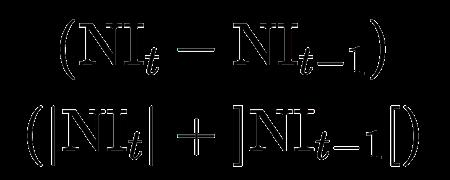
Most models are constructed on the basis of indicators for one year. The threat of bankruptcy does not, however, usually arise suddenly, and companies will generally slide towards bankruptcy gradually. Some authors have, therefore, investigated the possibility of including indicators covering several years in their prediction models. Particularly noteworthy is the approach of Ohson (1980), whose model included the change in net income, which is given by the formula:
where NI is net income and t is time prior to bankruptcy. Niemann et
al. (2008) used multi-year transformation of financial indicators, and proposed the inclusion of the 5-year volatility of the EBIT or profit margin (EBIT/sales) in the potential predictor set. The 5-year volatility stands for the standard deviation of the given indicator based on 5 years of data.
The above overview does not cover all indicators that have been used in previous research studies or that can be used in the construction of prediction models. It is an overview of the most important indicators that should not be omitted in any research into predictive models in corporate finance. The following sections of this publication will list the indicators that have been used in the construction of individual models.
1.4 References
Alexandridis G, Antypas N, Travlos N (2017) Value Creation from M&As: New Evidence. Journal of Corporate Finance 45: 632–650. https://doi.org/10.1016/j.jcorpfin.2017.05.010
Altman E I (1968) Financial Ratios, Discriminant Analysis and the Prediction of Corporate Bankruptcy. The Journal of Finance 23: 589–609. https://doi.org/10.2307/2978933
Altman E I (1973) Predicting Railroad Bankruptcies in America. Bell Journal of Economics 4: 184–211. https://doi.org/10.2307/3003144
Altman E I (1983) Corporate financial distress: A complete guide to predicting, avoiding and dealing with bankruptcy. John Wiley and Sons, New York.
Altman E I, Haldeman R G, Narayanan P (1977) A new model to identify bankruptcy risk of corporations. Journal of Banking and Finance. 1: 22–54.
Altman E I, Sabato G (2007) Modeling credit risk for SMEs: Evidence from US market. Abacus. https://doi.org/10.1111/j.1467-6281.2007.00234.x
Beaver W H (1966) Financial Ratios as predictors of Failure. Journal of Accounting Research 4: 71–111. https://doi.org/10.2307/2490171
Berent T, Bławat B, Dietl M, Krzyk P, Rejman R (2017) Firm’s default - new methodological approach and preliminary evidence from Poland. Equilibrium. Quarterly Journal of Economics and Economic Policy 12(4): 753–773. https://doi.org/10.24136/eq.v12i4.39
Bernile G, Bauguess S (2011) Do Merger-Related Operating Synergies Exist? SSRN Electronic Journal. http://dx.doi.org/10.2139/ssrn.642322
Bureau of Business Research. 1930. A Test Analysis of Unsuccessful Industrial Companies. Bulletin No. 31. Urbana: University of Illinois Press.
Carling K, Jacobson T, Lindé J, Rozsbach K (2007) Corporate credit risk modeling and the macroeconomy. Journal of Banking & Finance 31: 845–868. https://doi.org/10.1016/j.jbankfin.2006.06.012
Cartwright S, Cooper C L (1995) Organizational marriage: “hard” versus “soft” issues? Personnel Review 24(3): 32–42. https://doi.org/10.1108/00483489510089632
Cheng C B, Chen C L, Fu C J (2006) Financial Distress Prediction by a Radial Basis Function Network with Logit Analysis Learning. Computers and Mathematics with Applications 51: 579–588. https://doi.org/10.1016/j.camwa.2005.07.016
Culp L C (2001) The Risk Management Process: Business Strategy and Tactics. John Wiley & Sons, New York.
Deakin E B (1972) A Discriminant Analysis of Predictors of Business Failure. Journal of Accounting Research 10(1): 167–179. https://doi.org/10.2307/2490225
Ding Y, Song X, Zen Y (2008) Forecasting financial condition of Chinese listed companies based on support vector machine. Expert Systems with Applications 34: 3081–3089. https://doi.org/10.1016/j.eswa.2007.06.037
Doumpos M, Andriosopoulos K, Galariotis E, Makridou G, Zopounidis C (2017) Corporate failure prediction in the European energy sector: a multicriteria approach and the effect of country characteristics. European Journal of Operational Research 262(1): 347–360. https://doi.org/10.1016/j.ejor.2017.04.024
Fitzpatrick F (1932) A Comparison of Ratios of Successful Industrial Enterprises with Those of Failed Firm. Certified Public Accountant 6: 727–731.
Fridson M, Alvarez F (2002) Financial Statement Analysis: A Practitioner’s Guide. John Wiley & Sons, New York.
Gilson S C (1989) Management turnover and financial distress. Journal of Financial Economics, 25: 241–262. https://doi.org/10.1016/0304-405X(89)90083-4
Gissel J L, Giacomino D, Akers M D (2007) A Review of Bankruptcy Prediction Studies: 1930-Present. Journal of Financial Education 33: 1–42.
Grunert J, Norden L, Weber M (2005) The role of non-financial factors in internal credit ratings. Journal of Banking & Finance 29: 509–531. https://doi.org/10.1016/j.jbankfin.2004.05.017
Jin Y, Luo M, Wan C (2018) Financial constraints, macro-financing environment and post-crisis recovery of firms. International Review of Economics and Finance 55: 54–67. https://doi.org/10.1016/j.iref.2018.01.007
Jones S (2016) A cash flow-based model of corporate bankruptcy in Australia. Journal of Applied Management Accounting Research, 3(2): 21–35.
Jones S, Belkaoui R H (2010) Financial Accounting Theory (3rd Edition), Sydney: Cengage.
Li H, Sun J (2009) Predicting business failure using multiple casebased reasoning combine with support vector machine. Expert Systems with Applications 36(6): 10085–10096. https://doi.org/10.1016/j.eswa.2009.01.013
Liang D, Lu C, Tsai C, Shih G (2016) Financial ratios and corporate governance indicators in bankruptcy prediction: A comprehensive study. European Journal of Operational Research 252: 561–572. https://doi.org/10.1016/j.ejor.2016.01.012
Lin S L (2009) A new two-stage hybrid approach of credit risk in banking industry. Expert Systems with Applications 36(4): 8333–8341. https://doi.org/10.1016/j.eswa.2008.10.015
Martens D, Bruynseels L, Baesens B, Willekens M, Vanthienen J (2008) Predicting going concern opinion with data mining. Decision Support Systems 45(4): 765–777. https://doi.org/10.1016/j.dss.2008.01.003
Martynova M, Renneboog L (2011) The Performance of the European Market for Corporate Control: Evidence from the Fifth Takeover Wave. European Financial Management 17(2): 208–259. https://doi.org/10.1111/j.1468-036X.2009.00497.x
Meckl R, Röhrle F (2016) Do M&A deals create or destroy value? A meta-analysis. European Journal of Business and Economics 11(2): 9–19. https://doi.org/10.12955/ejbe.v11i2.890
Merwin C (1942) Financing small corporations in five manufacturing industries, 1926–1936. New York: National Bureau of Economic Research.
Mileris R, Boguslaukas V (2011) Credit Risk Estimation Model Development Process: Main Steps and Model Improvement. Inzinerine Ekonomika-Engineering Economics 22(2): 126–133.
Niemann M, Schmidt J H, Neukirchen M (2008) Improving performance of corporate rating prediction models by reducing financial ratio heterogeneity. Journal of Banking & Finance 32: 434–446. https://doi.org/10.1016/j.jbankfin.2007.05.015
Ohlson J A (1980) Financial Ratios and the Probabilistic Prediction of Bankruptcy. Journal of Accounting Research, 18(1): 109–131. https://doi.org/10.2307/2490395
Ong S, Yap V, Khong R (2011) Corporate failure prediction: a study of public listed companies in Malaysia, Managerial Finance 37(6): 553–564. https://doi.org/10.1108/03074351111134745
Peel M J, Peel D A (1987) Some further empirical evidence on predicting private company failure. Accounting and Business Research 18: 57–66. https://doi.org/10.1080/00014788.1987.9729348
Perry L, Henderson G Jr, Cronan T (1984) Multivariate analysis of corporate bond ratings and industry classification. Journal of Financial Research 7: 27–36. https://doi.org/10.1111/j.1475-6803.1984.tb00351.x
Psillaki M, Tsolas I T, Margaritis M (2010) Evaluation of credit risk based on firm performance. European Journal of Operational Research 201: 873–881. https://doi.org/10.1016/j.ejor.2009.03.032
Pustylnick I, Temchenko O, Gubarkov S (2017) Estimating the Influence of Accounting Variables Change on Earnings Management Detection. Journal of International Studies 10(1): 110–122. https://doi.org/10.14254/2071-8330.2017/10-1/7
Sadgrove K (2005) The Complete Guide to Business Risk Management. Gower Publishing Limited, New York.
Shin K, Han I (1999) Case-based reasoning supported by genetic algorithms for corporate bond rating. Expert Systems with Applications 16: 85–95. https://doi.org/10.1016/S0957-4174(98)00063-3
Shin K, Han I (2001) A case-based approach using inductive indexing for corporate bond rating. Decision Support Systems 32: 41–52.
https://doi.org/10.1016/S0167-9236(01)00099-9
Shumway T (2001) Forecasting Bankruptcy More Accurately: A Simple Hazard Model. Journal of Business 74(1): 101–124.
https://doi.org/10.1086/209665
Suhaily H, Rashidah A R, Mahenthiran S (2013) Management Motive, Weak Governance, Earnings Management, and Fraudulent Financial Reporting: Malaysian Evidence. Journal of International Accounting Research 12(1): 1–27. https://doi.org/10.2308/jiar-50353
Taffler R J (1982) Forecasting company failure in the UK using discriminant analysis and financial ratio data. Journal of the Royal Statistical Society 145: 342–358.
https://doi.org/10.2307/2981867
Wang G, Ma J (2011) Study of corporate credit risk prediction based on integrating boosting and random subspace. Expert Systems with Applications 38: 13871–13878.
https://doi.org/10.1016/j.eswa.2011.04.191
Wang Y J, Lee H S (2008) A clustering method to identify representative financial ratios. Information Sciences 178: 1087–1097.
https://doi.org/10.1016/j.ins.2007.09.016
Welc J (2017) EBITDA vs. Cash Flows in Bankruptcy Prediction on the Polish Capital Market. European Financial and Accounting Journal 12(2): 91–103.
Wu Y, Gaunt C, Gray S (2010) A comparison of alternative bankruptcy prediction models. Journal of Contemporary Accounting & Economics 6(1): 34–45. https://doi.org/10.1016/j.jcae.2010.04.002
Zavgren C V (1985) Assessing the vulnerability to failure of American industrial firms: A logistic analysis. Journal of Business Finance and Accounting 12(1): 19–45. https://doi.org/10.1111/j.1468-5957.1985.tb00077.x
Zmijewski M E (1984) Methodological issues related to the estimation of financial distress prediction models. Journal of Accounting Research 22: 59–82. https://doi.org/10.2307/2490859
2 Research Methods Applied
Ing. Michal Karas, Ph.D.
Brno University of Technology, Czech Republic
Abstract: This chapter’s aim is to introduce a variety of methods which are employed under prediction models. Prediction is addressed as a classification problem, i.e., the aim is to predict a status (bankruptcy or merger success). Dealing with financial data poses challenges to the modelling process, as due to the interrelation between financial data, the occurrence of multicollinearity is of high probability. Therefore, special attention is paid to methods capable of detecting and handling multicollinearity issues, starting from various correlation coefficients, and variance inflation factor methods, and ending with principal component analysis. The multicollinearity issue’s importance is highlighted by fact that many classification algorithms’ results are sensitive to presence of such phenomena. Further the commonly employed classification algorithms are described, especially those that are either favourites in the literature on prediction models, such as discrimination analysis or logistic regression, but also some other less commonly used, such as the method of classification trees and combinations of methods. Attention has been paid to methods where the results (especially their coefficients) are easy to interpret.
Introduction
The research design, the applied methods and the data sample will be presented in this section. The part of the research dealing with default prediction models was conducted on a sample of small and medi-