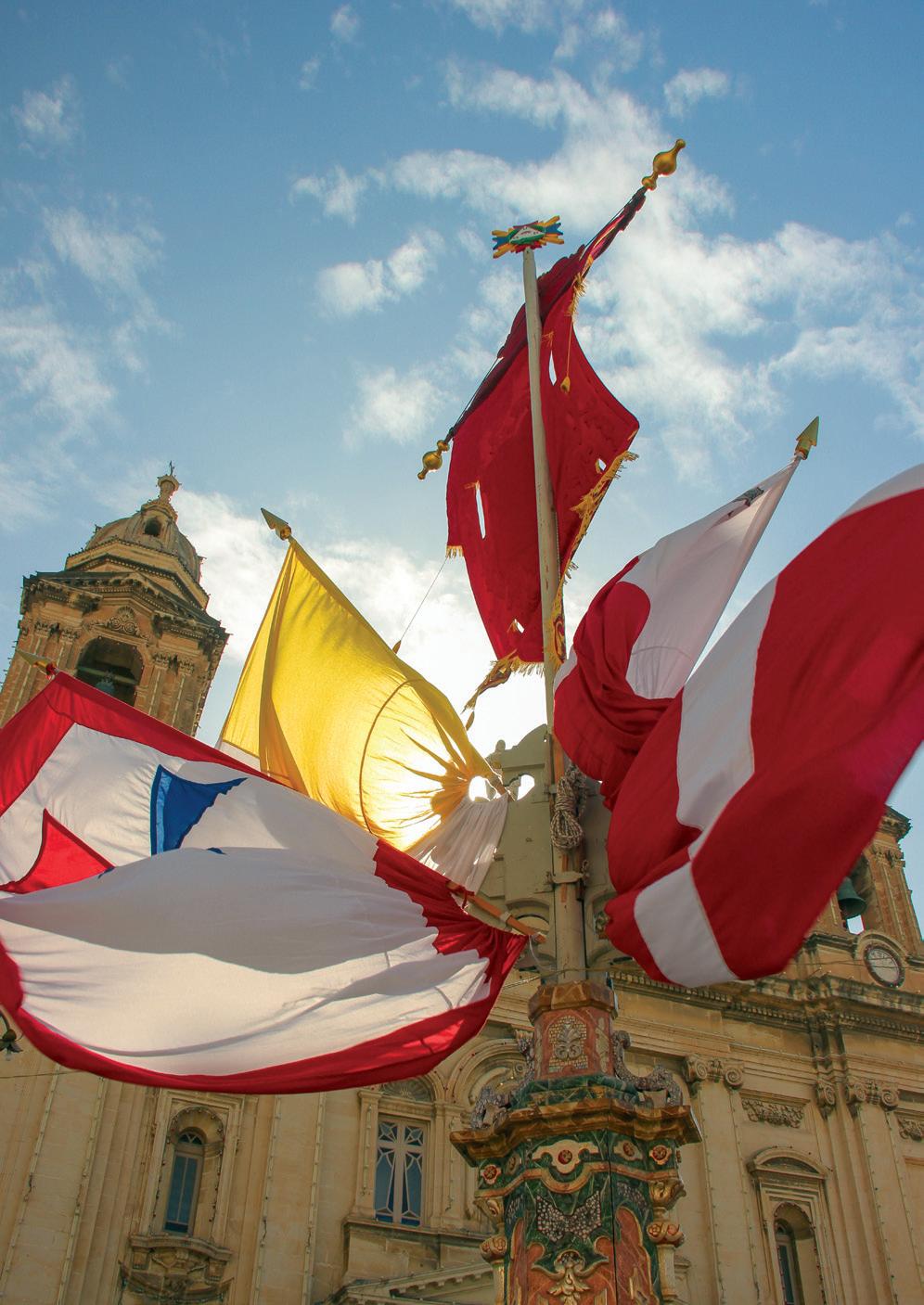
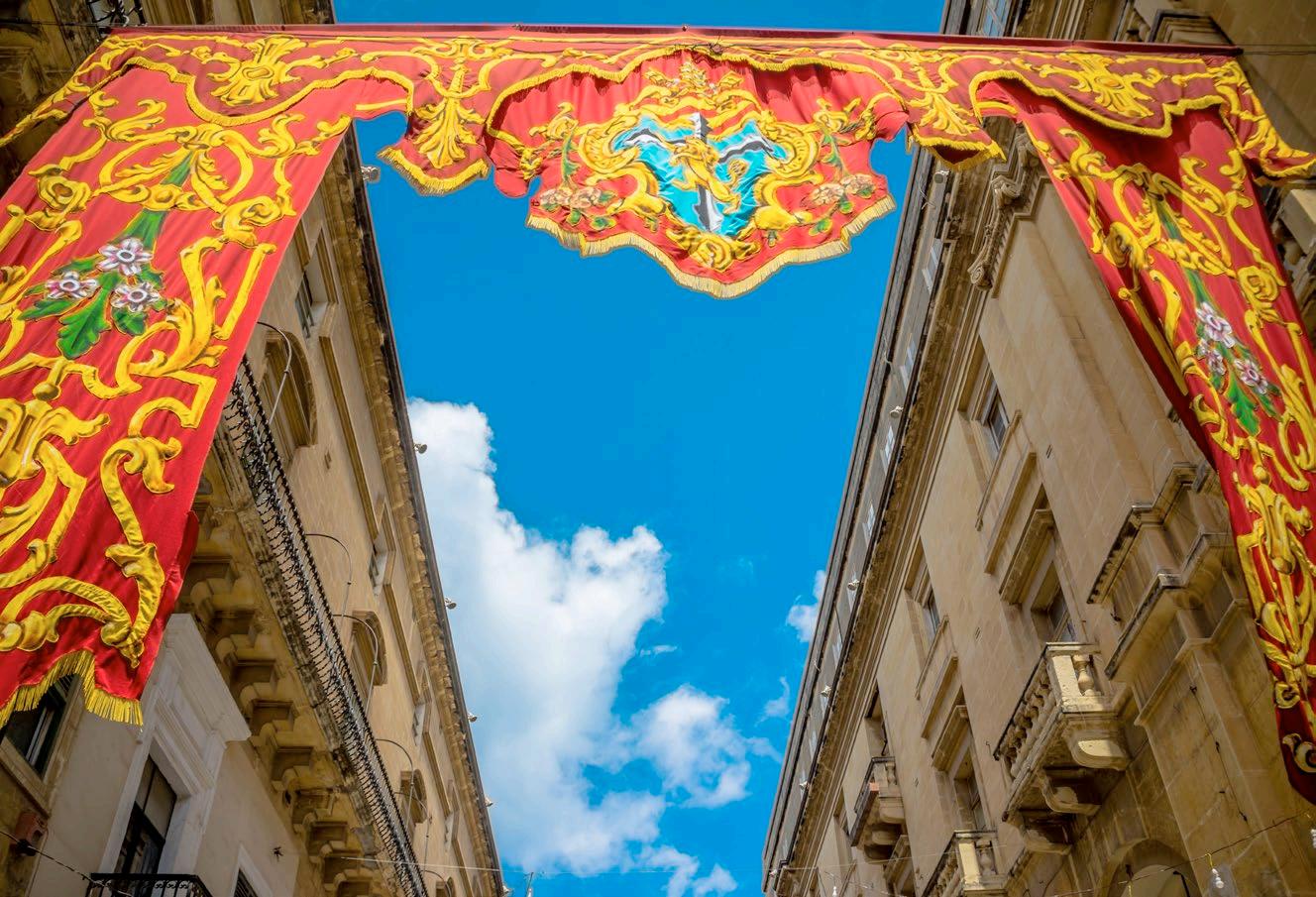
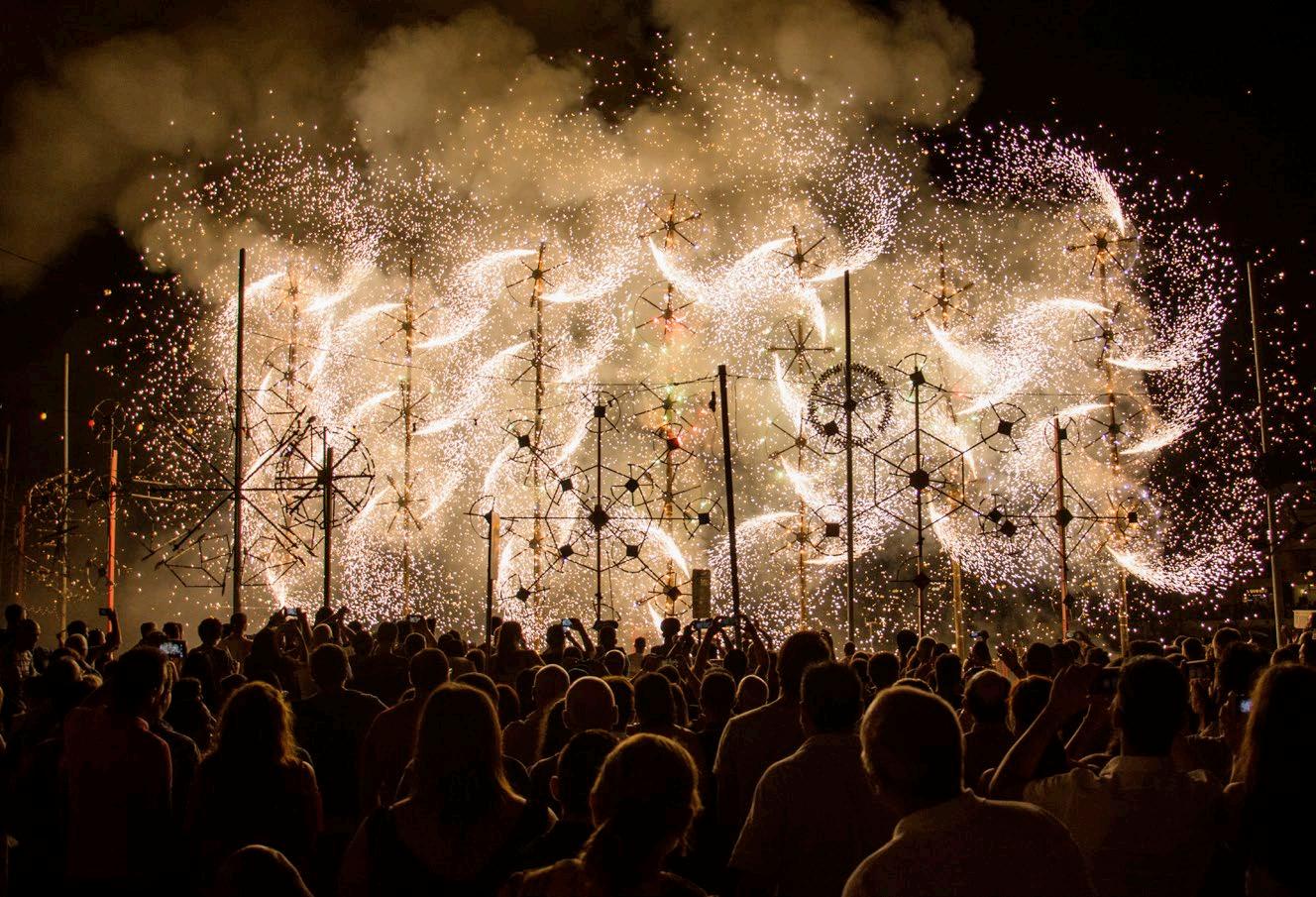
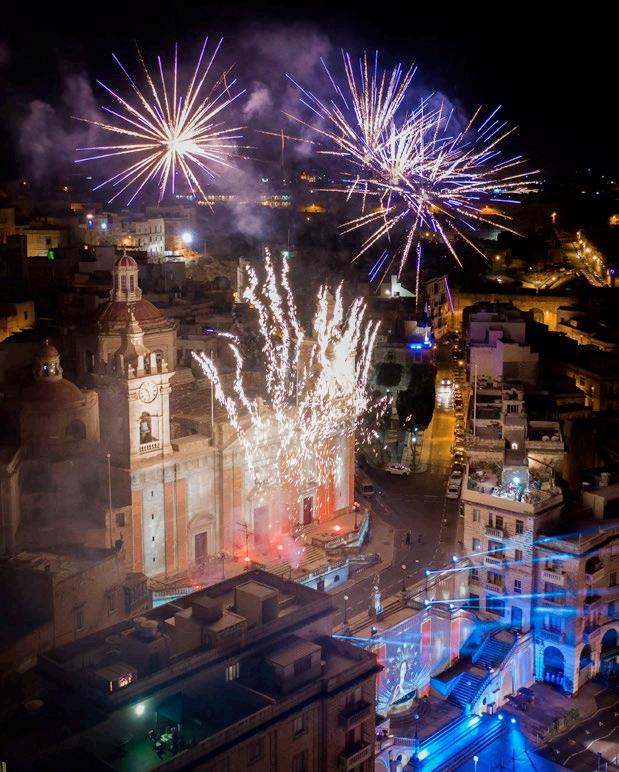
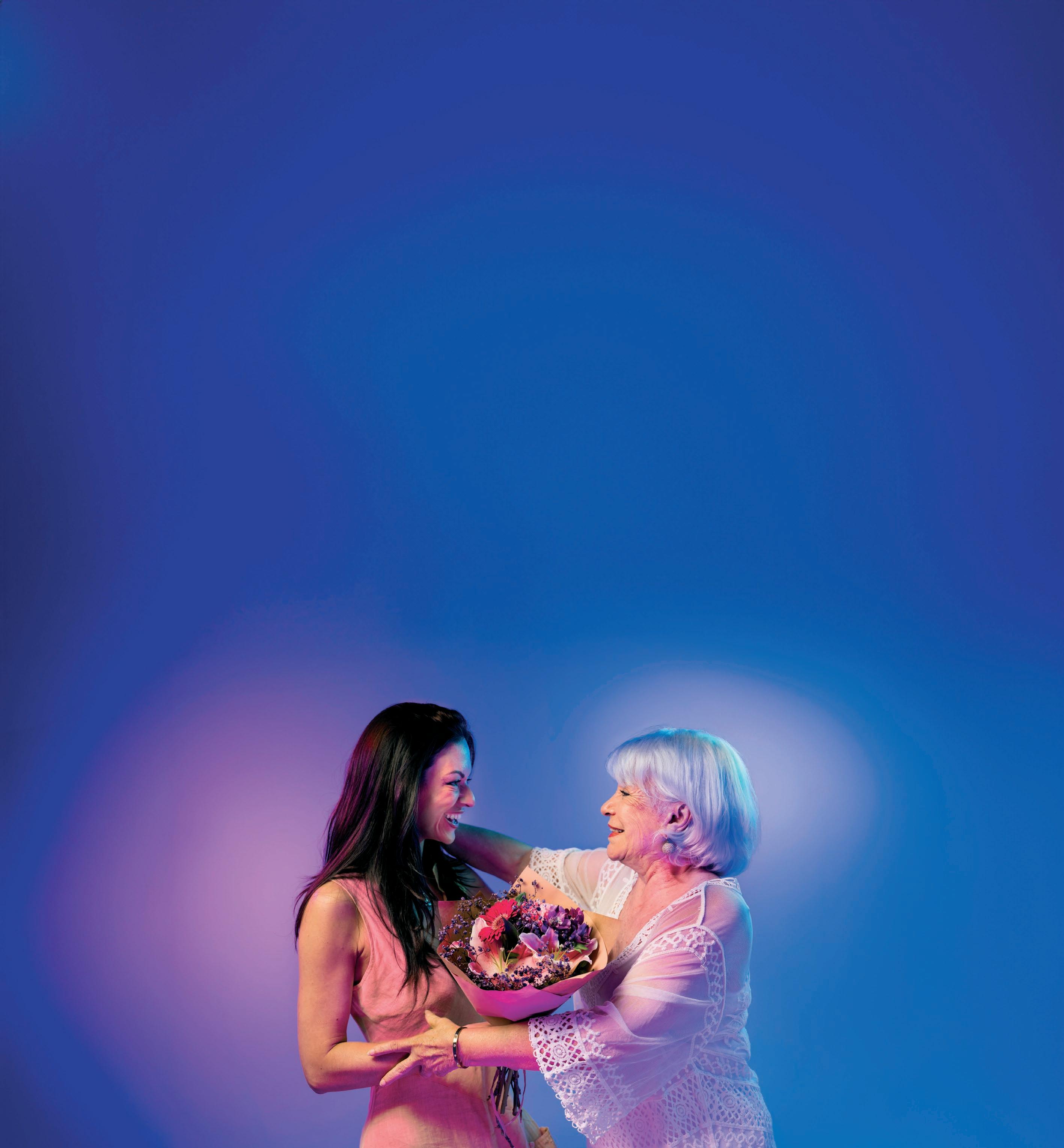
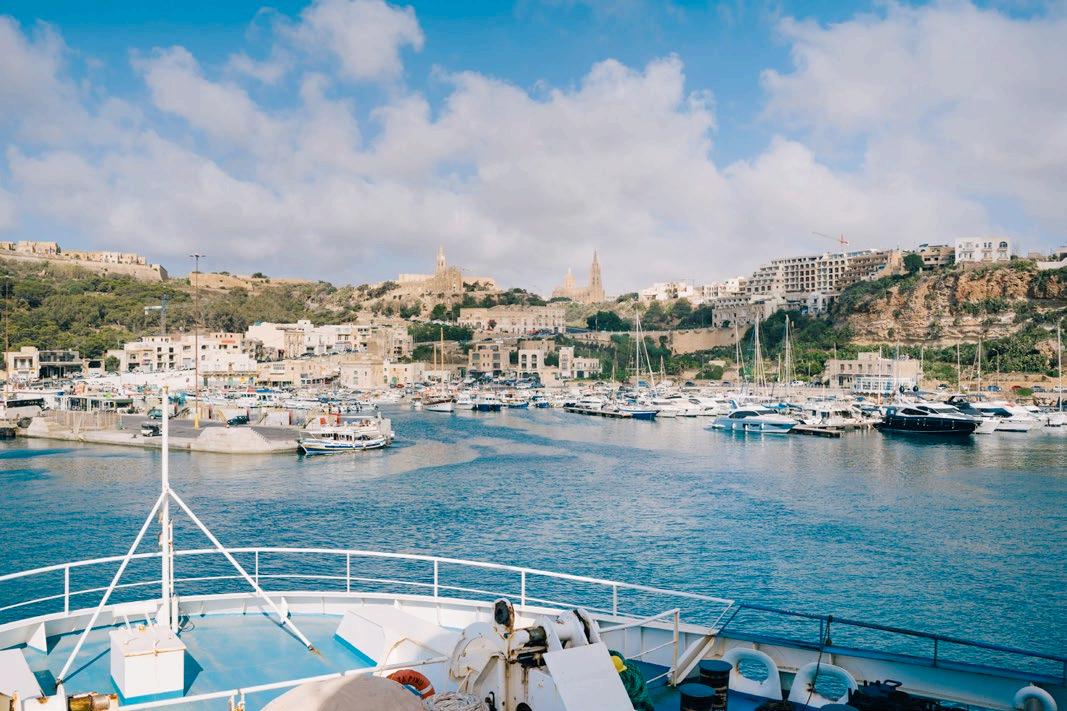
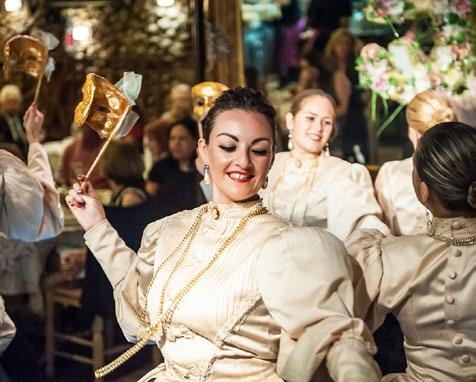
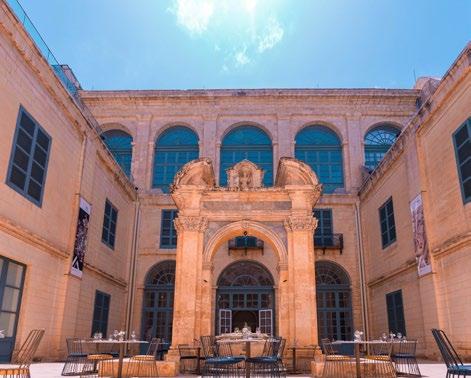
Sparking off the festa season: your guide to the Maltese village feast PG 52 ISSUE 19 May 2026
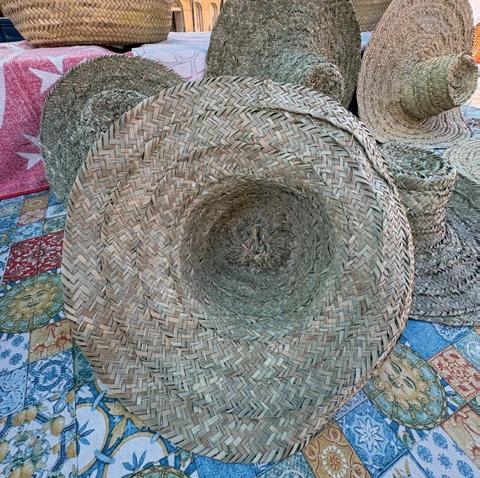
Woven in Gozo: the unique wide-brimmed straw hats
PG 32
PG 67
The KM Malta Airlines In-Flight Magazine
ON THE COVER
A
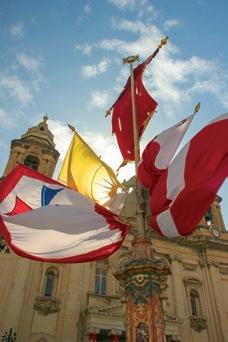
traditional festa scene
MEET THE TEAM
PUBLISHER
Associated News Group
EDITOR
Fiona Galea Debono
SALES AND BUSINESS DEVELOPMENT
Associated News Group
CONTRIBUTORS
Edward Bonello
Emmanuel Galea
David Carabott
Iggy Fenech
Inkontru.app
Lea Hogg
Ramona Depares
Ramona Portelli
Ruth Zammit DeBono
Shirley Jobson
WOULD YOU LIKE TO BE FEATURED IN PASSAĠĠ I?
For advertising opportunities, get in touch with Associated News Group on passaggi@tbwa-ang.com or (+356) 2131 0608
Abigail: abigail@tbwa-ang.com or (+356) 9929 0518
DESIGN
forty Creative Studio
PRINTER
Gutenberg Press
PHOTOGRAPHERS
Brian Grech
Clive Pace
Daniel Borg Festivals Malta
Guido Bonett
Jeffrey Sciberras
Joel Gueller Photography
Julia Schembri
Malta Biennale/Heritage Malta
Marika Caruana
Therese Debono
HOW TO PRONOUNCE PASSAĠĠ I /pasˈsadʒi/
Here’s the breakdown: • /p/ as in pass • /a/ as in art • /sˈ/ as in sun (with stress on the following syllable) • /dʒ/ as the sound of the j in 'judge' (geminated or doubled sound) • /i/ as in eat
The word passaġġi means 'passages' in English.
The publisher, authors and contributors reserve their rights with regards to copyright. No part of this magazine may be reproduced or copied by any means without the written consent of the publisher. Editorial features and opinions expressed in Passaġġi do not necessarily reflect the views of KM Malta Airlines, the publisher, or the editorial team. Both KM Malta Airlines and the publisher do not accept responsibility for commercial and advertising content. Although the authors and publisher have made every effort to ensure that the information in this magazine was correct before going to print, the author and publisher do not assume and hereby disclaim any liability to any party for any loss, damage, or disruption caused by errors or omissions, whether such errors or omissions result from negligence, accident, or any other cause. Special thanks to KM Malta Airlines and VisitMalta for the provision of photographic material. All magazine rights are reserved by KM Malta Airlines.
Associated News Group, 3rd Floor, Professional Building, Sliema Road, Gżira GZR 1633 Malta - (+356) 2131 0608
Welcome to
The KM Malta Airlines In-Flight Magazine
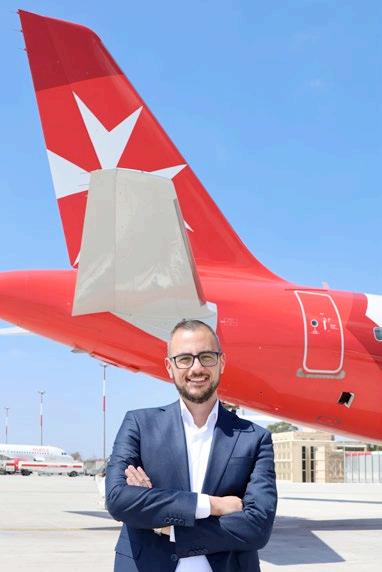
David Curmi Executive Chairman KM Malta Airlines
Dear valued passengers,
As we move into May, the peak summer travel season is fast approaching, and demand across our network continues to grow. With many popular destinations already seeing strong bookings, we encourage passengers to plan ahead and secure their preferred travel dates early to ensure the best availability and fares.
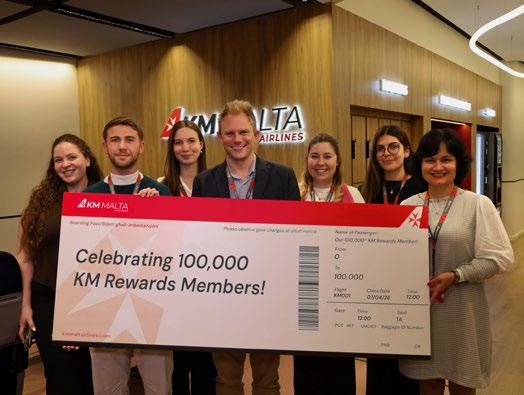
We are proud to share that our KM Rewards loyalty programme has reached the milestone of 100,000 members – a clear reflection of the growing community of passengers who continue to place their trust in KM Malta Airlines. Read more on PG 85. As the programme evolves, we remain committed to delivering even greater value to our members through exclusive discounts, flexible redemption options and additional benefits currently in development for the months ahead.
At the same time, KM Malta Airlines is continuing to invest in the future of aviation in Malta through strategic local partnerships. We recently signed an agreement with MCAST, in collaboration with Centrecom, aimed at strengthening aviation education and training. This initiative will support the development of local talent and create new pathways for students pursuing careers in the aviation industry, helping to ensure a strong and skilled workforce for years to come.
Our Summer 2026 schedule continues to expand, and we are delighted to introduce Palermo and Málaga as seasonal destinations, operating from late May through October. These routes further strengthen our connectivity within the Mediterranean, offering passengers even more choice for summer travel, whether for leisure, culture, or a short getaway. Both destinations are highly popular in their own right, while also providing excellent access to Sicily and Spain’s southern coast.
For those looking to simplify their travel planning, KM Malta Holidays offers a seamless way to book flights and accommodation together, with the flexibility to add transfers or car hire. With a wide selection of destinations and competitive package options, it provides excellent value and convenience for travellers planning their summer holidays, allowing flights and hotel accommodation to be booked in one simple transaction.
As we look to the busy months ahead, our teams remain focused on delivering safe, reliable operations and a high-quality travel experience at every stage of the journey. Thank you for choosing KM Malta Airlines.
We look forward to welcoming you on board this summer.
Fiona Galea Debono Editor
Spring in Malta is fleeting – so brief it almost feels imagined. One day, the heater is still humming; the next, you’re reaching for a T-shirt, your mid-season wardrobe barely given a chance to shine.
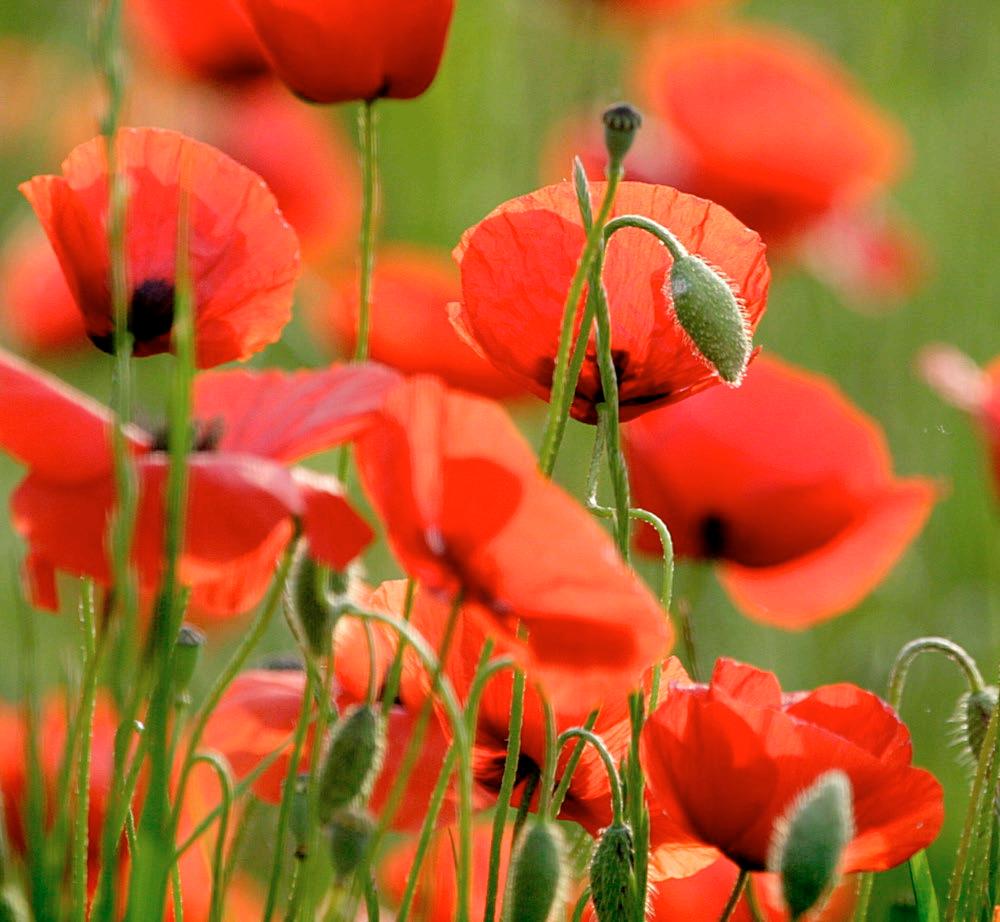
In this May issue of Passaġġi, we freeze and hold on to that moment. We capture the islands at their most temperate, celebrating the subtle beauty and quiet rewards of spring –beginning with Malta’s extraordinary wildflowers, all 1,000 species of them, in bloom.
Turn to our nature pages to discover the rich flora that still carpets the countryside. There’s a small window left to explore – before the heat sets in and the beaches reclaim their place. With expert insights and vivid imagery to guide you, consider this your invitation to step outdoors, wander rural paths and savour a Mediterranean spring while it lasts.
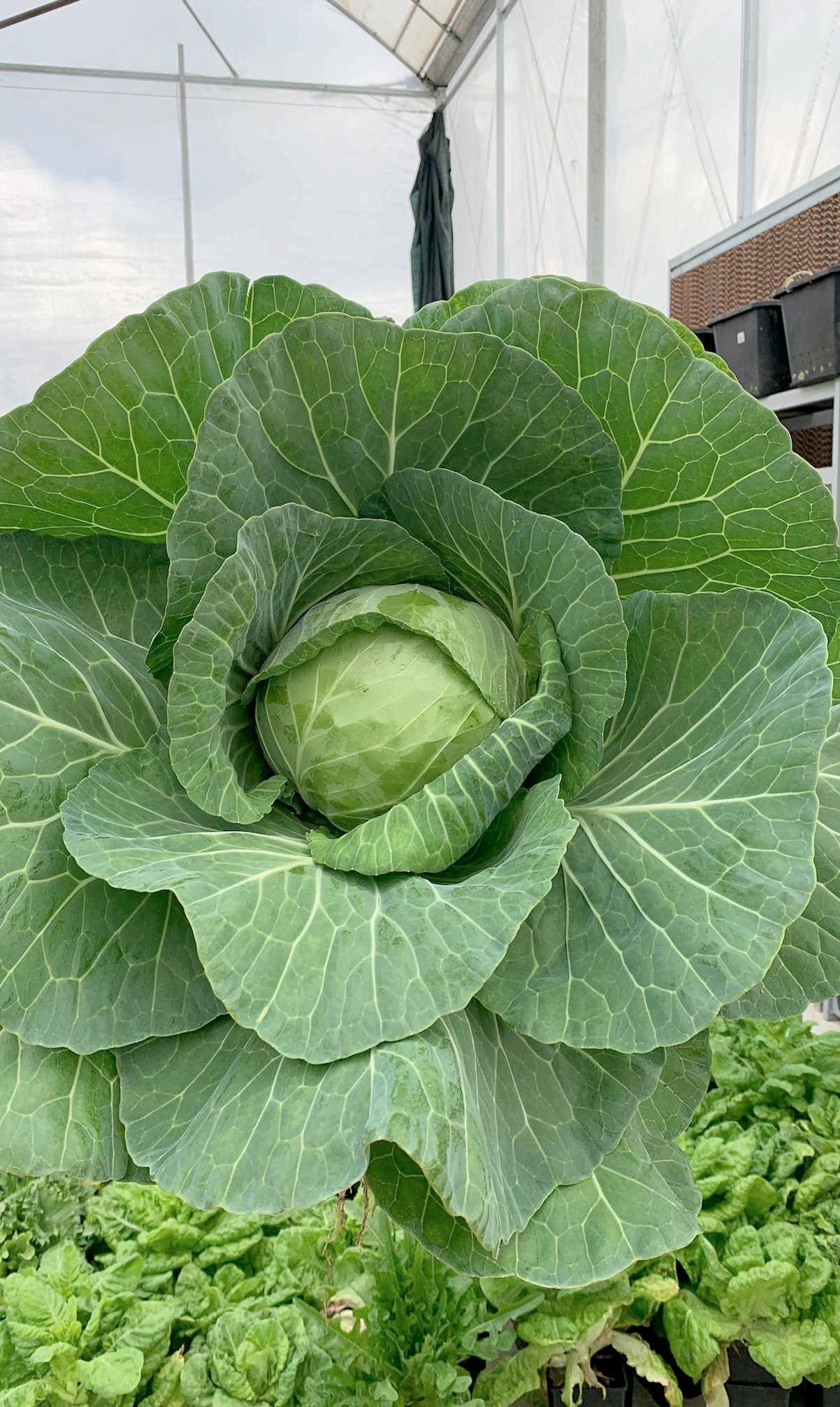
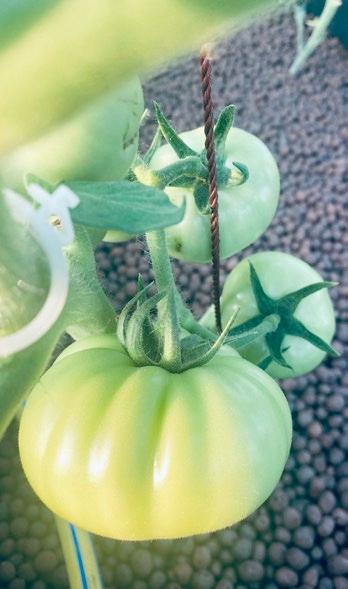
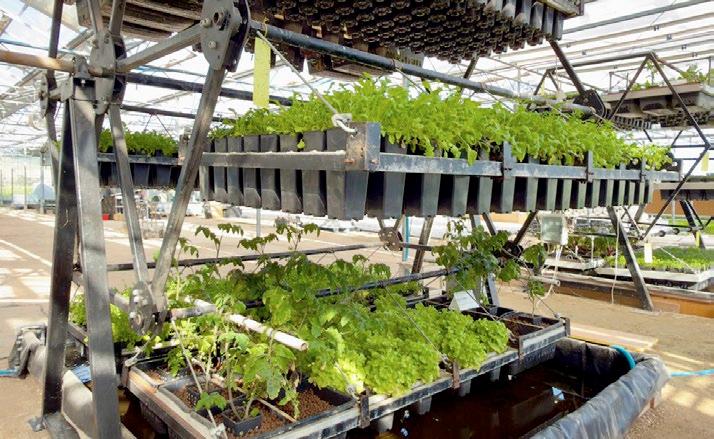
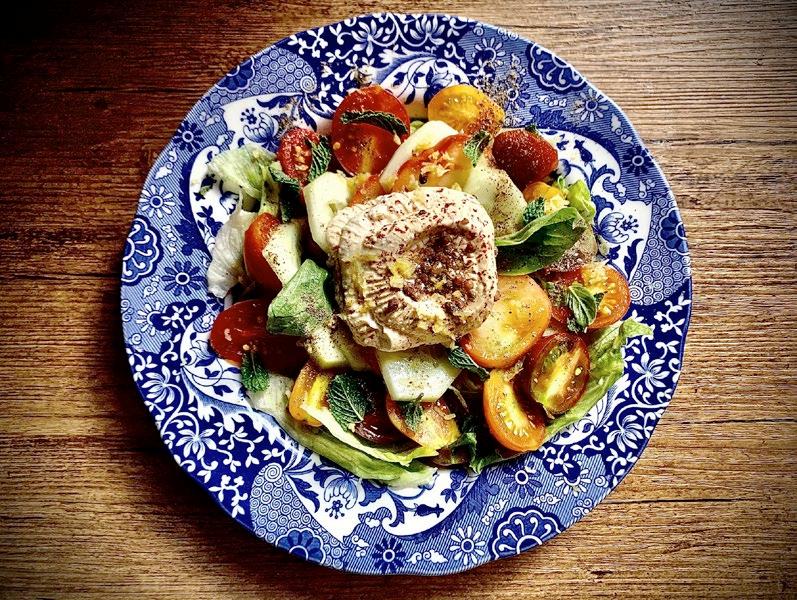
Nature continues to unfold in our feature on an innovative greenhouse project in Ta’ Qali, where eco-conscious techniques are reshaping how fresh, seasonal produce is grown. Here, sustainability meets flavour – resulting in food that is not only local but also thoughtfully cultivated with the environment in mind. Expect vibrant greens, nourishing ideas and inspiration for a more mindful table.
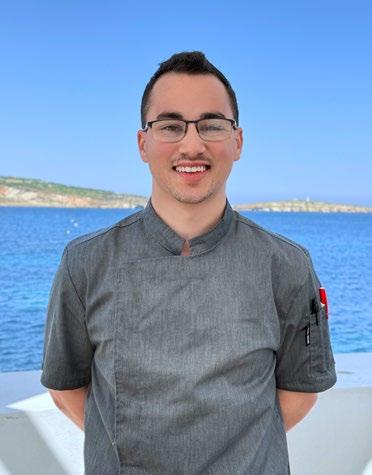
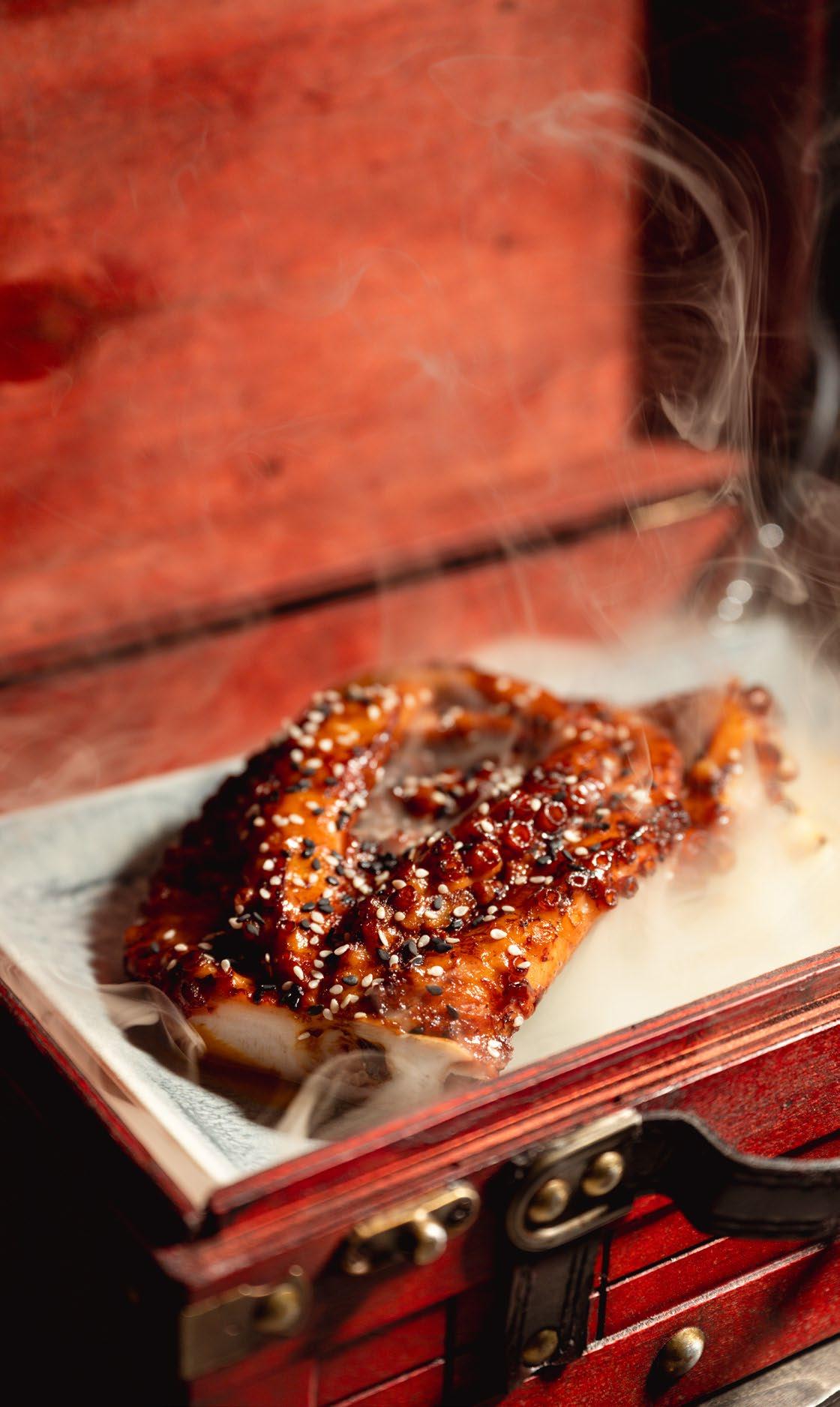
Of course, balance is everything. Alongside clean, conscious eating, we celebrate indulgence too. Follow our curated selection of restaurants – part of what this month’s featured chef describes as a “dynamic, ambitious and evolving” culinary scene. Or try your hand at home with our recipe for smoky glazed octopus with black sesame and tomato chutney.
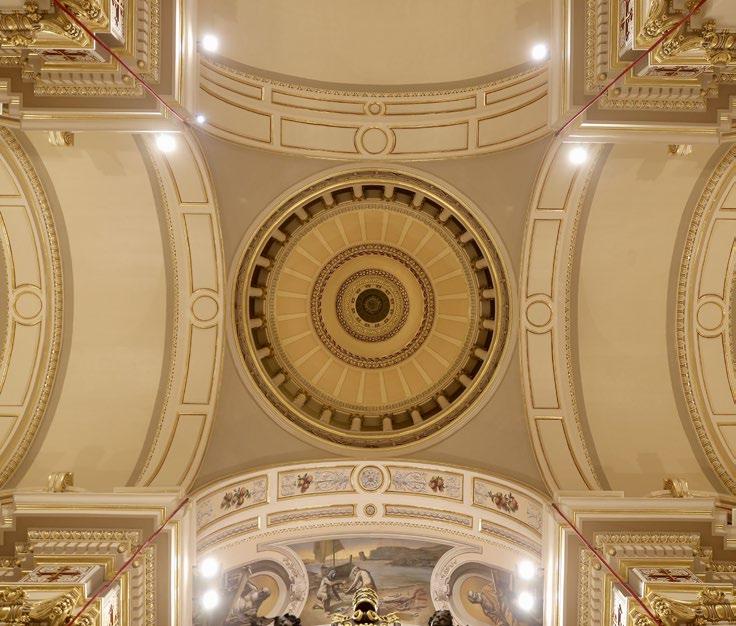
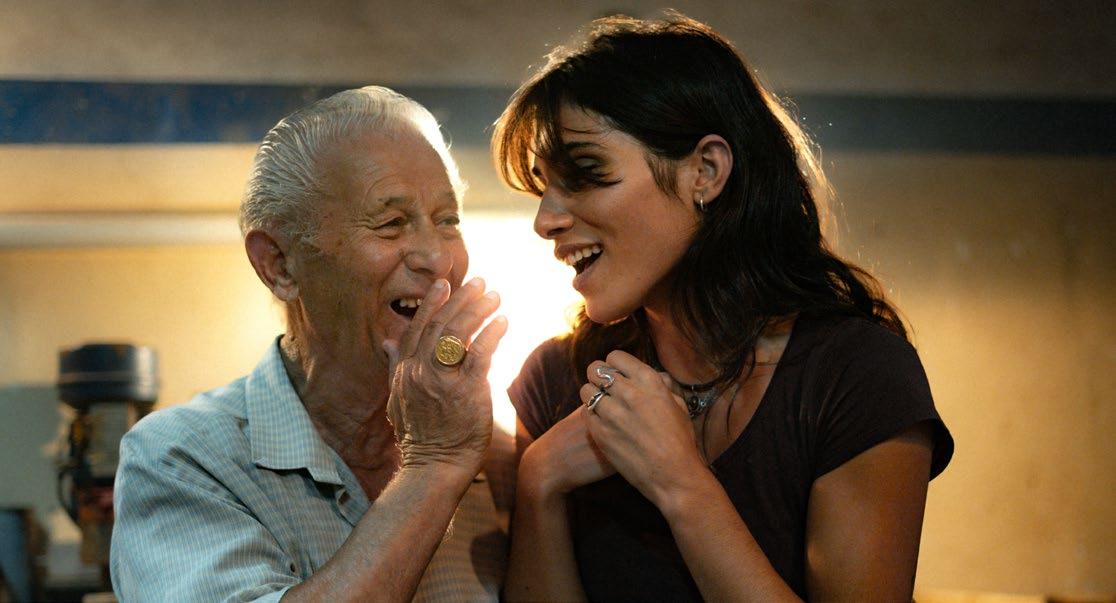
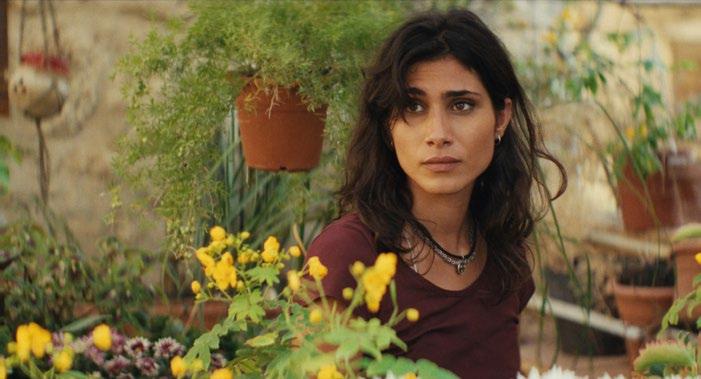
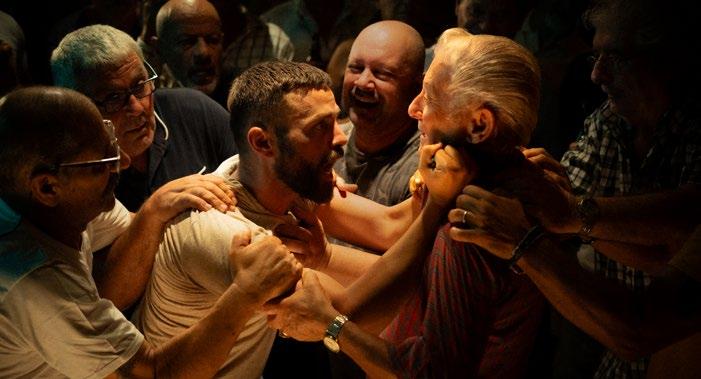
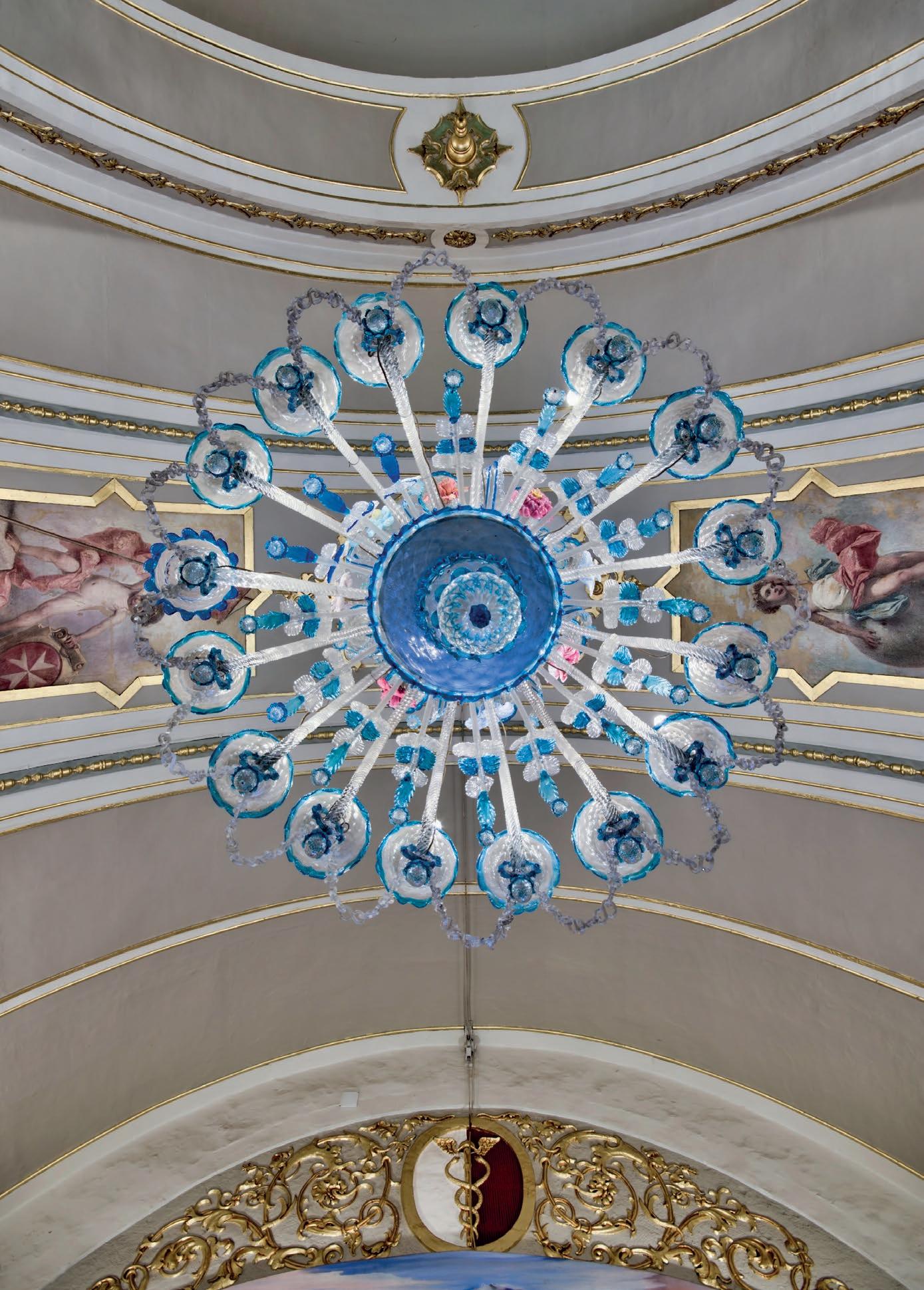
As always, culture takes centre stage. Watch a Malta-made film exploring għana, the island’s traditional folk singing, and immerse yourself in a story that resonates with local identity. Step inside the majestic Basilica of Paola –the largest of Malta’s 359 churches – and take in sweeping views to the sea from above. Meet a Californian artist whose work, inspired by his life here, becomes a poetic tribute to the islands.
As the season shifts, we also look ahead. The Festivals Malta programme offers a glimpse into the vibrant months to come; Inkontru.app lines up a packed calendar of varied events; we’ve mapped out the beloved festa itinerary, just around the corner too; and we also trace the historic venues hosting the Malta Biennale 2026, bringing art into dialogue with heritage across the islands.
Across these pages, a common thread emerges: a deep-rooted connection to place. From golfers to filmmakers of Maltese descent, each story reflects a desire to return, reconnect and belong – blending sport, art and identity into a shared sense of home.
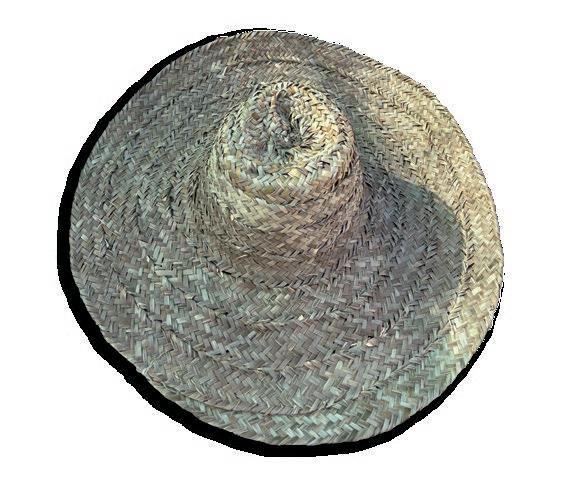
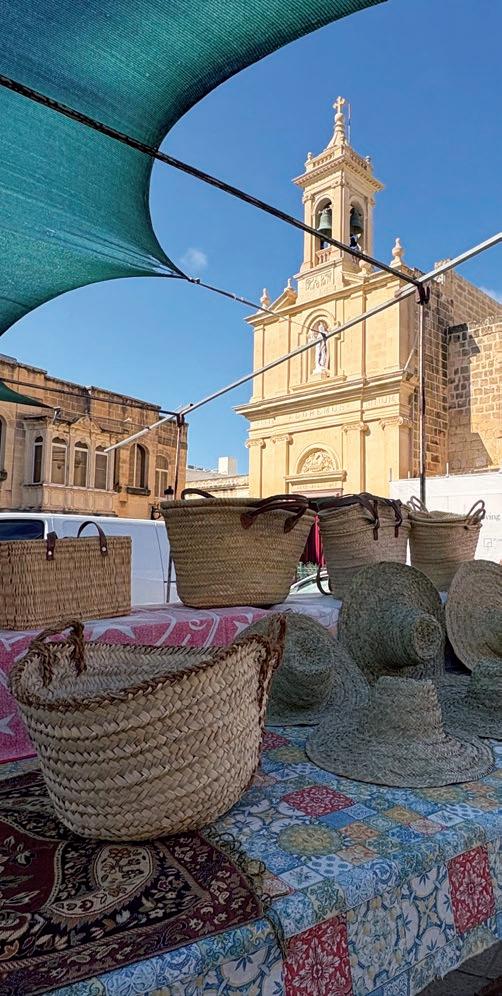
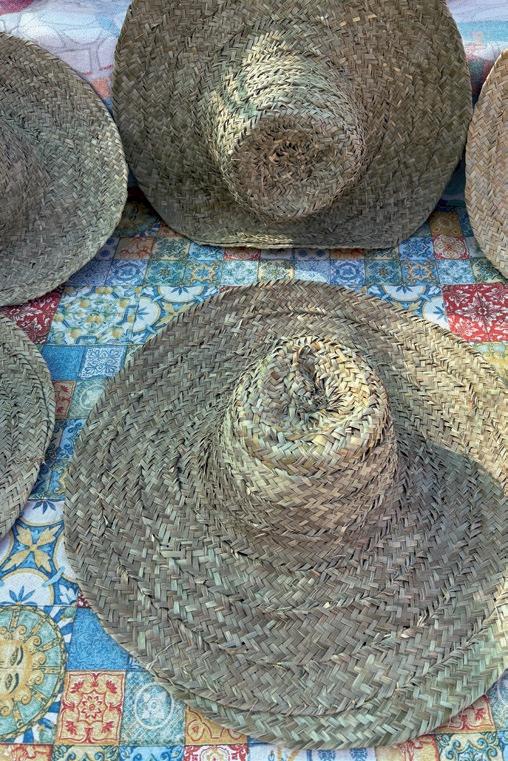
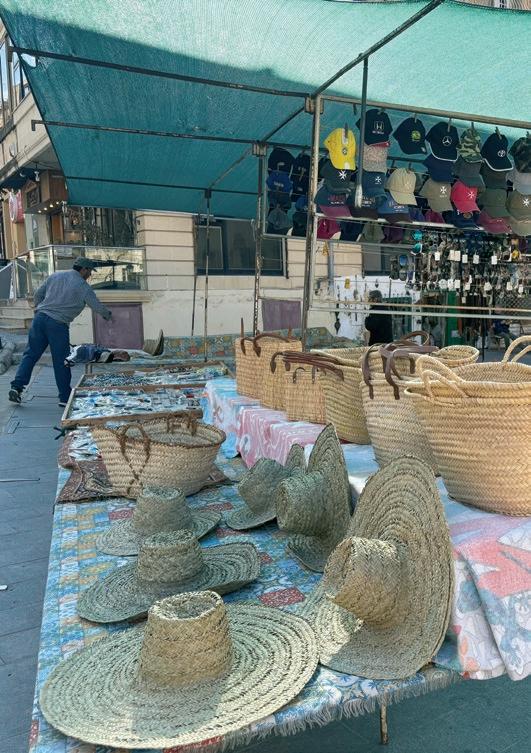
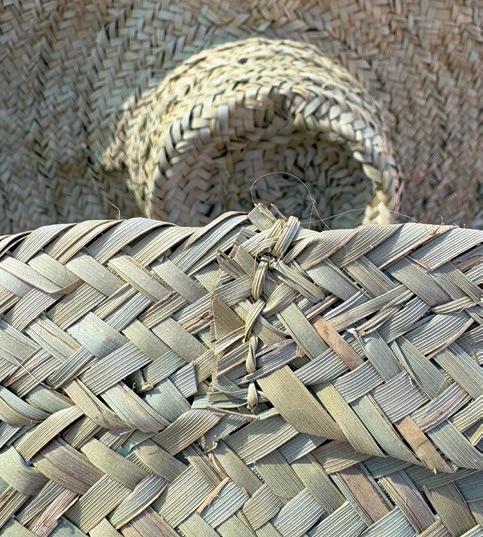
And then there is Gozo – always worth the journey. This month, we uncover yet more reasons to visit, including what may become a rare find: the handcrafted straw hat, woven from palm leaves by one of the last artisans of her kind and sourced by one of the few market hawkers around.
Wide-brimmed yet wonderfully practical, it can be folded into your luggage, only to spring back into shape – ready to shade you on your next sundrenched Mediterranean escape.
Until next time…
ISLANDS
8
From seaside calm to rocking the south
Marsascala’s making music
TRAVEL
16
Between continents and cultures
Exploring Istanbul
ARTS
20
When a painter finds Malta
Caught in a Californian artist’s contemplative lens
22
On the Biennale heritage trail
The historical venues showcasing contemporary art
CULTURE
26
This month’s must-see events
Plan around May’s cultural calendar
NATURE
32
When Malta quietly blooms
The islands’ wildflowers unearthed
PETS
36
The art of slow travel with a dog
It’s about noticing more
ACTION
38
Keeping her eye on the ball
Young golfer growing strong
42
The largest of Malta’s 359 churches
Revisiting Paola’s Christ the King Basilica
MADE IN MALTA
48
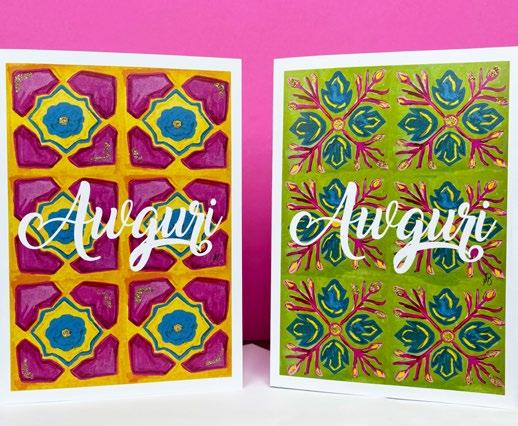
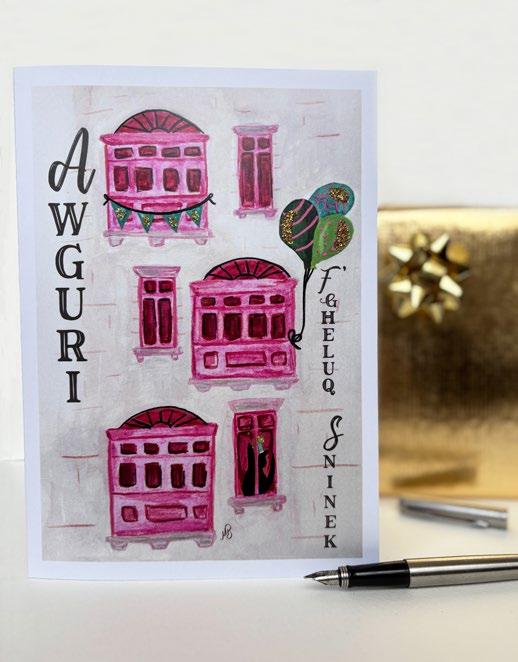
Say it with a card
Greetings in Maltese
52
Festa season round the corner
All about the unique village feast
56 Finding home, one għana at a time
A powerful story of belonging on the big screen
60
Reimagining the celebration of culture
Festivals Malta starts a new chapter GOZO
63
Malta’s little sister
What makes it so special?
67
The last straw… hat Sole surviving weavers and sellers
Dynamic. Ambitious. Evolving.
A culinary journey sprouted from curiosity
75
Serving up a sustainable harvest
What’s growing under Ta’ Qali’s glass roofs
AIRLINE NEWS
83
Flight, company and destination information
All you need to know about flying with KM Malta Airlines
Words by Lea Hogg
Lea is a Malta-based journalist and writer, known for her TV programme on current affairs, cultural news and in-depth interviews about politics and global issues.
From seaside calm to rocking the south
In Malta’s once-sleepy seaside town of Marsascala, postcard stillness is giving way to an emerging live music scene.
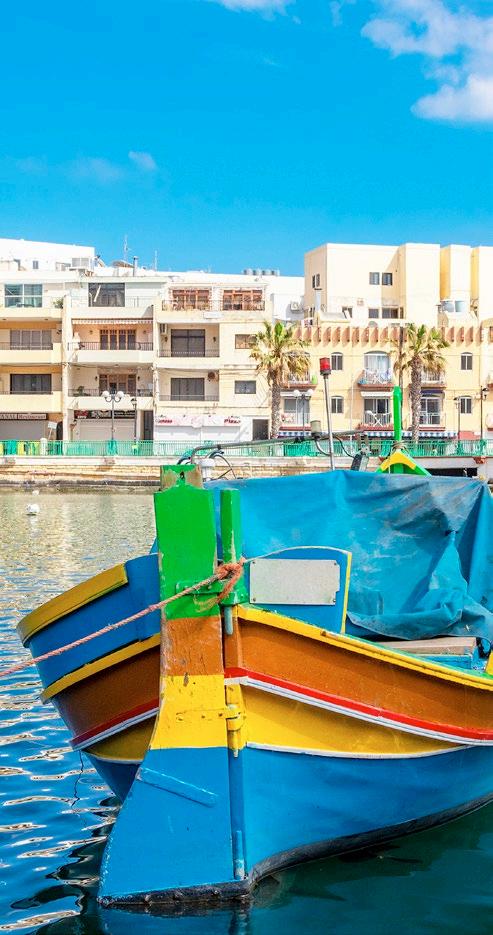
On Malta’s south-eastern coast, Marsascala wraps around a sheltered harbour where daily life moves at a steady pace. Fishing boats sit moored along the waterfront. The promenade is lined with cafés, family-run restaurants and low-rise housing. Mornings stretch into long coffees, familiar conversations and an unhurried use of public space.
Musician Rachelle Bezzina has known Marsascala since childhood. She describes it as a place defined by continuity, where familiar coastal paths, open stretches of Munxar, and the road towards Delimara still hold the same quiet, open stillness she remembers growing up with.
Marsascala has long functioned as a more peaceful alternative to Malta’s busier north, with much of its appeal rooted in its proximity to the water. From St Thomas Bay to the southern tip, the coastline dissolves quickly into open sea.
“You can walk along it, swim there, and if you keep going, there’s this stretch that leads all the way to
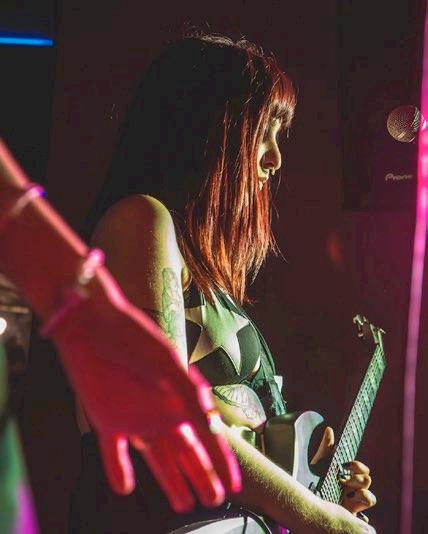
Musician Rachelle Bezzina rocking the south.
For decades, the town has stood apart from Malta’s more commercial coastal hubs
Delimara,” Rachelle says. “It still feels untouched; like it’s held onto itself. It hasn’t really changed since I was young,” she continues. “By day, it is slow; by night, it becomes electric.”
Rachelle describes a landscape where leisure, work and memory overlap. This layering even extends to the town’s name. Wied il-Għajn, meaning valley of the spring, points inland to a freshwater source that once sustained the bay.
Marsascala, likely derived from the Arabic word marsa for harbour, looks outward instead, shaped by maritime exchange and movement, with scala reflecting its Italian linguistic influence.
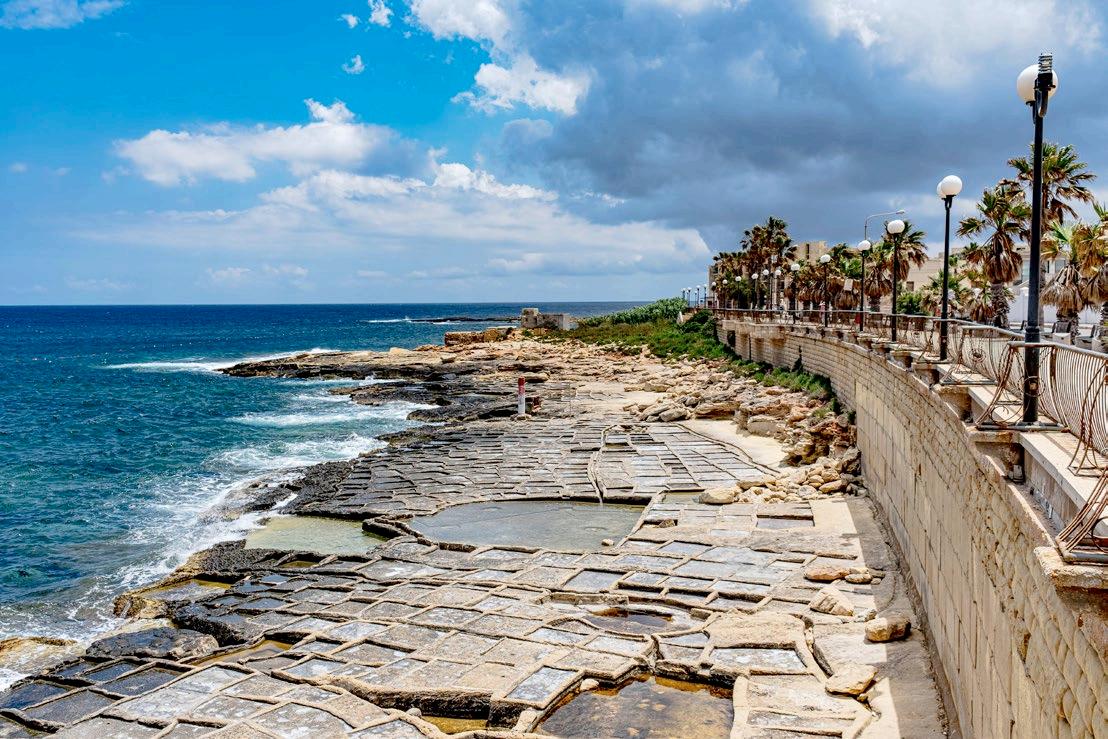
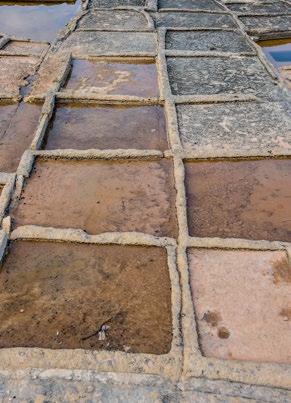
It helps to situate the town more precisely. Marsascala opens onto the Mediterranean at St Thomas Bay. Stretching towards it, the coast to Żonqor Point becomes a mix of flat rocks, hidden coves and natural salt pans carved into the stone, where seawater still evaporates into salt using
centuries-old methods. The waves breaking against limestone and a sense of calm make it feel untouched by mass tourism.
Inland, the town is framed by the villages of Żabbar, Żejtun and Marsaxlokk. Here, quieter streets reveal small chapels and traditional Maltese townhouses, and beyond the promenade life continues.
Further south, the coastline turns rougher, with country tracks stretching around Bidni Hill, Wied iż-Żiju and Ħal Tmin, towards Delimara and St Peter’s Pool.
For decades, the town has stood apart from Malta’s more commercial coastal hubs, shaped less by tourism and more by residential familiarity. In the languid heat of a Maltese summer, locals drift toward Marsascala’s southern promenade, where an unhurried, post-dinner, evening stroll inevitably ends with a granita or an ice cream in hand. That balance, however, is beginning to shift after sunset.
A small but growing cluster of live music venues and latenight spots is now introducing a different tempo after
dark. The change is subtle. Curated performance spaces are appearing alongside traditional bars, extending activity beyond the daytime promenade and slowly altering the harbour after sunset.
Rachelle’s own relationship with the town predates its more recent cultural shift. As a teenager, she worked at the Morning Star, now Zion Bar & Restaurant, a waterfront venue that felt like an informal extension of the promenade, where the line between audience and performer often blurred.
“Most of the time, when I worked as a waitress, I was exhausted and covered in beer,” she reminisces. “But there were moments mid-shift where I’d stop, look at the stage and think, that’s where I want to be one day.”
Eventually, she moved from serving behind the bar to fronting an all-female band, part of a gradual emergence of local artists feeding into a small but increasingly active live music circuit. Those same spaces that once defined the town’s social routine are now delving into night-time culture.
Marsascala’s transformation, however, remains deliberately restrained. The harbour and fishing boats remain intact. Food and gathering remain central. Waterfront restaurants continue to serve the day’s
Marsascala's historic salt pans.
Rock the South music festival.
catch. Octopus, fresh fish and Maltese staples, such as rabbit stew and bigilla, are best experienced outdoors as returning boats mark the transition from work to evening.
But after sundown, the days are drifting into a new phase, driven by emerging musicians. For Rachelle, Marsascala now offers an energetic space, where guitars and electronic sounds fuse, and audiences become part of the music itself.
It is in this setting that she returns for her set at Rock the South, an alternative music festival that returns for its 13th edition on 1st to 3rd May at Zion Bar & Restaurant. Now performing with the band Bruda, she is no longer an observer of the town but part of its nightlife.
Set against St Thomas Bay, the weekend festival transforms Marsascala into a blend of punk grit, alternative music and electronic energy, unfolding across two stages and a late-night silent disco.
suggests How to get to Marsascala
• From Valletta: Bus 91 or 119, every 20 - 30 minutes, daytime (travel time 35 - 50 minutes)
• From Malta International Airport: Route 135 (travel time 30 - 40 minutes)
Places of interest
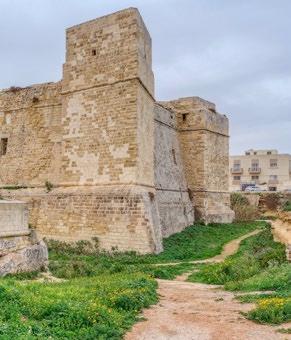
• St Thomas Tower: 17th-century coastal fortification built by the Knights of the Order of St John
• Mamo Tower: 17th-century fortified country residence with a unique cross-shaped design with 16 faces
• Tal-Buttar Tower: historic structure incorporating a rare watermill mechanism
• Żonqor Salt Pans: traditional rock-cut salt harvesting pools best seen at sunset
• Riħama and Żonqor Batteries: British-era coastal defences, partly ruined
• St Anthony and San Gaetan Chapels: small historic coastal chapels tied to fishing communities
• Jerma Palace Hotel ruins: abandoned site now known for street art
Markets & local life
Small, informal fish stalls appear near the harbour when boats return. Wednesdays and Fridays are generally the best days, offering the widest selection. The best time is from 79.30am – by 10am, most of the fresh catch is gone.
Roadside setups sell seasonal produce in the town centre. Small and very local, the fruit and veg stalls are there from 8am - 12pm on most mornings.
Things to do
• Scuba diving trips with local dive centres
• Coastal walking along the harbour and Żonqor headland
• Swimming at St Thomas Bay and nearby coves
• Evening dining along the promenade
A traditional fishing boat, the luzzu, in the bay.
Tal-Mixta
‘Lampuki’
Crystal Lagoon
Popeye Village
Dingli Cliffs
Rabat
Dingli
Buskett
‘Luzzu’ Traditional Fishing Boat
‘Qarnita’ Octopus
Żonqor
Words by Heritage Malta
The national agency for museums, conservation practice and cultural heritage, it is the guardian of over 8,000 years of history.
If this is your first visit to the Maltese Islands, you cannot leave without ticking these sites off your list.
St Paul’s Catacombs
Rabat
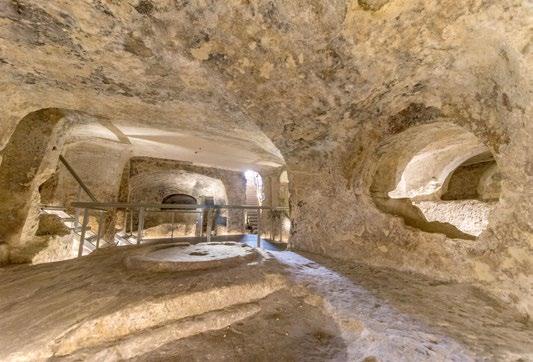
Leave the sights and sounds of modern life behind you as you step down into another world – a burial ground from Punic, Roman and Byzantine times, representing the earliest and largest archaeological evidence of Christianity in Malta. The catacombs form a typical complex of interconnected underground Roman cemeteries that were in use up to the 7th and possibly the 8th century AD. Part of the catacombs was re-utilised during the re-Christianisation of the island, around the 13th century, when an open space was re-cut and used as a Christian shrine decorated with murals.
Grand Master’s Palace
Valletta
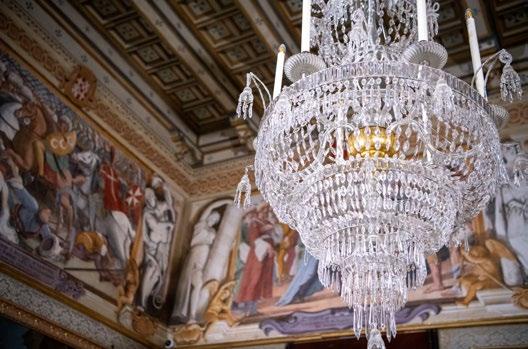
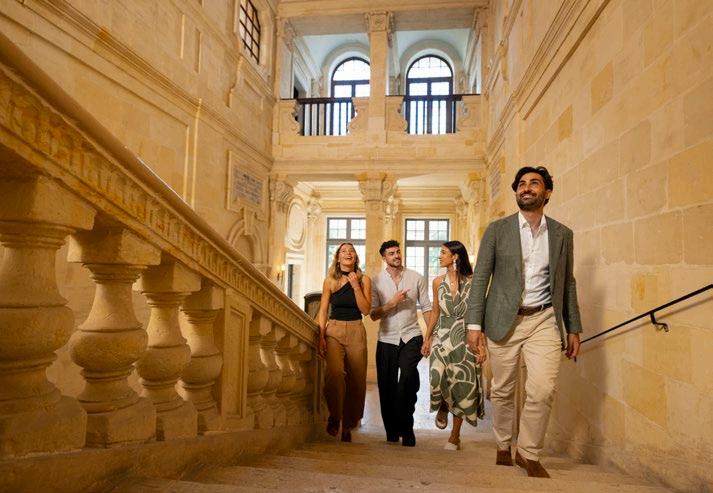
Newly restored and proudly dominating St George’s Square, the Grand Master’s Palace invites you to wander along its 450-year history as a centre of power and the symbol of a nation. Presently the seat of the Office of the President of Malta, the Palace grants visitor access to over 85 per cent of the building’s footprint, including the magnificent Armoury. The Palace’s restoration project was partly financed via the European Regional Development Fund (ERDF).
Fort St Angelo
Birgu
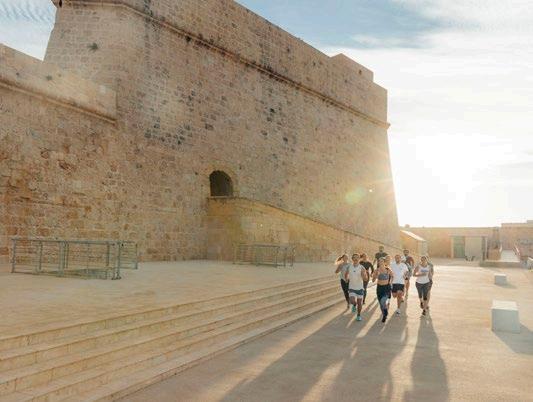
No other fortress has been engaged with the same intensity in the shaping of Malta’s destiny as Fort St Angelo! Known as Castrum Maris in medieval times, this stronghold was christened as Fort St Angelo by the Knights of the Order of St John, who turned it into their headquarters. The Knights remodelled the building extensively with the construction of a series of artillery platforms that marked the introduction of the bastioned system of defence on these islands. During the British period, the fort served as a shore establishment of the Royal Navy in Malta until the last detachment of foreign forces marched out of its walls in March 1979.
Underground Valletta Valletta
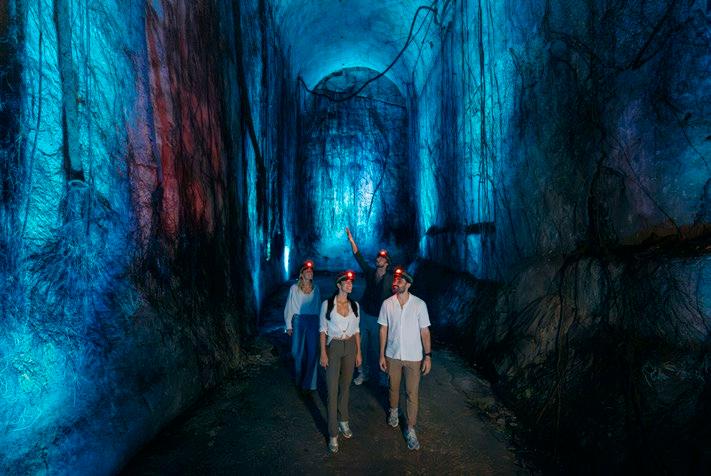
Valletta, a UNESCO World Heritage Site, cannot be fully appreciated without experiencing what lies beneath it. Descend into the capital’s fascinating depths to discover dark underground spaces, which, centuries ago, were crucial for the movement of troops, for grain and water storage, and for drainage. Then fast forward to the terrible years of World War II, when these underground tunnels and chambers provided shelter to thousands of people seeking refuge from the relentless enemy bombs, with primitive sanitary facilities and very scarce food stocks, but with a burning hope of survival that defied desperation. Pre-booking is required.
MUŻA – The National Community Art Museum Valletta
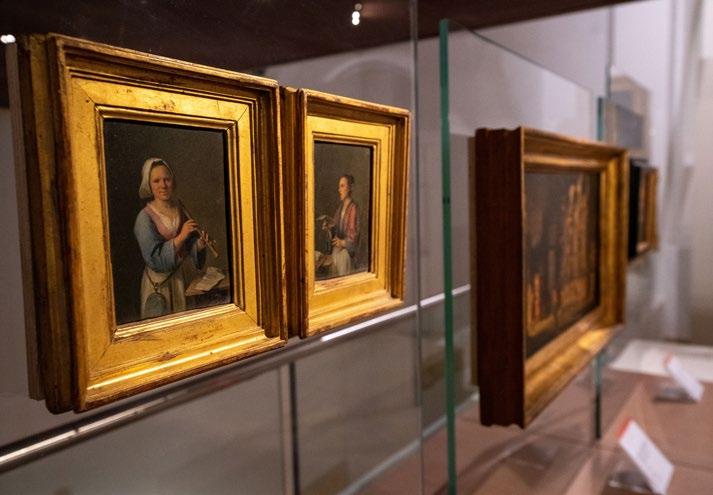
The acronym MUŻA refers to the mythological Muses of classical antiquity and to the Maltese term for artistic inspiration. Through a varied collection of paintings, sculptures, furniture, silver pieces, works on paper and objets d’art, MUŻA’s main focus is to show artistic developments in Malta impacted by its Mediterranean context as well as the cultural influences resulting from the governance of the Order of St John (15301798), the British Empire (1800 - 1964), the postIndependence period (since 1964) and the overall impact of the Church.
Inquisitor’s Palace
Birgu
The Inquisitor’s Palace is both a historic house museum and the National Museum of Ethnography.
Built in the 1530s, it was the powerhouse of the Holy Roman Inquisition that dominated Malta for over 224 years. After the French abolished the Inquisition in Malta upon their arrival in 1798, the building served French and British rules, as well as the Dominican Order for a period of time after World War II. The Inquisitor’s Palace also houses the National Textiles Collection.
Between continents and cultures
Words by Lea Hogg
From dawn on the Bosphorus to sunset over ancient minarets, Istanbul spans Europe and Asia, blending history, faith and flavour. Markets, mosques and alleys invite you to wander, taste and lose yourself in the city’s vibrant rhythms.
The first time I landed at Istanbul Airport, I immediately felt this wasn’t just any holiday but a lifestyle experience. The vibe made me want to drop my bags and soak it all in.
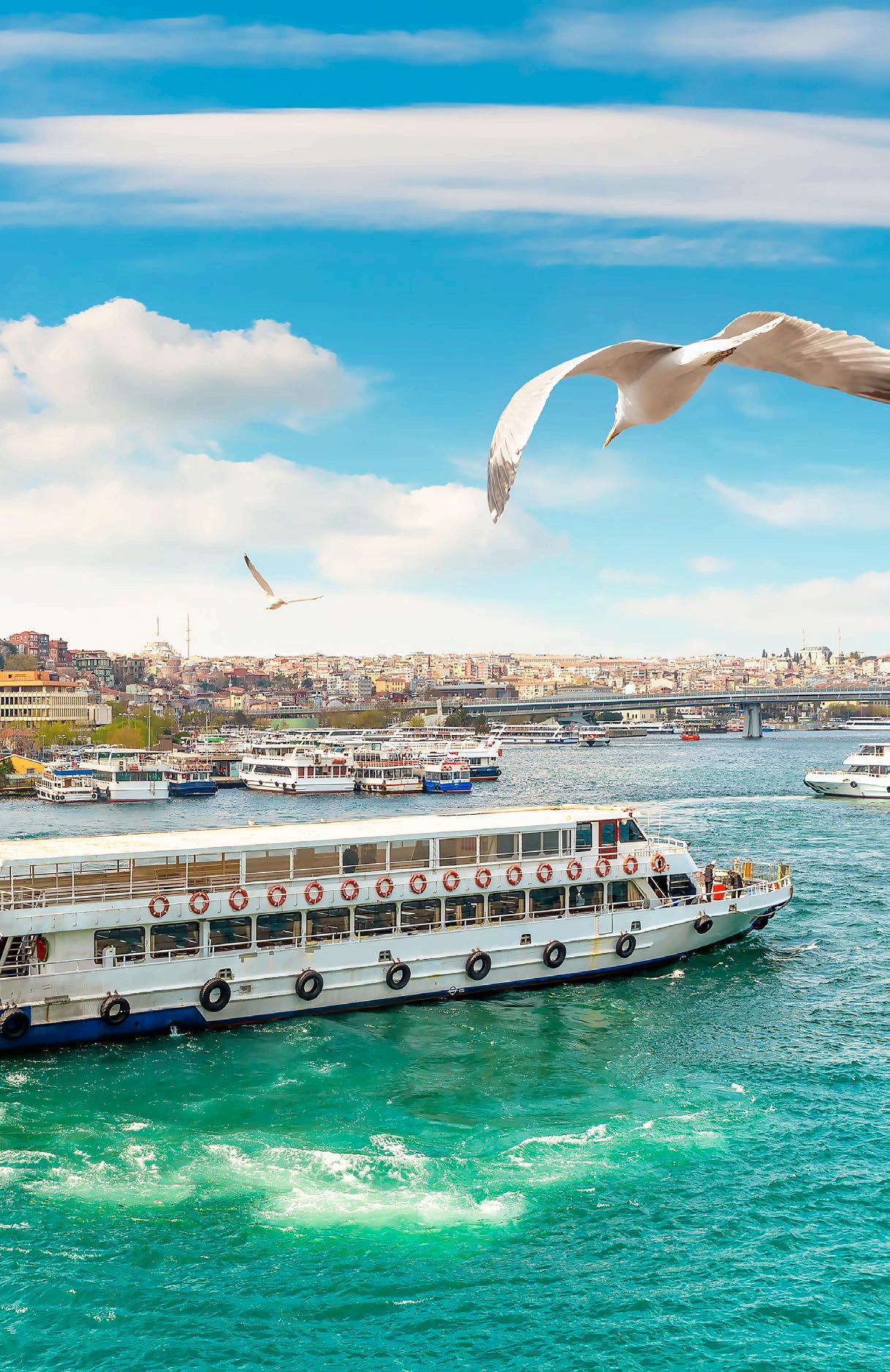
During my last trip, on a very early morning arrival, I asked my taxi driver to take the Bosphorus route. At sunrise, the water looked like liquid gold, stretching between Europe and Asia. Minarets pierced the sky. Mansions gleamed, cafés started coming to life, and the air smelled of salt, coffee and fresh baking.
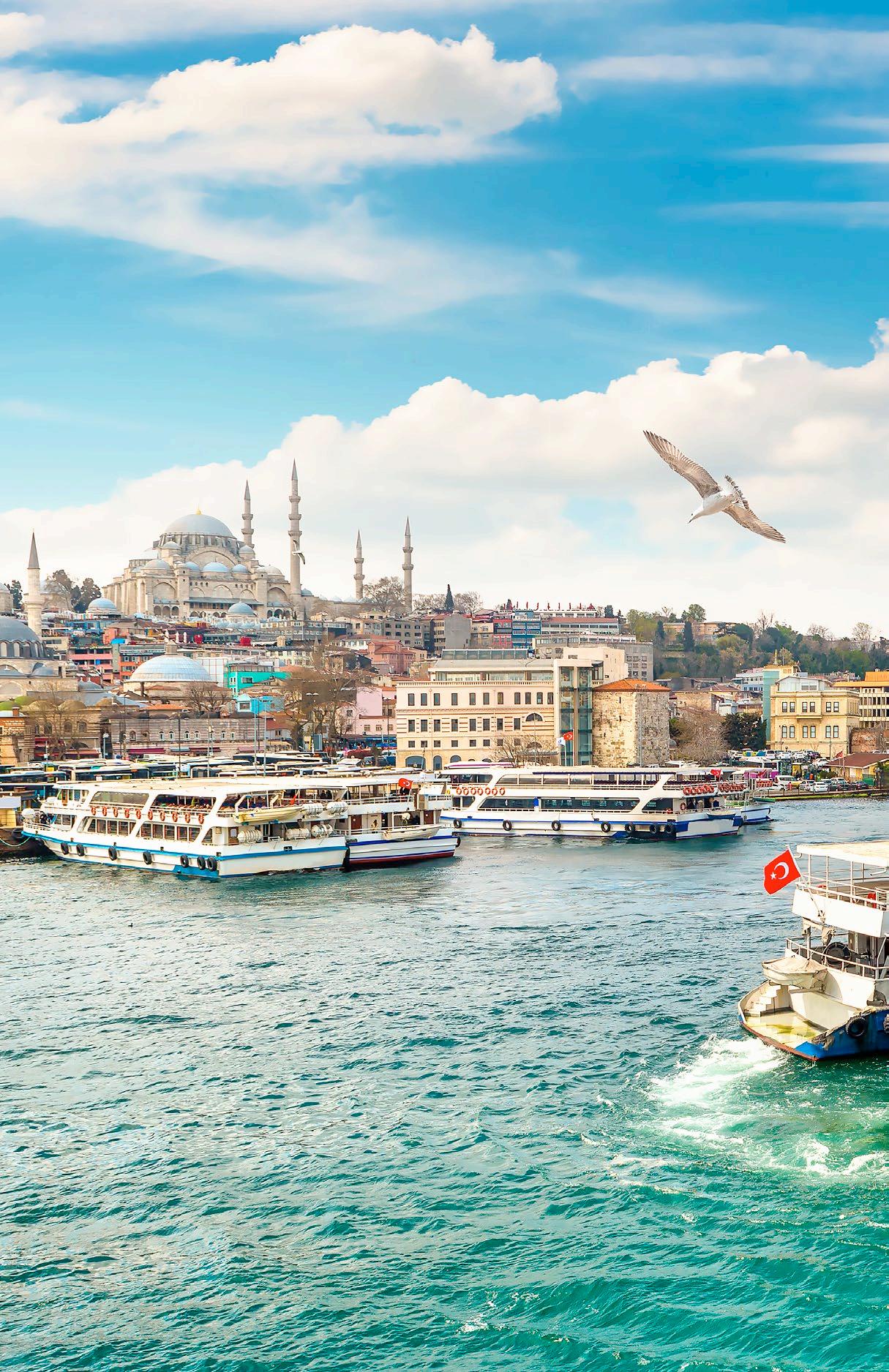
Istanbul's Golden Horn with the Suleymaniye Mosque in the background.
By mid-morning, crossing the Galata Bridge, the aroma of grilled mackerel drifted up from the waterfront, tempting me to try a balık ekmek, a simple roll of freshly grilled fish, onions and lemon that perfectly captured life around the Golden Horn.
We arrived at the Nidya Hotel, in Galataport on the European waterfront. Staying in this area meant the water, museums, trendy cafés and shopping were just steps away, letting me soak in the city’s vibrant energy. The hotel roof terrace offers an exceptional panoramic view, making it the perfect spot to unwind with a drink as the day fades.
Born from old docks, Galataport blends history and contemporary life. The Istanbul Modern Museum, an imposing feature of the port
development, reflects it all, with its glass and steel framing minarets.
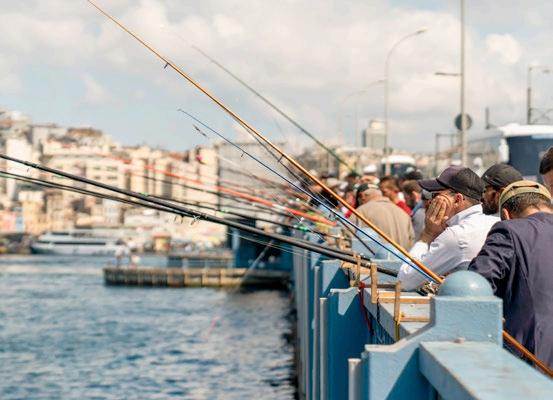
The Galata Bridge at sunset feels alive in a different way as the day cools down. Stretching across the Golden Horn, it connects Eminönü with Karaköy and remains a vital artery of daily life. Anglers line the rails, patiently waiting, while ferries drift beneath.
We stopped at the Galata Sanat Restaurant, a casual local favourite for seafood, where the fish was so fresh it practically melted in the mouth. This was accompanied by a selection of meze showcasing the restaurant’s 25-year culinary reputation.
By contrast in Sultanahmet, the historic heart of Istanbul, sunlight fractured through the Blue Mosque’s
stained glass, scattering colour across marble floors. Nearby, Hagia Sophia’s mosaics tell stories of faith and defiance bridging Byzantine, Ottoman and modern histories across a millennium.
Beneath the city, the Basilica Cistern offers a cool, quiet counterpoint – a hidden cathedral where columns rise like sentinels from black water, some adorned with Medusa heads.
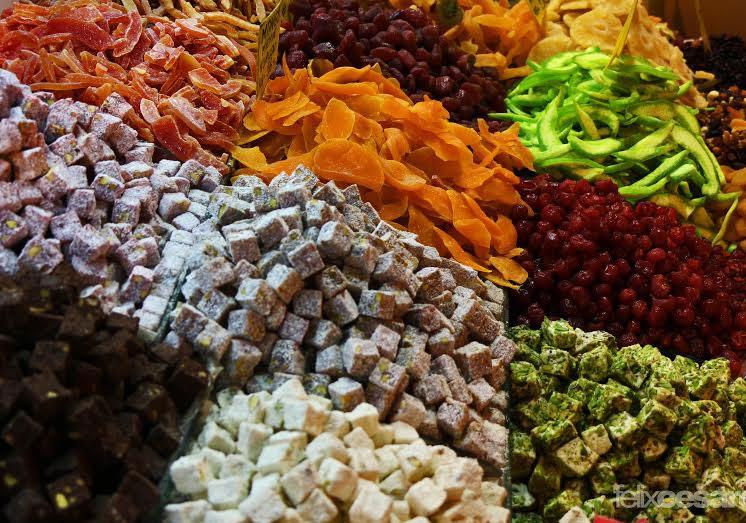
Markets showcase the city at its best. In the Egyptian Bazaar in Eminönü, spices rise in little pyramids; dehydrated figs, colourful dried fruits and walnuts tumble from wooden crates; and lanterns hang overhead, catching sunlight at improbable angles. Turkish delight glimmers beside hand-carved kitchenware, and teas smell of distant forests and citrus groves.
People don’t only come to Istanbul to see the landmarks, but also to be transformed
People fishing on Galata Bridge.
Turkish delight. Photo: Felix Cesare.
Cross the Bosphorus to Kadıköy market, where narrow lanes are packed with olives, cheeses, pomegranates and spices on sun-warmed cobblestones. Street art and posters mix with cafés pressing into corners. Amid the vibrant chaos, wandering becomes meditation; a feast for every sense.
During a previous trip, I had visited a perfumery workshop, but this time, I made a point of exploring another Turkish tradition: Kolonya, scented water used to refresh and offer blessing and welcome. At Eyüp Sabri Tuncer, one of Turkey’s oldest Kolonya makers, I discovered bottles of citrus, lavender, sweet peppercorn and rose. The rose and citrus were my favourites, bright and delicate.
Founded in 1923, the company’s colognes even reached the presidential palace. Back home, a spritz of Kolonya brings Istanbul rushing back: the aromas, the streets, the city’s living history, all in a fleeting connection across time and distance.
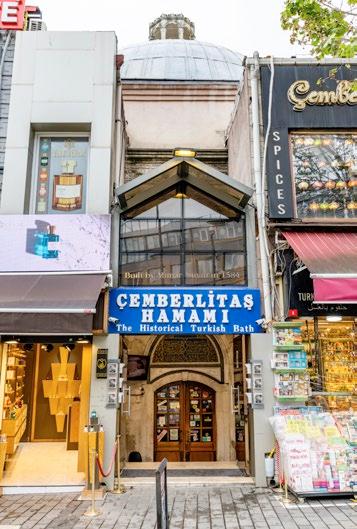
People don’t only come to Istanbul to see the landmarks, but also to be transformed. It felt especially clear stepping into a traditional hammam. At Çemberlitaş Hamamı, one of the city’s most iconic baths, dating back to the 16th century, marble heat, steam and silence slow everything down. You don’t just relax; you pause and reset.
It was fitting, then, that I met a couple shortly after, wrapped in that same post-hammam calm at a café in Şişli. They told me they return to Istanbul every year for dental work and aesthetic treatments. “All our friends started coming too,” they said with a laugh. Around us, the dental and aesthetic clinics lining the streets in Şişli made it clear that Istanbul has become a hub for medical tourism, attracting visitors from across Europe and beyond, seeking treatments alongside the city’s cultural experiences.
In a city shaped by centuries of trade, movement and reinvention, this felt like a modern continuation of its identity. People have always come to Istanbul in search of something. Only now, the transformation may also be personal. The hammam may cleanse the body, the aesthetics may enhance beauty, but the city, in its own way, reshapes everything else.
By sunset, as the Bosphorus slips between two continents, it reveals its duality: churches and mosques, Asia and Europe, past and present existing side by side. Few places allow me to drift effortlessly between worlds, and even fewer linger in my memory quite like Istanbul after I leave.
KM Malta Airlines operates regular flights between Malta International Airport (MLA) and Istanbul (IST) kmmaltairlines.com
suggests
Tea in Istanbul
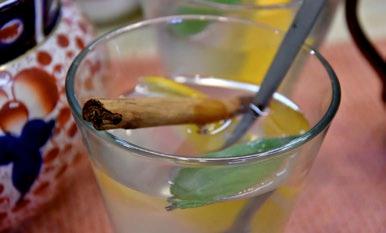
Here, it isn’t merely a drink; it’s a ritual of welcome and connection, threaded through daily life for centuries. One of the most memorable was the famed Beta Tea House, tucked in a quiet corner near the Spice Bazaar. You are instantly hit by the warm aroma of cinnamon, apple and rosehip infusions.
Sunlight caught the polished wood and rows of glass teapots, while quiet conversations wove around me.
Each sip of tea is another experience in the welcoming Turkish hospitality, a fragrant pause amid the bustling markets, letting me taste both the city’s flavours and its enduring traditions.
Visit the Beta Tea House in Rüstem Paşa, Tahmis Sokak.
Did you know?
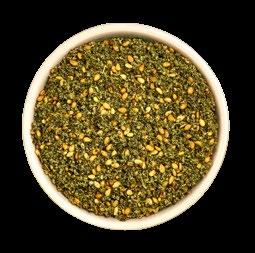
Turkey is a spice paradise. Some Turkish spice blends include:
• Baharat – black pepper, paprika, cumin, nutmeg
• Pul biber blend – red pepper flakes and salt/herbs
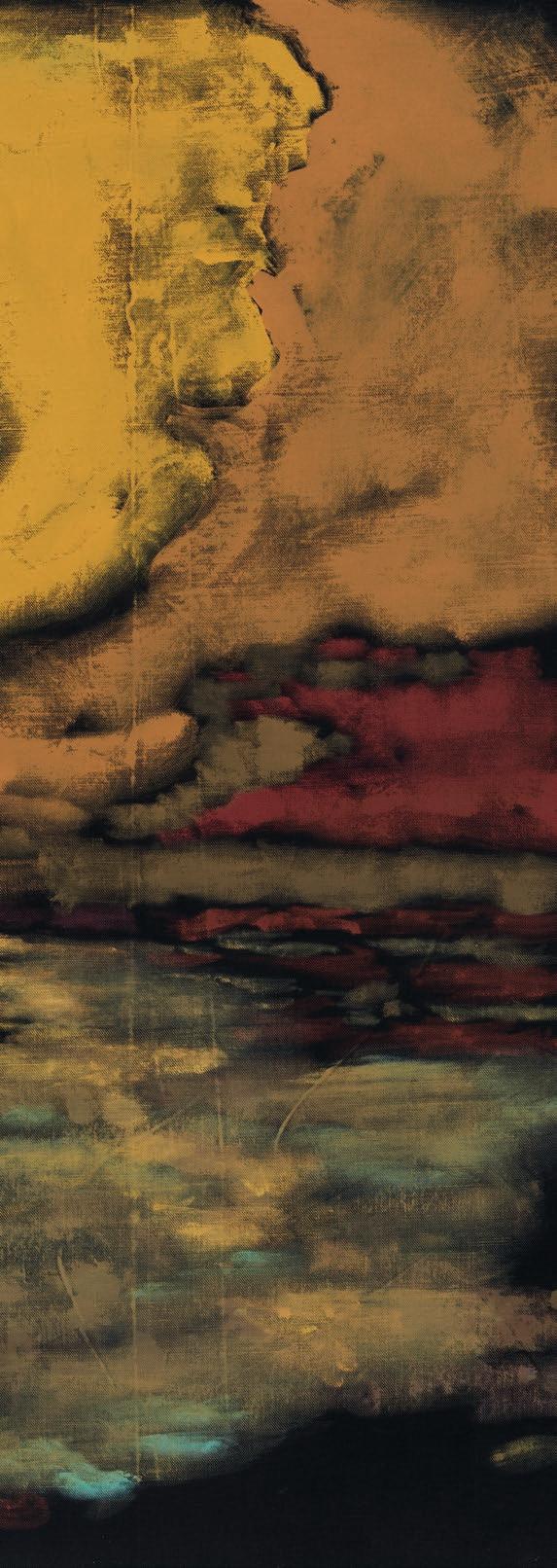
In his first European exhibition, Californian artist Reggie Burrows Hodges finds beauty and inspiration in the island, producing a new body of work that connects with the country, its heritage and its people, and is, quite simply, “a poem to Malta”.
For travellers arriving in Malta, the island’s culture often reveals itself as a living postcard of baroque architecture, the rugged coastline and its small beaches to the north, but also in the luminous Mediterranean light that has inspired so many artists for generations.
Now, this spring and summer, visitors to Malta have the rare opportunity to experience the island through the eyes of one of the international contemporary art world’s most compelling voices.
At the Malta International Contemporary Art Space (MICAS), Reggie Burrows Hodges: Mela is the first-ever solo exhibition in Europe for the internationally acclaimed African-American artist.
Running from 9th May to 30th August, the exhibition inside Malta’s newest cultural destination offers a unique encounter for those who seek something beyond the usual sightseeing itinerary.
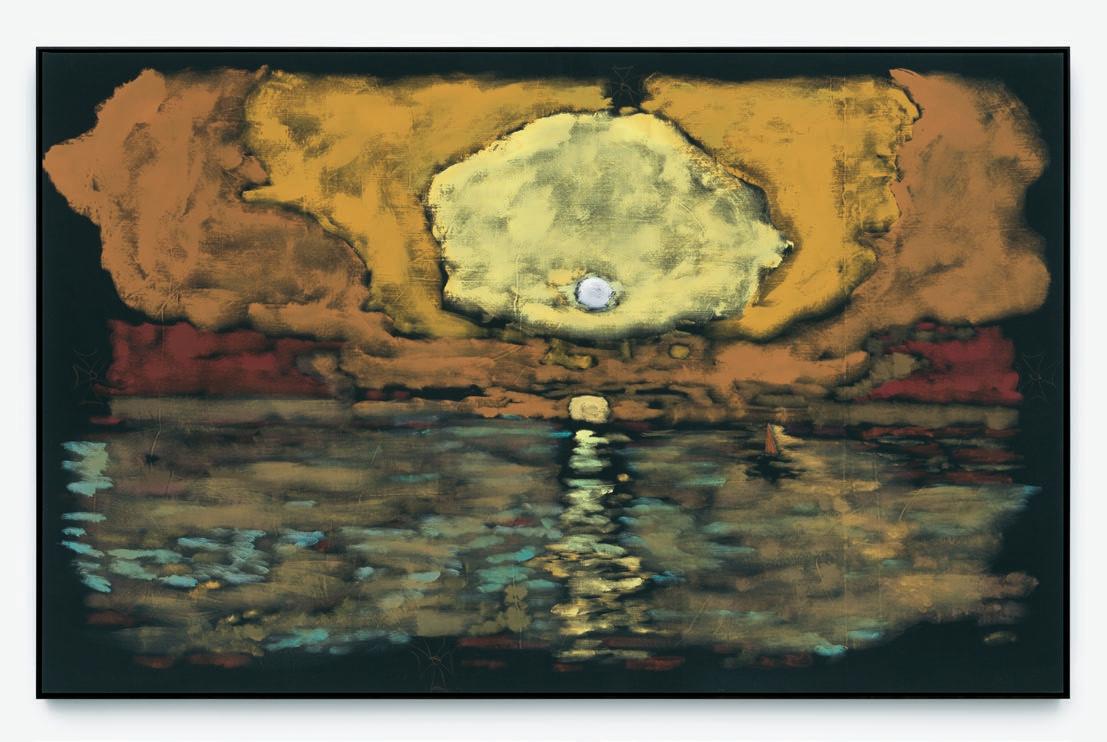
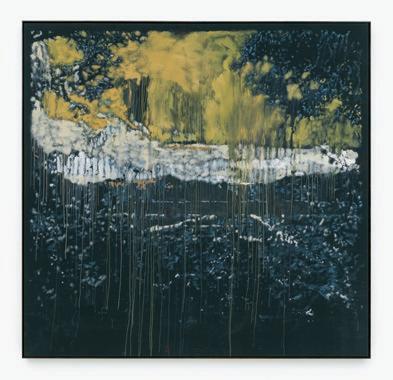
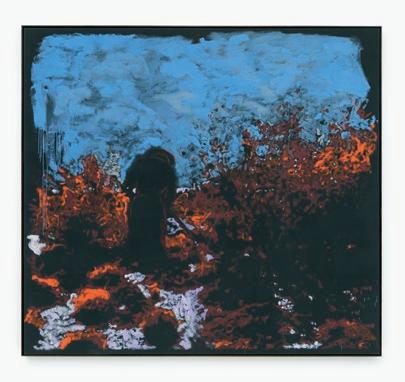
For Hodges, a Californian whose unique palette is characterised by a field of deep black that foregrounds his colourful characters
The Buoy: Phoenix.
and environments, Malta is not simply the backdrop to this exhibition – it is its central inspiration.
The artist relocated to the island in 2024, establishing a studio in Valletta to immerse himself in the rhythms of everyday life. Over the course of many months, he produced over 30 new paintings, including the largest canvases of his career.
“Without making the journey to Malta and spending time immersing myself in the culture, I wouldn’t have had a shot at its richness,” Hodges reflects. “That would have been a real loss – not for Malta, but for me.”
Hodges is one of the many artists of significance who have been shown at MICAS, a fantastic campus of modern architecture within the 17th-century Knightsera fortifications that has also hosted the Portuguese artist Joana Vasconcelos, and most recently, a rare survey of the works of American master colourist Milton Avery, together with contemporary greats Jonas Wood, Harold Ancart, Nicolas Party, March Avery, Henni Alftan, Gary Hume and Andrew Cranston; as well as Ugo Rondinone, Cristina Iglesias, Pierre Hyughe and Conrad Shawcross.
The exhibition title, Reggie Burrows Hodges: Mela, borrows from one of the most expressive words in the Maltese language. Meaning well or so, mela tends to often be used in conversation as a way of introducing a thought. Visitors soon realise how much this word appears to capture something of the islanders’ character: informal yet deeply expressive. For Hodges, it became a symbol of the openness and vitality he encountered while living here.
Visitors walking through MICAS’s four gallery floors will discover the paintings shaped by this encounter with Malta.
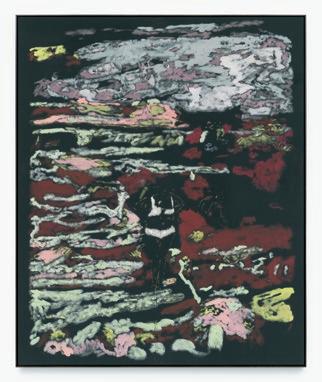
Hodges’ work is known for its distinctive visual language: he begins each canvas with a deep black ground, allowing figures and landscapes to emerge through areas of light and negative space. The effect
Labor: Poem of the Seabed.
is atmospheric and contemplative, inviting viewers to linger in the stillness of each scene.
In Reggie Burrows Hodges: Mela, this technique reveals moments of Maltese life – swimmers and bathers along the rugged coastline, labourers, and gatherings that speak to the strong sense of community found across the islands. These scenes form part of Hodges’ long-standing exploration of labour and collective experience.
One painting in particular stands at the heart of the exhibition. Inspired by Caravaggio’s monumental masterpiece in St John’s Co-Cathedral in Valletta, The Beheading of Saint John the Baptist – painted in Malta in 1608 while the Italian artist was in exile here (he was wanted for the murder of the wealthy gangster Ranuccio Tomassoni) – Hodges has created a vast canvas responding to the historical work both in scale and ambition.
The result is a contemporary dialogue with one of the most celebrated paintings in European art history, linking Malta’s artistic past with its present.
Beyond the galleries, the exhibition extends into MICAS’s barrelvault spaces, where Hodges has created a sound-based work inspired by accounts of ancient music connected to Malta’s prehistoric temples. The piece transforms fragments of Neolithic sound traditions into an atmospheric sensory experience.
For travellers exploring Malta’s cultural landscape, MICAS itself is a destination worth discovering. Located within the restored Ospizio complex overlooking the Floriana bastions, the museum blends historic military architecture with contemporary design, offering panoramic views across the harbour and towards Valletta.
For visitors this summer, stepping into MICAS offers a chance to see the islands through the contemplative lens of Hodges, who describes this exhibition simply as “a poem to Malta”.
But like all MICAS exhibitions, this is also something more: a cross-cultural exchange between an African-American artist and a Mediterranean island, where fresh perspectives always seem to uncover a new layer of history with inspiring interpretations.
Enjoy an immersive journey through the historical venues that form part of this year’s biennial programme, showcasing contemporary art in conversation with the island’s history.
An immersive experience in art is an effortless endeavour when visiting Malta. Even the most casual of strolls down the streets of the capital will bring us face to face with ornate palazzi and old churches, the baroque architecture creating a striking contrast with more modern installations showcased by the museums.
This month, however, brings with it an additional gift — exhibitions, works and pavilions as part of the Malta Biennale 2026, transforming a series of 11 historical sites across Valletta and Vittoriosa in Malta, and Xagħra and Victoria in Gozo, into an intriguing conversation with the present.
The beauty of this Biennale’s experience is that it speaks to everyone, rather than to a select group of contemporary art lovers. The theme – CLEAN | CLEAR | CUT – was conceived to address some of the most pressing issues centred around environmental, ethical and aesthetic pollution that we face today; issues we all care about, talk about and hope to find a resolution for.
While the Malta Biennale 2026 doesn’t purport to offer solutions, it does provide an excellent springboard for conversation, highlighting how contemporary artists are grappling with these concerns through works that provoke reflection, raise questions and invite closer engagement.
The conversation starts right within Malta’s capital city. When planning your Valletta itinerary, chances are that cultural landmarks like forts, museums and palaces are already on your radar. Now, the experience is enhanced with the presence of several pavilions and artist exhibitions that add a fresh layer of artistic dialogue to the city’s fabric.
Highlights include an exhibition by the iconic Guerrilla Girls, and a walk through the Malta Pavilion’s take on Alice’s Wonderland at MUŻA, as well as a wonderfully
Malta Biennale heritage trail at a glance
Fort St Elmo and the National War Museum: panoramic views of Grand Harbour, impressive fortifications, seven national pavilions, six thematic pavilions and an exhibition by Wilfredo Prieto Garcia.
MUŻA – The National Community Art Museum: the majesty of Auberge d’Italie, national art collections, the Maltese pavilion and five artist exhibitions.
National Museum of Archeology: artefacts dating back to Malta’s Neolithic phase, the unique Grand Salon, and five artist exhibitions.
Grand Master’s Palace: the State Rooms, baroque ceiling paintings, a portrait gallery and 12 artist exhibitions.
Birgu Old Armoury: splendid fortifications, vaulted halls and 13 thematic pavilions, including the winner of the Award for Best Pavilion.
Malta Maritime Museum: 7,000 years of Malta’s maritime history and five artist exhibitions.
Fort St Angelo: history related to the Great Siege and World War II, views across Valletta and seven artist exhibitions.
The Inquisitor’s Palace and the National Museum of Ethnography: unique architecture, the inquisitor’s tribunal and torture chamber, the prison complex and 13 artist exhibitions.
Gozo’s Ċittadella: imposing military architecture and four artist exhibitions, including the co-winner of the Award for Best Artwork.
Ta’ Kola Windmill: a 200-year-old mill with milling equipment and tools, and five artist exhibitions.
Ġgantija Archeological Park: a unique prehistoric temple complex dating to 3,600 BC, and three artist exhibitions, including the co-winner of the Award for Best Artwork.
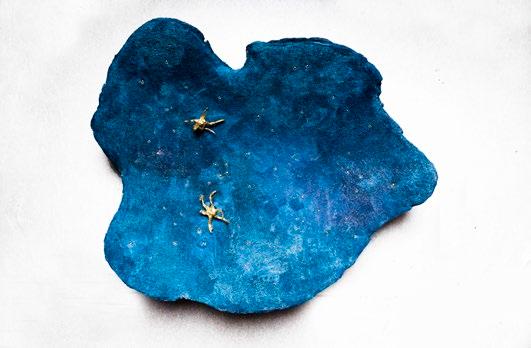
Concetta Modica's award-winning artwork, Nine Nights of Malta. Photo: courtesy of Malta Biennale/Heritage Malta.
visual journey through the Chinese Pavillion and the 12 others at Fort St Elmo.
At the Grand Master’s Palace, make sure you don’t miss out on Maurizio Cattelan’s showcase. The artist, known for his satirical approach to the norms of society, is part of this year’s edition of the Malta Biennale. Also of note is Lumen by Austin Camilleri, who uses his art as a canvas for incisive artistic statements, often leading to wider national discussions that go beyond the world of art.
Your Valletta Malta Biennale experience closes with the majesty of the National Museum of Archeology, known for the Sleeping Lady exhibit. Now. it also showcases the works of five contemporary artists juxtaposed against the island’s prehistoric heritage.
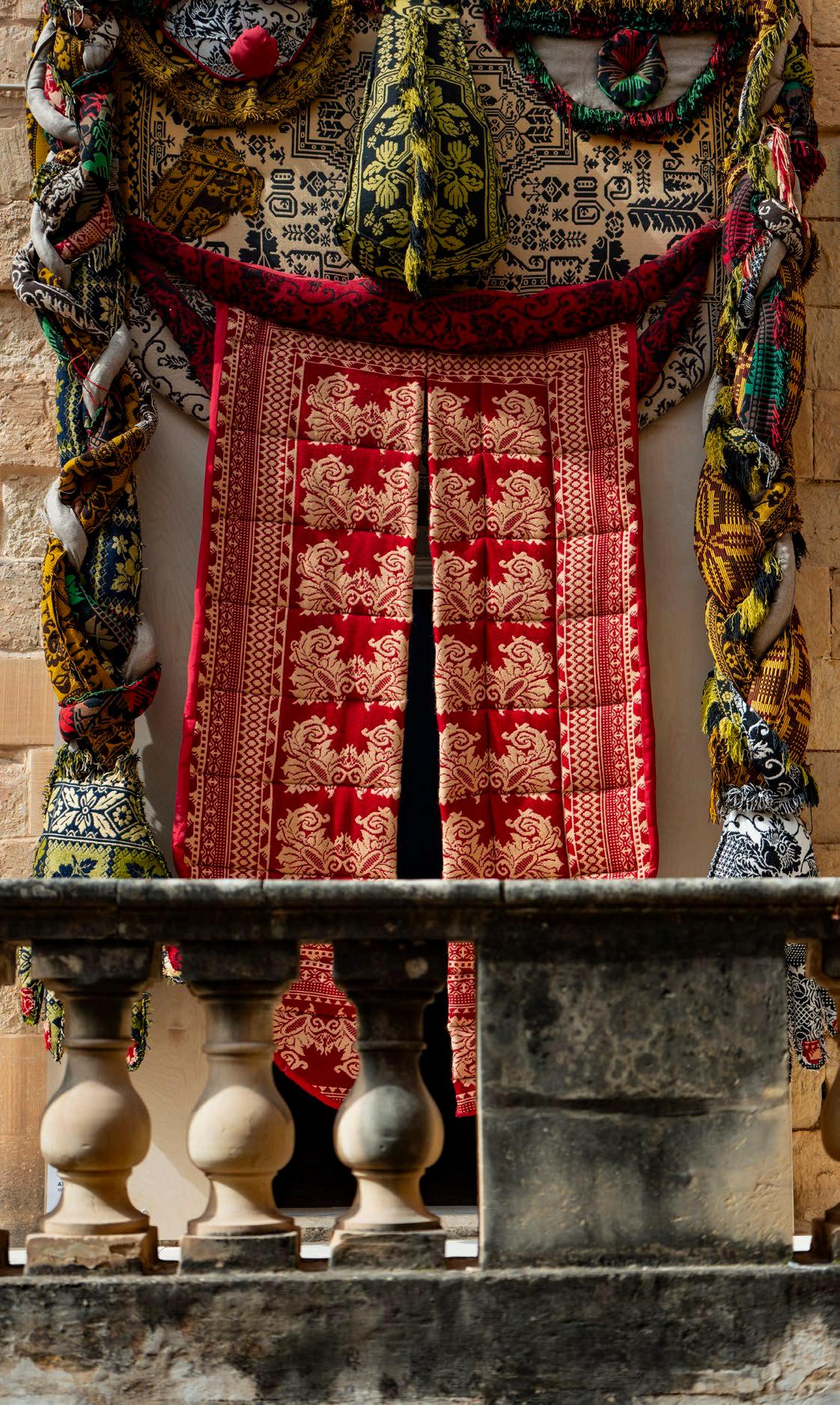
The Biennale has likewise transformed visitors’ experience of the Three Cities, with Vittoriosa’s four most renowned landmarks enriched with the works of some of the most notable names in contemporary art. The old city includes many highlights, not least the seven exhibiting artists at Fort St Angelo, five at the Malta Maritime Museum, and another 13 at the Inquisitor’s Palace. The Old Armoury is where you’ll find 13 pavilions, including the winner of the Best Pavilion Award, Redefining. Polish-Ghanaian Textile Narratives.
This is also where you’ll find Floating Fragments, a pavilion created by inmates from Malta’s correctional facility in a historic first for an international biennale.
The concept, which originated from the inmates themselves, sees nine artists exploring life as a collection of different episodes, inviting dialogue between the perspectives of people inside the facility and those outside.
Our journey across contemporary art continues on the sister island of Gozo. It’s very likely that you’ll need more than a day trip to take in all the venues and exhibits, so plan ahead for overnight accommodation. The Biennale starts right at the heart of the island, the Ċittadella, with four artist exhibitions. The catalogue includes Concetta Modica’s Fragments of the Sky of Malta: The Journey of a Tomato Sepal to Become a Star, also referred to as Nine Nights of Malta, which was one of the winners of the Best Artwork Award.
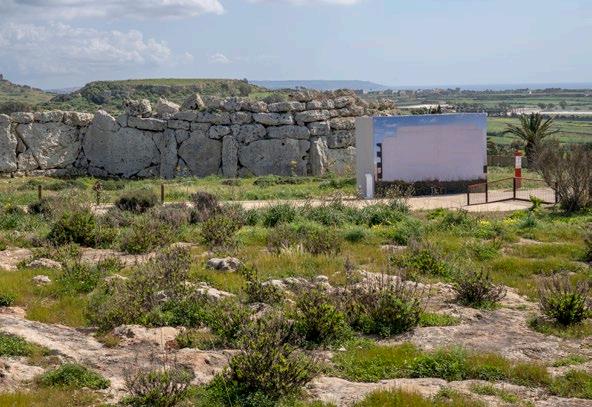
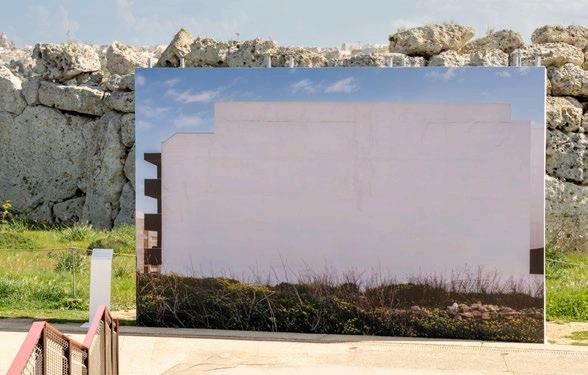
The megalithic temple complex of Ġgantija is one of the top five historical attractions across the Maltese Islands according to Heritage Malta figures. Throughout the Biennale, it’s likely to enjoy even more visitors thanks to the three artists exhibiting right on site. Here you can view Therese Debono’s Blank, the other co-winner of this year’s Best Artwork Award.
Our Gozitan Biennale trail comes to an end at Xagħra’s Ta’ Kola Windmill, one of the few surviving that dates back to the Knights’ period. The 200-year-old structure now hosts the works of five contemporary artists juxtaposed against the original milling tools and the old milling mechanism itself.
Malta Biennale 2026 is on until 29th May. Tickets are available through maltabiennale.art
Blank by Therese Debono at Ġgantija temple, Gozo.
Photos: Therese
Debono.
LuginsLand of Art.
Photo: Brian Grech.
BRIEF AND NEVER ENDING | A COLLECTIVE EXHIBITION
Christine X Art Gallery, 53, Tigne Street, c/w Hughes Hallett Street, Sliema Brief and Never Ending, curated by Emma Welker, presents the work of international artists exploring the passing of time through material, practice and the intimate rhythms of lived experience. Artists included are Hallgrímur Helgason, Jessica DeMers, Emma Weller, Joana Simaes, Kika Sroka-Miller, Maria Wrona, Martina Vassallo, May Franzen, Nathan Portelli, Shanice Farrugia and Eric Attard. The collective exhibition is open until 23rd May, Tuesday - Saturday, 10am - 1pm and 4 - 7pm.
info@christinexart.com (+356) 9984 4653
VALLETTA WATERFRONT
Triq il-Vittmi Furjaniżi tal-Gwerra, Floriana
Discover this hidden gem within Malta's Grand Harbour, where history meets modern indulgence. Enjoy panoramic views, exciting activities, and delectable dining experiences along this strolling promenade. Savour Chinese, American, Mediterranean, sushi or local cuisine in beautifully refurbished 1752-built stores, or dine al fresco by the water's edge. Just a short walk from central Valletta and Floriana, and across from the Three Cities, experience fun and relaxation away from the crowds. There is always something happening at Valletta Waterfront, with cultural celebrations, seasonal events, live music, special themed nights and family-friendly activities that bring the historic promenade to life. vallettawaterfront vallettawaterfront.com
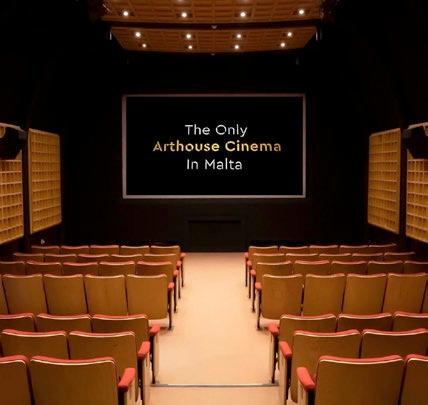
SPAZJU KREATTIV CINEMA — MALTA’S ONLY ARTHOUSE CINEMA
Pjazza Kastilja, Valletta
Located in Valletta, Spazju Kreattiv is home to Malta’s only arthouse cinema. It presents newly released arthouse titles, local productions and acclaimed documentaries, alongside live broadcasts from leading international stages such as the National Theatre and the MET Opera. Through its diverse film programme, Spazju Kreattiv supports Maltese filmmakers, nurtures cinematic appreciation and fosters cultural exchange by connecting audiences with distinctive voices and stories from around the world.
spazjukreattiv spazjukreattiv.org
Words by
This month’s must-see events
May in Malta arrives with the first real promise of summer, and with it, a calendar brimming with cultural events worth planning around.
Esplora 10th Anniversary
When: Throughout 2026
Where: Esplora Interactive Science Centre, Kalkara Esplora is celebrating its 10th anniversary. Throughout the year, visitors can enjoy daily hands-on experiences, including 200+ interactive exhibits, alongside a programme of special events, themed activities and new initiatives. Designed for all ages, these experiences spark curiosity, creativity and exploration, making STEAM (Science, Technology, Engineering, Arts, Mathematics) come alive in engaging and enjoyable ways for families and the wider public. Keep an eye out for exciting celebrations and events throughout the year.
Malta Biennale 2026
When: 1st - 29th May
Where: Various venues
Themed CLEAN | CLEAR | CUT, the Malta Biennale 2026 runs across historic sites and museums in Valletta, Vittoriosa and Gozo. An initiative of Heritage Malta, the second edition of the contemporary art platform is being held under the helm of artistic director and international curator, Rosa Martínez. (See story on PG 22.)
Ċama Ċama
When: 8th - 10th, 15th - 17th May
Where: Spazju Kreattiv, Valletta
As the Maltese summer heat settles over the village, the streets fill with the familiar rhythm of the festa. Yet beneath the colours and music, tension simmers as Christine is forced to confront memories of her childhood friend, while Fr Noel and Fr Clint struggle to balance their faith with the expectations of a divided community.
Firmament
When: 14th May - 28th June
Where: Spazju Kreattiv, Valletta
Visual artist and author Ryan Falzon presents Firmament, a multidisciplinary solo show of paintings, installations and readings. Inspired by the Flammarion Engraving, it unpicks cosmic order, inviting audiences to peer beyond the sky’s illusion into something far stranger.
Skald 2/3
When: 16th May
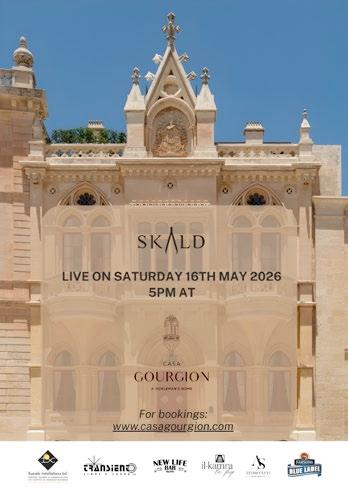
Where: Casa Gourgion, Mdina Maltese folk-rock outfit Skald bring their original music to Casa Gourgion. Expect Maltese-language favourites with early cuts from a forthcoming third album. With just 20 seats per session, it’s a rare, atmospheric evening inside one of Mdina’s most evocative historic homes.
SummerLust Music Festival
When: 15th, 22nd & 23rd May
Where: Għaxaq Grounds, Għaxaq
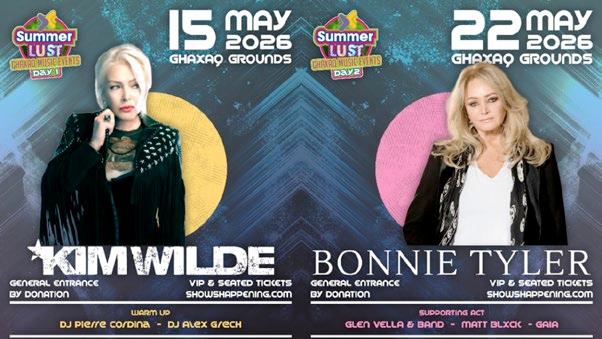
Għaxaq turns up the volume with two open-air throwback gigs this May, headlined by 1980s pop icons Kim Wilde and Bonnie Tyler. Expect big hits, bigger vocals and feel-good nostalgia, before a 1990s-fuelled finale caps off this ultimate retro party.
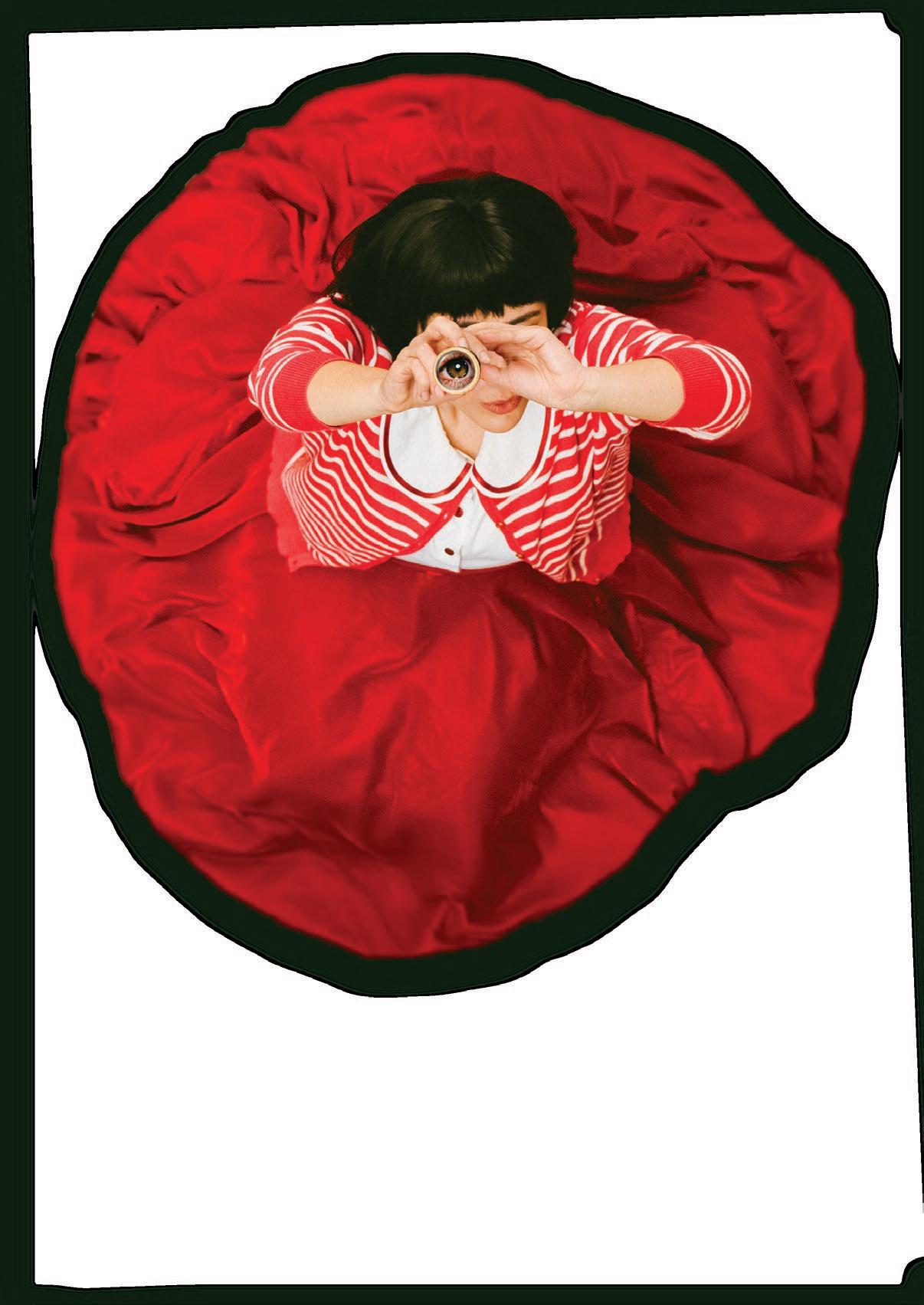
Amelie – The Musical
When: 8th - 17th May
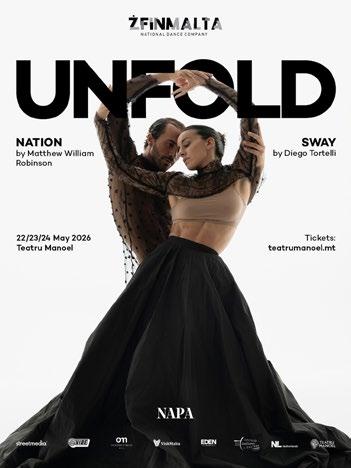
Unfold
Where: Teatru Manoel, Valletta Amélie – The Musical is a whimsical and heartwarming stage adaptation of the 2001 French film directed by
When: 22nd - 24th May
Where: Teatru Manoel, Valletta
Two unique reflections on our world by two visionary choreographers of the moment. In the stark landscape of Nation, lost souls ferociously search for what will come after the end, while Sway explores our burning desire for deep connection through a rebellion of bodies where the energy of the dancers merges with the heartbeat of the audience.
Discover and experience more with Inkontru.app, your web-based application that prioritises functionality and performance, meaning no need to download, seamless updates, no storage space taken and easy sharing. Enjoy! the musical
8-17 May 2026 teatrumanoel.mt
MAY in Birkirkara
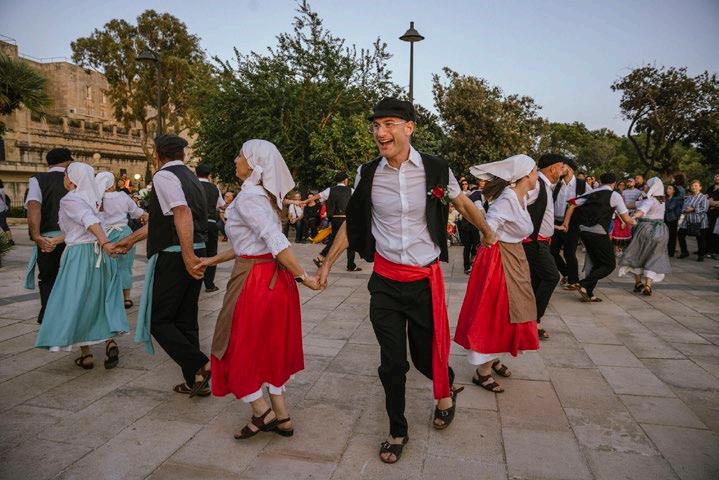
The Maltese festa is often known for its decorative grandeur, crowded streets and fireworks that echo late into the night. But before the season reaches its summer peak, there are a handful of more modest feasts that offer a closer look at the traditions, values and community spirit that have shaped Maltese life. Two such feasts are celebrated in Birkirkara in May.
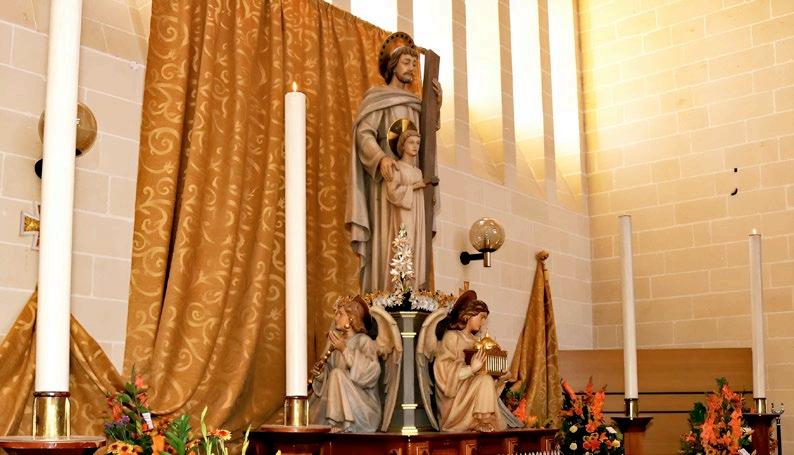
The Feast of St Joseph the Worker is a relatively modern addition to the calendar, rooted in a parish established in the 1970s. Celebrated on 1st May, this public holiday marks Workers' Day and reflects the Church's recognition of labour and family life as worthy of devotion. At the heart of the celebrations is a wooden statue carved in 1972 by Maltese artist Emvin Cremona, depicting St Joseph with the Child. Joseph, traditionally believed to be a carpenter, makes for a fitting symbol of dignity in everyday work.
The Feast of Our Lady of Holy Doctrine, celebrated later that same month on 29th May, carries a far older and more layered history. Its origins trace back to an 1820 confraternity dedicated to teaching catechism, with the first recorded procession following in the 1830s. The feast is closely linked to Malta's deep tradition of religious education, in particular to the legacy of the Society of Christian Doctrine (M.U.S.E.U.M.), founded by St George Preca to bring the Catholic faith to children and young people through structured catechism classes.
Preca, who was canonised in 2007, devoted his life to making religious education accessible to ordinary people at a time when literacy on the island was far from universal. That legacy is still felt today, with catechism groups and generations of former members participating in the parish celebration.
For a guide to upcoming religious celebrations and traditional feasts across the Maltese Islands, be sure to visit inkontru.app
Your first step into the history of the Maltese Islands
15% Discount
On the purchase of an adult ticket Please quote “Passaggi” at the ticketing counter to claim your discount. (Not valid with any other offer)
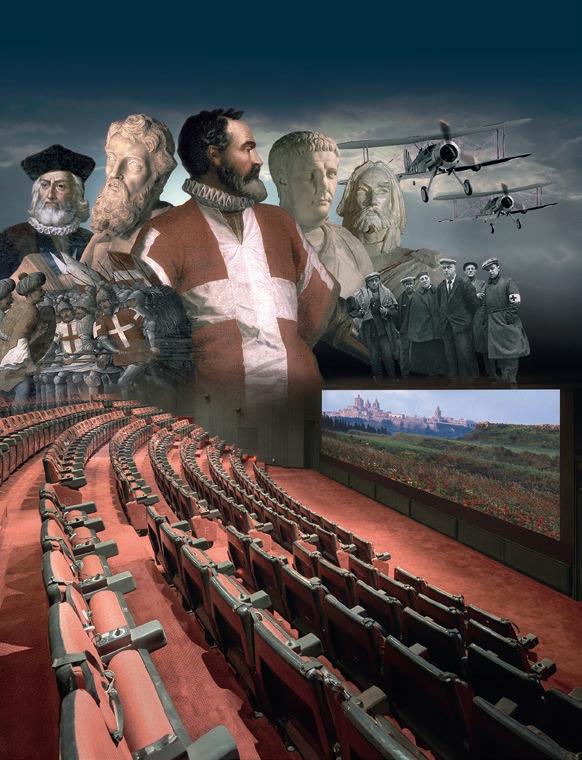
Few places have a history as turbulent and inspiring as the Maltese islands. Its gripping story is that of a country buffeted by world events, in which the bravery and resilience of its people have been tested to the limit.
Mela REGGIE BURROWS HODGES
9 May – 30 August 2026
MICAS, Floriana
Through beautiful authentic imagery and a gripping commentary, the show covers 7000 years of history in 45 minutes. From the early settlers of the temple period to the Knights of the Great Siege through to the destruction of World War 2, The Malta Experience chronicles the events that have shaped the island's history.
US
Malta’s National Contemporary Art Museum
Ospizio Complex, Bieb ilPulverista, Triq Joseph J Mangion, Floriana FRN1830
INKONTRU.APP MEETS...
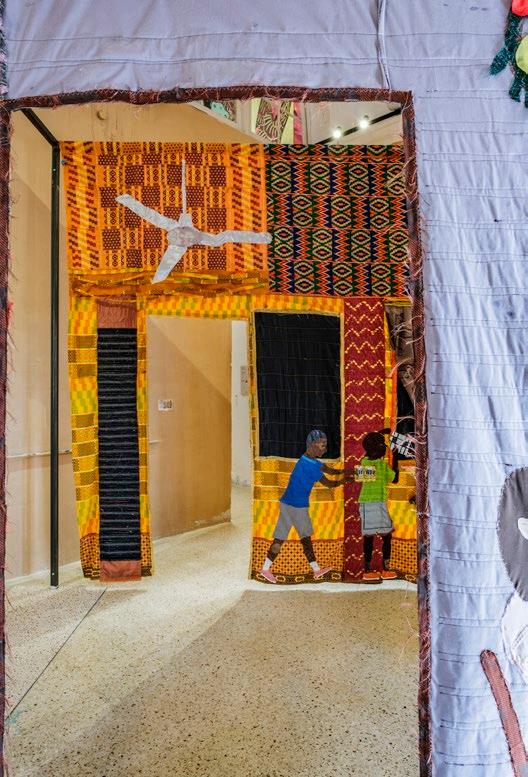
Fresh from winning Best Pavilion at the Malta Biennale, Redefining. Polish Ghanaian Textile Narratives brings a powerful story of crosscultural collaboration into focus. Curator Natalia Bradbury discusses the pavilion that weaves together the work of Eliza Proszczuk, Ernestina Mansa Doku and Marta Nadolle, which revisits a little known history of solidarity between Poland and Ghana through a monumental textile installation.
Can you tell us about this philosophy of Ubuntu that shaped the project?
Ubuntu is a philosophy rooted in relationality and interdependence. It understands identity as something that emerges through others, not in isolation. This idea shaped the project from the very beginning.
That experience of working together, across cultures and generations, in relation to the other, became foundational to the project. It continued during a twomonth residency in Malta, where the artists developed the works collectively. Ubuntu here is not a theme, but a method of a shared process, mutual trust and co-creation. At a time when we are increasingly disconnected from one another, it felt important to foreground this way of working on our exhibition.
What were some meaningful discoveries that emerged from this Polish-Ghanaian dialogue?
A key discovery was that collaboration does not mean sameness; it means creating space for multiple perspectives to coexist. During our creative process, what emerged instead were three distinct works, each a strong, autonomous artistic statement. The works are immersive and open, shaped by different cultural references, yet connected through process.
INSTALL inkontru.app
There is also a historical dimension. In the 1960s, Ghana and Poland developed cultural and educational exchanges: Ghanaian students came to Poland, and Polish architects and engineers travelled to work in Ghana. This relationship was based on solidarity rather than hierarchy.
What makes textiles such a powerful medium for telling stories?
Textile is both universal and deeply specific. In Ghana, Kente and wax print function as systems of knowledge, encoding identity, status and philosophy. In Poland, textile became a radical artistic medium in the 1960s through the Polish School of Textile Art, with artists like Magdalena Abakanowicz expanding it into monumental, spatial forms. In Malta, textile traditions such as lacemaking are rooted in local craft and domestic histories.
Across these contexts, textiles carry memory that is often outside official narratives. It is also a medium historically associated with women and intergenerational knowledge.
In this project, textile became a shared language without forcing uniformity. Ernestina Mansa Doku’s work, for example, draws on the chevron bead and wax print traditions, reflecting layered histories of trade and identity. A single thread is fragile, but woven together, it creates structure: this became a key metaphor for the exhibition.
Step into Malta’s scene with Inkontru.app, your personal guide to all the latest art, culture and heritage events in Malta and Gozo. More than just a calendar, the app connects you with exciting events and artists with exclusive interviews and video features. Easily find event details, get directions and purchase tickets – all in one place. Need a ride? Book a cab effortlessly through the app and share your plans with friends and family with ease.
Curator Natalia Bradbury.
Words by David Carabott
David is a teacher, specialised in mentoring students of different abilities. An avid traveller, his target is to visit all the countries in the world. When he is not in Malta or travelling elsewhere, you can find him somewhere in Rome.
When Malta quietly blooms
For those who pause to notice, the islands’ wildflowers – more than 1,000 – reveal a hidden charm. They appear quietly and vanish just as swiftly, leaving only the memory of a Mediterranean spring.
Flying into the Maltese Islands in May, the archipelago immediately unfolds from the air in shades of green, still rugged and untamed at first glance. Limestone glimmers in the sunlight, cliffs plunge dramatically into the deep blue Mediterranean, and fields divided by stone walls stretch across the landscape.
Amid these tones, bursts of colour hint that the islands are quietly preparing to bloom. Spring unveils a subtle celebration of life, with hidden blossoms emerging between the stones, rewarding those fortunate enough to witness this seasonal transformation.
BOTANICAL MARVELS
Malta’s indigenous wild flora weaves a unique living tapestry, bestowing the spring season with a distinctive palette of colours and fragrances. From delicate wildflowers to resilient shrubs, the island’s rich vegetation creates a landscape that is both striking and fragile.
As a nature lover, I am drawn to these small details. Malta may seem rocky and exposed from a distance, but if you slow down and look closely, an extraordinary world of plants and flowers reveals itself.
A small Mediterranean archipelago, sculpted from limestone cliffs, clay slopes and scattered valleys that rise toward wide, sunlit plateaux; with no rivers or lakes, and only a handful of small woodlands, the landscape feels raw and elemental. Much of the countryside is windswept and exposed, carpeted in garigue, a low, fragrant scrubland, with pockets of maquis where sparse shrubs and hardy trees take root.
It is precisely this harsh environment that makes the flowers so remarkable. Rain and sunshine encourage life from the rocky ground, transforming the landscape into a haven for bees and butterflies in a vibrant display.
Stepping into the countryside in May is a special moment on the island’s natural calendar. Spring is reaching its gentle finale. Wildflowers bloom intensely, as if making the most of every drop of rain before the long Mediterranean summer turns the landscape to gold.
Among all the flowers, one always captures my attention: the Maltese national plant, the Cheirolophus crassifolius, or Maltese rock-centaury, Widnet il-Baħar, which literally translates to ear of the sea. Its delicate blooms nod gently in the breeze, typically violet to magenta, forming striking clusters that stand out against the limestone cliffs where it grows.
This endemic plant, unique to the islands, thrives on the southern coralline limestone cliffs and coastal valleys of Malta and Gozo, often in full sun and exposed to sea winds, embodying the resilience and beauty of the island in spring.
DISCOVERING CAPERS ON FORTIFICATIONS
My journey begins along the bastions of Valletta, whose fortifications overlook the deep blue sea. Walking through the sunlit streets, I notice how plants find life in the most unlikely places.
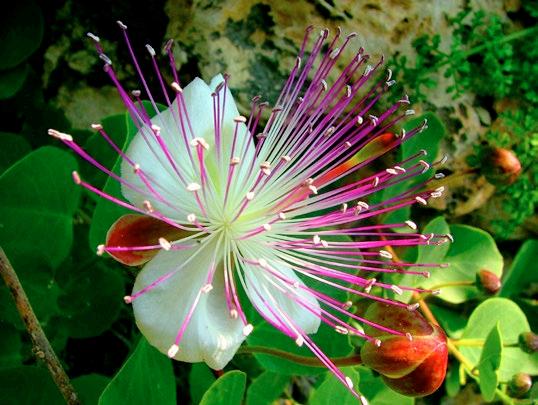
Between the cracks of old limestone walls, the Capparis orientalis, or caper, kappara, clings stubbornly to the stone. In May, its flowers open into delicate white petals streaked with pink, crowned with feathery violet stamens. Against the pale walls of Valletta, they appear almost unreal.
Later, visiting Mdina, I find the same resilient plants along its ancient walls. Here too, their fleeting blooms bring colour and life to the limestone, a delicate reminder of nature thriving everywhere. The warmth of the spring sun makes the fortifications shine.
Most caper plants are harvested for their buds before they flower, as they are a local culinary delicacy, so seeing them fully open feels like a rare gift. I pause for a moment, watching bees move from bloom to bloom.
I pause for a moment, watching bees move from bloom to bloom
FRAGRANT WINDS AT DINGLI CLIFFS
From Mdina, I continue west towards Dingli Cliffs. As I approach the edge of the island, the landscape opens dramatically. The cliffs rise high above the sea and the wind carries a fragrance that immediately catches my attention.
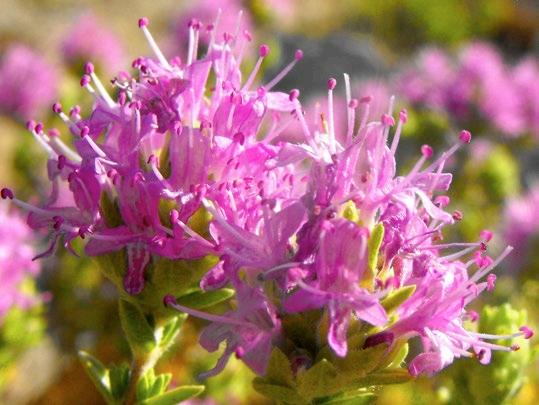
Here, I find patches of native Thymbra capitata, or Mediterranean thyme, sagħtar, growing across the rocky ground. Its tiny purple flowers are alive with bees.
As I brush gently past the plants, their scent rises into the air. It has a fragrance that seems to capture the essence of the island. The plant is protected under Maltese law, so I leave it untouched. The scent alone is enough to remain in my memory long after I leave the cliffs.
Afterwards, I wander into Buskett Gardens, a rare pocket of woodland, with a mix of various indigenous and introduced trees that portray the islands’ colonial history. After the exposed landscapes of garigue and cliffs, the shade given by the trees feels refreshing.
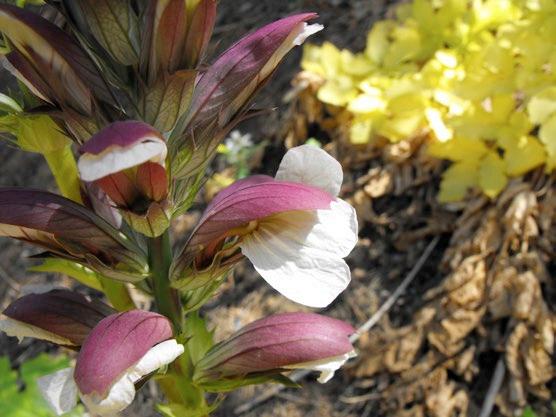
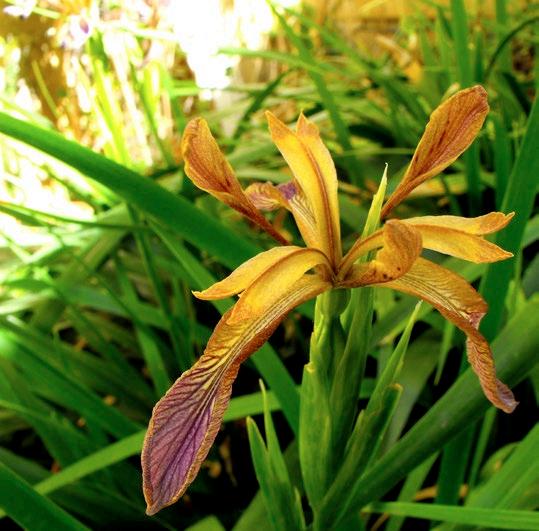
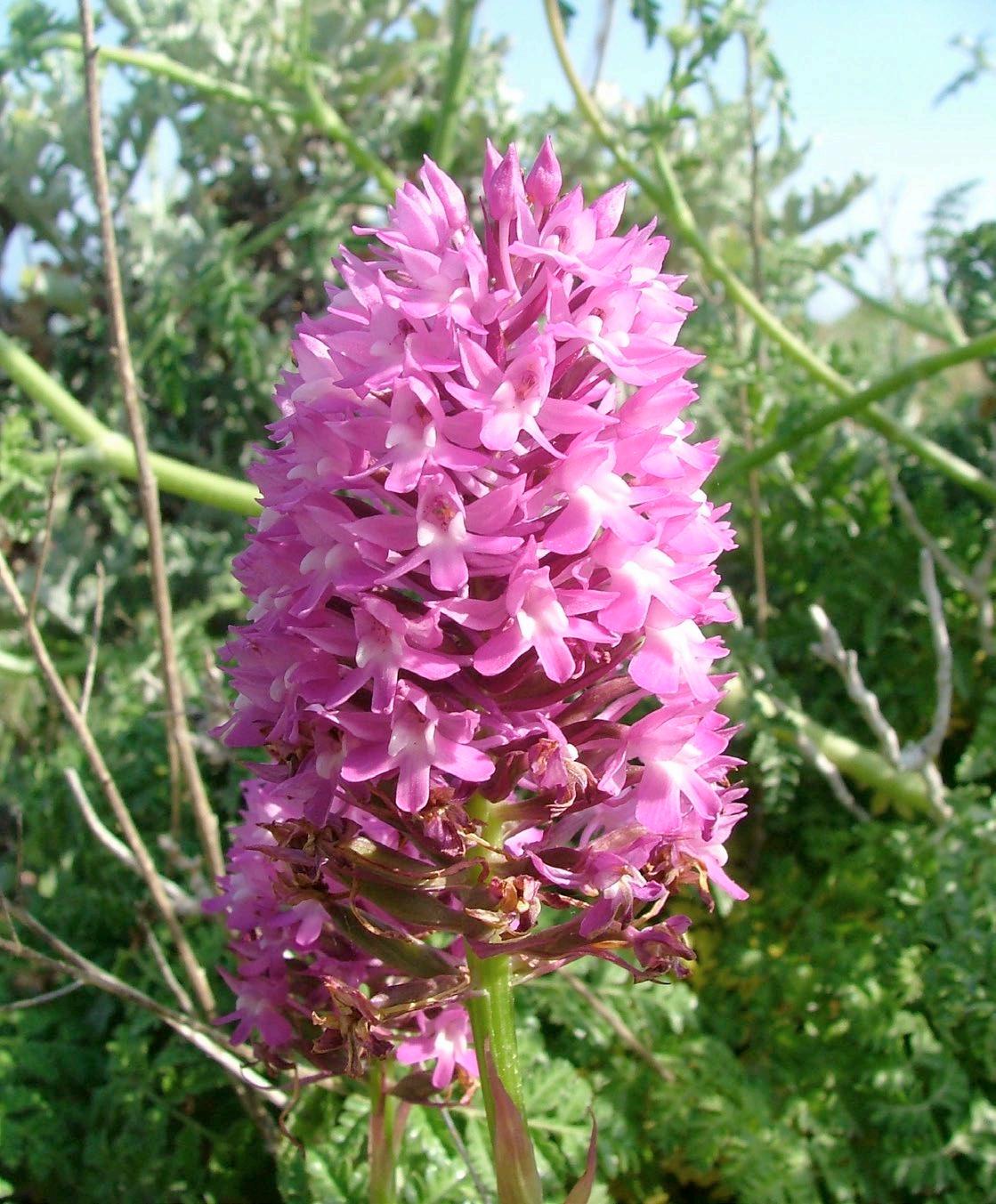
Along the paths, I notice a sea of Lavatera trimestris, or large-flowered mallow, Ħobbejża tal-Warda Kbira; Iris foetidissima, or stinking iris, Fjurduliż tal-Buskett; and Acanthus mollis, bear’s breeches, Ħannewwija, stretching across the landscape. Looking more closely, I also spot the elegant spikes of the Anacamptis pyramidalis, or pyramidal orchid, Orkida Piramidali, rising from the grass.
Photos: Jeffrey Sciberras.
Thyme. Capers.
Buskett reminds me that Malta’s flora often hides in plain sight. Flowers appear in the most unexpected places, in ancient rubble walls, in cracks and patches of rocky ground. They thrive in conditions that seem almost impossible, quietly demonstrating the resilience of nature.
THE FLEETING SEASON
As May ends, much of this delicate spectacle fades. Grass dries, flowers disappear and shrubs slip into
dormancy, while the countryside gradually takes on summer’s scorched tones.
Over a brief moment, the island feels alive. Walking through it, I sense an enduring rhythm of patience, survival and fleeting beauty.
For those who pause to notice, the wildflowers reveal a hidden charm. They appear quietly andvanish just as swiftly, leaving only the memory of a Mediterranean spring.
Pyramidal
Words by Roy (with a little help from Ruth Zammit DeBono because paws don’t type!)
Ruth is a passionate traveller, artist and devoted dog mum, who finds joy in storytelling and discovering the world always with her pet by her side.
The art of slow travel with a dog
Travelling with a dog naturally changes the rhythm of a journey. And slower travel means fewer plans and more presence.
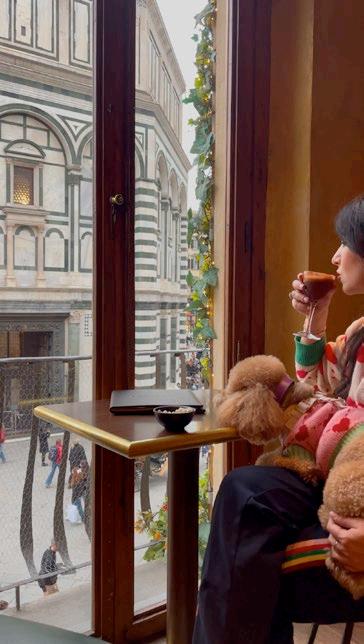
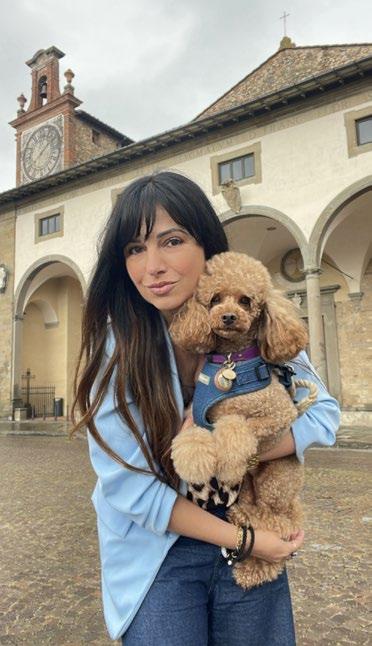
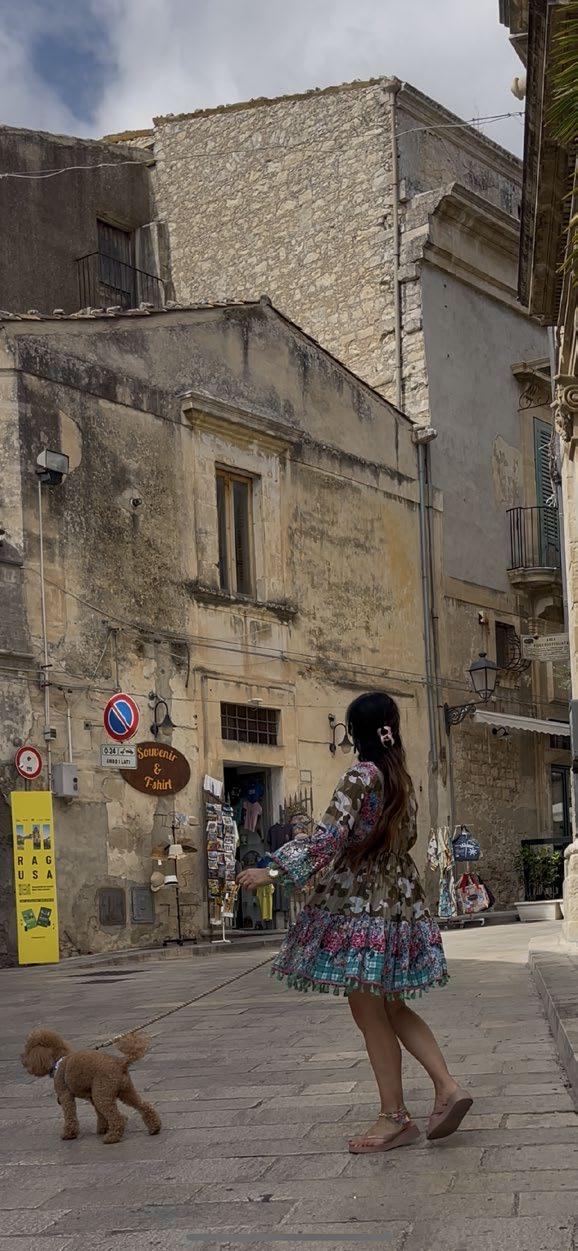
Humans like to travel quickly. They make lists, rush from place to place, and try to see everything all at once. I, on the other paw, prefer a slower approach. Although I suspect my mama would move faster if I didn’t insist on inspecting every interesting smell along the way.
Travelling with a dog naturally changes the rhythm of a journey. Walks are no longer just a way of getting somewhere – they become the experience itself. A quiet street, a shaded park, a small corner café… I don’t drink coffee myself, of course – but I do consider myself an expert in choosing the best table. These are the moments I tend to notice most. And, over time, my mama has started to notice them too.
Slow travel means fewer plans and more presence. It’s about starting the day with a gentle walk rather than a strict itinerary, stopping when something feels interesting, and allowing time for rest – for both of us. Cities feel different this way: softer, calmer and somehow more welcoming.
I’ve also discovered that mama seems to relax more when she travels like this. She sits a little longer, looks around a little more, and worries a little less about what comes next.
For a dog, this is ideal. Perhaps that’s why I think my mama enjoys it too – especially in a month that gently celebrates the ones who care for us so instinctively, and never quite travel alone. It means more time together, more shared moments, and more opportunities to simply be. Also, more snack breaks, which, in my opinion, should always be part of the itinerary.
Of course, every good journey begins with a comfortable start. Travelling from Malta to nearby European cities with KM Malta Airlines is surprisingly simple, and when you can stay close to your mama throughout the journey, it makes the experience all the more reassuring.
In the end, slow travel isn’t about doing less. It’s about noticing more. And if you ask me, that’s where the real adventure begins.
Walks are no longer just a way of getting somewhere – they become the experience
Travelling with your pet in the cabin – key rules
PETC is available for small dogs or cats only.
The pet, including the carrier, must not exceed 10kg in total weight.
Only one pet container is permitted per adult passenger.
The pet must remain inside the carrier for the entire flight.
The carrier must be placed under the seat in front of the passenger during the flight.
Words by Iggy Fenech
Iggy is a cultural journalist and lifestyle writer. His favourite thing about travelling is getting to discover new ingredients and flavours to blend into his cooking.
Keeping her eye on the ball
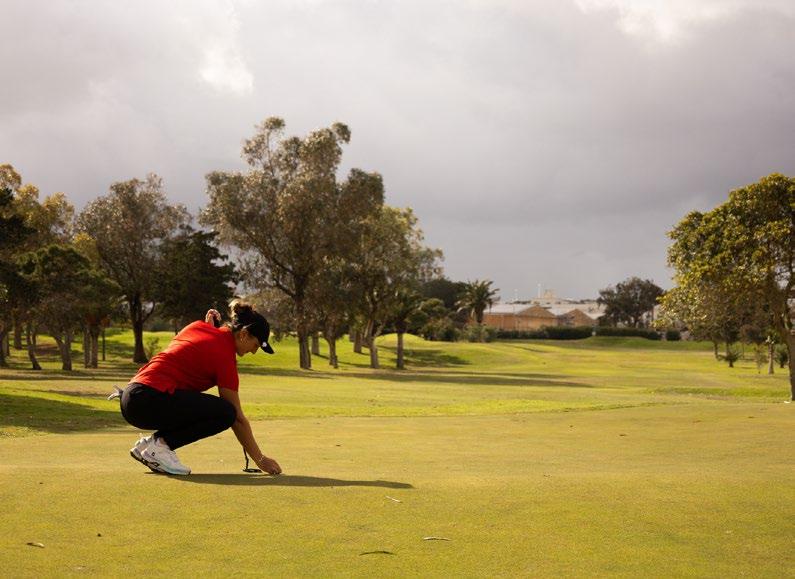
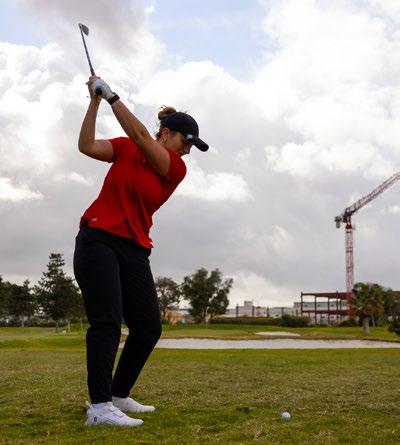
I sit down with Elliana Buhagiar less than 24 hours after her stint at the Malta Junior Open, a 54-hole international competition spread over three days at the Royal Malta Golf Club. The first thing that hits me is how easy she is to talk to; at just 16, she’s as eloquent, mature and self-aware as they come –something she credits to her upbringing, but also the game of golf.
“I played decently, I think,” she tells me when I ask her how the tournament went. “While I didn’t place as high as I had hoped for, I feel like I learnt a lot about myself and the different elements that affect the game.”
Indeed, the Malta Junior Open was played during one of the wettest and windiest weeks of late March and early April in a while. This, as Elliana explains, completely changes the way she has to play, shifting tactics, using different clubs, and employing literal equations to determine what angle and force are needed to send the ball where she’d like it to land. Golf, as is made clear from my chat with Elliana, is maths, physics and art all rolled into one.
“It’s hard to believe how technical and physical golf is when you’re just a spectator,” she continues. “Everything from the wind to the grass type makes a difference to the game. Plus, you need a lot of core, upper arm, and leg strength to spend five hours hitting that ball repeatedly.”
Although young, Elliana is seasoned enough to know all this, particularly as her career in golf has been pretty impressive so far. Starting at age seven – following several years of playing competitive tennis – she quickly mastered the game, winning
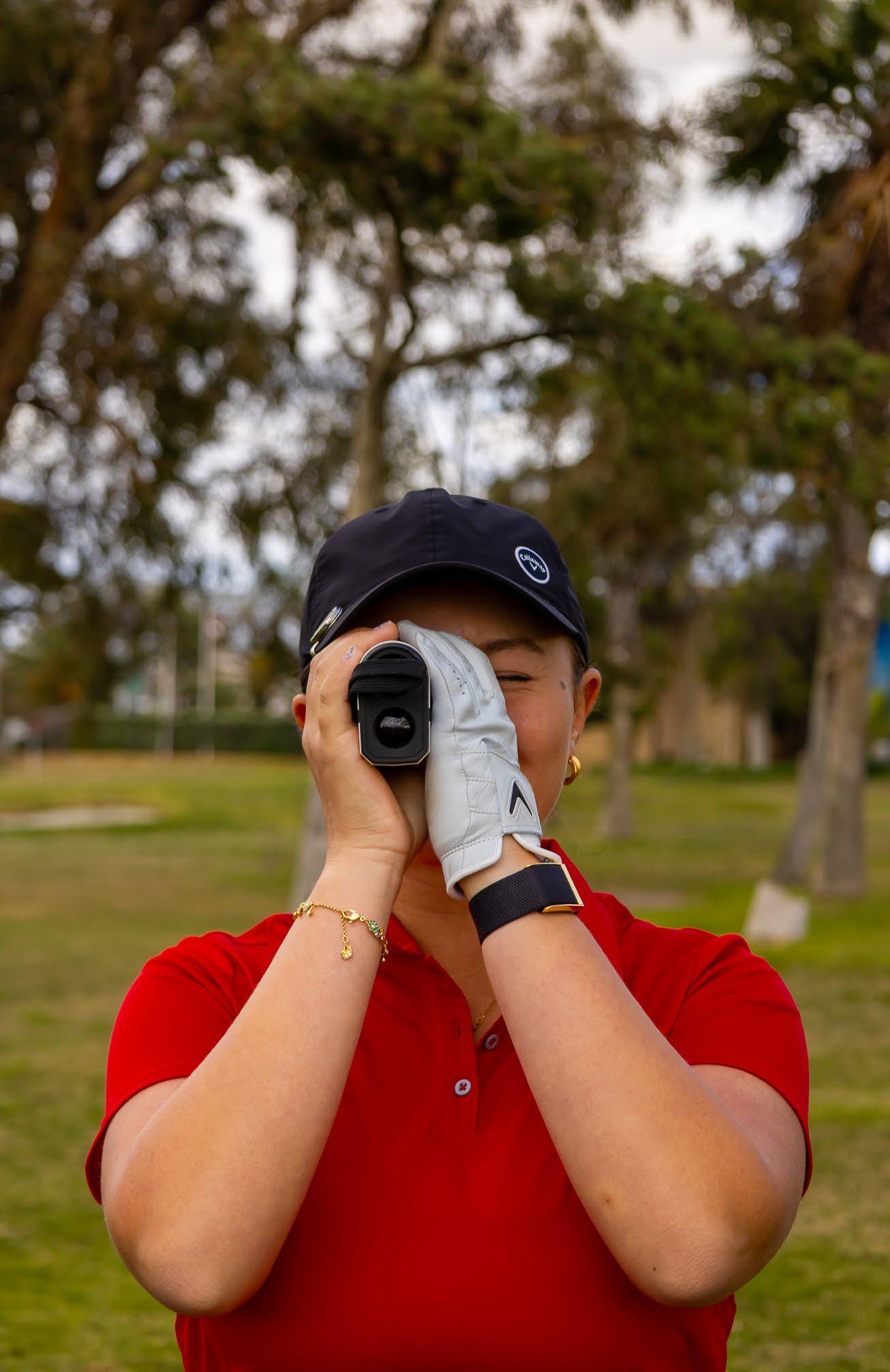
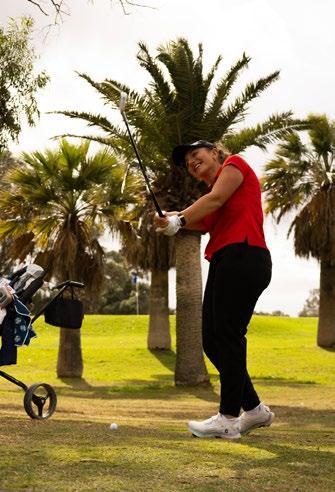
Elliana Buhagiar is a 16-year-old Canadianborn amateur golfer with Maltese ancestry, who was among the first to join Malta’s national Ladies’ Golf Team at just 14. Here, she talks about previous successes, current plans and future ambitions.
the first-ever tournament she played and going on to participate and even place at professional events and world-famous amateur tournaments like the R&A U16 Championship in England, the European Ladies’ Amateur Championship in Germany, the Junior Hero Dubai Desert Classic in the UAE, and the Beth Daniel Junior Azalea Tournament in South Carolina. Golf has given her the chance to fly around the world to play her favourite sport.
“Every tournament and every course bring with it their own challenges,” she explains. “Golf in Dubai and Malta, for example, is played on Bermuda grass, which is sticky and sandy, requiring a different approach
Elliana Buhagiar at the Royal Malta Golf Club.
Photos: Julia Schembri.
to the bent grass that’s found in Canada and much of the US. Meanwhile, golf courses in Malta and Dubai have fewer trees than most European and North American ones, meaning the wind is felt a lot stronger... This is all part of the fun of golf and what keeps the game interesting and the golfers on their toes. It really is a science as much as it is a sport.”
Although born in Canada, Elliana has Maltese ancestry, with her grandfather being born in the town of Pietà and raised in Floriana. Fascinatingly, though, it was golf that brought her to Malta.
Even though Malta’s golf history dates to 1888, back when Queen Victoria was still on the throne, and the concept of a unified Italy was less than 30 years old, it was only in 2023 that the Malta Golf Association finally set up the country’s Ladies’ Golf Team.
Elliana was one of the first girls to be inducted, making her one of the four female golfers who can officially represent Malta at international and local tournaments. Indeed, Elliana will be one of the golfers representing the islands at this year’s European Ladies’ Team Shield Championship, an 18hole foursome, which will be hosted by the Royal Malta Golf Club for the first time in its history between 29th July and 1st August.
“Although I was born and grew up in Canada, representing the country my grandfather is from is a true honour. I am also a citizen here, and I have loved rediscovering this part of my roots. Even more excitingly, I’m now an ambassador for VisitMalta, a position I use to help promote Malta to new audiences in North America.
“When it comes to the game, however, my hopes are to become the first Maltese player to win a professional tournament and, who knows, maybe an Olympic medal. Whatever happens, though, my biggest wish is to inspire more young Maltese girls and boys to take up the game of golf.”
Her competition schedule over the coming year is intense, too, and she will be flying around the world to play as she gets ready to head to the US in 2027 for her golf scholarship at Jacksonville State University in Alabama, where she is planning on studying finance, economics and business.
“I’ve always been interested in business, and outside of golf, my biggest dream is to work in private equity, possibly even here in Malta. I would also like to set up a business related to golf, but those are all in the future... For now, my focus is golf, and I am practising hard to hopefully win a national championship with my university and to get into the Ladies Professional Golf Association (LPGA), which is the world’s most prestigious professional tour for female golfers. Someday, I also hope to play on the Malta national squad with my little sister, who is an up-and-coming golfer herself,” she concludes.
As our conversation wraps up, it’s clear that Elliana is not simply a talented young golfer with an impressive track record, but also someone who genuinely understands what it takes to go far in the sport and the obligations and opportunities of playing in Malta.
I think what I particularly admire about her is that there is no sense of rushing the process or chasing quick wins; instead, she focuses on putting in the work and employing a slow-but-steady approach, and that’s something we can all learn from, whether we’re golfers or not.
Follow Elliana’s journey on Instagram @416GolfGirls or on her website ellianabuhagiargolf.com.
LOCATION:
Marsa, just 10 minutes from Valletta and Malta International Airport. FACILITIES:
18-hole par-69 course, PGA coaching, club rentals, clubhouse dining and access to Marsa Sports Club (tennis, squash, pool, fitness centre).
DRESS CODE: Standard golf course attire – collared polo shirt, tailored shorts or trousers and soft spikes required on course.
BOOKING: Reserve tee times online at www.royalmaltagolfclub.com or e-mail bookings@royalmaltagolfclub.com
Words by David Carabott
The largest of Malta’s 359 churches
Christ the King Basilica in Paola.
Photo: Daniel Borg.
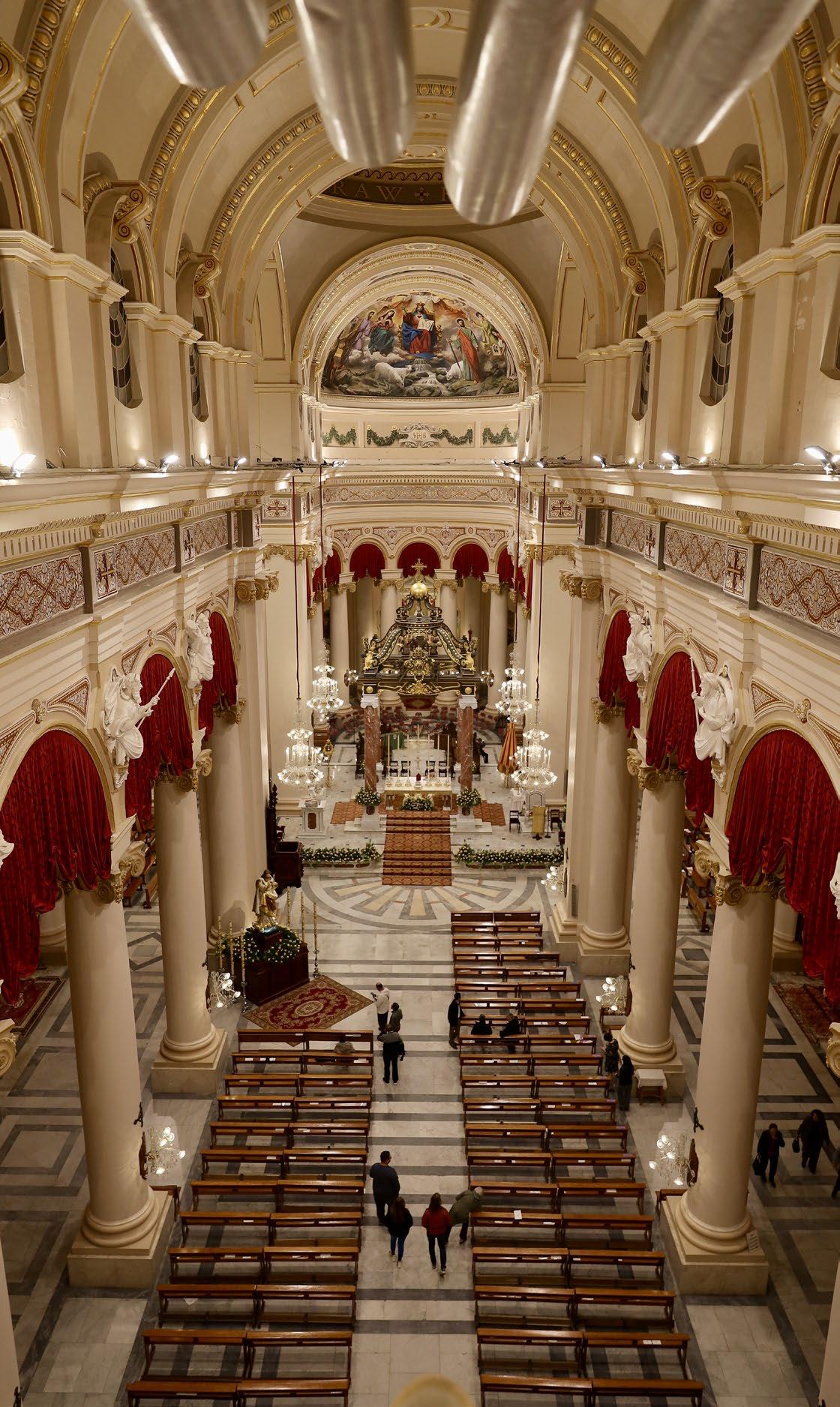
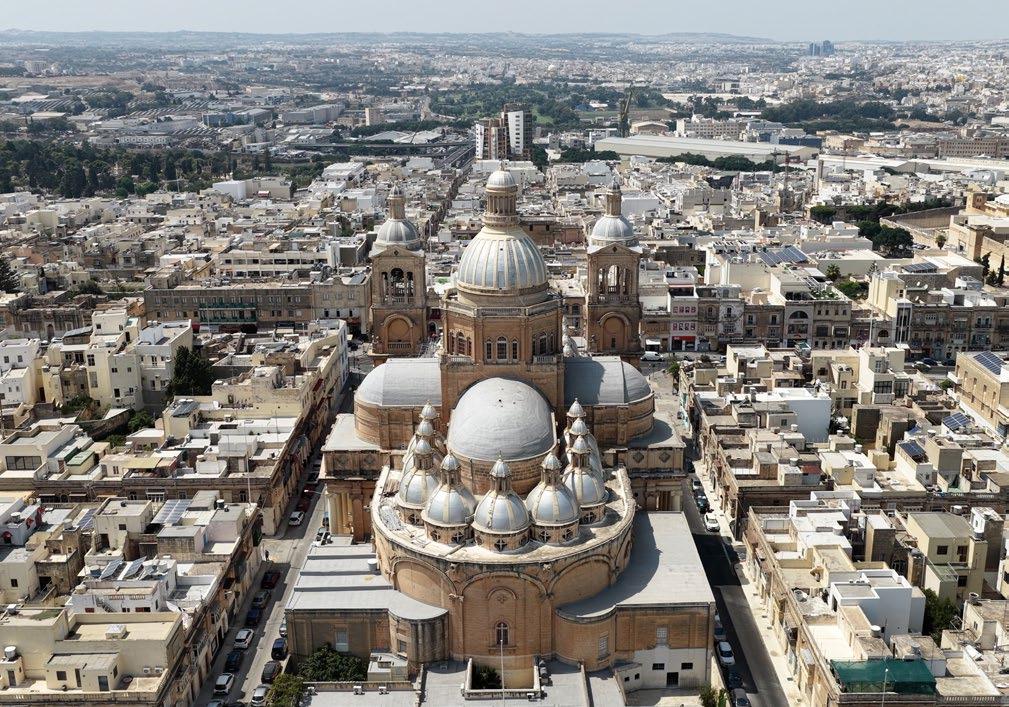
Measuring 94 metres in length, 45 metres across the transepts and 60 metres to the top of the dome, the Christ the King Basilica in Paola stands as a testament to both ambition and faith.
There are moments when a familiar place suddenly reveals itself anew. For me, it happened one morning as I looked over Malta from the air. Gazing down on Paola’s precise grid of streets, the Christ the King Basilica rose at its heart like a beacon of devotion and architectural ambition. Suspended above the town, I finally appreciated the decades of community effort that have preserved Malta’s largest church.
I had passed by the church countless times, always aware of its presence but never truly taking notice. I had last set foot inside it 35 years ago, for Christmas Midnight Mass. Still a young boy at the time, wonder outweighed understanding.
I returned recently, more curious and attentive, with a deeper appreciation for history and architecture during a private tour that focused almost entirely on the basilica, a status it received in 2020, almost a century after its construction had begun.
Climbing to the base of the cupola, I stepped onto its outer ledge. The wind tugged at my clothes, and for a moment, I felt weightless, imagining myself in flight over Paola’s rooftops.
Below, the town unfolded in perfect symmetry. From the cupola, with a bird’s-eye view of
the geometric streets below and the shimmering Mediterranean stretching beyond the Grand Harbour, I felt a surge of pure exhilaration. Standing at the edge of the dome, looking down and around me, I experienced an unforgettable and unique moment.
That thrill stayed with me as I wandered through hidden spaces beneath the dome, guided by the parish priest, Fr Marc André Camilleri, who has carried out projects that ensure the basilica remains both a spiritual and cultural centre for Paola.
Rediscovering a church and town I had overlooked for so long brought me unexpected joy and wonder.
The parish is dedicated to Christ the King, with its annual feast in July forming a cornerstone to Paola’s identity. Designed in the Latin cross form by Ġużè D’Amato, renowned for his work on churches, construction began in 1923 and was completed in 1959.
Measuring 94 metres in length, 45 metres across the transepts and 60 metres to the top of the dome, the church stands as a testament to both ambition and faith.
D’Amato himself donated the land and employed ferroconcrete for the expansive spans and luminous interiors. Critics doubted that the columns could bear the
Aerial shot of the Basilica.
Photo: Clive Pace.
weight of the dome, yet experts confirmed the design’s soundness.
During World War II, the incomplete church was temporarily roofed with timber and metal. Bombs fell nearby, but it survived, its walls scarred by shrapnel. Post-war construction resumed with renewed energy. Stone by stone, the community built a church, with local women preparing meals for workers in the nave, making construction both a communal endeavour and an engineering achievement.
It became the town’s parish church in 1936 and was consecrated in 1967 by Archbishop Michael Gonzi, replacing the much smaller 17th-century baroque church of Santa Ubaldesca, symbolising both continuity and transformation in the town’s spiritual life.
TREASURES AND MASTERPIECES OF DEVOTION
As you step inside, a gigantic apse painting dominates the view. Rich in colour and movement, the composition reflects a living artistic tradition that continues to inspire the faithful.
It depicts Christ the King by Gozitan artist Manuel Farrugia, one of the leading figures in contemporary sacred art. Christ sits upon a golden throne, blessing the universe with his right hand while holding an open book in his left. Above him, the Eternal Father stretches out his arms, the Holy Spirit hovers in the form of a dove and cherubs encircle the Holy Trinity.
To his right, the Virgin Mary and Saint Joseph stand by his side, while Saint John the Baptist below proclaims the coming of the Messiah. To the left, Farrugia depicted Saint Paul alongside a young woman symbolising Malta, her coat of arms carrying the eight-pointed cross of the Knights. Two sheep drink from a stream, representing the seven sacraments.
Farrugia also oversaw, contributed to, and brought to life the realisation of an impressive baldacchino, based on an original 1955 design by Romeo Ceccotti, which was never realised during the designer’s lifetime. This seven-tonne structure, made of bronze and Carrara marble and supported by four Rosso Francia marble columns, was created in Italy.
Farrugia added decorative embellishments, including angels, and the Ceccotti-Farrugia design finally came to fruition. It is a fitting addition to the basilica, giving the high altar its rightful place as the focal point of the church.
As I lingered around, a group of volunteers were taking out a statue of Christ the King from a niche, and I took a closer look. I was told it was the work of Gozitan artist Alfred Camilleri Cauchi. I also discovered that there are three other statues
of Christ the King: one by Antonio Farrugia from 1947, crafted in papier-mâché; one in resin by Ġanni Bonnici from 1999, which served as the model for a wooden version now kept at the Apap Institute in Santa Venera; and one in Carrara marble, brought from Rome in 1923, the oldest of them all.
The parish priest then directed me towards the Holy Week processional statues. As I marvelled at the Good Friday figures, I learnt that they are the third set to grace the parish in a purpose-built oratory. These statues were created by Gozitan artists Alfred and Michael Camilleri Cauchi, who began making a new statuary group for the Paola church in 1987, completing the work in 2022. Carefully lit, the 10 figures seem to come to life.
The grand organ, with over 4,000 pipes, was brought from England in 2021. It is played by a team of five organists, one of whom was rehearsing during my visit, creating a backdrop for reflection as I admired the works of art all around me.
As I left the church, I looked at Paola with a new sense of appreciation. A town I used to pass through frequently without paying any attention now seemed alive with memory, beauty and devotion. Standing beneath the cupola, high above the streets, I felt how deeply this church belongs to its people and how much of their history and hope it carries.
The visit was more than a return to a childhood memory; it served as a reminder that even the most familiar landmarks have so much more to discover when given a closer look.
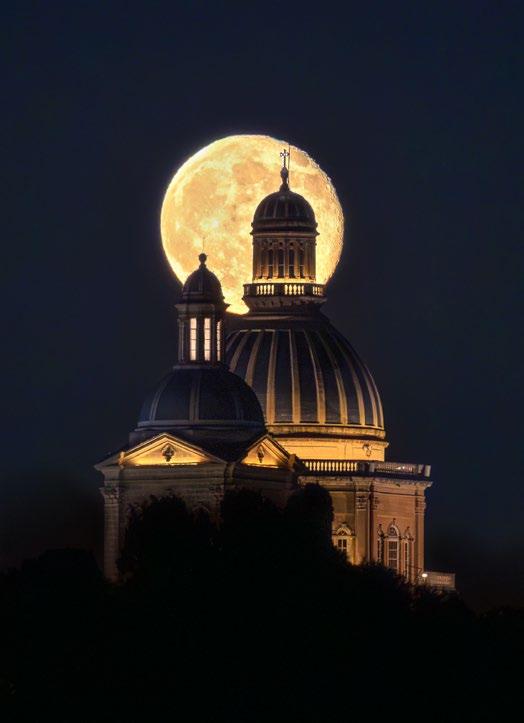
Christ the King Basilica by night.
Photo: Marika Caruana.
Words by Malta Vision 2050
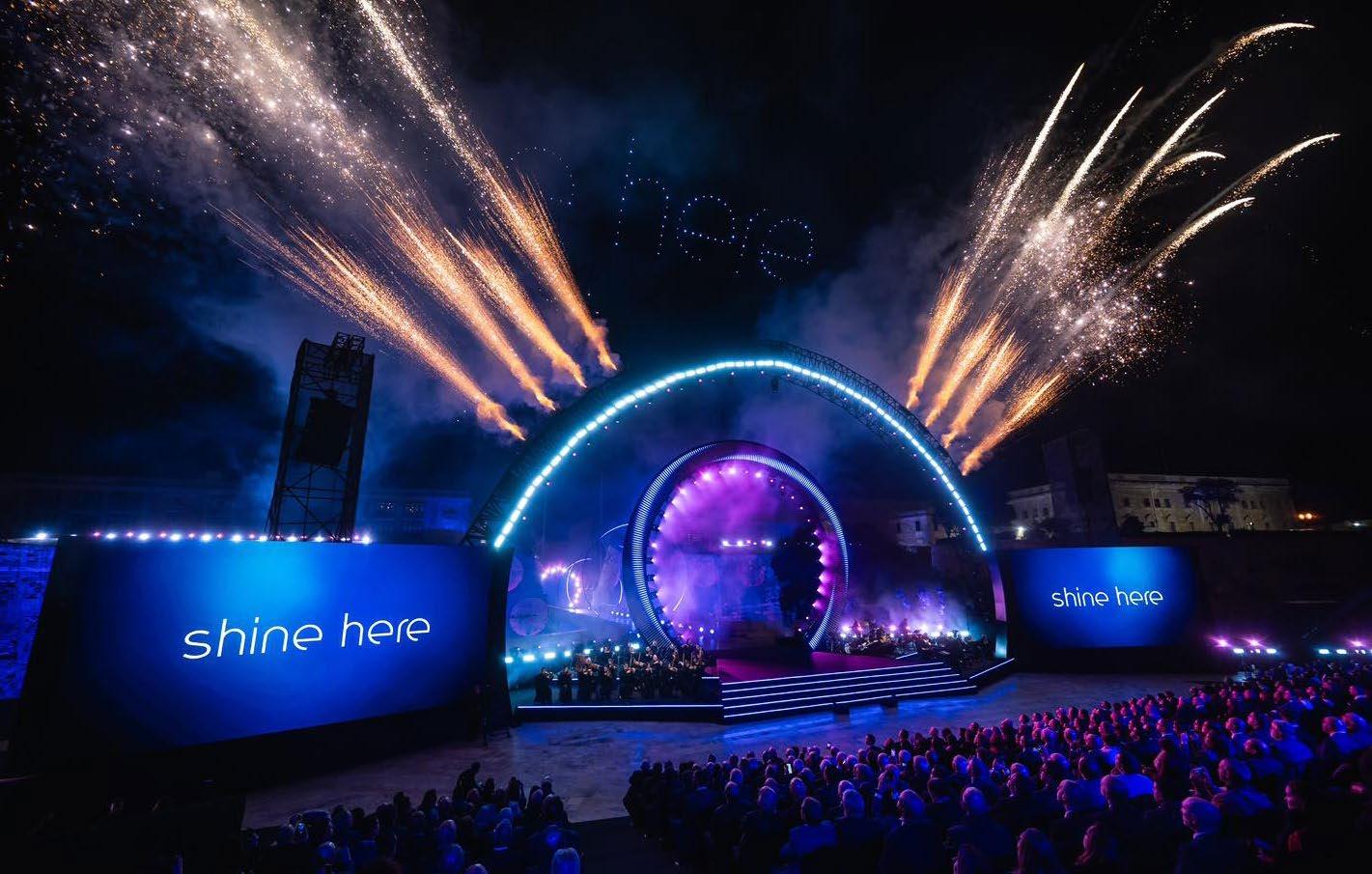
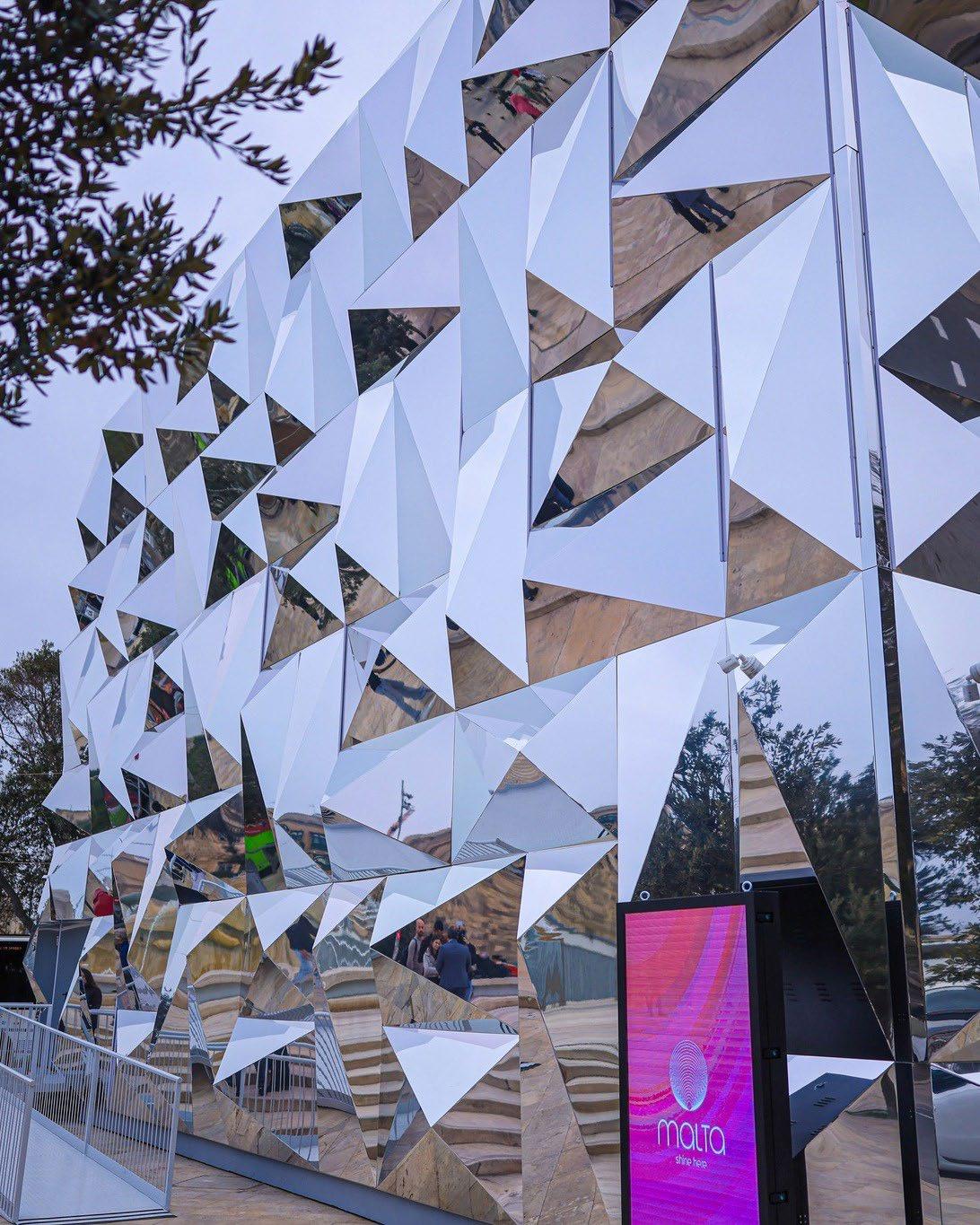
SHINE HERE!
Wrapped around the colours of the Maltese flag, against a backdrop of the traditional eye and circles, symbolising the pledge with the people and the nation, the launch ceremony of Malta Vision 2050 was a celebration of local talent and heritage. Familiar and successful personalities pledged to keep on believing in themselves and this inspiring nation, and working towards their future goals.
Malta Vision 2050 charts a national course for the next quarter-century – a complex and ambitious task that invites you to the country of opportunities, where everyone can reach their maximum potential – and Shine Here!
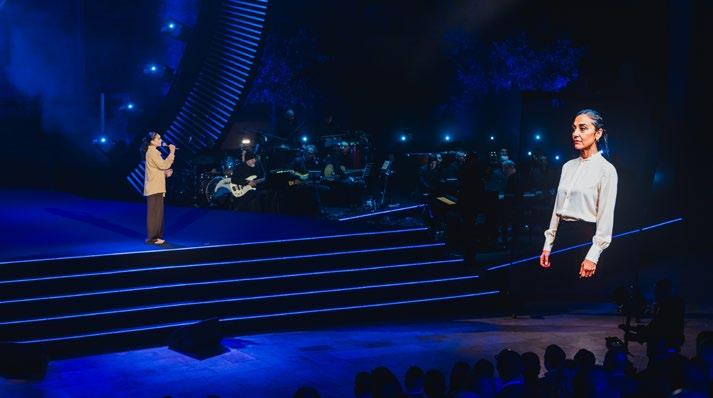
The future self of this young lady delivers a message through the hologram: a message of inspiration, motivation and self determination to keep pushing towards her goals, aligning with the Malta Vision 2050 pledge.
During the launch ceremony, Prime Minister Robert Abela received the Malta Vision 2050 document from the young generation, symbolising the forward-looking strategic plan.
This tiny island in the middle of the Mediterranean is taking the bull by the horns, addressing the future in a strategic manner more than ever before. Building on its economic success over the last decade, the country is registering the lowest unemployment rates in Europe and continuous economic growth. It had one of the most rapid and smoothest recoveries from COVID-19 globally, while maintaining its attractiveness to tourists and investors. All this makes Malta the place to be!
And it calls for a strategic decision to be made. Now is the right time to take stock of our achievements and plan for what we would want next.
We want to be an island based on quality of life, where people who live, visit and experience can bring out their full potential. Malta’s new identity – Shine Here – highlights this. It is a country of opportunities, where everyone can reach their maximum potential – and Shine Here!
Charting a national course for the next quarter-century is a complex and ambitious task. But Malta Vision 2050 has outlined a forward-looking framework, built on four core pillars: sustainable economic growth; accessible peoplecentred services; resilience and modern education; and smart land and sea usage. These pillars are supported by around 100 KPIs, which can be tracked in quasi real time through a live dashboard, towards the first bus-stop review in 2035.
Rather than operating in isolation, Malta Vision 2050 builds on existing systems. Close collaboration across ministries and public entities ensures that national policies and initiatives remain aligned with the vision’s objectives.
Six flagship projects have been identified as priorities for delivering meaningful impact: healthcare, mobility, education, energy and climate, the enhancement of open spaces, and the regeneration of key maritime and connectivity hubs, including the Grand Harbour and ports across Malta and Gozo.
Of course, our sister island, Gozo, is fully integrated within this national framework. Although the vision applies to both islands equally, it recognises Gozo’s distinct context and ensures focused attention where needed.
Apart from the Malta Vision document, available to download on maltavision.mt, the public can also experience the first immersive experience on the island at Ġnien il-Biskuttin in Floriana. This experience is available free of charge and open every day, including weekends and public holidays, from 9am till 7pm.
It includes a 15-minute show, through which the public can join the protagonist – a little girl representing Malta on her journey. She meets the national bird, the Blue Rock Thrush, which takes her on a trip that offers her a bird’s-eye view of Malta in 2050. Through this artistic creation, the public can assimilate better the message of Malta Vision 2050 and feel part of this strategic path.
Malta’s new identity was revealed at Ħaġar Qim, one of the oldest freestanding structures in the world, dating back to 5,000 BC. Visit these temples with this fresh feeling – and Shine!
Words by Ramona Portelli
Ramona is a freelance writer, who contributes to local newspapers and whose passion for travel continually inspires her work.
Say it with a card
Martha Bugeja has channelled her national pride into creating island-inspired handcrafted greeting cards, celebrating the Maltese language and culture through her art. Each one is made with love, meaning and a touch of nostalgia.
For months, Martha Bugeja had been quietly dreaming, painting and creating; then, what started as a small passion project grew into a small business.
The 35-year-old artist and mother, originally from St Julian’s and now residing in Għargħur, has always appreciated greeting cards as she feels they are keepsakes and carry the love and emotion of the person who gives them.
In a digital world, she believes that some words are still best shared the old-fashioned way and she wanted to bring back the simple joy and excitement of giving and receiving a classic greeting card.
Last year, Martha started a “new chapter in my life”, a meaningful step for her. She had been quietly working on her handmade greeting cards – something very close to her heart. It all began as mere sketches at her kitchen table and then blossomed into something bigger than she ever imagined.
“My creative journey started from a simple drawing I was doing with my youngest daughter in our kitchen. My family loved it and remarked that it looked like a greeting card,” she says.
That special moment sparked an idea that would become her own greeting card line. Now, seeing her designs out in the world is “surreal and incredibly significant”, Martha says.
Her cards are written in Maltese because she is very proud of her “unique” language. “I wanted to channel my national pride into creating high-quality greeting cards that celebrate the Maltese language and culture,” she says.
Every card is a labour of love, “deeply inspired by nostalgia”. Feminine, elegant and whimsical, they are designed to evoke warmth and emotion, Martha says. “They are created for those who appreciate craftmanship and value thoughtful, heartfelt connections.”
Apart from painting and creating, Martha is fascinated by different cultures and customs and loves travelling –a great source of inspiration. However, it is mostly Malta that inspires her; she loves being a tourist in her own country and discovering its hidden gems.
“I find inspiration and beauty in the most ordinary things, from an interesting colour palette to a fabulous outfit, or a fleeting moment that might otherwise go unnoticed,” she says.
Martha Bugeja.
“My mind is constantly racing with ideas, and I like to imagine the world in a playful way. I then try to convey these thoughts and observations through paper and paint, turning ordinary moments into my heartfelt images.”
Each card goes through a process: first, Martha paints designs using traditional art mediums, mostly alternating between watercolours, gouache and acrylics, depending on the emotion or look she wants to convey.
The artwork is then digitised, and the design finetuned to be prepped for printing. Once printed, each card is hand-finished with sparkles and different materials, adding “a touch of magic” and turning them into unique keepsakes.
“It is a long process, but I truly enjoy it,” Martha says about the satisfaction of seeing her creations in the hands of customers or displayed on store shelves. “There’s something very special about knowing that something I’ve created is bringing joy to others.”
Following the recent launch of her business at the end of last year, which focused on the Christmas season, Martha is now already working on new collections.
Her cards are written in Maltese because she is very proud of her “unique” language
Malta remains a constant source of inspiration
The positive feedback from that first endeavour has inspired her spring/summer portfolio of greeting cards for different occasions and celebrations – “a vibrant celebration of colour”.
Malta remains a constant source of inspiration, and Martha has created new designs that capture local culture in a fresh and playful way, reflecting her own style and her love for the island’s unique charm.
In another life, Martha twice represented Malta at international beauty pageants during her modelling career that started at 15. Presenting Malta’s votes on live TV for the 2017 Eurovision Song Contest was one of the highlights of her career, Martha being a “lifelong fan” of the European Broadcasting Union competition that is huge in Malta.
Then, she chose to focus on her personal life and started a family, embracing the joy of motherhood: “It changed the rhythm of my life and brought me back to the quiet joy of creating… In slowing down, I rediscovered myself and my love of art.”
Now, she says it with a card…
Follow Martha Bugeja on Instagram @marthabugejastudio and Facebook page Martha Bugeja Creative Studio
ESCAPE THE ORDINARY
Discover a side of Malta that feels intimate, inspiring, and effortlessly luxurious at Iniala Valletta.
Set along Valletta’s iconic Grand Harbour, our palatial residences and suites offer a haven of tranquility, complemented by a stateof-the-art gym, a spa nestled within our stone vaults, and our two Michelin-starred restaurant ION Harbour.
iCAN Malta is a leading event management and audio-visual solutions company that specializes in delivering high-quality conferences, corporate events, and productions. Based in Malta, the company offers a comprehensive “one-stop-shop” service, handling everything from planning and logistics to technical execution, including sound, lighting, and video production. With a team of experienced professionals and advanced technology, iCAN is known for creating tailored, high-standard events and has been trusted with major local and international projects. www.ican.com.mt | info@ican.com.mt
Words by Edward Bonello
Edward is a content writer and PR consultant. He is interested in the wonderfully superfluous and exquisitely redundant. When he’s not happily tapping away at his laptop, he enjoys collecting useless trivia and watching B-movies.
Festa season round the corner
Welcome to Malta’s long, hot, colourful and noisy summer. Welcome to Malta’s unique village feast!
You may know that in tiny Malta and Gozo, there are around 70 towns and villages, each with their own identity, customs, peculiarities and sometimes pronounced dialects. Many of these villages hold close to heart a patron saint, to whom the main church is dedicated. And it is pretty safe to say that the one week everyone looks forward to each year is when the feast of that saint is celebrated!
Welcome to Malta’s long, hot, colourful and noisy summer. Welcome to Malta’s unique village feast! In each village in Malta and Gozo, you will find a church, big or small, often dominating the skyline. It is pretty remarkable how tiny rural villages of not more than a few hundred souls have managed to build and decorate magnificent edifices, sometimes attracting huge names from Malta’s artistic repertoire, such as Mattia Preti and the likes, to embellish their house of God.
Holding an equally significant place in Malta’s societal tapestry are band clubs, sometimes two or more
in each locality, which, in turn, dedicate their entire existence to said village feasts. That is how in certain villages we find multiple feasts, one dedicated to the patron saint, and a second, often equally impressive, dedicated to a second co-patron.
Add to the mix your usual youth clubs, football associations, religious groups and one very hot Maltese sun, and you got yourself a highly motivated community, competing with itself to organise the grandest, noisiest, most impressive village festa!
Village feasts have been celebrated in Malta for centuries. Their far-removed ancestors can be traced back to southern Europe, but the whole event has developed unrecognisably locally, adapting and evolving to the trends and the times. Originally, they were celebrated on the calendar day of the patron’s feast or closest Sunday, spread across the whole year. However, in the 1970s, the celebrations could be shifted to a chosen week in summer, giving
the opportunity to decorate the streets, safe from unfavourable weather, and holding band marches around the town.
The result was an explosion of colour and (generally healthy) rivalry that culminates in the week of the festa. Villages compete with their neighbouring towns, band clubs compete with each other, and in the larger towns, where more than one parish is present, your historical antagonism is guaranteed!
Taking full advantage of Malta’s long summer season, feasts are celebrated between May and September, so it is not uncommon to hear fireworks in the distance during your stay or have your taxi ride slightly detoured to make way for a band march or procession.
Being primarily religious festivals, village feasts start and end on the altar of the local church. A lavish programme of High Masses and other ecclesiastical functions are organised as the church is decorated in luxurious damask, ancient silverware and the soothing notes of some of Malta’s finest composers.
One doesn’t need to travel too far back in time to realise that feasts and all that is related to them were the ultimate year’s highlight for village life,
where nothing else ever happened. That is why villagers decorated their churches with amazing art and commissioned the best musicians to create soul-lifting antiphons, hymns and anthems that provide the soundtrack to the feast. These were not only expressions of faith, but also expressions of the community as it came together.
Today, this heritage remains alive as the churches glitter to the sound of Panis Angelicus, wafting over fragrant incense, heaven bound.
In the streets of the town, it’s a different story altogether. The main thoroughfares are decked up with huge baroque-style banners; statues of saints and angels are placed on plinths; while fireworks are guaranteed to keep you aware that this is festa week! The band plays upbeat marches to which young revellers sing cheeky taunts to the opposing club or neighbouring village. The cycle of healthy competition is guaranteed!
It is on the Sunday evening that the festivities reach their climax. As the last rays of the sun caress the Maltese stone façades, the statue of the patron of the feast emerges from the main door of the church, as bells peal, fireworks fill the sky and the band plays.
highlights Festa Fact Box
• Pavaljun and bandalori are large baroque-style banners used as bunting to decorate the streets and squares of villages celebrating their feast.
• Murtali is the Maltese word for fireworks, which are let off into the sky at festa time. Intricate pyrotechnical displays characterise the proceedings of most feasts in Malta and Gozo.
• Ġigġifogu is the Maltese word for ground-fireworks. It is derived from the closeby Sicilian jocu di focu, a game of fire.
There are eight parishes around Malta and Gozo that celebrate the Assumption of Our Lady or Santa Marija on 15th August. A further three hold their festa on the following Sunday.
• The national holiday of 8th September is dedicated to the birth of Our Lady, but it also commemorates three major historical victories: the end of the Great Siege in 1565, the French blockade in 1800, and the Italian armistice in 1943, hence it is also referred to as Our Lady of Victories.
• Only three feasts are celebrated outside of the summer season: St Paul’s Shipwreck on 10th February, St Joseph on 19th March and the Immaculate Conception of Our Lady on 8th December.
Devout enthusiasts sing ancient praises to the saint, and the whole square bursts into applause. Festa time is here!
Though all feasts have a long list of common denominators that bring them together as one ancient tradition, they also each have particularities that make them special. These often would have developed over time in that particular locality, showing the deep roots of these customs.
For example, the feast of St Philip of Agira in Żebbuġ (14th June) is renowned for the incredibly intricate ground fireworks displays put up on the Friday and Saturday by the rival band clubs. In Luqa, a statue of an angel is hoisted onto its decorative pedestal by the celebrating crowd on the Saturday evening, preceding the feast dedicated to St Andrew the Apostle (5th July). While the feast of St Cajetan in Ħamrun (9th August) comes to a dramatic close as the statue bearers run up the steep steps of their church, carrying the patron shoulder high.
It is no surprise then that in 2023, the Maltese village festa was recognised by UNESCO as a distinct element of Intangible Cultural Heritage of Humanity.
These are just a few of the highlights, but there are many more worth looking out for. The best way to enjoy the festivities is to immerse yourself in the merriment and look beyond the obvious. If you can, visit the celebrating villages nice and early to witness the preparations. The festa enthusiasts will be more than happy to explain what’s going on, and some might even let you lend a hand.
Ultimately, village feasts are not a re-enactment, but an expression of a community, dating back many centuries, but very much grounded in the here and now. Celebrating Malta’s feasts is truly understanding what Malta and the Maltese are all about.
The Brewhouse, Mdina Road, Birkirkara
Words by Edward Bonello
Finding home , one għana at a time
Between the rhythms of Malta and the pull of diaspora, filmmaker Alex Camilleri returns with Żejtune, a soulful exploration of identity, belonging and tradition – where the raw poetry of għana becomes a bridge between generations, and a young woman’s search for her voice echoes the timeless question of what it truly means to call a place home.
Growing up bang in the middle of the US, Alex Camilleri craved reconnecting and learning more about his Maltese roots. Son to Maltese parents, all things Malta were very present in the family’s American household, while regular summer holidays on the island gave young Alex a window onto his heritage and identity.
“When you’re the one who seems a little bit different, coming from a place no one has ever heard of before, storytelling quickly becomes an important part of your life,” Alex says as he recalls his childhood. “That is how I became fascinated by the great stories Malta
has to tell, which, unfortunately, have been largely missing from the film catalogue.”
After the successful Luzzu (2021), Alex has returned to cinemas with his latest work Żejtune, a feature film, which premiered at the Götenburg Film Festival, is showing in local theatres and will have its North American premiere at the Tribeca Festival in New York City on 6th June.
Starring Michela Farrugia and Nenu Borg, it is about home, intergenerational dialogue, the land and the people who inhabit it. Most importantly, it is a movie about għana, Malta’s much-loved form of folk singing.
Nenu Borg and Michela Farrugia in Żejtune.
Photo: Mark Cassar.
“Working on Luzzu, I spent a great deal of time in Marsaxlokk and the surrounding towns and villages, meeting and observing locals, researching the subject matter. That is how I came across għana, and the singers who practised it in bars and other informal settings. I was fascinated by the sheer power of these singers, how they battled in improvised song and how their craft was a product of the land that surrounded them,” Alex reminisces.
And the rest was history! Żejtune provides an extraordinary avenue for exploration; to ask what it means to be at home, and to do so through a cultural form that embodies that very idea.
As with Luzzu, which centred around Malta’s fishing community, Alex relied on direct, lived experience with the għannejja (folk singers) and the people who live and breathe għana.
“I attended performances, spent time with singers and listened, not only to the music, but to the people behind it. The only way to make these films is on the ground,” Alex states.
The more he immersed himself in the scene, the more he was convinced that he wanted his lead role to be played by an actual għana singer, who could bring a level of authenticity that a trained actor would not.
“Finding Nenu was no easy task,” Alex admits. “I knew who I was looking for, and what he needed to look like, but it was proving to be harder than we thought. After having spoken to the usual suspects, done the rounds and exhausted the whole circuit, options started to dry up, and with them the hope of making the movie altogether.”
The breakthrough came by chance, when a guitarist the crew had been collaborating with mentioned Nenu Borg il-Brazz, a retired singer from Birkirkara who hadn’t been on the scene for 15 years or so.
For Alex, meeting the 82-year-old Nenu was “an instant confirmation that the movie could go on”. What followed was a journey of authentic exploration for all. The movie marked Nenu’s return to għana, which meant he had to retrain his voice and face the stage after so
More għana ..... suggests
If Malta’s folk song, għana, has piqued your interest, and you wish to learn more, then you’re in luck. Festgħana is taking place from 21st - 24th May in Floriana and Żejtun. The annual festival brings together singers of all forms of għana and others from around the Mediterranean in a celebration of tradition and a love for all things local.
Pjazza Għana takes place on 29th May at Pjazza Teatru Rjal, Valletta, where you can immerse yourself in an unforgettable evening of traditional għana, headlined by the one and only Mikiel Cutajar Is-Superstar, as spirited improvisations, rich storytelling and the unique style of Maltese folk singing come together in the masterly voices of leading għannejja and pop-folk crossover singers.
many years. For Nenu too, the movie was a sort of homecoming.
A central theme to Żejtune is intergenerational dialogue. The relationship that develops between the two leads, the young Mar and the veteran Nenu, is explored respectfully, never relying on tired clichés as they grow to understand and trust each other.
Yet Żejtune also takes the time to reflect on a broader tension within contemporary Maltese life. While għana may be an expression deeply rooted in Malta’s rural past, the movie’s themes resonate strongly with a generation like Mar’s, increasingly inclined to leave.
“Mar is not a fragile maiden who needs saving. She is courageous and also confrontational at times, but she lacks the means to express herself effectively. At the beginning of the film, she is simultaneously brave enough to stand up for herself, but at the same time, she just falls apart because she doesn't yet have a way to speak.
“Over the course of the film, I wanted a credible journey for how she could gain a voice. Through her relationship with Nenu and għana, she finds the way to express herself. Through għana, she may even rediscover her own longing to belong, and her connection to the land,” Alex concludes.
Filmmaker Alex Camilleri.
Words by Malta Vision 2050
Ġnien il-Biskuttin, Floriana, at the entrance to Valletta - right by the Triton's Fountain.
The Malta Vision 2050 Immersive Experience is open every day from 9am - 7pm; no booking required – just walk in and enjoy!
maltavision.mt Malta Vision 2050 maltavision.2050
Malta's first Immersive Experience!
Welcome to the islands’ first immersive experience. Step into Malta of 2050 through a captivating fusion of creativity and digital storytelling.
Located at the gateway to Valletta, this experience fits seamlessly into any visit – whether as part of an evening in the city or a relaxed afternoon aperitivo.
The 15-minute journey unfolds through the eyes of a young girl, a symbolic guide to Malta’s future. Accompanied by the national bird, the Blue Thrush, she soars across the islands,
revealing a vision of 2050 – from prehistoric landscapes to cutting-edge innovation in transport and digital life.
Blending narrative, technology, and artistry, the experience engages visitors of all ages, offering a vivid and thoughtprovoking glimpse into what lies ahead.
More than a show, it is a reflection of Malta’s promise: a future shaped by quality of life, opportunity, and ambition for generations to come, where everyone can dream and reach their full potential. Shine here!
Words by Coryse Borg
Coryse is a broadcaster, actress and voiceover artiste. She is passionate about writing, travelling and spending time with her loved ones; discovering new places and sampling new food in as many countries as possible.
Reimagining the celebration of culture
Culture in Malta spills into streets and squares, unfolds in village cores, and comes alive through music, movement and shared ritual. As Festivals Malta guides the island’s deep-rooted traditions into a new chapter, here’s an idea of the year-round cultural rhythm that is being created.
As Malta continues to position itself as a destination for quality tourism, culture plays an increasingly important role in shaping how the islands are experienced. And the evolving approach of the national agency responsible for the cultivation of festivals suggests that the most memorable cultural moments are not necessarily the loudest or largest, but those that feel authentic, inclusive and rooted in place.
Today, Festivals Malta is taking the island’s deep-rooted cultural tradition and guiding it into a new chapter. With its 2026 - 2031 strategy, it is reshaping how culture is curated, shared and sustained across the islands. Its aim is to create a year-round cultural rhythm that feels relevant to
communities, welcoming to visitors and responsive to the changing ways people engage with art and public life.
The core of this strategy is four interconnected pillars designed to strengthen Malta’s cultural ecosystem, Festivals Malta explains. “While each pillar plays a distinct role, they work best together, ensuring that festivals are not only visible and vibrant, but also inclusive, accessible and meaningful”.
One particular pillar – Responsiveness to Audiences and Communities –stands out for its “transformative potential”. It places listening, inclusion and relevance at the heart of Festivals Malta’s work, representing a clear shift towards understanding audiences and communities more deeply.
“This focus marks a shift from topdown programming towards a more attentive, people-centred approach,” the national agency says. Through research, dialogue and ongoing evaluation, Festivals Malta is investing in understanding who its audiences are, how they participate, and what barriers might be holding them back. These insights then inform everything, from programming choices to accessibility measures and outreach initiatives.
The impact of this approach is already visible, according to Festivals Malta. Family-friendly performances, initiatives designed specifically for children, and closer collaboration with schools and cultural organisations are opening new doors for engagement.
Ritmu.
Photo: Chelsea Muscat.
Photo: Elisa von Brockdorff. Carnival.
Photo: Darren Agius.
Data plays a crucial supporting role in this evolution. By adopting a more data-informed way of working, Festivals Malta is refining how cultural impact is measured and how decisions are made.
“Understanding audience behaviour and participation patterns allows the agency to be more intentional – choosing the right locations, timings and formats, and tailoring communication to reach the right people.”
One example of this responsiveness is the transformation of the event previously known as Ritmu into Festgħana, which now celebrates Malta’s musical heritage while building meaningful connections with the Ghanaian community.
“This is a reminder that festivals can honour tradition while remaining socially relevant – creating space for dialogue, exchange and shared ownership,” the agency says.
Festivals Malta’s year-round calendar aims to broaden audiences and ensure more equitable cultural access. It allows people to encounter different art forms in diverse settings, ultimately making festivals and cultural intiatives more inclusive and accessible.
Alongside flagship events such as Carnival and Notte Bianca –which draw international crowds and showcase local talent on a grand scale – there is a growing emphasis on smaller, boutique festivals designed around specific communities and interests.
“These more intimate events offer alternatives to mass gatherings, allowing for deeper engagement and more nuanced cultural expression,” Festivals Malta believes.
“Large-scale celebrations bring visibility and energy, while boutique events create opportunities for experimentation and connection. Together, they encourage audiences to encounter different art forms in varied settings, making culture feel less formal and more woven into everyday life.”
Festivals Malta does not treat international visibility and local engagement as competing priorities. On the contrary, the two are seen as mutually reinforcing, its spokesperson said. International collaborations introduce fresh perspectives, new artistic standards and creative exchange, while strong local roots ensure that festivals remain grounded in context and community.
By facilitating encounters between local and international artists and audiences, the agency ensures that global reach enhances local participation. And Malta’s own layered cultural identity plays a key role in this exchange. Its history continues to inspire visiting artists, while encouraging local creatives to take risks, explore new narratives and challenge familiar forms.
Festivals Malta’s revamped bilingual website, festivals.mt, has become a gateway to the islands’ cultural life. Now available in both Maltese and English, the platform offers up-to-date information on festivals, opportunities and organisational activity, providing a clearer channel for connection, both locally and internationally, for artists and stakeholders.
Whether you are arriving in Malta in search of meaningful artistic encounters, or rediscovering your own community through new creative expressions, the invitation to be part of this shared cultural journey is open.
Planning ahead: 2026 festival highlights ..... suggests
Festgħana
21st - 24th May | Floriana and Żejtun
A celebration of Maltese heritage, centred on the traditional folk-singing style known as għana, Festgħana honours one of the islands’ most authentic musical traditions while bringing communities together through storytelling and song.
Malta International Arts Festival
12th - 21st June | Various locations
Set against some of Malta’s most remarkable heritage sites, this multidisciplinary festival blends artistic excellence with contemporary aesthetics, transforming the islands themselves into an immersive cultural stage.
Malta Jazz Festival
6th - 11th July | Valletta
This acclaimed event brings together international jazz legends and local musicians, creating a dynamic mix of styles and improvisation in a unique Mediterranean setting.
Dance Festival Malta
23rd - 26th July | Valletta
Now in its fifth edition, the festival features performances, workshops and masterclasses, alongside international collaborations and highlights such as a performance by Moveo Dance Company and various community performances.
Il-Karnival tas-Sajf (Summer Carnival)
21st - 23rd August | Buġibba and Marsaskala
A colourful summer reinterpretation of Malta’s beloved Carnival, featuring vibrant float parades and dancing along the seaside promenades.
Valletta Guitar Festival
10th - 12th September | Valletta
A celebration of the guitar’s versatility across genres, showcasing performances that explore the instrument’s rich artistic possibilities.
Notte Bianca
3rd October | Valletta
One of Malta’s largest cultural events, when the capital’s streets, piazzas, palaces and museums transform into a city-wide stage for live performances, concerts and artistic encounters that continue late into the night.
little sister
Sometimes, the most lasting journeys begin with the shortest crossings. What makes Gozo so special?
For most travellers, the journey to Gozo begins with a short crossing. A ferry glides across a narrow channel, the Maltese mainland recedes, and something subtly changes. The air feels quieter whereas the horizon opens up. Time seems to loosen its grip. Within half an hour, visitors arrive on an island that feels not merely smaller than Malta, but different in rhythm, texture and temperament.
Many people describe Gozo as Malta’s “little sister”. The phrase suggests dependence, perhaps even imitation. In
reality, Gozo operates by its own logic. It offers a slower, more intimate Mediterranean experience, shaped by landscape, history and community. For those willing to look beyond size, it delivers depth.
At the heart of Gozo lies a simple proposition: this is an island that rewards unhurried attention.
VICTORIA (RABAT): A CAPITAL WITHOUT CONGESTION
Every island needs a centre, and in Gozo that role belongs to Victoria, still known locally as Rabat.
Mġarr port, Gozo.
Dominated by the Ċittadella, its fortified skyline remains visible from almost anywhere on the island. Yet, unlike many Mediterranean capitals, Victoria resists frenzy. Some shops close for lunch, and cafés encourage lingering; still, the markets keep a local accent.
The Ċittadella itself tells Gozo’s story in stone. It reflects centuries of defence, migration and adaptation, from medieval fortifications to modern restoration. From its bastions, visitors see terraced fields, church domes and distant cliffs in a single sweep. The view captures Gozo’s defining balance: compact yet spacious; rooted yet outward-looking.
Victoria works because it stays human in scale. One can cross it on foot in minutes. Encounters remain personal, while familiarity replaces anonymity. For travellers, this creates a sense of belonging rather than mere observation.
RAMLA BAY: NATURE WITHOUT NOISE
Gozo’s appeal rests heavily on its relationship with nature. Nowhere does this appear more clearly than at Ramla Bay, famous for its reddish-gold sand and open horizon. Unlike heavily developed Mediterranean resorts,
Ramla remains intact. Fields stretch behind the beach, hills frame the bay and buildings stay discreet.
The result feels restorative rather than performative. Swimming here means sharing space with fishers, walkers and families, not just sunbeds. Even in summer, Ramla resists overcrowding. It offers space for reflection and recreation.
Beyond Ramla, Gozo’s countryside unfolds in layered terraces, dry-stone walls and narrow lanes. Walkers move between valleys, cliffs and villages in a single afternoon. Cyclists encounter gradients that challenge without overwhelming. Photographers find light that shifts constantly across limestone and the sea.
This proximity between settlement and landscape gives Gozo its distinctive atmosphere. Nature does not sit at the margins, but it remains central.
ĠGANTIJA TEMPLES: HISTORY ON A HUMAN SCALE
Few places compress human history as tightly as Gozo. At Ġgantija, visitors encounter temples older than Stonehenge and the Pyramids. These structures remind travellers that Gozo did not emerge recently as a leisure destination. It has served as a cultural crossroads for millennia.
Mixta Cave, located on the eastern side of Ramla Bay.
What distinguishes Ġgantija is not only age but also its accessibility. One can walk among these stones without queues or crowds. Interpretation remains informative without becoming intrusive. The experience feels contemplative rather than transactional.
Across the island, churches, farmhouses and watchtowers add further layers. Baroque façades coexist with prehistoric remains and British-era buildings. This coexistence reflects continuity rather than rupture. Gozo has absorbed influences without losing coherence. History here feels lived-in, not frozen.
DWEJRA BAY: DRAMA AND RESILIENCE
On Gozo’s western edge, Dwejra presents the island at its most elemental. Cliffs plunge into deep water while waves carve limestone relentlessly. The Blue Hole and the Inland Sea attract divers and swimmers from across Europe.
The collapse of the former Azure Window in 2017 reinforced Dwejra’s message: nature governs here. Yet the site remains interesting precisely because of this volatility. It embodies resilience rather than loss and visitors leave with a sharpened awareness of scale, weather and time.
COMMUNITY, CUISINE AND QUIET CONFIDENCE
Gozo’s greatest asset, however, lies in its people. Villages still function as social units. Bakeries, band clubs and parish squares remain active. Festas blend religious devotion with collective celebration. Hospitality flows naturally rather than as a rehearsed performance.
Food reflects this grounding, and restaurants prioritise local produce, seasonal fish, traditional pastries and rural recipes. Dining rarely feels rushed, while meals become social events.
This community texture gives Gozo quiet confidence. The island does not compete aggressively for attention; it trusts its identity.
AN ISLAND THAT LEAVES A MARK
Gozo succeeds because it resists exaggeration. It does not promise transformation, luxury, excess, or spectacle. It offers balance between land and sea, past and present, solitude and sociability. Gozo invites return visits as it rewards curiosity and lingers in memory.
Malta may provide the gateway, while Gozo provides the aftertaste. Small, rich and generous in spirit, Malta’s little sister proves that scale has little to do with significance.
Words by Shirley Jobson
Shirley moved to Gozo a few years ago to enjoy its calmer pace with her English husband. After working as cabin crew for several years, she is now a freelance writer and proofreader who loves discovering Gozo’s little secrets.
The last straw… HATS
Gozo’s wide-brimmed handcrafted straw hats are increasingly unique for more reasons than one… They are woven out of palm leaves by one single elderly woman and sold from one single hawker’s market stall.
Photos: Shirley Jobson.
If ever you’re passing through Victoria, pop over to Mario’s market stand in Savina Square, and get yourself a wide-brimmed hat, beautifully handcrafted by the one remaining hat weaver in Gozo.
It will last you for decades, you will be well protected from all the elements, and you will take home a fine product of Gozitan heritage before it disappears.
These wide-brimmed hats, together with the ġewlaq (a woven basket), originated in Africa, but the craft was passed on throughout most southern Mediterranean countries.
The hats were originally useful to protect wearers from the sun, especially fishermen and farmers, who were often outdoors at high noon and, therefore, needed a hat with an extremely wide brim that extended over their shoulders to shield them from the rays.
Gozo’s older inhabitants are behind its most traditional artisanal craftsmanship and handmade products, with each family having its own particular trade. In fact, up to 20 years ago, there were seven whole families in Qala and Nadur, daily weaving these hats and ġwielaq in large quantities, says Mario tal-Monti, as he is known.
Each family passed their trade down to the next generation… and the next. But over the years, their numbers slowly dwindled as younger members sought different career paths.
Nowadays, the only person left in Gozo who still makes these hats is an elderly Nadur lady, Mario says. She herself learned the art of weaving from her mother-in-law, who crafted these items until she passed away at 90 years old.
In the tranquil village of Nadur, this Gozitan woman in her late 70s sits in her home, weaving strands of braided palm into sturdy straw hats. Her old fingers are permanently bent – not because of arthritis, but because she has spent decades of her life painstakingly shaping these hats by hand.
She is the “very last remaining” hat weaver in Gozo, according to the man who sells them at his market stall. This makes each hat she creates increasingly rare and precious.
To make these types of hats, which come in various sizes, the weaver braids the palm leaves into narrow strips, often up to 300 or 400 metres long. Once the strands are done, the rest of the process is relatively fast. The weaver starts shaping the crown of the hat around her hand and continues coiling and overlapping the braided strands, sewing them together all the way down and out to the brim.
The stitching is done with the palm itself, rather than thread or string, to use only natural materials. This whole technique is further helped by wetting the palm frequently to keep it flexible and prevent it from cracking.
As more youths move away from their family’s customs, these fine trades will continue dying out, says Mario. Moreover, today’s cost of living and the advances in e-commerce make it practically impossible for a family to survive on the low earnings generated from these trades.
Another thing that has decreased over the years is the number of open-market stalls in the streets of Victoria. In fact, Mario is literally the last man standing; the only one who has kept his stall up and running in Savina Square, after being moved away from the original market at it-Tokk.
Mario comes from three generations of hawkers. The running of the market stand began with his grandfather and was then handed down to his father, who passed away when Mario was only 14.
Having already acquired a taste for working at the stall with his father, Mario immediately took over and, 35 years later, he is still dedicated to opening it practically every single day.
“There are only three days when I am closed – Good Friday, Christmas and New Year’s Day,” he says. “I was brought up in a family of hawkers, and I love it from the heart. But I am the last stall owner in Victoria, apart from one 70-year-old, who puts up a stand for the three months of summer.
“I will keep it going for as long as I can, but if I stop, that will probably be it,” Mario says.
Words by Passaġġi
Dynamic. Ambitious. Evolving.
At just 26, Robert Gauci has already made a name for himself in the culinary world, rising through the ranks of Bastions View Ltd. The head chef at Tide Bistro in St Paul’s Bay feels the local restaurant scene has become more diverse, more confident and more quality driven. Diners today are curious and well-travelled, which pushes chefs to be more creative while still honouring local identity.
WHO DID YOU LEARN MOST FROM IN THE KITCHEN? HOW DID YOUR CULINARY JOURNEY BEGIN?
I learned the most from the chefs who taught me discipline early on, the importance of respecting ingredients and keeping things simple but precise. My culinary journey started with curiosity more than anything else. I was always drawn to how food brings people together, and once I stepped into a professional kitchen, I knew that was where I belonged.
WHAT/WHO INSPIRES YOU WHEN IT COMES TO FOOD?
Marco Pierre White is my biggest inspiration. I admire the techniques he employs, and what stands out the most is how he began his journey in the catering industry at such a young age, earning three Michelin stars at an equally early stage in his career.
YOUR ALL-TIME FAVOURITE INGREDIENT AND HOW YOU USE IT BEST… Spring onions. They are fresh, versatile and full of flavour; a small ingredient that makes a big difference in any dish.
YOUR GO-TO MEAL TO WIN OVER FAMILY AND FRIENDS…
My go-to meal would be a homey octopus stew and fresh local Maltese bread.
YOUR FAVOURITE COMFORT FOOD…
A good roast of chicken legs and baked potatoes with fennel. Something simple and generous always feels like home.
WHEN YOU EAT OUT, WHAT DO YOU LOOK FOR?
Warm hospitality first. Then clarity of flavour and confidence in the menu. I appreciate restaurants that don’t try to do too much but do what they do really well.
DO YOU PASS ON DESSERT?
Rarely. I usually share; it’s the perfect way to finish a meal.
WHAT WOULD YOU NEVER SAY NO TO (FOODWISE)?
A good plate of home-made lasagne.
BBQS, BRUNCHES, LONG LUNCHES, BOOZY DINNERS, PICNICS, TAPAS, TEATIME? WHAT TYPE OF MEAL TICKLES YOUR TASTE BUDS MOST?
BBQs in summer and picnics in winter. I love meals that feel relaxed and unhurried; good food, great company and time to enjoy the moment properly.
COMPLICATED HAUTE CUISINE, OR ALLA BUONA HOME COOKING?
Alla buona home cooking. I’m inspired by dishes that focus on freshness, seasonality and quality ingredients; food that feels honest, relaxed and meant to be shared.
HEALTHY OR SINFUL, DECADENT AND RICH?
Sinful. I think a little indulgence is part of the pleasure of eating well.
Chef Robert Gauci.
THE IDEAL CUSTOMER PROFILE…
Guests who enjoy taking their time over a meal, discovering new flavours and valuing the experience around the table as much as the food itself.
WHO WOULD YOU LIKE TO COOK FOR MOST AND WHY?
Marco Pierre White. It would be a tremendous honour and achievement to prepare a meal for such a respected chef.
YOUR IDEA OF QUINTESSENTIALLY MALTESE FOOD…
Simple ingredients, strong flavours and dishes rooted in tradition and seasonality.
YOUR OWN TAKE ON A LOCAL DISH…
I put my own spin on the traditional widow’s soup (Soppa tal-Armla), made with vegetables, eggs and Maltese cheeselets, by using a rich broth made from pork trotters, smoked pulled ham hock, soft boiled eggs and vegetable sofrito.
THE CUISINE THAT HAS INFLUENCED YOU THE MOST…
French cuisine. I love how it turns simple, high-quality ingredients into dishes that feel thoughtful, elegant and full of character.
WHERE WOULD YOU TRAVEL TO EAT, AGAIN AND AGAIN?
France. The food culture, regional specialities and appreciation for good ingredients make it a place I would return to again and again.
A CULINARY SECRET YOU CAN SHARE…
Before adding spices to a dish, make sure to toast them first to release their full flavour.
WHAT DO YOU SAY TO SOMEONE WITH NO CONFIDENCE IN THE KITCHEN?
Start simple and enjoy the process. Cooking doesn’t need to be complicated – it just needs care and curiosity.
HOW HAS THE MALTESE RESTAURANT SCENE EVOLVED?
It has become more diverse, more confident and more quality driven. Diners today are curious and welltravelled, which pushes chefs to be more creative while still honouring local identity.
THREE WORDS TO DESCRIBE IT: Dynamic. Ambitious. Evolving.
SmokyGlazed Octopus with Black Sesame &TomatoChutney
Known for his attention to detail and creative approach, Robert Gauci creates innovative, flavourful dishes that reflect the vibrant coastal location of Tide Bistro, where he brings a passion for crafting dishes that highlight fresh, seasonal ingredients. Try this one at home.
SERVES 2 - 3
INGREDIENTS
FOR THE OCTOPUS:
• 1 whole octopus cleaned
• 1l water
• 1 lemon, halved
• 4 cloves garlic, smashed
• 2 bay leaves
• 1 tsp black peppercorns
• 1 tsp salt
FOR THE GLAZE:
• 3 tbsp soy sauce
• 2 tbsp honey or maple syrup
• 1 tbsp rice vinegar
• 1 tsp sesame oil
• 1/2 tsp chilli flakes (optional)
• 1/2 tsp charcoal oil (for smokiness)
METHOD
FOR THE TOMATO CHUTNEY:
• 2 medium tomatoes, peeled and chopped
• 1 small onion, finely diced
• 1 clove garlic, minced
• 1 tbsp olive oil
• 1 tsp brown sugar
• 50g apple cider vinegar
• Salt to taste
FOR GARNISH:
• 1-2 tsp black sesame seeds, toasted
In a large pot, combine water, lemon halves, garlic, bay leaves, peppercorns, salt and preserved lemon slices. Bring to a gentle simmer.
Submerge the octopus completely, reduce heat, and simmer gently for 45 - 60 minutes, until tender.
For the tomato chutney, heat olive oil in a small pan over medium heat. Sauté the onion and garlic until soft and fragrant. Add chopped tomatoes, sugar, apple cider vinegar and a pinch of salt. Cook until thickened (10 - 15 minutes). Set aside to cool slightly.
For the glaze, combine soy sauce, honey, rice vinegar, sesame oil, chilli flakes and charcoal oil in a small saucepan. Heat over medium heat, stirring occasionally, until slightly thickened (3 - 5 minutes).
Sear and glaze the octopus by preheating a grill or skillet over high heat. Remove the octopus from the simmering liquid and pat dry. Brush lightly with olive oil and sear for 2 - 3 minutes per side until slightly charred. Brush generously with the smoky glaze.
Plate and garnish. Serve octopus on a bed of tomato chutney. Sprinkle with black sesame seeds.
Smoky Glazed Octopus with Black Sesame & Tomato Chutney by Robert Gauci.
Photo: Joel Gueller Photography.
Malta’s oldest cafeteria in the heart of Valletta
Step into history at Caffe Cordina, Malta’s most iconic café in the heart of Valletta in Republic Street. Established in 1837, this family-run landmark blends tradition, quality and artistry -from timeless recipes and homemade treats to an www.caffecordina.com
elegant setting adorned with paintings and history. With over 180 years of passion, Caffe Cordina remains a mustvisit destination where locals and visitors alike can enjoy Maltese flavours, fine coffee and experience the charm of Valletta’s cultural heart.
Monday – Saturday: 7.30 – 23.00 Sunday: 7.30 – 17.00 Hours may vary due to seasonality
Words by Lea Hogg
Serving up a sustainable harvest
Beneath the glass roofs of Ta’ Qali’s greenhouses, growers are pioneering eco-conscious techniques to produce fresh, seasonal crops. The result is food that is not only local but also cultivated with a greater focus on the environment.
With spring comes a renewed commitment from Malta’s farmers. In the Ta’ Qali greenhouses, Jo and Alex Sakota have spent years fine-tuning a vertical farming system where abundant harvests go hand in hand with healthy, curated soil.
Jo and Alex are always ready to welcome visitors, guiding them through a living mosaic of leafy greens, ruby tomatoes, plump strawberries, cabbages and herbs.
Sunlight shines across the glass walls, illuminating towers of kale and chard, while the gentle swish of koi and carp in their tanks creates a quiet rhythm in the background.
Walking among the rows, you feel the care in every leaf, the subtle hum of a system designed to nurture both plants and people. It’s a space where the wonder of growth is tangible, and where every moment, sniffing the earthy scent of the soil, touching crisp leaves, tasting sun-warmed fruit straight from the vine, reminds you that sustainable farming is not just a practice, but a passion shared and cultivated with love.
“We enrich the soil naturally with aquaculture nutrients and a thriving microbial community,” Jo explains. “It keeps our plants strong and the ecosystem around them vibrant.”
Carbon is naturally sequestered while local habitats thrive.
Sunlight filters through the glass of the Sakotas’ greenhouse, illuminating towers of Swiss chard, Tuscan and curly kale, their leaves crisp and vivid. Tomatoes glow on the vine, strawberries peek through the greenery, and cabbages form tight, neat heads. Every plant has its place, and the layered system reflects meticulous planning. The vertical setup maximises efficiency, with each plant receiving precisely the right balance of light, water and nutrients.
As Jo walks visitors through the process, a subtle scent of growing greens lingers in the air. She explains how seedlings develop into harvestready crops under constant monitoring.
“Vertical farming uses far less land, water and energy,” she says, showing how every harvest reflects a careful blend of science and craft.
What is happening inside this greenhouse is not an isolated experiment. It signals a broader recalibration in the global agricultural industry, as producers respond to tightening environmental constraints and rising demand with systems that prioritise efficiency as much as yield.
For Malta, the challenge is tough. Agriculture remains small-scale and fragmented, with more than 10,000 farms, most under two hectares. Limited land and water leave little margin for inefficiency, and reliance on imports remains stubbornly high.
Despite its size, however, the sector generates significant value, with vegetables forming one of the most
important segments. Yet the Maltese Islands still produce less than a quarter of their total food needs.
Where land is scarce and import dependence remains high, systems like this are a test case. Replicated at scale, these models could gradually shift the balance between local production and imports.
For growers experimenting with controlled, efficient systems, the objective is not just sustainability, but resilience.
FISH, PLANTS AND A NATURAL CYCLE
With Mdina’s stunning skyline rising in the distance, the Sakotas’ greenhouses occupy a setting that is hard to rival. The old city’s stillness and weight of history stand in quiet contrast to the steady, methodical activity of the greenhouse.
Alongside the growing beds, large glass tanks hold koi and carp, moving languidly through the water. “The freshwater fish fertilise the system naturally,” Jo explains. “Their waste becomes nutrients for the crops while also producing clean protein.”
The process is simple: fish waste nourishes the plants and enriches the soil, while plants and microbes filter and rebalance the water before it returns to the tanks. The result is a closed, self-sustaining loop.
Food production accounts for roughly a third of global greenhouse gas emissions, leaving agriculture exposed to rising temperatures and
The produce of Ta' Qali's greenhouses.
unpredictable weather. Systems like this aim to restore soil health while reinforcing natural ecological cycles, Jo explains.
TEACHING THE NEXT GENERATION
Jo grew up in Canada but moved to Malta at a young age, quickly embracing local life and traditions in Gozo and Żurrieq, where her family was from. Her husband Alex came from Serbia to Malta over 20 years ago, and their 16-year-old daughter now hopes to become an agricultural engineer, inspired by her parents’ work.
The Sakotas began their Bio Aqua Garden projectin 2021, during the COVID-19 pandemic, driven by concerns over food shortages. They realised that water and soil could be effectively recycled within a closed system by combining aquaculture with horticulture.
The advanced aquaponic systems, operating inside the protected greenhouses, ensure stable, continuous harvests all year round – no matter what nature brings, from storms to heatwaves, to challenge traditional farming.
While they currently keep nearly 1,000 fish, the system is scalable and energy-efficient, designed to operate at relatively low cost. Vegetables thrive in an enclosed environment, protected from pests, making the model adaptable across different settings.
“Our aim is simple,” Jo says. “Even on a small island with limited land and water, food can be grown in harmony with nature.”
Jo is equally focused on education. “I love teaching schools and interns how to introduce simple, low-energy systems for growing vegetables,” she says. “Farmers too appreciate them because they reduce the need for chemicals. In just four weeks, you can harvest rucola, kale, Swiss chard, or strawberries.”
For younger and aspiring farmers, the appeal is clear: the approach is manageable, cost-efficient and grounded in practical simplicity, she continues.
Emphasising its accessibility, the Sakotas say it “bridges advanced technology and everyday farming. Anyone can use it, and it benefits everyone”.
The Sakotas’ project is less a commercial venture and more an experimental working model for sustainable farming. Visitors are invited to harvest vegetables themselves, though none are sold. With support from an investor, the couple has been able to refine and stabilise the system, and much of the produce is donated to local charities, including the Soup Kitchen in Valletta.
From greenhouse to table
From basil and thyme to tomatoes and a variegated lettuce, the produce doesn’t need much dressing up. It is grown to be used simply, at the right moment, when flavour does the work on its own. A little olive oil and lemon juice is usually enough on a straightforward plate. Here are some fresh and fast ideas:
Quick Swiss Chard Soup
Swiss chard, onion, garlic, vegetable stock, olive oil, salt, pepper. Sauté onion and garlic in olive oil for three minutes. Add chopped chard and cook for two minutes. Add stock and simmer for five minutes. Blend lightly for a smooth soup with texture. Season to taste.
Mint Yogurt Dip
Yogurt, chopped mint, salt, a pinch of cumin. Mix yogurt with finely chopped mint. Add salt and cumin to taste. Serve with grilled vegetables, meat, or flatbread.
Chilli Tomato Pasta
Pasta, red chilli, garlic, tomatoes, olive oil, salt, pepper. Cook pasta. Meanwhile, sauté chopped chilli and garlic in olive oil for two minutes. Add half the tomatoes and simmer for five minutes. Toss pasta with the sauce and remaining fresh tomatoes. Season to taste.
Strawberry Smoothie
1 cup strawberries, ½ cup plant milk, ½ banana. Blend until smooth.
Greens give back
Cabbage booster – Drink raw cabbage juice or lightly steam to soothe the stomach.
Gut-friendly cauliflower – Roast with turmeric or use as cauliflower rice for a low-carb side.
Energising spinach – Add fresh leaves to smoothies or sauté with garlic.
Detoxifying kale – Massage raw leaves with olive oil and lemon for salads or wraps.
Makethisfarm-to-fork salad withġbejna
SERVES 2
INGREDIENTS
1 small head iceberg lettuce, roughly chopped
1 handful curly kale, stems removed and chopped
• 1 cup cherry tomatoes, halved
• 1 large ripe tomato, chopped
• 1⁄2 cucumber, sliced
• A handful fresh basil leaves
• A handful fresh mint leaves
• 1 fresh ġbejna (Maltese sheep’s cheeselet) per portion
• 1 tbsp extra virgin olive oil
METHOD
In a large serving bowl combine the iceberg lettuce and kale. Add the cherry tomatoes, chopped tomato and sliced cucumber and toss gently. Scatter over the basil and mint leaves. Arrange on individual plates, place a fresh ġbejna on top of each salad and drizzle with olive oil and lemon juice. Finish with grated lemon zest, salt and freshly ground black pepper. Serve immediately while fresh and vibrant.
TA’ MARIJA – YOUR GASTRO MALTESE KITCHEN
Constitution Street, Mosta
Established in 1964, Ta’ Marija is one of Malta’s most historically rich restaurants. Enjoy their cultural Folklore Dinner Shows every Wednesday, Friday and Sunday evening for Maltese liveliness (transport can be arranged). The gastro menu is bursting with creativity and local traditions, stamped with Ta’ Marija’s signature flavours. From appetizers and platters to traditional homemade ravioli, Ta' Marija brings Maltese favourites to the table in a unique way. Mains include a popular rabbit selection, fish and shellfish in season, local meats and the famous Whisper chargrilled steaks.
If you're looking for an extraordinary dining experience in the capital city, book a table at MUŻA Restaurant. Situated in the picturesque courtyard of an old auberge, MUŻA provides a cosy, laidback ambiance, perfect for a romantic dinner, or a night out with friends. The menu is bursting with fresh, local ingredients, and the knowledgeable staff can help you select the perfect wine to complement your meal.
(+356) 7979 0900 muzarestaurant.com.mt
TIDE BISTRO
66, Church Street, St Paul’s Bay
MUZARestaurantValletta muzarestaurant
Discover Tide Bistro, where the land meets the sea. Located within the historic Gillieru, a beloved landmark dating back to 1966, Tide Bistro brings together the best of both worlds: fresh fish from the sea and great meat from the land, with plenty of variety served in a relaxed seaside bistro setting, where everyone finds something they enjoy. With one of the best sea views in St Paul’s Bay, it’s the perfect spot for a long lunch or a sunset dinner by the water's edge after a day exploring the island.
(+356) 7902 2371 bastions.mt
BOTTEGIN PALAZZO XARA
Triq San Pawl, Rabat
Tucked away in the heart of Rabat, just a short stroll from the historic Mdina, Bottegin Palazzo Xara offers an authentic Maltese dining experience. Situated within a local band club, the cosy bistro provides a welcoming atmosphere, while the peaceful Mediterranean Courtyard offers a tranquil setting for al fresco dining. The extensive menu features everything from hearty breakfasts to pizzas, pastas, grills, and traditional local dishes. With soft jazz music and a vibrant, social atmosphere, it's the perfect place to dine like a local!
The Michelin-recommended Grotto Tavern restaurant offers a unique and unforgettable dining experience in the heart of Rabat. Nestled in a cave, the ambience is enchanting and romantic. Grotto Tavern’s chefs expertly craft tasting menus that showcase their passion for local and seasonal ingredients. Guests can sample innovative dishes by indulging in its fiveor seven-course experience. A visit to Grotto Tavern is a must for those seeking fine dining with a twist.
St George’s Bay, St Julian’s Andrew's Bar is a freshly re-opened venue where fun is not optional, good food is compulsory, and building great memories is essential. Steeped in legacy, this is, in fact, Malta's oldest bar! The place is a go-to, and you're simply going to love indulging in the extensive menu, with a great local cuisine focus, serving traditional Maltese and modern dishes, such as pizza or pasta. Ideal for breakfast, lunch and dinner, it is also perfect for a quiet drink or two.
(+356) 2138 8031 info@andrewsbar.com
TA' KOLINA
151, Tower Road, Sliema
Ta’ Kolina is a quaint, family-run restaurant on Tower Road (one of Sliema’s most popular spots). Open since 1974, it is a typical Maltese restaurant with a traditional Maltese interior and décor. A set menu comprising of traditional Maltese food offers a choice of starter, main dish, dessert and coffee for €27 per person. There is also a vibrant à la carte menu and daily display of fresh local fish. Dining here is a true Maltese experience for a reasonable price. Ta' Kolina is open for both lunch and dinner from 12 to 10.30pm.
(+356) 2133 5106 www.takolina.mt
A FEAST FOR FOODIES
AT THE FOOD COURT
Welcome! Merħba!
WHAT’S THE MOST REWARDING PART OF YOUR JOB?
The most rewarding part of my role in procurement and contracts management is knowing that the work done behind the scenes plays a small but important part in every journey our passengers take. Aviation relies on an enormous network of partners, suppliers and services working seamlessly together, and the procurement and contracts management function helps bring all of those elements into place.
A big part of my role is building strong, trusted relationships and ensuring that the agreements KMMA puts in place deliver real value for the airline, while supporting safe, reliable and high-quality operations. At the same time, it involves close collaboration with colleagues across the organisation to understand their needs and translate them into effective and sustainable partnerships.
What makes it particularly rewarding is seeing the bigger picture. When an aircraft departs smoothly and passengers enjoy a comfortable journey, it reflects the work of many teams across the airline. Knowing that procurement helps create the foundation that allows all of that to happen is something I take great pride in.
LET'S MEET...
Kenneth Bonnici Head of Procurement and Contracts Management
WHAT’S ONE TRAVEL TIP YOU THINK EVERY PASSENGER SHOULD KNOW?
One travel tip I always share with family members and friends is to plan and keep the essentials close at hand. Arriving at the airport with enough time to move through check-in and security without rushing can make a big difference to the overall travel experience.
IF SOMEONE’S VISITING MALTA FOR THE FIRST TIME, WHAT’S THE ONE THING THEY MUST SEE OR DO?
For anyone visiting Malta for the first time, I would highly recommend exploring Valletta. Despite its compact size, it’s a city rich in history, culture and incredible views of the Mediterranean. Walking through its streets gives you a real sense of Malta’s story, from the time of the Knights of St John to the vibrant capital it is today. One highlight not to miss is St John’s Co-Cathedral – and the Caravaggio paintings in its Oratory.
FAVOURITE MALTESE DISH?
My favourite Maltese dish has to be fenek moqli, fried rabbit cooked with plenty of garlic and herbs. It’s a dish I’ve loved since I was young, and for me, it perfectly captures the heart of Maltese traditional cooking. Its simple ingredients and bold flavours make it a meal that is meant to be shared with loved ones. I mostly enjoy it in the villages on the west of the island. There’s something special about sitting down for a fenkata with family and friends.
WHERE’S YOUR FAVOURITE PLACE TO RELAX IN MALTA AFTER A BUSY DAY?
Anywhere by the coast, close to the sea. There’s something special about the gentle sound of waves and the open sea that instantly helps me unwind. For me, there’s no better way to relax than on a fishing trip. It gives me a sense of peace and focus that is hard to find elsewhere. It’s a way to
reconnect with nature, recharge and enjoy some of life’s simplest pleasures.
WINDOW SEAT OR AISLE SEAT?
This depends on the type of trip. For leisure travel, I usually choose a window seat and enjoy the views. For my business trips, I prefer the aisle seat. It’s much more convenient for working on my laptop and quickly accessing the aisle without disturbing other passengers.
WHAT DESTINATION ON OUR NETWORK WOULD YOU RECOMMEND FOR A WEEKEND TRIP, AND WHY?
If I were recommending one destination on our network for a weekend trip, it would have to be Munich. It’s a fantastic city break that works perfectly with our flight schedules, with multiple non-stop options daily between Malta and Munich, giving you plenty of time to enjoy a full weekend without feeling rushed. The flights are just around two-and-a-half hours each way, meaning you can depart on Friday afternoon and still have Saturday and Sunday to explore before returning on Sunday evening.
IF YOU COULD SWAP ROLES FOR A DAY IN THE AIRLINE, WHAT WOULD IT BE AND WHY?
If I could swap roles for a day, I’d love to spend time with the engineering team. Seeing first-hand how KM Malta Airlines’ fleet is maintained, inspected and kept in top condition would give me an insight into the technical expertise and precision required to keep every flight safe and reliable. It would also help me better understand how my work in procurement and contracts supports the engineering department. Experiencing their world up close would be both inspiring and eyeopening, and it would deepen my appreciation for the critical role engineering plays in every successful journey of KM Malta Airlines.
Discover Palermo & Málaga with KM Malta Airlines
Thissummer,KMMaltaAirlinesinvitesyoutoexploretwoexciting Mediterranean destinations with the launch of new direct services fromMaltatoPalermoandMálaga.
Flights to Palermo commence on 30th May, operating three times weekly throughout the summer season until October, offering a seamless connection to Sicily’s vibrant capital, rich in culture, history and gastronomy.
Málaga joins the network from 27th May, with twiceweekly flights running until October, connecting Malta
with southern Spain’s sun-soaked coastline, cultural landmarks and lively atmosphere.
Whether you’re planning a short island escape or a Spanish city break, KM Malta Airlines brings you closer to unforgettable Mediterranean experiences this summer.
This achievement reflects the strong and growing interest in KM Rewards, with 100,000 members choosing to get more from their travel through a programme designed to offer added value and rewarding opportunities.
Since its launch, KM Rewards has continued to build a community of travellers and reward seekers, who are increasingly engaging with the benefits of the programme as part of their travel experience with KM Malta Airlines, progressing from tier to tier. Members also benefit from an immediate member discount when logged in to their account while booking on the KM Malta Airlines website, adding instant value from the moment they join.
To celebrate this milestone and in recognition of the importance of this landmark moment for the airline and its growing loyalty community, the 100,000th KM Rewards member has received a pair of tickets to KM Malta Airlines’ latest summer destination, Málaga in Spain.
Commenting on the milestone, Oliver Ross, Head of Loyalty at KM Malta Airlines, said: “Reaching 100,000 KM Rewards members is a proud moment for all of us at KM Malta Airlines. It reflects the trust and enthusiasm of our members, who continue to choose KM Rewards as a way to get more from every journey with us. This milestone is not only a celebration of how far we’ve come, but also an
exciting reminder of what lies ahead as we continue to enhance the programme and introduce even more value for our members.”
The 100,000-member milestone comes at an exciting time for KM Rewards, as KM Malta Airlines continues to work towards delivering even better benefits and new opportunities for members in the months ahead, including new ways to earn and spend SkyBux with partners beyond flying.
For more information about KM Rewards, visit www.kmmaltairlines.com/en/km-rewards
Discover a world of exclusive benefits with KM Rewards, the loyalty programme designed to make your travels with KM Malta Airlines even more rewarding. Every time you fly, you earn SKYBUX, which can be redeemed for flights, extras and more!
Join for free today and start turning your SKYBUX into unforgettable journeys. Climb the tiers faster and unlock the exclusive perks of KM Elite – before you can say: ‘Ready for take-off!’
NEW FOR 2026 – FLY FOR LESS!
Better fares await KM Rewards members who book direct on our website or app! Log in and save with the KM Rewards Discount, guaranteeing the lowest available price on our website. Exclusively for members, applicable on KM operated flights.
EARN INSTANTLY!
Just joined KM Rewards? You can still claim flights you took up to three months before your enrolment date. It’s our way of helping you get the most out of every trip, right from the start.
BOOK FASTER, FLY SOONER!
Log in before you book and let us do the work for you! Your personal details are filled in automatically, saving you time and making your booking experience smoother than ever. Less typing, more travelling!
REDEEM ON THE FLY!
Whether you fly often or just once in a while, your SkyBux can help you save on your next trip with KM Malta Airlines. Just log in and use our slider on the website or app to choose how much SkyBux and Cash to combine. No blackout dates – if the flight is for sale, your SkyBux are ready to go. Use them to lower the cost of your flight or enjoy extras like extra legroom or an additional bag.
KM MALTA AIRLINES DIRECT FLIGHTS
Amsterdam (AMS)
Berlin (BER)
Brussels (BRU)
Catania (CTA)
Düsseldorf (DUS)
Istanbul (IST)
London (LHR)
London (LGW)
Lyon (LYS)
Madrid (MAD)
Málaga (AGP)
Milan (LIN)
Munich (MUC)
Palermo (PMO)
Paris (CDG)
Paris (ORY)
Prague (PRG)
Rome (FCO)
Vienna (VIE)
Zurich (ZRH)
Düsseldorf
Catania
Rome – Fuminicio
Palermo
FLIGHT AND COMPANY INFORMATION
INFORMAZZJONI DWAR
IT-TITJIRA U L-KUMPANIJA
Welcome on board
KM Malta Airlines
We’re excited to have you with us and want to ensure you have a comfortable and enjoyable flight. Here are a few important tips to keep everything smooth and safe for everyone.
OUR MAIN AIRPORT HUB
Merħba abbord
il-KM Malta Airlines
Aħna ħerqanin li inti tkun magħna, u rridu nkunu żguri li jkollok titjira komda u pjaċevoli. Hawnhekk issib ftit pariri importanti biex jinżamm kollox pinna u sigur għal kulħadd.
IĊ-ĊENTRU EWLIENI TAL-AJRUPORT TAGĦNA
Malta International Airport (MLA), the main hub for KM Malta Airlines, first opened in 1958 as Luqa Airport and has since grown into a modern, world-class facility. Playing a crucial role in connecting the island to hundreds of destinations, MLA supports KM Malta Airlines’ extensive network of flights. Guided by core values, the airport ensures a seamless travel experience for all passengers. By working sustainably and collaboratively with its partners, MLA continues to enhance Malta's connectivity and deliver exceptional service to travellers worldwide.
L-Ajruport Internazzjonali ta’ Malta (MLA), iċ-ċentru ewlieni għall-KM Malta Airlines, fetaħ għall-ewwel darba fl-1958 u minn dakinhar kiber f’faċilità moderna u ta’ klassi dinjija. Bi rwol kruċjali biex jgħaqqad ’il gżiritna ma’ mijiet ta’ destinazzjonijiet, l-MLA jappoġġja x-xibka estensiva tat-titjiriet tal-KM Malta Airlines. Iggwidat minn valuri tal-qalba, l-ajruport jiżgura esperjenza ta’ vjaġġ trankwill għall-passiġġieri kollha. Permezz tal-ħidma sostenibbli u kollaborattiva mal-imsieħba tiegħu, l-MLA jissokta jsaħħaħ l-konnettività ta’ Malta u jagħti servizz eċċezzjonali lill-vjaġġaturi mad-dinja kollha.
OUR FLEET
IL-FLOTTA TAGĦNA
AIRBUS 320NEO
QUANTITY: 8 IN FLEET
NUMBER OF SEATS: 180
ENGINES: CFM LEAP-1A
MAXIMUM TAKE OFF WEIGHT: 73.5 / 77 METRIC TONS
OVERALL LENGTH: 37.57M
WINGSPAN: 35.8M
CRUISING SPEED: MACH 0.78 (450KNOTS, 833KM/HR)
RANGE: 6,500KM, 3,500 NMI, 4,025 SMI
FUEL CONSUMPTION: 1.8 LITRES PER 100KM PER PASSENGER*
* Based on a 1,000NM (1,860KM) journey with 180 pax and bags.
A quick heads-up!
Inħejjuk bil-quddiem!
SEATBELT SAFETY
Your seatbelt is here for your protection! Please fasten it whenever the seatbelt sign is on or while the aircraft is moving. For your safety, we recommend keeping it fastened throughout the flight. If you’re travelling with a child under two, they’ll need to be secured on your lap with an infant seatbelt, which our crew will be happy to provide.
ALCOHOL CONSUMPTION
Only alcohol served by our crew is allowed on board, and it’s only for passengers aged 17 and over. Remember, alcohol can have a stronger effect at high altitudes, so please enjoy responsibly. In line with international regulations, we may prevent intoxicated passengers from boarding or continuing their journey.
PHOTOGRAPHY ETIQUETTE
We want everyone to feel comfortable, so please respect your fellow passengers and crew. Please do not take photos or videos on board without their verbal permission.
NO SMOKING ZONE
For the safety and comfort of everyone, smoking – including e-cigarettes and vaping – is strictly prohibited at any time when on board the aircraft. If you see anyone smoking, let our crew know immediately.
SURVEY
Customer satisfaction is of the utmost importance at KM Malta Airlines and we are always looking for ways to improve. Scan the QR code to tell us about your experience and be in with a chance to win a pair of return flights with us!
IS-SIGURTÀ TAĊ-ĊINTURIN
Iċ-ċinturin tiegħek qiegħed għall-protezzjoni tiegħek! Jekk jogħġbok aqflu kull meta s-sinjal taċ-ċinturin ikun mixgħul jew sakemm ikun miexi l-ajruplan. Għas-sigurtà tiegħek, aħna nirrakkomandaw li żżommu maqful matul it-titjira kollha. Jekk qed tivvjaġġa bl-ulied taħt is-sentejn, dawn għandhom jinżammu fuq ħoġrok b’ċinturin għat-trabi li l-ekwipaġġ ikun kuntent li jagħtik.
IL-KONSUM TAL-ALKOĦOL
Abbord huwa permessibbli biss l-alkoħol servut mill-ekwipaġġ tagħna, u dan qiegħed biss għallpassiġġieri li għandhom 17-il sena jew iktar. Ftakar, f’altitudnijiet għolja l-alkoħol jista’ jkollu effetti aqwa, għalhekk, jekk jogħġbok, ħu gost b’mod responsabbli. Skont ir-regolamenti internazzjonali, nistgħu nipprevjenu lill-passiġġieri fis-sakra milli jitilgħu abbord jew milli jissuktaw bil-vjaġġ tagħhom.
L-ETIKETT TAL-FOTOGRAFIJA
Irridu li kulħadd iħossu komdu, għalhekk, jekk jogħġbok, irrispetta lill-passiġġieri ta’ miegħek u lillekwipaġġ. Jekk jogħġbok tiħux ritratti jew filmati abbord mingħajr il-permess verbali tagħhom.
POST LI FIH MA TPEJJIPX
Għas-sigurtà u l-kumdità ta’ kulħadd, it-tipjip – inklużi s-sigaretti elettroniċi u vaping – huwa pprojbit f’kull waqt abbord l-ajruplan. Jekk tara lil xi ħadd ipejjep, għarraf lill-ekwipaġġ tagħna minnufih.
ST ĦARRIĠ
Is-sodisfazzjon tal-klijent huwa tal-ogħla importanza għall- KM Malta Airlines u b’hekk aħna dejjem infittxu modi kif intejbu dan. Skennja l-kodiċi QR biex tgħidilna iktar dwar l-esperjenza tiegħek u idħol fiċ-ċans li tirbaħ magħna żewġ biljetti bir-ritorn!
USING PORTABLE ELECTRONIC DEVICES (PEDs)
L-UŻU TAT-TAGĦMIR ELETTRONIKU PORTABBLI (PEDs)
Most portable electronic devices (PEDs) are equipped with powerful lithium batteries. Under certain conditions, these can overheat and catch fire. By following these instructions, you will be enhancing safety on board our aircraft. Monitor your PEDs during the flight and protect them from damage and unintentional activation. E-cigarettes and power banks can be easily activated and raise their temperature quickly. Keep them on your person if you can, and do not place them next to flammable items such as perfume when in hand baggage. Power banks are not to be used or charged while on board the aircraft. Up to two power banks with a limit of 100Wh capacity each are allowed on one person.
PEDs IN FLIGHT MODE
Any devices that can send or receive data by wireless means, such as smartphones, tablets and e-readers must be switched to flight mode before departure and can be used throughout the flight. If data transmission capability cannot be switched off while the device is operating, the device itself must be switched off completely for the duration of the flight. Bluetooth connectivity can be used during all phases of flight.
LARGER DEVICES (LAPTOPS, LARGE TABLETS)
These should be turned off and stowed away during taxi, take-off and landing, but you’re free to use them during the cruise.
USE OF HEADPHONES
Headphones may be used during all phases of flight, however we ask you to remove them during the safety briefing. Customers sitting in an emergency exit row must refrain from using headphones during taxi, take-off and landing.
DAMAGED OR OVERHEATING DEVICES
If any device is damaged, starts to overheat or produces smoke, is lost or falls into the seat structure, please notify our crew immediately. Do not try to retrieve it yourself if it falls between seats; we’ll take care of it. Carriage of damaged, defective or recalled lithium batteries or devices is prohibited on board our flights.
We kindly ask that all passengers follow these guidelines for the safety and comfort of everyone on board. Have a fantastic flight with KM Malta Airlines!
Ħafna mill-PEDs huma mgħammra b’batteriji b’saħħithom tallitju. Meta jkunu taħt ċerti kundizzjonijiet dawn jistgħu jisħnu żżejjed u jieħdu n-nar. Jekk issegwi dawn l-istruzzjonijiet, inti tkun qed issaħħaħ is-sigurtà abbord l-ajruplani tagħna. Osserva l-PEDs tiegħek matul it-titjira u pproteġihom millħsara u milli jixegħlu b’mod mhux intenzjonat. Is-sigaretti elettroniċi u l-power banks jistgħu jixegħlu faċilment u t-temperatura tagħhom tista’ tiżdidilhom malajr. Jekk tista’ żommhom fuqek, u tqegħedhomx ħdejn oġġetti li jieħdu n-nar bħal fwieħa meta dawn ikunu fil-bagalja tal-idejn. Il-power banks m’għandhomx jintużaw jew jiġu ċċarġjati fuq l-ajruplan. Kull persuna jista’ jkollha magħha sa żewġ power banks b’limitu ta’ 100Wh ta’ kapaċità kull waħda.
IL-PEDs FUQ IL-MODALITÀ TAT-TITJIRA
Kwalunkwe tagħmir elettroniku li jista’ jibgħat jew jirċievi d-data mingħajr il-ħtieġa ta’ wajer, bħall-ismartphones, it-tablets u l-e-readers għandhom jinqalbu għall-modalità tat-titjira qabel it-tluq, u hekk jistgħu jintużaw matul ittitjira kollha. Jekk il-funzjoni tat-trasmissjoni tad-data ma tistax tintefa waqt li t-tagħmir elettroniku jkun mixgħul, it-tagħmir innifsu għandu jintefa għalkollox tul it-titjira kollha. Il-konnettività tal-Bluetooth tista’ tintuża tul il-fażijiet kollha tat-titjira.
IT-TAGĦMIR ELETTRONIKU TA’ DAQS IKBAR (LAPTOPS, TABLETS KBAR)
Dawn għandhom jintfew u jintrefgħu matul is-sewqan, it-tlugħ u l-inżul, iżda tista’ tużahom b’mod liberu tul il-kruċiera.
L-UŻU TAL-HEADPHONES
Il-headphones jistgħu jintużaw tul il-fażijiet kollha tat-titjira, madankollu nitolbuk tneħħihom waqt l-ispjegazzjoni tas-sigurtà. Il-klijenti bilqiegħda f’xi filliera tal-ħruġ tal-emerġenza m’għandhomx jużaw ilheadphones matul is-sewqan, it-tlugħ u l-inżul.
IT-TAGĦMIR ELETTRONIKU BIL-ĦSARA JEW LI JKUN SAĦAN IŻŻEJJED Jekk xi tagħmir elettroniku jkollu l-ħsara, jibda jisħon jew idaħħan, jintilef jew jaqa’ fl-istruttura tal-pultruna, jekk jogħġbok għarraf lill-ekwipaġġ tagħna minnufih. Tippruvax issibu inti jekk jaqa’ bejn il-pultruni; nieħdu ħsiebu aħna. Il-ġarr ta’ batteriji tal-litju jew tagħmir elettroniku bil-ħsara, difettuż jew wieħed li ntalab jinġabar lura huwa pprojbit abbord it-titjiriet tagħna.
Ġentilment nitolbu li l-passiġġieri kollha jsegwu dawn il-linji gwida għas-sigurtà u l-kumdità ta’ kulħadd abbord. Nixtiqulek titjira fantastika mal-KM Malta Airlines!