©IAAJOURNALS
Retrospective evaluation of Multiple Resistant Patterns of Urinary Tract Infections in Patients at KIU-TH and Ishaka Adventist Hospital
Nakajiri SomaiyaFacultyofPharmaceuticalSciencesKampalaInternationalUniversityWesternCampus Uganda.
ABSTRACT
Urinarytractinfections(UTI)remainaglobalhealthdilemmaanditaccountsforthemajority ofreasonsforhospitalvisitingglobally.SoundknowledgeoffactorsassociatedwithUTImay allow timely intervention that can easily bring the disease under control. The aim of this studywastoevaluatethecommonurinarytractinfectioncausingpathogensisolatedamong UTI patients with the common prescribed antibiotics and to establish multiple antibiotic resistance patterns to commonly prescribed antibiotics among patients with urinary tract infections attending KIU-THand Ishaka Adventist Hospital during period from August 2018 to July 2019 in Bushenyi district of Uganda. In this cross-sectional study, 106 (54 females and52males)UTIpatientswereobtainedfromKIU-THwhile108(68femalesand40males) UTI patients were obtainedfrom IshakaAdventist hospital using microbiologicallaboratory results and medical records. Data generated were tested for statistical significance and scientific relevance. In KIU-TH, Escherichia coli was the most common isolated bacterial pathogen with 46/106 (43.4%) followed by Staphylococcusaureus 34/106 (32.1%). Klebsiella pneumoniae 20/86(18.9%), Pseudomonas species4/106 (3.8%), Proteus species 1/106 (0.9%) and Coccobacilli species1/106(0.9%).InIshakaAdventistHospital, Escherichiacoli wasalso mostlyisolatedwith51/108(47.2)followedby Staphylococcusaureus 27/108(25.0%).Proteus species 12/108 (11.1%), Pseudomonas species 11/108(10.2), Klebsiella pneumoniae 7/108(6.5%). This study revealed that Azithromycin was the most prescribed antibiotic in Ishaka Adventist with 18.3% while Ciprofloxacin was the most prescribed antibiotic with 19.4% in KIU-TH. E. coli species showed 5.8% resistance to Azithromycin while other pathogens did not show any resistance to it in Ishaka Adventist Hospital. E. coli had 33.3% resistancetoCiprofloxacinfollowedby S.aureus with23.5%,Klebsiellaspecies20.0%,Proteus species 100% while Pseudomonas species and Coccobacilli species showed no resistance in KIU-TH.ThisstudyalsodemonstratedthatinKIU-THtheage<30hadstatisticallysignificant relationships(p<0.05)withUTIBacteriawhilemaritalstatus,occupation,genderandreligion werenotstatisticallysignificant(P>0.05).InIshakaAdventistHospital,nosocio-demographic factor was statistically significant (P>0.05). In conclusion, Age≥30 significantly (p<0.05) influenced UTI distribution in KIU-TH. Resistance to Azithromycin and Ciprofloxacin may affecttheiruseinUTImanagement.Antibacterialmisuseishighlydiscouraged.
Keywords: UrinaryTractInfections, Prescribed antibiotics, Escherichiacoli,Staphylococcus aureus,infections.
INTRODUCTION
Urinary tract infections (UTIs) are commonly encountered diseases in developing countries with an estimated annual global incidence of at least 250 million,responsiblefortheemergenceand spread of multi-drug resistant [1]. Antibiotic resistance in key pathogens is nowwidespreadinmostpartsoftheworld being recognized as a global health threat
[2] Antibiotic resistance is a natural
phenomenon but currently represents a very serious problem and a significant threat because of the widely spread resistant bacteria in healthcare settings and infections caused by these microbes, its antibiotic resistance has probably developed as a mechanism of selfprotection of antibiotic-producing microbes to avoid self-destruction during the production of agents with
antimicrobial activity [3] Resistance of microorganisms to antibiotics is now a globalconcernandvariationsinresistance pattern of different antibiotics are known to occur in different geographical area as well as in the same country [4][5][6][7]. Antibiotic resistance in key pathogens is nowwidespreadinmostpartsoftheworld being recognized as a global health threat [2]. An alarming occurrence of resistant patterns is evident throughout the European countries. Examples of such resistance phenotypes are strains of KlebsiellapneumoniaeandEscherichiacoli resistantto3rdgenerationCephalosporins intheCzechRepublic,13.1%forE.coliand 52% for K. pneumoniae through the production of broad-spectrum betalactamasesorquinolones47.7%and20.8%, respectively[3][8][9][10].Therearevarious causes of increasing antibiotic resistance amongbacteriasuchasindiscriminateuse of antibiotics, inappropriate dosing, and incomplete treatment in both humans hence bacterial infections are now becoming quite common, not only in hospital settings but also in the community [5]. Because of uncontrolled and widespread use of antibiotics, the resistance pattern of microorganisms is changing drastically, especially in developing countries [4]. Antibiotic resistance of urinary Eserichchia coli isolates from patients with upper Urinary TractInfections(UTIs)toFluoroquinolones and third-generation Cephalosporins is a pressingproblemintheAsiaPacificregion in the Study for Monitoring Antimicrobial Resistance Trends (SMART) [2][11][12][13][14] Escherichia coli is the mostcommonbacteriaaccountableforUTI and assumes for 85-90% of cases [6][7][15][16][17].Fromthesereviewabove it was observed that there are some other problems associated with empirical treatmentwithbroadspectrumantibiotics worldwide such as (1) lack of data on antibiotic resistance prevalence to inform empirical treatment choice in many regions, because of limited surveillance capacity. (2) lack of comprehensive documentations on the antibiotic resistance among patients with urinary tract infections attending KIU-TH and
Ishaka Adventist Hospital and yet according to the preliminary information from the laboratory department there is antibiotic resistance from different UTI causing pathogens to more than two antibiotics.
This research work will significantly be helpful to compel rational antibiotic use for urinary tract infections as well as provoke further investigations. The information that will be obtained during this researchwill encourageother unitsto examine their data and develop local recommendation for empiric treatment of urinarytractinfectionsinbothoutpatients and inpatients since in some hospital settings laboratory services are very expensive and cannot be assessed by lowincomeearners.
ThemainObjectivesofthisresearchareto
(1) Evaluate the common urinary tract infection causing pathogens isolated among UTI patients during the period of August 2018 to July 2019 in KIU-TH and Ishaka Adventist Hospital. (2) Evaluate the common prescribed antibiotics among patients with urinary tract infections in KIU-TH and Ishaka Adventist Hospital during the period of August 2018 to July 2019. (3) Establish multiple antibiotic resistance patterns to commonly prescribedantibioticsamongpatientswith urinary tract infections attending KIU-TH and Ishaka Adventist Hospital during periodfromAugust2018toJuly2019.
RESEARCH MATERIALS AND METHODS
Aresearchquestionnairewillbedeveloped and used as a data-collection tool for this research. The research questionnaire will be organized and tabulated and issued to thetargetedpatientnichetorespondtoit. Thequestionnaireitemquestionsare:
(1) What are the common urinary tract infections causing pathogens isolated during the period of August 2018 to July 2019 attending KIU-TH and Ishaka AdventistHospital?
(2) Were there common prescribed drugs among patients with UTIs attending KIUTH and Ishaka Adventist Hospital during theperiodofAugust2018toJuly2019?
(3) Are there antibiotic resistance patterns tocommonlyprescribedantibioticsamong
Somaiya www.iaajournals.org
patients with UTIs attending KIU-TH and Ishaka Adventist Hospital during the periodofAugust2018toJuly2019?
Area of Study
This study was conducted in Ishaka Bushenyi District. Geographically, BushenyiDistrictislocatedintheWestern Region of Uganda. The district is composed of 9 sub counties, 3 divisions, 76parishes,and529villages.Accordingto the 2014 Uganda National Population Census, the population of Bushenyi districtis23,562.Thepopulationisserved majorly by two hospitals: Kampala InternationalUniversity-TeachingHospital (KIU-TH)whichservesasareferralhospital in the district and Ishaka Adventist Hospital. These hospitals were chosen as the study sites because they are major health care providers for both outpatients andinpatients in the district. They handle conditions of adult males and females as well as children. However, Ishaka Adventist Hospital is preliminary cheaper than KIU-TH in terms of services provided hence more low-income earners attended toit.
Study Design
It was a retrospective cross-sectional survey conducted using microbiology laboratory records of culture and sensitivityaswellasmedicalrecordsfrom August 2018 to July 2019. Both out and inpatients having UTIs diagnosis with culture and sensitivity results were includedinthestudy.Onlypatientshaving UTI, living in Bushenyi district and attending treatment at Kampala InternationalUniversity-TeachingHospital (KIU-TH) and Ishaka Adventist Hospital were considered. Any patient who did not show any growth on culture was excluded from the study. Data including age, gender, region, marital status, serial numbers, occupation, antibiotic prescribed, micro-organism isolated, culture and sensitivity results were collectedfromtherecords.
Sample Size Determination
Thesamplesizeof106fromeachhospital was arrived by use of the survey formula by Kish Leslie method P (1-P)/e where z -Z scorefor95%confidenceinterval=1.96,pprevalence,ande-acceptableerror(5%).
Sampling Technique
A consecutive enrollment of microbiology laboratory records of all patients diagnosed with urinary tract infections during the period of August 2018 to July 2019wasdone.
Data Collection
Data collection involved retrieved data from two sites. First were microbiology laboratory records for common UTI isolated causing pathogens and antibiotic resistancefromculturesensitivityrecords. Secondly was medical records department for patient files who had a positive urine culture, in order to check for the common antibioticsthatwereprescribedforthem.
Tools Used in Data Collection
For laboratory department, a data collection tool was used and it included the following. Patient code number, gender, age, type of sample analyzed, name of pathogen isolated, and name of antibioticswherepathogensweresensitive and resistant as recorded in the microbiologylaboratoryculturesensitivity reports.Formedicalrecordsdepartment,a data collection tool was also used and it included the following. Patient code numbers, gender, age (adults and children), occupation, marital status, religion as well as diagnosis and antibiotics that were prescribed. Only patients who had a UTI diagnosis with a positiveurineculturewereconsidered.
Selection of Criteria
Inclusive criteria
Only patients with UTI diagnosis were considered during the period of August 2018toJuly2019
in the microbiology laboratory records. Both inpatients and out-patients were considered.
A micro-organism was considered to be resistantiffoundtoberesistanttoatleast two antibiotics of different classes. Both inpatients and outpatients shall be considered.
Exclusive criteria
Patients without urinary tract infection diagnosis were not being chosen. Patients withUTIdiagnosisbutwithnegativeurine culture being recorded were not considered.
Data Analysis
Descriptivestatistics(monovarietal analysis) was be done. For this studywe usedmode.
Descriptivestatistics(monovarietal analysis) was done. For this study weusedmode.
Names of pathogens resistant to at least two antibiotics were indicated. Bivariate analysis,
association between demographic dataandresistancepatterns.
Ethical Approval
The ethical approval of the study was sought from Dean of Pharmacy, Executive director of KIU-TH, District Health Officer of Bushenyi district, permission from the head of department of microbiology laboratory and permission from head of departmentofthemedicalrecords.
RESULTS
Table. 2: Common UTI causing pathogens isolated at Ishaka Adventist hospital (108 patients).
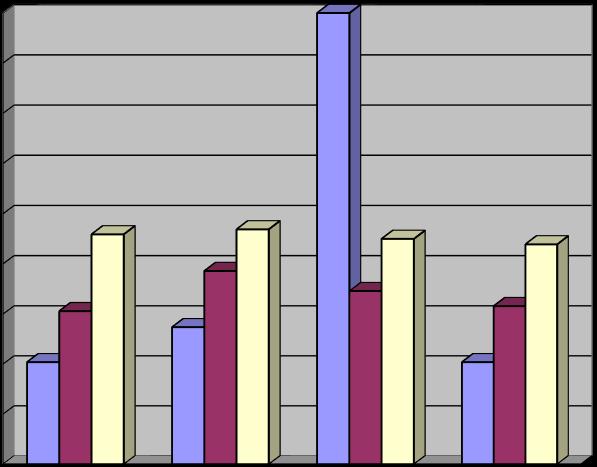
Table. 5: Resistance to commonly prescribed antibiotics at KIU-TH.
Footnote: CFX= cefixime, GTM= Gentamicin, ERM= Erythromycin, NTF= Nitrofurantoin, CTFX=Ceftriaxone,AMX=Amoxicillin,CPX=Ciprofloxacin.
Table. 6: Resistance to commonly prescribed antibiotics at Ishaka Adventists hospital.
Footnote: CFX= cefixime, GTM= Gentamicin, ERM= Erythromycin, NTF= Nitrofurantoin, CTFX=Ceftriaxone,AMX=Amoxicillin,CPX=Ciprofloxacin,AZT=azithromycin.
Table. 7: Association between socio- demographic factors and multiple drug resistance present versus multiple drug resistance absent in the study population of KIU-TH (n=106).
Others*Adventist5(MDRP)and17(MDRA) Pentecostal 2(MDRP) and 3(MDRA), moslem 3 (MDRP)and9(MDRA).Percentagesgivenareforthecolumntotals.
Table. 8: Association between socio- demographic factors and multiple drug resistance present versus multiple drug resistance absent in the study population of Ishaka Adventist hospital(n=108).
Others*Pentecost4(MARP) and5(MARA),Adventist8(MARP) and 13 (MARP)and Muslim (MARP)14and10(MARA).Percentagesgivenforthecolumntotals.
DICUSSION
The study concerning the assessment of multiple resistance patterns of urinary tract pathogens among patients has been carried out successfully in KJU-TH and Ishaka Adventist hospital in period of August 2018 to July 2019. The discussion in this study is as follows and the pattern is objective by objective. The first objective was to evaluate the common urinary tract infection causing pathogens located during the period of August 2018 to July 2019 in KIU-TH and Ishaka Adventist Hospital a retrospective study wasdone.TheseincludedEscherichiacoli, Staphylococcus aureus, Proteus species, Pseudomonas species, klebsiella pneumonia,CoccobacillispeciesinKIU-TH while Escherichia coli, Staphylococcus aureus Protea’s species. Klebsiella pneumoniae and Pseudomonas species in IshakaAdventist Hospital.Escherichiacoli wasthemostprevalentbacterialpathogen
with46/106(43.4%)inKIU-THfollowedby Staphylococcus are 34106 (321) Klebsiella pneumonia 20/106 (18.9), Pseudomonas species 4/106 (38), Proteus species 1/106 (39%) and Coccobacilli species 1/106 (0.9%).Ontheotherhand,IshakaAdventist Hospital also had Escherichia coli as the mostprevalentwith51/108(472)followed by Staphylococcus aureus 27/108 (25.0%). Proses species 12/108 (11.1%), Pseudomonas species 11/10 (10.2%) and Klebsiella species 7/108 (6.5%). Our study demonstrated a high prevalence of E. coli in the females with 29/106 (53.7%) in KIUTHand37/108(55.2%)inIshakaAdventist Hospital due to the close proximity of the anus to the vagina. The possibility of the UTIinfemalesmaybeduetotheabilityof E. coli to adhere to the urinary tract and colonies it This was comparable with the previous study done in Bushenyi district Uganda indicating 36 86 (41.9%) isolation
of Ecole among UTI patients. Escherichia coliandS.aureuswerethemajorcausesof bothamongpatientsattendinghospitalsin Bushenyi District, Uganda. The prevalence of27/66(40.9%)ofE.coliinfemalegender under this study [8][18][19][20][21][22][23]24][25][26] The high prevalence of E. coli was the same because female gender which is at a high risk of UTI was involved and also because of the association of E. coli with other microorganisms moving from the perineum areas contaminated with fecal microbes to the moist warmth environment of the female genitalia. The policy implication of this finding is that laboratories in both hospitals should be advised to begin indicating the microorganism being isolated, the antibiotics each patient is resistant and sensitivetoonthelaboratoryresultsofthe patient so that the prescribers are informed before prescribing. This also helps in early identification of patients at high-risk of infection thus optimizing initial antibiotic treatment strategies for severe. In addition, the microbiology laboratory should be advised to identify each species of the microorganism being isolatedforeasyidentification.Thesecond objective of this study focused on the common prescribed antibiotics among patients with urinary tract infections who attended KIU-TH and Ishaka Adventist HospitalduringtheperiodofAugust2018 to July 2019. Antibiotics prescribed includedthefollowingasshowninTable3 and 4. Cefixime, Gentamicin, Ceftriaxone, Azithromycin,Erythromycin,Ciprofloxacin, Nitrofurantoin, Doxycycline, Ampiclox, Levofloxacin, Cephalexin, Ampicillin and Amoxicillin were prescribed in Ishaka Adventist hospital in table 3 while KIU-TH prescribedCiprofloxacin,Levofloxacin,Nitr ofurantoin, Ampiclox, Cephalexin, Amoxicillin, Azithromycin, Erythromycin, Gentamicin, Cefixime, Ampicillin and Ceftriaxone in table 4. Azithromycin was the most prevalent prescribed antibiotic among UTI patients in Ishaka Adventist Hospital with 18.3% followed by Cefixime 16.9%,Nitrofurantoin 15.5%,Ciprofloxacin 14.1%,Doxycycline9.2%,Ceftriaxone7.0%, Levofloxacin 5.0%, Gentamicin 2.8%,
Erythromycin 3.5%, Ampiclox 2.8%, Cephalexin2.8%andAmoxicillin2.1%.KIUTH had Ciprofloxacin as the most prescribed antibiotic among the UTI patients with 19.4% followed by Cefixime 16.9%,Nitrofurantoin15.3%,Azithromycin Levofloxacin 11.3%, Ceftriaxone 5.6%, Amoxicillin 5.6%, Gentamicin 4.0%, Ampiclox 4.0%, Erythromycin 3.2%, Ampicillin1.6%andCephalexin0.8%being prescribed among UTI patients during period of August 2018 to July 2019. This study noticed that some of these antibioticswereprescribedirrationallynot in agreement with the laboratory results since they were not consulting the laboratory findings. This is because in mostcasesthepatientwasresistanttoone or more antibiotics but the prescribers went ahead to prescribe those same antibiotics the patient was resistant to. It was also because some antibiotics were relatively expensive compared to others, therefore were prescribed for profit benefit. For example; on average the price of azithromycin is within the range of 4000-20000 shillings depending on the brands.InasimilarstudydoneinBushenyi District Uganda, it that the indiscriminate use of antibiotics due to lack of prescription policies in an effort to treat symptomatic/asymptomatic UTI may explaintheobservedbacteriaresistanceto these antibiotics such as Ciprofloxacin, Nitrofurantoin,AmpicillinandCeftriaxone [8][20][21][9]. This study done was similar because the recommended treatment among UTI patients is antibiotics according to the Uganda Clinical Guidelines. Therefore, similar antibiotics were being prescribed. The policy implication of this finding is that the hospital administration should strengthen thesupervisionofensuringthatlaboratory results together with Uganda Clinical Guidelines are used to ensure rational prescribing of these antibiotics. The benefit of this is a reduction in antibiotic resistance,economicuseofantibioticsand good recovery thus reducing morbidity. The hospital pharmacist of both hospitals should check prescriptions being prescribedwiththelaboratoryresultsona regularbasisforirrationalprescribing The
thirdobjectiveinthisstudyfocusedonthe multiple antibiotic resistance patterns to commonly prescribed antibiotics among patients with UTIs in KIU-TH and Ishaka Adventist Hospital during August 2018 to July 2019. The resistance patterns of UTI pathogens to Ciprofloxacinin KIU-TH included:Proteusspecieswitharesistance pattern of 100% followed by 33.3% E. coli, 23.5% S. aureus, 20.0% Klebsiella species, 0.0% by Pseudomonas species and Coccobacilli species. The resistance patternsofUTIpathogenstoAzithromycin in Ishaka Adventist Hospital included; E. coli with a resistance of 5.8% while other pathogensdidnothaveanyresistance.The resistanceofKlebsiellaspeciestoselected antibiotics included: 100% to Erythromycin;71.4%toCotrimoxazoleand 92.9% to Ampicillin respectively. Staphylococcus resistance to the penicillins and the cephalosporin (77.8% resistance to Ampicillin, 60% to Ceftazidime and 55% to Ceftriaxone). Resistance to the penicillin is a consequenceofbetalactamaseproduction and is common in developing country settings where uptake of hospital services is low and tendency for self-medication is high leading to antibiotic abuse [8] Policy implication is that a guide should be developed in hospitals showing the resistance patterns of the different pathogens to antibiotics to assist prescribers during prescribing. The multiple antibiotic resistance pattern associations with socio-demographic factorsweredoneintable8andtherewas no significant association between resistancepatternsandage,maritalstatus, religion as well as occupation (P>0.05) in Ishaka Adventist Hospital while multiple drug resistance patterns associations with socio-demographic factors had no significant associations (P>0.05) with occupation, marital status, gender and religion KIU-TH. However, age in KIU-TH had a significant association (P<0.05) among patients of 30 years of age with 28 (50.9%) for females and 27 (49.19%) for males while 230 years of age with 24 (47.1%) for females and 27 (52.9%) for males in table 7. The highest prevalence was in females of 30 years of age because
the anatomy of the female Genito-urinary system remains outstanding among factors which predispose them to UTI especially in this setting with limited resources, poor hygiene, irrational prescribing, no compliance, selfmedicationandlowsocio-economicstatus. This also explains why females are more prone to UTI than their male counterpart. It is also due to irrational prescribing of theantibiotics whicharenotinagreement with the laboratory results as well as the Uganda Clinical guidelines which recommend Nitrofurantoin, Cefixime, Ciprofloxacin and Gentamicin as first line drugs for UTI patients hence contributing to the multiple antibiotic resistance patterns. Multiple resistance patterns of resistance to pathogens remain relatively similar irrespective of the locality. Prominentfactorisantibioticabusedueto lack of effective and implementable policies, enabling sick people to purchase small amounts of antibiotics from drug shops manned by unqualified health workers. This may give room for emergenceofresistancestrainsduetolow dose misuse of such antibiotics and poor adherenceoccasionedbythetendenciesof the patients to back out from completing the dose when they get a little relief from the symptoms of the infection [9]. This studywassimilarbecauseoftheincreased irrational prescribing combined with lack ofcommunicationbetweentheprescribers and the laboratory results. This is also combinedwithself-medicationsincesome unqualified health workers prescribe expensivedrugsthatarenotaffordableby the patients and they resort to purchasing cheaper small amounts of drugs hence contributing to multiple resistance. The policyimplication of thisstudyis that the healthcareprovidersshouldfollowupthe patients to ensure drug compliance and also advise them on benefits of it. To prevent the spread of multidrug-resistant microorganisms in UTI, medical institutions should make efforts to develop administrative and educational programs to provide appropriate guidelines for the prescription of antibiotics.
CONCLUSION
In this study, the common isolated pathogenamongUTIpathogenswasE.coli and S. aureus in both KIU-TH and Ishaka Adventist Hospital. The common prescribed antibiotic in KIU-TH was Ciprofloxacin 19.4% with a resistance of 100%byProteusspeciesfollowedby33.3% E. coli, 23.5% S. aureus, 20.0% Klebsiella pneumoniae. Azithromycin 18.3% was most prescribed in Ishaka Adventist
Hospital with a resistance of 5.8% by only E. coli. There was no significant association (P>0.05) between the multiple resistancepatternsandsocio-demographic factorssuchasgender,age,maritalstatus, occupation and religion in Ishaka Adventist Hospital while KIU-TH only age <30 years had a significant association (P<0.05).
REFERENCES
[1]. Sugianli, A. K., Ginting, F., Kusumawati, R. L., Pranggono, E. H., Pasaribu, A. P., Gronthoud, F. and Schultsz, C. (2017). Antimicrobial resistance in uropathogens and appropriateness of empirical treatment: a population-based surveillance study in Indonesia. (January), 1469- 1477.
https://doi.org/10.1093/jac/dkw578.
[2]. Stefanaki, C. leronymaki, A., Matoula, T., Caroni, C., Polythodoraki, E., Chryssou, S. and Antoniou, C. (nd). Six-Year Retrospective Review of Hospital Data on Antimicrobial Resistance Profile of Staphylococcus Aureus Isolated from Skin Infections from Institution in Greece. 4-11. https://doi.org/10.3390/antibiotics6 040039
[3]. Röderová, M., Sedláková, M. H., Pudová, V., Hricová, K., Silová, R., Eghonghon, P. and Kolá, M. (2016). Occurrence of bacteria producing broad-spectrum beta-lactamases and qurgenes in hospital and urban wastewatersamples.124-133.
[4]. Saha, S., Rahman, S., Hassan, F. M. N., Sarkar,S.,Islam,K.andSaha,P.(2015).
Antimicrobial Resistance in Uropathogen Isolates from Patients with Urinary Tract Infections. 2(5), 263-269.
[5]. Ray,J.,Paul,R.,Haldar,A.andMondol, S. (2015). A study on antibiotic resistance pattern of Escherichia coli isolated from urine specimens in Eastern India. 4(12), 1670-1674. https://doi.org/10.5455/ijmsph.2015 .01052015341.
[6]. Renda, R. (2018). Diagnosis and Antibiotic Resistance Distribution in
Children with Urinary Tract Infection: A Single Center Experience. 6(49), 6815-6822.
https://doi.org/10.22038/ijp.2017.28 352.2462
[7]. Bankolé, H. S., Dougnon, V., Johnson, C. and Hounmanou, G. (2016). Bacterial Profile of Urinary Tract Infections (UTI) in Benin: A Retrospective Study from 2003 to 2012 at Menontin's Hospital. (June), 53-58.
[8]. Odoki, M., Aliero, A. A., Tibyangye, J., Maniga, J. N., Wampande, E., Kato, C. D. and Bazira, J. (2019). Prevalence of Bacterial Urinary Tract Infections and Associated Factors among Patients Attending Hospitals in Bushenyi District.Uganda.2019.
[9]. Mohaghegh,M.A.,Ghazvini,K.,Jafari, R., Yousef, M., Safari, M., Ali, G. and Bordbar, D. (2015). Retrospective StudyonthePrevalenceandAntibiotic Resistance Pattern of Staphylococcus Aureus and Staphylococcus Epidermidis Among Patients SuspiciousofBacteremiaDuring20062011.3(2),4-8.
[10]. Nwosu,D.C.,Amajioyi,O.,Ibebuike,J. E. and Ozims, S. J. (2015). Prevalence ofbacterialandparasiticurinarytract infections in female students of Imo stateUniversity. WJPPS, 4(5),152-67.
[11]. Odoki, M., Bazira, J., Moazam, M. L. and Agwu, E. (2015) Health-point survey of bacteria urinary tract infections among suspected diabetic patients attending clinics in Bushenyi districtofUganda. SpecBactPathogJ, vol.1(1):01, 9.
[12]. Abimana, J. B., Kato, C. D. and Bazira, J. (2019). Methicillin-resistant
Staphylococcus aureus nasal colonization among healthcare workers at Kampala international University Teaching Hospital, Southwestern Uganda. Canadian Journal of Infectious Diseases and Medical Microbiology. Article ID 4157869https://doi.org/10.1155/201
9/4157869
[13]. Adam,A.S.,Micheni,L.,Onkoba,S.K., Ntulume, I., Aliero, A. A. and Namatovu, A. (2020). Antibiotic SusceptibilityPatternandDetectionof mecA Gene in Methicillin Resistant Staphylococcus Epidermidis Isolated from Wards Surfaces of Kampala International University Teaching Hospital, Uganda. RomanianArchives of Microbiology and Immunology, 79(1),24-36
[14]. Amalu, P. C., Chukwuezi, F. O. and Ugwu, O. P. C. (2014). Antimicrobial effects of bitter kola (Garcinia kola) nut on Staphylococcus aureus, Escherichia coli and Candida albicans. Journal of Dental and Medical Sciences (IOSR-JDMS), 13(4), 29-32
[15]. Coli, A. U. O. E. (2013). Antimicrobial activityofXylopiaaethiopica(UDA)on Escherichia coli and Staphylococcus aureus isolates from gastroenteritic patients. InternationalJournalofLife Sciences Biotechnology and Pharma Research, 2,330-338.
[16]. Nalwoga, J., Tirwomwe, M., Onchweri, A.N.,Maniga,J.N.,Nyaribo,C.M.and Miruka, C. O. (2016). Drug resistant Staphylococcus aureus in Clinical Samples at Kampala International University-teaching Hospital, Bushenyi District, Uganda. American Journal of Biomedical Research, 4(4), 94-98.
[17]. Okullu,T.,Onchweri,A.N.,Miruka,C. O., Eilu, E., Abimana, J. B. and Nyabayo, M. J. (2016). Antibiotic Resistant Escherichia coli Isolates from Barn Swallow Droppings in Ishaka Town, Uganda. Journal of Applied & Environmental Microbiology, 4(2),34-38.
[18]. Gabster, A., Mohammed, D. Y., Arteaga, G. B., Castillero, O., Mojica,
N., Dyamond, J. and Pascale, J. M. (2016). Correlates of sexually transmitted infections among adolescents attending public high schools, Panama, 2015. PloS one, 11(9),e0163391.
[19]. Hakre, S., Arteaga, G. B., Núñez, A. E., Arambu,N.,Aumakhan,B.,Liu,M.and Panama HIV EPI Group. (2014). Prevalence of HIV, syphilis, and other sexuallytransmittedinfectionsamong MSM from three cities in Panama. Journal of urban health: bulletin of the New York Academy of Medicine, 91(4),793-808.
[20]. Matthew,U.O.,Nwanakwaugwu,A.C., Kazaure, J. S., Nwamouh, U. C., Haruna, K., Okafor, N. U. and Olawoyin, O. O. (2022). Ultra Violet (UV) Light Irradiation Device for Hospital Disinfection: Hospital Acquired Infections Control. International Journal of Information Communication TechnologiesandHumanDevelopment (IJICTHD), 14(1),1-24.
[21]. Hakre, S., Arteaga, G., Núñez, A. E., Bautista,C.T.,Bolen,A.,Villarroel,M. and Panama HIV EPI Group. (2013). Prevalence of HIV and other sexually transmitted infections and factors associatedwithsyphilisamongfemale sex workers in Panama. Sexually transmittedinfections, 89(2),156-164.
[22]. Ssenyonga H. (2023).Assessments of PuerperalSepsisinWomenatKampala International University Teaching Hospital Western Campus, Uganda. IDOSR Journal of Biochemistry, Biotechnology and Allied Fields 8 (1), 42-52
[23]. MuhanguziC.(2023).Evaluationofthe Knowledge, Attitude and Practices of NursesintheManagementofDiarrhea in Children at Kampala International UniversityTeachingHospital,Uganda. INOSRScientificResearch 9(1),25-37.
[24]. Kukundakwe,Milton (2023).Prevalence of Vulvovaginal Candidiasis (VCC) among Secondary School Girls at Katunguru Seed School in Rubirizi District. INOSR Experimental Sciences 11(1),17-33.
Somaiya
[25]. Petrus B, N Emmanuel, A Ezera (2022).Prevalence of Pelvic Inflammatory Disease among Women
Attending the Gynecology Clinic at Kampala International University Teaching Hospital, Uganda IDOSR Journal of Science and Technology 8 (1),38-46.
[26]. Petrus B, N Emmanuel, A Ezera (2022).Bacteriology of Pelvic Inflammatory Disease among Women
www.iaajournals.org
Attending the Gynecology Clinic at Kampala International University Teaching Hospital, Uganda. IDOSR JournalofExperimentalSciences 8(1), 1-14.