* Update your contact details and mailing preferences
Contact us by email development@kesbath.com to:
* Make a donation to the School’s Bursary Fund
* Pledge a legacy to the School and join the Blake Odgers Society
CURRENT EXECUTIVE COMMITTEE
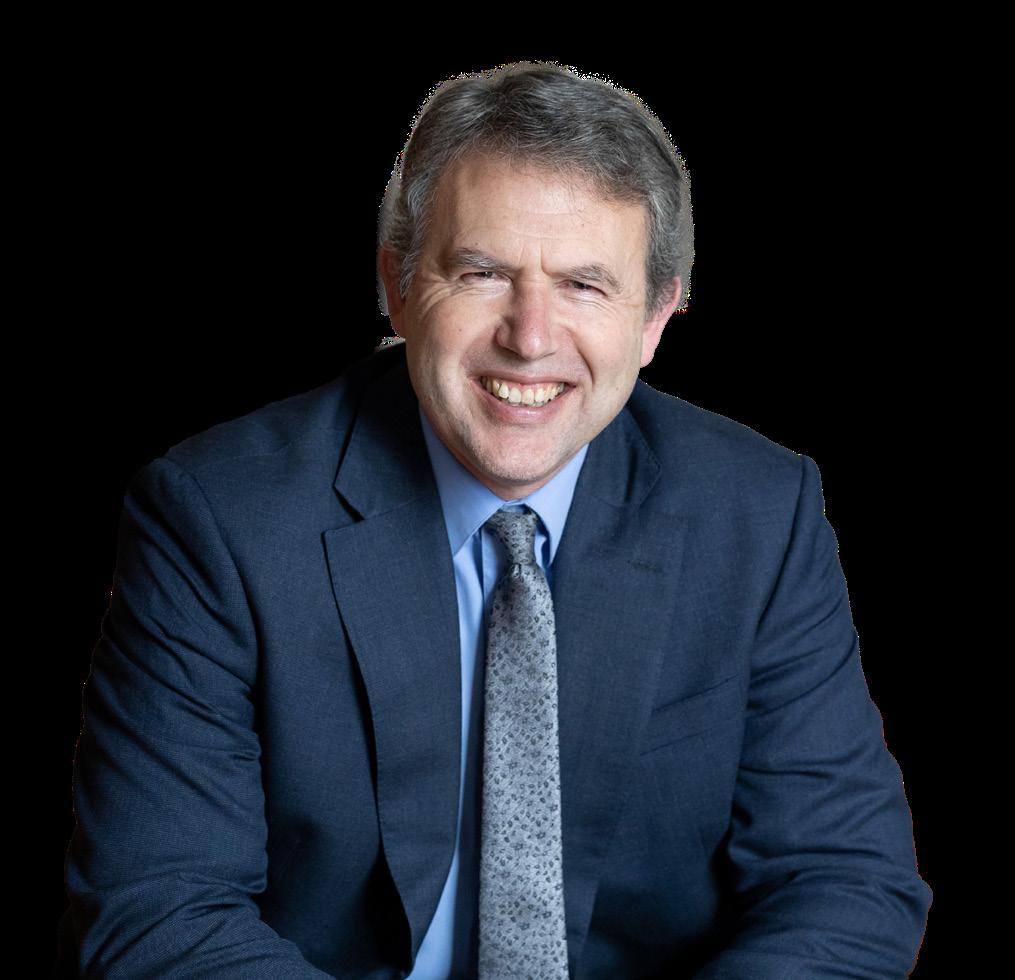
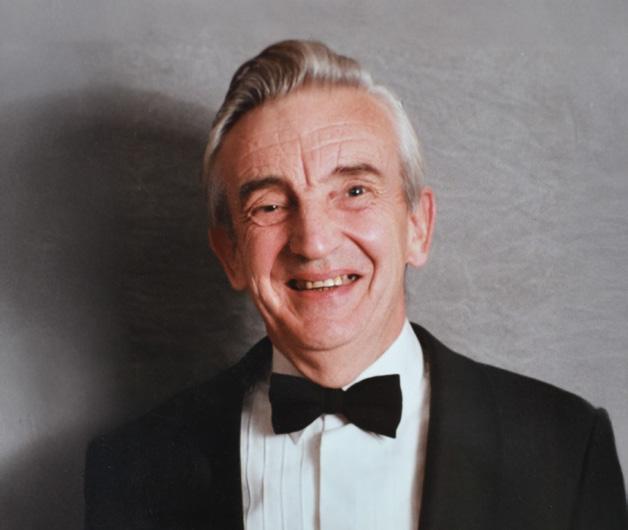
president Michael Pell, former staff
chairman Sam Lascelles 1993-2000
secretary Claire Davies, Alumni Relations
Manager
In my new role as OE President, my focus is on continuing to help build a community of Old Edwardians where the individual feels welcome and valued.”
Michael Pell
Former Head of Art and Photography
1995-2020 & OE Liaison 2010-2025
During my 30-year association with the School I have often been asked two questions. What factors make King Edward’s such a wonderful school and why are so many OEs keen to remain friends when they leave, to meet up, and attend OE reunions and events? I believe that the straightforward answer is that the two things are intrinsically linked. A positive, caring and community-focussed school creates well-rounded, happy and engaged alumni.
A key foundation stone of the School is, of course, the high standard of academic teaching. This is due to committed and passionate subject experts who consistently deliver exciting and challenging lessons. Many OEs that I meet talk fondly of teachers who were instrumental in guiding them and instilling the love of a subject. I also believe that KES offers individuals the opportunity to thrive and express the best of themselves in areas such as Drama, Music, Art and Sport. Consider the many superb plays, concerts, exhibitions and the frequent exciting sporting fixtures and competitions. I think there is a special value placed on both the individual and the creation and building of a strong team spirit. The conversations I have with OEs often begin with reminiscences centring on these areas – memories of specific fixtures, overseas tours, plays and shared creative moments. The School has developed a strong and effective tutor system, and the extensive pastoral care offered is sensitive and appropriate. Blend all these factors and I feel we are close to defining the core of KES and discovering why so many OEs are motivated to stay in contact with one another and to attend reunions and events.
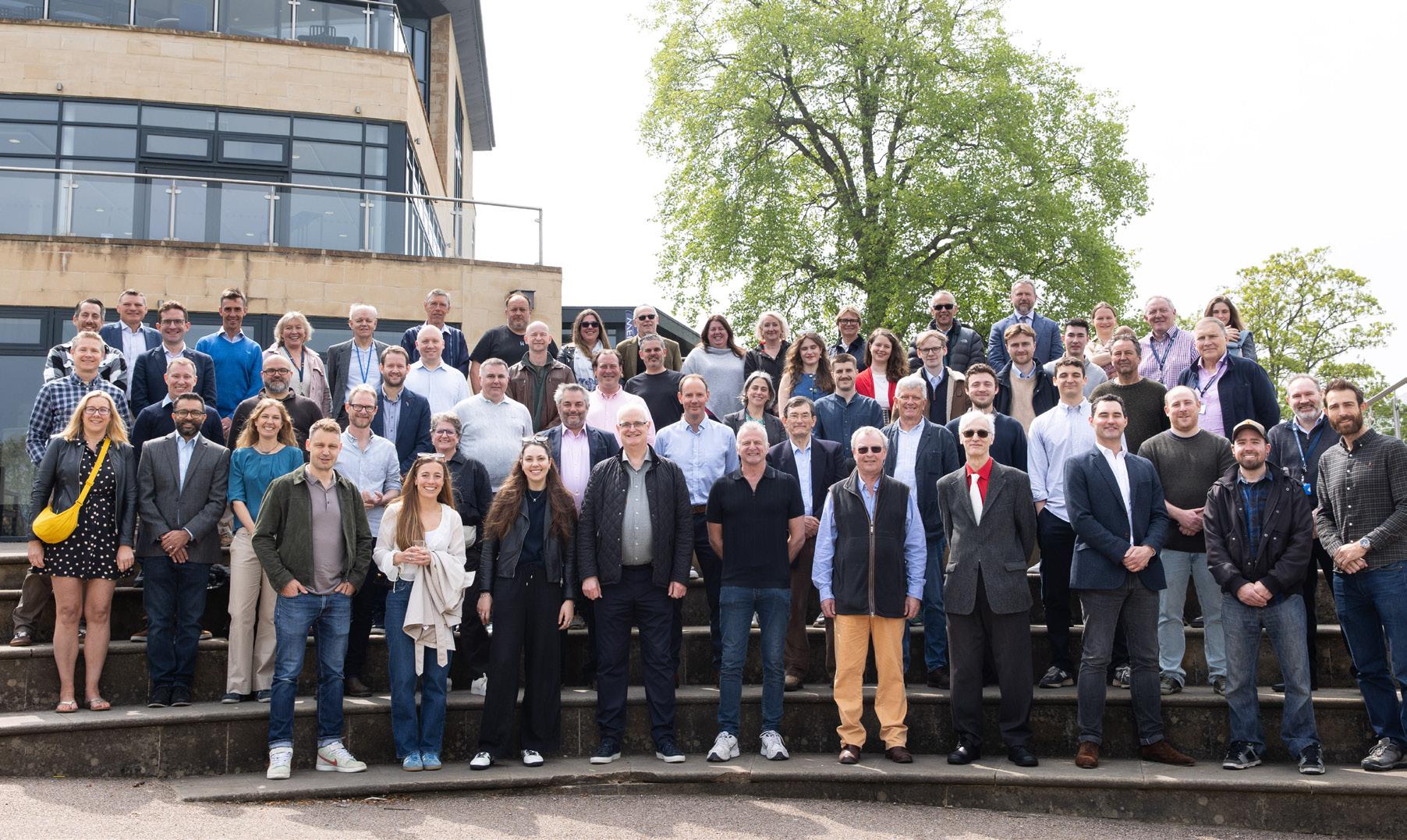
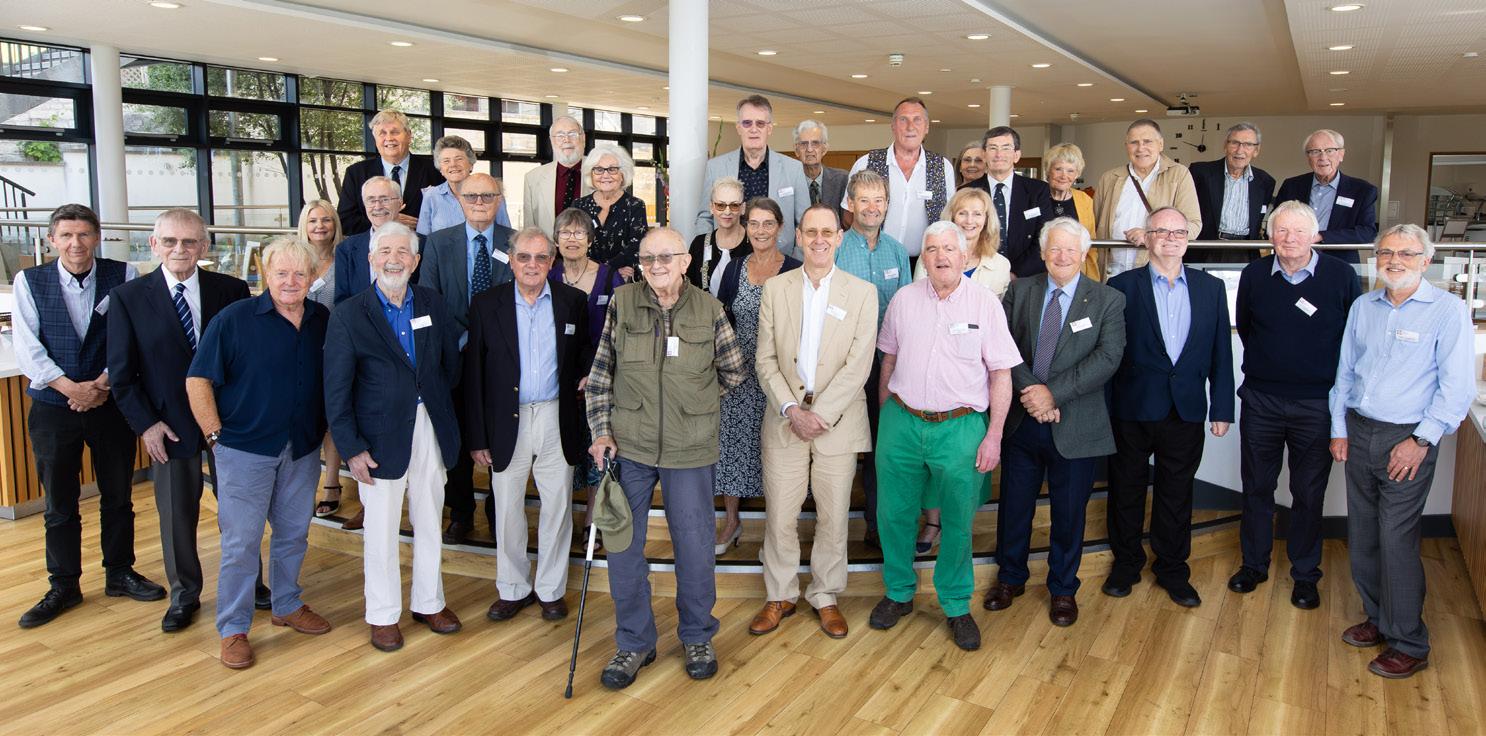
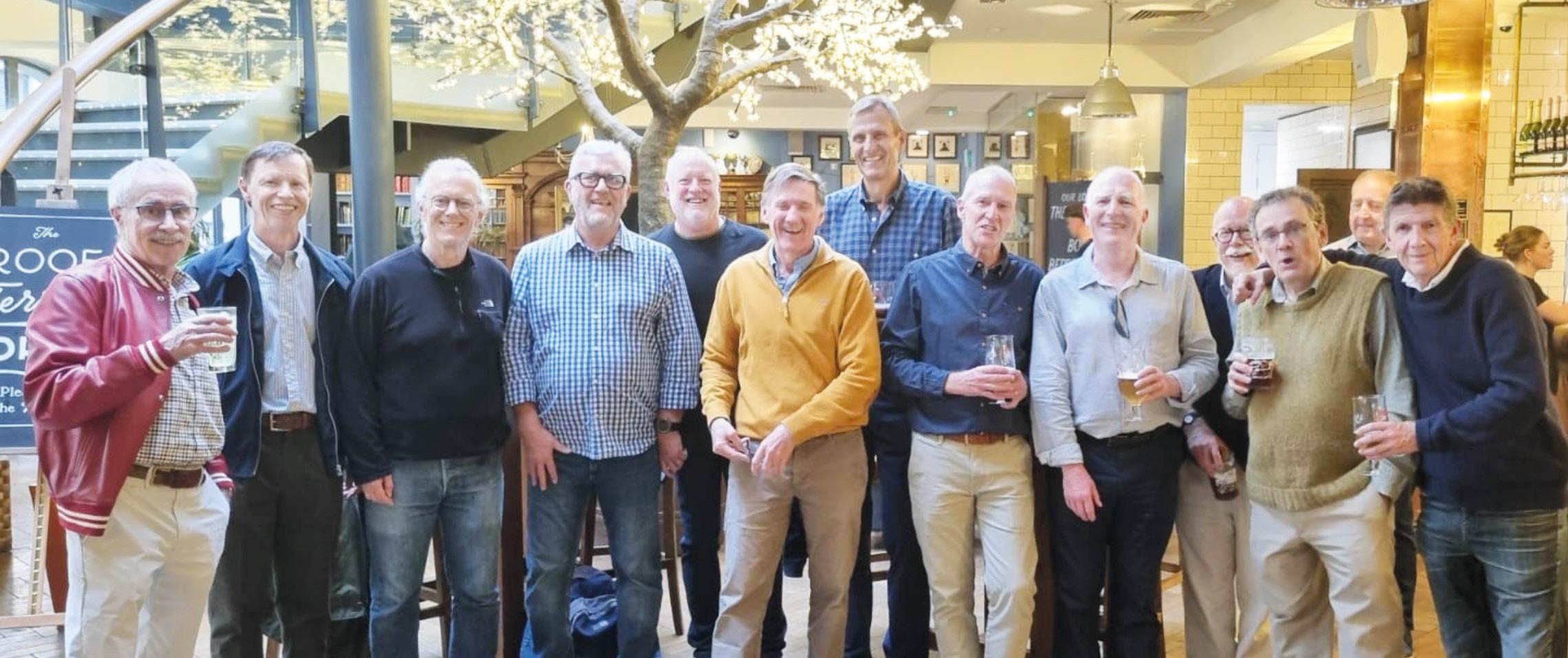
Anniversary Reunion, April 2025
In my new role as OE President, my focus is on continuing to help build a community of Old Edwardians where the individual feels welcome and valued. To achieve this in our busy world of virtual connections, I believe we must keep working on developing and maintaining personal first-hand contacts and applauding the soft skills of empathy, generosity of spirit and a sense of fun. I hope to meet many of you at our events in the year ahead and look forward to hearing of your news.
It was wonderful to see how OEs supported the School’s inaugural Giving Day earlier this autumn and further information about how the whole KES community came together over 15-16 October is included on page 6. There are more exciting times ahead as King Edward’s prepares to celebrate and mark its 475th Anniversary in 2027. We look forward to sharing these plans with you in the months ahead.
Finally, it is important to express my sincerest thanks to Claire Davies, who works tirelessly to facilitate all our OE activity and the running of the Association.
Many OEs that I meet talk fondly of teachers who were instrumental in guiding them and instilling the love of a subject. I also believe that KES offers individuals the opportunity to thrive and express the best of themselves in areas such as Drama, Music, Art and Sport.”
KES CAREERS
THE YEAR IN PROSPECT
After another exciting year of growth and innovation during 2024-2025, I am thrilled to share what we have coming up in the Careers Programme at King Edward’s for this current academic year.
We’ll be continuing our Inspiring Speakers series, with some truly remarkable guests. Two OEs featured in this magazine, Ali Gourley and Kate Streather, will each be joining us to give talks to pupils: Ali to speak about ‘How to Make a Difference in Politics, Campaigning and Advocacy’, and Kate will be screening Ocean, and sharing their experience of working with none other than Sir David Attenborough. We are also looking forward to welcoming Roshni Mooneram, whose work in Strategic Equity, Diversity and Inclusion helps shape policy across the European Union’s institutions – including the Parliament, Commission and Court of Justice – and supports representational science at CERN in Geneva. These talks promise to be thought-provoking and inspiring for our pupils.
Our Year 7 Careers in Science Day returns later this autumn, with Pulse CSI running a forensic science workshop to showcase the breadth of careers in STEM. In the Spring Term, Year 8 will take part in our Careers in Law Day, exploring legal professions through interactive sessions.
January brings our Year 12 Mentoring Evening, with over 40 professionals offering small-group insights and networking opportunities. We’re also gearing up for our biennial Careers Convention in April, hoping to match the energy and success of our 2024 event, which welcomed 60 stallholders and over 400 pupils.
We are continuing our one-to-one support for Year 11 pupils, using the company Tinker Tailor to help them to navigate their A Level choices, and, with support from industry professionals from our OE and parent community, we are also offering mock interviews to Year 10s in the summer, which will help give them a low-stakes yet invaluable taste of the application process.
January brings our Year 12 Mentoring Evening, with over 40 professionals offering smallgroup insights and networking opportunities. We’re also gearing up for our biennial Careers Convention in April, hoping to match the energy and success of our 2024 event, which welcomed 60 stallholders and over 400 pupils.
Left: Recent leavers provided information and insights to Year 13 pupils this autumn to help them decide on their post-KES plans.
Below clockwise: Harry Morgan (2019): Physiotherapy Masterclass; Mathias Folkesson-Church (2020): Raising Commercial Awareness; Sara Cass (2001): Crafting your online professional identity.
Unifrog, the careers platform that we introduced to Senior School pupils last year, is now fully rolled out and is allowing all pupils to track their careers journey and to build strong profiles.
Work experience remains a cornerstone of our Careers provision, and we are proud to be supporting our Year 12 pupils as they prepare for placements, particularly during Activities Week in July. Pupils are expected to take the lead in applying for their own placements, which is a valuable part of the learning process. However, in an increasingly online world, finding meaningful, in-person opportunities can be challenging. We are here to guide and support them through this process, helping them secure roles that offer genuine insight and experience.
We are very grateful for all the careers assistance we have received from our alumni and wider KES community during the past year. As ever, we are always looking for support, whether that is speaking at an event, offering work experience placements or joining our mentoring programme. If you would like to get involved, please contact alumni@kesbath.com
Julia Rees-Roberts Careers Education Co-ordinator
Chairman’s letter
It is with heartfelt appreciation that I welcome you to this year’s edition of the OElink. This publication is more than a yearly tradition. It is a celebration of the enduring spirit, achievements and connections that unite us as members of the truly exceptional Old Edwardians community.
As we click through (or, if you have opted for the print version, turn over) the pages of this excellent magazine, we are reminded of the rich tapestry of experiences that began within the School’s classrooms or on its playing fields, and have since unfolded across the globe. Old Edwardians continue to make remarkable contributions in every field imaginable –education, business, science, the arts, public service and beyond. Their stories, as told here, inspire us, challenge us and reaffirm the values that shaped our time at the School. I hope you enjoy them.
The past year has been a successful one for the Old Edwardians’ Association. In terms of the events held, we have seen growth and renewed engagement. The School’s ambitious Development and Alumni Relations Office has expanded our reach through new initiatives, including Christmas Drinks for recent leavers at Walcot House in Bath, a London Drinks reception at the Strand Palace Hotel (kindly sponsored by an OE) and an evening of Art and Drinks at the Holburne Museum, as well as our established Anniversary and Summer Reunions on the School site that are so successful in bringing together OEs from different generations and geographies.
This magazine is a tribute to you. I encourage you to explore the stories, updates and features within these pages, and to reach out – whether
to an old friend, a new contact or the School itself.”
Our heritage focus over recent years has made great progress, with Suzanne Keyte being appointed as permanent part-time Archivist. This is a first for King Edward’s and a satisfying success for the heritage initiative the OE Committee has been promoting. Better management of our heritage resources is allowing us access to longforgotten tales and endeavours of OEs, as well as helping the School community understand how things were ‘back in our day’ and beyond! As we start looking towards the School’s 475th Anniversary, we look forward to learning more about our long history.
OEs are also continuing to support current pupils through career guidance, work experience, guest talks and visits. Your contributions in this area are a powerful reminder that the OE community is not just a legacy of the past, but a living force shaping the future for the School and its current Edwardians.
Another area where we help current Edwardians is through our OE Activity Awards, which provide funding to extra-curricular societies and initiatives. This year we helped the Environmental Action Group to purchase gardening materials and equipment to set up a small garden at KES, as well as funding Reviewed, the pupils’ magazine, to support bi-monthly writing competitions.
This magazine is a tribute to you. I encourage you to explore the stories, updates and features within these pages, and to reach out – whether to an old friend, a new contact or the School itself.
Thank you for your continued support, your enthusiasm and your belief in the power of our community. I look forward to the year ahead and to all the ways we will continue to grow, give back and stay connected.
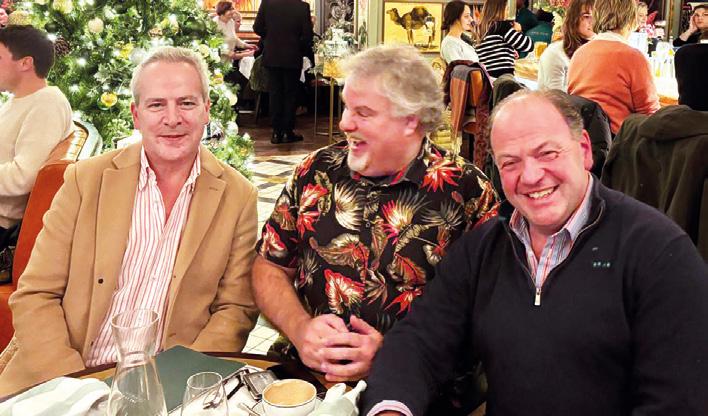
Clockwise: Christmas Drinks, December 2024; Summer Reunion, June 2025; Anniversary Reunion, April 2025.
A CELEBRATION OF COMMUNITY, GENEROSITY AND IMPACT
This year has been a remarkable one for the wider KES community. From our Old Edwardian events in Bath and London to the launch of our first drinks reception for recent leavers at Walcot House last Christmas, our events have seen lots of OEs reconnect, reminisce and engage with the School. Many OEs have also generously supported our Careers Programme by giving talks as well as offering mentoring and work placements to current pupils – thank you.
£127,899
Raised at the School’s inaugural Giving Day
THE SCHOOL’S INAUGURAL GIVING DAY
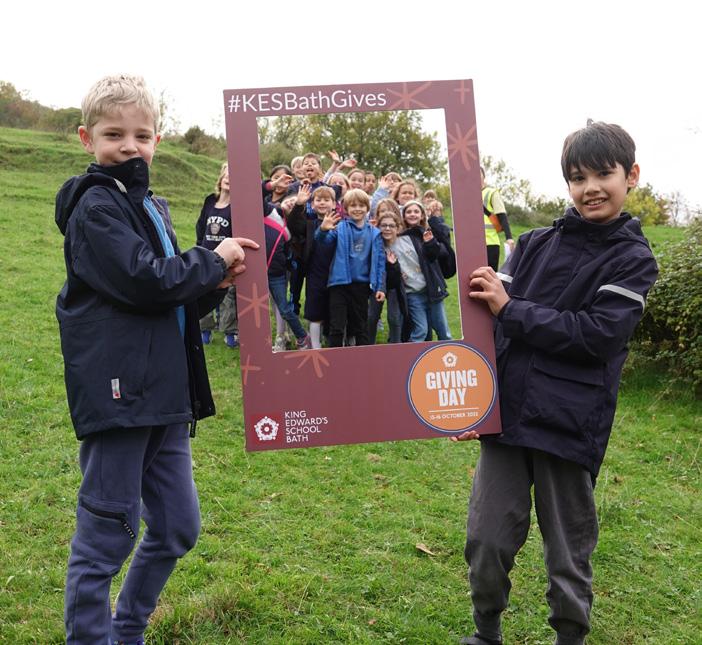
In October, KES held its first-ever Giving Day, a joyful 36-hour celebration of generosity, school spirit and community. Pupils, staff, parents, OEs and supporters came together to raise an incredible £127,899, supporting two transformative projects: the Wroughton Bursary Fund and the development of our Outdoor Spaces.
Thanks to the extraordinary generosity of two Old Edwardians, donations up to £61,000 were matched, doubling the impact of every gift and inspiring even greater support from our community.
Across the School: a united effort
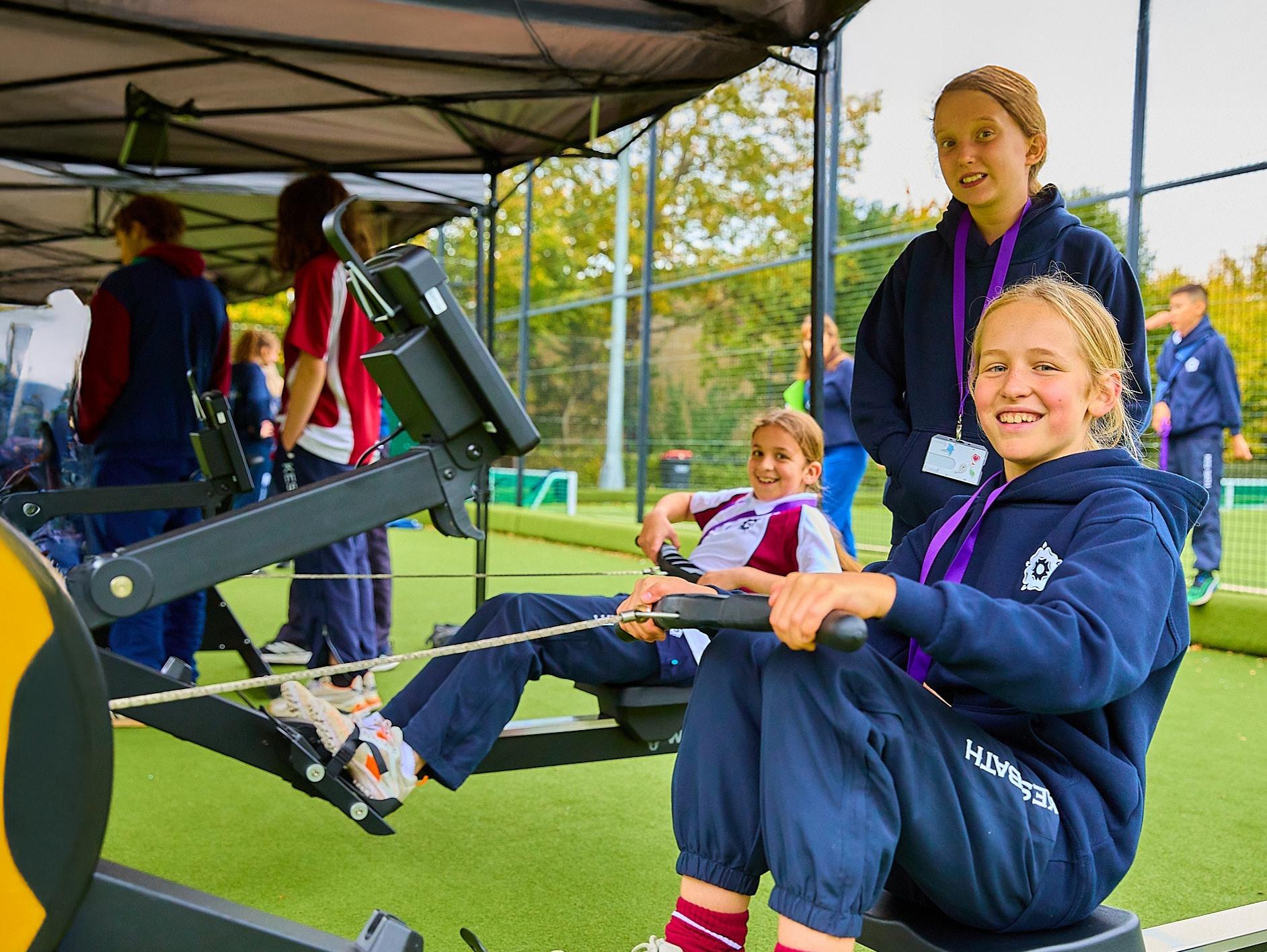
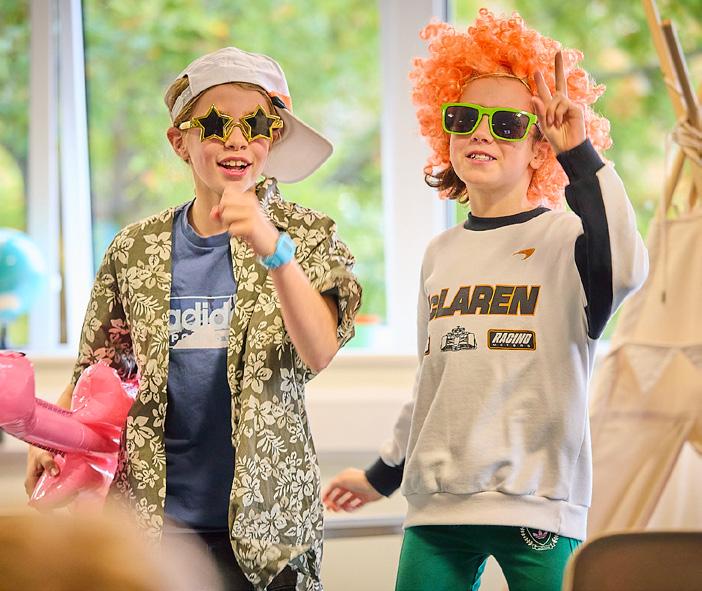
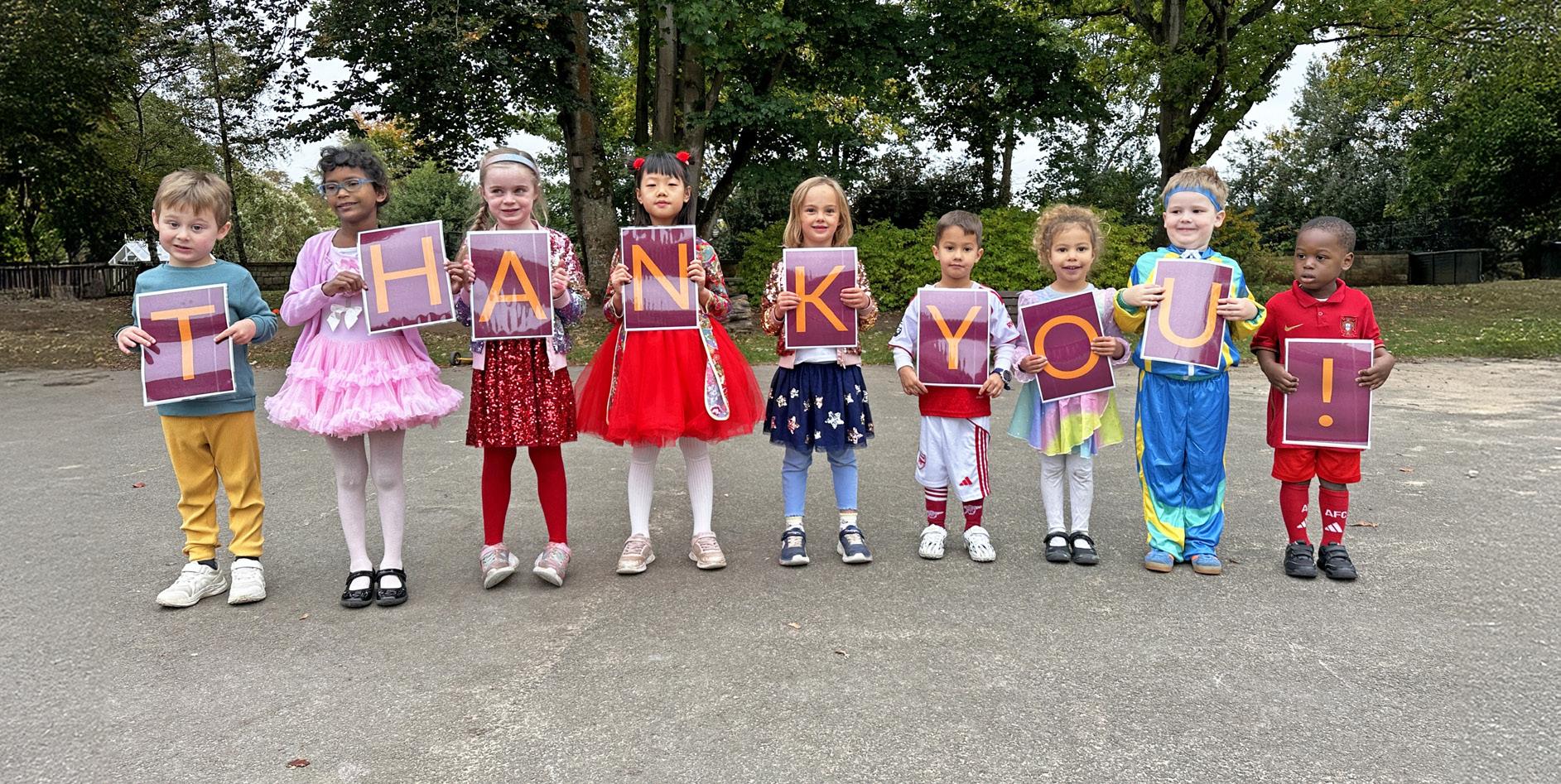
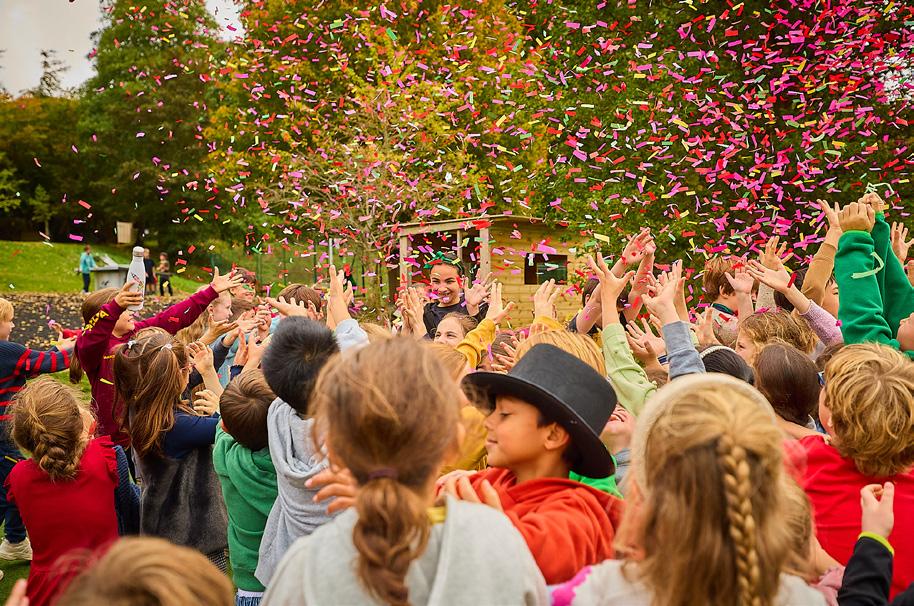
Giving Day was a whole-school celebration, with activities spanning the Pre-Prep and Nursery, Junior School and Senior School. At the Pre-Prep and Nursery, children took part in a golden coin trail and a lively Danceathon. The Junior School buzzed with carnival-themed events, quizzes, talent shows and a confetti cannon finale. Pupils also contributed miles to the cycling/ rowing/running challenge (see below), as well as enjoying a disco and creative competitions like ‘Pie the Teacher’.
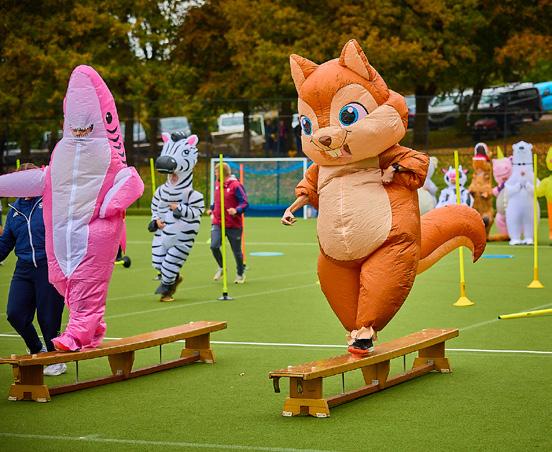
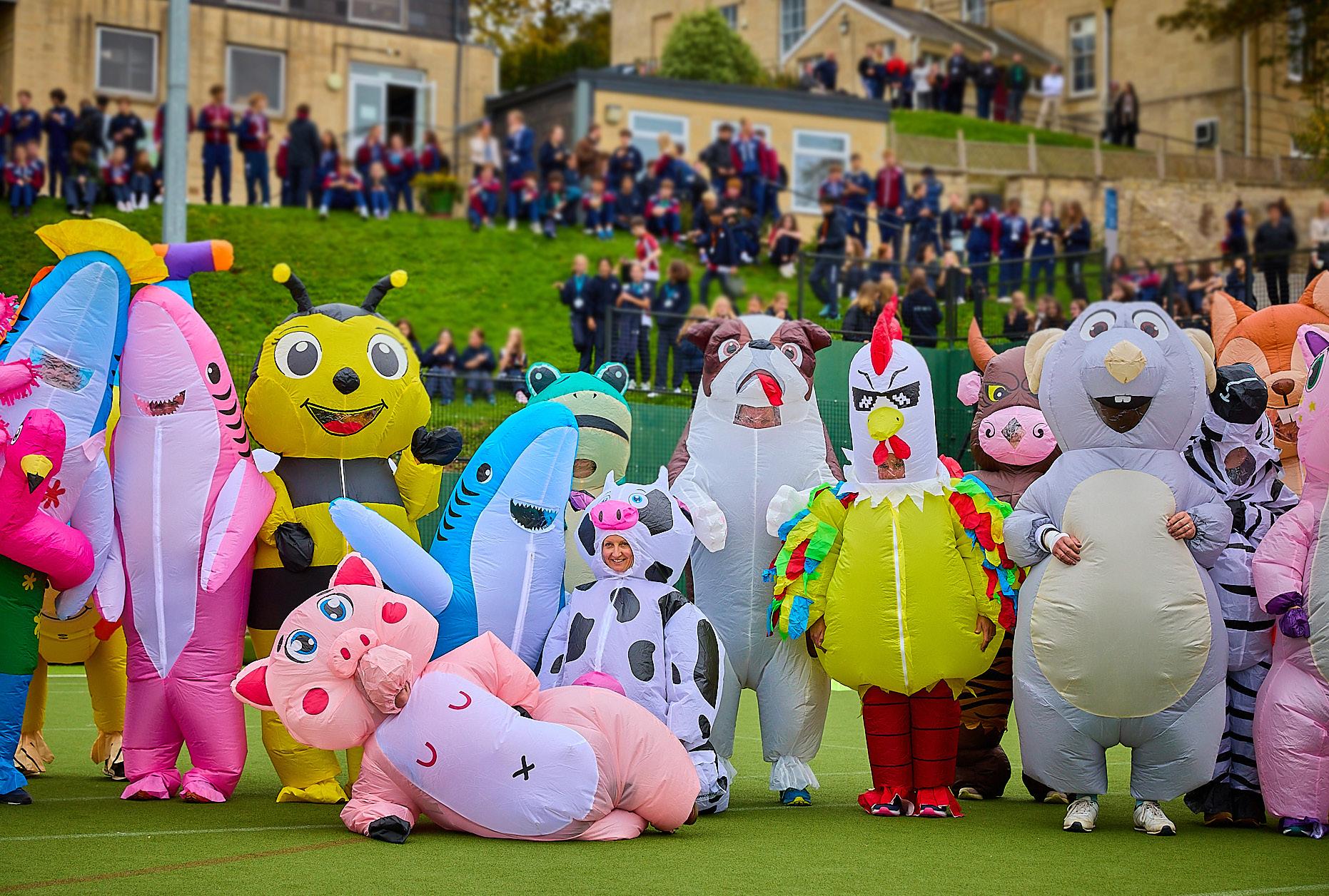
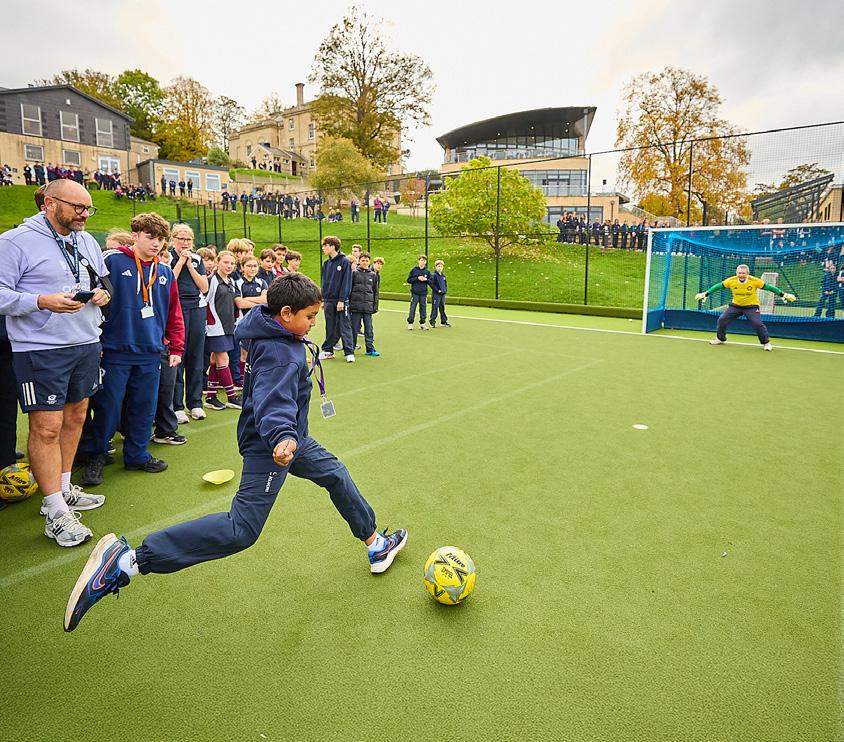
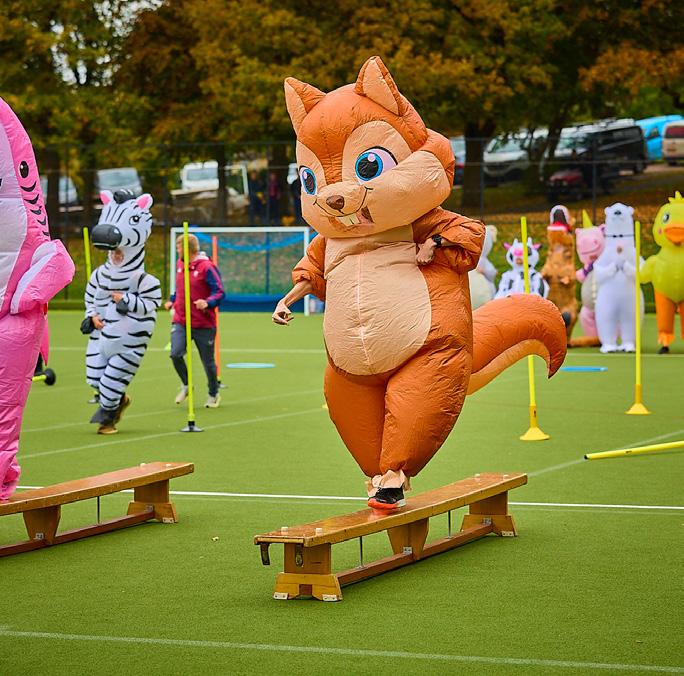
At the Senior School, pupils created beautiful Tudor roses as part of a collaborative art project that will be showcased on the School grounds. They also faced off against the Headmaster in an exciting Penalty Shootout Challenge. The festivities peaked with a hilarious ‘It’s a Knockout’ race featuring staff members in inflatable animal costumes and culminating in a surprise Masked Singerinspired reveal at the end.
Across all three sections of the School, pupils and staff took part in a collective challenge to cycle, row or run 1,552 miles –a nod to our founding year. Alongside these activities, Giving Day saw a wonderful act of generosity. Thanks to parent donations, we surpassed our Bath Foodbank target of 1,552 items – our largest collection for this charity to date. Giving Day ended with a memorable evening: the Wroughton Lecture given by the award-winning filmmaker and Old Edwardian Natalie Hewit, who spoke about the making of her film Endurance which tells of the discovery of the wreck of Shackleton’s famous ship in Antarctica.
The impact of Giving Day
Funds raised from Giving Day will support two transformative projects, the Wroughton Bursary Fund and enhancing our Outdoor Spaces.
A total of £58,073 was raised from 244 donors for the Wroughton Bursary Fund, which provides life-changing opportunities for pupils with the potential to thrive, regardless of financial background. These bursaries open doors to academic excellence and personal growth, and enable holders to contribute to our vibrant school community.
OE Dr Rose Hall, a former Bursary Award holder, speaks of the impact of her award:
“The Bursary Programme is a gift of opportunity which will shape and change a person’s life forever. One cannot help the situation that they are born into, and no matter how much potential is innate within a person, it can only be realised if they have the means to nurture that potential. KES gave me the ambition, stability, encouragement and guidance to become the adult that I had hoped and dreamed that I would be. Social mobility is only possible with educational opportunity, which enables individuals to develop and broaden horizons.”
Giving Day was a whole-school celebration, with activities spanning the Pre-Prep and Nursery, Junior School and Senior School.”
A further £69,826 from 116 donors was raised to enhance our Outdoor Spaces: an outdoor classroom for our Junior School and Pre-Prep pupils, designed to spark curiosity and support hands-on learning in nature; and a beautiful new garden area at the Senior School, offering a peaceful space for reflection and relaxation. These enhancements to our outdoor spaces will enrich the daily experience of every pupil, providing inspiring environments for learning, play and wellbeing.
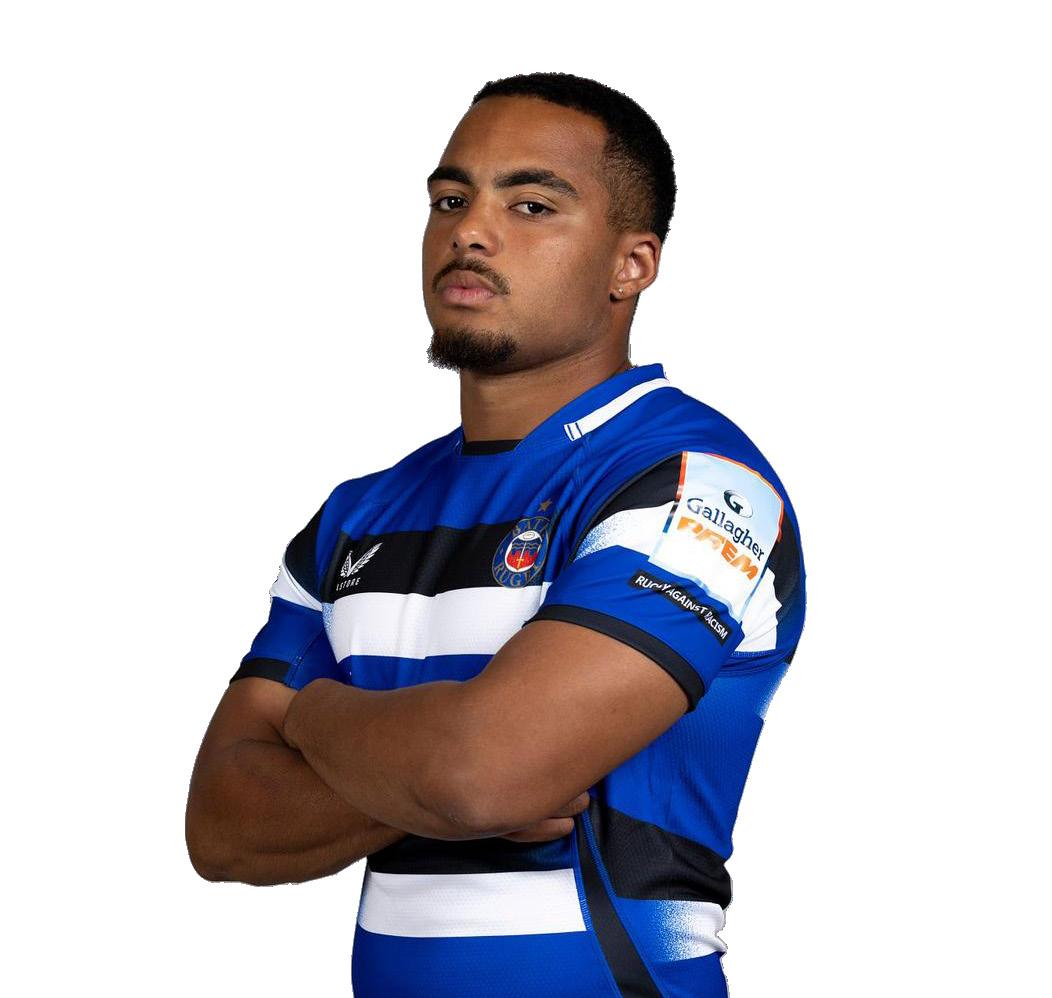
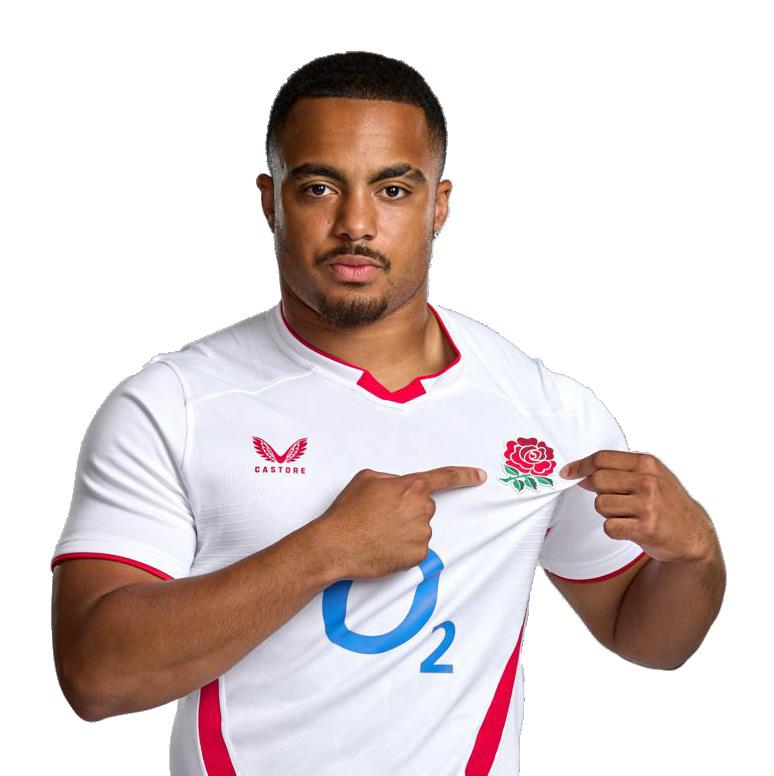
A special thank you to professional rugby player and Old Edwardian Max Ojomoh for being our Giving Day Ambassador.
Credit: Harry Murphy
LOOKING AHEAD
The 1552 Foundation and Bursary Campaign
Building on the momentum of Giving Day, we look forward to the launch of our Bursary Campaign in spring 2026, which will feature powerful stories from current and previous Bursary Award holders, highlighting the life-changing impact of a KES bursary.
We are excited to announce the upcoming launch of the 1552 Foundation, a dedicated charitable organisation established to ensure lasting support for bursaries and transformative projects at our school. Old Edwardians and supporters will be welcomed to special events in London, Bath and New York, where we look forward to building new connections and advancing our shared vision for the future of King Edward’s School.
THANK YOU
To every Old Edwardian who has donated, offered careers support, shared their story or joined us at an event – thank you. Your generosity of spirit and support ensures that our OE community continues to thrive and helps us to build a school where every pupil can achieve their potential, today and for generations to come.
If you would like to join the mailing list to receive OE news and event invitations, please send your preferred email address to alumni@kesbath.com so we can keep you updated.
If you would like to find out more about supporting KES, please contact me at development@kesbath.com
Alison Heyes Development Director
To every Old Edwardian who has donated, offered careers support, shared their story or joined us at an event – thank you.
109 donors to the Wroughton Bursary Fund
36 donors to other transformative projects
347 donors to Giving Day 2025
51 OEs took part in our Careers Programme for pupils
55 OEs shared news, stories or articles for the OElink magazine
12 OEs on the OE Committee
254 OEs attended OE events held in Bath and London
108 OEs attended an OE event for the first time
1 OE hosted an event
KES Archive
Since taking on the role of Archivist at KES in September 2024, I’ve been busy with the many tasks that come with preserving history: appraising, sorting, re-packaging, cataloguing and digitising. Some items have suffered badly over time, such as a box of black-and-white negatives taken by Bath photographer and Old Edwardian T.C. Leaman, capturing school life in the 1960s and 1970s. These negatives urgently need scanning and digitising before they deteriorate further.
Alongside these, there are piles of CDs and DVDs containing hundreds of images – many unnamed – that also require digitisation to prevent them from being lost forever. And, of course, there are the usual archivist challenges: rusty paperclips, stubborn staples and fossilised rubber bands!
One major advance has been the purchase of a scanner capable of handling transparencies, negatives and glass slides. This has been invaluable, revealing many images that have never been seen before. There is still much to do, but I’ve also had the chance to pause and research some fascinating stories about the different facets of school life at KES.
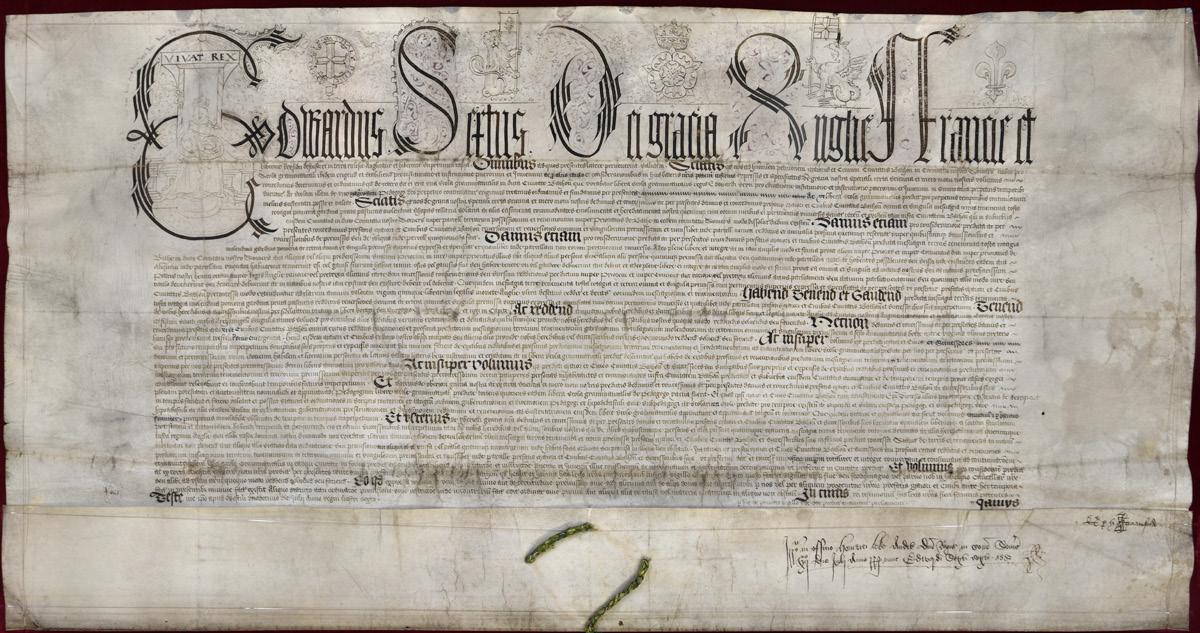
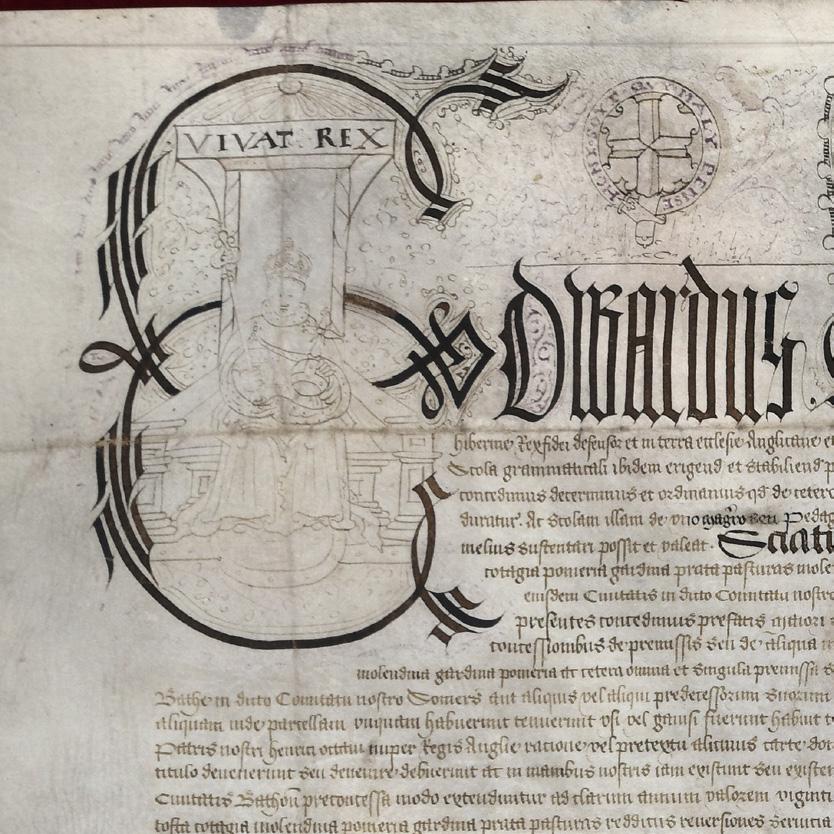
The School Charter signed by Edward VI is currently stored in the Bath Record Office, but we now have an excellent facsimile copy – complete with a replica wax seal –on display in Nethersole. It serves as a proud reminder that we are the oldest school in Bath.
In June, I had the pleasure of speaking with Old Edwardians who attended KES in the 1950s, 1960s and 1970s. The conversations were full of laughter and wonderful stories. Next time, I’ll be sure to bring a microphone and recorder! In the autumn, I was invited to give a talk to the Bath Historical Research Group on the history of King Edward’s School. Summarising nearly 475 years of history in just 45 minutes was a challenge, but an immensely rewarding one.
I’ve also been fortunate to receive help from pupils, both past and present, who have volunteered their time to assist with digitising and re-packaging the collections. Their contributions have been invaluable.
Suzanne Keyte KES Archivist
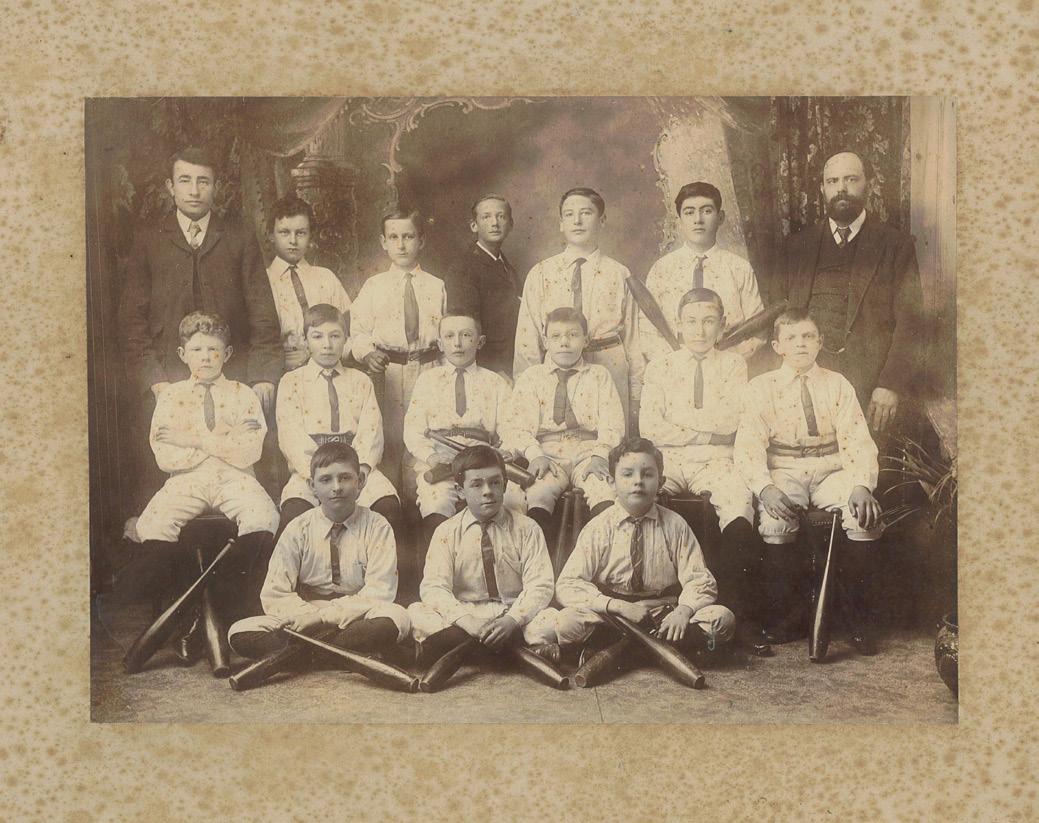
Above: KES pupils taking part in a gym class at the YMCA, Broad Street circa 1895. They are shown with exercise equipment known as ‘Indian Clubs’, which were very popular in the Victorian and Edwardian eras.
Items sought for the KES Archive
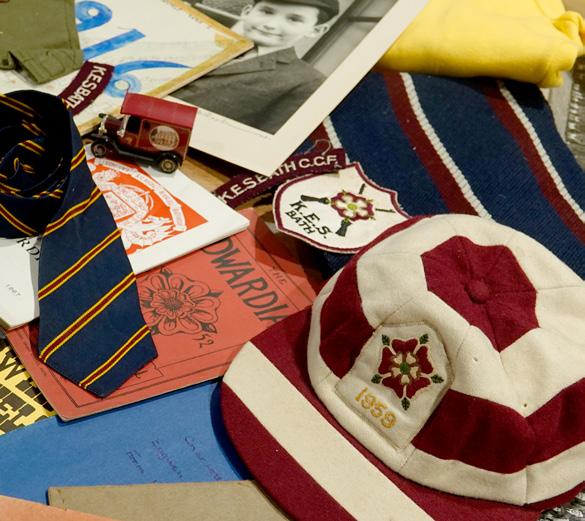
Do you have any old KES memorabilia that you might like to donate to the KES Archive? In the last year I have been delighted to receive so many items for the School Archive, including drama programmes, an old school scarf, posters, mugs, CCF items, photographs and magazines, which have contributed massively to building up the Archive collections. To all those people who have donated I would like to say a big thank you. However, I am still missing copies of The Edwardian magazine from 1981 and 1987, so if you happen to have either of these at home, or any other KES item that you might like to donate, the School would very much appreciate your help towards building our Archive as we approach our 475th year. If you can help, please contact me at archives@kesbath.com
The School Charter signed by Edward VI
REACH FOR THE SKY
From Bath to Bay Street
Alan Green 1992-1999 explains how the values he learnt at KES continue to guide him – from managing career challenges and moving to Canada, through to sparking his lifelong love of exercise and the great outdoors.
The love for the outdoors, cultivated during Mid Wales school expeditions with Frank Thorn and John Turner, remains central to my life, and is now shared with my children.”
It is often said the places we come from shape who we become. My years at King Edward’s School were more than just academic; they laid the foundation for my career, personal pursuits and worldview. As I reflect on my journey from Bath to London and across the pond to Canada, from Geography lessons to trading floors, and from Mid Wales expeditions to Canadian canoe trips, I see how the values instilled during my school years continue to guide me.
After King Edward’s I studied Geography at University College London (UCL), following the advice to pursue what I enjoyed. Inspired by outstanding teachers like Nathan Hunt and Peter Simonds, whose exam tips I kept pinned on a board for many years, I found Geography both fascinating and formative. Highlights included a month studying a glacier in the French Alps for my dissertation and playing second XV rugby, often alongside fellow OEs. UCL honed my analytical skills and broadened my understanding of complex systems, whether economic, historical or social.
Eager for international experience, I raised my hand for mobility. After a brief stint in San Francisco, I landed in Toronto as iShares expanded into Canada.
After nearly joining the military, I entered finance in 2003, joining Citigroup’s new Delta One trading desk at their European headquarters. The learning curve was steep, and the days were unpredictable and exhilarating. The Great Financial Crisis (GFC) soon followed, bringing wild market swings and immense stress as Citi teetered on the brink. Those years taught me invaluable lessons about risk management and resilience, many echoing what I’d learned at school: the importance of exercise, self-awareness and adaptability.
The GFC also revealed I wasn’t a natural trader; I worried too much about risk. Years later, reading Jared Dillian’s Street Freak about trading Delta One at Lehman Brothers, at the same time I had, brought back vivid memories, both good and challenging.
After the crisis, Exchange Traded Funds (ETFs) surged in popularity. Their simplicity and transparency stood in stark contrast to the opaque derivatives that had contributed to the GFC. Sensing opportunity, I joined iShares, the ETF pioneer, in 2011, just as BlackRock acquired it. The industry was small then, but it has since grown into a $10 trillion global business, democratising investing for millions.
Eager for international experience, I raised my hand for mobility. After a brief stint in San Francisco, I landed in Toronto as iShares expanded into Canada. Moving to Bay Street (Canada’s Wall Street) was transformative both professionally and personally. Nothing prepared my wife and me for the -20°C winters and the hot summers, but we quickly learned that resilience, adaptability, layers and air conditioning are essential. I also discovered that, in Canada, (ice) hockey is a way of life.
After nearly a decade with BlackRock, I joined Scotiabank six years ago to build their ETF business from scratch, a challenging and rewarding highlight of my career.
King Edward’s was more than an academic institution; the outdoor and sporting activities it provided were a training ground for developing numerous skills, not least endurance. Whether running up the hill behind school or braving the rugged terrain of Mid Wales, these experiences taught me perseverance, preparation and the value of pushing beyond limits. Cross country and bleep tests with Andy Robinson, though dreaded by some, sparked my lifelong love of running and now triathlons. Competing is never about winning for me, it’s the experience. Andy remains an inspiration, and I’m grateful for the foundation he provided.
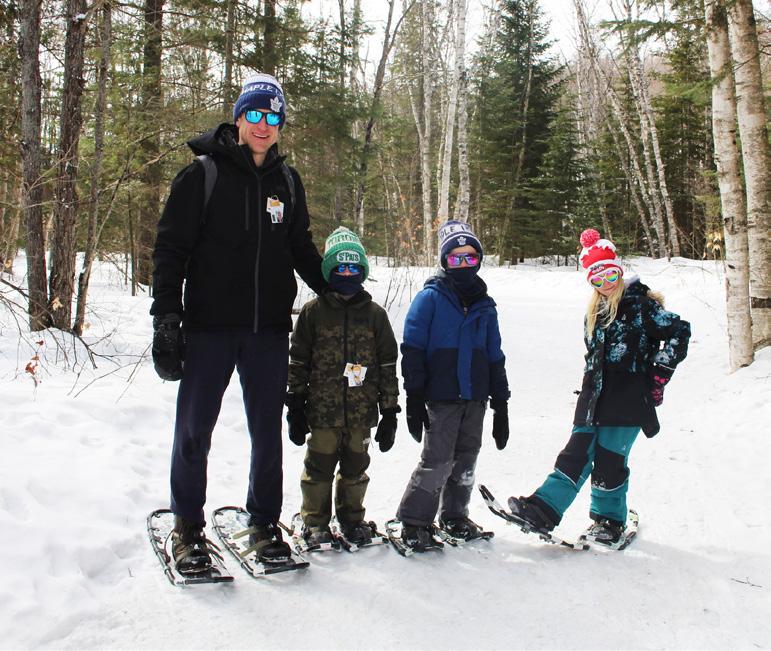
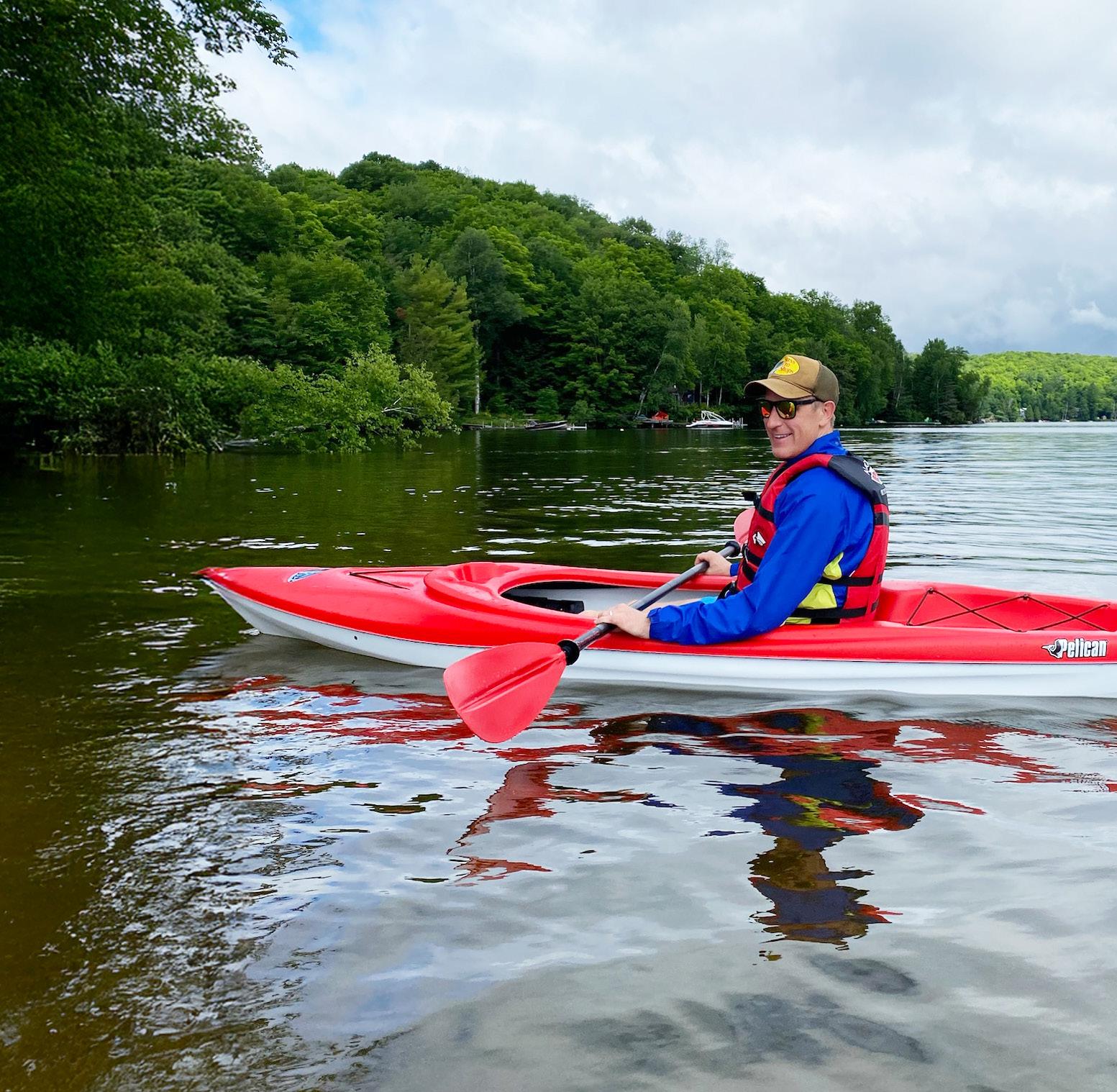
Even in Toronto, with its urban skyline, wilderness is never far away. The love for the outdoors, cultivated during Mid Wales school expeditions with Frank Thorn and John Turner, remains central to my life, and is now shared with my children. My career brought us to Toronto as a family of two; now, we’re five. Our three children are Canadians and, inevitably, Toronto Maple Leafs fans. Like England’s football team, the Leafs haven’t won the Cup since the 1960s but are expected to do it each and every year.
Cross country and bleep tests with Andy Robinson, though dreaded by some, sparked my lifelong love of running and now triathlons. Competing is never about winning for me, it’s the experience.”
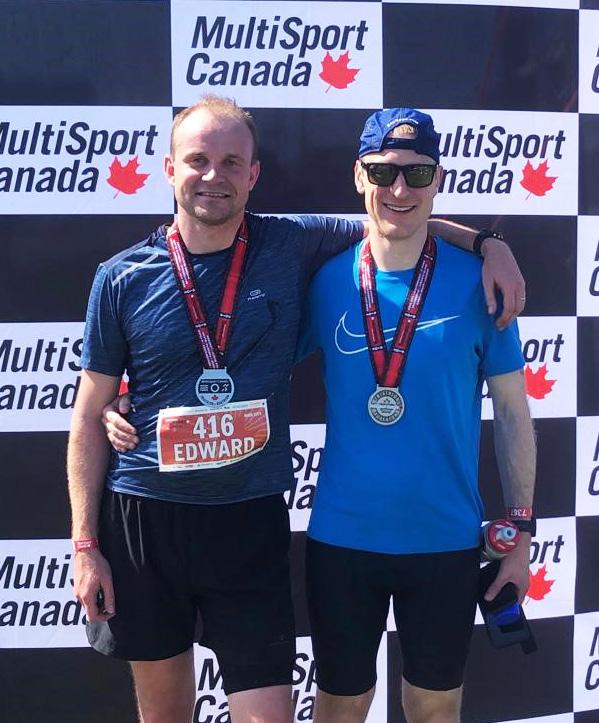
With Ed Bailey (1999) after a triathlon in southern Ontario.
We encouraged our children onto the ice early. One plays hockey, another figure skates and the third speed skates. Watching our children embrace this part of Canadian culture reminds me that adaptation isn’t just about surviving the cold, it’s about immersing yourself in new experiences. Still, we’re dual citizens and visit the UK regularly, keeping our roots alive.
For current students, my advice is simple: look for lessons beyond the classroom. The resilience taken from a tough trek, inspiration from a hard-fought sports game, or experience from a school trip, will become an invaluable asset in ways you might not yet know.
From Bath to Toronto, from King Edward’s to Bay Street, the journey continues but the foundations remain as strong as ever.
My best wishes to all OEs, wherever you may be. If you find yourself in southern Ontario, please reach out! Contact: alanrichardgreen@gmail.com
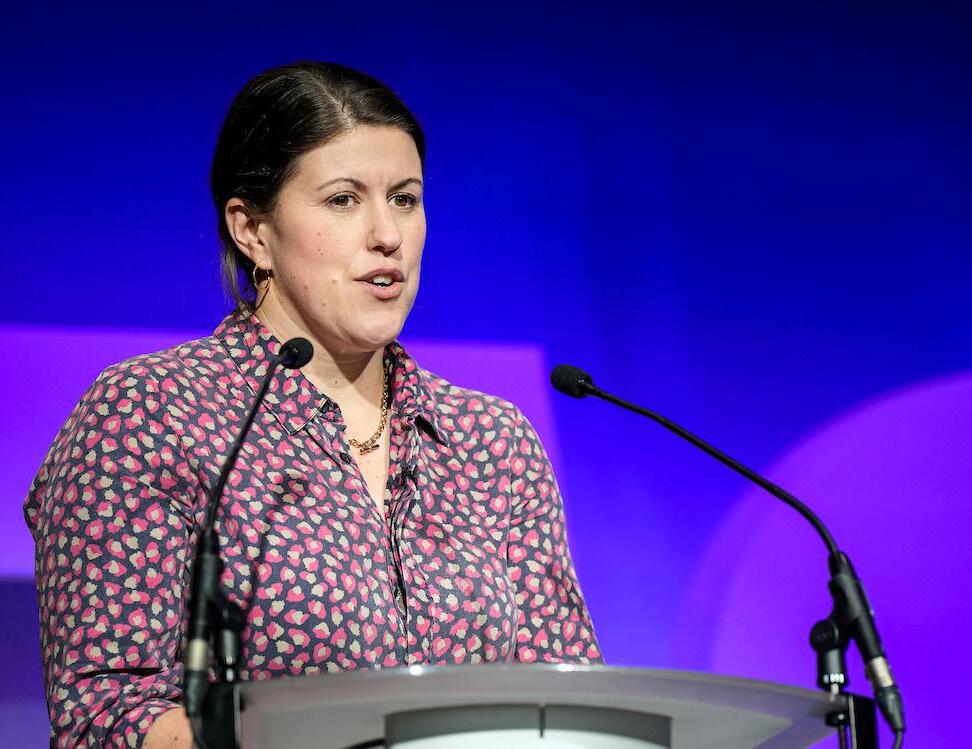
Liz Haines (née Fitzpatrick) 1999-2006 reflects on why she made a huge career change to become a full-time dairy farmer and how agriculture has unexpectedly been a brilliant fit for her skills.
Great Minds Don’t Think Alike:
Neurodiversity in Agriculture
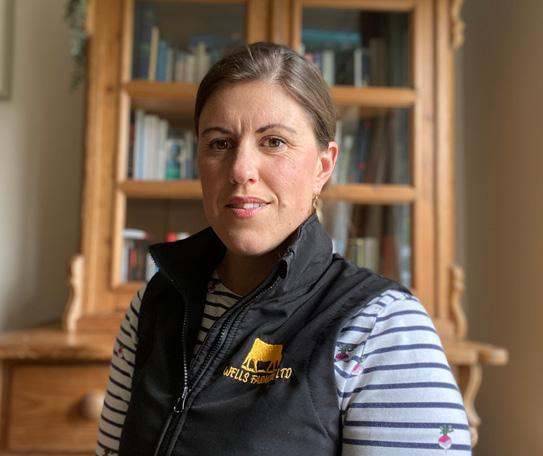
Ijoined KES in 1999 and, whilst I loved my time at school, I didn’t always find it easy. I was a frequent visitor to the lost property cupboard, often forgot to hand in my homework and regularly turned up at the wrong classroom. At my first parents’ evening my Maths teacher apparently told my mum: “Elizabeth must be good at something, or she wouldn’t be at a school like this, but it certainly isn’t Mathematics!”
With the support of some great teachers (special mention to Wendy Fletcher in the English department) I found my stride and, by the time I reached sixth form and was able to focus on my better subjects, I was excelling academically. With support from Dr Gerard Kilroy I applied to St Hugh’s College, Oxford and matriculated in 2006, reading English Language and Literature.
Oxford was an incredible experience –I still pinch myself to think that I was able to study in the famous Radcliffe Camera library. After leaving university I followed my passion for books and started work at Jessica Kingsley Publishers in London, who specialised in books on autism and special educational needs.
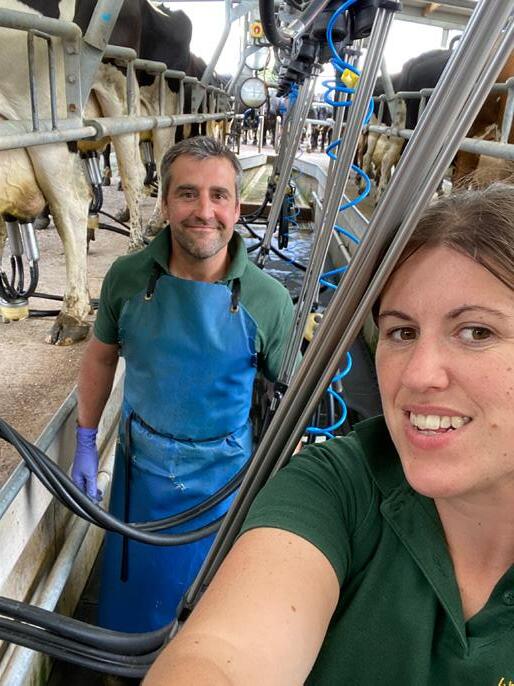
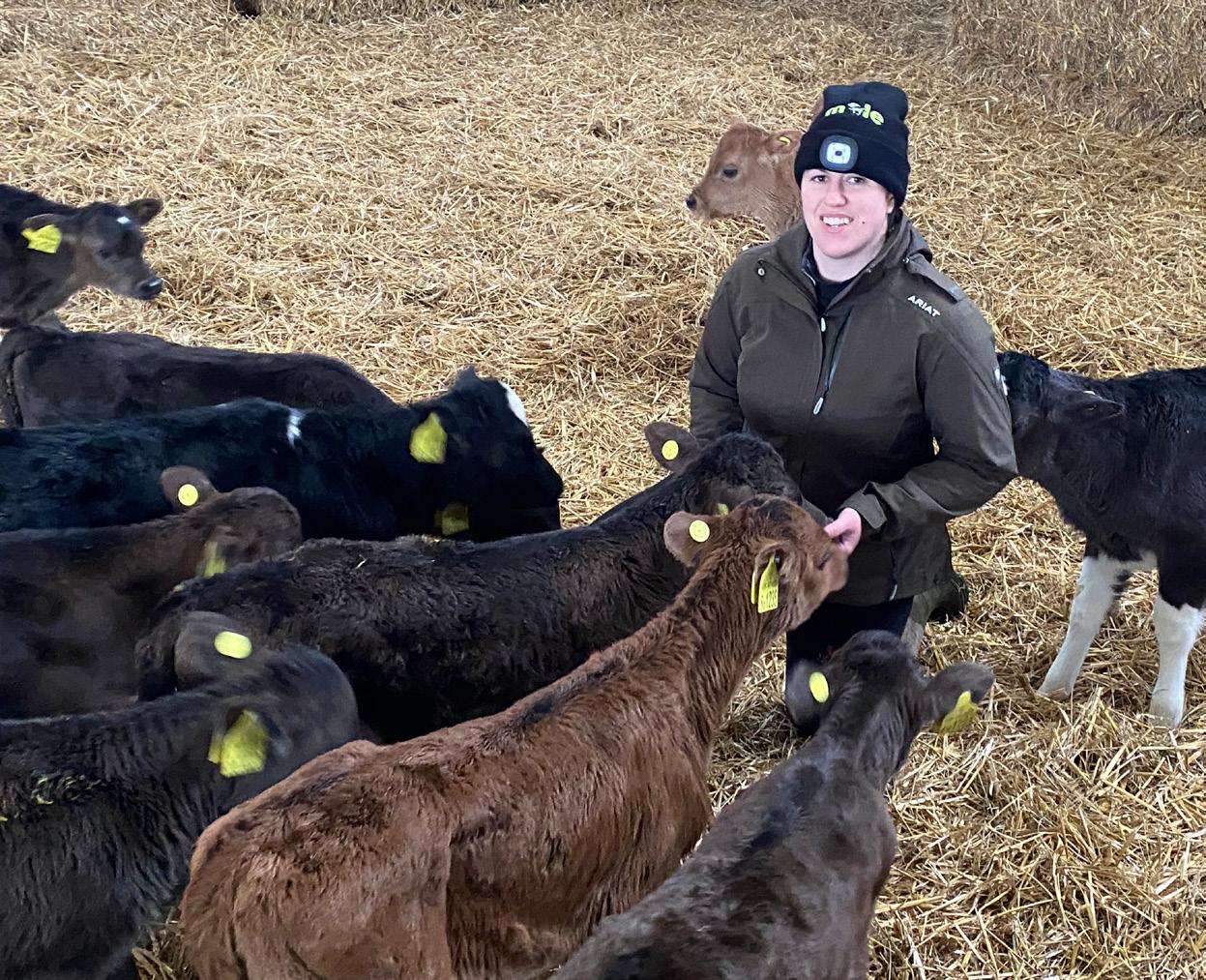
In 2013 I made a huge career change and became a full-time dairy farmer with my husband Nick. Five years ago we took on a tenancy in Staffordshire and currently milk nearly 400 spring-calving cows in a New Zealand-style grazing system. But what prompted me to quit the industry I worked so hard to get a foothold in, and invest my life savings in a business that seemed at odds with my natural skillset?
I learned the answer in 2022 when, aged 34, I was diagnosed with ADHD. I now realise that all those things I struggled with at school and into my adult life were not just disorganisation or character flaws, but side effects of a busy brain that is entrepreneurial, creative and endlessly interested in learning new things.
Farming has given these traits an outlet, and opportunities to pursue pathways that wouldn’t have been open to me if I’d stayed in my office job. I’ve been a columnist for Farmers’ Weekly magazine, sat on the Dairy Sector Council at the Agriculture and Horticulture Development Board for six years, and am a Non-Executive Director of Mole Valley Farmers, a national farmerowned cooperative.
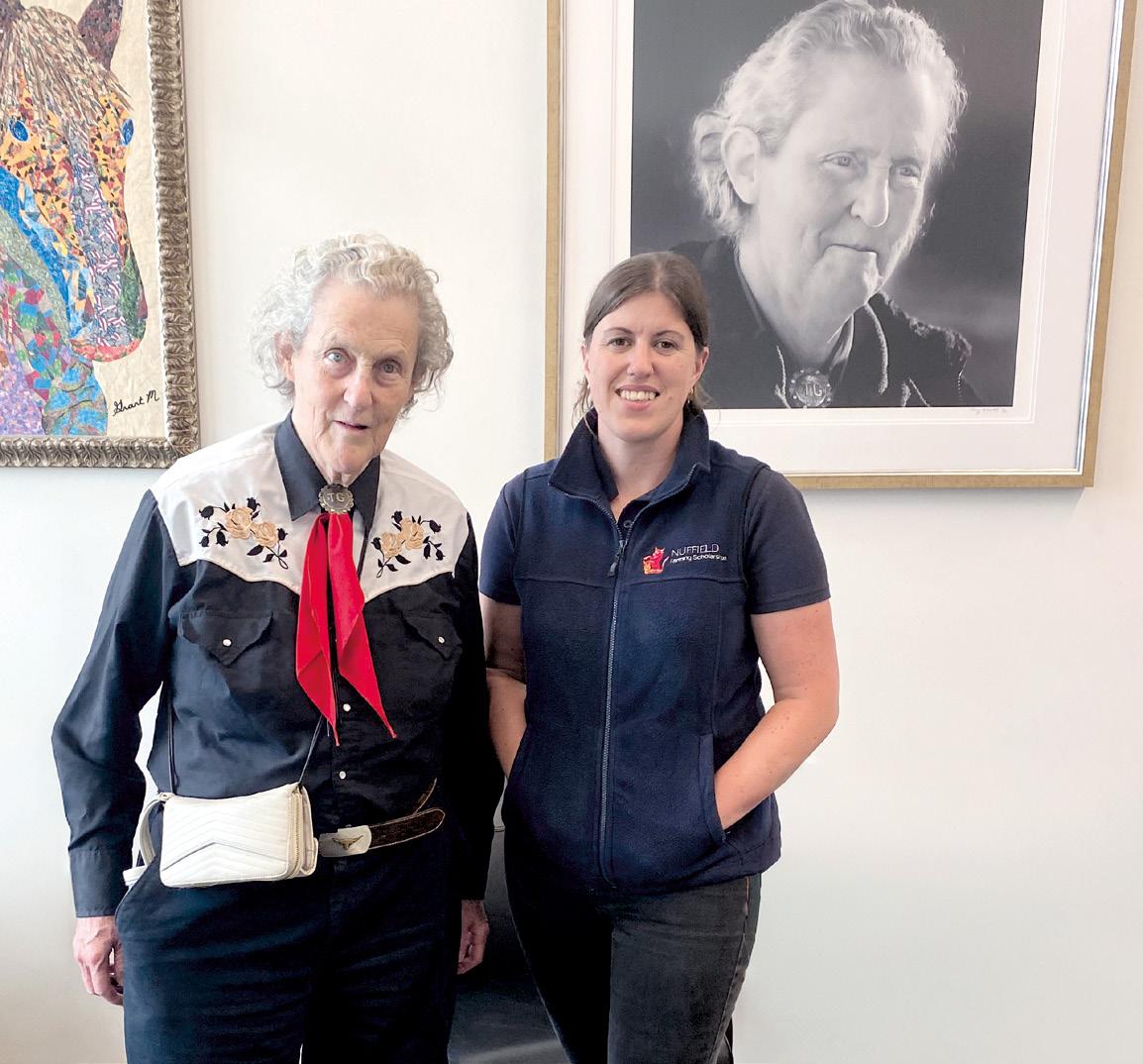
Meeting renowned livestock welfare expert Dr Temple Grandin, probably the most famous autistic woman in the world, was the highlight of my travels.”
I now realise that all those things I struggled with at school and into my adult life were not just disorganisation or character flaws, but side effects of a busy brain that is entrepreneurial, creative and endlessly interested in learning new things.
Through employing people in my own business, I quickly realised that neurodiversity is very common in agriculture, but it isn’t something the industry has talked about yet. In 2023 I was awarded a Nuffield Farming Scholarship to travel and research the subject, with the aim of understanding how the industry can be more neuroinclusive.
I visited Scotland, Ireland, Australia and the USA, and met innovative businesses, individuals and education and training providers. From SunPork Farms in Brisbane, which runs a commercial autism hiring programme, to Rising Tide Carwash in Florida, which employs over 80% autistic people, I learned that the most important things are clarity and compassion – treating people as individuals and enabling them to express what they need to thrive in the workplace.
Meeting renowned livestock welfare expert Dr Temple Grandin, probably the most famous autistic woman in the world, was the highlight of my travels. Her ability to ‘think in pictures’ enables her to see the world from a cow’s eye view, and design handling systems that eliminate stressors such as flickering light, shadows and unexpected noises. Despite her brusque manner she showed that actions speak louder than words, taking me for lunch with her PhD students, giving me a copy of her book and driving me to my bus stop at the end of the day.
I will present my report, ‘Great Minds Don’t Think Alike: Neurodiversity in Agriculture’ at the annual Nuffield Farming Conference in Aberdeen this November and am already sharing my findings with the industry more widely. Last year I worked with Farmers’ Weekly to run the first nationwide survey on the prevalence of neurodiversity in the farming community. It showed as many as 36% of farmers could be neurodivergent –double the rate of the general population, demonstrating the important need for this work. We hosted an industry roundtable at the Farmers’ Club in Whitehall in July and are now working on an industry charter of best practice.
36% of farmers could be neurodivergent – double the rate of the general population.
Farmers’ Weekly nationwide survey
When I think back to the bookish, daydreaming girl who joined KES in 1999, I’d never have imagined in a million years that she would end up becoming a dairy farmer. Agriculture has unexpectedly been a brilliant fit for my skills, but there’s no doubt that my time at KES played a significant part in setting me up for future success.
Challengebased living
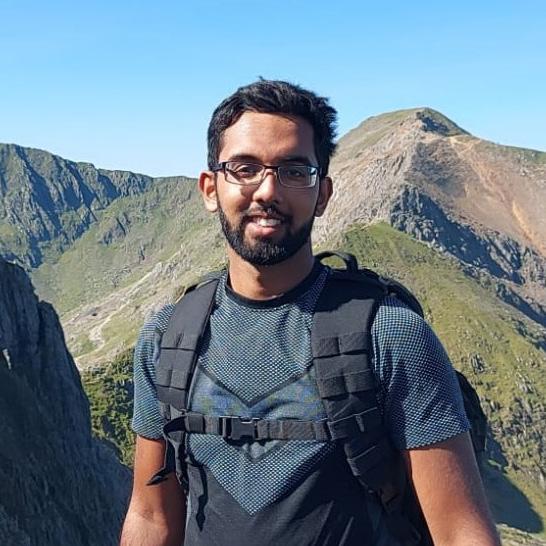
Since leaving KES, Amhar Shazuli 2014-2021 has built on his passion for working in teams and solving problems, to pursue further exciting opportunities to ‘step out of the ordinary’.
As a volunteer search and rescue (SAR) operator, I work for a team providing humanitarian assistance in the UK and in international disasters, and we’re often faced with situations that many others have already given up on.”
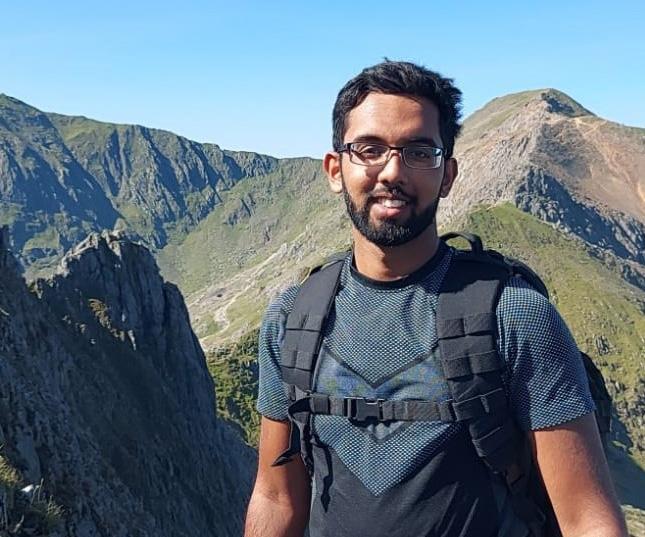
When I joined KES in 2014 I thought I knew what I wanted for myself, preferring the quiet and predictable life indoors to the chaotic uncertainty of what lurked outside my comfort zone. Less than four years after leaving, I find myself at an airfield in California, wearing a jet suit with 1,000 horsepower in its jet engines, which are running their way up through tens of thousands of RPM. And somehow that’s normal now!
At some point during my time at KES – between the CCF and DofE, Lego Robotics and sports – I discovered a passion for working in teams and solving problems. There was never any one moment of realisation, any big epiphany; rather, it was the sum of the experiences and opportunities I embraced in those formative years. I am sure I learnt almost as much outside the classrooms as I did within them, and those skills provided yet more opportunities to ‘step out of the ordinary’, through sixth form, university and beyond.
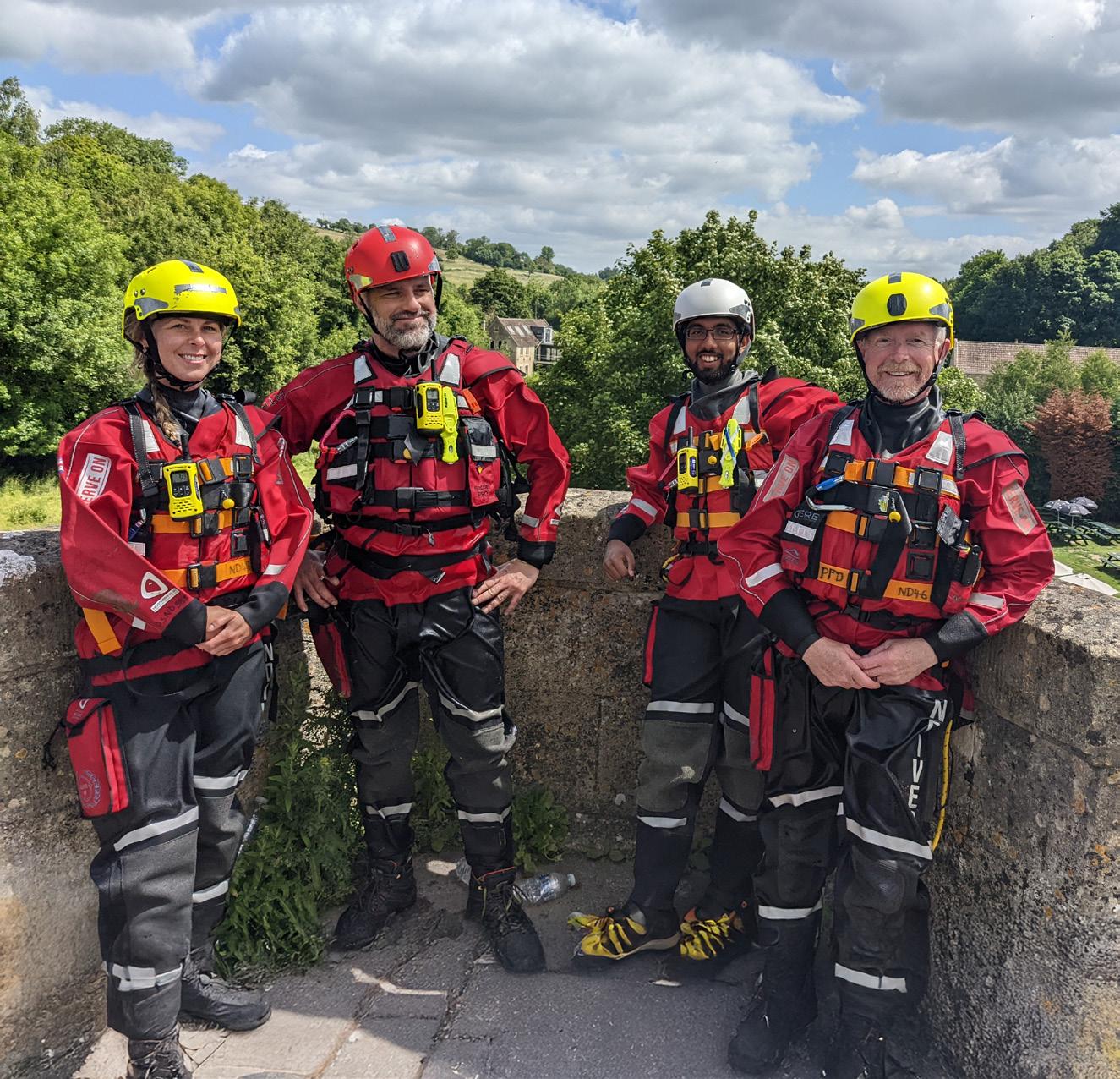
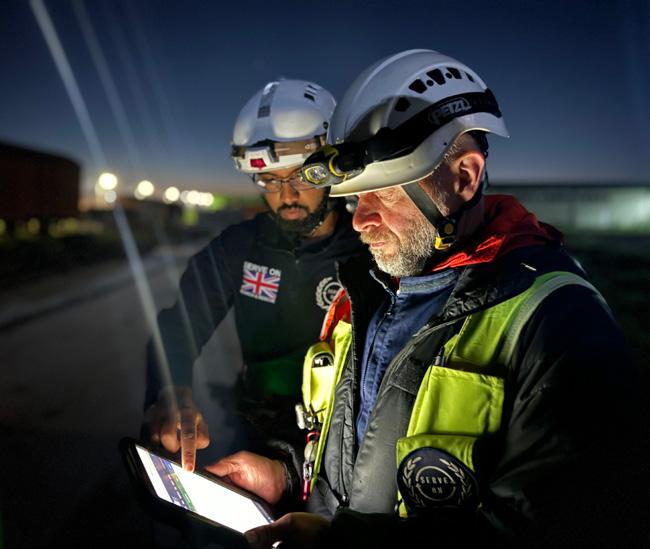
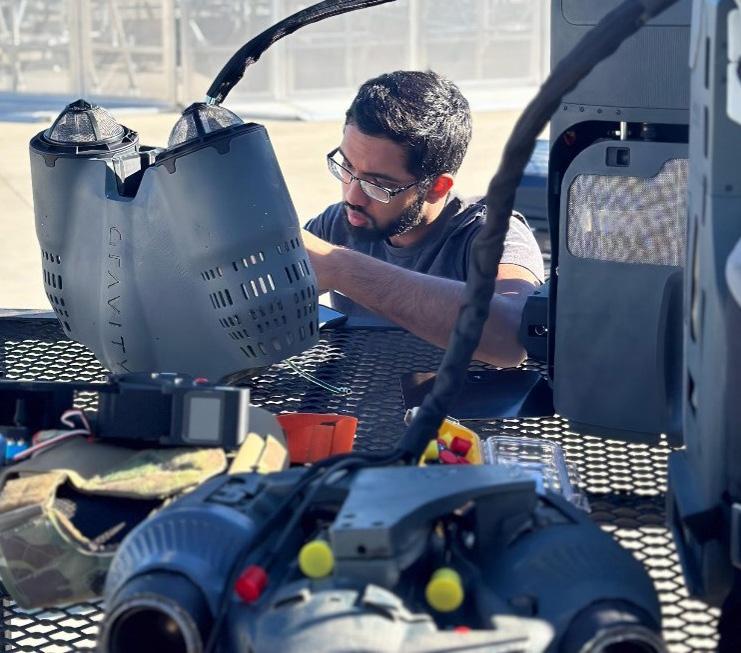
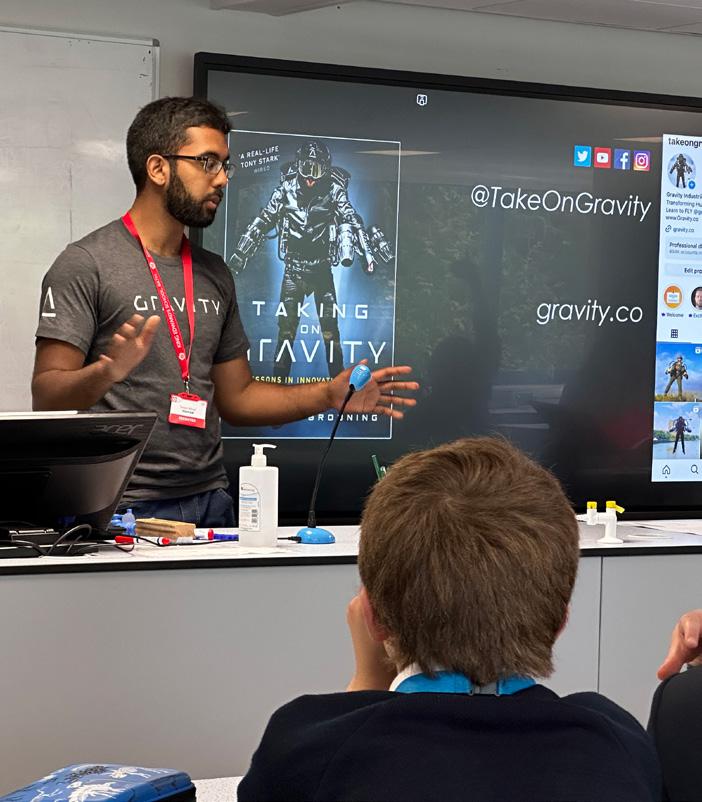
Clockwise: With Search and Rescue teams; repairing jet suits at Gravity Industries; speaking to KES pupils in May.
After finishing my A Levels at KES, I went on to the University of Southampton on an MEng Aeronautics and Astronautics programme – an aerospace engineering course – selecting my specialism to be in Spacecraft Engineering. After my third year, I did a Year-in-Industry placement at Gravity Industries, a company that truly is ‘pioneering aeronautical innovation’. Gravity has taken something you would expect to see only in a Hollywood film and turned it into something that not only works in real life but also has useful applications – the jet suit. Powered by seven micro-jet turbine engines and utilising the amazing balance and coordination of the human body and brain as its flight control system, the Gravity Jet Suit allows operators to fly at over 80mph, looking like something plucked straight out of a video game.
I joined Gravity as a Junior Engineer, a role that had me travelling across the country – and the world – to meet our customers as well as assist in displays and demonstrations. Working in a relatively small team has meant that I’ve had the opportunity to work on a range of tasks and projects, everything from repairing damaged jet suits to designing new equipment, doing experimental testing, and even delivering a keynote speech. In a world that is so far outside the box, the problems that need solving are far from what you would find in any textbook – for now, anyway. Often, to make any progress it takes trying and failing, over and over, never being sure how the next test will turn out. In the end, the thrill of discovery – and eventual success – makes all the hard work in between more than worthwhile.
After my third year, I did a Year-in-Industry placement at Gravity Industries, a company that truly is ‘pioneering aeronautical innovation’.
Using the latest in human performance science and the experience of a diverse group of people, we assist everyone from NHS staff to premiership rugby teams – and, of course, humanitarian responders – in being more resilient, working better in teams, and performing better in the ‘less than ideal’ conditions many of us often face in the modern world.
Throughout all of this, I have also been working to help solve problems of a different kind – something I began while still at KES. As a volunteer search and rescue (SAR) operator, I work for a team providing humanitarian assistance in the UK and in international disasters, and we’re often faced with situations that many others have already given up on. Any day a technical rescue team is deployed is already a bad day for someone, and the challenge is usually to make the best of a tricky situation in conditions that are far from ideal. Many of the challenges that I see at Gravity still apply – living in the world of the unknown, having to make best judgements with limited information, and having to try different (sometimes unusual) solutions until something works.
Volunteering as an SAR operator has also taken me around the world, meeting a wide range of different people – on good days and bad – be it on flood rescue deployments in the UK, an Urban Search and Rescue exercise (rescuing people from collapsed buildings) in Kosovo, an international summit in Malta, or supporting responding teams remotely from the UK-based operations room during the recent earthquakes in Turkey and Morocco. I’ve developed a range of skills that the 2014 me had never even thought about, a surprising amount of which come in handy every day.
Now, in addition to my work at Gravity, and alongside an amazing group of people from a wide range of backgrounds, I work at an organisation called DARKSWAN, helping others develop those skills and perform better in their own worlds.
A helpful principle embraced at DARKSWAN (darkswan.uk) is ‘challengebased living’. It’s a reminder to embrace adversity rather than shy away from it. I find that, when things go wrong, reframing them from catastrophes into challenges helps get me into the mindset of problemsolving rather than ‘catastrophising’ and worrying about what can’t be changed.
I often get asked what advice I would give to younger students and it boils down to three things: seize every opportunity to learn something, even if on the surface it might not seem related to your intended career path; practise being resilient – it’s an ongoing journey, never complete, and we all have good days and bad; and find work you’re passionate about – it makes the first two easy!
Find out more about Gravity Industries at:
www.gravity.co
Headmaster’s view
Having arrived at KES in 2005 (as Director of Studies, stepping into Roger Rowe’s capacious shoes), it would be tempting to try to articulate an answer from my own two decades spent in Bath to the question posed by OE President Michael Pell, namely: “What factors make King Edward’s such a wonderful school?” However, I feel that Michael has captured that answer far more eloquently than I could in his President’s welcome, highlighting the importance of community, shared values and exploration of all those pathways and opportunities that help us to be ‘the best versions of ourselves’.
That Giving Day was rounded off by a wonderful Wroughton Lecture delivered by OE Natalie Hewit (speaking about her film documenting the discovery of Shackleton’s ship, the Endurance) was the icing on a rather magnificent cake!
Giving Day was not just a wonderfully successful event in material terms, but also a genuine showcase for so much that is great about the School, and I was delighted that so many OEs were keen to contribute to that spirit and celebration of our community.”
I believe that Michael is also correct to make the link from that to the tremendous loyalty shown to our school by so many Old Edwardians, a loyalty born of shared memories of great teachers, wonderful trips, team-focused enterprises and inspiring assemblies (OK – perhaps I added that last one rather hopefully!). As Sam Lascelles outlines in his Chairman’s letter, that loyalty continues to manifest itself through many varied points of engagement with the School today, and I am enormously grateful for all the support in so many different guises that OEs provide which, as Sam accurately reflects, helps to “shape the future for the School and its current Edwardians”.
That loyalty, engagement and sense of connection to the School were all very much in evidence during our inaugural ‘Giving Day’ earlier this term, which is described in detail in this edition of the OElink magazine by our Development Director Alison Heyes. Not only did OEs very generously support our drive to raise funds for bursaries and new facilities, but many took the time to post, on the ‘donors’ wall’, comments that spoke to the immense pride and affection that they felt — and still feel — towards King Edward’s, highlighting so many of those strands identified by both Michael and Sam in their reflections. Giving Day was not just a wonderfully successful event in material terms, but also a genuine showcase for so much that is great about the School, and I was delighted that so many OEs were keen to contribute to that spirit and celebration of our community. That Giving Day was rounded off by a wonderful Wroughton Lecture delivered by OE Natalie Hewit (speaking about her film documenting the discovery of Shackleton’s ship, the Endurance) was the icing on a rather magnificent cake!
Photo credit: Imogen, Year 13
Martin Boden
Despite a challenging landscape for the independent school sector, KES continues to thrive on many fronts, and we were thrilled to be able to celebrate another outstanding set of public examination results this year that once again placed King Edward’s amongst the very highest performing schools in the South West of England. Complementing that academic accolade were many admirable successes on creative, adventurous and sporting fronts, to name just some, with highlights including a brilliant Gala Concert alongside Bath Philharmonia, a wonderfully innovative production of Macbeth, awards and commendations galore in Debating competitions and Model United Nations conferences and a first-ever triumph at Rosslyn Park, the world’s largest schools rugby event, with the senior boys defeating all-comers to lift the U18 Vase. A highlight of this term already has been the opening of the new Thomson Building (named after our long-serving Chair of Governors and located on the footprint of the former Porter Library), KES’ most ambitious capital project to date and a magnificent addition of 14 state-of-the-art classrooms, multiple offices and cleverly arranged social spaces. Spread over three floors and connecting seamlessly with our Modern Languages block, the Thomson Building offers inspiring views front and back and provides contemporary spaces for learning that are already proving to be a tremendous hit with staff and pupils alike.
It has been a delight for me to read the many fascinating and inspiring stories from Old Edwardians that make up this year’s OElink magazine, and it is always a pleasure to reflect on aspects of our shared past that bind us together. It is also a genuine pleasure to share with you just a small selection of highlights from our present and to thank you most warmly, as always, for the invaluable roles that OEs continue to play in shaping the School’s future. I do hope that you and your families are keeping well, whatever you are doing and wherever you may be in the world, and I look forward to seeing you soon; as I hope you know, you are always most welcome at North Road.
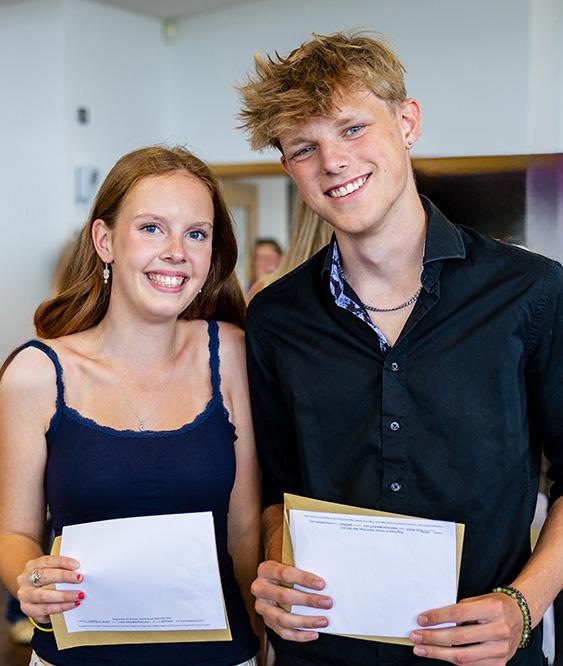
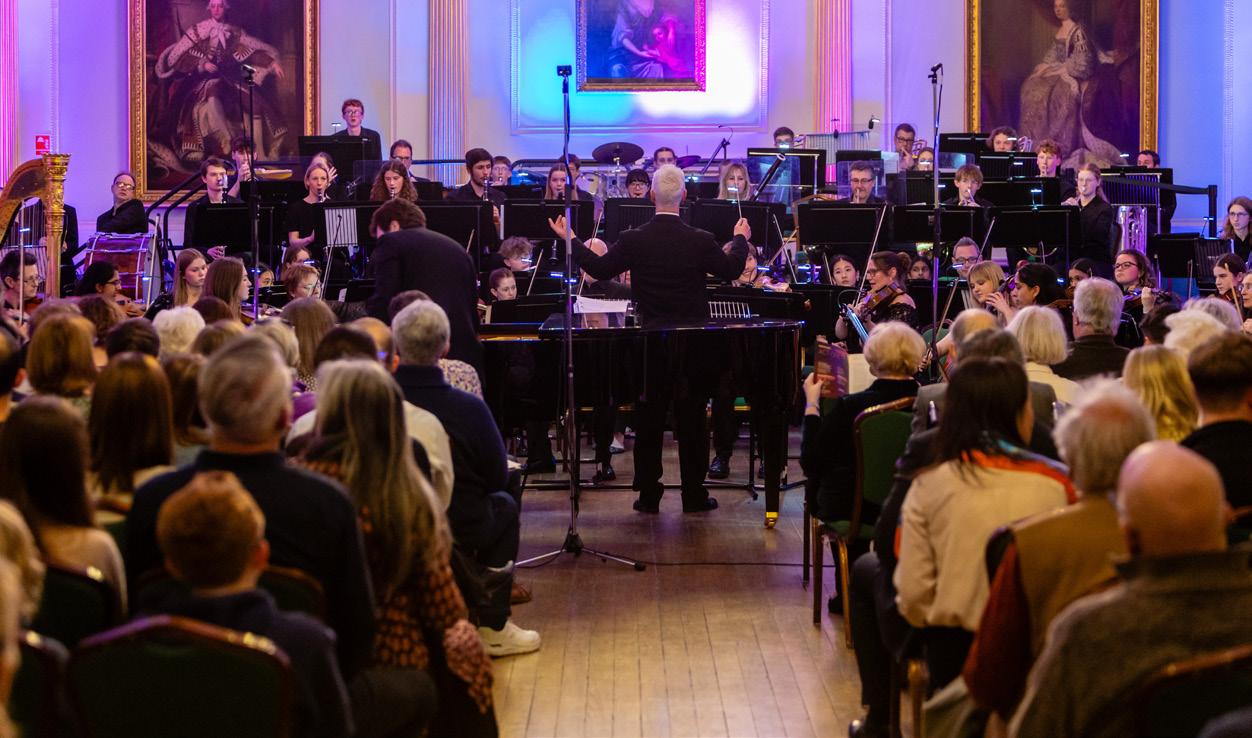
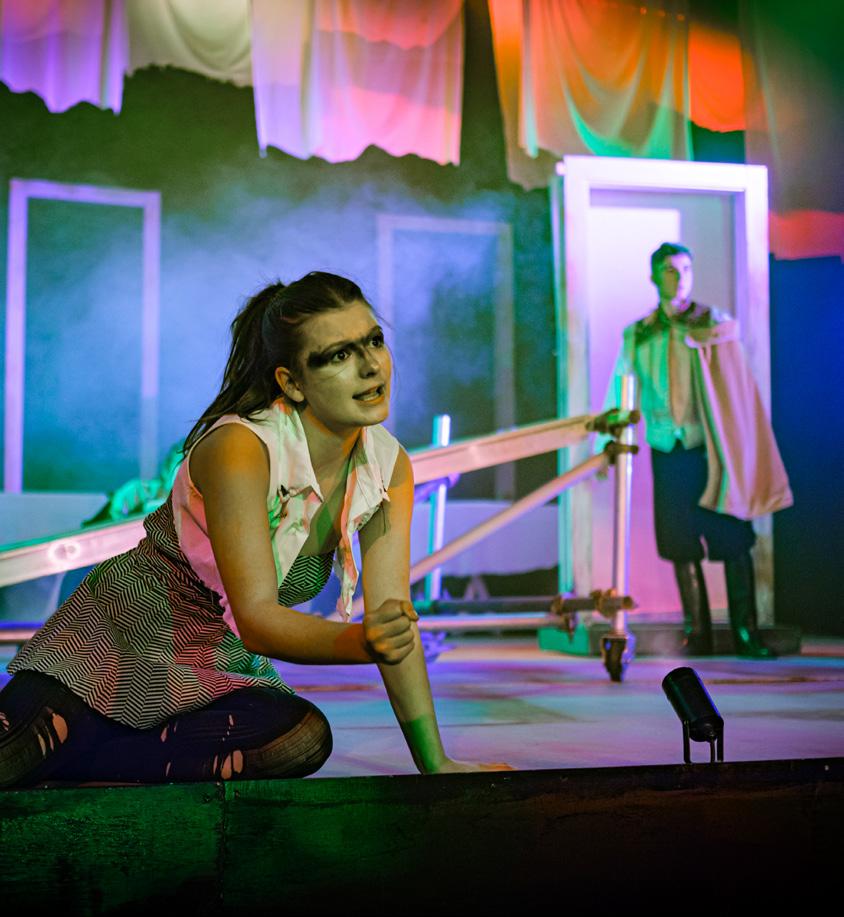
Clockwise from above: A Level results; Macbeth; KES U18s lifting U18 Vase at Rosslyn Park National Schools Sevens; Gala Concert held at the Guildhall, Bath.
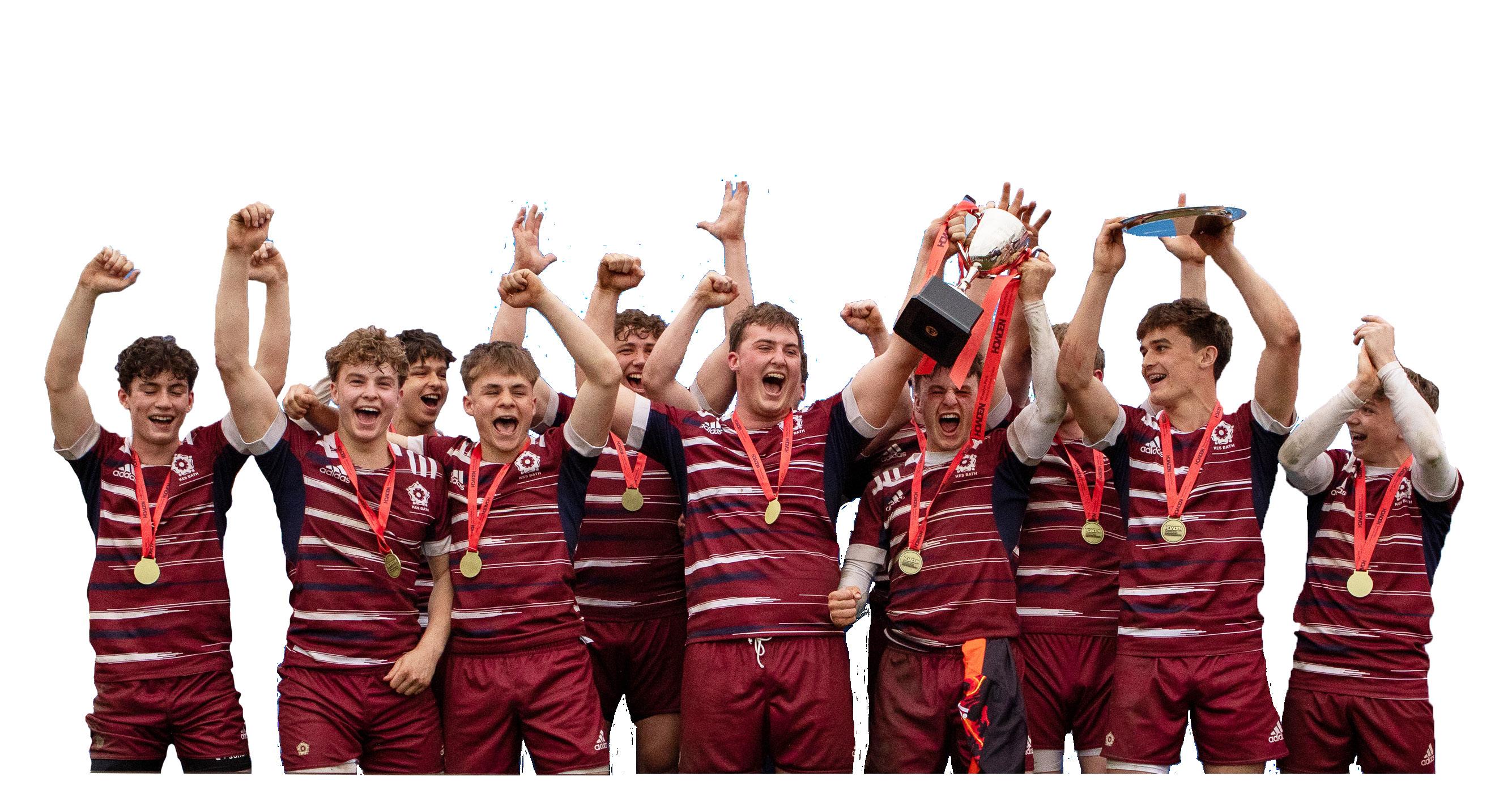
Complementing that academic accolade were many admirable successes on creative, adventurous and sporting fronts, to name just some, with highlights including a brilliant Gala Concert alongside Bath Philharmonia, a wonderfully innovative production of Macbeth, awards and commendations galore in Debating competitions and Model United Nations conferences and a first-ever triumph at Rosslyn Park, the world’s largest schools rugby event, with the senior boys defeating all-comers to lift the U18 Vase.
BEHIND THE CAMERA: Blending storytelling with science
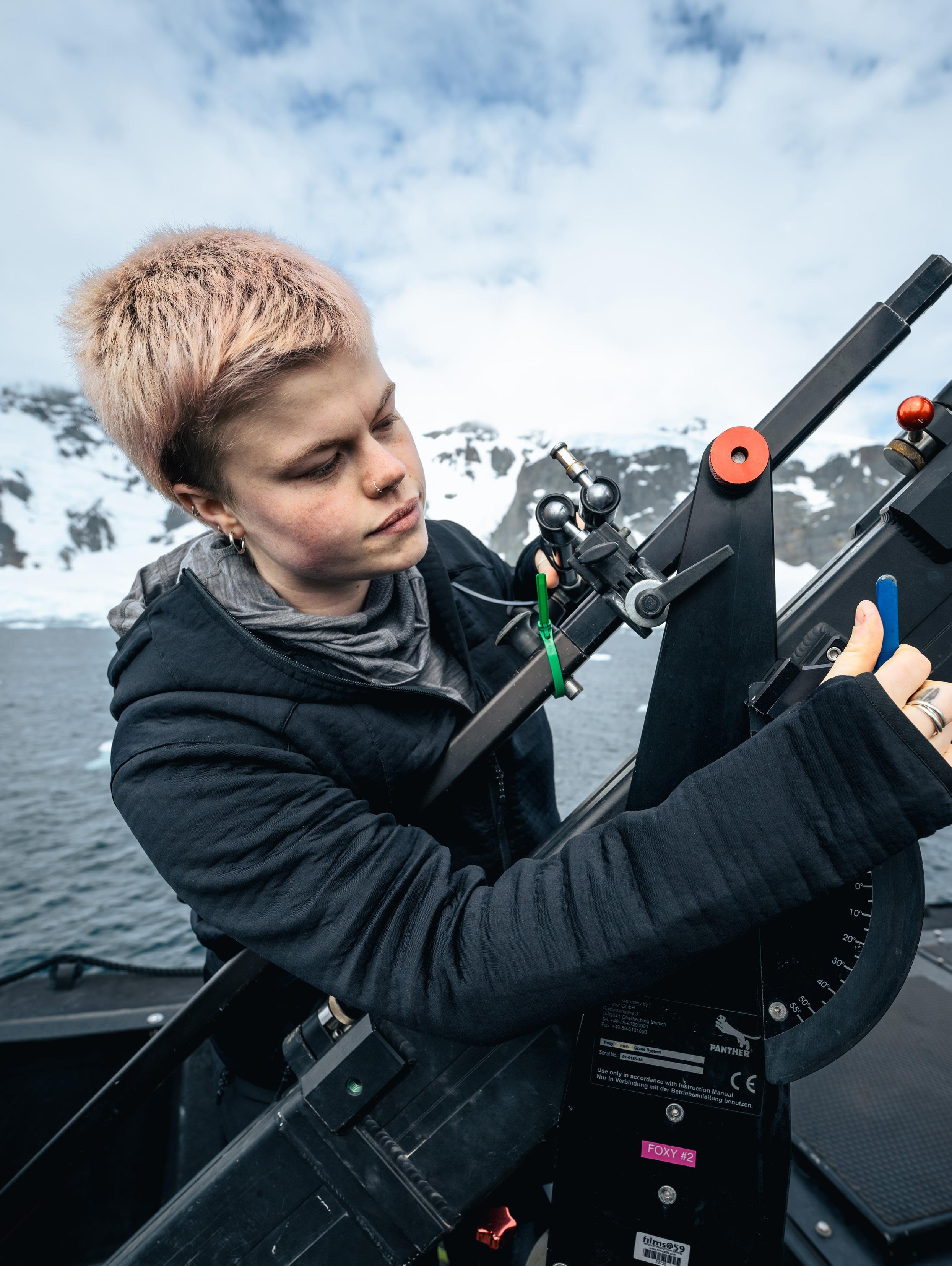
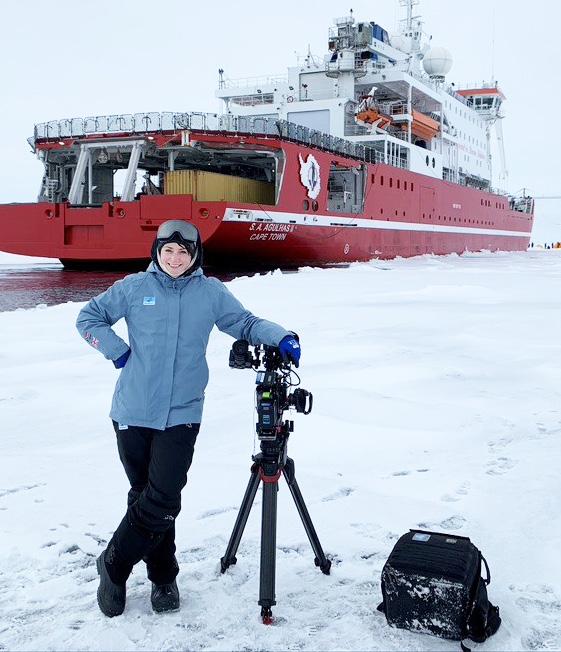
Kate Streather 2012-2016 reports on how a love of storytelling and science has led to their career in wildlife filmmaking and working as the Researcher on this year’s recording-breaking release, Ocean with David Attenborough.
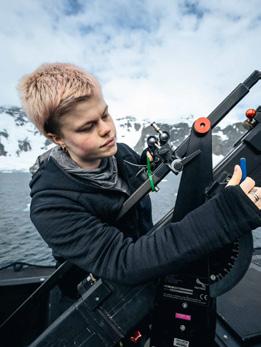
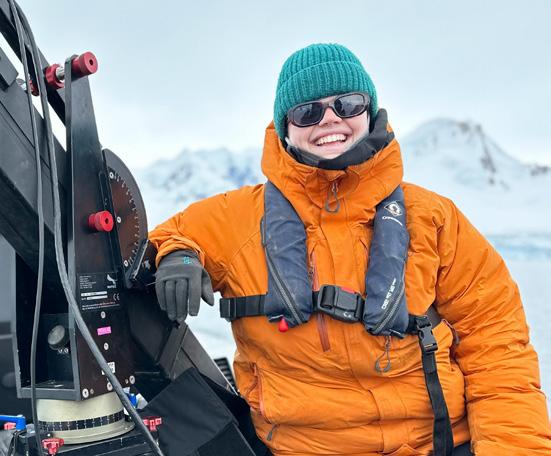
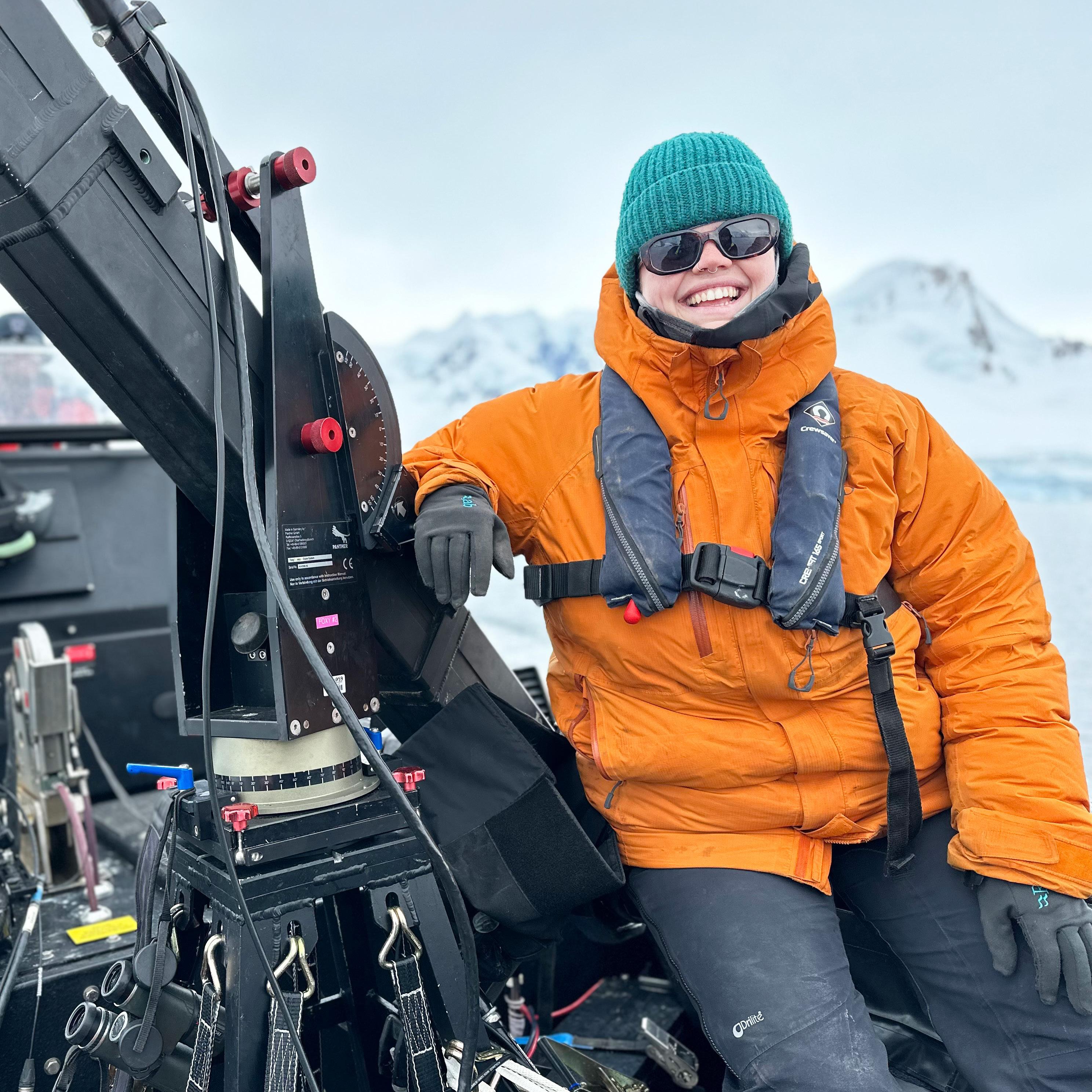
Ijoined KES in 2012, in Year 10, and remember an enrichment lesson in which we were asked to write down our life goals. At 15, all I wanted was a big adventure, and I jotted down ‘travel to every continent’. I didn’t know it then, but just 11 years later I would find myself on a boat off the Antarctic Peninsula, directing a wildlife shoot for a David Attenborough feature film and ticking off my final continent!
I’ve always loved storytelling. As a kid I wrote short stories for my parents, staged elaborate Sylvanian Families dramas and pored over the emotional backstories for my virtual characters in the Sims video game. At KES, that creative streak found a home in the Art block with Mr Willison, in English lessons with Miss Kayacan and in a love of History with Ms Davies. But I also loved being outdoors. Years of Scouts meant evenings running around the woods and building fires, and summers camping in the British countryside. This then evolved into a passion for Biology (shout-out to the awesome Miss Perrio!) as I learnt how nature actually worked, and I even started to enjoy Maths!
It was at KES and then university, where I studied Biology at Durham, that I realised this love of storytelling and wildlife could combine to become a career in wildlife filmmaking. I spent my summers scuba diving in Sicily, volunteering on coral reef projects in Thailand and interning in safari camps in Botswana, all the while making short films of these epic adventures.
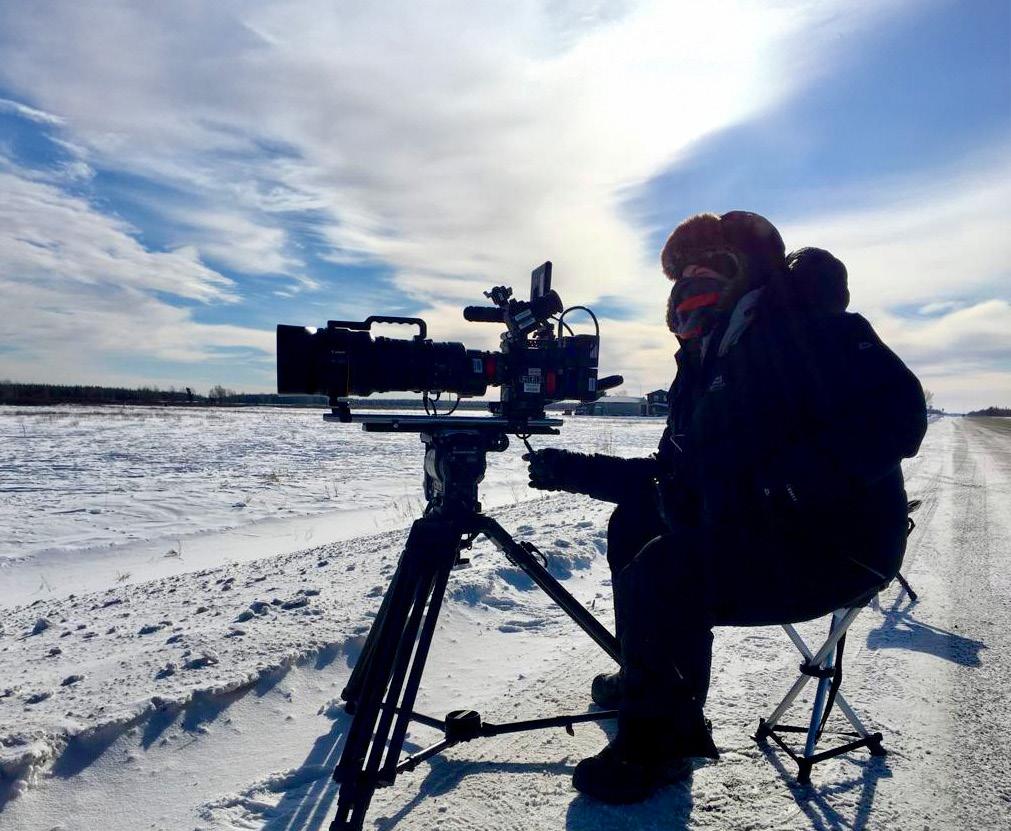
After finishing my degree in lockdown (not quite the big celebration I had anticipated!), I joined Wildstar Films as a Junior Researcher and got my foot in the door of the wildlife filmmaking industry in Bristol. Fast forward a few years, and after lots of hard work and one very chilly shoot in Minnesota, with temperatures of -40°C, I landed my dream job as the Researcher on a new feature film called Ocean with David Attenborough. It was to be David Attenborough’s ‘greatest story yet’, as we aimed to reveal the true state of our oceans’ health, and deliver David’s final message of hope for the future of our seas.
In the early stages of the film, I scoured scientific literature, interviewed marine biologists and spoke to conservationists around the globe. But developing Ocean also meant inventing new ways of storytelling: helping design new camera set-ups to capture never-before-seen behaviours, and crafting scenes that would resonate emotionally as well as visually.
Over the 64-week filming period, I spent 28 weeks on location. Two shoots stood out above the rest: Antarctica and, of course, working with the legendary David Attenborough himself.
In Antarctica I directed two cameramen as they filmed giant fishing ships trawling for krill, the foundation of the Antarctic ecosystem. As the ships’ vast nets were heaved from the sea, humpback whales, fin whales and penguins could be seen in the surrounding waters. We were on a ship for four weeks capturing this story, working with Sea Shepherd, an incredible marine conservation group. It was an awesome adventure, battling raging storms, the rough seas of Drake’s Passage and freezing temperatures, all the while against a backdrop of the most epic icy landscapes and seas I have ever seen. There was a particularly special moment as we filmed at sunset, with a pod of 20 humpback whales dancing around our boat. I must admit, a tear or two escaped my eyes!
It was at KES and then university, where I studied Biology at Durham, that I realised this love of storytelling and wildlife could combine to become a career in wildlife filmmaking.
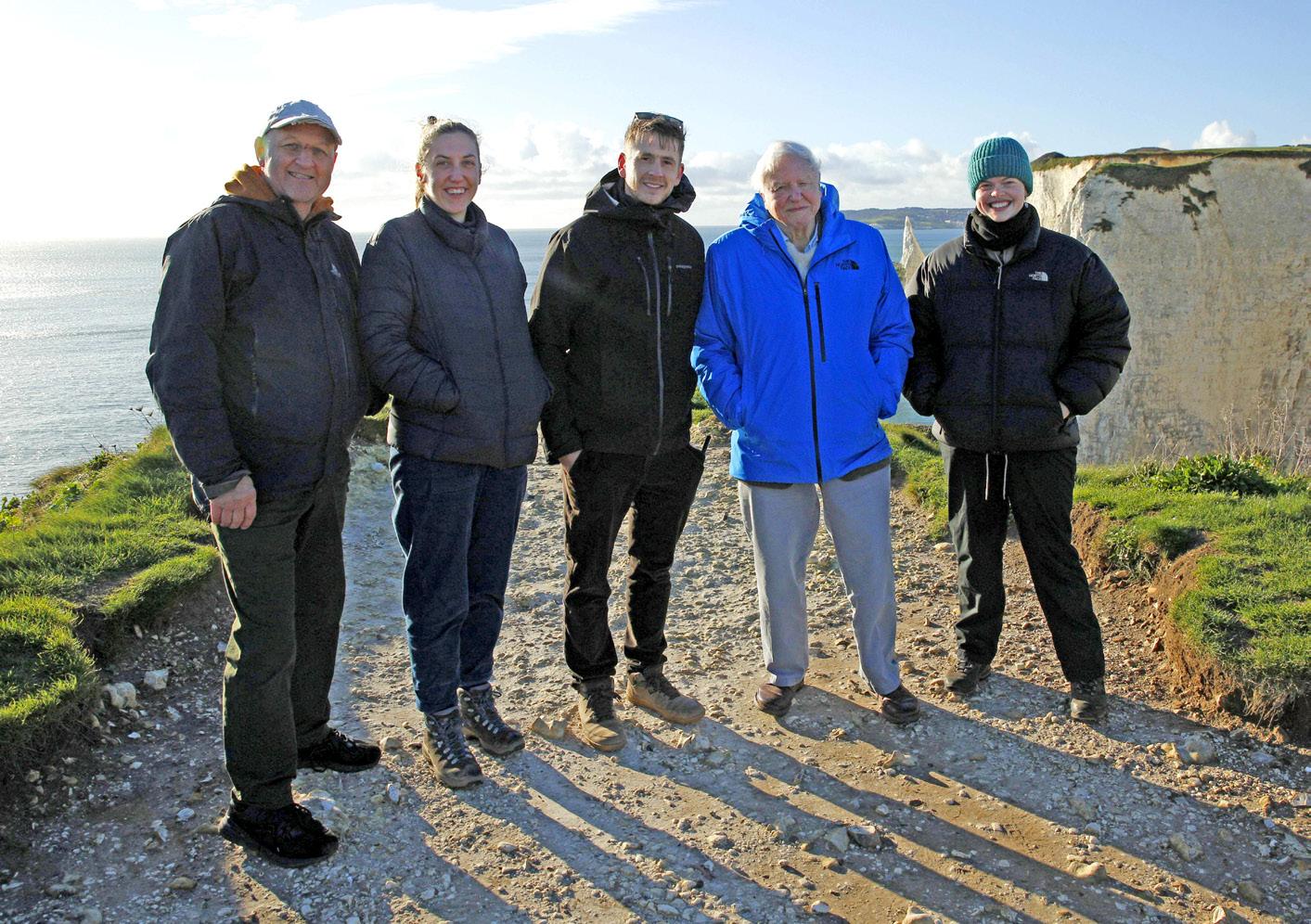
Back in the UK, on the south coast of England, I had the privilege of working with David Attenborough himself. It was just so surreal hearing him deliver, in his iconic voice, lines of the script I had been working on for months with my producers. I also had the amusing role of being his ‘bouncer’, keeping at bay the excitable crowds that gathered to watch us work. And I learnt that his favourite sandwich is Cheddar cheese and butter on white bread, with a chocolate Magnum after lunch. My kind of menu!
I was fortunate enough to then work on the film throughout the edit, helping to shape the stories into their final form and sourcing all the archive footage. It was an incredible three years, made all the more so in May this year when the film came out in cinemas. It had a recordbreaking release, and is the highestgrossing documentary of the year. Ocean with David Attenborough was also highly influential at this year’s United Nations Ocean Conference, where the footage of destructive fishing methods was used to inform new policies and pledges. It is now streaming on Disney+.
Looking back, I’m so grateful to KES for giving me the space to be both curious and creative. I used to think I couldn’t study Science at university because I also loved Art, English and History. But Miss Perrio, and my time at KES, showed me that alternative paths exist, and that it’s more than possible to blend creativity with science. My time at school, and later at Durham, set me up for a career I absolutely adore. Now, on to the next adventure: Blue Planet III at the BBC!
Retired consultant cardiologist
Dr Andrew McLeod 1961-1966 recalls finding a more enlightened education at KES and shares his thoughts on taking such an approach to a career in medicine.
Icame to KES from an oppressive, Victorian-outlook grammar school in Wales, which I had not enjoyed, and was admitted to Mr Porter’s study for interview. I had read a book called The Four Men by Hilaire Belloc, which had been on my parents’ bookshelf. It describes a walk across Sussex in 1902. Mr Porter asked me what book I had read most recently. I did not know that he was a keen rambler. He maintained a poker face, as I recall, but a letter of acceptance arrived, and I was admitted to the second form final term in Broad Street. And there began my initiation to a broader (and occasionally lovably eccentric) form of education, one which thankfully got me a place at Cambridge to read for the ‘Medical Sciences Tripos’ as it was grandly termed.
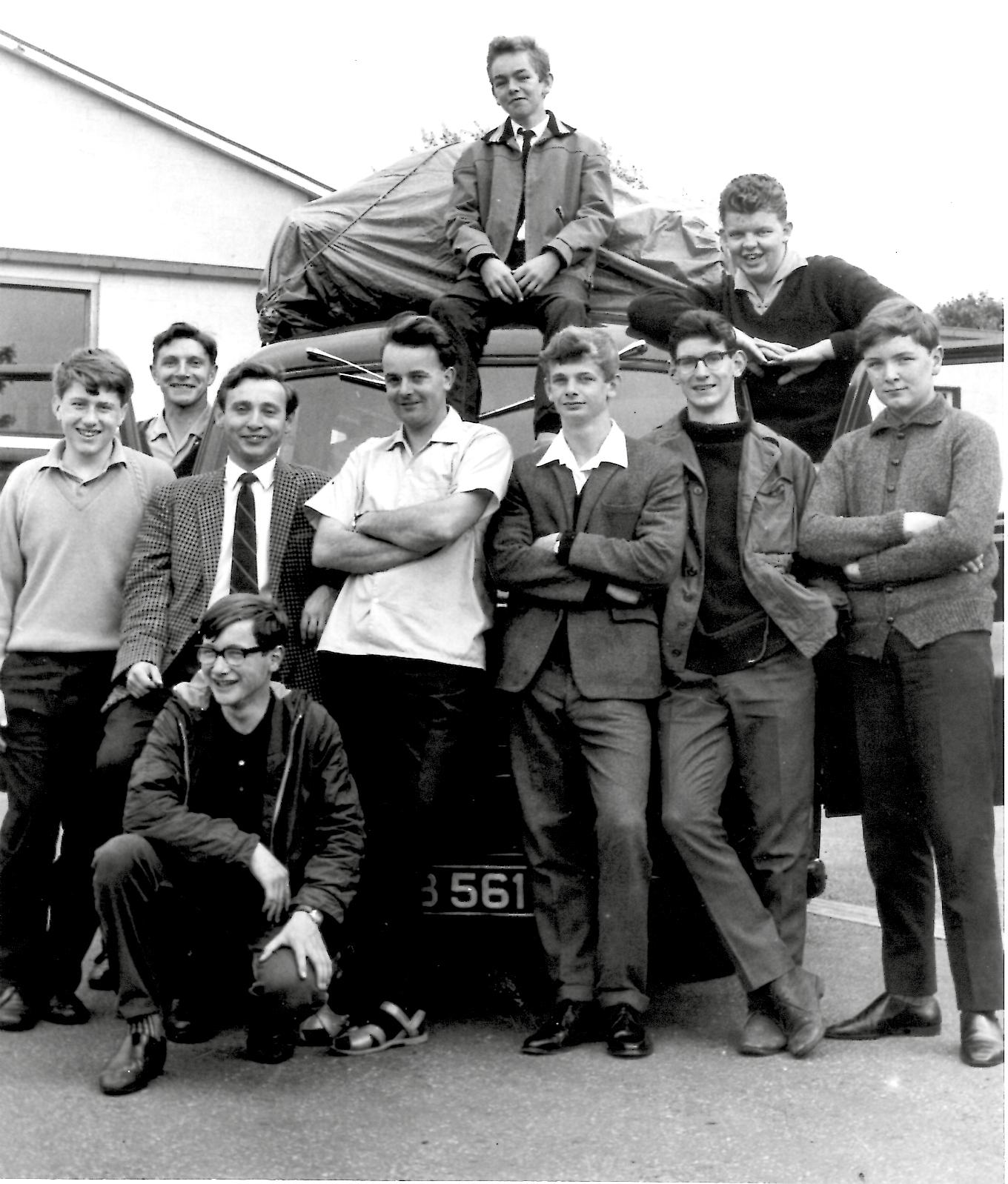
In the interests of brevity (there are so many memorable experiences I could recall), I should mention only the 1965 trip organised by Michael Hunt, along with masters Lisk and Bright, to take seven of us who had chosen to do his Greek O Level course overland to Greece. The school minibus we travelled in would never have passed a modern MOT and unsurprisingly gave great trouble on a journey that grossly exceeded its capabilities. We did, however, manage to see most of the Greek antiquities planned for the trip!
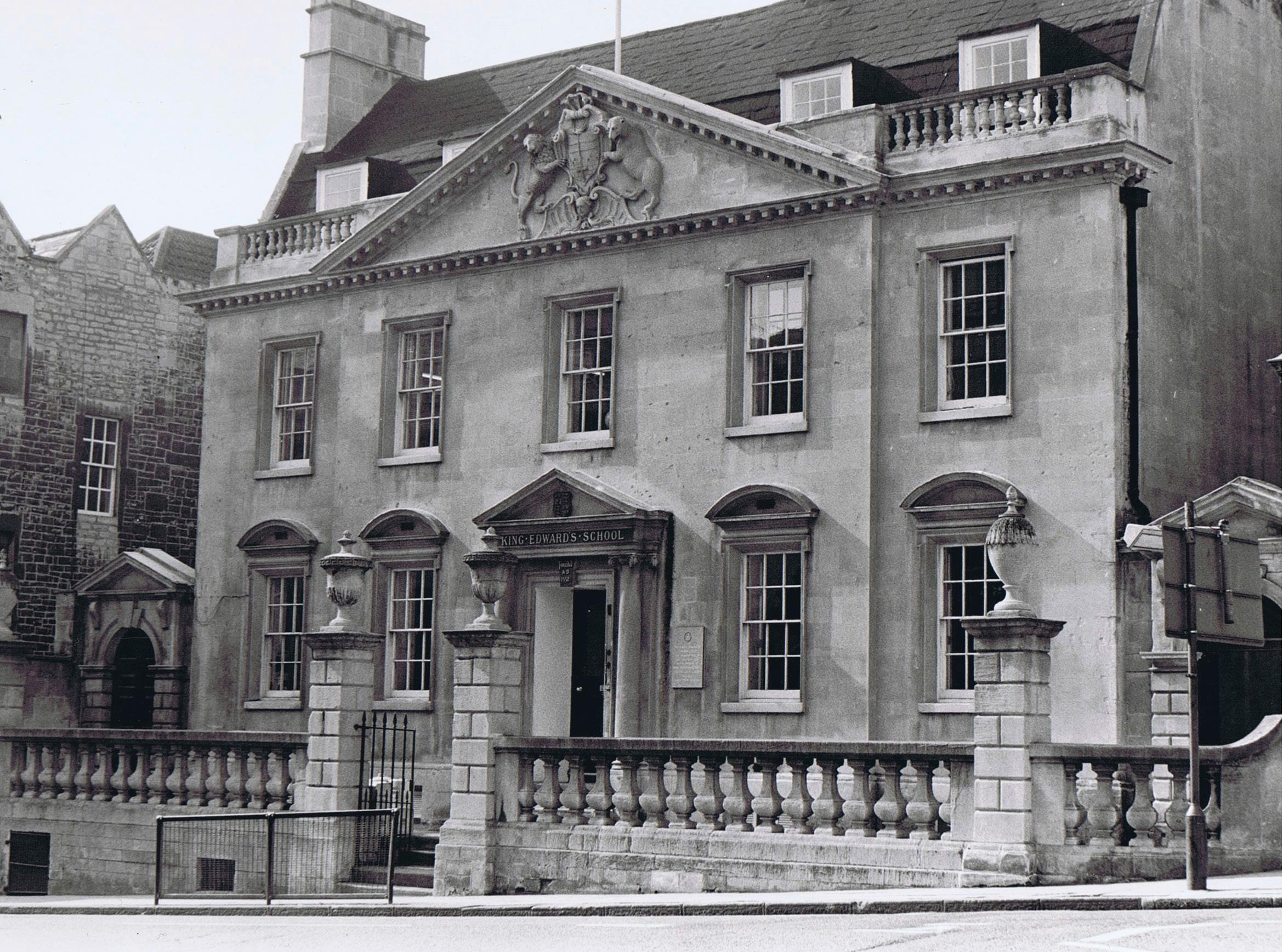
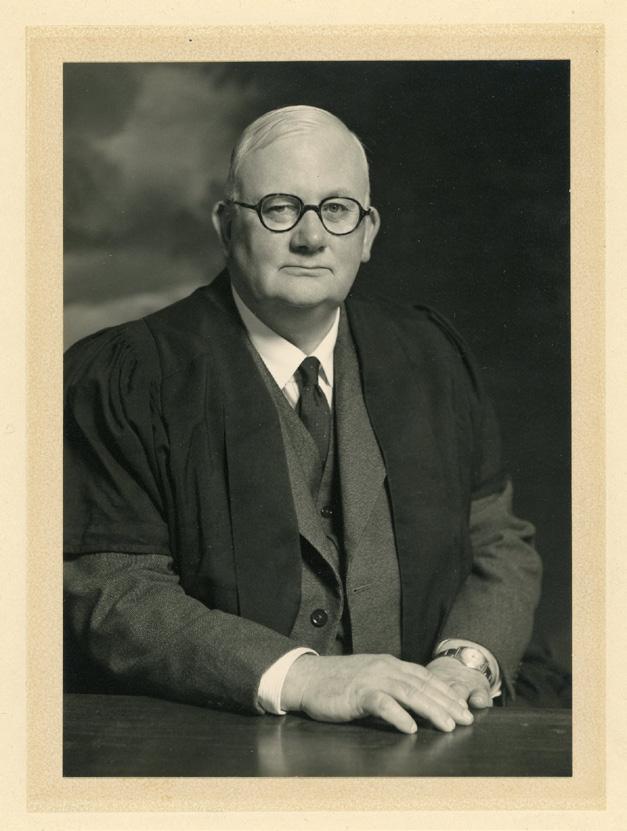
Clockwise from the top: Broad St building; Greek trip group, 1965; Mr Porter, Headmaster (1945-1961).
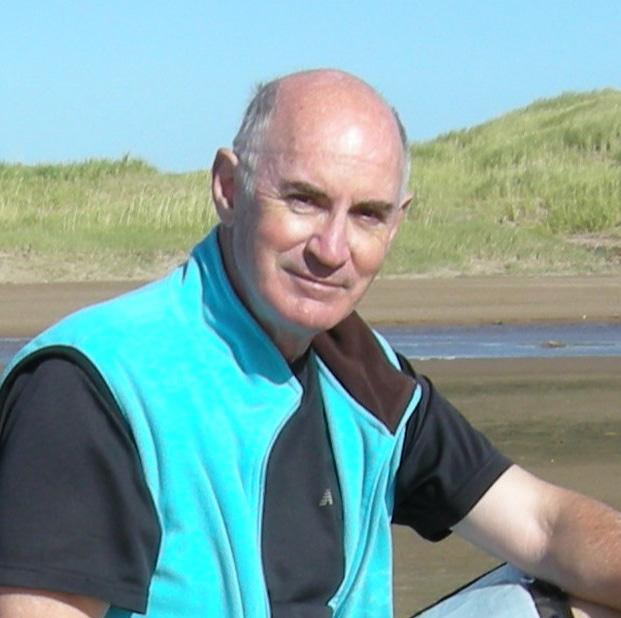
Dr Andrew McLeod established the first cardiac unit at Poole and Bournemouth Hospitals and is Honorary Consultant Cardiologist to University Hospitals Dorset. A former consultant cardiology advisor to the Civil Aviation Authority, he also founded the UK Cardiac Rehabilitation Society and worked to improve the profile of district hospitals in the UK.
I have been asked to discuss ‘becoming a doctor’, and here are some of my thoughts:
If you are already thinking of becoming a doctor, then you are probably motivated to take on the challenges the profession presents. If you are interested in the subject area but alarmed at some of the aspects of medicine (the sight of blood for instance) then do not forget that you have many options – from academic research through to psychiatry.
If you go into medicine, it will not be long before you come across the name of physician Sir William Osler (18491919), one of the founding professors of the famous Johns Hopkins Hospital in Baltimore, USA, who subsequently became Regius Professor at Oxford. He said: “The very first step towards success in any occupation is to become interested in it.” I would add that it helps to be a well-rounded individual with a variety of interests as an outlet to help balance the inevitable challenges that will arise. But what are the attributes that are essential for a career in medicine?
Many people would say ‘empathy’. But empathy on its own is of little use. You may not believe this, but it takes time to develop empathy in the profession. Sympathy, a subtle distinction, is more useful. However, caring (sympathy) for a patient does not necessarily give them the best ‘care’, which is essentially delivered by efficiency and expertise. Developing these abilities is a lifelong aim of one’s career as a medical practitioner. Secondly, a degree of obsessionalism is vital. A perfectionist approach to everything one does. One needs to guard against over-obsessionalism likewise.
Taking an hour to see and diagnose a patient is all very well unless you have another ten patients waiting for your attention. The more experience you gain, the more quickly (though not brusquely) will you be able to assess and deal with a patient’s problems.
Expertise has many ramifications and can be achieved by diligent study. For example, there are two anti-cancer drugs called vincristine and vinblastine. These are both derived from the vinca (periwinkle) plant. But the dose of each varies by a factor of ten – a typical vincristine dose is 1mg and vinblastine is 10mg. And vincristine should never be injected into the spinal fluid, whereas vinblastine can be. This is just one of a myriad of complexities in learning about medicine.
As regards surgical ability, it goes without saying that a good surgeon is a dextrous surgeon. Some years ago, I had a trainee whom I tried to teach to implant cardiac pacemakers. After many weeks it was clear that she would never count this among her skills. On one occasion I noticed her holding her surgical scissors in a most bizarre manner. When I mentioned this, she said: “Oh yes, I was never any good at needlework when I was at school.” She moved on to become a non-invasive imaging cardiologist. There is now enshrined in ‘appraisal’ in medicine a mantra called ‘reflective practice’. Had my trainee exercised reflective practice earlier she might have identified surgical skills as an area of deficiency which she might not overcome.
A degree of lateral thinking is also an excellent attribute. It helps if you pay close attention to the patient’s story –and avoid too many leading questions,
A degree of lateral thinking is also an excellent attribute. It helps if you pay close attention to the patient’s story –and avoid too many leading questions, which can lead you to the wrong diagnosis.”
which can lead you to the wrong diagnosis. William Osler (yes, him again) once said, “Listen to the patient, for he is telling you the diagnosis”. OE Chris Rapley (OElink 2024) quoted a Nobel prizewinner who stated that the human mind is a “machine for jumping to conclusions”, and this is all too easy to do in medicine. I could give you numerous examples and unfortunately, I cannot exclude myself from this medical sin.
Remember: “Life is short but the art is long”, a translation of the Royal College of Physicians’ Greek motto. Another of Sir William Osler’s sayings, suggesting the vital importance of contact with patients, was: “To study medicine without books is to sail an uncharted sea, while to study medicine only from books is not to go to sea at all.”
And finally: “The good physician treats the disease; the great physician treats the patient who has the disease.” There are no prizes for guessing who said that. But he was certainly enlightened.
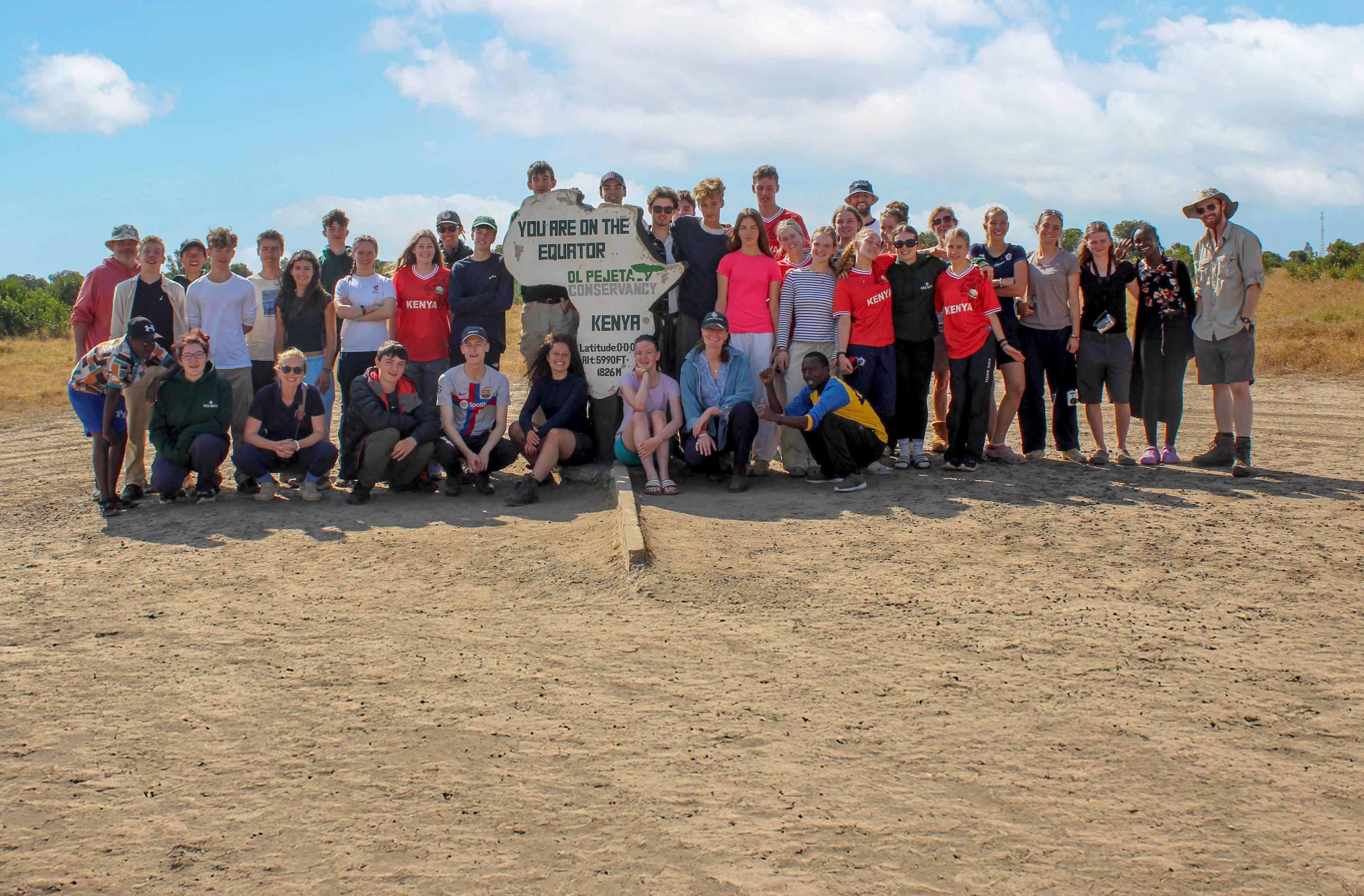
KENYA EXPEDITION 2025
When I think back on my trip to Kenya, what stands out most isn’t just the landscapes or the activities we did, but the people I met, both in Kenya and among the group I travelled with.”
Over the years, King Edward’s School has built a very strong working relationship with the UK-based charity Moving Mountains, to run expeditions to Kenya for pupils in Years 11-13. These summer expeditions have provided numerous pupils with the exciting opportunity to participate in life-changing charity work, to immerse themselves in a completely different culture and to experience the wonders of the East African landscape, whilst supporting the wonderful work of the charity.
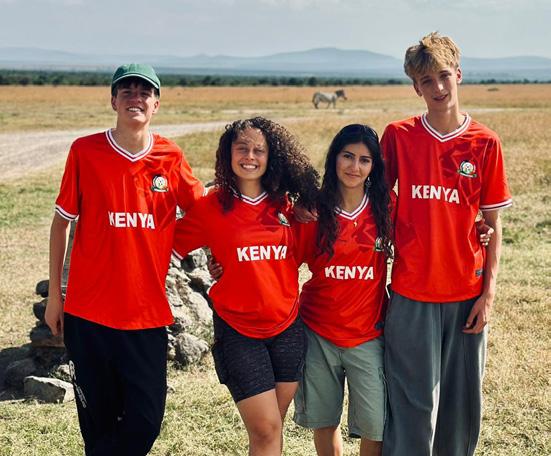
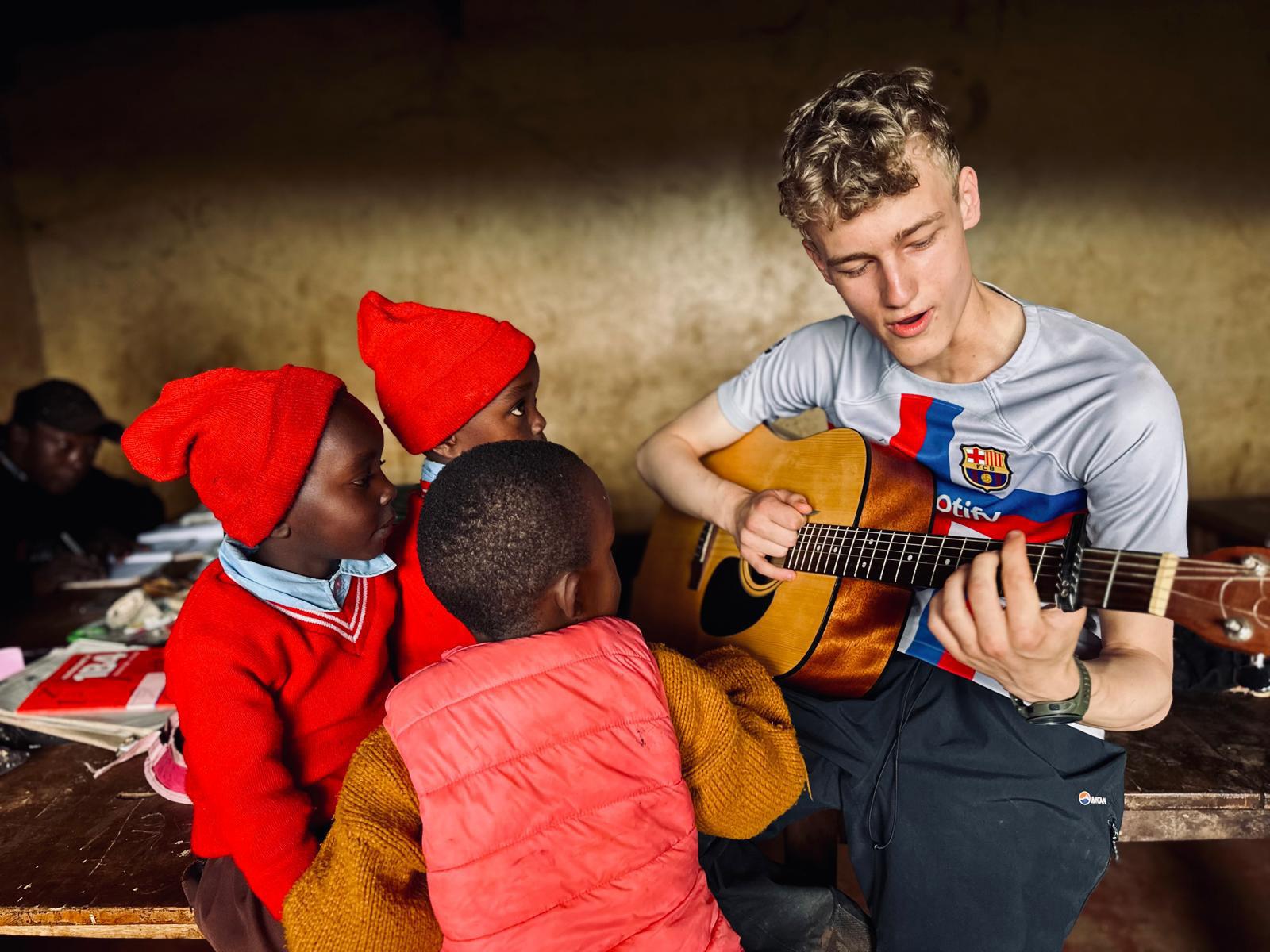
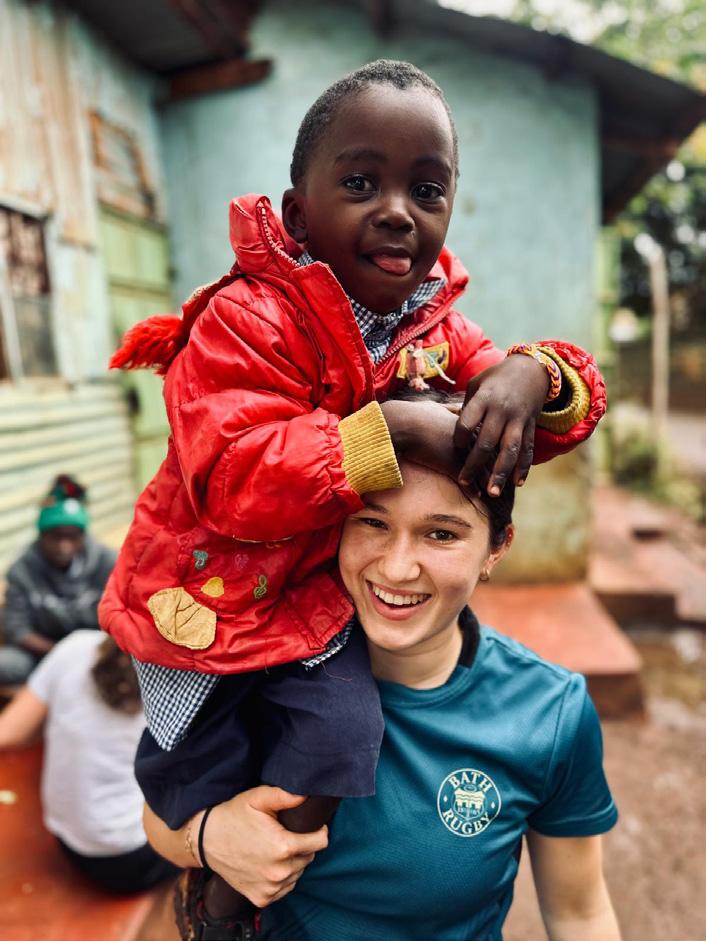
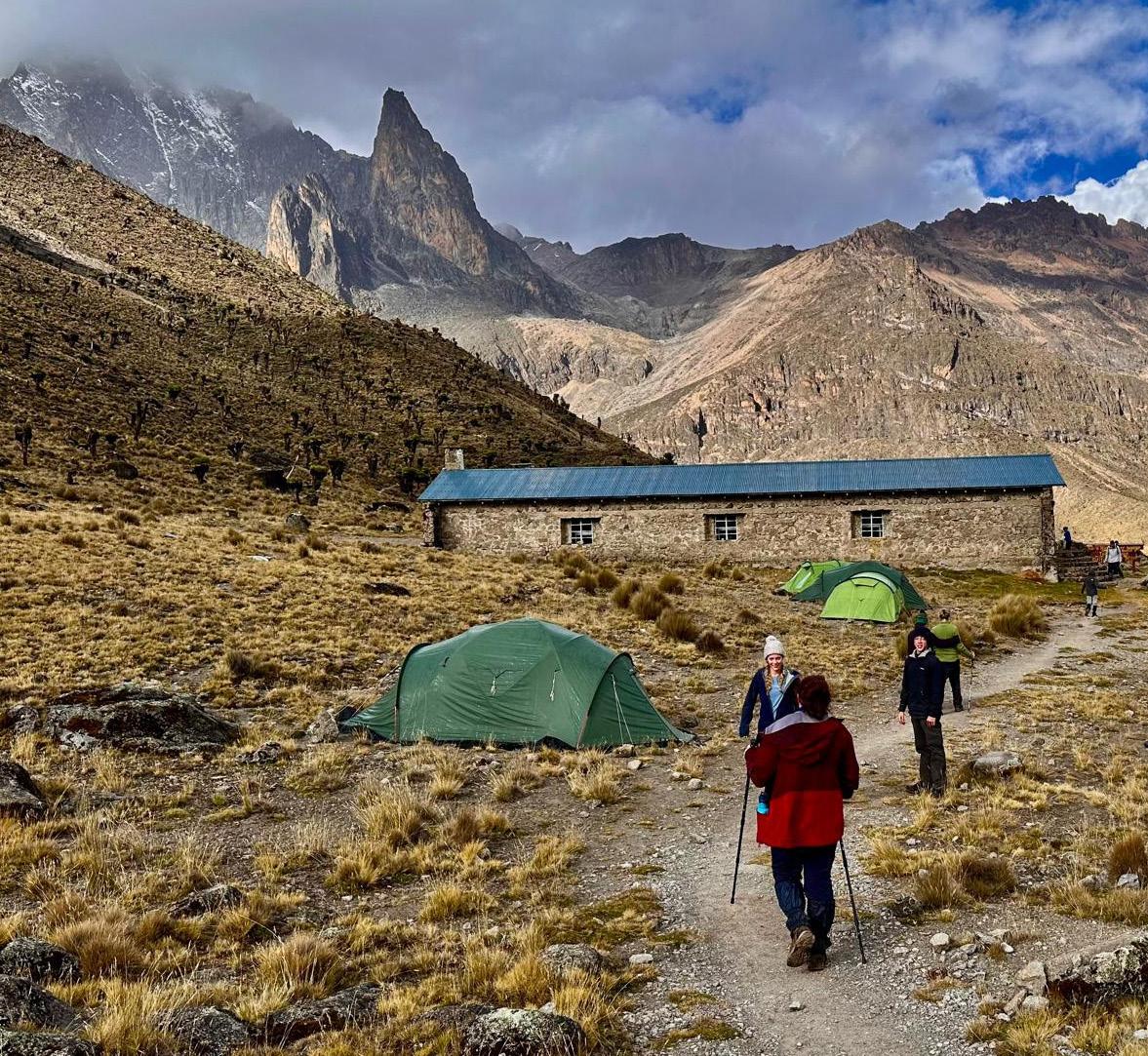
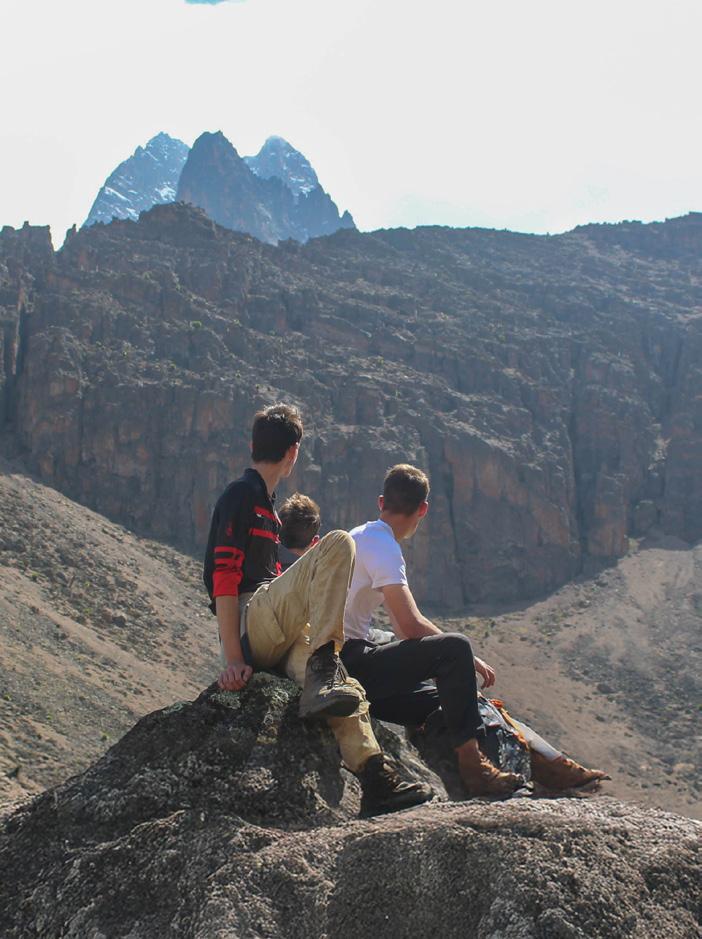
The Kenya Expedition 2025 set off at the end of June this year with 33 determined, enthusiastic and adventurous pupils accompanied by six energetic, bubbly and supportive members of staff. The programme for the three-week camping trip comprised of three main parts: community service work at the Moving Mountains Rescue Centre in Embu, Embu Primary School and Toto Love Children’s Home; climbing Mount Kenya to Point Lenana (4,895m above sea level); with the final part spent seeing the wildlife and exploring the extraordinary landscapes of the Rift Valley.
It is hard to put into words the incredible impact that this trip had on everyone. Two pupils have summarised it beautifully, however, when they wrote:
“When I think back on my trip to Kenya, what stands out most isn’t just the landscapes or the activities we did, but the people I met, both in Kenya and among the group I travelled with.
What made Kenya so wonderful for me was meeting so many lovely new people. Whereas I have often struggled with confidence at home, being on a trip with so many people I didn’t know made it strangely easier to chat, and it was so nice to be able to talk freely about things I’ve never really conversed with other friends about. It honestly felt liberating, stepping into a different version of myself I didn’t know existed.
The local people in Kenya had just as big an impact on me. When we were able to visit families in their homes, I found it very humbling to be welcomed so warmly. I was given a window into a country like Kenya where customs and routines are so different from our own. When we had groups of children visit us in the camp, it was wonderful to both teach and be taught. I particularly remember a few kids asking me how to play UNO and then spending an hour in a single game going round a small table.
The friendships formed, memories made and life skills gained were truly invaluable, shaping each pupil in ways that will resonate far beyond the trip itself.
It acts as a reminder that there are still so many ways to connect and have fun, even when there are huge differences in background, language and culture.
Of course, the trip wasn’t always easy. There were many moments when I felt far from my comfort zone. But those challenges made the experience as a whole even more meaningful. Pushing myself to keep going (on the Mount Kenya summit), and take part in activities I would normally shy away from, helped me develop a level of confidence I simply didn’t have before.”
Wilf, Year 13
“After 22 days of teamwork, laughter and a lot of sweat, I can wholeheartedly say that I have changed as a person after the Kenya Expedition. I am completely inspired by the people I have met and the different ways of life I have experienced. The Mount Kenya climb was the hardest but most rewarding five days of my life and I am so grateful I was able to face it with such a supportive mix of positive people.”
Beth, Year 12
This trip was two years in the making, and I am incredibly proud of all the pupils involved, for the energy, grit and determination they showed throughout the fundraising and planning stages. Their commitment didn’t stop there – they embraced every opportunity whilst we were in Kenya with open hearts and minds. The friendships formed, memories made and life skills gained were truly invaluable, shaping each pupil in ways that will resonate far beyond the trip itself. These experiences embody the School’s core values, fostering resilience, empathy and a deeper sense of community – qualities that will continue to enrich their lives and the lives of those around them in years to come.
Binny Lascelles Expedition Trip Leader
Moving Mountains Trust is a non-profit development charity with an emphasis on long-term relationships and holistic support. It works to raise funds and provide funds to NGO partners in Kenya and Nepal to support projects and programmes to benefit disadvantaged children, young people, families and communities in these countries. The charity and its partner organisation, Adventure Alternative, were founded by adventurer and mountaineer Gavin Bate in 1991.
Those who remember me will know that, from the very start, I was laser-focused on one thing: becoming a soldier.”
From soldier to coach HELPING OTHERS TO THRIVE
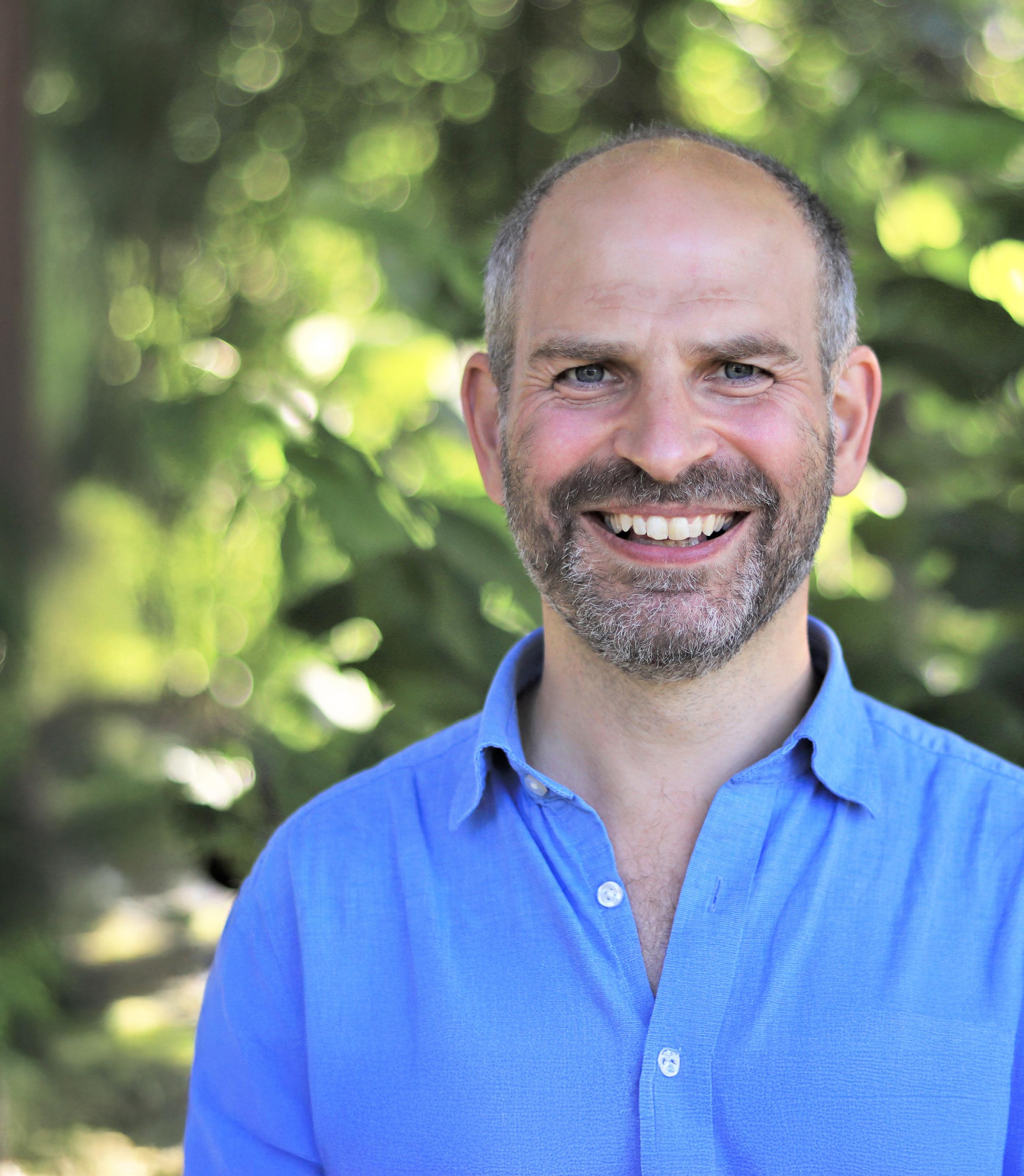
Dave “Hilly” Hill 1987-1994 recounts how people have always been his focus, from his KES schooldays to Army life, and now in his role as a transformational coach and podcaster.
Back in the early ’90s, if you’d told my English teachers at King Edward’s that “Hilly” would one day be writing for the School’s alumni magazine, they’d probably have fallen off their chairs and reached for a strong drink! Yet here I am, many years later, grinning as I type, half expecting red pen to appear in the margins!
You see, academia wasn’t my strong point. Yes, I did OK, but my time at KES wasn’t defined by my grades or glowing report cards, it was more about the people and the community. Looking back, it’s no surprise that I ended up becoming a coach. People have always been my compass.
Those who remember me will know that, from the very start, I was laser-focused on one thing: becoming a soldier. The biggest draw of KES, for me, was its brilliant CCF. I waited, somewhat impatiently, until the third year and then I threw myself into it headfirst. Sorry to anyone who found me a bit single-minded back then, but I really was ‘on a mission’!
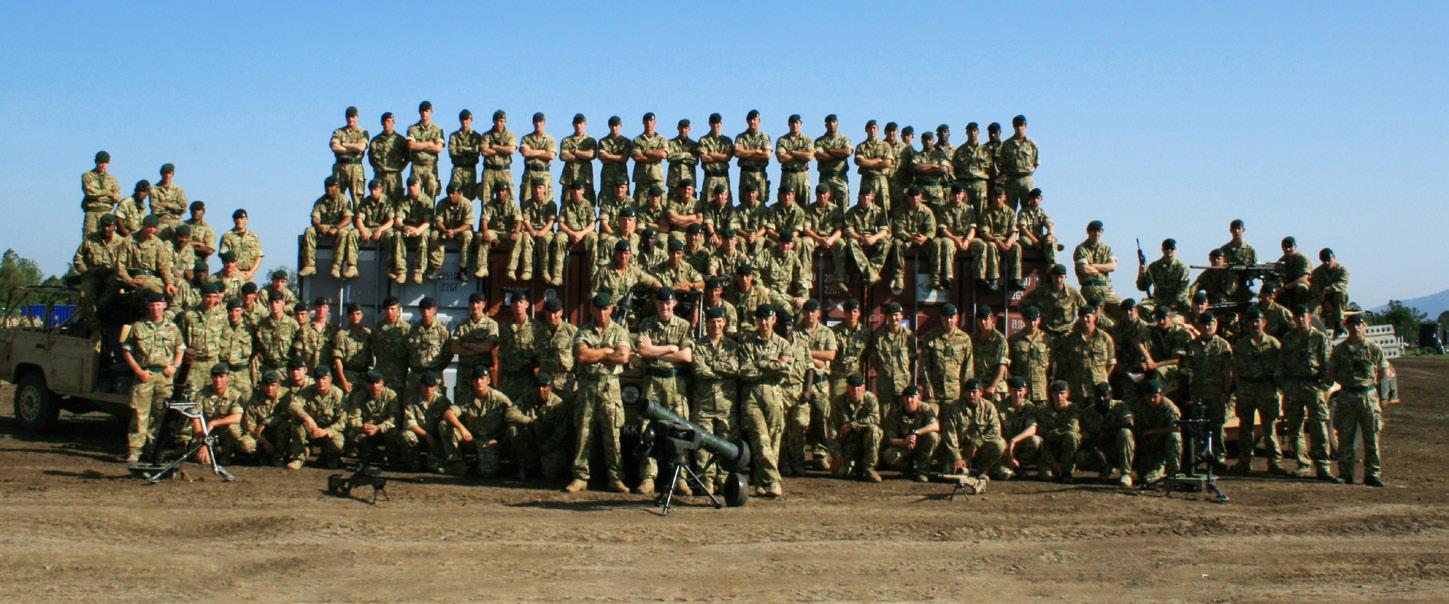
After leaving KES I spent 17 years in the Army, which really felt like home to me. Sure, there were a few hiccups along the way, but becoming a Royal Green Jacket (latterly the RIFLES), being a Rifleman in command of Riflemen, was where I felt I truly belonged.
So what made me leave? I realised that the role I loved as a Major, commanding people I cared about deeply, was probably now behind me. I was lucky to still be in one piece. I wanted to put down roots, watch my daughters grow up and start something new. But, at 37, for the first time in my life I had no idea what I wanted to do. I shadowed friends and quickly worked out all the things I definitely didn’t want to do. I eventually landed a role in project
management at Standard Life Investments, where I recognised my ability to bring people together and turn challenges into opportunities. My knack for connecting people, who would naturally rather avoid each other, became my signature strength.
My life, meanwhile, was being pulled in three directions: my growing family (who, in hindsight, I sometimes took for granted), my busy day job, and an ever-expanding group of former Riflemen who were reaching out for my support. Old colleagues would call me at all hours, day and night, struggling with a mix of post-traumatic stress, addiction problems, suicide attempts or a combination of all three. I had no manual for this, just a firm belief that two heads are better than one and that really listening to them, human to human, was how I could be of most use.
Then, nine years ago, my marriage ended. I was blindsided for a while, but I adopted the very same advice I’d given so many veterans: avoid the bottle, speak up and surround yourself with good people. In picking up the pieces, I discovered coaching principles that helped me and, more importantly, deepened the way I could help others. Of course, being “Hilly”, I overdid it. In 2020, I had a stroke. Thankfully, I’m fully recovered now, but that was my wake-up call. It reminded me that life is short and you definitely can’t help anyone if you don’t help yourself.
For the last two years I have also hosted the Simple Reflections Podcast. It is a relaxed series of interviews where I learn a great deal from my guests, and I really love being able to share that with my growing pool of listeners worldwide.
It’s funny, isn’t it? The golden thread running through my school days, Army life, corporate career and now coaching, is people: what makes them tick, what helps them thrive and how we can all lift each other up. Who knows what life will put in my path in the future? However, I can guarantee that, whatever it is, it will involve people and drawing the best out of them.
So, if any of my old English teachers are reading this, I hope they’ll at least give me a “Well done, Hilly. Keep at it!”
The golden thread running through my school days, Army life, corporate career and now coaching, is people: what makes them tick, what helps them thrive and how we can all lift each other up.
So, in 2021, on the back of all this, I launched Simplicity in Mind, an awardwinning leadership and wellbeing coaching practice. My mission is simple: to help everyone I work with realise that they are designed to thrive, no matter what life throws at them. Sixty percent of my time is now given to veterans, funded by my work with leaders and teams in service industries. My clients love knowing that their support is ‘paying it forward’ to those who need it most.
If you would like to reconnect or learn more about what I do, please send me an email. I would really love to hear from you. Take care and remember that you are all designed to thrive in any situation.
To find out more visit dave@simplicityinmind.co.uk and Simple Reflections Podcast
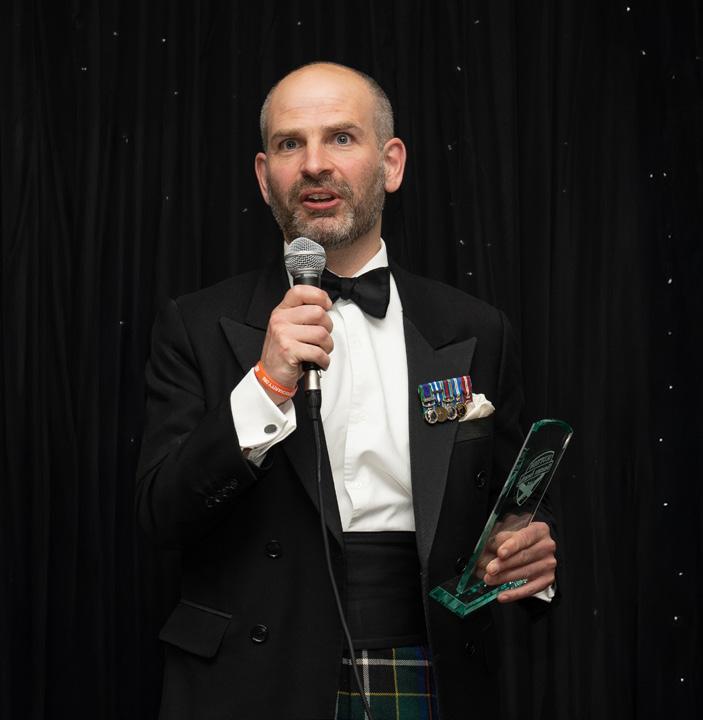
Clockwise: Last command: S Company Four Rifles; Simplicity in Mind won the Health and Wellbeing Award at the Scottish Veterans Awards in 2022.
GETTING OUR FARESHARE
How we won millions to support food charities
Ali Gourley 2004-2011 shares his career journey, from political campaigning for the Liberal Democrats through to his current role, leading on policy and advocacy for FareShare, the UK’s leading food redistribution charity.
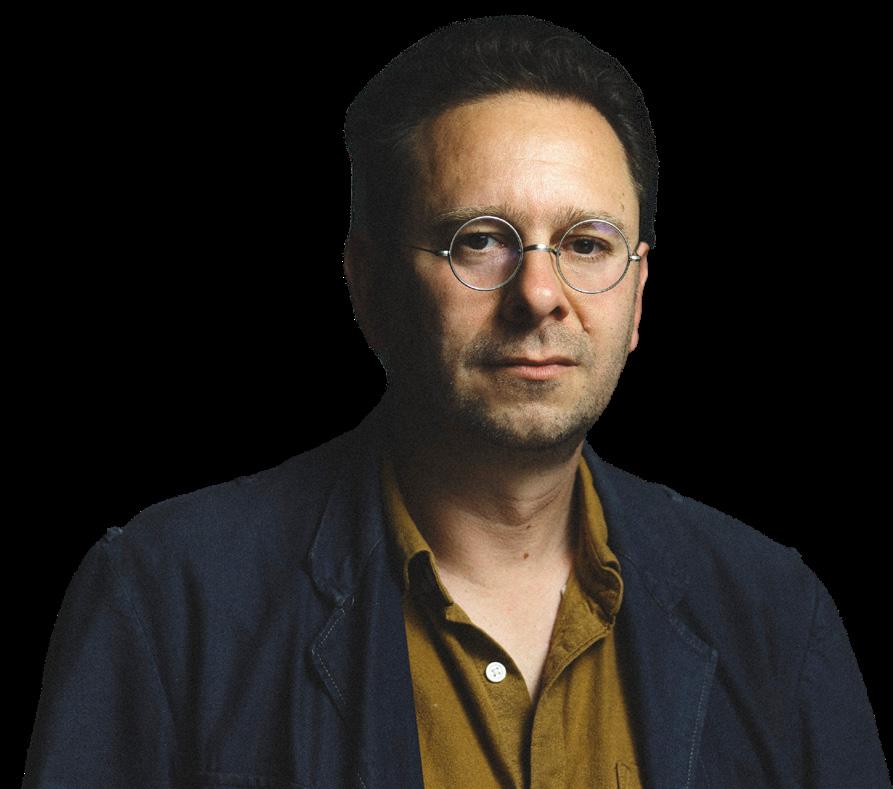
Iam a Public Affairs Consultant, a polite way of saying lobbyist. I recently led a campaign that secured £13.6 million in government funding for 12 food redistribution charities. This means tens of thousands of tonnes of surplus food from farms will now feed people in need, distributed via thousands of local charities. I ran the campaign for FareShare, the UK’s largest food redistribution charity, which received £9.2 million.
Lobbying conjures images of briefcases filled with cash, and dark, smoke-filled rooms in Westminster – mostly unfair. There are no suitcases filled with money, and you aren’t allowed to smoke in Parliament anymore, although the French Members of the European Parliament still smoke in their offices in Brussels.
I’ll cover how we got the funding, but first I should explain how I got here. I studied Geography at the University of Manchester. I spent most of my time avoiding the faculty, running a music promotion company, cheffing in restaurants, and writing for outlets like Vice and The Tab
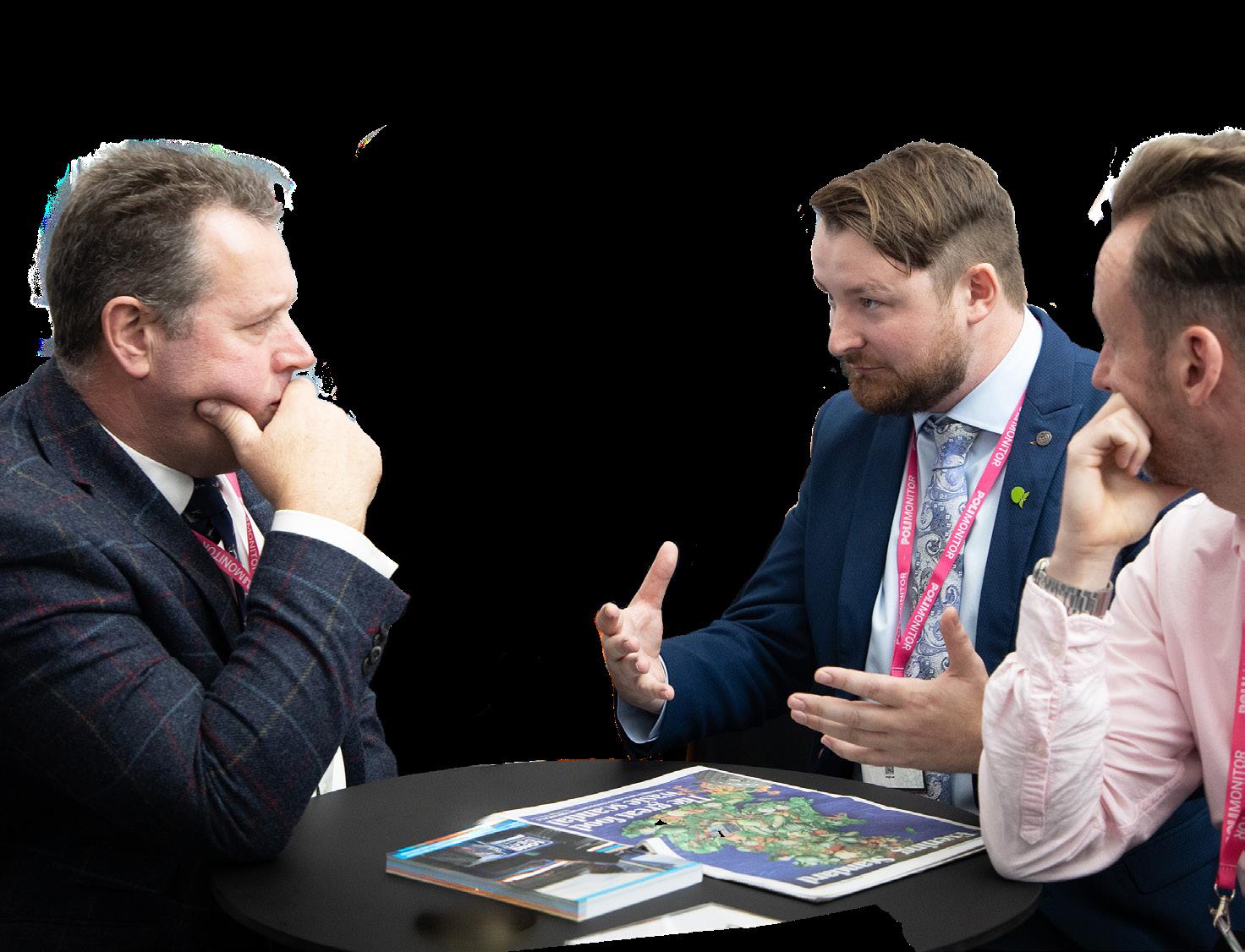
Above: Lobbying former Conservative Farming Minister, Mark Spencer at the Conservative Party Conference in 2024.
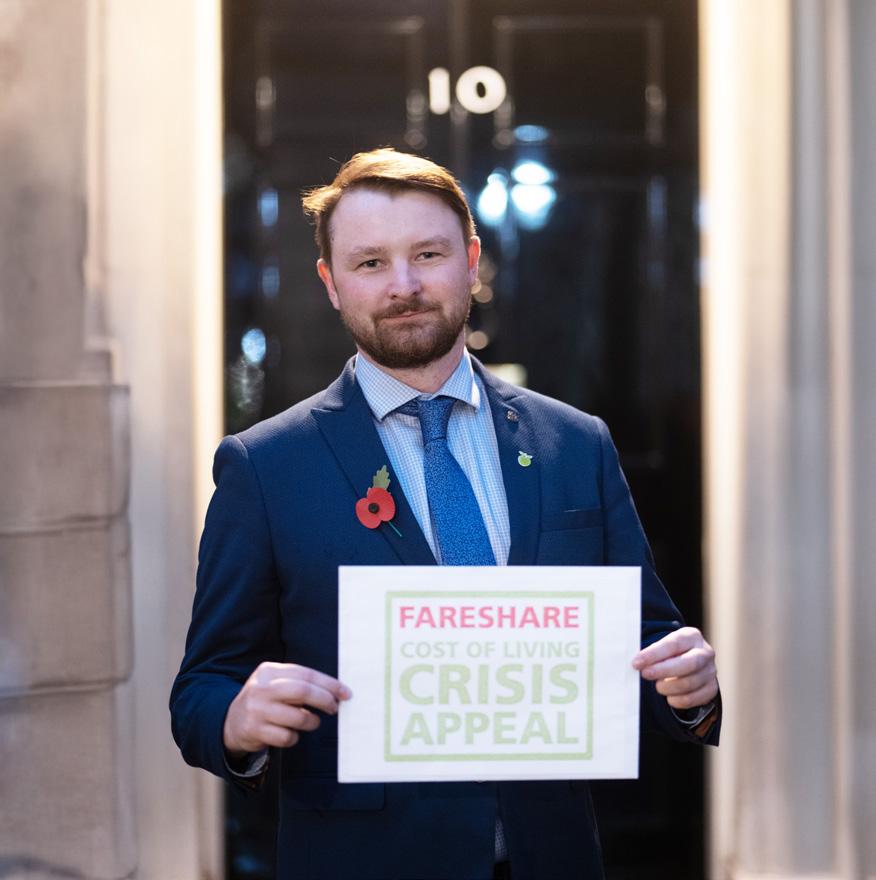
Above right: Delivering a FareShare petition to 10 Downing Street.
Outside Westminster, we built public pressure. A petition gained 115,000 signatures, and our supporters wrote to MPs. We secured over 800 media hits, from BBC Breakfast to the cover of the Evening Standard.”
After volunteering in the 2016 Richmond Park by-election, I joined the Liberal Democrats. I helped Wera Hobhouse win Bath in 2017, then became her Communications Manager and later Head of Communications for the Lib Dem MEPs in Brussels.
Writing and promotion skills lent themselves to political campaigning, which also appealed to my sense of right and wrong and argumentative disposition. At the time, I was strongly against Brexit –a position I still hold – and I wanted to help stop it.
We didn’t stop Brexit, but we did win campaigns. Nationally, Wera’s Private Member’s Bill (with campaigner Gina Martin) made ‘upskirting’ a criminal offence, despite a Tory MP trying to block it. Locally, we stopped plans to demolish social housing, raised £55,000 to fight holiday hunger, and got Bath a proper police station. We also gained a strong majority on the local council, and Wera is still in office.
By 2020, I was burnt out from Brexit and ready for something new. FareShare were hiring, a food redistribution charity given national awareness by Marcus Rashford’s campaigning. The pandemic had put food insecurity at the top of the agenda.
Lobbying for FareShare combined my political comms skills and love of food, and I figured the charity sector might mean fewer politicians shouting at me on Sundays.
Back in 2018, Michael Gove (then Defra Secretary) announced a £15 million fund to help farmers get surplus food to charity. The money was spent, Gove moved on, and his successors hadn’t brought it back. FareShare wanted a campaign to change that.
It took four years, and it shouldn’t have. In my time at FareShare we have seen six Defra Secretaries and four Prime Ministers. Whatever your politics, that kind of chaos breeds decision paralysis. Our policy became a microcosm of that dysfunction.
In Westminster, we met over 100 MPs across all parties, building a network of supporters. We gave them localised briefings showing how many meals FareShare delivered in their constituencies. We took VR headsets to party conferences so people could tour our warehouses virtually. We got into Number 10, won over senior advisors and secured Cabinet-level engagement.
Outside Westminster, we built public pressure. A petition gained 115,000 signatures, and our supporters wrote to MPs. We secured over 800 media hits, from BBC Breakfast to the cover of the Evening Standard
We also brought in corporate partners, encouraging them to raise our case in their meetings with Ministers. The National Farmers’ Union (NFU) backed the campaign publicly, which we later heard helped win over Number 10. Behind the scenes, we submitted evidence to Select Committees, and published research showing that every £1 spent through FareShare delivers £13 in social return.
We nearly got there in summer 2022. Boris Johnson backed it, but his government collapsed two weeks later. Then, in February 2024, I was skiing in Bosnia when I got a flurry of messages: Rishi Sunak had just announced the scheme in a speech to the NFU. But it was too little too late. A snap election was called, and the decision was kicked to the next government.
I spoke about the campaign at COP29 in Baku, sharing how campaigns like this can build momentum to deliver environmental and social goals.
The new Labour government began cutting previously announced policies, citing a £22 billion gap, so we made it clear behind the scenes that scrapping £15 million for surplus food was a false economy.
They listened. The then Farming Minister, Daniel Zeichner, and Labour’s Defra advisors backed us privately and delivered publicly. Labour committed to the scheme, and I spent Christmas Eve 2024 working with the Defra press team on the announcement.
The Tackling Food Surplus at the Farm Gate Scheme will support thousands of community kitchens, food banks and shelters. I spoke about the campaign at COP29 in Baku, sharing how campaigns like this can build momentum to deliver environmental and social goals. We’re now working with the Government on new policies to support the charity sector and reduce food waste.
My ‘work mum’, Bath MP Wera Hobhouse, who gave me my first real job in politics, always says MP stands for ‘Most Persistent’. It’s a motto I’ve taken to lobbying. The Government said no many times, and in many ways. We didn’t listen. We got there in the end.
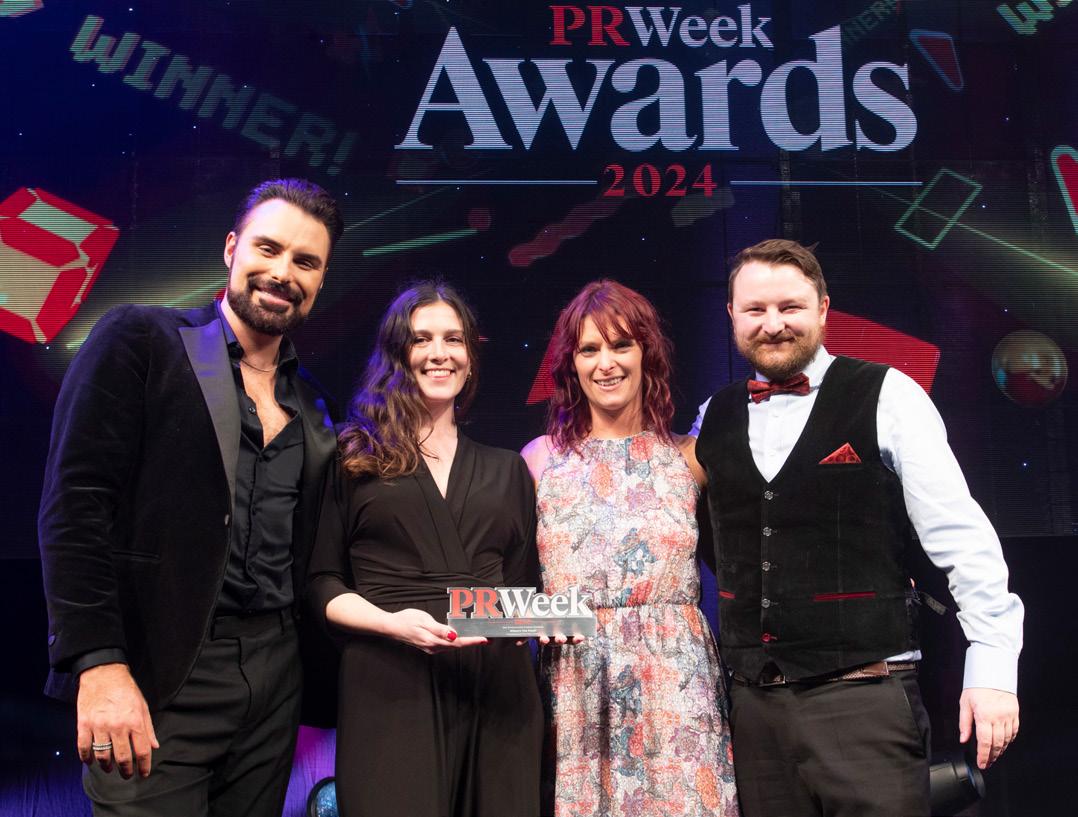
Right: Winning
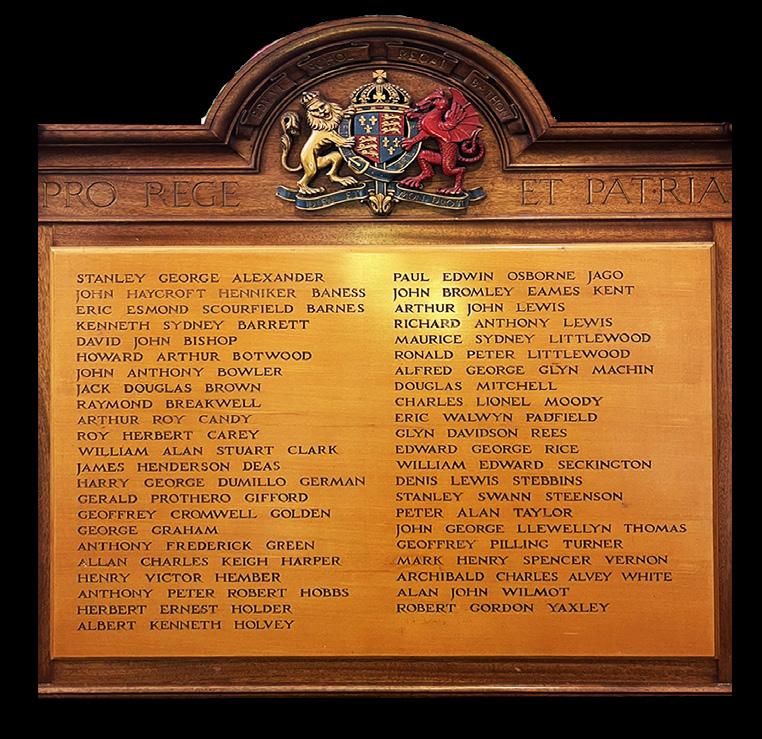
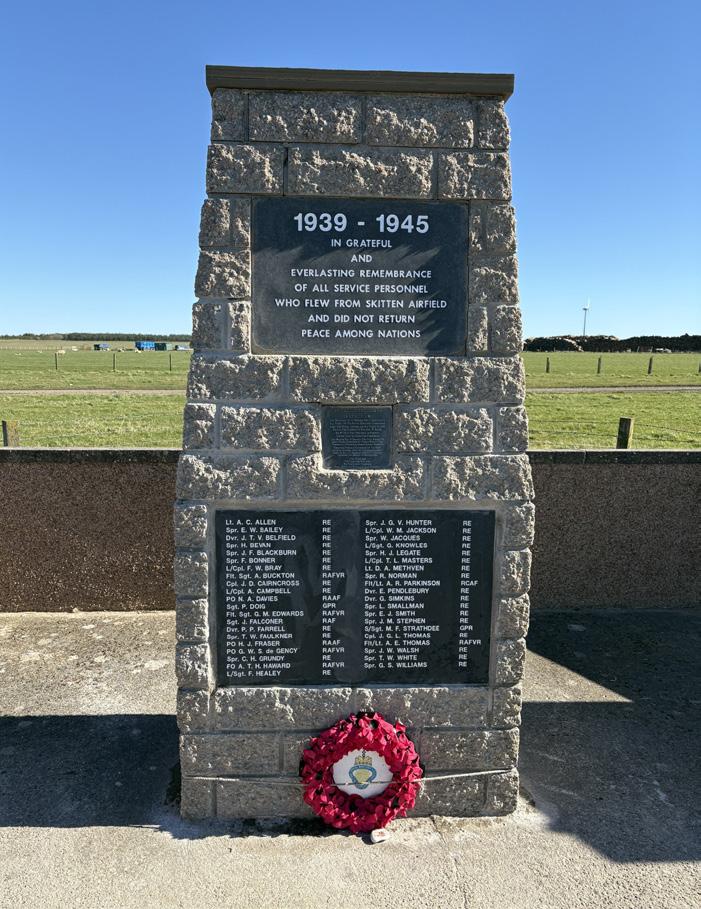
THE STORY OF A KES HERO Corporal ‘Johnny’ Thomas
KES Archivist, Suzanne Keyte explains how she uncovered the lost story of Old Edwardian Corporal ‘Johnny’ Thomas who took part in a special commando mission in Norway during WW2.
When I started my job as Archivist at KES in September 2024, one of my first tasks was to order and catalogue the huge collection of records created by the School. I began with one of the most important collections in the archive – The Edwardian magazine. First published in 1909, these magazines are full of historic detail and contain many fascinating stories. One item in the December 1945 edition particularly caught my eye: a short statement that a young Old Edwardian, who had been declared missing since 1942, was now presumed dead. He had taken part in a special commando mission and had lost his life along with all the other soldiers involved. I was so intrigued by this story that I set out to discover more about this young man and his heroic war mission.
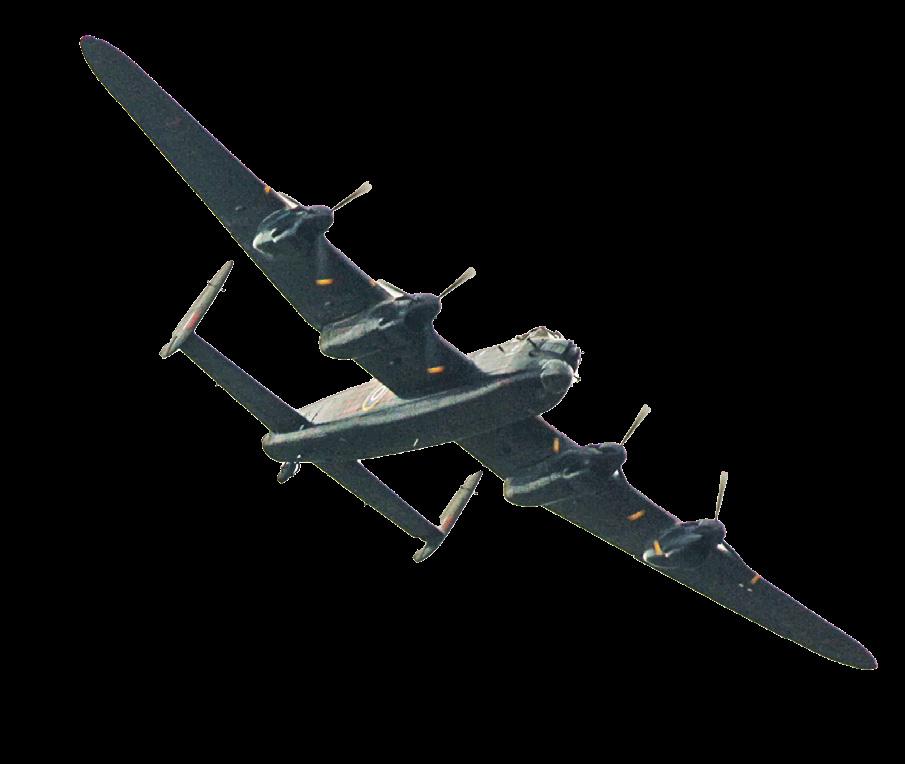
Aircraft image for illustrative purposes only
The Norsk factory was in a very remote and mountainous area of Norway, 100 miles from the Norwegian coast and 400 miles from Britain.
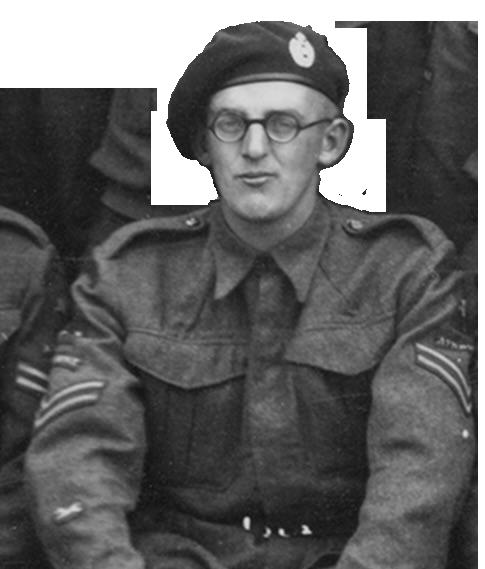
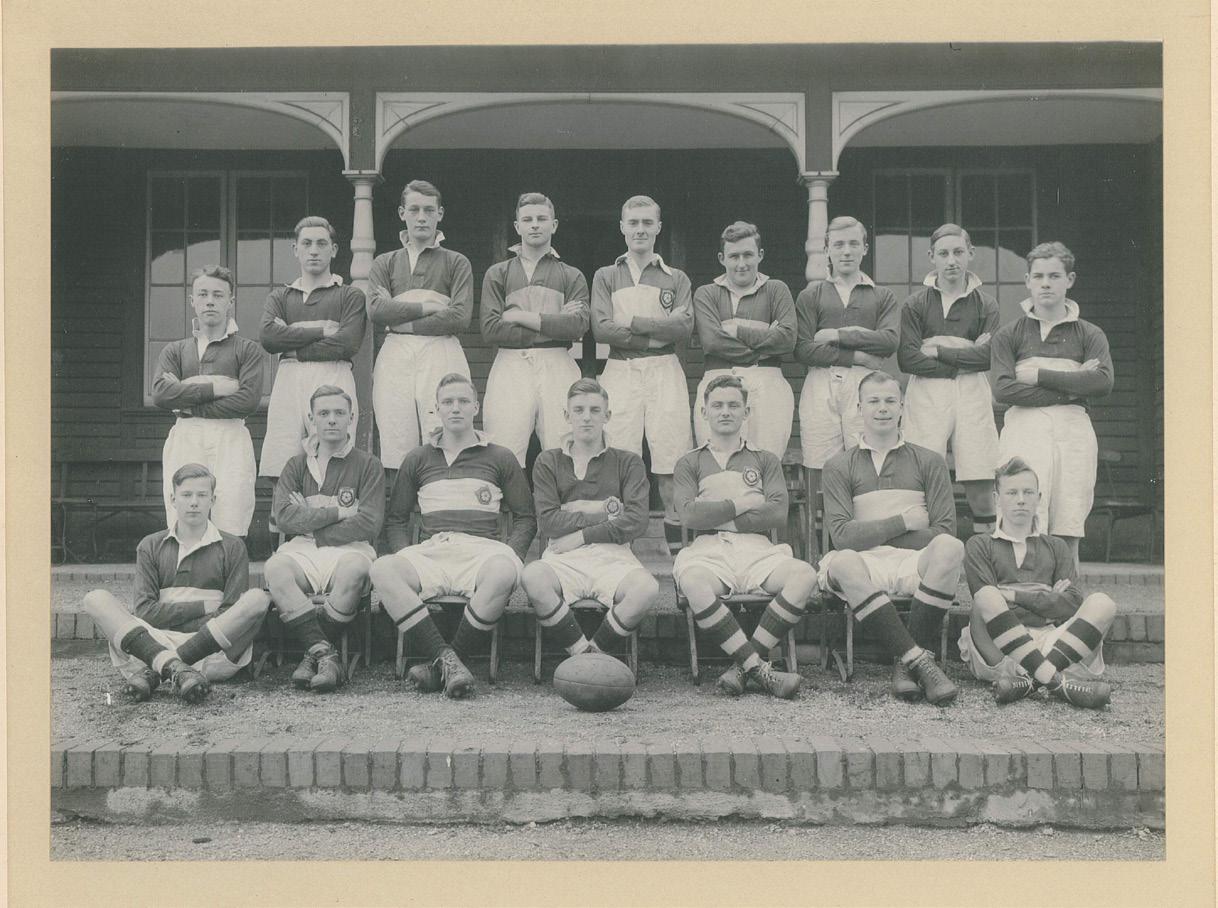
In 1938, the year before war broke out, John George Llewellyn Thomas, or ‘Johnny’ as he was known to family and friends, was captain of both the cricket and rugby first teams at KES. He was a good academic student, but especially loved sport and his time in the Officers’ Training Corps (CCF). He was House Captain of Mr Brewer’s House, and during his final year of school he was awarded the Lawrence Cook Prize for High Endeavour at School Prizegiving.
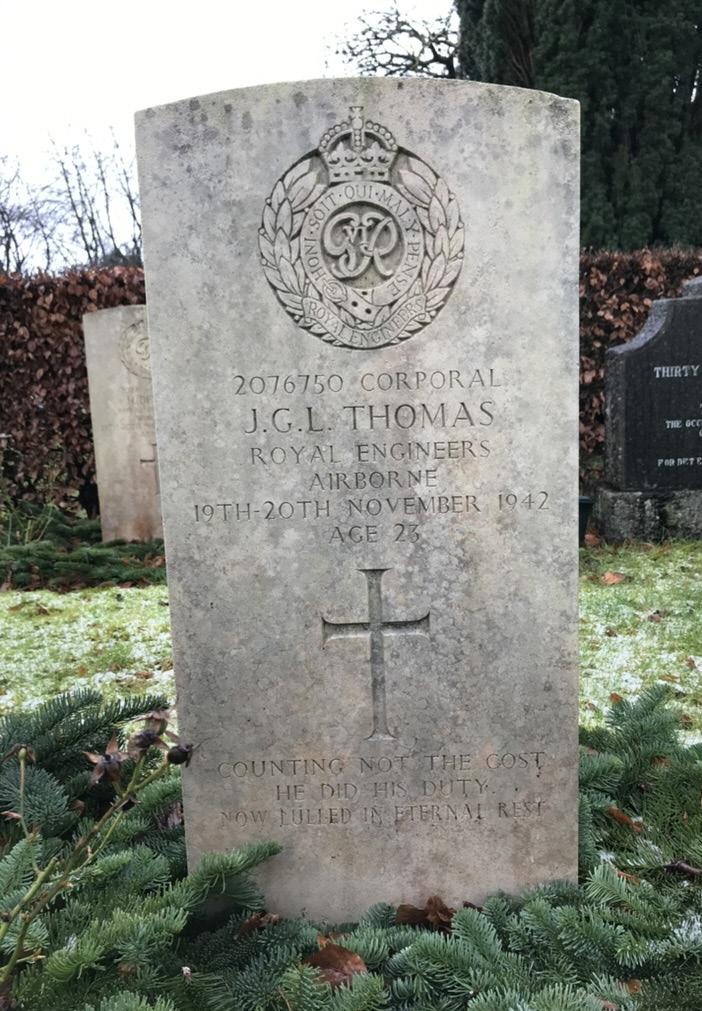
After leaving school in the summer of 1938, Johnny found employment as a clerk but in the spring of 1939, with the international situation deteriorating, he became one of the first young men to enlist. He joined the Royal Engineers on 2 May 1939, the same regiment his father had served with in WW1. He quickly made his way up through the ranks, firstly promoted to acting Lance Corporal and then Corporal. By 1942 the Royal Engineers had been incorporated into the 1st Airborne Division, where Johnny gained experience of gliders as well as parachute and radio training. It was at this time that he also volunteered for a topsecret and highly dangerous mission behind enemy lines named ‘Operation Freshman’.
This was a daring mission to destroy the Norsk hydro-electric power plant at Vemork in Norway, which produced ‘heavy water’, a vital component for the development of an atomic bomb. The British and American governments had held urgent talks about the need to stop Hitler developing an atomic bomb, and from the Allies’ perspective it was imperative that this factory was destroyed.
However, the Norsk factory was in a very remote and mountainous area of Norway, 100 miles from the Norwegian coast and 400 miles from Britain. It lay in a very deep and narrow valley, protected by huge cables strung across, making it too difficult to bomb from the air. Small-scale sabotage had been attempted by brave Norwegians who had put oil in the water, but this was not sustainable on any scale and was too dangerous for Norwegian civilians.
It was at this time that he also volunteered for a top-secret and highly dangerous mission behind enemy lines named ‘Operation Freshman’.
It was therefore decided to stage a combined operation using Norwegian Special Operatives and soldiers from the Royal Engineers 1st Airborne Division to sabotage the plant. Because it was impossible to land conventional planes on the snow, the plan called for two Halifax bombers to tow two Horsa gliders and release them as close as possible to the target. Gliders could land on hard, frozen ground. However, the plan still relied on good weather with no winds and clear skies. The men would then travel 10km on foot through deep snow to reach Vemork, where the stocks of heavy water were to be destroyed and the plant irreparably damaged. The men would then split into pairs and head for the Swedish border.
Training, of course, was top secret and was explained as a competition with American engineers for the ‘Washington Cup’. The term ‘heavy water’ was banned from all communications and replaced by the codename ‘Lurgon’. The mission aimed not only to destroy all the ‘Lurgon’ but also the means to produce it, such as the generators and equipment. Winston Churchill was informed about the raid two days before. On the morning of the raid, 19 November 1942, all the men wrote letters home to their families saying they were off on a jaunt and would be back in time for Christmas. However, some of them told close friends that they doubted they would return and a number of them made wills in the event of their death.
The operation started from RAF Skitten, a small airfield in Scotland. In each glider, team ‘A’ and team ‘B’, there were two pilots, one Royal Engineers officer and 14 other men. The scouts on the ground in Norway sent a signal that the weather was good, so the Halifax planes took off. However, on the way over, low cloud appeared and the Halifax crews could not see the flares that had been lit for the drop-off point. Letting the gliders go would have meant certain death for the glider crews, and so they prepared to return to Scotland. But bad weather intervened; the ropes towing the gliders were damaged by ice and snow and the one on Halifax ‘A’ snapped, causing its glider to crash-land in Norway, before the bomber struggled back to Scotland after eight hours of flying, very low on fuel. Halifax ‘B’ also dropped its glider and was seen by locals flying low over farmland before crashing into a hillside, killing the entire bomber crew.
KES Rugby 1st XV (1937-38) with Johnny as captain.
Both gliders crashed in Southern Norway. Glider ‘B’, containing our boy Johnny Thomas, lost the pilot and co-pilot, who were killed on impact, but the 14 members of the crew all survived, albeit some with significant injuries. They were a long way from their original target or Sweden and needed urgent medical attention and help. The survivors were unwilling to leave the seriously wounded, and so two soldiers left to search for help in a village two miles away. A local resident agreed to help but explained that contacting the nearest doctor would involve using the telephone system, which was controlled by the Germans. Believing there was no alternative, the soldiers agreed to contact the Germans, expecting they would be taken as prisoners of war. A party from the Norwegian Labour Service arrived at the crash site shortly afterwards and helped tend to the injured soldiers, who burned all of their sensitive documents and materials. A German party arrived about 20 minutes later and took the captured British soldiers to a local army camp.
At the army camp they were photographed and interrogated but what happened next would have been a complete shock. Only one month before, Hitler had passed a secret ‘Commando Order’ stating that all Allied commandos should be executed without trial within 24 hours, even if they had surrendered or were in army uniform. This was entirely contrary to the Geneva Convention, which stated that they should have become prisoners of war. Instead, Johnny and the other soldiers were taken by the Gestapo to a remote piece of ground and executed by firing squad. Johnny was just 23 years old. His family and old school friends didn’t learn his fate until after the war, when the awful truth of what had happened to him and the other young men who had died in Operation Freshman finally came to light. It was incredibly difficult for the Allies to find out what
had happened to the men, secrecy about the operation being paramount because the attempts to sabotage the heavy water plant at Vemork continued.
In February 1943, a team of Norwegian commandos destroyed the production facility in ‘Operation Gunnerside’, which was followed by Allied bombing raids and later made into a Hollywood film, The Heroes of Telemark starring Richard Harris and Kirk Douglas. The Germans ceased operations and attempted to move the remaining heavy water to Germany. Norwegian resistance forces finally sank the ferry carrying the heavy water, the SF Hydro, on Lake Tinn.
After the war, the Allies had the enormous job of finding out what had happened to the men of Operation Freshman and ensuring that the war criminals were punished. At the Nuremberg trials, the ‘Commando Order’ was found to be a direct breach of the rules of war, and German officers who carried out illegal executions under it were found guilty of war crimes and sentenced to death or, in two cases, extended incarceration.
The bodies of Johnny Thomas and his fellow glider crew were found after the war when a Norwegian civilian came forward to say that he had seen the burial site. The bodies were exhumed and re-buried with full military honours in the Commonwealth War Graves Cemetery in Stavanger, Norway. There are memorial ceremonies held at the graves twice a year on Norway’s National Day in May and on Remembrance Sunday in November.
Johnny’s wartime service is remembered on the School’s WW2 memorial. A new monument commemorating the heroic service of all the Operation Freshman crew was unveiled in April this year at RAF Skitten in Scotland.
This
was a daring mission to destroy the Norsk hydro-electric power plant at Vemork in Norway, which produced ‘heavy water’, a
vital component for the development of an atomic bomb.”
Above: The School’s WW2 memorial; memorial monument at RAF Skitten, Scotland.
My grateful thanks to Dr Bruce Tocher for his kind assistance with information and images relating to Corporal Johnny Thomas.
To contribute your news and photos for the next OElink or future OE e-newsletters, please email alumni@kesbath.com
1950s
Mark Durman 1957
His fifth book, Why? One Man’s Journey, was published earlier this year. It explores the tapestry of human belief and experience, drawing on his personal experiences of diverse cultures while living around the world. It delves into Christianity, Islam, Judaism, Hinduism, Buddhism, Taoism and includes a chapter of reminiscences about his school days at Broad Street when Harry Porter was Headmaster and KES was an all-boys school.
The book is available from Amazon. For more information, please visit Pegasus Publishers – Mark Durman
1970s
1978 Leavers Reunion in August at Hall and Woodhouse in Bath
Below from left to right: Kieran Aust, John (Jammy) Hartley, Pete Foster, James Smith, Kevin Newton, Guy Grundy, Mike Godfrey, Mike Robinson, Mark Thomas, Phil Cole, Patrick Ingram, Nigel Newton (1976) and Chris Guest.
1970s
Neil
Burgess 1974
From his time at KES he recalls a wooden pavilion on the sports field at North Road, which served as the tuck shop where Sgt Major Dodge would sell confectionery to pupils with a sweet tooth and some ready cash. The pavilion bore a brass plaque with an inscription along the lines of ‘Presented by His Excellency Emperor Haile Selassie to commemorate his time in Bath 193640’. The ruler of Ethiopia (1930-1975) spent most of his WW2 exile in Bath and donated the pavilion to the former St Christopher’s School when his grandson was a pupil there.
The pavilion was part of the estate when KES acquired North Road and it was first used as an Art Room before becoming a tuck shop and then a store for sports equipment until the building was destroyed by fire in 1987.
Neil says: “Whilst the plaque had no direct connection to KES, it was a feature of the site for nearly 30 years. I wonder if any OEs or former staff have a photo of the plaque or can remember its exact wording? It surely deserves a place in the KES Archive! If you do, please contact me via alumni@kesbath.com.”
1980s
David McDonagh 1985
David left Bath in his late 20s and travelled to London for work, which led him to live in France and Luxembourg where he worked for major technology companies including Apple and Telefonica. On returning to the city last year, he started volunteering for Bath City and has recently been appointed Chair of Bath City Football Club’s Board.
As the new leader of the community-owned Romans, David oversees a club competing in the National League South and based, since 1932,
Matthew Happold 1987
After nearly 15 years as Professor of Public International Law at the University of Luxembourg, he started a new position in August 2024 as a Puisne Judge of the Supreme Court of Gibraltar in August 2024. He is still retaining a foothold in academia, as he has also been appointed a Visiting Professor in the School of Law at the University of Reading.
Visited KES in September with his wife Jenny to see the School’s memorial bench for his father and former member of staff, Bill Currie. Bill taught English at KES for 39 years and passed away in 1999. His memorial bench near the Art Department entrance behind Nethersole is a favourite place for pupils and staff alike to sit and enjoy the views over the School and surrounding hills. Patrick, a former teacher himself, has been a baker for 14 years. He and Jenny now teach plant-based baking classes together at their home in Exeter. Please visit naturallybread.com for more information.
at the iconic Twerton Park, “a proper football ground”. His appointment represents continuity and expertise for Bath City, a semi-professional club founded in 1889 that has built a strong community foundation. David’s goal is to build ties between Bath City FC and the wider Bath community. One of the first projects is to bring Bath City’s manager to oversee a training session with the KES students, with hopes of having them play a match at Twerton Park later in the season.
James Cain, Harry Charlton and Paul Smith 1988
Met up in December 2024, for the first time since leaving KES, after being reconnected by the Development and Alumni team. They chatted for hours over lunch and drinks to catch up on the last 36 years of news!
1990s
Jethro Massey 1996
His debut fiction feature film Paul and Paulette Take a Bath premiered at the Venice International Film Festival this year and won the Critics’ Week Audience Award. The film is an unconventional romantic comedy about a young American photographer and a French woman with a taste for the macabre. Jethro was back in Bath in September for a special screening with Q&A at the Little Theatre.
“It was such a joy to share Paul and Paulette Take a Bath with audiences in Bath. Since I was a kid (Broad Street, Tudor rose cap, shorts, freezing knees in winter), filmmaking was my dream, as I’m sure Sue Curtis and Jill Ross would attest. I’ve got many fond memories of King Edward’s, but their Theatre Studies classes were the cat’s pyjamas. I know I’m not alone in thinking this, though some might differ and argue that they were the bee’s knees. Whichever it is, they put fuel on the fire of our curiosity and opened our eyes to the importance of the arts, of drama, of comedy, of simply telling a good story.”
In an interview published in The Bath Magazine this autumn, he reflects on growing up in Bath and his creative journey, from the Drama classrooms at KES through to international film festivals.
To read the interview, please visit: https://issuu.com/mcpublishing/ docs/the_bath_magazine_october_2025/41
by Alessandro
Patrick Currie 1980
Photography
Clemenza
Left to right: Harry Charlton, James Cain and Paul Smith
2000s
James Sellick 2005
His latest book, Flamekraken and the Forest Fire, was published in August by Quarto Publishing Plc. It is the second book in the Green Machines series, aimed at engaging young children aged 3-6 years, and particularly young boys.
Kezia Lupo 2007
After working in California as a literary agent, she returned to London this summer to work as a Commissioning Editor for Macmillan Children’s Books, where she is acquiring and editing YA fiction for the First Ink list.
2010s
Sam Lin 2011
On top of his day job as a credit director in fund finance, he has been volunteering at the British Museum since 2023 and fulfils his love of history by delivering gallery tours on Mesopotamia, the Islamic World and Egyptian Sculpture. He is pictured showing visitors how to use an astrolabe, the medieval equivalent of a smartphone, used for navigation, divination, praying towards Mecca and hitting enemy forts with a cannon, amongst many other things!
He first learnt how to use astrolabes in the Astronomical Society run by Nigel Barnes at KES, where they made paper models. He says: “I know there’s an even wider range of clubs and societies at KES these days, and I can’t recommend strongly enough that current pupils make the most of these opportunities!”
Katherine Ogden 2008
Is Principal of King’s Oak Academy in Bristol. After qualifying in first place at the British Functional Fitness Championships National Finals in Sheffield this year, she represented Team UK at the IF3 European Masters Championships in the Netherlands in June. In a standout performance against 28 elite athletes from across Europe, she won the title of IF3 European Champion (35-39) in CrossFit. She will now represent Team UK at the IF3 World Championships being held in Brisbane, Australia this November.
In an interview earlier this year with BBC Points West about her journey, training regime and how she balances her role as a school leader with elite-level competition, she said: “It is an incredible honour to represent the UK. I see it as an opportunity to keep learning, keep pushing myself and hopefully inspire the young people and staff in my school community along the way.”
Jeni Meadows 2015
Is leading a Community Advice Project in her role as Schools and Families Advisor for Citizens Advice North Lancashire and was shortlisted for the Innovation category for the Citizens Advice National Awards in 2024.
Married Zachary BernsteinRothberg on 17 November 2024 in Ann Arbor, Michigan.
Sammy Sullivan 2016
Competed with Henley’s new outrigger canoe crew at the Great Britain Outrigger Canoe National Championships held at Dorney Lake in May. Teams from across the country descended on the former Olympic race venue to battle it out in 500m and 1,000m sprints with three turns. Sammy, who only started the sport in January, raced a single outrigger canoe, known as a V1, to win gold in her race.
2020s
2010s
Max Ojomoh 2019
Following a successful season playing for Bath Rugby, helping the team win a historic treble, he made his England Rugby debut playing against the USA in July. In early November, he was named Vice Captain for the England A fixture held at the Rec in Bath against the All Blacks XV. On his second cap for England on 23 November, he was named Player of the Match following his standout performance playing against Argentina at the Allianz Stadium Twickenham.
Charlie McGuire 2023
Justin Davies 2021
Has had a successful season running 800m, with career highlights including a gold medal at the British Indoor Championships in February, a PB and worldqualifying outdoor time of 1:44.35 set in May, and a silver medal (pictured left) at the European U23 Championships in July. He holds the British U23 Indoor record and three Welsh Indoor/Outdoor records and is ranked fifth fastest in the UK for 800m this year.
His exciting new play Glass House was performed at the Edinburgh Festival Fringe in August, following its debut at the Mission Theatre in Bath on 21 July. The play was staged by Sandcastles Productions, a production company he founded last year along with 2022 leavers Joshua Bernald Ross and Xander Spencer-Jones and 2023 leavers Annika Moorhouse and Jasmine Callen. They aim to create and stage original theatre together during their university vacations, and Glass House is their first play.
Bethan Cheshire 2024
Is studying Music at the Royal Conservatoire of Scotland and last year won the Liz Lawrence Award, a competition award held annually by Wiltshire Rural Music. To celebrate this award, she hosted a special concert From Rosin to Reed at the Wiltshire Music Centre in July. The concert featured special guests, including friends, family and teachers. As well as devising and curating the concert, Bethan, who plays bassoon, cello and piano, performed as part of a wind quintet, cello quartet, clarinet and bassoon trio, bassoon duet and piano and cello solo.
Luana Sasarman 2025
As a 2023-2024 DofE Youth Ambassador, she was invited to Buckingham Palace to help host this year’s Gold Duke of Edinburgh’s Award celebration. During the event, she had the unique opportunity to welcome a number of high-profile guests, which included a surprise meeting with comedian and OE Bill Bailey (1983) and they enjoyed a conversation about their shared connection to KES! She is one of six recent OEs who completed the prestigious Gold DofE Award by the end of Year 13 and will be invited to a celebration at Buckingham Palace next year.
Getty
In memoriam
LYNDON (LYN) JAMES ALVIS
At KES 1955-1963
Passed away 13 August 2025, aged 80
COLIN GORDON ST CLAIR BOWER
At KES 1944-1949
Passed away 1 January 2022, aged 89
STEVEN AYRTON BRICE
At KES 1976-1987
Passed away 6 September 2025, aged 56
JOHN BRIGHT
At KES 1940-1948
Passed away 1 December 2024, aged 93
JOSHUA (JOSH) HILL
At KES 1998-2005
Passed away 13 May 2025, aged 38
GEOFFREY (GEOFF) WILLIAM HUGHES
At KES 1942-1949
Passed away 12 September 2025, aged 92
Geoff joined KES during the war years and remembered his time at the School with great affection. His favourite subject was History, taught by the Headmaster, Mr Porter. He completed his School Certificate in 1949 and his ambition on leaving the School was to sell exotic cars, but he was required instead to join the family wholesale fruit business in Swindon.
He discovered he had a talent for sales and enjoyed learning about the fruit trade with its seasonal changes as well as the new varieties which were arriving from all over the world. He managed to increase the company turnover until the late 1970s when his customer base was eroded by the inexorable rise of supermarkets. He subsequently diversified into road haulage for the last two decades before retirement.
Geoff joined the OE Committee in the 1970s and was actively involved with the Old Edwardians’ Association for over 50 years. He held numerous roles over this time, including those of Chairman, President and Treasurer. He retired from the Committee in early 2024 at the age of 90, which made him the longest-serving Committee member since the Association was set up in 1906. He was best known for setting up the famous ‘Forties Brigade Reunions’. The first of these reunions was held in 1992 and was so well attended that it became an annual event, with Margaret Gardner from the Junior School and Ewart Willett, Bill Burden and Bill Currie from the Senior School being regular attendees in the early years. Over 30 years later these much-loved reunions are still going strong and are still held at North Road, having become the ‘Summer Reunion’ for all OEs who left KES from Geoff’s era up to the 1970s.
He is survived by his wife Trudy, his three daughters, grandchildren and brother Philip and will be greatly missed by all who knew him.
PETER MICHAEL IRELAND
At KES 1949-1959
Passed away on 6 July 2025, aged 84
He died peacefully at home surrounded by his beloved family and dog. He will be greatly missed.
Jennie Ireland
RICHARD ALEXANDER FERRIER POWNE
At KES 1964-1974
Passed away 1 December 2024, aged 68
DAVID AUSTIN THOMAS (‘TAFF’)
At KES 1941-1950
Passed away 8 October 2025, aged 92
EDMUND (EDDIE) JOEL WEEKS
At KES 1943-1952
Passed away 21 March 2025, aged 90
Eddie was born in Box and attended KES when it was a direct grammar school. He remembered his time there very fondly and enjoyed attending OE reunions in later years. He also retained links with the Box area and contributed to the Box People newsletter. He was Deputy Head Boy at KES and excelled academically, gaining a place at the University of Cambridge to study languages. He was sadly unable to pursue this as the county of Wiltshire did not fund university places at that time. He applied instead to join the Civil Service and passed their Executive exam aged 18 and went on to enjoy a successful career there for 27 years. This was interrupted by two years of National Service when he worked as an air signaller for the RAF, which was where his passion for aviation developed.
He retired in 1981 and enjoyed working alongside his wife Mary, supporting her career as a stamp agent. This gave him time to continue his main interest as a philatelist specialising in postal history.
His kindness and love for his family were very strong and he is deeply missed by his three children, grandchildren, great grandchild and friends.
Angela Sycamore
Leaving a legacy THE GIFT
OF A LIFETIME
Supporting King Edward’s School, Bath with a gift in your Will can have a life-changing impact on generations of young people for years to come, whilst also recognising the influences that helped shape your life. All legacy gifts are valuable to us, no matter the size; even 1% of your estate can make a huge difference. Thank you
Saturday 9 May 2026 11am-3pm at KES
For the classes of 2016, 2006, 1996, 1986 and 1976.