
Best Machine for MIL-STD Vibration Testing
Vibration tests are an important design evaluation protocol of equipment. From large motor assemblies to sensitive electronics, there is a huge scope of these testing methods. Using electrodynamic shakers or hydraulic tables, the vibration testing evaluates how the parts of an equipment, vehicle, device or commercial or industrial unit respond to vibrations. It determines the longevity and behaviour under dynamic forces. While performing these tests, certain standards are followed strictly. Standards ensure uniformity in procedures across the labs as they enable the testers to get results that can be compared.
MIL-STD vibration testing is a popular standard set by the US military. It is a highly credible framework for evaluating the equipment’s performance under dynamic operating environments.
Understanding MIL-STD Vibration Testing Standards
The goal of MIL-STD vibration testing is to verify that the device or equipment is able to endure the fatigue, wear and structural damage induced by vibrations. Set by the US military, there are preset guidelines, methods, limits and protocols to perform this test. There are I, II, III, and IV procedures in MIL-STD-810 Method 514. These range from general vibration (I), loose cargo (II), large assembly transport (III) and aircraft store (IV).
Why Electrodynamic Shakers for MIL-STD Vibration Testing
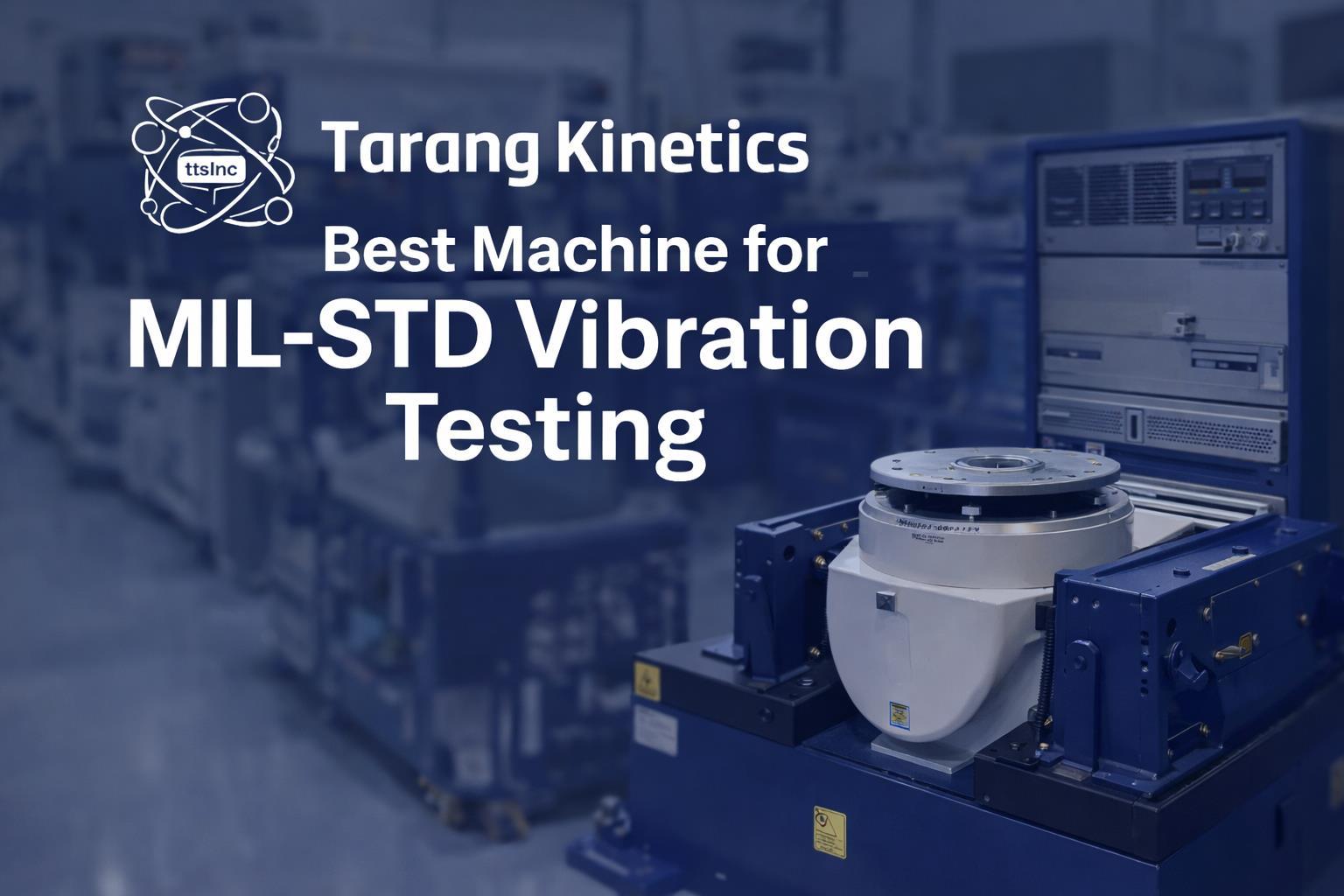
While there are several types of machines and mechanisms for MIL-STD vibration testing, the electrodynamic (ED) shaker-based testing simulator is considered on top. Here’s why:
Wide Scope of Applications
This is widely used in vibration testing laboratories for MIL-STD-810, 202, and 883, which require covering a wide frequency range. As it can produce vibration usually between 5 Hz and 2000 Hz, a broad spectrum of vibrations can be achieved.
Precise Control and Low Distortion
The MIL-STD vibration testing standards require the equipment to be tested on different vibration profiles. The ED shakes are coupled with high-speed and closed-loop controllers to make the machine produce complex profiles with precision. Unlike other machines, it produces low harmonic distortions that don’t compromise the vibrations.
Versatile Adaptability
From low-frequency in transportation to high-frequency jet vibrations, the ED shakers are versatile. These can be vertically or horizontally oriented. These can be integrated with environmental chambers to perform combined vibration, temperature and humidity testing.
Continuous Operation
When a long duration of testing is required, ED shakers are the top choice. These can sustain repeated use and produce comparable results without errors. Their build quality is robust, durable and rugged for hard use.
Other Properties
Proper ED vibration testing machines don’t suffer from chafed wiring, broken structures, loose fasteners, intermittent electrical contacts, and misaligned optical or mechanical assembly.
Conclusion
Given their broad frequency range, acceleration capacity, long performing ability, and versatility, electrodynamic shakers are best for MIL-STD vibration testing. This testing method is a common standard for a variety of industries, from aerospace to automotive. As they simulate the cumulative effects of fatigue, wear, and shock throughout a product's life cycle, conducting these tests and verifying the capability before and after vibrations ensures the industries assure their product quality.