SENATOR YOUNG INTRODUCES CRITICAL LEGISLATION PAGE 4
IPMA MEMBERS AT CAPITOL PAGE 6
APMA HOUSE OF DELEGATES PAGE 8
DR. LADHA HONORED AT APMA PAGE 9
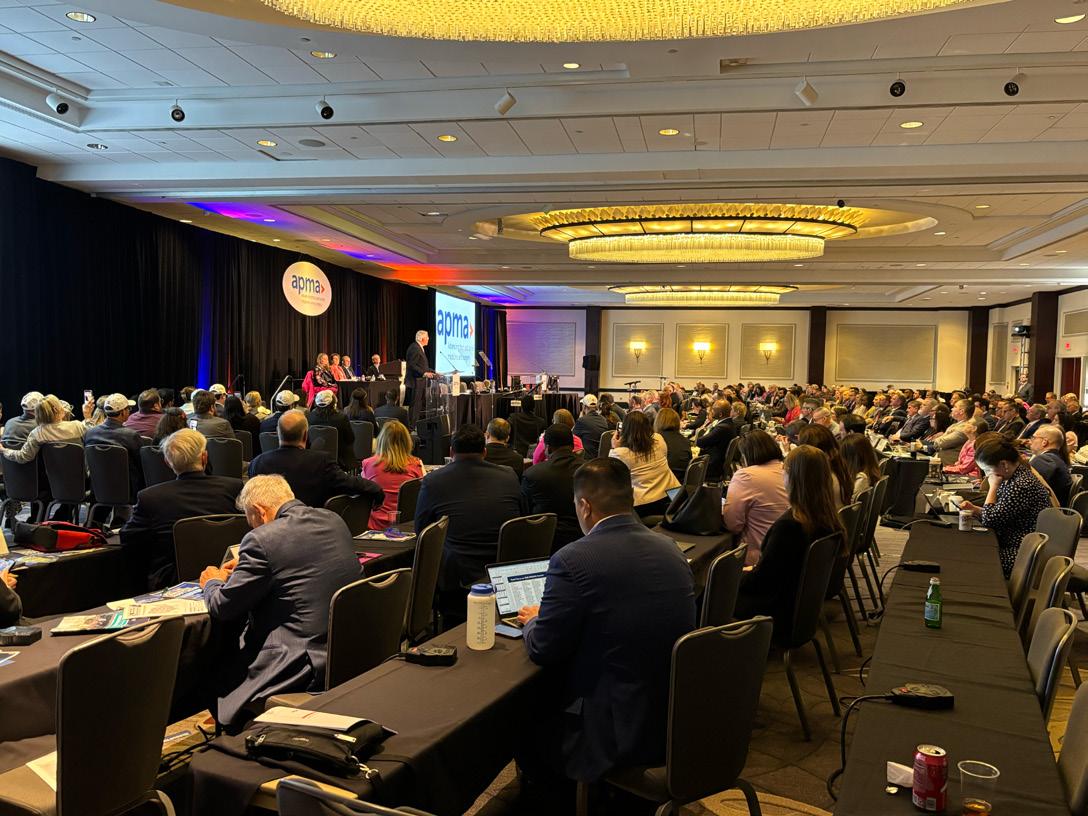
DR. DEHEER INSTALLED AS 100TH APMA PRESIDENT PAGE 10
TAKEWAYAS FROM THE 340B COALITION CONFERENCE PAGE 12
THE HIDDEN CONSTRAINT ON HEALTHCARE AI PAGE 14
WHY IS YOUR COMPLIANCE TRAINING SO IMPORTANT? PAGE 15
STEPPING YOUR PEOPLE UP TO MANAGE THEMSELVES PAGE 16
PRESIDENT’S MESSAGE
MICHAEL CARROLL, DPM | IPMA PRESIDENT
As we move further into 2026, I want to take a moment to reflect on the strength of our profession and the continued dedication each of you brings to patient care across Indiana. It is an honor to serve as your President, and I remain inspired by the commitment, innovation, and resilience demonstrated by our members every day.
ADVOCACY AND LEGISLATIVE UPDATES – This year has already proven to be an active one on the legislative front. Our association continues to advocate for policies that protect and expand the scope of podiatric medicine while ensuring the highest standards of patient care. We are working closely with state lawmakers to address reimbursement challenges, scope-of-practice clarity, and administrative burdens that impact your practices. Your engagement—whether through advocacy days, communications, or grassroots outreach—makes a meaningful difference.
CONTINUING EDUCATION AND PROFESSIONAL GROWTH – We are committed to providing high-quality educational opportunities that keep you at the forefront of clinical excellence. Our fall annual meeting promises a robust agenda featuring leading experts, practical lectures, and opportunities to connect with colleagues from across the state. I strongly encourage each of you to attend, participate, and share your expertise.
MEMBERSHIP AND COMMUNITY – Our strength lies in our community. This year, we are focusing on growing our membership and increasing engagement among early-career podiatrists and residents. Mentorship remains a key priority, and I encourage seasoned members to reach out and support the next generation of practitioners. Together, we can ensure a vibrant future for podiatric medicine in Indiana.
LOOKING AHEAD – As we look to the months ahead, I am confident in our shared ability to navigate challenges and seize opportunities. Whether through advocacy, education, or collaboration, each of you contributes to the advancement of our field.
INDIANA PODIATRIC MEDICAL ASSOCIATION
LEGISLATIVE REPORT
BY RHONDA COOK LEGISGROUP PUBLIC AFFAIRS, LLC
On February 27, around 6:30 p.m., the Indiana Senate and House adjourned Sine Die for the 2026 legislative session. As usual for the end game of a legislation session, legislators were busy right up to the last moments making last minute changes to move language into bills and tweak existing language in order reach a compromise. Legislators are now in full campaign season as they work for the May primary election and the general election in November. Also, we’ll now be waiting for the Legislative Council to meet (likely sometime in May) to share with the public what topics will be studied in the interim study committees. Interim study committees usually begin work in late summer/ early fall.
We’ll continue to review all legislation that passed in the coming weeks and will be taking a deeper dive into the more complex pieces of legislation. Below is a highlight of several bills (now enrolled acts) that we were tracking on your behalf. Let me know if you have questions!
HEA 1003 BOARDS AND COMMISSIONS
• Repeals, merges, consolidates or otherwise modifies various boards, commissions, and other governmental bodies. (The language to merge the Podiatric Medicine Board with the Medical Licensure Board was removed.)
HEA 1230 PROFESSIONAL LICENSING AGENCY
• Allows the professional boards to assess a business entity up to $5,000 for a disciplinary sanction by a professional board (versus $1,000 for an individual).
HEA 1271 PAYMENT OF HEALTH CLAIMS
• Requires hospitals to make information available to patients about payment assistance.
• Prohibits a health insurer from using downcoding in a specified manner (does not apply to Medicaid).
• Prohibits a provider from using an automated process, system, or tool to submit a health benefits claim (such as using AI) without the review of a provider or other person involved in the development of the claim for submission.
• Prohibits a health insurer from retroactively reducing the reimbursement rate for any CPT code and sets forth limitations on the time frame in which an insurer and a health maintenance organization: (1) may request repayment of an overpayment, adjust a subsequent claim, recoup or refund a paid claim, or retroactively audit a paid claim; and (2) is required to correct a payment error to a provider; if a health insurer recoups payment from a provider due to an error in coordination of benefits, the provider may submit
a claim for the same services to the appropriate insurer or health maintenance organization.
• Provides that an insurer and a health maintenance organization may not be required to correct a payment error to a provider if notice of the payment error is not provided within 180 days.
HEA 1249 VARIOUS CRIMINAL LAW MATTERS
• Contains the battery against school and healthcare employee language from HB 1040:
• Increases the penalty to felony level offenses for causing harm to a healthcare employee (defined as one who is employed by an entity that is licensed, certified or authorized to administer health care in the ordinary course of business or practice of the profession) or to a school employee.
• Requires employers of healthcare or school employees to make a report to the Commissioner of the Indiana Department of Labor twice a year regarding workplace battery incidents.
HEA 1358 INDIANA DEPARTMENT OF HEALTH
• Adds Parkinson’s disease to the definition of “chronic disease.”
• Establishes standards for the handling and transporting of infectious waste.
• Expands provisions concerning epinephrine, including
provisions allowing a pharmacist to dispense and an entity to prescribe epinephrine rather than auto-injectable epinephrine.
SEA 91 SYRINGE EXCHANGE PROGRAM
• Prohibits a qualified entity that operates a syringe exchange program from establishing or operating a fixed site for the distribution or exchange of a syringe or needle within 1,000 feet of a school, childcare center, or place of worship.
• Allows the Indiana department of health to deny, suspend, or revoke a qualified entity’s annual registration for a violation.
• Establishes requirements for program participation and prohibits a qualified entity that operates a program from providing chemical reagents or precursors and requires the state health commissioner to investigate any complaint regarding a qualified entity’s noncompliance with duties concerning the operation of a program and allows suspension or termination for noncompliance.
SEA 189 NONPARTICIPATING PROVIDERS
• Requires an initiating party that submits a request for independent dispute resolution to provide written notice to the facility not later than three business days after submitting the request.
• Allows a health carrier to provide notice to an out of network provider and a facility if, during any 90 day period, an initiating party submits requests for independent dispute resolutions that, in the aggregate, include 25 or more qualified disputes.
• Provides that if a health carrier provides the notice, the health carrier, the out of network provider, and the facility shall engage in good faith efforts to negotiate a resolution.
• Prohibits a health carrier from assessing a facility or a provider an administrative fee or penalty related to the provision of care to an individual that involves an out of network provider (or otherwise, it is an unfair and deceptive act or practice in the business of insurance).
SEA 225 HEALTH MATTERS
• Amends the definition of “ambulatory outpatient surgical center” to remove the requirement that a surgical procedure is permitted to be performed only by a physician, dentist, or podiatrist who has certain hospital privileges.
• Prohibits a hospital, debt collector, or other third party from pursuing medical debt collection if the hospital is noncompliant with specified statutes.
SEA 262 INSPECT PROGRAM
• Requires an opioid treatment program to, before reporting patient information to the program, comply with federal regulations in obtaining patient consent.
• Allows the board of pharmacy to disclose prescription drug monitoring program data to a representative of the Indiana department of health and the office of the secretary of family and social services for specified purposes.
Support Your Industry!
The IPMA Foot Support PAC is a nonprofit, bipartisan fundraising committee through which podiatrists support state candidates who support podiatric medicine’s issues before the Indiana General Assembly.
The Foot Support PAC’s role is to support candidates seeking office in the Indiana State Senate or Indiana House of Representatives.
Donate to the Foot Support PAC
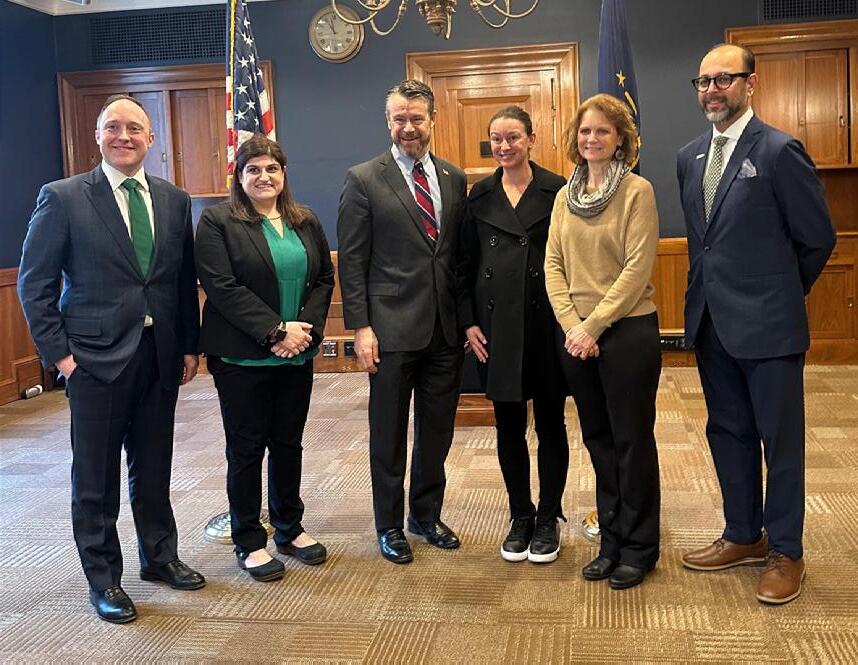
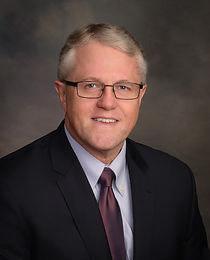
SENATOR TODD YOUNG INTRODUCES CRITICAL LEGISLATION
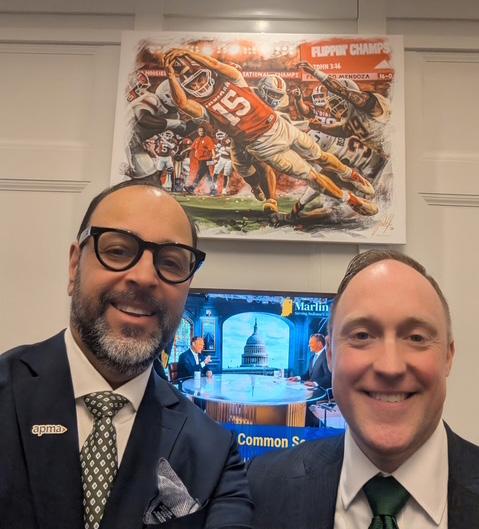
The IPMA and entire podiatric medical community extends its sincere gratitude to Indiana Senator Todd Young for introducing the Diabetes Foot Health Access and Modernization Act—critical legislation aimed at improving access to essential foot and ankle care for patients living with diabetes.
This important bill reflects a strong commitment to addressing one of the most serious and costly complications of diabetes: lower extremity conditions that, if left untreated, can lead to infection, hospitalization, and even amputation. By working to modernize policies and remove barriers to care, Senator Young’s leadership helps ensure that patients can receive timely, specialized treatment— like diabetic shoes—from podiatric physicians.
Legislative efforts like this are vital to strengthening the healthcare system and improving patient outcomes. Senator Young has demonstrated a clear understanding of the role podiatric physicians play in preventive care and chronic disease management. His introduction of this legislation underscores the importance of advancing policies that support both providers and the patients who depend on them.
On behalf of all podiatric physicians and the patients they serve, the IPMA thanks Senator Young for his leadership, advocacy, and dedication to improving access to high-quality healthcare. His efforts represent a meaningful step forward in the fight against diabetesrelated complications and in protecting limb health across the country.
ANCHORED IN PRECISION
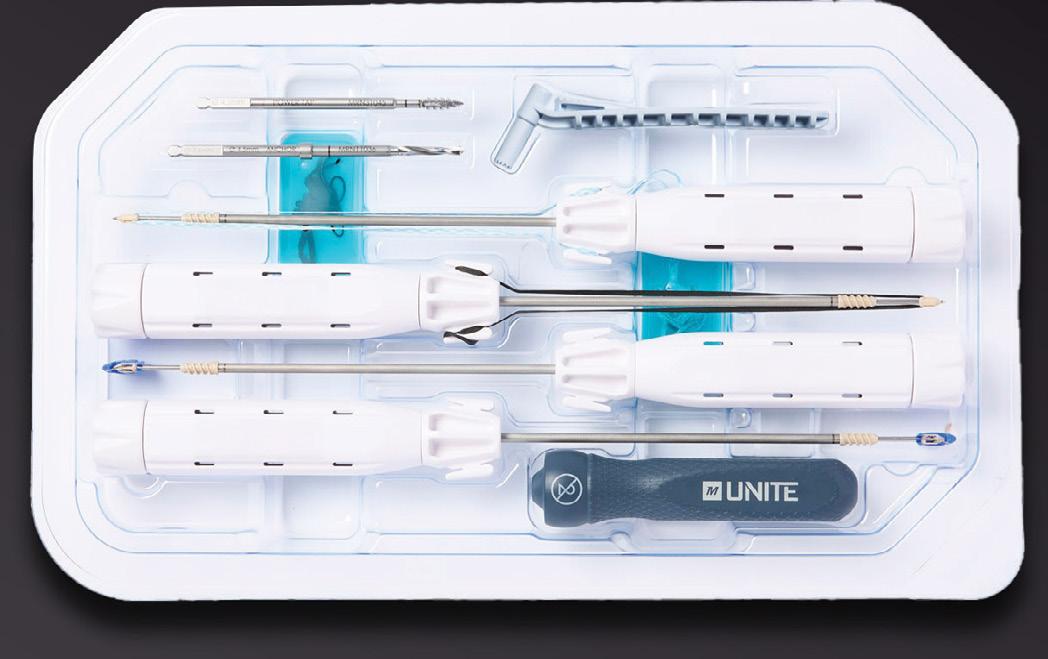
DEXLOCK® Insertional Achilles Repair Kit
Sterile convenience kit includes four Ø4.5 mm DEXLOCK Knotless Anchors, two of which are preloaded with 2 mm tape and needles, and all necessary instrumentation.
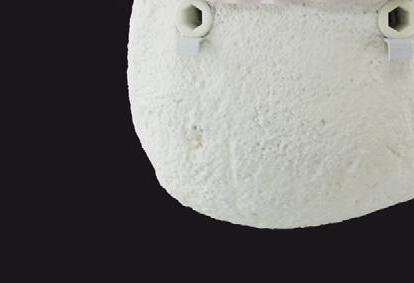
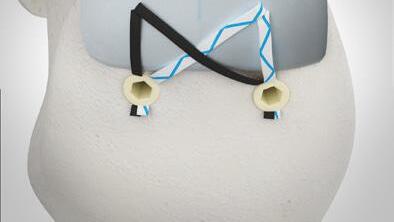
FORCEWEB™ Synthetic Ligament Augmentation
Constructed from an open weave synthetic, non-resorbable material, the implant’s dense microfilament structure allows for wicking of biological fluids to facilitate cellular adherence and tissue in-growth.1
System
This densely woven tubular implant outperforms 2 mm suture tape in both ultimate tensile strength and pull-out strength.1,2,3
Explore our product portfolio by system, anatomy or procedure.
IPMA MEMBERS HIT CAPITOL HILL
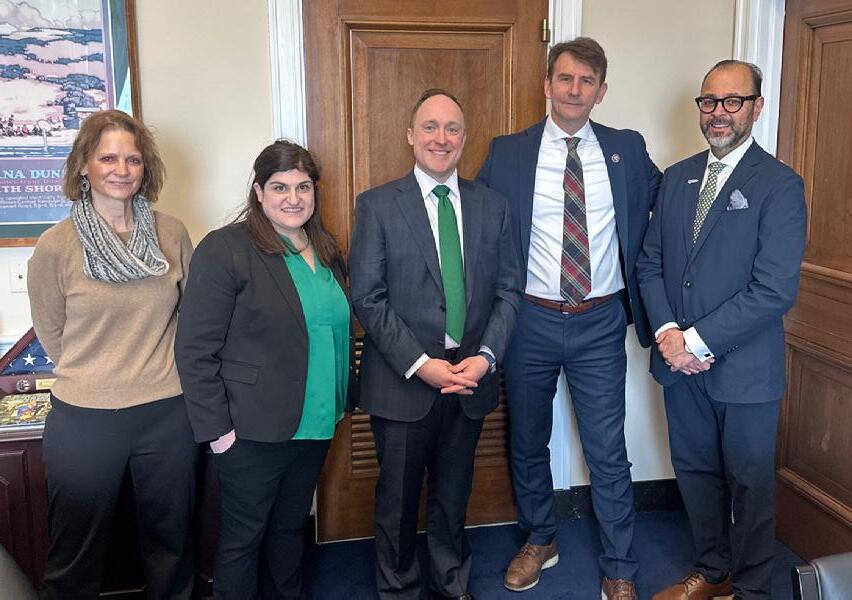
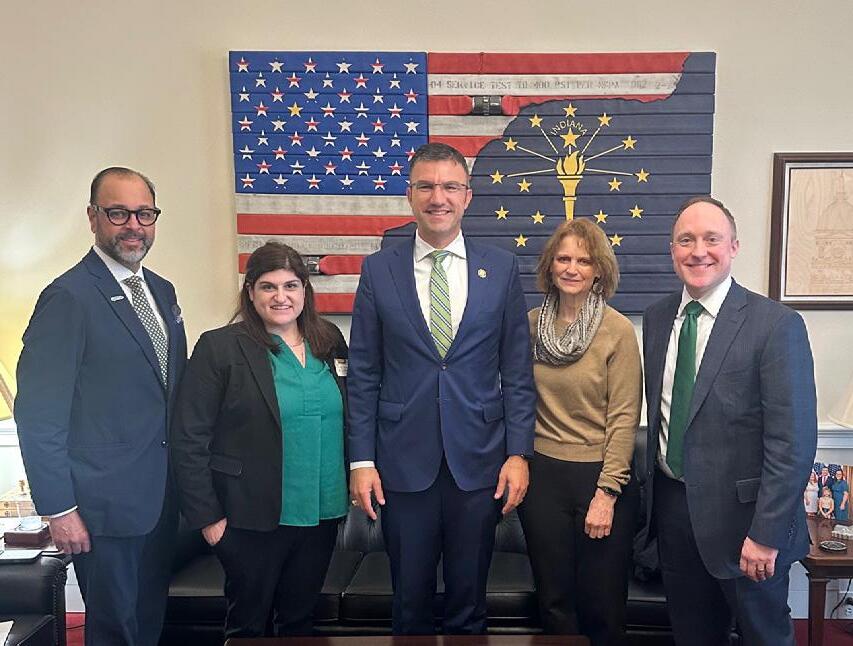
The Indiana Podiatric Medical Association Delegation made a strong and impactful presence on Capitol Hill during the APMA’s Legislative Conference in Washington, D.C., advocating on behalf of podiatric physicians and the patients they serve.
Throughout the conference, Indiana delegates met with members of Congress and their staff to discuss critical healthcare issues affecting the profession. With a unified voice, the delegation highlighted the importance of preserving and expanding access to podiatric care, emphasizing how foot and ankle health plays a vital role in overall patient outcomes.
Key topics included fair reimbursement and policies that support timely and effective treatment for patients—particularly those with chronic conditions such as diabetes. The delegation underscored how podiatric physicians are essential providers in preventing complications, reducing hospitalizations, and improving quality of life.
Members of the IPMA delegation brought both expertise and personal stories to their meetings, helping lawmakers better understand the real-world impact of legislative decisions. Their ability to connect policy with patient care proved to be a powerful tool in advancing their message.
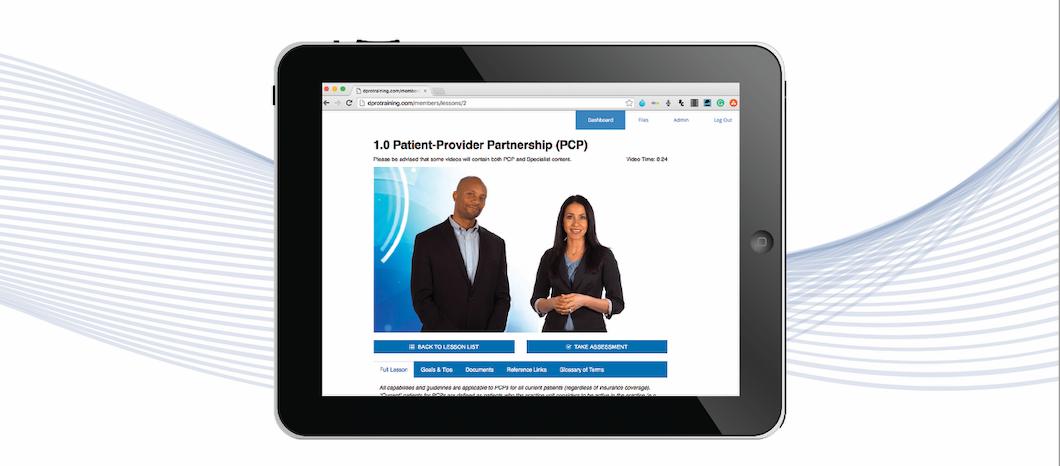
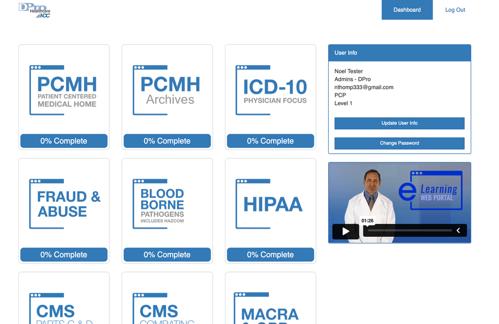
eLearning Portal Features:
- We take any training content & put it into easy to digest videos
- We house them on our custom SaaS platform that can be white-labeled for your company
- Documents, printable forms & other collateral can be uploaded for staff use
- Assessment or attestation for each video
- Certificate of completion for each module
- 24/7 Access
- Healthcare, Commercial industries and more
- Product & Services education to fit any trackable training needs
Administrative Features:
- Admin level allows for full transparency & visibility to all user access & progress
- Meet all your regulatory or compliance needs
- Use for product or services overview for partners or affiliates
- Progress monitoring & Analytics
Benefits:
- Training is paramount
- Easy access is crucial
- Frequency is key
- Product knowledge to partners is wealth
- Continuous Improvement training can benefit staff throughout each entire year
APMA HOUSE OF DELEGATES WRAP-UP
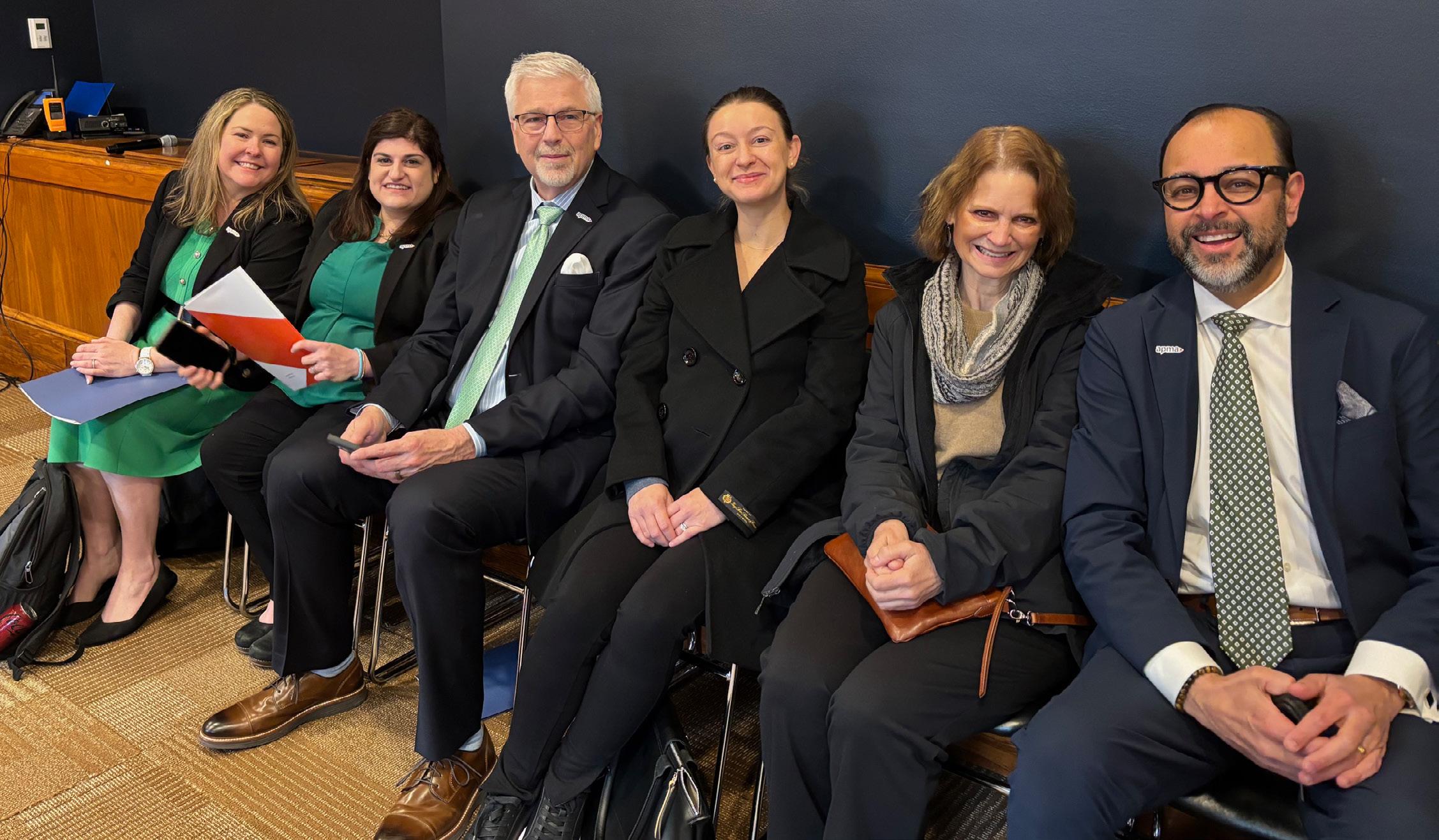
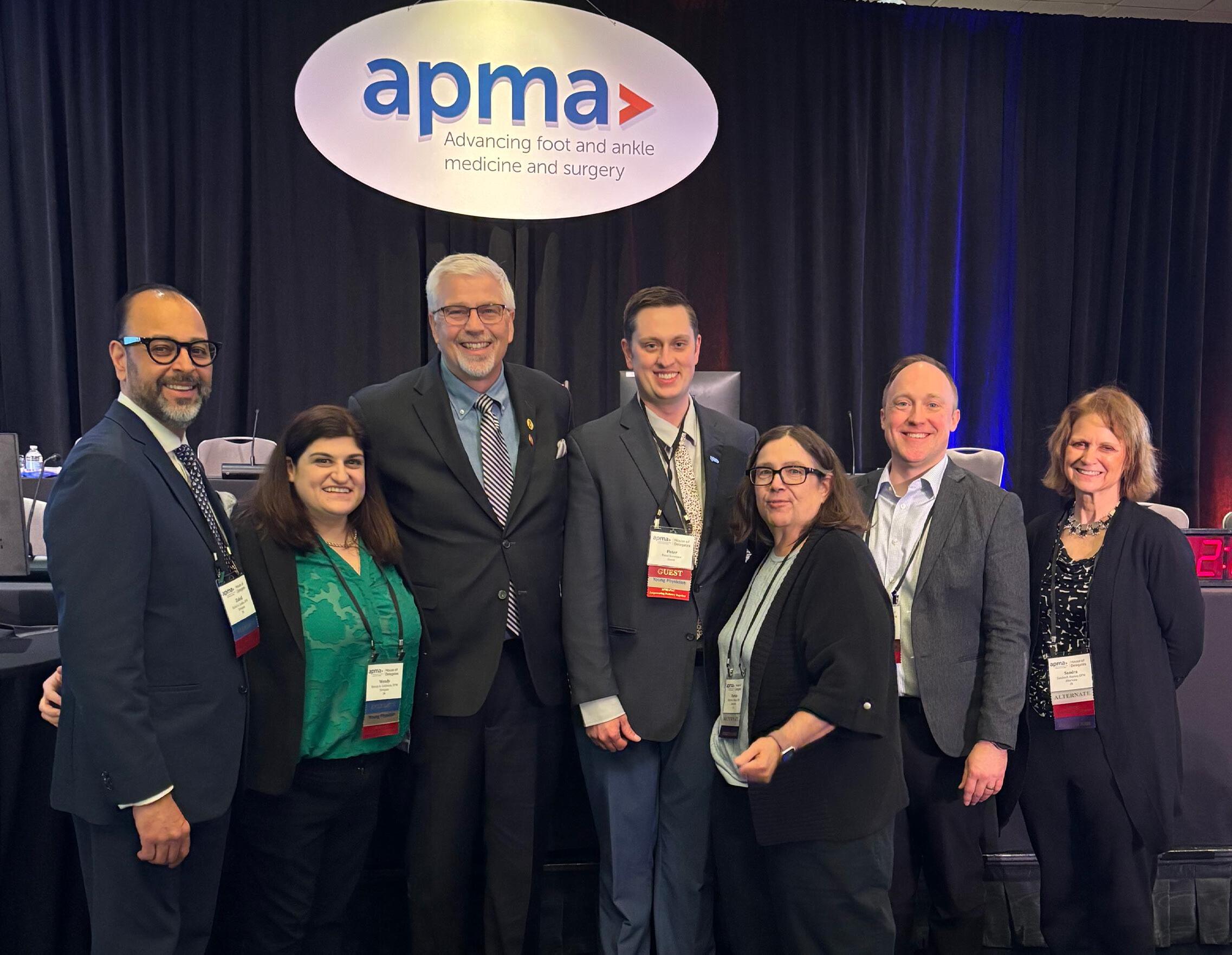
The Indiana Delegation delivered an impressive showing at this year’s APMA House of Delegates meeting in Washington, D.C., marking a weekend defined by collaboration, leadership, and forward-thinking discussions for the future of podiatric medicine.
From the outset, Indiana’s representatives brought energy and purpose to the national stage. Delegates actively participated in committee meetings, reference hearings, and policy discussions, ensuring that the voices and priorities of podiatrists from Indiana were clearly represented. Their engagement reflected a strong commitment not only to their home state but to the advancement of the profession as a whole.
Beyond the formal sessions, the weekend also provided valuable opportunities for networking and mentorship. Seasoned leaders connected with newer delegates, fostering relationships that will
strengthen future advocacy efforts. The Indiana group stood out for its unity, with members supporting one another and maintaining a clear, consistent voice throughout the proceedings.
The delegation also took time to celebrate its accomplishments and build camaraderie. Whether during informal gatherings or between sessions, there was a shared sense of pride in representing Indiana and contributing meaningfully to national conversations.
Their work in Washington, D.C. not only advanced key issues but also reinforced Indiana’s reputation as a leader within the APMA.
Overall, it was a highly successful and productive weekend—one that highlighted the dedication, expertise, and collaborative spirit of the Indiana Delegation.
Pictured (L to R): Zahid Ladha, DPM; Wendy Goldstein, DPM; Patrick DeHeer, DPM; Peter Sorensen, DPM; Patricia Moore, DPM; Matt Solak and Sandra Raynor, DPM.
IPMA’S DR. ZAHID LADHA HONORED AT APMA
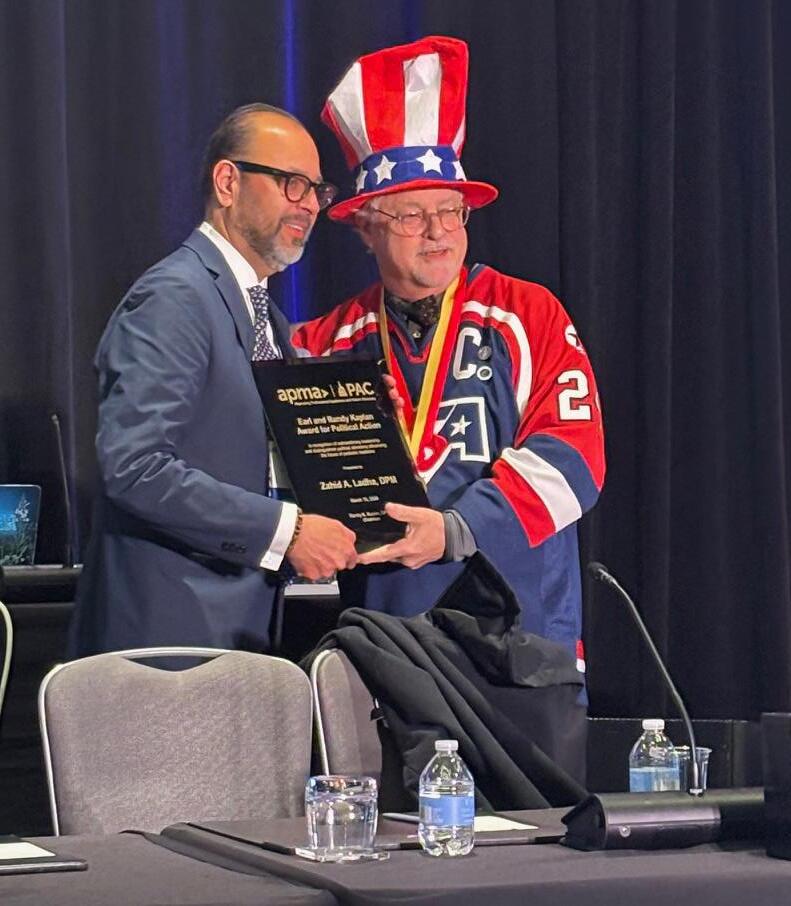
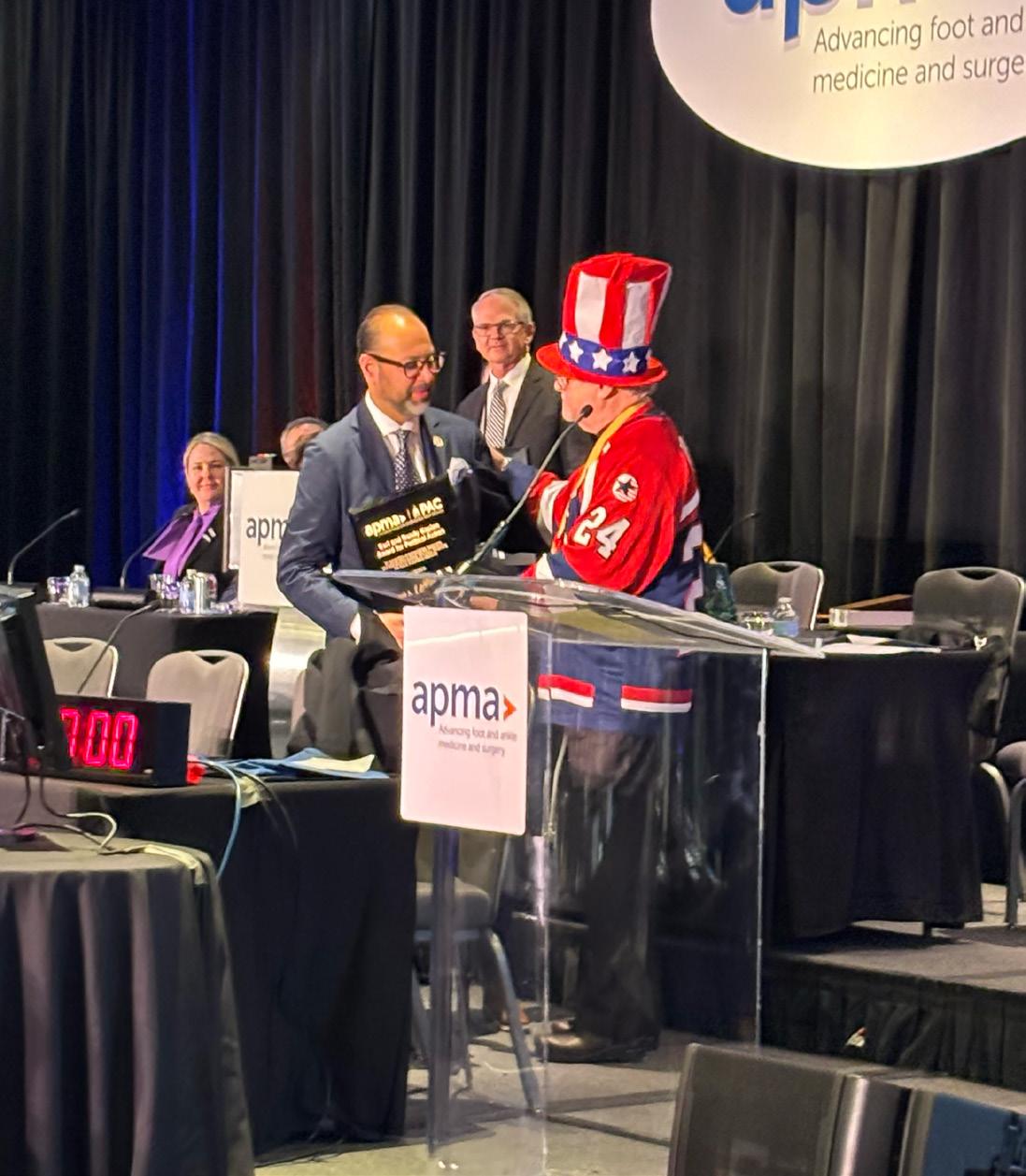
Dr. Zahida Ladha was honored with the prestigious Earl and Randy Kaplan Political Action Award during this year’s APMA House of Delegates in Washington, D.C., recognizing his outstanding dedication to advocacy and the advancement of podiatric medicine.
The award, named in honor of longtime champions of political engagement within the profession, is presented to individuals who demonstrate exceptional commitment to legislative advocacy and support of political action efforts. Dr. Ladha’s selection reflects years of tireless work promoting the interests of podiatric physicians at both the state and national levels.
Throughout his career, Dr. Ladha has been a strong voice for the profession, actively engaging with lawmakers, supporting key initiatives, and encouraging colleagues to become involved in advocacy efforts. His leadership has helped strengthen the profession’s presence in the political arena, ensuring that critical issues affecting podiatric medicine remain at the forefront of
policy discussions.
Colleagues and peers at the House of Delegates meeting applauded Dr. Ladha not only for his achievements but also for his ability to inspire others to take part in organized advocacy. His efforts have played a vital role in building momentum for political action, particularly through grassroots engagement and mentorship of emerging leaders.
Receiving the Earl and Randy Kaplan Political Action Award is a significant milestone and a testament to Dr. Ladha’s passion, persistence, and impact. His work continues to serve as a model for others in the profession, highlighting the importance of advocacy in shaping the future of healthcare.
As the meeting concluded, Dr. Ladha’s recognition stood as one of the weekend’s most notable moments—celebrating a leader whose dedication has made a lasting difference for podiatric medicine nationwide.
DR. DEHEER INSTALLED AS 100TH APMA PRESIDENT
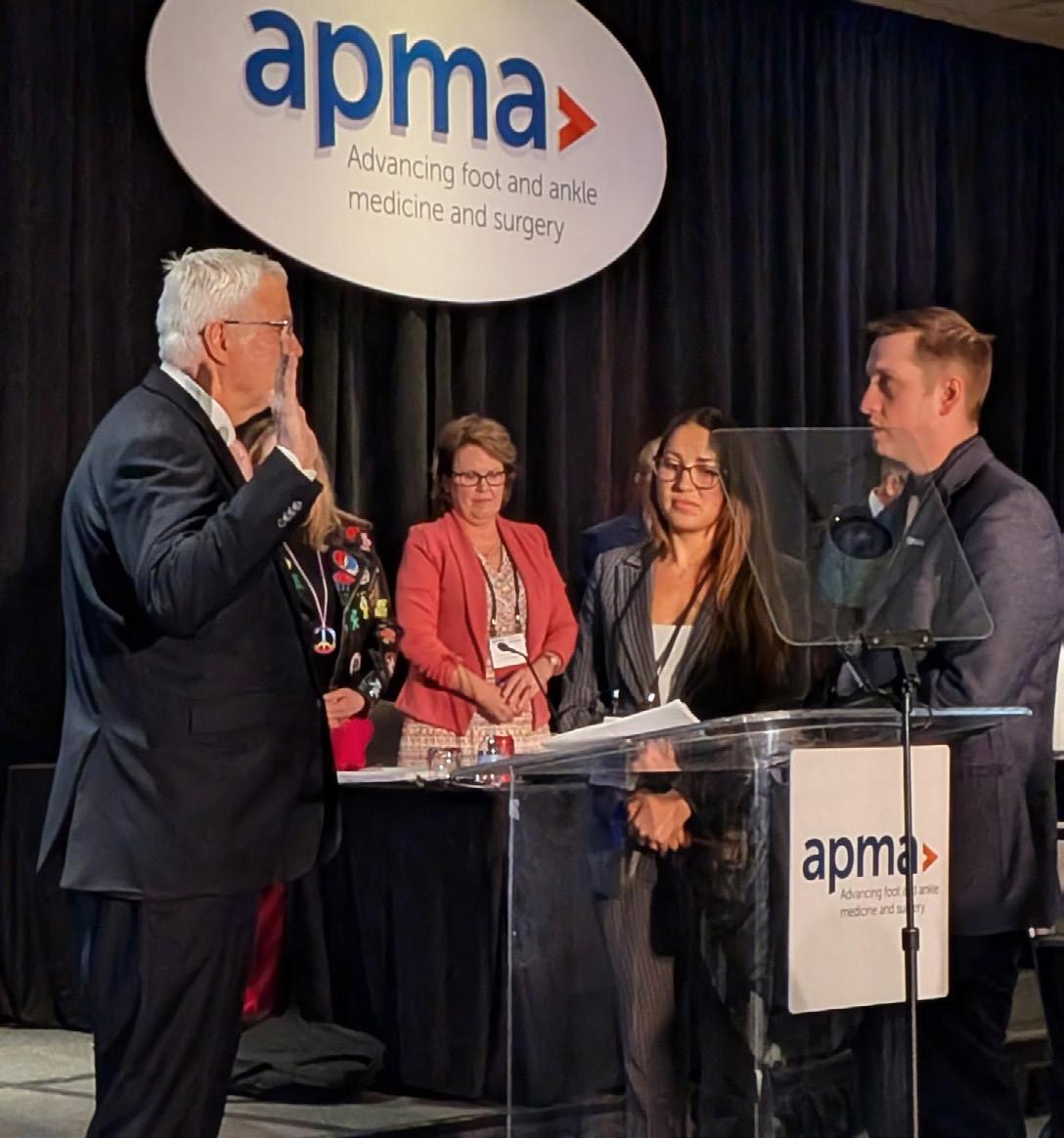
The American Podiatric Medical Association marked a historic milestone at this year’s APMA House of Delegates in Washington, D.C., with the installation of Dr. Patrick DeHeer as its 100th President.
This landmark moment represents more than just a leadership transition—it reflects a century of growth, advocacy, and progress within the profession. As the 100th president, Dr. DeHeer assumes his role at a time of both opportunity and transformation in healthcare, bringing with him a vision rooted in innovation, collaboration, and continued advancement of podiatric medicine.
Dr. DeHeer has long been recognized as a dedicated leader within the profession, with a track record of service at both the state and national levels. His installation was met with enthusiasm and pride from colleagues across the country, many of whom have
worked alongside him and witnessed his commitment to patient care, education, and advocacy.
During the ceremony, speakers reflected on the significance of the occasion, highlighting not only Dr. DeHeer’s accomplishments but also the legacy of leadership that has shaped the APMA over the years. The moment served as both a celebration of the association’s history and a forward-looking call to action.
In his remarks, Dr. DeHeer emphasized unity within the profession and the importance of amplifying the voice of podiatric physicians in an evolving healthcare landscape. He underscored key priorities including strengthening educational pathways, expanding access to care, and enhancing the profession’s role in multidisciplinary healthcare teams. Colleagues noted that Dr. DeHeer’s leadership style—
collaborative, thoughtful, and driven—positions him well to guide the APMA into its next chapter. His ability to connect with members and advocate effectively on their behalf is expected to be a defining feature of his presidency.
The installation ceremony concluded with a sense of optimism and renewed purpose. As the 100th president of the APMA, Dr. DeHeer steps into a role rich with history and responsibility, ready to lead the profession forward while honoring the foundation built by those who came before him.
This historic moment not only celebrates an individual achievement but also symbolizes the continued strength and evolution of podiatric medicine nationwide.
TOP 5
TAKEAWAYS
BY BRANDON W. SHIRLEY KRIEG DEVAULT
FROM THE WINTER 340B COALITION CONFERENCE
The 340B Coalition Winter Conference wrapped up its annual conference last week in San Diego, California. A consistent message throughout the conference was that the 340B Program remains a critical lifeline for covered entities, but it is operating in an environment of heightened legal risk, political scrutiny, and operational complexity. Below are five key themes that emerged consistently across federal panels, state updates, provider sessions, and regulator discussions, each with practical implications for covered entities and their partners.
THE FIGHT OVER A 340B REBATE MODEL IS DOWN BUT NOT OUT
HRSA’s proposed rebate model is currently stalled, but reform is not over. Federal courts blocked the rebate program from taking effect on January 1, 2026, and on February 10, 2026, the District Court effectively ended HRSA’s rebate proposal at HRSA’s request. However, just three days later, HRSA filed a request for information seeking to understand administrative, operational, financial, and drug access concerns with rebates, with comments due by March 19, 2026. Conference panelists repeatedly emphasized the importance of providing information about the operational and fiscal challenges of a rebate proposal to HRSA during such notice and comment periods.
THE INFLATION REDUCTION ACT IS REDUCING 340B SAVINGS
Multiple sessions confirmed that the Inflation Reduction Act (“IRA”) is already having a material financial impact on covered entities, particularly for high-cost and specialty drugs. Some systems reported projected 340B savings reductions of 30–35%, with multi-million-dollar implications concentrated among a small number of medications. The overlap between the IRA’s Maximum Fair Price (“MFP”) framework and 340B non-duplication requirements remains unsettled. There is no reliable, automated mechanism to prevent duplication, and both providers and manufacturers are struggling with inconsistent data, optional coding fields, and limited access to remittance information. For now, covered entities should assume manual oversight will remain necessary and should track refunds, credits, and liabilities carefully to avoid repayment exposure.
REPORTING AND CONTRACT PHARMACY LAWS ARE EXPANDING ACROSS THE UNITED STATES
States continue to be highly active in the 340B space, particularly through contract pharmacy protection statutes and stand-alone or bundled reporting requirements. Over 20 states now have contract pharmacy protection laws, and courts are mostly upholding these laws. On February 9, 2026, the Fifth Circuit Court of Appeals upheld Louisiana’s contract pharmacy laws, disagreeing with drug manufacturers’ contentions that federal law supersedes the
state law and that the state law is unconstitutional. At the same time, 340B reporting and transparency laws are becoming more common. The challenge with such laws is that aggregated reporting data can be misleading when removed from clinical and financial context, increasing the importance of proactive education, advocacy, and internal data validation. Multiple panelists stressed the need for strategic advocacy to counter prevailing narratives and misinformation about the 340B program.
HRSA AUDIT RISK IS RISING AND THE SCOPE IS EXPANDING
HRSA audit activity continues to increase, with recurring findings tied not to diversion, but to data integrity and registration accuracy. Common issues include: inaccurate OPAIS records; incorrect Medicaid Exclusion File entries; ownership documentation for entity-owned pharmacies; and incomplete or outdated cost report information. Notably, recent updates to the FY 2026 HRSA Data Request List expanded expectations around documentation of where drugs are furnished, not just dispensed, signaling broader audit scrutiny across care settings. These changes are located and described in Sections 2B, 2C, 3C, 5A, 7, and 9, Covered entities were encouraged to review these findings and test compliance against actual operational capacity and avoid policies that cannot be consistently executed.
OPERATIONAL OPTIMIZATION IS NO LONGER OPTIONAL
Several panelists emphasized the need to innovate to cope or adapt to growing restrictions and program scrutiny. With margins tightening and external pressure increasing, providers are increasingly focused on operational strategies to stabilize 340B program value, including: increasing in-house pharmacy and referral capture; expanding specialty pharmacy services; and improving data governance across vendors, TPAs, and EMR systems. Several panels emphasized that even modest improvements in capture rates can translate into six-figure revenue impacts, while poor data integration remains one of the most common sources of compliance exposure.
LOOKING AHEAD
Despite increased scrutiny, litigation, and regulatory complexity, the message from the conference was not that the 340B Program is unraveling. The program remains operational, legally viable, and capable of delivering meaningful savings to covered entities that rely on it to support access to care. At the same time, the environment in which 340B operates has changed. Innovation, disciplined compliance, and close operational oversight are no longer optional, but are essential to sustaining program value.
If you would like help assessing how these developments affect your organization or would like a deeper dive on any of the issues above, please contact Brandon W. Shirley.
Disclaimer: The contents of this article should not be construed as legal advice or a legal opinion on any specific facts or circumstances. The contents are intended for general informational purposes only, and you are urged to consult with counsel concerning your situation and specific legal questions you may have.
ONLINE LIMITED PODIATRIC RADIOGRAPHY EDUCATIONAL PROGRAM
The Indiana State Department of Health (ISDH) requires all podiatric medical assistants who take x-rays to be licensed as a limited podiatric radiographer.
The IPMA wants to remind the membership of its new limited podiatric radiography program that meets the ISDH requirements and is designed to instruct the podiatry assistant in the safe and effective use of x-rays in the podiatric practice.
Content includes:
• History of the x-ray
• Risks and safety measures associated with radiography
• Image production and film development
• Principles of CT Scan, MRI, and Bone Scan
• Anatomy of the foot and ankle
• Positioning and x-ray machine placement
PROGRAM STRUCTURE
The program consists of four online content modules, each with a final exam, one attestation module, a student manual, and an x-ray log. A Certifying Physician must guide the applicant in the clinical portion of the program and the completion of the x-ray log. The podiatry assistant must document competency by demonstrating the proper performance of 60 x-ray views in the podiatrist’s office.
At the successful conclusion of the program, the applicant will have the proficiency and skill necessary to obtain the limited podiatric radiography license and will receive a Certificate of Completion. The Certificate, the completed Application for Proficiency Certification for Limited Radiographer and signed x-ray log should be sent to the IPMA.
To learn more about this program or to register, click here.
THE HIDDEN CONSTRAINT ON HEALTHCARE AI: WHY MEMORY MATTERS FOR CLINICIANS
BY MICHAEL BRODY, DPM TLD SYSTEMS
Artificial intelligence is increasingly embedded in clinical practice—from radiology and pathology to clinical decision support and workflow automation. While much of the conversation focuses on accuracy and outcomes, a less visible factor is beginning to shape how quickly these tools reach the bedside: computer memory.
For clinicians, this may seem like a technical detail. In reality, it has direct implications for access, reliability, and the pace of AI integration into everyday care.
WHY AI REQUIRES SO MUCH MEMORY
Unlike traditional healthcare software, AI systems must process large volumes of complex data at once. A radiology model, for example, may analyze high-resolution imaging in real time, while other systems integrate lab values, notes, and longitudinal patient histories.
To function effectively, these tools rely on high-speed memory that can rapidly move and store data during computation. Modern AI systems often require dramatically more memory than standard hospital IT applications—sometimes an order of magnitude more.
WHAT THIS MEANS IN PRACTICE
The growing demand for memory is creating constraints that clinicians may already be experiencing indirectly:
y Slower rollout of AI tools – Some promising technologies may take longer to implement due to infrastructure limitations rather than clinical validation.
y Variable performance across settings – Large academic centers are more likely to have the infrastructure needed to support advanced AI, while smaller or rural facilities may face delays.
y Latency in real-time tools – In settings where
infrastructure is stretched, clinicians may notice slower response times in AI-assisted imaging or decision support systems.
y Dependence on cloud-based tools – Many AI applications are shifting to cloud delivery, which can improve access but may introduce variability depending on connectivity and integration.
IMPLICATIONS FOR CLINICAL WORKFLOW
As AI becomes more integrated into care delivery, memory constraints can subtly affect workflow:
y Turnaround times for imaging or pathology may depend on backend infrastructure capacity
y Clinical decision support tools may vary in responsiveness during peak usage
y Point-of-care AI applications (e.g., bedside tools) may be limited by available hardware
Understanding these limitations can help clinicians set realistic expectations and advocate for appropriate resources.
THE BOTTOM LINE
AI has the potential to significantly improve patient care, but its success depends not only on algorithms, but also on the systems that support them. Memory—an often overlooked component of computing—is emerging as a key factor influencing how reliably and widely AI can be deployed.
WHY IS YOUR COMPLIANCE TRAINING SO IMPORTANT?
Healthcare compliance training is an important component of any medical organization. It functions as a safeguard to protect the organization from legal penalties, protect the employees by educating them about the rules and regulations of their job, and protect their patients from potential harm caused by negligence or poor training. Compliance training is required for organizations to legally operate, and these programs can also reduce the occurrence of sanctions and financial penalties.
WHAT ARE THE PENALTIES FOR NON-COMPLIANCE?
Because compliance is a legal requirement, you can’t run a healthcare organization without a comprehensive compliance training program. The penalties for non-compliance could include:
y Fines
y Revenue loss
y Loss of license
y Legal disputes
y Damage to an organization’s reputation
These penalties can be especially severe for healthcare organizations or those that handle protected health information. For example, healthcare organizations without HIPAA compliance can receive higher penalties for breaches.
WHAT ARE THE BENEFITS OF COMPLIANCE TRAINING?
While it’s easy to focus on the penalties associated with noncompliance, there are also many benefits of compliance training. These benefits include:
y Maintaining a safe and ethical workplace
y Reducing the cost of care
y Enhancing business reputation
y Reducing the risk of failed audits
y Minimizing risk of legal action and penalties
It’s important to know that compliance training helps your business run smoothly, effectively, safely and ethically.
The cost of DPro Training Modules for one year per person: $125. Visit our website at dprotraining.com to learn more, or contact me at 248-765-1729.
IPMA CHANGES MEMBERSHIP DUES
We wanted to remind you that IPMA recently chose to transfer responsibility for dues collection to APMA. We hope this change will deliver added convenience for members in Indiana and allow IPMA’s membership department to spend more time delivering value to current members and reaching out to nonmembers.
You should have received notification from APMA earlier this week to set up your dues payment schedule. Please be sure to respond as soon as possible, as this will now be the process for paying your APMA and IPMA dues.
IPMA works closely with APMA all year to deliver value for your membership, and this transition is no different. We are working with the APMA team to ensure this transition is a smooth one, and we hope it offers added flexibility and convenience for you, our member.
You can contact ask@apma.org or 800-ASK-APMA at any time if you have questions or concerns or contact Trina Miller at trina@kdafirm.com or 888-330-5589 in the IPMA office who is ready to assist as well. Thank you for your membership!
STEPPING YOUR PEOPLE UP TO MANAGE THEMSELVES
TINA DEL BUONO, PMAC
TOP PRACTICES
Many podiatric practices are operating leaner than ever. Reimbursement pressure, staffing shortages, and rising operational costs have forced physicians to rethink their overhead structure. In some offices, the manager position has been eliminated in some cases Team Leads are implemented or everyone is just doing their best to keep things going while the doctor is trying to oversee everything.
This leads to a very practical question: Can a podiatric practice truly function well without a manager?
The answer is yes — but only if structure replaces supervision. Self-management does not mean the absence of leadership. It means leadership shifts from watching people to building systems that allow people to manage themselves. When implemented correctly, this shift can actually increase team maturity and reduce daily stress for the physician.
The first step is defining clear ownership. In many podiatry offices, responsibilities are described broadly: “The front desk does the deposits,” or “The medical assistants order supplies.” But when ownership is shared, accountability weakens. Every recurring task — from reconciling daily deposits to submitting claims, managing DME inventory, cleaning instruments or following up on prior authorizations — must have one clearly assigned owner. One name. One deadline. One person responsible for reporting completion.
The next step is moving expectations from memory to writing. Each team member should have documented daily, weekly, and monthly task lists specific to their role. For example, a front desk coordinator may be responsible for end-of-day balancing, new patient insurance verification, and appointment confirmation metrics. A back-office medical assistant may have structured responsibilities tied to room turnover, chart preparation, and supply monitoring. Written task lists prevent the common phrases physicians hear: “I didn’t realize that I was to do that” or “I thought someone else handled that.”
Tracking then becomes essential. Trust grows when verification is easy. Deposit logs, claims submission reports, accounts
receivable follow-up trackers, and inventory sheets provide visibility without micromanagement. The goal is not to check up on people constantly. The goal is to eliminate surprises — especially financial ones.
I recently worked with a podiatric practice that eliminated their manager role. Initially, the doctor felt overwhelmed. Deposits were occasionally delayed, supply orders were inconsistent, and insurance follow-ups lacked consistency. Instead of hiring another manager we developed Team Lead positions and defined task ownership for each staff member, implemented written weekly reporting, and created simple tracking tools. Within a few months, the doctor reported feeling more informed than before — and less reactive. Staff began taking greater pride in reporting their accomplishments, and missed tasks dropped significantly.
That reporting rhythm is the next critical piece. In a self-managed practice, each staff member should submit a brief weekly report outlining completed tasks, key metrics, issues encountered, and priorities for the coming week. This allows the physician to review operations in a focused fifteen-minute window rather than chasing information throughout the week.
Of course, implementation requires intentional follow-through. Buy-in does not occur simply because a new form is introduced. It happens when physicians explain the purpose clearly: this system reduces stress, protects revenue, and helps the team succeed. When staff see that reports are reviewed consistently and strong performance is acknowledged, trust grows. When gaps are addressed promptly, accountability strengthens.
A self-managed team does not mean a leaderless practice. It means the physician has chosen to build clarity instead of chasing tasks. When ownership is defined, expectations are written, tracking is visible, and reporting is consistent, a practice can operate smoothly — even without a traditional manager.
In many cases, the result is not just operational stability, but a more disciplined and confident team.
Tina Del Buono is a Practice Management Performance Coach, Consultant and Mentor for physicians and her fellow office managers/ administrators and their staff. She has been a practice manager for over 25 years. Tina is the author of a National Indie Award Winning Book, “Truth from the Trenches” The Complete Guide to Creating A High-Performing, Inspired Medical Team. She can be reached at Tina@ toppractices.com
Forward is the official publication emailed semiannually to all member DPMs in the state of Indiana. The publication reaches the desks of nearly 200 podiatry professionals and their staff throughout the state of Indiana. It also boasts an open rate of 65%, on average. Plus, all ads are hyperlinked to the advertiser’s website.
CLOSING DATES
INDUSTRY EVENTS
APMA The National August 6-9, 2026
Nashville, Tennessee
IPMA Annual Convention October 2-3, 2026 Renaissance Indianapolis North Carmel, Indiana
2026
Michael Carroll, DPM, President
Gage Caudell, DPM, President-Elect
Sarah Standish, DPM, First Vice President
Kathryn Alleva, DPM, Second Vice President
Zahid Ladha, DPM, Secretary/Treasurer
Nathan Graves, DPM, Immediate Past President
Brad Legge, DPM, Central Trustee
Nathan Graves, DPM, North Trustee
Matthew Parmenter, DPM, South Trustee
IPMA STAFF
Matt Solak, Executive Director
Derek Dalling, Deputy Executive Director
Geri Root, Director of Events
Trina Miller, Membership Director
Melissa Travis, Creative & Communications Director