Architecture
Architecture
Hello! I’m Kidus Yoseph, a fourth-year architecture student at Adama Science and Technology University. I present my portfolio, showcasing my academic journey and growth.
With a strong foundation in architectural design and technical skills,I believe architecture can create spaces that inspire and enhance lives.
My design approach is driven by sustainability, functionality, and aesthetics, addressing unique challenges while considering social, cultural, and environmental contexts.
I have gained proficiency in architectural drafting and modeling software, allowing me to effectively communicate my ideas.
Education
Bashewam kg,primary&G.secondary School Addis Ababa Ethiopa.
2007-2016 G.C
K.A.W.G.M.S Addis Ababa Ethiopia.
2017-2020G.C
Adama Science and Technology University Department of Architecture& Urban planning Adama City Ethiopia. 2021-Current time.




Autodesk Autocad Utilization:Planning Level:Intermidiate
Graphisoft Archicad Utilization:Planning,3d Modeling Level:Beginner
Autodesk Revit Utilization:Planning,3d Modeling Level:Advanced
Sketch Up Pro Utilization:3d Modeling Level:Beginner
Acadamic Internship at Mesmer c.a.e jul 2023-Oct 2023
Internship Experience
Four month working experiance at Mesmer consulting architects and engineers as intern architect



Lumion Utilization:3d Visualization Level:Intermidiate
Adobe Photoshop Utilization:Visualization Level:Intermidiate
Adobe Illustrator Utilization:Presentatio Level:Intermidiate
Description:
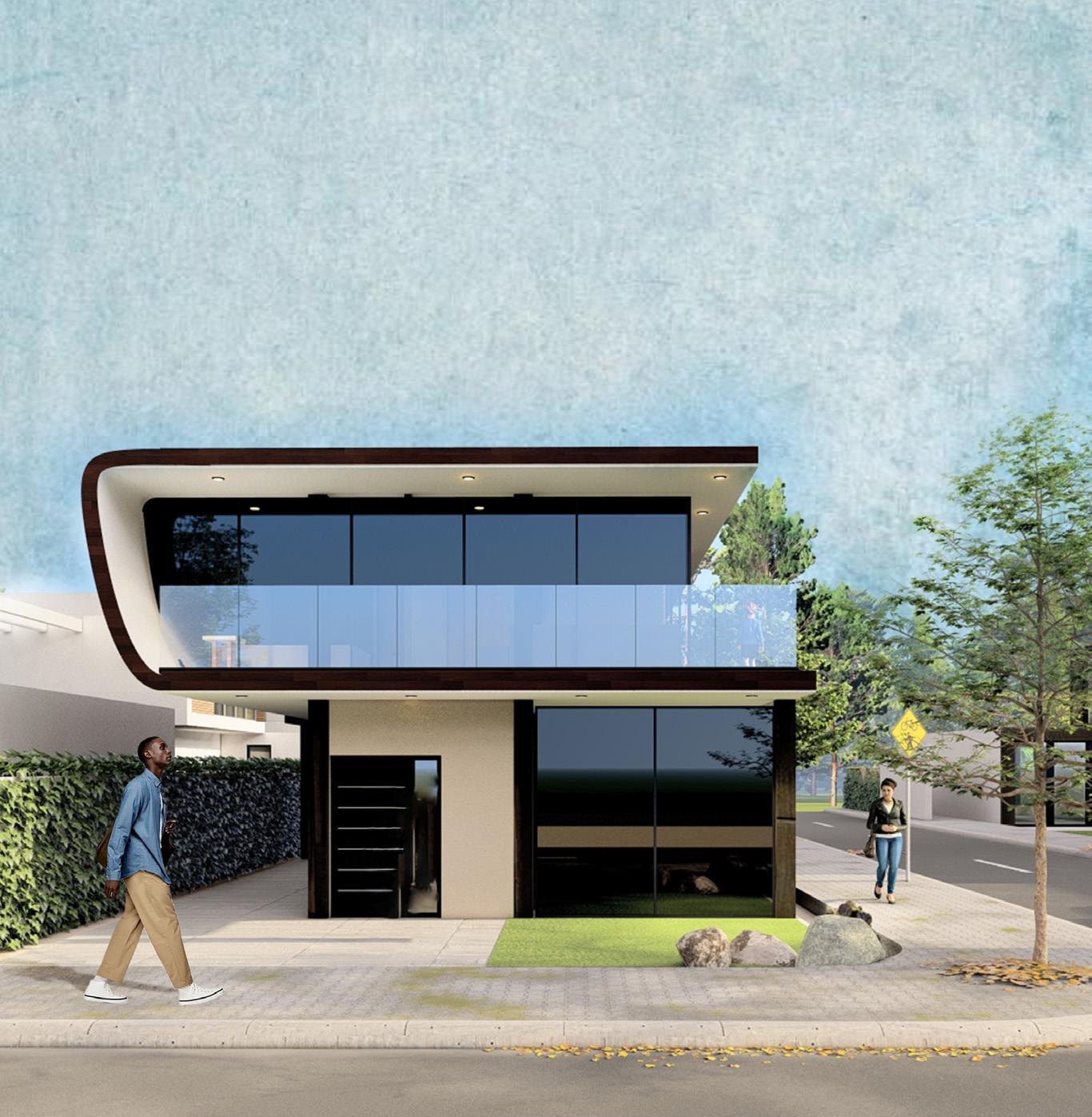
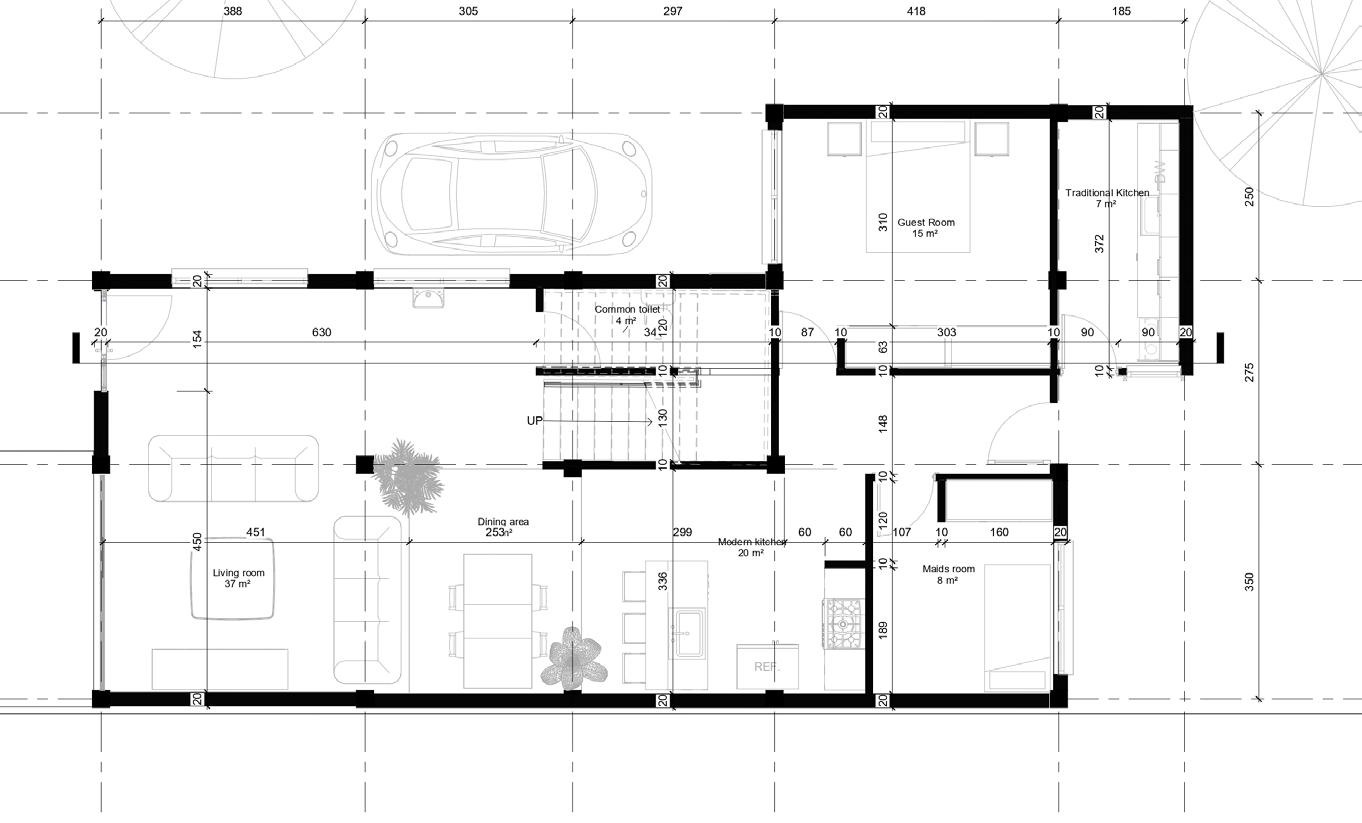
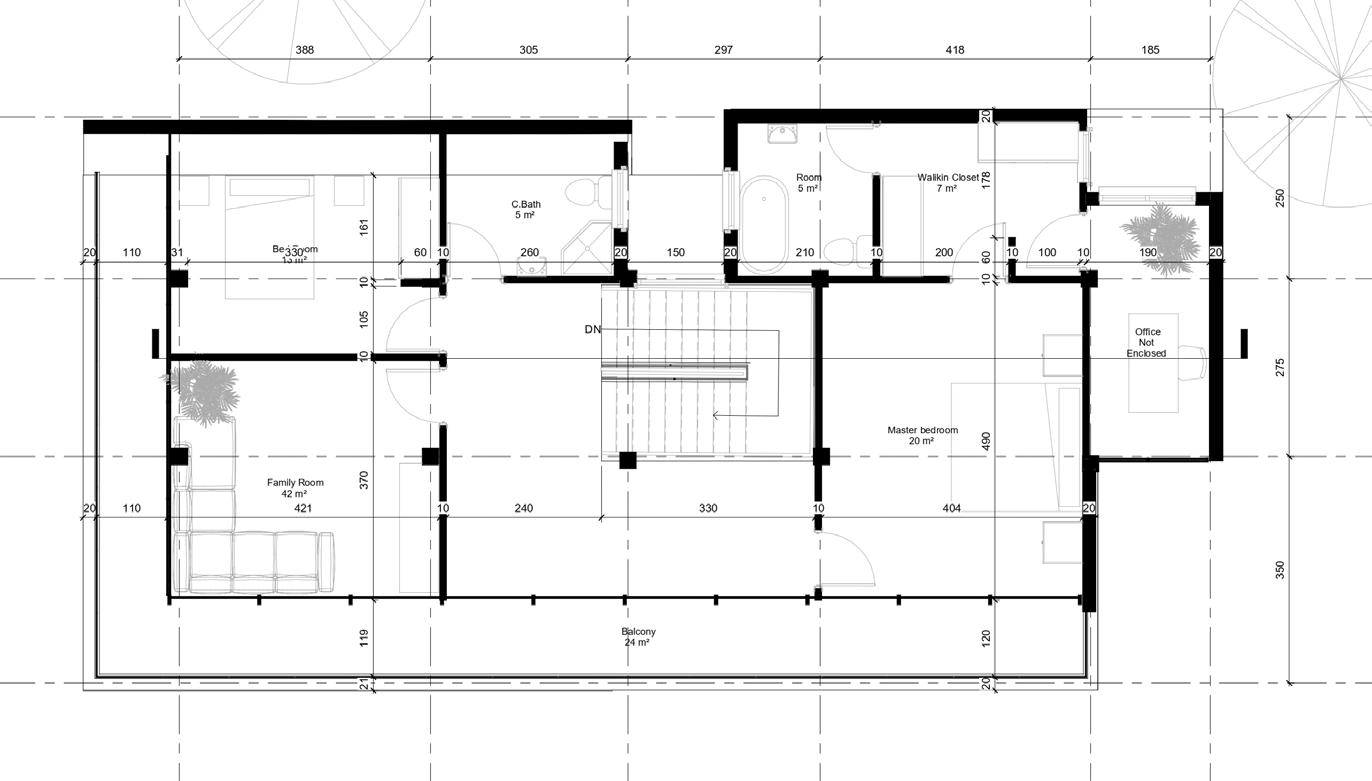
The Kine Residence is my first architectural design project in my second semester, a contemporary residential building focusing on using available space and creating a contemporary facade influenced by the client’s interests, goals, personal conduct, and work ethics.
The design features huge windows for natural light, and a minimalist color palette for a streamlined appearance. The building’s layout maximizes practicality while preserving a sense of openness and flow throughout. The interior spaces are intended to be adaptive and flexible to the client’s changing needs, with multi-functional zones that can serve several functions.
The ultimate purpose of the design is to create a harmonious living space that reflects the client’s personality and beliefs while also addressing their practical needs for a modern lifestyle.
The program includes a living room, dining area, modern kitchen, maid’s room, master bedroom, and children’s rooms.
Description:
The axonometric section showcases the project’s space utilization, with large north-east openings welcoming morning sun and strategically placed windows and doors allowing natural light to flood the space, enhancing the home’s ambiance.
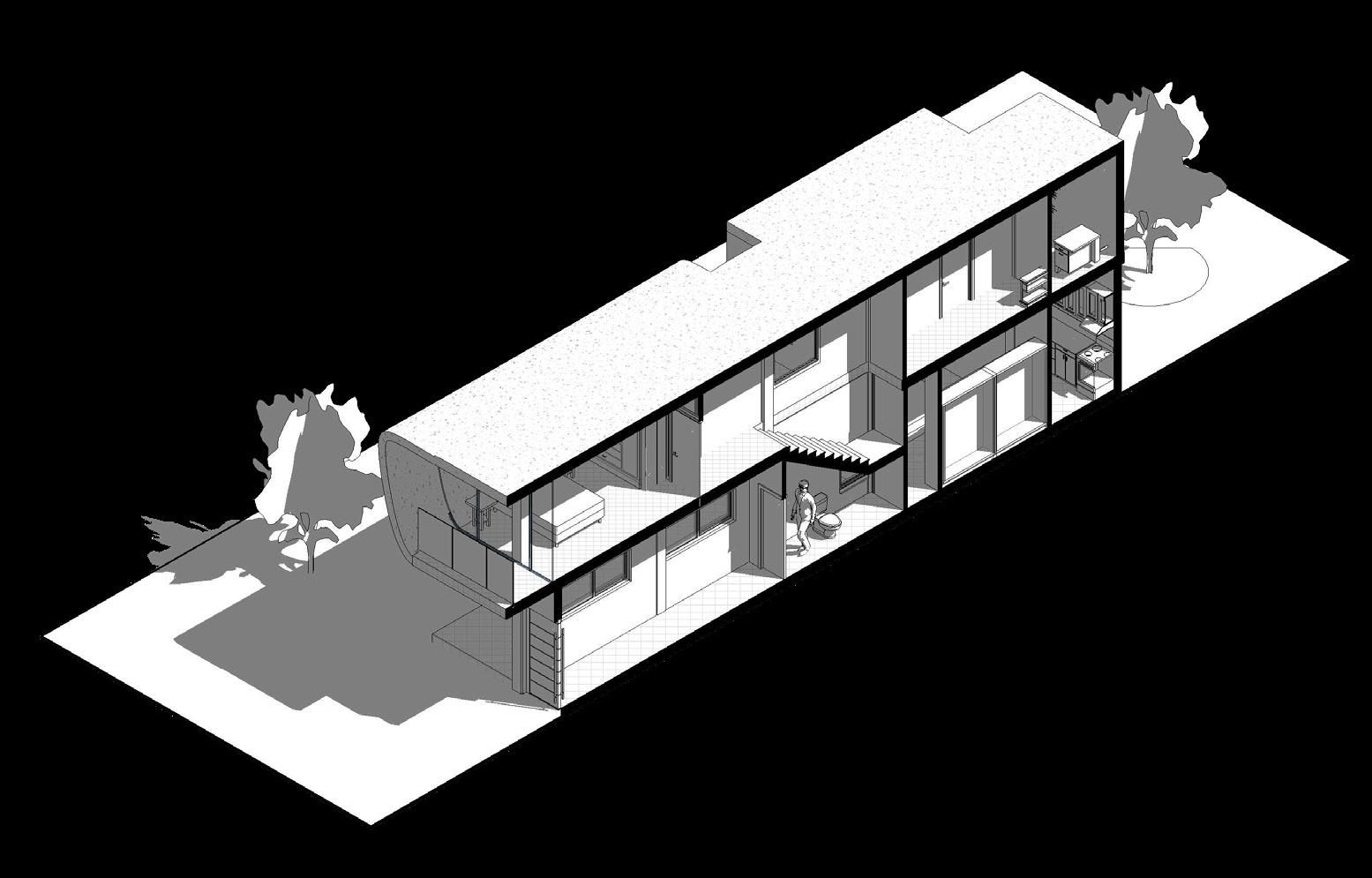
Section Scale 1:100
detail
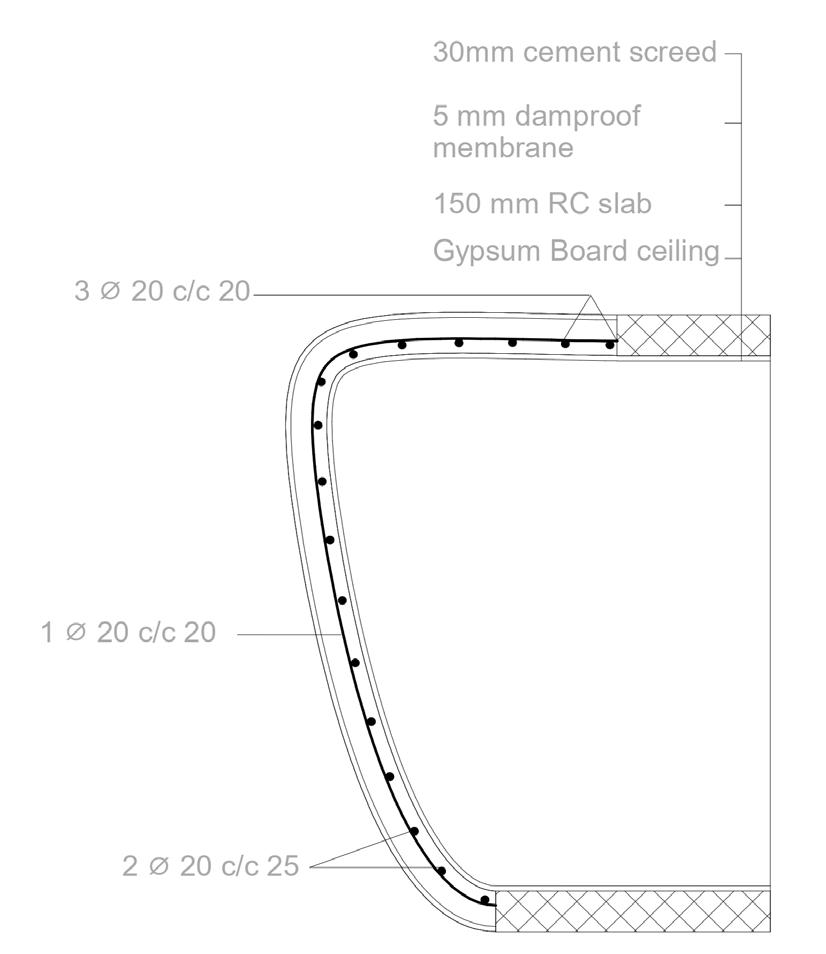
Scale 1:20
Curved walls improve aesthetics, acoustics, and structural strength. They optimize space, allow for natural light and ventilation, and benefit residents psychologically. They can create a welcoming, organic environment in the home.
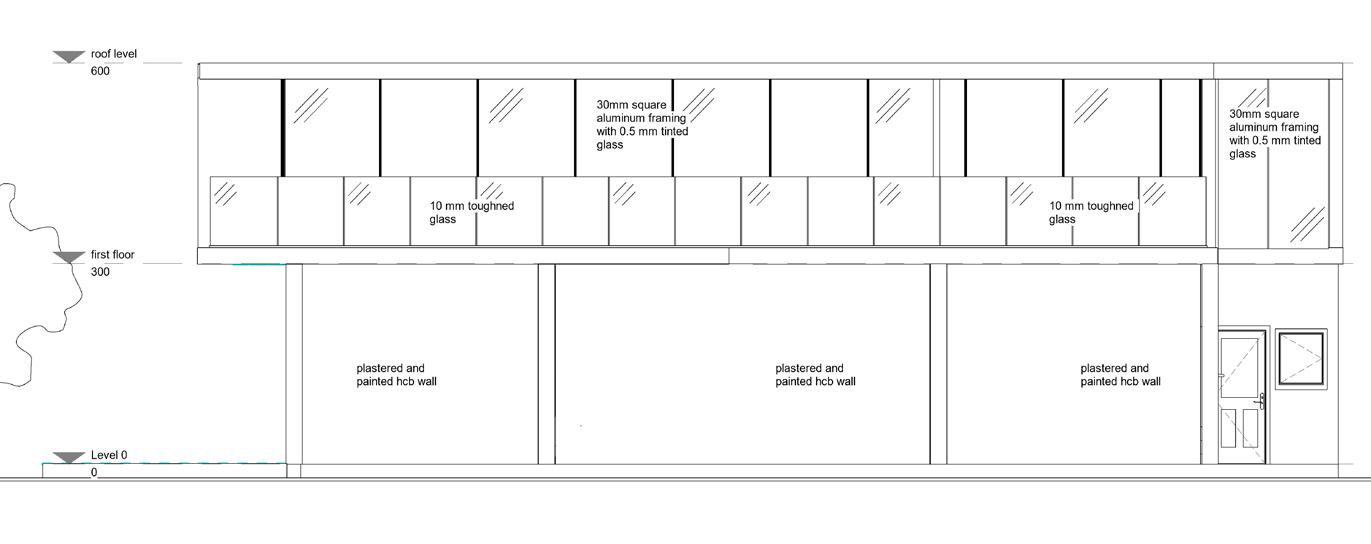
East Elevation
Scale 1:50
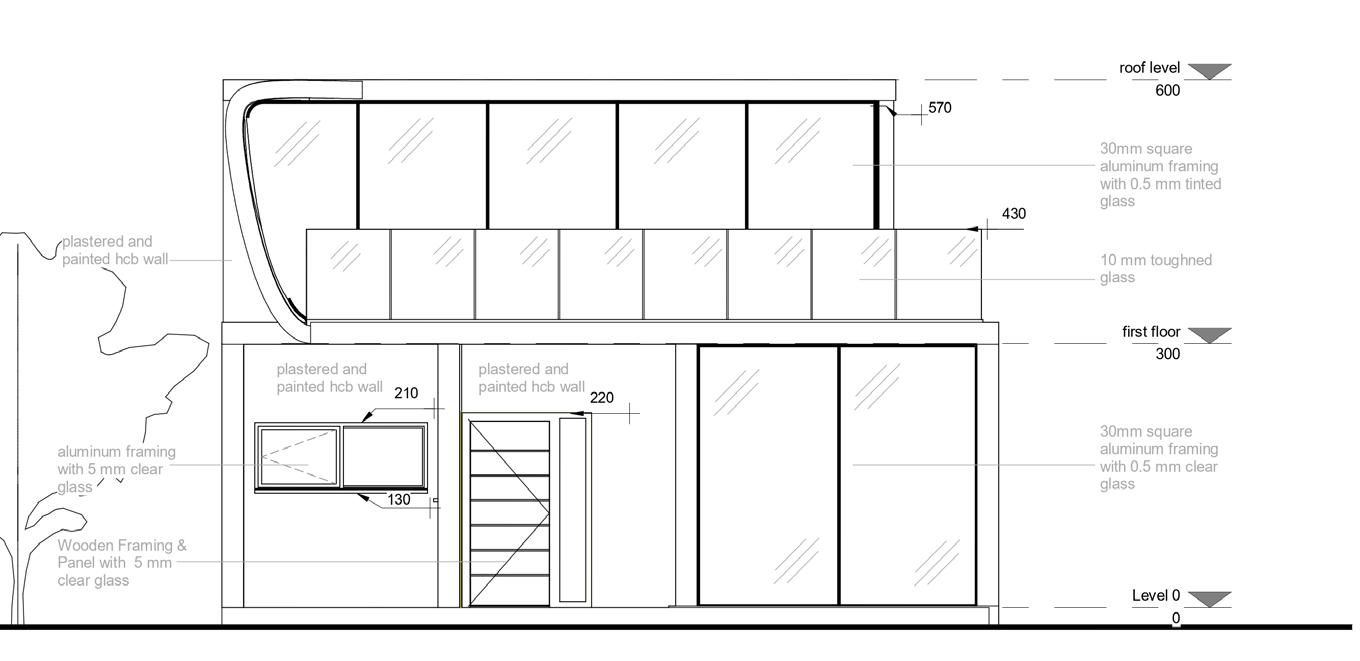
Front Elevation
Scale 1 : 50
Description:
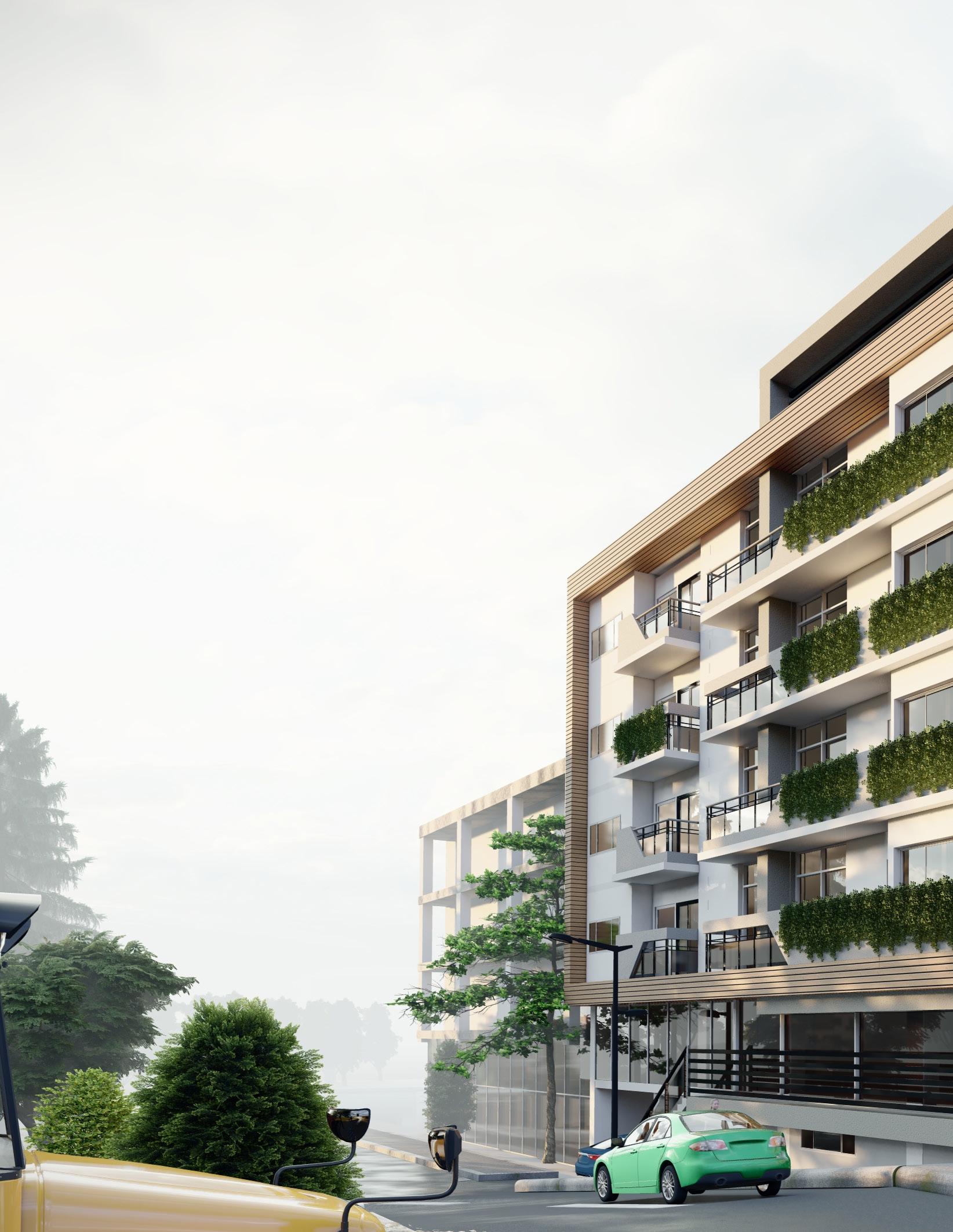
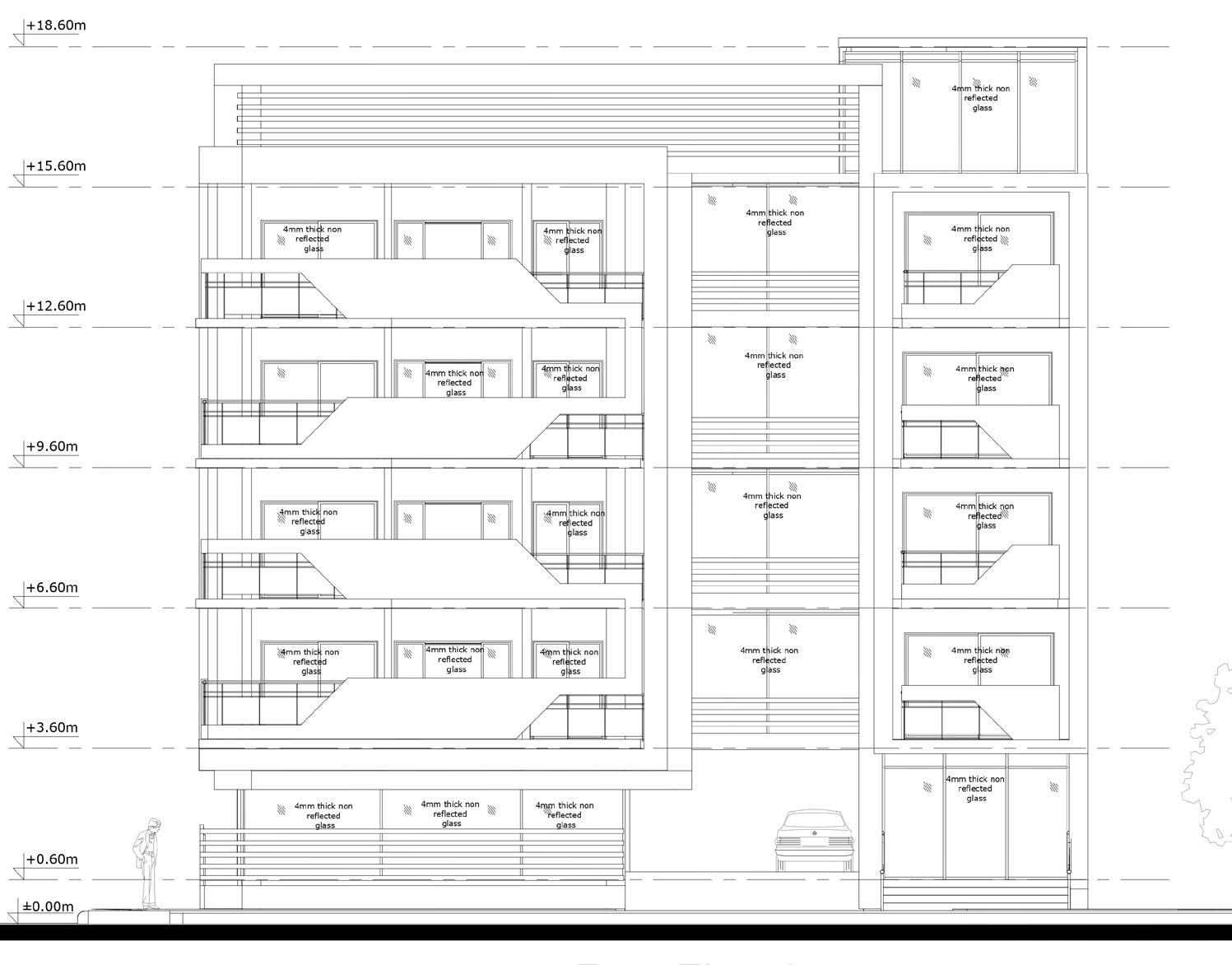
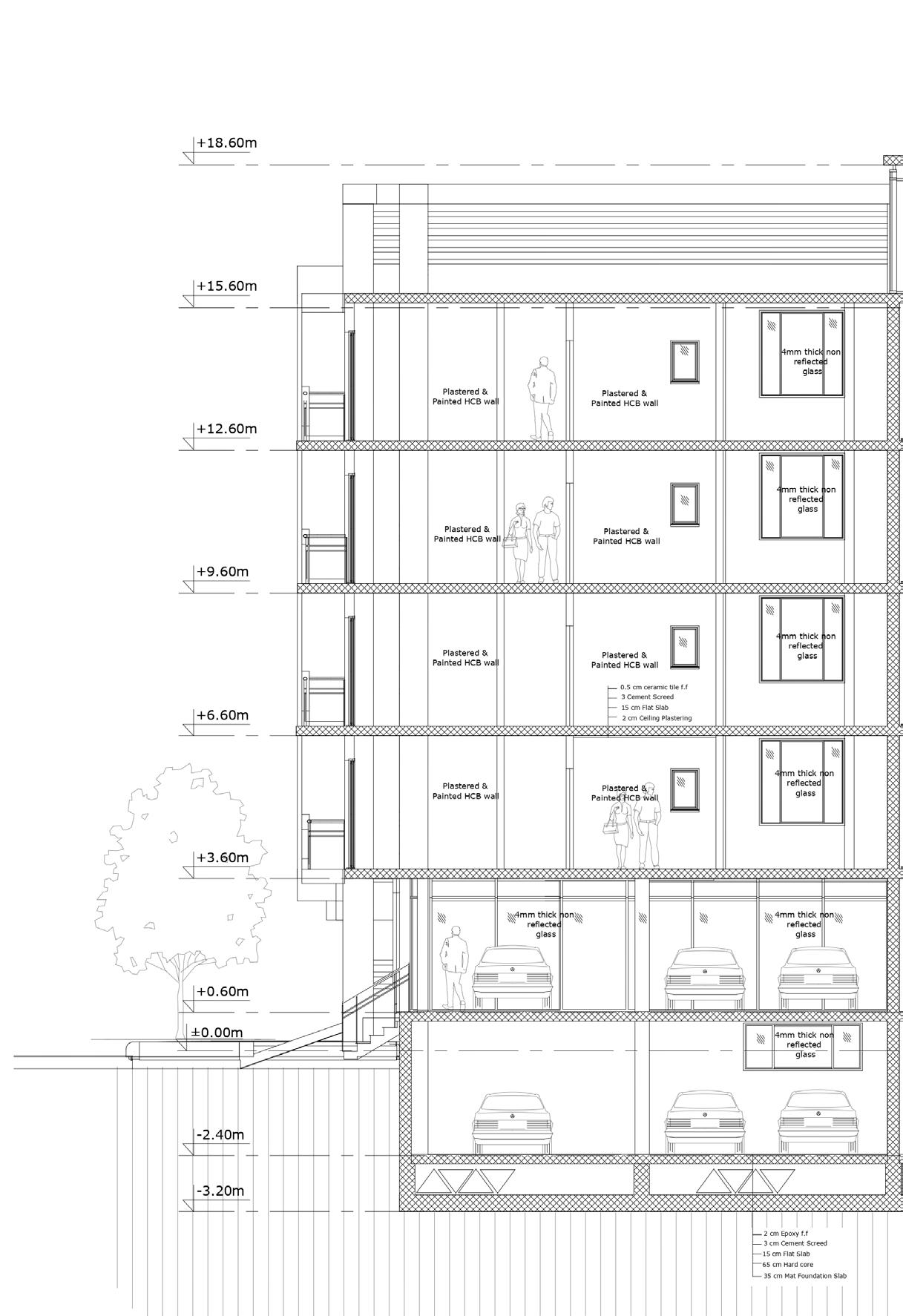
Negus Apartments was one of the projects I was assigned to design during my internship period at Mesmer Cae Done, in collaboration with Negus Creatives and Mesmer Cae.
Contribution:Planning,3dModeling
3d render by:Eyob k.
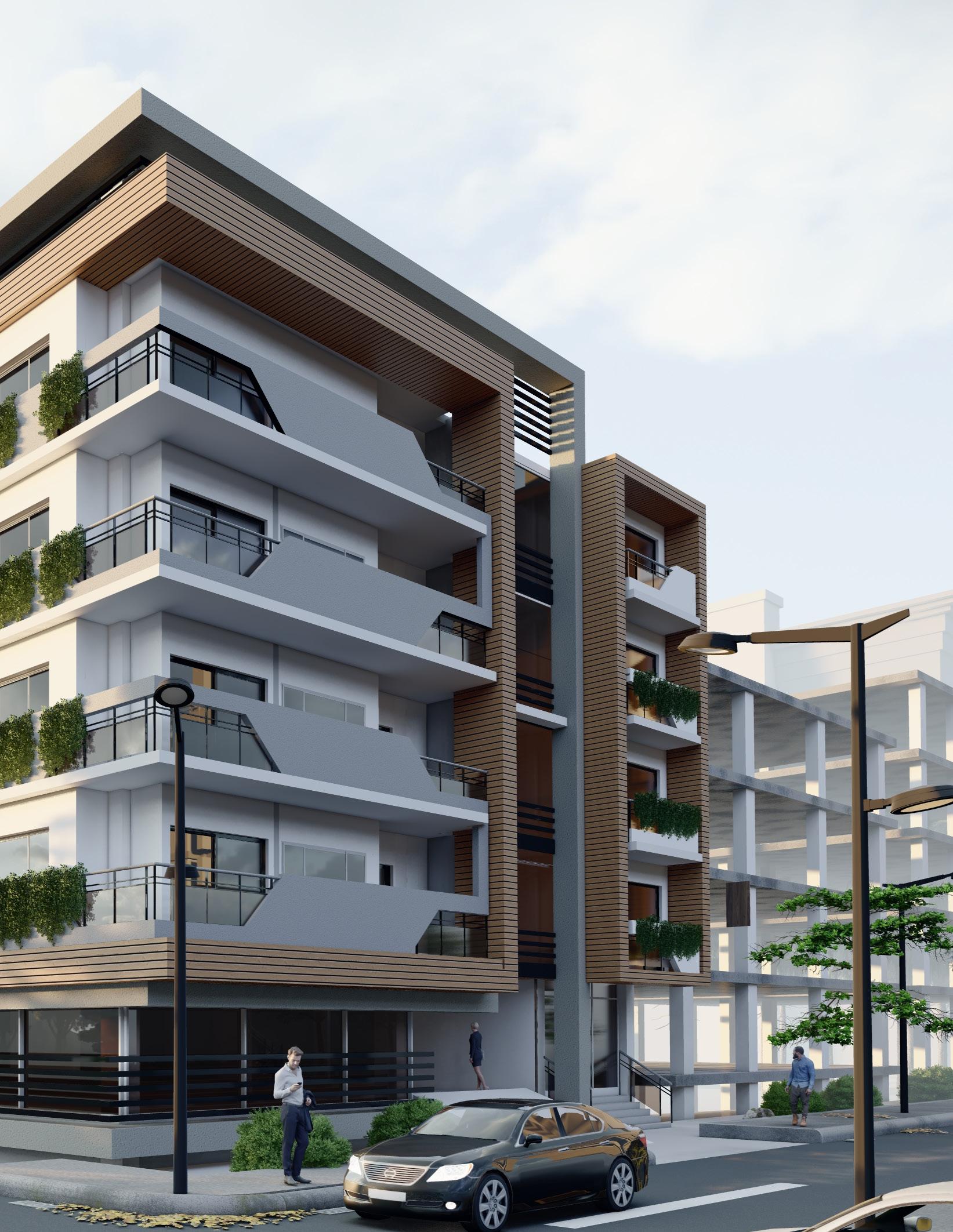
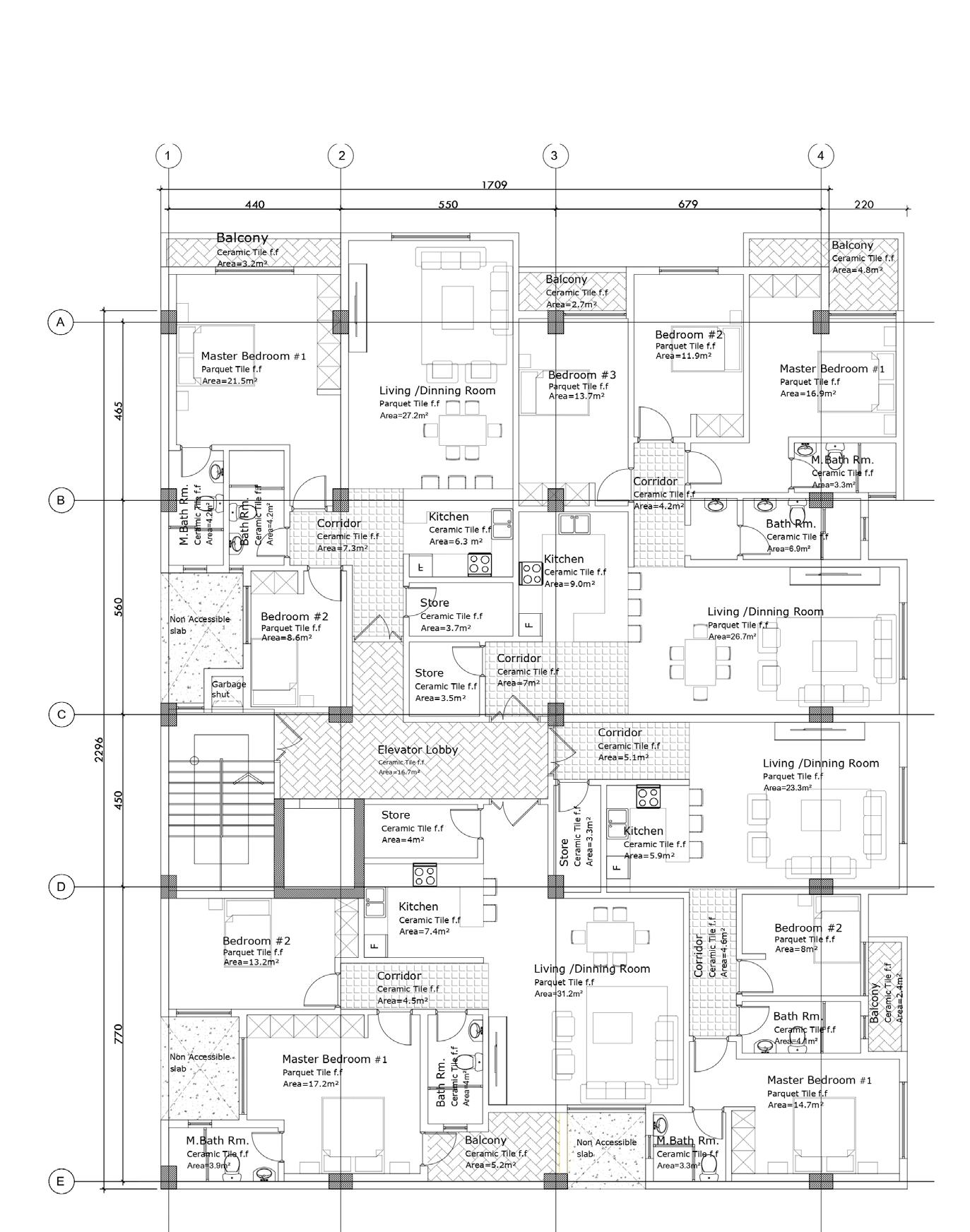
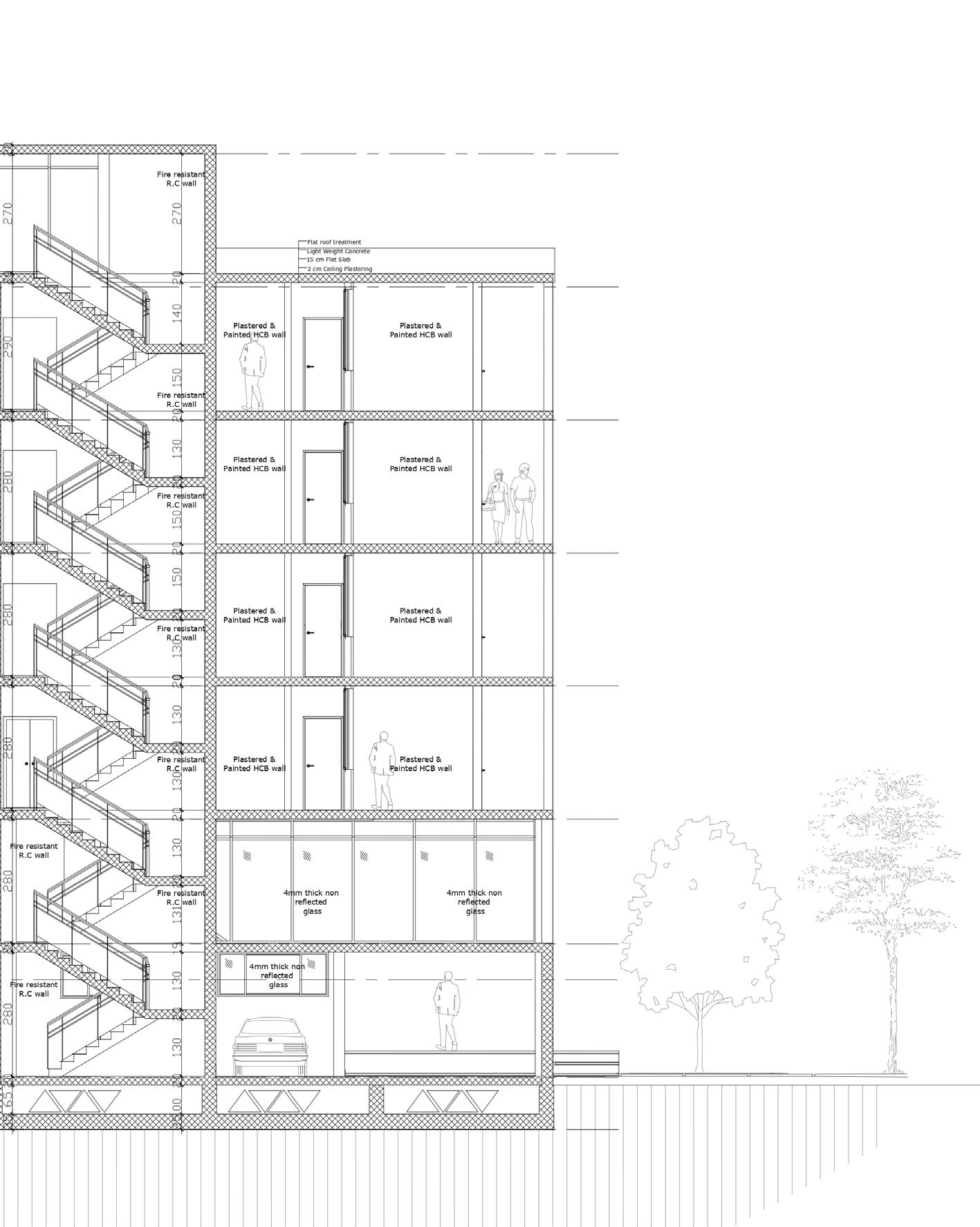
The building features four apartment units per floor: three two-bedroom units and one three-bedroom unit, for a total of 16 housing units with individual parking spaces and a communal rooftop garden for residents to enjoy.
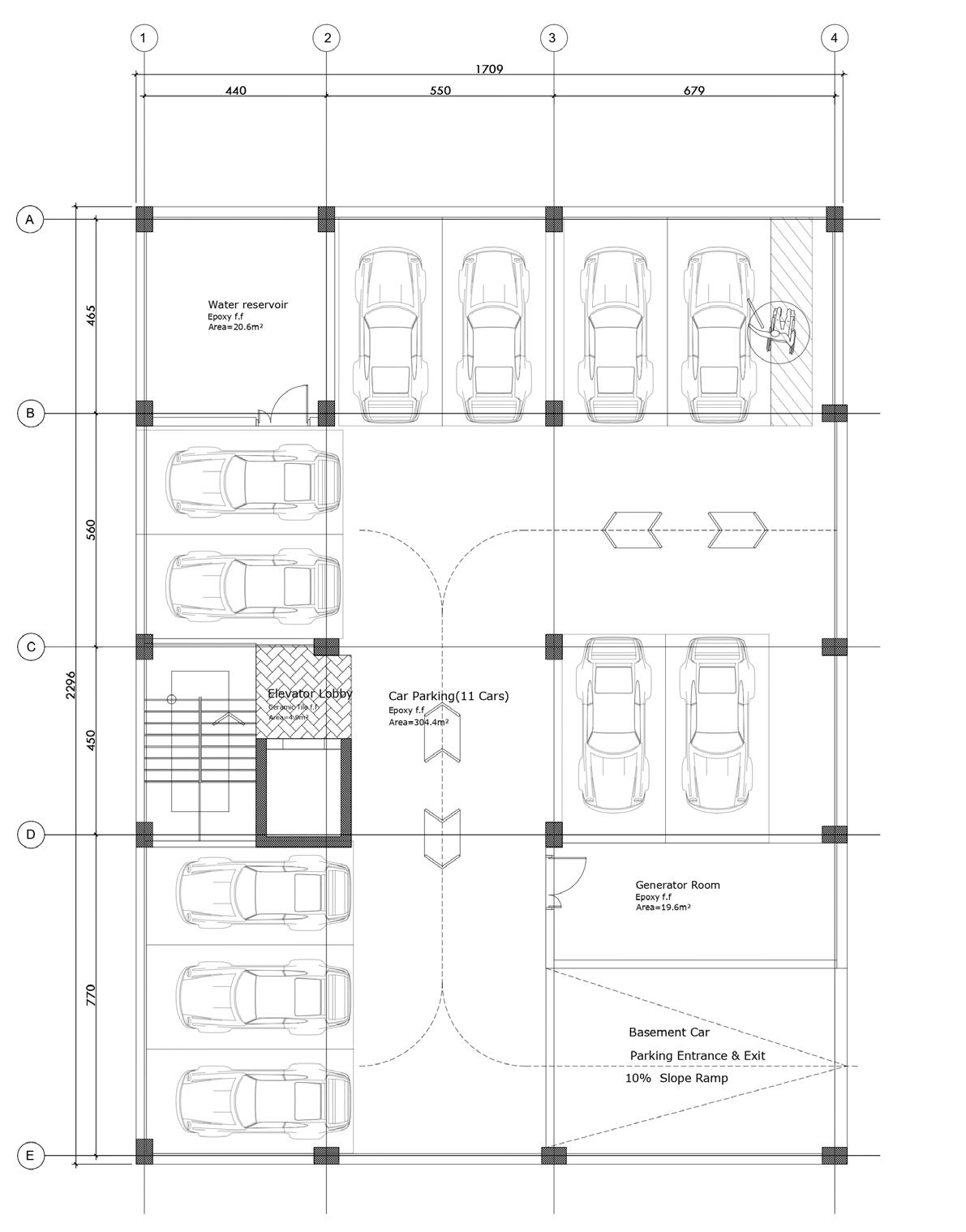
Basement floor plan Scale 1:50
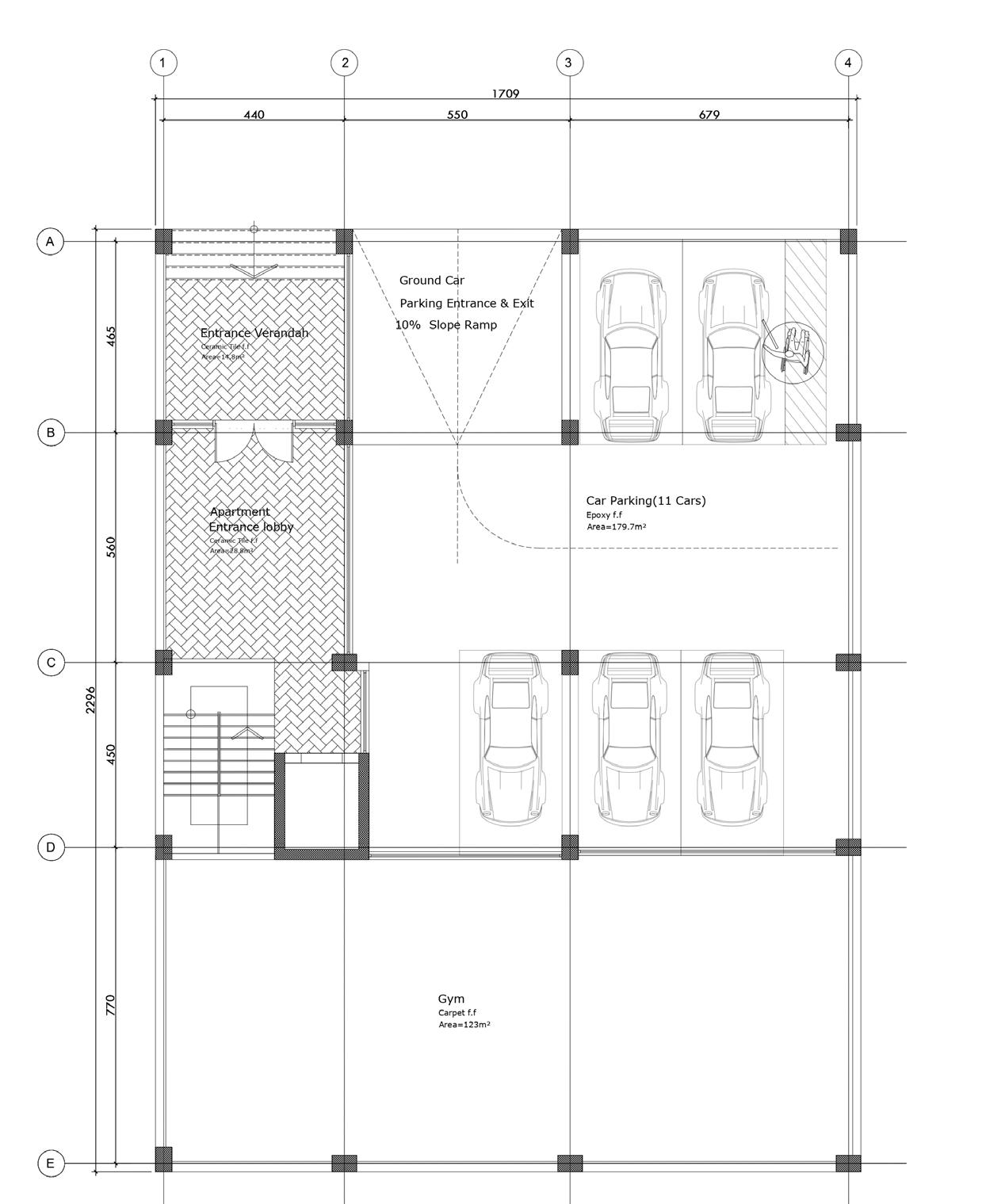
Ground floor plan
Scale 1:50
Description:
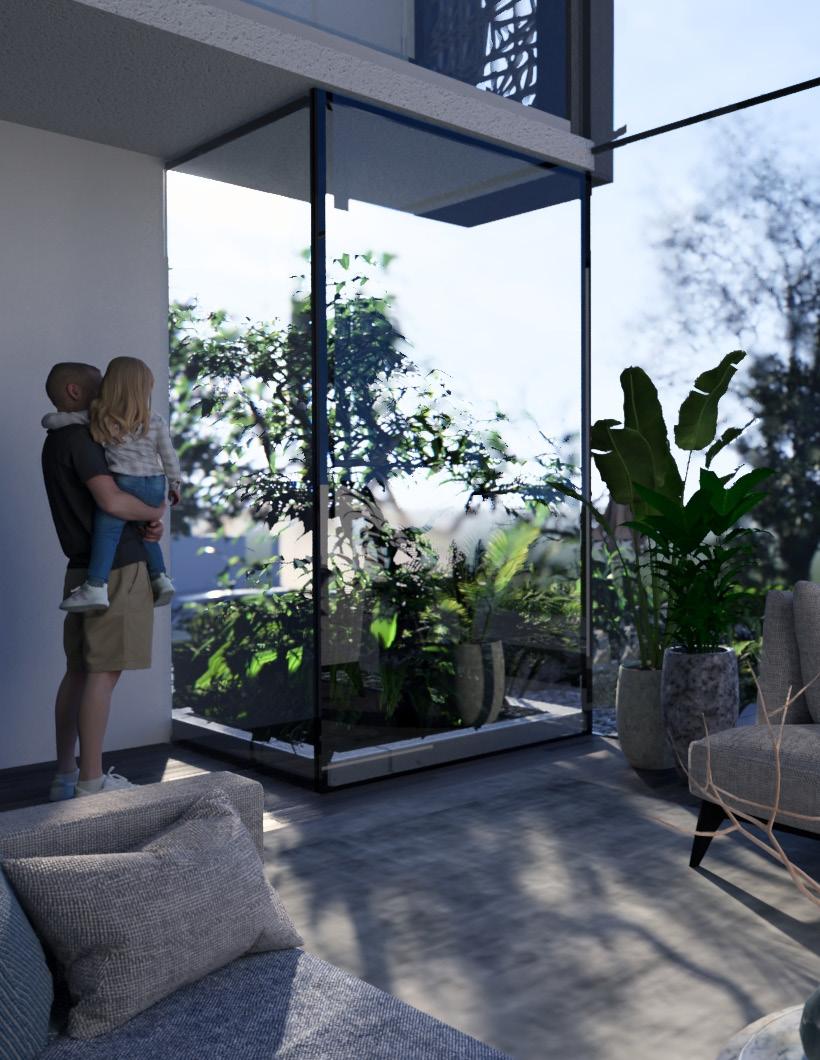
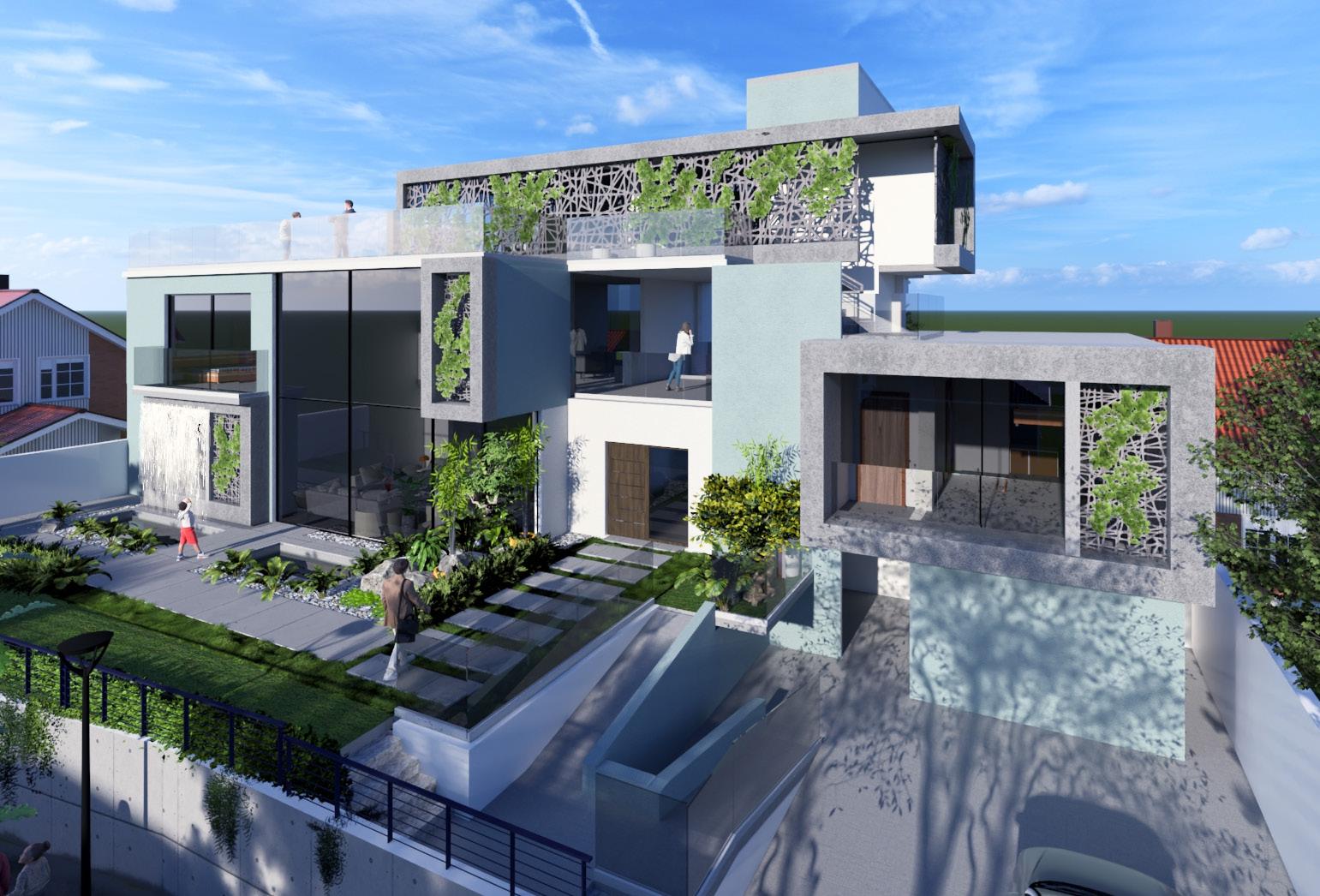
Chaka Residence was a project variation for a biophilic residential building designed by Haroy Cae, which is intended to conceptualize a different approach from the original design by emphasizing nature.
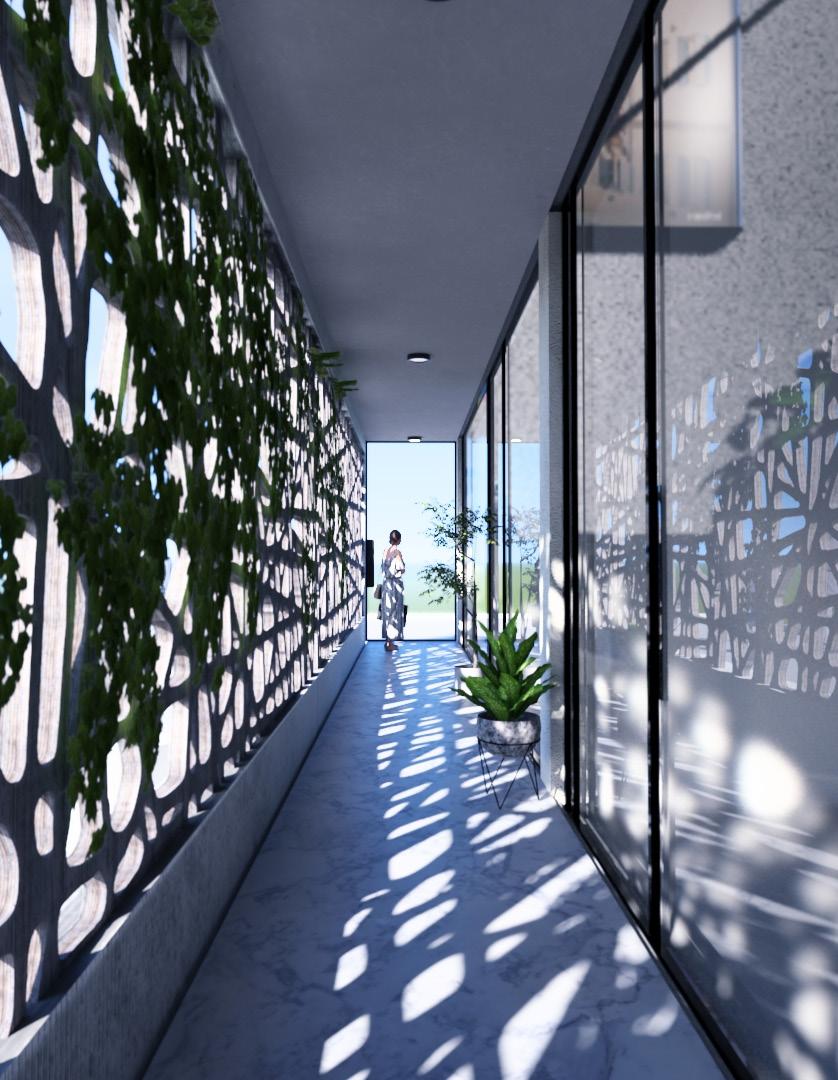
The Chaka Residence incorporates elements such as green walls, rooftop gardens, and large windows to bring nature into the living spaces.
The overall goal is to provide a serene and sustainable living experience for residents in an urban setting.with multi-functional zones that can serve several functions.
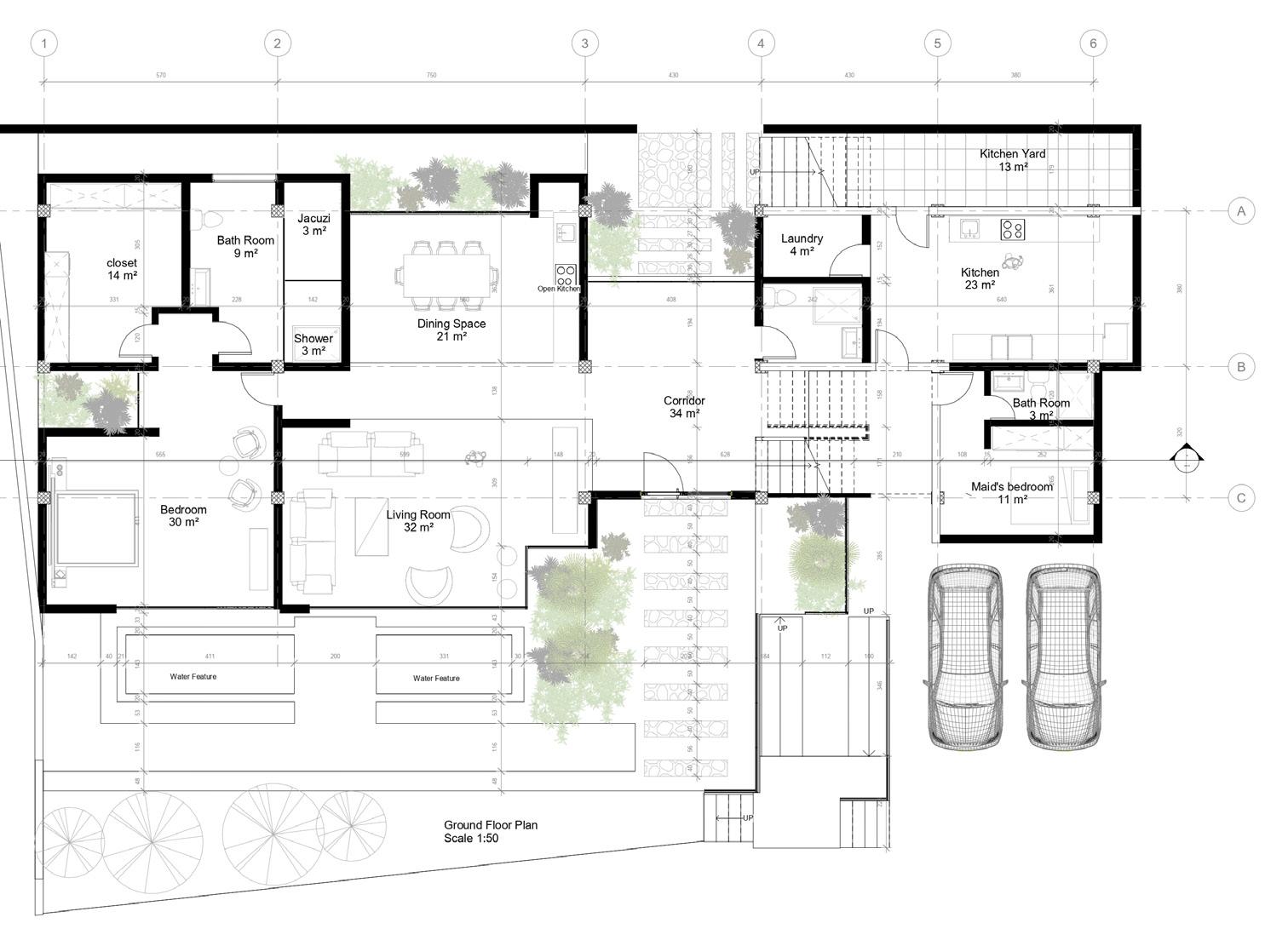
Ground floor plan
Scale 1:50
The integration of biophilic desi gn elements not only enhances the aesthetic appeal of the building but also promotes health and well-being for its inhabitants.
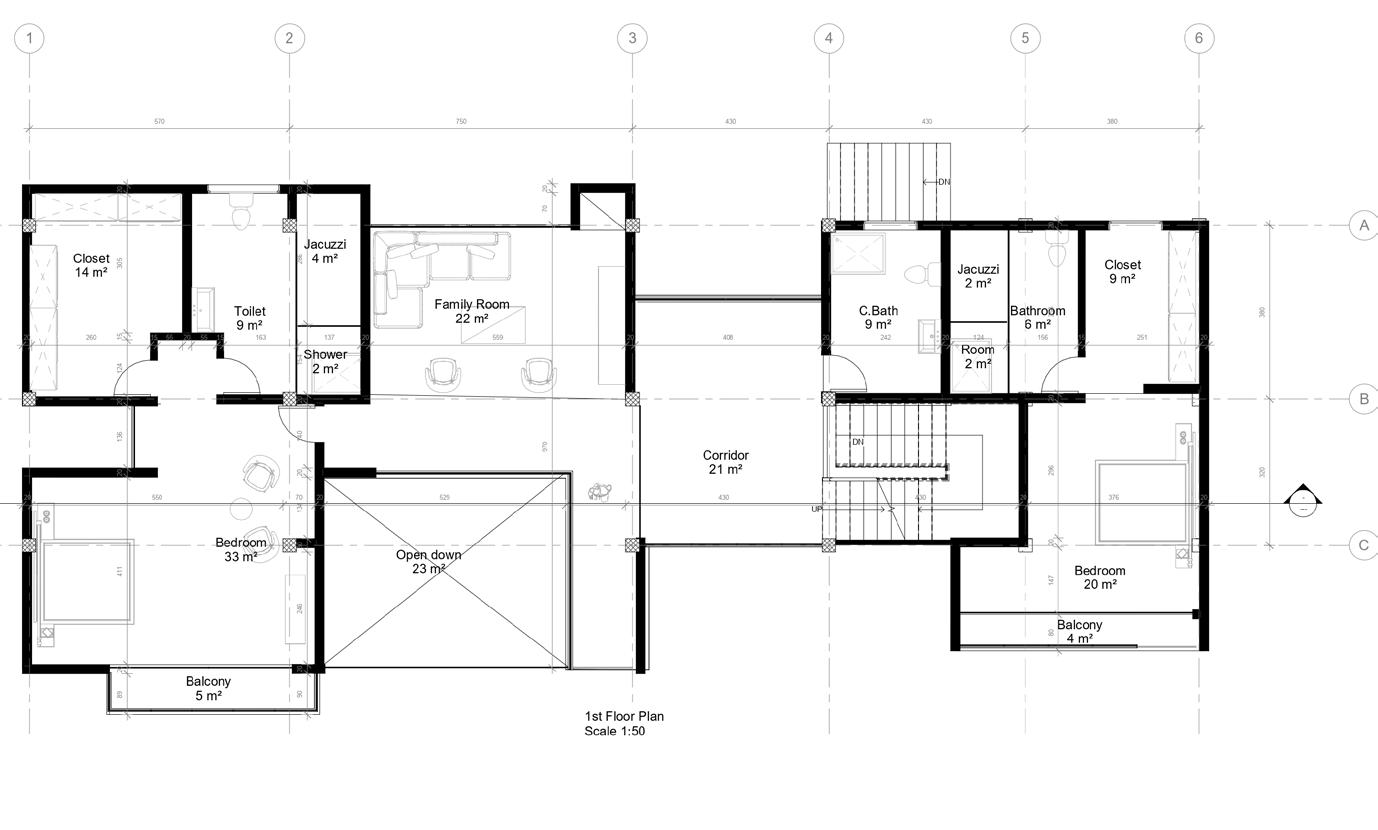
1st floor plan
Scale 1:50
Description:
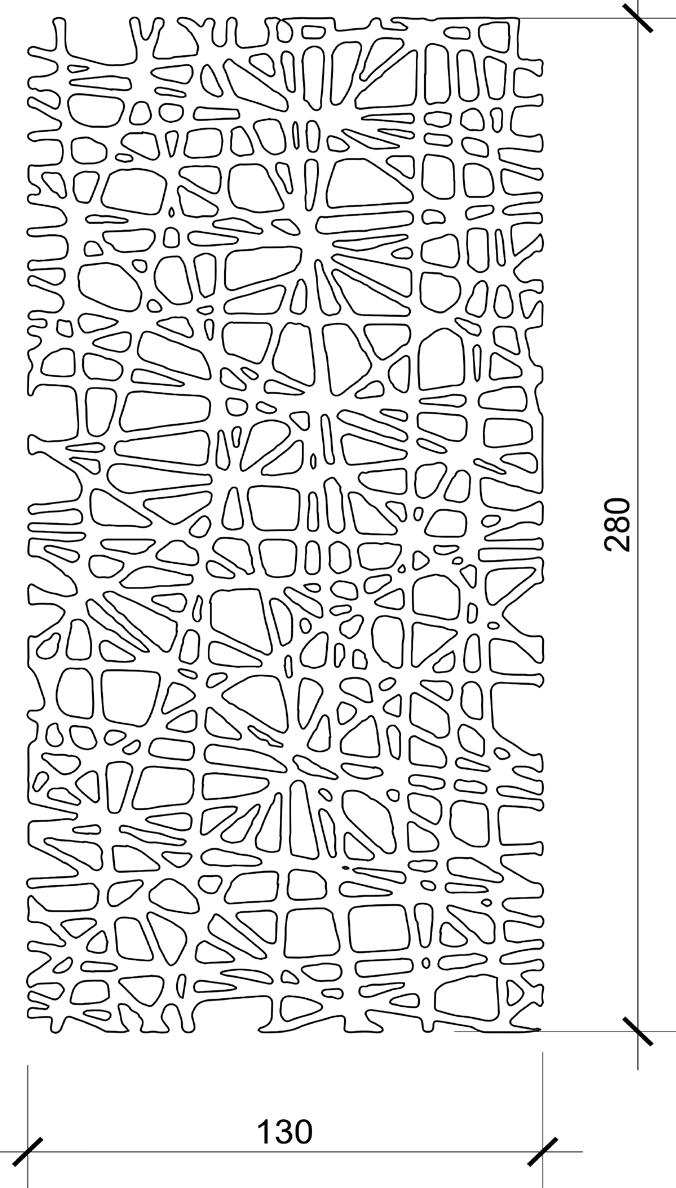
with morning sunlight and fresh air streaming in through the CNC forest panels circulating throughout the home, residents of the Chaka Residence are able to feel connected to nature even in the heart of the city.
By incorporating natural elements into the design, such as wood accents and indoor plants, the Chaka Residence creates a calming and rejuvenating environment.
This innovative approach to urban living demonstrates how architecture can positively impact both the physical and mental well-being of its residents. In addition, the use of natural light and ventilation further contributes to a sense of harmony with the surrounding environment. Overall, the Chaka Residence serves as a model for sustainable and wellness-focused design in urban settings.
Description:
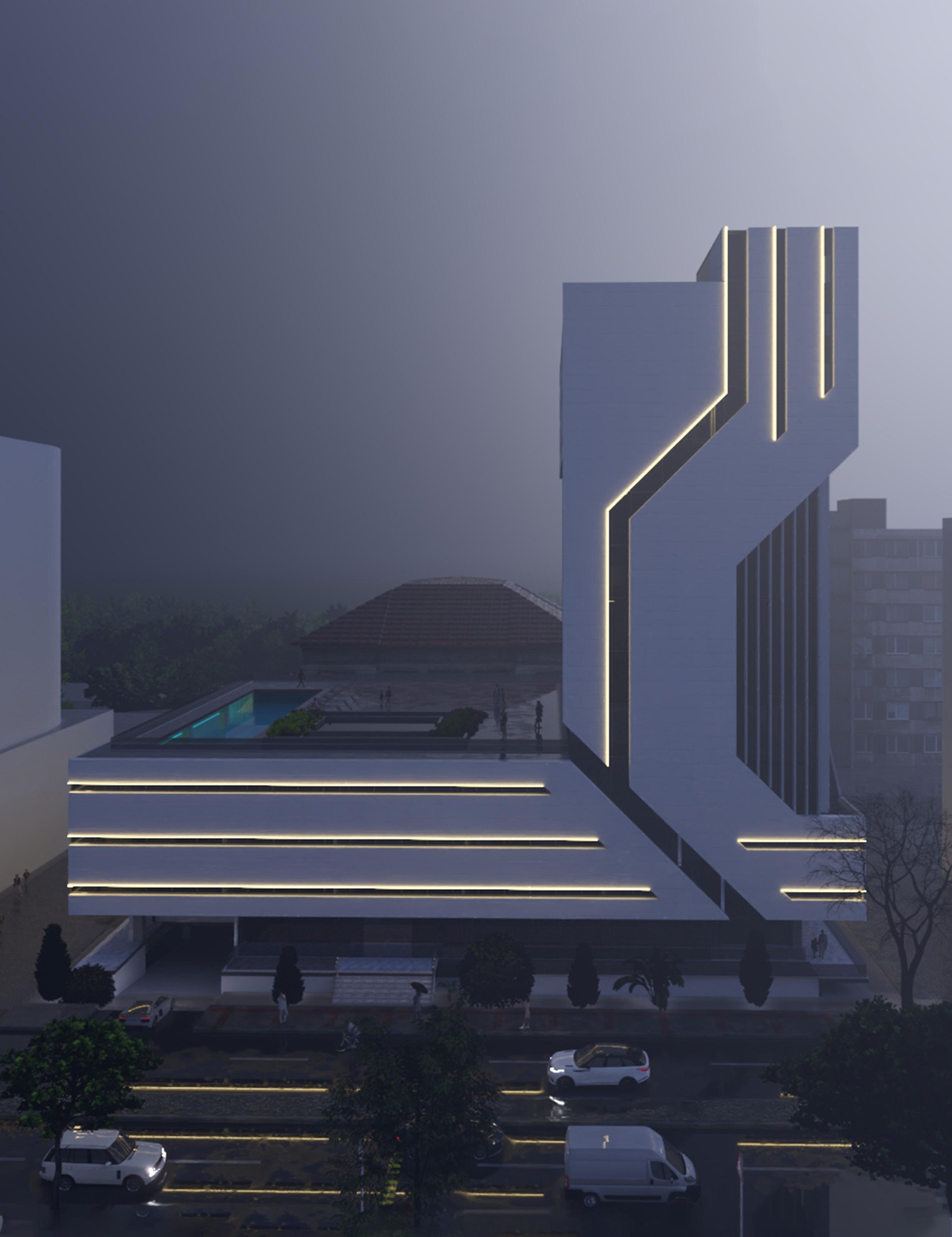
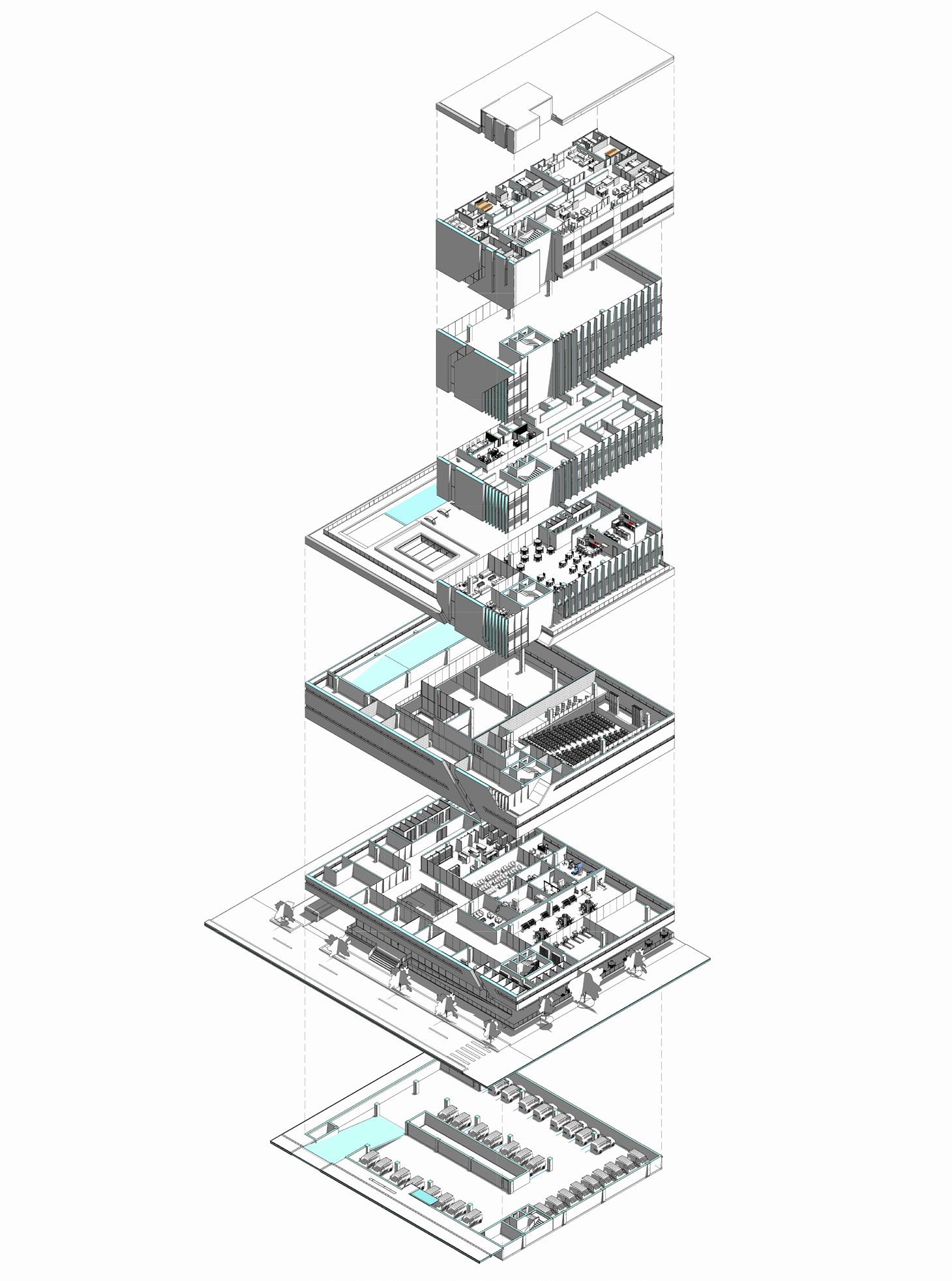
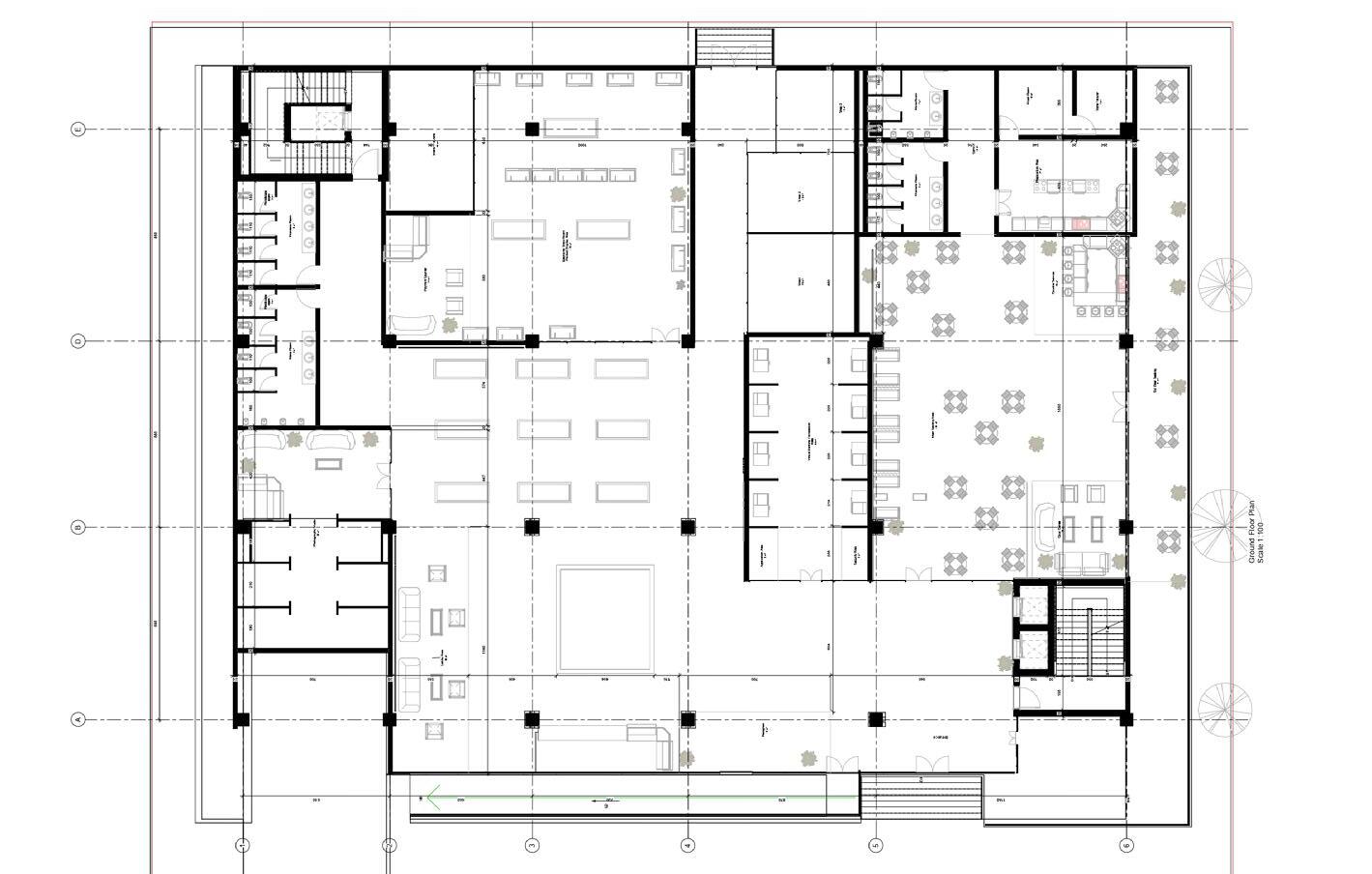
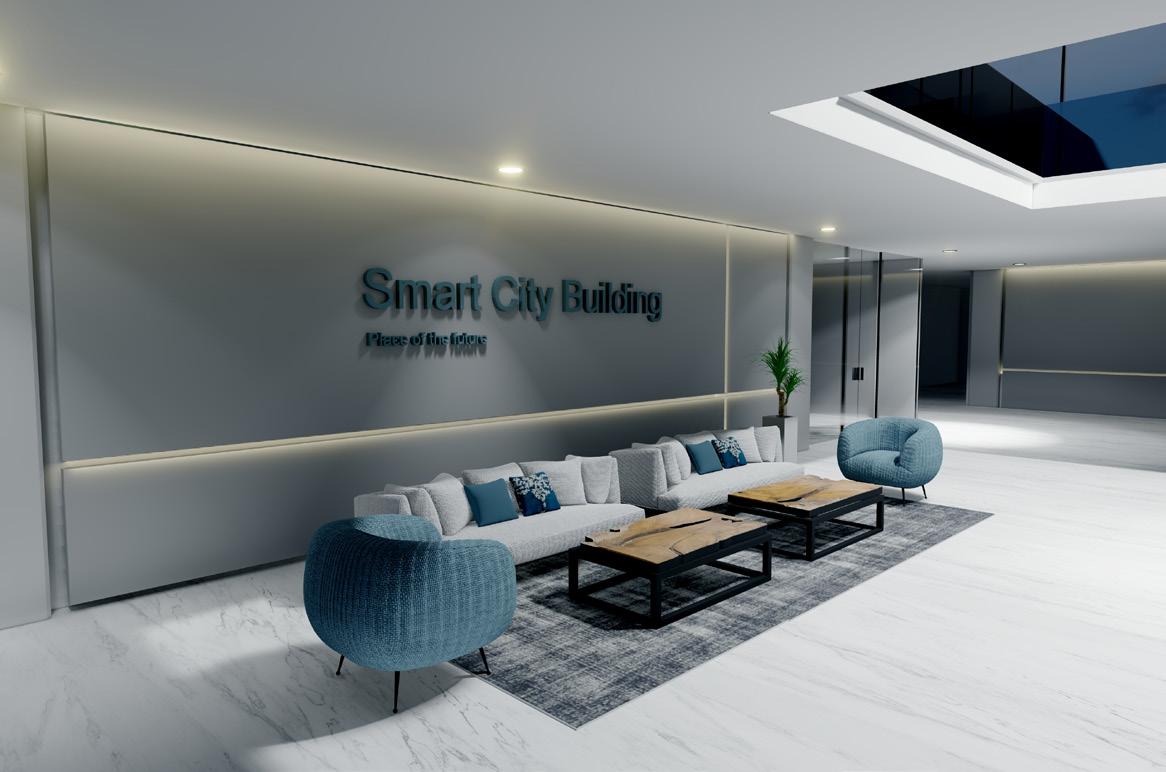
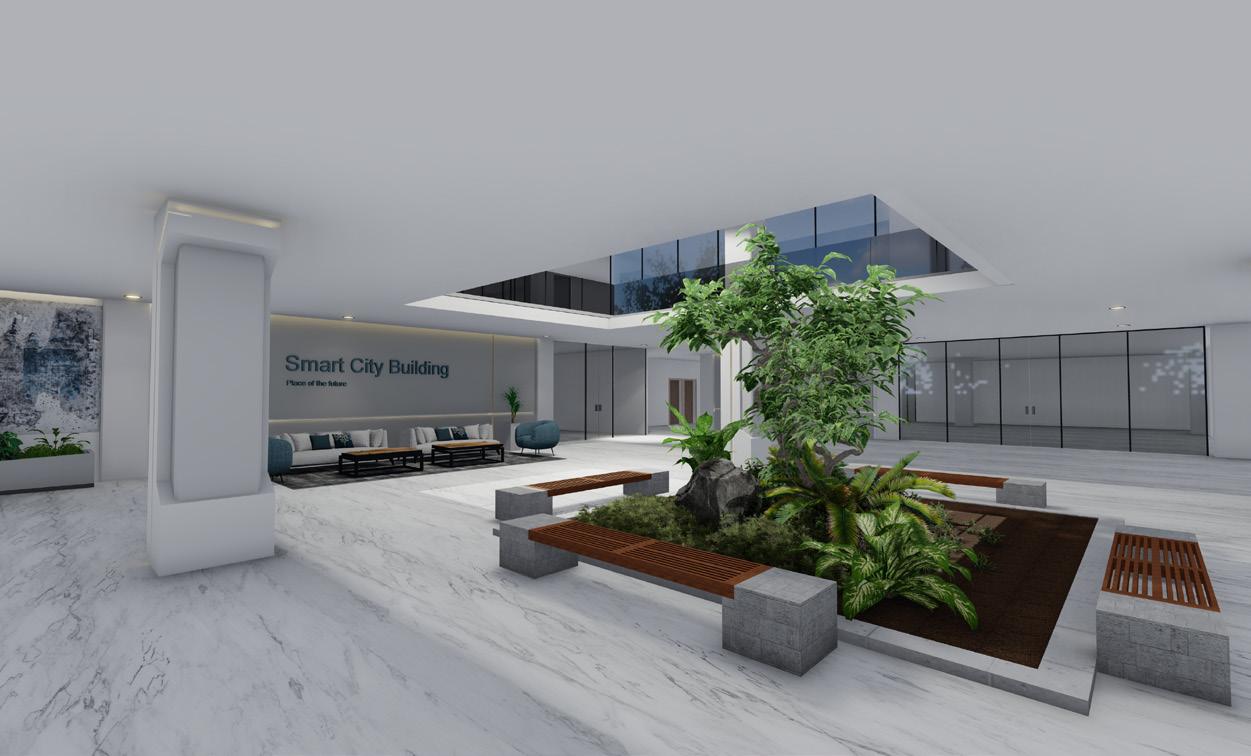
Smart City Building is a group project done for the Architectural Design Studio II final project.
The design is inspired by the Adama Smart City vision initiatives.The building is a mixed use building that encompasses commercial zones,service zones,recreational centers, conference rooms, and residential units all in one interconnected space.
The incorporation of green spaces, natural lighting, and sustainable materials further reinforces the connection between the residents and their urban environment.
conceptualizing, planning, 3D modeling, and visualization site analysis and diagrams by:Bethel s.
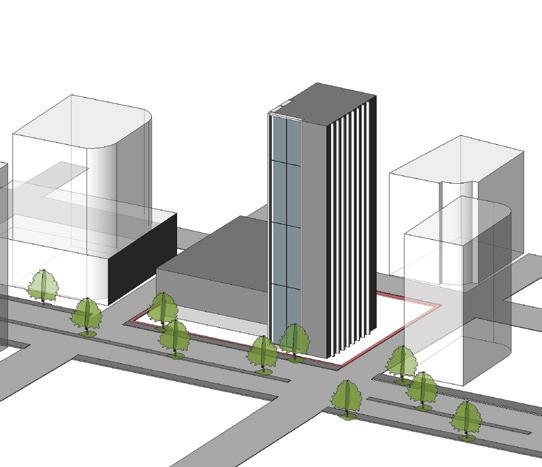
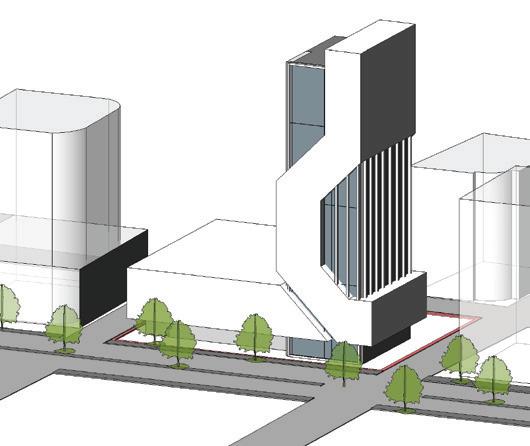
Building Form
-Site Context
-Programme
-Client request (design Philosophy)
-Personal Design Approach
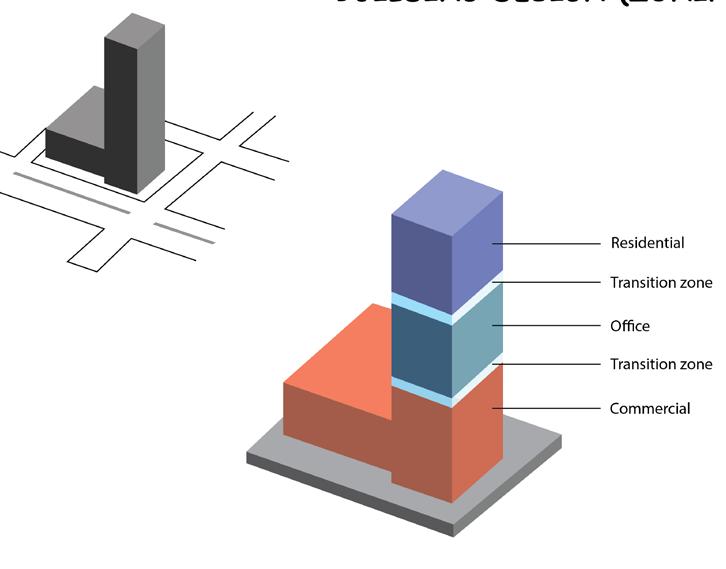
Start designing from bottom to top according to public to private services.
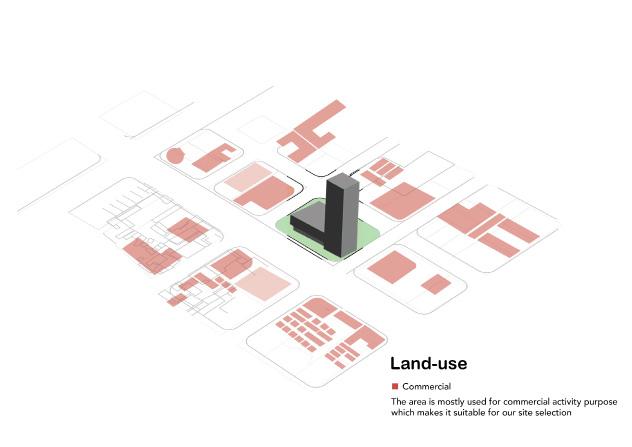
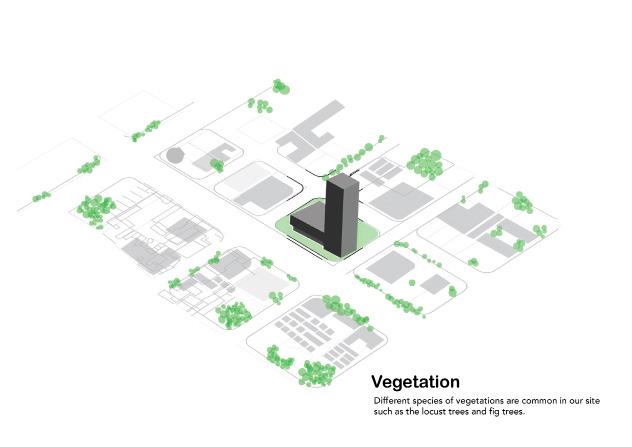
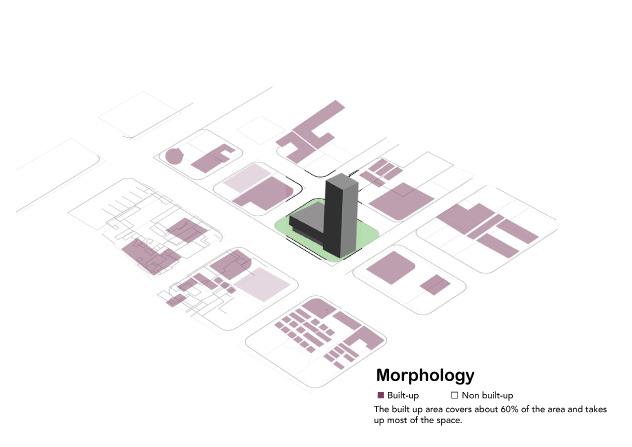
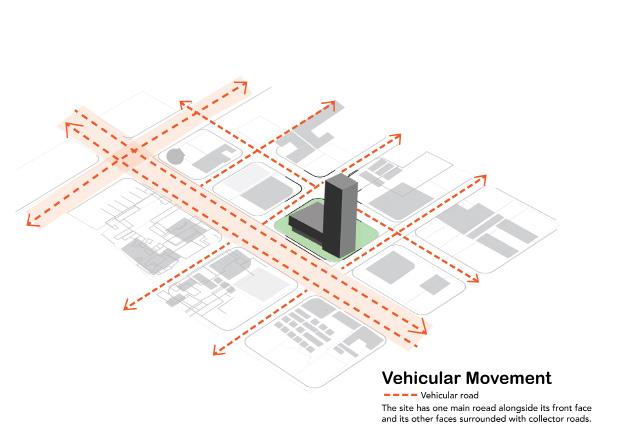
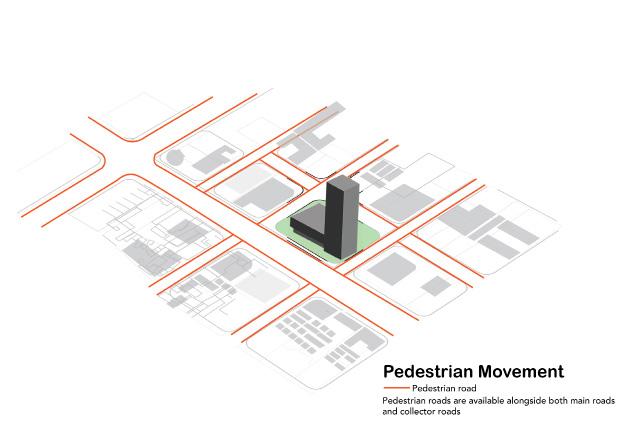
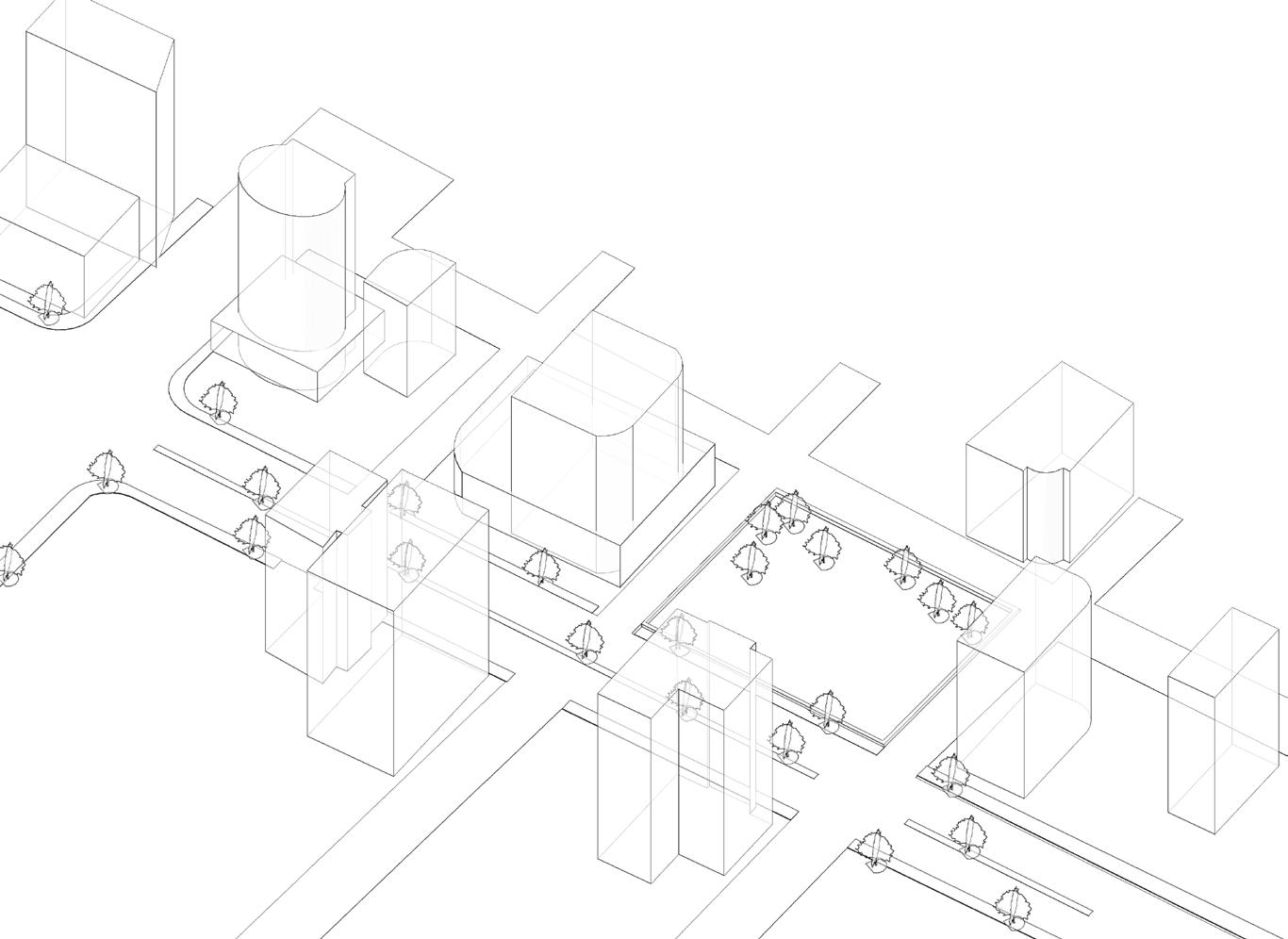
The site is in a high-rise zone of the city, permitted up to G + 12, though it is surrounded by some multistory buildings.
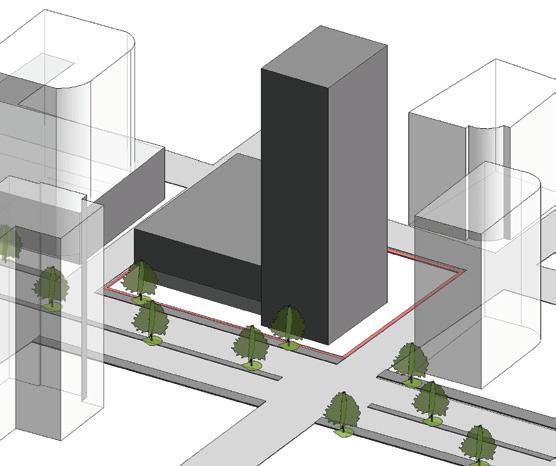
Programme based Form
The building features a clear glass curtain wall for a stunning city view, sun-blocking windows on the S and W faces, and smart shading devices.
Site Context based Form
Futuristic Connectivity and Intelligence
Prioritize technologies that enhance connectivity,Adaptive and Responsive Architecture
Design Philosophy And Approach based Form
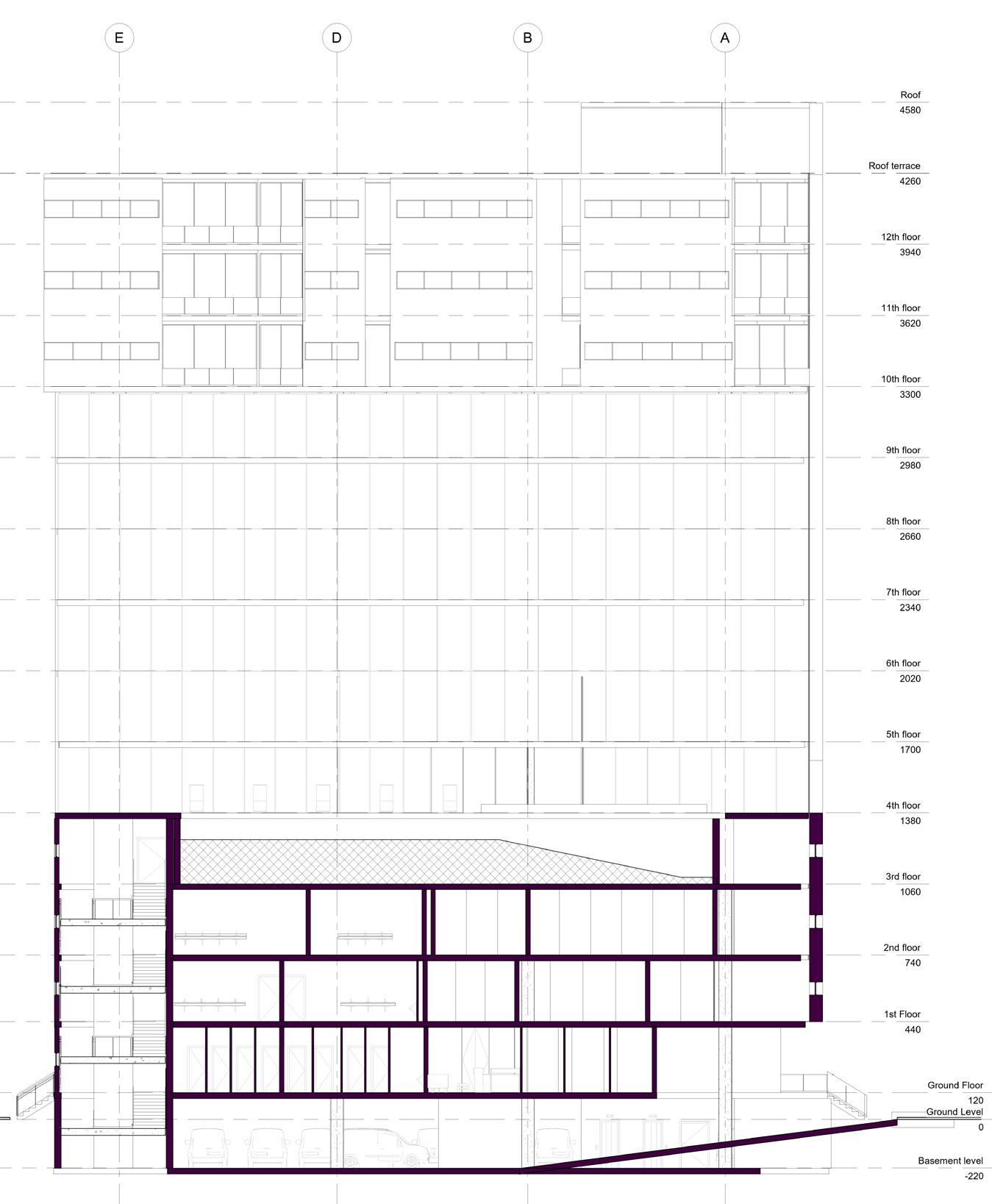
Section B-B
Scale 1:50
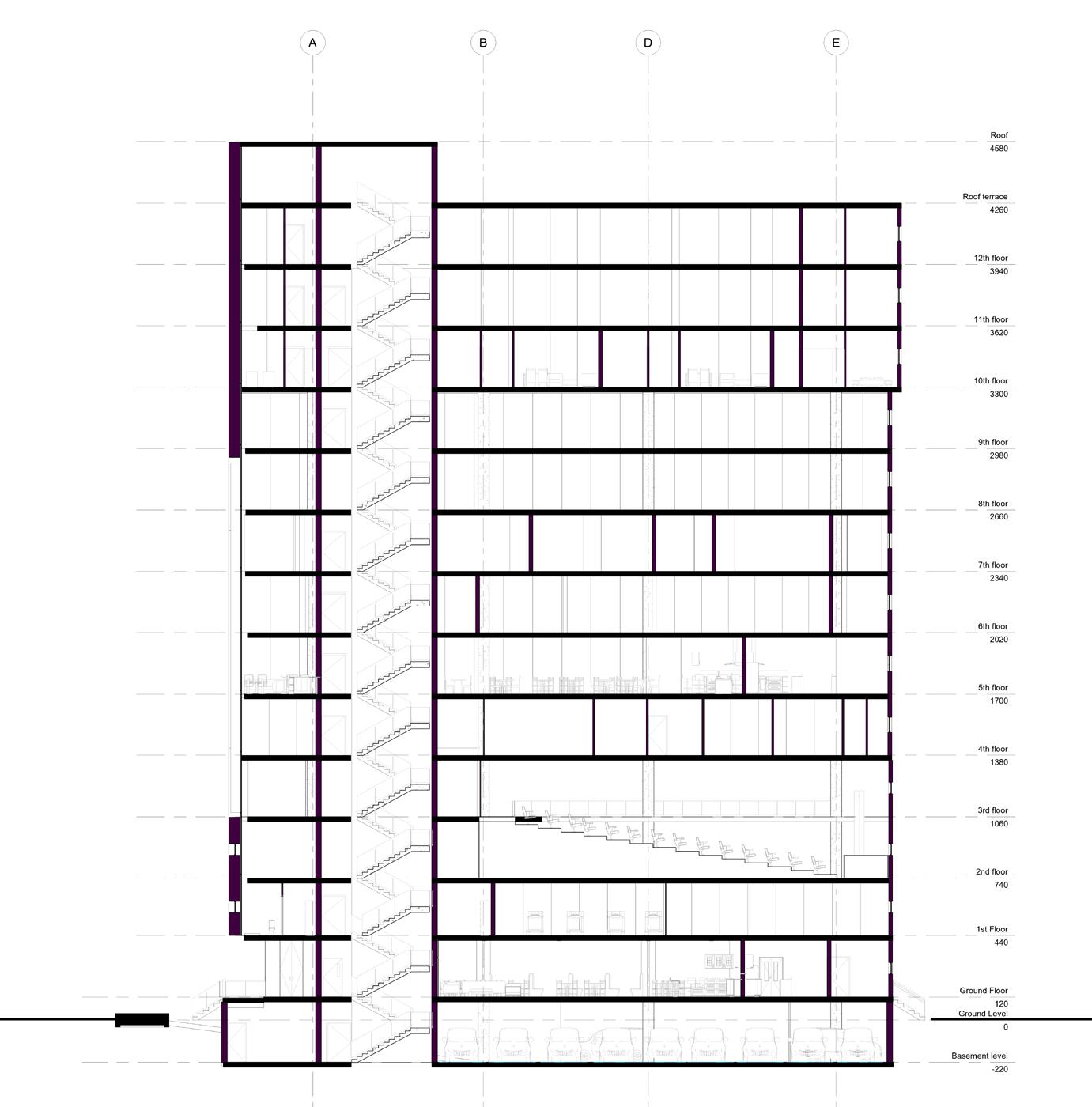
Section A-A
Scale 1:50
9-12th Floor
5-7th Floor
2nd-3rd Floor
Scale 1:100
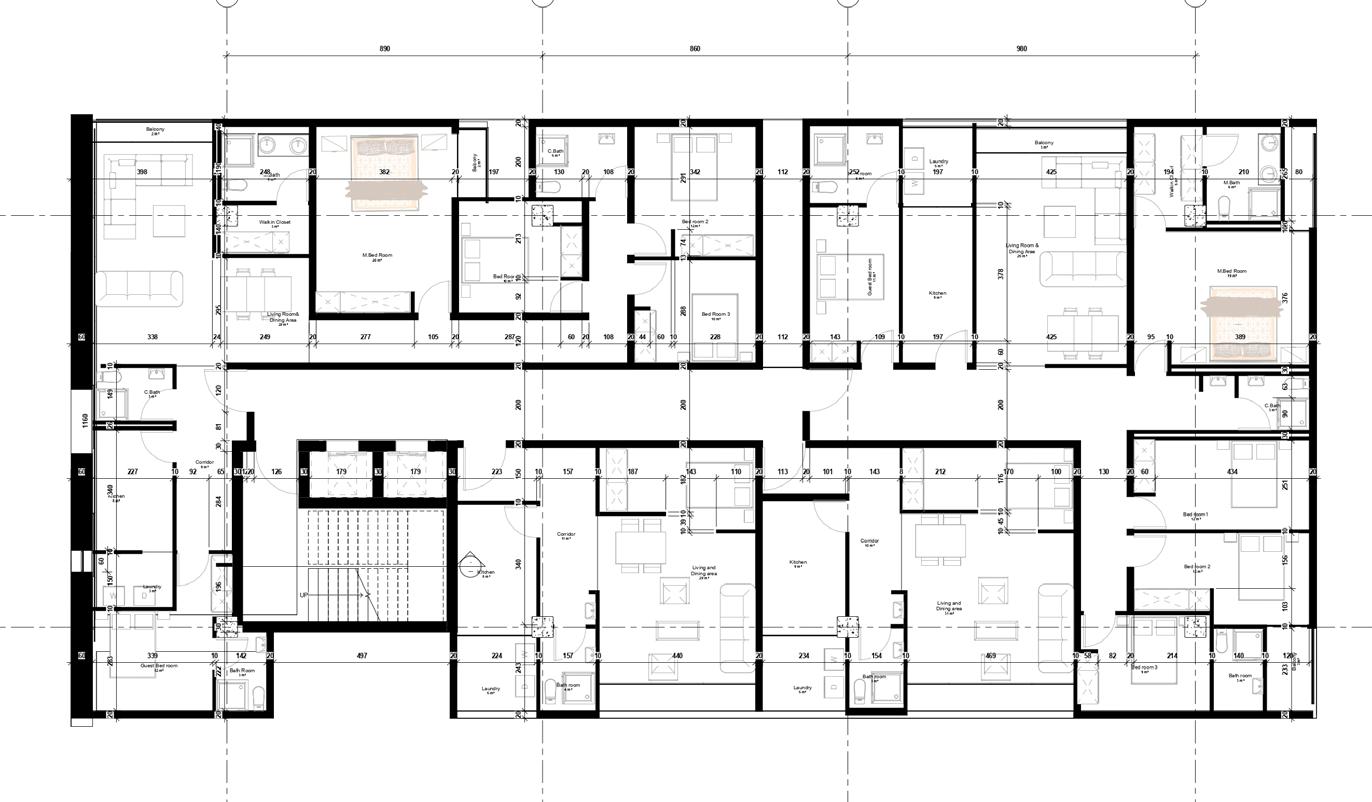
Apartment Floor Plan
Scale 1:100
Description:
A futuristic design museum that represents the Gadaa system and highlights the Oromo people’s history, culture, and creativity is needed and is related to the city’s smart city initiative vision.
Oda Museum was a group project in which I took part in concept derivation and 3d form transformation.
planning by:Bereket A.
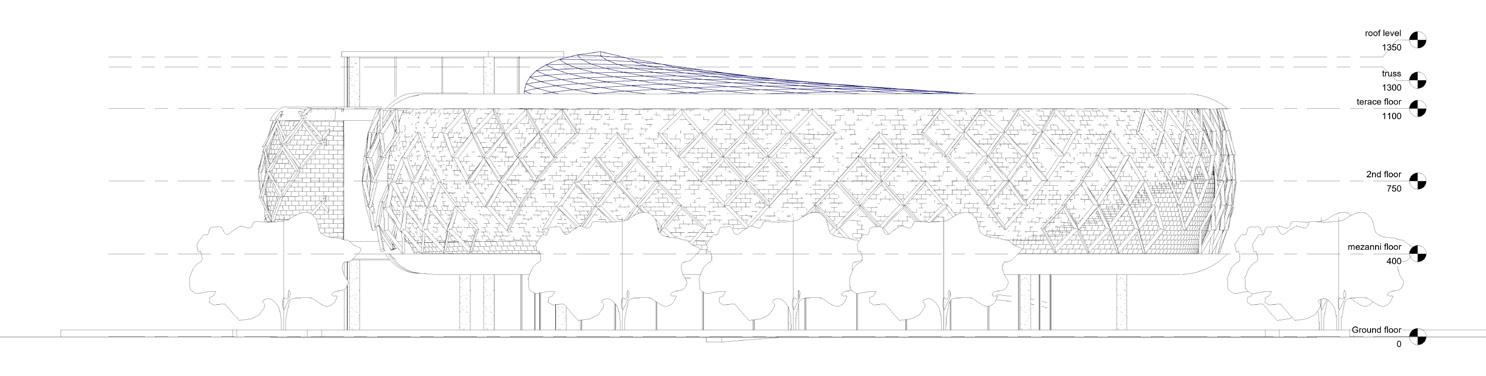
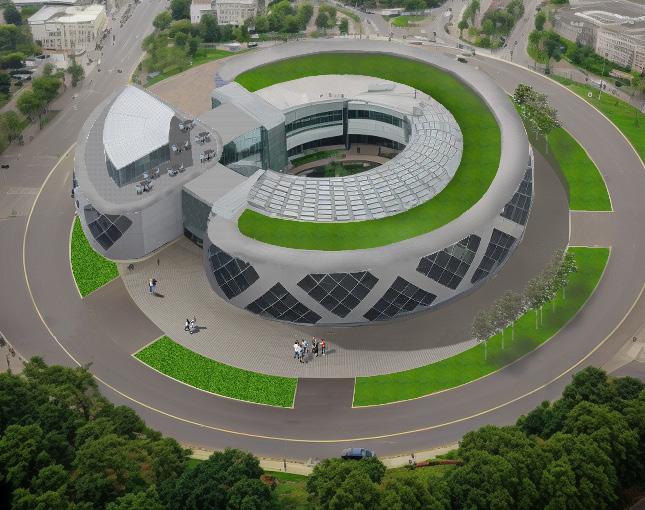
The museum will provide dedicated spaces for the museum board, staff, and community. The design will be modern to futurstic design with a focus on accessibility, ensuring that all visitors can navigate the museum easily and comfortably.
Additionally, the museum will incorporate sustainable practices and technologies to minimize its environmental impact. This will align with the city’s goal of promoting eco-friendly initiatives in all new developments.
It should be accessible, secure, sustainable, and modern to function as a museum. In addition, the museum must have a communal area and an educational program that promotes tolerance and understanding between cultures.
The educational program will include interactive exhibits and workshops to engage visitors of all ages.
The communal area will serve as a gathering space for events and discussions, fostering a sense of community within the museum.
The museum design is inspired by the Gadaa system, a traditional democratic socio-political system of the Oromo people, who are the largest ethnic group in Ethiopia.
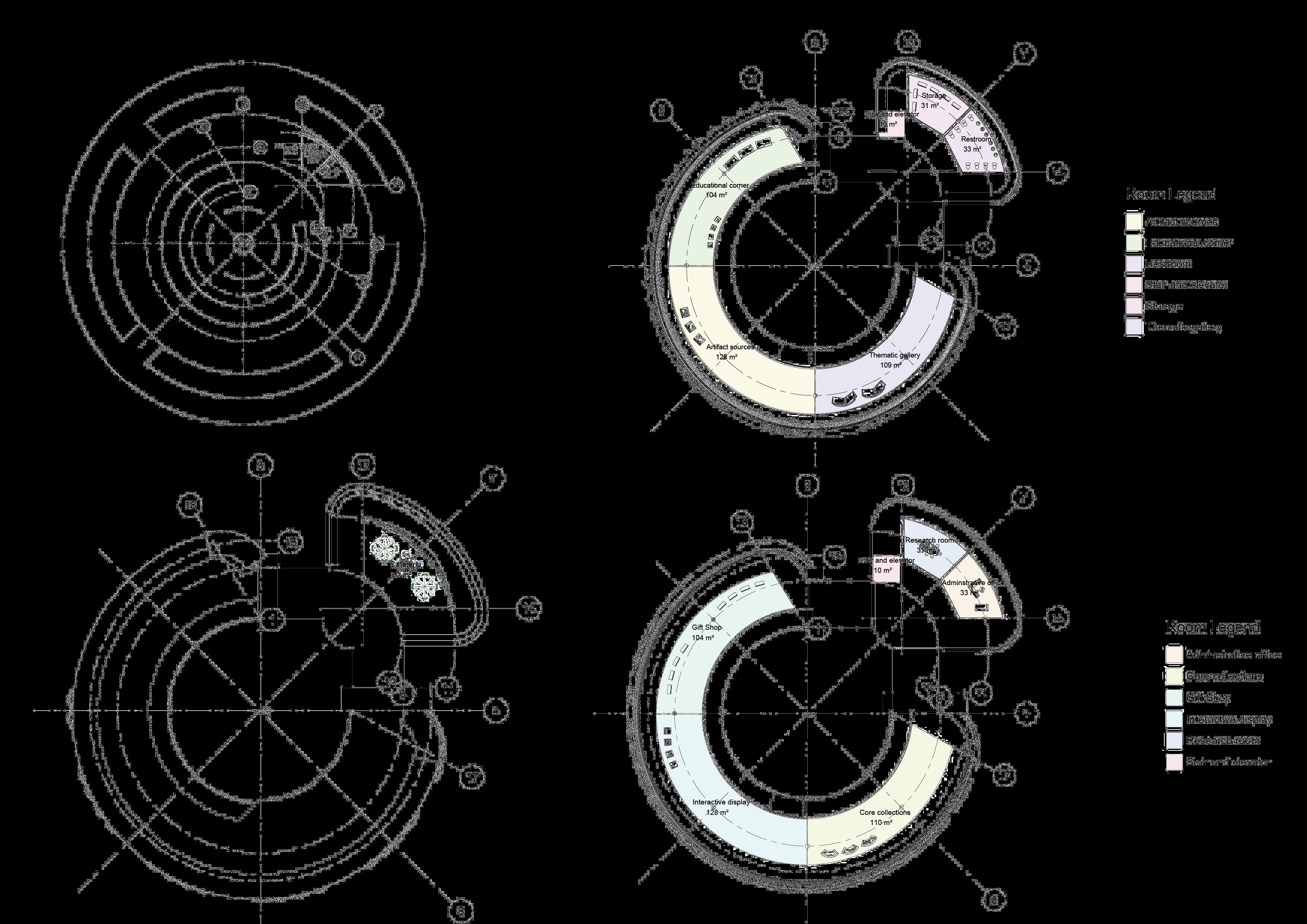
The floor plan is circular, reflecting the cyclical and holistic nature of the Gadaa system, which is based on the principles of democracy, equality, justice, and harmony with nature and humanity.
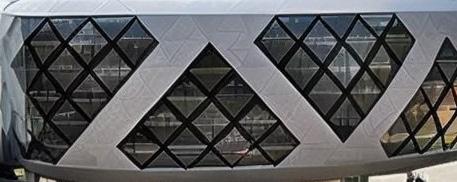
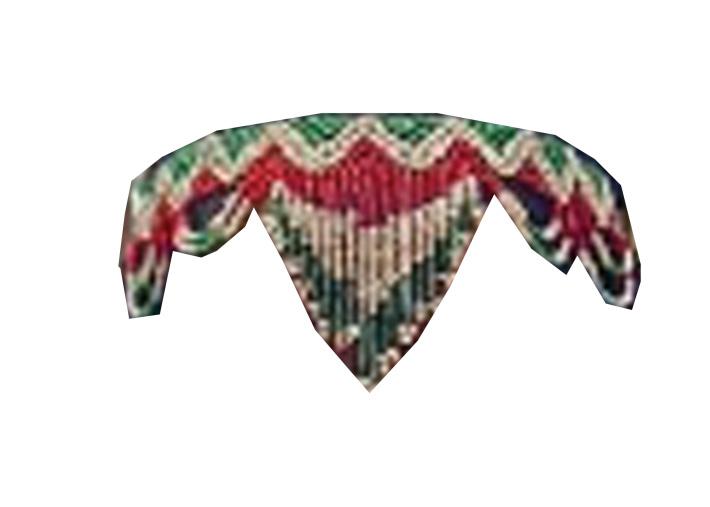
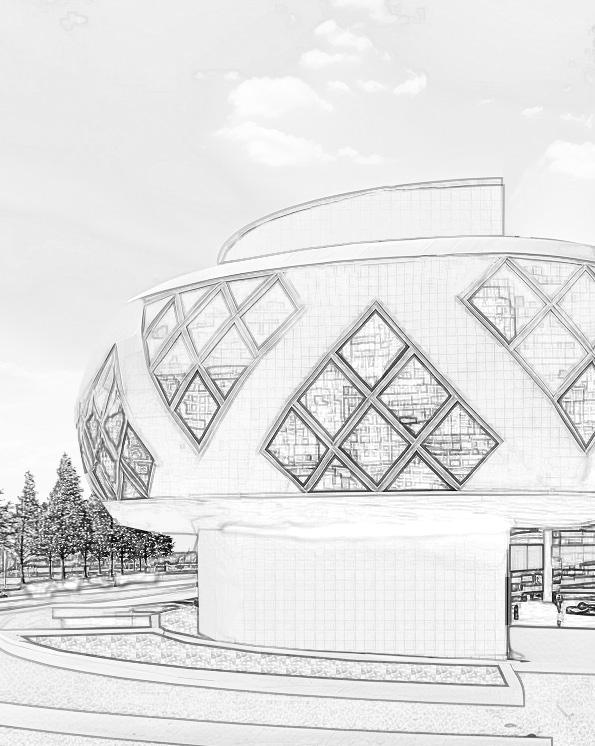
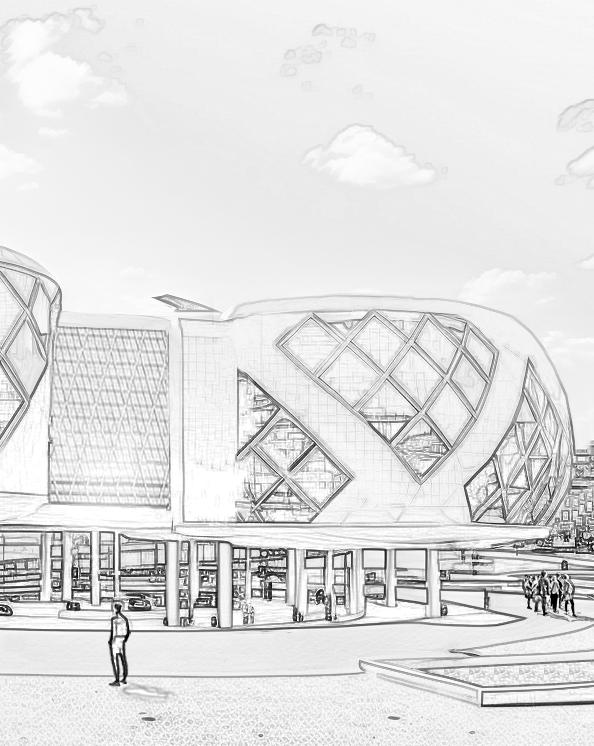
The museum’s facade is covered with diamond-shaped curtains, which resemble the headscarf (Laale) worn by the Oromo women.
The curtains also create a dynamic and interactive effect, as they can be opened or closed to adjust the amount of light and ventilation in the museum.
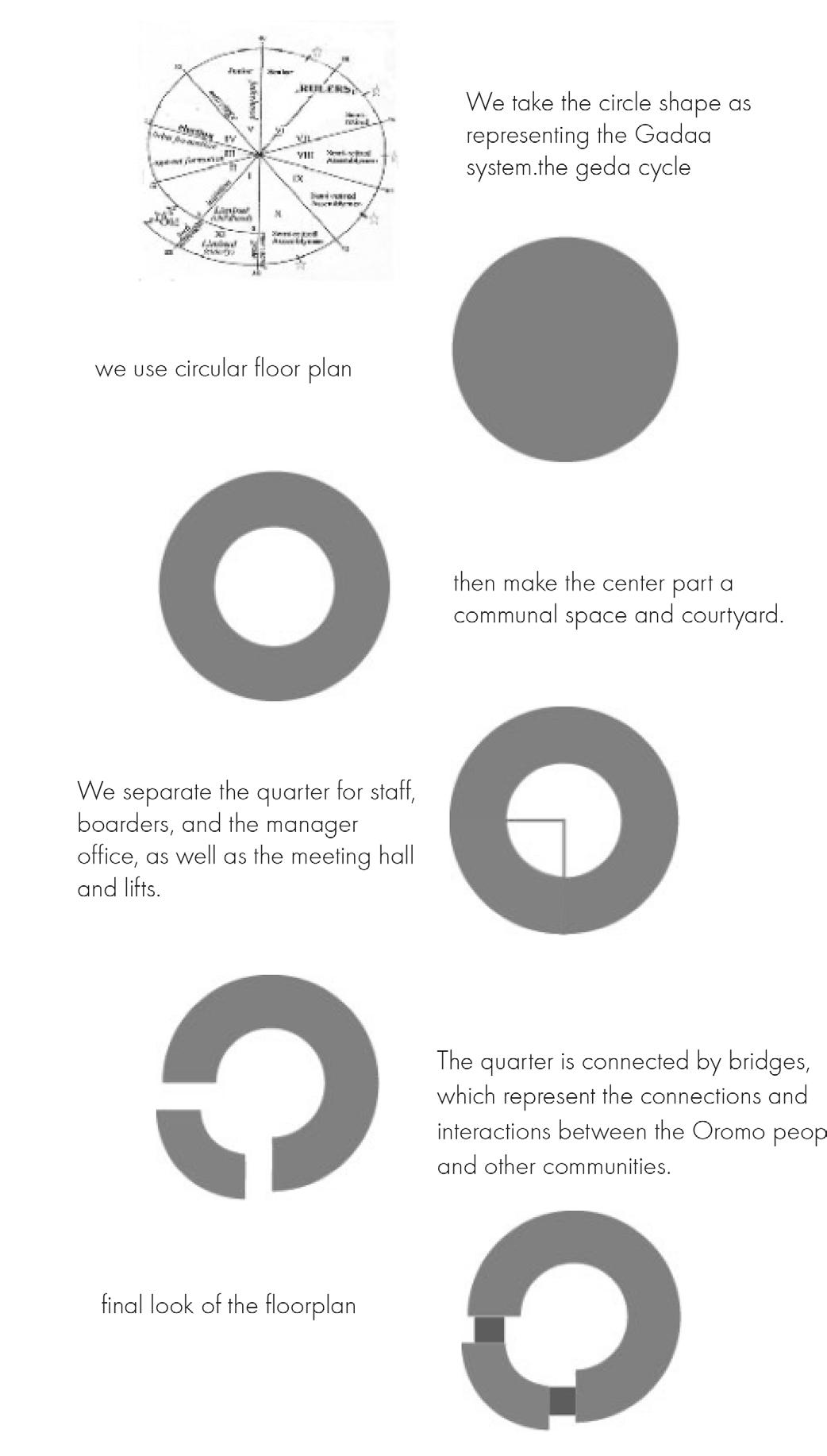
The floor plan is circular, reflecting the cyclical and holistic nature of the Gadaa system, which is based on the principles of democracy, equality, justice, and harmony with nature and humanity.
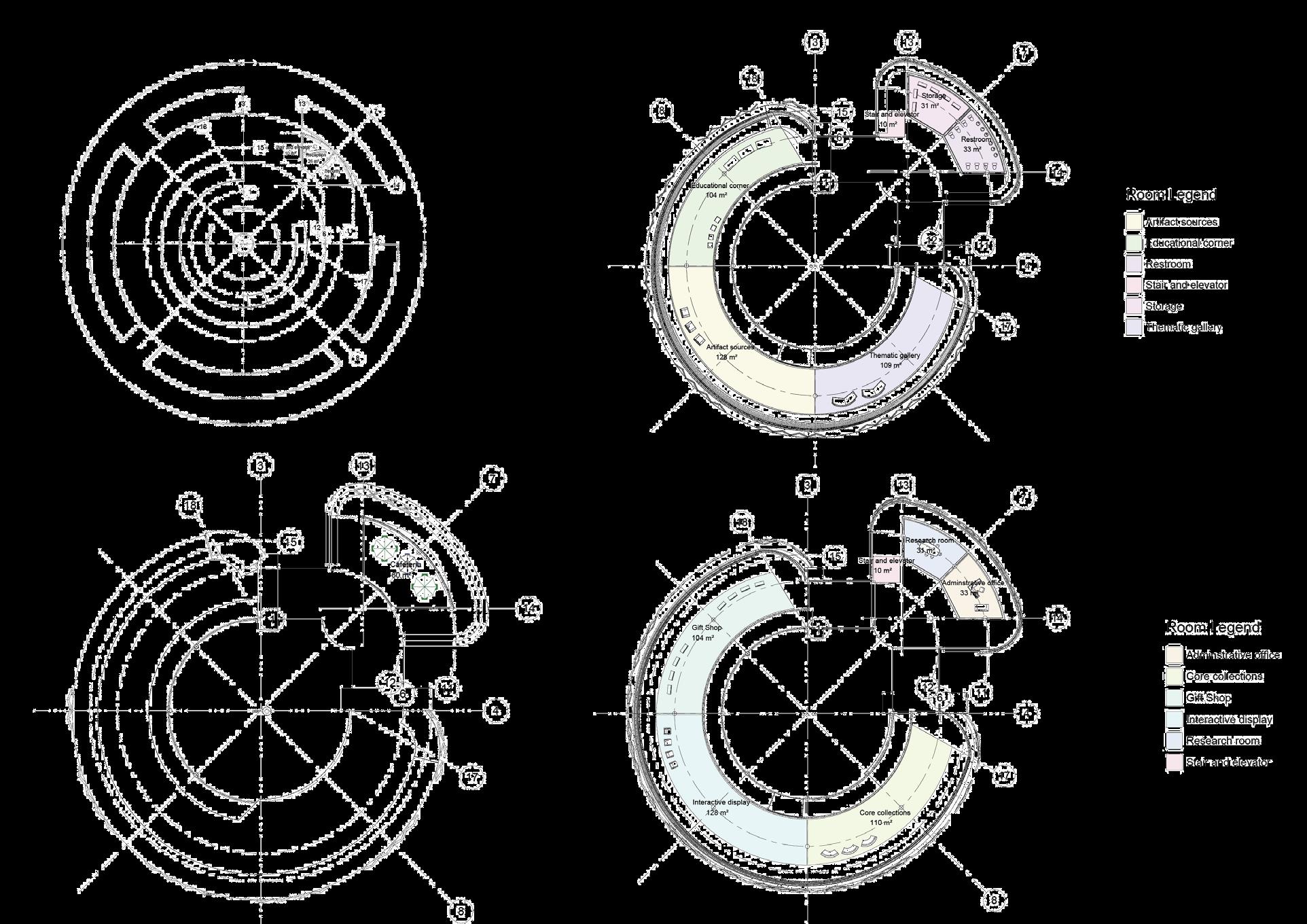
The courtyard features a communal public space in the center, a representation of the culture, and a green area.
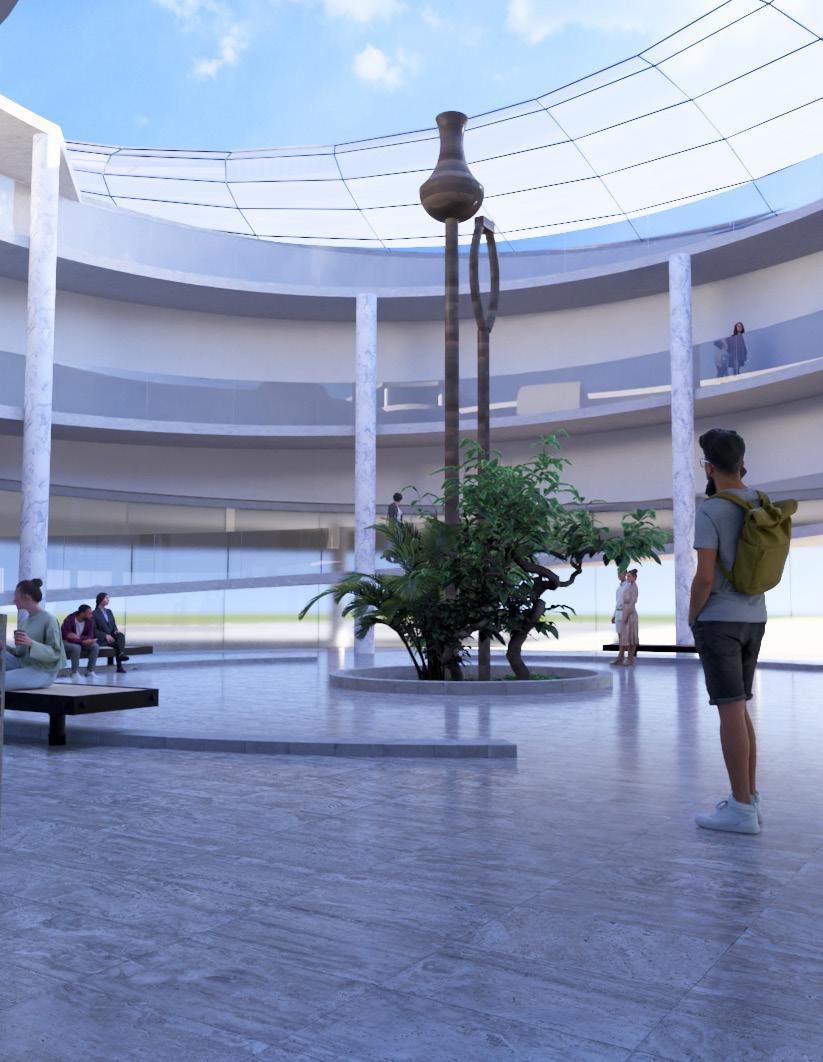
The museum has a circular ramp inside, which allows visitors to easily circulate and access all the sections of the museum.
The ramp also symbolizes the continuity and progression of the Oromo history and culture, as well as the inclusiveness and accessibility of the museum for everyone.