
Kiddo Mag: Issue 35

Page 1


the shortlist

What to see, do, love and dive into this autumn

Make family night extra magical with Adelaide Entertainment Centre’s How to Train Your Dragon in Concert on Sat 13 June. The beloved DreamWorks film plays in HD while the Adelaide Symphony Orchestra performs John Powell’s Academy Award-nominated score live to picture. It’s a big-screen adventure and a live music experience all in one, perfect for kids and their grown-ups.

WATCH SHOP

DO

Visit a regional farmers' market or take the kids fruit picking these holidays. Through autumn and winter you’ll find apples and pears in the Adelaide Hills, late-season figs, chestnuts, and citrus like mandarins and oranges ready to pick across the Hills and Riverland. For something different, you could also stop by Hahndorf Farm Barn for hands-on animal encounters and country air. Fresh produce, muddy boots, and a full day out sorted.

Time travel without leaving SA at the 2026 History Festival this May. Join family-friendly tours, hands-on workshops, walks and exhibitions across the state, and help kids connect the dots between the past and the world they live in today.

Step into a world of magic with the Kip&Co x Fairyland collection! Think fluttering fairies, glowing mushrooms, and sparkly garden adventures, now on super soft bedding, clothes, and cosy accessories. It’s like bringing a storybook to life in your bedroom or wardrobe, made for kids (and grown-ups who still love a bit of fairy magic). Perfect for dreaming, playing, and imagining every day!

Here’s to an autumn filled with curious minds, sticky fingers, and days packed with laughter, wonder, and a little bit of magic.

Publisher Charlotte Chambers

Editor

Olivia Williams

Editorial Contributors

Rebecca Morse

Madhavi Nawana Parker

Alexis Teasdale

Carly Leaker

Georgina Martin

Nabula El Mourid

Crystle Range

Amy Nikolovski

Mercedes Mercier

Rosie Williams

Mack Archontidis

Elfy Brown

Designer David Gale

Sales Manager

Katie Brown

katie@kiddomag.com.au

Digital Alison Pavic

Printing

Distribution

Passing Out

Cover Photographer: Dee Shepherd, @__deestudio__

Cover Star: Madeleine Collopy

For more education and family content head to: kiddomag.com.au

@kiddomag

Opinions expressed by the author are not necessarily those of the publisher. Whilst all care is taken, the publisher accepts no responsibility for any errors or omissions.

KIDDO Mag is a team effort and if you have any suggestions or questions, make contact!

We would love to hear from you. hello@kiddomag.com.au

Germs gone, time saved

Feeding in the first year often feels less like a routine and more like a loop. Wash, sterilise, dry, repeat. It happens between naps, after night feeds, and in the narrow windows where everything briefly feels under control. Tools earn their place here through reliability, not noise.

Why Minbie?

Minbie sits within a broader way of thinking about feeding, grounded in respect for how families feed rather than how they’re told they should. Co-founded in Melbourne by Julia Wilson, a mother and grandmother, the brand grew from lived experience and a deep understanding of how complex postnatal feeding can feel. That perspective shapes every product. The aim isn’t to add pressure or perfection, but to support choice and ease the gap between ideal and realistic. The steriliser reflects that same sensibility, handling one part of feeding care quietly, so the rest of the day can feel lighter.

Kids' clothes that can keep up

When Nicole Eblen started thinking about her kids' wardrobe, she felt frustrated.

"There were so many beautiful kids' brands, but at the time they were out of our budget." Four years, three kids and countless shopping trips later, Cubs Closet was born: a kids' clothing label made with parents and little humans in mind.

"It all started as a joke," Nic says. "I joked that we should start our own label, thinking, 'It can't be that hard.'" By bedtime she had a business plan written. When she showed her husband, he looked bewildered: "Oh… you were serious?"

At its core, Cubs Closet exists to remove the trade-off many parents feel. "I genuinely feel guilty shopping at fast fashion brands, but I also can't afford to deck out my kids' wardrobe with the type of clothing I want."

"Ethical, sustainable, good quality kidswear should be for everyone, not just those who can afford it." The brand balances timeless

The Minbie UV Steriliser & Dryer fits into this rhythm quietly, removing steps rather than adding them. It sterilises and dries feeding equipment in a single cycle, without water, steam, or chemical residue. Bottles come out ready to use, not waiting on a bench or a towel.

There’s space for a full day’s worth of feeding gear, including bottles, teats, pump parts, and soothers. Keeping everything together helps contain the steady spread of baby items across the kitchen. It feels practical without taking over the bench.

What parents often appreciate most is the flexibility. There’s no need to rush or work around strict timing. Feeding happens on demand, and systems that allow for that feel supportive rather than prescriptive.

UV sterilisation also extends beyond bottles. Phones, toys, keys, and the small objects everyone touches can go in too. Over time, it becomes less about baby gear alone and more about maintaining a clean baseline at home.

With a storage function that keeps items clean and dry until they’re needed, it suits feeding schedules that don’t follow the clock. Everything is ready when you are.

Find out more: minbie.com.au

design with real-world kid-proofing; clothes that survive climbing fig trees, trampoline flips and the occasional dried Weet-Bix disaster.

The kids play a big role too. They test samples, weigh in on colours and fabrics, and put every piece through its paces. "They are very thorough quality control checkers. If clothes don't last a week with them, they get the boot."

Running the brand alongside part-time work and three children under five is, in her words, "Chaos. Pure chaos." Still, the reward sits close to home. "Hearing my kids get excited when we pull the clothes out is so incredibly special."

Why UV fits modern feeding

UV sterilisation works without water or chemicals and leaves no residue behind. For families managing bottles alongside phones, toys, and shared spaces, it offers one system that adapts as needs change. Fewer steps, less maintenance, and less to think about during already full days.

By bedtime she had a business plan written. When she showed her husband, he looked bewildered:
"Oh… you were serious?"

For parents shopping for better basics, Nic recommends OEKO-Tex certified fabrics and natural fibres woven in long strands, advice that has guided her late-night idea into a brand shaped by real kids, real mess and real life.

Nicole Eblen

A

beginning

At Wilderness, we believe the early years lay the foundation for life. From your daughter’s first day, this is where her love of learning and sense of self truly begins.

Beginning with our educator-led playgroup and continuing through our Early Learning Centre to the beautiful new Coach House for our Reception to Year 2 girls, each stage is carefully designed to nurture confidence and a sense of belonging.

Light-filled spaces and a close connection to nature encourage children to explore and learn through play. Friendships form naturally here, and a love of learning begins to take shape, all supported by more than 140 years of excellence in girls’ education.

Side by Side Me & My Shadow Returns to Adelaide

When Me & My Shadow first premiered in Adelaide in 2010, it changed not only how audiences experienced children’s theatre, but how Patch Theatre approached making work.

Gentle and visually rich, the show invited young audiences to explore the joys and trials of friendship reflected on stage. With almost no words and a strong focus on design, movement and music, Me & My Shadow quickly became a standout production.

Now, the show is being lovingly remounted to introduce a new generation to a Patch classic.

“We toured Taiwan recently, and I saw a beautiful show about shadows at Taipei Children’s Festival,” says Patch Artistic Director Geoff Cobham. “The delight audiences took in the simple exploration of light and shadow made me remember we have the perfect show to do this back home.”

At the time of its original season, Me & My Shadow was considered groundbreaking. It marked the beginning of Patch’s nowsignature design-led approach where lighting, sound, set and performance work together to tell the story. This way of making

theatre, where design becomes one of the show’s characters, has gone on to shape all of Patch’s productions since.

Shortly after its Adelaide premiere, the show began touring internationally visiting more than 45 venues and performing to nearly 90,000 children in cities including Sydney, Melbourne, New York, Washington and Beijing.

The show’s impact was widely recognised, earning both Australia’s premier theatre accolade, the Helpmann Award, and the prestigious Victor Award in America. Years on, its themes of friendship and imagination continue to resonate with children and the adults who accompany them.

This year’s remount reunites Cobham with original performers Nathan O’Keefe and Astrid Pill, who co-created the work with Patch creatives Dave Brown, Roz Hervey and Zoë Barry.

Mini muffins, maximum veggies

If your kids groan at the sight of broccoli, you’re not alone. Studies show almost all Australian kids aren’t eating enough vegetables, but Adelaide mum and founder of Veghead, Cathrine Hosking is here to make mealtimes easier, happier, and way less stressful.

Cathrine knows the struggle herself. She calls herself a “recovering veggie-hater”: “I genuinely believed I hated vegetables,” she says. “What I didn’t realise until much later was that I didn’t hate vegetables, I just hated the way they were being prepared.”

After travelling and trying cuisines where veggies are chopped, blended, or simmered into meals, she realised vegetables could actually be delicious, and fun to eat.

Back in Adelaide in 2024, she noticed kids still refusing vegetables everywhere she went. “Every barbecue was the same story,” she laughs. “Parents stressed, kids pushing

food around, vegetables turning into a battleground.” Cathrine realised the problem isn’t kids being fussy, it’s the pressure. “There’s this idea that vegetables only ‘count’ if kids eat them whole, untouched and without complaint,” she explains. “But that’s not how it works in many cultures, and it just makes mealtimes harder.”

So she did something about it. Leaving her corporate career, completing nutrition science coursework, and teaming up with dietitians, Cathrine launched Veghead, an Adelaide-based, veggie-first food brand designed for real families with busy lives.

Veghead’s debut products, Banana & Chocolate Mini Muffins, put fresh vegetables

“This beautiful show was made with excitement, energy and jumping!” says Nathan. “After 16 years, I can’t wait to hop back on board and spring into action. It’s bound to be a lot of fun!”

“I am very excited to have the privilege of revisiting a show we created so long ago,” says Astrid. “I can't wait to see how time (and aging!) will impact what we do and how this generation of children and their adults respond.”

For today’s audiences, Me & My Shadow feels fresh, playful and full of discovery. For Patch Theatre, it’s a joyful reminder that simple ideas, like light and shadow, can create theatre that lasts through generations.

Me & My Shadow Space Theatre 15, 22 and 29 August 2026 patchtheatre.org.au/me-and-my-shadow

first, contains no preservatives, and have 50% less sugar than similar snacks. They’re ideal for lunchboxes, everyday snacking, or simply boosting veggie intake. “Kids don’t need another rule around food,” Cathrine says. “They need positive experiences with vegetables, in forms they already enjoy.”

Veghead isn’t about hiding veggies, it’s about making them normal, fun, and stressfree. More products are on the way, all designed to fit into everyday life. “With my own little boy on the way, this is personal,” Cathrine says. “I want vegetables to feel joyful, not something kids grow up fighting.”

Veghead’s Banana & Chocolate Mini Muffins are available online and in the freezer section at SA stores including Tony & Marks, Pasadena and Frewville Foodlands, with more product launches coming soon.

veghead.com.au | @vegheadco

Cathrine Hosking

Where an Adventurous Education Begins

Construction is well underway on Westminster’s new Preparatory Centre for Learning, marking the beginning of an exciting new chapter for young children.

The first years of School shape far more than reading and numeracy. They shape how a child sees themselves and how confidently they step into the world.

At the start of 2027, this purpose-built Centre will open its doors for students from Reception to Year 3, nurturing curiosity, courage and a lifelong love of discovery through Westminster’s distinctive approach to Adventurous Education.

For families considering their child’s first steps into education, the early years matter deeply.

They influence how children respond to challenges, how they collaborate with others and how they begin to understand their own strengths.

These formative experiences lay the groundwork not only for future academic success but for building character resilience and confidence.

Westminster’s investment in the Preparatory School reflects a clear belief that these years deserve exceptional care, clarity and ambition.

As Westminster’s fifth major capital project in six years, it reflects a sustained commitment to contemporary learning environments across the Marion campus.

Strong interest in the Preparatory School alongside record enrolments and growing waitlists in the Senior School reflects deep confidence in a Westminster education at every stage of the journey.

“This redevelopment forms part of a deliberate long-term investment in environments that elevate learning,” Acting Principal Andrew Whiteman said.

“We are ensuring our facilities reflect the ambition of our educational vision and the potential of every child.”

Designed by Brown Falconer and delivered by Partek Constructions and Interiors, the Preparatory Centre for Learning has been

“When children feel confident, capable and connected, they approach every new challenge with curiosity and courage.”

carefully crafted to support the way young children learn best.

Light-filled classrooms, flexible learning zones and dedicated art and STEM spaces support exploration, creativity and collaboration, while outdoor environments encourage adventurous play and wellbeing from the earliest years.

Yet it is not only the design of the spaces that defines this next chapter. It is the quality of the learning that takes place within them.

At Westminster, strong academic foundations sit firmly at the heart of the early years experience. Literacy, numeracy and critical thinking are taught with clarity and rigour, ensuring each child develops the skills required for long-term success.

This academic strength is intentionally interwoven with Adventurous Education, creating an environment of purposeful and deeply engaging learning.

From Reception to Year 6, Preparatory students are encouraged to question, explore, design, test and reflect. Inquiry-based learning, technology and problem-solving are embedded into daily practice.

Whether investigating environmental challenges, building prototypes or collaborating on creative performances, students learn to think deeply and act with confidence.

“The early years shape how children see themselves as learners,” Head of Preparatory School Simon McKenzie said.

“When children feel confident, capable and connected, they approach every new challenge with curiosity and courage.”

Alongside academic development, leadership and intentional character formation is a defining feature of the Preparatory journey.

Through collaboration, service and shared achievement, students begin to understand the impact they can have within their community.

Voice and agency are not abstract ideals but lived experiences within classrooms and beyond.

“At Westminster we believe it is never too early to begin developing resilience, leadership

and responsibility. These qualities guide young people throughout their lives,” Mr McKenzie said.

One of the School’s greatest strengths is the breadth of opportunity available across the campus.

Through its one campus model, students from ELC and the Preparatory School are intentionally connected to the wide range of opportunities at Westminster.

This environment allows young children to access specialist facilities, expert staff and diverse experiences across the School, fostering confidence and belonging as they grow.

Sport plays a vital role in the Westminster experience. Through co-curricular offerings, children engage in sport while developing teamwork, discipline and resilience.

The performing arts are equally central to the Preparatory experience. Every child is encouraged to discover their creative voice. In Year 3, all students participate in the School’s musical strings program as part of a rich balanced education. Within the Michael Murray Centre for Performing Arts, students explore music, drama and performance in an inspiring facility guided by experienced staff.

Beyond sport and the performing arts, Preparatory students are also actively engaged in agriculture at Sturt Grove Farm, as well as other educational settings across the Senior School.

For families, choosing a School is one of the most significant decisions they will make.

Westminster’s Preparatory Centre for Learning offers an education that blends academic rigour, character development, breadth of opportunity and immersive experience.

When the Centre opens in 2027, it will stand as a powerful symbol of the School’s commitment to future generations.

It will be a place where knowledge is pursued with purpose and young children begin a confident journey across one campus, prepared for the next stage of School and life beyond it.

School 1/23 Alison Avenue, Marion

Adelaide’s biggest LEGO® adventure for families

If your kids love LEGO®, or if you secretly love it too, BRIXPO® is the perfect way to turn a school holiday into something special. As South Australia’s largest fan-run LEGO® exhibition, BRIXPO® has become a favourite annual outing for families. It’s packed with colour, creativity, and hands-on fun. Proudly presented by the Southern Bricks LEGO® User Group (SBLUG), this celebration of imagination keeps growing every year, attracting thousands of visitors from across the state.

A LEGO® wonderland across six basketball courts

Held at the spacious St Clair Recreation Centre in Woodville, BRIXPO® fills six full-sized basketball courts with over 100 incredible fan-built displays. These aren’t your usual living-room creations; think detailed cities, fantasy worlds, moving machines, pop-culture scenes, and jawdropping builds from South Australian and visiting builders.

In recent years, BRIXPO® has showcased everything from a ten metre long medieval city scene, to detailed replicas of Adelaide landmarks. Kids and adults alike wander from table to table, discovering something new at every turn.

Why your family will love BRIXPO®

Whether your child is a budding engineer, a master builder, or just loves to play, BRIXPO® offers:

• Endless inspiration

• Hands-on activities

• A relaxed, family-friendly atmosphere

• Affordable school-holiday fun

• A chance to meet the builders behind the magic

Many families report that the creativity continues at home, with kids diving straight into their LEGO® tubs after the event.

Beyond the displays, the BRIXPO® marketplace is a treasure trove. LEGO® sellers bring brand-new sets, rare retired favourites, tubs of loose parts, minifigures, custom accessories, themed jewellery, and quirky specialist items. It’s perfect for kids spending pocket money, parents hunting for that missing piece, or collectors spotting something rare.

A truly family-friendly day out

BRIXPO® is designed with families in mind. Tickets are affordable, with a family pass at just $52, making it one of the best-value school holiday outings in Adelaide. Once you’re inside, you can stay as long as you like. There are no timed sessions, no rush, just lots of fun.

One of the biggest draws for kids is the interactive zone.

This play area includes:

• LEGO® play tables

• Racing ramps

• Remote-control LEGO® cars

• Pull-back car tracks

• Giant soft bricks for toddlers

It’s a great place for kids to burn off energy, build their own creations, and get inspired by what they’ve seen.

The Yellow BRIXPO® Road

A fan favourite is the Yellow BRIXPO® Road. This scavenger-hunt-style activity guides kids around the exhibition, collecting stamps as they go. At the end, they can build their very own exclusive BRIXPO® mini-set to take home. It’s interactive, fun, and encourages kids to explore every corner of the event.

“BRIXPO® is one of those rare events where parents and kids are equally excited.”

A community built on creativity

BRIXPO® is truly a celebration of community.

SBLUG is made up of passionate Adult Fans of LEGO® who love sharing their creativity with families. Their goal is to bring joy, spark imagination, and create a welcoming space where kids, teens, and adults can enjoy LEGO® together.

SBLUG Ambassador Rhys McGrath says BRIXPO® is special because it brings families together.

“BRIXPO® is one of those rare events where parents and kids are equally excited. It’s a fun, affordable family day out where everyone gets to explore, play, and be inspired together.”

The first 200 tickets purchased get 10% off. Enter code "Kiddo10" when booking.

TICKET SALES

Tickets on sale 11/4/26. Child $12.50, Adult $18, Family (2 adults, 2 kids or 1 adult, 3 kids) $52.

Tickets sell out every year, so book early.

BRIXPO®, 11 and 12 July 2026 BRIXPO.com.au

BRIXPO® takes place in the City of Charles Sturt. Thanks to the council for supporting this wonderful family event each year.

Brushstrokes, Babies and Big Skies

INTERVIEW BY Liv Williams

PHOTOGRAPHY BY Dee Shepherd

If you haven't yet come across the work of Madeleine Collopy, prepare to fall a little bit in love. She creates large-scale, gestural paintings that are physical, intuitive and unmistakably alive: think sweeping marks, rich colour, and the kind of energy that makes you want to stand very close and then step back and just stare.

Before she was a painter, Mads was a dancer, one who performed professionally in New York, no less. She swapped the stage for the studio, and now creates her work from a Fleurieu vineyard surrounded by horses, sheep, big skies… and two very curious small children. We caught up with her to talk chaos, creativity, and why constraints might actually be a good thing.

You came to painting via a pretty unconventional path, a dance degree, performing in New York, and then somehow ending up with a paintbrush in hand. Take us back to the beginning. When did painting first enter your world, and when did you know it was more than just a side interest?

It is hard to pinpoint a specific time or moment, but from when I can remember art, whether it be drawing or painting, creating was always a part of my life. Dance was a big part of that

and it became the main focus of my younger life. I always enjoyed doing it. The freedom of movement and expression through the physical body was something I loved. Years of dancing led me into studying dance at the West Australian Academy of Performing arts. I had an incredible journey through my studies and performing.

When I stepped away from dance due to injuries, I found myself missing that physical, instinctive way of making something. Painting became a kind of continuation of that. I went back to university in 2014 and studied Visual Arts in Adelaide, and whilst I enjoyed all subjects, I found I connected to drawing and painting the most, especially working abstractly.

When I graduated I was lucky enough to win a painting scholarship as well as begin working with some galleries in Adelaide and interstate. It became apparent pretty quickly this is what I wanted to keep doing. The support that I received cemented for me what I kind of already knew, that my path was painting.

"There's a kind of tenderness, relentlessness and exhaustion that comes with raising children, and I think that has seeped into the work in subtle ways."

You’re raising two little ones and running a serious art practice. What does a typical creative day look like for you right now?

Chaos! Haha no, but it’s definitely a juggle. My studio days are often built around family life; school drop-offs, pickups, kids' illnesses and all the usual chaos that goes with having young kids. Then there’s the less visible side of the practice; admin, accounting, delivery logistics, which I’m often squeezing into small pockets of time.

When I’m in the studio though, I try to work quite instinctively and quickly. I do find it difficult sometimes to get into ‘creative mode’ and feel the pressure to get it done in a certain time frame. I’ve found however, a quick meditation helps at the start of the session and just playing around with the paints until I feel ready to commit to making the work. It’s like a warm up. Often getting started is the hardest part, but you just have to keep making the work. I treat it like any other job,

you have to go and you have to commit in order to get the work done. In a way, the constraints are sometimes helpful. They keep the work very immediate and physical.

I tend to move between multiple canvases at once, responding to what’s happening on each surface. I dream of days when I will have more time in the studio again, but for now my focus is being a mum to my little children, and doing what I can in those hours I get. I know this time is fleeting and I’ll have more time soon enough.

Has motherhood changed your work? Has it changed you as an artist?

Absolutely! It would be impossible not to have changed every aspect of my life, even the way I make and feel about art.

Motherhood has shifted how I think about time, memory, and the body. There’s a kind of tenderness, relentlessness and exhaustion that comes with raising children, and I think that has seeped into the work in subtle ways.

It’s made me more aware of how different women’s lived experiences can be from men’s, particularly in relation to the body; what it carries, what it endures, what it gives. Those experiences aren’t always visible or historically centred in art, but they hold so much depth. I find myself drawn to work by female artists who explore those spaces with honesty and complexity.

Whether you’re a mother or not, there’s a richness and specificity to women’s perspectives that feels increasingly important to acknowledge and I think that’s something that continues to appear in my work.

Your studio is set on a vineyard on the Fleurieu; horses, sheep, wide open space. What does that environment bring to your practice that a city studio couldn’t?

I’ve always worked in the studio alone, so for that reason I feel quite at home out here. The sense of space I have though is probably the biggest thing (I feel very spoiled). Being surrounded by open land and big skies creates a kind of quiet that’s harder to find in a city. My favourite thing to do is get my cup of coffee, open up the big double doors and take a seat to watch the light bounce around the studio and then turn and watch the landscape. It’s pretty special.

The Fleurieu is having a real moment as a place where creative people are putting down roots. What drew you there, and does the landscape find its way into your work at all?

My partner, Andy is from Sydney and when we first started dating many years ago I brought him down to one of my favourite spots on the Fleurieu; he couldn’t believe a beautiful spot could be so close to town yet feel so quiet and relaxed.

We were living in the Western suburbs and would visit as much as we could and would stay in friends' holiday homes down here. When we were ready to buy a house we knew we wanted to be by the beach and

THE QUICK STUFF

Favourite local spot with the kids?

Kick Back Brewery or Alpha Box and Dice. Both have the best grassy areas for the kids to play while we kick our shoes off and enjoy some food and drinks.

Best thing about raising children on the Fleurieu?

The beaches and nature, the laid-back atmosphere and the sense of community.

Coffee order?

Small flat white, extra shot.

Last thing that inspired you?

My daughter's awesome drawings!

something kept drawing us back to Fleurieu. We found a tiny little shack at the beach in Aldinga one Sunday afternoon and before we knew it, it was ours. It felt like a place where we could slow down and create space for both family life and making work.

Despite being here for four years, we are mind-blown every day by the beauty of the landscape. It changes constantly and we love just hanging out watching the ocean and the skies with our children every day. We also love the casual lifestyle the Fleurieu lends itself to. We’ve made some amazing friends in the welcoming community here and have also made some beautiful connections with other makers and creative people. The coffee, food and wine selections at our doorstep also make it a very easy place to live!

"I know this time is fleeting and I'll have more time soon enough."

Your work hangs in some seriously impressive private collections. Does it ever blow your mind a little, thinking about where your paintings have ended up living?

It really does! Painting can be such a solitary process so when a work eventually leaves the studio and goes into a gallery or someone’s home it’s quite surreal. It’s no longer mine.

I love the idea that these paintings go on to have lives in other people’s homes, becoming part of their everyday spaces. I’ve been lucky enough to have met some really amazing clients who connect with the work and it makes me so happy to see them enjoy the pieces as much as I do.

It’s almost as if the art takes its final form when it finds its home. The final piece of the puzzle.

What do you want people to feel when they stand in front of one of your pieces?

I don’t necessarily want people to arrive at a specific meaning, you can think or feel whatever you like, that’s the beauty of art. More than anything though, I hope the work invites someone in to explore their own curiosity. There’s a real physicality in making the work, and it is great if someone connects to that, whether it draws them in because of the scale, or if they dissect tiny moments of the piece, or if they connect to the energy and colour of the work.

Do the kids ever sneak into the studio? And have they started leaving their own mark on the canvas?

They definitely love coming in there and they are very curious about everything; the paint, the thousands of brushes, the big canvases. I would love to have them there more, but I’m often there during school and childcare hours. One day when I have a big home studio with a beautiful view (my ultimate dream) I’d love

"Not all paths are linear, sometimes you need to take a longer and more difficult route to get where you're happiest."

for them to be in there all the time. My eldest is very creative and very into drawing and painting, so I really love seeing her in there making her own works. She’s very proud when she’s finished something. Kids are awesome at painting, it's so fun and inspiring to watch them paint or draw with complete freedom and total creativity. They’re the best artists!

Your kids are growing up watching their mum make art every day. What do you hope that gives them, even if they never pick up a paintbrush themselves?

I think the biggest thing is just seeing that it’s possible to build a life around something you enjoy doing and you care about. Also that not all paths are linear, sometimes you need to take a longer and more difficult route to get where you’re happiest.

Even if they never make art themselves, I hope it shows them the value of hard work, creativity, curiosity, and committing to something that feels meaningful.

What’s coming up for you?

Any exhibitions on the horizon we should know about?

I’m currently in the studio working on the next body of work for the coming year. I have a group show coming up in May curated by Lili Harrison that I’m very excited about, plus another couple of group shows towards the end of the year. I will also be doing a solo show at E-S-T in the CBD around October that I think will be really beautiful.

I’m also looking forward to more experimenting over the coming year, so I hope to have some time to work towards a slightly different and experimental body of work after prepping for exhibitions. So keep an eye out!

Find out more madeleinecollopy.com.au @madscollopy

Laying the Foundations

Tatachilla Lutheran College's New Early Learning Centre

For families on the Fleurieu Peninsula, the question of where a child's educational journey begins is about to have a very exciting new answer.

Tatachilla Lutheran College is building a brand new Early Learning Centre, and for families on the Fleurieu who've long wanted to begin their Tatachilla journey earlier, the wait is nearly over. Supported by a Flying Start Infrastructure Grant from the South Australian Government, announced by SA Minister for Education, Training and Skills Blair Boyer, the purpose-built centre will welcome children aged three and four into a learning environment that feels, from the very first day, unmistakably Tatachilla. What makes this ELC particularly special is its setting. Located right on the Tatachilla campus, the centre will have a direct connection to the college's beloved EcoSanctuary, bringing nature-based learning into the earliest years of a child's education in the best possible way. Think muddy boots, curious minds and big questions asked in wide open spaces. Play-based learning grounded in the national Early Years Learning Framework will guide the program, with a focus on identity, connection, wellbeing, confidence and communication; the building blocks that matter most in those first big years of learning.

AT A GLANCE

Opening: 2027

Ages: 3–4 years

Places: 60 initially, with capacity to grow

Hours: 7am–6pm, Monday to Friday

Weeks: 48 weeks per year

Principal Alison Thacker has long believed the college’s philosophy is deeply relevant in the early years, and the new ELC brings that belief to life from the very start.

"The establishment of our Early Learning Centre is a very exciting and important moment in the life of Tatachilla Lutheran College," Mrs Thacker said. "It represents a transformational step in strengthening Tatachilla's commitment to nurturing young people and supporting families from the earliest stages of education."

For families who've been waiting for exactly this kind of option on the Fleurieu, the response from the college feels personal.

"This centre will allow us to nurture belonging, confidence and curiosity in children from their earliest years, while strengthening our partnerships with families during these formative stages of development."

"For many years, families have expressed a desire to begin their Tatachilla journey earlier," Mrs Thacker said. "This centre will allow us to nurture belonging, confidence and curiosity in children from their earliest years, while strengthening our partnerships with families during these formative stages of development."

The centre's philosophy carries through to every detail. Tatachilla has always been committed to developing the whole child: intellectually, socially, emotionally and spiritually, and the ELC will be no different.

"This Early Learning Centre will extend that philosophy into early childhood education, providing a nurturing, engaging and developmentally rich environment where children feel safe, known and inspired to learn," Mrs Thacker said. Practically speaking, the centre is designed to work around the realities of

modern family life. Operating 48 weeks of the year with long-day care from 7am to 6pm Monday to Friday, it will initially open with 60 places, with capacity to grow over time. The project is also expected to create new employment opportunities in the region, both during construction and through the recruitment of early childhood educators and support staff.

Construction is expected to begin in the coming months, with the centre anticipated to open in 2027. Further details on enrolments, naming and leadership appointments will be shared as the project progresses, but if your little one is heading toward preschool age and the Fleurieu is home, this is one to get on the radar now.

Expressions of Interest are open now: tatachilla.sa.edu.au/about/earlylearning-centre

All concept drawings by Arkvale Architects

Planning a pregnancy?

If 2026 is going to be the year you become a first time parent or look to welcome a new addition to the family, Calvary North Adelaide Hospital is here to help

We invite you to join our parent educator for a ‘Planning a pregnancy’ information session, where you can learn more about the little things that can make a big difference:

• getting fit and healthy for pregnancy

• what to expect in labour and birth

• how to choose an obstetrician

• what to look for in a hospital

• support available for parents after baby is born.

A tour of the Maternity Unit will also be available.

Scan to visit our website and book an information session

Nurturing Confident, Curious Learners

In the earliest years of life, children's brains develop faster than at any other time. The experiences children have between the ages of three and five shape the way they learn, think, and relate to others for decades to come. Choosing the right early learning environment is one of the most significant decisions families will make.

In 2026, Walford Anglican School for Girls is thrilled to welcome Alison Blake as the new Director of the Early Learning Centre. With more than 25 years of experience in early childhood education in Australia and the UK, she brings deep expertise and passion for the very best in early learning practice.

"I'm constantly challenged and inspired by the educational philosophy and research of the Reggio Emilia Approach from Northern Italy, which views children as capable and competent, curious and rich in potential," Alison said. "I've been fortunate to participate in International Study Groups for Reggio Emilia and I'm currently the local convenor for the Adelaide Reggio Network Group."

cognitive development.

At Walford, caring educators facilitate intentional play and inquiry, helping children build the confidence to ask questions, solve problems and express themselves, all within an environment where every child is known, valued and feels a genuine sense of belonging.

Every element of the Walford ELC is carefully designed to spark wonder and engagement.

Walford's ELC welcomes girls and boys, aged three and four, into a warm, nurturing space designed to inspire curiosity, build resilience, and foster a lifelong love of learning through play-based experiences. The warmth and sense of calm families feel when entering the ELC is evident from each child's first visit.

"Our playgroup on Friday mornings is a weekly highlight, with babies, toddlers, parents and caregivers gathering and enjoying our learning space," Alison said. Research shows that high-quality preschool programs enhance children’s language, self-regulation, social-emotional skills, and

At the heart of Walford’s approach is the belief that the learning environment itself acts as a ‘third teacher’. Every element of the ELC is carefully designed to spark wonder and engagement. Purpose-built play stations include a welcoming home corner, construction areas, art stations, nature play areas, light boxes, sandpits, vegetable gardens, cubbies, climbing equipment, and a mud kitchen. Small world play scenes and stories are responsive to children's needs and interests, offering creativity, language skills, connection and enjoyment, shaped by teacher observations and conversations with the children. Educators support each child individually, always considering the zone of proximal development and adjusting the environment accordingly.

The benefits of being part of an ELC to Year 12 school also mean ELC students have access to specialist-led experiences, including music lessons with a Music teacher and our Gross Motor Skills Program with an experienced Physical Education teacher.

Partnerships with families are central to Walford's philosophy. Educators collaborate closely with parents, sharing learning documentation and maintaining routines that help children feel secure. Families are welcomed as active participants, whether through regular conversations or shared celebrations.

"The sense of connection within the Walford community is amazing," Alison said. "From visiting the chickens in the Junior School to welcoming 'Chef Anthoney' each day, our young children are very much valued as part of the wider School community."

A unique offering is the flexibility to adjust attendance during school holidays and provide holiday care for older siblings.

If you are considering early learning options for your child, Walford invites you to discover how their Early Learning Centre can make a lasting difference.

Playgroup sessions are free and run every Friday during term time, from 9.00am to 10.15am.

Book today: walford.sa.edu.au/playgroup-registration

To find out more or book a tour: admissions@walford.asn.au walford.sa.edu.au/early-learning-centre walford.sa.edu.au/book-a-tour

Walford Anglican School for Girls 316 Unley Road, Hyde Park, SA 5061 8272 6555

admissions@walford.asn.au walford.sa.edu.au

At Walford, we foster a close-knit community where each girl is inspired to embrace her individuality, strengths, and personal approach to achieving her goals. We instil confidence in each girl to actively design and create her own path to her own success, in a world where she can be, do and achieve, her best, her way.

Discover our ELC and Junior School

Book a Walford Tour

Walford Anglican School for Girls
CRICOS Provider No. 00563J

TWICE THE LOVE, and twice the attention

What no one warns you about becoming a twin mum

When I was lying on my back in March 2024, holding my husband’s hand tightly, pure anxiety thundering through my veins (a previous missed miscarriage will do that), and the radiologist asked me “can you see two in there?”, I had a lot of thoughts. First and foremost was, obviously, thank goodness my baby (babies!) have heartbeats.

The second was, maybe also obviously, panic. How are we going to handle two babies at once? Two lots of crying, two nappies to change, two babies to feed… The list goes on.

And then, once we announced the pregnancy, the advice came thick and fast: Make sure you keep them on the same schedule, buy a twin-z pillow to feed them at the same time, let yourself be okay with being tired, there may be two of them, but it’s not double the work…

But what no one warned me about was the attention we’d get whenever we’re out. It’s relentless. I don’t think I’ve gone out with my girls once without being stared at, talked about, or had people come up to me for a chat. The first thing they always, always ask is “are they twins?”. In the early days, I turned the pram seats to face me to try to dissuade people from seeing in, but it was no use. The double pram is a dead giveaway. And it acts like a beacon.

I do get it, though. Twins are interesting and exciting, and most people genuinely mean well. I love talking to people who are curious

and polite, or have a connection to twins. However, some of the things people feel entitled to say to twin mums is astounding. I’ve been asked outright if they’re ‘natural’ (and am often tempted to fire back, ‘yes, we had sex!’); I’ve had someone say to my face that ‘having twins is my nightmare’ (I wanted to retort that ‘having your level of rudeness is MY nightmare!’); ‘you’re so brave for bringing them out with you’ (as opposed to leaving them at home, or never leaving the house?) and ‘better you than me’ (yes, you’re right, I’m very grateful it was me not you who got blessed with twins).

Not everyone is rude, of course, I’ve had plenty of people compliment my girls or tell me how lucky I am. But I can safely say I’d be happy to never hear the phrase ‘double trouble’ or ‘you’ve got your hands full’ ever again.

Another thing I wasn’t warned about is the extra mental load that comes with being a parent of identical twins. It’s not just working out how other people, such as childcare educators or even family, can tell them apart (we always send one girl to childcare with pigtails and the other with a ponytail), it’s also raising two people who look exactly same, as individuals. Something my husband and I agreed early on was that we’d never refer to them as ‘the twins’ – we’ll either call them by their names or call them ‘the girls’. While we want to celebrate the amazing, unique bond they have, we want them to know they’re always two individual people first and foremost. They might share a birthday, but they’ll always have a birthday cake each, their own presents, and will get sung to individually.

But for all the difficult moments in twin mum life, and there are many, the good outweighs the bad a millionfold. Why did no one warn me how my heart would explode when they held hands while they slept? Or when one cries and the other runs to comfort her with a dummy and back pats? How when one starts giggling, the other can’t help

While we want to celebrate the amazing, unique bond they have, we want them to know they’re always two individual people first and foremost.

but join in, every time? When I watch them on the nursery monitor, chatting and giggling to each other in their cots? Some people might think it’s a nightmare, but for me, being a twin mum is a joy and a privilege.

And for those twin mums-to-be, who are fearfully wondering what life is going to look like, here’s my warning: be prepared for the biggest blessing of your life (and a lot of conversations with strangers!). It really is, as they say, double the love.

By Mercedes Mercier, twin mum and author
Photos: Hello Maeve Photography
Mercedes is also the author of The Couples Retreat (RRP $34.99), available now wherever good books are sold.
Photo by Brett Boardman

CHARITY SPOT:

Catherine House provides crisis, longer-term accommodation, and support services to women at risk of, or experiencing homelessness – accommodating up to 60 women each night. As South Australia’s only homelessness and recovery service for women, Catherine House deals with the immediate issues created by homelessness and assists women in planning a future that helps them sustain housing, education, employment, and financial security.

Through a recovery-oriented focus, women are offered a safe, supportive environment with opportunities to achieve improved personal and economic wellbeing.

Every woman who arrives at Catherine House is allocated a caseworker and is offered intensive casework support. Our team works with women to address the issues that resulted in their homelessness. Together, they work towards finding safe and affordable accommodation upon leaving the program and are linked with other support services within the community.

A safe place to sleep and a warm meal are just the beginning at Catherine House. Our holistic, recovery-oriented model aims to end women’s homelessness for good.

KEEPING BABY BUSY

Easy ideas for when you’re out & about

Whether you are heading out for an adventure with bubs, you want to just have your cuppa warm at your favourite cafe, or you just need to get from A to B, knowing what to have on hand to keep your little one content in those pockets of time can be helpful.

As a constantly on-the-go early childhood nanny who works with multiple families with children of varying needs, I have developed my own little ‘toolkit’ for something to calm the moment, settle bub, or help regulate everyone’s nervous system. Here are my strategies for keeping bub happily entertained and you able to come back to centre.

The Nanny Cryssie toolkit

• a board, felt or fabric book

• a small toy car or character

• a plushie

• silk scarves in a cardboard roll

• a calm/sensory bottle

Having something nearby to keep their little hands occupied is by far my most utilised strategy. Think of engaging their senses. Not just around sight, hearing, touch, taste and smell; but also around what your child requires in that moment regarding sensory input. Do they need something to hold, something with movement, or something with sound or no sound? Follow your gut here.

Extra handy hints:

• Check between plays that items are still in a safe condition.

• Always take in consideration that items you choose are non-toxic, age-appropriate, safe for developing gums and teeth, and don’t have small parts that can be chewed loose and become a choking hazard.

• Consider whether the item is suitable to the environment it will be used in. Does it need to be a quiet item? Are you actively or passively supervising? Is there room to use that item where you are going?

• Pack your on-the-go toys into a small, zipped pouch. Making it easier to locate, move between spaces and swap items out.

• For car use, choose items that are soft, lightweight, and durable, so they won’t become projectiles in sudden stops. They should be safe for independent play, withstand drool and chewing, and be checked regularly to ensure they remain in good condition.

Crystle Range is an early childhood nanny and children’s book author and illustrator based in the Fleurieu Peninsula, South Australia. With over 18 years in the early childhood industry, she brings a unique perspective on family life, early learning through play, and practical resources for young parents. Find out more: nannycryssie.com.au | @nanny.cryssie

Opening the Door to Foster Care

Andrea counts seeing a child recognise her home as their own, or relax when they see her face in a group of people, as some of her most special moments as a foster carer.

“One of the most satisfying moments is when we’ve realised that the child has an attachment to us,” she says of the care she offers children, alongside husband Kristian.

Andrea says she’s been surprised to find that becoming a foster carer is “far more rewarding” than she ever thought it would be.

“While I knew that it was something I was passionate about, I constantly find myself saying, ‘I can’t believe I get to do this,’ as it’s such an incredible privilege to get to be these children’s people for a season,” she says.

The Adelaide Hills couple started fostering about three years ago after their children Maddie, now 26, and Eli, now 23, reached adulthood.

Supported by AnglicareSA, they offer emergency and short-term placements, looking after children while their birth families work to address safety issues, or until children move into longer-term placements.

The couple is now looking after a sevenmonth-old boy, who came to live with them at just a couple of days old. The baby is now reaching the same age that the couple’s previous foster children were when they began their placements, and Andrea says there’s a noticeable difference between the children’s development.

“We can see with the difference in care that he’s hitting all his milestones. Having a home environment that meets all their needs offers a real advantage for these children,” she says.

Offering emergency or short-term placements makes saying goodbye inevitable, but Andrea says the benefits of caring for the children make it all worthwhile.

“The goodbyes have been difficult, but we’ve maintained contact with a couple of the foster children,” she says.

That includes keeping in touch by phone and catching up on special occasions, such as children’s birthday parties.

When people mention they’ve considered fostering, Andrea encourages them to find something within the space that suits them.

“There’s endless options as far as ages and timeframes, so you really can find something that works for you and your family.”

The Department for Child Protection is looking for more carers, with options spanning from full-time care to looking after children on a respite basis, for example, once a month or during school holidays.

Kristian, Andrea and Maddie are enjoying their roles caring for young children.

Twistie

For expectant parents, there are few bigger decisions than what to name your impending arrival.

From an ally: “My friend Kristy goes by Kris so people call her the right name.”

One Kirsten shares she has even been called Percy, another Kirsty says she responds to anything starting with K.

Their name will serve as a blessing or a curse as they navigate thousands of personal and electronic introductions over their lifetime.

So for their sake, can I advise against a Kristy/Kirsty/ Kristen/Kirsten (and related spellings) Christening.

You see, this niche nomenclature faces a daily, if not hourly challenge. And for the rest of us, these names spark social anxiety, confusion and guilt.

I had no idea of the sheer extent of this phenomenon until the fallout from an innocuous conversation on the podcast I started with my daughter so she is forced to talk to me.

Among other topics of high cultural significance, we were discussing actress Kristen Bell when I had a mental block as to whether she was instead a Kirsten.

This led me to conclude that I have never, with the exception of my sister Kristy, who I’ve had decades of exposure to, been able to distinguish between these names with any degree of confidence.

Turns out there is a community of us who find the confusion crippling.

Our podcast Instagram page was inundated with shared experiences of those too scared to even attempt to distinguish between these names and their derivatives.

“Those names terrify me,” comments one.

“If your name is Kirsty, Kristy etc then I call you ‘hey,’” says another.

A spray tanner confesses: “That’s me every day with my clients, I call them all love.”

Bec XXX or Thirsty?

Spare a thought for the woman who shared that she once worked with a Christie, Kirsty and Kiersty in one office.

But our societal struggles pale in comparison to those of the people who walk through life choosing whether to correct those who misname them, or simply accept the curse their parents have bestowed upon them.

“I answer to any iteration of my name or adjacent name,” says one Kristie.

One particular Kirstin has given up on her given name after multiple corrections a day, choosing to be referred to by her initials KK.

“I answer to all, even Curtsy which for some reason 80 year olds call me,” says yet another cursed Kirsty.

Others are not so forgiving. One Kirsty has an email folder where she saves the correspondence from anyone who gets it wrong. I’m unsure of the fate she has in store for them.

I don’t blame her for this act of micro-revenge. When you see the name in print there is little excuse to get it wrong.

From another Kirsty: “I had a boss who farewelled me onto maternity leave after ten years of service call me Kristy and the whole staff room yelled out it’s KIRSTY.”

“Even autocorrect has it in for Kirsten, it prefers Kristen,” says a Kirsten.

One Kristy was named Kirsty at birth but when the nurse got it mixed up her parents decided to switch, setting her up for a lifetime of identity confusion.

So what can be done to allow this marginalised group the basic respect of being named correctly? Are there any tricks to distinguishing between these derivatives and their individual owners?

“When I meet a Kristy I visualise a Twistie, when I meet a Kirsty she’s Thirsty,” was one suggestion.

Others went with Frisky Kristy and other more risque rhyming suggestions.

While currently I’m laser focused on justice for the Kristy/Kirsty/Kristen/Kirsten and adjacent names cohort, I wish to also take this opportunity to shine a light on names that can be pronounced in different ways.

The Shanas and Danas who will always be associated with either a banana or a strainer by acquaintances desperate for a mental cue.

Not to forget the names of members of our multiculturallydiverse community who would face frequent misspellings and mispronunciations.

We are all entitled to make mistakes but I’m sure a genuine attempt at accuracy is always appreciated.

So when next we meet constantly-correcting Kristy/ Kirsty/Kristen/Kirstens let’s all vow to acknowledge their struggles and try to do better.

Even if it means accidentally calling them Twistie in a boardroom.

Listen to Bec and her daughter

on the In the

podcast, available now in your favourite podcast app. @bec_morse @inthegenespodcast

Gracie
Genes

Taking motherhood one step at a time

Feeling isolated as a new mum is more common than you think, but Kimberly Kay has turned that challenge into a nationwide movement. What started as a simple Facebook post and a local walk has grown into over 65 Mum Walks across Australia, giving mums a safe, supportive space to connect, chat, and move together.

We caught up with Kimberly to hear how Mum Walk came to life, why walking is the perfect way to build real friendships, and how Adelaide mums can get involved.

Tell us what sparked Mum Walk in the first place, and why walking together felt like the right way to connect mums.

I started Mum Walk because I experienced first-hand how feeling isolated and alone can send your mental health postpartum into a spiral.

When I found myself pregnant in a brand new city, Melbourne, I knew if I wanted to actually enjoy my maternity leave I needed to make local connections. When I looked at what was on offer for second-time mums… there was nothing out there.

So I put a call out on a local Facebook group to see if anyone wanted to meet for a walk and a chat, and dozens of mums responded. That’s when my first local Mum Walk was born. As soon as I started posting about it online I had dozens more mums say they wished that Mum Walk existed where they were, so I decided to see what would happen if I gave mums the platform and processes to support them to build these mum walking communities.

18 months later we now have over 65 Mum Walks across the country.

Before Mum Walk existed, what was missing in your own early parenthood experience?

I didn’t want to go to another playgroup or playground and hope desperately that I would strike up enough of a conversation with another mum to then hopefully meet again.

at how loneliness is rising and impacting mums specifically.

We know that major life transitions, like becoming a parent, are major triggers for loneliness and isolation. So it’s no surprise that for mums it can feel especially intense. You are navigating physical recovery, identity shifts, sleep deprivation and a complete change in routine, often without your usual support systems.

Connection and strong social health are not just a nice extra in postpartum. It is protective and preventative. Mum Walk responds by making connections simple, free and consistent. Each walk combines gentle movement, time outdoors and guaranteed social interaction. All three are proven to support mental wellbeing. It is a simple model, but it works.

Why is a social walk different from a typical mums’ group meetup?

We’re so lucky in Australia to have Government-funded council mothers' groups. However, what I found was that these are often a lottery system. Sometimes they gel, sometimes they fizzle. Sometimes you move

“90 percent of mums report feeling lonely after birth, and 1 in 5 will experience postpartum depression or anxiety. Isolation is a key risk factor.”

after your baby, and no longer have access to one or we have had reports in some regions, mums' groups have stopped being funded.

What I really wanted was adult conversation and a chance to build genuine friendships. I wanted to see the same faces each week and feel like I belonged somewhere.

So when I built out Mum Walk it was shaped by what I now know is one of the most effective ways to form friendships in the modern world, a free space built on repetition and consistency.

What does the research around postpartum loneliness and connection tell us, and how does Mum Walk respond to that?

90 percent of mums report feeling lonely after birth, and 1 in 5 will experience postpartum depression or anxiety. Isolation is a key risk factor. Mum Walk exists to reduce the isolation that increases the risks of poor mental health outcomes for mums.

There is a broader, national loneliness epidemic affecting Australians, with a lot of attention and advocacy on how this impacts young people, men and our aging population, but no one has been looking

It’s clear that thousands of mums were falling through the gaps. We get so many mums come to Mum Walk because for whatever reason their mums group didn’t work out.

Mum Walk exists so that any mum, no matter what happens with their first time mums group, has a chance for connection.

There’s also research that shows that social walking support groups reduce the risks and symptoms of postpartum depression more than stationary support groups. There is something powerful about walking side by side in the way it supports connection and story sharing between mums.

What have mums told you about how Mum Walk changed their postpartum experience?

We’ve had so much positive feedback. Some mums say Mum Walk is the only reason they shower and get out of the house each week, knowing they’ll feel better afterward. Others say it’s by far the best way they’ve made local mum friends, and many share that it has had a real, positive impact on their postpartum mental health.

It’s these stories that keep me going and give me the energy to continue building Mum Walk until we’re in any postcode there’s a mum with a pram who needs connection.

“I started Mum Walk because I experienced first hand how feeling isolated and alone can send your mental health postpartum into a spiral.”

Mums often say they want “real connection.” What does that look like on a walk with other mums?

Real connection will be different for everyone. The truth is ‘real’ connection takes time, and a real investment. It doesn't ‘just’ happen. It can take up to 60+ hours of time together to move from an acquaintance to a casual friend and about double that to form a ‘deep’ friendship.

That’s why Mum Walk is intentionally built to give mums the best chance to make connections through consistency and repetition.

The mums who get the most out of Mum Walk and give themselves the best chance at forming genuine connections are those who show up most weeks, and proactively ask for numbers, organise mum dinners or catch ups outside the walk. If ‘real connection’ is what you want, you need to be willing to be that person to make the first move, and find the people who then reciprocate that effort.

Mum Walk can really help mums build deep, and genuine friendship. Sharing stories with someone in the same season as you, while moving and out in nature, is powerful.

But it’s also about simple connections and light conversations too.

Even if you feel like your friendship cup in your life is totally full, as mums, you can go days without talking to another adult. Other baby classes, playgroups, or rhyme time don’t facilitate conversations between the mums, and you can often leave those places feeling more lonely and disconnected. At Mum Walk you are guaranteed a conversation, and that is huge for mums to feel more connected.

This started in a local Facebook group and became a national platform. What did that rapid growth teach you?

Meanwhile, some walks kick off with 15 or more mums in the very first week, while others take a little time to build momentum. It’s always a surprise which locations really take off, often it’s the ones you’d least expect.

How to start your own Mum Walk

There are so many lessons in Mum Walk’s success, but two stand out. First, there’s a huge gap in community-centred postpartum support in Australia, and more Government backing is clearly needed. Second, so many mums are natural community leaders. When I started Mum Walk, one of my biggest questions was: are there really other mums out there, in the thick of it, willing to put themselves out there, show up each week, and host a local walk? With over 600 applications from women wanting to start a Mum Walk, the answer is a resounding yes.

Mum Walk now runs in many cities across Australia. How have different communities shaped how the walks run locally?

Watching Mum Walk grow across the country has been fascinating, and there’s still no clear pattern emerging. Some of our regional and rural walks have been bigger and more successful than I ever expected, showing just how eager mums in these areas are to connect.

For mums in Adelaide reading this, what’s the first step to finding or starting a local walk?

You can head to our Mum Walk Map and pop in your postcode to find your nearest one. If there isn’t one there, you can apply to start one. We’re looking to have a few more walks in Adelaide and South Australia, so if you’ve been thinking about it, definitely take that first brave step and apply to start one!

Finally, what’s one message you’d give to a mum feeling alone as she reads this? You’re not alone in feeling like motherhood is more lonely and isolating than you expected. In fact, it’s more common than not. There are so many other mums out there wanting to chat and connect. Just take the first brave step of showing up to your first Mum Walk, you won’t regret it.

Find out more: mumwalk.org | @mumwalkorg

Want to kickstart a local Mum Walk in your area? Here’s how.

• Check the map: Visit the Mum Walk Map and see if a walk already exists near you.

• Apply to host: If there isn’t one nearby, fill out a short application to become a walk host.

• Pick a spot: Choose a safe, local route, parks, walking trails, or even streets with paths work well.

• Set a schedule: Consistency is key. Pick a day and time that works weekly for you and your walkers.

• Keep it simple: Mum Walk is about conversation and gentle movement. No pressure, no complicated activities.

• Invite mums: Spread the word locally through social media, community groups, or word of mouth.

• Show up: Lead with warmth and openness. Even one mum joining makes a difference.

A Milestone Moment

Emali Early Learning Centre Expands into North Plympton

Exciting things are happening on Marion Road, where a once-silent heritage building is being thoughtfully transformed into a dynamic new early learning centre.

Opening soon in 2026, Emali Early Learning Centre – North Plympton promises to deliver a supportive, nurturing environment that blends character, innovation and community spirit for Adelaide families.

This newest addition marks an important milestone for Emali as it continues to grow its footprint across South Australia, bringing its signature approach to early childhood education to a tenth location.

Preserving the Past, Designing for the Future

Rather than demolishing and rebuilding, Emali has carefully restored a well-known existing heritage structure, honouring its architectural charm while introducing contemporary learning spaces designed for modern families. The building, previously left vacant and affected by fire damage, has been respectfully revitalised, retaining key

façade features and period character, while seamlessly integrating light-filled extensions and purpose-built classrooms. The result is a space that feels warm, welcoming and full of personality; where children can explore, enjoy play-based learning, discover and feel right at home.

A South Aussie Success Story

As a proudly South Australian, family-owned early learning provider, Emali has spent almost two decades supporting families across Adelaide and the Adelaide Hills. North Plympton marks the organisation’s 10th centre; a milestone that reflects its strong community focus and trusted reputation in early childhood education.

Each Emali location is carefully designed with input from educators, families and specialists to ensure children of all ages, from babies and toddlers through to preschoolers, are supported every step of the way.

Expansive Spaces That Inspire Exploration

At North Plympton, children will benefit from spacious, open-plan indoor and outdoor learning environments that encourage freedom of movement and curiosity. Seamless indoor-outdoor flow supports active play, nature-based experiences and collaborative exploration, allowing children to learn in ways that feel natural and engaging.

Learning zones are carefully curated to nurture every stage of early development, from quiet, cosy corners that support rest and reflection, to interactive spaces designed to spark imagination and social connection.

Sensory Adventures Await

One of the most exciting features of the new centre will be its dedicated Sensory Space, a carefully curated room developed in collaboration with specialist occupational therapists.

Designed to support emotional regulation, coordination and confidence, the space offers tailored sensory experiences that meet children where they are. Building on the success of sensory rooms at Emali’s northern centres, North Plympton’s version introduces something extra special: an indoor rockclimbing wall.

Yes, climbing, balancing and problemsolving all rolled into one joyful challenge! It’s an engaging way for children to build resilience and physical strength in a safe and supportive environment.

Music, Movement and Magic

Adding to the excitement is a dedicated Music and Movement studio. Here, children can stretch, twirl, stomp and sway while developing rhythm, balance and gross motor skills.

Structured sessions encourage teamwork and self-expression, while keeping bodies active and imaginations switched on. It’s learning disguised as pure fun, just the way it should be.

More Included, More Value

Families will also love that a variety of extracurricular programs are included within the daily experience. From sports sessions to music enrichment and other engaging activities, children enjoy a well-rounded program without additional costs.

These extra opportunities help nurture teamwork, confidence and social development –all within a familiar and supportive environment.

A Place to Belong

At its heart, Emali Early Learning Centre in North Plympton is about creating a genuine sense of belonging. Every design choice, program inclusion and educational decision reflects a belief in each child’s potential and the importance of strong partnerships with families.

As the western suburbs prepare to welcome this exciting new centre in 2026, families are encouraged to explore enrolment options early. Booking a tour or joining the waitlist is recommended.

Nourishing Growing Minds and Bodies

Nutrition also plays a central role in Emali’s philosophy. Fresh meals are prepared onsite each day by the Emali kitchen team, using seasonal ingredients sourced from local South Australian suppliers wherever possible. Menus are thoughtfully developed to reflect diverse cultural backgrounds while supporting healthy growth and development.

Mealtimes are approached as valuable learning opportunities. Children are encouraged to develop independence, practice self-help skills and build positive relationships with food; essential foundations as they prepare for school and beyond.

With established centres in Brighton, Broadview, Campbelltown, Findon, Littlehampton, Morphett Vale, Prospect, Salisbury and Underdale – and North Plympton opening soon – Emali continues to provide South Australian families with inspiring spaces where children can learn, grow and thrive.

To learn more, arrange a tour or join the waitlist, families can visit emali.com.au and discover what makes Emali’s approach to early learning so unique.

Emali Early Learning Centre 354 Marion Rd, North Plympton

emali.com.au

Organising for your new arrival

The lists, advice and suggestions of what to organise when preparing for a baby can be overwhelming. To simplify, here are 5 tips that I come back to again and again, some of which you may not have considered.

1 Roll with it

Having a portable feeding and changing trolley you can wheel from room to room is a total game changer. Think nappies, change mats, wipes, wraps, onesies, activities for siblings, snacks and water bottles all stored in one easy to reach place. Refill the trolley each night and your future nap and feeding trapped self will thank you. The IKEA Råskog trolley is a tried and tested favourite!

of the bag. Options for the storage bags are endless including these Ezystorage value packs from Bunnings.

3 Say no!

I am here to remind you: it is perfectly acceptable to say no to items when you are preparing for the arrival of your baby. People may, and often will, offer you anything and everything when you are expecting. Whilst well-meaning, you would be surprised how quickly your nursery can descend into a clutter cave. I recommend using a checklist to manage hand me downs, purchases and gifted items.

2 Save space

Flat vacuum storage bags are the perfect way to sort and store the abundance of baby clothes you will inevitably acquire. Separate clothes into sizes and seasons before sealing and don’t forget to label the outside

4 Collect colostrum not clothes

Even more important than cute onesies in the early newborn days is colostrum. Consider expressing and freezing your colostrum to have on hand for those initial feeds and when you are recovering. See the Australian Breastfeeding Association website for more information.

5 Mastering MyGov

I have saved the best for last. Without a doubt, the most valuable tip I share is that you can begin your Centrelink application process up to three months before your baby’s due date. Getting this organised ahead of time is going to save your sanity and stress levels post-birth, especially if you are a new Centrelink customer. Downloading the myGov app on your phone before your baby arrives also makes it easier to register their birth with Medicare during those newborn bubble days.

Go to the Services Australia website and head to the ‘Before the birth of your baby’ page for all the important information.

Organise your support, not just your shelves

Preparing for a baby isn’t only about drawers and labels. It’s also about who shows up, and when.

Before your due date, map out your first two weeks at home. Who can drop off a meal. Who can take older siblings to school. Who can sit with the baby while you shower or rest. Write it down and share it. Vague offers often fade, scheduled help tends to stick.

Set up a meal train or shared calendar so you’re not coordinating logistics while sleep deprived. Stock the freezer with staples you know you’ll eat, not aspirational recipes. Keep a list of local supports, including your GP, maternal health nurse, lactation consultant, and pharmacy, somewhere visible.

And consider your digital admin early. Save key passwords, link Medicare details, and pre-fill any forms you can. Mental clutter weighs as much as physical clutter.

A well organised nursery helps. A well organised support system helps more.

Hopefully these tips are helpful with creating a space that has less clutter and more calm!

collectiveorder.com.au @collectiveorderau

Ask Amy...

Welcoming a baby is exciting, but understanding leave and pay entitlements can feel overwhelming. Here’s a guide to Australia’s Governmentfunded Paid Parental Leave scheme and your key workplace rights.

Government Paid Parental Leave

Australia’s Paid Parental Leave scheme is administered by Centrelink. It provides Parental Leave Pay at the national minimum wage, indexed each 1 July.

For children born or adopted from 1 July 2025, families can access up to 120 days, or 24 weeks, of pay at $948.10 per week before tax. From 1 July 2026, this increases to 130 days, or 26 weeks. Payments can be taken flexibly within two years of birth or adoption.

A new parent’s guide to paid parental leave and workplace rights

Who is eligible?

You must be the primary carer and meet income, work and residency tests. The work test requires 10 of the 13 months before birth or adoption, with at least 330 hours worked. You cannot work on days you claim, with limited exceptions.

Full-time, part-time, casual and some self-employed parents can qualify.

Sharing leave

Part of the leave is reserved for each parent on a use it or lose it basis.

From 1 July 2025, 15 days are reserved for the other parent. From 1 July 2026, this moves toward four weeks each. Unused reserved days cannot be transferred.

Superannuation from 1 July 2026

From 1 July 2026, the Government will pay superannuation on Paid Parental Leave at the applicable guarantee rate into your nominated fund.

How to claim

Claims are lodged through myGov linked to Centrelink, up to three months before birth or adoption. Speak with your employer early about timing and any employer-funded

leave. If sharing leave, both parents must lodge claims.

Workplace rights

Separate from government payments, employees are protected by the National Employment Standards under the Fair Work Act 2009. These include 12 months unpaid parental leave, with the option to request another 12 months, a guarantee to return to your role or an equivalent position, and the right to request flexible work. Employers must respond within 21 days and can refuse only on reasonable business grounds. Guidance is available from the Fair Work Ombudsman.

This column provides general information only and is not legal advice.

Their future starts here.

Endeavour College in Mawson Lakes is expanding to include a purpose-built Junior School, creating a seamless Reception to Year 12 learning journey.

For the Suter family, the 2027 opening was the perfect opportunity to begin their daughters’ journey earlier.

Best Sellers for Parents From The Memo

Parenting just got easier, and way more fun. Phoebe Simmonds, co-founder of The Memo, has curated the store’s cult favourites and parenting essentials: the products parents rave about (and actually use!) to make life with a little one smoother, comfier, and more stylish.

And Adelaide, your baby shopping glow-up has arrived! The Memo opens its first South Australian boutique this May on The Parade, Norwood. This isn’t your typical baby store. It’s a place to touch, try, test, and chat through all the buzziest brands, with expert tips and hands-on guidance so you feel confident, prepared, and totally supported.

From pram test drives to hospital bag hacks, maternity bra fittings, and custom gift registry advice, The Memo makes parenthood feel manageable. Phoebe says, “These are the products we swear by. They’re the little wins that make a big difference every single day.”

Does “BABY BRAIN” just need a better PR agent?

Pregnancy is a full body experience. When pregnant for the first time with my son Alexander, I expected the morning sickness and to feel more tired than usual. What I was less prepared for, however, were the “delightful” surprises, such as bleeding gums, a stuffy nose and even bigger feet. Given that pregnancy affects nearly every part of the body, what does this mean for the brain?

Up to 80% of pregnant women report feelings of memory loss and difficulty concentrating. In line with this, a metaanalysis of 20 studies of 709 pregnant women and 521 non-pregnant women by researchers at Deakin University found that pregnant women performed worse than non-pregnant women on objective measures of general cognitive function, executive function and memory, especially during the third trimester. When women were followed over the course of their pregnancy, cognitive function mainly declined between the first and second trimester, before becoming more stable later in pregnancy. Similarly, a 2025 systematic review of 31 studies of 1,596 pregnant women and 1,450 non-pregnant women found slight declines in memory and attention with pregnancy, with the effects lasting, at least to some degree, into the early postpartum period.

Several theories have been put forward to explain these differences, ranging from reductions in sleep quantity/quality to hormonal changes during pregnancy. Interestingly, research suggests that while sleep deprivation during pregnancy can make one feel more forgetful, it doesn’t actually affect performance on objective measures of memory. In contrast, several studies have supported that the dramatic increases in hormones like estrogen, progesterone and cortisol that occur during pregnancy significantly affect brain structure and function, with knock-on effects for cognition.

It’s important to emphasise, however, that not all research is consistent. Multiple studies have found no differences in cognitive performance with pregnancy, and a 2022 study in the journal Memory reported that pregnant women in their third trimester actually showed better learning and retention of parentingrelevant information compared to women who had never previously been pregnant. Even when declines in cognition during pregnancy are seen, they are usually minor and their impact on day-to-day life is unclear. Further, these cognitive changes largely resolve within the first year or so following birth. Even when women continue to report feelings of memory loss into the postpartum period, most research suggests that this is not associated with actual differences in performance on objective cognitive measures and instead may be influenced by factors such as sleep deprivation, stress and mood changes. While the effects of pregnancy on cognition are therefore not entirely clear, what is evident is that pregnancy is a time of great change for the brain itself. Indeed, the period of matrescence, a term for the process of becoming a mother, coined by the anthropologist Dana Raphael, is similar to adolescence in its capacity for brain adaptation or neuroplasticity. Landmark studies by Elseline Hoekzema at Leiden University and others have found that pregnancy leads to significant reductions in grey matter volume within brain regions important for social cognition, as well as changes in brain function, particularly within certain neural networks, such as the default mode network. Notably, research suggests that these changes may be long-lasting, persisting for at least two years postpartum – with some research suggesting that they can still be seen up to six years following birth. Additionally, a recent 2026 study reported similar changes

“The period of matrescence, a term for the process of becoming a mother, is similar to adolescence in its capacity for brain adaptation or neuroplasticity.”

during a second subsequent pregnancy, suggesting that they are not unique to first-time mothers.

Far from being detrimental, however, these changes are thought to be adaptive, helping prepare one for becoming a parent by “fine-tuning” neural networks to make them more efficient and specialised. Indeed, these brain changes are linked to quicker, more sensitive responses to infant needs, better mother-infant bonding and even enhanced ability to detect threats. Interestingly, these brain changes may also be beneficial long-term, with emerging studies suggesting benefits for cognitive function in middle and older adulthood. This may be because the parental brain needs to adapt to complex and challenging demands, making it more resilient and therefore better able to cope with age-related decline. Interestingly, these cognitive effects do not appear to be equal across all mothers, with greater benefit seen in those with either two or three children, or who were older at time of pregnancy, perhaps due to socioeconomic factors. Such benefits also do not appear to be unique for mothers, with similar positive effects observed in fathers.

Given our growing awareness of the potential benefits of pregnancy and parenthood more generally for lifetime cognitive health, it might be time for the concept of “pregnancy brain” to find itself a better PR agent!

Tomatoes, Sardines and One Very Cool Kids’ Label

There’s a new name in Australian childrenswear and it’s one worth knowing. Nell, the brainchild of designer Charlotte Lushington, has arrived with a debut collection so charming, so considered, and so delightfully unexpected, that parents and their kiddos are going to fall hard.

The debut collection, Piccolo Pomodoro, is nothing short of a celebration. Bold primary colours meet gloriously quirky culinary motifs; think whimsical tomatoes, cheeky sardines, and swirling pasta illustrations that feel more art gallery than kids’ aisle. The campaign shoot leaned right into it, centring around ripe produce, pasta, and children simply having fun. Very European. Very Nell.

experience and an of credits including Scanlan Theodore, Significant Other,

way around great

unfiltered creativity and joy, Charlotte found herself looking at the kids’ clothing market and wondering… where’s the magic?

The answer, it turns out, was partly in Europe. Time spent living abroad introduced Charlotte to the exceptional quality and charm of European childrenswear, and a seed was planted. Nell was founded to bring that same standard: beautifully made, thoughtfully designed, built to last, to Australian families.

What sets the label apart goes beyond the prints. Most pieces feature embroidery or hand-drawn placement graphics, giving each garment a distinctly artisan quality that moves well away from the mass-produced “kiddy” aesthetic currently flooding the market. Nell’s aesthetic is quirky without trying too hard; and that’s a rare thing.

Underpinning it all is a genuine slow fashion philosophy. Quality cotton and cotton blends ensure every piece is durable, soft and made to be handed down, because the best kids’ clothes should outlast the season, and maybe even the childhood.

The Piccolo Pomodoro collection is available from June 1 via Nell’s online store, with prices starting at $49.95 for tees and up to $99.95 for the more statement pieces. Boutique stockists are on the horizon, so watch this space.

Campaign Photography – Seb Paynter Flatlay Photography – Gretl Watson-Blazewicz
“Two things can be true at once. You can love your baby deeply and still be struggling

physically and emotionally.”

And beneath that is another message.

“There’s also a deeper narrative that women should be grateful and resilient; that because you have a healthy baby, you should be okay. But two things can be true at once. You can love your baby deeply and still be struggling physically and emotionally.”

So what does recovery actually look like?

When a baby is born the room finds a new centre of gravity. The space that once held a woman at its centre begins to orbit the baby instead. Visitors ask about feeding and sleep. Photos are taken. Messages arrive. And somewhere in the blur, the mother’s body begins the slow, complex work of healing.

Amelie Cazzulino, founder and CEO of Bare Mum, wants us to change the language we use for that season.

“What happens to a woman’s body after birth isn’t cosmetic, optional or indulgent –it’s recovery from a complex physiological event,” she says. “Birth is a normal biological process, but that doesn’t make it gentle.”

For Amelie, the distinction between “self-care” and “recovery” is not semantic. It shapes how women see themselves and how the world treats them.

“Calling this ‘self-care’ softens the reality of what’s actually happening and subtly frames a mother’s needs as something extra, rather than essential,” she explains. “When we use the language of recovery, we give women permission to take their healing seriously, physically, emotionally and hormonally.”

The concept of self-care, she says, has been diluted. “Self-care has come to mean small, optional acts of indulgence – a bath, a candle, a moment alone. Those things can be lovely, but they don’t capture the reality of what’s happening in the postpartum body.”

POSTPARTUM IS NOT SELF-CARE. It’s recovery.

After birth, women may be “bleeding, sore, swollen, stitched, leaking milk, emotionally raw, hormonally shifting and often sleepdeprived.” Framing that as self-care risks minimising the scale of it. “Recovery language is more honest. It recognises that this is a period of physical repair and emotional recalibration, not a lifestyle choice.”

The gap in support became obvious to Amelie long before Bare Mum existed. After being diagnosed with endometrial polyps and a breast hamartoma, she underwent surgeries and faced difficulties conceiving and breastfeeding. What she noticed, again and again, was how quickly the focus moved away from the mother.

“I noticed it in small but telling moments: how quickly conversations pivot to the baby, how little practical guidance exists for what a woman’s body goes through after birth,” she says. “There’s incredible education around pregnancy and birth preparation, but the recovery phase often feels like an afterthought.”

When she began speaking to other women, the pattern held. “So many shared that they felt underprepared for what recovery would actually involve. There was this quiet expectation to ‘get back on your feet’ quickly, even though their bodies were still very much in a healing phase.”

Culturally, we still expect mothers to perform competence and gratitude almost immediately. Amelie believes that pressure runs deep.

“We’re surrounded by images of women who appear to ‘bounce back’, love every moment, and manage it all seamlessly,” she says. “There’s very little visible space for messiness, pain, grief, overwhelm or slowness.”

“Physically, recovery is slow, uneven and deeply individual,” Amelie says. “Emotionally, it’s often a mix of tenderness, vulnerability, joy, grief, identity shifts and nervous system overload.”

Importantly, it isn’t linear. “Recovery isn’t about ‘bouncing back’, it’s about gently moving forward with support, patience and care.”

That philosophy sits at the heart of Bare Mum, which pairs evidence-led education with purpose-built postpartum products.

For Amelie, those two elements cannot exist in isolation.

“Products alone don’t solve the problem if women don’t understand what’s happening in their bodies or what support is available to them,” she says. “At the same time, information without practical tools can feel abstract. We wanted to bridge that gap.”

Her hope is that better recovery support changes the emotional tone of early motherhood itself.

“I hope it helps women feel less alone, less rushed and less like they’re failing if they’re struggling,” she says. “When recovery is supported properly, women can move through early motherhood with more softness toward themselves.”

Ultimately, she wants a cultural shift.

“I’d love to see postpartum framed as a legitimate recovery period, not a soft, optional add-on to motherhood. A time that deserves structure, support, resources and respect.”

Language shapes expectation. Expectation shapes behaviour. And behaviour shapes experience. If we begin to call postpartum what it is, recovery, we might finally give mothers the permission they have always deserved: to heal.

Amelie Cazzulino

Supporting

Communication, Mental Health & Feeding in

the Early Days

The early days shape more than first smiles and words. From feeding and sleep to turntaking moments and babbling, everyday interactions support your baby’s communication, attachment and sense of safety.

In this practical guide, Michelle Molloy from Spot Paediatrics shares ways to support early communication, protect your mental health, and navigate feeding challenges with confidence, so you feel informed and connected from the start.

Communication Starts From Day One

Communication begins before first words, through responsive interaction, crying, facial expressions, gestures and babbling. Talking, singing and responding from birth help build strong foundations for speech and language. While milestones can guide you, each baby develops at their own pace. Early support strengthens connection and helps reduce frustration.

SIMPLE WAYS TO SUPPORT COMMUNICATION:

• Get face-to-face and follow your baby’s lead

• Respond to sounds and expressions as backand-forth conversations

• Narrate everyday moments

• Sing repetitive songs, noticing rhythm and tone of voice

• Read and explore books together

• Aim for short, frequent moments of connection throughout the day

Supporting Your Mental Health and Attachment

Mental health and wellbeing influence how we cope with stress, feel supported and connect with our baby. Simple strategies like slow breathing, grounding or pausing can help you feel more present.

When you feel regulated, your baby benefits too. This shared regulation supports emotional development, attention and early communication.

Protective factors in early parenthood include social connection, supportive relationships, emotional regulation, cultural identity and pride, and confidence in your role. Your wellbeing plays an important role in your baby’s development.

Feeding and Mealtime Support

Feeding challenges can be supported by midwives, lactation consultants, nurses, GPs and Speech Pathologists. Speech Pathologists specialise in feeding and swallowing, helping improve feeding safety, comfort and positive mealtime experiences.

When caregivers feel calm and supported, babies often feed more easily and mealtimes become more connected.

SIGNS TO WATCH FOR DURING FEEDING INCLUDE:

• Coughing, gagging, or choking while feeding

• Wet, gurgly, or hoarse sounds after a feed

• Rapid, shallow, or noisy breathing

• Fatigue, sweating, or frustration during meals

• Refusing certain textures or foods, or arching the back in discomfort

• Slow weight gain or poor growth

If you notice these signs, early support from a Speech Pathologist can help improve feeding safety, comfort and mealtime experiences.

Neurodiversity and Different Development Paths

Development can look different. Communication may include speech, gestures, signs, AAC, shared attention or focus, and other meaningful ways of showing engagement. Support is tailored to each child and family.

WHEN TO SEEK SUPPORT:

• Feeding feels stressful or unsafe

• Your baby isn’t engaging or vocalising as expected

• Communication differences are causing frustration

• You feel concerned and want reassurance

Communication development centres on connection. Early support helps children communicate in ways that work for them and supports families to feel confident and capable.

Spot Paediatrics, Level 1/360 Brighton Rd, Hove 08 7228 6825 spotpaediatrics.com.au @spotpaediatrics

From feeding frustration to founders

How four South Aussie mums are changing the formula conversation and encouraging families to Feed Fearlessly.

When four South Australian mums compared notes on their early days of motherhood, a clear common thread emerged. Despite having vastly different pregnancies, births and babies, their feeding journeys had one thing in common: at some point, each of them needed to introduce infant formula.

It wasn’t always part of the original plan. For some, it came after challenges with supply. For others, it was about flexibility, returning to work, or simply finding a rhythm that worked for their family. But what surprised them most wasn’t the decision itself, it was how it made them feel.

Despite doing what was best for their babies, they found themselves navigating a landscape clouded by confusion, conflicting advice and at times, quiet but persistent judgment.

“There’s this expectation that feeding should look one way,” they explain. “But real life doesn’t always follow that script.”

Determined to change the narrative, the four women - Belinda, Charlotte, Kristina and Miriam - set out to create more than just a product. They wanted to spark a broader conversation. One that reflects the reality of modern parenting and supports families in all their forms.

By centring their own lived experiencesfrom the tears to the Google searches and the group text messages between friendsthey were able to build a business born not from a boardroom, but from kitchen tables and playdates.

The result is mumamoo: an Australian-made, owned and manufactured formula brand grounded in empathy, support and lived experience; but also, a growing movement centred on a simple idea: Feed Fearlessly.

Through their Feed Fearlessly campaign, they’re working to normalise what so many families are already experiencing; that there is no single ‘right’ way to feed a baby. What matters most is that babies are fed, loved and safe, and that parents feel supported, not scrutinised.

The brand actively encourages parents to share their own feeding stories, helping to build visibility and community around all feeding journeys. In doing so, they hope to replace comparison with connection.

“There’s so much power in creating visibility,” they explain. “When parents see themselves reflected in other people’s experiences, it can be incredibly reassuring.”

There’s this expectation that feeding should look one way, but real life doesn’t always follow that script.

Just as importantly, the founders are passionate about shining a light on the mental load that often accompanies feeding decisions. The early months of parenthood can be emotionally intense and feeding challenges - whatever they look like - can amplify feelings of stress, anxiety and self-doubt.

To support this, mumamoo partnered with PANDA (Perinatal Anxiety & Depression Australia) since launch, donating a portion of every online sale to help fund support services for new and expectant parents. It’s a partnership that reflects their belief that parental wellbeing is just as important as infant nutrition.

“We’ve all felt that pressure in different ways,” they say. “Supporting mental health isn’t a ‘nice to have’ - it’s essential.”

While mumamoo was born from a desire to create a premium, Australian-made option, its impact reaches far beyond the shelf. Built by mums, for mums, the brand

reflects a shift in how modern parents want to be supported - with intention, without judgment, and with an understanding that flexibility is not failure.

Because if there’s one thing these four women have learned, it’s that parenting rarely goes exactly to plan. And that’s not something to hide, it’s something to embrace.

By encouraging parents to Feed Fearlessly, they hope to remove the pressure to meet an ideal and instead create space for what really matters: raising happy, healthy babies in a way that works for each unique family. After all, confidence doesn’t come from following a perfect path - it comes from knowing you’re doing what’s right for yours.

mumamoo is available at - Foodland, Drakes, National Pharmacies, Chemist Warehouse and Woolworths mumamoo.com.au | @mumamoo.au

SCAN THE QR CODE to enter the competition a mumamoo Prize Pack!

We’ve teamed up with mumamoo to gift one lucky reader a gorgeous prize pack featuring a Feed Fearlessly cap, tote bag, Sippy Cup, bib and a $50 gift card to spend at mumamoo.com.au

Founders – Miriam, Kristina, Charlotte & Belinda

Why the first 1000 days (really) matter

Words by Motivate Kids, a South Australian paediatric occupational therapy team.

You may have heard the phrase "the first 1000 days", but what does it actually mean for your baby, and for you as a parent? In simple terms? A lot is happening. Very quickly.

From day one of pregnancy through to your child's second birthday, your baby's brain is growing at a pace it will never quite match again. By the age of three, it's already reached around 80% of its adult size.

The first 1000 days aren't about perfection. They're about presence.

During this window, the brain is highly neuroplastic, meaning it is shaped by experience. It can sound like a lot to carry – but it's far more about presence than perfection.

Think of your baby's brain like a (very cute!) sponge. Every cuddle, wriggle, stretch, smile, song, tummy-time attempt and peekaboo giggle is being soaked up, building the architecture for learning, emotional regulation, communication and relationships later on.

When we talk about early development, it's easy to assume it means more toys or structured activities. But research tells us something reassuring: what matters most is far simpler. Warm, responsive relationships. Feeling safe and connected. Opportunities to move, play and explore. The ordinary, repeated, loving interactions of daily life. A nappy change with shared eye contact. Singing in the car. Lying on the floor together.

When babies feel safe, seen and connected, their nervous system begins to organise. From that foundation, they are better able to attend, move, communicate and explore with confidence.

Your calm, confident pregnancy starts here

Adelaide parents-to-be, get the support that can truly transform your pregnancy, birth and early parenting journey. These early months are too important to leave to rushed appointments and fragmented care.

With over 27 years' experience, midwife and International Board Certified Lactation Consultant Megan Goodeve from Adelaide Lactation Consultants offers personalised, evidence-based care from pregnancy through to life with your new baby. Megan continues to practice in a busy tertiary hospital, so her advice is real-life and up-to-date.

Her highly regarded Hypnobirthing courses help couples feel calm, informed and confident, understanding the physiology of labour, learning practical tools to reduce fear, and ensuring your partner is capable and involved.

For hospital births, Midwifery Shared Care offers the best of both worlds: antenatal care with a midwife who knows you, with home visits making personalised care practical and accessible.

After baby arrives, Megan supports families with postnatal visits, expert lactation consultations and gentle infant sleep guidance. No conflicting advice, just calm, practical support when you need it most.

Medicare rebates apply to relevant services, with in-person and telehealth options available. Bookings fill quickly — don't wait.

Megan Goodeve

Midwifery | Hypnobirthing Lactation | Sleep & Settling Adelaide Metro & Telehealth available

megan@adelaidelactation.com adelaidelactation.com @adelaidelactation

The first 1000 days aren't about perfection. They're about presence. And if you're ever unsure, it's okay to seek guidance. Parenting was never meant to be done alone.

Motivate Kids supports children from infancy through to young adulthood, nurturing child development, wellbeing and performance.

Motivate Kids 162 Hampstead Road, Broadview motivatekids.com.au | @motivatekids

What You Actually Need for a New Baby

Bringing home a new baby comes with noise, advice, and shopping lists longer than your arm. Everyone has an opinion, and it can get hard to tell what you’ll use from what sounds nice. In the early weeks, a small set of reliable basics goes a long way, especially for sleep, feeding, and settling. This list keeps things simple and focuses on what earns its place from day one, using trusted essentials tried and loved by KIDDO mums.

1. Clothing basics

You don’t need much. Babies live in growsuits. Aim for comfort, easy changes, and fabrics that wash well. You’ll do laundry often, so fewer pieces works fine.

GOOD OPTIONS:

– Zip growsuits from Bonds or Nature Baby.

– Soft cotton singlets if it’s cool.

– One warm layer like a cardigan or jumper.

– Socks and a hat only if the weather needs them.

WE LOVE:

Bonds Newbies Wide Needle Rib Zippy RRP $ 28.99

2. Getting out of the house

You don’t need everything here on day one, but you do need safe basics if you plan to go anywhere.

GOOD OPTIONS:

– A properly fitted car seat if you drive.

– A pram that suits your lifestyle, not someone else’s.

– A nappy bag stocked with nappies, wipes, a change of clothes, and a muslin.

WE LOVE:

Active X Unisex Baby Backpack RRP $249.00

3. A few comfort extras

6. A safe place to sleep

This matters first. Your baby needs one safe, consistent spot to sleep. A bassinet or cot with a firm mattress and fitted sheets does the job. Skip the extras. You won’t use them and they don’t help sleep.

GOOD OPTIONS:

A breathable bassinet or cot from brands like BabyBee or Leander.

– Two or three fitted sheets so you’re not washing at 2am.

These are small but useful. You’ll reach for them more than you expect.

GOOD OPTIONS:

– Muslin cloths for feeding, burping, shade, and spills.

– A dummy if you plan to use one.

– A dummy clip so it doesn’t disappear every five minutes.

WE LOVE:

Kiin Organic Cotton & Bamboo Muslin Swaddle RRP $39.00

4. Feeding supplies

Feeding looks different for everyone, so keep this simple and flexible. You can add more later if you need it. What you don’t want is drawers full of gear you never touch.

GOOD OPTIONS:

– Breast pads and a supportive nursing bra.

– Burp cloths or muslins. You’ll use these all day.

WE LOVE:

BabyBee Pod2 Bassinet + Bedside Sleeper

RRP $399.99

7. Sleep support

Sleep doesn’t need to be complicated. A couple of good swaddles or sleep sacks help your baby feel secure and make settling easier.

GOOD OPTIONS:

– Two or three swaddles from Love To Dream or Ergopouch.

– Move to sleep sacks when your baby shows signs of rolling.

WE LOVE:

ERGO Jersey Sleeping Bag

8. Bath and hygiene basics

Babies don’t need much here. Less works better. Gentle, simple products win every time.

GOOD OPTIONS:

– A mild baby wash from MooGoo or Bunjie.

– A soft hooded towel.

– A baby nail file or clippers. That’s enough.

Bubble Cuddle Bath with Bath Seat

– If bottle feeding, a few bottles and a basic sterilising setup.

– If breastfeeding, a nipple balm that actually works.

WE LOVE:

Minbie Newborn Baby Bottle Kit 210ml RRP $26.95

5. A way to carry your baby

This becomes part of daily life fast. A carrier keeps your baby close and gives you your hands back. It helps with settling, contact naps, and moving through the house.

GOOD OPTIONS:

– A soft structured carrier from Ergobaby or Portier.

– A wrap for the early weeks if you like that snug feel.

WE LOVE:

Portier Limitless Baby Carrier

RRP $350.00

9. Nappies and wipes

You’ll go through a lot of both. Choose what’s gentle and easy to restock. That’s it. A change mat helps but your bed, couch, or floor will get plenty of use too.

GOOD OPTIONS:

– Disposable nappies from Tooshies or Eco by Naty. – Fragrance free wipes like WaterWipes.

– A barrier cream such as Weleda or MooGoo.

– A portable change mat for outings.

WE LOVE:

Skip Hop Pronto Signature Changing Station

RRP $79.95

10. Support for you

This isn’t optional. It’s part of the setup.

GOOD OPTIONS:

– Easy food in the fridge or freezer.

– Comfortable clothes you can live in.

– Help, whether that’s family, friends, or paid support.

WE LOVE:

Bare Mum Postpartum Skincare Discovery Set

RRP $72.90

If you want to skip the guesswork, The Memo makes it easy. Their edit focuses on pieces parents use on repeat, not things that sit untouched in a drawer. From sleep and feeding to getting out the door, these are the baby essentials you’ll reach for and recommend without hesitation. Thoughtful, practical, and built for real life, it’s a solid place to start and a smart place to come back to.

thememo.com.au

Becoming a mum changes everything: Body, mind and soul. The last thing a new mum needs is the low-key stress of a late-night doom scroll down the rabbit hole of product research. Adelaide’s Finest post-natal essentials go well beyond the baby aisle basics to bring the best brands and products together under one roof. Plus, we have coffee.

1. Supergut Protein (Prebiotic protein shake)

My way up • With added prebiotics to assist your microbiome rebuild

2. Salty Citrus Sodii - Everyday hydration • Supports hydration and focus for frazzled brains

3. Stage 2 Follow-on Formula 6-12 months

Mumamoo • Let Dad take the overnight feed with this premium, Australian- made formula

4. Organic Deodorant Aluminium Free Noosa Basics • A natural deodorant gentle on sensitive postpartum skin

5. Organic Bamboo Crawler Pants Tooshies • Ultra-soft nappies made with organic bamboo fibres

6. Happy Bottom Nappy Barrier Cream Natralus • All the good stuff (zinc!) to protect ouchy bums

7. Watermelon Lip Balm Noosa Basics • A simple everyday luxury made with natural oils and butters

8. Pure Creatine

My way up • Creatine helps your muscles recover, take on water and look fuller

9. Double Choc Thriving Family Shake

Nutra Organics • A tasty treat that packs vitamins in with protein power

10. Plastic-Free Eco Wipes

Haléco by Luvme • Soft, sustainable wipes made with bamboo fibres, aloe vera and vitamin E

11. Bluezone All Day Energy & Detox

Adelaide’s Finest • This powder ensures you get all the fruit and veg you need without the fuss

WHAT THEY DON’T ALWAYS TELL YOU in prenatal class, but I

will .

I loved pre-natal classes, soaking up knowledge from midwives and experts about pregnancy, labour, feeding, wrapping, and settling. When we got to the part where we practised nappy changes on our very cooperative, still, and not a real-life baby, toy monkey, that was the icing on the cake.

Pre-natal classes are valuable and couldn’t possibly cover everything. I just wish there was a part two, for when you’re no longer running off the exhilarating, anticipatory joy of starting your next chapter and you have your real-life baby.

No matter how prepared you are, your baby will be their own person. Personality, temperament, and genetics are powerful, impacting how children respond to the family they are given and the environment they are raised in. It’s not easy and it’s not meant to be easy. Trial and error aren't signs of failure. It takes trial and error to figure out what your baby, that unique once-off, never to be repeated person in front of you responds to and rejects. Parenting is emotional work.

Don’t get me wrong, being a parent is awe inspiring. Something you will be proud of for the rest of your life. You’ll learn more about yourself, life, purpose and meaning than you ever knew possible, all thanks to this tiny person who’s just entered your world.

I remember staying up all night staring at our firstborn in wonder. I got excited when I thought she needed a nappy

change because it was so cute and loved the way she just lay there being so sweet. At this point, I had now changed about ten out of the 4,000 ish nappies that would follow over the next two years. Also, she didn’t really know she was born yet so she was as still as that little toy monkey at prenatal class. I couldn’t wait to go home and start life as a family.

Enter baby number two and three. Again, I fell in love with these tiny creatures with miniature hands and feet. Nappy changes weren’t as exciting, but they weren’t bad either, a practicality that was totally doable. When they offered me an early discharge from hospital (because everything was going well), I politely declined, and fast. Everything going well was exactly the reason I wanted to stay. I wanted the room service, the TV on tap, that perfect newborn bubble, having all the support I needed and a bed that was miraculously made every time I came out of the shower. Magic.

My best advice, before the other advice? Give yourself permission to be human.

Expect the unexpected. Frustration, disappointment, anger, sadness, not knowing what to do, exhaustion, wanting to put them back in is all completely normal. Babies are emotionally unpredictable. Order and predictability were left behind in the delivery room.

Feeling emotionally uncomfortable when your baby is emotionally uncomfortable (while learning how to self-regulate through those uncomfortable emotions) is part of the learning curve. In prenatal class, we focus so much on the baby, but the emotional state of the parent is not a side note. It is central.

The single most powerful parenting strategy available? Mastering how to stress less and connect more, especially when our child is losing the plot. Our ability to regulate, gives our children the best chance of developing healthy self-regulation, and emotional intelligence that lasts a lifetime.

“In prenatal class, we focus so much on the baby, but the emotional state of the parent is not a side note. It is central.”
“No matter how prepared you are, your baby will be their own person.”

Babies and children are exquisitely sensitive to the emotional world around them. They feel tone, rhythm, breath, and tension long before they understand words. This doesn’t mean you need to be calm all the time, (no one can be). It just means you need to look after yourself enough that you have the bandwidth to manage your own emotional state in a healthy way, most of the time.

The prize for all this effort? You will awaken a depth of character, courage and resilience that will advantage you for the rest of your life in more ways than you could dream of.

Parents, we can do hard things. (If the hard things are based on realistic expectations of ourselves, and our babies).

Every baby arrives with a unique nervous system, temperament, and set of needs. Some babies settle easily. Others cry more, sleep lightly, or need constant closeness. Some babies adapt quickly, others take much longer. Breastfeeding does not come naturally to everyone. Not everyone falls in love with their baby at first sight. Prenatal classes can unintentionally give the impression that if you do everything

“right,” things will unfold naturally. When they don’t, especially with your first baby, it can feel like you’re failing.

There are no perfect parents, and we all make mistakes – loads of them. Babies and children don’t need perfection; they need connection and an emotionally safe environment. Becoming the best version of yourself as a parent takes time, skill development and support.

In Australian culture, we tend to value and celebrate independence and ‘just getting on with it.’ When you have a child, they are far from independent and it’s impossible to just “get on with it,” without compromising your own emotional health.

It truly does take a village to raise a child. You’re not meant to do this alone. You’re not meant to do this without rest. You can’t regulate the intense emotions of raising a family if you’re largely doing this on your own and not resting – a lot. Parenting without emotional regulation skills and enough emotional resources and support is a recipe for disaster. If that’s you, please drop your standards, eat Weet-Bix for dinner sometimes, turn your back to the mess, have pyjama days, lower your expectations, have a cry, watch good Netflix, and please tell someone.

The best gift a parent can give a child is a happy enough and emotionally regulated parent. The rest really does fall into place, promise. Love,Madhavi

Unmad: Stress less and connect more out now:

positivemindsaustralia.com.au/ books/unmad

Heirloom Crafts to Keep

Baby showers have quietly had a glow-up. Gone are the days of predictable games and pastel overload; today’s gatherings lean more thoughtful, creative and collaborative. A shared craft moment not only fills the room with conversation and laughter, it leaves the parents-to-be with something genuinely meaningful. When done well, these projects feel modern, personal and surprisingly stylish.

Birthday cards for milestone ages

Assign ages to guests: 1, 5, 10, 16, 18, 21 etc, and have a box of beautiful scrapbooking goodies ready for them to make a birthday card for the baby. Think stickers, gems, pens, paints, buttons, beads, sequins and more. Prompts will help (“What I hope for you”, “Advice I wish I’d known”) and then store each card in a sealed envelope.

Granny square crochet blanket

For something you can hang in the nursery and think about for years to come, pre-cut simple felt shapes in the theme of your room styling whether it’s moons, animals, botanicals or abstract shapes. Then guests can embellish with embroidery, beads or even just simple stitching. Add some ribbon and attach the mobile pieces to an embroidery hoop, or make it into bunting to hang across a curtain rod. The charm is in the variety and every guest leaves a tiny signature behind.

More than just an activity

These creative moments gently shift the atmosphere of a baby shower. Instead of filling time, they create connection. Conversations flow more easily when hands are busy, and guests often feel more invested knowing they’ve contributed something lasting.

Get your nearest and dearest together and all crochet a ‘granny square’ in a colour palette you love, that later becomes part of a cosy patchwork symbol of community. They’re shockingly easy to get the hang of (you could print out instructions or book an expert to lead the way), and let’s face it, if some bits are wonky it just adds character and love. Later you can have them all joined into a blanket that’s basically a permanent hug from everyone who attended.

Hand-painted wooden blocks

Look for plain wooden kids stacking blocks (or spray some old ones with matte white spray) then provide guests with pens, paints and stencils to make their own beautiful baby block. Or, you could create your own set before the day, then ask guests to write a message on them! You can seal them with clear Modge Podge once the colours are dry, but keep these for a beautiful display only (so baby doesn’t chew on them later.)

the siblings involved

A baby arriving can be a monumental shift in the little lives of siblings-to-be. One way to channel the anticipation into fun, is to get them crafting. Print out ‘Big Brother/Sister’ and cut it out to make it into a stencil. Then tape it down on a basic t-shirt with doublesided tape, and gather fabric paint in sweet shades. Use a round sponge brush or even finger tips, and have the kiddos ‘dot’ it all over the stencil and right over the edges then beyond. If it’s nice and thick over the edges, as you remove it, you’ll reveal your slogan, making a sweet outfit to visit the baby in for the first time!

Looking for a space to hold a craftbased baby shower? Crafternoon Co hosts styled celebrations and workshops specifically for mumsto-be and their friends and family.

To find out more: Crafternoon Co, 86 Duthy St, Malvern crafternoonco.com.au

@thecrafternoon.co

ME & MY SHADOW

The magical story of making friends with your shadow.

Supermarket Swap®

Feeding a family for the first time?

There’s a moment that hits many first-time mums somewhere between the 3am feeds and the first supermarket run with a pram: Oh. I’m responsible for feeding everyone now.

Not just yourself. Not just a baby starting solids. But a whole household. Every day. Forever? It can feel like a lot.

At Supermarket Swap, we talk often about reducing the mental load around food and if you’re new to this season, that’s where to begin. Not with perfection. Not with elaborate meal plans. Just with systems that make everyday decisions easier. Here are some of our top tips to reduce some of the overwhelm that can come with grocery shopping.

1. Let meal planning do the thinking for you

One of the biggest drains isn’t cooking, it’s deciding what to cook. When you’re already navigating sleep deprivation and a new routine, daily food decisions can tip you over the edge (I know from experience!).

A simple weekly meal plan (even just 5 to 6 dinners on rotation) removes that constant “what’s for dinner?” question. It also means you shop once and use what you buy. My top tip is that it doesn’t have to be fancy, just think repeatable, family-friendly meals that you know work.

2. Stretch your dollar by stocking up on specials

When you’re suddenly buying nappies, wipes, MORE washing powder and baby essentials on repeat, the grocery bill can jump quickly.

One of the easiest ways to offset this? Stock up when high-value items go on sale.

If nappies are half price and you know you’ll use them (you will), buy ahead. Same goes for wipes, laundry detergent and pantry staples your family relies on. Buying two or three when they’re discounted instead of one at full price adds up over time and there are ways you can do it without changing what you actually buy.

3. Batch prep once, benefit all month

Allocating one or two hours a month to prep simple snacks can completely change your week.

Think muffins, brownies, and slices. Snacks you can grab one-handed while holding a baby. Snacks that you can store in the freezer so you always have something on hand. I’ve shared a sweet potato scroll recipe with you to help get you started.

Feeding a family for the first time isn’t about getting it perfect. It’s about building small, repeatable habits that support you. A plan. Ways to save. A freezer with a few homemade wins on hand. Because you deserve to feel calm in the kitchen.

Sweet Potato Scrolls

Say hello to Sweet Potato Scrolls, an easy, nutrient-packed twist on a classic favourite! Sweet potatoes are the perfect base for this dough, offering a natural sweetness and creamy texture while being loaded with vitamins and minerals. These rolls are versatile and fun to make, with customisable toppings to suit your taste. Whether it’s for a quick snack, a lunchbox filler, or a fun family cooking activity, these scrolls are sure to become a household favourite!

Ingredients

• 1 cup steamed sweet potato (approx 1 medium sized sweet potato)

• 1.25 cups self raising flour plus more for dusting

• 4 tbsp of tomato paste

• Sprinkle of Italian herbs

• Handful of grated cheese

Method

• Preheat oven to 180°C and prepare a baking tray lined with baking paper.

• Place the cooked sweet potato in a bowl and mash it using a fork.

• Mix in the flour, then work it together into a dough (use your hands to bring it together).

• Lightly flour your bench top and roll the dough out to about 1/2 cm thick, shaping it into a rectangle.

• Spread the sauce and toppings over the dough, then carefully roll it up. Slice into 1-2 cm rounds (you should get around 9 slices).

• Arrange the slices on the tray and cook for 15 to 20 minutes.

• Let the slices cool for a few minutes before serving.

Storage

In the Refrigerator:

• Store the pizza rolls in an airtight container for up to 2 days.

In the Freezer:

• Freeze them in a freezer-safe container for up to 2 months.

• Reheat in the oven for a warm, fresh-from-the-oven taste.

NOURISHING YOUR BODY and growing your baby

A practical guide to the key nutrients that support a healthy pregnancy

Pregnancy is filled with excitement and anticipation but also uncertainty. While you can’t control everything that happens in your body, you can control how you nourish it, and that can make a powerful difference for both you and your baby.

What you eat becomes increasingly important for preventing micronutrient deficiencies, supporting your baby’s development, and managing healthy weight gain to reduce pregnancy complications.

All nutrients play an important role in pregnancy, so a varied diet is essential to help you meet your needs. However, if I had to highlight a few key nutrients to pay particular attention to, it would be the following:

Folate

It’s no surprise that one of the first things your doctor will discuss with you is folate. Folate helps build your baby’s cells and is crucial in reducing the risk of neural tube defects such as spina bifida. Many women are encouraged to take folate prior to conceiving and throughout pregnancy. Although folate is found in foods such as green leafy vegetables, fruit, wholegrain breads, legumes, and nuts, it can be difficult to get enough from diet alone.

Important Things to Consider

• Eat a varied diet; different nutrients support both your health and your baby’s development.

• More isn’t always better; excessive intake of some nutrients can be harmful.

• Choose pregnancy supplements with your healthcare professional.

• Limit liver to 50g per week due to high vitamin A.

• Avoid dieting; focus on balanced meals, gentle activity, and seek guidance if concerned about weight gain.

• A Clinical Nutritionist can help if you’re unsure about your diet or nutrient intake.

Iodine

Iodine plays a vital role in your baby’s brain and nervous system development. During pregnancy, your iodine needs increase, so it’s important to include iodine-rich foods in your diet. The easiest ways to get enough are by eating fish 1–3 times per week and using iodised salt in cooking.

For those who don’t eat much fish, iodine can also be found in dairy products and some fortified breads. Talk with your healthcare professional if you’re unsure whether you’re getting enough they may recommend a supplement to help meet your needs safely.

Protein

Protein is important for both mother and baby. It helps build your baby’s body tissues and supports the mother as her body grows new tissues, while also maintaining strength and energy. Aim to include a source of protein at each meal such as meat, chicken, fish, eggs, dairy, nuts, legumes, tofu, or tempeh.

Iron

Iron is a constant concern for many women, pregnant or not, because women are more vulnerable to deficiency, and requirements increase significantly during pregnancy. Iron supports the growth of your baby and placenta and helps your body adapt to increased blood volume.

Iron is found in meat, as well as legumes, wholegrain breads, and green leafy vegetables. To improve absorption, pair iron-rich foods with vitamin C-rich foods such as capsicum, citrus, tomatoes, and fruit.

TOP TIP: Squeeze lemon over salads or cooked greens to boost iron absorption.

Vitamin D

Vitamin D plays many important roles during pregnancy. It helps the body absorb calcium to build strong bones and teeth for your growing baby, supports immune function, and helps regulate blood pressure. It also plays a role in cell growth and development,

Every small choice counts and the care you take of yourself is the first gift you give your little one.

which is essential for your baby’s overall development.

Most Vitamin D comes from sunlight, as it is produced in the skin when exposed to UV rays. Food sources are limited but include oily fish (such as mackerel and sardines) and eggs. Because of its importance, supplementation is often recommended during pregnancy. Always consult your healthcare professional before taking supplements, as they can test your levels and advise what is appropriate for you.

Calcium

Calcium is essential for building your baby’s bones and teeth, and it also helps your heart, muscles, and nerves work properly. Pregnant women need plenty of calcium to support both their own health and their growing baby. Good sources include milk, yogurt, cheese, fortified plant milks, leafy greens, and almonds. Aim to include a calcium-rich food at each meal your bones (and your baby’s) will thank you.

Omega-3 Fats

Omega-3 fats support your baby’s brain, nerve, and eye development. Good sources include oily fish, walnuts, chia seeds, linseeds, soybeans, and avocado.

Pregnancy is a journey full of change, and it’s easy to feel like so much is out of your control. But when it comes to nourishing your body, you hold the power. By focusing on key nutrients, enjoying a varied diet, and seeking support when you need it, you are giving your baby a strong foundation while looking after your own health. Remember, every small choice counts and the care you take of yourself is the first gift you give your little one.

For more tips on keeping your family energised and healthy, contact Carly: linktr.ee/NutritionWithCarly @nutrition_with_carly

Creamy Baked Potato & Bacon Soup

Preparation time: 15 mins

Cooking time: 1hour 15 mins | Serves: 4

Baked potatoes are more nutrient dense and their flavour is more concentrated, making them the perfect base for a hearty soup. By simply adding delicate flavours such as leek and smoked bacon, this simple soup makes a delicious mid-week meal.

INGREDIENTS

• 1kg baked potatoes, pricked all over

• 1 tablespoon olive oil

• 1 tablespoon unsalted butter

• 1 brown onion, peeled and diced

• 2 cloves garlic, crushed

• 1 large leek, finely chopped

• 200g smoked bacon, finely chopped

• 1 litre chicken stock

• ½ cup grated parmesan

• Salt flakes and freshly ground black pepper

Topping

• 2 spring onions, finely sliced

• 1⁄3 cup sour cream

• 1⁄3 cup vintage cheddar

Rhubarb & Mandarin

Pudding

METHOD

1. Preheat oven to 200°C (180°C fan-forced).

2. Bake potatoes in a preheated oven for 1 hour. Allow to cool before setting two aside for later and roughly chop the remaining.

3. Meanwhile, cook 50g bacon in a non-stick pan over medium heat until golden and crispy. Place in a bowl and set aside for later.

4. Heat olive oil and butter together in a large saucepan over a low heat. Add onion, garlic, leek and remaining bacon together, cover and cook for 10 minutes or until onion is soft.

5. Add chopped baked potato and stock and increase heat to medium. Bring to boil and cook for 10 minutes. Add parmesan, salt and pepper and using a stick blender, puree until smooth.

6. Dice the remaining baked potatoes into 1cm cubes and add to soup, stirring to combine. Cook for 5 minutes or until heated through.

To serve, add spring onions to the crispy bacon, stirring to combine. Divide soup between bowls and top each with sour cream, cheddar and the spring onion and bacon mixture.

FIND OUT MORE spudlite.com.au

INGREDIENTS

Bright, tangy, and just a little spiced, this Rhubarb & Mandarin Pudding is the perfect way to celebrate seasonal flavours. Mandarins come into season in April, and rhubarb from May, making this a deliciously fresh dessert to enjoy with a dollop of cream.

• 800g of rhubarb cut into 2 inch pieces

• 2 mandarins (zest and juice)

• 10g fresh ginger, finely grated

• 100g butter

• 200g caster sugar

• 2 large eggs, separated

• 100g self raising flour, sifted

• 120ml butter milk

• 50g icing sugar

METHOD

1. Pre-heat oven to 180C. Use a large 1.5 – 2 litre oven dish.

2. Place the rhubarb and grated ginger in the large baking dish, sprinkle over half of the sugar and pour over the mandarin juice.

3. Cover with foil and bake for 15 minutes (or until tender).

4. Place the cooked rhubarb in the baking dish, with the juices.

5. Cream the butter, sugar, mandarin zest and egg yolk. Fold in the sifted flour and butter milk.

6. Whip the egg whites to soft peaks and gently fold through.

7. Pour over the rhubarb and bake for 25-30 minutes until golden. Dust with icing sugar and serve with double cream. Grab a spoon and enjoy!

FOR MORE RECIPES FROM ADELAIDE’S FINEST: adelaidesfinest.com.au

Recipe by Adelaide’s Finest

well read

A

1. 9 Months That Count Forever

JESSIE INCHAUSPÉ

Most pregnant women are told: ‘Don’t worry – eat whatever you normally eat. Your baby will get what they need from you.’ But science tells a different story: your diet during pregnancy can shape your baby’s brain, body and health for life. And somehow, no one has told you the rules. Until now.

When biochemist Jessie Inchauspé became pregnant, she sifted through hundreds of studies and uncovered striking research: choline, DHA, protein and glucose are four key nutrients that can influence a baby’s development in the womb; yet most women don’t get nearly enough of the first three –and too much of the fourth. And the effects can last a lifetime.

In 9 Months That Count Forever, Jessie reveals science-based hacks to optimise these four nutrients and help give your baby a stronger foundation for life.

RRP $ 36.99 | Penguin

2. They Bloom Because of You

JESSICA URLICHS

A mother is born the moment her children are; growing and blooming alongside them. They Bloom Because of You is a testament to the profound significance of mothering, and the extraordinary beauty of watching our children unfurl into who they are meant to be.

Jess's poems have touched millions, offering comfort like a trusted friend through shimmering highs and the darkest, sleepless nights. In this deeply personal new collection, her poetry resonates with fresh tenderness as she reflects on the joys and challenges of raising her growing family. Whether Jess’s words already hold a special place in your heart or you have the pleasure of discovering them for the very first time, this collection will leave you feeling seen, moved and overwhelmed with an ever-deepening love for your children and the journey of motherhood itself.

RRP $32.99 | Penguin

3. Seed

ELISABETH EASTHER

Hillary and her partner are eager for a baby, their sex life dictated by the automated texts from their fertility agency, MotherWorld. Her best friend Maggie is a single mother living her best life, enjoying a healthy relationship with her ex, and a healthy appetite on the dating apps.

With her youngest now at school, Shelley is returning to the office, hoping to prove her value at the gold-star advertising agency she works for. Meanwhile, midwife Virginia has made a career of helping other people have babies, but is suddenly yearning for one of her own. With no partner in sight, she cooks up an unhinged plan….

RRP $34.99 | Penguin

4. The Complete Guide to Postpartum

SOPHIE WALKER AND JODIE WILSON

The moment after birthing your baby, you enter postpartum. It's the blurriest of transitionsthere's joy and awe but also intense physical recovery, fluctuating hormones, a brain that can't find the right words, and so much to learn. It's beautiful and it's hard.

The Complete Guide to Postpartum is your comforting and enlightening companion to navigating this entirely new life, from the earliest moments post-birth to many years later.

RRP $ 39.99 | Murdoch Books

5. She Births

NADINE RICHARDSON

She Births®, the world’s first scientifically verified childbirth program, has been shown to reduce C-sections by 44 per cent and epidurals by 65 per cent, and is endorsed by obstetricians and midwives. Now, creator and doula Nadine Richardson brings the program to book form, giving women the tools to reduce pain, avoid unnecessary intervention and take ownership of their birth experience. In a climate shaped by misinformation and over-medicalisation, She Births offers an evidence-based approach grounded in both research and long-held wisdom. Nadine guides readers through the full journey of birth and matrescence, the physical, emotional and psychological transition into motherhood. She explains how the body prepares for labour, explores the body-mind connection and the neuroplasticity of the parenting brain, and provides practical tools for each stage of labour, birth planning and confident communication.

RRP $34.99 | Murdoch Books

6. Empowered Fertility

CLAIRE HALL & DEVORA LIEBERMAN

Written by experienced counsellor Claire Hall and fertility expert Dr Devora Lieberman, Empowered Fertility is a practical guide for women to help them cope with their psychological wellbeing, their emotions, family and friends and their attitudes during a very difficult time. It contains clearly structured and expressed information and offers women practical steps to assist them as they go through the processes of treatment for infertility. Each section of the book gives the reader information and support to address physical, psychological, emotional and social challenges that can arise when dealing with infertility and also with IVF treatment. Subjects include managing expectations, dealing with fear, releasing control and handling changes in relationships.

The reader can work through at their own pace, making use of the coaching tools and exercises to help with each step. For readers who are starting or in the midst of IVF treatment, the last section of the book forms an IVF Cycle Handbook, to guide women through their experience.

RRP $22.99 | Hachette

kiddo corner

Kids’ Quiz

What planet do we live on?

How many legs does a spider have?

What do bees make?

Which animal is known as the King of the Jungle?

What is the largest ocean on Earth?

How many days are there in a week?

KIDDO Cover Colouring Sheet

Use your crayons or textas to colour in a previous cover of KIDDO mag.

What do caterpillars turn into?

Which colour do you get when you mix red and yellow?

What is the name of the toy cowboy in Toy Story?

In Harry Potter, what school do young wizards attend?

Mack’s Jokes

Q: Why did the cookie go to the hospital?

A: Because it felt crummy.

Q: What do you call a bear with no teeth?

A: A gummy bear.

Q: Why did the maths book look sad?

A: Because it had too many problems.

Q: What do you get when you cross a snowman and a dog?

A: Frostbite.

Q: Why can’t you give Elsa a balloon?

A: Because she’ll let it go.

Elfy’s 5 Turtle Facts

Turtles carry their house on their back. They never have to pack a bag, their shell goes everywhere with them!

Some turtles can breathe through their bottoms. It sounds silly, but it helps them stay underwater for longer. Turtles can hide completely in their shell. Head in, legs in, tail in, gone! It’s the perfect hiding spot. Turtles don’t have teeth. They use their strong beaks to crunch their food instead. Turtles have been around since dinosaur times. They lived on Earth even before T. Rex!

KIDDO Maze

Connect the baby to the bottle to complete the maze.

Rosie Reads

Hi, I’m Rosie!

I’m 11 years old and I play the French horn (it’s a bit tricky but I like it).

I don’t always love reading, so if I’m recommending a book you know it has to be really good to get me to pick it up. I like stories that make me laugh or keep me guessing and sometimes even surprise me a little.

I just finished reading We Live on a Boats by Dave Petzold and I loved it!

This is a picture book for younger kids, but I think it’s really fun to read to little siblings or my reception buddy at school because it’s full of adventure and funny little surprises.

The story is about a family who lives on a boat called Lucky Sea Legs. They don’t just float around, they actually sail the open seas, swim in the moonlight, and tumble into all sorts of good things, which is why the boat has its funny name. You can tell the family really loves being together and exploring, and the way the story shows their everyday life on a boat is really cool. You get to see everything from fishing and swimming to packing up and setting sail again, and it feels like you’re right there with them.

The pictures are amazing. Dave Petzold draws them with a mix of pencils, ink, and oil paint, and then adds colour

on the computer. I think that’s why the illustrations look soft and warm, but also really detailed. You can see the waves, the tiny little fish, and even the stars at night. The pages are full of little details that make you want to look again and again.

Even though it’s short and for younger kids, there’s a lot to like in the story for older kids too. It’s about family, adventure, and curiosity, and it makes you think about all the different ways people live. I think it’s perfect for reading aloud, because you can do funny voices, point out the pictures, and ask little kids what they would do if they lived on a boat.

We Live on a Boat by Dave Petzold

RRP $26.99

Thames and Hudson

BOOK CLUB PLAYGROUP

9Wednesdays :15-10:30am

What I wish every parent knew about autism

This afternoon I met a ten-year-old girl and her mother for a routine follow-up.

She didn’t want to come into the consultation room. When invited, she refused. In the waiting room, a kind receptionist tried to distract her, cheer her, draw her into conversation. It didn’t help.

With time ticking, her mother and I began without her. Near the end of the appointment, she decided she was ready.

She walked in, locked eyes with her mother… and crumpled!

Her face flushed crimson, tears streamed, words came in fragments...

“I wanted to come… but you left me!”

Then she dropped to the floor, as though her body could no longer hold the weight of what she felt. Her mother offered a hug. She couldn’t receive it. Her nervous system was 'overwhelmed.'

A few minutes later, with my supported validation and a sensory object to anchor her body, she began to settle. She sat up. Her breathing slowed. She even left with a small smile.

Not every story ends that way, and not every dysregulation looks like tears.

Sometimes it is yelling. Stomping. Thrashing. Slamming doors. Spitting. Threatening. Storming out.

‘Challenging behaviour’ is one of the most common reasons autistic children are brought to see professionals like me. But when we peel back the layers, what we find is almost always the same thing: 'emotional dysregulation.'

If there is one thread that runs through these behaviours, it is this: 'autistic children feel deeply, intensely, quickly'. Their emotions run at high frequency and high pitch. They build fast and spill over.

Whether it looks like collapse or aggression, the nervous system story is identical: 'Overwhelm!'

I often explain it using a simple metaphor, the electrical safety switch. When moisture gets into a switchboard, the circuit trips to prevent damage.

An autistic nervous system is exquisitely sensitive to cues of 'unsafety.'

Unsafe might mean sensory overload. New or unknown experiences. Unfamiliar people or environments. It may be the relational strain of feeling judged, disliked, misunderstood, or treated unfairly.

Anxiety is so common in autistic children because their safety radar is finely tuned. When something signals threat, sensory or relational… the switch trips.

And then comes 'fight or flight.'

Fight looks like shouting, threatening, lashing out, appearing bigger or stronger.

Flight may look like withdrawal, refusal, hiding, collapse.

Yet, both are protective!

None are intentional disrespect, bad character or rudeness. They are automatic survival responses.

Autistic children feel deeply, intensely, quickly. Their emotions run at high frequency and high pitch. They build fast and spill

over.

In my book 'What's My Colour On The Spectrum?' I describe seven variants of social emotional profiles of autistic kids and youth; one underpinning fact is each profile's core need is rooted in 'need for safety!'

This is where one concept becomes essential: co-regulation.

No child learns self-regulation alone. Regulation is first experienced in relationship.

When a child repeatedly experiences safety and acceptance while dysregulated, their nervous system slowly learns that it does not always need to trip the switch. This can often take several years… not months.

The prefrontal cortex, the part of the brain that helps calm emotional surges, continues developing into the early twenties, sometimes beyond. A fifteen-year-old in meltdown is not a 'big child who should know better.' They are 'a developing brain in fight-or-flight.' Without consistent co-regulation, some autistic children grow into autistic adults whose safety switch still trips quickly,

leading to chronic anxiety, anger, and fractured relationships.

If we want to reduce generational trauma and improve long-term mental health, we must start with 'co-regulation.' When a child is dysregulated, there is no access to reasoning or logic. No capacity for learning.

The adult’s task is to stay regulated first.

Lower your voice.

Soften your posture.

Sit at or below eye level.

Use language of connection like 'I am here... You're safe'... or sometimes no language at all.

If the adult’s safety switch trips too, escalation multiplies.

But when we remain calm, something powerful happens: the child’s nervous system begins to borrow our regulation.

Only after safety returns can we address boundaries, repair, or expectations.

Even demand avoidance makes more sense through this lens. When a nervous system is constantly scanning for safety, autonomy becomes protective. Tasks that feel imposed or overwhelming trigger resistance. Break them down. Offer choice. Explain the why. Build predictability. Reduce sensory stress.

Then safety switch trips less often.

If I could leave parents and educators with one enduring message, it would be this:

'Safety before learning!'

'Connection before correction!'

Regulation grows from there.

What's My Colour On The Spectrum? introduces a fresh, compassionate way of understanding autism through the lens of neurodiversity rather than disability.

What’s My Colour On The Spectrum? by Dr Krishna Jadav Carle RRP $31.99

Proudly South Australian Made, Owned and Manufactured.

Turn static files into dynamic content formats.
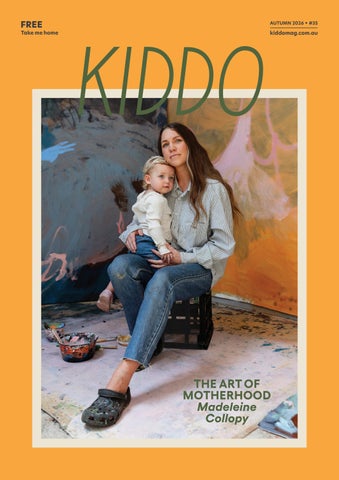
Create a flipbook