PRODUCT DESIGN PORTFOLIO
KEVIN NORDLING
OCTOBER 2024
SELECTED WORKS | 2023-2024
KEVIN NORDLING
kevin.nordling@cesip.se | Gothenburg, Sweden | (+46)727030704
EDUCATION
Chalmers University of Technology
Bachelor of Industrial Design Engineering
• Research study on sustainable product design
• Awarded Adlerbertska scholarship
• Mentored freshman students in CAD
Klara Teoretiska Gymnasium
High School Diploma, Natural Science Program
• Conducted a physics research project on airflow and ventilation system design
EXPERIENCE
Teacher
Chalmers University of Technology
• Lectured students on foundational Photoshop and Illustrator techniques
Ambassador and Head of Communcation
Göteborg Stad
• Represented the organisation at public events to increase community engagement
• Organized and excuted community outreach progreams with a collaborative team
Customer Support
Axfood
• Assited customers with product inquiries and troubleshooting
• Managed customer complaints to improve overall satisfaction
PROJECTS
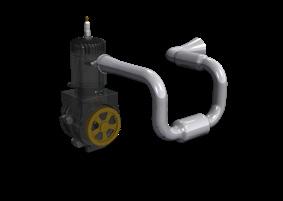
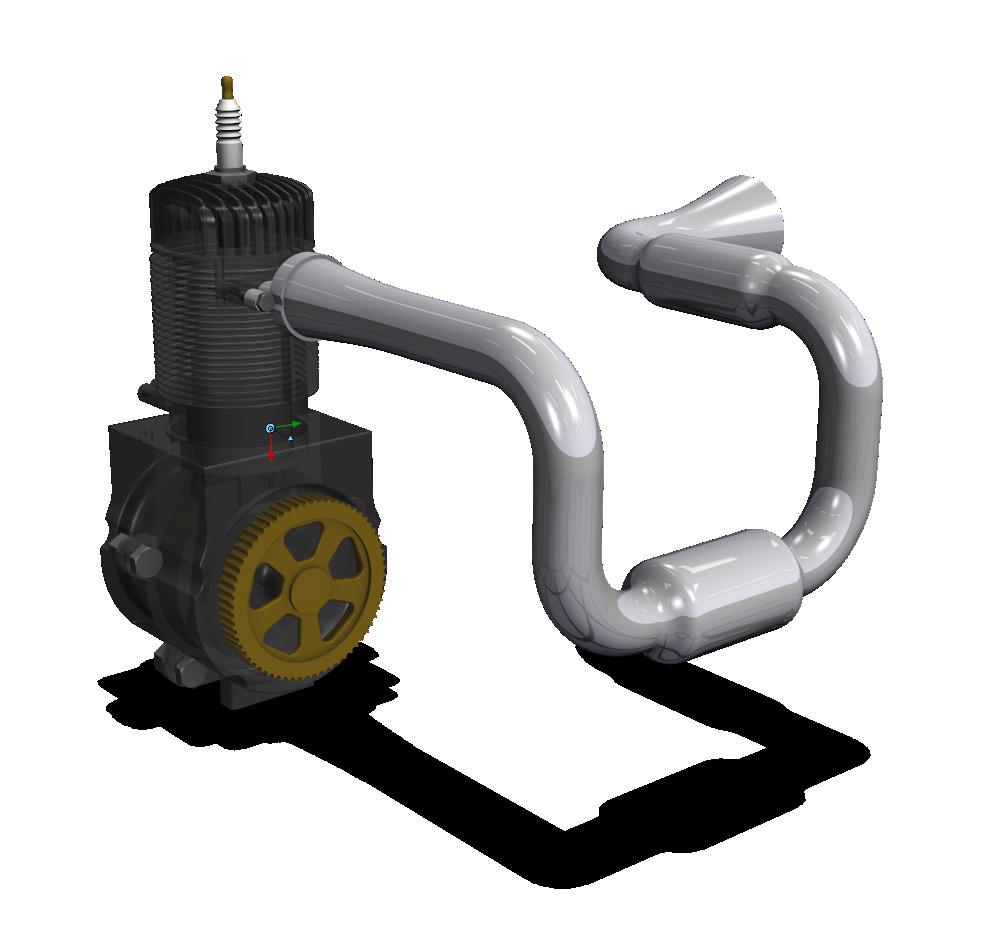
Two Stroke Engine | CATIA, Alias Autostudio, VRED
• Modeled a fully functioning two stroke engine from scratch using CATIA, Alias Autostudio and rendered in VRED
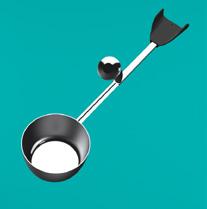
Product Requirements | ACD3, Alias Autostudio, VRED
• Co-developed an ergonomic soup scoop for industrial kitchens
• Conducted field studies in five high schools kitchens in Gothenburg to identify user needs
• Applied ergonomic design principles to develop the product in CAD
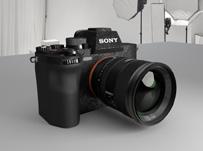
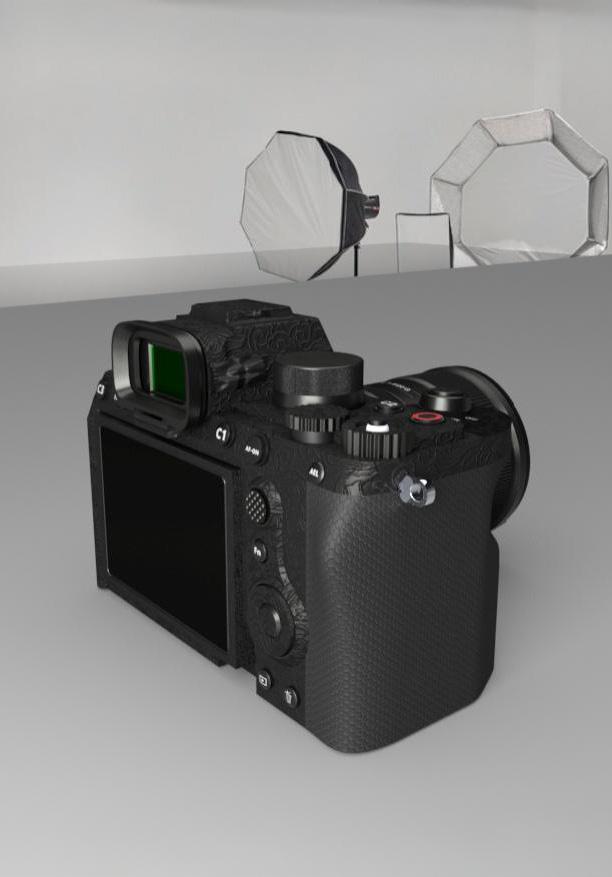
Sony Camera | Alias Autostudio, VRED
• Designed and modeled a mirrorless camera inspired by Sony
TECHNICAL SKILLS
2D Applications: Adobe After Effects, Illustrator, InDesign, Lightroom, Photoshop, Premiere Pro, Figma
3D Applications: Alias AutoStudio, VRED, CATIA
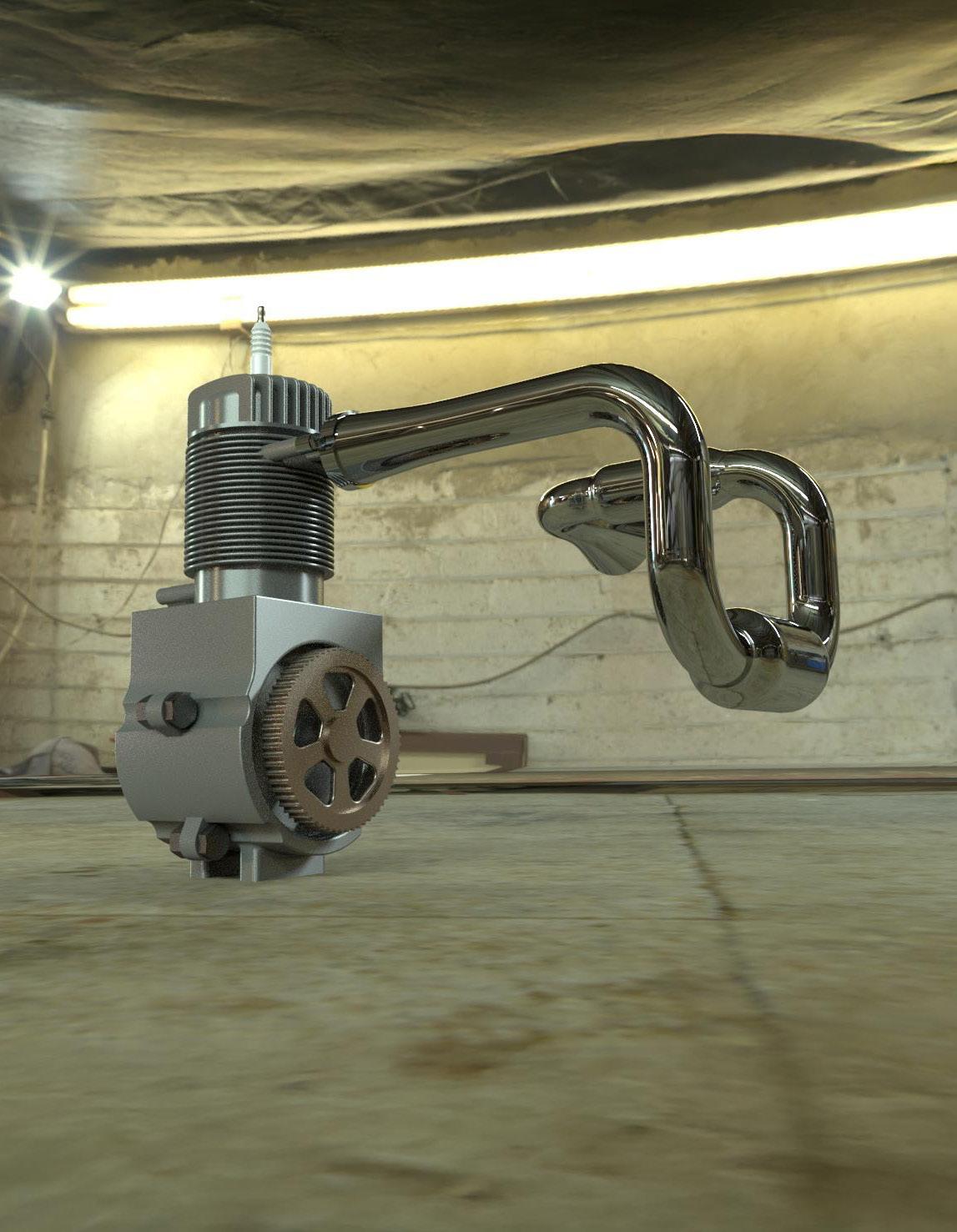
TWO STROKE ENGINE
ACADEMIC PROJECT: CONSTRUCTION TECHNIQUES
Project description:
This project involved designing a functional two-stroke engine model as part of a course in construction techniques, using CATIA and Alias. The objective was to create a model that accurately represents the working principles of a two-stroke engine, with attention to both the mechanical and aesthetic elements. This academic project simulated real-world engineering challenges, allowing students to apply theoretical knowledge to practical design.
Requirements:
The engine had to demonstrate the core principles of a two-stroke operation, including the integration of mechanical components such as the piston, cylinder, and crankshaft. Precision was key in ensuring that the assembly could theoretically function, while also adhering to manufacturing constraints. The model needed to be rendered in high fidelity, showing material applications and detailing typically found in real-world engines.
Idea:
The design focused on mechanical accuracy and visual representation, with a clean and industrial aesthetic that emphasized functionality. The use of chrome and metallic finishes not only highlighted the engine’s components but also added a polished look to the final render. The outcome successfully showcases how theoretical engineering concepts can be translated into practical, manufacturable designs. This project demonstrates proficiency in CAD software, particularly CATIA and Alias, as well as an understanding of mechanical systems.

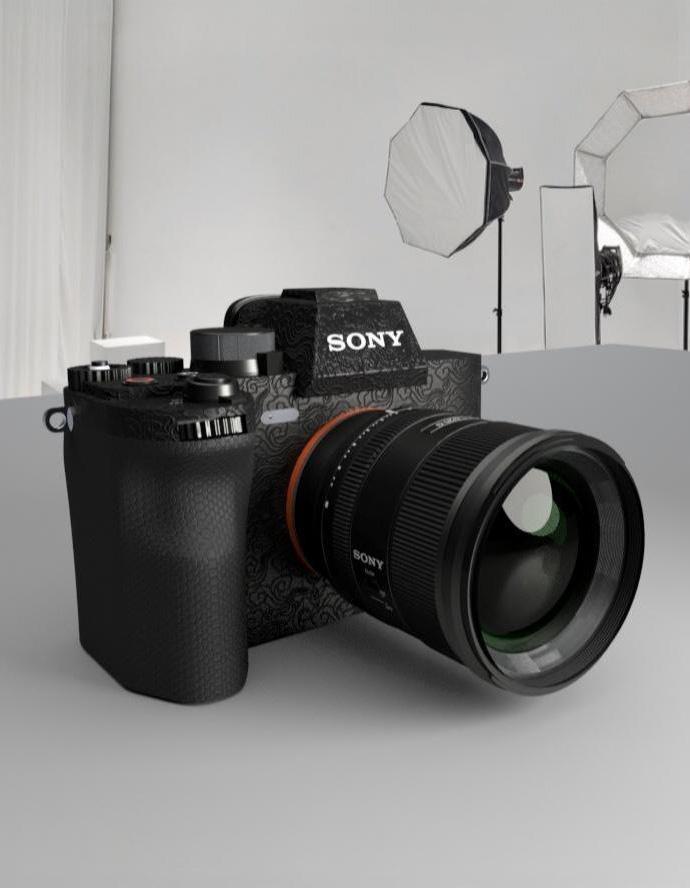
SONY CAMERA
ACADEMIC PROJECT: DIGITAL PRODUCT DESIGN
Project description:
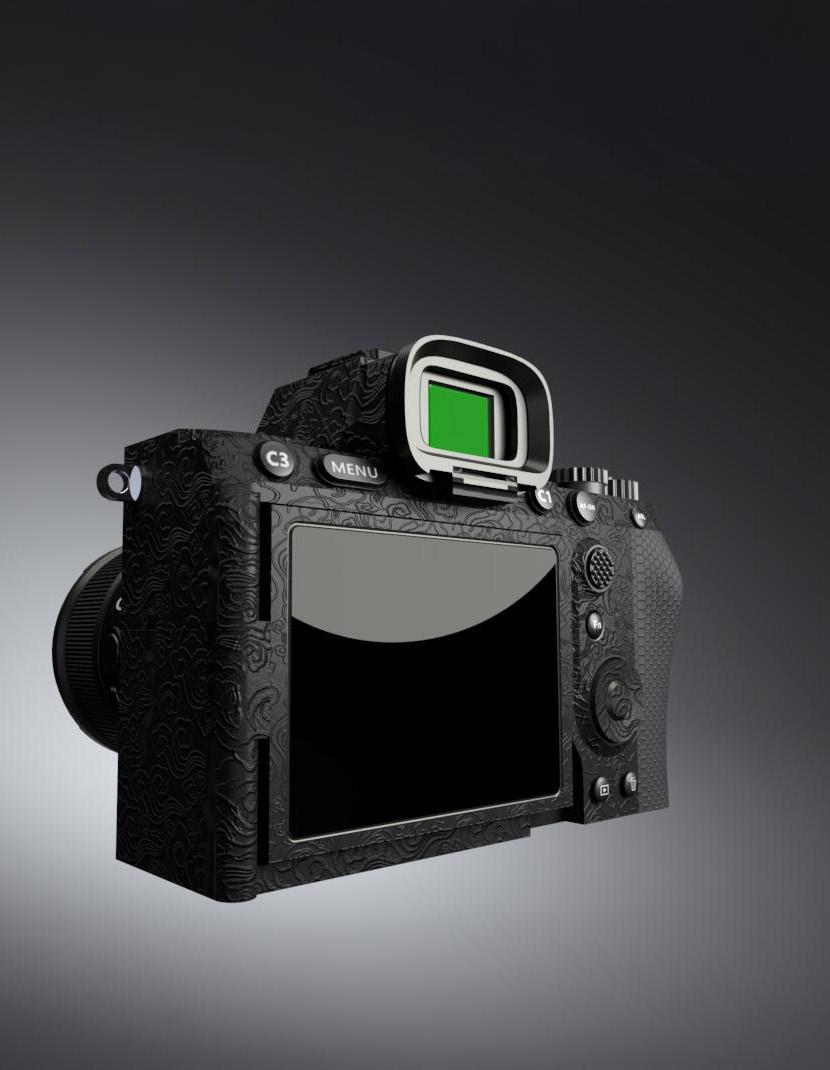
The “Sony Camera” project was developed as part of an advanced product design course, focusing on creating a high-quality, ergonomic mirrorless camera. The objective was to simulate real-world design challenges, applying principles of usability, aesthetic appeal, and technical functionality in a fully 3D-modeled product.
Requirements:
The design exercise required a balance between innovative form and practical functionality. Emphasis was placed on ensuring a lightweight yet durable design, integrating intuitive controls, and ensuring compatibility with various professional-grade lenses. The project aimed to mimic the design process used in commercial product development, giving students hands-on experience in CAD modeling and rendering.
Idea:
Inspired by Sony’s minimalistic and professional aesthetic, the camera features a sleek matte black finish with textured accents for a comfortable grip. The design incorporates streamlined controls for ease of use while maintaining a compact form factor. The project demonstrates the ability to combine functionality and visual appeal in a way that resonates with the target market of advanced photographers.
TELE-SKOP, FOOD SCOOP
ACADEMIC PROJECT: UX DESIGN
Project description:
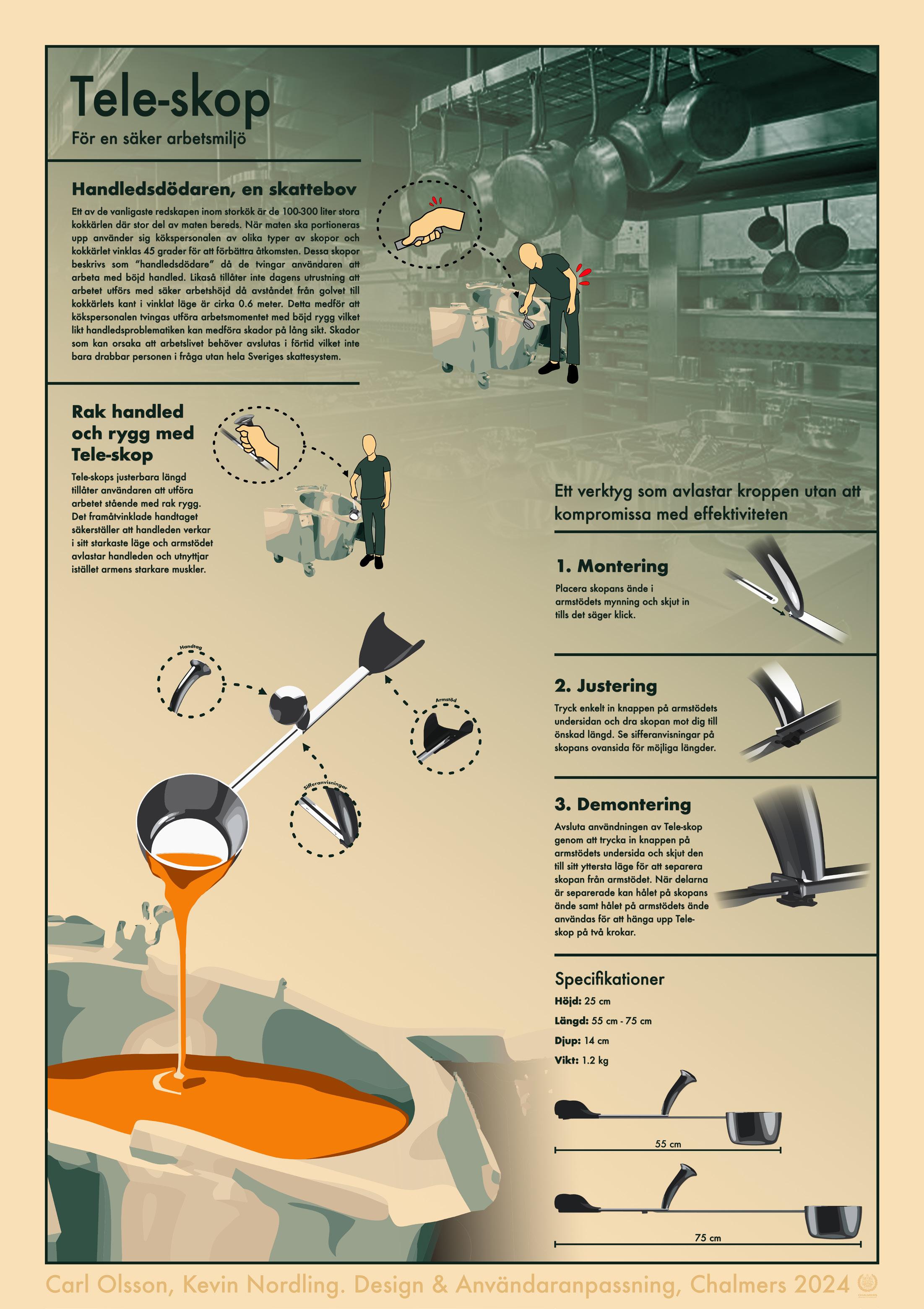
The “Tele-Skop” food scoop was developed as part of a UX Design course focused on identifying unmet user needs through field research. Our team conducted a comprehensive field study in industrial and high school kitchens, observing the workflows of chefs and kitchen staff to discover gaps in their existing tools. Through this study, we identified the need for a more ergonomic, adjustable tool to reduce strain on users’ wrists and backs while maintaining efficiency in their work. The final product is a food scoop designed to alleviate these issues.
Field Research & UX Process:
The initial phase involved observing kitchen workflows, documenting pain points, and conducting interviews with kitchen staff. We synthesized the data to define key user needs and began concept generation, producing multiple design iterations. The final design was validated through user testing in similar kitchen environments.
Requirements:
Our design was driven by user research insights, emphasizing the need for a tool that supports both arm and back ergonomics. The scoop had to be adjustable in length and angle to accommodate various cooking techniques and user preferences, without compromising the speed and precision required in professional kitchens.
Idea:
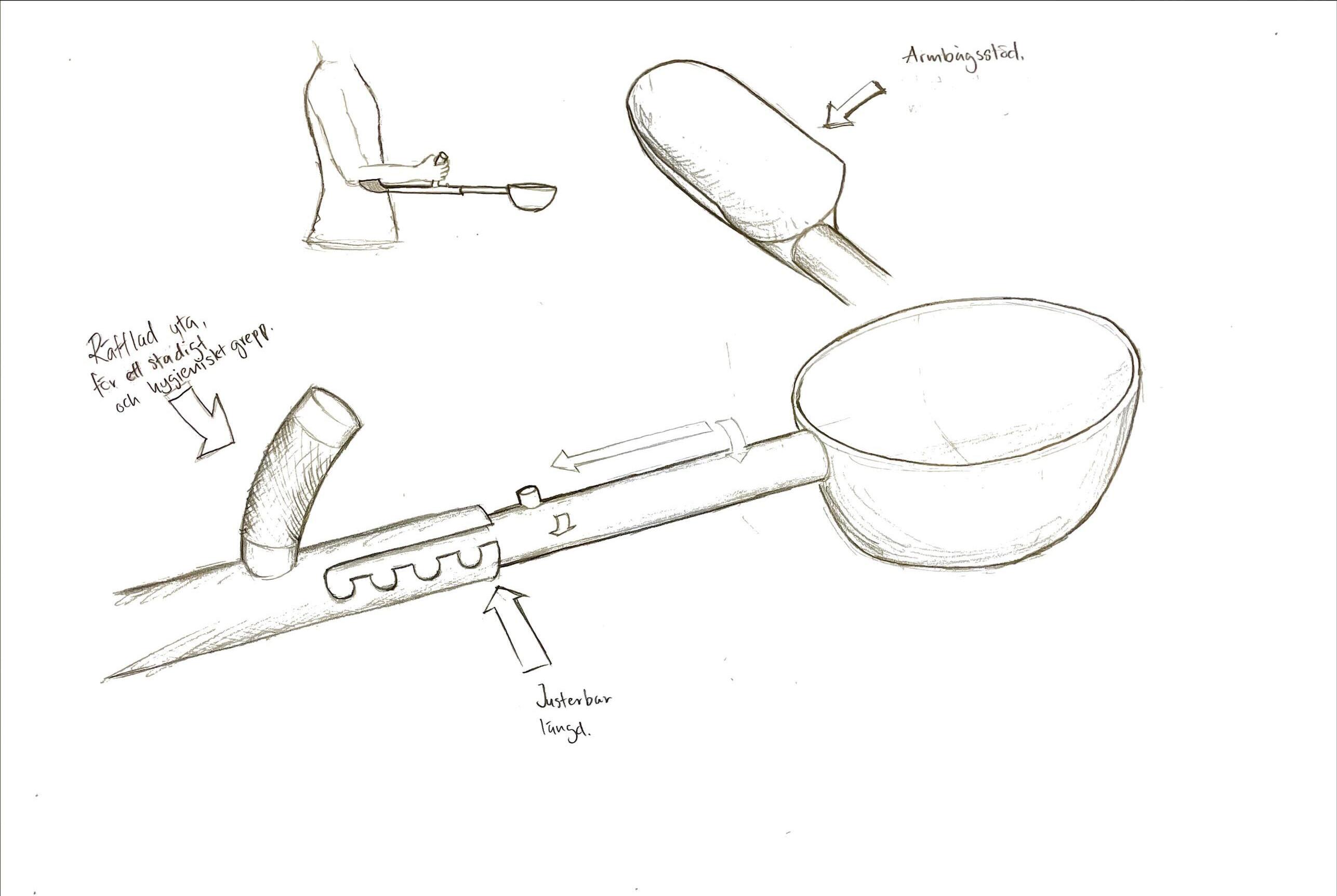
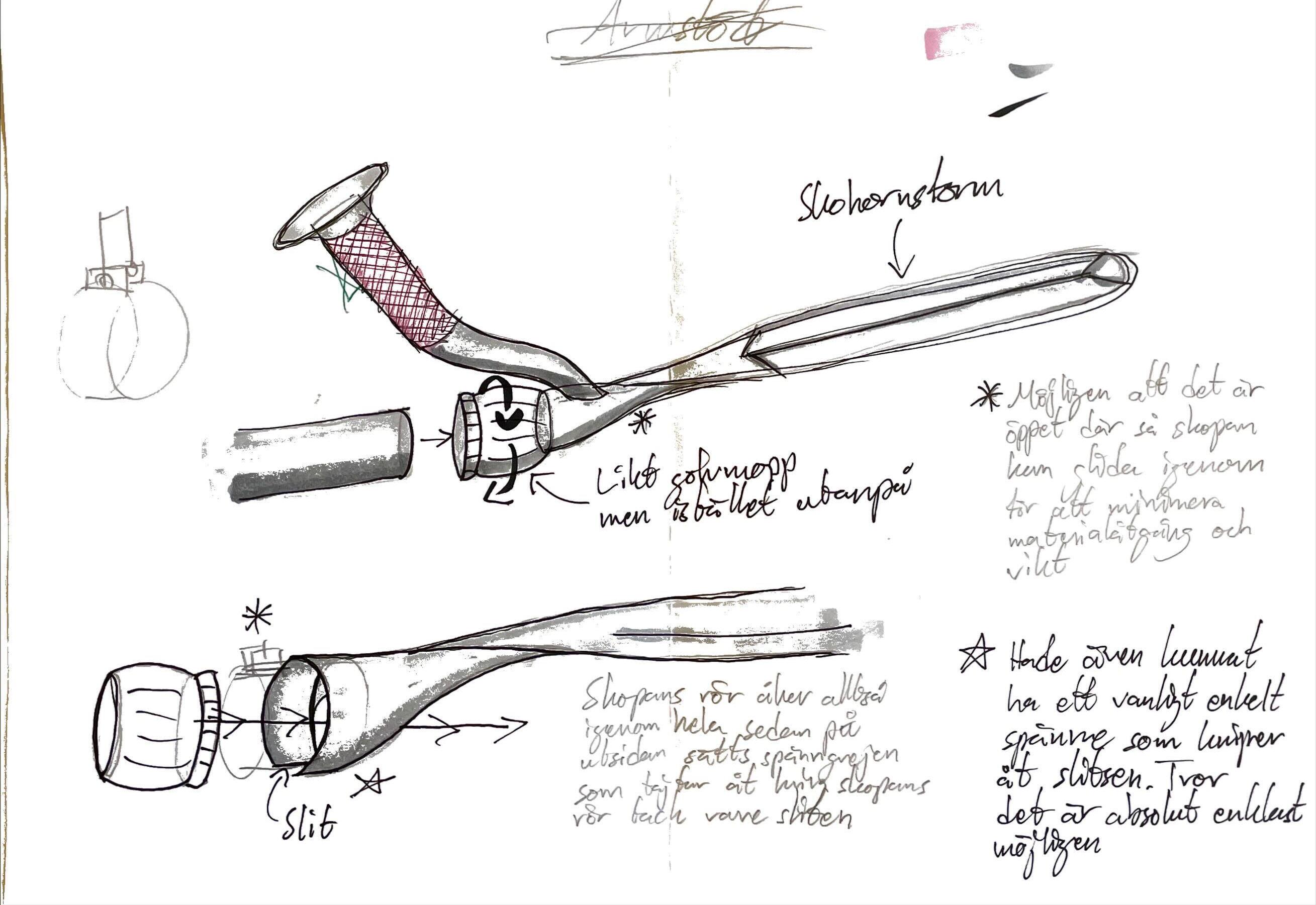
The “Tele-Skop” features an extendable handle that allows users to maintain a straight wrist and avoid awkward angles while using the tool. Its textured grip offers stability, and the scoop’s adjustable length ensures that it suits a wide range of users and cooking situations. The combination of intuitive functionality and ergonomic design was key to the success of the product. Sketches and CAD models reflect the iterative design process, from initial concept generation to final product testing and validation.

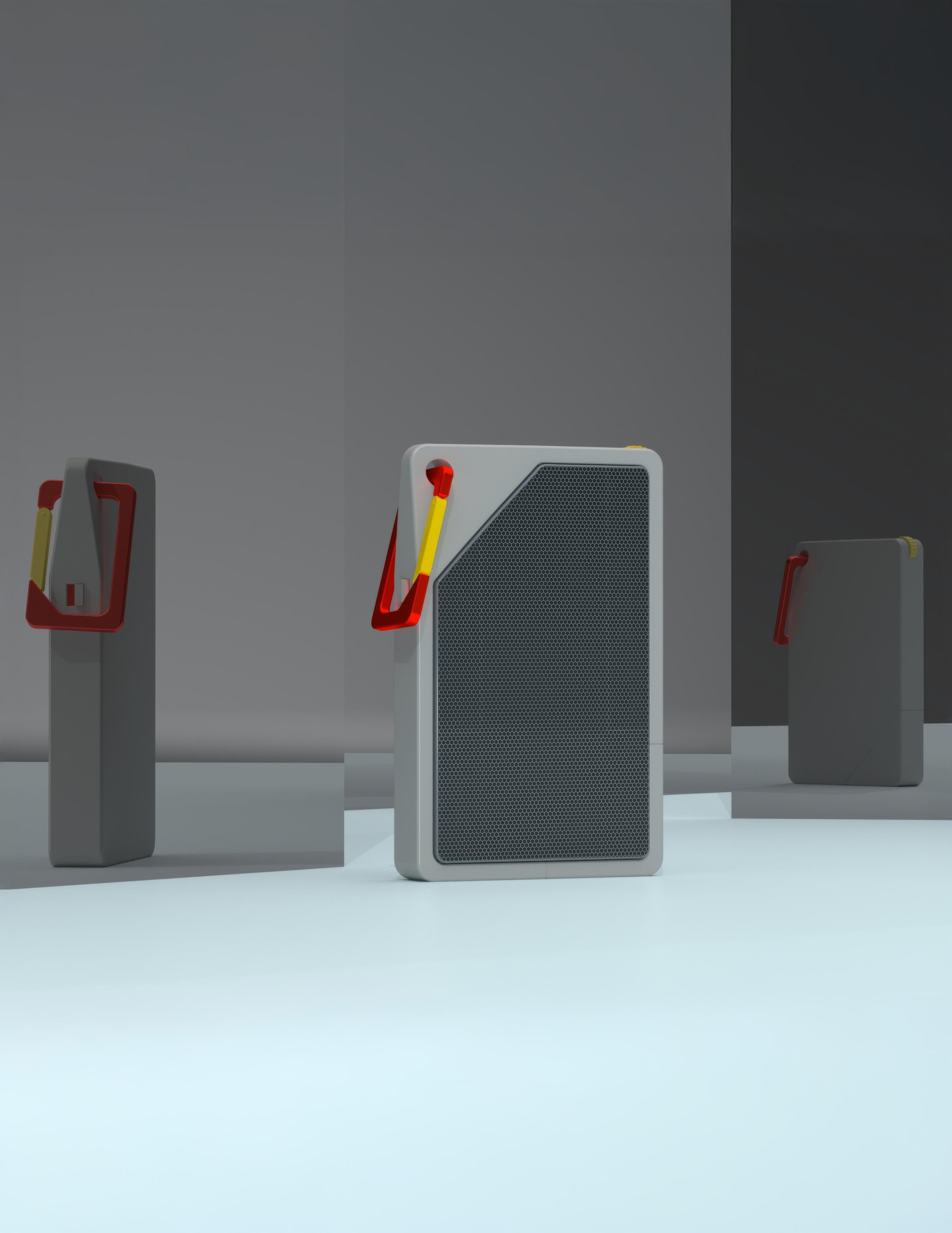
PORTABLE SPEAKER
ACADEMIC PROJECT: PRODUCT SEMIOTICS
Project description:
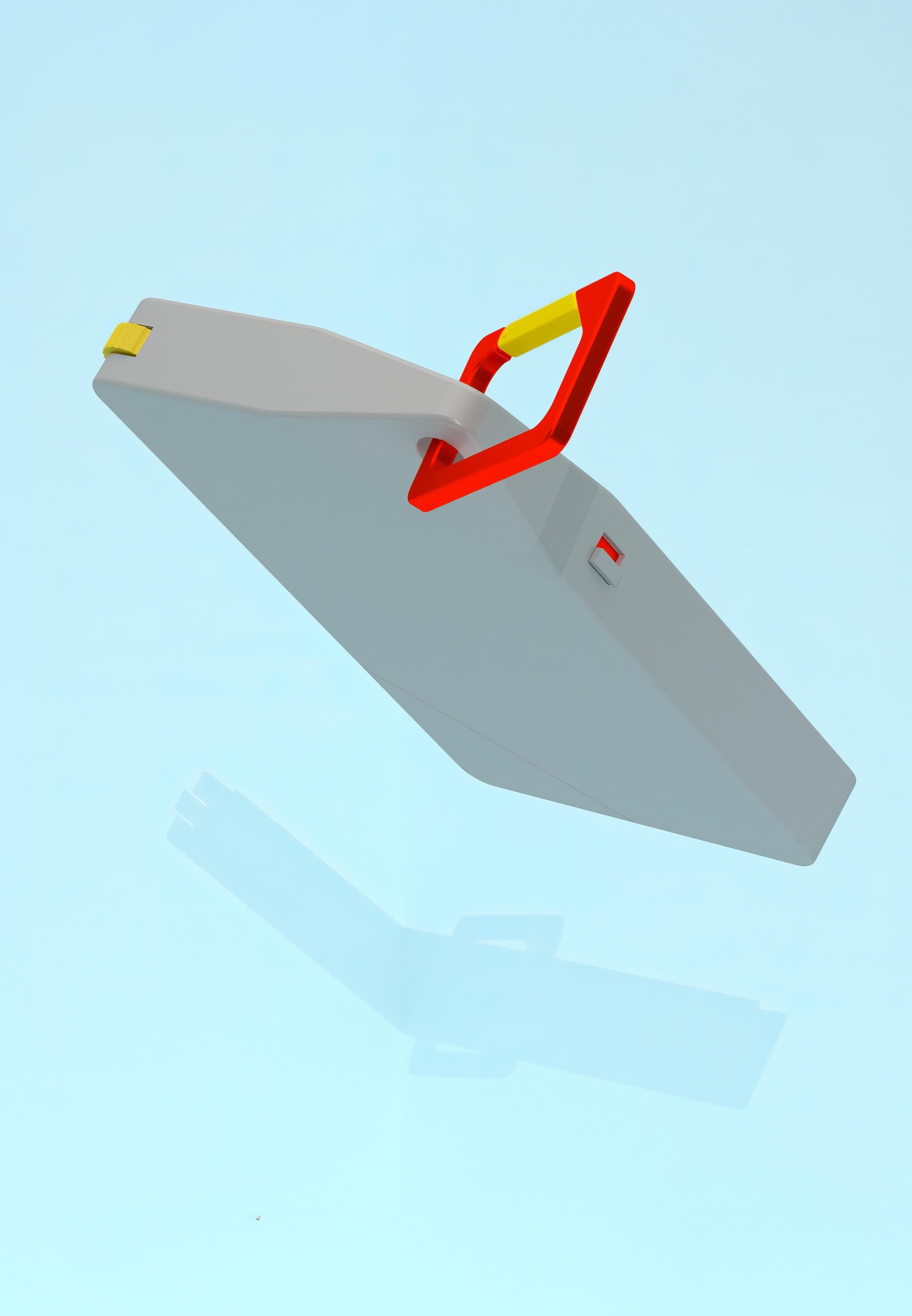
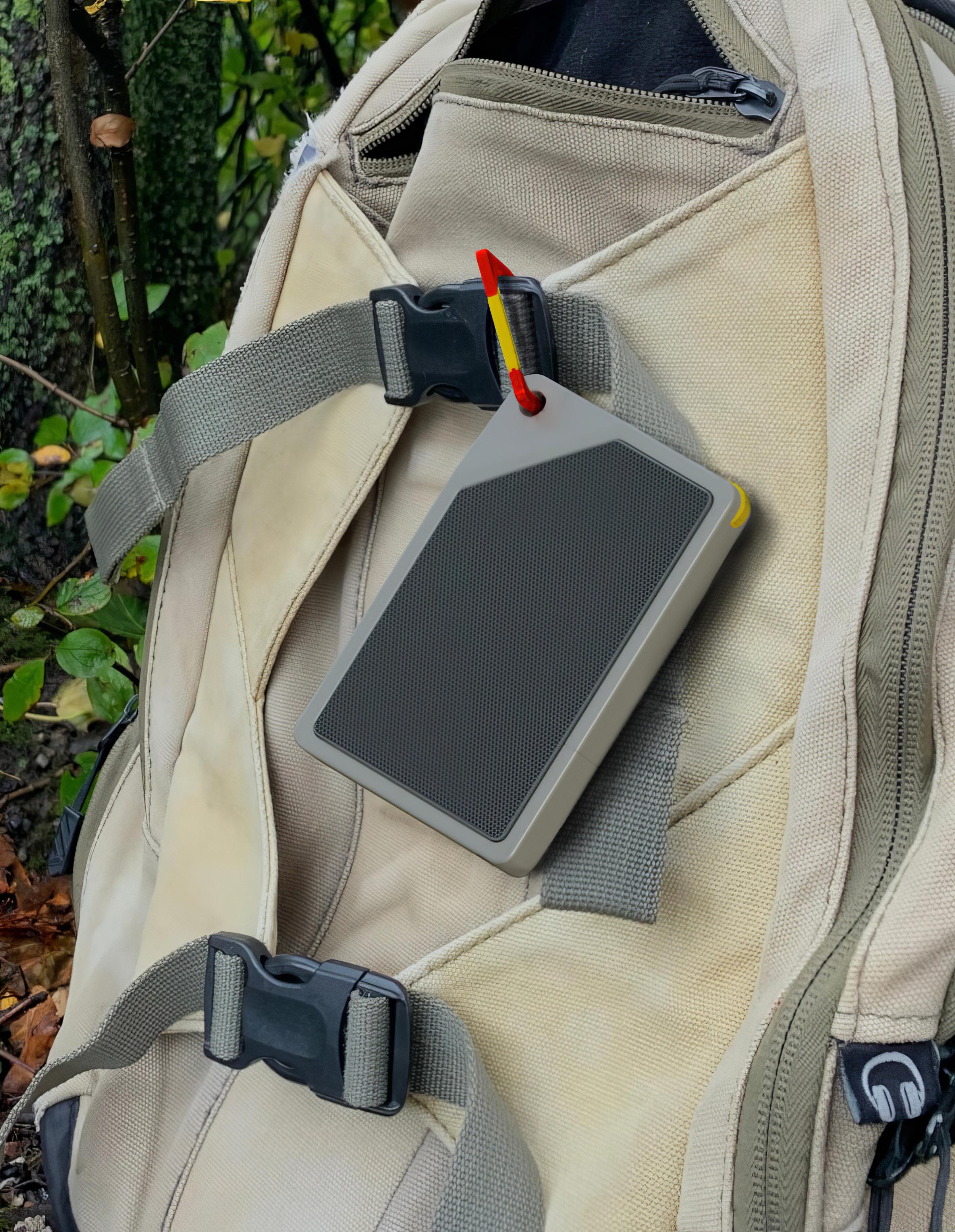
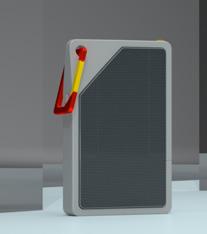
This portable speaker was designed as part of a product semiotics course, focused on creating a user-centered product that communicates its functionality through design. The project involved developing a user persona, understanding their needs, and designing a product that reflects their lifestyle and usage context. The design balances aesthetic appeal with functional elements, ensuring that it is both visually engaging and user-friendly.
Requirements:
The primary goal was to create a speaker that fits the persona’s active lifestyle—portable, durable, and easy to use. The design also needed to incorporate intuitive visual cues, ensuring that users immediately understand its portability and interaction features. The handle design, color choices, and overall form were driven by semiotic principles, where each detail conveys a specific message about the product’s use and functionality.
Idea:
The speaker’s form is sleek yet sturdy, with an integrated handle that emphasizes mobility. The contrasting color accents not only highlight functional components but also enhance the speaker’s visibility in outdoor or busy environments. The overall design combines modern minimalism with playful elements, making it appealing to users seeking both style and practicality. The project demonstrates how semiotic principles can guide the design process to create a product that is both meaningful and accessible to the user.