
Kendall Lindquist
Kendall Lindquist



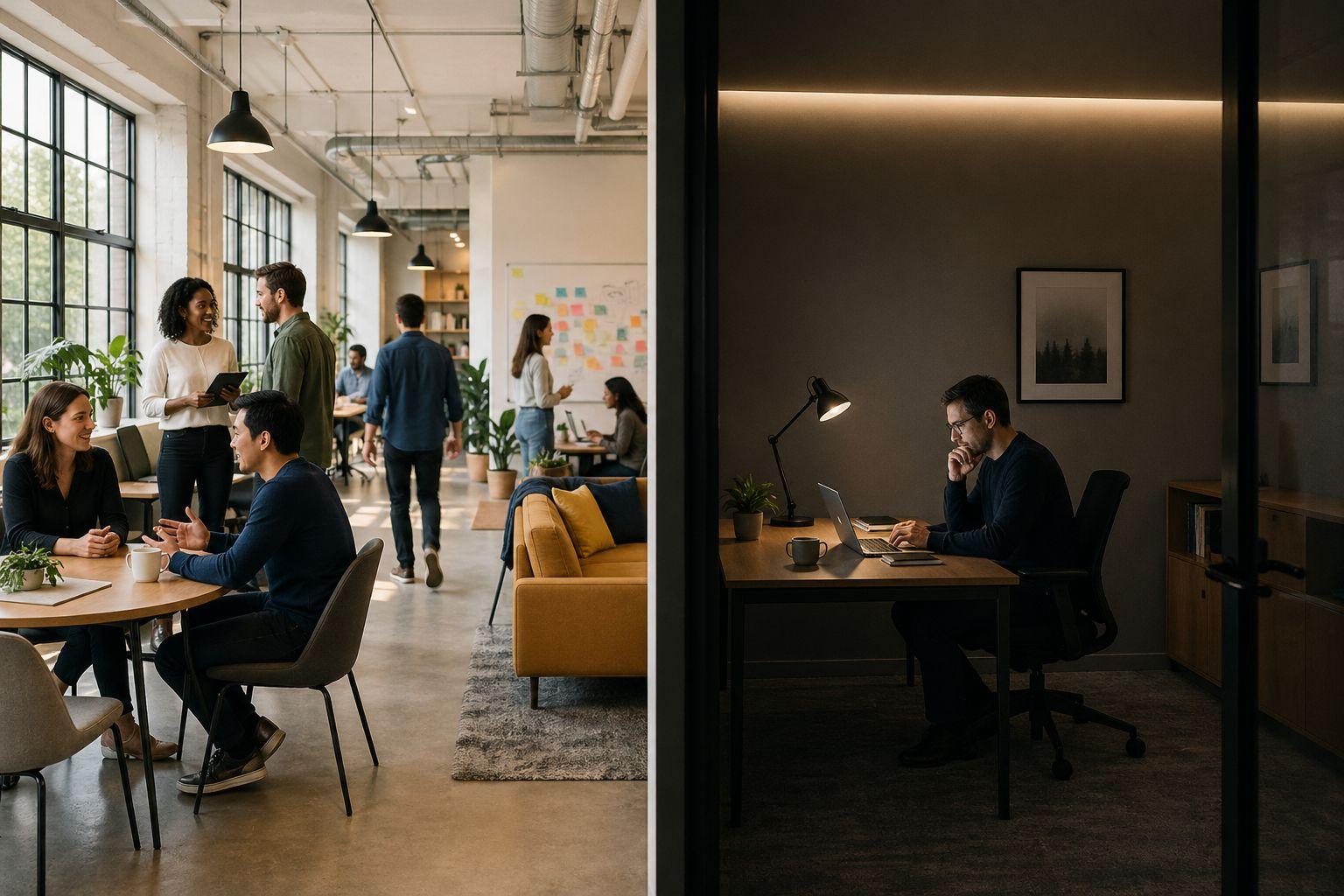
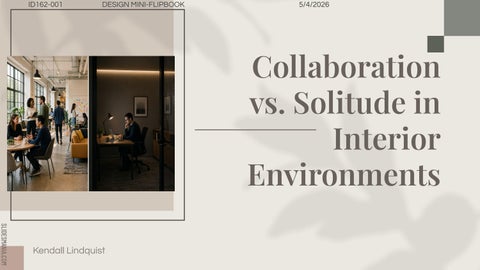
Today’s interior spaces are often designed around a balance between working together and working alone. As a future designer, I’m interested in how spaces can support both without choosing one over the other. This reflects how people live and work now, where we need both interaction and quiet focus.
Ideas like open-plan design show the benefits of being together, while also pointing out the need for privacy. New technology, like better sound control and adjustable lighting, helps spaces work in different ways. Materials and finishes can also change how a space feels, whether it’s more energetic or calm. Furniture adds flexibility, letting people adjust the space to their needs. Storytelling helps designers show these ideas through drawings and visuals.
This course helped me understand how past design ideas, like open spaces in modernism, still affect design today. It also made me think more about how spaces impact how people feel and behave. Through this topic, I want to explore how design can support both connection and focus in everyday life.
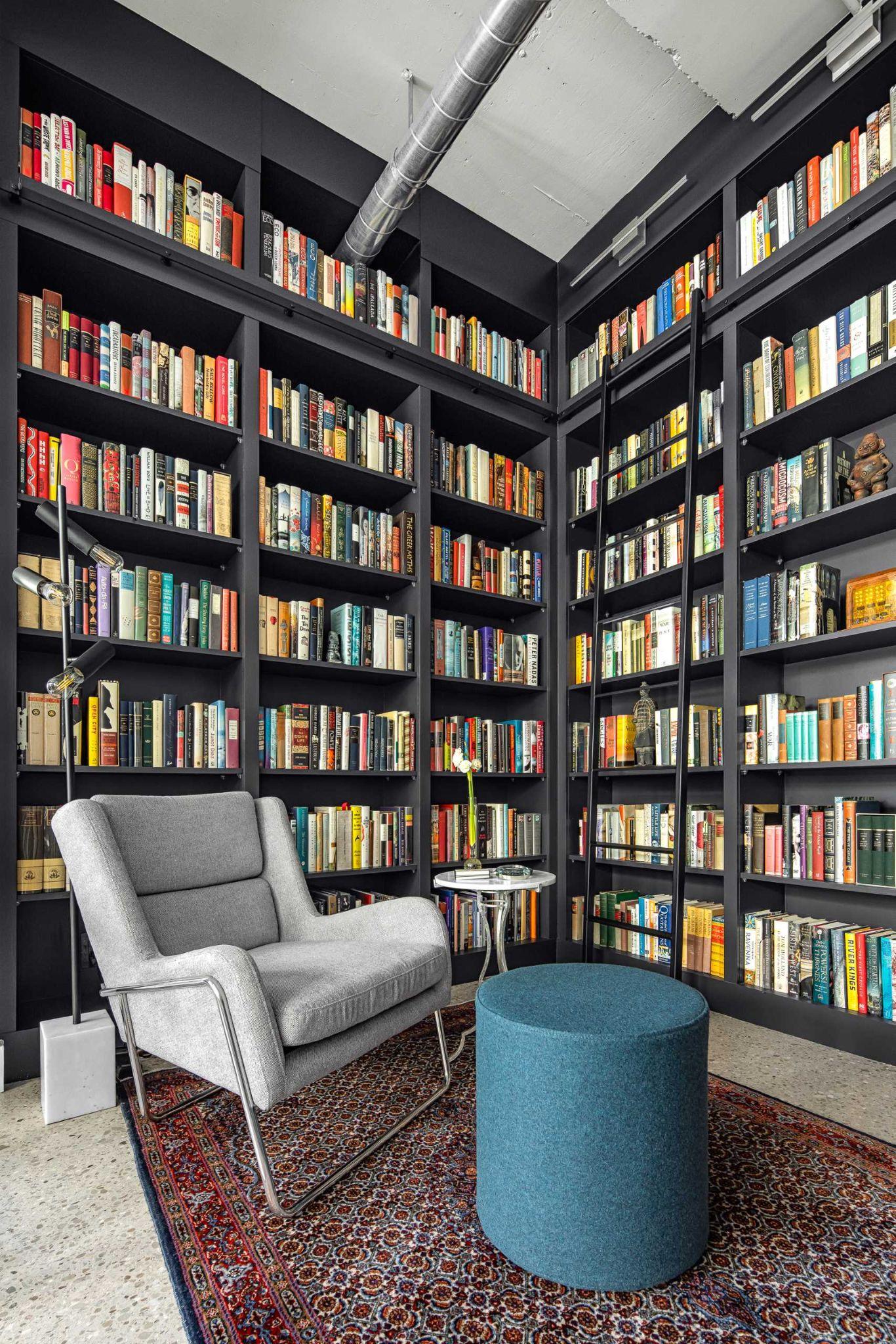
https://www.contemporist.com/wp-content/uploads/2023/05/modern-loft -glass-enclosed-library-home-office-040523-1158-06.jpg
The tension between collaboration and solitude is rooted in longstanding design theories. Open-plan environments, popularized in the 20th century, emphasized transparency, communication, and efficiency. However, more recent theories, including privacy regulation and environmental psychology, suggest that constant exposure can lead to overstimulation and reduced productivity.
Designing for duality requires acknowledging that individuals move fluidly between social and private needs. Concepts such as “prospect and refuge,” originally developed in architectural theory, help explain why people seek both openness and enclosure within a single environment. Rather than treating collaboration and solitude as opposites, contemporary design reframes them as complementary conditions. This theoretical shift challenges designers to move beyond static layouts and instead create adaptable, layered spaces that respond to human behavior
.
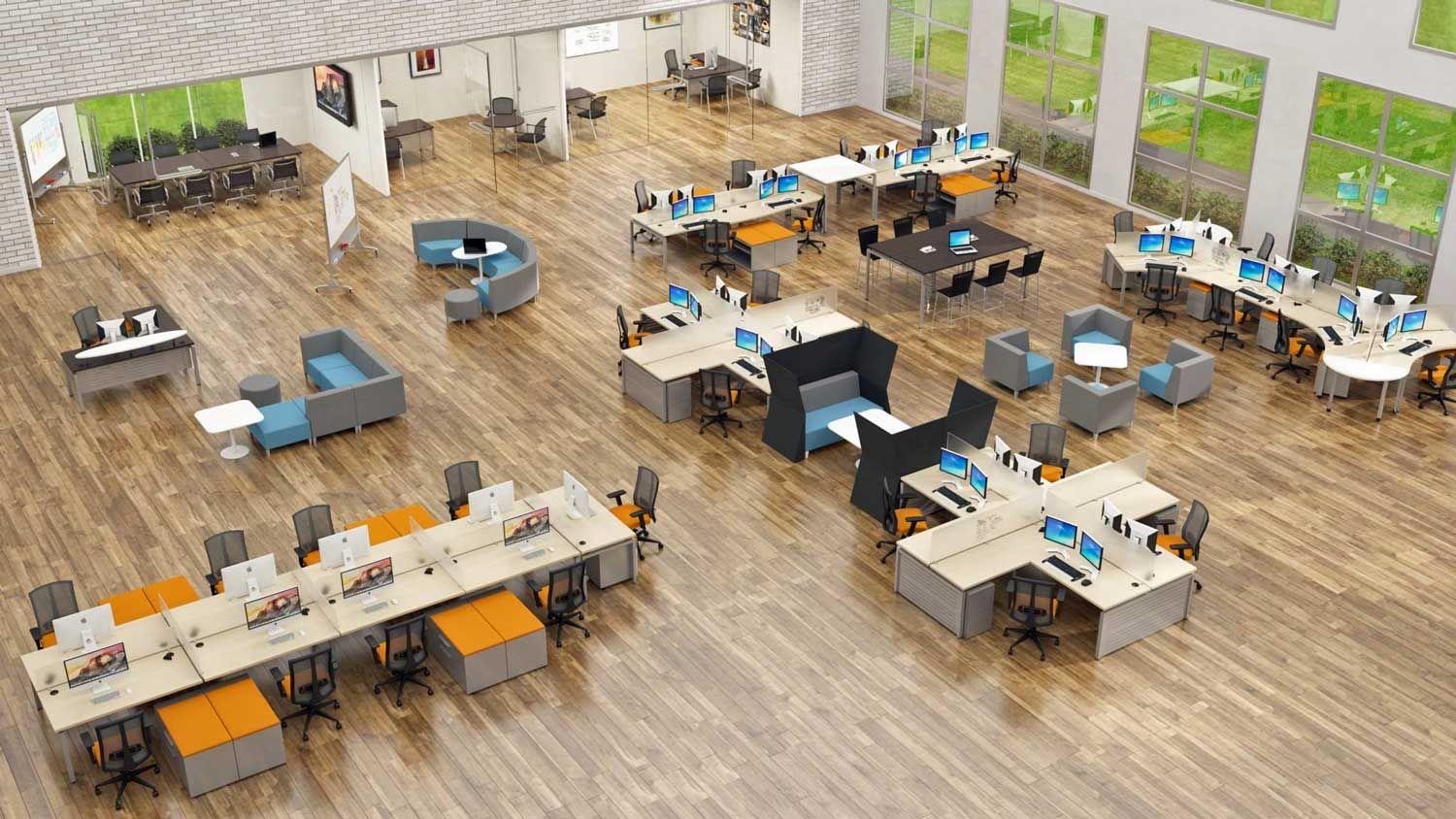
https://blog.clark-powell.com/hubfs/Imported_Blog_Media/open-office.jpg
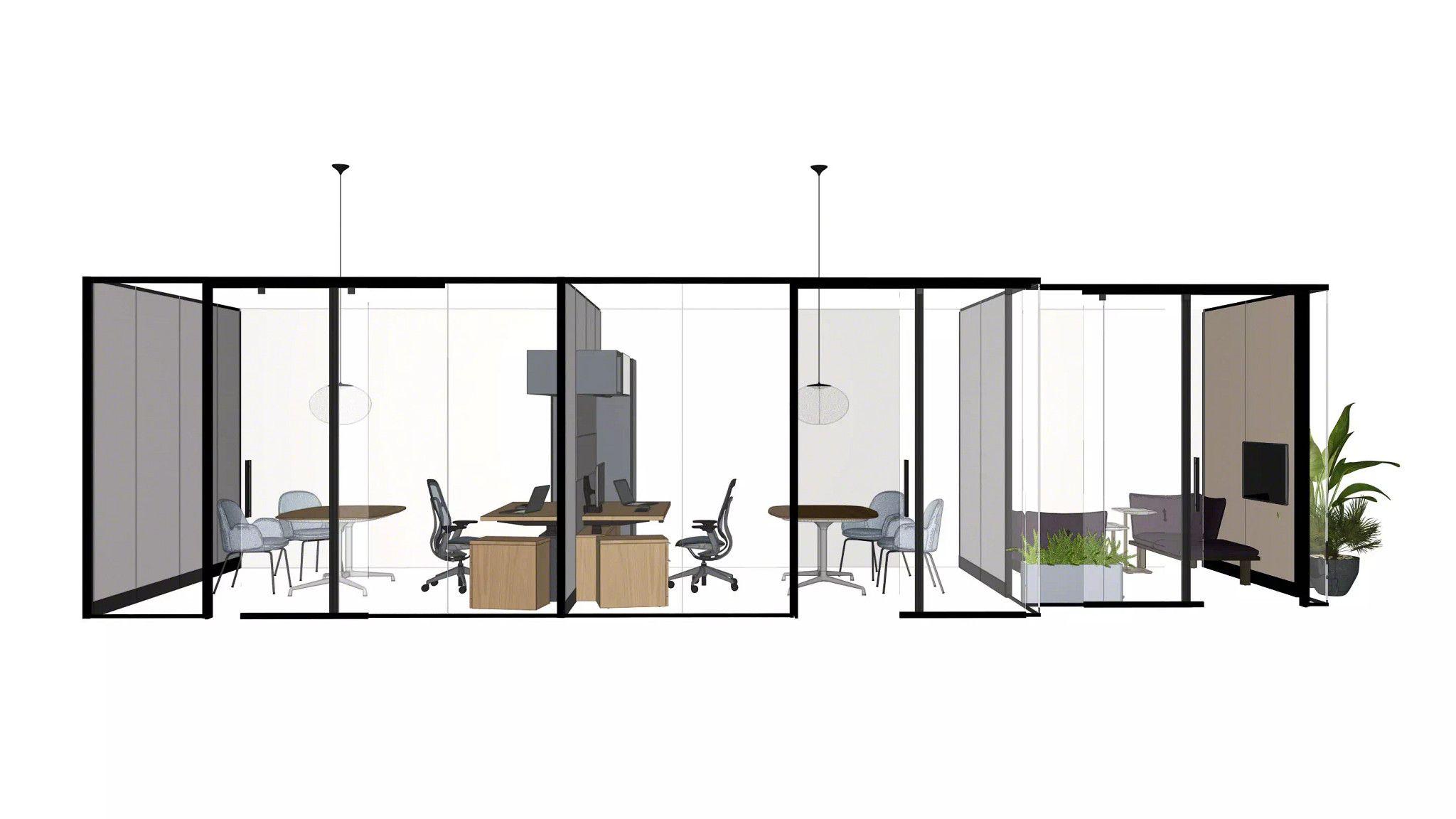
Technology as a Mediator of Experience
Technology plays a critical role in enabling spaces to support both collaboration and focused work.
Acoustic innovations, such as sound-absorbing panels and white noise systems, allow open environments to maintain energy without overwhelming users. Adjustable lighting systems can shift from bright, stimulating conditions to softer, task-oriented illumination.
Digital tools also influence how space is used. Wireless connectivity and mobile devices free users from fixed workstations, making flexible environments more viable. Smart systems can even respond to occupancy, adjusting light, sound, and temperature in real time.
These technological advancements allow designers to move beyond physical boundaries, creating environments that adapt dynamically to user needs. As a result, the divide between open and closed spaces becomes less rigid and more experiential.
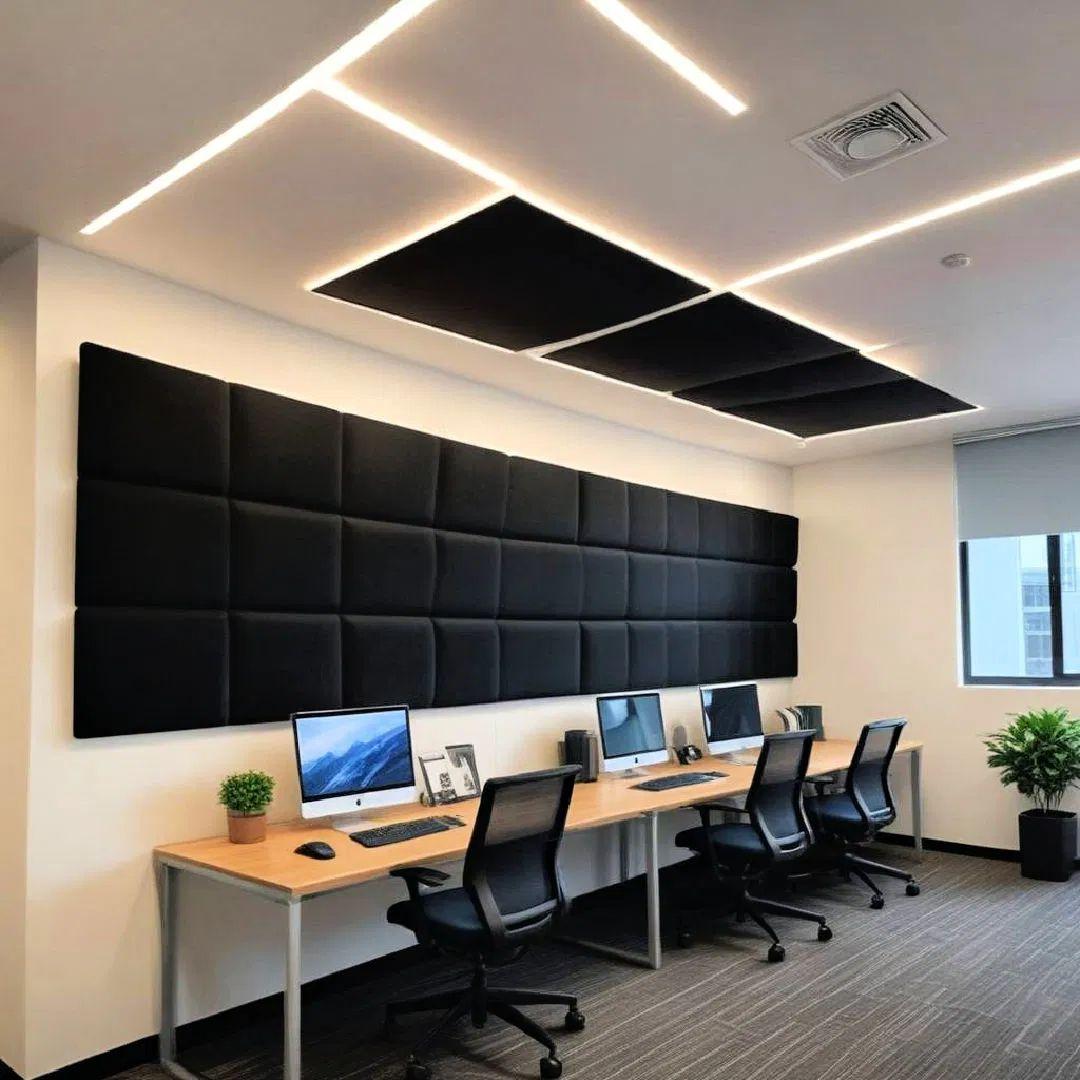
. https://images.suite101.com/wp-content/uploads/2024/08/acoustic-panels-to-absorb-sound.jpg
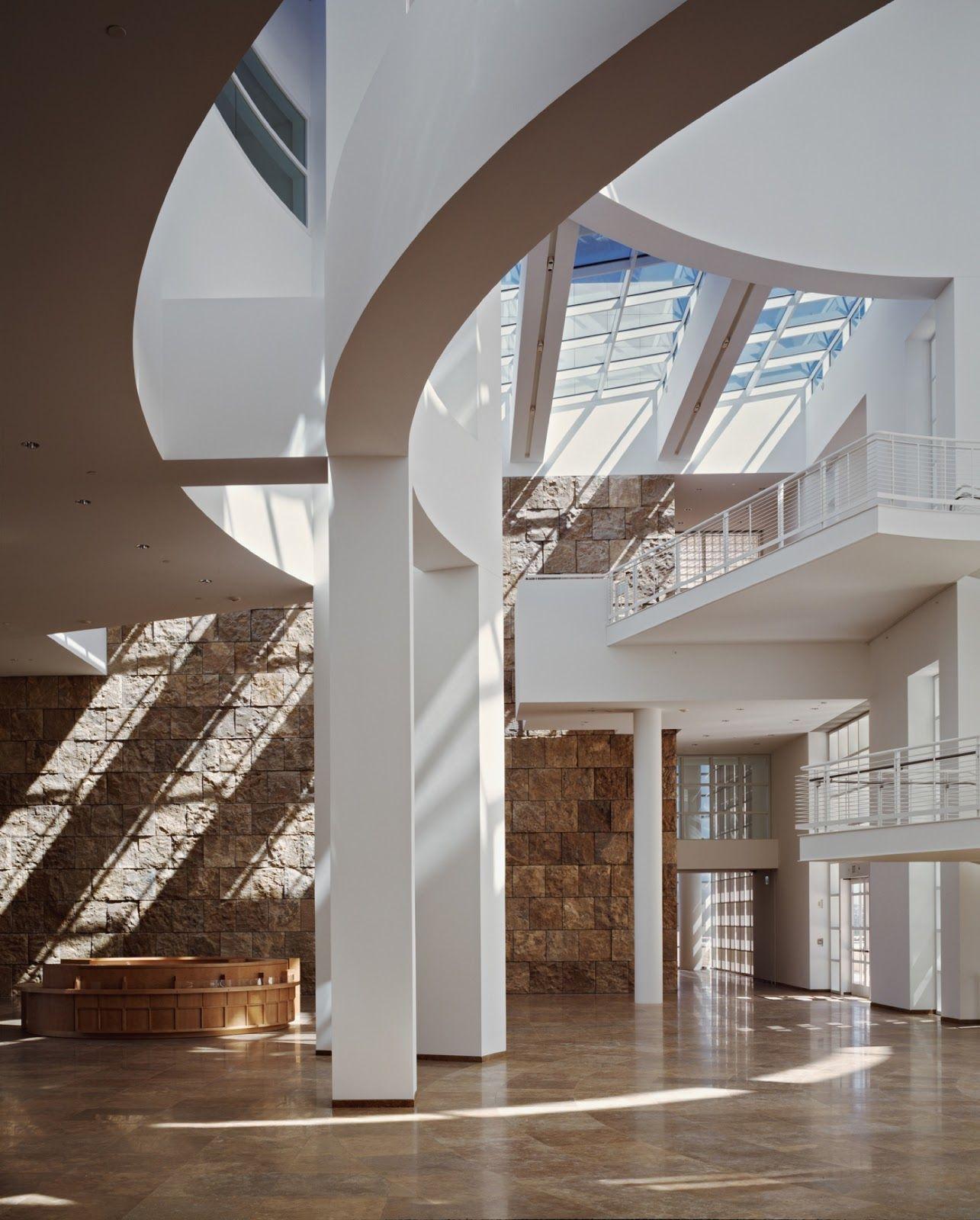
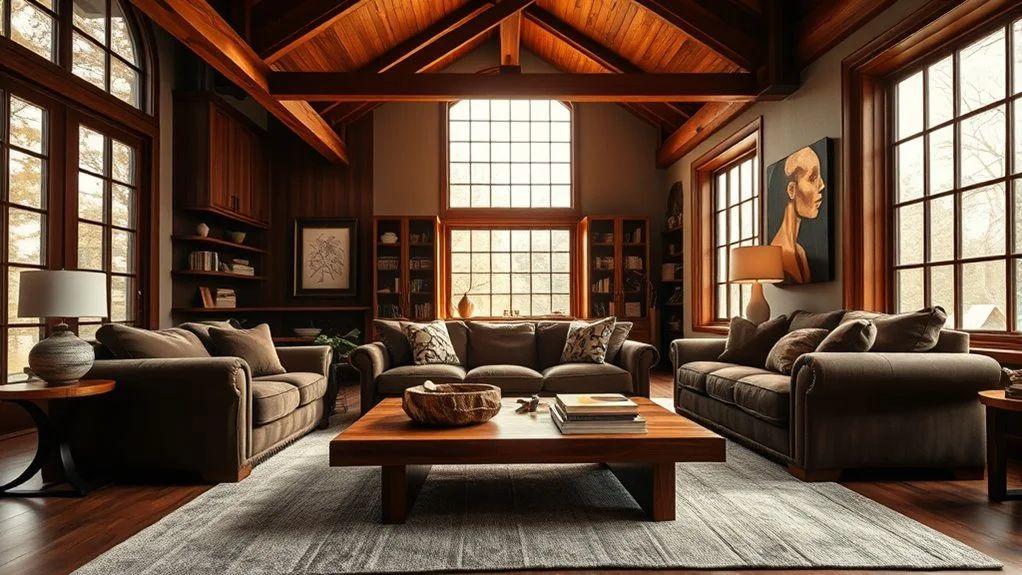
Finishes play a subtle but powerful role in shaping how a space is perceived and used. Bright, reflective materials, such as glass, polished concrete, and light woods, tend to amplify light and activity, reinforcing a sense of openness and collaboration. In contrast, matte surfaces, darker tones, and textured materials create visual softness and acoustic dampening, supporting concentration and privacy.
Color theory also contributes to this distinction. Warm, vibrant colors can stimulate interaction, while cooler, muted palettes promote calm and focus. The combination of these finishes within a single environment allows designers to signal different zones without relying solely on walls or partitions.
By carefully selecting materials, designers can guide behavior and emotional response, creating a seamless transition between energetic and quiet spaces.
.
https://2.bp.blogspot.com/-KcnIUzVZ-sY/UNJLL_1ISrI/AAAAAAAADyc/C3DmJdAqa jg/s1600/1295051702-96sf20195.jpg
https://waizempire.com/wp-content/uploads/cozy_elegant_ dark_wood_interiors_ijnxx.jpg
Furniture as Flexible Infrastructure
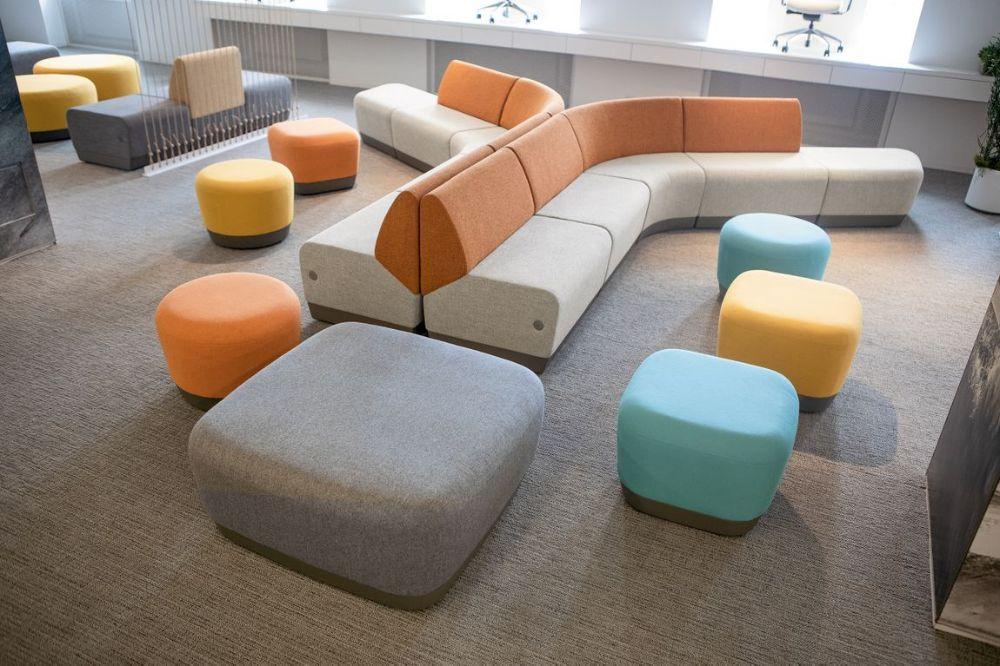
Furniture plays an important role in supporting both group work and individual focus. Movable seating, partitions, and flexible desks let people adjust the space depending on what they need at the moment. Lounge areas make it easier for people to interact and collaborate, while quieter options like pods or high-back chairs give people a place to focus alone.
Comfort is also a big part of this. Furniture should support different types of work, whether someone is active and engaged or sitting for a long time. The size, layout, and ability to move furniture all affect how people use a space and move through it.
Overall, furniture today is more flexible than before. It allows people to shape their own environment, showing that design should adapt to people instead of controlling how they work.
https://i.pinimg.com/originals/4b/c7/3c/4bc73c02ae9da3fe7c51c04264f29c2f.png
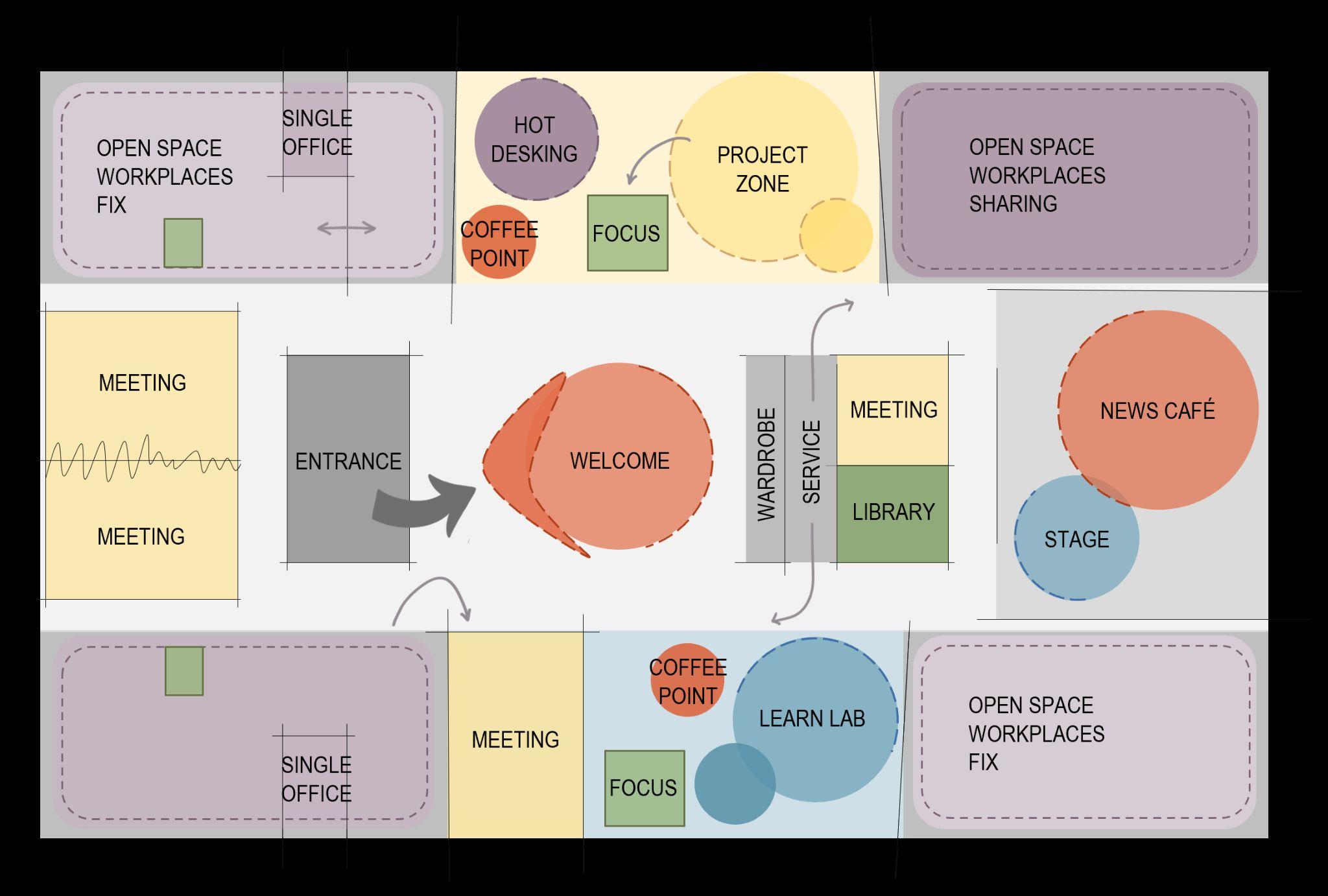
Telling the story of duality requires more than just plans and sections it also demands a clear visual narrative. Renderings, diagrams, and spatial compositions can illustrate how a single environment supports multiple modes of use. Contrast becomes a key storytelling device, highlighting differences in light, material, and occupancy.
Construction drawings and details further reveal how these ideas are realized, from acoustic assemblies to lighting strategies. Through representation, designers communicate not only what a space looks like, but how it feels and functions.
In this project, the split-image concept serves as a powerful visual metaphor, capturing the coexistence of collaboration and solitude. It reminds viewers that design is not about choosing one condition over another, but about creating meaningful relationships between them.
https://wsa.ch/en/wp-content/uploads/sites/4/2024/03/ZONENPLAN-ENGLISH.png
Oldenburg, Ray, and Jr Warner. Review of The Great Good Place. Journal of Urban History, vol. 20, no. 1, November 1, 1993, pp. 133–133.
“Research + Insights.” Steelcase, www.steelcase.com/insights-research/.

Pallasmaa, Juhani. The Eyes of the Skin : Architecture and the Senses. 4th ed., Wiley, 2024.
Alexander, Christopher, et al. A Pattern Language : Towns, Buildings, Construction. Oxford University Press, 1977.
Ammendolia, Carlo, et al. “Healthy and Productive Workers: Using Intervention Mapping to Design a
Workplace Health Promotion and Wellness Program to Improve Presenteeism.” BMC Public Health [London], vol. 16, no. 1, no. 1190, November 2016, https://doi.org/10.1186/s12889-016-3843-x.