BY KEMPINSKI
BY KEMPINSKI
















CONTRIBUTORS
Travelling in Style is published by ARTO 7 Avenue Villebois Mareuil
06000 Nice France, in association with the issuer
Kempinski Hotels S.A.
Rue Henriette-et-Jeanne-Rath 10 1204 Geneva, Switzerland
Editor-in-Chief: Jaclyn Thomas
DESIGN – EDITING
ARTO
Antoine Gauvin
gauvin@arto-network.com
Artistic Director:
Aïcha Bouckaert
Publication Manager: Aurélie Garnier
COPYWRITING - CONTRIBUTING
EDITORS
Antoine Gauvin, Jaclyn Thomas, Joe Mortimer, Larry Olmsted, Laurie Jo Miller Farr, Melanie Coleman, Paul Theroux, Tihana Lentini.
PHOTOGRAPHY - SOURCES
Cover - Claes Bech-Poulsen
Table of contents - Claes Bech-Poulsen, Kempinski
Editorial - Claes Bech-Poulsen
Heartfelt Heritage - Kempinski
Berlin - Claes Bech-Poulsen, Kempinski, illustration by Mayeul Gauvin
Seize the moment - Adobe Stock, Shutterstock, Kempinski Munich - Illustrations by Helen Bullock Rice - Adobe Stock, Dreamstime, Kempinski
Live Local - Kempinski
Detour Destinations - Adobe Stock, Kempinski Moments - @nati.riedel, @claesbechpoulsen
Despite careful research, we have not been able to identify the rights holders in every case. If you hold the rights to any of the images, please contact marketing.corporate@ kempinski.com.
PRINTED BY FOT, Lyon France
NOMINAL CHARGE 8€
ISSN 2409-2916
Cover image:
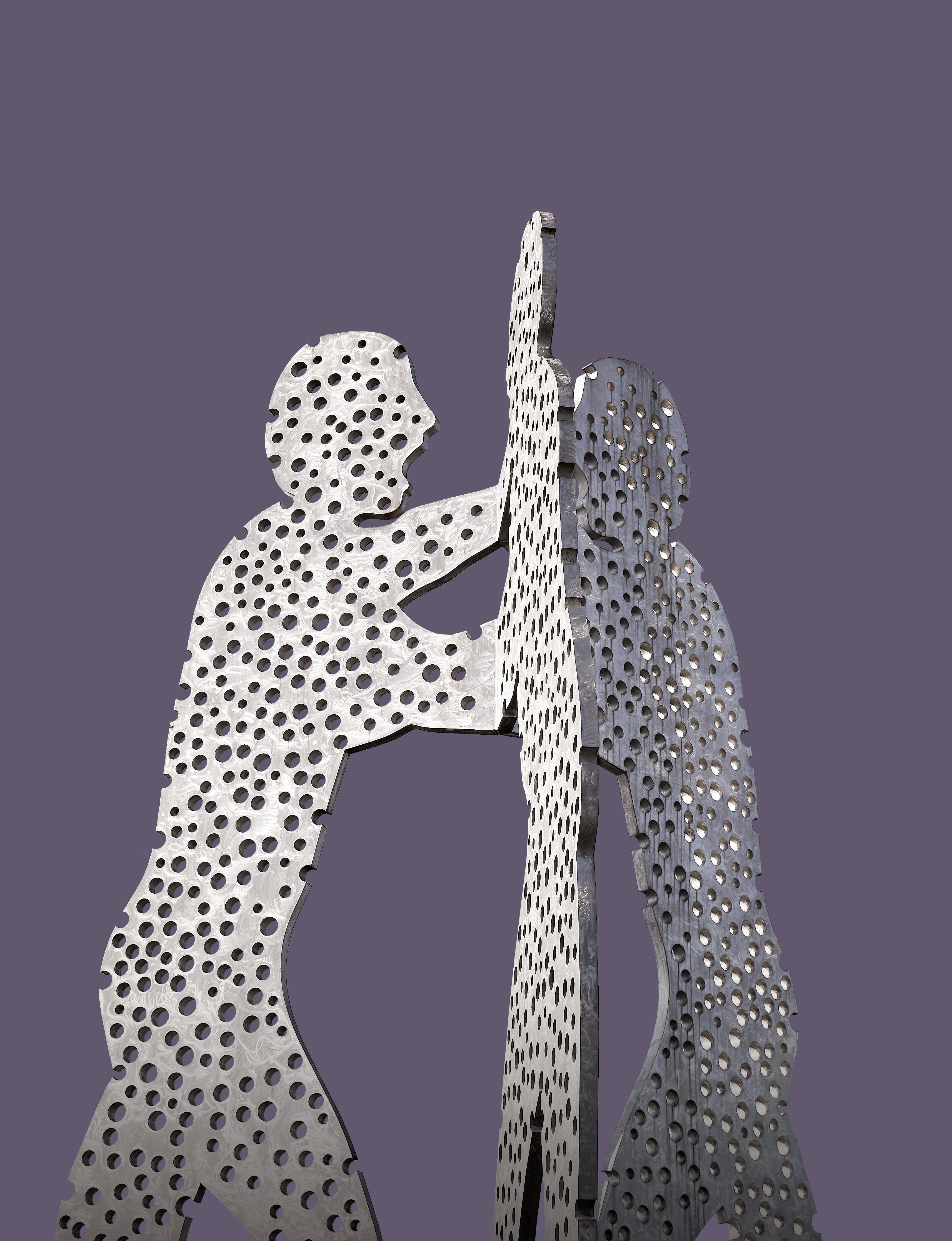
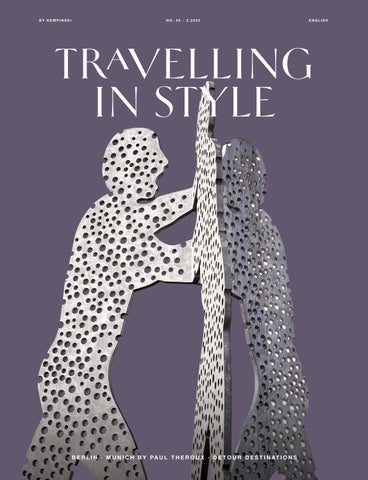
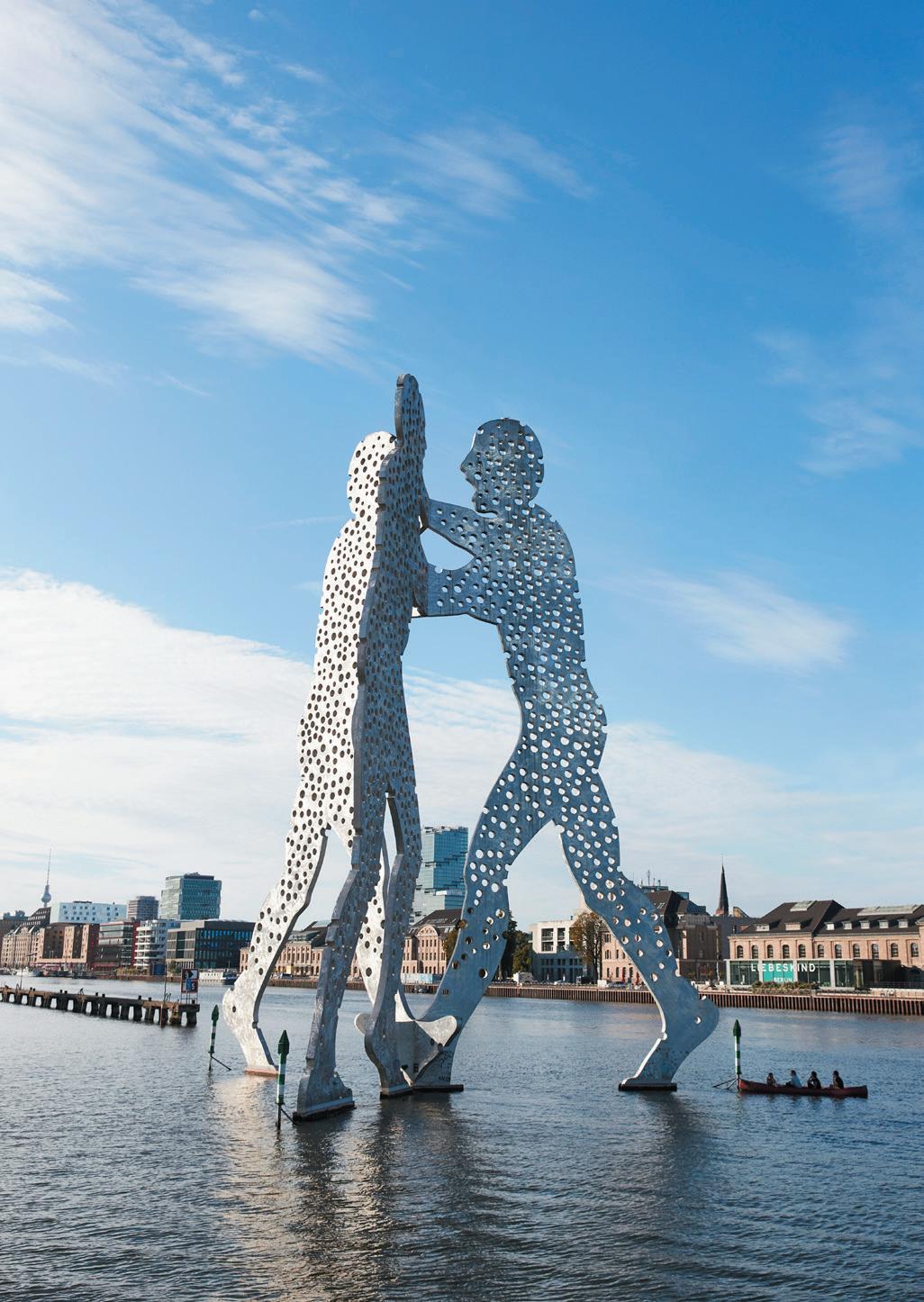
Rising 30 metres above the Spree River in southeast Berlin, the Molecule Man sculpture by American artist Jonathan Borofsky symbolises the coming together of individuals and cultures within the city.
DESTINATIONS BERLIN BY BERLINERS
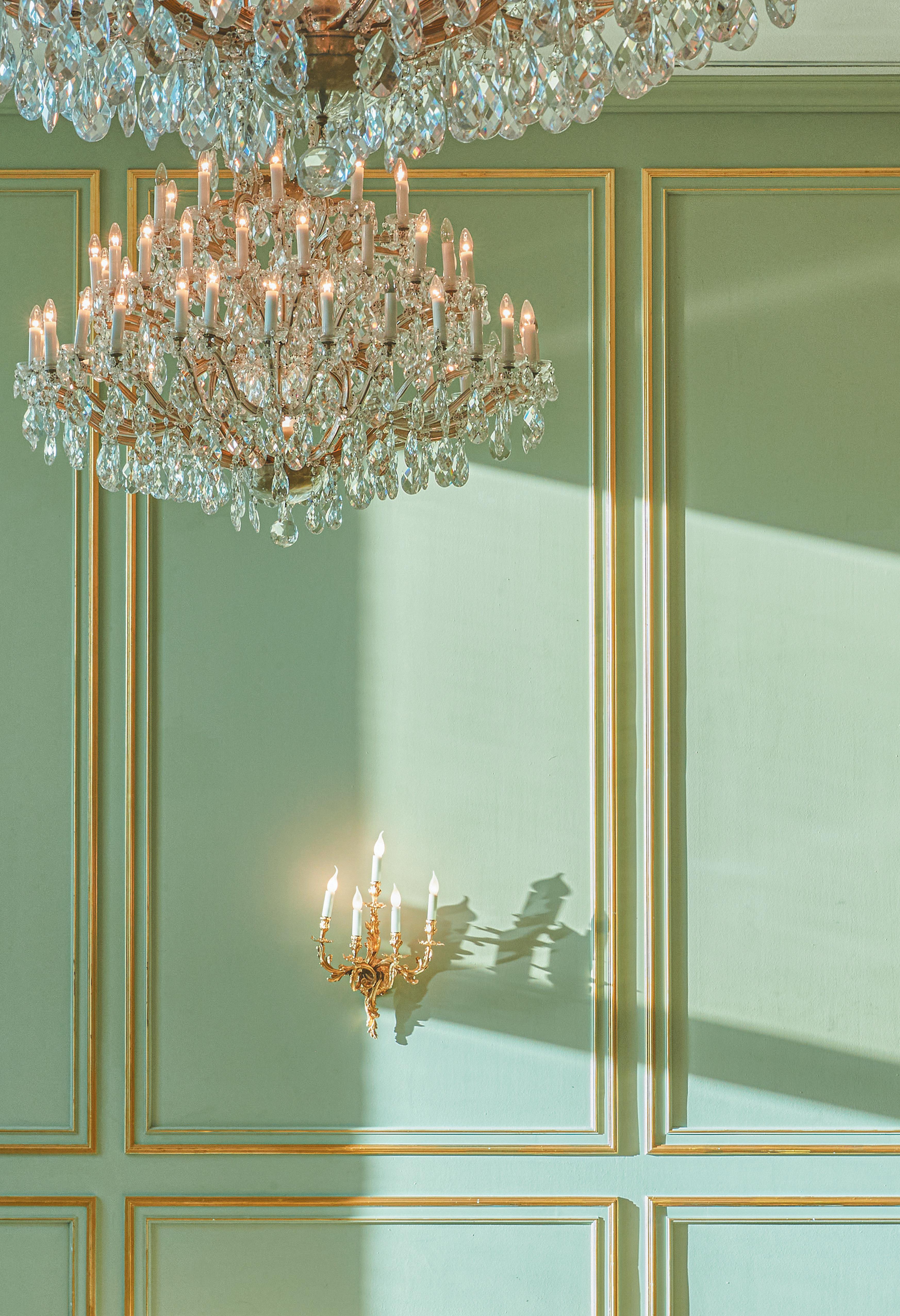
Opposite image: The Palais Room at Hotel Adlon Kempinski Berlin offers an elegant backdrop for prestigious events and celebrations.
Travel means something different to each of us. For some, it’s a quest for culture or cuisine; for others, a chance to slow down and reconnect. Whatever draws you to new places, every journey offers a glimpse of how vast – and how personal – the world can be. In this issue, we explore travel as both discovery and reflection: the joy of seeing the world, and the art of doing it your own way.
Few writers understand this better than Paul Theroux, whose lifelong travels have made him one of the great chroniclers of place. On page 40, he shares his impressions of the Bavarian capital – a luminous city of art, history and conversation – capturing moments that reveal its heart and humanity.
From Munich, we move north to Berlin, a city impossible to summarise yet endlessly fascinating. Three Berliners from Hotel Adlon Kempinski share their favourite corners of the city (page 12), showing how each neighbourhood reflects a different facet of Berlin’s story. Their perspectives remind us that no two people ever see the same city in quite the same way.
Staying in Germany, that spirit of individuality has been central to Kempinski since its earliest days. On page 6, we revisit the brand’s beginnings in 19th-century Berlin, where the Kempinski brothers built a reputation that still defines the company today.
Elsewhere in this issue, and the world, Laurie Jo Miller-Farr celebrates the rewards of slowing down and exploring beyond the obvious (page 64) while Larry Olmsted reveals how one simple grain connects cultures across continents (page 50).
Finally, in Moments @Kempinski (page 68), two photographers offer their own visual interpretations of Kempinski life, each framing our world through a distinct lens.
Wherever you travel next, may this issue inspire you to look closer, wander further and experience each destination in a way that’s entirely your own.
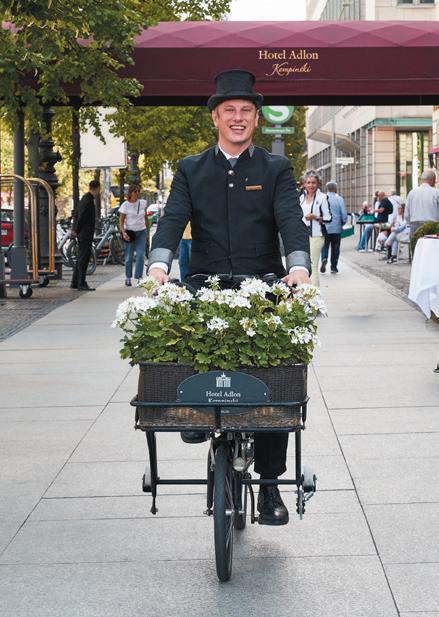
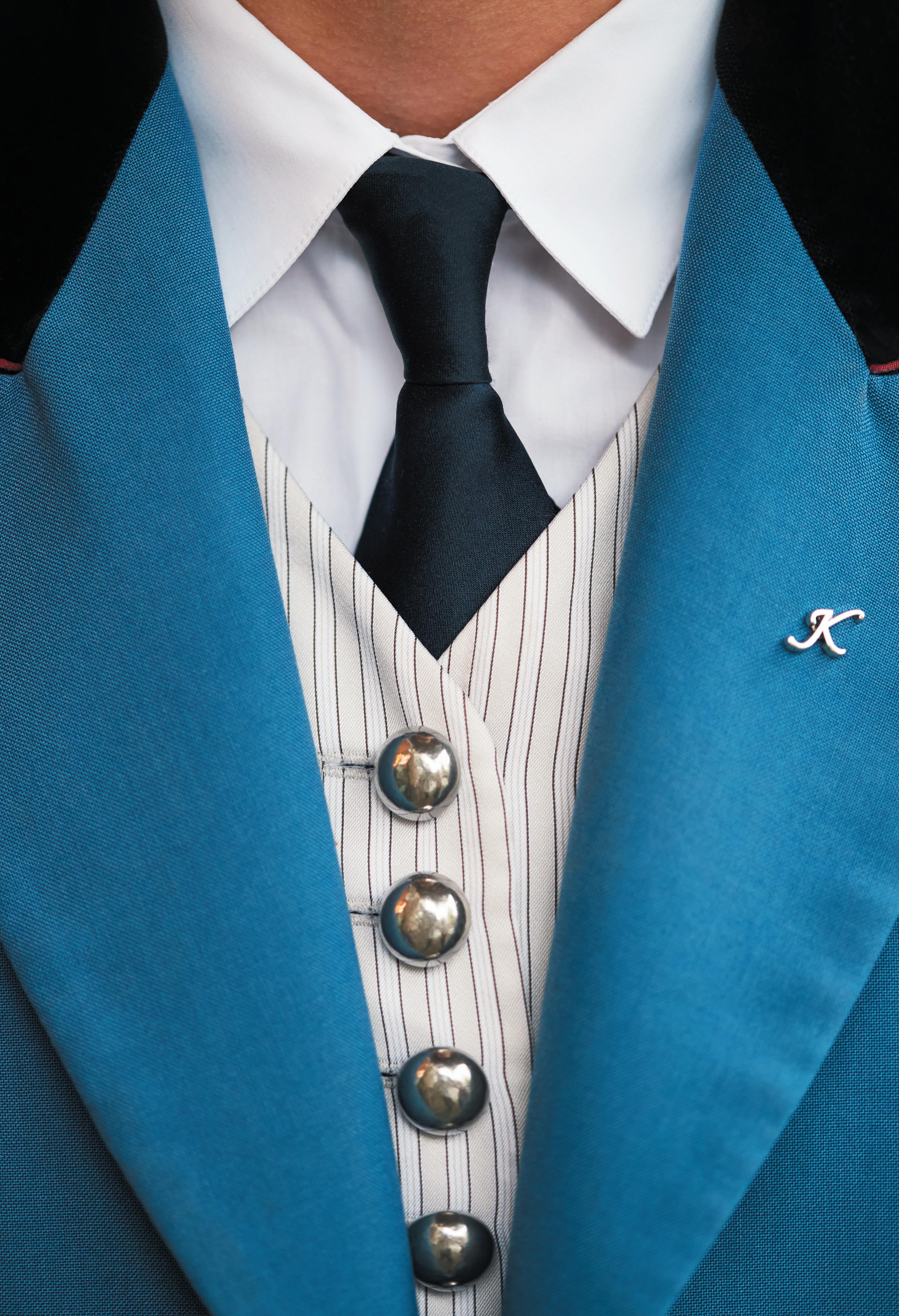
Facing page: The uniforms at Hotel Adlon Kempinski Berlin are a key part of the hotel’s identity and enduring legacy.
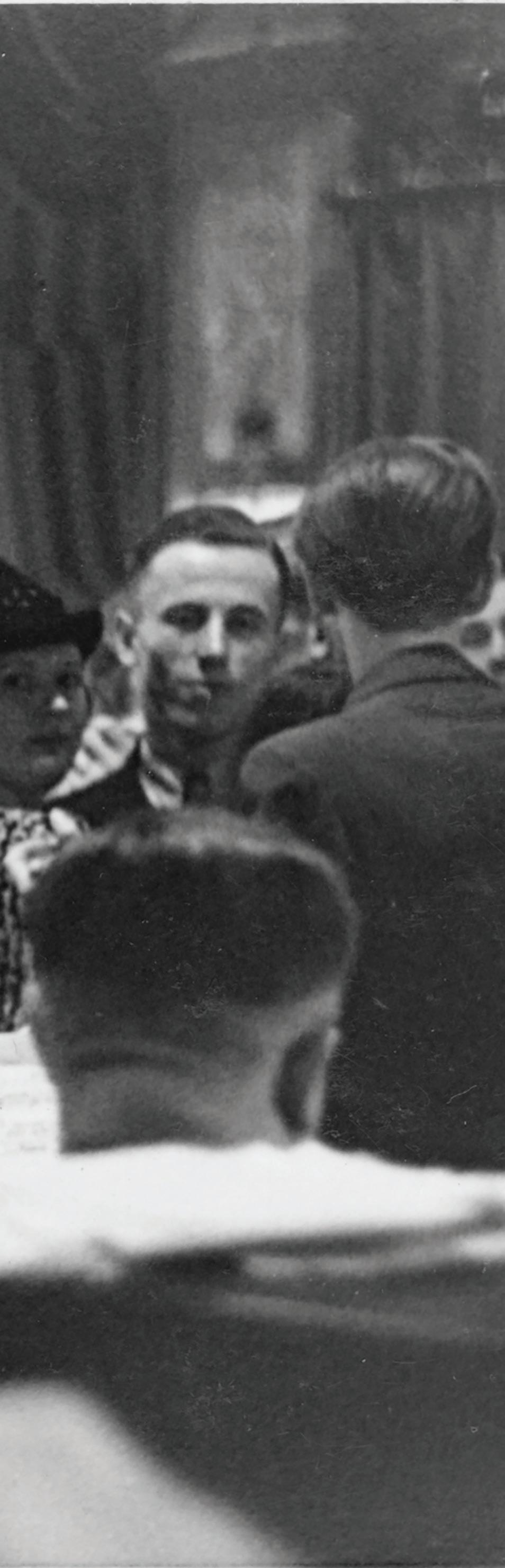
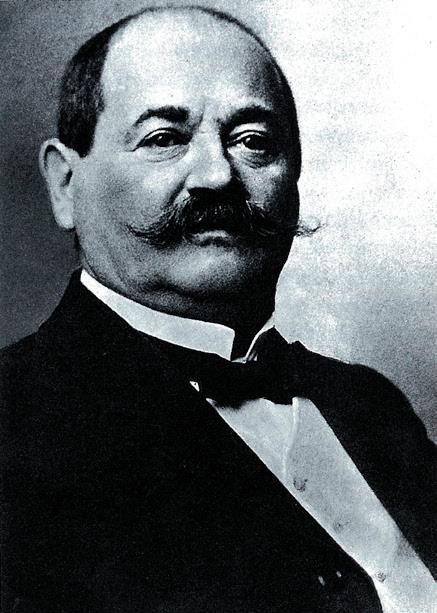
Ever since brothers Berthold and Moritz Kempinski took over a small German winery, the Kempinski story has been one marked by passion and innovation. By anticipating customers’ needs, reading trends and delivering experiences unrivalled in the city of Berlin, their wine business grew into a culinary and hospitality empire spanning continents. From humble roots to global brand, the spirit of innovation continues across Kempinski today: rooted in legacy, mindful of the moment, ready for tomorrow.
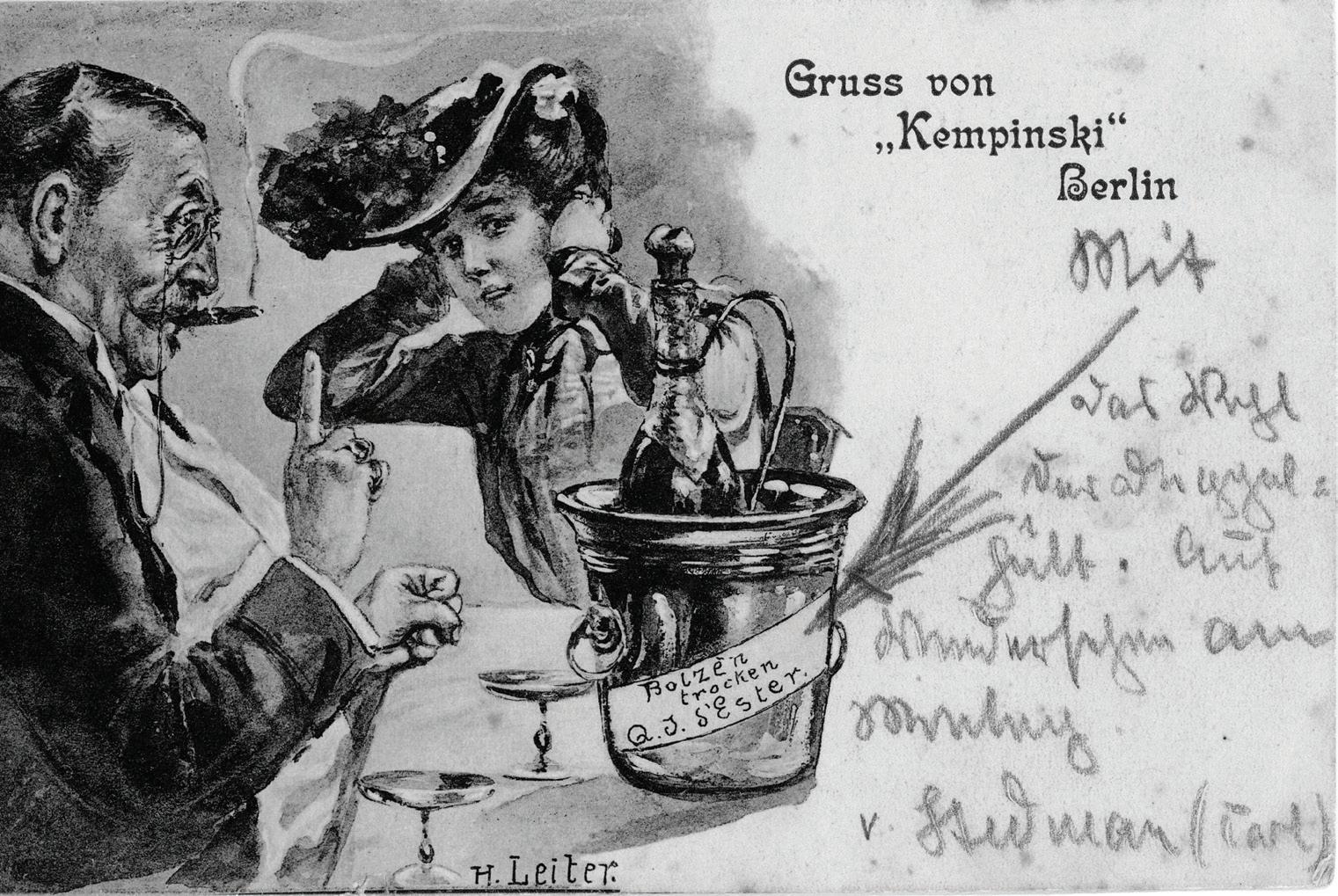
German tastes in the late 19th century were firmly embedded in the country’s brewing industry. For the Kempinski brothers, this presented a unique opportunity. When they opened their first Berlin wine shop in 1873, convincing beer-drinkers to buy wine proved challenging. Ever the innovator, Berthold Kempinski started offering wines by the glass to be enjoyed in a cosy 20-seat tasting room; a pioneering concept that opened a world of oenological exploration for Berliners. As well as selling more wine, people began to linger longer over their glasses and try more varieties, turning the quiet shop into a social hub and, effectively, Berlin’s first wine bar. Today, Lorenz Adlon Esszimmer at Hotel Adlon Kempinski Berlin continues the tradition in the same city, serving more than 60 wines by the glass and encouraging guests to sample a broad range of varietals from Germany and beyond.
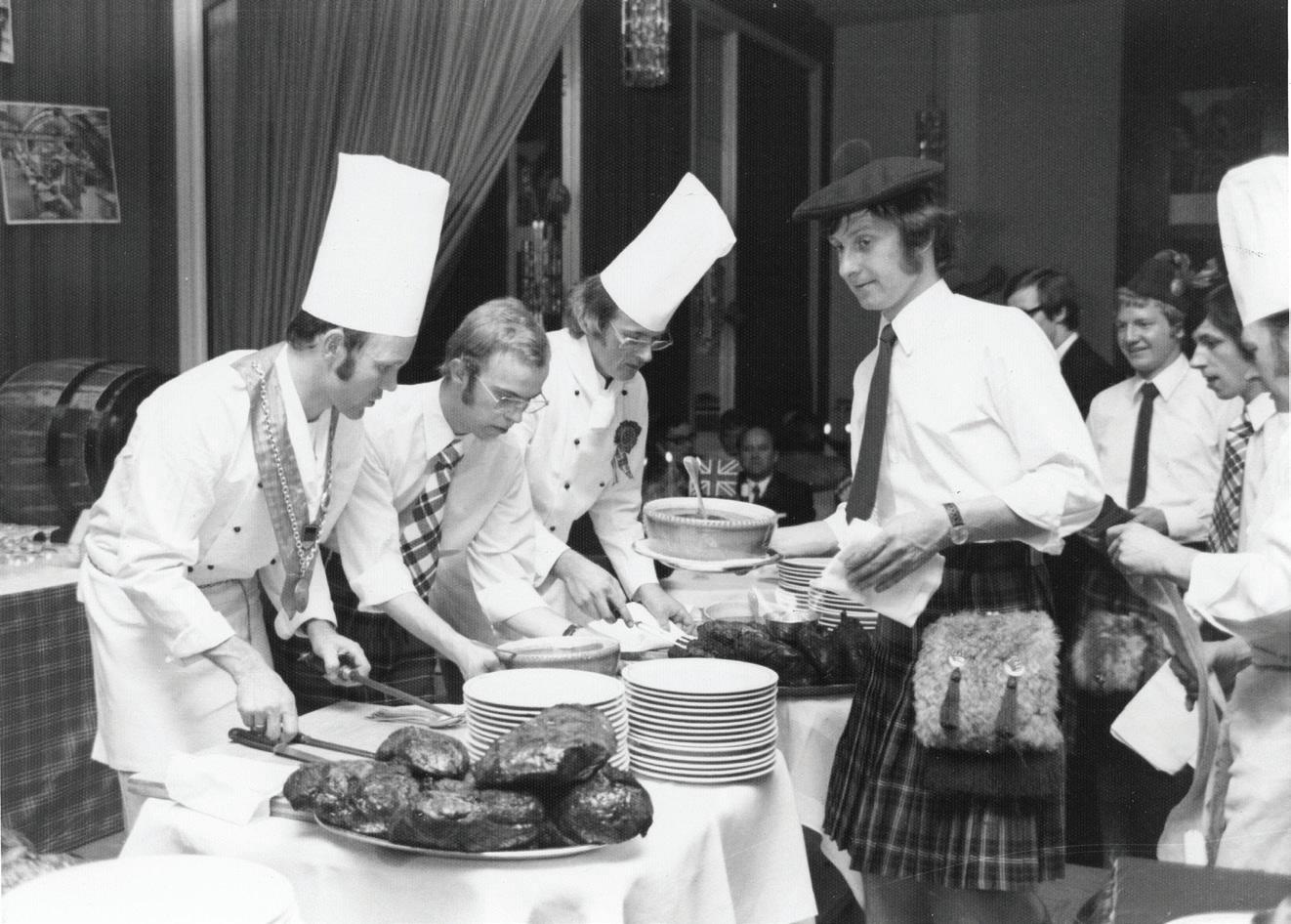
In an era where there was no fixed price listed on menus – leaving room for a certain amount of haggling between customers and owners – dining out could be challenging for those with limited budgets. Here too Berthold Kempinski saw an opportunity to appeal to a wider audience and introduced fixed-price daily menus and half-portion dishes, making his high-quality produce available to customers from every walk of life. Today, Kempinski Lobby Lounges are convivial social hubs – inviting living rooms where hotel guests and locals gather to work, play and socialise while enjoying the selection of light bites and smaller plates designed to satiate appetites between more immersive dining at Kempinski’s stellar restaurant collection.
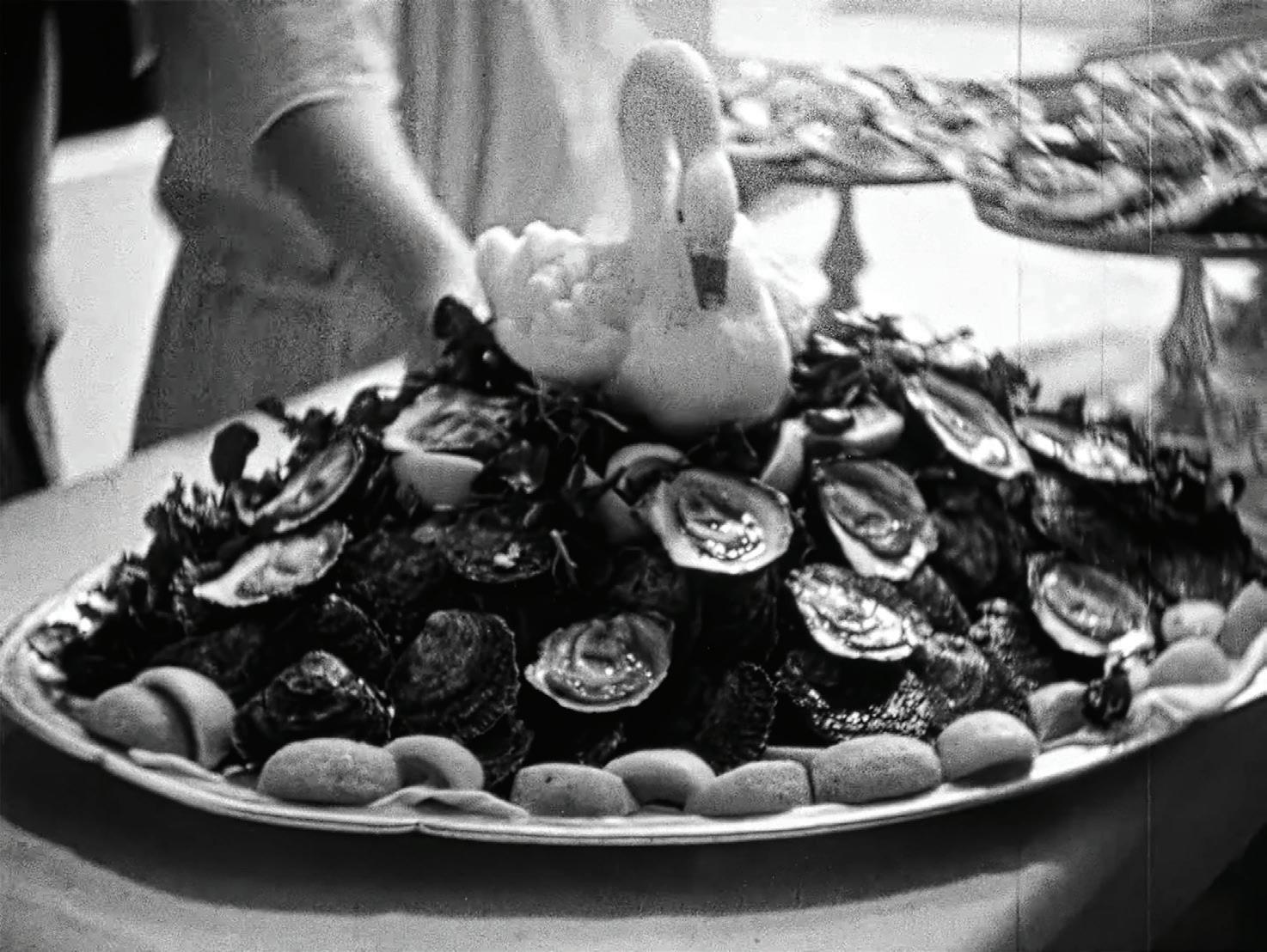
Soon, the wine shop had expanded into homecooked meals like goulash, veal schnitzel and sausages. One summer, an employee returned from the Baltic Sea with a crate of live oysters. Overwhelmed by the generous gift, the Kempinski brothers offered the fresh oysters to customers in the tasting room free of charge, which led to a significant increase in wine sales and a surge in interest in visiting the Kempinski wine shop. The tradition is upheld at Hotel Vier Jahreszeiten Kempinski München, where Oyster & Champagne Hour is celebrated at Schwarzreiter Tagesbar from Tuesdays to Thursdays, promising 10 succulent oysters and a bottle of Taittinger Champagne for just over EUR 100 for two people.
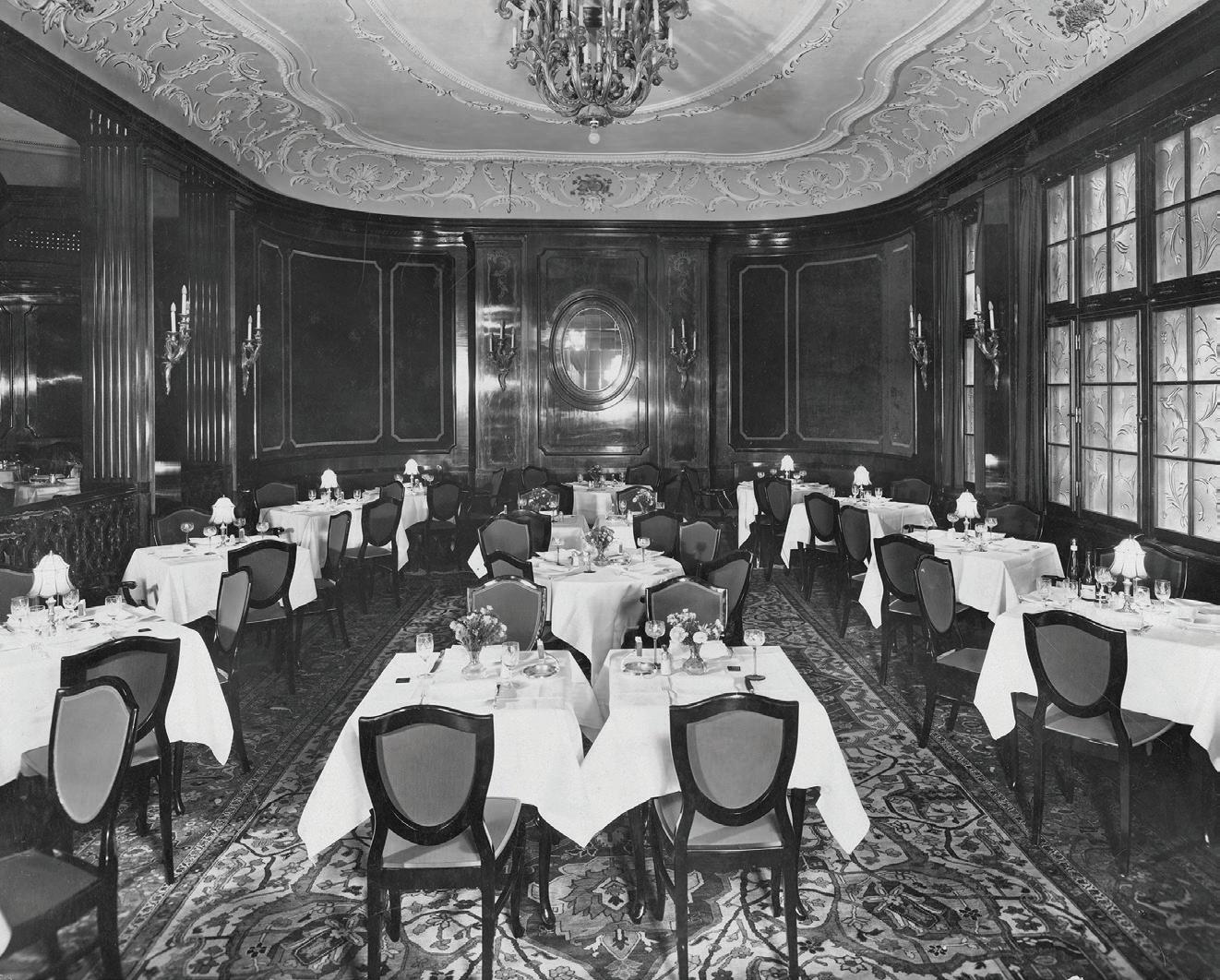
Following the unstoppable success of the company’s numerous food and wine businesses, Restaurant Kempinski opened in 1926 on Berlin’s prestigious Kurfürstendamm, a boulevard bursting with luxury boutiques and cafes that became the focal point of Berlin’s high society. Radiant in colourful marble, rich mahogany and a sunlit terrace that could seat 150 guests in addition to the 700 seats inside, the fine dining restaurant quickly became Berlin’s most beloved establishment. Today, the legacy continues at a collection of awardwinning restaurants across the Kempinski portfolio, including two Michelinstarred restaurants: PUR at Kempinski Hotel Berchtesgaden in the Bavarian Alps and Lorenz Adlon Esszimmer at Hotel Adlon Kempinski Berlin.
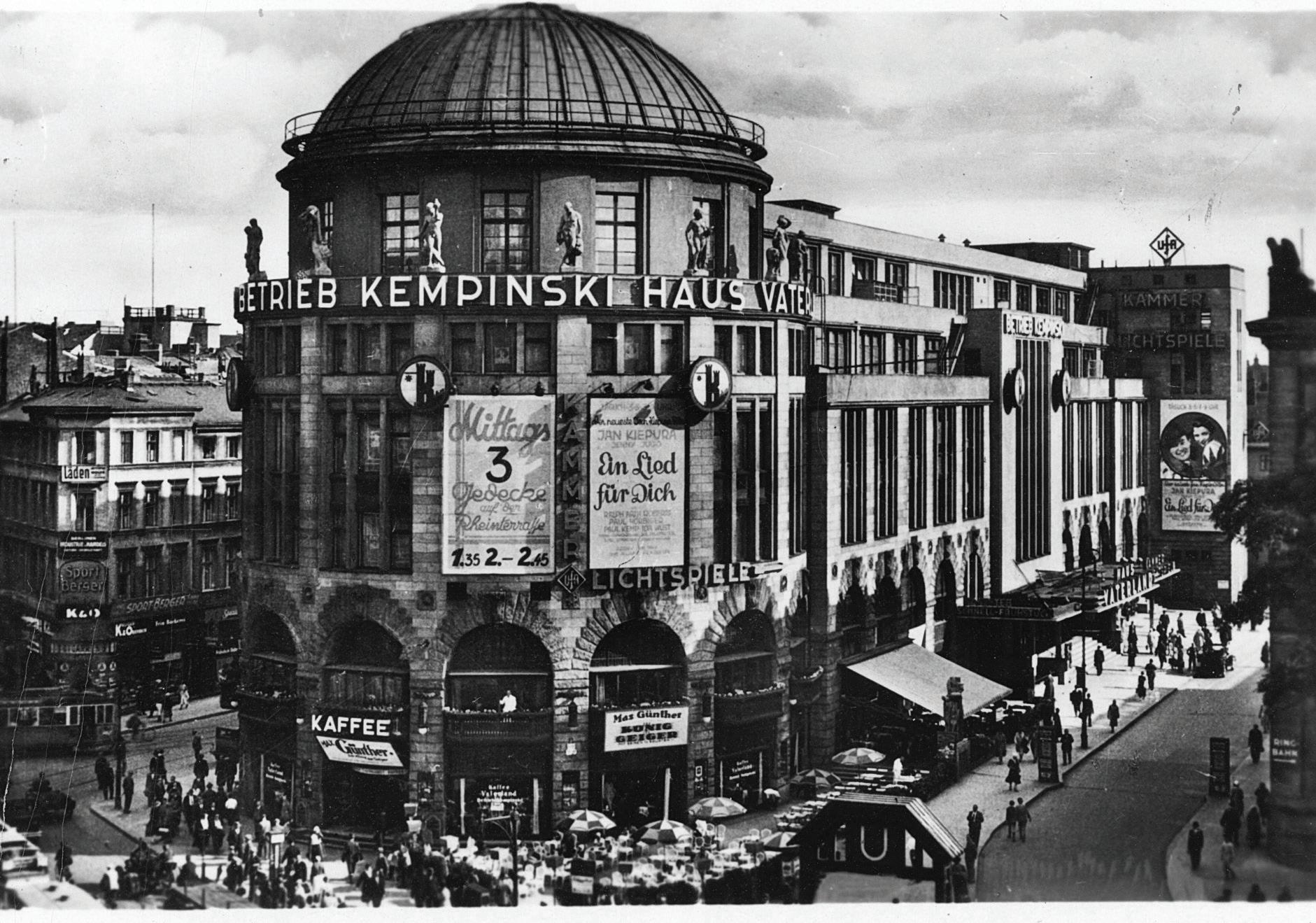
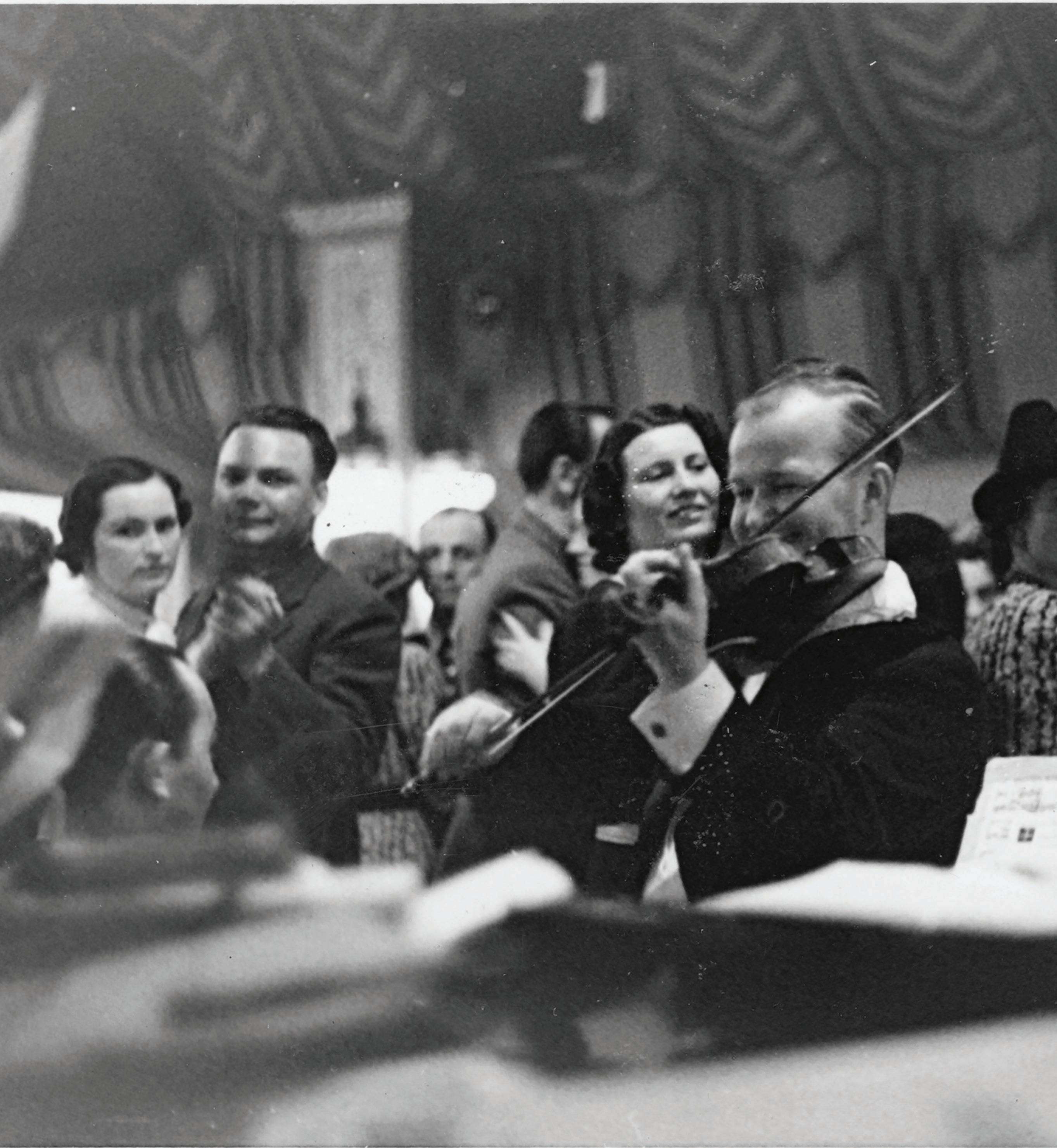
In the 1920s, Berlin was a cultural hotspot thanks to its thriving film industry, roaring nightlife and reputation for artistic innovation. Into this glitzy world, Haus Vaterland was conceived as the world’s first innercity pleasure palace. Home to 11 restaurants each specialising in cuisine and culture from different parts of the world, with live entertainment and décor to match, Haus Vaterland welcomed 10,000 daily visitors at its peak. Today, diverse dining can be found across the Kempinski constellation, nowhere more so than at Marsa Malaz Kempinski The Pearl Doha, where 10 distinct dining venues take guests on a culinary journey around the world. And the spirit of technical and artistic innovation at Haus Vaterland finds its modern-day counterpart at Kempinski Central Avenue Dubai, where guests at Zenon find themselves on a sensory journey surrounded by AI-powered digital art.
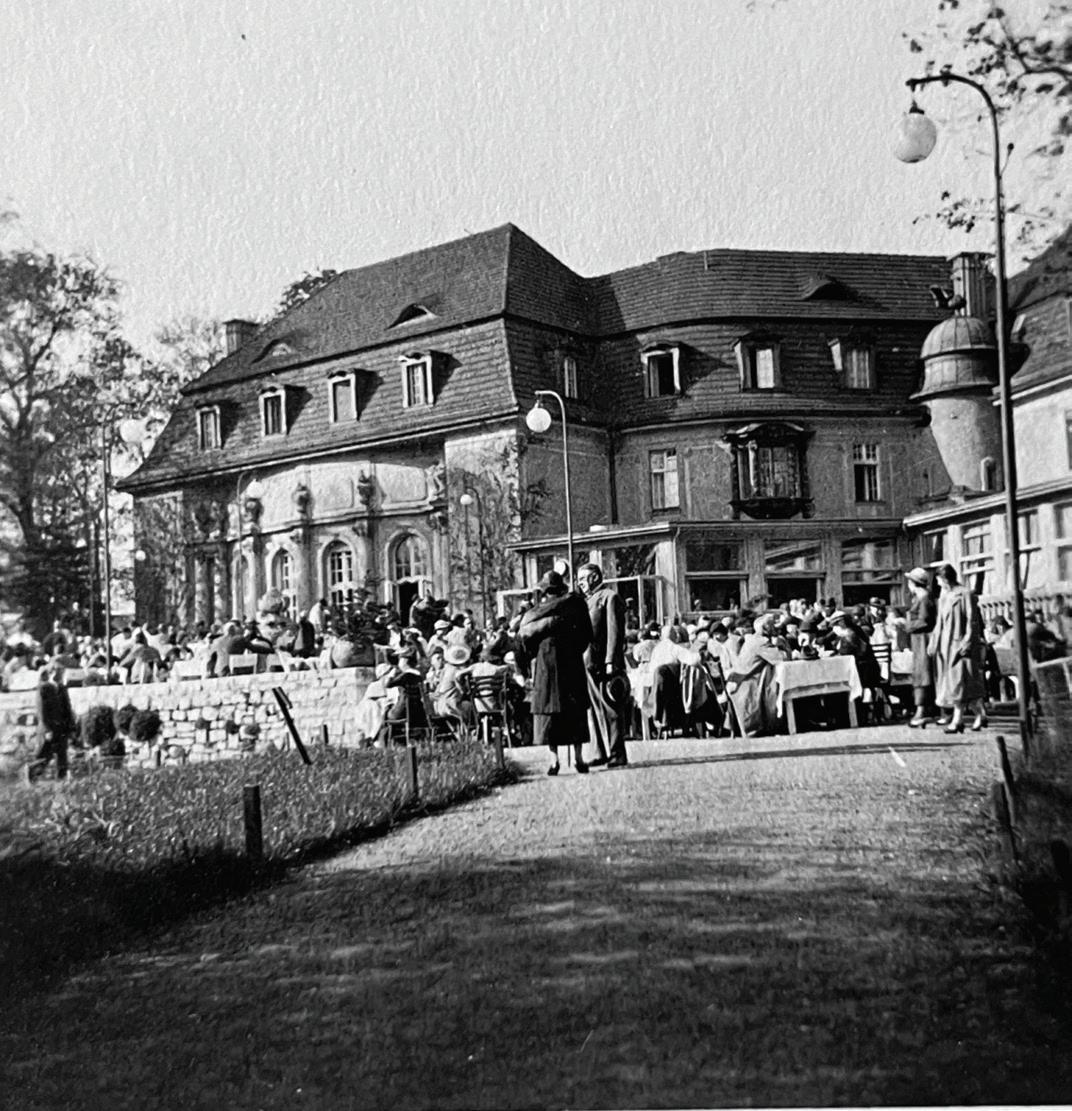
In the 1930s, Berthold Kempinski’s son-in-law, Richard Unger, took over management of Schloss Marquardt, a former palace on the outskirts of Berlin set in acres of beautifully landscaped gardens dotted with chestnut and linden trees. After major renovations, Schloss Marquardt became the first Kempinski hotel and one of the world’s first urban resorts, with its own beach on tranquil Lake Schlänitz made from sand imported from the Baltic Sea, a private dock with rowboats, a bathhouse and sunbathing lawn, tennis courts and hot and cold running water. It was “a place of rest and recovery for tired and restless city dwellers”, according to the original English-language pamphlet. History repeated itself in 2025 when Kempinski assumed management of Kempinski Royal Residence Nymphenburg Munich, providing locals and visitors alike with a resplendent regal retreat in the heart of the Bavarian capital.
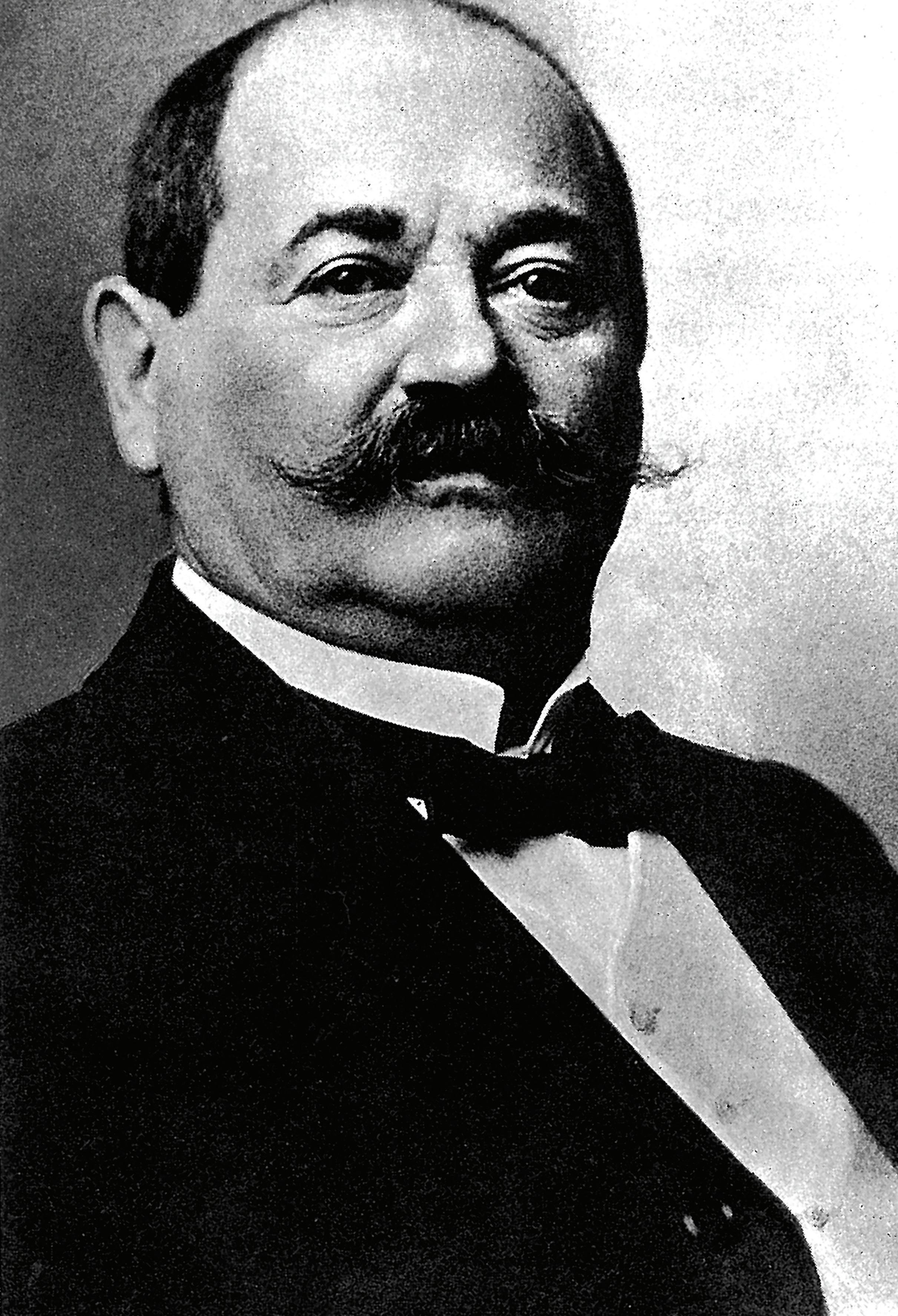
From humble beginnings, the brothers Kempinski turned a small wine business into a global culinary empire. As the torch was handed down the generations and the business expanded into luxury hotels and resorts, the Kempinski name became synonymous with luxury in all corners of the world: first-class products, unrivalled customer service and a commitment to innovation. Today, those traditions are upheld, with one eye on the past and the other fixed firmly on the future. As Kempinski prepares to start a new chapter, the flame of innovation continues to burn brightly.
Berlin can’t be summed up in a few lines. It’s a renovated city, a reunified city, and its history has bequeathed it a great variety of neighbourhoods, atmospheres and styles. To take a closer look, we asked three Berliners, all members of the team at Hotel Adlon Kempinski, to tell us about their favourite parts of Berlin. It’s a subjective selection, but one that paints an insightful, subtle portrait of this multi-faceted city.
BY ANTOINE GAUVIN
Wild and polished, chaotic and composed – Berlin is a collage of histories, subcultures and reinventions. To truly understand it, you have to go beyond the landmarks and let its people guide you. We asked three Berliners to show us their Berlin: the spaces that inspire them, the memories that shape them, and the contradictions they’ve learned to love.
MITTE: HISTORY & CULTURE
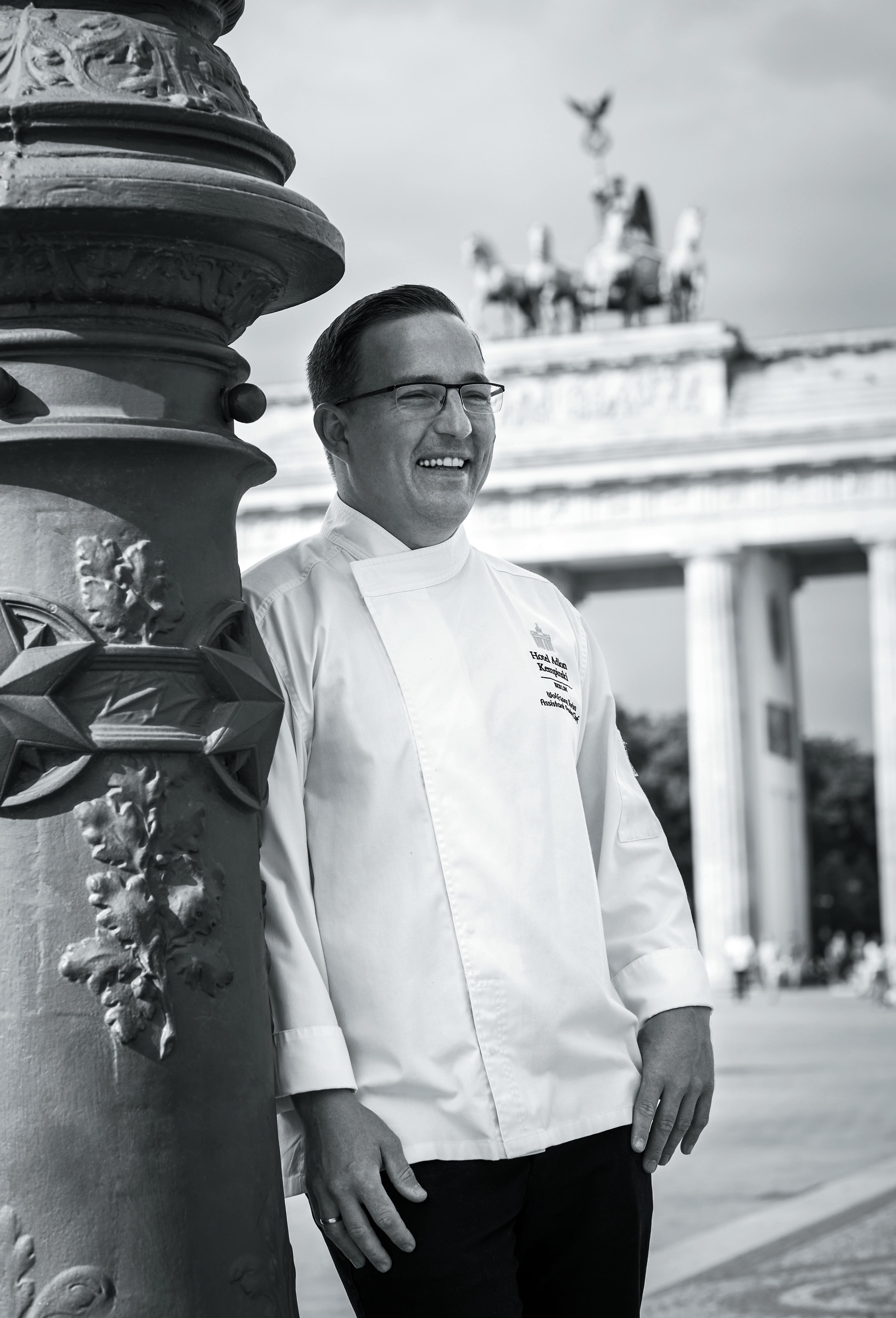
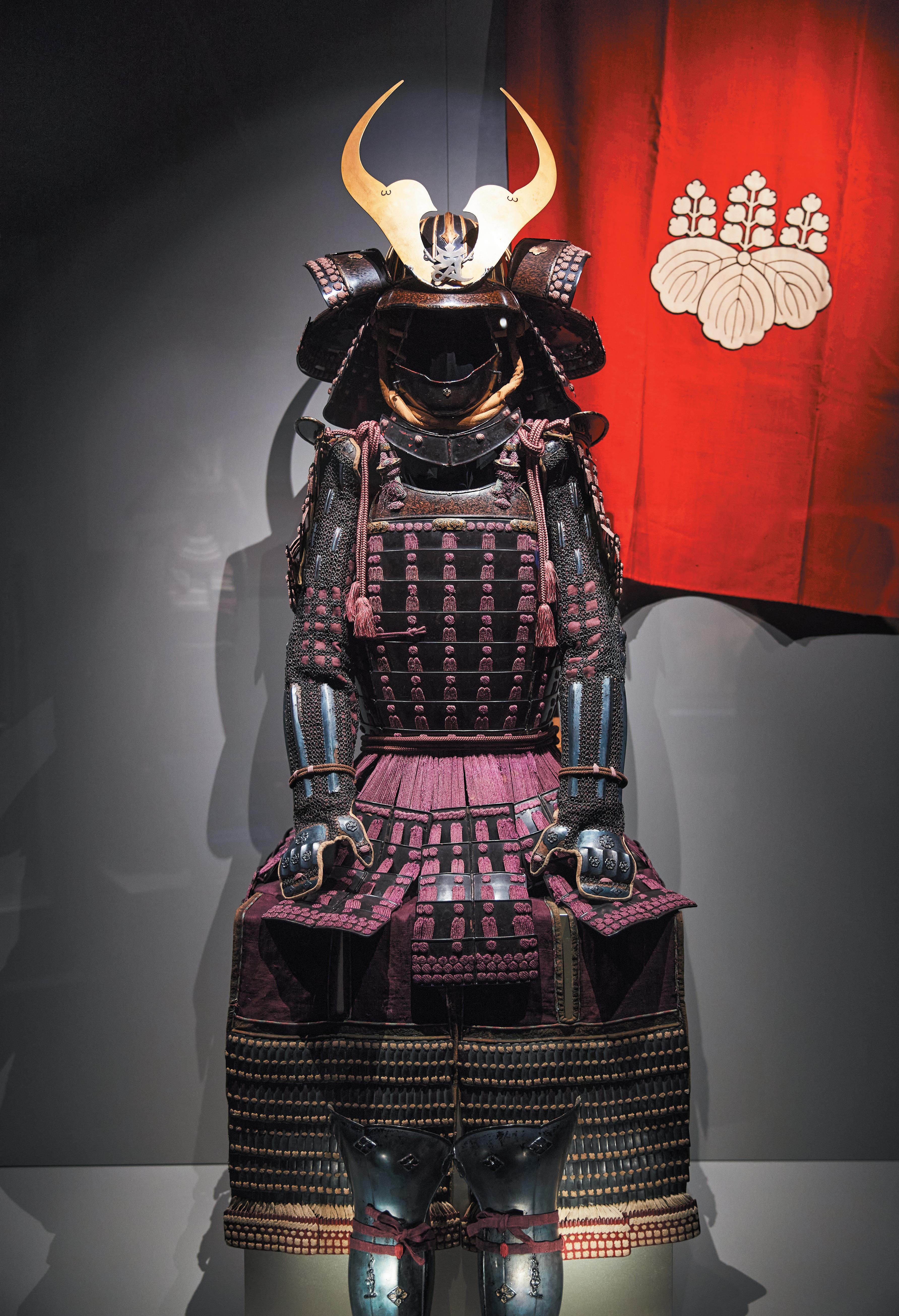
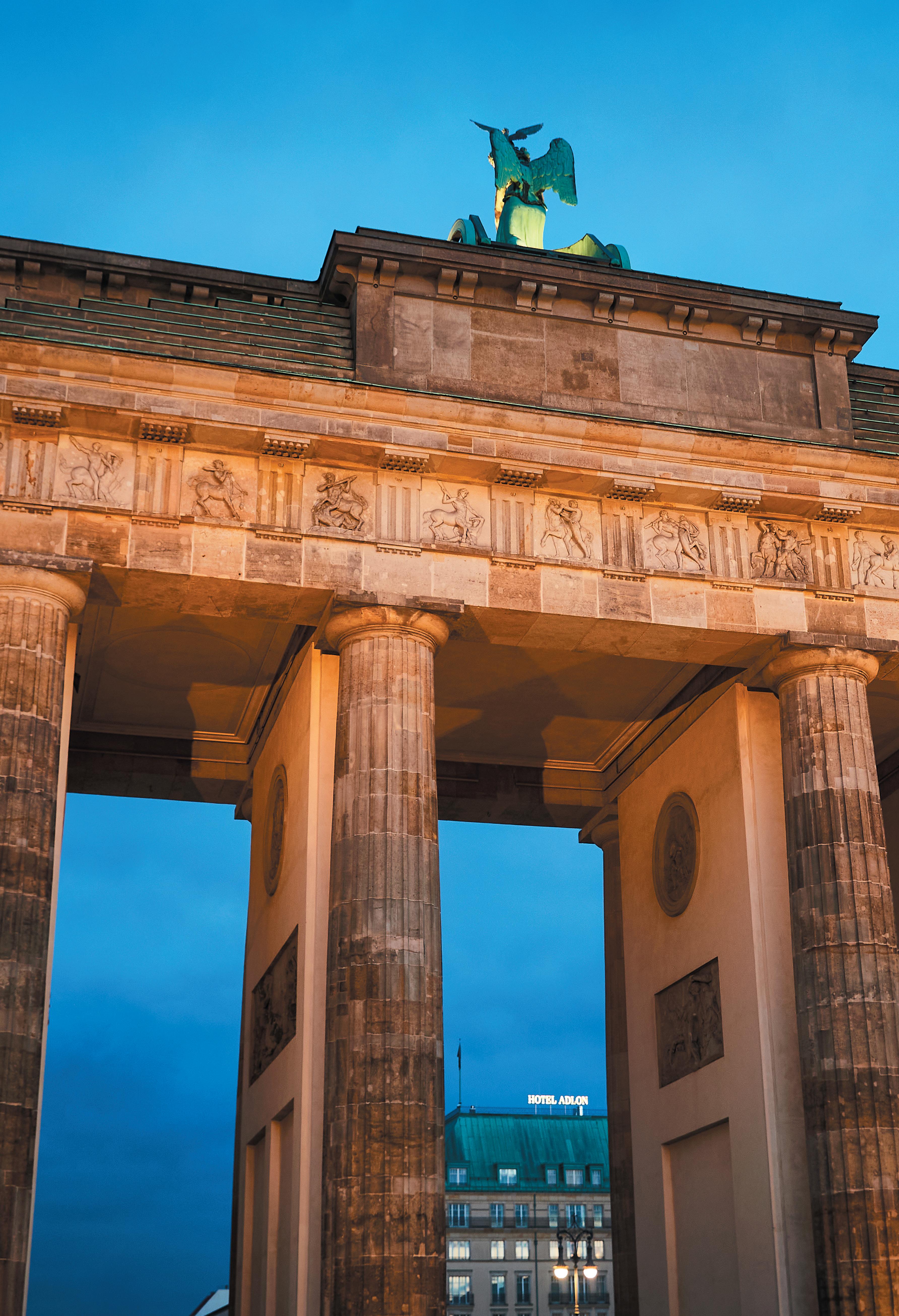
Every discussion of Berlin must begin with Mitte. It’s the heart of the capital. For Wolfgang, Assistant Pastry Chef at Hotel Adlon Kempinski, it's the central part that he loves best. Around Augustrasse, you’ll find contemporary art galleries and up-tothe-minute fashion stores. Here, Wolfgang invites us to visit the Samurai Museum, an astonishing place. “Japanese culture has always fascinated me. The eternal pursuit of perfection in even the simplest things is deeply inspiring. The Samurai Museum manages to bring these traditions to life by combining history with modern technology, and if you're a history buff, the Berlin Wall tours or guided visits through Berlin's underworlds are also truly fascinating." As a parent of a young child, Wolfgang knows firsthand which places are popular with families. “The TV Tower or Natural History Museum are great places to go with families, and Pariser Platz is one of the most symbolic places in Berlin. At the heart is the Brandenburg Gate, with its political and historical legacy and, on the other side, the equally enigmatic Hotel Adlon Kempinski. For me, this square is a snapshot of humanity, because it attracts people from all over the world for diverse occasions and events. A personal highlight is the annual Berlin Marathon, which passes right through the square, past the Adlon.”
KREUZBERG: MUSIC & OPEN SPACES
Berlin-born Dana is part of the hotel's behind-the-scenes culinary team, but when she’s off duty, you’ll find her in Kreuzberg, a former working-class suburb in the southeast of the city that has become a hotspot for trendy Berlin. Rock, punk, electro, new wave – Kreuzberg has long been at the heart of the music and underground movements that define this city.
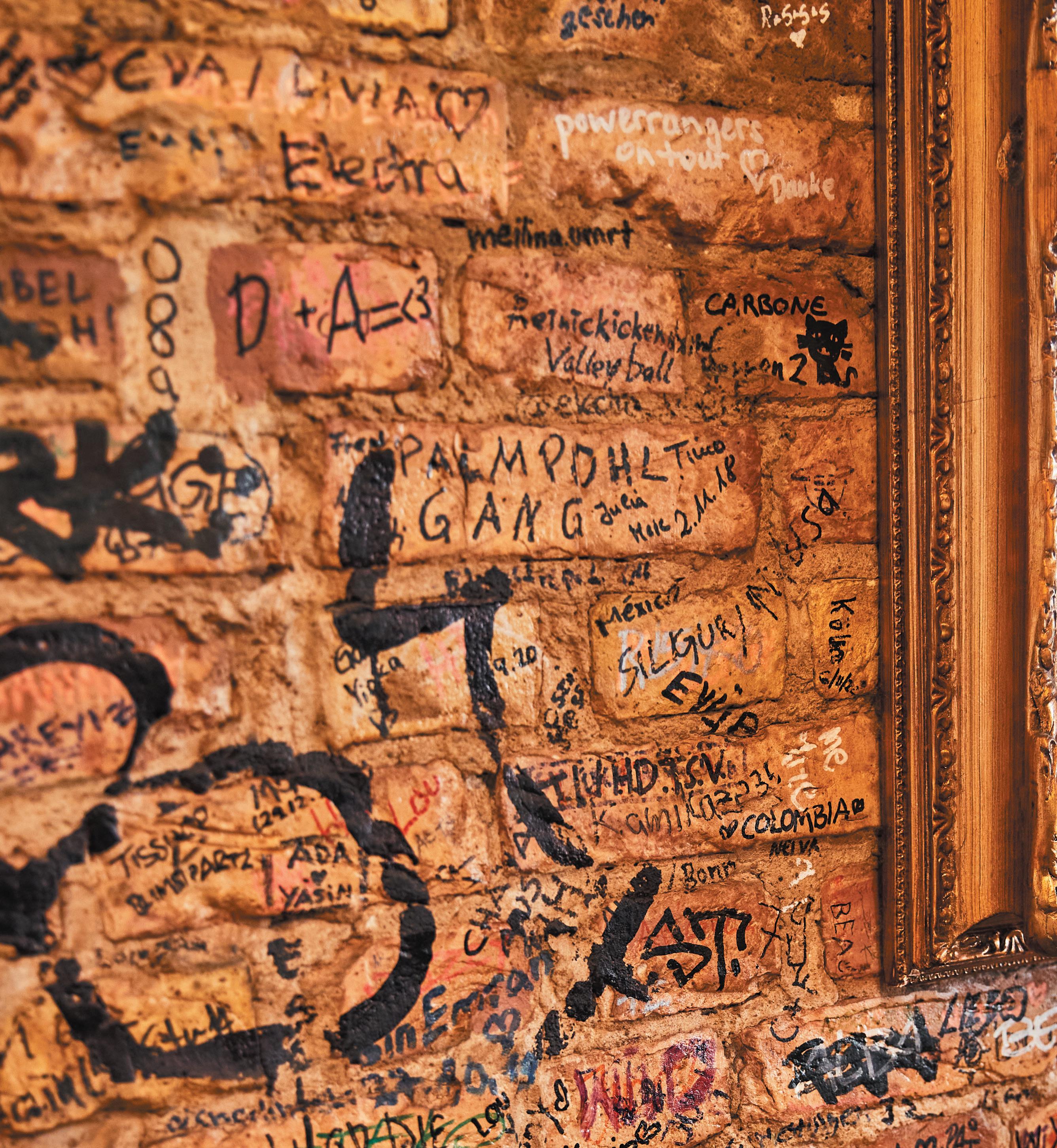
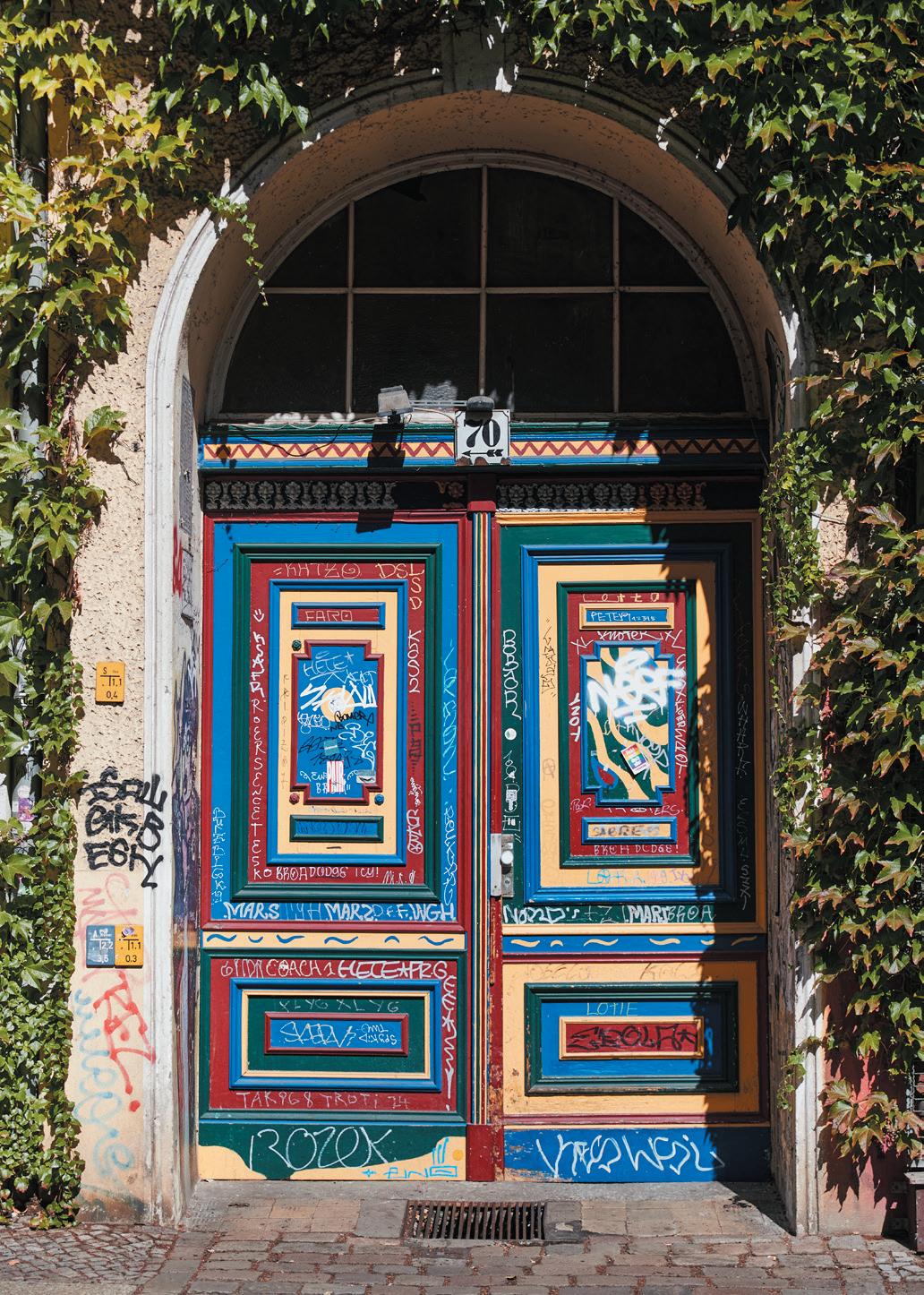
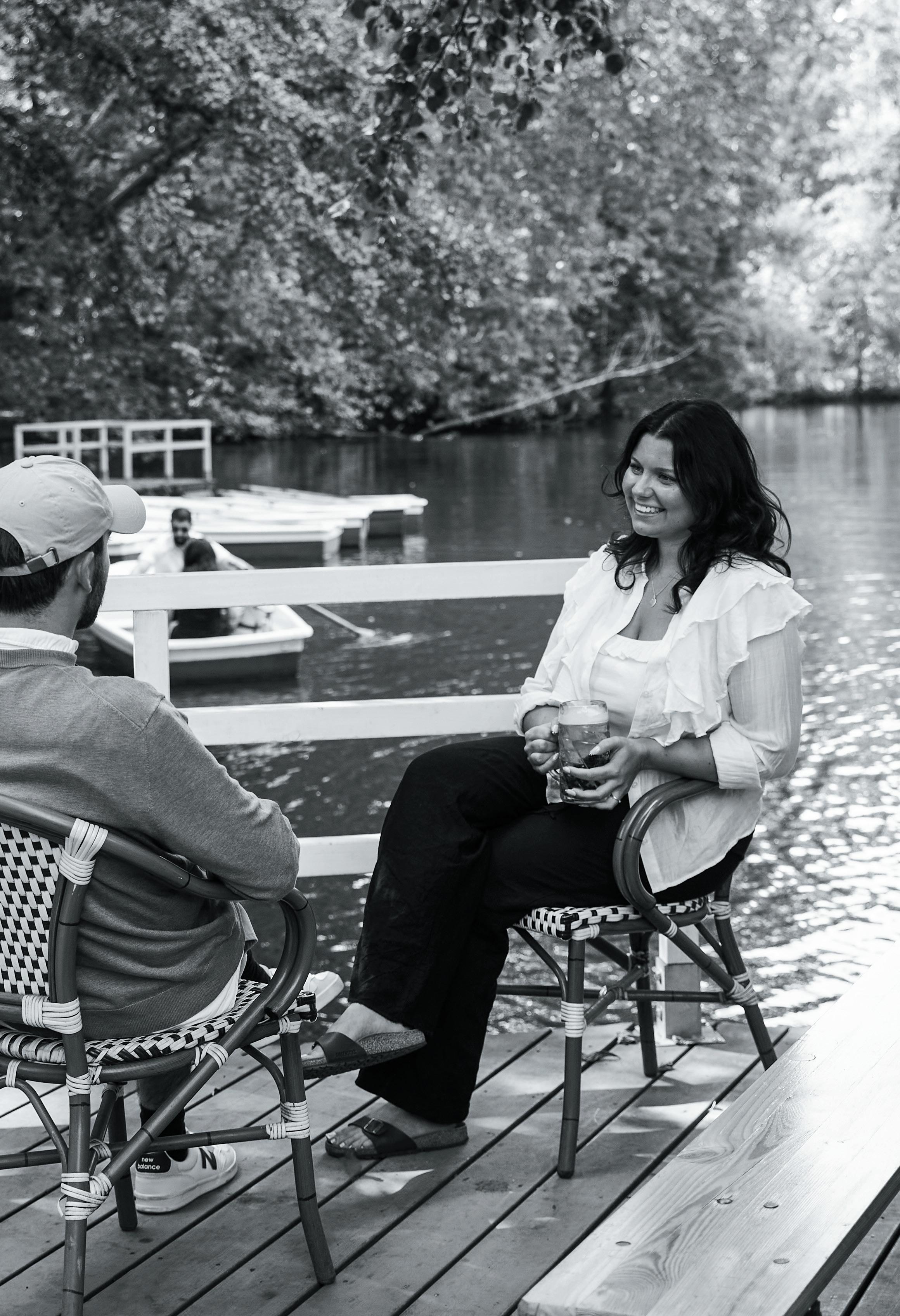
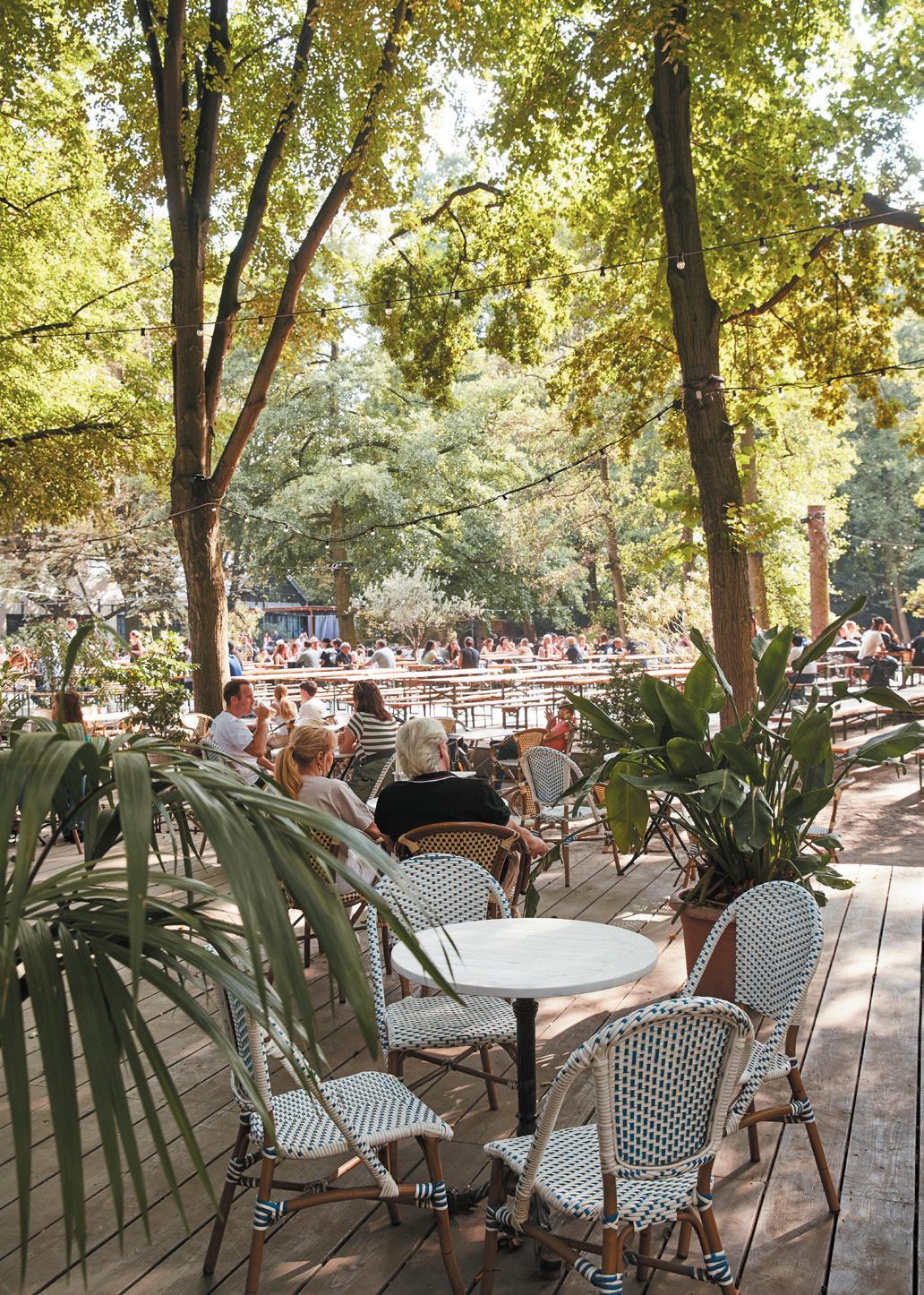
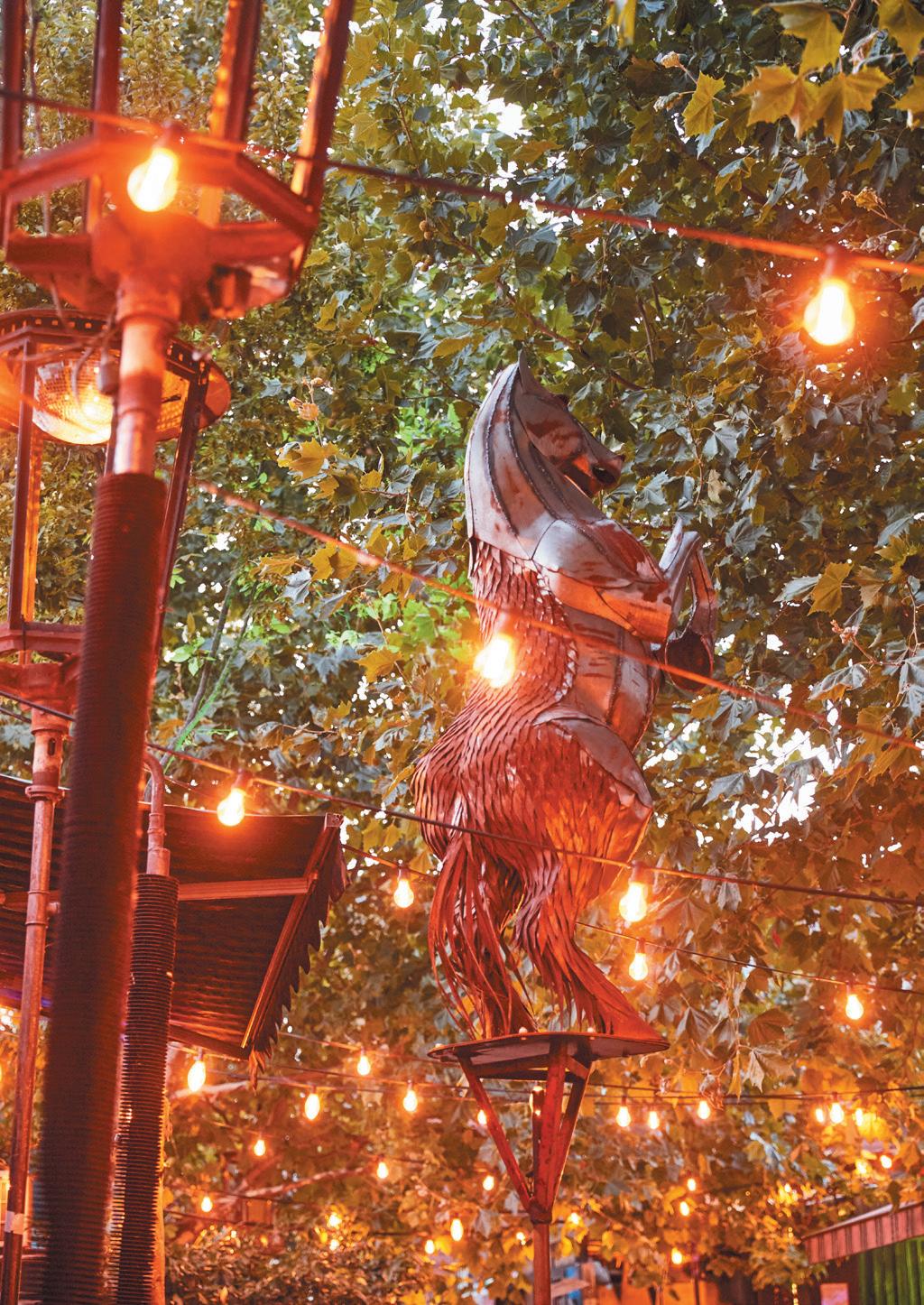
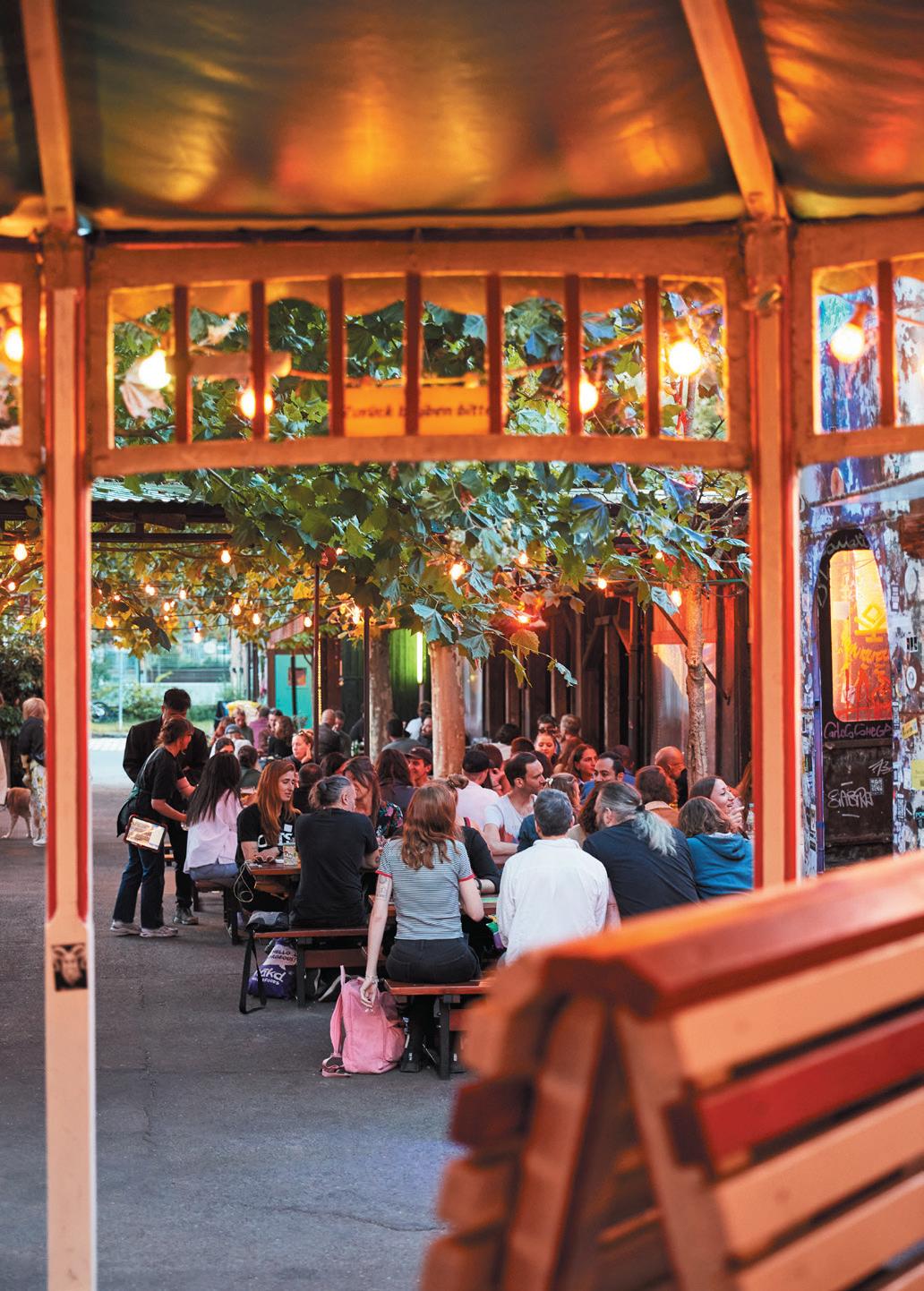
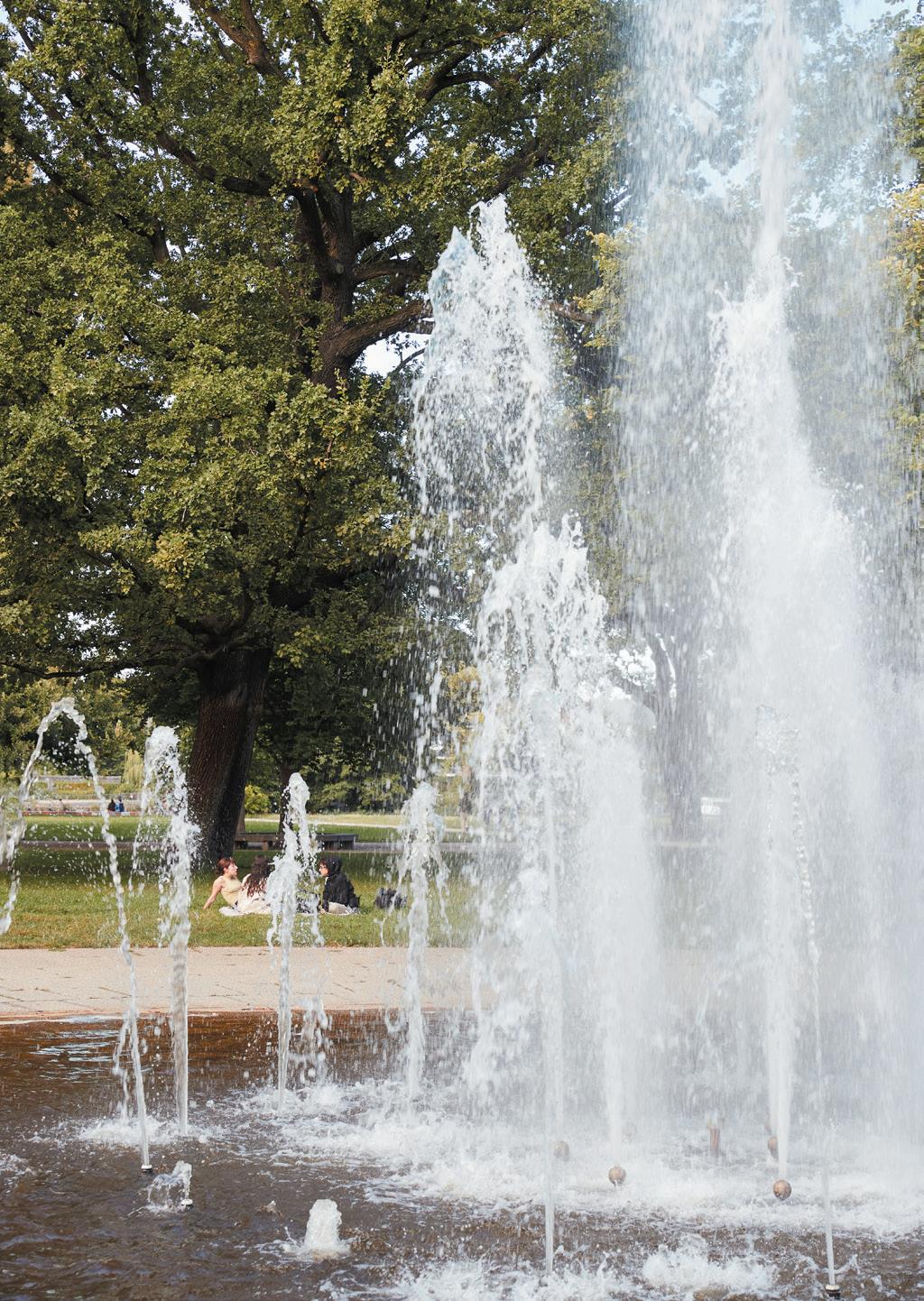
“Kreuzberg is where culture, art and a vibrant sense of life come together – you can feel it in the open-minded locals, the colourful graffiti and the creative street art that give it its unique character,” enthuses Dana. In the evenings, she loves spending time with her friends in lively places such as Birgit, an open-air beer garden by the River Spree. For Dana, Berlin also encourages a laidback lifestyle where you can take time out in one of the city’s many parks. She especially likes strolling around Treptower Park, a stone’s throw from Kreuzberg. As soon as you enter, you’re surrounded by nature on the banks of the Spree. "This is where I had a first date
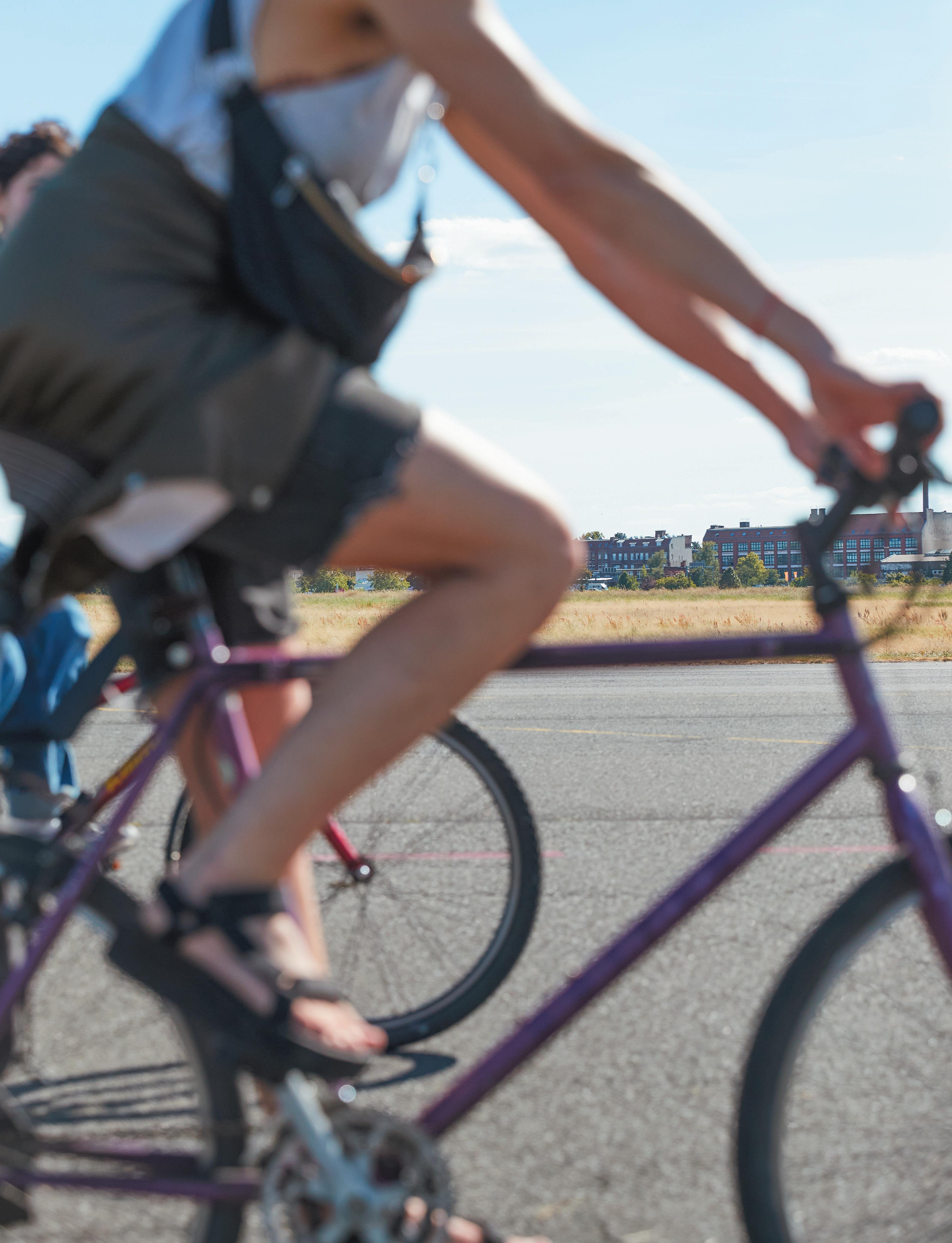
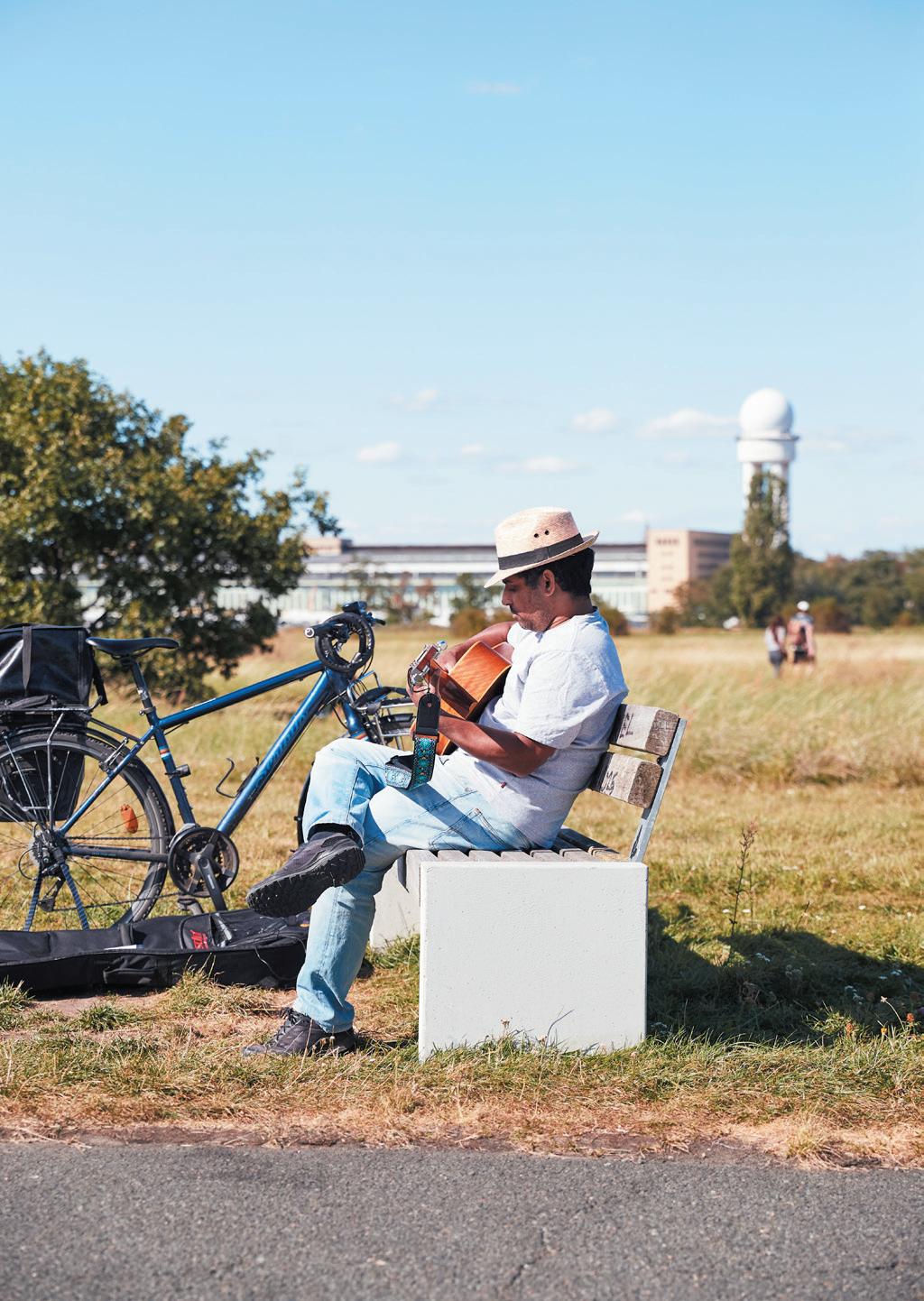
with the man who is now my fiancé. Since then, it’s become our little ritual – spending time here, having picnics on the grass or taking a pedalo out onto the water." A little further on, Berliners get active on the abandoned runways of Tempelhofer Feld. The airport closed in 2008, before being converted into a vast, oneof-a-kind public park. Dana remembers: “I grew up and went to school in the southern part of Tempelhof. Located away from the bustle of the city centre, I was fascinated by the old Tempelhof Airport and the story of the Berlin Airlift. I’ve seen many stunning places around the world, but I’m constantly reminded of how special this city is. It’s an energetic metropolis where I can still find quiet corners to recharge my batteries and feel at home.”
PRENZLAUER BERG: SHOPS & STREET FOOD
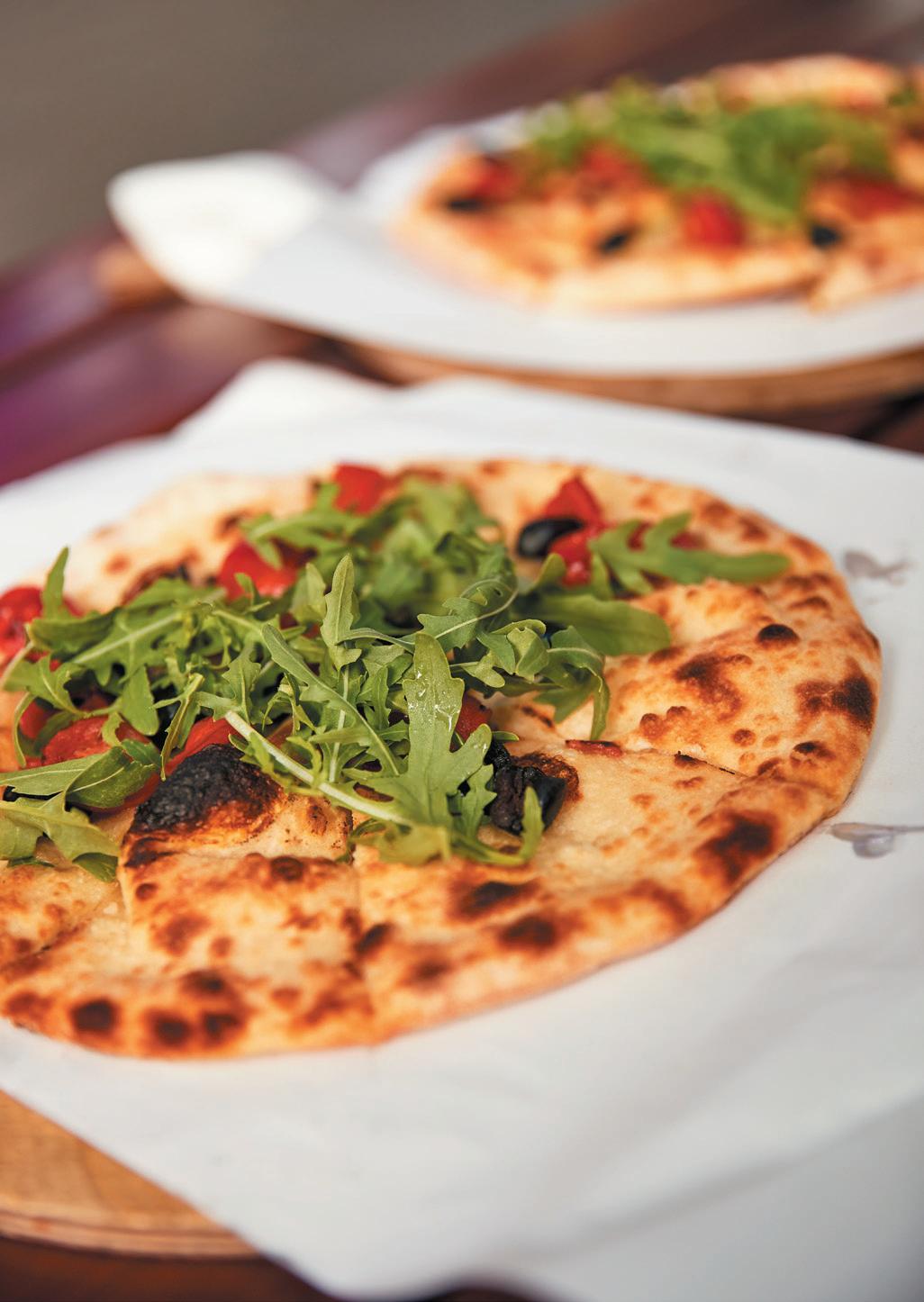
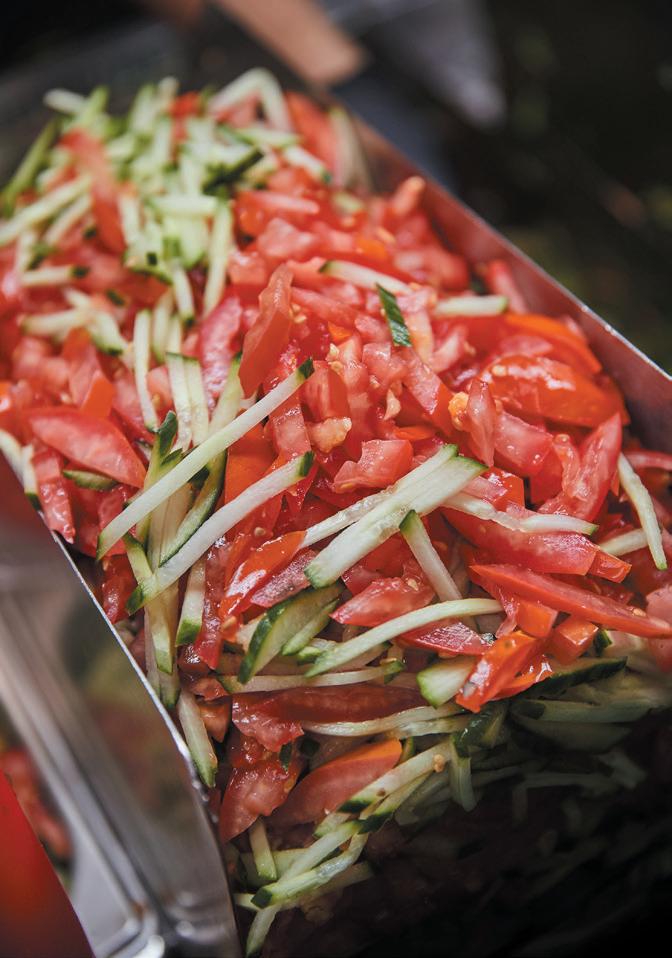
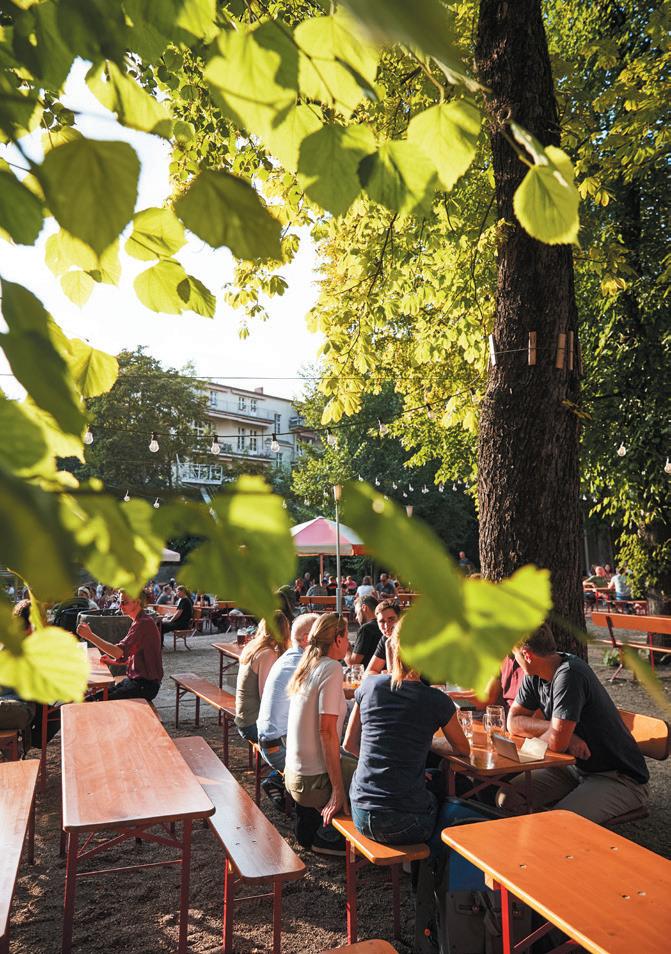
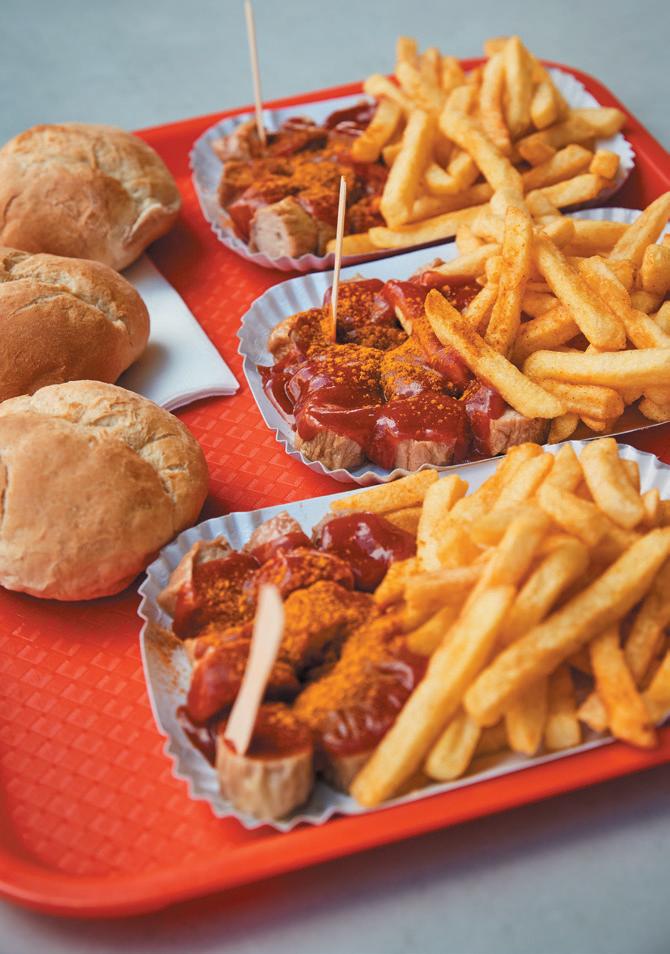
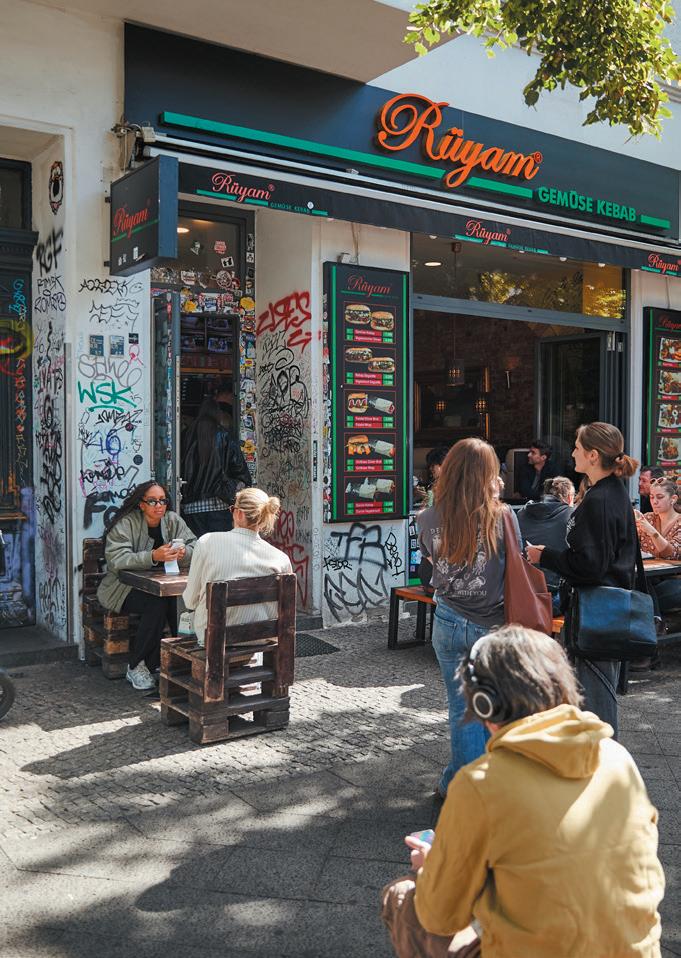
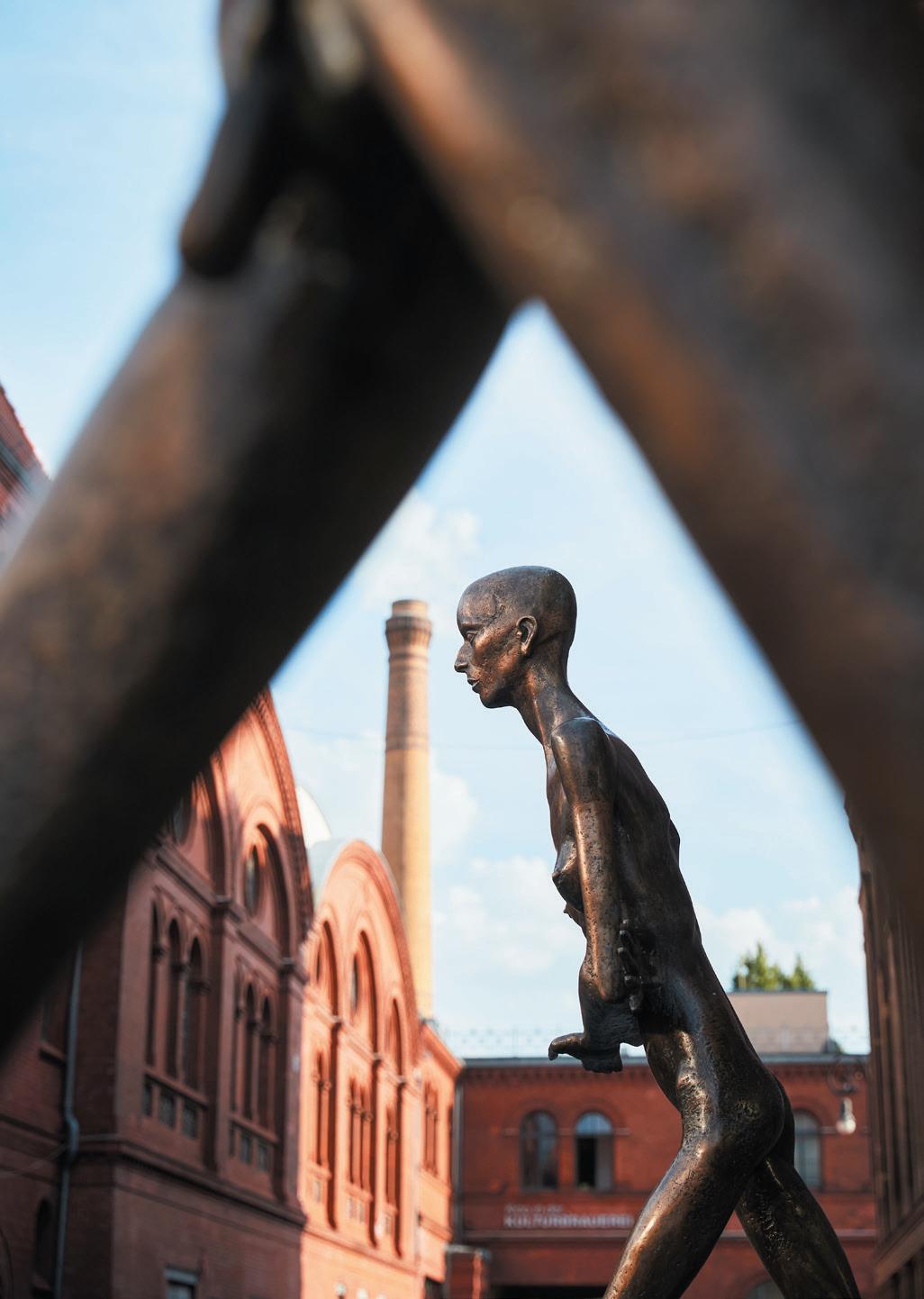
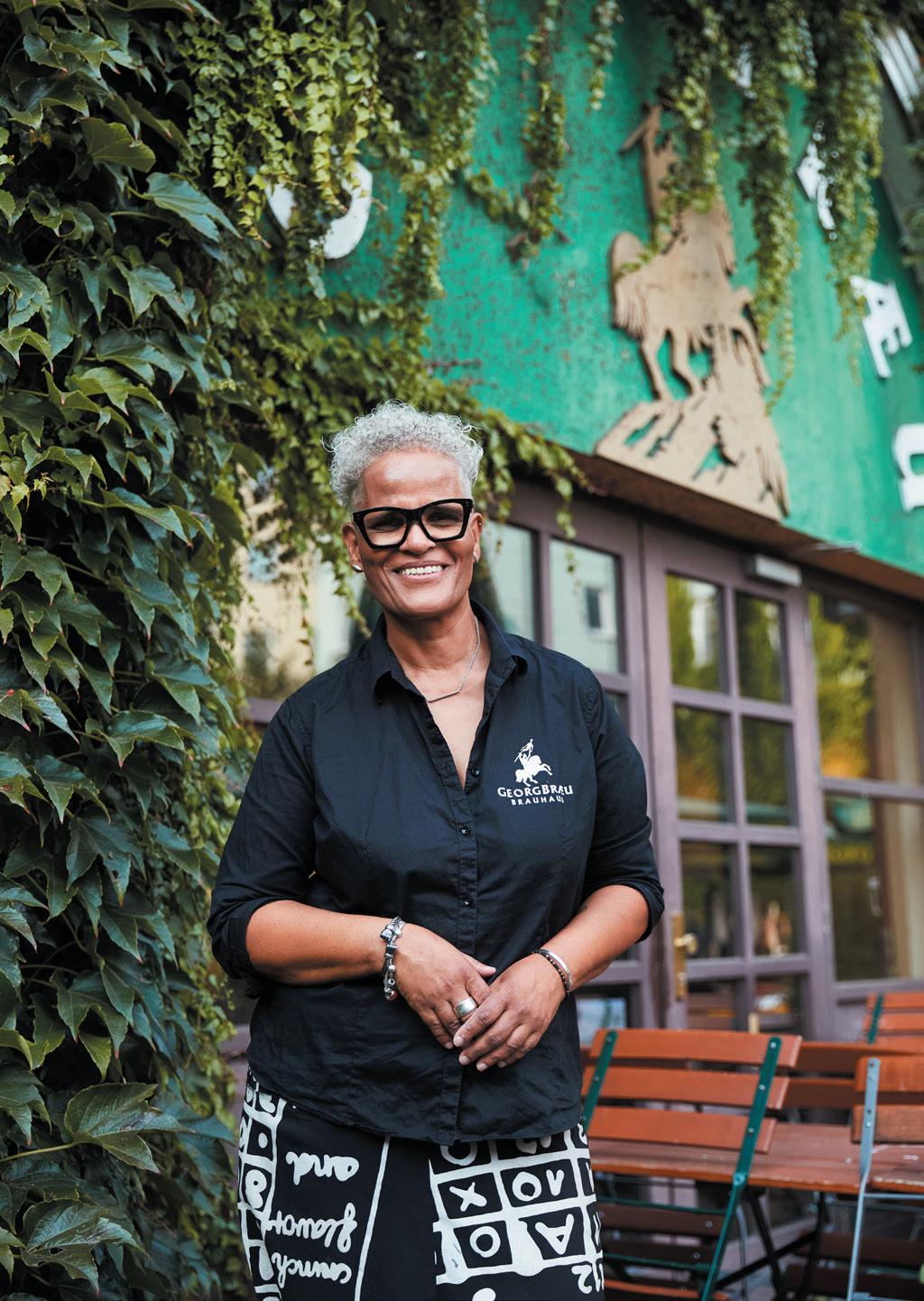
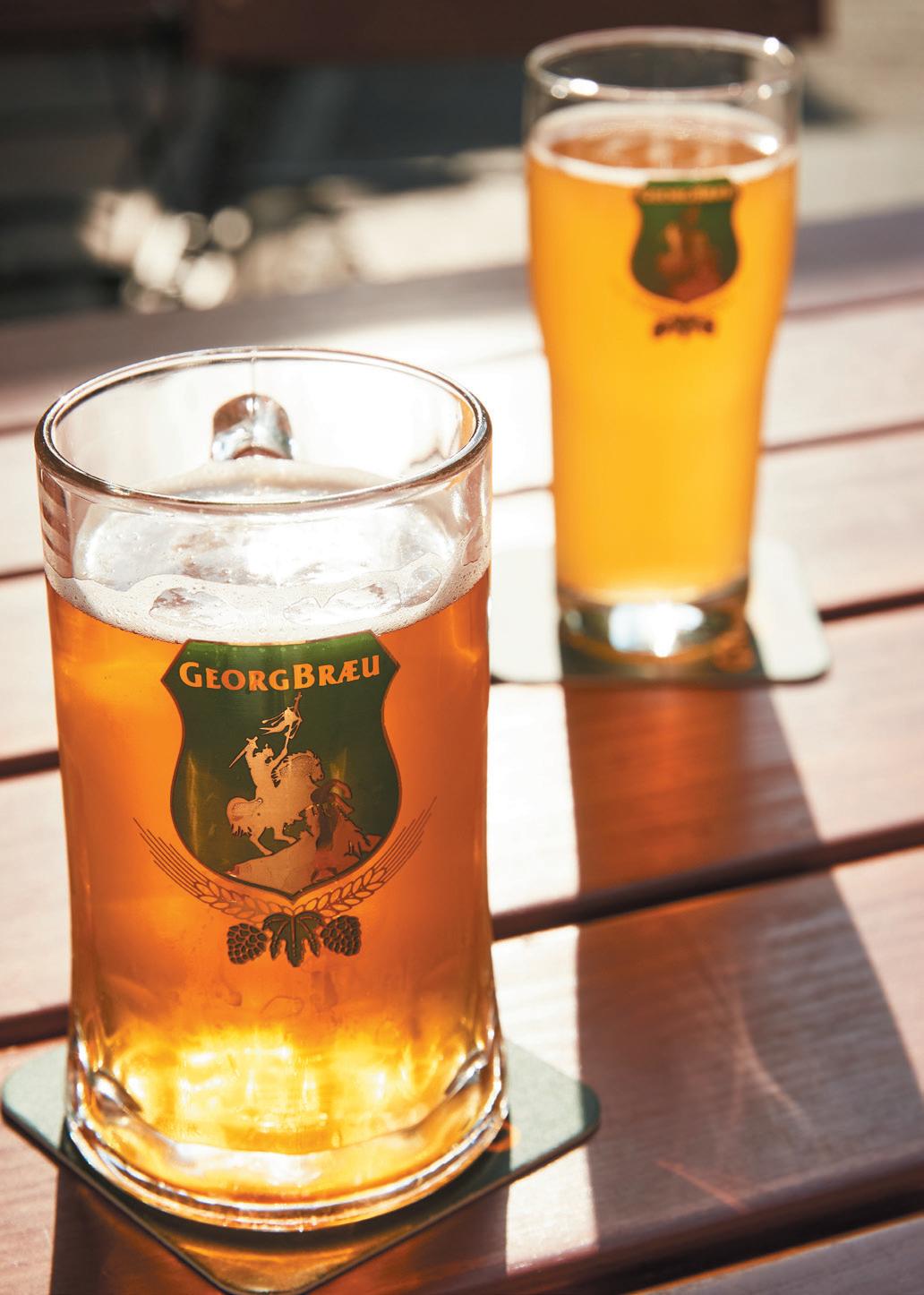
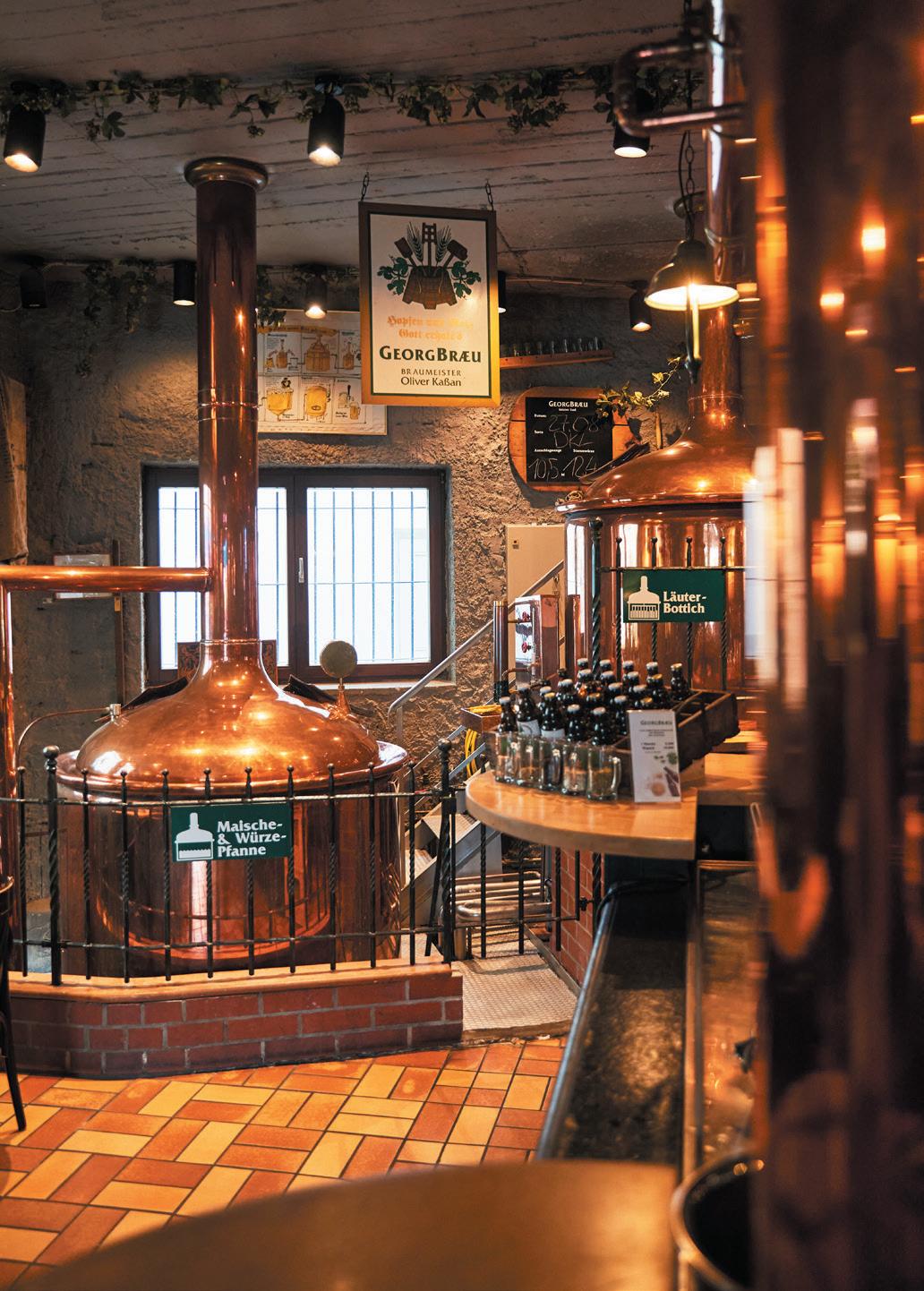
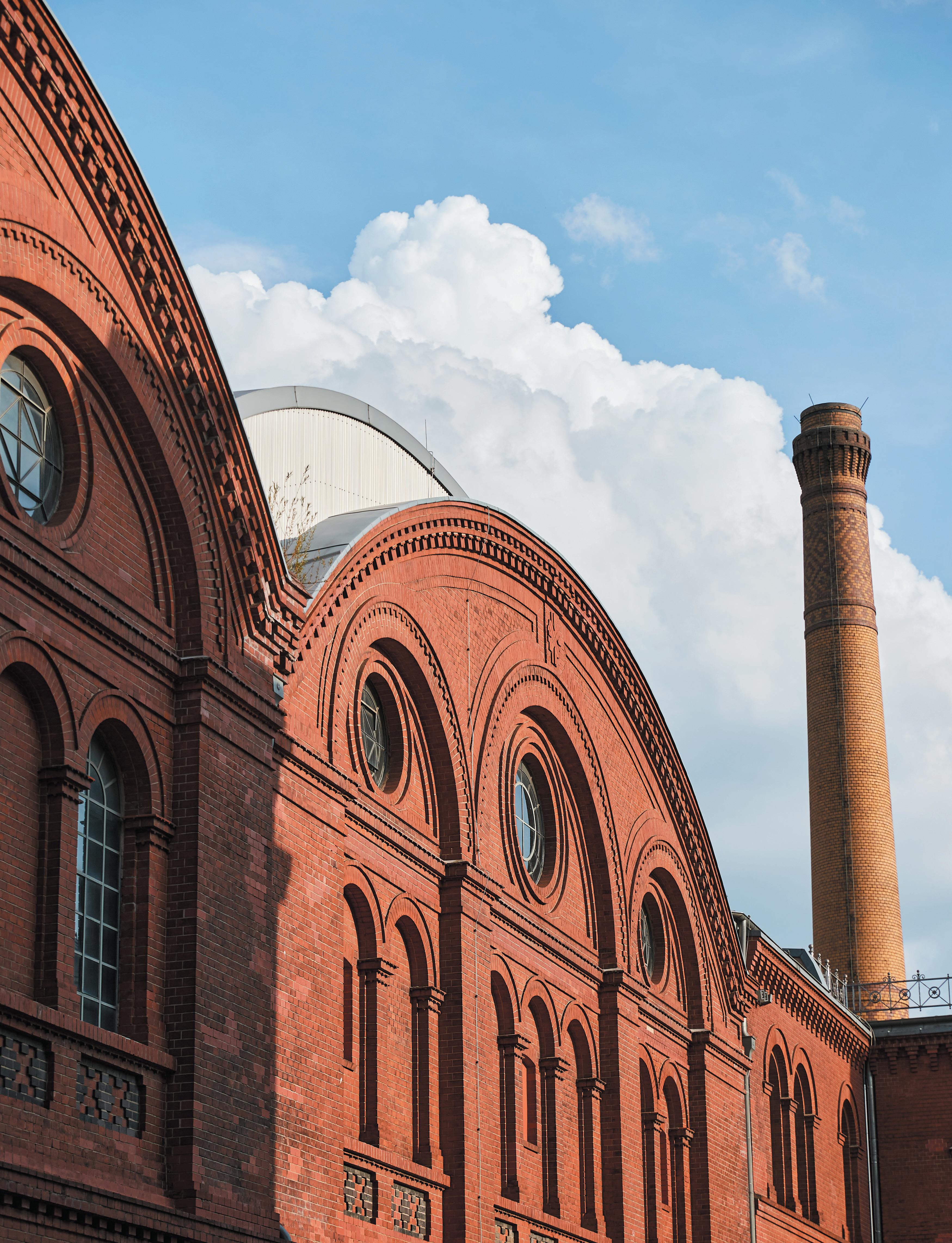
Later, Sebastian, the hotel’s Head Doorman, takes us to Prenzlauer Berg in the north of the city. He’s the first contact with the hotel, greeting guests with a broad smile. Exploring Prenzlauer Berg, it's clear that following the large-scale renovation of the district’s apartment blocks, low-rent housing has given way to more upscale accommodation, along with organic food shops and vintage stores catering for the hipster families who now live here. Sebastian takes us to Prater Garten, a relaxed space surrounded by chestnut trees that is the oldest beer garden in Berlin. Beer gardens are a longstanding tradition in this city that reflect Berlin's social culture: open, communal and unpretentious. “I like Prater Garten because people come together outdoors to enjoy simple food, good beer and conversation, which fits the Berlin lifestyle perfectly. And just around the corner, you’ll find another beer story: Kulturbrauerei. It used to be a brewery in the 19th century, and today it’s a large cultural complex. It has cinemas, clubs, restaurants, small shops and art exhibitions," says Sebastian. Berlin is also famous for its Currywurst and döner kebab, so after Prater Garten, Sebastian can’t resist taking us to the capital’s two best street food spots. Konnopke’s Imbiss, underneath the U2 U-bahn flyover, is legendary. It’s one of the oldest Currywurst stands in the city and is a piece of Berlin history in itself. On the other side of the street, Rüyam Gemüse Kebab unveils the city’s multicultural side. It serves a fresh, modern version of the döner kebab with grilled vegetables and herbs. There’s always a long queue, which says it all! These places show just how lively the city’s street food culture is, with small stalls and kiosks that Sebastian, like all true Berliners, loves to frequent.
Berlin’s allure comes from its contradictions – elegant yet unpretentious, relaxed yet endlessly creative. To truly feel its pulse, take your lead from the Berliners, leaving the main boulevards behind to explore side streets and slip through doorways where the city’s heart beats strongest.
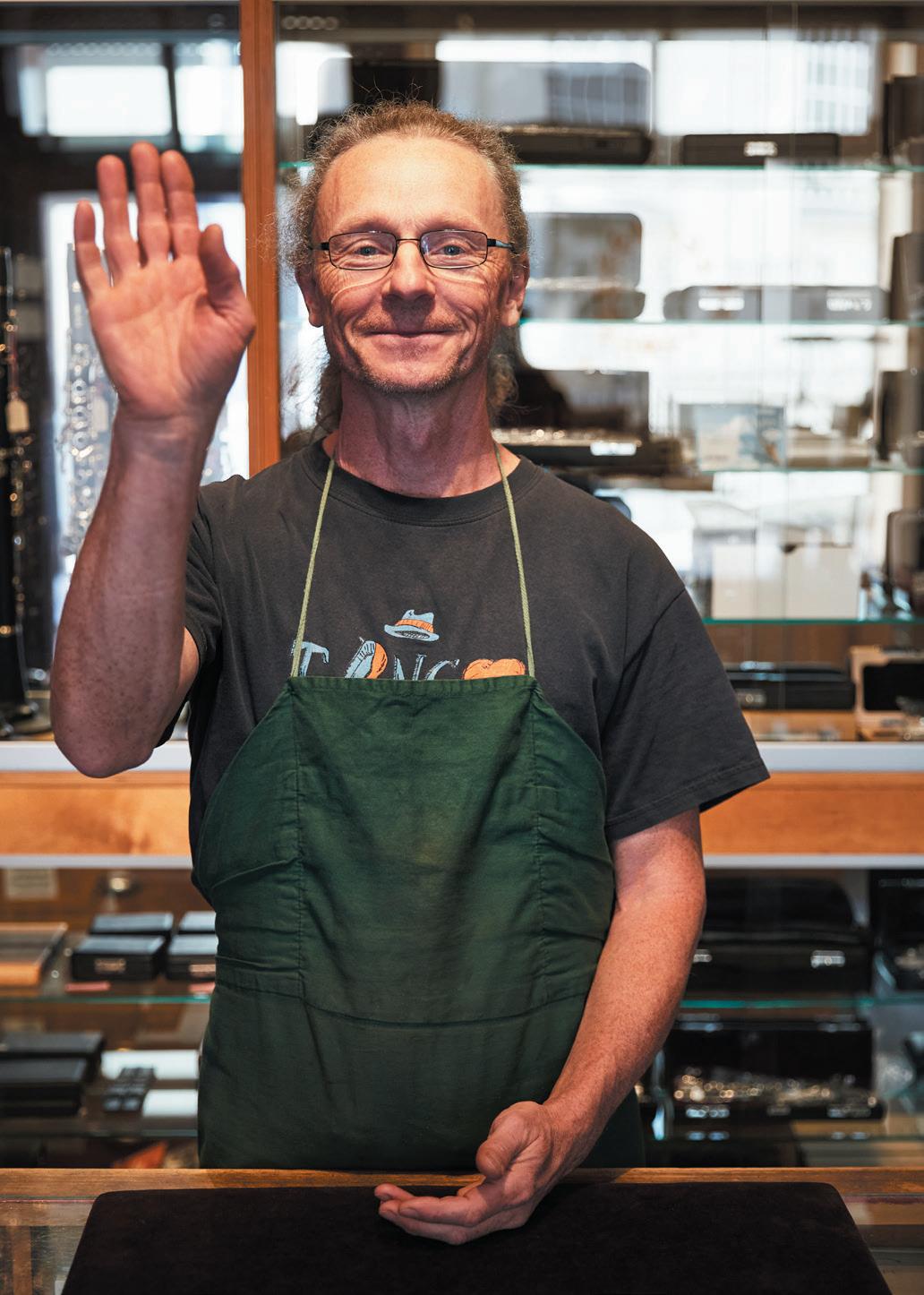
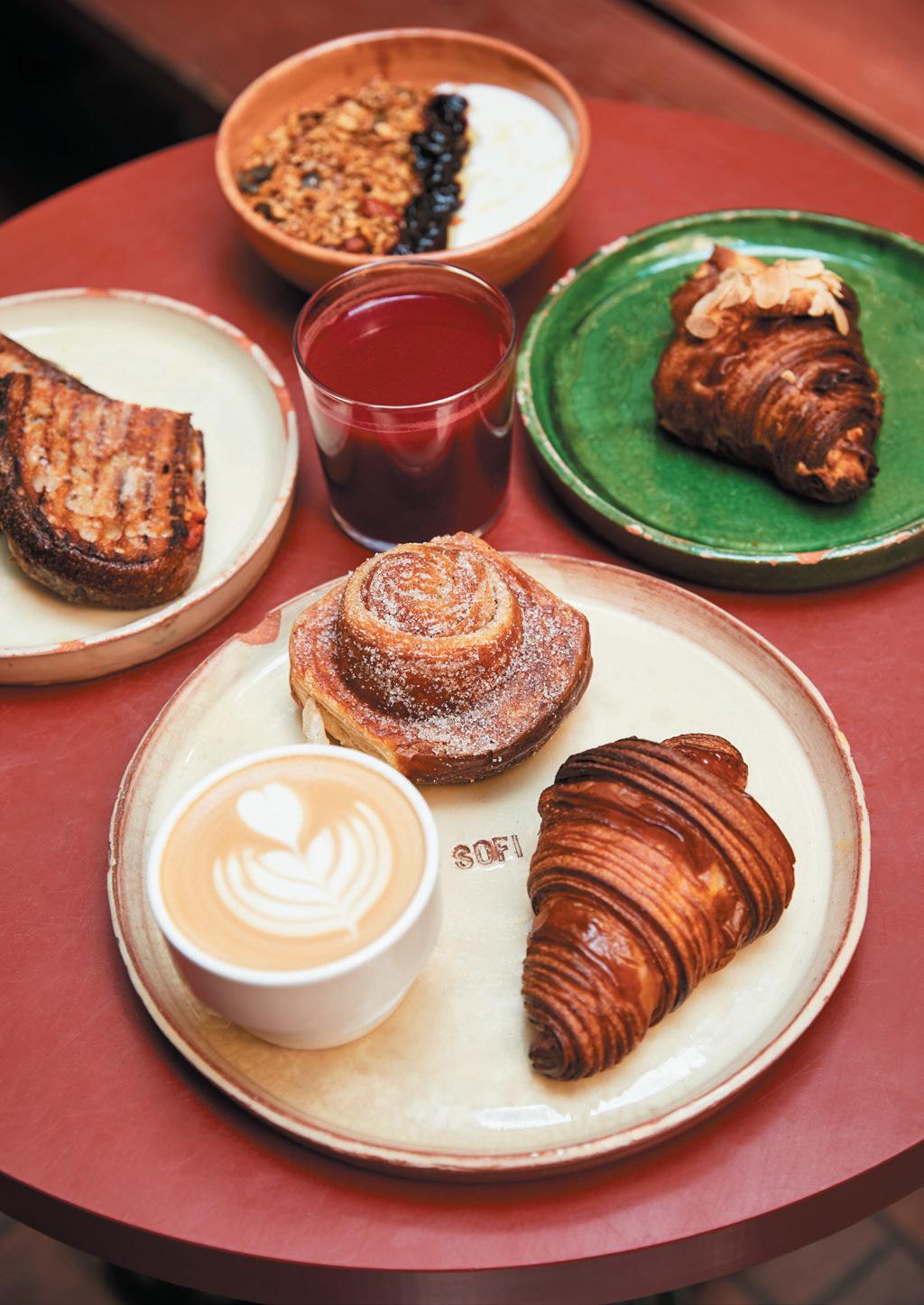
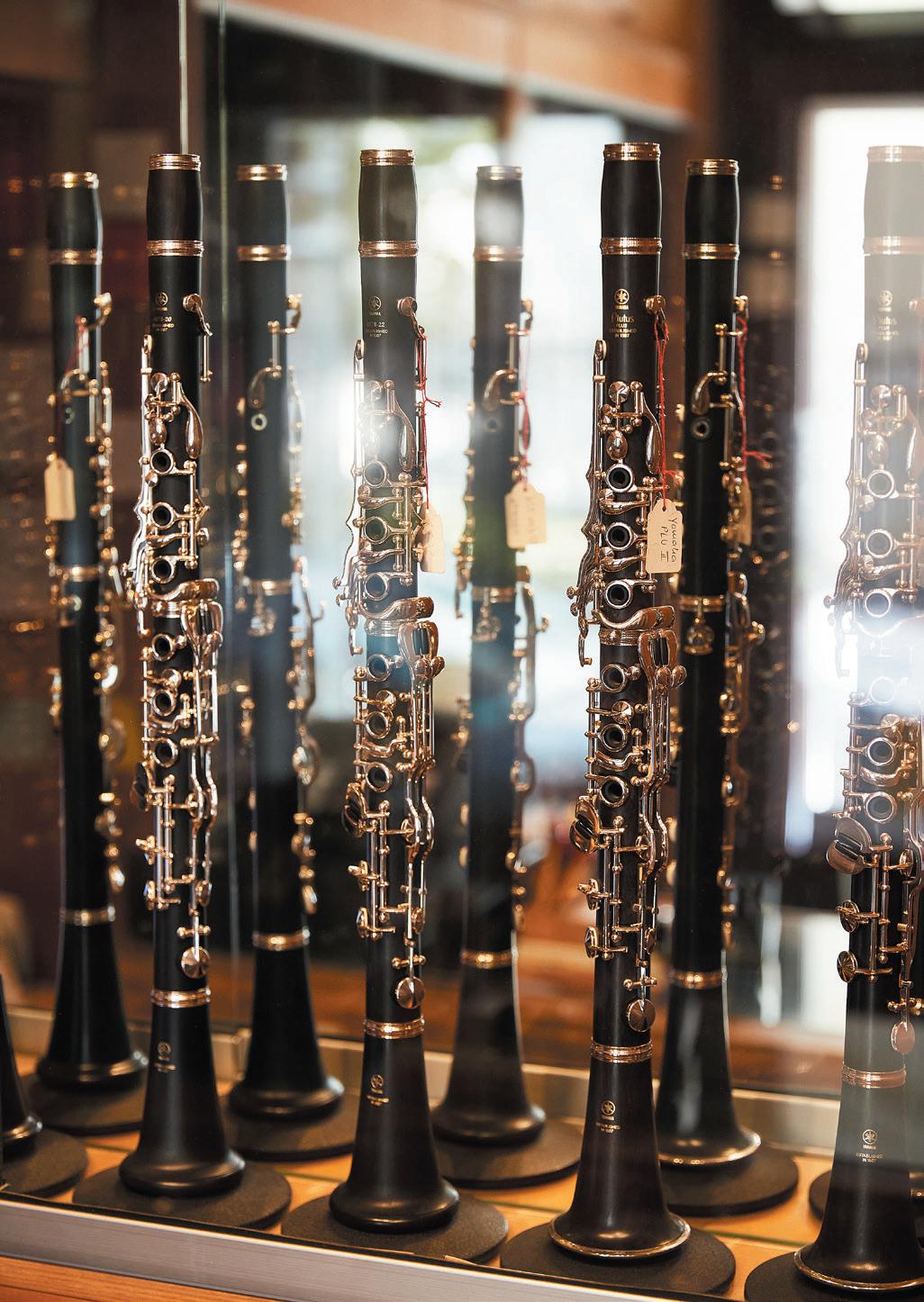
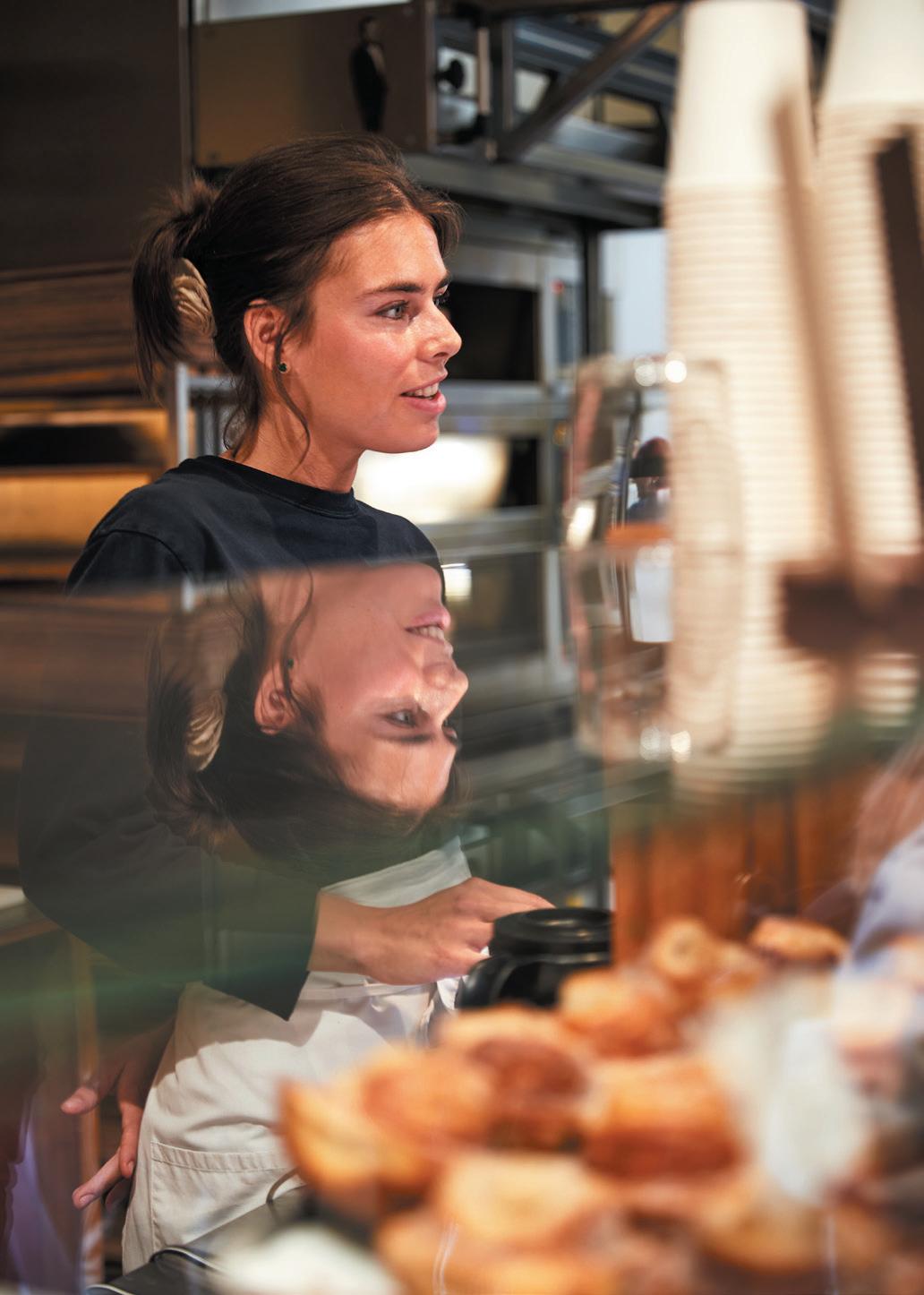

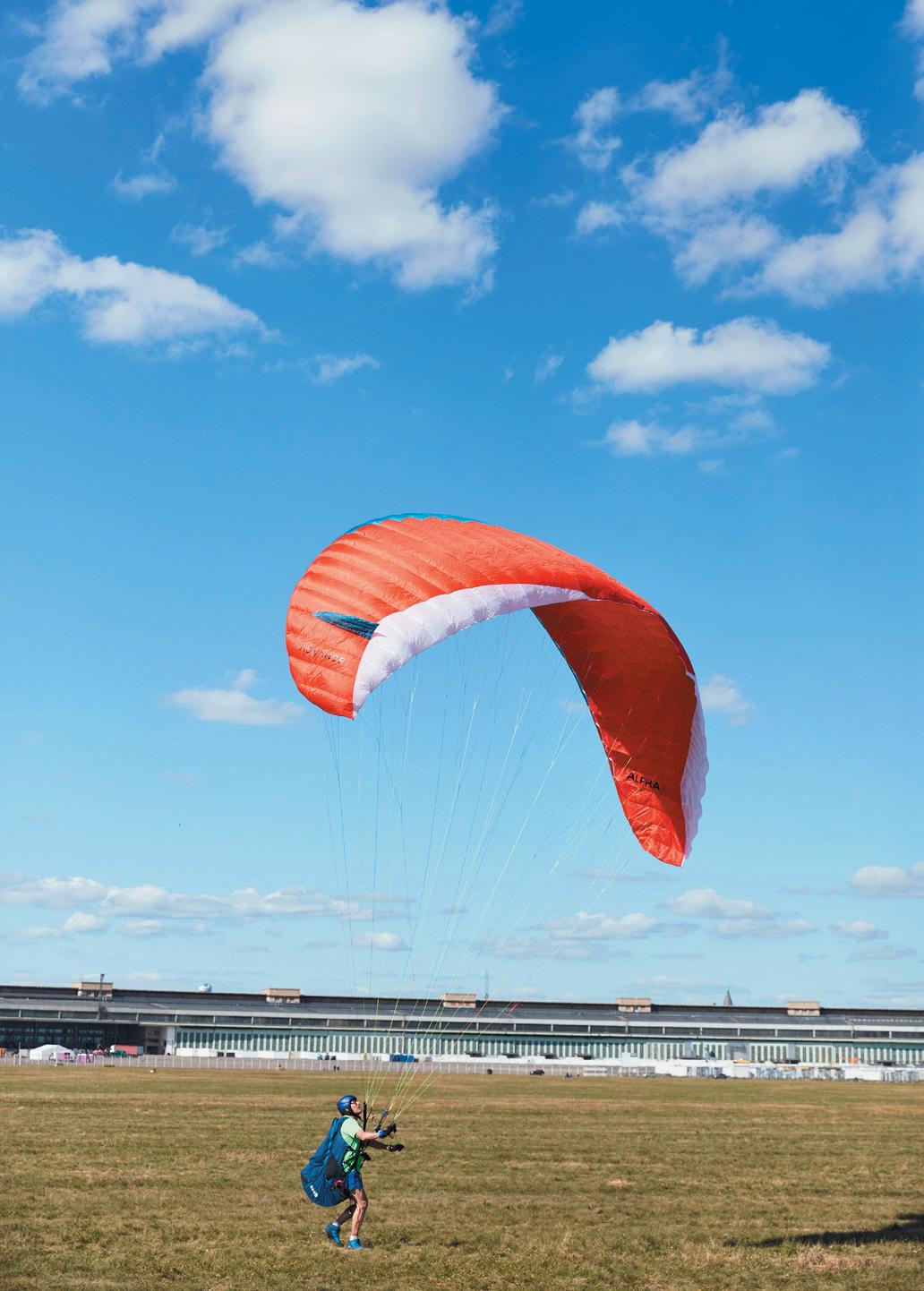
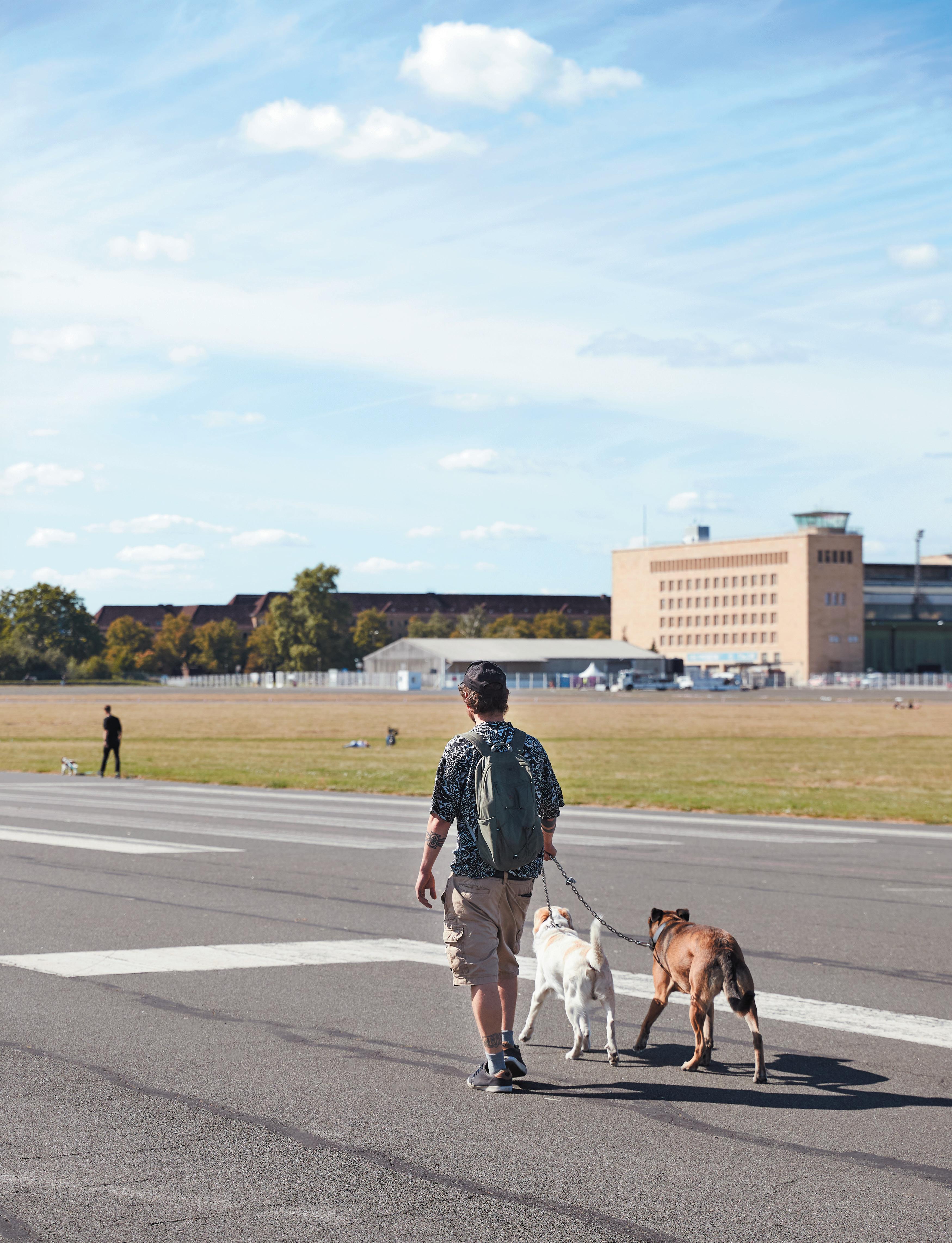
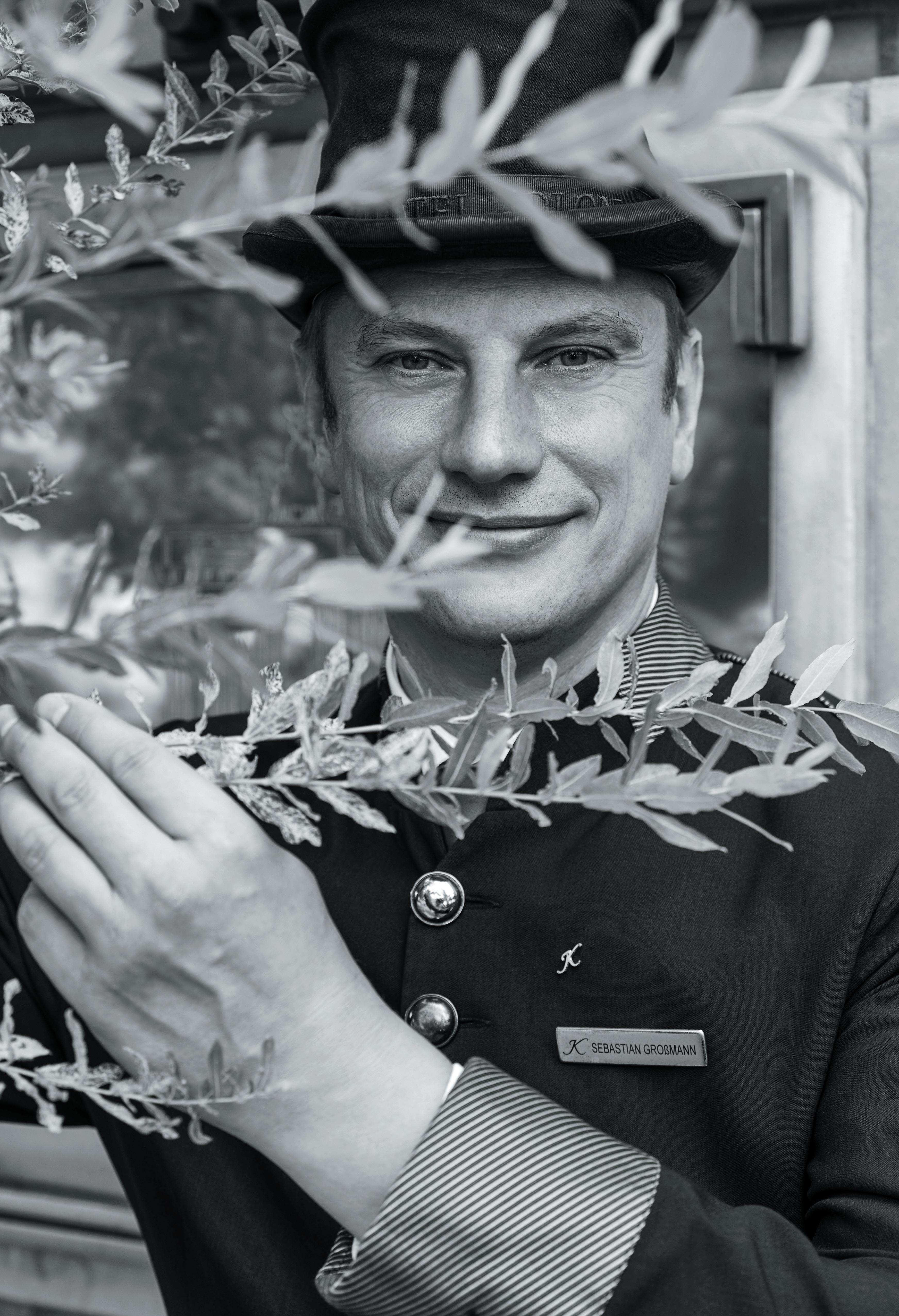
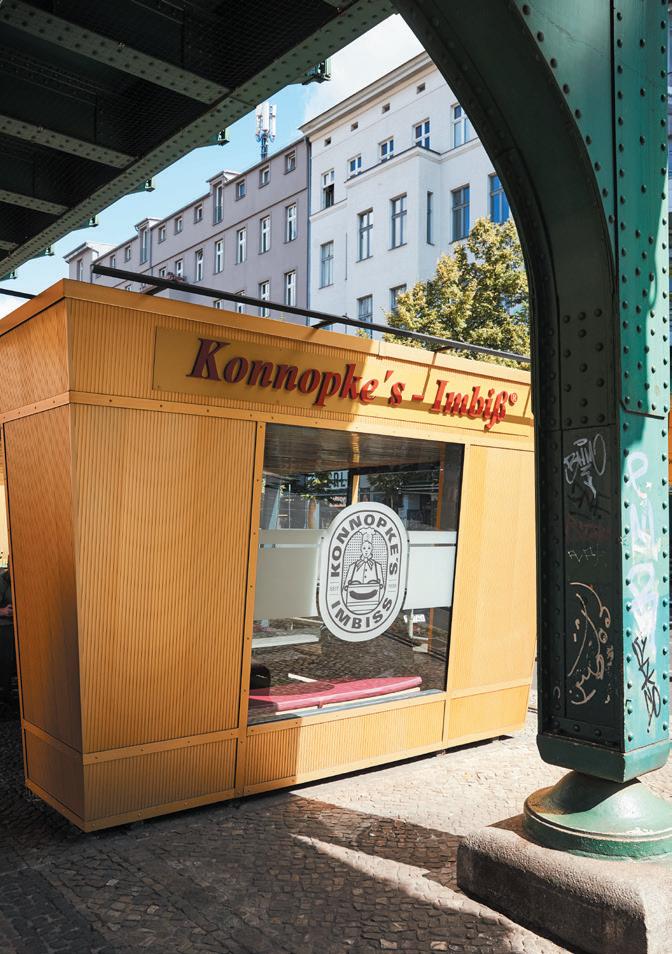
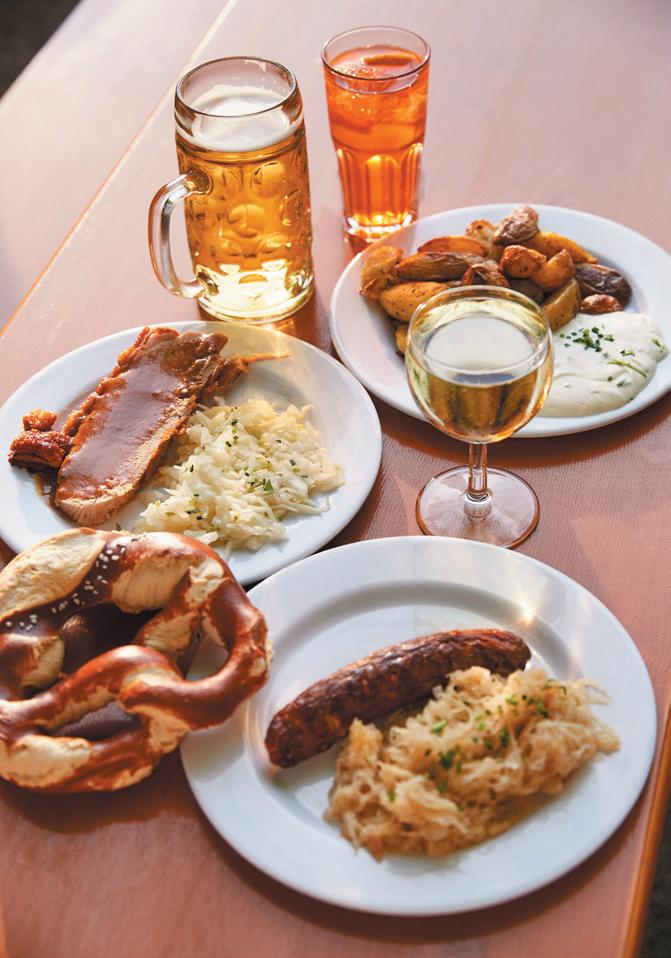
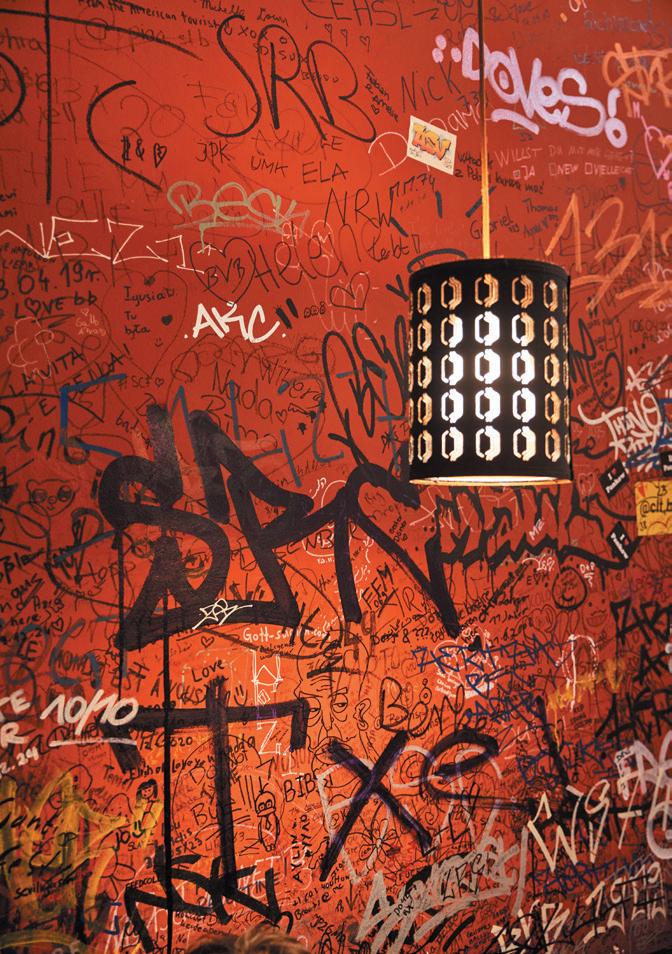
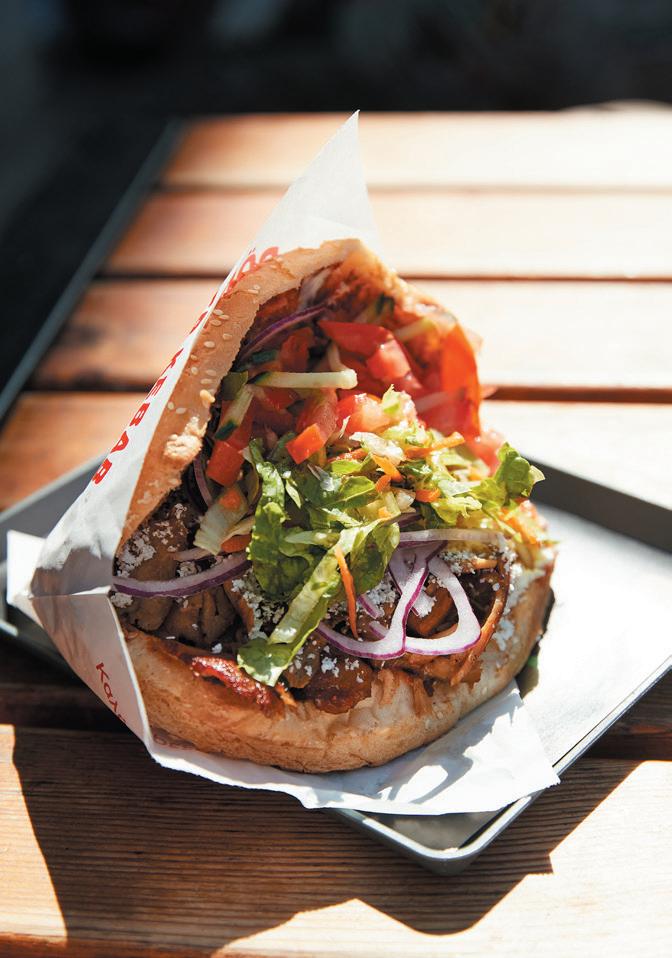
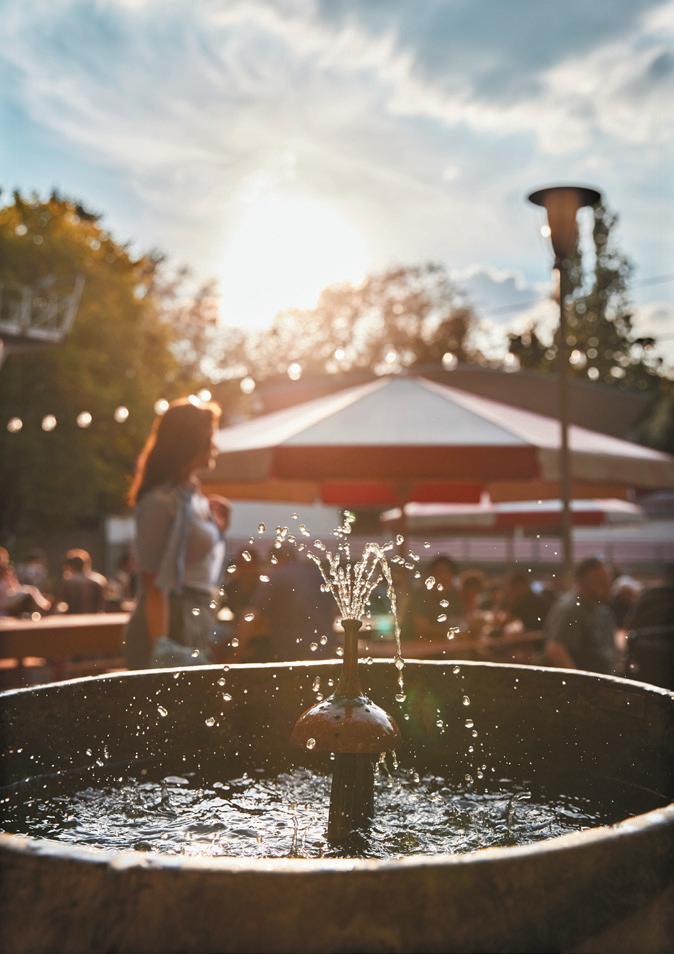
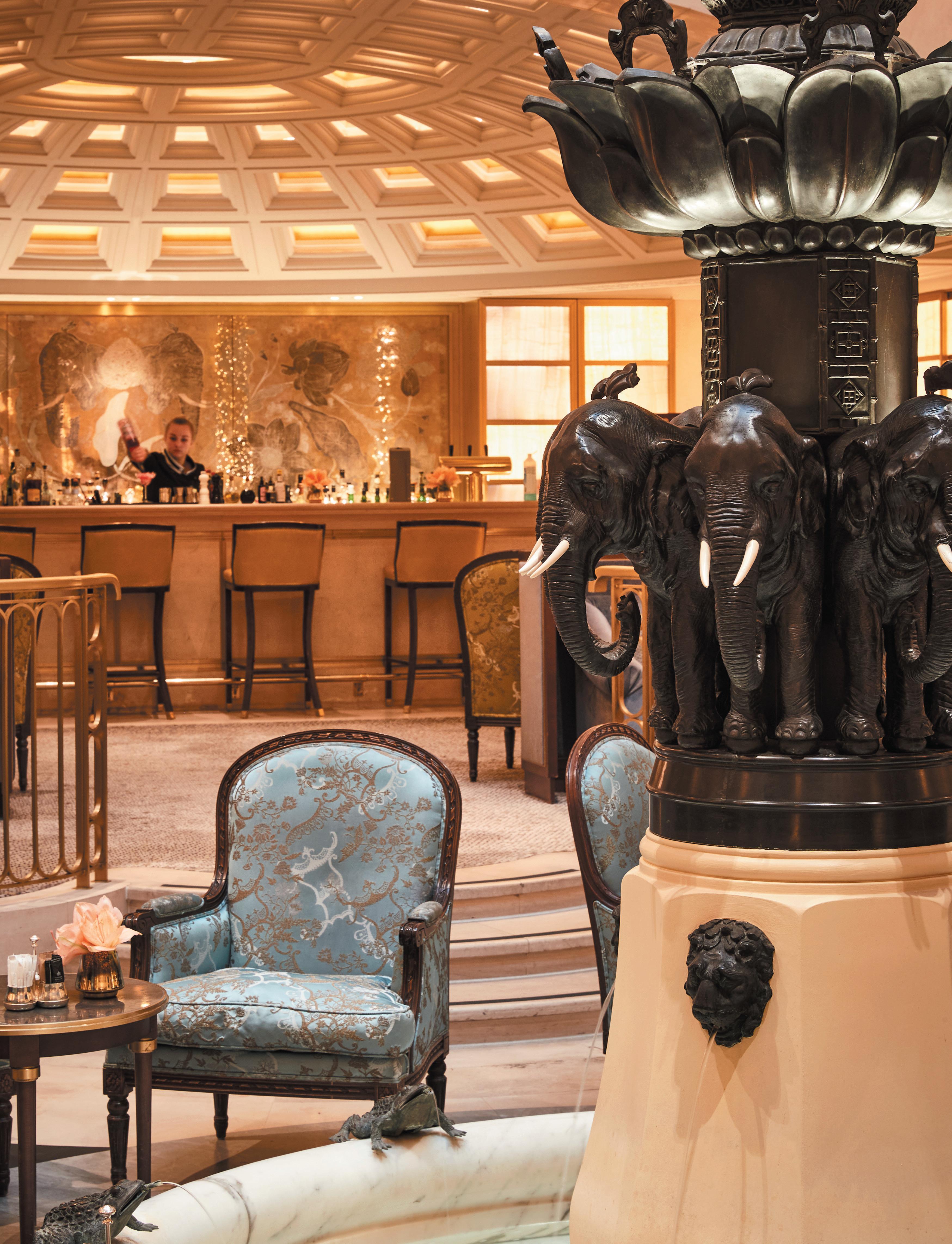
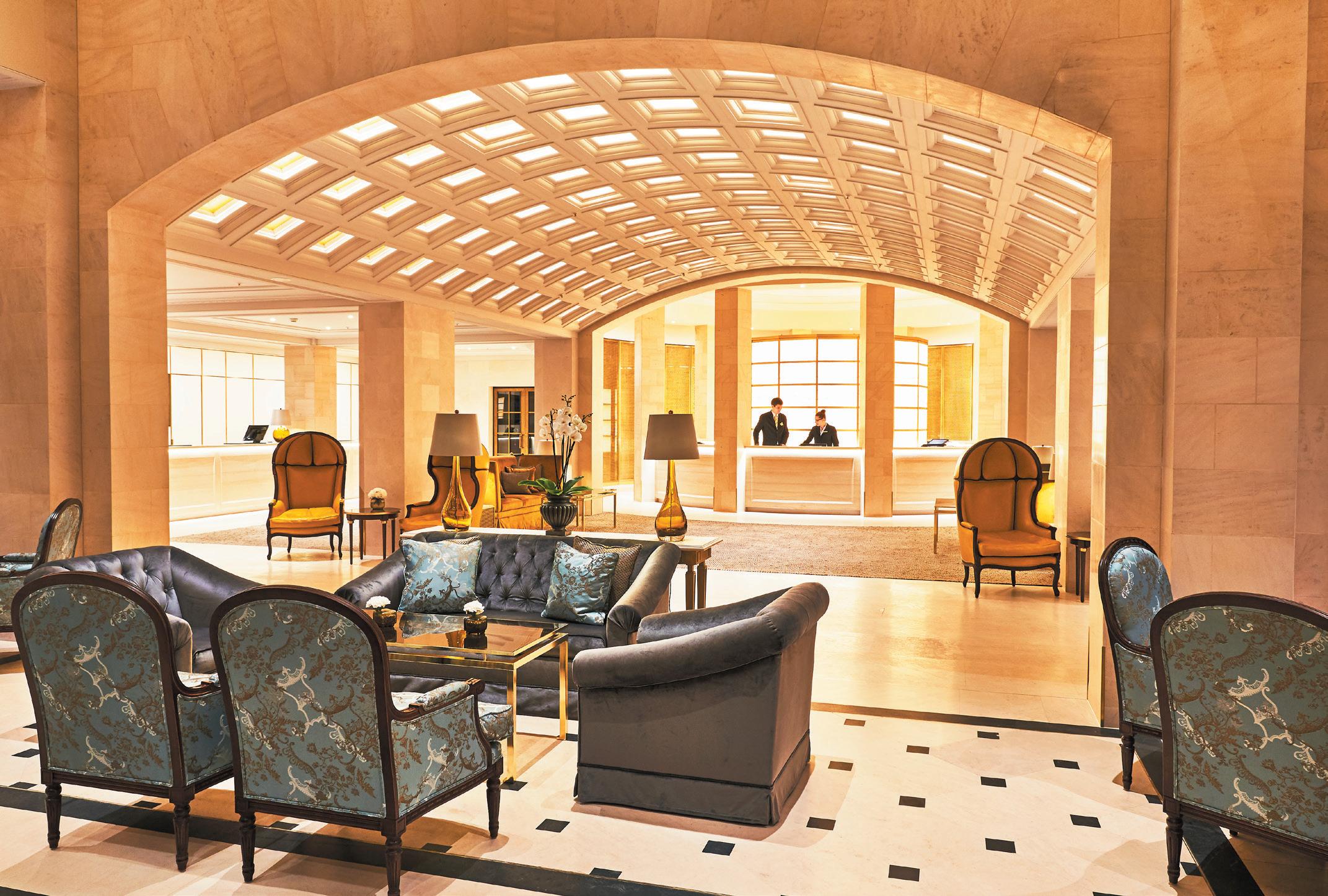
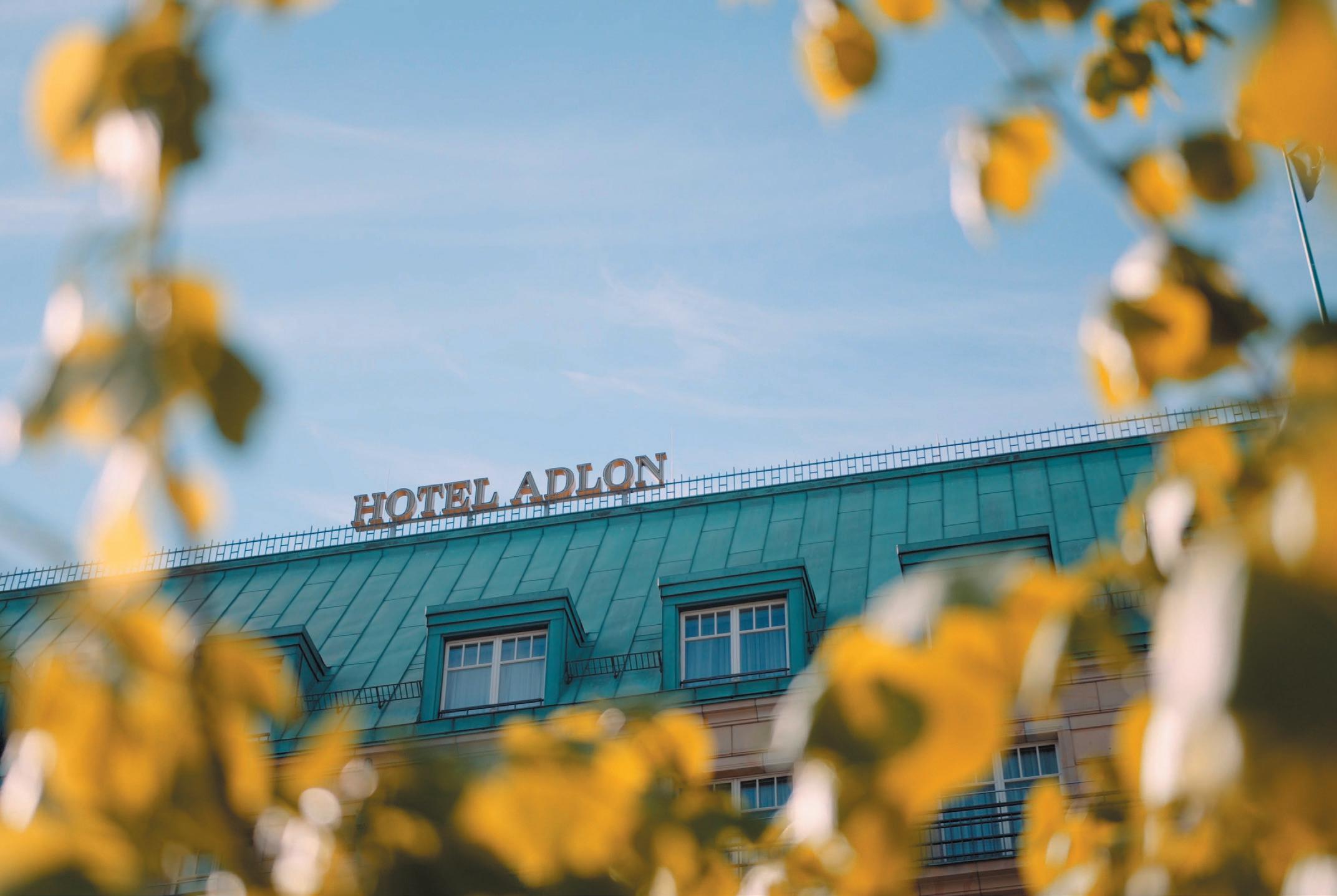
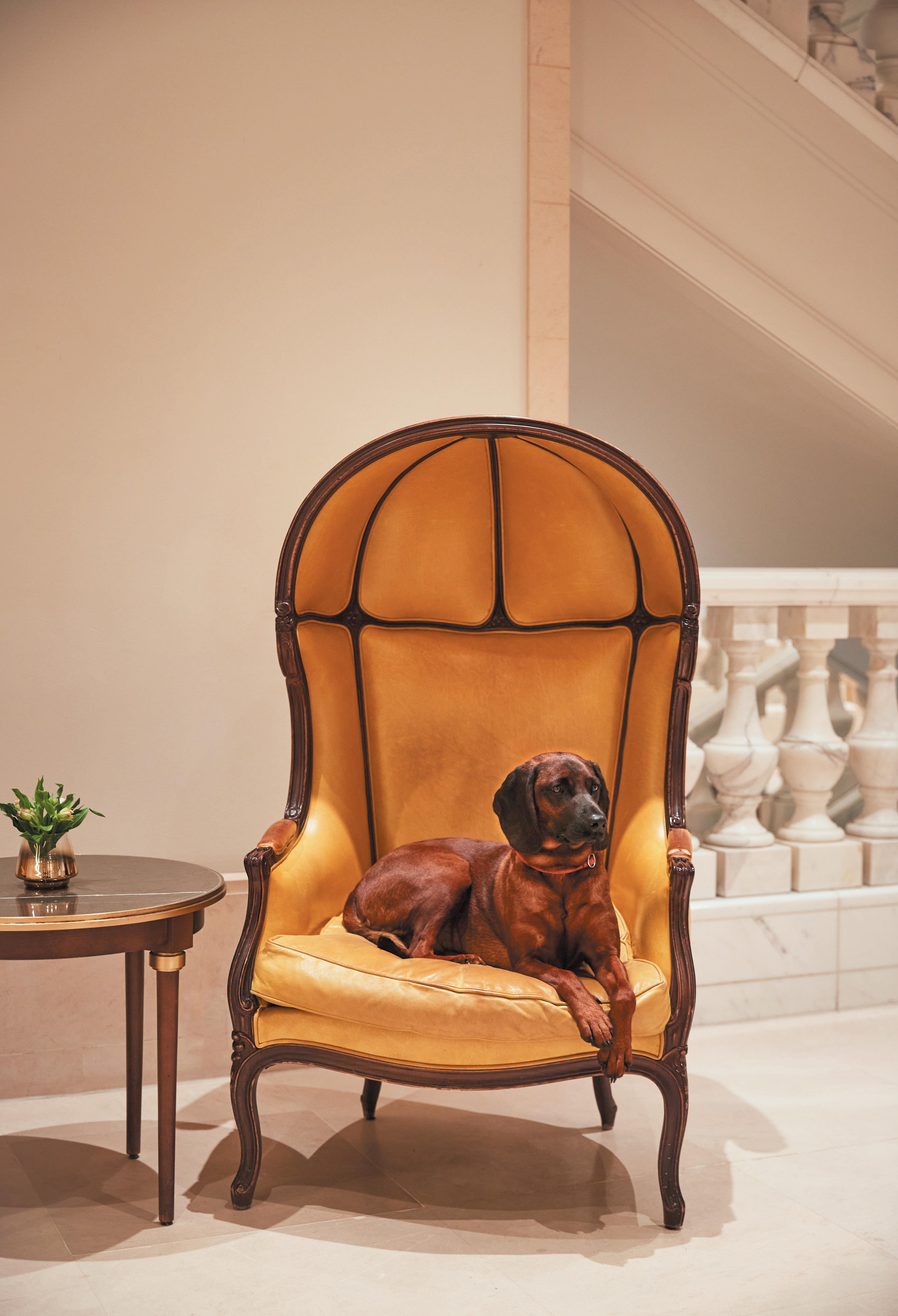
Located in the very heart of Berlin, Hotel Adlon Kempinski is a living legend. From the plush furnishings to the fresh blooms that greet you at the entrance, every detail evokes a sense of timeless sophistication. Attentive staff anticipate each guest’s needs with effortless grace, creating moments that linger long after departure. For over a century, this hotel has stood as a witness to historic events, intertwining its story with that of Berlin itself. Every guest, and every employee, becomes part of this story, continuing a legacy that has shaped generations, because at Hotel Adlon Kempinski Berlin, luxury isn’t just seen – it’s felt, tasted and remembered.





After perusing an endless carousel of tantalising travel content and deciding where your next adventure will take you, it’s time to focus on getting the very best out of your trip. With these tips, you’ll be able to delve deeper into your destination, so you can maximise every moment and seize new opportunities in whichever glorious corner of the world that’s waiting to welcome you.
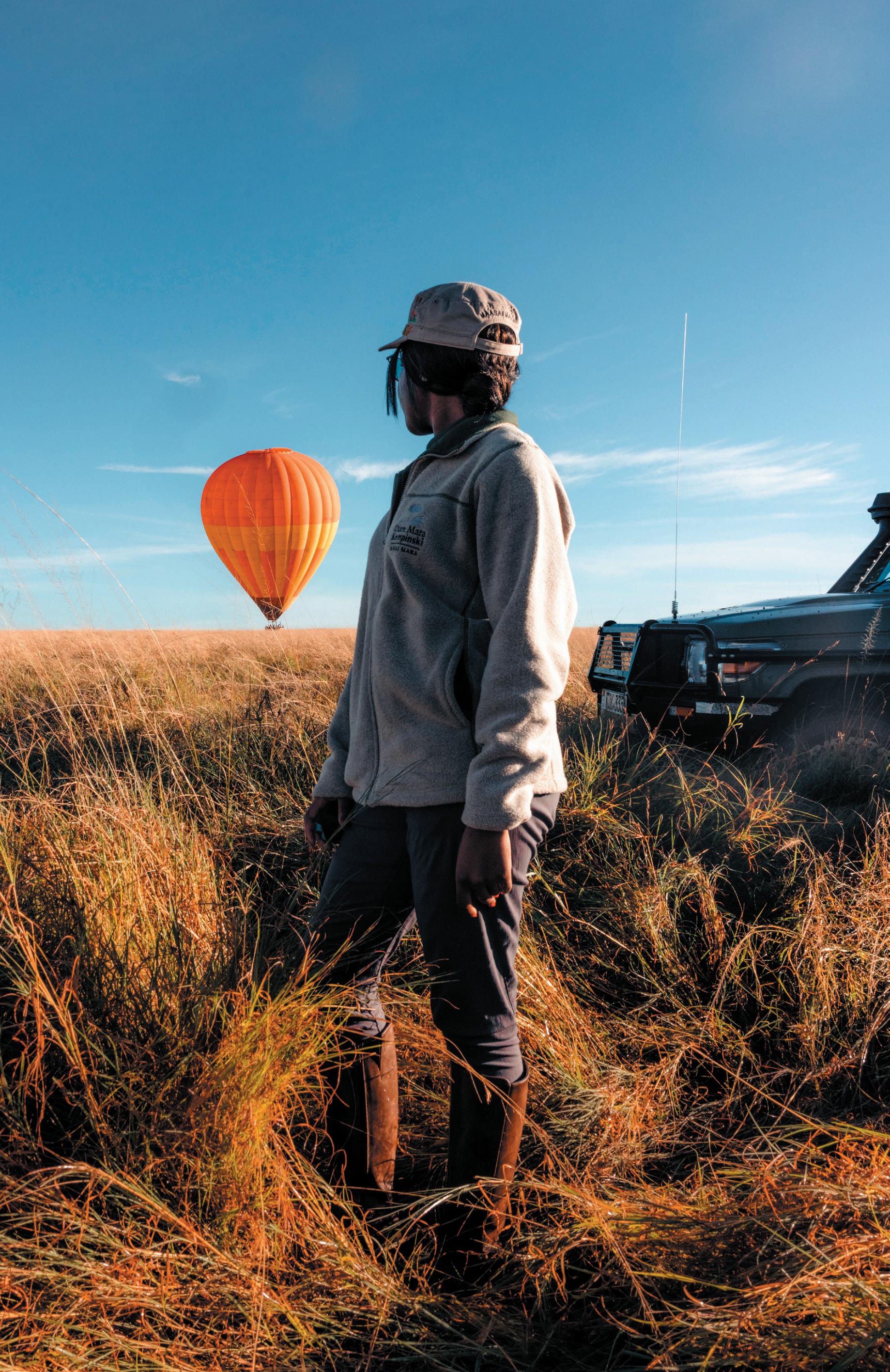
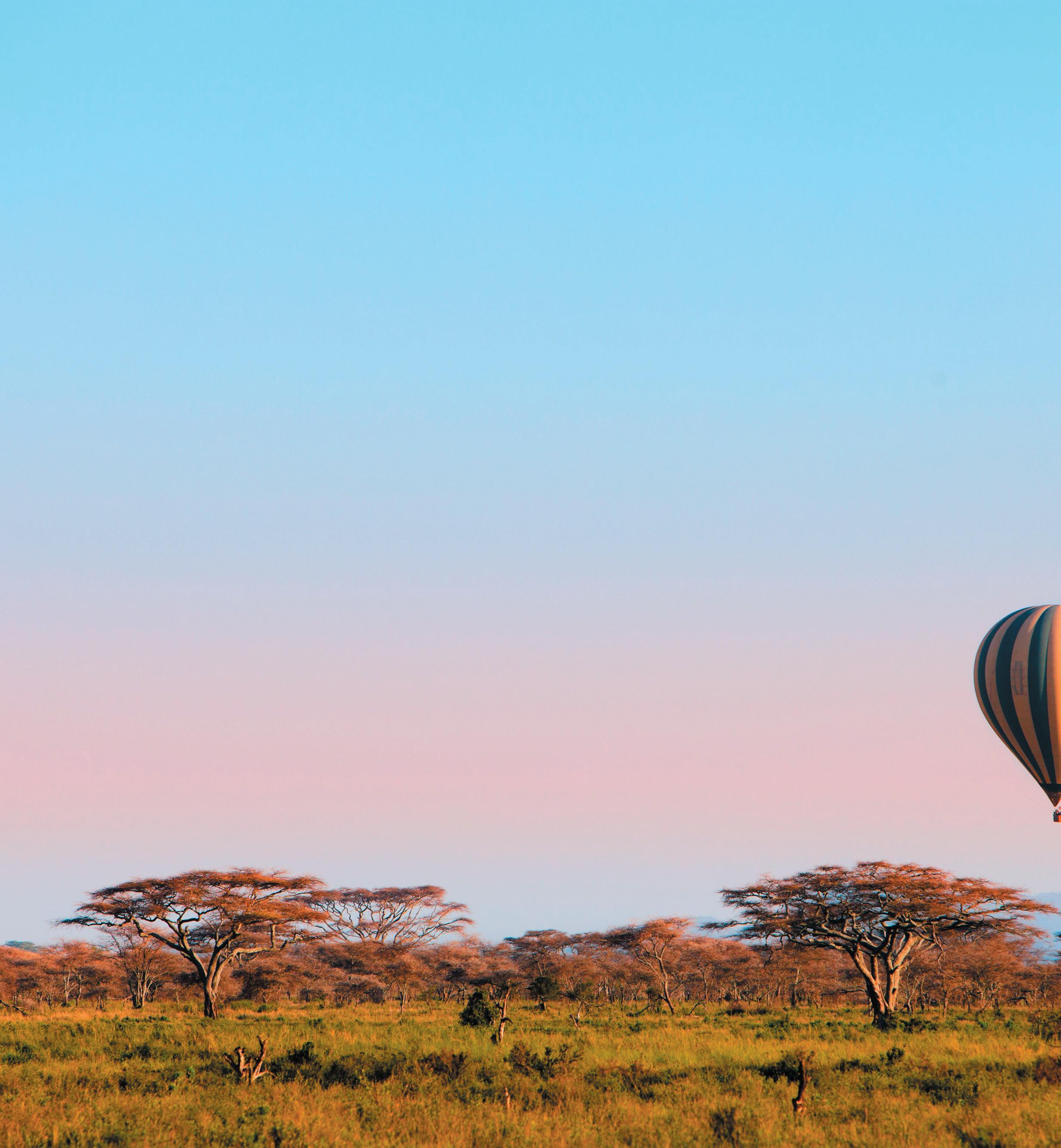
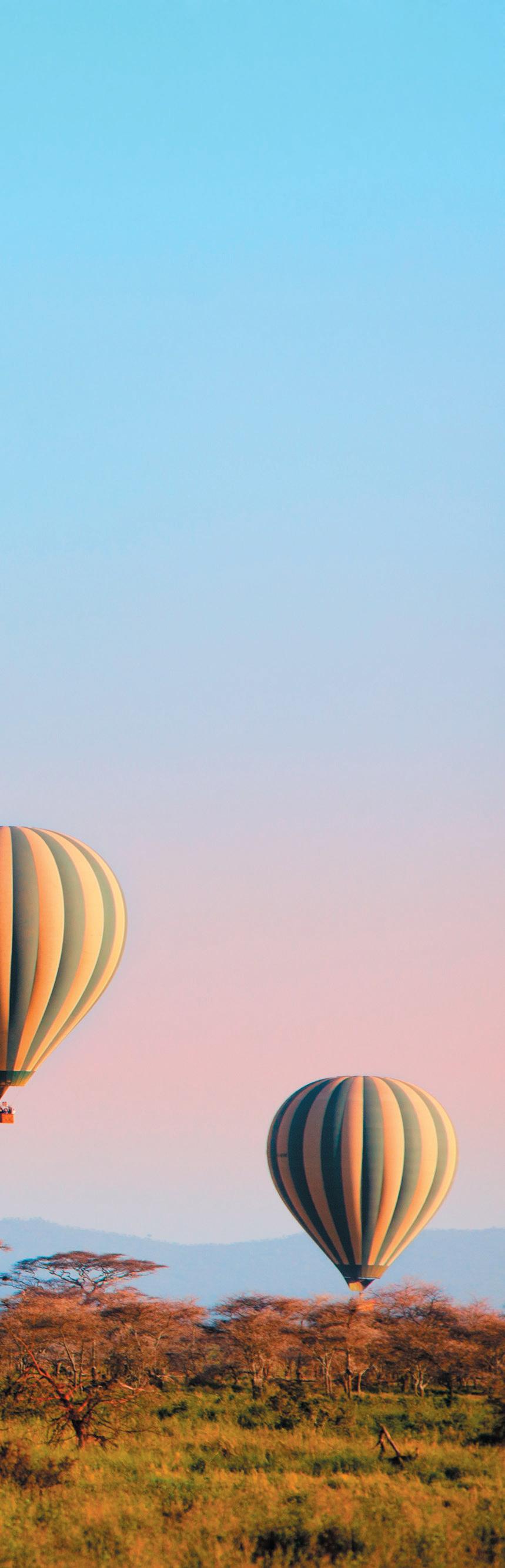
There are a wealth of extraordinary activities to try on your trip, enabling you to uncover your destination’s hidden secrets and feel the satisfaction of conquering something unexpected. KEMPINSKI DISCOVERY is a carefully curated loyalty programme centred on experiential travel that allows you to unearth exclusive tailored experiences, whether it’s gliding in a hot air balloon over the Alps or traversing dunes beneath a glowing red sun in the Arabian desert. By air, there’s helicopter, jet and paragliding experiences. On water, there’s sailing, yacht or dragon boat cruises, along with diving, snorkelling, kayaking and surfing trips. If you’d prefer to have your feet firmly on land, enjoy rainforest trekking, elephant feeding, or cycling adventures, wine tasting, golfing experiences and cocktail masterclasses, along with museum, temple, art, shopping and sightseeing tours. These are all ways to dive into your destination and embrace everything it has to offer.
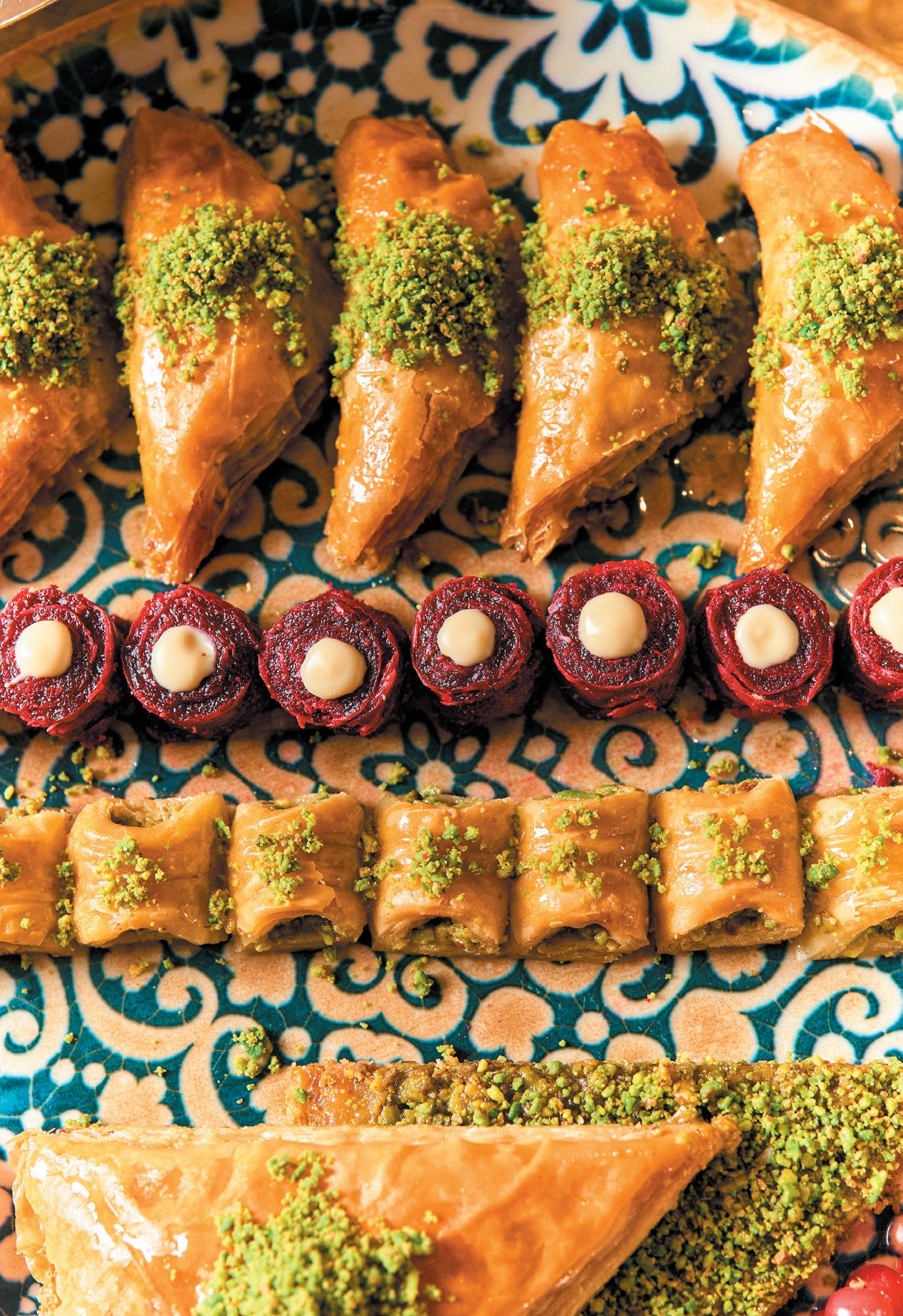
One of the most magnificent parts of travel is discovering the flavours, aromas and ingredients that are unique to the region. Take the opportunity to explore speciality dishes, local markets and street food to unveil the essence of the area. Strike up conversation with locals or fellow travellers and ask about their favourite coffee shop, bakery or food stall. Most people are proud to share their culture and knowledge, so you may experience a different, more authentic, take on the gastronomic scene. Keep a lookout for restaurants that aren’t packed with tourists, but are brimming with locals, as these smaller, family-owned places are often hidden gems. To get an even deeper insight into the area, investigate culinary classes – whether it’s Chinese cooking in Shanghai or Ghanaian cuisine course in Accra.
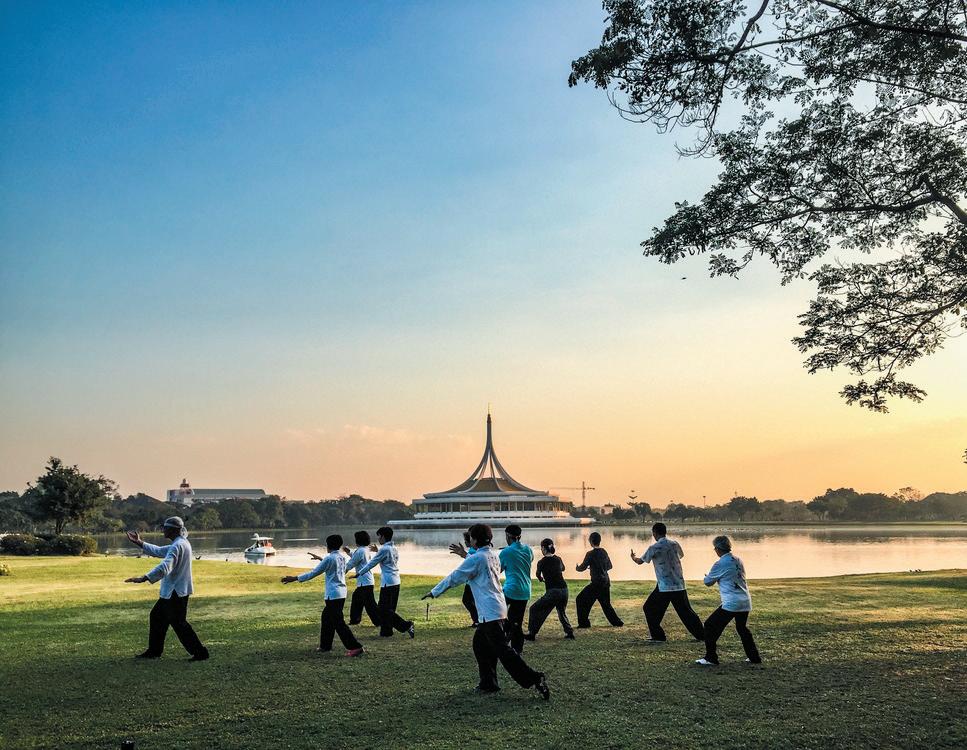
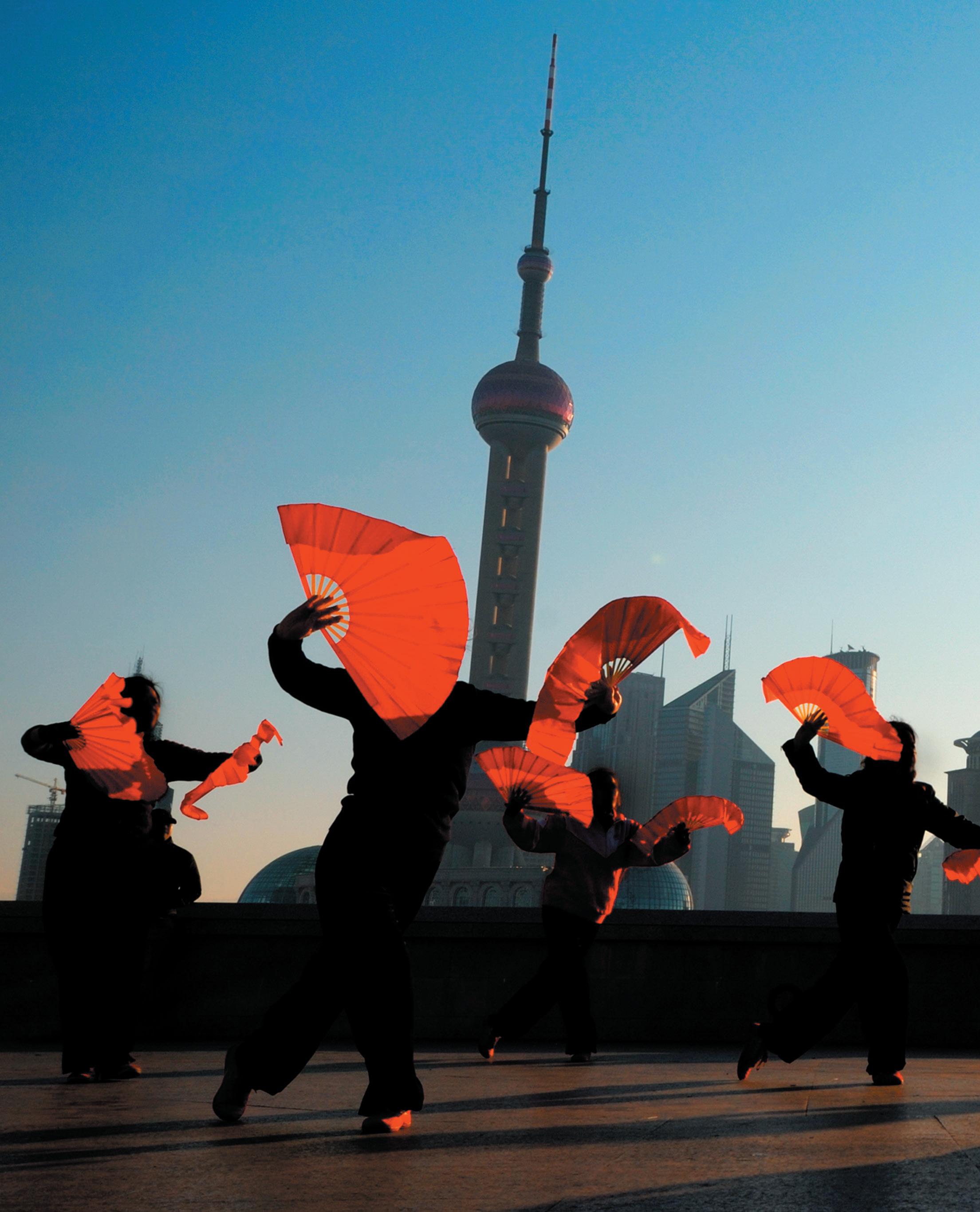
It can be tempting to try to grasp every last drop of cultural enrichment, but it’s also essential to grant yourself time and space to unwind and reset. Fortunately, there are ways of blending relaxation with exploration. Try an evening session of Tai Chi in the park in Beijing, go for a morning run along The Pearl’s waterfront promenade in Doha, or indulge in yoga with the most blissful lagoon or mountain views in the Seychelles. Boost body and mind at the thermal baths in Budapest or bask in a spa treatment with a local twist, from a Dead Sea mud treatment in Jordan to a Turkish hammam in Bodrum. It's the perfect combination of culture and wellbeing.
When planning your trip, it’s a good idea to research local events, from festivals and concerts to art exhibitions and sporting occasions. Consider whether you can factor any of these into your itinerary to give an additional dimension to your break and make it even more meaningful. From Oktoberfest in Germany to the Songkran festival in Thailand, and from Chinese New Year in cities across Asia to opera performances in Dresden, there’s plenty on the social calendar that can enhance your visit.
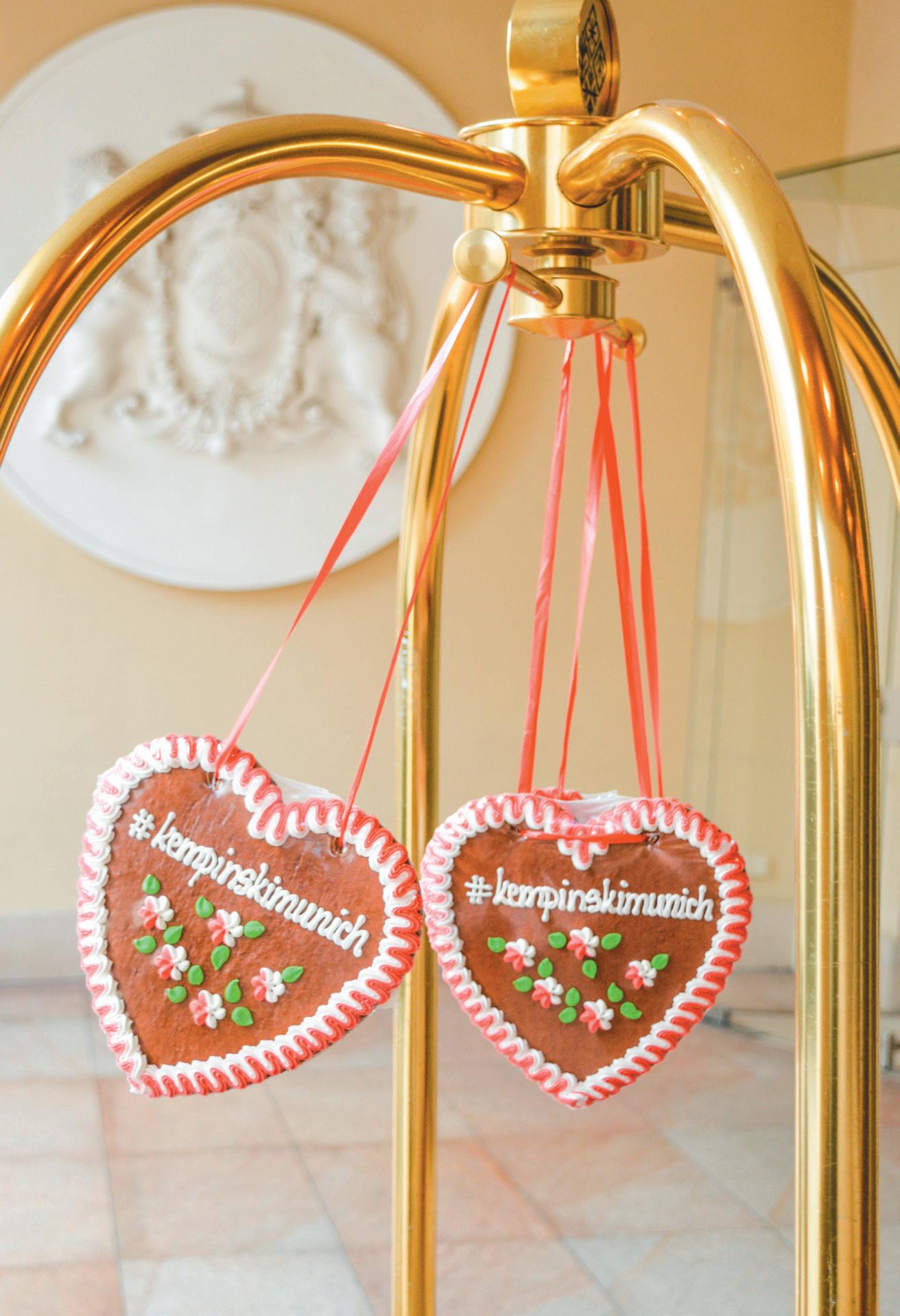
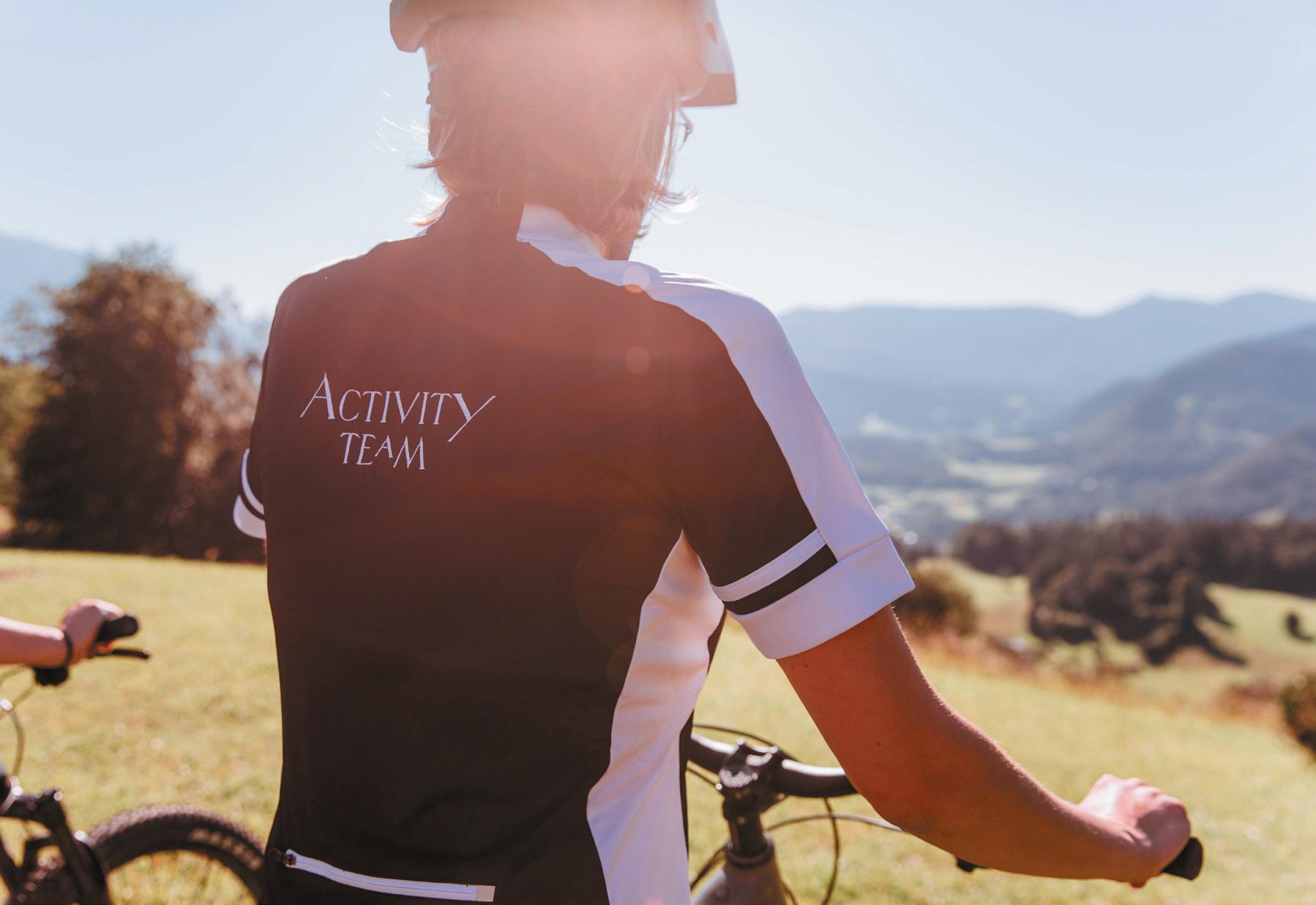
When planning your trip, no doubt you’ll have scrolled social media, read articles and consulted guidebooks, but there’s no substitute for local expertise. The Lady in Red or Concierge at your Kempinski hotel can offer insights and recommendations on everything from the most magical times to visit sacred sites to the best shopping spots and picturesque areas to watch the sunset. Taking excursions run by local guides, whether that’s a walking tour or a chauffeurdriven experience, is also invaluable as the stories they share can make a place come alive – and you’ll gain a more nuanced picture of the area and its people.
You may feel compelled to speed from one spot to another in a quest to see and do as much as possible, but the trend for slow tourism means being more fluid and flexible and taking time to look deeper under the surface. Cast your net wider than just the main attractions and roam off the well-trodden path for a slightly different narrative. Think about wildlife reserves, national parks, smaller villages and the surrounding countryside. Google Maps and translation apps are helpful tools to download as you navigate a new part of the world. It's also great to strike a balance between schedules and spontaneity and leave spaces in your itinerary for unexpected diversions and discoveries. A daytime stroll without a particular end point in mind – just taking in the sights, sounds and scenery – can be effortlessly enriching. You might stumble upon quaint cafés on a side street and inspiring views you wouldn’t otherwise have found and be given an authentic window on your destination.
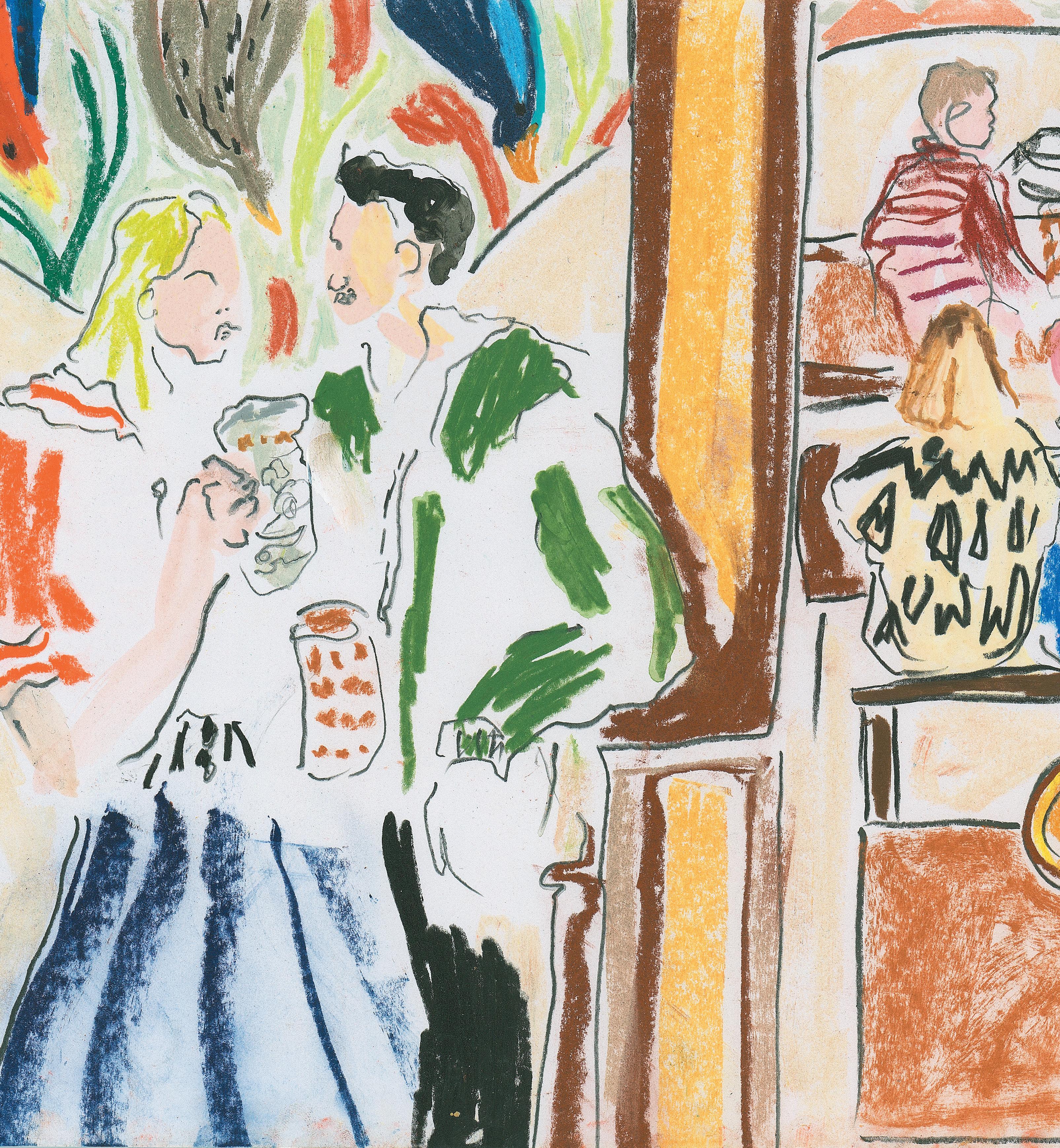
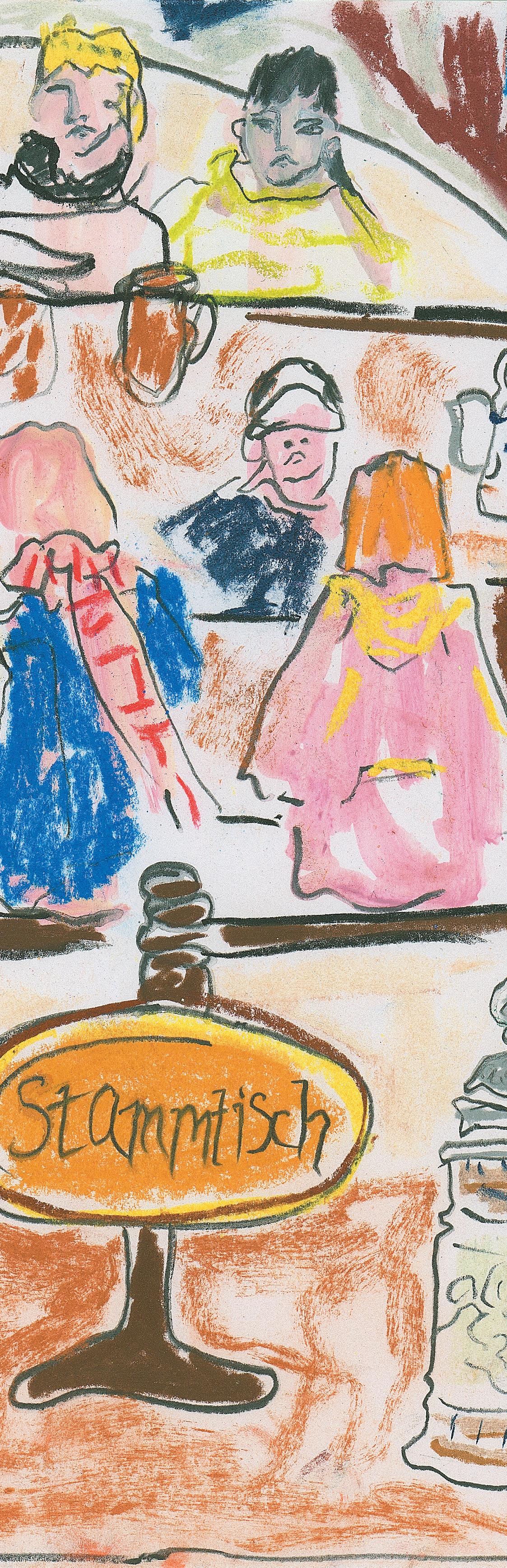
With a sharp focus, unwavering curiosity and keen eye for detail, award-winning American author Paul Theroux has spent more than six decades traversing the world and sharing his insightful observations. An accomplished novelist and master of travel literature with more than 50 acclaimed books to his name, here he recounts an illuminating fortnight spent in Munich. With his trademark storyteller’s watchfulness, he traces the history of this luminous city and shares anecdotes with locals.
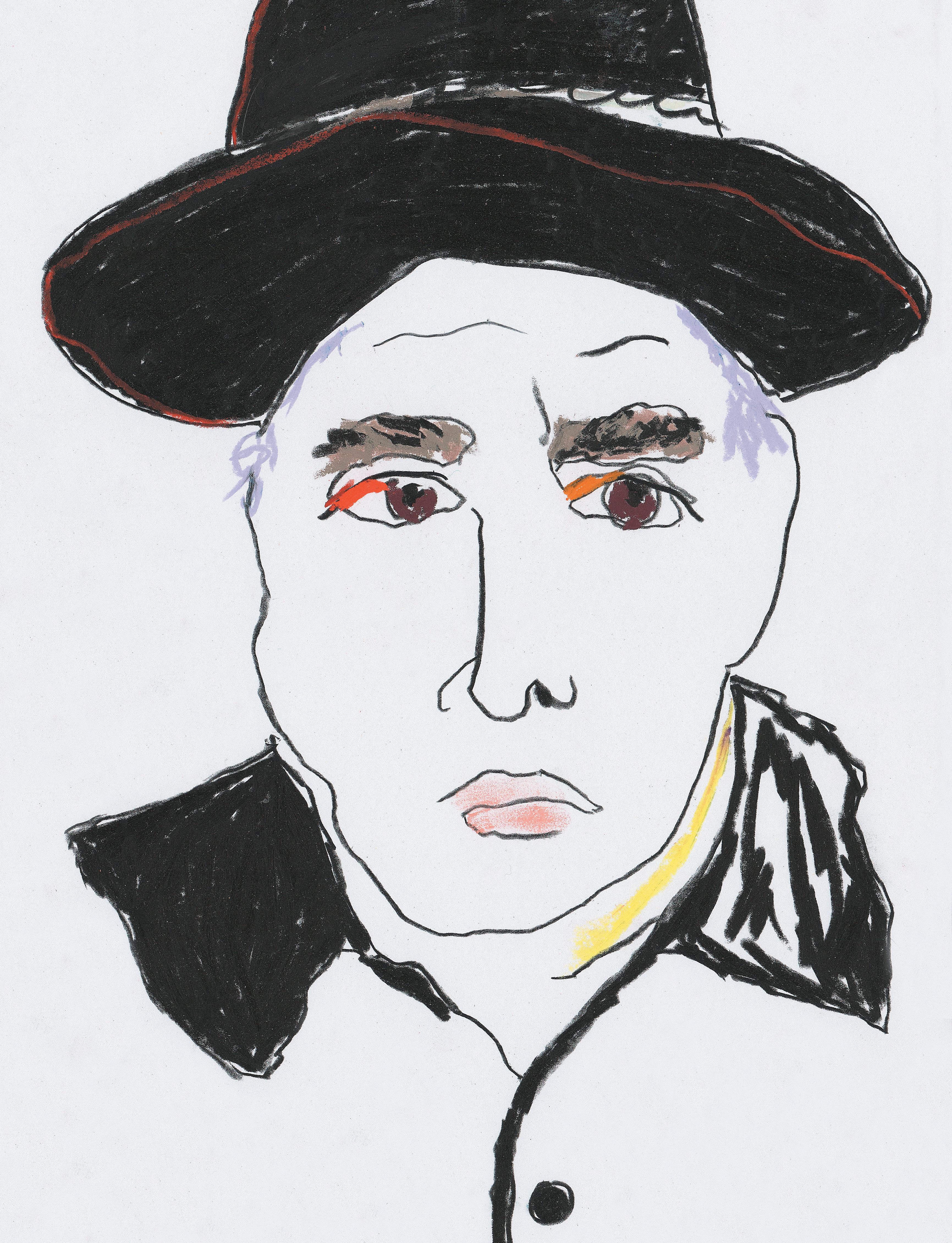
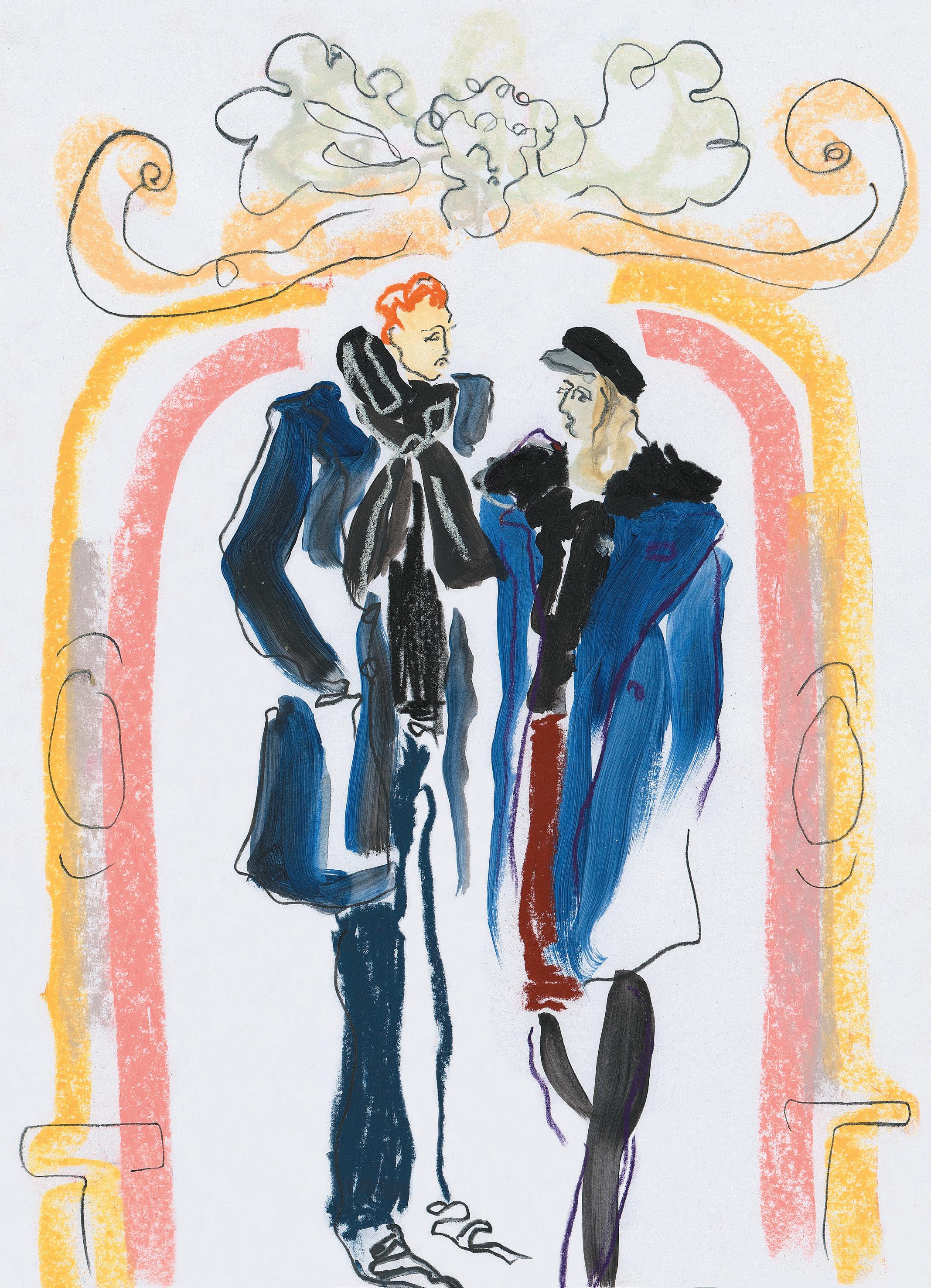
An acclaimed American novelist and travel writer, Paul Theroux has published many celebrated works of fiction and nonfiction, including The Great Railway Bazaar (1975), Picture Palace (1978) and The Mosquito Coast (1981). Paul’s vivid storytelling and insightful observations have garnered some of the most prestigious awards in the world, including the Whitbread Prize and the James Tait Black Award. Here, Paul's words are accompanied by Helen Bullock's bespoke illustrations.
BY PAUL THEROUX
“Munich was luminous” – the opening sentence of Thomas Mann’s short story, Gladius Dei, has always cheered me, as it extolls the “radiant, blue-silk sky stretched out over the festive squares and white columned temples, the neo-classical monuments and Baroque churches, the spurting fountains, the palaces and gardens of the residence,” and much more, beckoning me to visit.
Munich never disappoints. Munich is monumental, and ancient, and regal. Most of her history is available to stimulate and enlighten anyone who travels there.
Münchners take their traditions seriously, whether gustatory (beer and sausages, Wiener Schnitzel and apple strudel) or celebratory (the excesses of Oktoberfest). Or the sacred, because Munich is a city of churches, more than twenty lovely ones in the centre including the majestic Frauenkirche – her gothic spires always in view. Soon after I arrived on a Sunday morning, I entered the beautiful Baroque Theatinerkirche and saw a proud couple – he in a Bavarian trachten jacket and lederhosen, she in a silken dirndl –prayerful in the baptism of their baby, swaddled in linen and lace; a ritual as old as Munich itself.
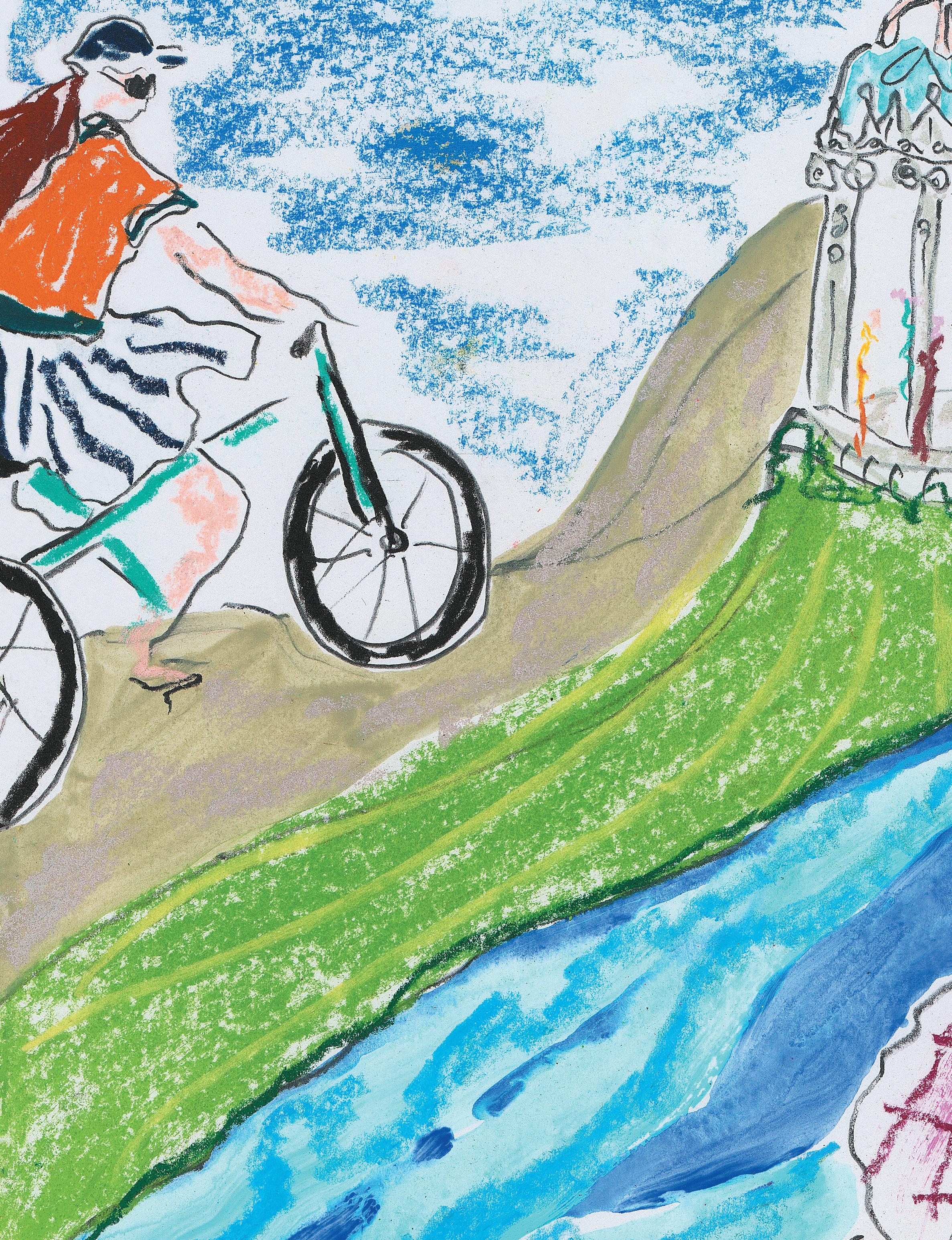
Other visible traditions: bike riders in the city – the young woman towing her baby on her trailer, the bearded man with his small dog strapped to his chest, the racers in Tour de France spandex, the Hausfrau on her pushbike, the hurrying students, the deliveryman. The drinkers at the Hofbräuhaus are iconic and so are the ladies in chic couture taking tea at Hotel Vier Jahreszeiten Kempinski, which has been the case since 1858 when, as the Hotel zu den Vier Jahreszeiten, the royal hotel ordered by King Maximilian II, it served as a residence for guests of the court, who were welcome “in four seasons”.
The Munich mood is infectious. To be in the city is to inhabit a masterpiece, just as consoling and romantic, just as satisfying and dramatic, because the city is intact, as radiant as it was centuries ago – all the landmarks in Mann’s litany still exist: the temples, the monuments, the squares, the churches, the fountains, the concert halls, the beer halls and beer gardens.
The city is whole and harmonious, the grass neatly clipped in the Hofgarten, church altars gilded, Art Nouveau facades freshly painted, Baroque and Rococo interiors polished, every glass of beer alight with honey-coloured liquid and a head of froth.
But here is an amazing fact: in 1946, Munich was a city in ruins, its churches gutted, its roofs caved in, its streets piled high with cracked paving stones or gaping with bomb craters. It was reduced to a stricken village of broken windows and twisted metal and human corpses, its diminished population dazed and traumatised.
Where is the evidence of that now? Some renovators of bombed cities deliberately leave small but conspicuous patches of damage – a glimpse of interior brick on a house front, a crack of stucco on a cornice – a scar to remind you of the violence. This was not the Munich way. You need to look closely for the war’s effects.
The Black Hall that dates from 1590 was demolished by bombs at the end of the war, and restored in 1979. The imperial dining room, “The Four White Horse Hall”, was rebuilt between 1980 and 1985. And the Yellow Staircase, the stately main entrance to the apartment of the Bavarian king, was only completely restored over a four-year period, ending in 2021, a Munich example of perseverance. The 15th-century Frauenkirche was bombed, Nymphenburg was bombed, the Kempinski was bombed, so was the Hofbräuhaus. I walked from the Kempinski to a concert on a drizzling September night and the whole area – Theatinerkirche, Feldherrnhalle, the Residenz, the Hofgarten and the Cuvilliés Theater looked untouched. I sat and listened to the overture to Mozart’s The Magic Flute and was transported.
Such is the magic of Munich, reborn from the ashes. Much of this reconstruction was done under the direction of Otto Meitinger, a son of Munich, an architect and preservationist. He said, “We didn’t have money. We didn’t have material. But we succeeded because we didn’t have bureaucracy.”
Americans like myself are drawn to Munich, because one of our greatest writers, Mark Twain, took up residence here in 1878,
“Where and how did we get the idea that the Germans are a stolid, phlegmatic race? In truth, they are widely removed from that. They are warm-hearted, emotional, impulsive, enthusiastic, their tears come at the mildest touch, and it is not hard to move them to laughter.”
Mark Twain, A Tramp Abroad
when Ludwig II was on the throne. Mark Twain recommended Munich as ideal, writing at length about Germany’s manners, language and opera. In return for Twain’s fondness, the city named a street after him in 1947, Mark-Twain-Strasse.
In A Tramp Abroad, he said: “Where and how did we get the idea that the Germans are a stolid, phlegmatic race? In truth, they are widely removed from that. They are warm-hearted, emotional, impulsive, enthusiastic, their tears come at the mildest touch, and it is not hard to move them to laughter.”
Witnesses to the war are now nearly all gone. But it had been my wish to meet someone who remembered Munich just after the war. Preeminent artist Helmut Dirnaichner, who welcomed me into a gallery one wet evening, was my man. “I was born near Rosenheim in 1942,” he told me – Rosenheim is about 35 miles south of Munich – “and our parents told us stories of the damage. Frightening stories. Munich was in bad shape. My father described to me how the Hauptbahnhof was in pieces. But it was rebuilt quickly, and so was the city.” As a young student he made his first visit when he was 16. “The city was still under construction – that was 1958. But look at it now!” His affection for Munich was shared by everyone I met, a rare trait, because the city dweller tends to bemoan aspects of his or her city – the transport, politics, crowds, grind. Isn’t it awful! Yet the citizen of Munich might mention the high prices but typically praises the city.
The praise has been repeated throughout history, the pride that fundamentally it is a royal city, that its wonders would not exist without the wealth and patronage of the kings, queens and electors who, for 400 years, built palaces, commissioned gardens and involved themselves in city planning.
The Residenz, former royal palace of the Wittelsbach monarchs, dates – its foundations at least – from 1385. In its immensity and splendour it is the heart of Munich, the repository of royal treasures, now shared with the public – from the thousand-yearold crown of Queen Kunigunde to one of the most wonderful composite artefacts I’ve ever seen, a greenstone Olmec deity from ancient Mexico.
I visited the Munich Documentation Center for the History of National Socialism, a white four-story cube housing an extensive inventory of papers, posters, memorabilia and photographs. It is an example of the diligent soul-searching of the city, its people facing its past. It was there that I found the pamphlet headed "We are our History." I can't think of any other place with such an honest resolve to acknowledge the abuses in its past.
There are forty-five museums in Munich altogether, the city is saturated in antiquities, and old masters, and art as new as today. I visited ten museums over ten days, taking my time, and was dazzled by the beaked and brooding Horus in the Egyptian Museum, the Barberini Faun in the Glyptothek, the Greek gods among the State Antiquities, rooms of vast vivid Rubens paintings and Van Gogh’s Sunflowers in the Alte Pinakothek. The Pinakothek der Moderne has the largest, most powerful Francis Bacon painting I have ever seen, his triptych, Crucifixion.
The size of the museums, the scale of the pieces – immense paintings in towering rooms – overwhelm the viewer. But there are smaller collections, too. Turning left out of the Kempinski you come upon Museum Fünf Kontinente (Museum Five Continents), the first ethnological museum in Germany. Its mission to promote an understanding of other cultures and defeat xenophobia and discrimination is achieved by showing the mastery of art forms –canoes, bowls, weapons, beadwork, masks and the most impressive Buddha I’ve seen outside Japan. These Munich museums exemplify the epitome of connoisseurship.
You can’t wander the Munich museums without noticing a significant feature: nearly all the guards, attendants and ticket sellers appear to be from somewhere else – Italy, Austria, France, Poland, former Yugoslavia and more recently Latin America, Asia and Africa. “Kempinski’s workers come from more than thirty different countries,” Miss Carolin Grove-Skuball, the hotel's Director of Public Relations told me – and at first I misheard, thinking she’d said thirteen. “Munich would grind to a halt without its immigrant workers,” Elvira Bittner, a city guide assured me. “We need them.” This accounts for my friend Frank, a pharmaceutical CEO from France, my waiter from Switzerland,
the taxi driver from Croatia, the museum ticket seller from Sicily, the young Vietnamese woman in the pastry shop, the hotel valet from Kenya, the maid from Nepal, and many more.
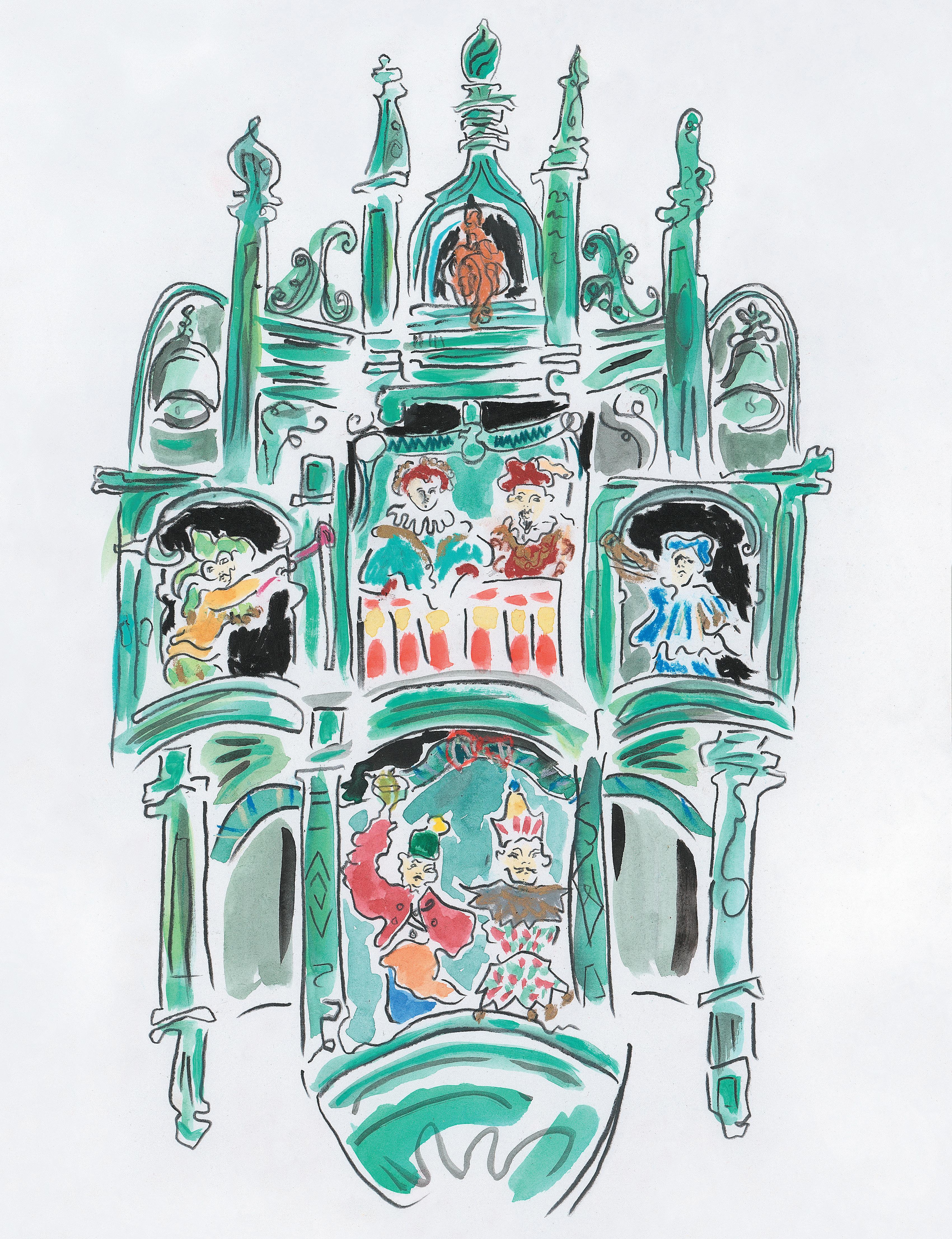
In the heart of the Old City, thousands of visitors every day stand in front of the Rathaus. Their faces upturned, they gawk at the Glockenspiel and rejoice when the life-sized painted figures are set in motion. It is a testament to the timeless appeal of kitsch. There is an element of kitsch in the Hofbräuhaus too. For two centuries the beer hall has known musicians, ranters, and speech-makers. Hitler was nearly killed when a fight broke out in November 1921 and shots were fired at him. Tourists are always in evidence, because this is another experience to collect, but local citizens are also seen raising a stein.
In Schwabing, a bohemian students’ quarter, I spent a happy evening at a club called The Lost Weekend. It was open mic night and full of young people listening to a wonderful singer, a guitar soloist, then a jazz band.
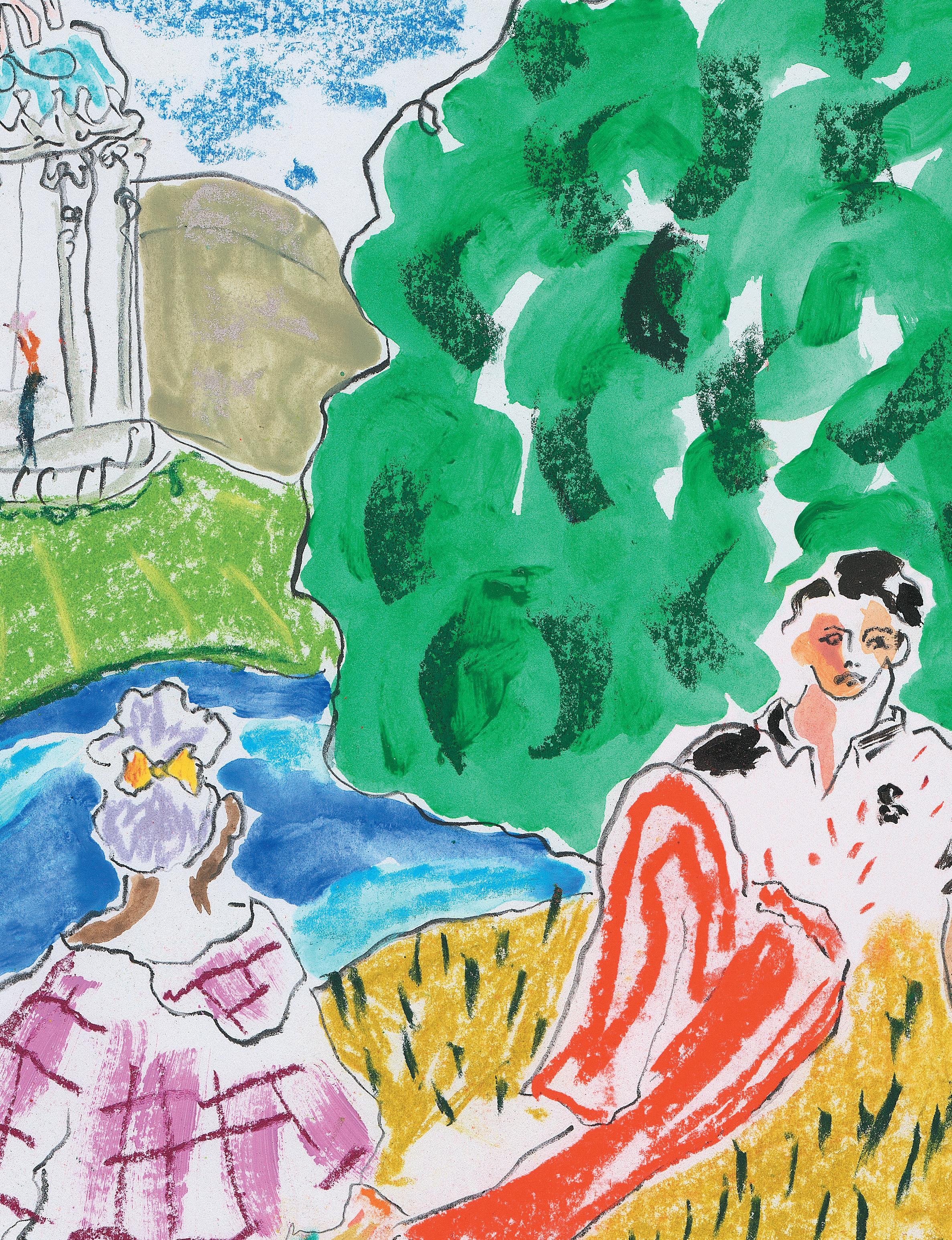
For a final flourish, I decided to see Nymphenburg, the summer palace. Following a short walk from the Kempinski to catch the number 16 tram, I strolled along the canal to a view of elegant redroofed palaces filling the horizon. After an entire day there I left with two strong memories. The first was the Gallery of Beauties, thirty-six portraits commissioned by King Ludwig I of women chosen for their loveliness representing all classes of society, including shoemakers' and kings' daughters. My second memory was the park, where I walked for most of a sunny afternoon, ending at the Baroque pavilion Badenberg.
These memories are glorious, but they are of Munich’s material aspect, the architecture and art, plazas and parks, and restaurants and clubs, the Olympic Park, with its curvilinear roofs and parkland,
“Munich was luminous. A radiant, blue-silk sky stretched out over the festive squares and white columned temples, the neo-classical monuments and Baroque churches, the spurting fountains, the palaces and gardens of the residence.”
Thomas Mann, Gladius Dei
and the bulging football stadium they call “Das Schlauchboot,” the dinghy. But there is something vibrant in the city that is harder to describe yet in a sense greater. It is Munich’s human dimension.
The marvels of Munich matter most because they are gathering places, offering a chance for people to meet in a lovely setting. Munich still has a human scale, and is said to have the best public transport system in the world. Wherever I went I saw people strolling, in conversation, having meals or drinks. Of course this happens in other cities but it seemed to me few other cities are so congenial, or safer.
The Munich novelist Friedrich Ani and I were having a drink at the Viktualienmarkt – the Old Town square devoted to food stalls and cafes. As a writer of prize-winning detective fiction he knows the city intimately so I asked him what he admired. His first thought was, “It’s safe. It’s orderly. It’s multiracial. It’s totally humane.” That quality, its humanity, is greater than any monument. Having had a baptism of fire – literally, the bombing – and a reckoning with the notorious abuses of its traumatic past, Munich has embraced its humanity – kindness, the open-heartedness of people, the welcome, the sense of inclusion.
A frequent expression used to describe the city is “Bayrische Gemütlichkeit”. Bavarian cosiness, implying something consoling, comfort, warmth, snugness, sociability, good cheer, a relaxed sense that eases the mind and gives people a sense of well-being.
A great example of this is the Hofbräuhaus, but you could say the same for the parks, cafes, beer gardens, museums, stadiums and hotels, especially my home for a fortnight, Hotel Vier Jahreszeiten Kempinski München – the humane vibe that makes Munich so luminous.
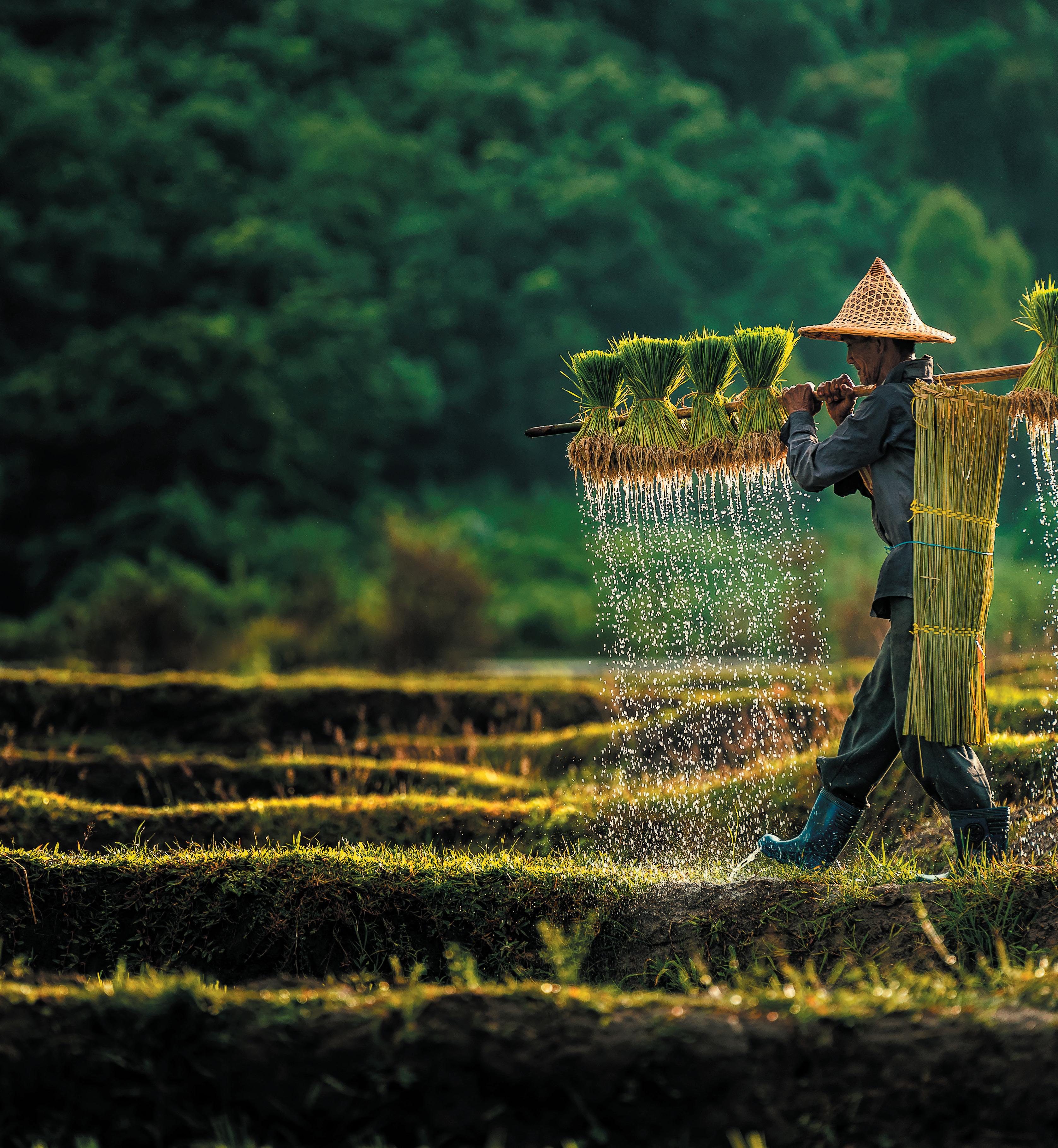
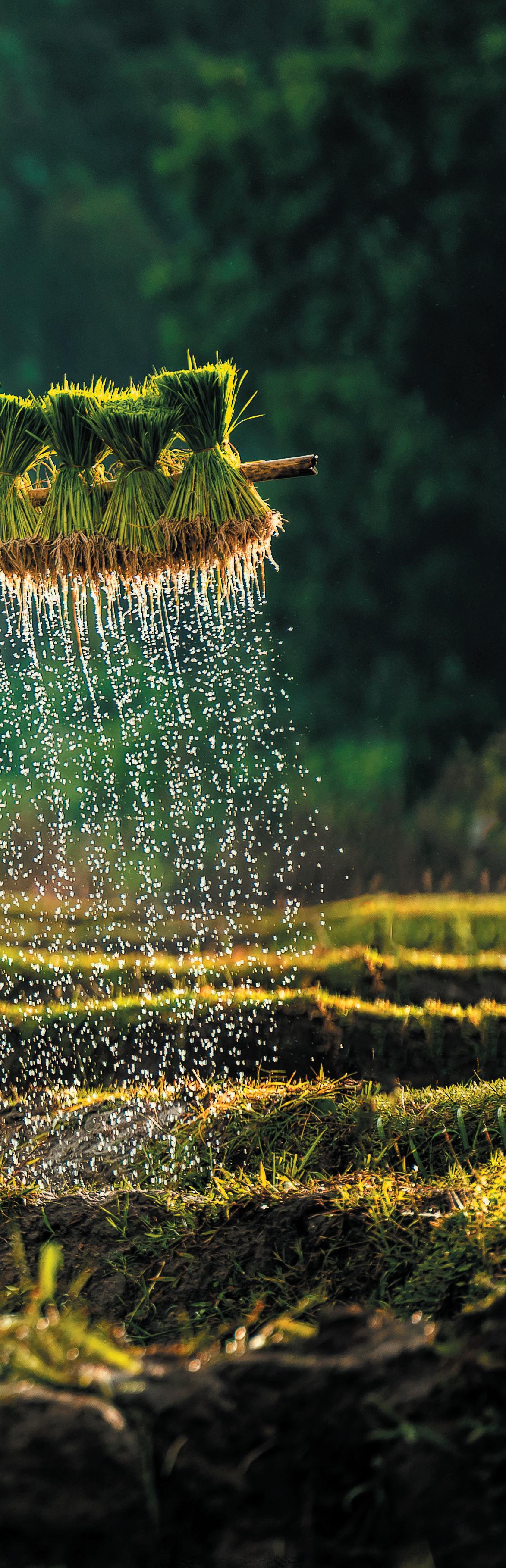
It’s the most important part of the daily diet of more than half the world, yet few realise how far rice has travelled and how big a part it has become of so many cultures and cuisines, even those far from its places of origin. Travel writer and food enthusiast Larry Olmsted traces the history of the many guises of this humble grain.
BY LARRY OLMSTED*
“Good food is the foundation of genuine happiness,” Auguste Escoffier famously wrote. But among his less well-known culinary musings is, “Rice is the best, the most nutritive and unquestionably the most widespread staple in the world.” He’s right, but the surprise is that Escoffier is known as the Father of French cuisine, which uses rice less than almost every other. On the other hand, this shows just how global the grain has become, and what an allencompassing role it plays in the world of food.
Rice is a grain, meaning an edible seed of grass, and the current scientific consensus is that it was first domesticated from wild rice in China’s Yangtze River basin around 9,000 years ago, though some argue it originated in India or Thailand. It was later independently domesticated in Africa around 3,000 years ago and in South America before the 14th century, though this family tree went extinct. The result is two distinct domesticated species, Asian Oryza sativa, by far the most common, and African Oryza glaberrima, both grown globally today. Just the Asian species has more than 40,000 varieties, split into two main subspecies, long grain indica and japonica, which can be medium or short grain. Interestingly, what we call wild rice today is neither wild nor rice, but rather a grain cultivated from a different genus of grass native to North America.
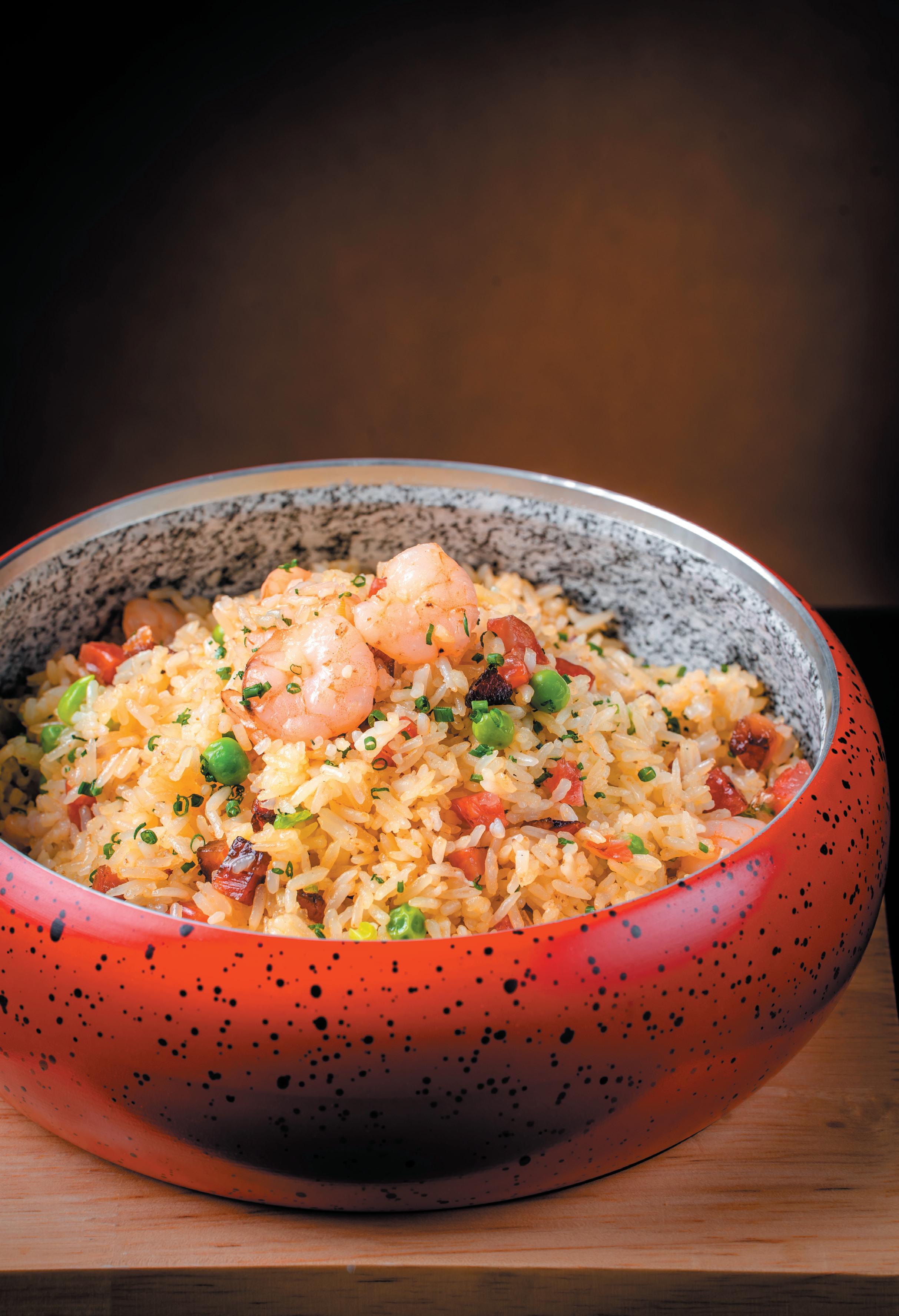
Rice is also the world's largest food crop, feeding more than half the planet’s population. Often symbolising fertility, prosperity and good luck, it is widely used in religious ceremonies, funerals and weddings. In more than half the world, rice is the foundation of the diet, served daily on its own as a side dish, and in many of these nations, it is also fried or cooked with vegetables and proteins to create main courses such as Indonesia’s nasi goreng, Chinese fried rice, Thailand’s Khao Pad, Vietnam’s cóm chiên or India’s beloved biryani. A common culinary misconception is that sushi is raw fish – in Japan it means ‘seasoned rice’.
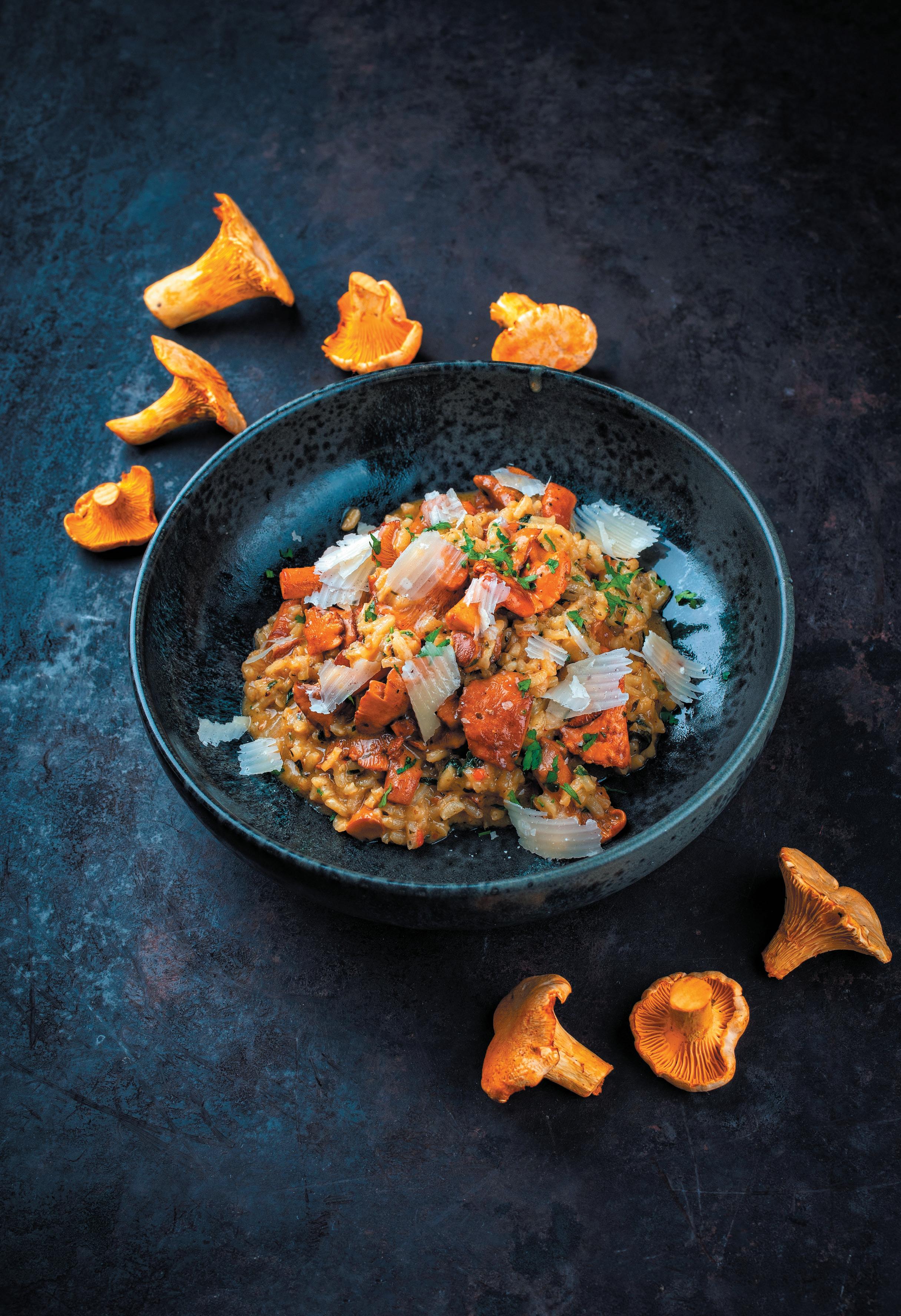
But rice has evolved beyond a staple to become a signature dish of many cuisines far from its roots. There’s a local restaurant in ricemad Milan that serves 23 different varieties of risotto every single day, while far to the south, rice-filled fried balls called arancini are Sicily’s most popular street food. It’s hard to travel in Spain or Portugal without running into paella or some close relative, while the United States has its own version, jambalaya. From Mexico through Central America and much of the Caribbean, rice and beans are by far the most popular staple – except in Puerto Rico, where the national dish, arroz con gandules, swaps pigeon peas for beans. Hainanese chicken rice is the signature dish of Singapore, and in Belgium, a sweet rice pudding pie called rijsttaart is what’s for breakfast. The Greeks stuff grape leaves with it and substitute rice for filo dough to turn the ingredients of spanakopita, spinach
and feta cheese, into a spanakorizo casserole. And yes, Escoffier has his rice pilaf, a French speciality.
The consumption, cultivation and popularity of rice reached virtually every corner of the globe, spreading first across Southeast Asia and the Indian subcontinent. It arrived in Europe more than two millennia ago, brought by Alexander the Great's soldiers returning from Asia. It was introduced to the Americas by European seafarers, and today it is the dietary staple of more than 3.5 billion humans.
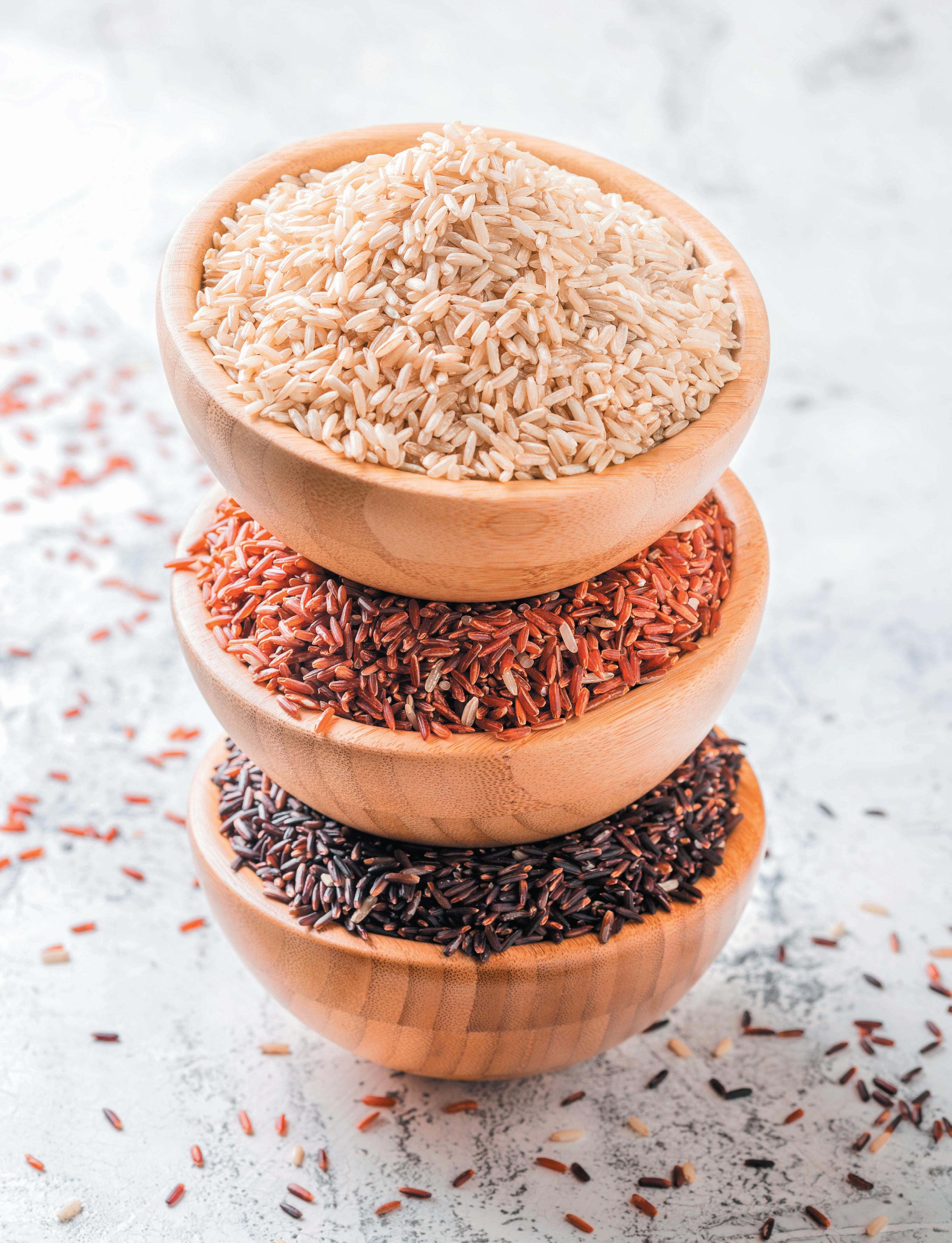
Once picked, grains of rice are dried, and then milled to remove the outer layers, inedible husk and under that, bran. The result depends on how much is taken off. Brown rice, considered a ‘whole grain’, loses the husk and a small bit of bran, while removing all of the bran creates white rice. Brown rice generally has a nuttier flavour and chewier texture, and because of increased interest in health and nutrition, today you can get brown versions of just about all rice varieties. With some rice, such as jasmine, removing just the husk leaves a red version.
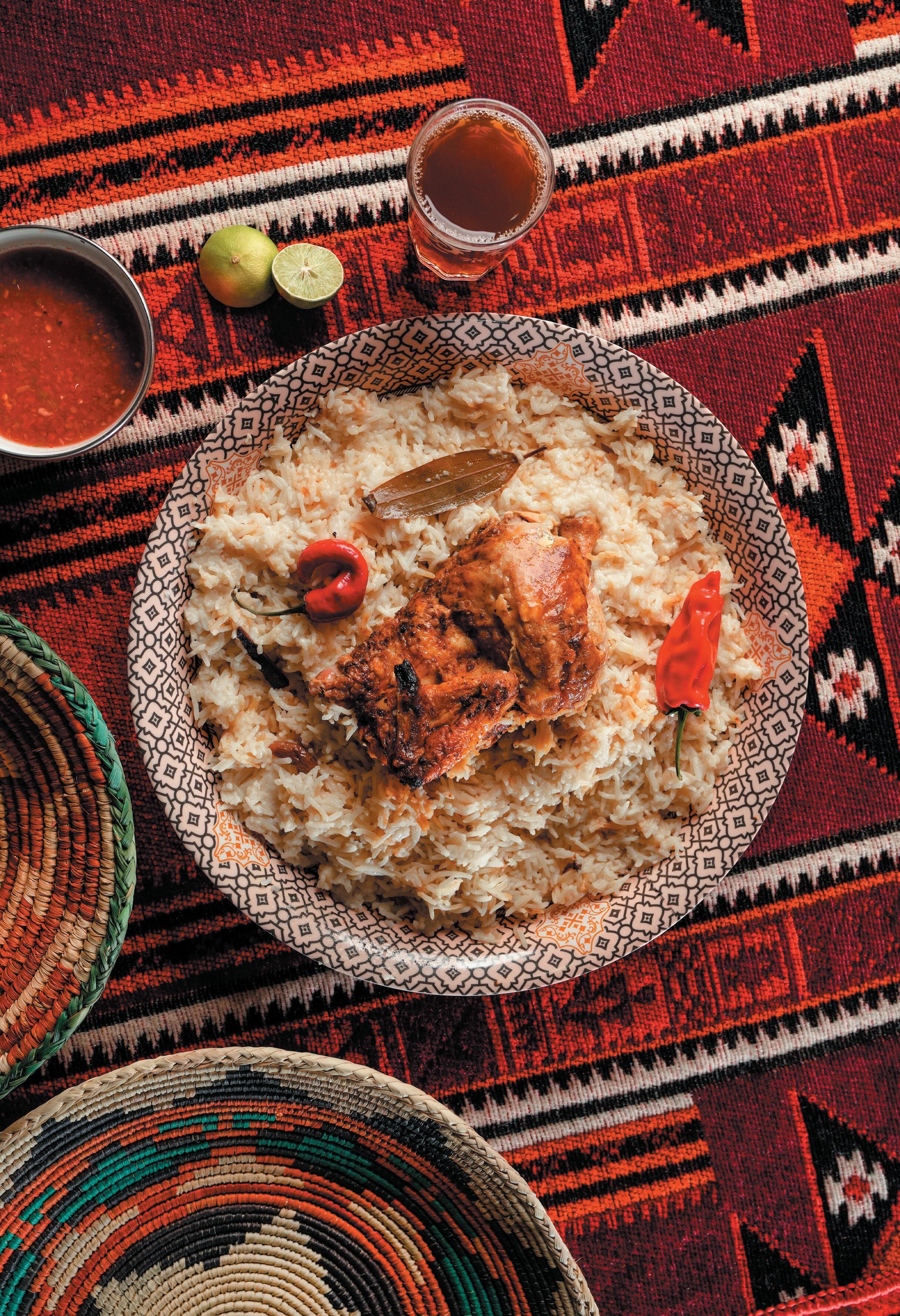
Long-grain rice, from the Indica cultivar, is dry, fluffy and stays separated when cooked. This includes the aromatic rice varieties, basmati and jasmine, distinguished by their bold and nutty flavour profile. Basmati, common in Indian and Middle Eastern cuisine, has long, slender grains and a light, fluffy texture. Jasmine rice originates from Thailand and is often used in Southeast Asian dishes. Similar to basmati, it has a slightly less pronounced flavour, floral fragrance, and, unlike most long-grain rice, a slightly sticky texture when cooked.
Medium-grain rices, associated with risotto, are moister and stick together, with a high starch content that creates a creamy consistency and absorbs flavours well. Arborio, widely grown in northern Italy, is the most famous. Medium grain also includes Chinese black rice, known as 'forbidden rice’, which was once reserved for consumption by the royal family, and is actually dark purple.
Short-grain rice, from the Japonica cultivar, has an oval or round appearance and stickier texture. Indispensable in Japanese cooking, such as sushi and sweet dishes like mochi, it keeps its shape when cooked. Bomba rice, grown in Spain, is unusual in that, while short-grain, it is actually an Indica variety. It is not sticky and can absorb three times its volume in liquid, making it particularly suitable for paella.
For the traveller, rice is similar to language – every place you go has its own take, with different accents and meanings, but it is always a fundamental part of daily life.
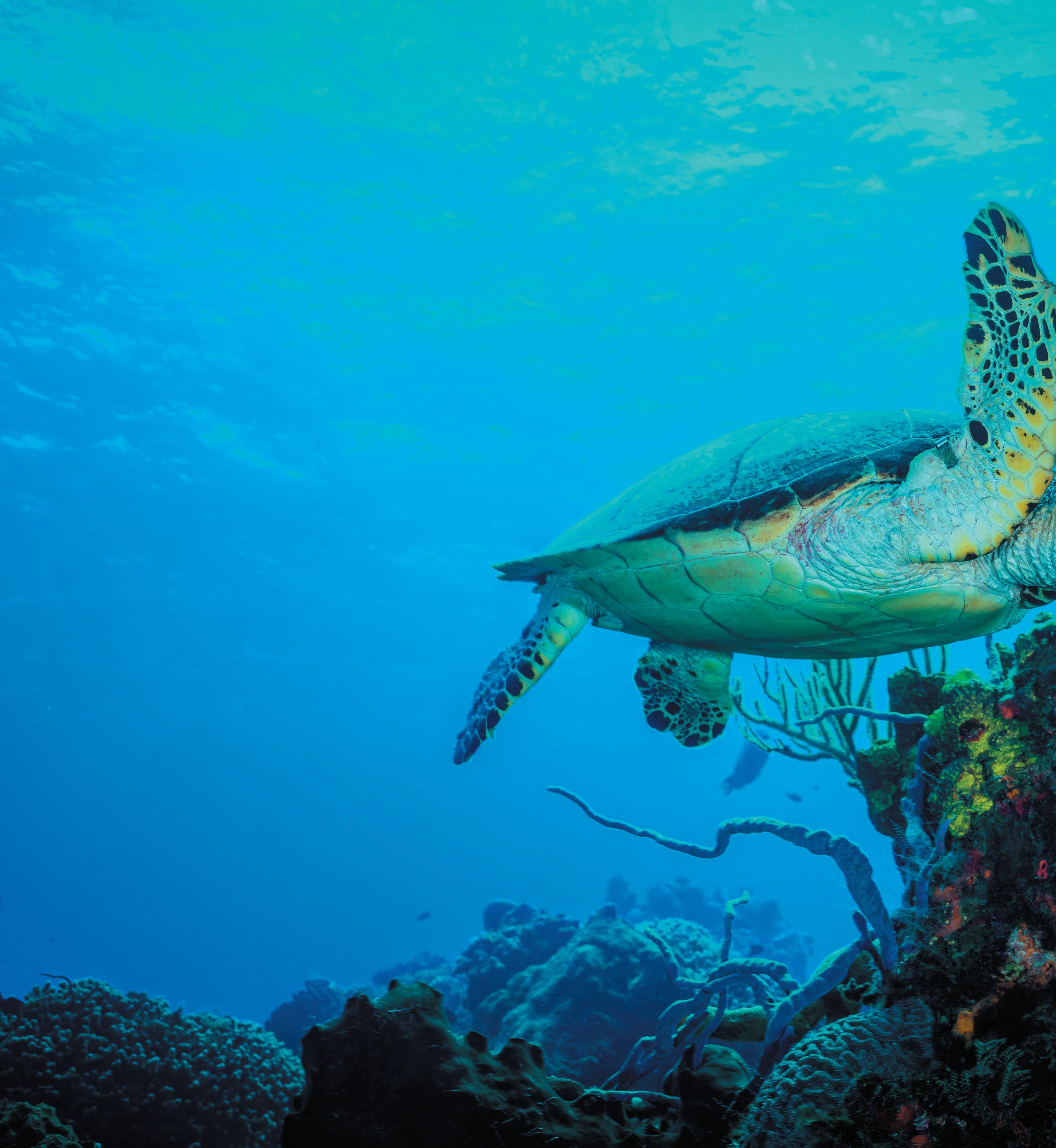
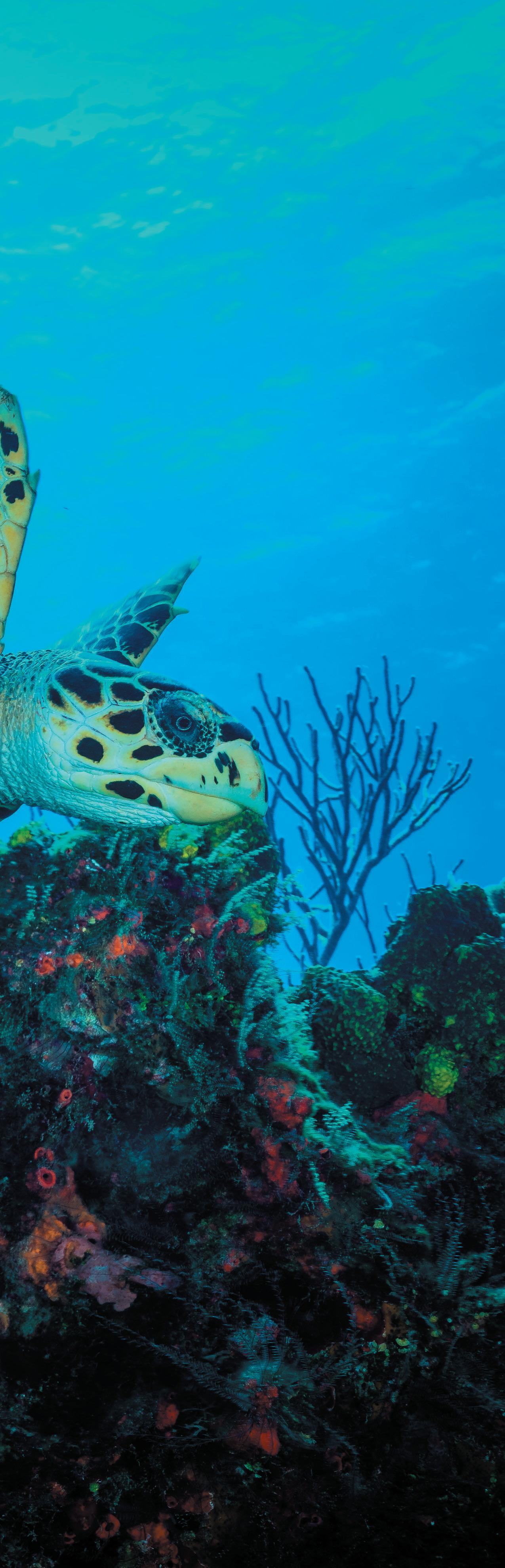
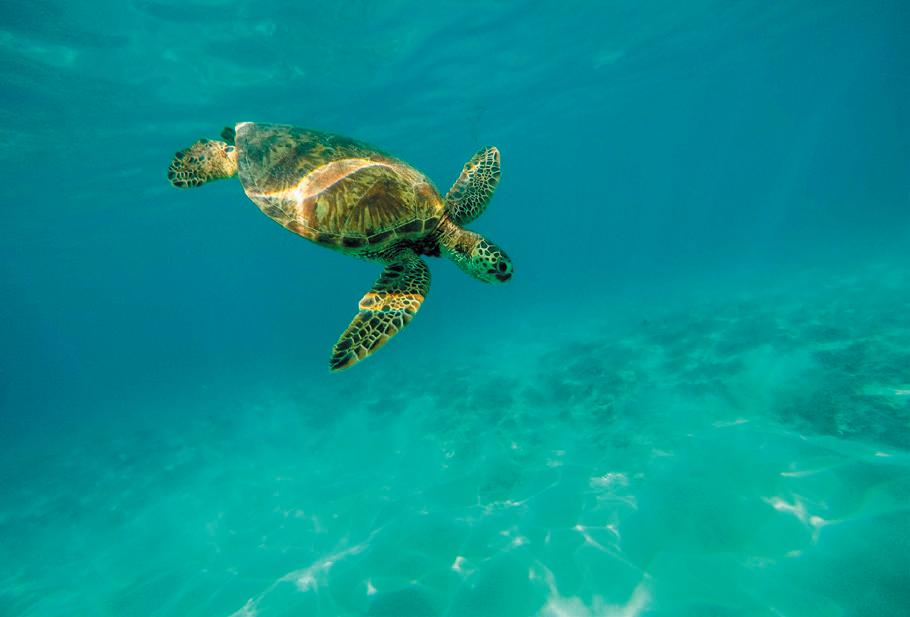
One of the most magical and humbling encounters you could ever hope to experience, witnessing turtles laying their eggs or hatchlings taking their first tentative steps is something that will stay with you forever. With KEMPINSKI DISCOVERY, and the help of a dedicated team of volunteers, guests have a unique opportunity to immerse themselves in this wonderful natural spectacle.
BY MELANIE COLEMAN*
Along with its ceaseless sunshine and sparkling seas, Mexico is blessed to be home to six incredible turtle species. A true sight to behold, some lucky visitors are fortunate enough to get a glimpse of these majestic creatures swimming ashore to lay their eggs or indeed their delicate hatchlings scampering down the sand to the reassuring embrace of the sea. A once-in-a-lifetime experience high on the wish list of travellers the world over, this sprinkling of natural wonder makes Cancún an even more captivating destination.
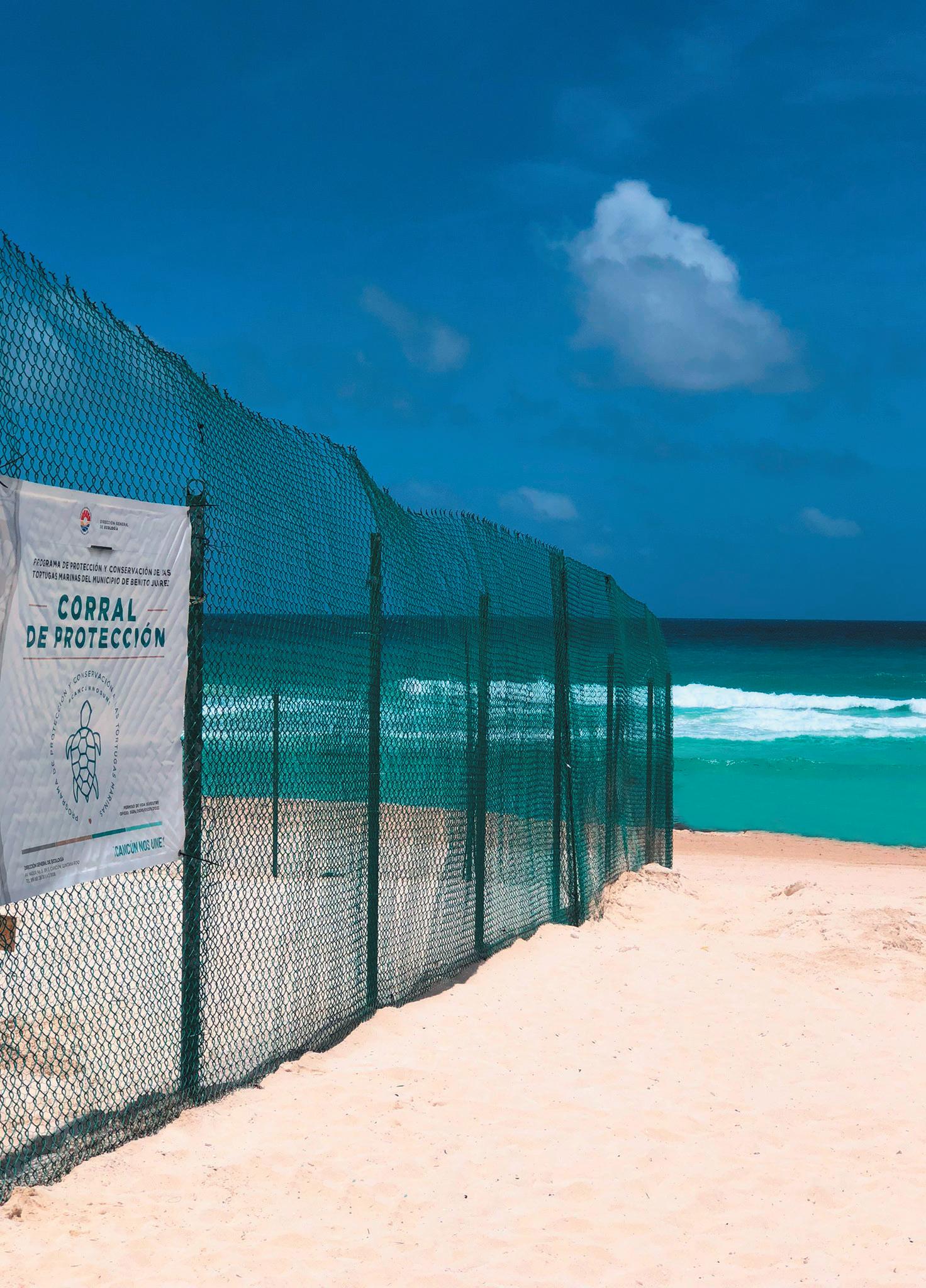
Though it may be an uncomfortable truth to grasp, all seven of the world’s turtle species are endangered. This makes it vital for conservation work to preserve populations and, fortunately, Mexico has developed one of the most comprehensive sea turtle protection programmes in the world. Kempinski Hotel Cancún decided to join this conservation fight more than a decade ago. Not content with simply sharing the beach, a passion was born for becoming a fierce protector of the region’s turtles. A team of 40 volunteers fastidiously watch over the green, loggerhead, hawksbill and leatherback turtles nesting on the hotel’s beach. Many of the volunteers grew up on the coast with turtles deeply entrenched in their cultures and communities. They are painfully aware of the future of this much-loved marine creature hanging in the balance –and the interplay between the health of the turtle’s ecosystem and the livelihoods of locals.
Having gone through a training programme from marine biologists covering species identification, life cycles, egg handling, hatchling
release and conservation protocols, the volunteers proudly receive their certification and become turtle experts in their own right.
MESMERISING MOONLIT MOMENTS
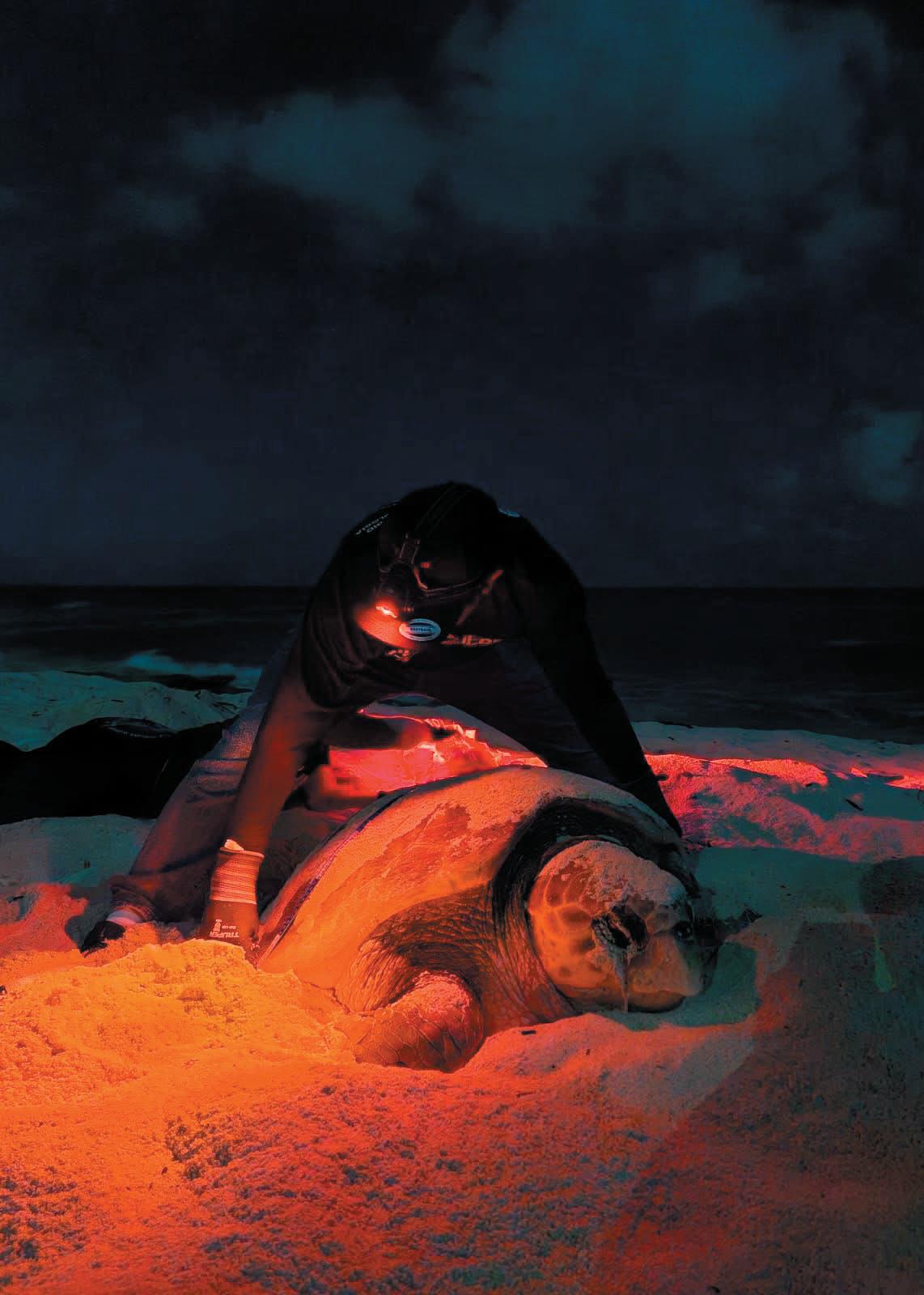
During each night of the breeding season from May to November, they await the arrival of nesting turtles to observe and guard them when they’re at their most vulnerable. It can take a turtle up to three hours to come to shore and lay her eggs, before slipping back into the water. One of the most astounding and almost unfathomable facts is that upon reaching maturity, female turtles return to the precise location where they were born to lay their eggs. A truly remarkable undertaking, given that some species are known to travel up to 16,000 kilometres (10,000 miles) annually, and yet they find their way back to their personal breeding site around every two years. And each turtle lays a clutch typically numbering 65 to 180 eggs.
The end goal of this sensitive surveillance is egg recovery. This is so important because many threats stand in the way of hatchlings’ survival. These include natural predators, boat collisions, entrapment in fishing nets and poaching for the illegal wildlife trade. Pollution is another grave hazard – turtles can become entangled in plastics or consume microplastics they mistake for food – and their habitats and feeding grounds are being damaged by chemical pollutants. Climate change poses another danger as the rise in sea level reduces available nesting sites. And increasing sand temperatures can alter hatchling sex ratios (warmer temperatures
produce more females, while cooler temperatures yield more males) and even cause embryo death. The odds are stacked against them – it is estimated that only 1 in 1,000 sea turtles will live to be adults – making this conservation work literally life-saving.
The volunteers do coastal foot patrols each night to search for fresh tracks. When they spot a nesting turtle, they quickly yet discreetly spring into action, minimising disturbance and securing the area. They use red lights as turtles are highly sensitive to white light and it can impact their willingness to nest and disorientate them. If a nest is at risk from flooding, predators or light pollution, volunteers delicately disinter and transport the eggs in containers with damp sand to mimic natural conditions. They are reburied in protected hatcheries where each nest is carefully labelled with date, time and species. Their incubation is between 45 and 70 days, during which time temperature and humidity are monitored because of the role they play in hatchling sex. When the joyful moment of hatching arrives, volunteers carefully orchestrate releases. Emerging baby turtles are guided under the cover of night, taking their cues from the moon and the waves, to the safer waters of the ocean where they must swim for their lives. Though it involves sleepless nights, the volunteers’ efforts undoubtedly increase the hatchlings’ survival rate – a proud and worthy feat. In the first couple of months of the 2025 nesting season alone, eight nesting turtles were recorded on the Kempinski beach and approximately 720 eggs were laid at the turtle camp. Even more impressively, in one recent year they documented a total of 393 nests and 29,075 turtles released.
WITNESS THE WONDER
For intrepid travellers, it’s worth timing your visit to Mexico to coincide with nesting season. While there are no guarantees that the turtles and the timings will align, KEMPINSKI DISCOVERY loyalty programme members are invited to observe from afar and possibly be rewarded with the most spectacular sight. In fact, one evening at the beachfront Casitas restaurant, guests had to deftly reposition themselves as a turtle made her way across the venue to nest. On another moonlit evening as hatchlings were being released, two more adult turtles arrived to nest, reminding us all of the circularity and beauty of this life-cycle.
A truly special sight, it’s a joy and privilege for Kempinski guests to witness sea turtles in the wild. And it is thanks to the work of conservation volunteers that future generations will continue to experience the enchantment of marine life in action.
BY LAURIE JO MILLER FARR*
Some of the most rewarding travel moments happen just beyond the main attraction; the trick is leaving enough time to explore them. Recognising that slowing down is essential to the art of the scenic sidestep, we asked seasoned travel writer Laurie Jo Miller Farr to share a few places where venturing away from her big city itinerary delivered more than she bargained for – in the best possible way.
* Laurie is a hybrid Ameri-Brit who contributes to travel and lifestyle publications, glossy magazines and Newsweek.com.
DRESDEN
TO MUNICH AND BERCHTESGADEN
Once a trip is in my rear-view mirror, it’s the magic of serendipitous moments that I value most. More than a trend, destination detours are better described as a lifestyle approach.
Floating down the Elbe in a riverboat at dawn, church towers called my attention to each small village peeking out between Meissen and Dresden. With the promise of unscripted time and uncharted adventure as life’s true luxuries, slow travel through Saxony means admiring the occasional crumbling castle, a stork poised at the wetlands’ edge, a bicyclist overtaking our lazy drift. Long after memories of meetings, lanyards and networking fade away, my post-conference visit to Meissen’s porcelain factory and a self-guided walk through Dresden’s Old Town stick with me as highlights of a business trip to Germany.
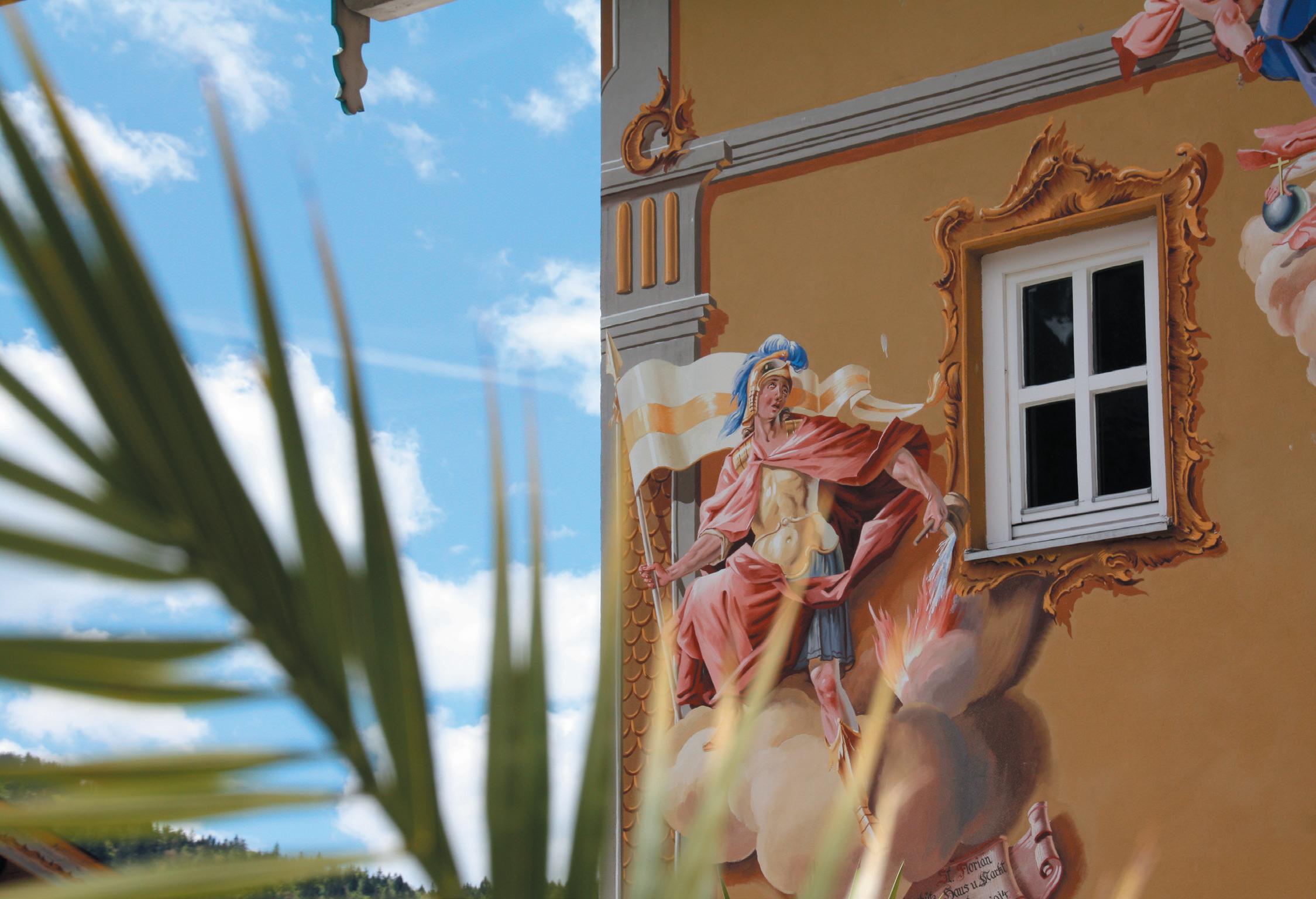
Just say “Munich” and a crowded Oktoberfest and busy Christkindlmarkt come to mind. Beyond beer and Christmas baubles, the capital of Bavaria is rich in lifestyle traditions that attract art lovers, football fans, and BMW enthusiasts, too. But to take in more local flavour, many proud Münchners suggest going to Berchtesgaden in the Bavarian Alps, not far from the Austrian border. Mount Watzmann, Germany’s third-highest peak, is the backdrop for this pedestrian-friendly and compact Alpine village where buildings are decorated with Lüftlmalerei, three-dimensional frescoes depicting scenes of Bavarian country life. At Obersee lake, arrive by boat and hike to Röthbach waterfall, Germany’s tallest. Try out echoes created by fjord-like walls surrounding Königssee, an Alpine glacial lake known as Germany’s cleanest.
Another highlight? Rent a Bavarian-made car at Munich Airport for a two-hour panoramic drive along the Rossfeld Ring Road mountain pass for sweeping views of Germany and Austria. Germany’s highest public road is open year-round and is definitely worth the detour.
SHANGHAI TO SUZHOU
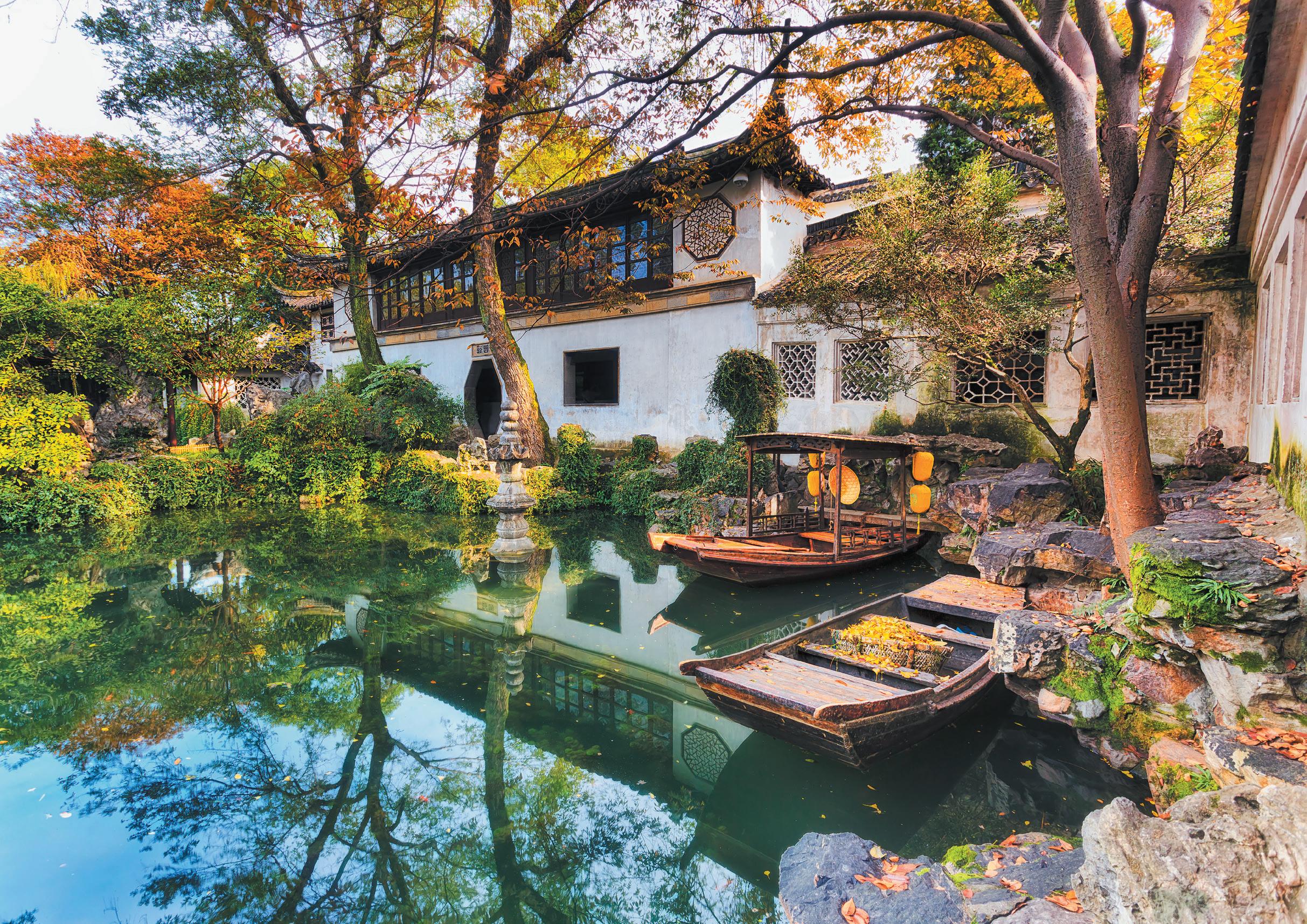
Applying the destination detour formula on a separate business trip to Shanghai, I’m so glad I built in 48 hours for a side trip to Suzhou. Less well known, yet close enough for a convenient detour, the city is a historically significant beauty spot once admired by 13th-century traveller Marco Polo.
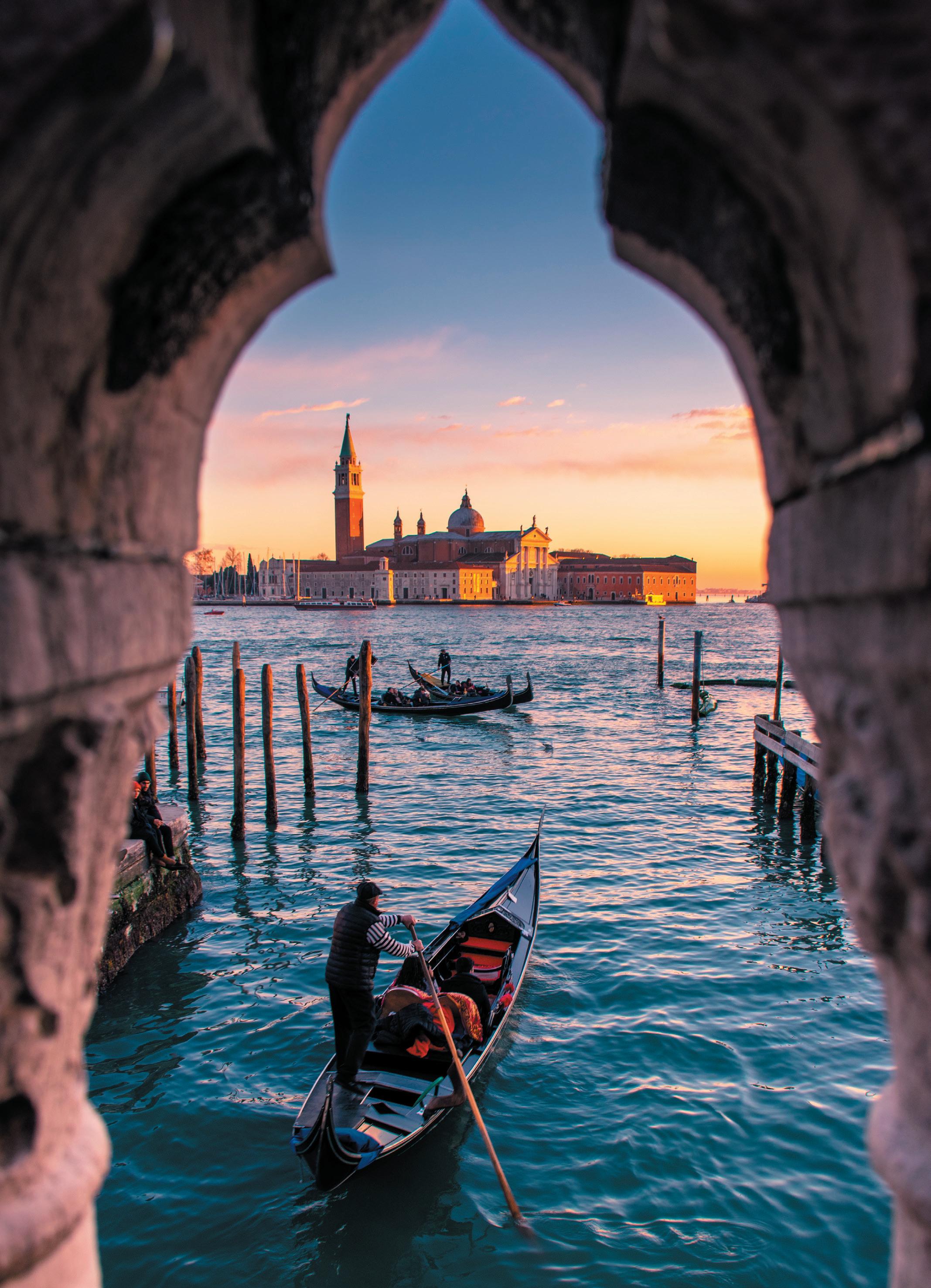
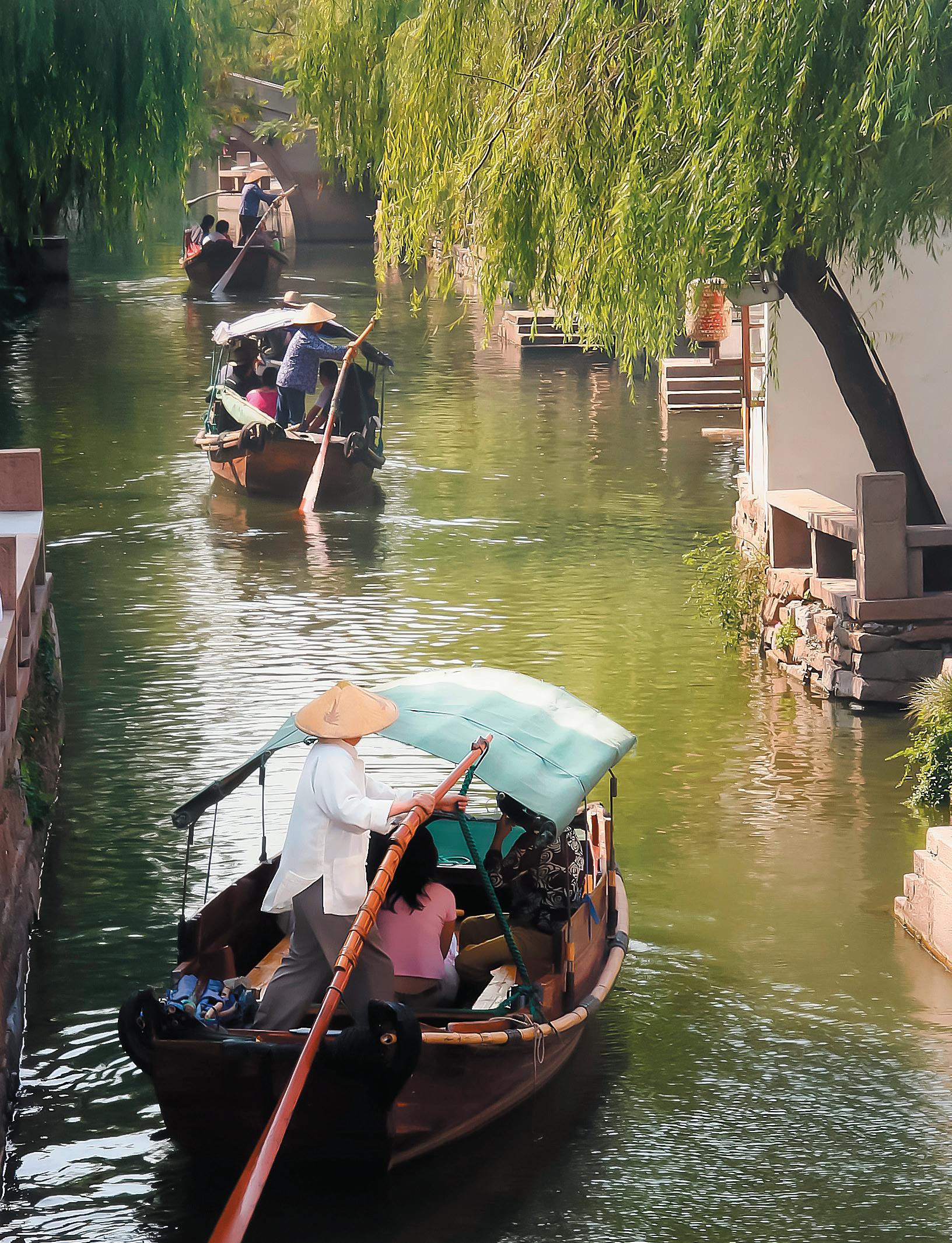
Dubbed ‘Venice of the Orient’ for its outstanding collection of scenic canals and bridges, Suzhou’s pagodas and 50 classical gardens are exceptional. Humble Administrator’s Garden is a UNESCO World Heritage Site considered to be an authentic reflection of ancient Chinese sensibilities. Among the world’s most-visited museums, Suzhou Museum is an I.M. Pei-designed architectural masterpiece. The smaller Suzhou Silk Museum tells the story of Chinese highquality silk production and embroidery, produced locally for centuries. Getting there is part of the experience, so take the bullet train. High-speed trains frequently whizz back and forth in 30 minutes or less between a handful of rail stations in Shanghai and Suzhou.
CAIRO TO LUXOR AND SOMA BAY
When a Cairo visit calls, block out time in the diary for detours. Even those who have suffered ‘museum fatigue’ can hardly imagine the extent of Egypt’s overwhelming ancient history. Sphinxes and pyramids aside, the Grand Egyptian Museum alone is the biggest repository of the country’s artefacts, and with 120,000 priceless items, it would take months to see everything. Why not tack on a Red Sea resort for relaxation afterwards?
Glide through the cradle of ancient civilisation along 400 miles downstream from Cairo on the River Nile. Luxor looms, piling on more drama with its great monuments, pharaoh tombs, temples and necropolises on the East and West banks of the Nile. Drive from Luxor to Soma Bay, leaving sufficient time for one of the world’s most compelling destination detours. At Valley of the Kings, deep rock-cut tombs with elaborate passageways were designed millennia ago to thwart looters. Boarding a little electric golf cart for the approach to King Tutankhamun’s tomb, the plot thickens. Witness a hushed sense of reverence whilst learning how the young king’s burial site, built more than 3,000 years ago, escaped discovery until the twentieth century.
More than a trend, destination detours are better described as a lifestyle approach. My advice? Be sure to allow space for spontaneity and serendipity, because we all know the most powerful travel memories are sparked by stories, not schedules.

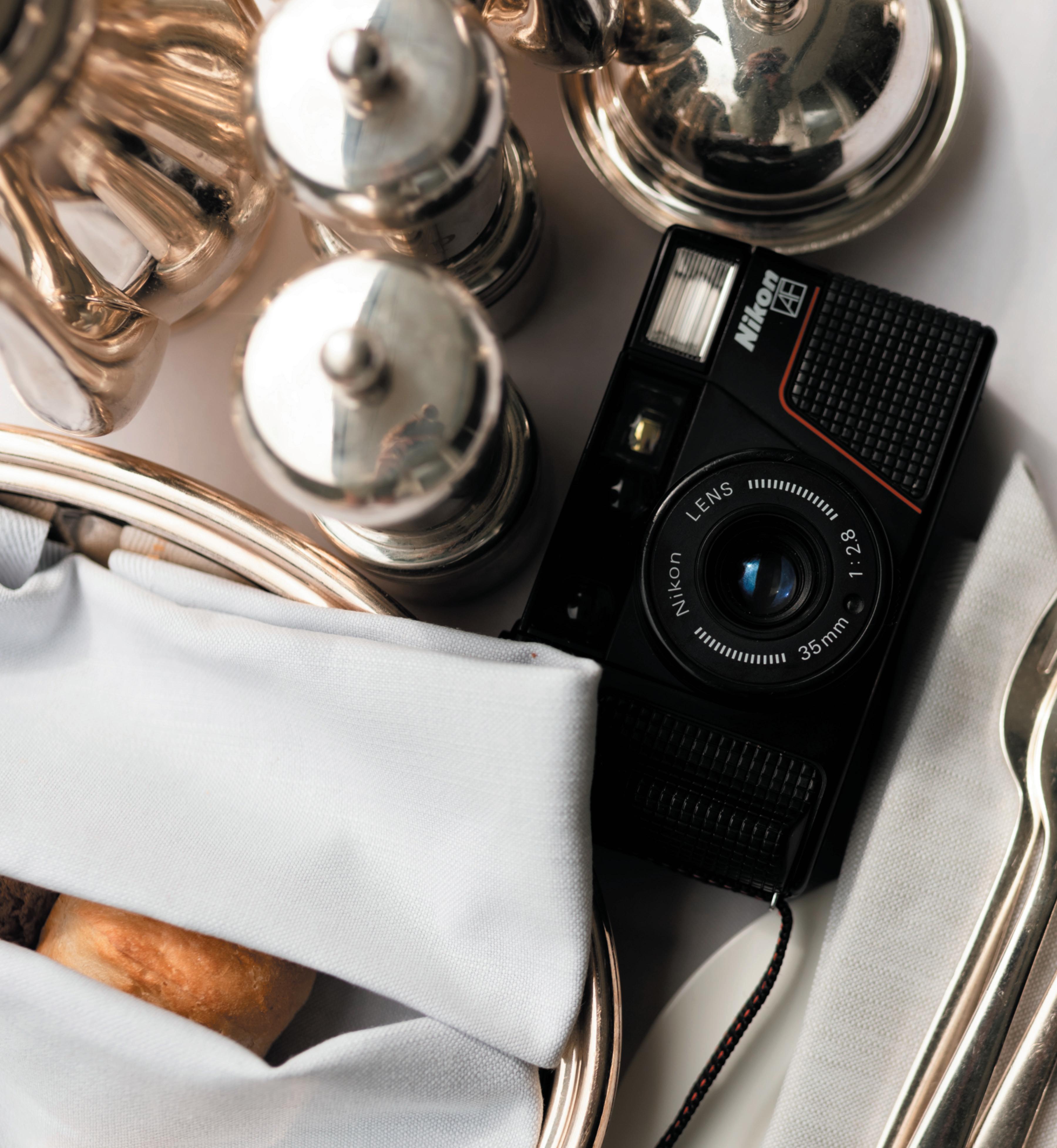

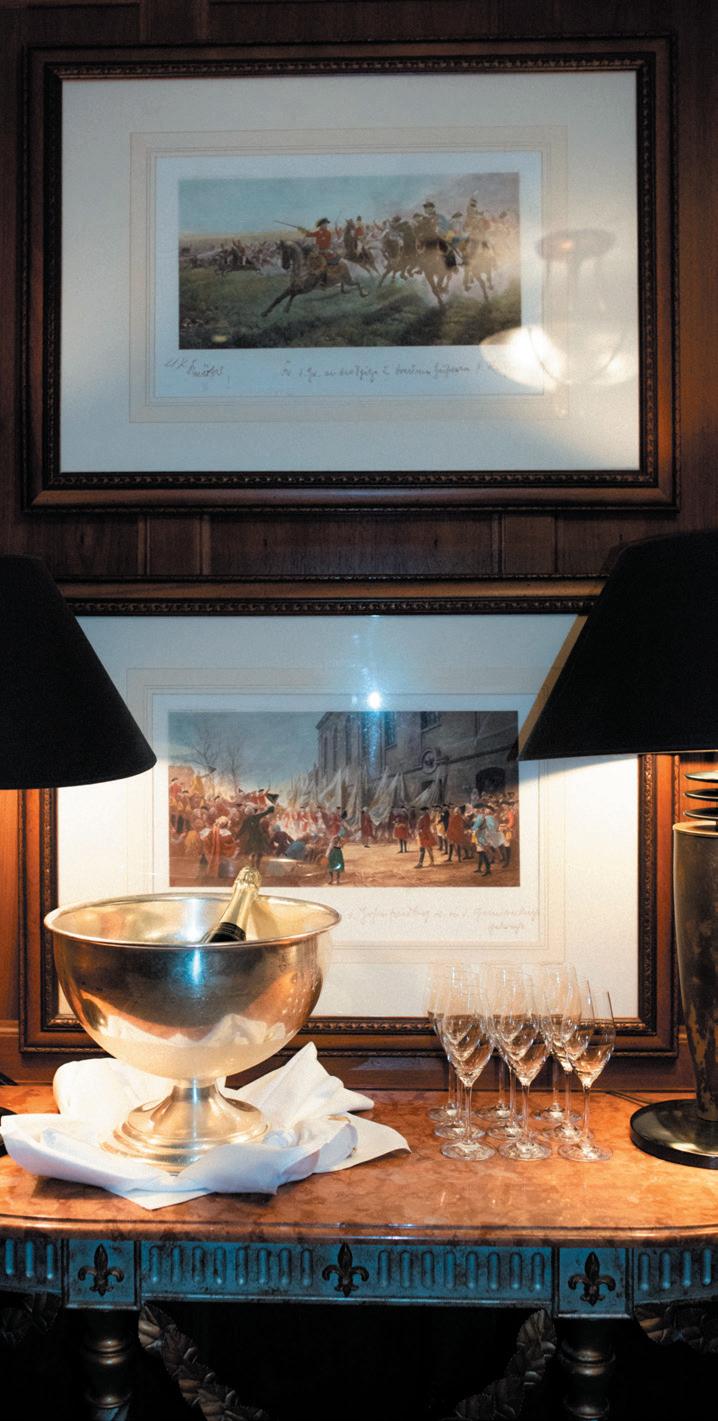
To conclude this issue of personal exploration, we asked two photographers to open their archives and share a selection of their most memorable Kempinski moments. Though they share the same profession and even home base (Denmark), their lenses reveal two contrasting and highly personal interpretations of the unique atmosphere and luxury that defines the Kempinski experience. May their perspectives inspire you to discover – and capture – your own @kempinski moments to share with the world.
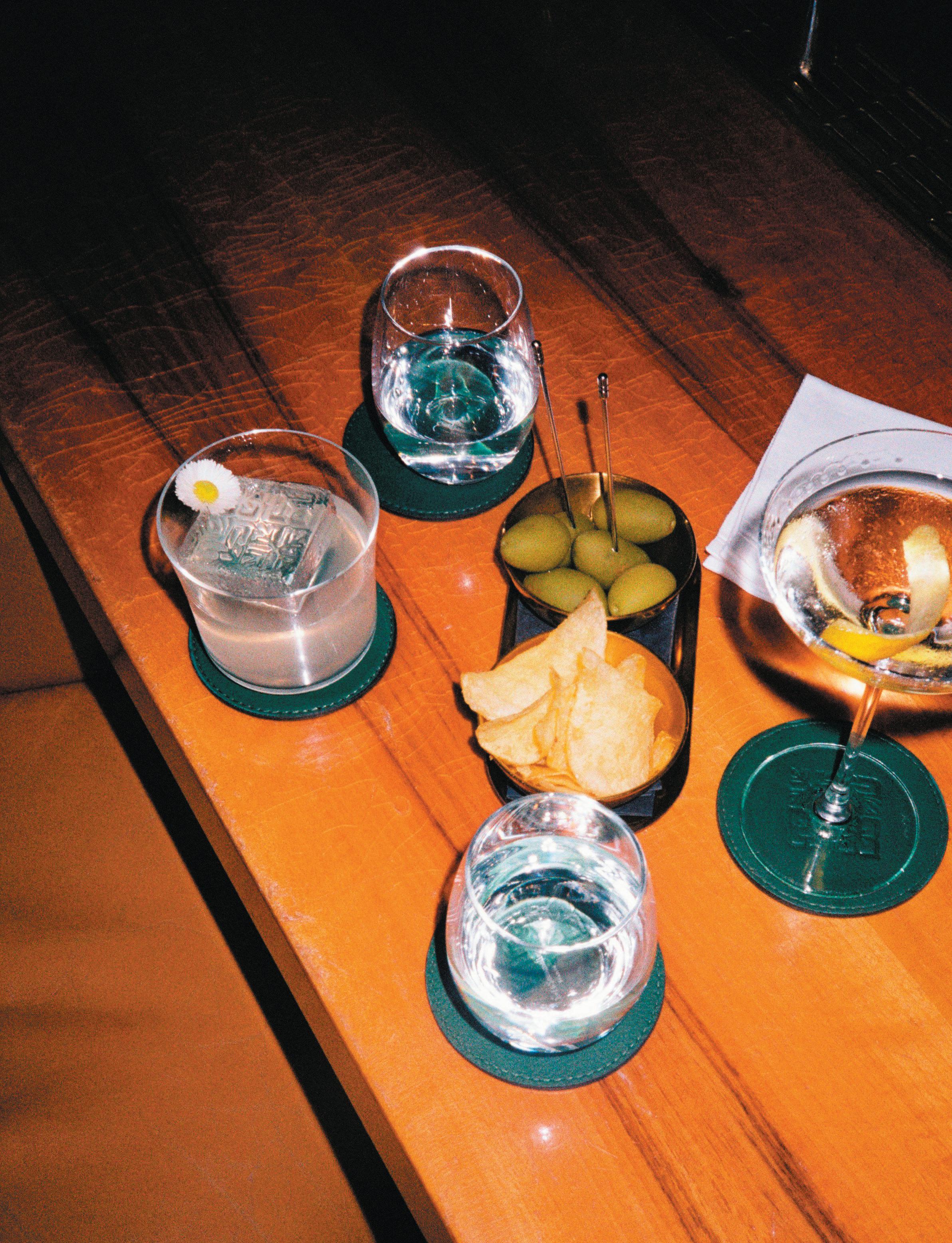
Hotel Vier Jahreszeiten Kempinski Munich Kempinski Palace Engelberg
@NATI.RIEDEL
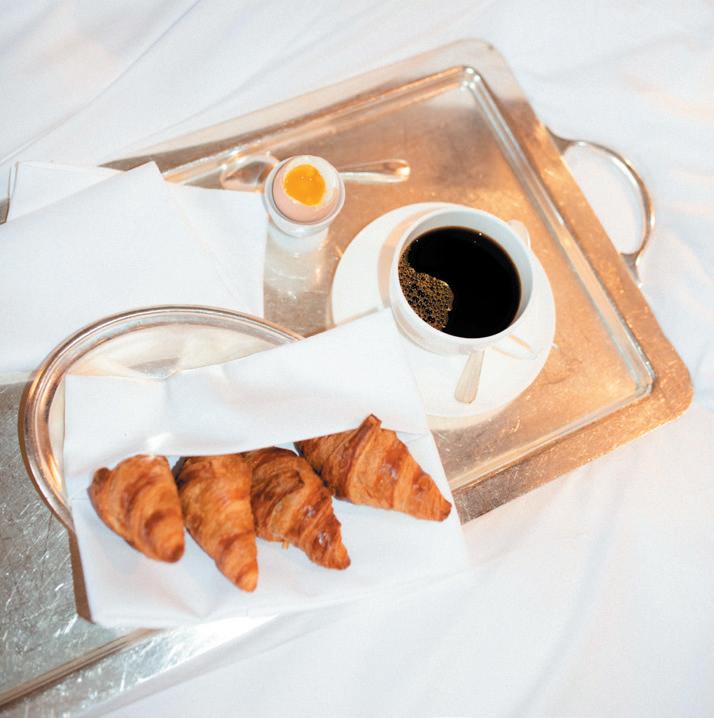
Hotel Adlon Kempinski Berlin Grand Hotel des Bains Kempinski St Moritz
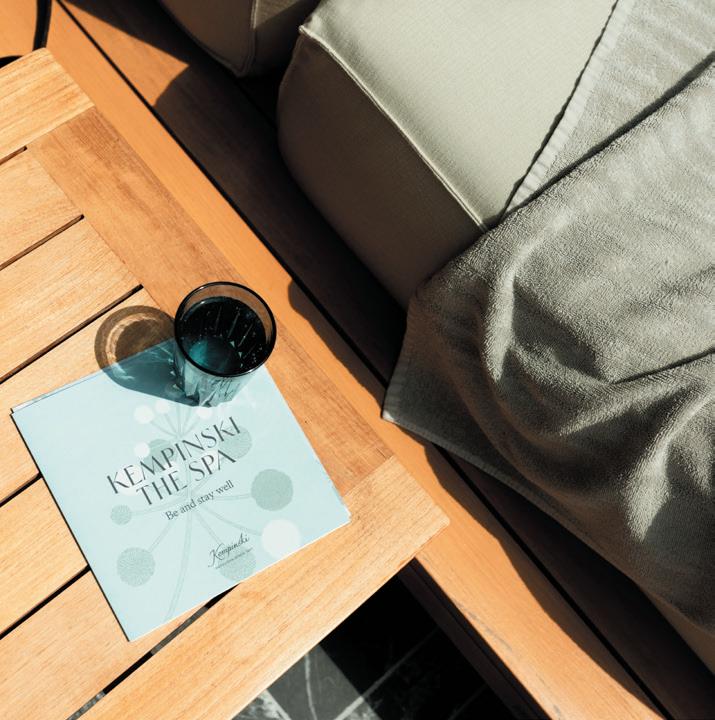
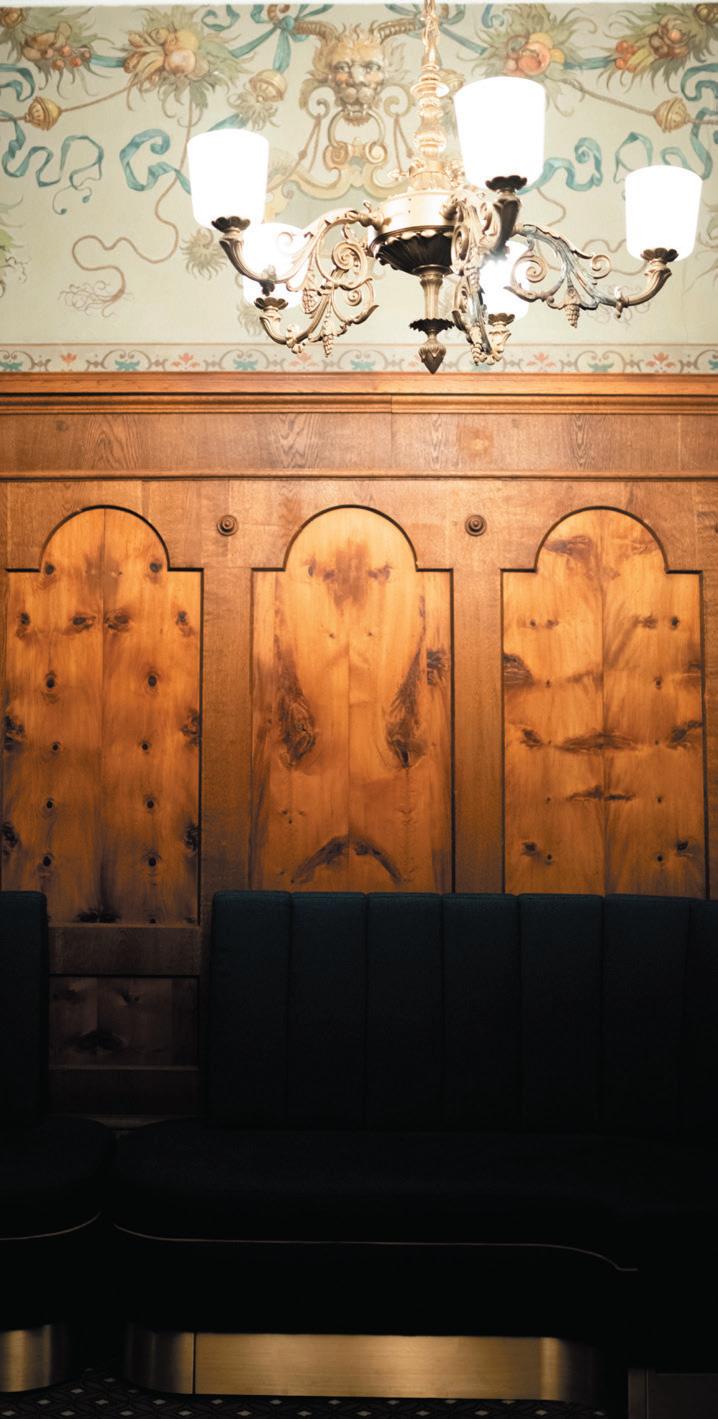
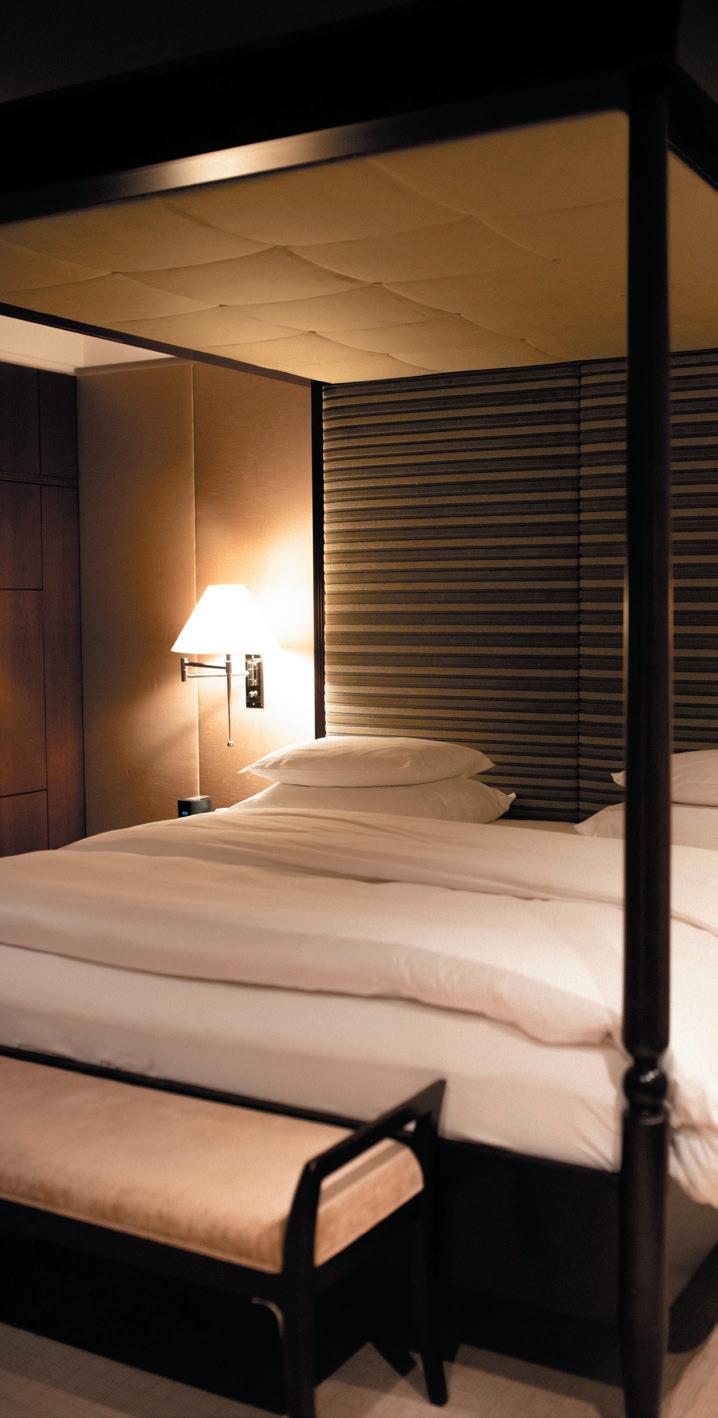
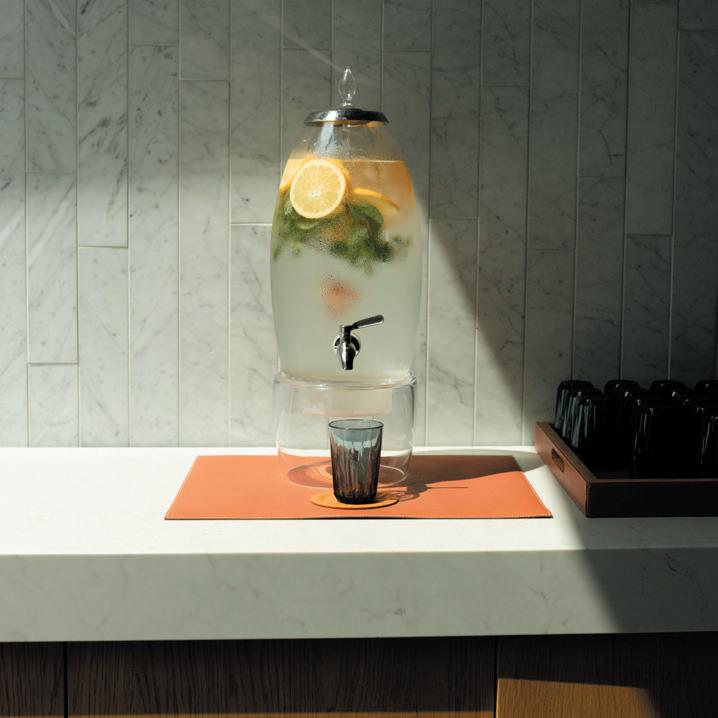
As a photographer, I see beauty and stories everywhere I go. I live in a remote area on Denmark’s northwestern coast – a place that forces me to adapt to nature, wait for the good moments and hold on to them while they last. It’s the same with photography. I love capturing Kempinski destinations, especially because of their unique integration of historical elements into contemporary concepts. A palatial breakfast in bed in Engelberg was one of my favourite photography moments with Kempinski so far, and I’m looking forward to photographing Dresden next.
"I always love to capture the beauty of a real story. Even in a carefully arranged setup, I seek out moments of authenticity."
@NATI.RIEDEL
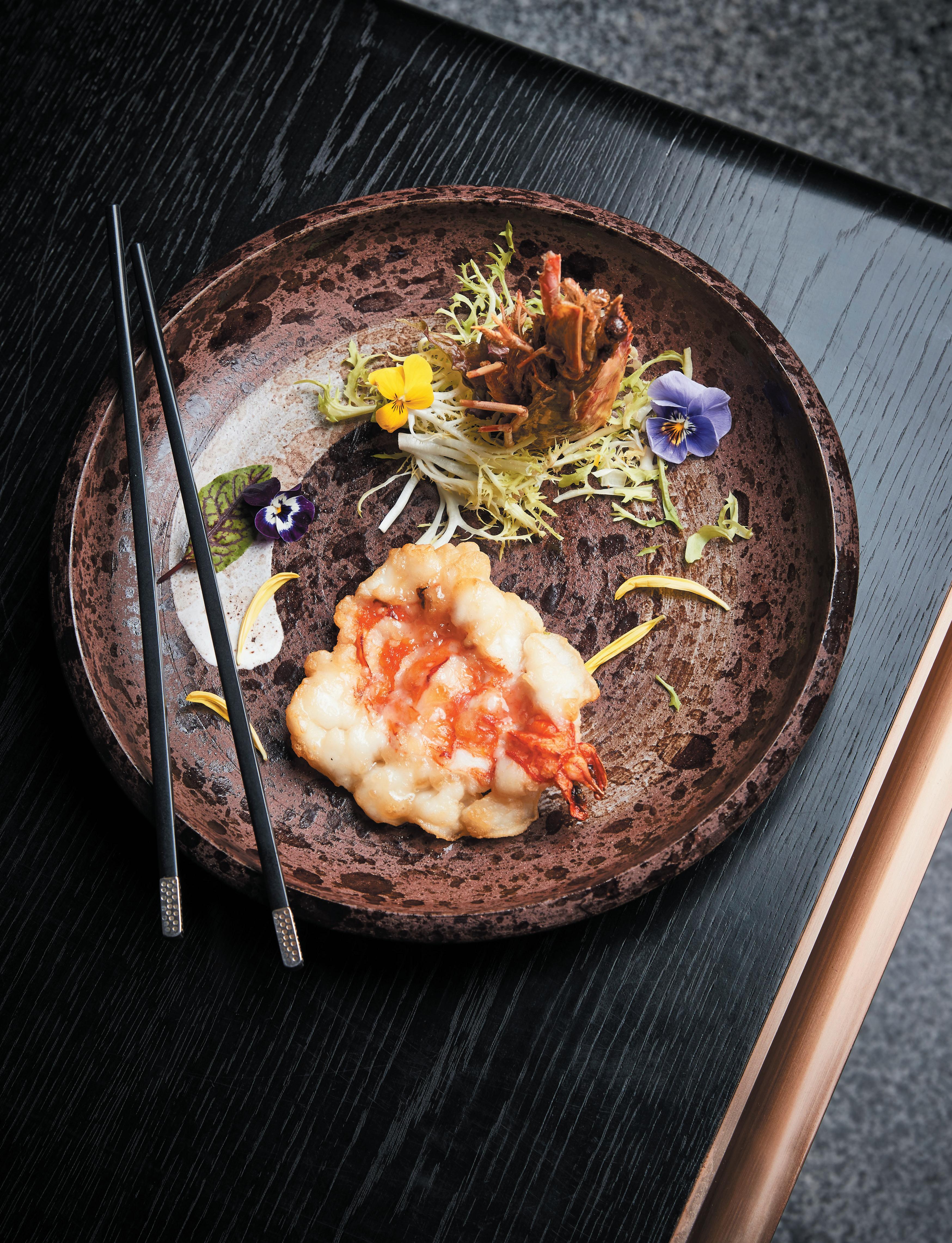
“ Creating a good portrait is about trusting your intuition, making people feel at ease so that you can tell an authentic story.”
@CLAESBECHPOULSEN
Hotel Vier Jahreszeiten Kempinski Munich
Hotel Adlon Kempinski Berlin
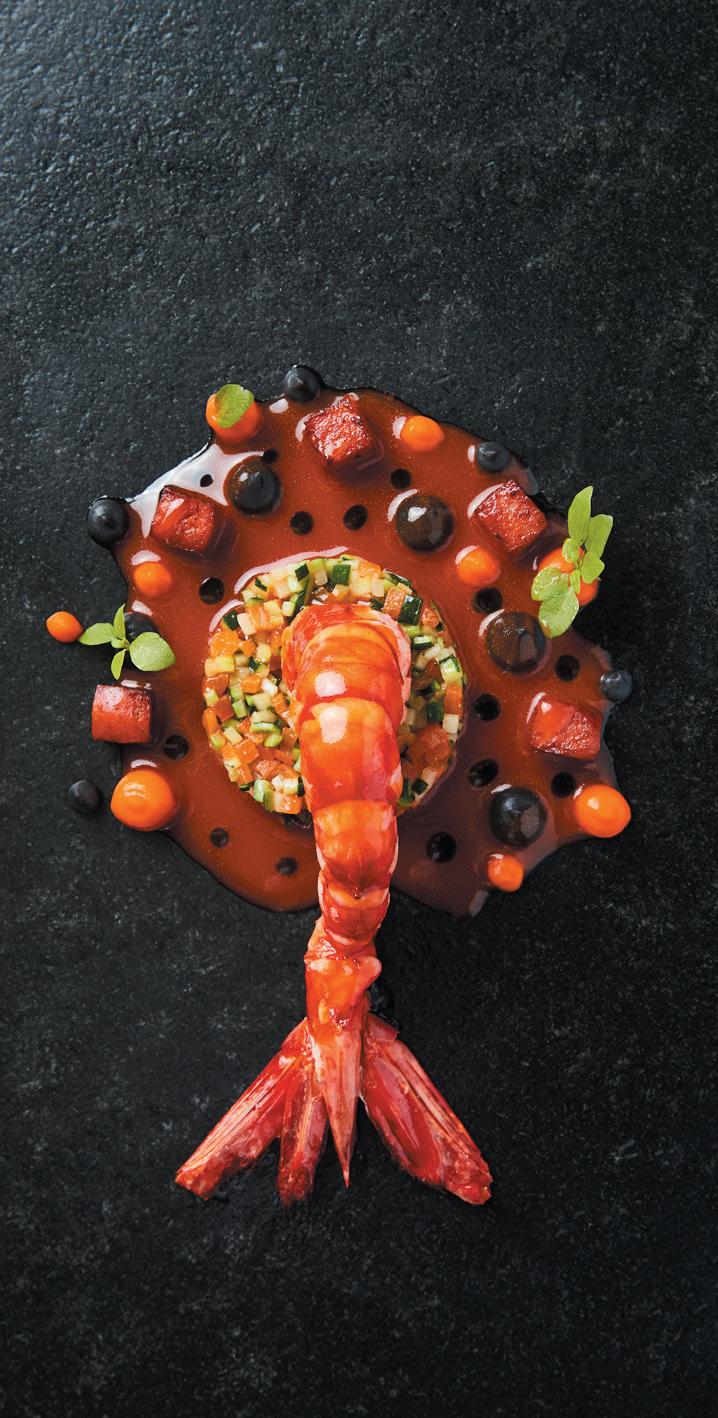
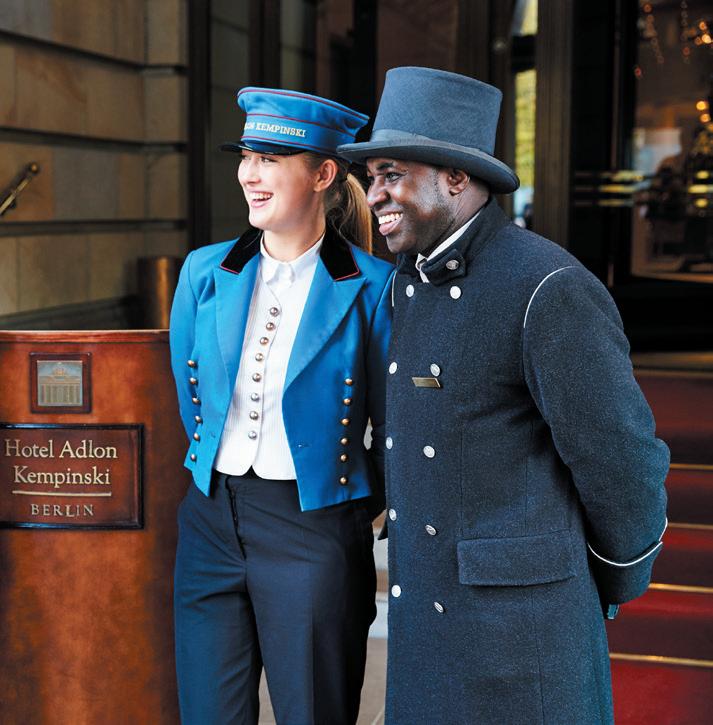
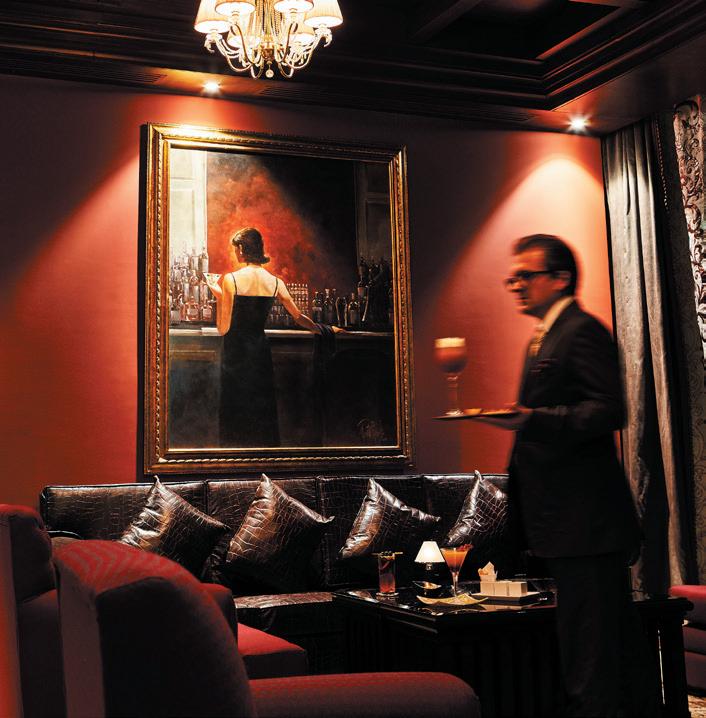
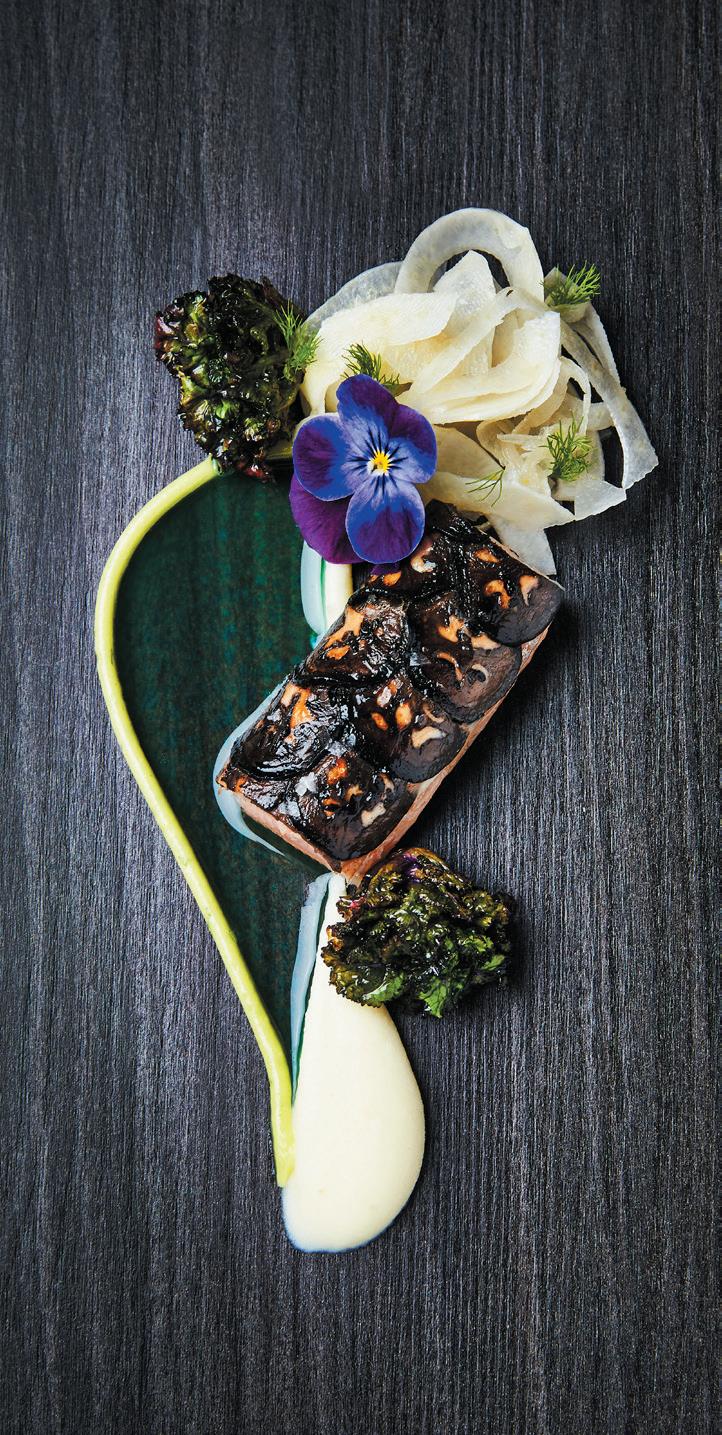
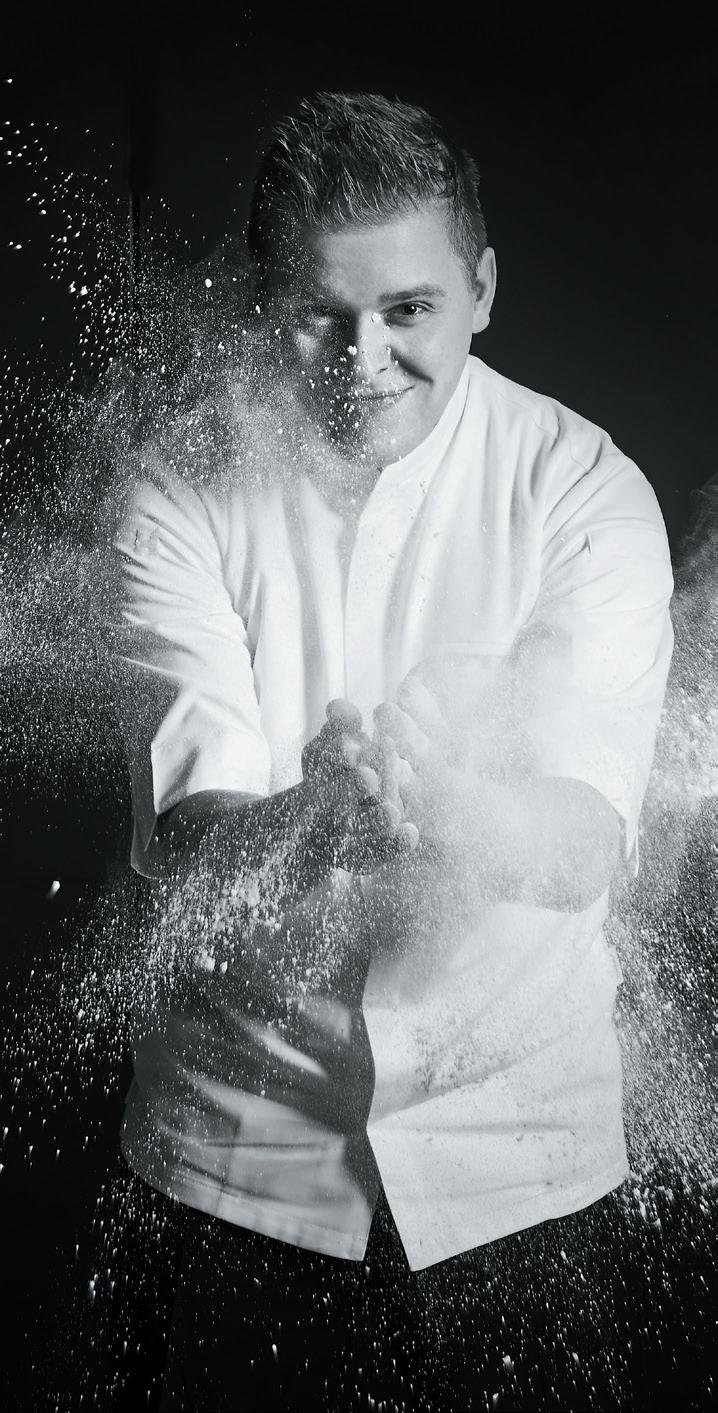
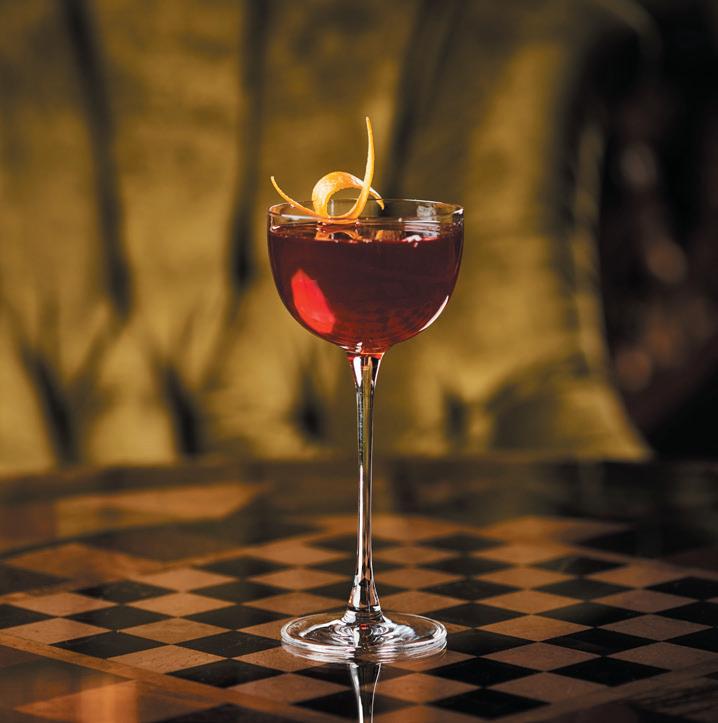
Living in Denmark, I deeply appreciate our country’s design philosophy of 'less is more', which shapes my storytelling approach. My passion for food photography and portraits thrives on simplicity, creating a comfortable space where people can relax and let their true personalities shine. My journey with Kempinski began 15 years ago at a food event, and since then I’ve had the pleasure of photographing over 30 remarkable properties from the collection. Each hotel feels like a home to me, and I look forward to discovering and capturing new stories in destinations such as the Middle East or the upcoming property in Brazil.