Be bold
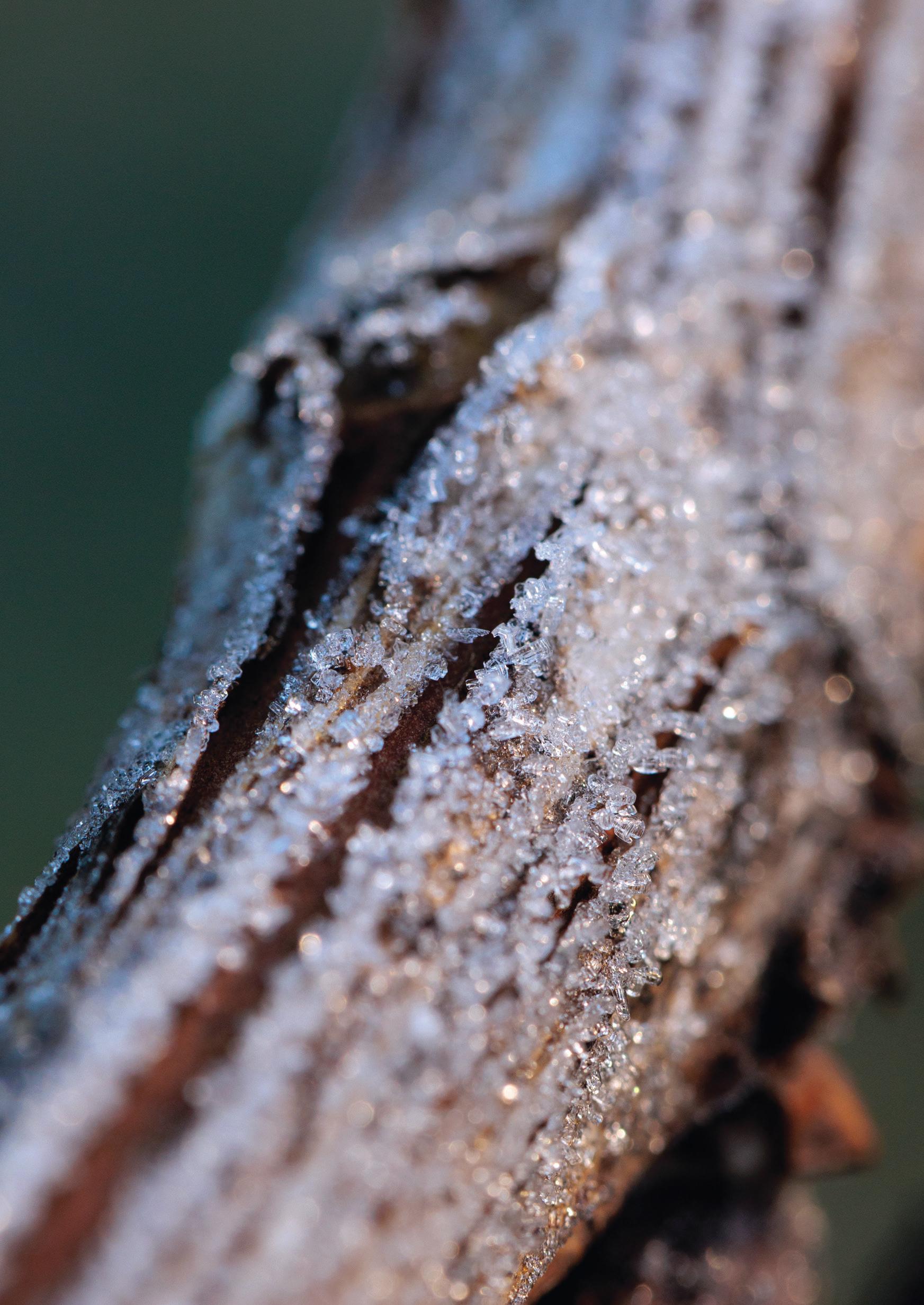
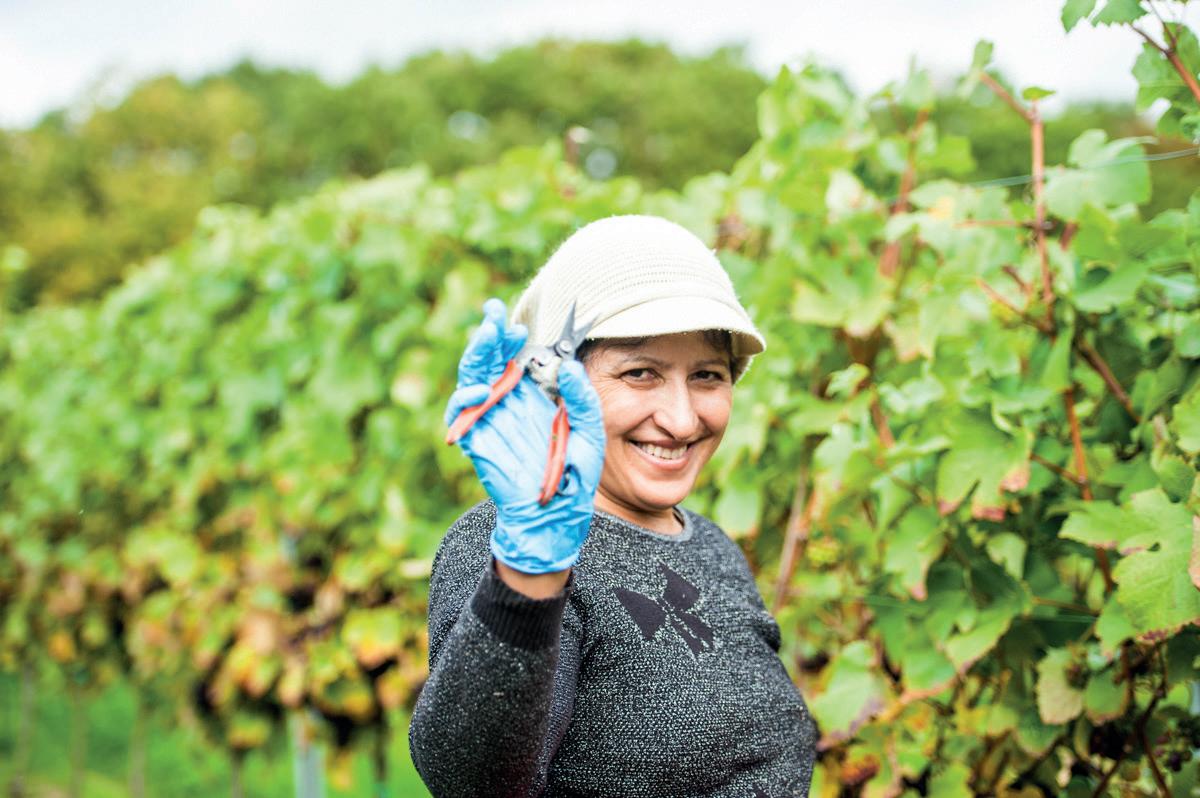
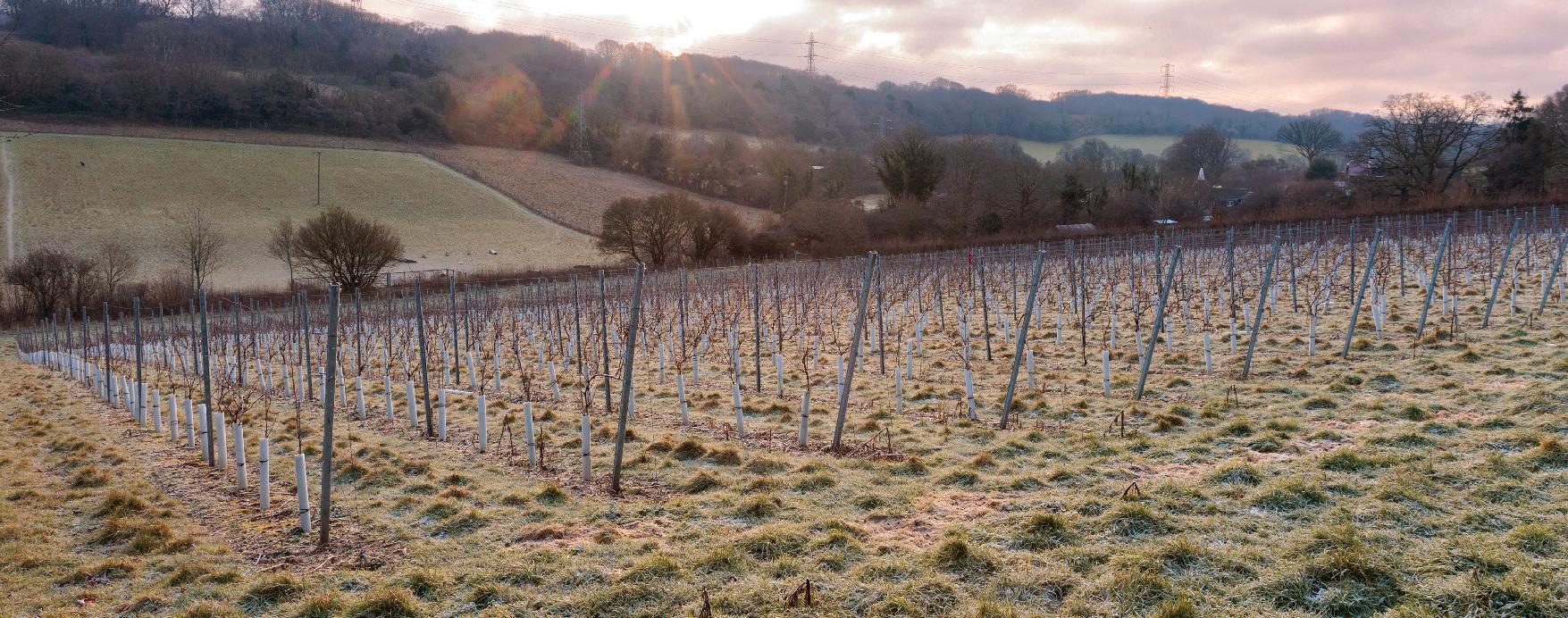
A frosty morning proved to be the perfect time to visit a vineyard in the idyllic hamlet of Pett Bottom, near Canterbury
INSIDE
Focus on wine retail
Vitifruit Equipment
A sommelier’s insight into the Golden 50




A frosty morning proved to be the perfect time to visit a vineyard in the idyllic hamlet of Pett Bottom, near Canterbury
Focus on wine retail
Vitifruit Equipment
A sommelier’s insight into the Golden 50

www.vineyardmagazine.co.uk
VINEYARD
Kelsey Media, The Granary, Downs Court Yalding Hill, Yalding, Maidstone, Kent, ME18 6AL 01959 541444
EDITORIAL
Editor: Rebecca Farmer vineyard.ed@kelsey.co.uk
Features: Malcolm Triggs
GRAPHIC DESIGN
Jo Legg Flair Creative Design jo.legg@flair-design.co.uk
ADVERTISING & MARKETING
Jamie McGrorty 01303 233883 jamie.mcgrorty@kelsey.co.uk
PHOTOGRAPHER
Martin Apps www.countrywidephotographic.co.uk
MANAGEMENT
]CHIEF EXECUTIVE OFFICER: Steve Kendall
DIVISIONAL MANAGING DIRECTOR: Fiona Mercer
PUBLISHER: Jamie McGrorty
RETAIL DIRECTOR: Steve Brown
SUBSCRIPTION MARKETING MANAGER: Claire Aspinall
PRINT PRODUCTION MANAGER: Kelly Orriss
DISTRIBUTION
Distribution in Great Britain: Seymour Distribution Limited 2 East Poultry Avenue, London EC1A 9PT Tel: 020 7429 4000 www.seymour.co.uk
Distribution in Northern Ireland and the Republic of Ireland: Newspread Tel: +353 23 886 3850
Kelsey Media 2026 © all rights reserved. Kelsey Media is a trading name of Kelsey Publishing Ltd. Reproduction in whole or in part is forbidden except with permission in writing from the publishers. Note to contributors: articles submitted for consideration by the editor must be the original work of the author and not previously published. Where photographs are included, which are not the property of the contributor, permission to reproduce them must have been obtained from the owner of the copyright. The editor cannot guarantee a personal response to all letters and emails received. The views expressed in the magazine are not necessarily those of the Editor or the Publisher. Kelsey Publishing Ltd accepts no liability for products and services offered by third parties.
Kelsey Media takes your personal data very seriously. For more information on our privacy policy, please visit https://www.kelsey.co.uk/privacy-policy/ If at any point you have any queries regarding Kelsey’s data policy you can email our Data Protection Officer at dpo@kelsey.co.uk



18
24
34

Posing with alchohol Squerryes Wine Estate launches afternoon tea experience and Langham and Capreolus launch Ratafia of England.
On an extremely frosty morning a journey to Pett Bottom, near Canterbury, seemed a lonely prospect, but not only was Quiet Land at Little Bursted Vineyard in an idyllic and beautiful location it was far from lonely.
40
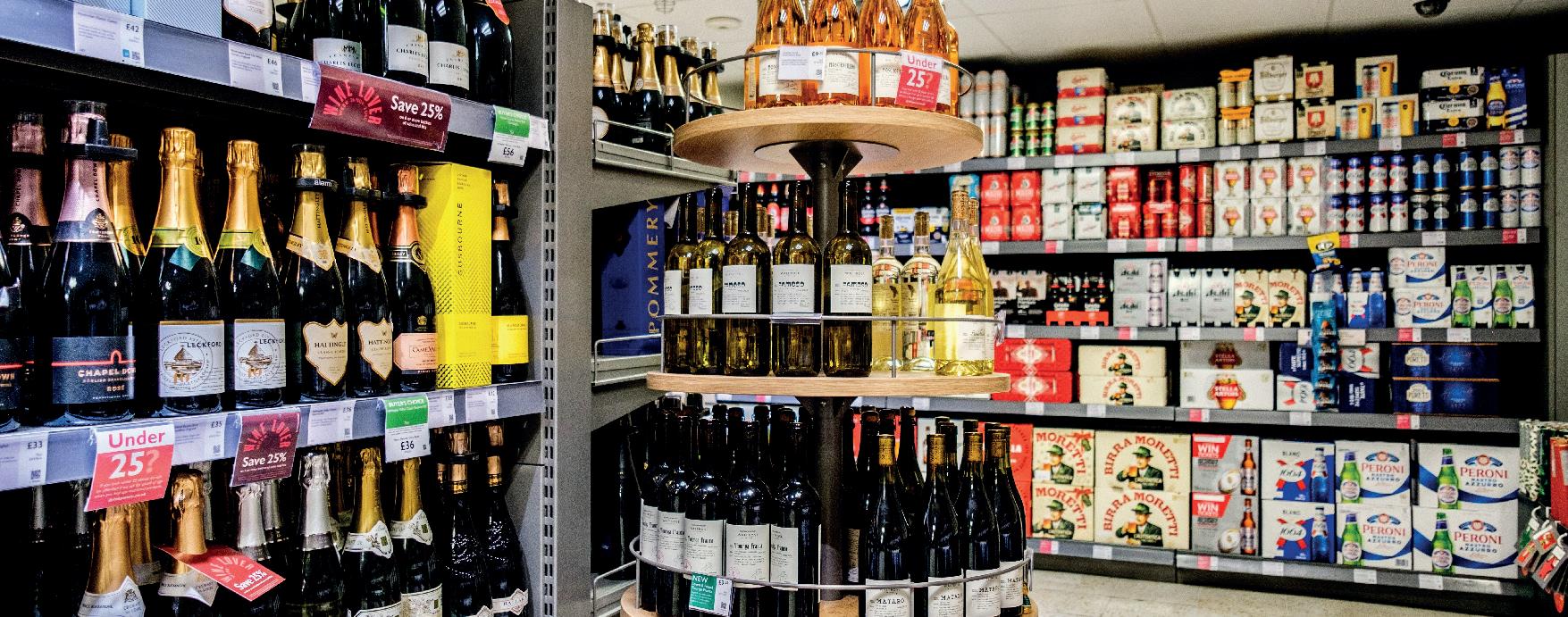
Focus on wine retail Industry expert Joe Fattorini gave Vineyard Magazine an overview of the current status of the market.
David Sayell is a brave man and, it has since become apparent, a visionary who could see that our changing climate would position England and Wales as increasingly important players in the world of quality wine.


“Action is the foundational key to all success.”
Pablo
Picasso
A small news item this month almost slipped under the radar. The Animal and Plant Health Agency announced that the invasive Colorado Beetle had been officially eradicated from the UK after having been found in Kent in 2023.
This beetle posed a huge threat to crops such as potatoes and tomatoes in the UK. Invasive non-native species have caused havoc all over the globe, examples include the cane toad in Australia, the northern snakehead in the USA, the Tiger Mosquito and of course Phylloxera. On the current list of significant concern in the UK is the Yellow Legged Hornet and extensive work is being done to raise awareness amongst members of the public in at risk areas and much remedial work is being done to identify and destroy nests.
The news that the Colorado beetle has been successfully eradicated in the UK gives hope, proving that it is not inevitable that once a species has arrived on these shores it is a battle already lost. It was the continuing action and cooperation of not one but all relevant sections of society – governmental departments, farmers, growers and gardeners – that led to this point of successful eradication of the Colorado beetle.
The movement towards farming in a more environmentally sensitive way can also take heart from this success story. Vigilance and effort have rewards and each restorative action leads to success and success is cumulative. Individual effort perhaps deciding to change just one thing for the 2026 growing season should not be dismissed as too insignificant to make a difference – it is a collaborative approach that will lead to success.
At this time of year, the thoughts of those caring for the vineyards of England and Wales will be turning to tasks such as pruning and essential repairs to vineyard structures and equipment. These tasks can provide the right atmosphere for meditating on the season to come, providing inspiration for the implementation of new techniques and with similar tasks being undertaken at the same time in other vineyards across the northern hemisphere who knows what collective successes lie ahead.



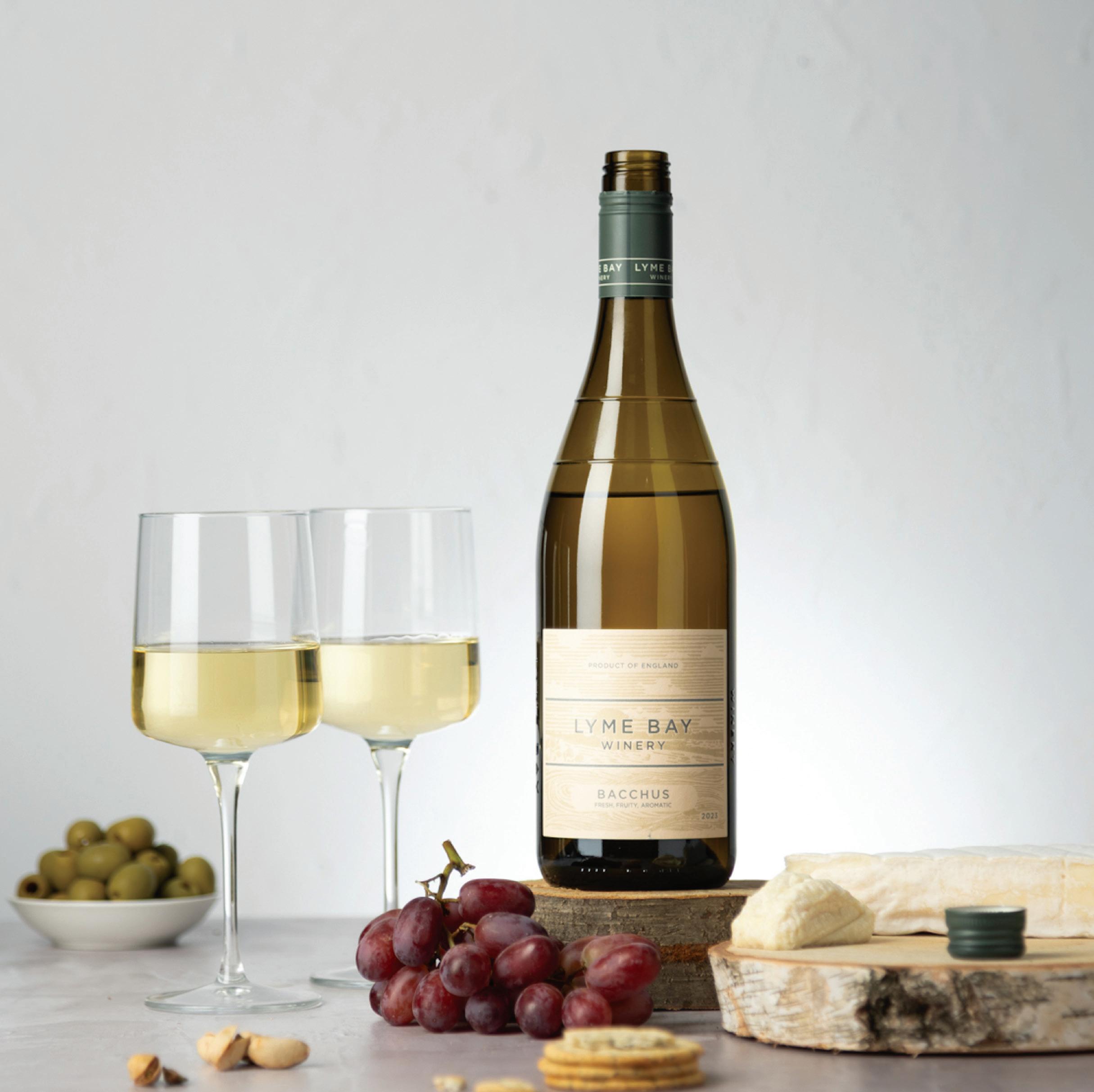
Lyme Bay Winery secures Avanti West Coast first-class lounge listing for its English still Lyme Bay Winery Bacchus 2023.
Lyme Bay Winery is pleased to announce that its single varietal Bacchus 2023 has been listed by the glass in Avanti West Coast’s First Class Lounge at London Euston, giving thousands of travellers the chance to enjoy one of England’s most distinctive still wines at one of the UK’s busiest stations.
The Lyme Bay Winery Bacchus 2023 showcases the wineries commitment to crafting premium English wines that reflect both variety and place. Crisp and aromatic, with notes of elderflower, citrus and freshly cut grass, the wine has quickly become a flagship expression for still English white wines.
“We are thrilled to see our Bacchus 2023 featured in such a prestigious and visible setting,” said National Account Manager Natalie Godfrey at Lyme Bay Winery. “As more people discover and appreciate English still wines, having a presence at London Euston not only raises awareness but also celebrates the quality and diversity of what our vineyards can produce here in the UK.”
The listing highlights Avanti West Coast’s commitment to championing high-quality, locally sourced products within its firstclass offering. Rob Taylor, Food and Beverage Development Manager at Avanti West Coast, said: “As the first train operator to do so, we are delighted to welcome Lyme Bay Winery’s Bacchus 2023 to our First Class Lounge at London Euston station. “Our lounge is the perfect setting for customers about to embark on their journeys along the West Coast Main Line, and we’re excited to now be able
to offer those travelling an English produced wine that not only oozes with luxury, but that also celebrates small businesses and the communities local to our route. We anticipate Bacchus 2023 will be extremely popular with customers from all around the UK and beyond as they pass through our lounge and relax ahead of their onward journeys.”
Located in Devon, Lyme Bay Winery has built a reputation for producing exceptional still and sparkling wines from carefully selected vineyards across England. The Bacchus 2023 joins a growing list of premium venues and retailers recognising the quality of Lyme Bay Winery’s English wines.
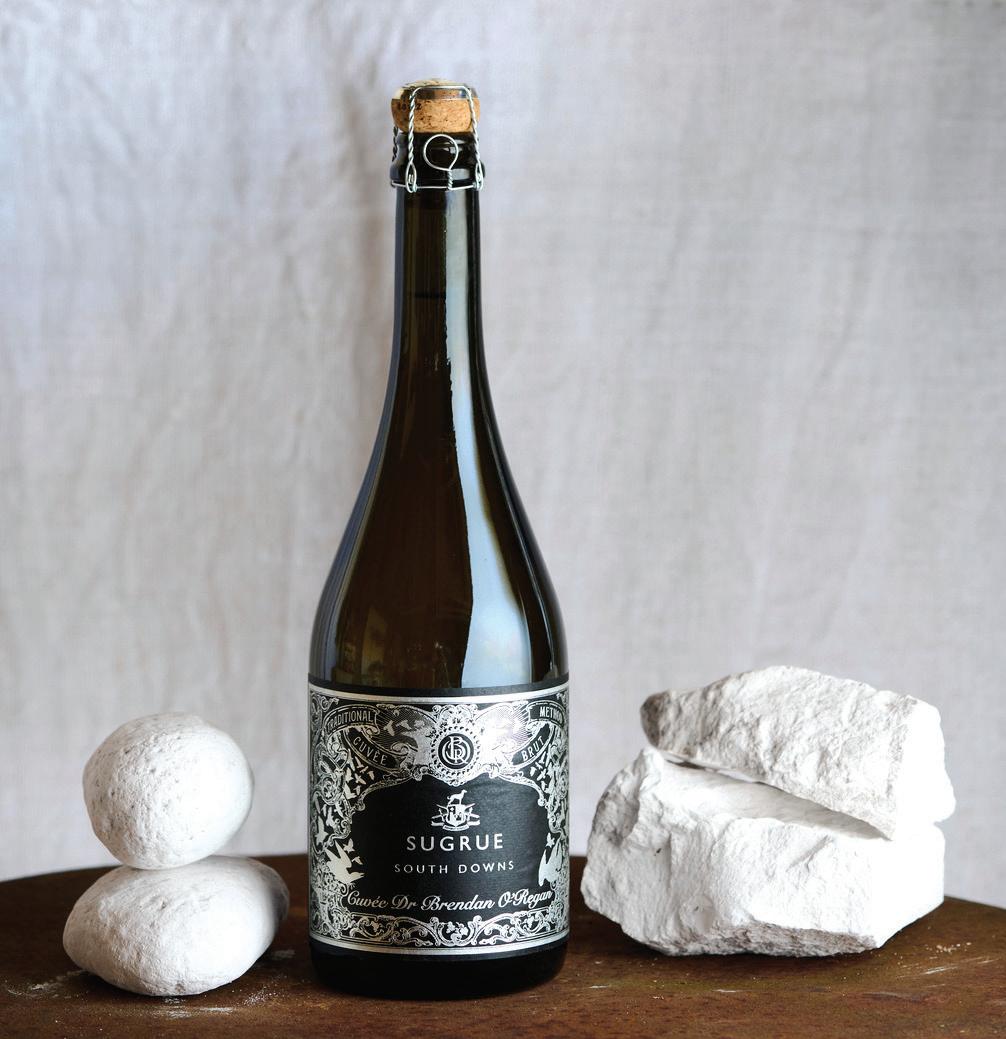
Sugrue South Downs is proud to announce that its prestige sparkling wine, Cuvée Dr Brendan O’Regan, will be served in British Airways’ First Class from January through March over the next three years.
Joining Gusbourne and Nyetimber, this exclusive listing forms part of a prestigious rotation of leading English wine producers for British Airways, and marks the first time an airline has chosen to serve English prestige cuvées – rare, extended-aged bottlings made from exceptional vintages – onboard.
Named in honour of the late Dr Brendan O’Regan – a pioneering figure in Irish hospitality and founder of the world’s first duty-free shop at Shannon Airport in 1947 – Sugrue South Downs’ prestige cuvée represents the pinnacle of winemaking by founder and winemaker Dermot Sugrue.
Crafted meticulously from mature vineyards on chalk across the South Downs, Cuvée Dr Brendan O’Regan is widely celebrated for its depth, complexity, and longevity. From an outstanding vintage for English sparkling wine, the 2018 is a blend of 60% Chardonnay and 40% Pinot Noir fermented in oak barrels and aged on its lees for 72 months. Just 4,500 bottles were made.
“We are thrilled that British Airways has chosen Cuvée Dr Brendan O’Regan for its First Class passengers,” said Dermot. “It is a tremendous honour to see our rarest and most prized cuvée recognised on a global stage – and now enjoyed at 35,000 feet. My great-uncle Brendan O’Regan was a peacemaker and a visionary with a truly internationalist outlook, so it seems entirely fitting that a wine bearing his name should be served in such a setting. He would be so proud.”
This listing follows a series of recent accolades for Sugrue South Downs, including Highest-Rated English Sparkling Wine from Wine Lister, Best in Show at the Decanter Awards, and inclusion in Vinous’ Top 100 Wines of 2025.


Leonardslee Family Vineyards is delighted to announce a new distribution partnership with Schenk Family UK. This exciting collaboration which takes place with immediate effect sees Schenk add English wines to its portfolio.
Launched in June 2024, Leonardslee Family Vineyards has already experienced significant success for its wines with several retail listings in the UK and overseas, including Nicolas UK, Qatar Duty Free, DFDS, numerous independent wine shops as well as exports to Norway and Singapore.
This new strategic partnership will allow Leonardslee to increase its sales further through the Schenk Family’s extensive capabilities within the on-trade and off-trade. Schenk has entered a new phase of development under MD Helena Martin who took the helm last year and this move into the English wine sector demonstrates
the company’s clear desire to keep up this momentum.
Leonardslee Family Vineyards has three vintage English sparkling wines within its range and has already received numerous accolades, including the WineGB Awards trophy for SWGB Best Wine and Leonardslee Family Vineyards has recently been named number 56 in World’s Best Vineyards list of 2025.
Penny Streeter OBE, owner of Leonardslee said: “We are delighted to be working with the Schenk Family, finding the right partner in this industry is key, but they are a family business like us. They have a great team who are passionate about working with wines with a real story and we are confident that they will take Leonardslee Family Vineyards onto great things.”
Helena Martin, MD of Schenk Family UK commented: “We have been incredibly impressed with Leonardslee and what
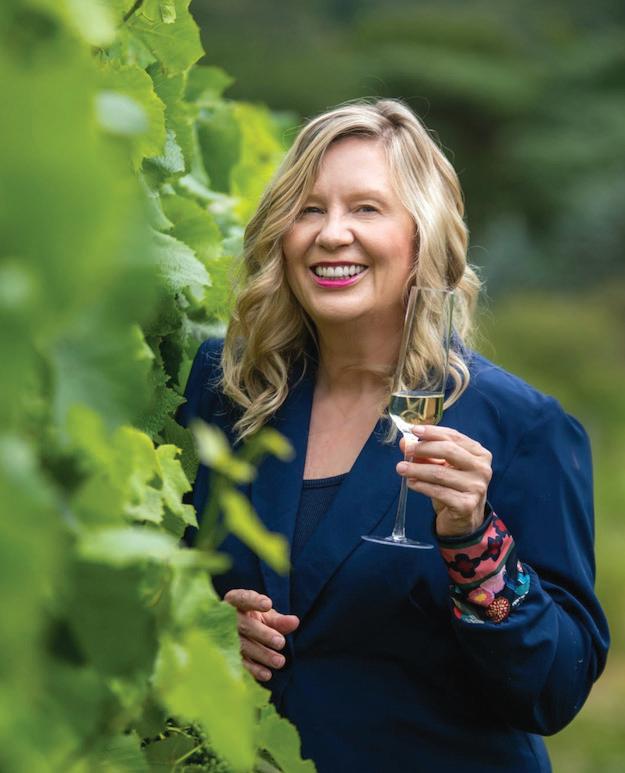
Penny Streeter OBE
they have achieved in such a relatively short time. We really look forward to working with the team and building on the distribution they have already established. Leonardslee has a fantastic story with stunning wines and there are lots of new opportunities ahead.”


Ellis Wines, the historic family-owned wine merchant supplying the on-trade, has achieved B Corp certification, with a B Impact Score of 84.8. Its sister branch, Richmond Wine Agencies (RWA), which supplies the independent sector, is also included within the certification. Ellis Wines now joins a global community of businesses recognised for meeting the highest standards of social and environmental performance, transparency and accountability. Founded over 200 years ago and
remaining proudly family-owned, Ellis Wines has built its reputation on longstanding relationships, exceptional service and a deep respect for the people and places behind the wines it represents.
Achieving B Corp status formalises the company’s long-held values and reflects a commitment to using business as a force for good.
As part of this journey, the business achieved verified Carbon Neutral status in 2023, through a combination of emissions measurement, reduction initiatives and
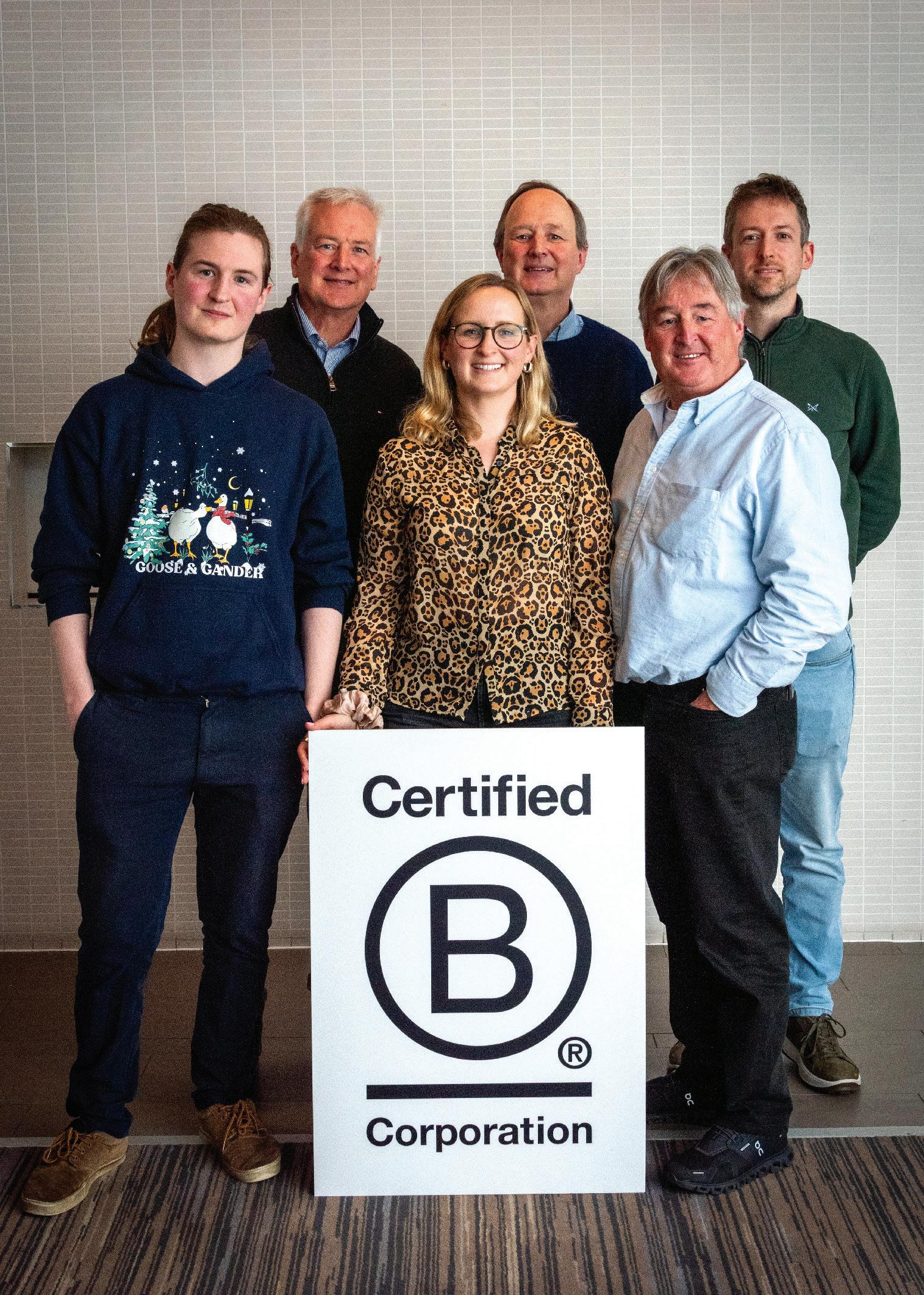
offsetting, reflecting a sustained and structured approach to addressing its environmental footprint. Recent initiatives include investment in electric vehicles, which now make up 20% of the company fleet, alongside the introduction of HVO fuel to power 70% of the remaining vehicles from December 2024. In its first year, this transition has saved approximately 200 tonnes of carbon emissions, while significantly reducing harmful pollutants compared to traditional diesel fuels. Ellis Wines has also been recognised with a Certificate of Commendation in The Drinks Business Green Awards for Best Logistics & Supply Chain and has recently become a member of the Sustainable Wine Roundtable’s Bottle Weight Accord initiative. B Corp certification is awarded to companies that meet rigorous standards across five key areas: governance, workers, community, environment and customers. The comprehensive assessment recognises not only operational practices but also a business’s wider impact on society and the environment.
“Ellis Wines has been a family business since 1822, and I’m incredibly proud of what we’ve built together over generations. Alongside my brothers, I’ve had the privilege of being a custodian of the business for more than 40 years, through decades of hard work, change, and growth. None of it would have been possible without the fantastic team around us, who have played such a huge part in shaping Ellis Wines into what it is today.
“It’s been especially rewarding to see the next generation get so involved and bring fresh energy and ideas into the business. Watching them take us on the B Corp journey has been a real highlight, and I’m proud of the commitment shown across the whole company to do things the right way.
“Becoming a B Corp feels like a credit to the ethos that has always been at the heart of Ellis Wines. I’m genuinely excited to see where the future takes us and delighted that we can now join the B Corp family as we continue to grow the business in a responsible and positive way,” said James Ellis, Director.
The national annual census of farmland birds, run by the Game & Wildlife Conservation Trust (GWCT) and supported by the NFU, is returning in February in 2026 when it will be launched from its birthplace, the Trust’s demonstration farm, the Allerton Project.
The concept for the Big Farmland Bird Count (BFBC) was conceived by conservationists working at Allerton, based at Loddington in Leicestershire, and the first count was held in February 2014. It has been repeated every year since then.
For the past decade it has been providing vital data that has helped to understand which species of farmland birds are in the most serious trouble. Many have been in decline for the past 50 years, but there are ways in which they can be helped during the winter months when food is scarce and temperatures drop. This is exactly what the BFBC tries to highlight.
The 2026 count begins on Friday 6 February and runs for two weeks, until 22 February. BFBC hope to make this year bigger and better than ever and are encouraging agricultural colleges and universities to get involved.
As well as providing a snapshot of the bird population on UK farms, the BFBC aims to raise awareness of the important role that farmers and other land managers play in the conservation of native farmland birds.
All data will be recorded on the new PERDIXPro Fieldbook app. This will make the process of recording results much simpler and farmers, rangers, game or forest keepers, ornithologists and other bird enthusiasts taking part can input counts either instantly as they record out in the field, or back inside from the comfort of their own home. The app can be downloaded onto any mobile phone or tablet. There is still the option of filling in a paper version of the count sheet, and either submitting it, or inputting it yourself later.
All the details of how to take part, bird identification guides and count sheets, are available on the Big Farmland Bird Count website.
Farmland birds have declined by 63% since 1970 – that equates to 70 million birds in the past 50 years – and more than 60% of farmland birds have been affected by the declines.
Research at the Allerton Project has shown that by managing land in a way that provides suitable habitat, such as
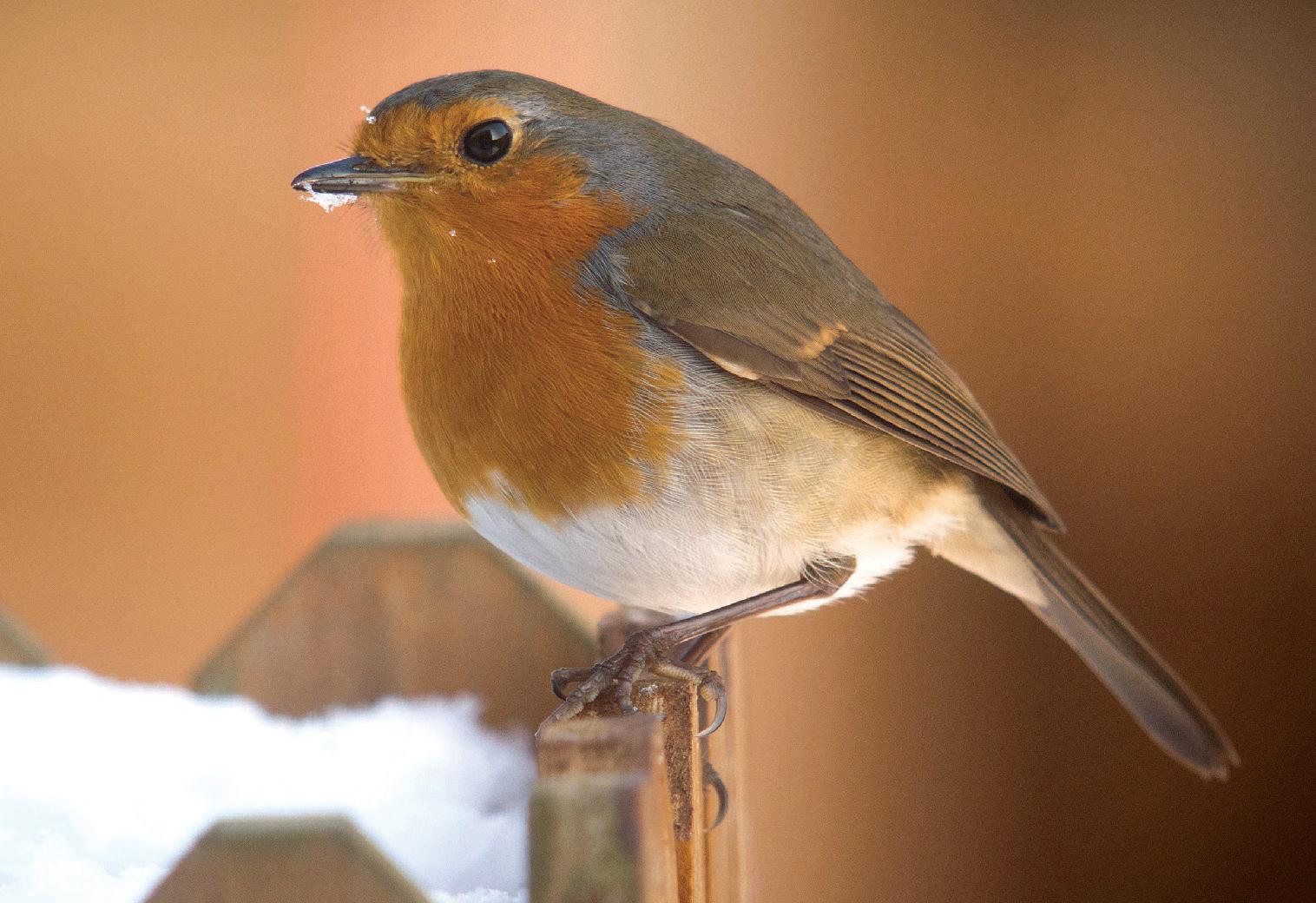
sympathetic hedgerow management and supplementary feeding through seminatural habitats and feeders, it is possible to increase both the numbers and species of birds and mammals across the farm. To show and prove that these measures are working, keeping regular records of work and the species and numbers of birds that live there are vital.
Joe Stanley, GWCT’s head of sustainable farming at the Allerton Project, said: “It took a mere three years to increase our songbird numbers by 75% showing what is possible on a working, commercial farm.”
During the count back in February 2025, nearly 359,000 birds were spotted during 1,332 surveys. The most common species seen was starling. A total of 125 different species were recorded and of those, 26 were red-listed, totalling nearly 140,000 individuals. The most abundant red list species were starling, lapwing, common gull, linnet and fieldfare, while the rarest sightings were of black grouse, bittern, greenshank and golden eagle.
Nearly 65% of farms participating were in agri-environment schemes and 44% provided supplementary feeding of their birds.
There were notable decreases in sightings of some species, including red-listed fieldfares which were down 52%, long-tailed tits which were down 27%, and curlew with a 25% drop, year-on-year. On a positive note, recordings of red-listed common gulls were up 112% and sightings of amber-listed kestrels had increased by 182%.
David Exwood, NFU deputy president, said:
“The NFU is once again proud to support the Big Farmland Bird Count, a great event that provides an unrivalled snapshot into the nation's farmland birds. British farmers and growers are the guardians of our iconic landscapes and whether it’s protecting pre-existing habitats or planting hedgerows, their passion for the great British countryside shines through in all the work they do.
“Much of this hard work is made possible through the invaluable environmental land management schemes (ELMs) that help farmers bring their passion for nature to life. As last year’s Big Farmland Bird Count showed, schemes such as the Sustainable Farming Incentive make a tangible difference in the environmental work farmers do.” Find out how to get involved on 6-22 February 2026, at www.bfbc.org.uk where downloadable bird guides and other advice are also available.
VineWorks announce Frolight live demonstrations in February 2026.
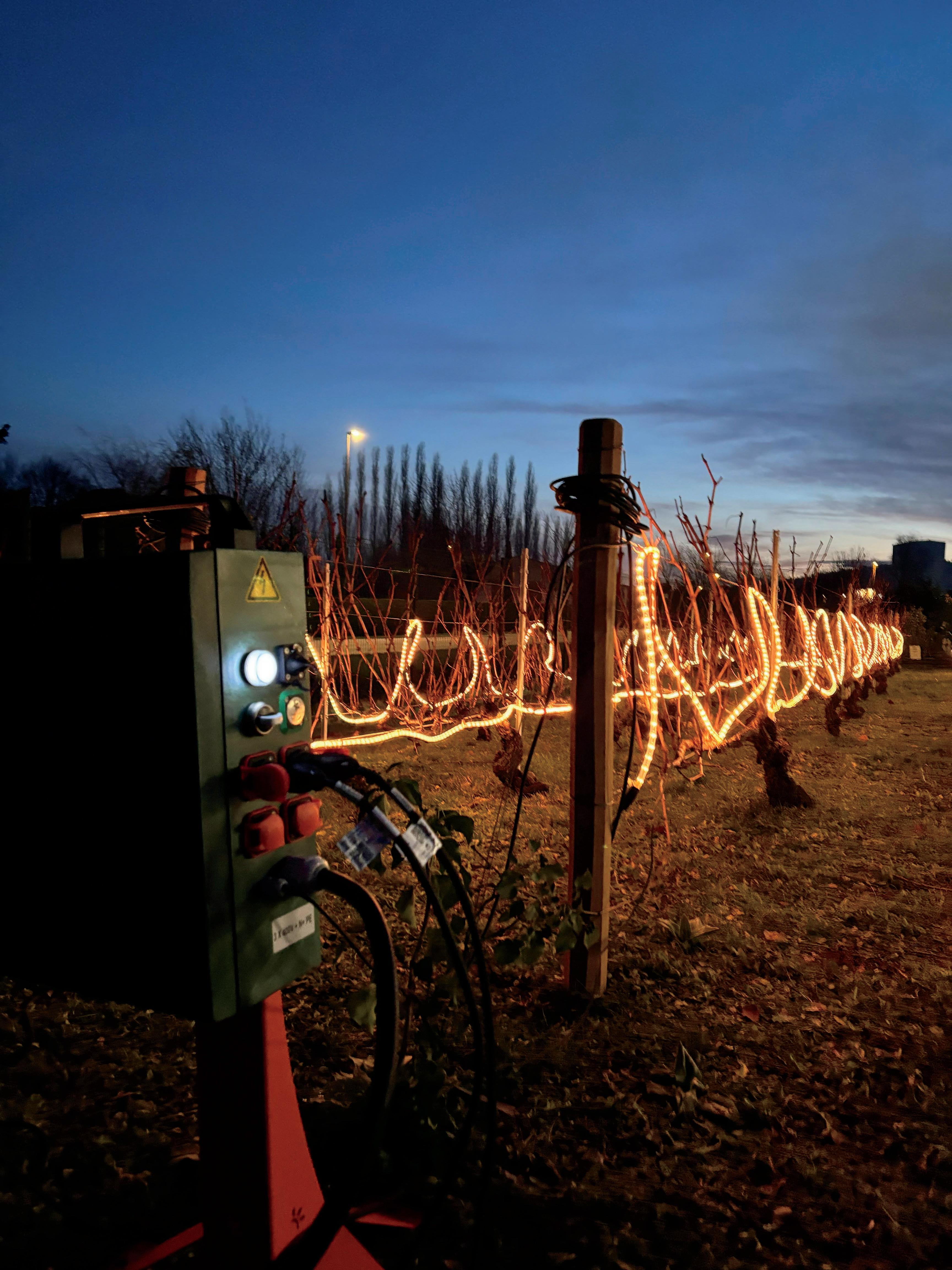
At VineWorks, we have spent enough cold nights in vineyards on frost watch to know that effective frost protection must be reliable, labour-efficient, and workable in real conditions. This February, we are inviting growers to see first-hand a system we believe represents a genuine step forward in frost management: the Frolight Frost Protection System.
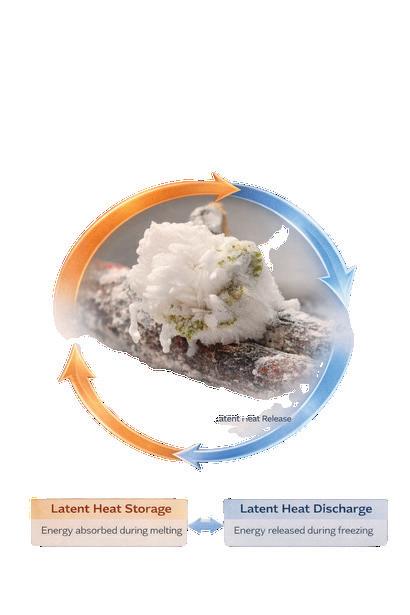
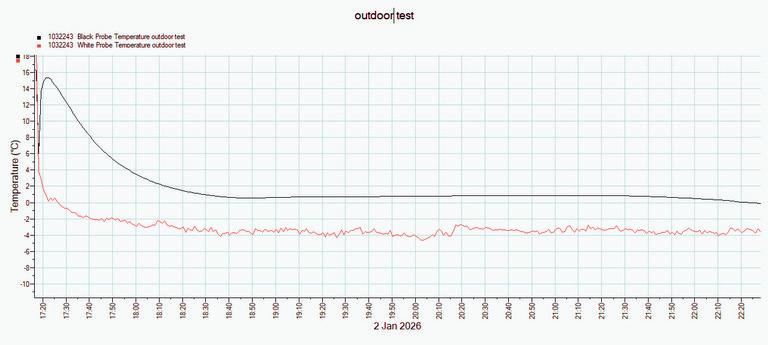
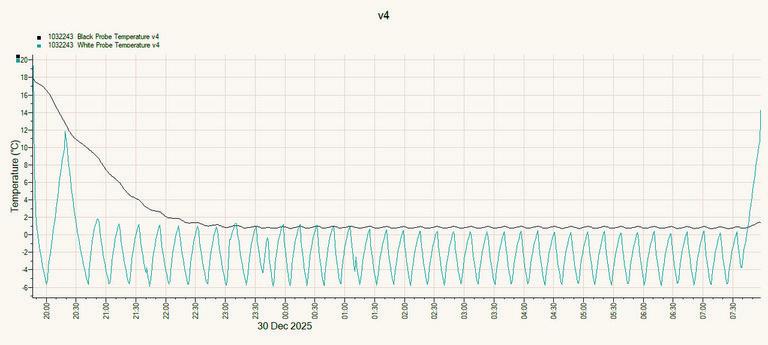
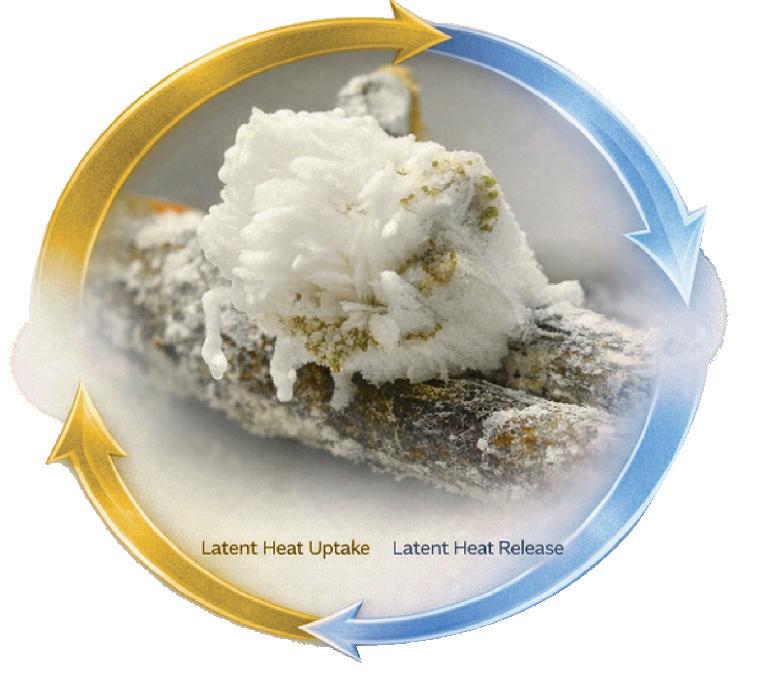
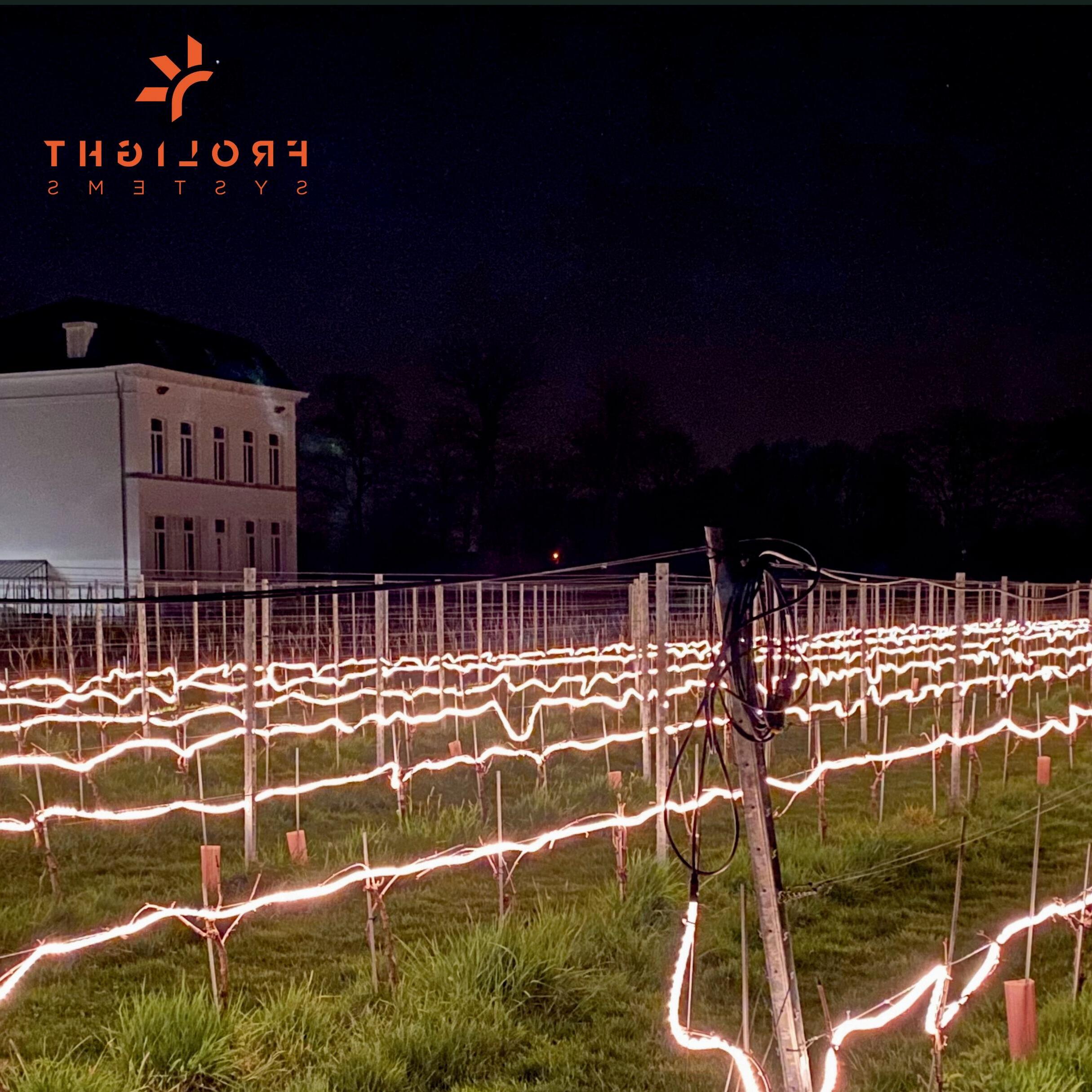
Frolight uses infrared technology to warm vine shoots directly, rather than heating the surrounding air. This targeted energy delivery makes the system effective even in wind and rain and allows protection at temperatures down to -6°C. The lightweight tubes are unrolled and clipped along the fruiting wire, powered by threephase mains or generator, and activated automatically when frost thresholds are reached, reducing night-time callouts and labour at critical moments.
During our live demonstrations, we will install a working 25m section in the
vineyard so it will be possible to assess performance, installation, and integration with existing infrastructure. We will also cover system scalability, from targeted trials in frost-prone blocks to wider deployment, alongside energy use, operating costs, and best-practice installation.
As our Senior Viticulturist Charles Martin said: “One of the great things about Frolight is that it will turn itself on when the temperature drops. It means the grower doesn’t need to lie awake worrying about how cold it’s getting.”
Frolight co-founder Laurens de Vos added: “Because the system uses infrared radiation, the warmth is transmitted straight to the shoots and doesn’t warm the air. It means that it is unaffected by wind or rain and provides peace of mind in any weather.”
The live demonstrations aim to give vineyard managers and owners clear, practical information so you can decide whether Frolight fits your site, risk profile, and production model.
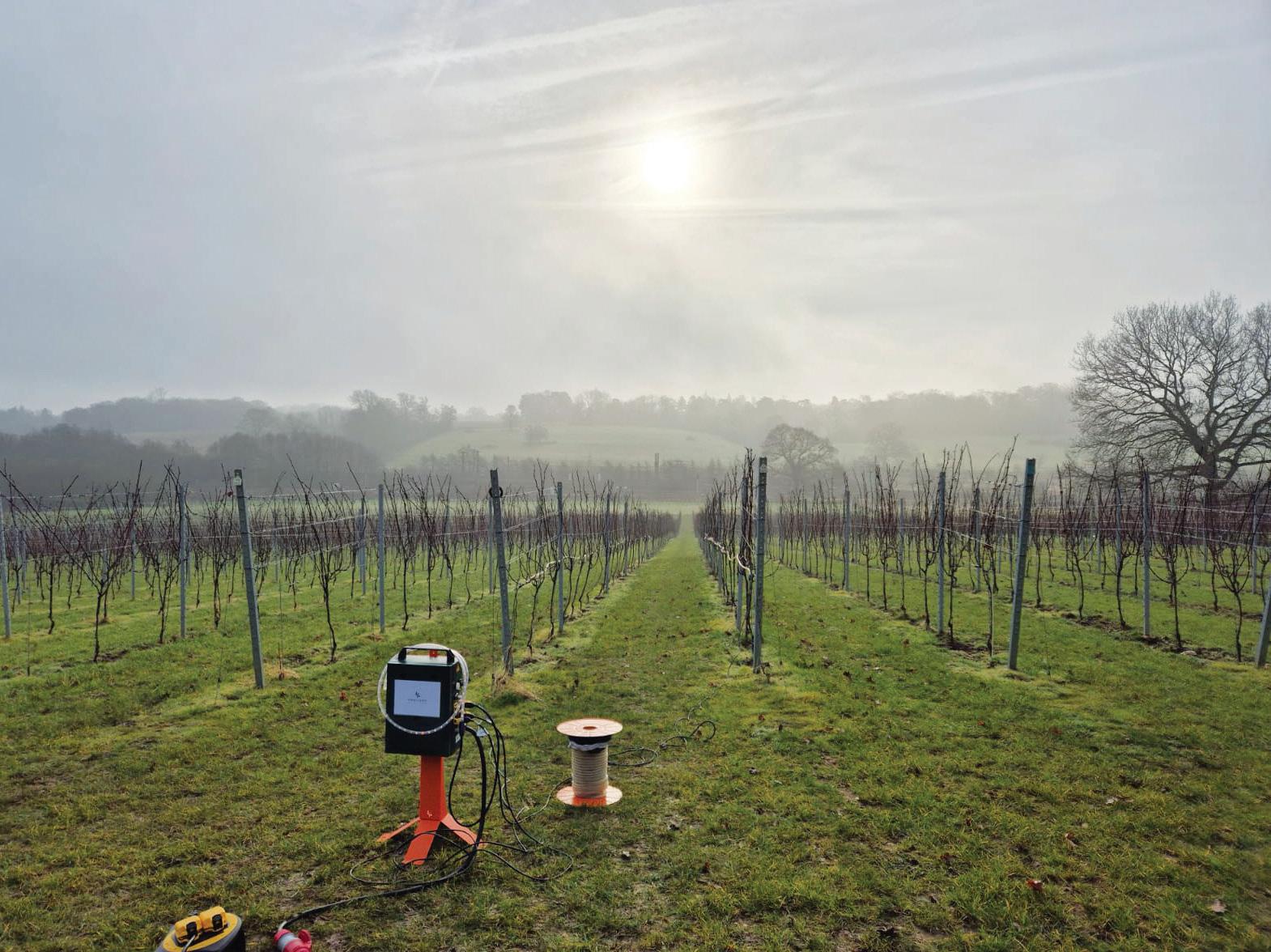
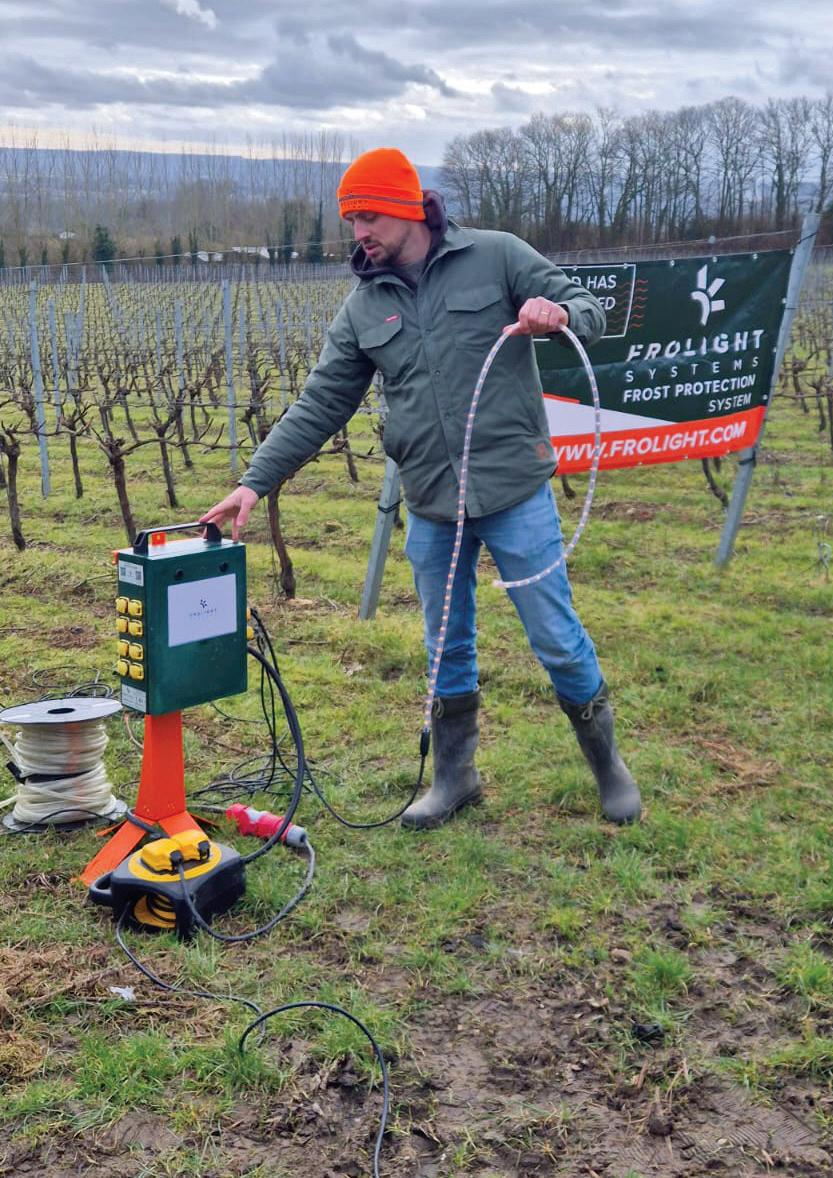
Laurens de Vos at a Frolight Demo Day in January 2025
◆ Wednesday 18 February 11:00-13:00
Decoy Vineyard, Melton, Woodbridge, Suffolk IP13 6DH
◆ Wednesday 25 February 10:00-12:00
Ford Farm Vineyard, Hadlow Down, Uckfield, East Sussex, TN22 4DY
The events are free to attend, but places are limited. To reserve your place or speak with our viticulture team: ✉ hello@vine-works.com �� 01273 891777
The UK wine industry has pulled together to secure the Curious Vines platform and its initiatives for 2026, ensuring continued support for its two core pillars: education and development, and community building.
This renewed commitment will enable expansion into new key UK cities for wine, wider access to professional development opportunities and the continuation of its distinctive panel discussions, educational support programmes and community events.
Founder of Curious Vines, Queena Wong, states: “I am proud to contribute to building a more vibrant and forward-looking wine industry in the UK and beyond. The energy surrounding Curious Vines reflects the optimism and determination of its talented community – individuals who work hard, aim high, and inspire
lasting change across our sector. Creating impact that truly endures requires persistence and long-term commitment. With the continued financial support and partnership of the wider wine industry, we can continue building on the current foundations already laid by providing the resources to nurture and retain diverse talent and ensure a thriving, inclusive future.
I am deeply grateful to the organisations that recognise what it takes to reduce barriers to entry, foster a more welcoming industry, and engage the next generation of wine professionals – and, in turn, our future consumers.”
For more information or if your company would like to be involved in supporting the work of Curious Vines, please contact Queena Wong: queena@curiousvines.co.uk
What’s the secret formula for Plumpton College’s wine-making centre of excellence? An education grounded in research and delivered by passionate scientists, as Viticulture & Oenology Programme Manager James Clapham discusses.
Please give us an insight into your scientific background and your journey towards Viticulture & Oenology at Plumpton College?
My research has spanned bacterial genetics, antimicrobial discovery, and enzyme-based synthetic peptides for biofilm prevention. Before my current role, I served as Laboratory Manager for Plumpton College, overseeing lab based practical work across the whole college. I am now Programme Manager for the MSc in Viticulture & Oenology at Plumpton College, where I combine my scientific background with a passion for wine science and education.
What highlights or achievements can you share about your work to date?
Some of my proudest achievements include developing new research collaborations, securing bursaries for student projects, and most importantly, seeing our graduates make significant contributions to the wine industry. Recent research projects have been published in trade magazines and presented at conferences, helping to raise the profile of Plumpton College as a centre of excellence.
As Programme Manager, what is special about the MSc in Viticulture and Oenology and what opportunities are there for students?
The MSc is designed as a conversion degree for science graduates, providing a strong foundation in viticulture and oenology. Students learn to apply scientific principles to grape growing and winemaking, develop
operational skills, and critically evaluate new technologies. The programme emphasises sustainability, innovation, and industry engagement, preparing graduates for a wide range of careers.
The course blends classroom learning with hands-on training in our commercial vineyard and winery. Study trips, such as our recent visit to the Cava region in Spain, offer insight into international best practice. Research projects are a core component, with topics ranging from climate change adaptation to yeast genetics to evolution of viticultural and oenological practices. The challenge is mastering both the scientific and practical aspects, but the reward is a well-rounded skill set. Alumni have gone on to roles in production, research, and consultancy, both locally and internationally.
Can you tell us more about your microbiology research projects, and particularly the recent research conducted on yeast?
My research has always centred around the microbiology of winemaking, with a particular focus on yeast and its impact on fermentation and wine quality. I am currently investigating petite mutants in winemaking yeasts as part of my PhD. These are naturally occurring yeasts with mitochondrial mutations that can significantly affect fermentation performance,
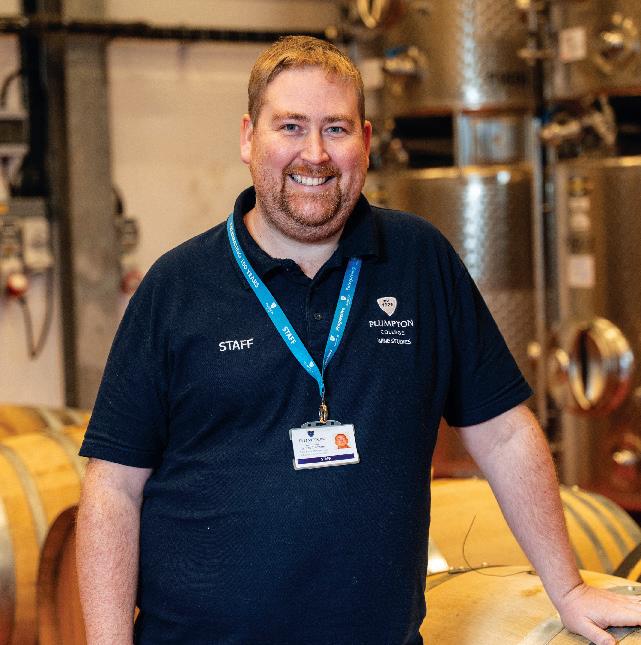
James Clapham
◆ Plumpton College Programme Manager for MSc in Viticulture & Oenology
◆ Graduate of BSc in Microbiology & MSc in Biomedical Science
◆ Currently studying a PhD at the University of Nottingham
stress tolerance, and ultimately the sensory characteristics of wine. Understanding yeast genetics is fundamental to improving reliability and innovation in winemaking. Petite mutants, while sometimes problematic, also offer opportunities for developing new fermentation strategies and enhancing wine styles. My work aims to uncover how these mutants arise, how they behave under winery conditions, and how winemakers can manage or even harness them for improved outcomes.
“Studying wine at Plumpton College is a unique experience, blending rigorous science with practical training and industry engagement. The UK wine sector is expanding rapidly, and our graduates are well-placed to lead innovation and sustainability. I’m proud to be part of a team that supports students in achieving their ambitions and advancing the field of viticulture and oenology.”
Interested in changing your career or learning new skills this year?
Find out more about Plumpton College’s wine-making centre of excellence: DESKTOP www.plumpton.ac.uk/wine-division/
Sign up to their next webinar on unlocking your dream career in the wine industry: DESKTOP www.plumpton.ac.uk/news-events/calendar-of-events/webinar-wine-futures-uncorked-unlock-your-dream-career-in-the-wine-industry-1/ Next Open Event – 21 March 2026: DESKTOP www.plumpton.ac.uk/news-events/calendar-of-events/visit-us-at-an-open-event-on-21-march-2026/
Andrea Ontiveros Flores, a sommelier and marketing & communications specialist from Alicante, Spain discovers the Golden 50 at the Vineyard & Winery Show 2025.
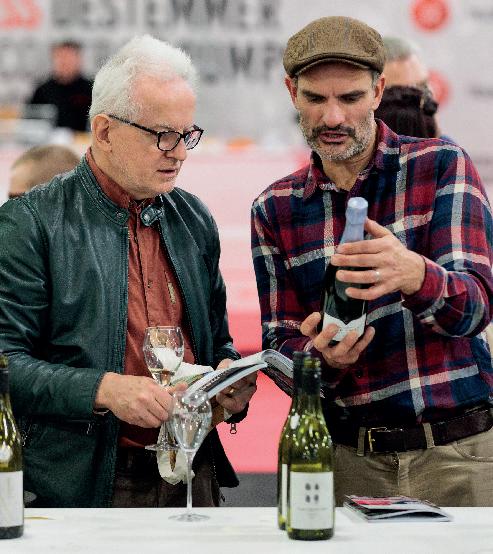
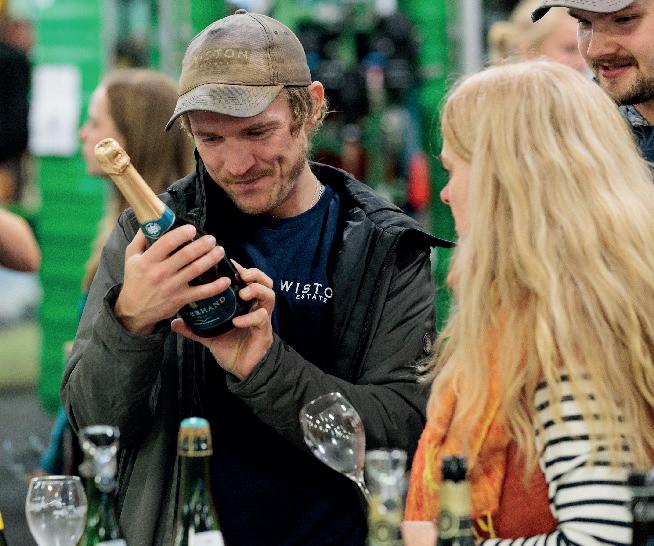
You escape to the British countryside, soaking in the most enchanting landscapes of South East England, and find yourself at the Vineyard & Winery Show 2025, sampling some of the finest English and Welsh wines. I can’t imagine a better way to close out last year than discovering and tasting selections from the prestigious Golden 50, all while I was able to curate my own New Year’s Eve list of sparkling wines for the perfect toast.
The Vineyard & Winery Show 2025 covered virtually every aspect of top-tier wine production, from cutting-edge machinery and expert

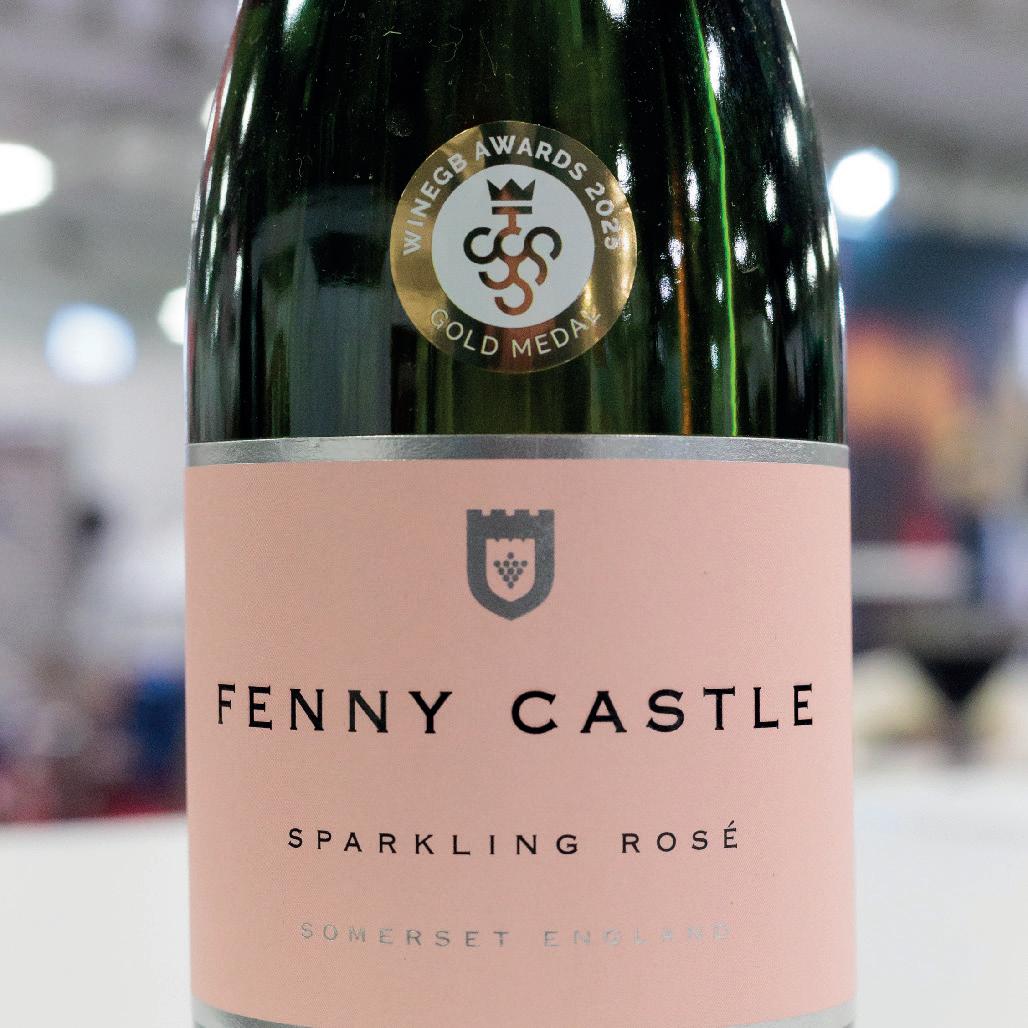
From Fenny Castle Vineyard, a small estate in Somerset, UK – the 2020 Sparkling Rosé is crafted entirely from estategrown Pinot Noir. Thanks to its pedigree, traditional method production, and recognition from independent wine awards,

consulting spanning grape to bottle, to thrilling masterclasses and of course, exceptional wines in the tasting hubs. More than just an exhibition, it was a celebration of wine, bringing together producers, enthusiasts, and industry insiders for inspiration, networking, and pure vinous delight.
Not only did I wish I could have taken home every wine I tasted that afternoon, though my luggage would have begged to differ, but I also wanted to write about them all: sparkling, red, rosé, white, and everything in between. Here’s a glimpse of my top picks from the Golden 50 at the Vineyard & Winery Show 2025 tasting.

this sparkling rosé stands out among English bubblies. It’s a wine made with care and ambition rather than mass-market frizzante, making it a particularly compelling choice for those exploring English sparkling wines beyond the familiar names. The 2020 vintage has earned a Gold medal at the WineGB Awards 2023 and strong scores at the International Wine Challenge, confirming it as one of the more accomplished English sparkling rosés.
As a traditionally made sparkling wine from a boutique UK producer, with awards under its belt, it is perfect for celebratory moments or special occasions – ideal for a dinner party or a thoughtful gift, especially if English and boutique wines are appreciated. Elegant and moderately complex, it balances fruitiness with subtle toasty notes. Its red-berry character and fine bubbles make it inviting and approachable as an aperitif, while pairing beautifully with lighter meats, and charcuterie. This is a lessmainstream wine from a smaller producer with story, and versatility, that work both for casual sipping and more refined food pairings.
In short, the 2020 Fenny Castle Sparkling Rosé delivers both charm and character, enticing fruitiness with enough structure and texture to feel like more than “just a pink fizz.” For anyone eager to explore sparkling wines beyond the Champagne or Prosecco route, it is a truly an elegant option with sophistication and personality.
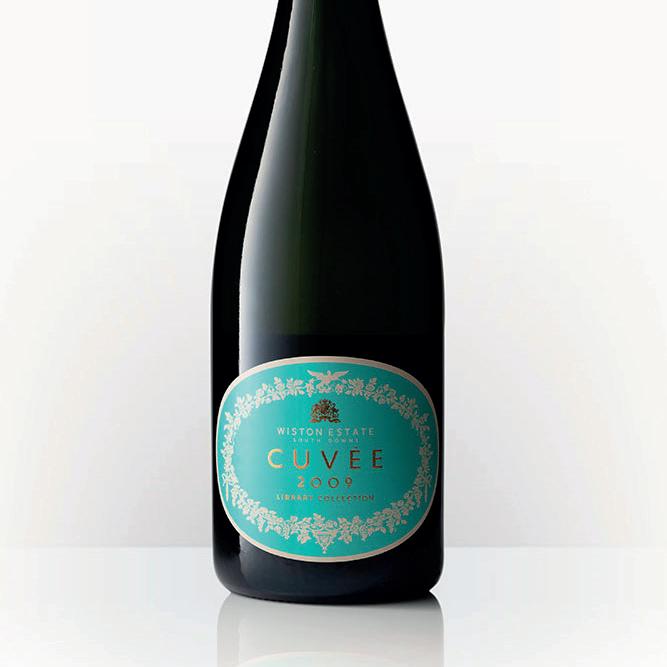
Estate Library Collection Cuvée 2009. Sussex
From £60.00
www.wistonestate.com
Breaking away from the typical “young, fresh fizz,” the 2009 Cuvée from Wiston Estate (South Downs, Sussex) leans closer in style and ambition to a mature Champagne. Born of the estate’s second-ever vintage, it also marks their first commercial release. Aged extensively on its lees for over 13 years and only disgorged at the end of 2023, the wine is a blend of 60% Chardonnay, 30% Pinot Noir, and 10% Pinot Meunier. This late-release style, part of Wiston’s Library Collection, showcases the remarkable potential of English sparkling wine with extended aging.
Andrea is a certified Sommelier trained at the Escuela Superior de Hostelería de Sevilla (ESAH), with expertise in wine service, gastronomy, and hospitality, combined with an entrepreneurial and commercial background. With over a decade of international experience spanning digital media strategy, advertising, customer success, and business management. Andrea holds an MSc in International Marketing, with professional experience in global organisations such as Amazon and leading UK media agencies.
This is no sweet, easy-going fizz – Wiston’s vintage is nuanced, subtle, and evolves beautifully with air and time. A mature, complex sparkling wine rather than the typical fresh and fruity style, it shines on its own as a contemplative sip, perfect for the start of a special evening or a tasting-focused meal. Thanks to its depth and age, it rewards patience in the glass, allowing its aromas to unfurl and develop. The wine offers a captivating interplay of crisp acidity, minerality, bright citrus notes, and delicate nutty, toasty nuances.
I wouldn’t call it overly “serious” for casual drinkers, but the 2009 Cuvée is certainly a wine for special moments – when you want something refined, thoughtful, and truly unique. Limited and historic, it is an expression of what English sparkling wine can achieve with time.
J L Baxter Savage Vineyard, Four Daughters Albarino 2022. Kent
£26.00 www.fourdaughters.co.uk
This wine stands out as one of the relatively rare examples of Albariño grown outside its traditional heartlands of Spain and Portugal, offering a compelling glimpse into what cooler-climate UK viticulture can achieve with international grape varieties. Produced in Kent by Four Daughters Vineyard under the estate’s own label, the 2022 Albariño is made entirely from locally grown Albariño grapes and forms part of the winery’s core range. Its moment came in 2025, when it earned a Gold Award from WineGB and secured a place on the Golden 50 list.
Think of a fresh, fruit-forward white: crisp, clean, and lively, with notes of citrus alongside hints of white peach and melon. Light-bodied and well balanced, it shows the typical freshness of a cool-climate Albariño. This is a wine that leans toward vibrancy and easy drinking rather than heavy oak or buttery richness –uncomplicated, versatile, and thoroughly enjoyable. Not built for aging, it’s best consumed young to capture its aromatic clarity and brightness. While it may lack the depth or complexity of traditional Galician examples, its appeal lies in its immediacy and freshness. For those drawn to experimental wines from non-traditional regions, or curious to see how UK producers interpret international grape varieties – it offers a fascinating climate and terroir contrast.
A long-standing passion for wine and gastronomy led Andrea to a professional transition into the wine industry through specialisation in sommellerie, integrating commercial strategy with hands-on hospitality. Currently based between Alicante and London, Andrea has launched personal projects within the gastronomic sector, including the founding of a food and wine venture in London. This work has involved collaboration with wellknown bars and venues, alongside recognition in specialised industry press. Currently her focus sits at the intersection of wine expertise, and business development, applying marketing insight to the creation of wine-led experiences. Above all Andrea finds genuine pleasure in writing about wine and exploring the identity and potential of English & Welsh wines and emerging wine-producing countries.
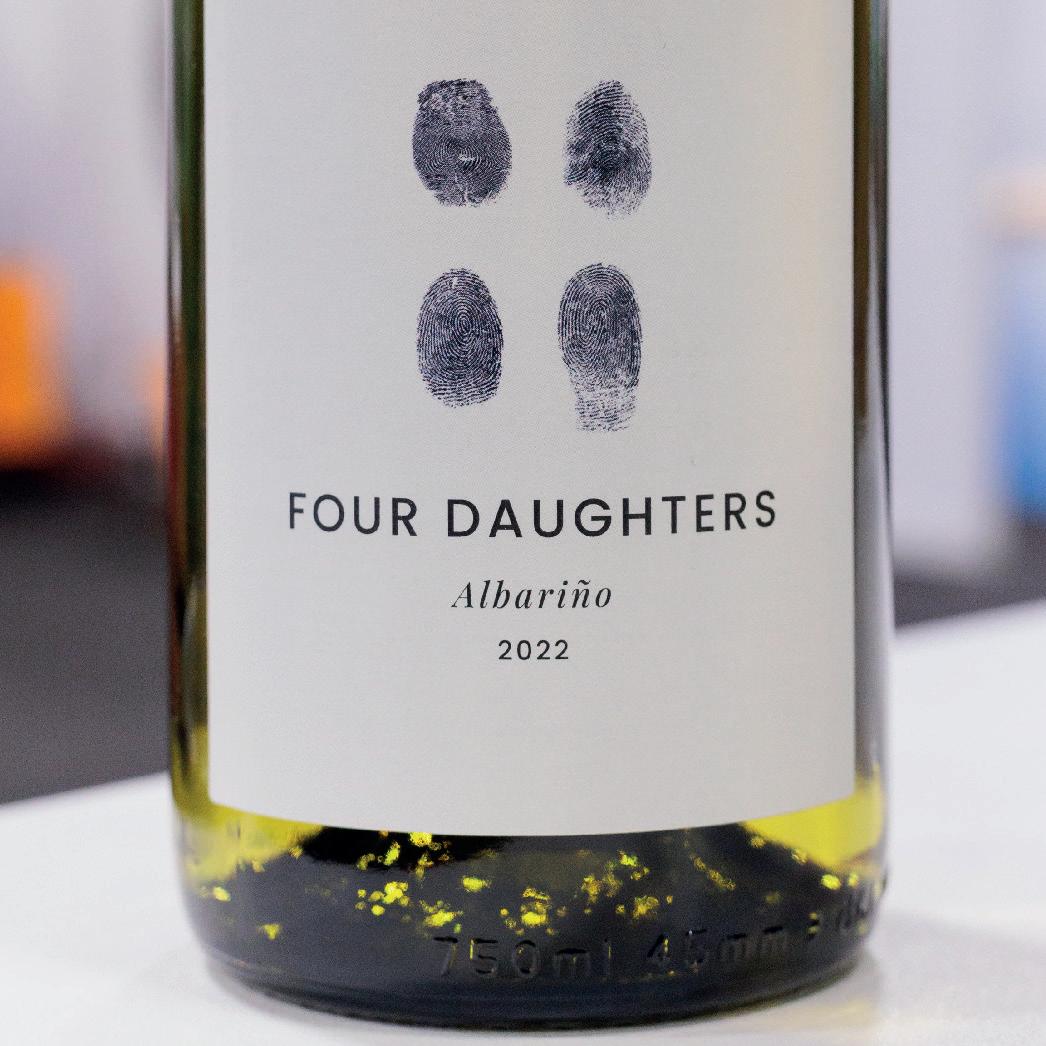
The 2022 Four Daughters Albariño is a compelling example of how well this grape can adapt to a cooler climate like Kent. Bright, fresh, and effortlessly drinkable, it works beautifully as an everyday white or a summer wine, while also appealing to those curious about non-traditional regions of familiar varieties. Lovers of clean, crisp whites will find it especially rewarding alongside seafood, light summer dishes, or relaxed social occasions. Light and vibrant in style, this Albariño offers an enticing glimpse into the grape’s future potential in England.
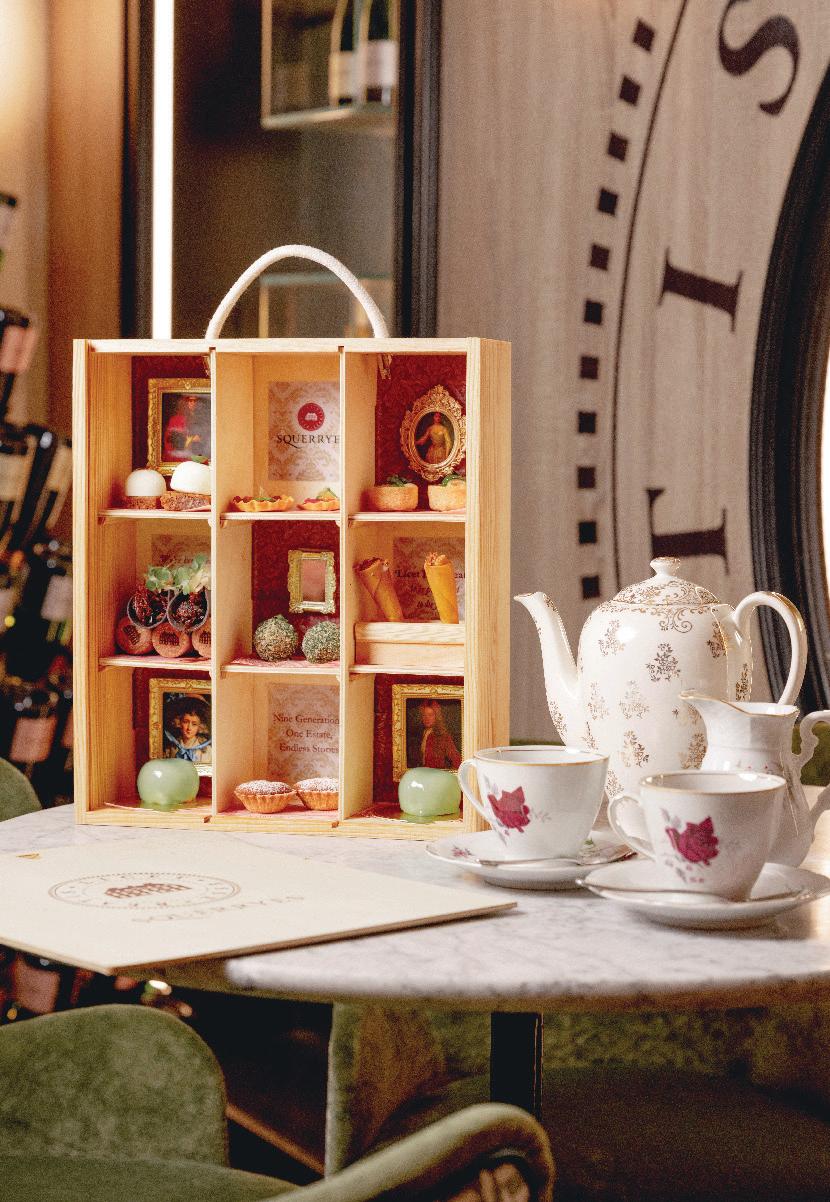
I recently attended the launch party for Squerryes Wine Estate’s newest hospitality offering in Westerham, Kent: an afternoon tea experience that marks another step in their tourism development.
Already home to a successful restaurant, dynamic events programme and lively farm shop which is built around its awardwinning sparkling wines. Now Squerryes has introduced afternoon tea, adding an enticing, year-round experience with particular appeal in the cooler months. Having the pleasure to be among the first to experience this offering, I witnessed how Squerryes continues to set standards for English wine tourism. The afternoon tea is served in their warm new parlour space with sweeping views over the estate vineyards – an environment that connects guests to the winemaking landscape even on the chilliest days.
Operating Wednesdays to Fridays with arrival slots between 2.30-4.15pm and priced at £55 per person, the experience includes a glass of Squerryes’ awardwinning sparkling wine. Their classic Brut comes as standard, though the offering particularly benefits members of Squerryes’ thriving membership scheme. These dedicated English wine enthusiasts enjoy options to upgrade to Rosé or Blanc de
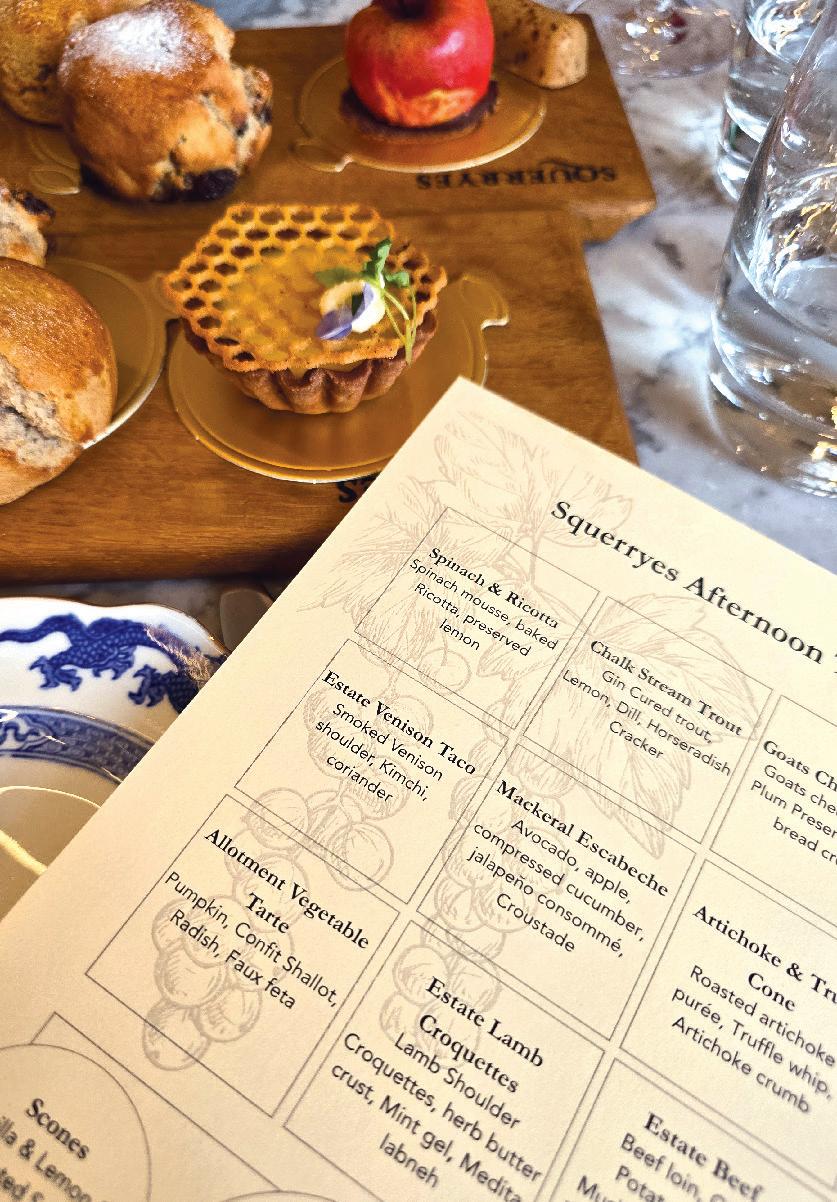
Blancs, alongside discounts and other initiatives that reflect the growing appetite for wine club programmes at UK estates.
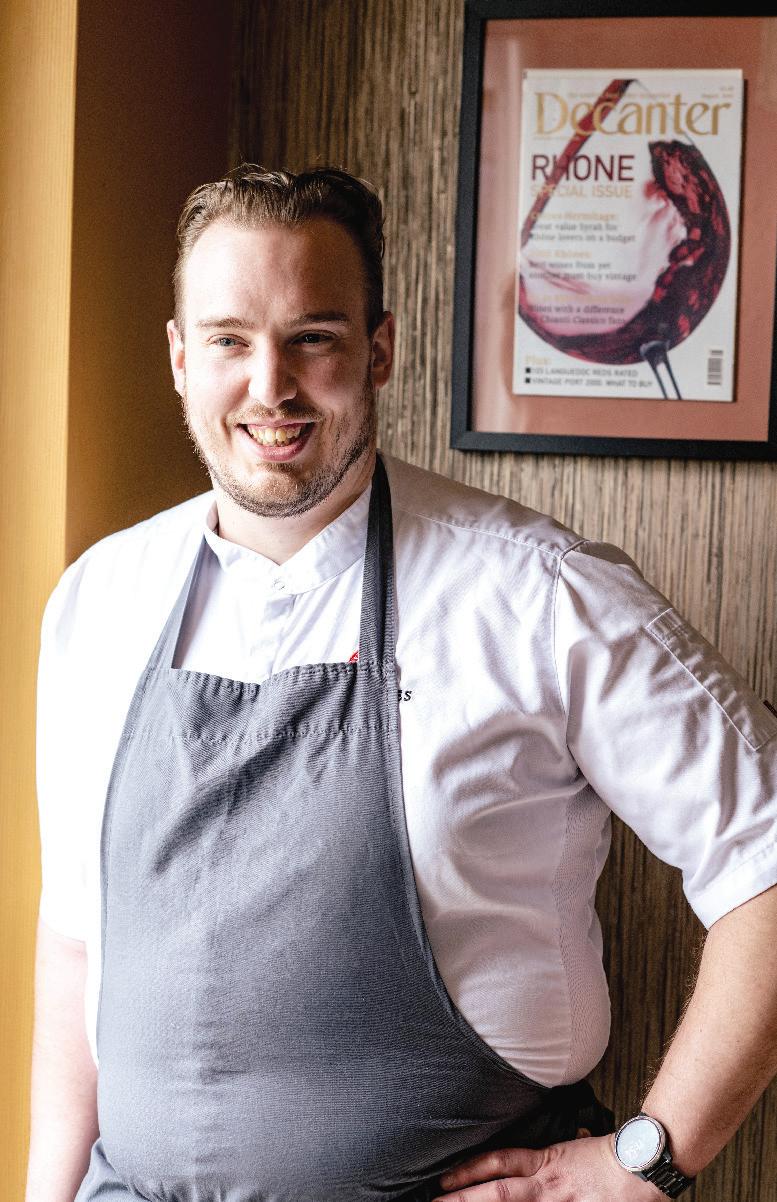
Since 2006, Squerryes has been producing English sparkling wine from their estate vineyards. Their Kent location provides exceptional access to Garden of England produce, which Head Chef Seamus utilizes in creating seasonal, local, and sustainable menus. The farm-to-table approach incorporates ingredients from the estate itself, including meat reared and butchered on-site, demonstrating vertical integration that enhances both authenticity and operational control.
The newest parlour area strategically reinforces the connection between wine and place, with vineyard views creating immersive experiences where visitors engage authentically with production. This is increasingly important as wine tourists seek more than transactional tastings.
For an industry still developing its wine tourism infrastructure, Squerryes provides a compelling model offering wine-led experiences that appeal to both enthusiasts and hospitality consumers while maintaining quality and operational efficiency. The winter launch timing demonstrates strategic thinking about year-round programming and facility utilisation.


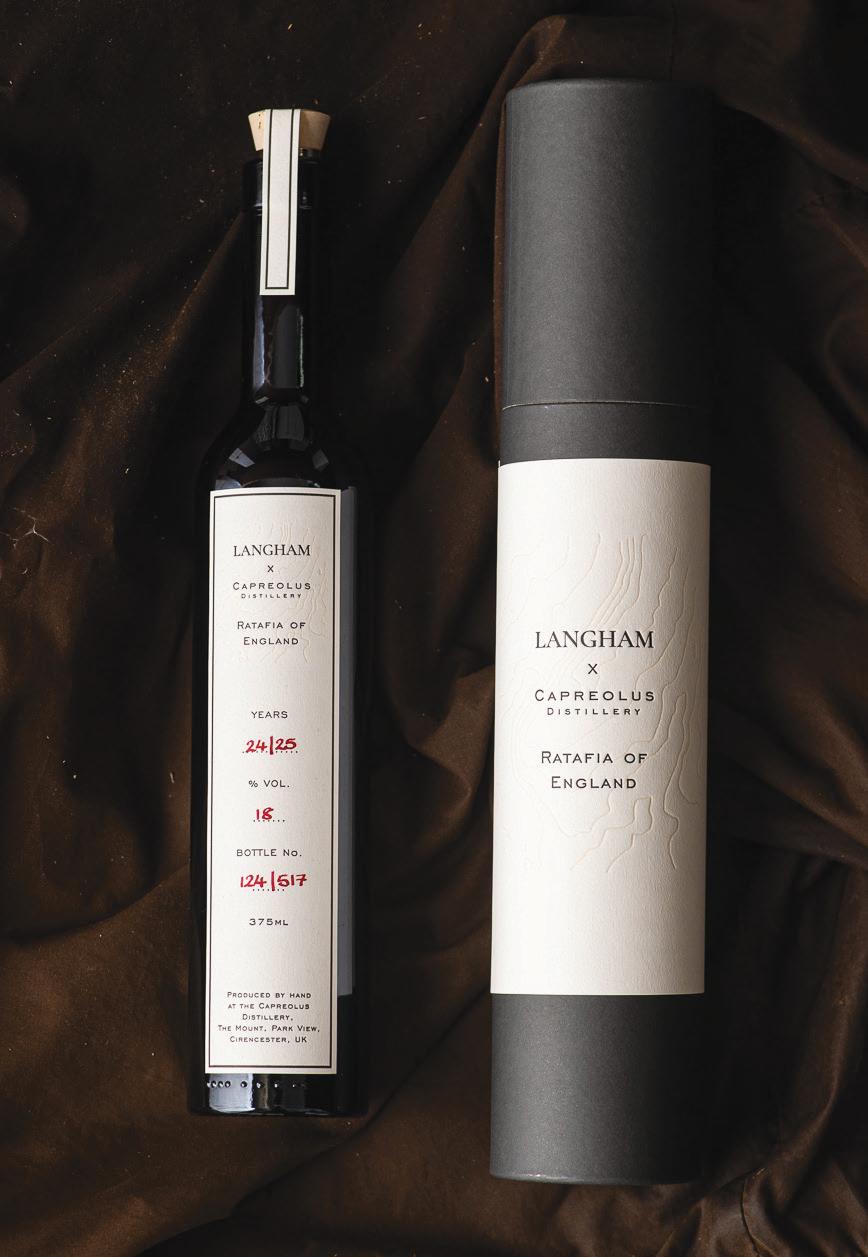
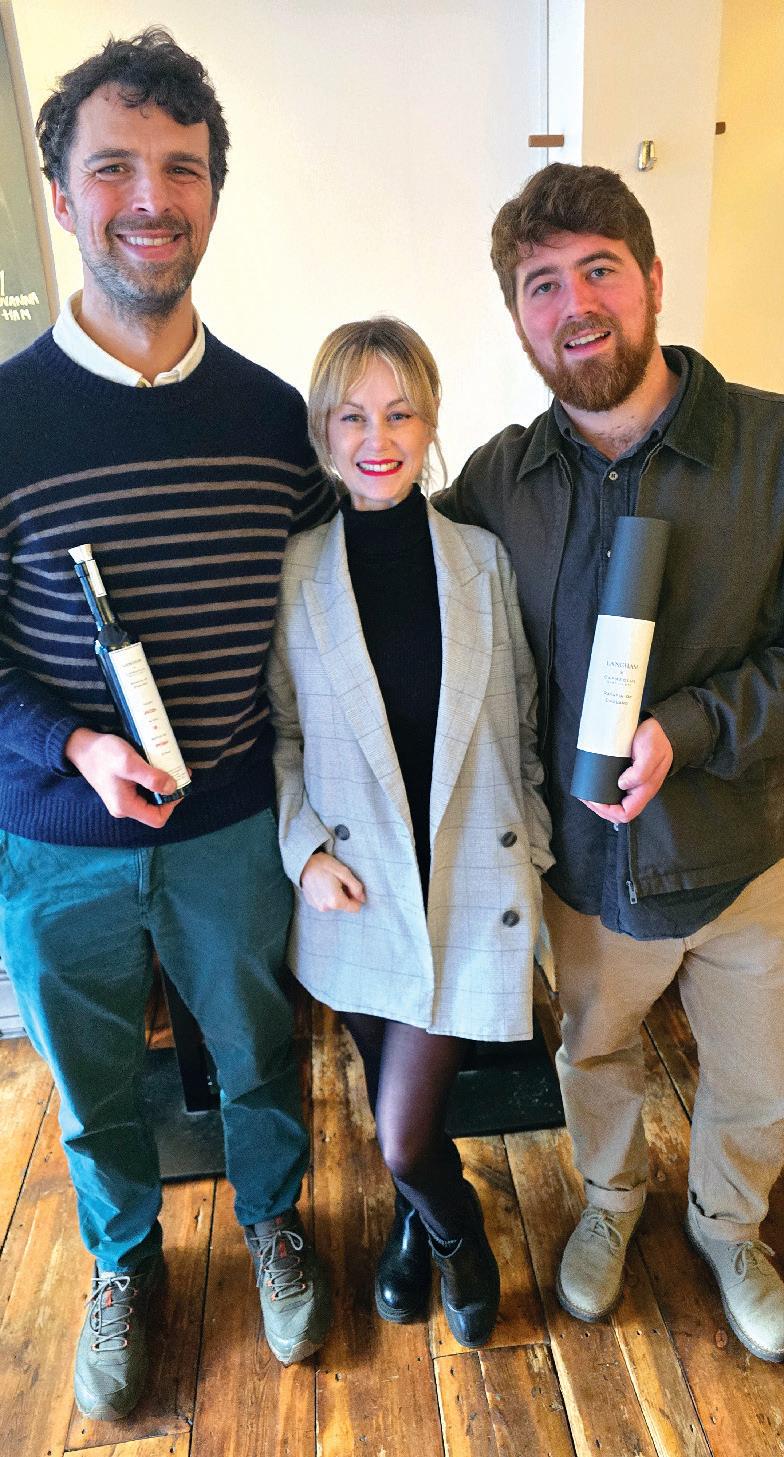
A relaxed drop-in at Lower Wine Bar in Waterloo marked the launch of something truly special in English winemaking. Ratafia of England is a collaborative mistelle from Langham Wine Estate and Capreolus Distillery. The release represents a bold exploration of a style rarely seen in England. Head Winemaker Tommy Grimshaw and master distiller Barney Wilczak were both present, offering insight into a project that has been quietly evolving for two years. Their collaboration captures Dorset’s chalk terroir in an entirely new form. The result is a fortified grape juice that balances natural sweetness with the vivid acidity and mineral purity that defines Langham’s fruit. The process is meticulous and uncompromising. Whole bunches of estategrown Pinot Noir from the 2024 harvest were hand-sorted at Capreolus Distillery in Cirencester, then slowly fermented to preserve floral delicacy before being twice distilled by Barney. The result is an exceptional spirit where 33kg of Pinot Noir grapes are captured in each precious litre. After a year’s maturation, this spirit was blended with oxidatively pressed juice from the 2025 vintage.
“This project has been quietly evolving for two years, and it’s something we’re incredibly proud of,” said Tommy Grimshaw. “Working with Barney has allowed us to explore our fruit from a different angle, with the purity of distillation and the passion he has for his craft. This ratafia reflects our ethos and approach to our winemaking whilst having some fun along the way. It’s generous, incisive and simply delicious. A true meeting point between Langham and Capreolus.”
The tasting revealed lifted notes of dried orchard fruit and orange blossom, with gentle sweetness balanced by bright acidity and black tea astringency, finishing long and mineral. Served alongside cheese, charcuterie, and tinned fish, with Langham’s range of sparkling wines also available to taste, the ratafia demonstrated remarkable versatility. It proved equally compelling as an aperitif, with cheese, or as a contemplative digestif.
What struck me most was the philosophical alignment between these two producers. Langham’s low-intervention, oxidative approach to winemaking is inspired by the Grower Champagne movement. This finds its natural counterpart in Capreolus’s reputation as one of the world’s foremost producers of fine fruit eaux-de-vie. Both share an unwavering commitment to transparently representing their fruit and terroir.
Bottled at 18% ABV in 375ml format and presented in gift tubes, this small-batch release of just 517 bottles is priced at £49.99. The limited quantity reflects the meticulous nature of the project. This is not mass production but rather a celebration of the full potential of Langham’s Cretaceous chalk-grown Pinot Noir.
The collaboration between Langham Wine Estate in rural Dorset and Capreolus Distillery in the Cotswolds represents more than geographical partnership. It’s a meeting of minds united by curiosity and a refusal to compromise on quality. Ratafia of England demonstrates that English winemaking continues to push boundaries, exploring forms and styles that expand our understanding of what this country’s fruit can achieve.
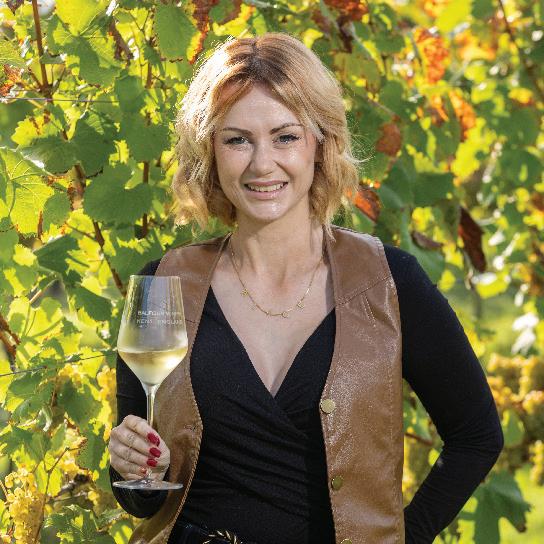
Alice Griffiths
Alice Griffiths is a wine communicator boosting the profile of English and Welsh Wine on social media, under the popular handle of Posing With Alcohol. Alice has worked within the agriculture industry for the past 20 years, spending time as a lecturer and a smallholder before discovering her passion for viticulture, winemaking and wine tasting. Get in touch to have your events featured: ✉ Posingwithalcohol@gmail.com
s
INSTAGRAM Alice can be found on social media under @posingwithalcohol on Instagram.
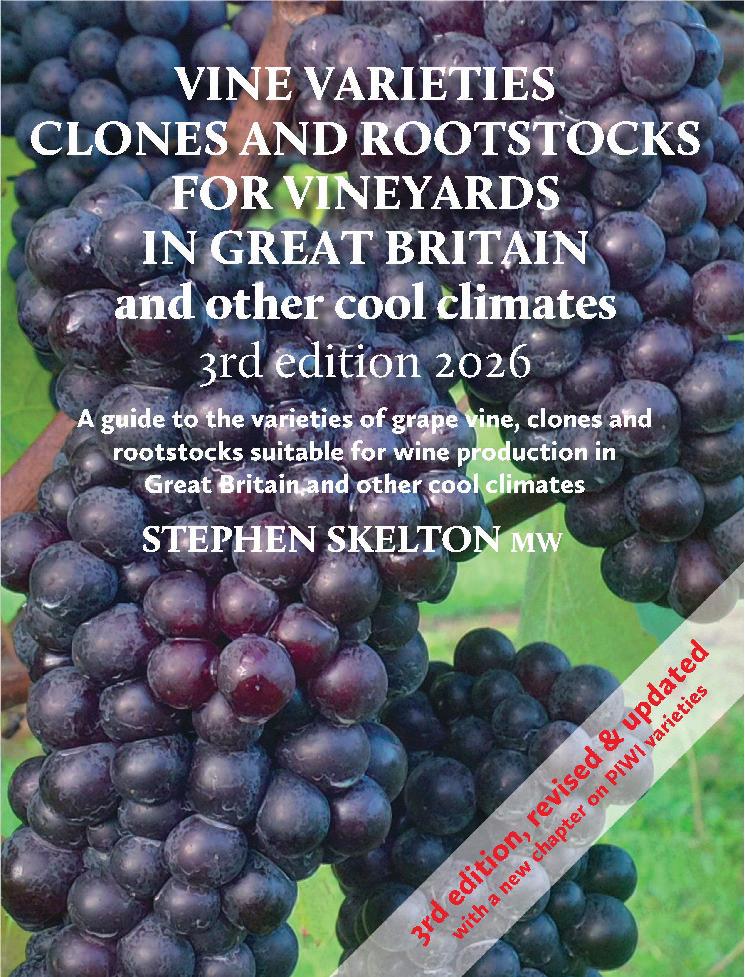
Vineyard Magazine caught up with Stephen Skelton MW to discuss the release of his newly updated book, Vine Varieties Clones and Rootstocks for Vineyards in Great Britain and other cool climates.
In the third edition of this book Stephen aims to arm those planting new vineyards with all the information they need to make their own informed decisions about the vines that will suit their site and the vines that will produce grapes that will make the style of wine they want to produce. A personal process that Stephen describes as simple but crucial. “These are decisions that are made in the very beginning around the figurative kitchen table but once the vines are ordered and planted these decisions cannot be changed and last the lifetime of the vines,” said Stephen with emphasis. This edition of the book is poignantly dedicated to the memory of Peter Hall a great pioneer of the English Wine Industry and Stephen’s friend who sadly passed
Vine Varieties Clones and Rootstocks for Vineyards in Great Britain and other cool climates will be available at the special discounted price of £20 plus postage and packing (normal price £30) from 24 January until 14 of February
To purchase the book at this special price scan the QR code
away in 2025. “I wanted to include this in the book because he was my friend and I appreciate all the hard work he put into viticulture in England. In the 1970s we were all planting Seyval on 3309C rootstock sourced from an exceptional block by the vine breeder Couderc, this variety was and still is very successful and we both agreed on its suitability for English wine,” explained Stephen.
It is clear that this book is a way for Stephen to help individual growers create their own traditions based on well informed decisions. “I have really enjoyed the research for this book and really enjoyed the writing process,” he explained with emotion in his voice.
In the introduction Stephen explained why this book has been released. The second edition was published in 2020 and since then “the area under vine has increased from around 3,500 hectares to at least 5,000 hectares.” This is only one of the many staggering facts that Vine Varieties Clones and Rootstocks for Vineyards in Great Britain and other cool climates places before
the reader. The book has useful tables that show how yields have increased and even predicts how this trend will continue in the coming years. One such table in the book highlights that 10.67 million bottles were produced in England and Wales in 2024 but with 982 hectares of vines three years of age or younger this figure could well reach 21.5 million bottles by 2029. “There are now an increasing number of vineyards with longer histories and as growers gain experience of several vintages both yield and quality will increase,” explained Stephen.
An industry that is expanding at such speed needs advice that will keep pace with this changing landscape and in this edition Stephen has dedicated an entire chapter to PIWI varieties. Giving an honest appraisal Stephen points out that “there are no vine varieties PIWI or otherwise that have been bred specifically for UK conditions which means there is not one superstar grape that should be planted everywhere.” This is a message that carries throughout the book with the research leading to the inescapable conclusion that growers in England and Wales have choices. “This is not a winegrowing region where a specific variety is required or expected,” he said.
Vine Varieties Clones and Rootstocks for Vineyards in Great Britain and other cool climates carries the very clear message that when it comes to clone selection “Finding THE clone for your vineyard, one that will produce the perfect wine year in and year out is probably not possible so play safe and use a sensible range for the size of your vineyard.” The book has an entire chapter relating to clone selection with detailed information relating to clonal variations that have proved successful and what particular wine styles they will suit, whilst recognising that regenerative agriculture has pushed forward the development of PIWI varieties and that this trend will need to develop further for the
With Fifty years of experience in the world of viticulture and winemaking Stephen Skelton MW has seen many developments and advised many entrants to the English and Welsh wine sector. In 1989 he published his first book Vineyards of England which included an advisory chapter on vine varieties. The rapid expansion of vine growing in England and Wales led to the publication of a book dedicated to this subject. In 2014 Stephen published Vine Varieties Clones and Rootstocks for Vineyards in Great Britain and other cool climates as a book that would be dedicated to helping new vineyards that were ready to plant or those vineyards looking to expand. The third edition of this book has now been significantly updated for 2026.
sake of the planet. “Sticking to the varieties we know and the consumer knows has environmental costs so PIWIs will become increasingly important,” he said.
The book makes some striking revelations about the adoption of PIWI varieties for example in 2024 there were over 14 hectares of both Cabaret Noir and Divico with Cabernet Cortis over six hectares. Another table highlights that Solaris stands at 117 hectares and is listed as the sixth most planted vine variety. The book also puts the adoption of PIWI varieties into a global context showing their growing significance in Europe.
With new varieties Stephen advises growers to develop a business plan that recognises that some of the varieties have unknown names. “In other areas of agriculture consumers are not overly concerned by variety. I doubt many consumers can name the blueberry variety they buy but wine is different and consumers are often directed by variety. There are ways to deal with this and there are some good examples of labels that do not put too much emphasis on variety but still appeal to the consumer,” he said.
Vine Varieties Clones and Rootstocks for Vineyards in Great Britain and other cool climates is one of those books that each time it is used reveals another important point. Creating a fabulous conversation around the essence of every bottle of wine, it is a book that will help those planting vines to clearly see the wood and the trees making the best decisions for their individual businesses.
The capital’s pioneering estates have all leapt forward, seemingly as one.
I have focused exclusively on Londonbased wineries in this elite publication only twice in eight years. In June 2019, I wrote a piece entitled ‘Urban jungle’, and in September 2023, my column was headed ‘London calling’. Following this timeline, a fascinating and invisible thread of unrelenting progress has ensued.
The careful augmentation of style and delicious accuracy of our capital’s stalwart, pioneering estates are nothing short of incredible. They have all leapt forward, seemingly as one, with the absolute quality of their creations.
As a city, London ought to be rightly proud of London Cru, Vagabond and Black Book, along with Renegade, whose wines I have not tasted in a while, as these are all incredible set-ups. But in terms of newsworthiness, one of this quartet has recently celebrated an astonishing milestone.
Late last year, Vagabond moved from
its fashionable Battersea Power Station HQ to an extraordinary purpose-built site in Canada Water. This spanking-new, beautifully designed winery will shine an even brighter spotlight on the potential and professionalism of our home-grown wines.
Vagabond Urban Winery is accessible from just about every corner of our capital, given it sits atop Canada Water’s Jubilee Line and London Overground stops, only minutes from London Bridge, Waterloo and countless other vital transport hubs. When you emerge from the station, the surroundings are fresh, modern, and eye-catching, with more of a Sydney than a Sydenham vibe.
The winery itself is what I imagine every boutique vigneron could only dream of, and the wine bar/shop, with its spectacular views of the Canada Dock Boardwalk, has been designed so perfectly that every surface, detail, and material flows from the open-plan winery to the bar and back again
Pre-release price of £35.00 www.blackbookwinery.com
I tasted a selection of wines from Sergio Verrillo’s ever-evolving portfolio just before the Christmas break. A handful were available for immediate purchase, some were pre-release, and the rest were clean-skins awaiting their labels and destined for future fame.
This was undoubtedly Sergio’s finest and most memorable assault on my senses to date. 2024 Fragments of Time Sauvignac is drawn from the Crouch Valley, and this curious Sauvignon/Riesling hybrid sees a smattering of French oak during fermentation, and a short six months of ageing.
It is unfiltered and unfined, and the texture, flesh, and zestiness found here are beguiling. This is a delicious, elderflower, spice, and citrus-soaked wine with a supermineral finish. This refreshing, pristine minerality is a Black Book signature and appears in every bottle.
A preview of a 2024 Pinot Gris showed superb, grippy, pithy notes, with engaging spice and teasing restraint, while 2023 Nightjar Pinot Noir Clayhill Vineyard (a preview) was bitter, bright, and peppery, with a stunning, cherry stone theme. A new wine, 2023 South Bank Vineyard Pinot Noir (another preview), is silky, luminous, red apple-skin and plum-skin-soaked, with a plush palate and an incredible finish. These two Pinots alone will set the world alight later this year!
But my headliner is a micro-production Chardy, and it is one of Sergio’s finest wines to date. It is creamily textured, mineral-drenched, mountain-stream cool and yet formal, and unlike any historical Black Book Chardonnay. Preceding wines have always had a devil-maycare feel about them, but this is a ‘white tie’ Chardonnay. It is impossibly calm, sitting at the back of the palate, holding court with an unwavering gaze and monastic composure.

in seamless harmony.
The capacity for entertainment here is seemingly unlimited, so let’s hope curious Londoners and wide-eyed tourists hear of this epic destination and see for themselves just how impressive it is. It makes sense, too, that the wines live up to the location, as you will see in my notes below. And while this is the gleaming new jewel in our capital city’s winery crown, I know Sergio Verrillo receives visitors almost every day to his Queenstown Road winery, not least because I am his immediate neighbour, and Alex Hurley, at Fulham’s London Cru, oversees the original London winery, and it looks as achingly cool today as it did when it opened twelve years ago. So, our jungle has evolved into a calling, and this calling, with the help of its talented members, has now become a genuine destination.
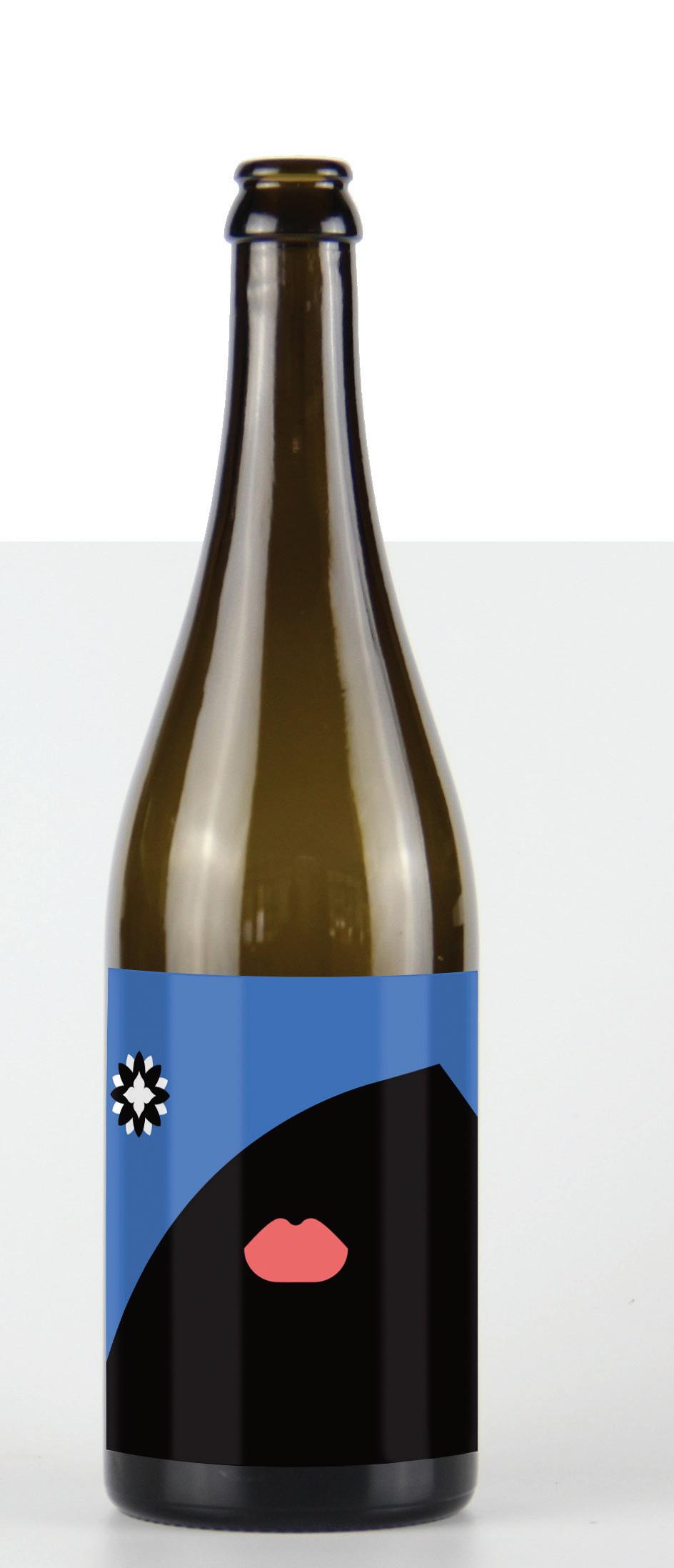
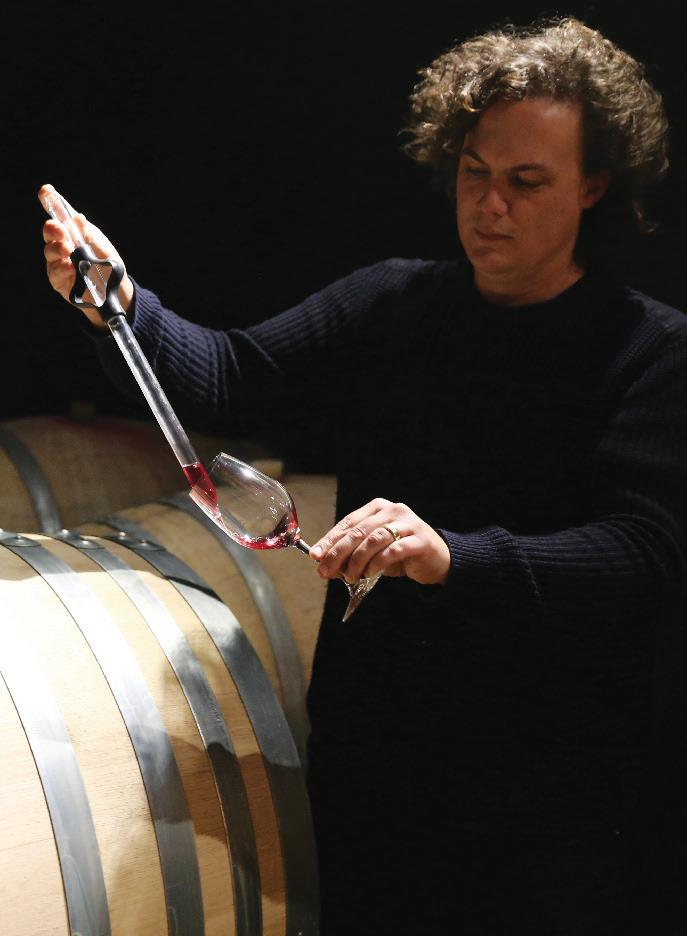
I tasted no fewer than ten new wines with winemaker Jose Quintana at the new winery in December, and they were all fascinating.
The best seven or eight wines were truly spectacular, and this makes Vagabond’s collection up there with the finest in the land.
While none of these were made at the new site, given that they only opened the doors a week or so before I visited, there is no doubt that this winery will give Jose the tools, equipment, and ergonomics to drive this brand to even higher levels of excitement.
Jose is a rare talent in our vinous firmament, and he is brutally honest, too, going so far as to explain what he thinks he can tweak in every wine in his portfolio to enable these wines to soar. And it all made sense, too!
That said, the work done since his predecessor left has been astonishing, with much of the funkiness left on the roadside while the wines engender more brightness, focus and identity. I can, hand on heart, state that every one of the 2024 vintage Vagabond
wines is a winner, but there is a multi-vintage creation here that stole the show!
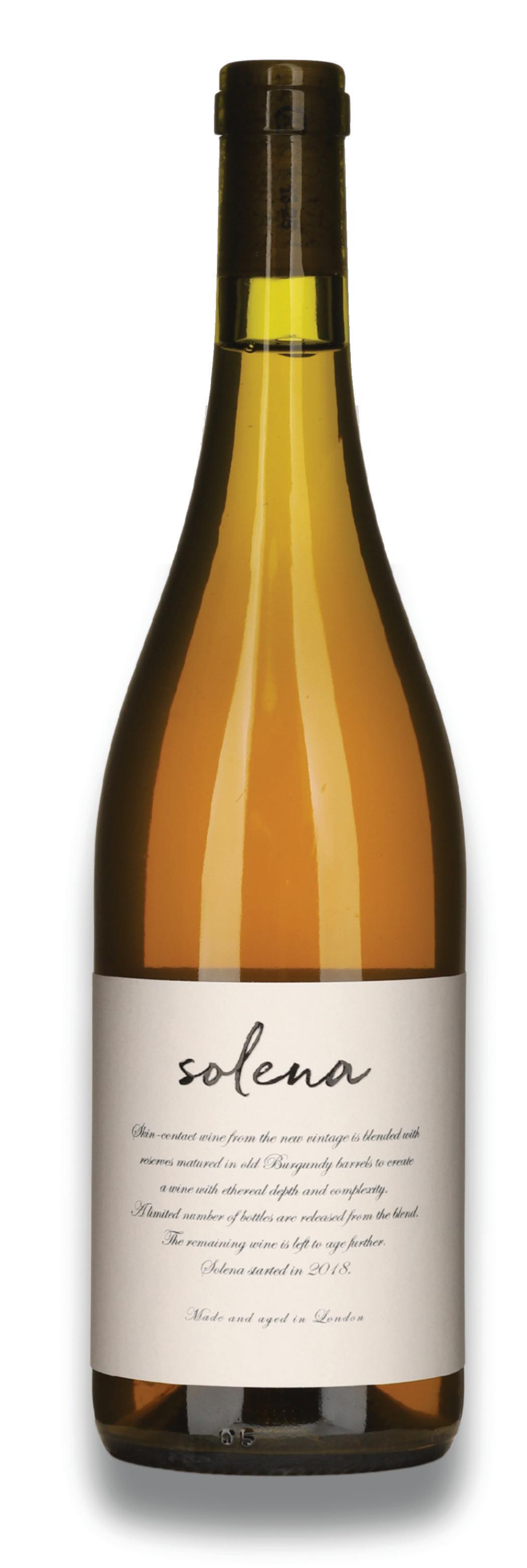
This ‘Sunny Solera’, or Solena, was started in 2018. I loved the previous incarnations of this wine, most recently writing up Batch 003 on this very page in November 2024. This new Batch 004 is even more sublime.
Made from a perpetual solera consisting of flor-influenced Ortega from 2018, 2021, 2022, 2023, and 2024, each new vintage contributes approximately two thirds of the ‘new wine’, and 821 bottles of this batch were bottled for our delectation.
Instead of the flor notes sitting atop this wine, like in a sherry, Batch 004 achieves the near-impossible by sprinkling these teasingly dry and oft-challenging molecules throughout the flavour. This lessens the impact at the front of the palate and prolongs the finish by time zones, not seconds!
Smoky, musky, Nordic, expansive, and incredible, this is a film noir of a wine. Every emotion is covered, and an anthemic halo of flavour memory builds here, resulting in a flavour unlike any other on earth.
There is a transcendency on the nose of this PNP (Plug ‘n’ Play or Pinot Noir Précoce, you decide) that defies the senses.
I will never forget the great James Rogers (RIP), who still possessed the greatest instinctive wine palate I have ever met, saying to me, “If it’s not on the nose, you will never find it on the palate”. He was right, and even judicious ageing or careful decanting will never coax a terminally dull or mute wine out of its shell.
Along with “Balance is born”, this rule of wine has stuck with me every day, and, therefore, when a wine possesses a perfume like this one, you sit bolt upright and pay forensic attention to every molecule of the experience.
And LDN CRU has form with this effortlessly enchanting red grape. The 2022 vintage was a cracker and, even as far back as the 2018 vintage, a Pinot Rosé showed magically
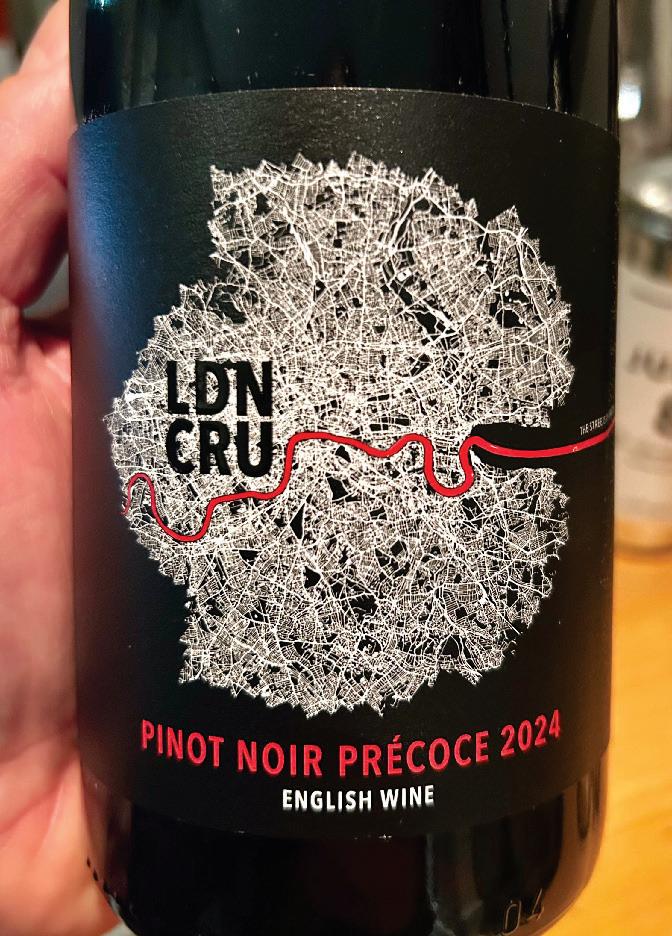
aromatic purity. Winemaker Alex Hurley’s velvet touch coaxes out wistful, fairytale notes from his Pinot skins, and a laid-back, semi-carbonic fermentation is followed by a beyond-relaxed élévage in 12% neutral French oak and 88% concrete tanks. The result is one of the most resonant red wines imaginable, with an 11.5% alcohol chassis and a finish that rolls on for minutes. But, ooh, that nose…
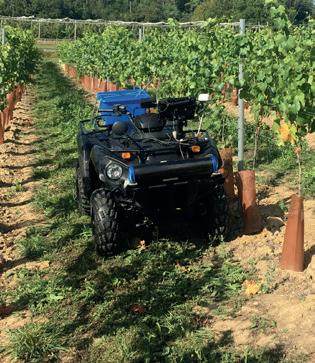
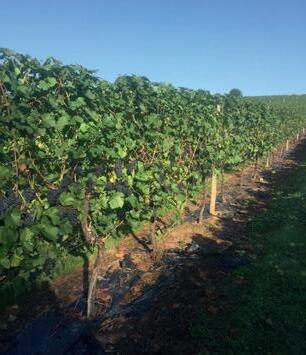
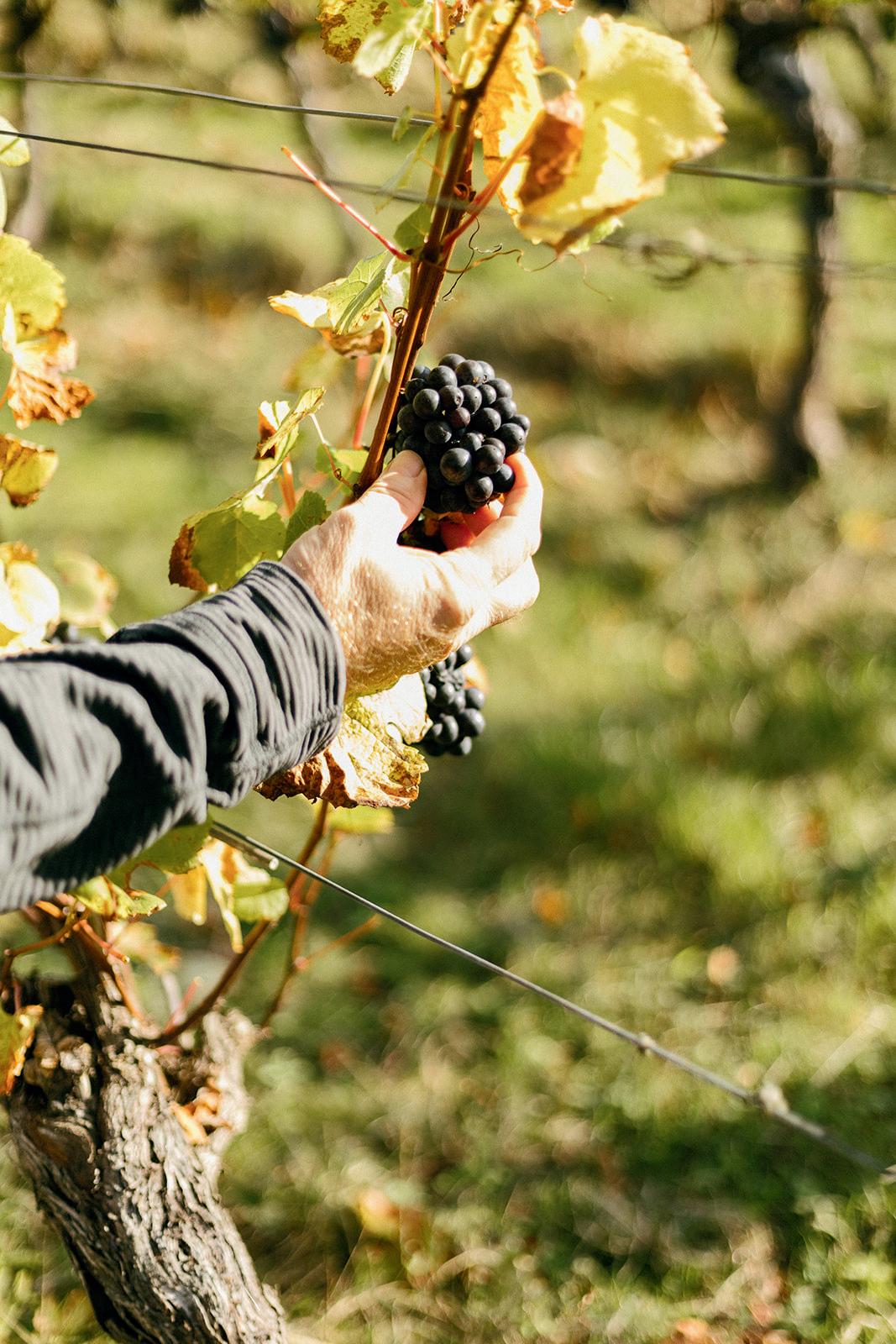
On an extremely frosty morning with the temperature well below zero a journey into the hamlet of Pett Bottom, Canterbury at first seemed a lonely prospect, but not only was Little Bursted Vineyard in an idyllic and beautiful location it is far from lonely.
Remote vineyards can sometimes be difficult to find but “You can’t miss the vineyard it is on the only road through Pett Bottom heading toward Lynsore Bottom,” said Tim Sarson the owner of this unique Kentish vineyard, with warmth in his voice. Whilst Pett Bottom may be a small hamlet in Kent it has an interesting history and Ian Fleming chose
Pett Bottom as the childhood home of fictional spy James Bond.
It was however the history of the formation of land at Pett Bottom that attracted Tim. Tim purchased the land at Pett Bottom in 2020 but he is quick to point out that this was not related to the Covid-19 pandemic as he had been looking for the right location to plant vines for several years.

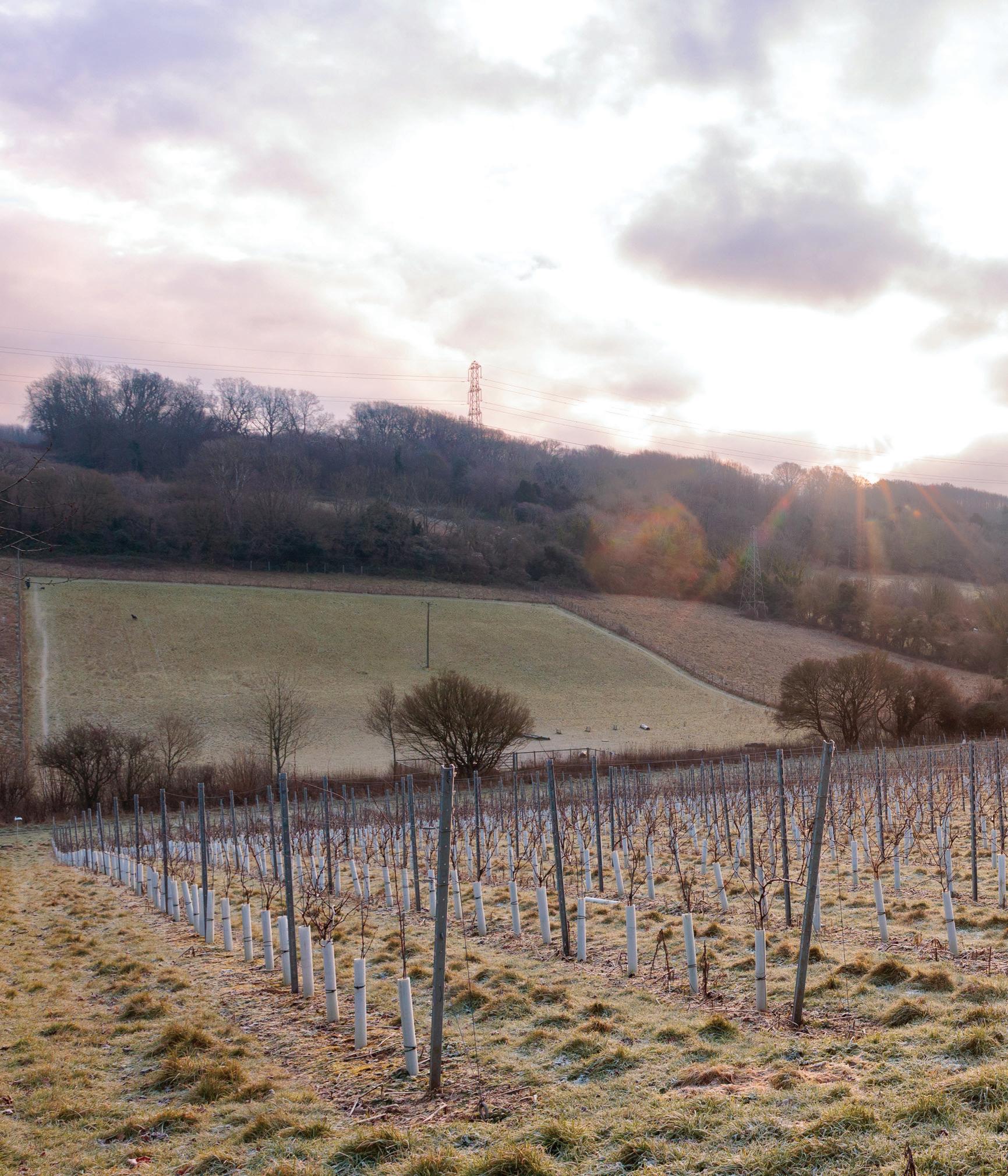
Tim finds it difficult to put into words why he chose to plant a vineyard in Kent and it becomes obvious that for Tim the connection to the vines and the land that supports them is deeper than words. He has been growing hobby vines including Chardonnay in his garden in South London for many years and has experimented with winemaking taking inspiration from wine regions in other parts of the world. Tim has also undertaken the intensive viticulture course at Plumpton College and with a large degree of patience has ensured he was in the premium position to take advantage when the opportunity finally
arose for him to plant a commercial vineyard. With a background in geography Tim explained that he had looked at other places with interesting soil types such as the Isle of Sheppey in Kent which is famous for its fossil finds but it was the head deposits, Marl and Clay with Flints that have formed in this valley that he found fascinating. This soil has formed during the freeze melt process of the ancient cold climate landscape called solifluction. “This soil has neutral pH despite sitting on top of chalk bedrock which was very suitable for vines,” explained Tim. “The soil is also similar to that found in the wine region of the Marne Valley and the land is not too far above sea level,” he continued. The geology of the site has created its own particular problems. “When I initially soil sampled at Little Bursted Vineyard I made a slight mistake, because the vineyard is small I took average soil samples across the area but there is one part of the vineyard in the top corner that is a completely different soil, it has chalk right at the surface. The vines in this area should have a Fercal rootstock but instead have SO4,” said Tim in a matter of fact manner. It becomes obvious that Tim is one of those rare people who accept that life

will not always be perfect instead of fighting or lamenting what cannot be changed.
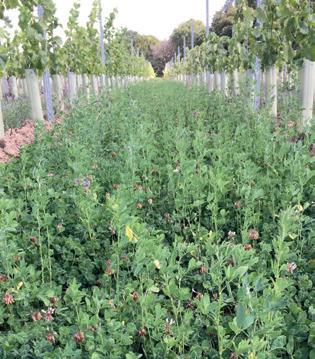
“The land on this side of the Pett Valley Bottom has a big diurnal range which makes it very attractive as a vineyard,” Tim explained. It is clear throughout the visit that Tim has an abundance of patience. Having bought the land in 2020 Tim did not plant vines until 2022. “The lead time for the vines was significant so in 2021 I planted cover crops and that allowed enough time to source the 5300 vines and
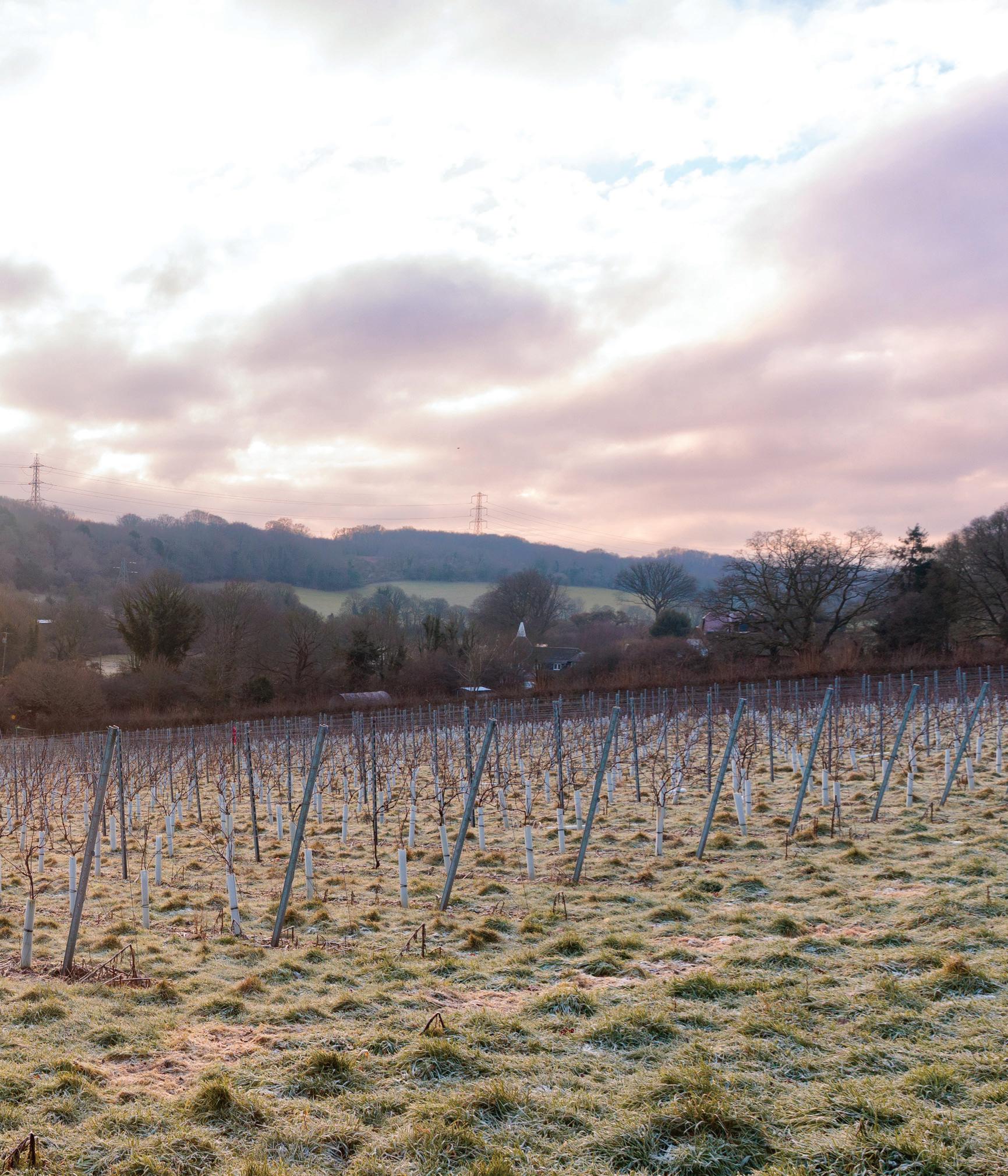
also ensured the soil was in great condition when the vines were planted.”
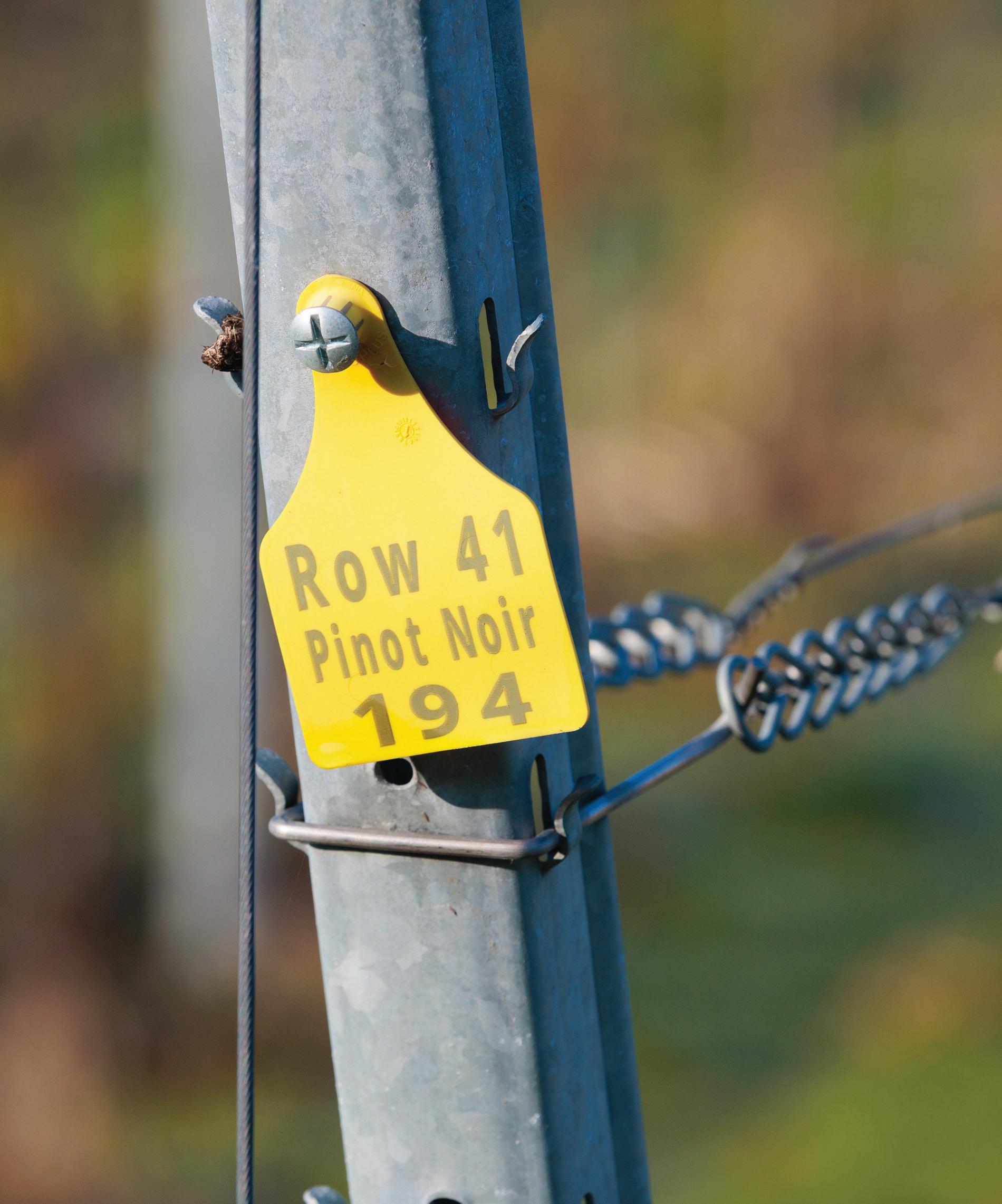
The vines consist of Pinot Noir, Pinot Meunier and Melon de Bourgogne (Melon B). “I decided against planting Chardonnay because of the soil type,” explained Tim. “I considered various other grapes because I really wanted to plant something different, but I needed a grape variety that would also do well here. I considered both Chasselas and Aligote but was not sure either would really shine so settled on Melon B.”
The soil is also similar to that found in the wine region of the Marne Valley and the land is not too far above sea level
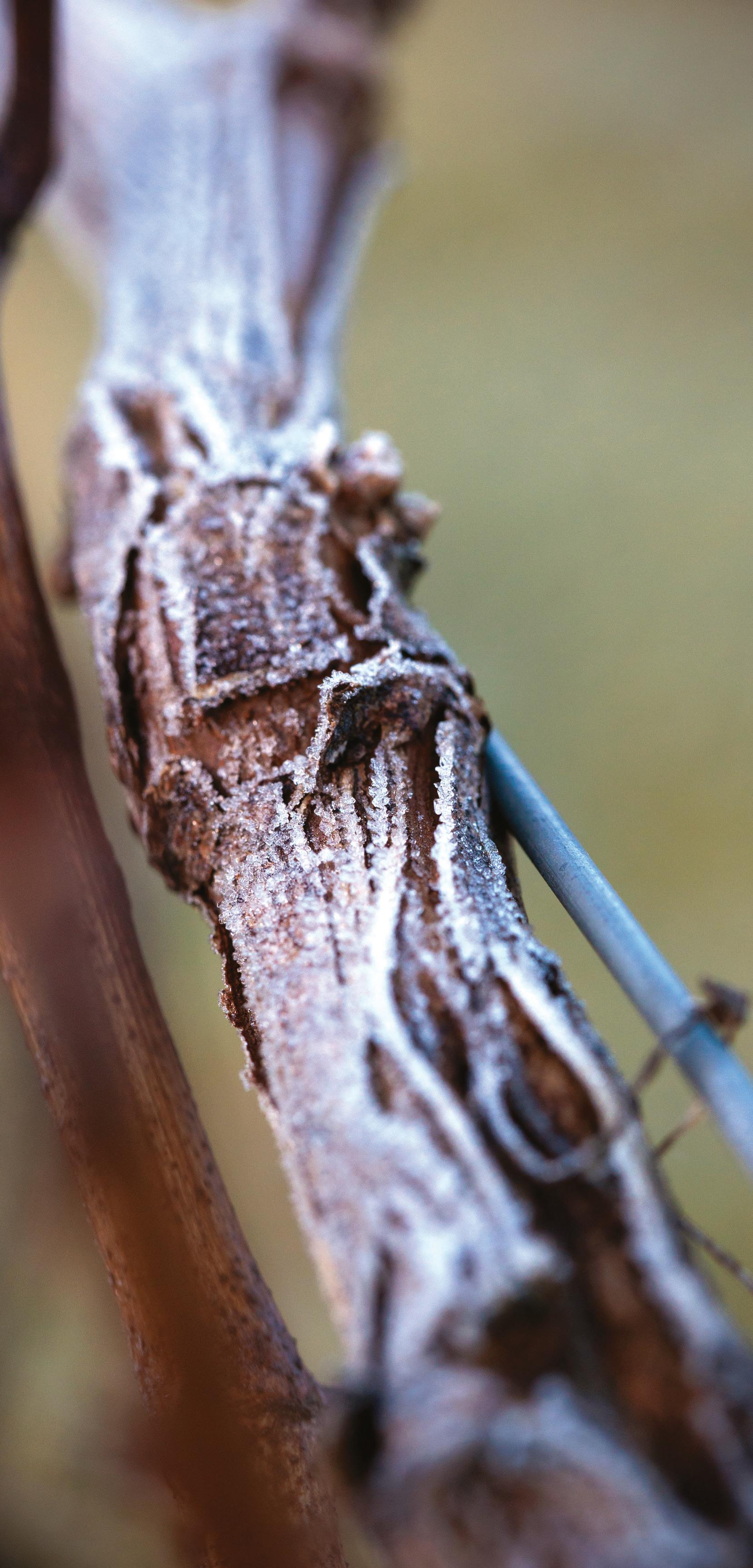
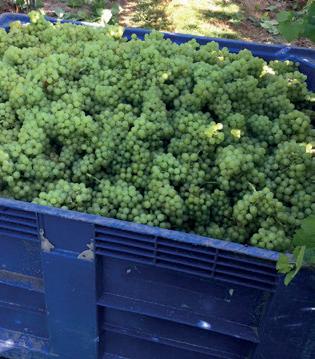
<< There are not many plantings of Melon de Bourgogne in the UK and the vines were sourced from a nursery in the Loire Valley. When the wines are released, they will be some of the first commercial wines of this variety grown and made in the UK. The Melon de Bourgogne is one third of the total vines on the site and was picked on 18 October 2025 with a brix of 17.5 and a TA of 10.9. The winemaker Defined, situated in Canterbury, is only a few miles from the vineyard meaning the wines will have a very local feel.”
The wines will be marketed under the brand Quiet Land, a name which really captures the sentiment of this vineyard where you can literally hear the peace and your thoughts are only interrupted by the plethora of birds who are sharing this corner of Kent. “Quiet Land will be the brand name going forward. One reason for this is because I noticed that there is a village in Essex near Billericay with the name Little Burstead. Whilst the spelling is slightly different it is important that the wines I produce should be distinct and easily found in an internet search and Quiet Land seemed so appropriate.”
Tim had intended to release some still wines in 2026 but with his customary patience he has instead decided to wait and release the first wines as Sparkling wines. Whilst this decision means it will delay the release of the first wines from Quiet Land Tim is adamant that quality will be the defining factor for the wines so there is currently no definitive release dates because they will only be released when they are ready. “I will be taking the wines to local food markets where I can interact with the public and hear their feedback,” he added.
Having had hobby vines for many years Tim has found that making wine from these grapes is a challenging but rewarding process. He decided that he would save a small amount of the Melon de Bourgogne grapes from the vineyard and “I got my 12 year old daughter, Verity, to stomp the grapes (I washed her feet beforehand) she wasn’t sure at first but we ended up having a great time”, said Tim with a laugh and it was a privilege to be a given a tasting of this wine that Tim has produced for his personal collection. Tasting the wine highlighted the potential of the Melon de Bourgogne variety showing





amazing fruit characteristics from the moment he opened the bottle. This fruit is balanced by the distinct salinity with which the variety is synonymous. He is keen to point out that it is not just his daughter who is involved in the vineyard his 18 year old son James also helps and harvest has been completed with the help of willing volunteers.
Alongside the Melon de Bourgogne, there are two clones of Pinot Noir and nearly 50% of the vineyard is planted with Pinot Meunier.
“The Meunier has performed the best of all the three varieties,” explained Tim. “Pinot Meunier is a grape that is overlooked. For many years it has been considered as a minor addition to a blend but in the climate here in Pett Bottom it will make really interesting and unique wines,” he added. “We had a base wine tasting at Defined in December and the wines tasted Meunier dominant,” he said with a smile. In recent years many wine writers and critics have also sensed that Meunier could be a shining light of English wine production and wines that highlight this grape are making great strides in competitions. Matthew Jukes named Meunier a “secret weapon” in his Vineyard Magazine column of October 2022.
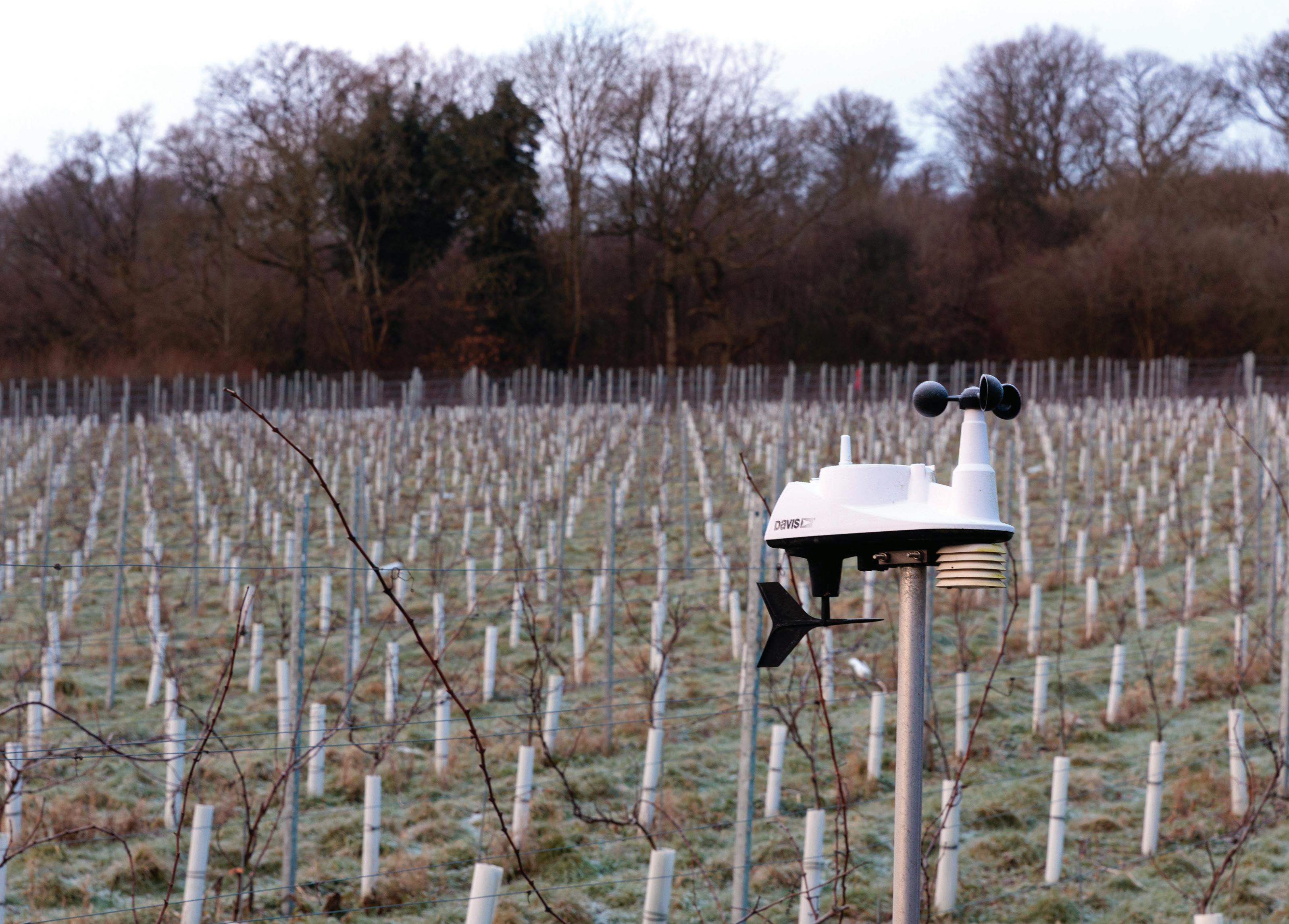
The vineyard has a weather station and the data has highlighted several unique points about the vineyard. The highest temperature that has been recorded since planting is over 39°C and surprisingly the wettest month since planting came in July 2025. Putting that into context the county of Dorset in the South West recorded under 50% of the average rainfall for the same month in 2025. Despite the wet July, 2025 was still a year with low disease pressure at the site.
“The site here is frost prone and we prune late in order to help delay bud burst. The site is colder in winter than the surrounding area and this is also an important factor in late bud burst which will help to prevent frost impacting yield,” he explained.
The vineyard has a weather station and the data has highlighted several unique points about the vineyard
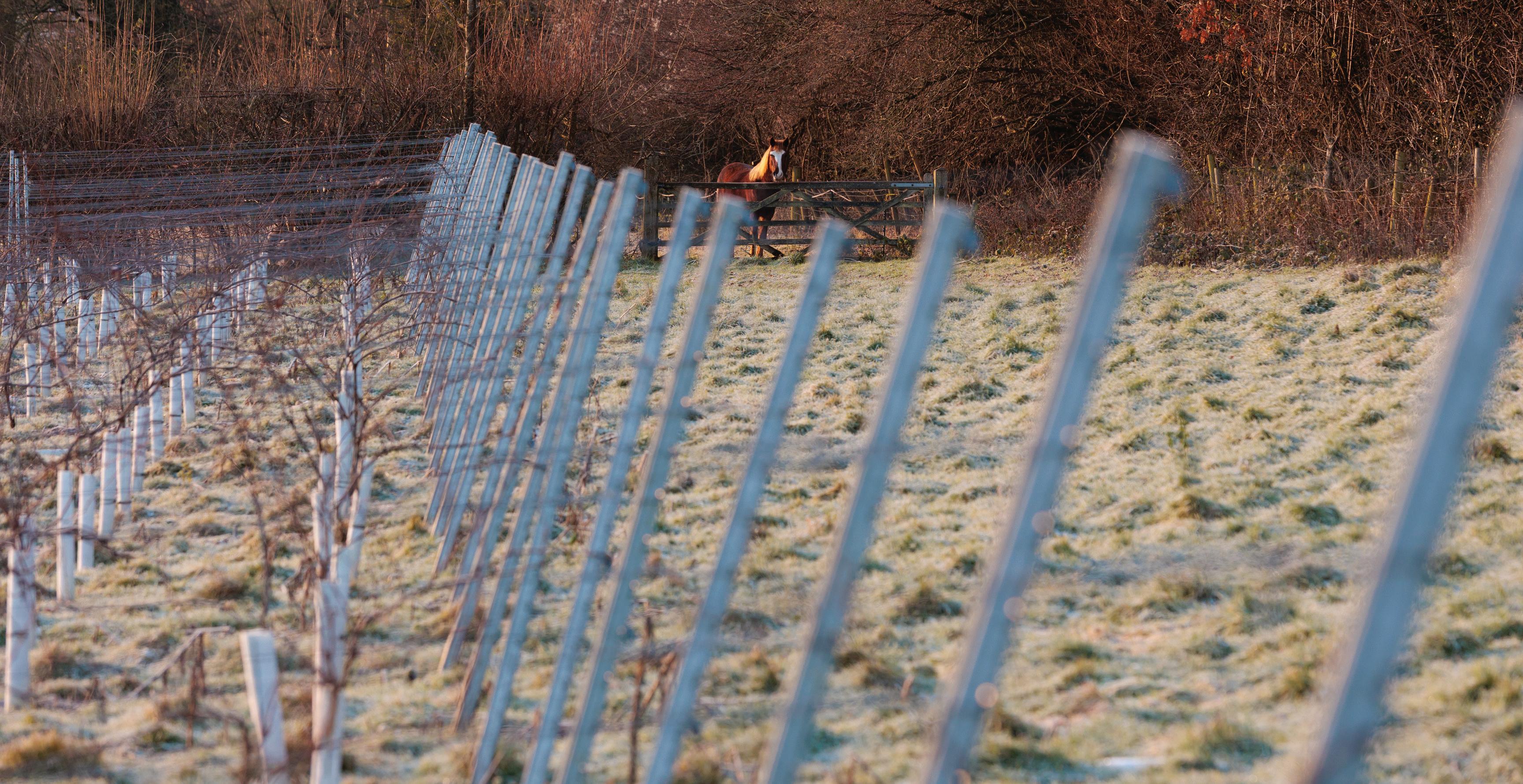
There is a real excitement about the prospect of entirely different wines being produced at Quiet Land
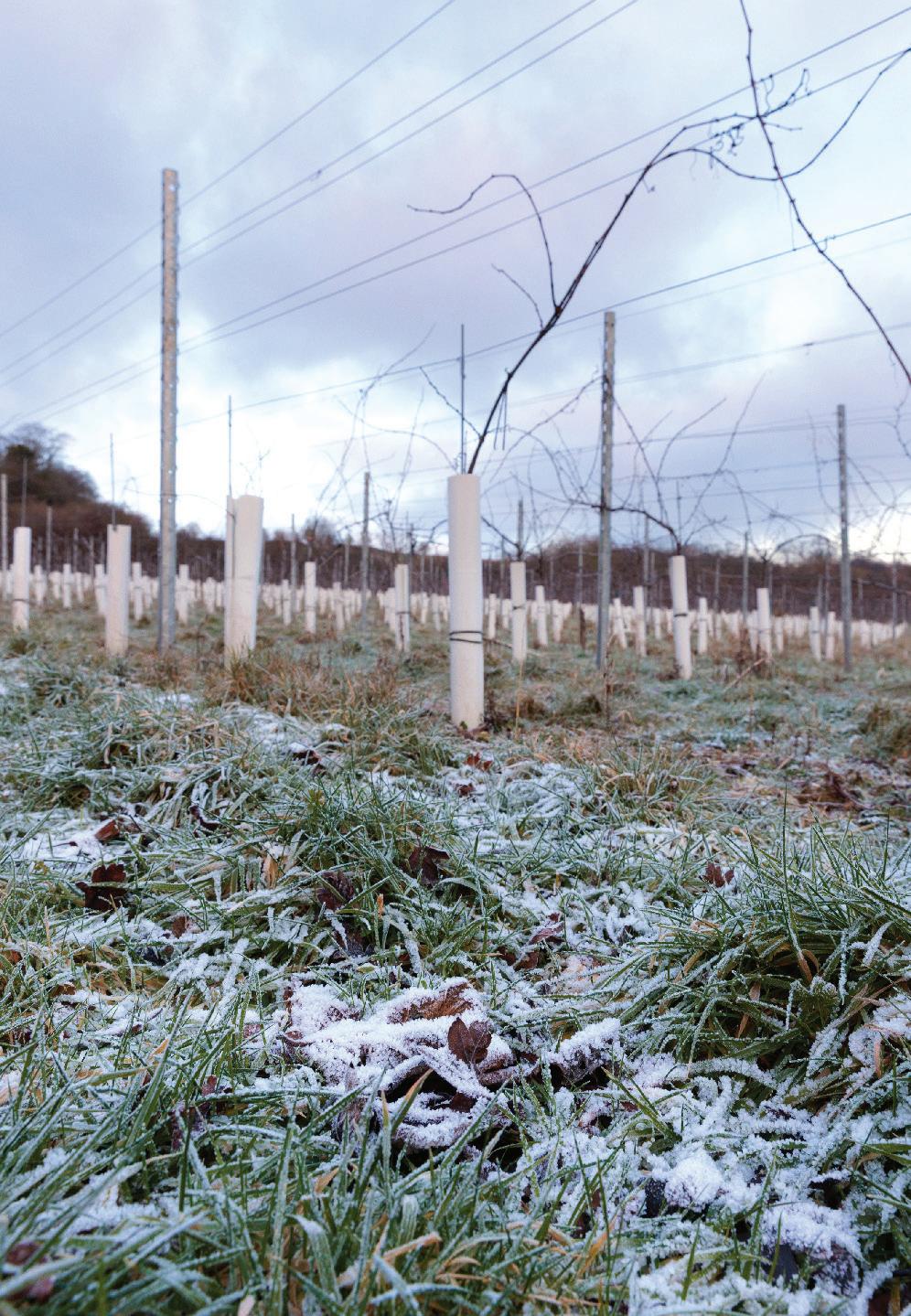
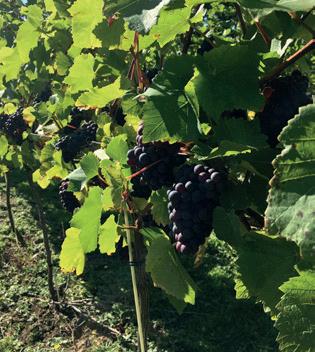
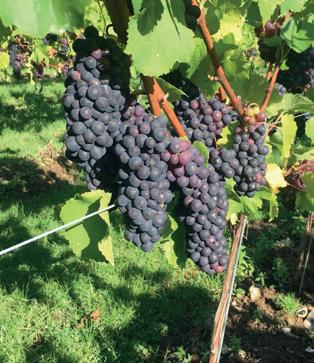
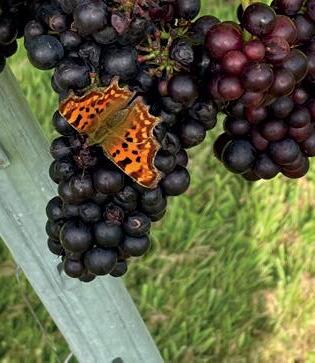
When we talk about pests on the site Tim highlights that the pheasants from the surrounding area are incredibly fond of the red grapes. The losses to the vineyard are significant and in 2025 half the vineyard was netted. Netting the vineyard was a very difficult process and took several weeks “and once the nets are out and have served their purpose they have to be gathered in again,” said Tim with a sigh. The process was successful however and reduced losses so the entire section of red grapes will be netted in the 2026 growing season. Tim explained that he had initially used other bird deterrent techniques such as bird scarers but it was important to him that he was considerate of those living near the vineyard so these have been removed, after all it is called Quiet Land.”
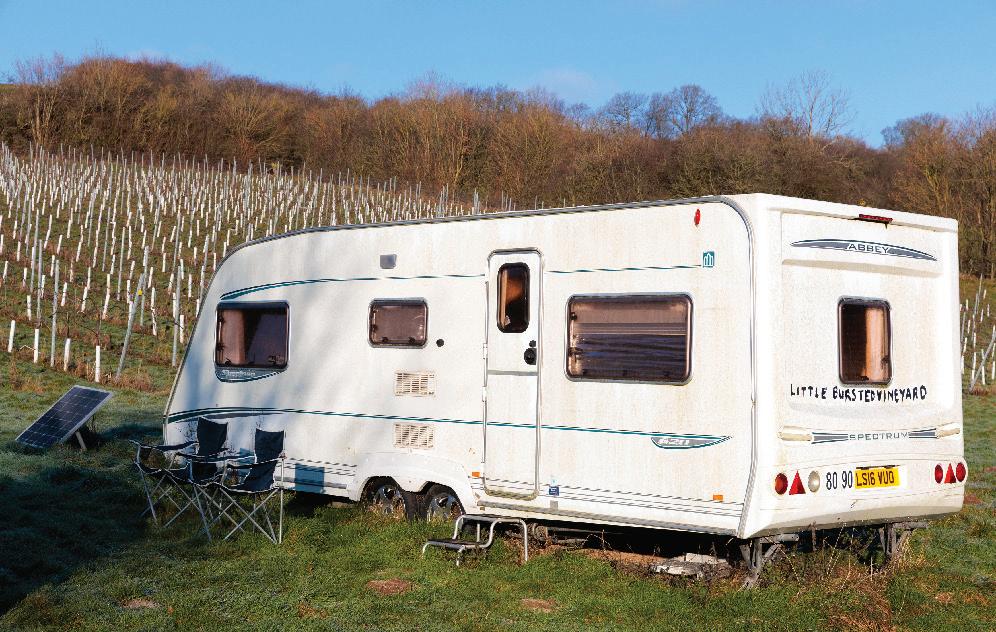
The vineyard has a small caravan on site but there are no other structures, so this caravan is an essential part of vineyard life providing all the essential facilities needed during a full day working with the vines. The caravan is right in amongst the vines giving anyone who sits there a sense of peace, but, continuing the conversation about vineyard pests he explained that this sense of peace was threatened: “The first caravan I had was stolen very soon after it reached the site. It was essential to have a caravan on site so when I replaced it, I looked for a caravan that was less appealing visually, a little moss with a worn look and I let the grass grow around it in order to ensure the thieves would not want it.” This conversation led to discussions about rural crime and the damage that can be done from this kind of predatory human behaviour. A caravan in a lovely quiet valley near Canterbury was an essential part of the running of the vineyard. Rural crime targets the very foundation of agricultural businesses. Tim explained that at some point he may decide that a wooden shed is even less appealing to thieves and more in keeping with the idyllic setting but as with every decision he makes he will exercise his customary patience. Quiet Land at Pett Bottom Canterbury is a haven of calm with a hint of rebellion. The vines stretch out on the steep slope regally overlooking the valley bottom and it is clear that Quiet Land will soon be making its mark in the world of wine. There is a real excitement about the prospect of entirely different wines being produced at Quiet Land and although Tim himself has shown incredible patience in the entire development of the vineyard and the wines I personally cannot wait to see and taste the results. <<
Spring frost is one of those risks that never quite goes away in UK vineyards. We have been fortunate in recent years to avoid widespread frost damage, but that good run can easily lull us into a false sense of security. Climate patterns are becoming less predictable, and the cost of being unprepared is simply too high. A single cold night at the wrong moment can wipe out a large part of your crop.
The message is simple: being prepared for spring frost is not optional, it’s part of good vineyard management. There are plenty of options available, and no single solution suits every vineyard. Deciding what is right for your site depends on many factors: layout, location, vine varieties, labour, budget and appetite for risk. What matters most is not letting your guard down.
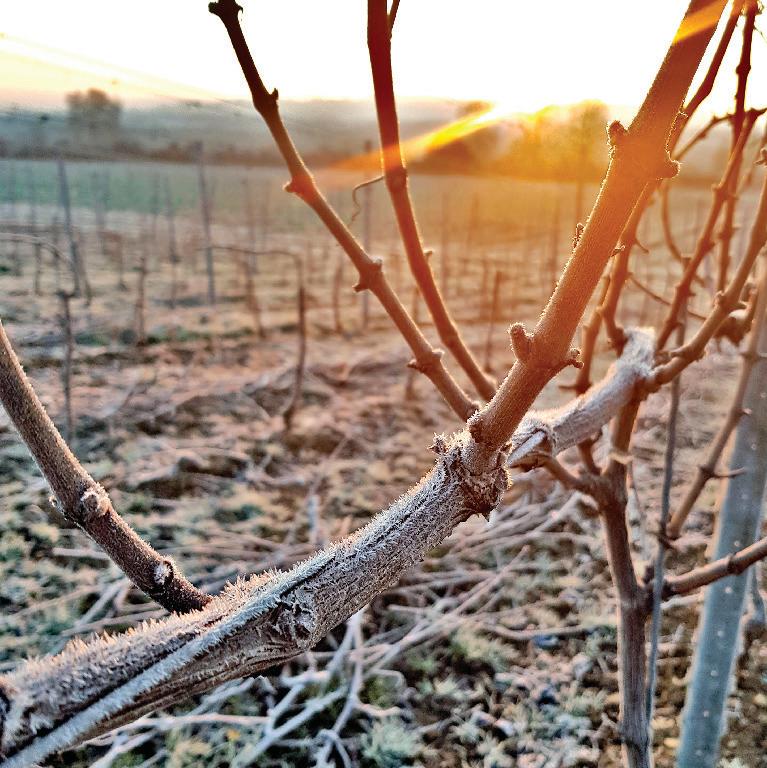
When vines are dormant, they can cope with low temperatures surprisingly well. The trouble starts once buds begin to swell and shoots appear. At that stage, the tissue is soft and easily damaged. A light frost can be enough to kill young growth, setting the vine back and, in some cases, seriously reducing yield for a number of years. Because frost often settles in specific places – low spots, sheltered
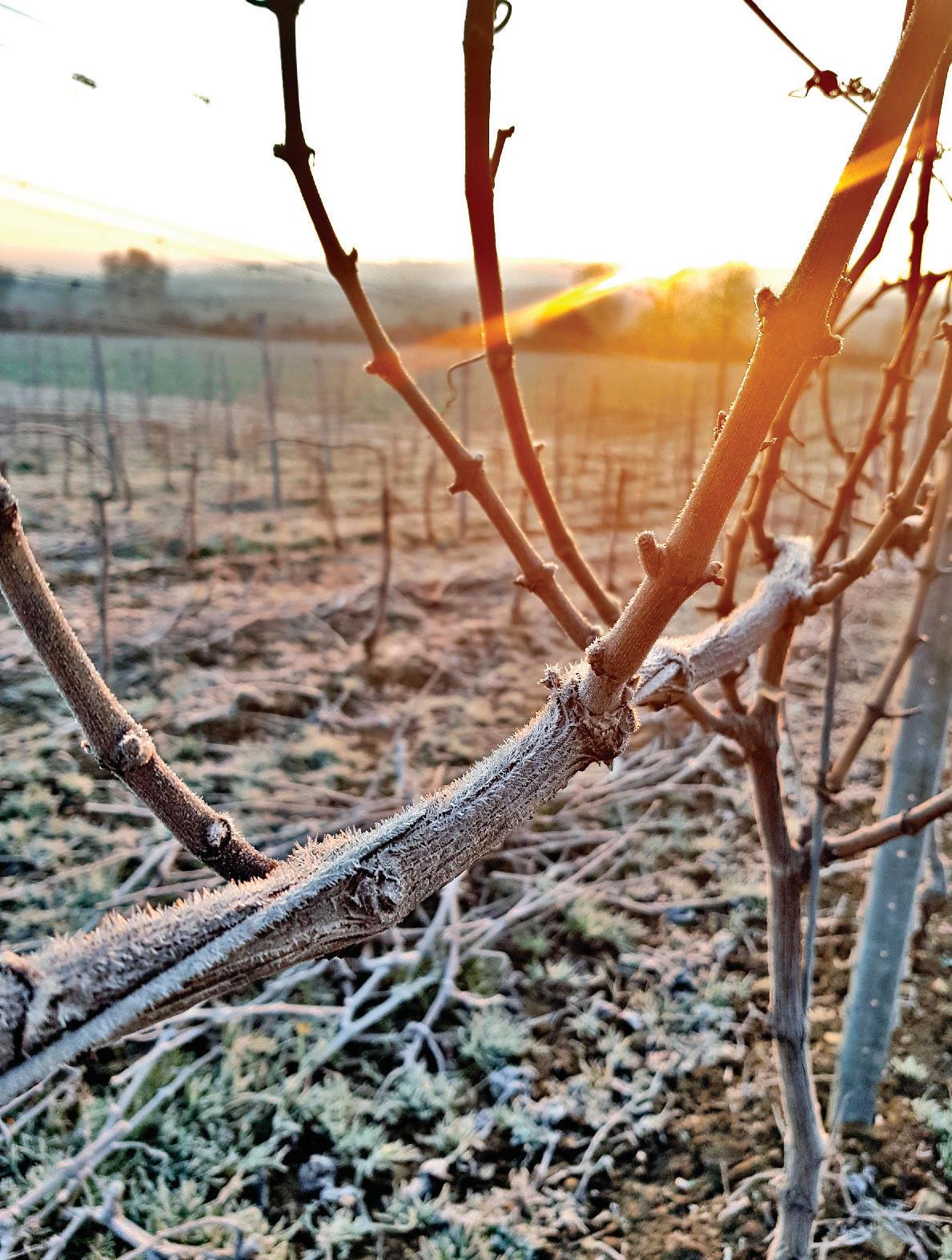

corners, or along hedgerows – damage is rarely even across a vineyard. Keeping notes from past seasons and using simple temperature sensors can quickly show you where the problem areas are. Knowing where your cold areas are is the first step in protecting them. Implementing a preventative pruning method can mitigate damage and good soil and ground management can also help (i.e., short vegetation and firm, exposed soil absorbs more heat during the day and releases it at night). Together, these small details can make the difference on marginal frost nights.
One of the most effective and low-cost ways to manage frost risk is how and when you prune. The aim is simple: delay the growth that matters most until the worst of the frost risk has passed.
◆ Double pruning: In winter, make a rough cut, leaving canes longer than you actually need. This will delay budburst. When the risk of frost has passed, go back and finish the job, selecting the final buds.
◆ Sacrificial canes: Select and tie down your main fruiting canes as normal, but also leave some extra upright canes. These tend to grow first and take the hit if frost strikes. Once the danger period is over, they can be cut back or removed.
Where frost is a regular or severe threat, many growers also look at investing in protection systems such as fans, sprinklers, candles, or newer technologies like foam or infrared heating. When choosing a frost protection system, it is worth looking beyond the upfront price and thinking about how it will work day-to-day and year-to-year.
Candles, for example, can seem like a simple and affordable option, but they are labour-intensive, need a team on standby for frost watch, create waste, and have ongoing running costs. Worse still, you may have a stock of candles to support six frost days, only to face seven days of frost that year – rendering the entire investment futile.
Other options, such as infrared systems, may cost more at the start, but they are modular, quick for one or two people to install, switch on automatically when temperatures drop, and can be removed, stored and reused for many seasons with far less waste. Plotting the real costs over a three-year to five-year period – including labour, reliability and environmental impact – is often the best way to decide what makes sense for your vineyard.
Frost may be unavoidable, but serious crop loss is not. While no one wants to spend money unnecessarily, a single errant frost can devastate yield, making inaction the greater risk. Investing in an active protection system that genuinely suits your vineyard’s needs, rather than crossing your fingers and hoping for a mild spring, is often the difference between resilience and regret.
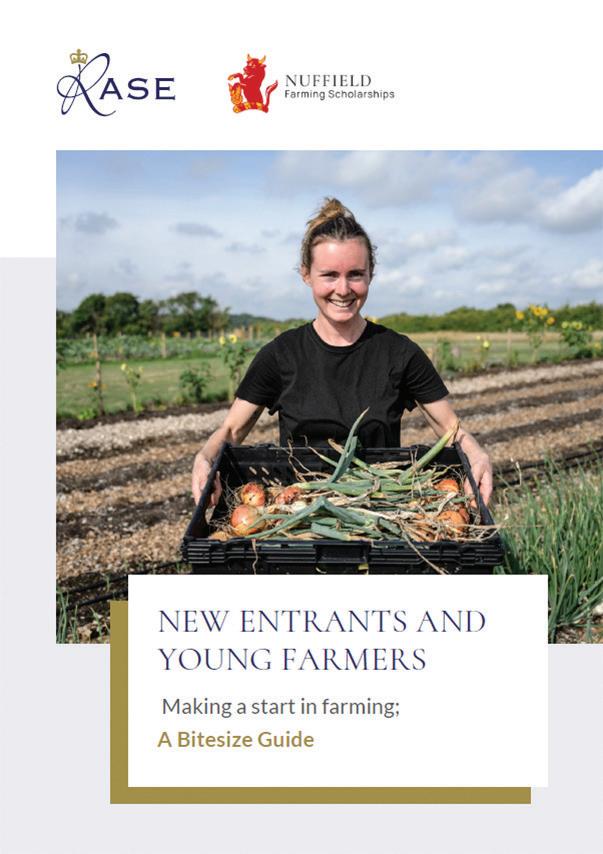
Anyone interested in getting into farming has a useful, information-packed new resource to call upon with the launch of a 34-page online booklet highlighting the best advice and practical case studies from Nuffield Farming scholar reports.
Launched at LAMMA, ‘New entrants and young farmers – making a start in farming; A Bitesize Guide’ is available free to download. It contains a wealth of information from Nuffield Farming scholars, each of whom has spent at least eight weeks travelling the world researching issues surrounding making a start in farming. The booklet collates key messages and case studies from their reports, as well as action plans and a wealth of additional sources of help and information. It also contains direct links to each scholar’s report for more detail.
The Bitesize Guide is part of an ongoing series being produced by a partnership between the Nuffield Farming Scholarships
Trust and the Royal Agricultural Society of England (RASE).
Nuffield scholar and RASE Technical Director Stephen Briggs said: “This Bitesize Guide ‘New entrants and young farmers –making a start in farming’ is designed to provide a range of ideas to help anyone who wants to get going in farming, from a look at the pros and cons of different methods of land tenure, to the mindset and support required, as well as a range of inspiring case studies.”
Each year, up to 25 people aged 25-45 are selected as scholars and sponsored by the Nuffield Farming Scholarships Trust to travel, research and report on subjects they are passionate about and which contribute to advancing farming, food, horticulture, forestry and ancillary industries. Scholars present their findings at the annual Nuffield Farming conference, and publish a report on their travels and recommendations, available on the Nuffield Farming website.
Rupert Alers-Hankey, Director of the Nuffield Farming Scholarships Trust said: “Few people are aware of the huge knowledge base that can be accessed via the Nuffield Farming library, and for those who are, finding the time to read large reports may be impractical. This Bitesize Guide makes accessing that valuable practical information more straightforward,”
New entrants and young farmers – making a start in farming; A Bitesize Guide can be downloaded: www.rase.org.uk/reports/

The resistance properties of PIWI varieties are an excellent tool for helping to manage mildew in grapes, but genetics may still need support in higherrisk seasons, as Hutchinsons agronomist Rob Saunders explains…
PIWI grape varieties have been attracting more interest in recent years as growers look to reduce their reliance on an increasingly limited armoury of fungicides.
The disease resistance bred into these hybrid varieties, some of which have been around for several decades, gives them greater resistance to common fungal diseases, namely powdery and downy mildew, than many classical varieties. Indeed, the term PIWI is a German acronym, “Pilzwiderstandsfähige Reben”, simply meaning “fungus-resistant grape varieties”.
Wine GB figures show PIWI varieties account for the fifth, sixth, and ninth most planted grape varieties in the UK, proving particularly popular in the Midlands, North, and West, suggesting growers in these often wetter regions may be seeking an extra defence to higher disease pressure. Their early ripening ability is likely to be another key draw for many, especially in more marginal grape-growing regions.
Can we rely on genetics alone?
While varietal resistance is a valuable tool for helping growers manage mildew risk, it is by no means a “silver bullet” and should be seen as part of any integrated disease management strategy.
As viticulturist Sam Doncaster, a vine technician with Rebschule Freytag in Germany’s Pfalz region explains, disease resistance in many PIWI varieties currently grown in the UK is controlled by just a single gene per fungal infection type (e.g. powdery mildew), therefore it only offers a single
line of defence. This could potentially be overcome if, or when, a fungus mutates, leaving the vine at risk of infection.
The white variety, Bianca, mainly grown in Hungary, illustrates such changes. Despite possessing high resistance to both mildew types when it was first developed several decades ago, in the late 2000’s scientists discovered a downy mildew isolate capable of overcoming the variety’s resistance mechanism, thereby making it more susceptible to downy mildew.
Fungal mutations occur naturally all the time, but selection pressure will be greatest in higher disease risk seasons, such as 2024 (downy mildew) and 2025 (powdery mildew).
“When I hear growers [of resistant varieties] say ‘we intend to not spray our vines’, I feel uncomfortable as it is only a matter of time before mildew will turn up. Once found on the vines, there is no going back,” Sam said.
Breeders across Europe are working hard to develop resistant varieties that use multiple genes to combat the risks associated with the early ‘monogenic’ resistance, while still meeting the quality and taste expectations winemakers require.
However, that work is still ongoing and currently in the UK, most PIWI varieties feature single gene resistance. Supporting this with targeted use of crop protection products will add an extra line of defence against fungal infection, reducing selection pressure and the associated risk of mutations that can overcome genetics.
Fungicide requirements may be less than
for classical varieties, but relying on single gene resistance alone, is not advised.
In some seasons, when disease pressure is low, timely use of copper and sulphur, combined with a good nutrition strategy could be enough to help keep vines healthy, however when pressure is higher, extra, well-timed fungicide defences will be necessary.
Recognise too that there is no specific varietal resistance to the other major fungal threat, Botrytis, although some varieties can have more favourable bunch architecture that means berries are less prone to rupturing, potentially reducing disease risk.
Careful disease risk monitoring throughout the season is essential for any variety, resistant or not, so use local weather data and established risk models (such as RIMpro) to help predict any likely increases in disease pressure, and plan suitable control strategies.
Hutchinsons is currently working with partners to develop a novel system for detecting downy mildew spores in the vineyard, to assess the correlation with RIMpro predictions.
A prototype system was trialled in a Kent vineyard last season, featuring a cyclone air sampler to collect spores, the DNA from which is then analysed in the lab to identify those present. Testing and research will continue throughout this year, with the eventual aim of developing a fully automated system that can provide growers with early warnings of disease infection. Watch this space…
Working in partnership with Vineyard magazine for a developing UK wine industry.
WineGB is the national association for the English and Welsh wine industry. WineGB represents, leads, and supports the sustainable growth of the Great British wine sector.
If you are interested in wine production in the UK, find out more about WineGB and join us. Visit our website www.winegb.co.uk
Make 2026 the year you join WineGB. Become part of a network that helps strengthen the UK wine industry’s voice to the government, media and trade, while receiving essential support to boost your business and help you MAKE, MARKET and TELL the story of English and Welsh wine.
1. Access discounts
Enjoy member perks with discount offers and expert consultations. Available from the industry essential suppliers –our Partners and Patrons.
2. Find businesses on the commercial database
Find businesses that can help you grow. Maybe join the database yourself and market your business to the UK wine industry.
3. Education and training webinars
Expert-led online learning on subjects such as viticulture, sustainability, marketing, and more that equips you with practical knowledge.
4. Access to essential industry guidance
From regulatory updates to business toolkits members get firsthand access to essential guidance. It ensures that you remain compliant with the law and you have the full view on the best way to maximise value for your vineyard or winery.
5. Technical working groups
Keep up to speed on the latest educational and regulatory changes through the technical working groups. You can join the committees that shape the industry from within.
6. Access to the WineGB members’ forum
Connect with others across the UK wine scene for advice, collaboration and shared wisdom.
7. Priority alerts on industry changes
Be first to know when regulatory or market shifts could affect you.
8. Attend influential trade events
Make connections and friendships at WineGB’s National Trade & Press Tasting, biannual conferences, AGMs, tastings, and overseas showcases.
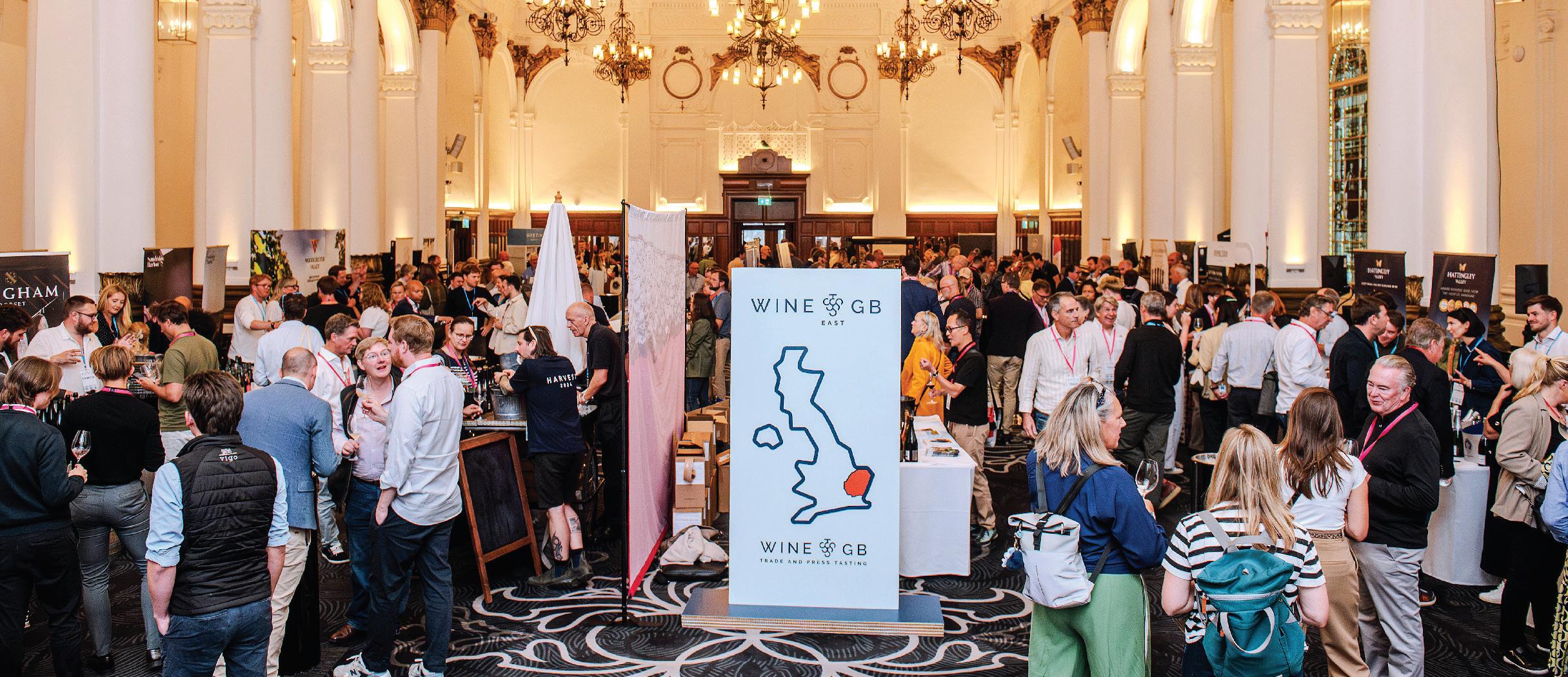
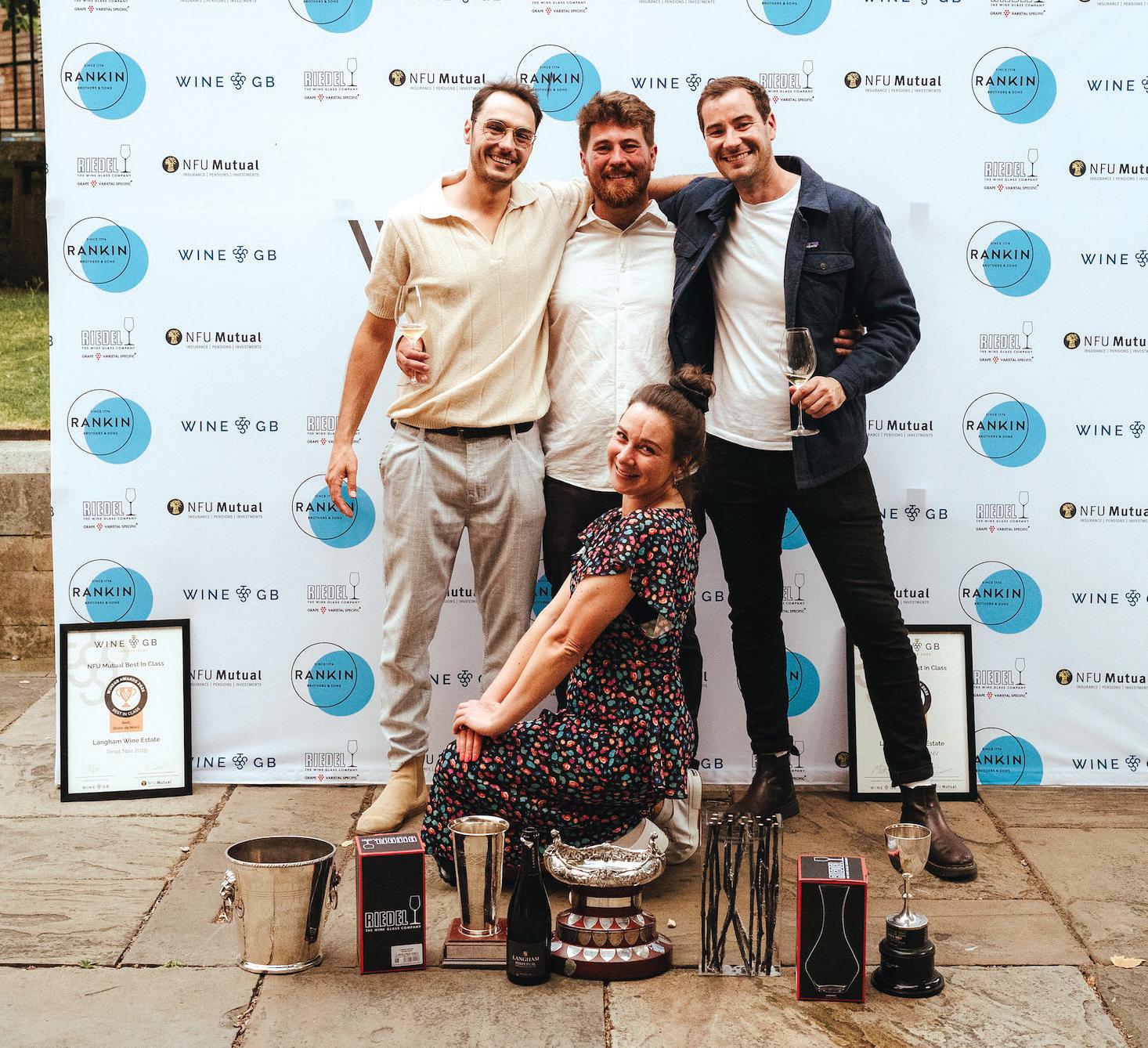
The Langham Wine Estate team at the WineGB Awards 2025
9. The sustainability standard
29 May - 7 June 2026
Welsh Wine Week
16 July 2026
WineGB AGM, Conference and Awards Ceremony
Join the Sustainable Wines of Great Britain (SWGB) scheme to track and lower your carbon. All members can use our sustainability toolkits to improve your business; a sample is available in our Safeguarding Toolkit which is so important we gifted to the whole sector for free.
10. Free carbon calculator
Use WineGB’s free Carbon Calculator to measure, reduce, and share your environmental impact.
11. Protect your grapes
Access the Green Book, the annual guide to approved vineyard plant protection products and recommended spray programmes. A practical must-have. On your behalf we are part of the Horticultural Crop Protection Group ensuring that we keep products available and bring more in to protect our crop.
12. Weekly newsletters
Keep in the know about the WineGB activities that you can get involved with, what the association is doing on your behalf and the latest news in the sector.
13. Up-to-date insight
Gain insight and understanding about the sector that supports your business in the Grape Press blog.
14. Network locally
Join WineGB and you will automatically become part of your local regional association – creating a lifetime local community support network.
15. Sell to the wine trade
Our flagship National Trade & Press Tasting showcases the largest number of UK wines to the buyers and communicators who shape the nations palates.
16. Boost your visibility on the uk wine map
Our interactive UK Wine Map puts your wines front and centre to consumers. Customers can search by postcode or specific criteria, such as accessibility or accommodation.
17. Build export connections
WineGB works to open markets and create opportunities overseas.
20-28 June 2026
English Wine Week
7 September 2026
WineGB National Press & Trade Tasting
18. Enter national competitions
Put your wines forward for the WineGB Awards and get the chance to be showcased in other initiatives that demonstrate excellence as part of the UK wine story, such as the Golden 50 Wine List.
19. Support from our trade ambassadors
We have a team of flag bearers amongst the trade, who advocate for our members’ wines in their workplaces and beyond.
20. National and international campaigns
Promote your wines and region in coordinated campaigns that help tell the category story, such as English & Welsh Wine Weeks and our ‘Create New Traditions – Drink English and Welsh Wines’ campaign.
21. Press influence
Getting English and Welsh wine noticed in the media by creating stories and campaigns from our research, event and work. We connect members and the media to strengthen our collective story.
22. Access to exclusive industry data and reports
As the go-to body for current statistics about the growth of the UK’s wine sector, through our own research, and in wider collaboration, we provide core data that our members use to plan and benchmark, such as our annual members-only Harvest Report
23. Join the national voice for UK wine
WineGB represents over 500 growers and producers, covering around 70% of the UK’s vineyard area – so your voice joins a powerful chorus shaping the future of the industry.
24. Benefit from government and trade advocacy
WineGB lobbies on your behalf – from excise policy to export support – so the sector thrives. See our politics page for more.
25. Strengthen UK wine’s reputation
Together we Make, Market and Tell the story of British wine to the world.
26. Cultivate your success in 2026… and beyond
WineGB doesn’t just support growers and producers – it nurtures careers, businesses and traditions that shape the UK wine landscape. Our work is delivering on our mission to represent, lead, and support the sustainable growth of the Great British wine sector.
The pressures on wine retail have been immense in recent years. Factors like rising production costs, changes in regulation and the impact of climate change – not to mention falling levels of wine consumption –have all played a part in making the environment a difficult one to negotiate. That said, research by Mintel estimates that the UK wine market was worth almost £15bn in sales in 2024. There is still undoubtedly a very large pie out there, and it is up to English and Welsh wine producers to determine how they can obtain a bigger slice. Industry expert Joe Fattorini gave Vineyard Magazine an overview of the current status of the market.
“Independent retailers particularly seemed to have a consistent message in 2025. It was a year with its challenges for sure but they were made far worse by the government, with duty increases, national insurance changes, waste regulations and more. People told me the issue of declining consumption was dwarfed by the actions of the government,” said Joe Fattorini.
“That said, there are clearly opportunities. I have worked with businesses selling wine at all price levels who have had a year of growth, driven by strong strategies and consistent execution. There are people doing well selling to older customers, and young people too, even if it is in pockets rather than across the board. But when you know the overall picture of flat or declining

sales, it means someone else must have declined, particularly at the value end.”
Thinking more specifically about the trajectory of English and Welsh wine across 2025, Joe had this to say:
“In the vineyard it has clearly been a good year with a decent harvest of attractive fruit. But we know that in the finance department it has been tough, and it has taken its toll on some of the biggest names in the industry. In the long term, the industry has so much going for it. But it has to deal with great peaks and troughs. In the vineyard there are bumper crops that overwhelm wineries, followed by years that barely trouble the tanks.
“There is a need to invest in winery and visitor facilities like we’ve seen at Ridgeview, Hambledon or those planned at Chapel Down. But financing these
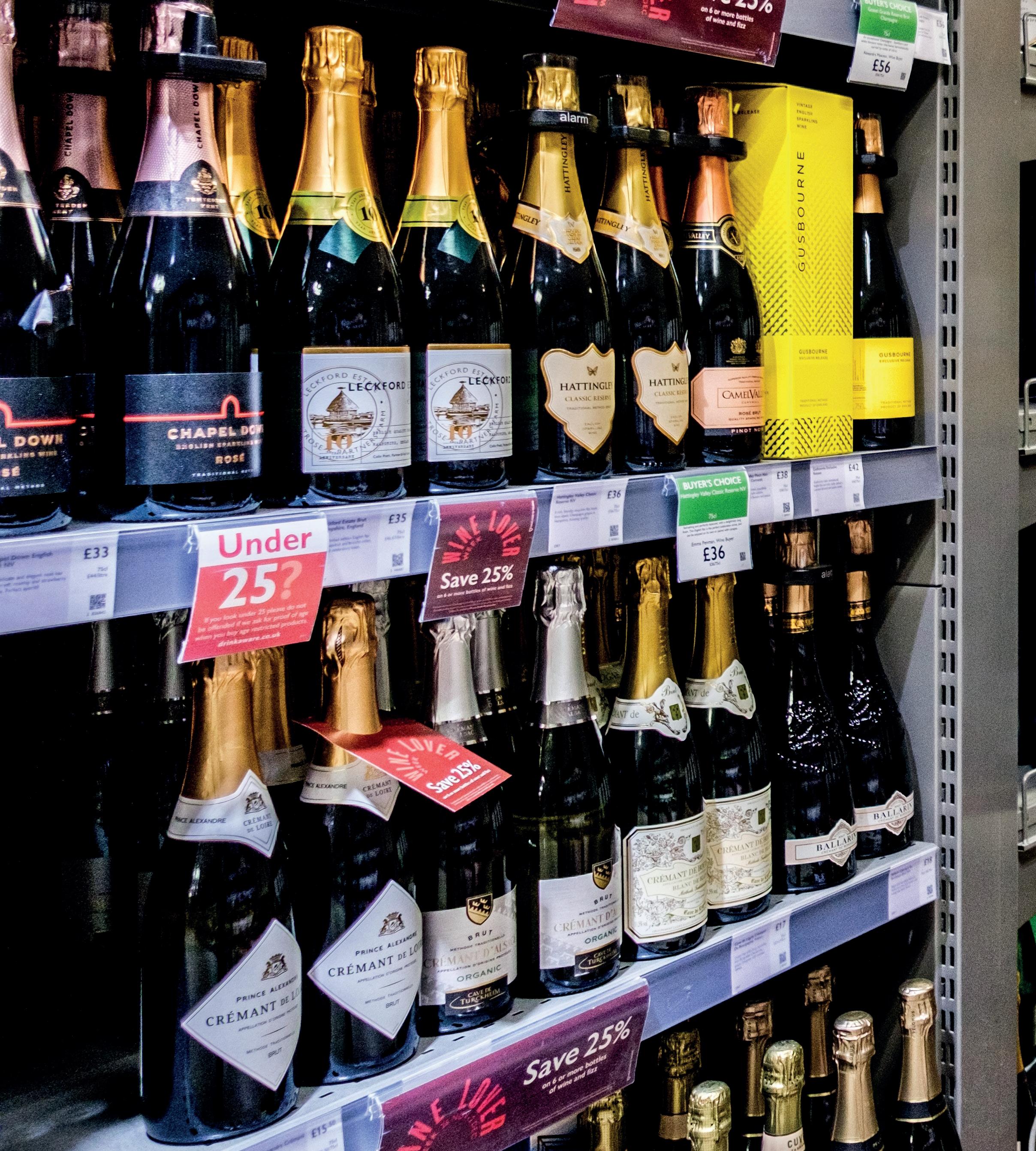
things demands a steady, consistent cash flow over many years, not a massive year followed by some lean ones. 2025 has been a year where the mismatch between the two has treated some of the best people in the business very unfairly.”
Finally, Joe turned his attention to the actions that English and Welsh producers could consider to make their products more successful in retail in 2026:
“People don’t go out to buy English or Welsh wine. They go out to buy something that interests them. And sometimes that is English and Welsh wine. We are moving from a period where people bought English and Welsh wine because it was interesting. But as it’s become familiar we need to move to a period where we need to create specific interest around the names, and the people, and the styles.”
“Smaller producers often lead the way. Folc, Heretics or Flint, and others, have created interest around themselves in 2025. You might not always like the execution or messaging. But that is the point. They each have points of difference that create a mental “nucleation site” that lets memories, recognition, and recall bubble up. I work
with a lot of producers – including some in the UK – and this is at the heart of how we develop plans and take them to market. In Sweden, we have developed a marketing activation approach that can be sales and margin positive as we execute it, even though it is focussed on building long term relationships and awareness. It is essential however, that it is interesting, distinctive, and memorable to cut through.”
With these observations in mind, it would be really helpful to access some cold hard data, to better understand the who, when, where and why of wine purchasing behaviour here in the UK. However, it is notably difficult to access information about retail trends without paying big bucks to market analysts for their reports. The biggest players in the retail sector tend to keep the detail close to their chests, understandably.
As an accessible middle ground, the annual food and drink report published by Waitrose in December is helpful because it covers a broad range of trends. While this only takes one retailer’s experience into account, and does not provide any specific data, the report can be a useful read to get a general feel for which way the wind is
blowing with the major retail outlets and to garner an overview of consumer trends.
Unfortunately, in this year’s report wine doesn’t get much of a specific billing, and English and Welsh wine aren’t mentioned at all. However, there are still some useful nuggets if you dig deep:
“Bigger isn’t always better,” said Pierpaolo Petrassi MW, Waitrose head of beers, wines and spirits. “People are moving away from traditional, bold reds towards lighter, more gluggable options.”
The report goes on to say that this trend favours “Beaujolias-style wines with a lower alcohol content”, which sounds like it could be a possible bonus for typical English wines which can often fall perfectly within this sort of categorisation.
It is good news for English white wines too, with Waitrose observing that “consumers are opting for crisp, dry varieties.” That fits in with the flavour profile of the vast majority of English white still wines beautifully. The question is, how to get the supermarkets to increase their English wine offering on the shelves and to find a happy middle ground with the producers when it comes to pricing.
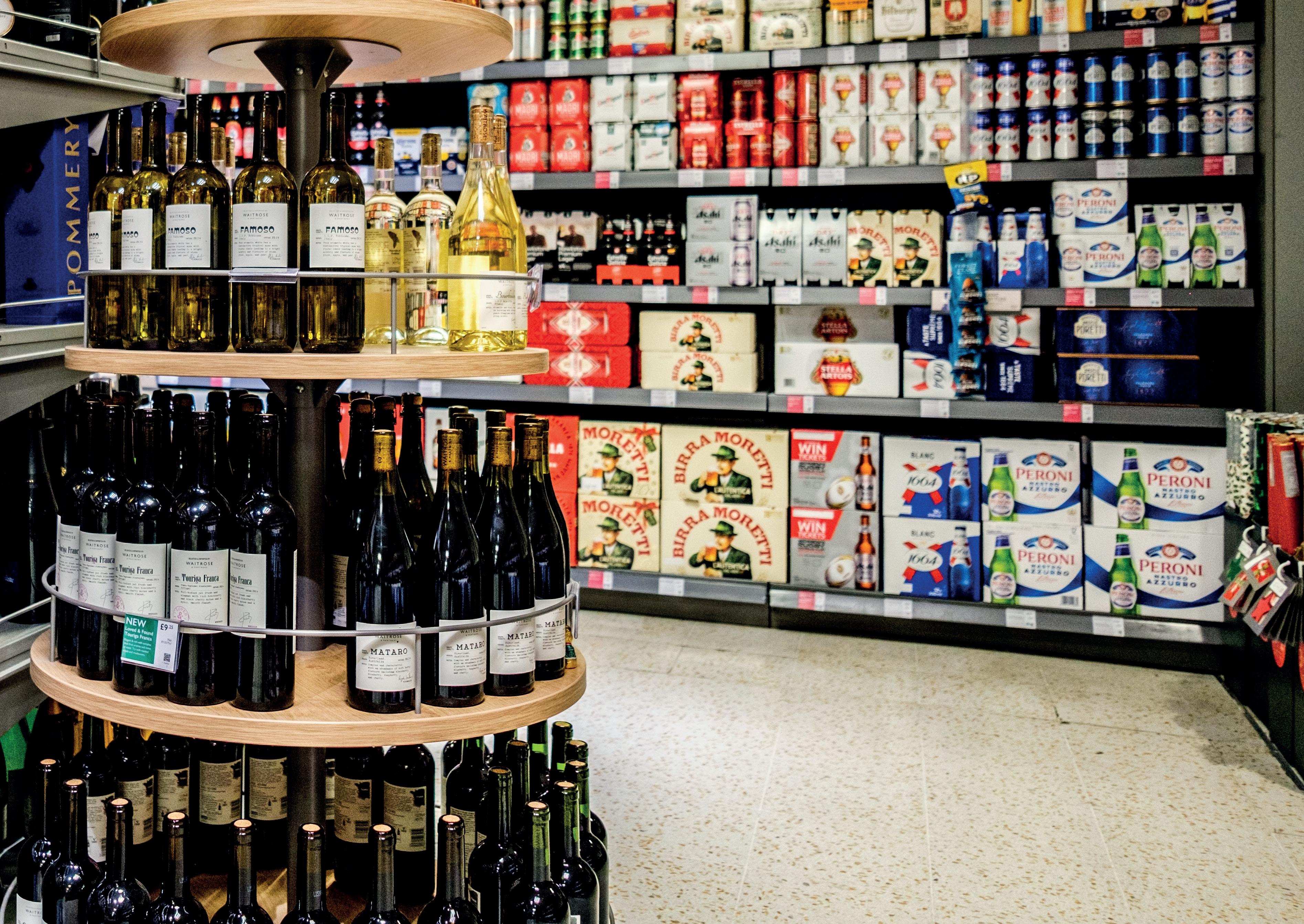
Each year, the London Wine Fair Times undertakes a reader survey to find out more about what the trends are amongst wine merchants. This is another source of useful information in the public domain that can offer up some interesting reading for those in the trade.
Firstly, nearly 50% of independent wine merchants surveyed confirm that they now offer wine for consumption on the premises, as well as for retail sale. This is up significantly - in 2014, the London Wine Fair stated that only around 25% of retailers did this. Access to wine by the glass is potentially important for English and Welsh wine retail since tasting previously unknown products without having to commit to the purchase of a whole bottle is such a critical factor in converting interest into sales.
Of course, this approach is not for everyone in the independent retail sector. Offering wine for consumption brings with it a whole host of logistical issues for the wine merchant - licensing, longer opening hours, increased staffing, as well as actually
having the space available to offer that service to customers. Many will still stick with offering tasters only in light of these complexities, but that can still work to the advantage of the English wine producer whose products may be less well known by the general audience.
Secondly, the London Wine Fair survey suggests that the average sale price for a bottle of still wine is £16.91 - an increase of £1.13 from the previous year. Of course, much of that increase will be burned up through duty and inflation, but it still gives an interesting insight into the sort of pricing levels that are being offered. A quality English or Welsh still wine would be hard pressed to come in much below that average at retail, but it does compare favourably with the entry level still wines
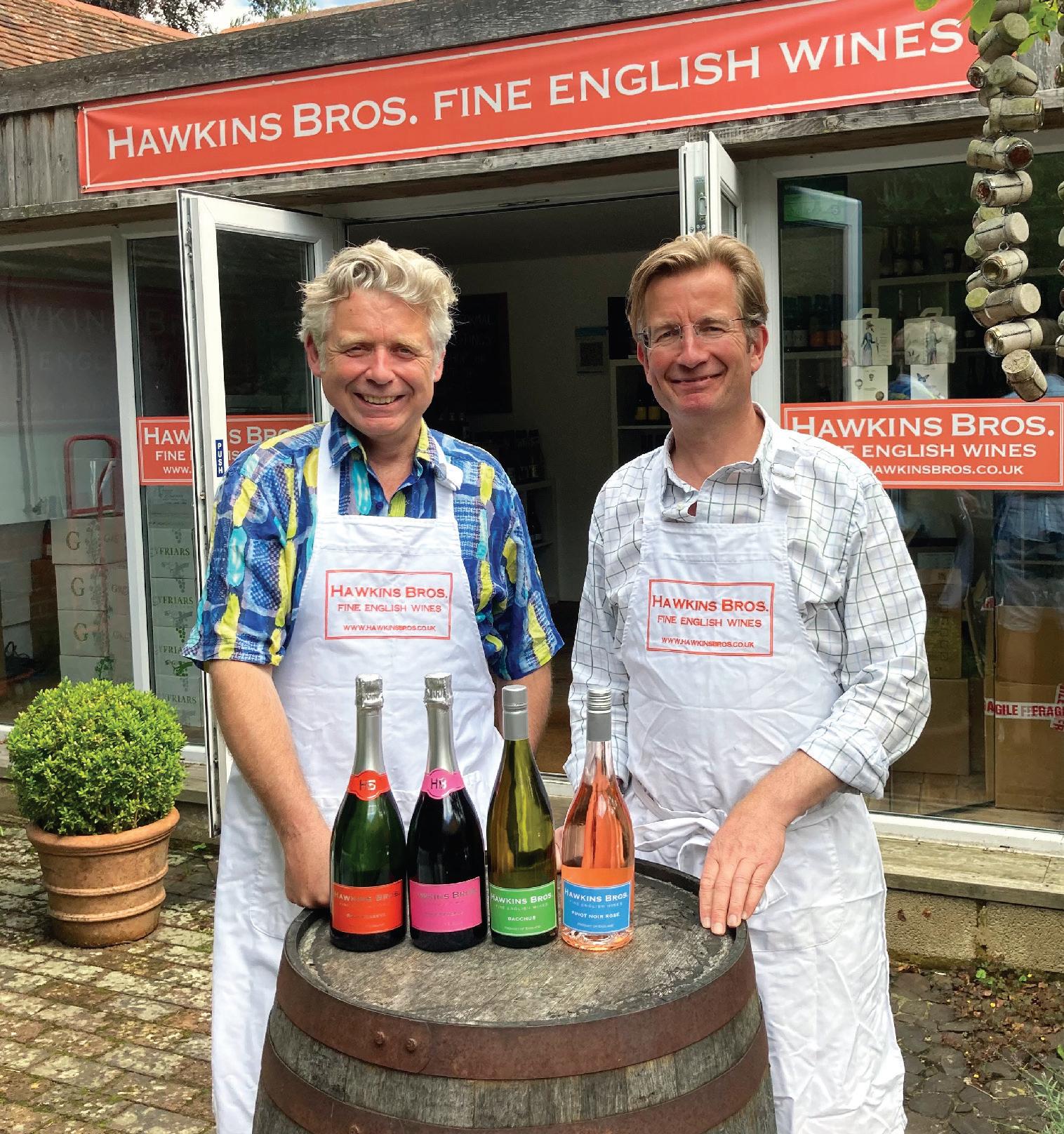
being offered at the cellar door in many vineyards across the country.
This is a particularly interesting point, because there still seems to be a perception that English and Welsh wine is expensive. Stephen Crosland, the Buying Director for Tanners Wine Merchants in Shrewsbury, told Vineyard Magazine about where that merchant finds itself in relation to English and Welsh wine at the end of 2025.
“It’s all about sparkling wine still, we launched our own label Tanners English Sparkling Brut earlier this year which has been performing very well. In terms of what we stock for still wines especially, we look at local producers mainly as that seems to be the key selling point of English wines and the way to encourage people to buy them. But it can still be tricky given the price points.”
In contrast, James Hawkins of the dedicated English wine merchant Hawkins Bros Fine English Wine takes a different view, even though they have observed trading conditions to have quietened somewhat over the past 12 months.
“People are very aware of the cost of living at the moment,” James says. “The general consensus seems to be that English wines are an expensive thing. I don't know where people get that idea from. We have to explain to them why they're not expensive comparatively.”
The active role that James and his team take in helping to educate their customers about English and Welsh wine, how it is produced and where the value comes from is heartening to hear, but he is also complimentary about the level of knowledge that his customers have:
“I suppose people buy what they know. A lot of people come in and they know the local vineyards that are close to them and they’re very loyal to those. Other people know roughly what is available in this country.
Bacchus has a good following, certainly. It’s the fourth most grown variety and a lot of people have heard of it and like it.”

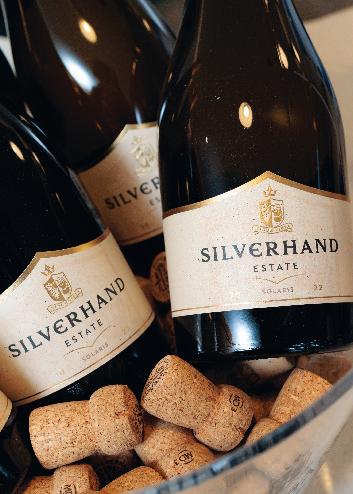

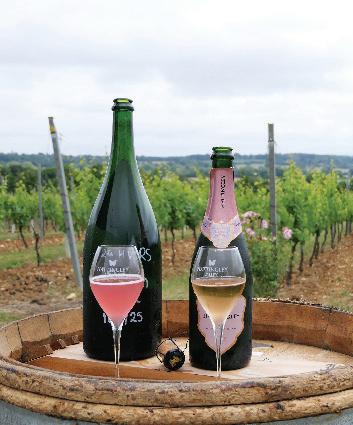
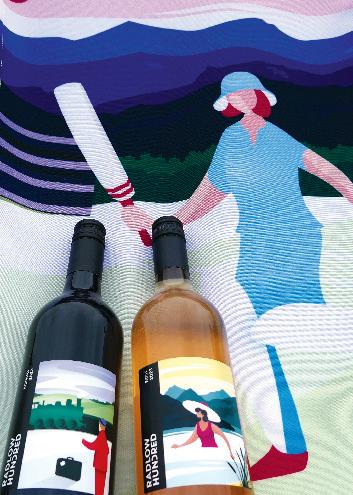
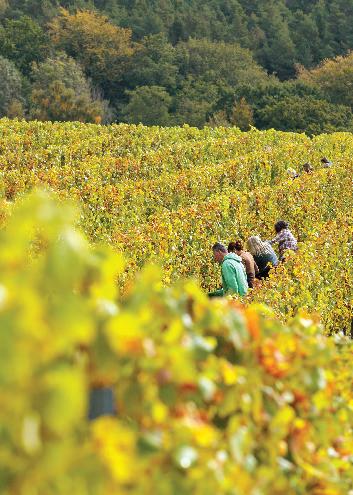
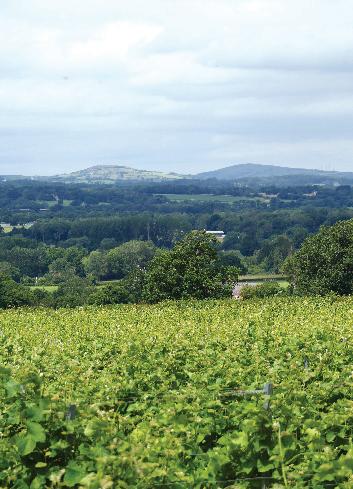
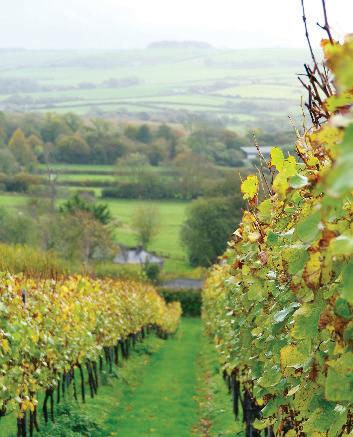
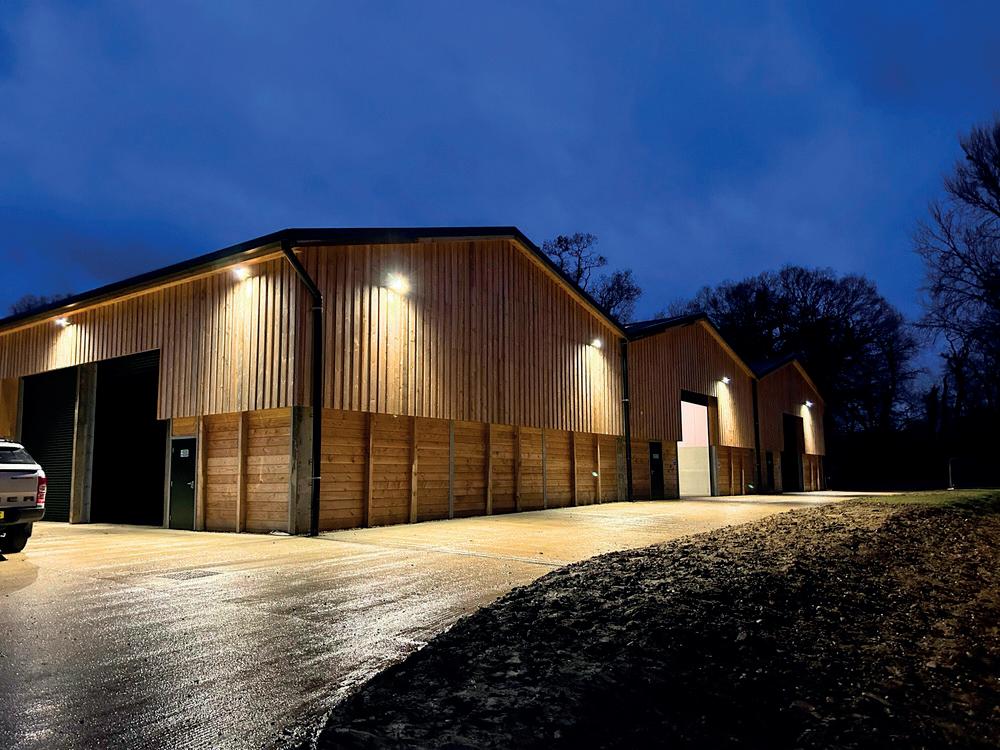
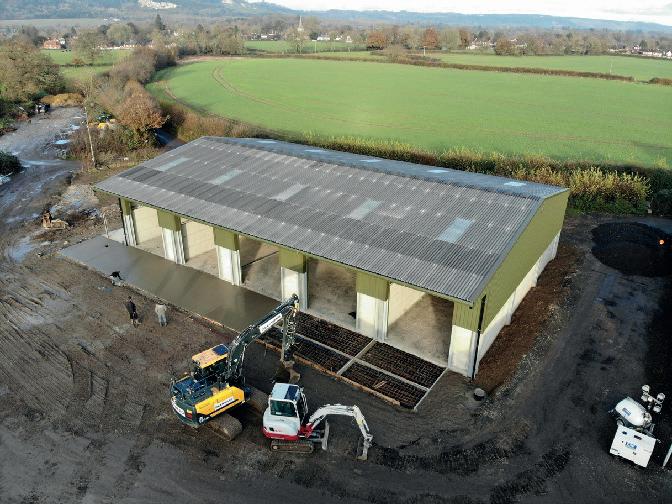

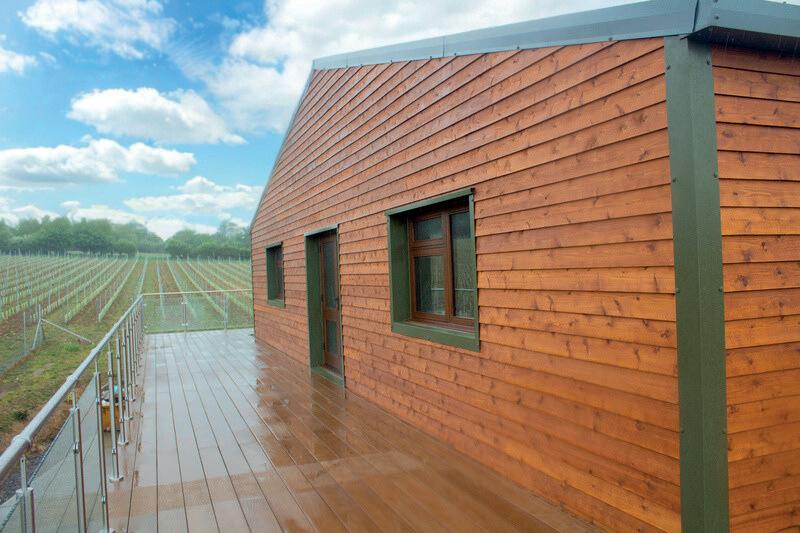
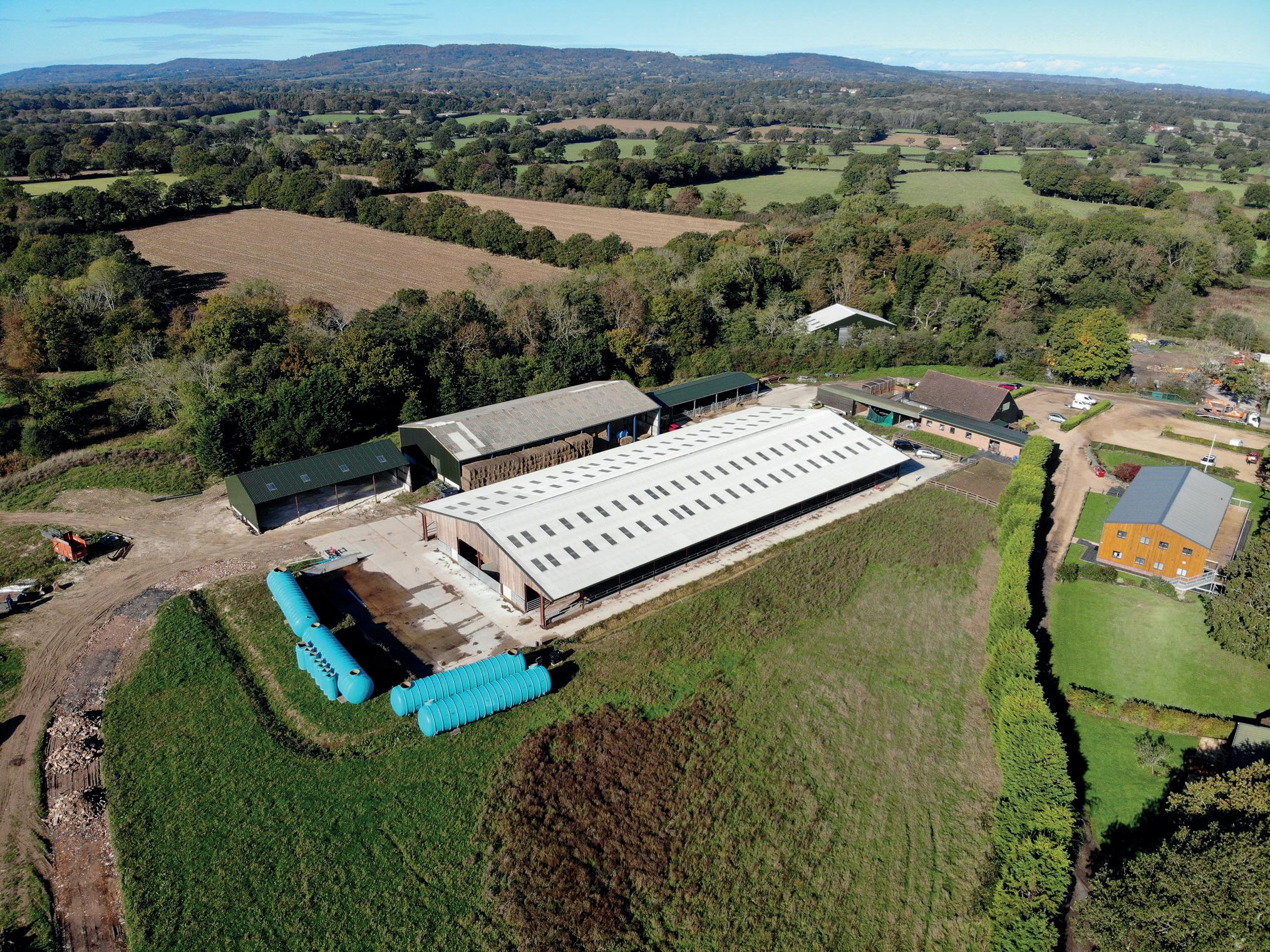

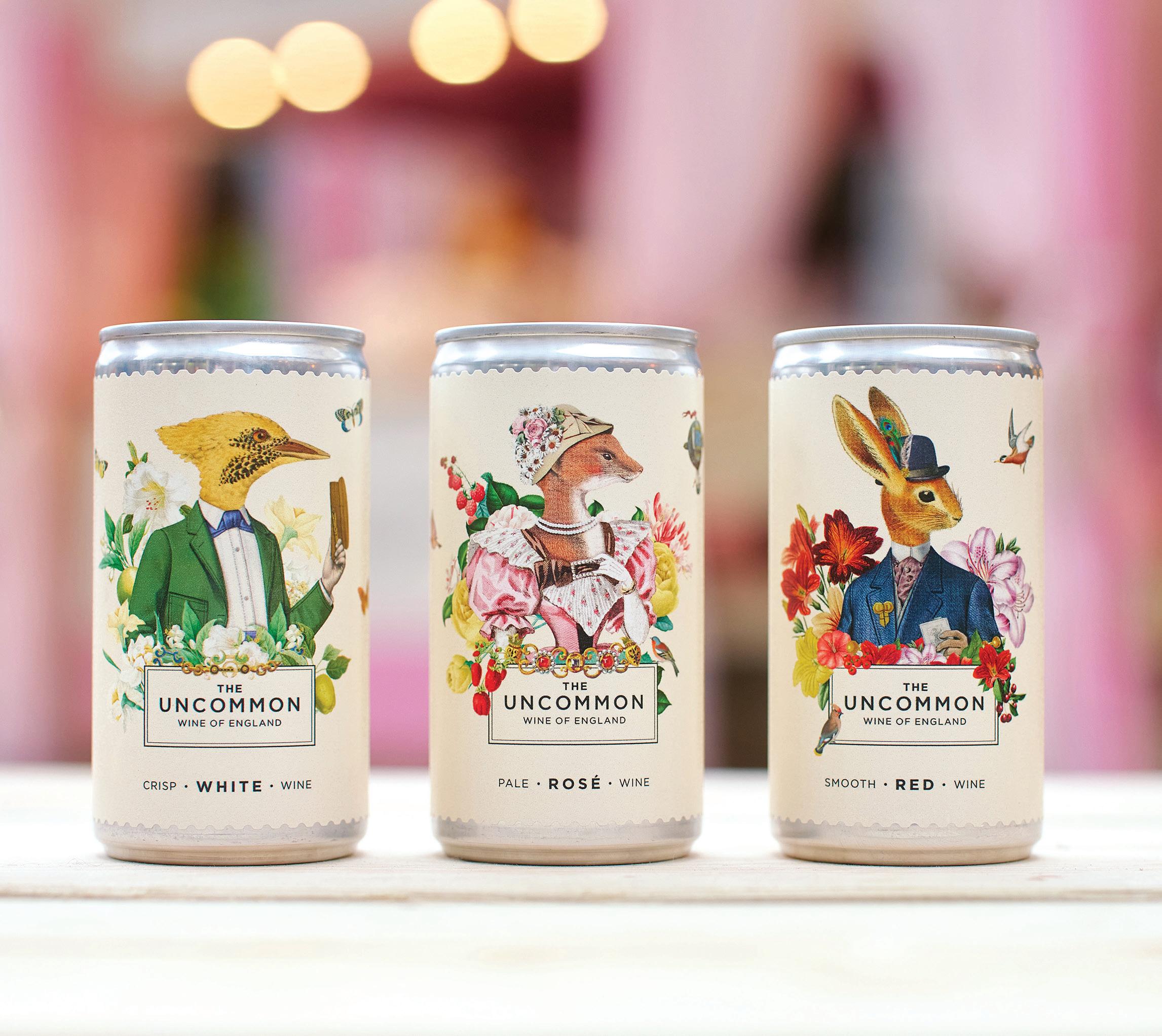
Large retailers have expressed an interest in “changing the narrative” around boxed wines, as well as continuing to experiment with alternative formats like canned wine.
The range of English wines in cans is still extremely small, but has shown some growth in recent years. The canned wine market at large has boomed, by its own standards, with sales growing nearly 4000% in the early 2020s.
They do have a lot to offer both the consumer and the producer – cans attract lower transportation costs than glass, for example and are more robust when boxed for delivery. They also offer an accessible and casual single serve opportunity that makes them extremely flexible and may well have reach with new demographics of wine drinkers.
The increase in boxed wine sales has been attributed to younger
shoppers looking for larger formats for sharing (the phrase “picnic perfect” has been thrown around a lot) that also offer value for money and stay fresh for longer.
There have been concerns in the past from both consumers and producers that boxed and canned wines do not have the same perceptions (or reality) of quality, or the same cache, as their glass counterparts. This is being countered by manufacturers who are seeking to leverage high quality materials and high end design to ensure that the formats appeal to customers seeking to buy at the premium end of the market – and they are filling them with products to match.
It continues to be true that successful winemakers are not just producing excellent products, but also offering their customers a glimpse behind the bottle by explaining more about who they are and why they do what they do.
This approach feeds in well to the methodology summarised in recent years by Erik Huberman, the CEO of Hawke Media, in his book The Hawke Method. He talks about three principles of marketing – awareness, nurturing and trust. All three are equally important – like a tripod that would fall if one leg did not match the others.
Telling potential and existing customers more about the ‘how’ and ‘why’ of your winemaking feeds into all three of these principles. It helps to give new customers awareness about your products. Existing customers are nurtured by feeling involved in your processes and they appreciate being kept up to date with new releases and why those wines are special. Finally, being honest and vocal about your story helps to build trust by showing consumers that your values are aligned. People are more likely to make a purchase from brands that share their world view and ethical standpoint.
James Hawkins at Hawkins Bros Fine English Wine is hugely keen on telling stories to customers face-to-face to achieve successful sales.
“The more information you have surrounding the wine, the better it is. I’m hand-selling most of the time because generally people don’t know that much about English wines – it is still about raising awareness and getting them to taste the wine.
“Making your brand stand out is very important too, considering
how your brand looks. If you have got wines that are immediately identifiable and attractive then people will pay for it. A lot of sparkling bottles will look like Champagne - gold foil and a white label. But it is the ones that are doing something a bit different and stand out that people make a beeline for. Even just a different shaped label, no foil or using bright colours.”
Joe Fattorini is based in Scandinavia and has watched English and Welsh brands as they begin to enter the markets there. His anecdotal experience also stresses the importance of storytelling in building an effective brand.
“Norwegians love English wine and Simpson’s have shown how to successfully build a brand that taps into the Norwegian preference for the sort of fresh, elegant wines England and Wales make, not to mention leaning into a strongly Anglophile culture. But then they have never had the same degree of success in the much larger Swedish market. It is true that Norway and Sweden and Finland are all Nordic, monopoly markets. But there are crucial differences in trade structure, culture, and the best ways to connect with shoppers and enthusiasts. People who perform the best have found ways of connecting with wine drinkers at a one-to-one, individual level. It doesn’t need to be by the vineyard itself. It can be through retail staff, sommeliers, digital programmes, or events.”
FIND OUT MORE ABOUT THE HAWKE METHOD : www.hawkemedia.com/insights/the-3-principles-of-marketing-awareness-nurturing-and-trust/
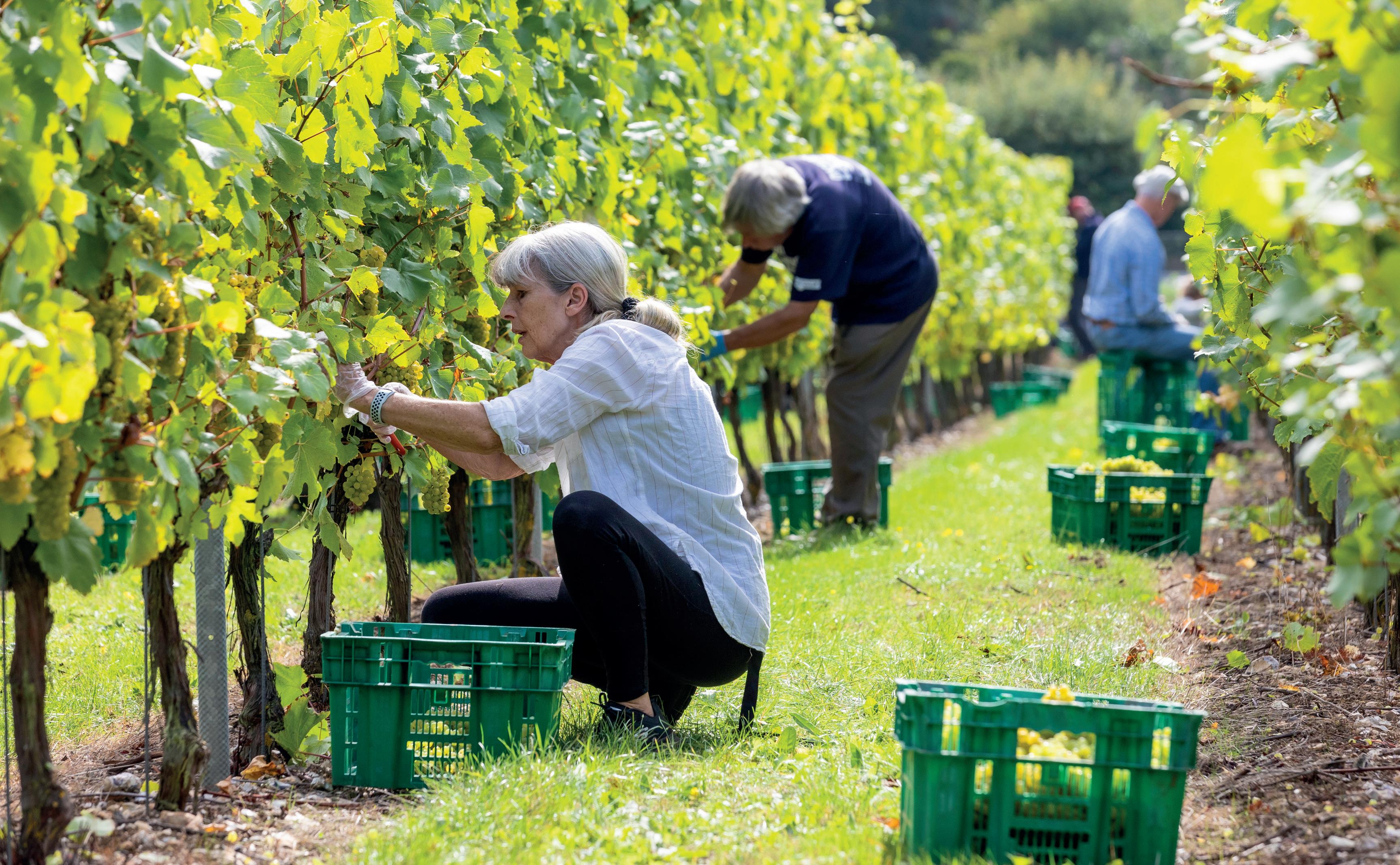
Vines are a common sight across the English countryside these days, but back in the 1980s few people were planting vines commercially and it would have taken a brave man to commit his future to providing the necessary equipment to grow them successfully. Step forward David Sayell, a brave man and, it has since become apparent, a visionary who could see that our changing climate would position England and Wales as increasingly important players in the world of quality wine.
David Sayell, who heads up Vitifruit Equipment with business partner Richard Witt, has immersed himself in viticulture since he first drove a tractor around what was then Penshurst Vineyard in the eighties.
The experience he gained then and since has given him more than a head start when it comes to supplying and supporting the most reliable, proven machinery for growers across the country.
“I’ve been specifically focused on viticulture for 45 years, and there aren’t many people who can say that,” he commented. “I can remember growers trimming vines with a hedge cutter, using inappropriate gardening equipment for other vineyard tasks and doing many jobs by hand.”
After studying rural estate management at what was then Cirencester Agricultural College, David studied agriculture at Plumpton College before gaining three years’ hands-on experience as a tractor driver.

David Sayell
He then worked with a number of dealerships selling tractors, and in some cases persuading them to offer viticulture equipment to the small but growing number of vineyard owners who could see there was a future in English wine.
“I could see that there was a growing market for quality equipment amongst the rising number of vineyard owners in the south east and beyond, but few other people seemed as interested as I was in the opportunity,” he said. “So I decided to do the job myself.”
It was 1995, some 30 years ago, that David set up Vitifruit Equipment and began to sell and hire out the kind of specialist machinery that would help the UK wine industry grow to its current size and develop the reputation for fine wine that it now enjoys.
“Because I was one of the first to get involved, I was able to sign contracts with some of the top manufacturers in Europe,” he said. “It was never about bringing in the cheapest kit but about finding the best, and that took a lot of research.”
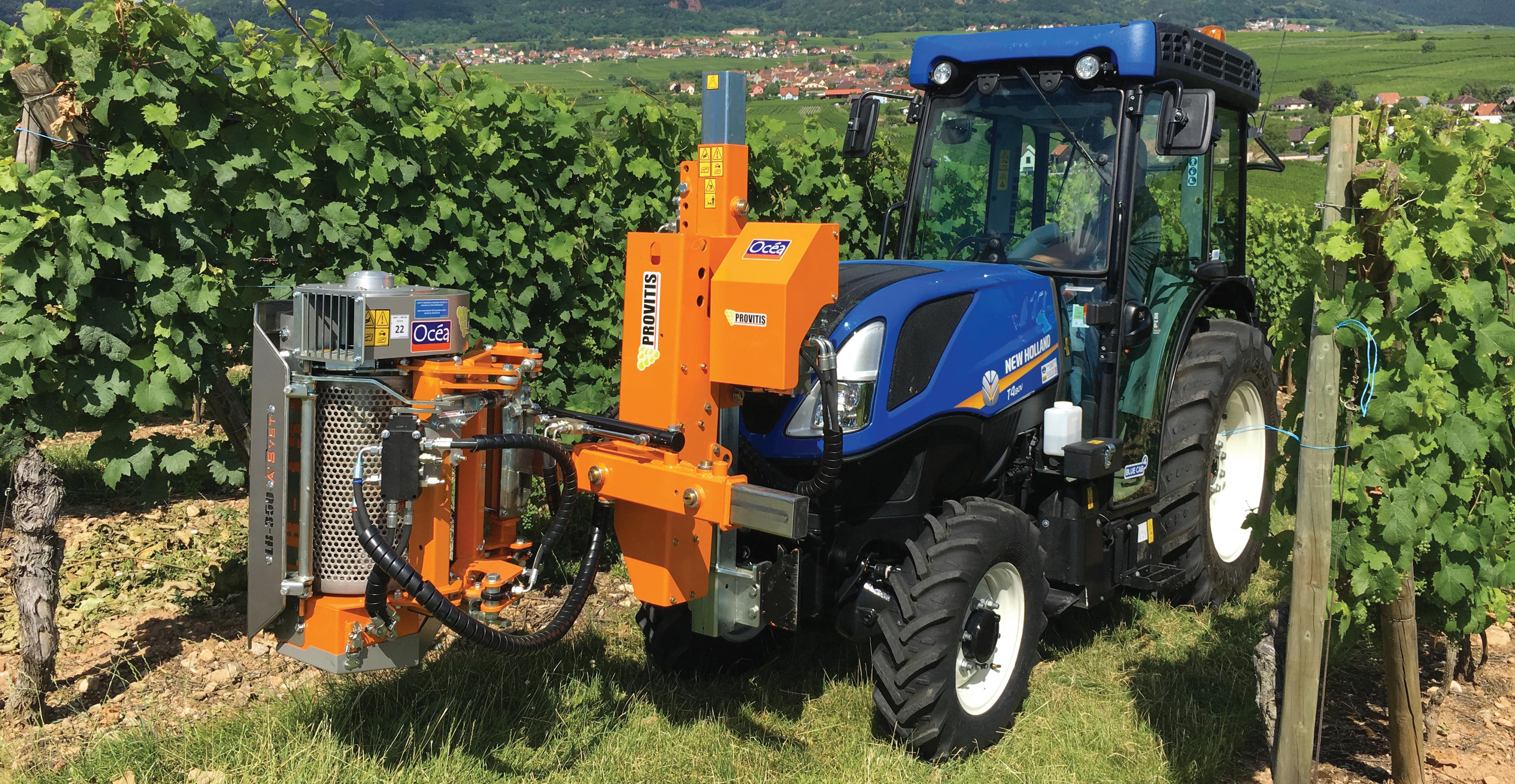
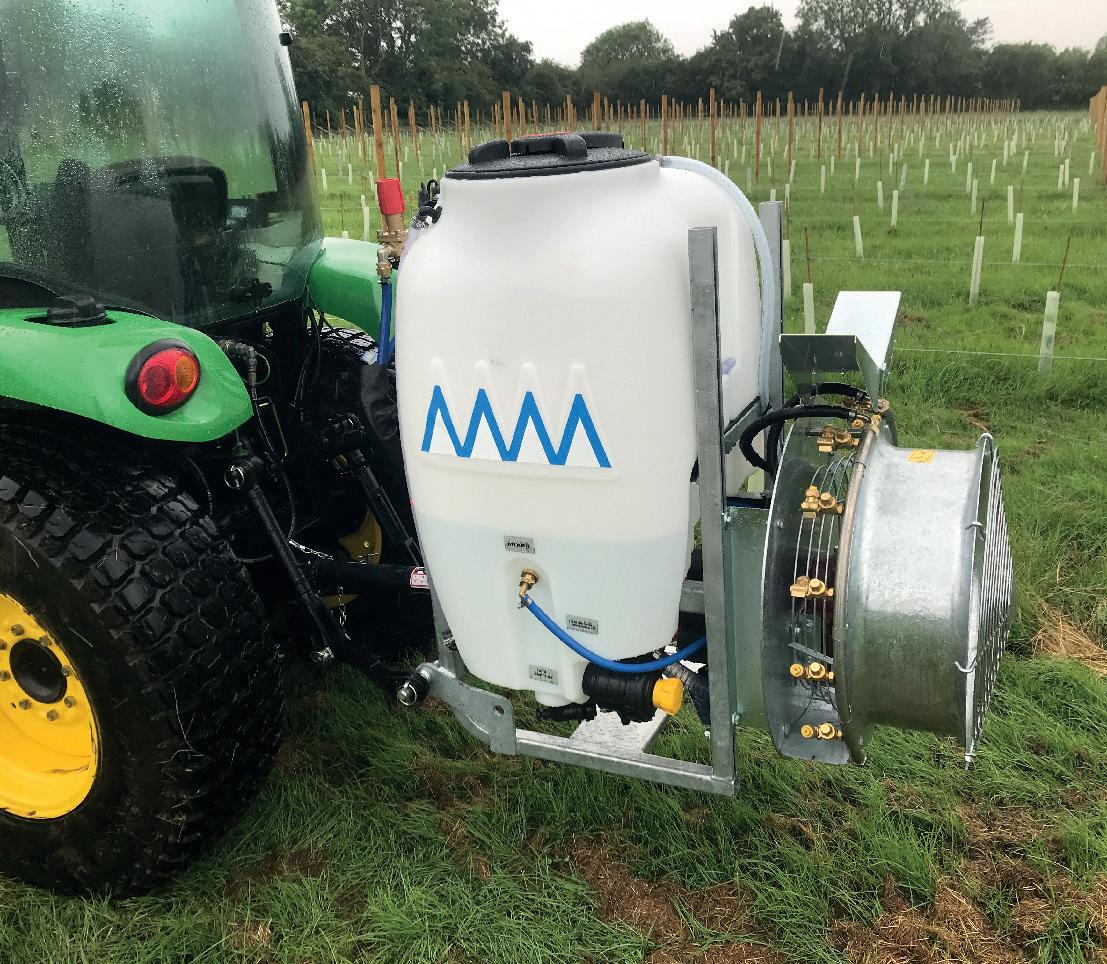
Based in the UK and serving the South East, South West, Essex, and Norfolk, VitiForce delivers expert vineyard management and consultancy with over 10 years of hands-on experience in cool climate viticulture.
Founded by Blago, we offer reliable, on-site services tailored to your vineyard’s unique needs – from establishment to harvest. OUR SPECIALIST SERVICES INCLUDE:
– Full vineyard management (planting to harvest)
– Pruning (tying down, pulling canes)
– Canopy management & replanting
– Tractor operations: mulching, mowing, vine trimming, leaf stripping
– Machine bud rubbing & rollhacking
– Targeted spraying (weed control, fungicides)
– Grape transportation

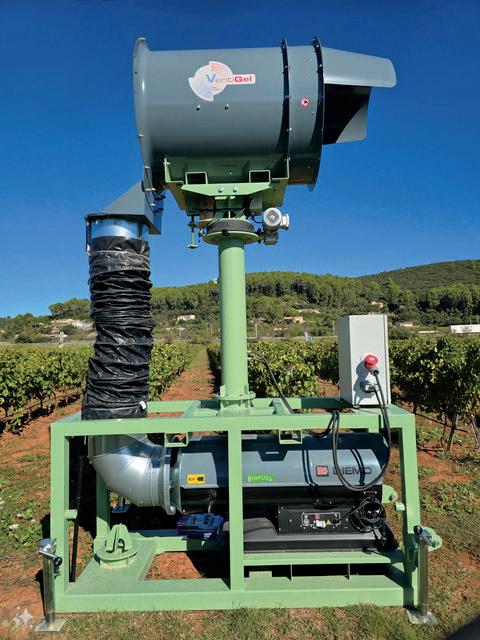

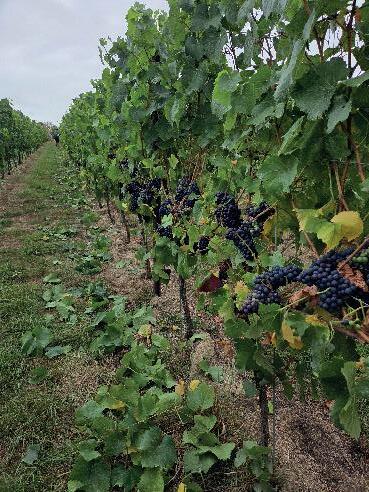
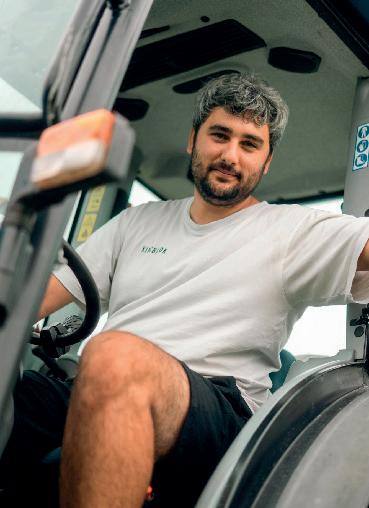
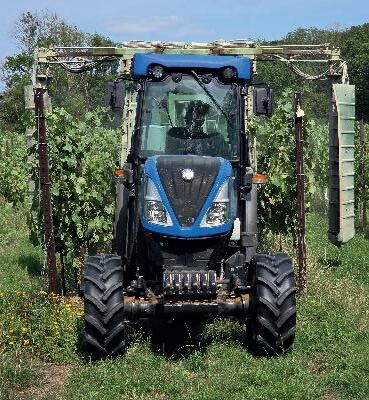
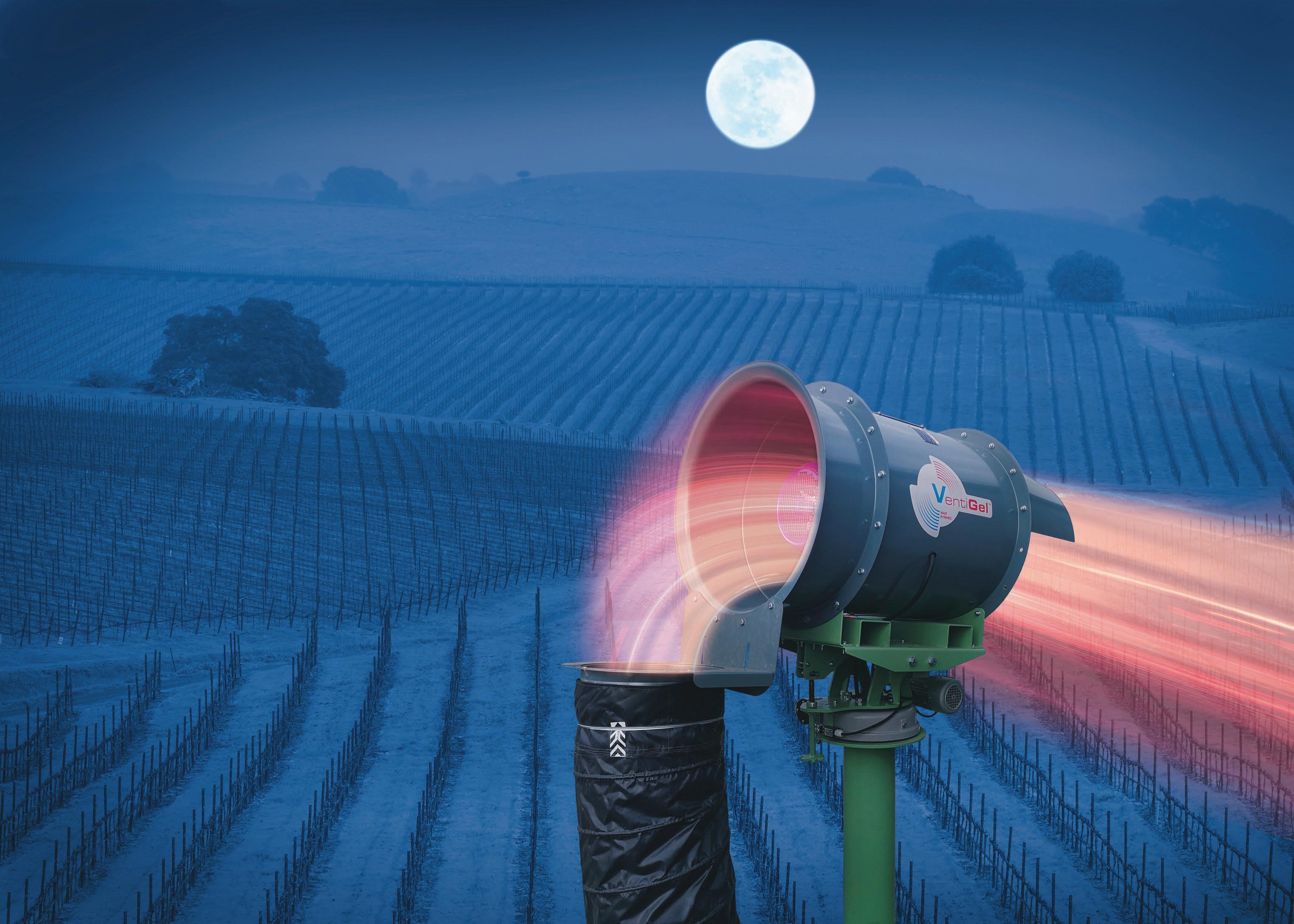
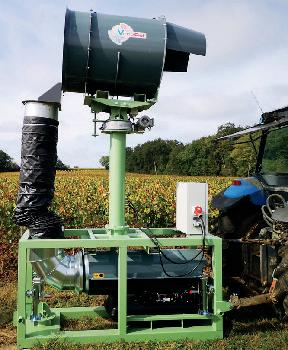
<< Working from home, first in a shed and then in his back bedroom, David grew Vitifruit Equipment from those early days to a business that now supplies growers across the country, from Yorkshire to Cornwall. He estimates that he has sold machinery to between 350 and 400 customers.
In 2013, with the company growing steadily, he decided it was time to share the load and brought in Richard Witt, “a fantastic administrator who has added additional skills and really helped the business to grow” in David’s words.
The team has since expanded further, with Han Rushanov and David Wood strengthening the team ‘in the field’. While David is mainly responsible for sales, Han sets up each new machine and makes sure the operator is confident about how to operate it as part of a comprehensive handover procedure.
“Han is also a great technical problem solver and does a lot of the demonstrations for Vitifruit Equipment,” David added.
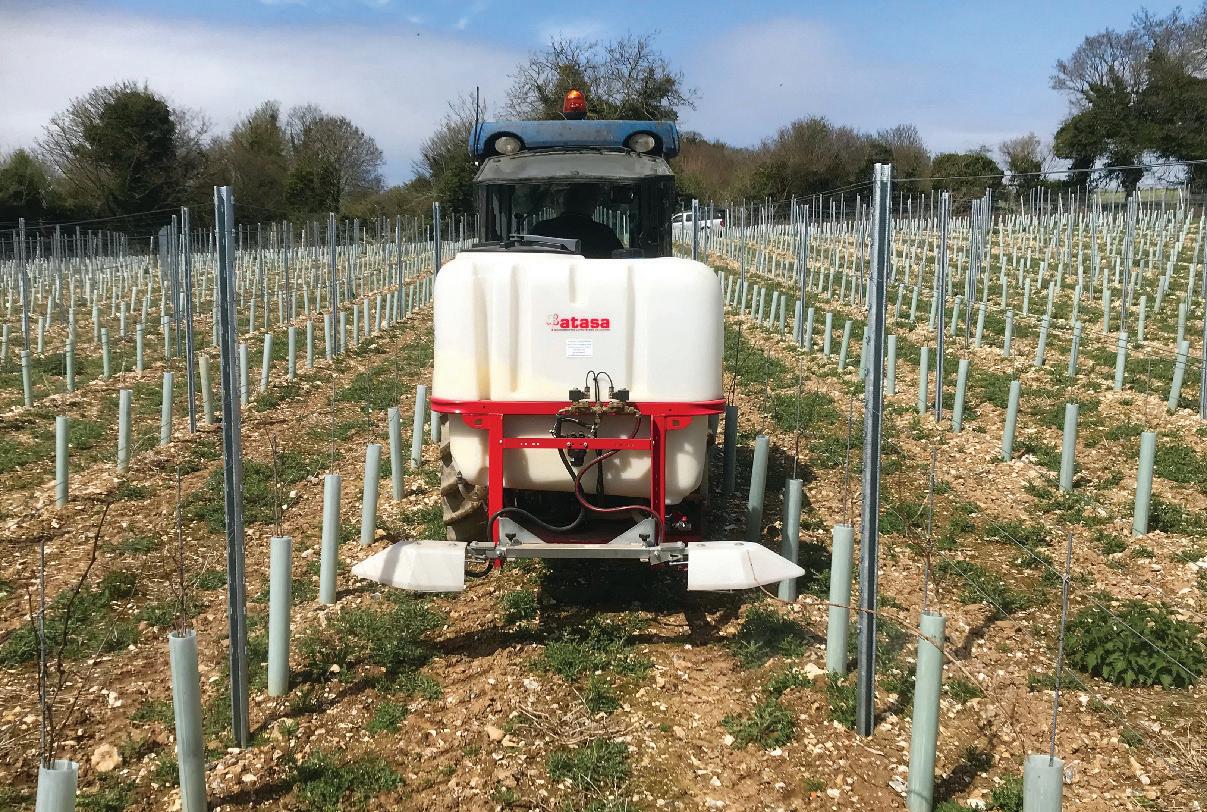


David Wood is a vital part of the after-sales operation and has considerable hands-on engineering experience, particularly when it comes to sprayers. “And given that we have so far supplied 63 Lipco sprayers and 43 MMs across the country, that experience comes in handy,” David Sayell added.
The newest member of the team is Chloe Marshall, who will be supporting David with sales enquiries but is also set to underpin Vitifruit Equipment’s growth in the relatively new field of vineyard robotics.
The business has already had some experience in the field, having supported a major vineyard in north Kent with robotic intervine weeding, and is aiming to develop that area, initially supplying a robot alley mower from Aigro.
“The mower is a relatively straightforward piece of robotic machinery which can cut costs considerably but is not too complex. It’s a good introduction to the technology,” said David. “We are also talking to a number of other French companies about what is
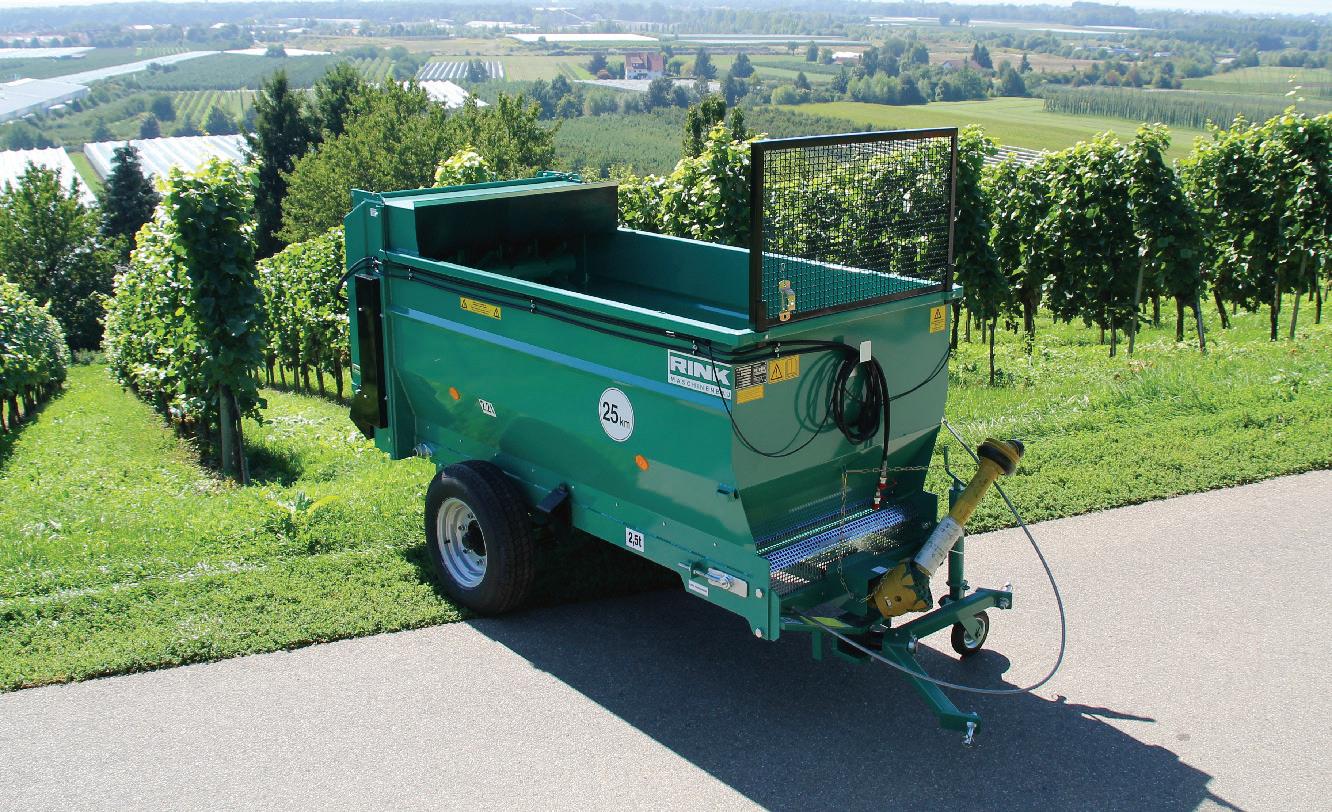
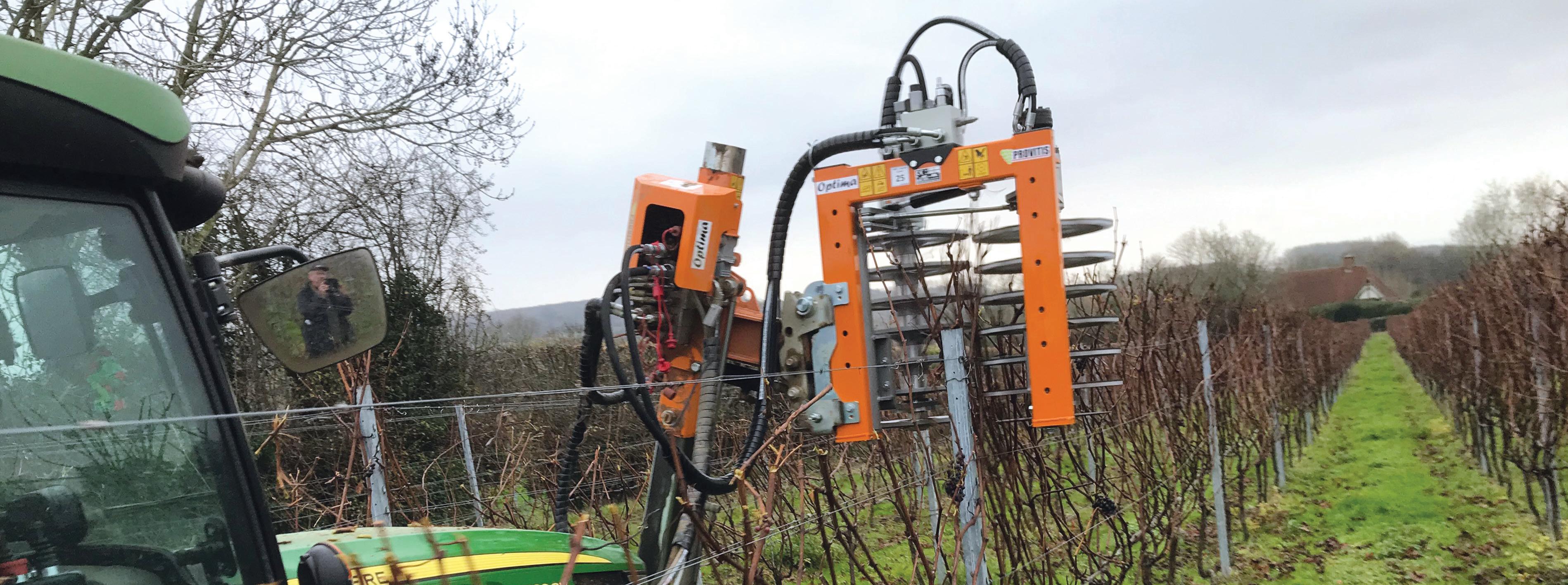



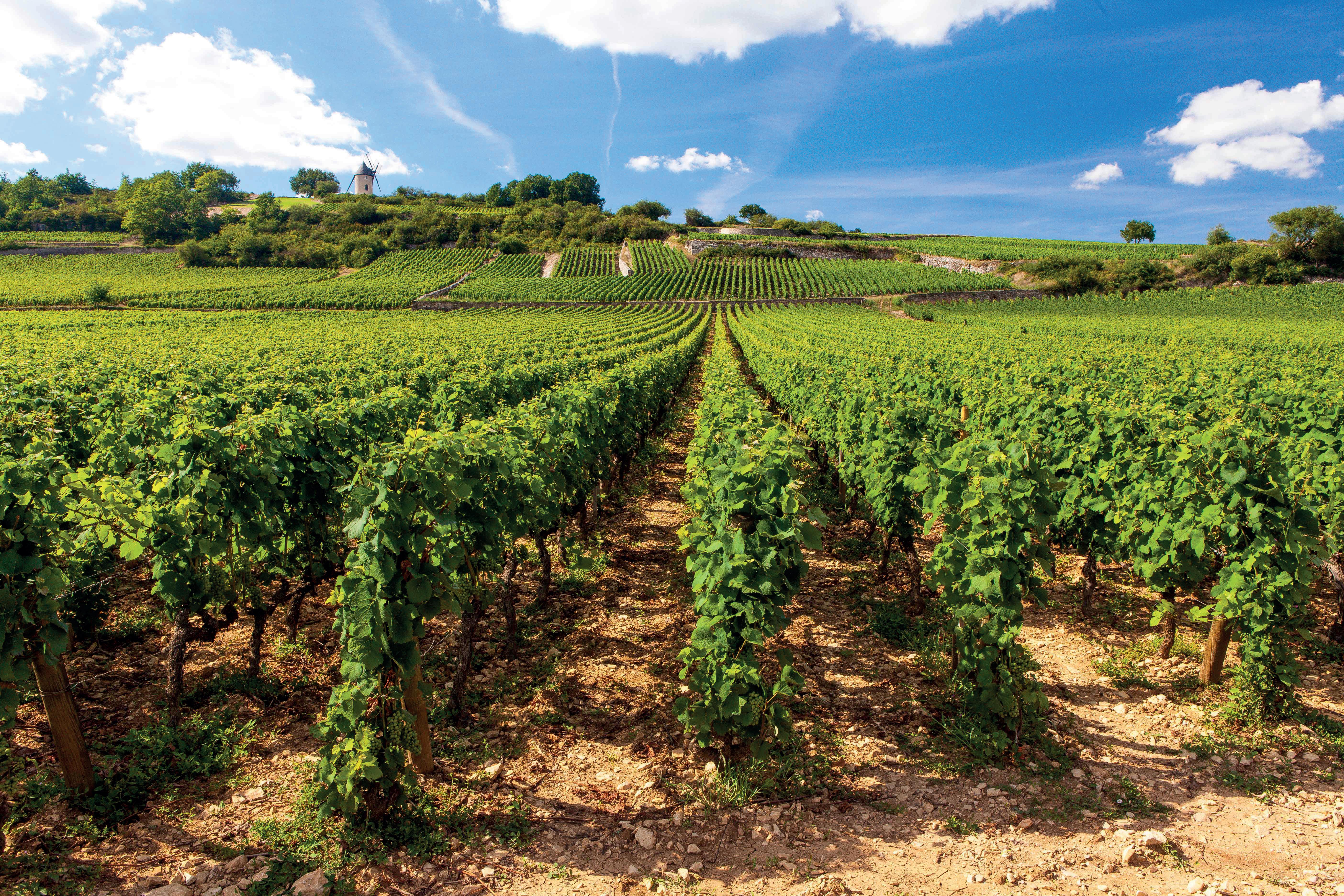







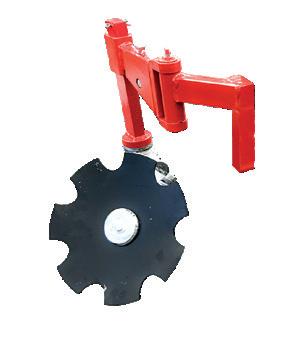





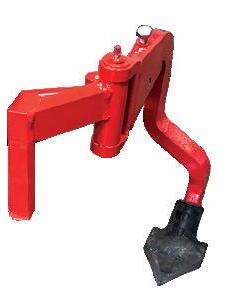






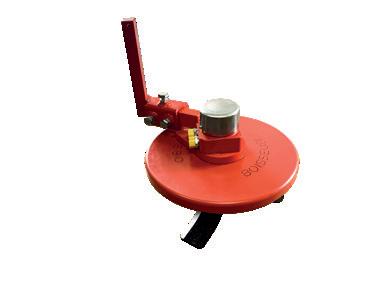




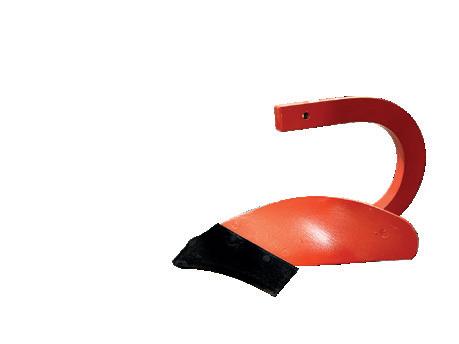









Provitis manufactures trimmers, a choice of deleafers, a cane lifting and tying-in machine, a range of bud rubbers and stem cleaners, strimmer, pre-pruner and the VSE 430 attachment designed to pull out canes in the winter – in short, everything needed to keep vines thriving year after year.
Vitifruit Equipment also supplies the Rabaud post inserter, while its impressive choice of sprayers includes single and double row tunnel recirculation sprayers from Lipco and MM’s mounted and trailed fan sprayers with capacities that range from 120 to 1,500 litres.
Boisselet equipment provides unbeatable intervine weed control by
cultivation and strimming, while the company also manufactures an efficient prunings sweeper.
Vitifruit Equipment offers the Ventigel frost protection system which uses fan-blown hot air, and Zanon’s cordless and corded secateurs and tying tools, as well as Ligatex’s manual tying down tool.
The company’s comprehensive range of vineyard-specific equipment includes a compost spreader from Rink, a simple budget intervine weed strimmer and a full range of Aedes equipment, including rotary and flail mowers and strimmers.
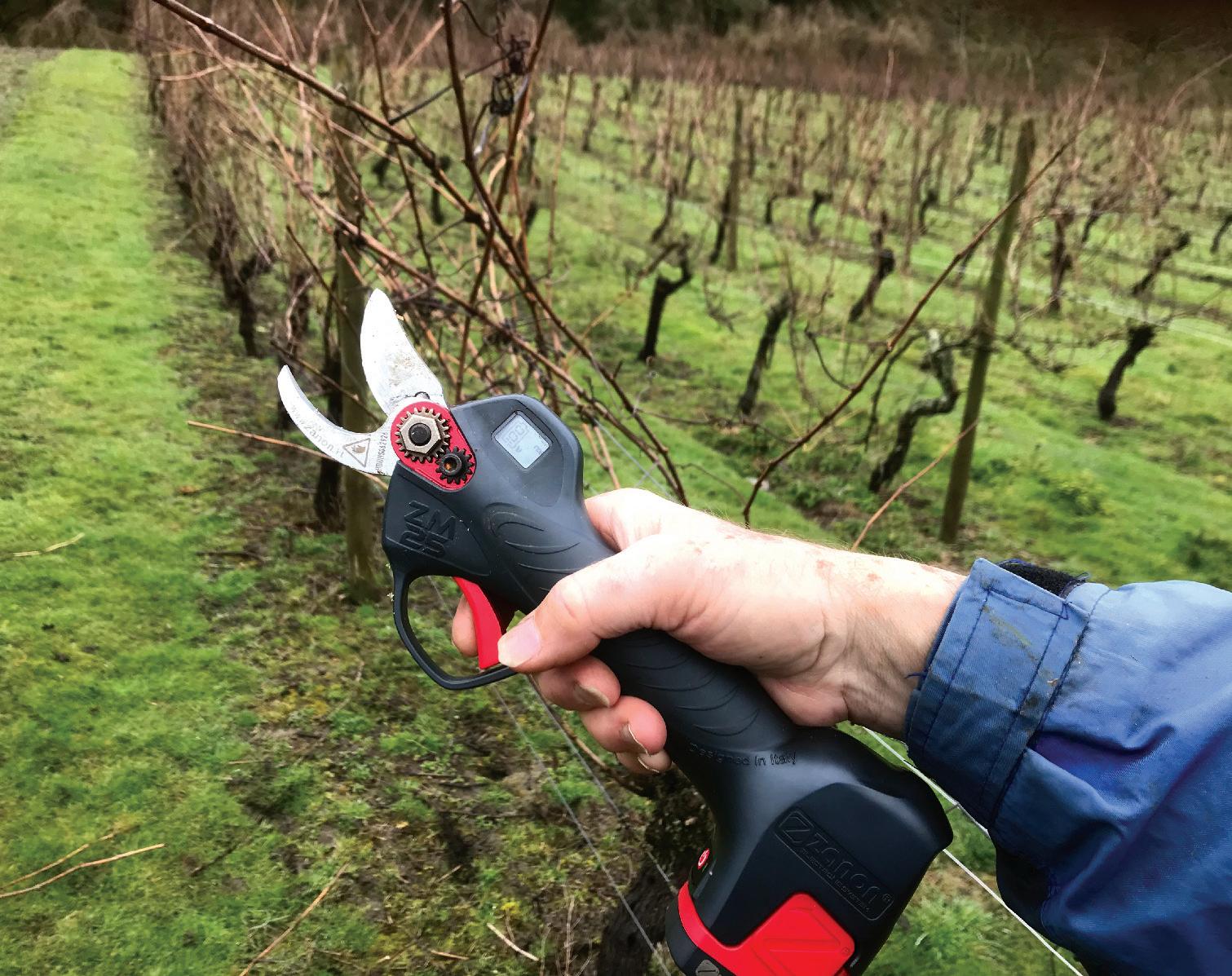
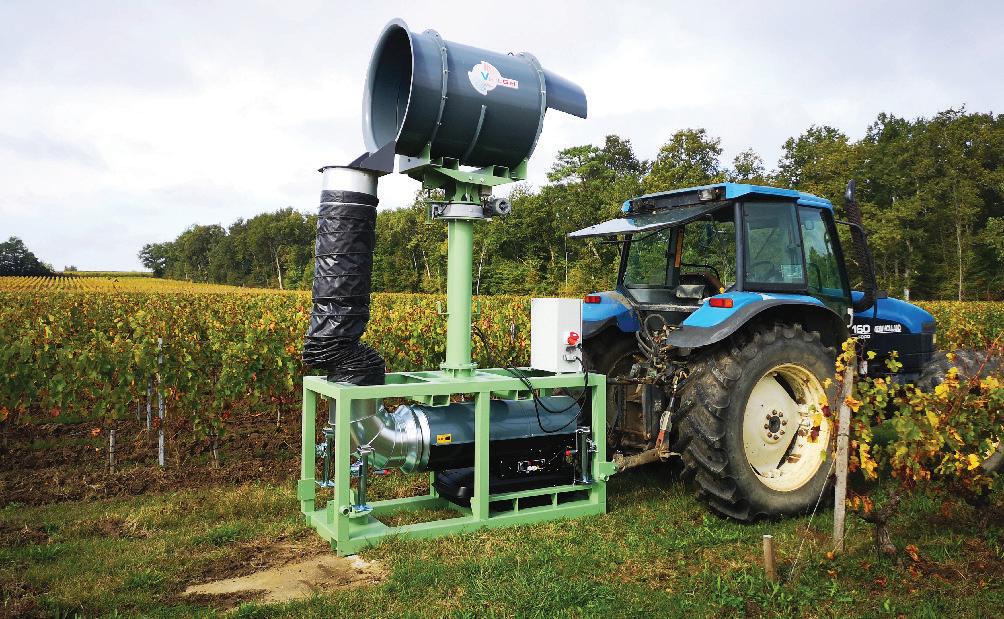
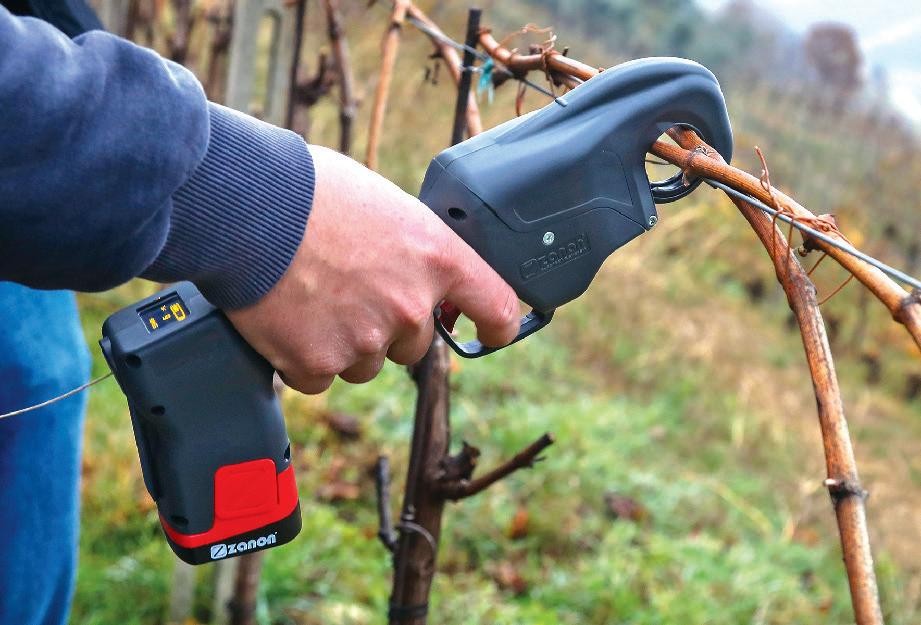

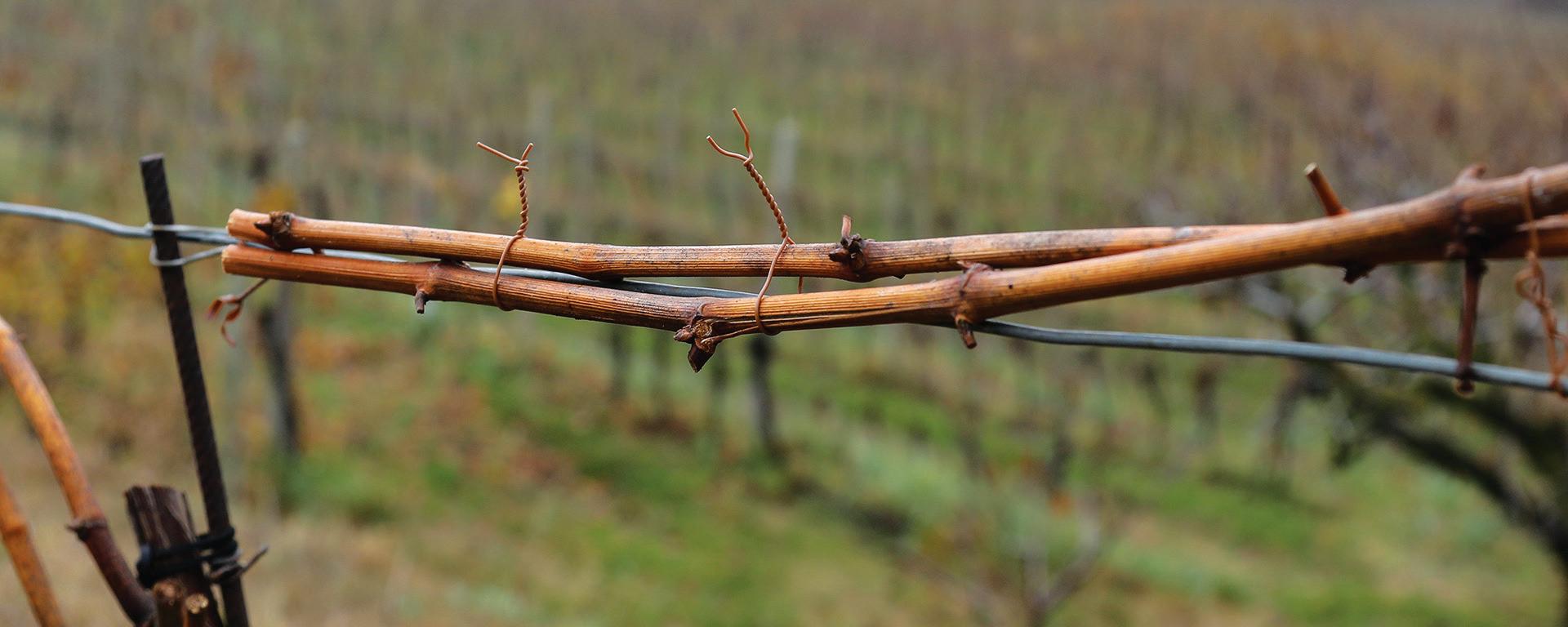
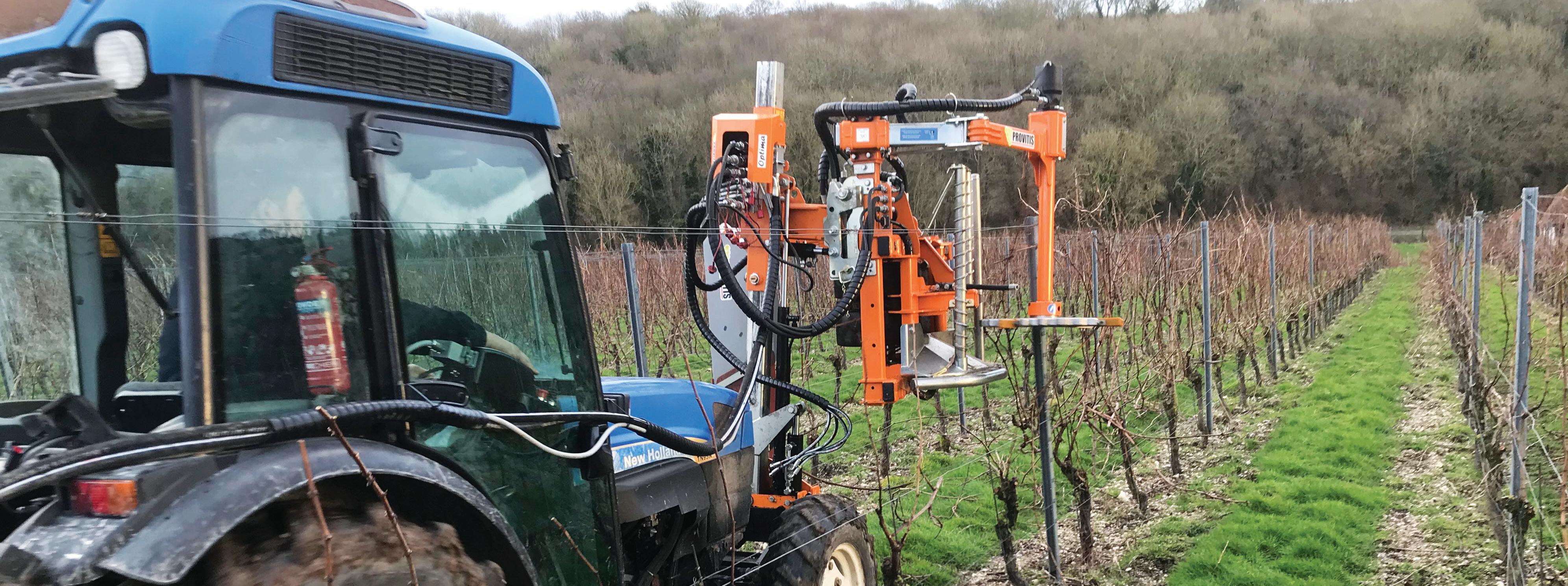
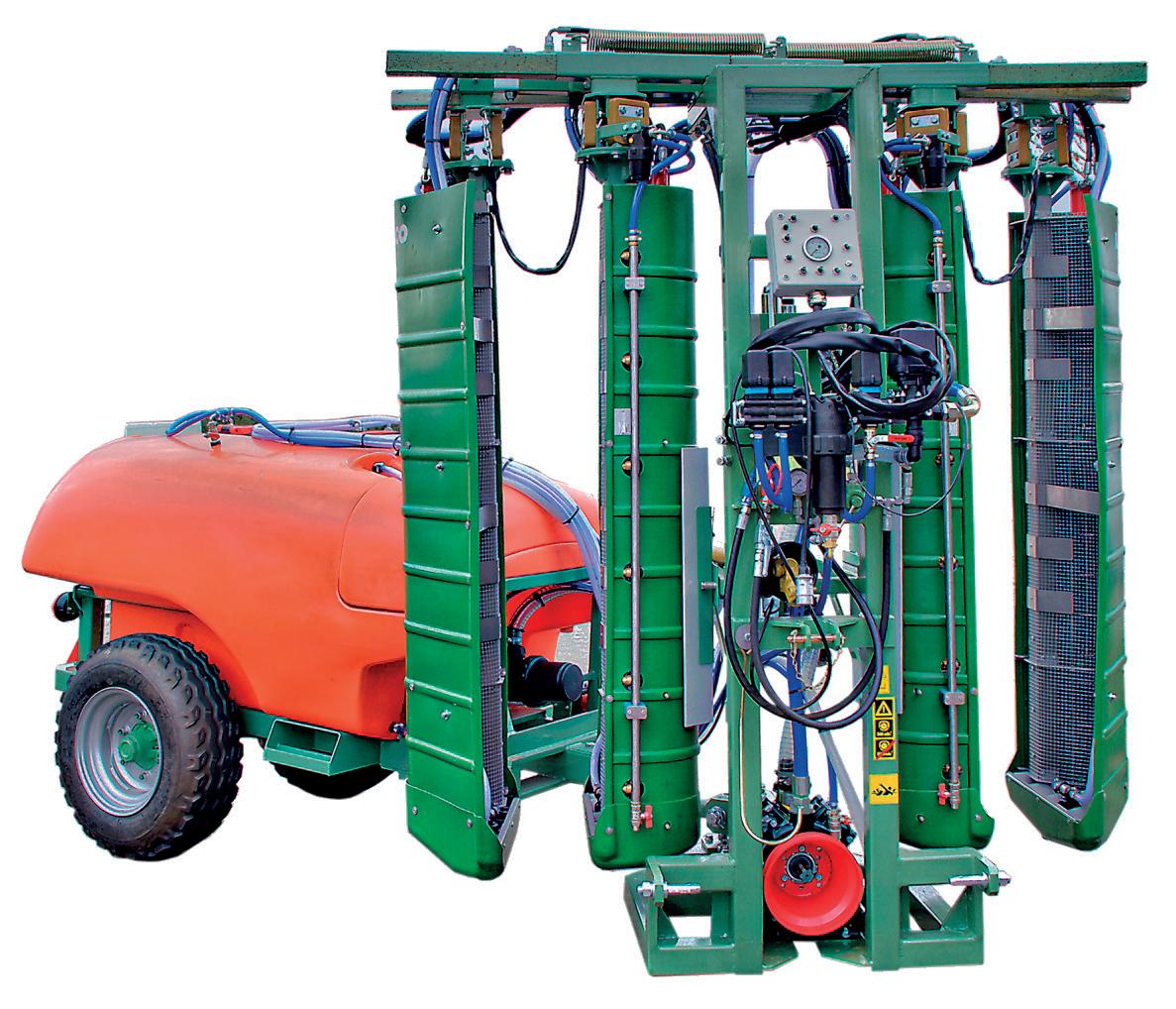
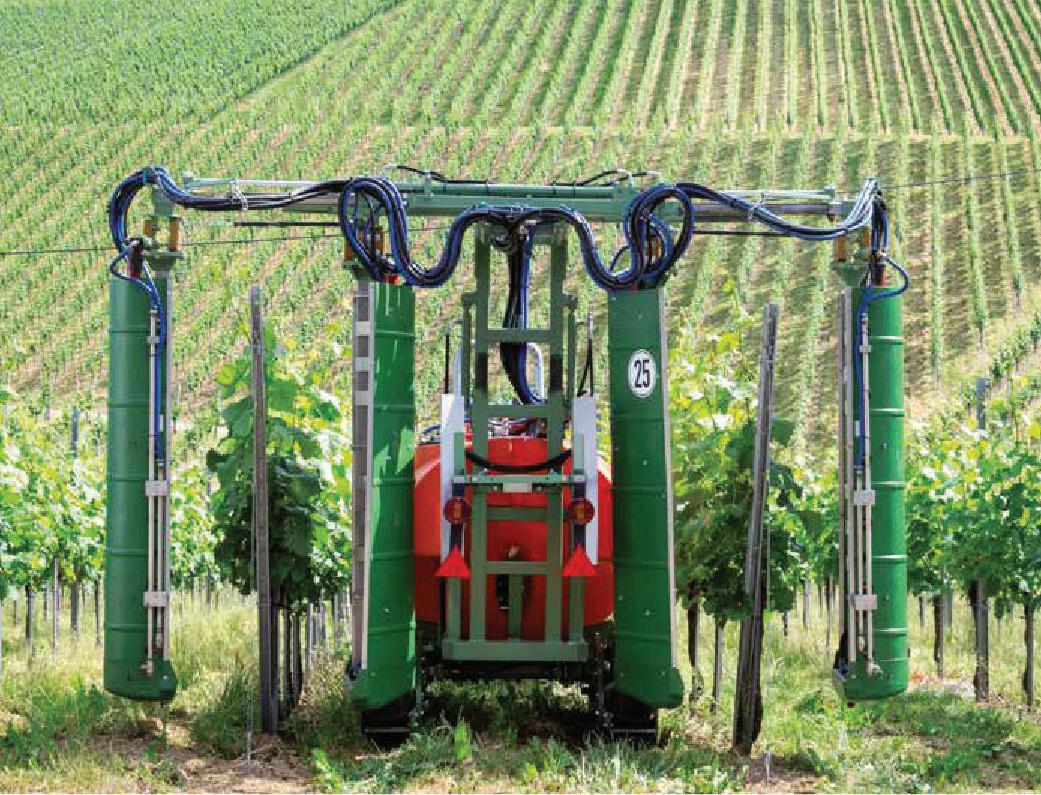





























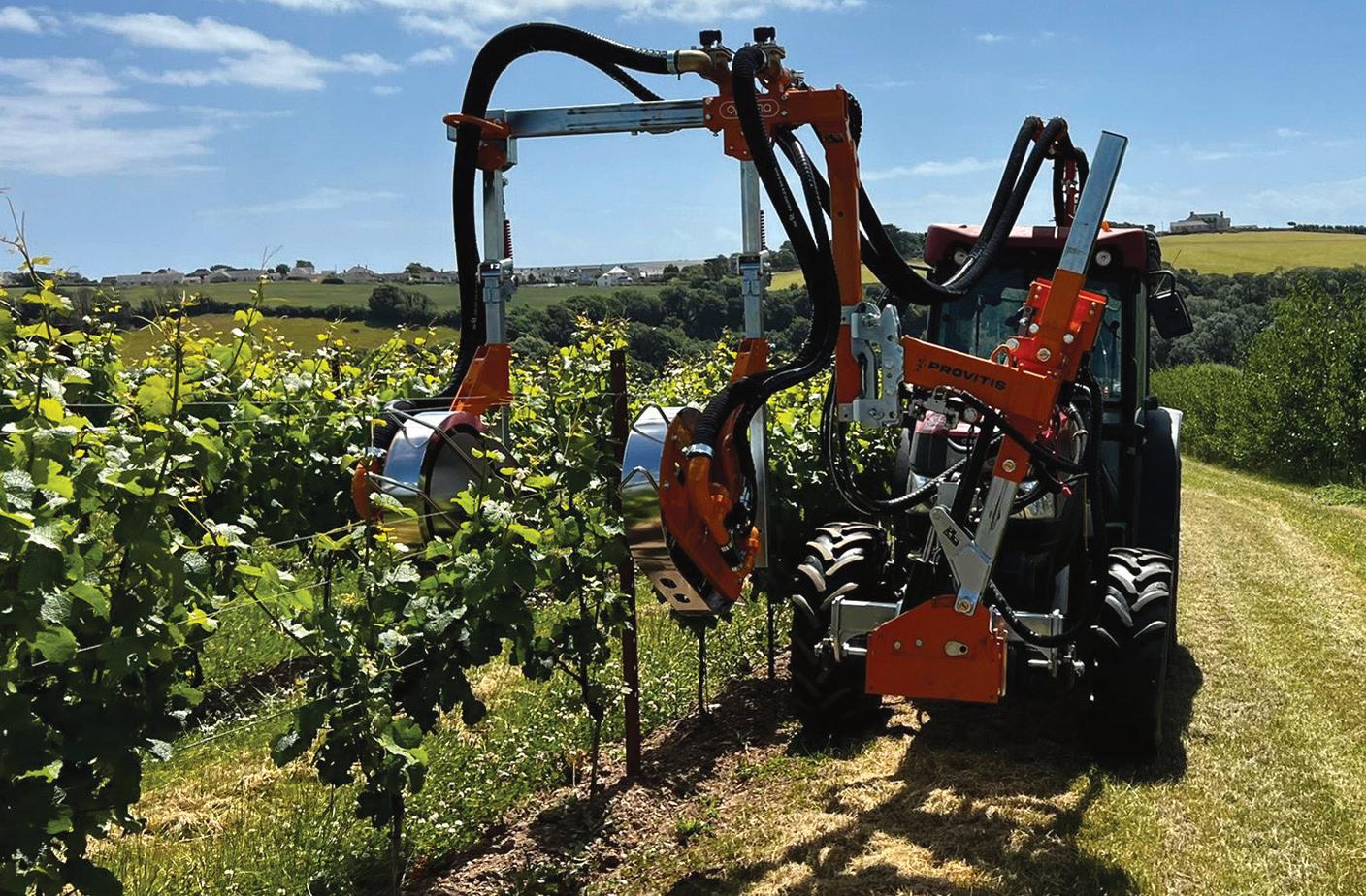
“We sell or hire out everything a vineyard owner could need with the exception of a tractor,” said David. “We have focused over the years on selecting the best quality machinery that we know will deliver great results on vineyards large and small and offers good value for money.”
One new product David is keen to highlight is a range of Ecoclean chemicals that take sprayers and other machinery from dirty grey back to their original showroom colour.
“I have spent five years looking for a product that will really clean vineyard equipment, particularly sprayers,” said David, “and
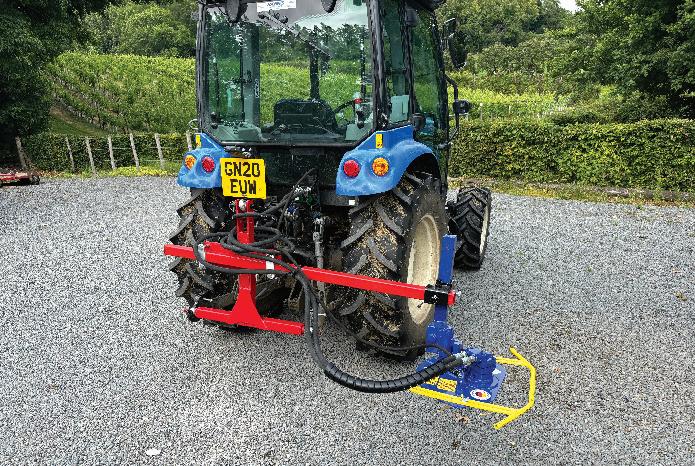
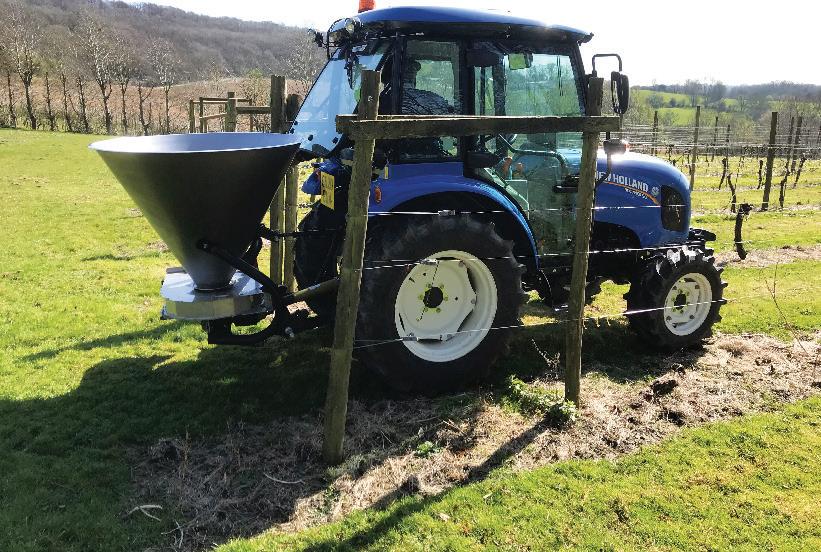
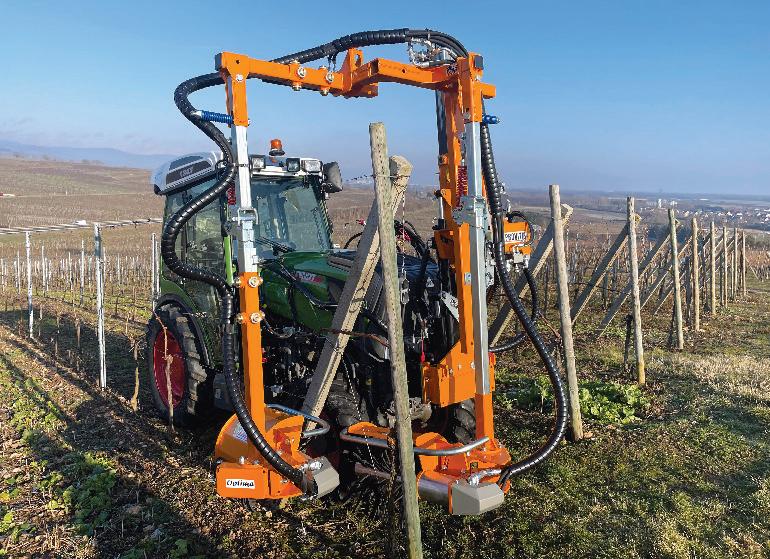
Ecoclean is the first one that does just what it says on the tin. Apart from being unsightly, dirty machinery is harder to maintain. I am delighted to have found this product after a great deal of research.”
Given the length of time Vitifruit Equipment has been serving the industry, it’s no surprise that the company has helped a number of vineyards grow from small enterprises into major players over the years.
“Several of the best-known vineyards are using, or have used, machinery we supplied, often in their early days,” he said. “We’ve supported growers for around 30 years now and we plan to keep doing so for many years to come.”
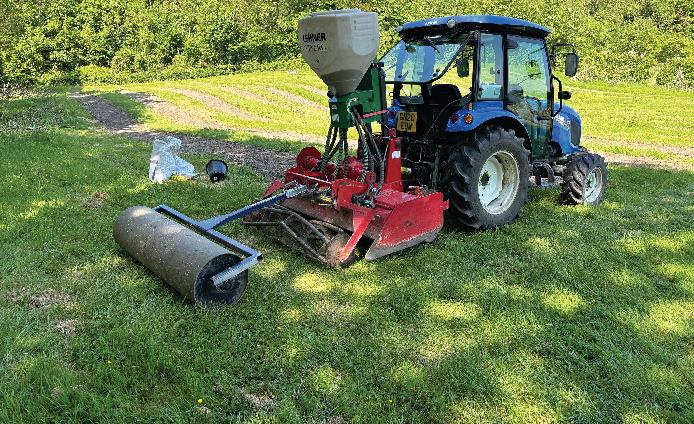
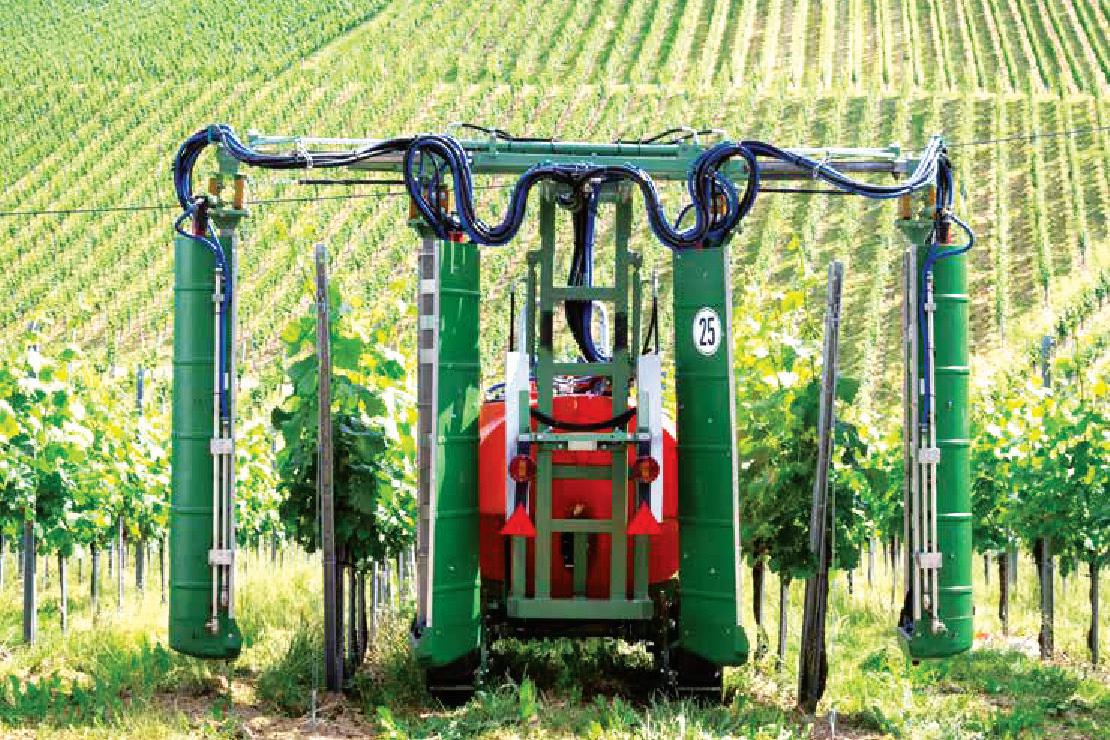
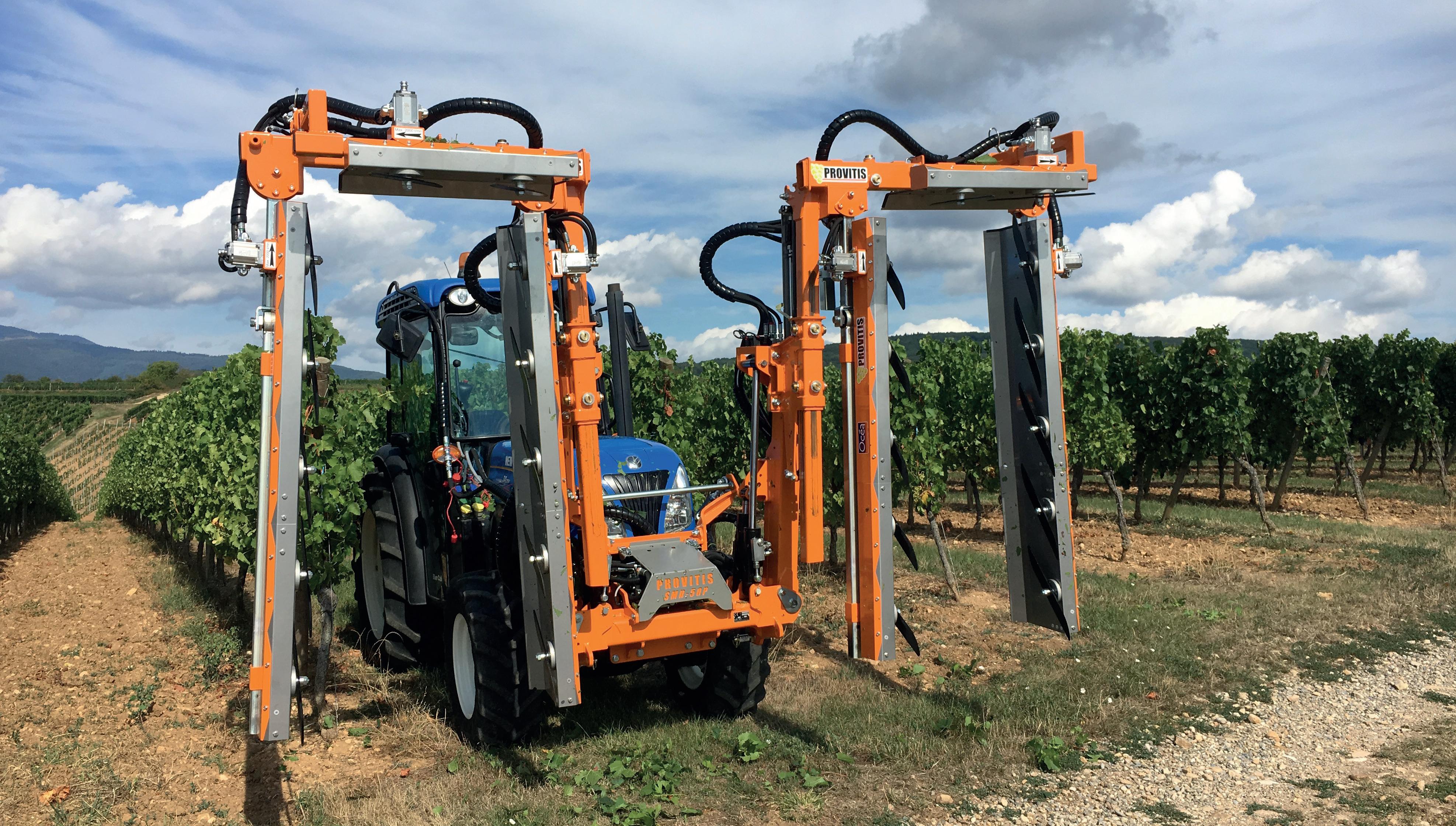

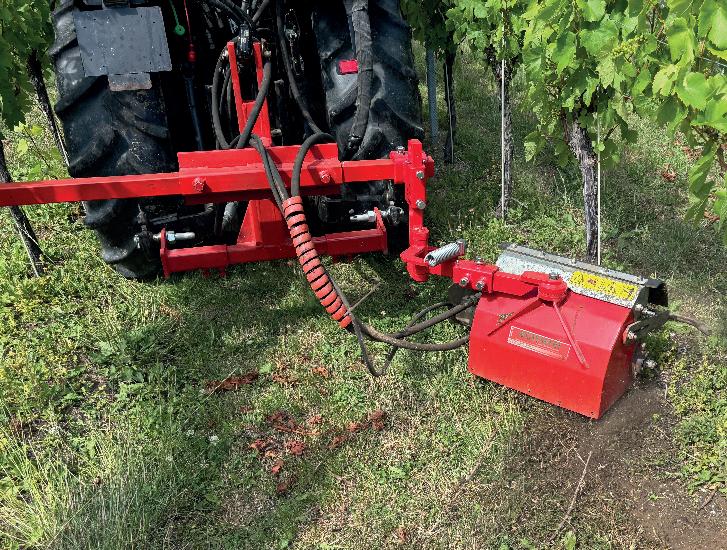
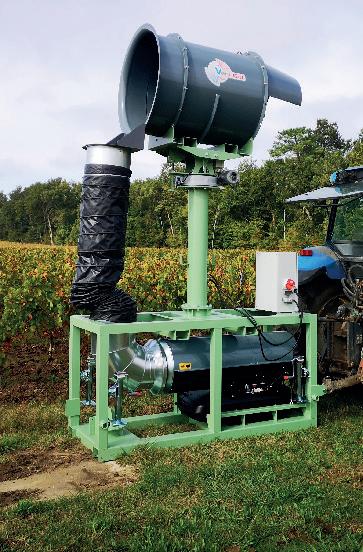
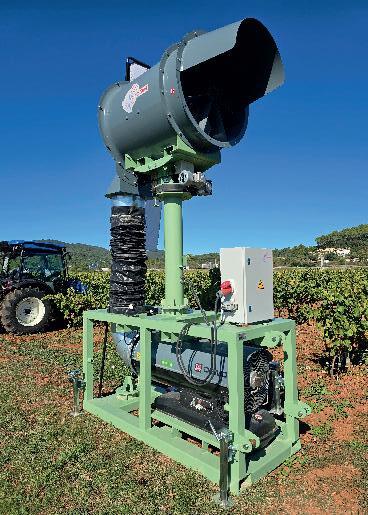
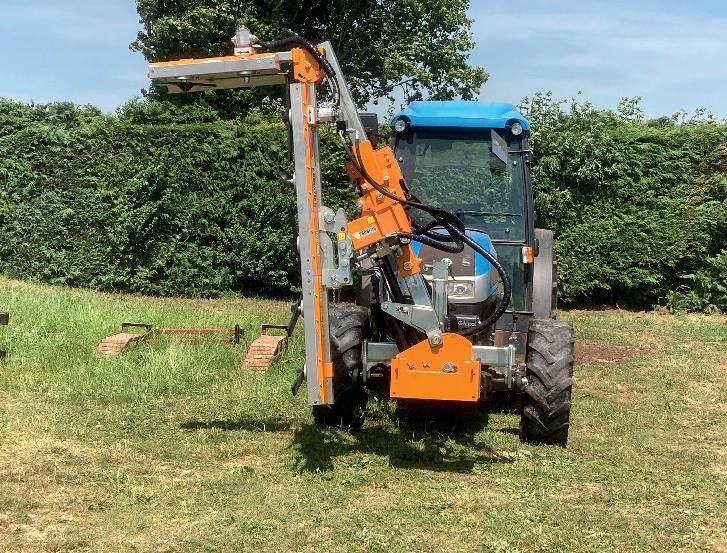
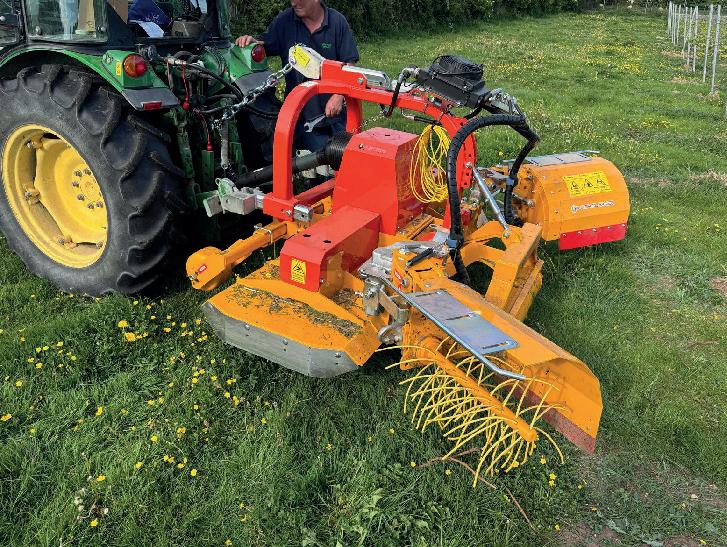
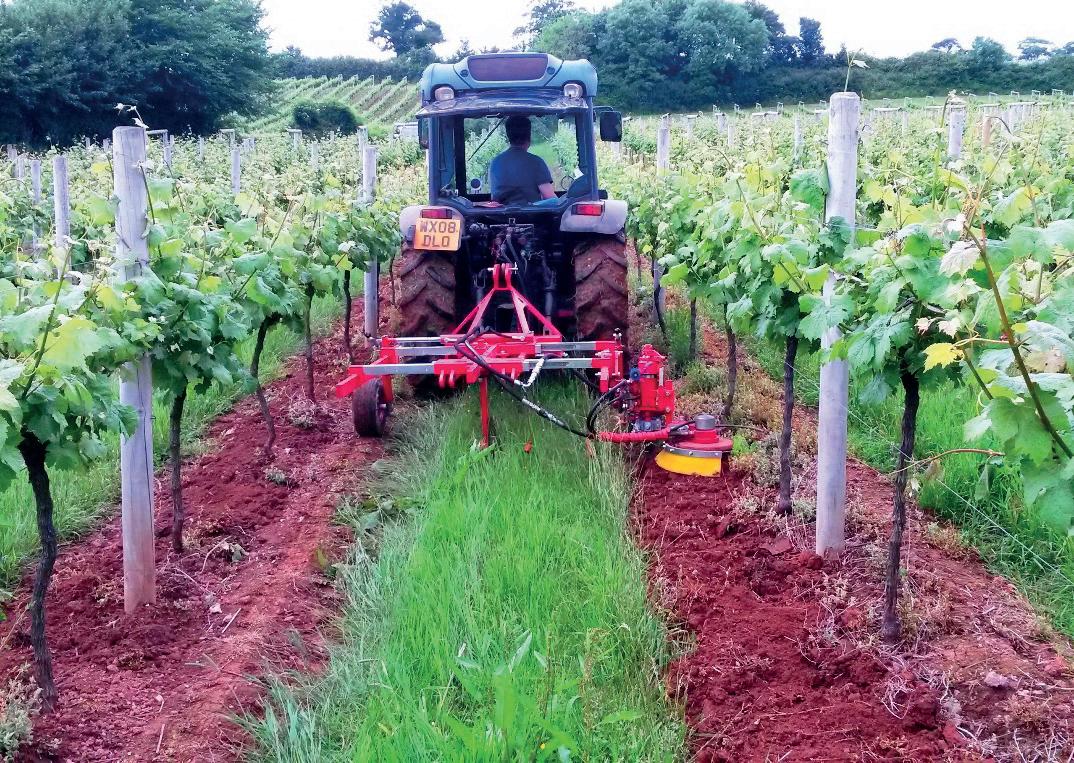
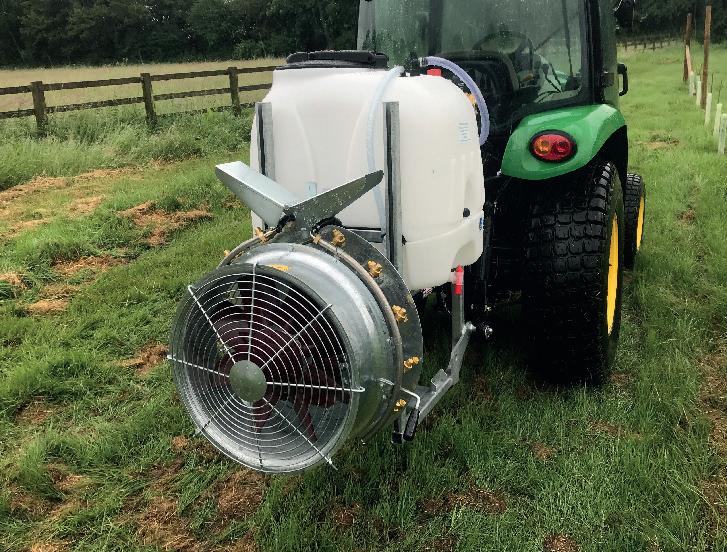
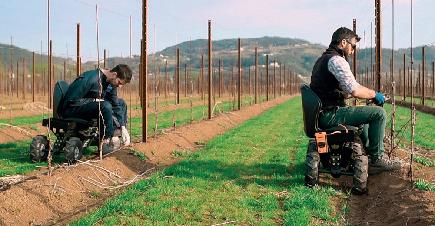







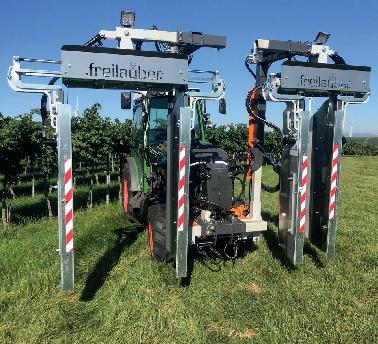



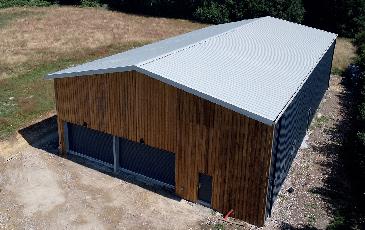




Keeping on top of grass and weed growth between the rows is a vital task, to reduce competition, improve airflow, and just make the place look a bit neater write Matt Pinninton of Haynes.
With a plethora of options of machinery available to growers, taking time to pick the correct one can save money, but can also save valuable time that will significantly add up over the course of the year, so a versatile machine has huge advantages.
The BV mulcher available from Clemens is a true all-rounder, with four sizes available – each with a variable width deck, to cater for variations in rows or row spacing in different vineyards. Across the range, the total working width varies from 1,150mm-2,500mm, although the L model with 1,400mm-1,900mm cutting width is the bread-and-butter machine for the UK, suiting the majority of 2m or 2.2m rows.
Each mower is built in three parts; a central bed to which the main gearbox is mounted, then two decks that slide up and down twin bars with bronze bushes, powered by hydraulic rams. This means the width can be adjusted on the move from inside the cab, using a double acting spool – perfect for vineyards planted in the days before GPS!
Power is transmitted from the tractor PTO into a heavy duty gearbox protected by a slip clutch, then out to two further (or three in the case of the XXL machine) bevel gearboxes. These are connected by sliding PTO shafts, to allow them to move in and out when the deck width is adjusted. Each rotor is equipped with two free moving blades for a fast chopping speed at low engine RPM, improving operator comfort inside the cab and reducing fuel consumption.
The mulcher can be used throughout the year for usual grass maintenance, as well as in the winter or spring to mulch prunings. The 8mm steel deck is shaped to hold material in the mower for longer, meaning a thorough and consistent chop of even the thickest, chewiest wood. Height adjustments are made simply by moving the four steel support wheels up and down, along with the stainless scrapers.
One can imagine the degree of frustration felt by the operator while mowing the grass in the spring or summer, watching the weeds crawl past unaffected, knowing that before long they’ll be driving down this row all over again to knock them down as well. To this end, Clemens have designed the latest iteration of the mulcher to act as a tool carrier, allowing operators to mow the grass and also control weeds in one pass, saving time, fuel and easing ground compaction.
There are two weed control options available – the first is a pair of Multiclean heads, mounted on the rear corners of the mulcher using the heavy-duty brackets that are in-built to each deck. These machines are increasingly popular for those wanting to knock back weeds early on in the season, and those looking to combine spring weed control with bud-rubbing. Each head can be adjusted individually, and is hydraulically driven – there are options to either control the flow manually on the machine, or to include electrohydraulic control to enable left and right shut-off, to enable efficient use in rows of uneven lengths.
The second option is to fit finger rollers to the front corners of the mulcher – these can be combined with poly finger hoes on the rear corners. Together, these machines will work the soil underneath and between the vines to provide simple, cost-effective weed control – the finger rollers work the soil undervine aggressively, while the finger hoes work gently in between and around the trunks to prevent the issue of a ridge forming. Each tool can be either manually engaged, or engaged hydraulically from the cab – this option means the tools can be lifted out of work to either work the end rows, or to shorten the overall length to make headland turns easier.
The BV mulcher is available for demonstration across the south from Haynes Agricultural.
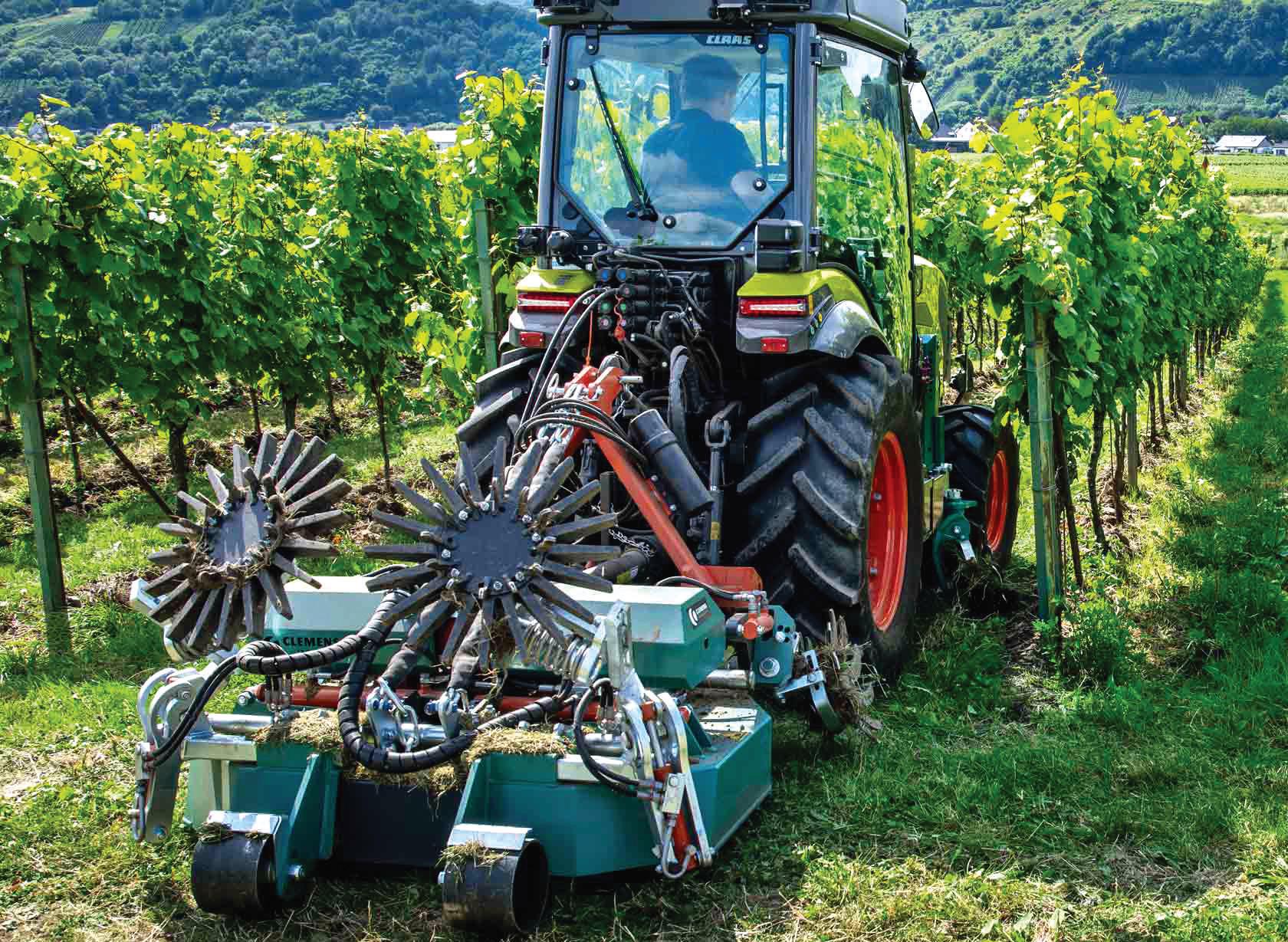
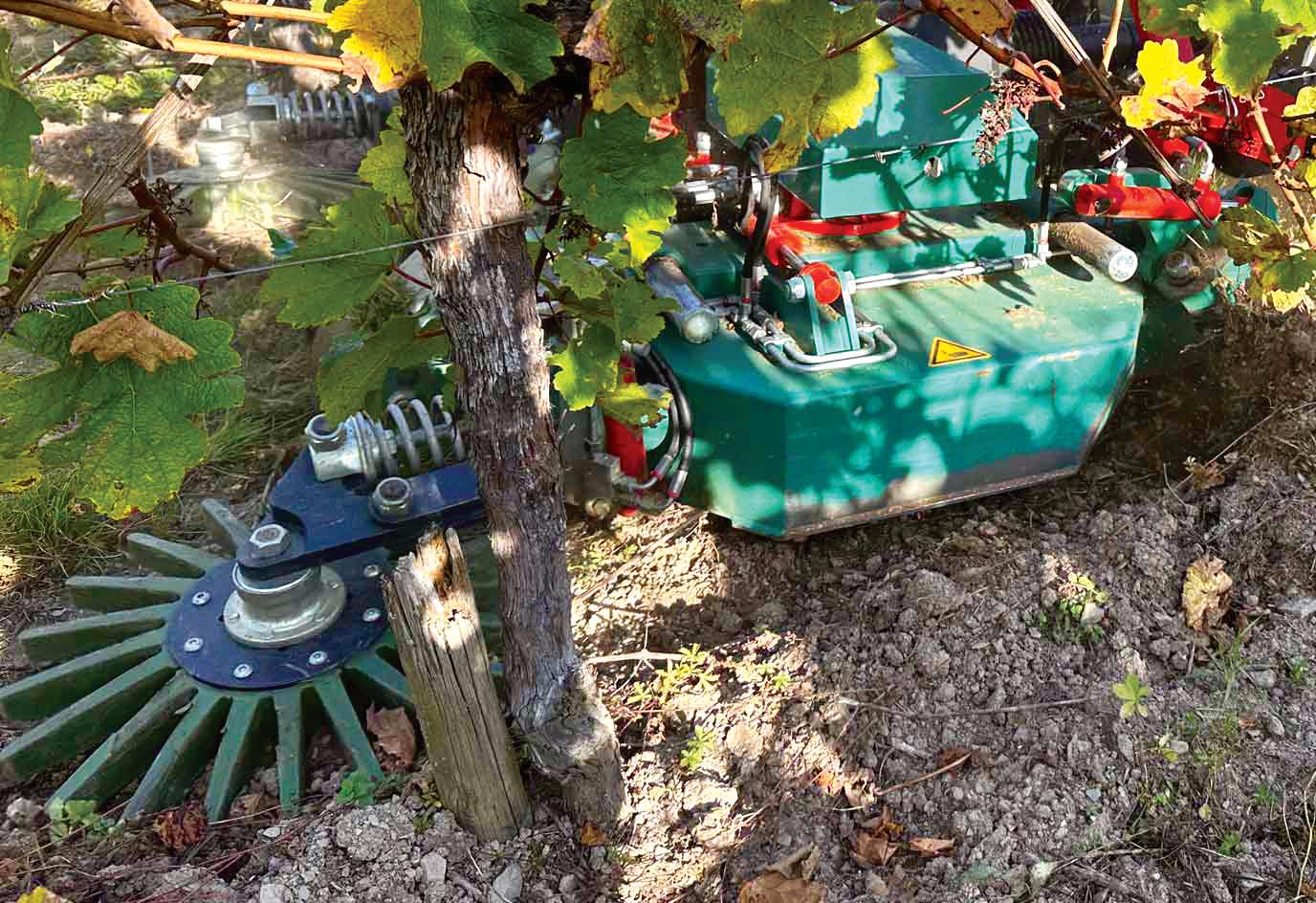
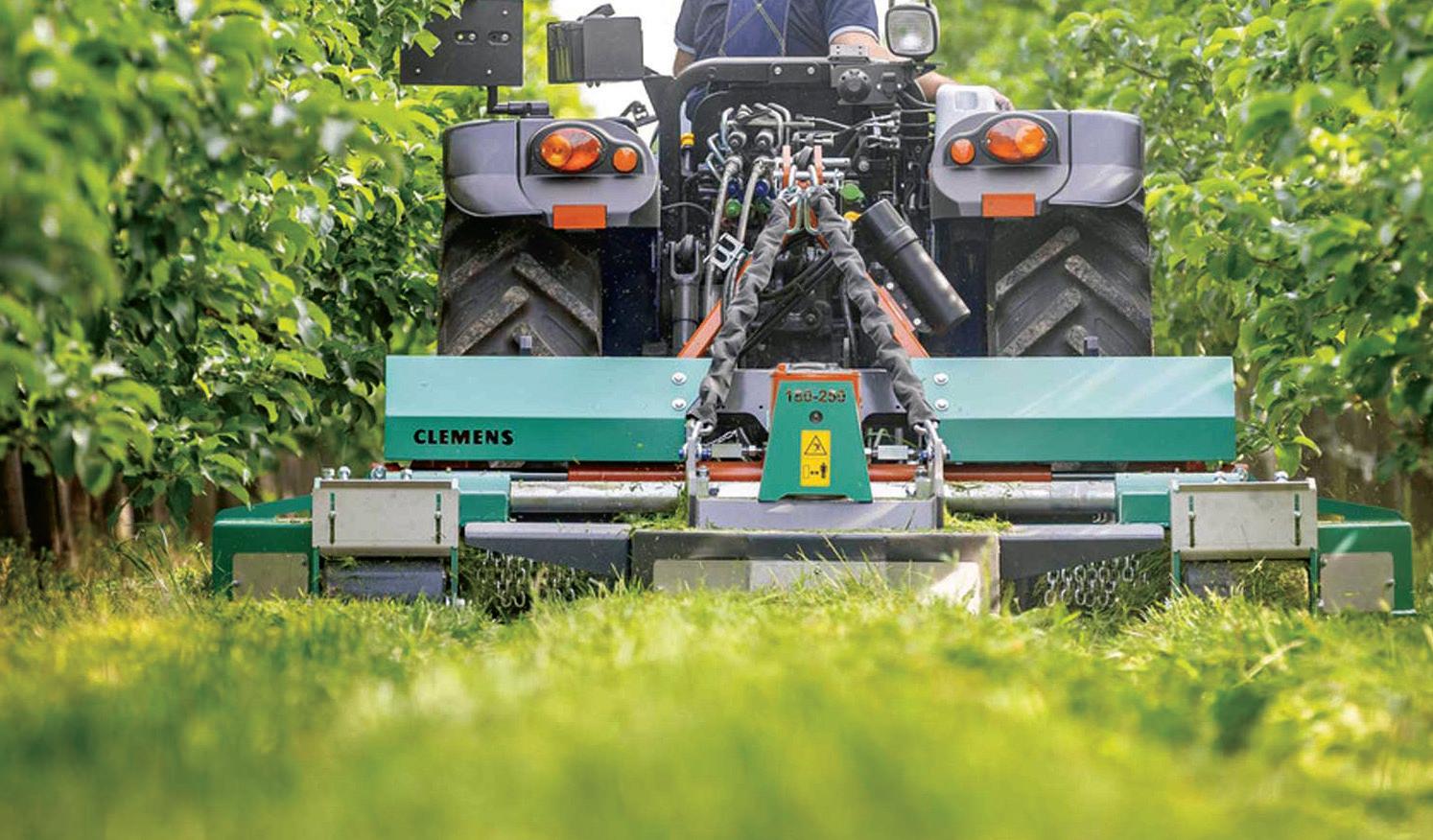
Engineered for specialised farming, the TM200 ProgressiveTraction® combines VF and ProgressiveTraction® technologies to deliver up to 15% more traction, 26% greater stability and 10% longer tyre life for efficient and precise operations in vineyards and orchards.
The new tyre from Trelleborg Tires sets a technological benchmark in the specialised agriculture segment as the first conventional VF (Very High Flexion) tyre developed for vineyard and orchard applications, where precision, stability, and soil protection are essential.
By combining VF and ProgressiveTraction® technologies, the TM200 ProgressiveTraction® delivers excellent traction, low compaction, and reduced stress on the soil. Its ability to operate at low inflation pressures further enhances comfort during field operations. Versatile in all conditions, it features an advanced tread design and premium materials, ensuring long-lasting performance with a reduced environmental footprint.
Trelleborg Tires’ proprietary ProgressiveTraction® technology, an awardwinning innovation recognised for its effectiveness in modern farming, plays a key role in the tyre’s performance. Its unique double-edge lug design increases grip and stability, providing up to 15% more traction than competitors’ standard tyres and
improving productivity and fuel efficiency while ensuring safer, more comfortable operations even on sloped terrain.
Ideal for tractors with heavy frontmounted implements, it allows operators to perform tasks accurately while preserving soil integrity, delivering up to 40% higher load capacity and 8% improved soil protection compared to standard tyres.
Its reinforced VF structure provides superior flexibility and lateral stability even in demanding working conditions, ensuring safe operations on slopes and uneven ground. Based on comparative tests, the TM200 ProgressiveTraction® also achieves 26% greater lateral stability and 10% longer tyre life versus competitors’ standard tyres, translating into enhanced productivity, reduced fuel consumption, and long-lasting performance in the field.
Each TM200 ProgressiveTraction® tyre is equipped with a unique QR code, giving farmers instant access to product information, best-use recommendations, and technical support.

With the launch of the TM200 ProgressiveTraction®, Trelleborg Tires continues to support agricultural professionals with innovative, fieldproven solutions designed to enhance performance and efficiency in modern and specialised farming.
In 2026, Fruit Focus will turn 40 years old and will celebrated at Bradbourne House.
In order to mark the occasion, Fruit Focus will be hosted at a new location on 8 July 2026 at Bradbourne House, Kent and will include a full day of special events within the main event.
Bradbourne House is owned by The East Malling Trust, a registered charity supporting UK fruit growers. The 500-acre estate around Bradbourne House is filled with orchards, crop trials and vineyards with all types of British fruit growing.
In addition to the expanded exhibition and networking, Fruit Focus 2026 will include new seminar stages for more advice:
◆ Niab research stage covering the latest R&D
◆ Vines and viticulture stage for technical advice
◆ NFU Fruit Forum for business strategy
◆ Plus new seminars focused on picking, packing and packaging.
Fruit Focus 2026 will host 2,000 fruit growers and agronomists.
Fruit Focus hope you will join them for a day of networking, information exchange, education and celebration.
Register your interest: www.fruitfocusevent.co.uk/register