Immediate Past President Todd Swanson – todd.swanson@steptoe-johnson.com
POTW Director Scott Kelly – skelley@huntingtonsb.com
Secretary/Treasurer Matt Dawson – matt@ghosheng.com
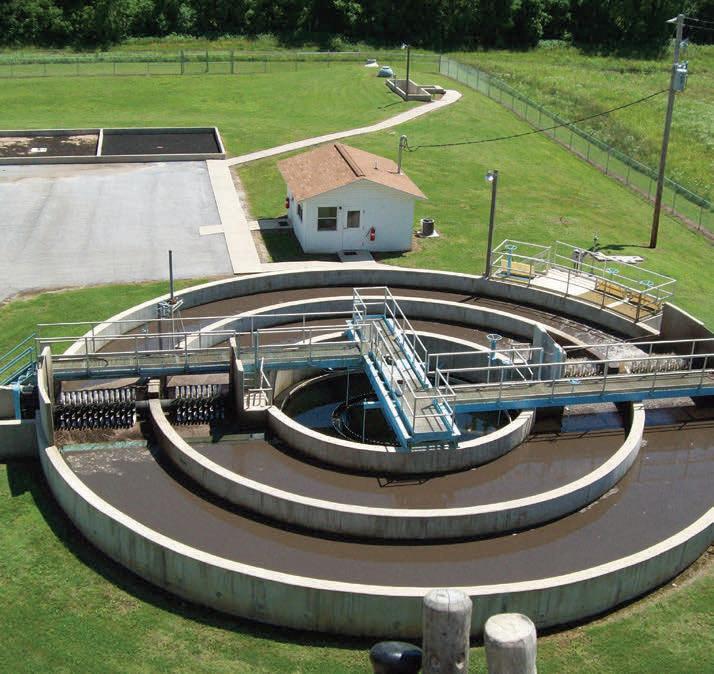
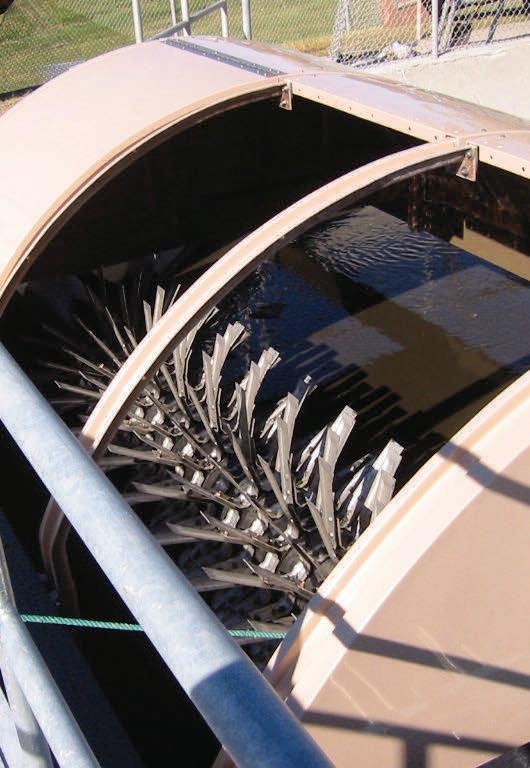
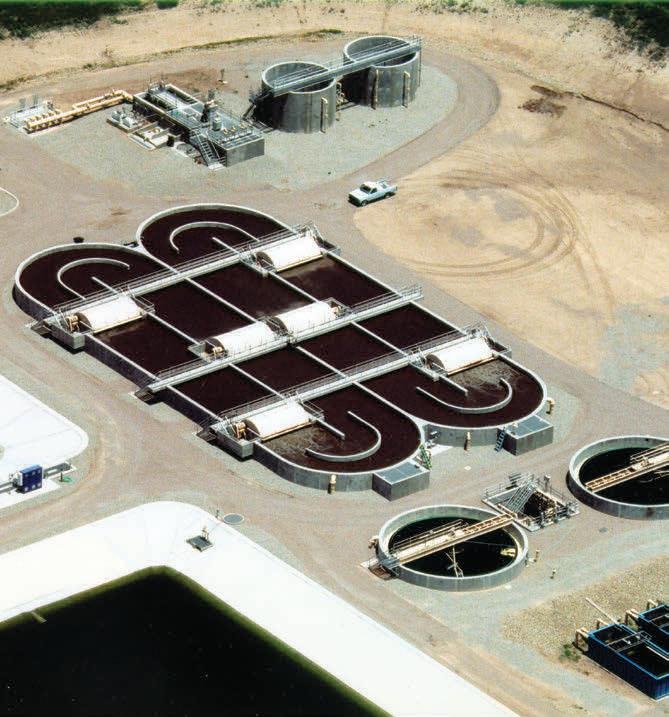
FLEXIBILITY IS ONLY ONE ADVANTAGE OF OUR CLOSED LOOP REACTOR PROCESS.
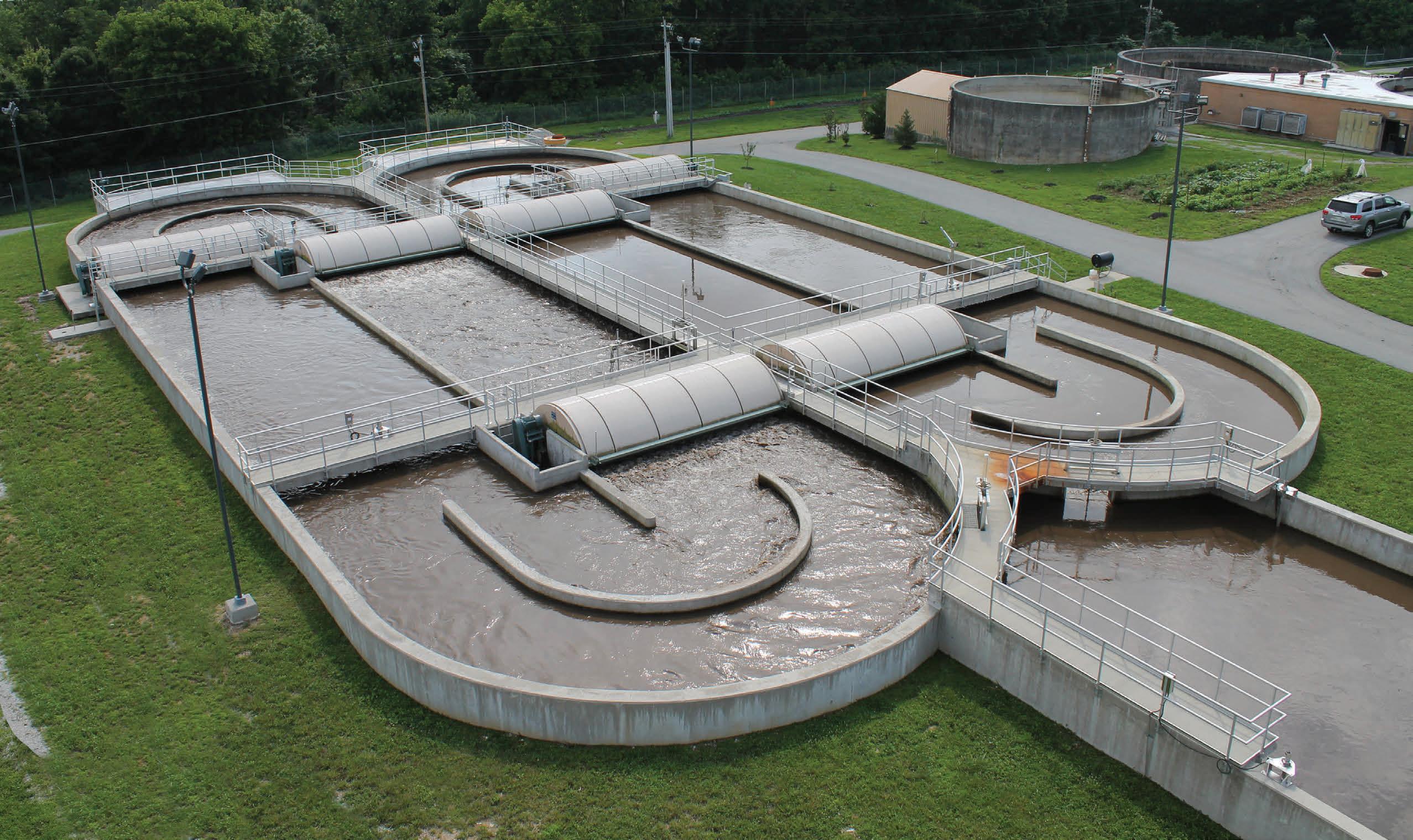
We have more than 60 years of experience in oxidation ditch technology and more than 2000 installations. Lakeside’s CLR process offers a variety of wastewater treatment options, including several operational modes, nitrogen and phosphorus removal, and an adaptable configuration, providing maximum flexibility with consistently high quality effluent. The CLR process is simple to operate and can be configured in several shapes, including the conventional racetrack, folded U-shape or concentric multichannel designs. Lakeside’s staff delivers full service from initial concept through construction to plant operation. The result: reliable results with minimal operator attention and maintenance. When performance counts, count on the industry leader for more than 90 years!
Speak to one of our experts at 630.837.5640, email us at sales@lakeside-equipment.com or visit www.lakeside-equipment.com for more product information.
2026 WV WEA Board Members
CHARLIE MCKENZIE President charliemckenzie@servicepump.com
JACOB DALEY
1st Vice President jdaley@csb-wv.com
ZACH THOMPSON President Elect zthompson@thethrashergroup.com
SCOTT KELLY POTW Director skelley@huntingtonsb.com
PAUL MCDANALD
2nd Vice President pmcdanald@huntingtonsb.com
MATT DAWSON Secretary/Treasurer matt@ghosheng.com
MELISA POWERS National Delegate melisa.powers@k12.wv.us
TODD SWANSON
Immediate Past President todd.swanson@steptoe-johnson.com
Your Dedication Makes the Difference
Charlie McKenzie President, West Virginia Water Environment Association
ONE
OF THE GREATEST STRENGTHS OF OUR ASSOCIATION IS THE WILLINGNESS OF OUR MEMBERS TO SHARE KNOWLEDGE, SUPPORT ONE ANOTHER, AND STAY ENGAGED.
As we move further into the year, I want to take a moment to thank each of you for your continued dedication to the wastewater profession and WV WEA. The work you do every day – often behind the scenes – plays a critical role in protecting public health, preserving our natural resources, and strengthening communities across our state.
One of the greatest strengths of our Association is the willingness of our members to share knowledge, support one another, and stay engaged. Whether you are a long-time member or new to the field, your involvement is what keeps our organization strong and moving forward.
With that in mind, I’d like to personally invite you to join us at the 2026 WV Water Conference, hosted in partnership with the WV Section of AWWA. This annual event continues to be one of the premier opportunities in our region to connect with peers across the water and wastewater sectors, learn from industry experts, and stay current on the latest trends, technologies, and regulatory updates impacting our work. From technical sessions to networking opportunities, the conference offers something valuable for everyone.
If you haven’t already done so, I encourage you to visit https://wvwaterconference.com to learn more and register. Your participation not only enhances your own professional development but also contributes to the collective strength of our Association and our industry as a whole.
I look forward to seeing many of you at the conference and continuing the important work we do together. Thank you again for your commitment and support.
Sincerely,
Charlie McKenzie President West Virginia Water Environment Association
TRUST THE CRAFTSMEN BEHIND THE VALVE
Built by American hands that take pride in every detail, our AIS‑compliant check valve lineup is engineered to perform long after installation. Three field‑ready solutions—crafted with precision, tested for reliability, and supported by a team that stands behind the work—so your wastewater system keeps flowing efficiently, project after project. The AIS-compliant partner you can rely on.
Important Updates and Opportunities for our Members
Melisa Powers
The West Virginia Water Environment Association remains closely connected with the broader water sector through our partnership with the Water Environment Federation (WEF).
We’re pleased to share several important updates and opportunities from WEF that may be of interest to our members.
Meet the WEF Senior Leadership Team (SLT)
WEF recently highlighted members of its Senior Leadership Team, including Karen Powderly, who joined WEF in 2017 and has served as Chief Financial Officer since July 2022. Karen brings extensive experience across nonprofit, healthcare, media, and service organizations, with a strong focus on strengthening financial systems and improving operational workflows.
These updates reflect WEF’s continued commitment to supporting professionals across the water sector through leadership, innovation, and opportunity. We encourage our members to take advantage of these resources and stay engaged at both the state and national levels.
In addition to overseeing WEF’s finances, she leads IT, facilities, insurance, and legal functions, while partnering closely with HR to support operational needs. Karen also serves as a Community Advisor for the Finance and Audit Committees and participates in House of Delegates Budget Committee meetings.
Looking ahead, she is helping lead WEF’s transition from its longtime headquarters –owned since the 1980s – to a new leased
space in 2026. This move is expected to support a more modern and collaborative work environment aligned with WEF’s mission.
New Podcast: Challenge Accepted – The OC Forum
WEF has launched a new podcast, Challenge Accepted: The OC Forum, dedicated to all things Operations Challenge. This is a great resource for operators and teams interested
in sharpening their skills and staying engaged with this exciting aspect of the industry. Be sure to check it out at www.wef.org.
New Opportunity: Professor David Jenkins Operator Award & Scholarship ($10,000)
WEF has introduced the Professor David Jenkins Operator Award & Scholarship,
a prestigious annual award honoring the legacy of Professor David Jenkins, a longtime leader in wastewater education. This $10,000 scholarship is available to current water resource recovery facility (WRRF) operators who are pursuing or planning to pursue additional education, certifications, or training to advance their careers. Eligible applicants must be active WEF members and demonstrate a
American-Made Quality. Engineered to Last.
Contact us today to learn more: sales@bandt-us.com | (540) 825-8334 | www.bandt-us.com Bison™— an innovative valve box solution
Exclusively from Bingham & Taylor, Bison™ valve boxes combine a rugged, thick-walled ABS plastic body with a cast iron rim and lid for trusted strength, durability, and long-term stability. At 25% or less the weight of comparable cast iron, Bison™ supports safer handling and installation while maintaining the performance utilities expect.
Bingham & Taylor — Trusted for generations. Built for what’s next.
WEF HAS LAUNCHED A NEW PODCAST, CHALLENGE ACCEPTED: THE OC FORUM, DEDICATED TO ALL THINGS OPERATIONS CHALLENGE.
strong history of contributions to operations, community engagement, and the water sector.
Funds may be used for tuition, certification fees, training materials, conferences, and related expenses within two years of award. Both selfnominations and nominations by others are encouraged.
To learn more or apply, visit: www.wef.org/jenkins.
WEFTEC 2028 Location Update
WEF has announced that WEFTEC 2028 will now be held in New Orleans, Louisiana. Due to the continued growth and success of WEFTEC, a larger venue was needed to better accommodate attendees and exhibitors.
Operations & Maintenance Benchmarking Survey
WEF is currently conducting a national Operations & Maintenance Benchmarking Survey focused on wastewater collection systems. This effort, led by the Collection Systems Community O&M Technical Projects Group, aims to better understand current practices across systems of varying size, ownership, and geography. Participation in this survey will help establish industry benchmarks and provide valuable insights to support operators and maintenance teams nationwide.
You can participate in the survey here:https://www.surveymonkey.com/r/ WEFY-OandM-BenchmarkingSurvey
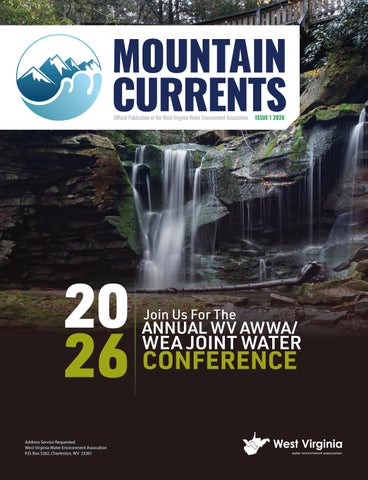
The 2026 WV Water Conference, hosted in partnership between the West Virginia Water Environment Association and the West Virginia Section of AWWA, is shaping up to be another outstanding event filled with valuable learning opportunities, networking, and engaging activities for attendees across the water sector.
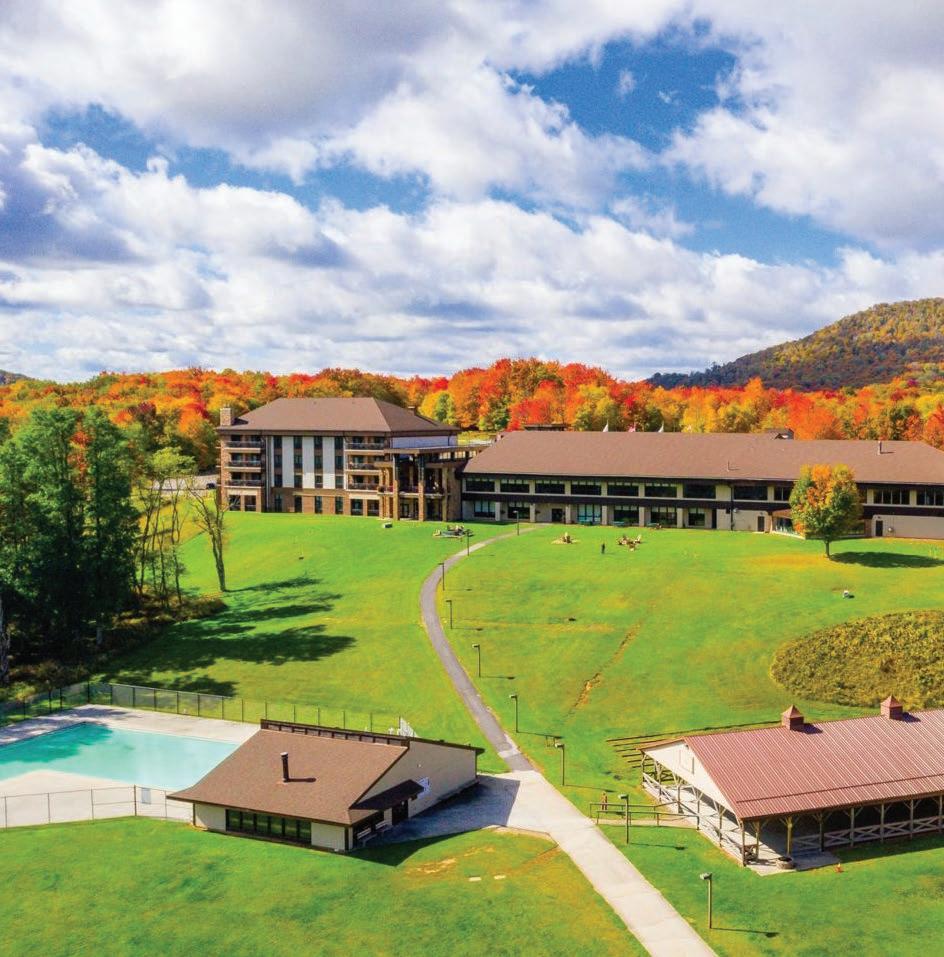
Taking place May 17–20, 2026 at Canaan Valley Resort, this year’s conference offers a wellrounded schedule designed to combine professional development with meaningful connection and fun.
The conference will kick off on Sunday evening with a welcome reception and cocktail hour, giving attendees an opportunity to reconnect with colleagues and meet new faces in a relaxed setting.
Throughout the week, attendees can take advantage of a strong technical program featuring up to 28 classes for continuing education hours (CEHs), along with presentations from approximately 20 industry speakers. Sessions will cover a wide range of topics relevant to both water and wastewater professionals, as well as dedicated tracks for operators. Beyond the classroom, the conference includes several signature events and activities:
• The Terry Smith Memorial Golf Tournament, featuring a shotgun start, prizes, and on-course contests – always a highlight for attendees looking to network in a more casual environment.
• A networking event with games and prizes for those not participating in golf, ensuring there are opportunities for everyone to connect.
• An active exhibit hall, showcasing the latest technologies, equipment, and services from industry vendors.
• A student poster contest and taste test event, along with young professional and new member meetups, helping foster engagement across all career stages.
• The always-anticipated conference banquet and awards ceremony, celebrating achievements and contributions within our industry.
In addition, attendees will enjoy a variety of social events, including an evening picnic with live entertainment, as well as daily networking opportunities built into the schedule. The conference wraps up with additional training opportunities and association board meetings, allowing attendees to maximize both their professional development and involvement.
From technical sessions and CEH opportunities to networking events and social activities, the 2026 WV Water Conference truly offers something for everyone. Whether you’re attending to learn, connect, or both, this is an event you won’t want to miss.
Be sure to visit https://wvwaterconference.com/ to view full details and register. We look forward to seeing you in Canaan Valley!
" The conference wraps up with additional training opportunities and association board meetings, allowing attendees to maximize both their professional development and involvement.
Event Venue
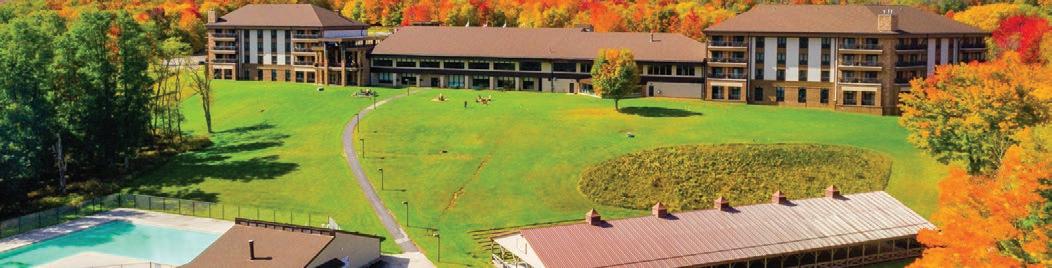
Canaan Valley Resort State Park
230 Main Lodge Road, Davis, WV 26260
The Canaan Valley Resort State Park states on its website that it can be found at the intersection of relaxation and recreation.
With 160 rooms, 23 cabins, and 59 campsites, the resort provides lodging for any occasion. Perfect your swing on the championship golf course, swim in the outdoor and indoor pools, or ski down the resort’s 47 slopes and trails. No matter the season, you’ll find no shortage of family-friendly activities.
The resort also offers conference and event spaces, on-site restaurants, and a fully equipped fitness center. Learn more at www.canaanresort.com and call 800-6224121 to book your lodging.
Terry Smith Memorial Golf Tournament
DATE: Monday, May 18
TIME: 1:30 PM (Please arrive by 1:00 PM)
FORMAT: Scramble format
PRIZES: Team prize winners will be announced. Prizes will be awarded for three flights as well as cash prizes for longest drive, closest to the pin, and longest putt.
Any questions please contact Charlie McKenzie at 304-417-3525 or charliemckenzie@servicepump.com Alternatively, call Chas Turner at 304-731-1227.
Fun! That’s what this is all about, whether you are a scratch golfer or scratch at golfing.
Schedule at a Glance
Sunday, May 17, 2026
PLEASE SEND REGISTRATION FORM AND ENTRY FEE ASAP by scanning the QR code.
You may enter as a team or as an individual. If registering as an individual, we will place you on a team. All players who are registering as a team must be placed on one form. If your company wants to sponsor a team, we will supply players who work in the water/waste industry and could be your customers or future customers!
7:00 pm Picnic at Pavillion (Wine and Beer available from 6:30-8:30)
7:00 am Buffet Breakfast Location: Maple Balsam
8:00 am Marissa Nortz ‘Steptoe and Johnson PLLC’ –Water and Wastewater Compliance Location: Maple Balsam
9:00 am Simon Randle ‘Huber’ – Fine Screens Location: Maple Balsam
10:00 am Morning Break with Refreshments Location: Lower Lobby
Tuesday, May 19, 2026 10:15 am Bethany Thompson ‘Kasco’ – Tank Mixers Location: Hawthorn
Tuesday, May 19, 2026 11:15 am Myra Michaels ‘YSI’ – Analytical Sensors Location: Hawthorn
Tuesday, May 19, 2026 12:15 pm Lunch Location: Maple Balsam
Tuesday, May 19, 2026 1:15 pm Jack Troutman ‘WV RCAP’ – Hydrant Repair Location: Outside
Charlie McKenzie ‘Service Pump and Supply’ –Pump Maintenance Location: Willow Elm Room
Lee Adams ‘Huntington Sanitary Board’ –DIY Safety Location: Willow Elm Room
Tuesday, May 19, 2026 2:15 pm Afternoon Break with Refreshments Location: Lower Lobby
Benjamin Barker ‘Pumpman’ – YSI Sensors Location: Willow Elm Room
Joe Krudys ‘Smart Covers’ –Remote Monitoring Location: Willow Elm Room
Timm Utt ‘E.L. Robinson’ – Construction Contract Administration Location: Willow Elm
Elijah Schultz & Matt Rucker ‘The Thrasher Group’ Location: Willow Elm
Christopher Salnoske & Patrick Oliver ‘Toshiba’ –Motors Training Location: Willow Elm
David Neff ‘Marshall University’ – Wastewater Surveillance Location: Willow Elm Room
MU Hands On Location: Willow Elm Room
Environmental Training Center –Wastewater Troubles Location: Willow Elm Room
Schedule at a Glance
Tuesday, May 19, 2026
Tuesday, May 19, 2026
Tuesday, May 19, 2026
Tuesday, May 19, 2026
Wednesday, May 20, 2026
Wednesday, May 20, 2026
Wednesday, May 20, 2026
Wednesday, May 20, 2026
2:30 pm
Randy Moore ‘Viking Industrial Painting’ – Tank Assessment Location: Hawthorn
3:30 pm Judges Taste Test – Spruce Room
4:00 pm Exhibit Hall Open Location: Aspen
6:00 pm Awards Banquet Dinner
7:00 am Buffet Breakfast Location: Maple Balsam
7:30 am AWWA Board Meeting Location: Willow Elm
9:00 am
Steven DeRidder ‘Berkeley County Water’ – Growth Location: Willow Elm
10:00 am Todd Bennett ‘CITCO Water’ – SCADA 101 Location: Maple Balsam
Teri Merrifield ‘Aquatic Informatics’ –Digital Twin Tech Location: Willow Elm
Young Professional Meeting Location: Willow Elm
WEA Board Meeting Location: Hawthorn
Christopher Salnoske & Patrick Oliver ‘ Toshiba’ – VFDs Location: Hawthorn
Brian Carr ‘Bureau of Public Health’ Location: Willow Elm Room
Operator License Info Location: Willow Elm Room
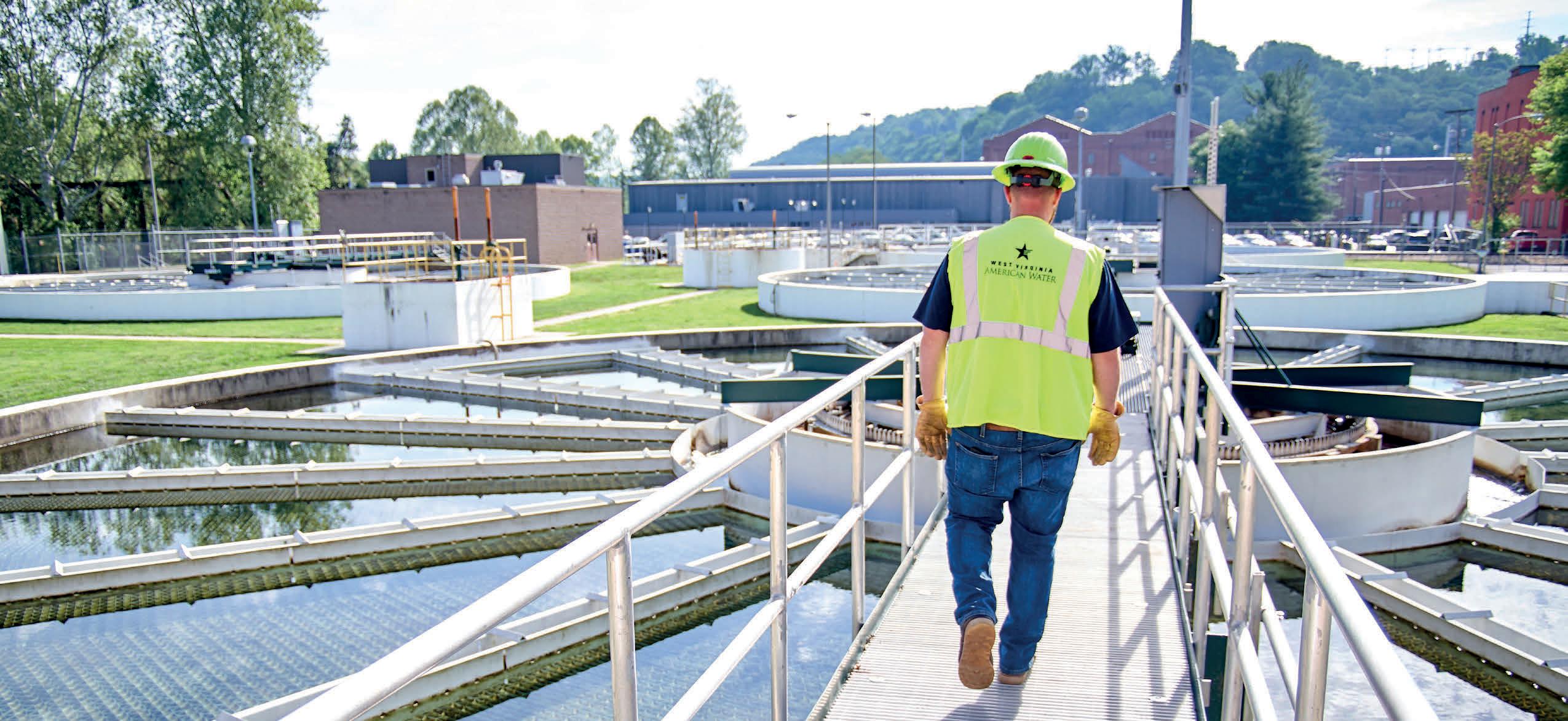
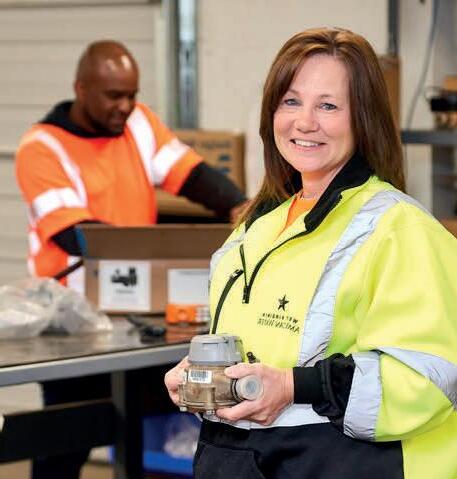
West Virginia American Water serves one in three West Virginia residents – that’s 583,000 people in more than 430 communities – and places its primary focus on providing safe, reliable water and wastewater service to our customers.
INVESTED IN OUR FACILITIES
Our team of experts regularly monitor, maintain and upgrade our facilities to continue to operate efficiently and meet regulatory standards. This requires investing millions each year in our water and wastewater infrastructure. We do this because we care about our customers as much as we care about water.
HIGH-QUALITY WATER SERVICE
We have an exceptional track record when it comes to water quality and drinking water regulatory compliance. Our water quality and treatment plant operators perform thousands of tests every year. Plus, we have access to American Water’s Central Laboratory, which conducts sophisticated drinking water testing and analysis.
PARTNERSHIP FOR SAFE WATER AWARDS
We take water quality so seriously that all seven of our surface water treatment plants have been nationally recognized with Directors Awards from the American Water Works Association and U.S. EPA’s Partnership for Safe Water program.
COMMITTEE REPORTS
NEWSLETTER & WEBSITE COMMITTEE UPDATE
Welcome to the fifth issue of Mountain Currents! We’re excited to continue building this publication as a way to keep our members informed, connected, and engaged with everything happening across the West Virginia Water Environment Association. Thank you for taking the time to read and be part of this growing effort.
The Newsletter and Website Committee is pleased to share a few updates and ongoing
SERVICE YOU CAN TRUST
improvements aimed at delivering timely and relevant information to our membership. Our focus remains on making it easier for you to stay up to date on Association news, events, and opportunities.
One of the key updates we’re excited to announce is the addition of the 2026–2027 Scholarship Application, now available on our website. Supporting the next generation of water environment professionals is a core part of our mission, and we encourage you to help spread the word to students and eligible candidates who may benefit from this opportunity.
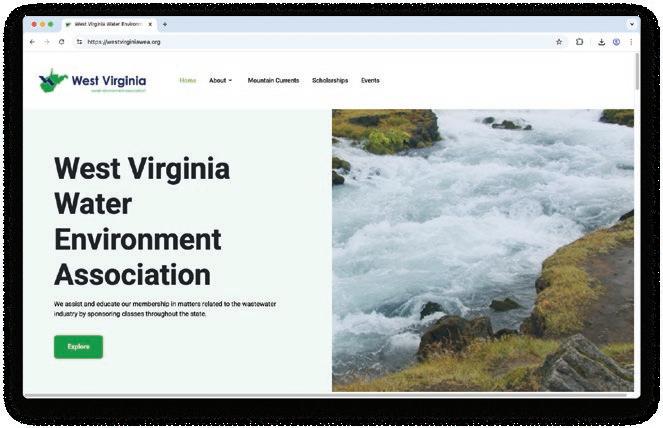
We also encourage all members to regularly visit our website at https://westvirginiawea.org/index.php for the latest updates, event details, and resources. The site continues to serve as a central hub for Association activities, and we are committed to keeping content fresh, accessible, and valuable.
As always, we welcome your feedback. If there’s content you’d like to see featured in future issues of Mountain Currents or updates you’d like us to share, please don’t hesitate to reach out.
Thank you for staying connected and for your continued support of the Association.
From Invisible to Indispensable: Telling Your Utility’s Story
Showcase the Impact of Your Utility Through Storytelling
Most people only think of their water utilities when something goes wrong. But behind every drop are passionate professionals, complex systems and crucial decisions that keep communities healthy and resilient. In today’s fast-moving world of constant information and rapid change, quietly doing good work isn’t enough. To earn trust, secure funding and engage communities, utilities must become storytellers.
THE COMMUNICATION GAP
For decades, utilities operated in the background, with little need to explain their work. But today, silence can be risky. A common adage in the communications industry is, “If you don’t tell your story, someone else will,” and that has never been truer. Customers have both traditional platforms and social media vying for their attention, often times with incomplete or inaccurate information. Water utilities must tell their own stories, and not just when bad news comes around.
Communicating about rate increases, service disruptions or construction delays is a necessary part of being transparent and informative, but talking about these things alone can feel like you’re the friend who only calls when they need something. A lack of proactive communication can create a trust gap that’s hard to close. To shift this narrative, utilities must proactively communicate their value, humanize their work and build relationships before a crisis hits.
STORYTELLING STARTS WITH VALUES
Effective storytelling begins with understanding what your audience values. Whether it’s reliability, public health, affordability, environmental protection or
economic development, the key is to connect your work to what matters most to the people you serve.
For instance, we are currently supporting a project that is experiencing a hurdle because the political leaders don’t fully understand the purpose and need of the project. Rather than relying on past messaging, we are reframing the project’s benefits to align with their priorities. We created tailored materials that speak directly to their agendas. All of the project’s benefits remain the same, but the framing may make all the difference when getting this project constructed.
This approach works for external audiences too. Farmers, environmental groups, business owners and residents all have different concerns. We use research, community analytics and local insights to craft messages that resonate with each group, but the messaging is always grounded in shared values.
LEAD WITH EMOTION, NOT JUST INFORMATION
A water agency has many stories to tell. They can range from informative to entertaining, but there are also stories that ask the audience to act. Behavior change is hard. Whether it’s conserving water, accepting a rate increase or supporting a new facility, facts alone don’t drive change. People need to connect with something.
That’s why we focus on telling stories that evoke emotions. We help utilities move beyond charts and statistics to share stories of the people behind the work who are passionate about serving their communities. Stories about operators, engineers and customer service reps can humanize the utility and build empathy among customers.
We also help utilities articulate the emotional value of water. It’s not just about cost or compliance. Water is what makes life possible. It’s the river that attracts tourists and sets a beautiful backdrop for family
gatherings, the tap that fills a baby’s bottle or a dam that protects homes from flooding. When we connect to those deeper meanings, we can build trust and inspire action.
DATA-INFORMED, PEOPLE-CENTERED STRATEGIES
At the heart of a strong communications strategy is a simple idea: people come first. That means creating messages and engagement opportunities that are easy to access, feel approachable and truly matter to the communities we serve.
To do that well, we start by getting to know our audience. Publicly available data like demographics, education levels, internet access and preferred communication platforms can help paint a clearer picture of who we’re talking to. Looking at past media coverage adds another layer, offering insight into public sentiment and highlighting perspectives that can help shape messaging. But data is just the beginning.
We believe in co-creating communication plans with the people they’re meant to reach. That means working with stakeholders, listening closely and learning from their lived experiences. In one project, we partnered with farmers to shape messaging around biosolids land application. By listening first, we were able to build trust, create materials that resonated and avoid unnecessary conflict.
When we combine thoughtful data analysis with genuine community collaboration, we build strategies that not only inform but also connect.
COMMUNICATE EARLY
AND OFTEN: THE GOLDEN RULE
Communication isn’t a one-time event. It’s a relationship. And like any relationship, it takes time, consistency and care.
We advise utilities to communicate early and often. Don’t wait until a project is underway or a crisis hits. Start building awareness and trust from the beginning. Research shows that multiple touchpoints are needed before people act. The more they hear from you, the more likely they are to support your work.
We’ve seen this in action as a utility prepared for a temporary water source reduction. Months in advance, they launched a communication campaign with tested messaging and shared it across stakeholders, newsletters, social media, and paid advertising. On the day restrictions began, there was a reduction in water use by 35% within 24 hours. Customers complied because they understood “the why.”
TURN CUSTOMERS INTO ADVOCATES
One of the most powerful tools a utility can have is an informed community. We’ve seen great success with water academies,
One way to gather insights on community values is to host a town hall or form advisory committees.
whether facilitated in-person or virtual, that educate residents about how their utility works. These programs create champions who can correct misinformation and share the utility’s message in their own words.
We also recommend engaging young people through school programs, water festivals, and even coloring sheets. Kids bring their learning home, sparking conversations that build awareness across generations.
And when something goes wrong, transparency is essential. Being the first to share the news clearly, honestly and with empathy can strengthen trust, not weaken it.
TOOLS THAT MAKE AN IMPACT
There’s no one-size-fits-all approach, but here are some tools we’ve seen work well:
• Grassroots outreach, events and pop-ups: Connect with people in their own space.
• Social media and email campaigns: Cost-effective, measurable and adaptable.
• Virtual plant tours: Easy to produce and highly engaging.
• Community advisory committees: Build trust and gather feedback.
• Bill explainers: Help customers understand where their money goes.
• Pledge campaigns: Encourage behavior change and track participation.
• QR codes and custom links: Measure return on investment (ROI) from print materials.
And most importantly, stay flexible. Communication is not static – it’s responsive. We continually assess what’s working and adjust as needed.
WHAT SUCCESS LOOKS LIKE
Success doesn’t always mean applause. Sometimes, it means silence. No angry calls. No surprise headlines. Just a community that understands your work and trusts you to do it well.
In one project, we assisted a utility in navigating a major cost increase for a large infrastructure project. Thanks to proactive, strategic communication, the news coverage was neutral, and that was a win.
When utilities embrace storytelling, they shift from being invisible to being trusted. People know what you do, they give you the benefit of the doubt and they become partners in your mission.
FINAL THOUGHTS:
EMBRACE THE OPPORTUNITY
If you’re just beginning to invest in communications, here’s our advice:
• Don’t shy away from hard conversations.
• A little investment goes a long way.
• Your community is ready for more than you think.
• Talk like you’re explaining it to your neighbor, grandmother or child. Storytelling isn’t just a tool; it’s an important engagement strategy. It builds trust, creates understanding and inspires action.
So don’t wait for a crisis to communicate. Start now! Share the heart behind the hard work. Talk to your communities like neighbors. The result? A utility that’s not just seen but valued, not just functional but essential.
Aimee is a strategic communication project manager with 16 years of experience in public and stakeholder communications, engagement, and marketing. Tapping her unique, water-sector-specific knowledge in the planning and management of high-impact design and construction projects, along with three years serving as HDR’s flood risk communications initiative lead, Aimee advises on and leads stormwater, flood risk, and other watershed outreach.
Meagan is a senior strategic communications coordinator on HDR’s Strategic Communications team – a full-service public relations firm and creative studio within HDR. With a background in branding and advertising, Meagan understands the art of executing campaigns with tailored messages that engage and motivate various target audiences. She has helped private and public clients employ data-driven strategies, carefully craft holistic messages, build effective external and internal communication programs, and launch new communication tools.
"Communicating about rate increases, service disruptions or construction delays is a necessary part of being transparent and informative, but talking about these things alone can feel like you’re the friend who only calls when they need something."
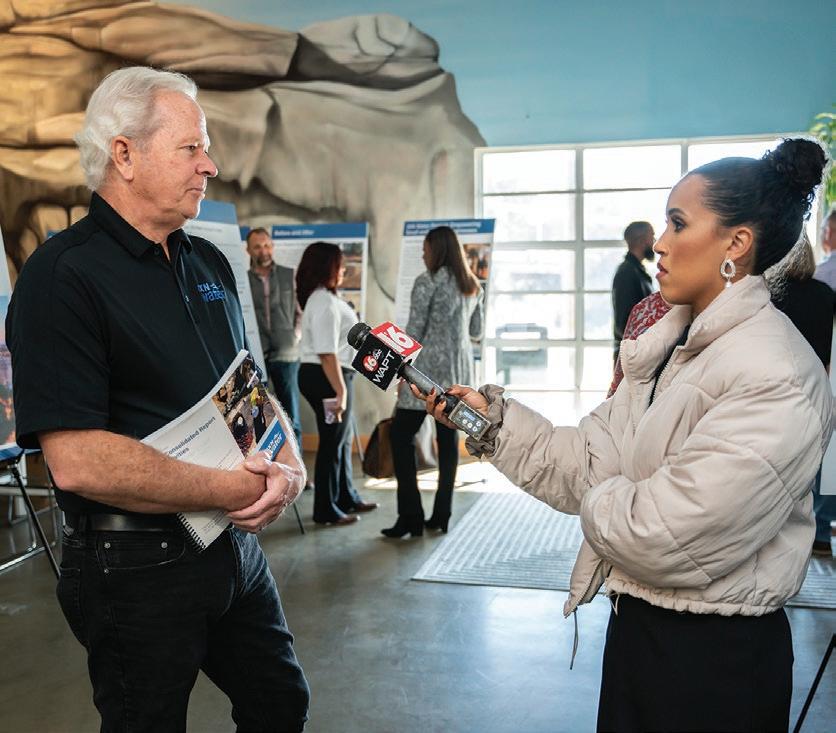
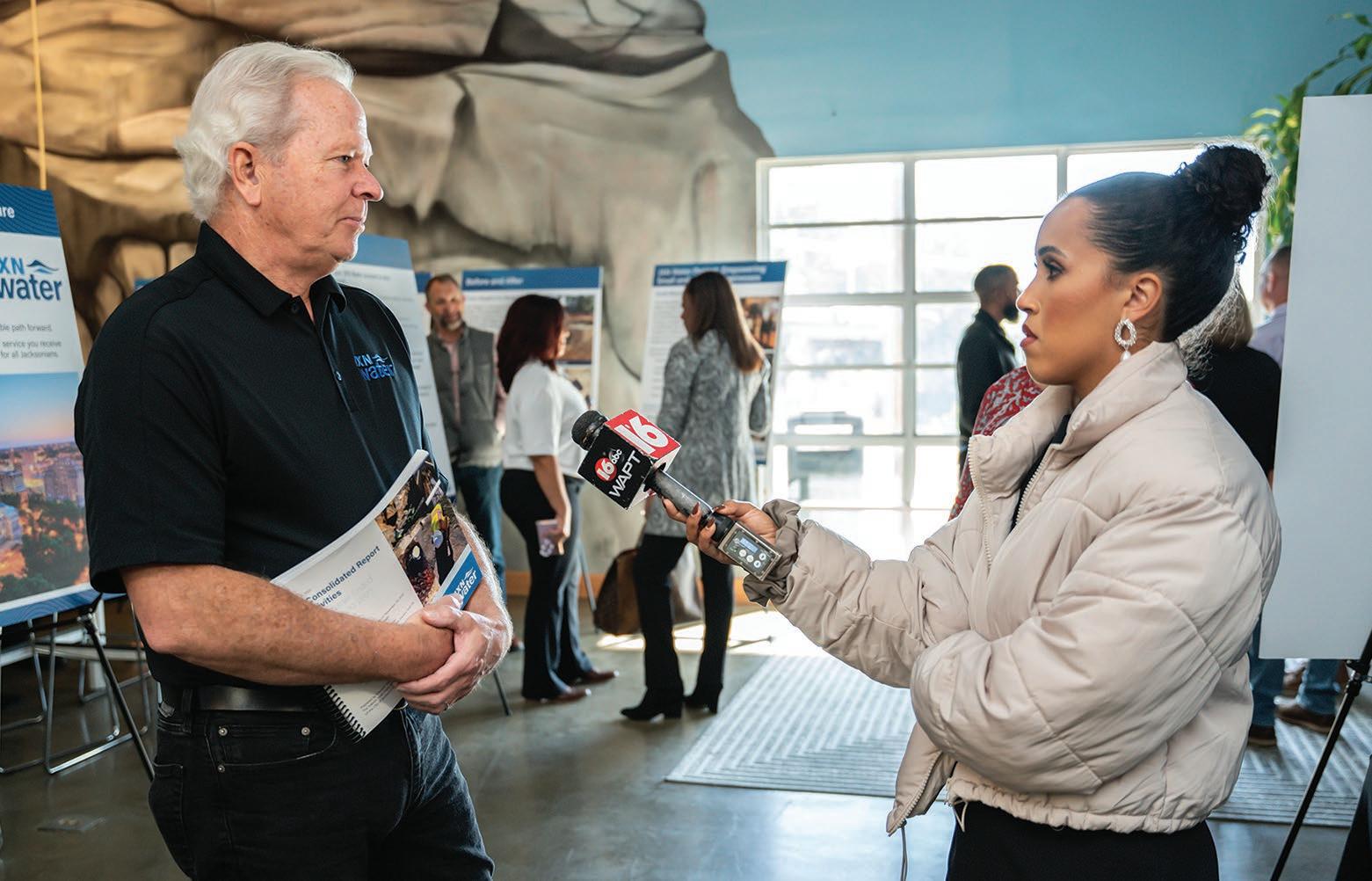
Community open houses provide opportunities for public engagement, allowing residents to share input and helping leaders communicate key messages.
THE NINE VILLAINS OF CYBERSECURITY
M.Ed.
TA prudent approach to protecting our well-connected water infrastructure begins with being alert to who our enemies are.
here is a popular myth that the typical hacker – one of the bad ones – is just a disgruntled adolescent or young adult living in his mom's basement. It's a myth so deeply embedded in the culture that even cybersecurity textbooks often use a shadowy figure wearing a hoodie to stand in as an icon for the ‘bad guys,’ just like the black cowboy hat once identified the villain in a Western.
The real cybersecurity ‘enemies list’ is much more complex than that, and oversimplifying it doesn't do us any favors. The villains are constantly out to take us by surprise. Surprise is one of their most important offensive weapons.
Water and wastewater service is special in that our sector daily means the difference between life and death. That's as vital as it can get. But that also means that we have to be on guard more than anyone else against anything that threatens our continuity of operations. No sector is more essential.
Our best hope against the cyberattacks heading our way is to degrade the element of surprise. A prudent approach to protecting our well-connected water infrastructure begins with being alert to who our enemies are. There are at least nine different forms they can take, and we can distinguish among them by asking five questions:
1. What motivates them?
2. What are they targeting inside your networks?
3. What could they cost you?
4. How would you know if you were under attack?
5. What are the first steps you must take to protect yourself?
Let's meet your opponents.
Part one in a two-part series about cybersecurity by Brian Gongol, M.Sc.,
THE NINE VILLAINS OF CYBERSECURITY
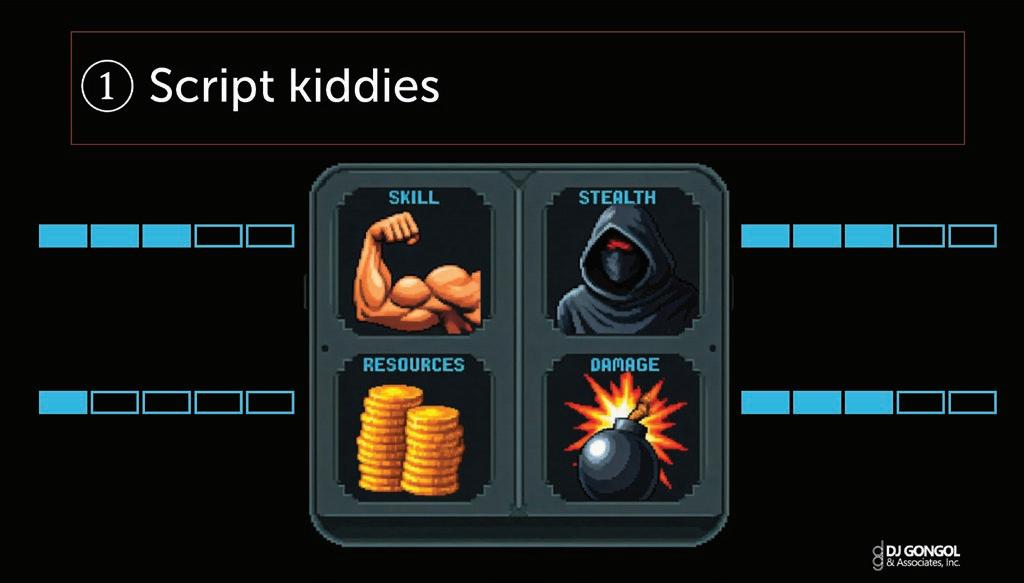
1. SCRIPT KIDDIES
These are the villains closest to the stereotype of the basementdwelling misanthrope. They know a few things about computers, and they want to mess with things out of boredom, a desire to sharpen their skills, or to show off to their friends. They're looking for easy wins: things like unpatched vulnerabilities on your systems or unprotected computers they can turn into bots.
What could they cost you? At the low end, some loss of face if they manage to deface your website. At the higher end, they can leave you with significant network cleanup costs if they manage to compromise a cluster of your machines.
Script kiddies sometimes make themselves known by defacing websites or social media accounts. Other times, they'll lurk and use up your bandwidth or computer processing power to carry out pranks or mine for cryptocurrency.
Your first step towards self-defense is to follow a routine for installing program patches and upgrades. Make someone accountable! Don't just assume that they will download automatically. Is it a job for an IT department? Maybe…if you even have one. Or maybe it's a job for an administrator. Or maybe even for your maintenance team. The key is to make sure that the job is clearly designated as someone's responsibility, and that real accountability follows the assignment.
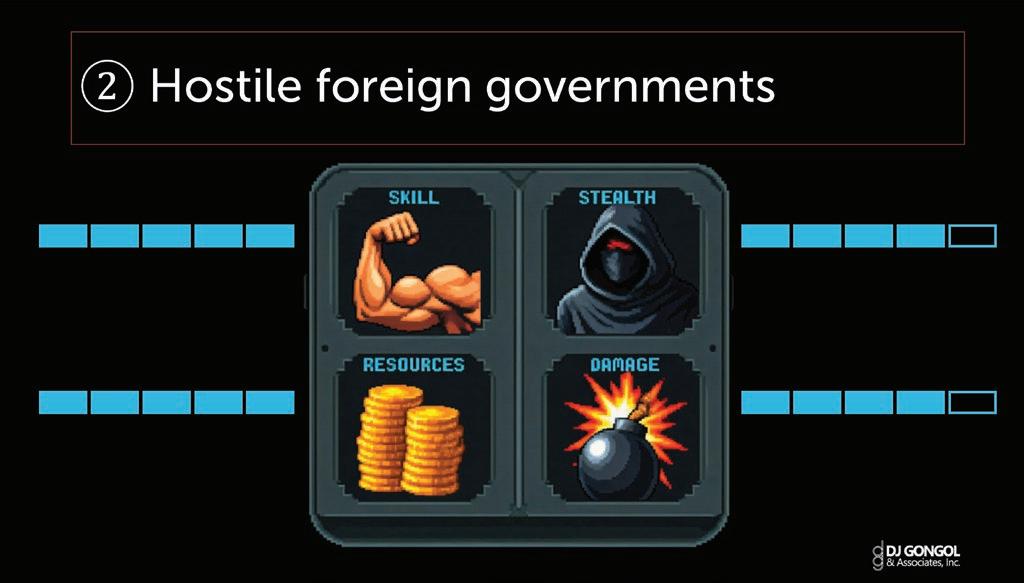
2.
It's begun to creep into public attention that governments are willing to use cyberwarfare as a tool to get what they want, whether it's to gain diplomatic leverage, to steal money, or to commit bloodless warfare against their opponents. The United States has plenty of enemies out there, and they know that utilities are a vulnerability.
What are they targeting in your system? A variety of things, but mostly weaponizable tools (things they can shut down), customer data (things they can hold for ransom), or backdoors they can use to gain long-term access to your networks without you noticing (in the cybersecurity realm, we call this an ‘Advanced Persistent Threat’).
In the worst-case scenario, these attackers could cause a complete loss of control over your networked operations. This is the foreignoriginated threat scenario that people recognize most, and it's already happened – see, for instance, how Russia attacked Ukraine's electrical grid.
Unfortunately, you often won't even know you're under attack until the damage has been done and something has gone horribly wrong –like losing control of everything that connects to your SCADA system. The whole point of something like the advanced persistent threat is for the villain to go undetected until conflict breaks out.
Many of these threats use human weaknesses to break through, so the first step to protecting yourself is to establish and follow through on training and policies for the weaknesses in your defenses, especially from what we know as ‘social engineering’ attacks.
Social engineering is the use of psychological tricks to get people to let down their guard, and we're all susceptible to it. Think of it as hacking people rather than hacking computers. Social engineering looks like spearphishing (emails that target individuals inside your system who have access to valuable things like passwords) and ‘discovered’ files and media left behind in the hope you'll plug them in (do you know what to do if you find an unlabeled USB thumb drive sitting on a desk?). There is practically no end to the need for ongoing training to protect your team against social engineering attacks.
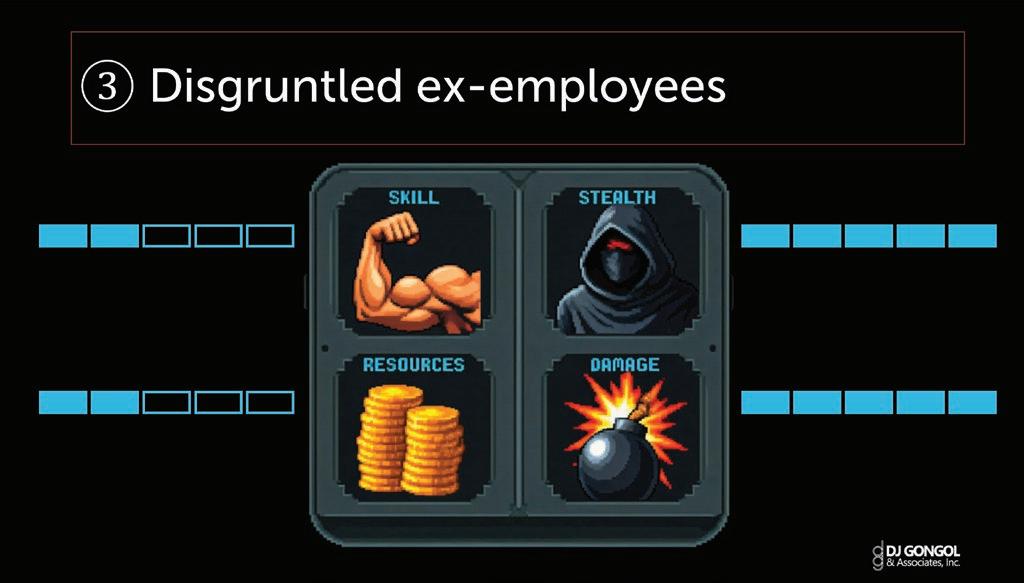
3. DISGRUNTLED EX-EMPLOYEES
Everyone knows that it's important to treat co-workers with respect and dignity. But there are times when people leave a workplace under a cloud, either because of their own behavior or because something happened externally that left them in a bad spot. Even a totally nofault layoff can still sting.
When someone leaves a role for involuntary reasons, there's always a chance they could want a little retaliation. And an ex-employee is in a very good position to know what (virtual) buttons to press that could leave a serious bruise on a utility's operations, either punishing the operation internally or causing harm to its reputation.
HOSTILE FOREIGN GOVERNMENTS
THE NINE VILLAINS OF CYBERSECURITY
Ex-employees probably know more about your systems than anyone but the current employees they leave behind, and an entire utility operation could be compromised by someone with the right combination of means, motive, and opportunity. There have already been headline-grabbing examples of people accessing control systems at water utilities after having been let go, including at least one example of a contractor who resigned and later remotely accessed the system at a water treatment plant to disable its controls..
These kinds of attackers are hard to catch, precisely because they may have been the ones who installed your cybersecurity protections in the first place. Keep an eye out for unexplained changes in control settings and logins that don't match people's job assignments. And keep some paper records of your most important settings!
Disciplined use of access controls (like giving every individual a separate username and password for everything they do) is a basic first step towards protecting your system, as is assigning administrative privileges only to the people who absolutely need them. And, for your own sake, treat people with dignity when they leave!
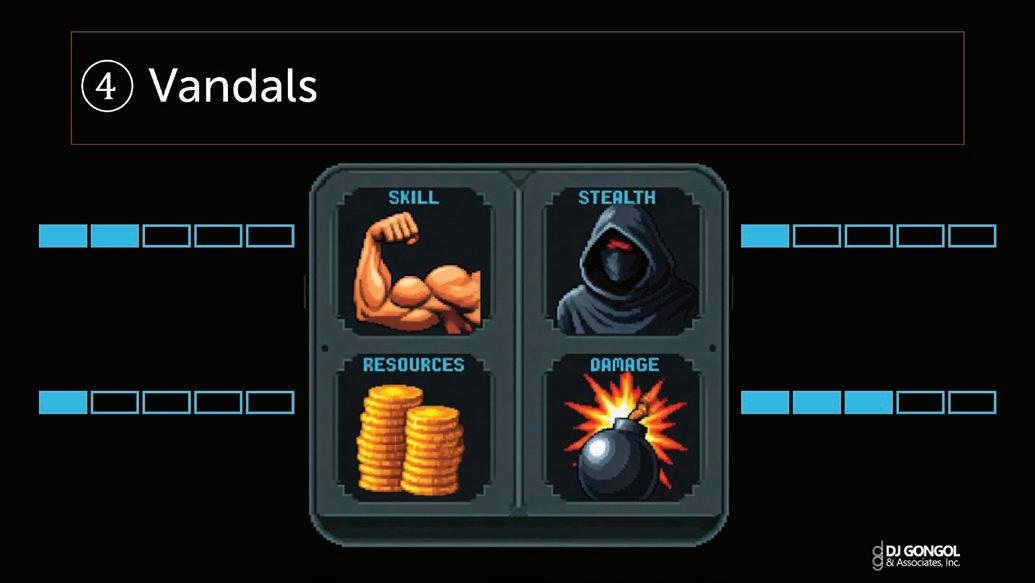
Vandals have had the same basic motivations for centuries: boredom and antisocial tendencies. Why, after all, do people carve messages in bathroom stalls?
Utilities are targets for vandalism, too, especially of the cyber variety. These vandals are looking for whatever is easiest to find and deface, especially websites and social media accounts. Think of it as digital spray paint. And, as with real spray paint, the costs come down to the basics of cleanup (a costly nuisance) and potential reputational harm. If you let vandalism go on long enough, you risk looking careless or incompetent – not a good look for a public utility tasked with maintaining public trust.
Keep a close eye on your public-facing digital property, looking out for unauthorized changes to websites and social media accounts. Many of them allow you to set an alert for every time a change is made, and someone in the leadership of every utility needs to be watching.
You can also protect yourself by implementing multi-factor authentication on those public-facing accounts, which requires someone to respond with a challenge code or similar proof before allowing them to make changes to tools like your Facebook page. It's also very important to make sure you're using individual credentials to access those accounts, so you can trace straight to the person behind every change. Shared usernames and passwords are a giant invitation to trouble.
5. TERRORISTS
Hollywood has been making movies about terrorist attacks on infrastructure since Sean Connery made his debut as James Bond. The target hasn't changed, only the means. Terrorists are of course motivated by politics, financial gain, and bloodlust, but also by the attraction of asymmetric warfare: That is, causing high-impact events at relatively little cost. That's why some terrorist groups even become involved as proxies for hostile foreign governments (see Villain #2 above).
Unfortunately, utilities offer a wealth of potential targets, though we should pay especially close attention to our control systems. Terrorism depends upon attention, so the more consequential the disruption, the higher the profile of the attack and thus the more attractive to the bad guys. If you lose control over networked systems, leading, for example, to the failure of a water distribution system or a breakdown of your wastewater lift stations, the public would feel the consequences almost immediately. That's the ‘essential’ part of being ‘essential workers.
While there are detection tools and practices you can follow to become aware of an attack (careful surveillance of your server logs, for example), there's a fair chance you wouldn't know until you either started hearing the alarms or got a call from an agency like the FBI or CISA. Still, the more steps you take to defend against the full spectrum of possible attackers, the better your chances of avoiding trouble.
Being aware of potential threats is an important defensive practice, and it's an ongoing task. There are also prudent steps you can take to defend your networks, like activating firewalls and segregating your networks. Network segregation is especially important, so that if someone breaks into your website server, they can't access customer payment data, or if they crack into your WWTP SCADA system, they can't hop over to your potable water distribution system. And, for goodness' sake, replace the default passwords on any devices (computers, PLCs, HMIs, smartphones, and anything else) that you connect to your networks. If someone can look up a default password in an O&M manual somewhere, it's basically useless for protecting you.
So far, we have encountered enough cybersecurity villains to keep you on your toes for a long time to come. Yet there are still four other foes we need to profile, including mobsters and lone wolves. We will identify them in the next installment (and hope that a tenth doesn't emerge while we're waiting). In the meantime, to borrow a line from the classic cop show, ‘Hill Street Blues,’ let's be careful out there.
4. VANDALS
ADVERTISER PRODUCT & SERVICE CENTER
Mountain Currents is made possible by the companies below who convey their important messages on our pages. We thank them for their support of WV WEA and its publication and encourage you to contact them when making your purchasing decisions. To make it easier to contact these companies, we have included the page number of their advertisement, their phone number, and, where applicable, their website.
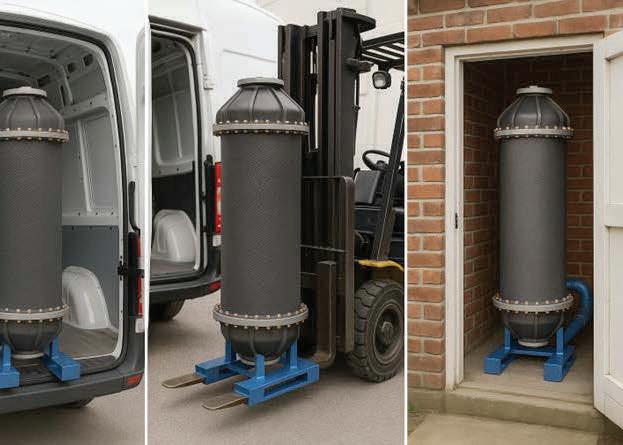
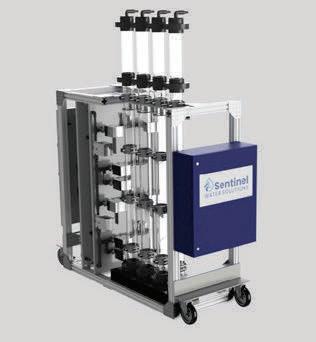
PFAS Pilot Test Skids
• Rental, lease, or purchase
• Optional turnkey services
Custom Treatment Systems
• Built for your needs and budget
• Solutions for small well sites
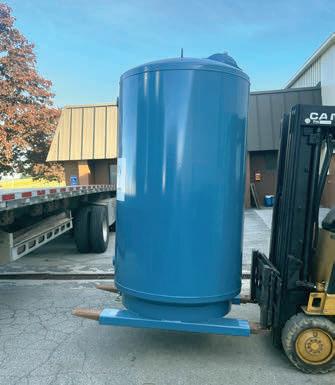
GAC and IX Media Services
• Traditional & Full Vessel Swaps
• Back wash Management Support
GAC Reactivation and Disposal
• Small & Large Batch React
• Stock Management
Call or email us today for your free consultation.
www.sentinel-h2o.com | 888-811-PFAS
sales@sentinel-h2o.com
Confidence across crossingevery
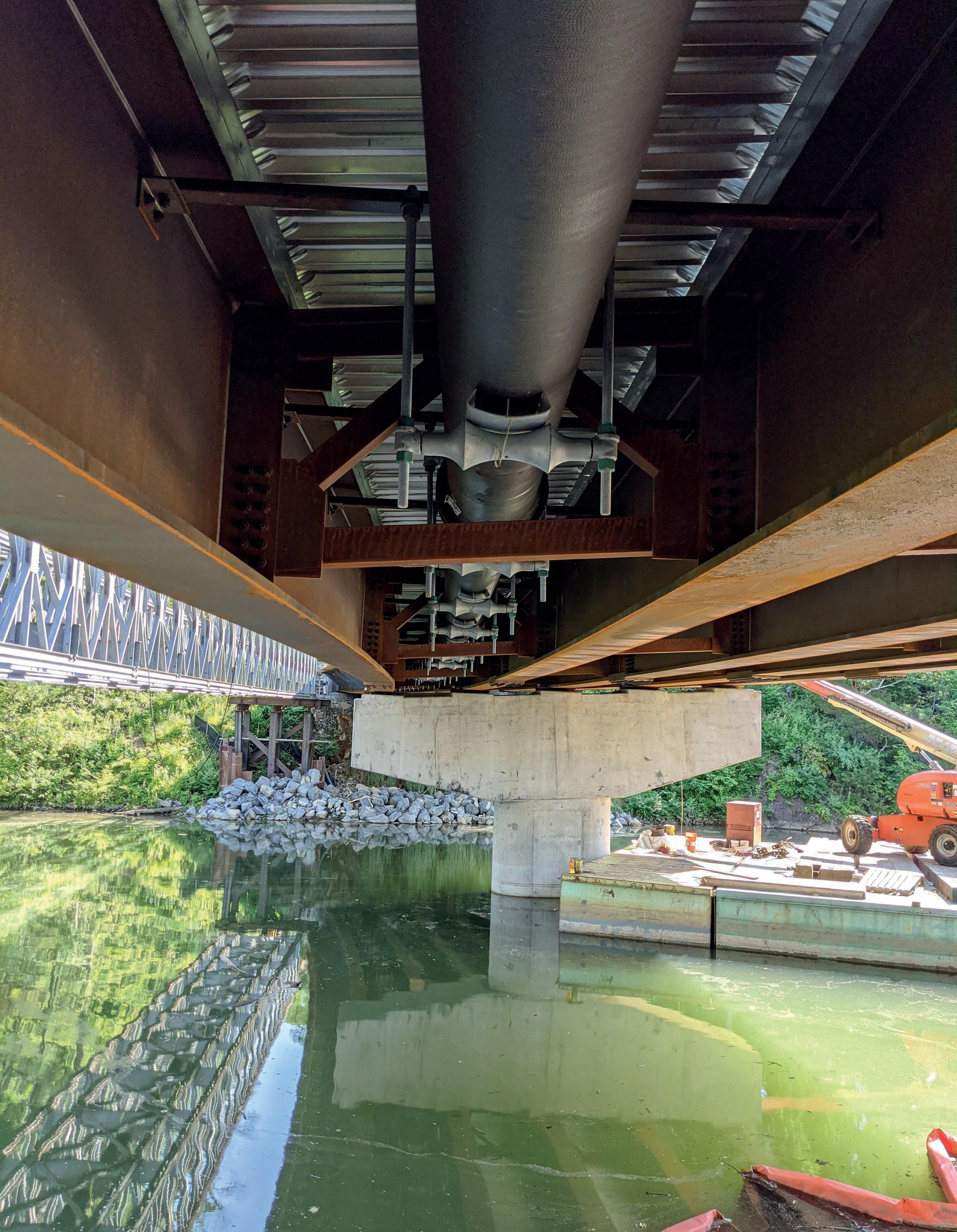
U.S. PIPE’S HDSS RESTRAINED JOINT PIPE IS THE SMART CHOICE FOR BRIDGE CROSSINGS. Its fully restrained, leak-free joints eliminate thrust blocks while accommodating vibration, thermal movement, and deflection. Built for strength and durability, HDSS resists environmental exposure and simplifies installation in challenging spans, delivering long-term reliability, reduced maintenance, and confidence where failure isn’t an option.