KBIC NEWS
ISKIGAMIZIGE GIIZIS - MAPLE SUGAR MAKING MOON
ADULTING 101: Preparing Students for Real-Life Success
Submitted: Betti Szaroletta, PN Co
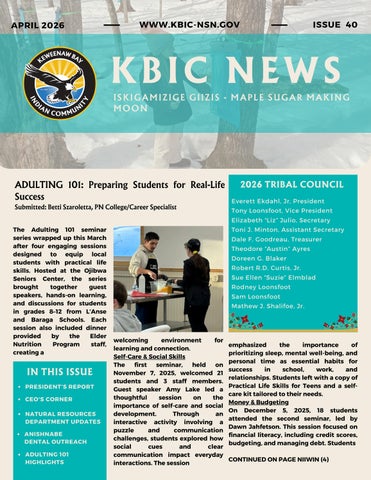
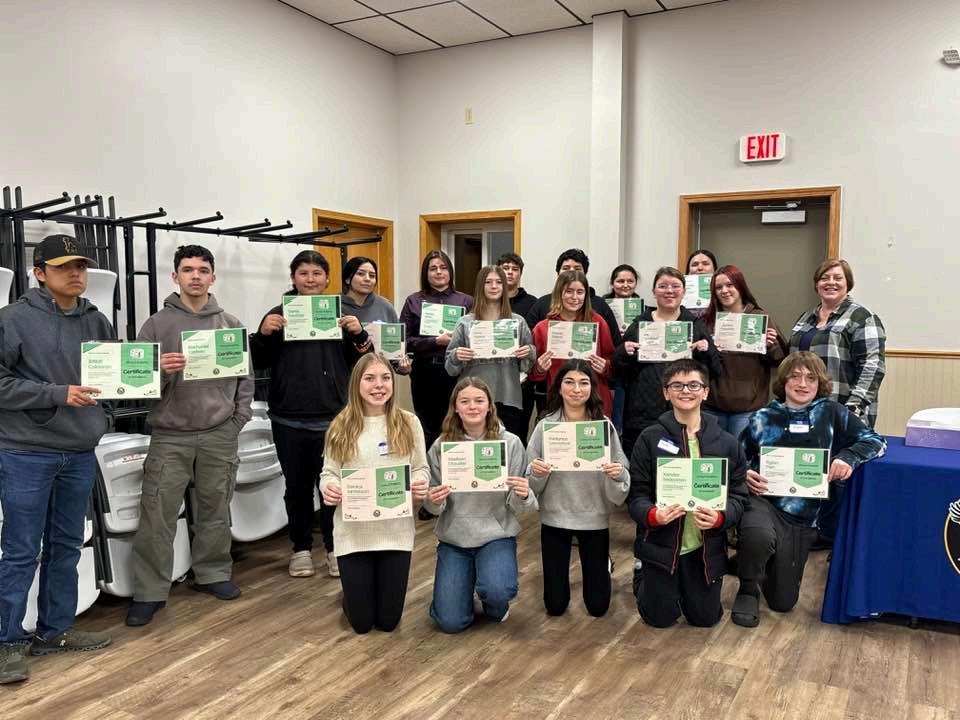
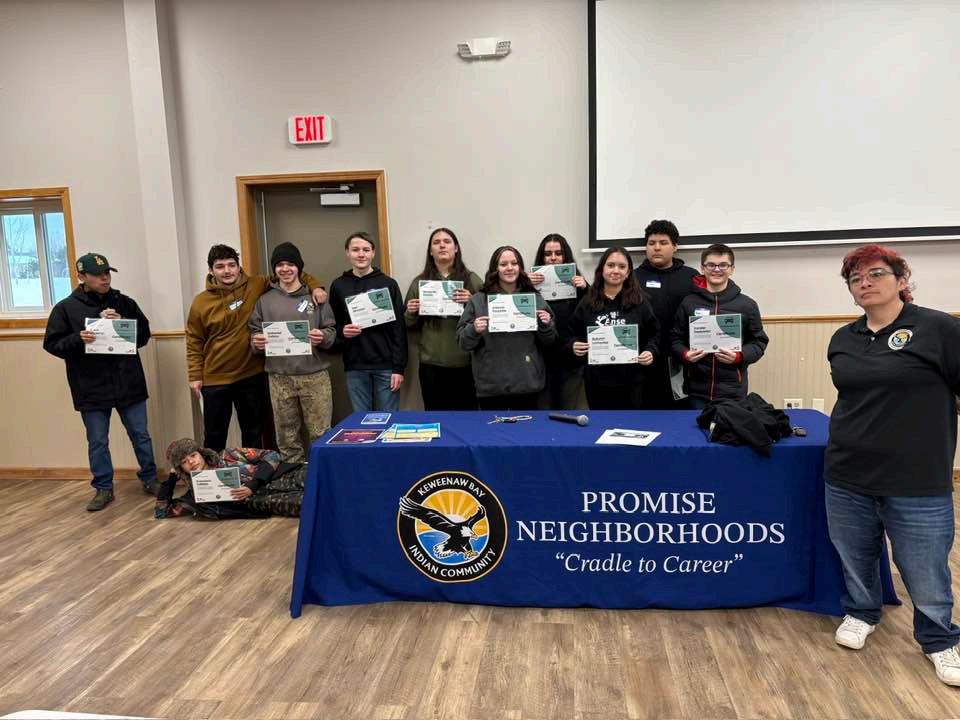
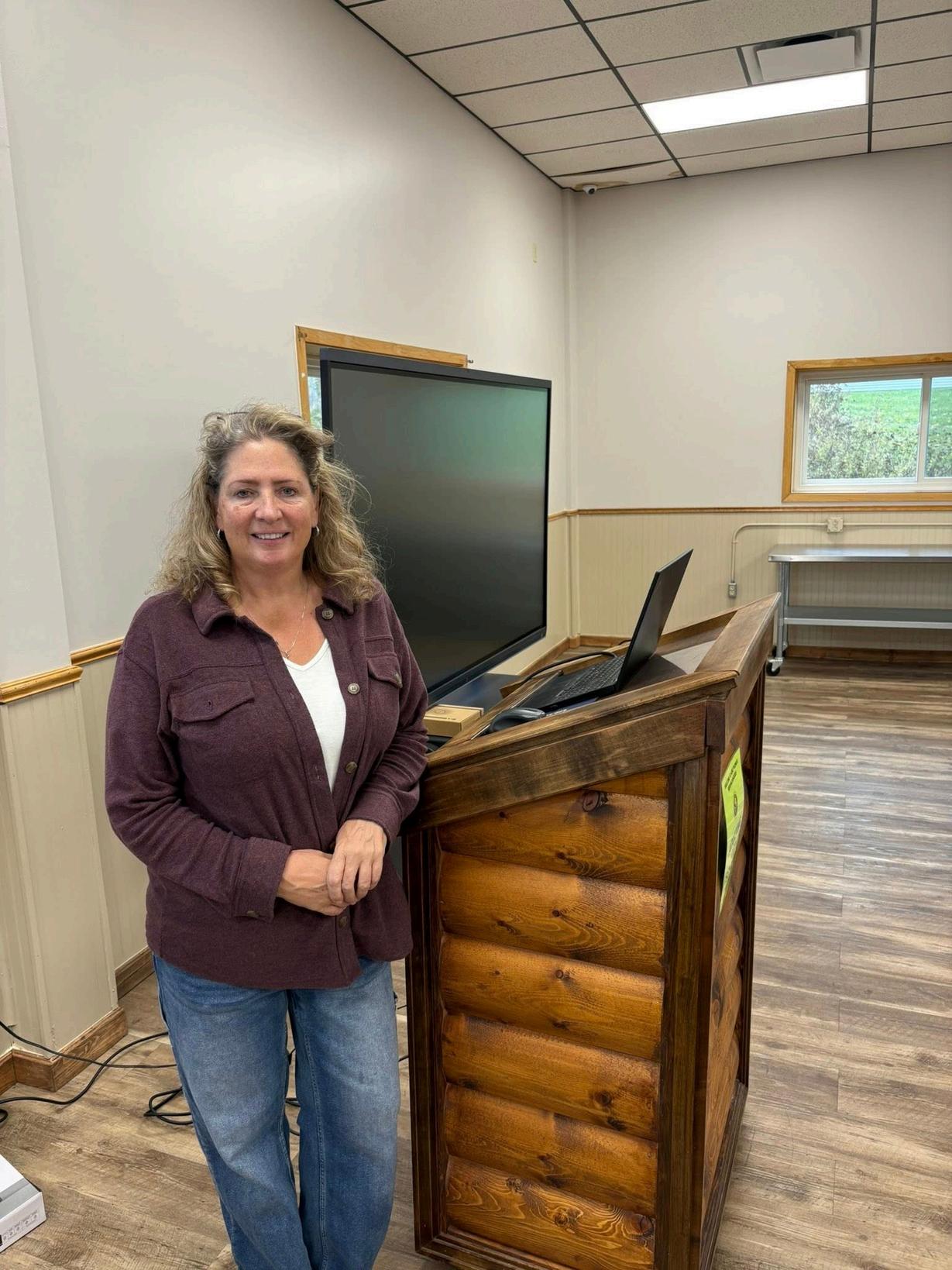
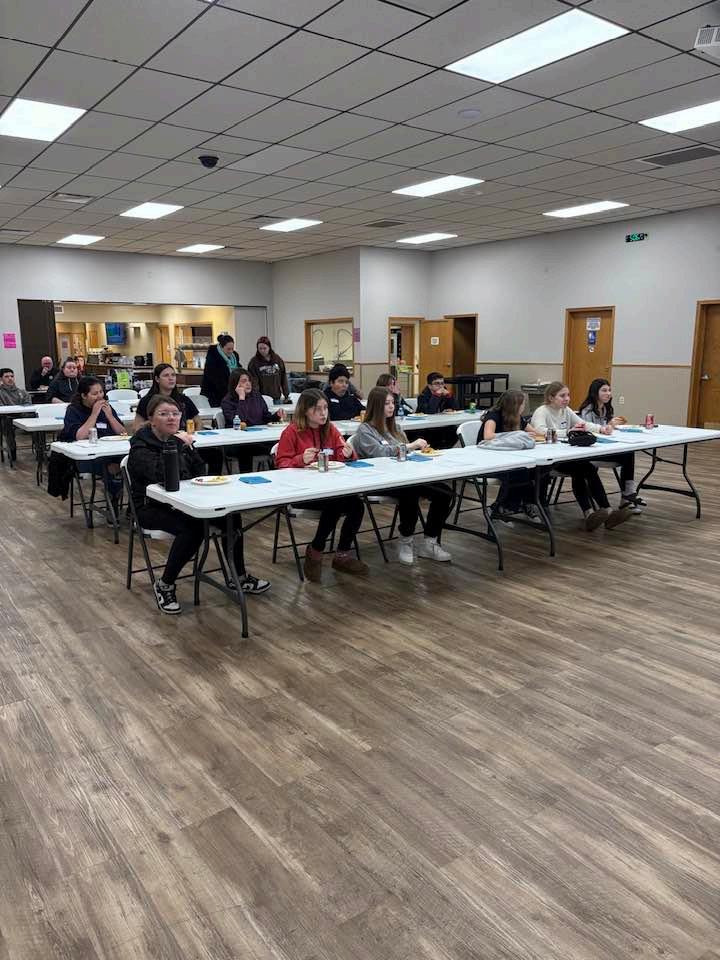
The Adulting 101 seminar series wrapped up this March after four engaging sessions designed to equip local students with practical life skills. Hosted at the Ojibwa Seniors Center, the series brought together guest speakers, hands-on learning, and discussions for students in grades 8–12 from L’Anse and Baraga Schools. Each session also included dinner provided by the Elder Nutrition Program staff, creating a
IN THIS ISSUE
PRESIDENT’S REPORT
learning and connection.
Self-Care & Social Skills
2026 TRIBAL COUNCIL
Everett Ekdahl, Jr, President
Tony Loonsfoot, Vice President
Elizabeth “Liz” Julio, Secretary
Toni J. Minton, Assistant Secretary
Dale F. Goodreau, Treasurer
Theodore “Austin” Ayres
Doreen G Blaker
Robert R D Curtis, Jr
Sue Ellen “Suzie” Elmblad
Rodney Loonsfoot
Sam Loonsfoot
Mathew J. Shalifoe, Jr.

emphasized the importance of prioritizing sleep, mental well-being, and personal time as essential habits for success in school, work, and relationships. Students left with a copy of Practical Life Skills for Teens and a selfcare kit tailored to their needs.
NATURAL RESOURCES
DEPARTMENT UPDATES
CEO'S CORNER ANISHNABE
DENTAL OUTREACH
ADULTING 101 HIGHLIGHTS
The first seminar, held on November 7, 2025, welcomed 21 students and 3 staff members. Guest speaker Amy Lake led a thoughtful session on the importance of self-care and social development. Through an interactive activity involving a puzzle and communication challenges, students explored how social cues and clear communication impact everyday interactions. The session
Money & Budgeting
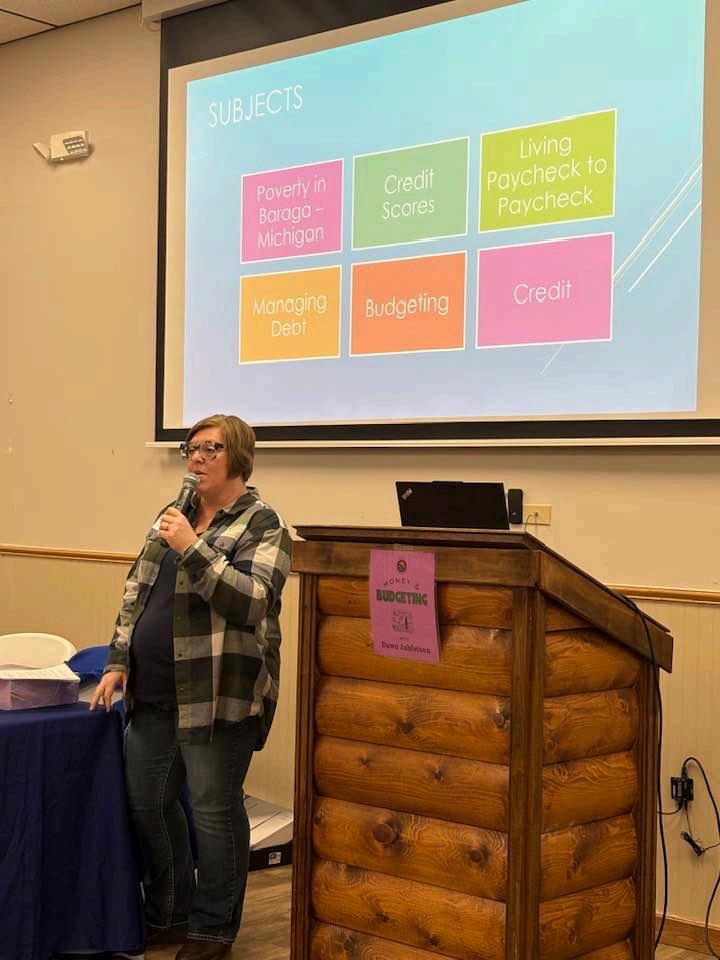
On December 5, 2025, 18 students attended the second seminar, led by Dawn Jahfetson. This session focused on financial literacy, including credit scores, budgeting, and managing debt. Students
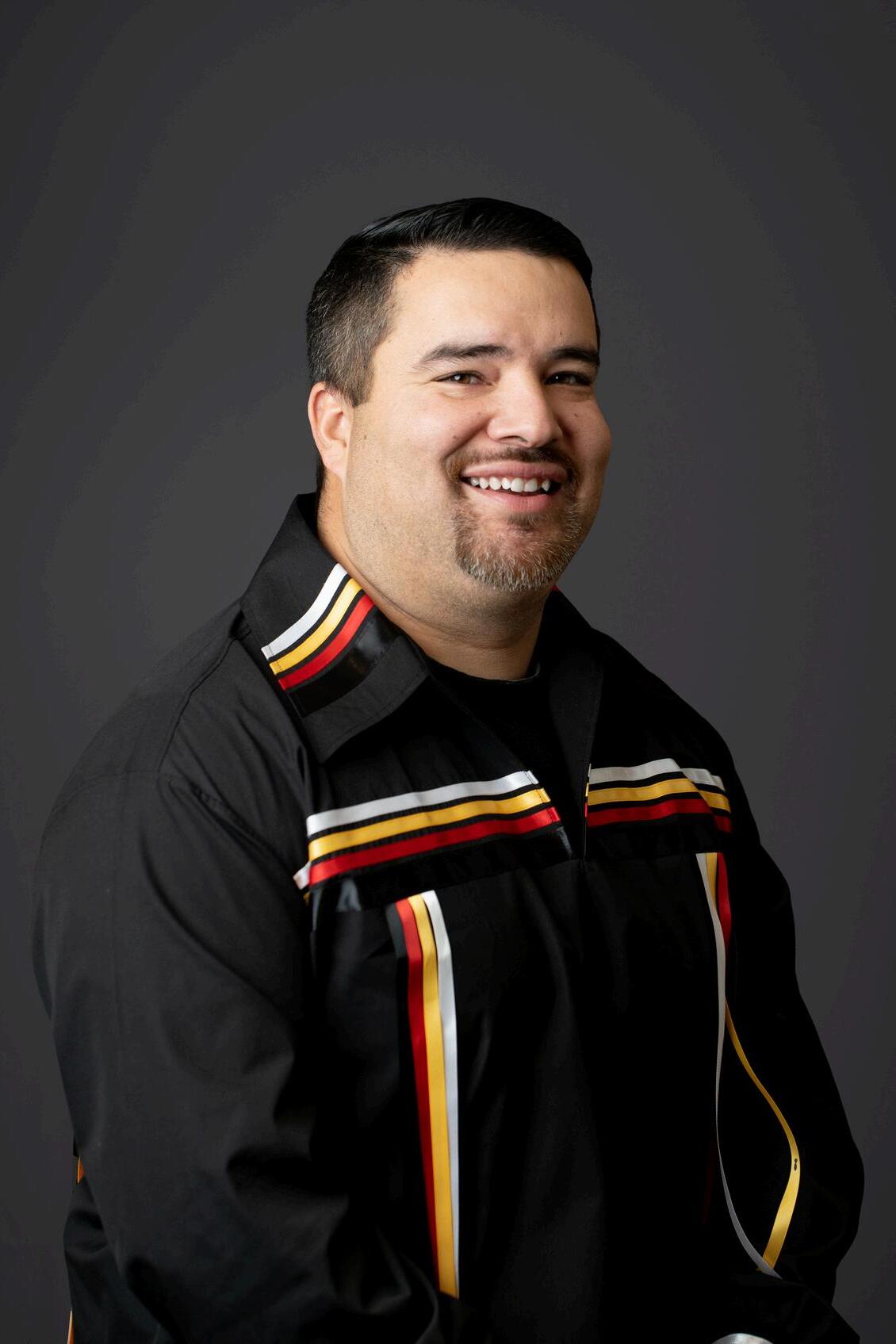
Boozhoo, Community Members,
During the month of March, we had the monthly meeting with the CEO, Assistant CEO, and CFO to discuss updates and ongoing operations within
our government offices. Also met multiple times with the Casino General Manager to review current business activities and priorities.
During the month of March:
A total of three Tribal Council meetings were held. The following motions were approved during this period:
Motion approved for the bid from Wick wire P.C. for A/E service and authorize the president to sign the tier III agreement for the fisheries restoration project in the amout of $106,700.00
Motion approved to authorize the president to sign the employment agreement with Garry Tollefson Casino General Manager.
Motion approved to authorize permission for promise neighborhoods to use Laughs Lake and KBIC youth to use guy road property for community sugar bush events.
Motion approved for a bid for Trimedia Environmental & Engineering for the assinins north project in the amount of $59,864.00.
Motion approved to donate $1,500.00 to Jordis Numinen for assistance with matters resulting from the loss of her home due to a fire.
Motion approved for KBIC Housing Down Payment Assistance Program Policy
Motion approved for the per diem employment agreement with Shirly Courey, Nurse Practioner.

Motion approved to authorize the KBIC President to sign the Quincy Materials Nextcycle letter.
Motion approved for all commercial fishing applications pending submission of up to date catch reports.
Motion approved for resolution KB-04-2026 authorization of sovereign immunity waiver for the Keweenaw Bay Ojibwa Community College facilities master plan agreement with OHM.
Motion approved for a tier III service agreement with Keweenaw Power & Lite, LLC.
Motion approved to authorize the president to sign onto the NCAI letter of support.
Motion approved for resolution KB-0052026 certification request.
Motion approved for resolution KB-0062026 Amos Crane allotment acquisition
Motion approved for resolution KB-0072026 Hellen Funke allotment UFI acquisition- J. Tolonen
Motion approved for resolution KB-0082026 Hellen Funke allotment UFI acquisition- G. Tolonen
Motion approved for resolution KB-0092026 Sarah Gauthier allotment UFI acquisition- T. Holm
Motion approved for service agreement with Brandon T. Rickard Law PLLC.
Motion approved for tier IIB service agreement with Michael Sheridan for substance abuse counseling.

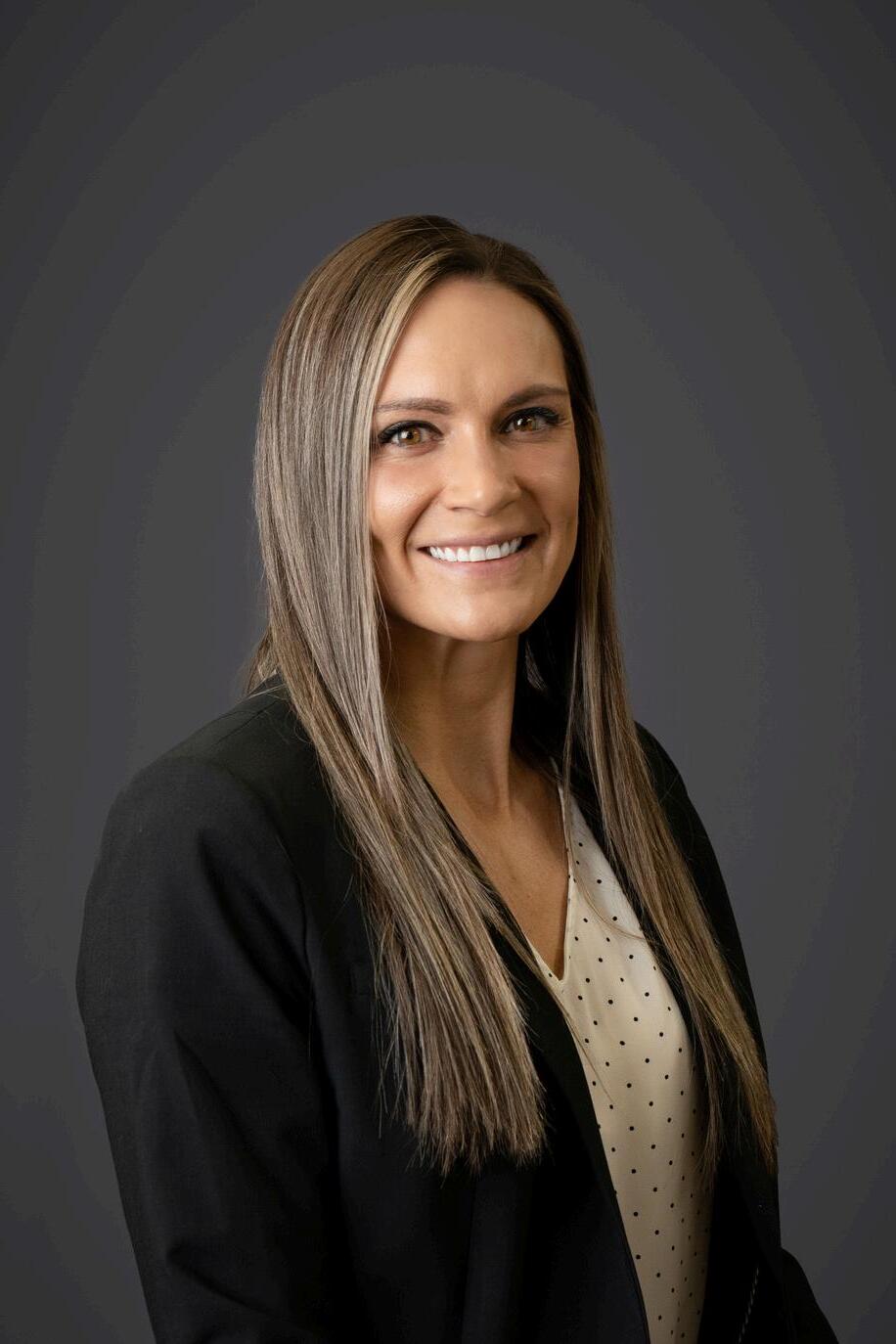
Happy April!
As we move into April, it’s nice to finally start feeling that shift into spring. The days are getting longer, the sun is sticking around a little more, and we’re slowly starting to shake off what was another VERY long
winter. After the heavy snow and cold we experienced in March, this time of year always feels like a reset, bringing a renewed sense of energy and momentum across our community. Spring a season of growth, progress, and looking ahead, which aligns well with the work we continue to move forward as a Tribe.
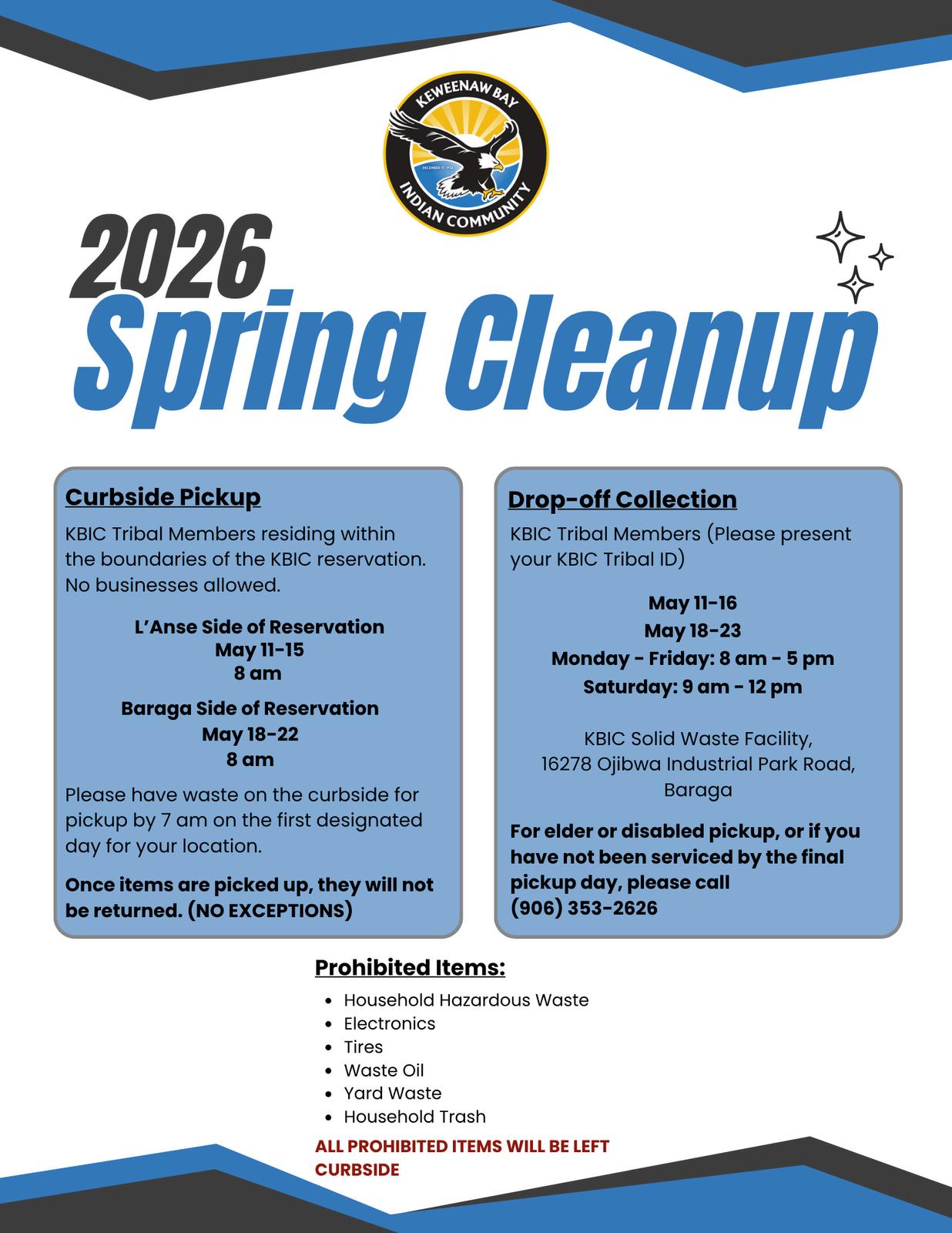
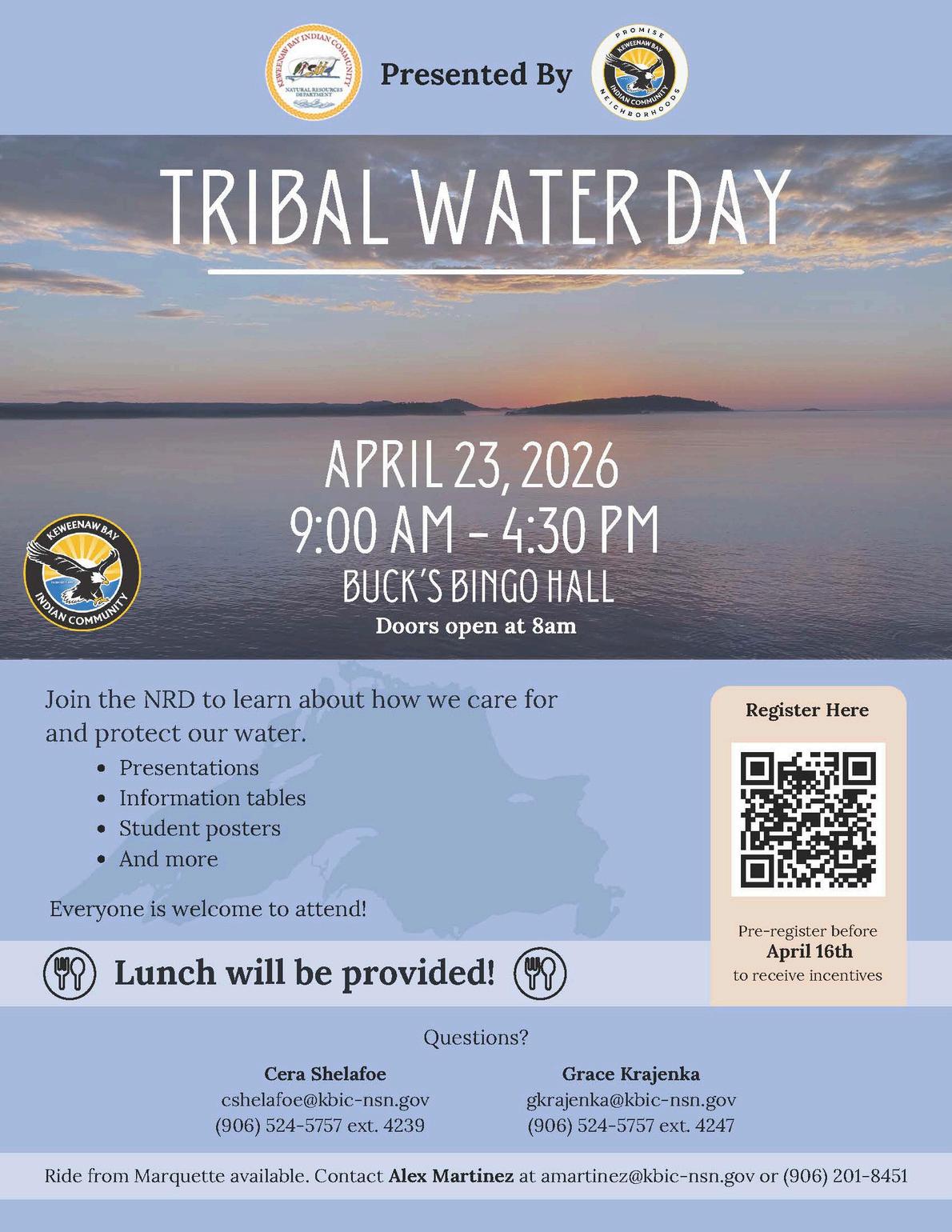
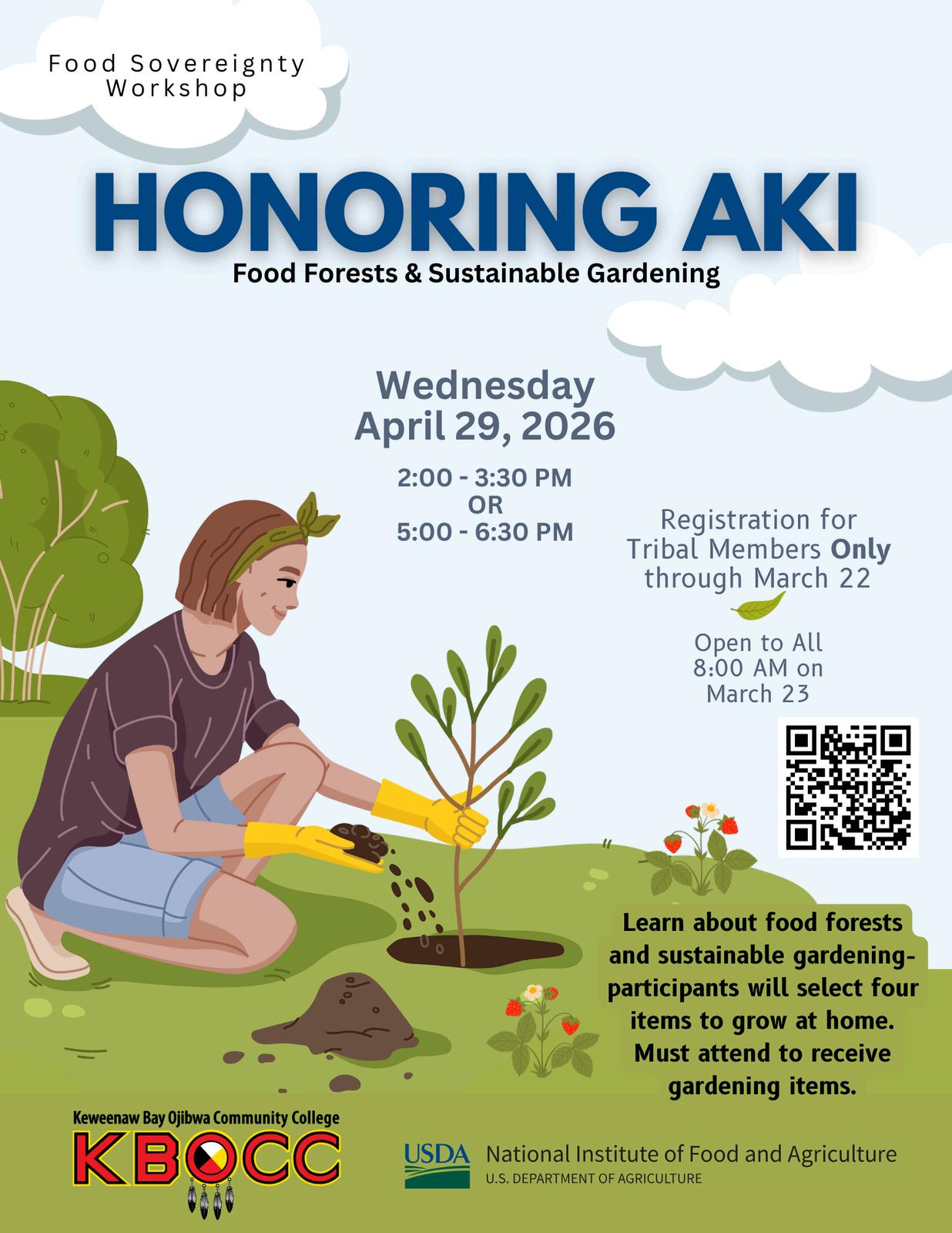
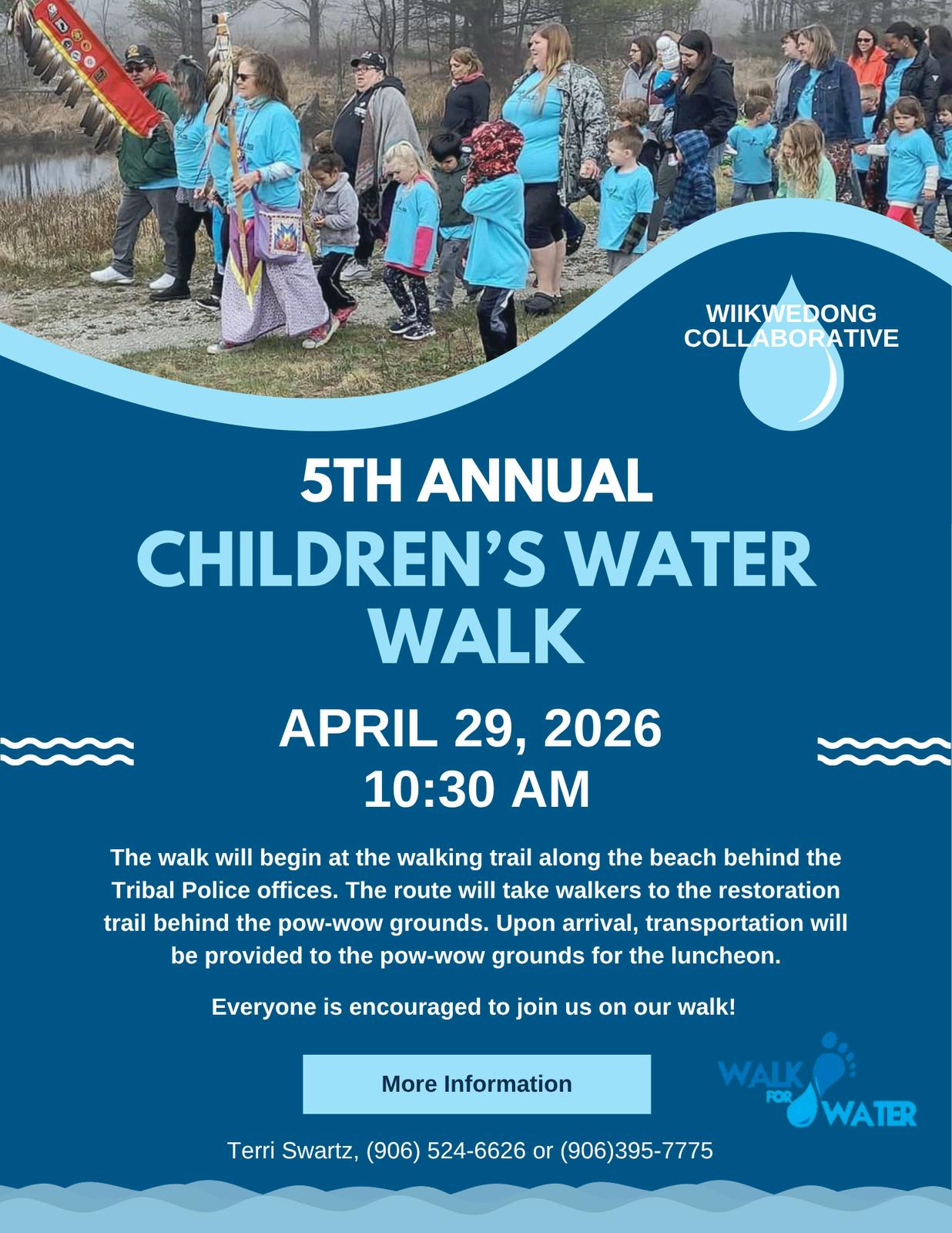
As we move further into spring, we have a number of great events coming up that really center around taking care of our land, our water, and each other. Our Earth Day Celebration, in Marquette, (April 22) is a great way to bring families together through storytelling, cultural teachings, and hands-on activities that remind us of our connection to the environment. We’ll also be hosting Tribal Water Day (April 23), which gives our community an opportunity to learn more about how we care for and protect our water. Later in the month, the Children’s Water Walk (April 29) is a meaningful way to teach our youth the importance of water and the responsibility we all share in protecting it for future generations. And as we head into May, our annual Spring Clean-Up (May 11–23) is a good reminder that even the small things we do, like cleaning up our spaces, play a big role in keeping our community healthy. These events are a great reflection of who we are and the responsibility we carry to take care of what’s been entrusted to us.
I also want to take a moment to recognize our
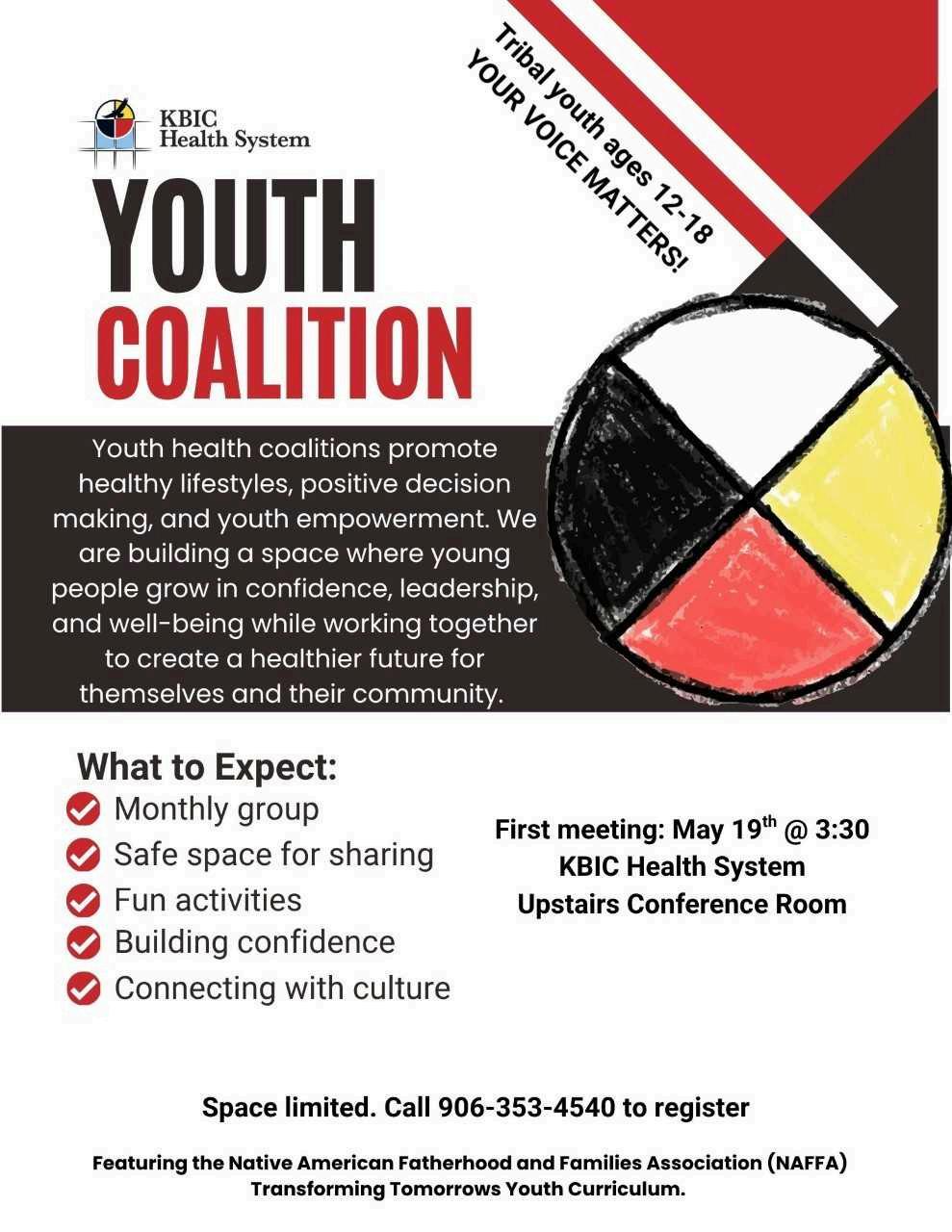
wildland firefighters, who are currently out on a call in Minnesota assisting with prescribed fire efforts. Our crew typically responds to several calls each year across the country, often spending up to two weeks at a time supporting wildfire and land management operations. This work is not only physically demanding, but it also reflects a deep commitment to protecting natural resources, both here at home and beyond. Tribal wildland firefighting programs play an important role in bringing traditional knowledge and land stewardship practices into fire management, helping to care for the land in a way that aligns with our values. We are grateful for the dedication of our team and the way they represent KBIC while supporting these efforts on a broader scale. If anyone ever has questions about our Fire and Emergency Management Department (FEMD) or is interested in becoming a wildland firefighter, please contact Tom Chosa, FEMD Director. As we look ahead, there are also several great opportunities for our youth to get involved, gain experience, and continue building confidence. We are currently hiring Summer Day Camp Workers, which is a great opportunity for those interested in working with youth and being part of a positive, engaging summer environment. In addition, Summer Youth Program applications are now available, offering hands-on experience across a variety of departments while helping young people explore potential career paths and build important work skills. For those looking to take on a leadership role, we are also accepting applications for Promise Neighborhood Peer Mentors, where youth can support their peers, serve as role models, and be involved in after-school and community programming. Alongside these opportunities, we are excited to continue expanding youth empowerment efforts, including the Youth Coalition (KBIC Community Health Department), which focuses on creating a safe space for connection, culture, and personal growth.
CEO’s Corner
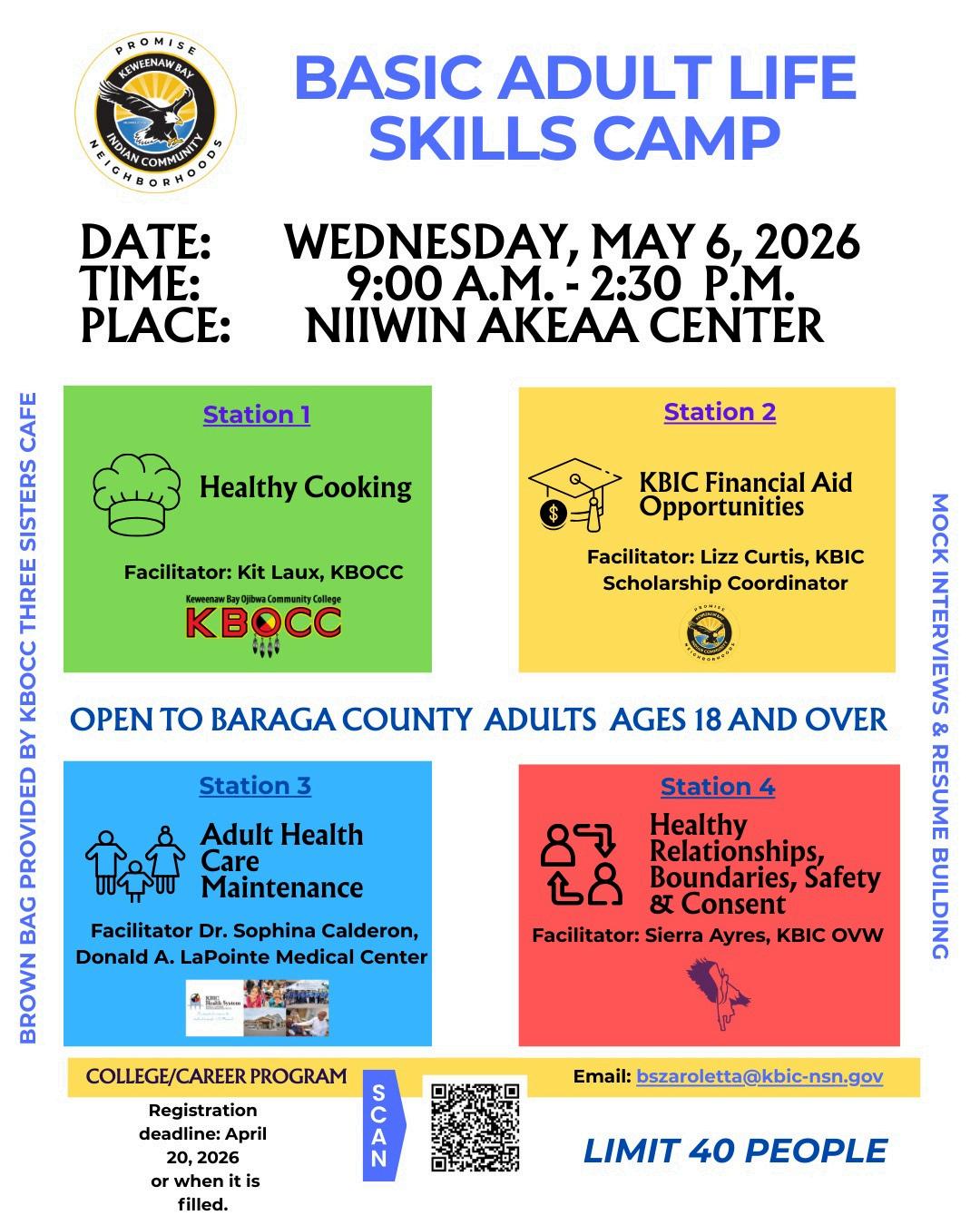
To round this out, we are also offering a Basic Adult Life Skills Camp (May 6) for individuals 18 and over who may be looking for additional support with everyday life skills, financial knowledge, health, and employment readiness. Altogether, these opportunities reflect our continued investment in our youth and young adults as they prepare for their future. These are the kinds of opportunities that not only support individual growth, but also help build the next generation of leaders within our community.
All of the opportunities and events mentioned above would not be possible without the funding that supports them. A large part of that comes through grant opportunities that are continuously being identified and pursued across the organization. This is a collaborative effort between departments and our Grants Office, where ideas often start at the program level and are then developed, written, and submitted with support from our grant manager. From there, it becomes just as important to manage those funds effectively. Grant management is not just about receiving funding, it involves a full lifecycle that includes application, award, implementation, tracking, reporting, and closeout. Throughout that process, strong oversight and compliance are critical to ensure we are meeting all federal and funding requirements while also using those resources in a way that truly benefits our community. When done right, it allows us to continue building programs, expanding services, and creating opportunities like the ones highlighted in this month’s update.
As part of that responsibility, we are also in the middle of audit season. Several of our programs are currently undergoing audits or reviews through agencies such as the Department of Justice, Department of Education, and the Environmental Protection Agency. While audits can be time-consuming, they are an important part of ensuring accountability, transparency, and compliance across all of our funding sources. I want to
recognize the staff who spend a significant amount of time preparing documentation, responding to requests, and working through these processes. Their efforts help ensure we remain in good standing and continue to position the Tribe for future funding opportunities.
As always, I want to encourage our community members to stay connected and involved in our newsletter. We would love to continue highlighting more of our people, stories, and traditions, whether that’s sharing family recipes, recognizing someone doing great work, or simply lifting up moments that reflect who we are as a community. If you have something you would like to share or see included in a future newsletter, please reach out to Sheila Royal, Marketing & Communications Coordinator, at sroyal@kbicnsn.gov. Your voice and contributions help make this newsletter something we can all take pride in.
All my best, Brigitte
learned how building credit early, through tools like savings accounts or credit cards, can impact future opportunities. The presentation also addressed real-world challenges such as living paycheck to paycheck and financial planning in Baraga County. Each student received a budget planner and a digital bank to encourage saving habits at home.
Cooking 101
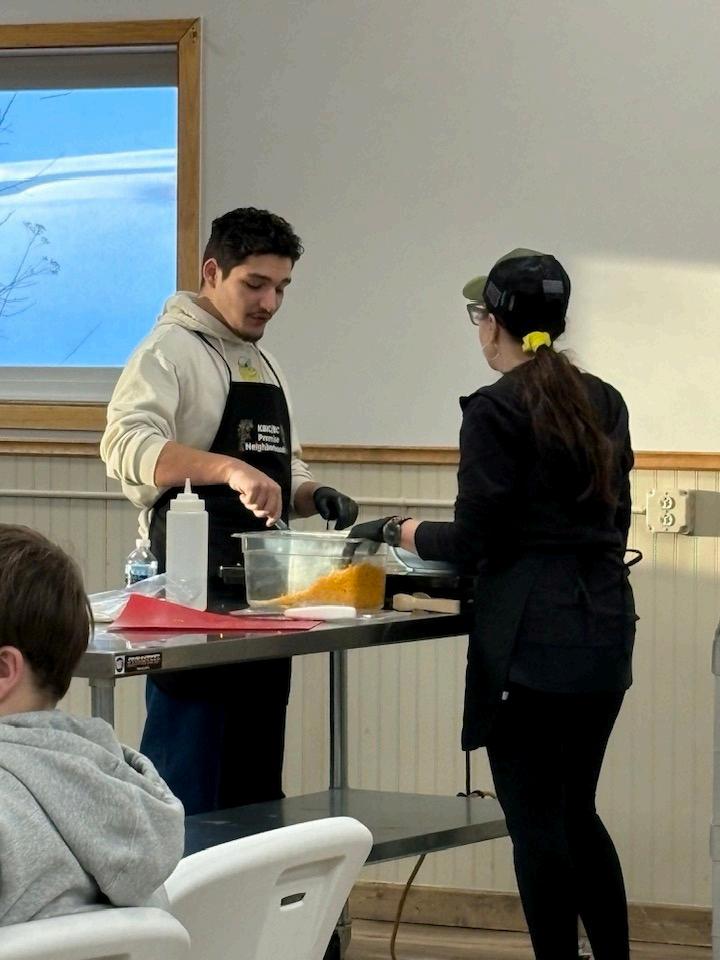
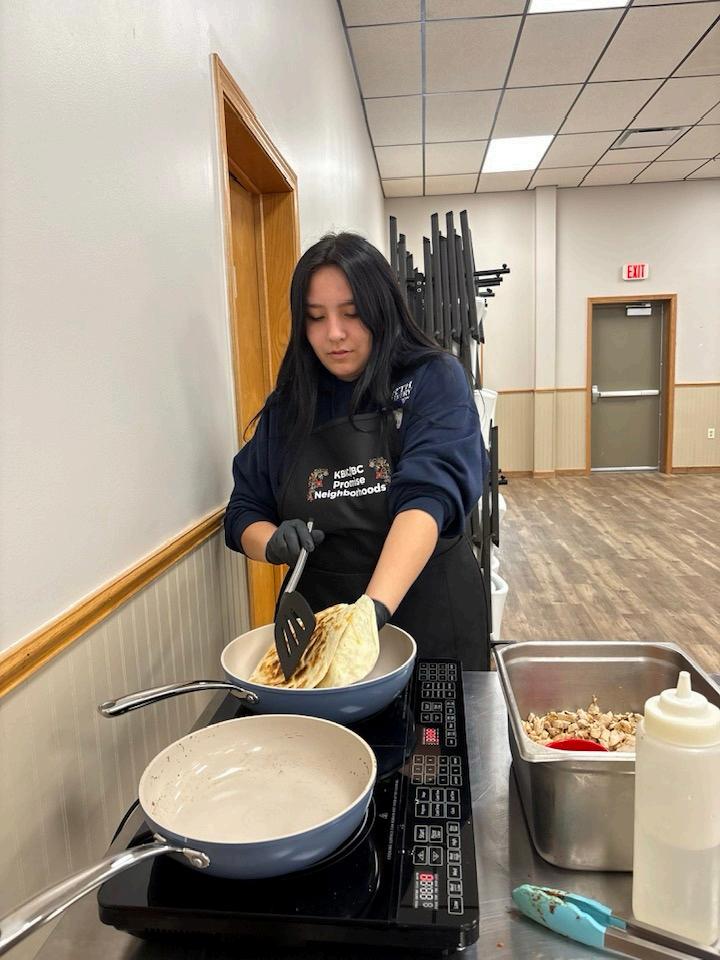
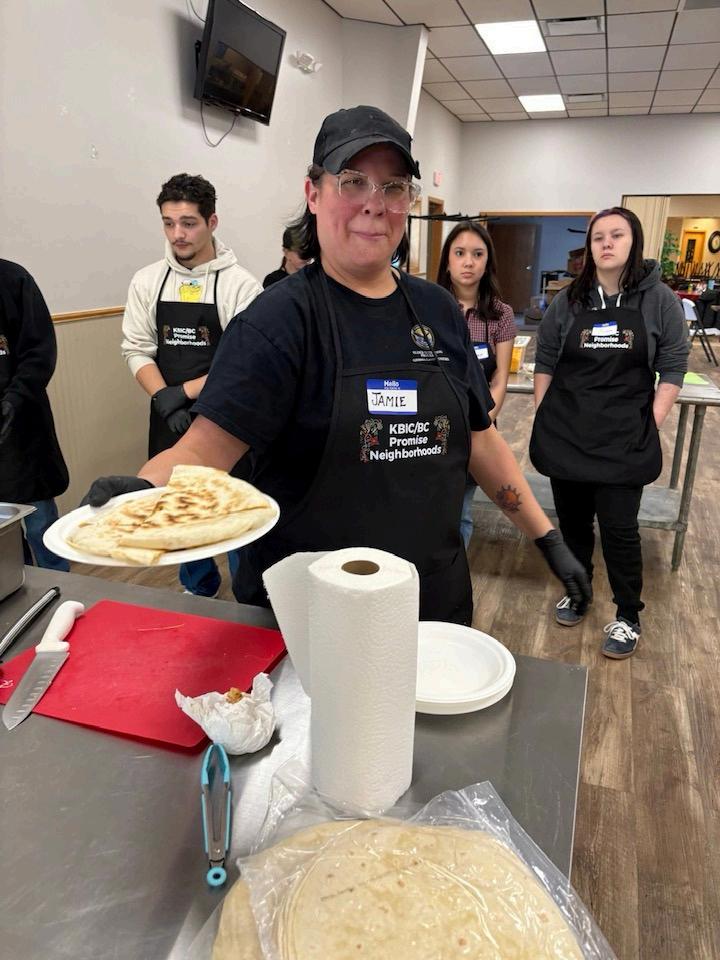
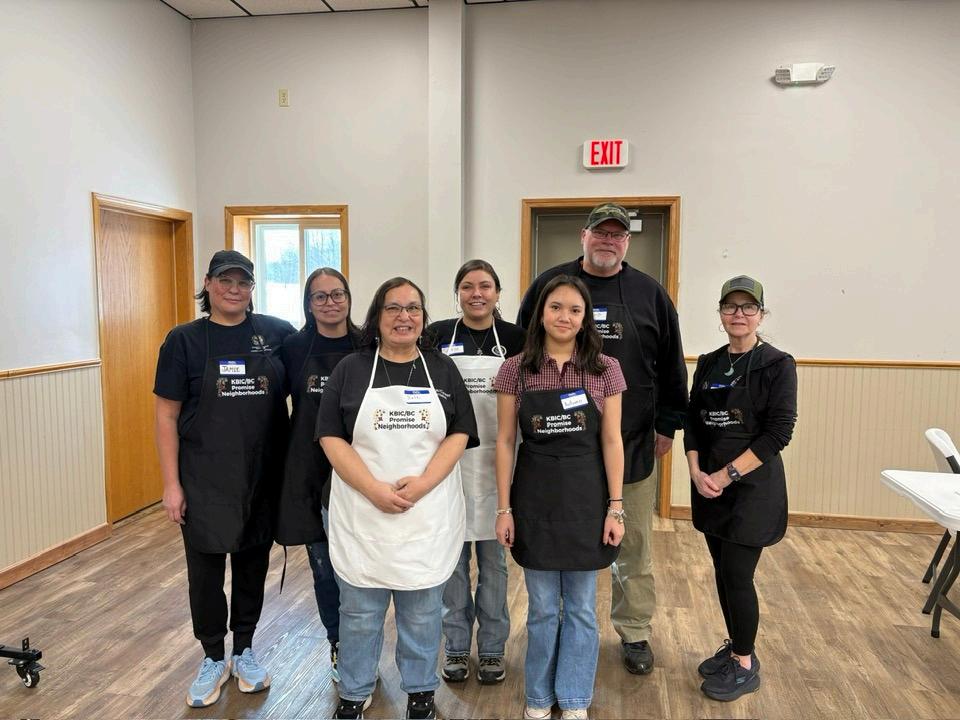
The third seminar, held on February 6, 2026, offered a smaller, hands-on experience with 8 students and 4 staff members. Guest speakers Debra Ross and Jamie Jones guided participants through preparing quesadillas using simple tools and techniques. Students practiced cooking chicken, using proper food handling methods, and assembling meals they could recreate at home. The session concluded with students enjoying their meals and preparing additional portions to share with their families. Participants received The Super Easy Teen Cookbook, a food thermometer, and a KBIC Promise Neighborhoods apron.
Car Maintenance & Care
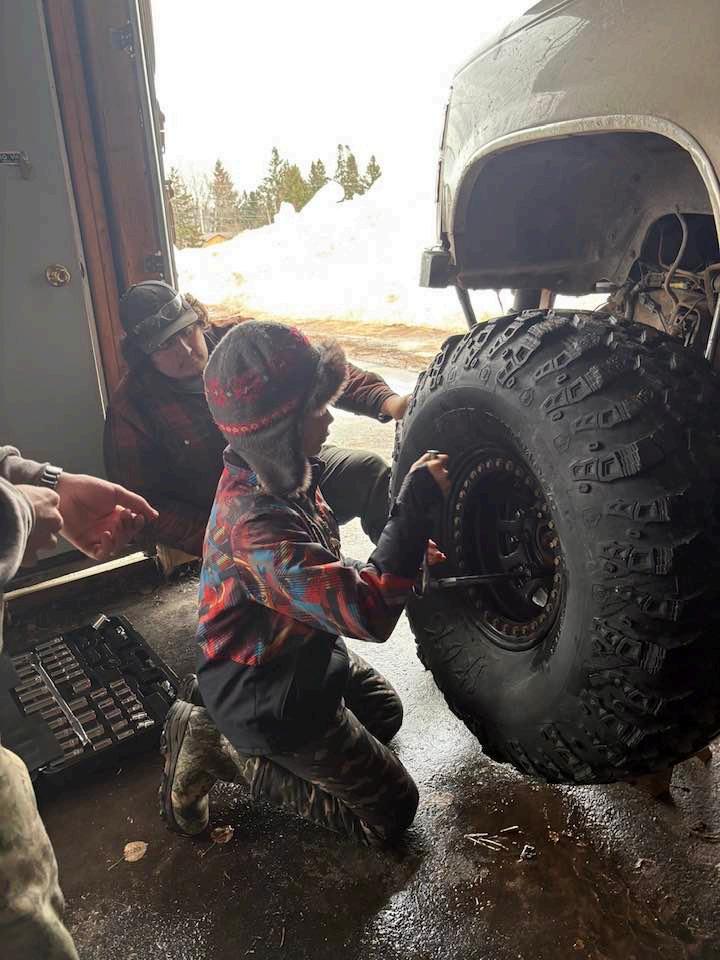
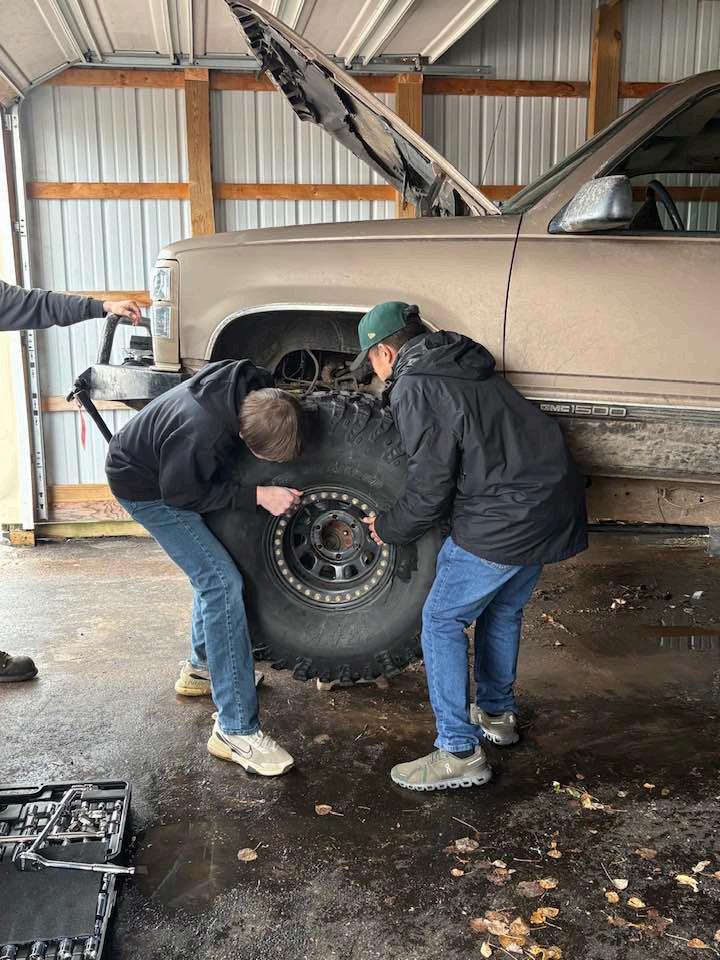
The final seminar on March 6, 2026, drew 16 students and 5 staff members. Led by DeAnna Hadden and Lucas Julio, this session focused on essential car maintenance skills. Students participated in hands-on activities such as changing a tire, checking fluids, and safely using jumper cables. Discussions also covered tire tread, battery care, and the importance of routine maintenance. At the end of the session, students received The Ultimate Teenage Guide to Car Maintenance along with a jump starter that also includes an air compressor. During the final session, students completed evaluations to provide feedback for future Adulting 101 programs. Their input will help shape upcoming seminars, ensuring topics remain relevant and impactful. The Adulting 101 series aimed to give students a strong foundation before entering adulthood, helping them build confidence, develop independence, and navigate real-world challenges. With strong community support and positive participation, the program has set the stage for future growth. By continuing to
Promise Neighborhoods
offer opportunities like these, we can ensure our youth are better prepared for the responsibilities and opportunities that lie ahead.

Around the Community
Anishnaabe Dental Outreach
April is Autism Acceptance Month
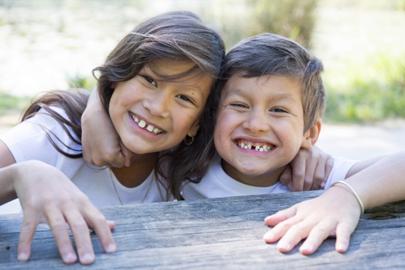
Autism spectrum disorder (ASD) is a developmental disorder that affects communication and behavior, often with heightened sensory sensitivities. One in 36 children is diagnosed with ASD. Fortunately, this diagnosis can be made very young, so parents can access help early in the baby’s life.
ASD patients can and do achieve excellent dental health. These efforts should begin at birth. With ASD children, prevention is key, because treating dental disease can be difficult for ASD patients.
When a baby finishes feeding, a warm, wet cloth can gently wipe the inside of the mouth. Brushing the teeth should start when the first tooth appears; toothpaste is not necessary. Use a soft, infant brush with warm water.
Tapping the lower lip softly with a silicone baby spoon or your finger can often get the baby to open, along with verbal cues.
Massage is another option. Move your fingers in a circular motion beginning at the temple and work down to the jaw angle, then onto the cheek, to where the lower jaw angles forward.Little circles with a downward nudge usually work well.
Softly singing during oral care, the same song each time, will help. Although the ASD baby may not respond, it is still especially important for caregivers to repeatedly speak and sing in a gentle voice, letting the baby know what is about to happen.
“Now, we are getting ready to brush our teeth.”
“It feels so good.”
“Oh, you look wonderful with those clean teeth.”
The best positive reinforcement is repetition, enthusiasm, and praise. Let the child model your own good behavior, saying, “I am so happy it is my turn to brush my teeth!”
The Autism Alliance of Michigan offers more advice: https://autismallianceofmichigan.org/ Never put milk or juice in a bottle in the bed with baby.
For toddler’s brushing routine, let them hold a favorite toy while sitting in a caregiver’s lap, perhaps with a weighted blanket or a pressure vest. Use singing, music, or a video.When older, let the child brush first, with the caregiver brushing after. Sometimes, breathing patterns through the nose can help.
For optimal nutrition, it’s best to minimize how much sugar a child has. Sweets offered at meals are less harmful. Milk and water are the recommended drinks for all children.
All babies should first see a dentist when they have their first tooth or before their first birthday.
If the ASD child has not been to a dentist, be sure to prepare for the first dental visit.There are amusing books which explain the dental office, so read these to the child many times.
Talk about your own “wonderful and fun” visits to the dentists.Repeatedly explain what will happen at the office.
Let the dentist know the special needs of the ASD patient; a sensory preference list can be shared with the dental staff. Ask for staged exposure to the office. Sit in the reception area for 10 minutes for acclimation well before the appointed day. Perhaps a tour of the office is in order when other patients are not there, when
it is quiet. Introduce the staff by name without masks or glasses or gloves. If lights bother the patient, bring sunglasses. Bring a favorite “comfy.” This might be a toy, a blanket, clothing, a hat, or a music recording. Is there a time of day when the child is more cooperative? Make the dental visits for that time. Possibly make shorter appointments, such as for a short exam and oral hygiene instruction with fluoride varnish on the front teeth. Another appointment can include a professional exam and cleaning with fluoride varnish on all the teeth. Ask if the hygienist has a mild polishing paste, or suggest the hygienist please use the paste the child uses at home. Excellent dental health is of paramount importance to ASD individuals, from birth to adulthood.Any speech development depends on natural, strong teeth. Digestion starts in the mouth, ensuring optimal nutrition for growth. Facial expression and recognition depend on natural, strong teeth. Those with ASD have many challenges in life. Why add dental suffering to their problems?
The Delta Dental Foundation has excellent resources for families which can make caring for folks with ASD easier. Also, the Autism Alliance of Michigan offers free support with finding a dentist for ASD patients as well as other beneficial services.
Mnamaadizin. Our Mission is to improve oral health through benefit plans, advocacy, and community support. Stay Strong,

Jessica A. Rickert, DDS, Anishinaabe Dental Outreach
231-313-8407, jarickert@charter.net
Anishnaabe Dental Outreach
Resources and references: https://www.deltadental.foundation/accessfor-all-smiles
https://autismallianceofmichigan.org/ https://www.deltadental.foundation/allsmiles-shine-app
All Smiles Shine on the App Store (apple.com) & https://apps.apple.com/us/app/all-smilesshine/id1570519795
https://www.mayoclinic.org/diseasesconditions/autism-spectrumdisorder/symptoms-causes/syc-20352928 https://products.bestreviews.com/best-threesided-toothbrush?
yb&cid=650116235&aid=1242448787514992&ei d=&tid=kwd-77653418681611:loc190&ul=108514&mt=e&n=o&d=c&dm=&dt&sn&a did=&k=three%20sided%20toothbrush&p=&p c=&ap=&chtrb=1&msclkid=603ce2c87331117d

Around the Community
Jerry Sweet Scholarship for Tribal Children – Applications Due May 15, 2026
NTCSA is now accepting applications for the Jerry Sweet Scholarship for Tribal Children. Up to 10 scholarships of $1,000 will be awarded to graduating high school seniors who are, or have been, beneficiaries of a federally funded Tribal IV-D Child Support Program and who will be entering their first year of college or vocational training. The 2026 essay theme is:
“How do you plan to light the way for generations to come in your community?”
Applications are due May 15, 2026. Please help us spread the word by sharing this opportunity with eligible students and families in your communities. The flyer is attached and can be shared on your program’s website or social media pages. Students can apply here: supporttribalchildren.org/scholarship/
Around the Community
Natural Resources
Caring for the Land and Water: Restoring, Researching, and Connecting with Community Throughout the Year
Across our landscape, caring for the land is a year-round commitment. Each season brings its own challenges, from record-breaking baboon (winters) to the messy ziigwan (spring) snowmelt to the warm sunny days of niibin (summer). These changing ecosystems support different types of relationships between the plants, wildlife, and our waters. This month’s blog is an overview of many new and on-going projects the Natural Resources Department worked on in 2025. We established restoration sites, advanced wildlife research, monitored the environment, managed fisheries, and hosted community events that deepen our connection with the land.
Rebuilding the Biodome: Growing Plants for the Future
The year began with an important restoration project: repairing the biodome used to grow plants for ecological restoration work. Years of weather exposure had damaged the structure, making repairs necessary before it could once again support plant propagation. Progress came slowly at first since winter weather made construction difficult. By March, considerable improvements had been made. The greenhouse's structural base was completely replaced, and interior upgrades improved insulation. Raised beds inside the greenhouse were removed to improve efficiency, and preparations began for the next planting season.
By April, the greenhouse was back in action, just in time for the field season. Technicians began germinating seeds from twenty
different plant species, including bee balm, common milkweed, and sweetgrass. After a few weeks of growing, young plants were moved into individual pots so that they would could continue growing before being transplanted to restoration sites across the reservation. These plants support habitat restoration efforts throughout the region and help rebuild native ecosystems that wildlife and people depend on.
Remediating Assinins: Cleaning up Brownfields
Another major focus this year was the Assinins site, a place rich with history now entering a new chapter through environmental cleanup and plans for renewal. Early in the year, a multi-departmental working group formed to discuss the future of Assinins. The intent is not only to clean up the environmental hazards, but also to create a long-term vision for how the community will use the land. Community input has been central to the remediation process. In February, community members gathered at a public meeting to share their ideas for what the site could become, with ideas ranging from parks and monuments to cultural spaces, senior living, and educational areas. These ideas were recorded and will guide future planning efforts. Environmental assessments continued throughout the spring. Hydrologists (water scientists) evaluated groundwater conditions and other environmental constraints that could affect future construction, such as water availability or septic systems. Cleanup work began in early summer. Crews removed debris from past structures and discovered remnants of old infrastructure, including wells dating back to the 1940s and a large underground storage tank from an old heating system. These materials were carefully removed and disposed of to ensure
the site would be safe for future use. By August, the southern portion of the site had been fully remediated and restored with fresh topsoil and vegetation. The next phase will focus on the northern area of Assinins, continuing the work of transforming the property into a place that reflects both environmental stewardship and community priorities.
Studying Moose: Tracking Populations in the Upper Peninsula
Working alongside the Michigan Department of Natural Resources and Northern Michigan University, NRD’s wildlife staff participated in a major research effort to better understand the mooz (moose) population in the Upper Peninsula.
In February, teams gathered at Van Riper State Park, gearing up for the challenging task of capturing and collaring moose. Nearly forty researchers and wildlife professionals joined forces, coordinating efforts both in the air and on the ground. Using helicopters, the teams safely immobilized and collared 20 moose, including 10 cows, 5 bulls, and 5 calves. Each collar provides valuable data about movement patterns, habitat use, and survival. The information gathered will help researchers better understand the challenges facing Michigan’s moose population, which will inform moose management on and off the reservation.
Throughout the spring and summer, wildlife staff monitored the collared animals using drones and field observations. Many of the cows gave birth during the spring calving season, including several sets of twins. Monitoring these calves helps researchers understand survival rates and the factors that affect young moose. Unfortunately, not every
Natural Resources
story has a happy ending, and 3 collared moose died during the year. One of the deceased moose was a collared cow with twin calves that was struck by a vehicle and killed, highlighting the dangers moose face in a landscape shared with roads and human activity. Calves rarely survive their mother dying when they are as young as these two were. Even so, the research continues to generate valuable insights that will guide future conservation efforts. Monthly monitoring flights continued through the fall and winter, tracking both cows and calves as they moved across the landscape.
Protecting Wildlife Health: Monitoring Chronic Wasting Disease
Safeguarding wildlife health remains a top priority for KBIC. Chronic Wasting Disease (CWD), a deadly threat to waawaashkeshi (deer), omashkooz (elk), and mooz (moose), has crept across parts of North America. Though it has not reached our area, continuous monitoring will help to catch it early if it ever does. A CWD management plan was also developed and will be implemented after final approval.
Early in the year, wildlife staff began mapping heavily used deer trails across the Reservation. Cameras were placed along these routes to monitor deer movement during winter. Over several months, these cameras recorded more than 8,500 deer detections, providing valuable information about how deer move across the landscape. During the state rifle season, the NRD hosted two deer check stations. Hunters voluntarily submitted lymph node samples from harvested deer, which were sent to a laboratory for testing. A total of 162 samples were collected, and all tested negative. This was welcome news for both wildlife
Natural Resources
managers and hunters. Drone flights also helped track deer activity during winter months, especially in areas where deer gather near wintering yards.
Surveying Wetlands: Documenting Ecosystems Across the Reservation
Wetlands are among the most biologically rich ecosystems in the region, and this year’s field work revealed just how diverse they can be.
One major focus was identifying vernal pools, small seasonal wetlands that fill with water in the spring and provide critical breeding habitat for amphibians and invertebrates. Field surveys identified dozens of potential vernal pools, and repeated visits throughout the year confirmed many of them as such. Staff also surveyed plants and assessed wetlands across the landscape. In some plots, they found more than 35 plant species thriving, demonstrating the incredible biodiversity of our wetlands. Additional assessments found unique ecosystems covering the landscape, including tamarack bogs and old-growth cedar wetlands. Each of these habitats plays a role in maintaining healthy watersheds and wildlife populations. The information gathered in these surveys will help guide future wetlands management decisions across the reservation.
Monitoring Native Fish: Researching Early Life Stages
The waters of Gichigami support many giigoonh (fish) species that are important to both the ecosystem and the community. Staff from the NRD partnered with the Great Lakes Fish and Wildlife Commission and the U.S. Geological Survey to study the early life stages of lake whitefish and cisco. To do so, teams conducted beach seining surveys (shallow water net drags) at several nursery habitats. Sampling occurred at 7 locations including Traverse Bay, Second Sands Beach, and Great Sand Bay. During this time, more than fifty larval and juvenile fish were collected and analyzed for age, growth, diet, and potential genetic connections to adult populations. Further expanding their monitoring efforts, staff also conducted environmental DNA (eDNA) sampling in Marquette Harbors and the Keweenaw Waterway. By analyzing small traces of DNA left in the water, researchers can detect the presence of fish species and better understand aquatic life across the region.
Caring for Lake Superior: Cleaning up Community Beaches
Gitchigami lies at the heart of our region, and protecting its shoreline is a shared responsibility that calls the whole community together. Weekly beach cleanups began in May and continued throughout the summer. Youth workers played a major role in the effort, conducting weekly cleanup days and removing several hundred pounds of trash. Community groups came forward to help
protect the shoreline, including volunteers from Keweenaw Roller Derby, Superior National Bank, and Baraga County Memorial Hospital. Lake Superior Day stood out as a highlight of the season. Nearly fifty people gathered to honor the lake, rolling up their sleeves to clean beaches, share a meal, and join in activities that transformed the cleanup into a joyful celebration of stewardship. The event included a scavenger hunt that brought teams across Sand Point and the Ojibwa Campground, an art contest using materials collected during the cleanup, and a canoe race that brought friendly competition to the shoreline. Even one of the community’s medicine women joined in the race. Later in the summer, one volunteer group pulled nearly three hundred pounds of trash from the shore in a single day. By the final department-wide cleanup in September, over 750 pounds of debris had been cleared, keeping the lake and its beaches clean.
Sharing Knowledge: Connecting Community and Culture
While much of the work takes place in forests, wetlands, and offices, community engagement remains at the heart of the department’s mission.
Throughout the year, the NRD hosted a number of events designed to bring people closer to the land. These included youth fishing days, environmental fairs, hunting camps, and outdoor adventure programs. Fisheries managers all over the state gathered in Baraga for the Keweenaw Bay Fisheries Workshop. The day brought discussions about the latest research and policy concerning our fish and fishing! The annual Environmental Fair welcomed nearly 300 students. Children participated in hands-on activities on wildlife,
Natural Resources
renewable energy, and Great Lakes ecosystems. Other events focused on traditional knowledge and Food Sovereignty. Manoomin Camp brought together more than 100 participants to learn about harvesting and processing wild rice. Waawaashkeshi Camp taught youth how to respectfully process harvested deer, while turkey camp introduced young hunters to wildlife biology and outdoor skills. The Asemma Workshop taught participants how to process and dry tobacco for ceremonial purposes. NRD youth led this event as they grew and harvested the 82 tobacco plants used. These gatherings are more than educational; they are opportunities to pass down knowledge and strengthen connections between people, culture, and the natural world.
Looking Ahead: Continuing the Work of Stewardship
From restoring habitats to studying wildlife and bringing people together, the work of caring for our land is a never-ending responsibility. Every project has moved forward, ensuring the ecosystems, wildlife, and cultural traditions of Keweenaw Bay Indian Community endure for generations to come.
As the seasons shift once more, the work carries on.
Supporting Stewardship: The Work Between the Highlights
As with most captivating stories, the highlights like what we shared above take center stage while less glamorous activities are relegated to
Natural Resources
the background. However, cleaning tanks in the hatchery, pulling invasive species on hot summer days, delineating wetlands, and drafting comments on proposed regulatory changes are equally important for upholding our First Treaty responsibilities. Collaborations with others expands our reach and includes projects like – working with the U.S. Forest Service to remove non-local beings (invasive species) from the Ottawa National Forest, coordinating with USDA APHIS to release microscopic wasps that target emerald ash borer (EAB) larvae, and partnering with the EPA to support the BEACH program to monitor local swimming areas on and off the reservation.
KBIC NRD staff permitted by the U.S. Fish and Wildlife Service began mist netting bats in 2025. The project aims to expand our bat monitoring program by attaching microtransmitters on female little brown bats to identify roust trees. The Wildlife and Habitat Section updated the Wolf Protection Plan in order to prepare for collaring wolfs on the reservation. Changes include current data and establishing goals for an expanded monitoring program. Training with world renowned veterinarian Mark R. Johnson helped develop staff’s skillsets and build confidence in the program. The Habitat Suitability model was presented at the regional Native American Fish and Wildlife Society conference. Opportunities like these allow us to inform and enhance tribal natural resource management nationwide.
In August the Ojibwa Casino was host to the Michigan Tribal Environmental Group quarterly meeting where tribal environmental staff met to discuss ongoing projects and priorities. This networking event allowed KBIC-NRD to show off the continued success of the Sand Point restoration site, fish composting operations, and finished with a boat tour of Keweenaw Bay to show the
stamps sands and shoreline impacts. The CARE Committee continues to consider KBIC’s energy future, adopting a Comprehensive Climate Action Plan to guide us towards a more sustainable one. With an updated website and regular social media updates, we have connected with many to share progress on our restoration efforts, offering a symbol of hope and a path forward. For all our relatives, human and more than human, we continue to encourage another generation of harvesters, water walkers, and scientists one good story after another.
Around the Community

Around the Community

Spring into Learning: March Activities for Pre-Primary Classrooms
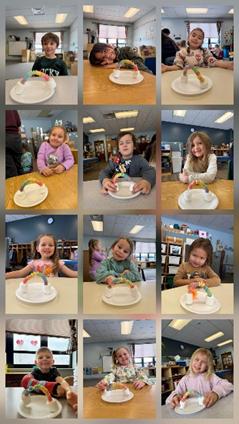
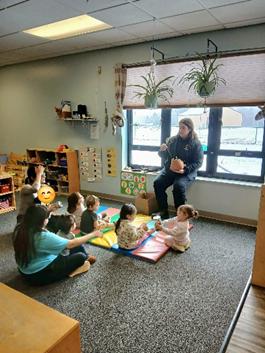
KBIC Pre-Primary celebrated St. Patrick’s Day with lots of creative activities. The preschoolers used their skills to build rainbows with fruit loops and marshmallows. The toddlers used puffy paint to make rainbows. The mobile infants decided to get a little messy with sensory play (lucky charms and green cool whip). It is so much fun to be able to watch all of our children be so creative in their own ways.
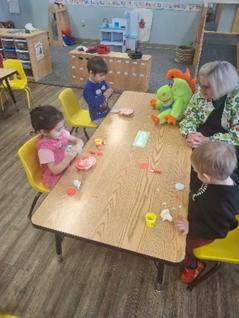
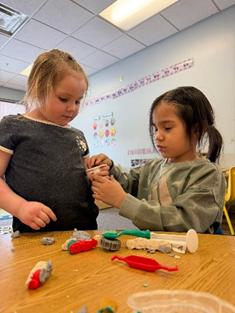
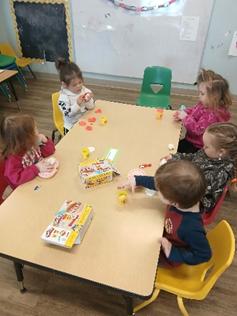
On March 18, 2026, Julie Dugan, a local dentist, came to visit our center. She talked to our toddler and preschool classes about the importance of brushing your teeth and oral hygiene. The children in both classrooms were so excited and love brushing their teeth. They even got Play-Doh dental kits to use in the classrooms.
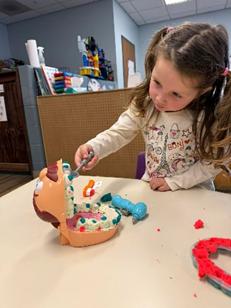
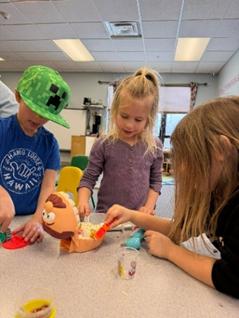
Pre-Primary Education
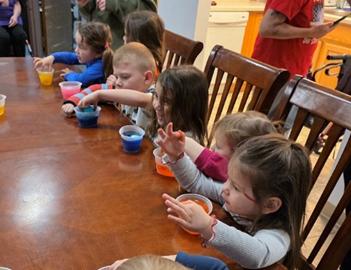
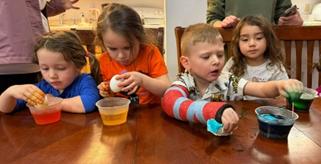
On March 26, 2026, our preschool and toddler classes visited Superior View Senior Complex. The children engaged the residents and dyed Easter eggs with them. There were laughs and smiles all around. The children had so much fun and the eggs turned out great!
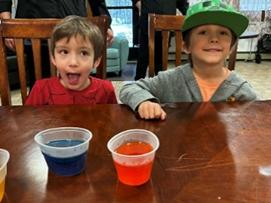
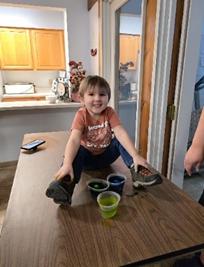
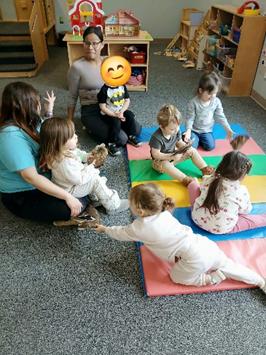
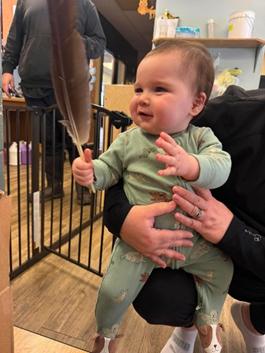
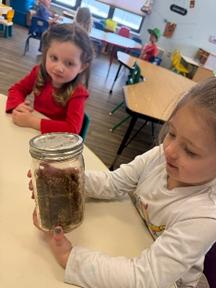
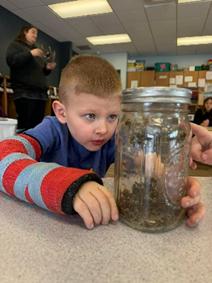
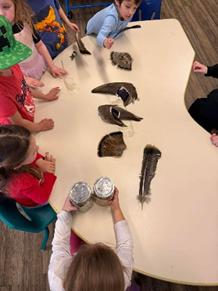
On March 27, 2026, Austin Ayres came to visit each of our classrooms. He taught the children about aamoog (bees) and how they make honey for some animals and people to eat. He also talked about how they pollinate flowers to help them grow and how that process helps
produce berries so we can eat them. Austin brought in honey and raspberry jam for us to taste. Ziigwan (Spring) is here and it signifies renewal and this means migration for bineshiinh (birds). The children got to touch a variety of feathers, such as, zhiishiib (duck), waabizii (swan), gichi-bine (turkey), nika (goose), and bine (grouse). We are always excited when Austin comes to visit because we get to learn more about the Ojibwe culture and how the animals have helped people in many different ways.

Around the Community
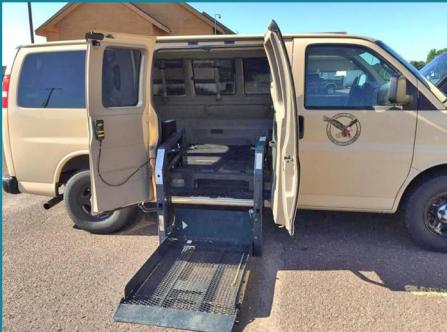
Handicapped Accessible Van Guidelines
Eligibility
Enrolled KBIC members and their non-KBIC family members who are not mobile enough to be transported without a wheelchair lift (Eligible User) are eligible to use the Handicap Accessible Van (HAV).
Overview
The driver of the HAV assumes the duty of obeying all motor vehicle laws, maintaining the vehicle properly at all times, and complying with the following guidelines.
Vehicle Purposes
The HAV shall be used for transportation to medical appointments or other purposes approved by the CEO or Tribal President.
Authorized Driver
Drivers must have a valid and unrestricted driver’s license and be able to drive a HAV. The HAV allows drivers to perform approved transportation activities safely, efficiently, and economically while promoting a positive image of the KBIC. Drivers are required to operate the HAV safely and responsibly.
The Tribal Center Receptionist shall instruct first-time HAV drivers on operating the wheelchair lift before their first trip.
The following rules apply to using the HAV: Only authorized individuals may drive. The vehicle must be picked up at the assigned location and returned to that location after use. It must also be locked, and the keys must always be secured. The driver must review the vehicle's use in the Driver Log, which is to be kept in the HAV at all times and returned for review at the end of use.
The driver and all passengers must wear available personal restraints, including seatbelts. Eligible users must be secured in the rear of the HAV utilizing the available locking straps. Report all accidents immediately to the appropriate police and the CEO's office (906)353-4104.
Maintenance
Drivers and eligible users must maintain the HAV at all times. The HAV must be returned in the same condition it was issued: clean and with a full fuel tank. The eligible user is to pay for the fuel cost.
The HAV should not be operated with any defect preventing safe operation during current and foreseeable weather and lighting conditions. Preventative maintenance, such as regular oil changes, tire pressure, and fluid checks, determines to a large extent whether eligible users will have a reliable and safe vehicle to drive. Please report any issues with the HAV you experience during your use of the CEO’s office.
The use of tobacco products by all occupants in the vehicle is prohibited and includes cigars, cigarettes, chewing tobacco, ecigarettes, and all other forms of tobacco.
Traffic Violations
Fines for parking, moving violations, etc. are the personal responsibility of the driver/eligible user.
Accidents Involving the HAV
In the event of an accident:
Do not admit negligence or liability. Do not attempt settlement, regardless of how minor.
If possible, get the name, address, and phone number of the injured person(s) and witness(s).
Exchange vehicle identification, insurance company name, and policy numbers with the other driver.
Take a photograph of the scene of the accident if possible. Call the police.
Complete the vehicle accident report in the HAV.
Turn all information over to the CEO’s office upon your return.
Thefts
In the event the HAV is stolen, notify local police immediately.
Failure to comply with these guidelines will result in denied future use and may result in additional costs to the eligible user.
The Driver/Eligible User is responsible for the actual possession, care and use of the HAV.
Around the Community
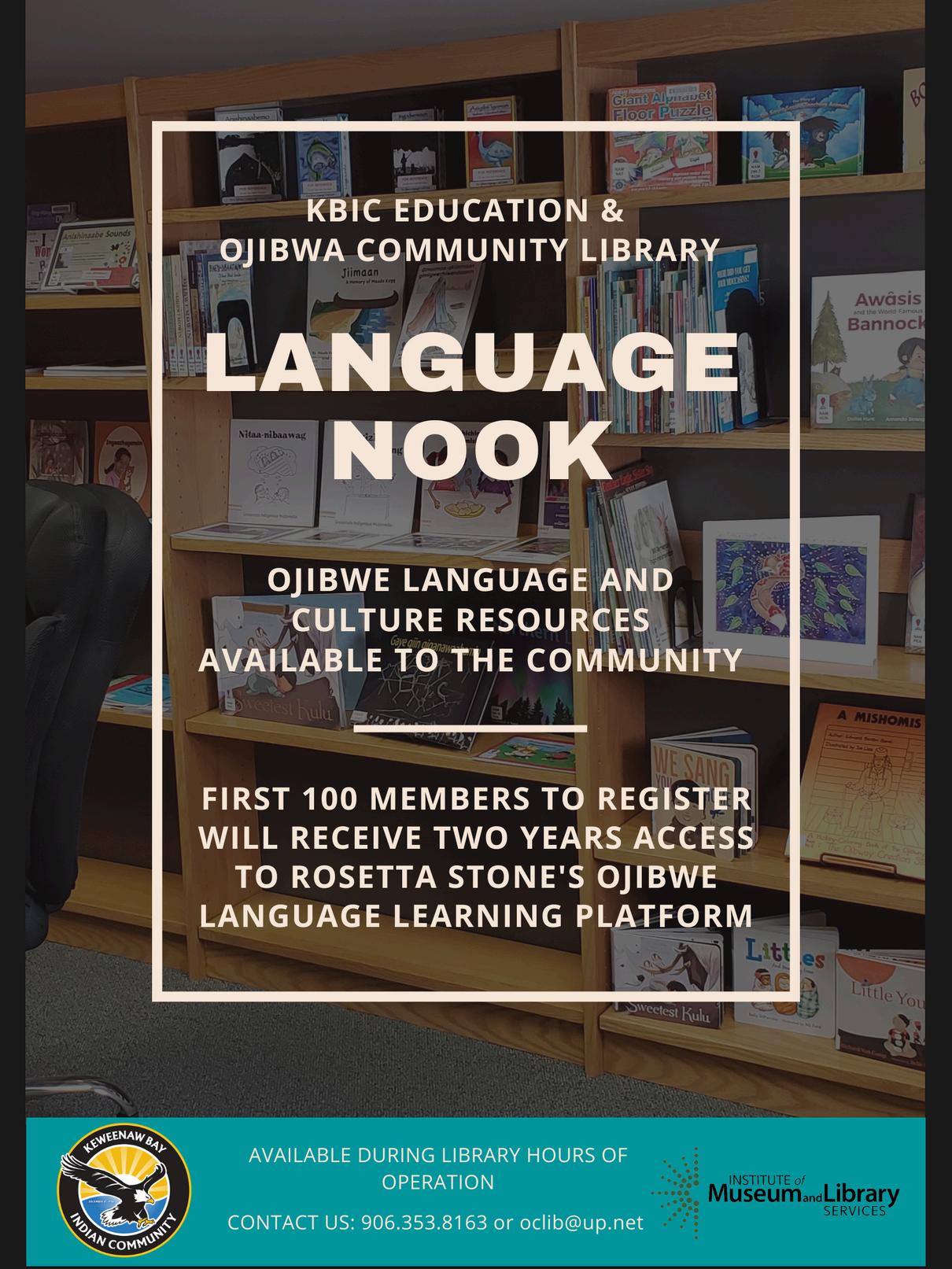
Members wishing to utilize the HAV can contact the Tribal Center Receptionist at (906)353-6623 or receptionist@kbic-nsn.gov to reserve it.
Around the Community
MDARD, Inter-Tribal Council of Michigan Announce $925,000 Grant for New Tribal Food Sovereignty and Safety Project
For immediate release: April 15, 2026
Media contact: Lynsey Mukomel, 517-290-1734
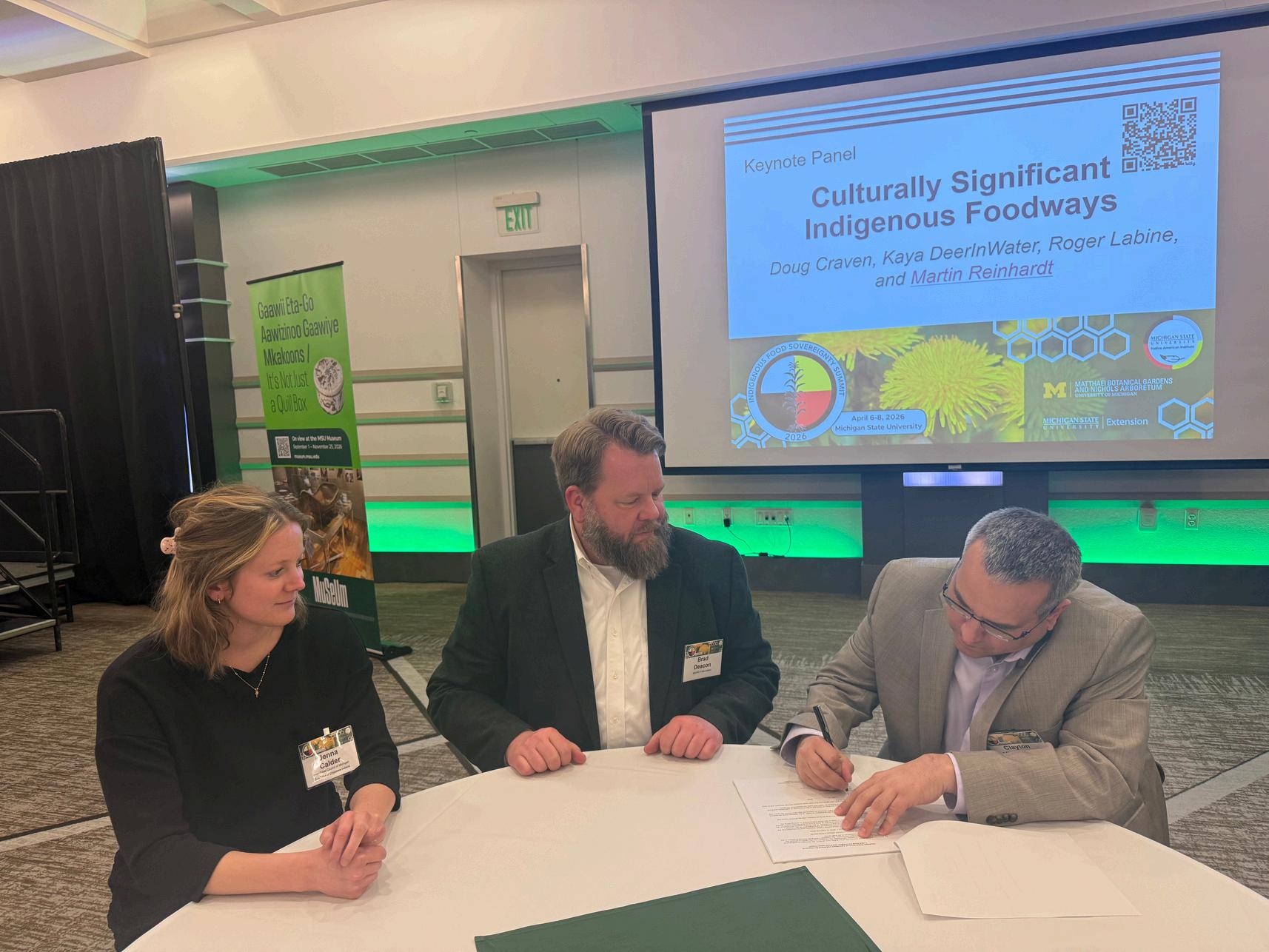
LANSING, Mich. – The Michigan Department of Agriculture and Rural Development (MDARD) and the Inter-Tribal Council of Michigan (ITCMI) today announced a new grant of nearly $925,000 to strengthen food sovereignty and safety in Tribal Nations across the state.
The Tribal Food Sovereignty and Safety Project, an initiative driven by ITCMI, furthers MDARD’s innovative work through the Farm to Family Program to improve communities’ access to nourishing, locally grown foods. It also builds on MDARD’s existing Food Safety Education Fund Grants by supporting community-driven food safety training and infrastructure projects.
“Every community deserves access to safe, nutritious and culturally relevant foods,” said Governor Gretchen Whitmer. “That’s why I’m proud to partner with the Inter-Tribal Council of Michigan to support locally driven food security and safety initiatives across Michigan’s Tribal Nations. Together, we will continue to build food systems that promote the health and prosperity of communities throughout our state.”
“Safe, secure and sustainable food systems
are the cornerstone of healthy communities," said MDARD Director Tim Boring. “This exciting new project will support Michigan’s Tribal Nations as they continue investing in tools and infrastructure that promote food access, food safety and food sovereignty. I’m proud of the work MDARD is doing to improve families' access to nutritious, locally grown foods throughout our state - and I’m grateful to our partners at the Inter-Tribal Council of Michigan for their support in achieving that goal.”
On behalf of the Inter-Tribal Council of Michigan, we extend our sincere gratitude to Governor Gretchen Whitmer and MDARD for their partnership and support of the Tribal Food Sovereignty and Safety Project,” said ITCMI Executive Director Clayton Kincheloe. “This investment reflects a shared commitment to advancing safe, nutritious and culturally relevant foods within the Tribal Communities across Michigan, while strengthening sustainable, community-driven food systems that will improve the health, resilience and quality of life for the next seven generations.”
Under the Tribal Food Sovereignty and Safety Project, MDARD will provide ITCMI with $924,984 of grant assistance over the next four years to:
1 Support Michigan’s Tribal Nations as they plan and implement food infrastructure projects that enhance storage, processing, distribution and other capacities.
2.Deliver educational programming on food safety, production and nutrition and conduct community outreach on food access and infrastructure needs.
3.Create a new mobile application that provides culturally relevant food safety, nutrition and environmental health guidance for wild game, fish and foraged foods.
4.Assess every Michigan Tribe’s food sovereignty needs, environmental risks and infrastructure gaps.
5 Build sustainable food systems and align national, state and tribal food safety standards.
The Tribal Food Sovereignty and Safety Project joins a suite of other MDARD grant programs designed to enhance quality of life in Michigan. Since the start of Governor Whitmer’s administration in 2019, MDARD has delivered more than $250 million of grants to grow Michigan’s food and agriculture industry, strengthen regional food systems, advance agriculture research and protect Michigan’s natural resources.
Founded in 1968, ITCMI is a 501(c)(3) non-profit corporation and consortium of Michigan’s 12 federally recognized Tribal Nations. Among other activities, ITCMI advocates for and supports the development of programs and policies that improve the economy, education and quality of life for Michigan’s Native Americans.
For more information about food and agriculture funding opportunities, visit MDARD’s grant web page.

Around the Community

Current Job Postings
Government
FULL-TIME POSITIONS
HVAC Mechanic
Summer Day Camp Worker
Summer Youth Worker 2026
Peer Mentor
Healing to Wellness Peer Recovery Mentor
Home Care Aide
Plant Technician College Intern
Assistant Tribal Attorney/Prosecutor
RN or LPN
Tribal Attorney/Prosecutor
Social Services Specialist
Physician
Jail Diversion Case Manager
Grant Accountant


ONGOING RECRUITMENT
CLEANING PERSON
LABORER
PHARMACIST OR PHARMACY TECHINICIAN
RECEPTIONIST/CLERICAL WORKER
RN OR LPN
UNIT MANAGER (SUBSTANCE ABUSE PROGRAMS)
UNIT MANAGER (TRANSITIONAL HOME PROGRAMS & SERVICES)
VAN DRIVER OR PREP COOK
WILDLAND FIREFIGHTER
YOUTH/FITNESS WORKER
April 27 2026, at 4 pm
May 8, 2026, at 4 pm
May 18, 2026, at 4 pm
May 1, 2026, at 4 pm
Open Until Filled
Open Until Filled
Open Until Filled
Open Until Filled
Open Until Filled
Open Until Filled
Open Until Filled
Open Until Filled
Open Until Filled
Open Until Filled

CLOSING DATE
CLOSING DATE For complete job announcement and application requirements, contact:
Personnel Department 16429 Beartown Road
MI 49908 (906) 353-6623 ext. 7178 or 4140 or 4175
Open Continuous
Open Continuous
Open Continuous
Open Continuous
Open Continuous
Open Continuous
Open Continuous
Open Continuous
Open Continuous
Open Continuous
Open Continuous
Enterprise
Current Job Postings
BARAGA - IMMEDIATE OPENINGS CLOSING DATE
Maintenance Worker
Vault Cashier Continuous April 20, 2026
MARQUETTE - IMMEDIATE OPENINGS
Account Executive/Sales
Cage Cashier
Count Team Member
Dealer
Guest Services Clerk
Security Officer
APPLY ONLINE: https://www.ojibwacasino.com/employment
Baraga HR Office: (906) 353-6333 x4188
Marquette HR Office: (906) 249-4200 x4705
*Tipped positions are guaranteed at least $15/hr in baraga and $16/hr in Marquette.
Part-time = 37 hrs/week
DATE
Filled

Baraga HR Office at 906-353-6333 x4188 or Marquette HR Office at 906-249-4200 x4705
Around the Community
Youth Experience Tradition Firsthand at Spring Break “No School Activities Day
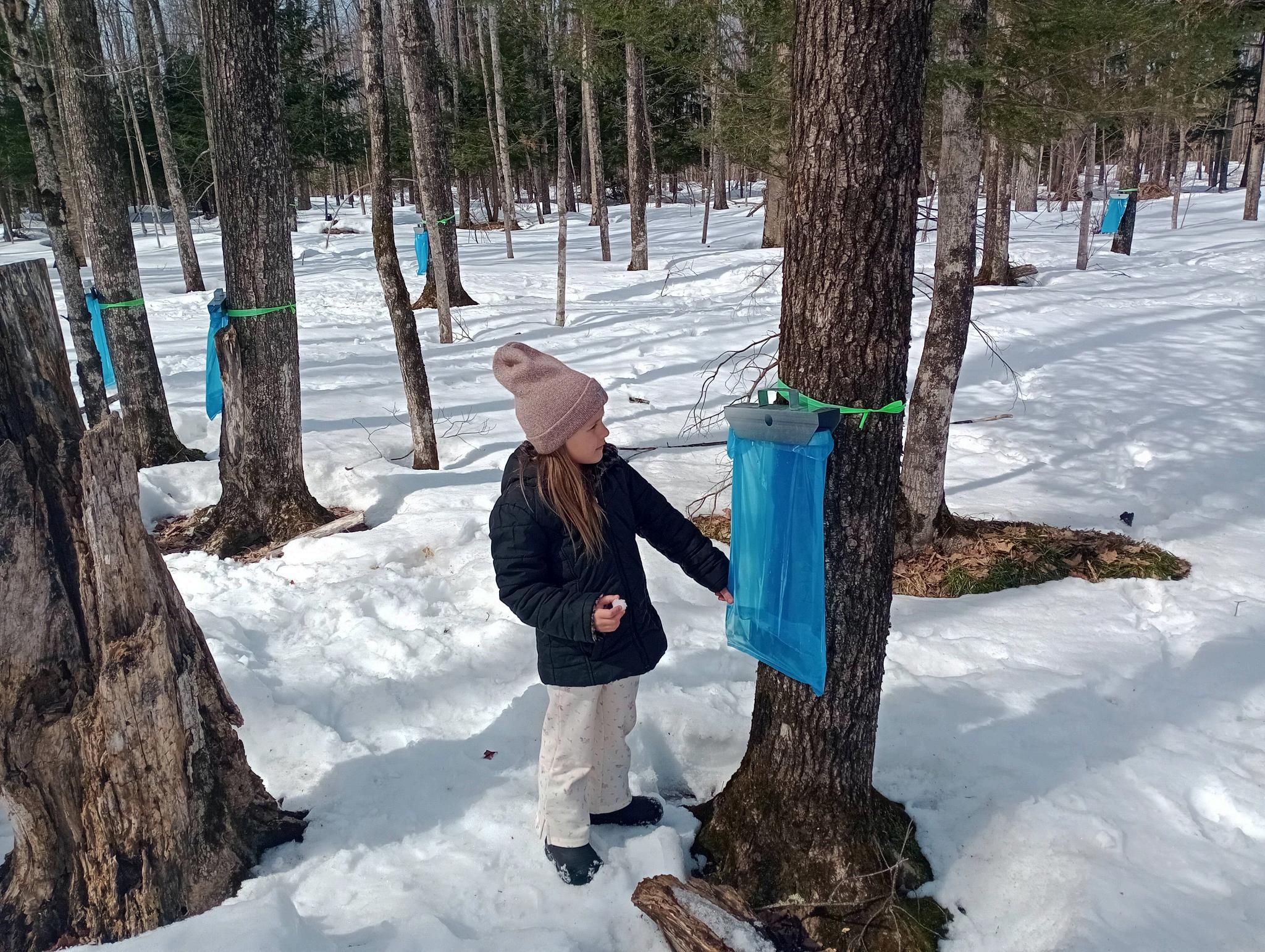
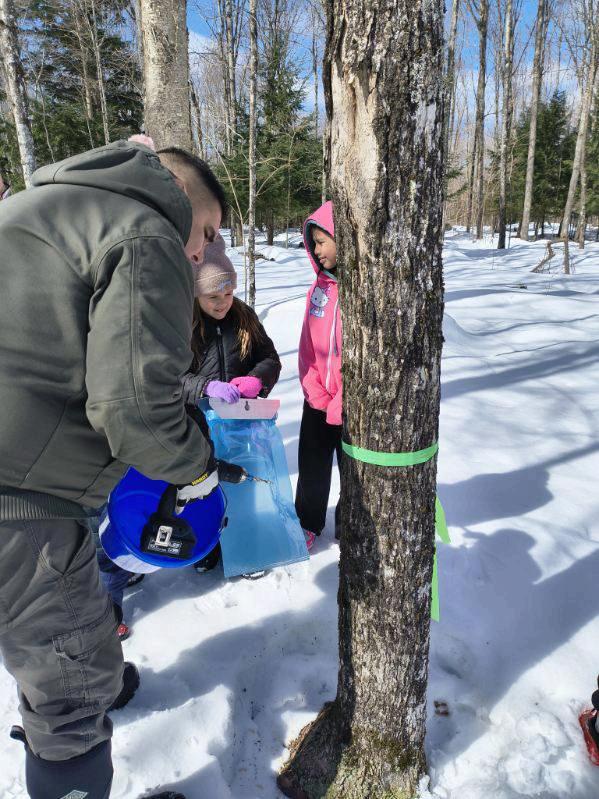
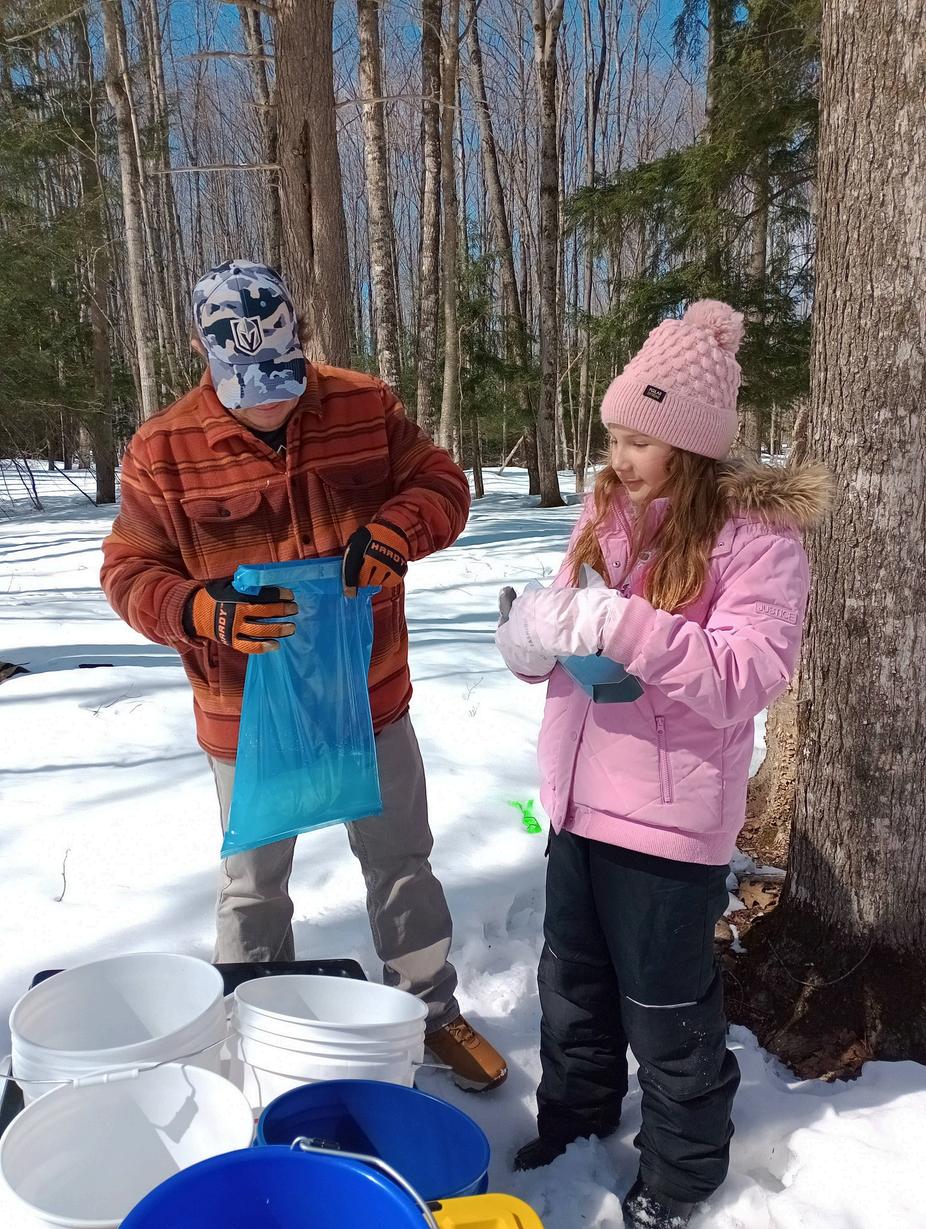
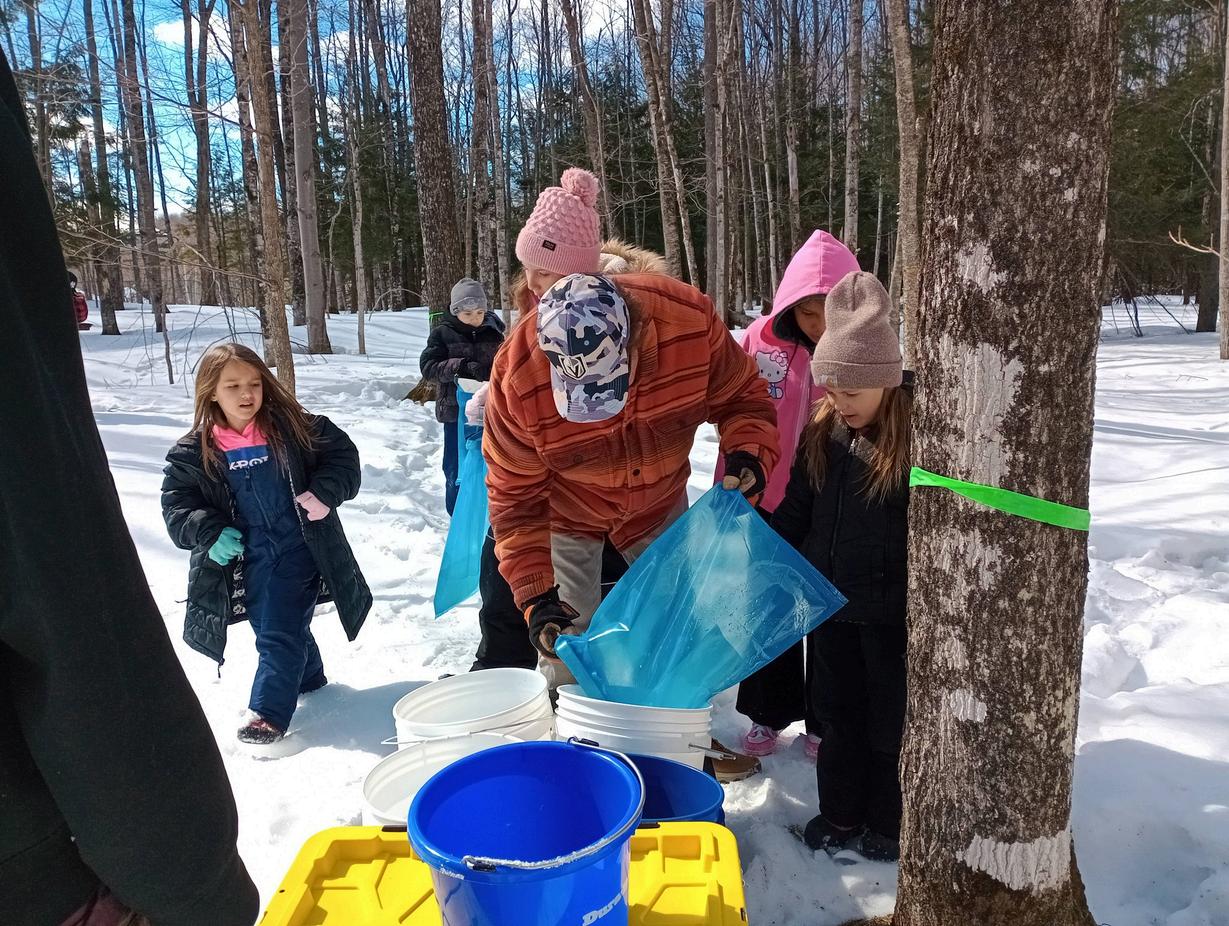
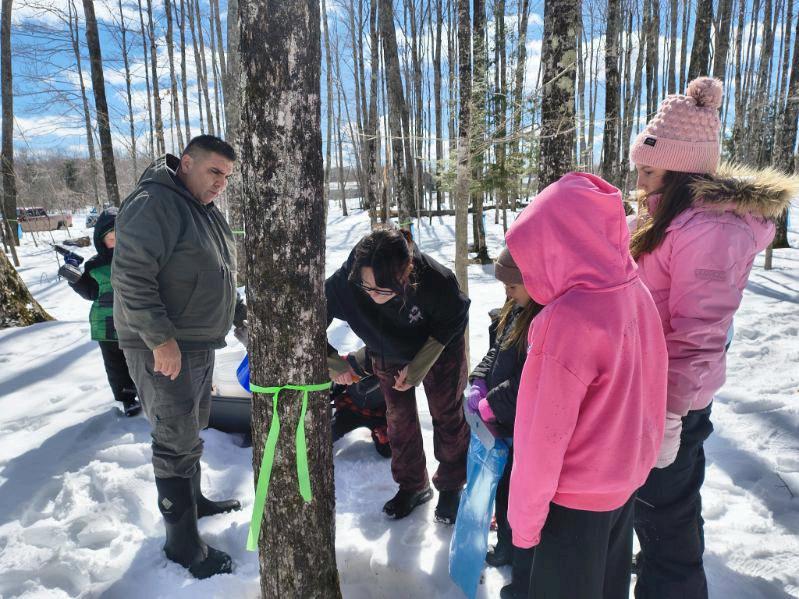
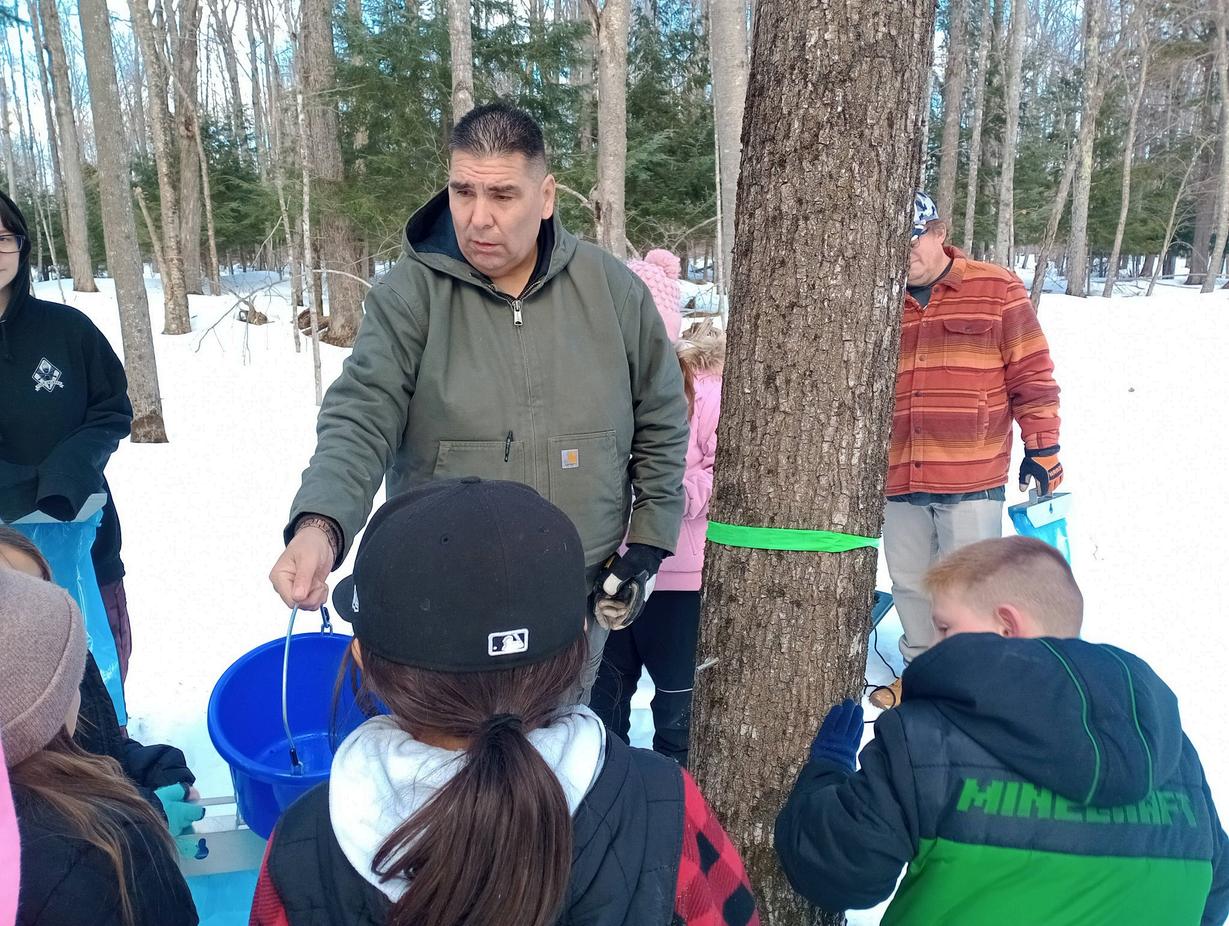
During this year’s Spring Break “No School Activities Day,” the Youth Program participants were given an opportunity to connect with cultural traditions in a meaningful, hands-on way. Paul Halverson, Director of KBIC Cultural Resources, spent the day guiding participants through the full process making maple syrup.
Youth Programs
Around the Community


Around the Community
Around the Community
Items Returned to KBIC in Historic Collaboration
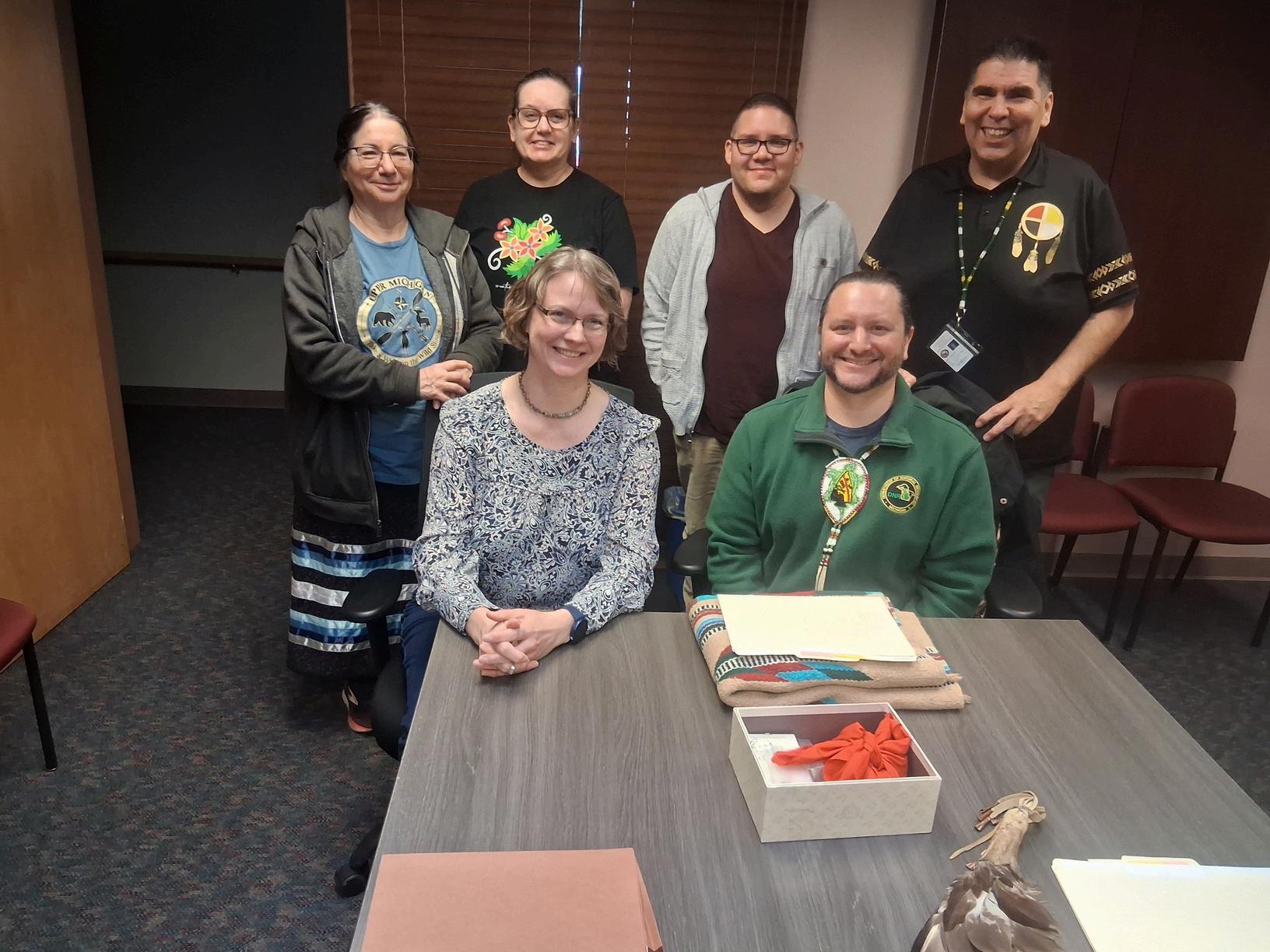
In an important step for cultural preservation and tribal sovereignty, members of the Keweenaw Bay Indian Community (KBIC) Culture Committee met Friday with representatives from the Michigan State Historic Preservation Office (SHPO) and the Michigan Department of Natural Resources (DNR) to reclaim ancestral funerary items. The meeting, organized by KBIC representative Paul, brought together tribal leadership and state officials in what many are calling a meaningful milestone in ongoing repatriation efforts. The focus of the gathering was the return of sacred items that had remained in the care of the SHPO office for decades. Items returned included funerary objects connected to an ancestor who was repatriated in 1985. These items—an axe head, a knife shard, and beads—hold deep cultural and spiritual significance for the community. Notably, this is the first time the SHPO has personally returned such items directly to KBIC. The moment reflects a growing commitment to respectful collaboration and the recognition of Indigenous cultural heritage.
Cultural Committee Members, Doreen Blaker and Toni Minton, Lac Vieux Desert Representative Robert Hazen, and Cultural Resources Director Paul Halverson, with the Michigan State Historical Preservation Office Representatives.
Photo Credit: Serene Gauthier
Around the Community
Brody Clements Named Marquette Kiwanis Athlete of the Month for March 2026.
Brody played a pivotal role in leading the Marquette Senior High School boys basketball team to an 18–8 season, highlighted by a district championship and a trip to the Division 1 MHSAA Sweet 16. Serving as a consistent all-around contributor, he averaged 12 points, 6 rebounds, and 6 assists per game.
His performance throughout the season earned him recognition across the region.
Brody was named to the All–Great Northern Conference Second Team and also received Honorable Mention honors on the All–Upper Peninsula team.
Brody is the son of Cheryne and Sean Clements of Marquette, MI.
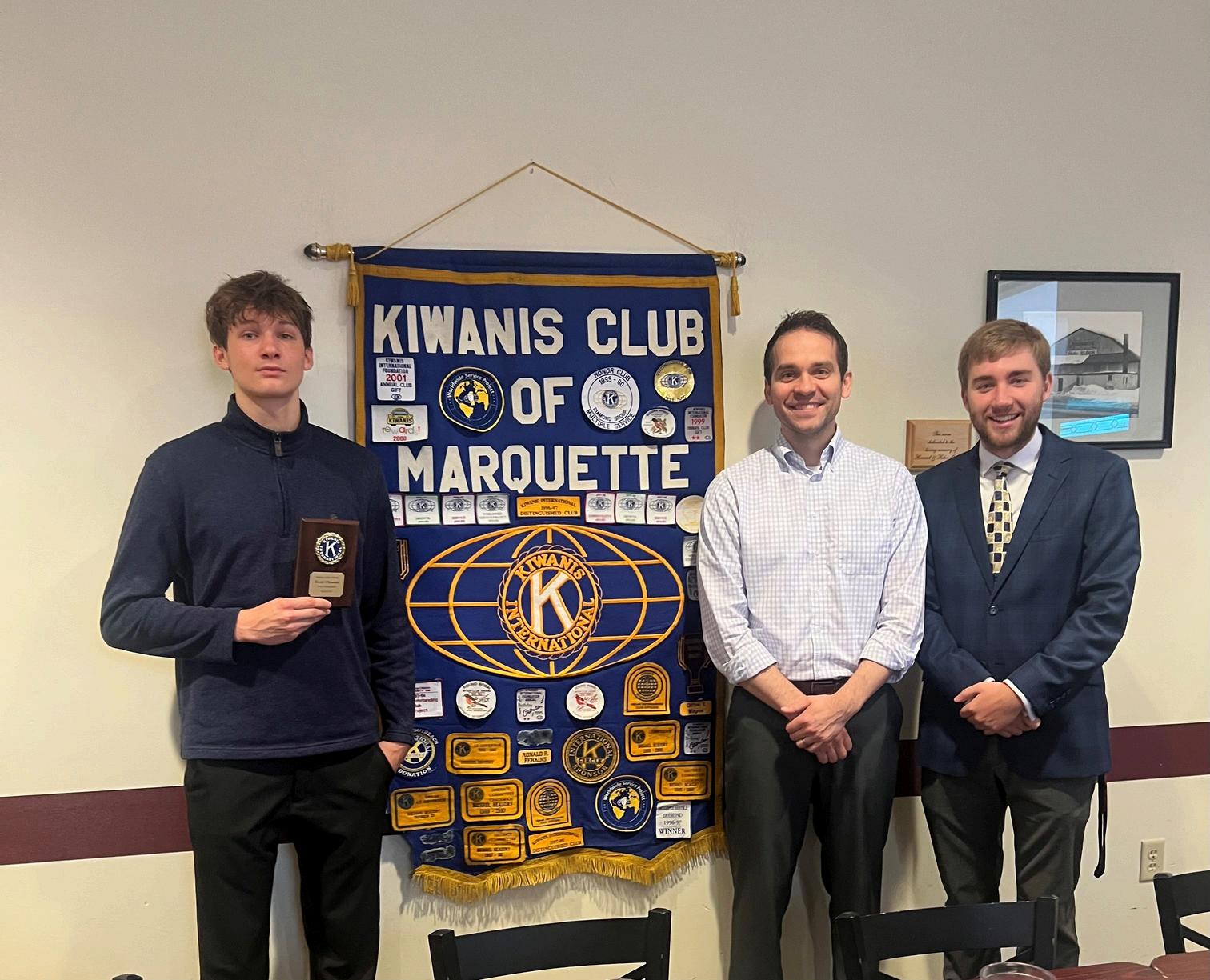
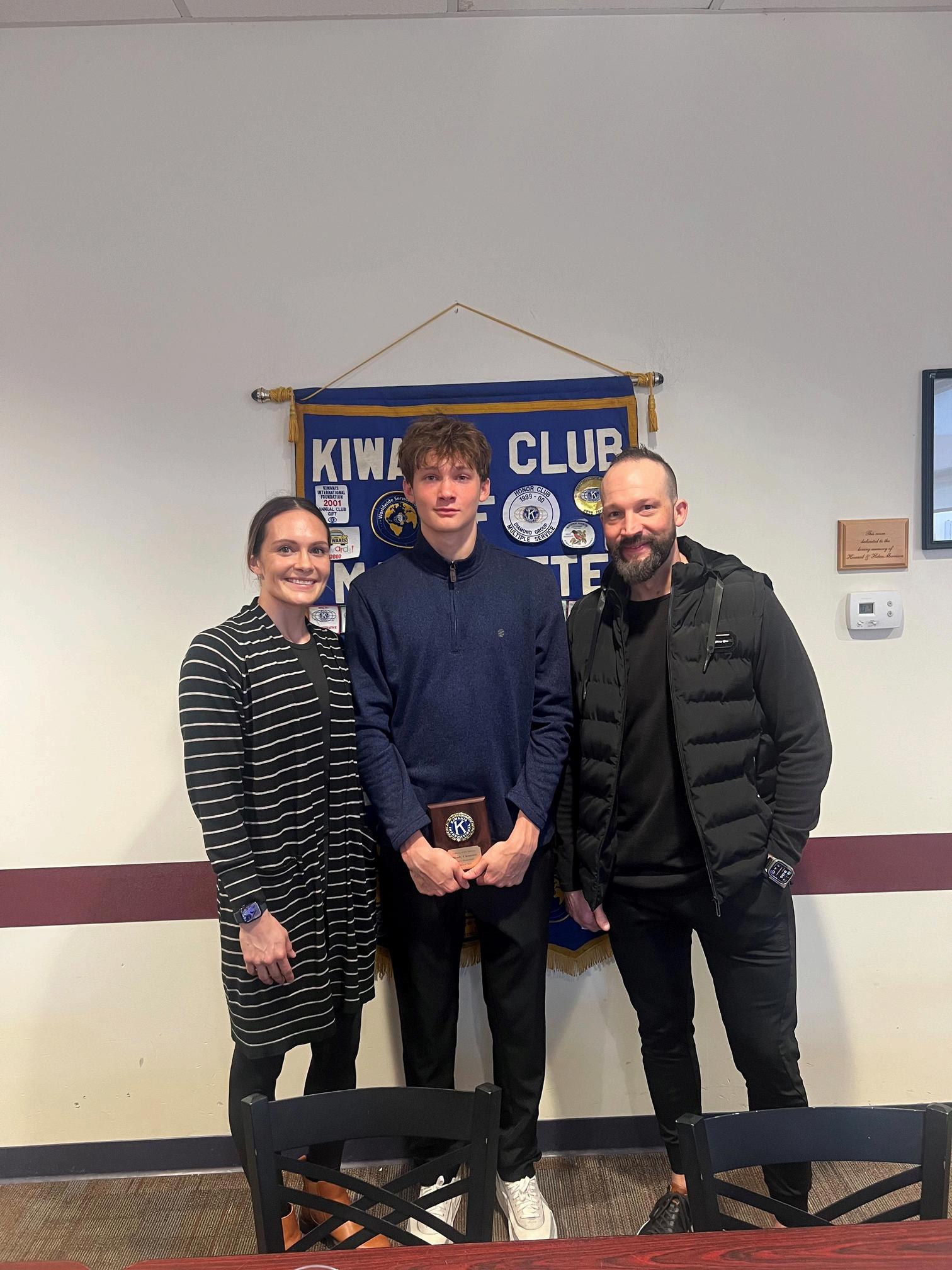
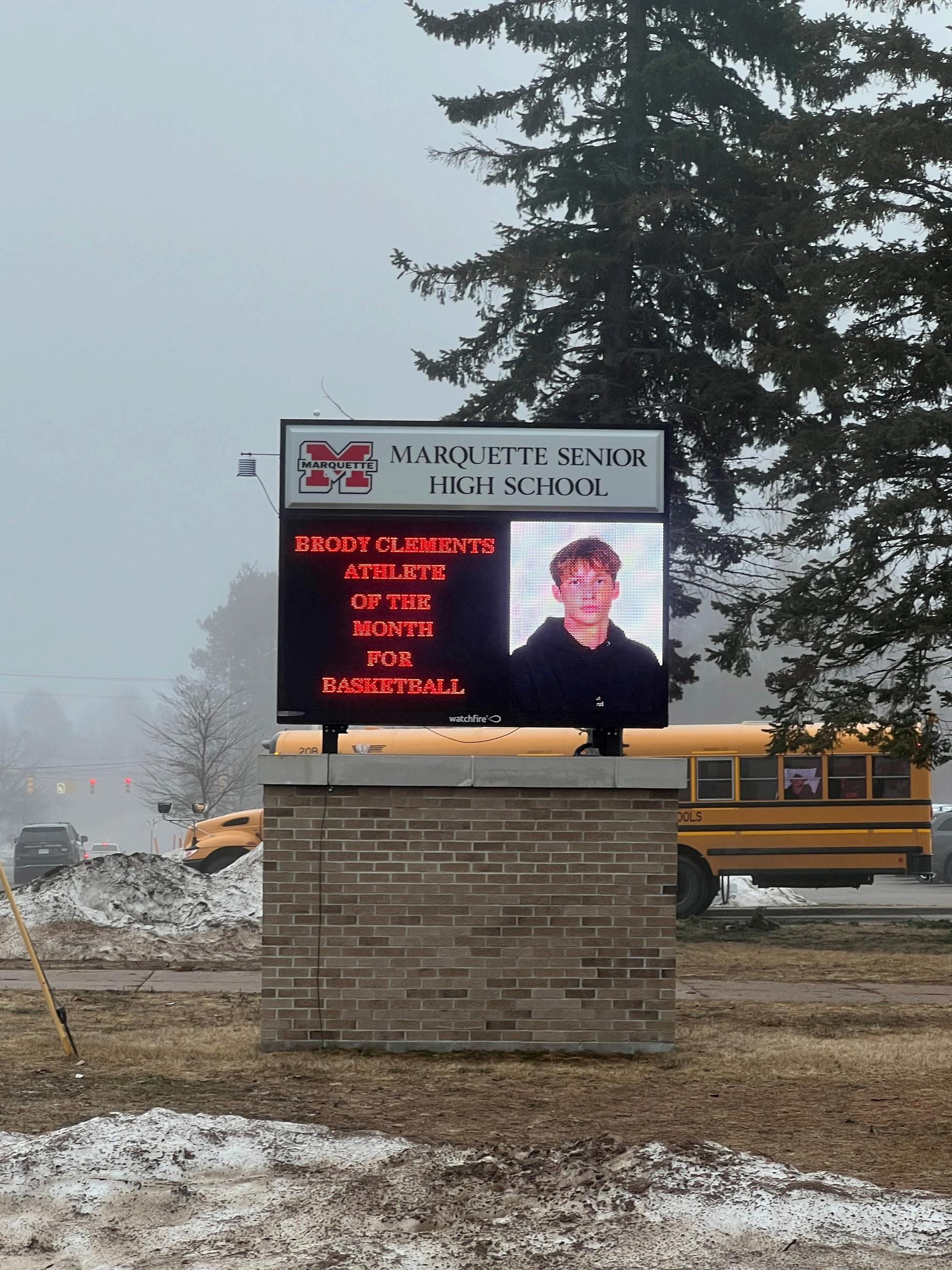
Brody, Assistant Coach Ryan Artley and Athletic Director Jackson Ingalls
Brody, and his parents, Cheryne and Sean Clements
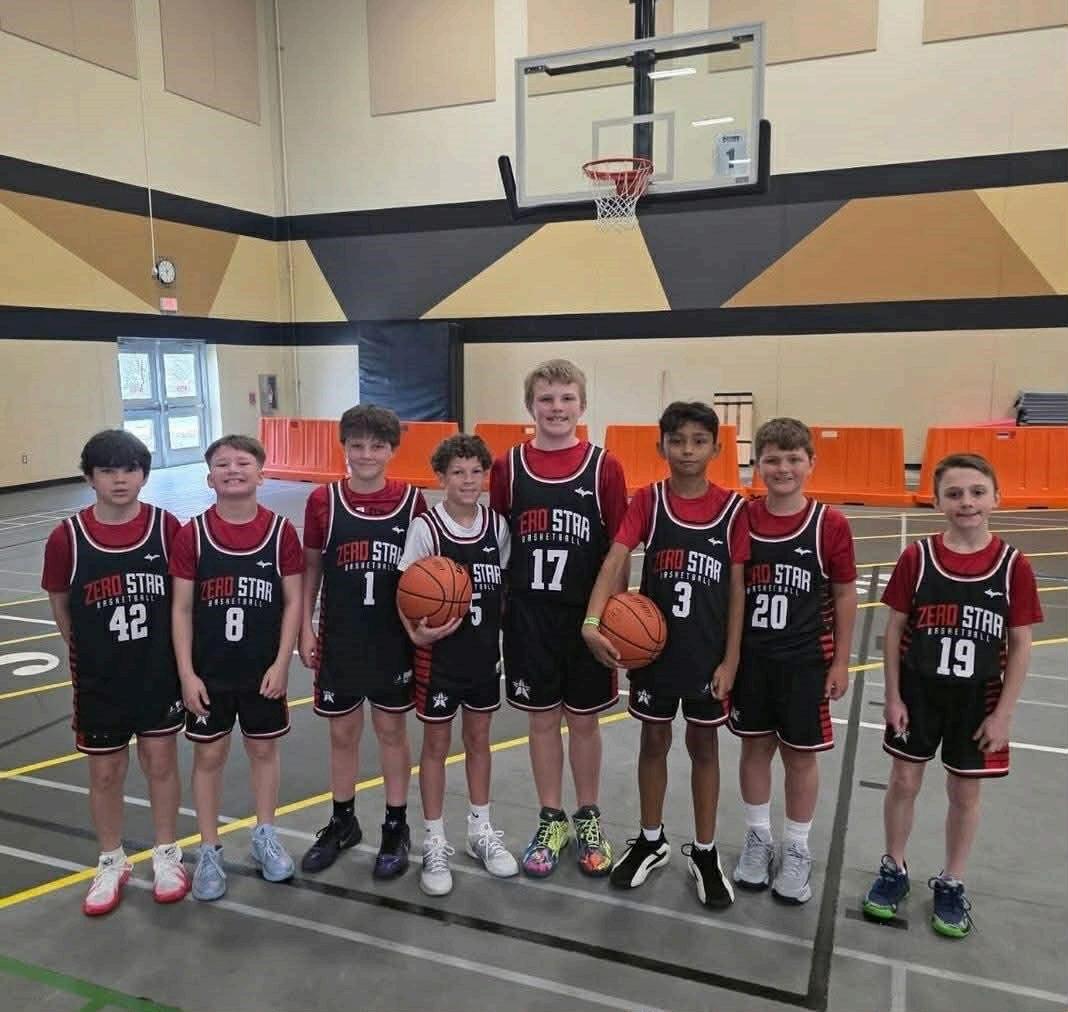
youth athletes participated in the Swish N Dish basketball tournament in Milwaukee, Wisconsin with the Zero
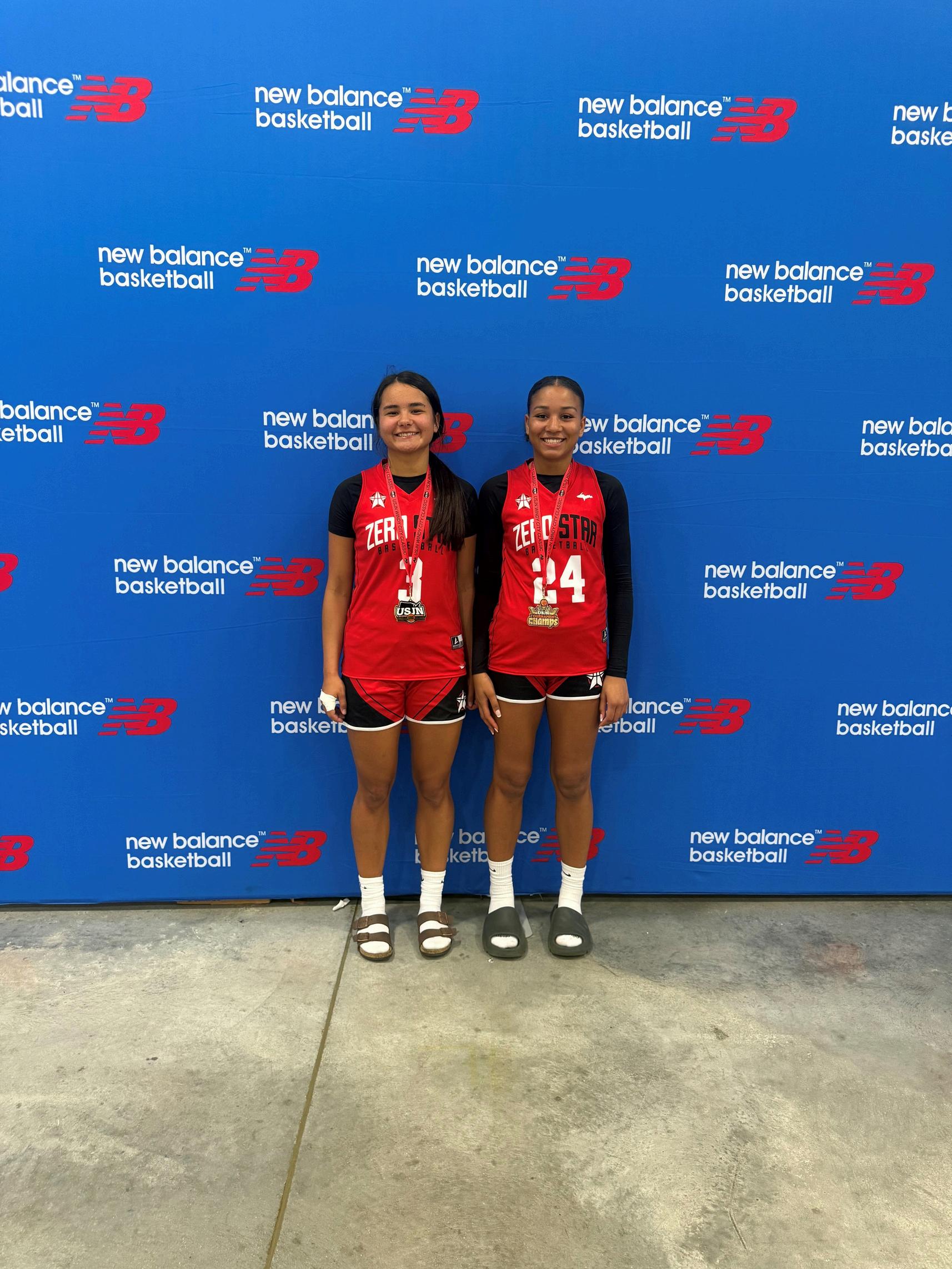
KBIC youth athletes Breyelle Bowers (#3) and Princess Pierre (#24), along with their teammate Kwynn Voskuhl, participated in the US Junior Nationals Windy City Classic basketball tournament in Milwaukee, Wisconsin.
Their Zero Star Basketball 16u team went 4-0 in the tournament, taking home a championship medal.

KBIC
Star Basketball 11u team
KBIC youth athletes include; Ryker Simmons (#42), Kroy Ekdahl (#8), Tyson Gerard (#5) and Dekkar Denomie (#3)
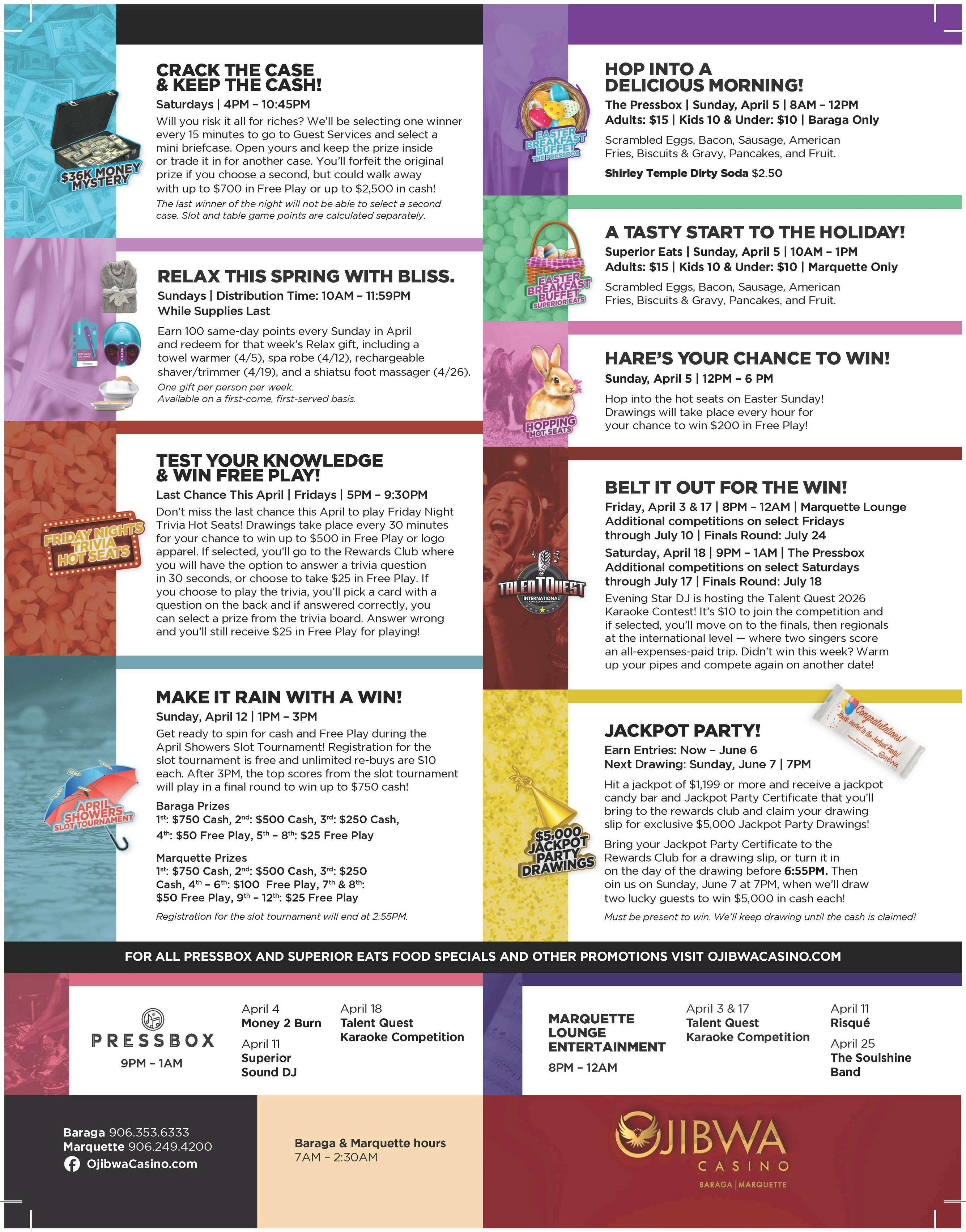
Casino Promotions