It’s hard to believe we are entering August. The summer certainly is flying by. It’s been another busy month! I hope everyone has been able to take some time off and enjoy a bit of summer.
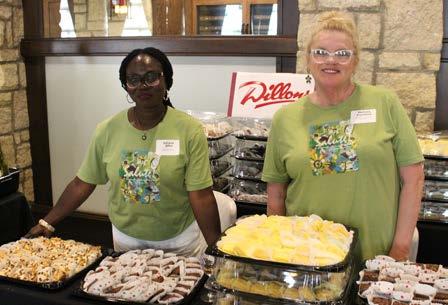
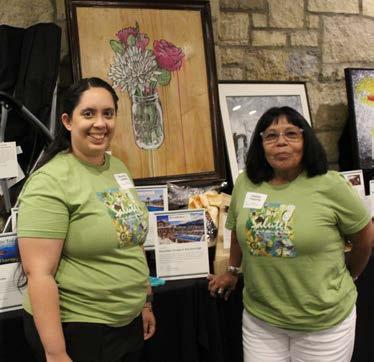
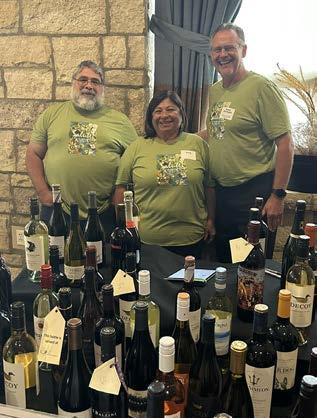
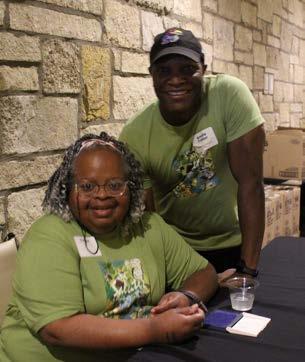
A Salute Success!
Budget Proposals
We submitted our 2026 budget proposals to both Douglas and Jefferson Counties in July. While cities, counties and states across the nation are looking to tighten their budgets and reduce taxes for residents, I do not anticipate a reduction in funding for Cottonwood from our county partners.
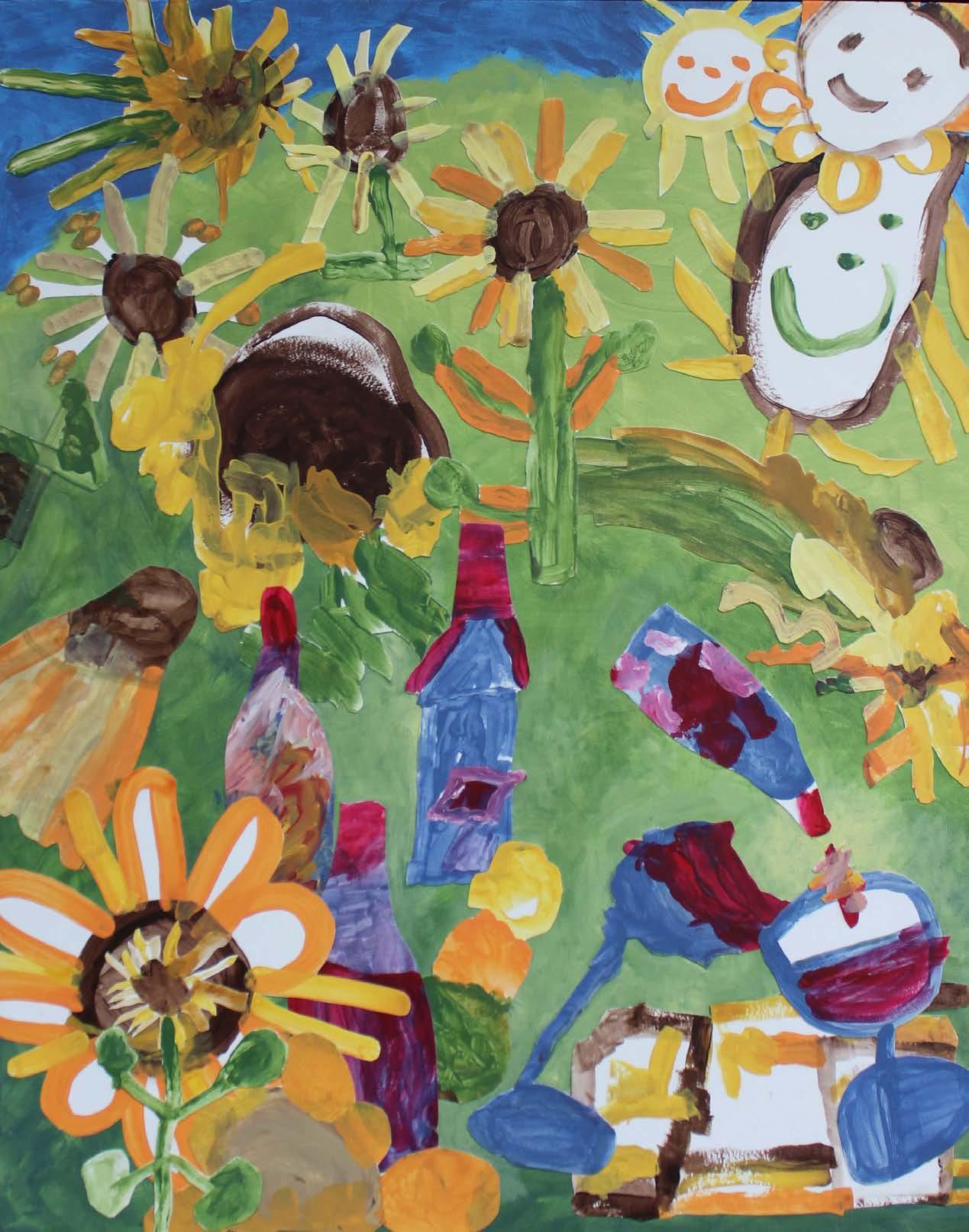
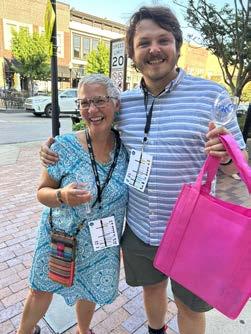
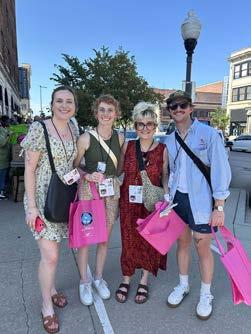
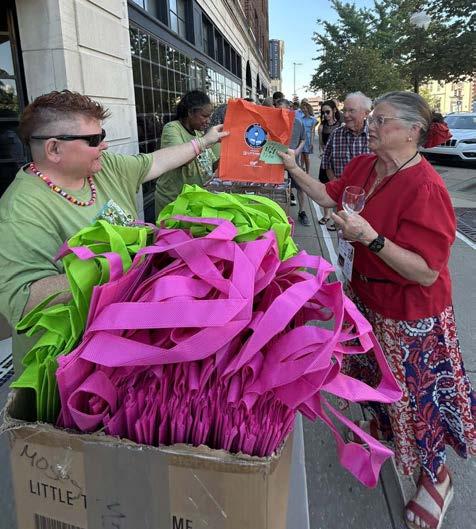
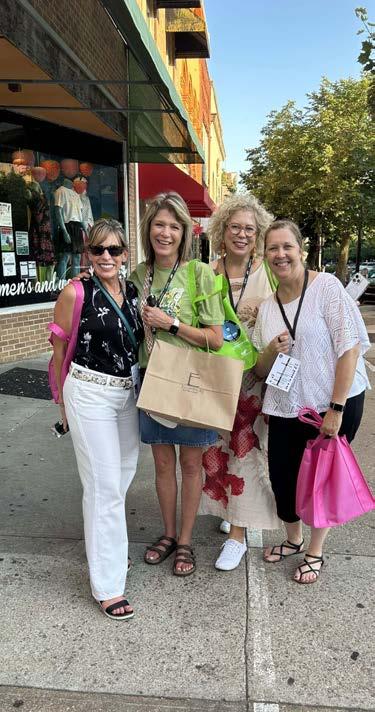
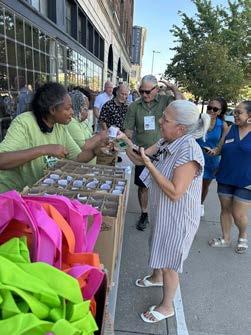
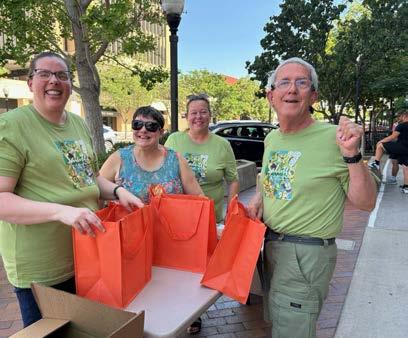
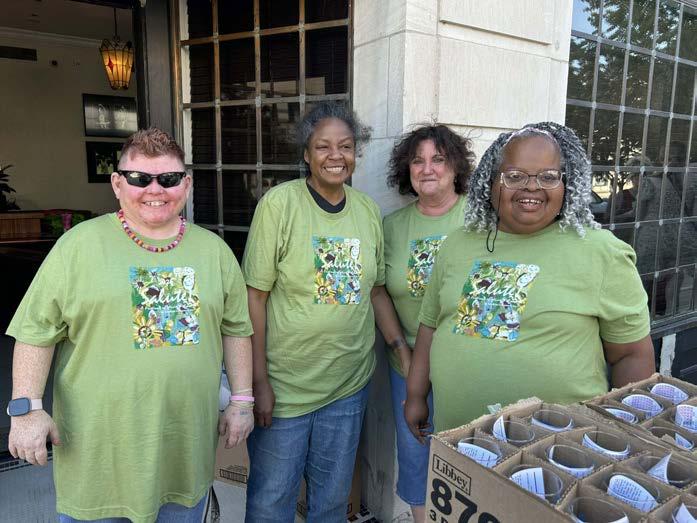
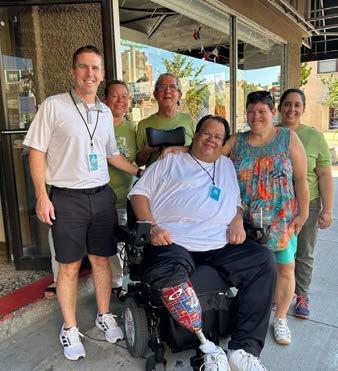
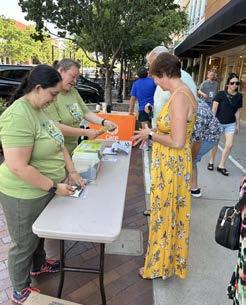
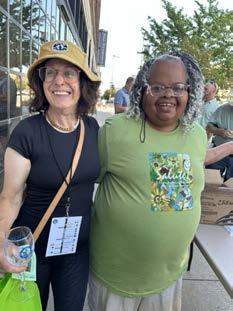
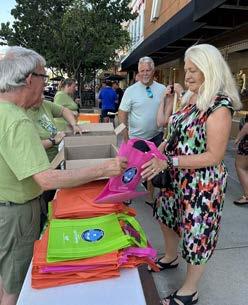
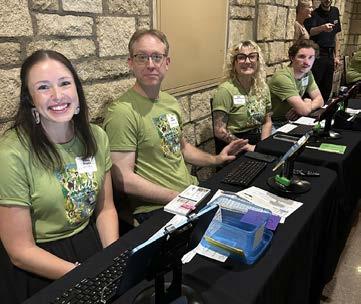
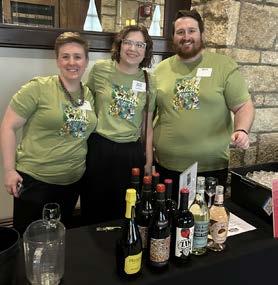
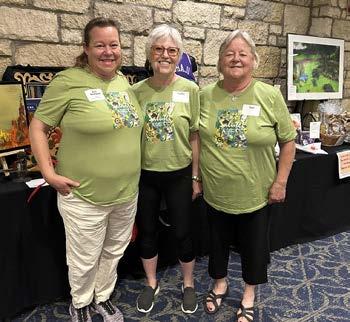
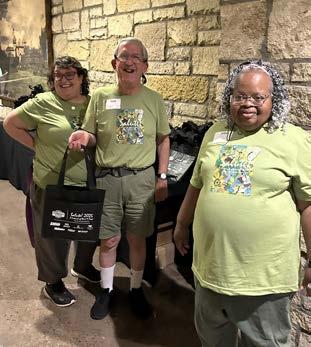
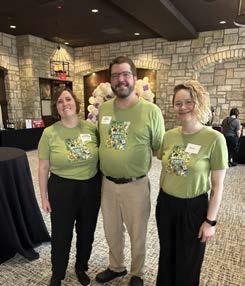
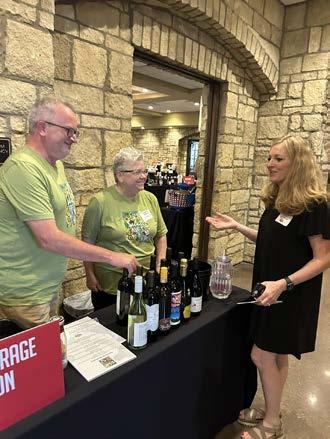
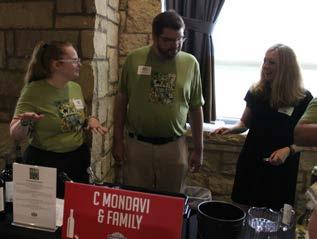
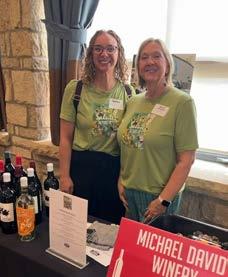
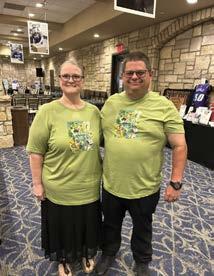
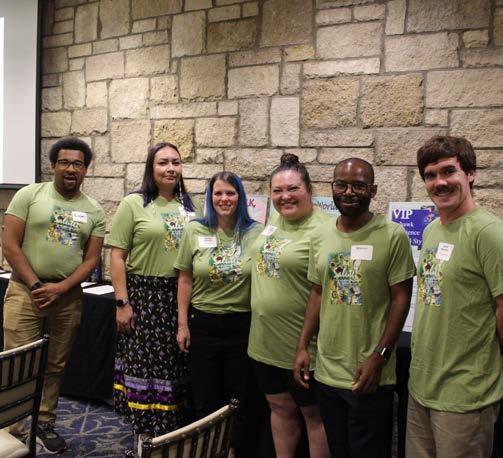
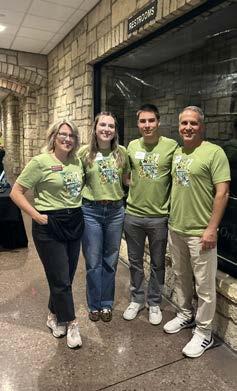
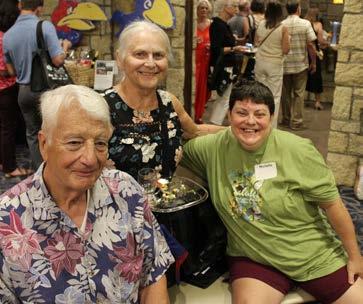
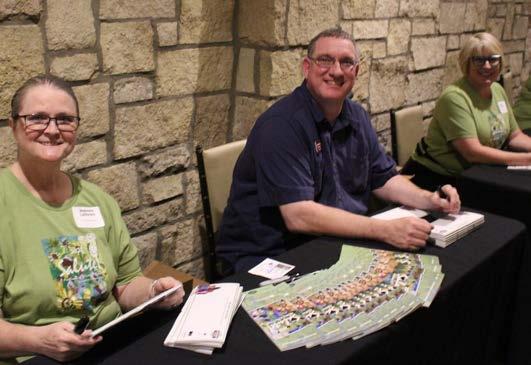
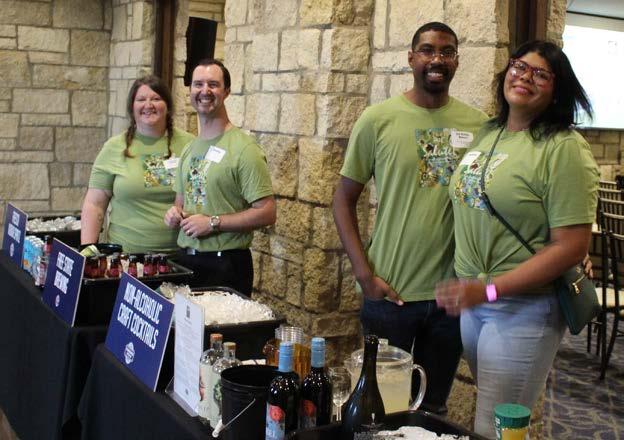
We have just completed our major fundraiser of the year, Salute! Cottonwood’s spirit sure rang through all three events. Thank you to all of you that helped to make it a definite success.
ACCSES Conference
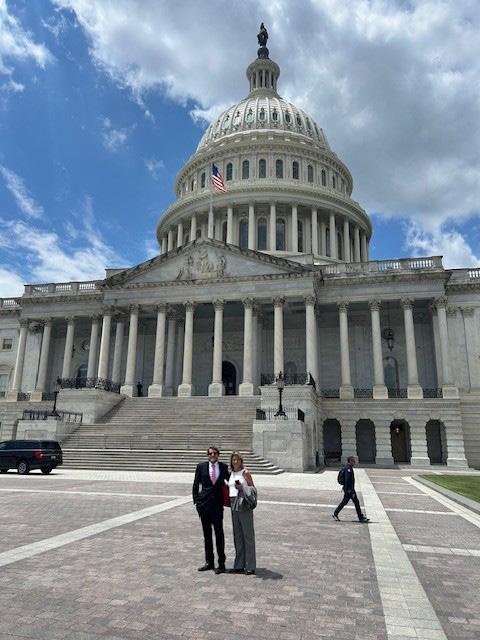
Jeff Whittier and I attended the ACCSES summer conference in Washington, DC. The agenda was packed full of incredibly relevant topics, including a full day for discussions at a state level to discuss what is happening in each of the states represented. We had great discussions and learned so much from other states who have already been through the similar challenges we are facing, including transitioning to Final Settings Rule.
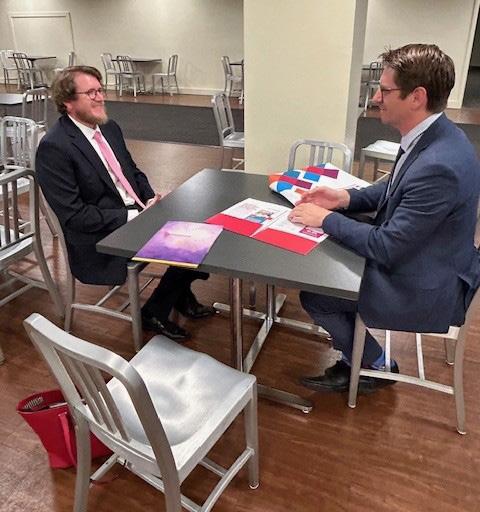
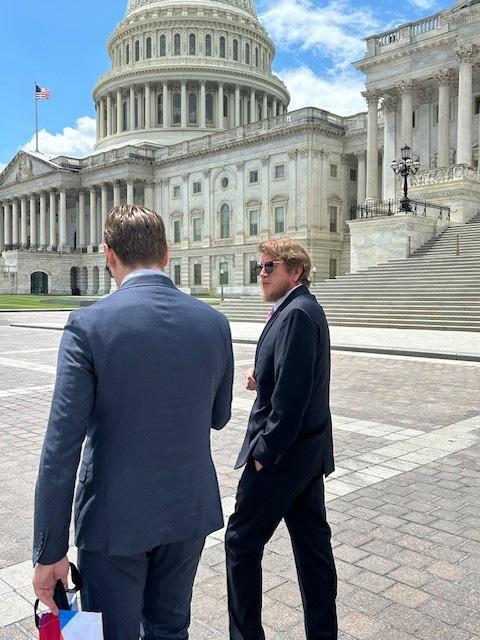
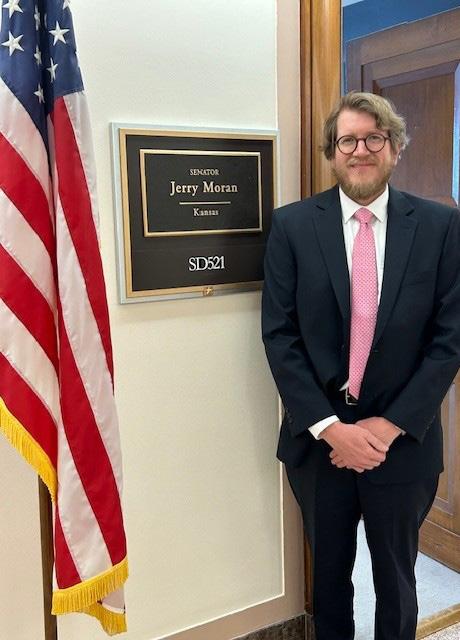
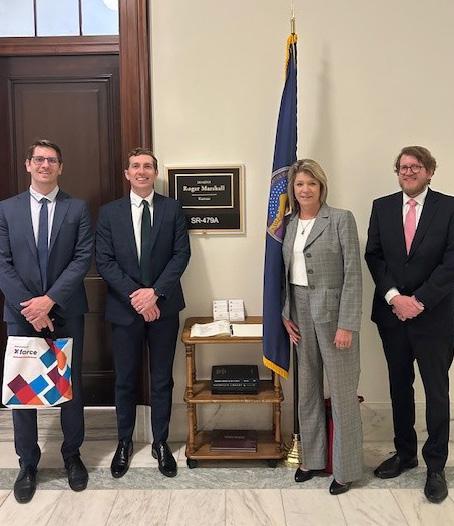
We were able to visit the offices of Senators Moran & Marshall and Congressman Schmitt. These meetings were very productive and the topics we lobbied for included:
• support of the AbilityOne/Source America program
• ensuring Medicaid and benefits to the IDD population\
• preserving 14c as a tool for employment
• requesting support for deregulation of the Final Settings rule under CMS.
What’s next? The organizational budget process will begin shortly. Jessica is already preparing financial reports for directors to analyze and begin the formal process. The final budget will be presented to the board of directors for approval in November.
Interhab
I continue to work with the Interhab Board on the search for a new executive director, plan our strategic planning and government affairs retreats, and navigate the challenges and opportunities at the state level.
Enjoy the rest of your summer! School will be back in session before we know it!
Karsyn Robertson August 1st
Kim Hang August 1st
James Herron August 4th
Courtney Herron August 5th
Abigail Lawson August 5th
Bryleigh Alexander August 6th
Sheri Holmes August 7th
Danielle Holloway August 8th
Makayla Torres-Atterbury August 9th
Kari Bentzinger August 9th
Nikki Dayton August 10th
Alicia Duncan August 17th
Macy Baumgartner August 17th
Peter Wolf August 18th
Dillon Scharpenburg August 19th
Ben Layton August 20th
Zoe Surprise-Murphy August 21st
Joan Baird August 24th
Dennis Meier August 25th
Loletha Clark August 28th
Erin Herndon August 29th
Daniela Garcia August 29th
Bill S. August 1st
Gary S. August 1st
Sean M.
Deb T.
August 1st
August 3rd
Glen S. August 11th
Allison S. August 12th
Billy B.
Joshua C.
August 13th
August 16th
Emily D. August 16th
Florence L. August 19th
Debbie N. August 25th
Barclay R. August 27th
Ellen H. August 27th
K.D. W. August 29th
1st 2nd & 3rd Place will be announced Wednesday, September 3.
CONGRATULATIONS!
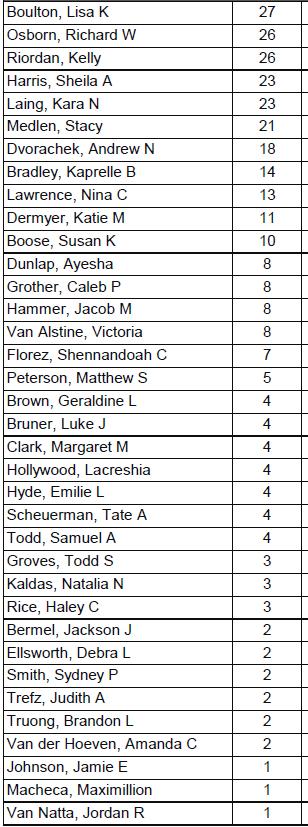
Lisa - 27 years! Sheila - 23 years!
Katie - 11 years! Susan - 10 years!
Victoria - 8 years! Geraldine - 4 years!
Luke -4 years! Tate - 4 years!
Heading to legislative meetings.
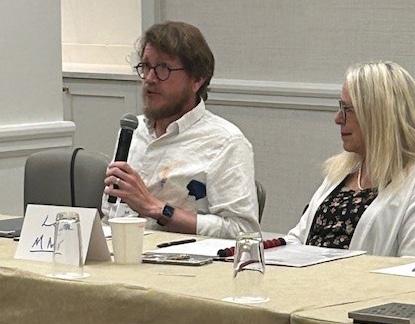
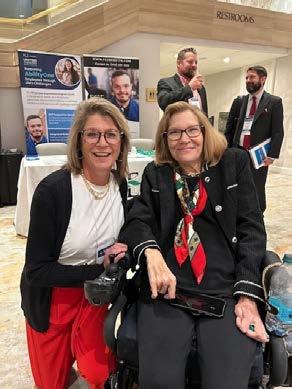
Colleen and Jeff Whittier attended the ACCSES Conference in Washington DC, July 20-22, 2025
Colleen & Jennifer Sheehy, Deputy Assistant Secretary for Operations, U.S. Department of Labor Office, Disability Employment Policy (ODEP)
Jeff presenting at state meeting prior to the conference.
Preparing for hill visits with our lobbyist from Source America.
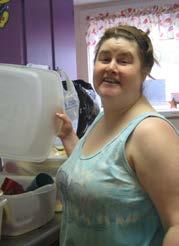
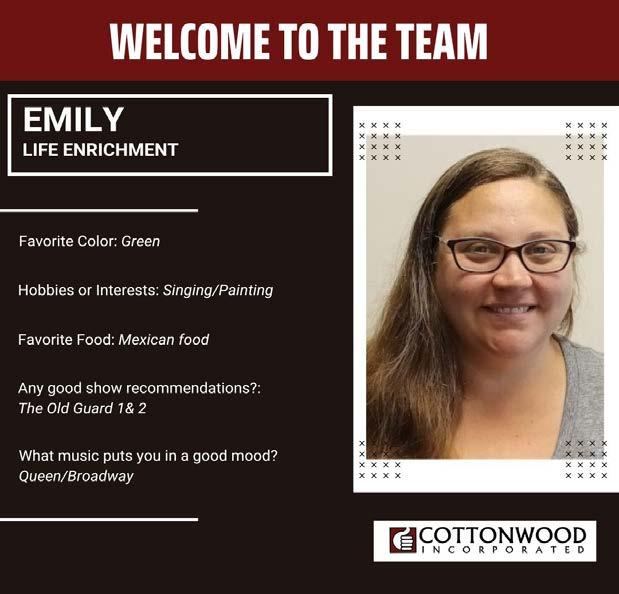
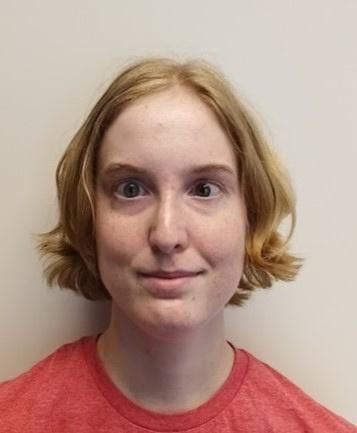
WELCOME TO THE
JESSICA
RESIDENTIAL
Favorite Color: Dusty Purple
Hobbies or Interests: Crocheting/Gaming
Favorite Food: Sushi/Hot Cheeto Puffs
Any good show recommendations?: Avatar Series
1. At completion of the long application - $10
2. At hire + orientation + satisfying background check - $100
3. Upon first 90 days + completed initial trainings - $200
If the referring employee quits during the above process, rewards stop immediately.
Only one referring employee can get credit for an applicant: however, each referring employee can get credit for an unlimited number of applicants.
Supervisors are not eligible to receive any rewards on applicants they directly supervise.
The Human Resources Department will be responsible for carrying out this program and for answering any questions that may arise.
Thank You! Thank You! Thank You!
To our incredible staff, consumers, board members, family and friends—
Thank you for volunteering your time, energy, and talents to make Salute! a success. Your support, enthusiasm, and dedication mean the world to us. We truly couldn’t do it without you!
National Immunization Awareness Month
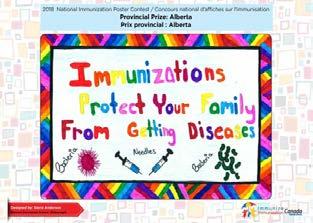
National Immunization Awareness Month (NIAM) is an annual observance held in August to highlight the importance of vaccination for people of all ages. Together, we can help raise awareness about the importance of vaccination and encourage people to talk to a healthcare provider they trust about staying up to date on their vaccinations.
About Vaccines for your Children
Most parents choose to vaccinate their children according to the recommended schedule, but many parents may still have questions about the vaccines recommended for their child.
Vaccine Safety
Are vaccines safe?
Yes. Vaccines are very safe. The United States’ long-standing vaccine safety system ensures that vaccines are as safe as possible. Currently, the United States has the safest vaccine supply in its history. Millions of children safely receive vaccines each year. The most common side effects are very mild, such as pain or swelling at the injection site.
What are the risks and benefits of vaccines?
Vaccines can prevent infectious diseases that once killed or harmed many infants, children, and adults. Without vaccines, your child is at risk for getting seriously ill and suffering pain, disability, and even death from diseases like measles and whooping cough. The main risks associated with getting vaccines are side effects, which are almost always mild (redness and swelling at the injection site) and go away within a few days. Serious side effects after vaccination, such as a severe allergic reaction, are very rare and doctors and clinic staff are trained to deal with them. The disease-prevention benefits of getting vaccines are much greater than the possible side effects for almost all children. The only exceptions to this are cases in which a child has a serious chronic medical condition like cancer or a disease that weakens the immune system, or has had a severe allergic reaction to a previous vaccine dose.
Side Effects
What are common side effects of vaccines?
Vaccines, like any medication, may cause some side effects. Most of these side effects are very minor, like soreness where the shot was given, fussiness, or a low -grade fever. These side effects typically only last a couple of days and are treatable. For example, you can apply a cool, wet washcloth on the sore area to ease discomfort.
Can vaccines overload my baby's immune system?
Vaccines do not overload the immune system. Every day, a healthy baby ’s immune system successfully fights off thousands of germs. Antigens are parts of germs that cause the body ’s immune system to go to work to build antibodies, which fight off diseases.
The antigens in vaccines come from the germs themselves, but the g erms are weakened or killed so they cannot cause serious illness. Even if babies receive several vaccinations in one day, vaccines contain only a tiny fraction of the antigens they encounter every day in their environment. Vaccines give your child the antibodies they need to fight off serious vaccine -preventable diseases.
Why do vaccines start so early?
The recommended schedule protects infants and children by providing protection early in life, before they come into contact with life -threatening diseases. Children receive vaccinations early because they are susceptible to diseases at a young age.
Should my child get shots if she is sick?
Talk with your child’s doctor, but children can usually get vaccinated even if they have a m ild illness like a cold, earache, mild fever, or diarrhea. If the doctor says it is okay, your child can still get vaccinated.
Should I delay some vaccines or follow a non -standard schedule?
Children do not receive any known benefits from following schedules that delay vaccines. Infants and young children who foll ow immunization schedules that spread out or leave out shots are at risk of developing diseases during the time you delay their shots.
Why can't I delay some vaccines if I'm planning to get them all eventually?
Young children have the highest risk of having a serious case of disease that could cause hospitalization or death. Delaying or spreading out vaccine doses leaves your child unprotected during the time when they need vaccine protection the most. For example, diseases such as Hib or pneumococcus almost always occur in the first 2 years of a baby ’s life. And some diseases, like hepatitis B and whooping cough (pertussis), are more serious when babies get them.
If I'm breastfeeding, do I vaccinate my baby on schedule?
Yes, even breastfed babies need to be protected with vaccines at the recommended ages. The immune system is not fully developed at birth, which puts newborns at greater risk for infections.
Breast milk provides important protection from some infections as your baby ’s immune system is developing. For example, babies who are breastfed have a lower risk of ear infections, respiratory tract infections, and diarrhea. However, breast milk does not protect children against all diseases. Even in breastfed infants, vaccines are the most effective way to prevent many diseases. Y our baby needs the long -term protection that can only come from following CDC’s recommended schedule.
Can I wait to vaccinate m y baby since he isn't in child care?
No, even young children who are cared for at home can be exposed to vaccine preventable diseases, so it’s important for them to get all their vaccines at the recommended ages. Children can catch these ill nesses from any number of people or places, including from parents, brothers or sisters, visitors to their home, on playgrounds or even at the grocery store. Regardless of whether your baby is cared for outside the home, your baby comes in contact with people throughout the day, some of whom may have a vaccine -preventable disease.
Many of these diseases can be especially dangerous to young children, so it is safest to vaccinate your child at the recommended ages.
Can I wait until my child goes to school to catch up on immunizations?
No. Before entering school, young children can be exposed to vaccine -preventable diseases. Children under age 5 are especially susceptible to diseases because their immune systems have not built up the necessary defenses to fight infection.
Why do adolescents need vaccines?
Vaccines are recommended throughout our lives to protect against serious diseases. As protection from childhood vaccines wears off, adolescents need vaccines that will extend protection. Adolescents need protection from additional infections as well, before the risk of exposure increases.
Why are multiple doses needed for each vaccine?
Getting every recommended dose of each vaccine provides your child with the best protection possible. Depending on the vaccine, your child will need more than one dose to build high enough immunity to help prevent disease or to boost immunity that fades over time. Your child may also receive more than one dose to make sure they are protected if they did not get immunity from a first dose, or to protect them against germs that change over time, like flu. Every dose is important because each protects against an infectious disease that can be especially serious for infants and very young children.
Protection from Diseases
Do infants have natural immunity?
Babies may get some temporary protection from mom during the last few weeks of pregnancy, but only for diseases to which mom is immune. Breastfeeding may also protect your baby temporarily from minor infections, like colds. These antibodies do not last long, leaving your baby vulnerable to disease.
Haven't we gotten rid of most of these diseases in this country?
Some vaccine -preventable diseases, like pertussis (whooping cough) and chickenpox, remain common in the United States. On the other hand, other diseases vaccines prevent are no longer common in this country because of vaccines. If we stopped vaccinating, the few cases we have in the United States could very quickly become tens or hundreds of thousands of cases. Even though many serious vaccine -preventable diseases are uncommon in the United States, some are common in other parts of the worl d. Even if your family does not travel internationally, you could come into contact with international travelers anywhere in your community. Children who don’ t receive all vaccinations and are exposed to a disease can become seriously sick and spread it through a community.