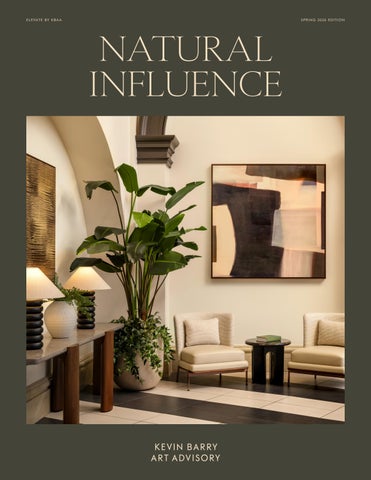
NATURAL INFLUENCE
A reflection from Allison on nature’s restorative power
Curating artists who invite us to experience nature reframed
Where nature and art converge at JW Marriott Las Vegas Resort & Spa
A reflection from Allison on nature’s restorative power
Curating artists who invite us to experience nature reframed
Where nature and art converge at JW Marriott Las Vegas Resort & Spa
As we share our first issue of 2026, I wanted to take a moment to celebrate our milestone tenth issue of ELEVATE by KBAA. What began as a digital curation of recent projects has grown into something far more layered and rewarding. ELEVATE is a space where we connect more deeply with artists, design partners, and clients while showcasing the work we’re proud to put into the world. We’ve even introduced a small print run with recent issues, which is so gratifying to hold these stories in my hands.
This issue is particularly meaningful as it reflects the depth of thought our art advisors bring to every project. While KBAA is known for showcasing localized narratives, many art programs carry an additional layer of intention. In certain spaces, we look even closer at how art can shape the way people feel within an environment. This restorative approach is grounded in proven principles, recognizing the role art can play in supporting health, well-being, and productivity.
Sometimes this approach emerges organically, as it did with our JW Marriott Las Vegas project, where we collaborated with local artists using natural materials to tell the story of place. Other times, it is developed with great intention, such as our work for Keck Medicine of USC - Pasadena, where our EDAC-certified art advisors curated a healing environment shaped by a narrative drawn from local flora.
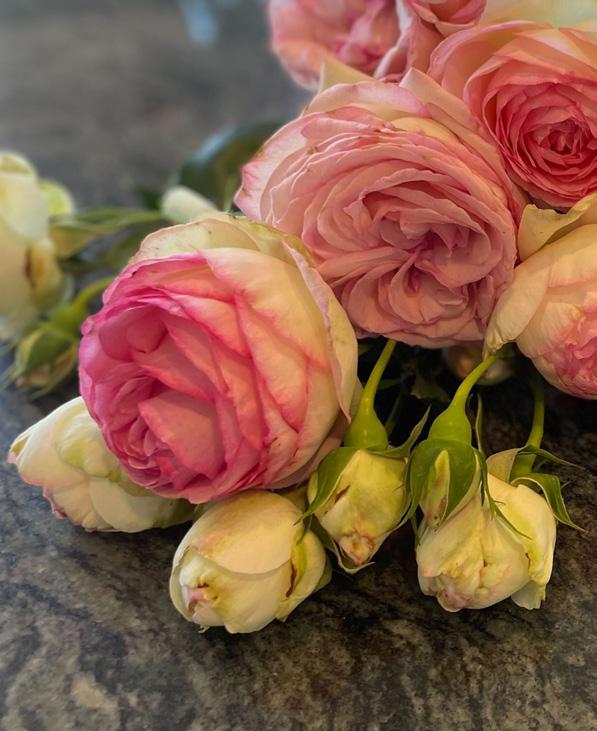
for me, this connection to nature also lives in everyday moments. Nearly every Sunday, I visit my local farmers market and bring home seasonal flowers and greenery. I truly believe these small rituals make a difference. Sometimes I’ll pick up a bouquet for a friend who needs a lift, because flowers have a quiet way of doing just that. I also have a soft spot for specialty roses, which I attempt to grow at home (with varying degrees of success!).
As you move through this issue, I hope the calm, beauty, and restorative qualities of nature guide you. And perhaps it sparks ideas for how you might invite more of this influence into your own daily life or design work.
Warmly, Allison
Barry
Restorative art and design is often revealed in unexpected ways. Here, we highlight a curation of artists who inspire us through their use of raw, elemental materials. from works shaped by their surroundings to pieces created in collaboration with natural forces, these artists invite us to experience nature reframed.
I.
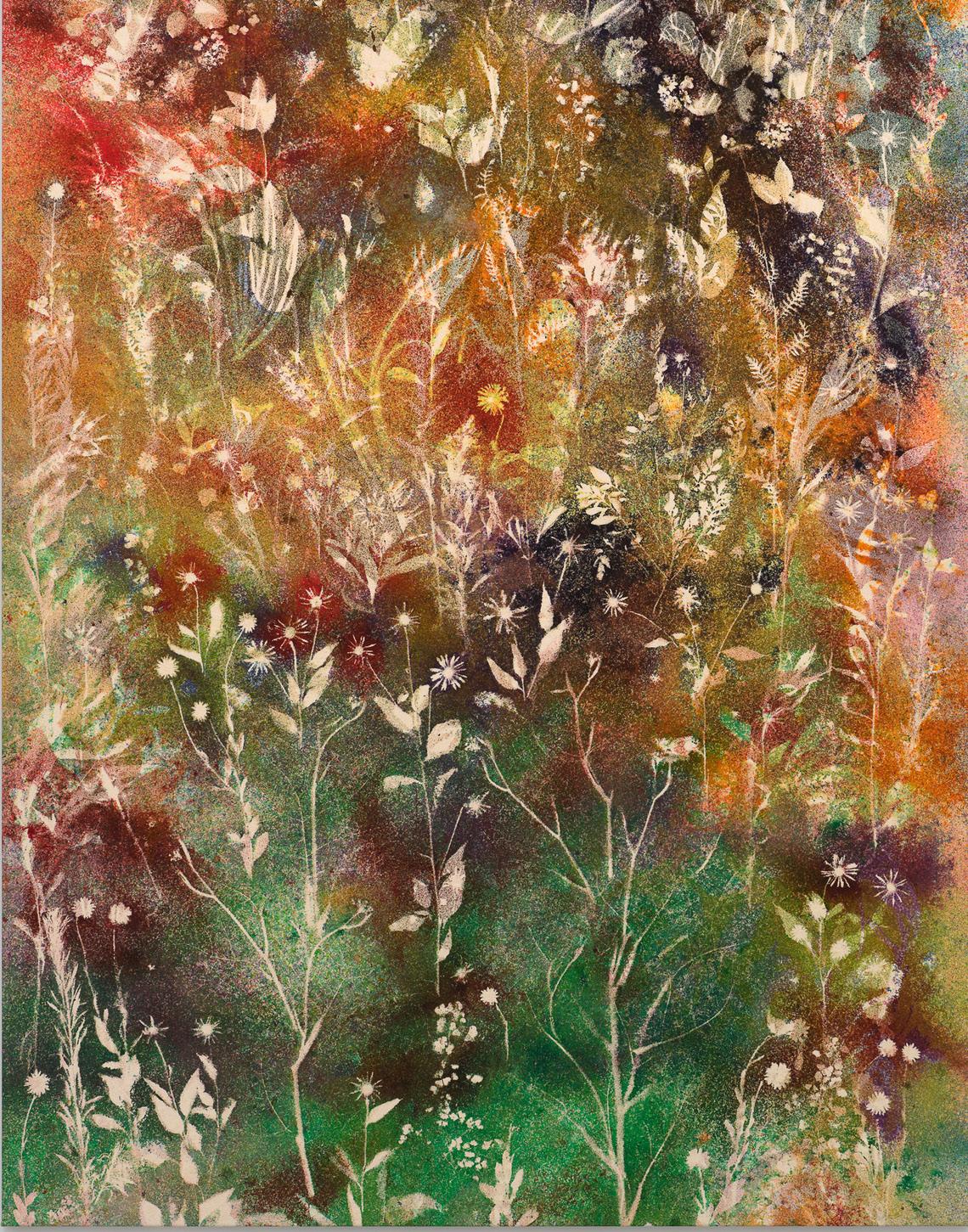
Elements Used Local plant-life Atmospheric conditions Pigments enhanced by rain
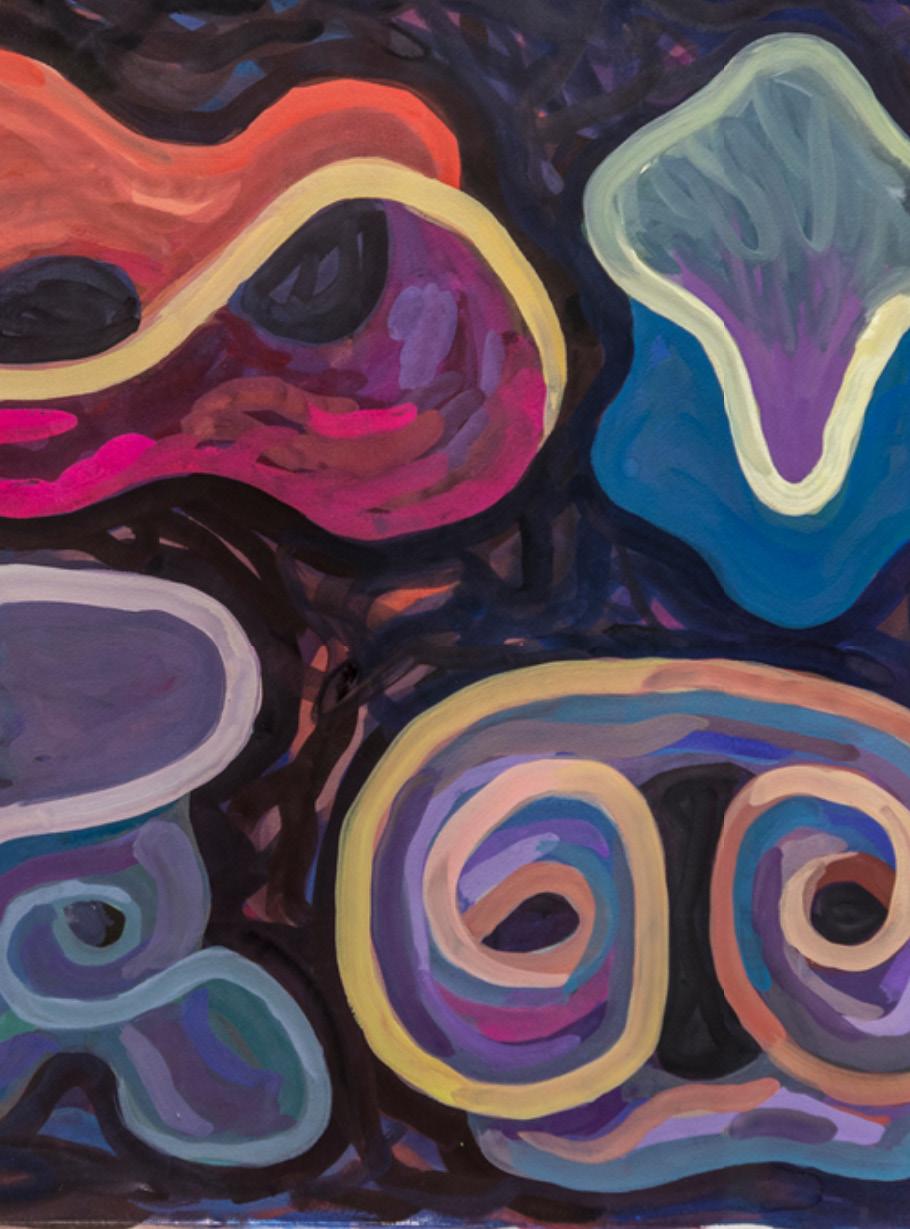
Sam collaborates with nature in the truest sense. He lays large canvases outdoors and arranges local organic materials directly on the surface. Native wildflowers, invasive weeds, and grasses from historic farmland often catch his eye. After positioning the plants, he throws pigment into the air above the canvas, allowing wind conditions to shape the result.
Strong winds disperse pigment widely, while calmer air allows it to settle more densely and intensely. The works remain outdoors for extended periods, sometimes over a year, as humidity and rain further influence the final image. The result is a vivid record of place and process, seen here in the piece “Chimera” (2025).
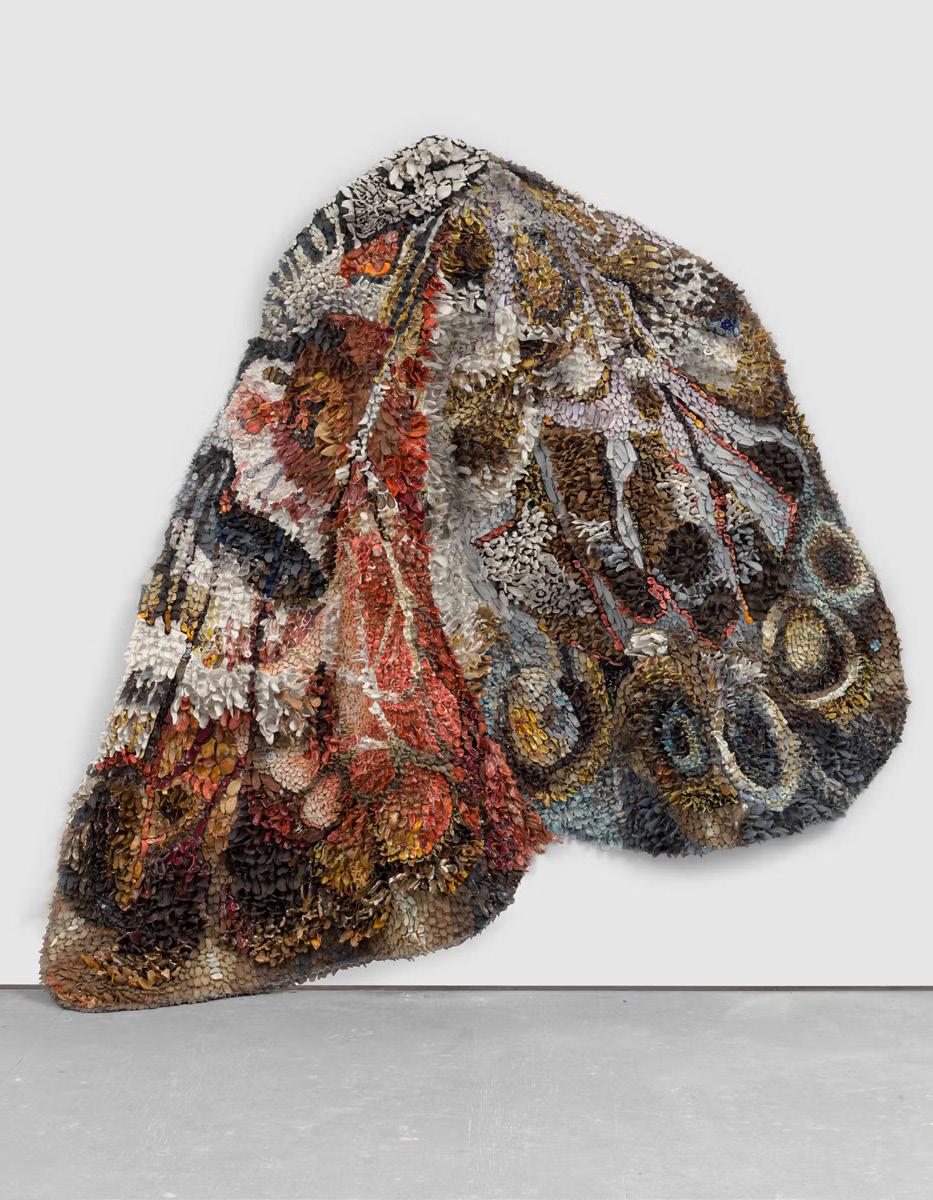
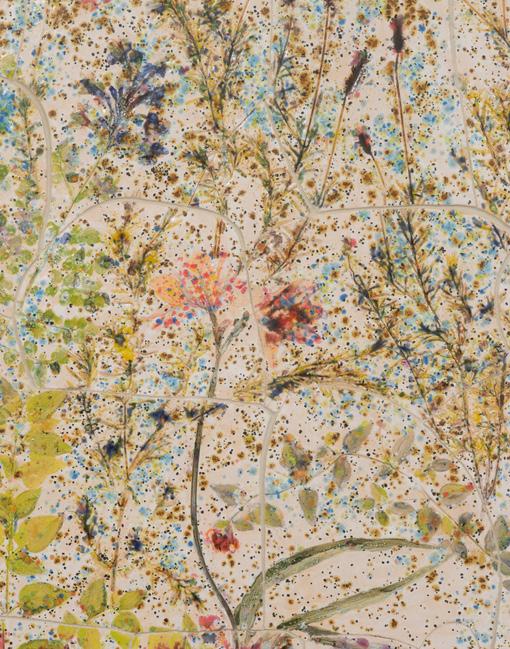
Elements Used Sculpted porcelain Pigment, dye, and glaze
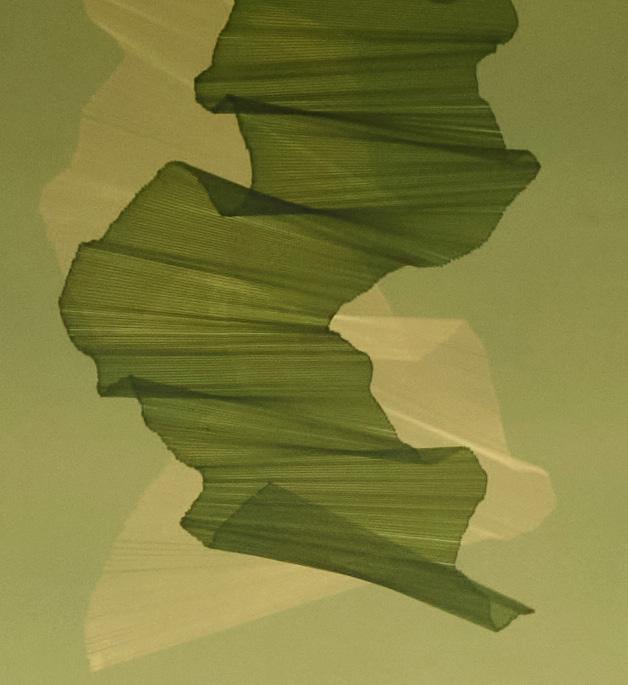
Photography does not do justice to the large-scale butterfly wings Rebecca creates. On closer inspection, each work reveals hand-sculpted porcelain components, individually dyed and glazed. This meticulous, timeintensive process ensures that every piece is unique, resulting in a strikingly realistic exploration of a butterfly wing.
Rebecca’s technical skill shines through her work, reflecting a deep love of nature and inspiration drawn from the countryside just north of New York City. By magnifying delicate details into large-scale, showstopping forms, she evokes the beauty of the natural world in a way that feels both intimate and aweinspiring. Shown here in “CRISPR Wing” (2023).
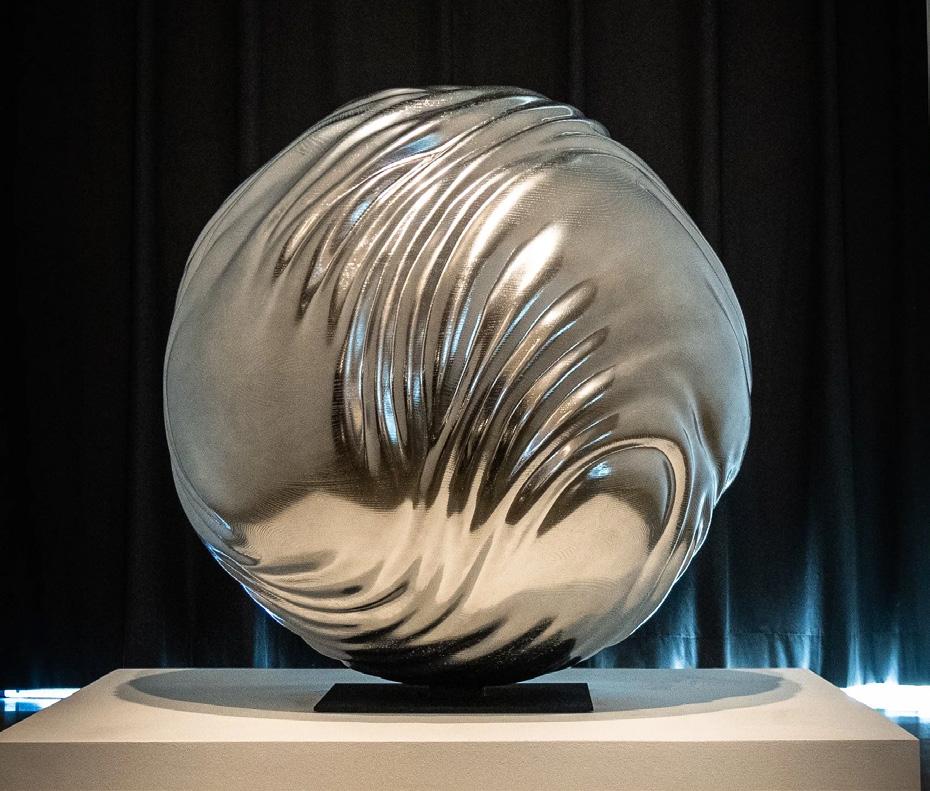
Elements Used Ash wood
Chrome
Self-taught sculptor Dan Nguyen gained viral attention through a work-in-progress video for his piece Lucid Thoughts (2023). The clip shows him climbing into the base of his ash wood sphere before it is sealed, prompting viewers to ask, “What happened to the guy inside?” The unexpected narrative adds intrigue to a sculpture that explores the tension between bold structure and natural fluidity.
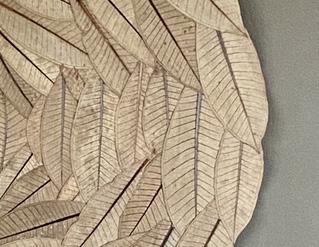
IV.
Elements Used Dried & preserved leaves
Natural pigments
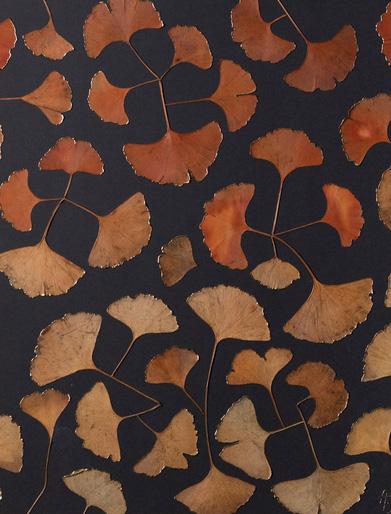
Paris-based artist Alyssa Jos transforms street-collected leaves into intricate, eco-conscious artworks. Rather than allowing these materials to be burned as waste, she preserves the delicate character of each leaf while giving it new purpose. Seen here is a close look at “Half Moon Mirror,” composed of plumeria (frangipani) leaves thoughtfully connected into a unified, sculptural form.
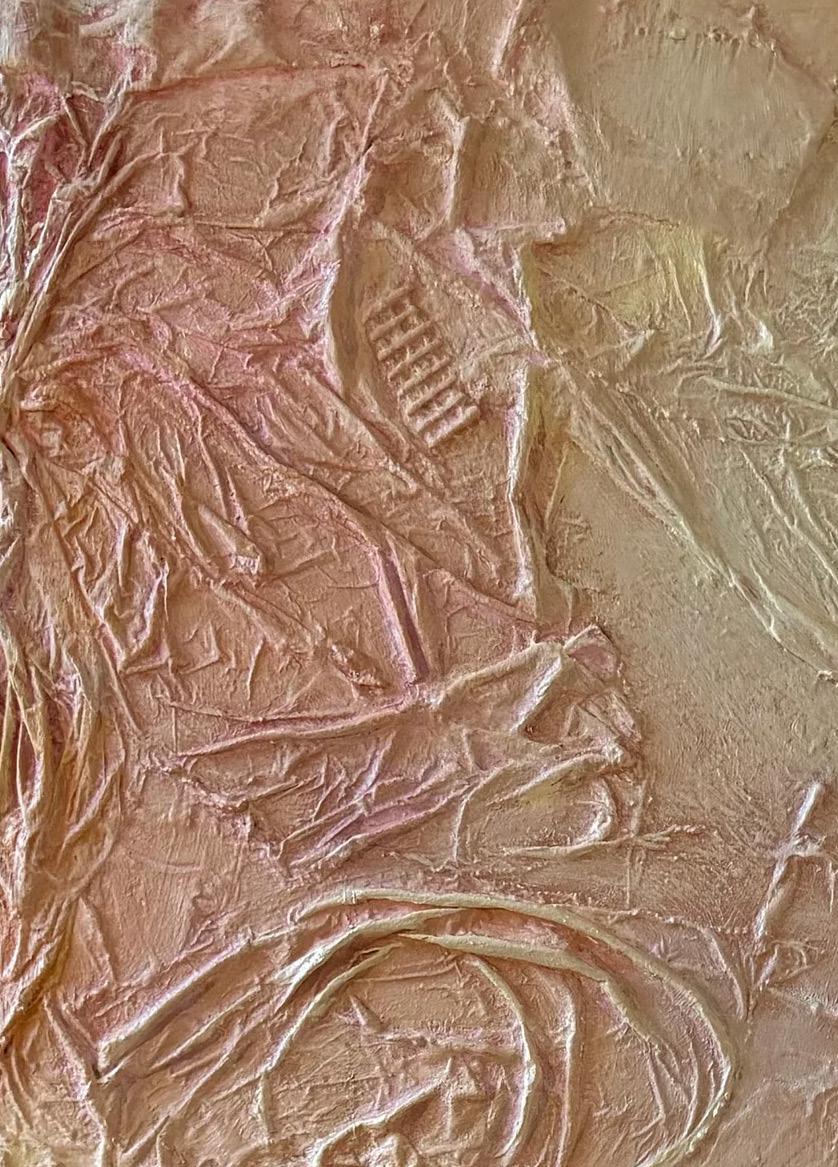
Elements Used found litter
Layered paint Gesso and gel
This Miami-based artist conceived her latest collection after noticing plastic and debris scattered along the beach and wondering how waste could be transformed into art that informs and inspires. Each work carries its own story of “Reclamation,” giving the series its name.
Through layered paint, collaged litter, gesso, and gel medium, she creates abstract compositions that reflect nature’s resilience and capacity for renewal. The intuitive use of color and form evokes elemental forces, with specific black shapes symbolizing aspects of nature, such as the sun.
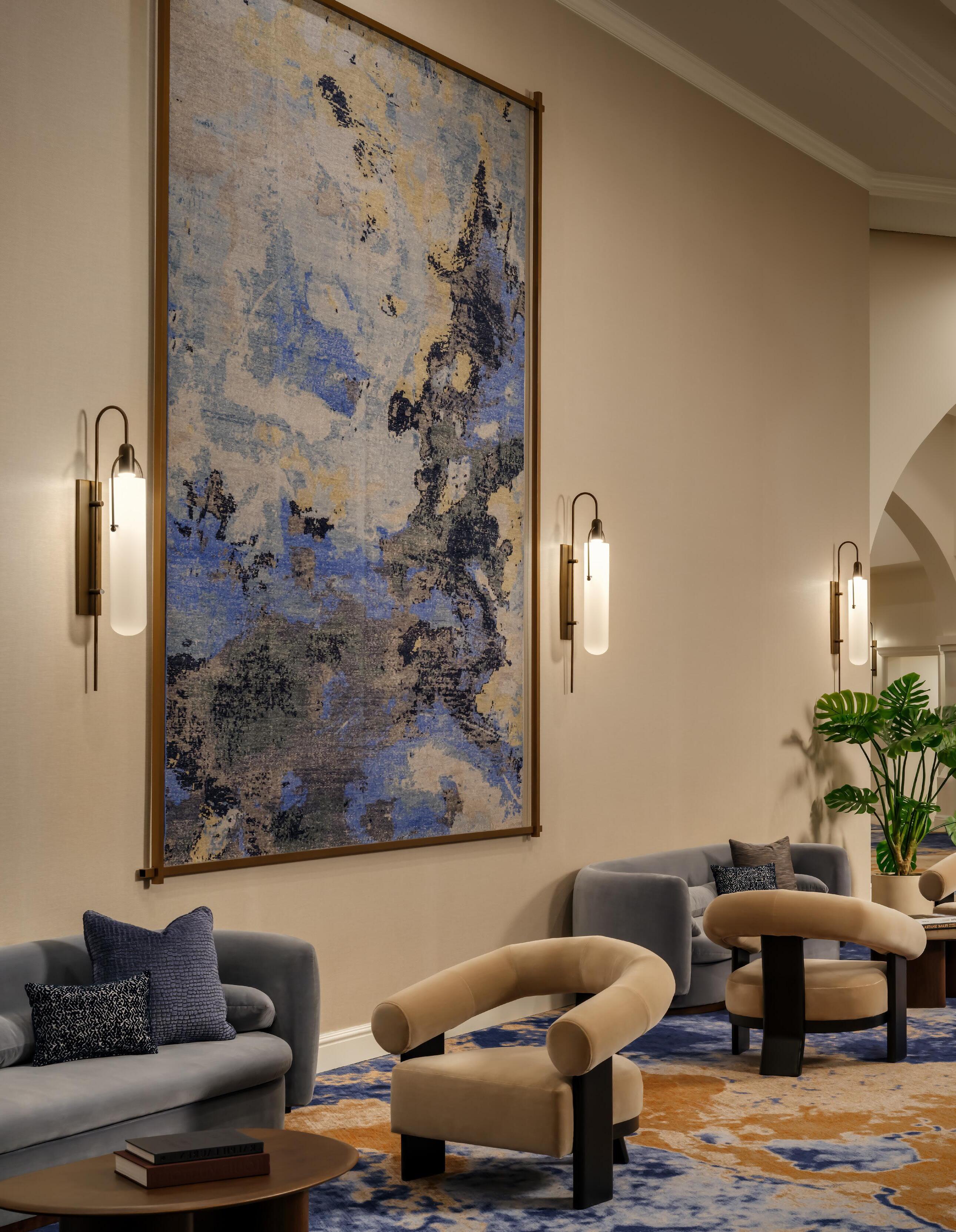
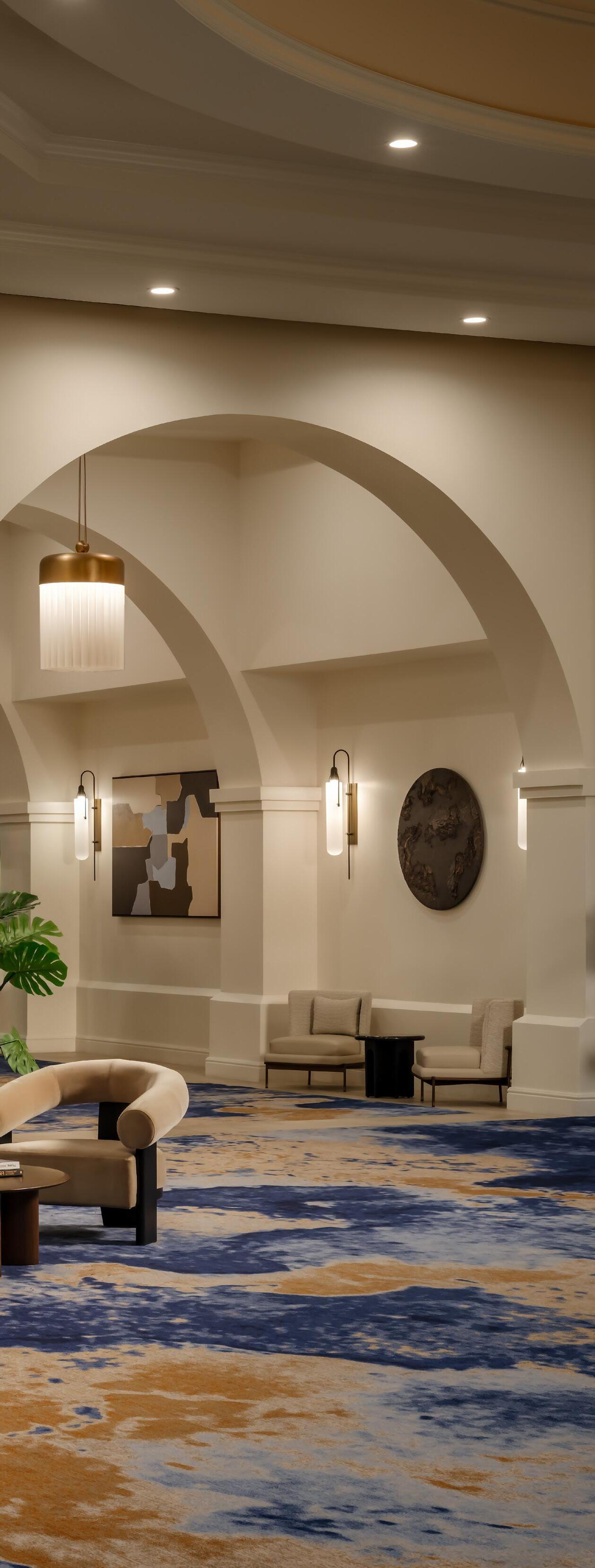
As you step into the JW Marriott in Las Vegas, you may be surprised by the sense of calm found within such an energetic city. Purposefully designed as a natural respite from the intensity of the Strip, the art program draws on iconic desert motifs, interpreted through a refined and understated lens. Grounded in KBAA’s deep experience across both luxury resort and gaming environments, the approach favors a quieter, more serene aesthetic that aligns with the elevated atmosphere expected by JW Marriott’s clientele.
Kevin Barry Art Advisory was brought on mid-renovation to help unify the property’s narrative through art. We had the pleasure of collaborating with Gensler LA, frank Architecture and Interiors, Amanda Richardson, Assistant Manager of Capital Projects, and Barbara Erickson, Executive Director of Construction and Engineering for the JW Marriott Hotel Resort and Spa. In the final phases, KBAA worked closely with the property team and frank Architecture and Interiors to bring the vision to completion.
The art program spans guest rooms, suites, corridors, and public spaces, as well as the Italian restaurant Ai Pazzi by fabio Viviani. The curation is inspired by the surrounding Mojave Desert, drawing from warm sandstone hues, soft desert neutrals, and subtle textures reminiscent of Red Rock Canyon. Natural materials including raw wood, stone, woven fibers, and organic metals echo the region’s rugged beauty while maintaining the refined calm central to the JW Marriott experience. At its core, the philosophy focused on creating art that feels restorative, intentional, and rooted in place.
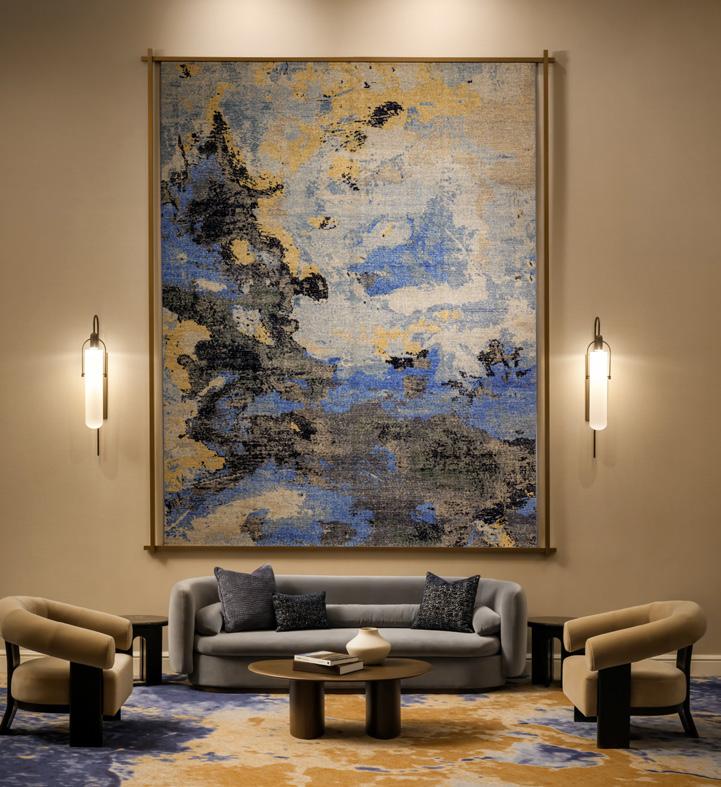
“Tapestry I” Hand-knotted cotton and wool.
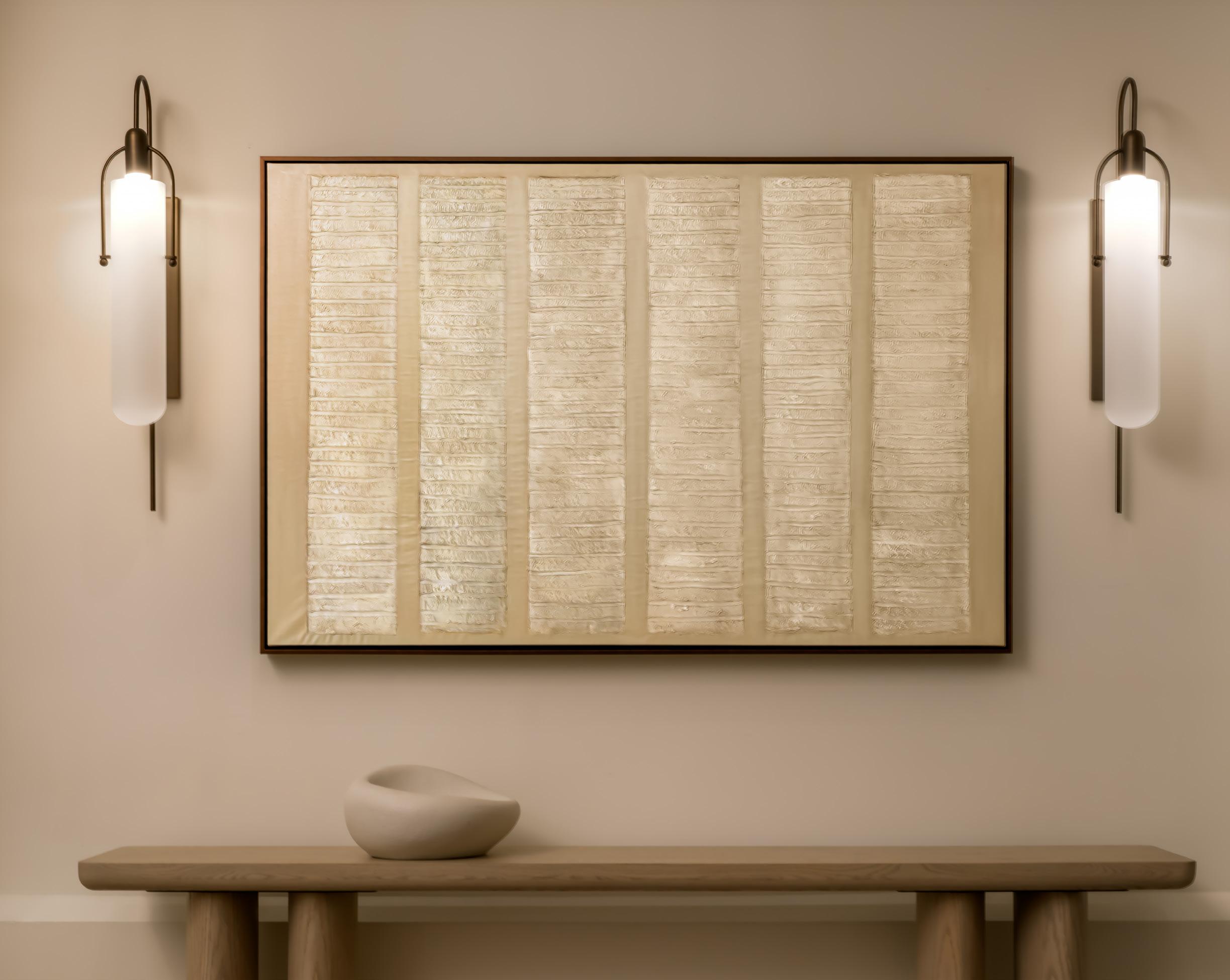
Desert transformation and serenity act as the core narrative threads. Throughout the resort, the art subtly mirrors natural transitions such as shifting light across canyon walls, the movement of desert winds, and the organic patterns found in native flora. Together, these elements create a cohesive story that unfolds as guests move through the property, with each piece functioning as a quiet chapter that encourages exploration and immersion.
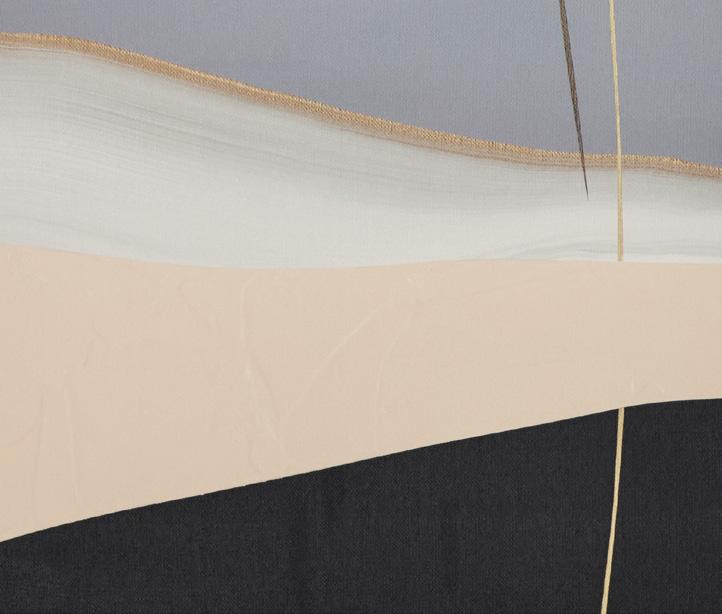
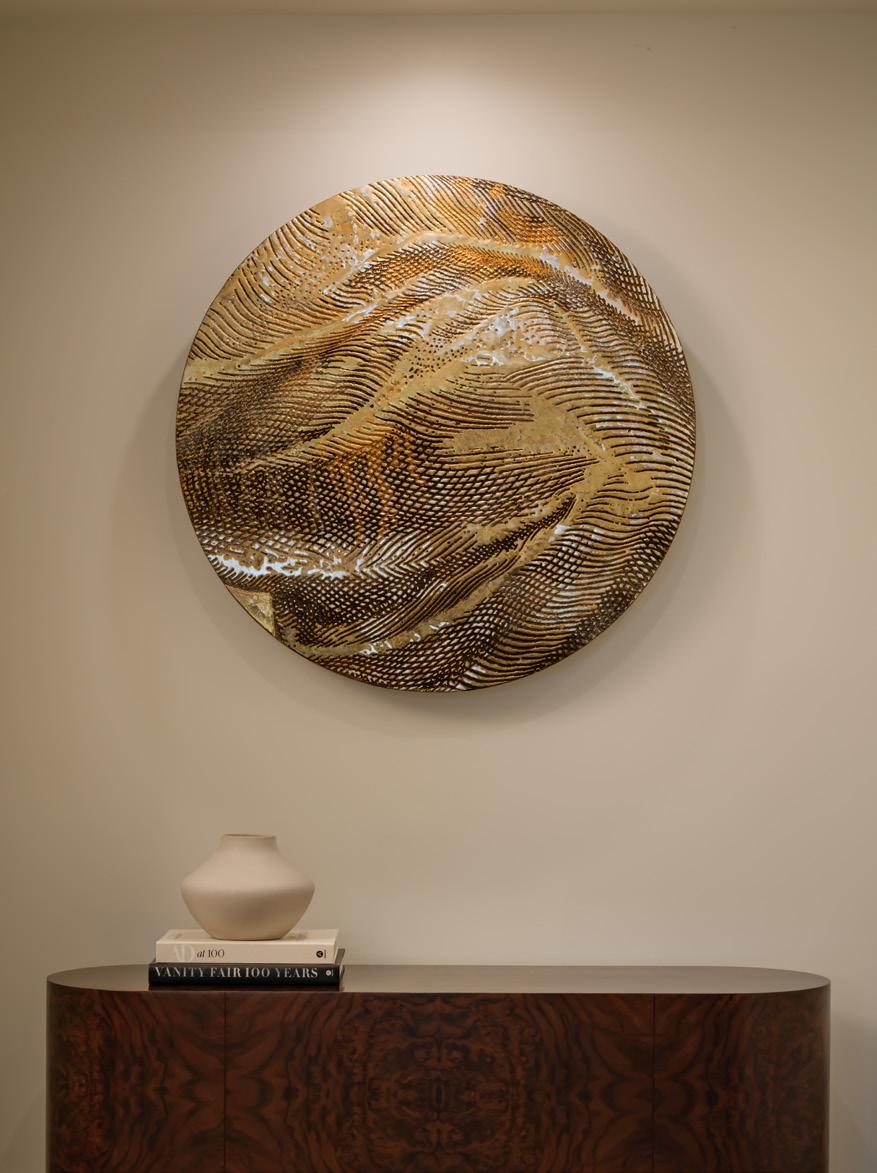
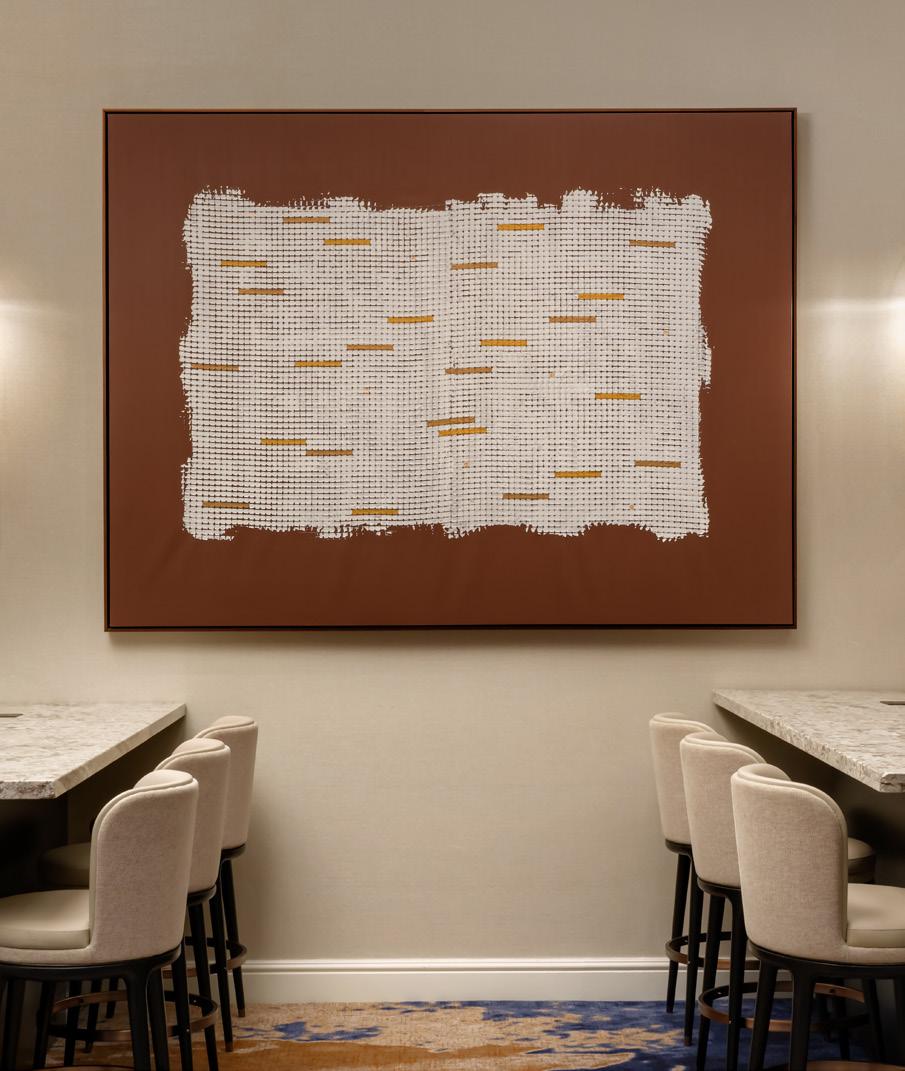
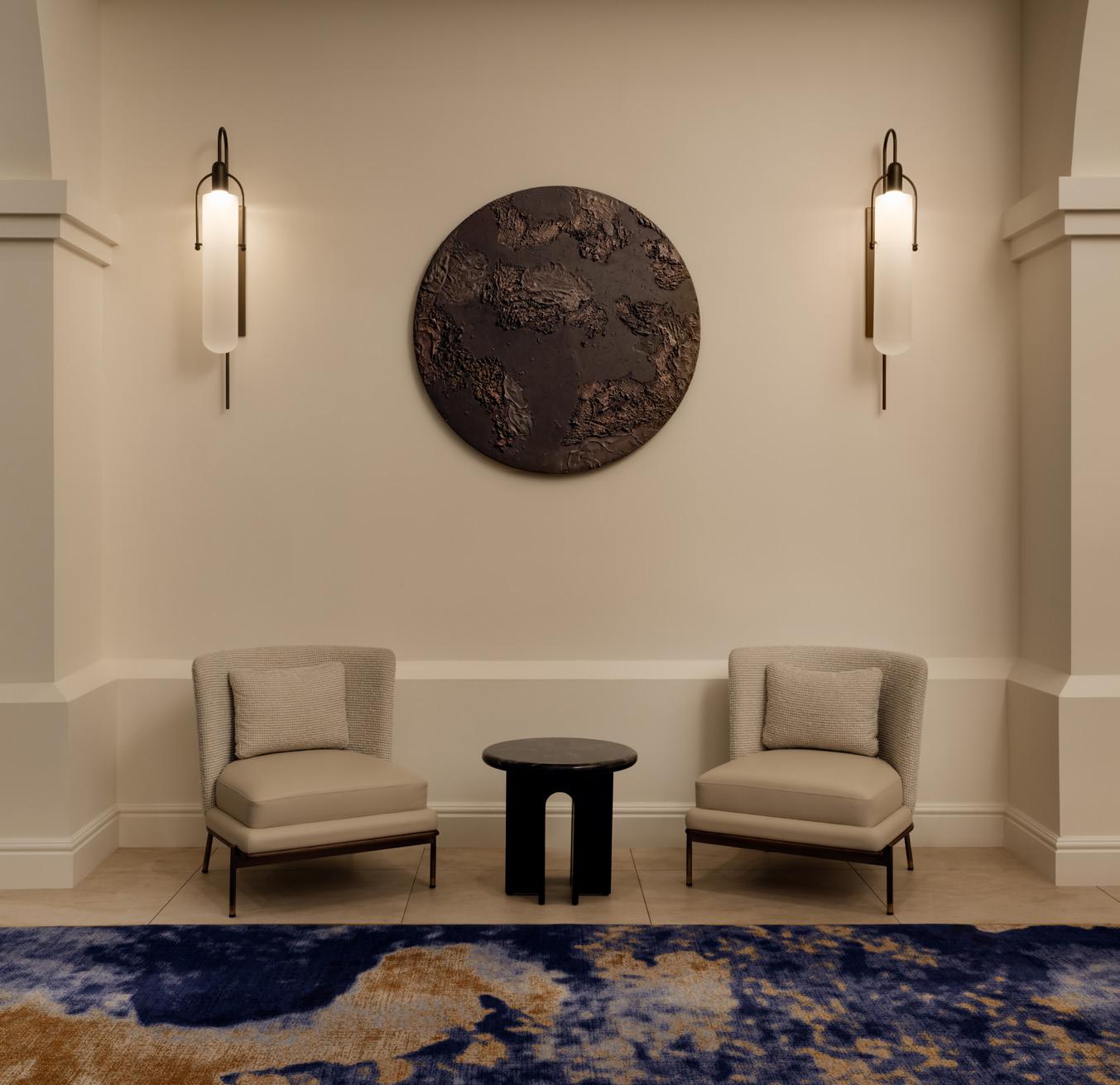
Seen above, KBAA’s custom work “Wabi Sabi” uses linear forms to invite stillness and reflection in an almost meditative mixed media composition. On the right, “Morning Comes” features dusky hues that emulate the shifting light and subdued blues of the desert at dawn and dusk. Alan Alldredge’s textural circular panel introduces shimmery, windswept textures that reference the wind-worn rocks and sands of the Mojave Desert.
“My process is analog then digital then back to analog. Drawings are converted to digital files, then milled and cast, and finally painted. I like the interweaving and blurring between the very old and the very new.”
- Alan Alldredge
“Our art program enhances the resort’s blend of luxury, wellness, and natural tranquility by weaving the surrounding landscape into the guest experience. The artworks invite moments of pause and reflection, echoing the desert’s expansive stillness and reinforcing the resort’s spa-like serenity.”
- Megan Enright, KBAA Senior Art Advisor
05
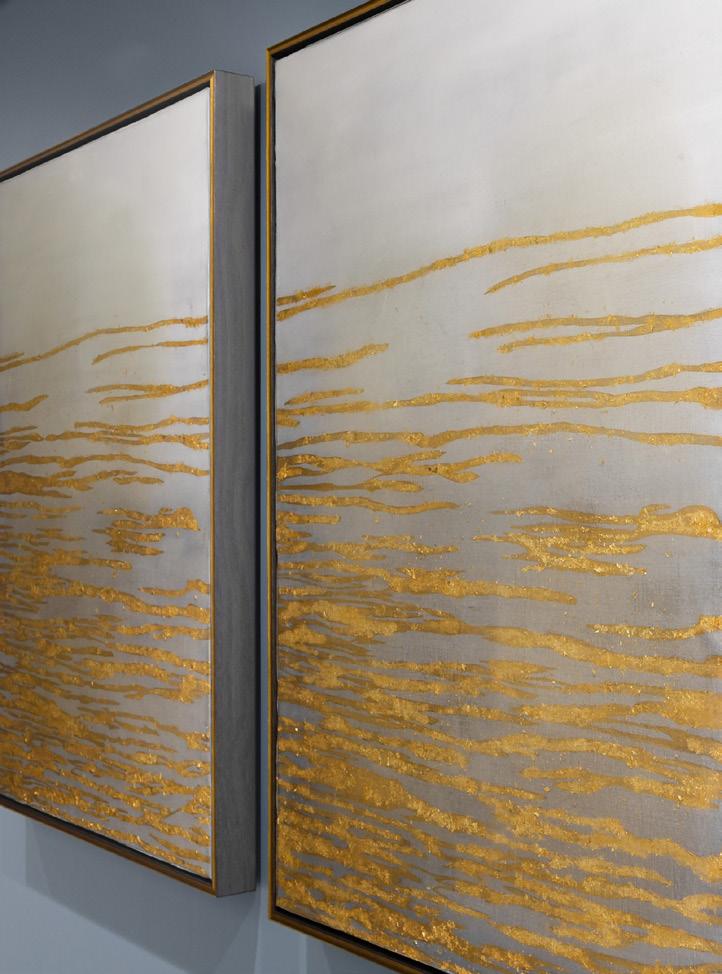
“Golden Wave” KBAA Custom. Textured layers referencing natural sandstone.
06
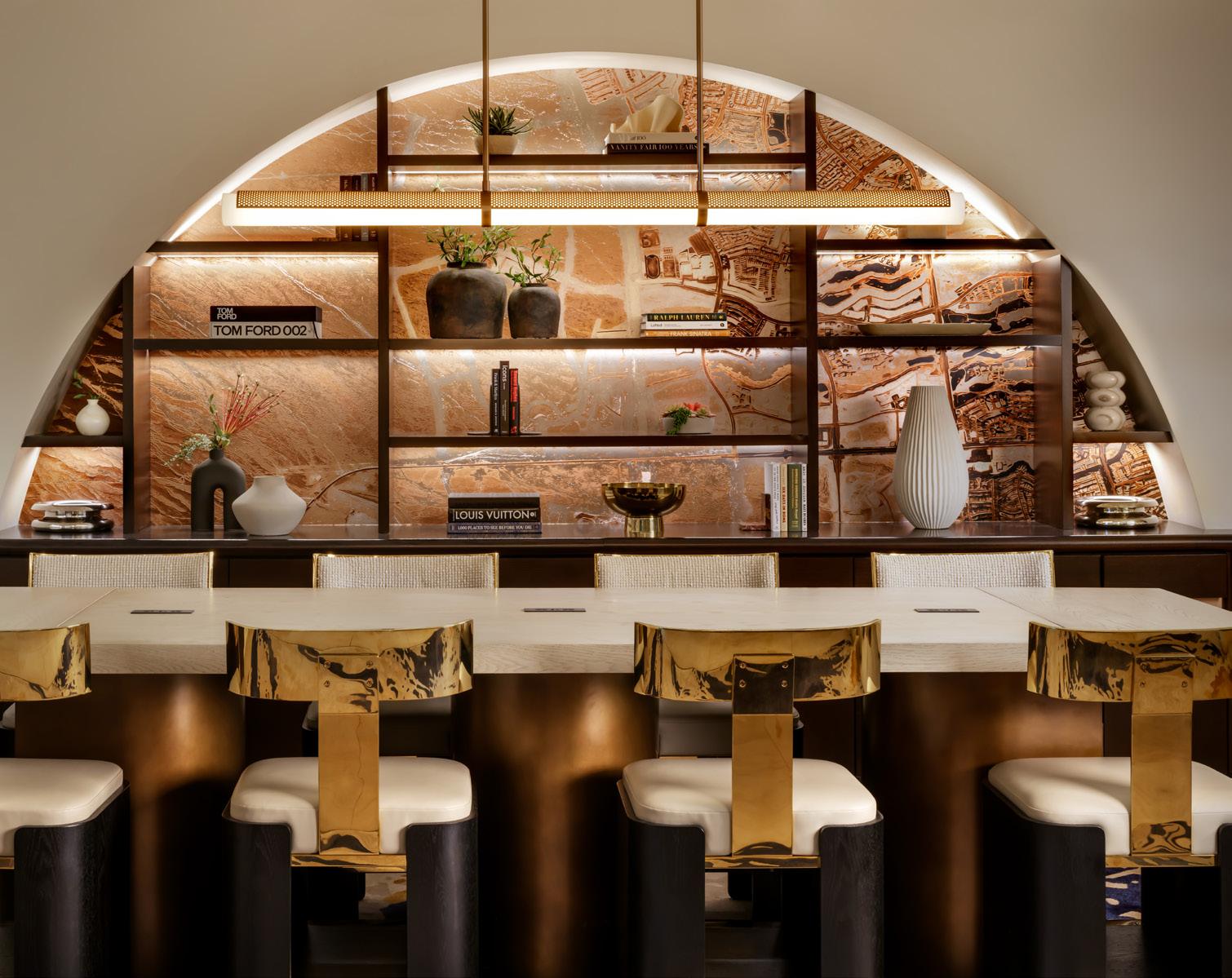
“Vegas Aerial” KBAA Custom. An inset metallic wall covering, where desert and city meet in a softly reflective aerial pattern.
07
Gold leaf captures the desert sunlight in “A Shifting Plane II.”
08
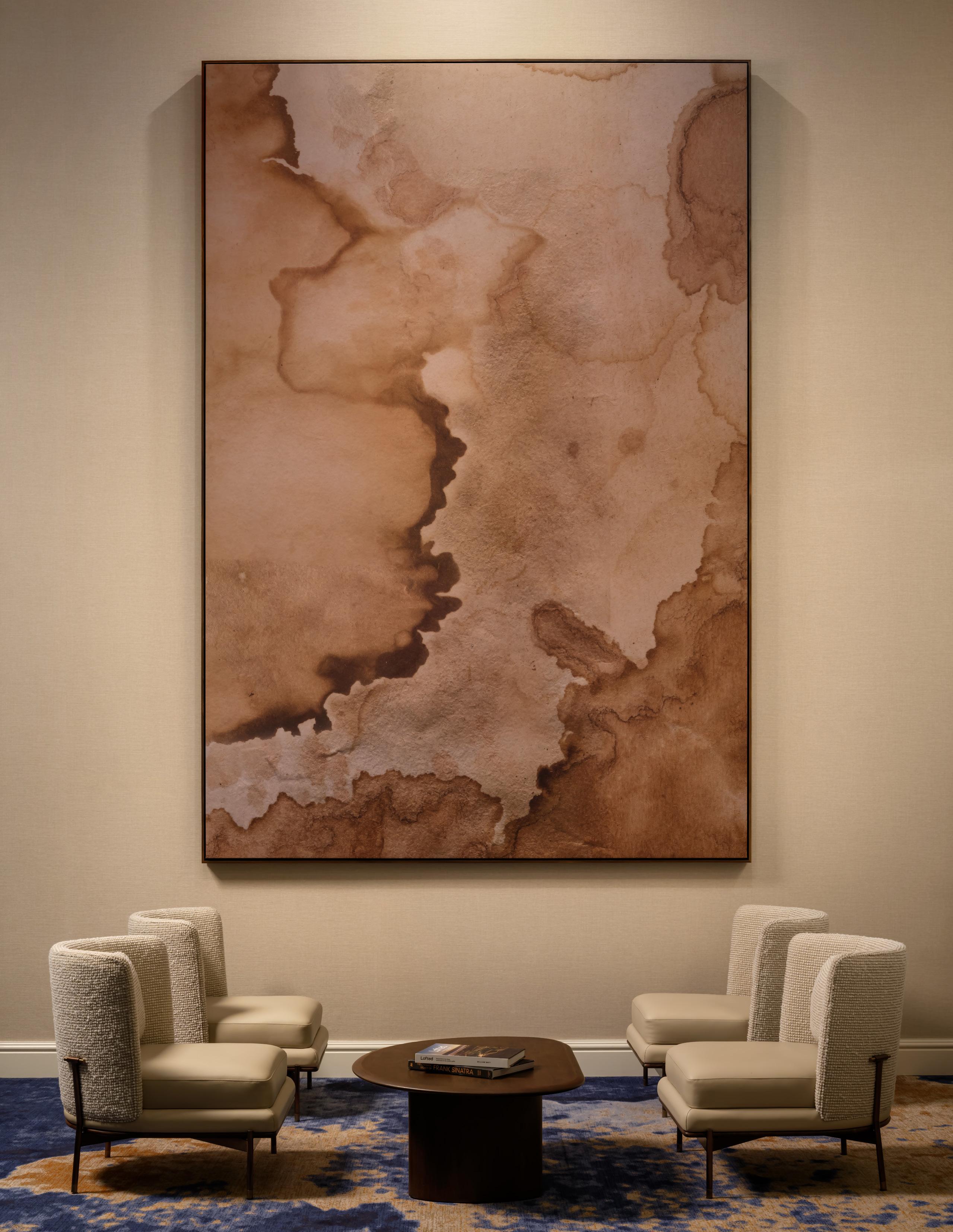
“Earthen Orb” by Arozarena de la fuente. Organic textures reflecting rugged landscapes.
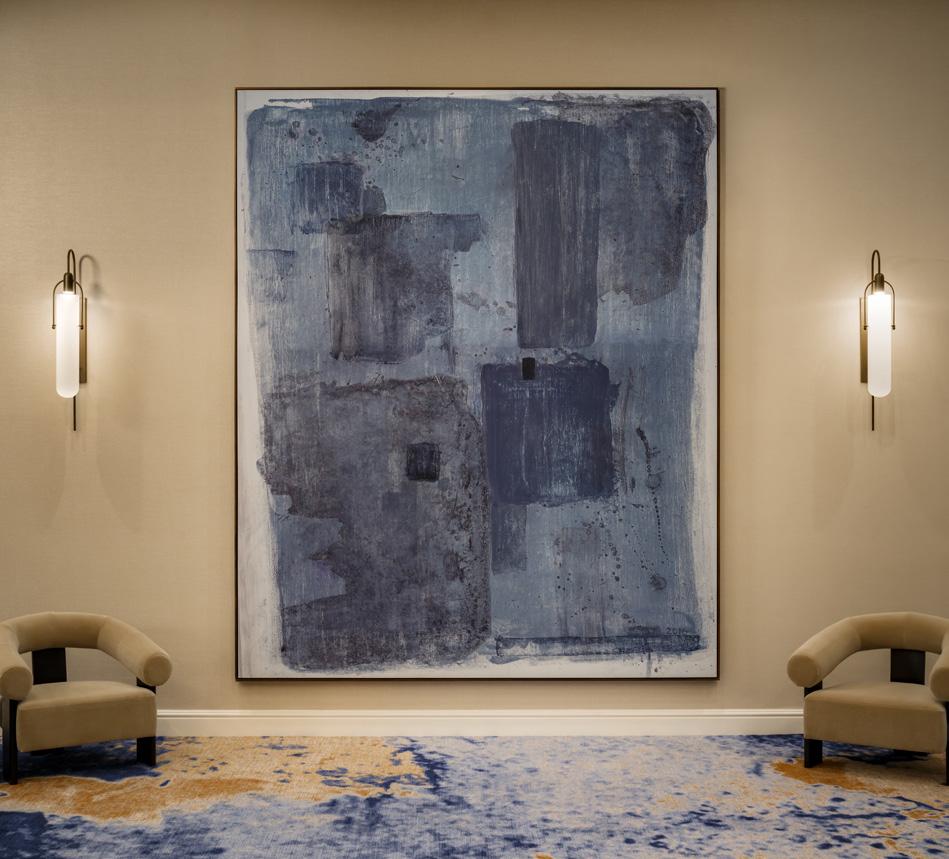
“In This Moment” KBAA Custom. Textured giclée with layered blues, evoking desert nightfall.
“A Rift in Time” by Luca Brandi. Giclée on gold mylar, referencing Red Rocks’ vertical formations.
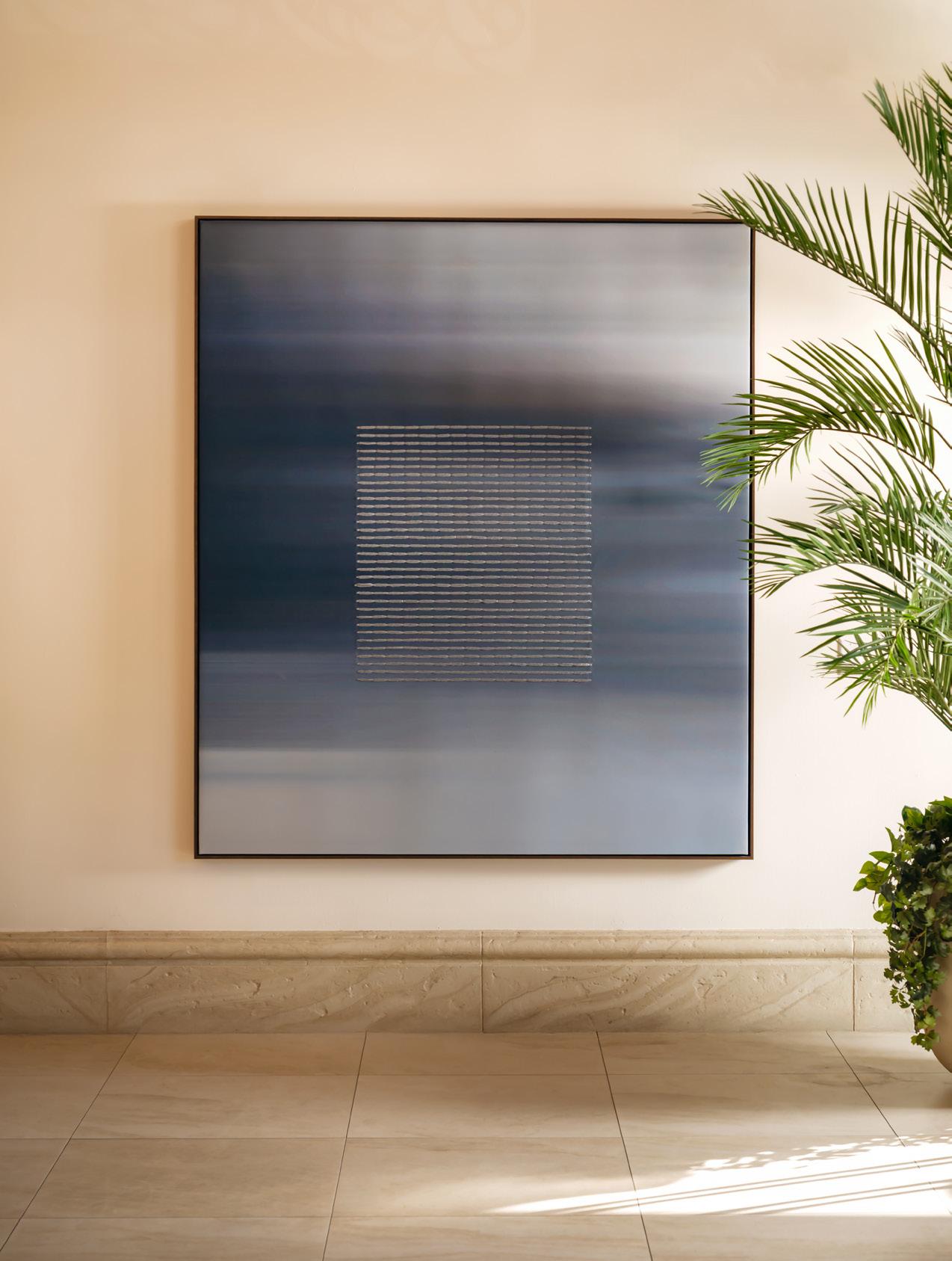
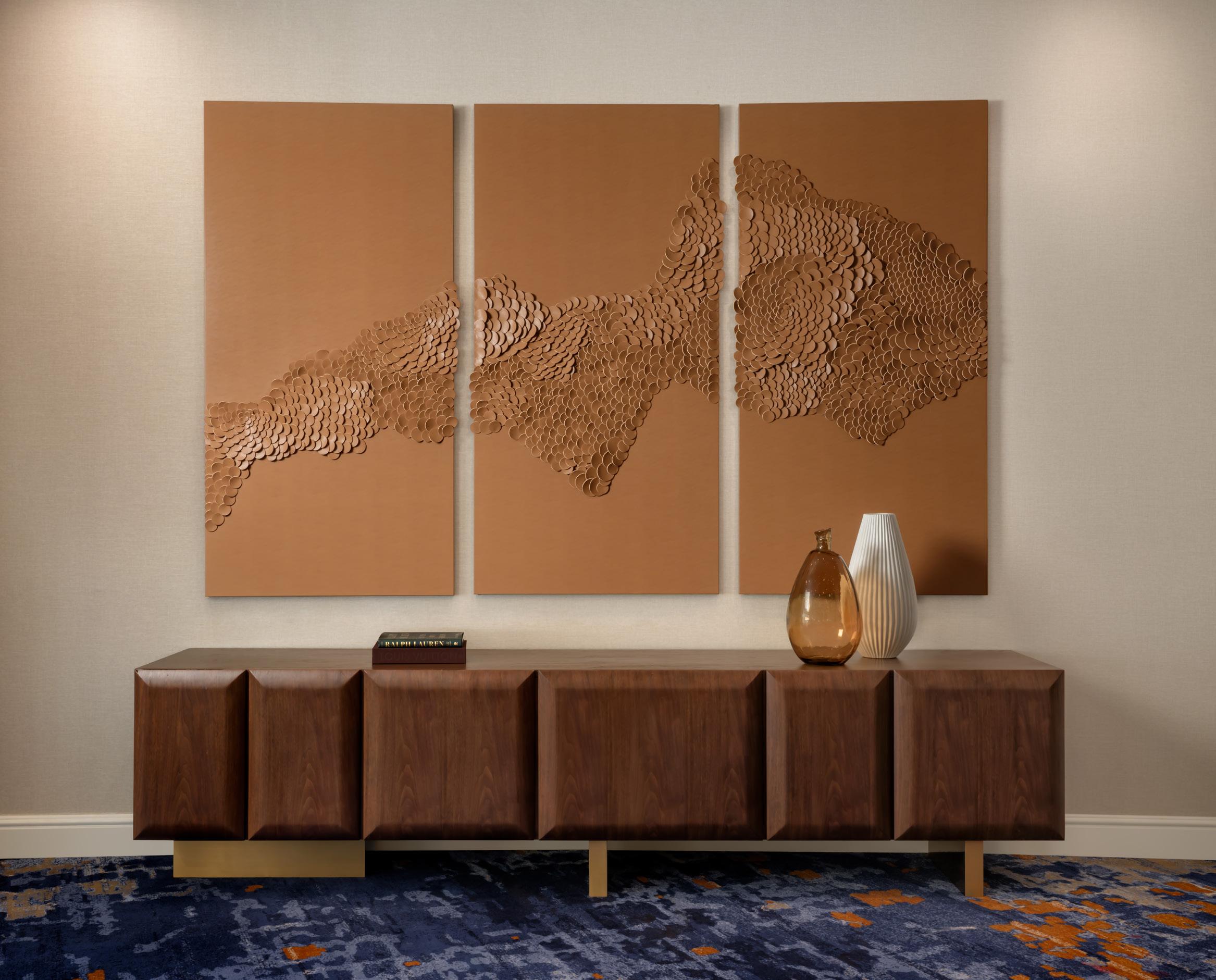
“Desert frost Triptych” KBAA Custom. Aluminum print with reflective surfaces emulating desert light.
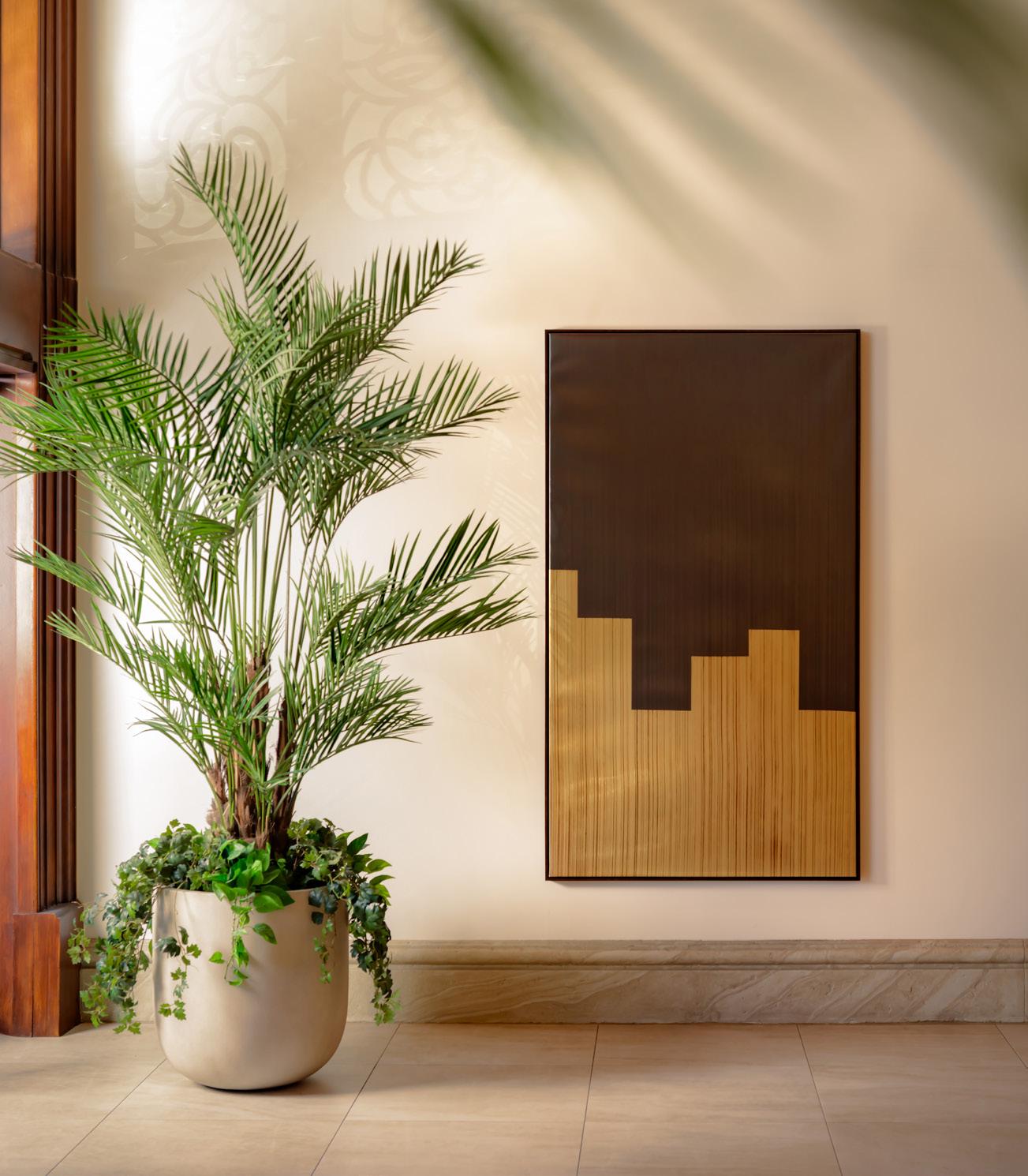
“Nature is one of the most inspiring forces in my art. I translate what nature offers, its silence, forests, landscapes, and plants, into abstraction through my own perception. The creation of my paintings is free and spontaneous, much like nature itself.”
- Luca Brandi
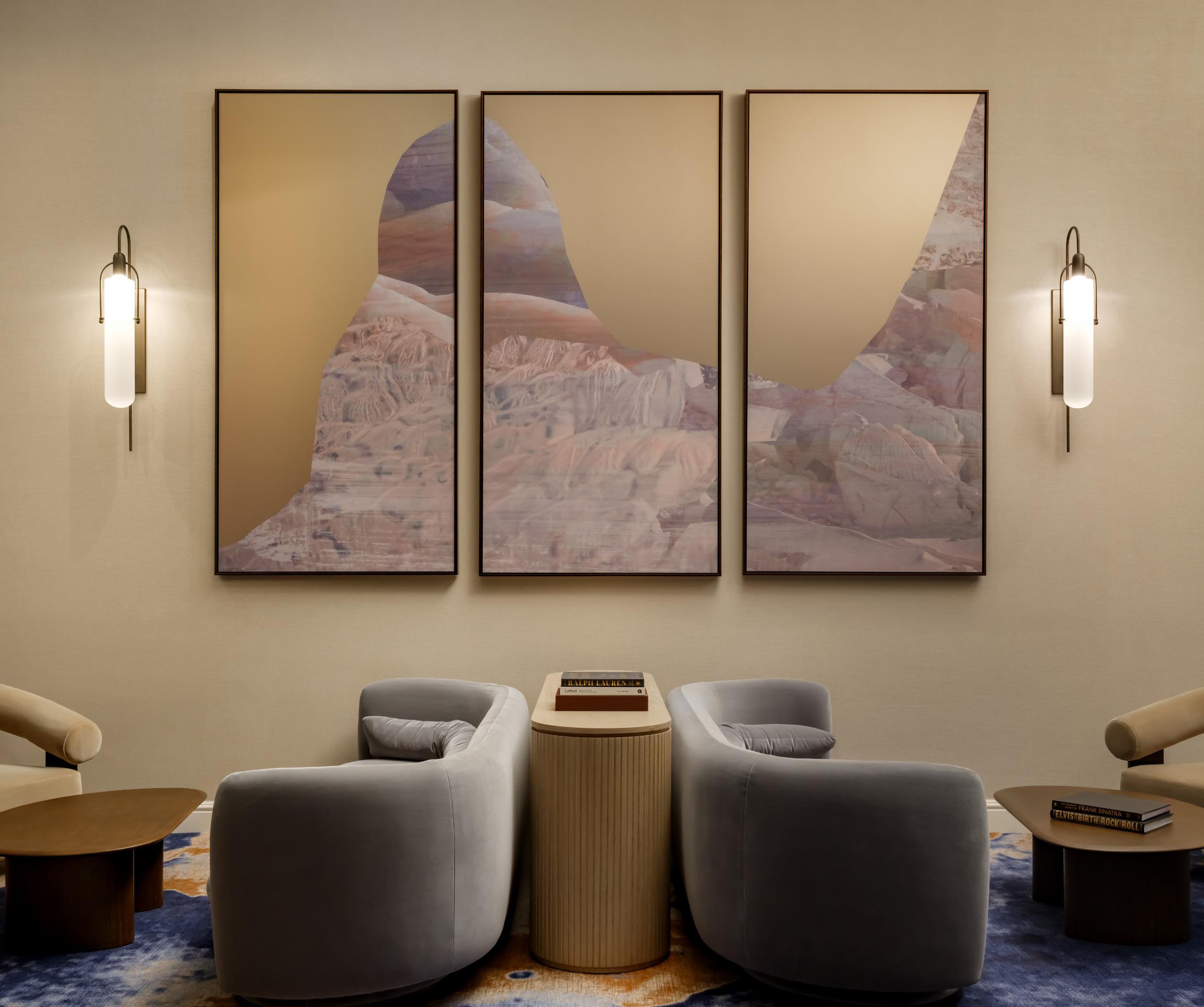
Our art advisors embraced bold proportions throughout the expansive resort and spa, allowing larger works to anchor key spaces. Several pieces were designed by our internal graphics team, including the triptych shown above, printed on an aluminum substrate. Reflective materials were purposefully selected to emulate the qualities of desert sunlight and the openness of the surrounding sky.
To the left, a striking work by Italian artist Luca Brandi offers a more personal interpretation of place. Drawing a connection between the mountains of his native Tuscany and the vertical formations of Red Rock Canyon in Las Vegas, the piece features a giclée on gold mylar wrapped canvas that creates a subtle shimmer. Nature serves as a continuous source of inspiration for Brandi, who views the natural world as an ongoing cycle of life and transformation, a mystery he seeks to explore through his work.
There is so much more to discover as you walk the halls of the JW Marriott Las Vegas Resort & Spa. We invite you to explore the resort with intention, linger where you feel drawn, and experience how art becomes part of the landscape of your stay.
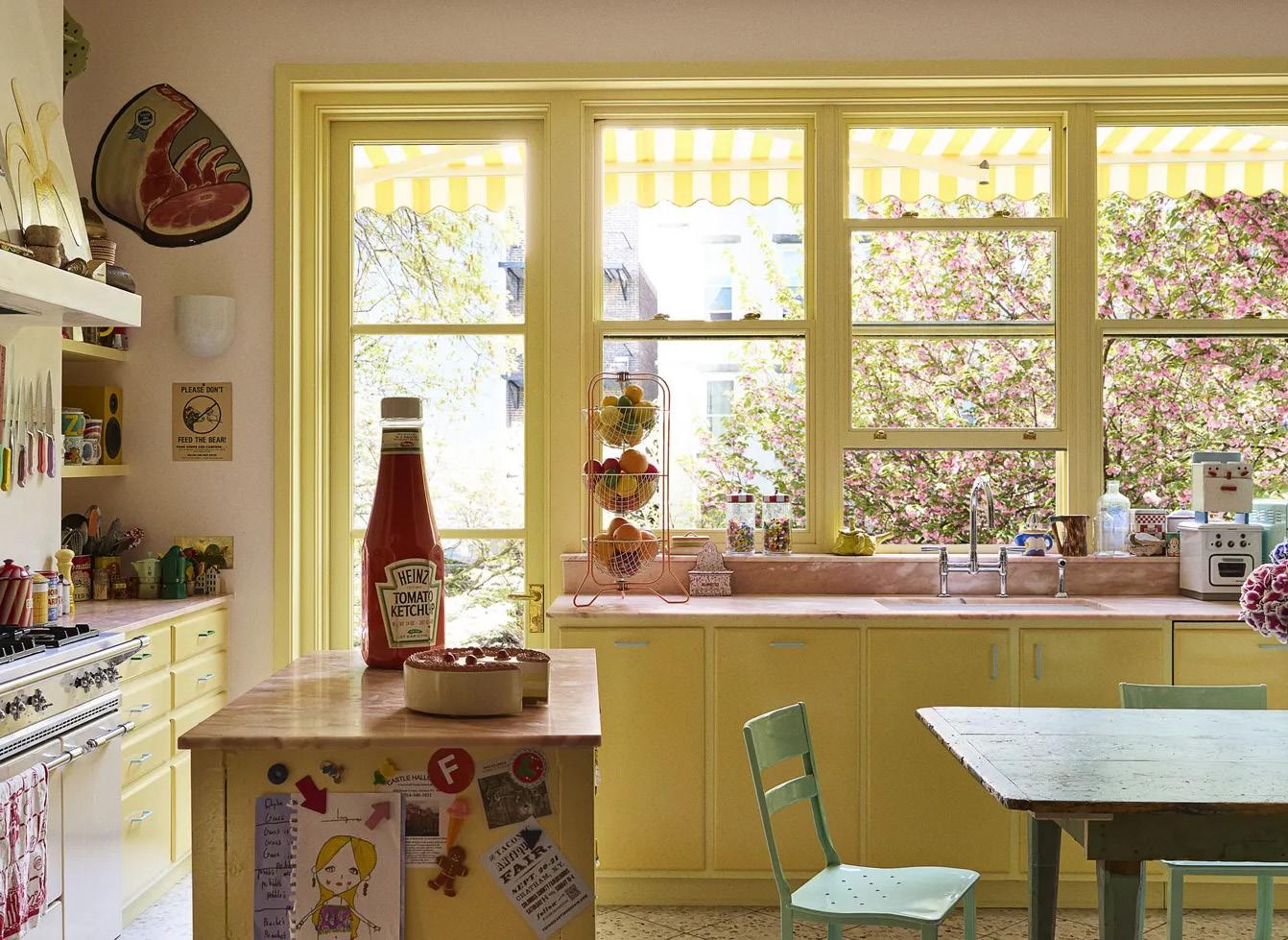
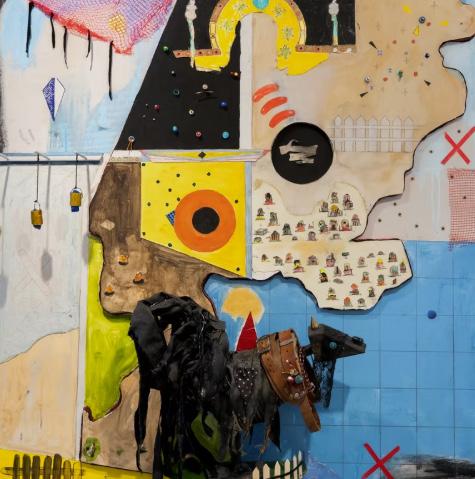
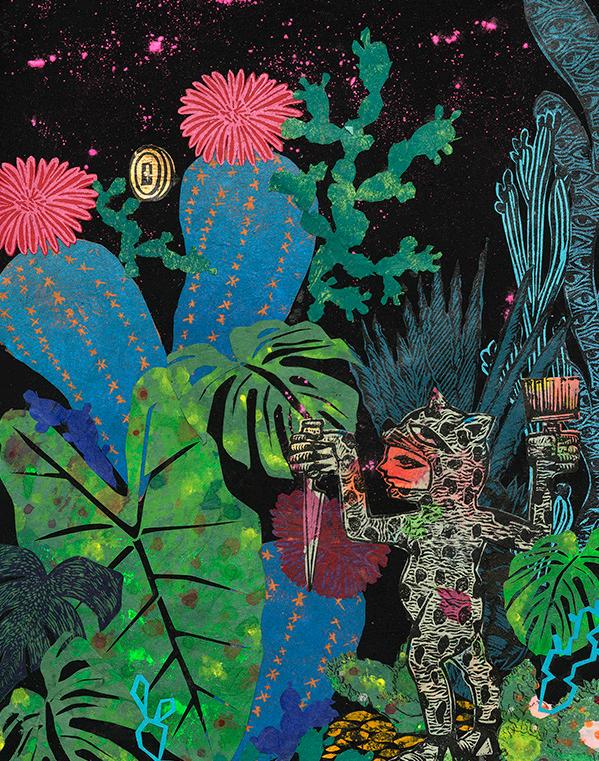
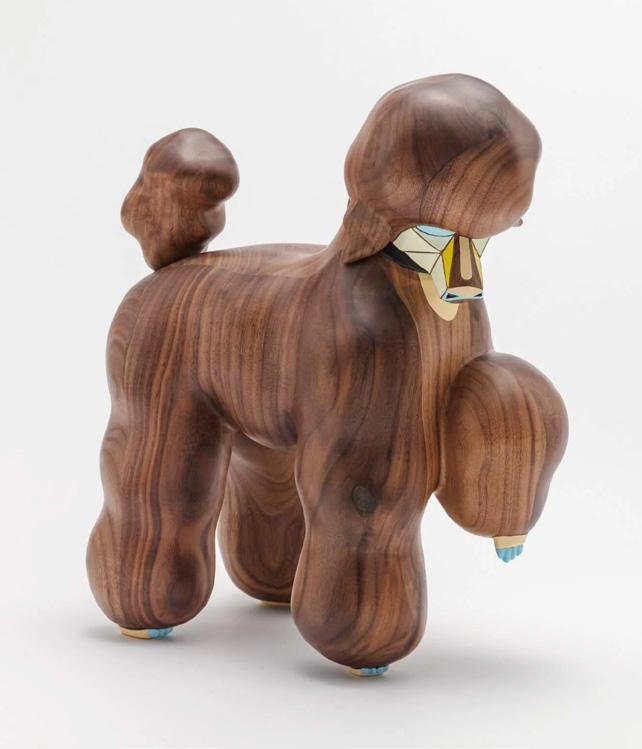
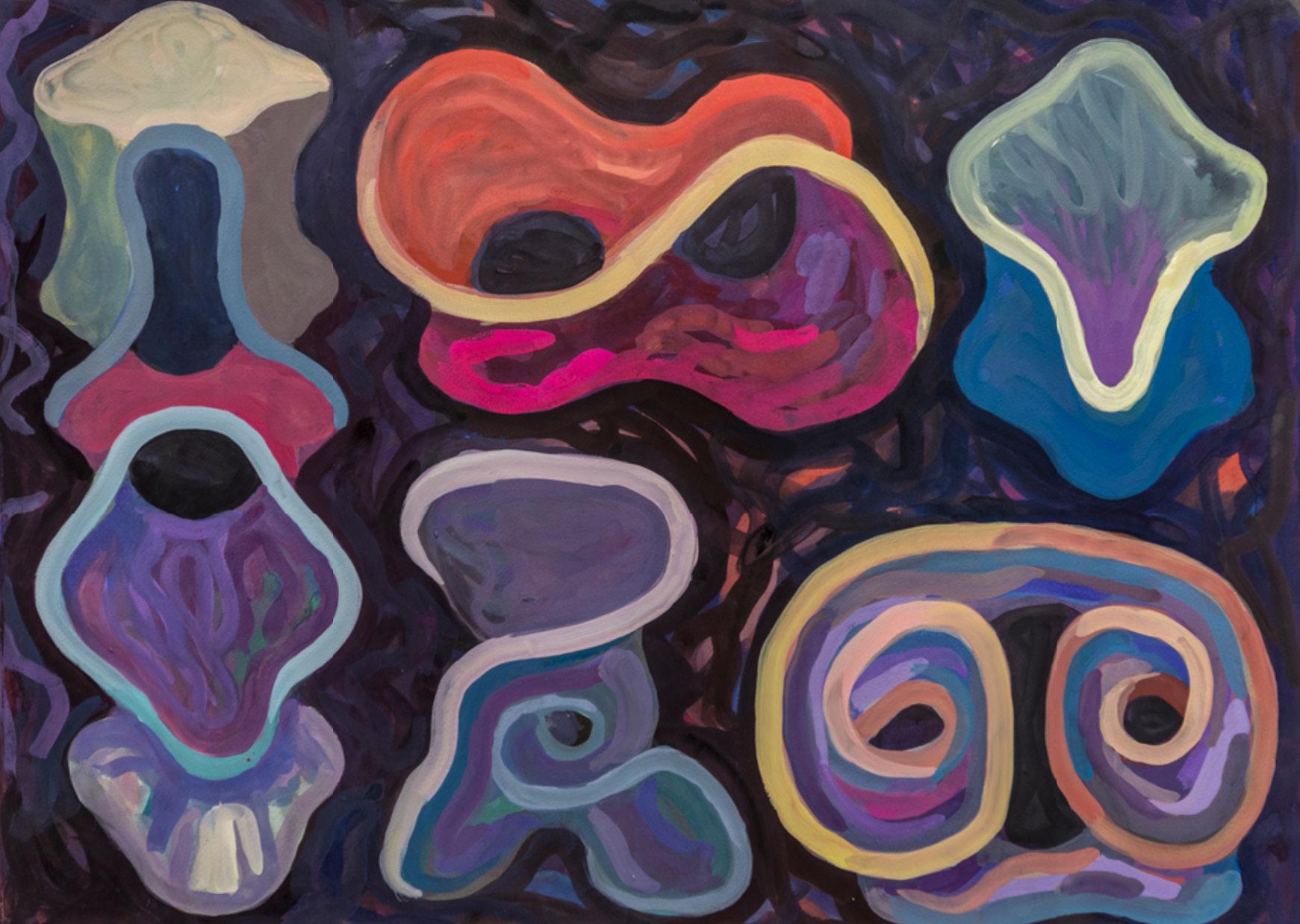
Art that demands attention, whether through color, texture, or subject matter is key. Whether it lives in your home, a public space, or a museum, the most compelling work goes beyond surface-level beauty. RAW EXPRESSION
Return to the excitement of the collected and the imperfect. From playful home decor to wild plants, handcrafted curiosities, and bold bursts of color, this trend can be infused all throughout your home.
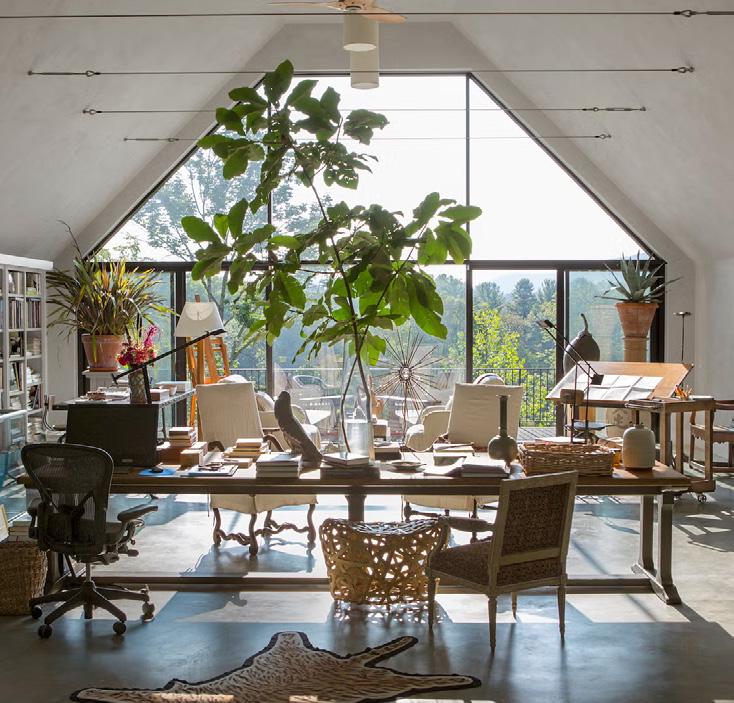
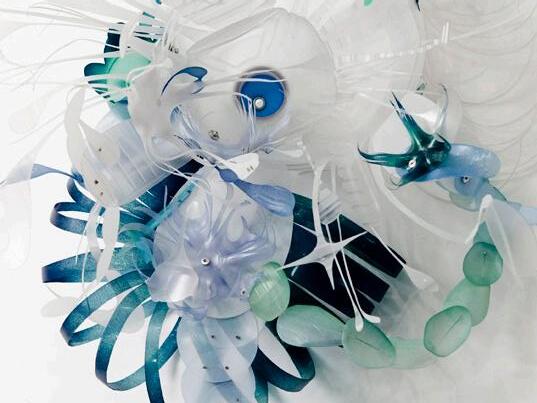
“Söka
f EARLESS PAIRINGS
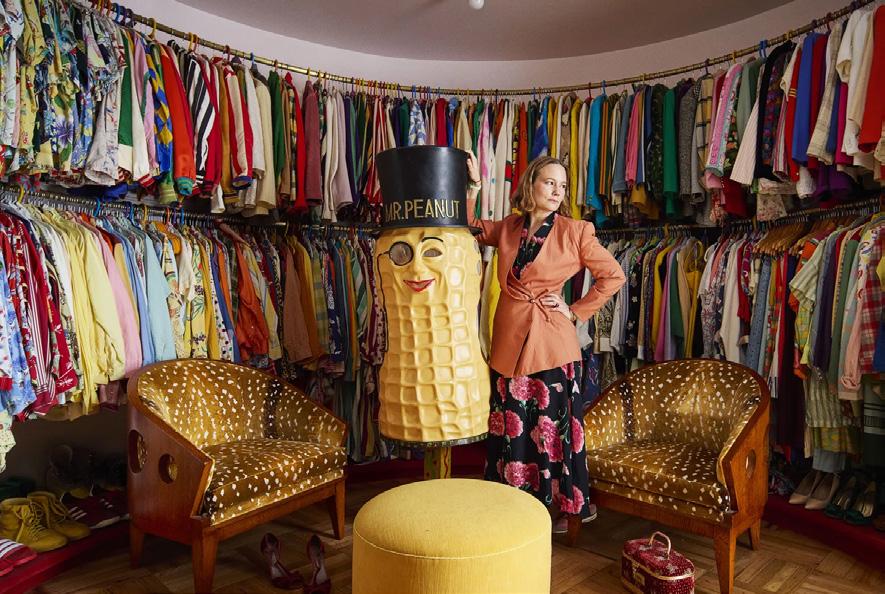
In fashion, we love the freedom to mix patterns, textures, and tone. We invite experimentation and encourage unexpected combinations that feel both effortless and expressive.
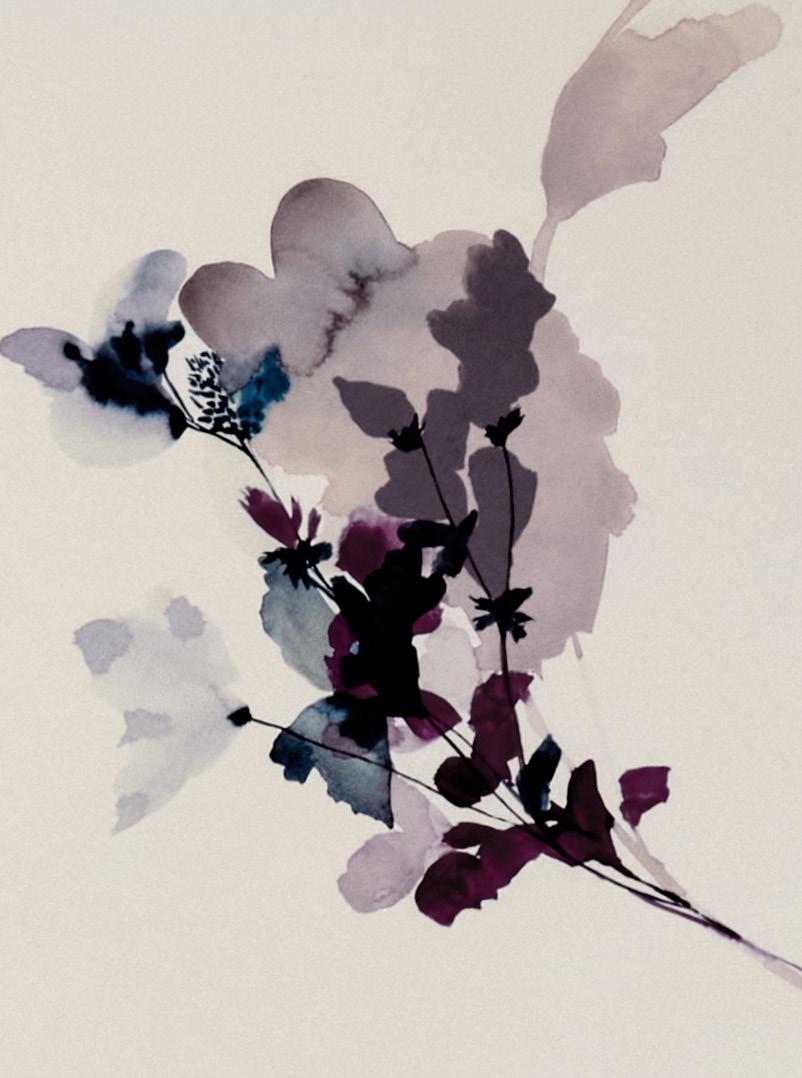
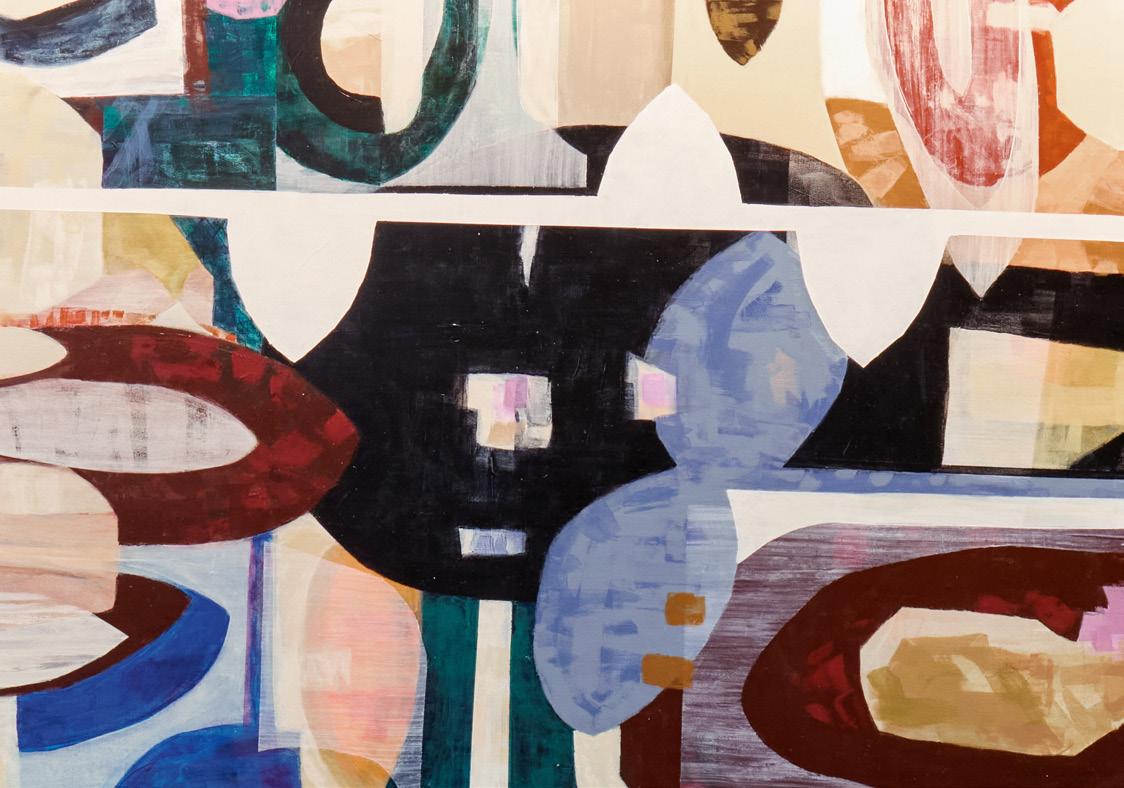
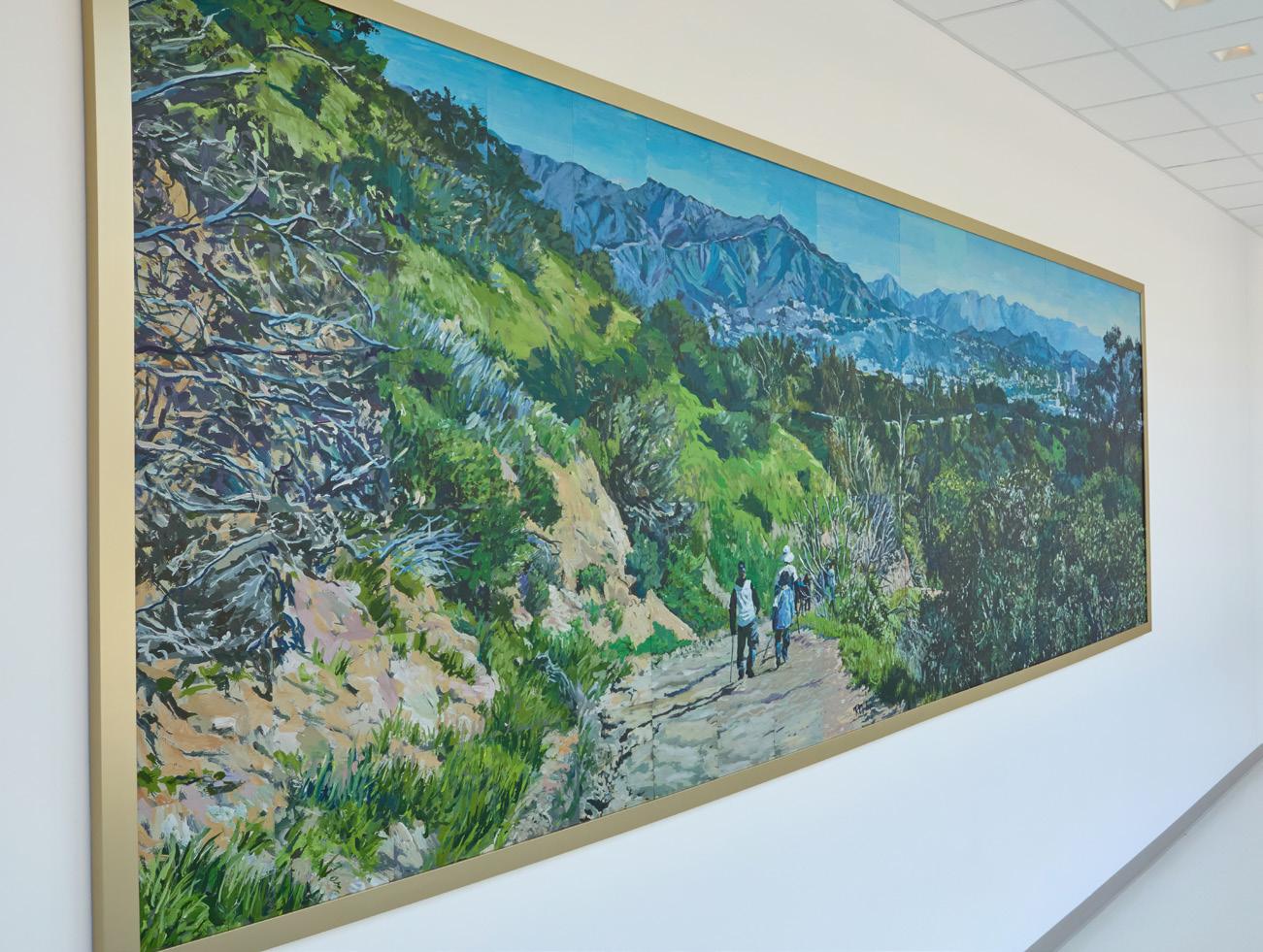
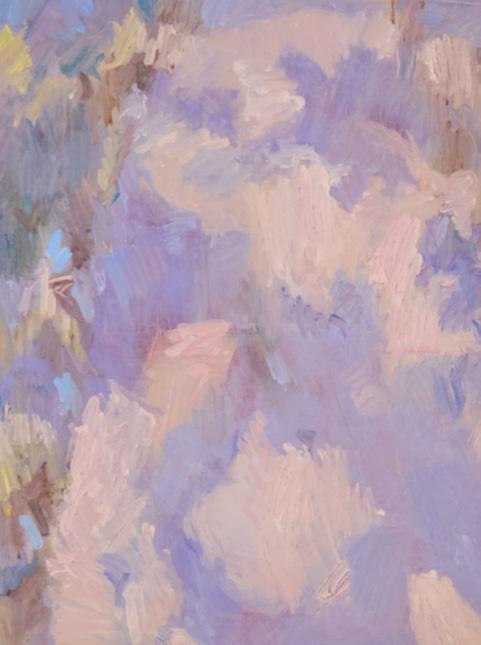
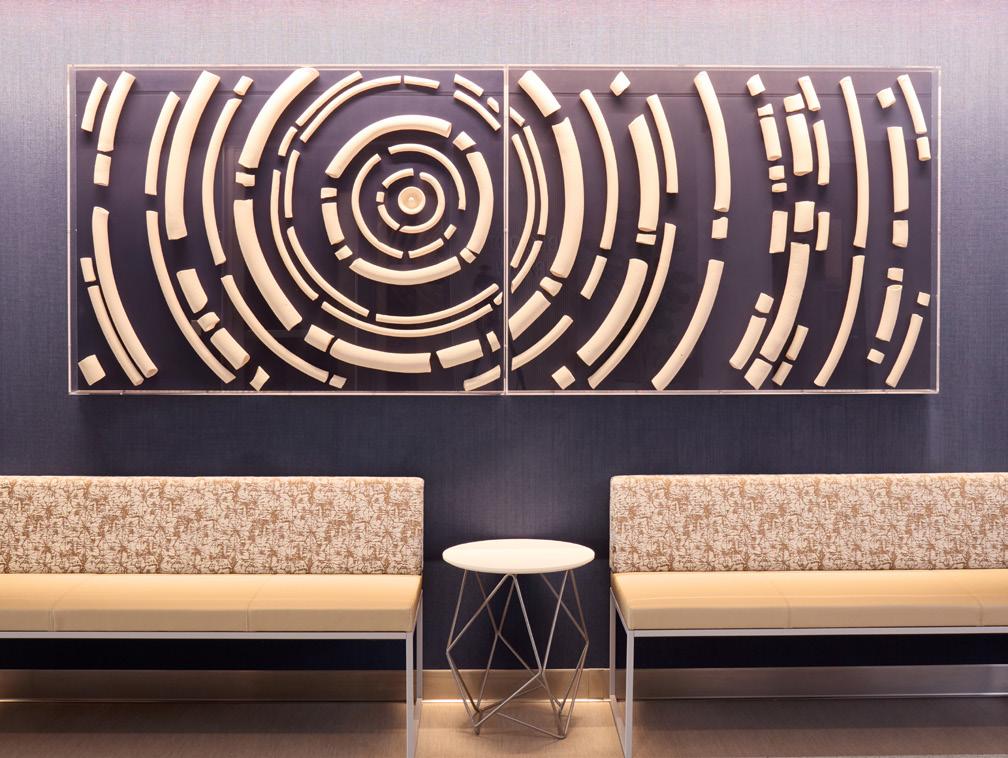
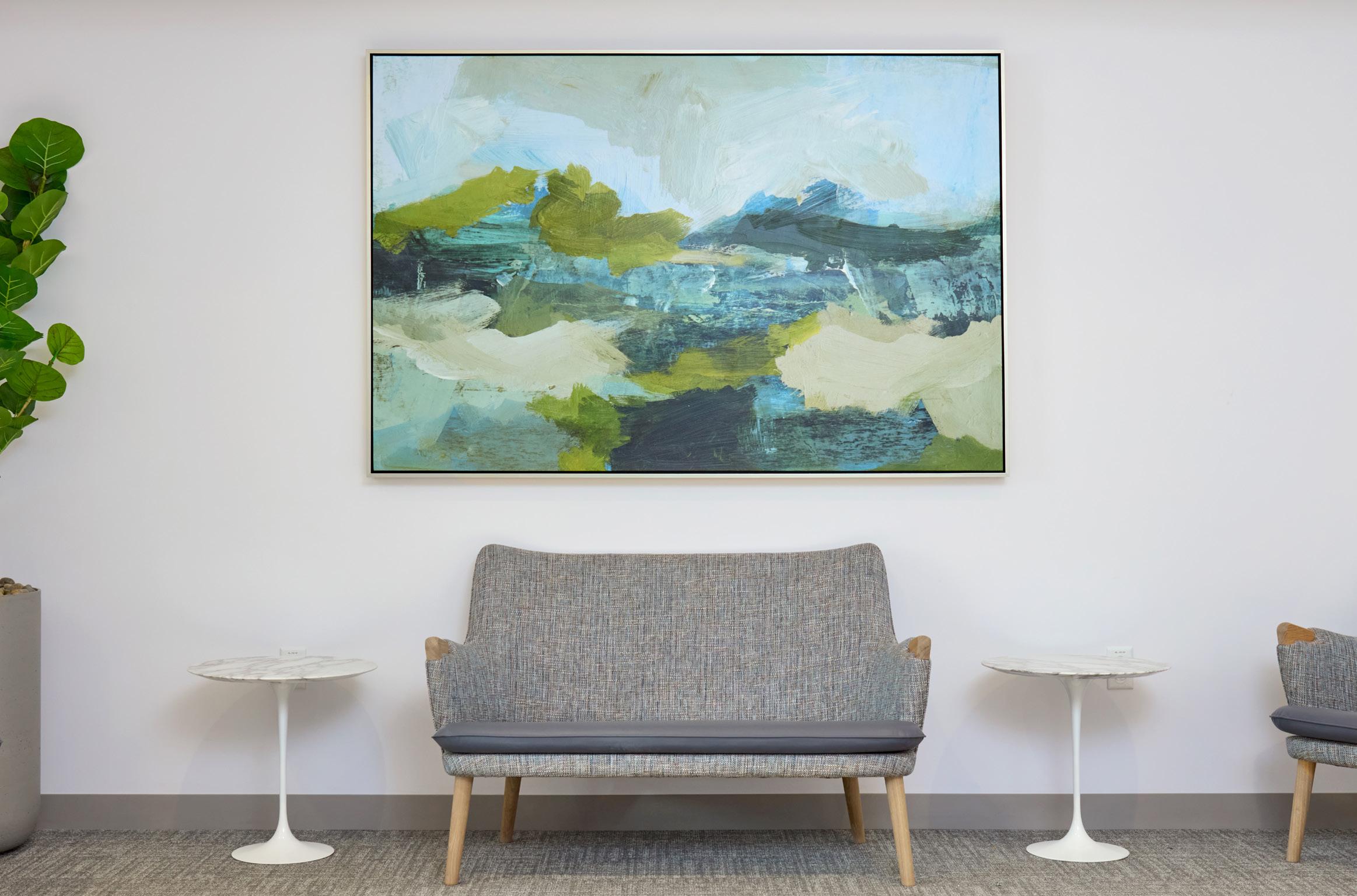
Healthcare spaces are often experienced at meaningful moments in our lives. for the new Keck Medicine of USC Pasadena location, KBAA was invited to help shape an environment that helps inspire a sense of warmth and calm. Designed for patients who may need to return regularly for treatments, our art program plays an essential role in creating a sense of ease and familiarity. Guided by EDAC principles (learn more on page 24), we collaborated with the Keck Medicine of USC team to curate works by local artists that reflect the natural rhythms and landscapes of Pasadena. The result brings the restorative presence of nature indoors, grounding the space in a sense of place and care.
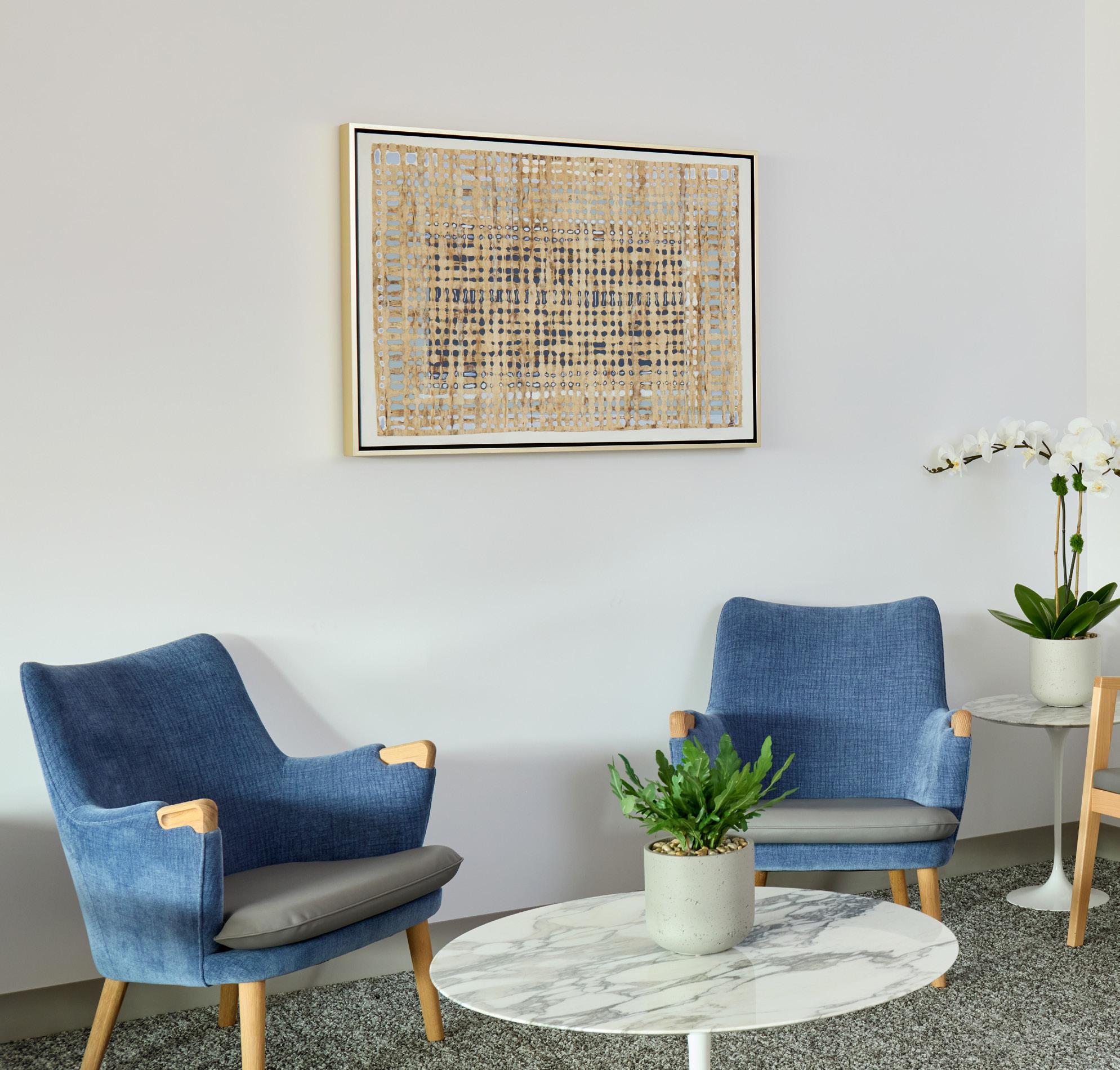
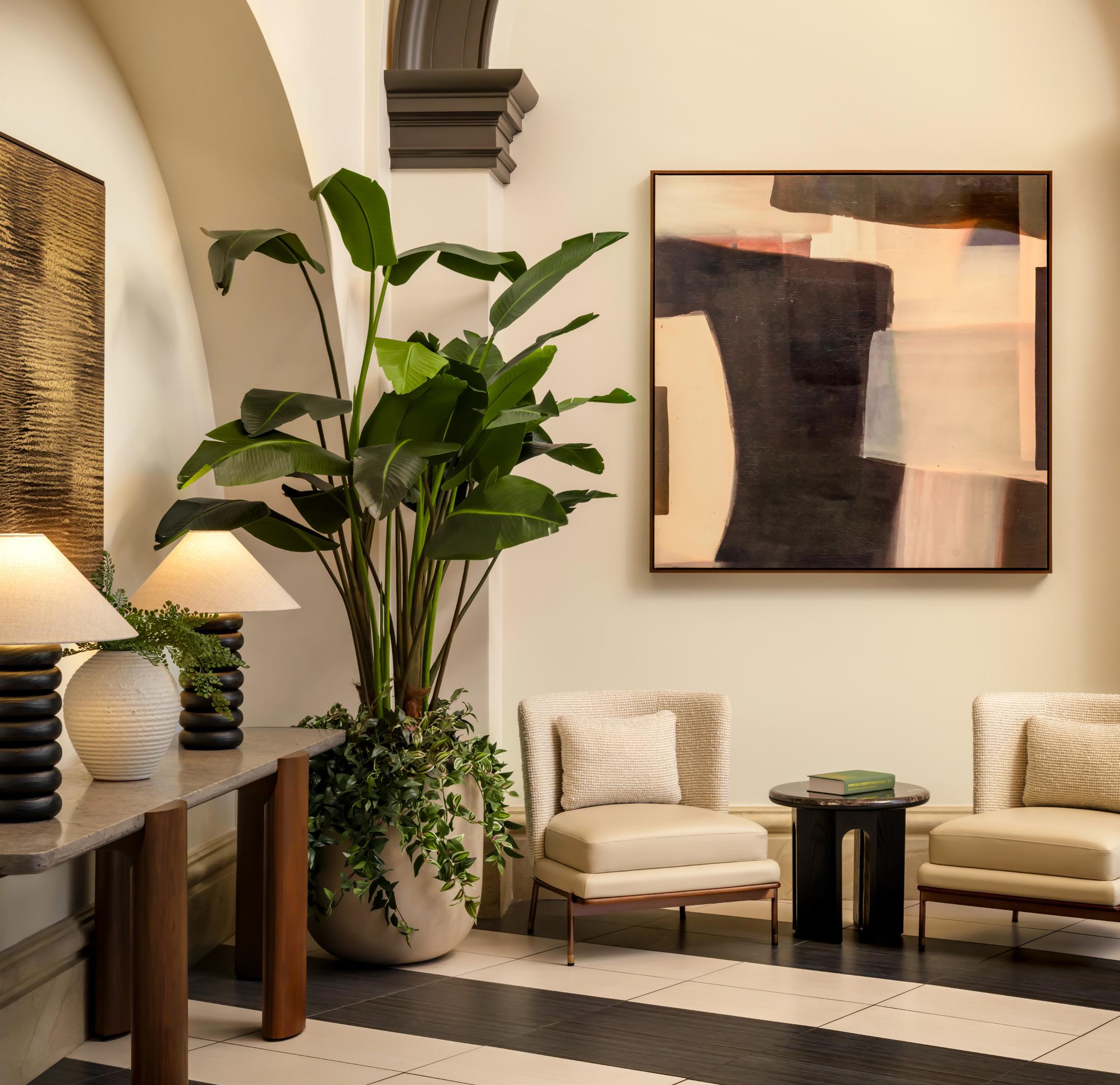
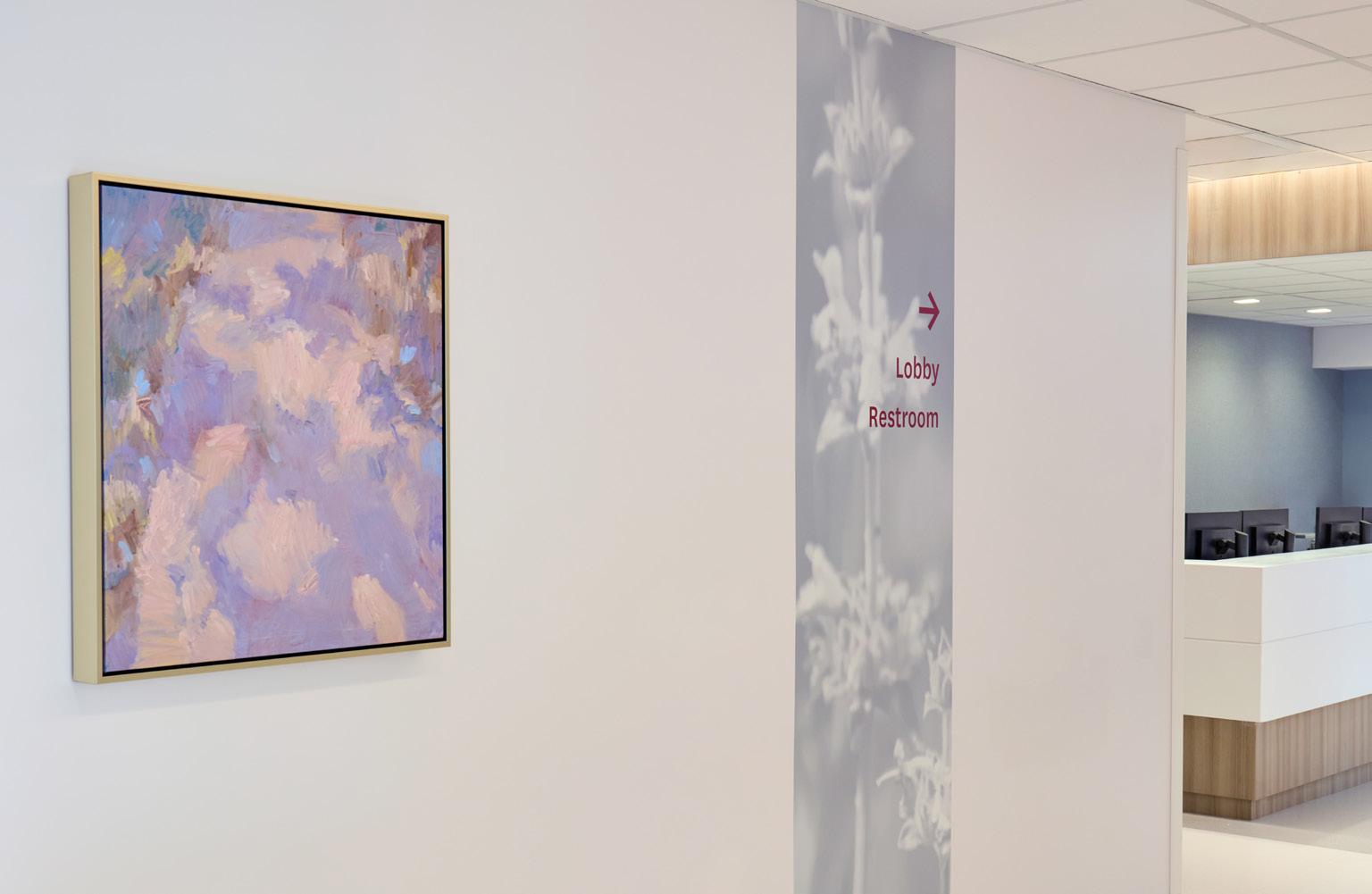
Throughout the space, opportunities to weave nature into the art program were thoughtfully embraced. The Keck Medicine of USC team introduced a subtle concept celebrating distinct local plant life on each floor, which became a quiet framework for our curation. Drawing from these botanical references, our advisors used the shifting color palettes and textures of Southern California’s landscape to guide artwork selection. featured above, “Seen Through a Porthole” by LA-based artist Stef Bauer blends modern and primitive influences through organic texture. Bauer works intuitively, layering acrylic, ink, and textured paper to create a subtle sense of depth and balance. Painted directly onto a birchwood panel, the frame becomes part of the work, reinforcing its quiet softness and simplicity.
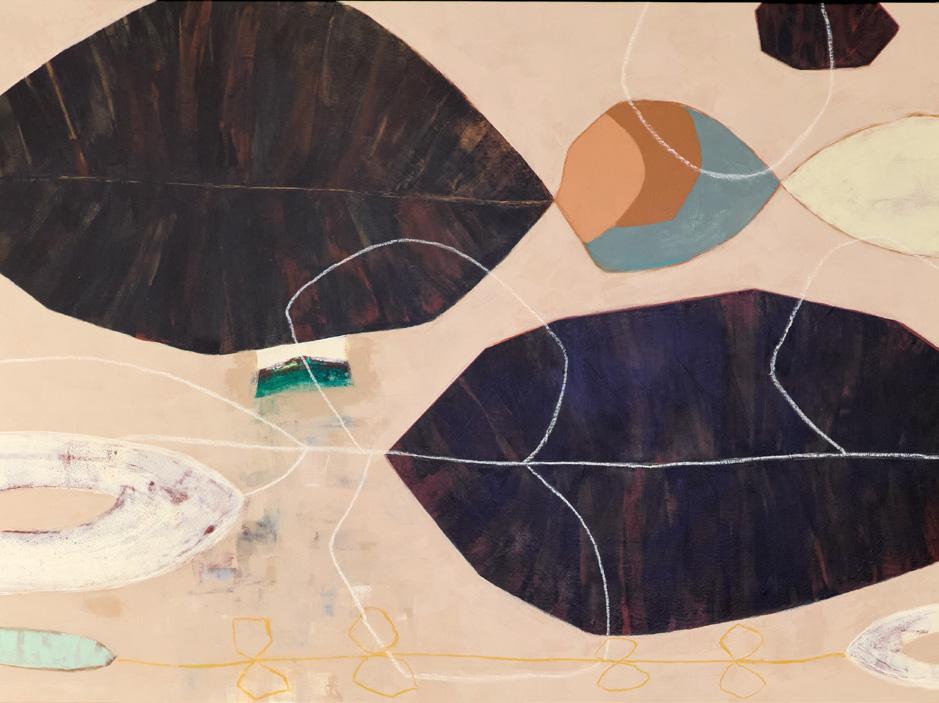
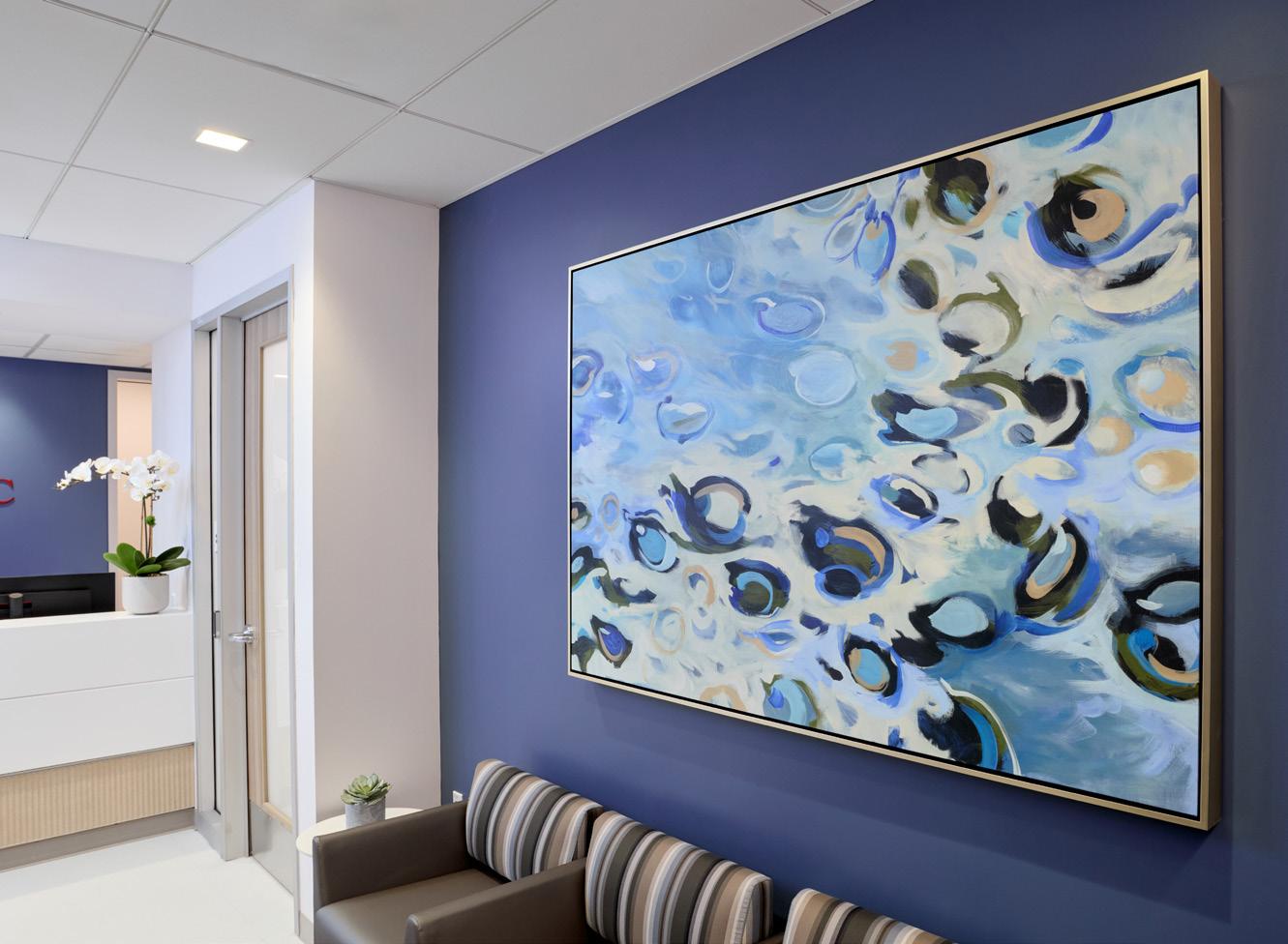
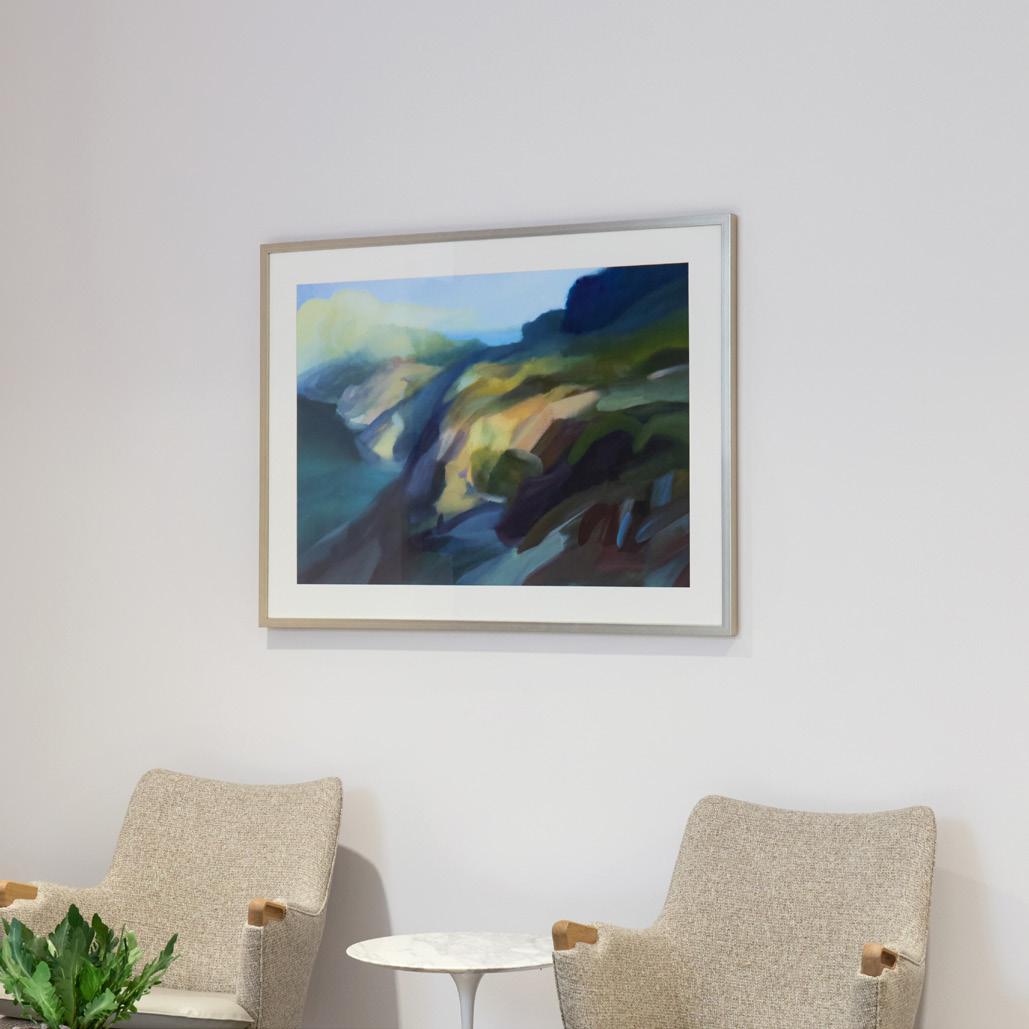
Inspired by local flora such as the golden poppy, California buckwheat, black sage, and sycamore trees, we echoed these influences through abstract landscapes and restrained visual cues. The result is an art program that feels rooted in Pasadena without being literal, offering a natural continuity that flows from floor to floor.
“Seen Through a Porthole” by Stef Bauer. Abstract coastal perspective.
“Lady Luck” by Pasadena-based artist Pamela Harmon.
“Washed Ashore” by Liz Jardine. Echoing the movement of water.
Selected moments from our conversation with the Keck Medicine of USC team. The full Q&A will be available on the KBAA blog.
We sat down with the team behind the new Keck Medicine of USC Pasadena location on the role of art in creating more supportive healthcare environments.
Sharon Lee : Executive Administrator of Acquisitions and Integration / Stefano Mauro : Executive Administrator, Regional Operations, Imaging, and Radiation Oncology / Janet Kim : Associate Administrator, USC Care Ambulatory Services / Sophia Lee : Associate Administrator, Design and Construction Planning
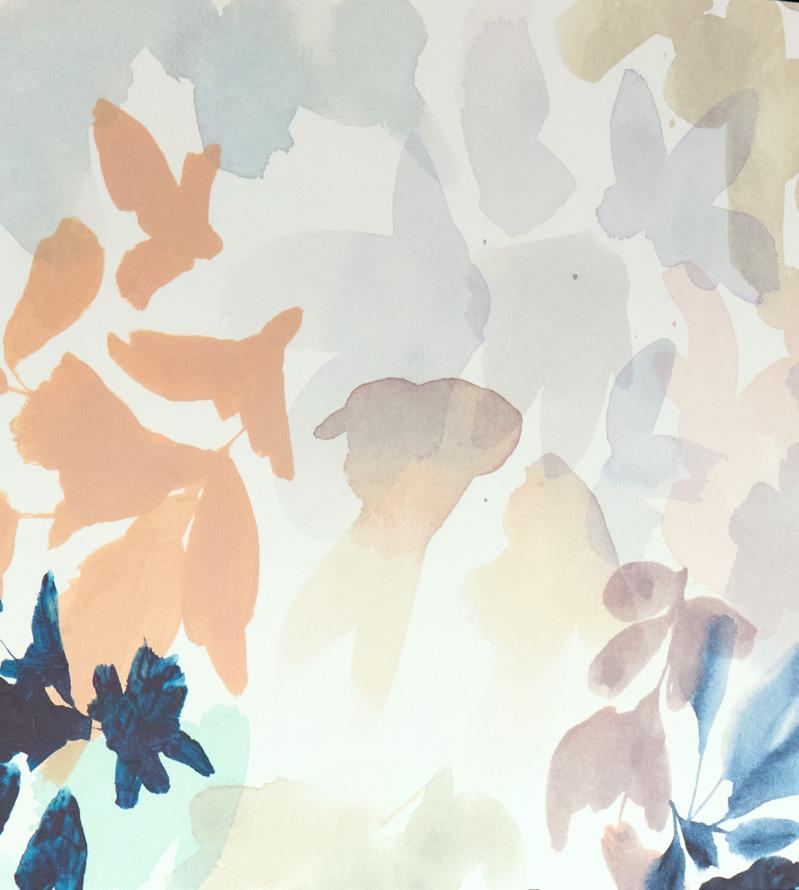
Healthcare environments are often defined by function first. Why was it important for Keck Medicine of USC to also invest in a thoughtful art program for this space?
SHARON LEE / Our clinical spaces feature standardized layouts, ensuring consistency and efficiency throughout our facilities. At the same time, curated artwork introduces creativity and character to each environment. This thoughtful integration of art not only enhances the experience for our patients, but also creates a cohesive and inspiring atmosphere for the staff and physicians who work in our buildings every day.
SOPHIA LEE / Ultimately, it’s a better experience for anyone who enters our building.
How do you see art contributing to the emotional experience of care?
STEFANO MAURO / A stark, sterile white wall can feel unwelcoming and impersonal. We view each wall as a canvas, using artwork to transform our spaces and promote healing. Through thoughtful selection and placement, art brings warmth, comfort, and inspiration to our environment, supporting the well-being of everyone who enters.
Why do natural references, materials, or palettes feel especially resonant in a healthcare environment?
JANET KIM / Given Pasadena’s strong connection to nature, with the San Gabriel Mountains and foothills as defining features of the city, it was a natural synergy for us to focus on nature-themed artwork in our spaces. By incorporating pieces that reflect the beauty and tranquility of the local landscape, we create an environment that resonates with the community and supports a sense of healing and well-being for our patients, staff, and visitors.
How would you describe the collaborative process with KBAA as the art program took shape?
STEFANO MAURO / KBAA provided us with a comprehensive framework for selecting artwork throughout the building, beginning with an in-depth interview to establish our preferred styles, themes, colors, and mediums. Keck Medicine was committed to showcasing local artists, and KBAA identified and curated pieces from Pasadena natives and neighboring communities. With the Eaton Fires still fresh in everyone’s mind, we also chose to feature works from Altadena artists, further honoring the resilience and spirit of our local area.
How does this project reflect Keck Medicine of USC’s broader approach to care, community, and the environments you create for healing?
SHARON LEE / We were intentional in presenting a diverse selection of art, colors, and mediums to keep the design both interesting and cohesive throughout the building. As a Pasadena native, I believe we achieved the perfect blend of nature, people, colors, and artistic mediums to authentically reflect the spirit of the city and its community. This thoughtful approach ensures our spaces are engaging, welcoming, and truly representative of Pasadena’s unique character.
“Coast to Coast” by Jeffrey Beauchamp. Mountain ranges framing Pasadena.
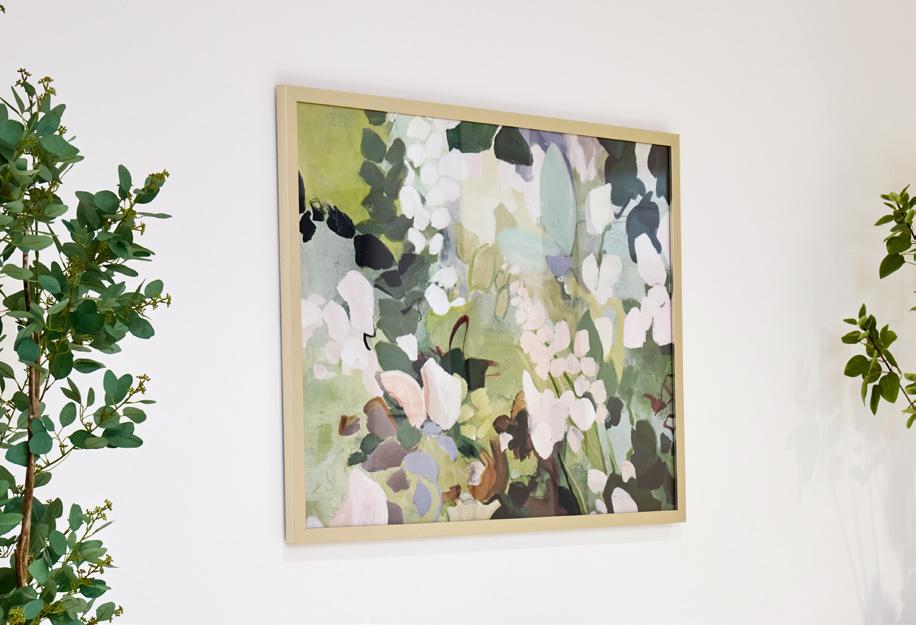
“In flux” by Sunny Goodwin. Calming abstract inspired by nature.
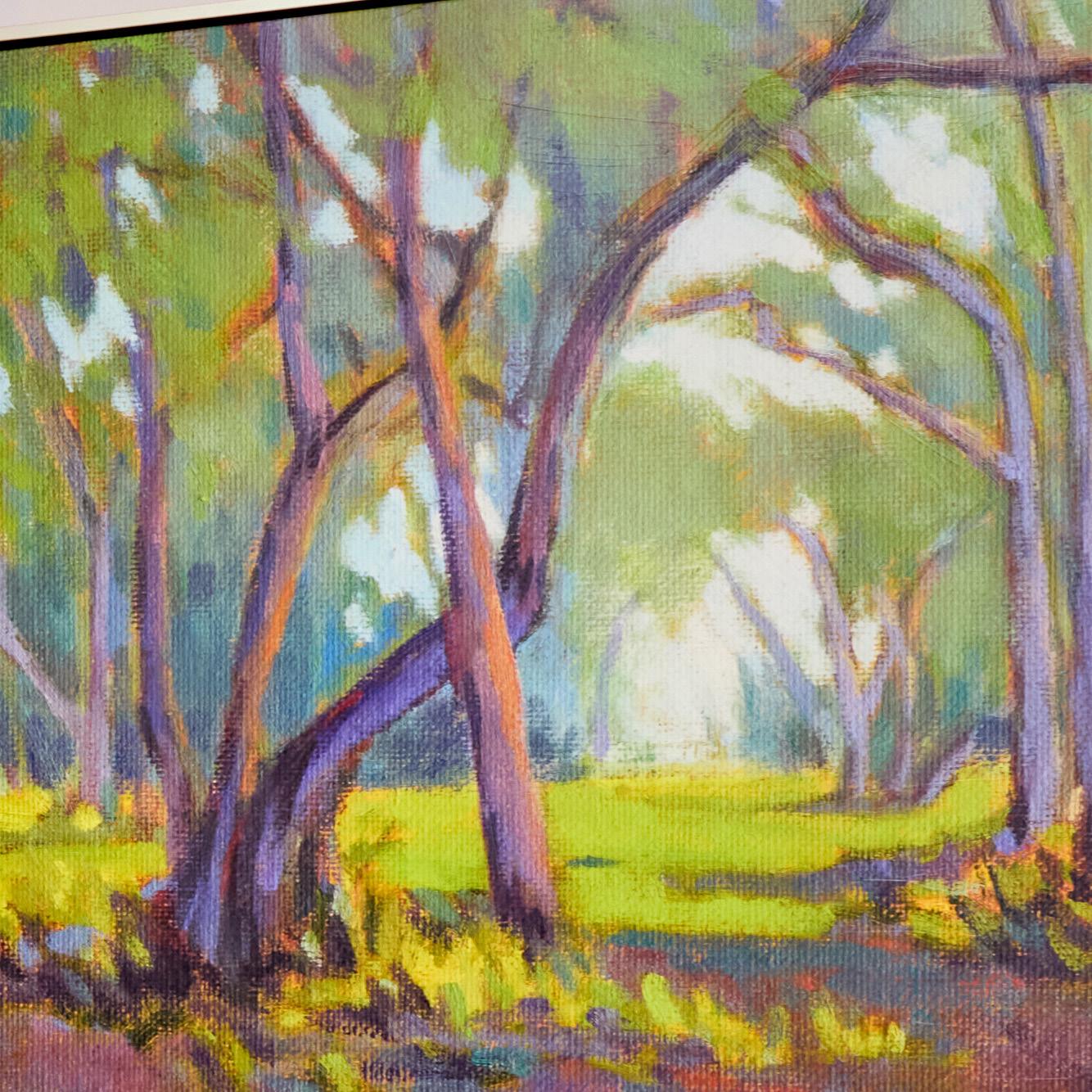
“A Walk in the Woods” by Konnie Kim. Rooted in the local landscape.
Rotating frame spotlighting local artists currently showing “Swirl.”
Throughout our Natural Influence issue, we’ve explored how restorative art and design come together. from materiality and color to philosophy and placement, the art showcased throughout is a reflection of our belief in creating art programs rooted in natural, intuitive storytelling. More than an aesthetic choice, our evidence-based approach informs much of our work, particularly within healthcare environments.
In healthcare spaces, when patients encounter art inspired by the world around them, it can offer a moment of relief. This strategy reconnects viewers to the outside world and often evokes feelings of comfort and familiarity. Because of this, nature-inspired art is widely embraced within healthcare settings as a way to support more positive experiences for patients, staff, and visitors alike.
This philosophy is grounded in research advanced by The Center for Health Design through its internationally recognized EvidenceBased Design Accreditation and Certification (EDAC) program. Many of our art advisors are EDAC-certified, bringing a research-informed lens to every creative decision. At its core, Evidence-Based Design is a research-driven process that guides decision-making across architecture, interiors, wayfinding, and art experiences. It encourages testing, observation, and refinement for every project, ensuring that creative choices are supported by credible insight rather than assumption.
for KBAA, this framework begins with listening. We work closely with clients to understand their goals, narratives, and the communities they serve. from there, we curate and commission artwork that is intentionally placed for impact, whether through integrated wayfinding moments or experiences designed to help reduce stress. Insights gained from one project often inform the next, allowing ideas to evolve and deepen over time.
Across larger healthcare brands, this methodology can even result in visual continuity across branches that fosters familiarity and ease. In some cases, an art concept resonates so strongly that it becomes a shared thread across multiple locations, helping patients and staff feel a sense of connection as they move between spaces.
Learn more about art with intention in healthcare spaces at kevinbarry.com/evidence-based-design
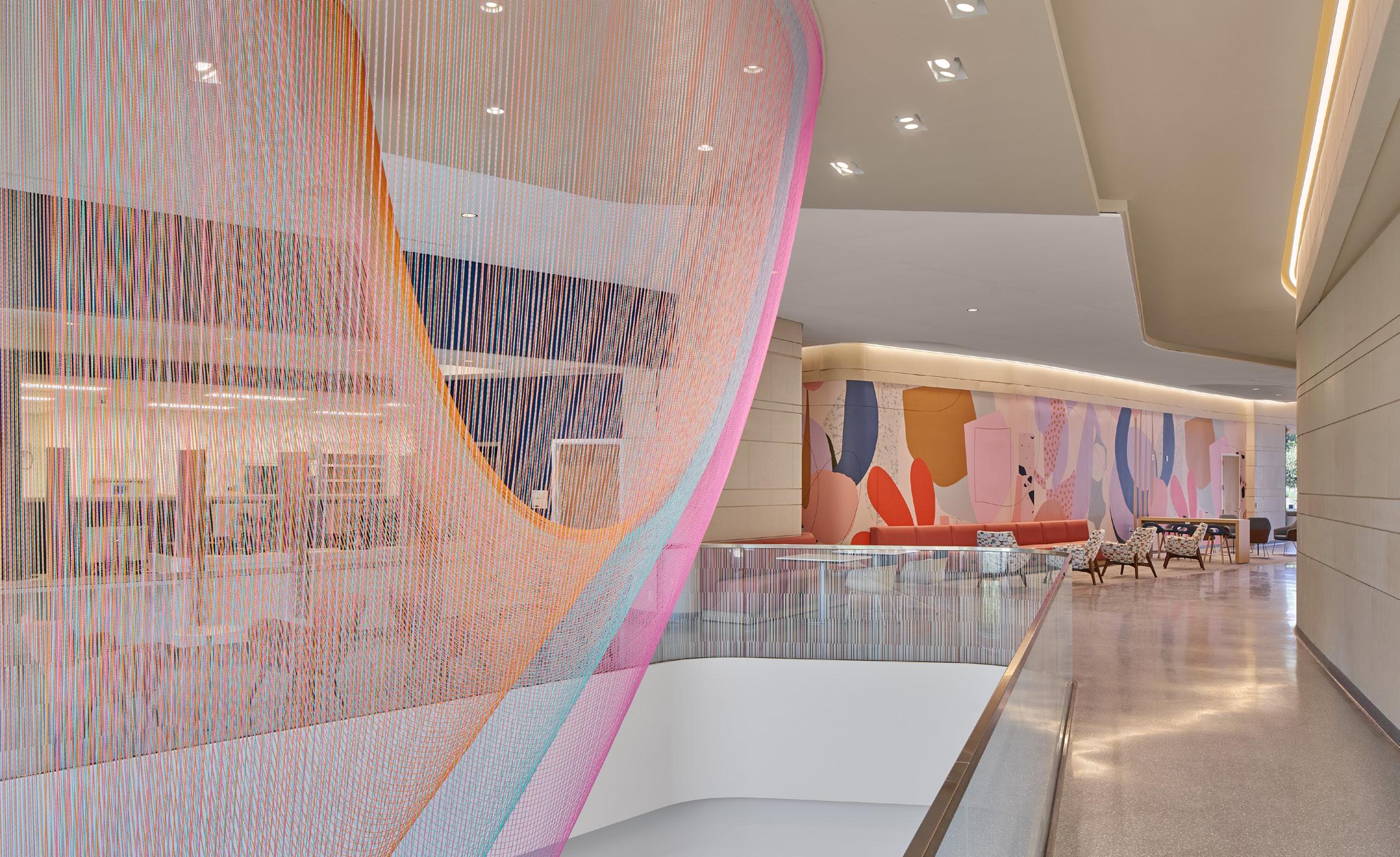
A large-scale, immersive sculptural installation offers a calming visual refuge for patients and families in a City of Hope waiting room.
An example of how we integrated local flora into artful wayfinding
of USC.
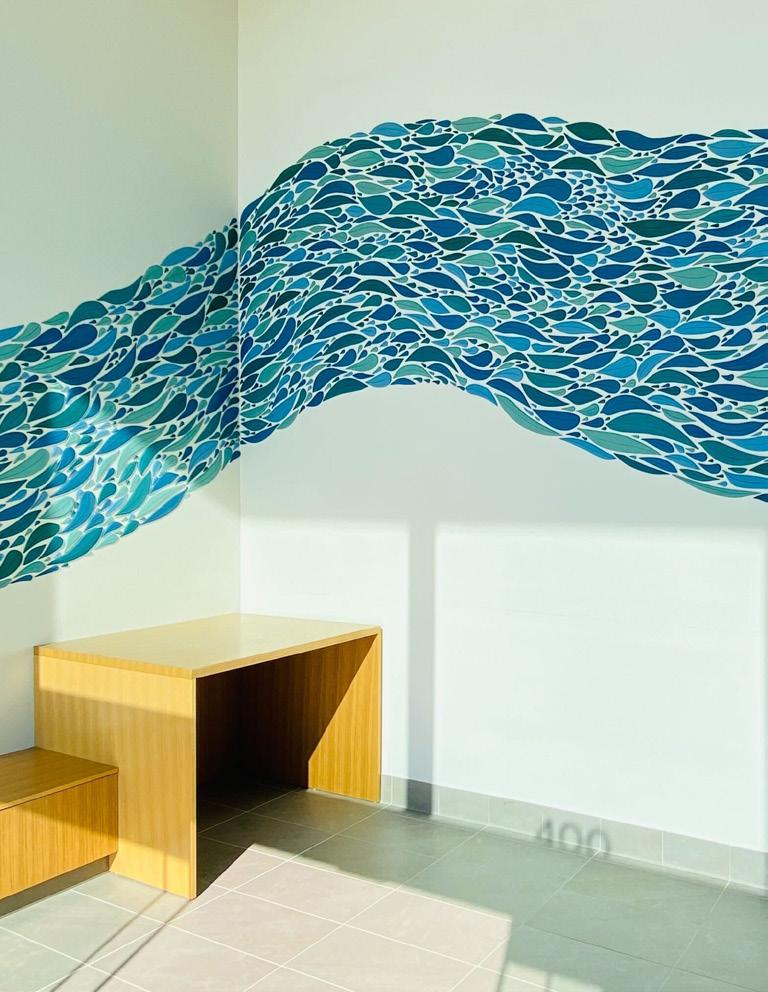
A calming mural at Valley Health Systems, part of a visual approach now carried across reception areas throughout their branches.
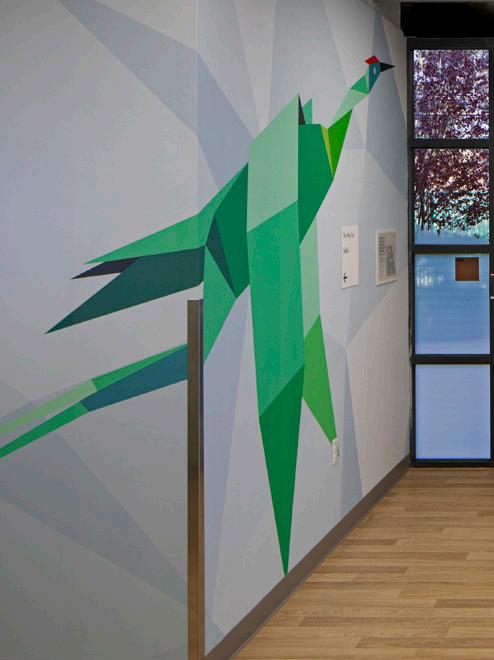
A whimsical mural sparks a child’s imagination in a waiting room at Kaiser Permanente Playa Vista Medical Offices.
“As a partner within the architecture and design industry, we are committed to continually referencing credible research alongside insights gained from past projects to inform and elevate future work. By doing so, we are confident that our art installations are designed to meaningfully support those who experience them. In healthcare, it’s a bonus that those outcomes are related to mental and physical well-being.”
- Julia Stenderup, EDAC-Certified Art Director
In
Artist
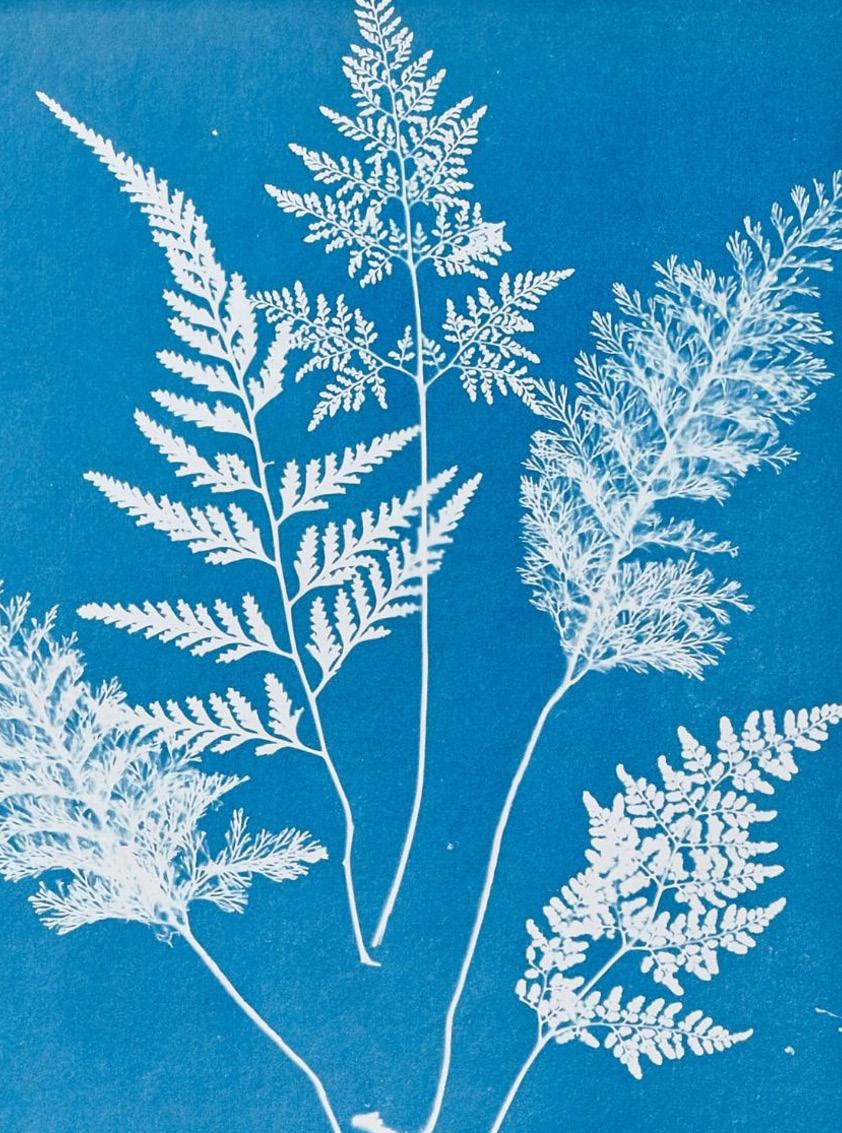
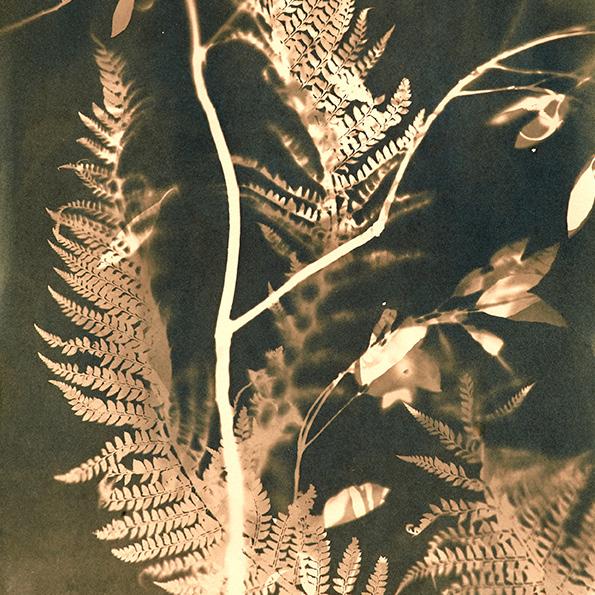
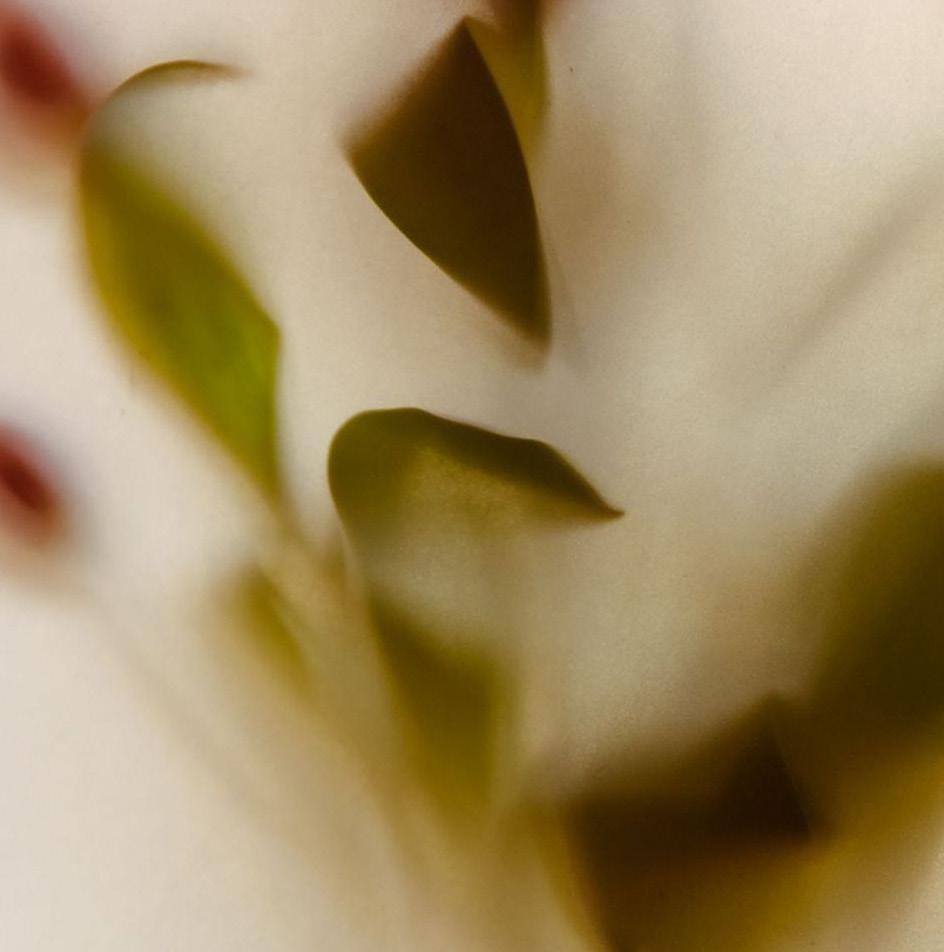
Cyanotypes are the technical name for an art form many people know as sunprints. first developed in 1842 by John Herschel, the process uses light-sensitive iron salts exposed to sunlight to create images in a rich blue tone. The result feels atmospheric and timeless, shaped as much by the sun as by the artist. The process became widely known through the work of English botanist and photographer Anna Atkins, one of the first people to publish a book illustrated entirely with photographic images. She used cyanotypes to record detailed impressions of botanical specimens, transforming scientific documentation into something beautifully poetic.
Whether you are a contemporary artist or new to making art, cyanotypes are wonderfully approachable. A short walk can become the starting point. Leaves, flowers, or found objects become your subject. You can source raw materials from a local art store or pick up a simple sunprint kit to make the process easy at home. The results might live casually on a fridge or be thoughtfully framed as a focal point, shaped by how nature chose to show up that day.
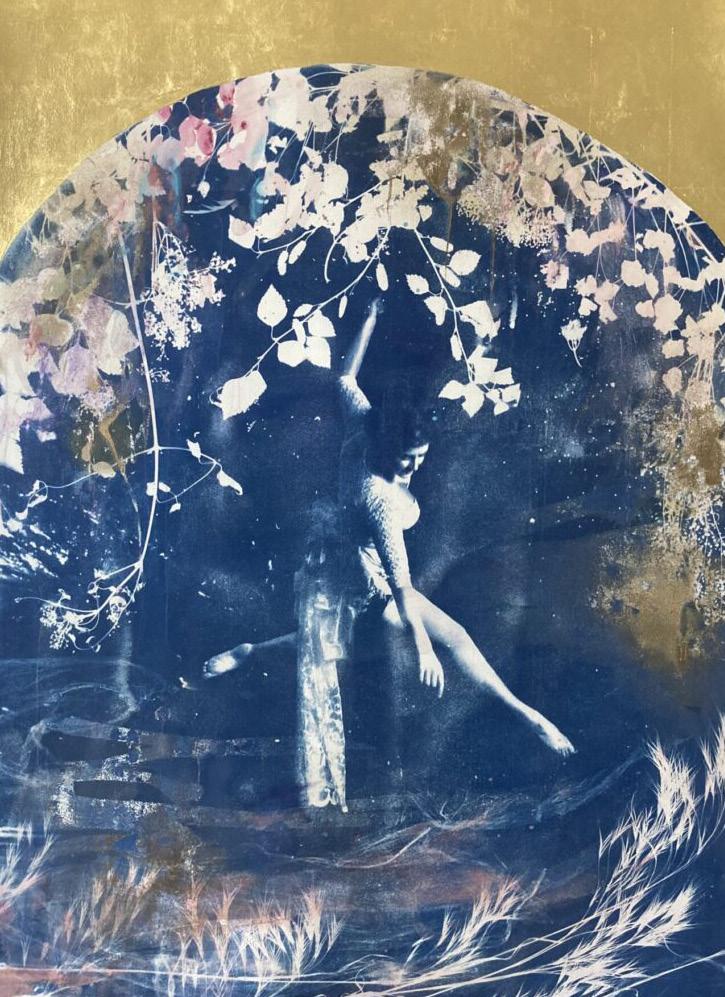
“Leap” by Rosie Emerson begins with photography of dancers and performers, then evolves through layered additions of pressed flowers, grasses, and ephemera gathered from both her studio and the wild.
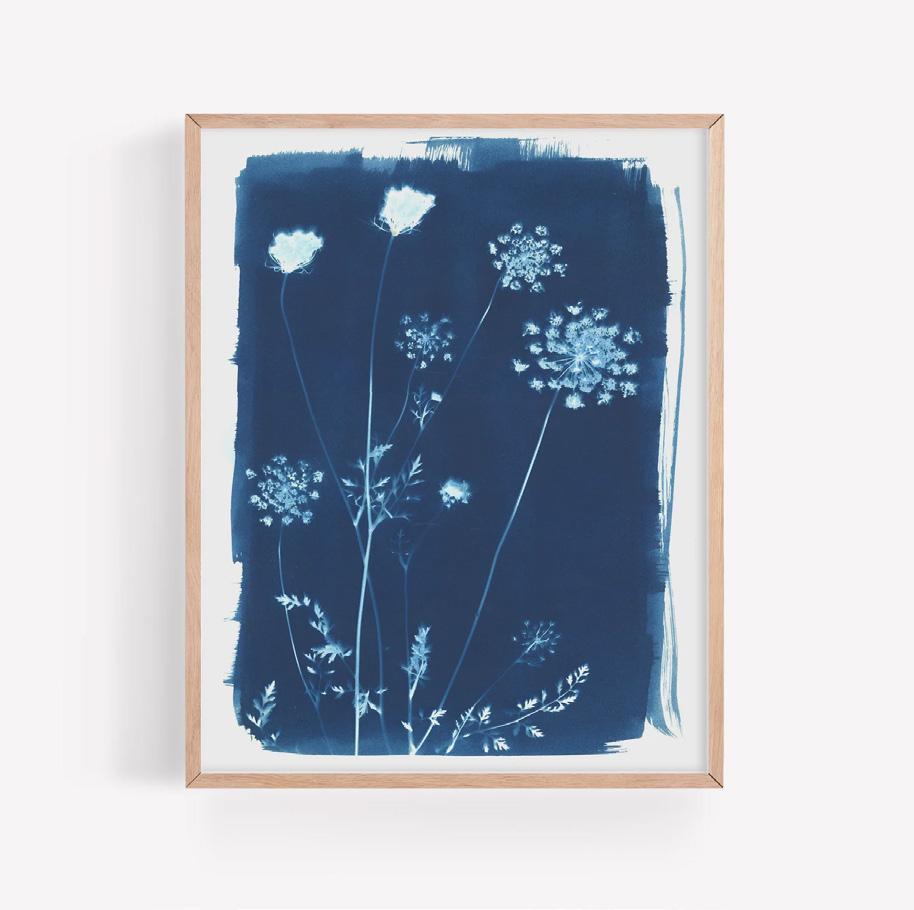
“Queen Anne’s Lace” by Sarah Rafferty captures a calming botanical moment, using cyanotype to translate light and form into a print designed to live easily in the home.
Check out our most recent KBAA-curated Spotify playlist. Put it on for a long walk in nature, a vibey morning while you make your coffee, or as a way to get into an inspired workflow. Thoughtfully layered and unhurried, the playlist mirrors the rhythms of the natural world.

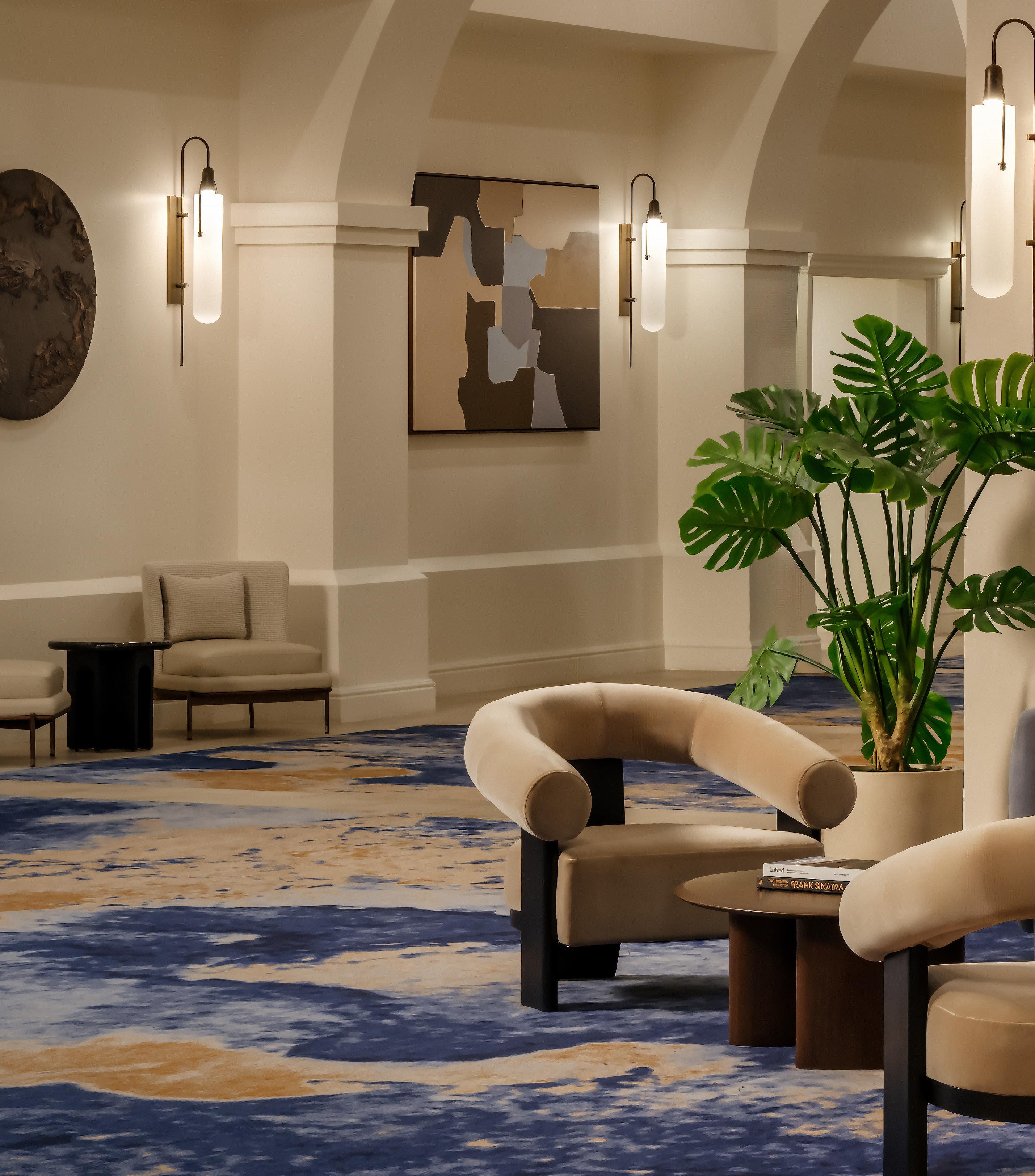
Natural Influence comes together through artistic metaphor, layered design, and calming palettes. Across projects like the JW
Las
& Spa, we create intentional moments that invite guests to slow down and settle in.