AA DRL = Architectural Association, Design Research Lab
H\B = Hawkins\Brown
HDR = HDR Engineering, Inc.
SSP = Social Studies Projects
USC SoA = University of Southern
California, School of Architecture
USC AALU = University of Southern
California, Asian Architecture, Landscape, and Urbanism (Study Abroad Program)
01
PUENTE HILLS
LANDFILL PARK
ENVIRONMENTAL JUSTICE CENTER
USC SoA 02
SYNESTHESIA
USC SoA 04
USC AALU 05
PEOPLE OF BISHAN
USC AALU 06
CARAPACE PAVILION
NANJING ROAD
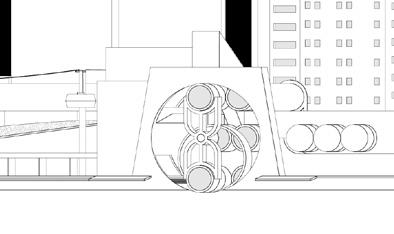
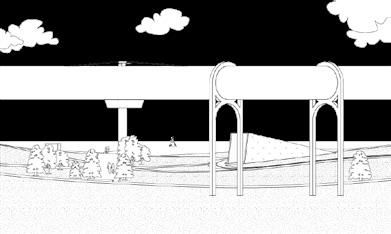
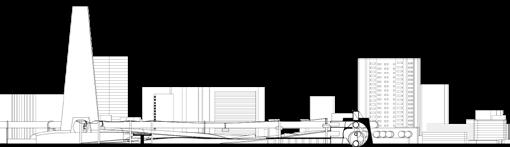
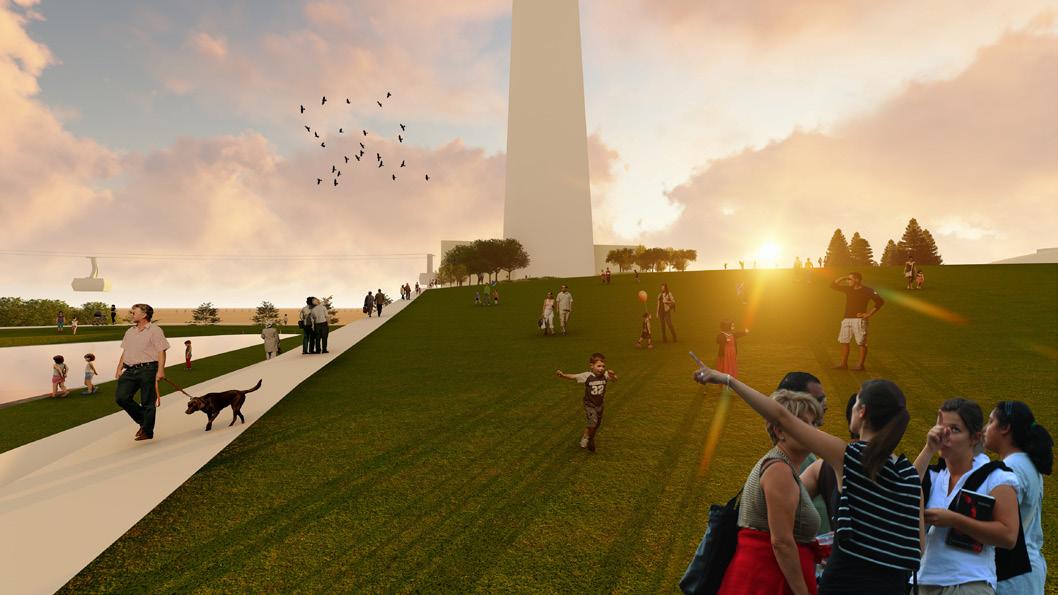
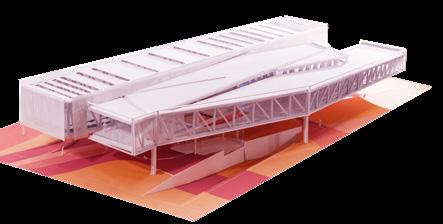
MUSEUM FOR CONTEMPORARY ARCHITECTURE IN LOS ANGELES
puente hills landfill park HDR INC.
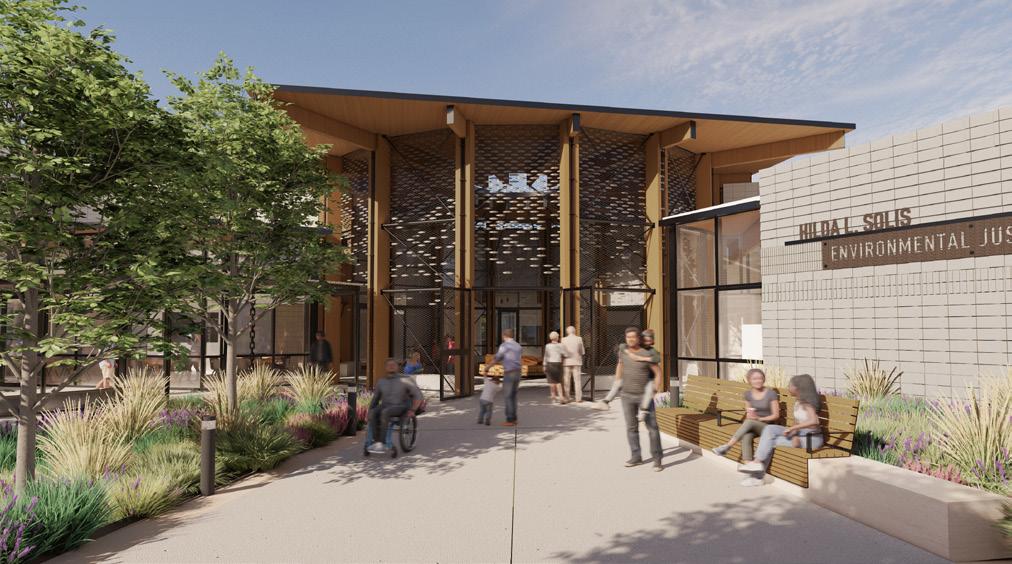
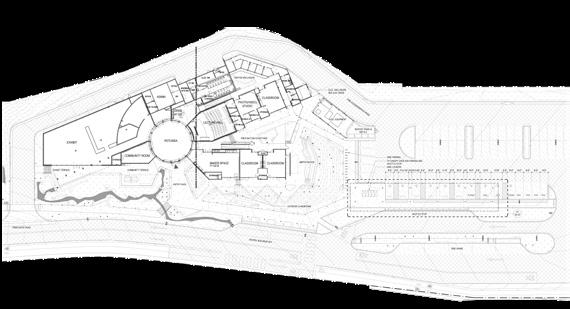
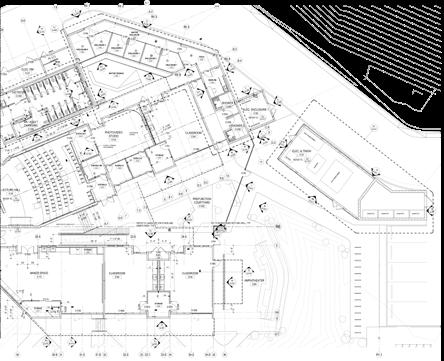
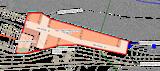
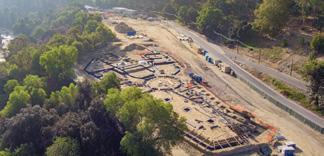
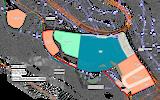
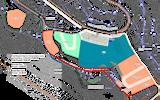
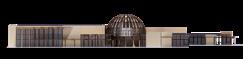
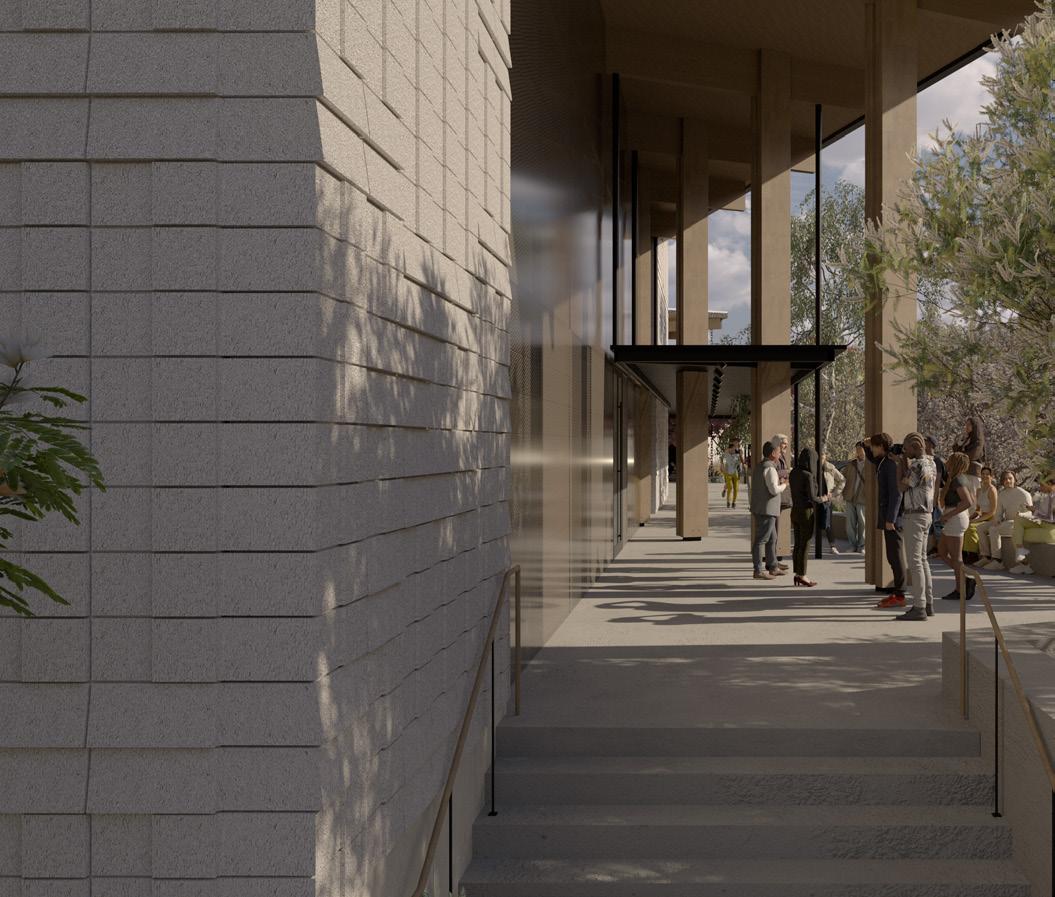
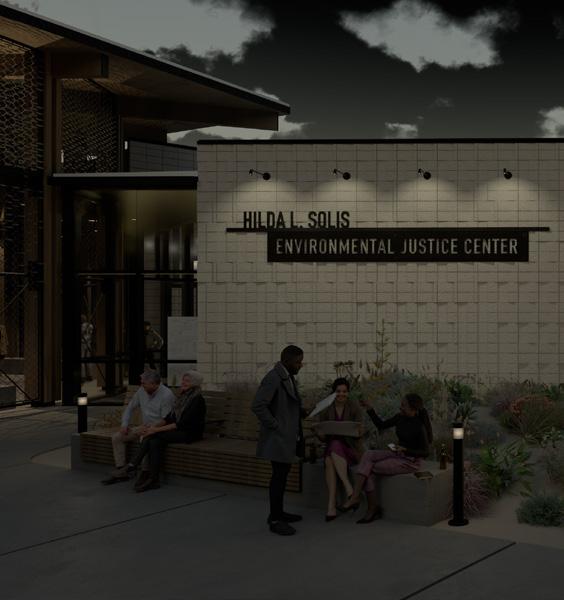
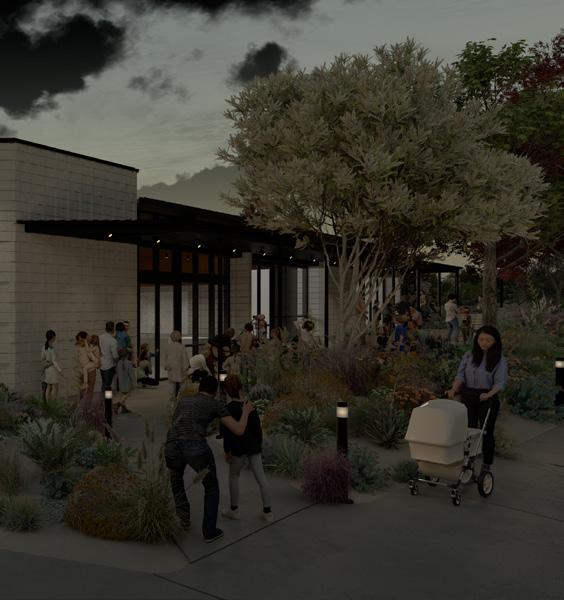
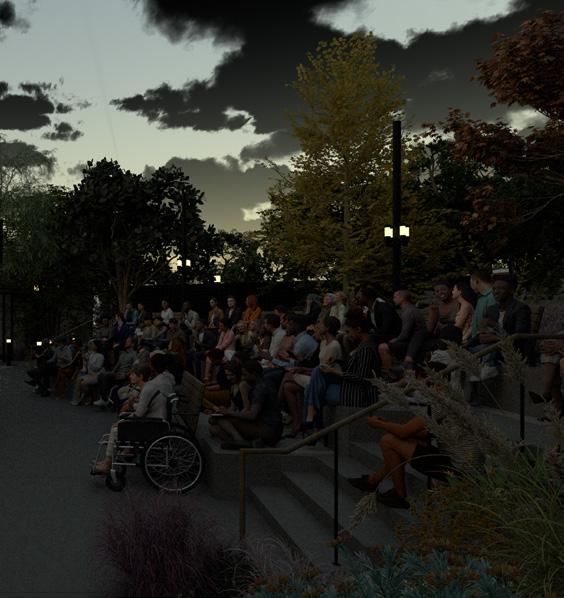
Puente Hills Landfill Park (PHLP) will transform the former Puente Hills Landfill — once the nation’s second-largest — into Los Angeles County’s first new regional park in three decades and the home of its inaugural Environmental Justice Center. The project seeks to repair long-standing environmental impacts on nearby communities and model meaningful, community-driven stewardship. Our multidisciplinary team is leading architectural and engineering efforts, including solid waste engineering, in close partnership with LA County Public Works, Parks & Recreation and the Sanitation Districts.
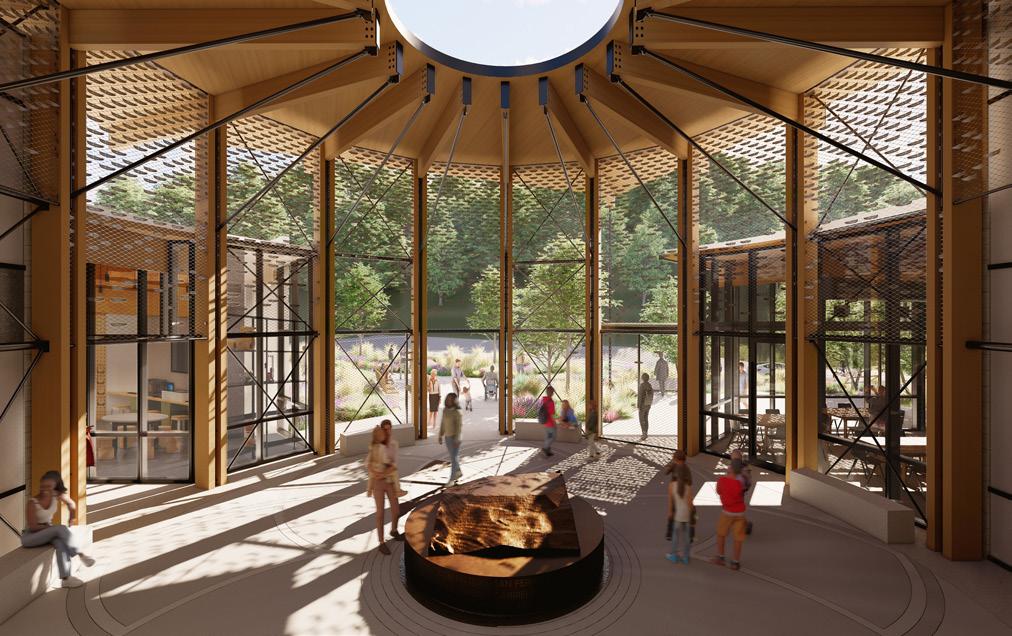
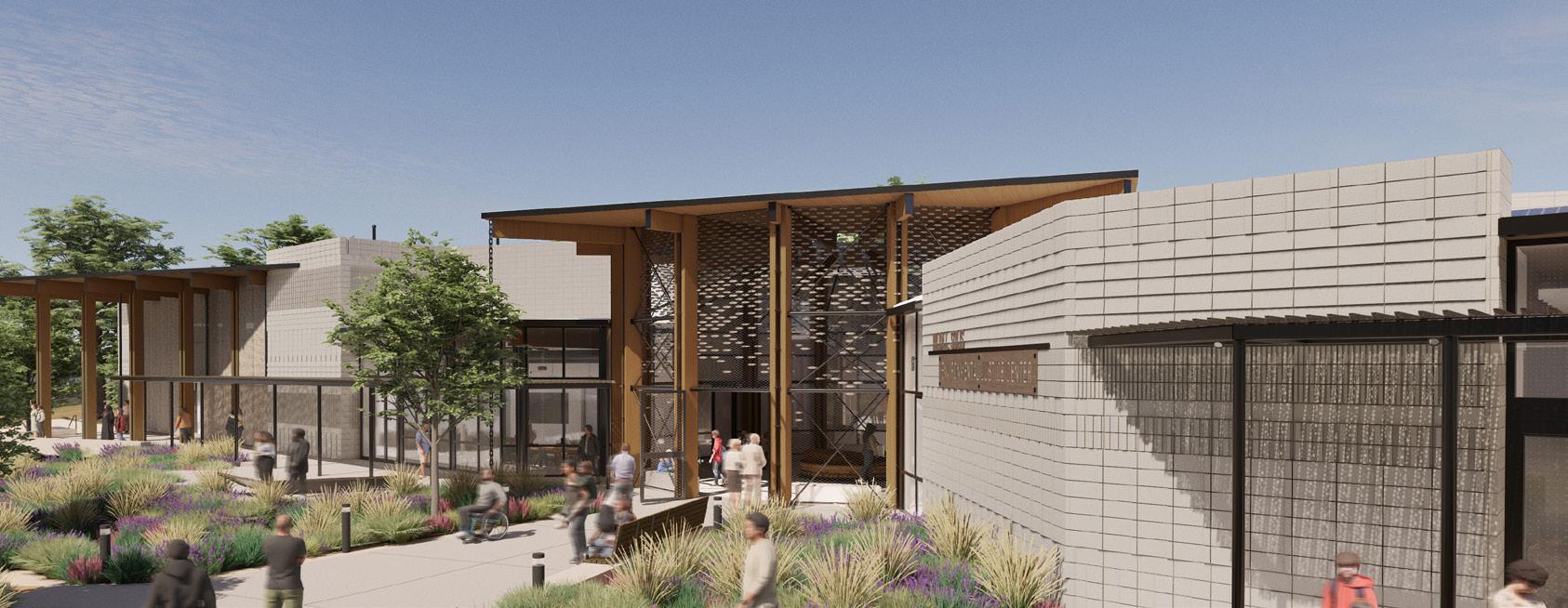
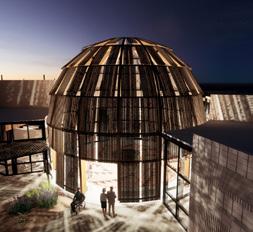
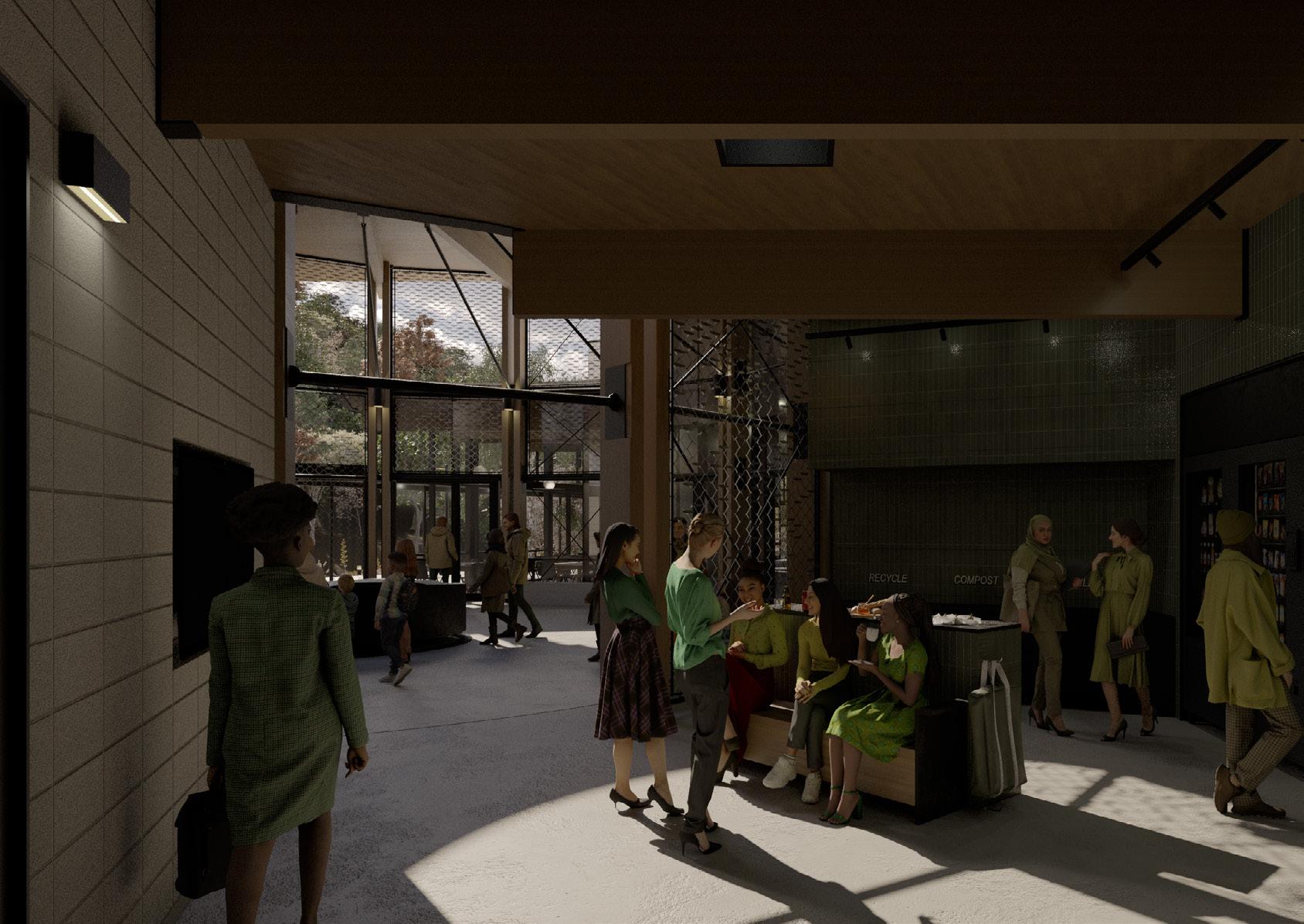
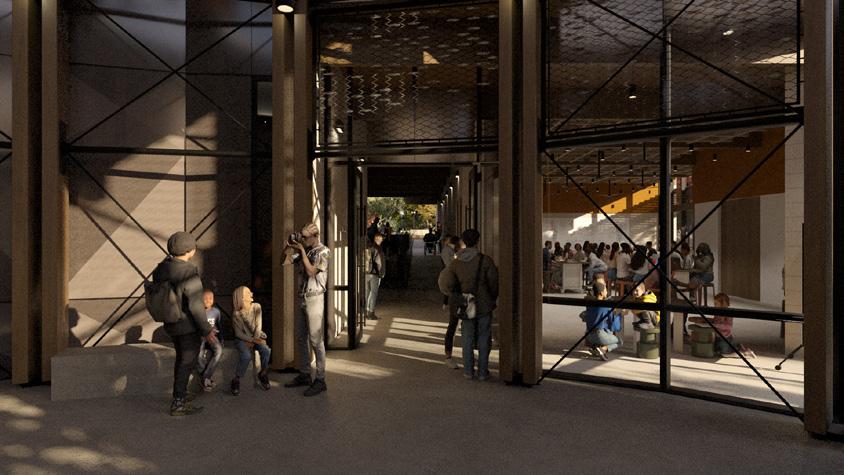
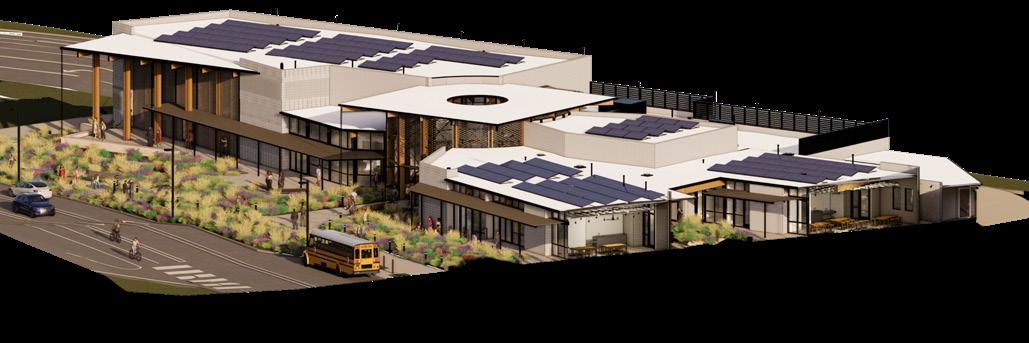
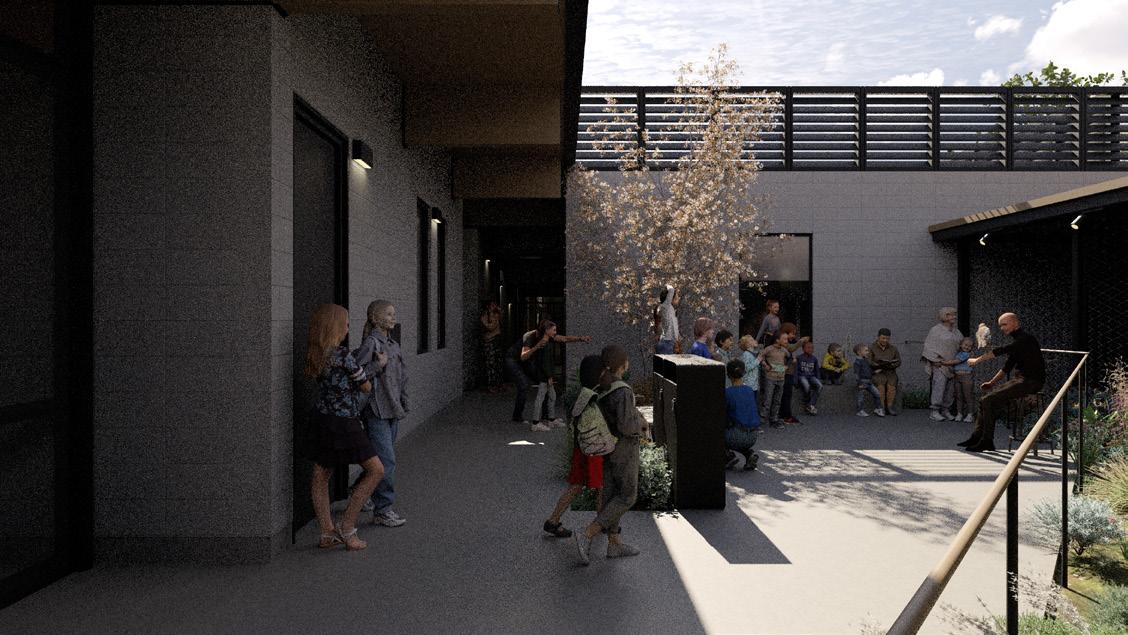
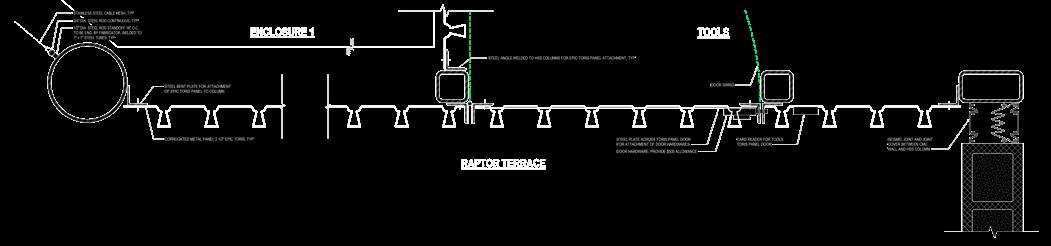
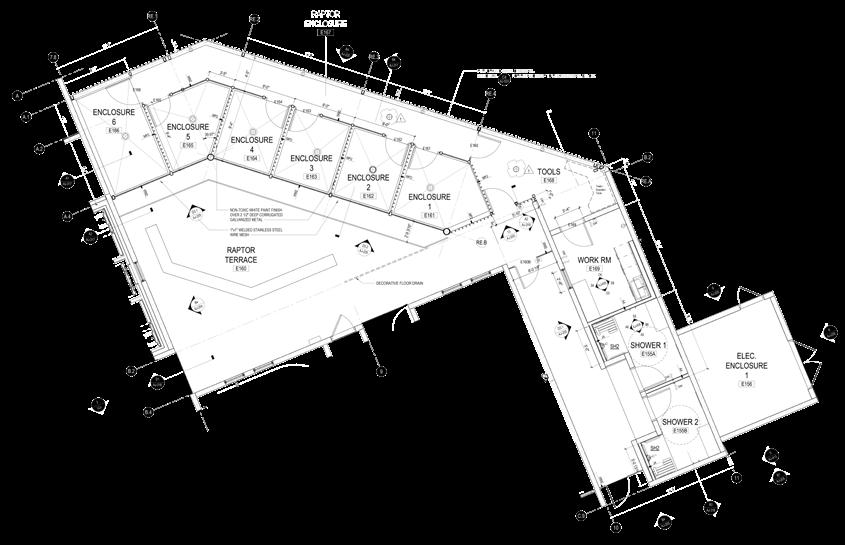
Phase One introduces the Hilda L. Solis Environmental Justice Center (EJC), a regenerative building set within a restored native landscape. Interactive exhibits and an active learning center communicate visitors’ value, welcoming all kinds — humans, wildlife, rescued raptors and native plants — to highlight the importance of ecological systems.
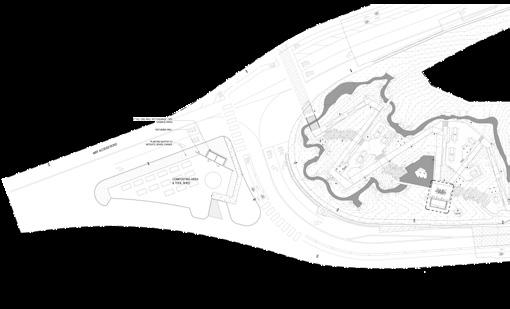
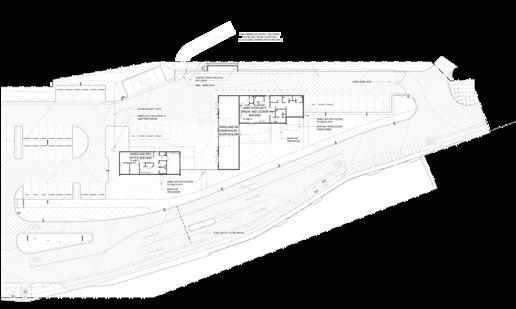
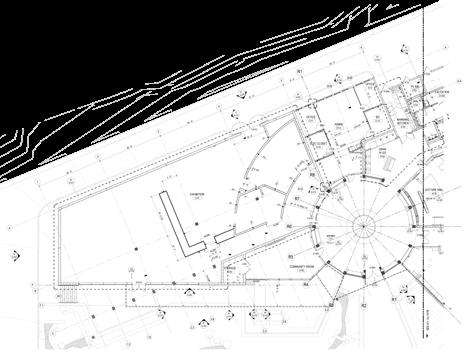
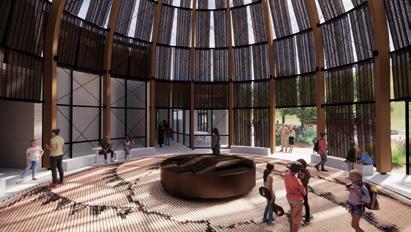
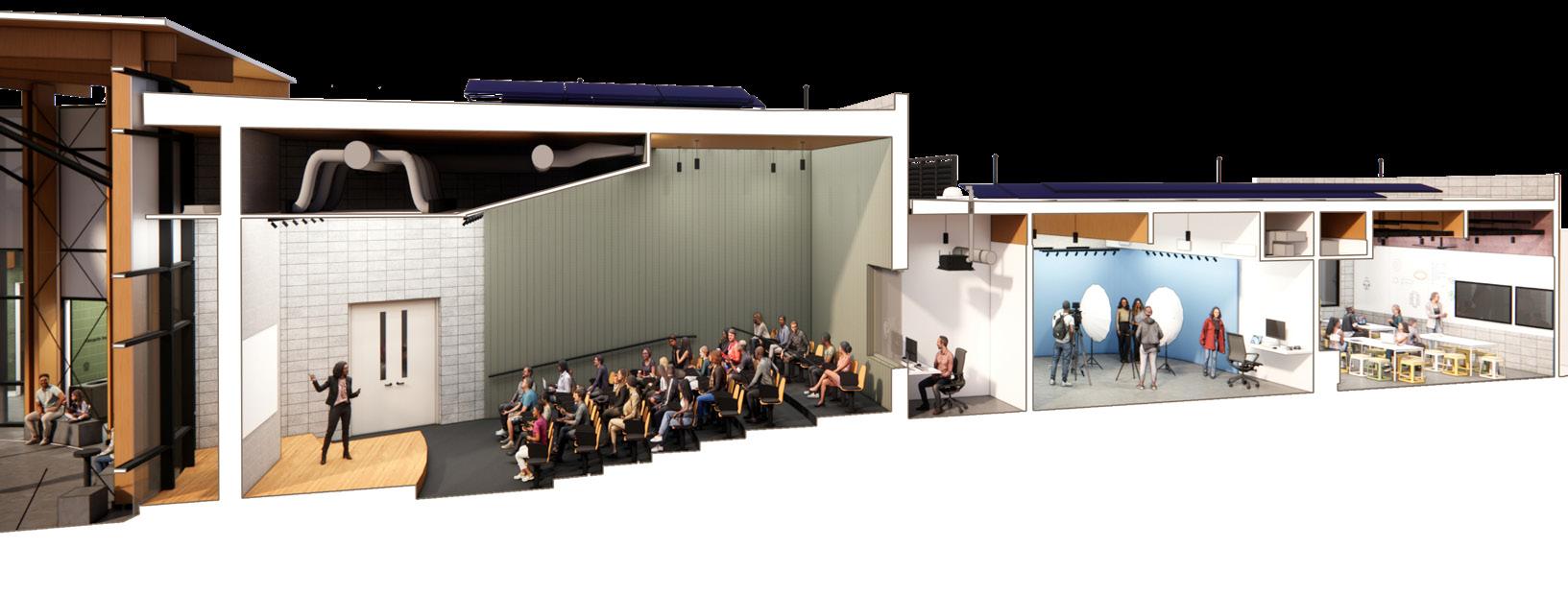
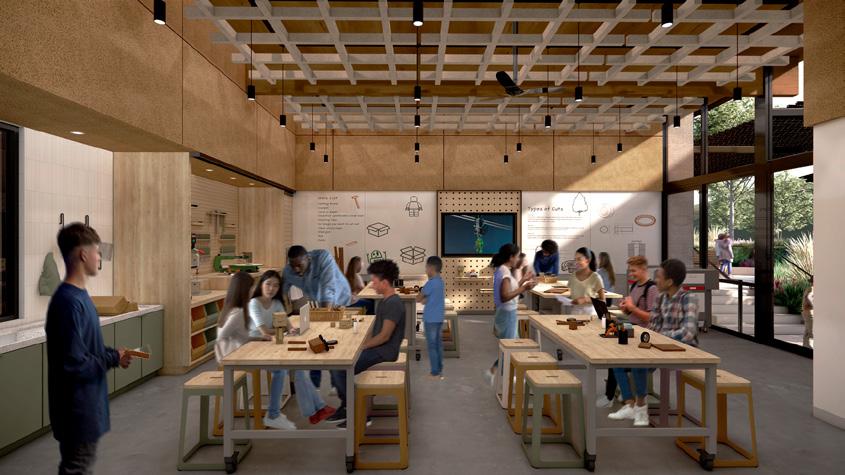
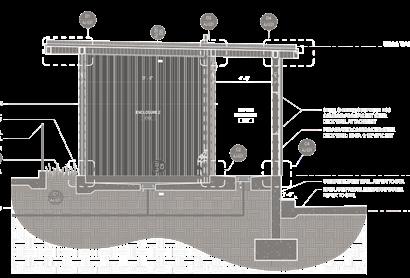
New public transit, a park shuttle, school bus and rideshare access, parking and multi-use trails offer total inclusivity and accesibility. A central rotunda links to the exhibits, classrooms, makerspace, lecture hall, outdoor amphitheater, media studio and raptor enclosure. The EJC itself functions as a teaching tool, showcasing leading sustainable strategies, focusing on robust building methods and processes such as recycling, composting, and salvage. The design is on target to achieve LEED Gold, net-zero energy (operational carbon), a 50%+ embodied-carbon reduction and a 50% cut in potable water consumption. Since the landfill closed in 2013, the Sanitation Districts have maintained the site under a state-approved closure plan, including a well-protected clay soil cap and methane-to-energy gas collection system that reduces greenhouse gas emission. All Phase One buildings sit on native soil but remain near buried waste, prompting HDR to design a multifaceted mitigation system with membrane barriers, passive venting and continuous monitoring to ensure occupant safety, protect sensitive infrastructure, safely plant new trees, and provide accessible routes and recreational areas.
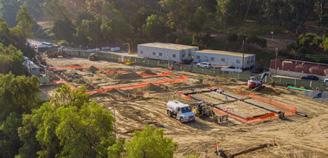
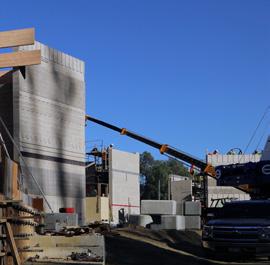
The project is currently in construction with an expected completion date of March 2026. The next phase will introduce passive, nature-focused recreation atop the settling landfill, which continues to shift one to five inches per year.
HILDA L. SOLIS PROJECT https://hildalsolis.org/projects-2/
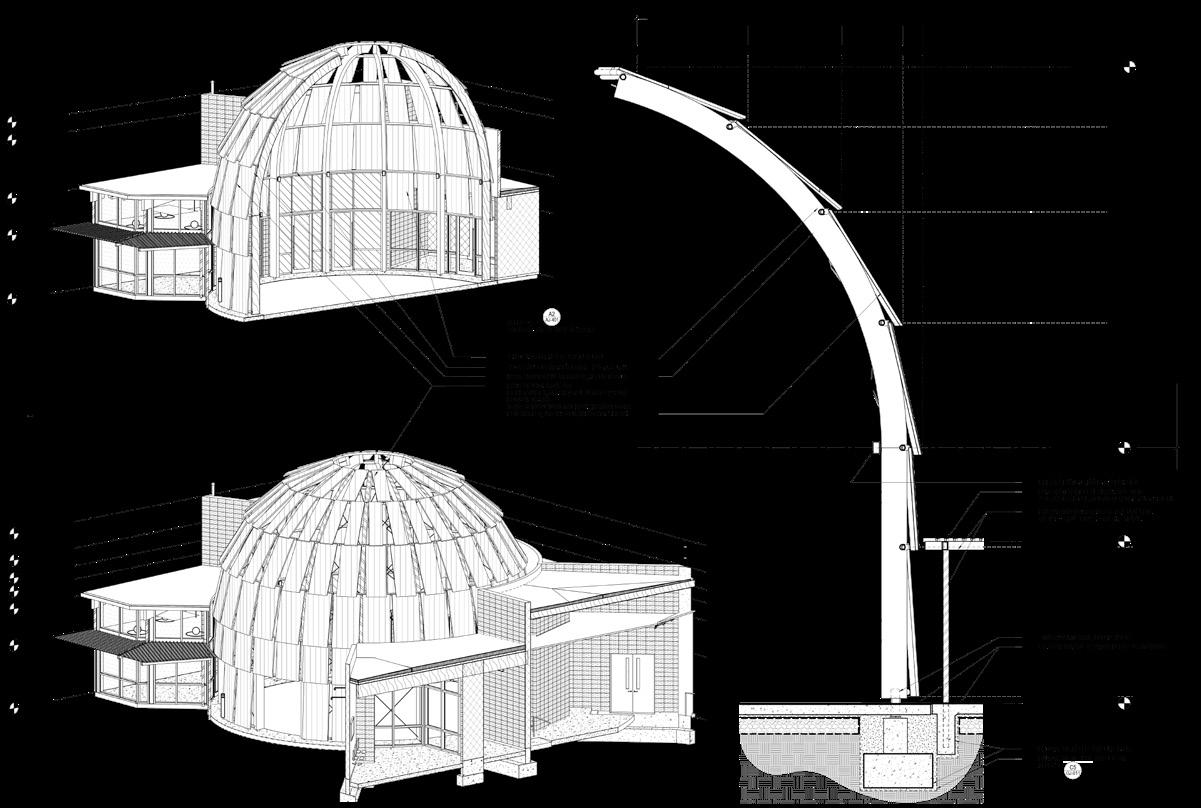
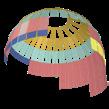
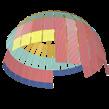
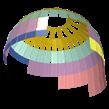
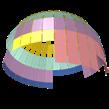
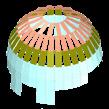
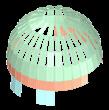
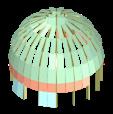
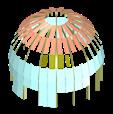
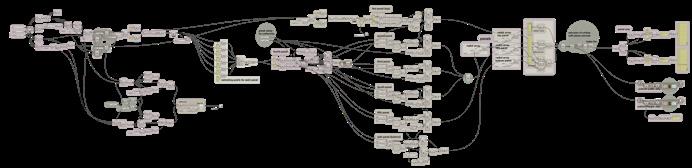
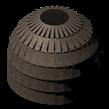
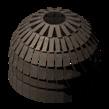
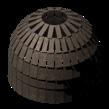
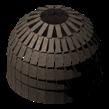
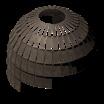
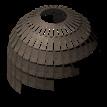
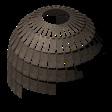
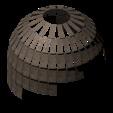
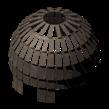
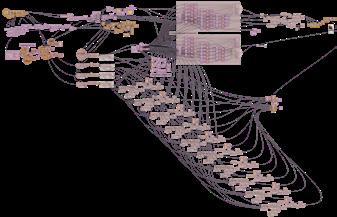
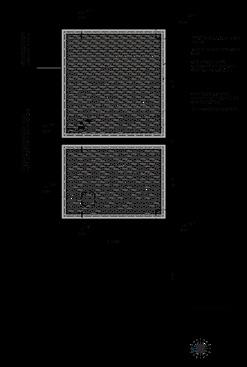
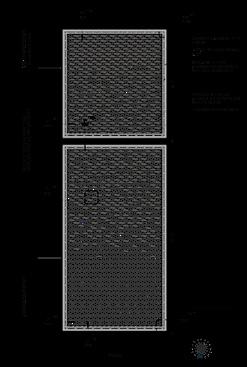
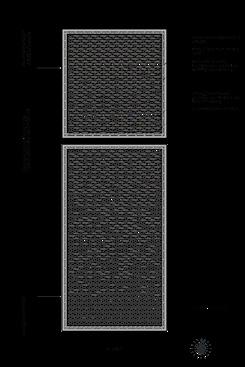
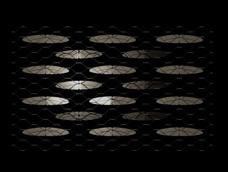
DOME PANELING VARIATIONS INCORPORATED INTO THE GRASSHOPPER SCRIPT: width and height (based on structural requirements and manufacturer’s products), horizontal datums, overlaps, offsets at overlaps (determines panel angle), spacing between panels, oculus size, removed panels
DOME
unrolled elevation
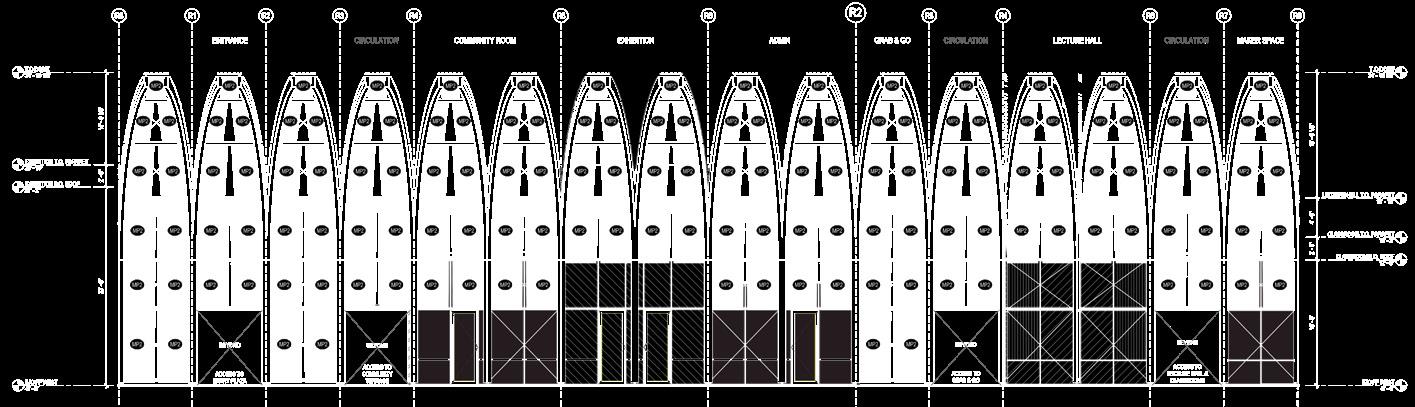
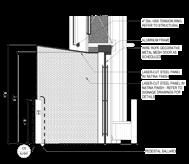
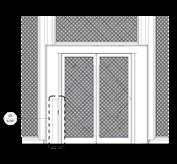
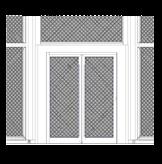
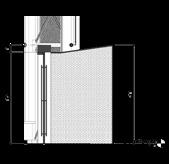
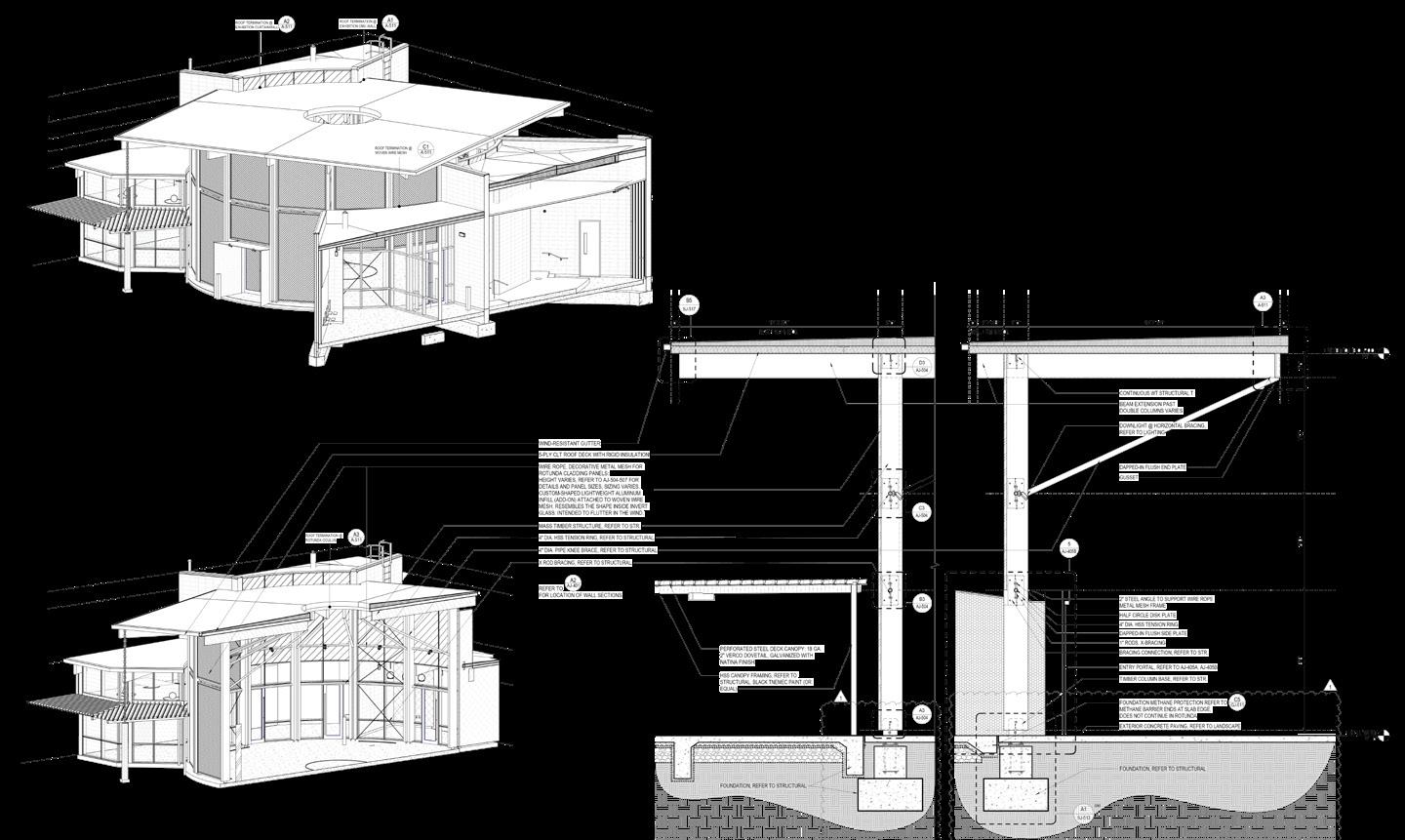
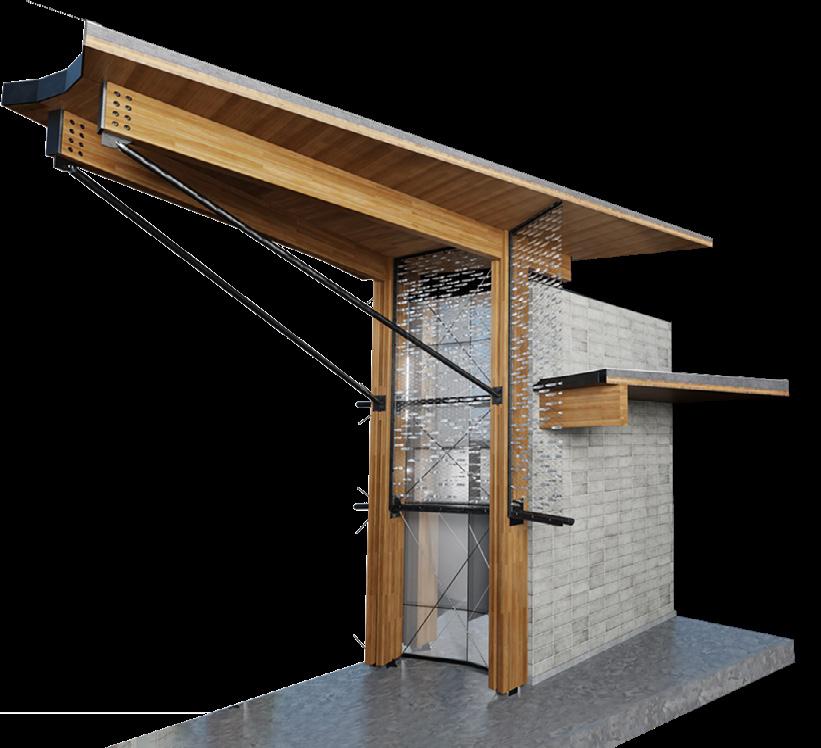
ROTUNDA ENTRY PORTAL elevations
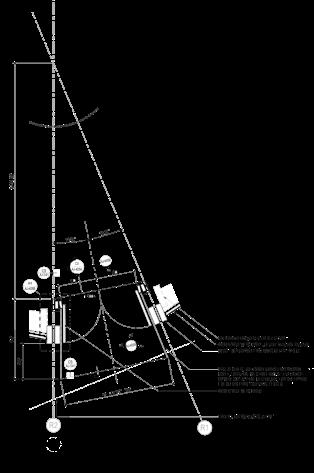
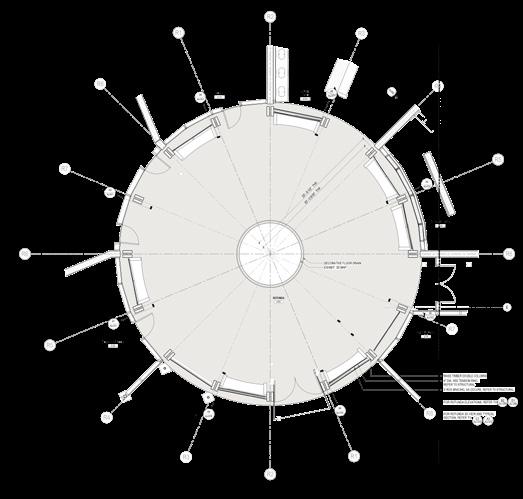
ROTUNDA floor plan
BUILT ROTUNDA mockup
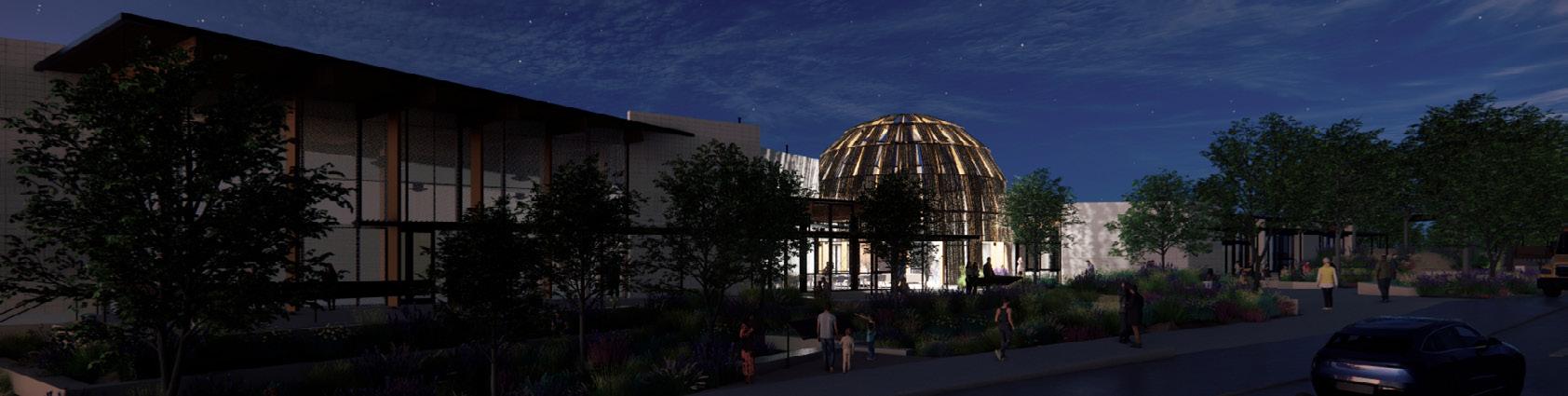
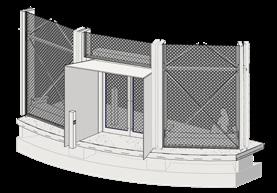
ROTUNDA depiction
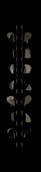
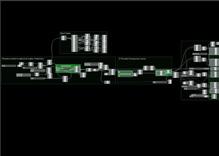
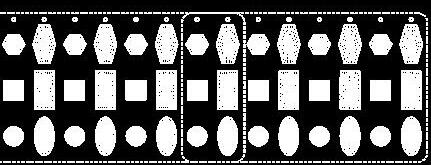
populating sequins by density grasshopper script
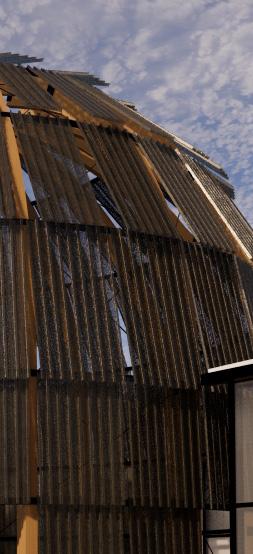
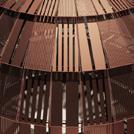
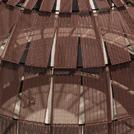
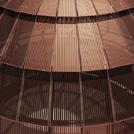
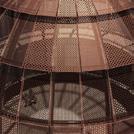
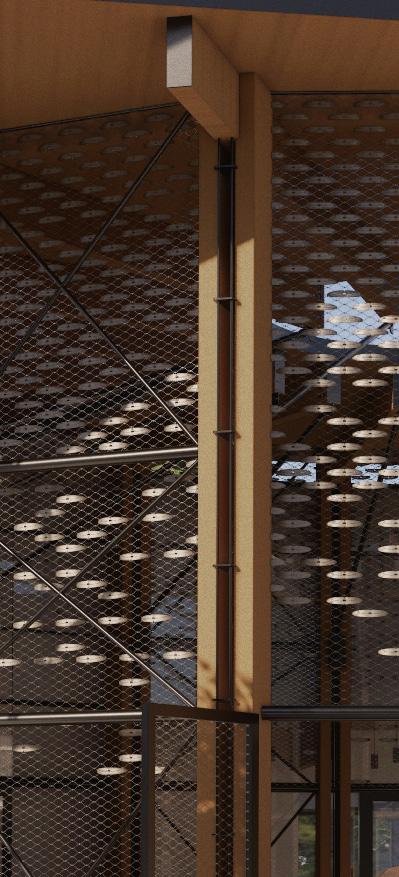
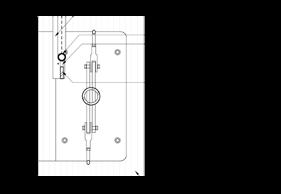
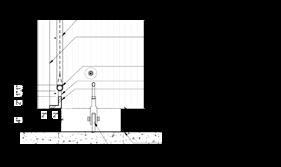
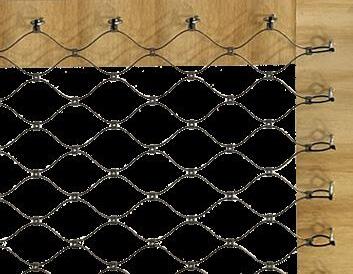
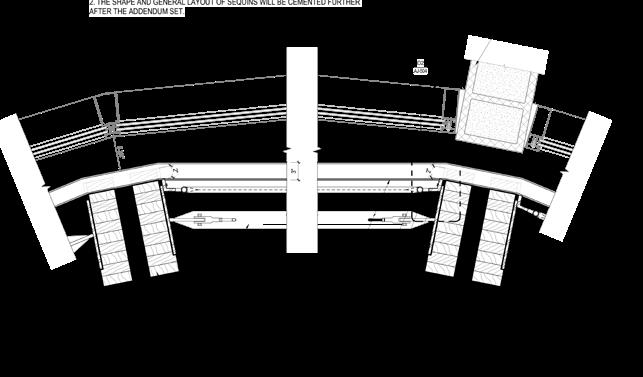
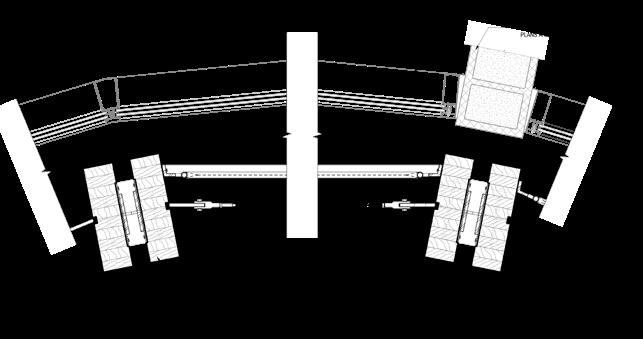
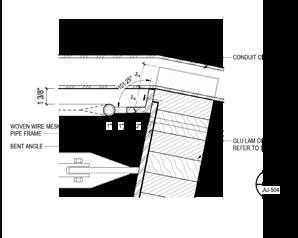
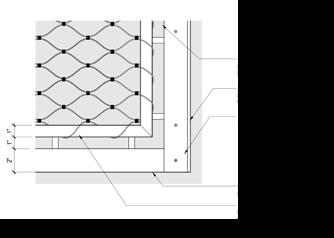
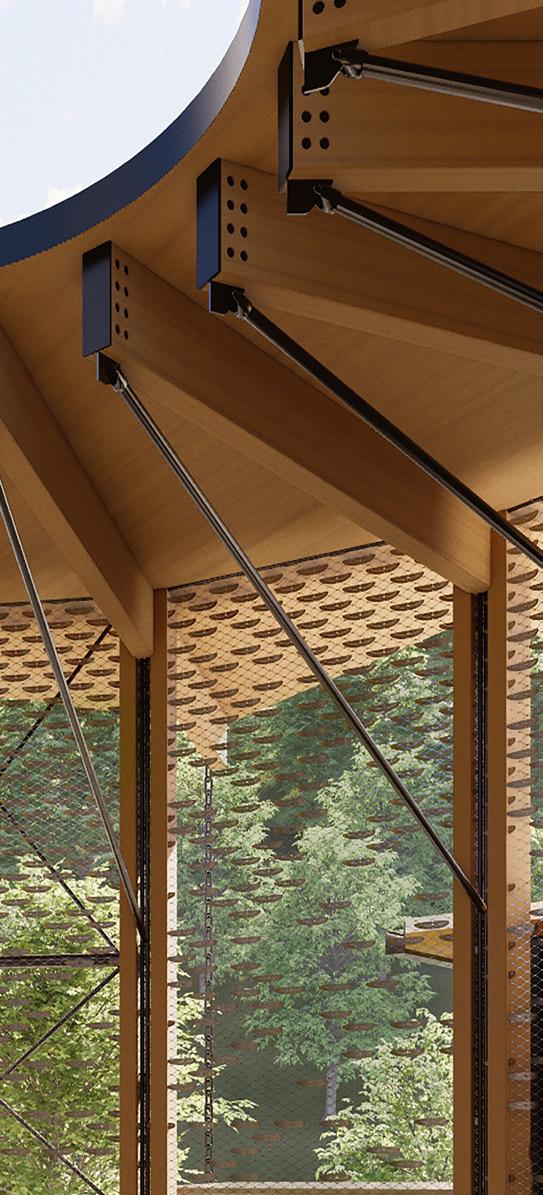
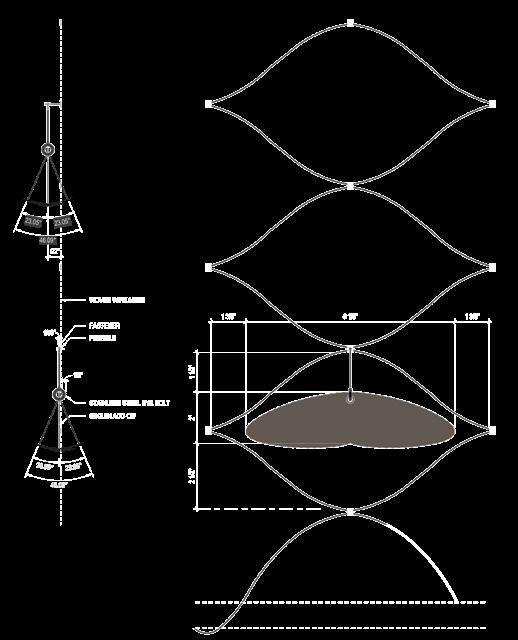
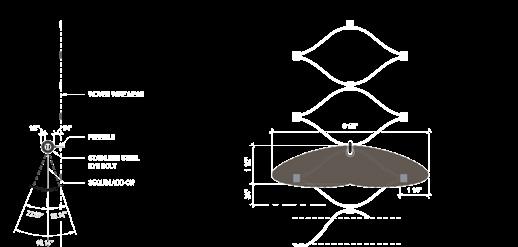
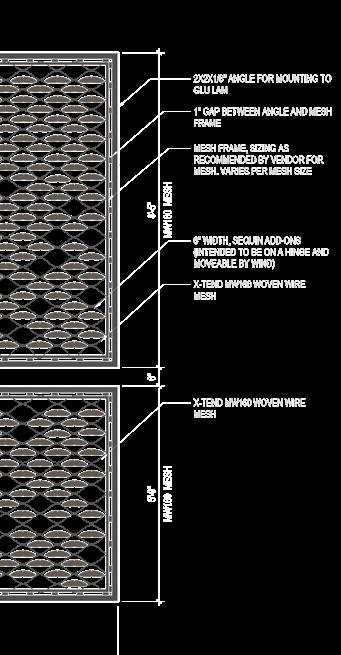
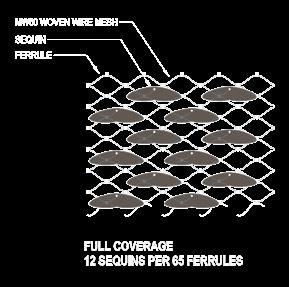
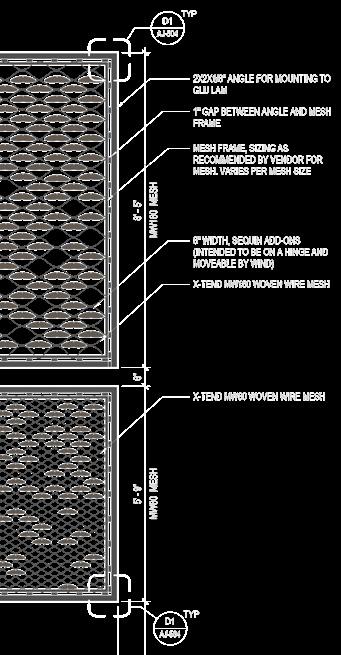
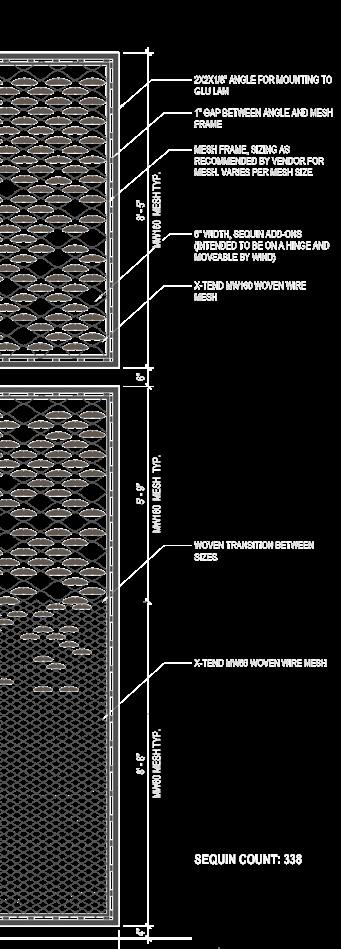
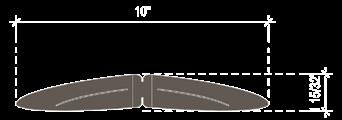
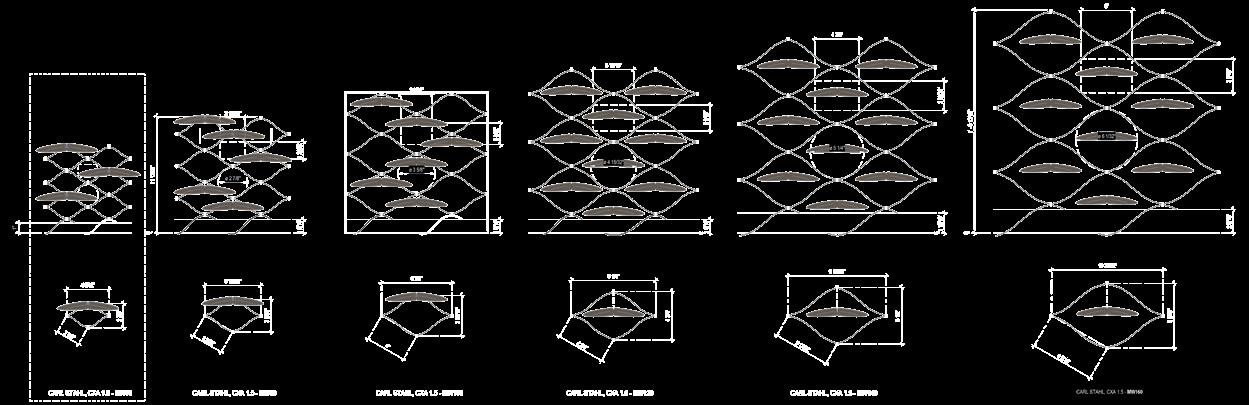
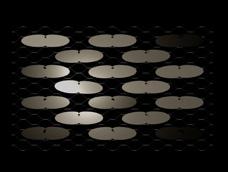
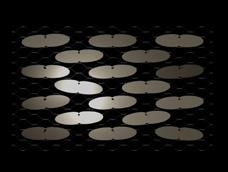
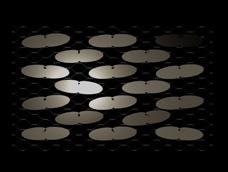
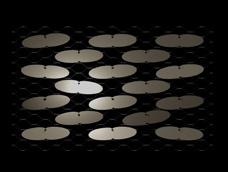
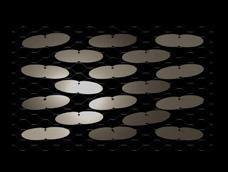
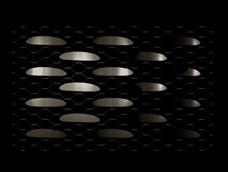
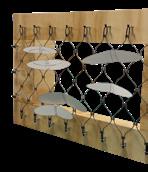
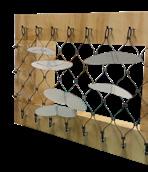
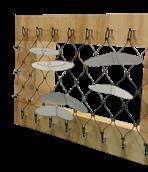
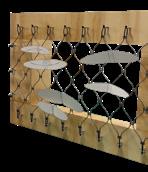
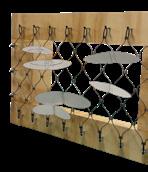
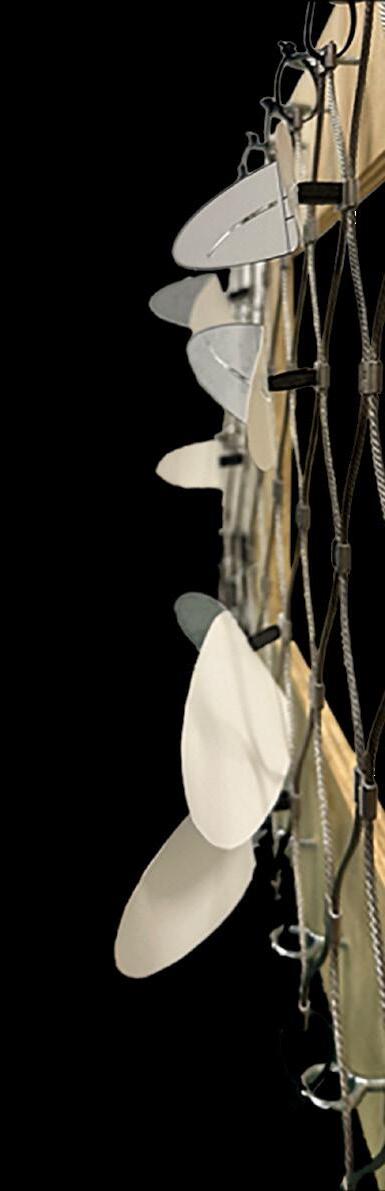
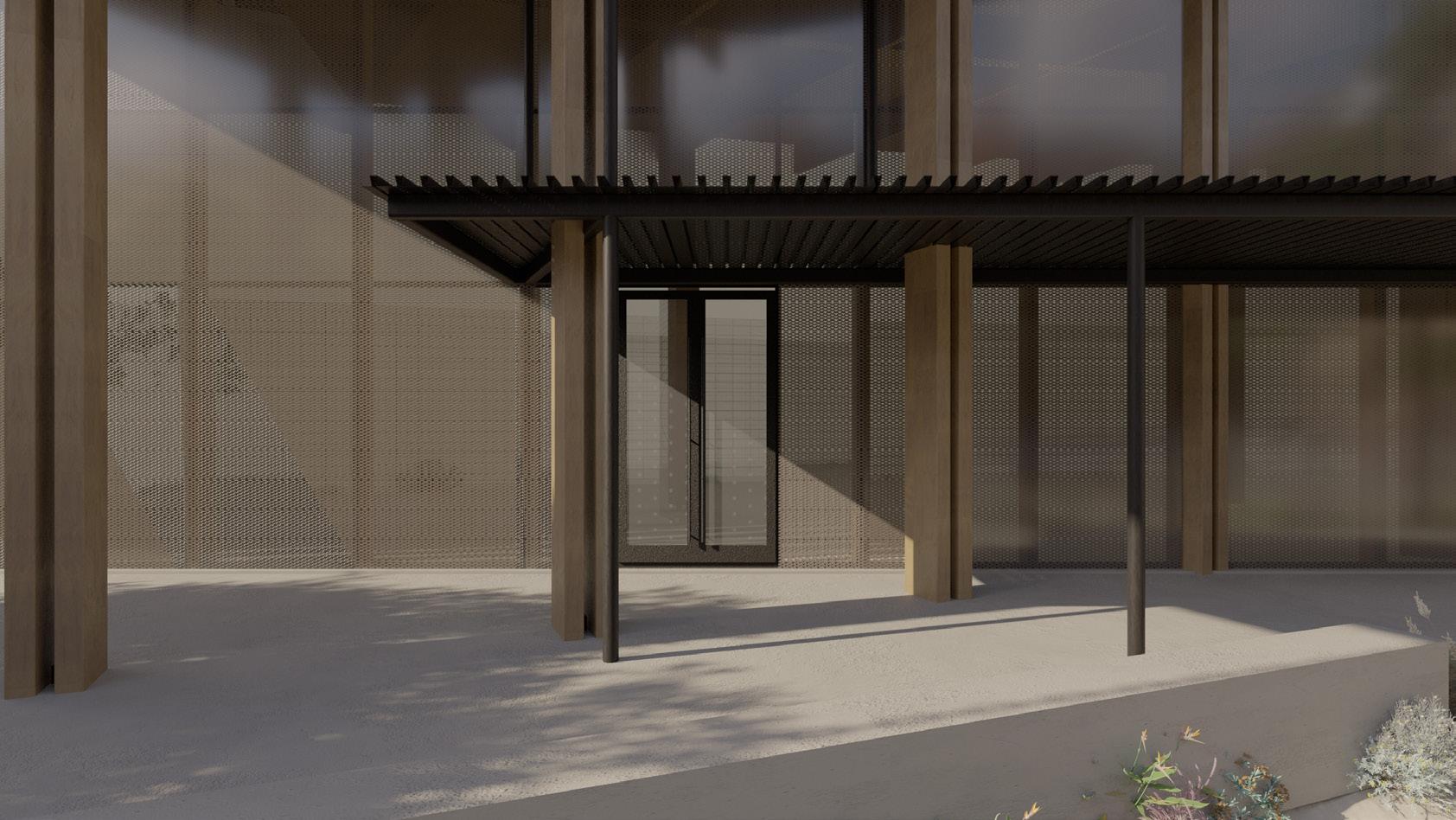
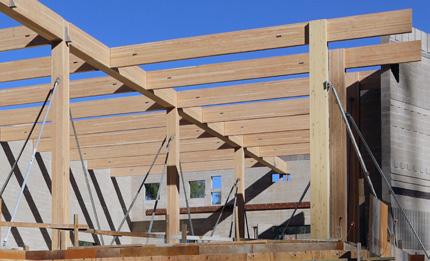
Because the previous dome design filtered sunlight through perforated corrugated steel panels, the new rotunda required a comparable strategy. Using a woven wire mesh system fitted with what we called “sequins,” we developed a shading device that modulates sunlight according to each space’s needs and shades in tandem with the proposed CLT roof deck.
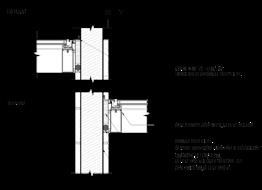
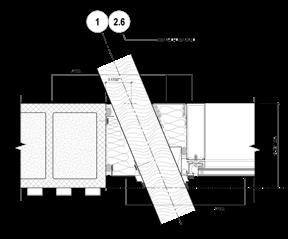
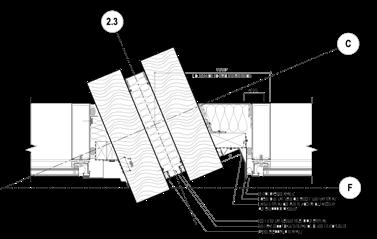
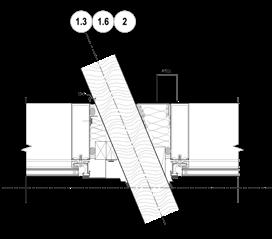
Although the faceted circular geometry required custom detailing, the panels themselves were designed with straightforward attachments so they could be pre‑assembled and installed after the mass‑timber structure was in place — decisions driven by cost, manufacturability, and construction awareness. The sequins are custom‑cut metal pieces, attached on‑site prior to panel installation. The geometry is derivative of TBM Designs’ InVert passive shading system that works inside IGUs, implemented in the EJC’s exhibition curtainwall.
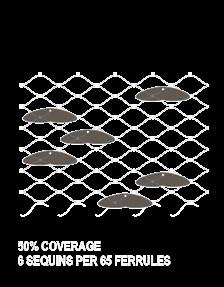
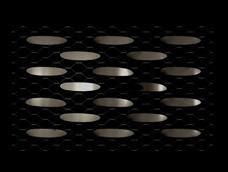
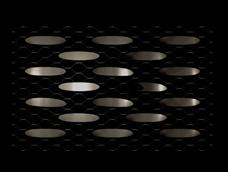
The gradient patterns are informed by sunlight analysis: lower portions require less density to shade curtainwalls and occupants, while upper areas are based on solar angle and panel orientation. As a result, each panel carries its own tailored gradient, calibrated to its position within the building.
ROTUNDA PANEL TYPES
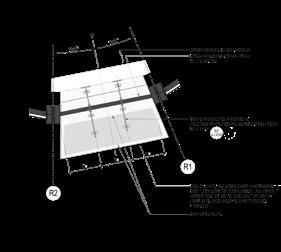
ROTUNDA WOVEN WIRE MESH
ROTUNDA WOVEN WIRE MESH
sequin & mesh studies
MW80 WITH 6” INVERT
TBM DESIGNS, INVERT STYSTEM
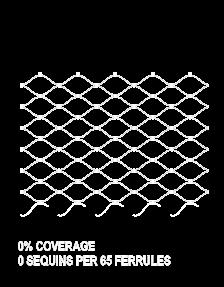
SEQUIN DENSITY on woven wire mesh
rotunda sequin & mesh studies
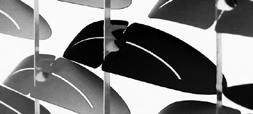
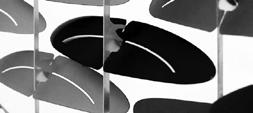
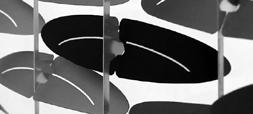
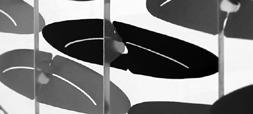
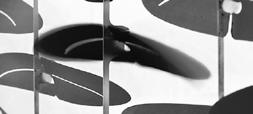
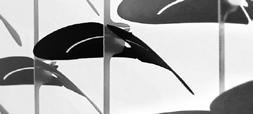
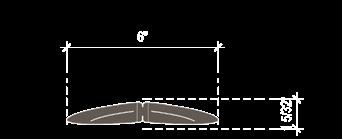
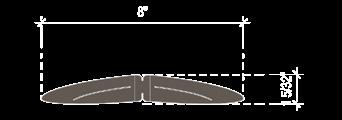
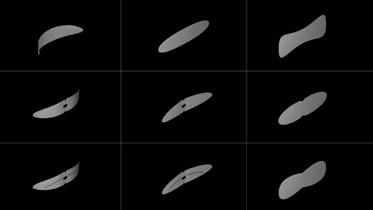
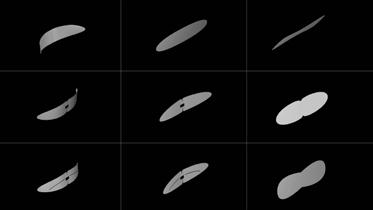
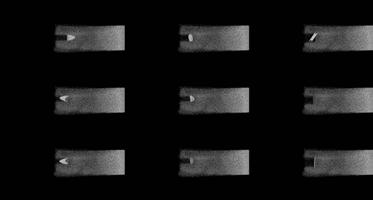
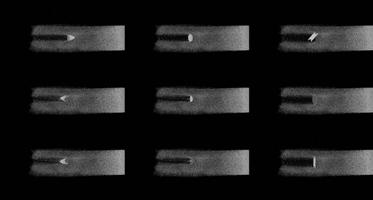
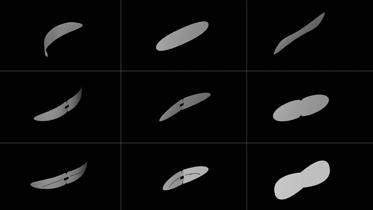
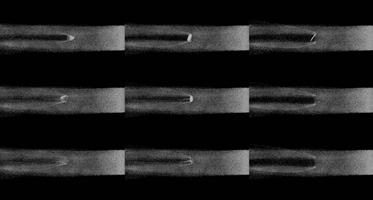
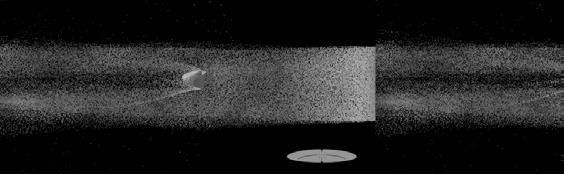
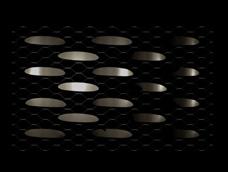
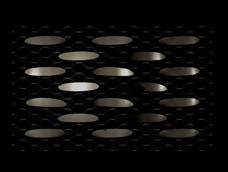
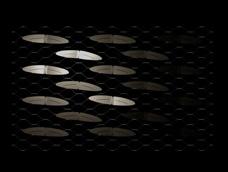
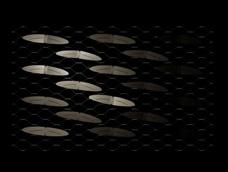
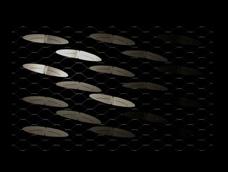
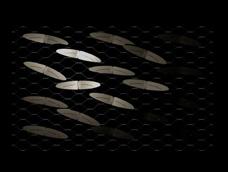
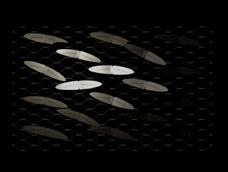
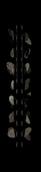
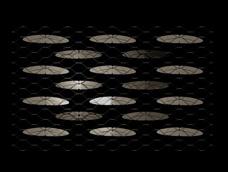
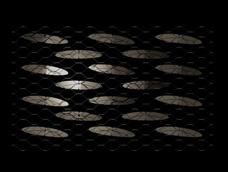
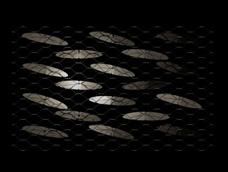
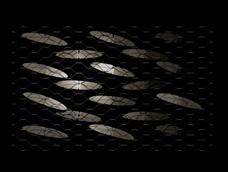
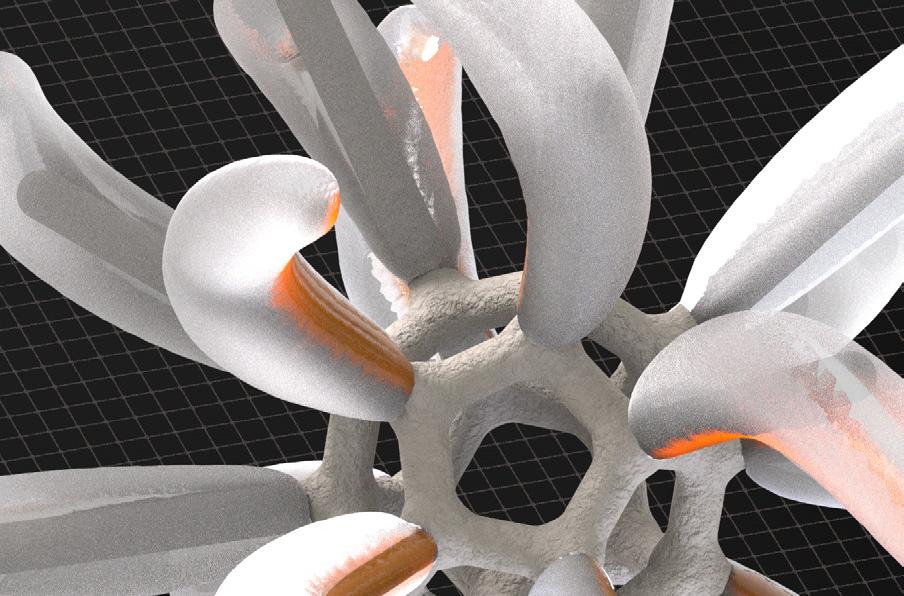
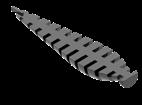
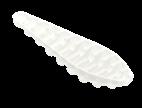
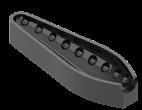
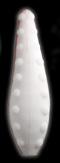
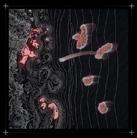
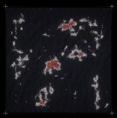
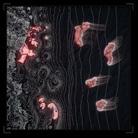
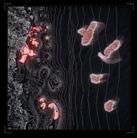
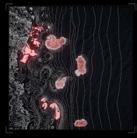
Sunlight played a major role in determining sequin placement and gradient density, but selecting the optimal sequin shape also required understanding its aerodynamic behavior.
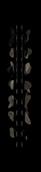
I began by testing individual sequin shapes in isolation to observe how each responded to wind. Devoid of neighbors and woven wire mesh as variable allowed for a clear comparison of movement types, which included torsional rotation, lateral swaying, longitudinal fore-aft motion, and, in some cases, all three.
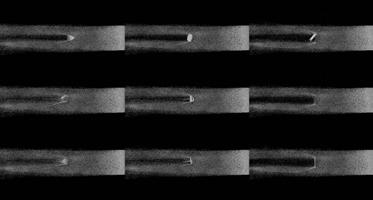
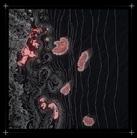
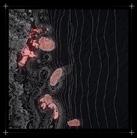
After identifying the movement patterns that were visually effective — neither too erratic nor insufficient for shading — I applied the sequins to a woven wire mesh with neighboring units. These studies also examined how attachment location and the distance between the sequin and the mesh affected performance. By comparing these configurations, even within the limitations of a vacuum-like simulation environment, we ultimately selected sequin shape 03 for the exterior of the rotunda.
To validate the digital simulations, we built a physical model of the woven mesh with all sequin types and introduced airflow using a blowdryer. The resulting movement closely matched the simulations, reinforcing our selection.
sequin wind simulations
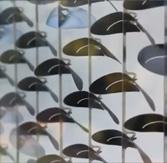
INVERT™ USES THERMOBIMETAL WITHIN IGU’S CURLING WHEN HEATED BY SUNLIGHT TO PASSIVELY REDUCE HEAT GAIN
CALIFORNIA & U.S. MANUFACTURERS CLOSED LOOP FACTORIES
CLIMATE NEUTRAL MANUFACTURING PRACTICES
NATURAL & RENEWABLE RAW MATERIALS MADE FROM RECYCLED CONTENT ‑ UP TO 100%
DECLARE RED LIST FREE
SUSTAINABILITY FEATURES
RECLAMATION PROGRAMS / END OF LIFE SOLUTIONS REDUCING FINISHES & EXPOSING EXTERIOR MATERIAL LEED ELIGIBLE LIFETIME WARRANTIES LOW MAINTENANCE
RECYCLEABLE OR BIODEGRADABLE
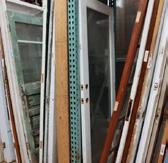
SALVAGED DOORS AND OTHER MATERIALS
NATINA: AN ENVIRONMENTALLY SAFE ALL-NATURAL SOLUTION FOR TREATING GALVANIZED STEEL
ANGELUS BLOCK CARBONKIND™ A CMU WITH SUBSTANTIALLY LOWER CO2 IMPACT
MASS TIMBER STRUCTURE TO SEQUESTER EMBODIED CARBON
gathering & learning
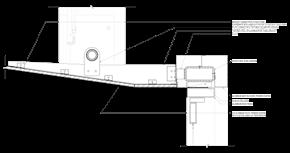
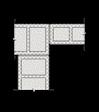
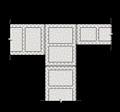
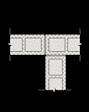
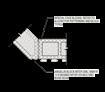
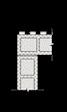
CMU CORNERS & INTERSECTION CONDITIONS
CMU CUSTOM-CUT & MANUFACTUERER’S CORNERS
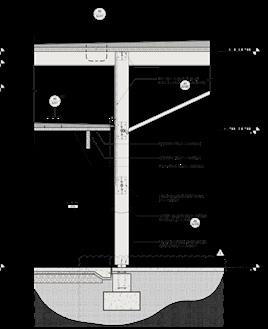
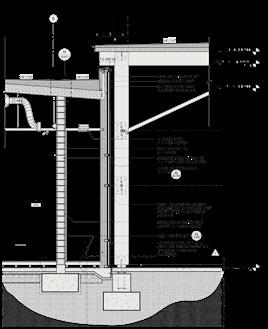
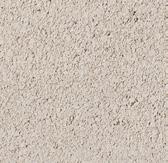
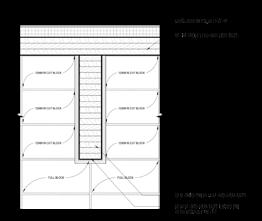
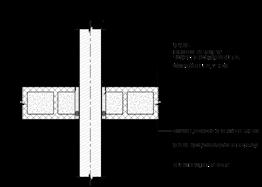
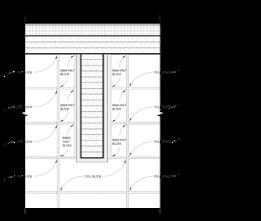
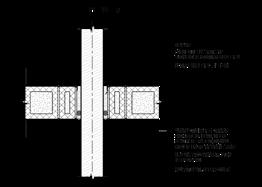
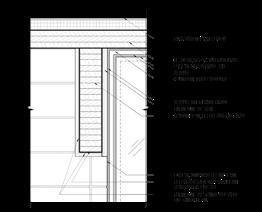
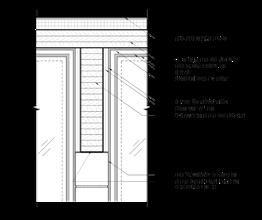
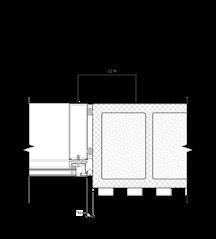
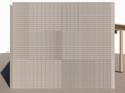
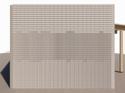
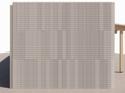
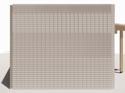
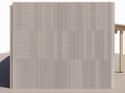
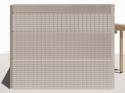
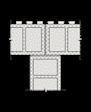
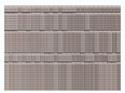
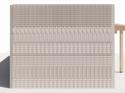
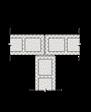
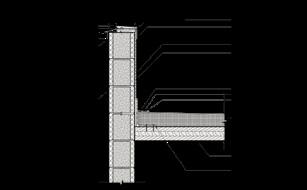
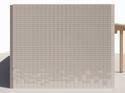
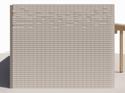
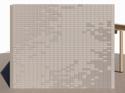
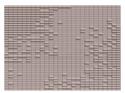
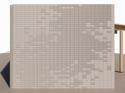
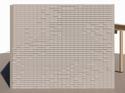
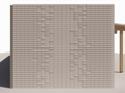
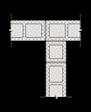
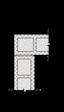
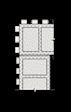
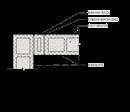
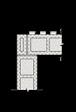
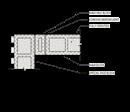
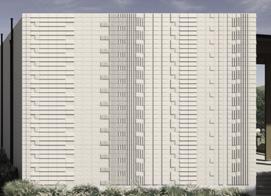
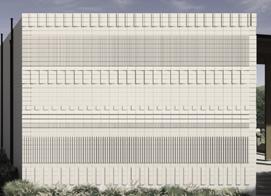
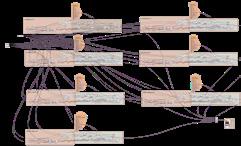
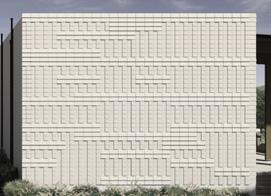
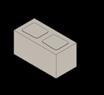
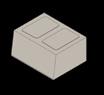
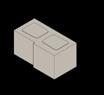
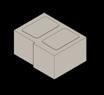
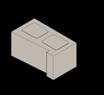
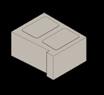
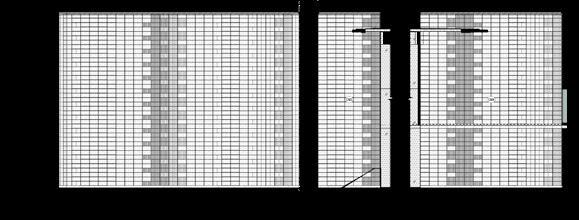
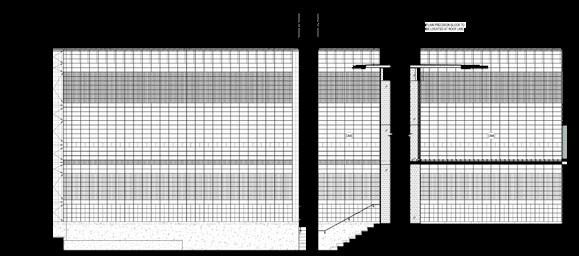
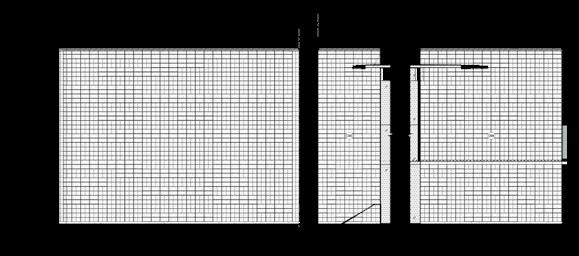
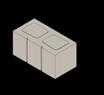
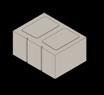
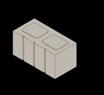
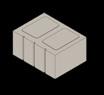
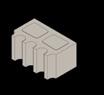
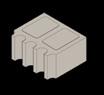
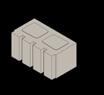
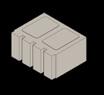
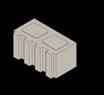
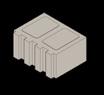
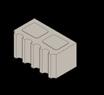
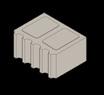
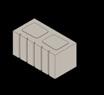
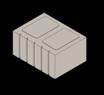
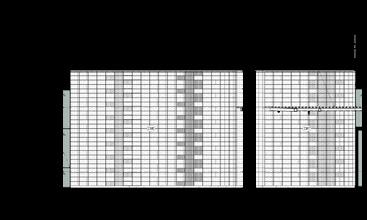
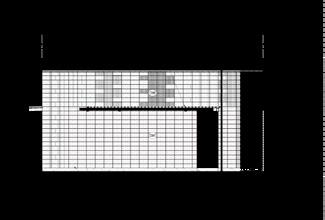
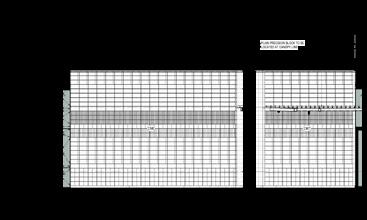
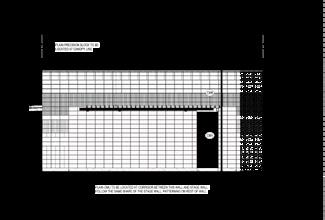
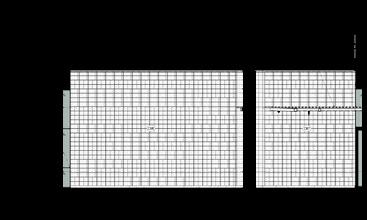
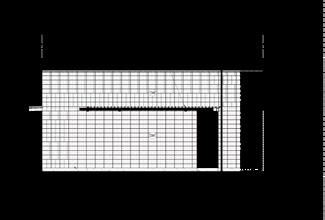
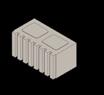
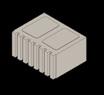
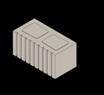
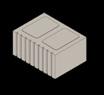
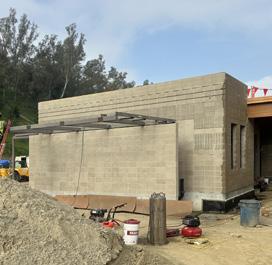
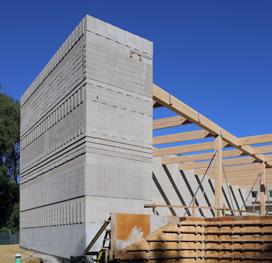
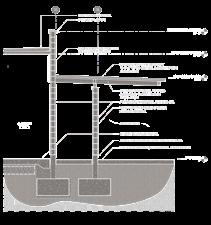
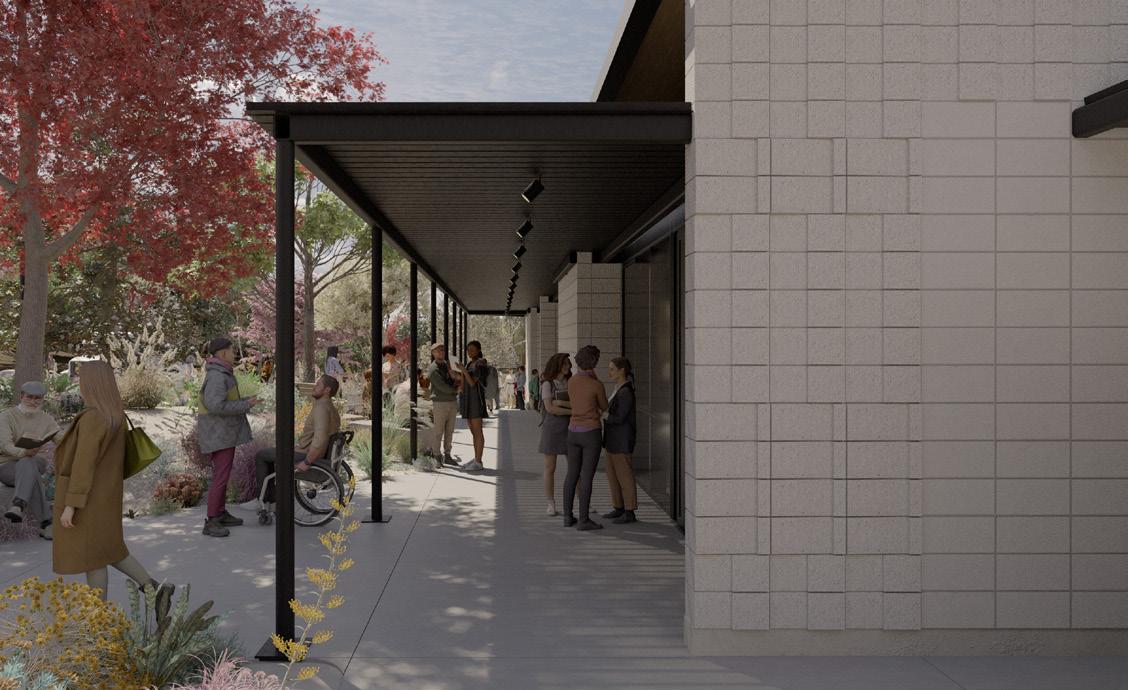
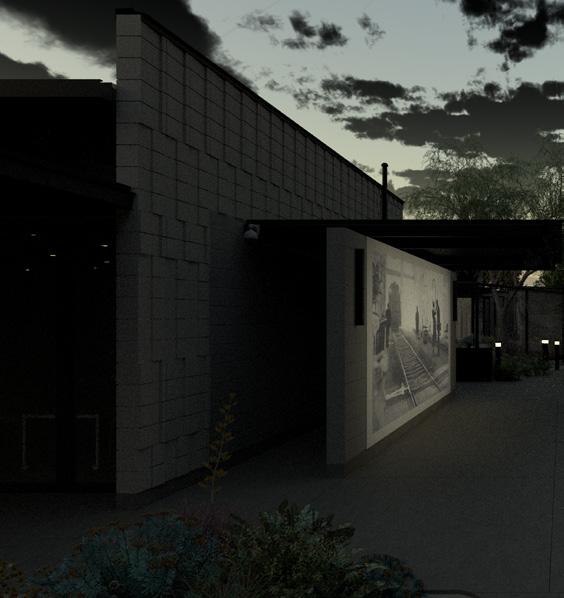
The building uses Angelus Block CarbonKind™ CMU, which incorporates low-carbon aggregates to significantly reduce CO₂. We proposed adding visual interest by integrating patterns into the most prominent walls. To efficiently explore accurate, buildable options, I developed Grasshopper scripts that generate limitless pattern variations while maintaining the CMU module and wall proportions. The typologies include gradients, patchwork, woven configurations, and striping, all utilizing the full range of Angelus Block special units to form sculpted “relief” surfaces.
concrete masonry unit {cmu}
GRASSHOPPER SCRIPTING
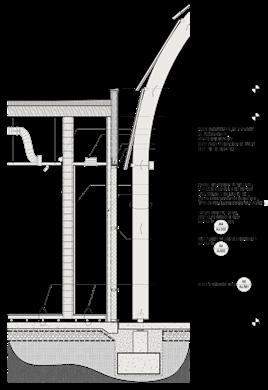
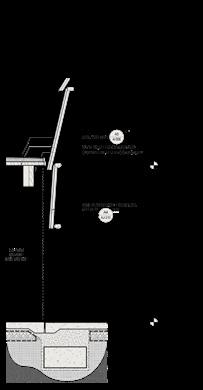
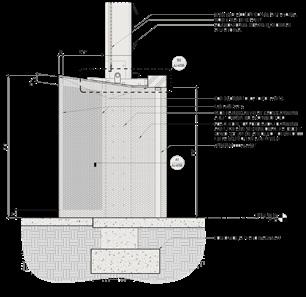
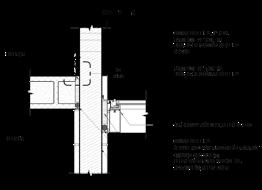
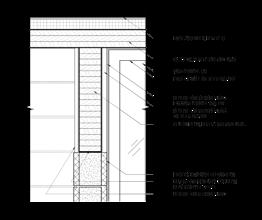
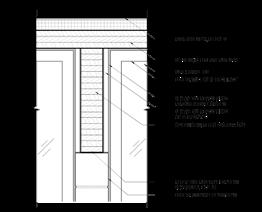
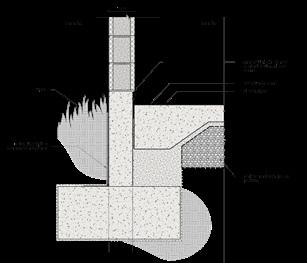
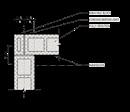
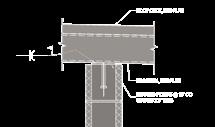
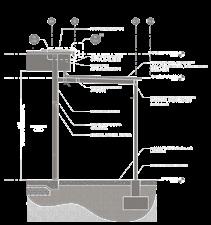
CMU TYP. EXTERIOR WALL SECTION
CMU COLOR OPTIONS
canyonbluff
graystone natural gray sage
Designed for net-zero operational carbon, the building is on track to generate 105% of its energy needs through on-site photovoltaics. Passive strategies such as shading and natural ventilation reduce electrical loads, supporting a fully electric building.
Low-impact design strategies include bioswales and passive external shading to minimize heat gain. Exterior circulation is non-conditioned to reduce operational carbon. The landscape is restored to support native species, including pollinators and birds. Innovative self-shading and highperformance glazing improve energy efficiency.
exterior spaces
@ MAKERSPACE
@ CMU WALLS @ AMPHITHEATER PROJECTION WALL
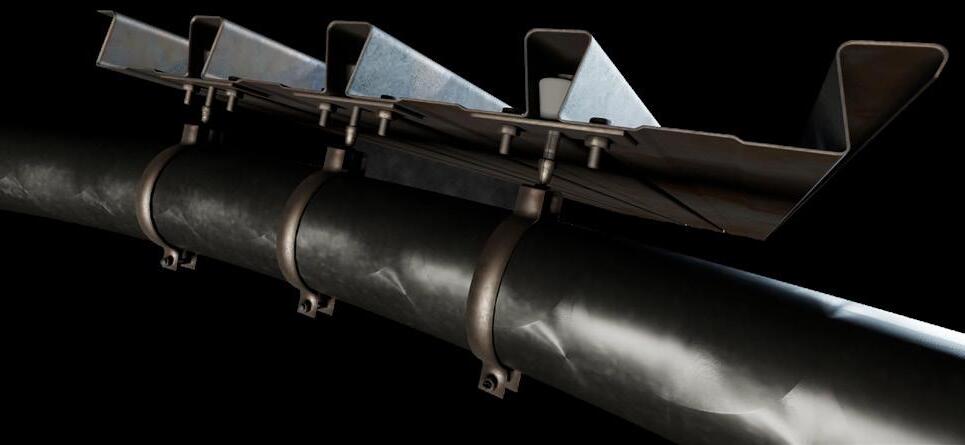
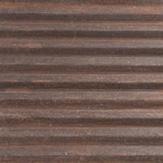
CORRUGATED METAL PROFILE
AMPHITHEATER
ROUND COLUMNS
synesthesia USC SoA
PRELIMINARY RESEARCH
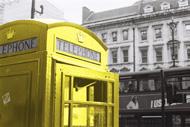
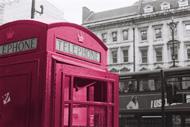
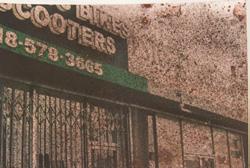
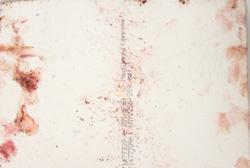
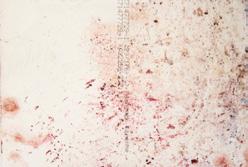
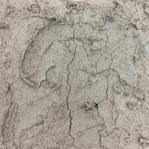
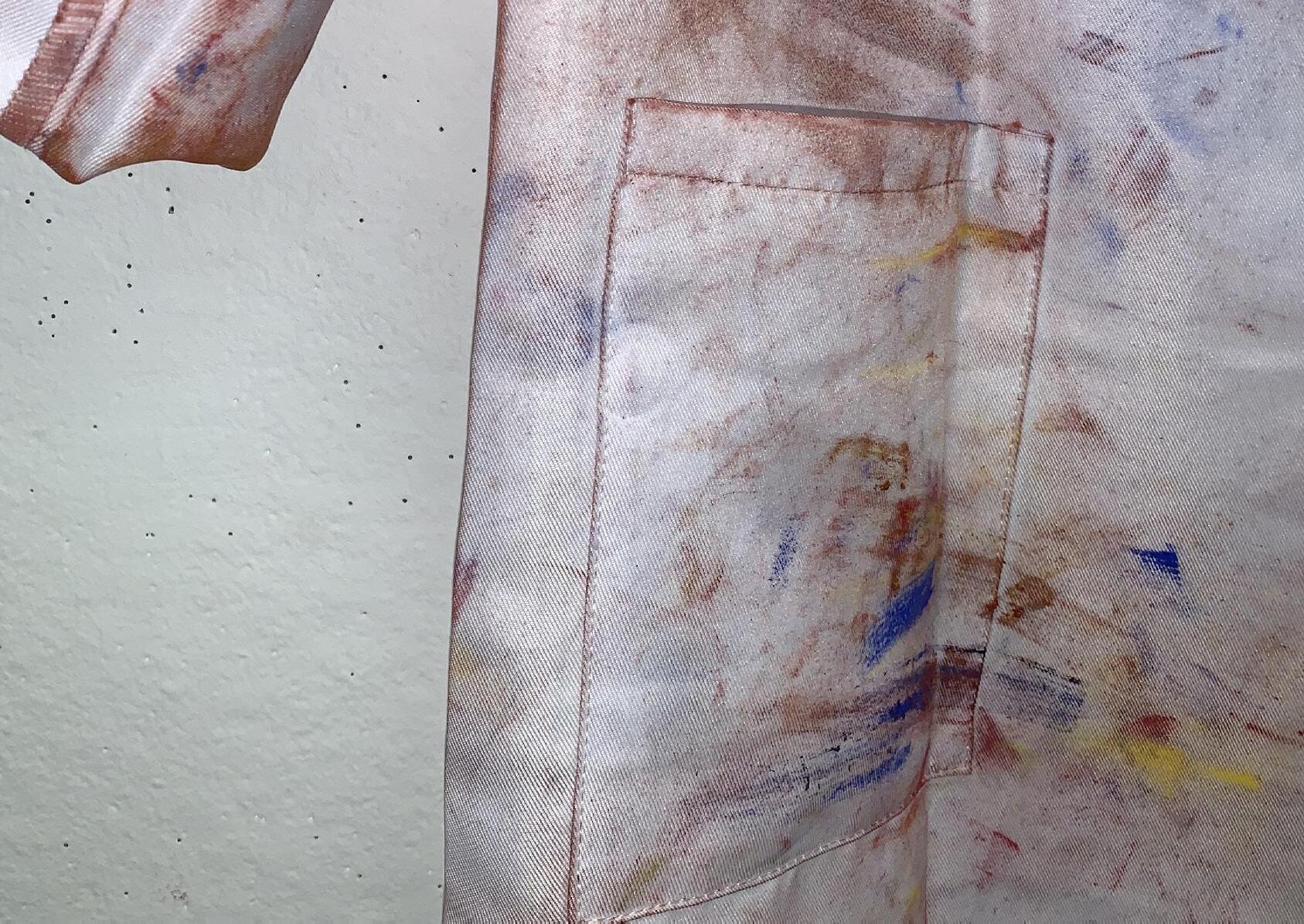
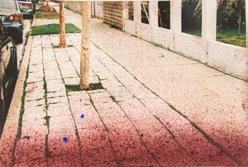
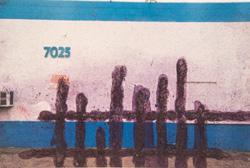
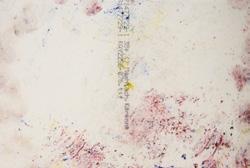
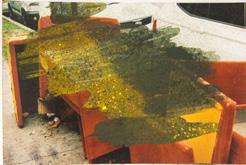
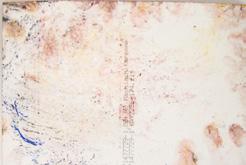
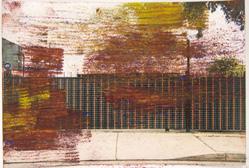
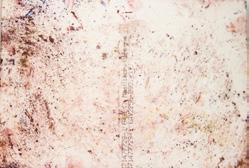
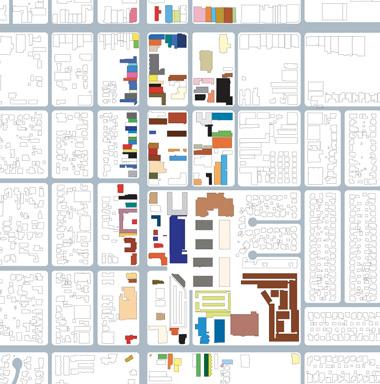
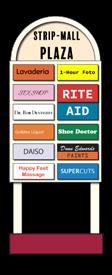
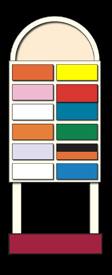
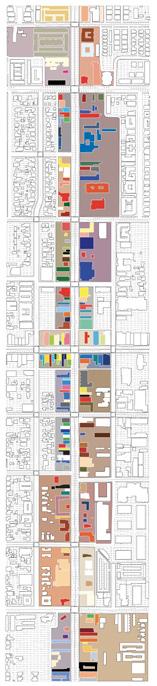
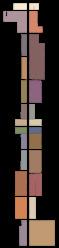
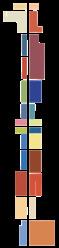
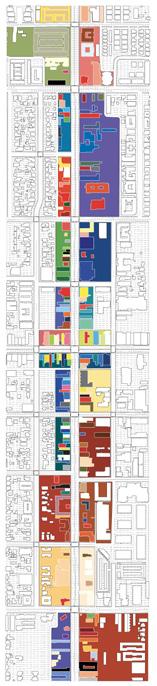
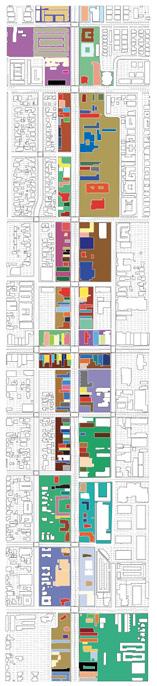
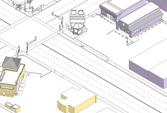
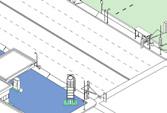
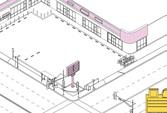
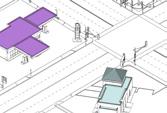
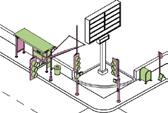
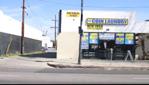
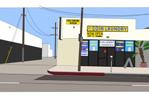
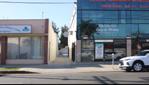
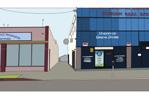
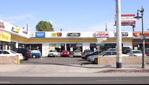
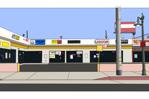
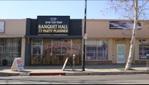
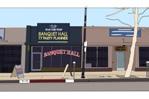
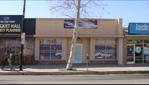
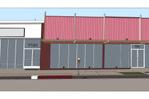
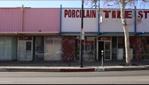
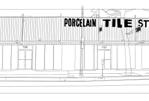
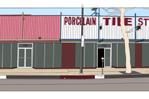
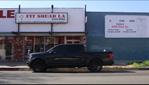
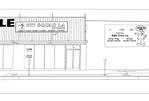
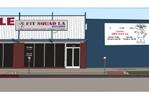
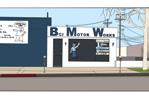
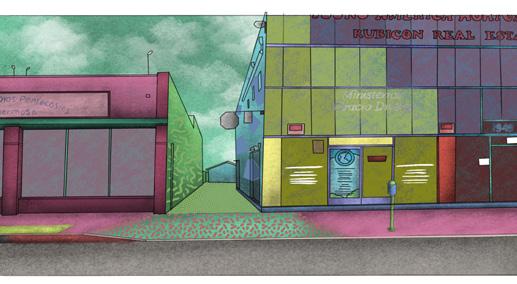
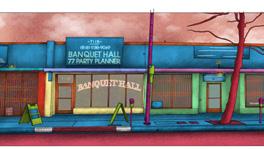
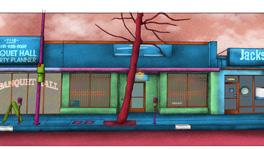
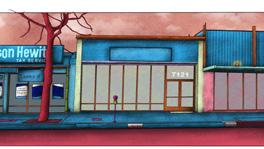
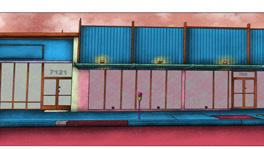
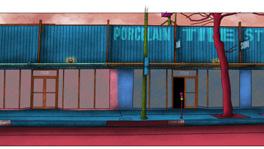
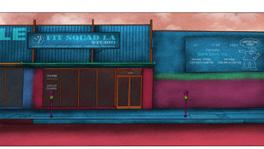
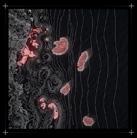
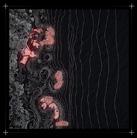
Color as identity investigates how color can articulate disposition — both through its relationship to architectural elements and through its interaction with other colors. The project began with a study of pigment histories, tracing the origins and embedded connotations of specific hues. This research then shifted to Reseda Boulevard in the San Fernando Valley, where I mapped color at multiple scales and cataloged the ways it manifests across the built environment.
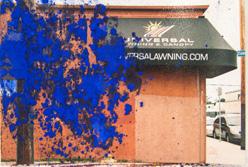
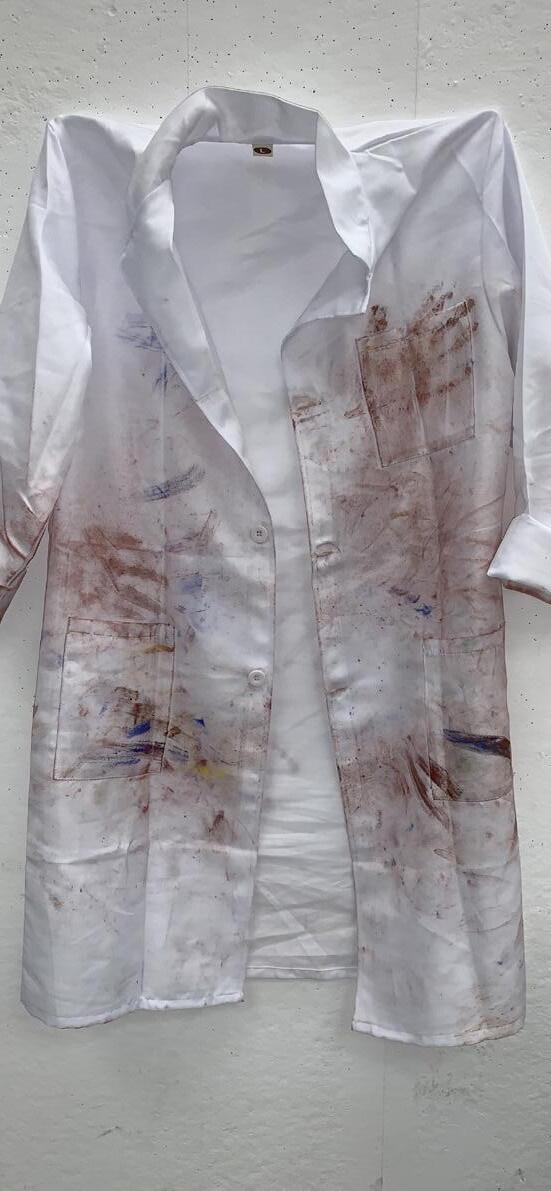
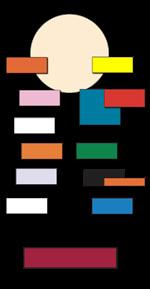
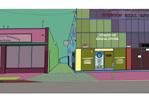
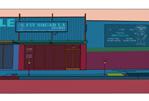
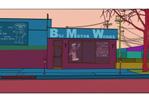
Using these pigment studies, I superimposed one categorical reading of color onto images belonging to another, for example, overlaying “deception” onto an image coded as “identity,” resulting in a browned, muted transformation. These experiments proposed new methods for applying color to specific elements and conditions, revealing how color behaves both independently and in response to physical context. This tension, between autonomy and subservience, forms the core of the thesis.
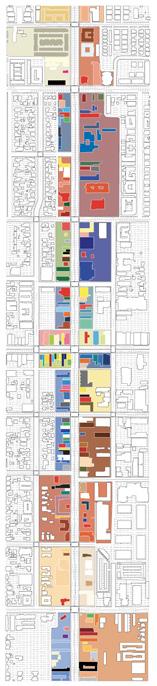
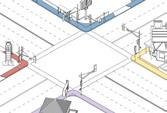
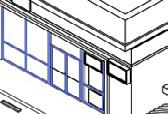
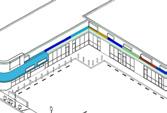
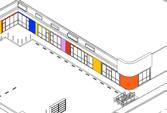
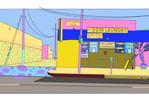
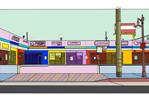
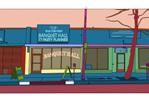
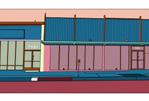
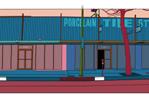
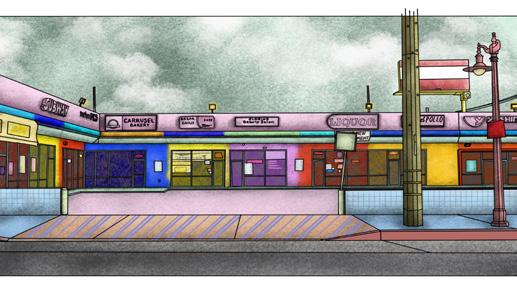
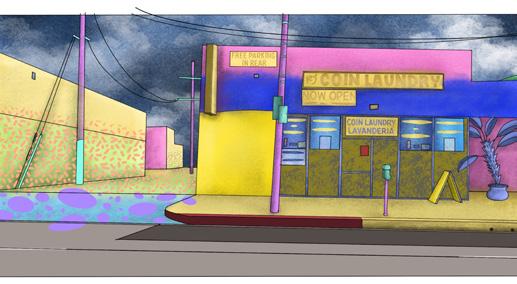
The project argues for the transformative power of something as simple as paint. By establishing a rule-set that can be applied to any city, color becomes a tool for enhancing space without altering its physical form. Paint is the most accessible means of reshaping perception. Reseda Boulevard, once a vibrant hub of the Valley, has lost much of its character; applying color across its architectural and urban elements offers a necessary revitalization, restoring identity at the scale of the boulevard, the block, the building, and the storefront.
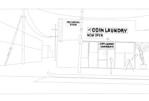
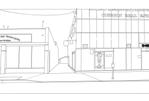
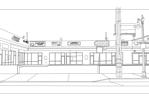
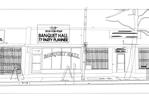
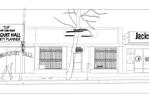
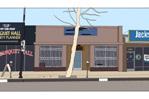
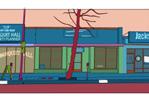
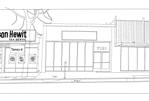
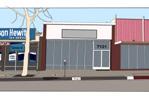
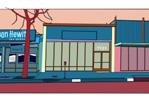
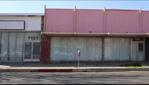
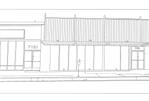
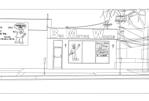
The final deliverable was a film exploring representational strategies for “painting” the boulevard. Elevational and street-level shots reduced the relationship between façade and street to linework, creating a clear framework for imposing color throughout the film and demonstrating how chromatic intervention could reimagine the corridor.
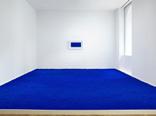
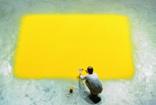
Yves Klein and James Turrell, FOCUS (2018)
International Klein Blue pigment
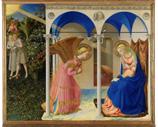
Fra Angelico, The Annunciation and Expulsion of Adam and Eve from Eden (1426)
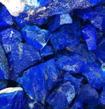
Lapus lazuli pigment
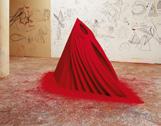
Anish Kapoor, Mother as Mountain (1985)
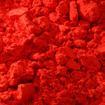
Indian red pigment
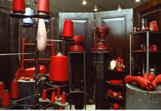
Louise Bourgeois, The Red RoomChild (1994)
Cadmium red pigment
Paul Gauguin, The Yellow Christ (1889)
Sulfur Oxide pigment
Wolfgang Piet, Pollen from Hazelnut (2013)
Pollen pigment
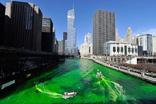
Olafur Eliasson, Green River Project (2000)
Uranine
Peter Paul Rubens, Cimon en Pero: Caritas Romana (1630)
Terre Verde pigment
Lapus Lazuli
Sky + Ocean
Vermilion Rose
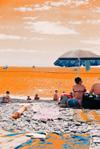
Sulfur Sun
Terre Verde Grass
DECEPTION. ACTUAL COLOR IS PERCEIVED DULLED WHEN PHOTOGRAPHED UP CLOSE.
COLOR RESULTING FROM OR APPLIED TO VARIED AND EXPLICIT MATERIALS.
APPLICATION OF COLOR ON SIGNAGE TO REPRESENT A BRAND OR STORE.
DECEPTION
SUPERIMPOSED ON IDENTITY.
MATERIAL
SUPERIMPOSED ON FERAL.
FERAL. UNORGANIZED OR UNPLANNED APPLICATION OF PAINT. LINE. COLOR APPLIED EXPRESSIVELY LINEAR. SPACE. COLOR APPLIED IN A MANNER CREATING DIMENSIONALITY AND FORM.
MATERIAL. IDENTITY. SPACE SUPERIMPOSED ON LINE. FERAL SUPERIMPOSED ON DECEPTION. LINE SUPERIMPOSED ON SPACE.
IDENTITY SUPERIMPOSED ON MATERIAL.
The irony of applying freeform research within a city‑management framework is the unavoidable need to engage with laws and codes — the bureaucratic armature beneath any urban fantasia. Yet the development of this system was grounded as much in phenomenology as in regulation. By attuning myself to the existing chromatic landscape along Reseda Boulevard — the way color is felt, not just seen — I assembled a palette for each neighborhood block, a kind of civic chromatogram that guided the coloration of buildings and urban elements. This strategy was designed to operate across multiple scales — the metropolis, the street, the block, the façade, the storefront — allowing color to reassert identity and continuity through lived experience rather than mere compliance. Color, almost mischievously, forges attachment; it sutures disparate elements into a larger urban whole.
low rise l.a. SSP
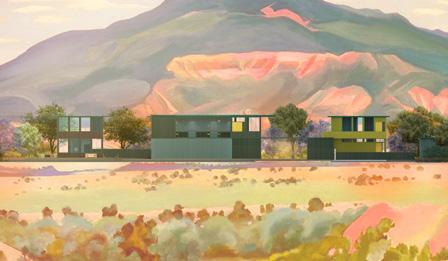
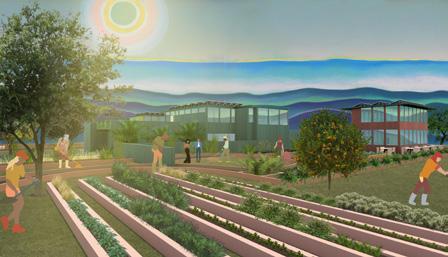
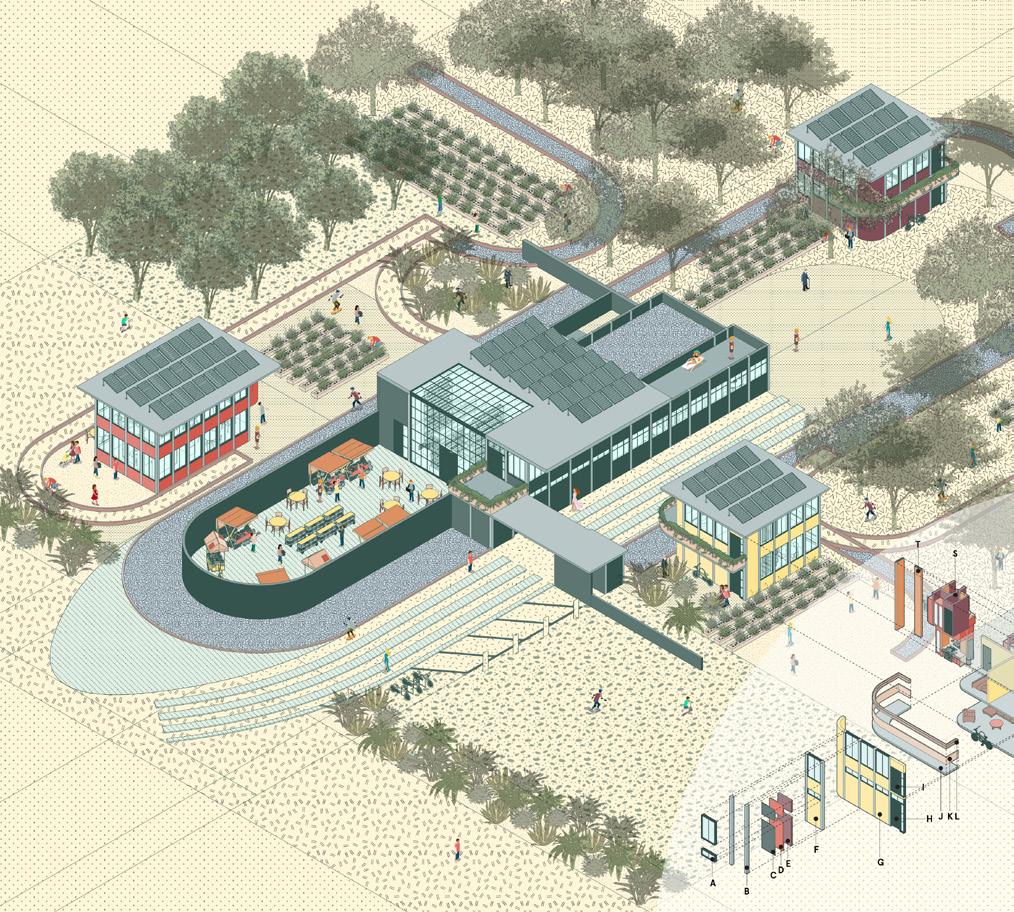
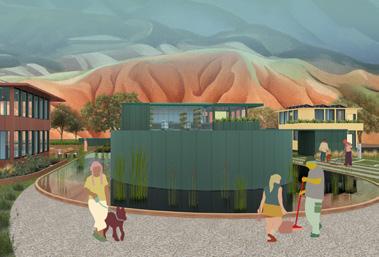
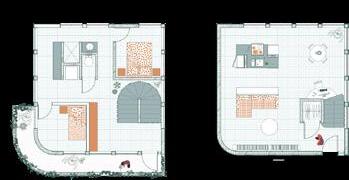
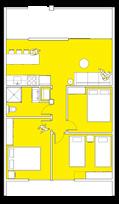
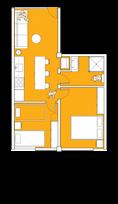
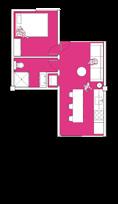
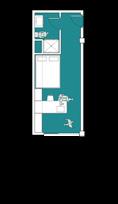
Sisters proposes the resurrection and reappropriation of the Richard Neutra–designed, Ayn Rand–occupied Josef von Sternberg House in Northridge, California. Built in 1935 and demolished in 1971, the estate — once imagined as a solitary retreat on “a distant meadow” — centered on a single primary bedroom supported by a constellation of servant quarters. As an architectural archetype, it embodied the heroic single-family ideal and the mythology of individualism. Our project begins by inverting that power structure. The original house is reconstructed as a glass greenhouse at the heart of the site, while its former rooms are exploded outward into discrete dwelling units, allowing residents to experience the spatial pleasures of the single-family typology while living and working in community.
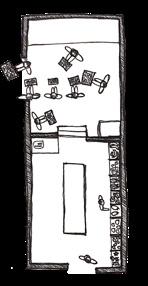
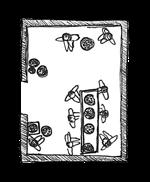
The conceptual framework draws from the Indigenous agricultural practice known as the Three Sisters — a companion-planting system in which corn, beans, and squash grow interdependently. Corn provides structure, beans fix nitrogen into the soil, and squash shades the ground to retain moisture and suppress weeds. This ecology of mutual support became a generative metaphor for the project. The units are envisioned as socially supportive, typologically diverse, and ecologically attuned. Our programmatic structure mirrors this sisterhood: the Communal, the Sustainable, and the Spatial.
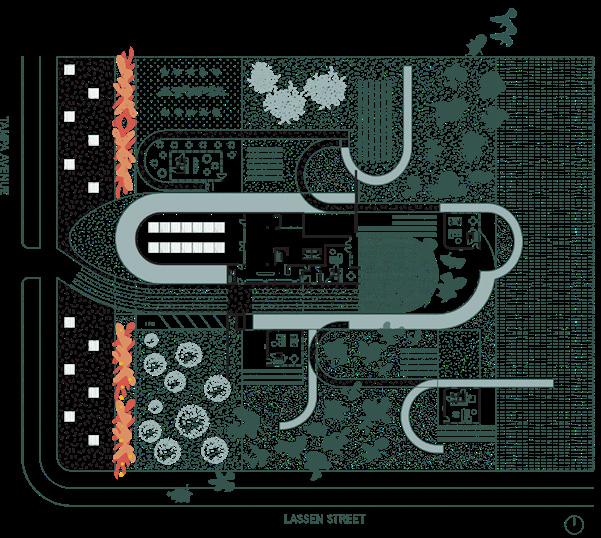
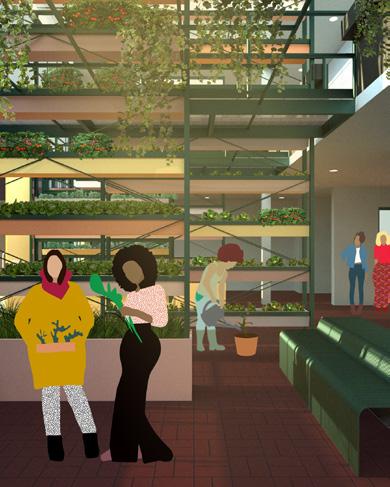
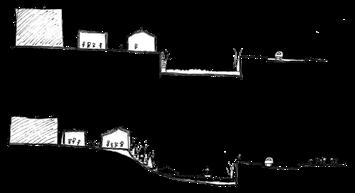
Where the original estate luxuriated in its landscape — terraces, lawns, pools, and a dramatic moat — our proposal reclaims the acreage for sustainability and collective life. The moat and its network of pools are multiplied and reprogrammed as hydroponic beds, greywater retention ponds, and site circulation. Each resident has a designated raised vegetable plot, while the community shares orchards, beehives, farmland, and open lawns. Public-facing programs — a farm café, educational spaces, an incubator kitchen, and a community marketplace — stitch the project back into the broader neighborhood.
Solar panels line the roofscape, oriented south. A “bird highway” threads north to south across the site, inviting pollinators and beneficial wildlife to participate in the project’s agricultural ecosystem. The result is a reimagined estate where architecture, ecology, and community operate as interdependent sisters — a counter-narrative to the isolated individualism of the original house.
Accessible
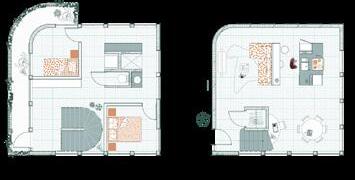
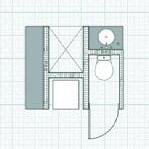
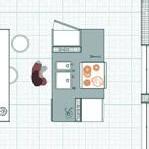
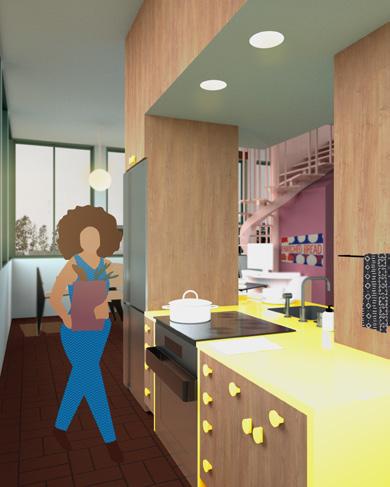
The original home built upon modules of aluminum and steel windows, and employed a strategy of modularity. CLT, a renewable technology, is utilized in the construction of all new solid walls, including the Kitchen and Bath/Laundry cores, which can be prefabricated and installed in units of different scales. This economy of scale is also at work in the reproduction of Neutra’s original steel staircase.
Bedroom, Accessible
INTERIOR VIEW OF GREENHOUSE
VIEW OF ALL ELECTRIC KITCHEN
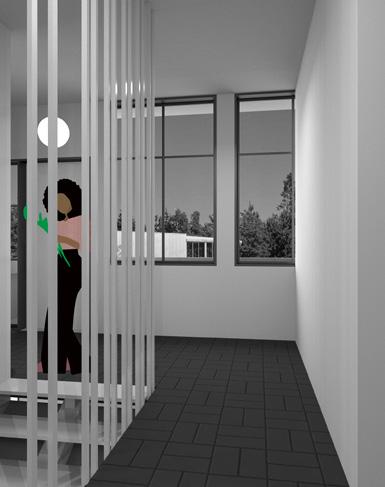
VIEW TO BALCONY
carapace pavilion USC SoA
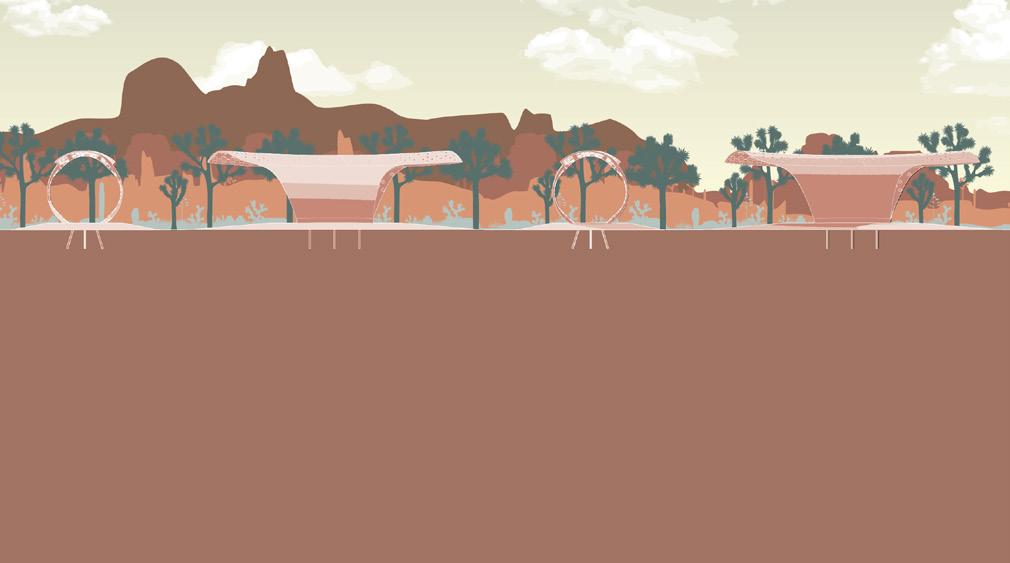
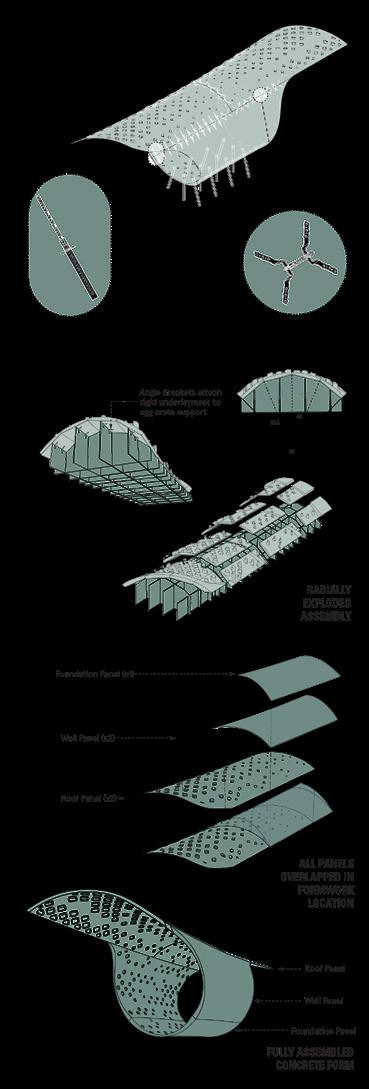
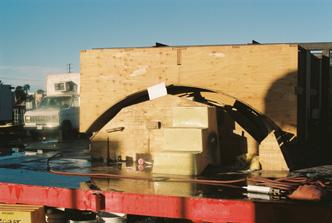
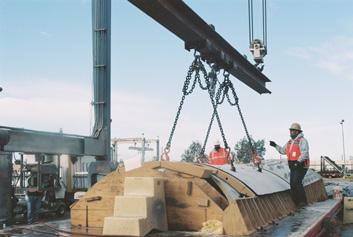
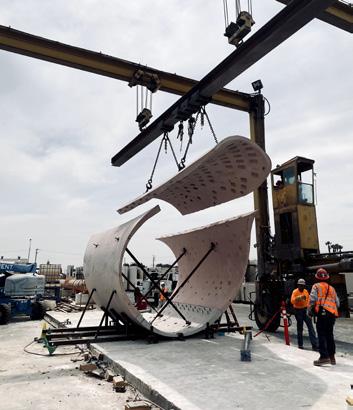
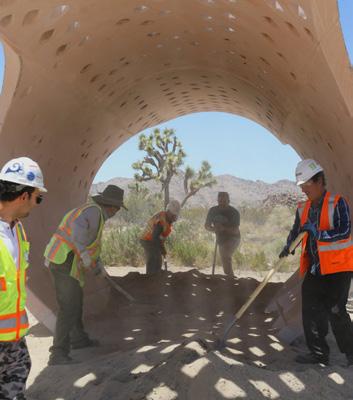
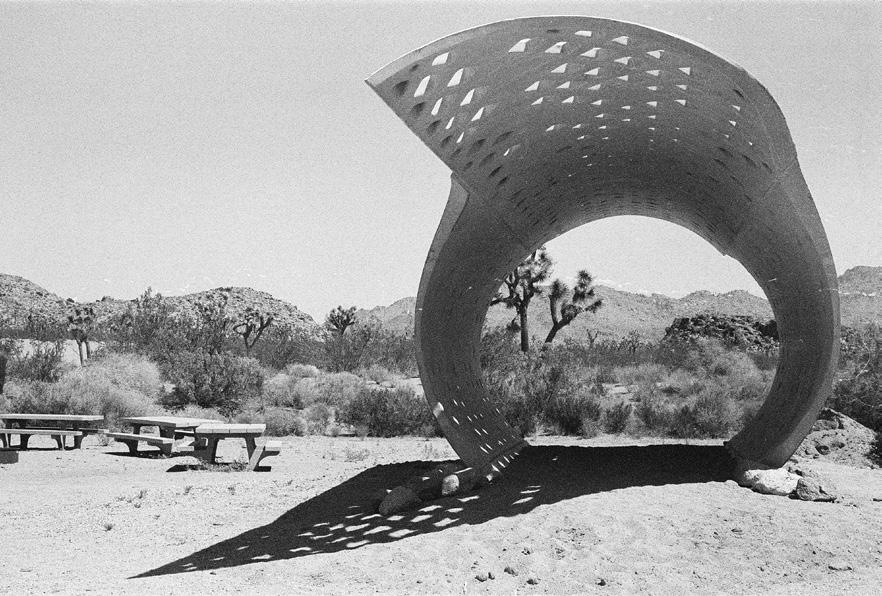
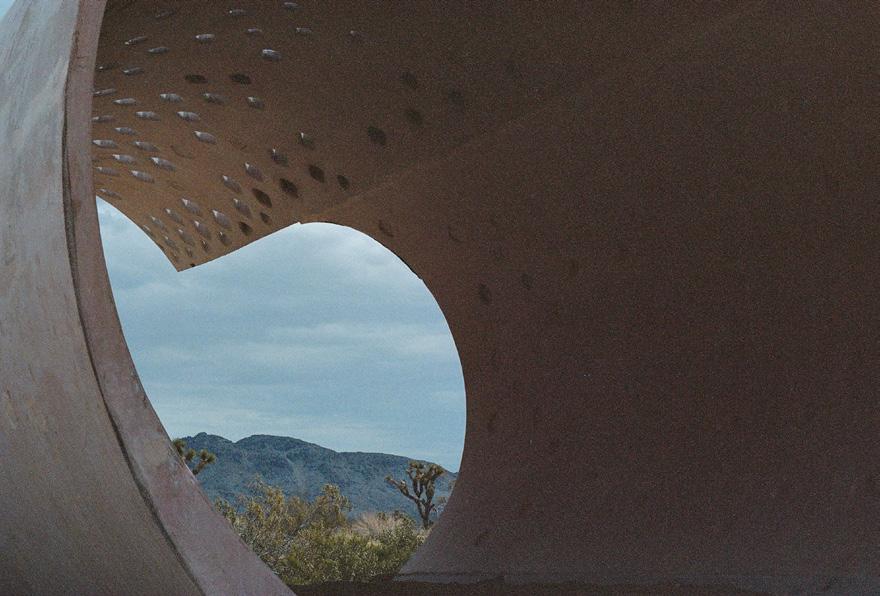
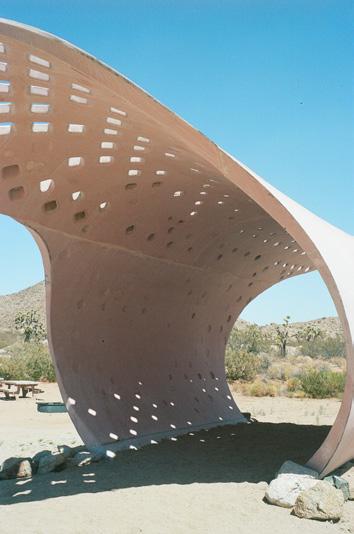
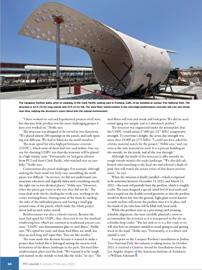
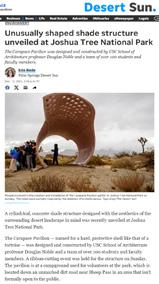
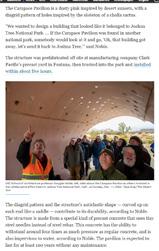
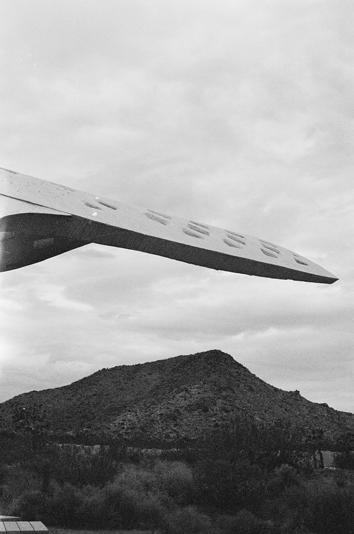
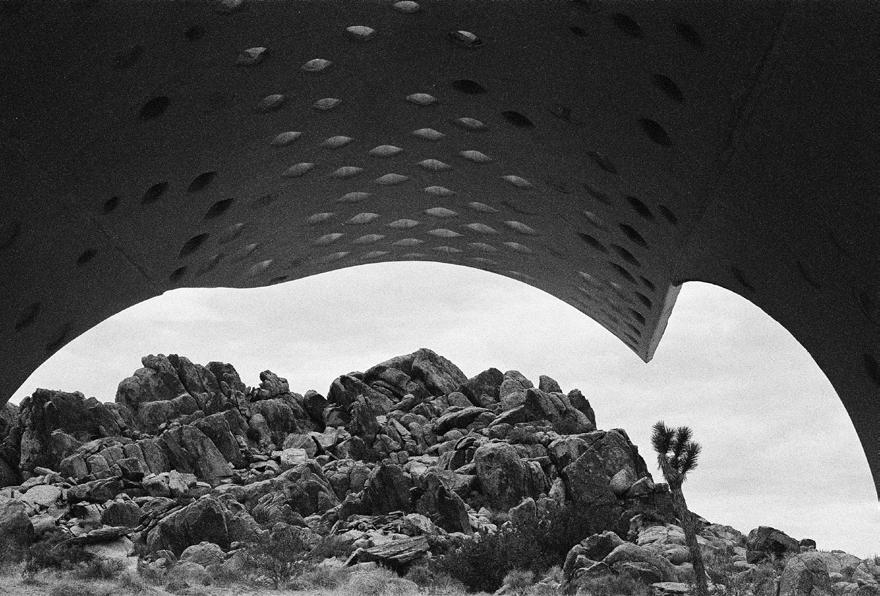
The Carapace Pavilion is a built project in Joshua Tree National Park, conceived as a prototype for a new restroom typology intended for deployment across the park. Beyond its programmatic role, the pavilion serves as a material and structural prototype, testing Ultra-High-Performance Concrete (UHPC) as a true structural shell rather than a façade treatment. As one of the first non-restroom architectural structures ever approved for construction in a U.S. national park—and a multi-award-winning project—it represents a rare opportunity to pursue architectural innovation within a highly protected landscape.
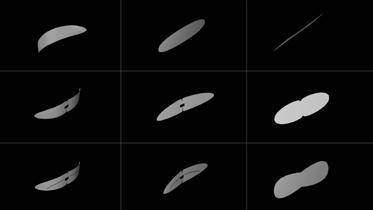
The form is an anticlastic shell composed of five panels cast from a single mold. A graduate student on the team developed a Grasshopper script as part of his thesis, enabling the geometry to oscillate between anticlastic and synclastic configurations; we later expanded the script to modulate aperture sizes and overall proportions. The base geometry consists of three circles aligned at their center points—the two outer circles fixed in size, and the central circle intentionally variable, producing a subtly mutable morphology.
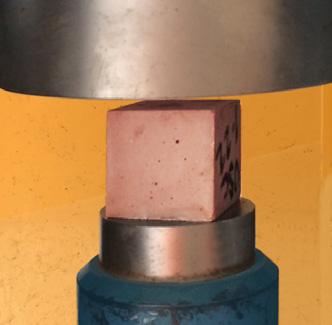
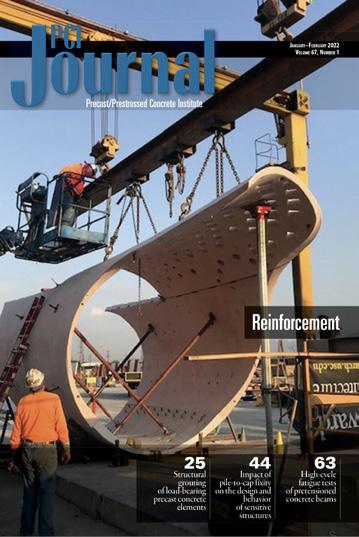
Structural studies established a minimum UHPC thickness of 2.5 inches, allowing the panels to remain exceptionally thin at their centers while thickening to roughly 6 inches at the edges. The panels are joined using JVI’s X-connectors, with each half cast into adjacent panels and welded together during installation, creating a continuous, almost monolithic carapace.
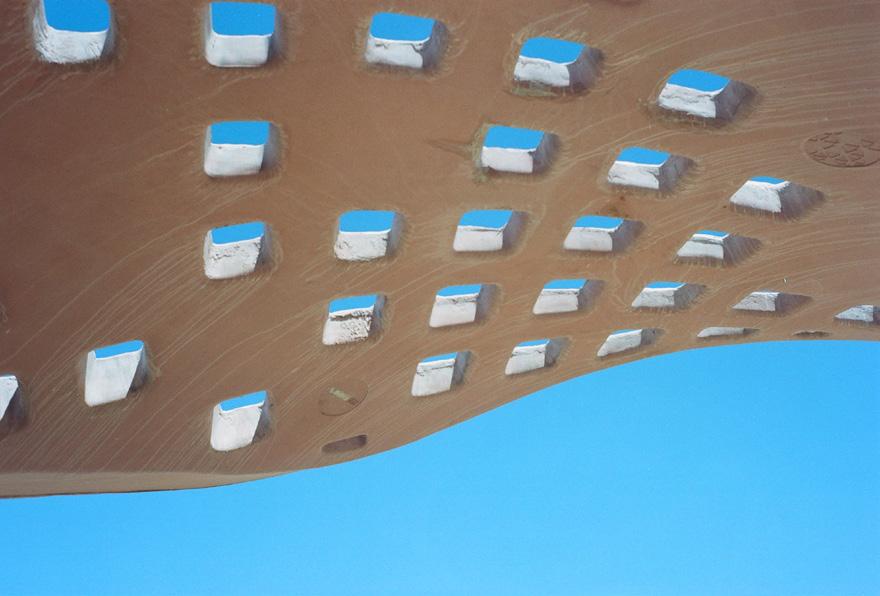
The pavilion’s UHPC shell integrates two forms of subtractive articulation—incised carvings along the walls and a calibrated field of apertures across the roof—each developed in close collaboration with structural engineers to serve both performance and expression. The carvings operate as excisions that stiffen the shell while lending it a crafted, almost striated character, making the tectonic rationale of the pavilion subtly legible.
My role focused on the pavilion’s visual identity and representational language. I developed the project graphics, designed the team patch worn on-site, created the aperture pattern, defined the curvature of the overhang, selected the UHPC color, and established the layout and graphic style for the project book. Along with another student, I co-led the Media Team, shaping the project’s broader visual and narrative ethos.
https://heyzine.com/flip-book/f5e7e4e376.html
prototyping
mold-making
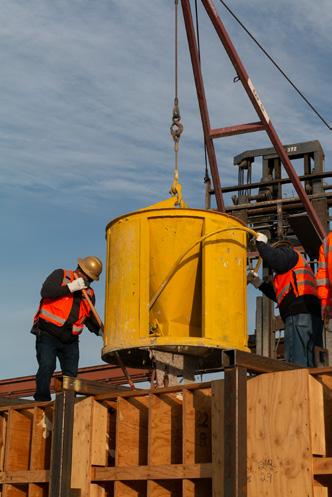
casting
de-molding assembly installation
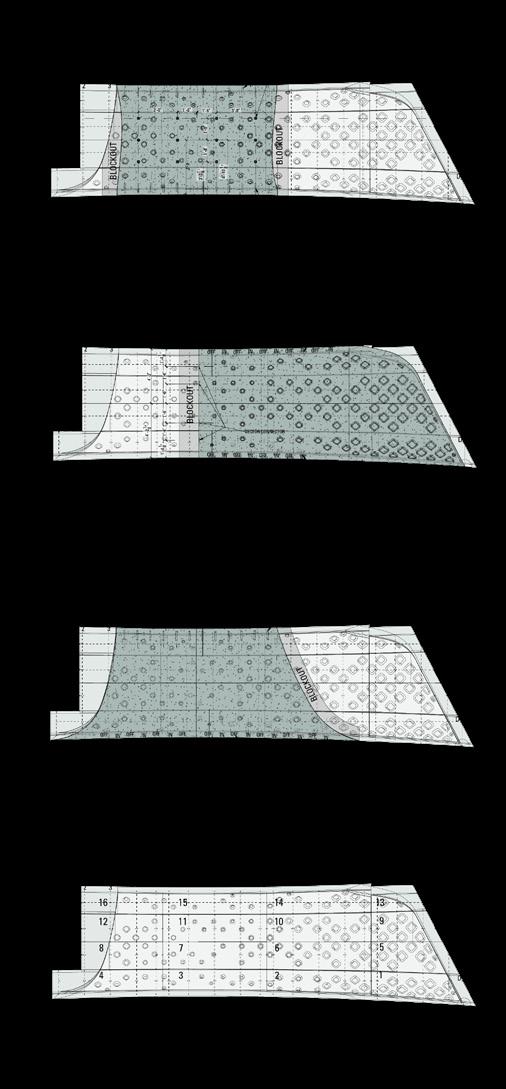
The pavilion’s UHPC shell integrates two forms of subtractive articulation— incised carvings along the walls and a calibrated field of apertures across the roof—each developed in close collaboration with structural engineers to serve both performance and expression. Along the wall panels, incised carvings act as subtractive stiffeners: recessed bands that reduce material volume while increasing rigidity. Their depth, spacing, and curvature were refined with the engineering team so the UHPC could remain thin at its center, thickening only where structurally necessary. Formed using removable foam block‑outs in the mold, these grooves reinforce the shell’s geometry, making its structural behavior legible while giving the surface a crafted, intentional character.
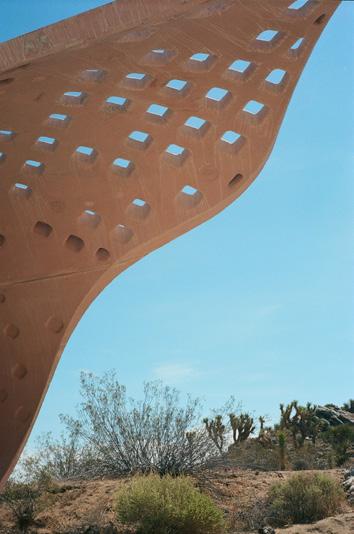
The roof panels extend this logic through a constellation of apertures positioned along the cantilevered edge. Developed through iterative analysis with the engineers, these openings strategically lighten the span where structural demand is greatest, enabling the shell to maintain its minimal thickness without compromising performance. Organized as a gradient that shifts in size and density, the apertures balance daylight, ventilation, and material efficiency. Together, the carvings and apertures express a unified approach to form and performance—subtractive operations shaped through interdisciplinary collaboration that reveal how the shell works, reduce material, and infuse the pavilion with a sense of porosity, precision, and lift.
Countless individuals, companies, and disciplines sought to provide collaborative efforts for the Carapace Pavilion, as to impart their knowledge but even more so to capitalize on the experimentation engagement. The Carapace provided an academic outlook on architecture which deals in innovation and deviation of the typical procedures recorded in the industry. However, the project also situated itself on a deliberate platform intended to explore the ability of implementing rigorous and complex systems in a real world practice.
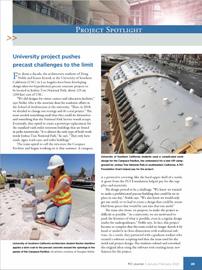
Acknowledgements must be given to everyone involved, including Clark Pacific, JVI, Lafarge Holcim, Clark Construction, Cresset, PCI West, PCI Foundation, Walter P. Moore, and countless student and faculty volunteers. The Carapace is an award winning pavilion and has been published in quite a few publications for its innovation.
people of bishan AALU
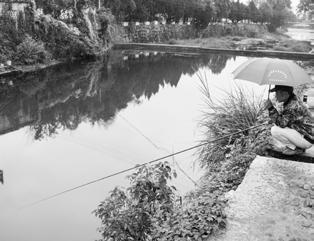
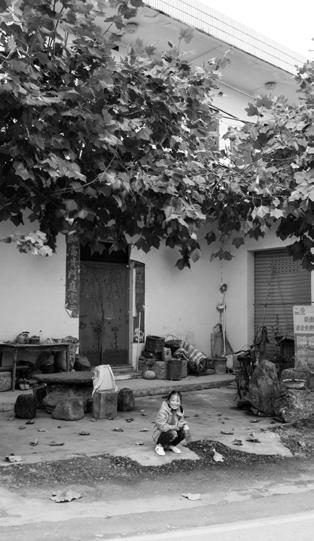
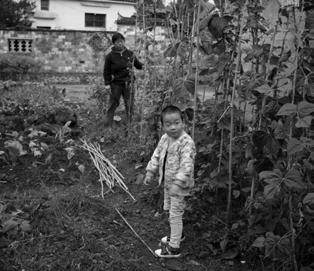
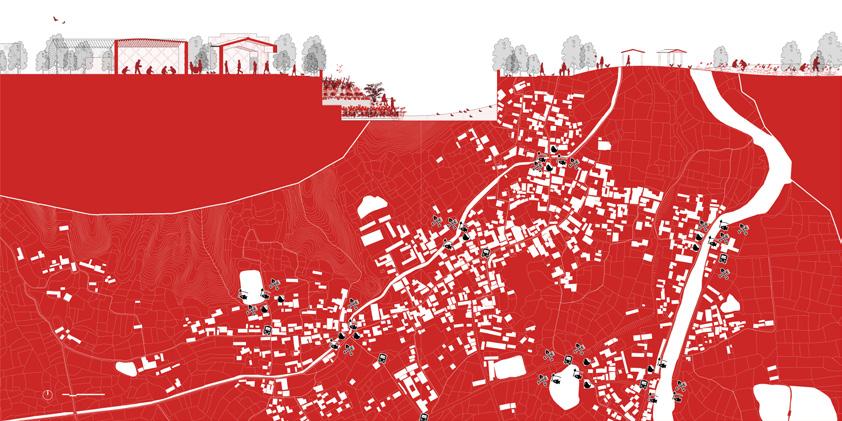
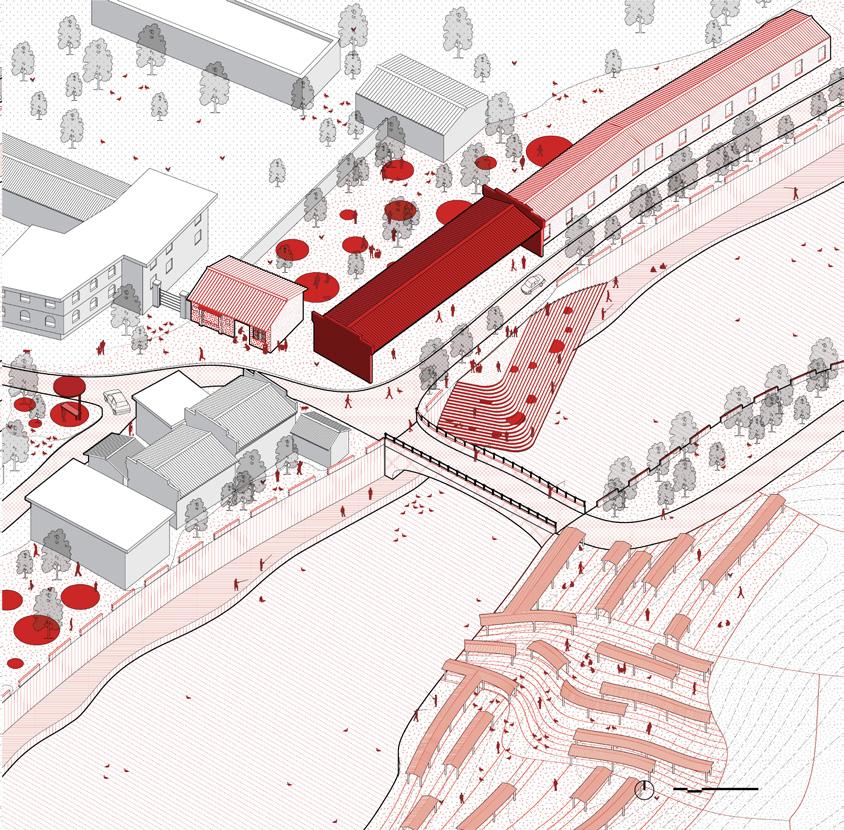
People in Bishan was a research and intervention project focused on the small town of Bishan in China’s Anhui Province. Completed with three teammates — two from Hong Kong University (HKU) and one from USC — each group was assigned a different lens through which to study the town: agriculture, water, building typology, history, and in our case, people. With my HKU partners able to speak directly with residents, we gained a deeper understanding of daily life and the social rhythms that shape the town.
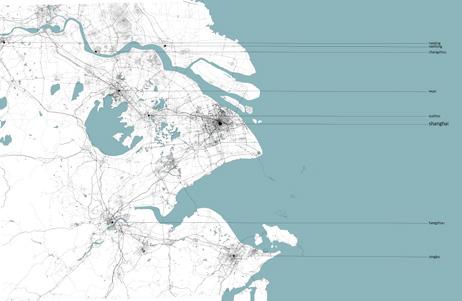
As we moved through Bishan, we noticed a striking demographic pattern: the town was populated largely by older adults and young children, with working-age residents conspicuously absent. Locals explained that as urbanization accelerates, rural populations shrink. Most adults now work in cities such as Nanjing, Shanghai, and Nantong, returning to Bishan only for a few months each year when the weather is pleasant.
Residents also spoke about the neighboring “mother town,” Huangshan — home of the Yellow Mountains. Once rural and untouched like Bishan, it has since transformed into a tourism-driven spectacle. Many fear Bishan is on the same trajectory, and worry about the erosion of their way of life.
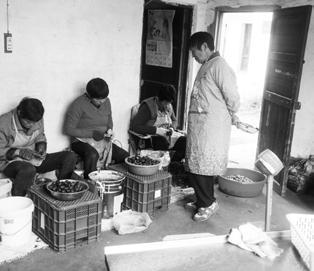
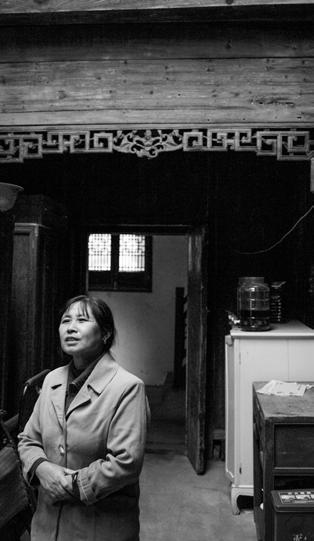
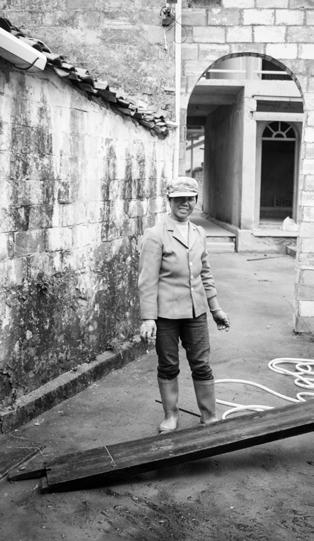
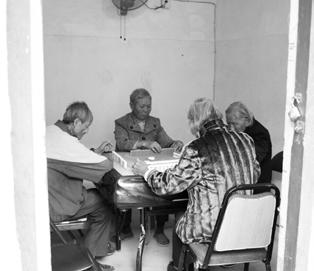
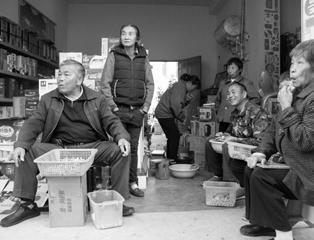
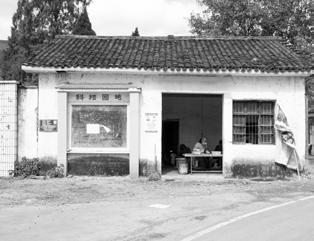
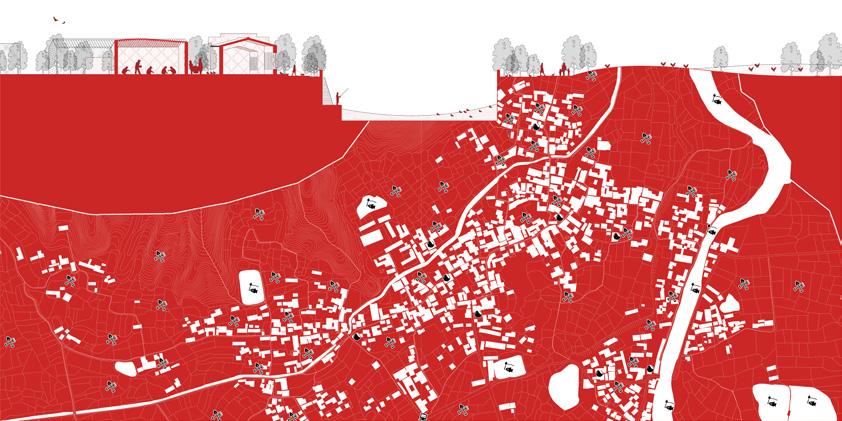
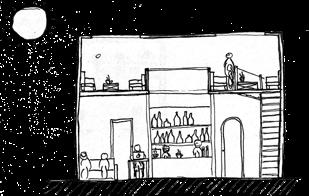
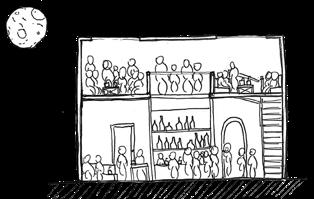
Our survey revealed the people, spaces, and rituals that hold the town together. We met Ms. Yu, a construction worker; Mr. Yao, a retired teacher; Mr. Ding, founder of the elderly center; Ms. Zhang, manager of the D&D library; and Ms. Wang, a hostel owner. Their stories intertwined with the town’s everyday activities: chestnut peeling in open sheds, mahjong in the elderly center, children gathering at the school bus stop, the century parade along the main street, square dancing in the plaza, quiet conversations in the library, and the steady flow of visitors to Dog’s Bistro.
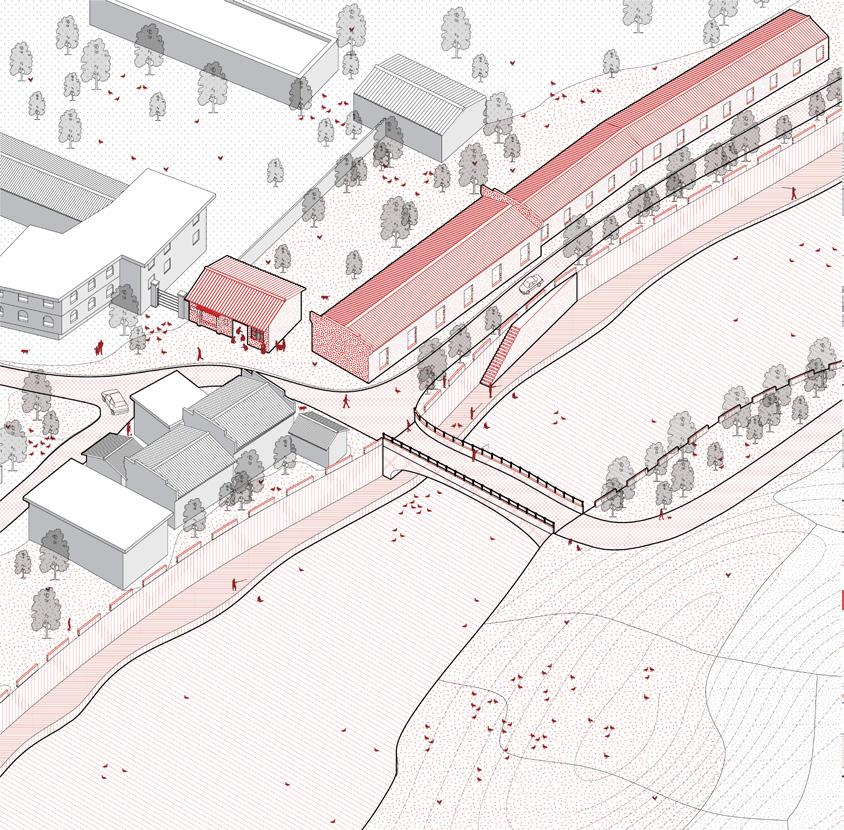
Based on this research, each team member was tasked with designing an intervention shaped by one of four perspectives: local government, central government, internal tourism, or external tourism. I chose the central government lens, whose stated priority was improving quality of life. My proposal established a network of local hubs and agricultural workshops distributed throughout the town — spaces that supported the activities residents described to us and reinforced the social fabric that makes Bishan distinct.
As the central government, our current goal is to learn sustainable living from the villagers in Bishan and bring that knowledge back to the cities to implement. Creating workshops that teach intellectuals this type of living and agriculture is a method to increase liveability in the city. The purpose of repopulating Bishan is for city and urban purposes.
Activating the spaces that currently focus on agriculture in a way that helps learn the rural methods is important to our workshops. The site houses a plethora of agricultural functions. Each one of these types of program is transformed in a unique way to maximize learning and work flow. A healthy, visually appealing space that caters to the needs of the users is necessary.
nanjing road AALU
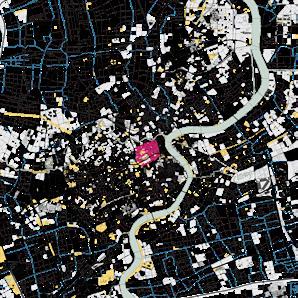
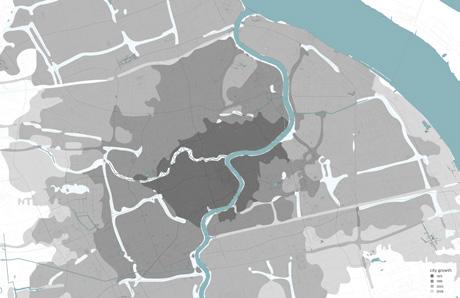
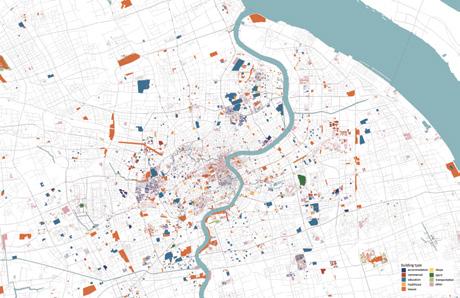
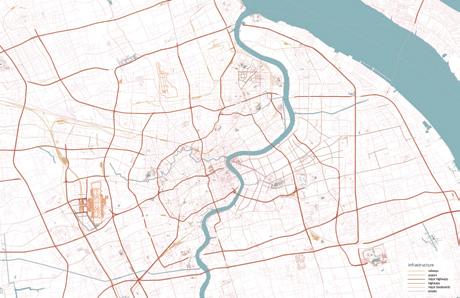
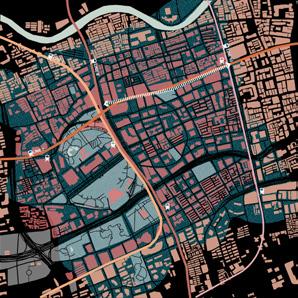
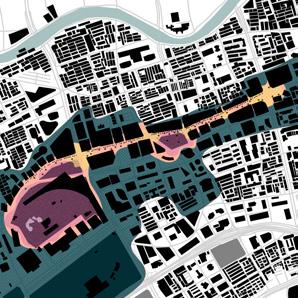
Completed in Shanghai during the Asian Architecture, Landscape, and Urbanism study abroad program, this project investigates the anatomy of the megacity — with Shanghai as its subject. In collaboration with a partner, we mapped the city’s urban fabric to understand its evolving state of being, analyzing infrastructure, transit networks, waterways, green spaces, historical growth, landmarks, and district typologies.
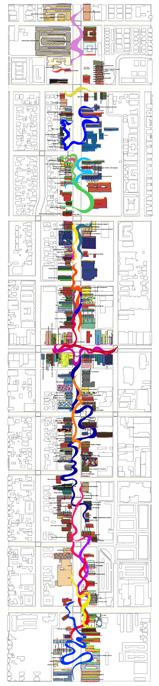
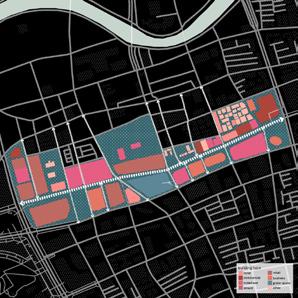
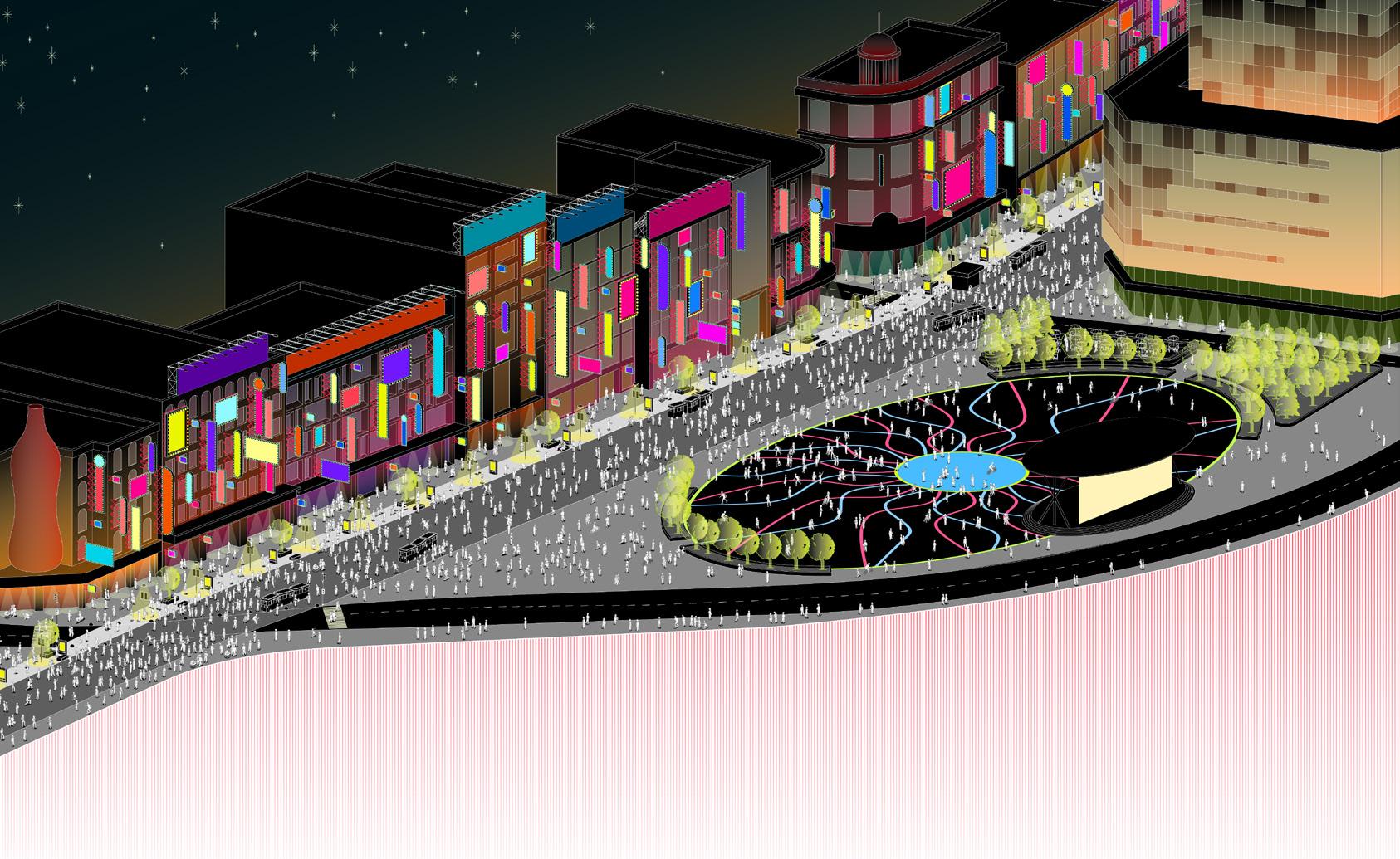
Upon arrival, I focused my study on People’s Square — a district at the heart of Shanghai that operates as both civic center and symbolic mirror of China’s rapid consumption and expansion. Within this district lies Nanjing Road, the longest and busiest pedestrian street in the world: 5 kilometers long, 24 meters wide, and drawing over one million visitors daily. Developed in response to a government mandate for pedestrian space, Nanjing Road functions as Shanghai’s commercial spine.
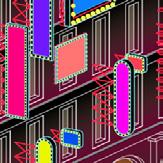
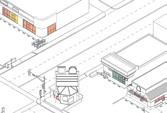
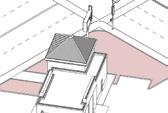
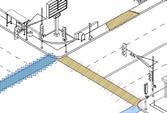
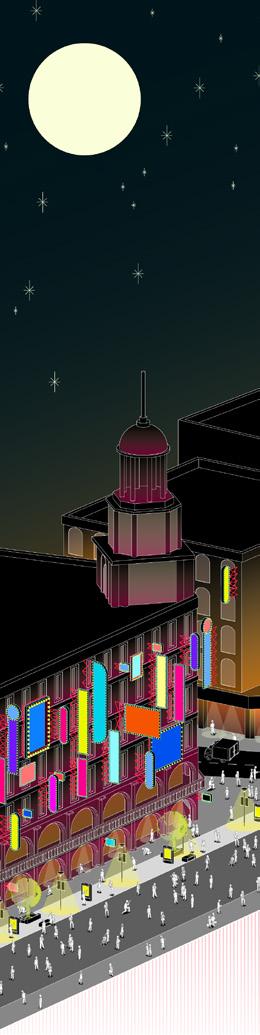
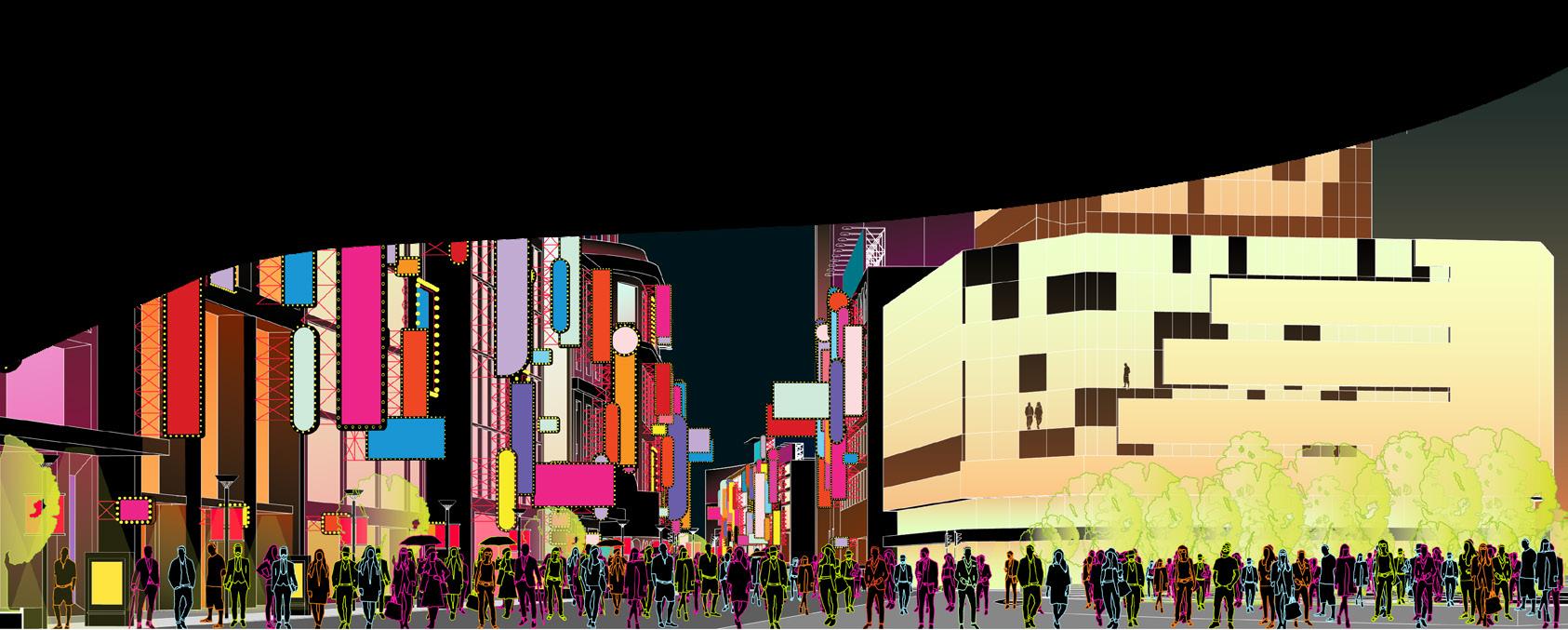
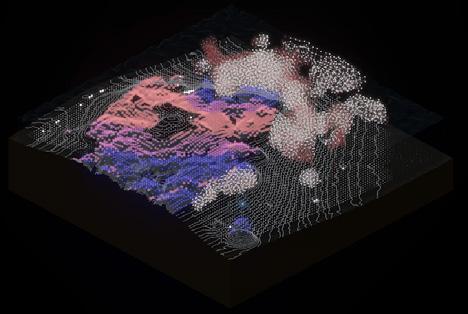
Rather than analyzing the architecture itself, the project foregrounds the improvised and ephemeral elements that shape the boulevard’s atmosphere: signage, trams, benches, and lighting — objects that reflect the city’s constant state of flux. The drawing visualizes the density of neon signage along the street, not as a literal one-to-one depiction, but as an exaggerated aggregate of typical forms. This saturation evokes the boulevard’s excessive visual condition, capturing its sensory overload and urban intensity.
SHANGHAI, FIGURE GROUND
SHANGHAI LOCALES
PEOPLE’S SQUARE, FIGURE GROUND
NANJING ROAD, PEDESTRIAN
NANJING ROAD, OVERFLOW
SHANGHAI, INFRASTRUCTURE
SHANGHAI, GROWTH
SHANGHAI, BUILDINGS
timber tower USC SoA
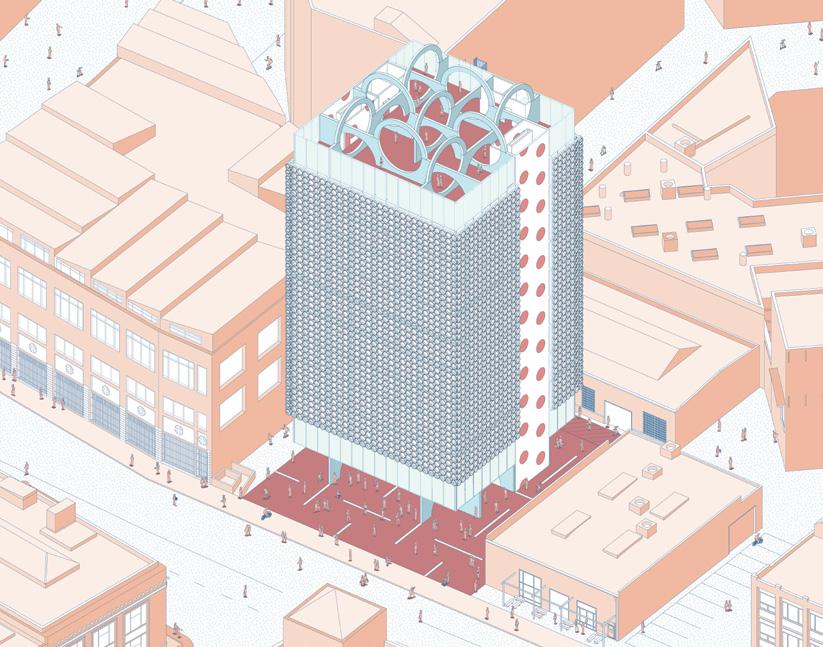
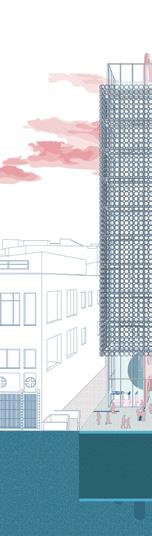
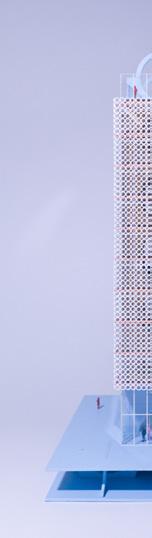
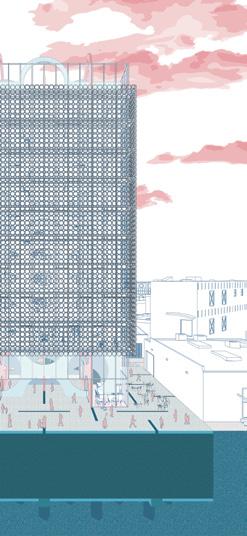
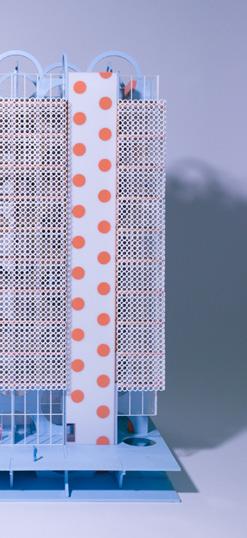
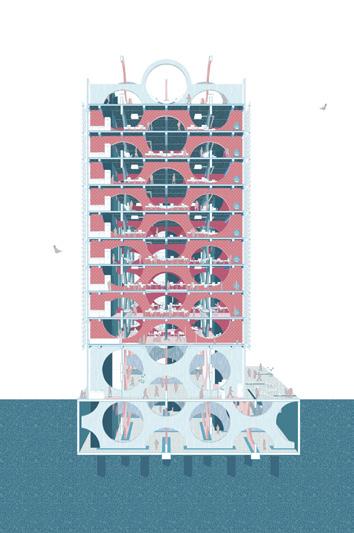
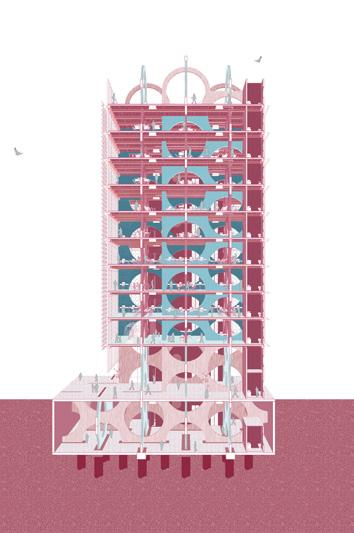
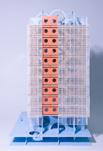
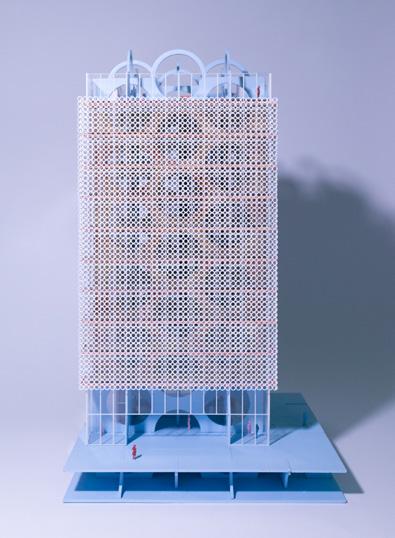
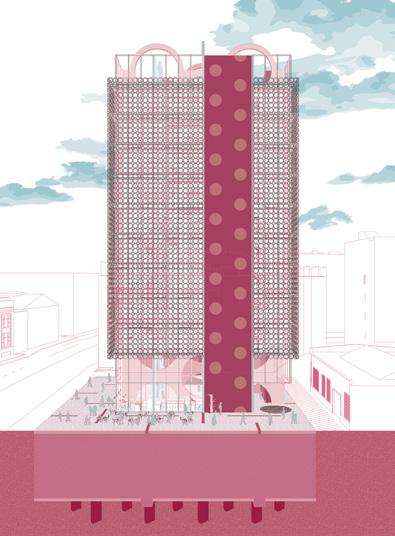
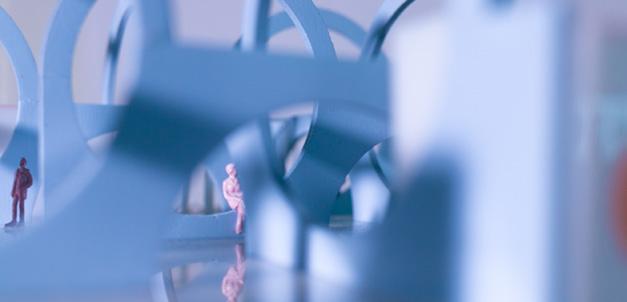
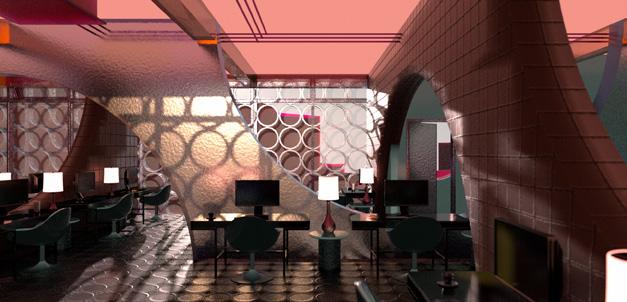
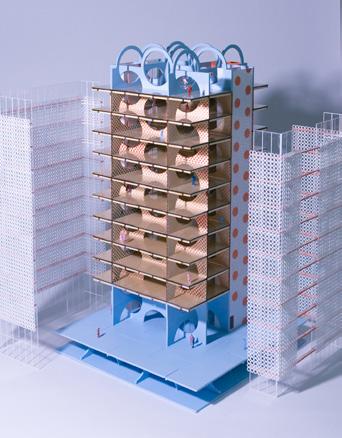
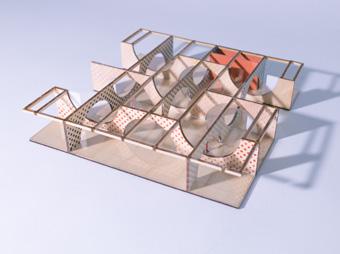
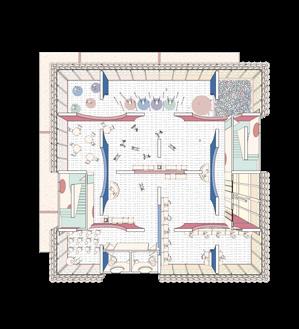
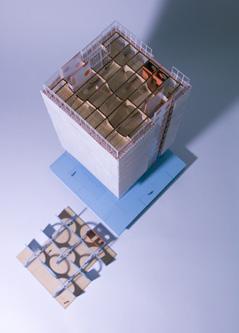
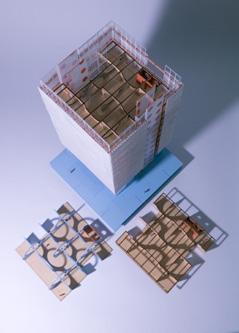
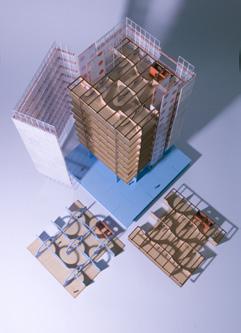
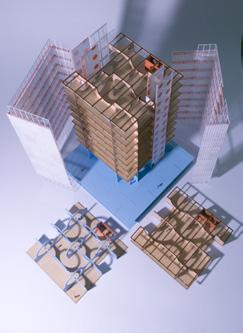
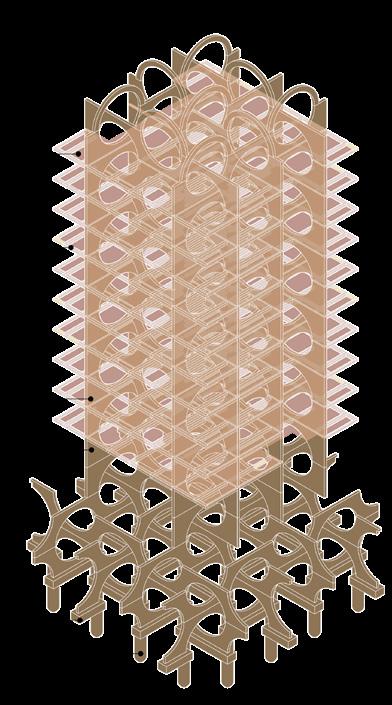
The Timber Tower is a conceptual studio project exploring an office building constructed entirely from cross-laminated timber (CLT). Recipient of the Innovation Award, selected by a Super Jury, the project was recognized for its tectonic ambition and its reimagining of the contemporary workplace through a structurally expressive lens.
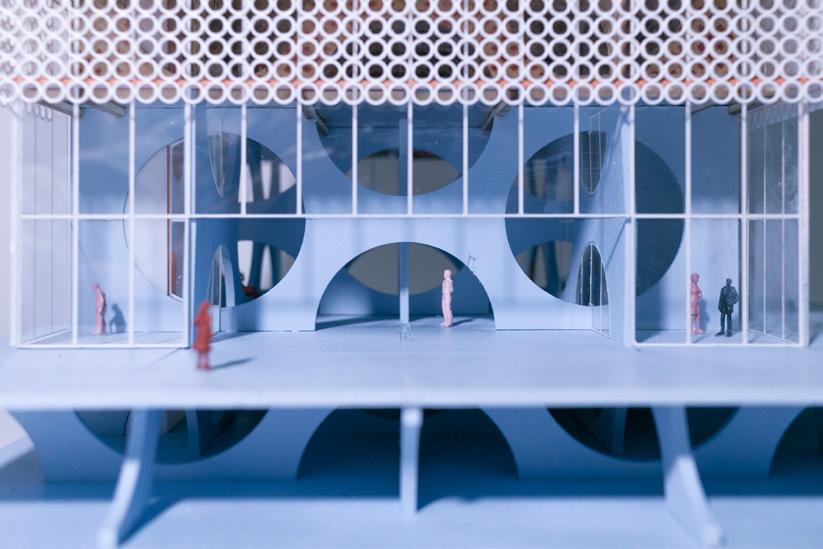
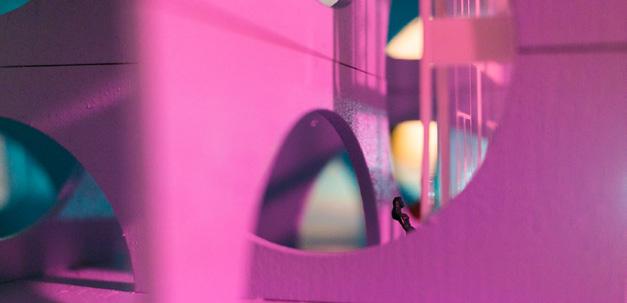
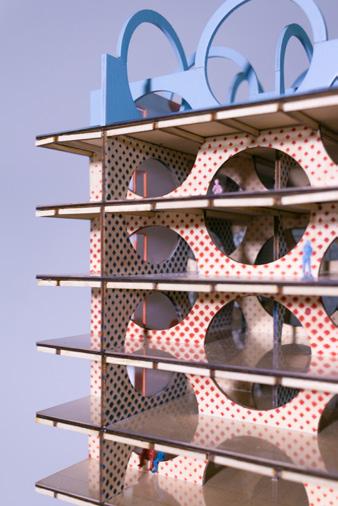
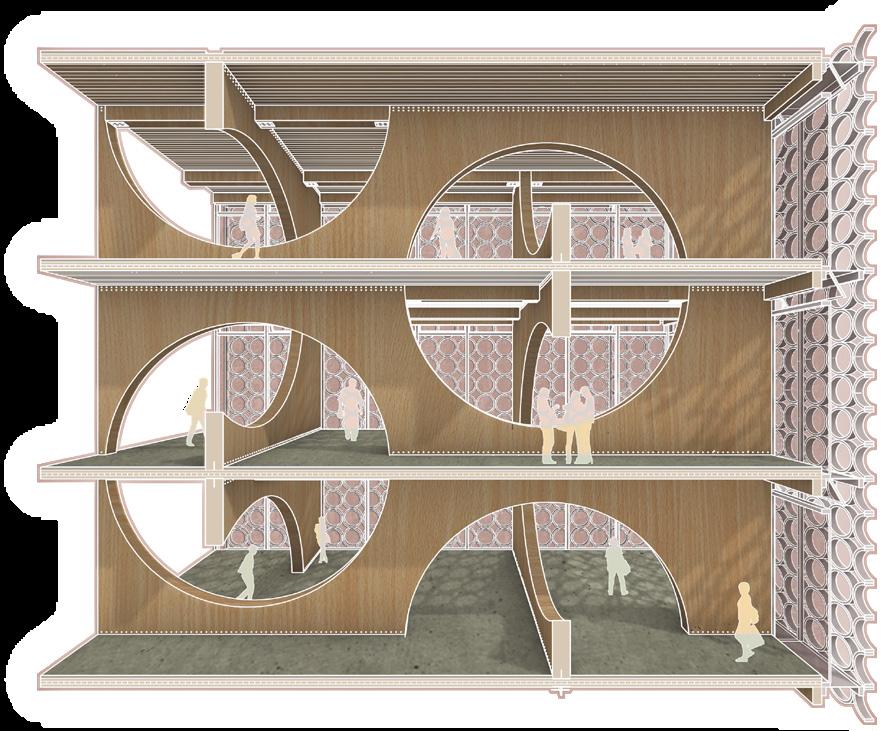
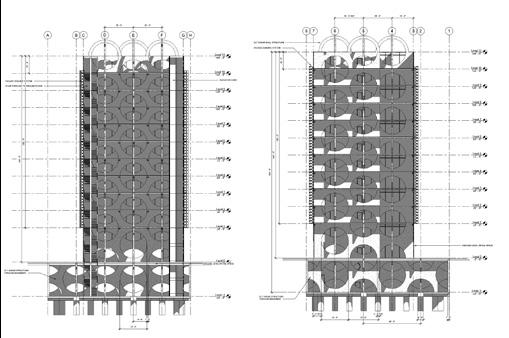
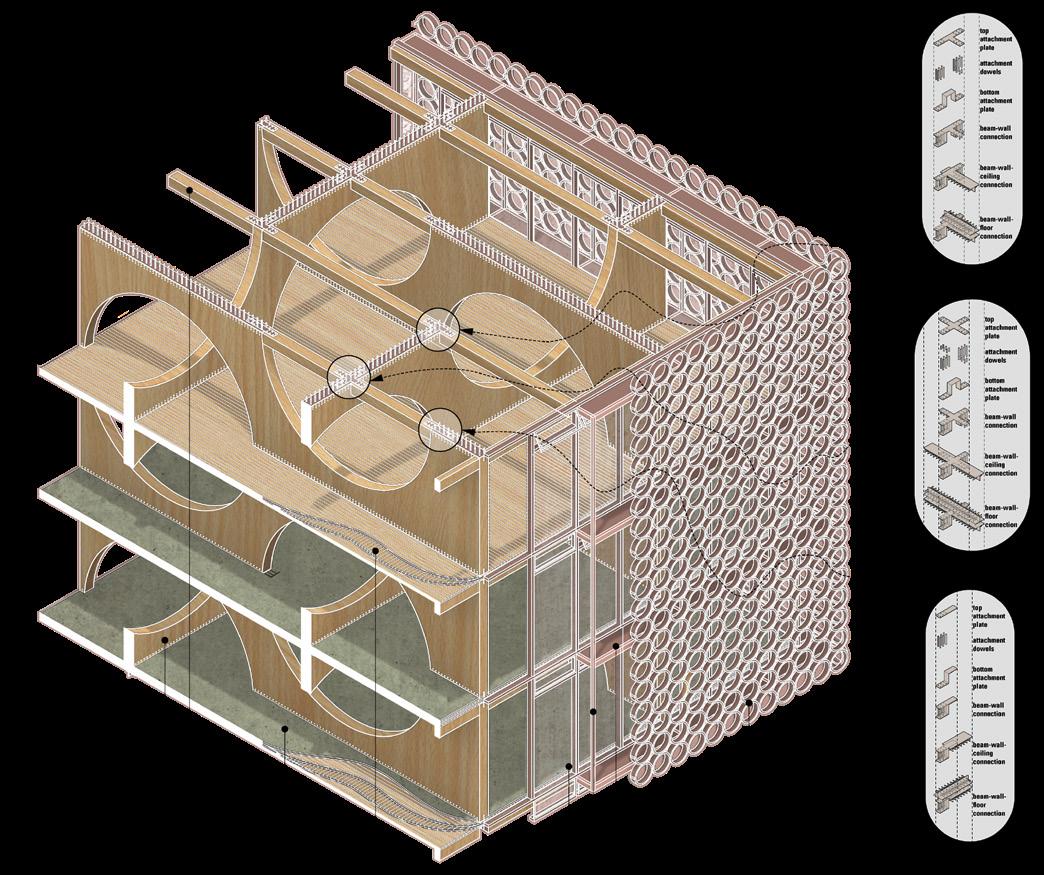
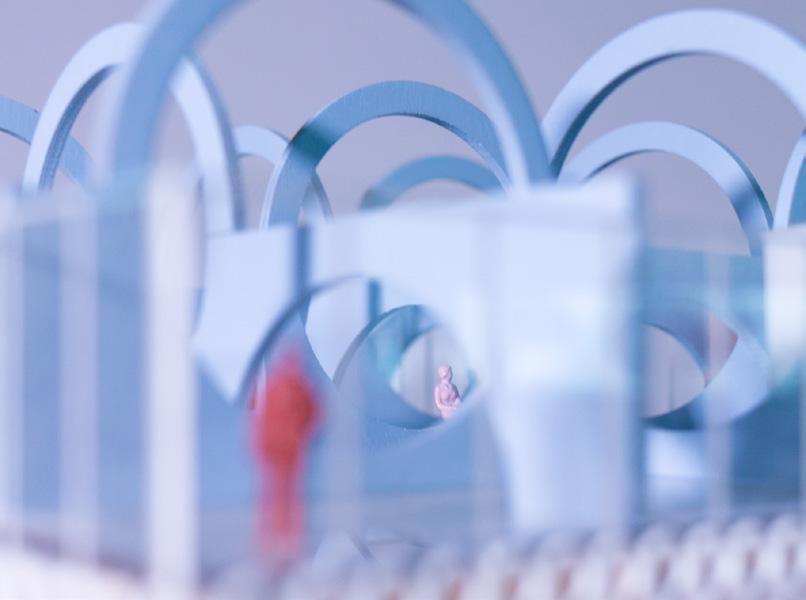
At its core is the notion of the “penetrable shear wall.” Conventionally uninterrupted from ground to roof, the shear wall is reconceived here as a permeable armature: a field of circular oculi perforates the surface, enabling force to migrate both gravitationally and laterally while maintaining structural integrity. The result is a wall that is simultaneously diaphanous and load-bearing.
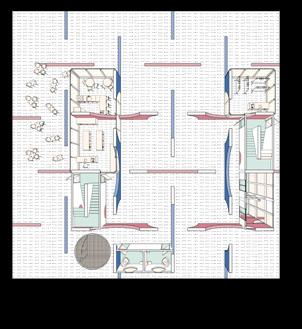
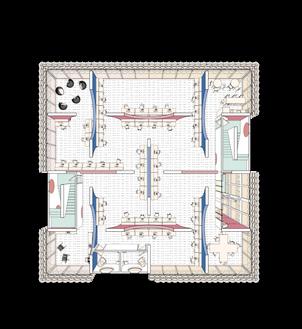
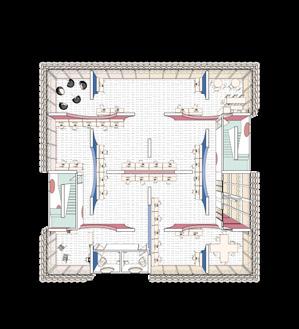
The structural grid aligns with the maximum span of a CLT floor panel. Three shear walls run in each direction, their openings staggered in a non-repeating tessellation that produces a tight structural cadence and a perception of uninterrupted space. Supported by this lattice of CLT shear walls rather than a conventional column-and-core system, the building frees vertical circulation and service cores from their typical structural obligations.
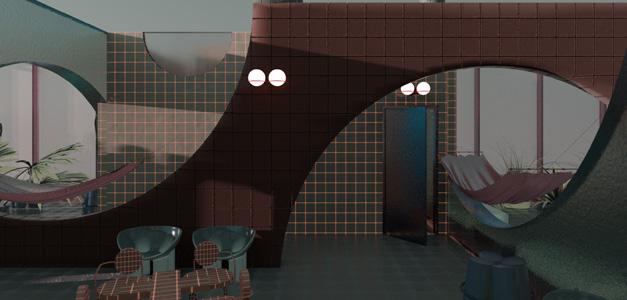
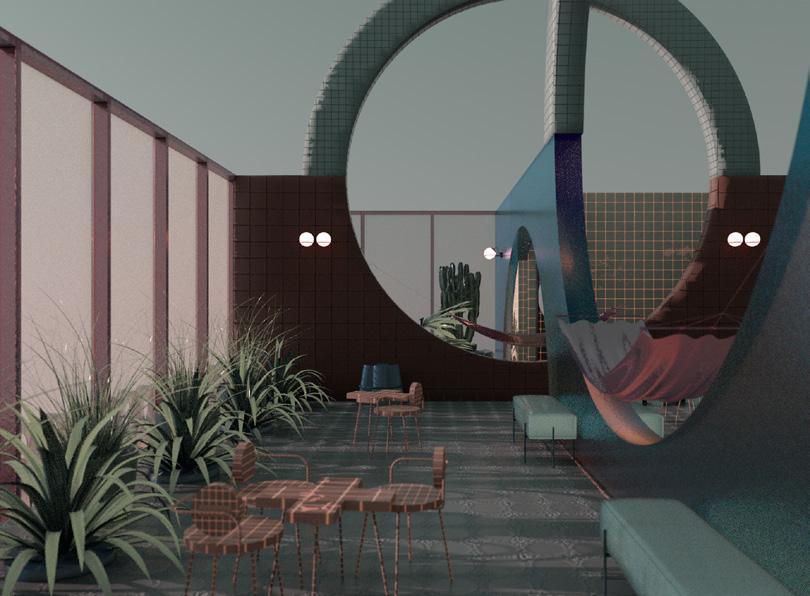
The oculi choreograph a fluid circulation network, offering expansiveness and calibrated privacy. Rather than a forest of columns, the structure itself becomes a spatial instrument , shaping movement, framing views, and generating zones of decompression and exchange.
A perforated timber veil extends this logic outward, acting as a brise-soleil that modulates sunlight while preserving visual porosity. The building balances caprice with austere pragmatism, offering a fresh response to the architectural vernacular of Los Angeles’ Arts District. A double-height ground floor and generous setback introduce civic generosity, forming a soft urban threshold for sociability and repose.
During the final review, the structural system became a point of spirited debate. Practicing structural engineers scrutinized the penetrable shear wall, ultimately reaching a rare consensus: the system not only could work, but did so with an elegance that challenged assumptions about CLT construction. Their approval affirmed the project’s tectonic plausibility and reinforced its conceptual ambition.
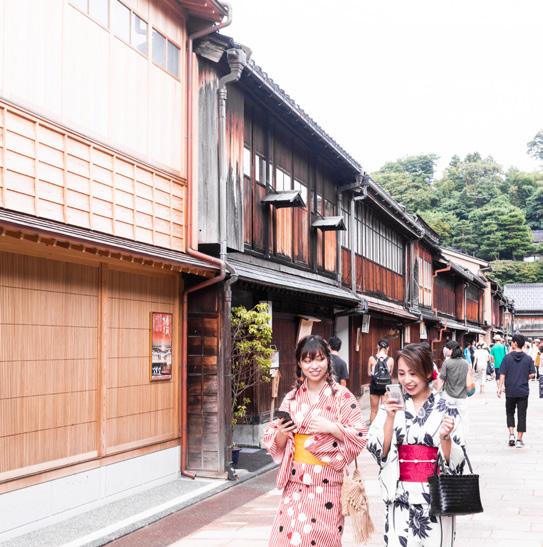
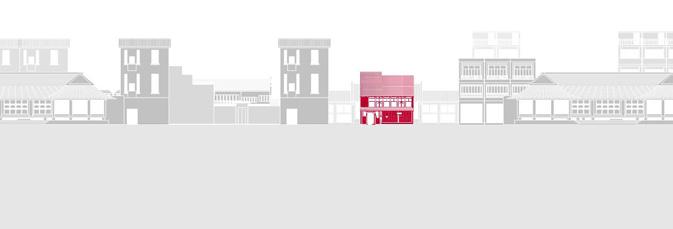
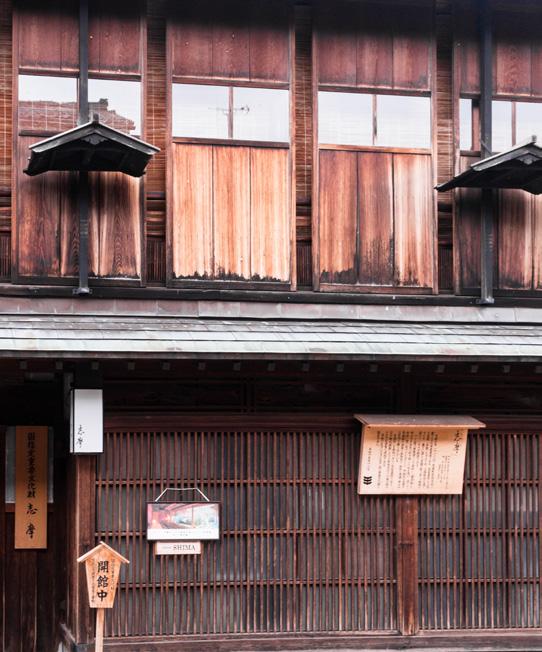
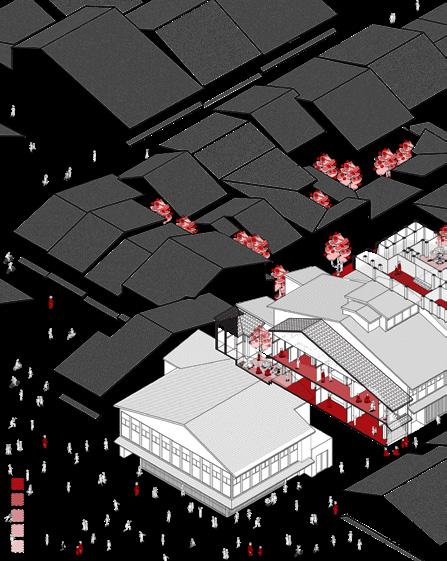
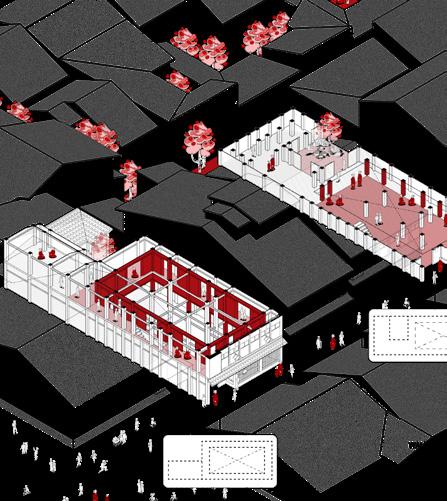
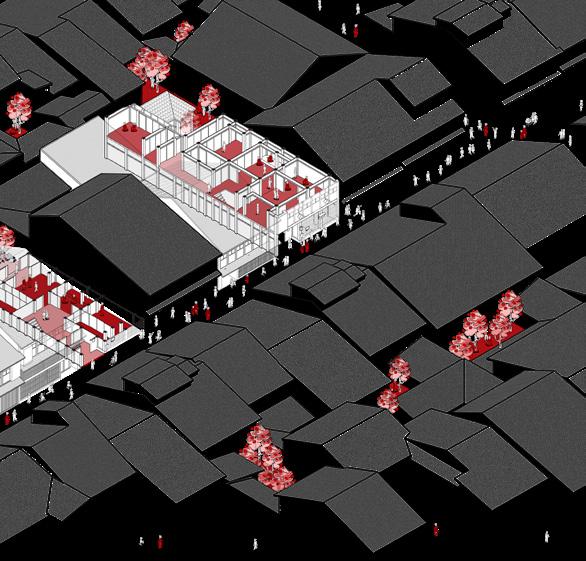
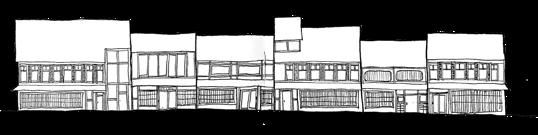
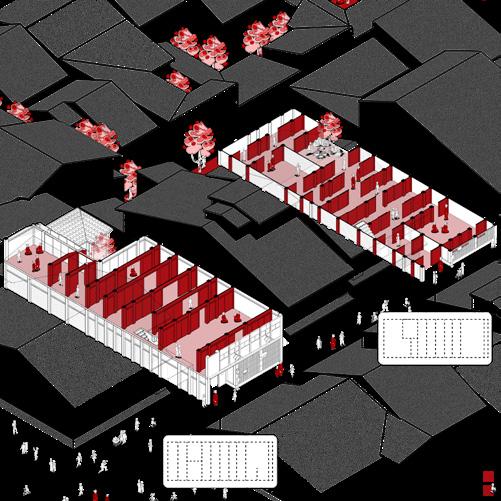
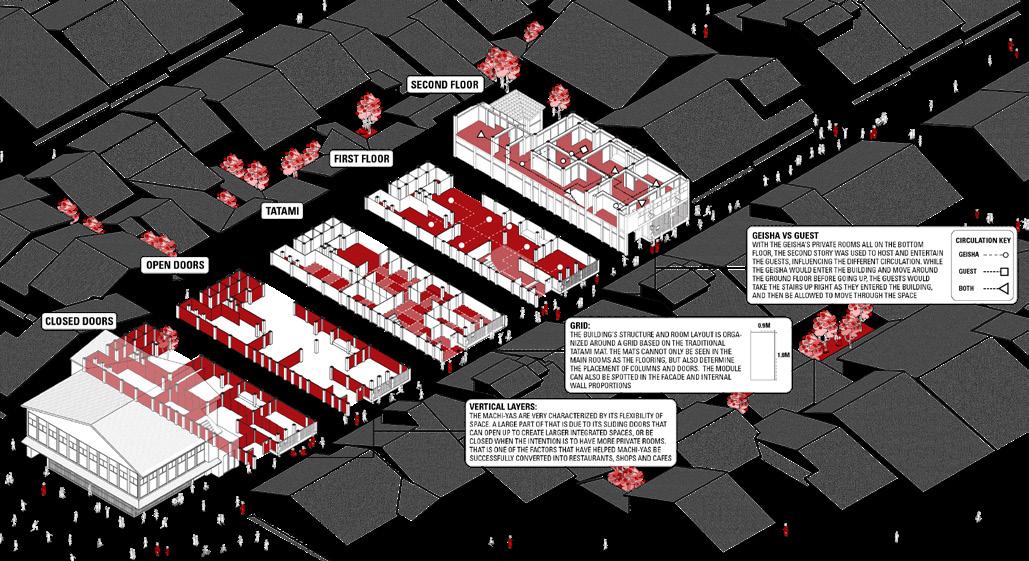
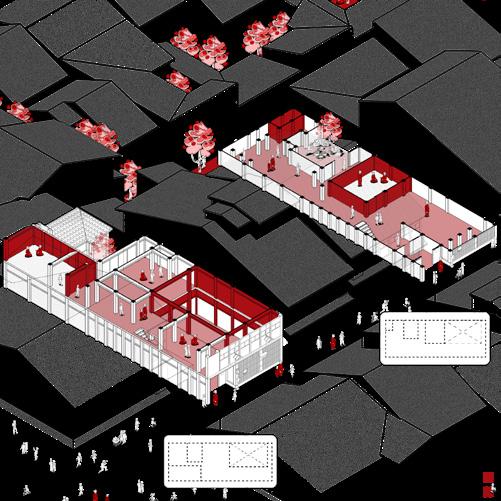
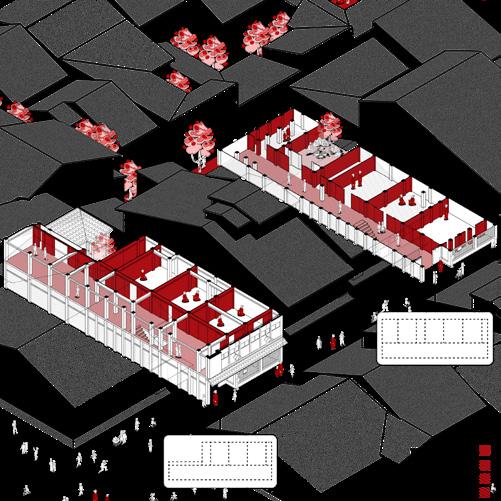
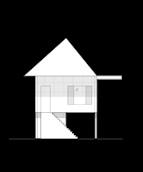
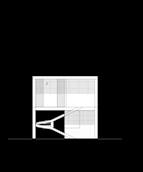
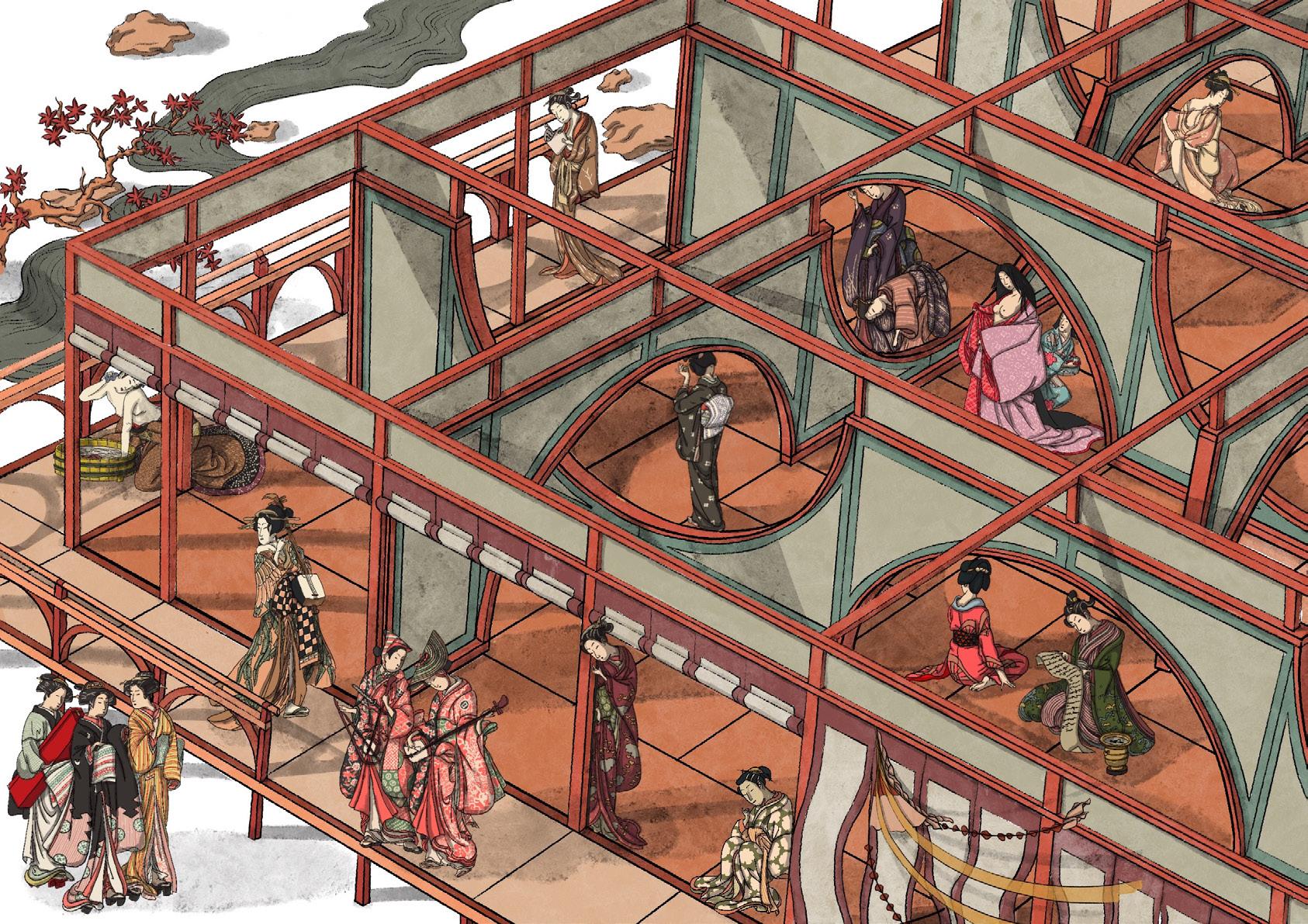
Completed in collaboration with a partner during the Asian Architecture, Landscape, and Urbanism study abroad program, this project analyzes the spatial fundamentals of the Machiya housing typology — a form deeply rooted in Japanese urban tradition. Machiyas are defined by their programmatic duality: living quarters on the second floor and a shop on the ground floor. Interiors are flexible, minimally furnished, and structured around an extensive system of sliding doors.
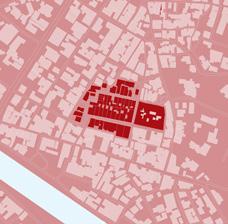
A key spatial element is the engawa — the threshold space that wraps both the inner and outer perimeter of the house, dissolving the boundary between interior and exterior and extending the continuity of movement and light. The Machiya studied is located in Kanazawa’s Higashi-chaya district, a preserved geisha quarter known for its layered procession and cultural specificity.
Through plan and section analysis, we identified four core spatial strategies: flexibility, linear procession, threshold, and engawa circulation. A series of design tests then reoriented the Machiya toward each of these properties, revealing how subtle shifts in spatial emphasis could transform the typology’s behavior and atmosphere.
ENGAWA CIRCULATION
tsukiji market redevelopment AALU
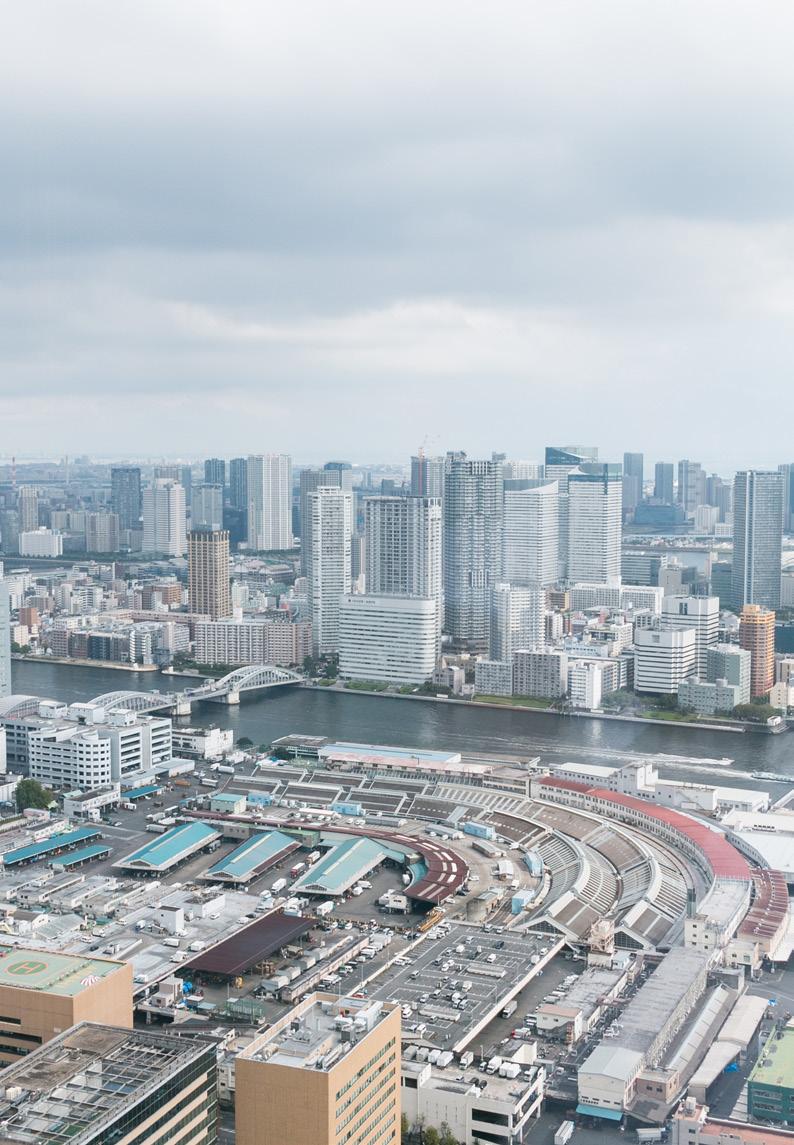
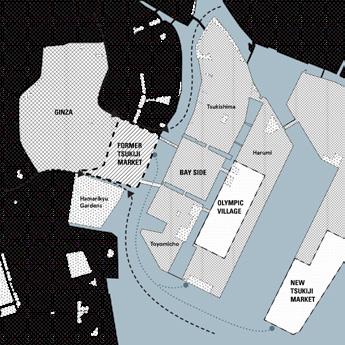
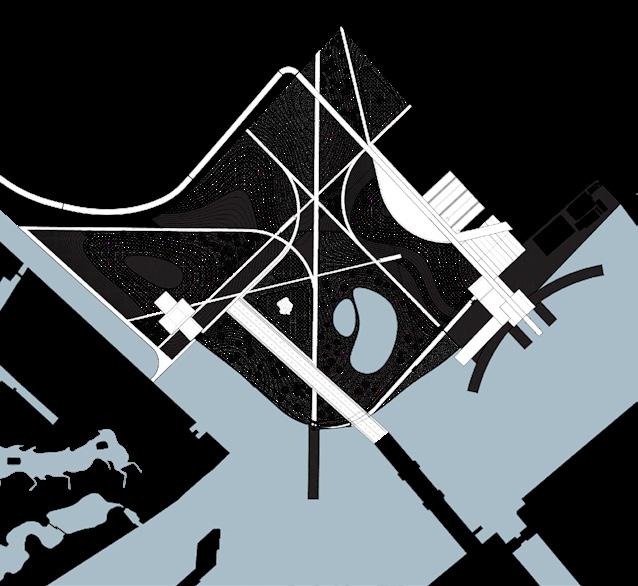
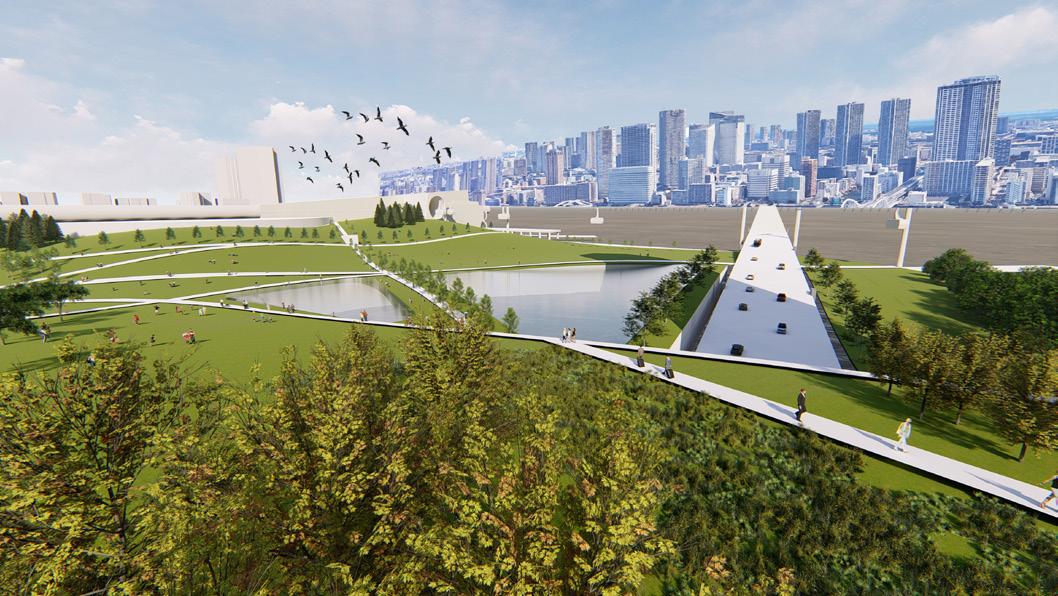
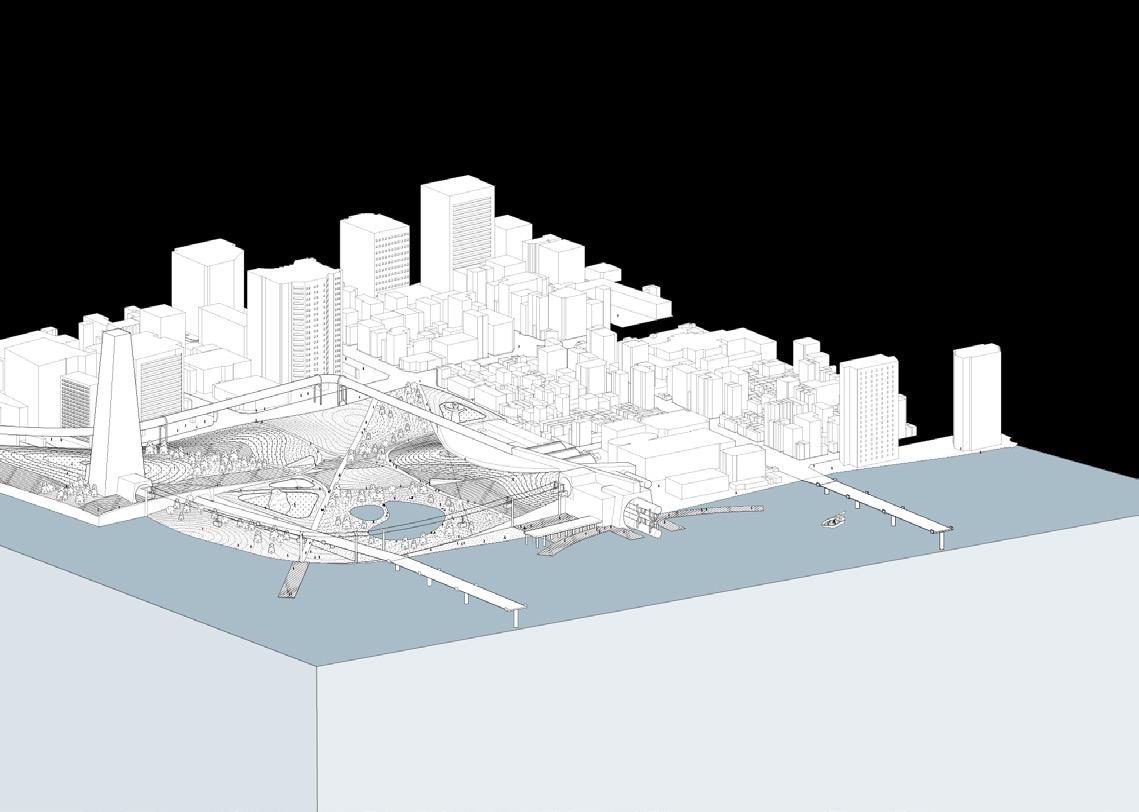
Completed in Tokyo with a team of students from USC and Meiji University during the Asian Architecture, Landscape, and Urbanism study abroad program, this design charrette explored the future of the Tsukiji Market site — a historic and deeply embedded cultural landmark slated for demolition and temporary conversion into a parking facility for the 2020 Tokyo Olympics. The prompt challenged us to imagine a long-term urban development for this one-kilometer by one-kilometer site once the market was removed.
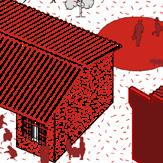
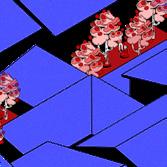
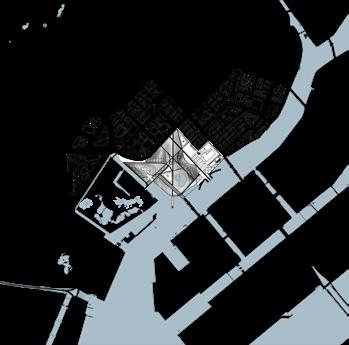
The project’s formal language emerged from the distinctive curvatures of the original Tsukiji Market. These inherited lines act as traces of what once occupied the site, organizing the new development’s landscape, architectural elements, and circulation. The program includes gallery spaces, a hotel, and a market connected by a boat system to the relocated Tsukiji Market just a few islands to the south. The intention was to preserve the cultural memory of the fish market while allowing the site to evolve into a flexible, publicly oriented urban district.
My contribution focused on the design and layout of the landscape, using the original Tsukiji curve as a generative tool. I developed the axonometric and plan drawings that articulate how these inherited geometries structure movement, open space, and opportunities for future infill.
phnom penh economic housing
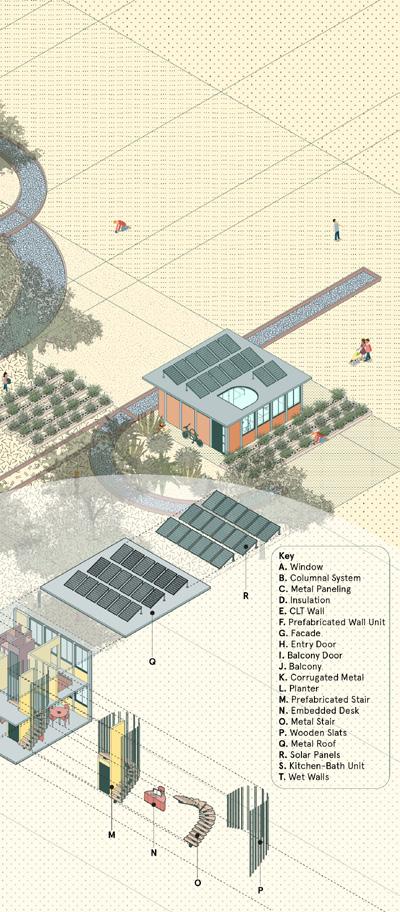
The Phnom Penh Economic Housing project was developed in collaboration with a fellow intern during my summer at Hawkins\Brown. The competition, initiated by the Phnom Penh Special Economic Zone in partnership with the United Nations Development Programme SDG Finance Initiative and Building Trust International, called for housing that could genuinely serve low-income residents — architecture that is functional for its demographic, environmentally performative, and pleasurable to inhabit.
To respond meaningfully, we began by establishing a set of guiding principles: an attunement to vernacular Cambodian architecture, particularly the Khmer house typology; an ambition to reinterpret and elevate that tradition; an awareness of the tropical climate and its environmental demands; and a commitment to delivering quality of life through sustainable strategies and prefabrication.
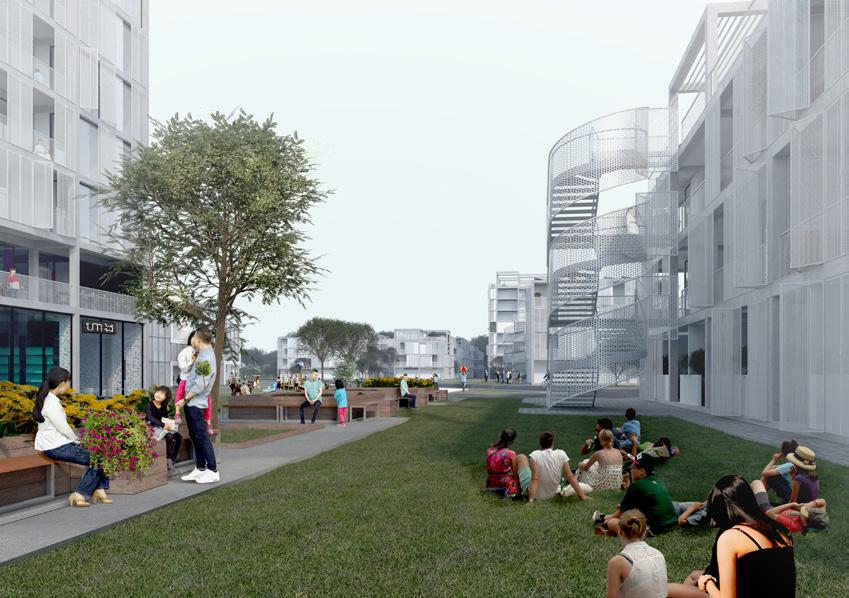
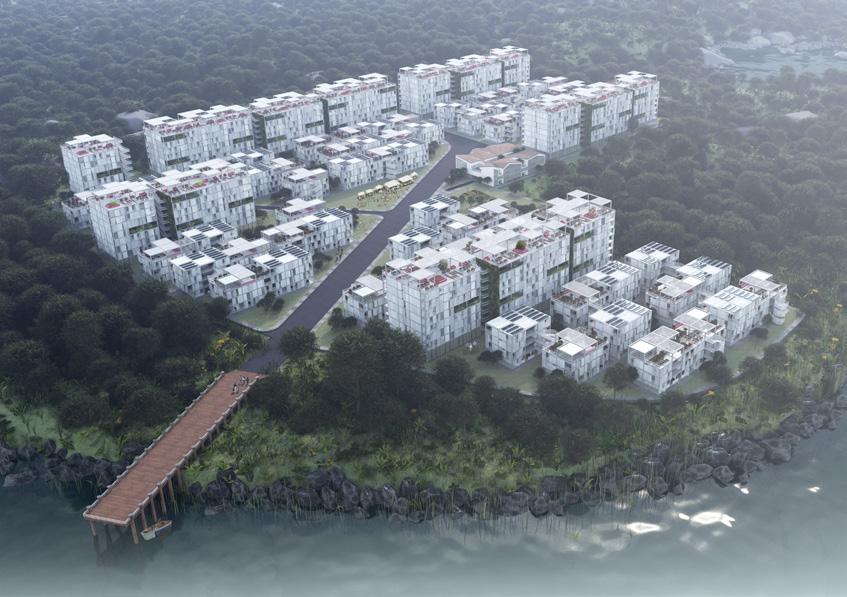
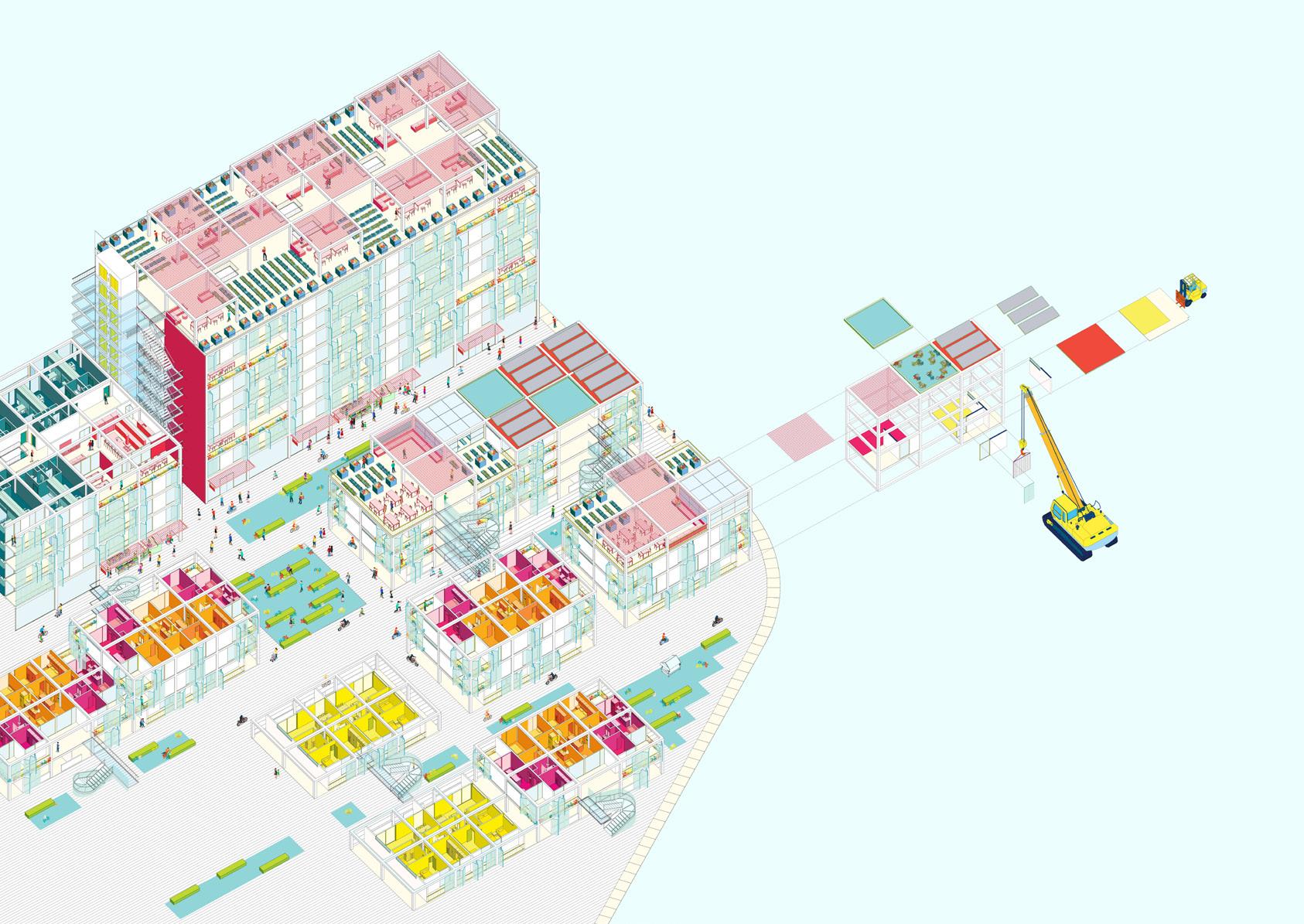
The master plan was organized to cultivate smaller-scale, pedestrian-friendly environments. By dividing the site into quarters and introducing a primary circulation spine with continuous connecting corridors, we created a network of communal and intimate spaces — a central hub for collective life balanced with pockets of privacy across multiple scales.
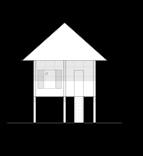
Unit design emerged directly from the Cambodian vernacular. We studied the Khmer house typology and translated its spatial logic into a mass-housing framework. The ambition was to give residents a place that felt genuinely their own, even within a dense, multi-unit development. Two housing types were established: micro blocks and mega blocks.
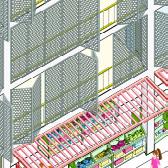
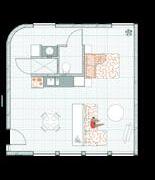
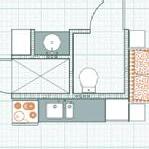
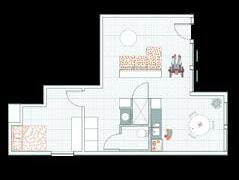
Micro blocks were designed for families and couples, offering a single purchasable unit that could expand over time by adding or removing walls within the overarching structural frame. Mega blocks served individuals through a social-housing model, combining private living quarters with shared kitchens and communal amenities. Every unit — micro or mega — included a private balcony and roof access. The four micro-block typologies each offered distinct layouts while using standardized CLT infill panels, enabling mass-manufacturing, affordability, and flexibility.
The project was a fully collaborative effort: my partner and I developed the master plan together. I led the concept and layout of the micro blocks and produced the isometric drawing, while my partner focused on the mega-block design and the visualizations.
MEGA BLOCK
A co-living community, comprising of a collection of self-contained microunits with communal amenity spaces for a social and affordable lifestyle experience.
MICRO BLOCK
A collection of 1, 2 and 3 bed family units for more private lifestyle.
MODULAR LIVING
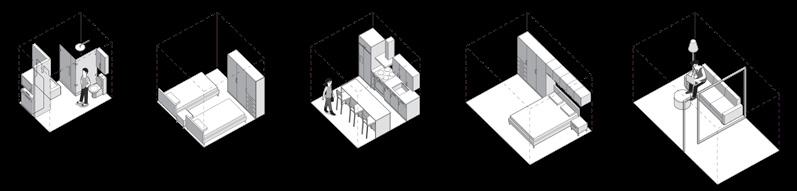
Each domestic function and its associated space requirements have been optimized to occupy a repeatable and configurable module. The standard space module of 3m x 3m is aggregated as needed to accommodate the differing needs of a kitchen, bathroom, bedroom, living space and outdoor balcony. Different unit types and modes of living can be provided by simply providing alternate module organizations.
INNOVATIVE CONSTRUCTION
The building systems such as the structural frame are envisioned as a kit-of-parts that can be pre-fabricated in a nearby, off-site controlled environment and then delivered to the project location for rapid assembly. Other components such as the exterior metal cladding panels and screens and the cross-laminated timber (CLT) infill panels can be produced in the local manufacturing facilities that already produce similar products so that all goods used in the production of the housing development are locally sourced. The kitof-parts approach also provides for variety in the design by allowing for interchangeable material finishes.
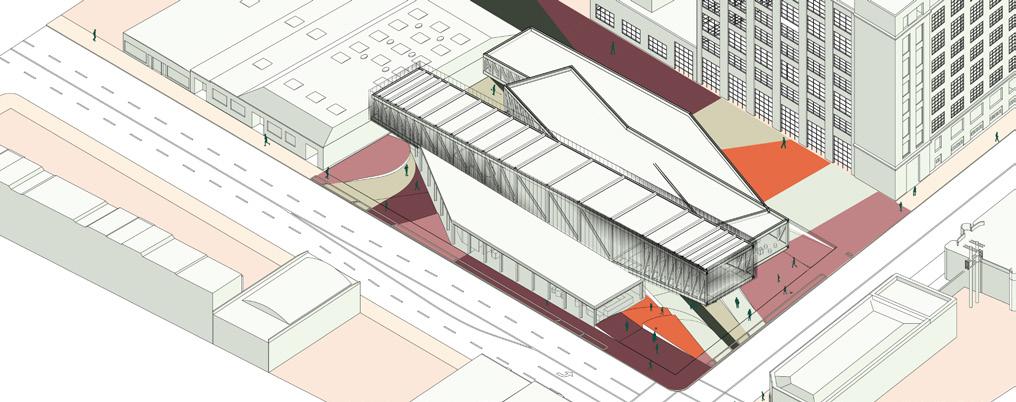
contemporary architecture museum
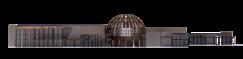
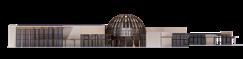
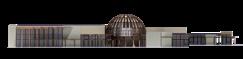
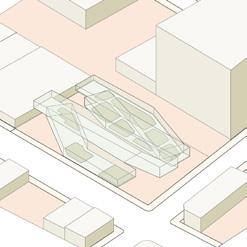
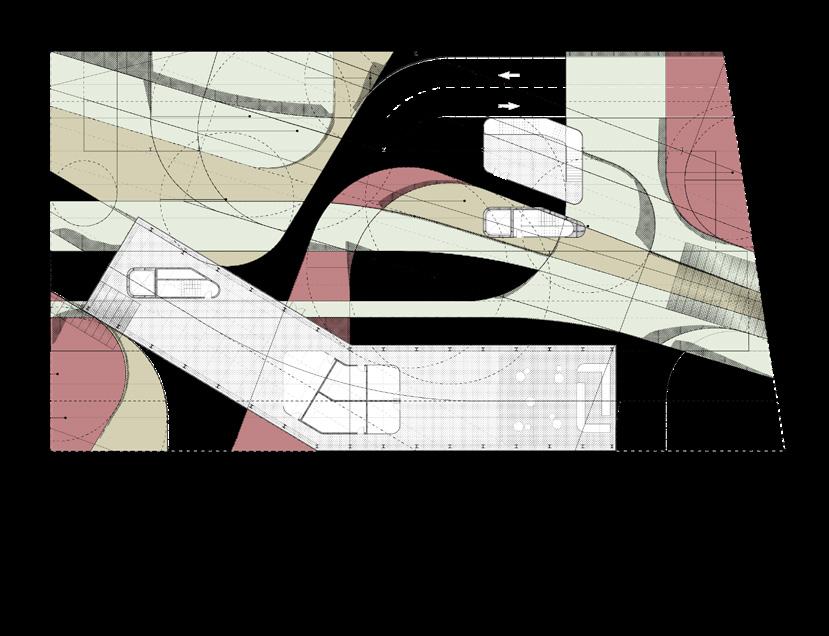
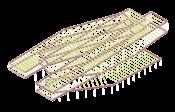
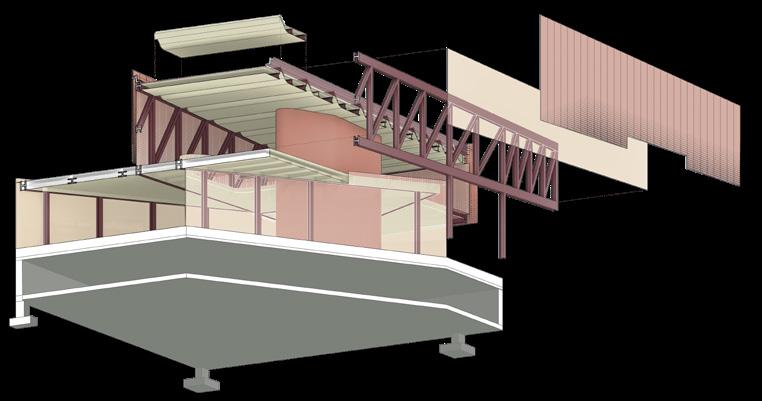
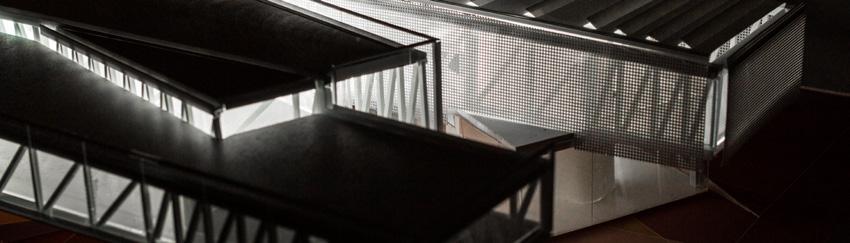
This comprehensive studio project explored typologies of long-span structural systems within an architectural context. The program — a museum for contemporary architecture in Los Angeles, affectionately dubbed CALA by the faculty — included gallery space, archival storage, lecture hall, offices, lobby, and support programs. The studio emphasized full-spectrum integration: structure and connections, circulation and cores, parking, accessibility, and spatial hierarchy.
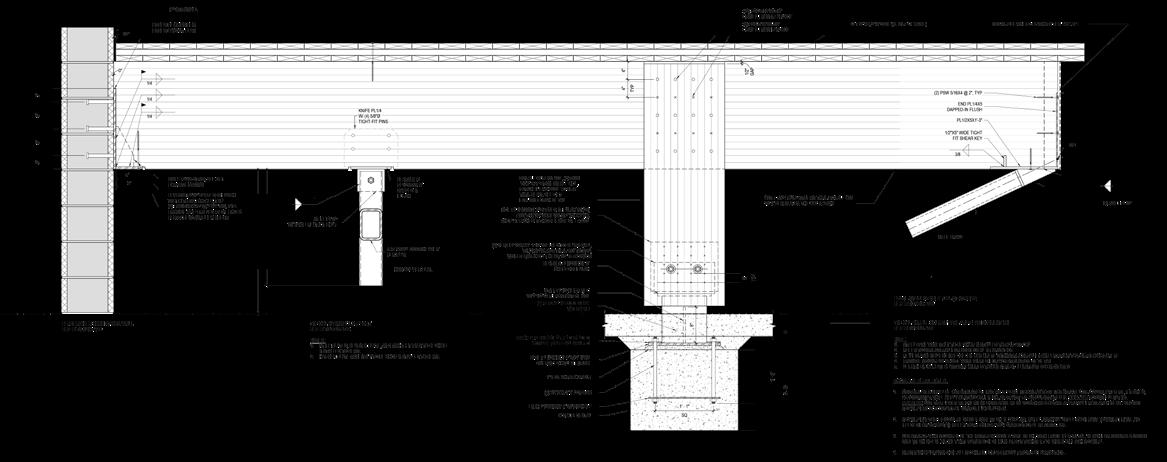
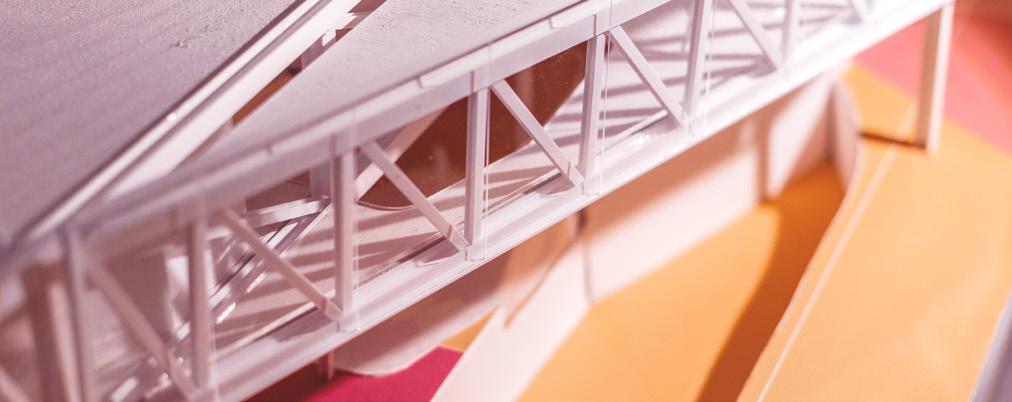
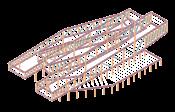
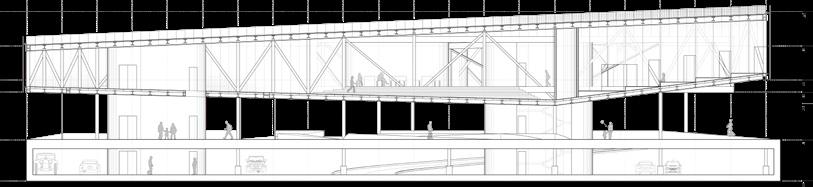
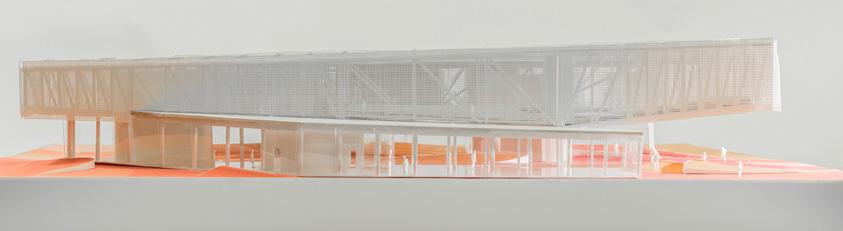
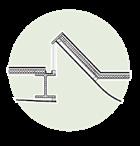
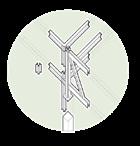
The project foregrounds the truss as its primary structural system. In essence, the building becomes an inhabited truss — a spatial armature that delineates program through its own geometry. At each angular inflection, vertical members aggregate to transfer load bidirectionally. Truss density gradates according to structural demand: cantilevered zones thicken, while stable spans remain sparse. Where two trusses overlap, a shared column drops to unify the system, creating a moment of structural reciprocity.
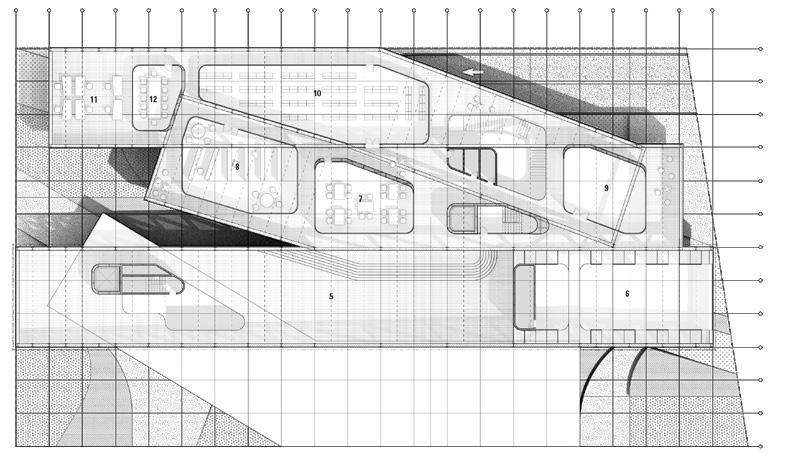
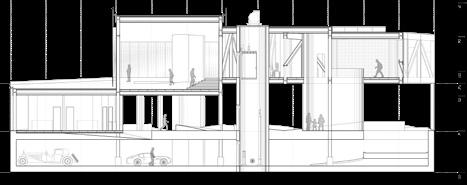
The gallery — the building’s central function — is housed within the only straight truss block, a gesture of clarity and legibility. Secondary programs such as administration occupy angled truss volumes, offering privacy and spatial nesting. Circulation follows the truss logic, threading through cocoons of space embedded within the structural field.
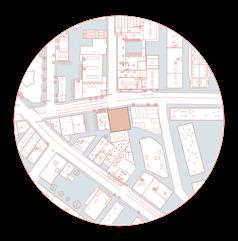
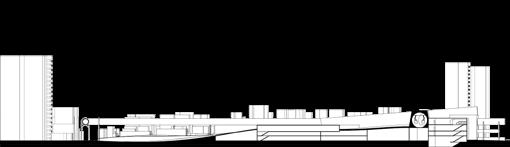
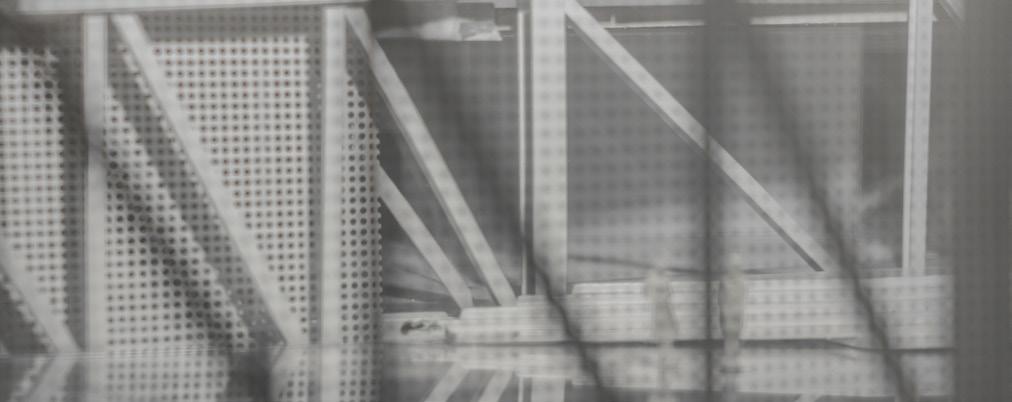
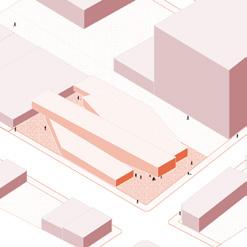
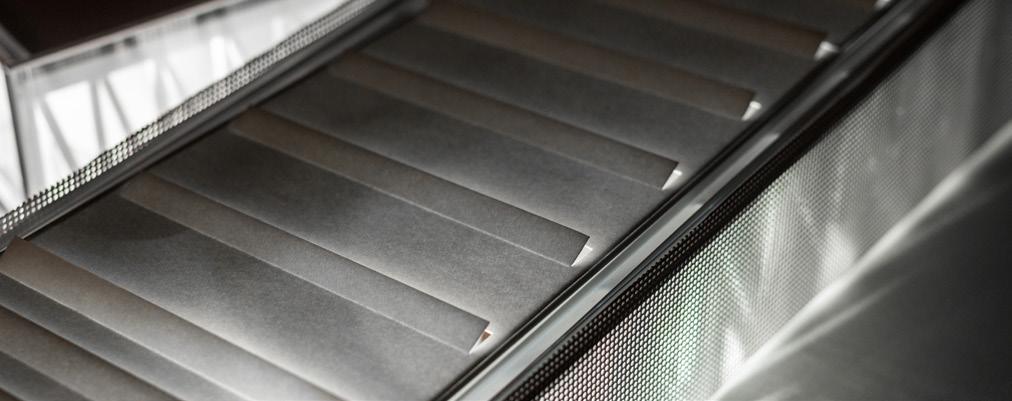
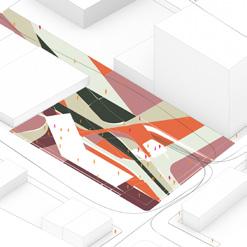
Situated in the Arts District, an area undergoing rapid transformation, the project resists the fortress vernacular common in Los Angeles. The ground floor is conceived as a porous civic platform: open, accessible, and anchored by a single truss bar that touches down. Above, the building appears to hover — a levitating mass wrapped in a perforated façade that glows at night and reads as solid during the day. This duality protects the art within while modulating light and atmosphere. Curved skylights introduce soft, diffuse daylight, lending the interior a sense of quiet luminosity. The project was recognized for its innovation in rethinking the truss as both structure and spatial syntax. It was selected for presentation to the NAAB accreditation board as a representative work from USC School of Architecture. CIRCULATION & THRESHOLDS
FIFTH FACADE GROUND FLOOR PLAN
STRUCTURAL ELEMENTS
SECOND FLOOR PLAN
LONG-SPAN SECTION
SHORT-SPAN SECTION
mash closets personal
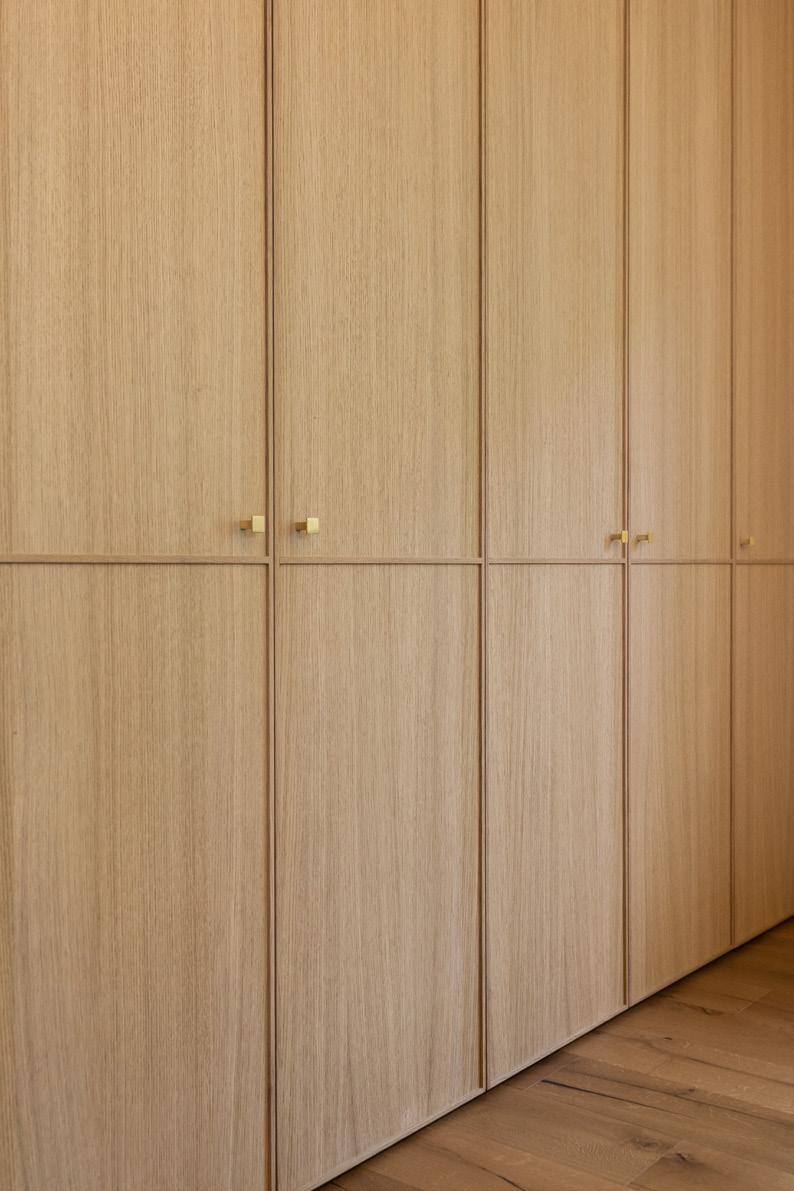
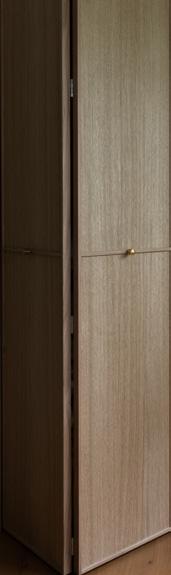
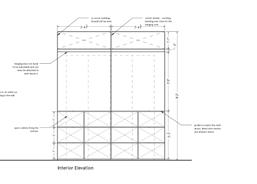
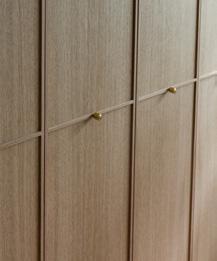
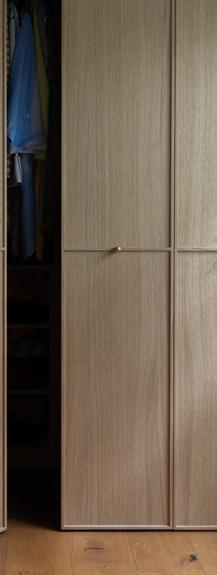
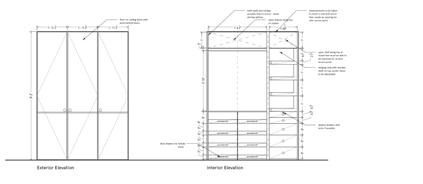
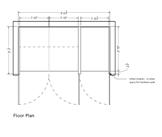
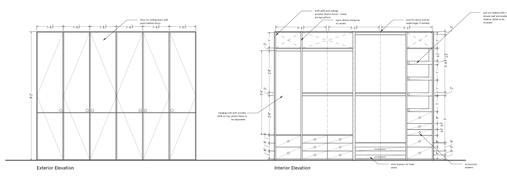
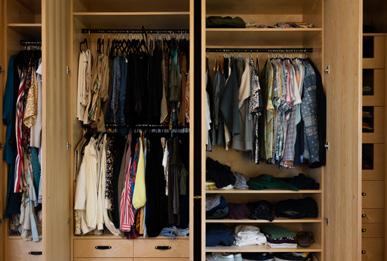
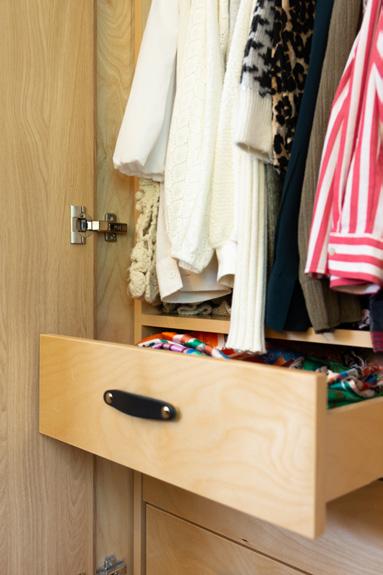
Tasked with designing storage for the family home, I began by understanding the users themselves — not just the quantity of clothing, shoes, and jewelry, but the ergonomics of their bodies. By measuring heights and reach, the his-and-hers closets in the primary bedroom were custom-tailored to the occupants, allowing the space to perform with quiet precision.
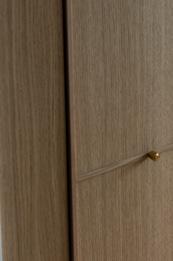
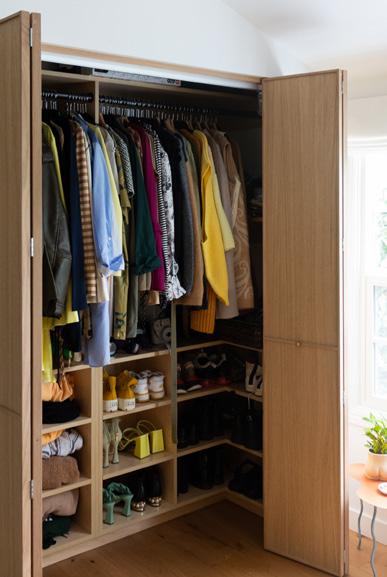
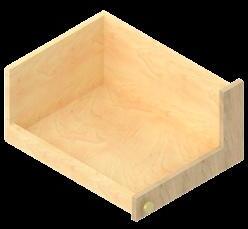
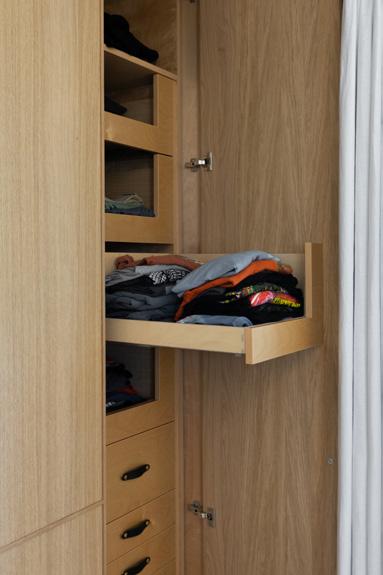
The left half of the primary closet is dedicated to her, where long-hanging garments take precedence, followed by shirts and pants. At 5’-4”, she can comfortably reach every item without strain — a small but meaningful calibration of architecture to the body. The right half is dedicated to him, whose priority was t-shirt storage. To avoid the inevitable chaos of deep shelves, I designed a custom “shelf-drawer”: a pull-out surface with a backing that prevents stacks from toppling, resulting in the distinctive L-shaped profile.
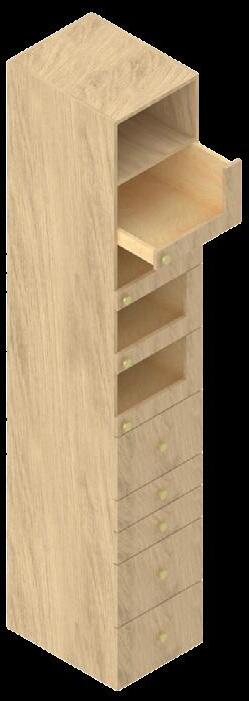
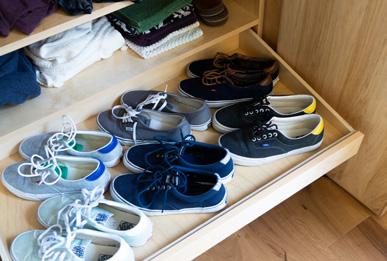
The office closets accommodate jackets, jewelry, and shoes, while also integrating attic access — a wood-clad crawl space that required both discretion and ease of use. To maintain flexibility, we left a large adjustable zone for bulkier items, with shelves and drawers organized along the left side.
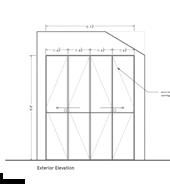
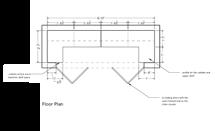
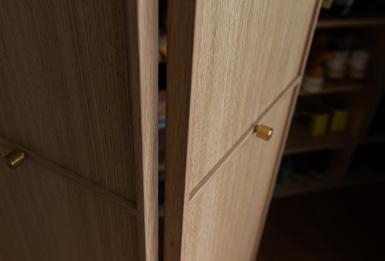
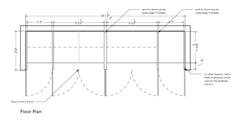
The guest closet demanded even more adaptability, as its future users are undefined. I introduced cubbies beneath full-length hanging space to maximize utility within the unusual, pre-existing dimensions. Because this closet functions more like a small walk-in, we avoided large swinging doors — which would have overwhelmed the space — and instead used bi-fold doors to maintain openness and accessibility.
CUSTOM DRAWER SYSTEM
out of stock AA DRL
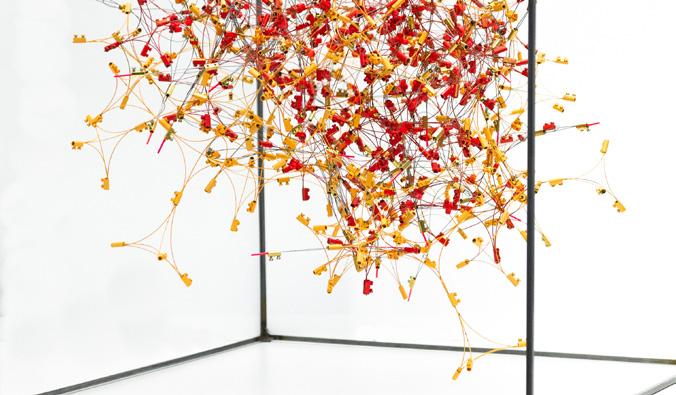
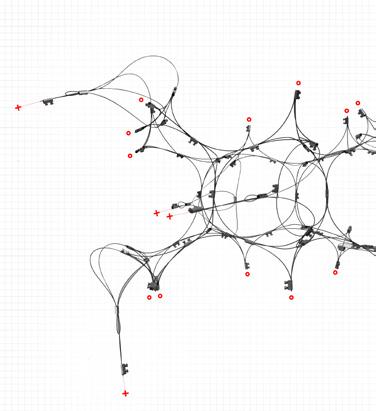
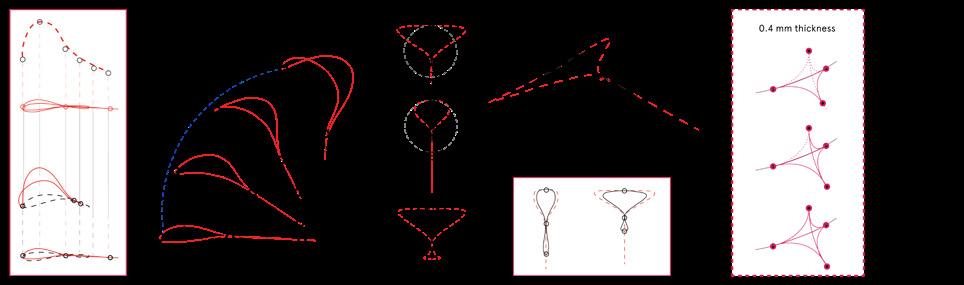
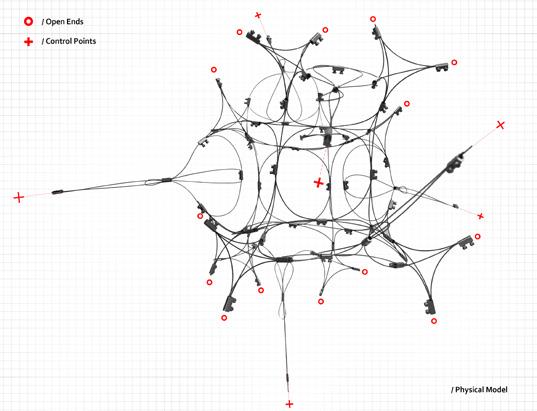
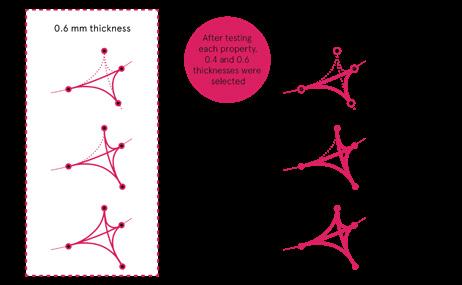
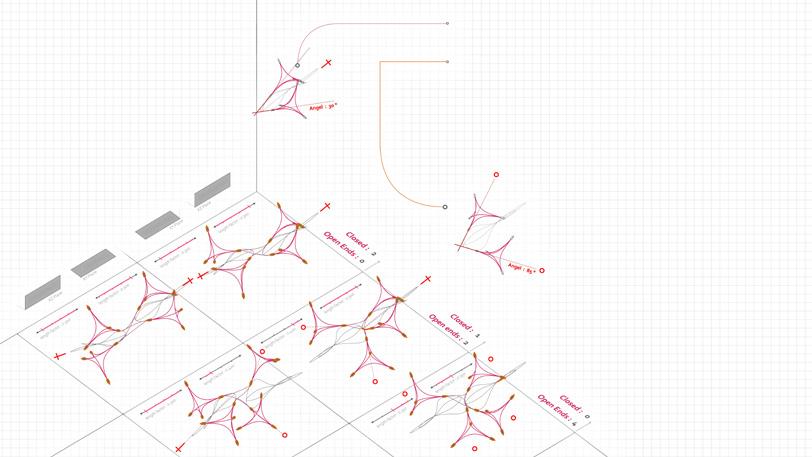
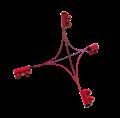
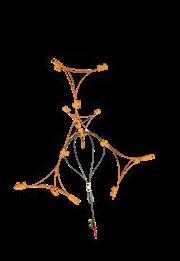
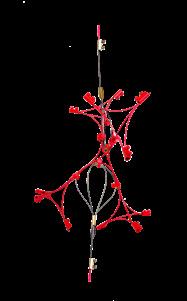
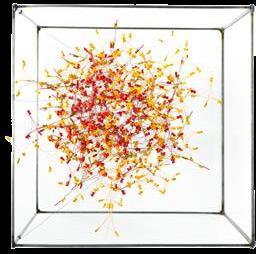
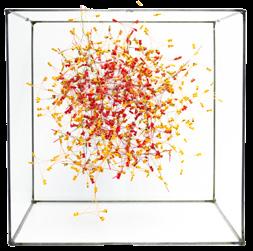
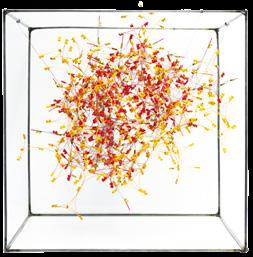
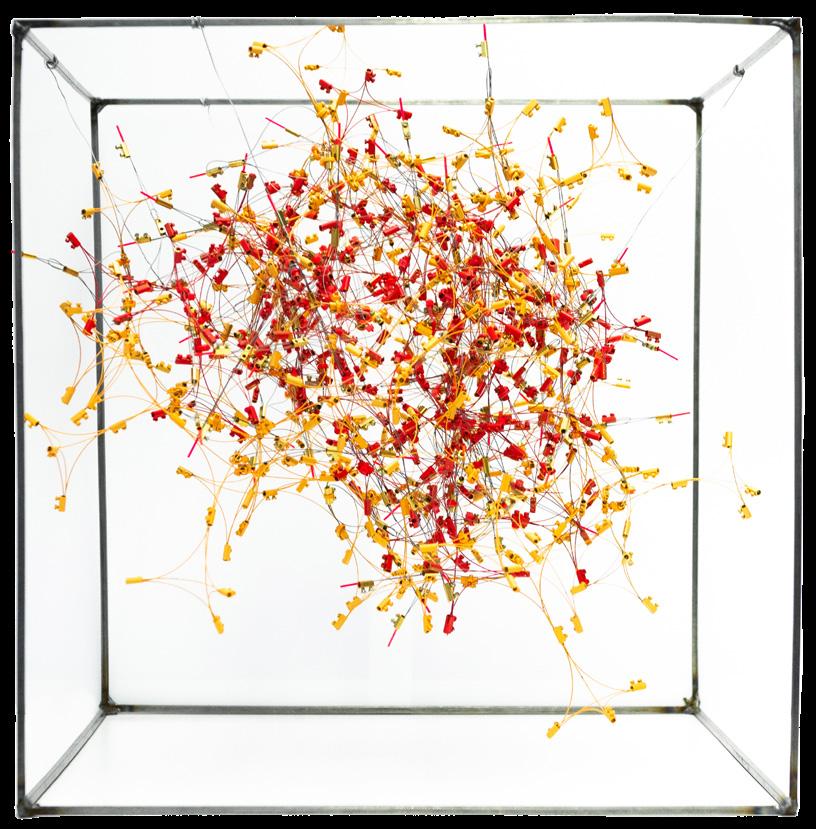
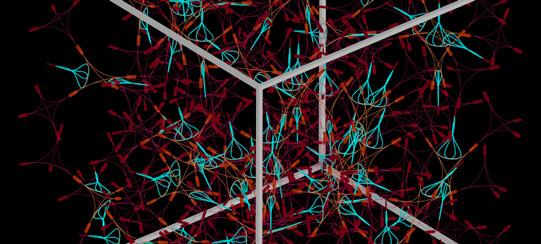
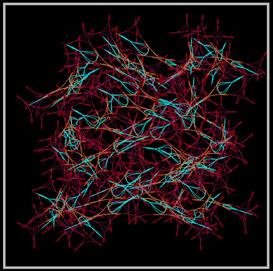
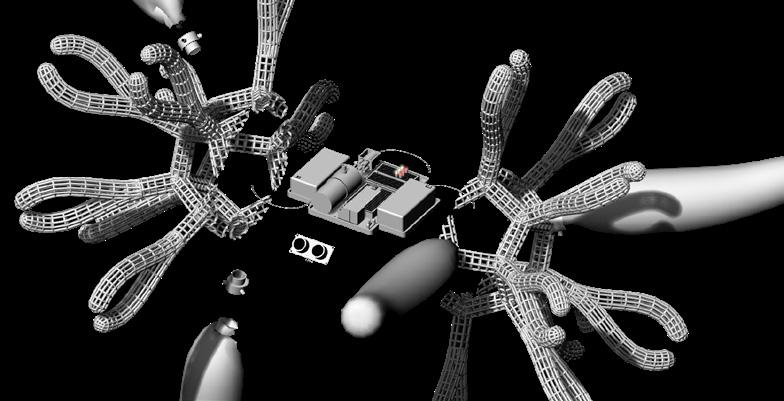
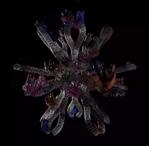
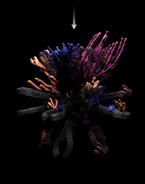
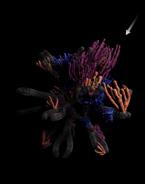
Working as a team of six, we set out to explore active bending through piano wire as our primary medium, developing a system of discrete components that could behave as a flexible, interdependent whole. Our aim was twofold: to study how variations in wire thickness influence bending performance, and to observe how a rigid, primitive geometry could be animated by a more complex, active element. Rather than producing a neatly ordered assembly, we were interested in generating a controlled turbulence — a calibrated “chaotic cloud” emerging from an organized jumble of parts.
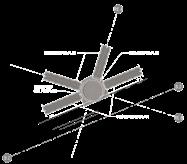
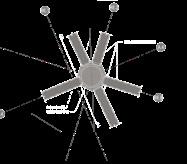
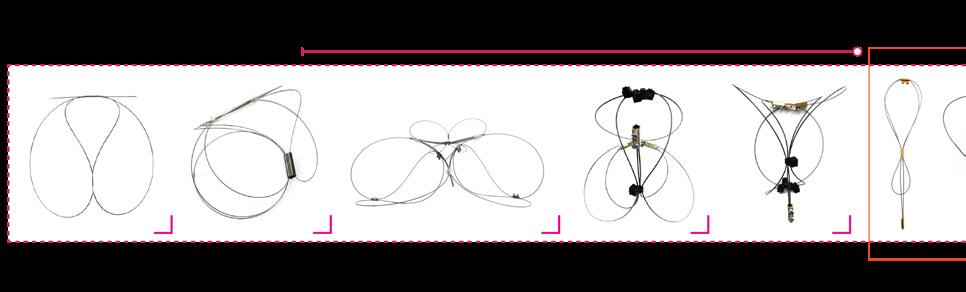
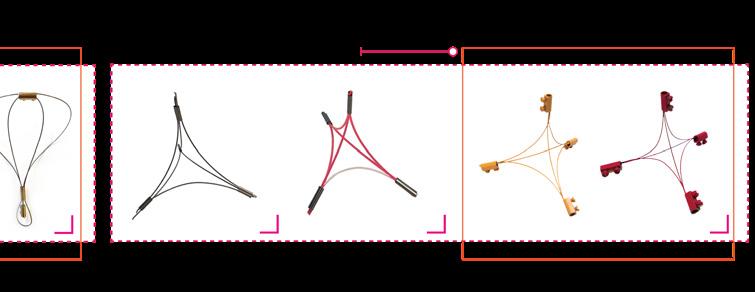
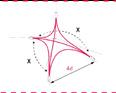
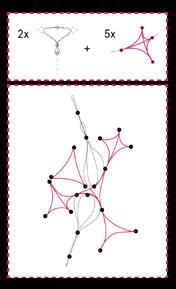
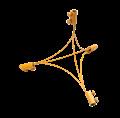
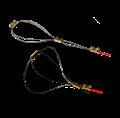
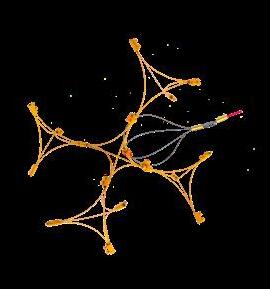
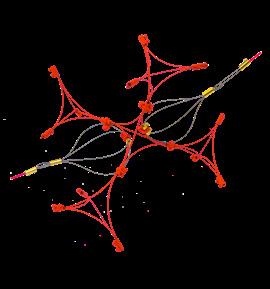
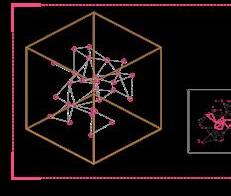
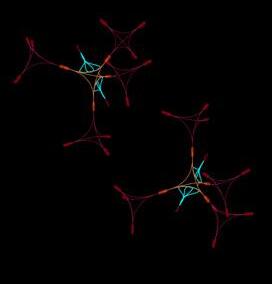
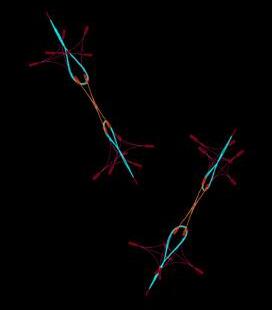
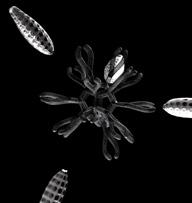
The module consists of five pyramids and two sliders. A central pyramid anchors the system, with each of its vertices connected to another pyramid, forming a five-part spatial constellation. The sliders became essential to understanding the system’s flexibility. By introducing tension into these components, we could experiment with different wire thicknesses and lengths, identifying a productive balance between active and passive behavior.
Connections between pyramids are mediated by the active slider. By attaching the pyramid edges to the mobile wire housed within the slider’s loop, the system can expand or contract, altering the spatial interval between components. This prototype effectively positions the slider as the system’s kinetic core — the element through which motion is both generated and regulated.
The assigned movement was a rhythmic expansion and contraction along the module’s outer line, controlled by an unspecified user. The formation study culminated in a single-wire component that latches onto the rigid geometry like a symbiotic parasite, activating the structure through tension, release, and continuous negotiation.
investigation of RIGID component
+ component TYPE 03
+ ORANGE
+ 1 SLIDER
+ 1 CONNECTION + RED + 2 SLIDERS + 2 CONNECTIONS
ORGANIC/CHAOTIC
GRID/TRIANGLE
GRID/RECTANGLE
grasshopper kangaroo script
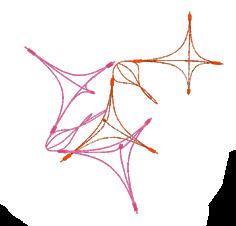
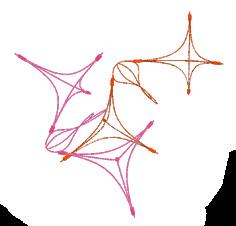
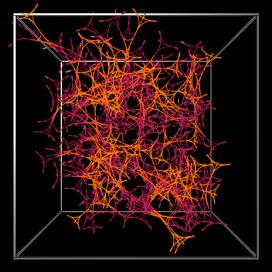
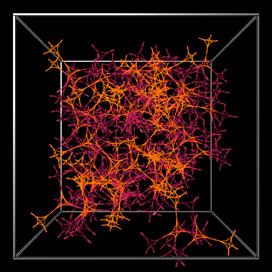
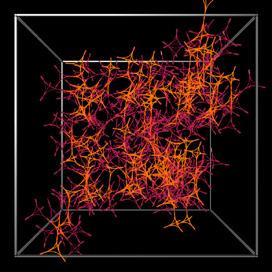
The decision to pursue a cloud aggregation emerged from its capacity to generate multiple configurations and support high‑density, transformable assemblies.
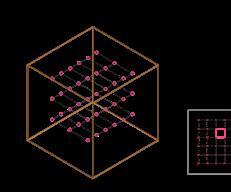
We tested three primary organizational systems within the frame — a well‑ordered array, a rectangular grid, and a triangular grid. While each offered degrees of flexibility, none achieved the stability or spatial density we were seeking. This led us toward a deliberately disordered, more organic system in which individual units connect through increased complexity, producing a controlled turbulence rather than a predictable lattice.
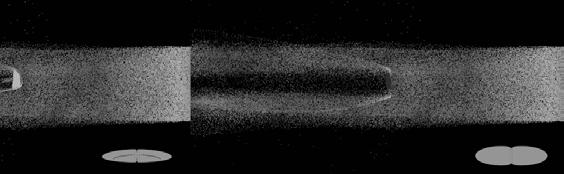
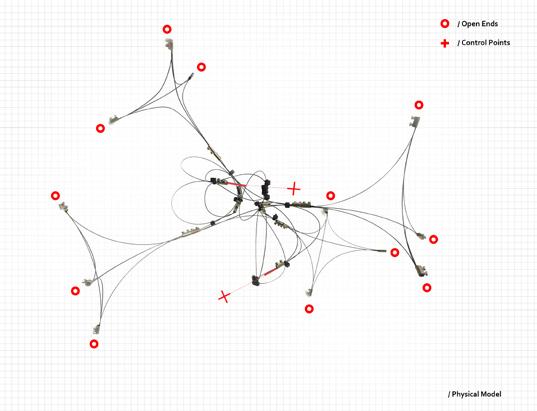
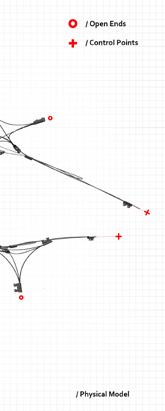
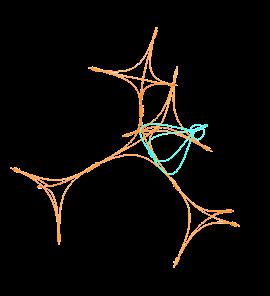
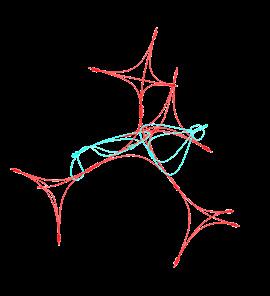
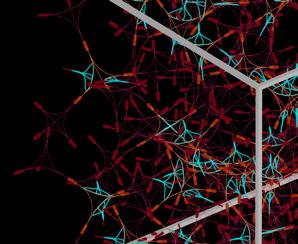
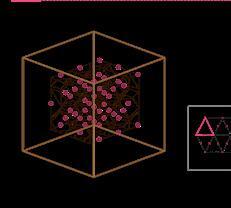
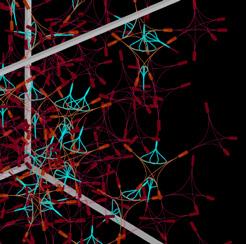
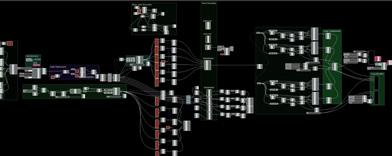
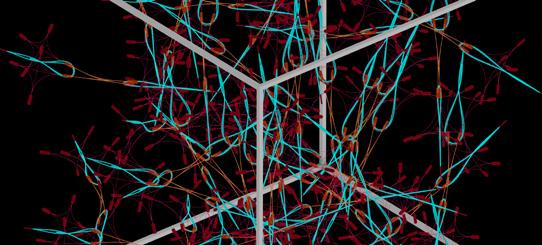
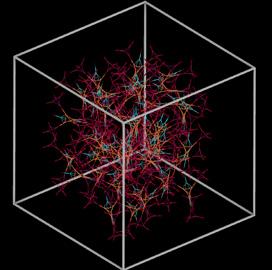
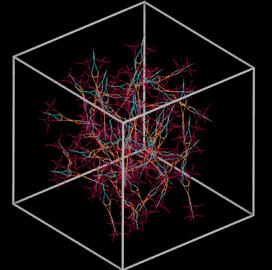
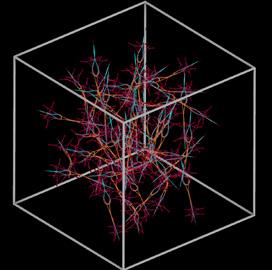
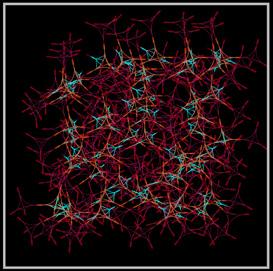
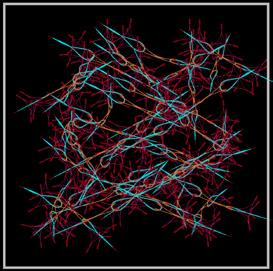
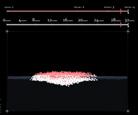
A core component of the workshop involved simulating active bending using Kangaroo in Grasshopper. Digital self‑aggregation was approximated by populating points within a spherical volume, mirroring the physical aggregation’s spatial logic. Forces such as gravity, friction, component collision, and the directional pull of sliders acted on the system, guiding it toward an initial rest state. As the simulation progressed, the assembly transitioned from loose to taut — a shift made legible through the cyan sliders — revealing how tension, constraint, and proximity collectively shape the emergent behavior of the cloud.
aggregation
society nano AA DRL
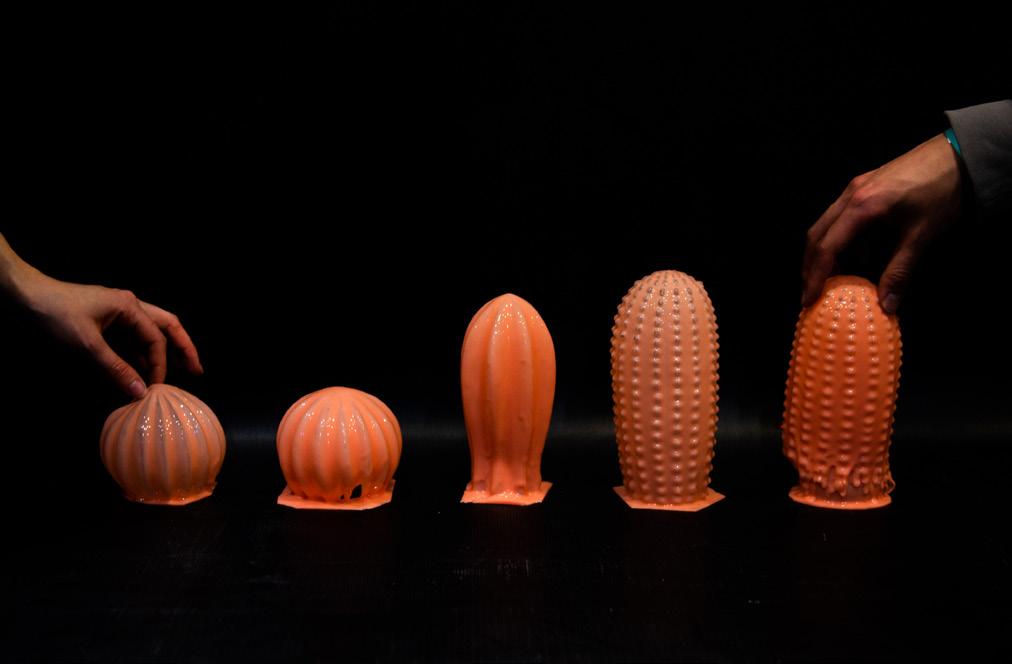
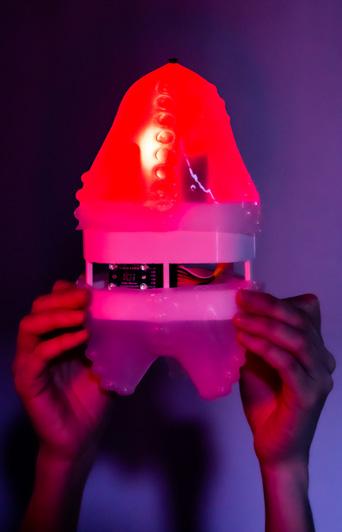
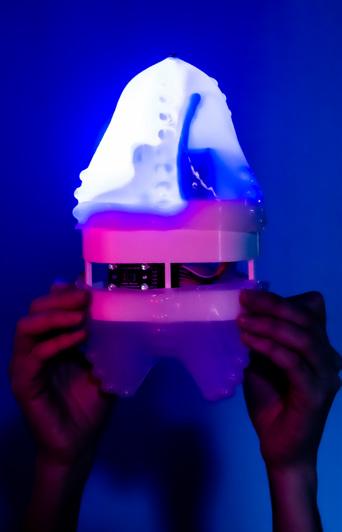
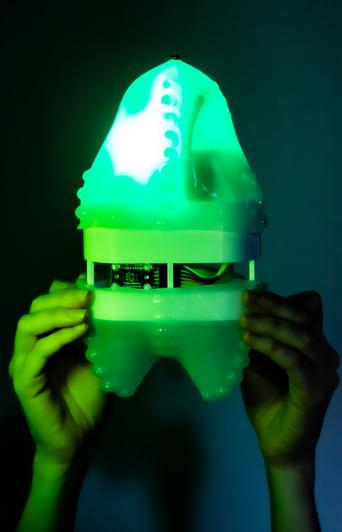
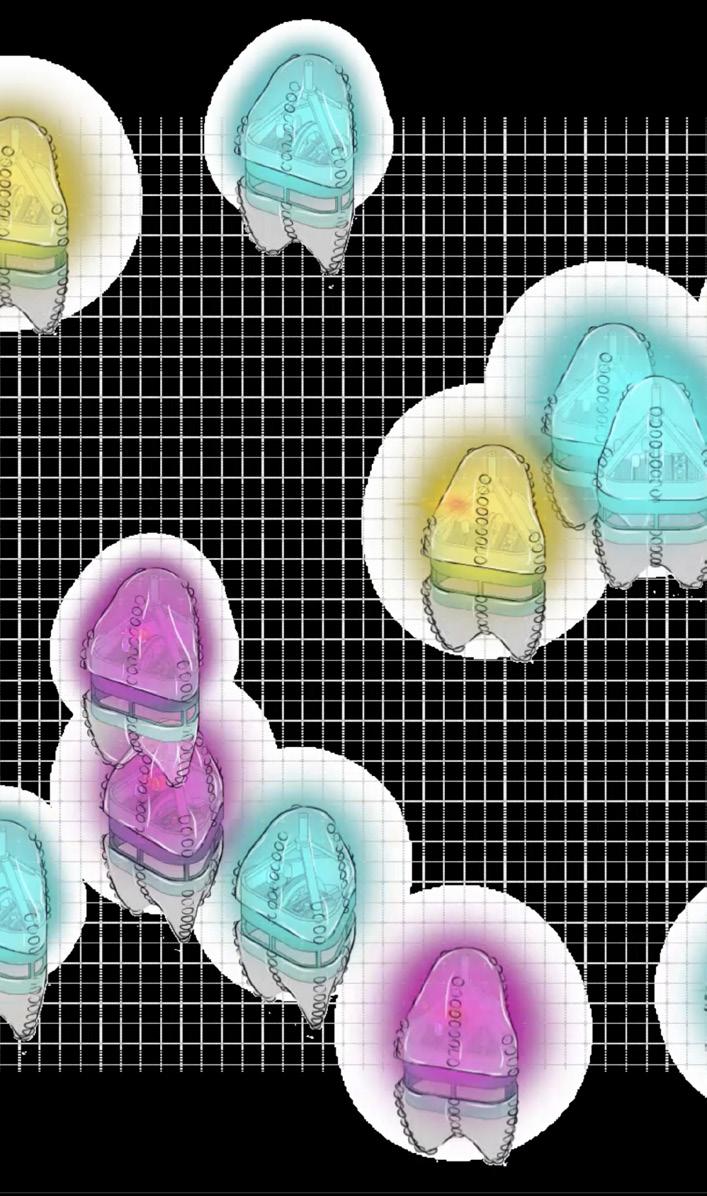
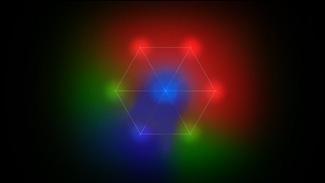
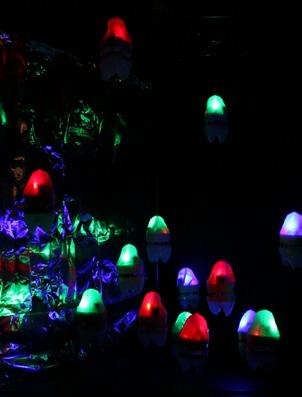
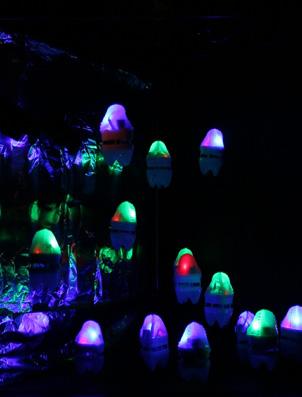
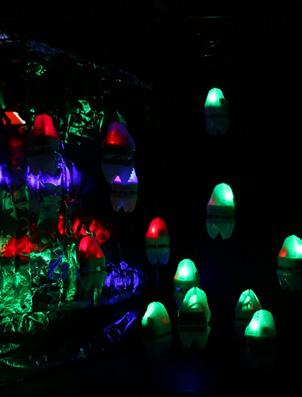
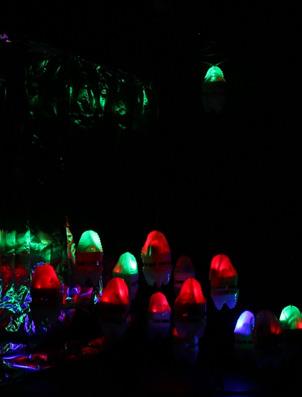
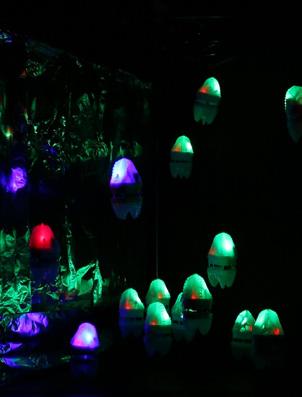
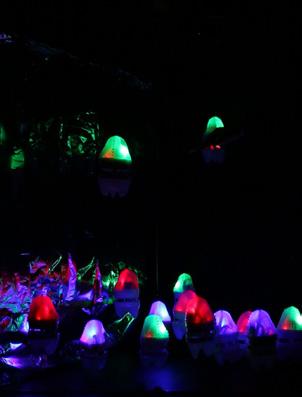
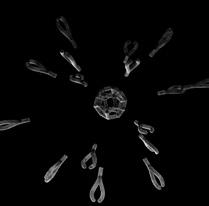
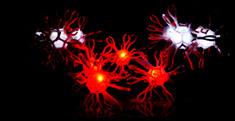
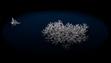
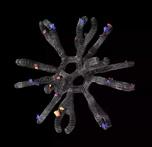
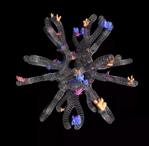
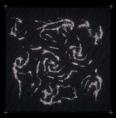
Completed as part of an AA DRL workshop on Arduino and computational design, this project investigated autonomous behavior through Machine-to-Machine interaction. Our team focused on developing a population of simple robots capable of sensing, responding, and reorganizing themselves through chromatic communication. The conceptual references — bioluminescent organisms, underwater signaling systems, and buoyant structures — informed a logic of distributed, low-intelligence agents producing higher-order behavior.
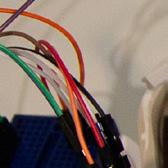
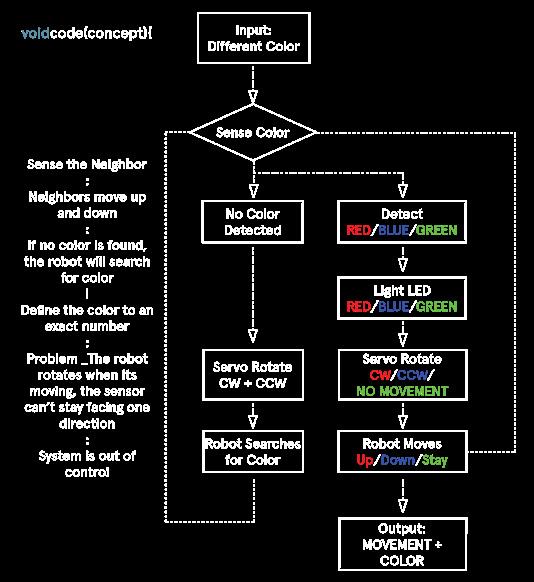
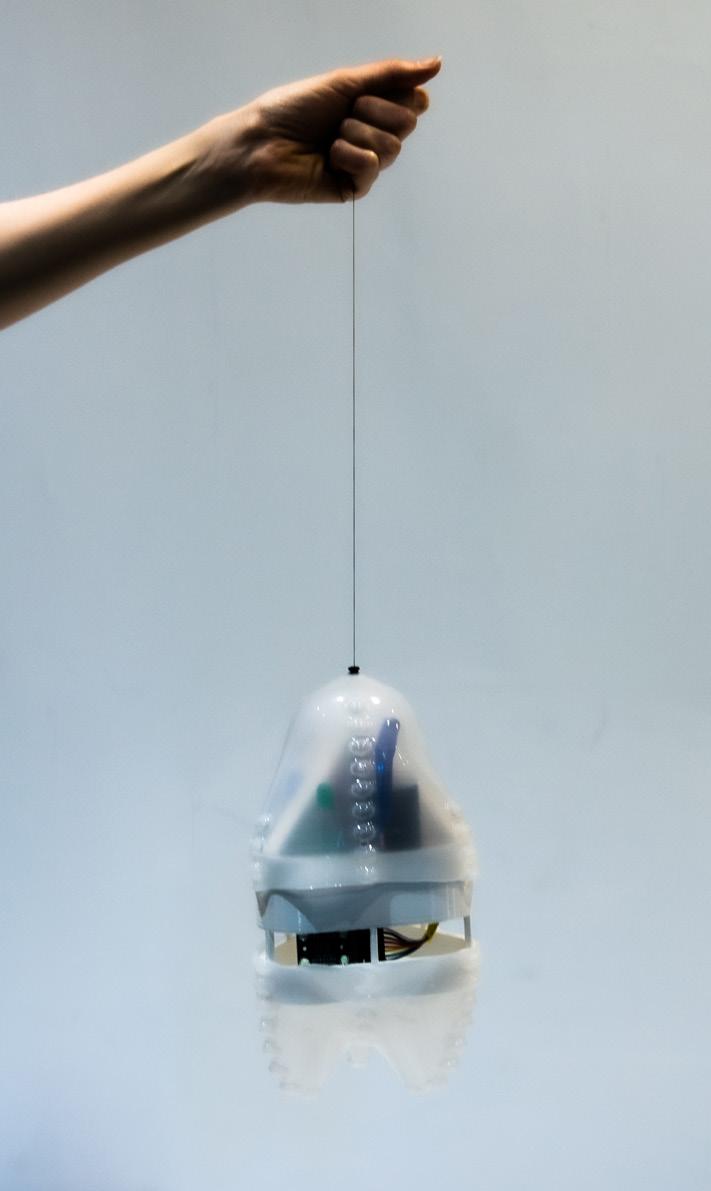
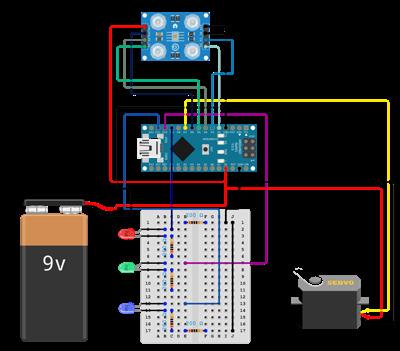
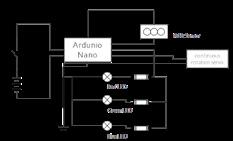
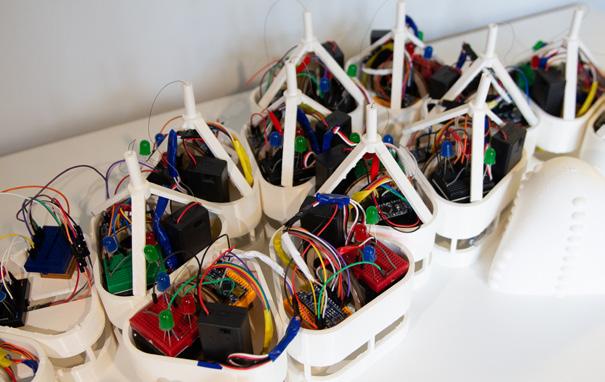
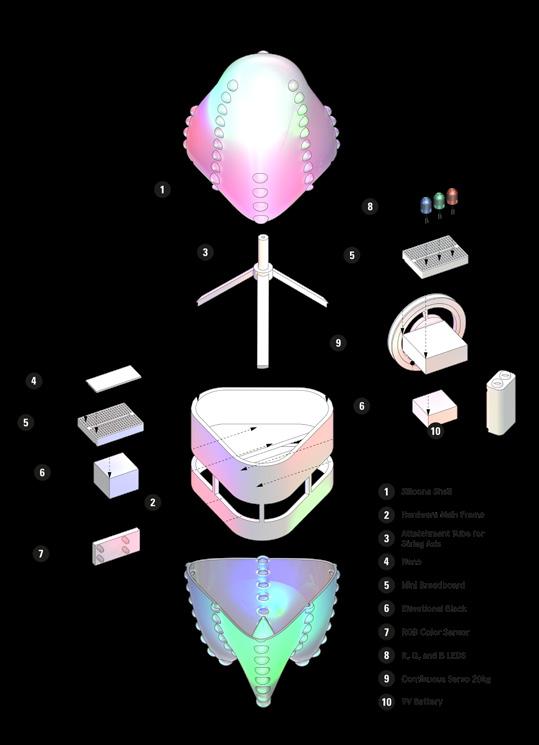
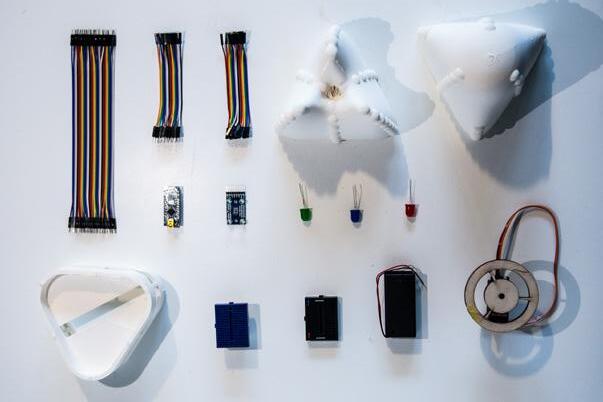
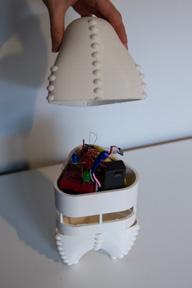
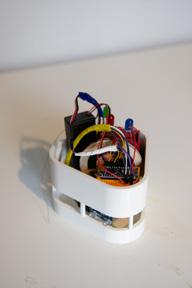
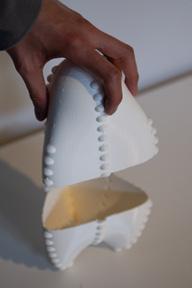
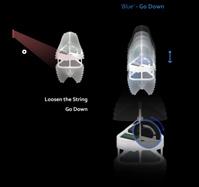
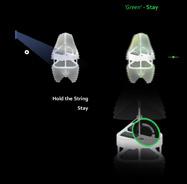
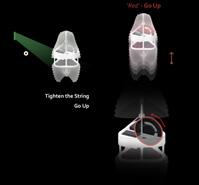
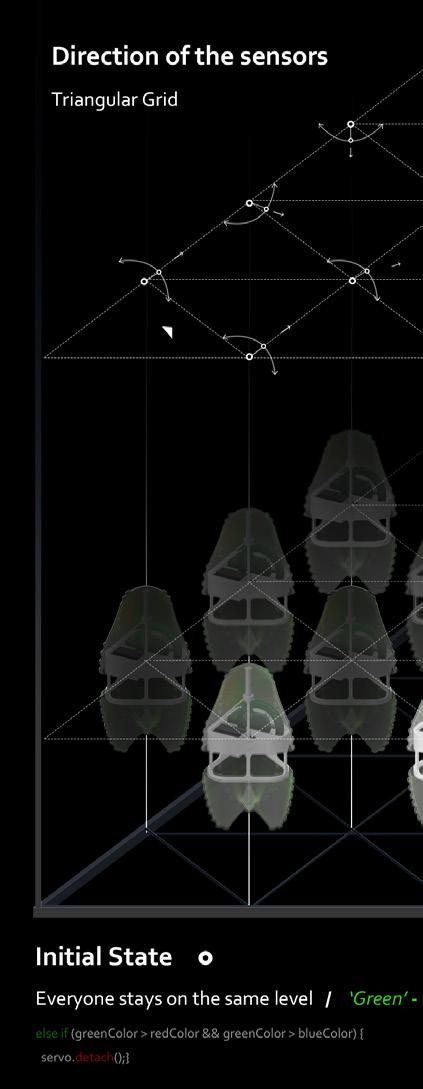
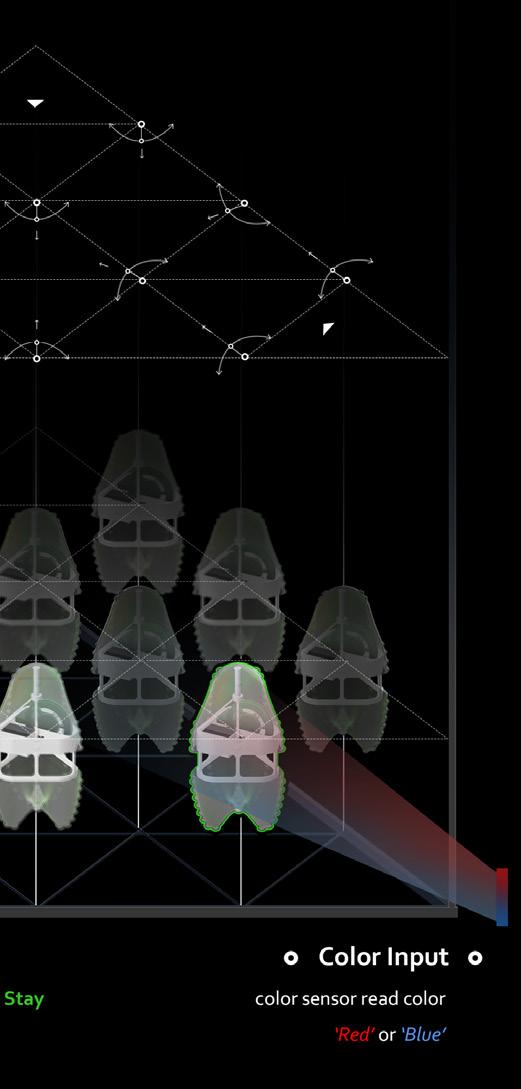
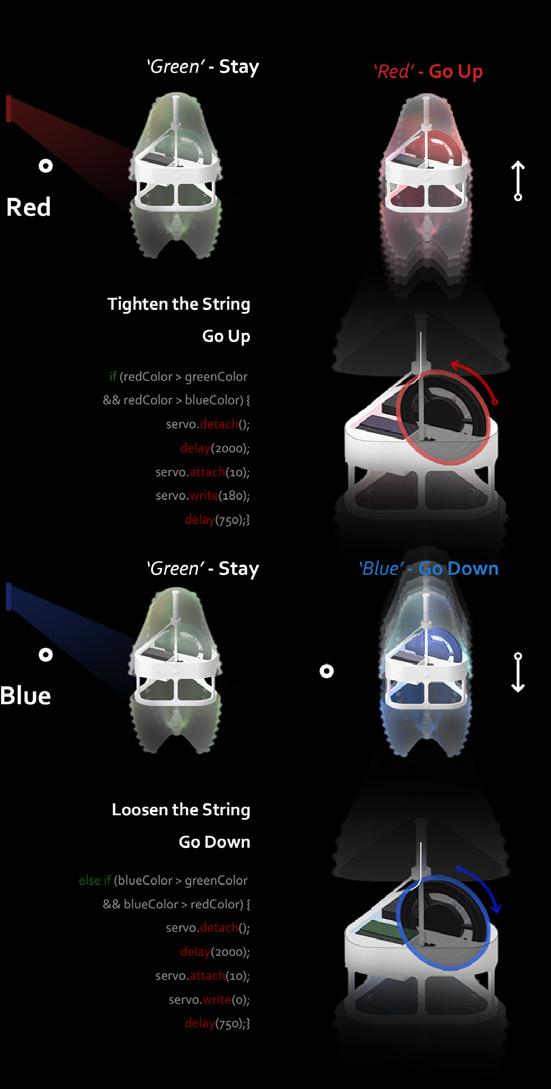
The system was intentionally reductive at the component level. Each robot consisted of a color sensor, RGB LEDs, a continuous-rotation servo, an Arduino Nano, a battery, and a minimal breadboard assembly. A pulley mechanism using fishing wire allowed the robots to “float” within the environment, enabling vertical mobility without the complexity of true flight — a strategic abstraction given the four-week timeframe.
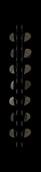
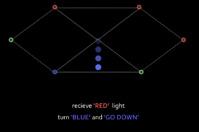
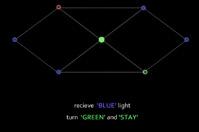
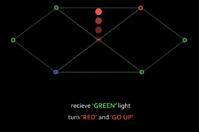
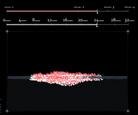
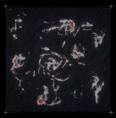
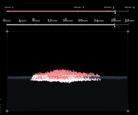
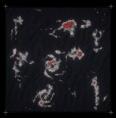
Autonomy emerged through rule-sets. With eighteen robots deployed, the first iteration used a direct-mapping protocol: detect a color, emit the same color. This produced rapid convergence toward a single chromatic state, demonstrating the system’s tendency toward entropy under mirrored feedback loops. A second rule-set introduced a non-linear response: each detected color triggered the emission of a different color. This inversion prevented collapse and generated continuous, unpredictable behavior. The population exhibited emergent organization — fluctuating clusters, transient gradients, and momentary synchronizations — none of which were explicitly programmed. The system behaved as a small artificial ecology, driven by local sensing, minimal autonomy, and the propagation of color as information.
Under the revised rule‑set, each robot becomes part of a NANO‑society — a field of autonomous agents whose behavior cannot be predetermined. Their movement emerges from moment‑to‑moment perception, as each robot interprets and responds to a continuously shifting chromatic environment. The system behaves less like a machine and more like a phenomenological ecology, where color becomes both stimulus and spatial condition.
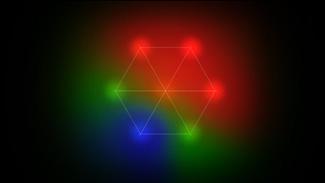
Within high‑density clusters, the robots no longer read isolated hues. Their sensors register composite RGB data — a local chromatic atmosphere generated by the proximity of multiple neighbors. Each robot evaluates the relational balance of this RGB field and determines its next action based on those gradients rather than on singular inputs. Autonomy arises through this distributed sensing logic: simple agents negotiating a complex, shared perceptual field.
To stabilize the environment and improve sensor fidelity, the frame’s perimeter was lined with reflective tinfoil. This boundary condition recirculates light back into the system, reducing data loss and enabling more accurate chromatic readings. The result is a closed‑ loop environment where perception, reflection, and response generate an ever‑evolving, self‑organizing choreography.
halokinesis AA DRL
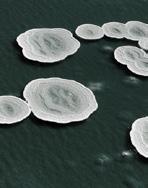
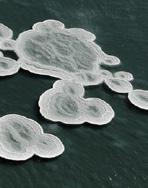
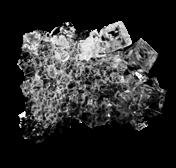
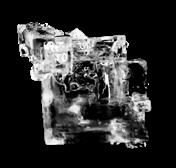
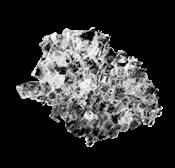
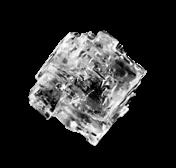
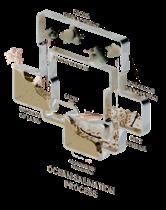
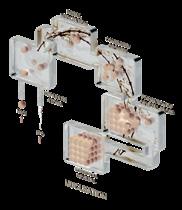
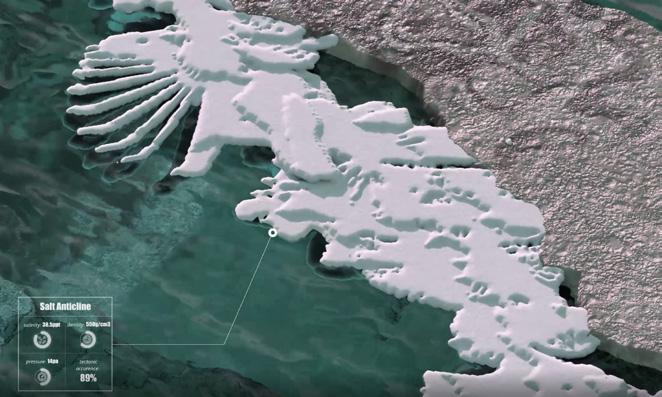
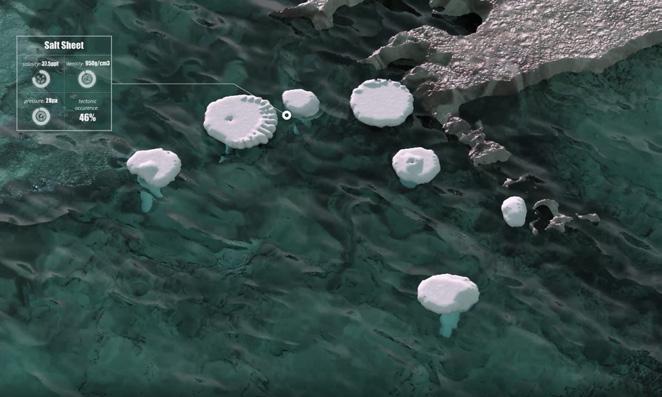
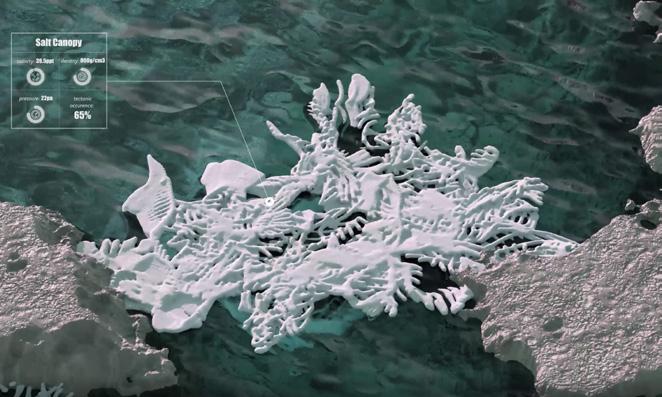
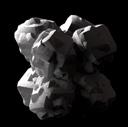
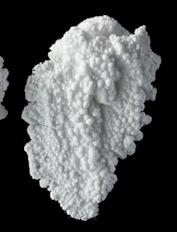
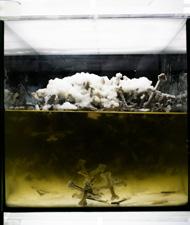
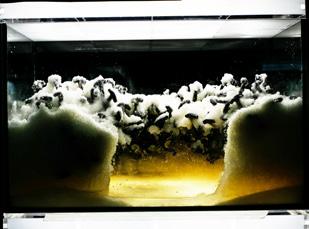
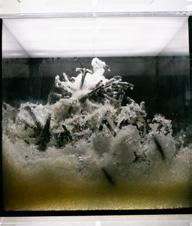
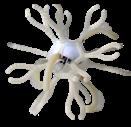
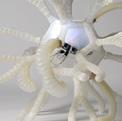
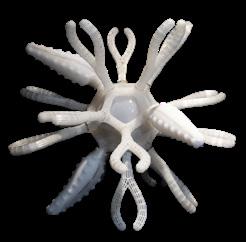
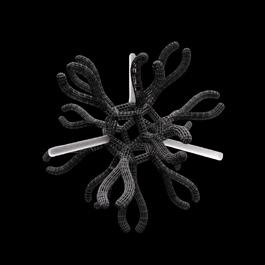
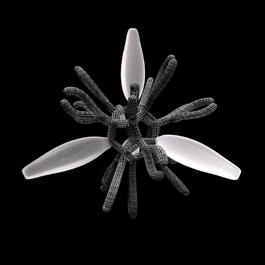
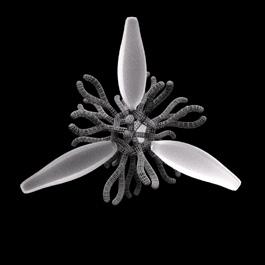
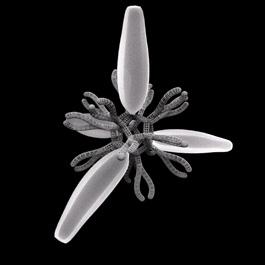
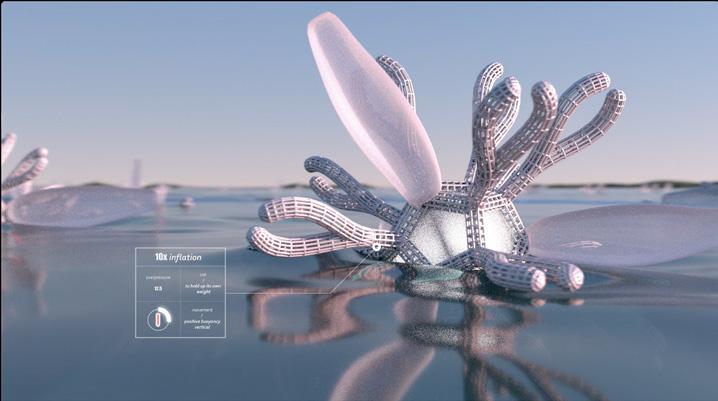
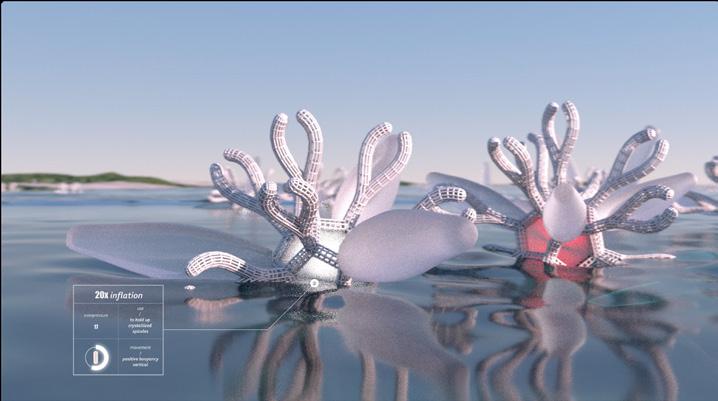
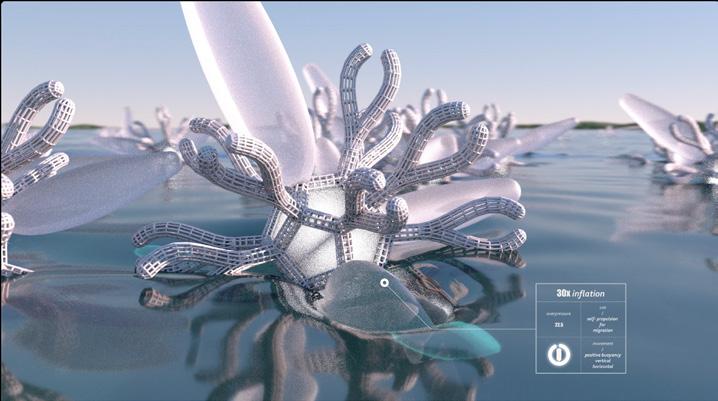
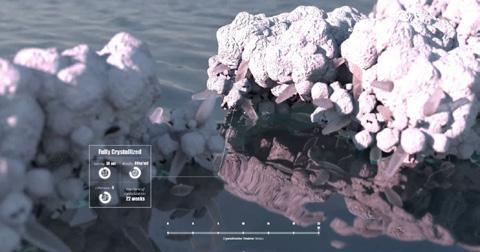
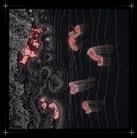
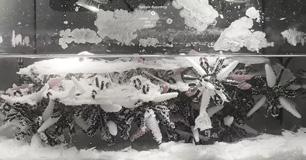
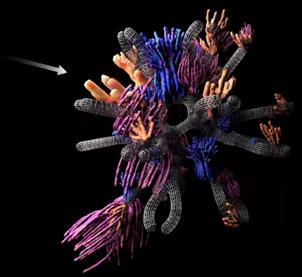
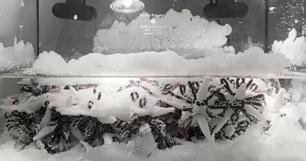
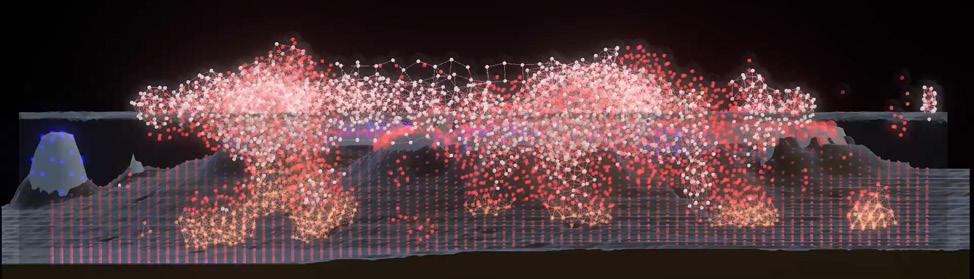
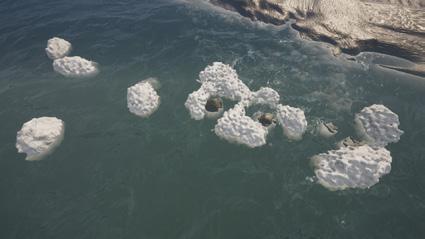
HALOKINESIS is an architectural investigation that mobilizes salt — a universal, elemental material — to rebalance coral colonies and locally mitigate coral bleaching. Borrowing its name from the mythical ability to move salt with the mind, the project explores the phenomenology of salt crystallization and translates that “magical” agency into a real, material system. The research and design rigor embedded in this work contributed to my receiving Distinction, an honor awarded at graduation to only eight students out of a cohort of eighty for overall excellence. Salt, abundant and essential, occupies a paradoxical position: it flavors and preserves, sterilizes and corrodes, sustains life and threatens it. As ocean salinity decreases and density shifts, salt’s dual capacity to nourish and annihilate becomes an urgent site of inquiry. Our work positions salt not as a passive substance but as an active ecological agent.
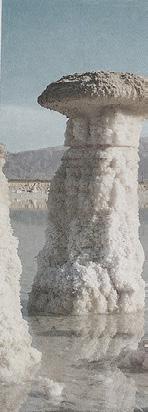
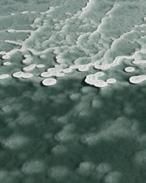
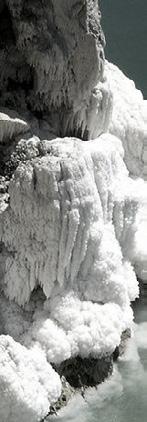
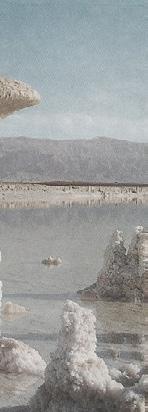
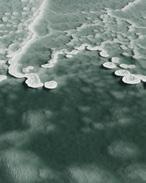
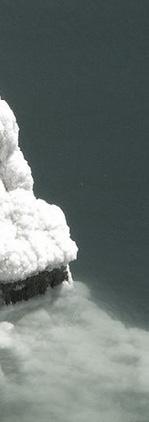
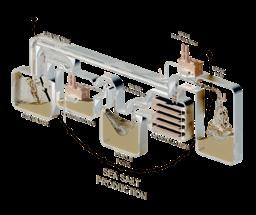
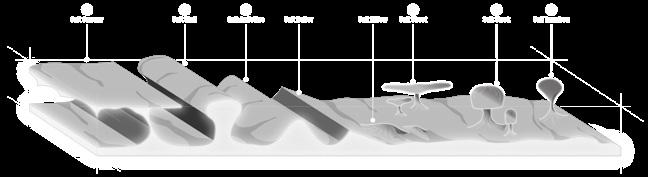
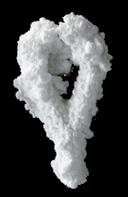
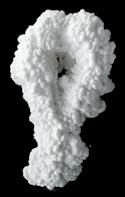
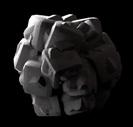
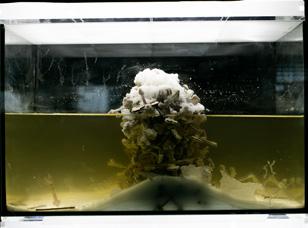
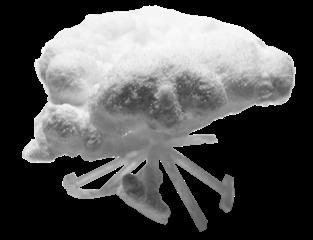
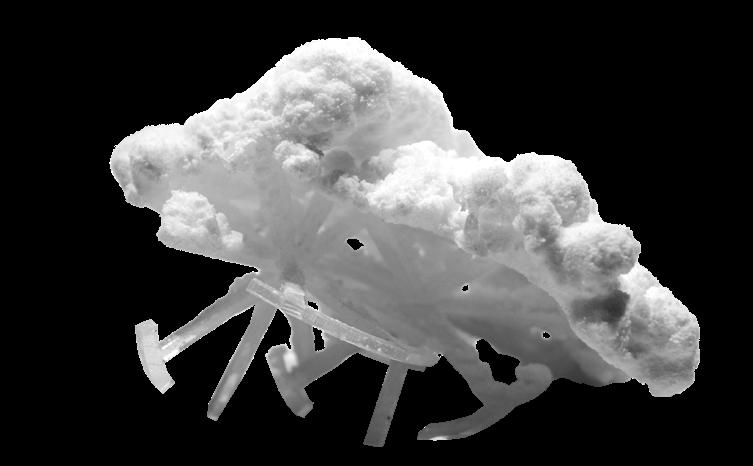
Studying natural evaporation ponds, artificial crystallization beds, and geological salt tectonics revealed salt’s inherent tendency toward super-temporal growth, demanding interventions capable of steering its behavior. This revealed salt as a material operating simultaneously at geological, ecological, and architectural scales. Recognizing salt as a keystone in global ecological processes, we examined its planetary circulation (halokinesis) and designed a responsive scaffold that grows crystals over time, gaining strength and form through accretion — compressing geological processes into an architectural timeframe.
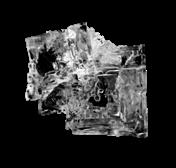
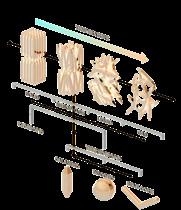
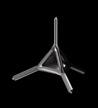
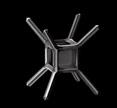
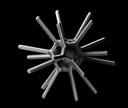
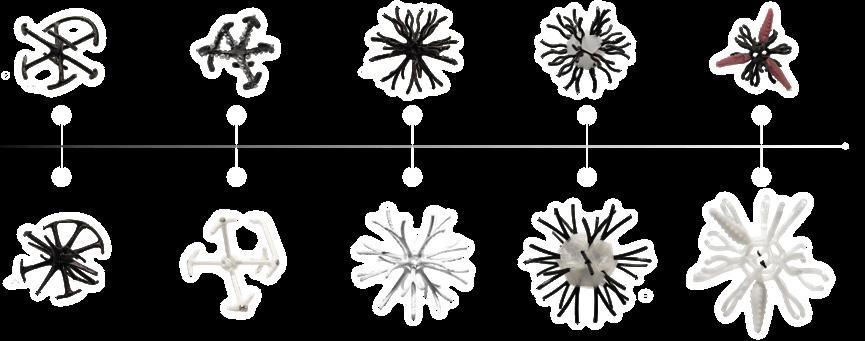
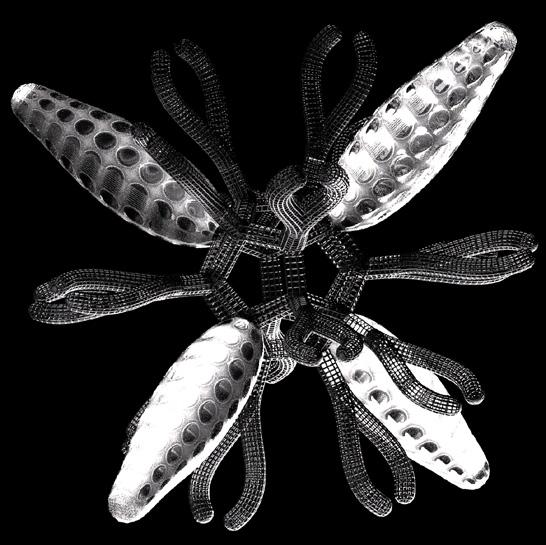
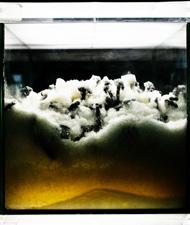
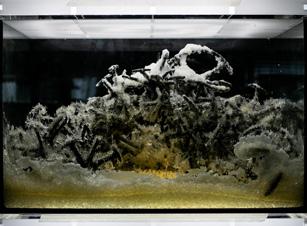
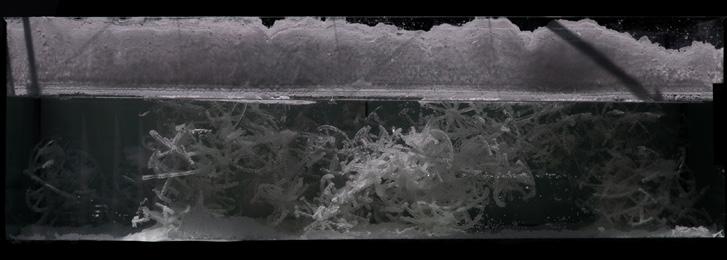
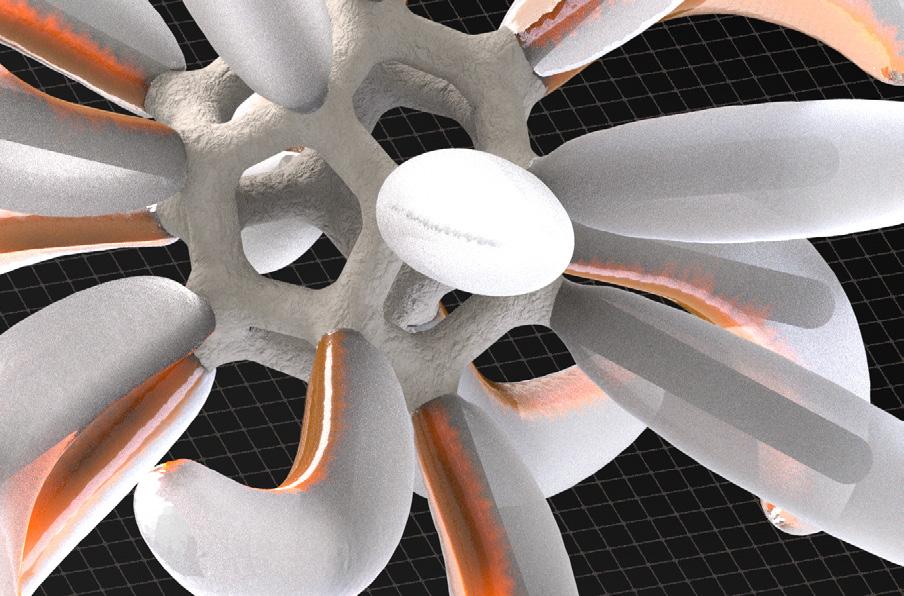
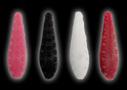
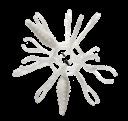
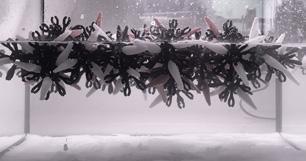
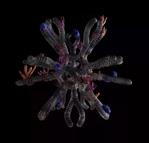
Research identified two primary drivers of crystallization: solution-based processes and scaffold-based processes. Through controlled experimentation, the spicule scaffold proved most effective, its branching geometry allowing spicules to entangle and interlock into robust crystalline structures.
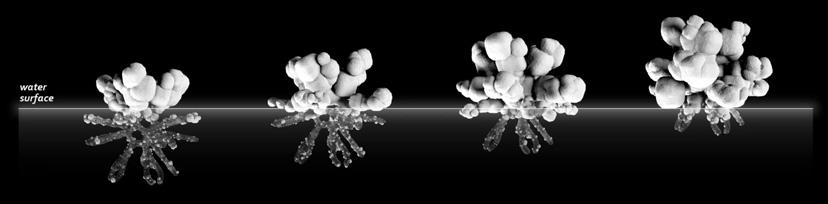
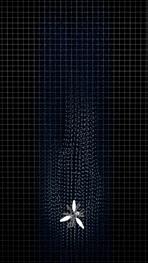
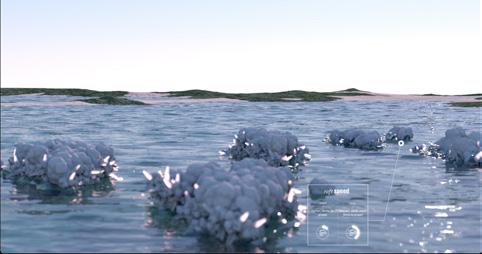
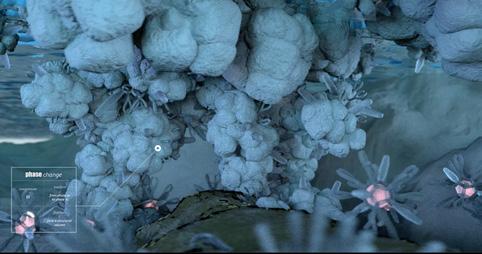
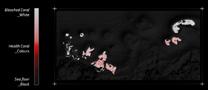
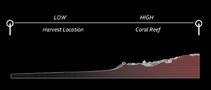
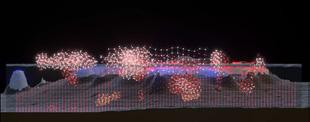
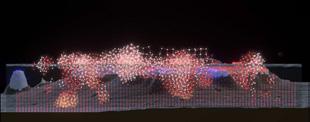
The ocean, with its effectively “unlimited solution,” becomes the operational site for HALOKINESIS. Embedded intelligent systems receive environmental data such as salinity, temperature, currents and translates these inputs into agent behaviors that adapt to continuous variability. Swarm logic generates formations that negotiate with local organisms, terrain, and hydrodynamic forces. Through a cyclical system of crystallizing agents that introduce localized increases in salinity, HALOKINESIS rehabilitates coral reefs while granting agency to the scaffold itself — a structure that grows, reorganizes, and determines its own ideal formations within the oceanic field.
https://heyzine.com/flip-book/138236967e.html
https://youtu.be/hBAt_7Z0UNY
CRYSTAL TYPES
TECTONIC BREAKING
HALOKINESIS TYPOLOGIES
SUBSURFACE PIERCEMENT
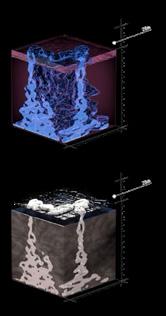
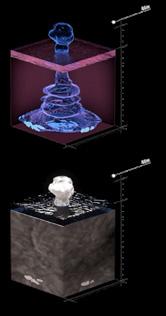
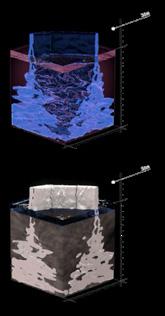
TECTONIC SIMULATIONS BY TYPE
SPICULE SHAPES
CRYSTALLIZATION PER ARM COUNT
PHYSICAL MODEL ARM
SPICULE ITERATIONS
CRYSTALLIZATION @ VARYING SURFACE LEVELS
CRYSTALLIZATION PER ARM TYPE
spicule design
COMBINED
SPICULE COMPONENTS
scaffolding
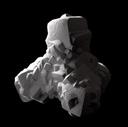
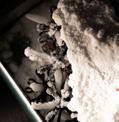
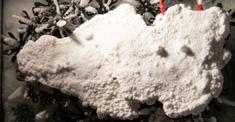
crystallized spicule wall sustained under water
crystallized spicule bridge bears load and withstands water impact
crystallized spicule cave generates a cavernous roof structure