THE FIZZ GEEKS
Join Fizz Geek, Margot, for a dive into the craft and styles of Champagne, and learn to savor every bubble with greater understanding.
I’m sure you know and love Champagne, the bubbly wine poured at all of life’s special moments. Beyond the pop of the cork lies a wine shaped by meticulous craftsmanship, rooted in science, tradition, and centuries of refinement. Understanding how it’s made and the complexities that give it its signature style will help deepen your appreciation and elevate how you select, serve, and enjoy it for meaningful occasions. So let certified Fizz Geek, Margot, guide you through the world of Champagne so you can enjoy the beauty that the bubbles are.
It is a popular misbelief that Champagne is a common term that encapsulates all sparkling wines. In simplest terms, Champagne is from a legally defined region of north France. But beyond regional specificity, Champagne must also be made from Chardonnay, Pinot Noir, Meunier, or some combination of the grapes. Each of the five major districts within Champagne produce distinctly di erent base wines which, when blended in di erent proportions, can result in Champagnes of widely contrasting character.
Chardonnay
Bring freshness, acidity, and elegance
I’m Margot, let’s talk Champagne!
9,871 4,700
There are brands, marketed by true producers.
is the region in Northern France, but sparkling Champagne was recorded in 17th century English literature two decades before the French claimed to have crafted it!
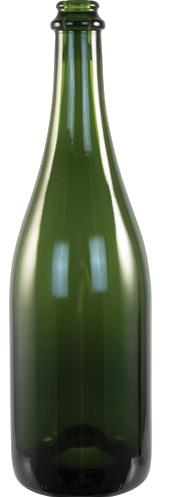
For a sparkling wine to be o cially labeled Champagne, it must be produced through the méthode traditionnelle . What sets this method apart is the practice of a secondary fermentation, as it is during this step that the wine’s ionic bubbles are crafted. Creation of the bubbles
sign of
The base wine receives the addition of the liqueur de tirage—a mixture of sugar, selected yeasts, yeast nutrients, and riddling aids that initiate the second fermentation, which kickstarts
AOC Perimeter of Champagne region
40,000 +
Each brand averages 4 cuvées, so there are different Champagnes produced in a given year.
Pinot Noir Meunier
Provide structure, depth, and red-fruit character Adds roundness, fruitiness, and approachability
5 Major Districts
Montage de Reims
Primarily Pinot Nor
Vallée de la Marne
Primarily Meunier
Côte des Blancs
Primarily Chardonnay
Côte de Sézanne
Primarily Chardonnay
Côte des Bar
Primarily Pinot Noir
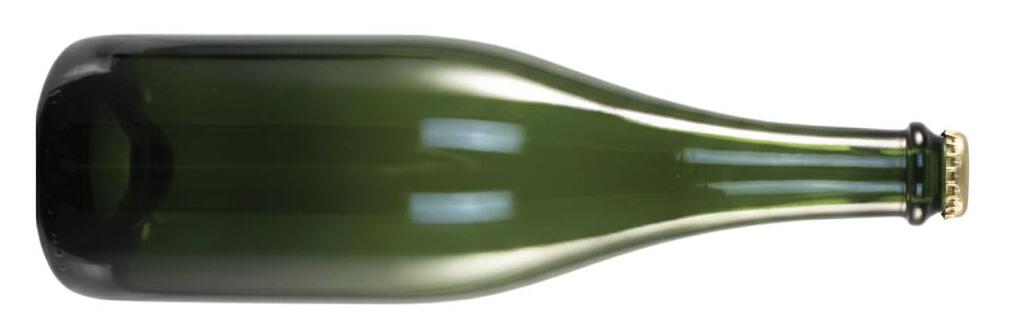

Bottles are stored sideways so the wine can age on its lees. The dead yeast cells release compounds that interact with the wine, enhancing its structure and leaving bubbles feeling softer, creamier, and longer-lasting. The bottles are tilted downward to move the lees into the neck, then the neck is frozen to solidify the sediment. When the bottle is turned upright, pressure ejects the ice
Brut Nature Extra Brut
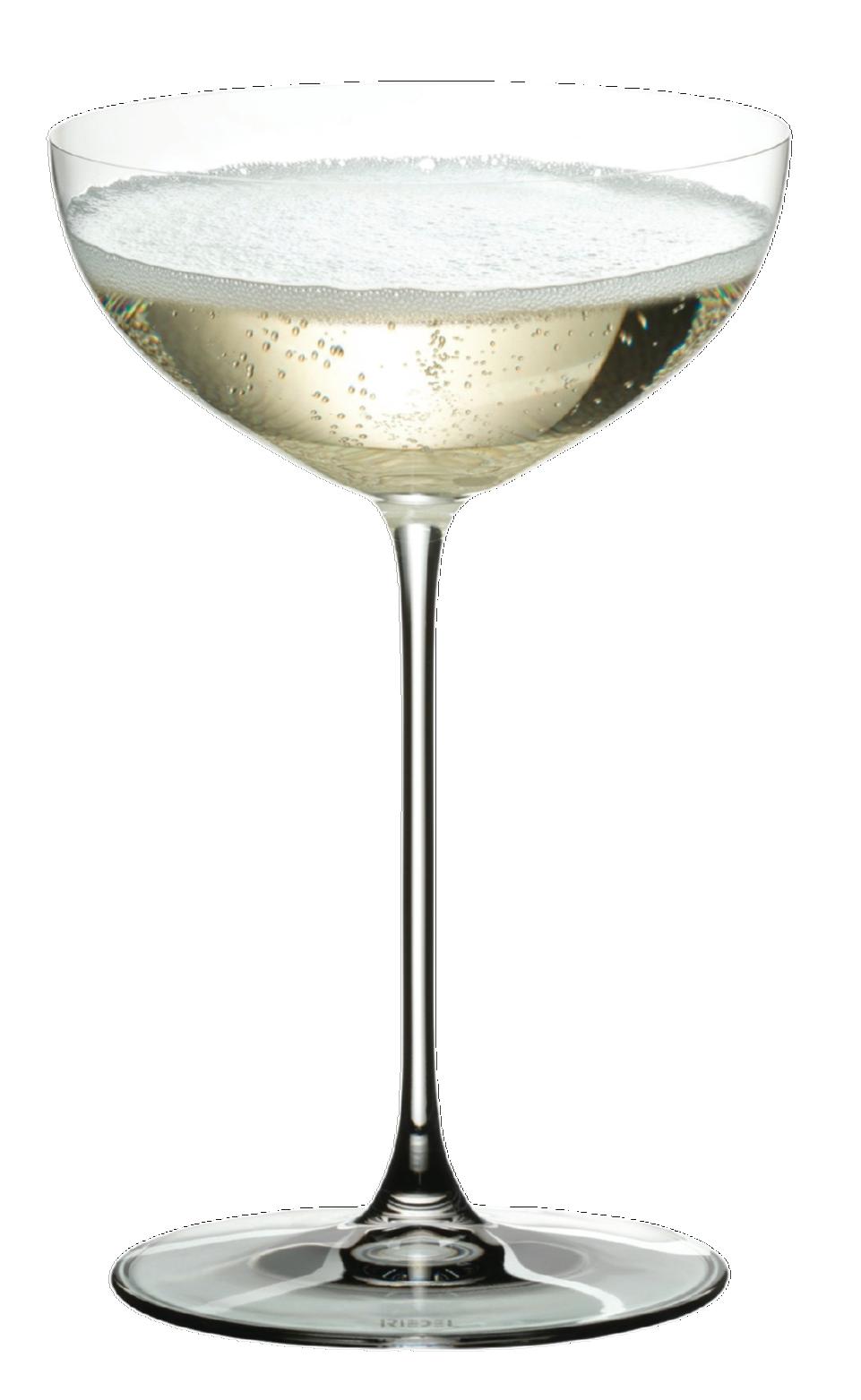
Though a historically iconic glass, the coupe’s wide brim allows bubbles to escape, rapidly flattening the wine. It is most suitable for sweeter wines.
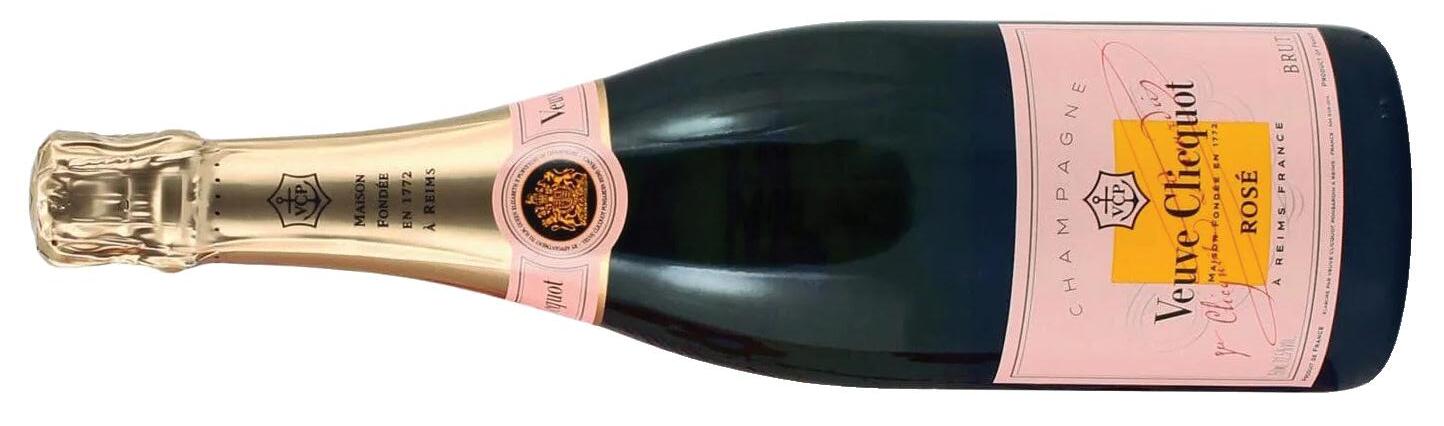
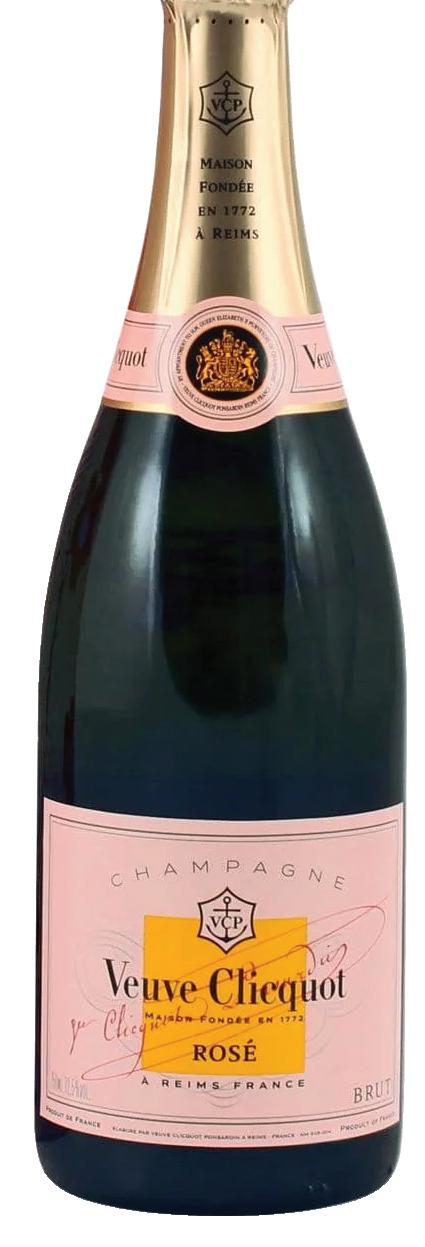
Let’s break down my favorite Champagne, Veuve Clicquot Rosé!
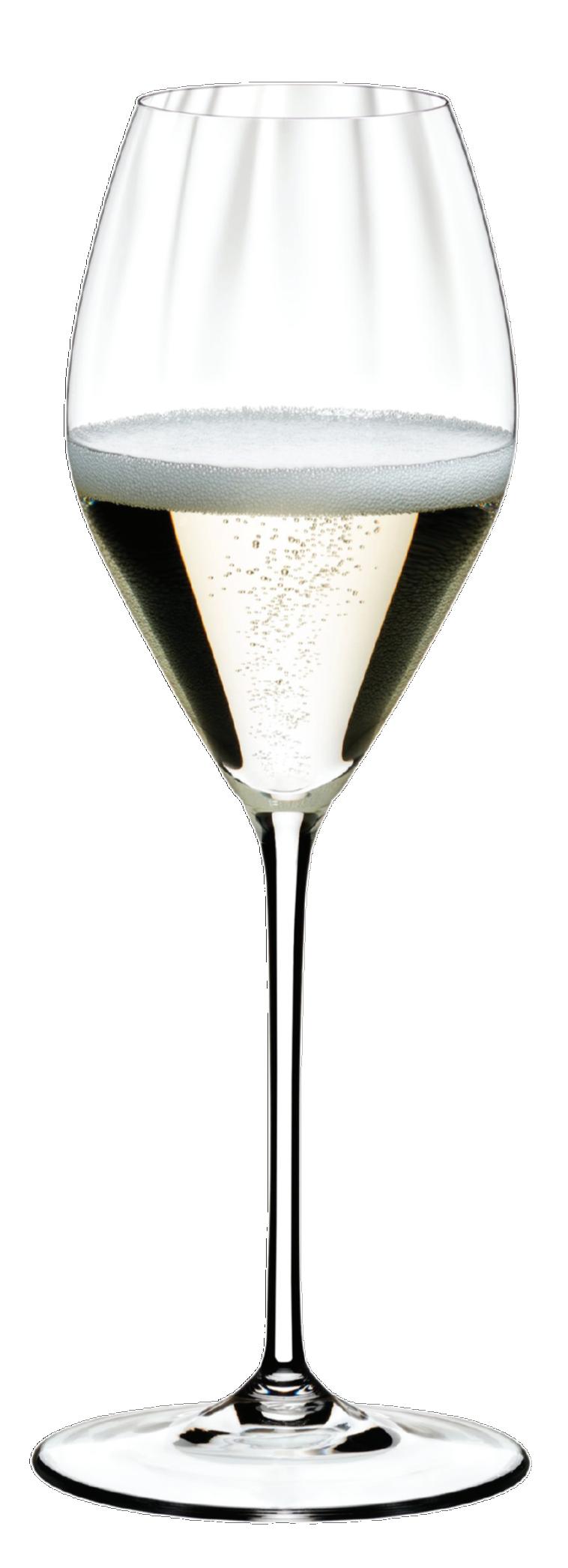
Bulbous base and sloping sides conserve bubbles and collect floral aromas. It is ideal for more aromatic, fruity wines.
Blanc de Blanc
White wine made exclusively from white Chardonnay grapes.
Blanc de Noir
White wine made from red Pinot Noir and Pinot Meunier grapes.
Rosé
Rose colored wine made from both white and red grapes, and the pigment is preserved
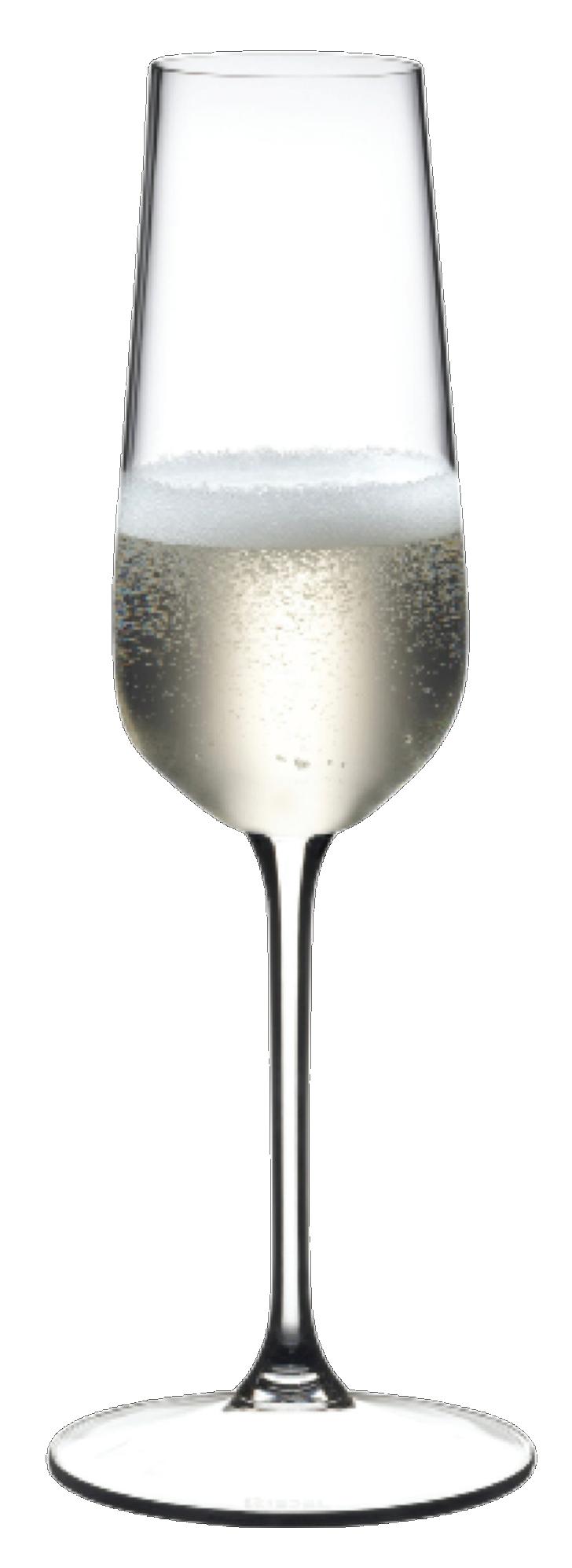
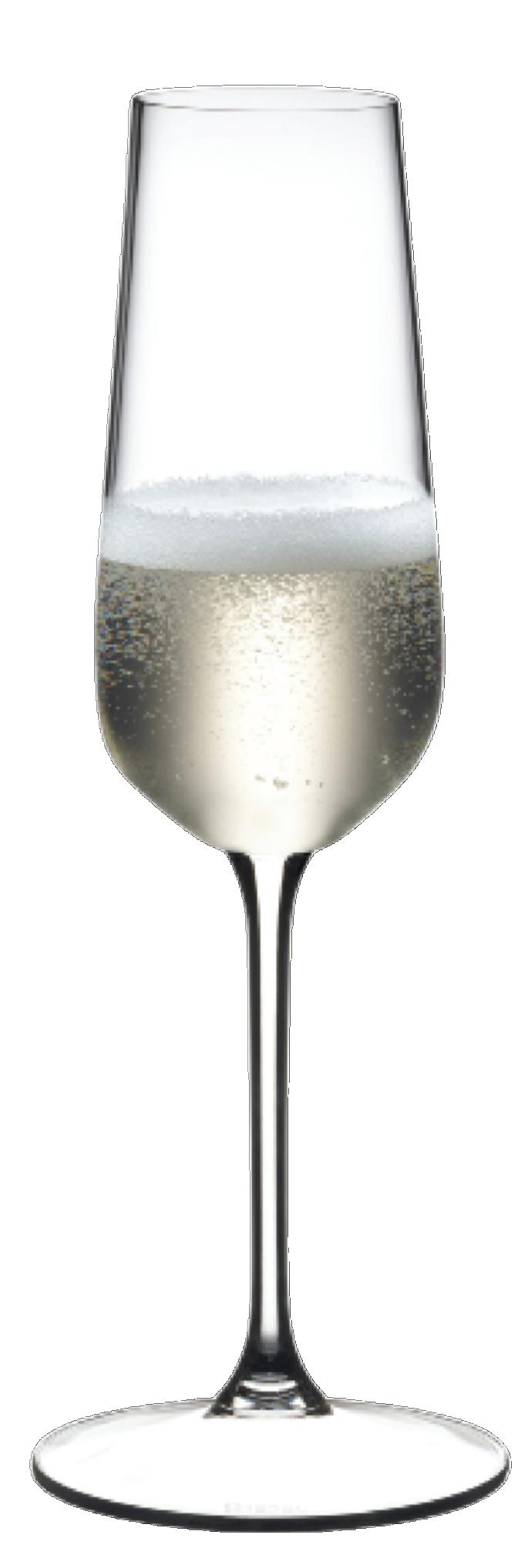
The tall, narrow shape preserves e ervescence best and showers the drinker with bubbles. The flute is best for wines brut and dryer.
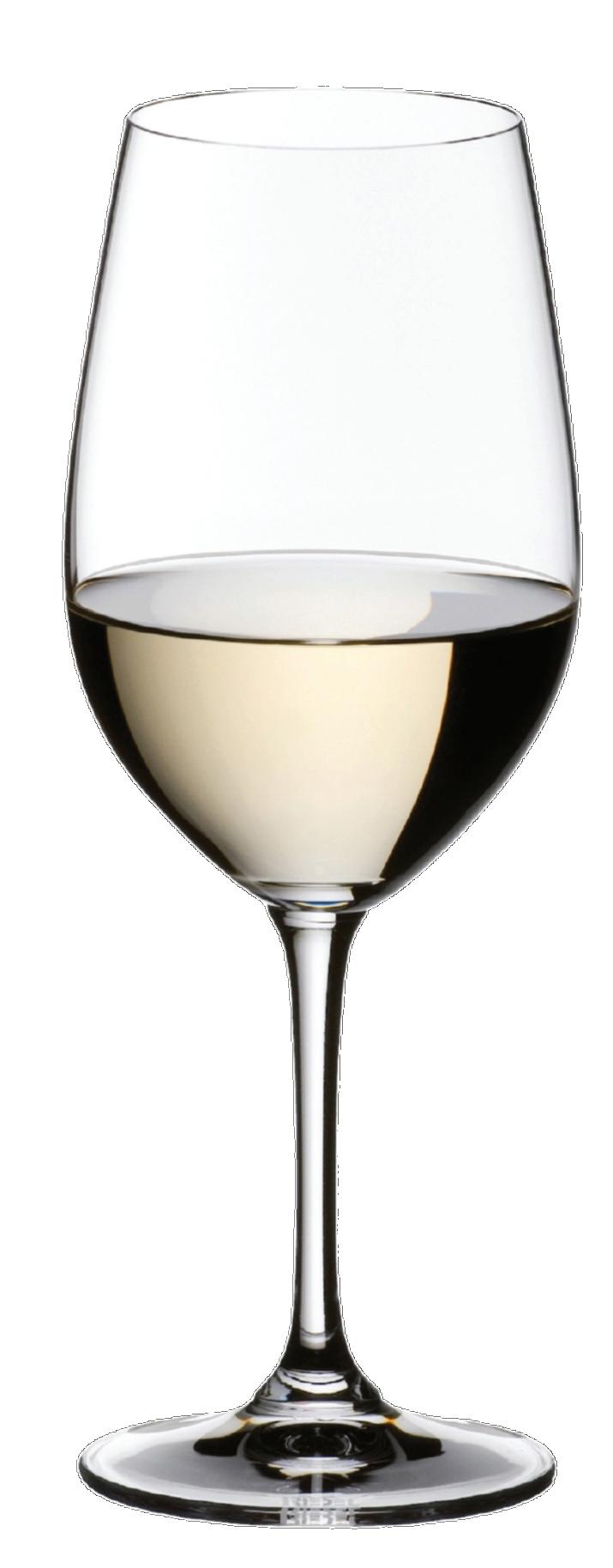
The rounded shape of a white wine glass collects the aged flavors of biscuit and brioche. It is most ideal for vintage and fine sparkling wines.
The Appellation d’Origine Contrôlée (AOC) “Champagne” legally confirms the wine was produced in the Champagne region of France.
The name of the producer or house that crafted the Champagne. This is often the most prominent element on the label.
Indicates the blend or grape variety, such as Blanc de Blanc, Blanc de Noir, or Rosé. A Champagne can also be labeled as Vintage, or Non-Vintage.
Describes the sweetness level determined by dosage, ranging from Brut Nature (bone dry) to Doux (very sweet).
In conclusion, Veuve Clicquot Rosé is an AOC Champagne produced by Veuve Clicquot. It is 50% Pinot Noir, 30% Meunier, and 20% Chardonnay, leading to its rose pigment, and as a Brut, it is mostly dry with slight sweetness. It has notes of cherry and berry, so its fruity aroma and dryness should be enjoyed in a tulip glass.
Pressure Tactics
Receiving the dosage
A balanced dosage is essential to generate texture and toasty aromas
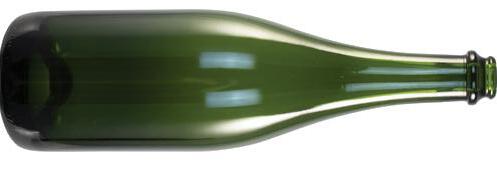
Pouring tilted preserves more bubbles
To replace the volume lost in disgorgement, a liqueur d'expédition, which includes a dosage of sugar, is added. The amount of sugar does not alter the bubbles’ size, but instead influences how they feel on the palate.
Once the cork is popped, CO2 escapes as bubbles due to the sudden drop in pressure. Cooler Champagne retains bubbles longer, therefore it is ideal to serve it at 40–45ºF for a slow release of the mousse
Perlant
Pétillant
Crémant
Mousseux
Less than 2.5 atmospheres
2.5–3.5 atmospheres
Classically 3.6 atmospheres
3.5–6 atmospheres
Barely a prickle of bubbles
Very light mousse, bits of bubbles
Soft and gentle mousse
Fully sparkling, smoothest mousse
Made exclusively from grapes harvested in a single year. Aged for minimum 3 years. Made from grapes from a combination of harvests over di erent years. Aged for minimum 15 months.
Non-Vintage Champagne
A pressure level of 5–6 is equal to that of a double decker bus tire. Higher pressure means CO2 escapes quicker, so the bubbles rise quicker, and the Champagne has more intense, smoother mousse.
Tiny bubbles signal quality in sparkling wine because the smaller and more numerous they are, the smoother the mousse.
Bone–dry
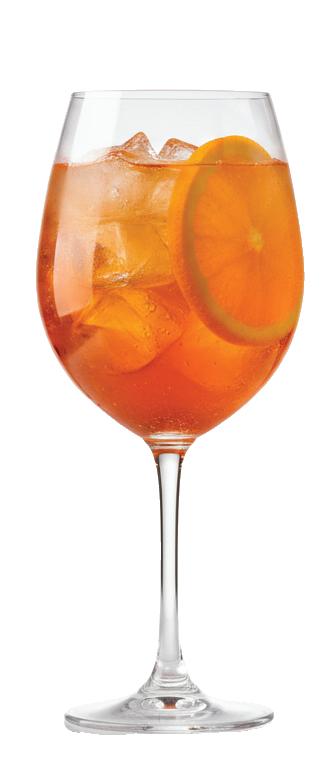
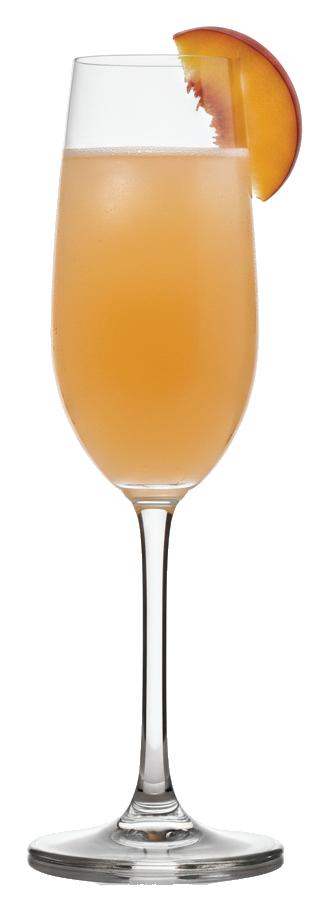
Why not drink more Champagne? Life is full of milestones, promotions, weddings, and gatherings, and you can always count on Champagne to be served alongside them. But why save the Champagne for these special moments? There is plenty of bubbly to go around, so enjoy it just because!
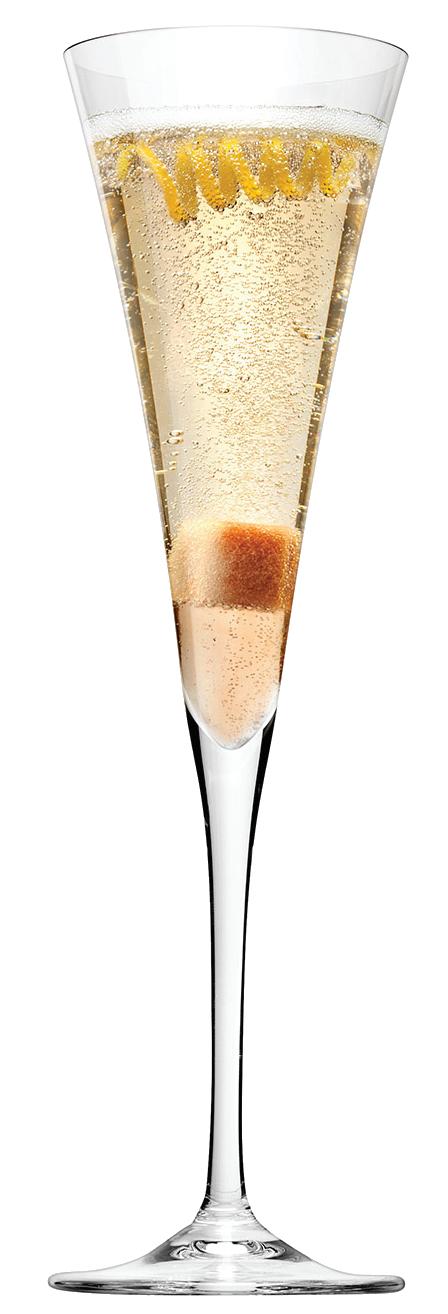
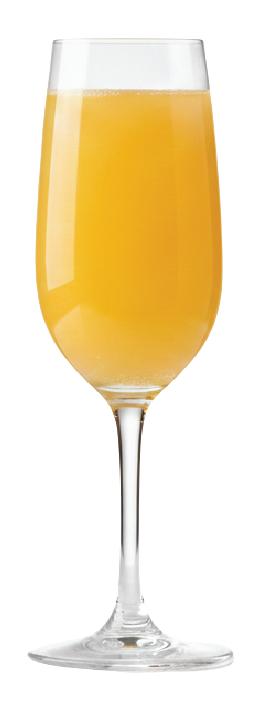
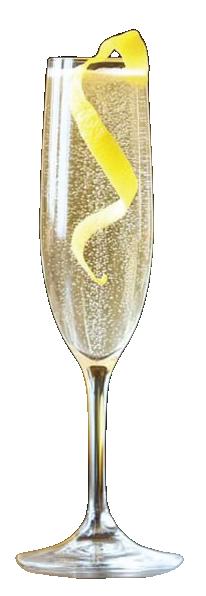
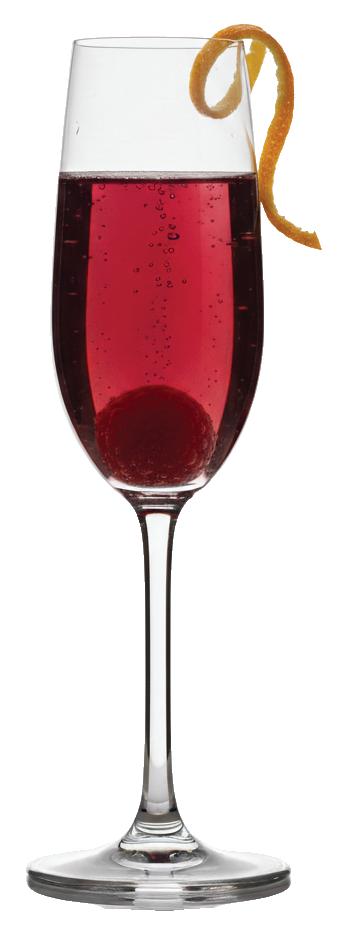
Champagne CocktailMimosa
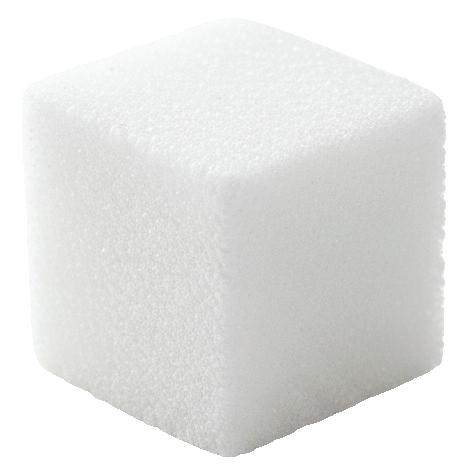
1 sugar cube
2–3 dashes of bitters
1 oz Cognac
Top with Champagne
1.Sound 2.Sight
A.Bubbles slow, soft, lively, energetic, quick
A.Color pale gold, golden, pink
B.Bubbles fine, medium, large
C.Clarity brilliant, clear, hazy
D.Activity gentle, continuous, lively
1.Sound A.
As the Champagne is poured, the bubbles sound _________.
3.Smell
2.Sight A. B. C. D. A. B. C.
4.Taste & Finish
The Champagne appears _________ in color, with ________ clarity, and _________bubbles that rise in a _________ stream.
When I smell the Champagne, I notice _________ aromas first, followed by hints of _________ and a subtle note of _________ .
My first impression is _________ , the mousse feels _________ , and I taste _________ before a _________ finish. A. B. C. D.
Brut Nature
Extra Brut
Brut
Extra Sec
Sec
Demi–Sec
Doux
Oysters, sashimi, almonds, goat cheese
Shellfish, sushi, light fried foods
Brie, smoked salmon, fried chicken
Spicy asian dishes, pork belly, shortbread pastries
Prosciutto & melon, mildly spicy dishes, fruit tarts
Fruit–based desserts, bleu cheese, brioche
Rich desserts, chocolate, tropical fruit
A.Primary aroma citrus, apple, pear, peach, berry
B.Secondary aromas brioche, toast, dough, almond, hazelnut
C.Tertiary aromas honey, caramel, dried fruit, mushroom, floral
4.Taste & Finish
A.Sweetness level bone dry – very sweet
B.Acidity bright, sharp, balanced, soft
C.Flavor notes citrus, berries, vanilla, nutty
D.Finish short, medium, long
Pour yourself a glass, set it here, and review your Champagne!