
writing team: authorsShruti Chakravarty Aashima Sodhi contributorsSaisha Manan Pooja Nair editing team: Anam Mittra Olimpika Oja Raj Mariwala design team: Olimpika Oja Shruti Chakravarty designer: Mèkars Studio mekarstudio90@gmail.com illustrations: Ara Johannes typefaces: Playfair Display by Claus Eggers Sørensen Roboto by Christian Robertson publication date: 30th June 2021 published by: Mariwala Health Initiative
Credits
suggested citation:
Mariwala Health Initiative. (2021, June). Building Allyship: The Mental Health Community and LGBTQI+ Rights. Author. Retrieved from https://mhi.org.in/qacp/ license: Attribution-NonCommercial-NoDerivs
CC BY-NC-ND LICENSE:


Content Content Abbreviations List 1 Director’s Note 2 Background 4 Attempt and Audience of this Report 9 Structure and Chapterisation 10 Themes 10 Queer Affirmative Values and Tenets in Action 11 Concluding Comments 42 Messages for the MH Community 43 Bios 46 References 48 About QAPC 49 THEME PAGE NO. A: Centering the Support Seekers and their Narratives 12 B: Aware of Societal Power and Intersections 15 C: Psychoeducation of People Involved 18 D: Pointing out Structural Inequality and Discrimination 21 E: Recognising Unique Life Stressors that LGBTQI+ Communities Face 24 F: Building a Supportive Network of Allied Services and Practitioners 27 G: Involving Queer/Trans Folx in the Process 30 H: Collective Politics and Feminist Values 33 I: Learning from Lived Reality and Acknowledging Queer Labour 36 J: Therapist Competence 39
Abbreviations APSWP Association of Psychiatric Social Work Professionals CWC Child Welfare Committee DLSA District Legal Services Authority DSM Diagnostic and Statistical Manual of Mental Disorders DV Domestic Violence IACP Indian Association of Clinical Psychologists ICD International Classification of Diseases IDAHOBIT International Day Against Homophobia, Transphobia and Biphobia IPS Indian Psychiatric Society LGBTQI+ Lesbian, Gay, Bisexual, Trans, Queer, Intersex Plus MH Mental Health MHI Mariwala Health Initiative MHP Mental Health Practitioner NGO Non-Governmental Organizations PCVC The International Foundation for Crime Prevention and Victim Care Psy Psychology QA Queer Affirmative QACP Queer Affirmative Counselling Practice QA MHPs Queer Affirmative Mental Health Practitioners 1
Director’s Note
There’s a violent history in the legacy of psychiatry with LGBTQIA+ persons. If we trace the history of this pathologisation, mental health systems have colluded with social norms to uphold heteronormativity and the gender-body binary. Those who fell outside of these norms were considered deviant and requiring ‘cure’. The DSM and ICD only declassified homosexuality in 1973 and 1990 respectively, but these diagnostic manuals continue to carry variations of pathologisations-even nowaround queer, trans and intersex identities. Closer home, as recent as 2014, the Indian Pyschiatric Society (IPS) President had said homosexuality was unnatural & treatment could be availed.
The Supreme Court read down Sec 377 and decriminalised sex between consenting adults in September 2018. LGBTQIA+ activism has tirelessly pushed for changes and rights such as this Judgement and NALSA, but the mental health community has a long way to go in this matter. Two months before this Judgement, the IPS announced its official stance on homosexuality calling on its members to stop considering homosexuality as an illness. This statement included the IPS President stating “Some individuals are just not cut out to be heterosexuals … .”
Such an outlook fails to challenge pathological representations of LGBTQIA+ lives, fails to take accountability for the meted violence and fails in making amends. To systemically counter this legacy of violence and discrimination in MH - our responsibilities extend beyond the therapy room: and do the work to challenge this structural violence.
Queer Affirmative Counselling Practice course (QACP) is one such step. QACP teaches that one of the ways to make amends for our complicity is through allyship and advocacy on behalf of marginalised groups. In 2020, after the death of Anjana Harrish due to conversion therapy, members of the MHI-QACP cohort advocated within their formal associations to put out statements against conversi+on therapy. On IDAHOBIT 2020, the MHI-QACP cohort circulated a petition against Conversion therapy that was signed by 1200 mental health practitioners (MHPs).
Such advocacy must extend beyond MH to dismantle structural cis-heterosexuality
2
and other forms of systemic discrimination at their roots. As we see in the Madras High Court Judgement in June 2021, the court-appointed MHPs were also members of the MHI-QACP cohort who foregrounded pervasiveness of cisheteronormativity and its history of being solidified and perpetuated as a social norm in families, schools, law enforcement and in social protection schemes.
I’m excited to share this report because I believe that those of us in MH need to be informed by and be in solidarity with activist movements such as anti-caste movements, disability rights, LGBTQIA+ rights and labour movements. We cannot side-step the need to address social, economic and institutional exclusion that contributes to psychosocial distress - which means widening our ambit beyond affirmative mental health policy and services to demand freedom from violence, from food insecurity to provision of social safety nets, labour rights, lgbtqia+ rights & human rights.
Raj Mariwala, Director, MHI
3
Background
We believe that it is important to always share the intent with which work is done. The background to this report is important to give for two reasons. One, to lay out the context within which this report is being written. Two, to describe how the Madras High Court
Judgement concerning LGBTQI+ rights and
the
Queer Affirmative Counselling Practice (QACP) Course by Mariwala Health Initiative (MHI) overlap in some ways.
The Madras High Court Judgement
On June 7th 2021, the Madras High Court passed an exceptional order concerning LGBTQI+ rights in India. The order was prompted by an application filed by an adult lesbian couple to direct Chennai police to cease harassing them. The police had failed to close the missing person’s report filed by the parents of the two women once it was confirmed that they were not missing and had left their homes to live together of their own will, an all-too-common occurrence in such cases (Shukla, 2021). With effect on the case, the Judge ordered the police to close the missing person’s report, cease harassment of the couple and enact their duty to protect, while ordering families of the women and the couple into counselling. The purposes of counselling for the couple were to ensure their psychological safety and wellbeing given the traumatic experiences they had to endure and to support the Judge’s understanding of issues faced by LGBTQI+ persons; whereas the purpose of counselling for the families was to discuss and unpack the beliefs they held about homosexuality, their daughters’ relationship, as well their concerns about society’s reactions and shame (ibid).
The Judge himself took this opportunity to learn more about issues faced by LGBTQI+ persons, enlisting the court-appointed queer affirmative counsellors to hold psycho-education and counselling sessions with him in order to challenge what he knew to be his own heteronormative assumptions. It was suggested by the counsellor that the Judge meet with more members of the community such as Dr. Ramki and Dr. Trinetra to hear from experts by experience and draw from the knowledge of activists in the community. Key education for the Judge as reflected
4
in the counsellor’s report (mentioned in the Judgement) was the deconstruction of the notion that what is considered “normal” in concepts of sex, gender, gender identity, sexuality - are not due to some “natural truths” - but are constructed notions of “normal” sanctioned by society. In fact, it is this very socially constructed idea of “normal” that leads to the injustices faced by queer people in society and within legal systems – that the problem lies within society and systems, not with queer individuals.
The court ordered several measures to be taken beyond the scope of the specific case which brought up issues faced by the LGBTQI+ community to the Judge’s notice and directed several government departments to take specific measures in addressing these issues (Shukla, 2021).
1. Police were directed to close missing person’s complaints when it involves consenting adults in a relationship.
2. The Ministry of Social Justice and Empowerment was directed to compile a list of NGOs working on LGBTQI+ rights and issues who can be approached by community members to consult on services and the best course of action, including free legal services through District Legal Services Authority (DLSA).
3. Shelter homes were directed to make their policies and practices more inclusive of LGBTQI+ persons.
4. The government was ordered to conduct awareness programs and activities to combat prejudice against LGBTQI+ persons in the system, including prison authorities, educational institutes, workplaces, DLSA, and physical and mental health practitioners.
5
5. Specifics of this direction included ordering prison authorities to not house transgender persons with cis-men, banning the practice of conversion or corrective medical/therapeutic practices, changing processes in admission and university facilities - such as bathrooms to be inclusive of gender diversity.
6. Changing curricula on gender and sexuality within education systems to be more affirmative.
To read more on the court order, please see the full Judgement and a summary.
6
Queer Affirmative Counselling Practice (QACP)
Sec 377 of the Indian Penal Code that criminalised non-normative sexualities was read down on September 6th 2018. The judgment went beyond the detached language of the law to uphold the Right to Love for queer people. It acknowledged the oppression of a section of people pushed to the margins due to their genders and sexualities and stated that ‘History owes them an apology’.
The Judgement also centres a collective responsibility. For too long, the mental health community has been complicit in upholding oppressive structures of gender binaries and heteronormativity by providing a “cure” for the non-normative. When we speak of being queer affirming, we challenge these structures that pathologise and discriminate against queer persons and participate in promoting their wellbeing in a deliberate and affirming manner.
Queer Affirmative Counselling Practice (QACP) is a 6-day course to reorient mental health practitioners (psychologists, psychiatrists, social workers, counsellors) to an anti-oppressive therapeutic practice run in collaboration by Mariwala Health Initiative (MHI) and the QACP faculty. The curriculum for this training is based on and built from the Gay Affirmative Counselling Practice training manual (Ranade & Chakravarty, 2013) and faculty at the course are all queer mental health practitioners themselves. The training covers both perspective building to recognise inequalities and their impact on mental health and also provides tools to address distress and promote the well-being of LGBTQI+ persons. These perspectives and tools support practitioners to modify their ongoing practice and make it queer affirmative. Launched in January 2019, 200+ mental health practitioners across 10+ cities in India have been trained in queer affirmative practice till date.
7
How Vidya and Shanmathi come into the picture
During the course of the legal proceedings, the Judge stated that in order to make an informed decision, he must know more about the petitioners’ struggles. He issued that queer affirmative mental health professionals (QA MHPs) must conduct sessions with him and all parties involved. A list of MHPs was then put together. Members of the legal and mental health community, Advocate Arundhati Katju and Dr. Kavita Arora approached QACP Faculty, Pooja Nair to recommend a name of a counsellor for this legal matter. Pooja immediately suggested Vidya’s name. Vidya has completed the QACP Course by Mariwala Health Initiative (MHI) in November 2019. Given Vidya’s work on gender rights and with LGBTQI+ organisations in Chennai plus her QACP training, she was recommended to the Judge by a couple of different sources and eventually went on to become the court-appointed MH practitioner for the case.
Shanmathi Senthil Kumar is an MHP with PCVC, a well-known organisation in Chennai. PCVC was providing shelter and support for the petitioners (the lesbian couple). Thus, Shanmathi was already involved in handling their case.
Given that Vidya and Shanmathi are both QACP trained and worked in-depth on this legal matter, we felt that their work can become a guide for other MHPs who may want to engage in rights-based work and advocacy as MHPs.
8
Attempt and Audience of this Report
The attempt of this report is to showcase how MHPs can build allyship with systems and contribute to LGBTQI+ rights movements. This report is based on a discussion that Shanmathi and Vidya had with their colleagues from the latest MHI-QACP cohort. The MHI-QACP cohort are participants who have completed the 6-day QACP course and received a certificate of participation. After the Judgement came out, at the request of their colleagues from the MHI-QACP cohort, Shanmathi and Vidya conducted a discussion with them. This report is based on that discussion.
We are not attempting to document the legal proceedings of the Madras High Court Judgement of June 7, 2021 on LGBTQI+ Rights. We are well aware that several people, activists and organisations have contributed to this Judgement. We are also grateful for the years of activism from the LGBTQI+ community that paves the way for such legal changes to take place.
This report is an attempt to focus on the mental health work that was part of this legal process. We have attempted to draw upon Shanmathi and Vidya’s experiences and insights as MHPs during the judicial procedure. Their interactions with various systems during the course of the case have implications and learnings for MHPs who are keen to work on and promote rights of marginalised communities.
Through this report, we also want to urge the MH community and MH movements to build solidarities across rights-based movements. We believe MH work is political and an important tool for social change. This report is one such example that we are attempting to showcase. The audience for this report is primarily MHPs, social workers, teachers and other stakeholders within the Psy disciplines. We hope our readers will find the report useful in working with systems from a rights-based and queer affirmative approach.
9
Structure and Chapterisation
Theme A: Centering the Support Seekers and their Narratives
Theme B: Aware of Societal Power and Intersections
How we have structured the report is to use verbatim content of the two MHPs who were involved in the legal proceedings as counsellors. These were shared in a discussion with their colleagues of the MHI-QACP cohort on June 9, 2021. Then QACP faculty, Shruti and Pooja, have gleaned some key takeaways and steps to operationalise affirmative practice from this discussion with Shanmathi and Vidya. These takeaways are based on the values and tenets taught at QACP. The aim is to illuminate queer-affirmative ways in which MHPs can apply these learnings to diverse settings.
There are ten themes that we cover in this report. Each theme illuminates key values and tenets that are inherent to queer affirmative MH work and is further divided into four parts to highlight the ways in which queer affirmative counselling practice was operationalised-
1. Quotes: Verbatim content from the discussion with Shanmathi and Vidya (court-appointed MHPs)
2. QACP Take: Queer affirmative values and tenets explained
3. How this was demonstrated: Steps taken by Shanmathi and Vidya to operationalise queer affirmative practice (during this particular legal process)
4. QACP Tip: Pointers on how to become queer affirmative in one’s mental health practice
Theme C: Psychoeducation of People Involved
Theme D: Pointing out Structural Inequality and Discrimination
Theme E: Recognising Unique Life Stressors that LGBTQI+ Communities Face
Theme F: Building a Supportive Network of Allied Services and Practitioners
Theme G: Involving Queer/Trans Folx in the Process
Theme H: Collective Politics and Feminist Values
Theme I: Learning from Lived Reality and Acknowledging Queer Labour
Theme J: Therapist Competence
10 10
Queer Affirmative Values & Tenets in Action
What we have attempted to do in the following pages is lay down some learnings that have emerged from the queer affirmative work Shanmathi and Vidya have done during this Madras High Court Judgement.
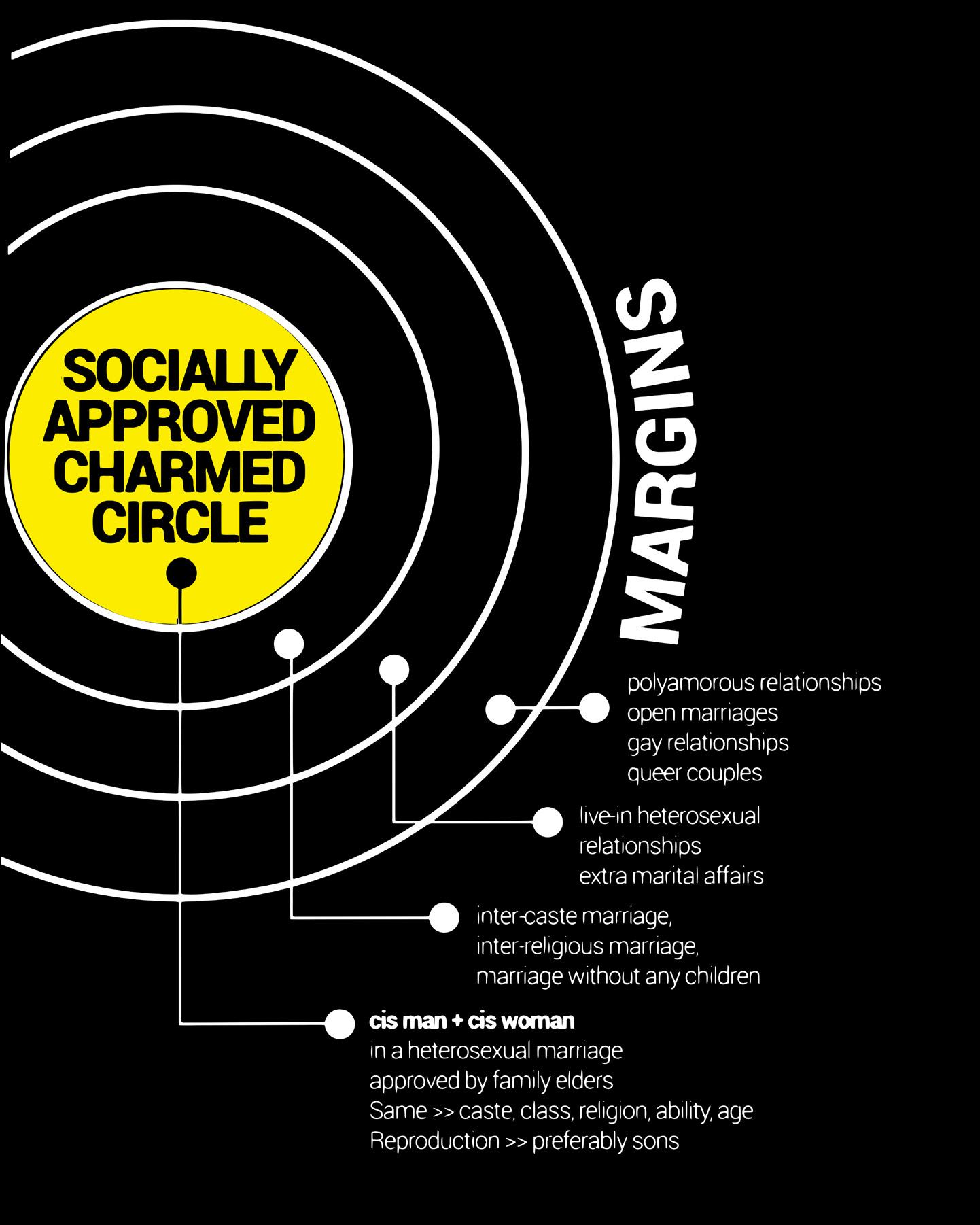
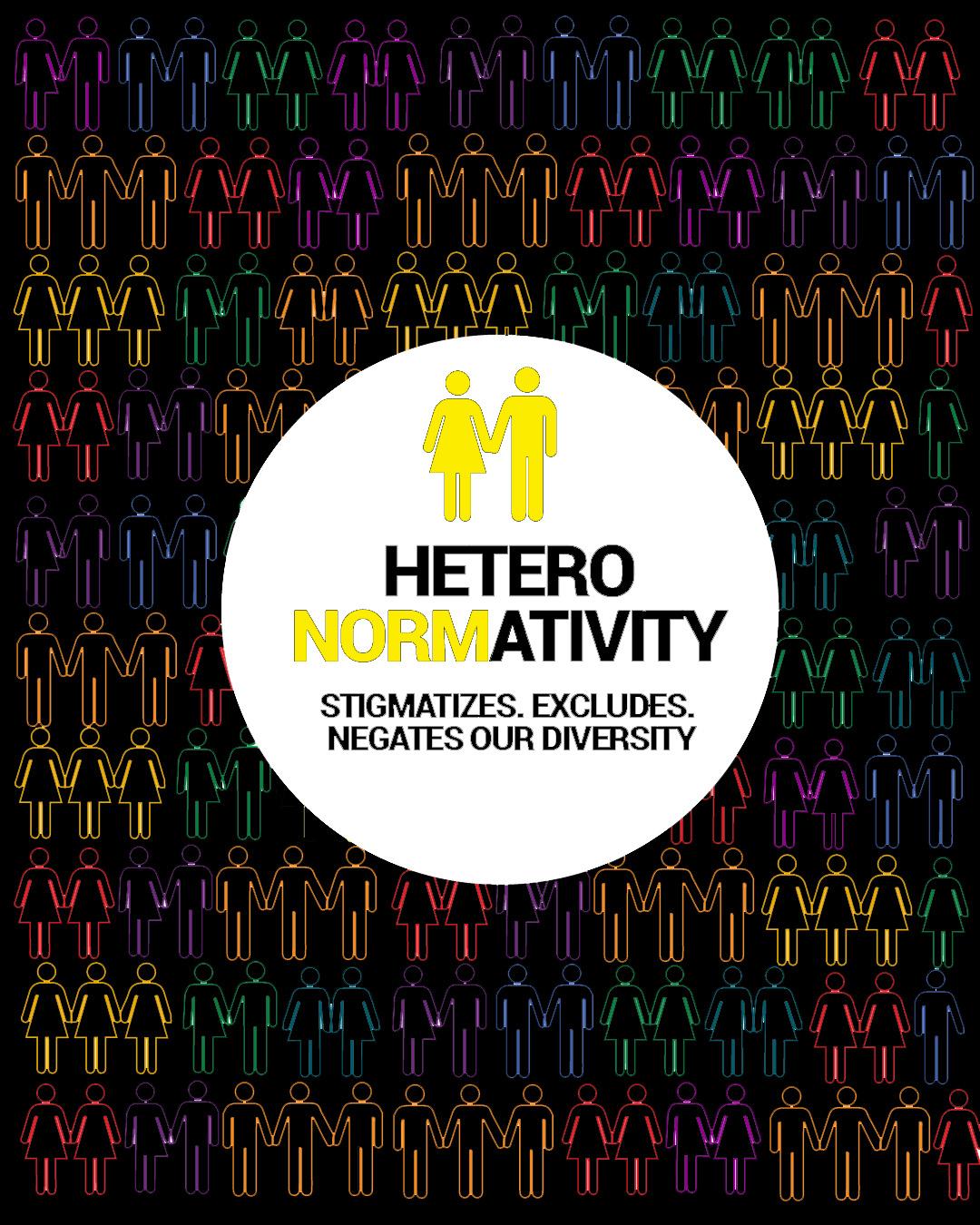
For too long, MHPs have considered queer sexuality through the lens of heterosexuality. Their understanding of gender has also been limited to the cis-man and cis-woman gender binary. This is an incomplete, incorrect and harmful gaze. Psy curriculum continues to fall short in adequately representing the diverse realities of queer/trans lives. In order to work with LGBTQI+ communities and clients, MHPs must equip themselves with knowledge and perspectives on gender and sexuality that are generated by those on the margins. Queer affirmative knowledge is knowledge generated by queer people – drawn from queer/trans lives, politics, and struggles, and based on lived realities and felt experiences. To put this into practice entails creating spaces and curriculum that centre queer/trans lived experiences. It also entails demonstrating solidarity and building allyship to push for rights for those on the margins. In the next few pages, we are attempting to capture how queer affirmative work was understaken by MHPs to uphold the rights of the petitioners (the lesbian couple) and contribute to LGBTQI+ rights during the Madras High Court Judgement.
11
CENTERING THE SUPPORT SEEKERS & THEIR NARRATIVES
Centering the Support Seekers & their Narratives

“I thought it’s a great opportunity but at the same time, I also heard the background of how the parents and police were treating the couple. Then I decided to not listen to any of it, because it will interfere with the work. Being a cis-het woman, I was still terrified hearing about the notions of the parents of these two women. My entire focus shifted to the petitioners and I said the primary goal is going to be their protection, their psychological safety. What I would focus on is to hold space for them first and everything comes later. Even the arrangement of the sessions was like that. The first session was given to the petitioners as I had the freedom to structure the entire plan, for which I need to thank the Judge because he didn’t enforce any rules that this is how you need to go about it. I had that space to work.”
-Vidya
“Because most of the service providers or anybody that we reached out to at this point, easily sided with the parent, or easily sided with the family, or anybody who was older- ‘Because they are parents, they are guardians, they would know the best for you.’ That is what is usually happening and that’s what we have been seeing. It is not easy for anybody to explain to them (family) as well.”
-Shanmathi
13
QACP take:
Queer/trans persons usually end up in an adversarial position when up against systems such as the family, media, and judiciary. They are most likely to be at the receiving end of a lot of prejudice and danger. Any MHP working with support seekers who are queer/trans, must take into account this hostile environment and the impact it has on the support seekers’ mental health. The high possibility of real harm and violence must also be accounted for. Thus, focsing on safetywould be a priority in the
How this was demonstrated:
Some of the steps that Vidya took were-
counselling session. Another important aspect of the counselling process with support seekers is to believe their narratives about themselves and their lives. Hostile systems that carry prejudiced notions are likely to devalue the narratives of support seekers and frame them through a prejudiced heteronormative lens. Thus, giving space to the support seekers’ narratives and helping them strengthen their narratives would be a crucial way to demonstrate affirmative work.
1. She made use of the free-flowing structure provided by the Judge and Court and set up the first session with the petitioners (the lesbian couple).
2. She held space for them first and believed their narratives about themselves.
3. She focussed on their psychological safety.
4. She did not allow herself to be prejudiced by the dominant narratives of the families.
QACP tip:
MHPs looking to do queer affirmative work must first unlearn several of their own biases, assumptions and prejudice against the LGBTQI+ community.
14
AWARE OF SOCIETAL POWER & INTERSECTIONS
Aware of Societal Power & Intersections
“Caste did come up. Intersectionality did come up because it definitely has to. Also, because one woman (petitioner) was from a different caste and lower socio-economic strata. We (MHPs) had to point out that this needs to be considered. For example, the kind of societal power the other family held, they were able to pressurise the other woman and her family. They were able to use their power to try and bring back their daughter. All these wouldn’t have been possible if they didn’t have the power of holding the upper caste position in the society. These were pointed out in the session to the parents and to the Judge too.”
-Vidya
“The first session was for the petitioners- the women and then for both the families. Even there I wanted to hear the family that came from a lower socio-economic strata with lesser societal power first. Then, I placed the family which held more power. It was a very conscious choice to do it like this.”
-Vidya
16 16
QACP take:
The lesbian couple is on the margins of society due to their sexuality but that is not their sole identity. There are other social locations that they have which add to or diminish their power further in the face of hostile systems. The MHP needs to be able to engage with this and reckon with how differential power will be used
How this was demonstrated:
to pit people against each other even as systems align with the powerful. Power will also be reflected in who gets more say or who is heard first or who will be believed. MHPs need to deliberately try and balance some of these power equations in their work.
1. The sessions were structured and the family with the lesser societal power was spoken to first.
2. Vidya helped make the connections between class, caste and power apparent and laid it down in clear terms to the parents and the Judge.
3. Vidya was able to recognise the manipulations that class-caste power can bring and how it shapes narratives and point it out to the families and Judge involved.
QACP tip:
Queer affirmative practice is not about working with queer/trans individuals alone. Being queer affirmative is a perspective about social inequalities within which individual therapy and mental health work must situate itself.
1717
PSYCHOEDUCATION OF PEOPLE INVOLVED
Psychoeducation of People Involved
“There were a lot of notions and misconceptions that most people had. One of it was that queer relationships were only about physical intimacy. Another was the fact that minority or anything to do with marginalised communities or the way they function is only because of some deviance in their behaviour and that there is nothing more to it. It was said, ‘they (petitioners) have to run, they have to find a safer place and they have to hide out like this only because they are doing something wrong.’ A majority of that session was spent working on that too. I also realised that we cannot just go in and talk about homosexuality. If we are to touch that, we need to engage in a conversation around sex, gender, sexuality.”
-Vidya
“So we spent time doing that and what helped in the process was not taking it in a very theoretical manner, but rather using a more narrative approach. In that sense, I also talked about what we had learnt in QACP, where we had this exercise- When a child is born and its genitals are covered, how will you bring that child up? This was the question that I posed to the Judge and we were involved in a discussion around that which really helped. I also realised, this not only concerns queer relationship or queer people but also one’s personal understanding of what sex is or what relationship is because there were a lot of myths surrounding what intimacy means in a couple relationship. Is it only to procreate? Is it only for reproduction?”
-Vidya
19
QACP take:
Stereotypes/ myths/ assumptions and prejudiced beliefs about queer/trans realities exist. This incorrect, often harmful knowledge whether from a place of prejudice or ignorance, all tends to work against the LGBTQI+ community. Queer affirmative work would involve supplying
How this was demonstrated:
all stakeholders involved with correct information about the experiences and realities of those on the margins. This is necessary to do, asotherwise, stereotypes tend to be reductive and don’t capture the fullness of LGBTQI+ lives and realities.
1. Shanmathi and Vidya focused on dispelling myths and stereotypes and helped nuance and bring forth the depth of the lives of lesbian couple.
2. In the counselling sessions, time was spent in filling the gaps in knowledge that the families and Judge had about LGBTQI+ people.
3. They also used knowledge that they had learnt at the QACP to inform the Judge and parents.
4. They recognised that given the morality about such topics, they need a much longer session than the usual court designated time. So they asked for that extra time and sessions.
5. The approach that Shanmathi and Vidya took was also respectful to all parties involved, meeting them at where they were.
6. They also deliberately used stories, examples and narratives to build knowledge rather than depend only upon theoretical concepts of sex, gender and sexuality.
QACP tip:
MHPs need to educate themselves about queer/trans lives by learning from what the LGBTQI+ community has to say for itself. Psy curriculum is not representative of, nor accurate about the realities of those marginalised by gender and sexuality. Thus, depending on mainstream curriculum to work with the LGBTQI+ community would be damaging to queer/trans clients.
20
POINTING OUT STRUCTURAL INEQUALITY & DISCRIMINATION
Pointing out Structural Inequality & Discrimination
“Tracing the life of a queer person from the moment they step out of their homes, what are the difficulties that they face when it comes to housing, loans, education, jobs? What happens to their documents and how they are very vulnerable at this point and all the quacks either mental health professionals or lawyers misuse and loot the money that they have saved up to sustain their lives? All of these were put forth and the faults in the system were also pointed out during the sessions. What are the hindrances of each point which are connected to the family, to institutions and communities? So that is something which we had to present to the Judge and we also gave him a flow chart of what actually happens when a person comes out? That is also one of the significant things that happened during the process.”
-Shanmathi
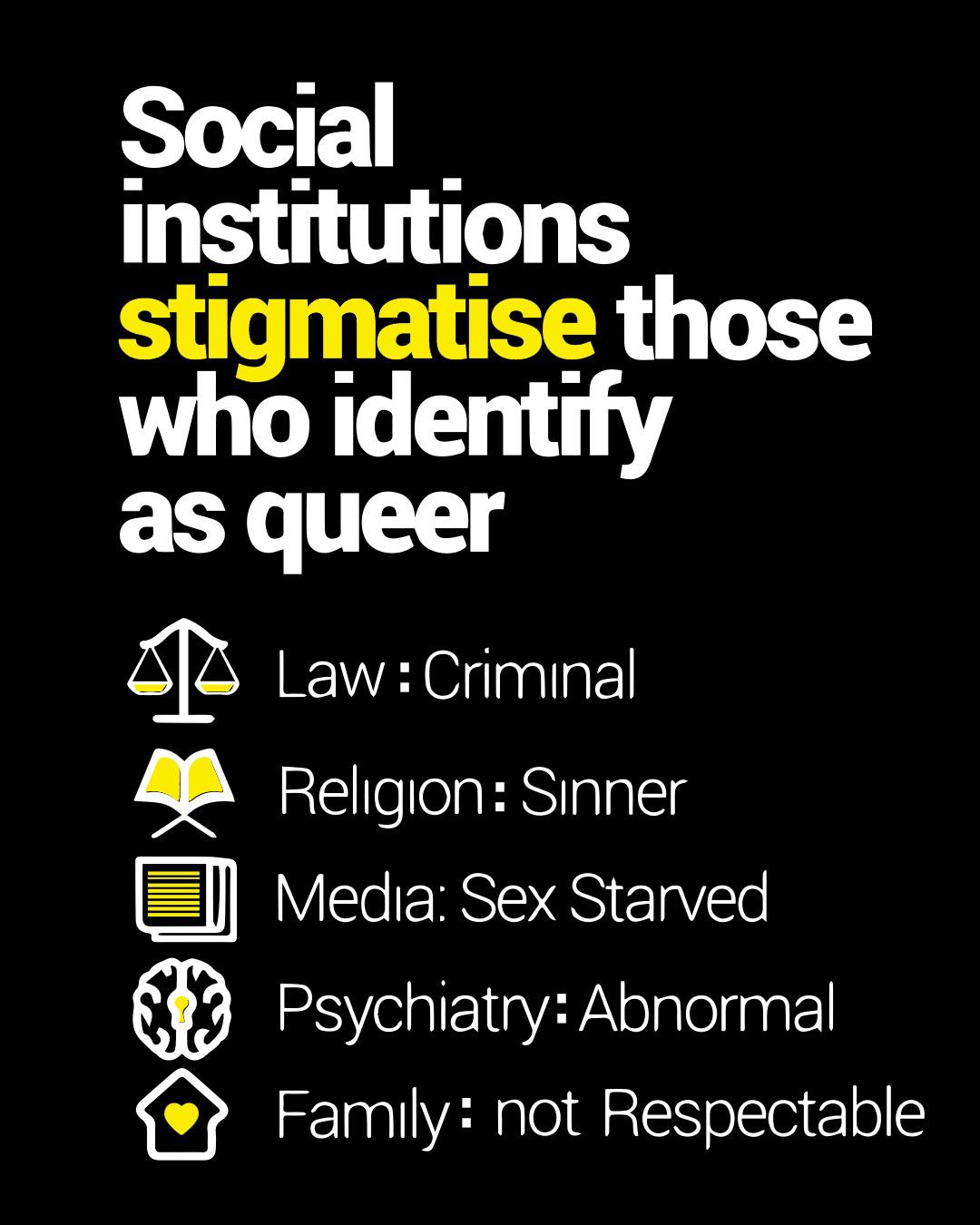
“Even in that conversation, apart from addressing pathologisation, the role of religion, the role of science in holding the stigma together, the lived experiences of queer people was also brought to the forefront, which made the Judge relate to the cause a little more.”
-Vidya
22
QACP take:
Various systems collude to uphold the social norms around sexuality and gender. Families, the police, NGOs and often the legal system openly discriminate and often endanger queer and trans folx.
Affirmative practitioners must be aware of the forces that work against the LGBTQI+
community and take active steps to mitigate the dangers and enhance safety of their queer/trans clients. It would be important to recognise that such discrimination is a result of an unequal society where only heterosexuality and man-woman (cis-gender) are valued.
How this was demonstrated:
1. Shanmathi and Vidya had built their knowledge about the wide-ranging ways in which discrimination is meted out.
2. They laid out several examples for the Judge, covering various aspects of the lesbian couple’s life - housing, education and, livelihood.
3. They prepared a flowchart and placed the hurdles faced by the couple within the social context of inequality.
4. They gave several examples of how discrimination and harassment, manipulation and violence is directed at LGBTQI+ individuals.
QACP tip:
Queer affirmative practitioners must recognise the structural inequalities and therefore work towards addressing the discrimination meted out to queer/trans folks.
23
RECOGNISING UNIQUE LIFE STRESSORS THAT LGBTQI+ COMMUNITIES FACE
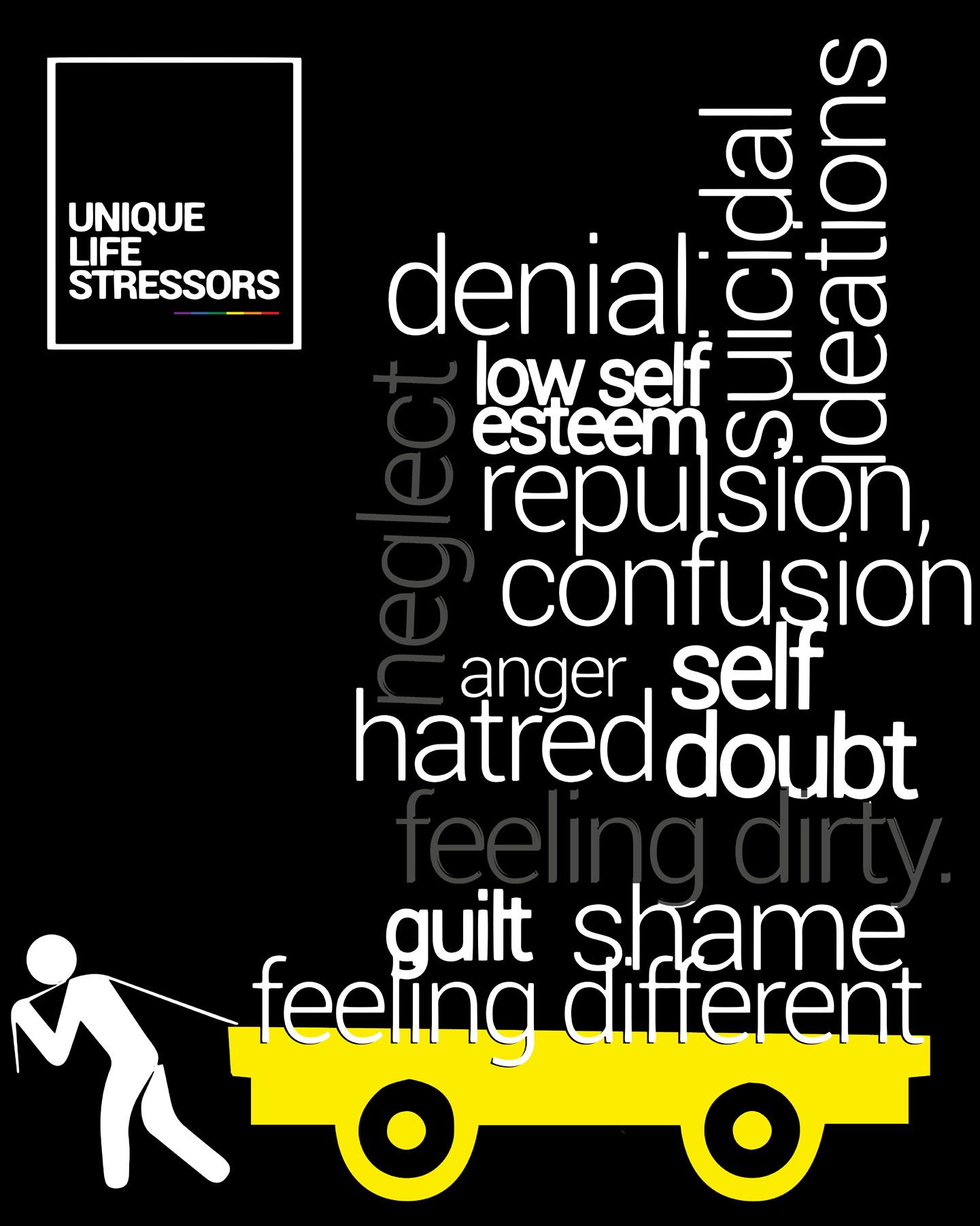
Recognising Unique Life Stressors that LGBTQI+ Communities Face

“Initially, we gave 3 different processes. One was with the family, on what are the hurdles which they face when they come out to the family which can include family’s way of Conversion Therapy, taking them to an exorcist and also holding them hostage at home or taking away all the contact, not giving them any mode of communication so that that can seek help from anybody else post-marriage. Collectives and crisis intervention had to be mentioned so he (Judge) can understand the intensity (of violence), how the police just say, ‘go back home, those are just your parents or just get married. Whatever happens, once you get married, you will get used to it.’ So we had to make sure that we give him (Judge) the clear picture.”
-Shanmathi
“And also there were a lot of parallels between what a cis-het couple face and what a same-sex couple face, so it was again important for us to tell the unique experiences that are faced by the same-sex couples when compared to the cis-het couple and even finding housing or finding any kind of support is much more difficult.”
-Shanmathi
25
QACP take:
Queer/trans individuals face certain unique stressors as a result of living in a society that is hostile and prejudiced towards their sexuality and gender. Cis-heterosexual people do not face the same stressors because they are not oppressed along the axis of gender-
How this was demonstrated:
sexuality. The LGBTQI+ community experiences minority stress (Meyers, 2003) because of their status in society and experience a range of difficulties and struggles navigating an environment that is hostile towards them.
1. Shanmathi and Vidya gave enough examples from not just the petitioners’ lives but also highlighted the experiences of the LGBTQI+ community.
2. The continuous use of examples, especially to point out the nuances and differences in struggles helped give a clearer picture.
3. Shanmathi and Vidya also focussed on sharing unique life stressors that the couple faced across their lifetime and from different sources.
QACP tip:
QA MHPs must recognise that in an unequal system, those on the margins face stressors that are unique to them and arising specifically because of the oppression theyface. QA MHPs must account for this inequality and its impact on mental health while formulating and addressing the stressors their queer/ trans clients face.
26
BUILDING A SUPPORTIVE NETWORK OF ALLIED SERVICES & PRACTITIONERS
Building a Supportive Network of Allied Services & Practitioners
“So soon after Vidya’s session with the Judge, he had gotten in touch that he is building some guidelines that would support a lot of people. He wanted support from the people working on the field on what are the struggles? What are the things they (LGBTQI+ community) face? So that is where we (PCVC) came in. That is where we, Ramki, Dr. Trinetra and others from the community came in to share with us on field experience, on what is actually happening? We (PCVC) as a service provision organisation at this point, we have the responsibility to give him the reality. Ramki had also shared that sensitization should work in each sector, in the medical sector, in the educational sector, with the police, with the legal offices, on how in each aspect what kind of sensitization is important."
-Shanmathi
“One thing that comes to mind is how even in this case we have to be very conscious that as much as possible, we are not creating something specifically for a queer community. We are not creating something new but we are making it a part of already existing systems. Even in schools, what kind of groups must be made, what kind of changes need to be made in the curriculum? In already existing systems, what changes do we make so that it’s more inclusive. The Judge spoke of the funds that were necessary to bring in new spaces, which is when it was suggested that we don’t require a new space or a new group or anything to be formed outside. It’s in the already existing systems that change has to take place.”
-Vidya
28
QACP take:
Largely services and service providers, all carry biases and prejudice against the LGBTQI+ community. Thus, the services they provide, even if ‘well-intentioned’ are often dangerous and harmful towards queer/trans individuals. It is not enough, therefore, to recommend clients to supportive services without doing a
How this was demonstrated:
check on whether those services are at least queer-friendly and safe for the LGBTQI+ community. Local queer collectives and groups in each city are best placed to know which services are safe. Sensitization sessions about the LGBTQI+ community must be led by community members themselves.
1. As evident from their narratives, the MHPs pulled in already existing resources, especially those from the queer community to inform the Judge and contribute to sensitive guidelines.
2. They did not stop at only recommending services, but pointed out the need for training and sensitization.
3. Most importantly, they recommended the LGBTQI+ community and queer affirmative practitioners to conduct the required sensitization and trainings. They even suggested who these trainers could be by using their own local knowledge of the service provision sector.
4. They also focused on how systems need to be inclusive by building their own knowledge and capacities rather than focus on creating separate spaces for the LGBTQI+ community.
QACP tip:
QA MHPs must build a database of ‘safe’ supportive services such as lawyers, psychiatrists, gynecologists, social workers to recommend to their clients. It is important that the services recommended are those that are vetted by the local LGBTQI+ community/ collectives of that city. The Varta list is extensive and vetted by the community. You can also access more organisations here.
29
INVOLVING QUEER/TRANS PEOPLE IN THE PROCESS
Involving Queer/Trans Folx in the Process
“The other factor is involving a member of the queer community in the process. After the first round of counselling sessions, the Judge read the report and he realised that most of the notions the parents were holding on to, were also his notions. I did pitch in this idea of talking to a queer member to understand their struggles a little more. I had enough support to do this because I had PCVC backing me up. I also had Orinam and Ramki backing me up. I went ahead and proposed this to the Judge.”
“We also had to present a list of organisations that are equipped enough to handle queer cases or to support queer cases. Very few organisations were registered organisations which is when Ramki had pointed out that most of the queer collectives are collectives because they don’t get recognised for registrations when they share that the organisation is for supporting queer individuals. That is also something that had been brought up.”
-Shanmathi
-Vidya
31
QACP take:
Given the all-pervasive bias and prejudice that exists against the LGBTQI+ community, every process should actively attempt to involve queer/ trans individuals so as to learn about the community from the community. It is critical that queer/
How this was demonstrated:
trans folx have a say in matters about their own lives and realties. Without their participation or without a willingness to learn from their lived experiences, any process of rights falls short or remains incomplete.
1. Shanmathi and Vidya were quick to suggest to the Judge that there is a need to involve and learn from the LGBTQI+ community.
2. Vidya already had the support and backing of key individuals from the LGBTQI+ community and she was able to propose a session with experts from the community itself.
3. Shanmathi used her knowledge and experience from working in service provision to recommend service providers that are LGBTQI+ affirmative.
Earlier in the process, when the Judge was looking to appoint an MHP, different members from the MH and legal community also contacted QACP faculty, Pooja Nair on her recommendations for a suitable QA MHP in Chennai. Pooja suggested Vidya’s name. We would like to thank Dr. Kavita Arora and Advocate Arundhati Katju for taking forward this recommendation
QACP tip:
QA MHPs may be in a good position to make connections and introductions between different sets of key stakeholders, so that the right set of affirmative and safe experts can be involved in pushing for LGBTQI+ rights.
32
COLLECTIVE POLITICS & FEMINIST VALUES
Collective Politics & Feminist Values
“It was wonderful to have this group (Ramki, Shanmathi, the Judge’s team, which included queer individuals) present when we were actually working on the guideline. It was a collective effort, it was not just the Judge, it was not just me. It was all the seven of them who were present and all those who worked in the background, like the lawyer of both these women, Mr Manuraj. Be mindful to always use the resources that are available, like reaching out to your peers, organisations, to community members. Because all of them have already done enough work in the background. This collective feeling is something that gave each of us huge support here. That is something I took away from the entire process.”
-Vidya
“We (PCVC) have had a few cases (regarding trans children), where we had to go to the child welfare committee (CWC) and explain it to them and maybe suggest to them what can be done. If they don't have the capacity at this point, can they think about other organisations which will have the capacity? You (CWC) can give them the authority and you can keep following up. You can be in touch with them (the child) but give them the space to be safe. That is what we explained and, in some cases, the CWC in Chennai had agreed to it and accepted us to accommodate the client at that point. Monthly, we had to give a report. It gave them (child) a space, it gave the individual a safe space. ”
-Shanmathi
34
QACP take:
The process of pushing for social change and social justice is a long and slow one. Each individual can contribute to pushing for rights but it is only together, collectively that the vision of an equitable world can be realised. Queer affirmative
How this was demonstrated:
practice is informed by queer-feminist values, intersectional frameworks, usersurvivor narratives and builds upon the work that has relentlessly been done so far by queer/trans activists, collectives and LGBTQI+ people themselves.
1. Shanmathi and Vidya have used their experience, knowledge and values in their work on gender-based violence, and extended it to helping organisations become more inclusive and accommodating of LGBTQI+ realities and lived experience.
2. Their feminist understanding of patriarchy, caste, power imbalance and inequality played an important role in their sessions, as well as, the examples and guidelines they suggested.
3. Shanmathi and Vidya pulled in resources that were already available.
4. They deliberately created the space for a variety of stakeholders to contribute and strengthen the case.
5. Their own belief in collective work allowed for this openness in collaboration.
QACP tip:
Queer affirmative mental health work is political and has a social justice agenda. Thus, advocating for queer/trans individuals in different spaces is important work that QA MHPs can undertake. Collective functioning and collaborative work are key ingredients in social change and rights-based work.
35
LEARNING FROM LIVED REALITY & ACKNOWLEDGING QUEER LABOUR
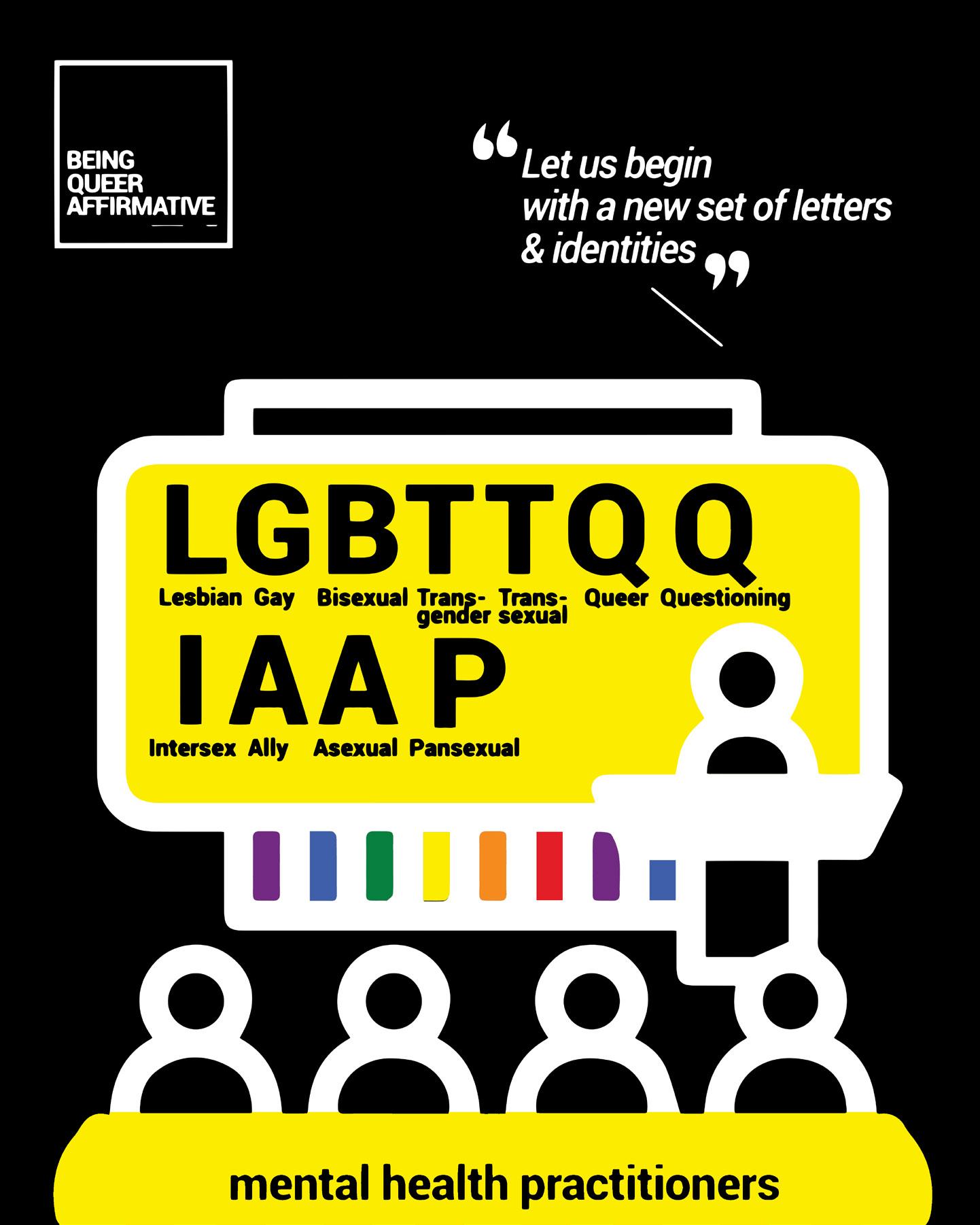
Learning from Lived Reality & Acknowledging Queer Labour
“The one thing that the (Judge) kept repeating was that when he spoke to the couple, it felt so natural. The relationship felt so natural. There wasn’t anything forced. Everybody keeps saying it’s been influenced, everybody keeps saying that this is something learnt and all. But it seemed so natural. When he spoke to the couple, he felt like the odd one out, he felt like somebody who didn’t know what was happening but the couple were very aware of what was happening about their love. That is the starting point when he started to believe that some experts needed to come in. He understood that he has limited knowledge about this topic and for him to give the fullest to the case, some expert has to be included.”
-Shanmathi
“The main change started with the petitioners themselves. The way they spoke about their relationship, the kind of clarity that they had and the strength they spoke with. That changed something for the Judge.”
-Vidya
37
QACP take:
The experts here are what we term ‘experts by experience’. Those who are on the margins of an unequal society will have a different view about their own lives and realities than the views that are made about them by those in power. These are the experts we need to listen to and learn from. We need to learn about the margins, from the margins. Their lived realities and exprienes are valid knowledge.
We find that several queer/trans folx use their own lives for activism and advocacy, to push for rights, and to create knowledge. This is what we understand by queer/trans labour. The MH community must recognise and acknowledge this queer/trans labour. When rights are accorded to the LGBTQI+ communities, it is made possible because of decades of activism taken up by the marginalised themselves.
How this was demonstrated:
1. Both Shanmathi and Vidya, at all points upheld and foregrounded the narratives of the lesbian couple.
2. They kept making space for people from the LGBTQI+ community to inform the legal process. They made a deliberate effort to include queer/ trans folx in the process.
3. They were aware of their own locations of privilege and were conscious of when to use it to advocate on behalf of the marginalised and at what times to step back.
QACP tip:
The MH community needs to educate itself with knowledge from the margins. The MH community should also acknowledge queer/ trans labour. The MH community must take up the fight especially given its historical complicity in ‘pathologising’ LGBTQI+ lives.
38
THERAPIST COMPETENCE
Therapist Competence
“Even during the session, the difficulty came in when I had to point out to him (Judge) that you are also part of the problem. So I had to put it in a subtle way. I was talking about the experience of these two women in this particular case when they reached the police station, what were the demeaning dialogues that were used against them. And I connected it to what the Judge had also told about his notions. That was a difficult point, but he said, ‘Yeah! Even I hold the same thing’ and I added that it was said in a more subtle, polished manner. But it’s still the same belief. I had to put out a glossary in the report. All these were incorporated in the report apart from documenting the sessions. I was reading more about the present laws in Tamil Nadu relating to queer rights.”
-Vidya
“I had to mainly discuss or put down our experiences in dealing with different systems and we (PCVC) as a service provision team had also discussed with Ramki and other organisations. We collectively worked together in putting down the lived experiences, the on-ground difficulties. Mostly, my part and our part was to present him (Judge) the practicality and reality. We just had to discuss a lot more about what reality is and present it to him in an easy way so that he is able to see it and understand it.”
-Shanmathi
40
QACP take:
Queer affirmative counselling practice is not a new way of counselling. It is about adding knowledge and perspective from the margins to one’s already existing therapeutic practice in order to make it
How this was demonstrated:
responsive towards concerns of LGBTQI+ clients. Thus, building therapeutic competence is a continuous process that will contribute to enhancing one’s queer affirmative work.
1. Vidya employed therapeutic values and skills in order to hold space, value and strengthen narratives of the support seekers.
2. Counselling skills were utilized to enhance psychological safety of the support seekers and provide them strength to face the prejudice being meted out to them.
3. Shanmathi and Vidya were able to empathise with the difficulties that families face in our society and culture while continuing to prioritise the safety and agency of the lesbian couple.
4. They were also able to work with the Judge who came from several locations of power and gently confront him about his own prejudiced notions.
5. Shanmathi and Vidya also did a lot of additional work to inform themselves and become updated on matters that might have a bearing on the counselling process.
6. All this requires banking upon counselling values, skills and therapeutic competence.
QACP tip:
In order to do queer affirmative work, MHPs must work on building their overall therapeutic competence. That foundation is necessary for building queer affirmative practice.
41
Concluding Comments

The themes elaborated in this report are based on queer affirmative values and tenets that are taught in the QACP course. We are grateful for the chance to showcase how these have been operationalised within the legal system by Shanmathi and Vidya.
Engaging with queer affirmative counselling practice goes much beyond responding only to queer/trans clients in the therapy room. QACP is about reorienting one’s practice and taking an anti-oppressive stance. It is important that MHPs join the dots between addressing individual distress and oppressive social structures. Thus, advocating for rights of the marginalised is an integral part of mental health work. Building allyship and promoting human rights is an ongoing process that we hope the mental health community will take up.
42
Messages for the MH Community Messages for the MH Community
43
Dr. L. Ramakrishnan, public health professional (SAATHII) and queer community volunteer (Orinam collective).
*Previous instances of solidarity include the 2009 endorsement by over 130 mental and other health care professionals of the Campaign for Open Minds initiated by the Orinam collective, the 2011 petition of 13 mental health professionals to the Supreme Court opposing the criminalization of homosexuality, arguing that it would result in irreparable psychological and mental harm to queer persons, and the statements in 2020 opposing conversion therapy released in the wake of Anjana Hareesh’s suicide, made by professional associations including Indian Association of Clinical Psychologists (IACP), Association of Psychiatric Social Work Professionals (APSWP), Centre of Mental Health Law and Policy, and the Kerala State Branch of Indian Psychiatric Society.

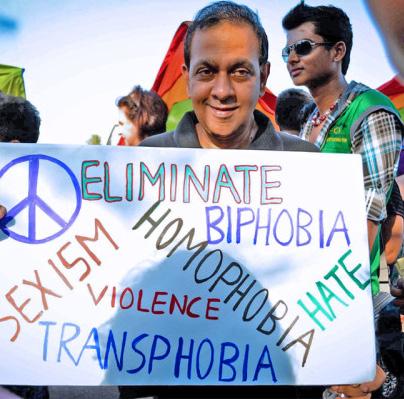 Message from Dr. L. Ramakrishnan for MHPs on how the MH community can build allyship and participate in promoting rights:
44
Dr. L. Ramakrishnan
Message from Manuraj for MHPs on how the MH community can align with the legal system to promote rights:

Manuraj Shunmugasundaram is one of the founding partners of the Ganesan and Manuraj Legal LLP and an Advocate practicing at the Madras High Court. He is also a National Media Spokesperson for the Dravida Munnetra Kazhagam (DMK) Party.
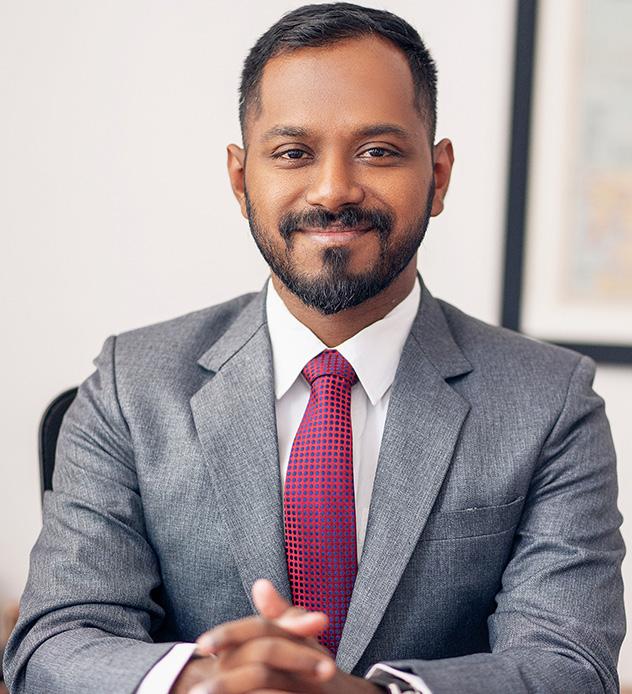
Manuraj is known for his understanding and sharpness in dealing with and Assisting Senior Counsels in complex constitutional matters. He has a significant experience in handling Consumer Disputes, Cases involving Medical negligence, Civil and criminal cases and has an in-depth understanding of matters pertaining to Writs and other Constitutional issues. Manuraj has always worked to advance the cause of responsible politics, participatory governance and social justice.
Manuraj is a regular writer on contemporary policy issues and legal developments for the Times of India, Huffington Post and Indian Express. Manuraj has also published articles in The Hindu, Scroll and Caravan magazine.
45
Manuraj Shanmugasundaram
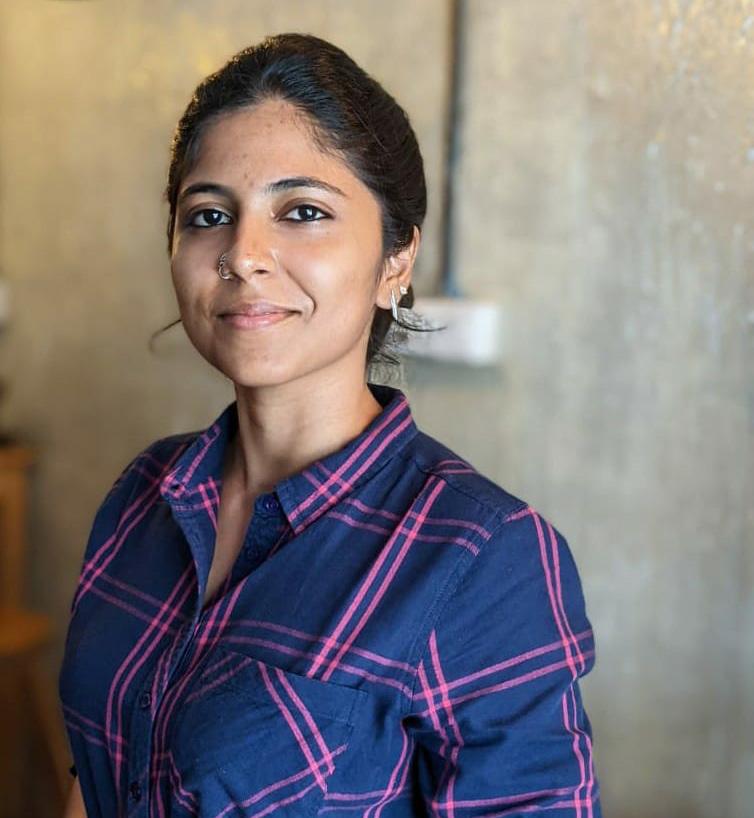
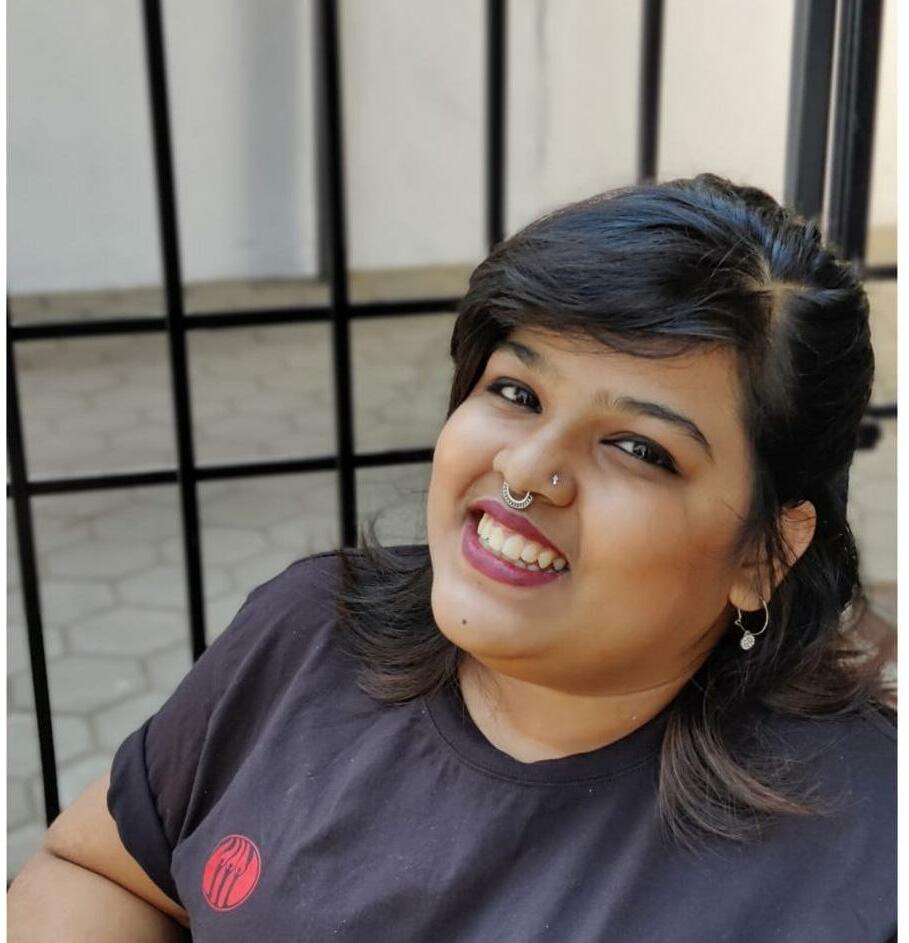
Psychotherapist practising in Chennai. She works as a consulting therapist for DC Clinic at Velachery. Her clientele primarily comprises young adults, middle-aged individuals and people belonging to the queer population. She is also training to be a Transactional Analyst with a specialisation in Psychotherapy. Her prior experience involves working with an NGO in Chennai, PCVC, which works for survivors of Gender-Based Violence, as a part of the psychosocial and outreach team.
Shanmathi is a counselling psychologist, working with PCVC as the manager of psycho-social services. She handles long term psychosocial interventions for the survivors of domestic violence including counselling support, legal advocacy, recreational and rehabilitation activities. Shanmathi has an experience of three years in the field of gender-based violence and a certified queer affirmative therapist. She is also a intersectional feminist thriving to eliminate inequality and enable a safe environment for individuals of marginalized communities.
- Expert panelist in a panel discussion by Times of India on the topic “Home not so sweet home” - the Shadow pandemic of Domestic violence
- Expert speaker in a week long seminar on International Day for the elimination of Violence against women and children by UN WOMEN and UNICEF for several government stakeholders , helplines and One stop centres across Tamil Nadu
- Guest Speaker for students of Psychology at Women’s Christian College, Chennai on the issue of Intimate partner violence and the laws related to violence against women
- Guest speaker at Hello fm’s Hello Tamizha show - Impact of Covid -19 on domestic violence, aired across districts of Tamil Nadu.
 Vidya Dinakaran
46
Shanmathi Senthil Kumar
The International Foundation for Crime Prevention & Victim Care (PCVC)
The International Foundation for Crime Prevention and Victim Care (PCVC) was founded in 2001 in Chennai, Tamil Nadu to create and extend holistic support services for women and queer individuals affected by domestic and interpersonal violence. PCVC is a rights-based organization that strongly believes in a survivor-centric approach.
Over the years, the organization has evolved to provide both emergency support and long-term rehabilitative support and created a comprehensive model that takes women and queer individuals from a survivor to a thriver. Through their crisis intervention services, women and queer individuals have access to immediate information about interfacing with the police, devising safety plans, leaving abusive homes, negotiating with families, legal and medical referrals and specialized services for children. Their long-term psycho-social and economic services help in creating a network of care by providing residential services for women, queer individuals and children, counselling and emotional support, financial support, education, skill-building and employment opportunities that will lead to economic freedom. The prime focus at PCVC is to ensure that they employ a gender-just, DV-informed, trauma- informed, rights-based lens to their work and create an enabling environment for clients that will facilitate more equal and just interactions with patriarchal family and societal structures and institutions so we can all live violence-free lives. Read more about PCVC’s work here.
47
References
Manuraj Shunmugasundaram - GM Advocates. (2021). Ganesan and Manuraj Legal LLP. http://gmadvocates.in/team/manuraj-shunmugasundaram/
Meyer I. H. (2003). Prejudice, social stress, and mental health in lesbian, gay, and bisex ual populations: conceptual issues and research evidence. Psychological bulletin, 129(5), 674–697. https://doi.org/10.1037/0033-2909.129.5.674
Ranade, K., Chakravarty, S. (2013). Gay Affirmative Counselling Practice Resource and Training Manual, A Saksham Publication, TISS.
https://mhi.org.in/media/insight_files/GACP_Manual_gYpHDbQ.pdf
Shukla, S. (2021, June 11). S. Sushma and Anr. v. Commissioner of Police, Chennai and Others WP No. 7284/2021. Law and Sexuality. https://lawandsexuality.com/2021/06/11/s-sushma-and-anr-v-commissioner-of-police-chennai-andothers-wp-no-7284-2021/#more-753.
48
About QACP
The 6-day QACP course is announced at regular intervals on the MHI website and social media channels @mariwalahealth. You can read more about it here.
The QACP section on the MHI website is a one-stop resource bank for queer/trans resources and LGBTQI+ mental health. There are 100+ videos, podcasts, articles and infographics, created by the MHI-QACP cohort of MHPs and queer/trans individuals themselves. This section also provides a list of 150+ queer affirmative practitioners, peer supporters and queer/trans collectives from across the country.
In September 2021, MHI will be releasing a new publication- Queer Affirmative Counselling Practice (QACP): A Resource Book for Mental Health Practitioners in India. Do keep a look out for its launch on our website and social media channels.
For feedback on this report please write to contact@mariwalahealthinitiative.org
49