

By Readers and Writers

NATIONAL UNIVERSITY OF COMPUTER AND EMERGING SCIENCES
By Readers and Writers
NATIONAL UNIVERSITY OF COMPUTER AND EMERGING SCIENCES
The Literary Club aims to foster a space that upholds creativity and provides individuals a platform to voice their ideas.
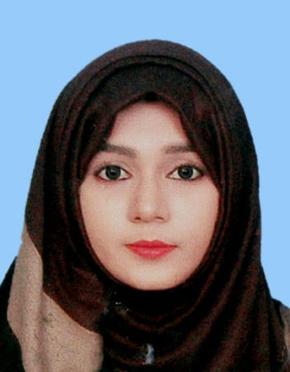
With immense pride and excitement, I extend my warmest greetings to all the readers of the Campus Chronicles being introduced by The Literary Club (TLC). TLC, a distinguished society that exists in FAST-NUCES, Karachi, has always been a beacon of creativity by fostering a passion for public speaking,art,andliterature.
I am thrilled to announce the launch of our monthly magazine by our Readers and Writers House. This inaugural issue is a testament to the collective brilliance of our all members. Within its pages, you will find a rich tapestry of thoughts, emotions, and expressions that embody the essence of our society.
Asweembarkonthisliteraryjourneytogether,letuscelebrate the power of words to inspire, provoke, and unite. I encourage all the students of FAST-NUCES, Karachi to contribute and engage actively in shaping the future editions of this magazine. May it be a platform where ideas flourish, voices resonate,andcreativityknowsnobounds.
Thank you for appreciating TLC where the magic of literature comestolife.
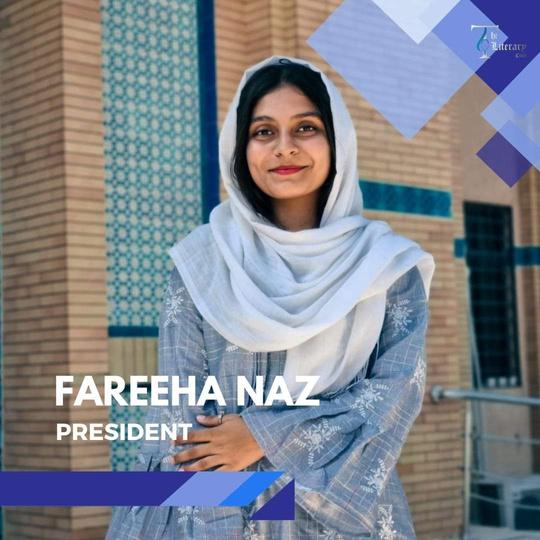
“This role means more than a title; it was an opportunity to guide and support each incredible member of our TLC family. From the start, my aim was clear – to be a mentor and friend. In the initial weeks, we focused on building bonds, creating a friendship that became the bedrock of our shared experiences.
Together, we conquered challenges emerging even stronger.Our collective goal was to elevate TLC, and through dedication and hard work, we've achieved it. The journey is marked by resilience, creativity, and a commitment to literary excellence. Bonding with sophomores and juniors, I found not just teammates but lifelong friends. I hope my guidance leaves a lasting legacy, inspiring them to strive for the best. Your trust has been our driving force. To friends and supporters, thank you for your consistent belief”

Ms. Sharmeen Ismail Co-Faculty Head
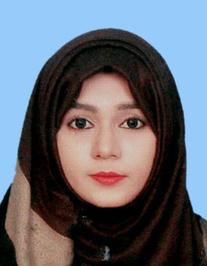
Ms. Khadija Shereen Faculty Head
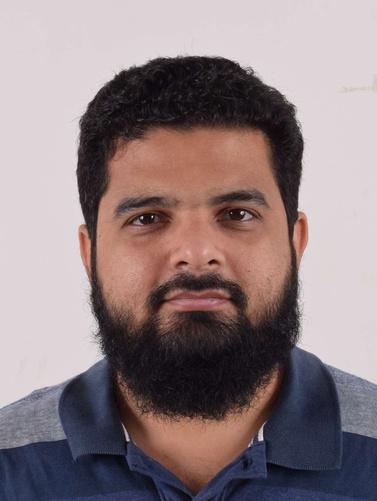
Mr. Farooq Zaidi Co-Faculty Head
Israr Ali 21K-3840 Treasurer
Murtaza Hussain 22K-4838
EM Head
Fareeha Naz -1732 ident
Basit Ali 21K-4510
Marketing Head
Muhammad Abdullah 21K-3300
e President
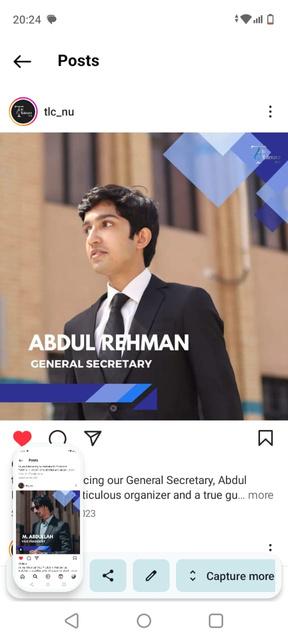
Abdurrehman Ahmed 22K-4666
General Secretary
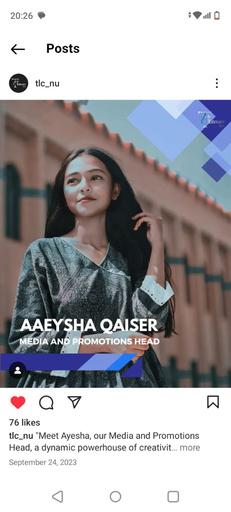
eysha Qaiser K-4761
P Head
Dania Zehra
Amna
Kousar
-Deputy
Muhammad
Aryan Khan 22K-4270
-Co-Director
Ibrahim Ahmed 22K-4341
-Deputy
Amna Mansoor
Design Lead
TLC RnW - Co-Director
Dania Zehra
Editor-in-Chief
TLC RnW - Director
Kousar Saeed
Section Editor
TLC RnW Deputy
Cover
 Fatimah Ansari
Alizah Basit
Fatimah Ansari
Alizah Basit
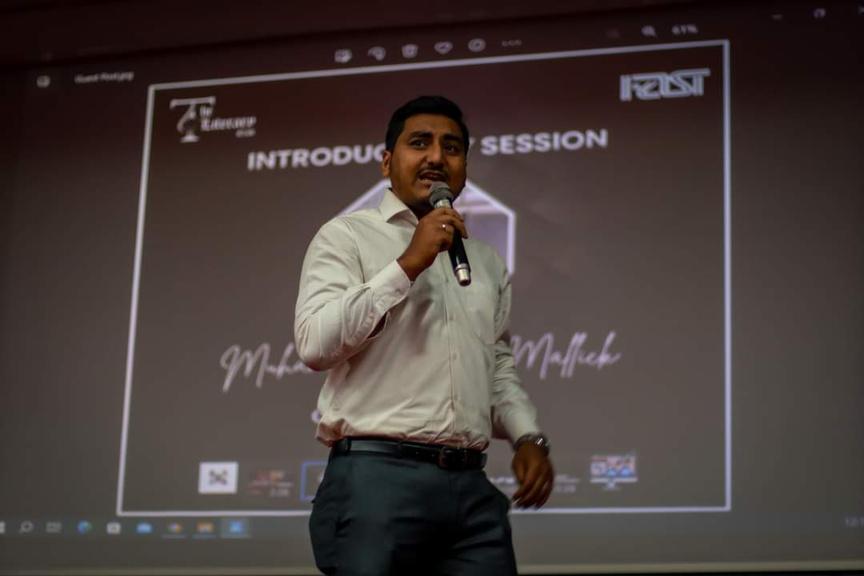
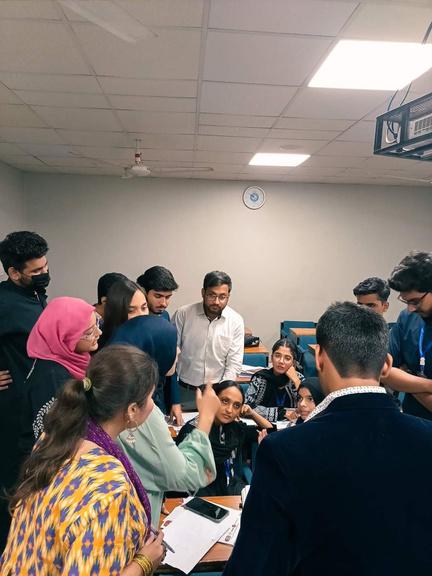
On 11th October 2023, The Literary Club held its Introductory Session. The session aimed to attract new members as well as to brief the student body about the planned activities of TLC. The session also featured Muhammad Usman Malick - a decorated debater with experience in hosting shows like Shan-e-Ramadan - as guest speaker who gave an impassioned speech to motivate students to join The Literary Club.
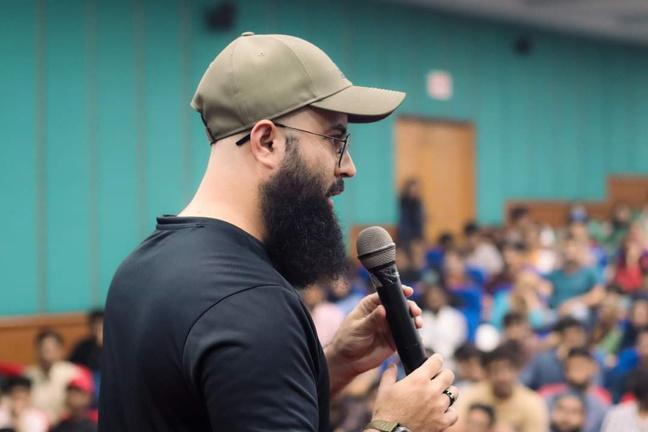
The Literary Club hosted a youth club session on October 16th called Haal-e-Dil, featuring Tauha bin Jalil as the guest. Tauha Ibn Jalil is the chapter head at Youth Club and also posts content on various social media platforms aimed at enlightening young minds with religion. The session was a huge success with a full house in attendance. The attendees found the session illuminating and inspiring.
On November 14th and 15th, 2023, The Literary Club organised The Grand Debate (TGD), a multilingual event spanning 2 days. This year's competition, bigger than ever before, hosted discussions on national issues through five committees
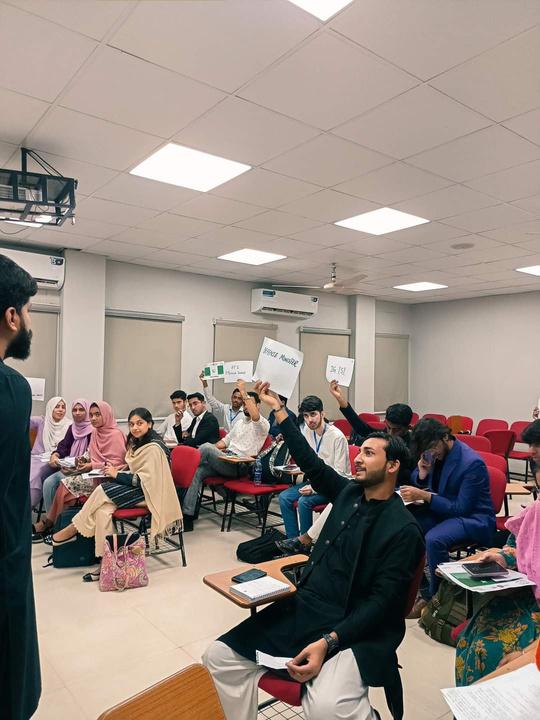
NASCFA (National Assembly Standing Committee for Foreign Affairs) with Committee Director Hassam Rehman, NASCHR (National Assembly Standing Committee for
Human Rights) with Committee Director Abdul Ahad Khan, CCI (Council for Common Interest) with Committee Director Zohaib Azam, NSC (National Security Council) with Committee Director Yasir Shahani, and APC (All Party Conference) with Committee Director Abdullah Jamal. The opening ceremony featured Samad Abbas, an internationally accredited soft skills expert who has graced TEDx stages, while the closing ceremony showcased Owais Rabbani, a corporate trainer and motivational speaker.
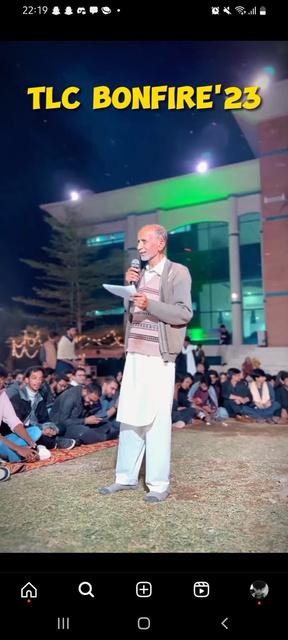
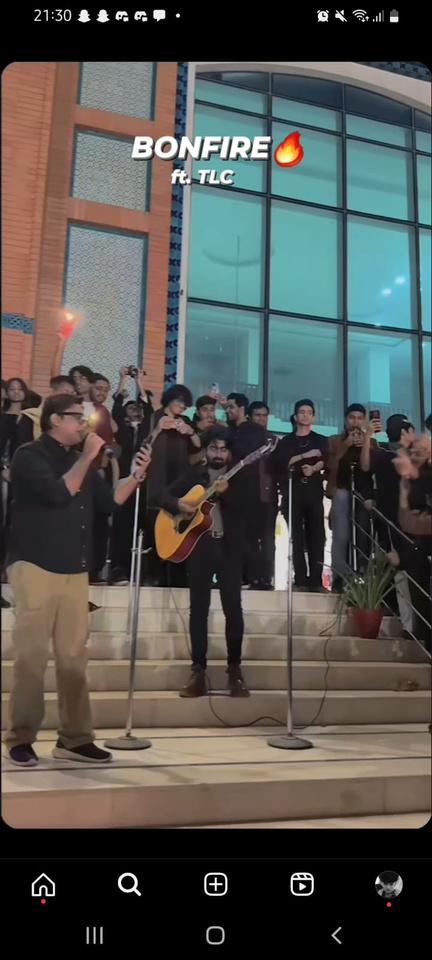
On 8th December 2023, at the end of the semester, The Literary Club hosted Sham-e-Sukhan - a bonfire night. The event, featuring a Mushaira, a Buffet, and a Jam session, was arranged in the grounds of the university. Students of FAST-NUCES painted a vivid image for the audience through their emotive poetry and transformed the evening into a scintillating affair.
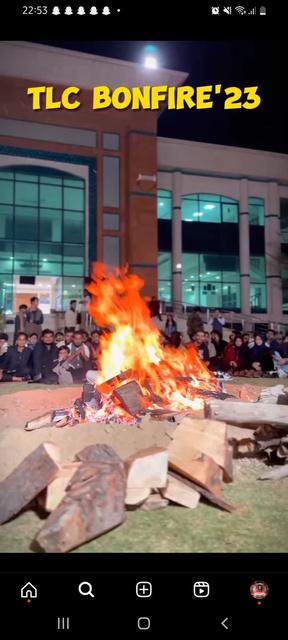
After that, there was a buffet consisting of a spread of different dishes which the audience enjoyed to their fullest. The
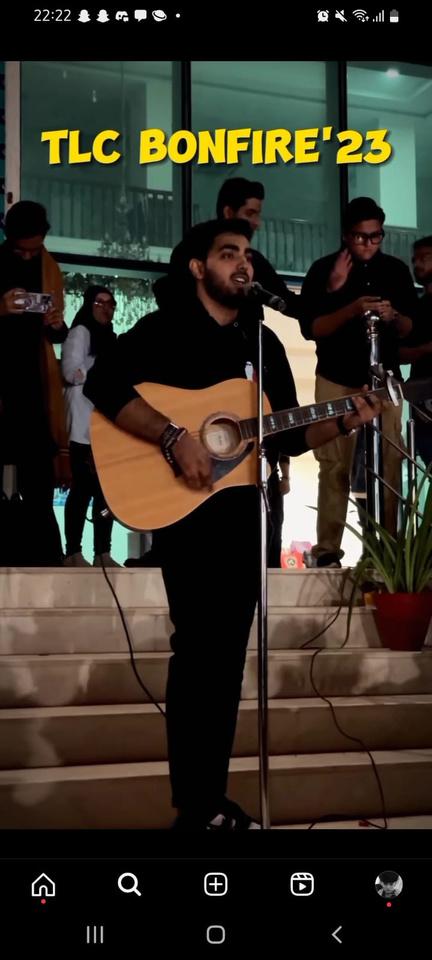
attendees thoroughly savored the food. The dynamic atmosphere created via music charged the spirits of the attendees and turned Sham-e-Sukhan into a night to remember!
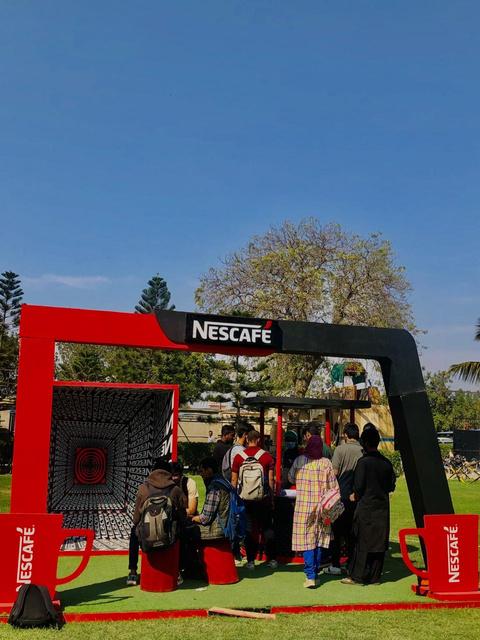
Nescafe had a stall outside the Electrical Engineering building where students could get free coffee. Students thoroughly enjoyed the warm coffee in the breezy weather of MidFebruary.
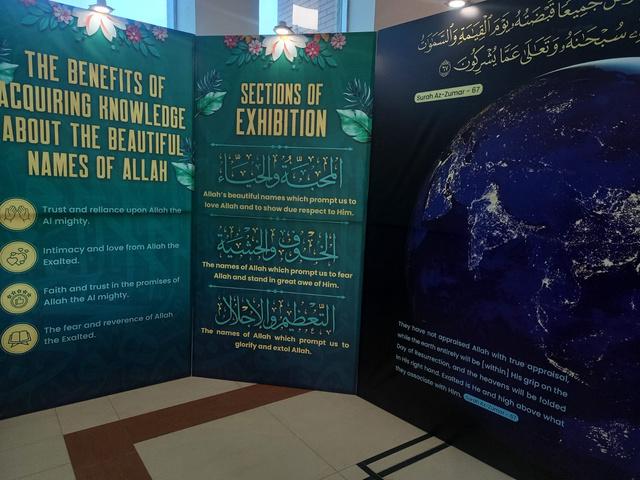
The Al-Madina Islamic Research Centre conducted an exhibition on the names of Allah. The event was organised by the Character Building Society. At the end of the exhibitions students could take a quiz and receive a certificate. The organisers also recorded the feedback of some students. “It was very beautiful,” said one attendee.
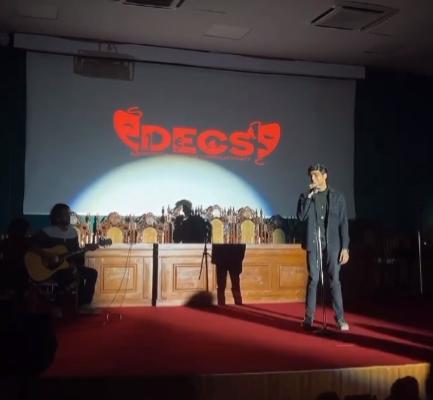
Spotlight is an event of the season for students to showcase the hidden artist in them and rock the stage with their performances. Organised by DECS, the Dramatics and ExtraCurriculars society , This year ’ s the performers of FAST lit the stage with musical performances and stage plays. “Preparing plays in a short period of time was our biggest challenge”saidoneparticipant.
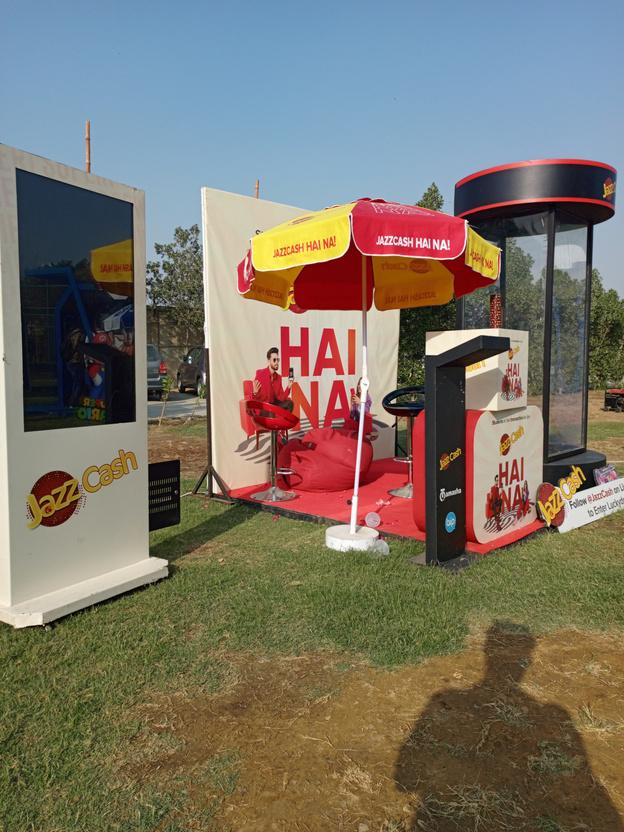
Jazz held an event on 24th January 2024. Students could participate in those activities after getting themselves registered. There was a hair and makeup stall, a gaming stall as wellasadancestall.Participants could also enter a lucky draw by following JazzCash on linkedin and get a chance to win prizes likemobilephones.
A seminar specifically for final-year students was held on Thursday 22nd February 2024. The seminar was conducted by Zain Ali. The seminar covered career-guidance, resume building, interview preparation, networking as well as further education options.
On 15th February 2024, The IntraFAST declamation contest was held. Students from FAST participated in the contest and compete in the four categories; English Serious, Urdu Serious, English Humorous and Urdu Humorous. Within each category, participants chose between 5 different topics. Students displayed their oratory prowess and thoroughly entertained the crowd. The winners won a spot for the AHA declamation contest.


Preparations for the biggest coding event of the year were under-way in full swing starting with zero-hour programming competition. An introductory session was announced on 20th February and A chance to win free tickets through ball-park estimates. PROCOM is set to occur on 8th of March 2024 and registrations are already underway. If the preparations are any indication this year's PROCOM will be an event to watch out for!
Developers Day, also commonly referred to as Dev Day, the biggest event of FAST NUCES, is around the corner. In collaboration with various sponsors and tech-related companies, keep following its official social media sites for updates and exciting announcements. Make sure to attend this event and participate in competitions, as it promises to be an enriching experience for all tech enthusiasts.
Agha Hassan Abedi Declamation Contest will be held on 5th March 2024. The contest will have four categories - English Humorous, Urdu Humorous, English Serious, and Urdu Serious. The contest will feature Mr. Idrees Ghazi as the chief guest. With its rich 12 years history the contest is one to watch out for for inspiring debaters and seasoned speakers alike.
Op-Ed
“The New Age of Cyber
Warfare”
Fiction
“A Key to the Past”
Poetry
“Belief” “Daydream”

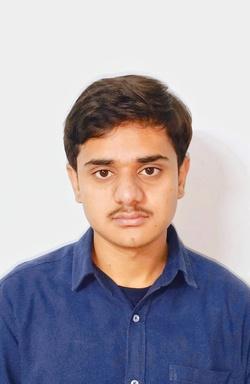
Muhammad Armaghan Shahzad
21K-3071
Muhammad Armaghan Shahzad is an aspiring AI enthusiast currently pursuing studies in artificial intelligence at FASTNUCES. With a keen interest in the intricate workings of machine learning algorithms and their implications for society, he brings a unique blend of technical expertise and academic curiosity to his writing. Combining insights from his coursework in computer science with his passion for understanding the ethical and societal dimensions of AI, Armaghan delves into complex topics such as geopolitics, cybersecurity, data privacy, and the future of human-machine interaction. His goal is to contribute to the ongoing discourse surrounding AI ethics and policy, striving to inform and engage readers on the cutting-edge developments in the field. Outside of academia, Armaghan enjoys reading books, participating in hackathons, and exploring new AI applications in various industries.
In the early hours of November 10, 2008, the world witnessed a significant moment in history as Barack Obama, fresh from his electoral victory, made his way to the white house to meet with outgoing president George w. Bush.
Among the discussions during this transition period was a revelation that would reverberate through the corridors of power for years to come: Project Olympic Games. This top-secret endeavor, developed jointly by the United States and Israel since 2005, unveiled a revolutionary weapon not of conventional warfare, but of cyber infiltration.
Project Olympic Games targeted one of Iran's most fortified nuclear facilities, situated deep underground. Within its confines, centrifuges spin
ching it for potential use in energy production or, ominously, in nuclear weaponry. Rather than a traditional military strike, the weapon devised was a mere computer file, compact yet potent, containing approximately 150,000 lines of code. This inconspicuous file, codenamed Stuxnet, held the power to subtly sabotage the delicate machinery of the centrifuges, rendering them dysfunctional while deceiving
technicians into believing that all was well.
Over time, these clandestine manipulations took their toll, effectively crippling Iran's nuclear enrichment capabilities. Stuxnet marked a paradigm shift in warfare, showcasing the potential of cyber weapons to inflict tangible damage on adversaries. It demonstrated the emergence of cyber warfare as a potent tool in the modern arsenal of nations.

Yet, Stuxnet was merely the harbinger of a new era. Following its cyber warfare escalated dented levels, with actors om nation-states to nonrs utilizing digital means to rategic objectives. Prior to cyber-attacks were primitive, often limited to or disruption of online However, the sophistication ct of subsequent cyber dwarfed those earlier lm of cyber warfare, zerooits emerged as prized es. These vulnerabilities, to software developers ( zero day" referring to the duration of awareness before exploitation),
coveted assets for governments alike. They provided unauthorized access to software systems, enabling espionage, sabotage, or ransom-driven attacks. The market for zero-day exploits bifurcated into legitimate "white market" avenues, where software companies rewarded discoverers for disclosing vulnerabilities, and illicit "black market" channels, catering to criminal elements seeking to exploit weaknesses for financial gain. However, an intermediary market, the "gray market," emerged as the most intriguing. Here, governments and military entities engaged in clandestine transactions, procuring zero-day exploits to bolster their offensive cyber capabilities. This shadowy trade underscored the militarization of cyberspace, with nations amassing cyber arsenals to wield in conflicts both overt and covert.
The events of 2016 exemplified the ominous potential of cyber weapons unleashed on the world stage. Amidst a contentious U.S. presidential election, Russian hackers orchestrated a multifaceted campaign aimed at undermining American democracy. From the infiltration of political organizations to the dissemination
of disinformation via social media, the assault on democratic institutions shook the foundations of trust in electoral processes. Simultaneously, a group known as the Shadow Brokers seized headlines by releasing a trove of classified cyber tools purportedly originating from the National Security Agency (NSA). Among these tools was EternalBlue, a potent exploit capable of compromising systems running Microsoft Windows. The disclosure of these cyber weapons, previously the domain of governments, democratized offensive capabilities, placing powerful tools in the hands of malicious actors worldwide.
The proliferation of cyber weapons yielded unforeseen consequences. In 2017, the world witnessed the havoc wrought by NotPetya, a virulent cyber attack unleashed by Russian operatives against Ukraine. Leveraging EternalBlue and other stolen NSA tools, the attack paralyzed critical infrastructure, causing widespread disruption and financial losses exceeding billions of dollars. NotPetya underscored the indiscriminate nature of cyberwarfare, with collateral damage extending far beyond intended targets.
As cyber warfare evolves, its implications for global stability become increasingly pronounced. The blurring of lines between statesponsored and independent actors complicates attribution and escalatory dynamics. The absence of clear rules governing cyber conflict exacerbates uncertainties, raising concerns over the potential for miscalculation or unintended escalation.
Moreover, the weaponization of information amplifies the specter of psychological warfare, as nations exploit vulnerabilities in digital ecosystems to sow discord and manipulate public perception. The erosion of trust in institutions and the proliferation of misinformation pose existential threats to democratic governance, underscoring the need for robust cybersecurity measures and international cooperation.
In this volatile landscape, the specter of cyber warfare looms large, reshaping geopolitical dynamics andchallenging traditional notions of warfare. As nations fortify their cyber defences and expand offensive capabilities, the risk of cyber escalation escalates, with potentially
catastrophic consequences. To navigate this perilous terrain, concerted efforts are required to establish norms of behaviour in cyberspace, enhance transparency, and promote diplomatic channels for conflict resolution. Additionally, investment in cybersecurity infrastructure and technological innovation is imperative to safeguard critical systems and mitigate vulnerabilities.
As stewards of the digital age, we stand at a crossroads, tasked with harnessing the transformative potential of technology while guarding against its darker manifestations. The era of cyber warfare demands vigilance, resilience, and a collective commitment to uphold the principles of peace and stability in the digital domain. Only through concerted action can we safeguard our shared future in an increasingly interconnected world.
I have always harbored a strong passion towards the art of literature. Since childhood art has been a much-needed exodus from the troubles of life and over time I have come to the realization that the art to inspire is a rare gift. Therefore, I am always willing to dedicate myself towards reaching a larger audience and hone any innate talents I may possess. I may be intellectually invested in my degree of computer science, but any opportunity to sharpen the skill of the pen is more than welcome.
The last translucent streaks of light disappeared into the gathering storm clouds. Then the downpour started as if the sky had let its sorrow break loose over those dark hills. Gushing torrents ran, meandering their way through the scant vegetation until they reached the river. Beyond this rose the Albertville manor. A single candle shed a feeble light on the moor beyond. Behind it was seated a girl of twenty. Her blonde hair fell in loose tresses over her shoulders, while her hand held a crumpled paper which she now threw onto the dying embers in the grate. Her father had gone missing in the war, and that was all the intelligence that the burning letter had afforded. She stood up now with an air of someone who hadn’t accepted reality and walked around the room in a sort of trance. Surely her father was alive and well, she thought, but somehow, she could not shake off
the troubling thoughts that crept out every now and then to torture her ignorant mind.
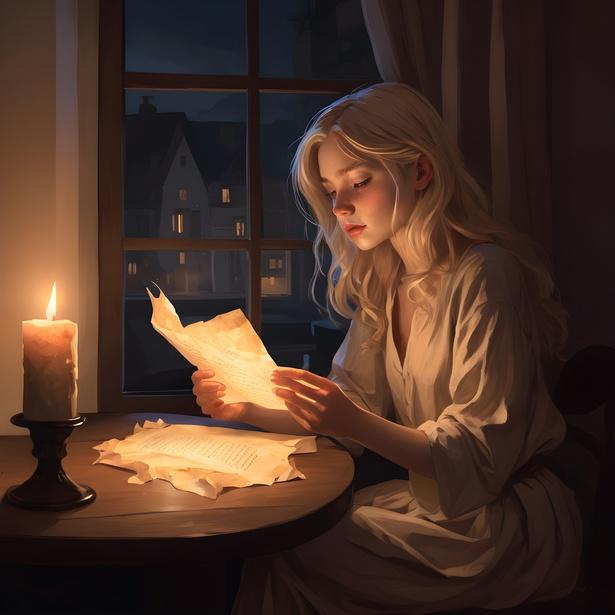
That night she had a dream. She was standing on the bank of an army trench; cannons fired in the distant horizon, and the dull shapes of men moved along the darkened skyline. She stepped closer to the depression and saw heaps of sootcovered bodies among which lay a familiar face... she let out a wail and awoke to perspiration and agony of the acutest kind. Every object in sight reminded her of her father. The globe on the mantelpiece that her father had conjured stories about, the ornate chocolate box from which the young her got a chocolate or two each night, even
the clock reminded her incessantly of many stormy nights they spent in silent meditation, hearing the hourly chimes amidst the patter of rain. She got up in her state of agitation and walked the silent corridors of the house to the far window on the right wing, praying that a light would appear on the moor and a man would materialize on her doorstep with the news of her father’s recovery. She waited but in vain for the moors were silent and stiff as if in revolt against her wish. Slowly, she turned away, dragging her feet while her mind stayed blank. It was then that she suddenly found herself in front of a faded door having made a wrong turn. A deluge of memories flooded her mind, and the dark corridor was bathed in a summer haze as she traveled back to her childhood. A girl of seven stood staring at the door.
“Carla,” a voice called out from the right. “Why am I not allowed to play in this room?” she asked in that innocent tone kids often possess.
“It is just a storage room. Perhaps when you grow old enough, you may help me sieve through all these memories of my youth.” The scene dissolved, and the darkness of the present returned. Carla closed her eyes and pictured that despondent smile she saw on her father’s face whenever she talked of that room. Trembling, she turned the handle. It seemed locked. She then recalled a key that she wore on her neck. It was given to her as a child and was a part of the family heirloom. What it opened, she had no idea, and as she looked at its jewel-encrusted bow, she felt a conviction that it would work. She slid the golden blade into the hole and twisted it reluctantly. The door retained its contents and looked at her stubbornly. The key did not fit. Sighing as if from relief at having been spared something ominous, she turned to leave. This is when she noticed a glint from the dark beneath. In her efforts, she had displaced the rug, and a brass key protruded from under it. Having picked it up mechanically,
she tried to open the door, and it finally gave way with a click. It took some time for her eyes to grow accustomed to the darkness within. The room was a disused bedroom. The curtains of the bed had fallen, and a portrait of a lady lay against the western wall. Shelves filled with dusty books towered on one side, and a writing table stood before an ivy-covered window. On this lay a box of carved wood. It had the coat of arms that represented her family. She moved as if by a strange impulse of fate towards this. The lion and the stag carved into it glistened in the struggling rays of moonlight that penetrated the window and what appeared to be a keyhole appeared beneath them. As if the very air had whispered the secret into her ear, she fetched the small golden key of her father, and the box yielded to it. A bunch of scrolls lay tied with an age-old ribbon. She opened one which had an old seal on it. It appeared to be the death certificate of a child of an hour and a half. The name had eroded away. She placed it aside and found at the bottom what
appeared to be a letter. It seemed to be much more recent than the other documents and read something like this:
"Dearest daughter of mine, if you should ever find this (either when I am dead or alive), then please forgive your father for holding on to such a secret. Its disclosure might have been too much for me, and perhaps with the excuse of your age, I kept it hidden. You, Carla Marie Albert, are not my child. She died mere moments after her birth. You are the Princess of Normandy, that the king had abducted and placed under me to sever their noble line. I too became a part of this injustice, justifying the loss of
a child with the abduction of another. There is a chance that both kingdoms may collapse and then it may be you who must fill that place. Some people know of your identity and may approach you lest the Danes wreak havoc on the continent. I dare not seek forgiveness but you must know, that there is not a soul that I cherish more than you and that I would die loving you. Your father."
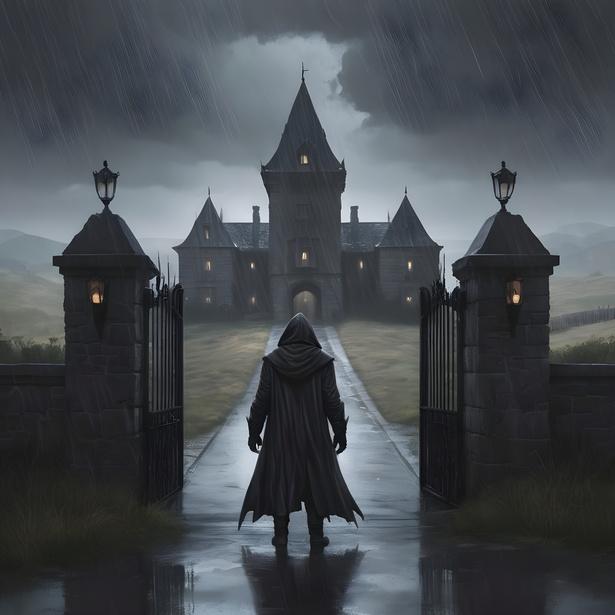
Tears trickled down her eyes and a violent grief seized her. However, fate had not done with her yet. The violent sobs were arrested by a loud knock on the manor gate. She ran to the door before any servant could and flung the door open to someone who was not her father. In the billowing rain, a hooded man stood. “It is time,” he said, “The revolution has started.”

Hamza Khan is a student of software engineering, with an interest in literature and the social sciences. He likes cooking, writing, and singing. Hamza thinks that Muslims around the world should be united, and everyone should recognize that strength comes from unity and self-value rather than from envy and division.

Before the Roman gods all vanished, I always had this thought, Did heaven send you down to me to take away my drought?
You descended from the skies and concealed your mighty wings, As the sturdy horses and holy men bid you and your things.
When I dragged myself through the scorching, unforgiving sand, It seemed to me that heaven's gates had extended their hand.
You pulled me back to my feet, but little did I know, Your powers extended beyond this world when the sand grains turned to snow.
Throughout our journeys henceforth, I began to regain strength, We sparred in the mornings and laughed at the day's end.
One day, as I sought dry sticks for our warmth, I noticed brewing where I'd left you, a threatening storm.
I ran towards you, darling, but does my sight betray me?
Has a goddess such as yourself fallen to her knees?
Oh, darling, hurry—use your strength! Say, "Begone," and save yourself! But I was not the goddess, just a messenger sent to remind you of your strength.
Impossible! This cannot be! By the desert was I slain, And you gave me life, becoming my righteous savior.
No, but I was just an image of everything you did, It was you who tamed your wounds and bade the scorching desert farewell.
I braved the waves of hail and scared away the threat, Questioning myself at length as I quietly sat.
The Roman gods and humans are just two types of me, And I am found in everything. I am called "Belief."
Zainhasaprofoundpassionforliteraturethathasservedasarefuge fromlife'schallengessincechildhood.herecognizestheraregiftof inspiringthroughartandiscommittedtodedicatinghimselftoreachinga broaderaudience.Despitehisintellectualinvestmentincomputerscience, he welcomesanyopportunitytoenhancehiswritingskills.
There are shafts of light that descend on hazy noon And illuminate the thousand wants of suppressed dreams

Unblown fantasies shiver and open in their golden dust And past sentiments coalesce to form shards of new realities
For fleeting moments there appears an elusive heaven
Nestled between the fabrics of everyday life
Bushes of greens sprout roses red Skies become inverted bowls azure dyed
Even the wind seems but an angel's breath
Catching and caressing innocent thoughts in its breeze
Until it infects the ambience with an infatuation for life
That for a time begs no reason to thrive
How impressionable we humans are
Forced to respond to the strokes of pens and brushes
Allowing the void to be filled with their coloured light
As if in a sweet midsummer dream
This is but a temporary haven
Holding the tides of ever raging floods
They crash against the precipice of hope
Clawing to tear our peace asunder
ﻢﺧزےﺮﯿﻣ
ﻞﻨﺸﯿﻧﭧﺳﺎﻓﮯﮐﺮﮐﺮﭩﻧاﮯﺳﺞﻟﺎﮐﻒﯾاﯽﺳﯽﭨ , ﮟﯿﮨﻦﯿﺴﺣﺪﯿﻟوﺪﯿﺳﺮﻋﺎﺷ کﺮﭩﯿﻣقﻮﺷﺎﮐیﺮﻋﺎﺷﺎﮐﺐﺣﺎﺻﺪﯿﻟو ﮟﯿﮨﮯﮨرﺮﮐﺲﻨﺋﺎﺳﺮﭨﻮﯿﭙﻤﮐﮯﺳﯽﭩﺳرﻮﯿﻧﻮﯾ ﮯﮐﺮﮐﺮﮐﺖﺷادﺮﺑںﺎﯿﺘﺨﺳﯽﮐﮯﻧﺎﻣزﮯﻧںﻮﮩﻧاںﺎﮩﺟاﻮﮨﺮﮔﺎﺟاﮯﺳﺪﻌﺑﮯﮐﮯﻧﺮﮐسﺎﭘ ﯽﺴﺑﯽﭼرﯽﺋﺎﮩﻨﺗﮟﯿﻣمﻼﮐﮯﮐنا ﺎﯿﻟﺮﮐےﺮﭘﮯﺳںﺎﮩﺟساﻮﮐتاذﯽﻧورﺪﻧاﯽﮐدﻮﺧ رﺎﯿﺗﻮﮐﮯﻨﻨﺳﯽﺋﻮﮐﺮﭘﮟﯿﮨﮯﺘﮨﺎﭼﺎﻨﮩﮐﮫﭽﮐﮯﺳﺎﯿﻧدیرﻮﭘہوﮯﺴﯿﺟﮧﮐﮯﮨﺎﺘﮕﻟںﻮﯾﮯﮨ ﮟﯿﮩﻧﯽﮨ
ﮯﺋﻮﮨﮯﯾداﺮﺳآﻮﮐلدنادﺎﻧساﯽﺌﮔرﺰﮔتﺪﻣﮧﮐ
ﺎﺗﺎﮭﭨاﺖﺴﯾزﻒﻄﻟارذﻮﺗﺎﺗآﺮﮨﺎﺑﮯﺳﮯﻧﺎﯿﺷآےﺮﯿﺗ
ﮯﺋﻮﮨﮯﮬﺪﻨﺑﻦﻔﮐﺎﮐﯽﺷﻮﺧﻢﮨﮯﮨرﺎﯿﺗﮟﯿﻣباﺮﻄﺿاےﺮﯿﺗ ﮟﯿﮩﻧایدﺎﮕﻟمﺎﮕﻟﮟﯿﺋﻮﮨﺪﻨﻠﺑﻒﻟﺎﺨﻣےﺮﯿﺗﻮﺟﮟﯾزاوآ ﮯﺋﻮﮨﮯﺋﺎﮬڈﻢﻠﻇﮯﮭﺗﮯﭘدﻮﺧﻢﮨﺎﮭﺗﺎﻨﺗااﺮﯿﻣرﻮﺼﻗ رﻮﮩﺸﻣﮟﯿﮨﮟﯿﻣرازﺎﺑےرﻮﭘﻮﺗﮯﭼﺮﭼےرﺎﮩﻤﺗﮯﮐﺪﻣﺎﺷﻮﺧ ﮯﺋﻮﮨﮯﺋاﺮﮩﮭﭨﺮﭘےزاوردﻮﮨﻮﮐیرﺎﮑﮭﺑساںﻮﯿﮐﺮﮭﭘ ﮯﻧﻢﺗﺎﮭﺗﺎﯿﮐبﺎﺨﺘﻧاﺎﮐےﺮﮩﭼﮏﯾاﮯﺳﮟﯿﻣںوﺮﮩﭼںوراﺰﮨ ﮯﺋﻮﮨﮯﻟﺪﺑرﻮﯿﺗﮟﯿﮨےﺮﯿﺗباﺮﺛاﮯﮨﺎﯾﺎﮭﮐدﮯﻧںﻮﯿﻨﯿﮕﻧر
ﮯﻠﺗﮯﮐﺮﺑاساﺮﮐﮍﮑﭘﮫﺗﺎﮨارﺎﮩﻤﺗرﺎﺑﯽﻠﮔاﺎﮔںﻮﮕﯿﮭﺑ ﮯﺋﻮﮨےڑﻮﺟﻮﮐںﻮﻧودﻢﮨﮏﺗباﻮﺟﮯﮨباﺮﺳﮫﺗﺎﺳارﺎﮩﻤﺗ
ﺎﯿﮔٹﻮﭨﯽﮨﮯﺘﻠﮭﮐﮫﮑﻧآﻮﺟﺎﮭﺗﺎﮭﮑﯾدباﻮﺧﮏﯾا ﮯﺋﻮﮨﮯﺋﻼﺳﮯﻨﭘاﻮﮨﮟﯿﻣںﻮﮨﺎﺑﻢﺗںﻮﯿﮐﺮﺒﺧﮯﺑںﻮﮨﮯﺳﯽﻣﺎﻨﻤﮔ

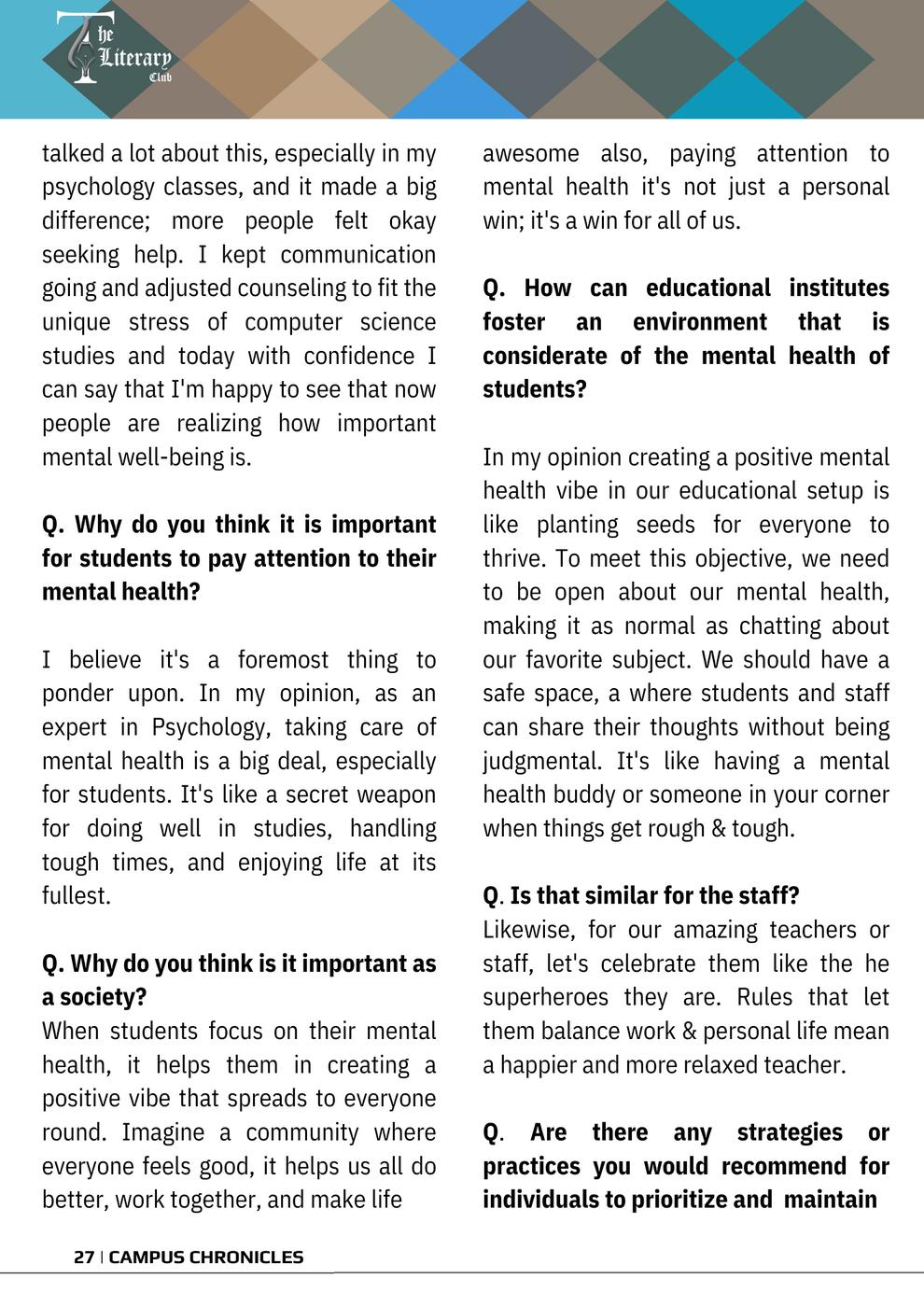
Ms. Aqsa Fayyaz
Student Narration
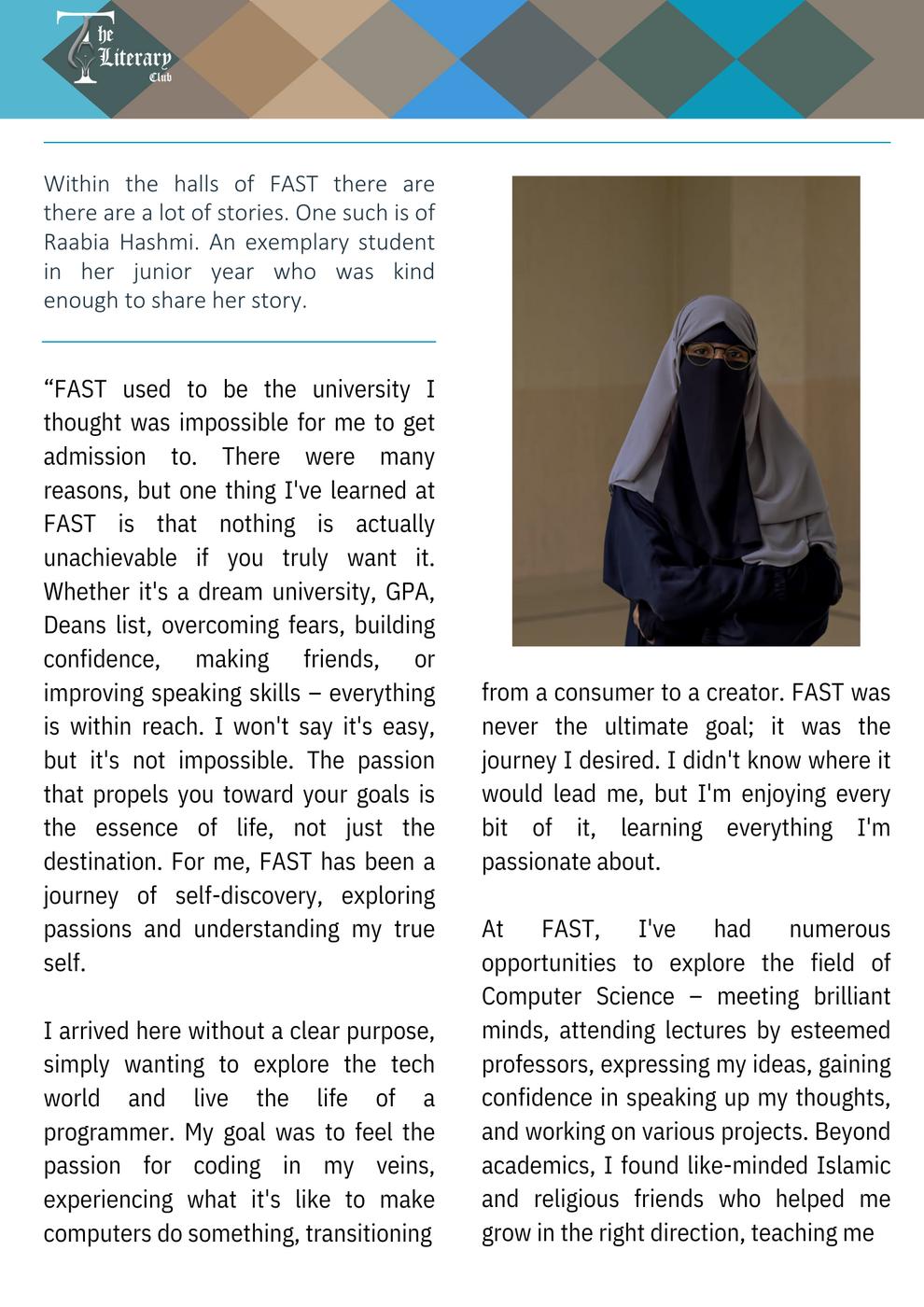
Syeda Raabia Hashmi