



 JUSTIN PELTIER architecture portfolio ASSOC. AIA, LEED GA

ASSOC. AIA, LEED GA
justinpeltier27@gmail.com
EDUCATION


EXPERIENCE
University of Louisiana at Lafayette
Master of Architecture
August 2022-December 2023
University of Louisiana at Lafayette
Bachelor of Science, Architectural Studies
August 2018-May 2022
Early College Academy


AWARDS

High School Diploma & Associates Degree, General Studies
August 2014-May 2018
MBSB Group
Architectural Associate
June 2023 - Present
University of Louisiana at Lafayette
Graduate Assistant
August 2022 - December 2023
Vermilion Architects
Architectural Intern
October 2021 - January 2023
Another Broken Egg Cafe Waiter
October 2016 - June 2018


UL Lafayette Outstanding Master’s Graduate Finalist
Fall 2023
UL Lafayette Master’s Project Faculty Award
Fall 2023
1st Place, UL Lafayette Spring 2023 Studio COTE Project
Spring 2023
Design Excellence
Fall 2018, Spring/Fall 2019, Spring/Fall 2020

JUSTIN PELTIER (337) 354-3195



PROJECTS 01 PATTERN INTERRUPT UL Lafayette Master’s Project Faculty Award 02 THE CLOUD FACTORY 1st Place, ULL Spring 2023 Studio COTE Project 03 THE MIRE Fall 2022 04 PROFESSIONAL EXPERIENCE 2021 - Present

PATTERN INTERRUPT
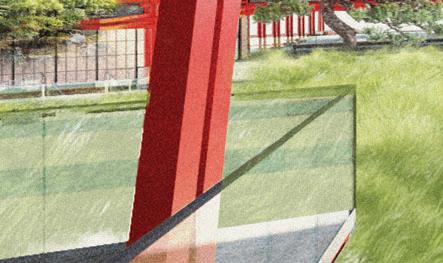
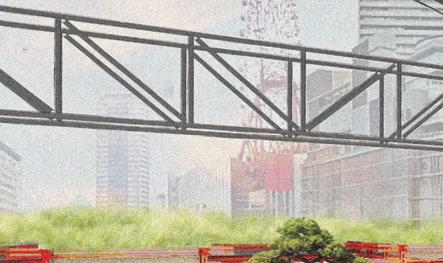
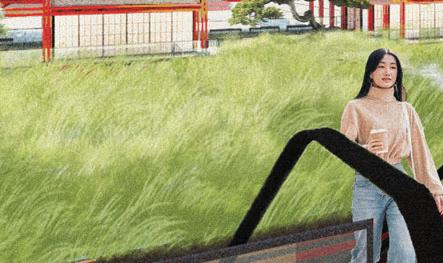
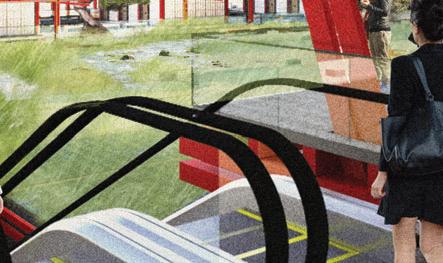
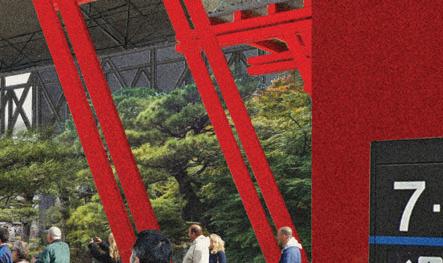
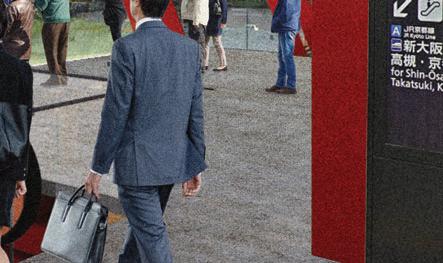
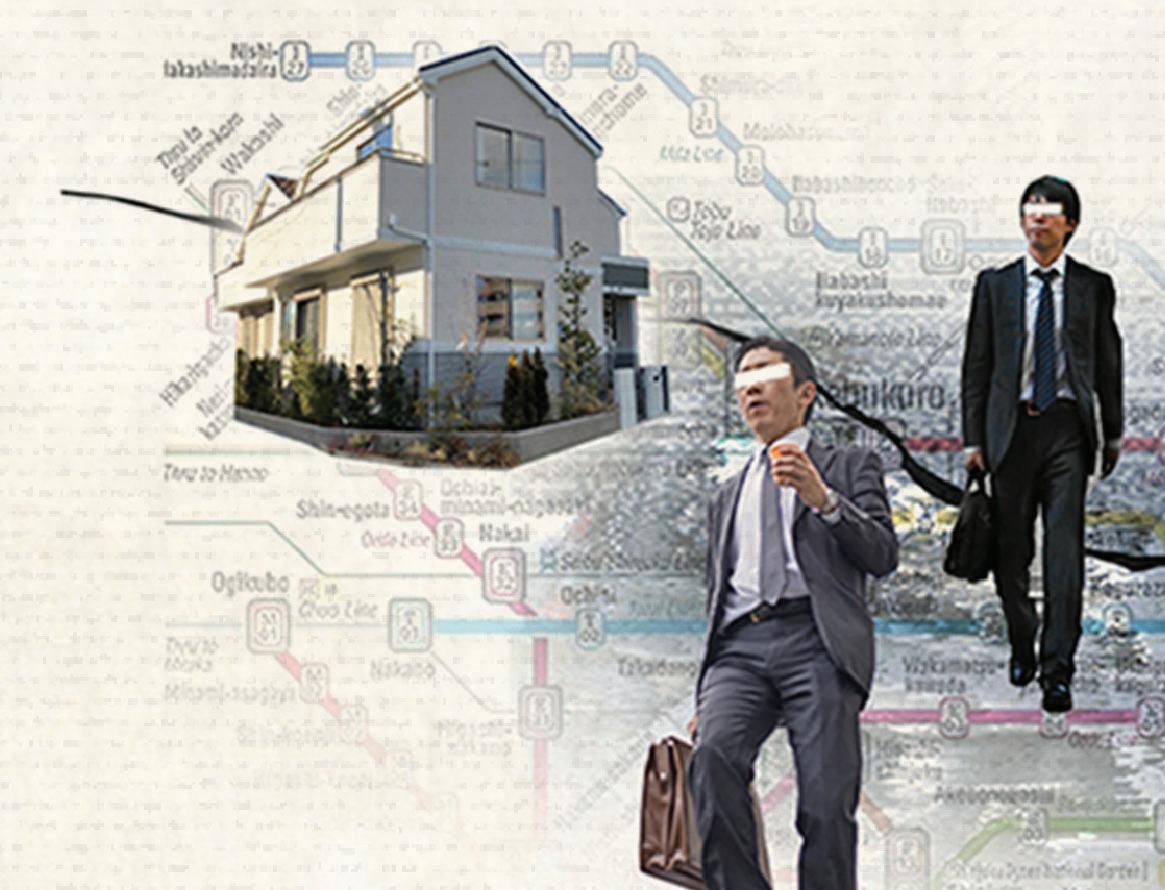
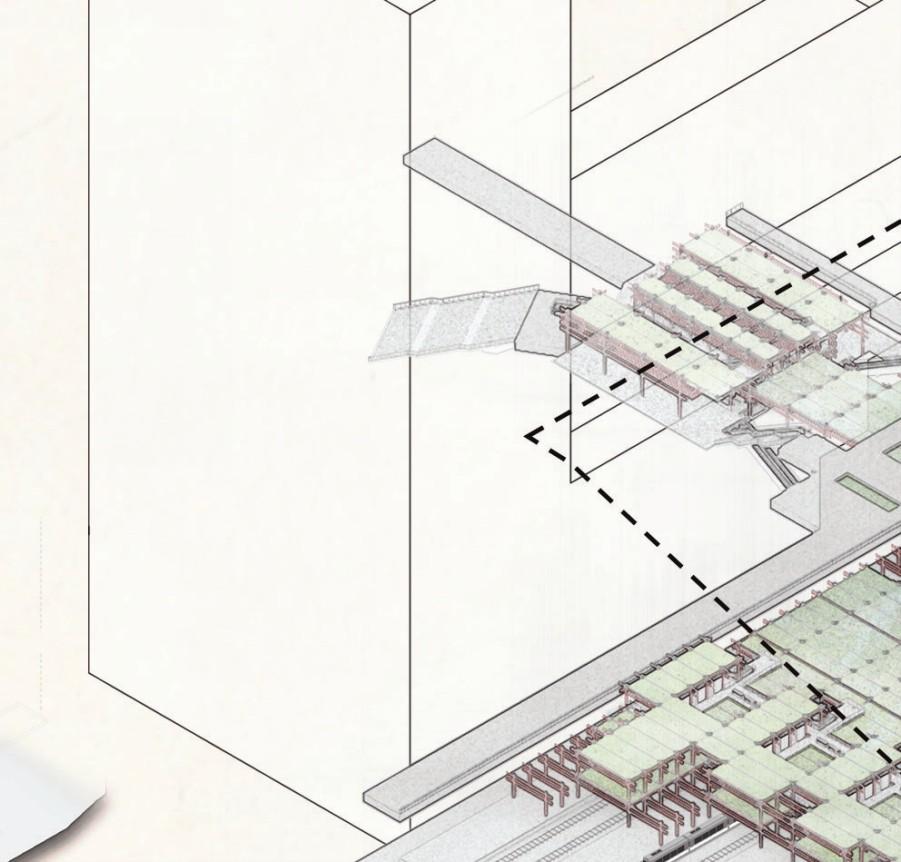
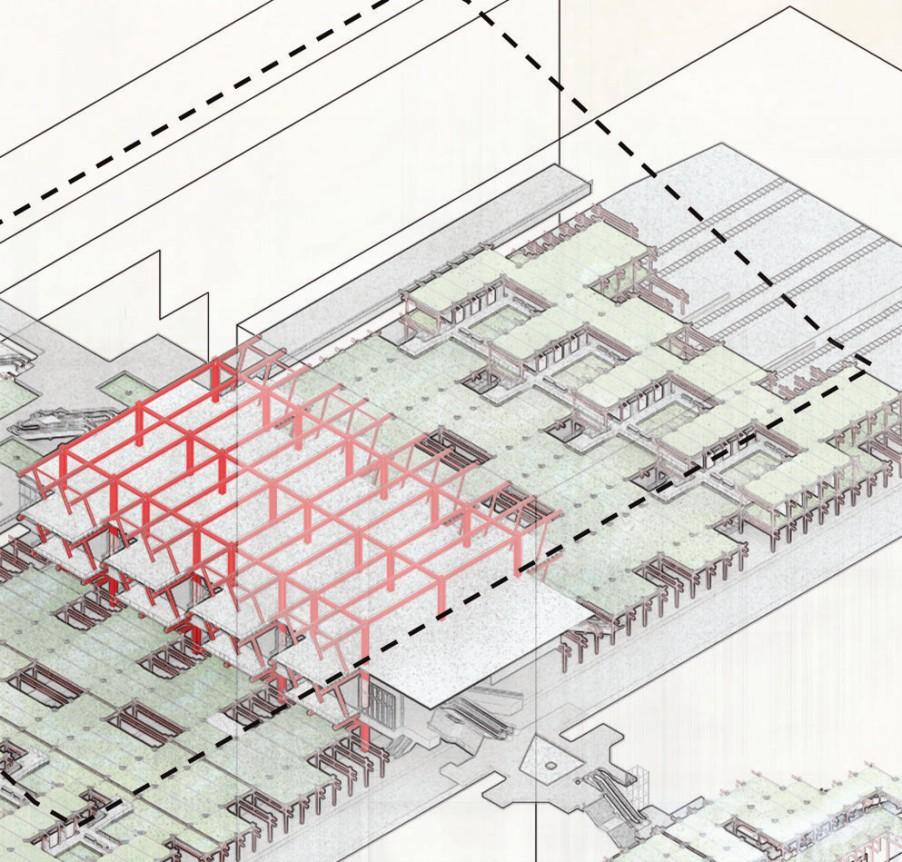
The intersection of a meandering Japanese garden with a hyper-efficient train station in Osaka, Japan to create a more useful third place for people stuck in busy routines




Osaka, Japan
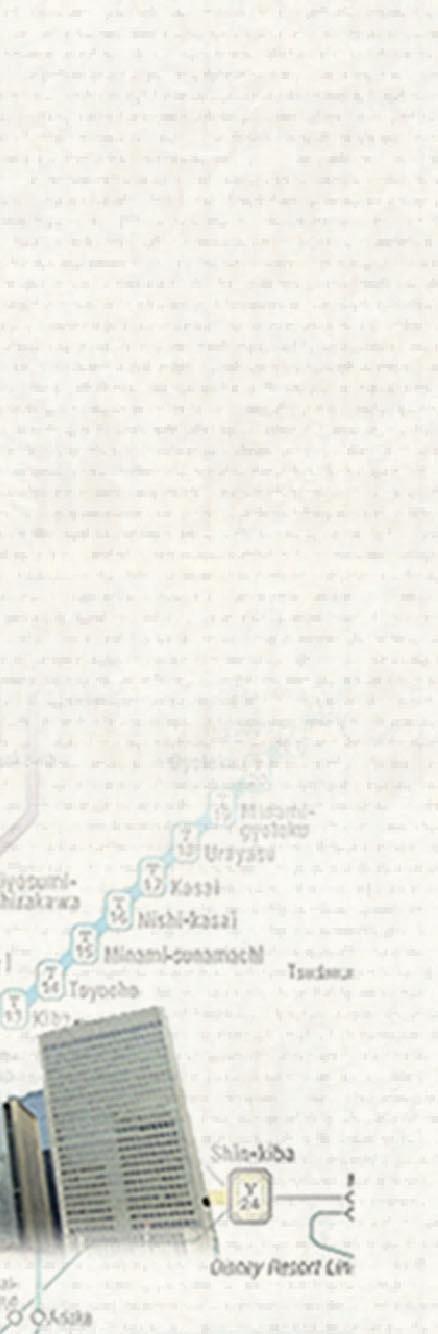

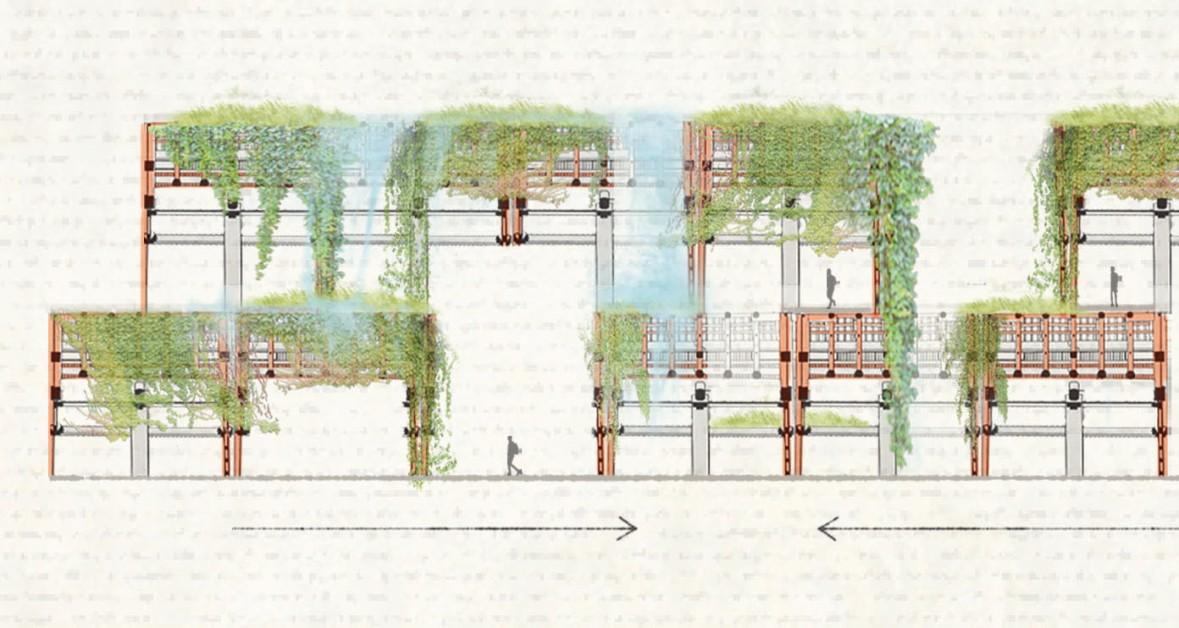

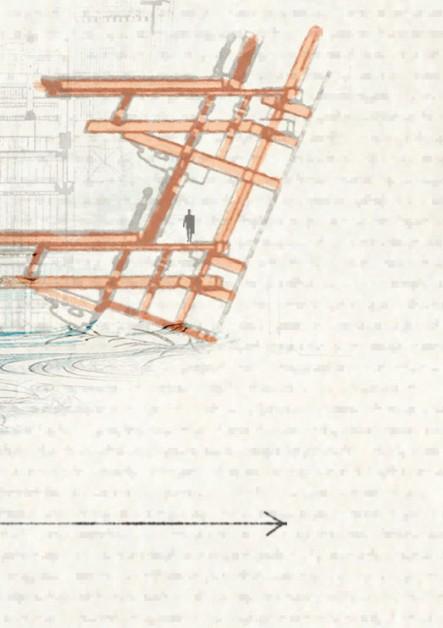
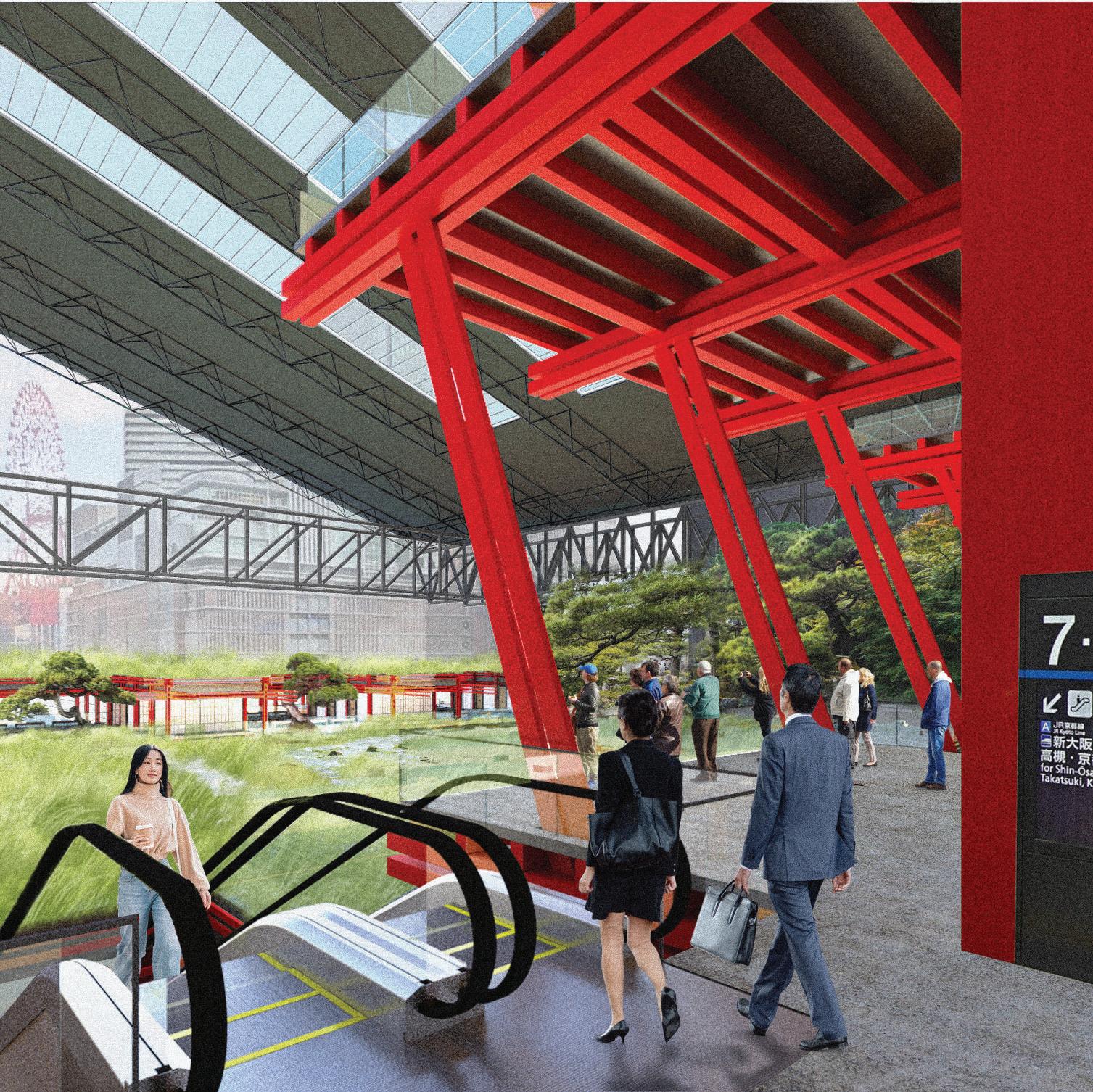
Residents of Osaka commonly deal with stress from work combined with long commute times. The built environment and transportation systems prioritize efficiency, creating a condition of dissociation between specific destinations. Despite Osaka Station being the most publicly used space in the city, it suffers the same flaws, sacrificing a deeper connection to the community and nature itself. By integrating the existing station with a Japanese garden, the station is able engage its users with their physical environment, Osaka’s native ecology, and with each other. The design follows the traditional philosphies of Japanese gardens, creating intimate conditions as well as moments of a “pictoral landscape.”



01
INTEGRATE SEPARATE DESTINATION CYCLE OF DISSOCIATION BED TOWNS 4
OSAKA STATION

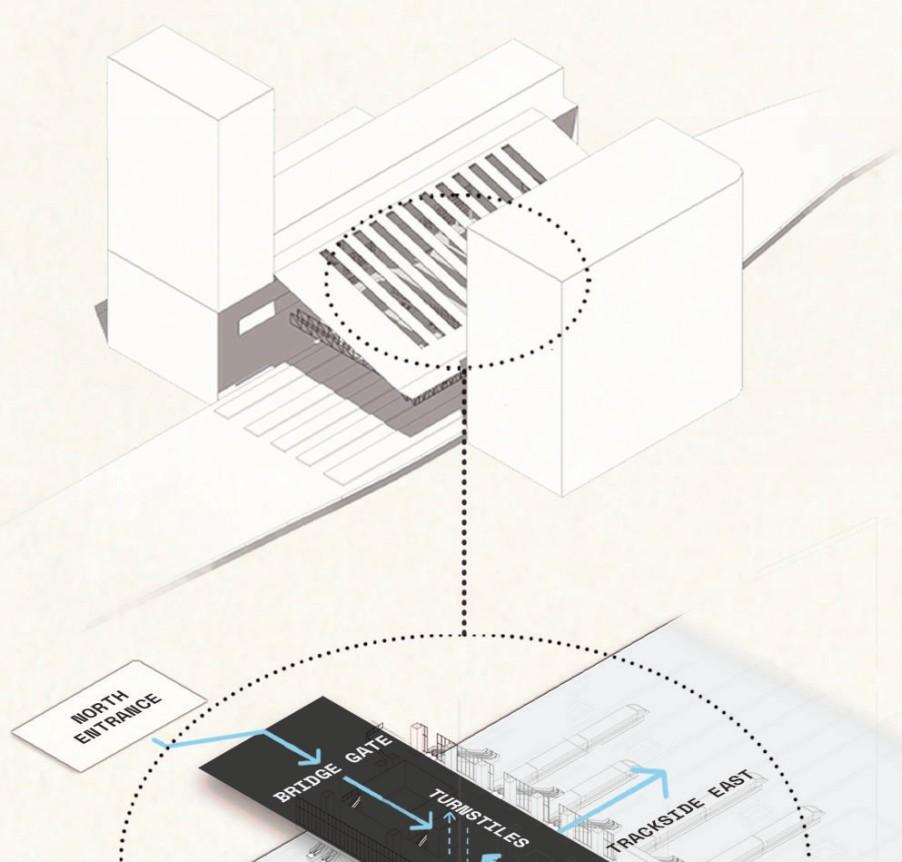
North Entry Bridge Gate Trackside Garden

EXISTING CONDITIONS
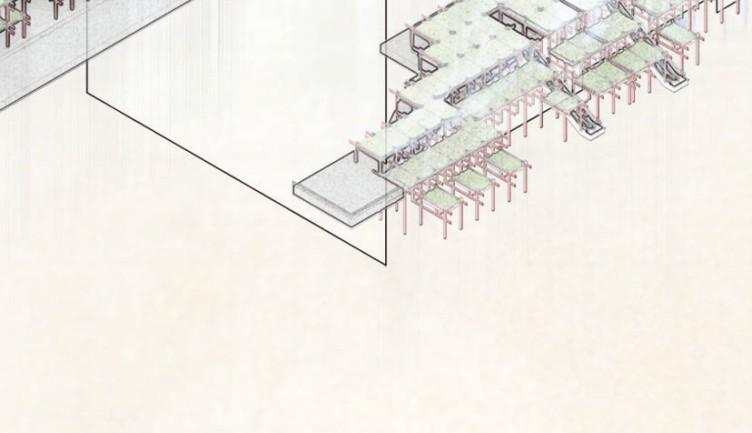
GARDEN OVERLAID

Entry

Taking inspiration from the geographical history of Osaka, this project embraces the intersection of architecture, land, and sea. Commonly known as “the land of water”, the land beneath the city of Osaka originates from the deposition of an alluvial floodplain from the Yodo River into the Seto Inland Sea. Covered in plains, wetlands, small plateaus, and more, this area was originally home to miles of fertile rice farms and villages. The gardens within the station, with native plantings and streams of water that run throughout, aim to root visitors within their physical place and educate them about the historic architecture and ecologies of Osaka.
FLOODPLAIN TECTONIC TECTONIC PLATFORM TECTONIC GRID ECOLOGY OVERLAID 5
South
TATAMI MATS OSAKA
ZONE 1: NORTH ENTRY
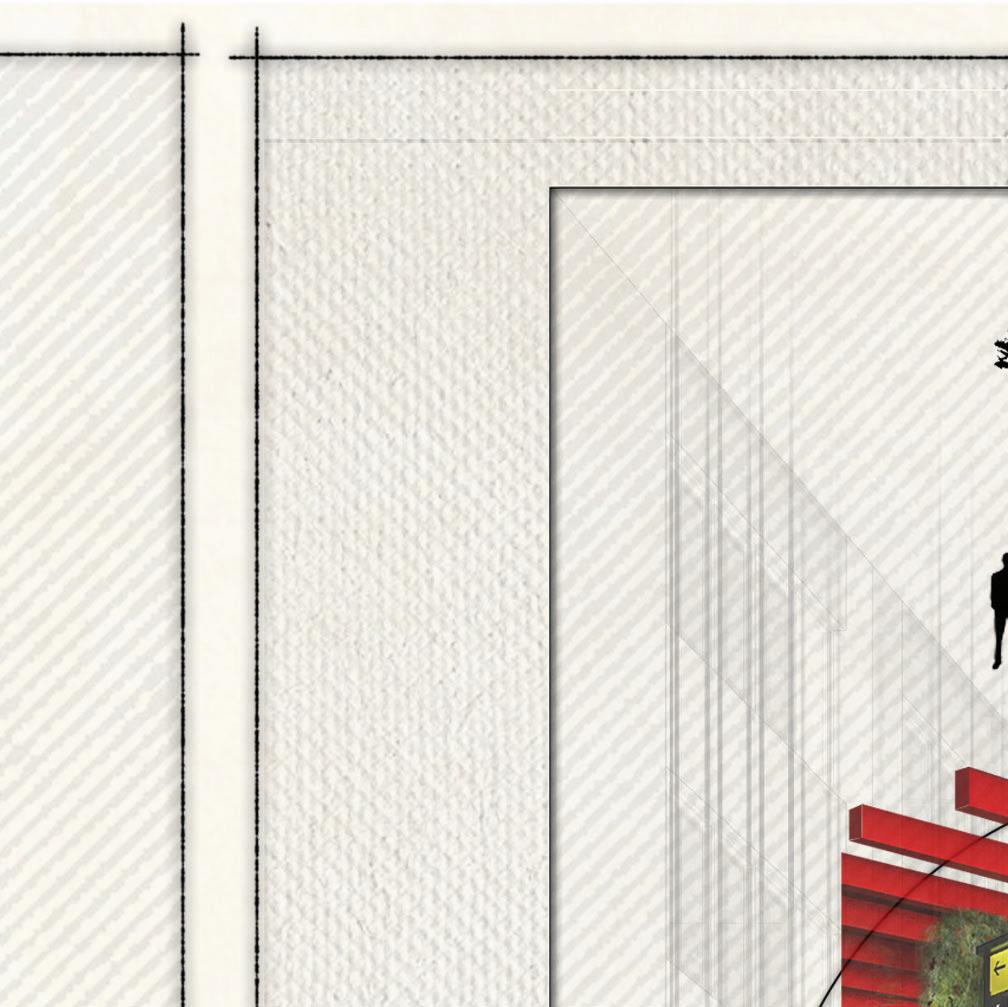
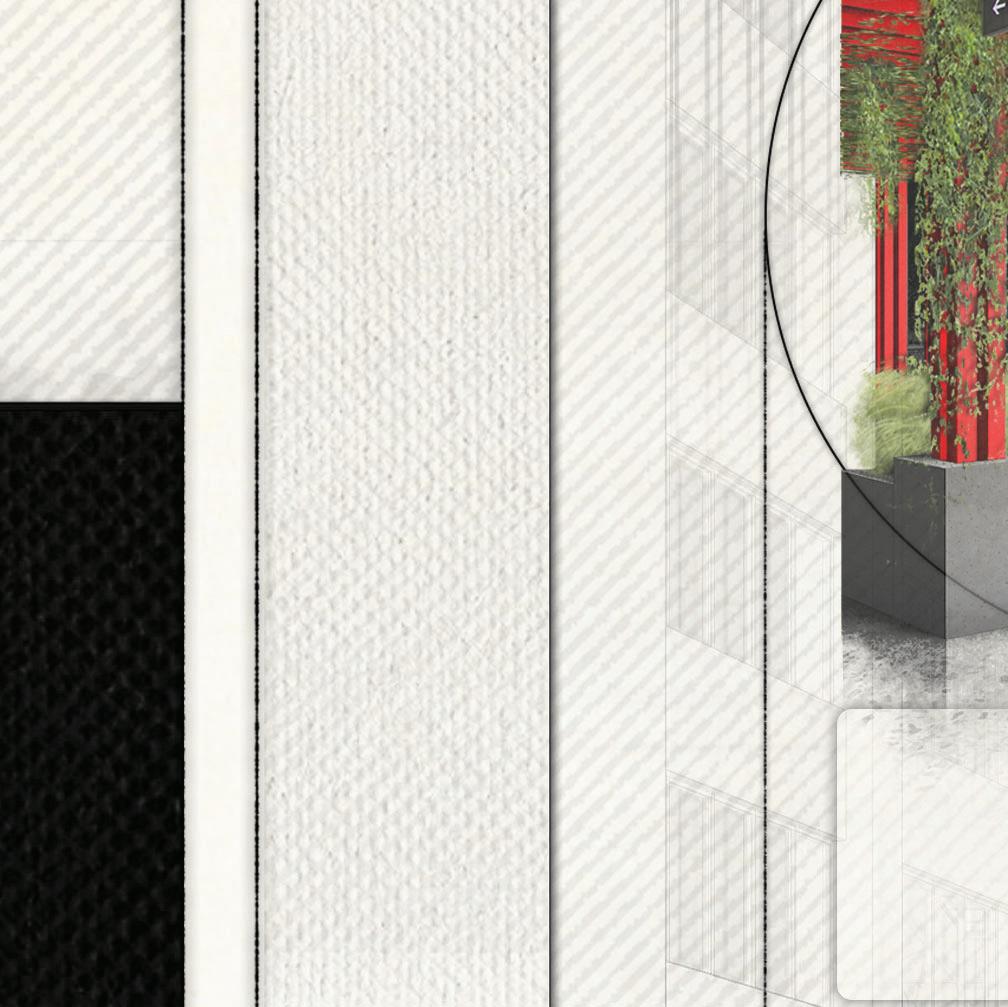
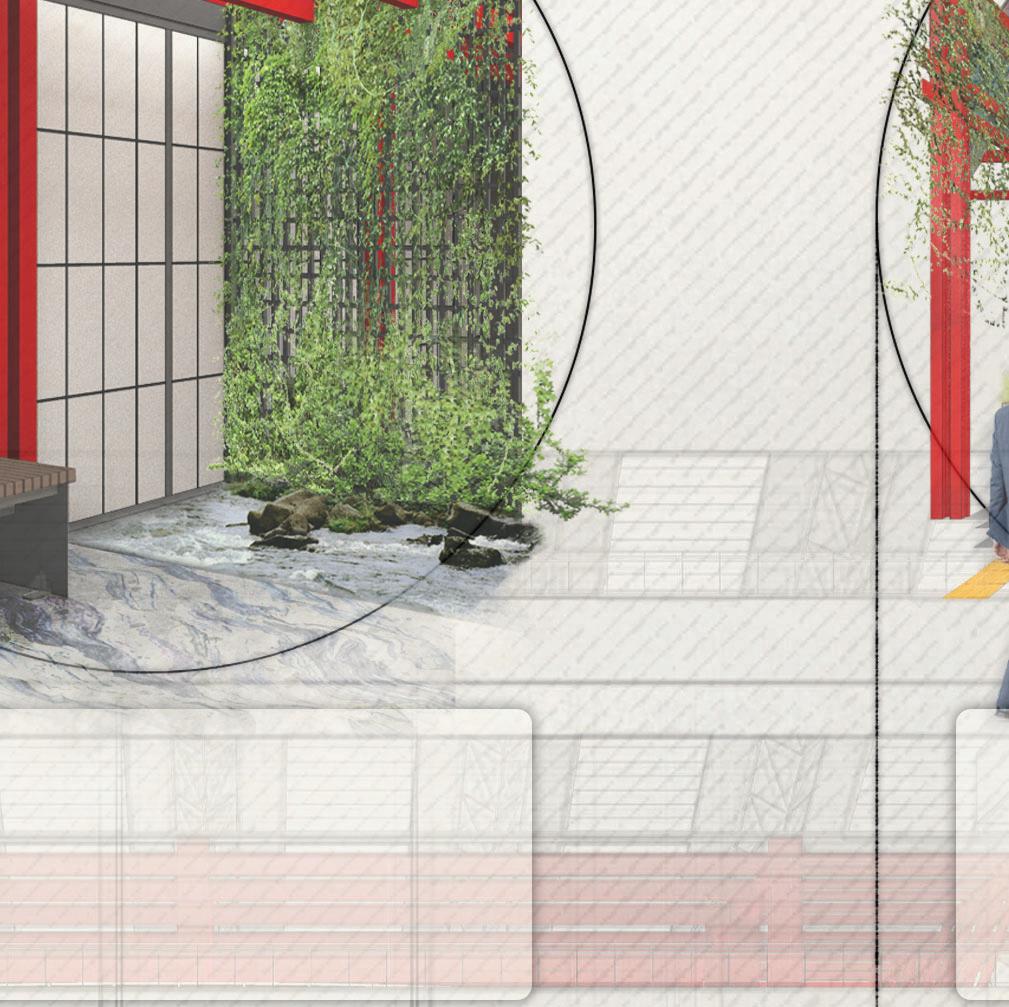
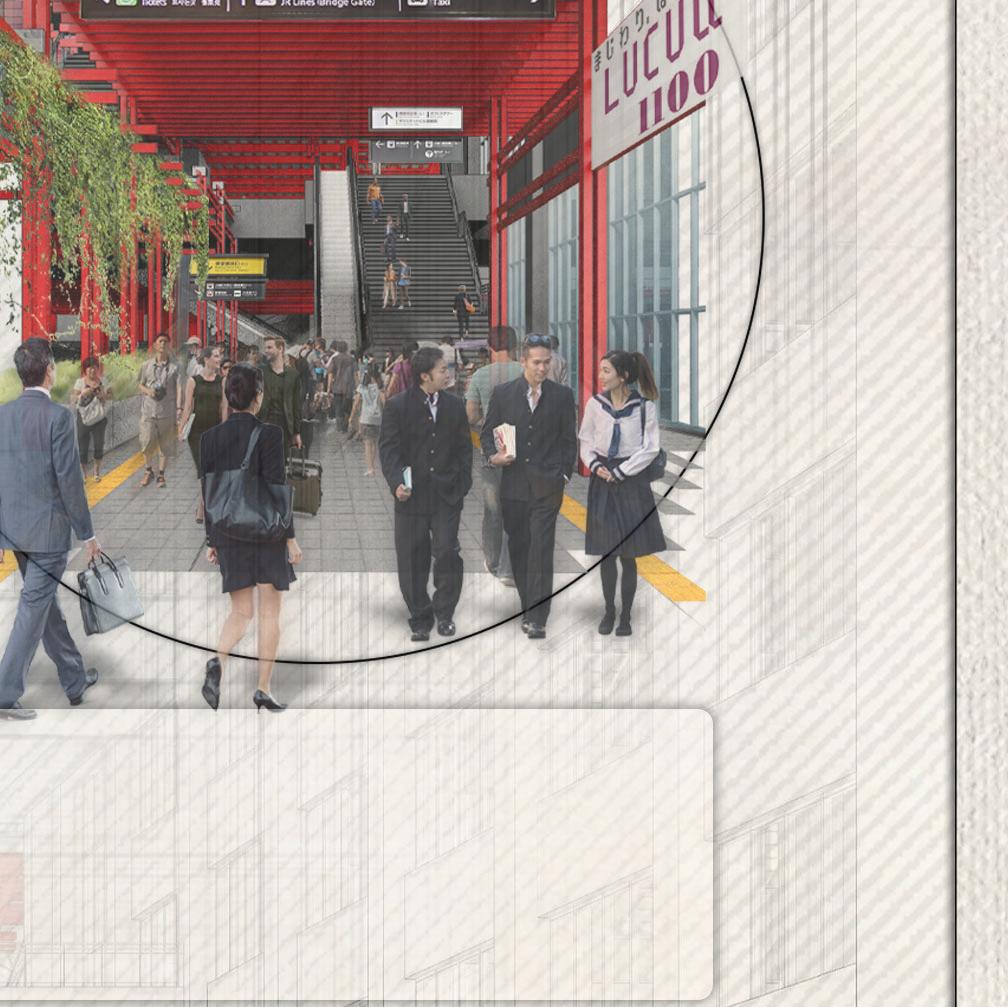
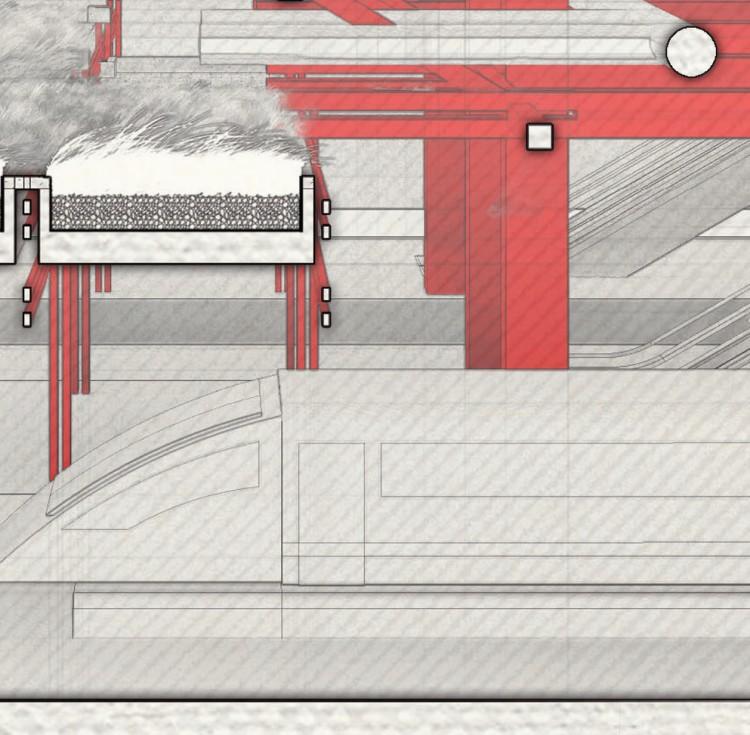
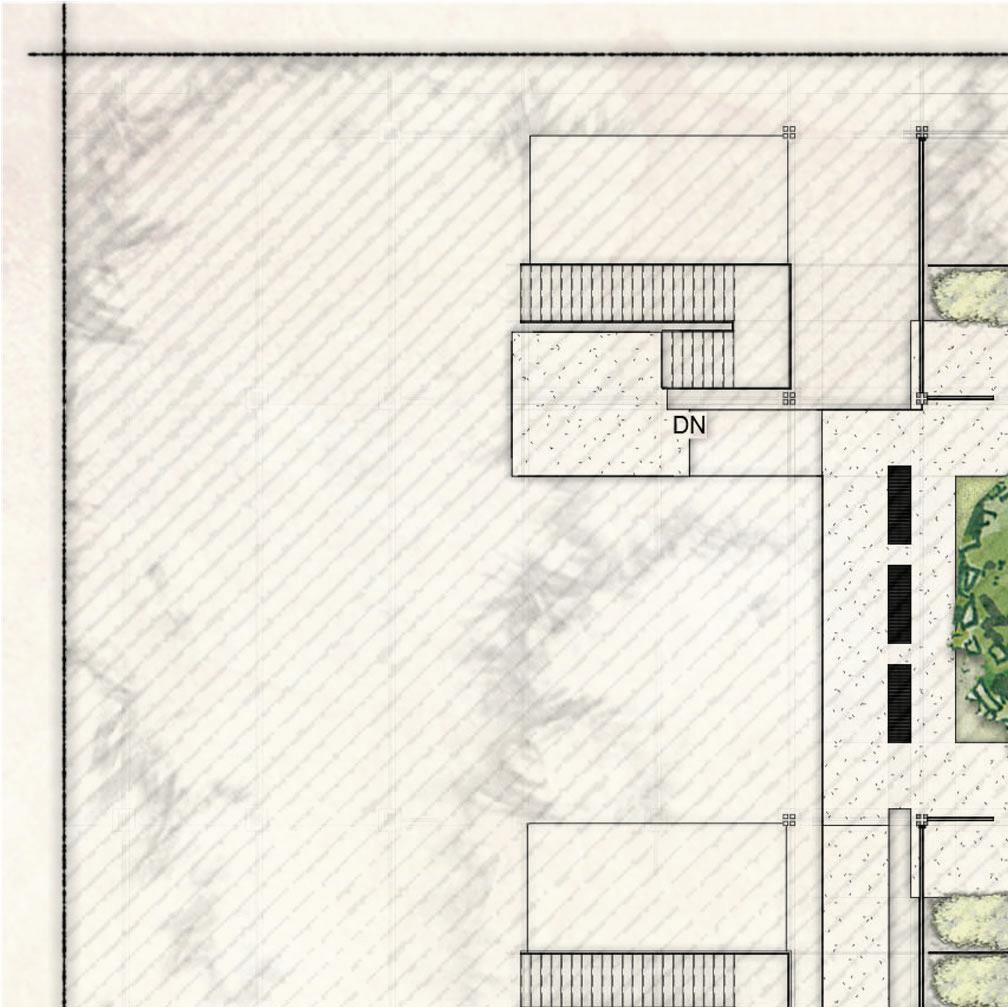
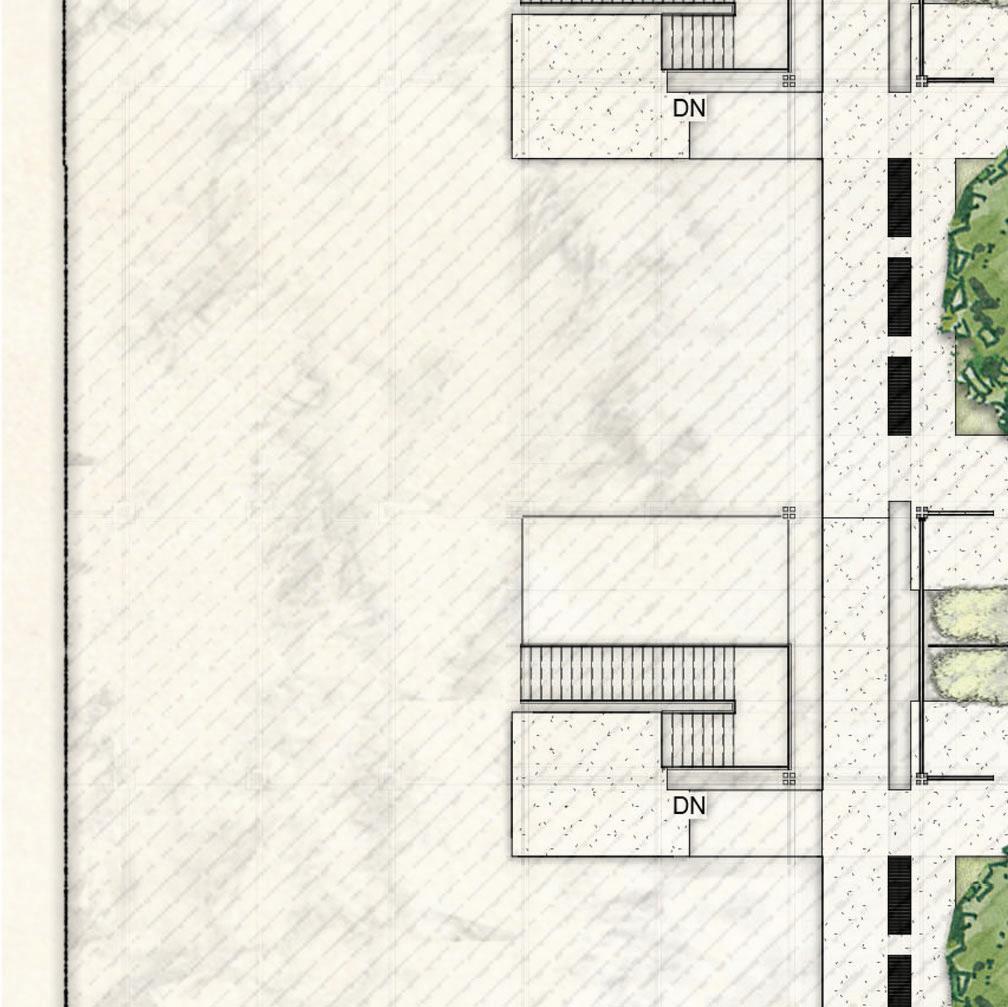
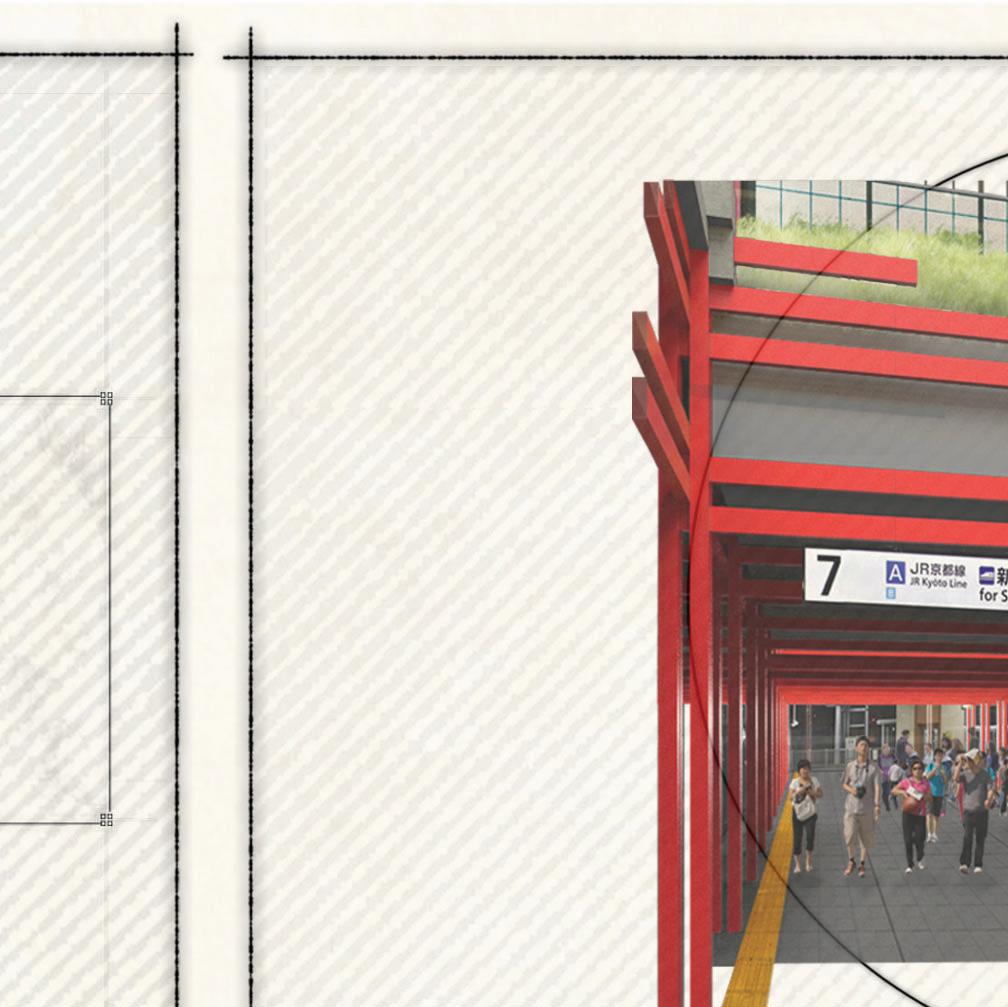
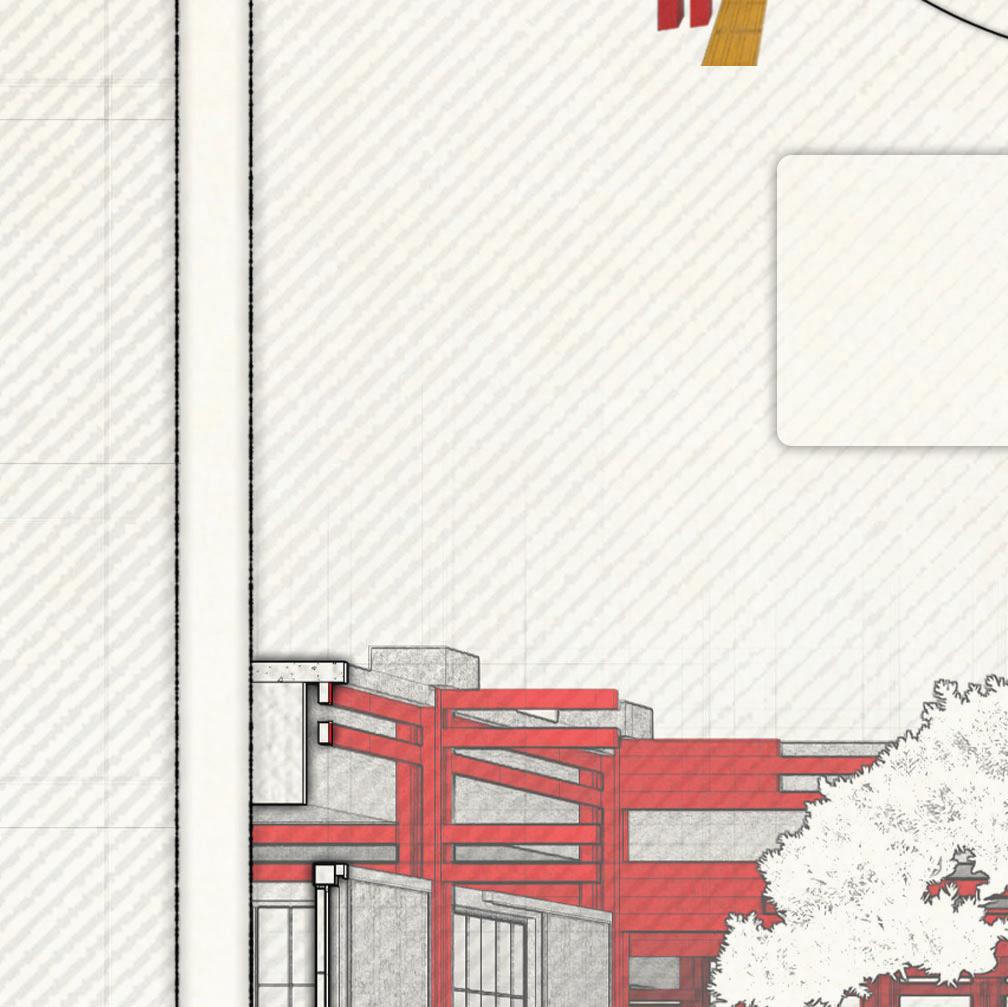
Traditionally, the sequence of Japanese Gardens follows both physical and theoretical frameworks. In terms of physical pieces, these gardens are simple with nature, water, and architecture. In theory, the architecture acts as the primary driver, both pushing and pulling the surrounding landscape. The entrance pathways into the gardens will integrate the user within the garden itself, creating (utsuroi), a blur of one’s relation to space, nature, and time. 移ろい
OPEN TO BELOW

EXISTING RETAIL WALKWAY

NORTH ENTRY

EXISTING RETAIL WALKWAY

NORTH GARDEN
OPEN TO BELOW

ELEVATORS

Com cre
North Garden (Se Visitors of the statio the option to pass in garden space, offer moment of re

6

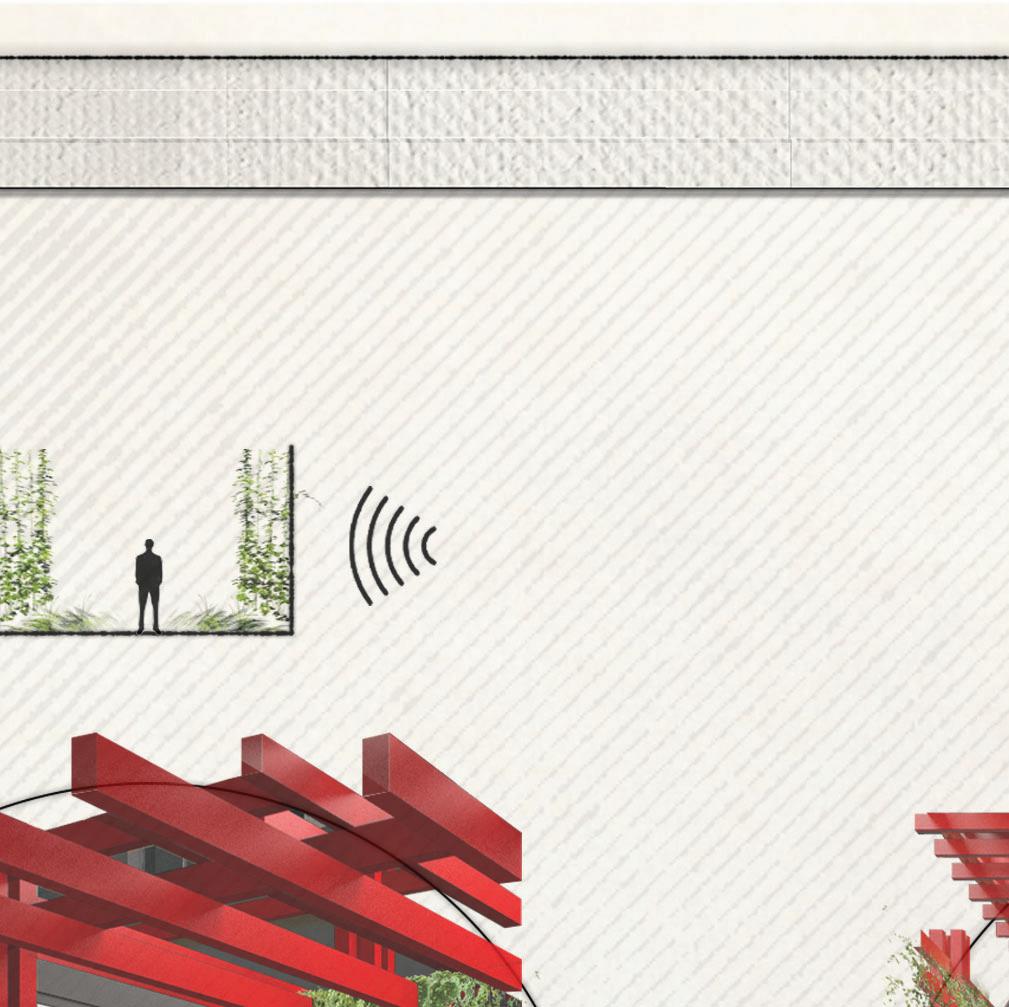
Separation from noise
Primary path with optional activities
mi-Public)
n are given nto the open ing a quick etreat

Meditation Garden (Private)
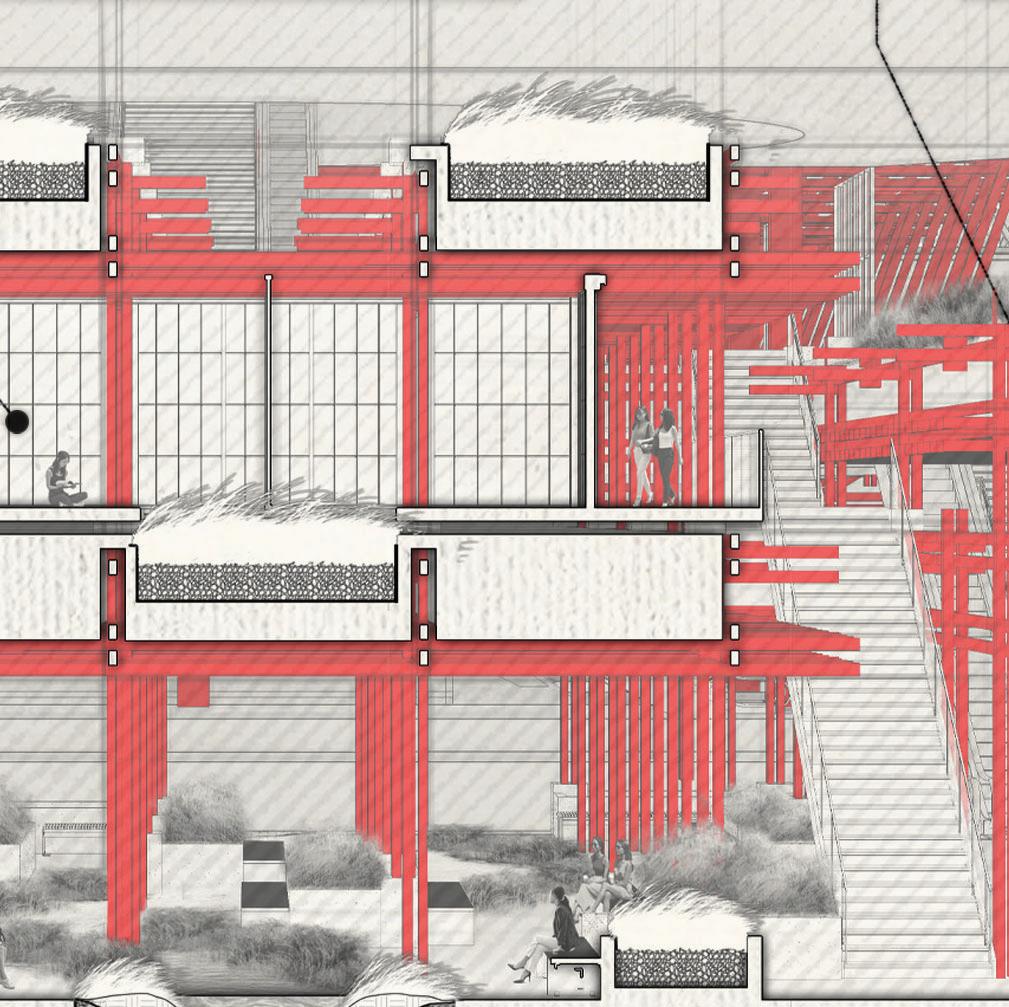
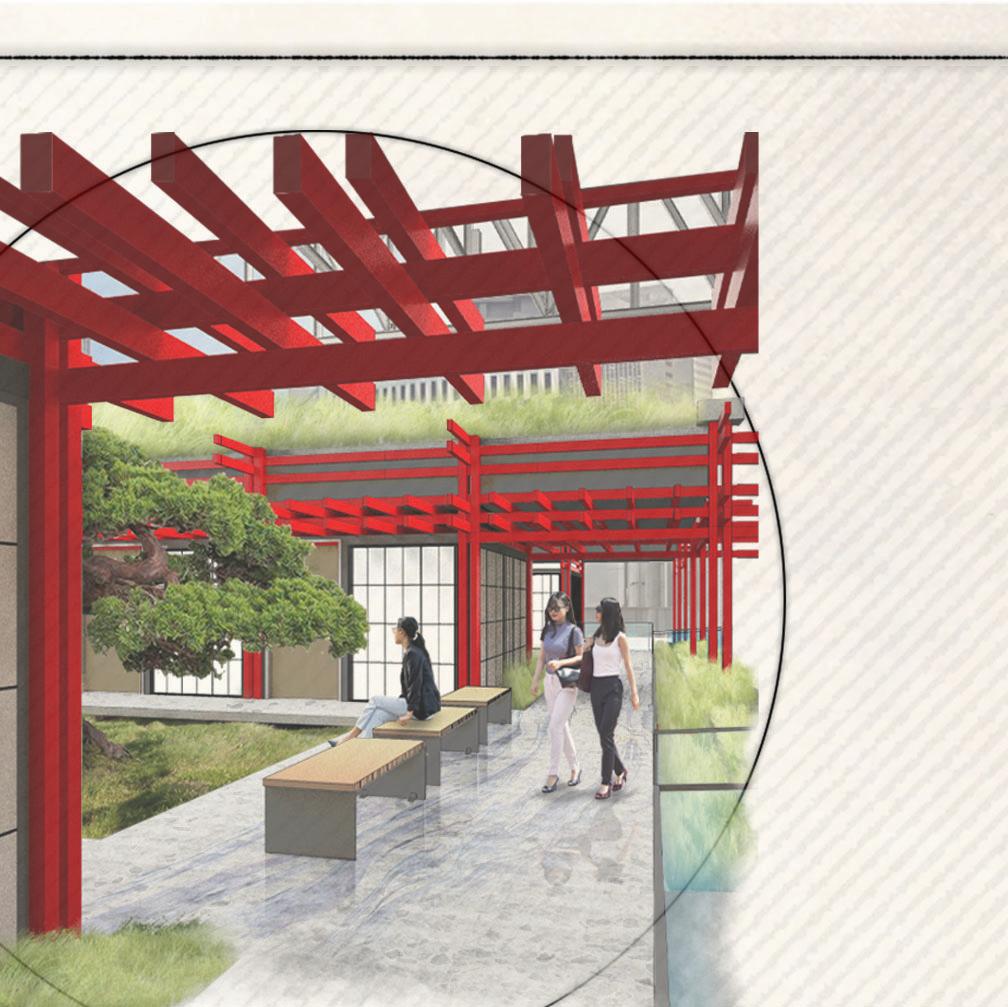
Visitors can also climb the stairs into the upper level garden, where a series of screens form private meditation areas

Pedestrian Walkway (Public)
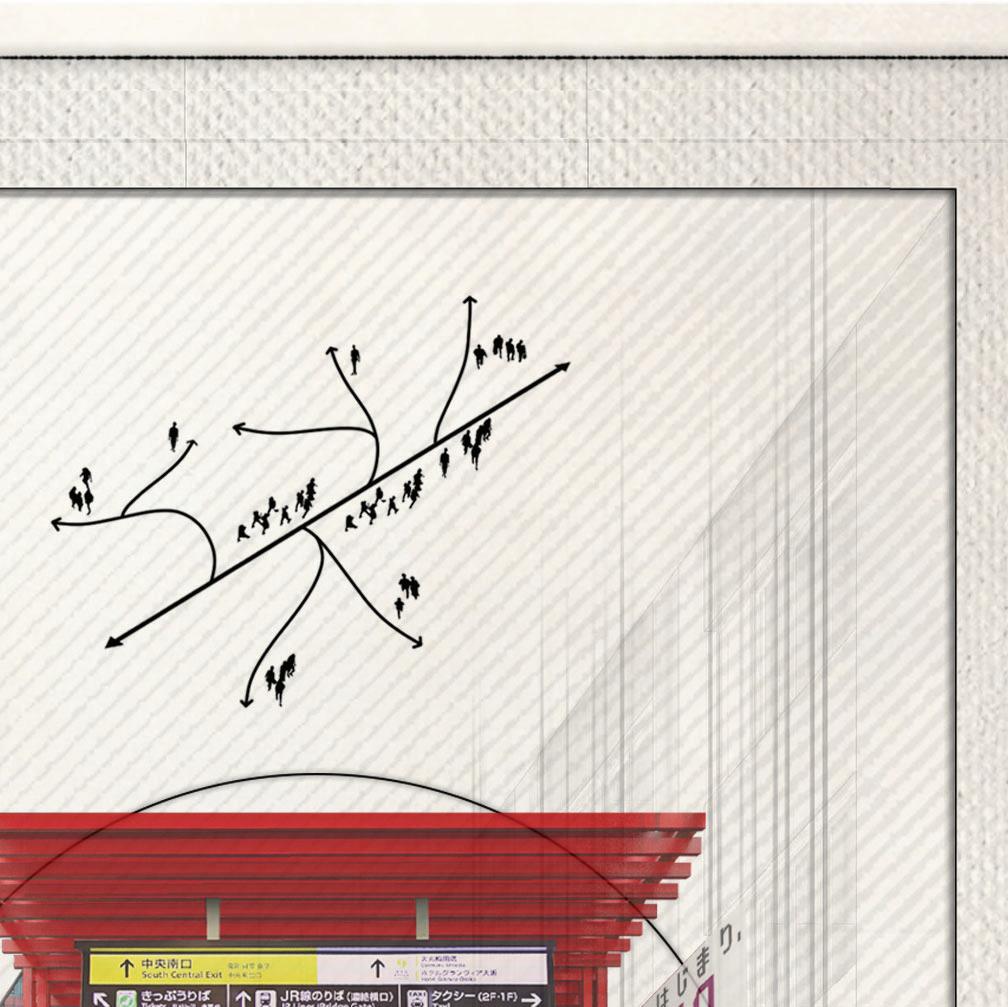
The concourse gives a quick path through the station with clear wayfinding, while offering lines of sight into the surrounding gardens mon

point of focus eates connection
7
ZONE 2: BRIDGE GATE
間
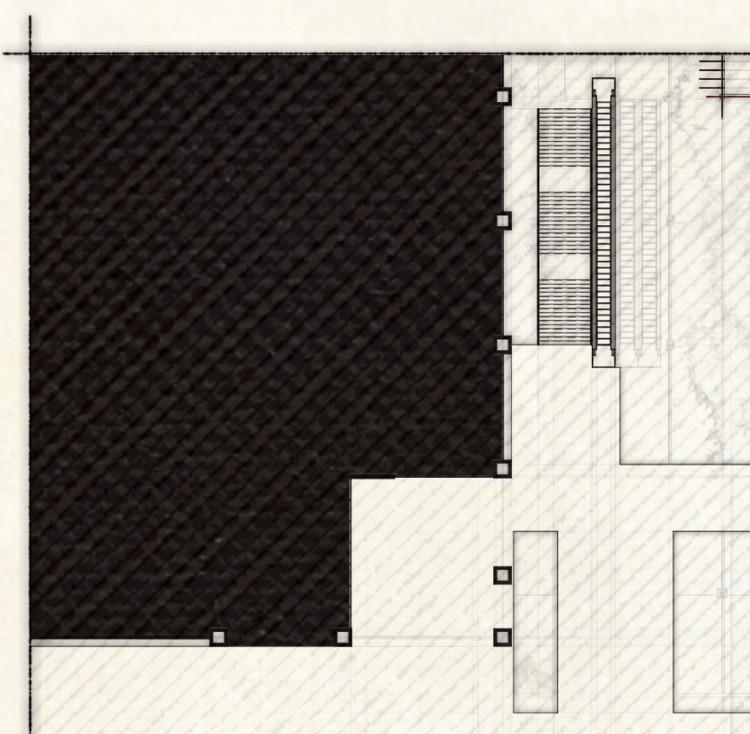
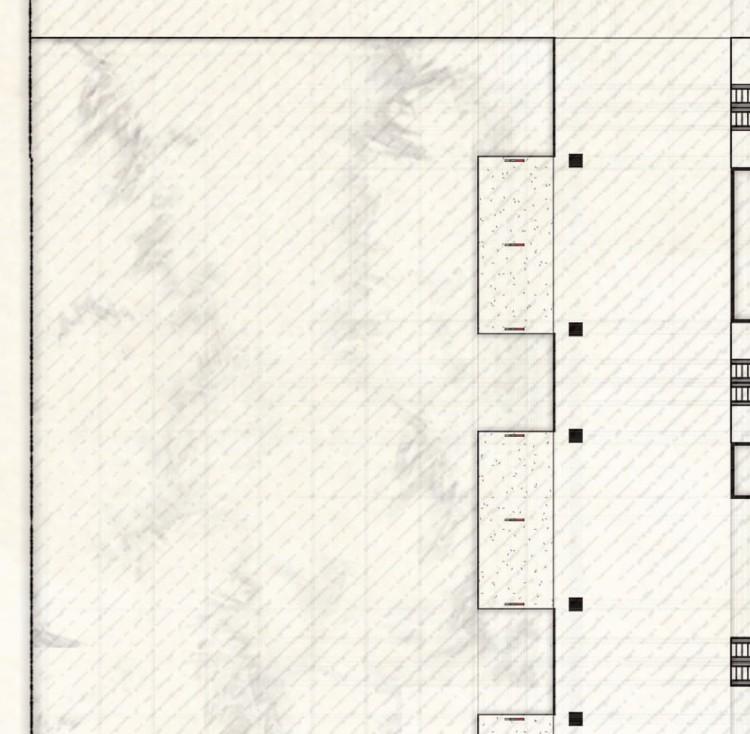
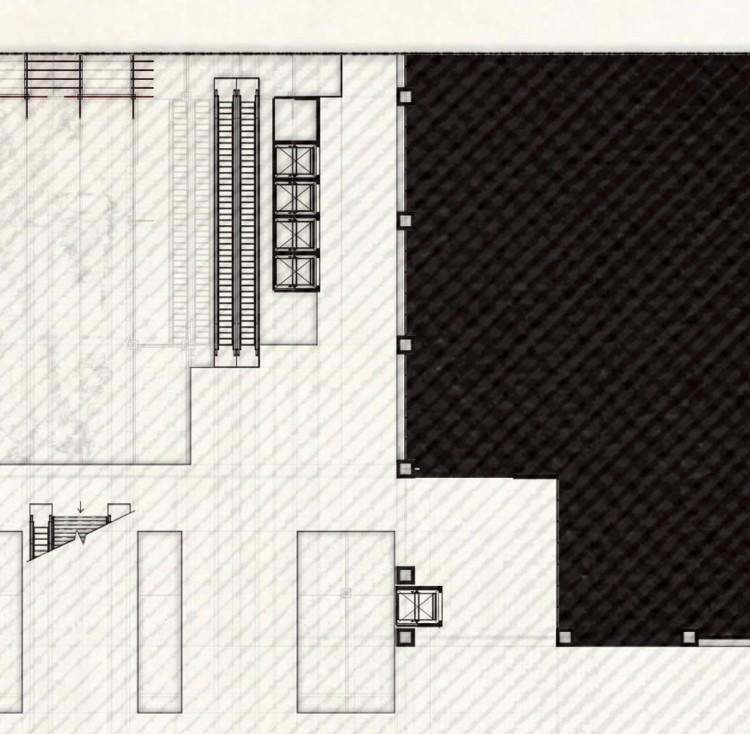
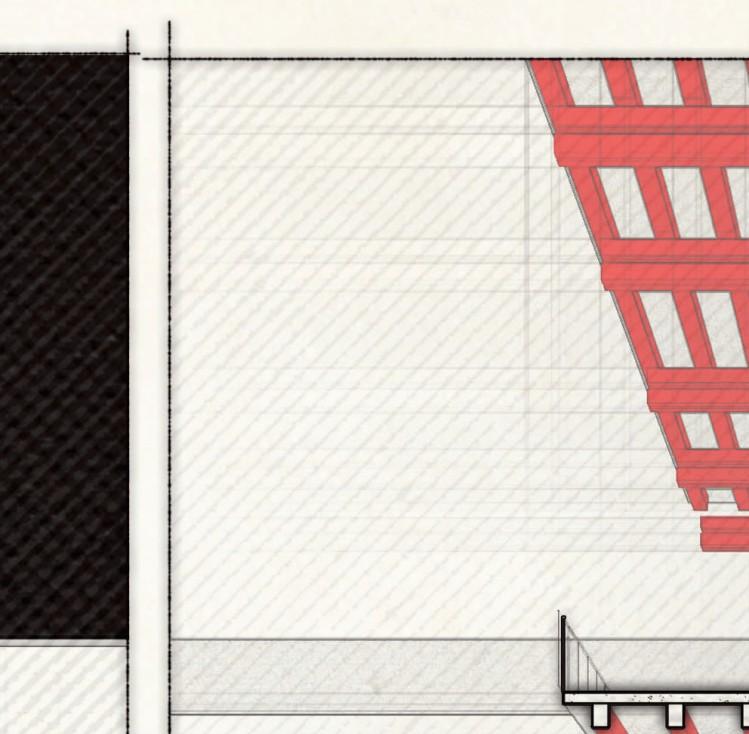
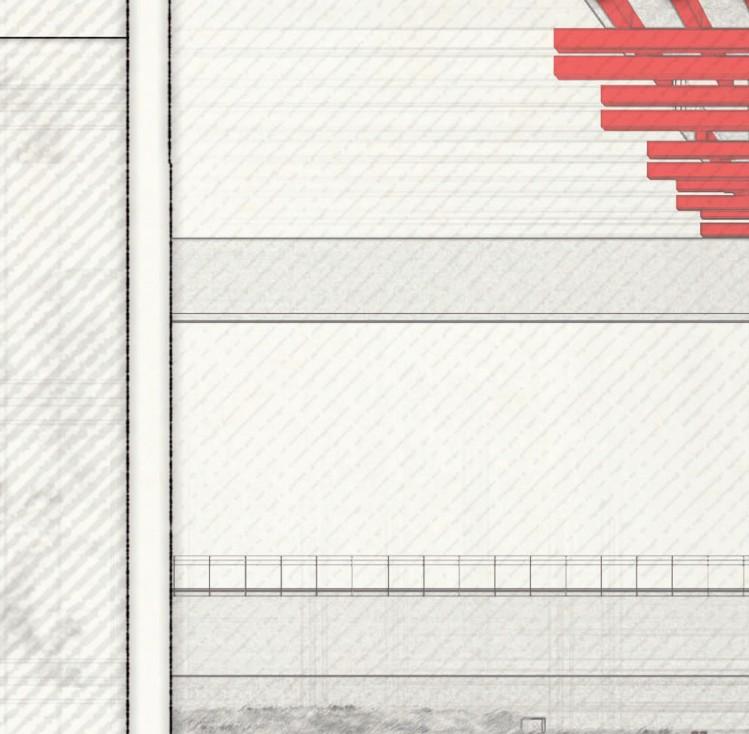
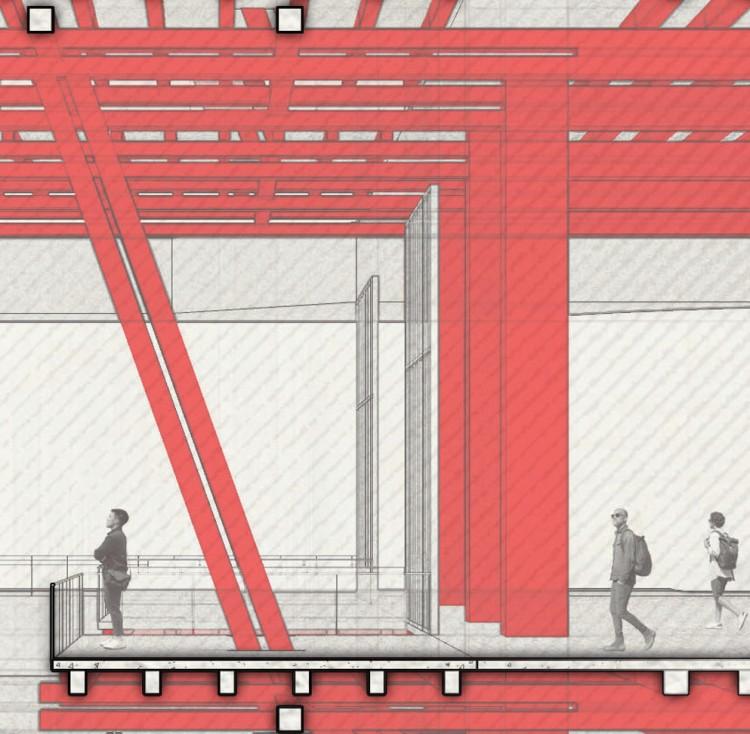
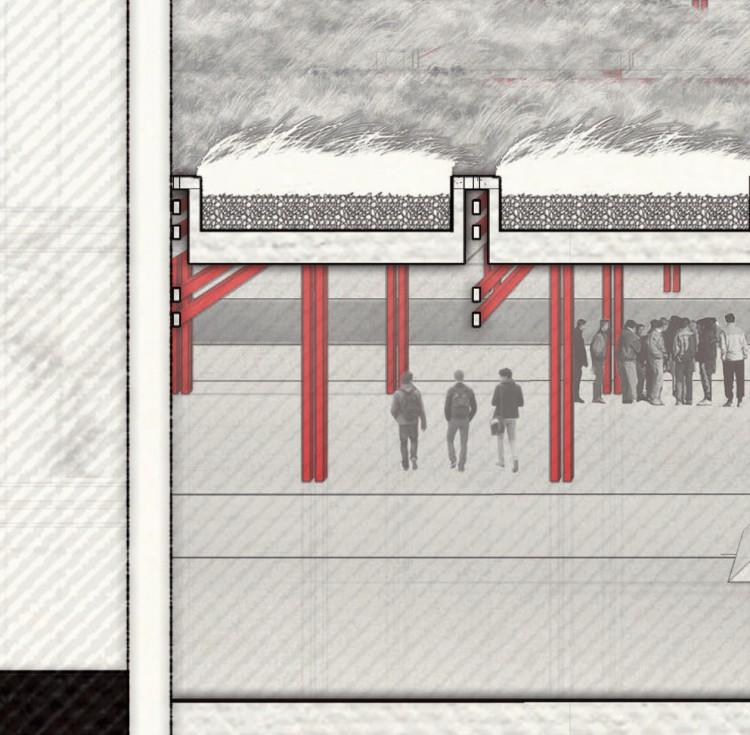
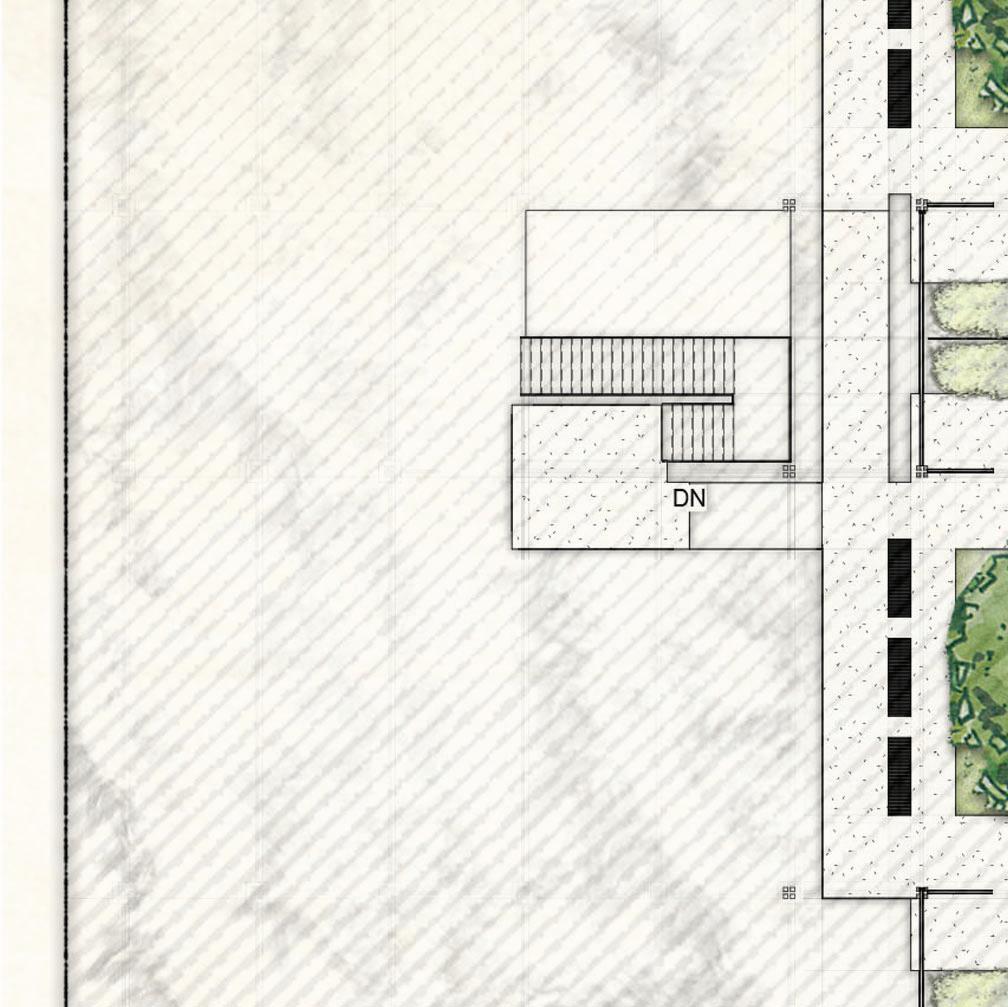
Through the use of (ma - negative space), the scale of the garden dramatically increases. The architecture becomes the centerpiece, pushing the landscape out to become an object for viewing. This transition and shifting of scales is what allows one to become aware of their physical environment, inspiring reflection and connection with others. environm n en e t, ins n p

EXISTING RETAIL
OPEN TO BELOW

EXISTING RETAIL
NATIVE PLANTINGS

TICKETS
EXISTING RETAIL

TURNSTILES TURNSTILES

TICKETS

SOUTH EXIT
EXISTING RETAIL


 Rice Plants (Oryza Sativa) Pondweed (Potamogeton) Golden Pothos (Epipremnum Aureum)
Japanese Pine (Pinus Thunbergii) Rice Plants (Oryza Sativa) Rice Plants (Oryza Sativa)
Rice Plants (Oryza Sativa) Pondweed (Potamogeton) Golden Pothos (Epipremnum Aureum)
Japanese Pine (Pinus Thunbergii) Rice Plants (Oryza Sativa) Rice Plants (Oryza Sativa)
on
FLOODPLAIN MEADOW
8
FLOODPLAIN MEADOW
9


Trackside Conco
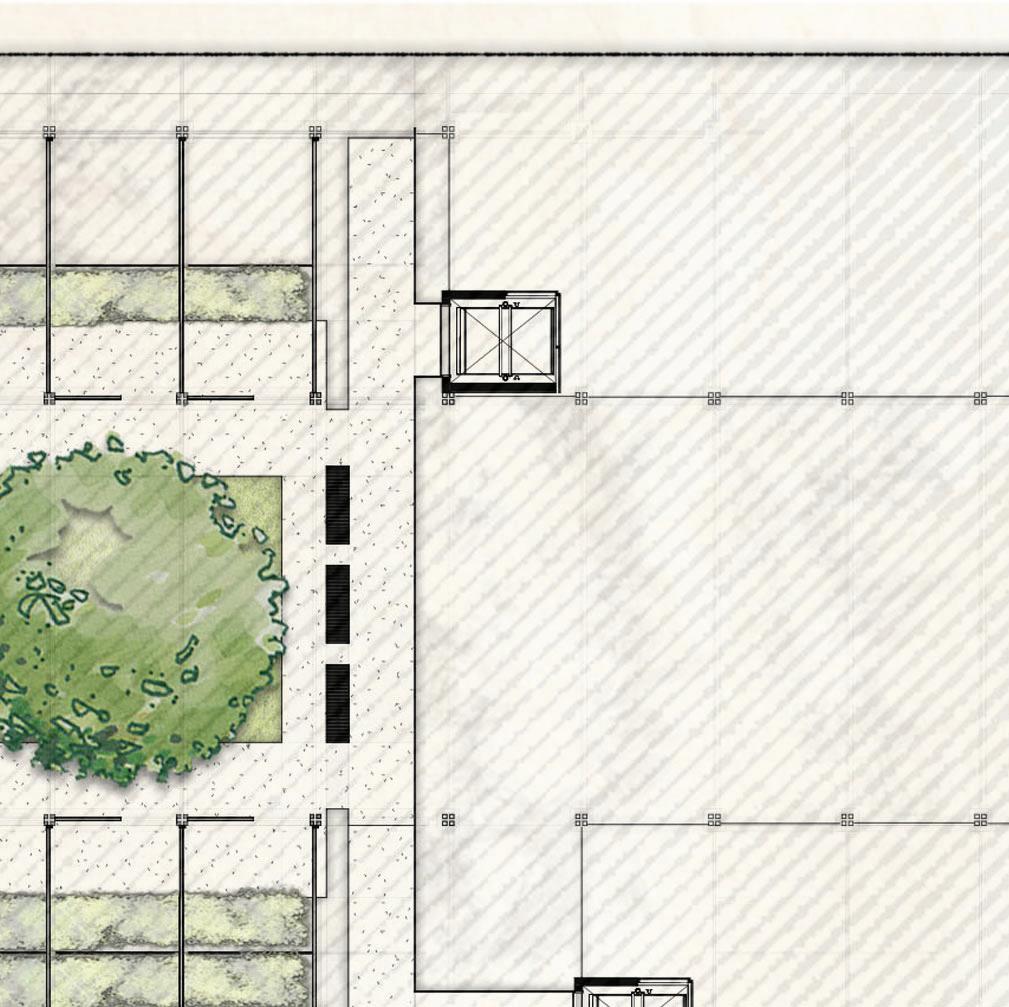
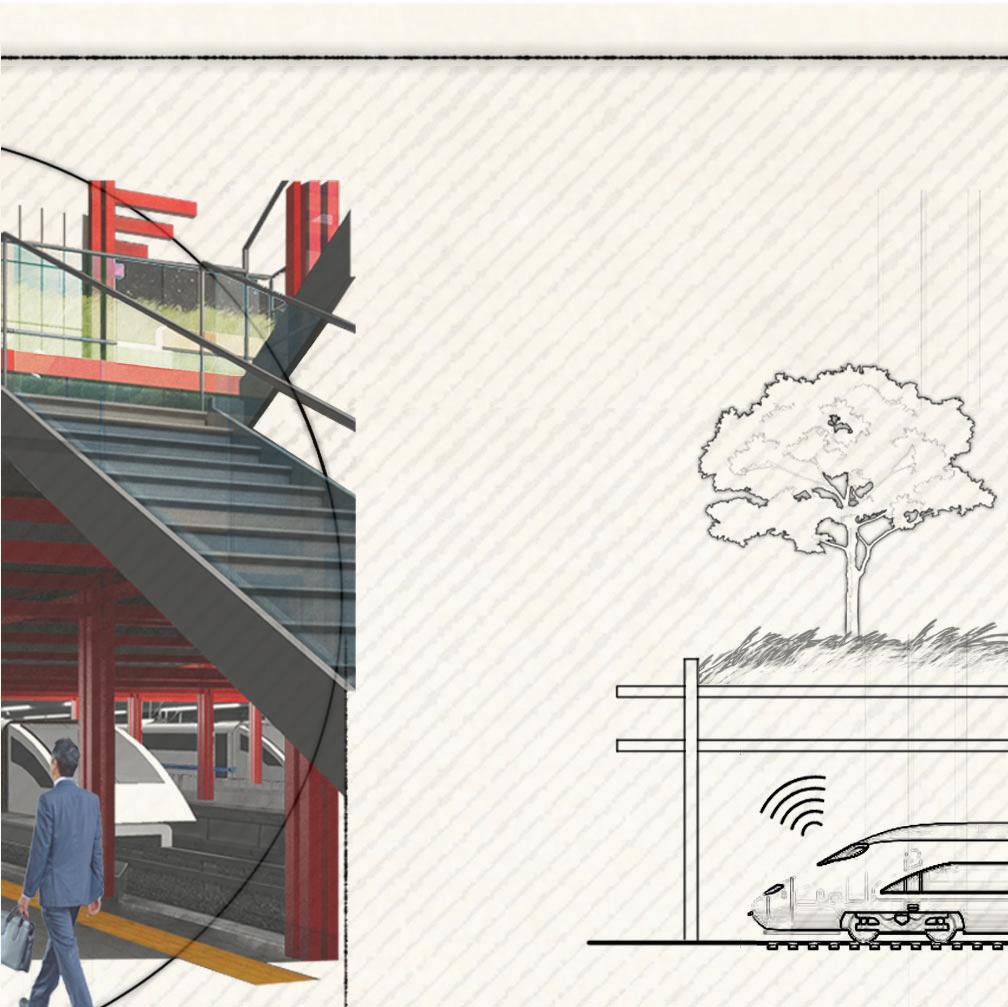
The tectonic grid cov tracks, offering pock light and access to garden above

3: TRACKSIDE
ZONE
10
OPEN TO BELOW OPEN TO BELOW FLOODPLAIN MEADOW ELEVATORS PUBLIC GARDEN PRIVATE GARDEN

ourse ers the kets of o the
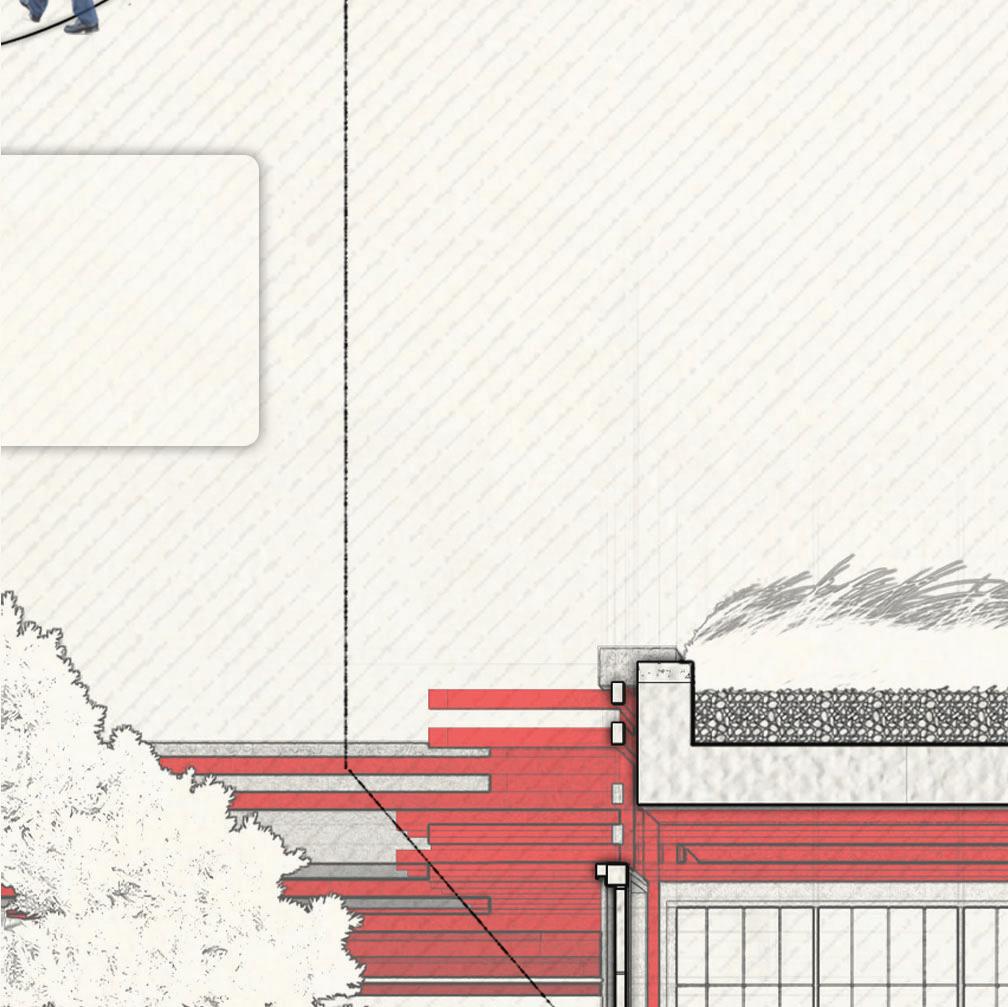
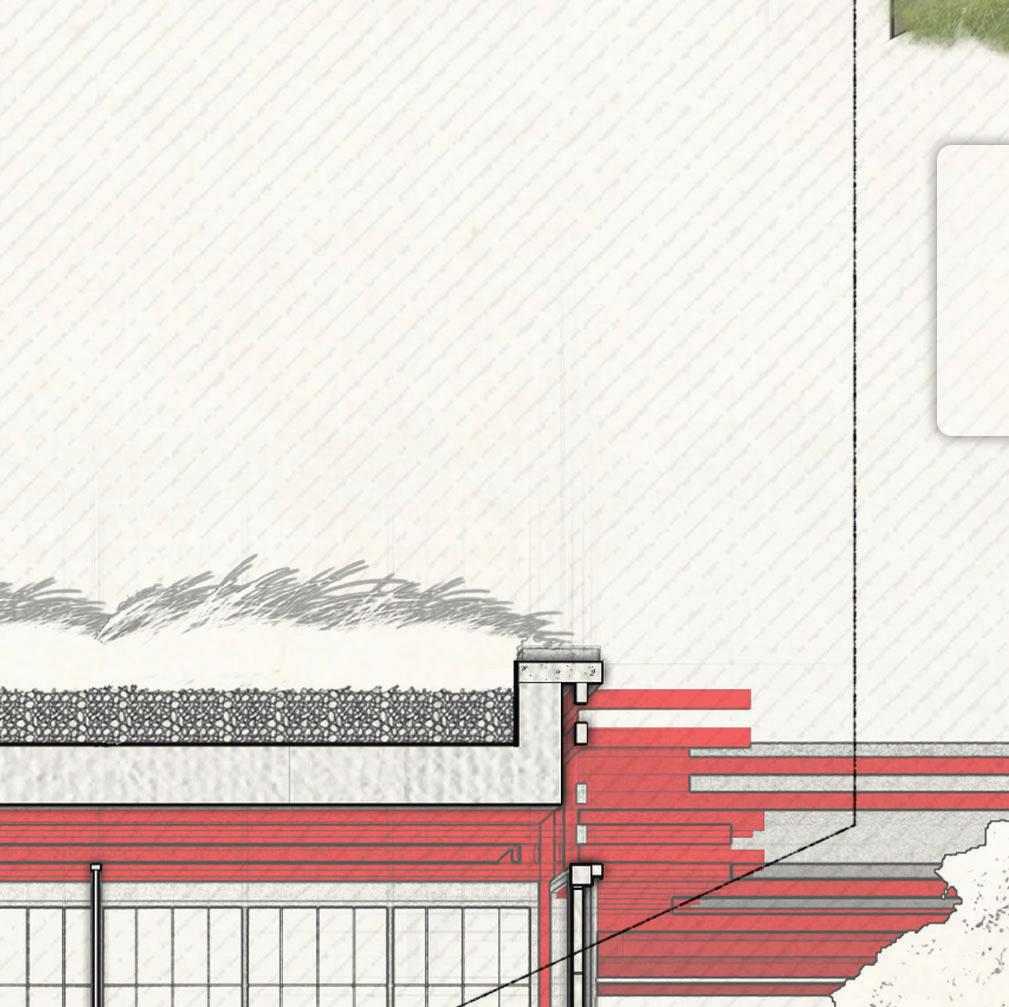
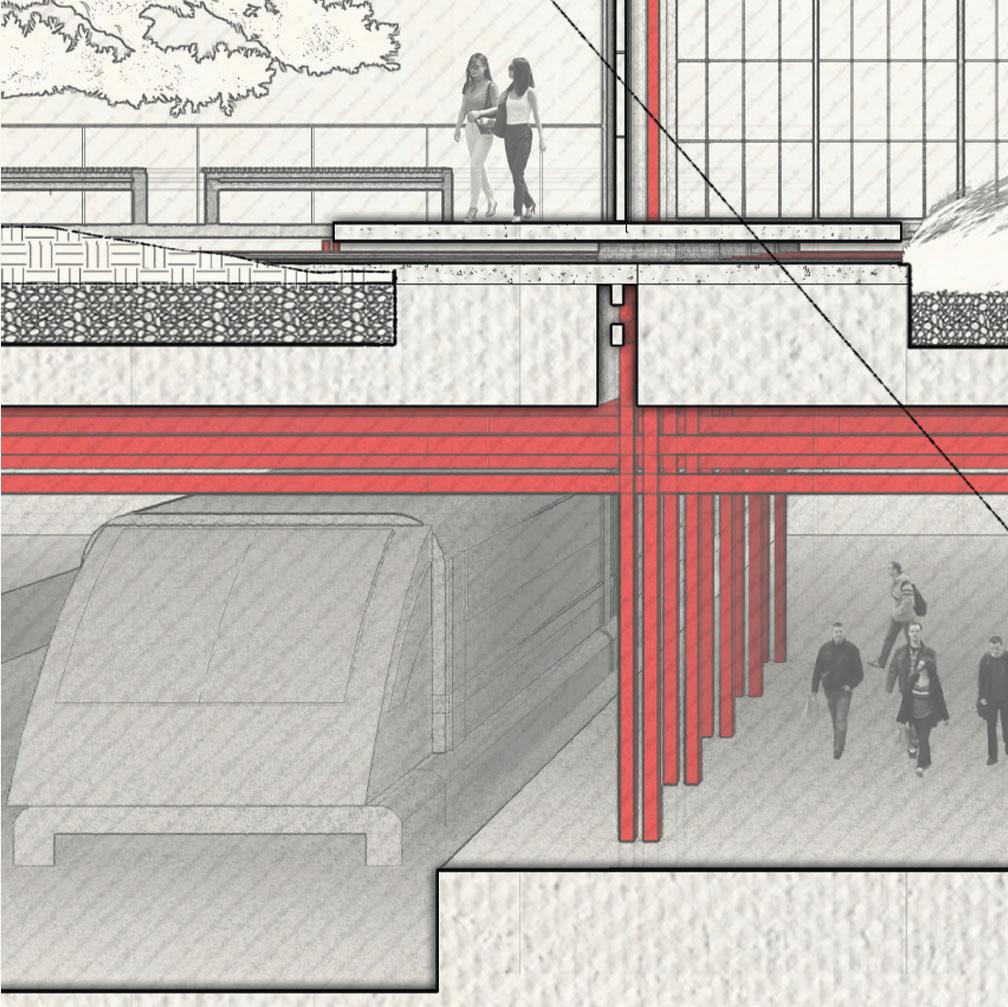
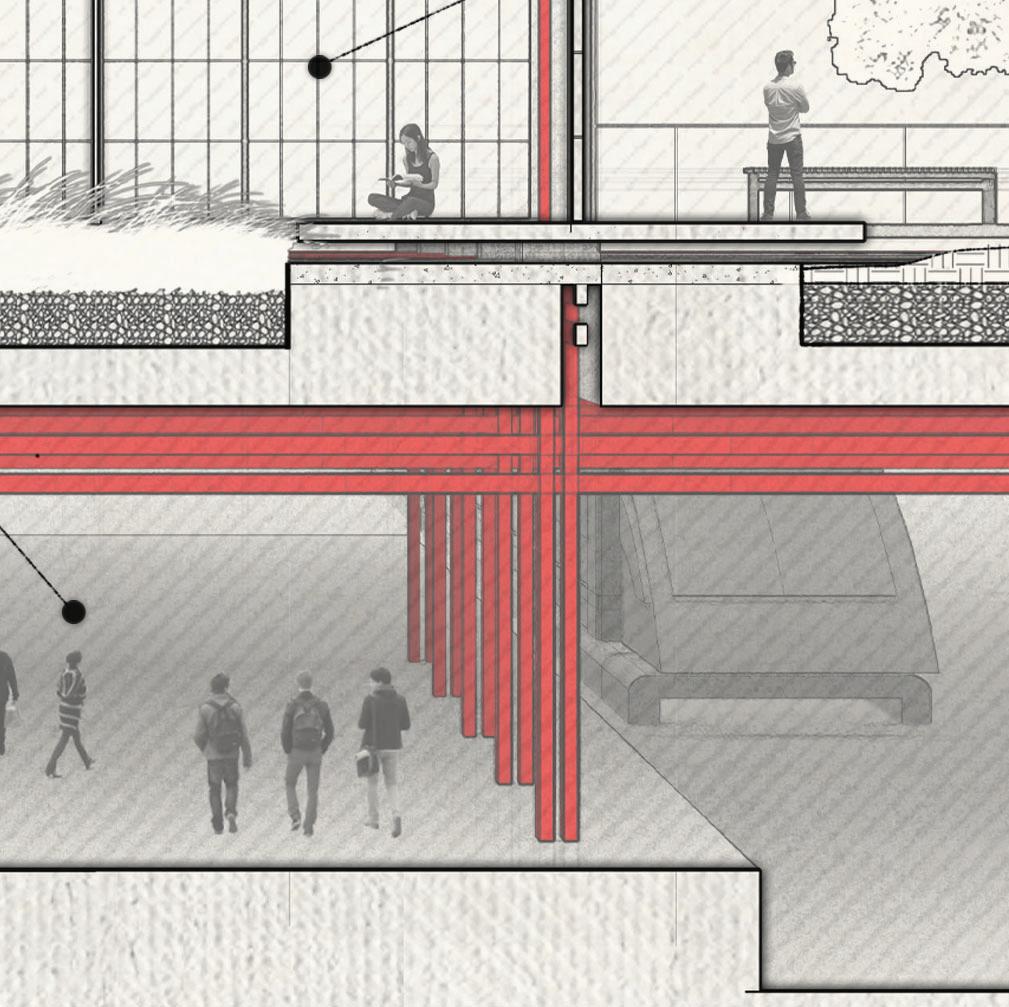
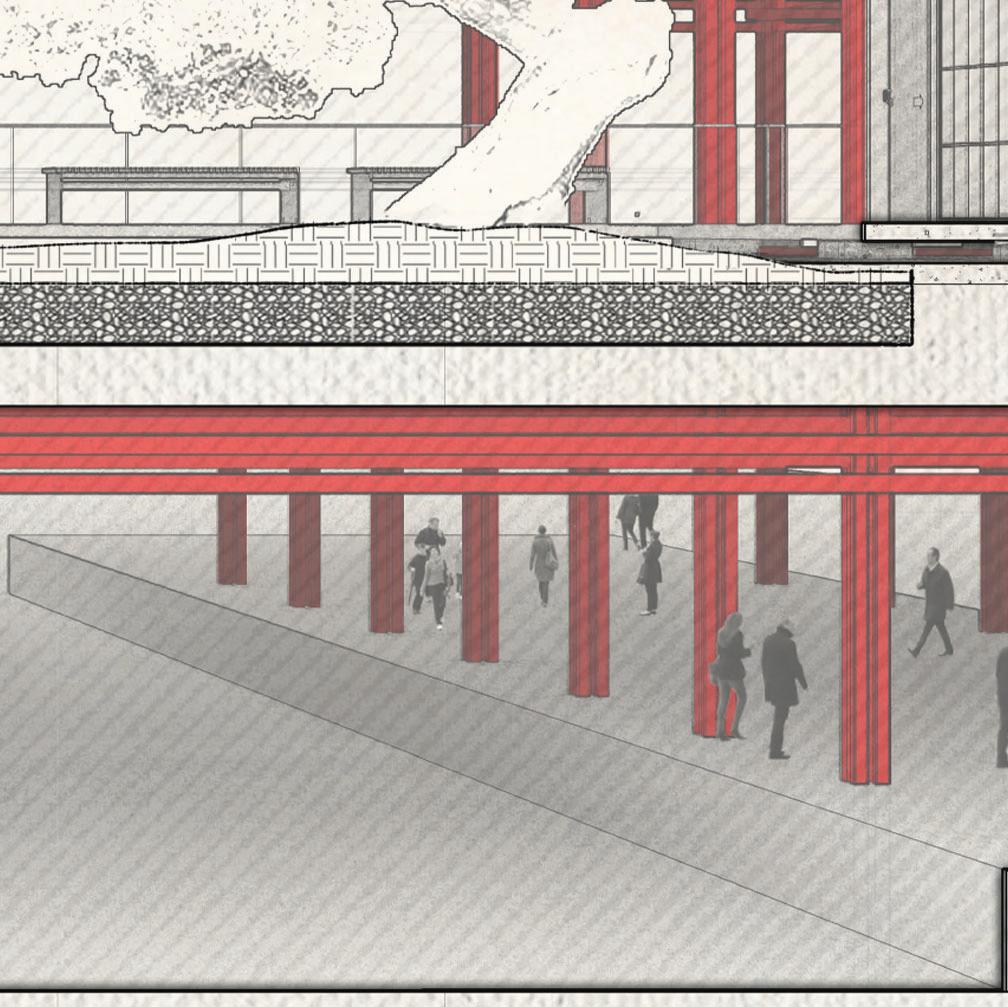
Garden platforms absorb loud sounds, creating a peaceful environment away from the hyper-efficiency of the train station
Track Garden
The garden sits above the tracks, creating both public and private rest areas for people during layovers

11
THE CLOUD FACTORY
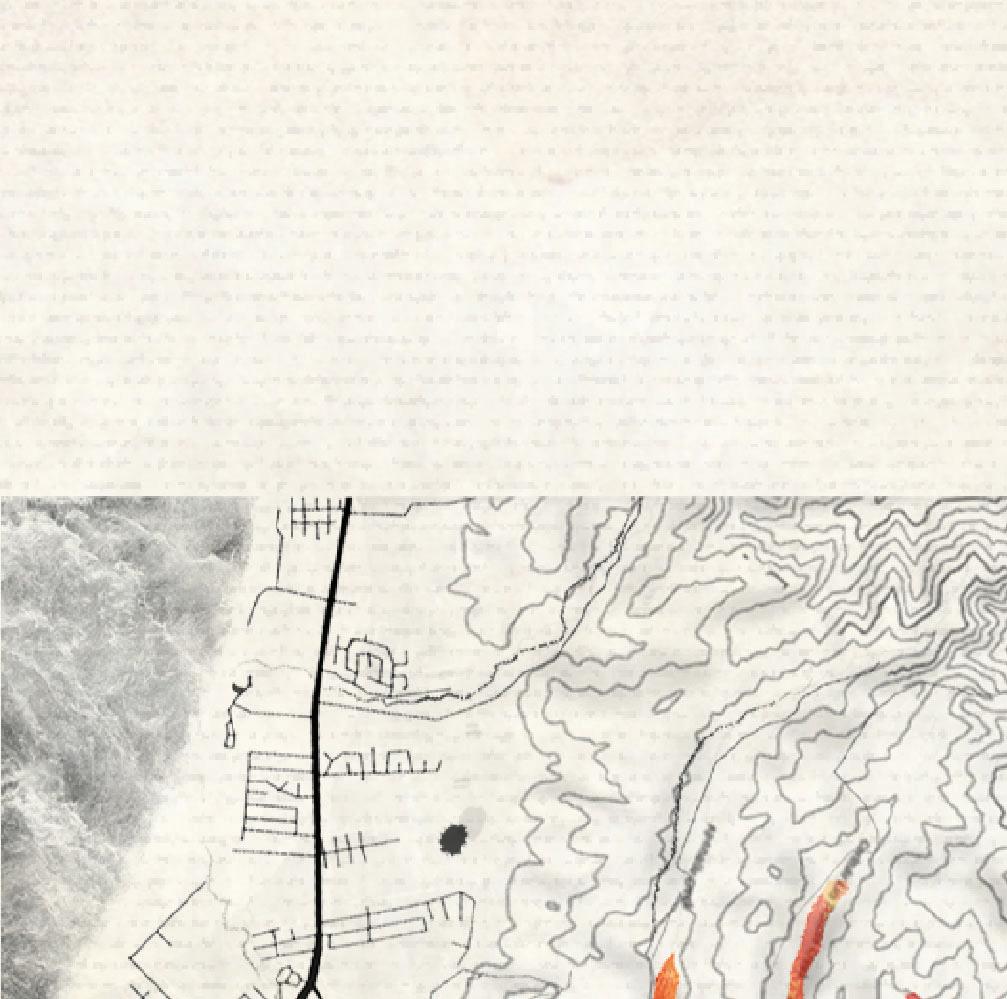
Re-defining the relationship between ecology and industry, helping to prevent wild fires and sustain local farming communities in the Bay Area of California




Half Moon Bay, California
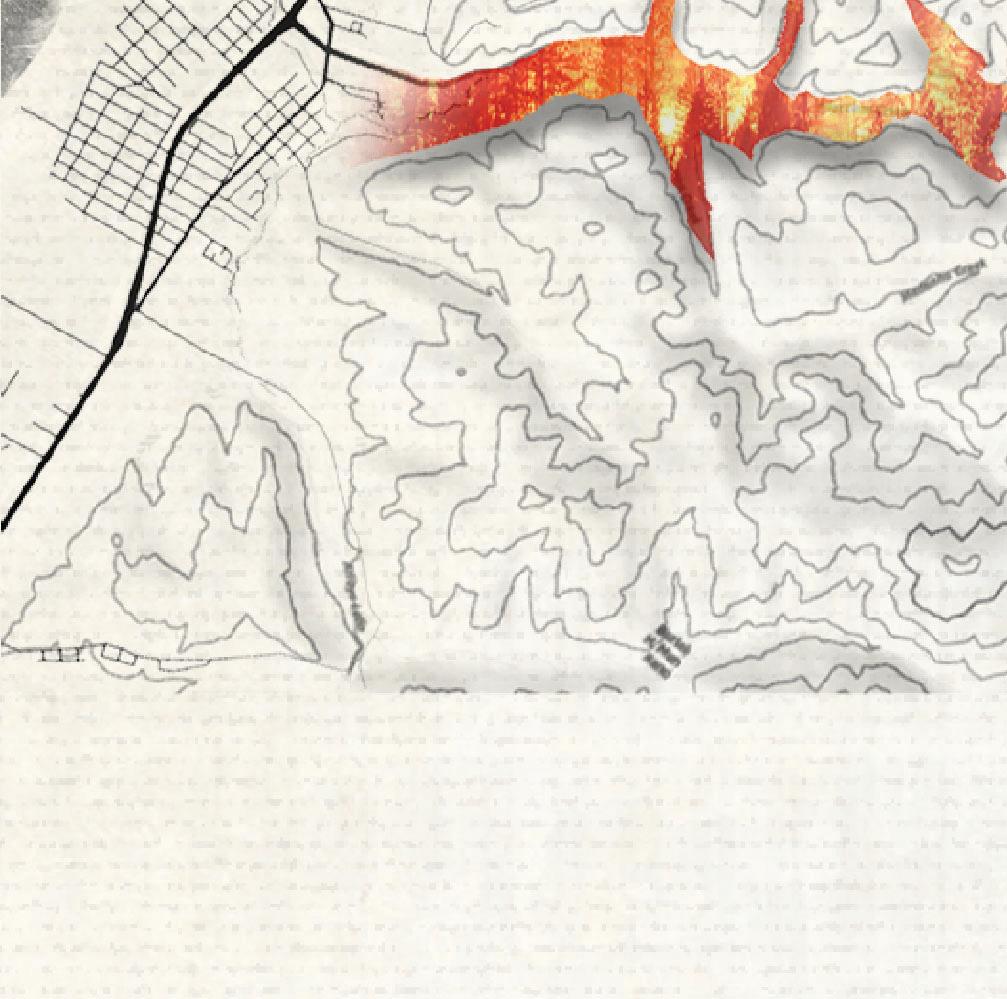

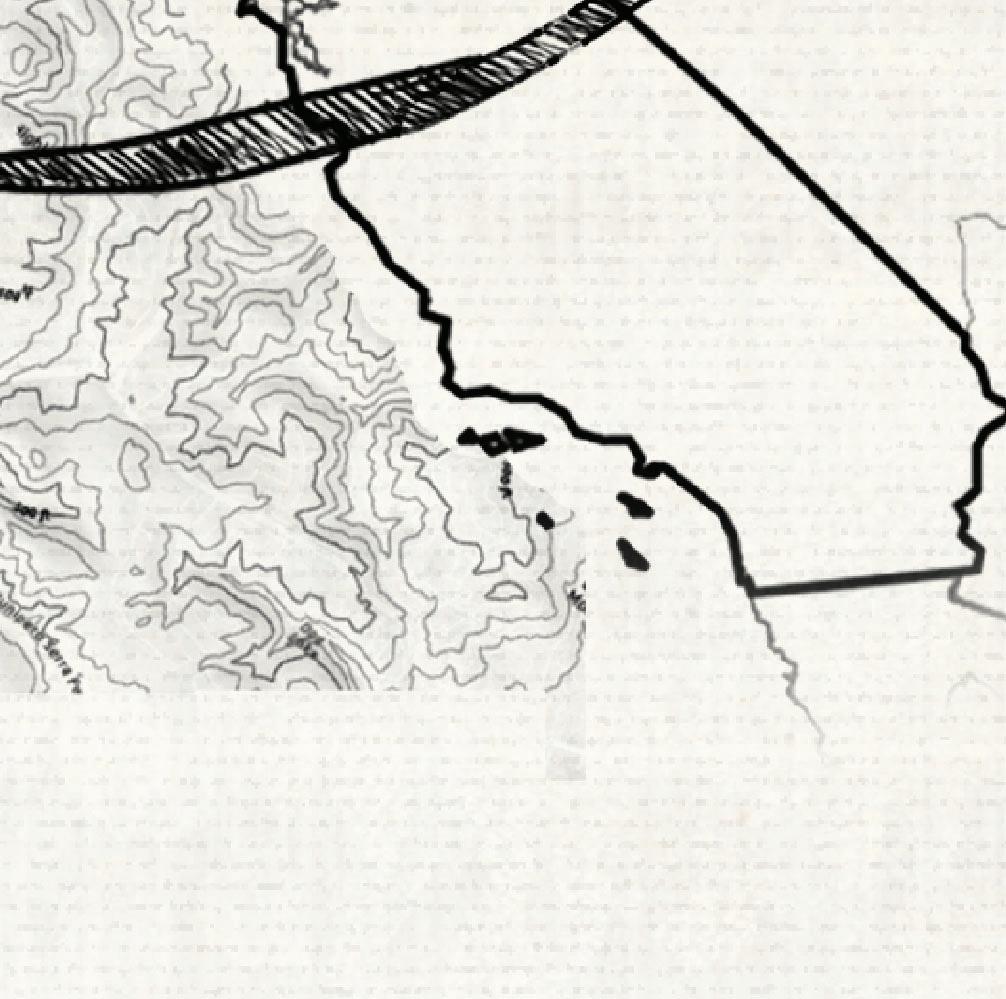


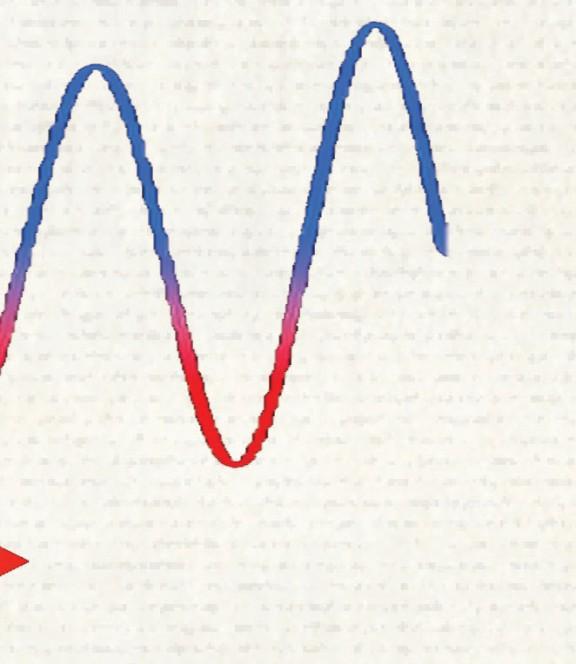
With climate change amplifying California’s water cycle, the dry period of the year now sees much higher evaporation, leading to dried out landscapes and empty reservoirs. When combined with California’s farming and irrigation strategies, water scarcity and natural disasters, like wild fires, are bound to happen. The site poses a unique opportunity for an architectural intervention that would restore balance to this area’s water cycle. In turn, there can be harmony between water, ecology, and industry
Dry Season
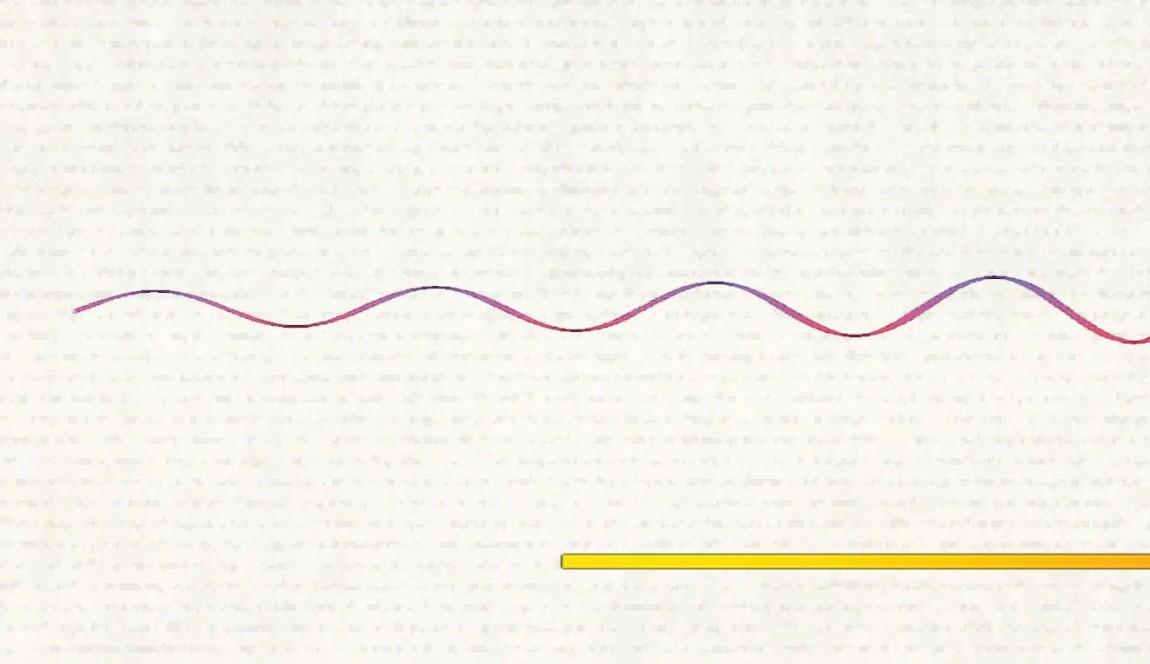
Floods and Mudslides
Rainy Season
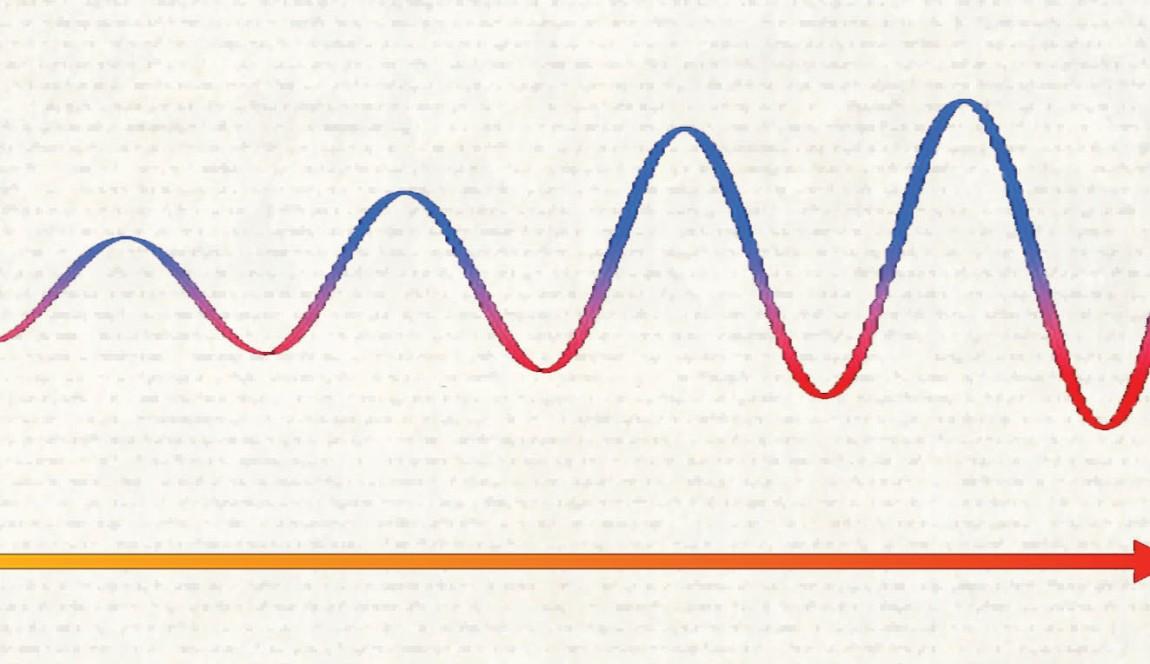
Droughts and Megafires
RISING GLOBAL TEMPERATURES


HALF MOON BAY ALBERT CANYON SAN MATEO CRYSTAL SPRINGS RESERVOIR 02 12

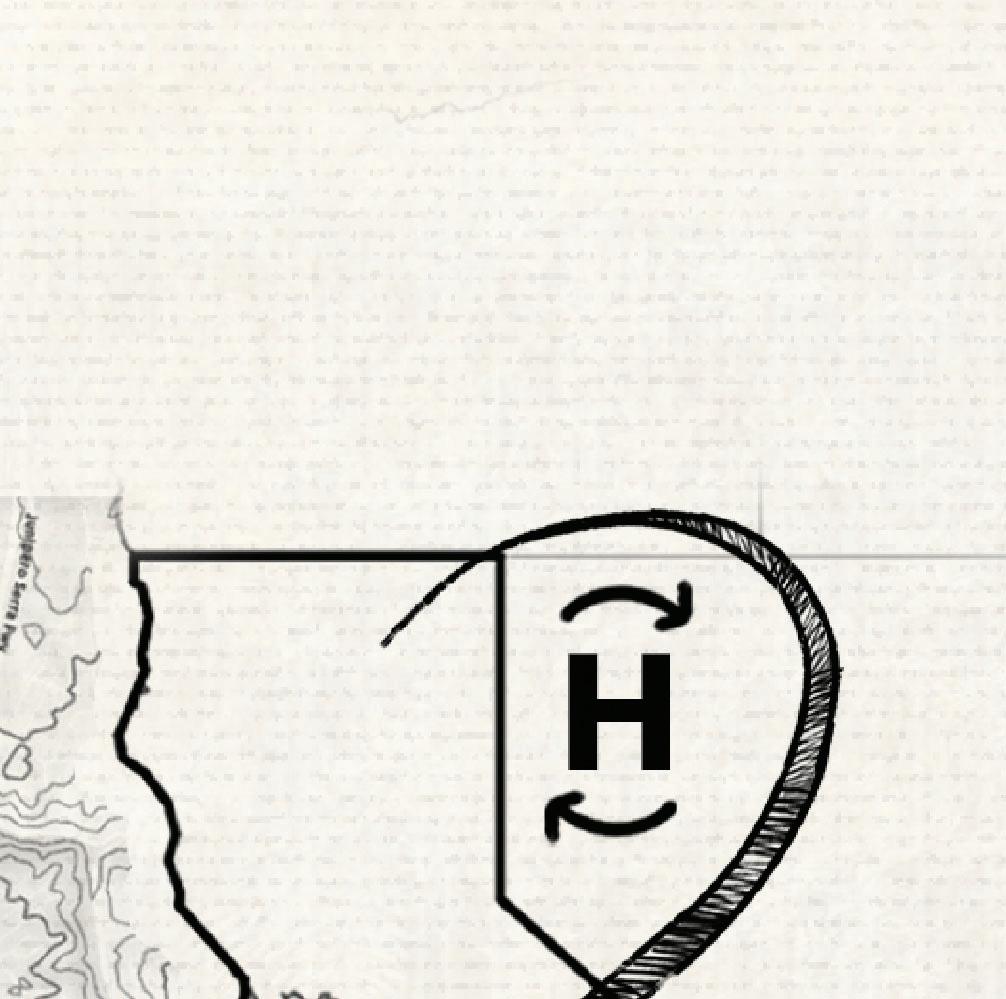
Albert Canyon is home to a wide array of farming communities, and Half Moon Bay has more than 11,000 residents. Both areas have an extremely high risk of wild fire destruction due to dry conditions, and the presence of Diablo Winds coming from the east only exacerbates the risk of these fires. However, before these winds reach the canyon, they pass over Crystal Springs Reservoir, one of the largest man made bodies of water in California. Due to the rising temperatures and evaporation in California, this reservoir alone loses 80 million gallons of water per year The Cloud Factory exists as an architectural intervention between these natural energy flows, turning destructive conditions into constructive ones. The building captures evaporation over the reservoir and converts it into rain clouds. Through channeling the Diablo Winds from the east, the clouds are carried to the canyon, restoring moisture to a dried out landscape.
SITE PLAN
CRYSTAL SPRINGS RESERVOIR
13
HALF MOON BAY ROAD



PRODUCE SHIPPED
PRODUCE ELEVATORS
PRODUCE PACKAGING

FLOOR PLAN


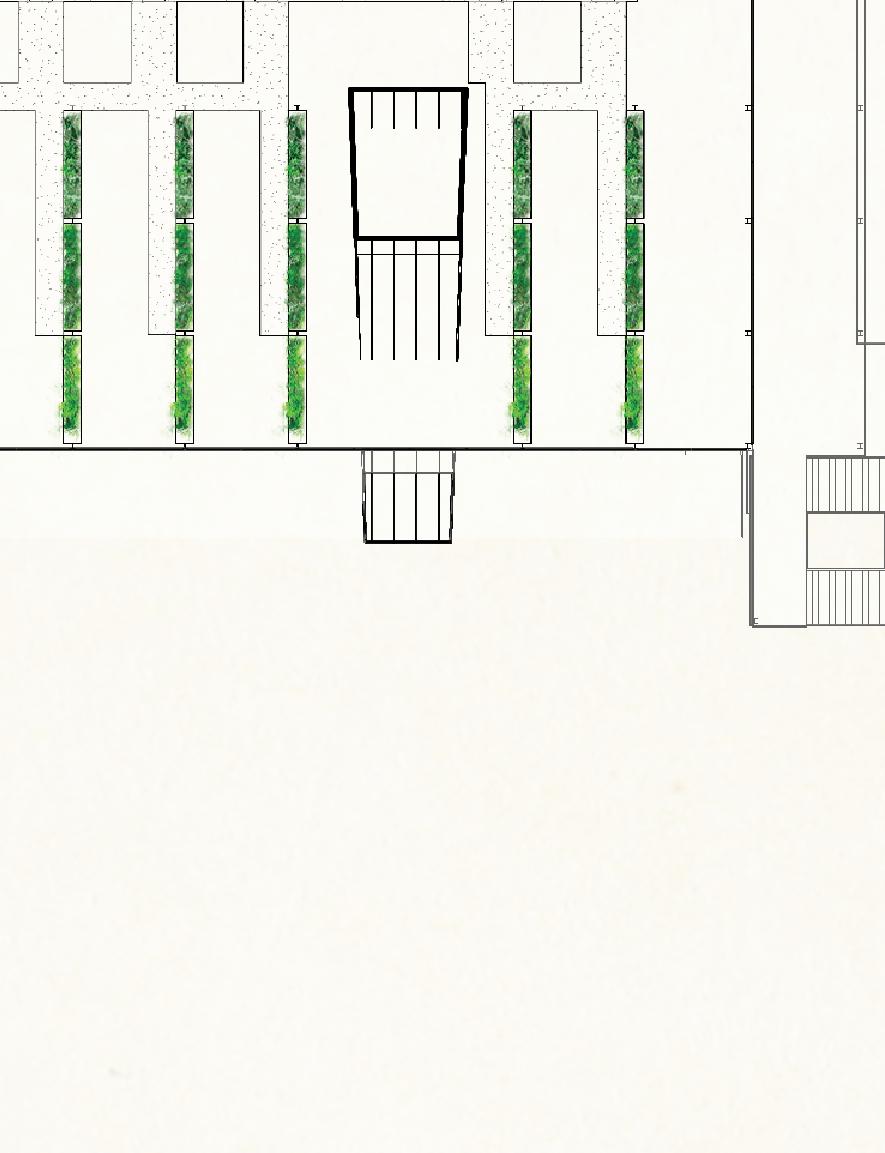
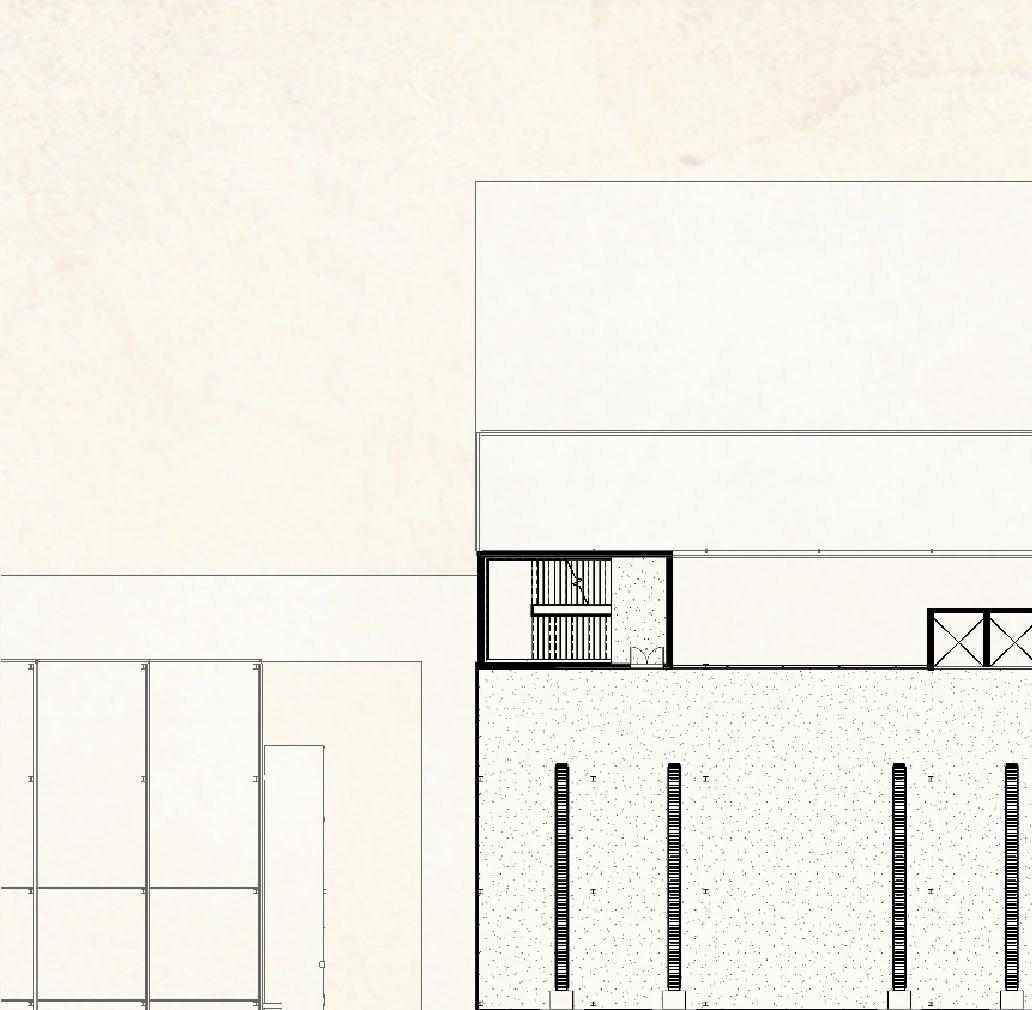
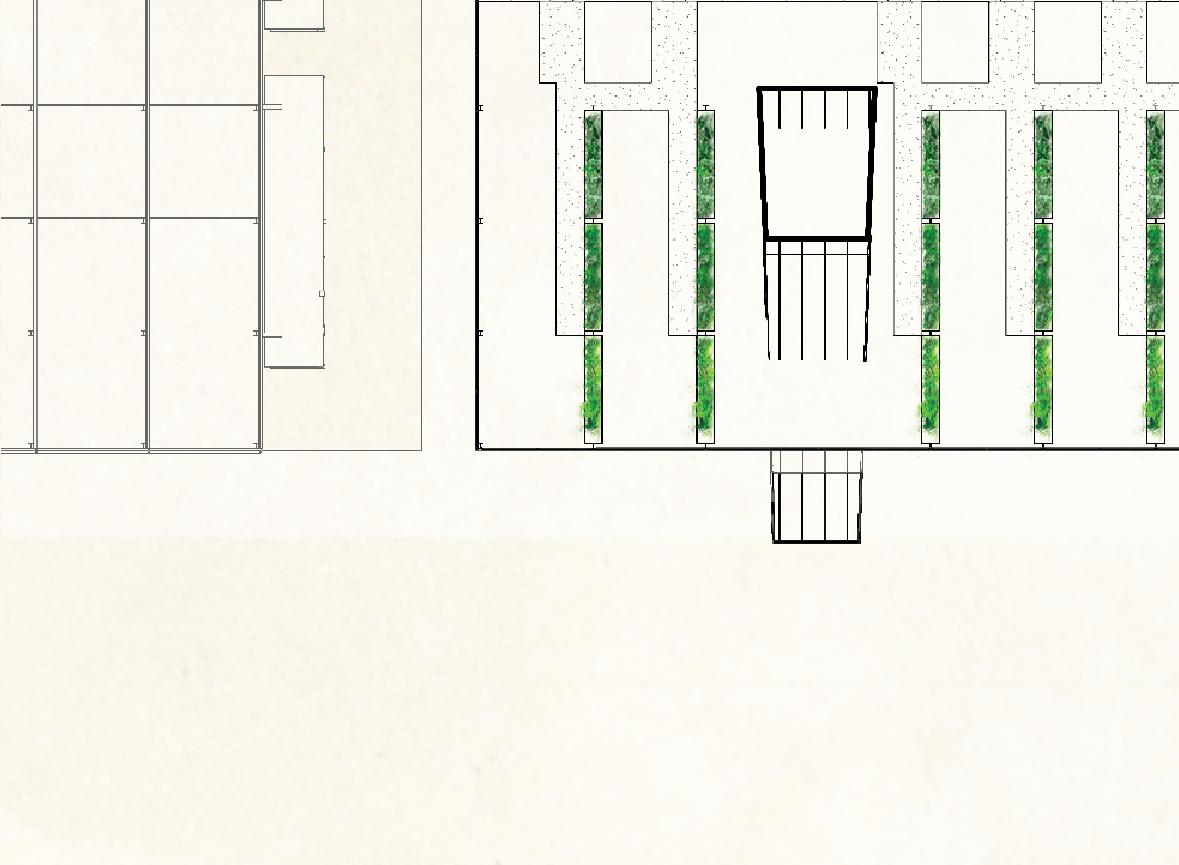
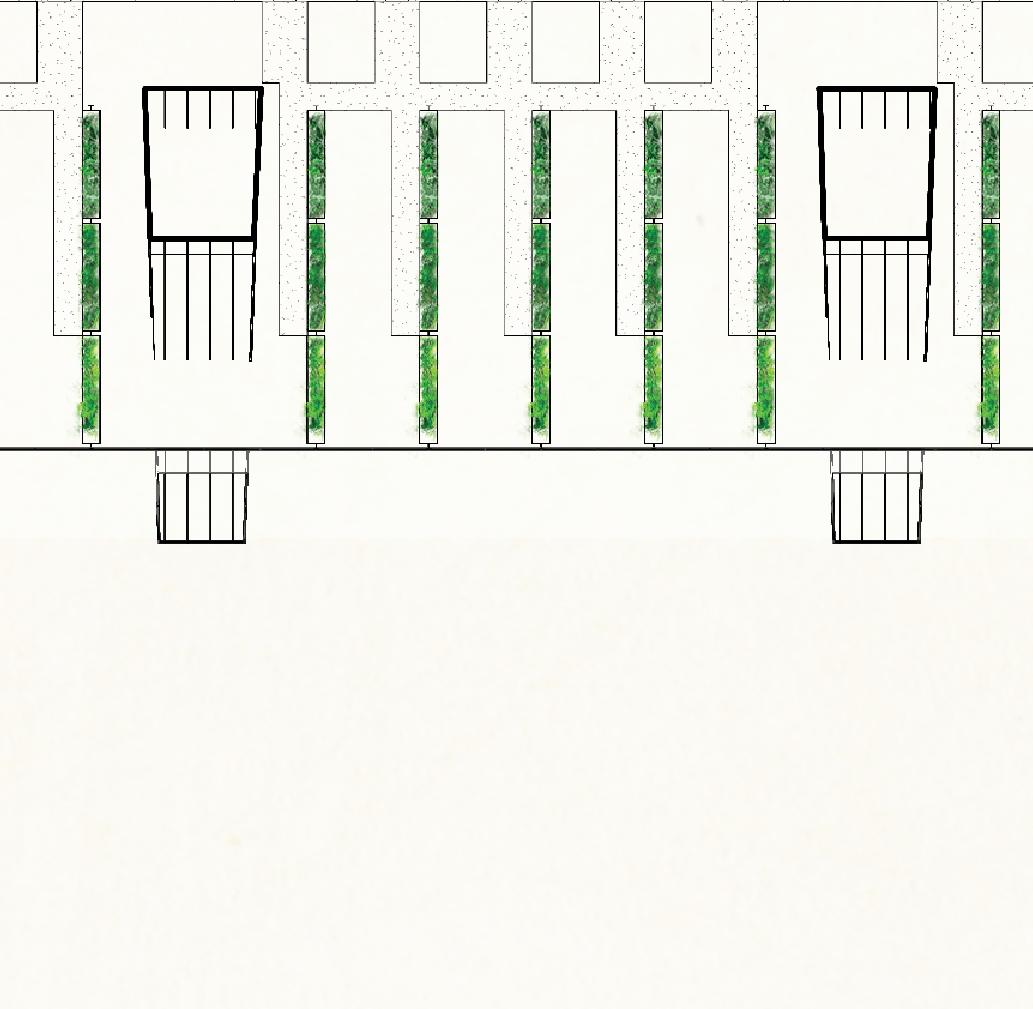
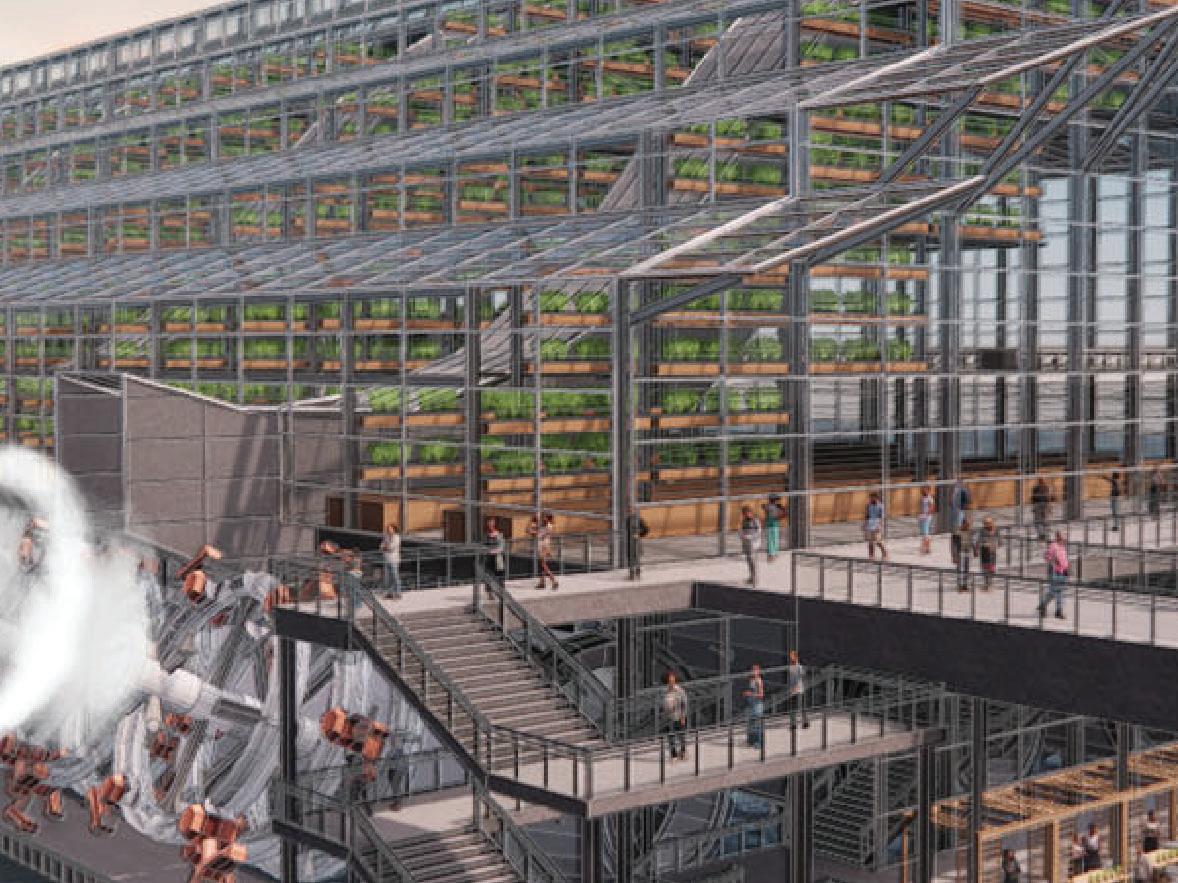
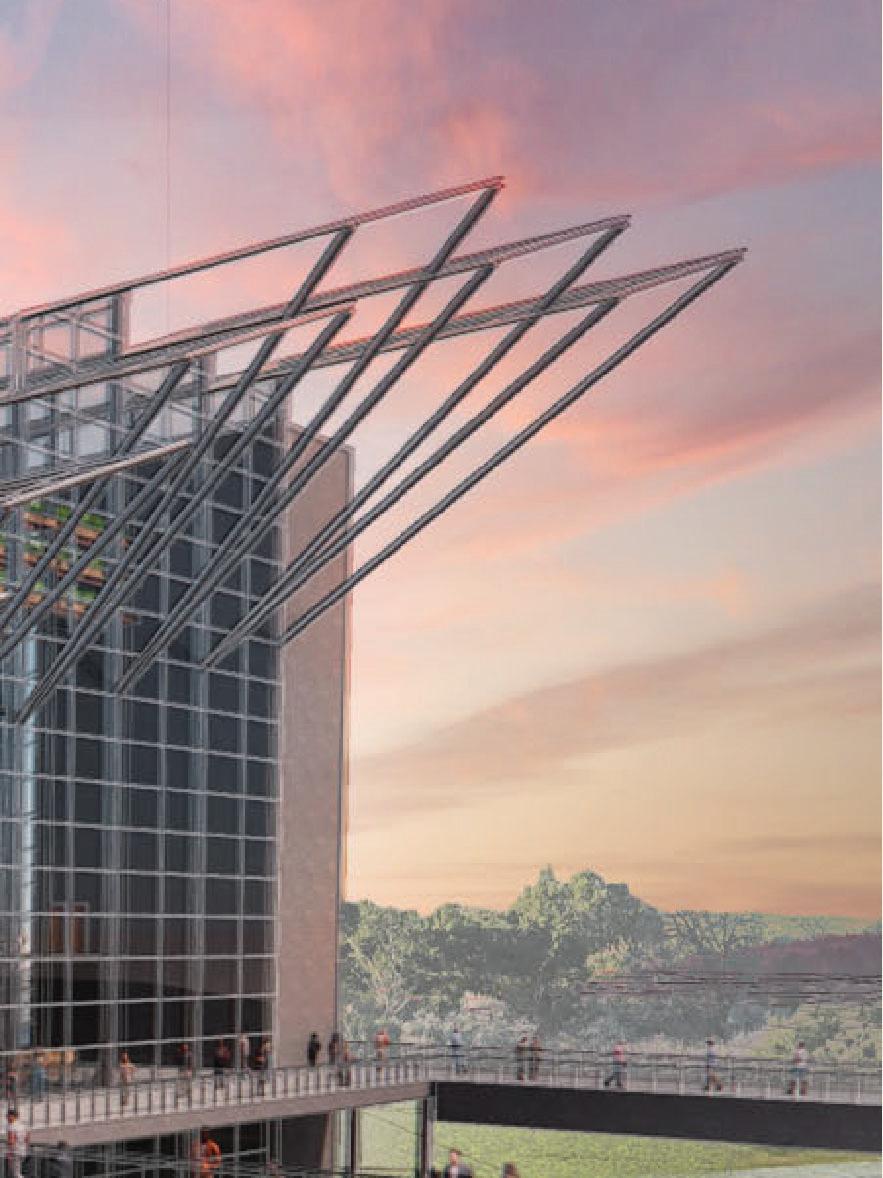
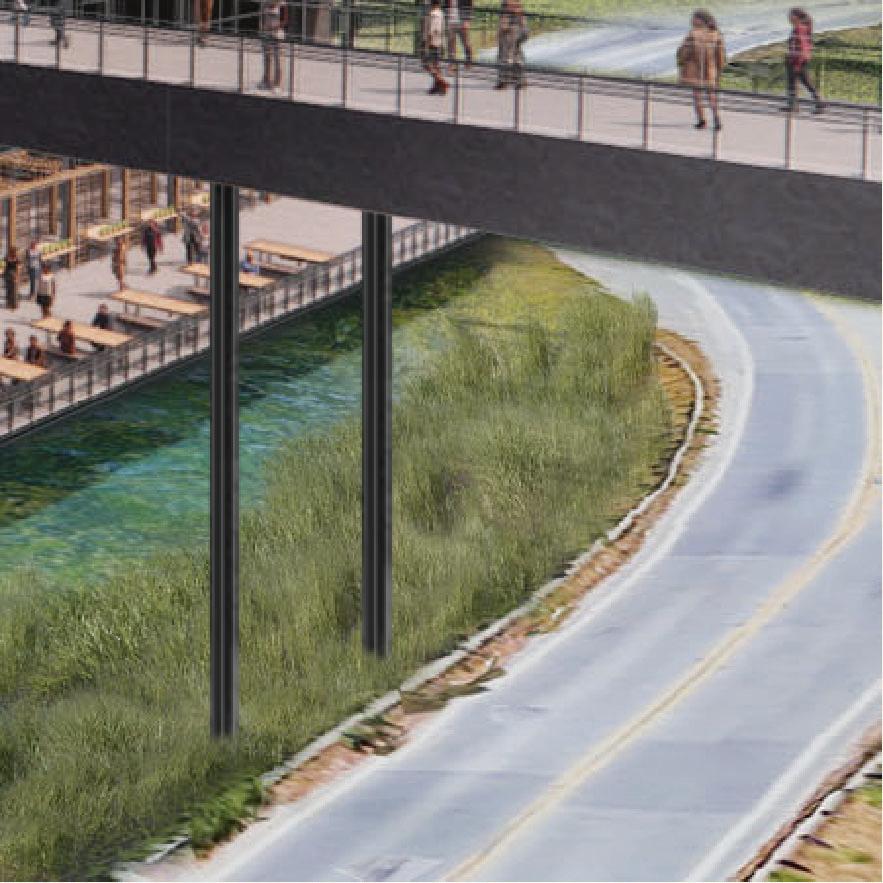
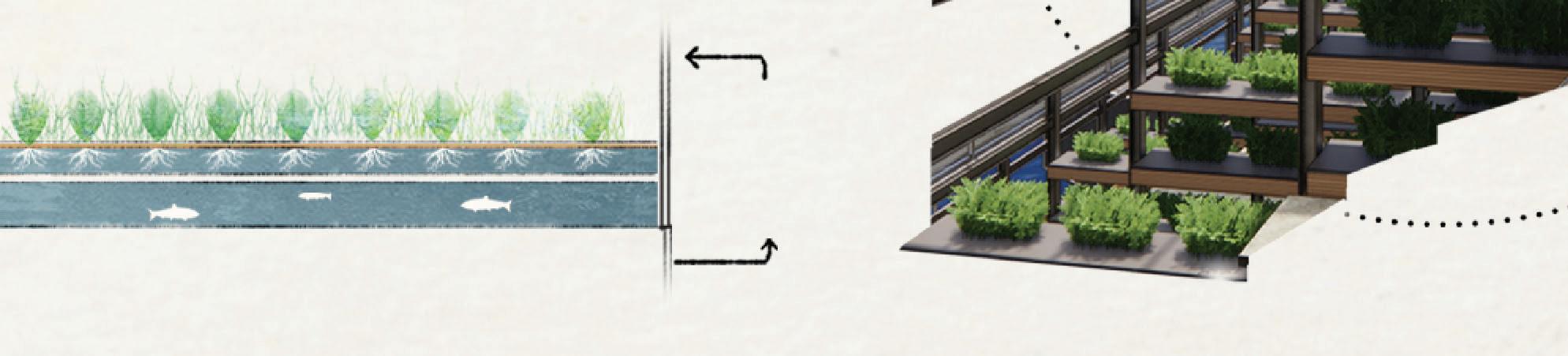
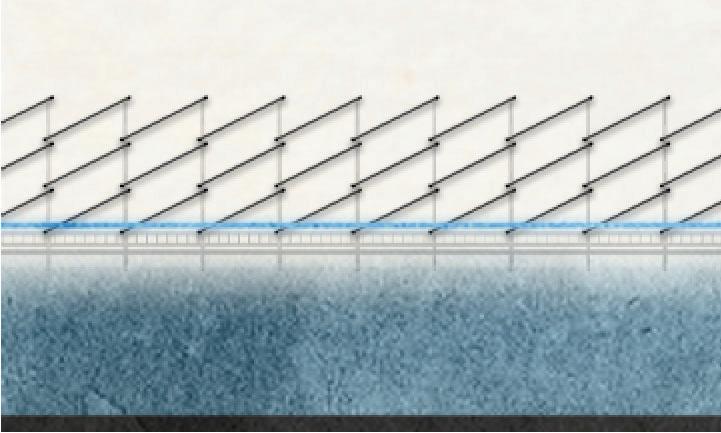
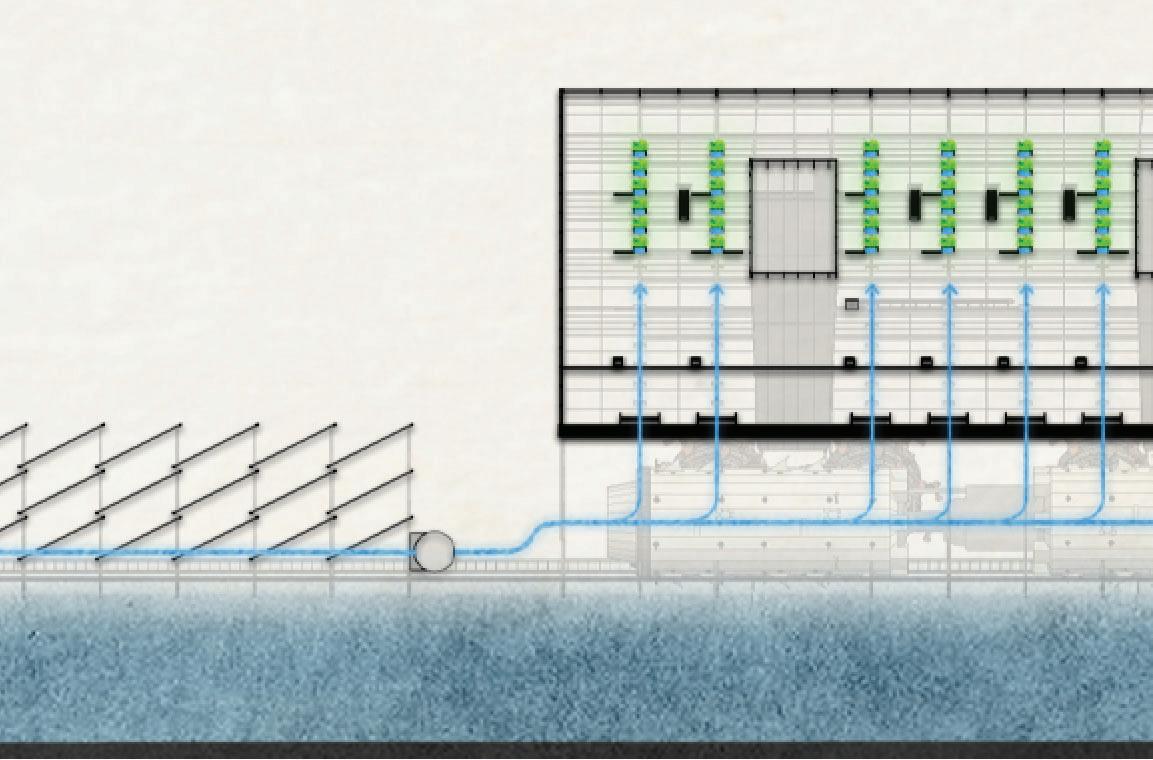
The building’s form is divided into two primary sections, each driven by water. The first is to harness evaporation, and the second is the channeling of water for both the creation of rain clouds and usage by the aquaponics farm. Within the farming area, the water is channeled up the columns of the stacked farm beds. The produce can be collected and passed along a system of conveyer belts towards the backside of the building, where it is packaged and shipped out. Excess water is returned back to the atmosphere in the form of rain clouds to restore moisture to the surrounding mountains.
COMMUNITY PLAZA
CATCHERS
AQUAPONICS FARMS WIND VENTS
EVAPORATION
14



15

The building’s program consists of two primary pieces: an aquaponics farm and a community market
COMMUNITY MARKET
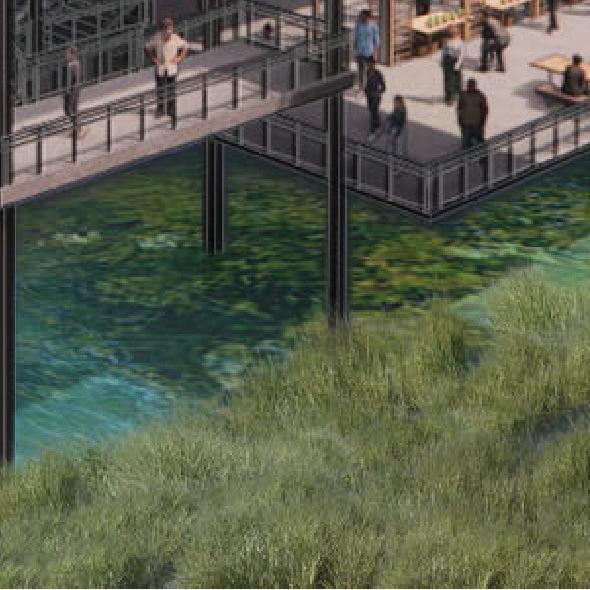
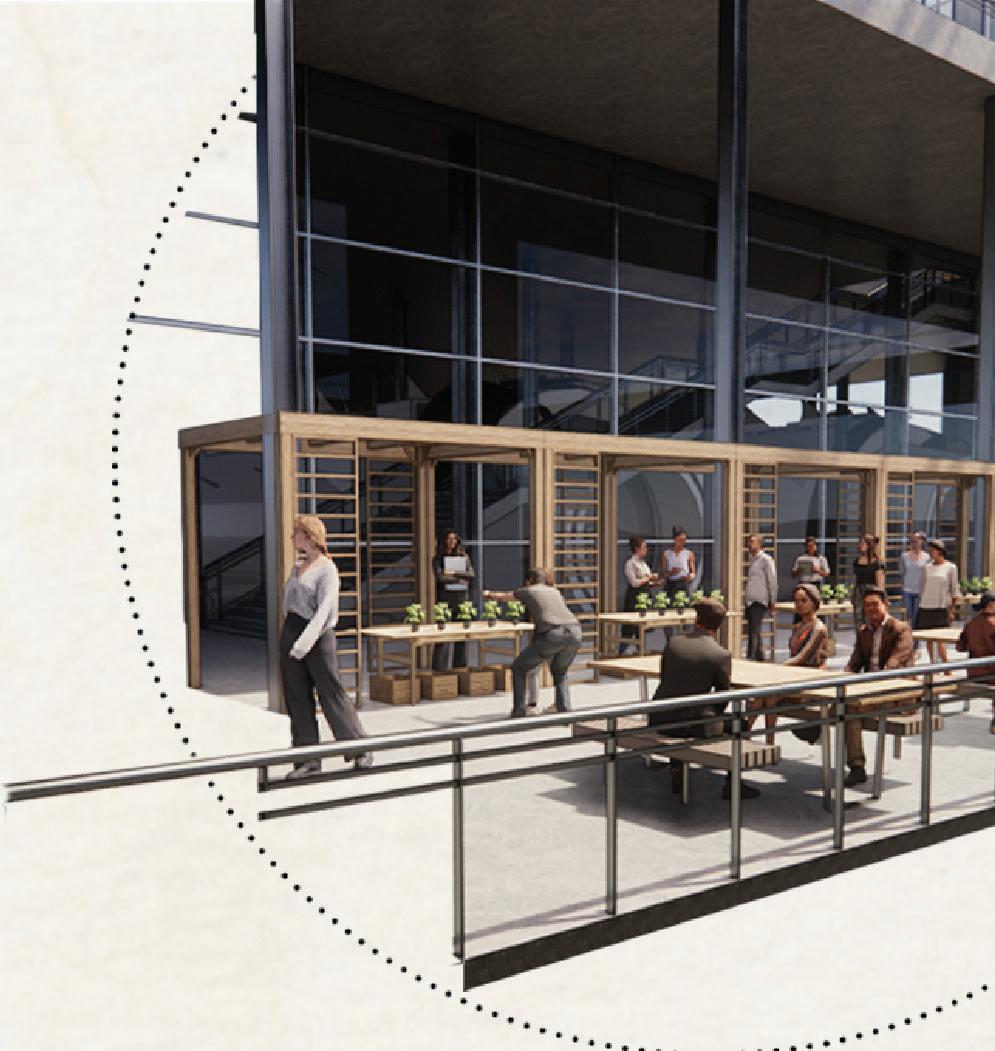
The public area serves as a marketplace for buying produce from the farm and other local vendors. Visitors are able to learn about local farming communities and the sources of their food, as well as learn about the local ecologies of the site. In addition, the public plaza also serves as a viewing area for the creation of clouds coming from the building. This part of the building program introduces the aspect of community and interaction into an inherently industrial building typology.

AQUAPONICS
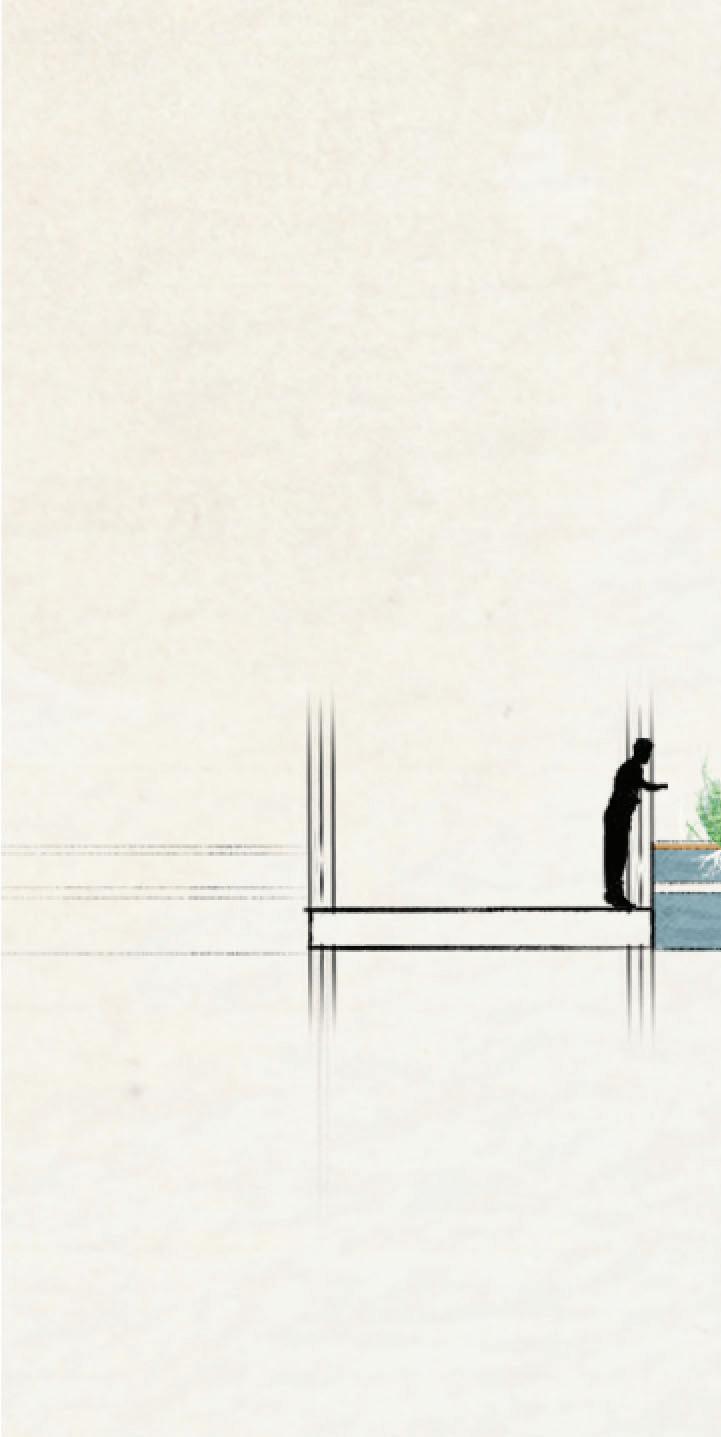
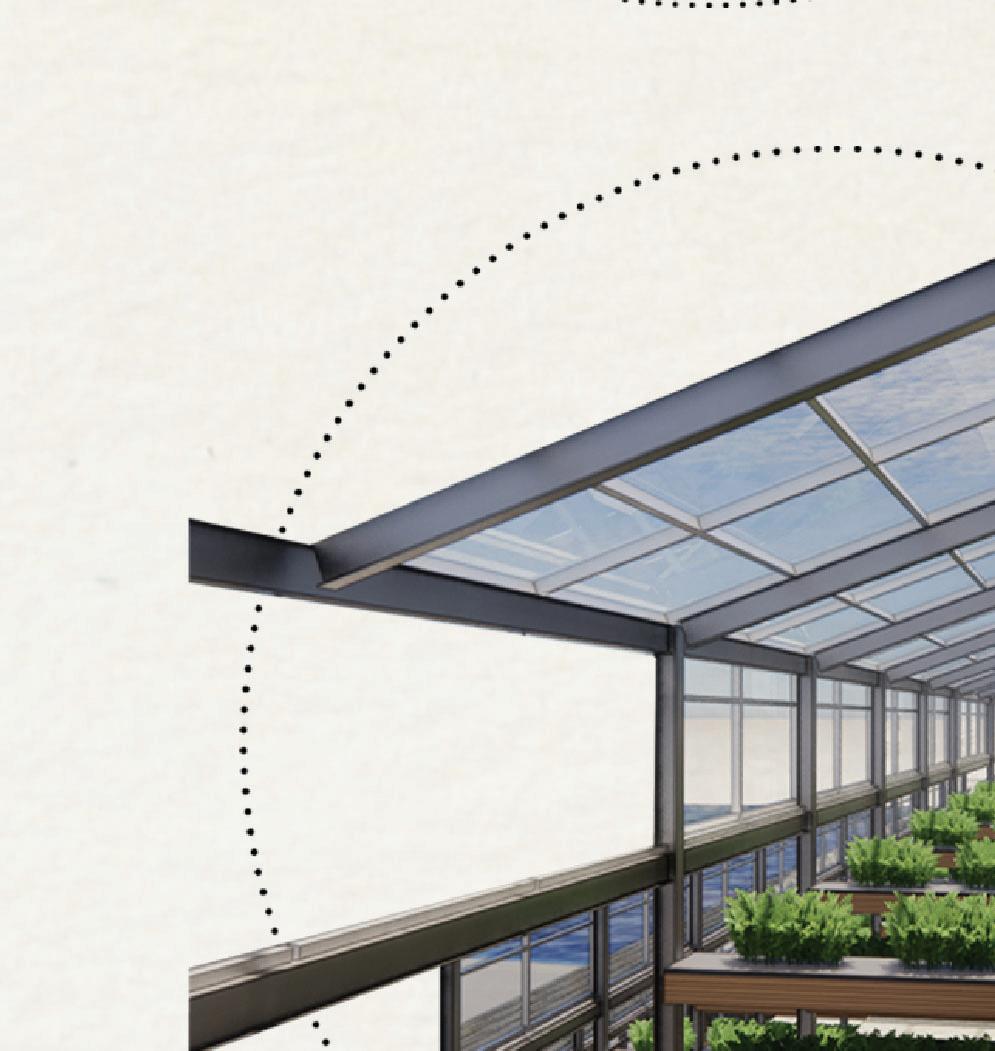
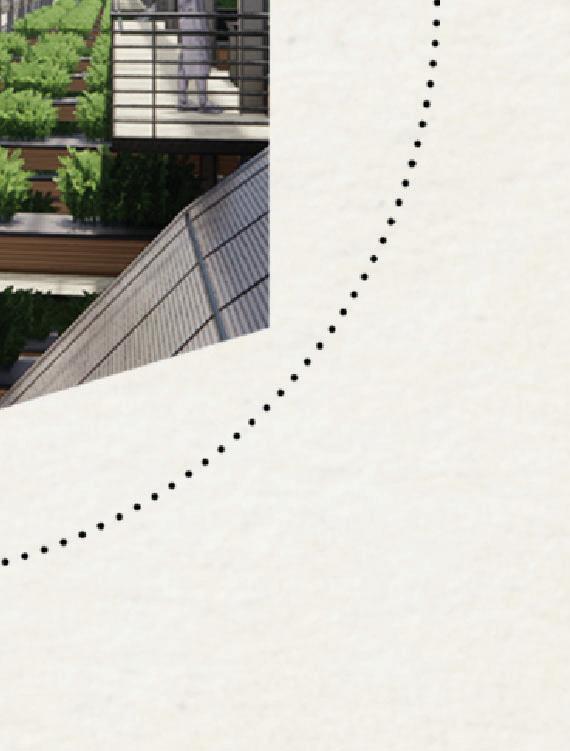
The aquaponics farm utilizes both water and fish harnessed from the reservoir, creating a more sustainable farming practice for the area. Aquaponics farms use only a fraction of the water that traditional farms and irrigation strategies use, while also having the added benefit of producing fish. These farms are stacked along the topside of the building’s geometry, allowing full sun exposure to every piece of produce.


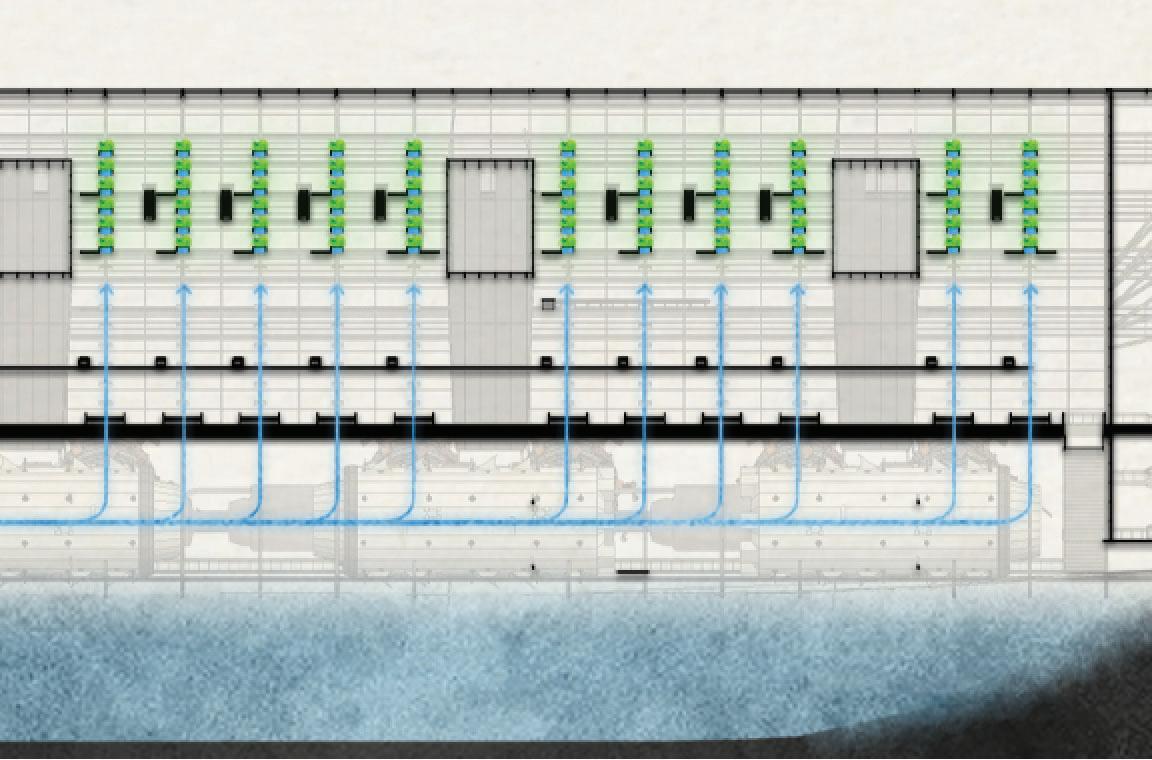

FISH MAKE AMMONIA BACTERIA MAKES NITRATE PLANTS GROW FROM NITRATE 16
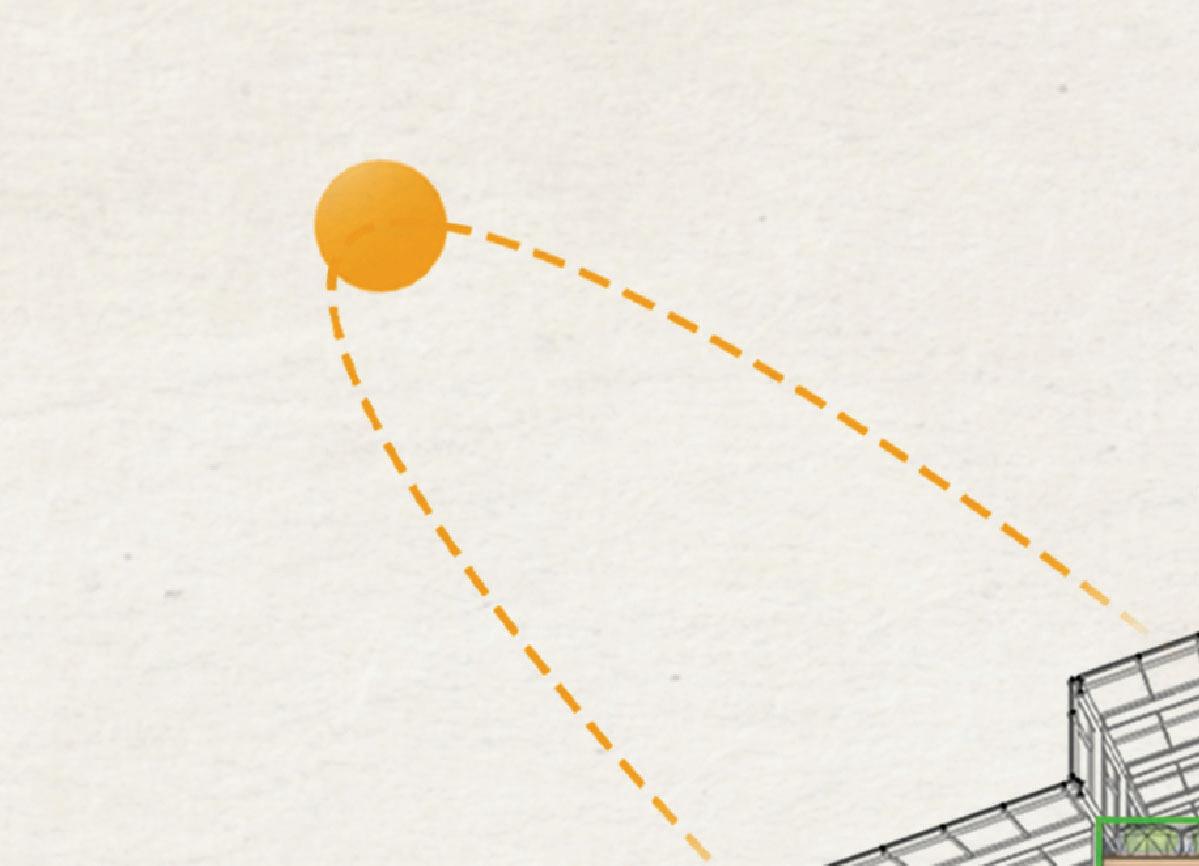
LIGHTWEIGHT GREENHOUSE ROOF
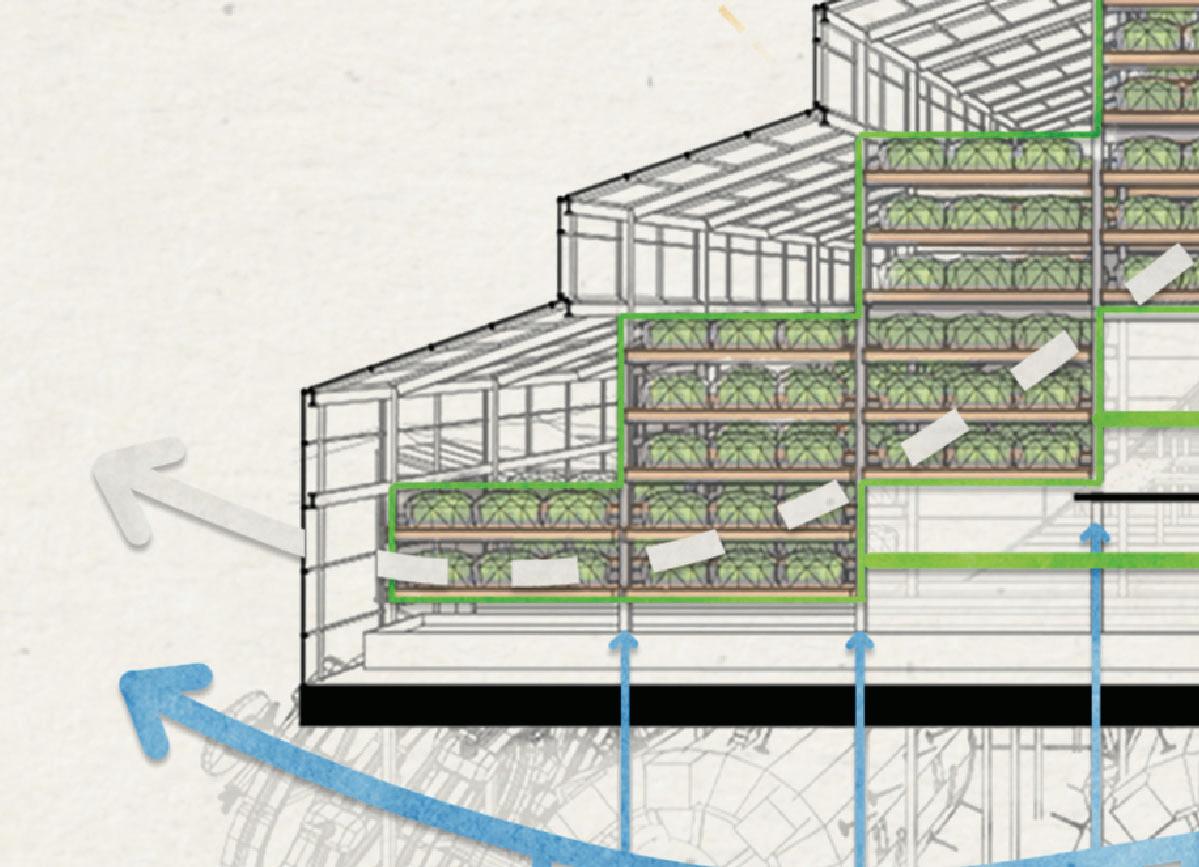
WATER PURIFIED AND CHANNELED
ENERGY FLOWS CHANNELED
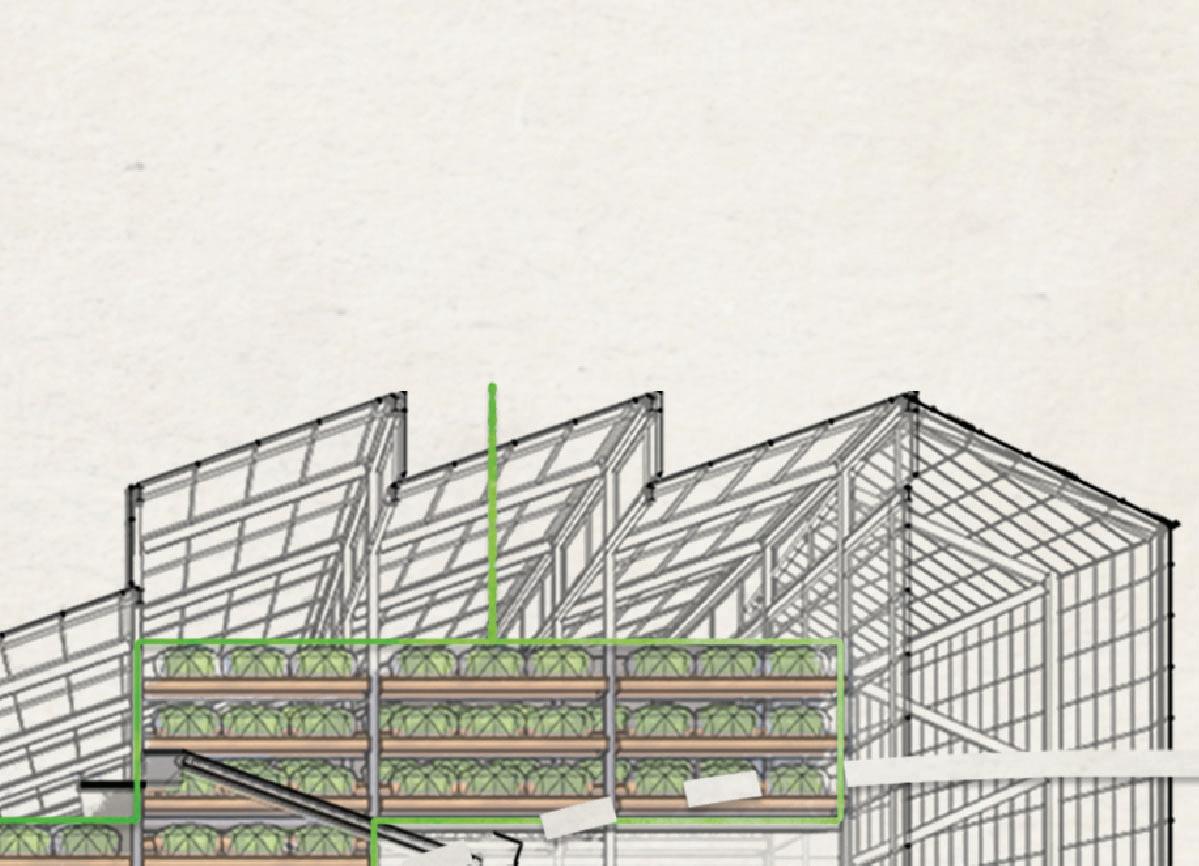
AQUAPONICS FARM
WIND CHANNELED THROUGH VENTS
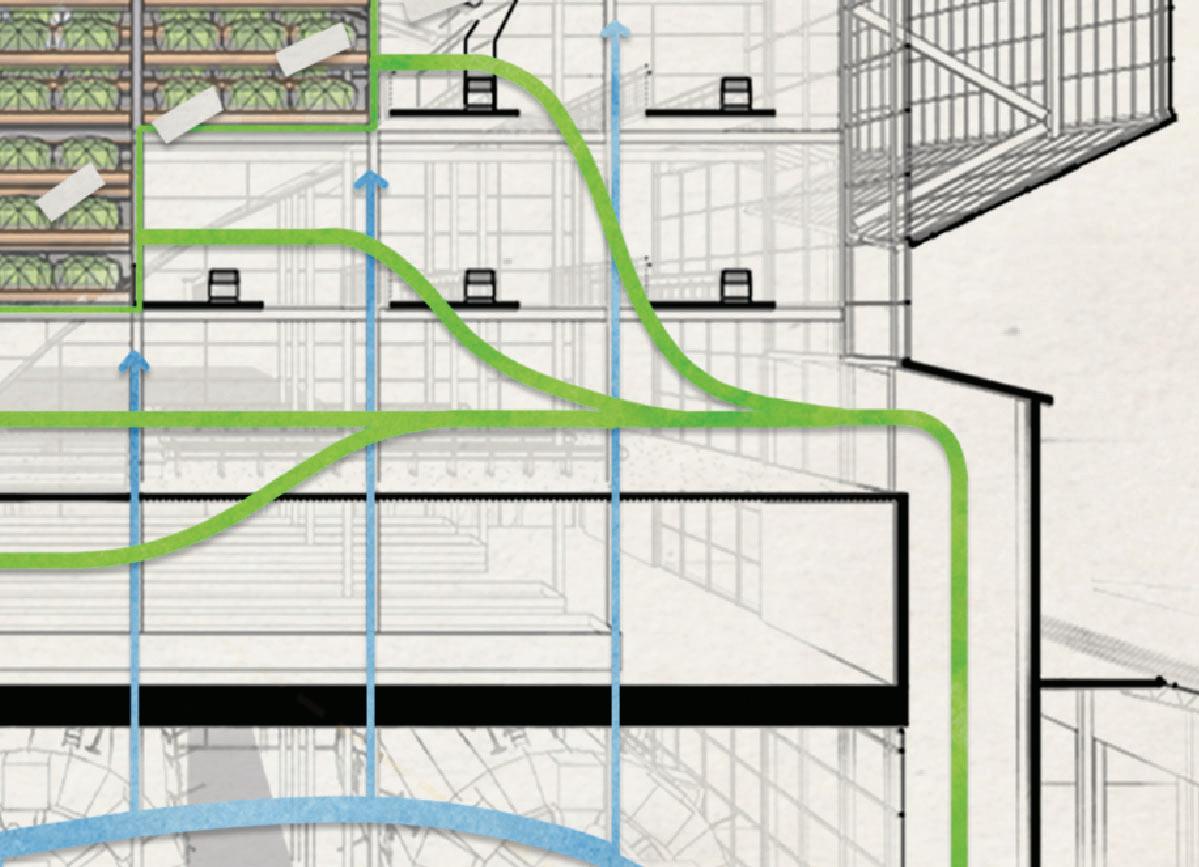
PRODUCE PACKAGED AND SHIPPED


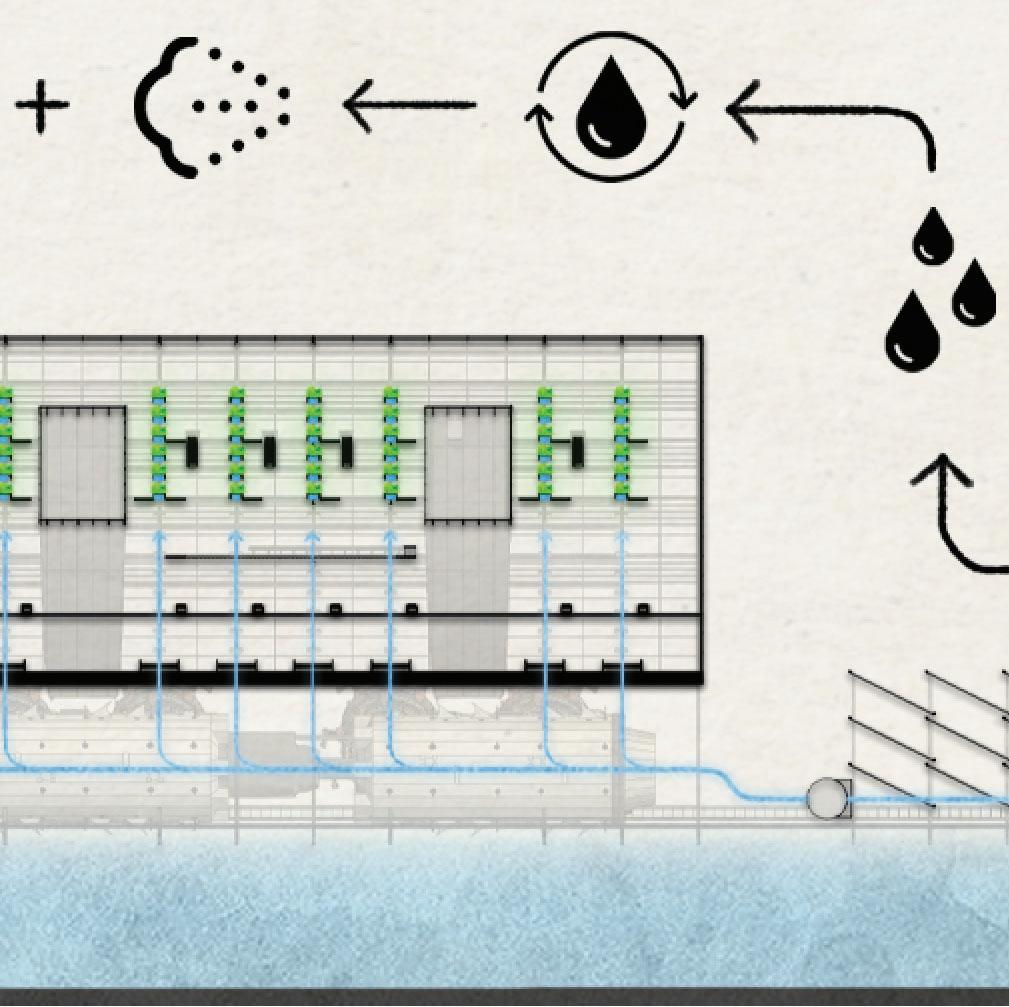

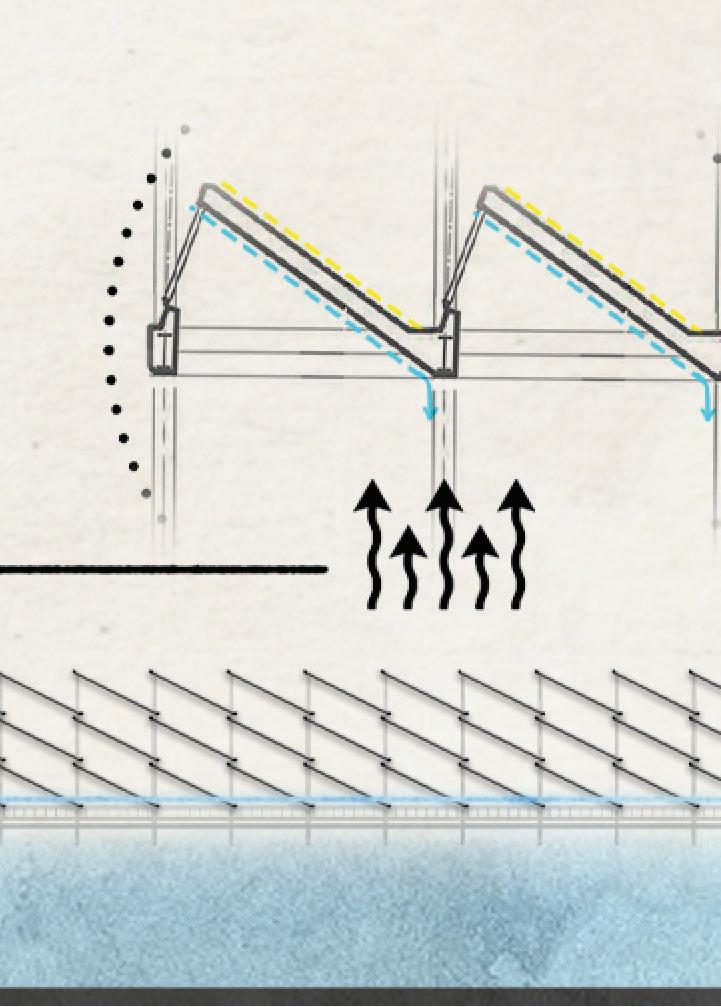
Evaporation 17
Rain fallsClouds formSeed with Silver Iodide Re-humidifyPurification
Condensation

THE MIRE
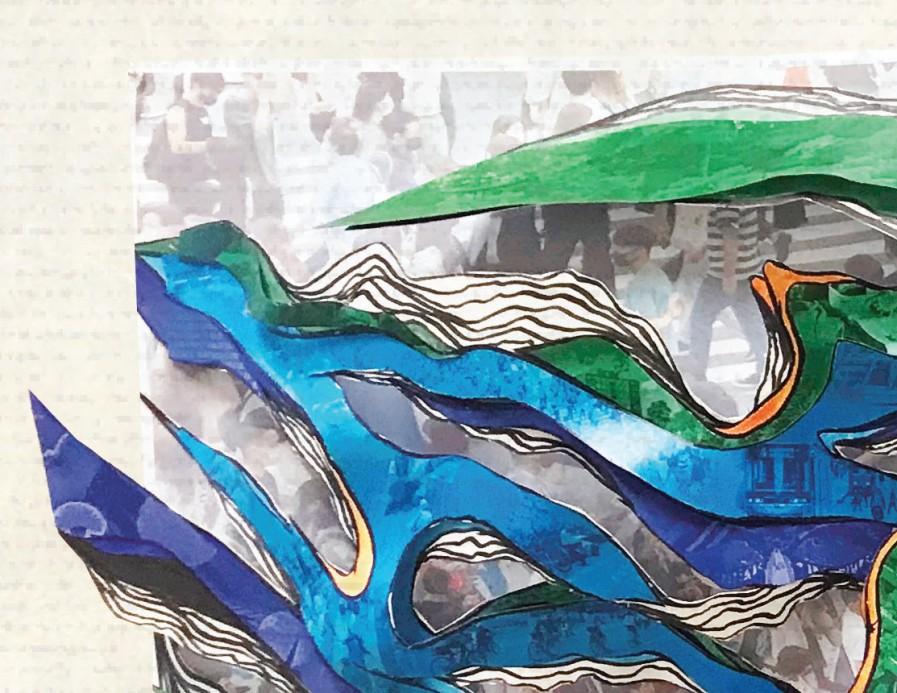
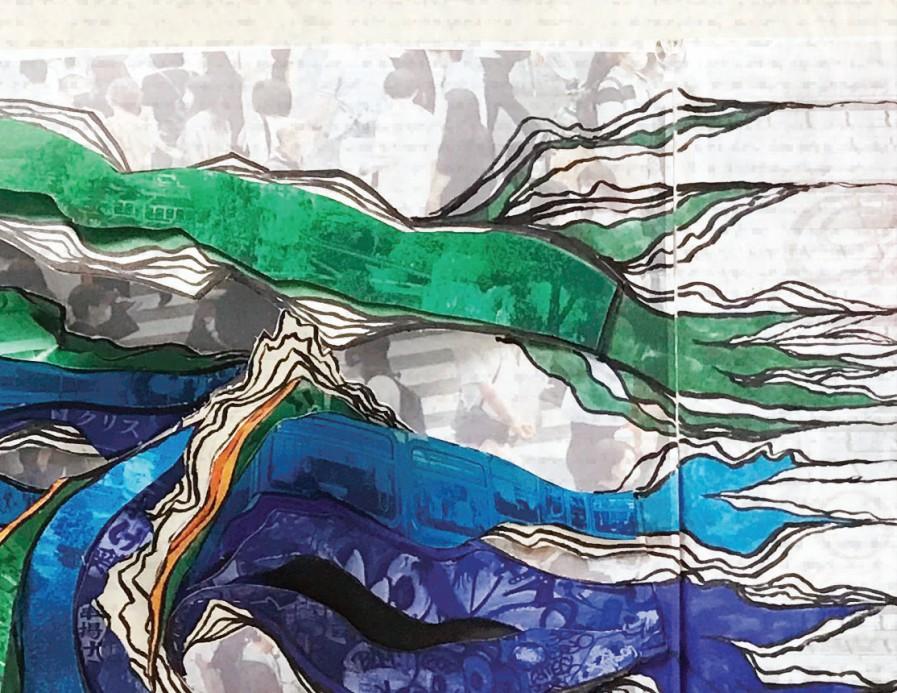
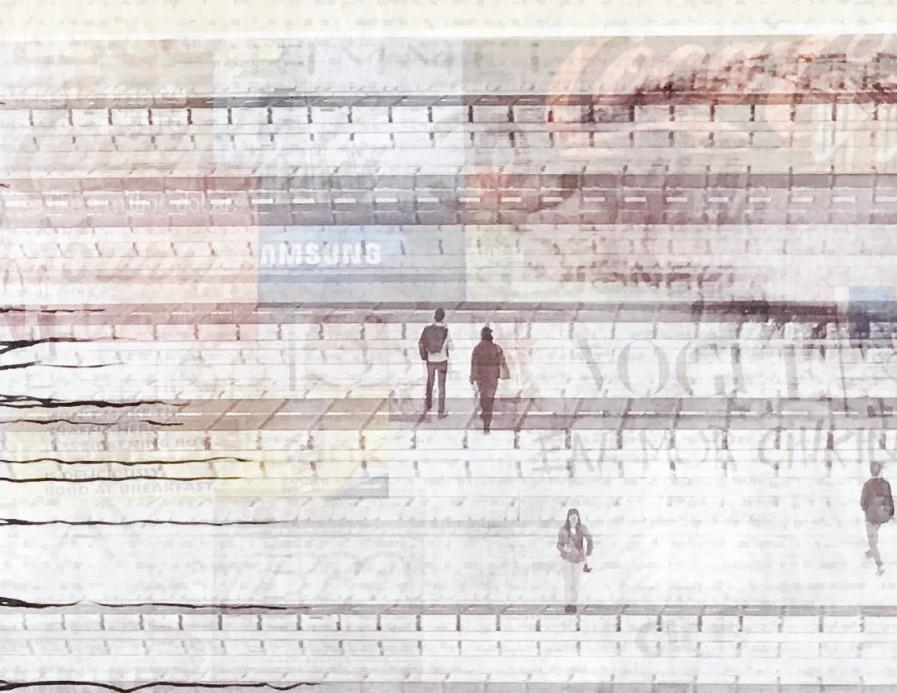
Set 100 years in the future, The Mire is a bath house that aims to re-establish the natural ecology of the Hudson River floodplain and immerse users within it


New York City, New York


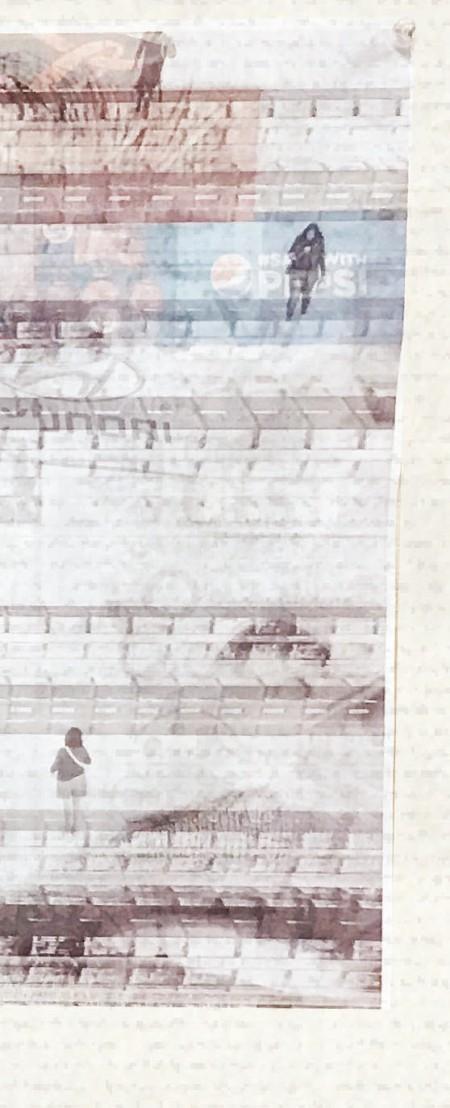




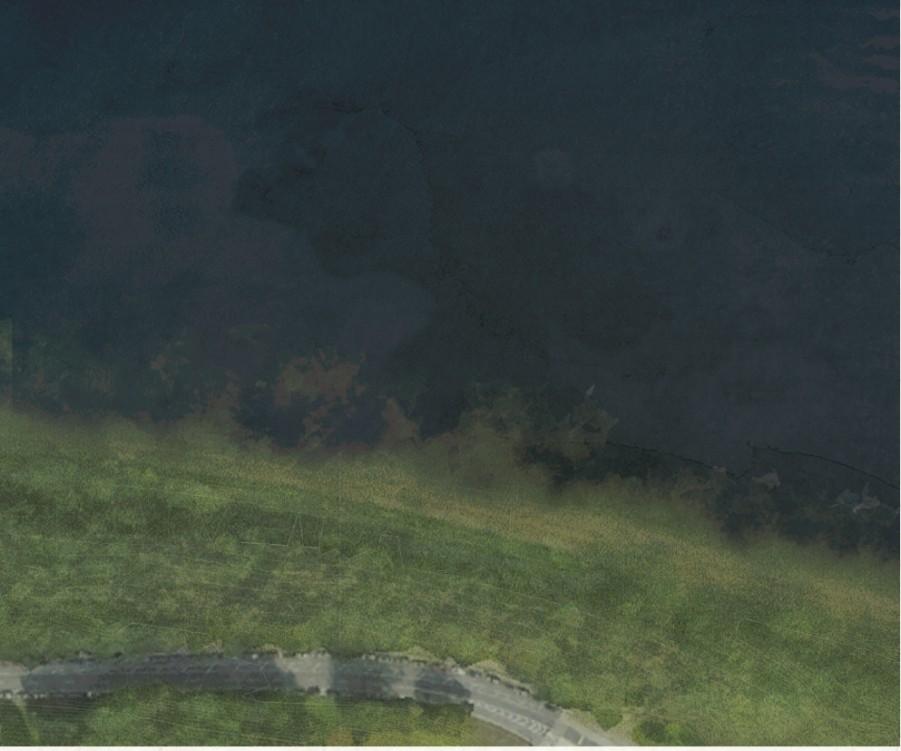
Before the Dutch settled in New York, Manhattan island was home to more ecologies than any of the current national parks in the United States. Throughout the last 400 years, the island has been transformed into one of the largest cities in the world, with nearly all of these ecologies being lost. This project looks at a hypothetical scenario of 100 years in the future, where these ecologies have been restored and humanity lives in harmony within them.
 FREEDOM TUNNEL
HUDSON RIVER
FREEDOM TUNNEL
HUDSON RIVER
2022 2122 03 18
HENRY HUDSON PARKWAY
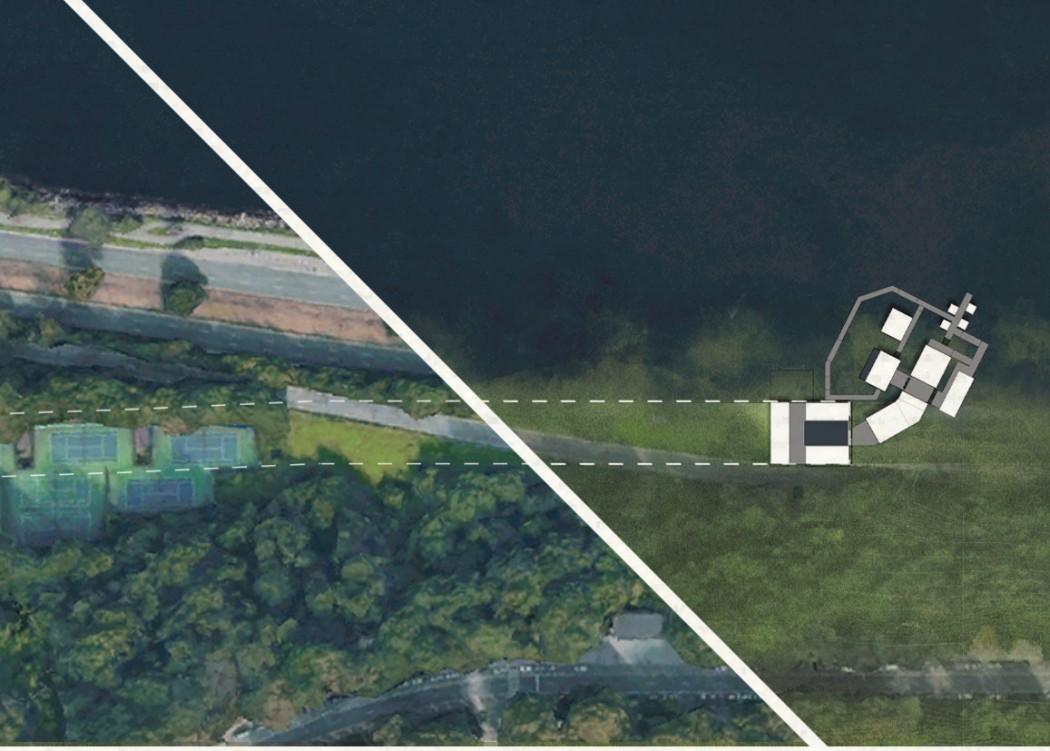
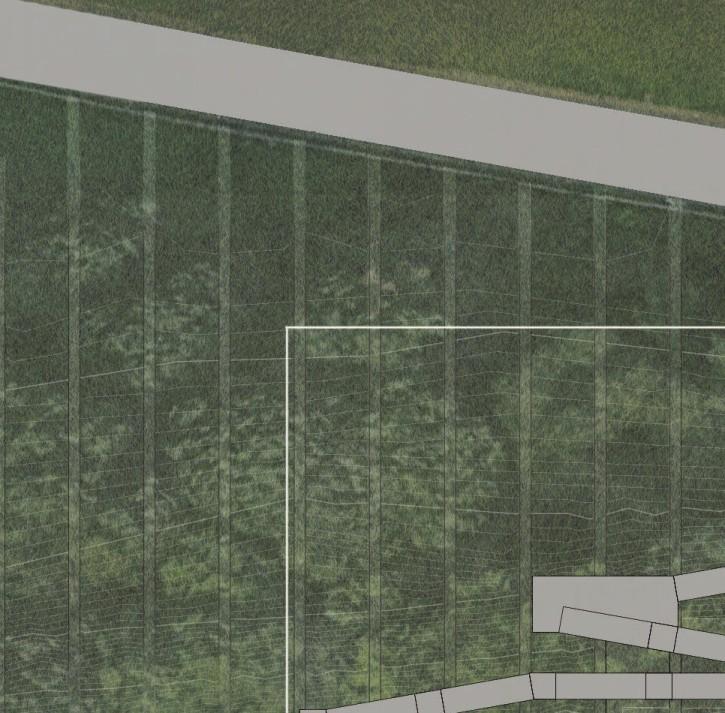
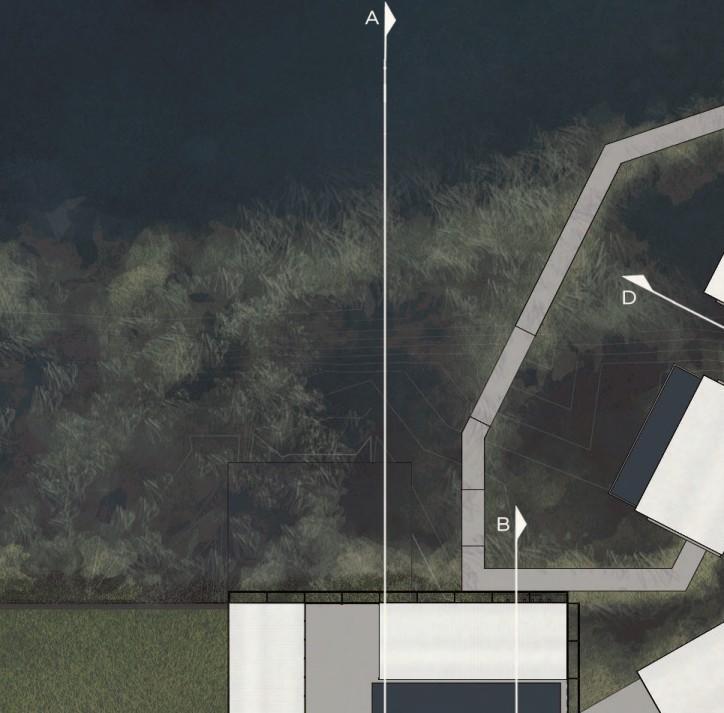
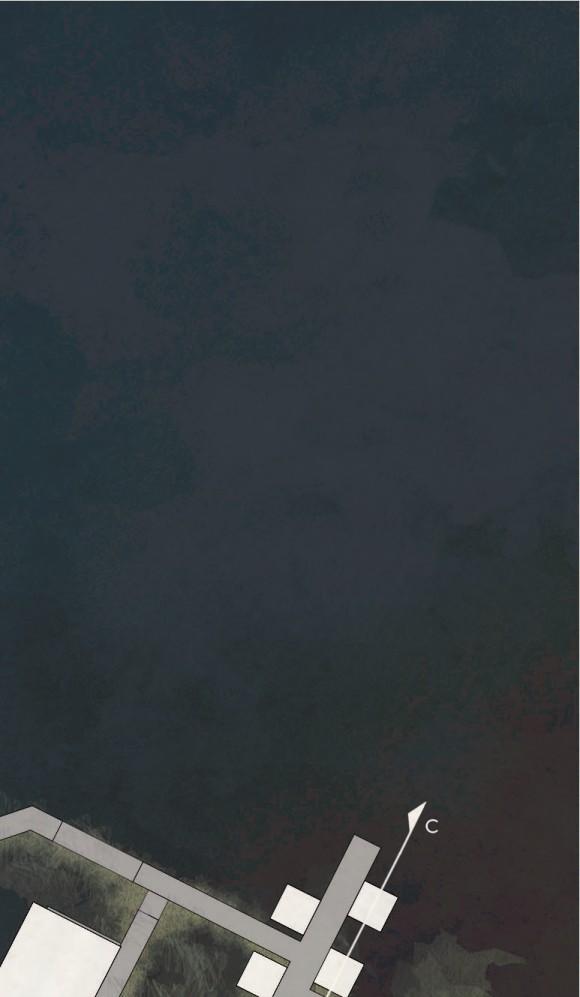
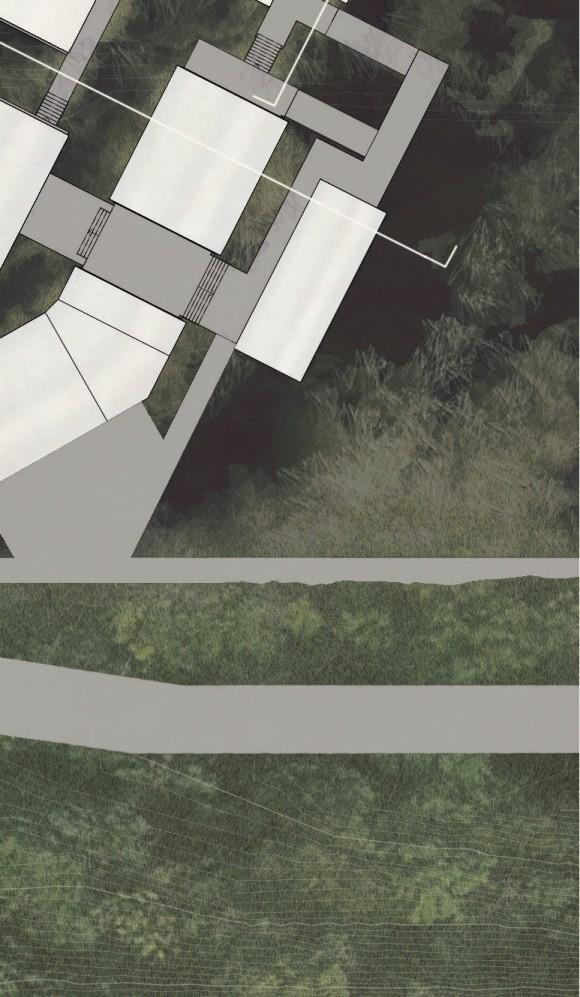
Around 400 years ago, the building site consisted of a steep hillside leading into a riverside marsh. In 2122, sea level rise will render Henry Hudson Parkway unusable, and will also create unfavorable conditions for wildlife on the banks of the river. In order to restore the previous wetland site conditions and host healthier ecologies, the area would require an introduction of fresh water to create brackish water conditions. To do this, the building uses a rainwater collection system over the span of 50 acres. Water is passed and filtered through a decommissioned train tunnel, and is used as a constant water source for both the restored wetlands and the bath house.
CONSTRUCTED WETLANDS

Excess water is sent into the wetlands, where it passes through basins before going into the Hudson River
SITE PLAN


WATER PURIFICATION

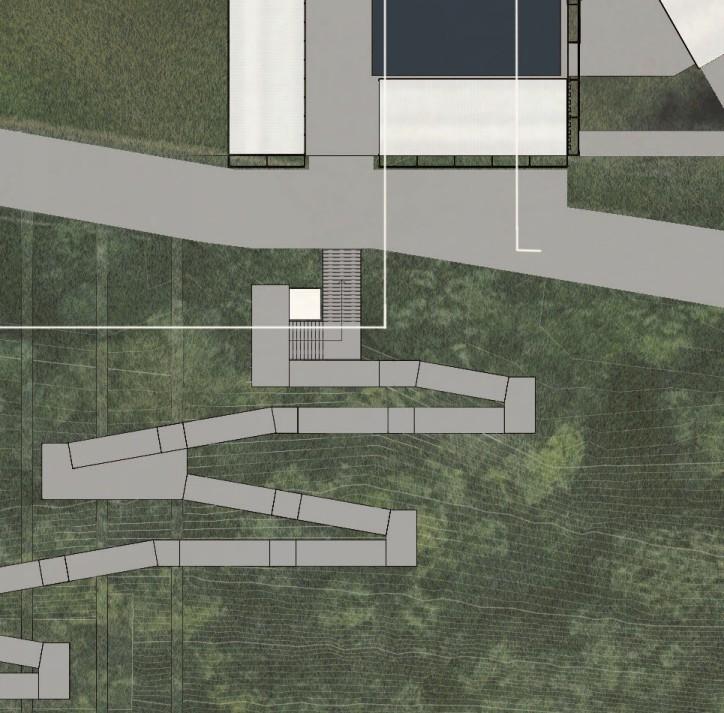
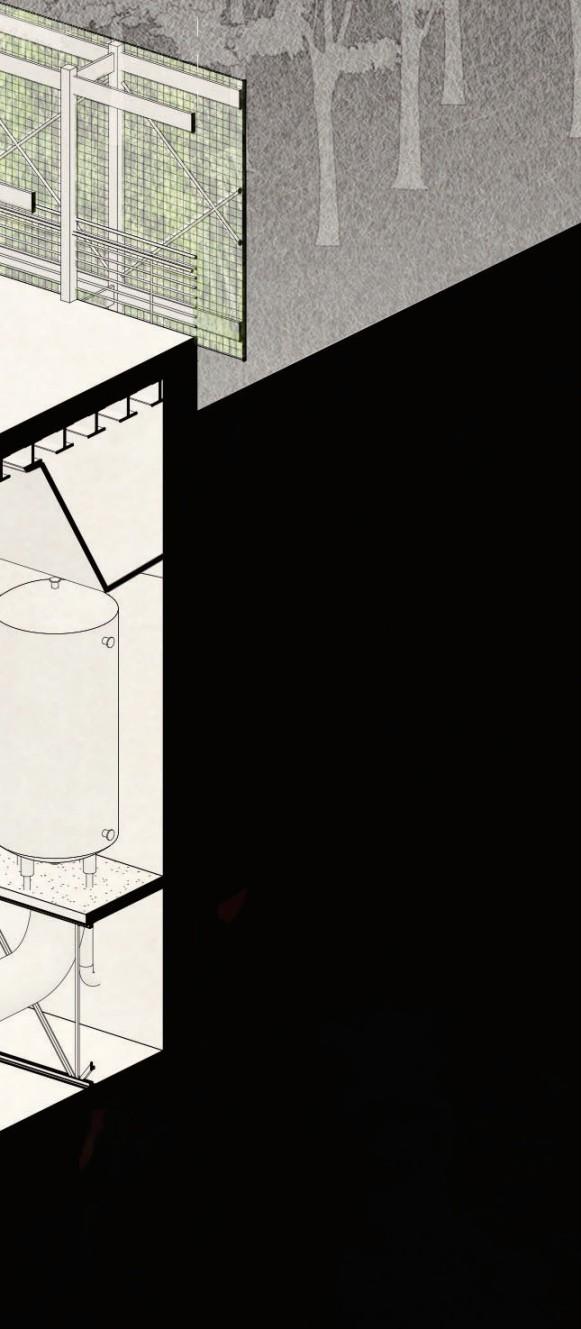
The tunnel now acts as a water treatment facility, allowing captured rainwater to be used in the bathhouse
RAINWATER HARVESTING

Storm collection occurs at the top of the hill, traveling down the topography and into the tunnel to be treated



 FREEDOM TUNNEL
DRIVE
HUDSON RIVER RIVERSIDE
19
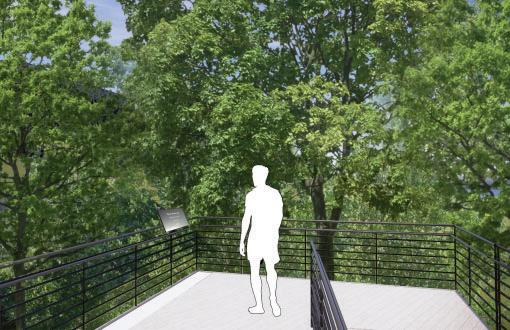
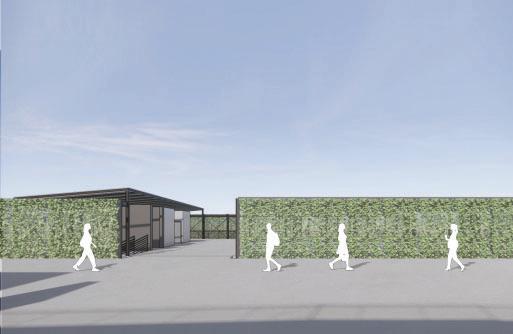
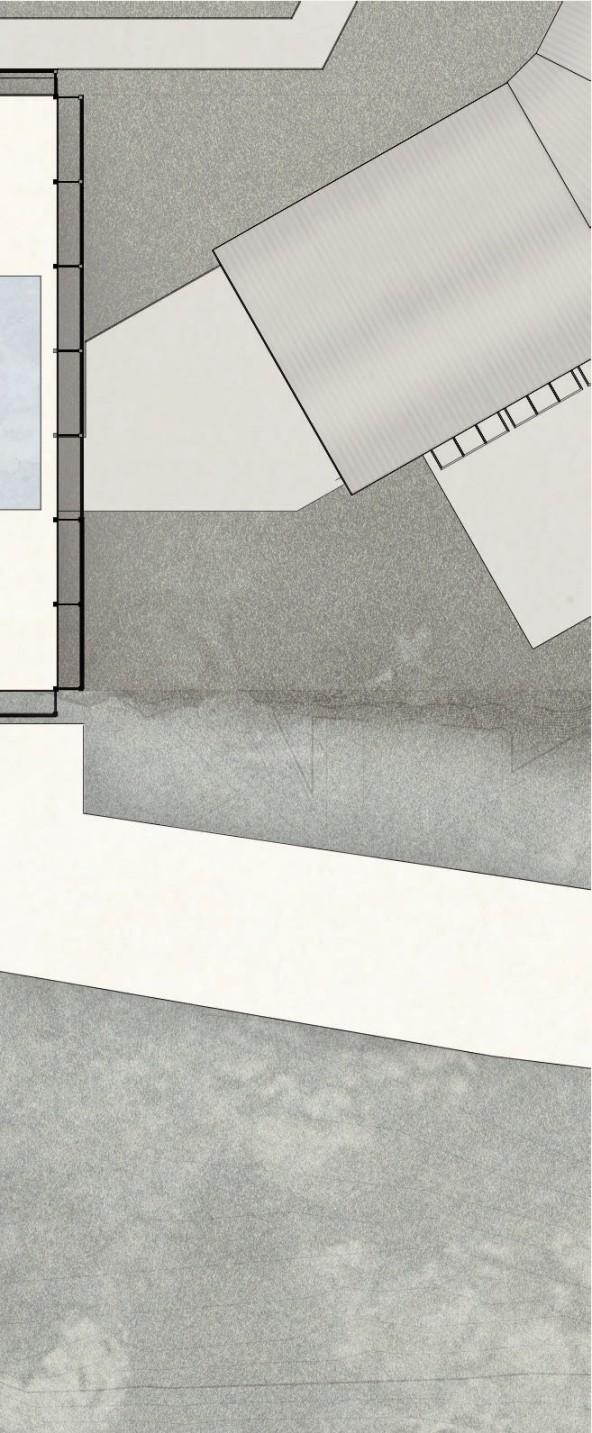
The entrance to the site from Riverside Drive brings the user down the steep slope towards the bathhouse. This serves as an educational walkthrough, allowing the user to learn about the history of the site throughout the last 500 years. The entrance to the bathhouse is down the stairs into the old train tunnel.




NATIONAL MEMORIAL
WALK OUTDOOR
TERRACE
ENTRY EXISTING GRANT
ECOLOGY
POOL
20
PREVIOUS HIGHWAY OFF-RAMP, NOW WALKING PATH THROUGH RIVERSIDE PARK



















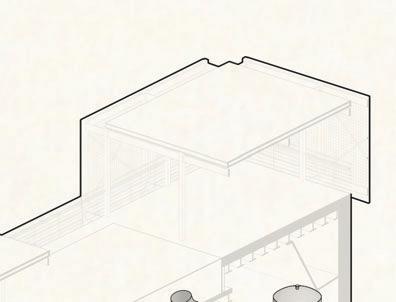

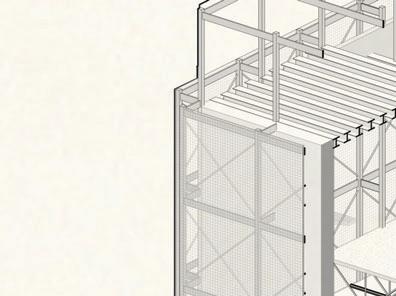
STRUCTURE
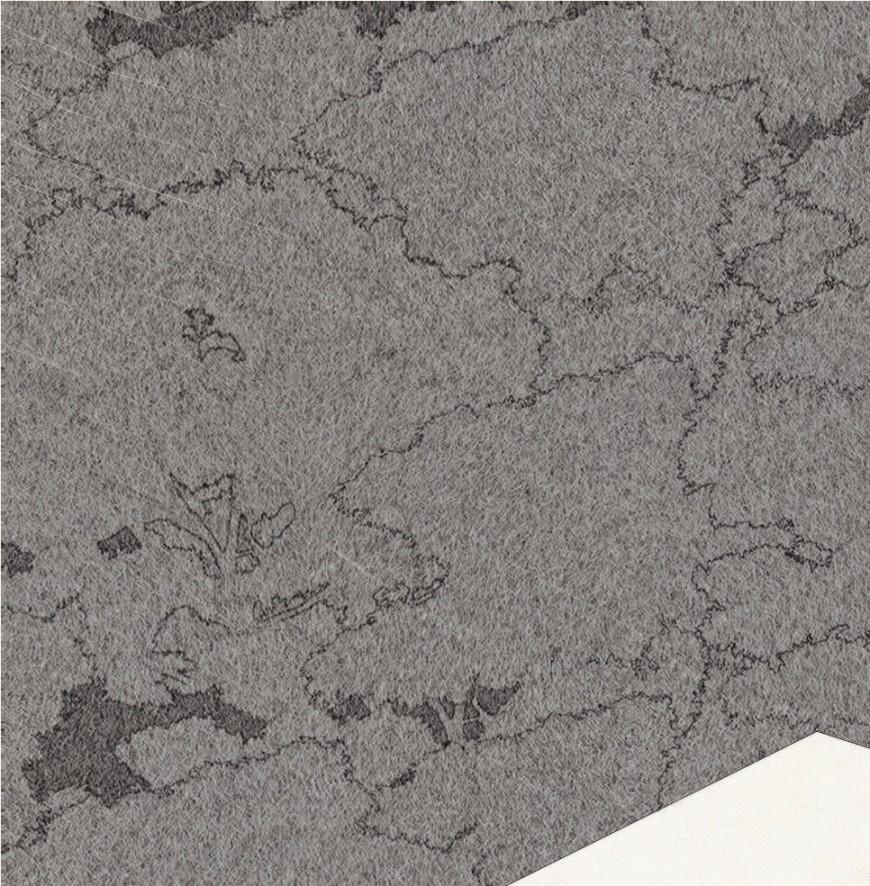
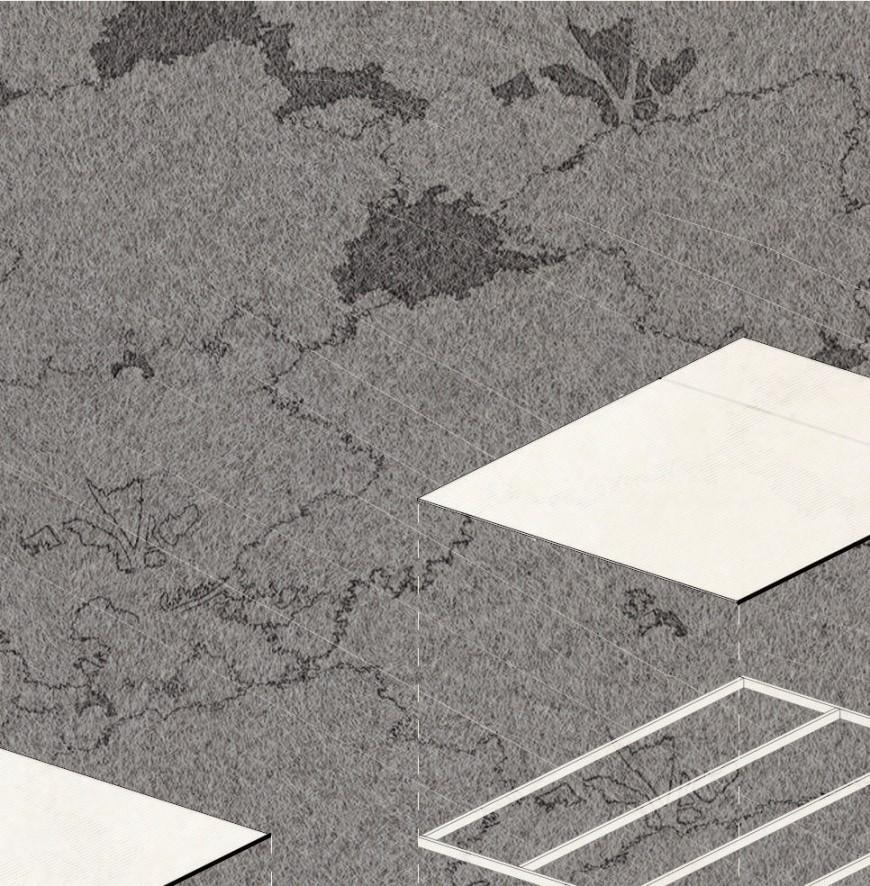


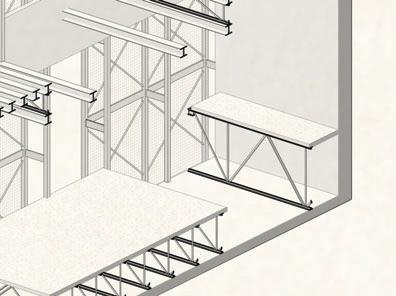


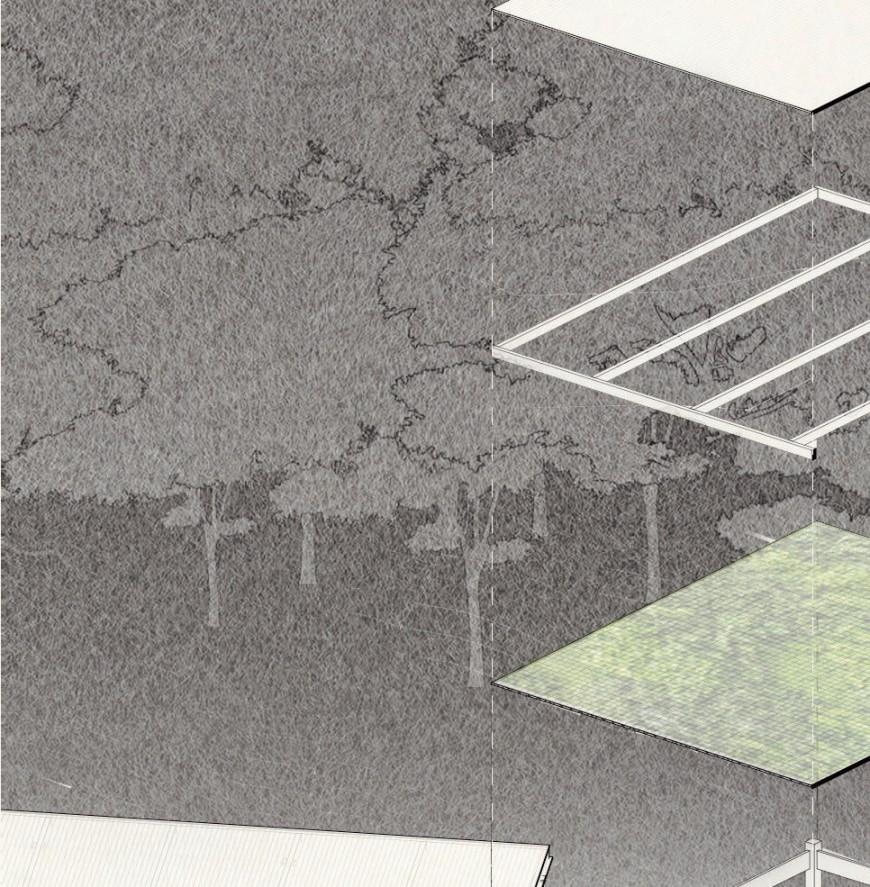



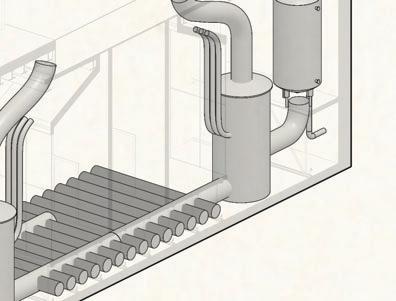
SYSTEMS
WATER 21

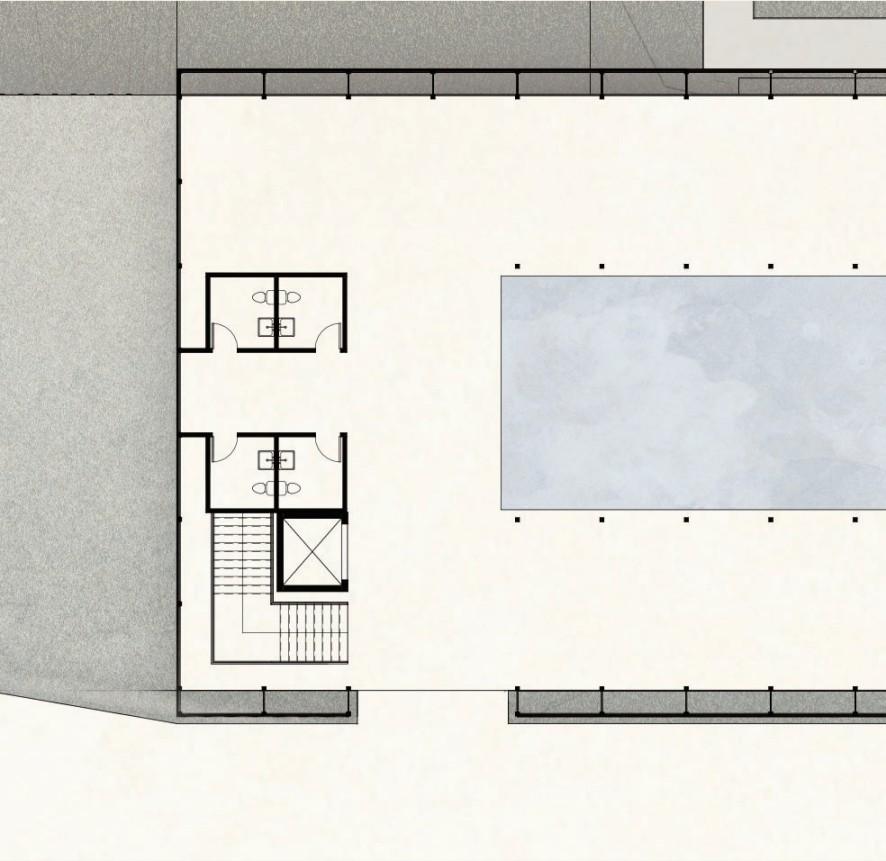
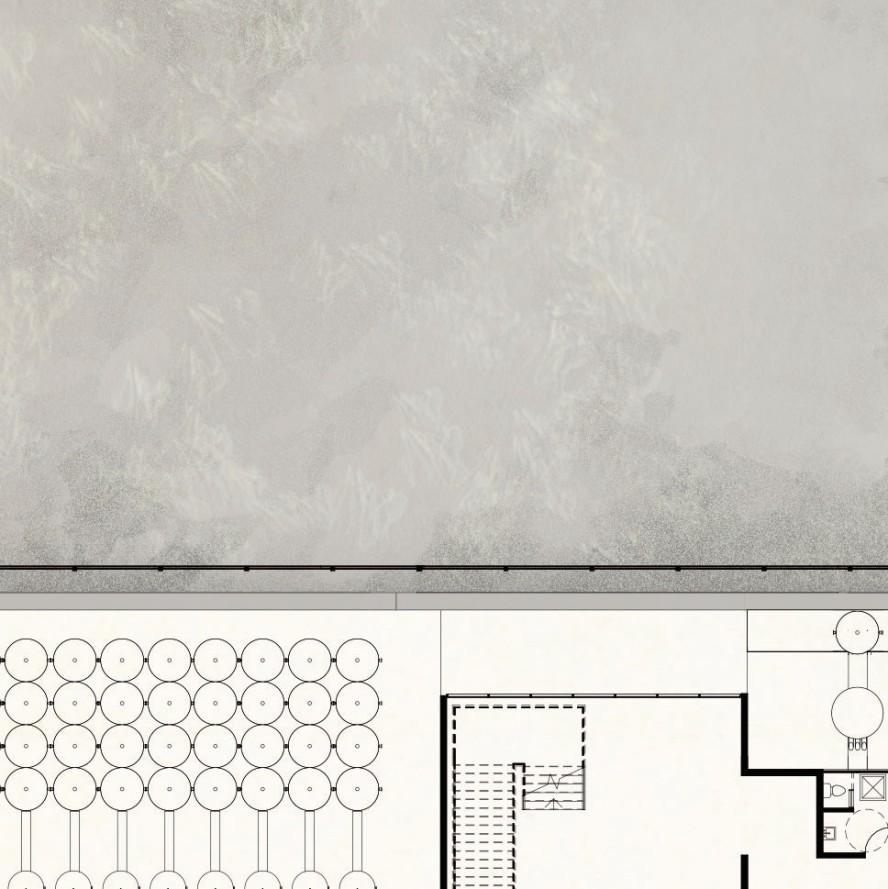
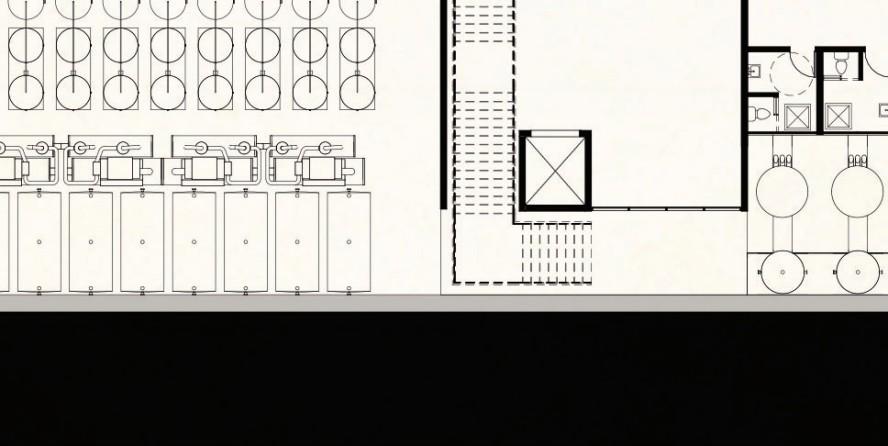
TUNNEL FLOOR PLAN
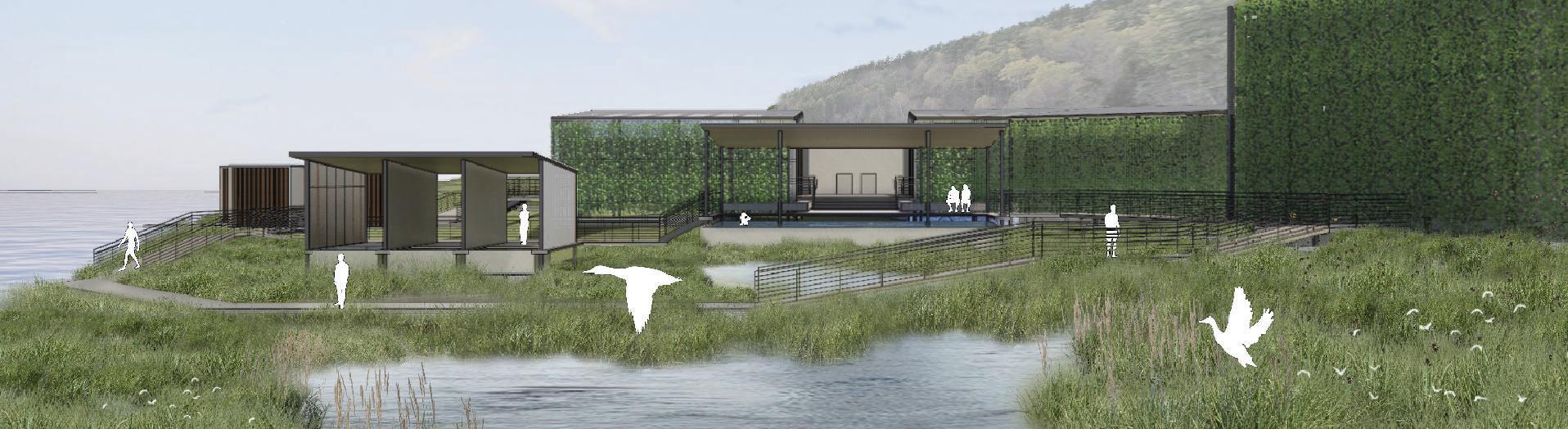
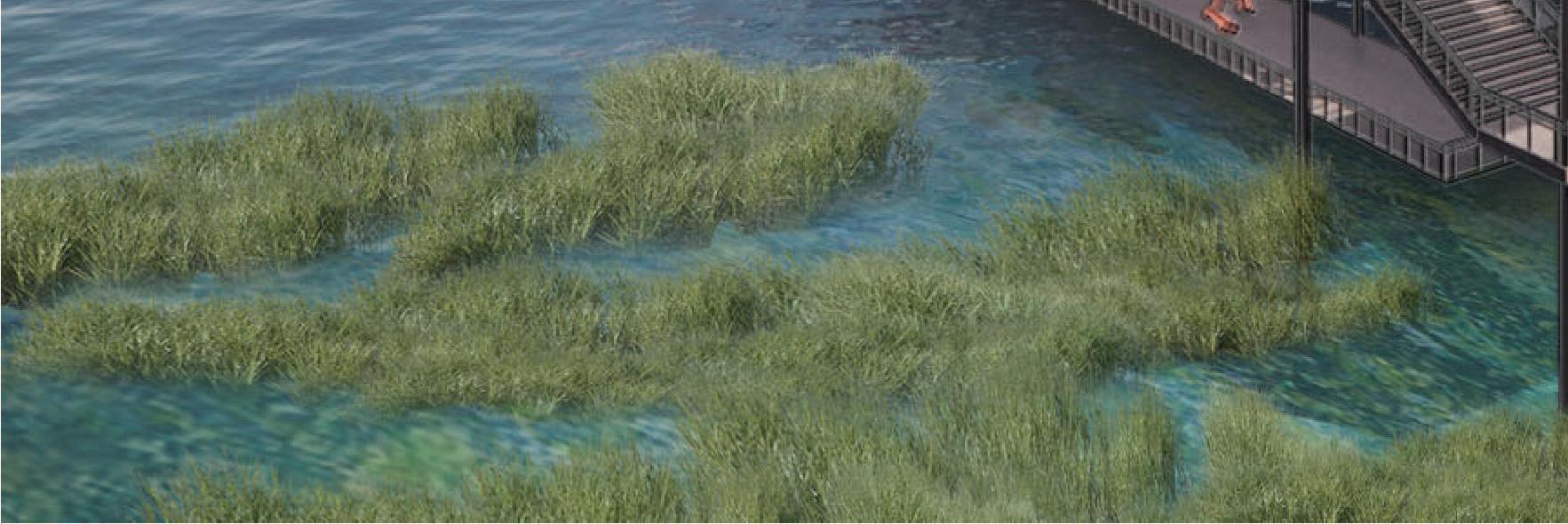
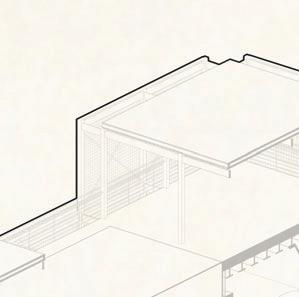
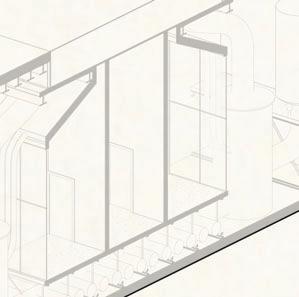
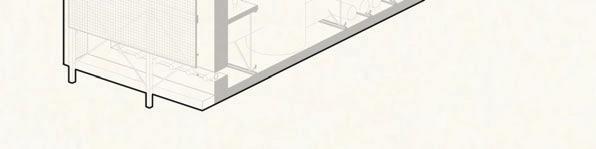
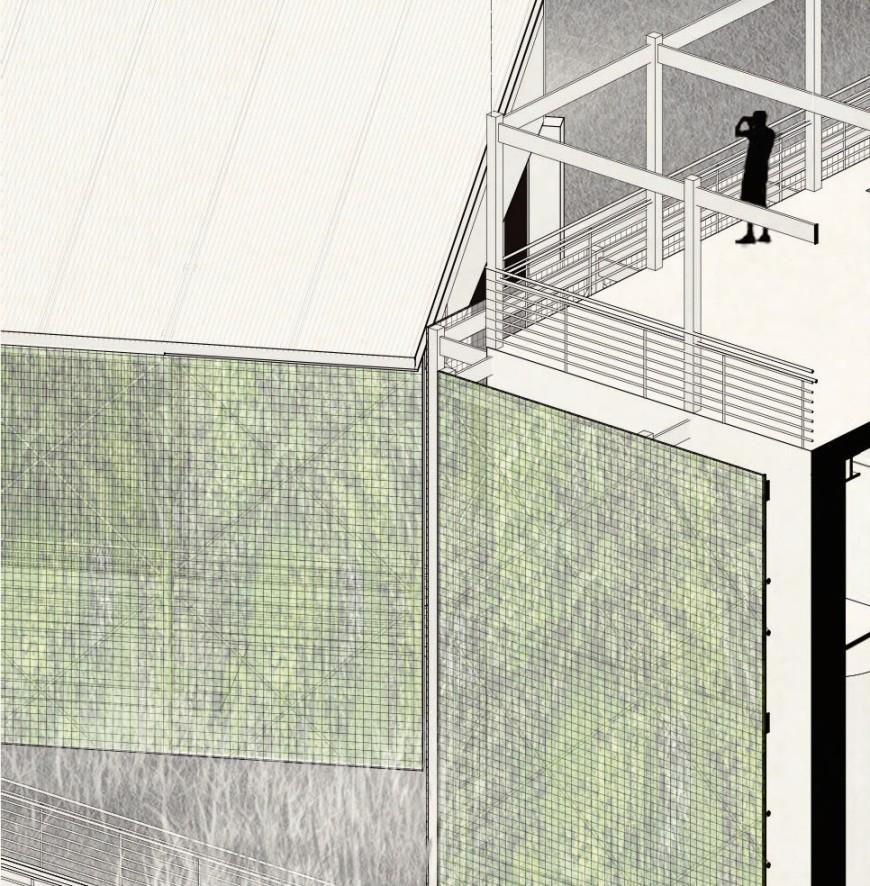
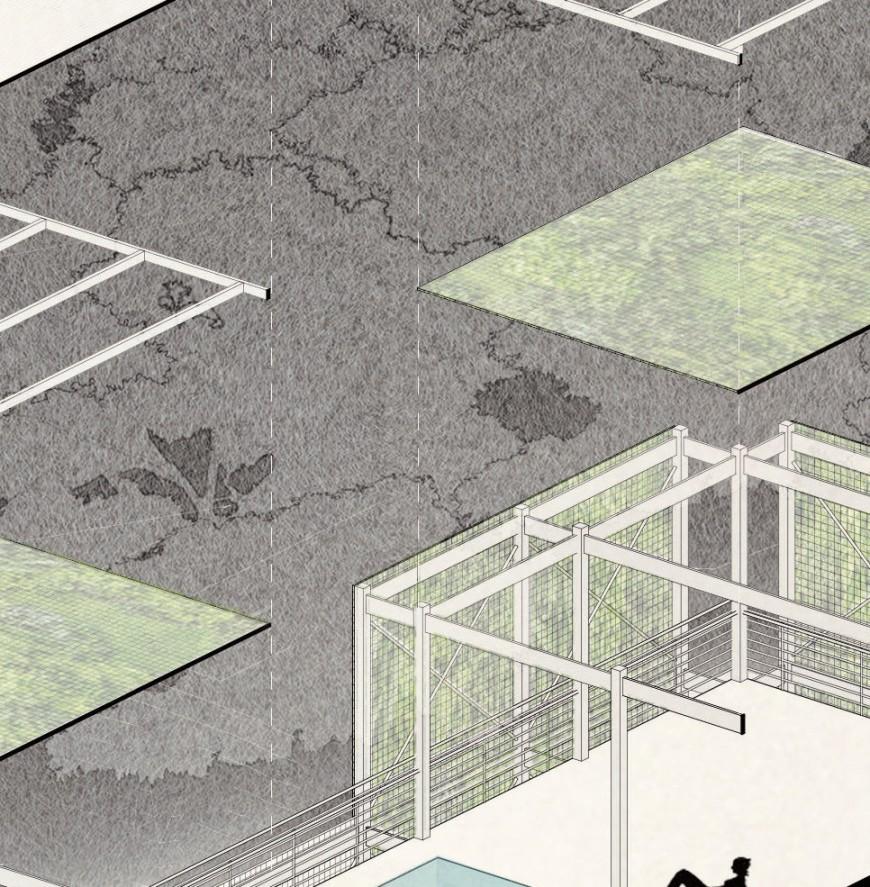
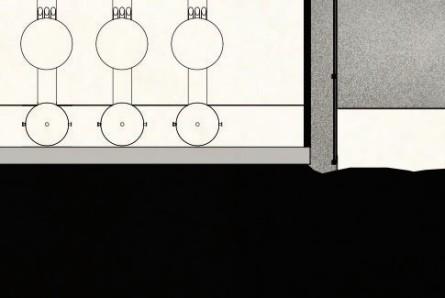
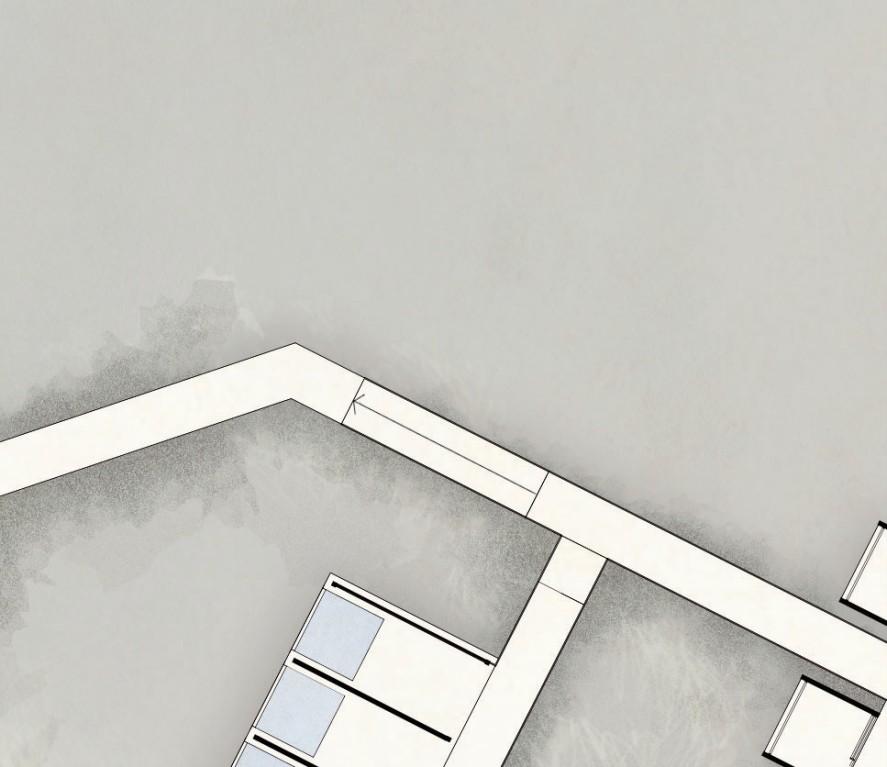
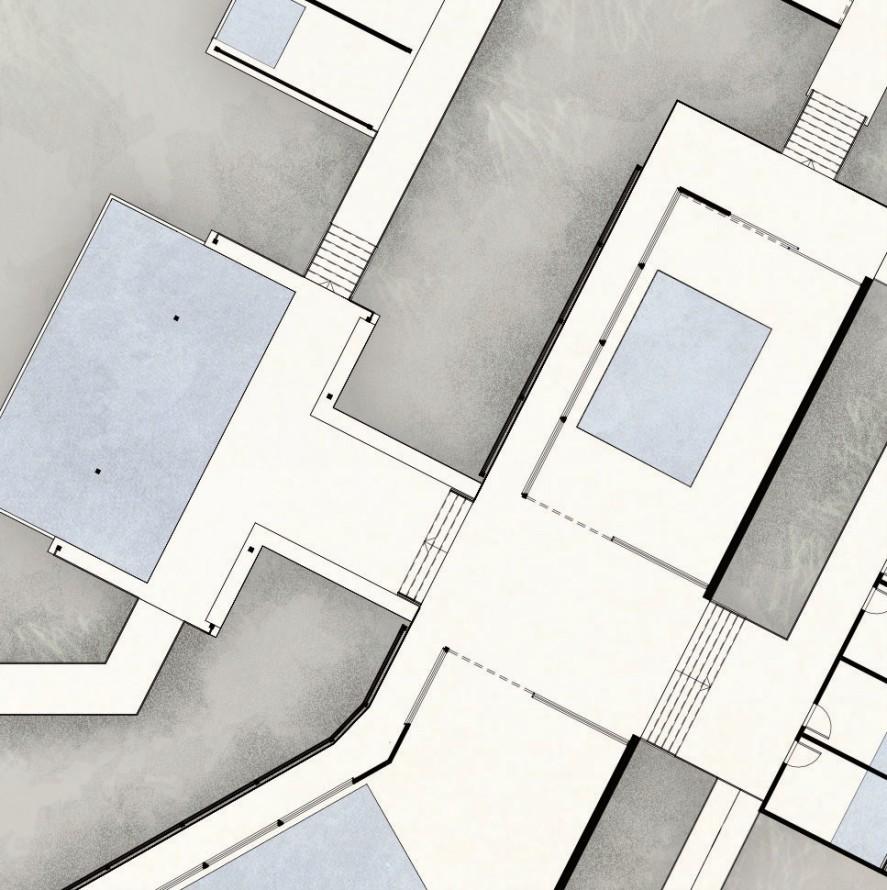
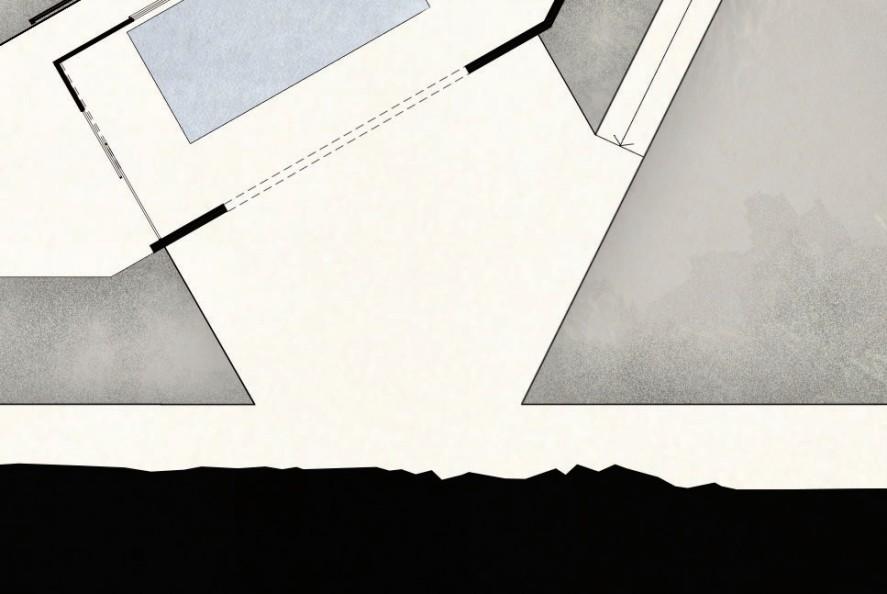
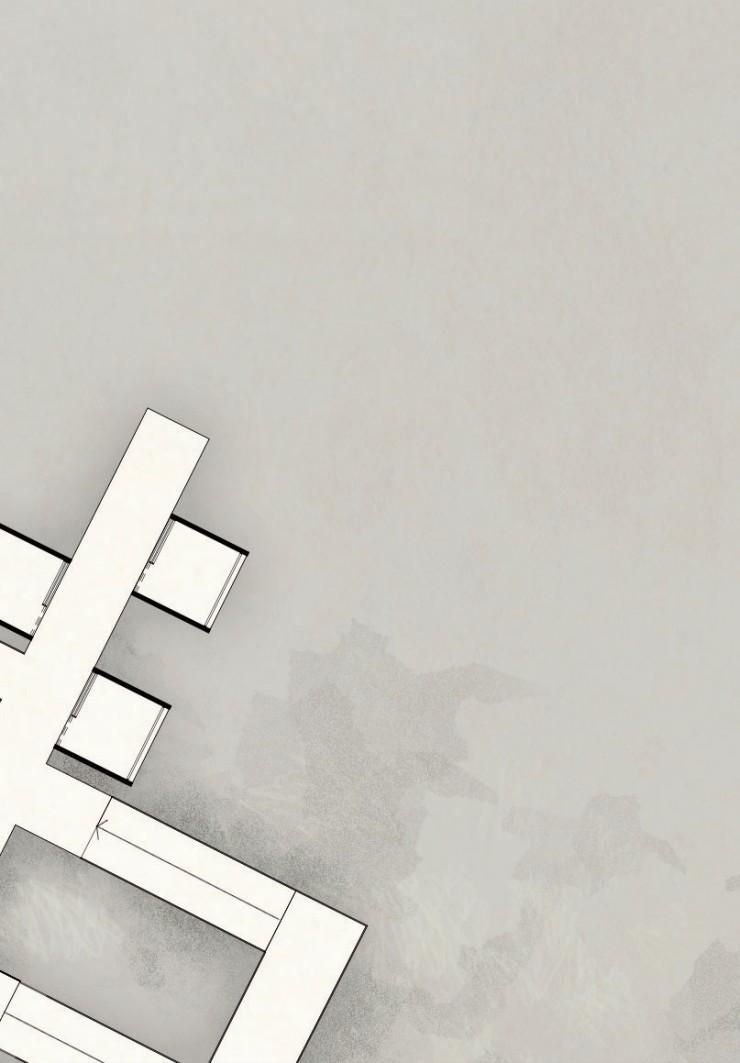
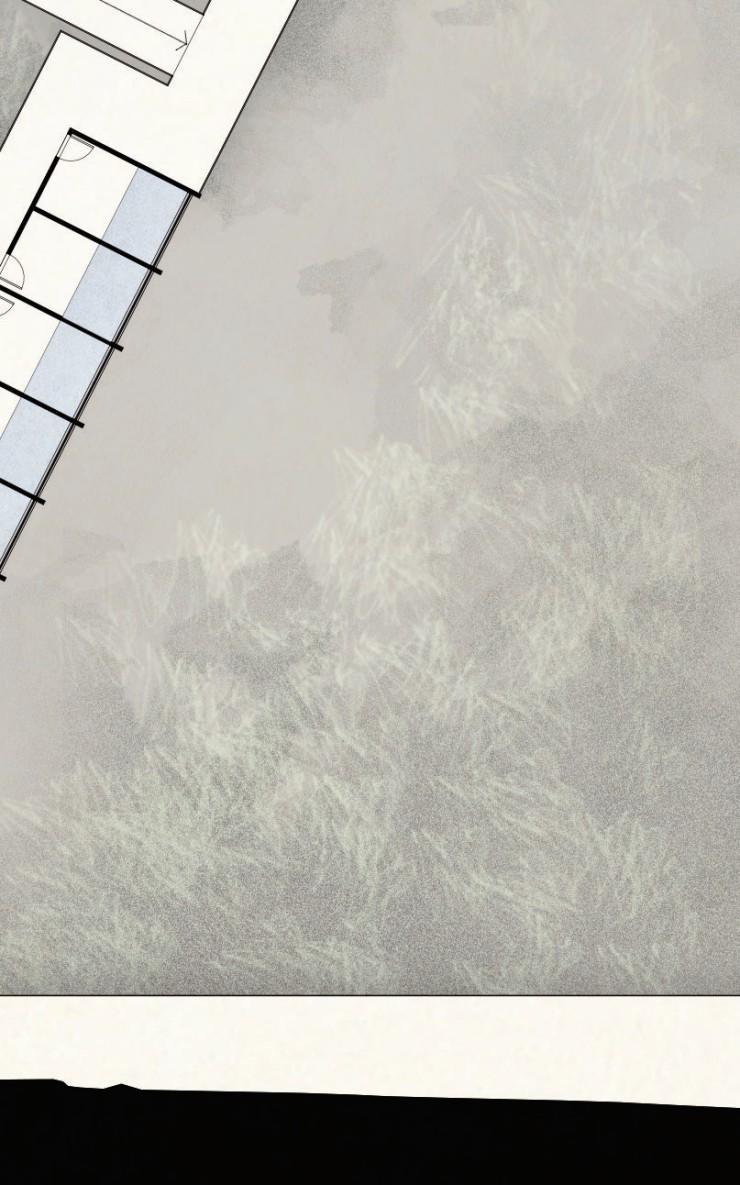
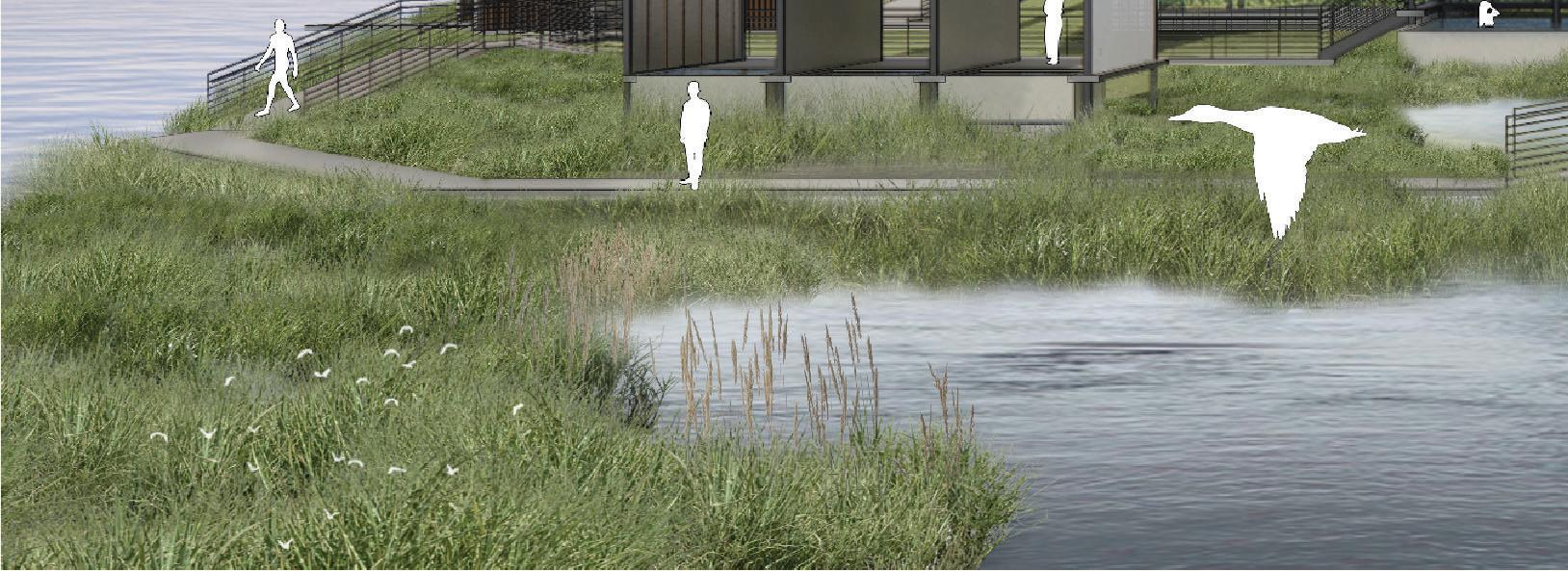
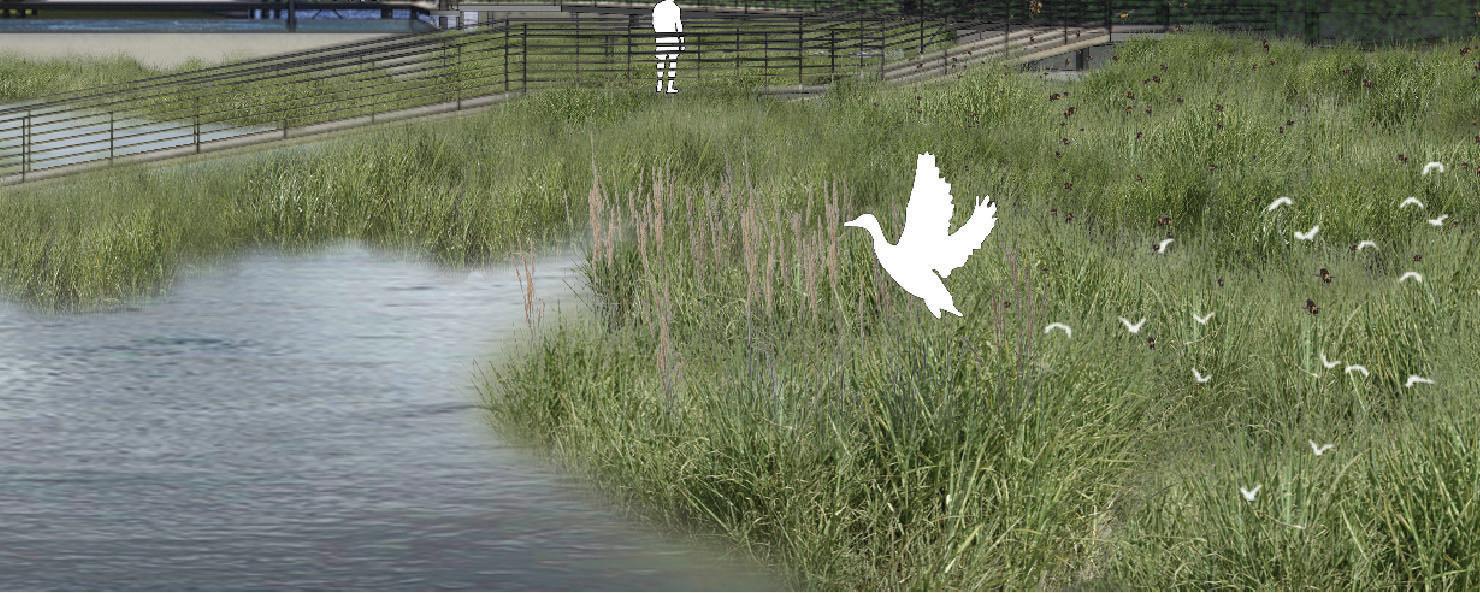
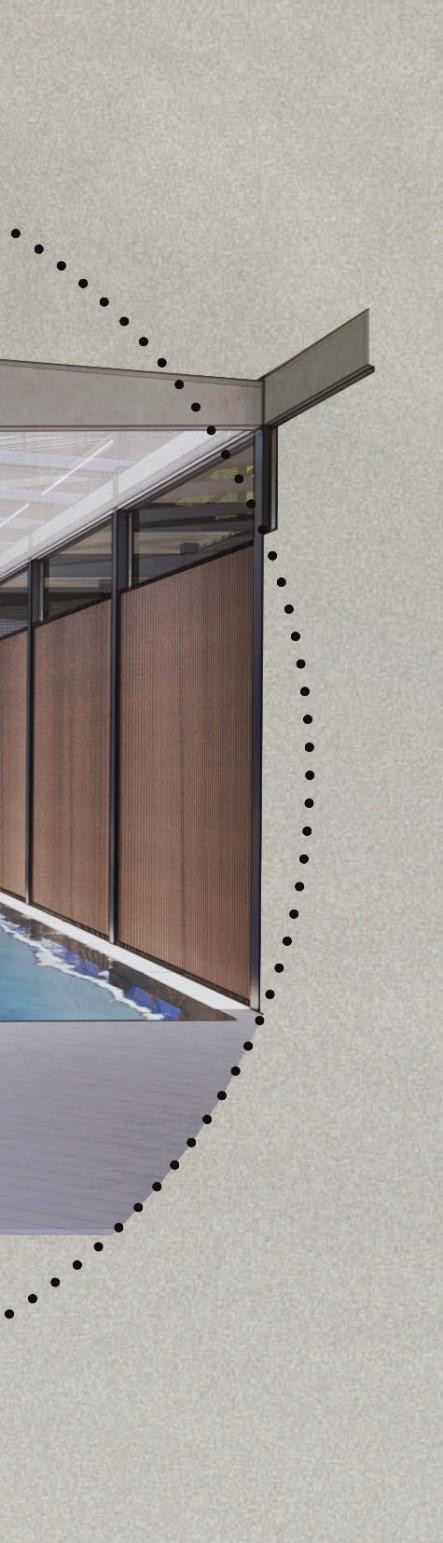
The tunnel serves as an entrance to the bath house, with all of the water treatment systems visible to the user. The bath house itself consists of a set of warm pools, hot pools, saunas, and cold plunges. Each space is nestled within the wetlands lanscape, creating a one on one interface with the ecologies of the site.







EXISTING TUNNELCENTRAL SPINE “POURING” OUT








CHANGING
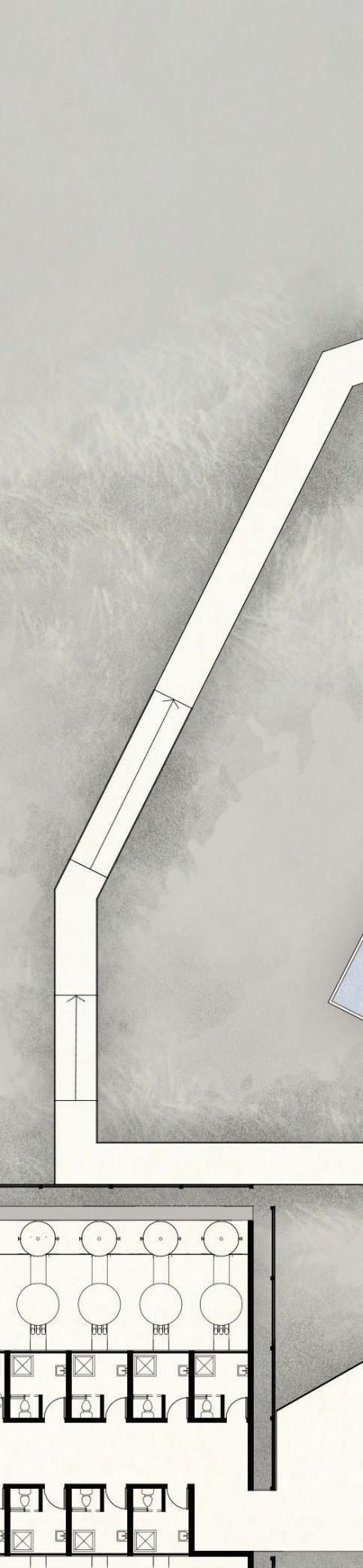
EXTERNAL BATHS REACH INTO LANDSCAPE
TEPIDARIUM
SPACES DISSOLVE INTO WETLANDS
 ROOMS LOBBY
TEPIDARIUM COLD PLUNGE
CALDARIUM SAUNAS CALDARIUM
22



23


24
HOT POOLS
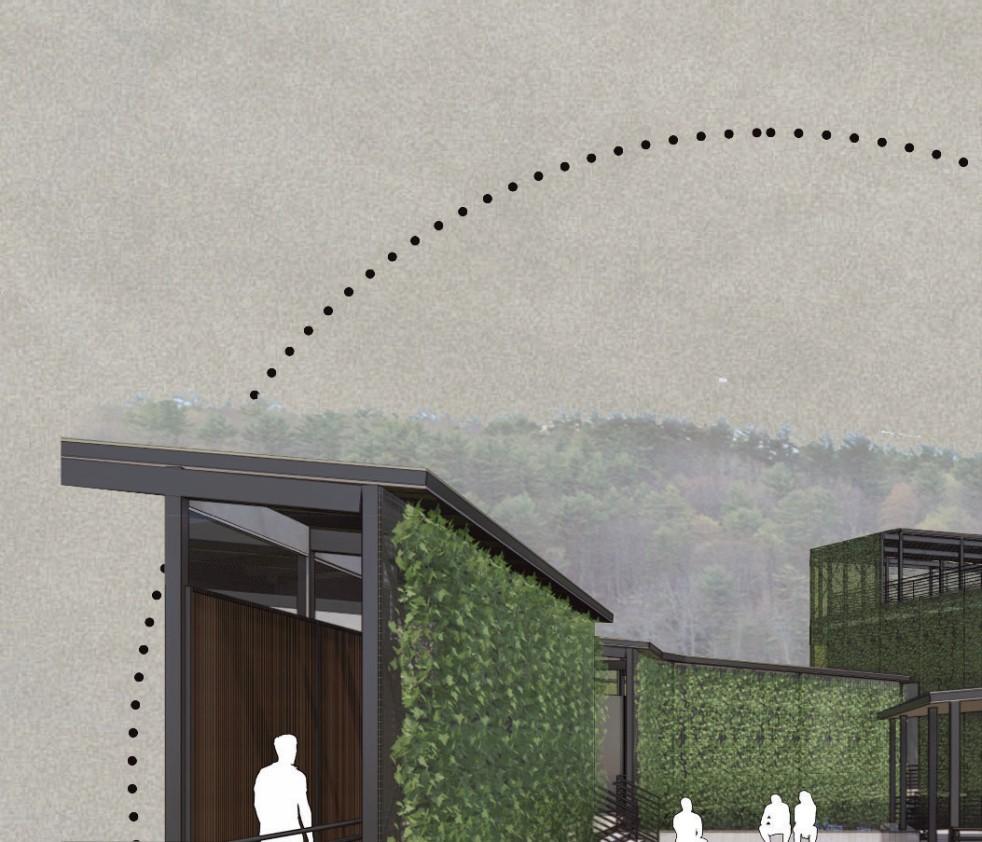
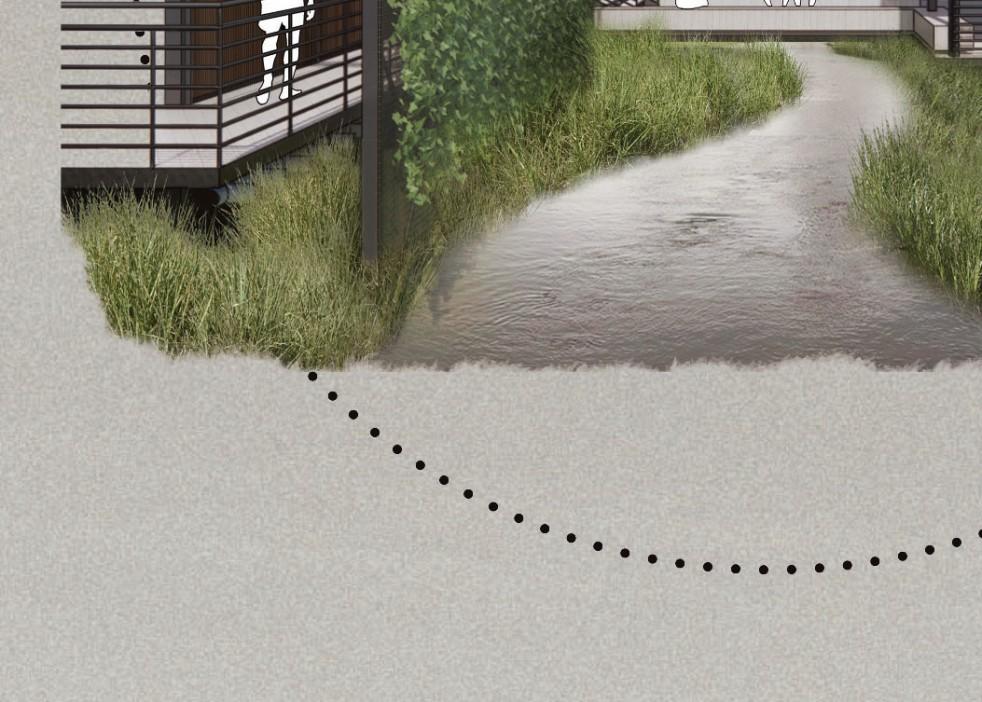
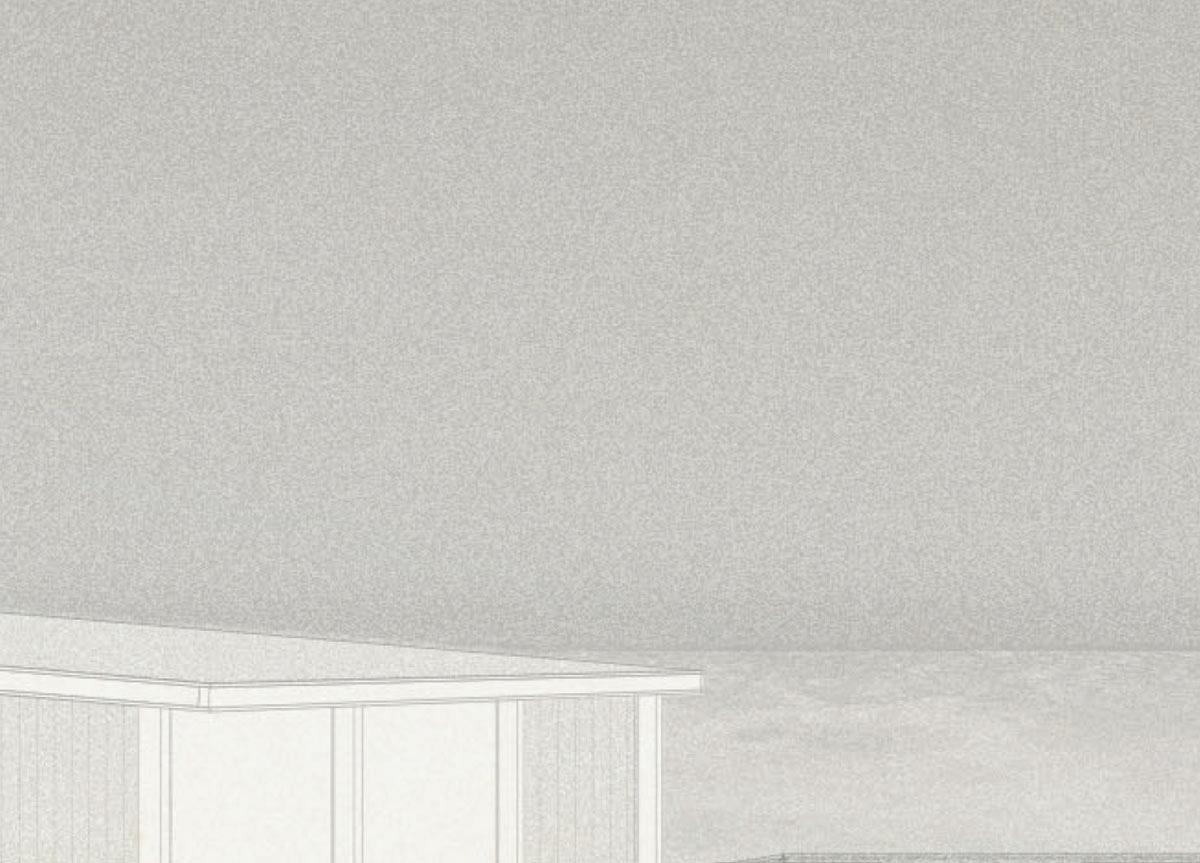
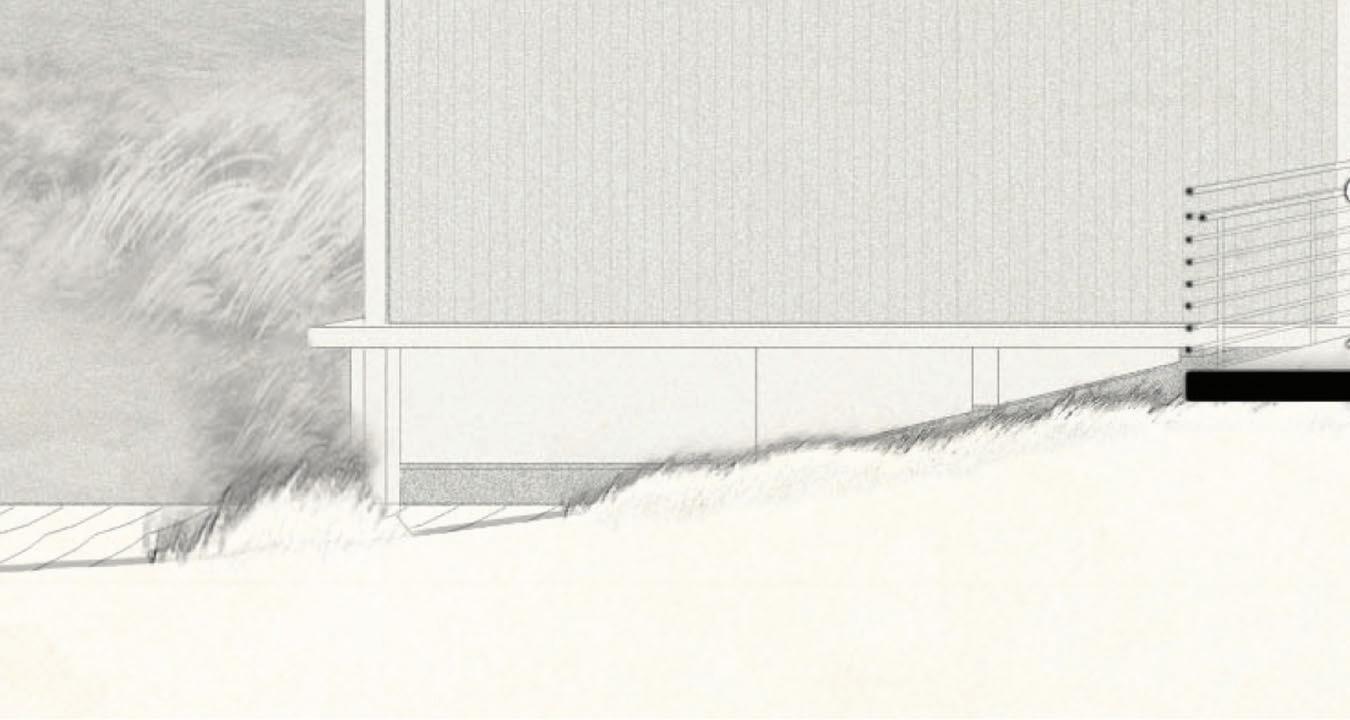
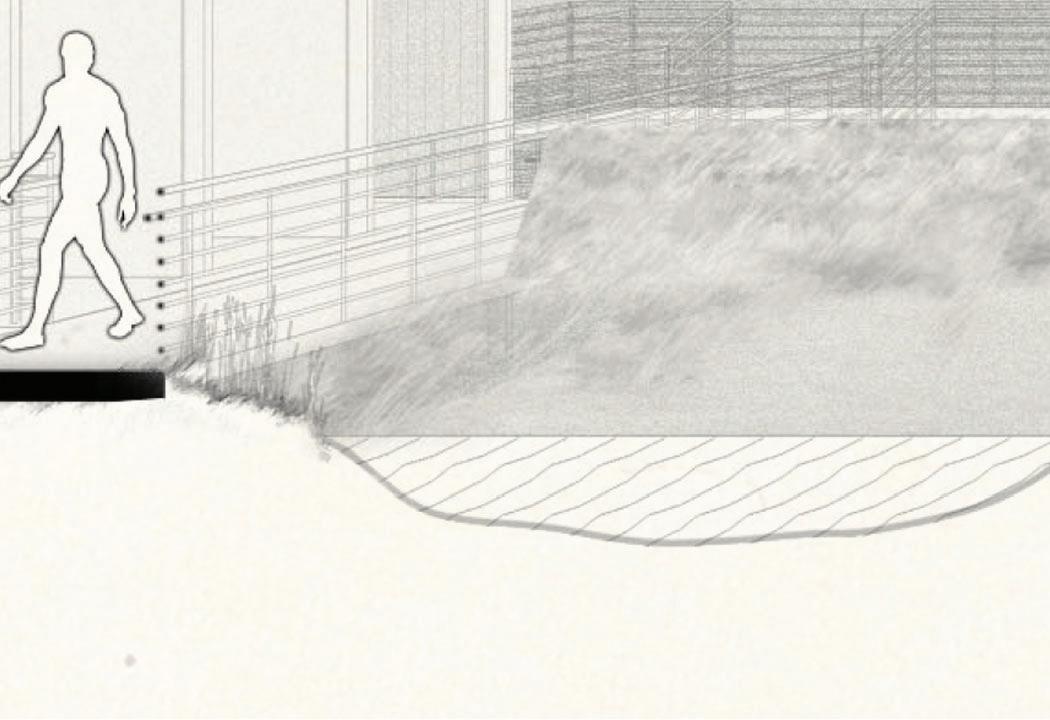
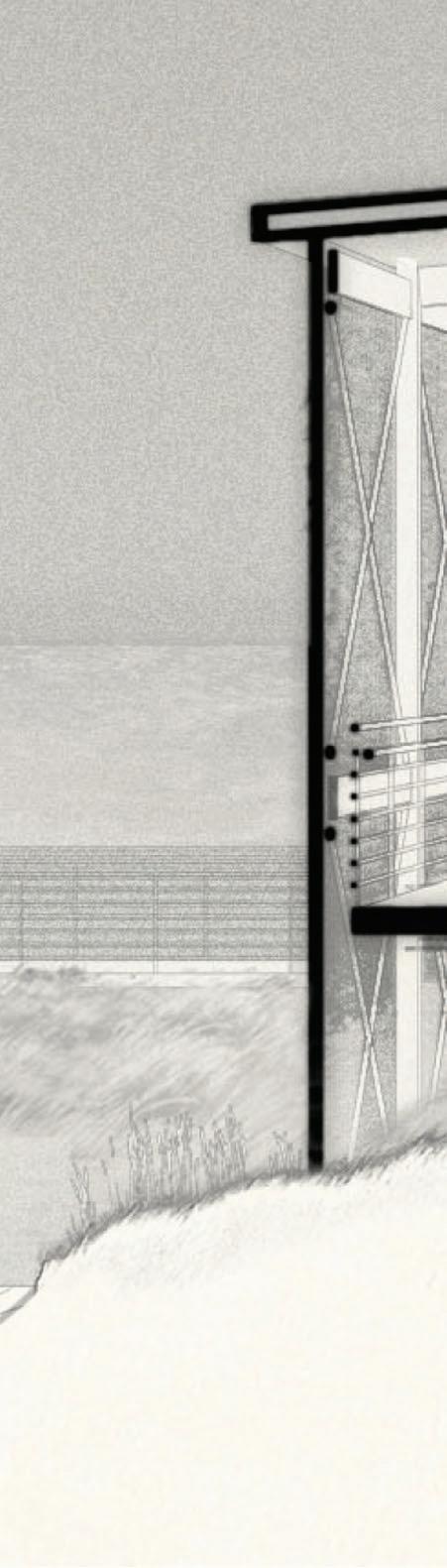
Each space creates a one on one interface with the site’s ecology, allowing the baths to become part of the landscape itself
PUBLIC AND PRIVATE BATHS
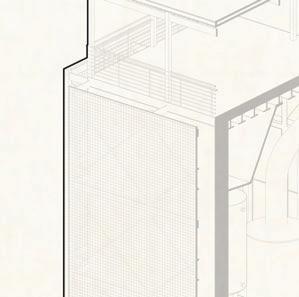
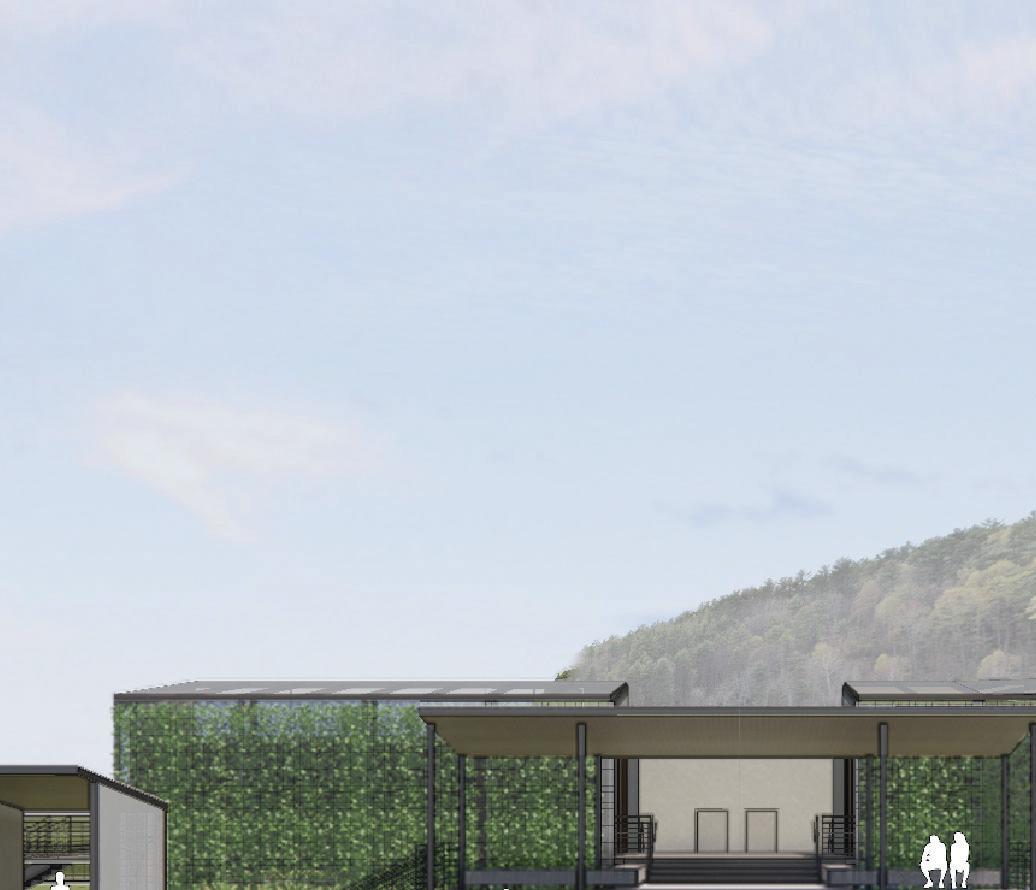
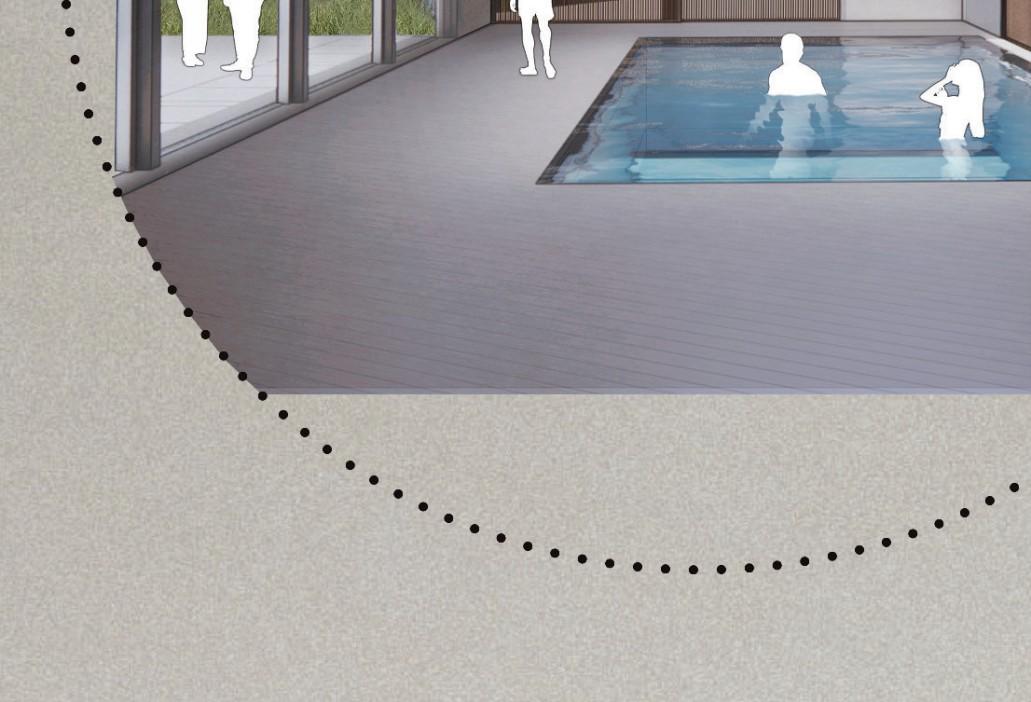
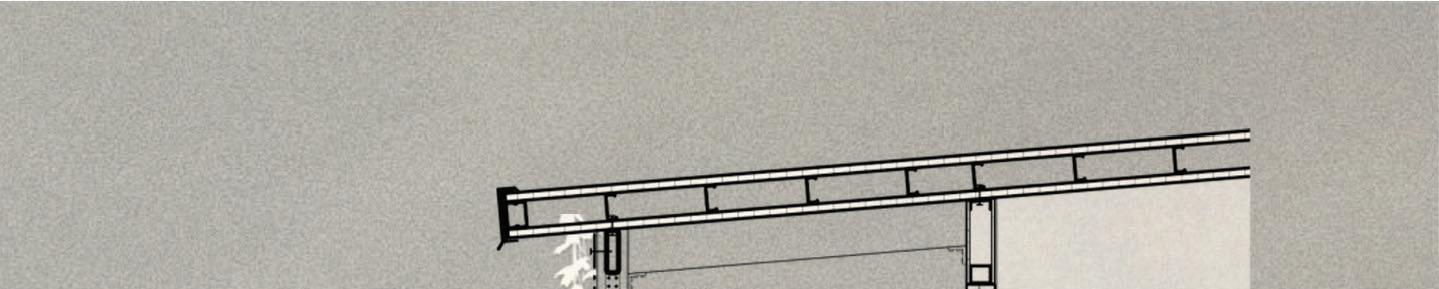
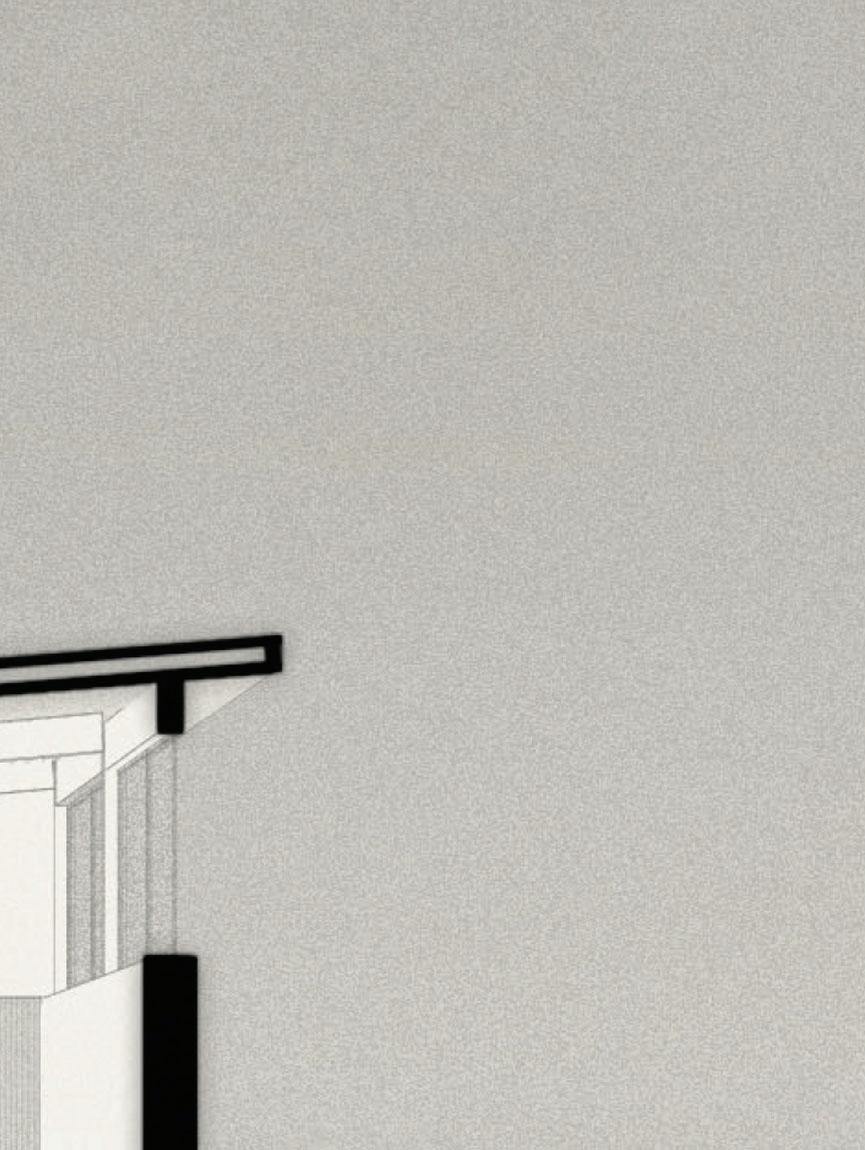
As the building reaches farther into the wetlands, the spaces become more private. At the entrance is a public warm pool, while at the far end are private saunas. Each facade is designed in a way that allows the building to blend into the landscape, all while still allowing visibility and connection out to the surrounding landscape. This is done with wire screens covered with climbing ivy. The roofs of most of the spaces are made with polycarbonate panels to allow ample natural light into the bath house.








 WARM POOLS
25
COLD PLUNGE

PROFESSIONAL EXPERIENCE
Self-motivated emerging professional with 1.5+ years of experience across all phases of design and construction, and a passion for sustainable, ecologically focused architecture
UL Lafayette


Bachelor of Science, Architectural Studies
Minor, Interior Design (AUG 2018 - MAY 2022)
Key Projects



UL Lafayette
Master of Architecture, Graduate Assistant (AUG 2022 - DEC 2023)
Vermilion Architects
Architectural Intern (OCT 2021 - JAN 2023)

LAFAYETTE ECONOMIC DEVELOPMENT AUTHORITY
BUSINESS RESOURCE CENTER
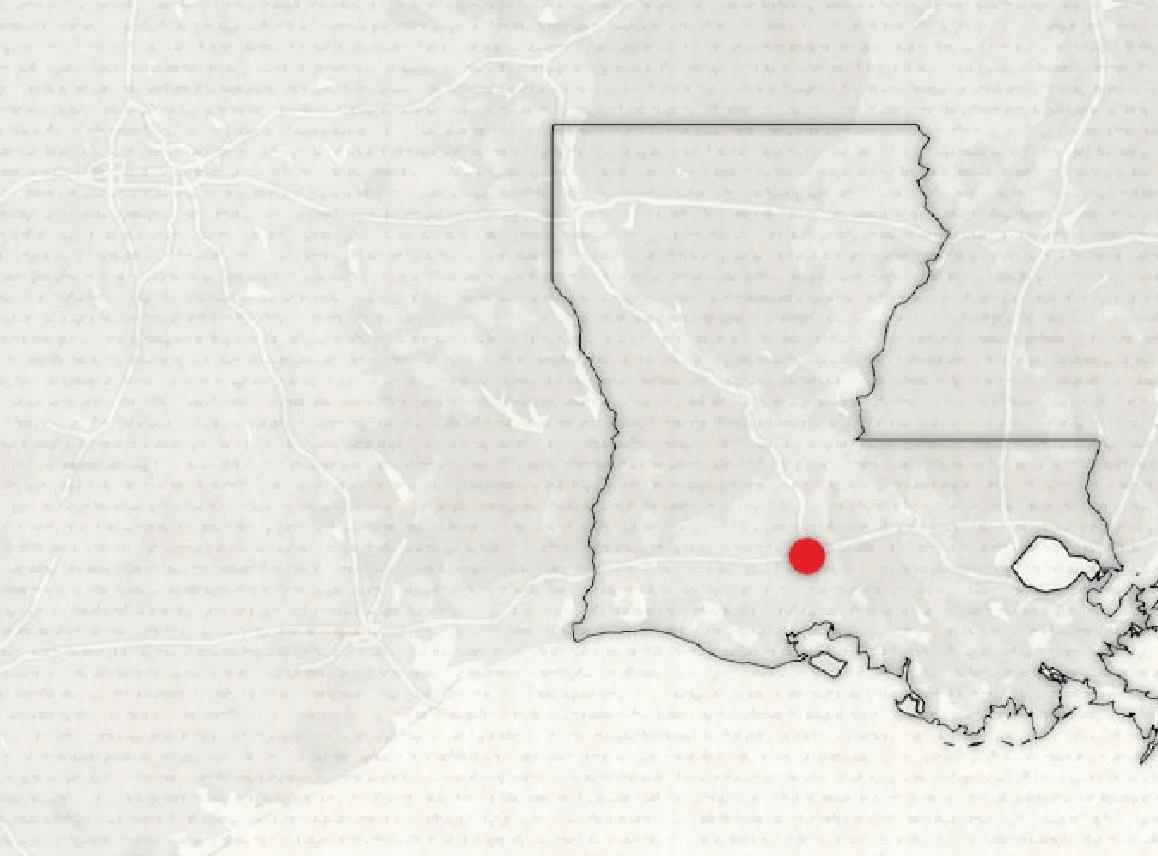
MBSB Group, Lafayette, Louisiana (2024)
OCHSNER AMERICAN LEGION HOSPITAL
MBSB Group, Jennings, Louisiana (2024)
LAFAYETTE TAX ASSESSOR’S OFFICE
Vermilion Architects, Lafayette, Louisiana (2023)




04 2018 2024 2021 2022 2023 2019 2020 2025 MBSB
Architectural Associate (JUNE
Group
2023 - PRESENT)
26
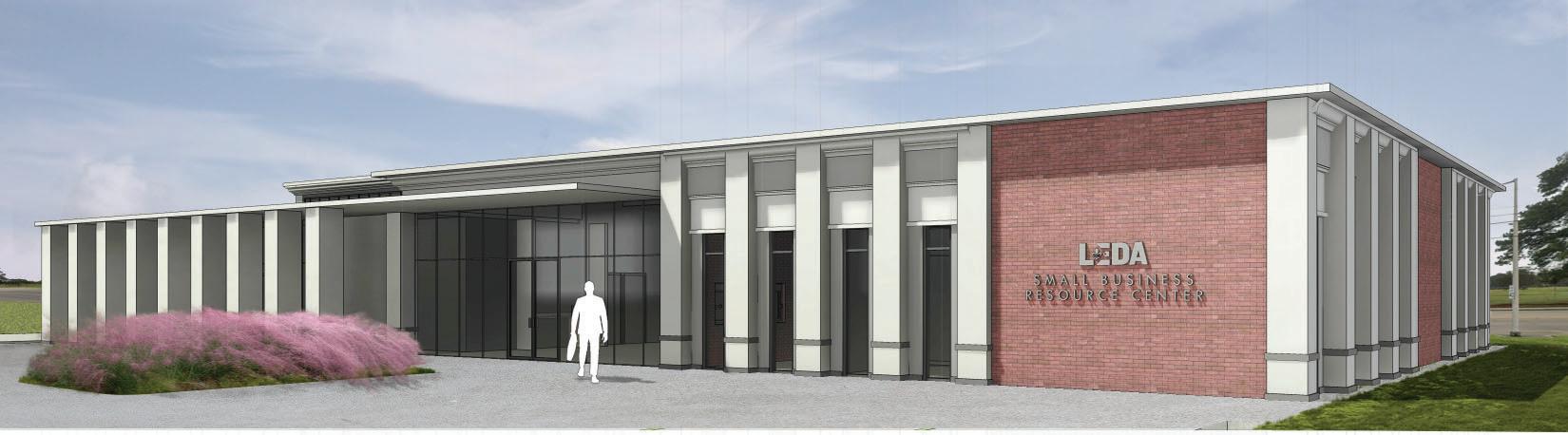
LEDA BUSINESS RESOURCE CENTER
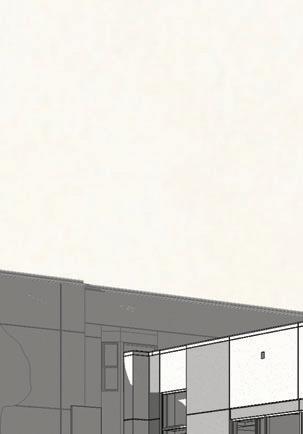
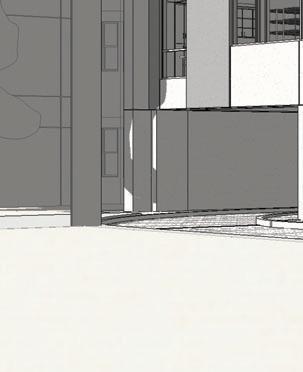
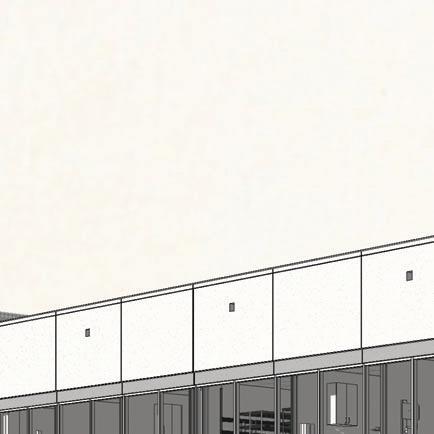
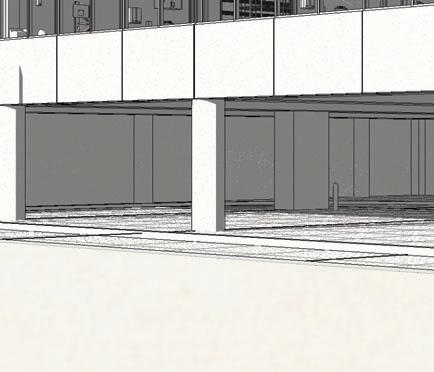
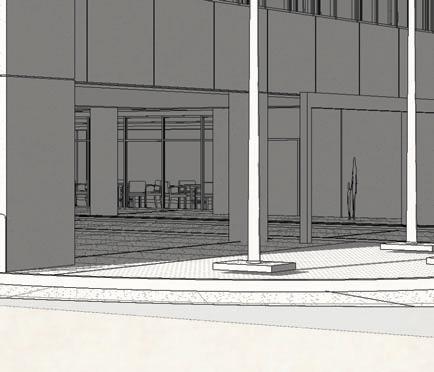
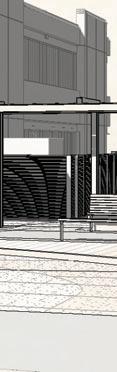
New office building and ampitheater for the Lafayette Economic Development Authority, along with public event spaces
- Creation and execution of iterative ideas for building design and interior layouts
- Development of design documentation and visualizations through 3D modeling and renderings (Revit and Photoshop), presenting iterations to clients
- Collaboration with team members, supervisors, and client for building programming and
OCHSNER AMERICAN LEGION HOSPITAL
Medical Office Building and Front Entrance addition for Ochsner’s Jennings Hospital
- Development of construction documents and phasing plans (Revit)
- Coordination with team members, supervisors, and subcontractors
- Code research and development of infection control and life safety plans
- Interior design and visualizations for new main entrance and lobby
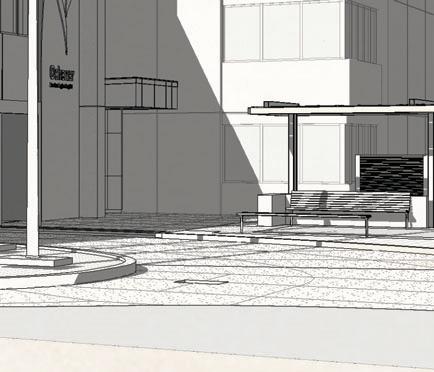
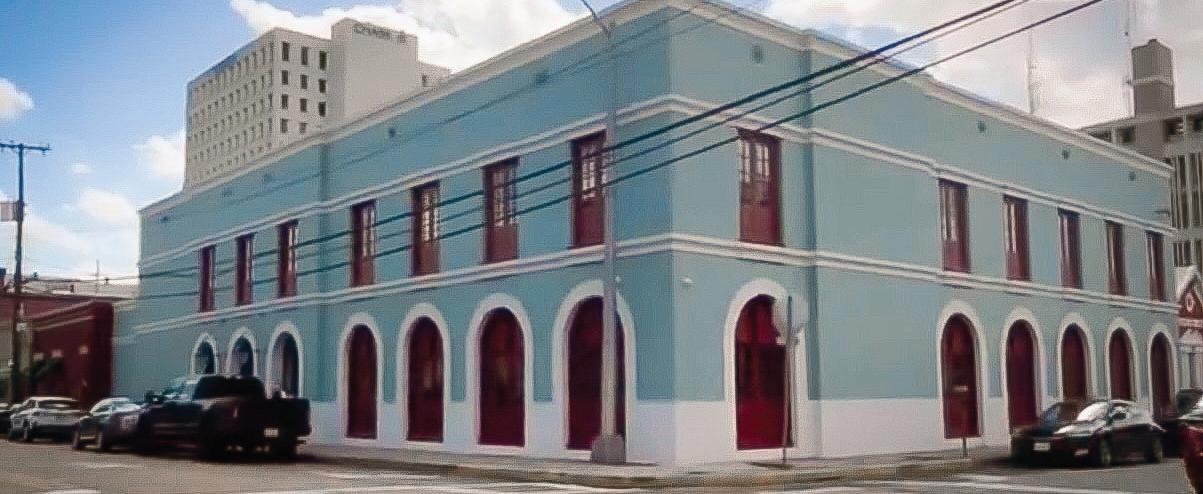
LAFAYETTE TAX ASSESSOR’S OFFICE
Renovation of existing bank building into a new office and public lobby for the Lafayette Parish Tax Assessor
- Development of construction documents, specifications, and cost estimates
- Coordination with client, supervisors, and subcontractors for the development of asbestos abatement plans
- Collaboration with team members and client for interior design and material selections throughout the building










27