Types of Evidence Needed
1. Accident Scene: Take photos and document the scene, noting weather and visibility conditions.
2. Police Reports: Obtain copies of police reports for witness statements and officer assessments.
3.Vehicle and Driver Info: Gather comprehensive information about the truck and driver, including logs and certifications.
4. Witness Statements: Interview witnesses and record their contact information.
5. Medical Records: Obtain the victim's medical records and, if applicable, autopsy records.
6. Experts: Consult accident reconstruction and medical experts for professional opinions.
7. Surveillance Footage: Review nearby surveillance cameras for potential accident footage.
8. Maintenance Records: Request the truck's maintenance and inspection records to assess its condition.
9. Cell Phone Records: Acquire the driver's cell phone records if distracted driving is suspected.
10. Insurance Info: Note the insurance coverage for both the truck and the driver.
11. Black Box Data: Retrieve data from the truck's event data recorder (EDR) for further analysis.
12. Online Activity: Investigate any relevant online activity.
Notify Relevant Parties
Notify the trucking company's insurance provider and your own insurance company about the accident. Be cautious when communicating with these parties and avoid providing statements without legal counsel.
Investigation
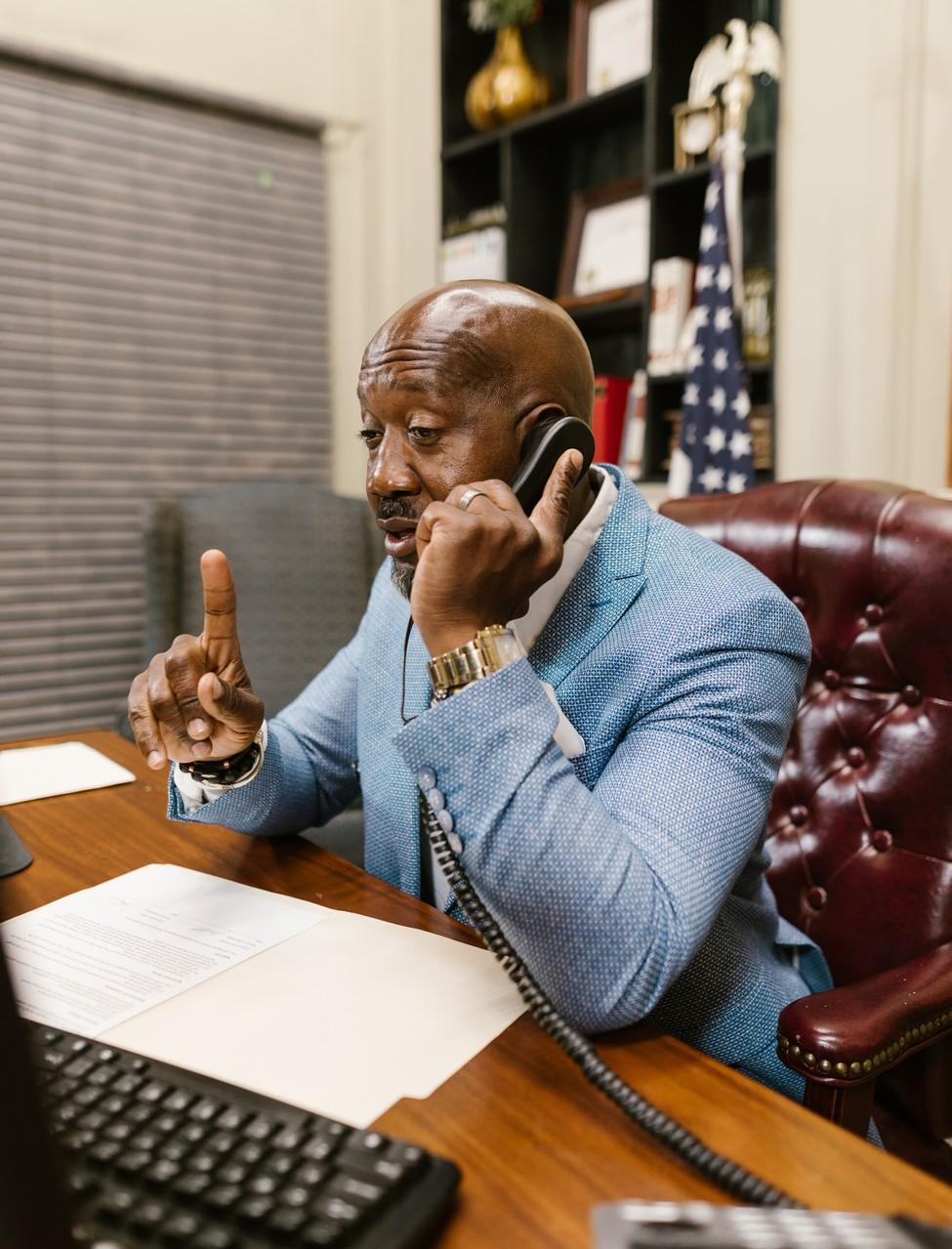
Your truck accident attorney will conduct a detailed investigation to determine liability. This may include accident reconstruction, reviewing maintenance records, and assessing driver logs.

Wrongful Death Claim
In cases of fatal accidents, you'll typically be pursuing a wrongful death claim.
Under California law, the surviving family members may be eligible to seek compensation for various damages, including medical expenses, funeral costs, lost income, and emotional distress.

Statute of Limitations
Be aware of California's statute of limitations for wrongful death claims. In most cases, you have two years from the date of the accident to file a lawsuit, but it's essential to consult your attorney for specific deadlines.

Negotiation and Settlement
Your attorney will work with the insurance companies and the responsible parties to negotiate a fair settlement. This may involve mediation or formal negotiations.

Trial, if Necessary
If a fair settlement cannot be reached, your attorney will prepare the case for trial and represent your interests in court.
Compassionate Support
Throughout this process, your truck accident attorney will provide compassionate support to you and your family, helping you navigate the legal complexities while you focus on healing and grieving.

Closure and Healing
Ultimately, the goal is to secure compensation for your losses and hold those responsible accountable. While no amount of money can replace a lost loved one, it can help provide financial security during a difficult time.