
GREEN RETROFIT ON HERITAGE BUILDING:
Florianopolis Public Hostel

This project was developed for the Final Essay during undergrad, in order to obtain the professional degree of Architect and Urban Planner. The theme considers the importance of sustainability in architecture nowadays and it also raises awareness of the social problem of homelessness in Florianópolis, Brazil.
Green Retrofit is understood as the process that, besides renovating the building, includes sustainable features as water and energy efficiency. This work, therefore, is about a Green Retrofit on the Florianópolis Public Hostel regarding sustainability and guests’ well being.
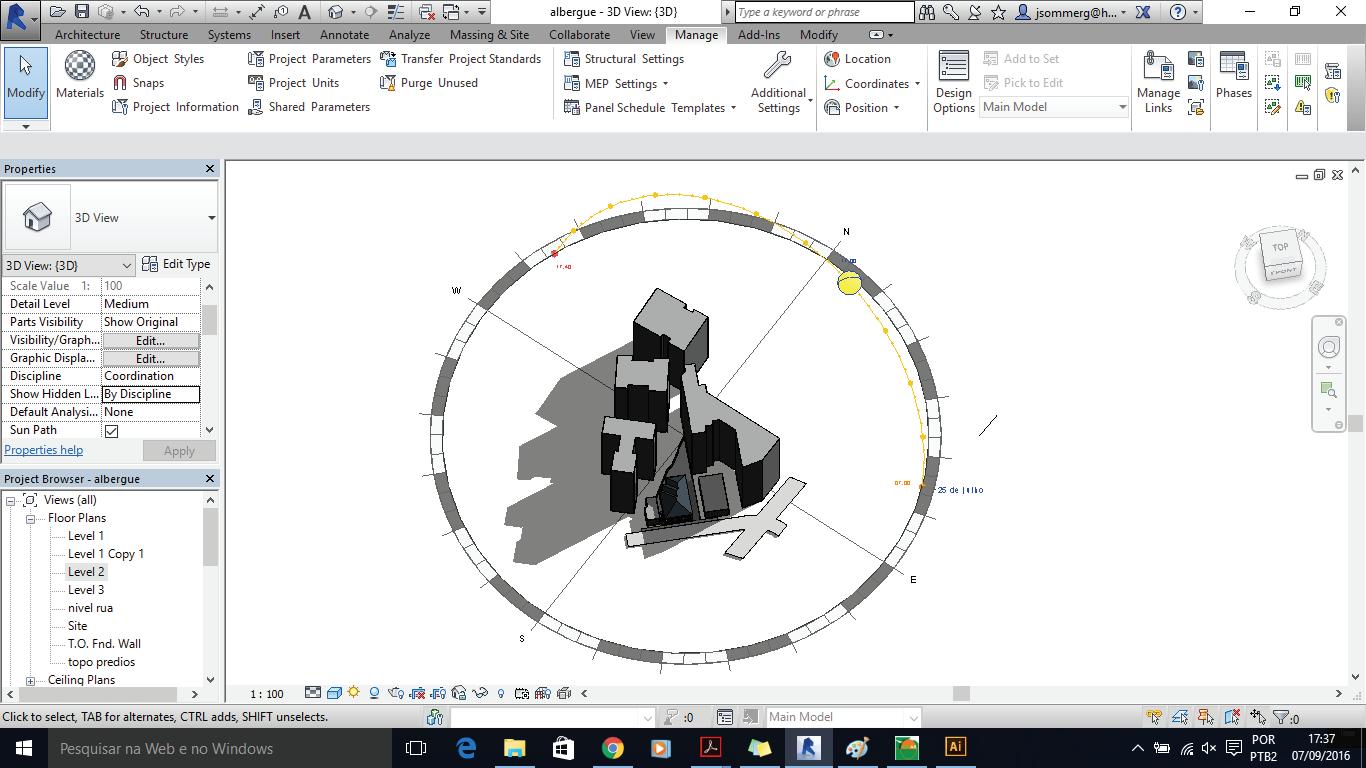
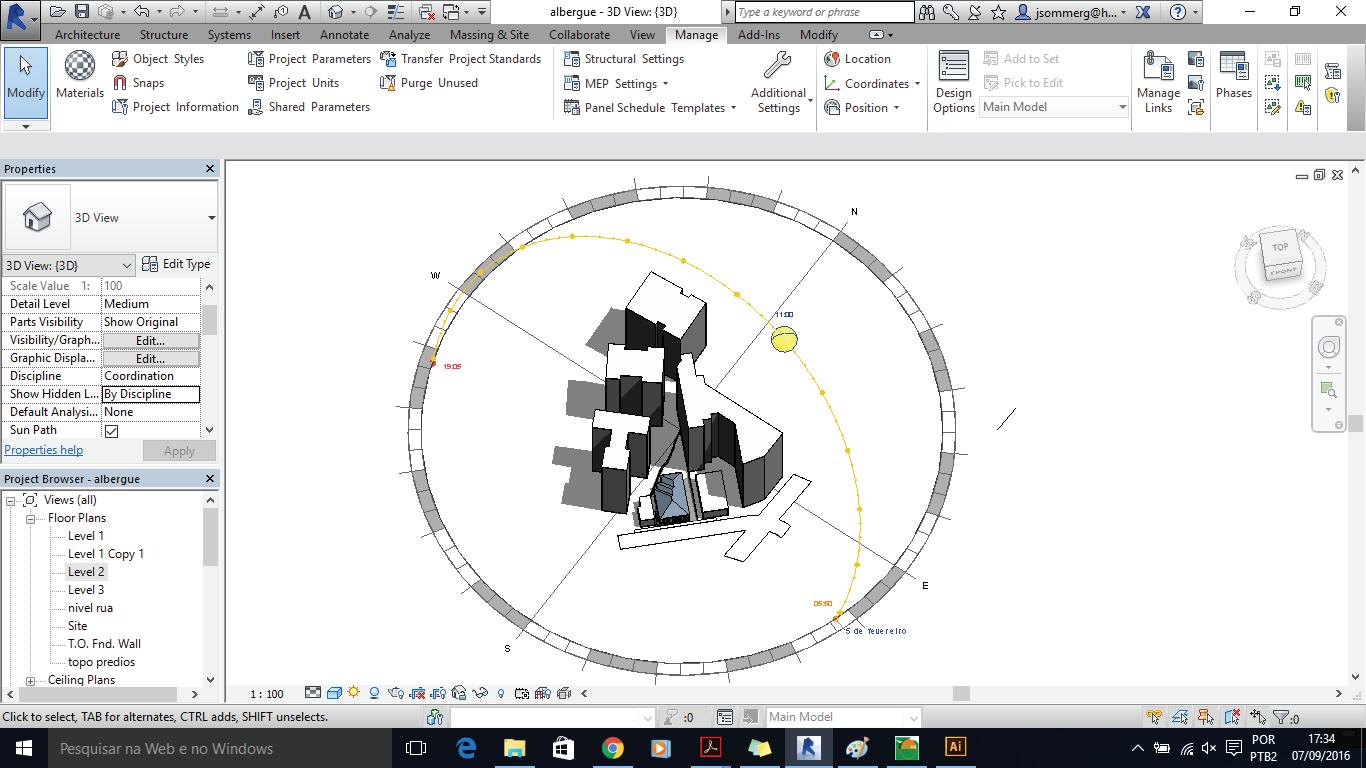
The house stays in the shade of surrounding during a long part of the year. Also, there is little air flow. These facts coupled with the Subtropical climate of Florianópolis results in a lot of humidity and uncomfortable sensations for the guests, which can compromise their health.
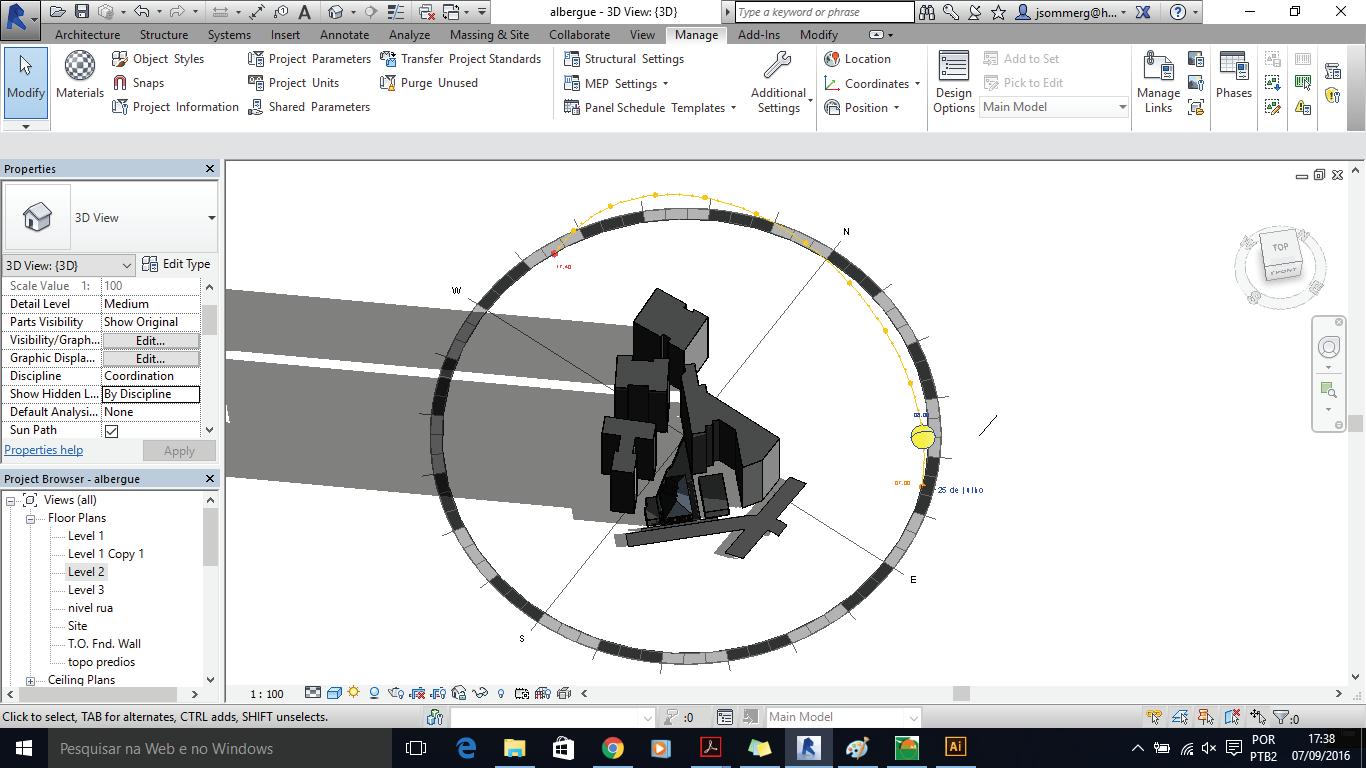
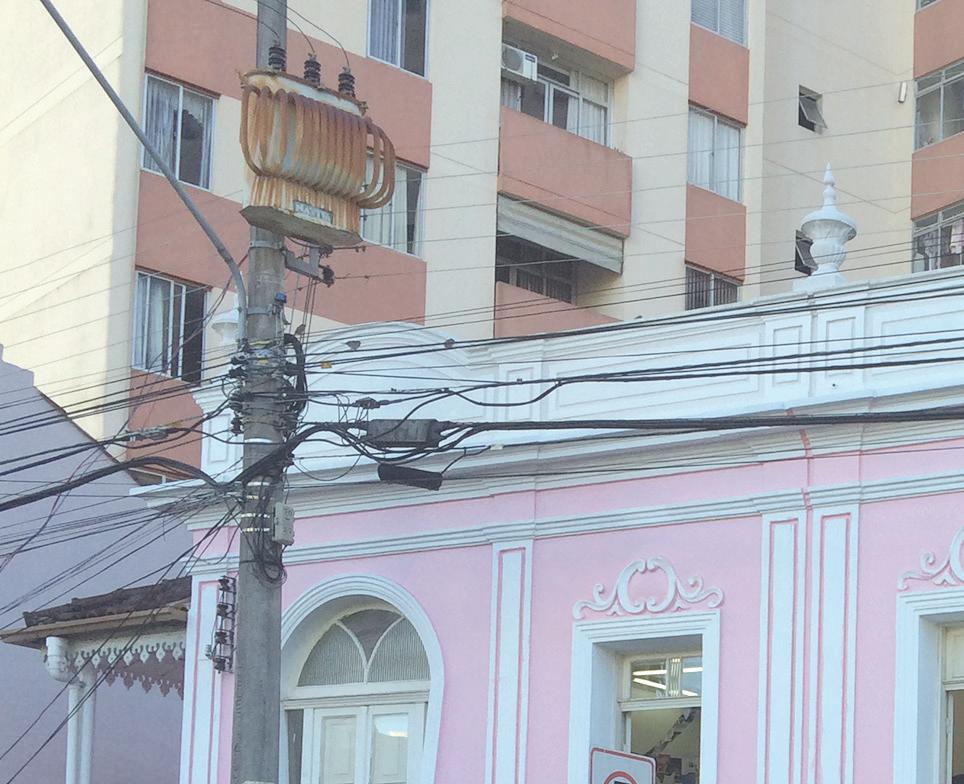
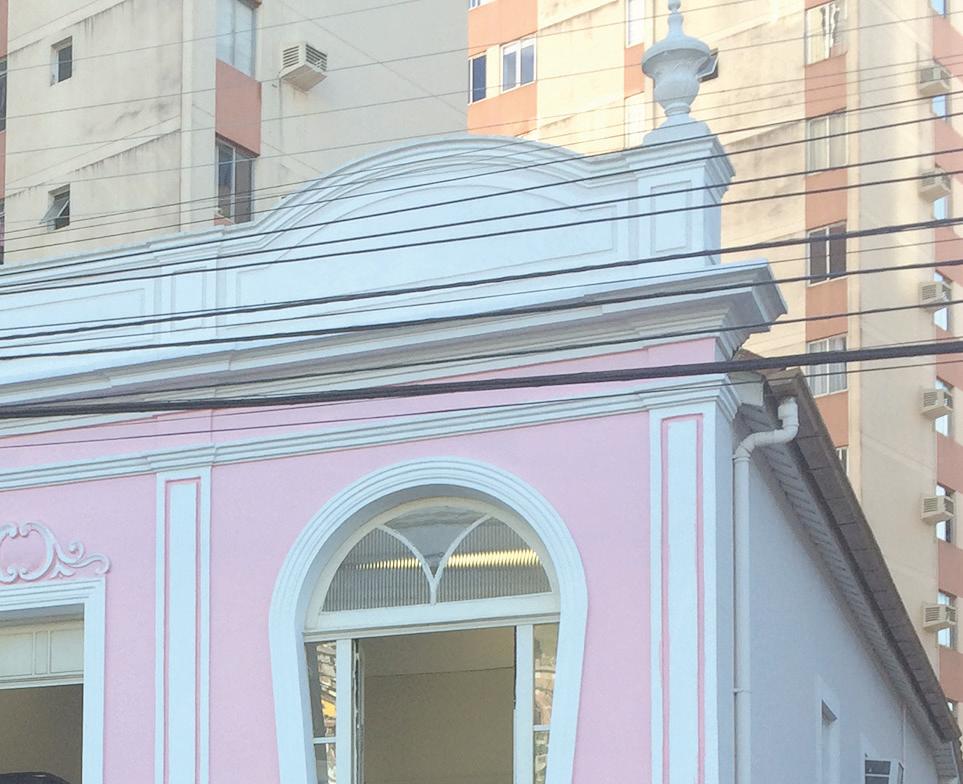
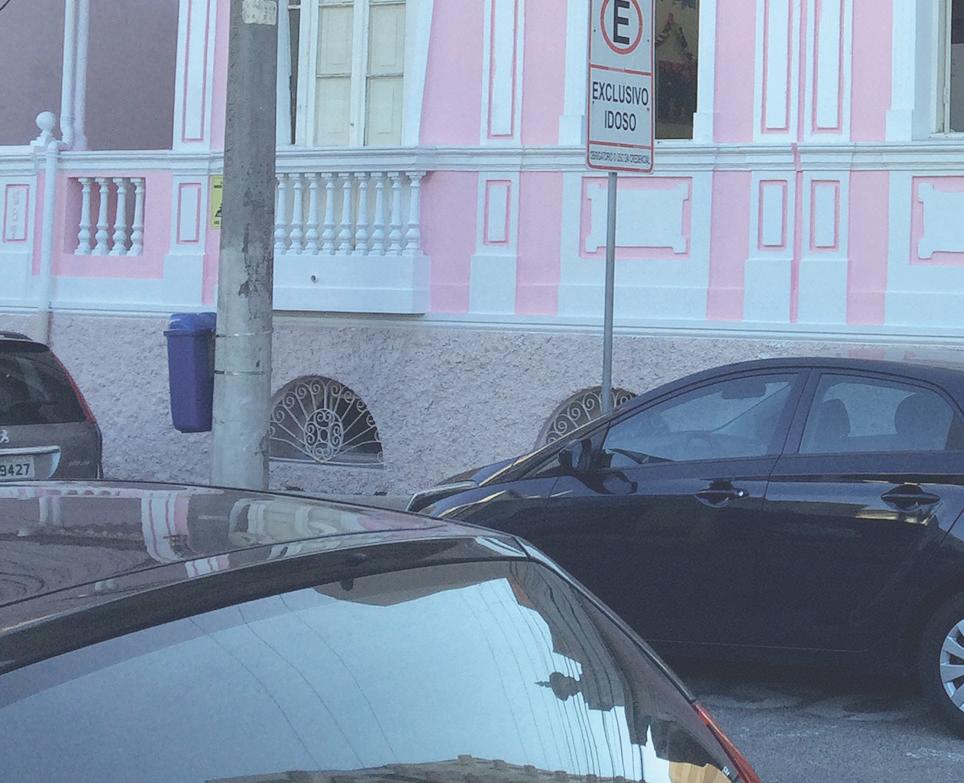
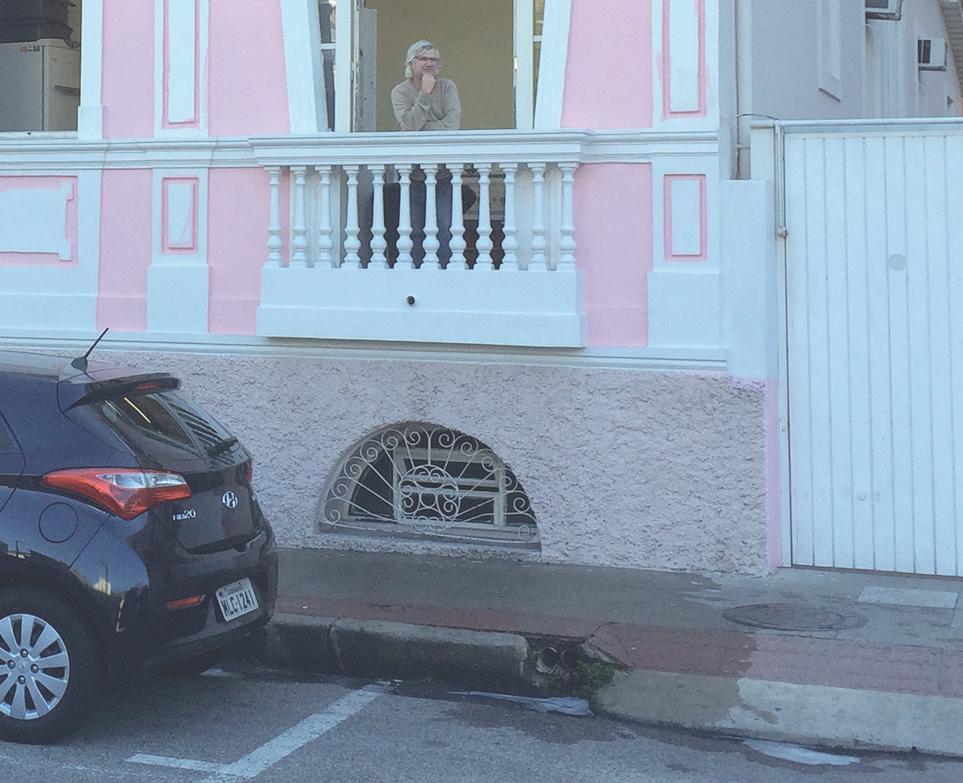
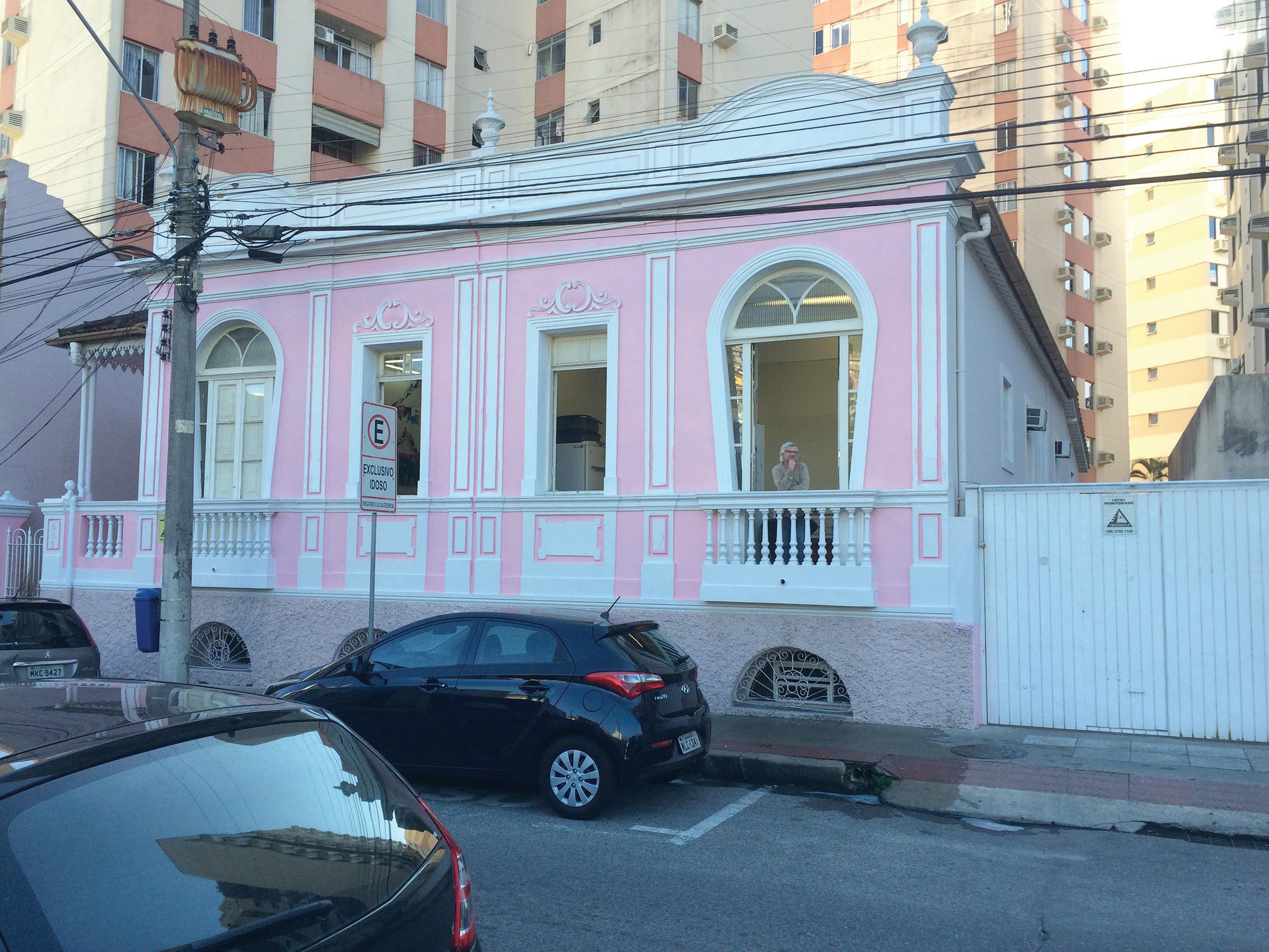
The chosen building for the retrofit project is an old house in the historic downtown of Florianopolis. It has two floors and it is located on a sloped site. The first floor - where the Hostel operates - is semi-buried and the upper level is used as a temporary house (the Shelter) for homeless people. The Hostel can house 40 men and 6 women, while 22 men can live in the Shelter.
This house, according to local zoning law, is classified as “P2” and therefore many modifications are restricted. For example, original volumetry must be restored and kept, while its interior can be modified as long it does not affect the exterior appearance.
Shading from surrounding buildings on: Summer, Feb. 05
Winter, Jul. 07
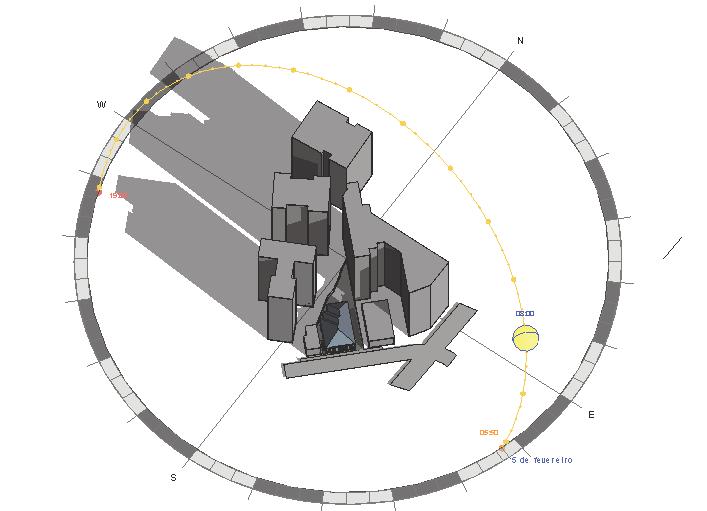
8 am 11 am
Before being used as a public Hostel and a Shelter, it was a private home. The physical adaptation for this new use was not done properly. There are many problems related to accessibility, security and salubrity. Furthermore, the current layout is not pleasant and does not explore the full potential of support that it could have for homeless people’s well being. As the project is also concerned about sustainability, many associated features are also included.
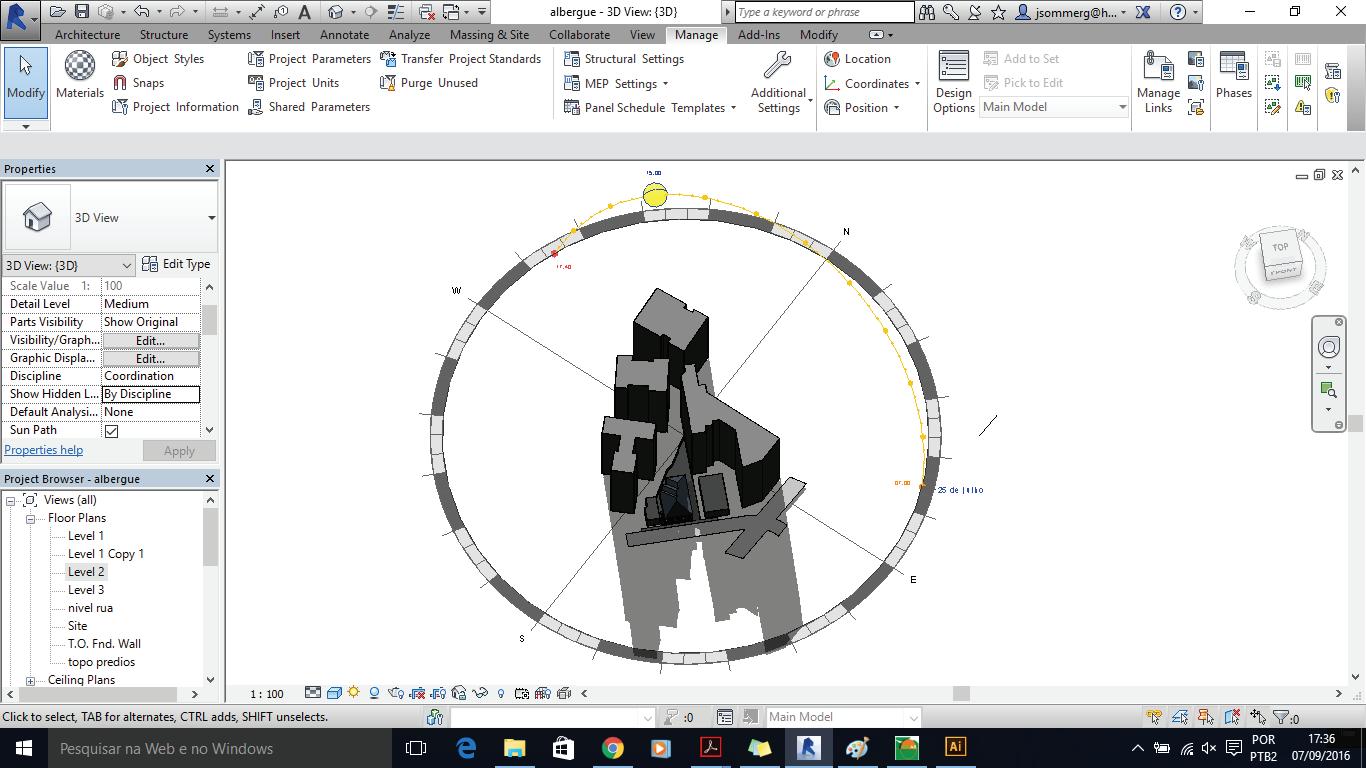
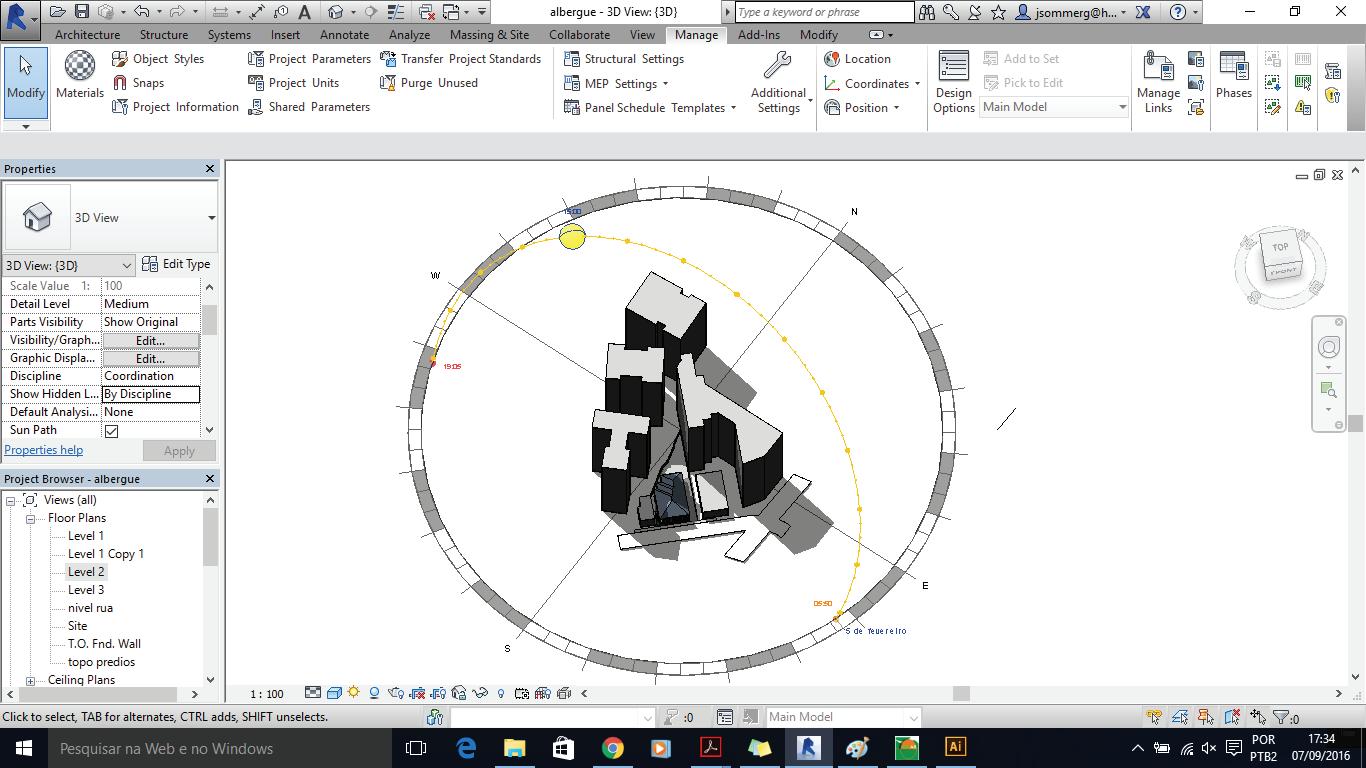
3 pm
The concept of this project is to be welcoming of homeless people, aiding their social recovery through Green Retrofit. The goal is to provide an accessible, comfortable and healthy space that stimulates social interaction and causes well being, while considering sustainable principles.
Green strategies include rainwater use, ventilation shafts and natural gas heaters.
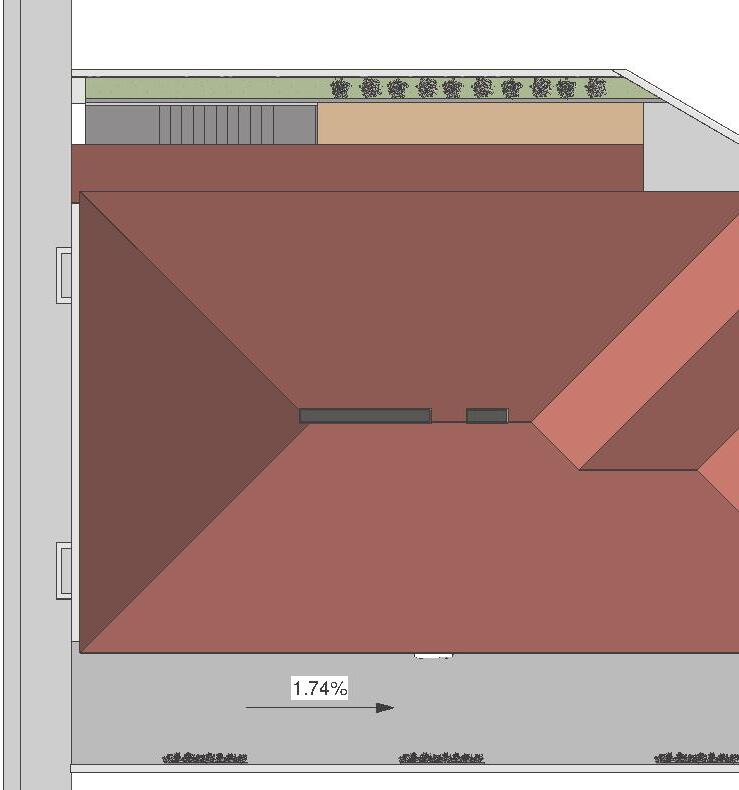
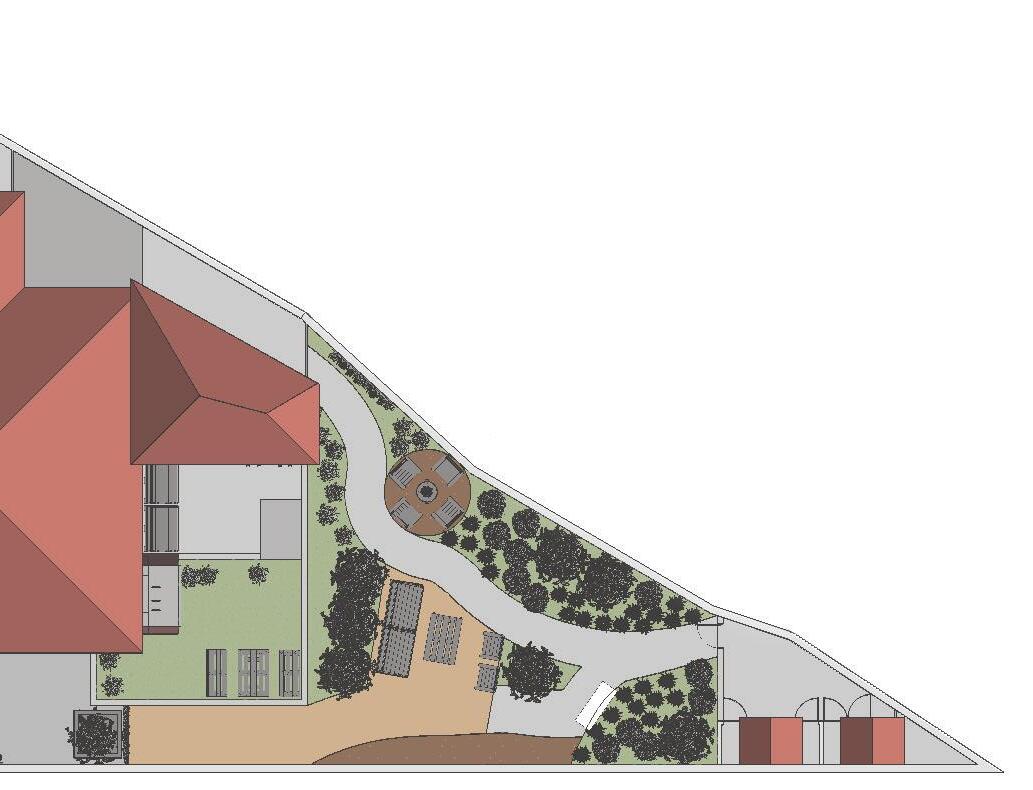
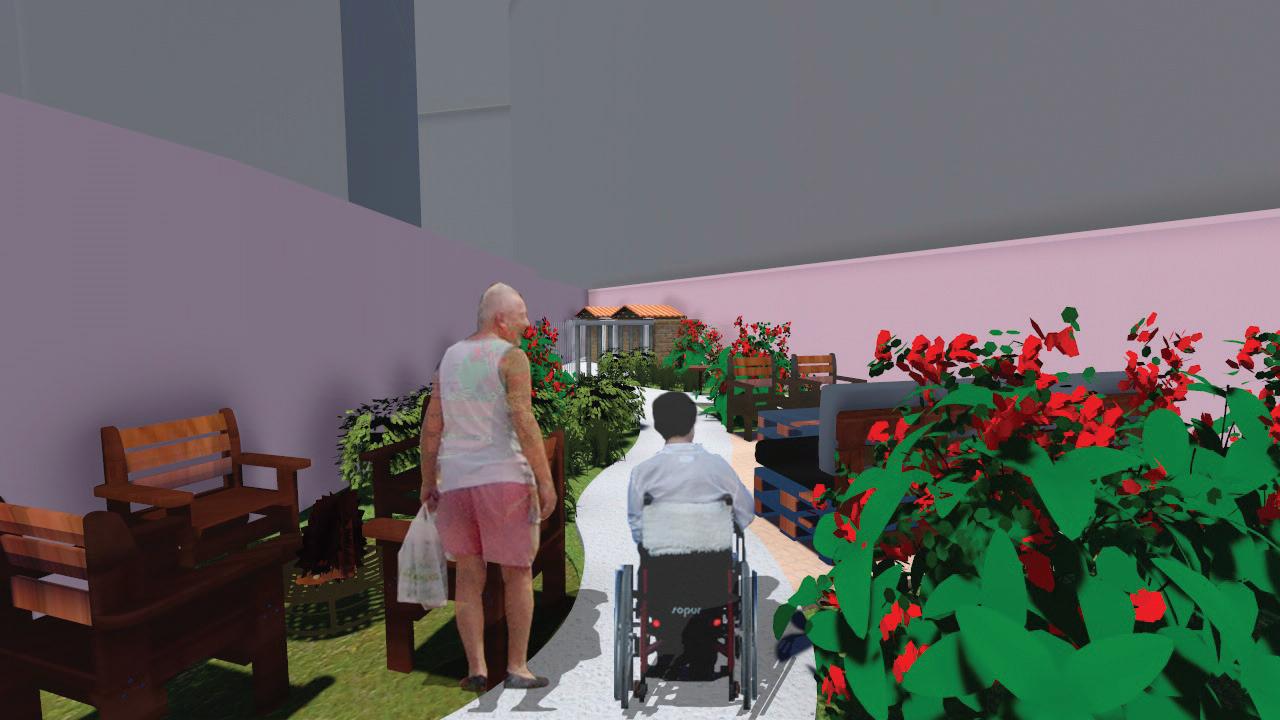
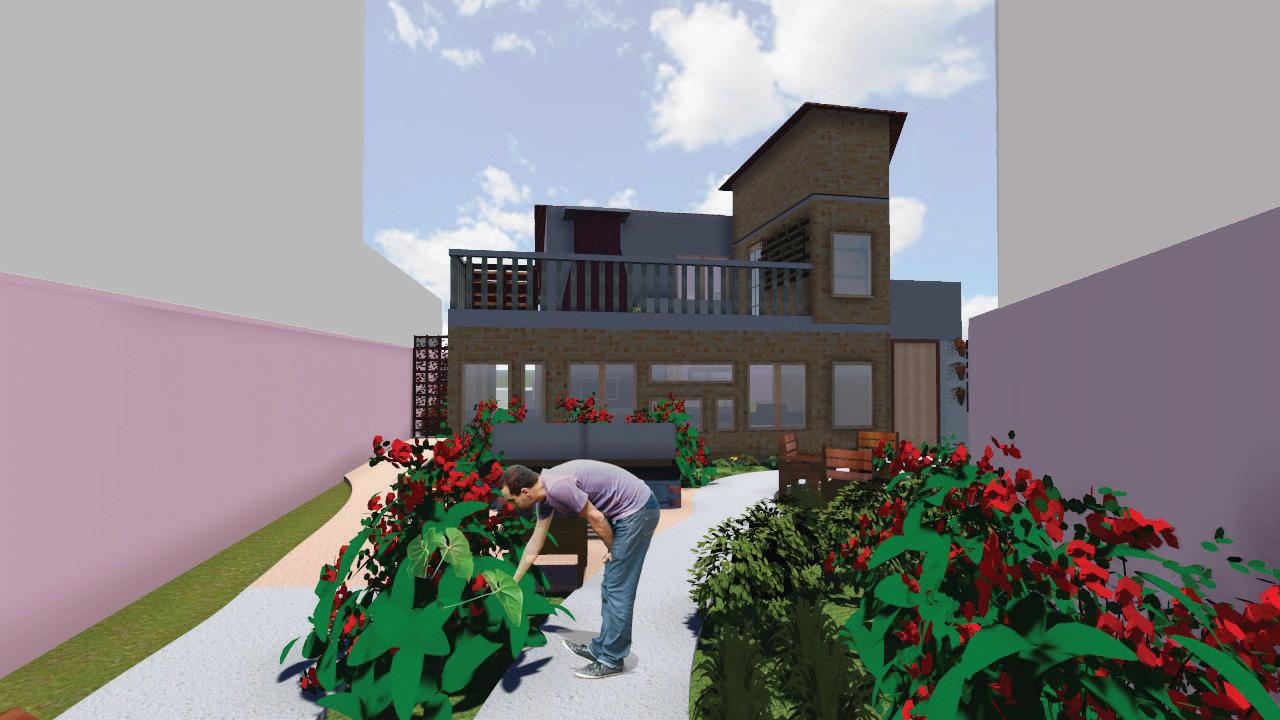
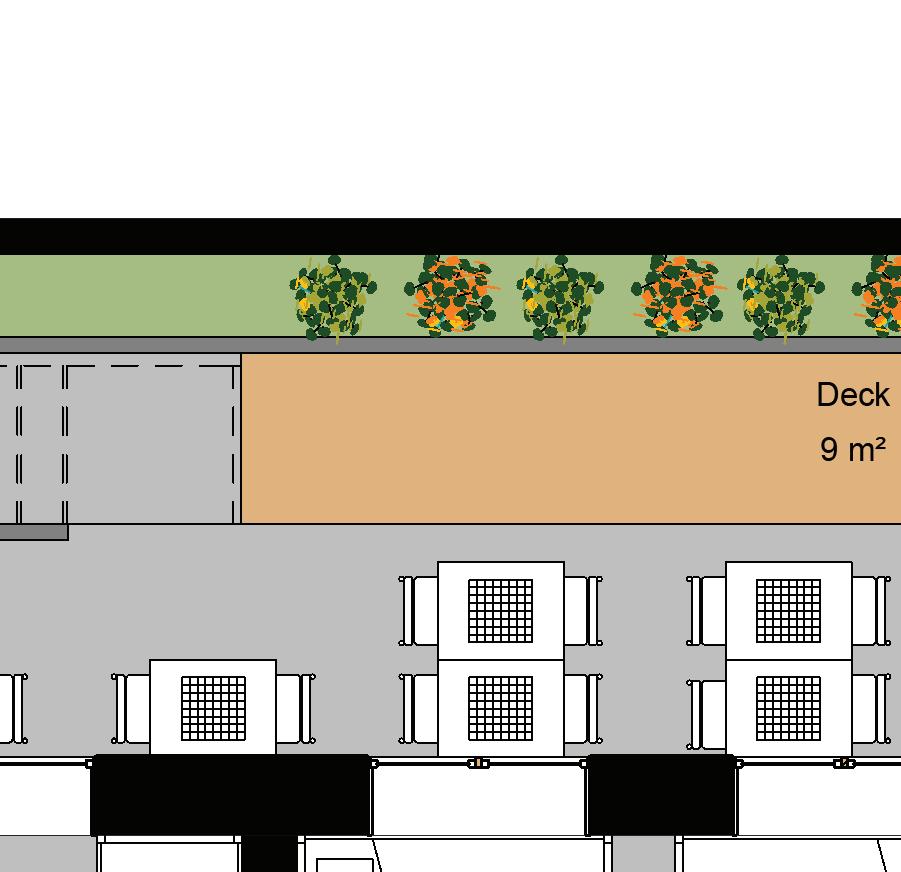
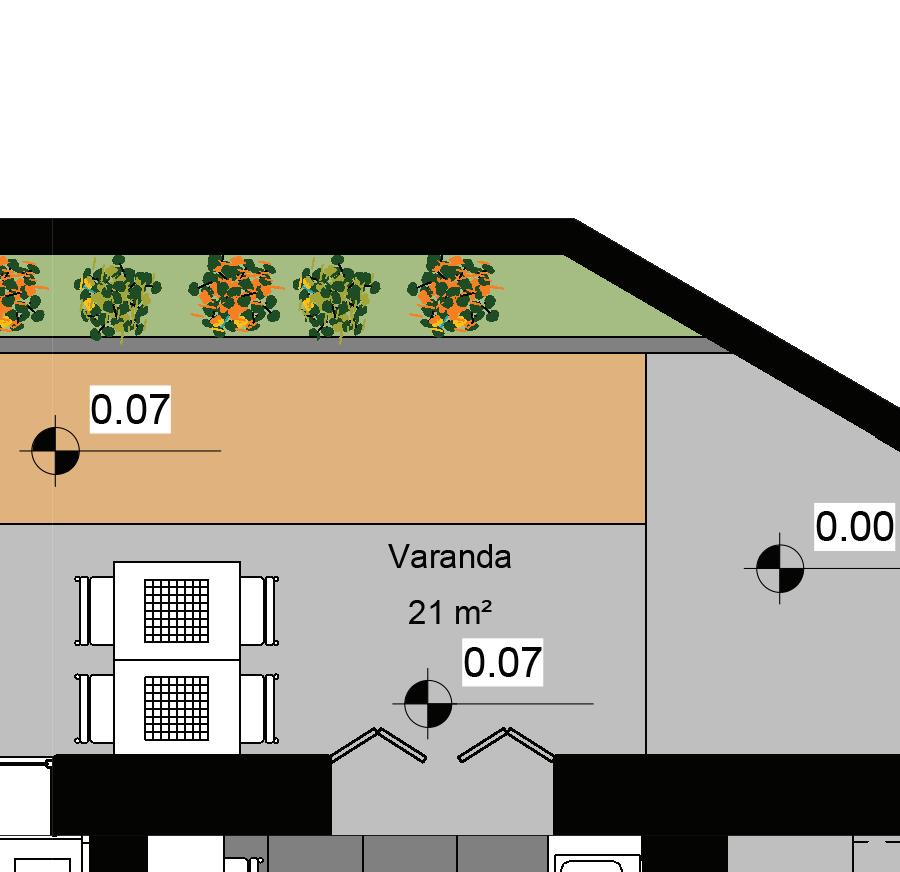
Leisure and social integration areas were added to the existing necessities program, such as flower and vegetable gardens, a roof garden and an annex building. It was noted during the research phase that many homeless people refuse to go to the Public Hostel because they cannot bring their dogs, so a kennel was also planned.

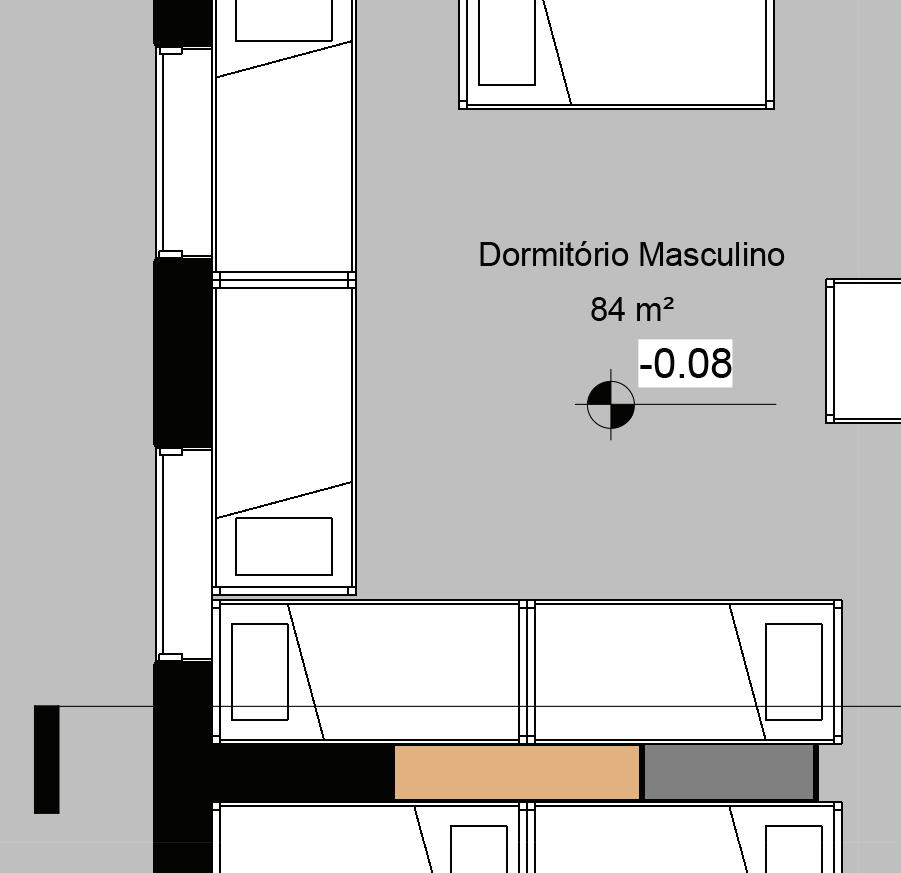
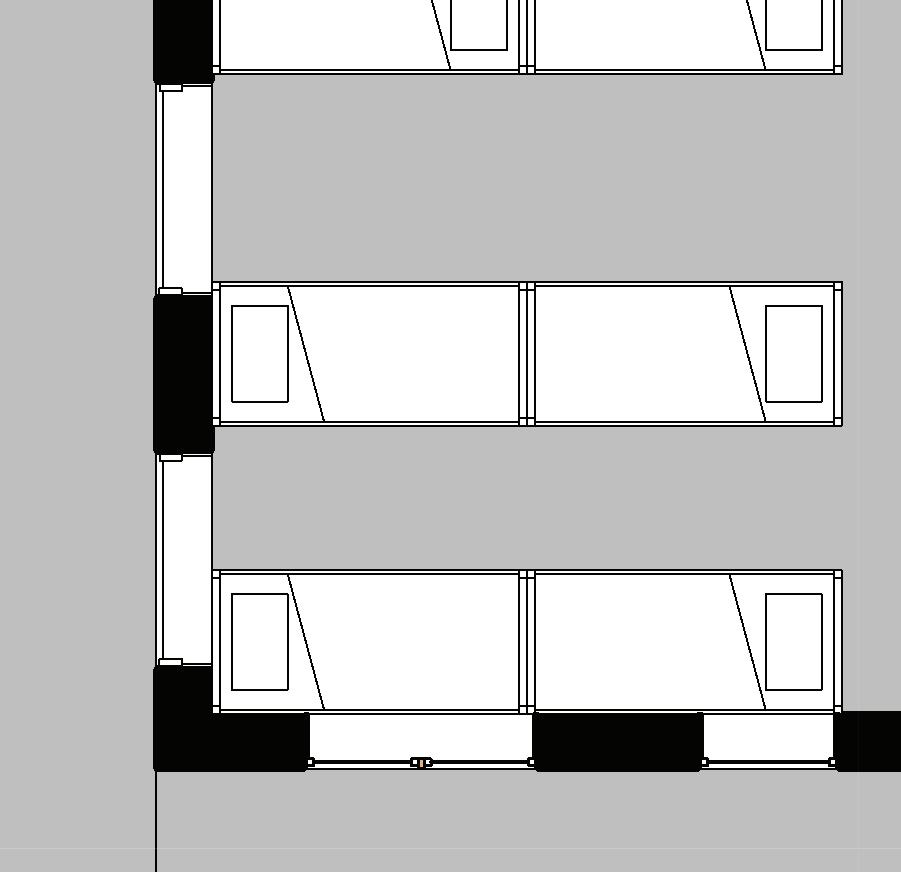
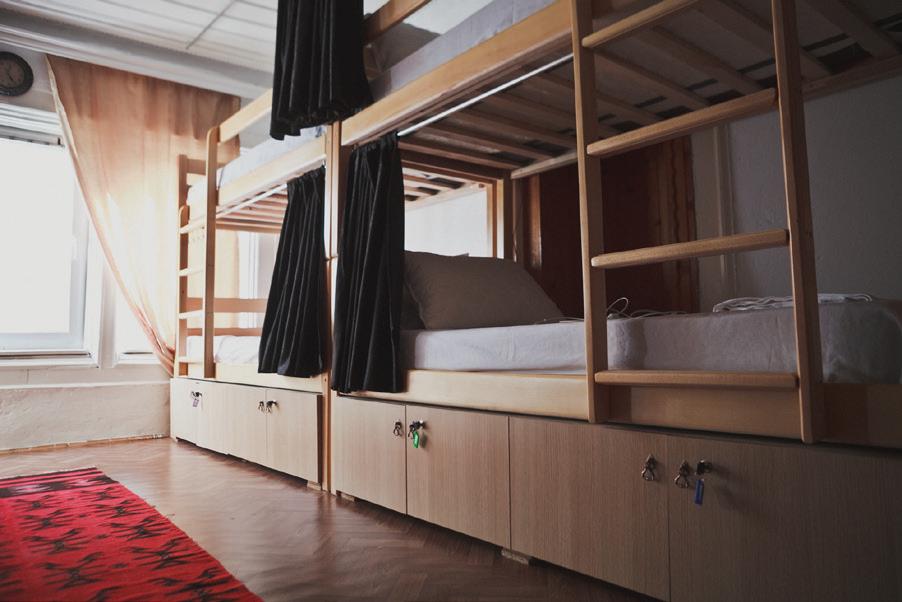
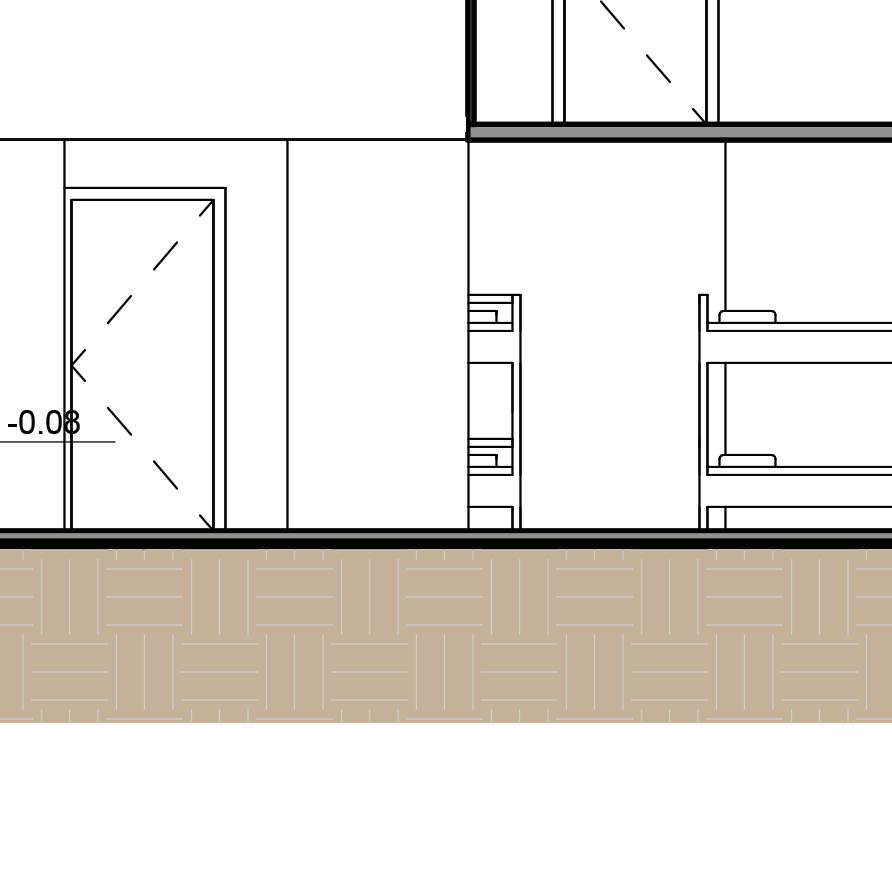
Proposed model of bunk bed: more privacy and space to keep belongings
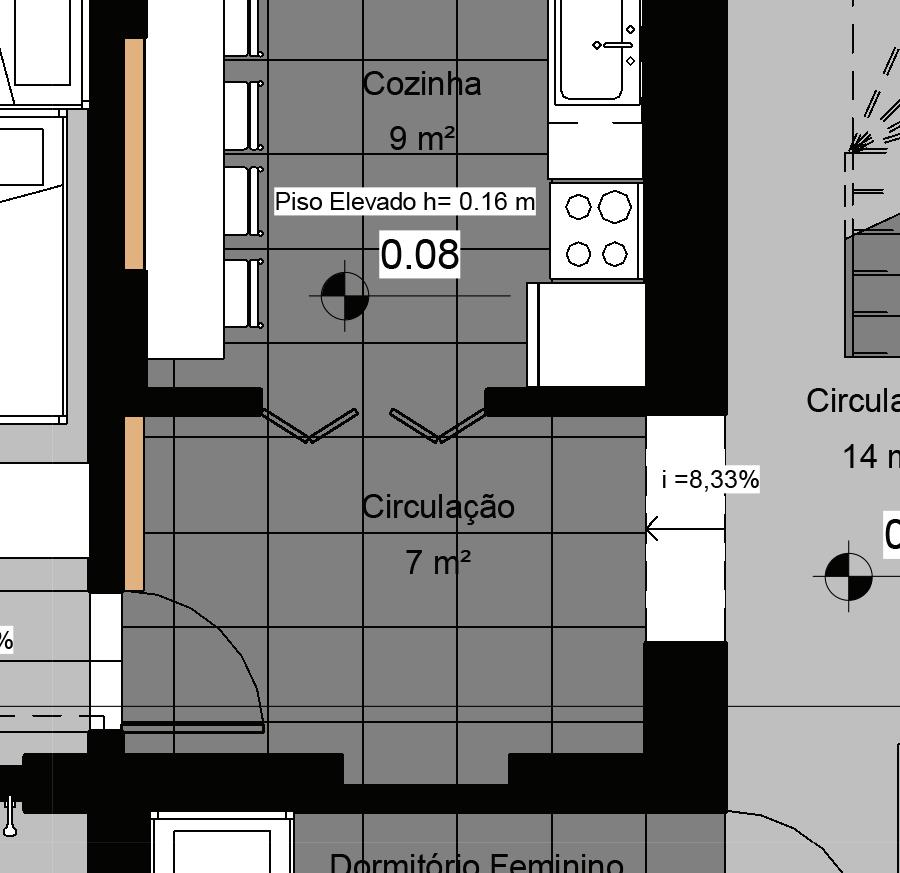
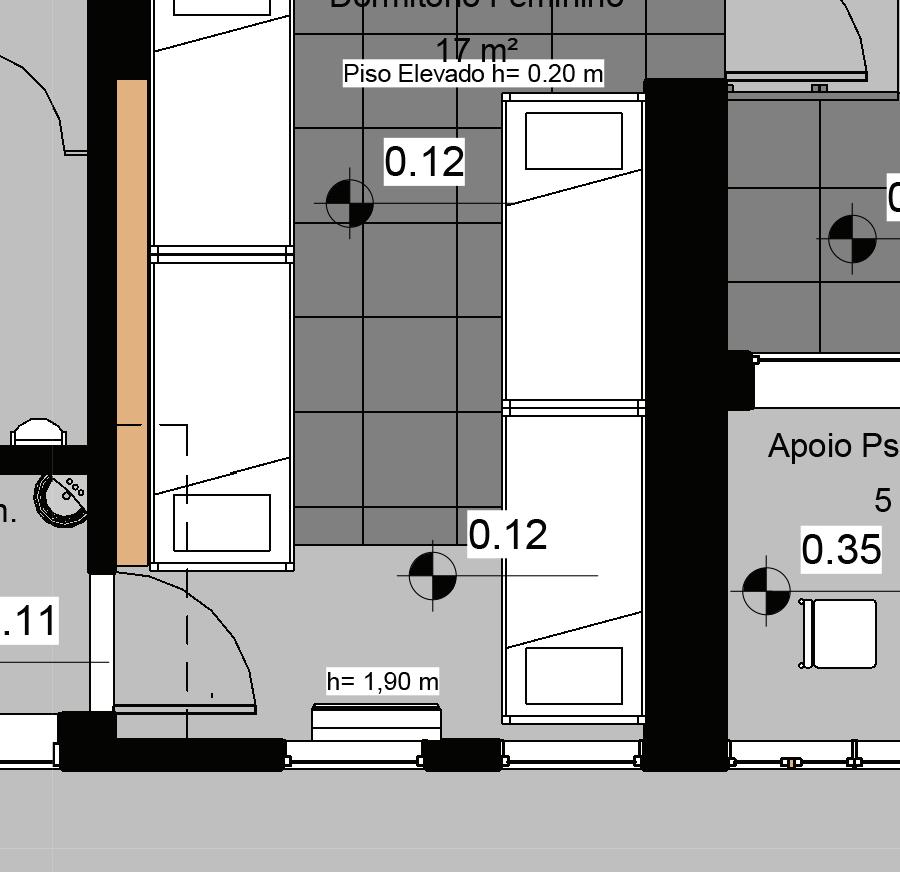
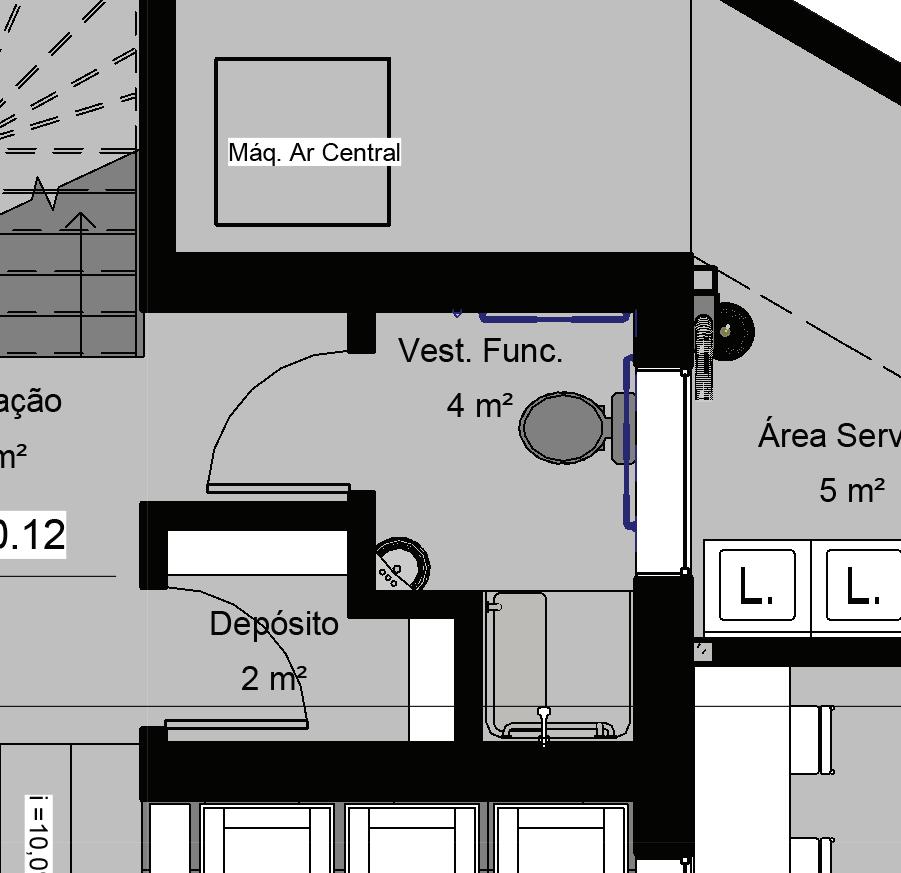
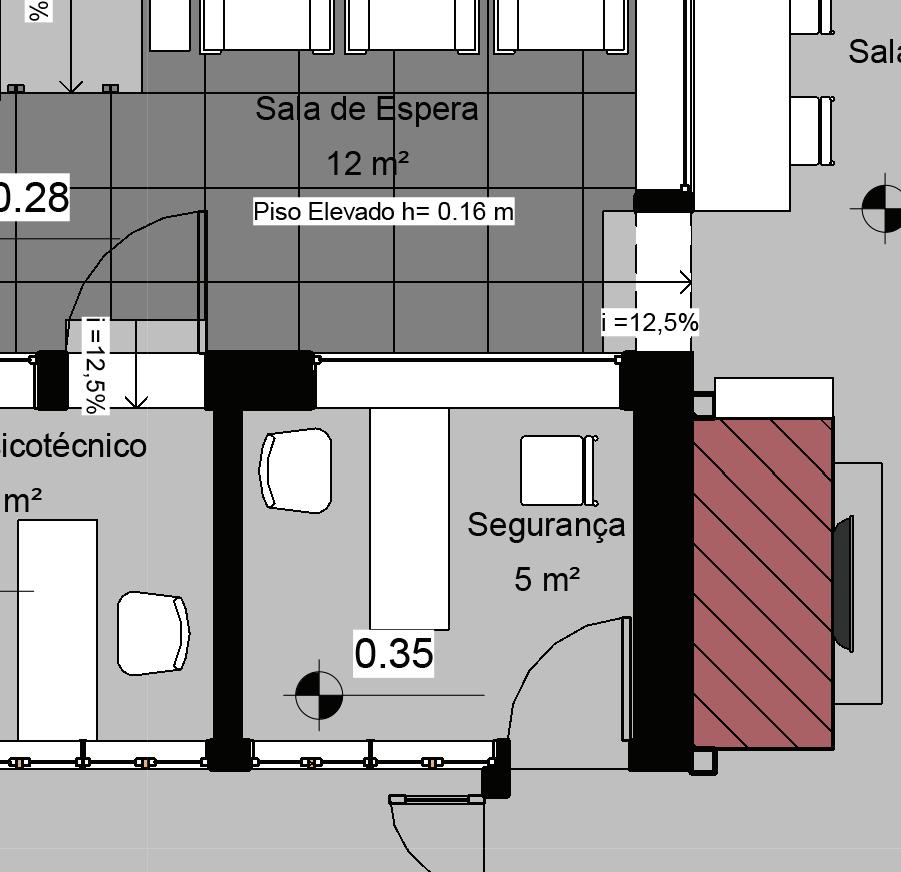
Laundry with 2 dryers, due to the Florianópolis’ climate (rainy) and the lack of insolation of the house



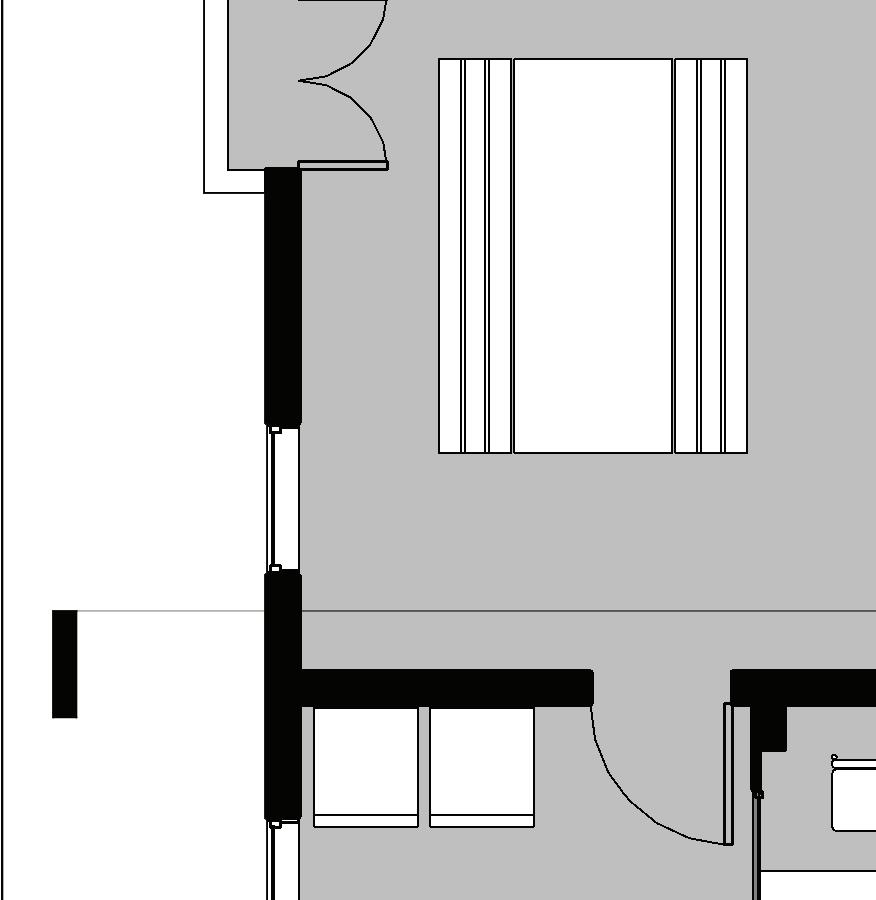
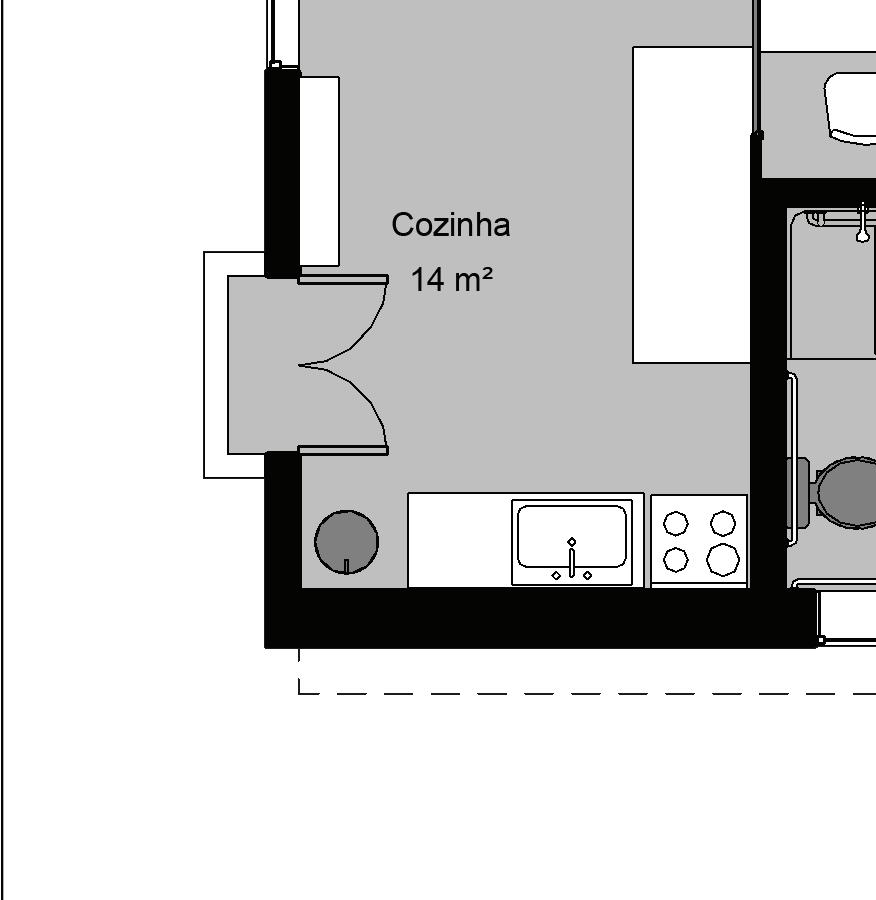

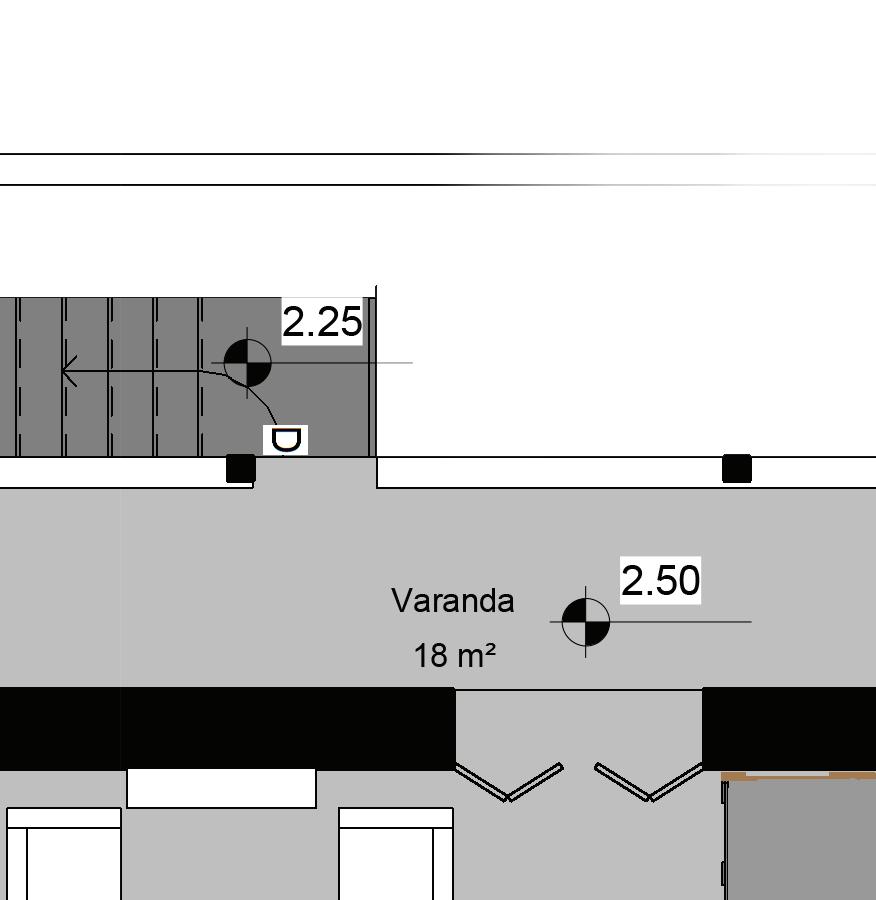






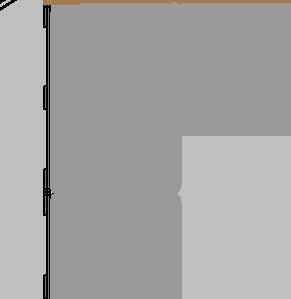

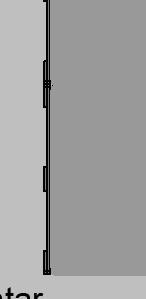

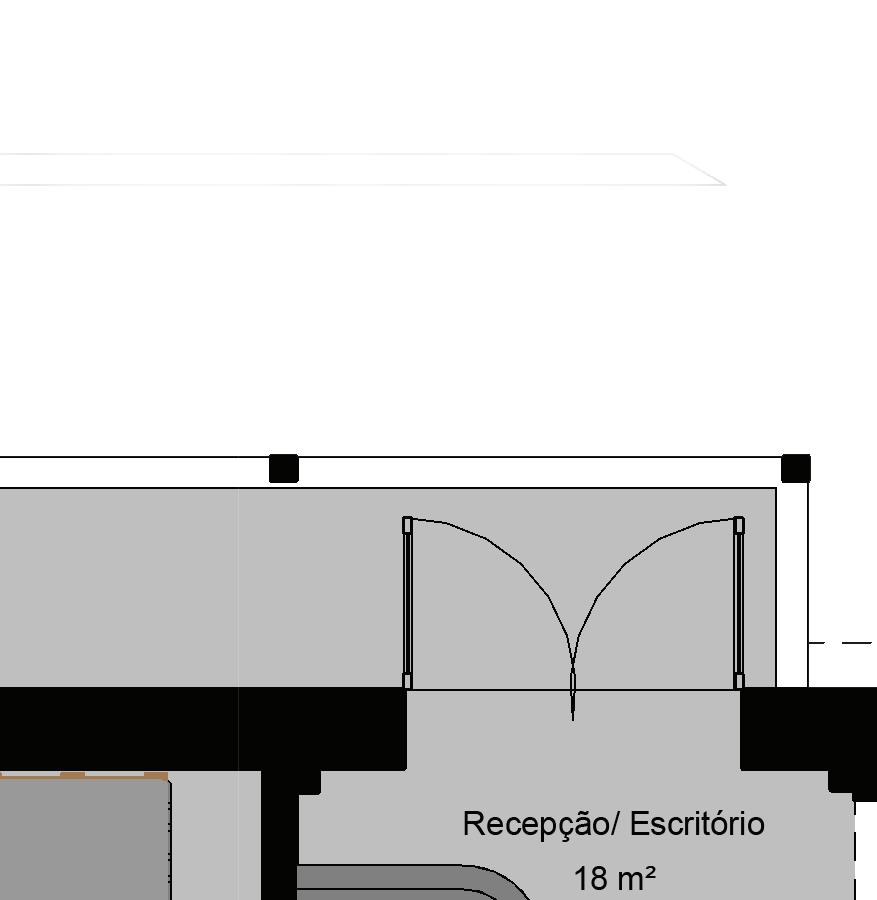









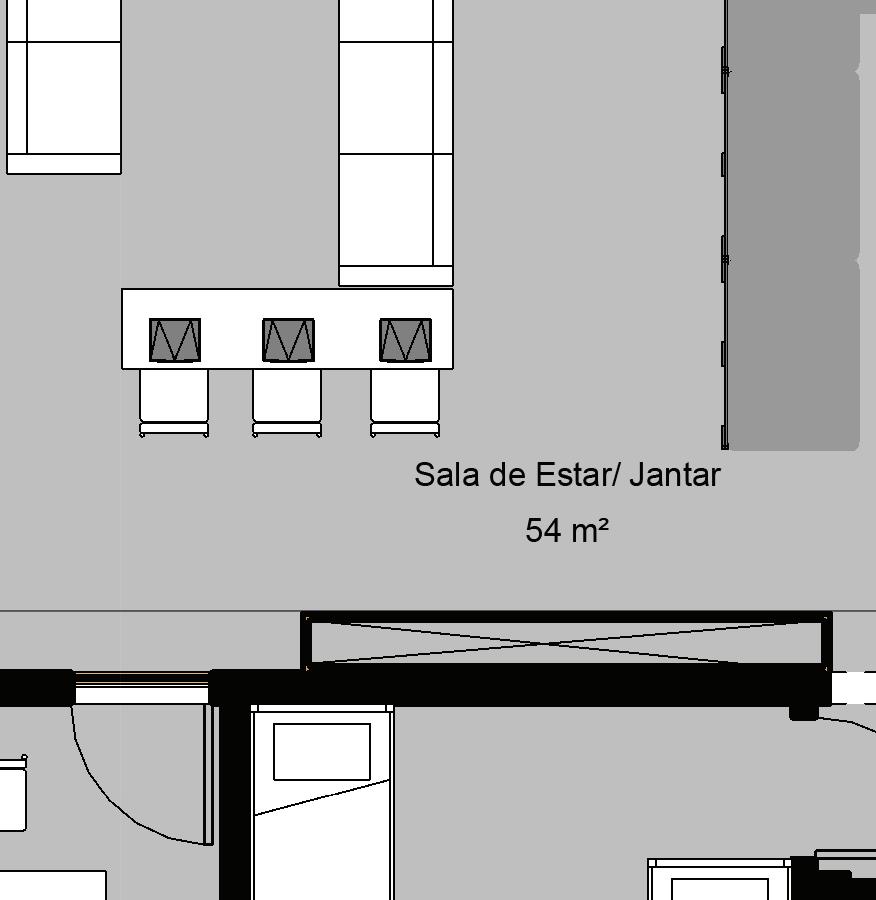



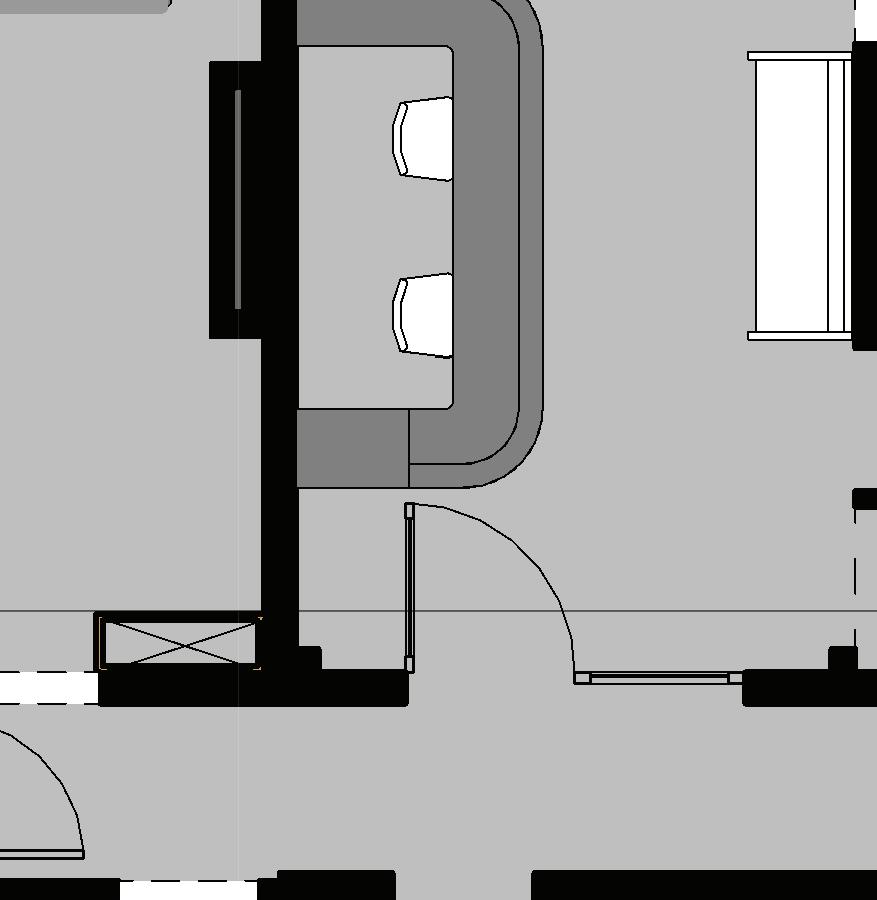



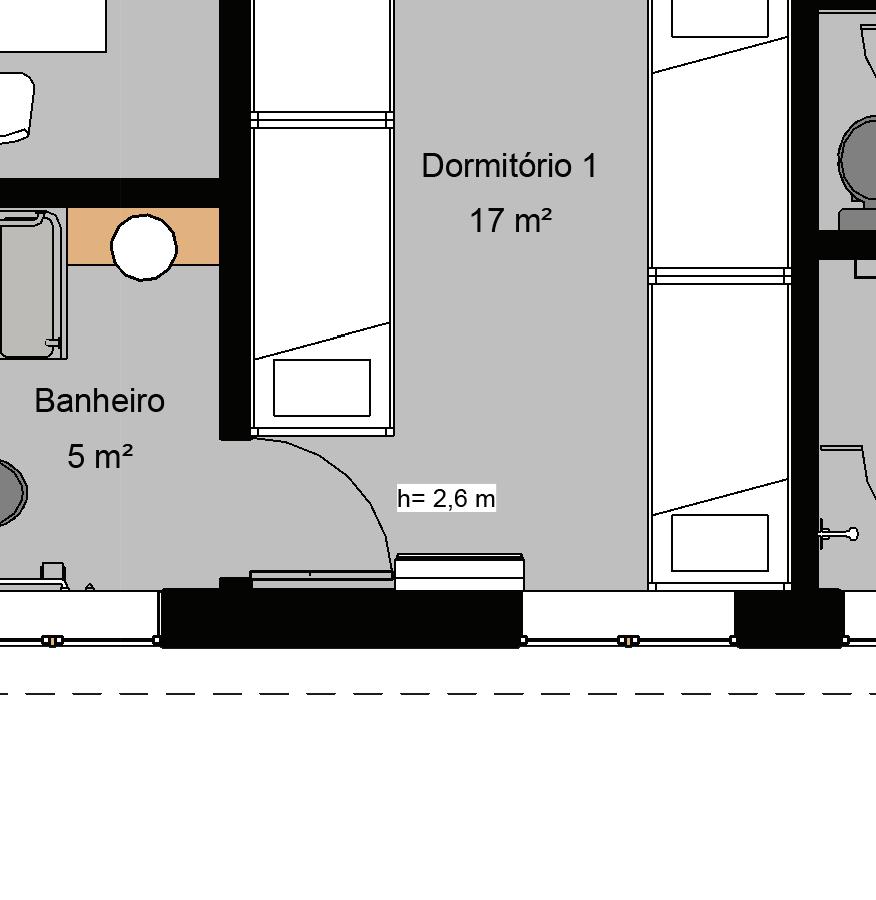



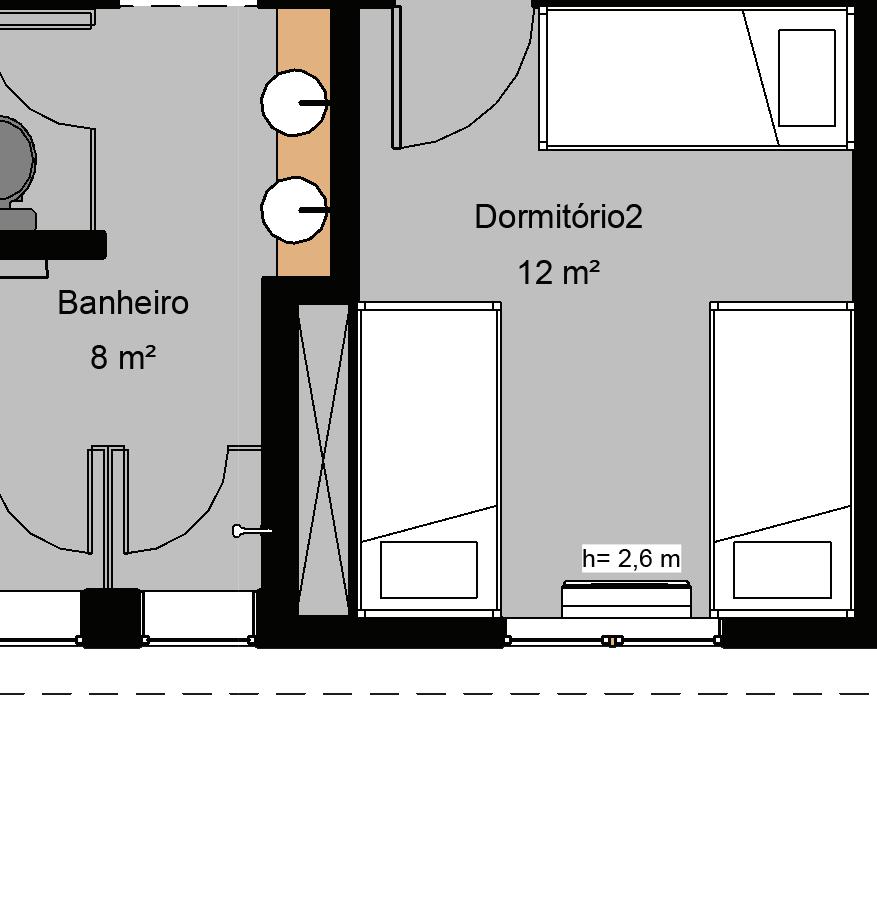

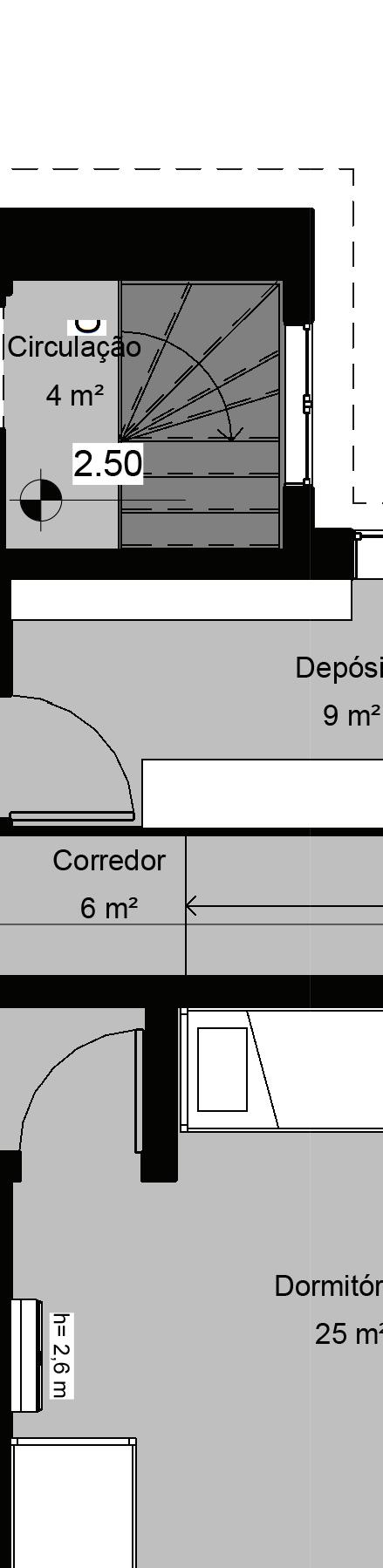







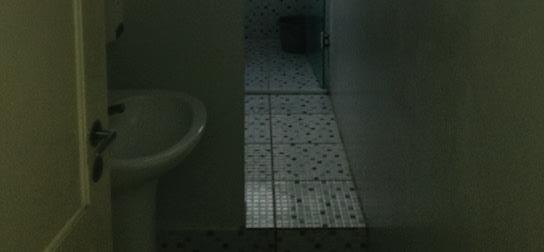

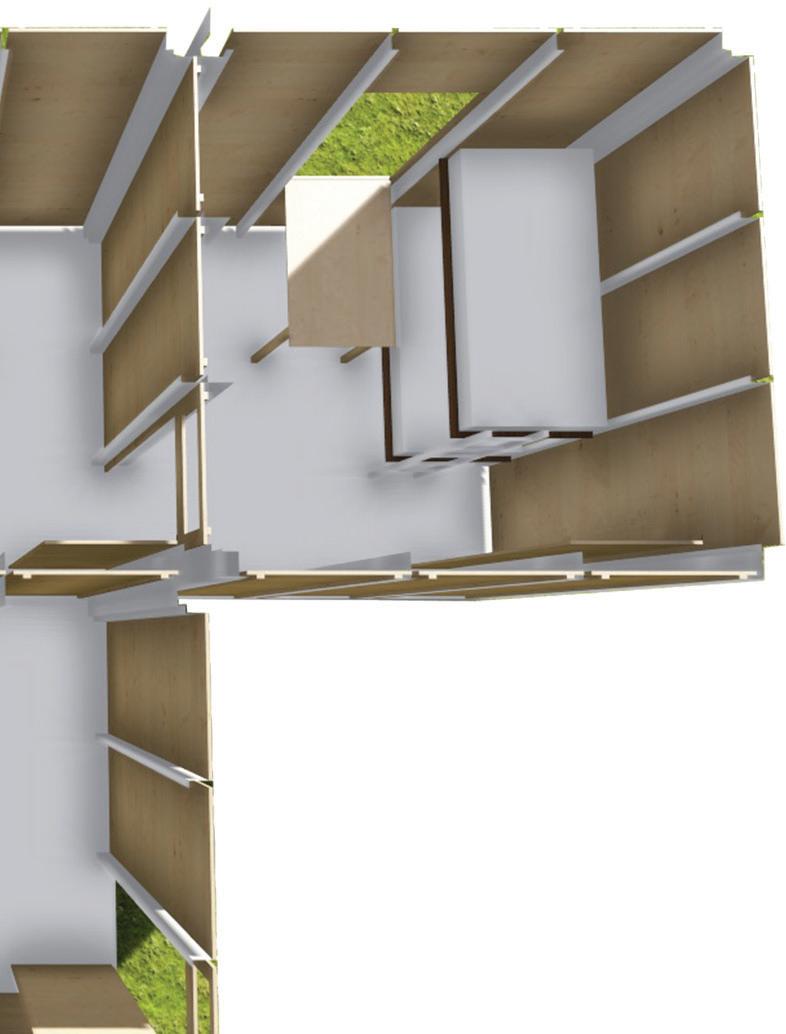
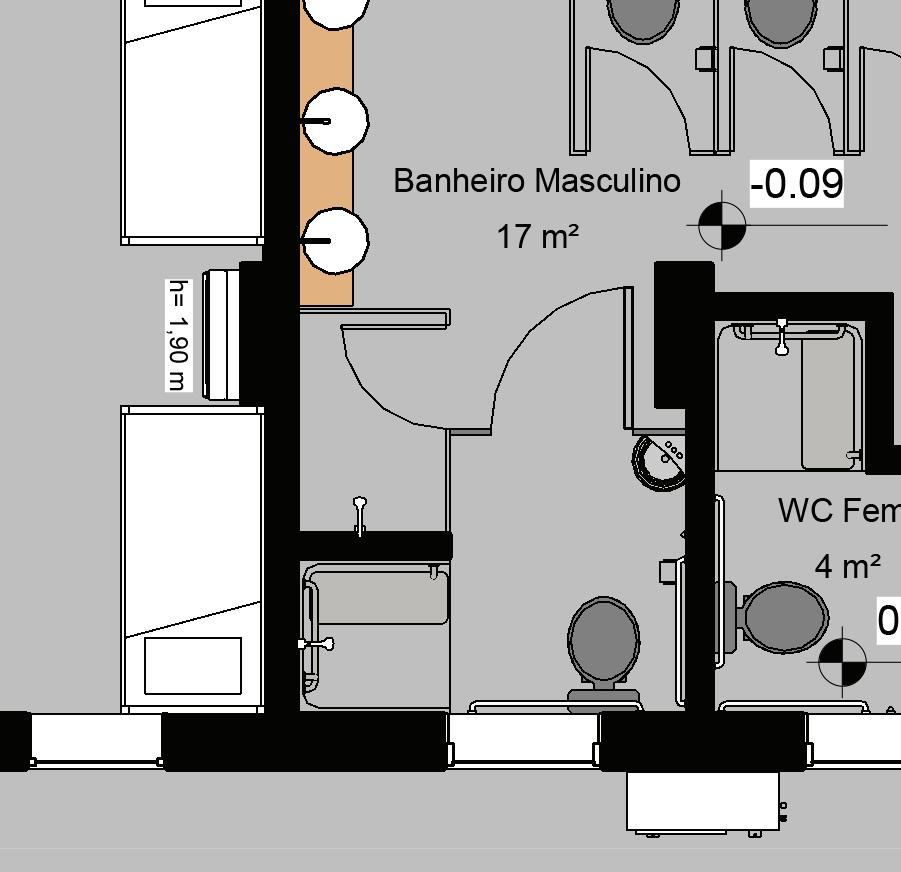
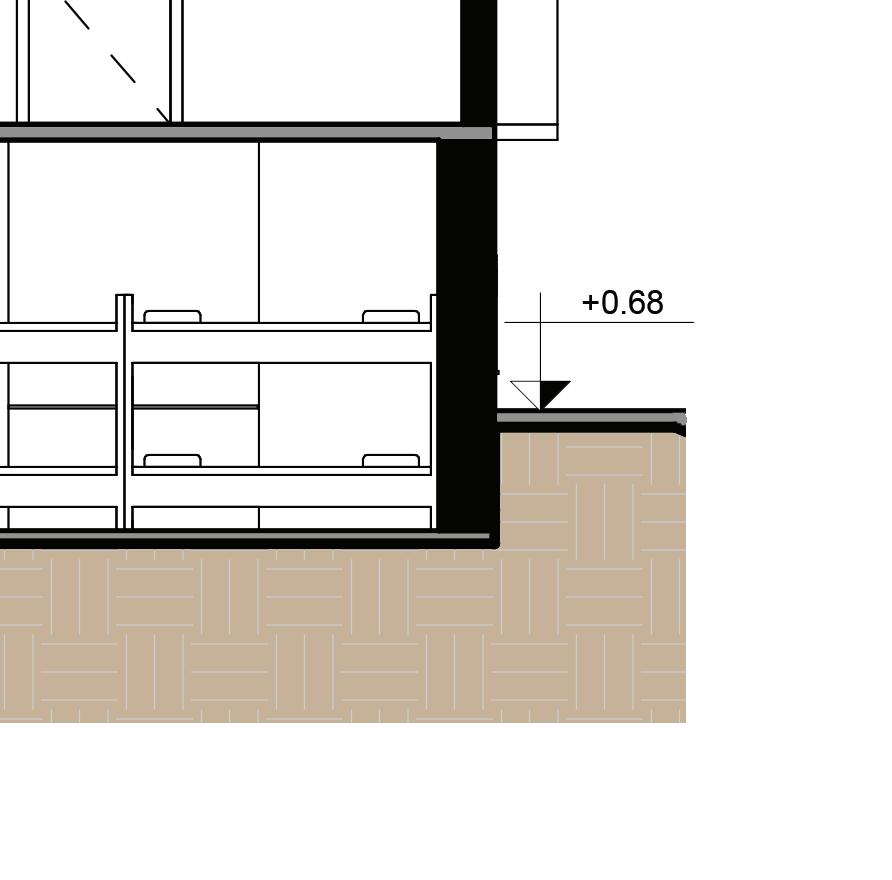
The common bathroom is a union of 2 existing narrow bathrooms (as shown in photo).
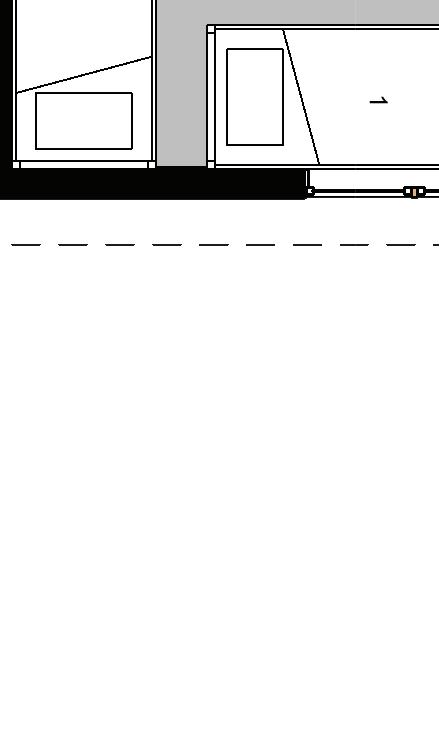

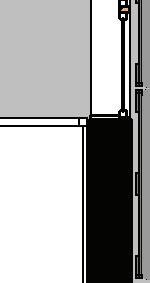
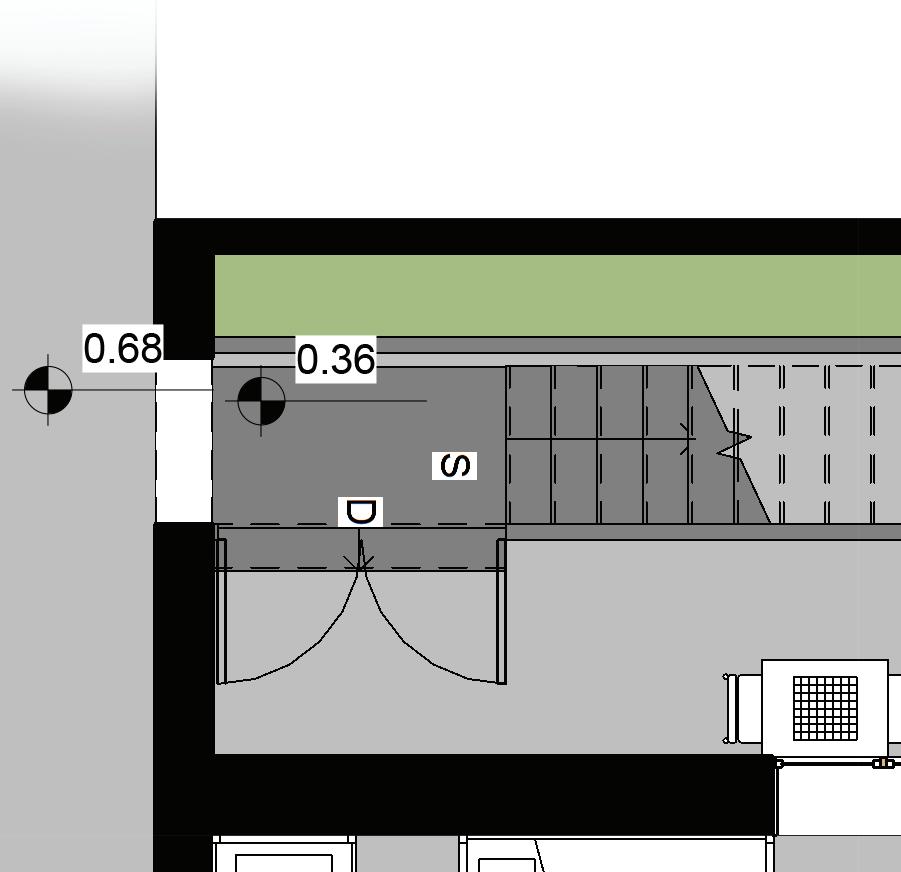
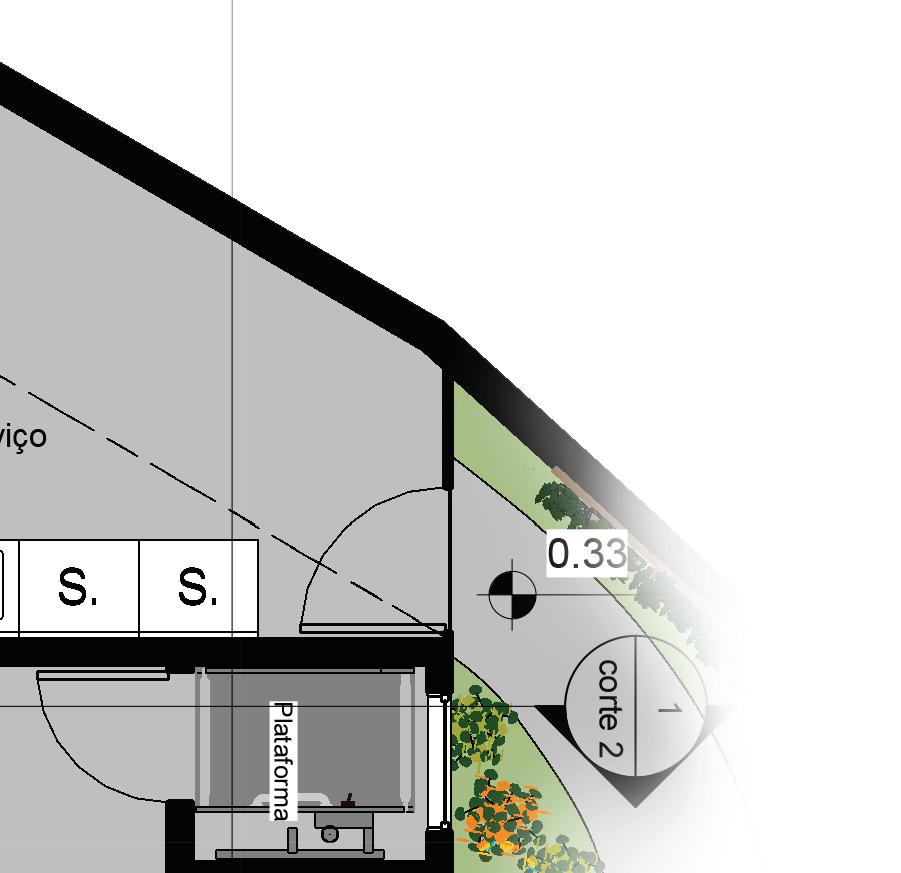
accessible entry (platform lift) to Shelter since the existing one is by stairs only
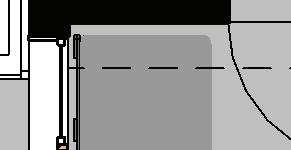







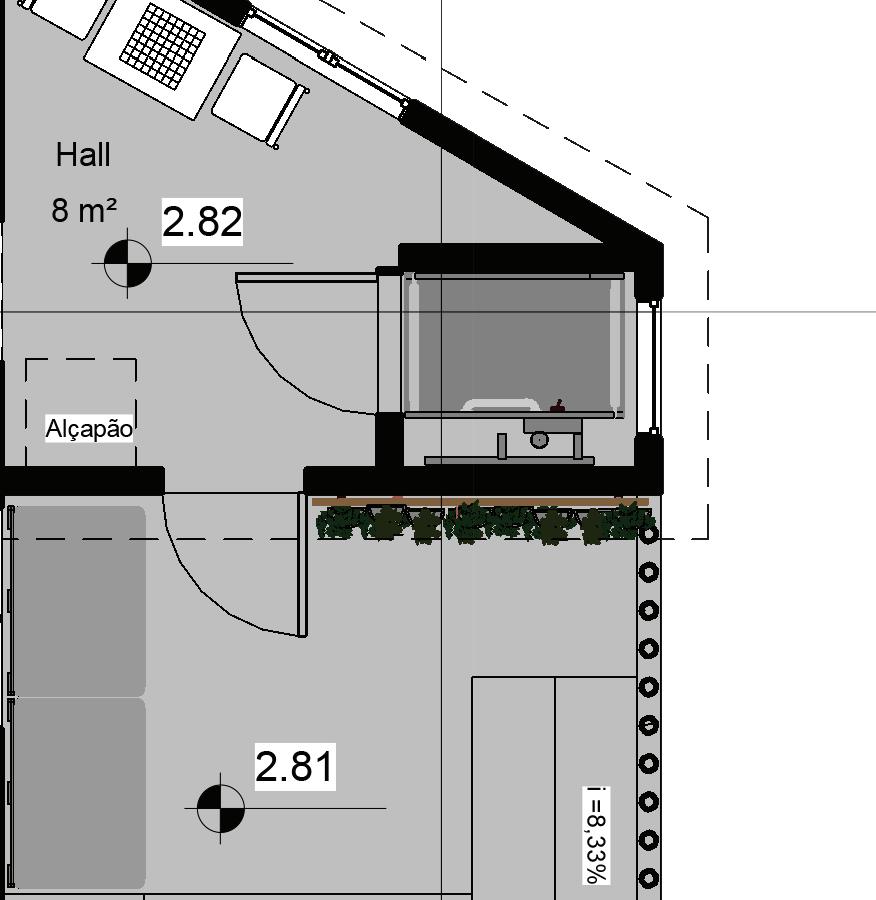






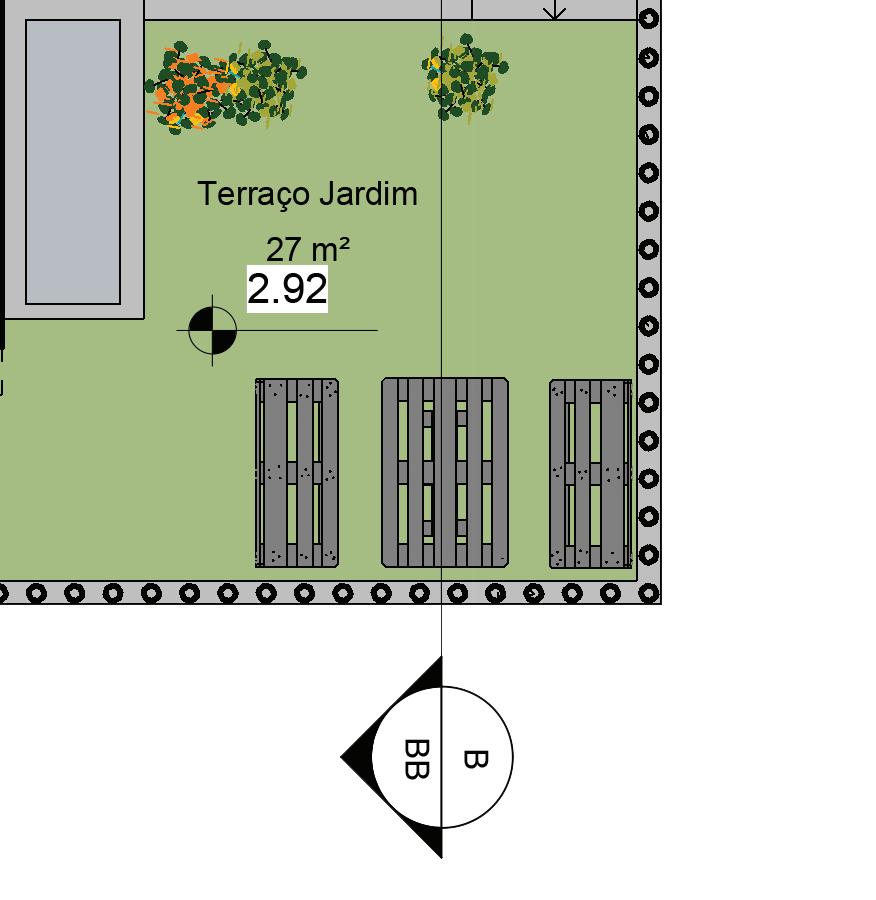











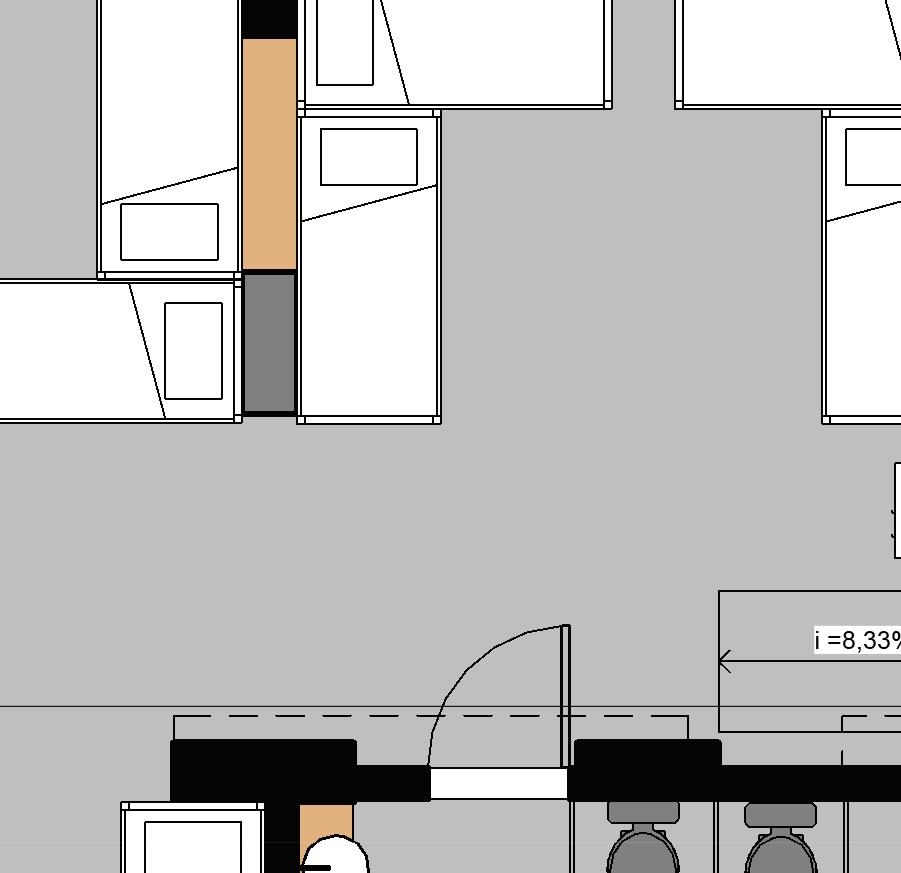
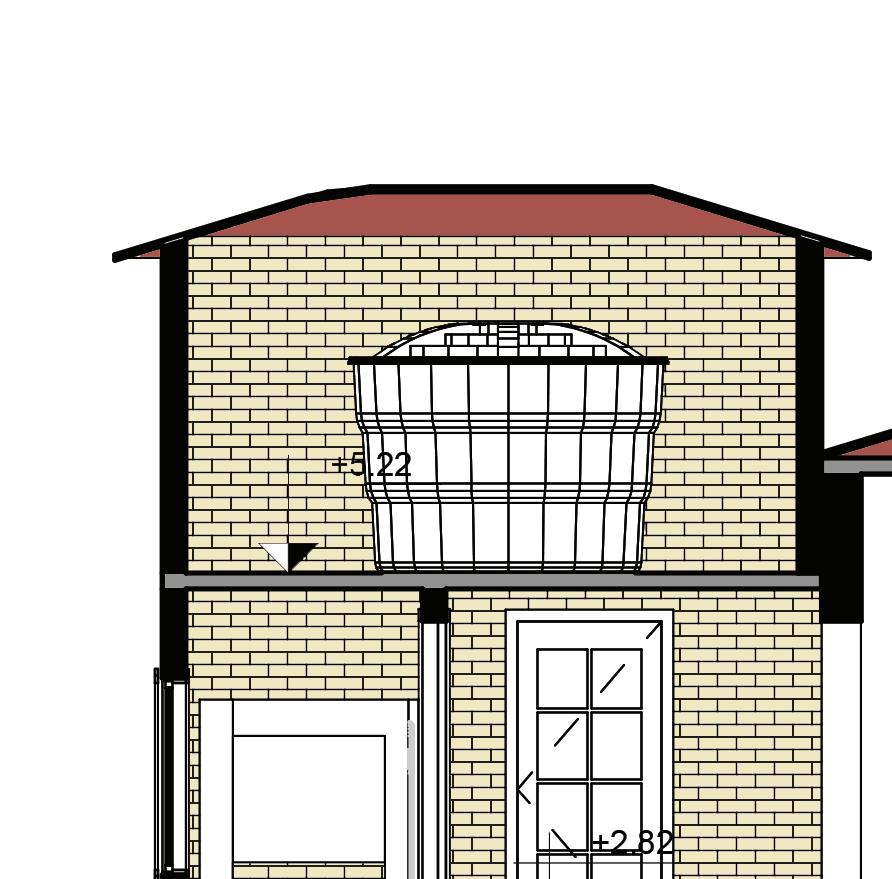
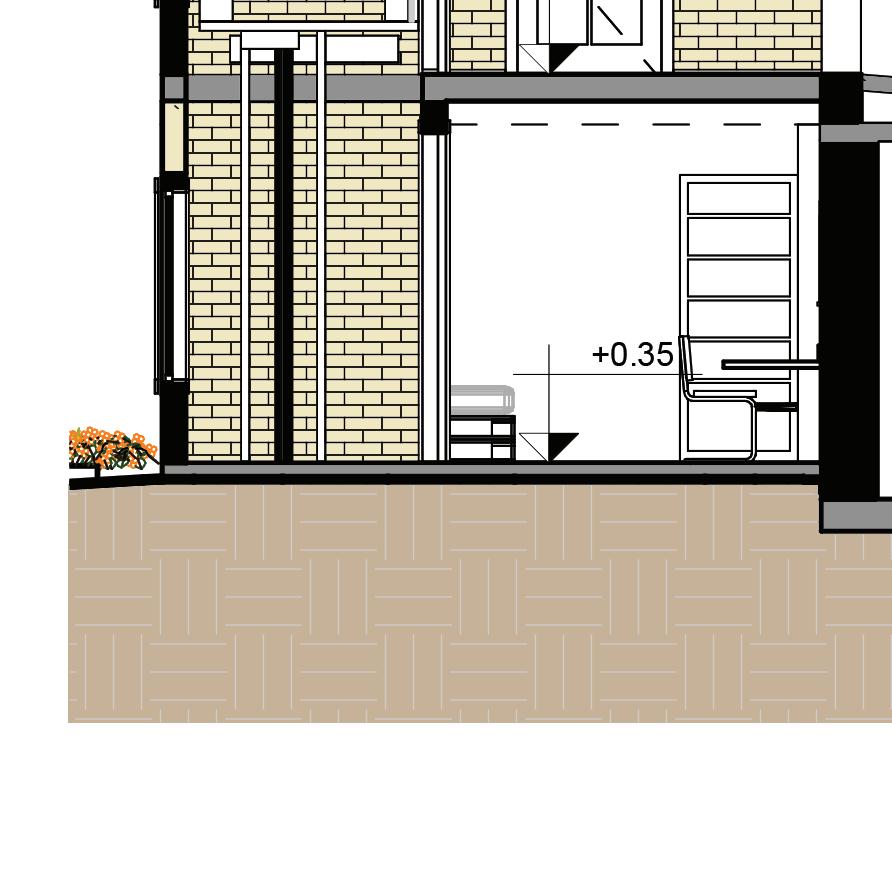
The Annex Building is an independent structure apart from the exisiting house. Due to a difference of levels, a ramp is planned to connect the second floor of the Annex to the Shelter.

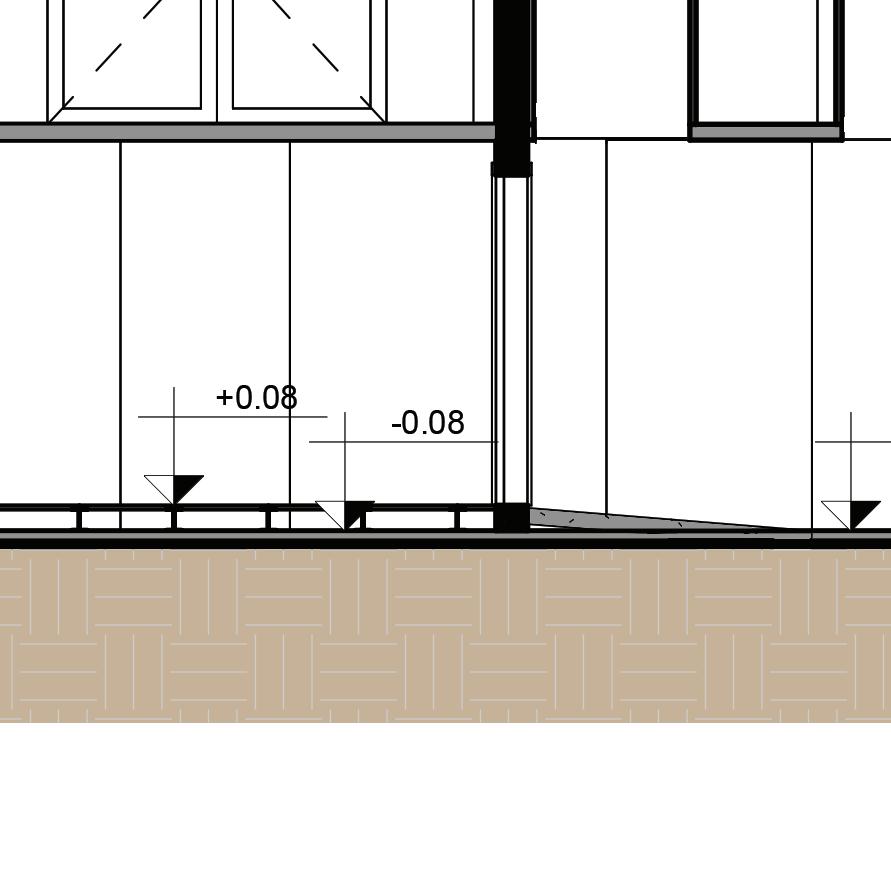
Scale 1:10
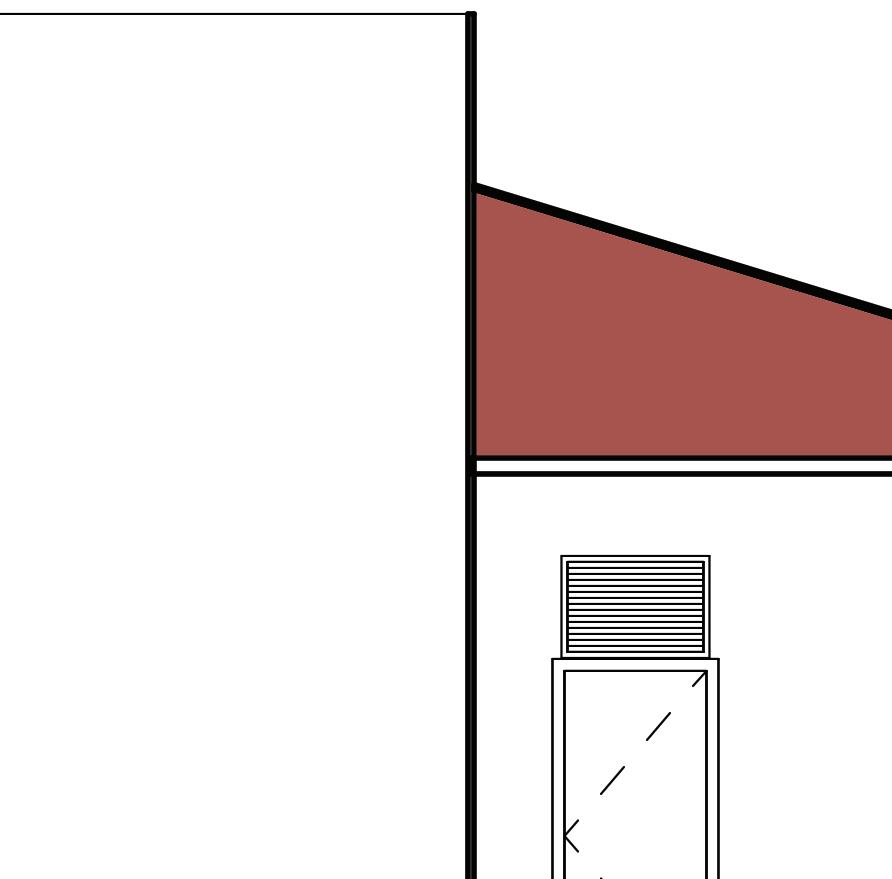
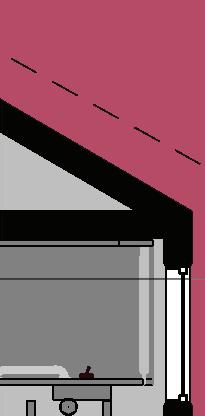
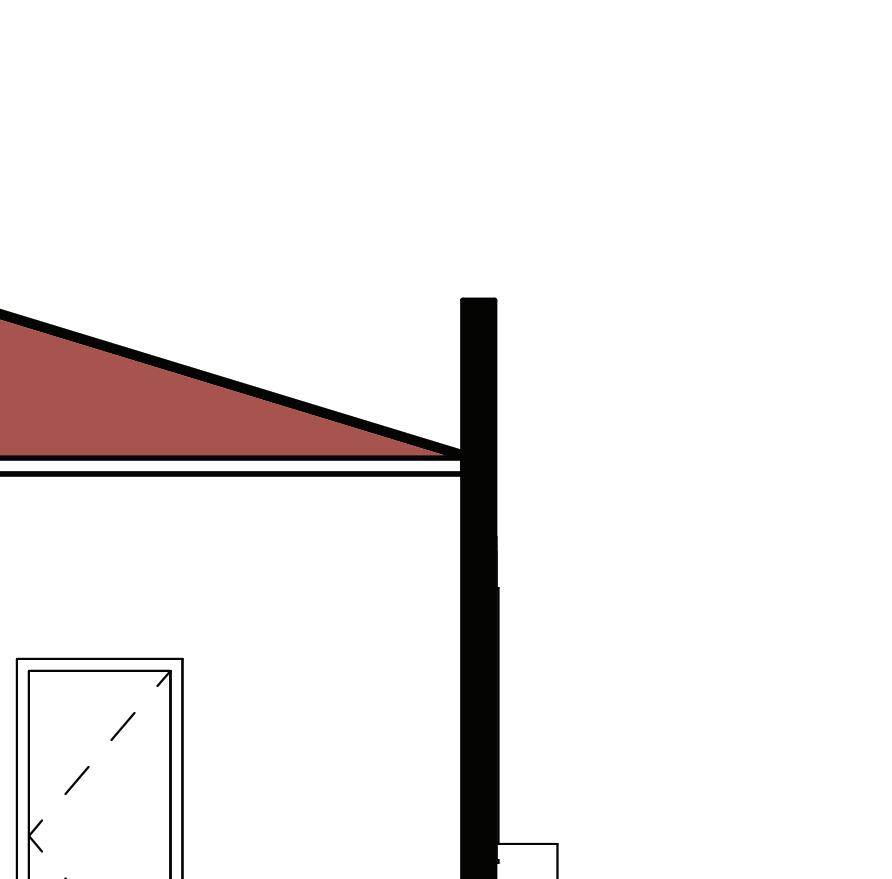
The use of ventilation shafts aims to enhance the airchange/hour rate in the dorms, in order to increase natural ventilation and salubrity. Graphs below show air-changes per hour throughout the year considering internal temperatures of 25ºC and 20º C.
. Δt . g . H/(273+t)) Formula used to calculate air flux by difference of temperature. These graphs were made in excel with Florianopolis Weather data.

This was the last project in 4th year of university, made as a group. Pitanga is a restaurant born from the desire of integration between nature and the final consumer.
Applying sustainability in the building was meant to stimulate environmental awareness with the public. The planned
vegetables garden aims to bring customer closer to the food process.
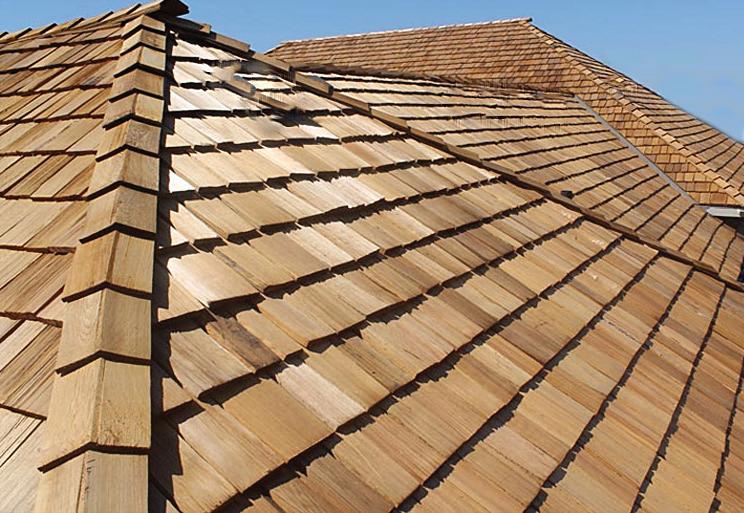
The timber structure was suggested by me because it is a renewable material and this construction system provides flexibility of use, ensuring that the building can have other uses or even be disassembled in the future.
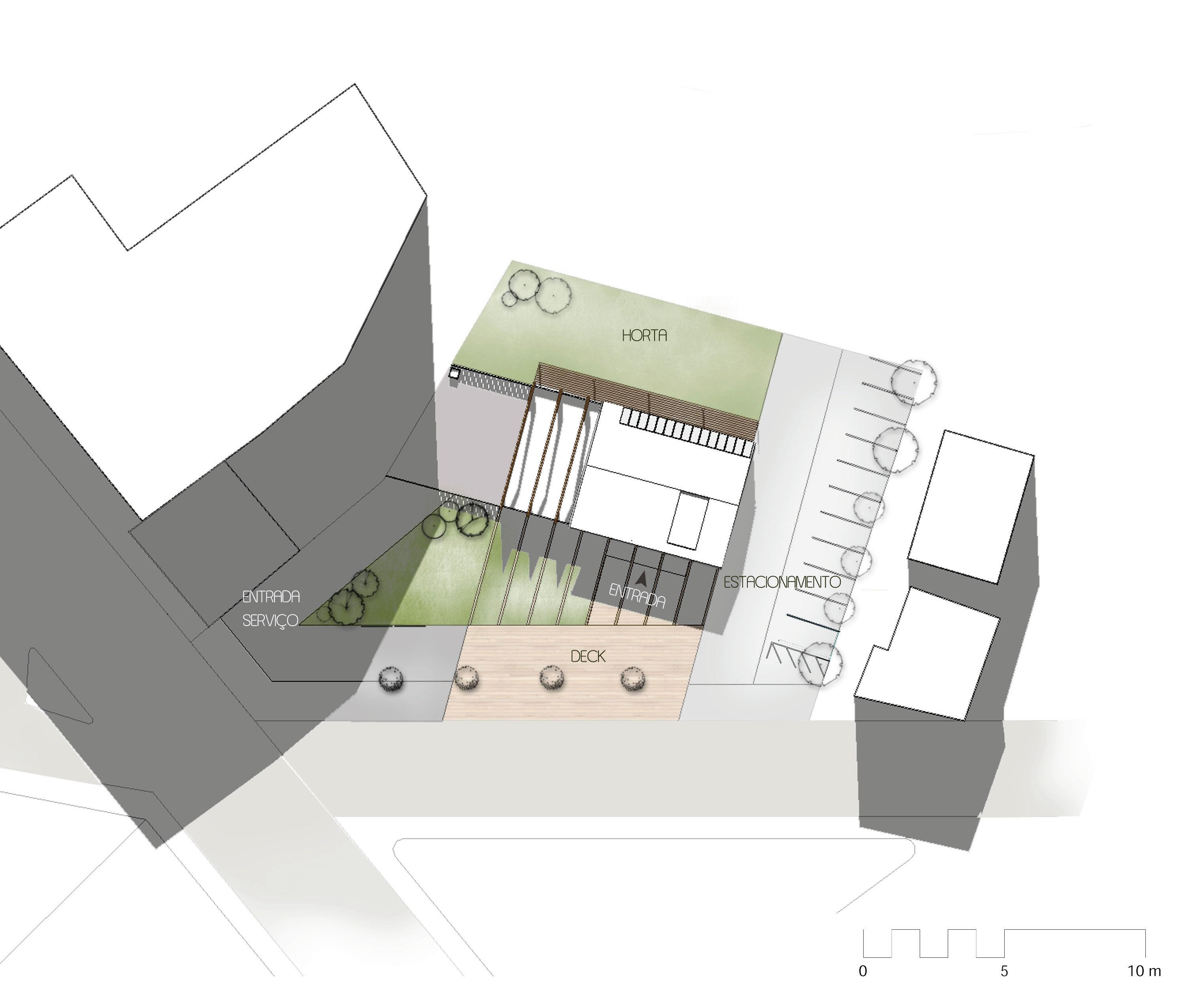
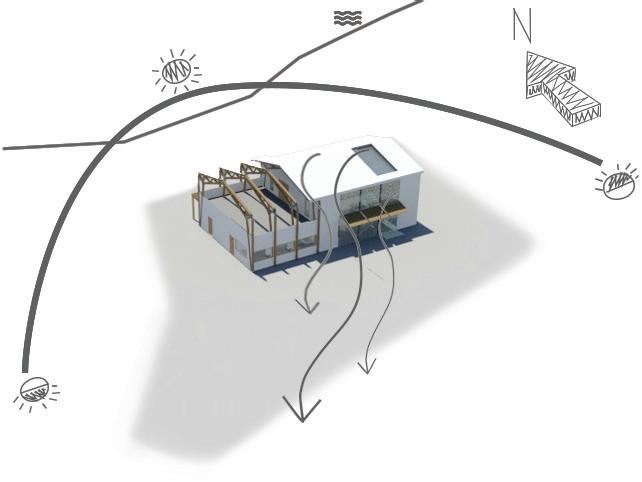

The building is marked by the rhythm of its porches, as if inviting customers to decrease the frenetic pace of urban life to have a healthy and calm meal in a green corner in the middle of an busy street intersection.
The plans were developed by everyone after I did the first model based on the site analysis.
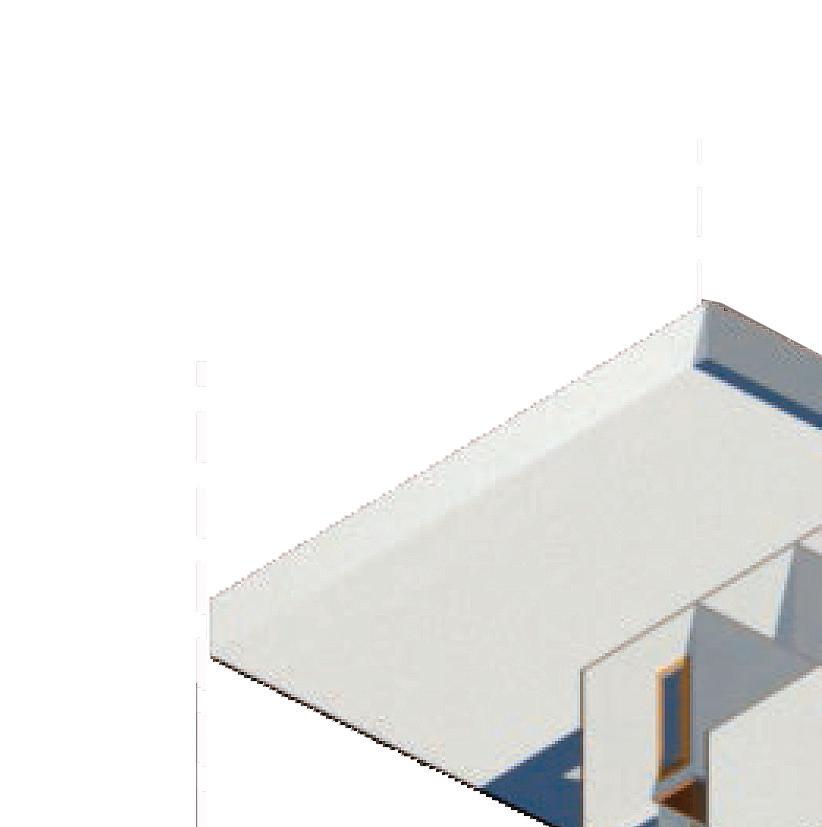
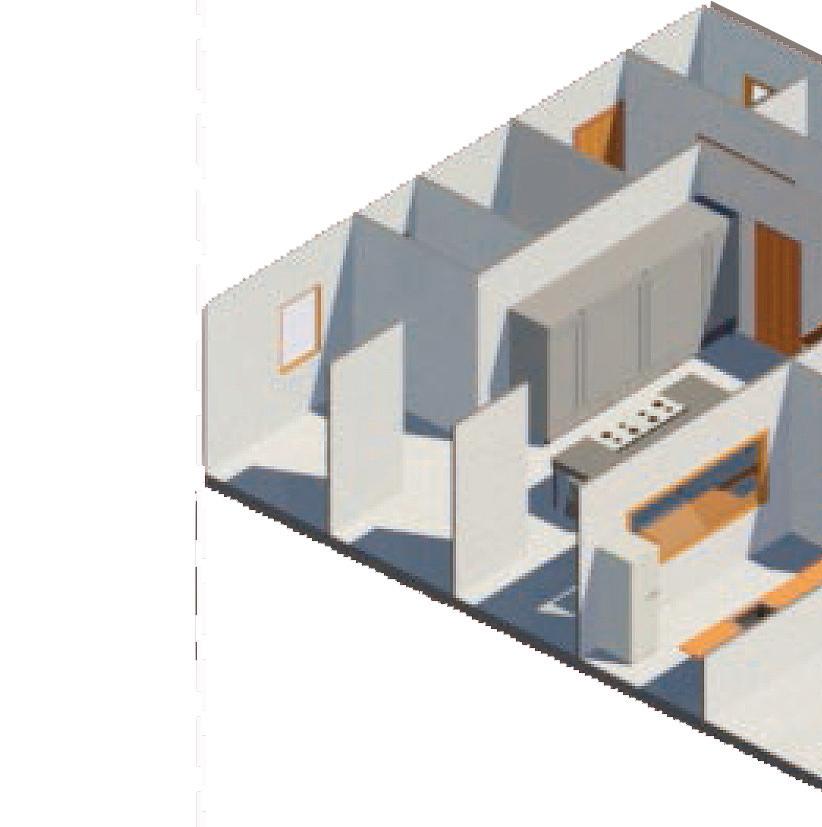
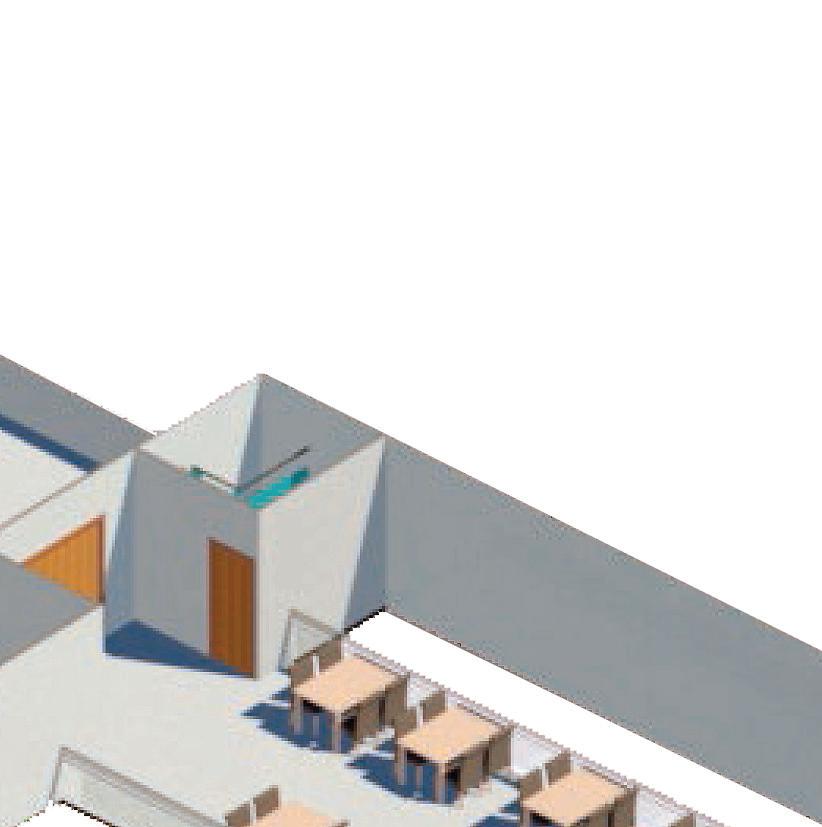
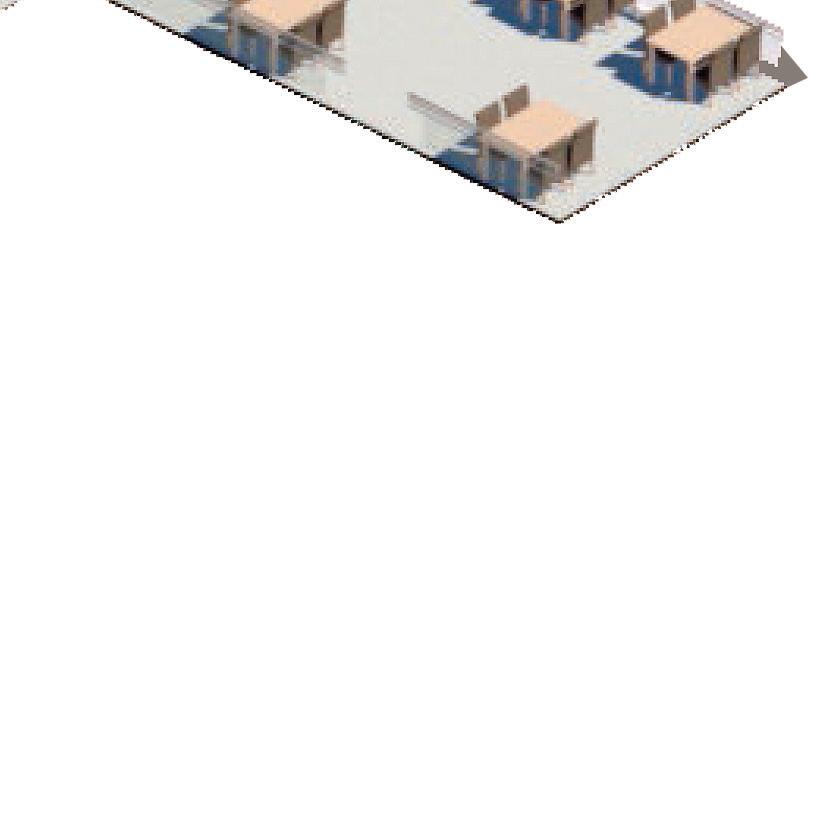
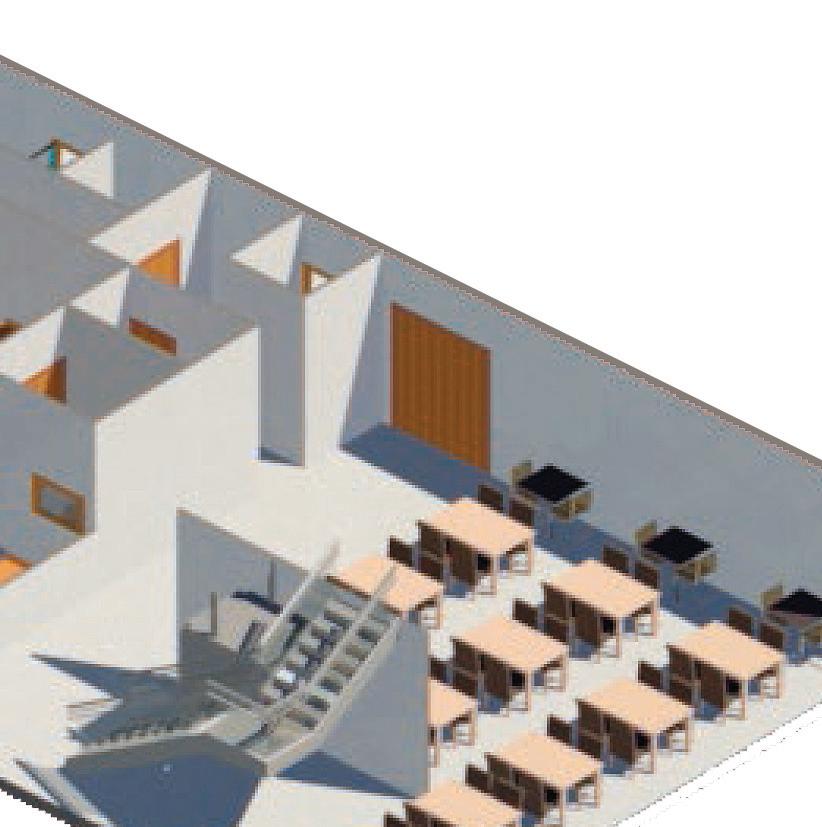
Exploded Perspective of Pavements


Main Floor Scale 1:100
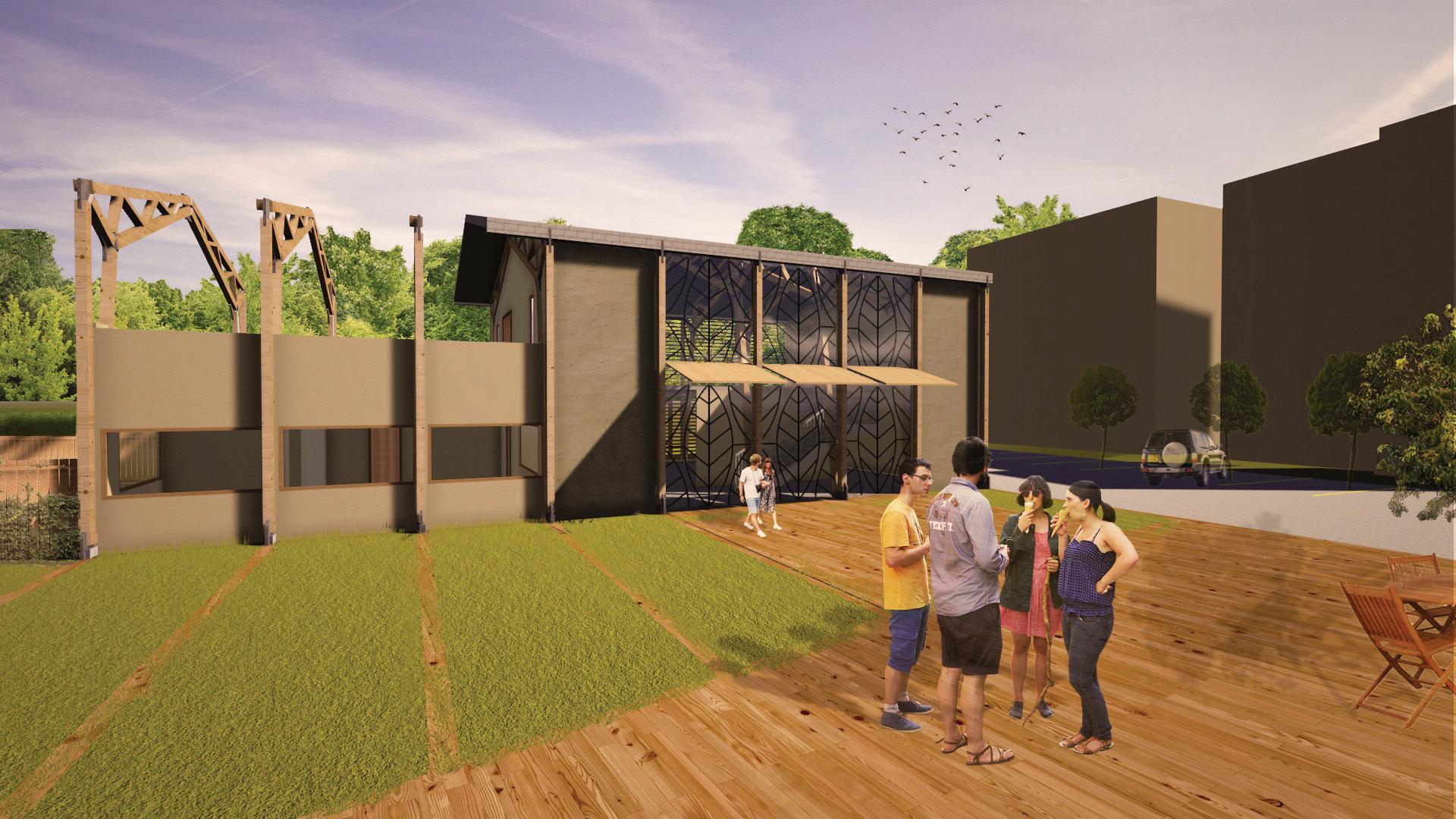
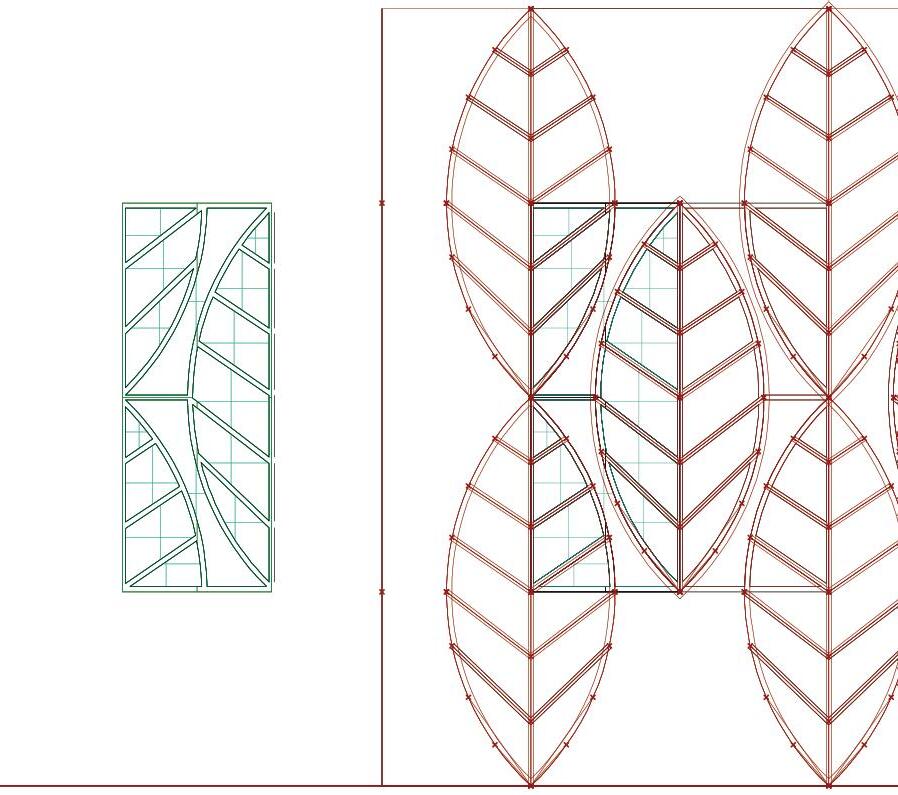
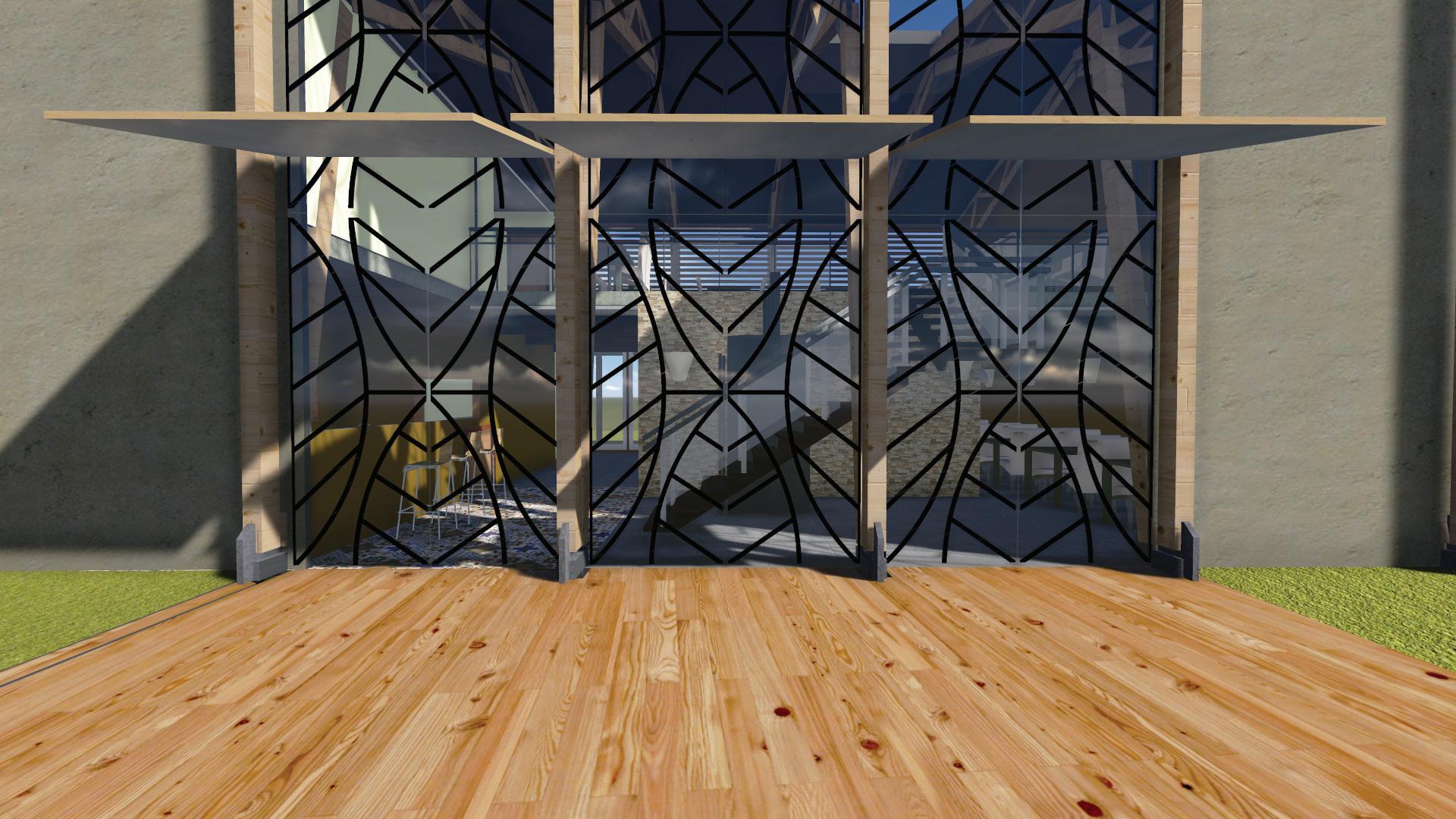
Design of panel glass of my own, developed on Rhino + Grasshopper
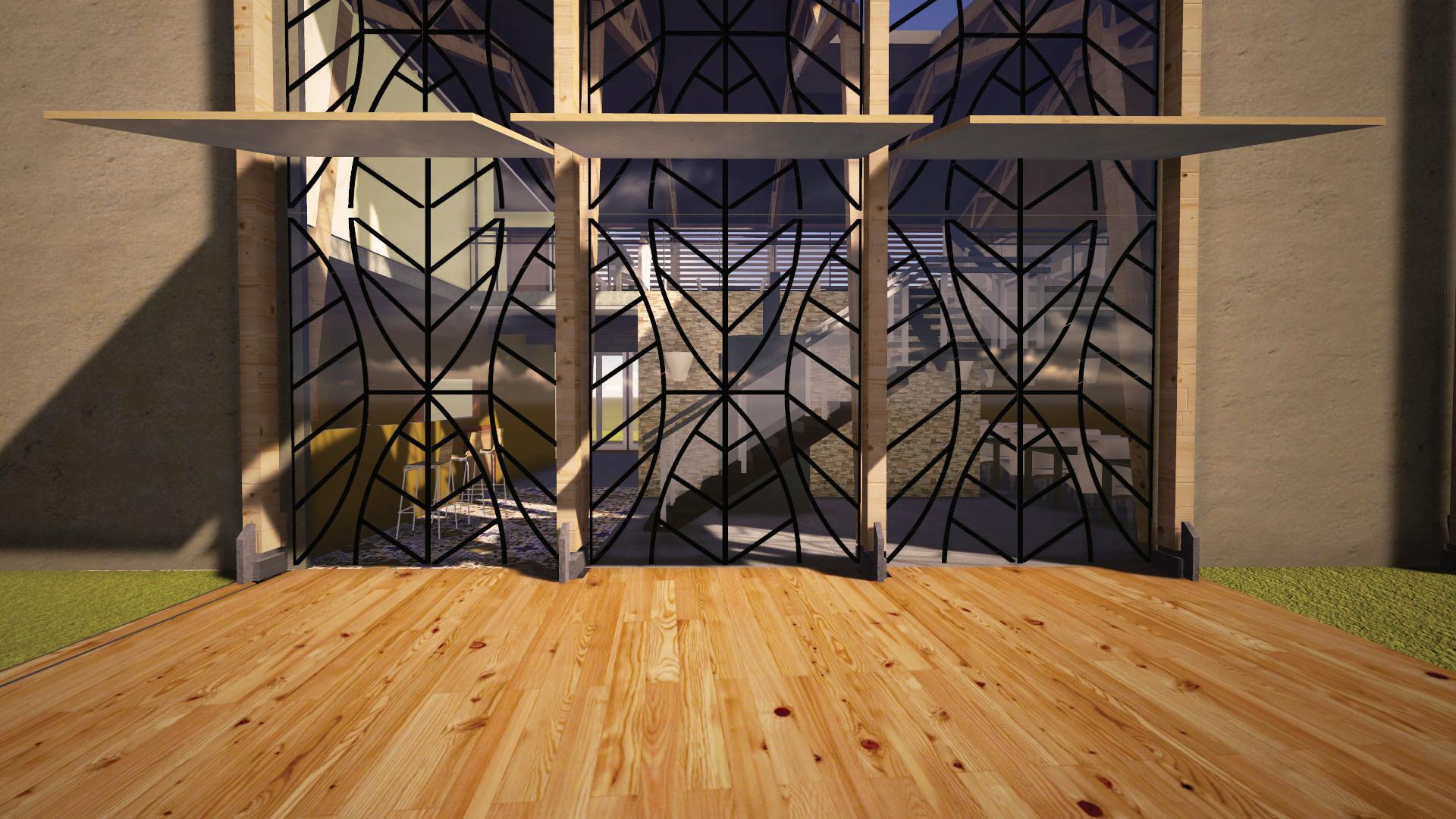
Northwest Facade
Scale 1:100
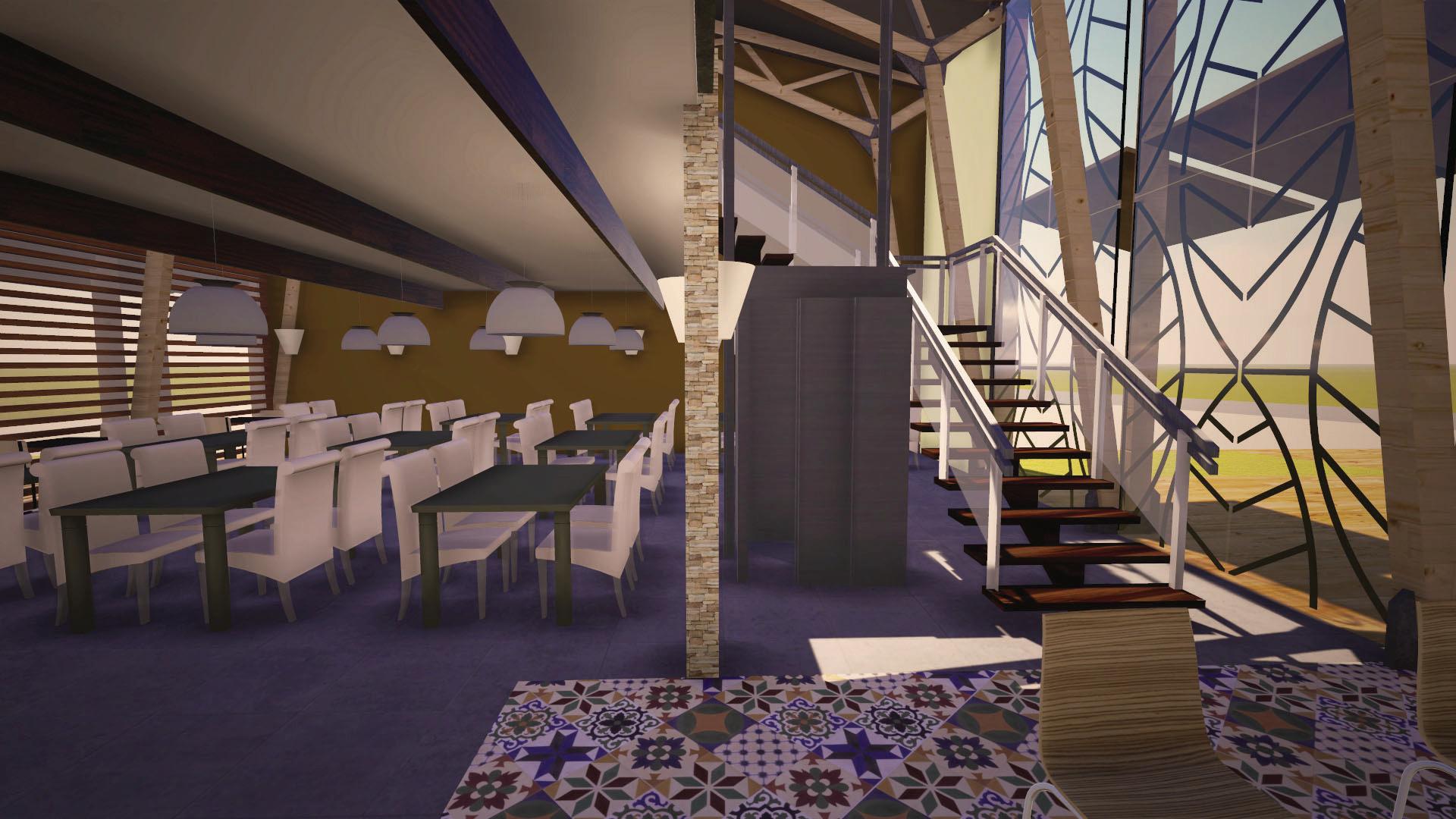
Stairs Section
Scale 1:50
Stairs Plan
Scale 1:50
Guard of laminated clear glass 8 mm
Stainless steel support
Detail of Section
Scale 1:5


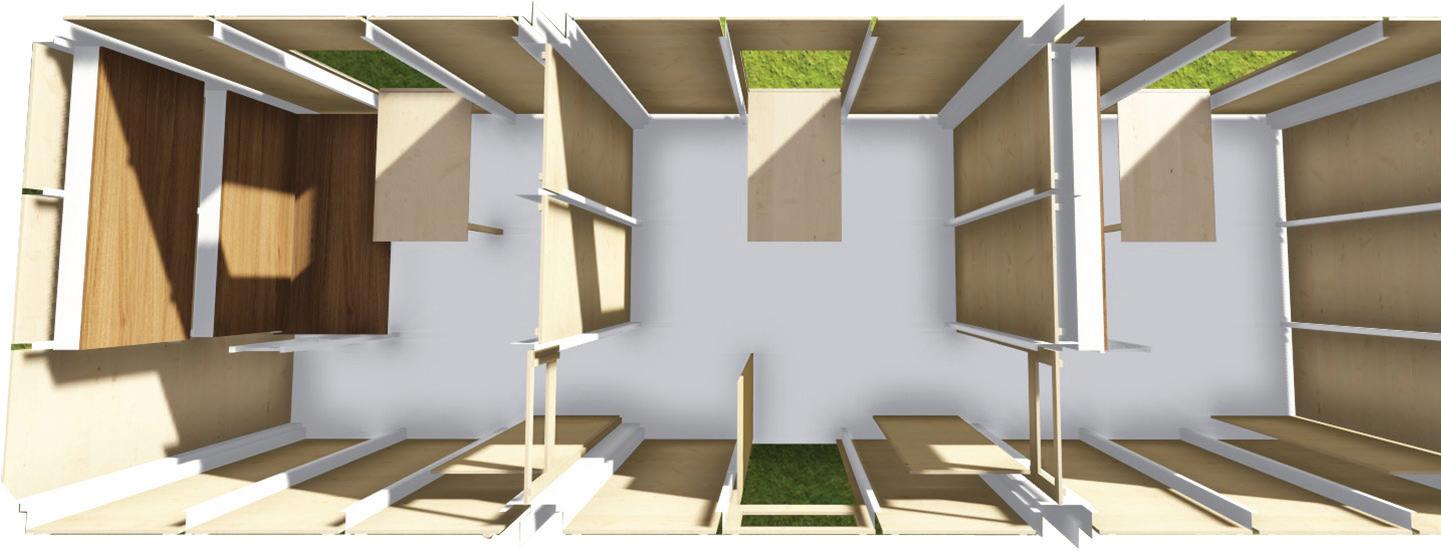
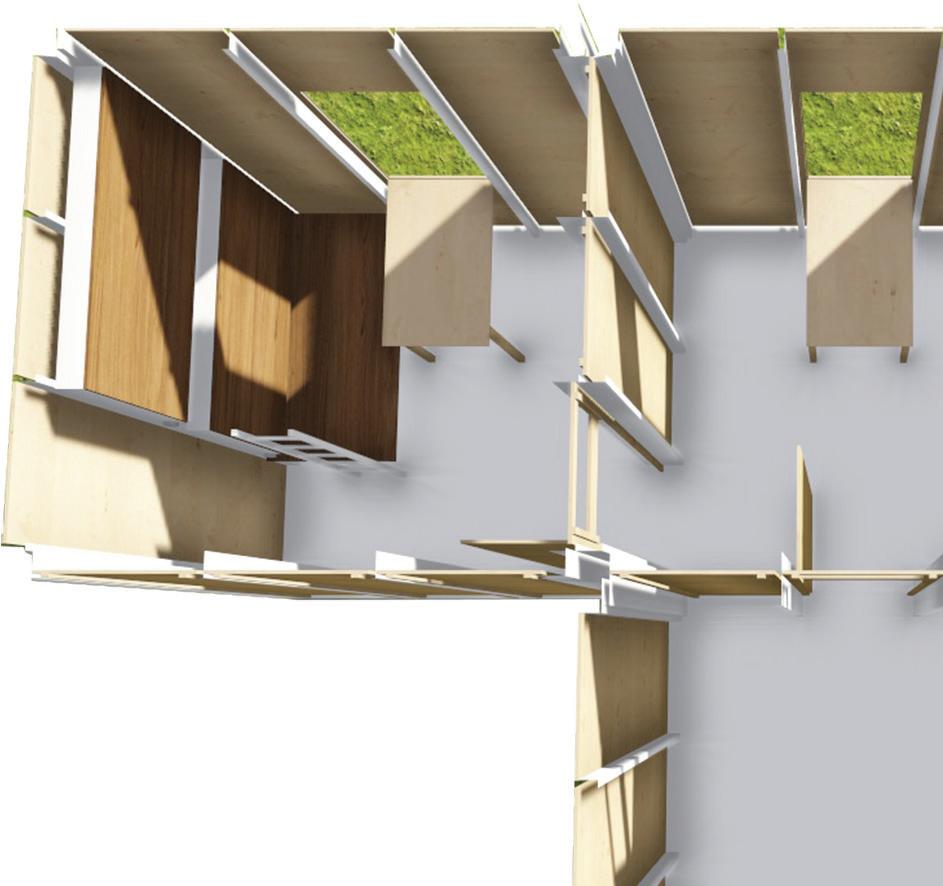
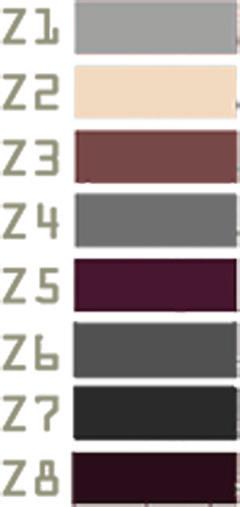
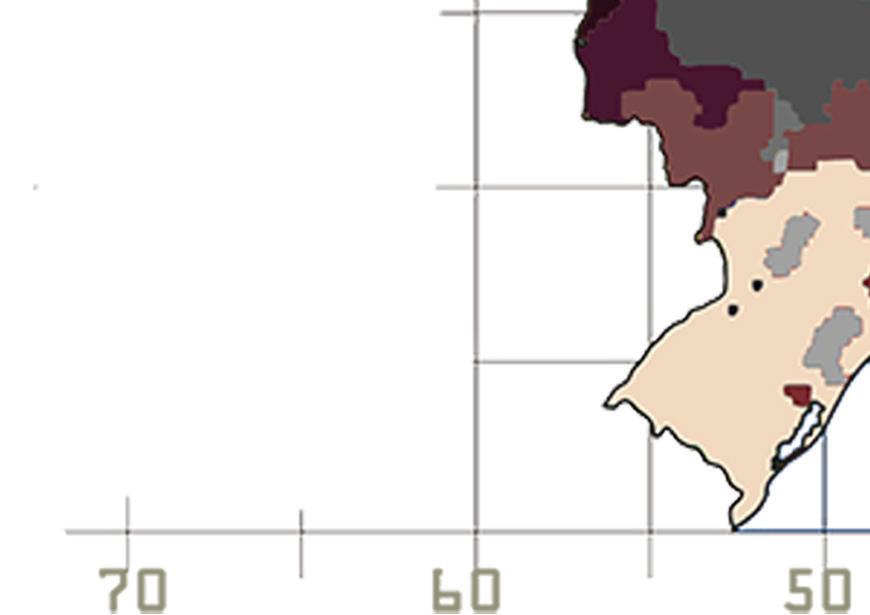
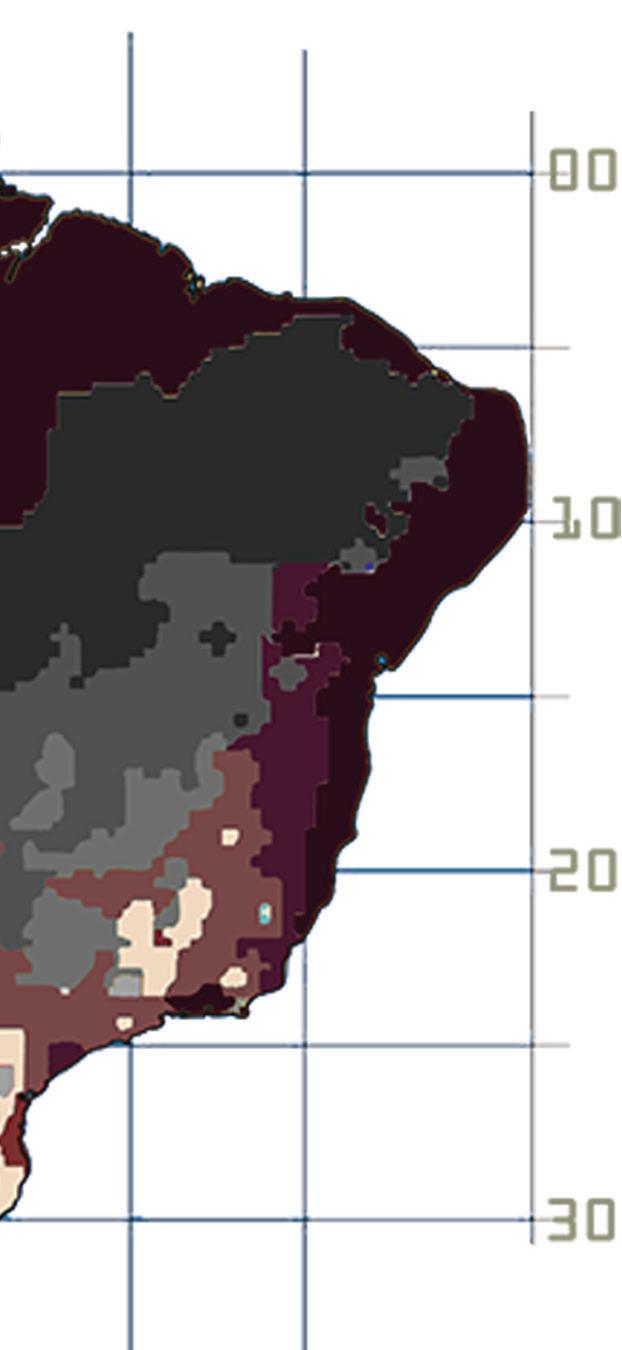
This was a team project elaborated during 4th year in ARQ 442 - Special Topics In Architecture and Urbanism II: Bioclimatic and Parametric Design. The goal was developing an emergency shelter for different bioclimatic zones of Brazil.
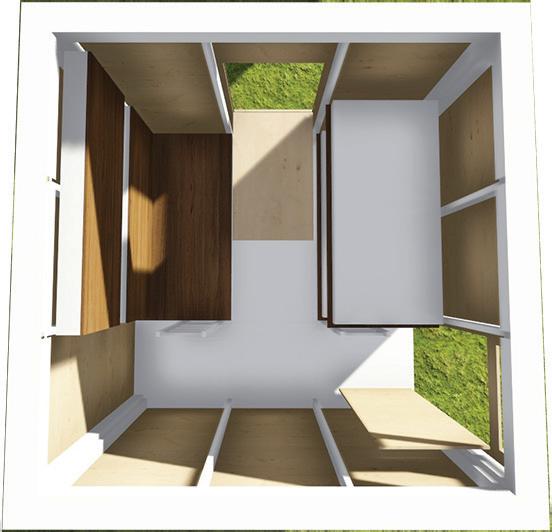
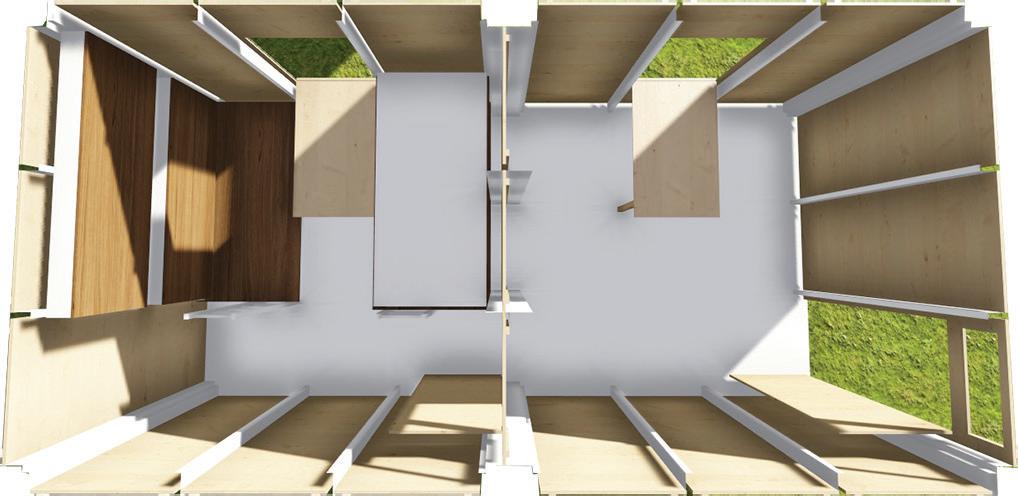
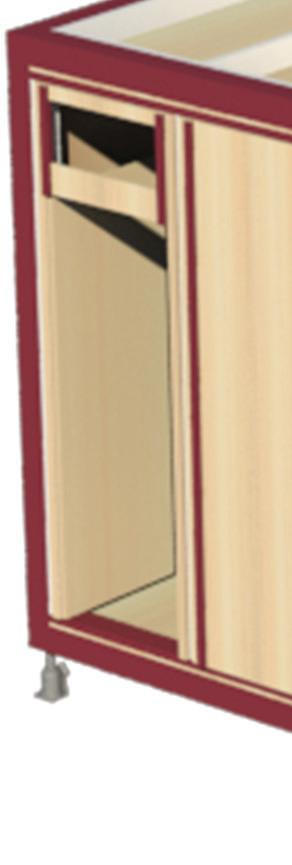
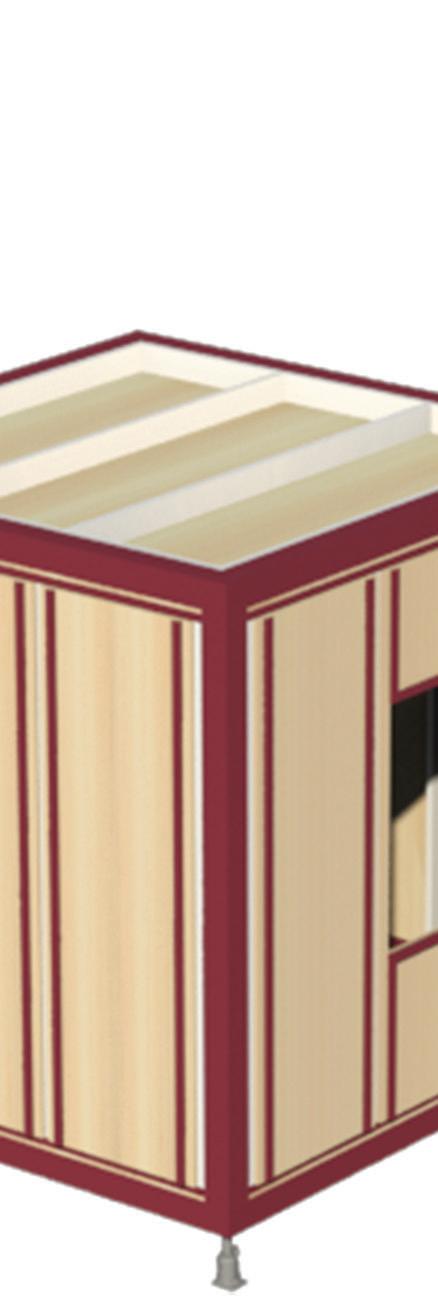
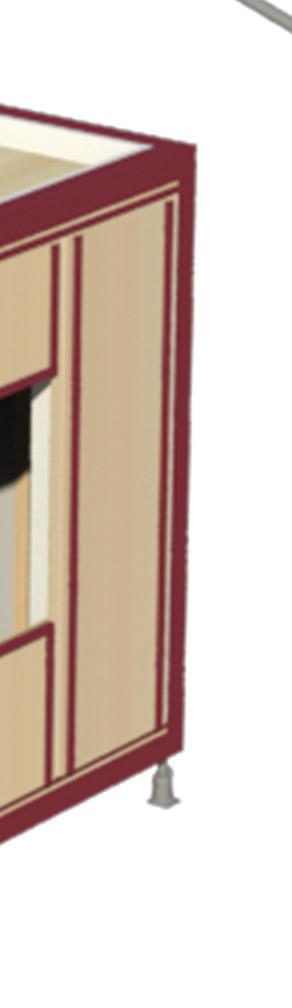
FLEXIBILITY - the adjustments in families’ daily routine while in emergency settlement gave us the idea of the concept of “Metamorphosis”: transformation of one form into another. From an initial and basic module shelter people can transform it as they wish, to best suit their lifestyle. The furniture in the house are also adaptable according to use.
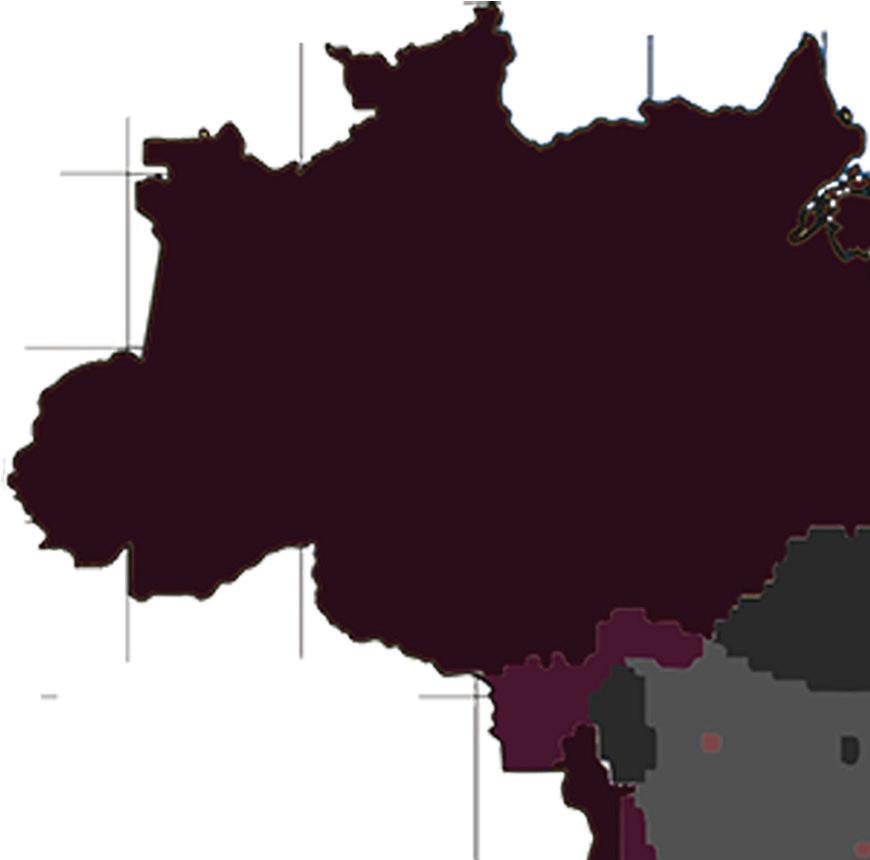
Accordingly to data from Brazil’s Natural Disasters Atlas (2012), floods and landslides are frequent disasters and this is the focus of the design decisions of the proposed shelter.

Type 1
B oard Type 2
B oard Type 3
B oard Type 4
B oard Type 5
B oard Type 6 H orizontal Board (Flooring and Topping)
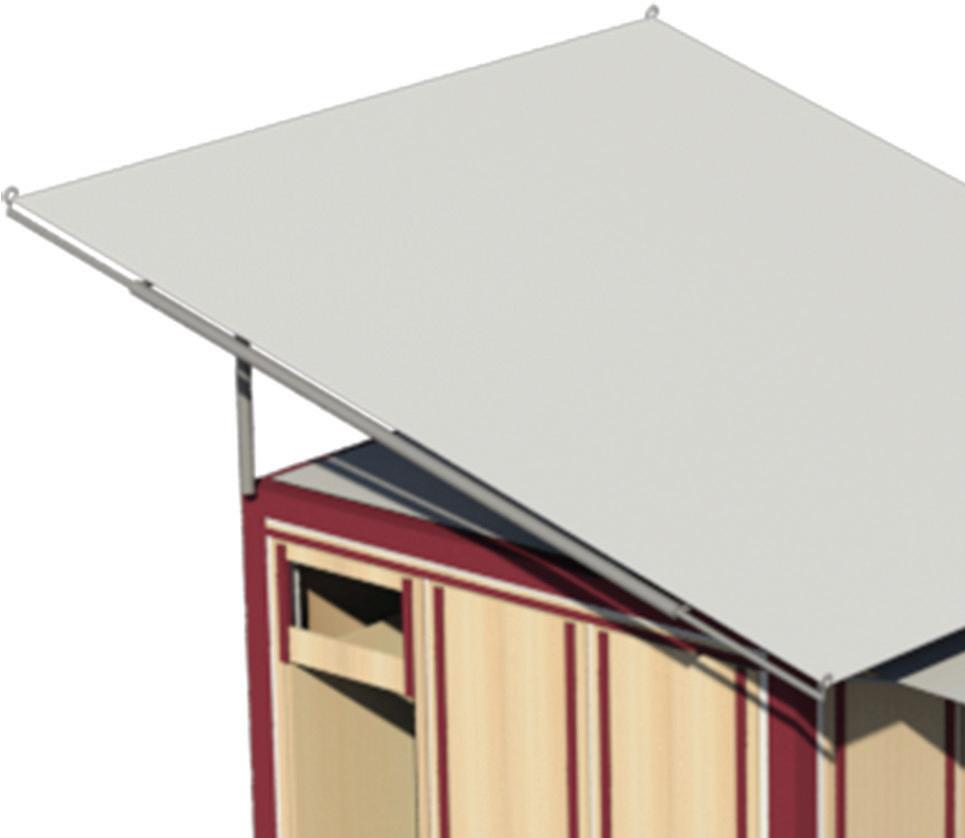
C overing (with 4 hooks)
B ar 1
B ar 2
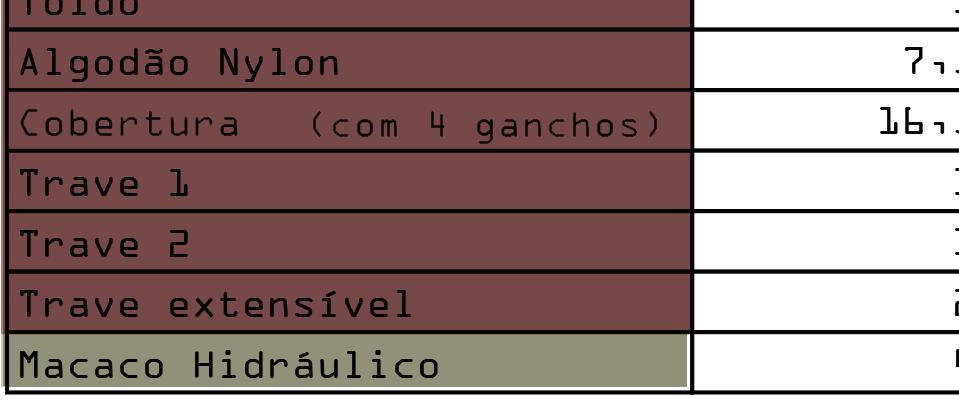
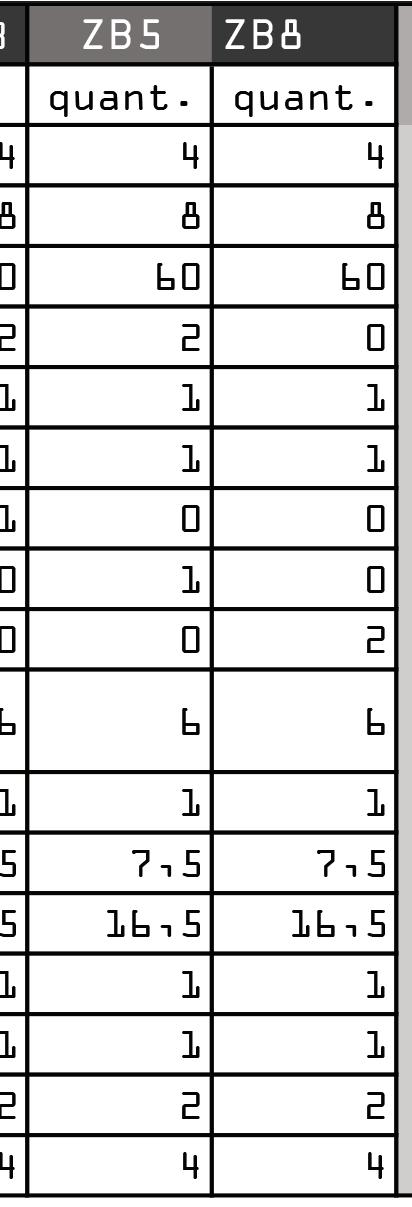


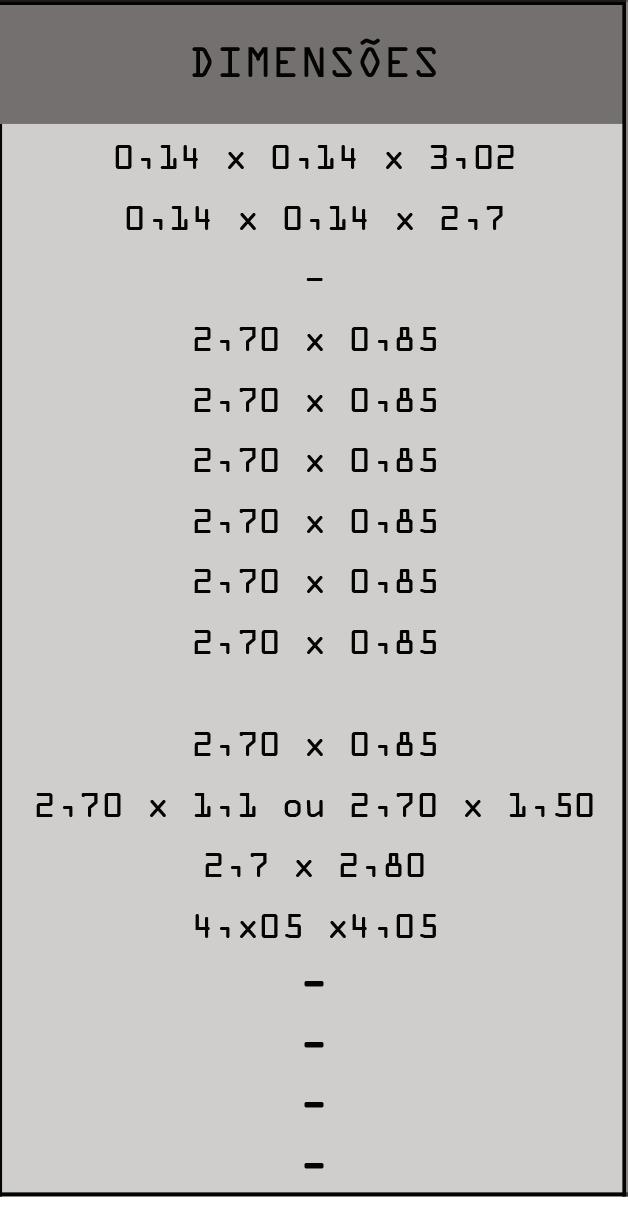
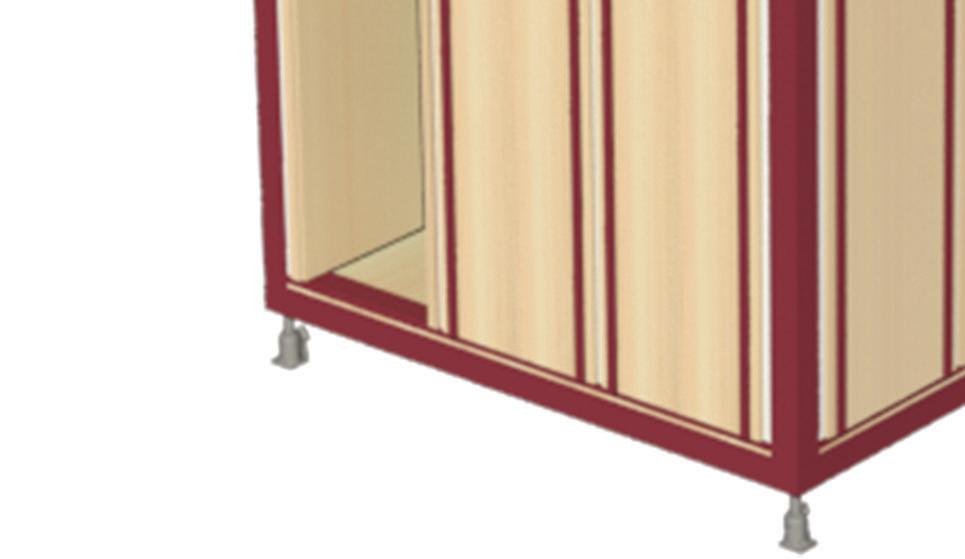

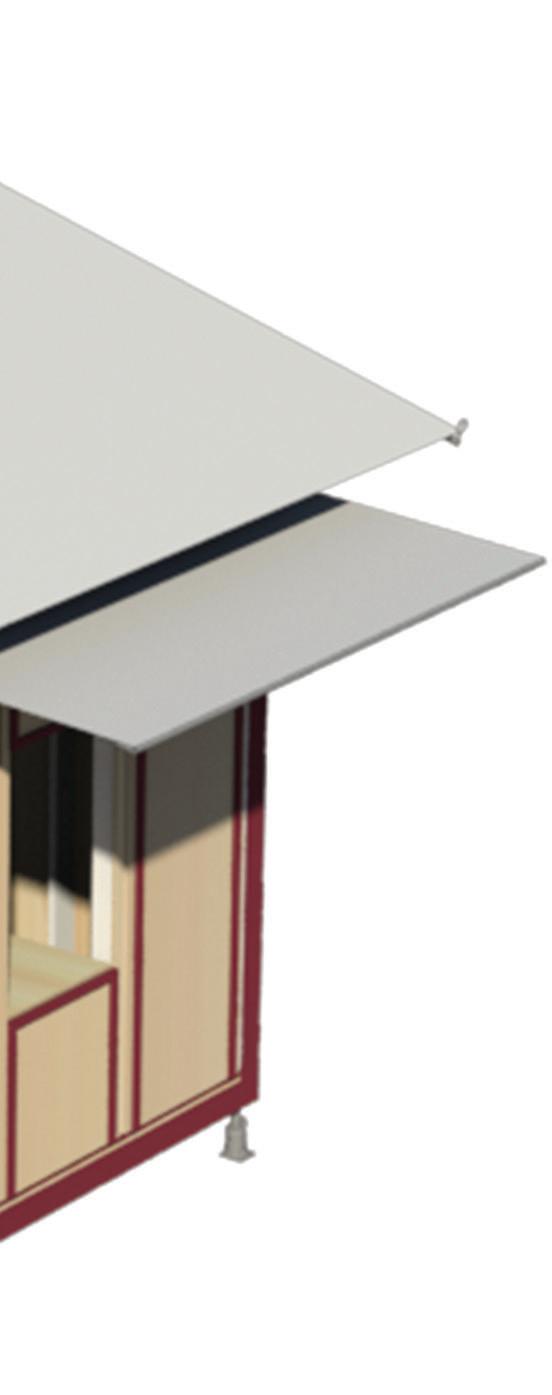


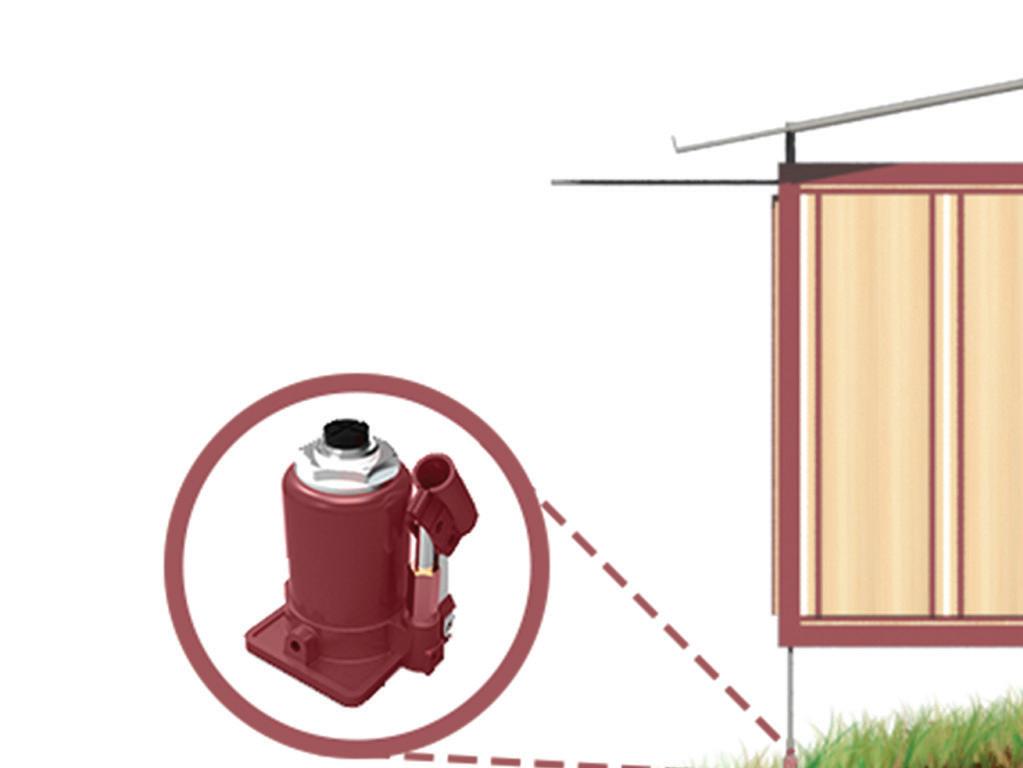
This structure works for general support and the hydraulic jacks can be used in case of declivity (maximum = 20%)
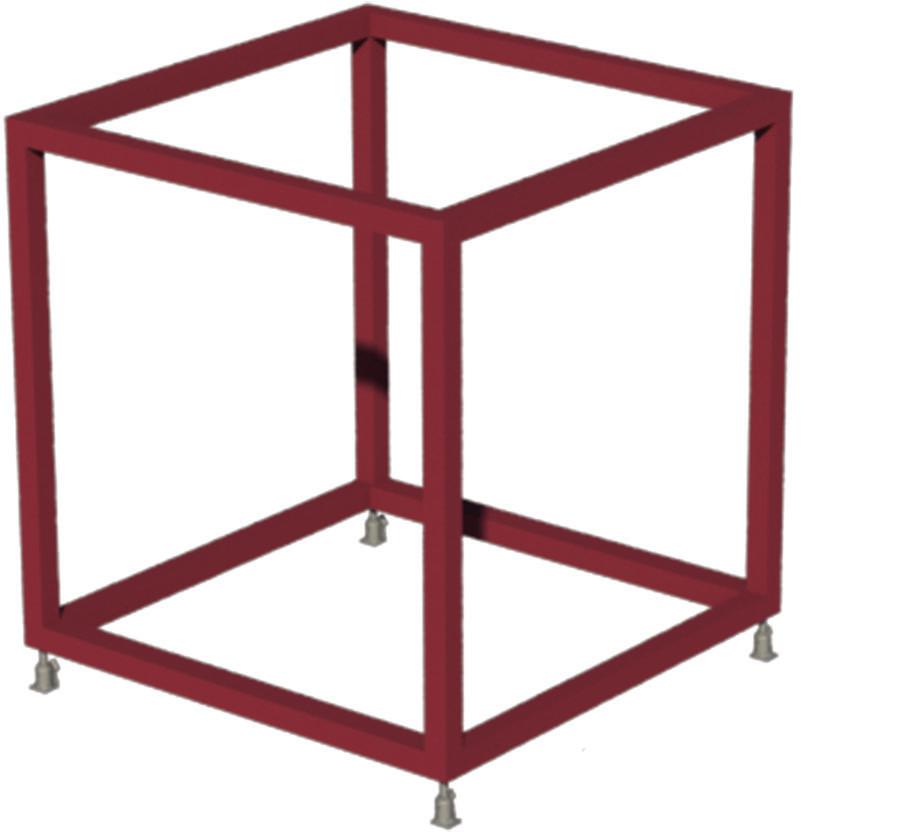


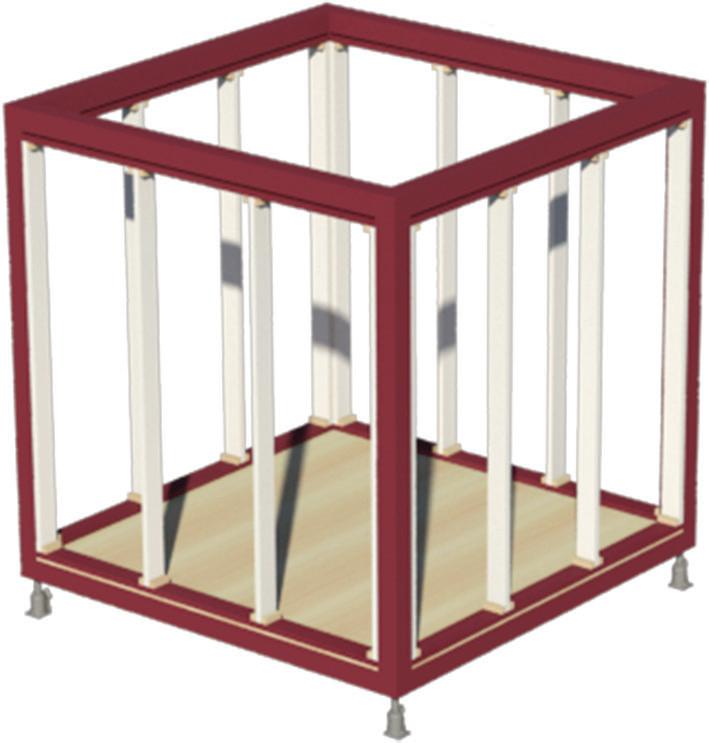
Basic Structure - Beams and Pilars (where frames and boards will be attached)
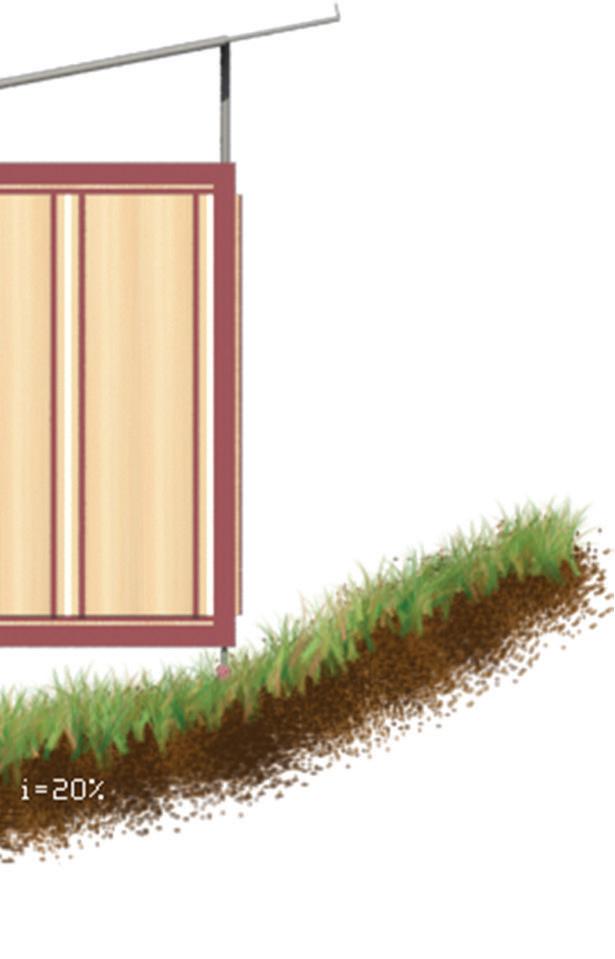
Hydraulic jack as part of structure
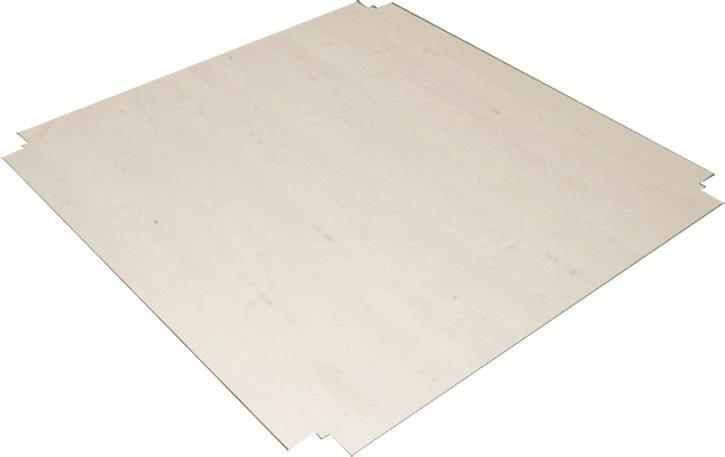
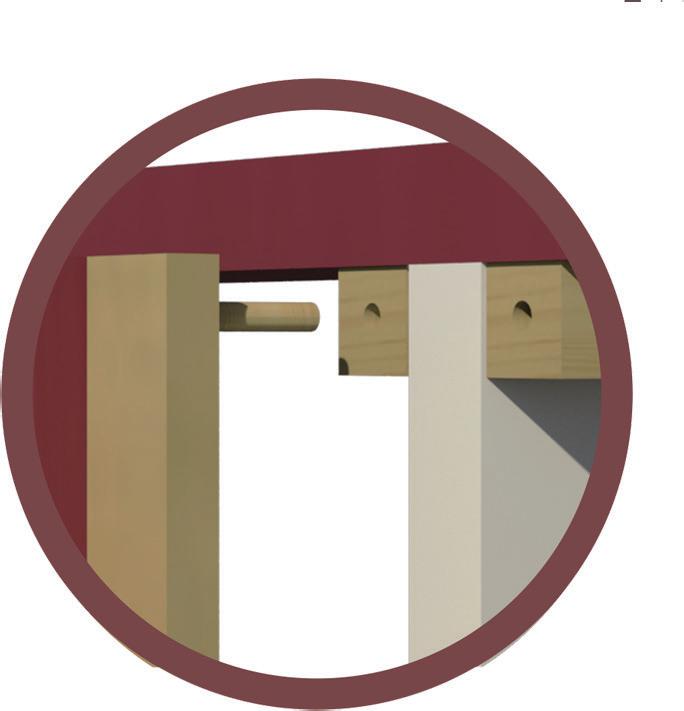
The first board to be placed is the floor. This one already has the edges cutted for fitting into the structure.

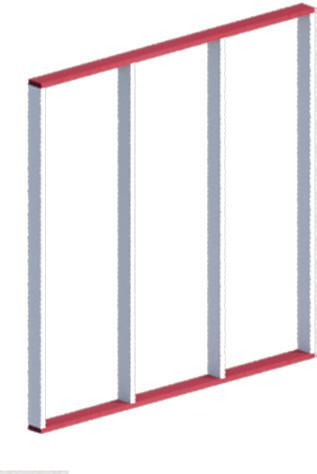
Modular frames where boards will be attached
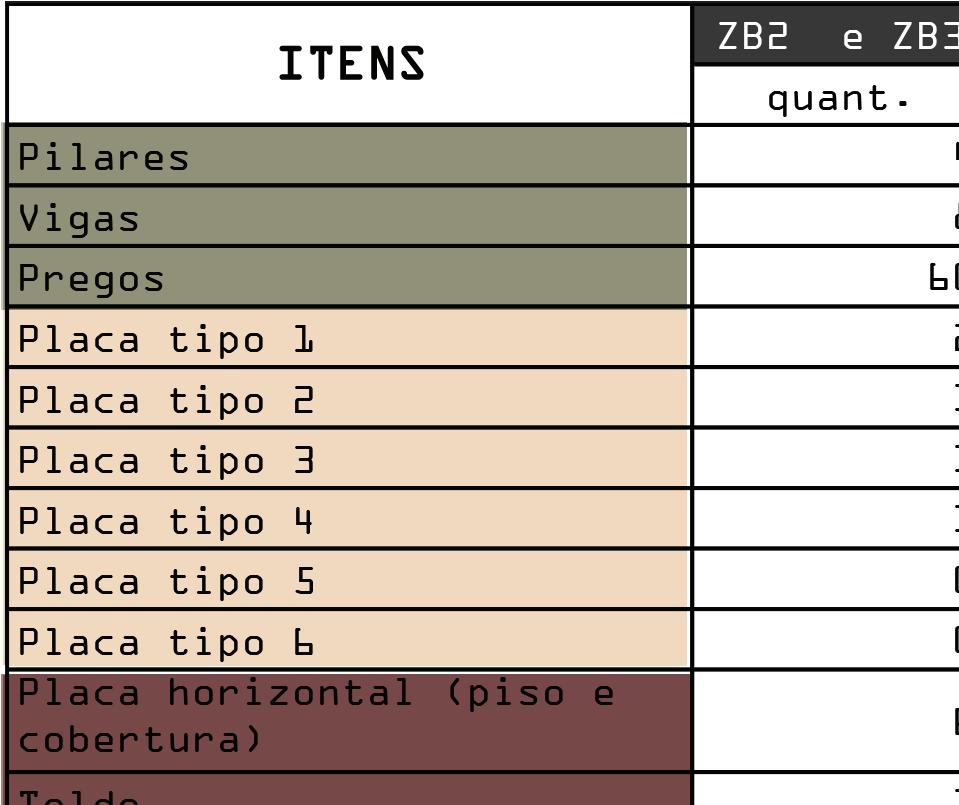
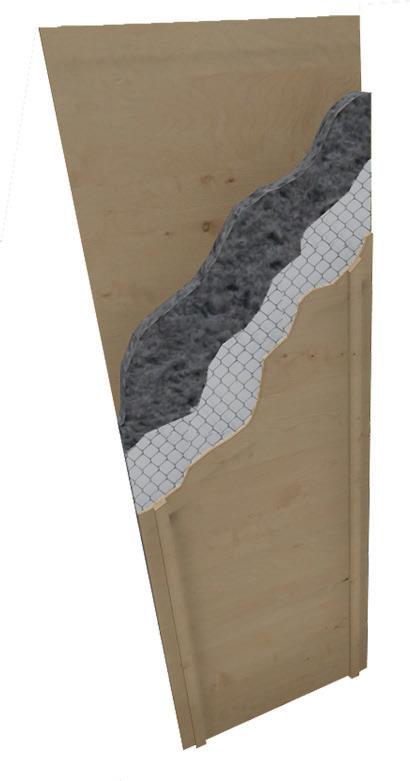
The Boards vary by type and composition, depending on the need of use and on constructive guidelines for each Bioclimatic zone, considering passive strategies comfort.

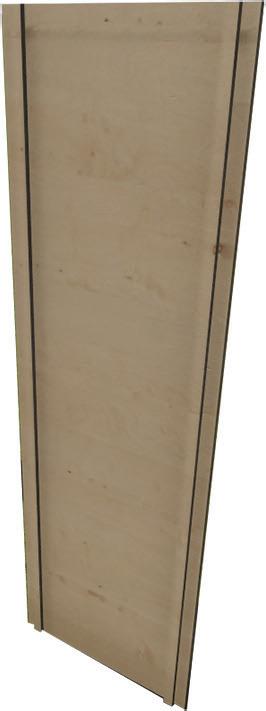
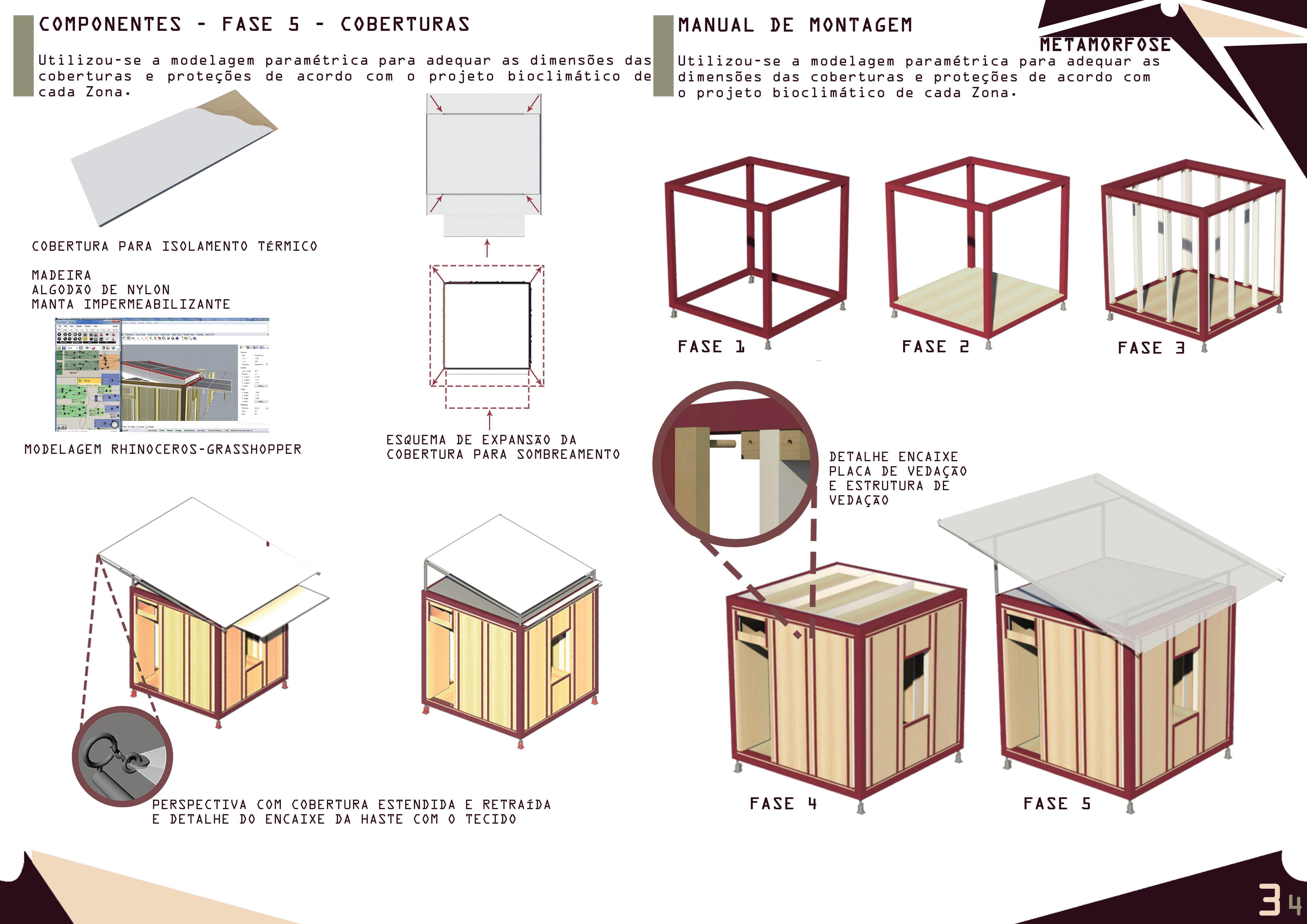
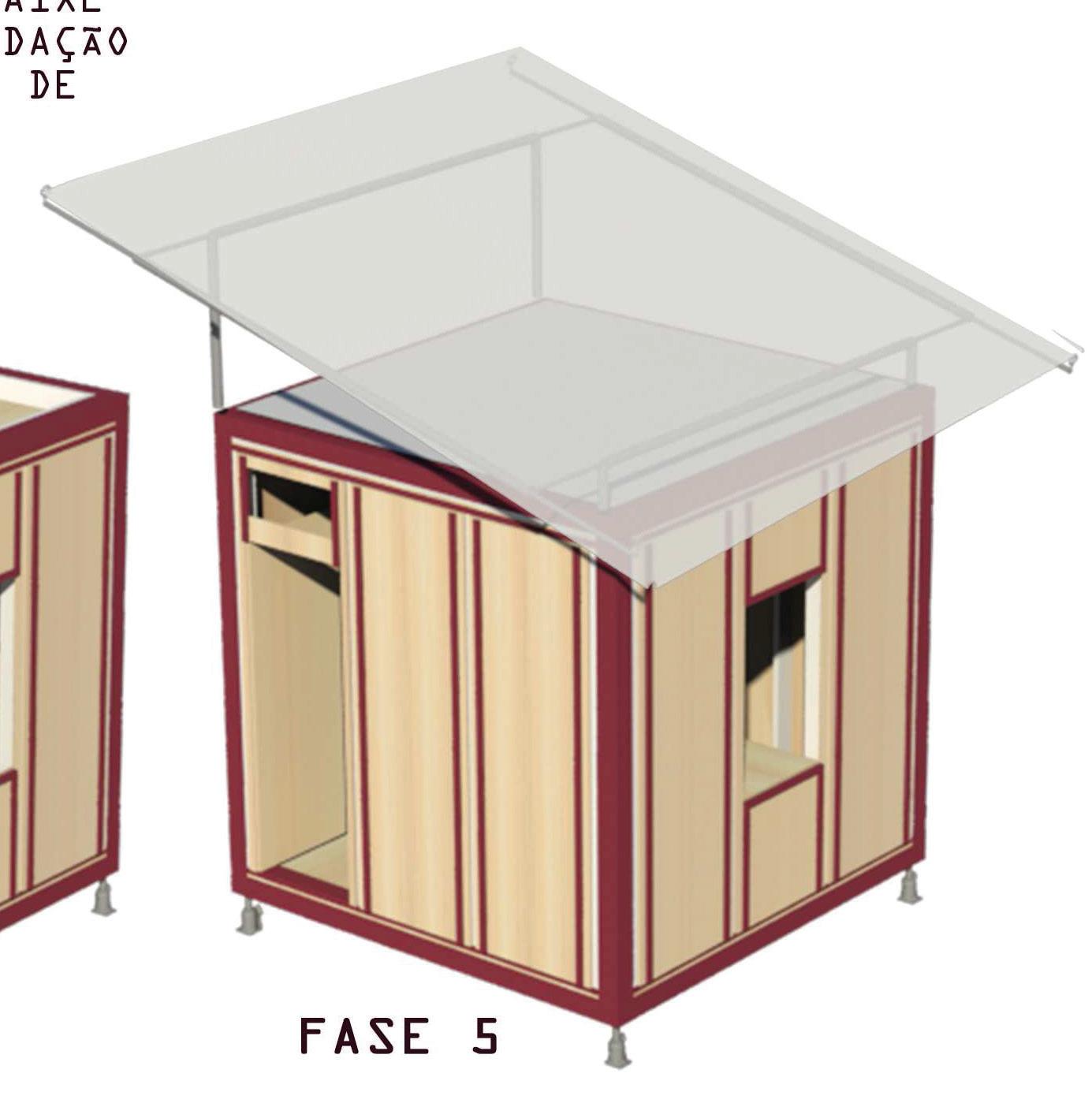
We used parametric modeling to adjust the dimensions of the covers and protections according to the bioclimatic design of each zone. For assembling, the first thing to be done is the structure. Then, the floor must be placed. Upon the floor, the frames are fixed. The next step is to put the boards on wooden frames. Finally, the covering is added on the top of the shelter.
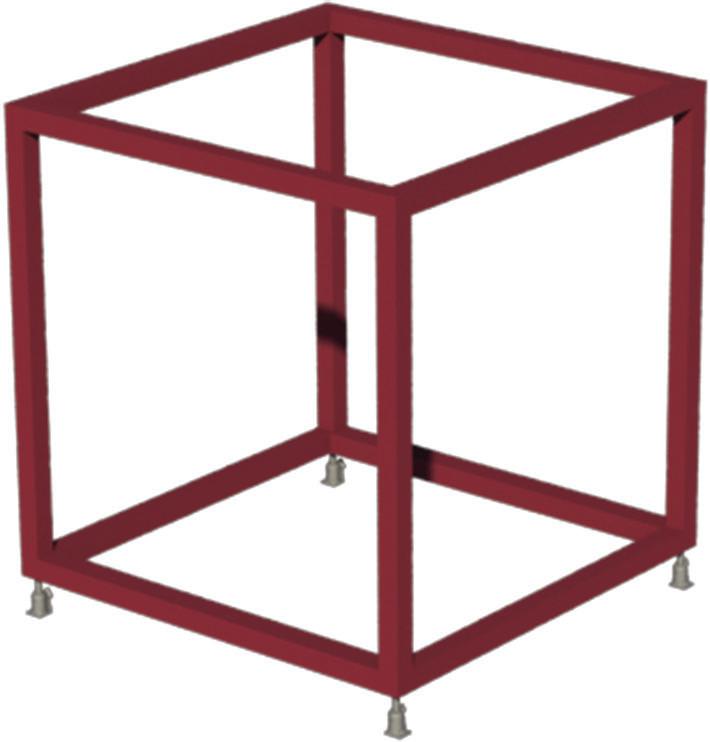
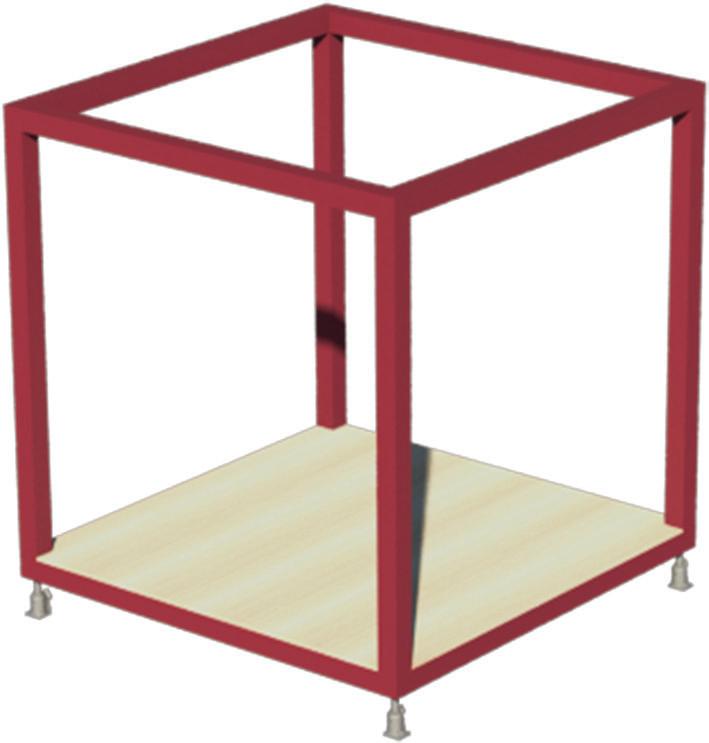

Each shelter has an area of maximum nine modules expansion. The following guidelines are shown for the expansion of a single module so that the performance of bioclimatic design is not affected - respecting the orientation of walls with thermal inertia and the direction of openings.