UNLEASHING THE POWER OF EARTH
Integrated Design Studio Prize for Overall Design and Systems Integration
PROGRAM
SITE
INSTRUCTOR
COLLABORATOR
Ayrton (AJ) Laucks
PROJECT DATE
Higher Education Ceramics Studios, Exhibition Spaces, and Laboratories Syracuse, NY Spring 2025
PRODUCTION SETTING
Fourth-Year Integrated Design Studio
PRODUCTION TOOLS
V-Ray, Rhino 7, Adobe Illustrator, Photoshop, Mixed Media Physical Models
Among timber and bio-based materials, terra cotta exhibits some of the lowest embodied carbon for construction purposes. Proposed as an expansion of Syracuse University’s Comstock Art Facility for the ceramic arts program, this project both architecturalizes the ceramic-making process and re-imagines the material’s architectural applications to enhance thermal performance.
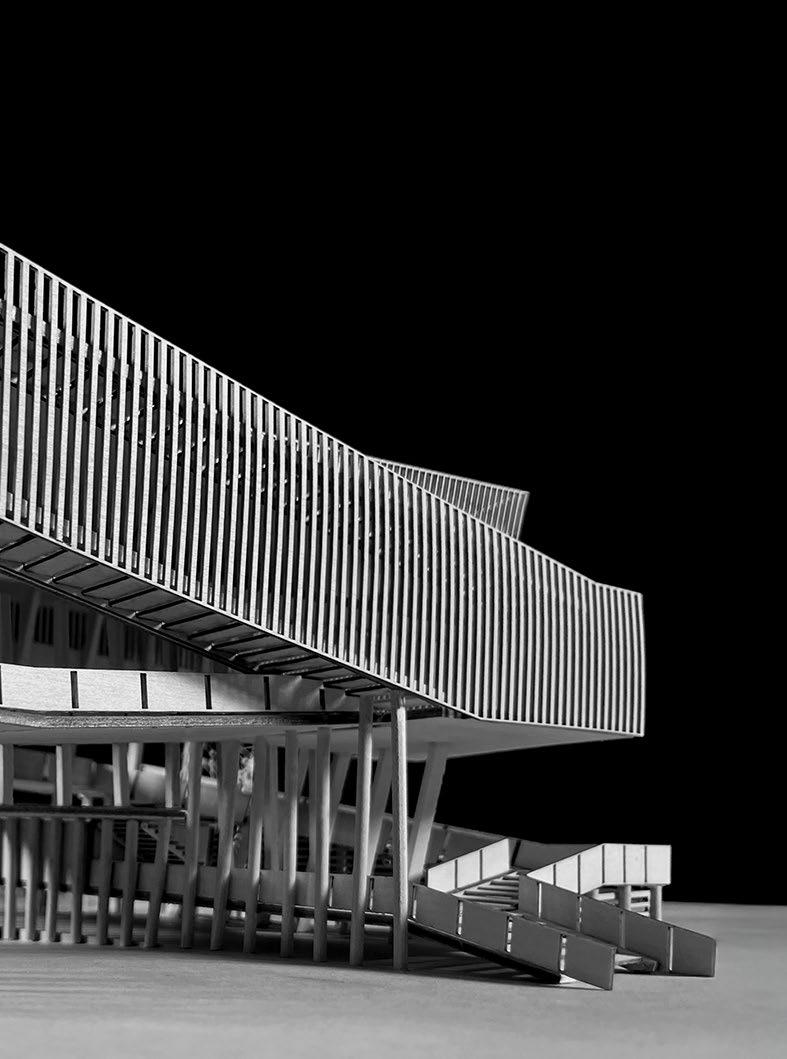
The project is divided into two volumes, a Bar and a Wall. Using a box truss to span from hill to road, the Bar is a manifestation of the ceramic-making process from earth to world Facing the primary road, the Wall becomes a statement for ceramics, dedicated to the display of both individual art pieces and the facade of the Wall itself.
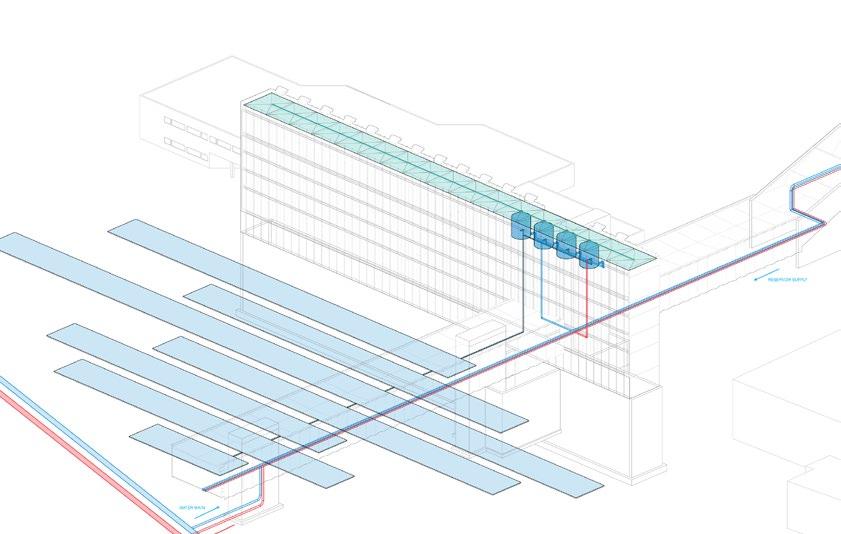
In addition to clay, the project is designed around the flow of air, heat, and water in the forms of a double-skin facade, geothermal looping system, and rainwater collection to produce building performance.
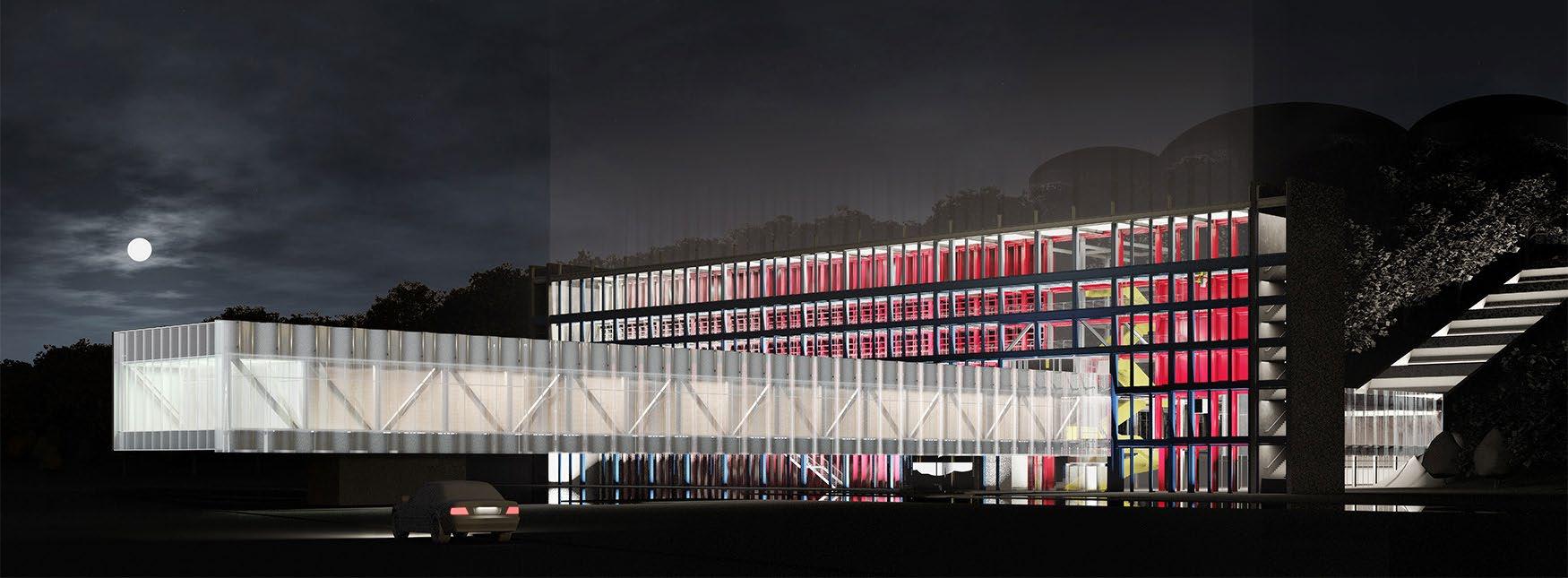
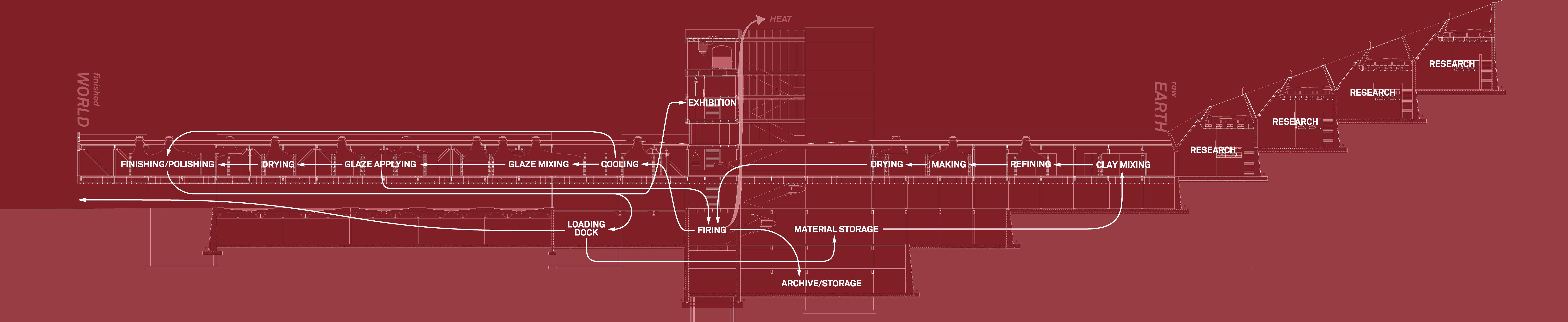
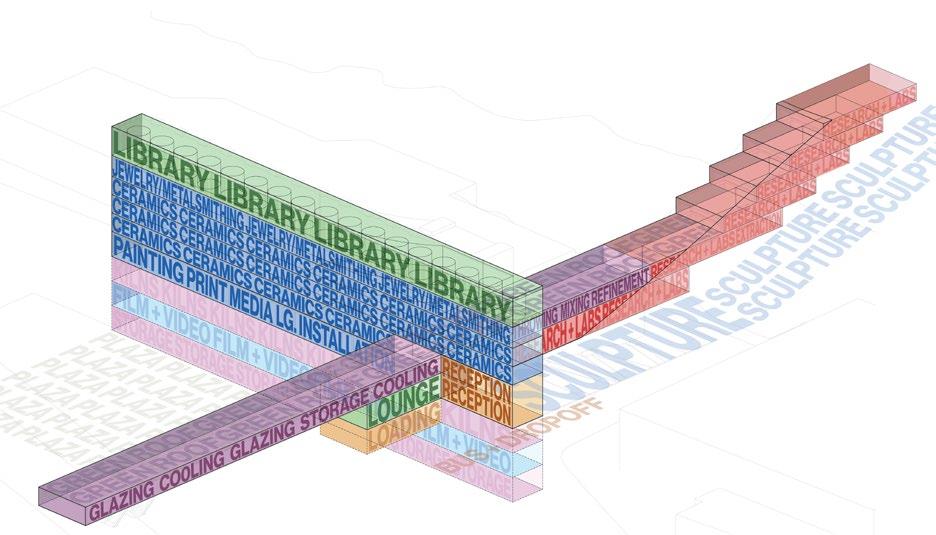

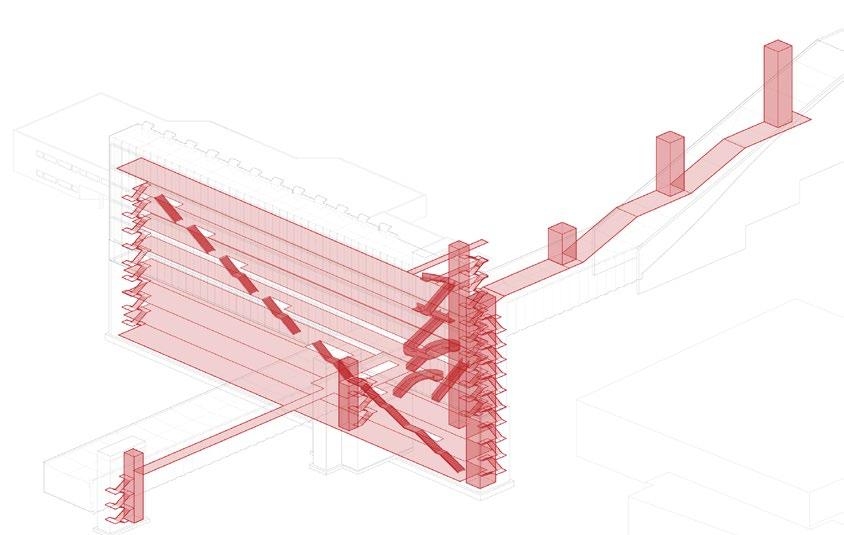
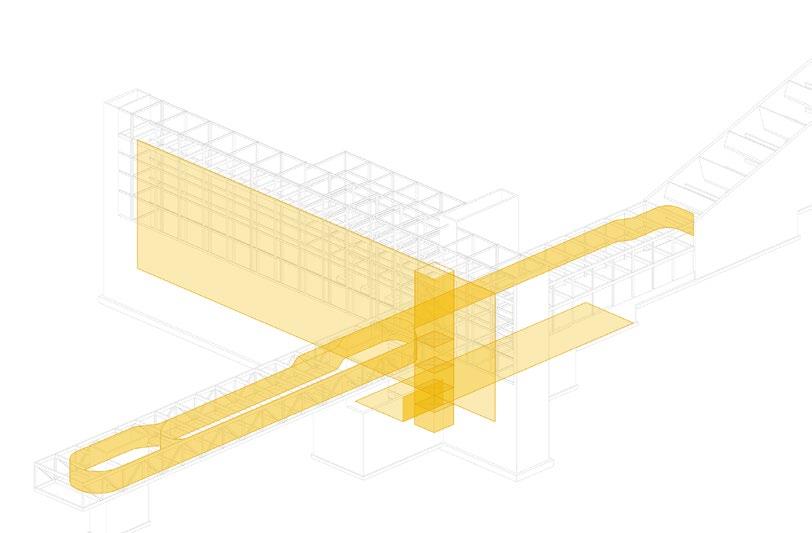
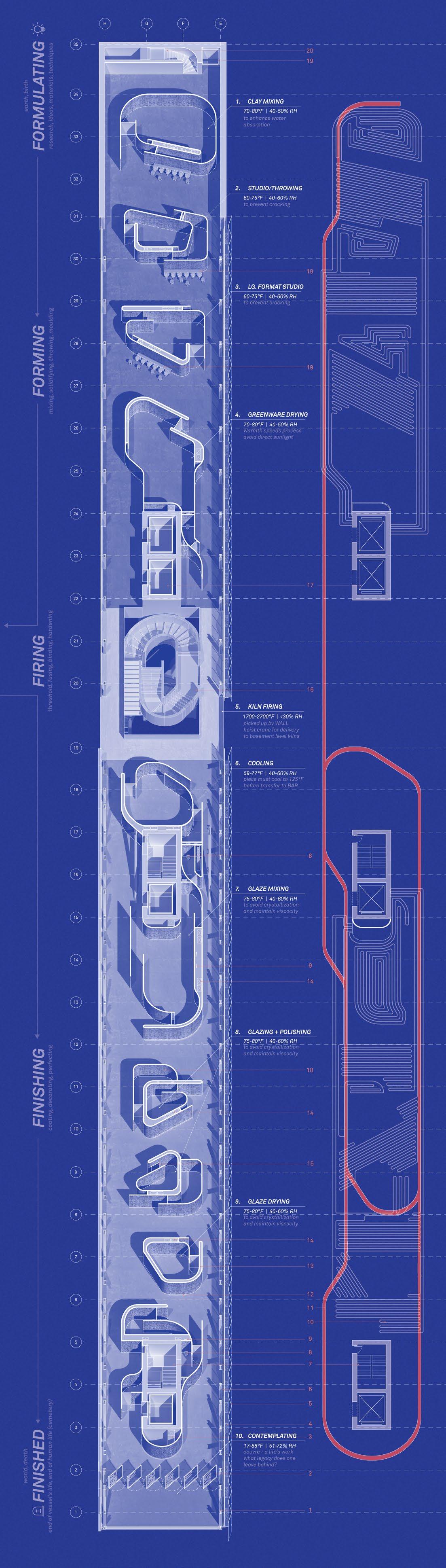
Ceramic-Making Process in Relation to Section Design
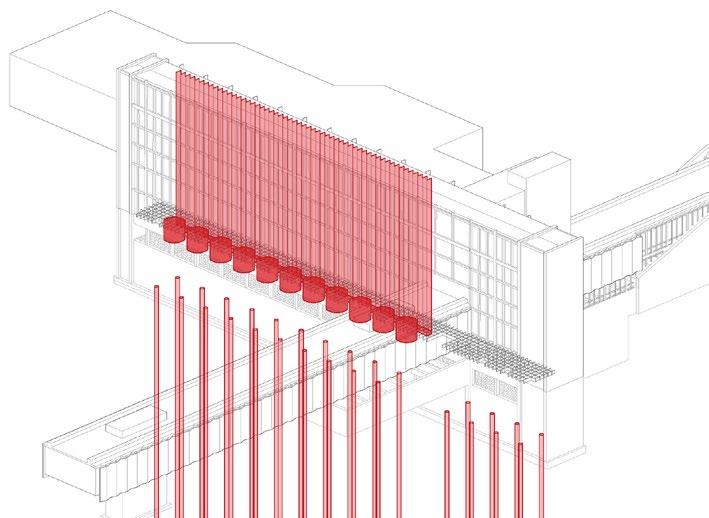
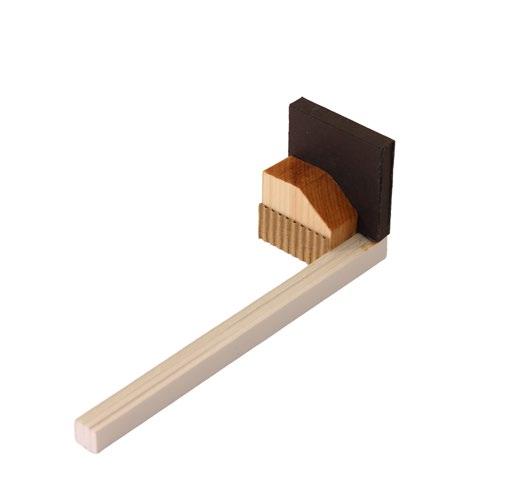
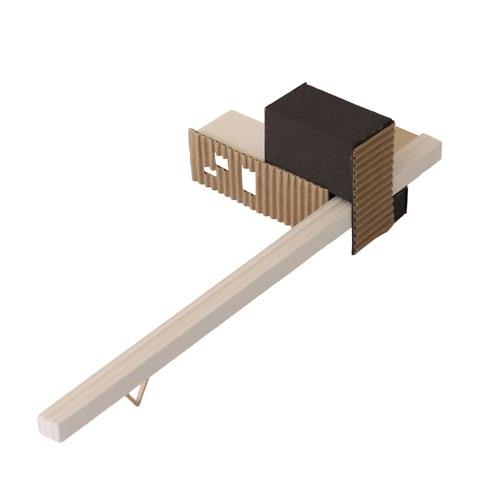
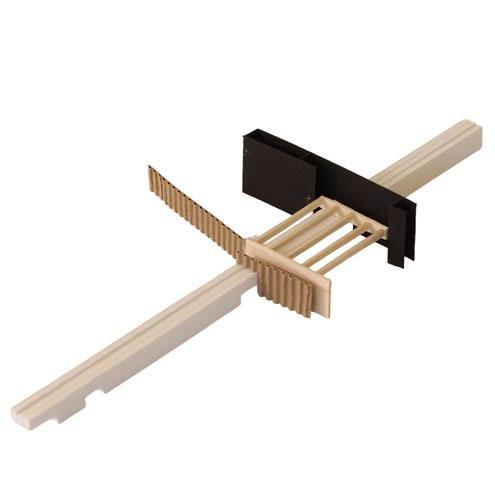
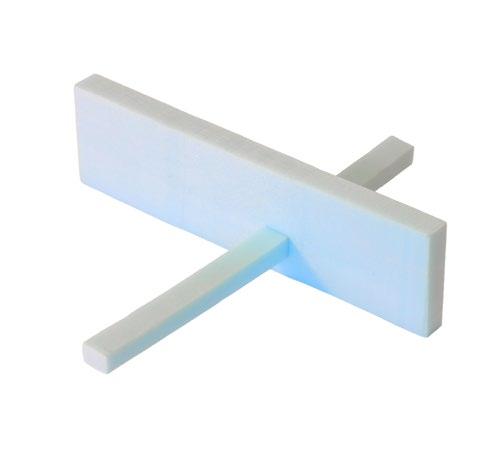
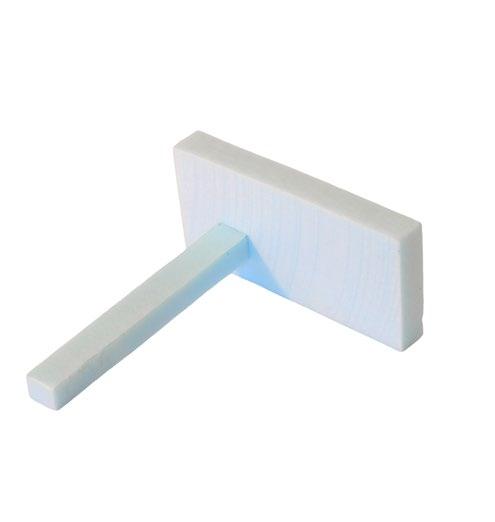
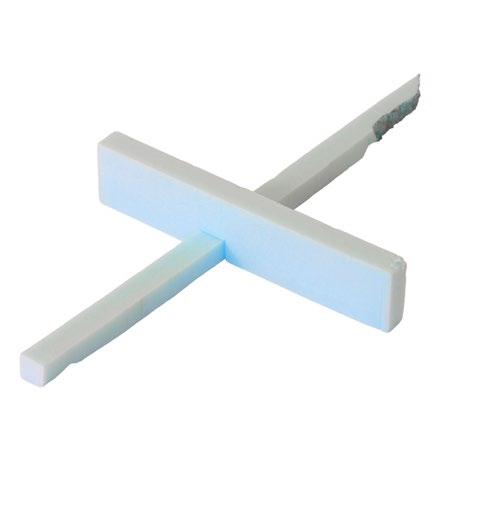
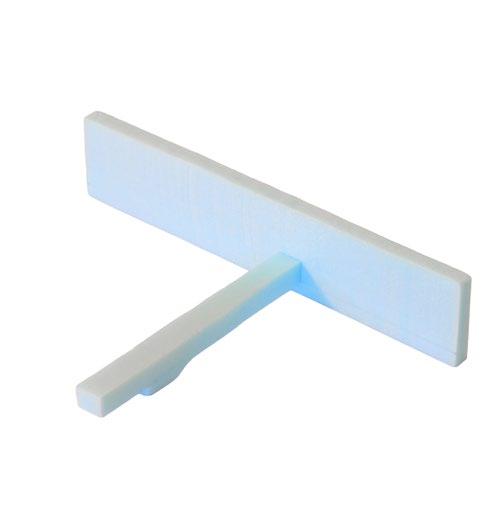
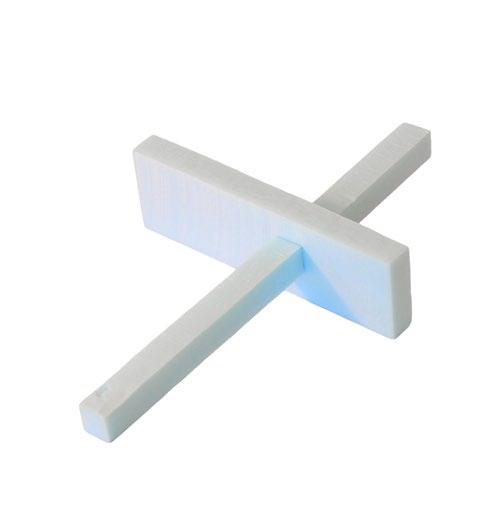
Formal and Proportional Iterations
LEFT The expansion announces itself as an extension of the greater Lally Athletics Complex, as the Wall obeys the radial logic from the dome’s center. Reflecting pools in front serve both as a public plaza feature and water retention strategy.
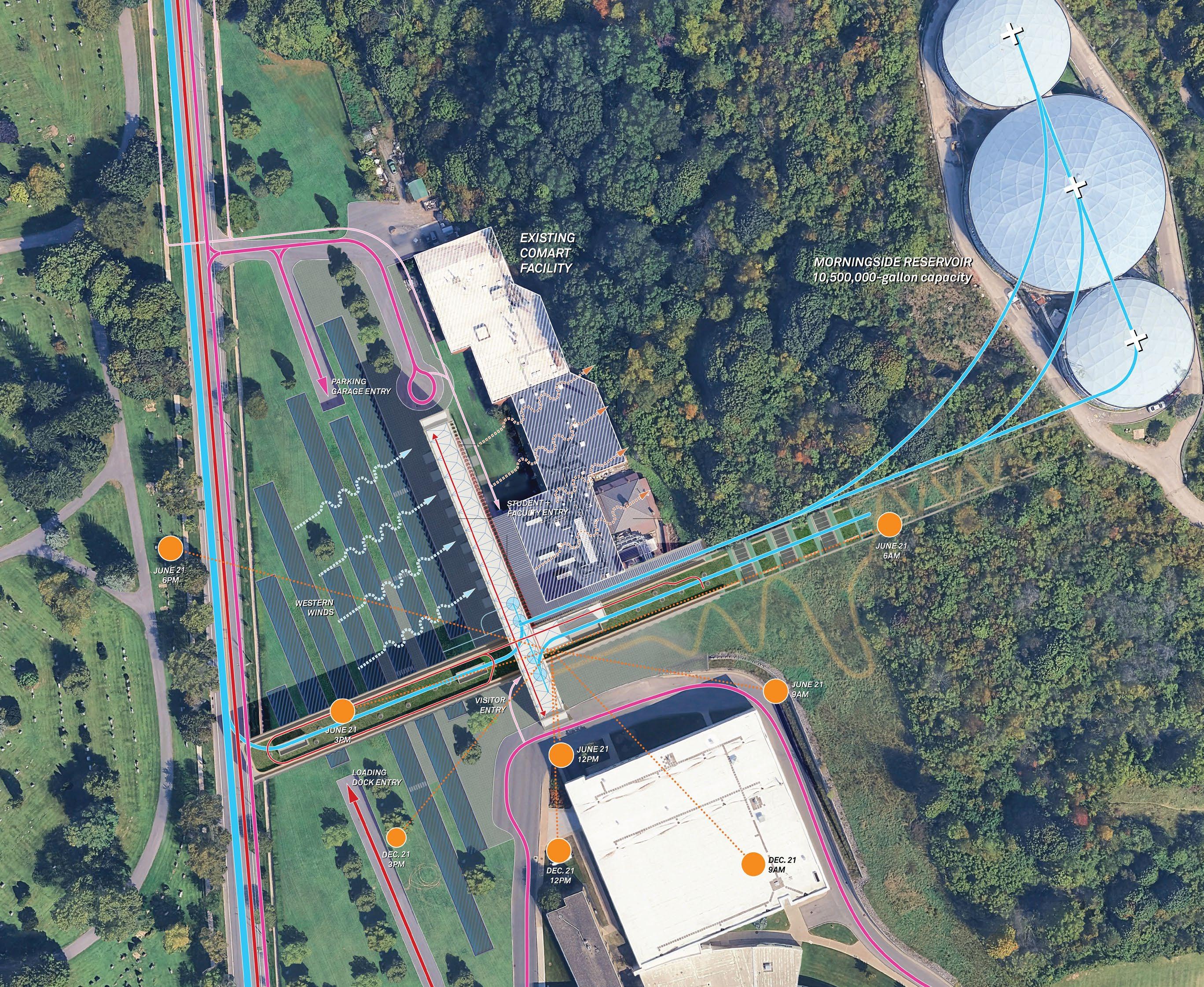
Materials, people, light, and resources as they flow through the site are diagrammed. Hosting the water-intensive program of claymaking, the project takes advantage of the existing reservoir atop its adjacent hill.
RIGHT The Bar hosts ceramic studios with open work areas and thermally isolated rooms tailored to each stage of production, maintaining ideal temperature and humidity. Geothermal radiant loops provide efficient heating and cooling from the floor, matching the seated posture of artists.
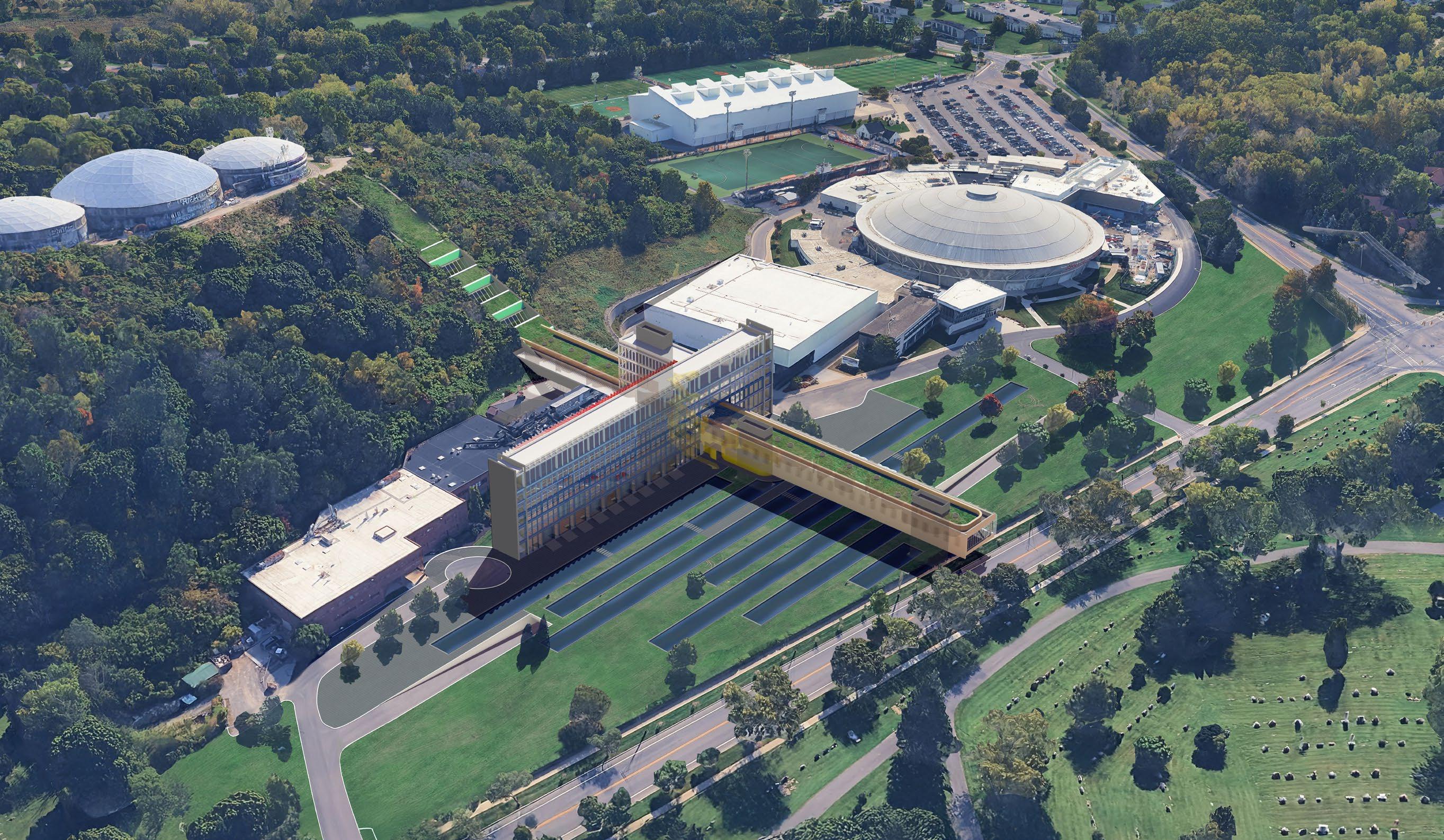
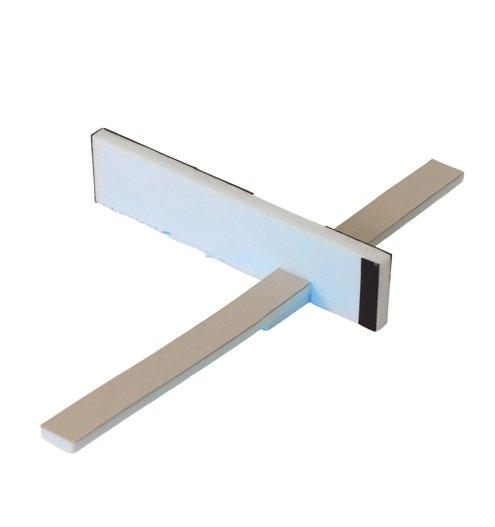
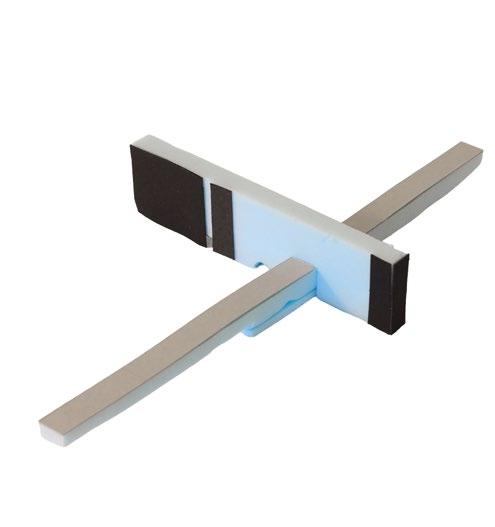
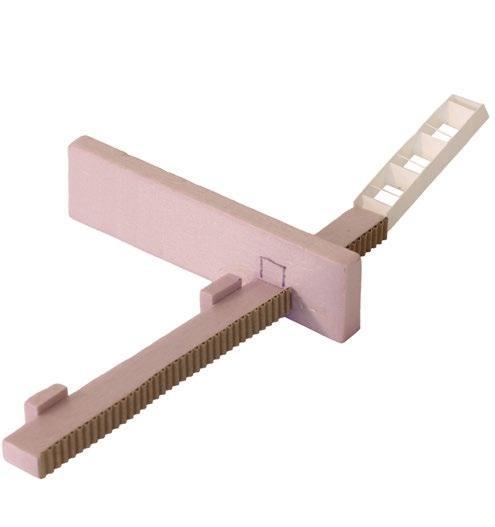
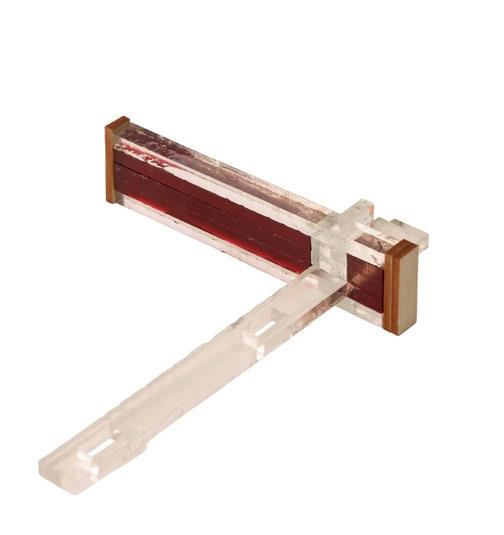
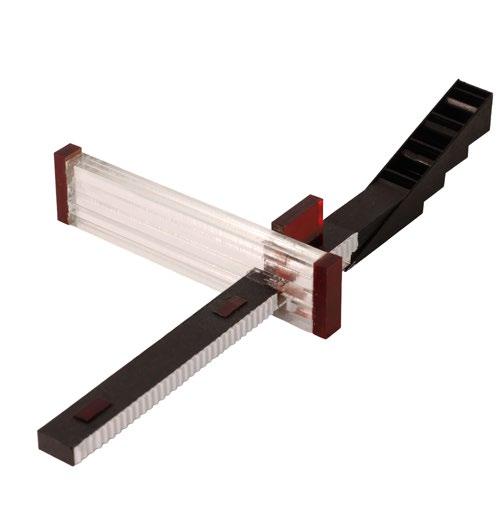
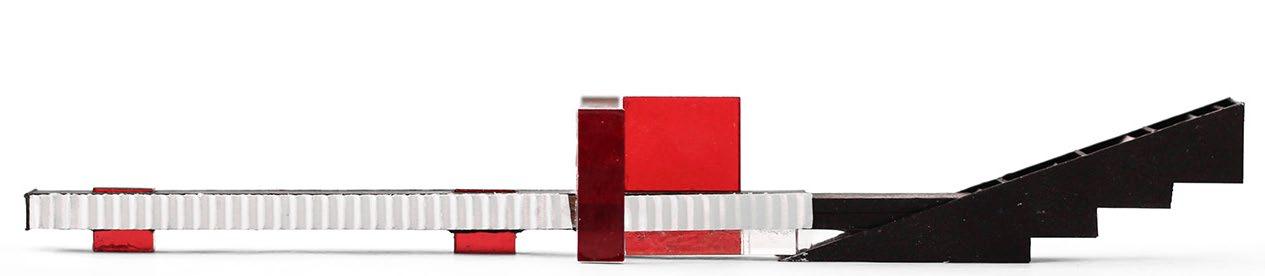
Two intersecting volumes were chosen as the massing concept to redefine the existing building’s relationship with the greater campus. One tall volume presents itself as the new face of the Comstock Arts Facility, while one long volume gestures out into the road, creating a unique precinct for the ceramic arts department.
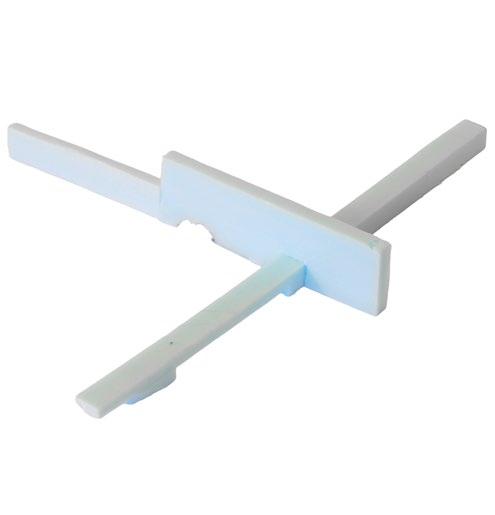
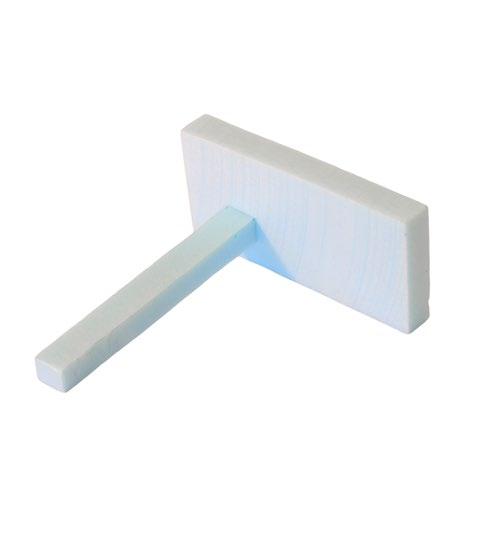
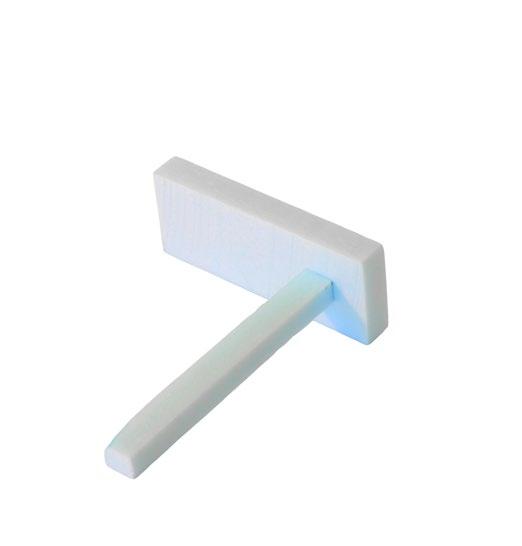
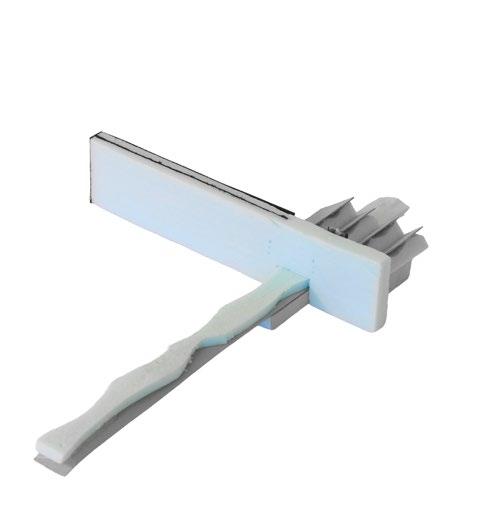
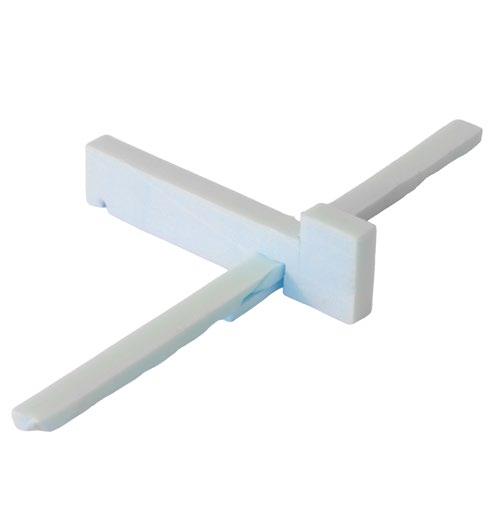
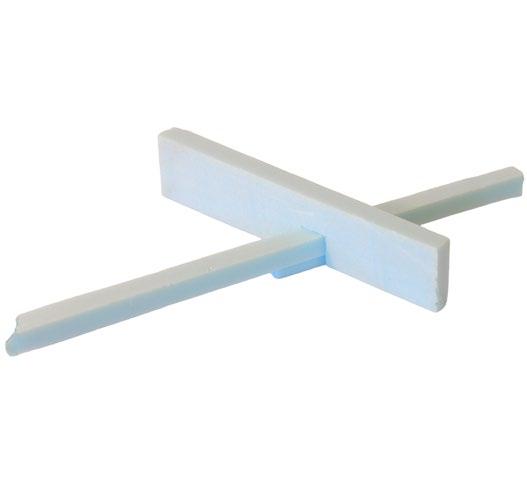
Massing studies were conducted to find optimal proportions that accommodated both programmatic and egress demands. In the final concept model, red acrylic represents vertical circulation.
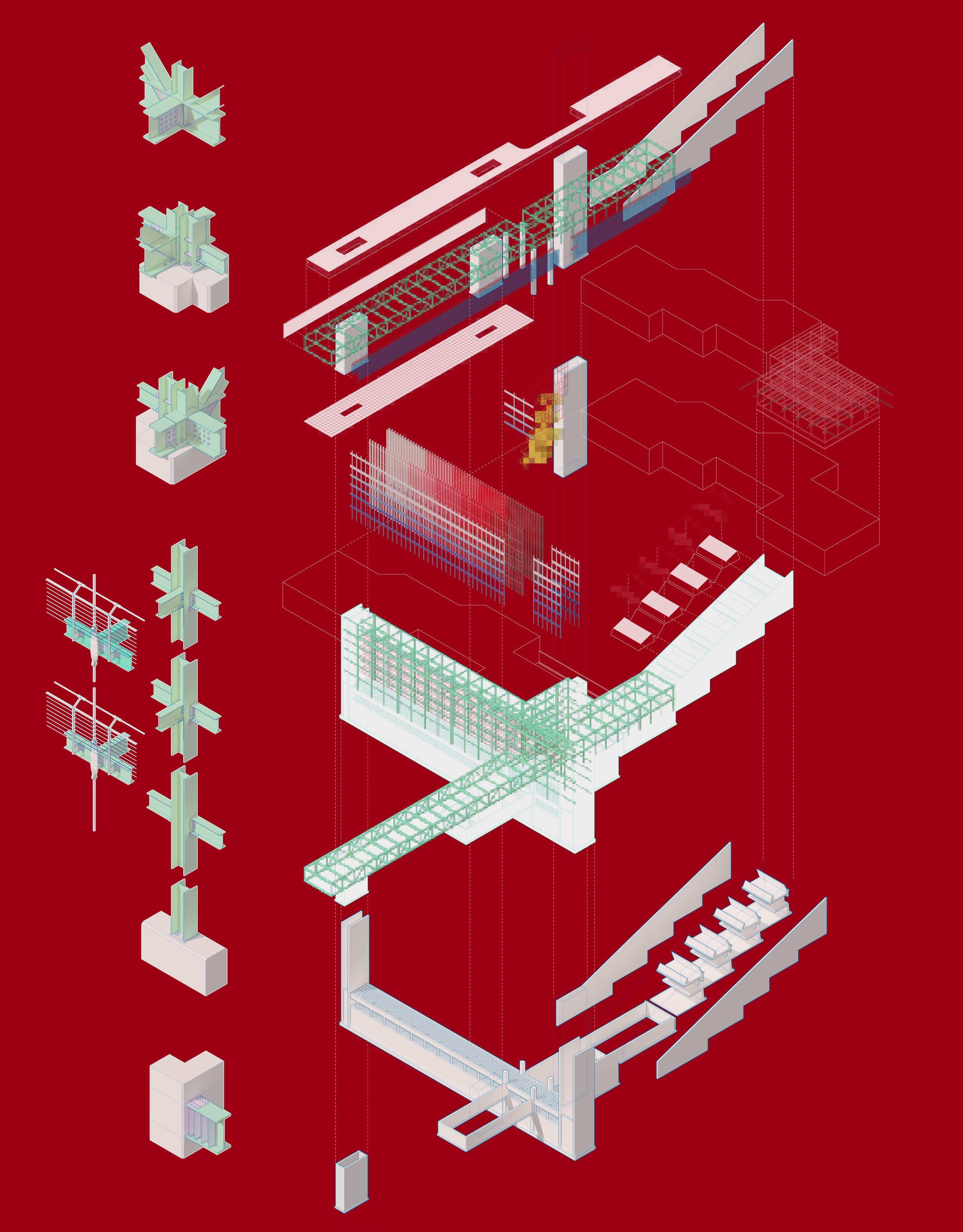
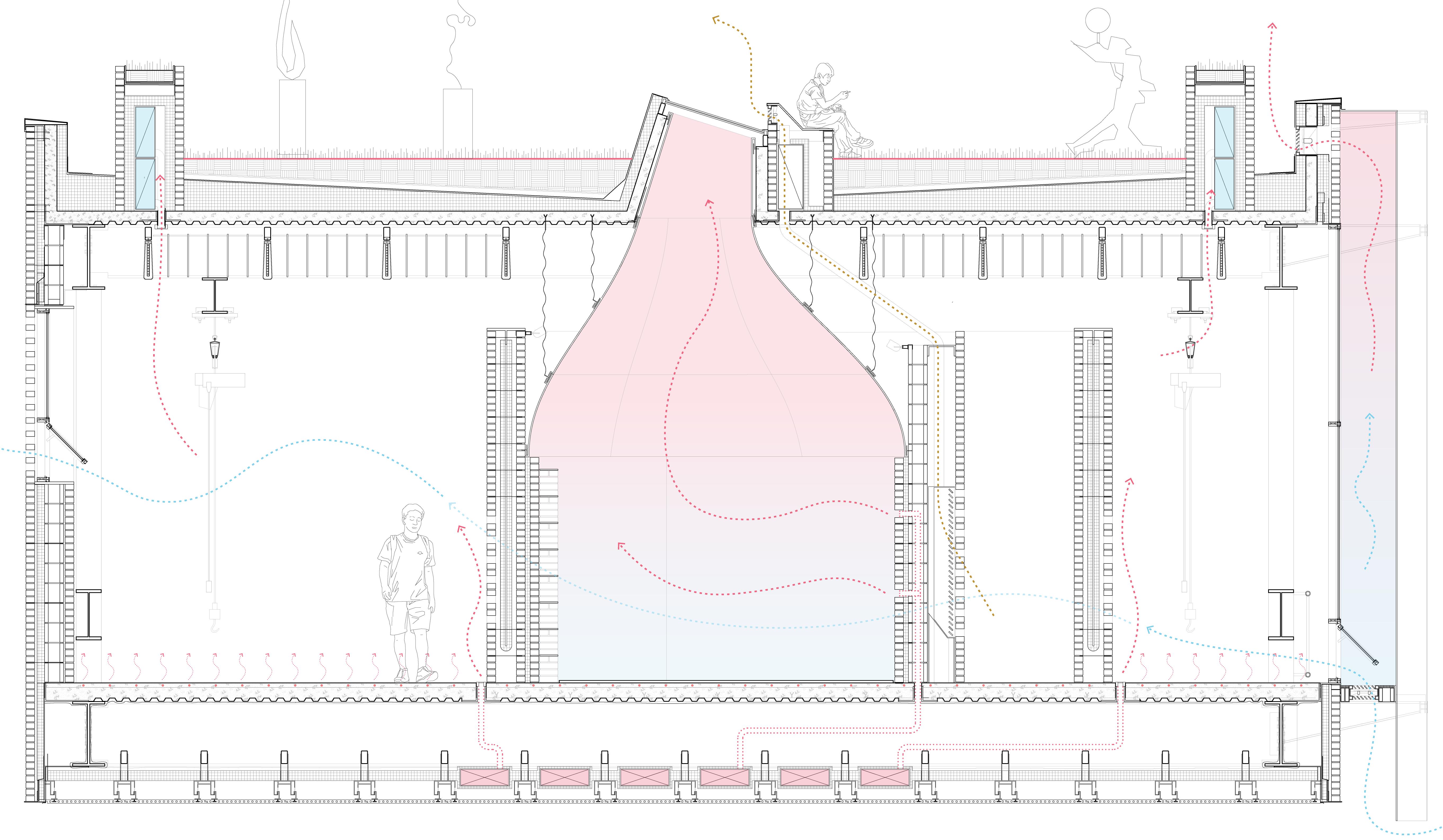
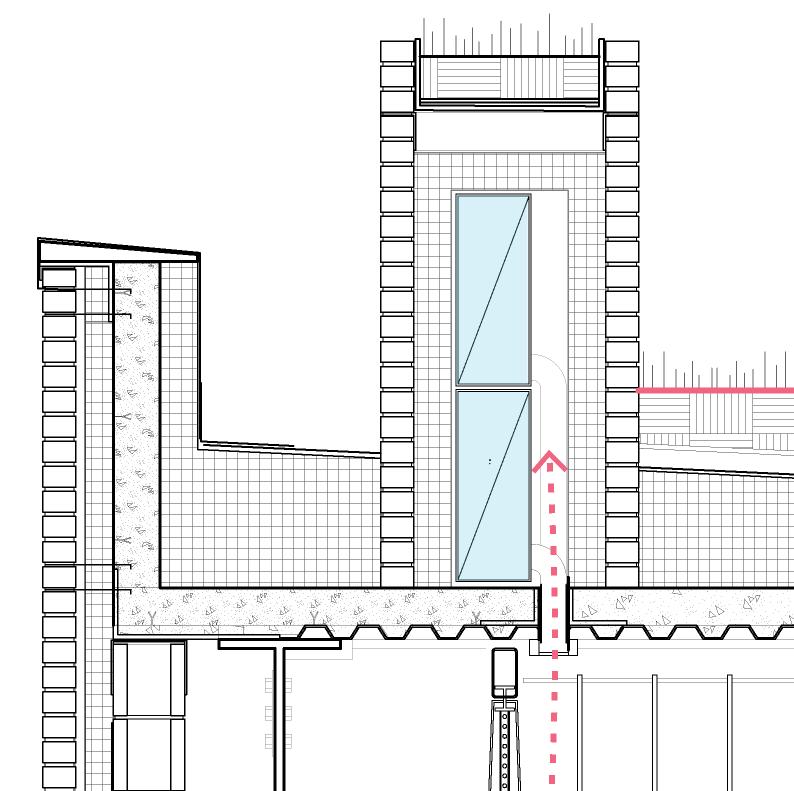
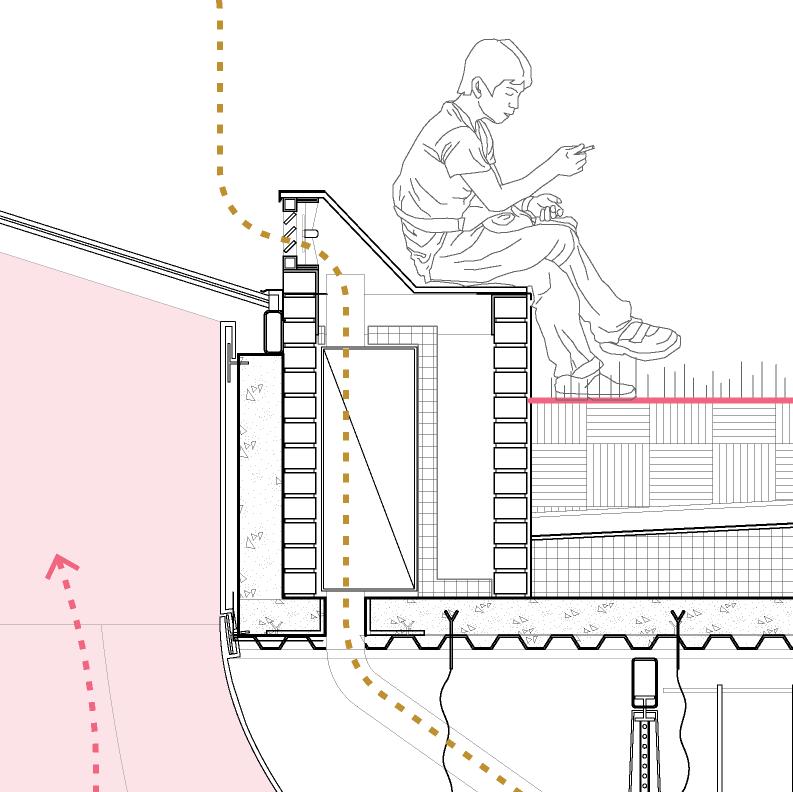
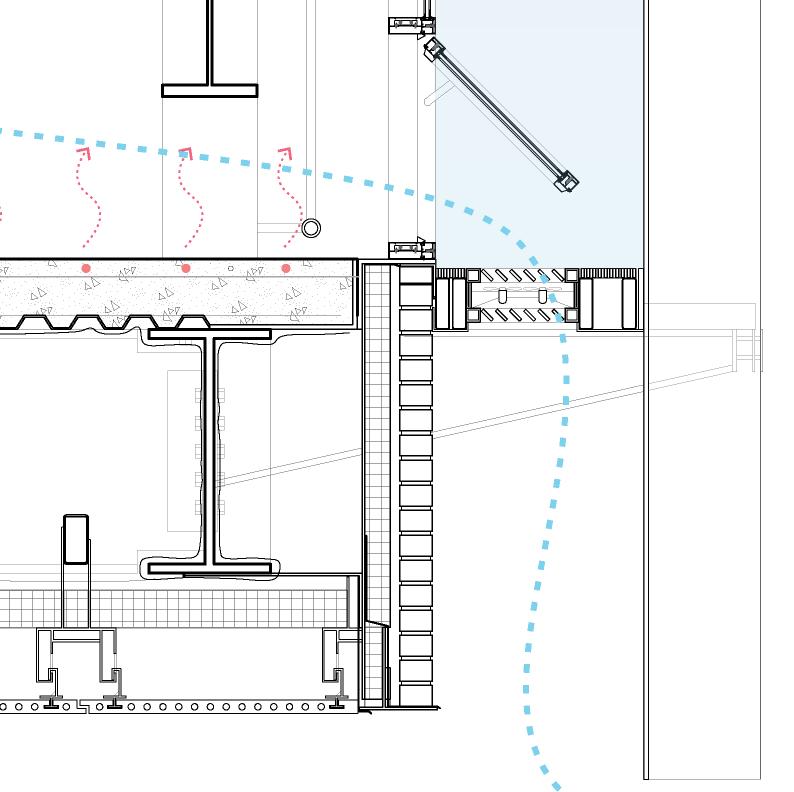
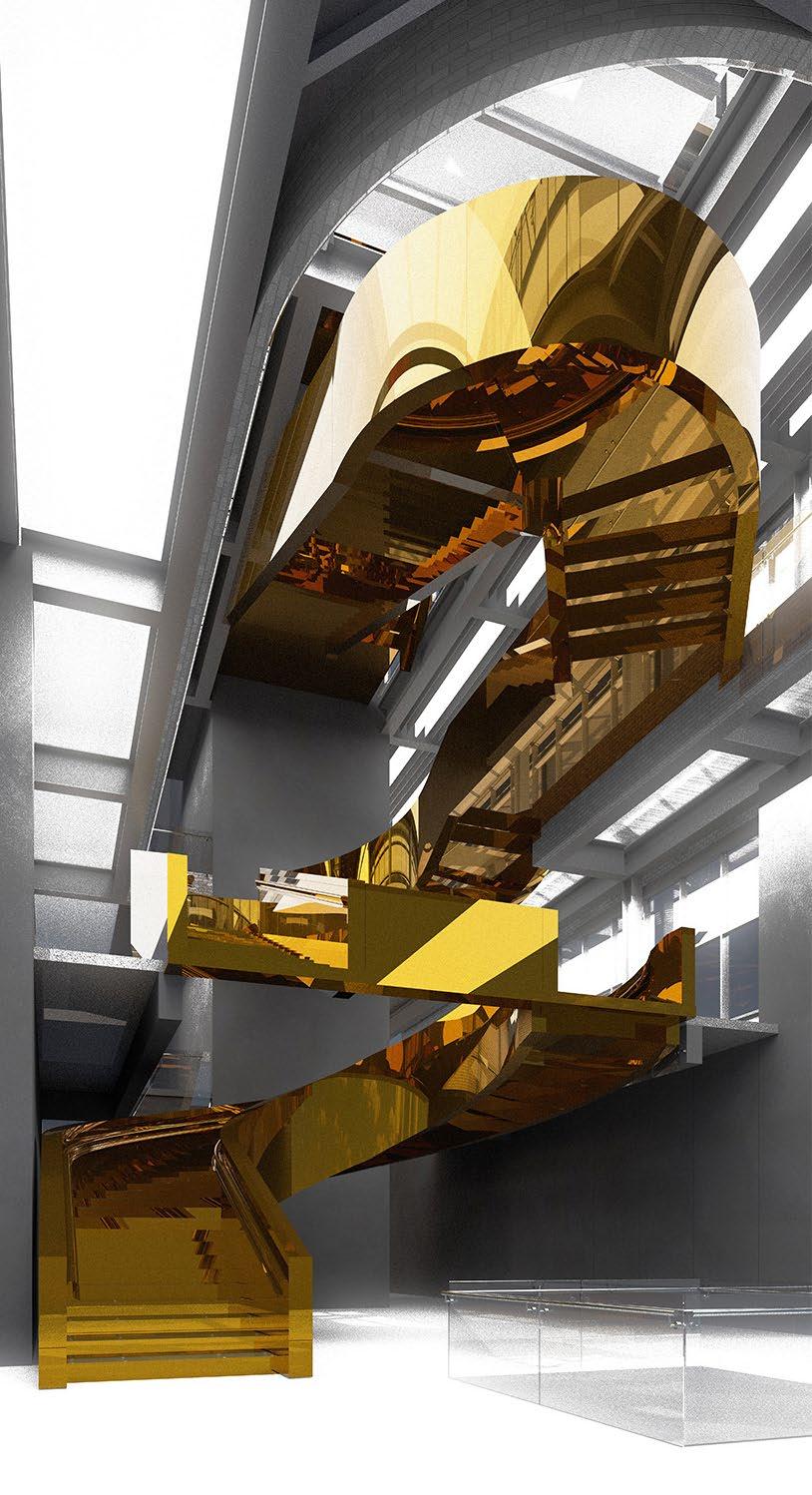
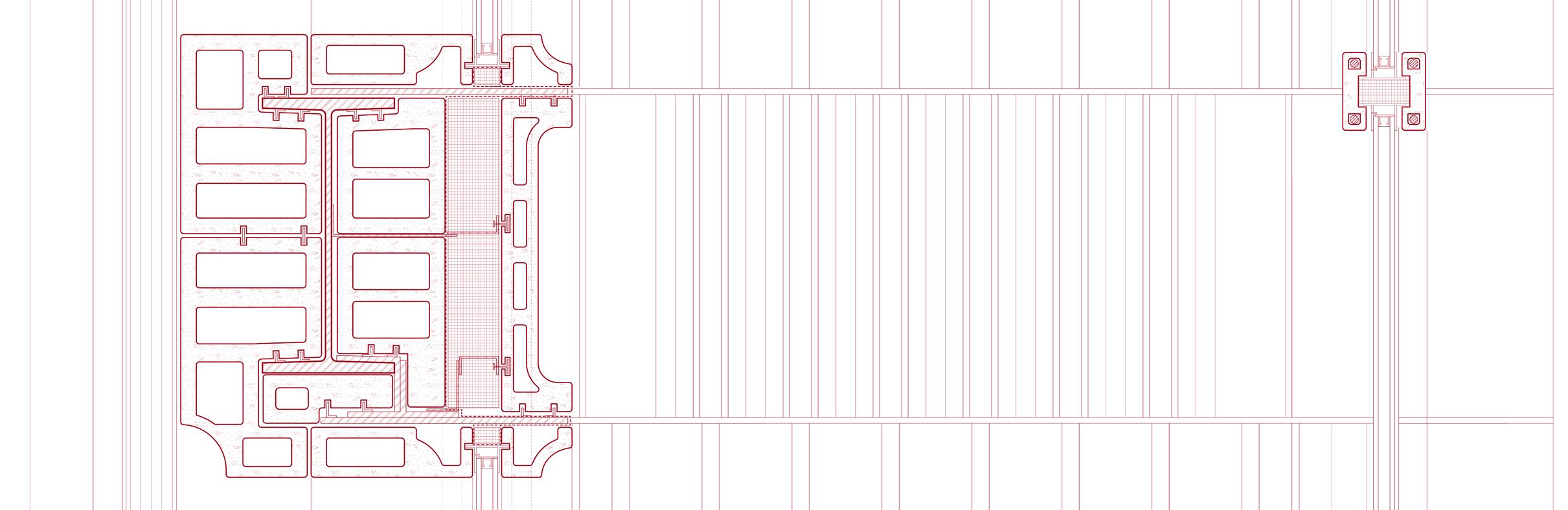
The Crossing, where the Wall catches the Bar, is the project’s location of greatest tectonic complexity, as the ceramic curtain wall system negotiates with the steel and glass truss volume.
Circulation of materials, resources, finished pieces, and human occupants intersect here, giving rise to a monumental stair that provides public access to all stories from the below-grade parking entry.

Public Circulation

Private Circulation
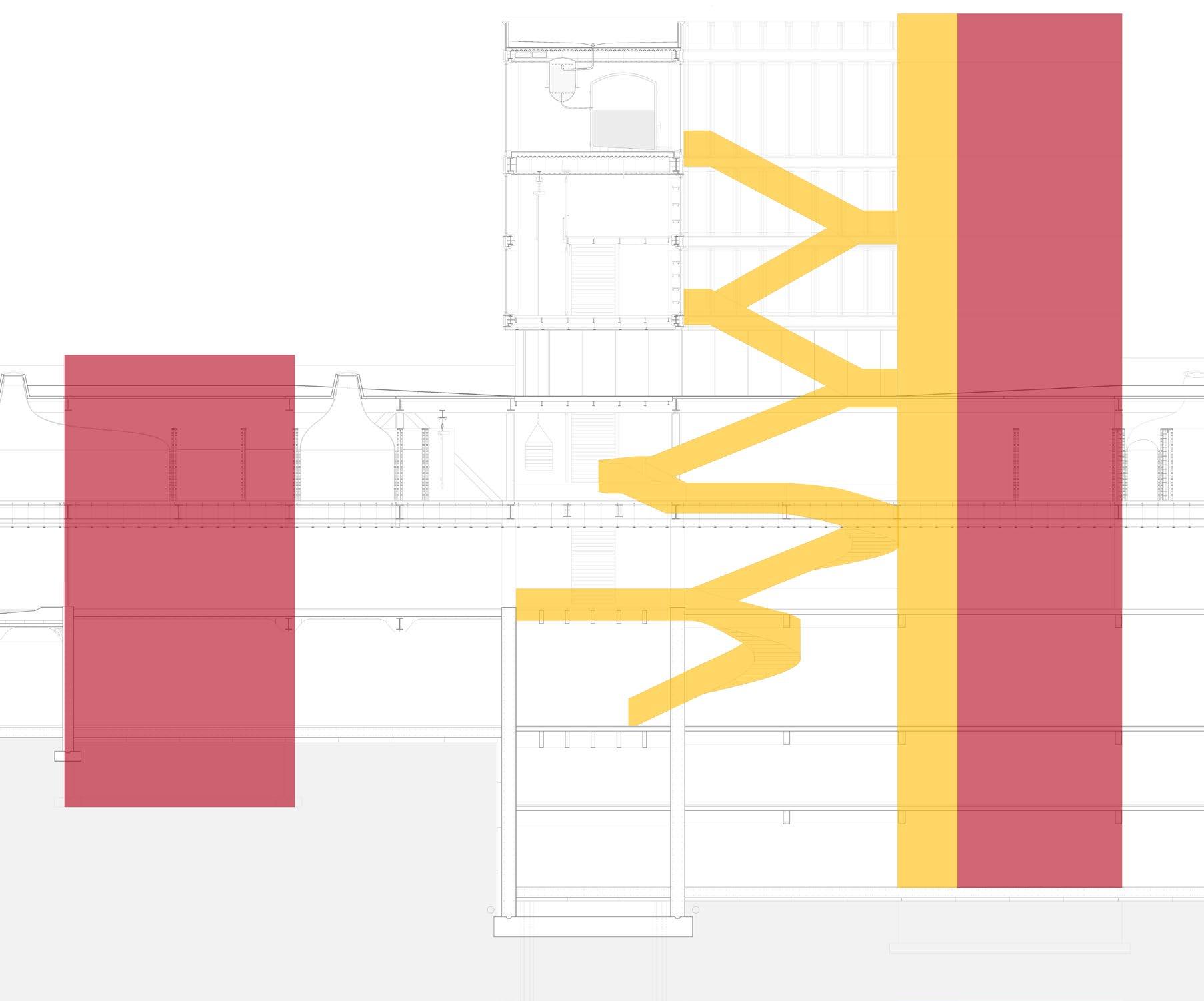
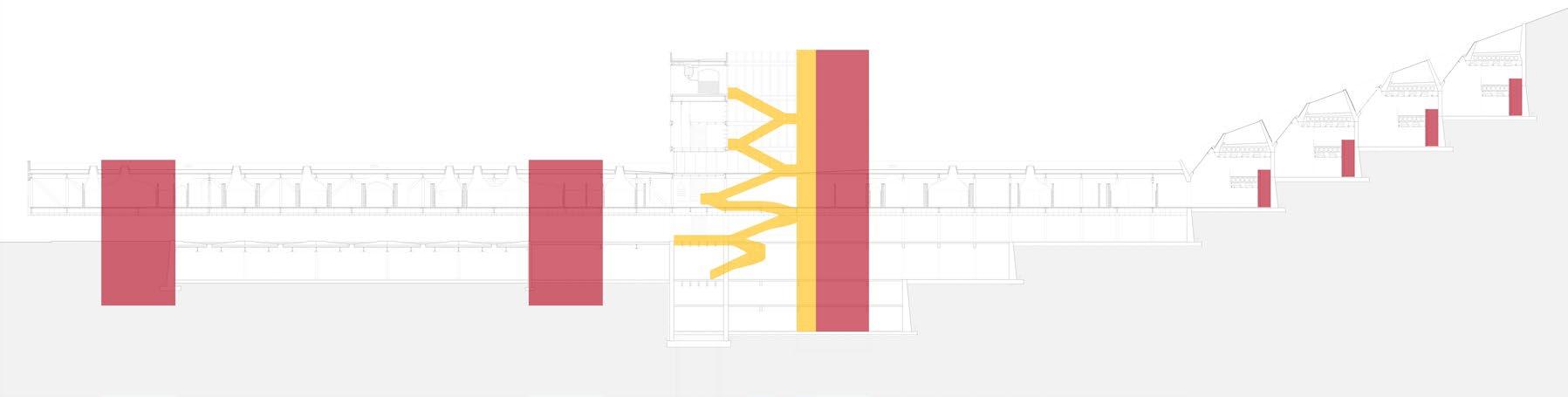
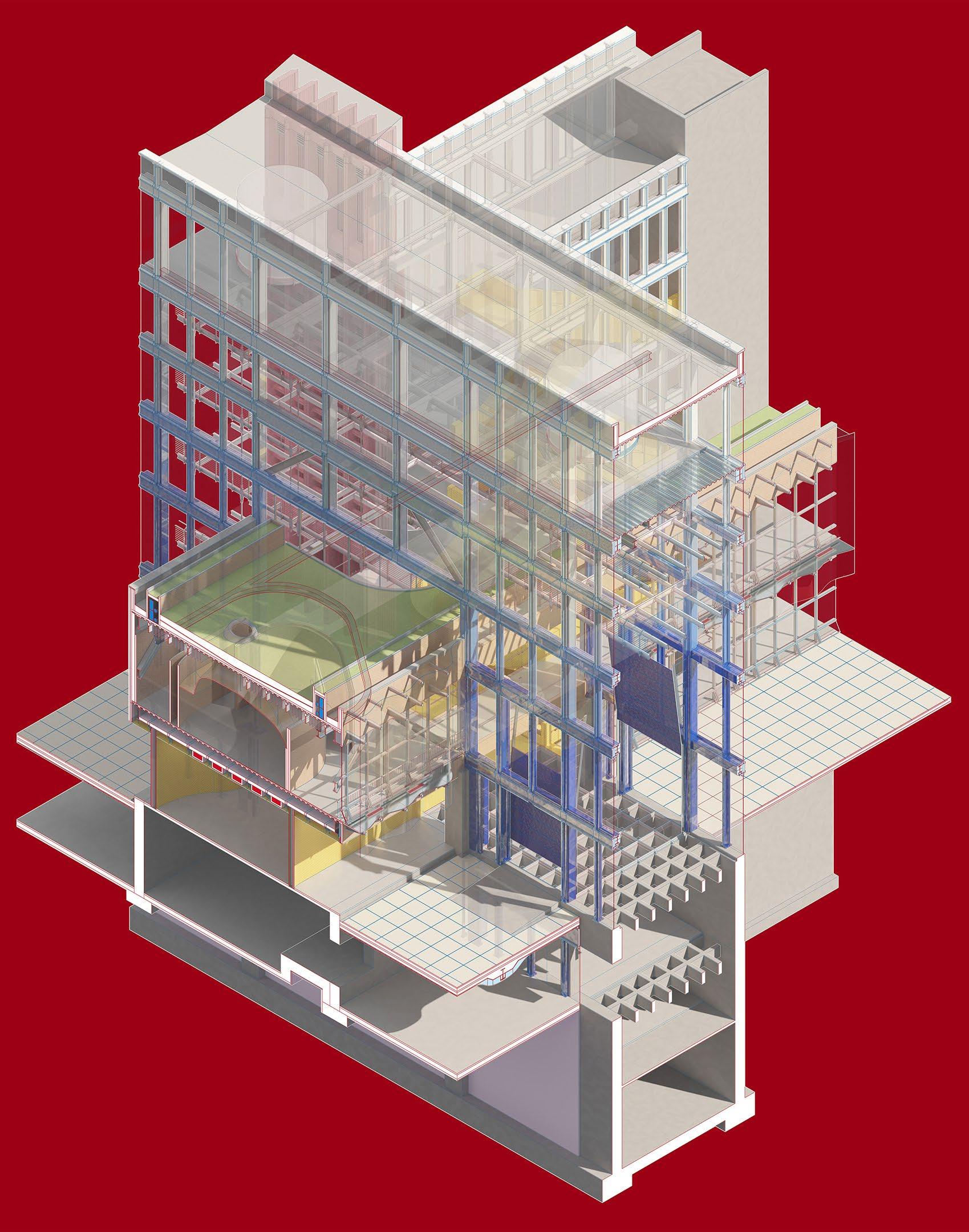
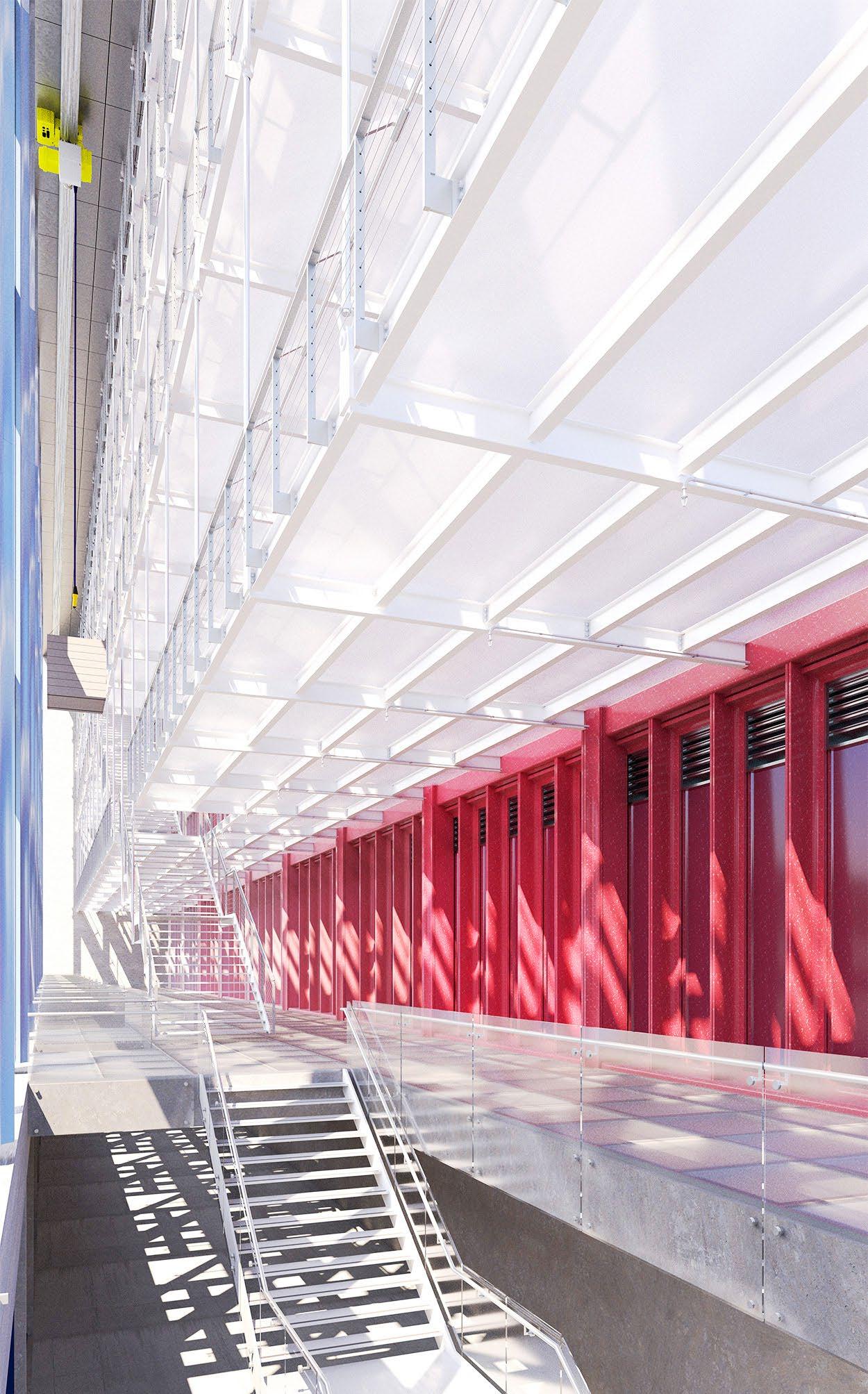
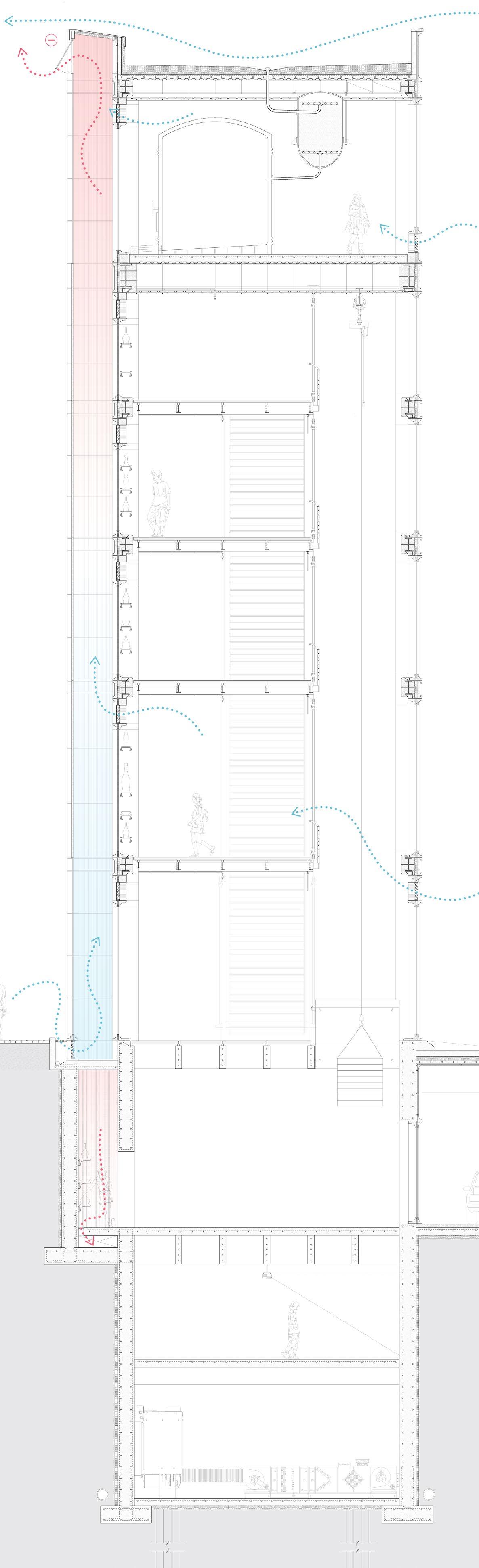
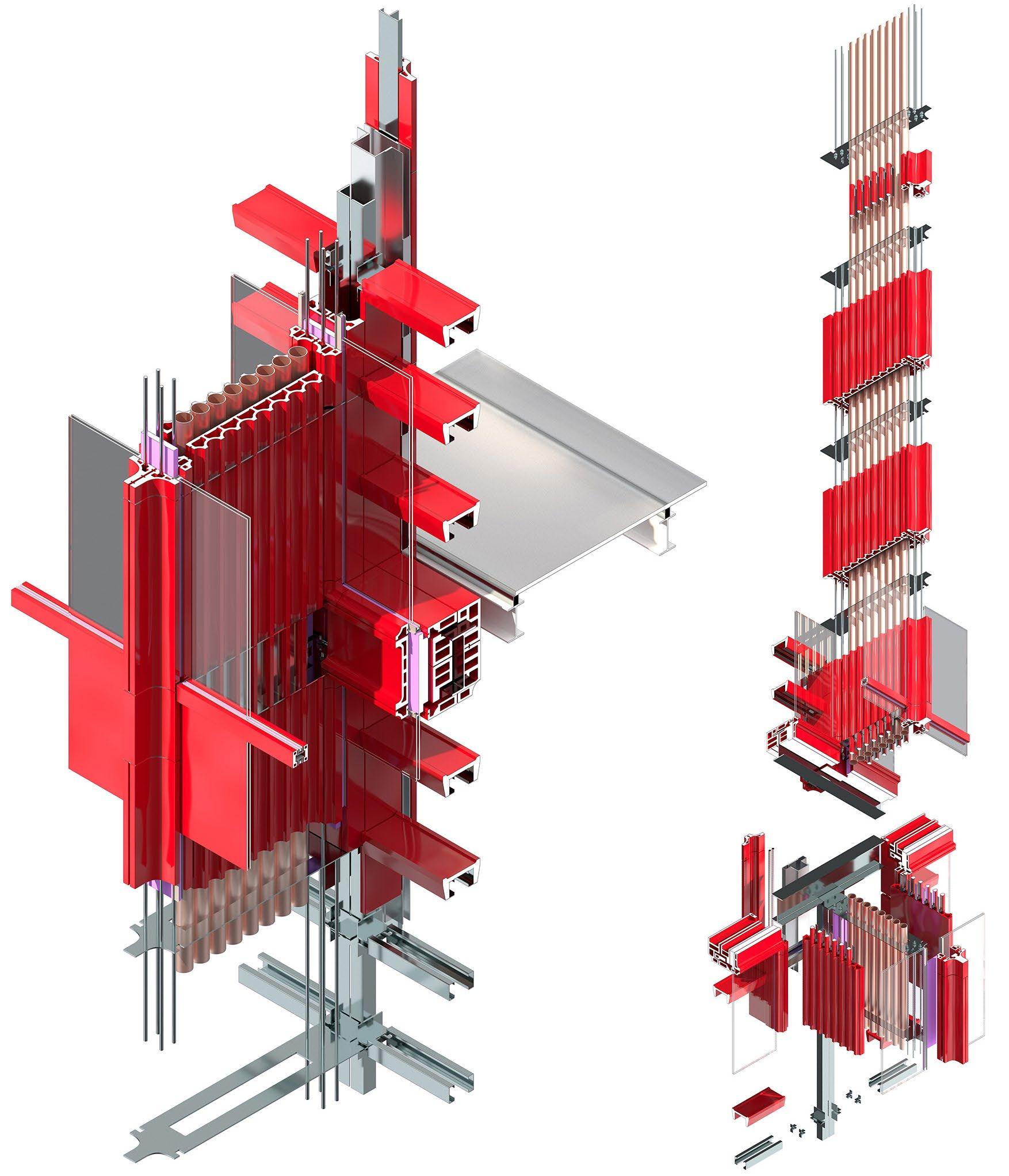
Reaching temperatures of up to 3270°F, heat from the kilns is redirected through the cavity of the Wall’s double-skin facade to induce stack ventilation in the summer and insulation in the winter. Heat is directed through copper pipes clad with terra cotta pieces, utilizing the thermal resistance capacities of both materials.
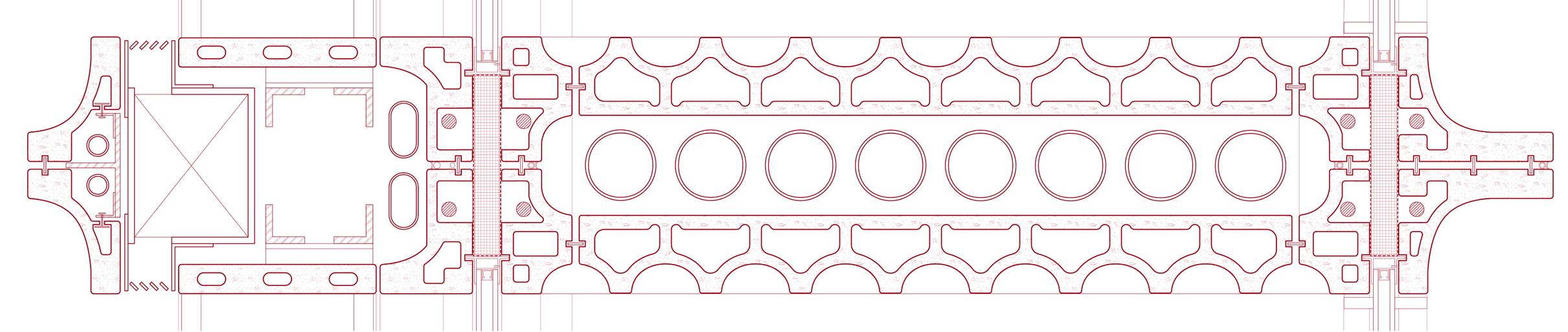
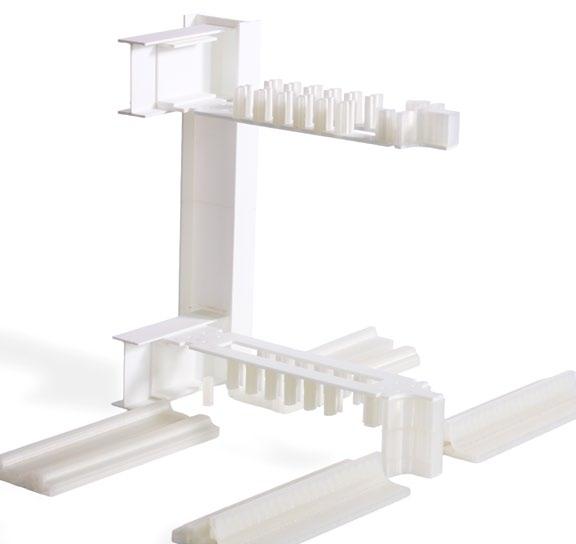
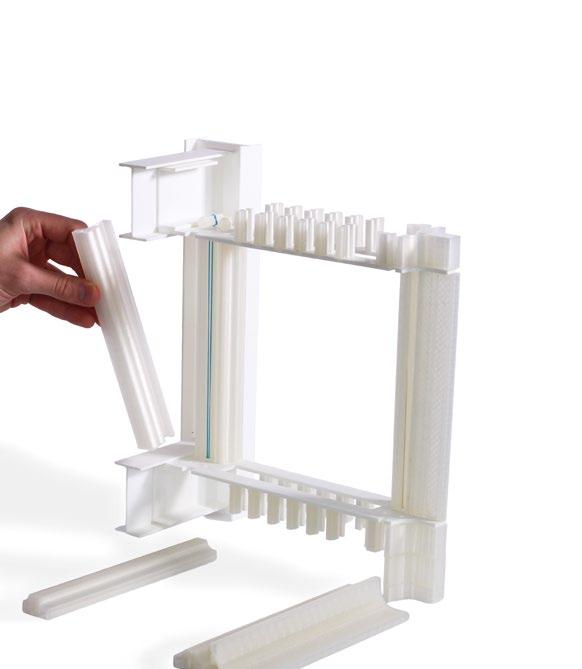
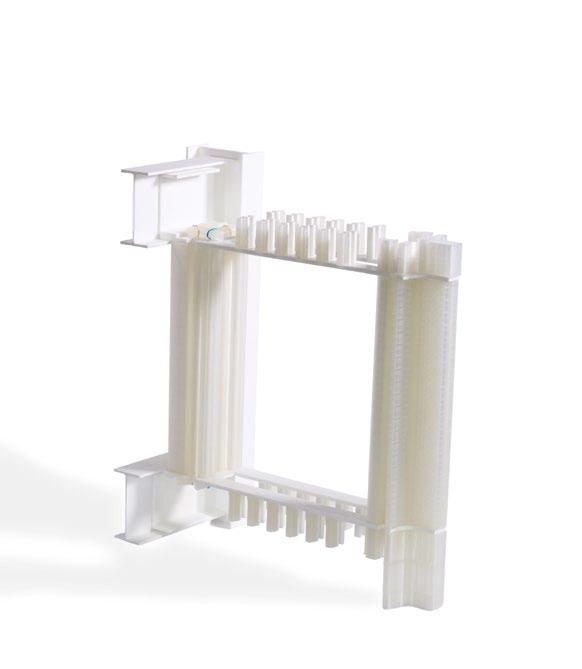
The new facade assembly integrates functions of thermal, structural, and fireproofing performance, in addition to gallery display. Each mullion doubles as a mechanical chase for ductwork. Tension rods and insulation between each ceramic member ensure structural integrity and thermal continuity at the building’s envelope.
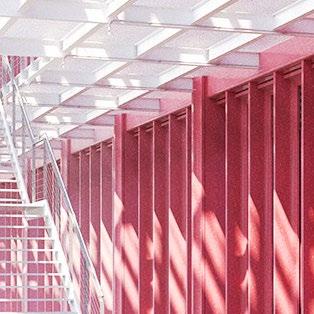
Serving as a primary interior finish, the ceramic members offer a saturated and texturally rich environment.
MICRO-MODEL FOR SELF-SUFFICIENCY
Single-Person Microhome
SITE
for Various Site Applications
ADVISOR
COLLABORATORS
PROJECT DATE
PRODUCTION SETTING
Buildner Microhome Competition with MATR Lab Faculty Research Team
PRODUCTION TOOLS
Grasshopper, Lumion, V-Ray, Rhino 7, Adobe Illustrator, Adobe Photoshop
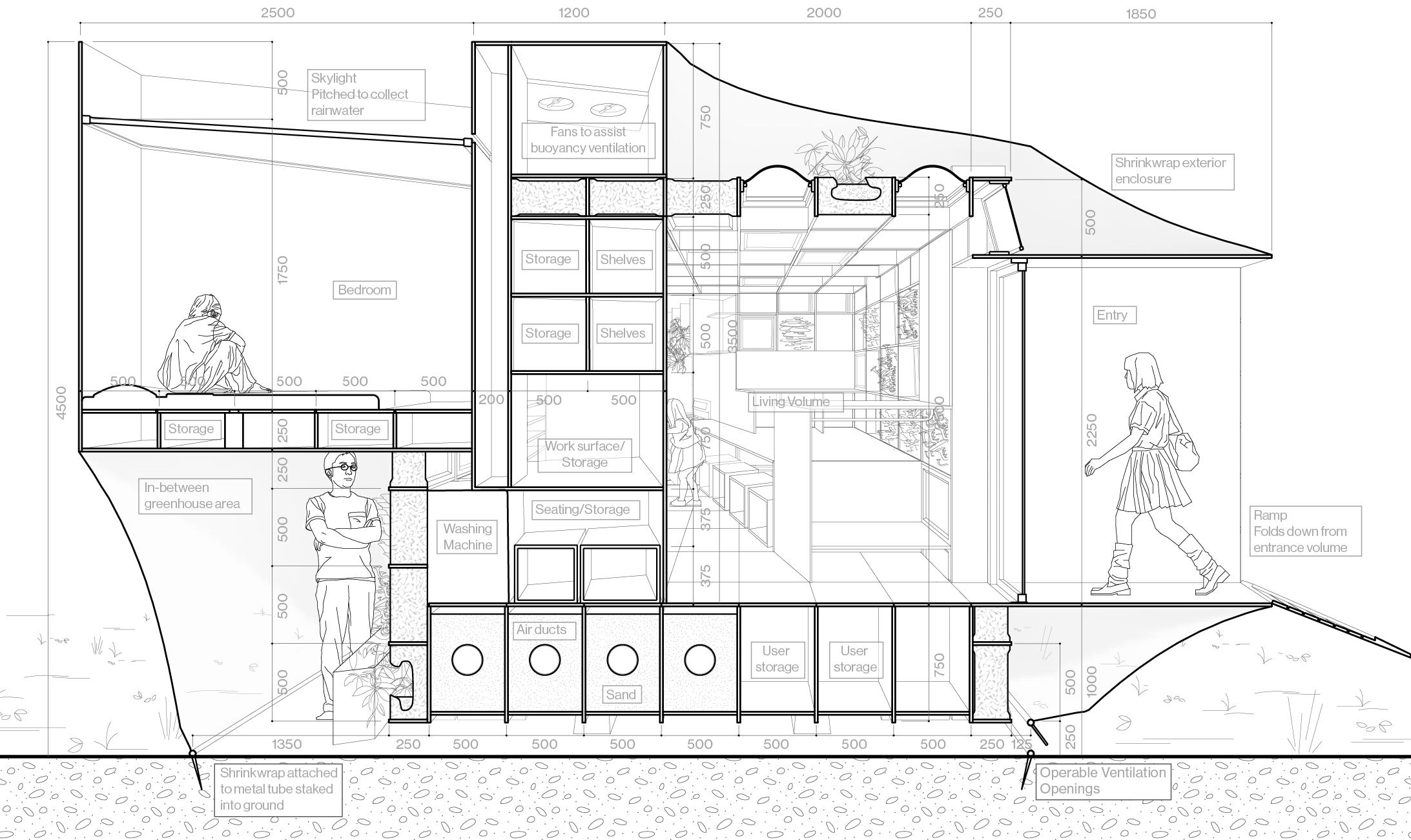
Life-Frame is designed as a sustainable microhome that suits the daily living functions and sustenance requirements of a single resident. Equipped with heat storage, rainwater collection, and composting facilities, Life-Frame presents itself as a model for off-grid living that can be applied to a variety of sites.
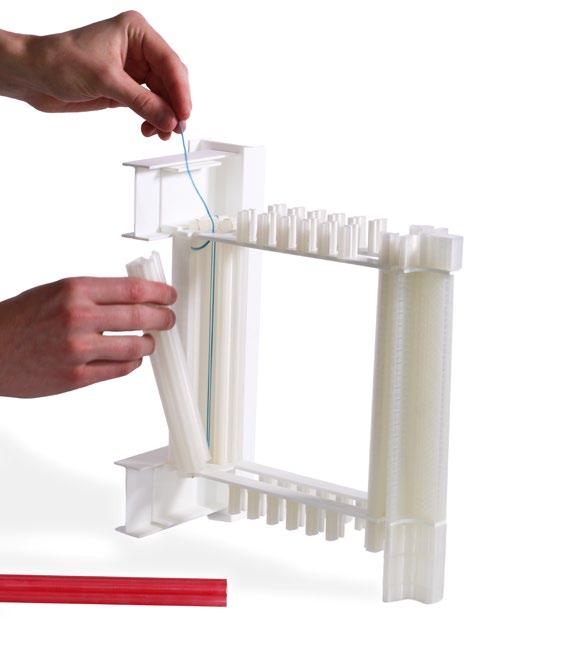
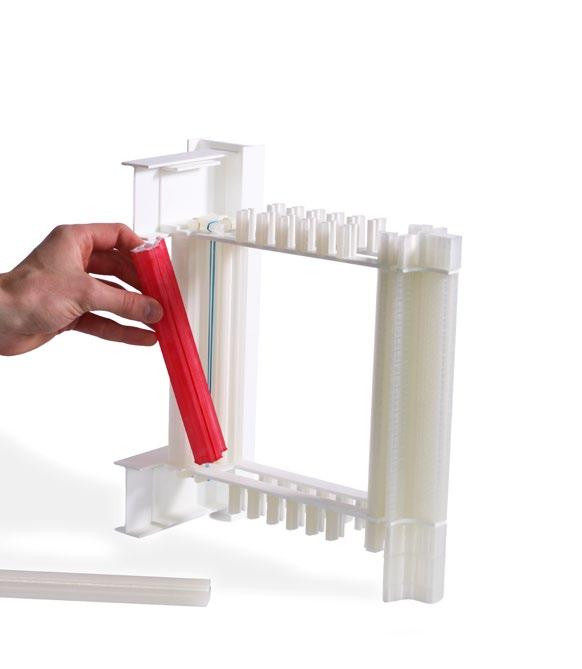
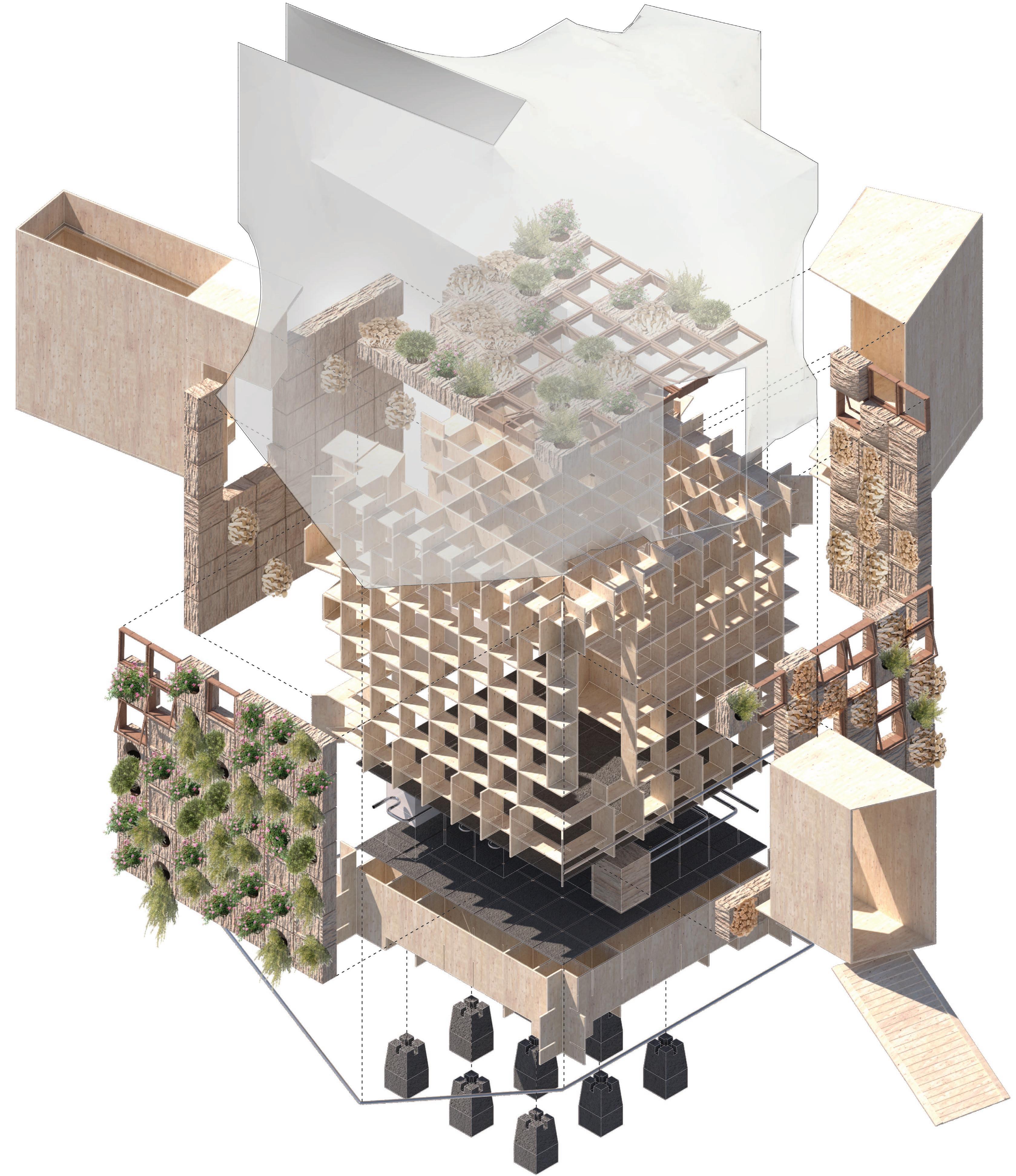
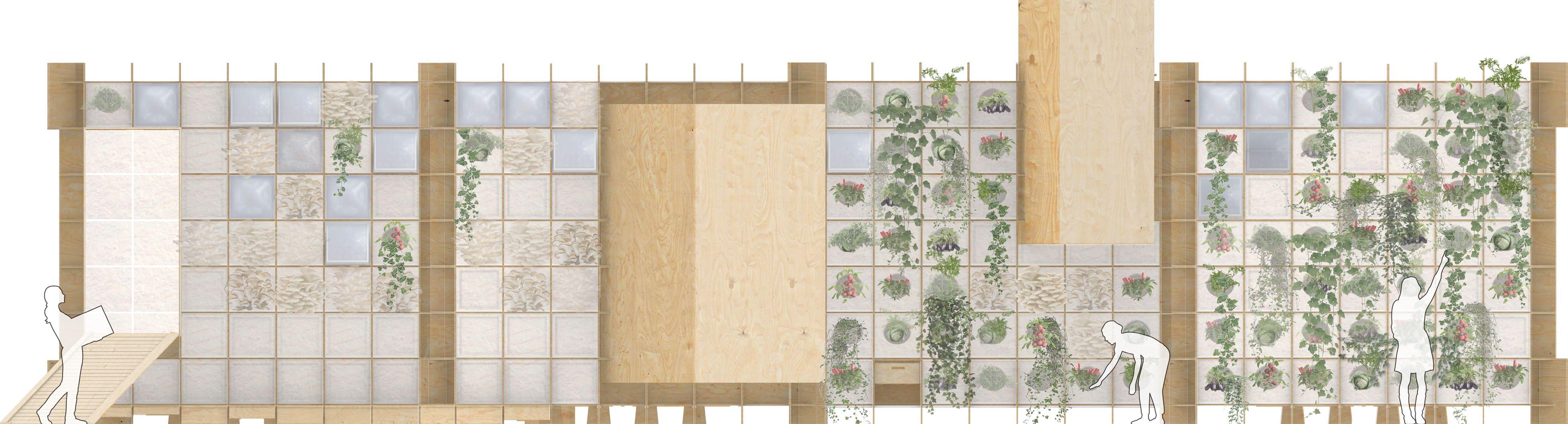
The microhome’s construction is composed of a CNC-milled construction plywood frame filled in with insulative mycelium blocks and enclosed by plastic shrinkwrap that creates a greenhouse environment. Outside of the frame, the mycelium blocks double as vegetable planters that can be maintained and interchanged based on solar orientation and agricultural season. Assembled in a sliding, eggcrate manner, the plywood waffle structure can be built efficiently and economically
Designed as one step in the team’s broader research into mycelium as a renewable construction material, Life-Frame has been passed off to another production team for scaled prototyping exploring mycelium’s properties when executed at the building scale.
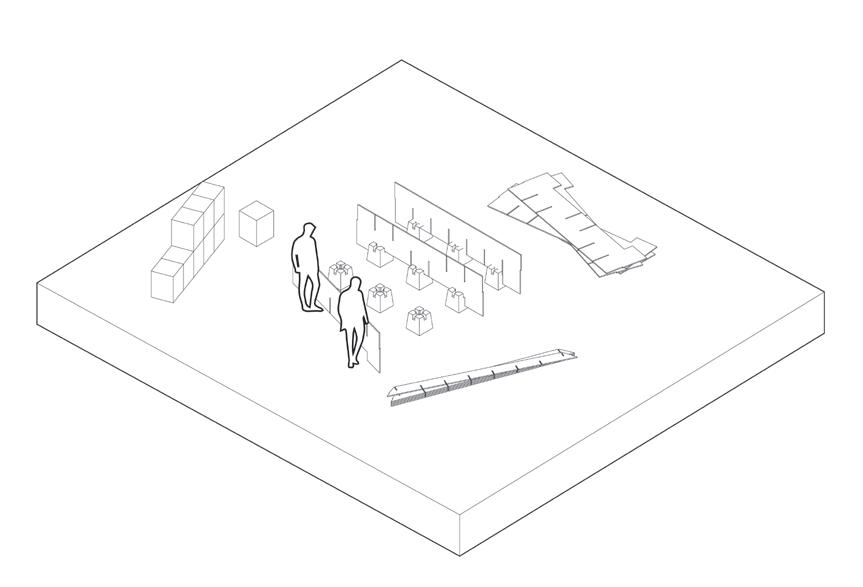
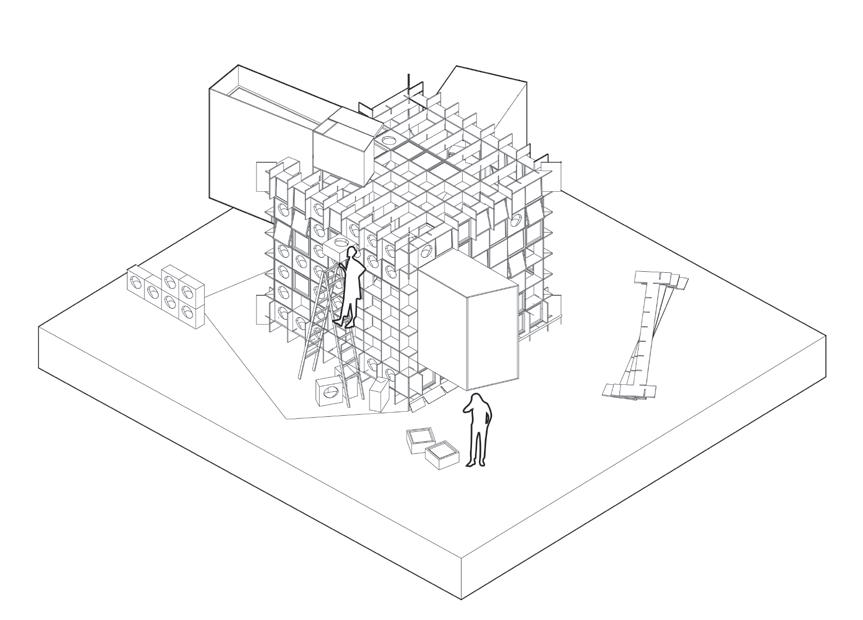
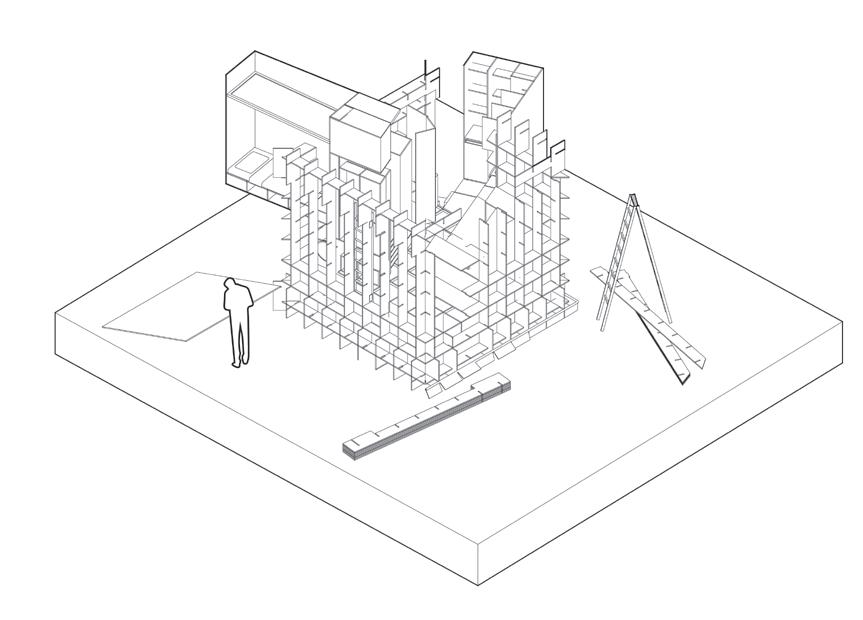
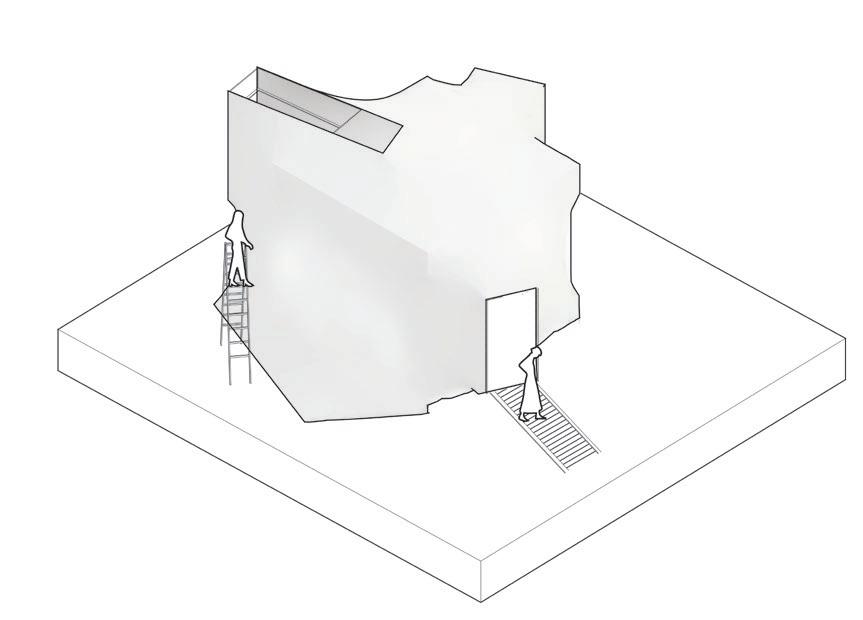
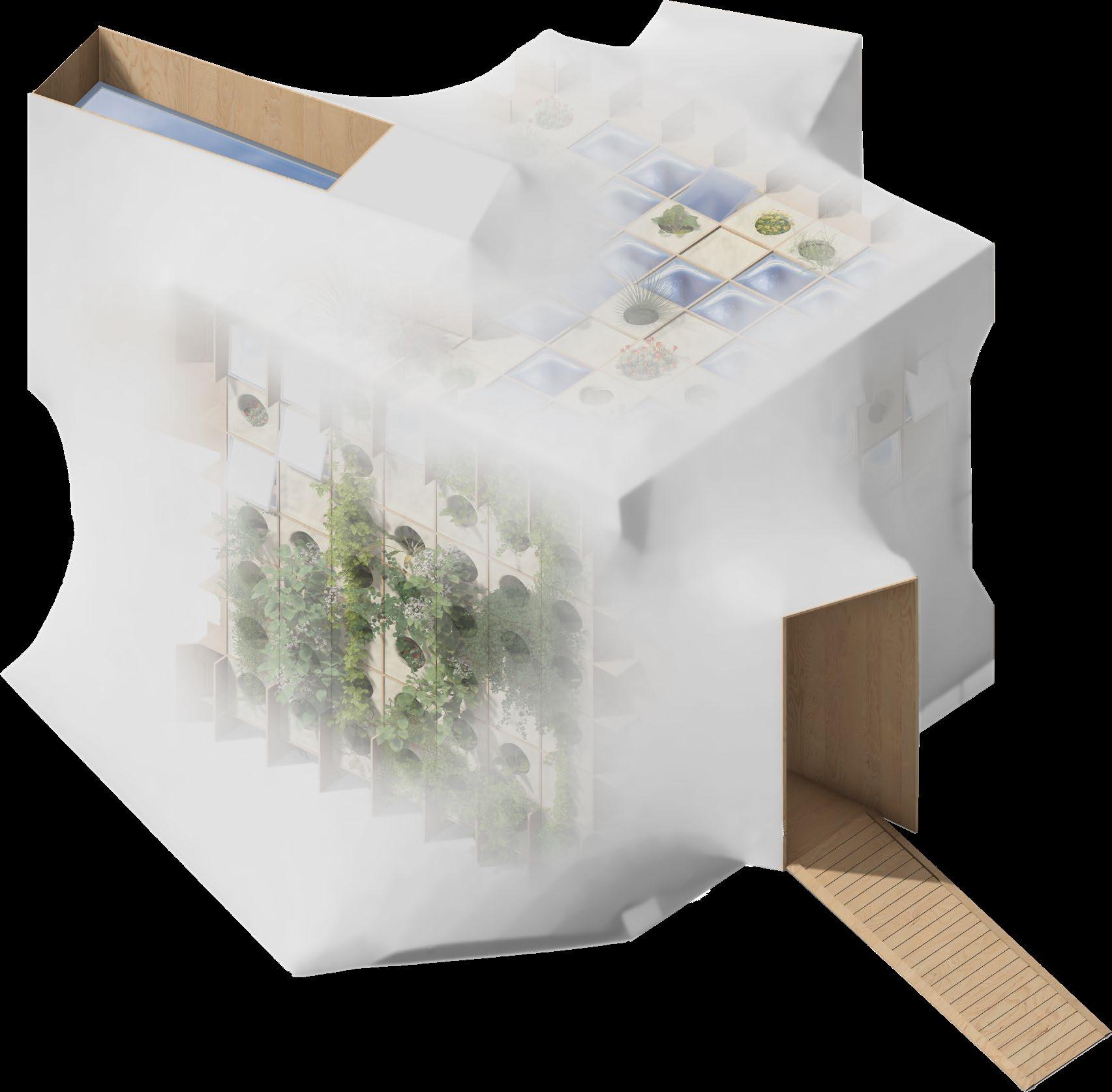
Completed Construction
with V-Ray,
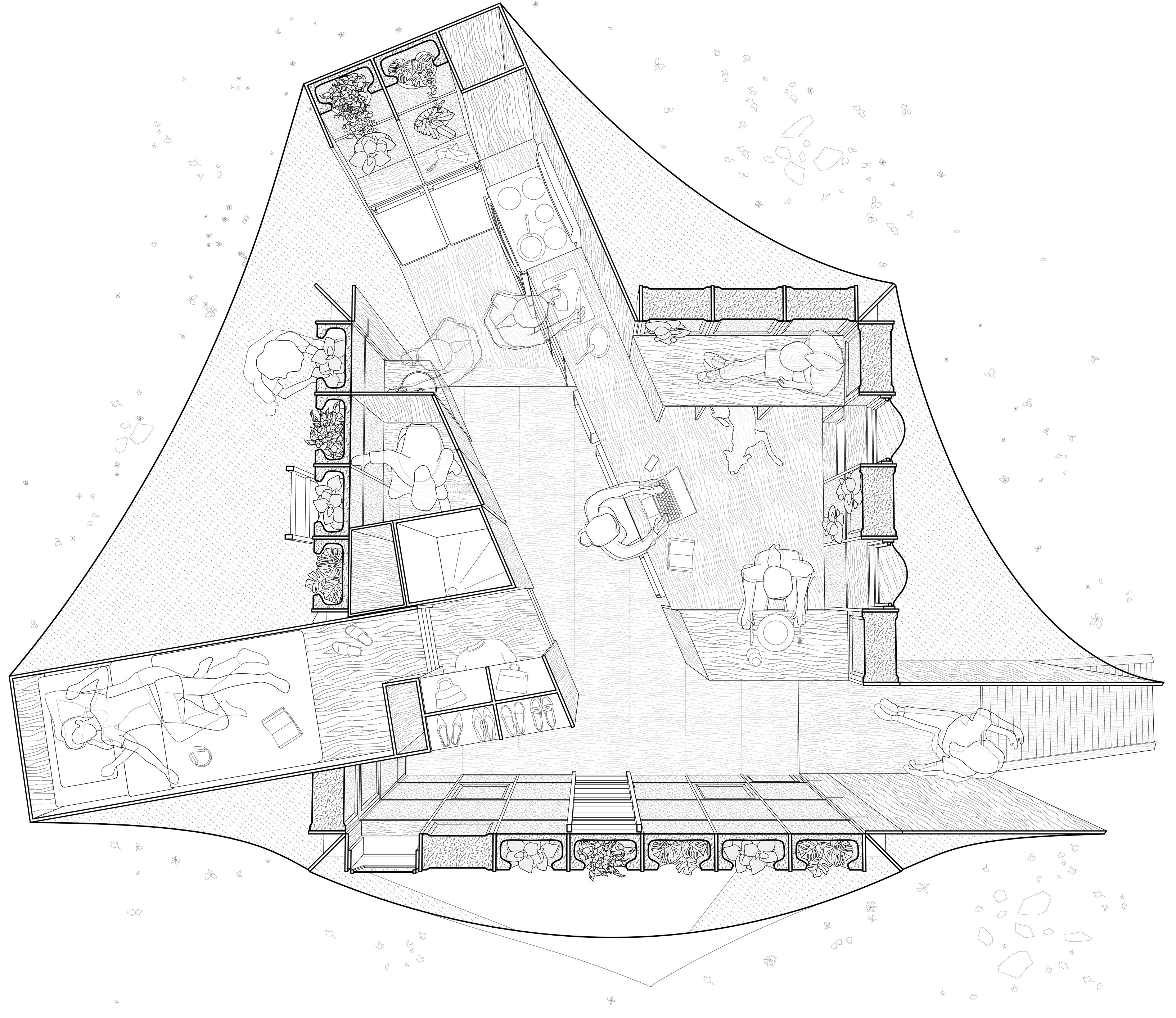
The plan perspective illustrates the single resident’s movements and tasks conducted throughout the day, showing how a small structure can accommodate a large variety of programmatic needs.
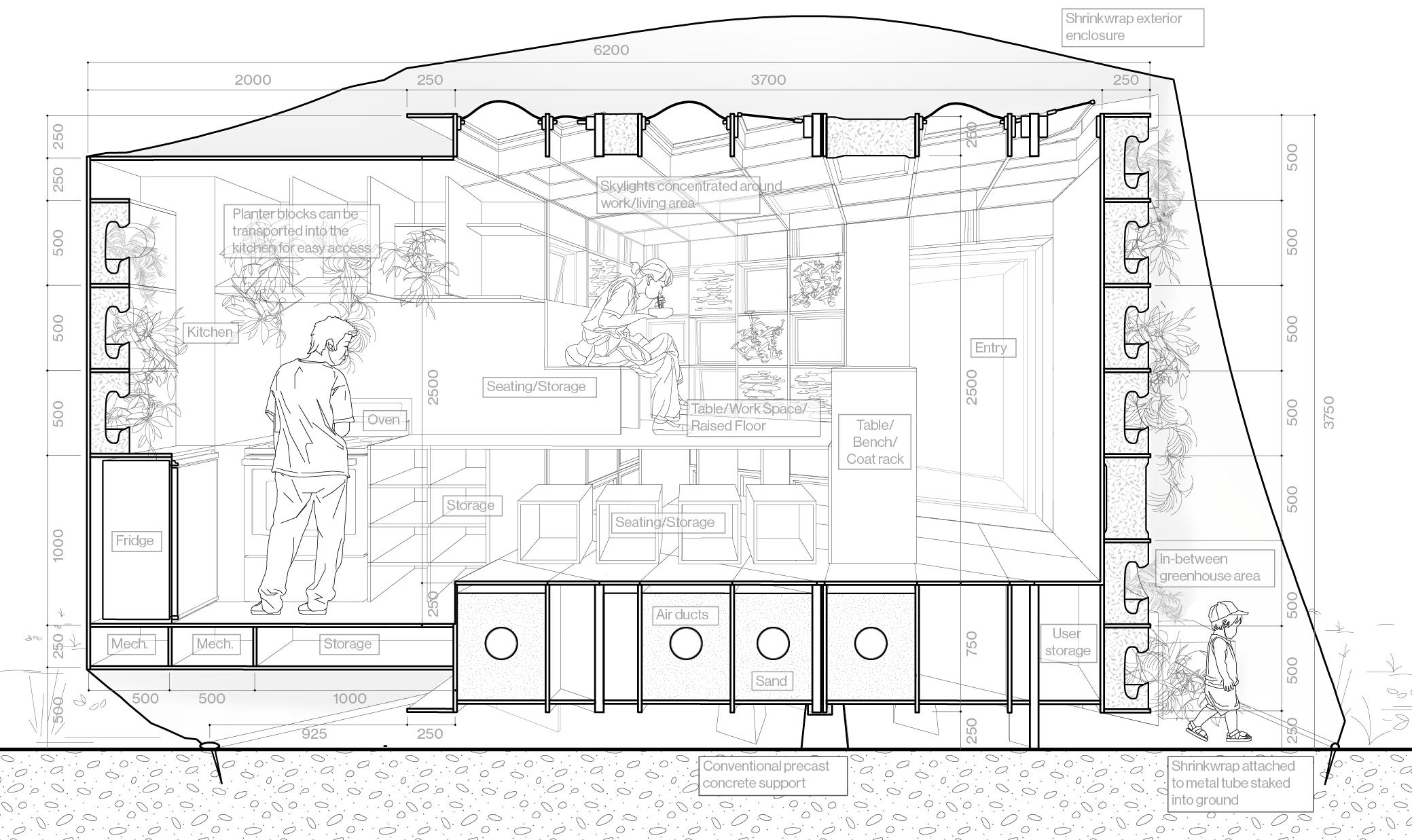
Section perspectives demonstrate the project’s light approach to the existing ground, in which the footprint consists solely of a shrinkwrap attachment pipe and concrete deck blocks.
Collaged with Photoshop, the unrolled elevation conveys the project’s adaptation to solar orientation, showing a transition of insertion block type from glazing and solid mycelium on the north to planter blocks on the south.
PROGRAM
SITE
INSTRUCTOR
COLLABORATOR
PROJECT DATE
PRODUCTION SETTING
PRODUCTION TOOLS
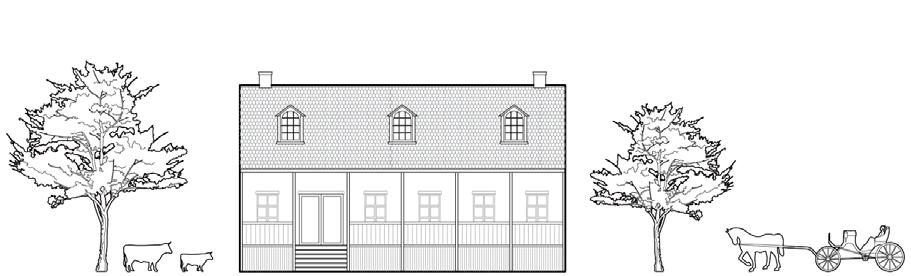
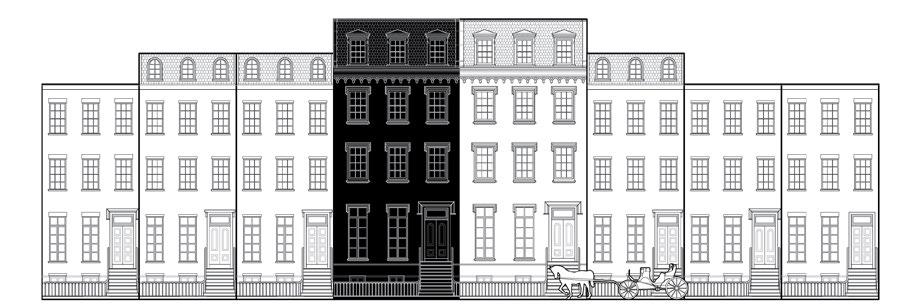
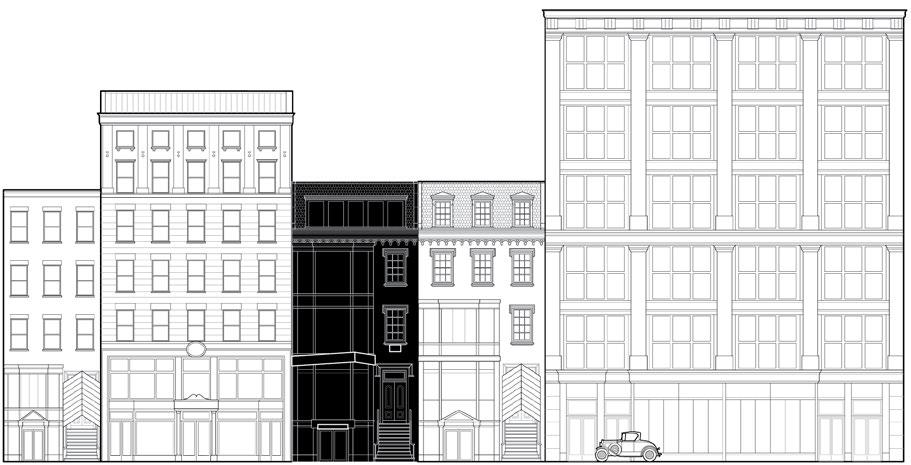
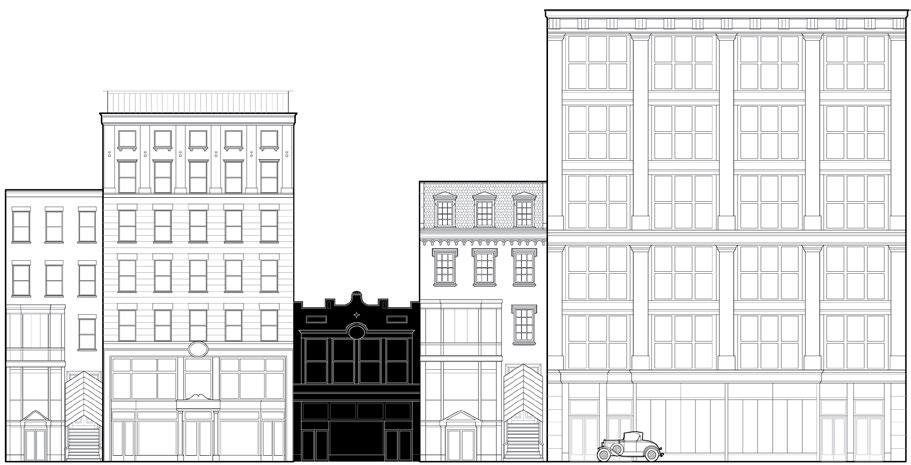
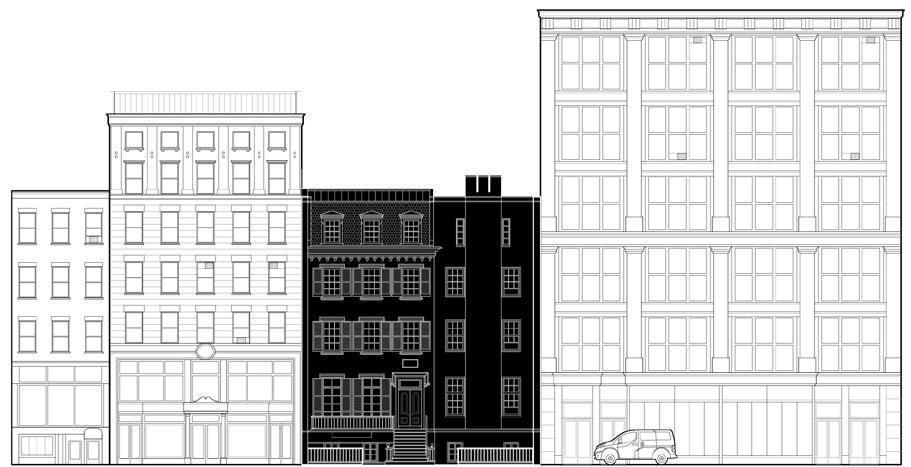
The replica reconstruction of the Theodore Roosevelt Birthplace is documented through a series of elevations, revealing the LPC’s hyper-fixation on maintaining style despite changes in urban context.
Based on a study of the NYC Landmarks Preservation Commission, particularly of its processes and attitudes towards architectural intervention, this project involves an expansion of the highly-contested P.S. 64 into a new headquarters for the LPC.
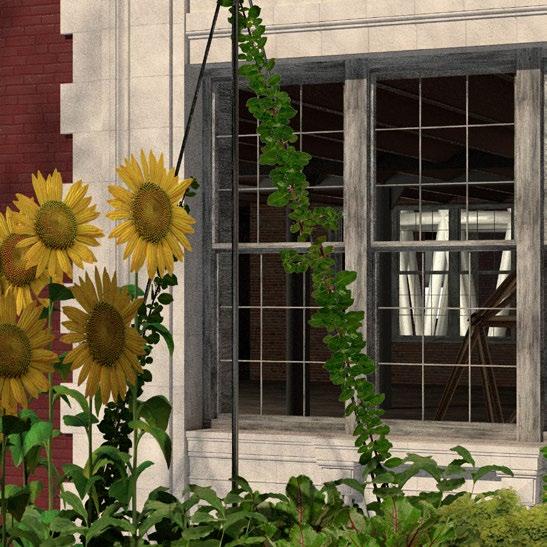
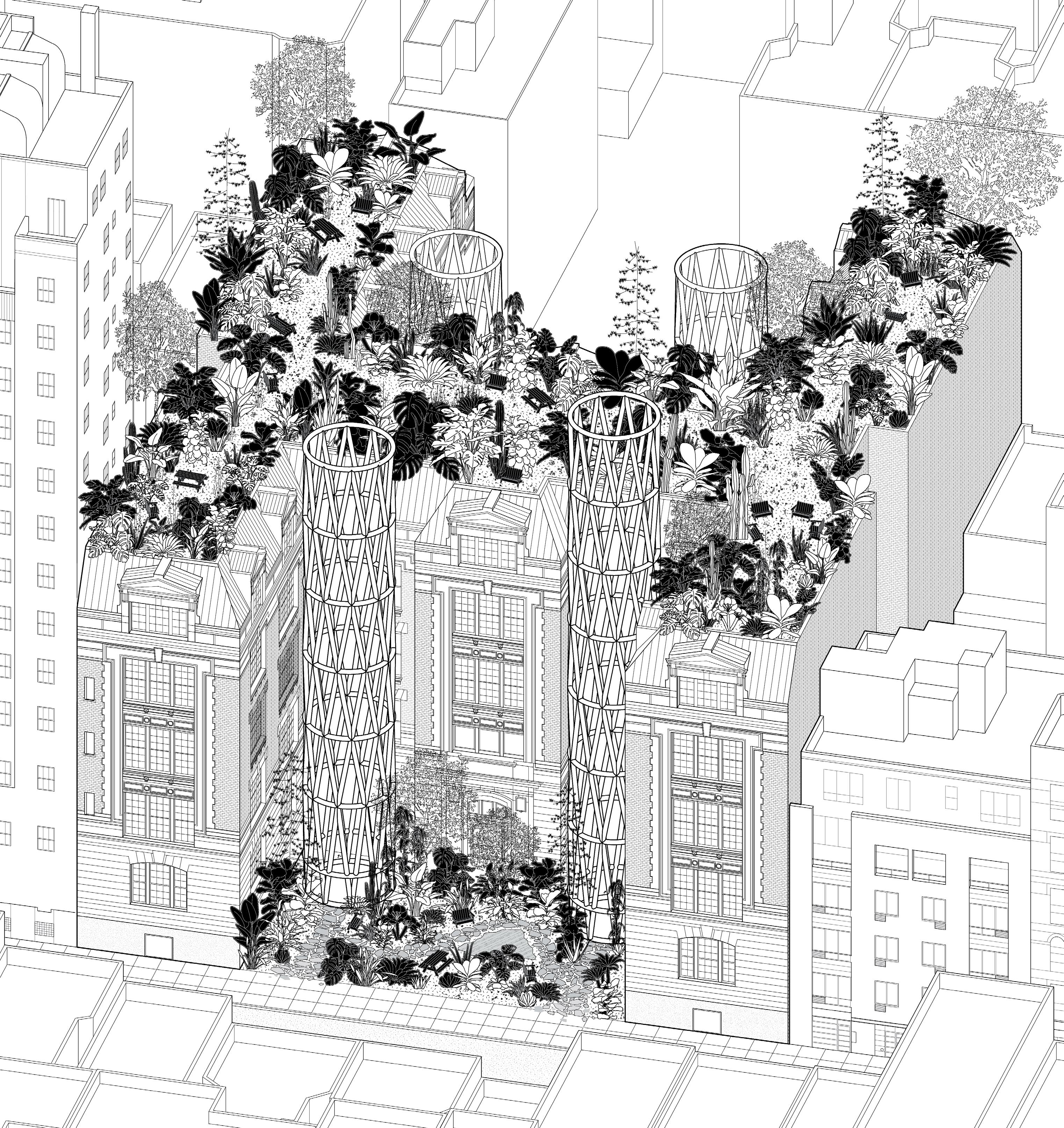
Advocating for greater participation within the landmarking process, as well as more productive use of historic structures, the project turns to Charas, the Nuyorican community organization that inhabited P.S. 64 prior to eviction, and its grassroots practices of neighborhood gardening for its intervention approach upon the early 20thcentury school building. Adaptive Re-Growth lends architectural addition to community use, hovering a functional structure over the pre-existing institution, both respecting the habitable function of historic fabric and providing novel opportunities for dialogue between government and the public regarding the treatment of landmarked architecture.
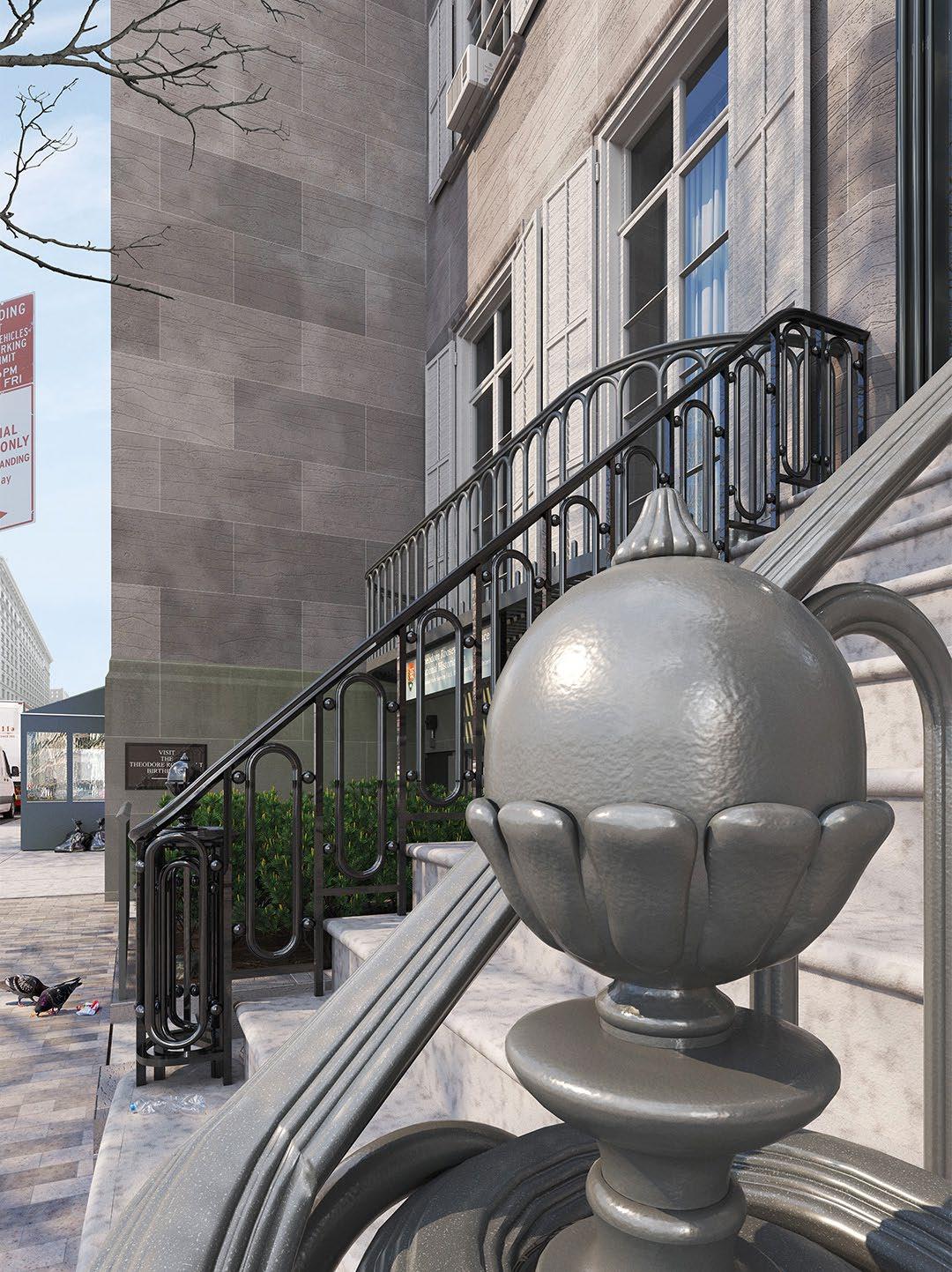
Eventually, the LPC’s desire to maintain a protected historic atmosphere is compromised, as growing commercial activity in the Flatiron District leaves physical traces across the site, shown through this V-Ray render. Although the brownstone’s current function as a museum is meaningful, Adaptive ReGrowth advocates for a more productive use of historic fabric that embraces rather than resists inevitable changes in its surroundings.
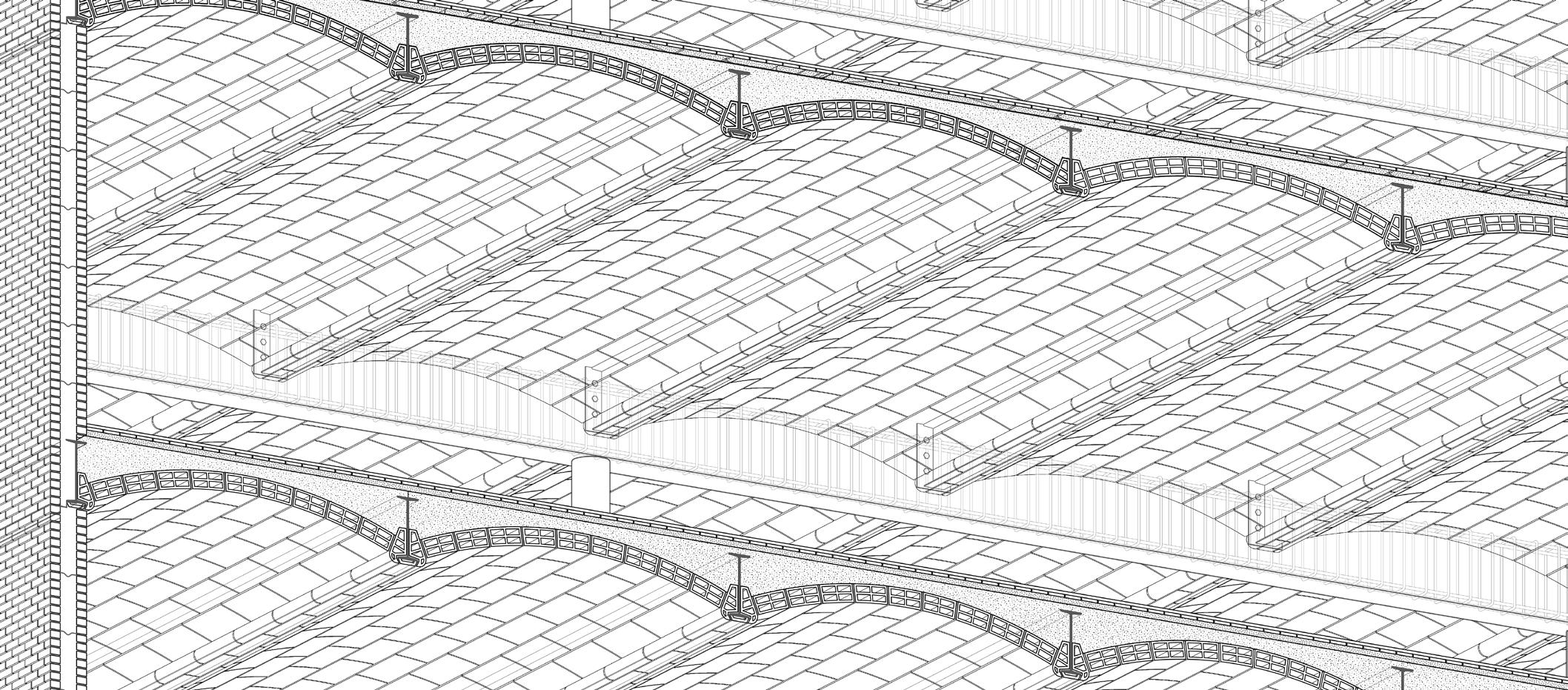
The school’s existing construction is characterized by a terra cotta segmented floor arch system supported by steel and concrete, as depicted in this cutaway worm’s eye axonometric drawing.
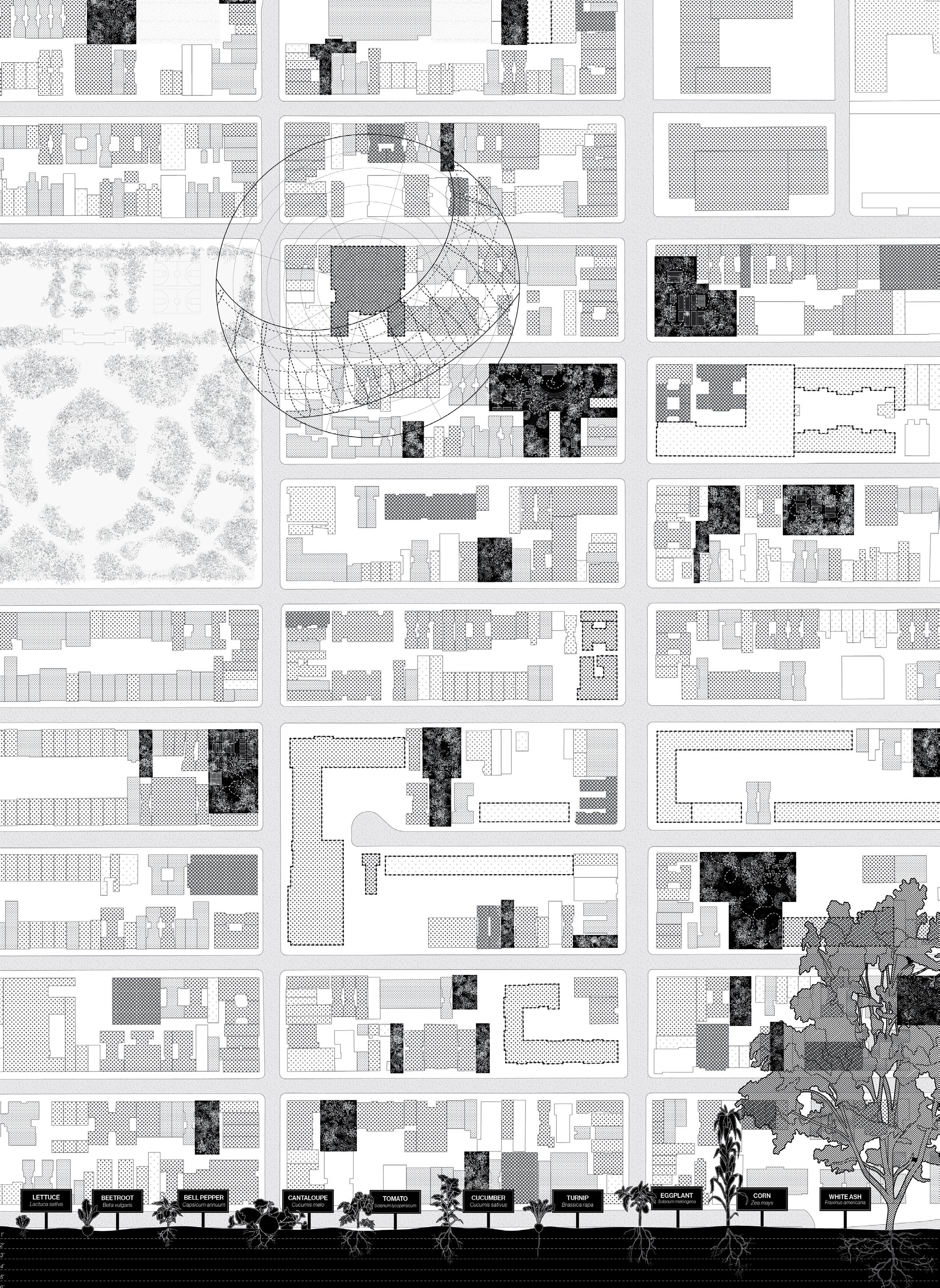
In addition to a section displaying typical root depths of common plants, the site map depicts surrounding community gardens, the site’s current high energy consumption in relation to surrounding buildings, as well as the potential for solar energy given the school’s southern orientation. This analysis informed both the design of garden pods in terms of soil depth and sizing, as well as the decision to incorporate rooftop photovoltaic panels.
Source: Quadracci Sustainable Engineering Lab at Columbia University
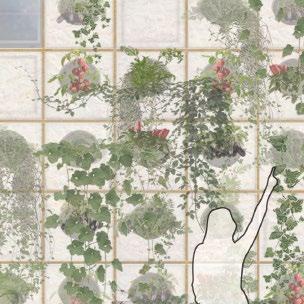
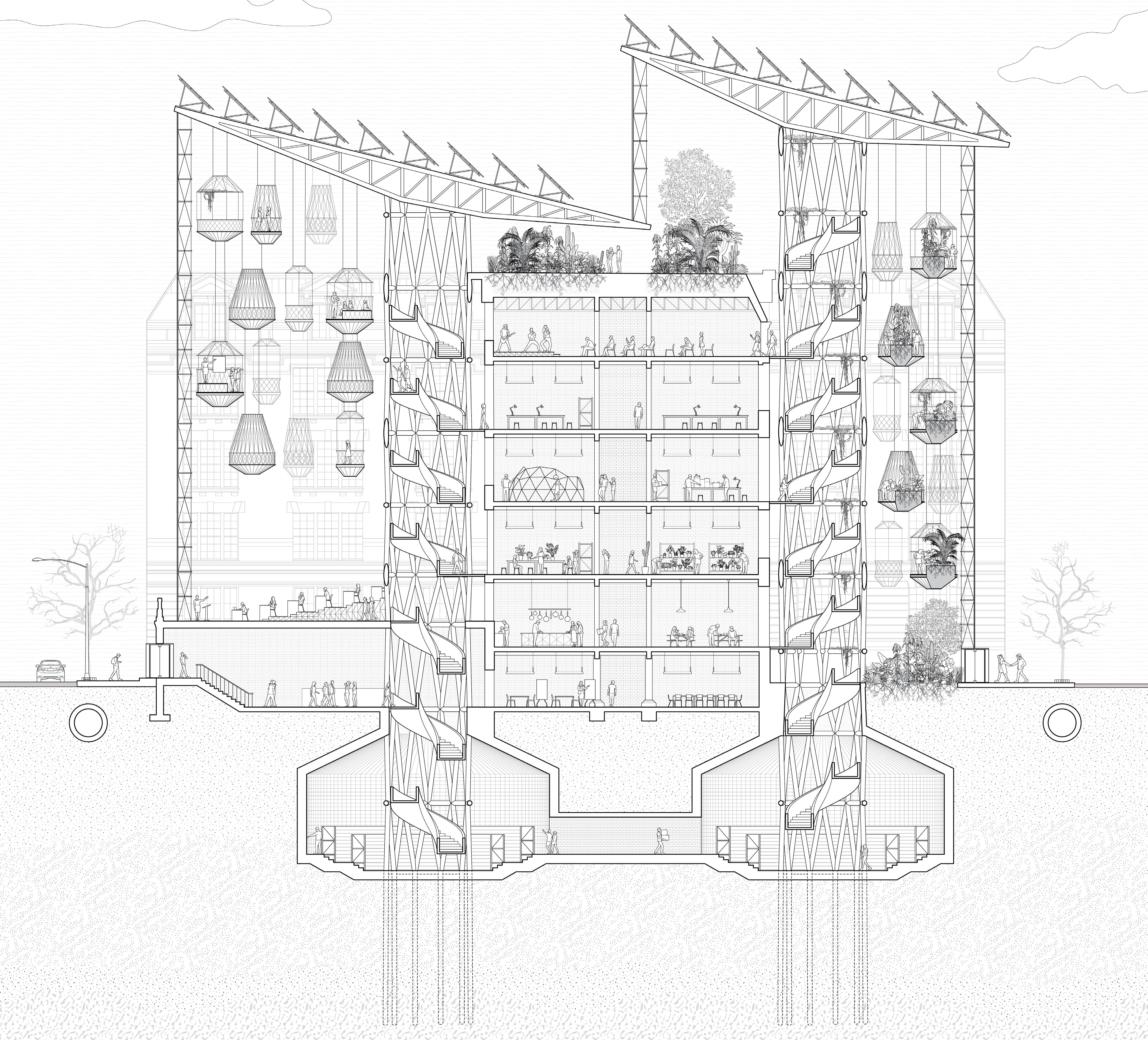
Supported by steel lattice columns that house vertical circulation, the addition is defined by a tapering roof system from which cablewoven garden pods are suspended. Below grade, these columns open up to seed banks, which contribute to the preservation of the neighborhood’s cultural heritage.
The existing fabric is largely left intact, housing workshop and performance spaces dedicated to activities promoted by Charas. The addition transforms former courtyards into winterized atria that feature pods designed for gardening and small gatherings.
PROGRAM
Affordable Multi-Family Residential High-Rise
SITE
Queens, NY
SUPERVISORS
COLLABORATORS
PROJECT DATE
Summer 2024
PRODUCTION SETTING
PRODUCTION TOOLS
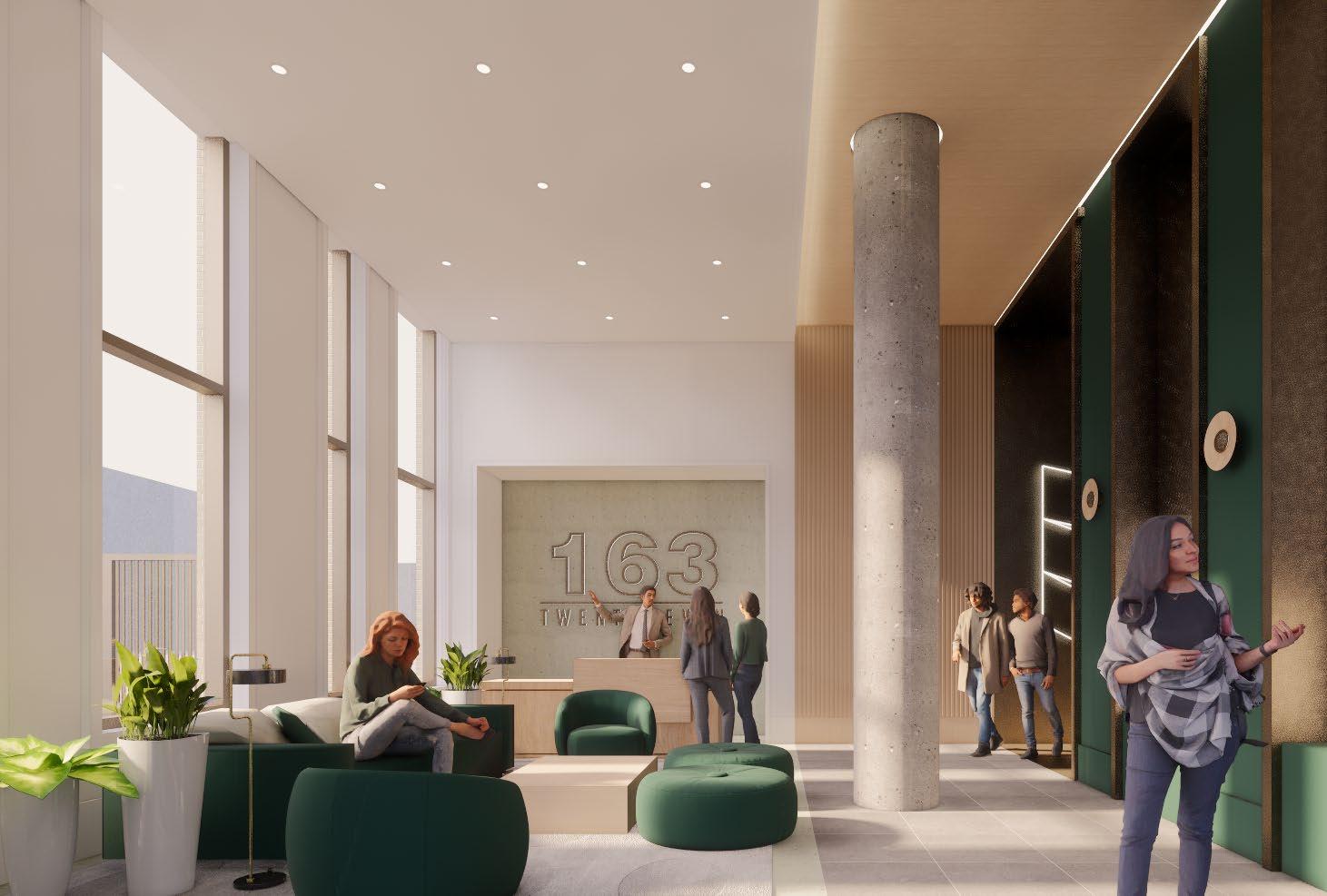
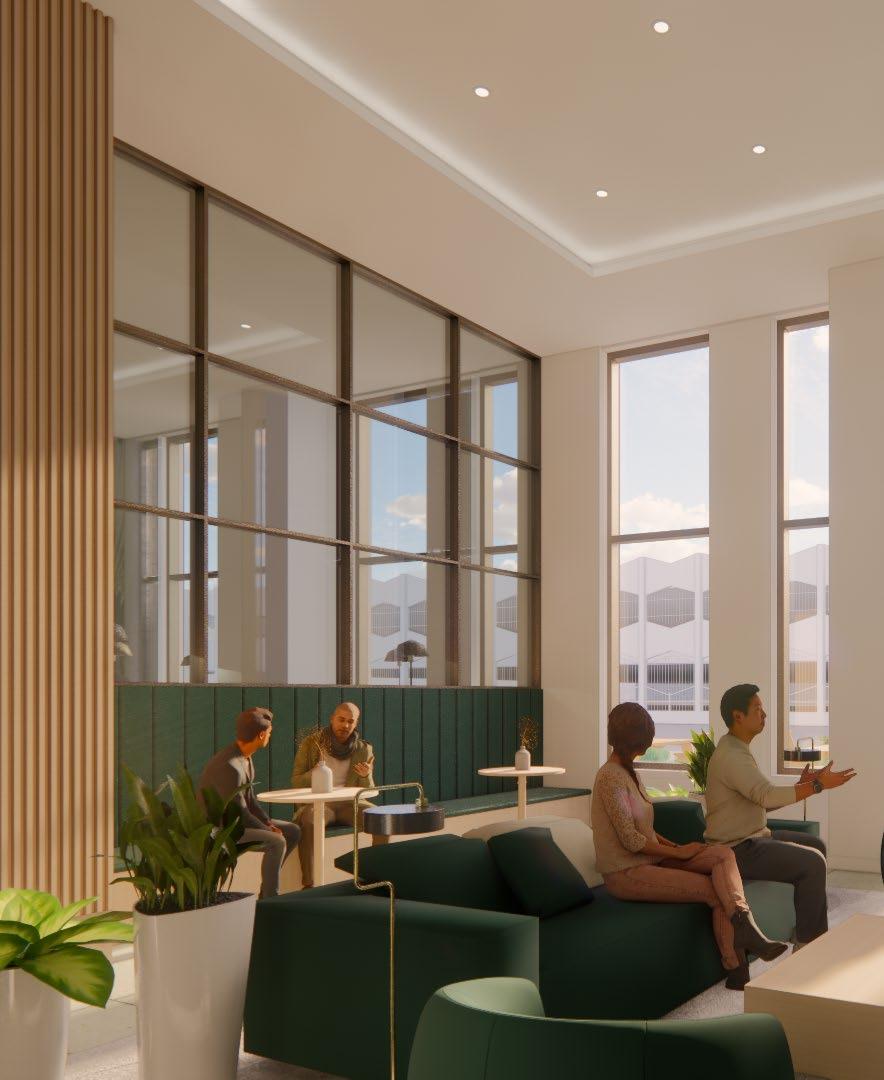
Staffed on a project with a one-year production timeline between schematic design and construction documentation, I joined the interiors team of a 29-story residential tower composed entirely of affordable units.
Entering the project during design development, my role consisted of digitally modeling interiors for amenity spaces, units, and common areas such as elevator lobbies and corridors, based on consistent coordination with those working on the tower core and shell. Along with material selections and Revit plan diagrams, views were rendered with Enscape to compose a 40-page interior design package submitted to the client in conclusion of the design development phase.
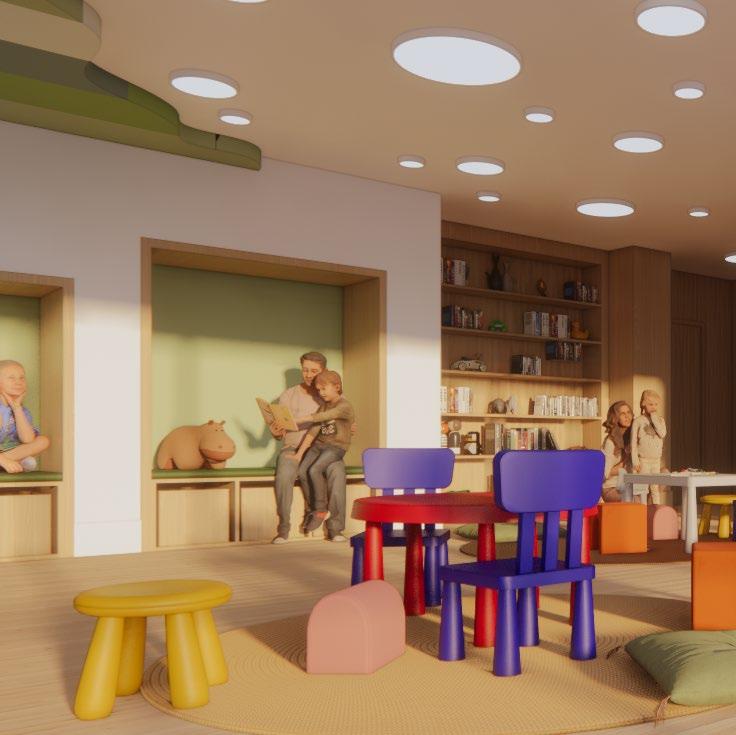
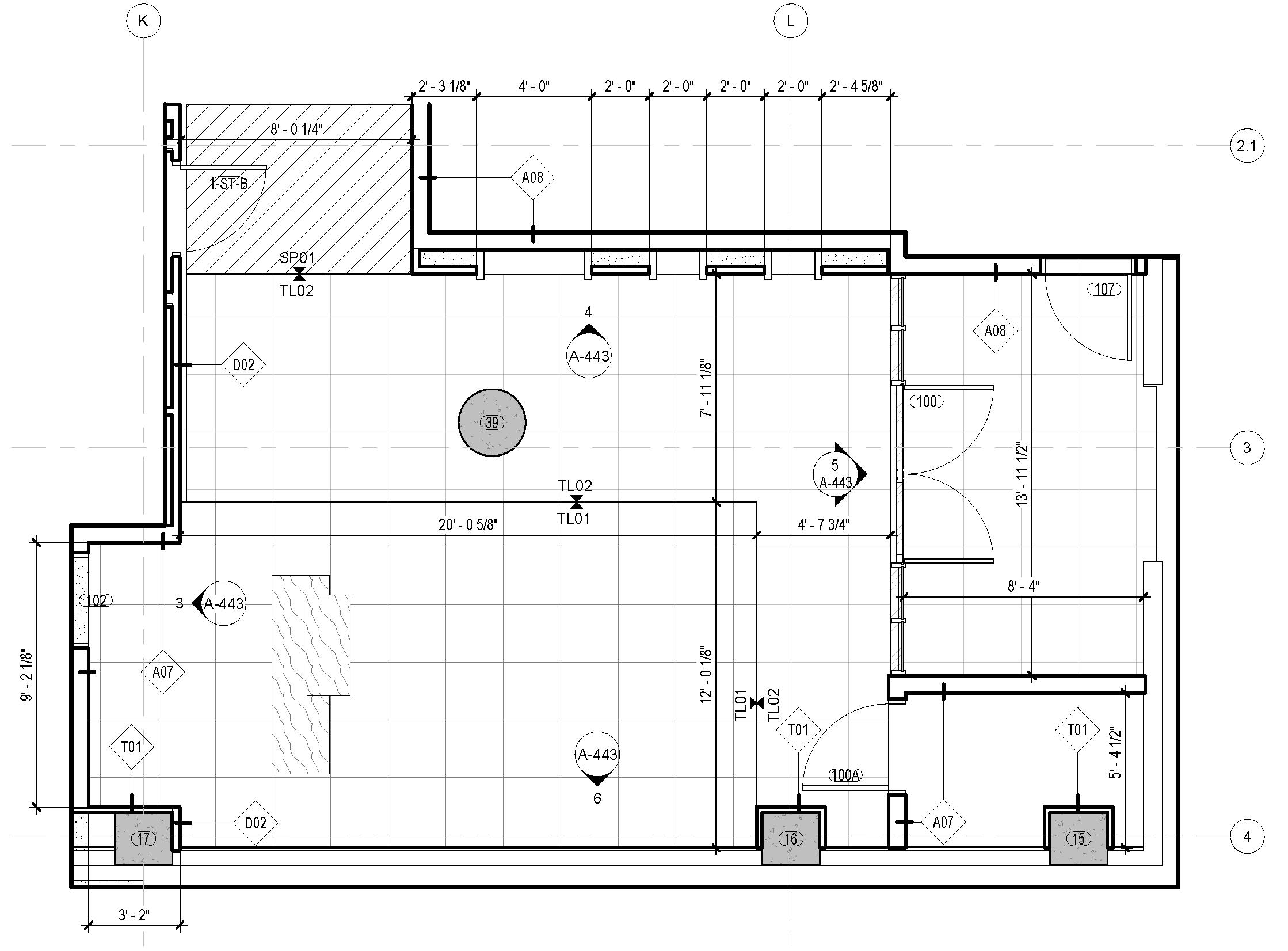
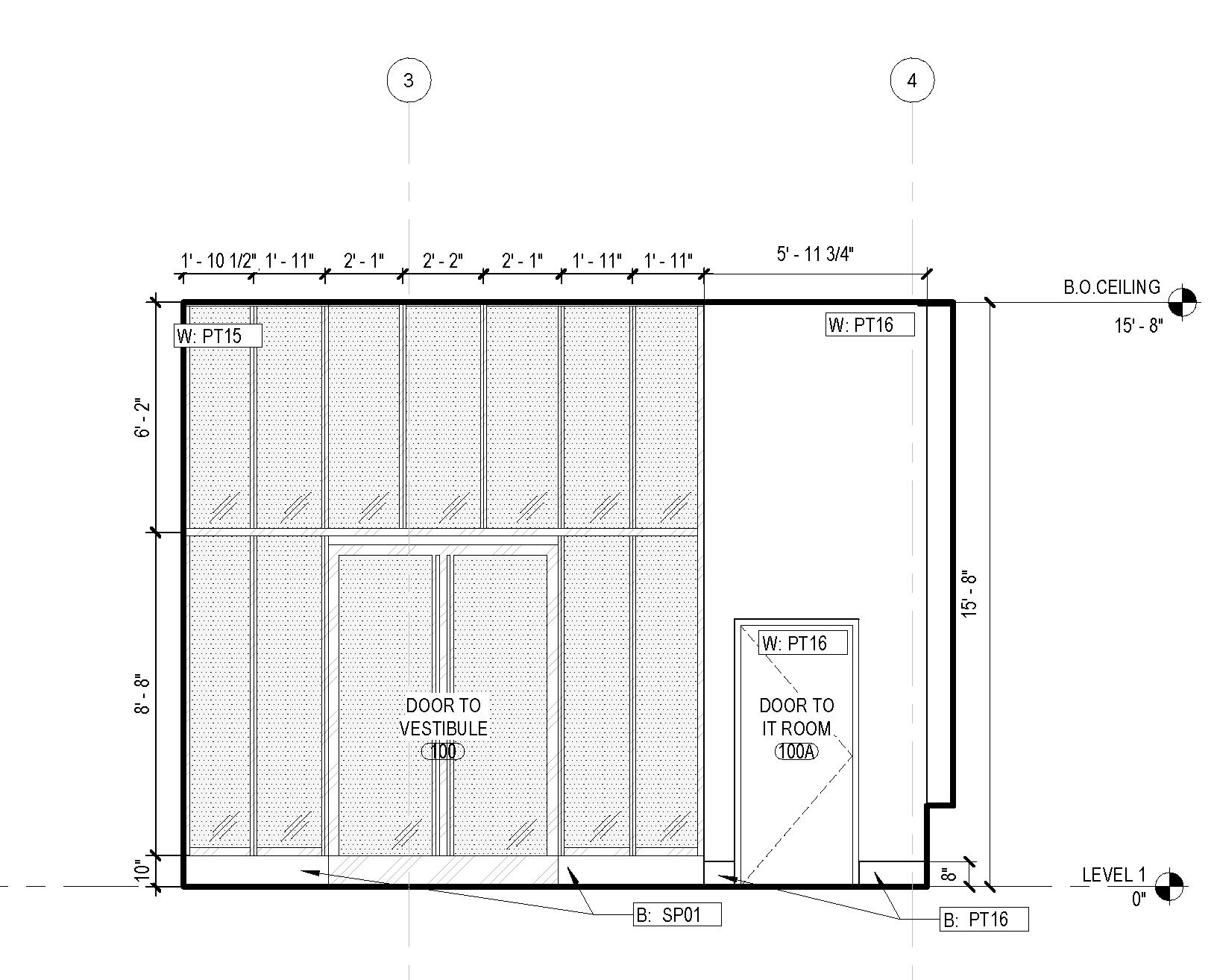
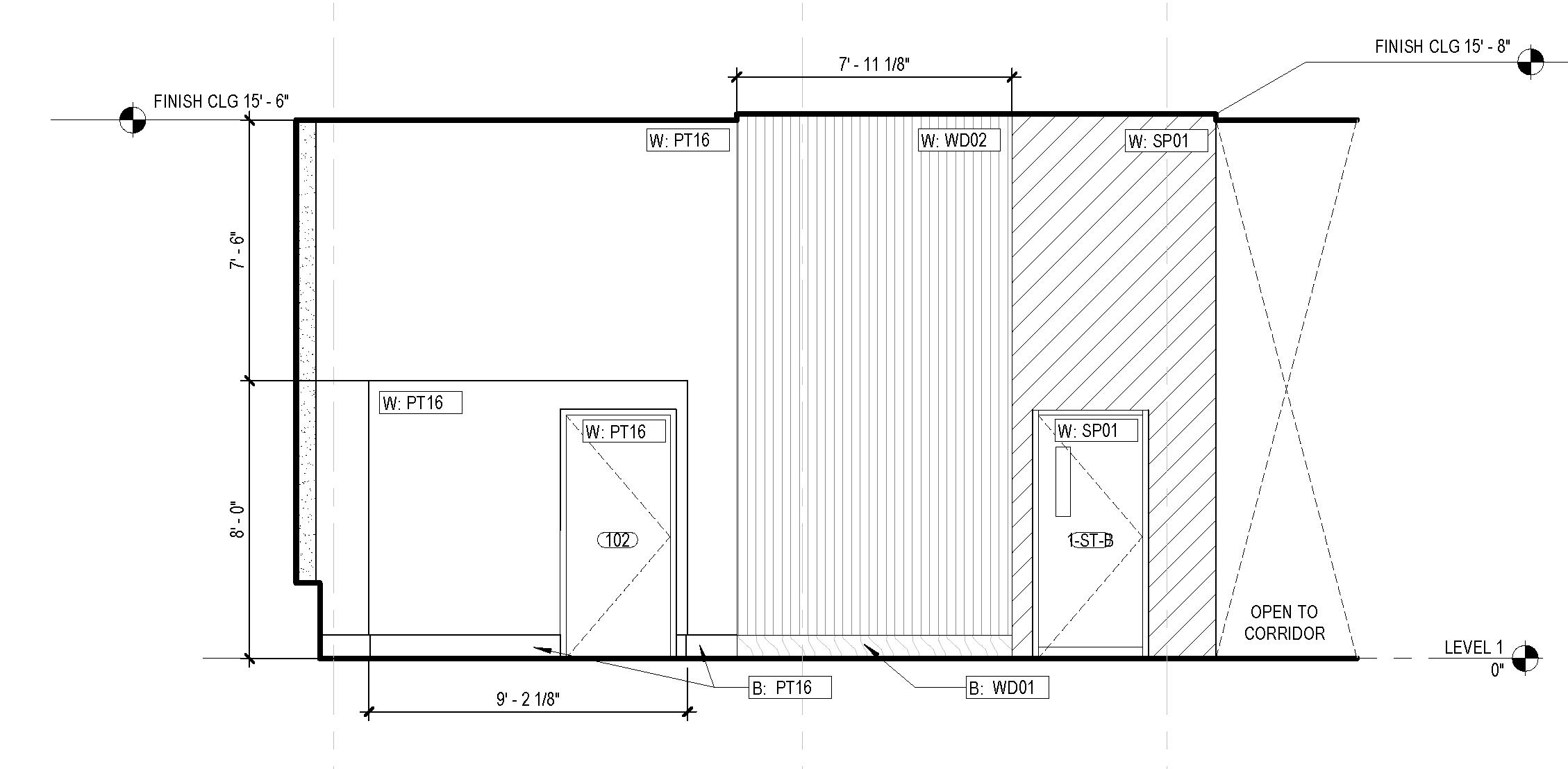
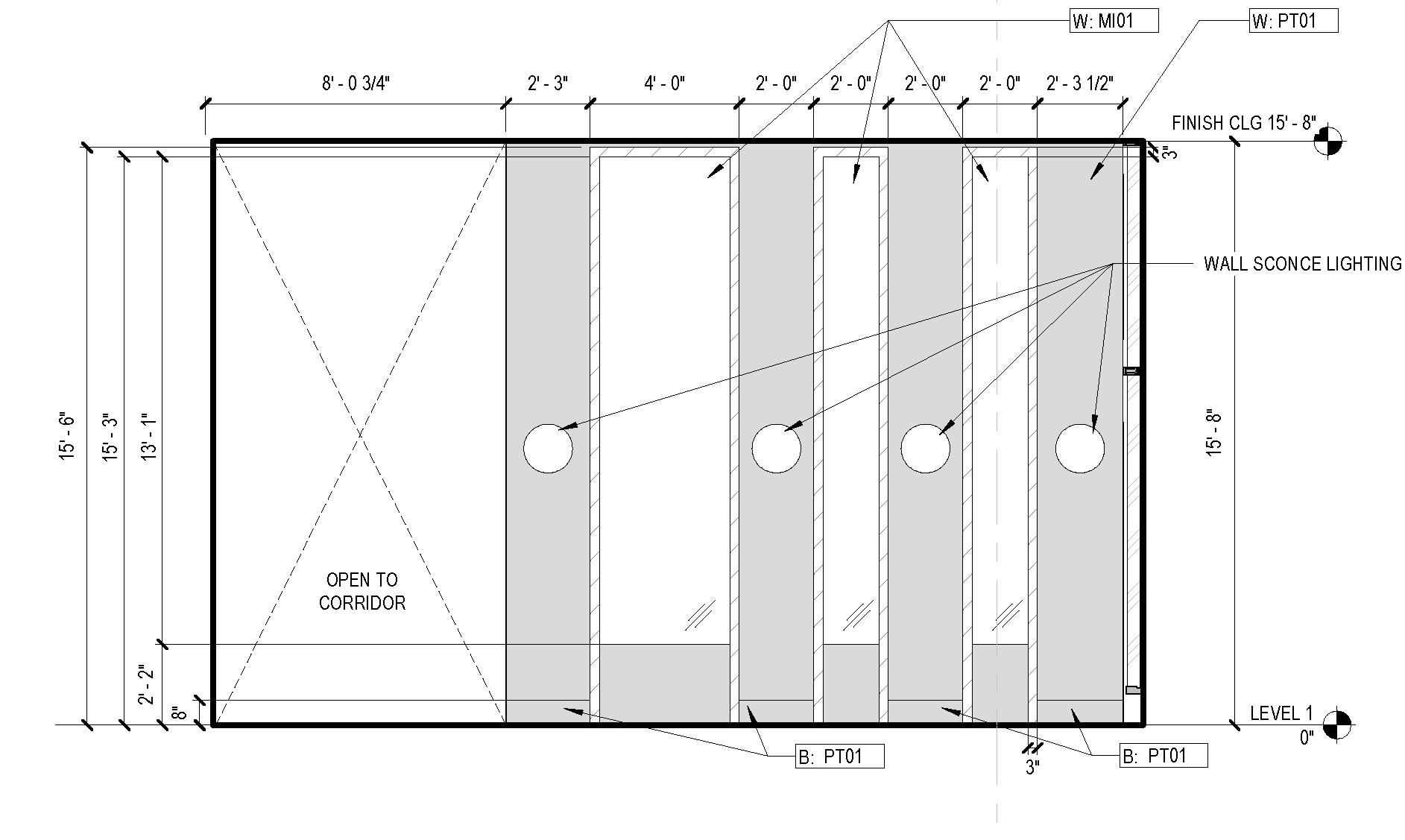
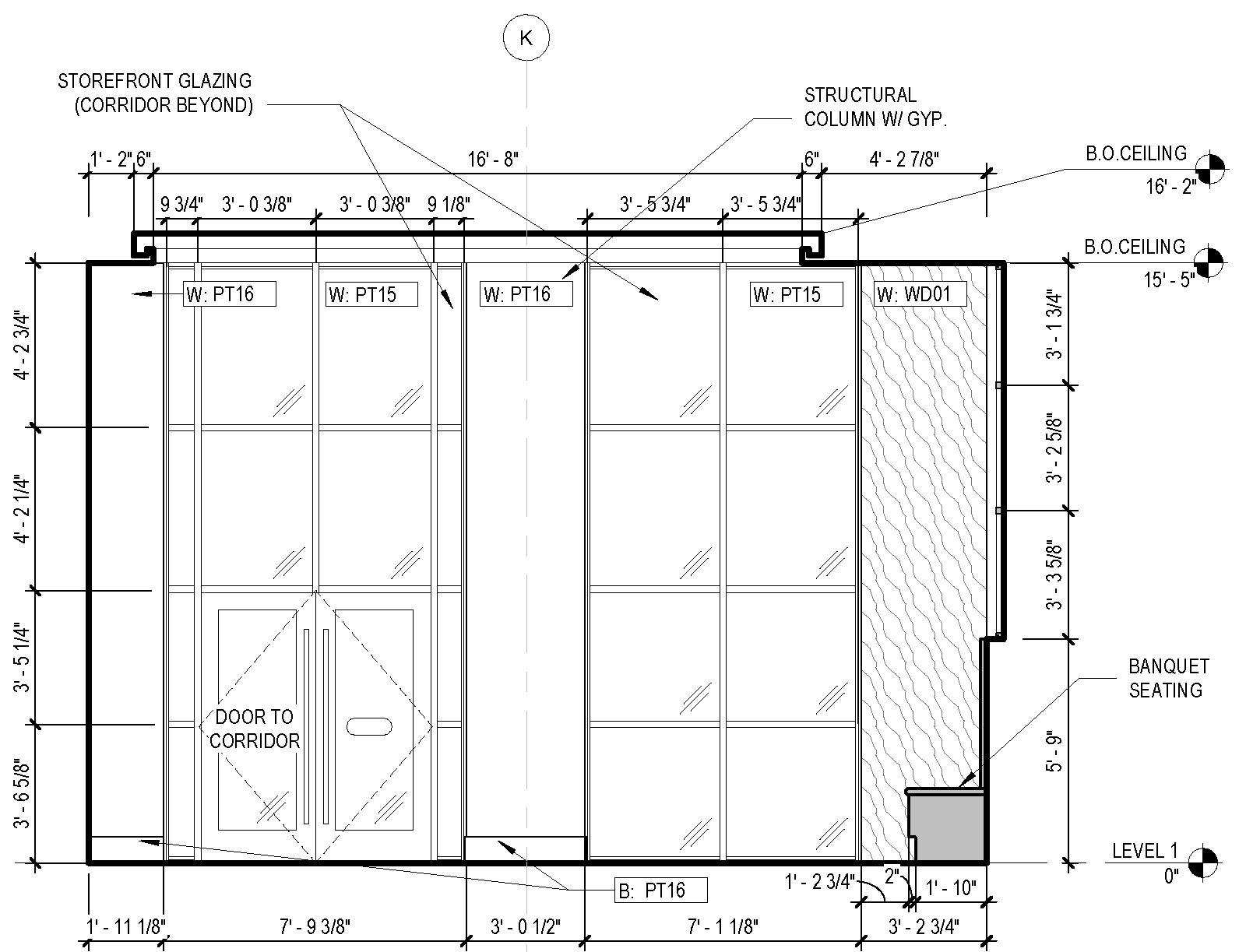
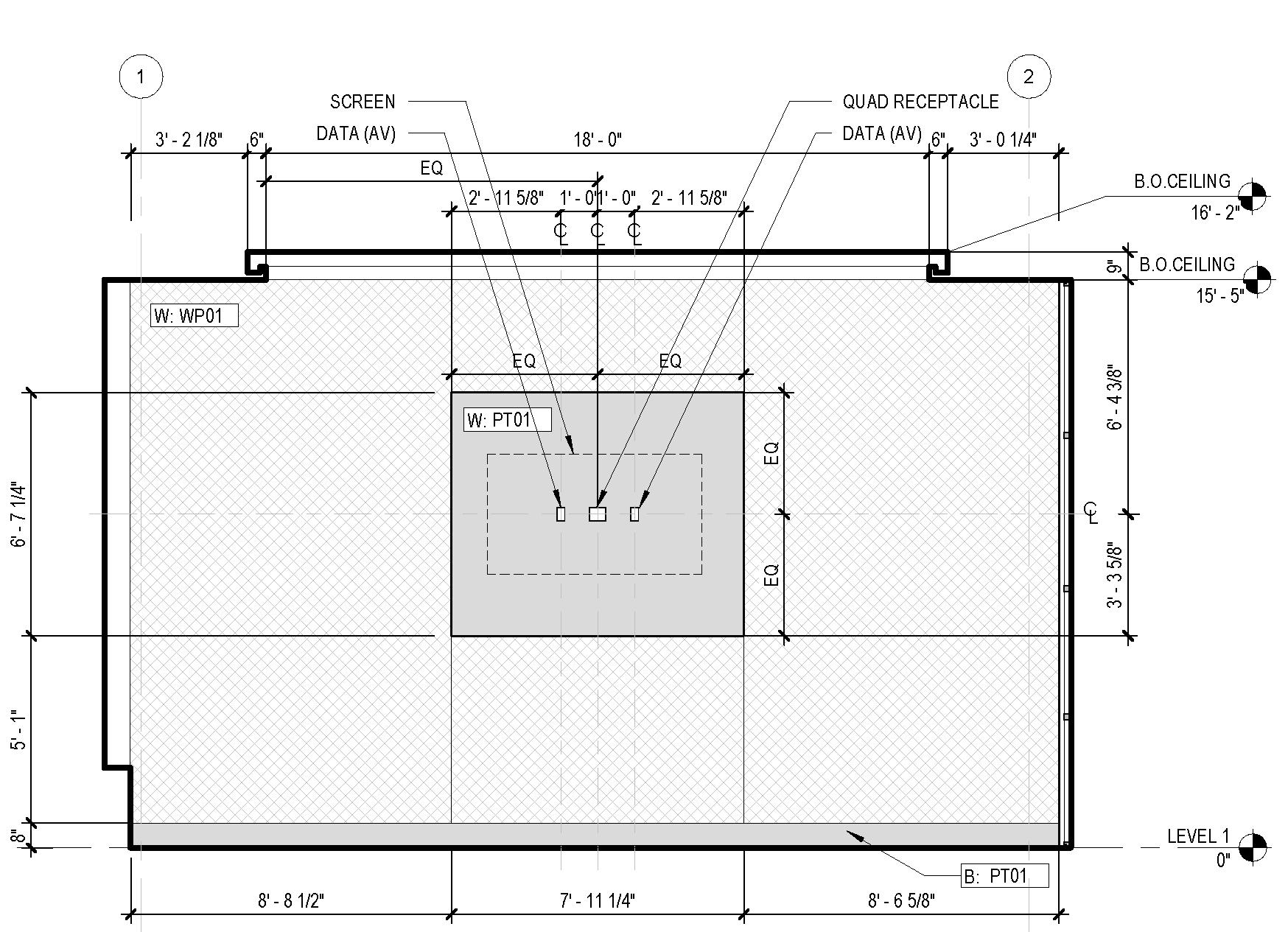
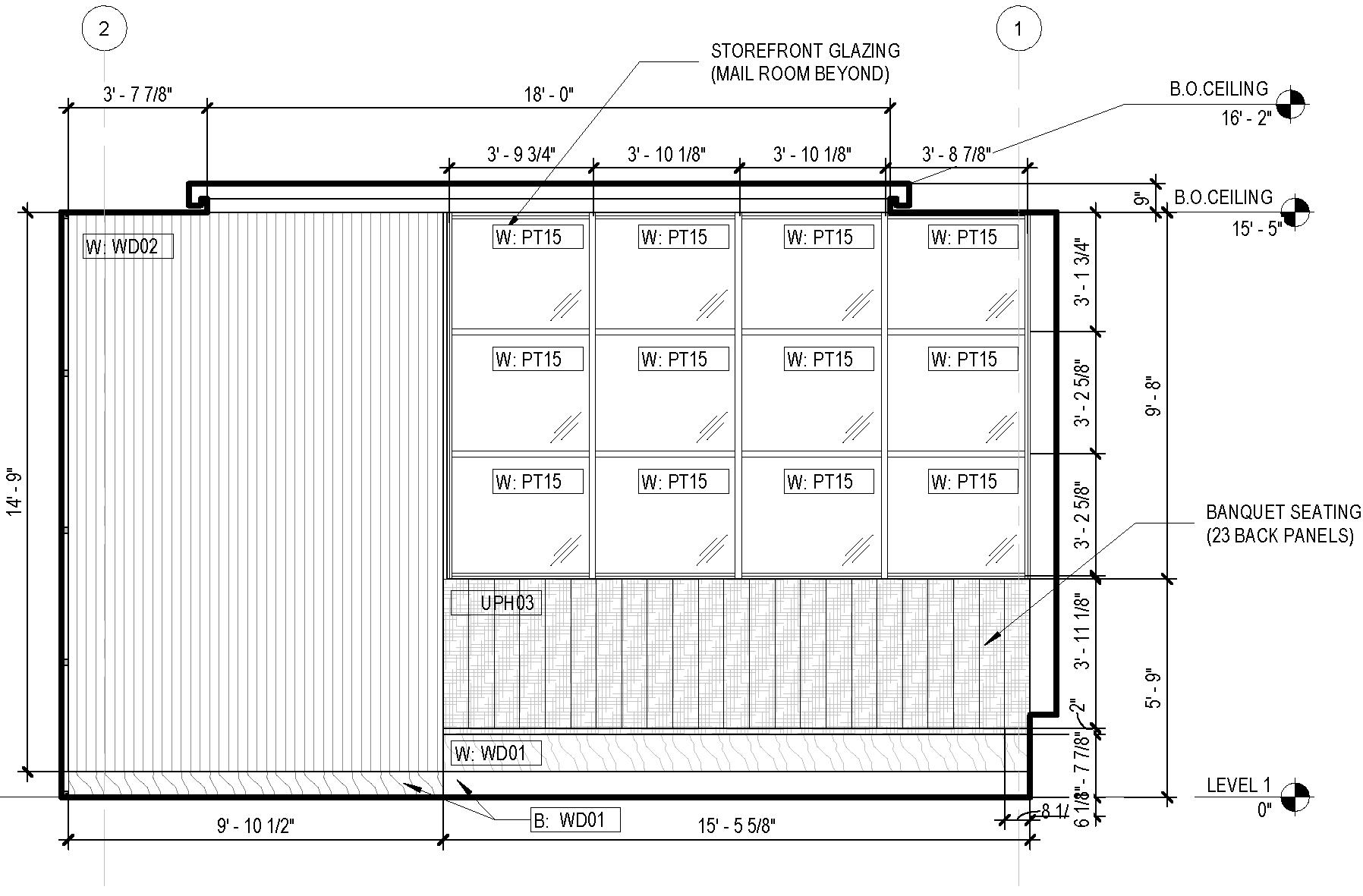
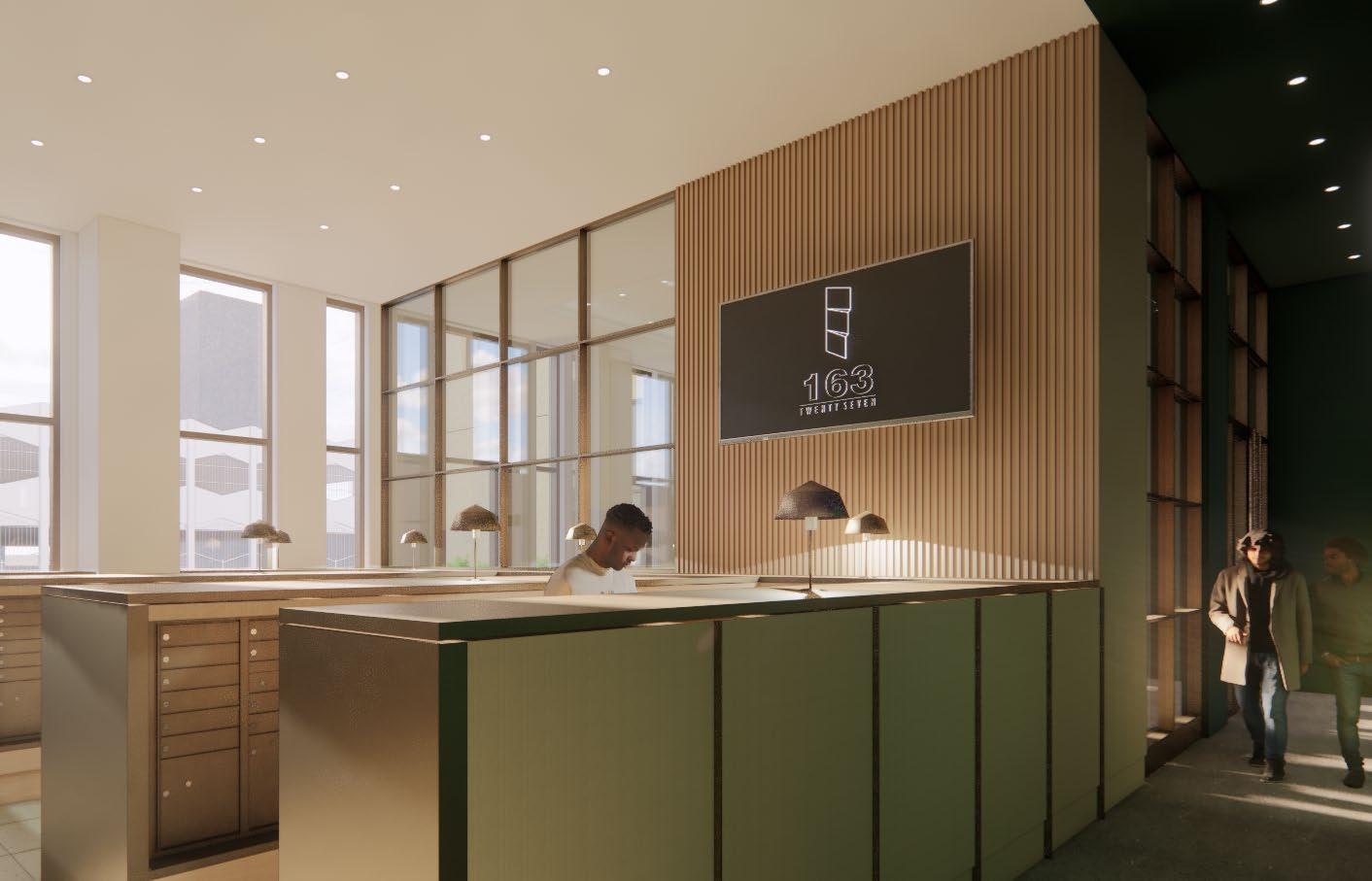
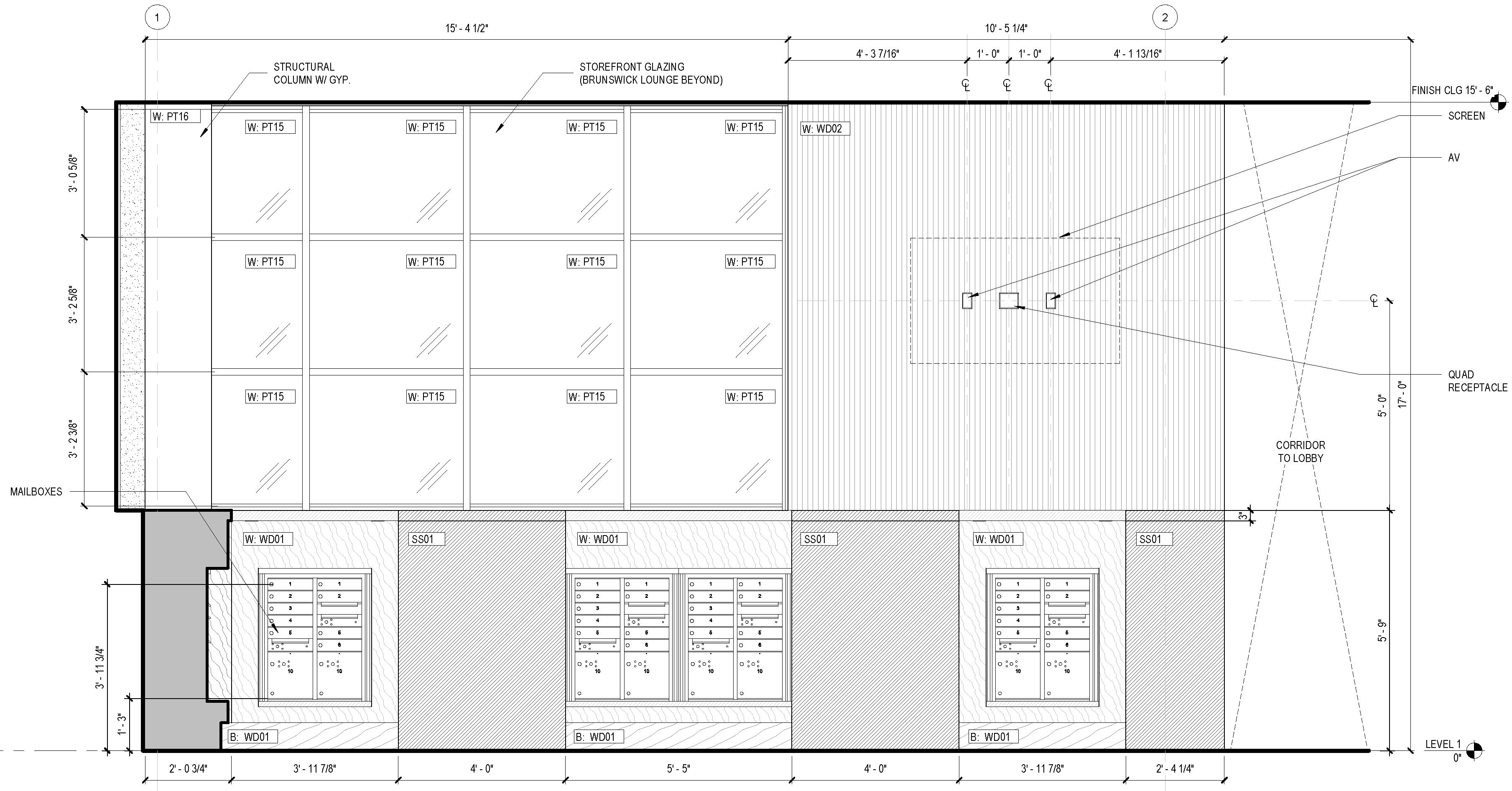
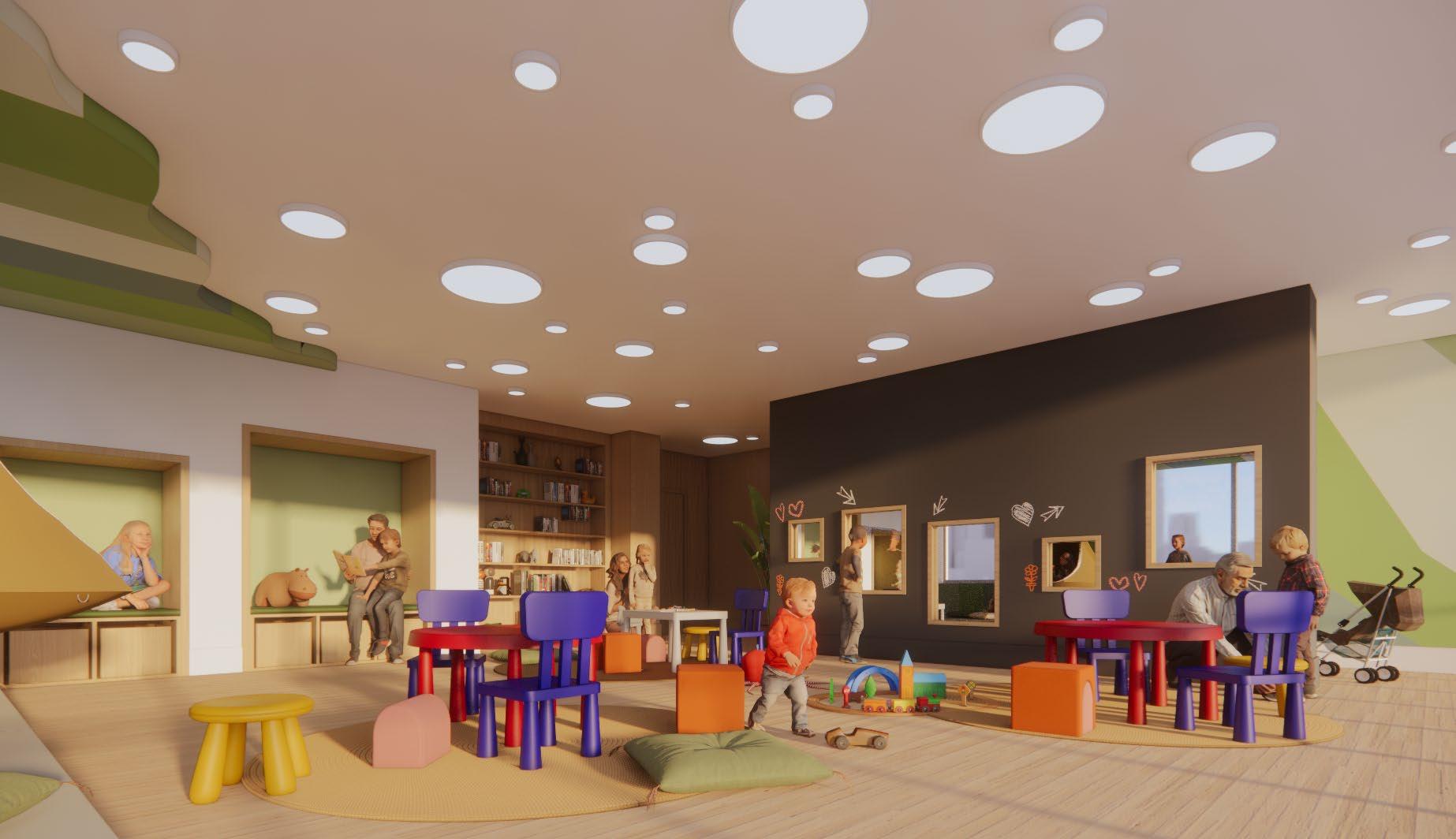
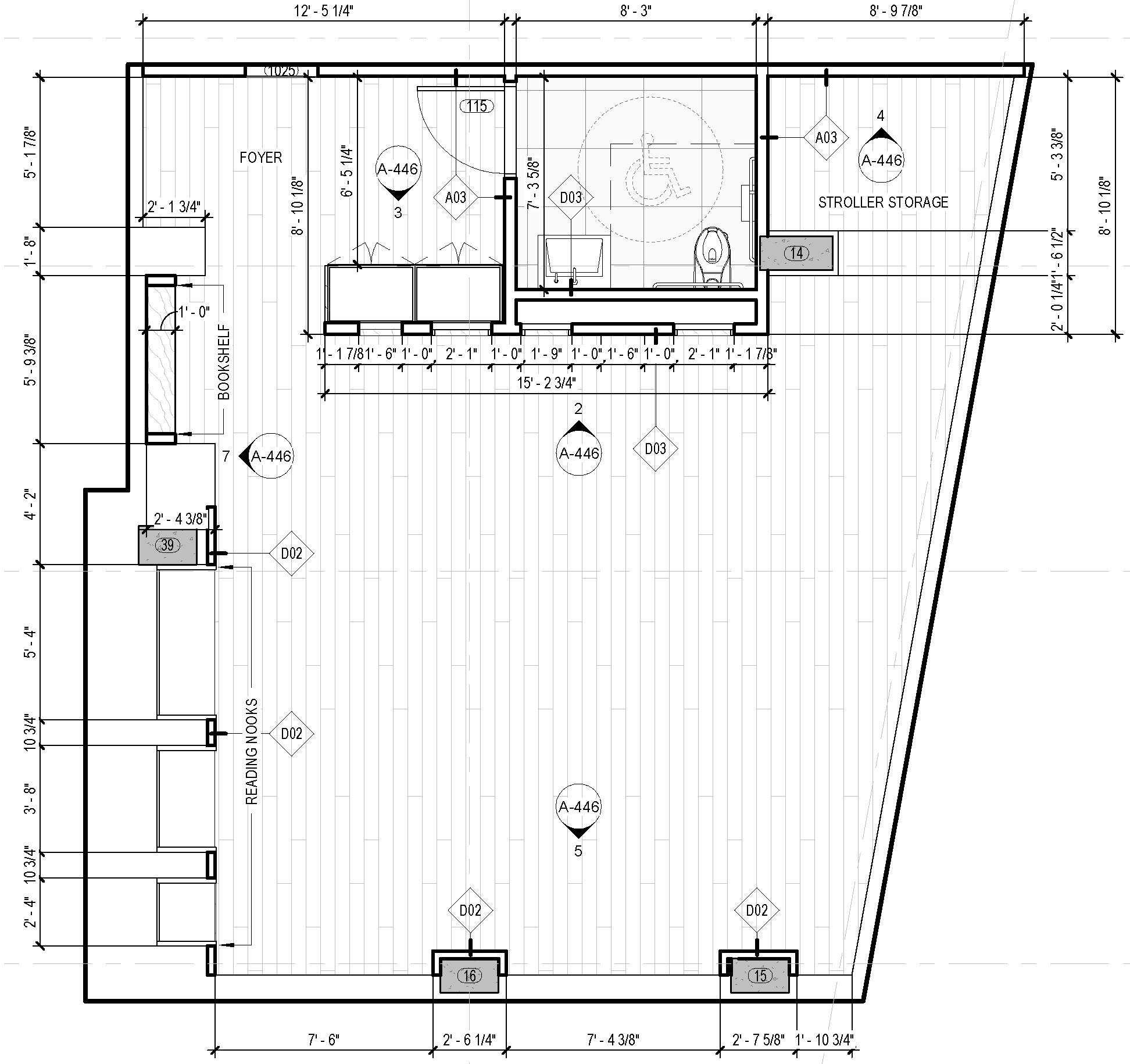
Progressing into construction documentation, translation of design into Revit involved production of enlarged floor plans, interior elevations, and a material key schedule. Included here is my documentation of the lobby, ground floor lounge, mail room, and children’s playroom.





HOUSING FOR THE HYPER-CONSUMER
PROGRAM
SITE
INSTRUCTOR
COLLABORATOR
Individual Project
PROJECT DATE
PRODUCTION SETTING
Third-Year Urban Housing Studio
PRODUCTION TOOLS
Rhino 7, Illustrator, Photoshop, Physical Models (Basswood, Museum Board, Paint, Laser Cutter)
Coupled with a pressing demand for housing in New York City, post-pandemic commercial vacancy welcomes office-to-housing adaptive reuse as a promising solution. Warehouse for Living turns to post-2020 lifestyles— marked by the infiltration of digital communication and resulting sedentary habits —as the subject of critique. Convenient access to material goods, enabled by the triumphant growth of online retail, brings about a blasé consumerism that exists without the need to travel outside the home
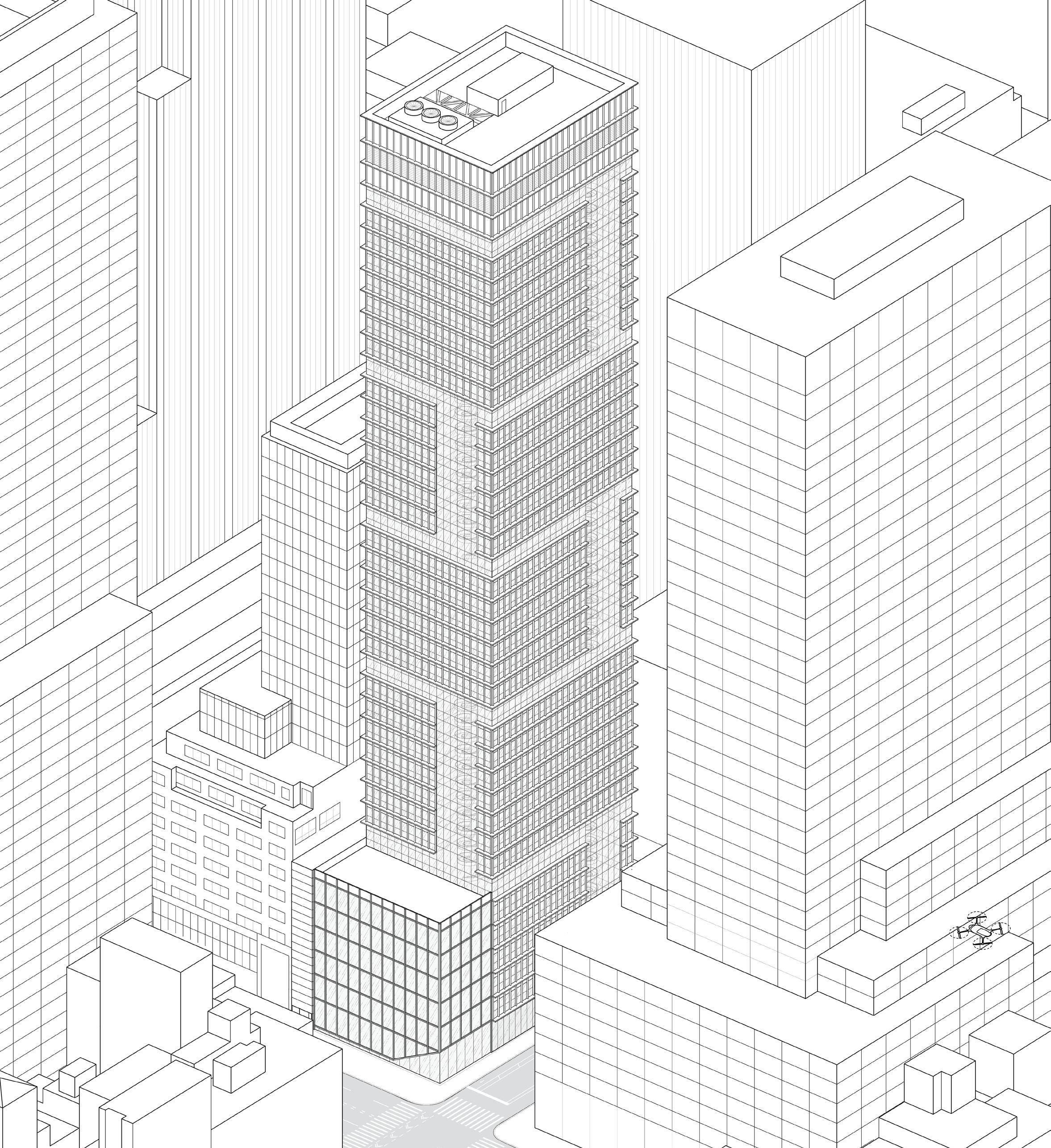
The conversion of 650 Fifth Avenue speculates on a future in which the demand for both commercial and brick-and-mortar retail space becomes obsolete, while recognizing a continuous need for affordable housing. Oneclick transactions through Amazon and doorstep delivery demonstrate relentless reliance on convenience, presenting critical uncertainties surrounding community interaction and our connections to the physical world. Through integrating the technology and aesthetics of the distribution warehouse into housing, the project posits material objects as the focal point of producing new interpersonal connections.
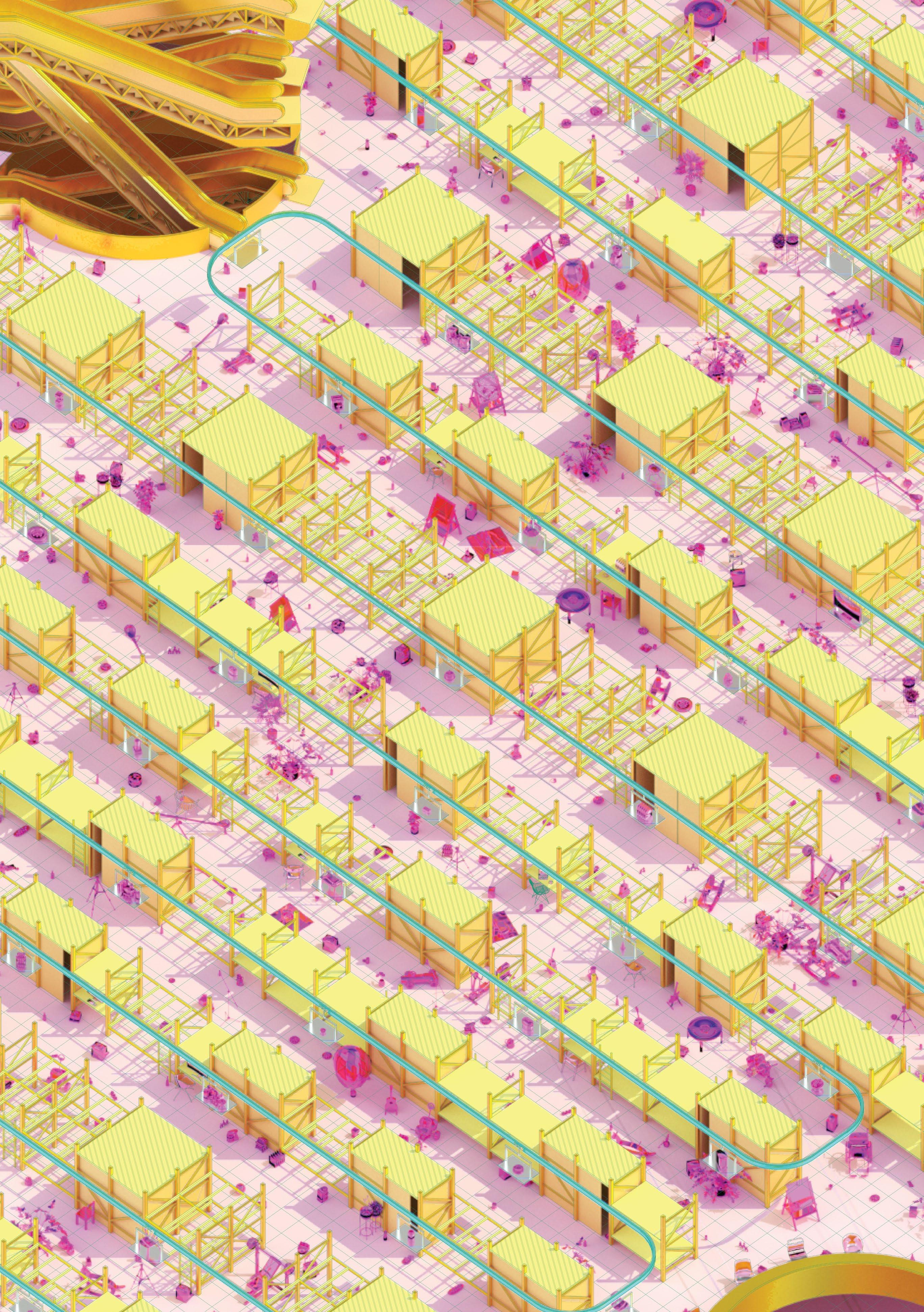
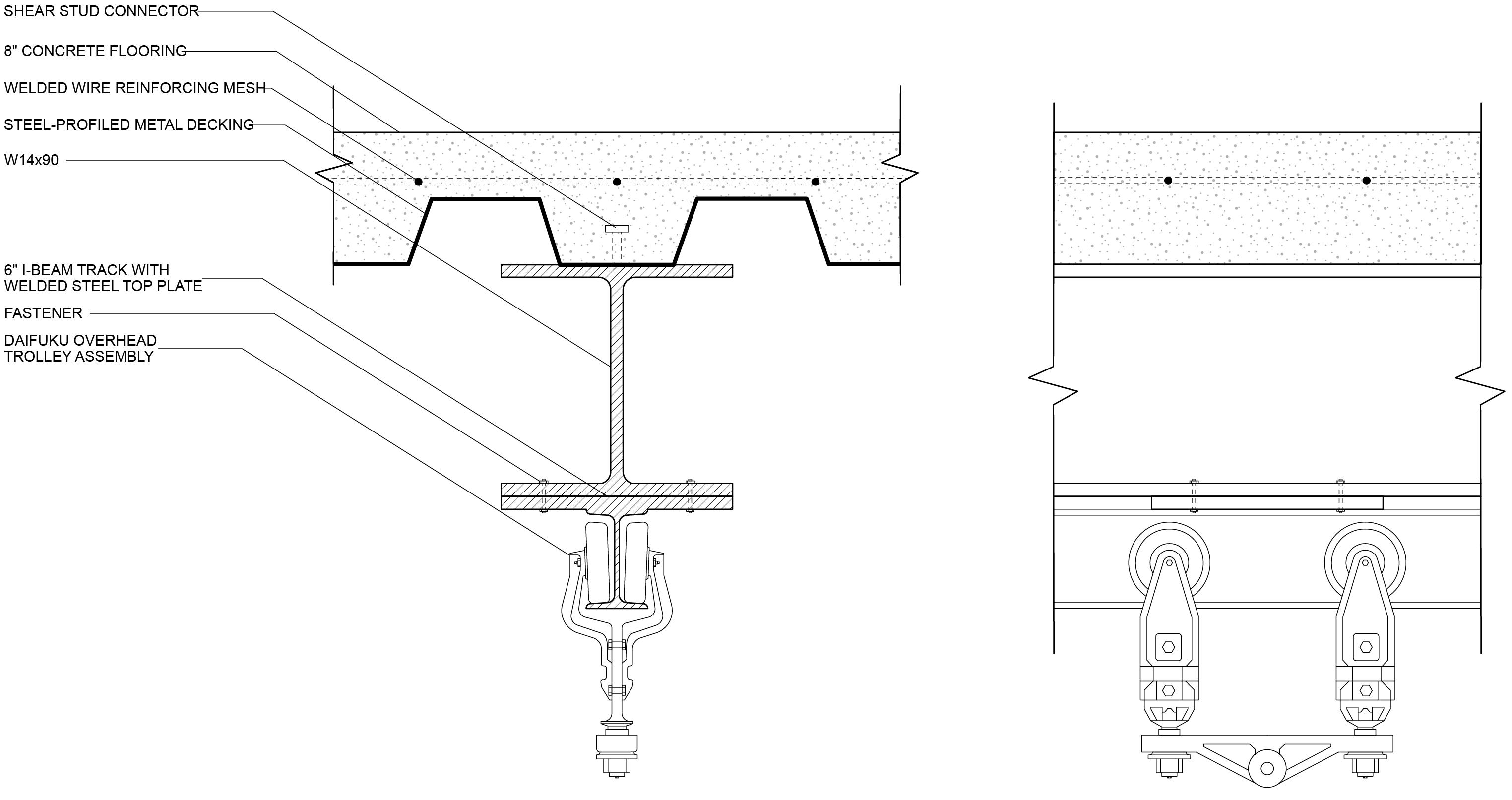
Attached to existing structure, the overhead conveyor belt forms the genesis of the project.
Repositioning the tower involves reconstruction of the enclosure, featuring curtain walls that display its inner machinery to the urban surroundings.
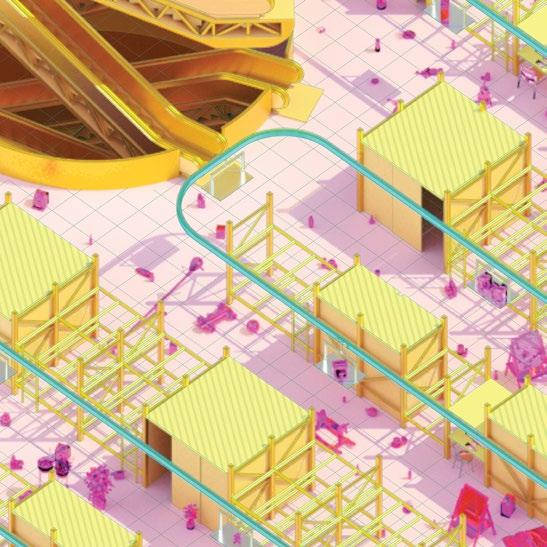
Reflecting the endless expanses of distribution warehouse interiors, this rendered axonometric speculates upon an infinite landscape infiltrated by the machines of material movement and consumption.
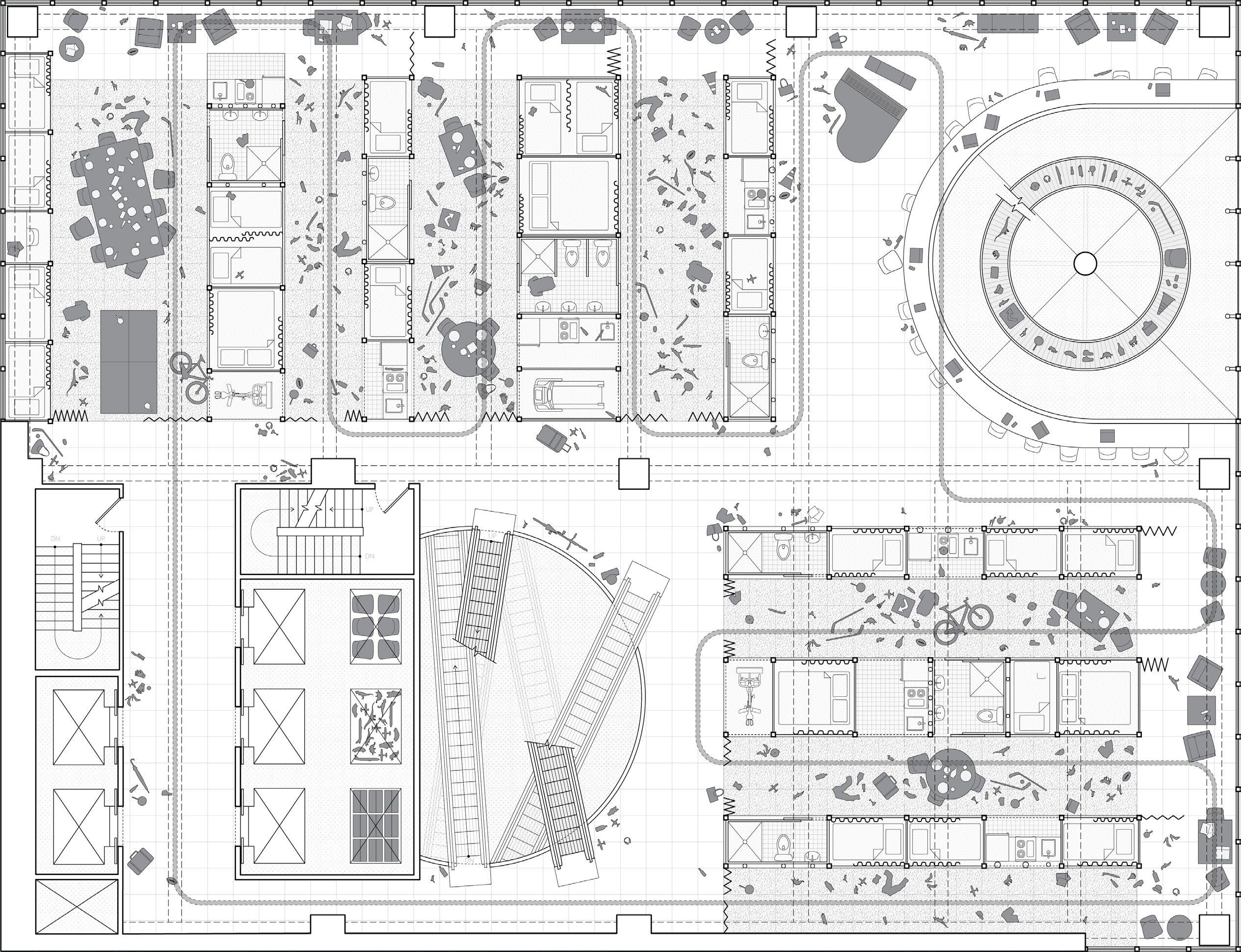
Essential individual functions, such as sleeping, cooking, and bathing, are relegated to shelves, which expand in width to accommodate varying family arrangements. Their proportions are drawn from the existing facade’s modulation, which produces a square grid when projected onto plan.
Spaces in between shelves are served by an overhead conveyor belt that snakes along the existing structure, delivering objects to directly to living shelves. As such, these spaces become fields of objects that present opportunities for neighborly interaction, as the acquisition of material goods incentivize tenants to leave their isolated shelves.
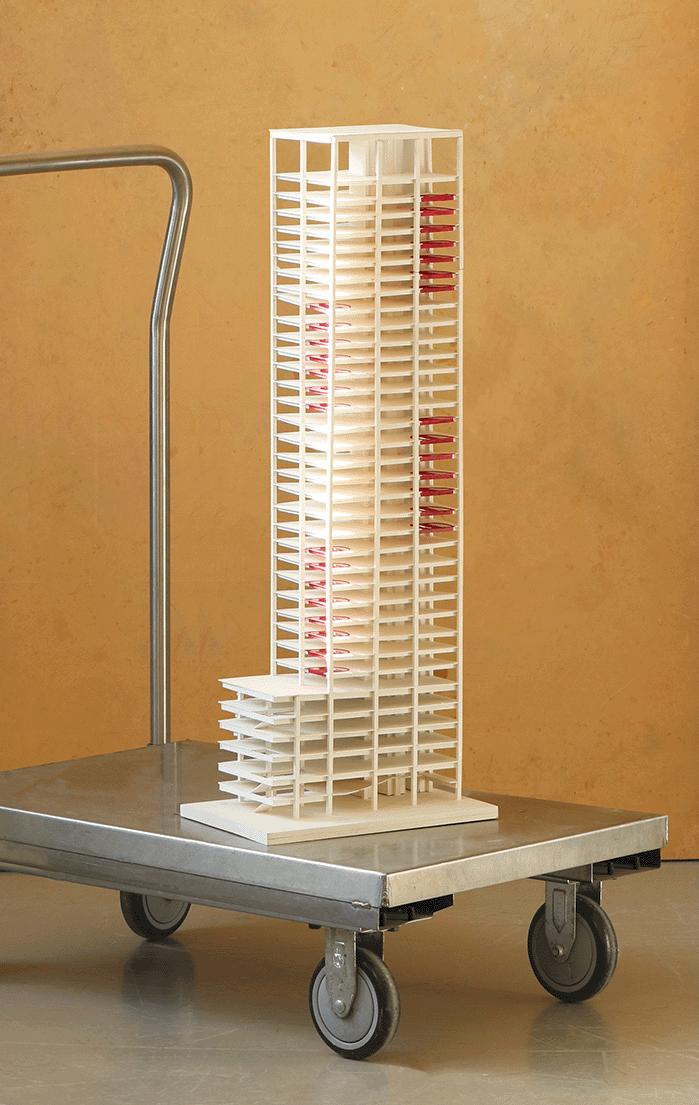
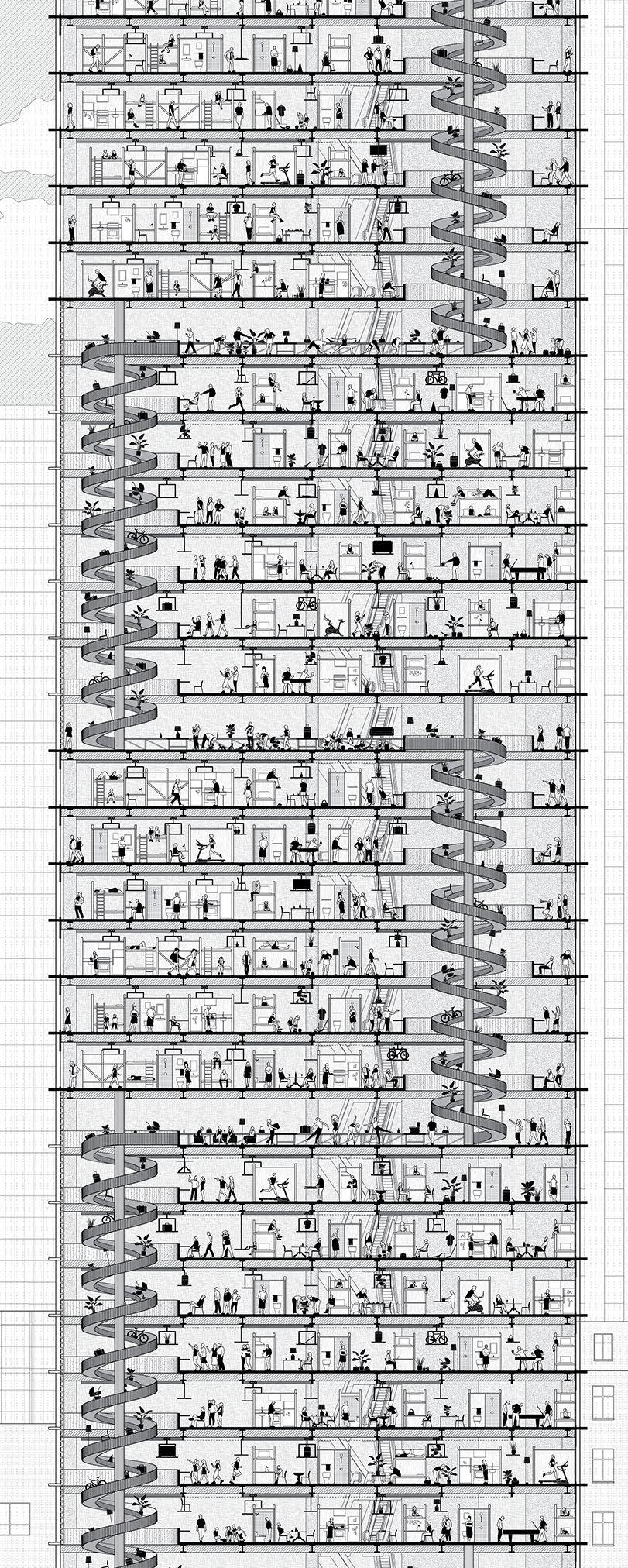
Representing a plan for demolition, this basswood model renders the tower’s structure above-grade in full. Beams and slab portions are excavated along the enclosure to create semicircular atria that house spiral conveyor belts.
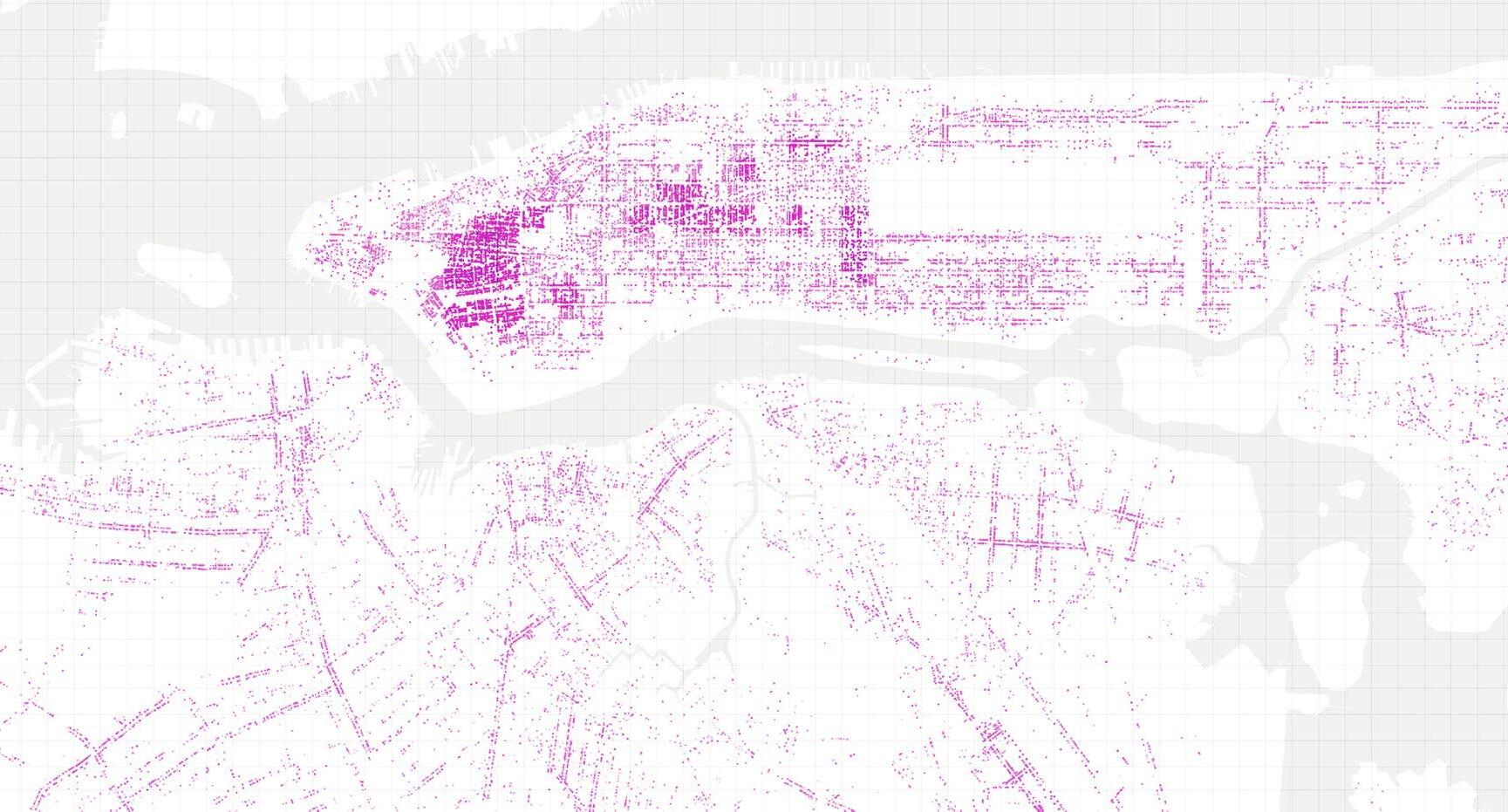
Each dot on this QGIS map represents a vacant storefront in New York City. Retail vacancy becomes prevalent in areas such as SoHo and the project’s site, Midtown.
Source: NYC Open Data (2025)
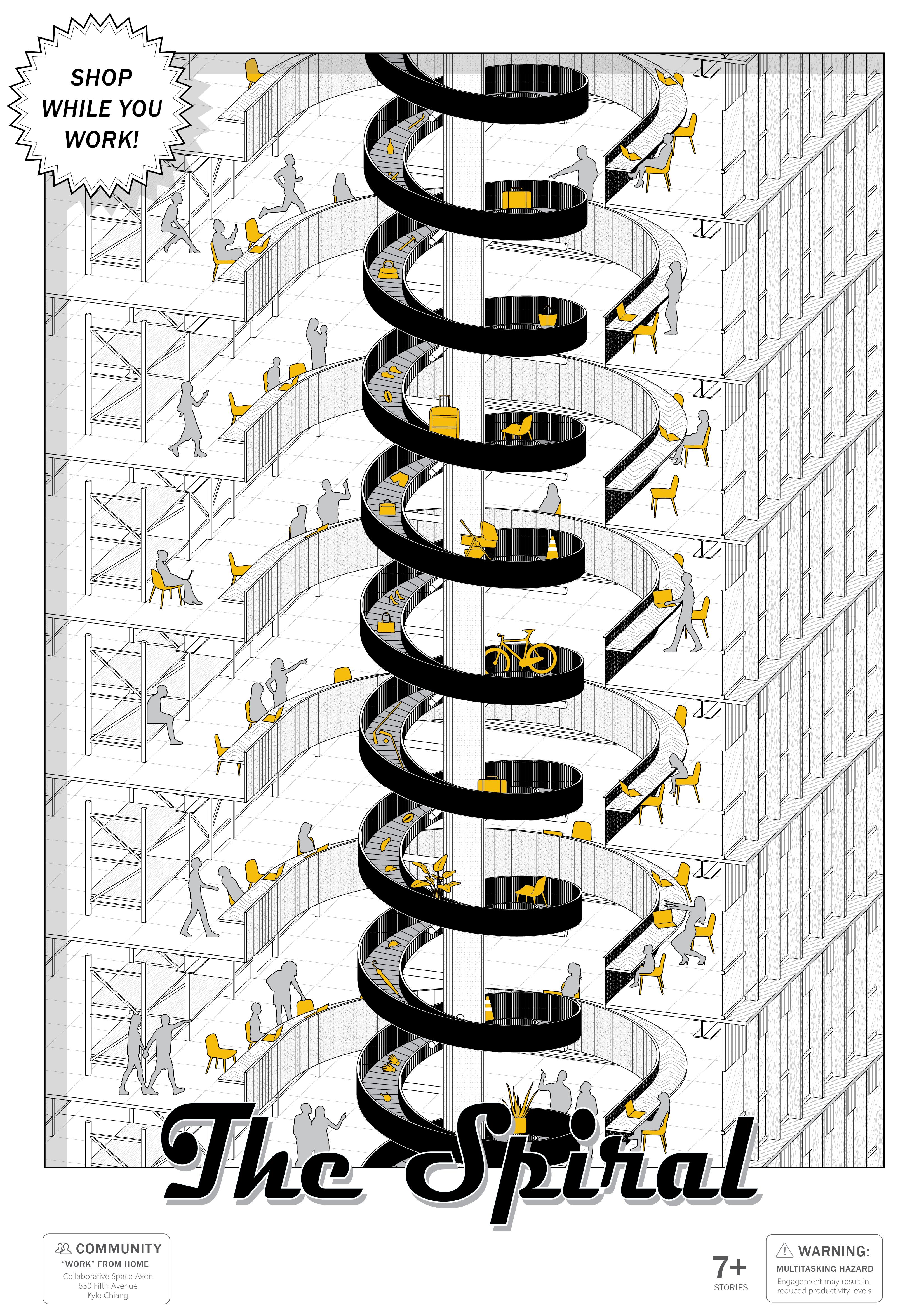
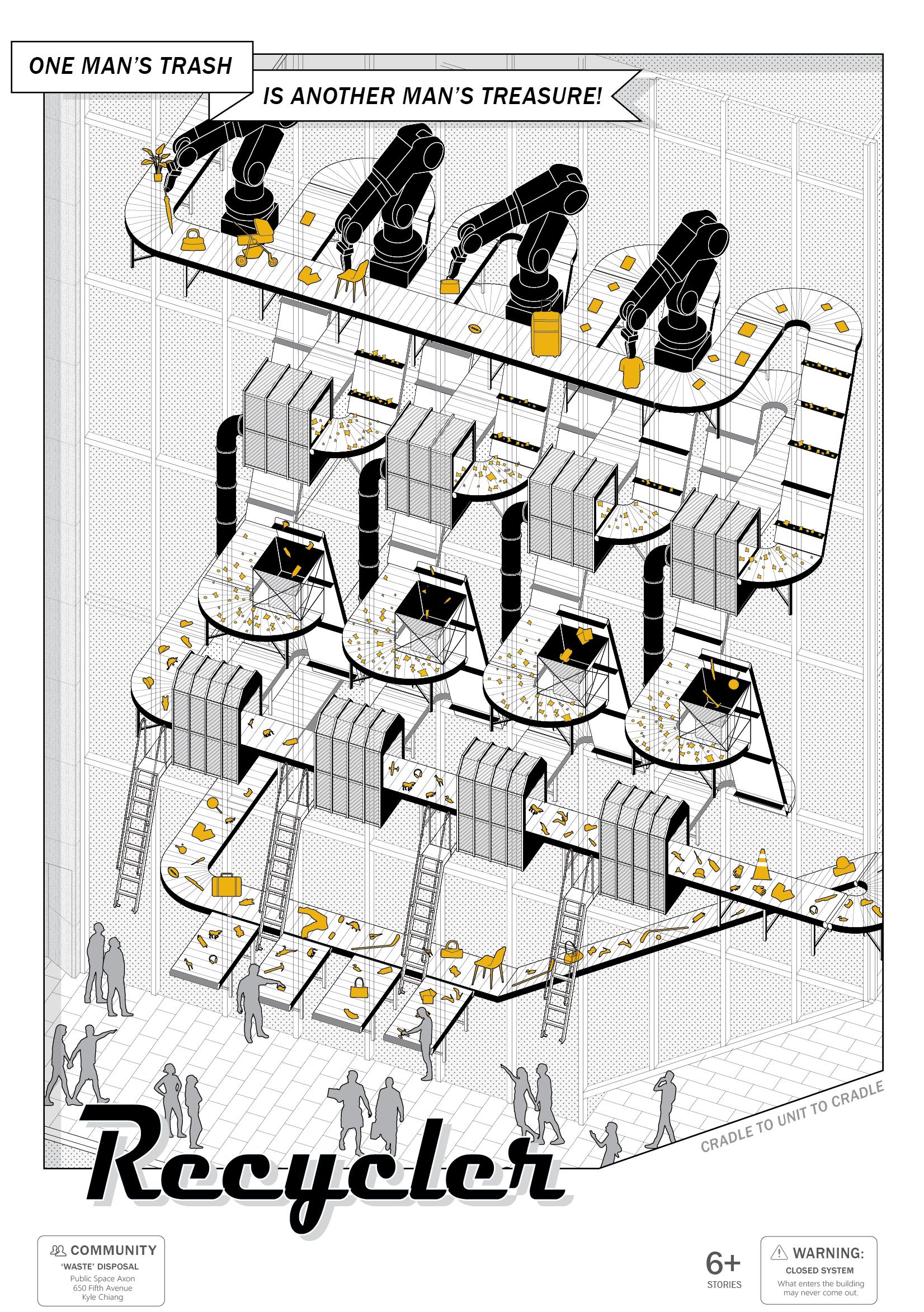
Projected as vacant due to the obsolescence of brick-and-mortar retail, the Nike flagship store’s facade at the tower’s street level is converted into a recycling plant, constituting a circular economy.
Objects deteriorate as they reach the base of the tower, where scrap material can be reproduced into new goods that are sent back to the top. Pedestrians can also drop off unwanted items at this location, feeding material into a massive, looping system.
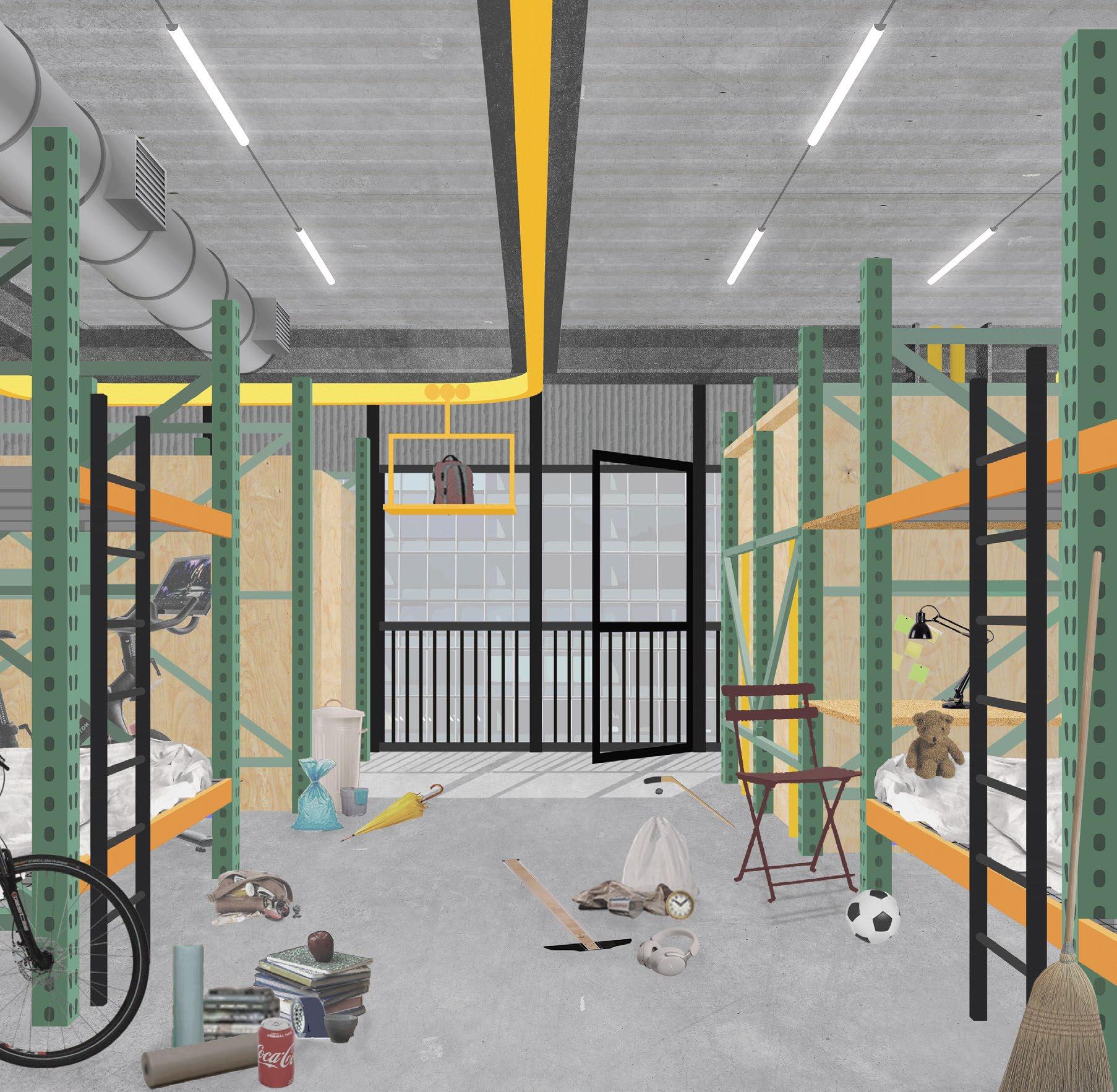
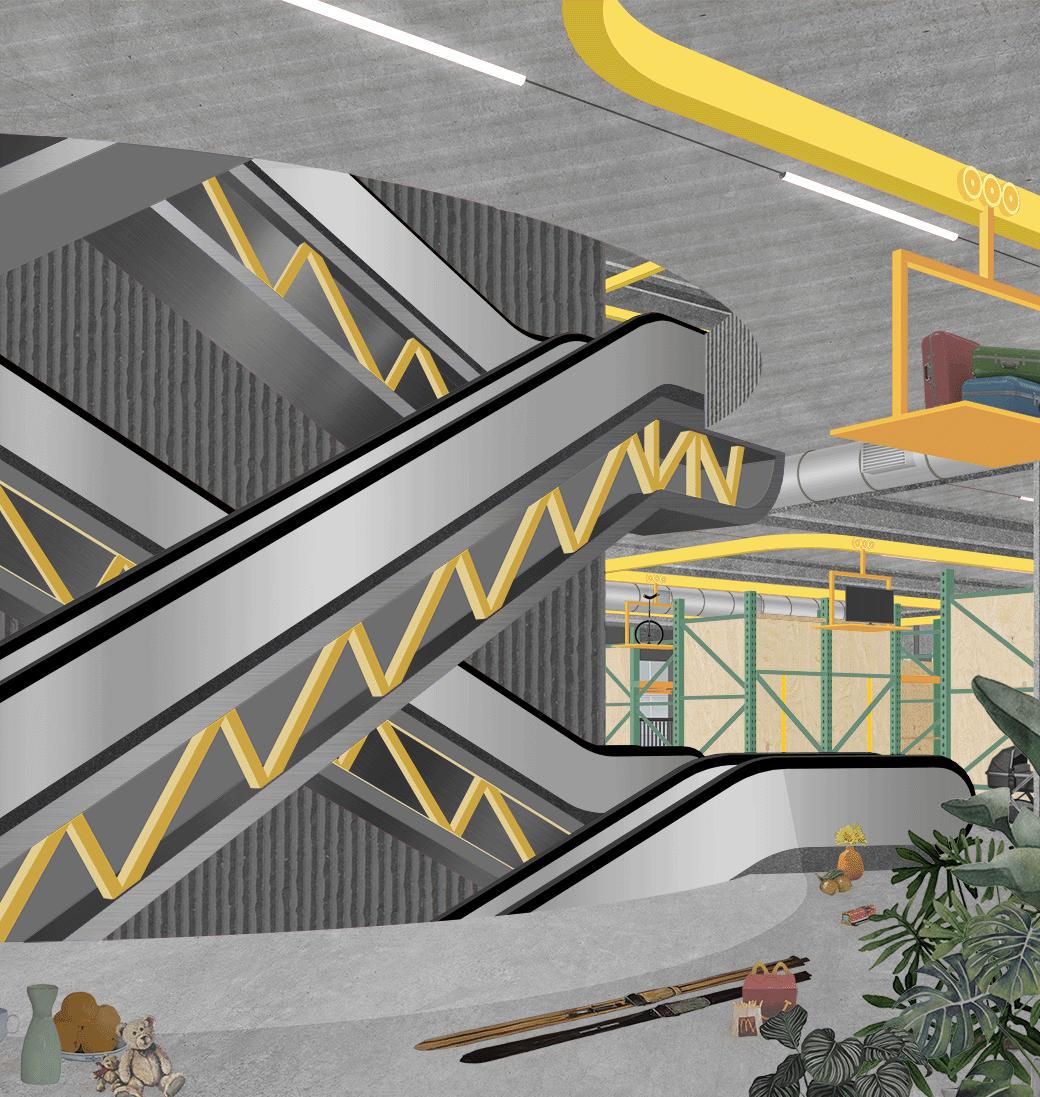
A lifestyle centered around objects is further represented through a partial section and Photoshop collages.
EXERCISES IN REPRESENTATION
SUPERVISORS
Valeria Herrera
Aurélie Frolet
Molly Hunker
Nathan Williams
Luca Ponsi
Dário Brito
Kimberlee Boonbanjerdsri
COLLABORATOR
Individual Work
PROJECT DATE
Fall 2021 to Fall 2024
PRODUCTION SETTING
Academic Studios + Representation Courses, Survey of Italian Architecture Course, and Perkins Eastman Summer Internship
PRODUCTION TOOLS
Midjourney, Hand-Drawing, Rhino 7, Illustrator, Photoshop, Physical Models (Basswood, CNC Mill, MDF, Laser Cutter, Landscaping, Plaster, Concrete)
This body of work consists of individual acts of production across representation, survey, and studio courses, in addition to professional internship experience, demonstrating mapping, diagramming, hand-drawing, model-making, and digital visualization competencies that transfer to a variety of project demands.
These exercises serve to refine technical skills, facilitate careful observation of surroundings, develop strategic material utilization, and put forth convincing concepts through visual clarity.
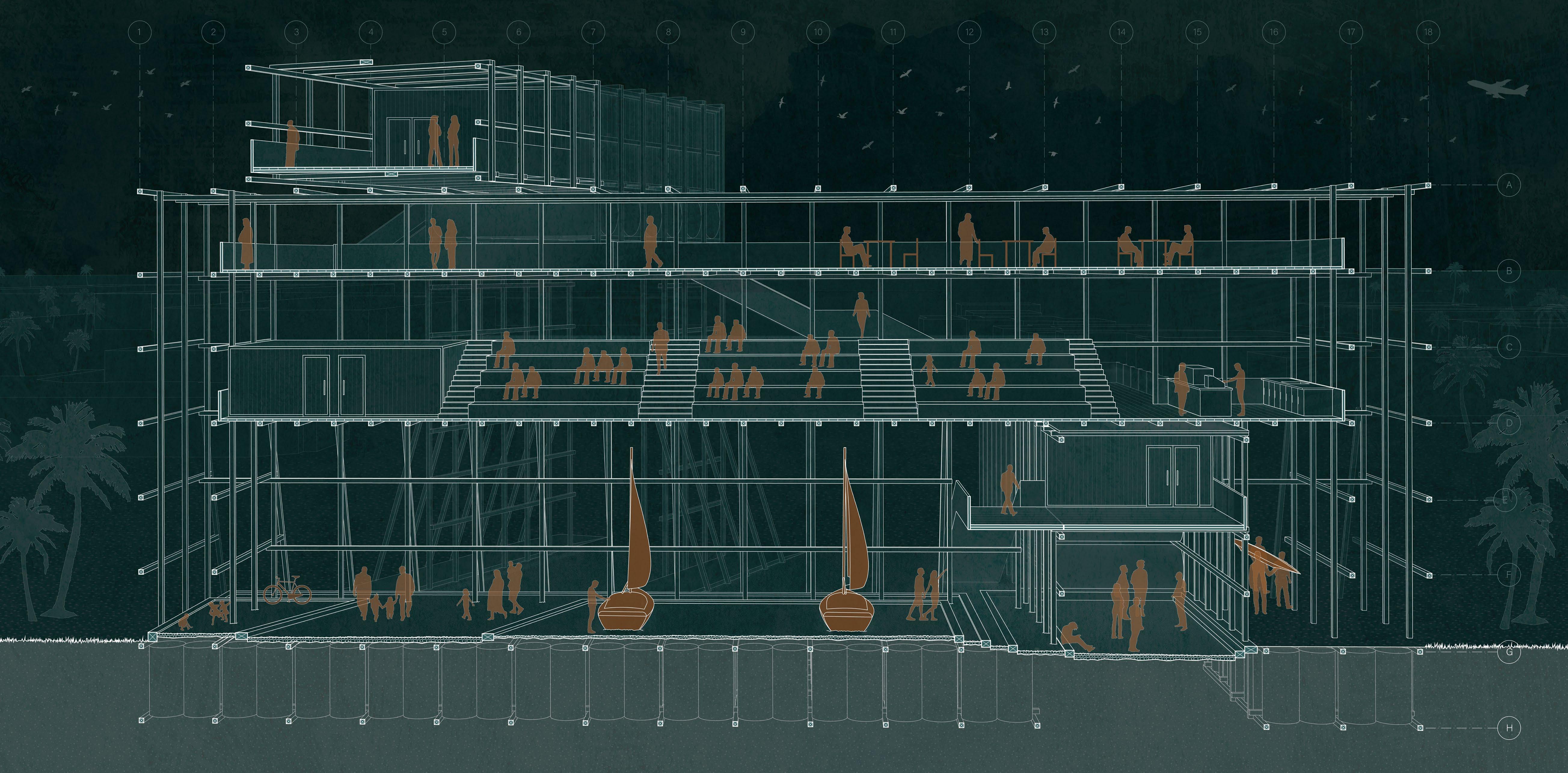
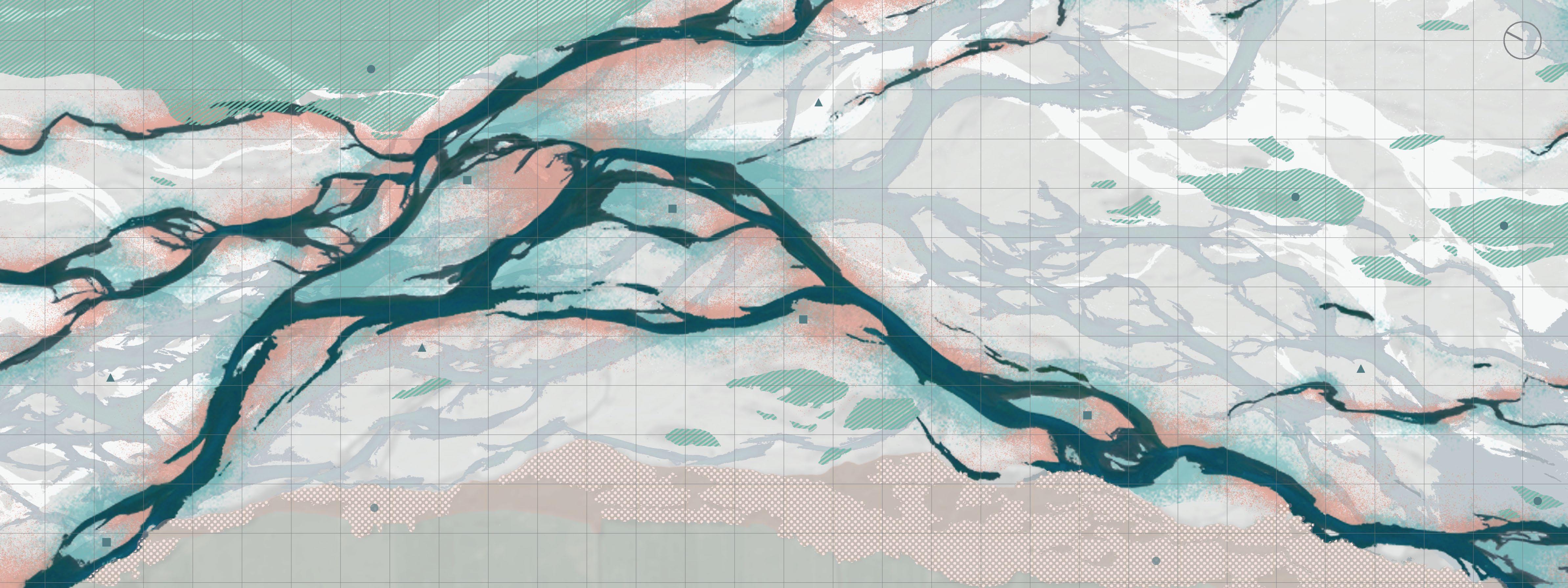
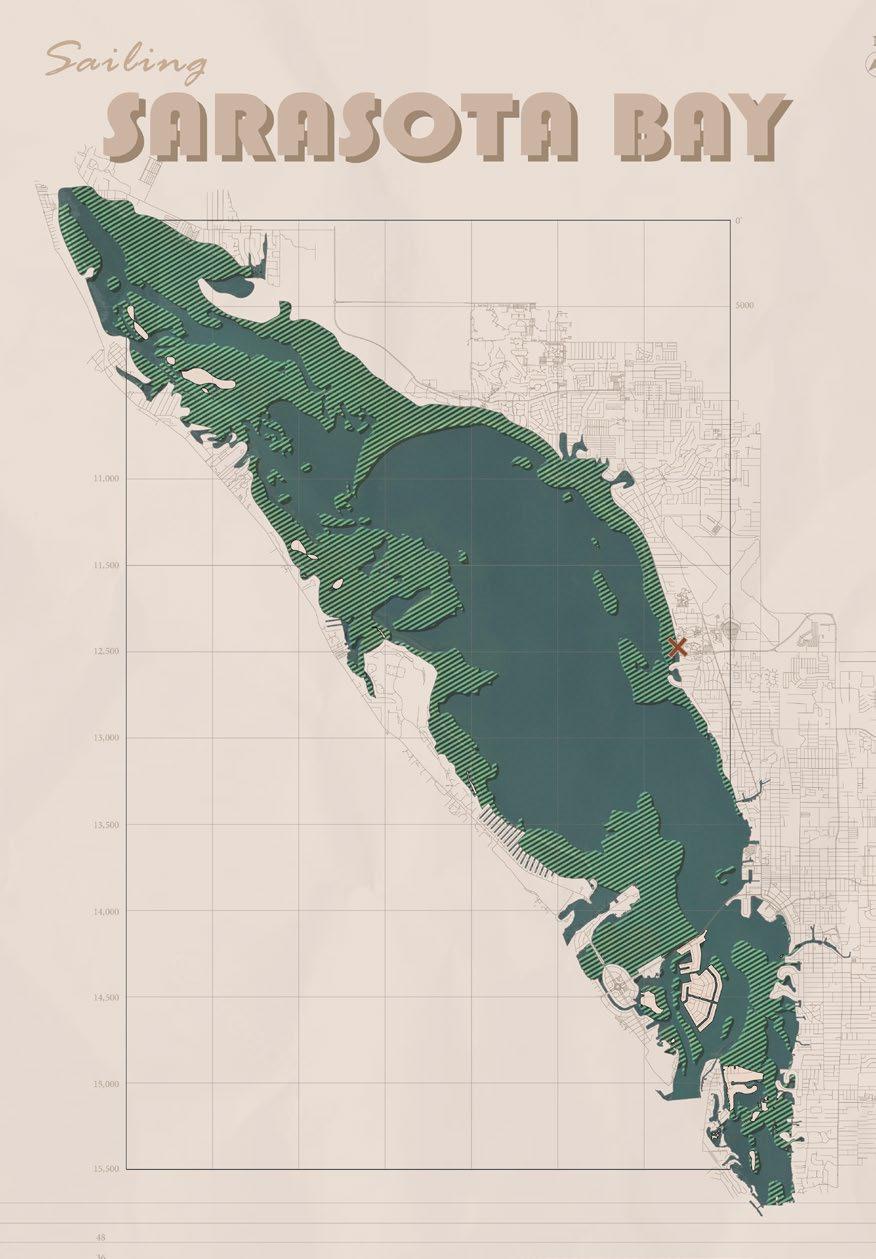
Produced within a second-year studio focused on landscape, ground, and ecology, these drawings combine raster and vector-based methods with strategic color schemes to communicate dynamic forces and trends that shape natural and built environments.
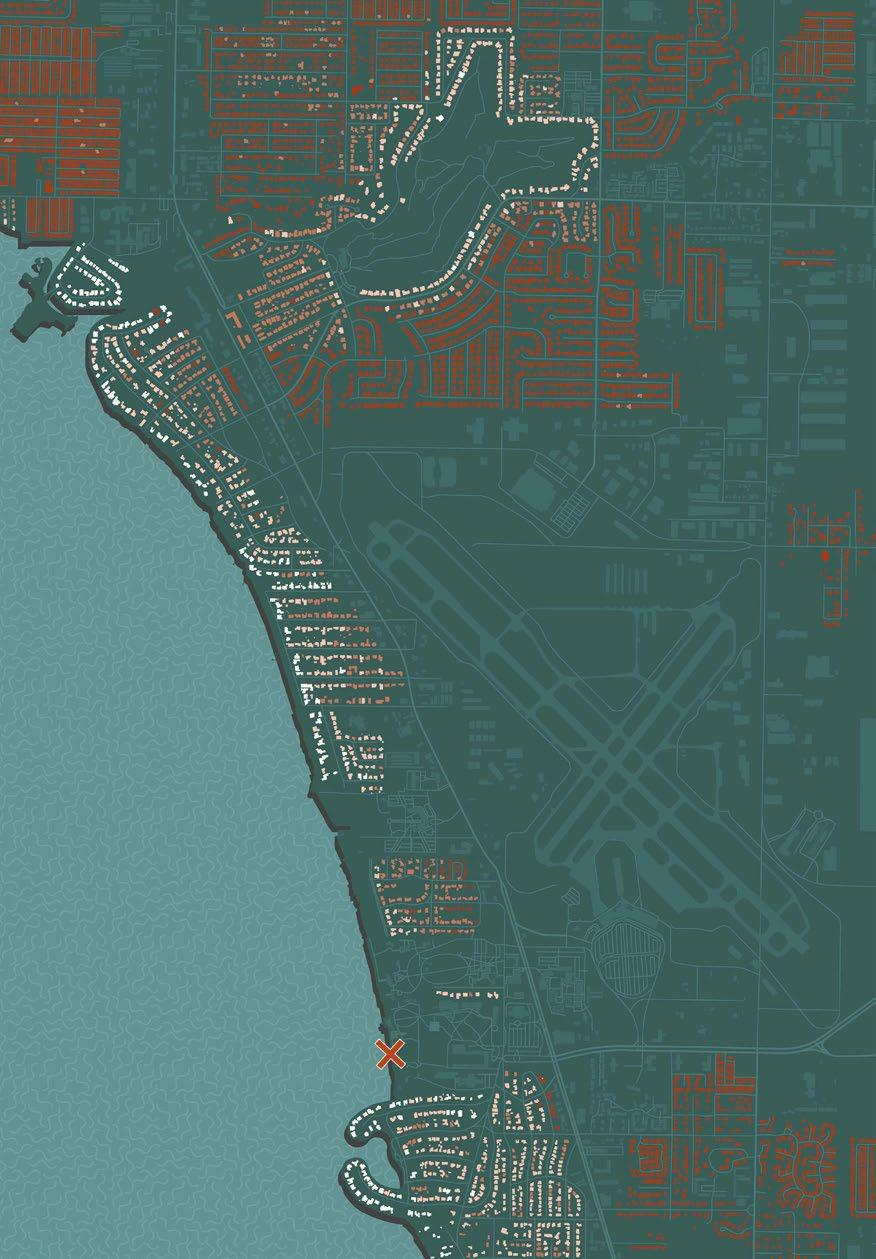
A combination of GIS/Illustrator vector work with Photoshop brushes and collaging, this series of maps reveals local conditions to the site of Sarasota, as well as the physical forces that shape the dynamic form of New Zealand’s Rakaia River.
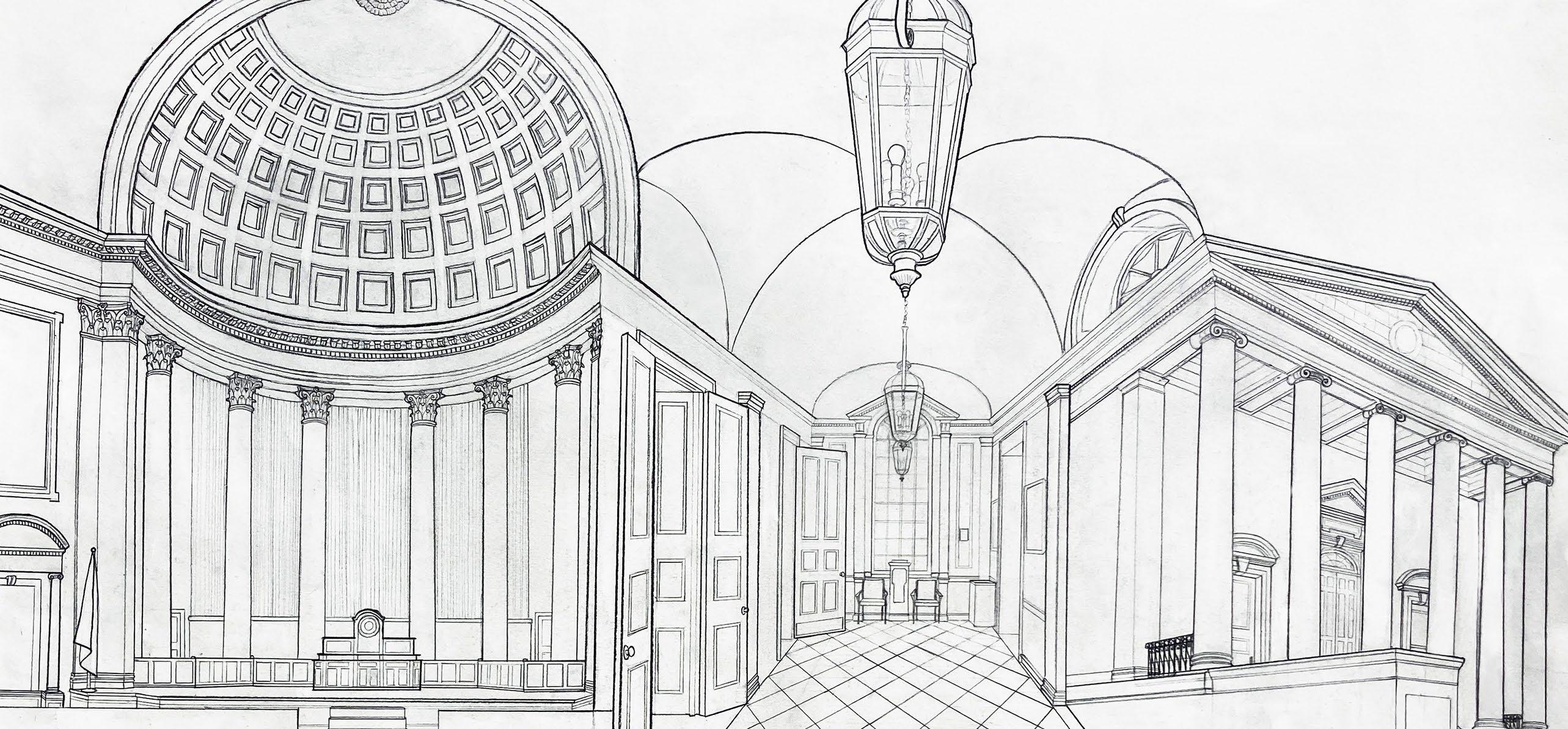
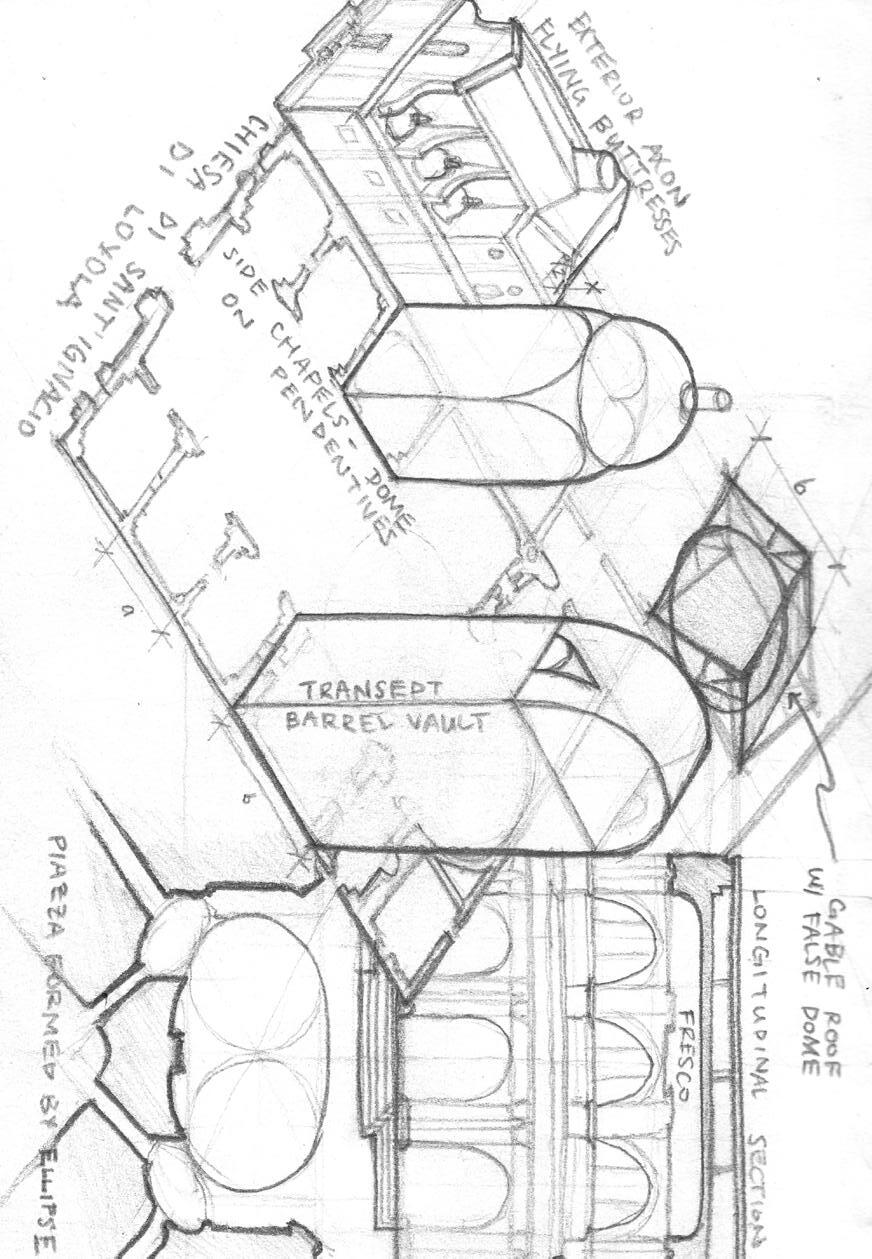
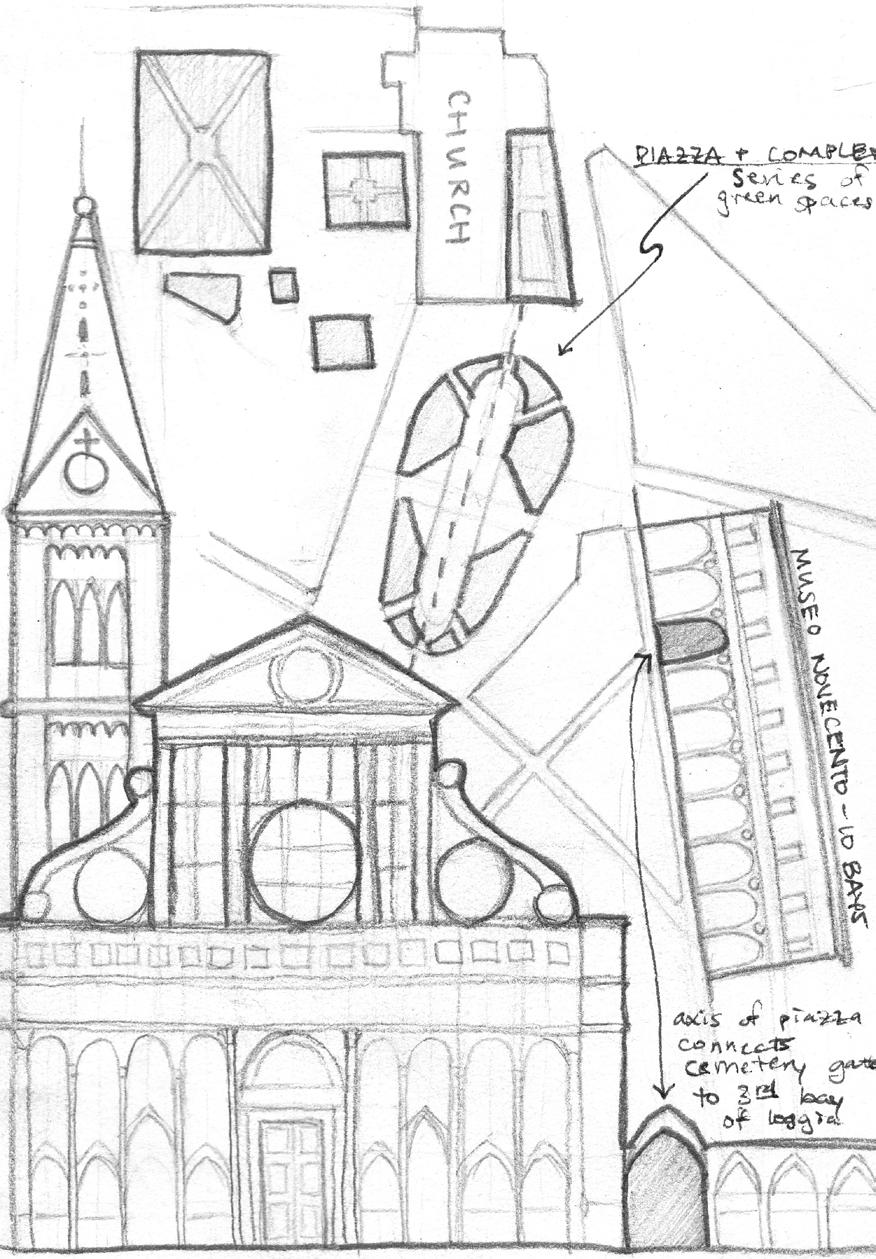
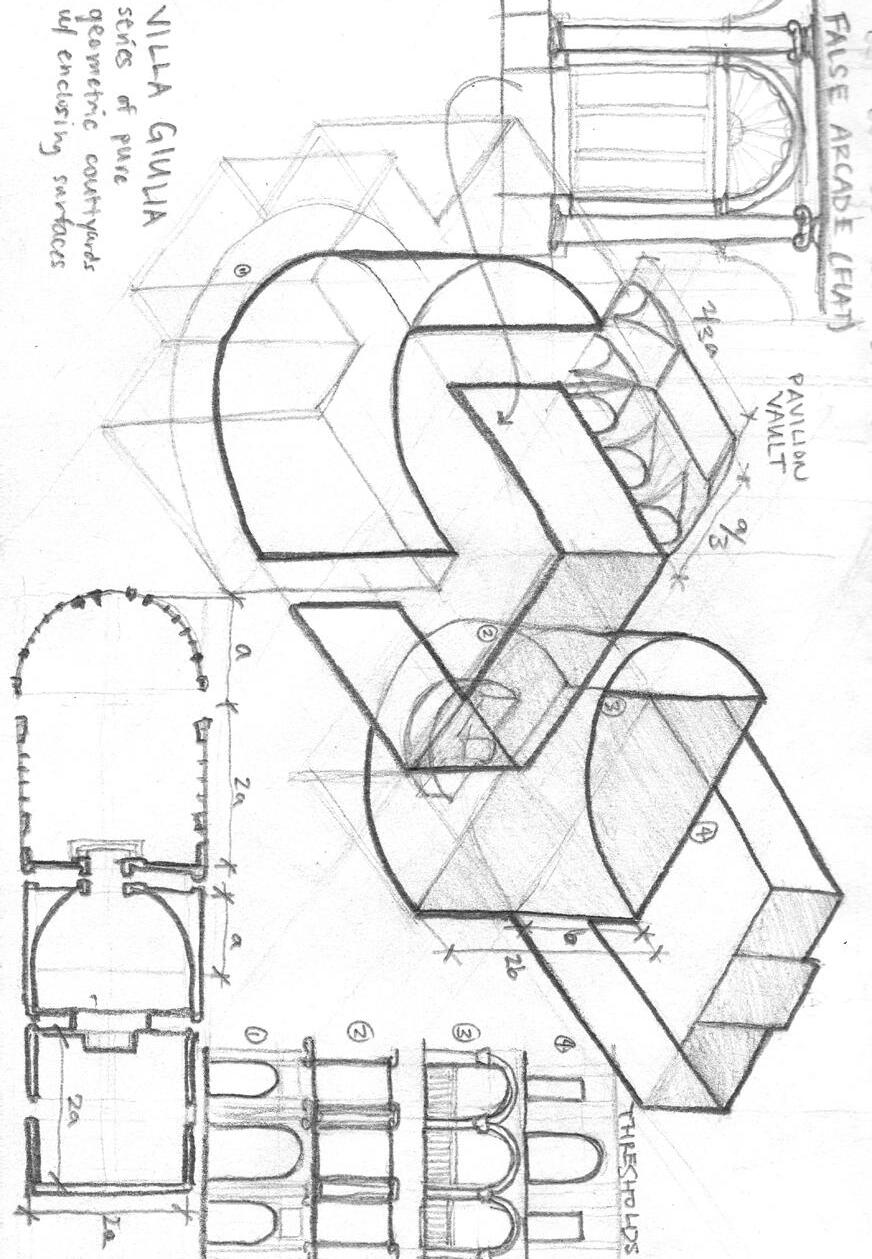
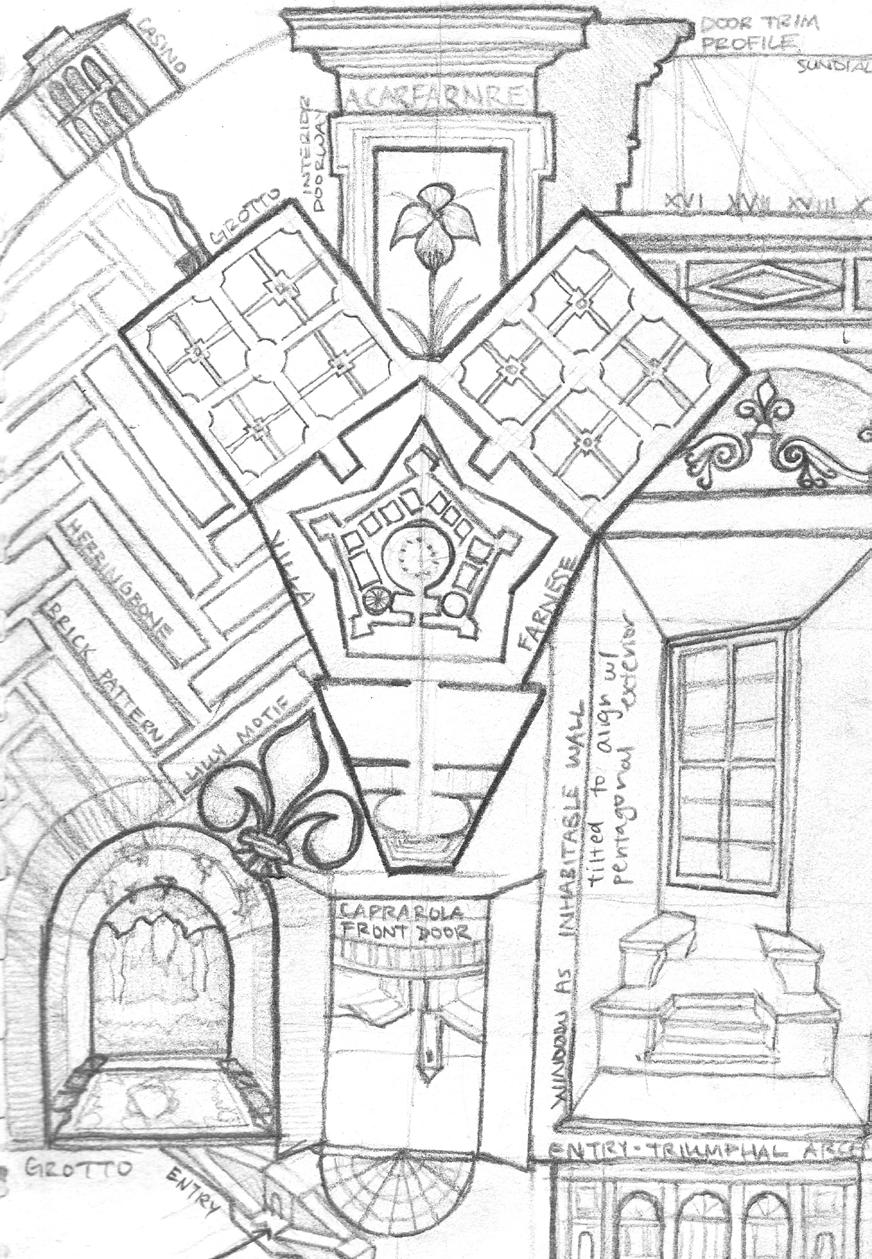
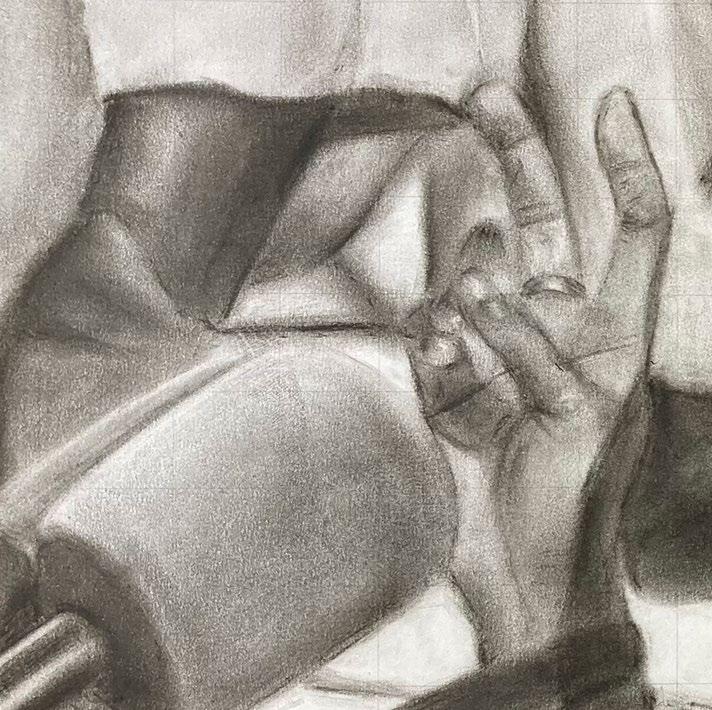
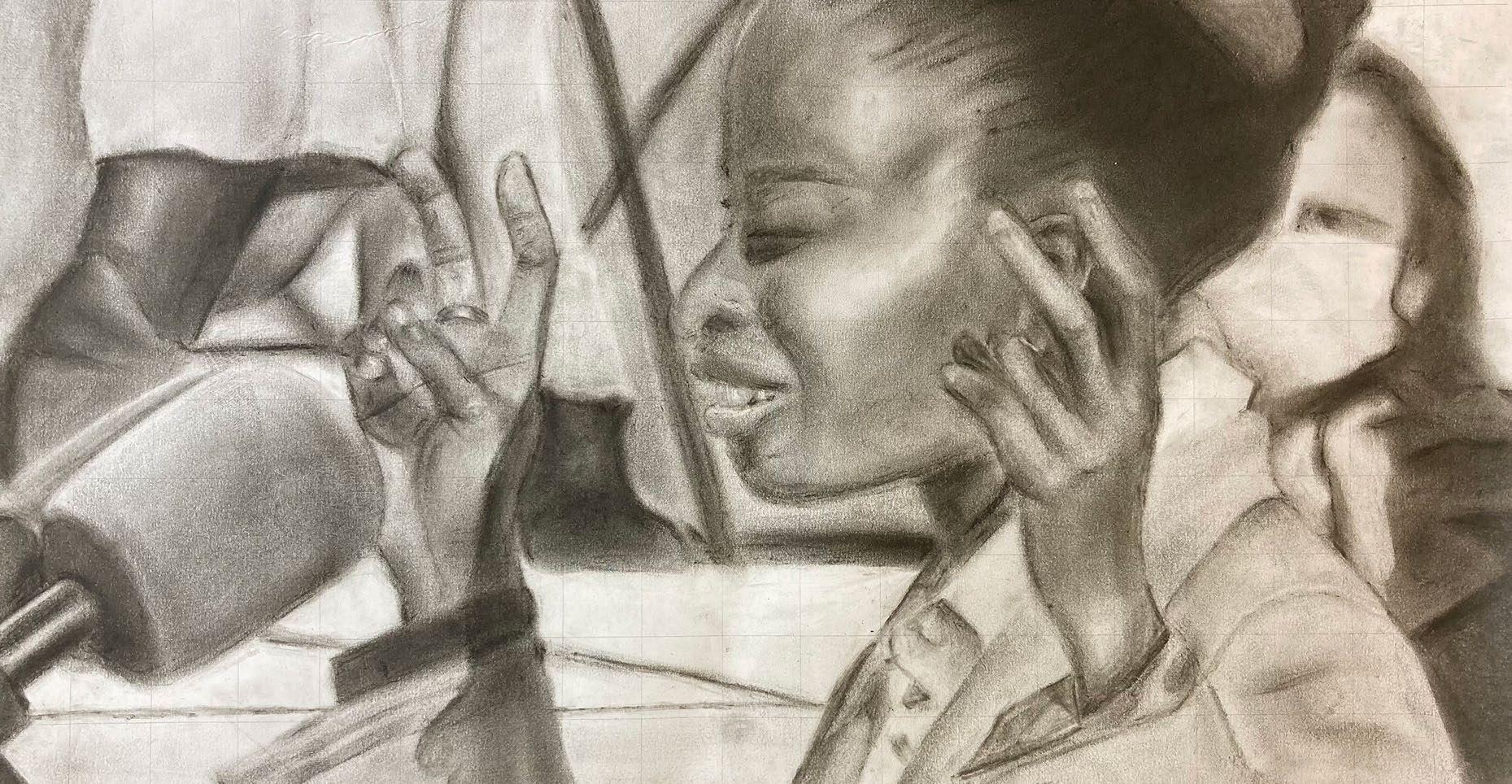
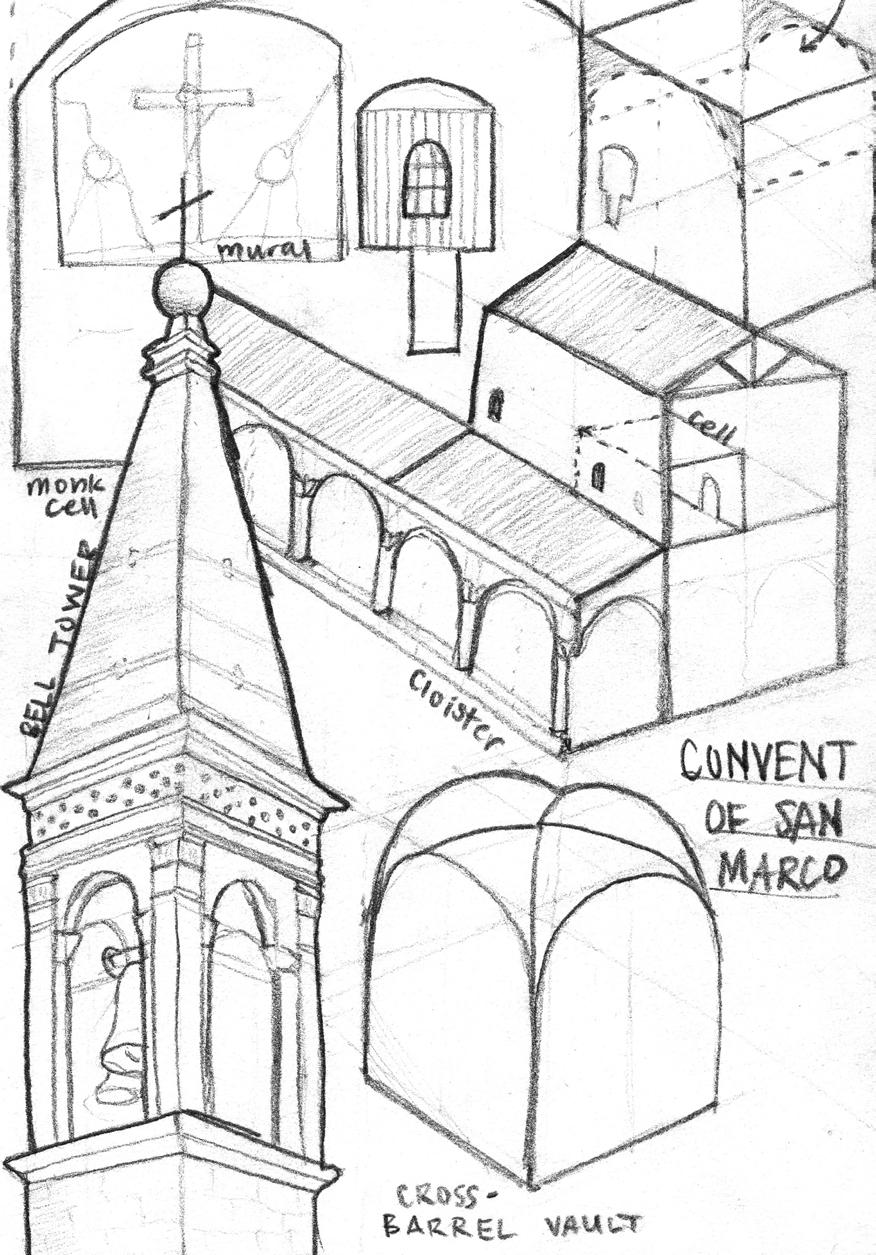
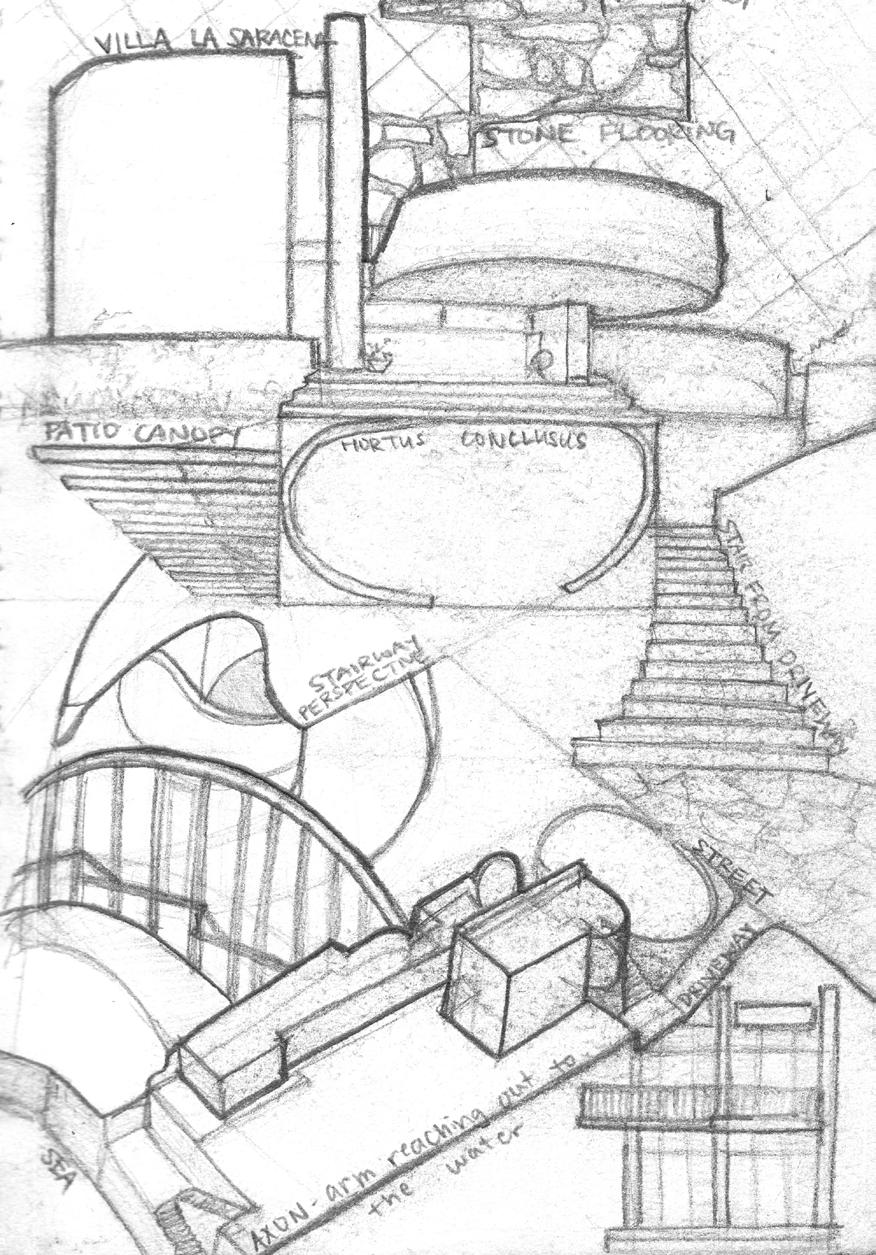
Resulting from continuous coursework requiring handdrawing through graphite, ink, and charcoal, the skill has been utilized to observe and analyze the built environment, exercise composition sensibilities, and quickly represent design concepts.
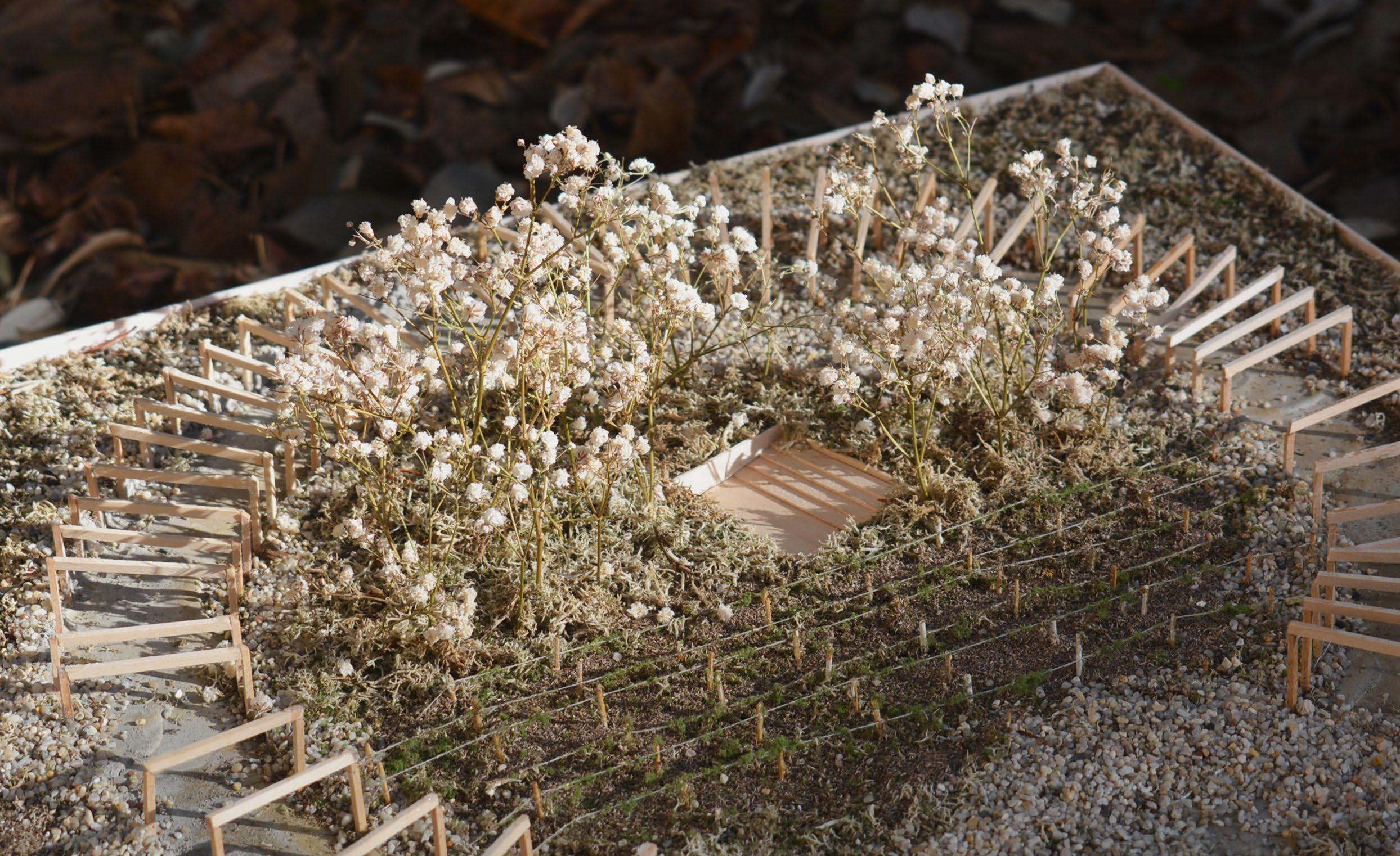
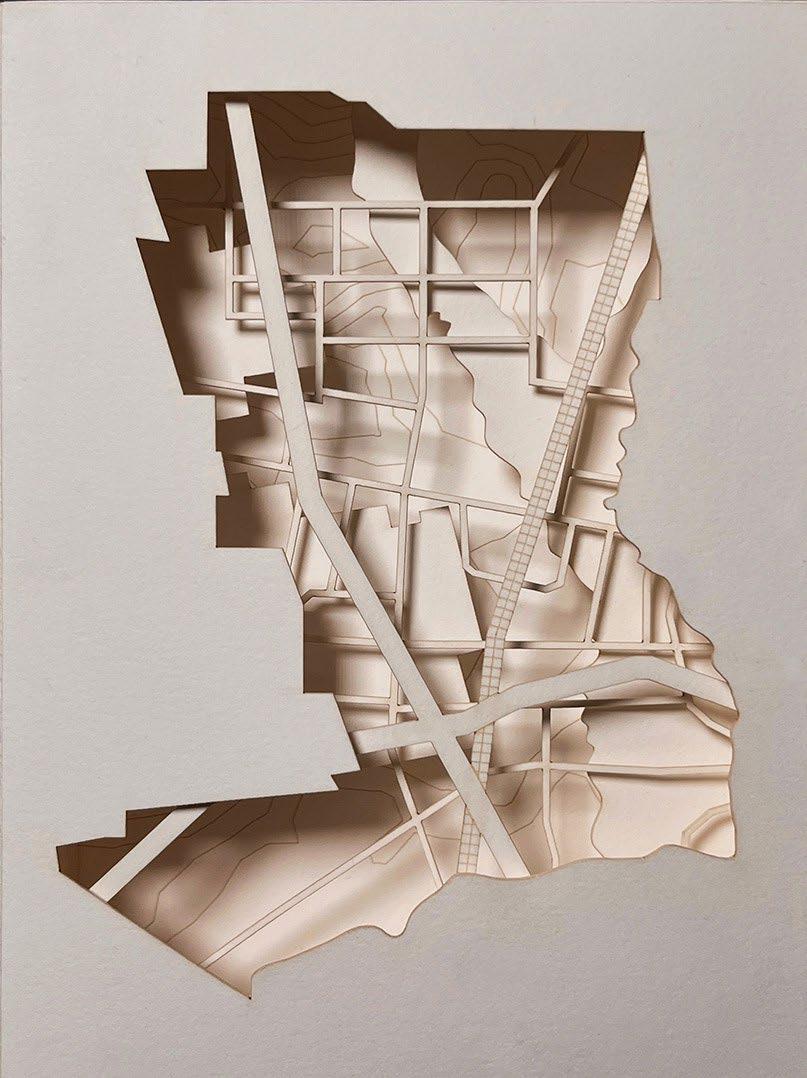
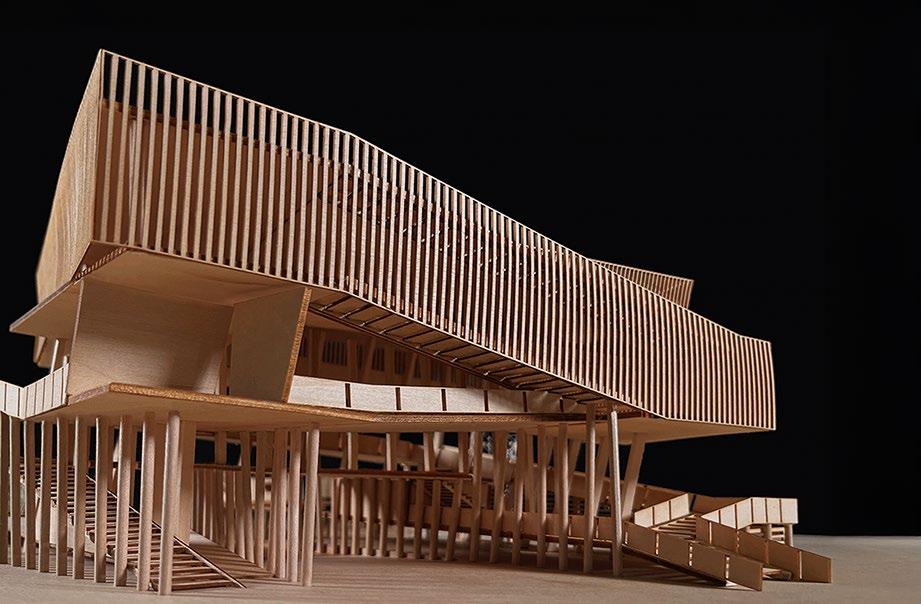
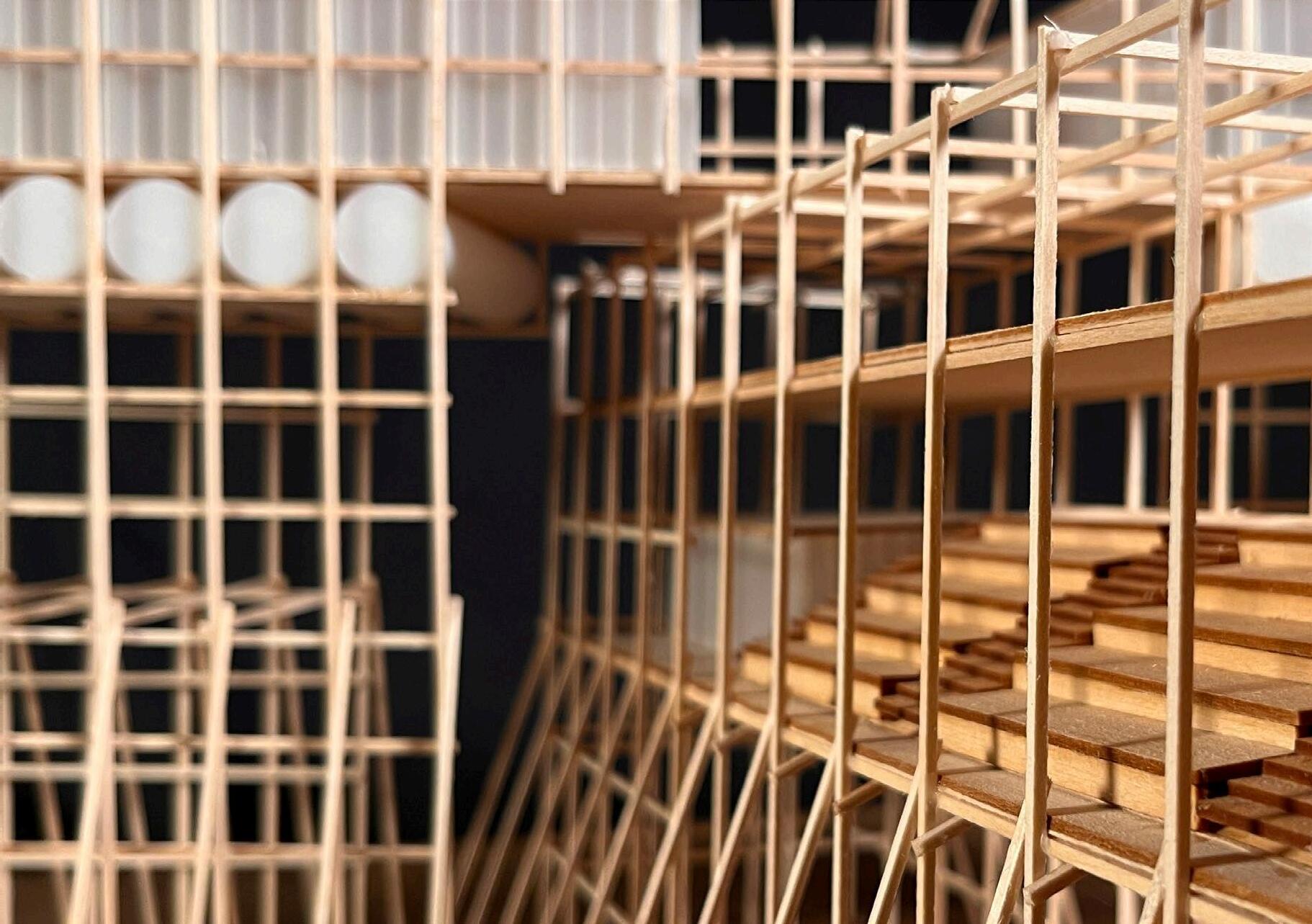
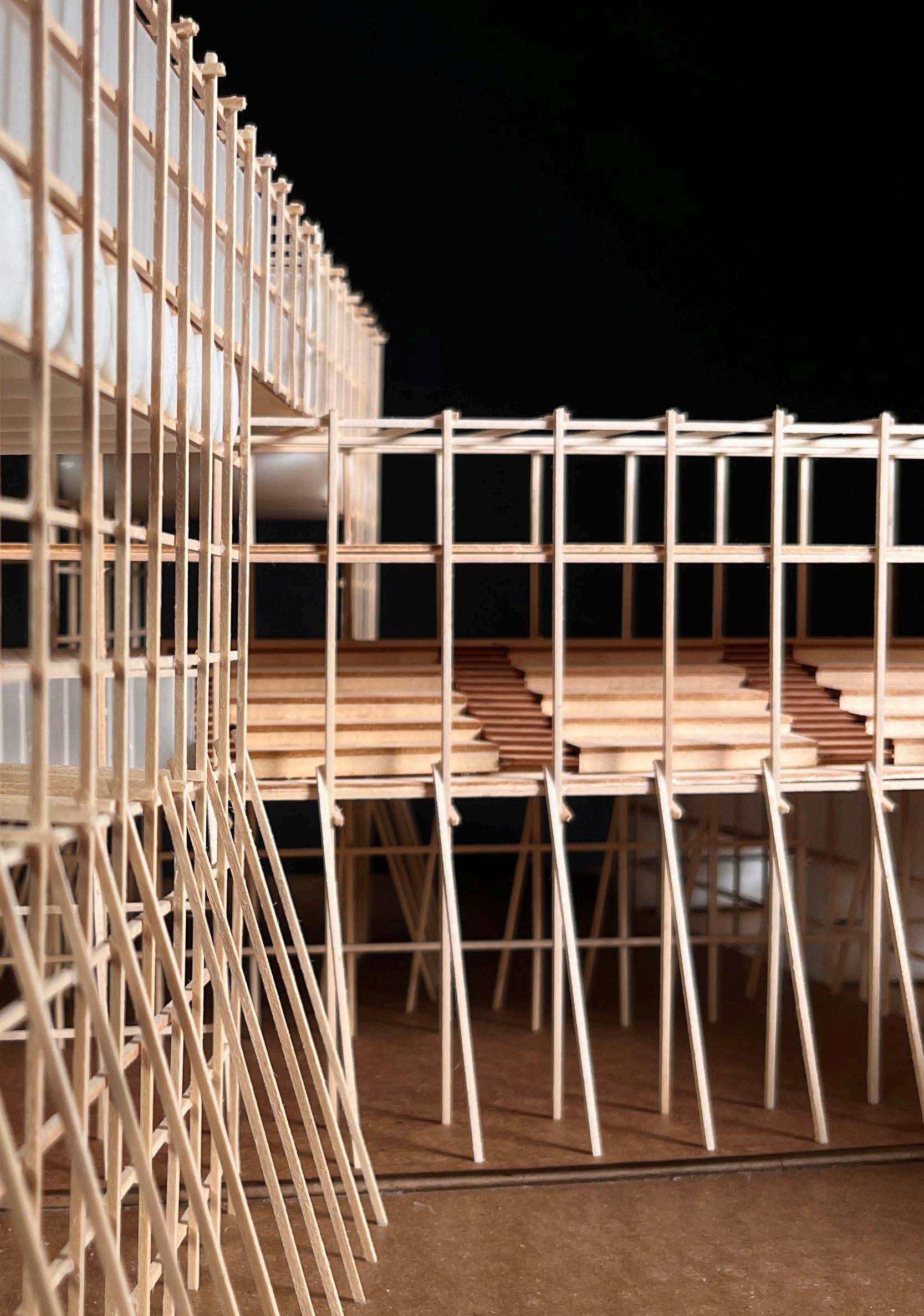
A diverse approach is taken to physical modeling, employing a combination of analog tectonic methods, casting, and automated fabrication, as well as varying levels of abstraction, to communicate project narratives, tectonic assemblies, material effects, and spatial characteristics.
Photographed in an outdoor garden, this 1:200 model involves a two-step casted base with plaster and concrete that carries a timber structure, vineyard, and amphitheater set among informal vegetation.
(Left) This laser-cut bas relief model abstracts layers of an urban environment to show the divisive nature of 20th-century transportation infrastructure.
(Right) Rising out of a CNC-milled MDF base, this basswood model displays both machine-cut and hand-cut pieces that compose a stilted and louvered civic center.
A stilted timber boathouse and spectator stand is represented in this 1/8” = 1’ scale basswood model which uses polycarbonate to show enclosure and 3D-printed cylinders to represent pontoons that facilitate a floating structure after sea levels rise.
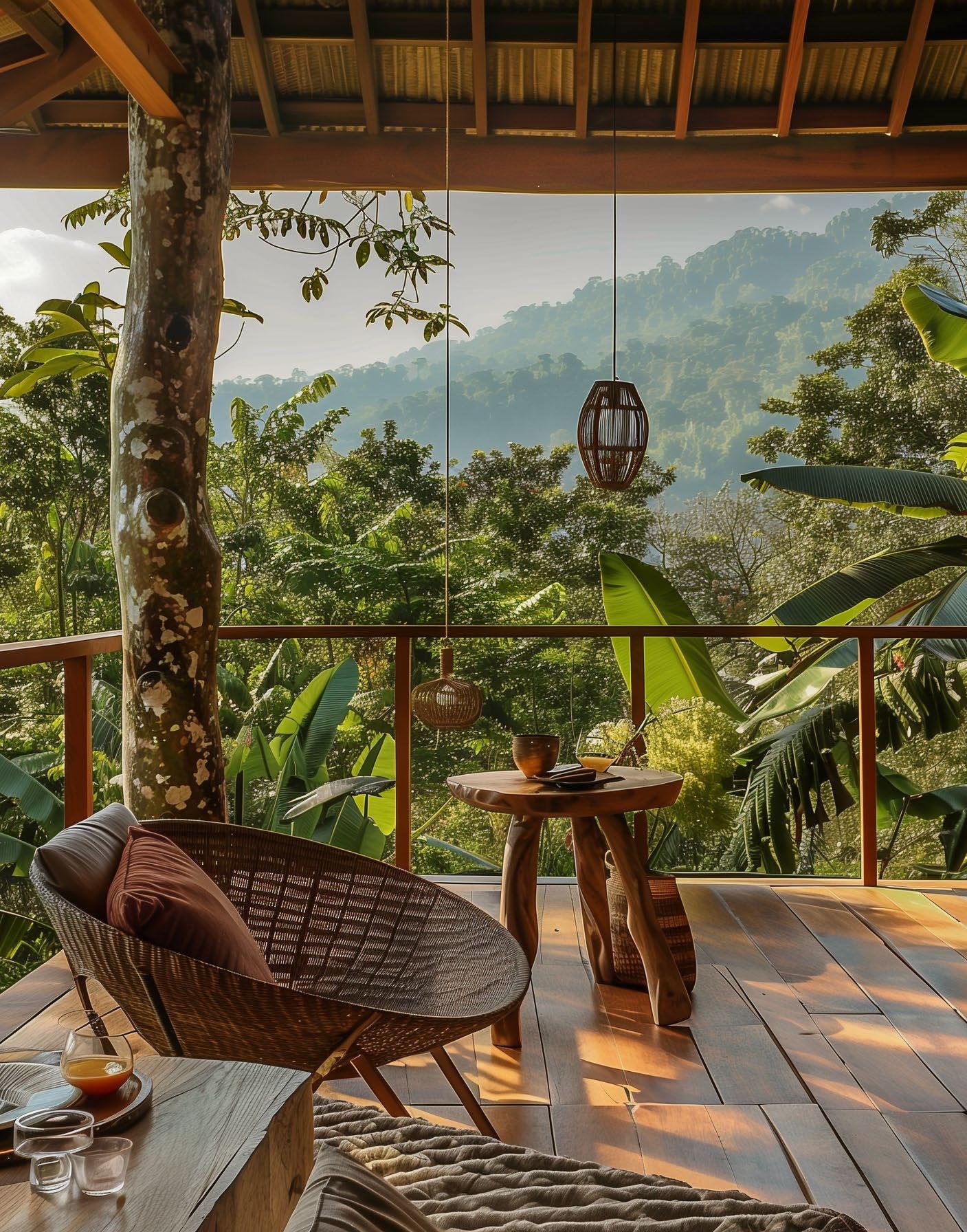
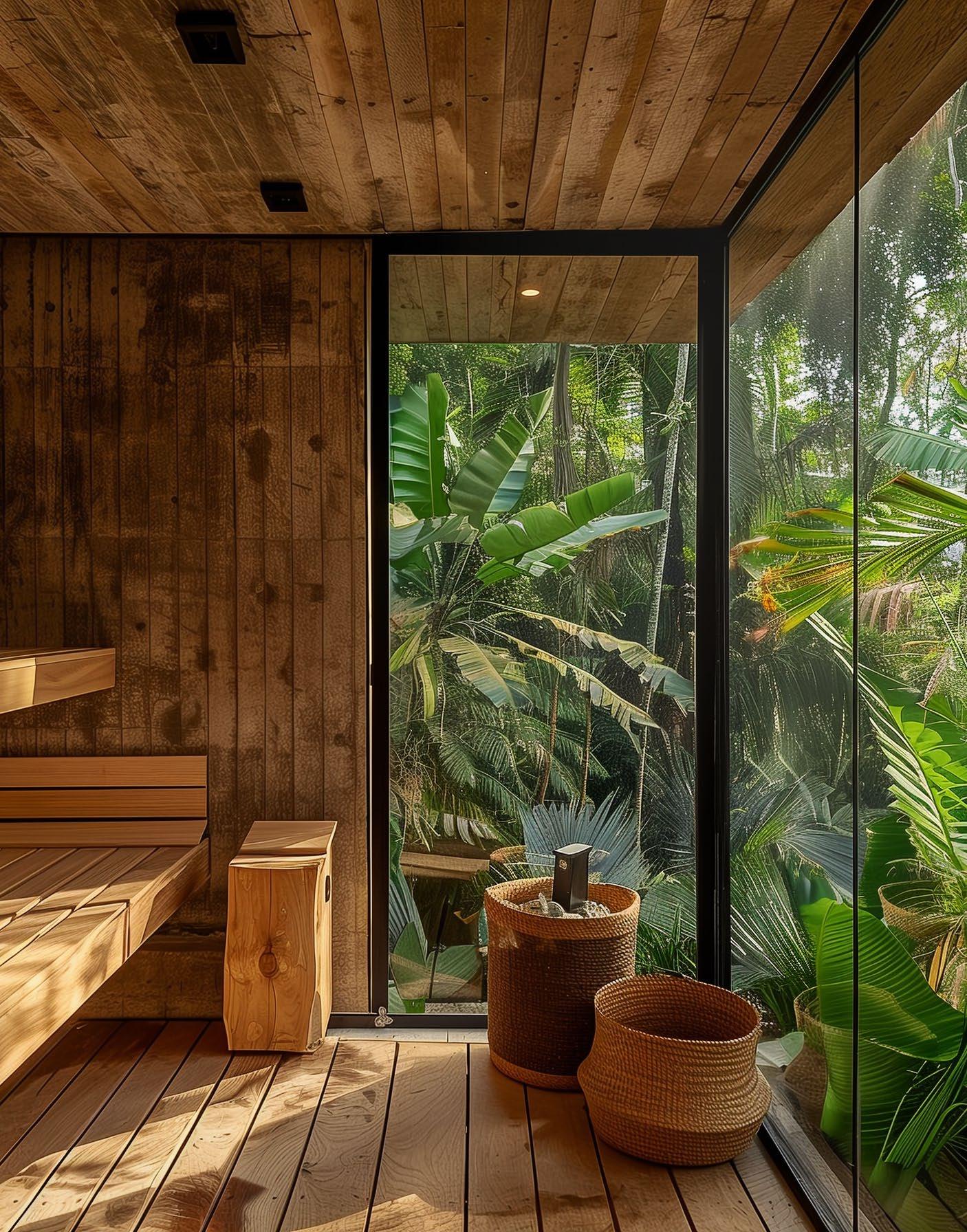
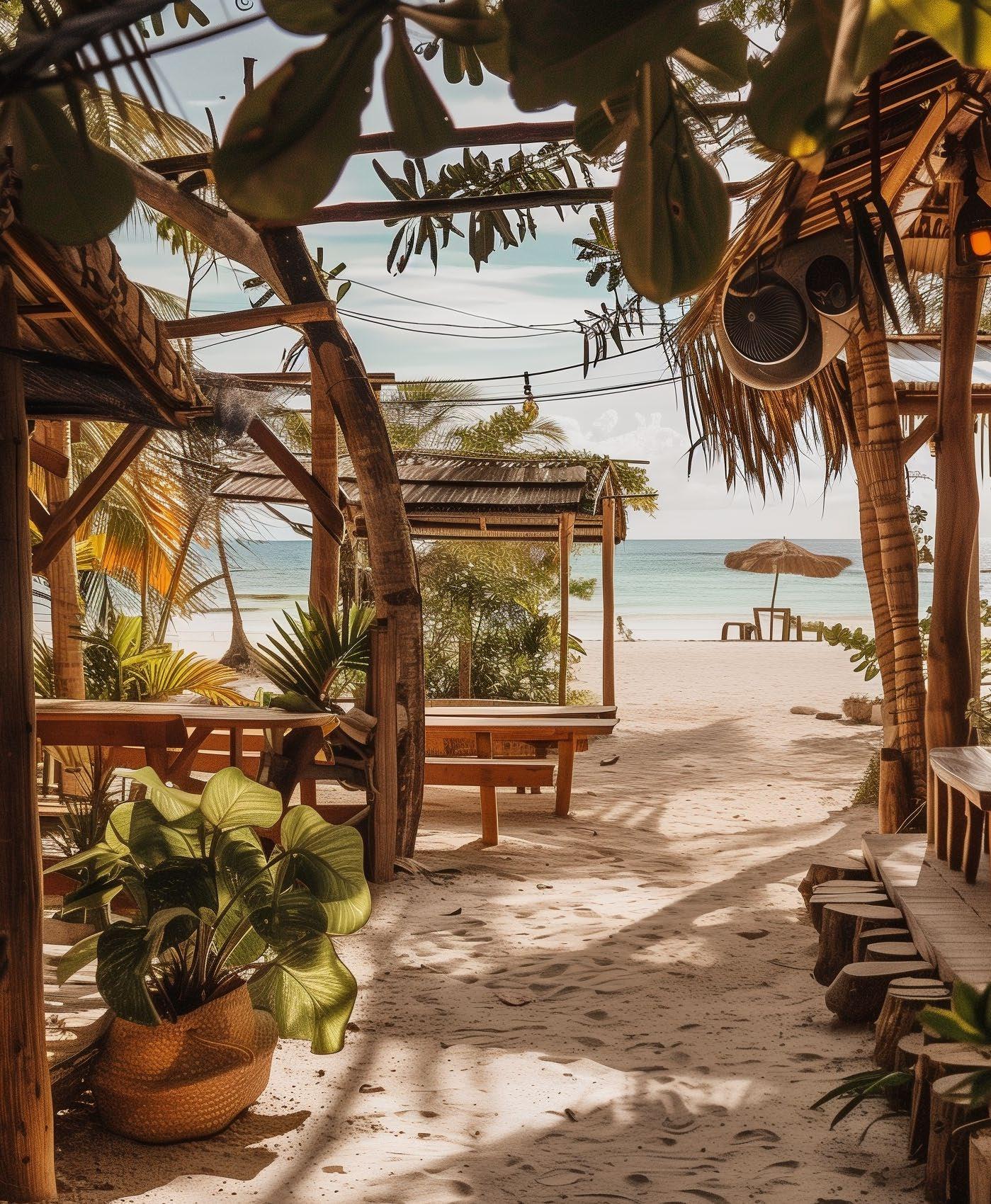
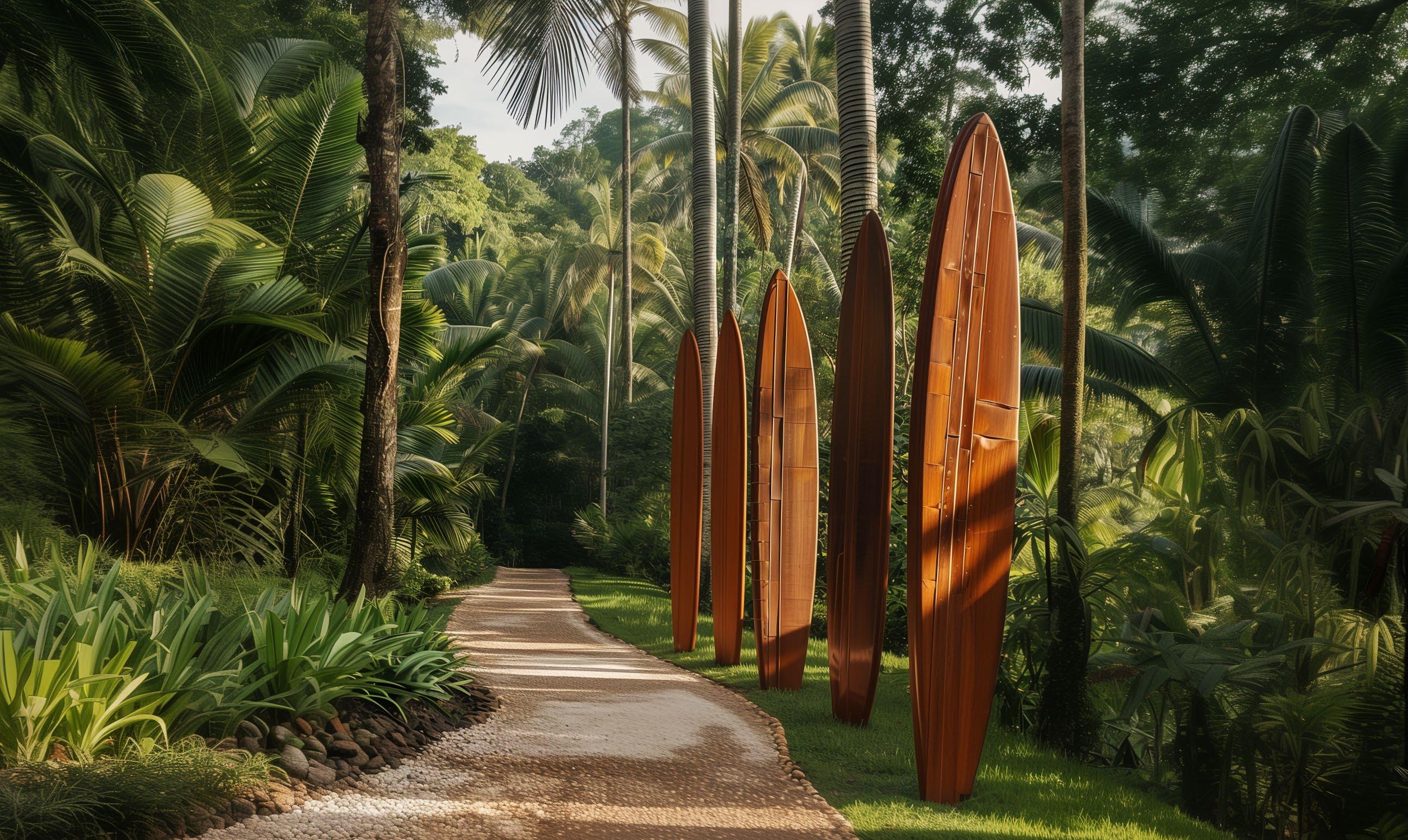
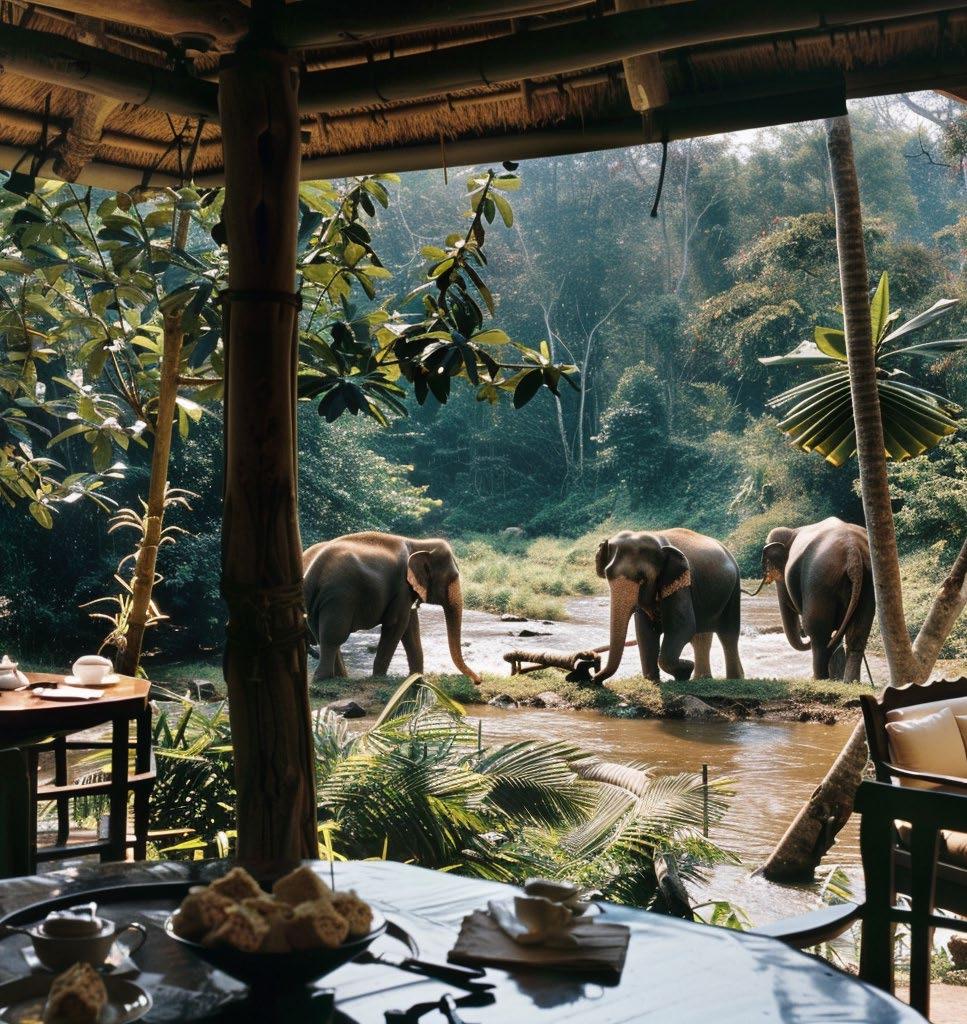
Drawing from a curious attitude and familiarity with upcoming tools and software, Midjourney was used to produce narrative visuals for a hospitality master plan competition during my internship with Perkins Eastman.
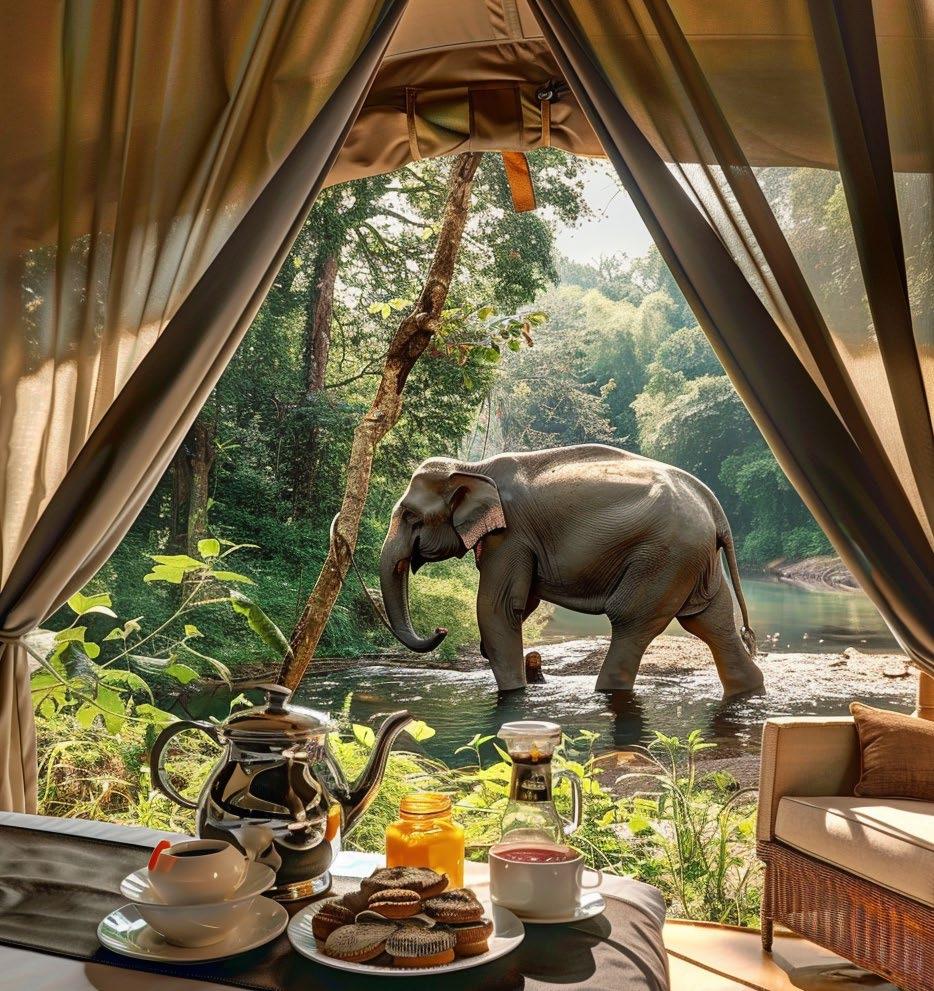
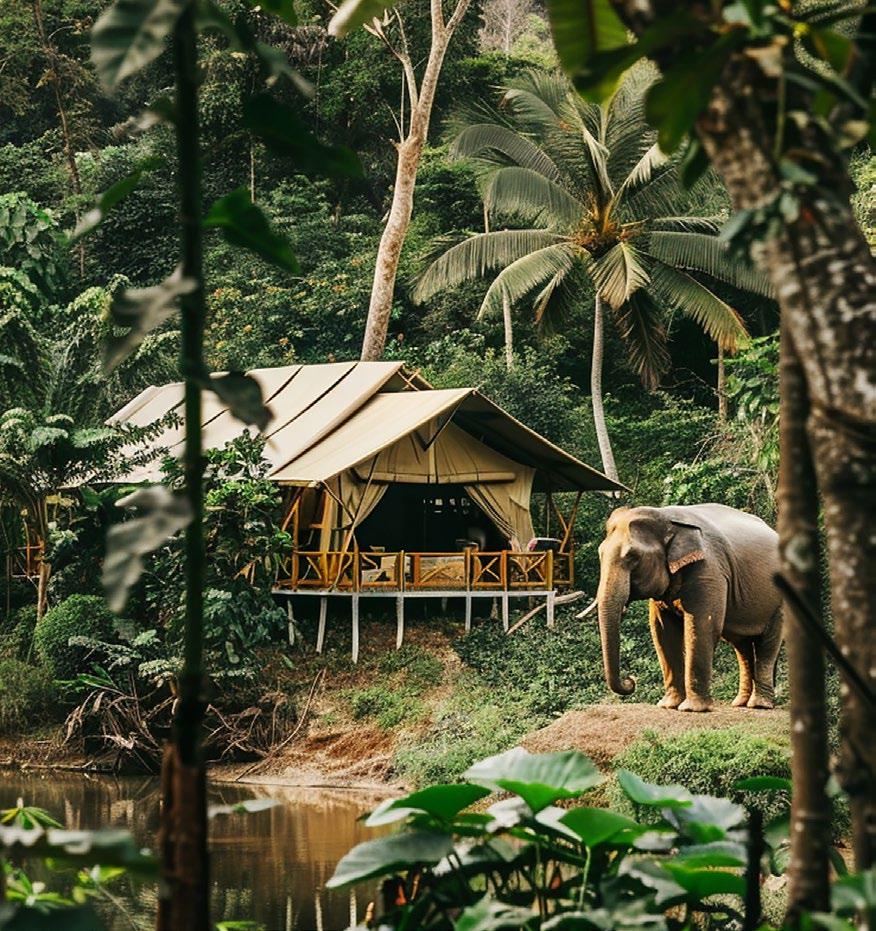
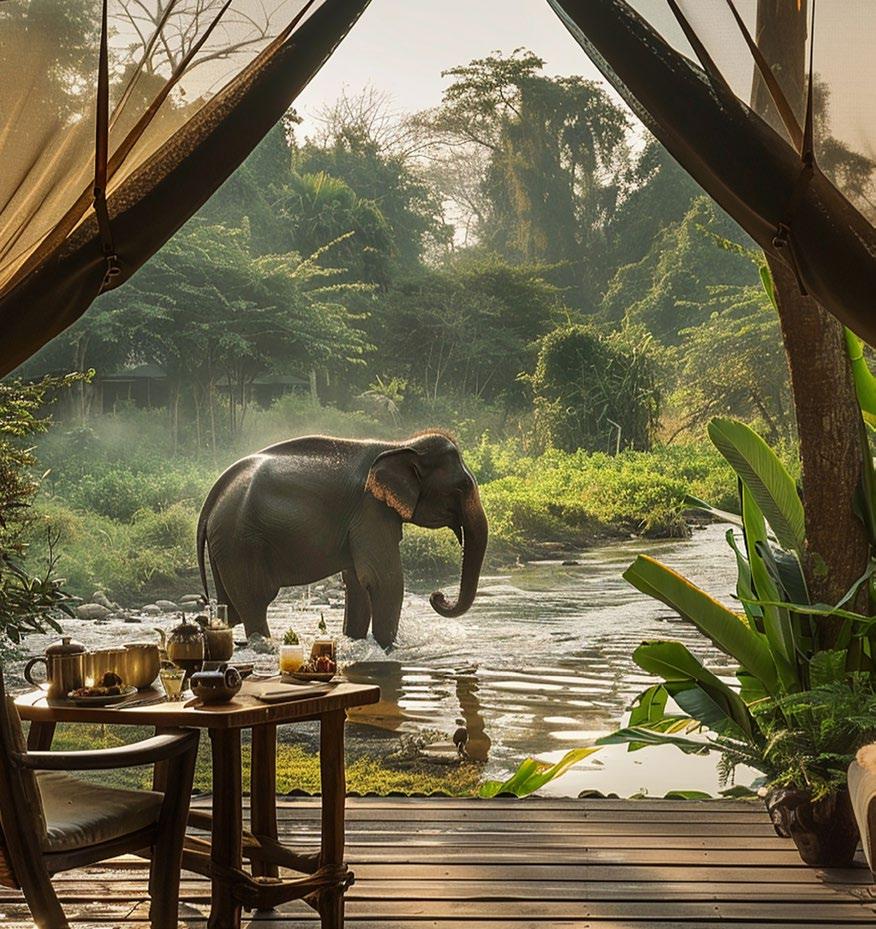
Final images result from an iterative process of feeding and adjusting prompts alongside input images to achieve specific results, in this case the experience of waking up to elephants bathing in a creek.
Kyle Chiang
SYRACUSE UNIVERSITY SCHOOL OF ARCHITECTURE
Bachelor of Architecture Class of 2026
Minor in Real Estate
M: +1 (303) 921-0885
E: juinkyechiang@gmail.com