






 Joy Cathey Prof. Pizzichemi INDS470/480 Capstone
Hello!
Welcome to Second Spark! Thank you for taking a peak at my capstone project! I am proud of how the project turned out and I am delighted to share it with you.
Just a little bit of context and info to start us off, I found that people tend to design their capstone project to fill a need that affects those near them or themselves directly and mine is no exception.
Second Spark is a community center dedicated to giving people a second chance or new perspective on life. This facility offers access to classes on life skills, career skills, hobbies, and more along with access to career guidance, community connection, community living, therapy, and a spark for life and hobbies that motivate you in your day to day. There should be a balance in supporting yourself and being a productive adult while also feeling inspired through hobbies and connections; there should be a spark for life.
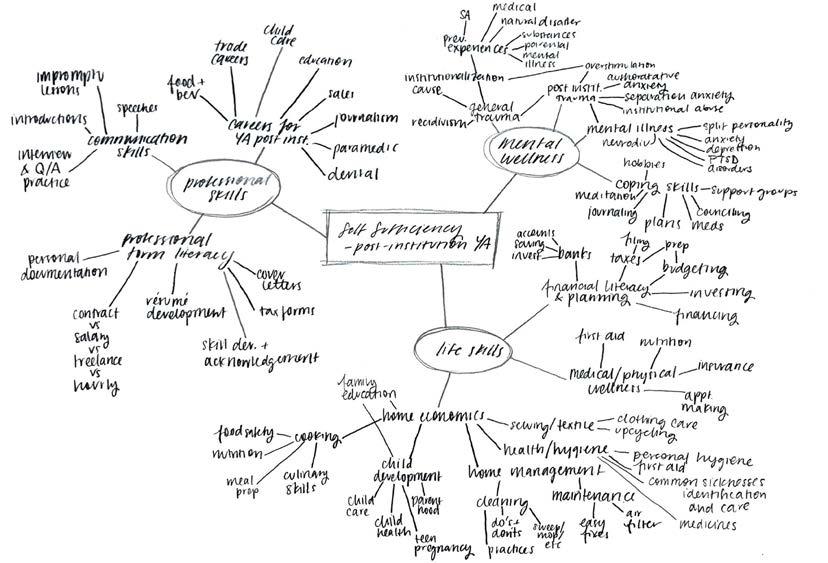
While there is support for creating hobbies and sparking motivation, there is also a focus on nurturing career and life skills for people to be self-sustaining and confident adults. There are a lot of skills that are assumed to be understood or are only obtained through a “typical” or “ideal” upbringing.
Second Spark is available to anyone interested in developing career, life, and hobby skills while also having the option to live on site. However, there is also additional focus on “students” who were previously institutionalized through juvenile detention centers, mental hospitals, the foster system, etcetera.
Overall, Second Spark exists to connect people, nurture skills, spark motivation, and give people a second chance at life in a dignified space and location.
Thank you again for your time and attention. I hope you enjoy!




















When conducting the initial research and discovering what can solve the problem, I found scholarly articles, documentaries, social media of existing projects, precedent studies, and the perfect typology for solving the issue of giving people a second chance at being successful in their life. From the research, defining who would actually use the space and what they need was key. This portion focuses on the research of the problem, who is affected, what they need, places that have helped, and the project type needed to make it all work.
There is a cyclical, harsh, and restrictive cycle in the community towards children.
1 of every 4 kids in the US are at serious risk of not achieving productive adulthood
Modern kids report more anxiety now than children in psychiatric treatment for anxiety in the 1950s.
There are very few places left to help reintegrate and/or support youth in situations where institutionalization and potential homelessness are addressed and negative actions are avoided by distraction, education, and community.
As a matter of fact, there are actually several places actively fighting against helping previously institutionalization youth by excluding and convicting them.
When juvenile corrections facilities started there was a clear focus on rehabilitation and not simply punishment, that has changed. In the 1980s, juvenile correctional facilities stopped being correctional and were simply used to punish and separate troubled youth from the rest of society. There has been an attempted shift back to a more reformative/rehabilitation oriented program but juvenile facilities are still incredibly uninformed on how to handle mental illness in youth and how it may affect the outcome. This project should fill in the gaps carved out or left by these institutions and the neglect of receiving life readiness.
A holistic approach to exposing people to coping methods and hobbies helps the most on the road to self-sufficiency and fulfillment
There are specific modalities of treatment that can have elements pulled from and implemented into trauma-informed support.
Larson, S. (2008). The Relationship Trauma Crisis. Reclaiming Children & Youth, 17(3), 9–12. http://0-search-ebscohost-com.library.scad.edu/login.aspx?direct=true&db=aph&AN=35442928 &site=ehost-live&scope=site
Underwood, L.A., & Washington. A. (February 18, 2016). Mental illness and juvenile offenders. Int J Environ Res Public Health, v.13, p.228, 2016. doi:10.3390/ijerph13020228
SAMHSA. (December 22, 2021). Percentage of U.S. mental health facilities offering specific treatment approaches in 2020 [Graph]. In Statista. Retrieved September 19, 2023, from https:// www.statista.com/statistics/712811/mental-health-facilities-offering-specific-treatment-approachesin-us/
Very few places to reintegrate and receive support assisting in personal matters, highly convicted
Cyclical, restrictive cycle resulting in recidivism 1980s, Juvenile Correction Facilities dropped the correctional mission and focused on punishment
1:4 kids at serious risk of not achieving productive adulthood
Institutions need to fill gaps and establish life readiness to prevent spiralling in negative situations
The holistic exposure with traumainformed mental health and career support can fill the holes.
Should shift back to reformation focus, not disciplinary
A focus on self sufficiency, fulfillment, and exposure to enrichment is a holistic support method
Self Actualization
Maker spaces and creative outlets being nurtured to stimulate passion and a spark for life which redirects focus and attention to hobbies and careers rather than mental illness or criminal activity
Esteem
Job skill development, presentation skills, exposure to professional worlds
Love & Belonging
Acknowledgment of skills through presentation and celebrations of skills and talents developed through the program, mental health counseling, and empathy
Safety & Security
Security on site, consistent courses and structure, comfortable predictability
Physiological Needs
Access to potential housing, food and options, home ec classes
“There can be no keener revelation of a society’s soul than the way in which it treats it children.”- Nelson Mandela
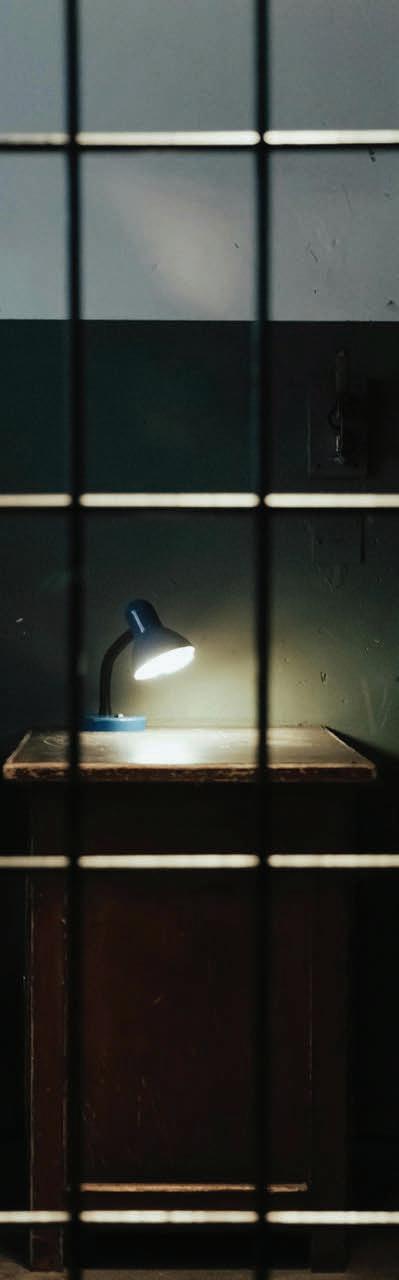
Youth incarcerated as adults are 36x more suicidal than youth in juvie.
10,000 youth in adult prisons.
YIA interviewed in this documentary ranged from first time offenders (15 and 12 y.o.) who killed and eventually got out to never go in again, a drug and alcohol user (16) charged with felony robbery set to serve 36 years who attempted suicide, to a repeated offender (barely 18) with 7 family members behind bars who attacked a cop to see his brother in the facility because he is comfortable in the prison system
Attorney in Doc: “To treat a 12 year old as an adult is for the system to say ‘we give up on you’”.
Executive Director of Youth Services for Indiana DoC: It is required to learn survival skills in these facilities at that age and it is the least friendly environment to do so”.
Adult Inmate: In 18 years of incarceration, had not received any counciling for what caused his being there and he didn’t receive counciling before. He can tell that counciling would definitely help.
In 22 states, including the District of Columbia, children as young as 7 can be prosecuted and tried in adult court.
Juvenile correctional facilities usually have GED programs.
Juvenile correction sentences are usually 6-12 months long, require board review proving desire to ‘do better’, and include development programs.
There is a high rate of recidivism even after these programs.
The facility in this documentary has a Future Soldier program where the youth can enter the military immediately after if they would like if they do well.
The lack of structure, motivation, support after leaving the facility creates recidivism.
Interview with a Life Sentence
Sentenced in 1987 for 100 years at age 24, family and friends have come to know him only from jail and/or don’t know him at all. He has lost lots of family while behind bars and their only interactions (like his mother) for decades had been occasional visitor sessions that lasted two hours till she died. Talked about how the system is harsh but youth need to understand what they are doing when they make those single, monumentally bad decisions.
Comparison/Conclusion
Incarceration has a high recidivism rate no matter what whether intense sentence time or severity or low.
Mental health, counciling, and suicide aren’t addressed properly or at all within these facilities.
The programs in place in prisons have low success without follow through post release. A stable system to develop skills furthers after release where skills, hobbies, and mental health are addressed can plug the holes left behind by prison.


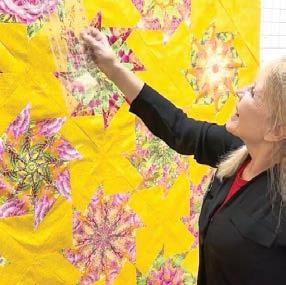
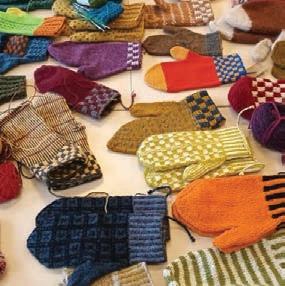
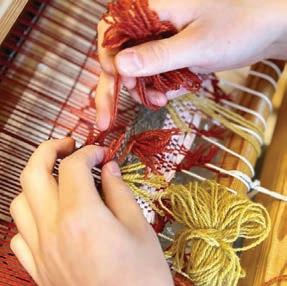


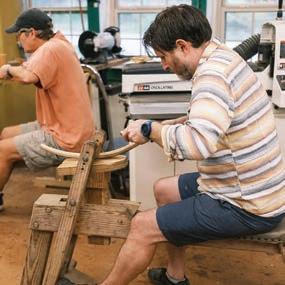
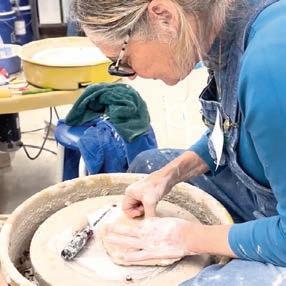
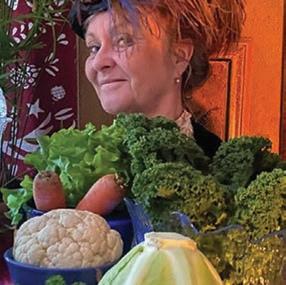
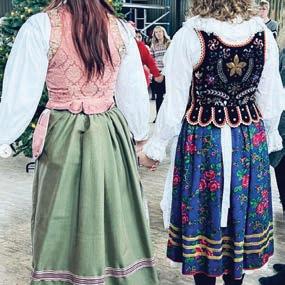
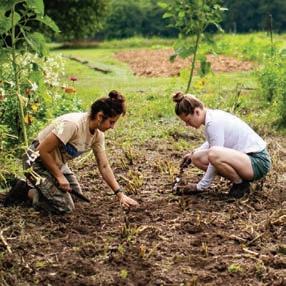



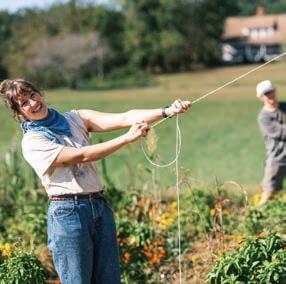









































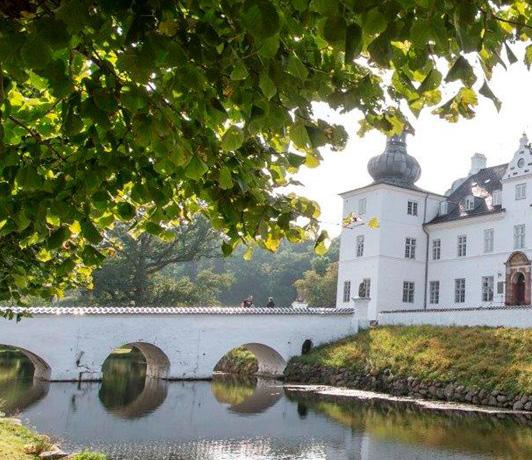
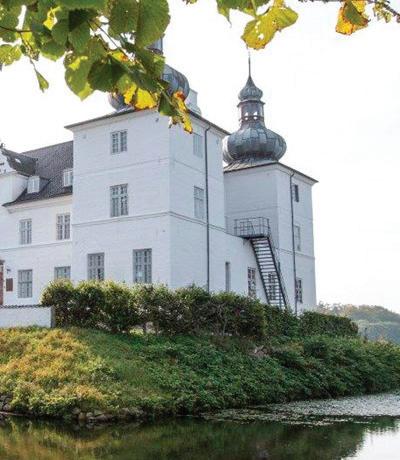
Community centers are also known as civic centers and have been officially established throughout time for thousands of years. The educational, less secular concept of a civic center has been more prominent since Hellenistic Rome known as forums or acropolises.
According to SmithGroup, community centers are to serve as the soul of a community and to reflect the setting and period within they are shaped.
Accessibility to community centers has varied throughout history, sometimes being dedicated to very exclusive demographics, a sub-part of the overall community. Modern community centers aim to focus on inclusion and goal planning.
‘“How should a contemporary civic center define itself and what should it convey regarding current values for centuries to come?”’
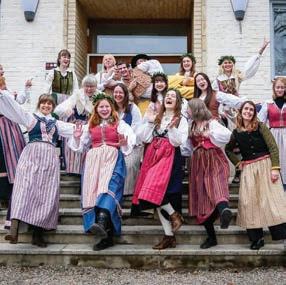
In 1844, the first folk high school was started in Denmark focusing on adult skills and life long education through month long courses where people could pay a small fee for room and board then get an education to support them for the rest of their lives.
The idea was to offer an education to people who couldn’t afford or complete formal, expensive education.
This concept continued around Scandanavia along with worker’s high school then to other parts of the world.
The main content of these schools are courses like: location language education, general ed, political ed, trade ed, IT ed, health ed, arts exposure/courses, and so on.
Community Center: a place where people from a particular community can meet for social, educational, or recreational activities
Adult Education: practice where adults engage in systematic and sustained self-education activities in order to gain new forms of knowledge, skills, attitudes, or values
Home Economics: cooking and other aspects of household management, especially as taught at school
Folk High Schools: non-formal residential school offering learning opportunities in almost any subject, most students are ages 18-24 and stay for about 4 months. Enrichment: the action of improving or enhancing the quality or value of something.
Atrium: a central hall or court in a modern building, with rooms or galleries off of it, often glass covered
Forum: a place, meeting, or medium where ideas and views on a particular issue can be exchanged
Kinesthetic Learning: mingling elements of both visual and auditory and learning and compelling full participation from the student, a hands-on approach
Montessori: a system of education for young children that seeks to develop natural interests and activities rather than use formal teaching methods
Communal Living: a situation where a group of people live together, sharing space, land, and other amenities


https://danishfolkhighschools.com/about-folk-high-schools/history
https://danishfolkhighschools.com/media/11348/19-danishfolkhighschool-haefteweb.pdf
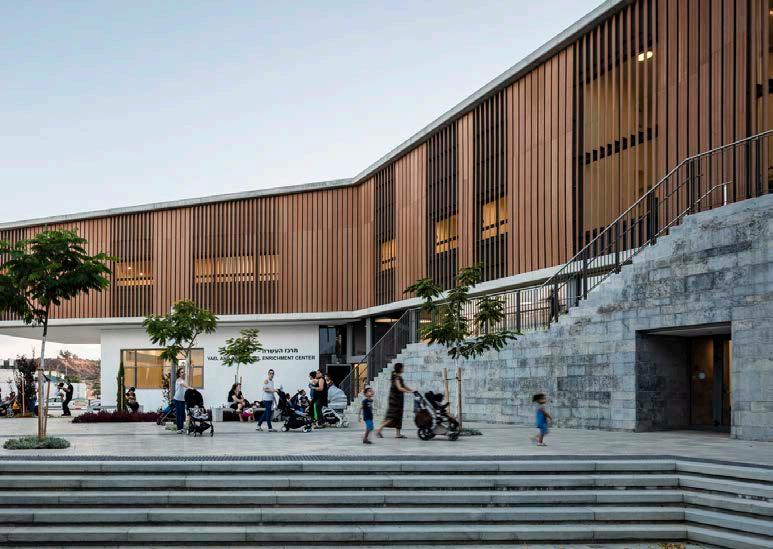
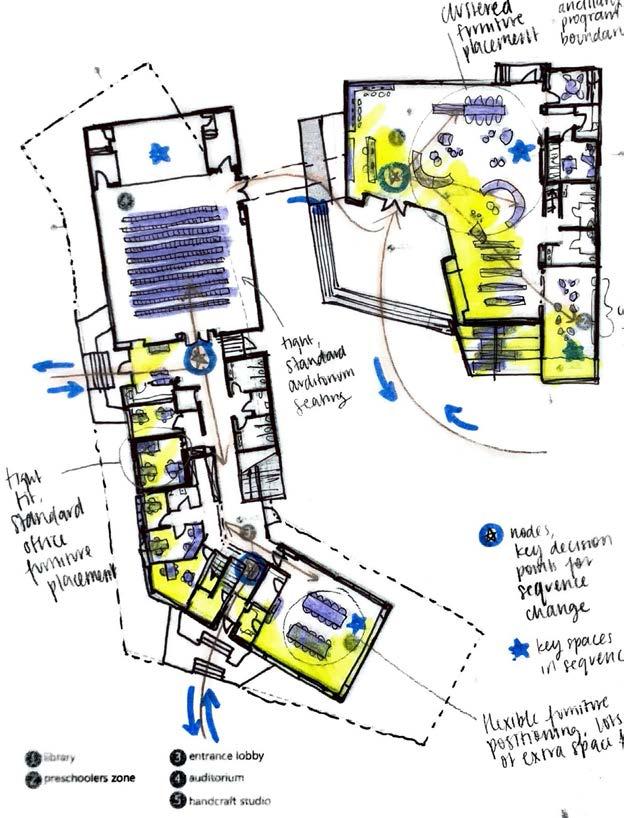
Rehovot, Israel
Kimmel Eshkolot Architects - “The community center includes a variety of spaces, such as an arts and crafts workshop, music rooms, dance studios, martial-arts studios, a multi-purpose hall and a ‘youth wing’. Next to the main building is a library, which operates as a multi-media center, attracting visitors of all ages for a variety of activities.”
https://www.archdaily.com/803544/rehovotcommunity-center-kimmel-eshkolot-architects
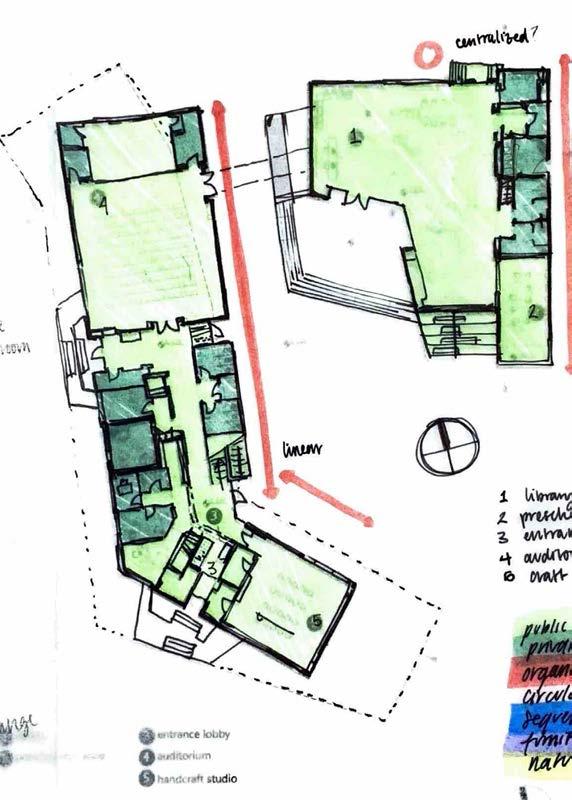
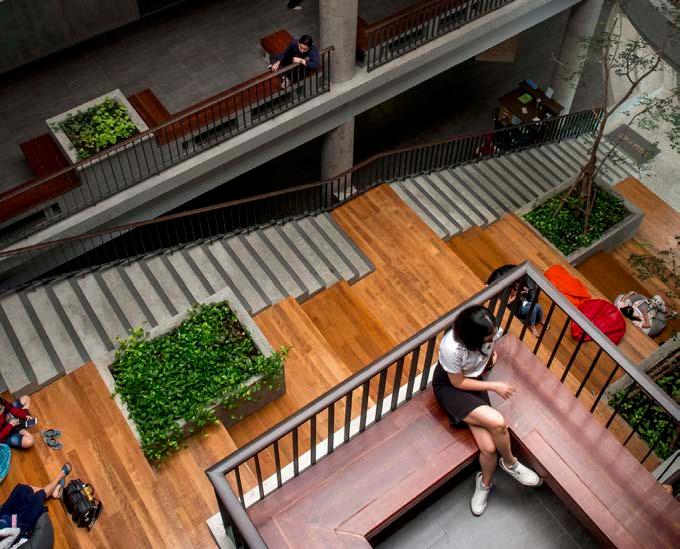
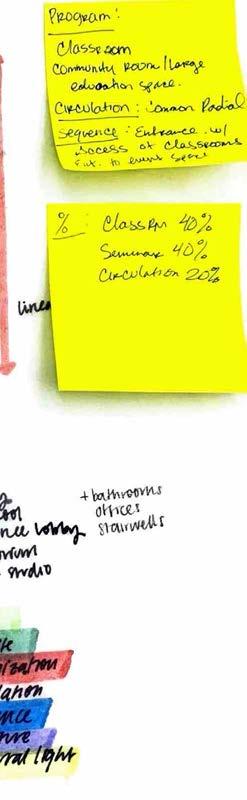
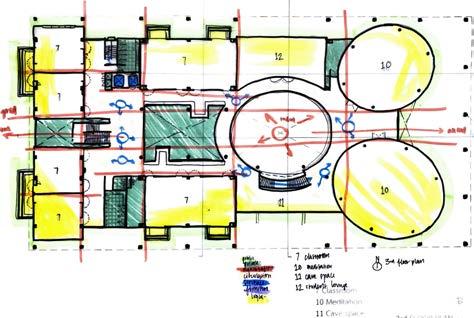
Arsomslip Community and Environmental Architect Co., Ltd. - “The goal is establishing a community for social development, research, and innovation for long-term sustainable development. Thus, the building must fulfill the curriculum requirement and become a space to demonstrate, support, and improve teaching and learning methodology while driving educational reform for the university and society.”
https://www.archdaily.com/1006300/faculty-of-learningsciences-and-education-thammasat-university-arsomslipcommunity-and-environmental-architect-c-ltd
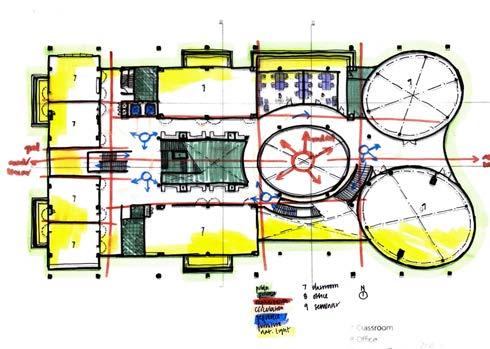

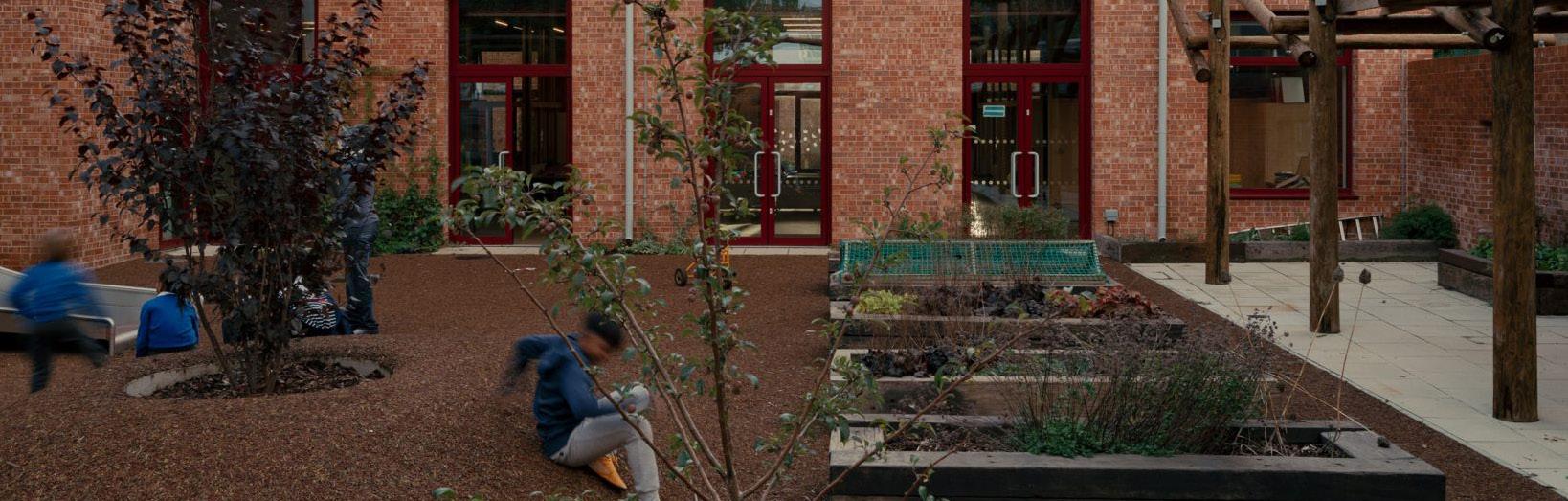
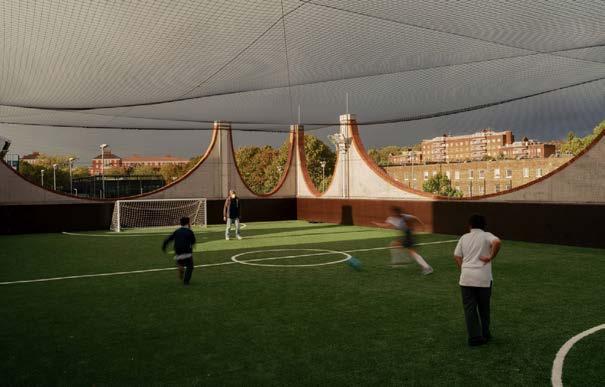
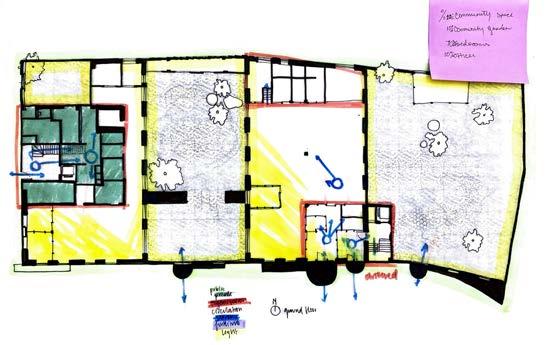
Adam Khan Architects - “We like architecture that is rich in associations and open to being interpreted by people in multiple, diverse ways and by people of diverse backgrounds and levels of interest and engagement.”
https://www.dezeen.com/2023/08/27/central-somers-town-childrenscentre-adam-khan/
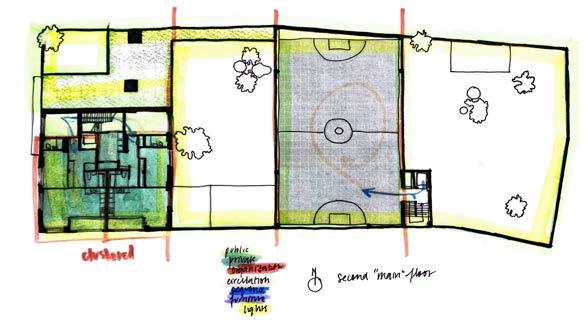
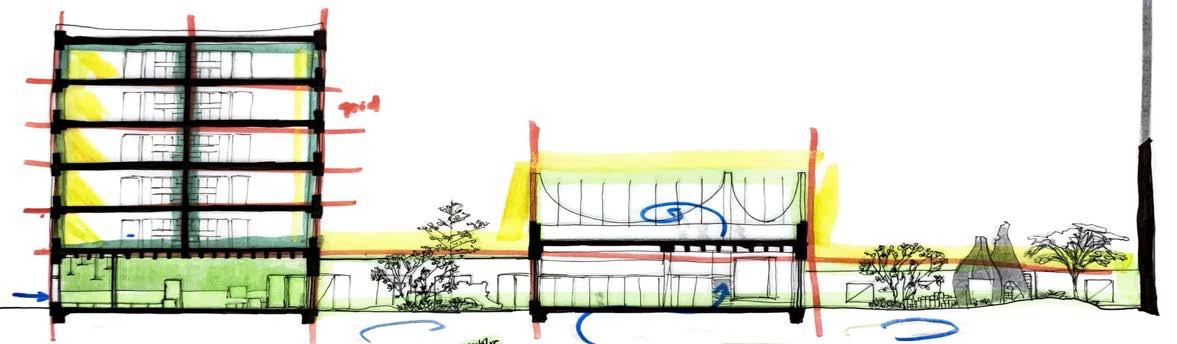
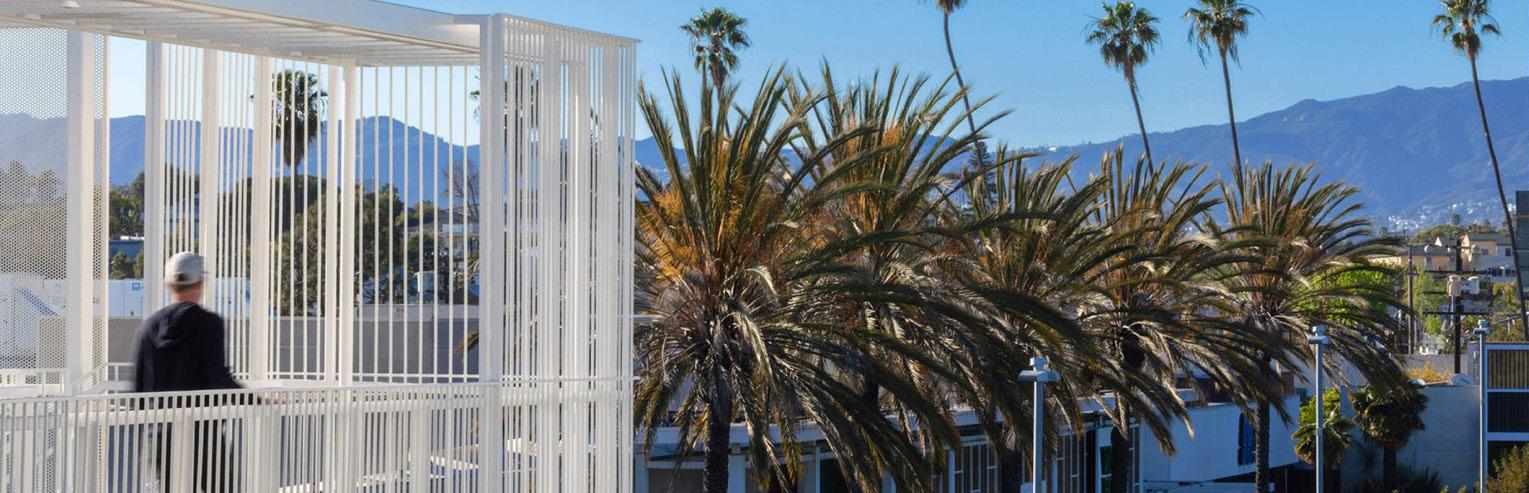
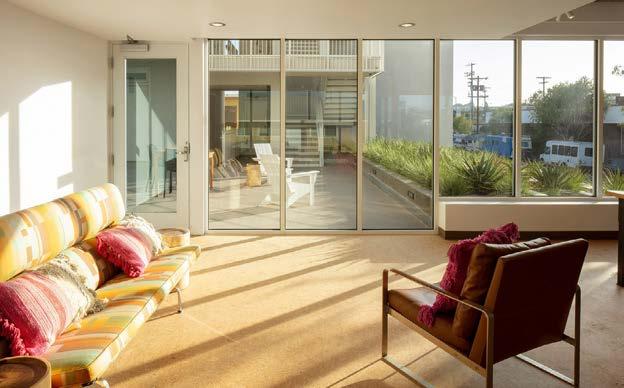
Brooks + Scarpa - “When kids ‘term out’ as they say when they turn 18 years old and are forced to leave a youth facility, most wind up living on the street because there is no place for them to go,” said the Los Angeles-based studio. Rose Apartments provides a home to this young adult who would otherwise be living on the street.”
https://www.dezeen.com/2023/01/03/scalloped-facade-housing-facilitylos-angeles-brooks-scarpa/
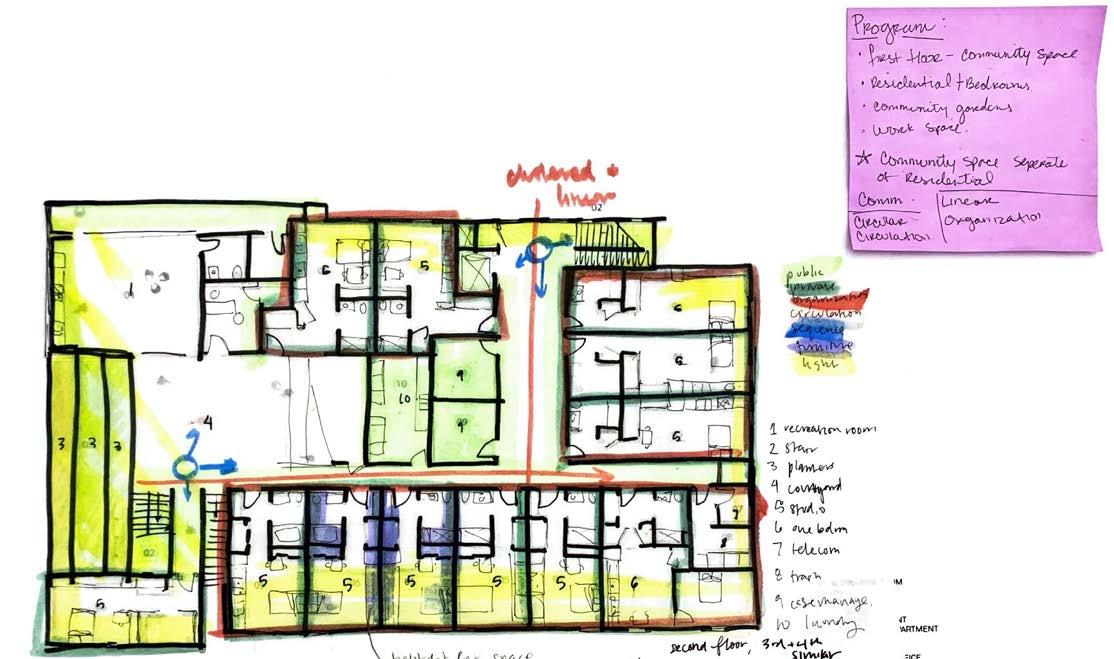





















































Founded in Savannah in 1937 as a soup kitchen fighting the affects of the Great Depression, Union Mission has grown to be a multi-facilitiy, multdiscipline organization working to serve and support the homeless community.
Their current programs work to help those in need develop the tools they need to lift themselves out of homelessness, empower them towards excellenece, encourage individual growth, and create environments where people can thrive in order to rebuild their lives. They have programs offering emergency shelter, permanent supportive housing, behavioural health services, support for people living with HIV/AIDS, and employment and educational services.
Union Mission is a non-profit organization that had a $5.9mil revenue and had $4.1mil in expenses in the 2022 fiscal year leaving concerns for the budget. They receive federal grants from the US Department of Housing and Urban Development so they could be the potential top client.
Union Mission currently receives a signifcant amount of revenue from the Department of Housing and Urban Development; however, the rest seems to come from donations and fund-raising. Due to great success with the program and growth, they are getting more funds from that government that could be put to a bigger footprint for the organization.
Their motivations and programs line up nicely with the goals of a community center focused on supporting previously institutionalized youth in becoming self-sufficient and fulfilled as that is what they do for the homeless community in Savannah.
This project would be the Union Mission reaching out their efforts to have a sister facility in Washington DC. This center could be more of a prevenetion center of sorts to help prevent youth from housing insecurity but it definitely wouldn’t turn away homeless youth, within reason, for aid and classes.
https://www.unionmission.org
https://www.causeiq.com/organizations/union-mission,580827524/


Jacob Marshall
Youth: Previously Incarcerated
21 // Male // White, American Middle Child of 4 // Lower-Middle Class Agnostic, raised Catholic // Speaks English Removed from High School





Likes & Dislikes: Likes soccer, music, and woodshop. Dislikes patronization, assumptions, and authority
Personal Experiences: Incarcerated for Underage Drinking/ Supplying, friends were his family and he would like to connect, look down upon by authority (family and teachers) in the past so he has a venom to prove them wrong.
Feelings About Project/Topic: Embarassed, apprehensive, wants help for success and confidence
Issues Important to Them: Job training, getting his own place away from family, reconnecting with friends, independence
Current Environment Response: Wants help getting on his feet without family but feels patronized or reinstitutionalized in existing program styles
Kavya Sodhi
Youth: Previously Hospitalized
19 // Female // Punjabi Indian, American Oldest Daughter of 3 // Middle Class Hindu // Speaks English & Hindi Removed from High School





Likes & Dislikes: Likes cycling, museums, and baking. Dislikes yelling, tight spaces, and overbearing people.
Personal Experiences: Hospitalized for chronic bipolar depression. Overstimulated and overworked, needs to connect with what makes life sparkle and balancing that with responsibilities.
Feelings About Project/Topic: Apprehensive, eager to understand herself and be prepared for life, seeking individuality away from familial influences
Issues Important to Them: Job training, finding her spark, feeling like an individual person with a future full of endless possibilities
Current Environment Response: Trying to find balance and managing her depressive episodes and hopes that job education and hobby exposure will help ignite the spark.
Katherine Boyd Home Ec. Instructor
32 // Female // White, American Mother of 2, Married 10 Years // Lower-Middle Agnostic // Speaks English & Spanish


B.S. Human Development
Likes & Dislikes: Likes rock-climbing, documentaries, and beekeeping. Dislikes lacking natural light, superiority complexes, and burnt coffee.
Personal Experiences: Taught high-school home-ec for seven years, worked at shelters for three years, saw the specific need for home-ec education in modern youth, called to action, handful of experiences drove home the importance of patience.
Feelings About Project/Topic: Fired up, thinks it is crucial to the younger generation’s future and therefore the older generations by proxy
Issues Important to Them: Wants to build confidence in youth, believes cyclical support has a ripple effect and wants to help people drop pebbles
Current Environment Response: Worried about the future of youth, the economy, and global warming... especially the dread it instills.
Makayla Coleman Resident Assistant
29 // Female // African American Single // Lower-Middle Class
Athiest // Speaks English




B.S. Cognitive and Behavioural Neuroscience
Likes & Dislikes: Likes pilates, singing, and collecting first edition vinyls. Dslikes housing insecurity, assumptions, and arrogance
Personal Experiences: Sudden market crash left her family homeless for a month, her parents hard-working nature and compassion inspired her, she is very studious, and finds comprehension differences and their origins fascinating,
Feelings About Project/Topic: Excited to do for others what her parents did for her, never underestimate the lows people experience and the help they secretly need
Issues Important to Them: Making sure people feel heard, giving people second chances, and empowering people to be successful
Current Environment Response: Her heart breaks for unprepared and overlooked people, particularly those just starting out. She wants to set the path for success.
62 // Female // African American
Grandmother of 5, Mother of 4, Re-Married Upper-Middle // Christian // Speaks English





Ph.D Social Work, M.Ed. School Psychology and Counseling
Likes & Dislikes: Likes hiking, piano, and upcycling. Dislikes stale pasteries, superior complexes, and laziness
Personal Experiences: Started out as a high school chemistry teacher and saw a fascinating difference in education styles, dedicated to learning and improving education for all situations to not exclude anyone from learning, proud mother and grandmother
Feelings About Project/Topic: Infuriated by education and opportunity inequality and refuses to let the system pass over people.
Issues Important to Them: Institutions let too many people fall through the cracks and lose the opportunity for productive adulthood, she wants to catch them
Current Environment Response: see above
Neil McDonald
Therapist: Incarceration Specialist
55 // Male // White, Scottish

Father of 2, Married 32 Years // Middle Class Agnostic // Speaks English & French M.Phil Psychology


Likes & Dislikes: Likes fishing, audiobooks, and modelmaking. Dislikes patronization, prejudice, and battered fish with the skin still on
Personal Experiences: Brother was thrown in jail and was mistreated therefore losing all trust in authority, he hated how it changed his brother. Dedicated to therapy based in supporting institutionalized youth, researching American juvie brought him here
Feelings About Project/Topic: Upset that his work is needed but driven to make the most of the opportunity and help young adults.
Issues Important to Them: Fair treatment and supporting autonomy in everyone, reinstilling autonomy and trust
Current Environment Response: Disappointed in the juvenile corrections system in America

38 // Male // African American
Father of 2, Married 13 Years // Lower-Middle Agnostic // Speaks English


B.S. Criminology, defense/security training
Likes & Dislikes: Likes the Nats, playing with his daughters, and lepidopterology. Dislikes gangs, decorative weapons, and dry food
Personal Experiences: Grew up in a rough neighborhood and lost friends/family to gang culture/violence. Dedicated to breaking the chain and keeping young people out of it and protecting them for safer options. Protective of his family.
Feelings About Project/Topic: Wants this facility to be the first of many, he thinks exposure to other opportunities even after potentially getting mixed up in things is important.
Issues Important to Them: Ending gang violence, supporting a generation in freedom from the criminal cycles.
Current Environment Response: This program is a necessity and non-negotiable.
36 // Male // Latin American


Father of 3, Married 12 Years // Middle Class Catholic // Speaks English & Spanish



B.S. Electrical Engineering, Trade School
Likes & Dislikes: Likes grilling, playing the guitar, and robotics. Dislikes arrogance, pumpkin, and nepotism
Personal Experiences: First generation American, white picket fence family, skilled at STEM and craftsmanship, works on most large buildings in Penn Quarter.
Feelings About Project/Topic: Indifferent about the project type, appreciates what it does but doesn’t feel any sort of attachment to it
Issues Important to Them: wire updates, specialty lighting being correctly specified for installation, getting to his son’s little league game this afternoon
Current Environment Response: Business is going well.


43 // Male // Jewish, American Father of 2, Married 11 Years // Middle Class Jewish // Speaks English & Hebrew B.S. Business



Likes & Dislikes: Likes basketball, jazz, and photography. Dislikes miscommunication, PTA drama, and incomplete projects.
Personal Experiences: Grew up in Chicago, saw gang violence, and went to school at GWU. Fell in love with DC. Has managed a few smaller buildings in the past and advised on running a few maintainence companies.
Feelings About Project/Topic: He is excited to put all of his professional focus into guaranteeing this facility runs like a well-oiled, squeaky clean machine.
Issues Important to Them: Appropriate correspondence response tines, permit updates, Chicago Bulls ranking
Current Environment Response: The industry is doing well so he would like to dedicate his work to cause driven facility remembering gang violence on the outskirts of his youth
Akshita Madhuhara Friend of Youth in Program19 // Female // Punjabi Indian, Indian Youngest Daughter of 4 // Middle Class Hindu // Speaks English & Hindi
Current Undergraduate Student





Likes & Dislikes: Likes dancing, brain-teasers, and coconut ladoo. Dislikes arrogance, professors that take pride in students failing their class, and dubstep
Personal Experiences: Exchange student in the US throughout highschool where she met Kavya, has kept in touch and hangs out with Kavya as much as possible, studying International Relations and Affairs at Georgetown
Feelings About Project/Topic: Ecstatic about the destigmatized program and its opportunities for Kavya, looking forward to seeing the sparkle in her eye
Issues Important to Them: Finishing her term paper, Kavya getting back on her feet and being happy about it, responding to Shakti about the coffee date
Current Environment Response: Hates the stigma around mental illness and getting help
Hana Nakisawa Mother of Youth in Program

48 // Female // Japanese, Japanese Mother of 2, Married 26 Years // Upper-Middle Buddhism & Shinto // Speaks Japanese & English Japanese High School Diploma



Likes & Dislikes: Likes kayaking, gardening, and adzuki ice cream. Dislikes loud people, selfishness, and cheese
Personal Experiences: Immigrated to the US with her husband, successful entrepreneur in Chinatown, her son was put in juvie for several counts of theft of car parts that he wanted to use to fix his car, she wants him to “get back on the straight and narrow”
Feelings About Project/Topic: Embarassed, wants her son to right his wrongs, has faith he can and will be successful
Issues Important to Them: Filing the tax reports for her businesses, her son righting his wrongs, his incarceration getting around in the gossip.
Current Environment Response: Hopeful this facility will run the program with dignity
Lyle Guillory General Public27 // Male // White, American


Father of 1, Married 3 Years // Upper Class Christian during Holidays // Speaks English M.S. Business Administration



Likes & Dislikes: Likes the roast beef focaccia sandwich from the West Wing Cafe, old westerns, and the art fairs thrown by the facility. Dislikes banana peppers, missing deadlines, and dishonesty,
Personal Experiences: Wealthy upbringing, University of Maryland graduate, loves his wife, adores his son, works in upper management for a nearby business
Feelings About Project/Topic: Indifferent, enjoys the art fairs that the program runs, thinks his infant son’s reactions are precious.
Issues Important to Them: Making deadlines, proving himself to his bosses, getting his son’s first word to be “Dada”
Current Environment Response: Optimistic about life at the moment.
Students & Faculty: Residential space, classrooms, hospitable finishes and style, a space that can resemble home
Staff: teachers, admin, used classrooms, backrooms, maintenance spaces
Guests: Public gathering space, grand atrium, presentations of development, potentially the residential spaces of their person
Students & Faculty: Useful information, attentive responses, comfortable ambience, peaceful quiet
Staff: Chatter of nearby occupants, walkies?, whirriing of machinery, footsteps, radio to pass time (solved with music or too institutional?)
Guests: Reports of how the facility is run, progress development from person or facility, honors of their person
Students & Faculty: Class content, practice skills, talk through things, utilize spaces to meditate and relax, feel at home in the living space, practice boundaries and awareness through psychological and physical practices
Staff: Observe surroundings and users, watch for anything going wrong, repair anything going wrong, keep the physical facility running
Guests: Visit their person, visit the events put on by the facility, engage in celebrating/acknowledging accomplishments whether progress or general trade skill
FEEL
Students & Faculty: Peaceful, informed, empowered, capable, honored, nervous but supported
Staff: Organized in their spaces (prepared), feel informed on specifics/nuances of the job (capable), located near support systems (supported)
Guests: “Second Spark” is empowering, they hope for success of the person for everyone’s benefit
Jacob Marshall
Youth: Previously Incarcerated
A Day In The Life w.o This Project



FAIRNESS



SUCCESS HEALING


SAFETY & SECURITY

TRUST
EMPOWER


SECOND CHANCE

2 After figuring out what needs to be addressed and for who, some actual definition of the space and its design intention had to be developed. This portion defines the actual project and the concept behind the rest of the design along with what is needed in the program to achieve that.
The Cause and Why We Need This Space?
There are incredibly flawed institutions in place that don’t always help in the way that they should and there are monumental effects on the progression of an individuals life. These institutions interrupt and disconnect youth from resources and support that get them ready for productive adulthood and sometimes damage the individual even further. We need this space to help right the wrong and support individuals who were separated from it, often when they needed it most, to fulfill their needs to become self-sufficient, productive adults.
This facility is prioritizing a strong blend of trauma-informed programs, comfortable living, and empowering education specifically for youth that need their support system back. The focus on blending the key values, the end goal, and the attitude of the work within nonpatronizing, comfortable space is crucial to fulfilling the project.
The Client
The primary clients are youth who have been separated from support systems and/or had key development points in their life interrupted by a likely faulty institution. The staff working to facilitate this support must be highly considered as well.
The Primary Programmatic Considerations
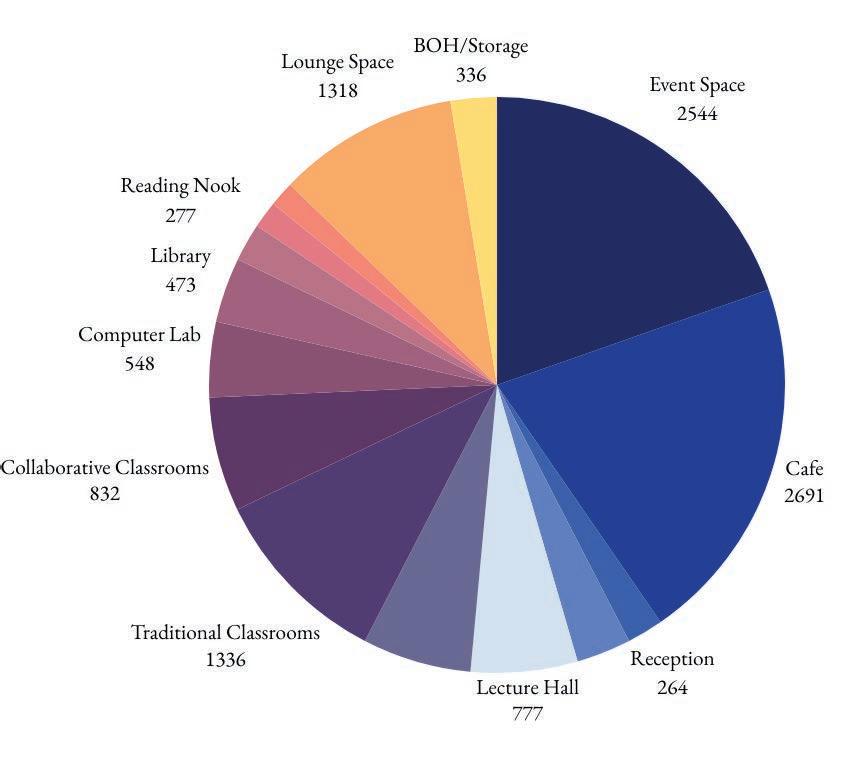
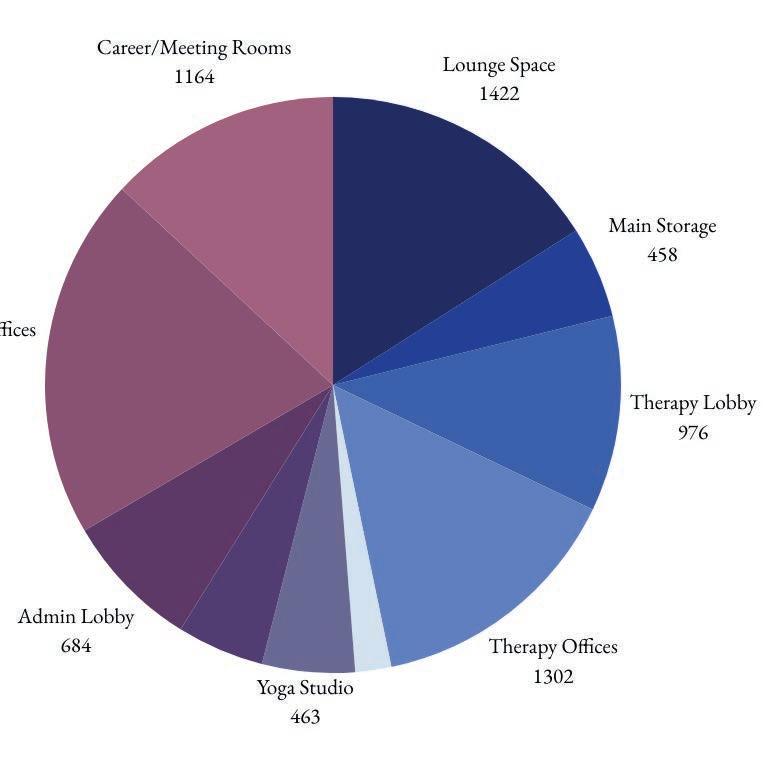
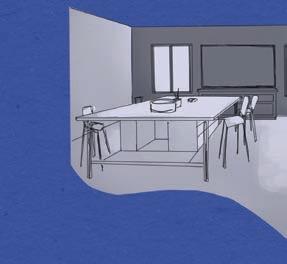
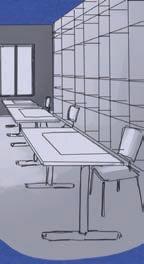
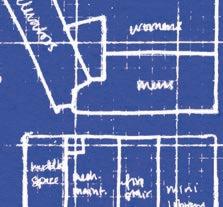
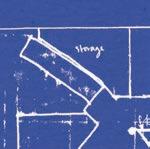
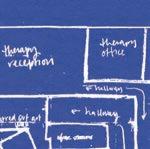
Residential space (bedrooms, communal kitchen, bathrooms, communal living), lecture space, studio class space, recreational space, presentation/open space for large events and/ or guests, additional dining space, reception, offices for instructors and administration, therapy spaces, decompression areas, storage space, IT/HVAC/MECH spaces
The Users
Target Youth, Education Facilitators, Residential Facilitators, Administrators, Custodial Services, Building Maintainence/ Management, Friends/Family Members of Youth, General Public
Feeling of environmental security and privacy, avoid institutional atmosphere and lean towards hospitality, feels like an honorable establishment to feel proud about, genuine security between space types and occupant privacy, hospitable materials/finishes/styles while maintaining cleanliness
The project is best in an urban space due to population density and diversity and it is also likely centralized to smaller locations. The square footage should be as large as possible (15000SF+) to facilitate a diverse selection of class room types, comfortable living quarters, and a sense of ease of fitting all of the facilities to achieve a successful organization. Multiple stories would be lovely to separate different factions of the facility whether educational, public, residential, or administrative.
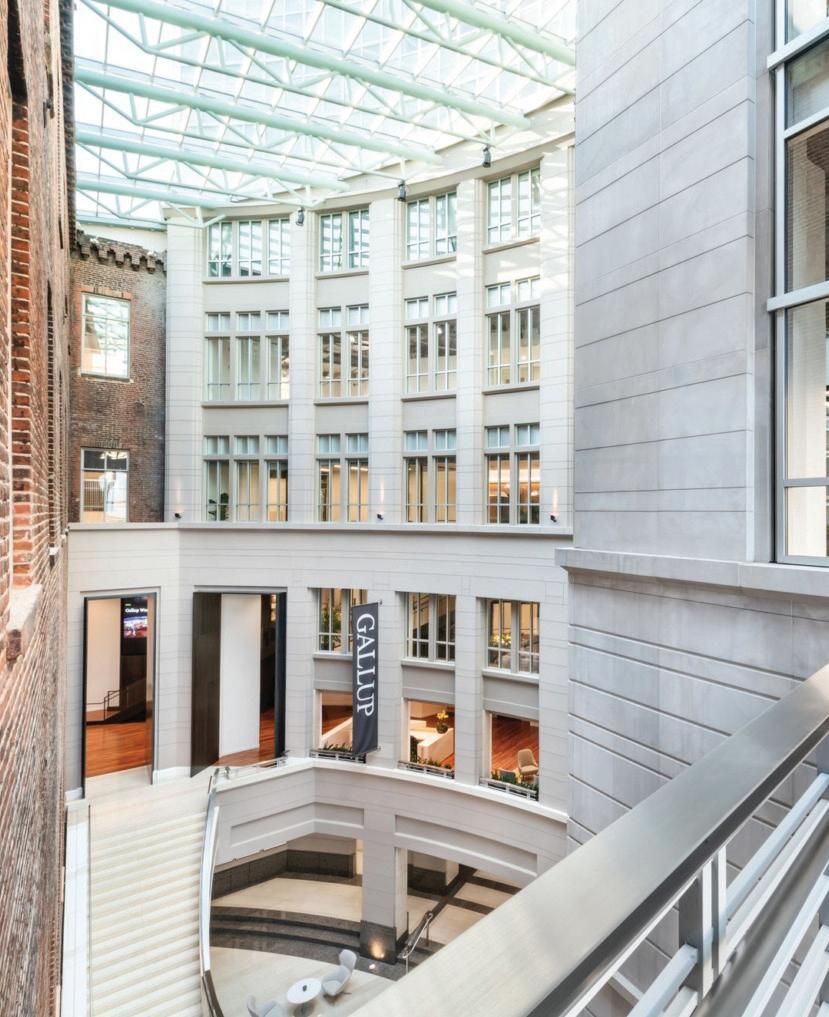
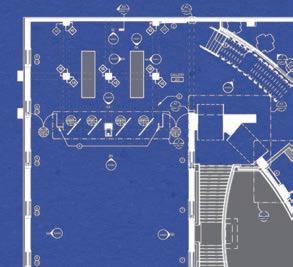
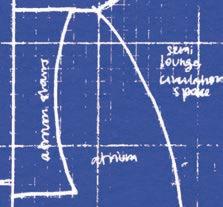
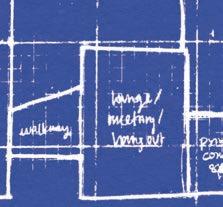
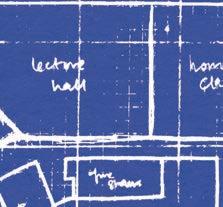
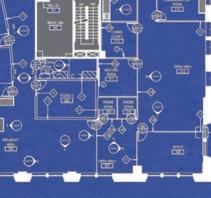
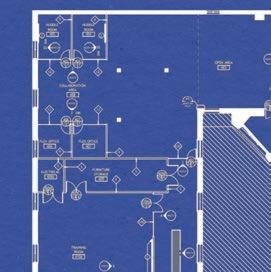
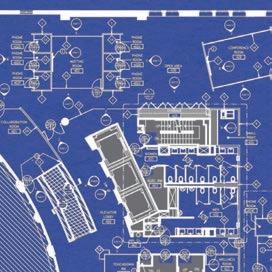
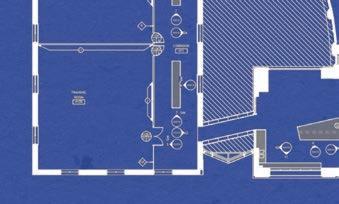
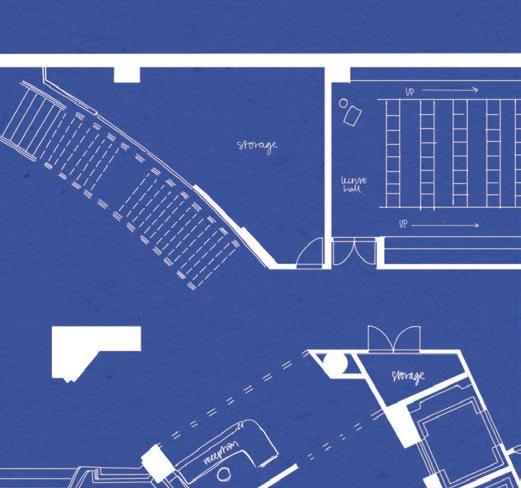
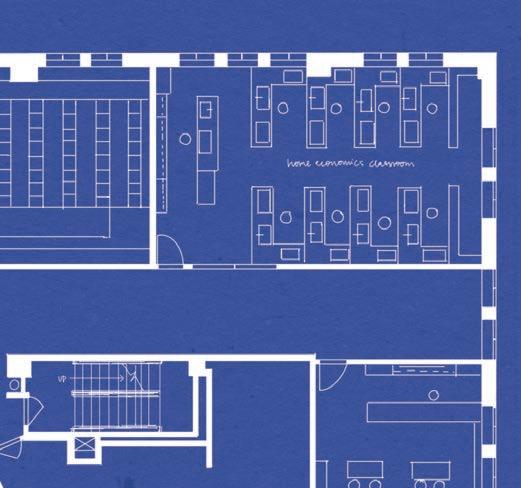
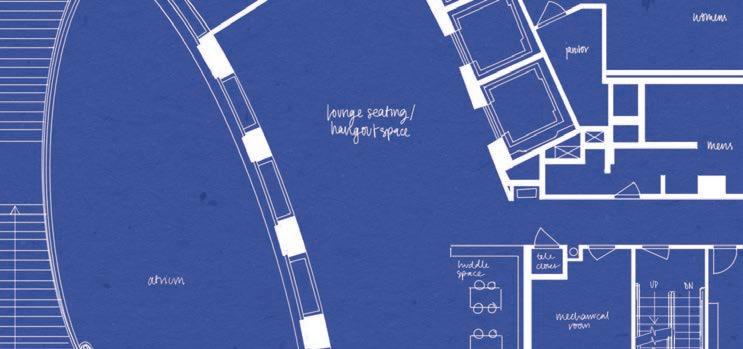
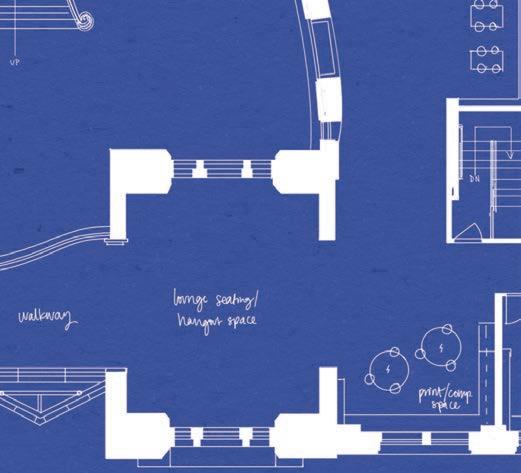
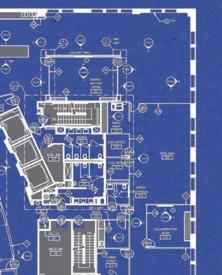
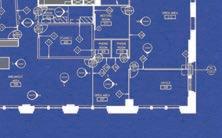
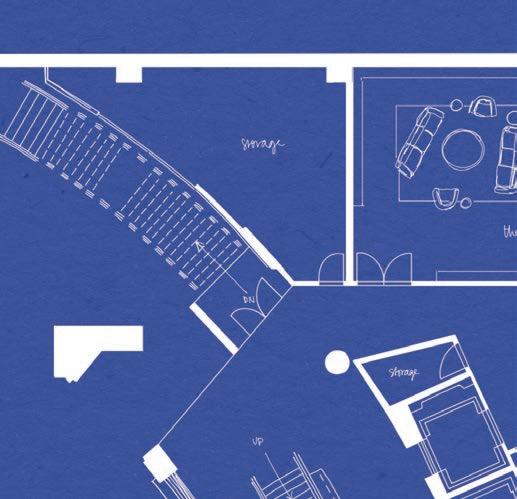
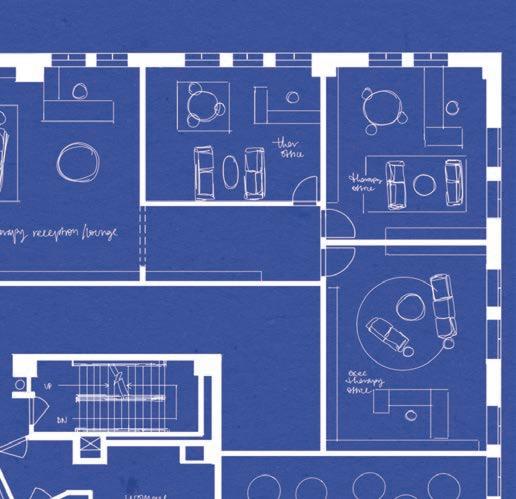
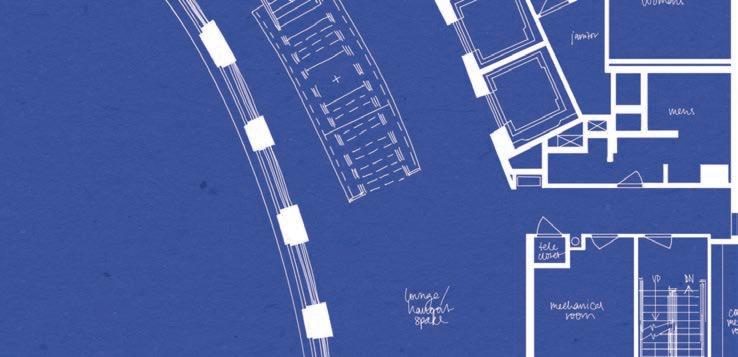
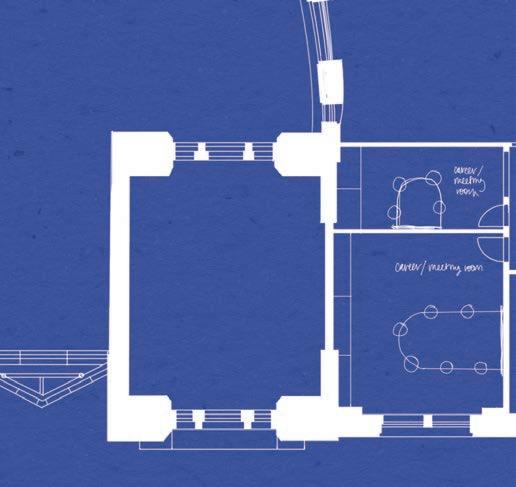
The building I have selected is in the Penn Quarter neighborhood of Washington D.C. It has 3 complete stories and a large atrium on the first floor that goes through each upper level. The floor plates for the upper levels are all approximately 15000SF so the floors will blocked out but certain spaces will be detailed out to show an example standard of the space type rather than detailing the entire building.
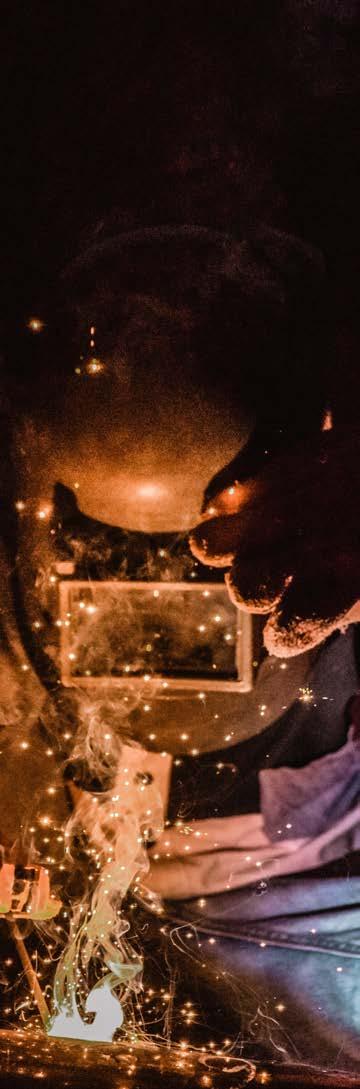
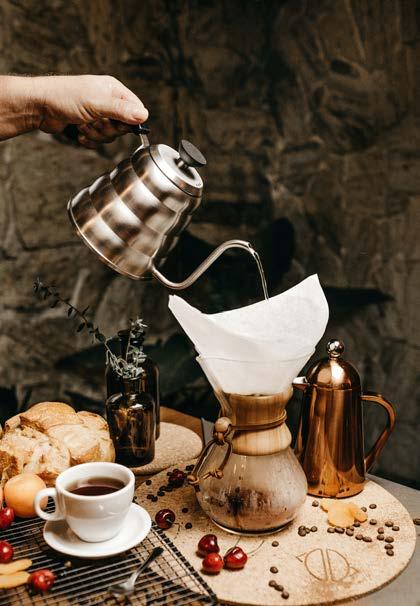
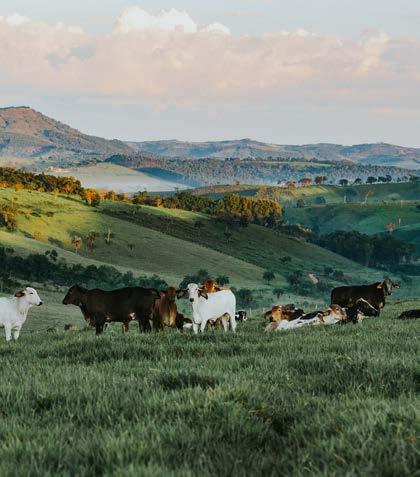
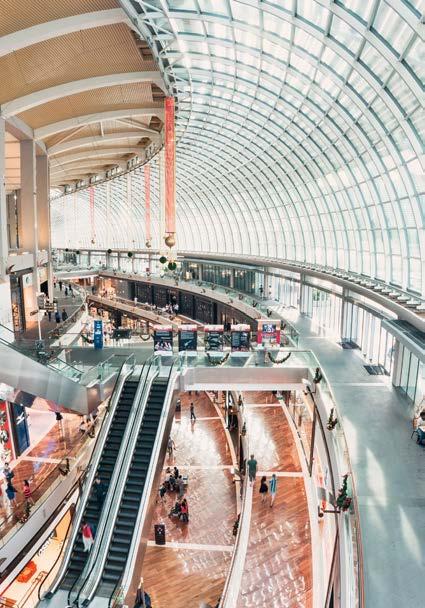
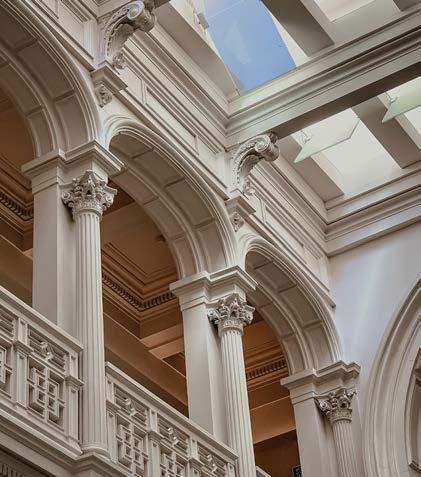


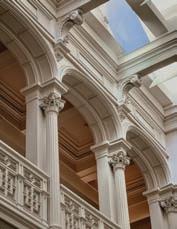


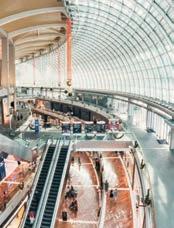








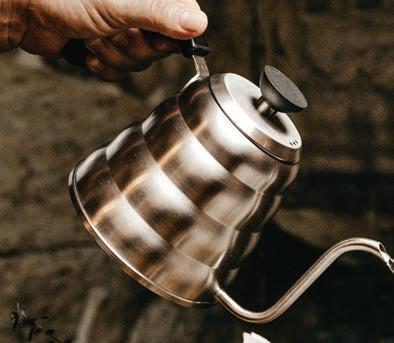























“Second Spark nurtures ambition and tends to the fire of possibility, exploration, and discovery through igniting a passion for craft, knowledge, skills, opportunities, and experiences that seemed out of reach.”
The center facilitates building and sculpting a skill set to empower productive living and bring joy back to the day to day. Possibility bursts at its seams and the fresh future leaves people stir crazy to seize their life.
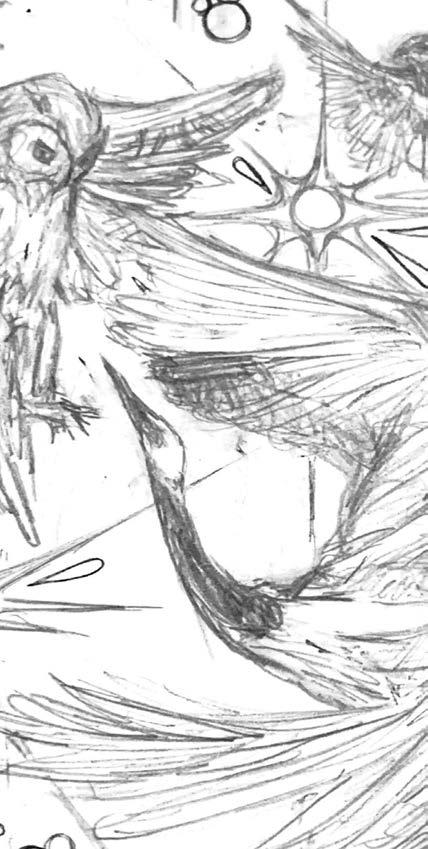
After delving further into the concept, I looked at the idea of second chances and rebirth along with a spark and came to the idea of a phoenix. I like the motif of birds and they generally represent second chances, freedom, and often wisdom.
owl (wisdom, good luck)
crane (long life, loyalty)
sparrow (hope, harmony, joy, friendship)






first aid/CPR classes
cooking
yoga/meditate
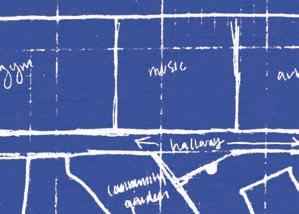
gym
lecture classes
home ec cooking classes
therapy session
therapy reception
program admin w/ advisor career admin w/ advisor coffee/tea
cowork community gardening
atrium entry
sculpture/painting/mosaics/pottery/etc (arts)
music space
career/interview prep space
rececption space
dailing office & maintainence duties
sleeping communal living space - private gallery/presentation of work board games/cards/puzzles/billiards/arcades
general class time
web development/graphic design/digital passions
resume building
reading
Therapy Suite
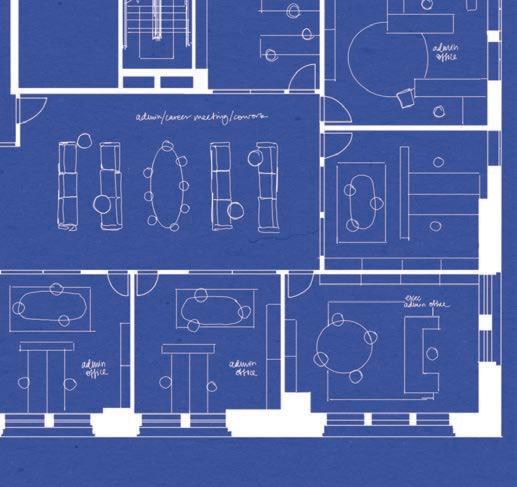
Office Suite
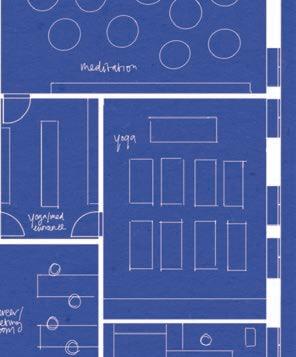
Yoga & Meditation Suite
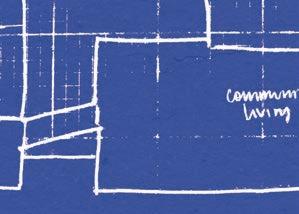
• Student Residence & Community Living
• Recreational Spaces for Students
Key Concerns: lack of career skills, lack of exposure to career training, lack of professional development, uninformed on resume and interview standards
This affects youth we had career opportunities and standard upbringings interrupted. A lot of youth also have things like this ignored or passed over when they are growing up, it is just expected to be understood.
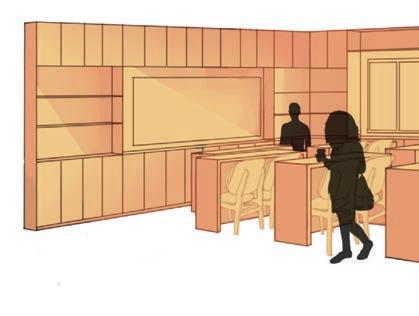
This program element should give access to adaptable classrooms, presentation halls, and interview rooms where these skills can be developed when on site. Additionally, these spaces should avoid feeling clinical, oppressively institutional, or resemble high-school education as all of these will be patronizing and suffocating. There should be a focus on dignity in these spaces where it feels comfortable and warm while including a professional, collegiate feel.

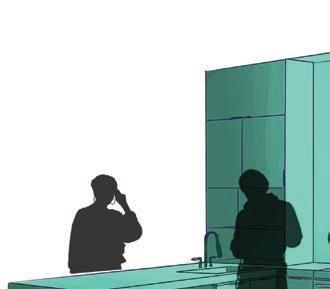
Key Concerns: lack of life skills, need for exposure to home economics, programs/courses focusing on different aspects of daily life that are often overlooked like cleaning practices, hygiene, family education, foundational cooking skills, financial planning, and so on.
This pain point can also be addressed through adaptable classrooms. Elements of this can be brought into the residential areas but to maintain privacy of those living on-site, there could be some spaces dedicated to cooking, some test spaces to clean, traditional lecture spaces for financial planning and family education, and so on.
Key Concerns: A feeling of failure and no exposure to future possibiilities or potential feels suffocating, heavy, and deafening. The feeling of hopelessness punctures holes in drive to seek more or different things which creates a vicious cycle.
Quality gallery spaces for presenting personal work, maker spaces, auditory and visual stimulation through a water feature (which is also a cleansing feature for the energy), and maybe an event space for presenters or entertainment that could be for the public and not just those in the program which can bring in additional funds for the program. This event space can be a part of an adaptable presentation hall.
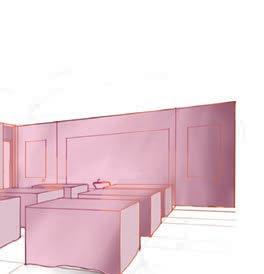
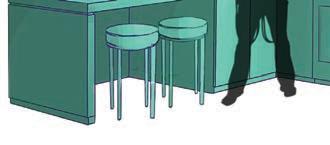

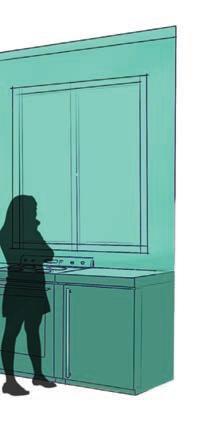

Key Concerns: The stigma and valid fear of judgment from others can keep people from acknowledging the problem altogether, not just avoiding treatment..
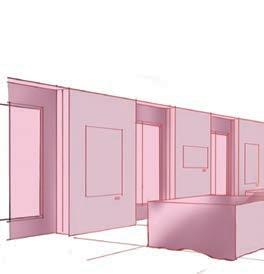
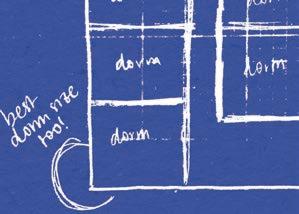
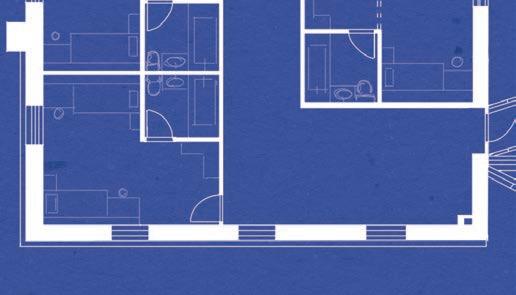
A dormitory space where those that live on-site have their own room with an attached bathroom that they can claim and make their own for a time with a communal living space and kitchen to promote a sense of community amongst the residents. This will also separate them from any judgemental or prying eyes that may create anxiety around focusing on the program.
Key Concerns: lack of motivation, need for enrichment/hobbies, faded passions, lack of exposure to possibilities, a form of healthy release
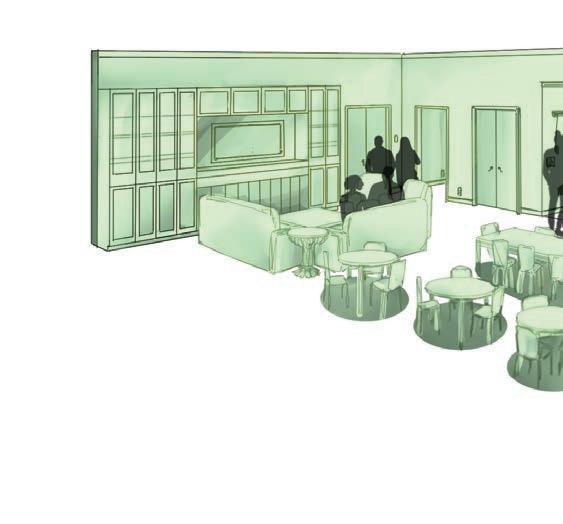
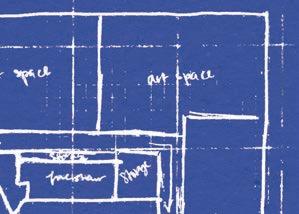
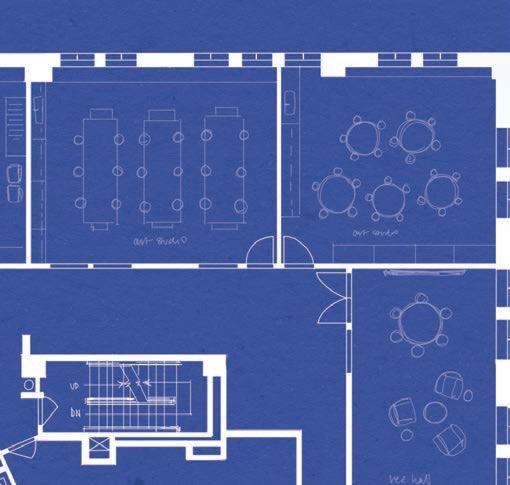
This space facilitates creative expression and discovery. The users can find hobbies, crafts, and skills that they may have only dabbled in or have never even heard of. The users can come into this space for small group/class time to organize artistic skill building but, when not it class use, can use this space to paint, sculpt, knit, assemble, and create whatever feels best. It will be adaptable with lots of space for each user and access to things like pottery wheels, jewelry tools, paints, clay, model materials, and more.
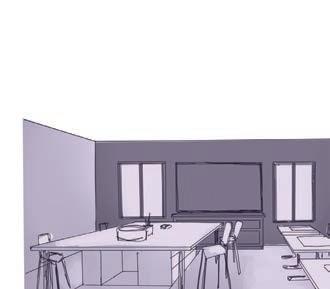
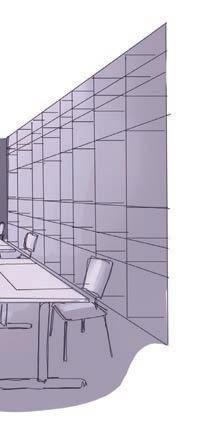
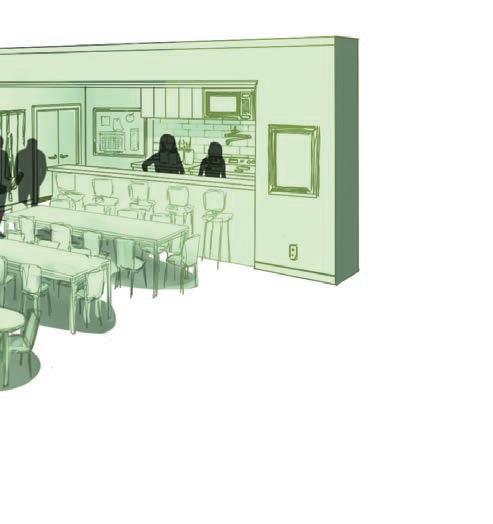
Key Concerns: A distrust of institutions, authority, and patronizing therapy ruins and prevents therapy return keeping people from seeking help that they need.
Scheduled on-site access to therapy sessions and access to general counseling at all points in time in a space that is professional and collegiate but also comfortable to ease communication. A respectful environment that doesn’t feel secluded or separate from the development of other skills will normalize mental treatment and make it feel as standard as a class, it doesn’t need to be an event.traditional lecture spaces for financial planning and family education, and so on.
3
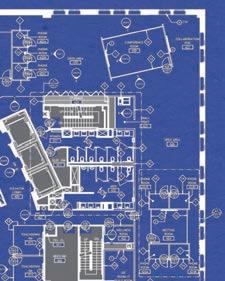
Prior to actually beginning the project development we had to choose buildings to use. I was kindly given access to my selected building from my internship with FOX Architects in DC along with mentorship and skills I built during my fantastic time there. This portion is studying the site and building for the project then figuring out the schematic planning for the project. It focuses on applying the program to the building and figuring out what would work best for the project through adjacencies, blocking, ADA, and general best practices to create an organically understandable and accessable project.
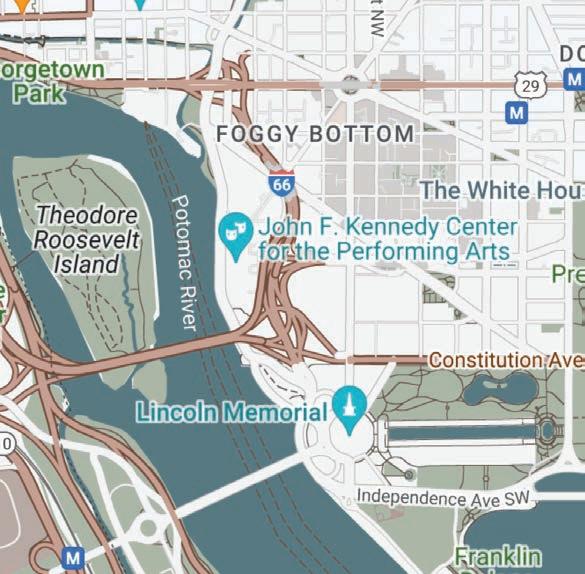
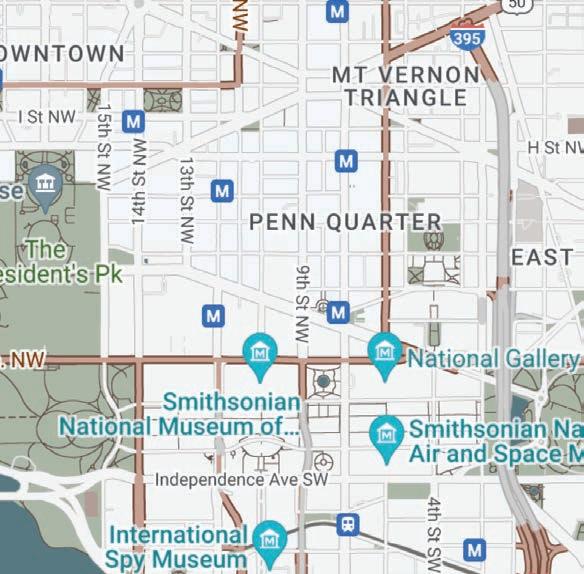

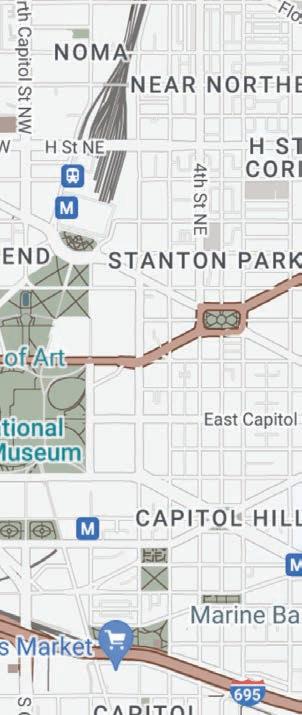
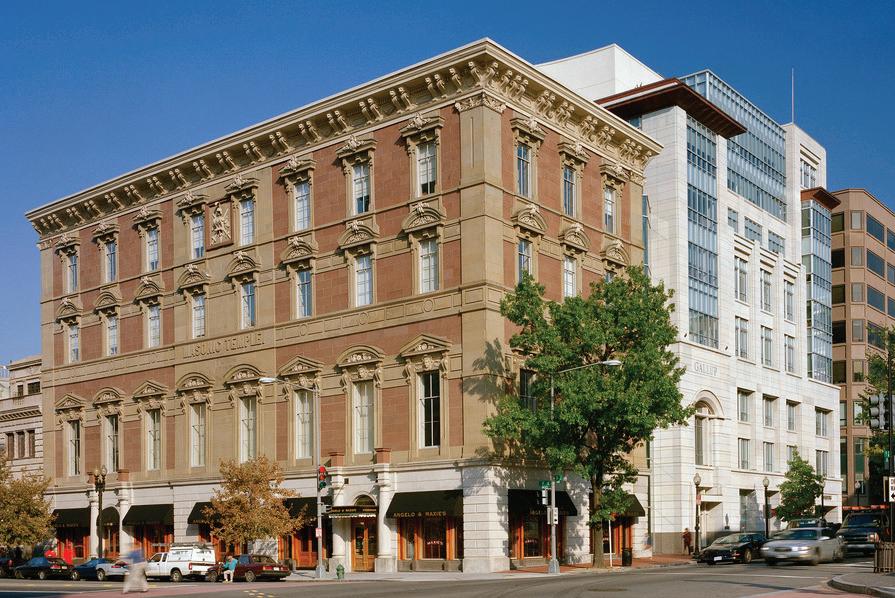
901 F Street NW, Washington, DC 20004
The Gallup Building
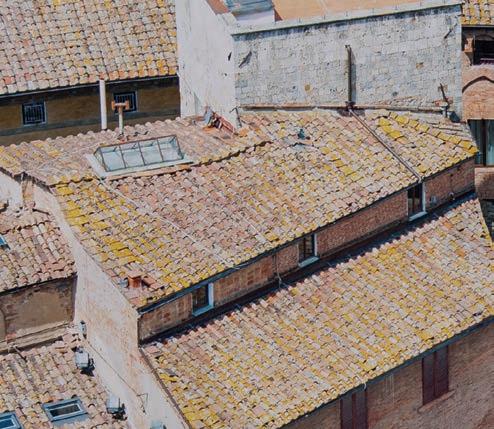
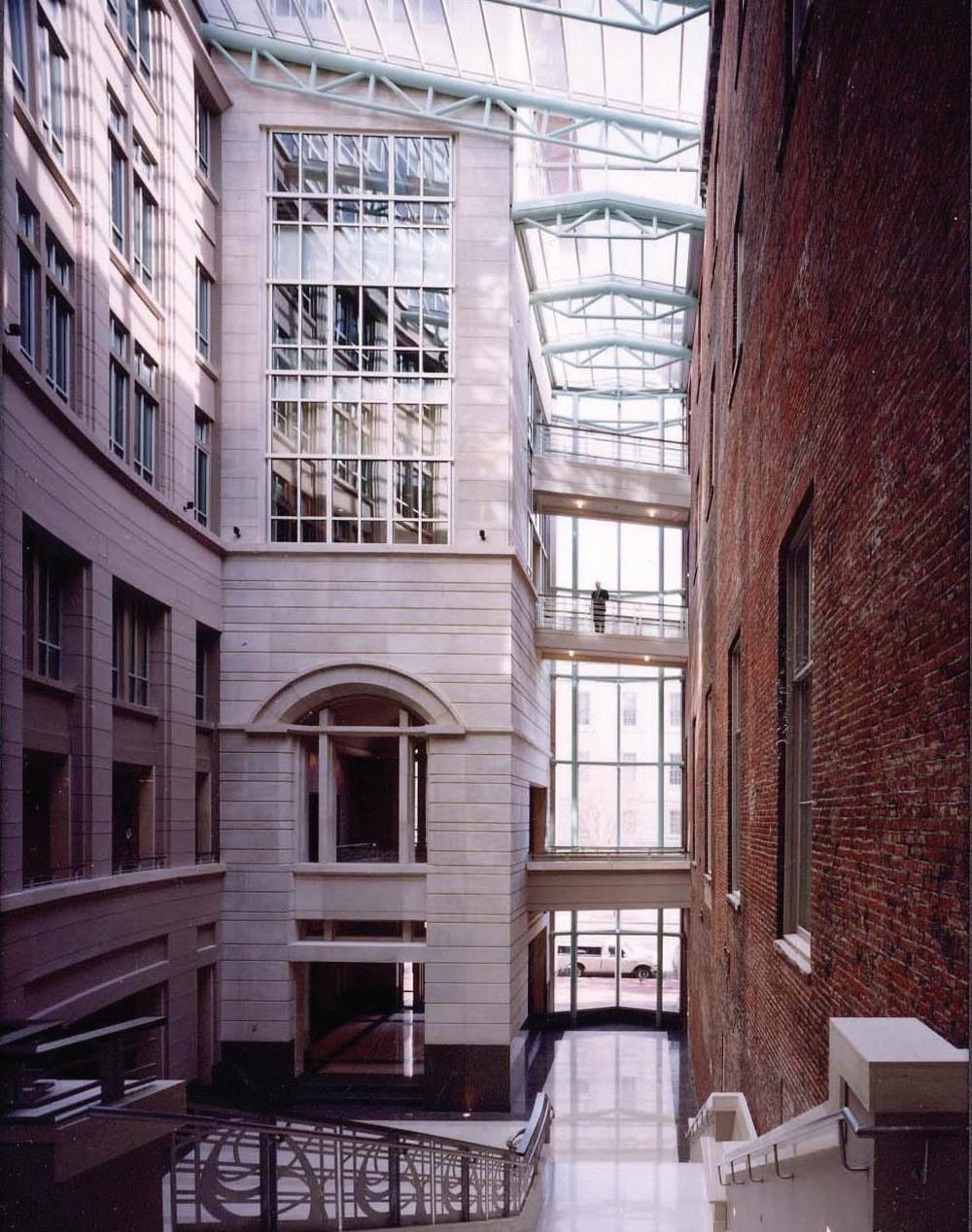
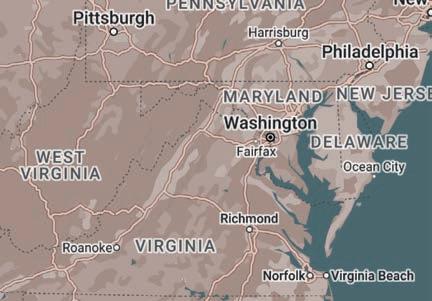
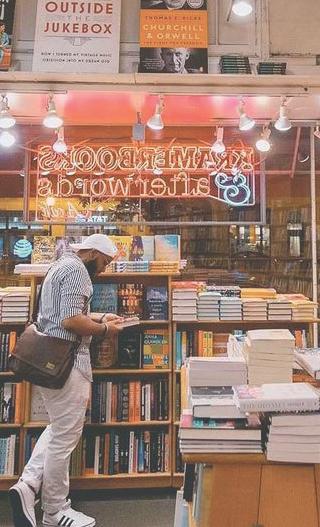
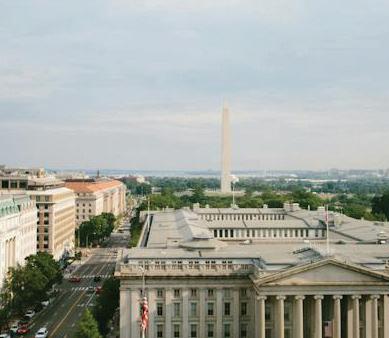
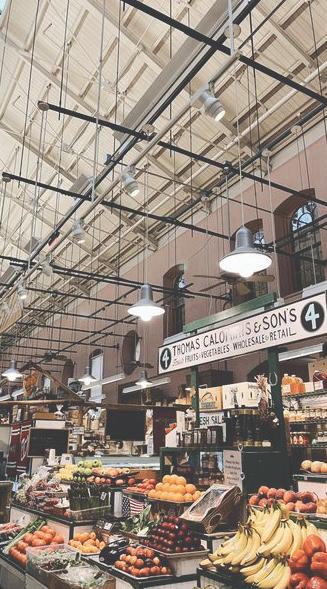
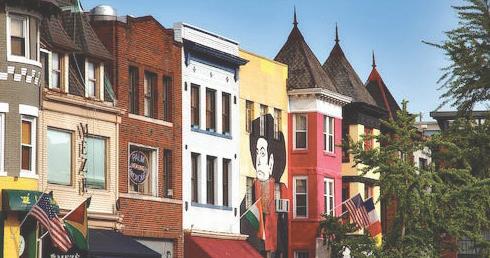
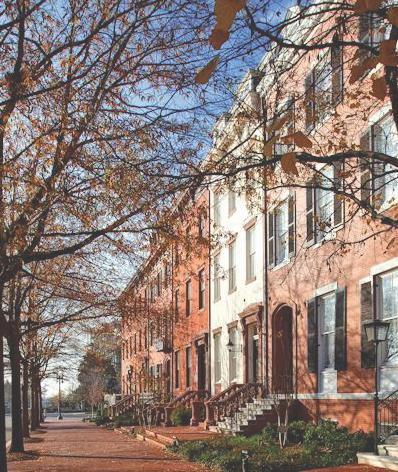
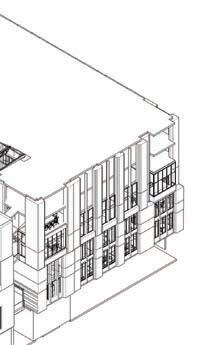
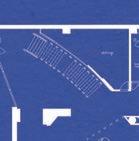
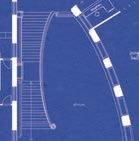
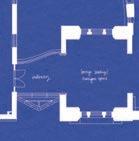
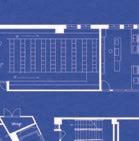
This building, currently the Gallup building, is in Penn Quarter and surrounded by hotels, amenities, attractions, and other cultural centers that can enrich the users access to experiences
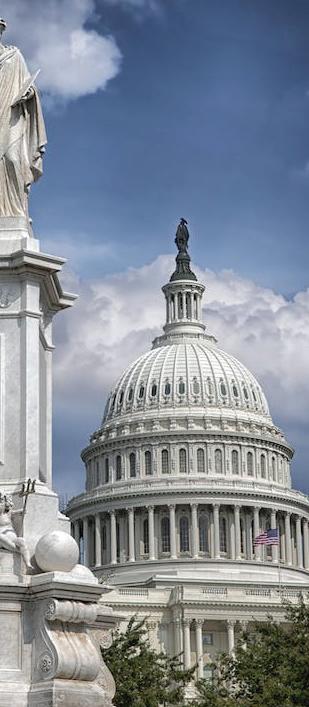
Penn Quarter is also referred to as Old Downtown and consists of the large, historic, monumental buildings of museums, libraries, theaters, and federal buildings.
Surroundings, Location, & Transportation
Near National Portrait Gallery, Ford’s Theatre, Hard Rock Cafe Washington DC, the Federal Bureau of Investigation, MLK Jr Memorial Library, Capital One Arena, Judiciary Square, the Federal Triangle, the Smithsonian Museums, and the White House.
There are several Metro stations within a few blocks of the building, the next closest stop is the Gallery Place/Chinatown stop is the closest stop and covers the Red, Green, and Yellow Lines. The Metro Center, where the Red and remaining Blue, Silver, and Orange lines stop is the next closest.
There is also a bus stop and Capital Bikeshare directly in front of the building. The multiple modes of transportation allow for multiple levels of easy access to the space but the actual building itself only really has the one main entrance through the atrium facing 9th St
The buildings all have a monumental nature to them that create a dignified feel and due to size, humans are rather small in the spaces.


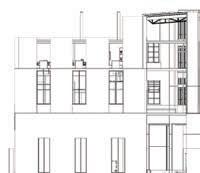
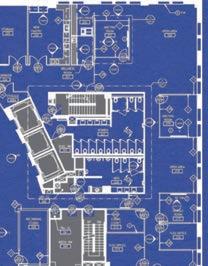
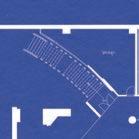
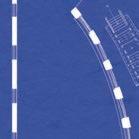
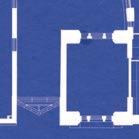
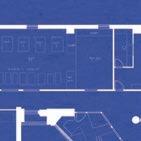
The columns seems to be dropped around the space looking somewhat clustered in some spaces which can prove to be difficult to use. The bays of the building as a result are consistent with column placements and clustering. The bearing walls are spread evenly apart to distribute the weight and are denoted with the extra dark poche liness. There are no clear trusses easily visible used in this project in elevation.
This building has a radial organizational system with a pattern of the auxiliary locations or general. There are several smaller, nearly axial structures that we can add back here to supplement the courses.
The floor to deck roof height varies but is usually around 11’0” but there are some grander spaces that have taller ceilings and more intimate, quiet spaces like offices that have 9’0” ceilings.
The lower the ceiling, the more intimate a space, which can be uncomfortable for some, especially post-COVID, but the variations balance nicely to subtley define each space and fit people comfortably.
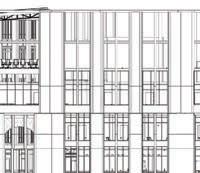
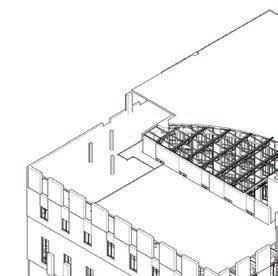
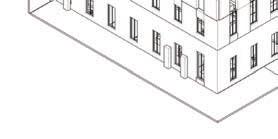
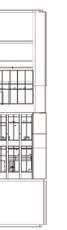
The building envelope is drastically different throughout as the entire building is the combination of an old Masonic Temple and a new, contemporary building with appropriate materiality.
The fenestrations and general windows, like the building envelope, look drastically different depending on which building it originated from.
The windows on the Masonic Temple portion are all very similar and evenly spread out with similar detailing of the Roman pediment style windows.
The rest of the building has modern, International style curtain walls and large, sweeping glass walls/ windows that let light pour in from outside.
The front facade of the building faces East so there is a strong sunrise to sweep over the National Portrait Museum throughout the year.
The atrium in the center along with heavy use of windows around the envelope and roof to allow for bountiful natural light. The atrium would likely receive a lot of thermal gain so the high ceilings and cool finishes help with temperature.
The location that could be residential a crisp winter sun in the North and sunrises whereas where the presentation would be would receive thermal gain heat and lack of ventilation. The elements to the core like the restrooms and elevators a touch of natural light working through but secluding users from natural light and not fun, sunlight heals.
The Gallup building existing materiality original brick, large masonry, marble, iron, steel, glass. Each material is selected it’s own distinct draw behind its use there is a distinct difference in wear/tear/style the products showing the acknowledgement adaptation of future and past aesthetics, for current interiors and the maintained
This building has not yet been LEED rated.


residential would get and beautiful presentation spaces from sheer elements closer elevators receive through the halls is not right materiality is the marble, bronze, selected with use but also wear/tear/style on acknowledgement and aesthetics, this goes maintained envelope.

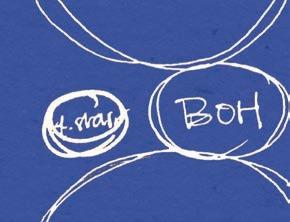
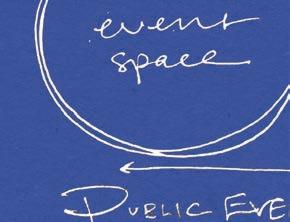
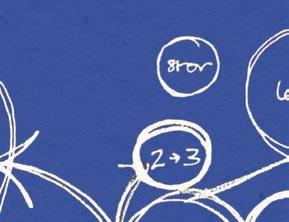


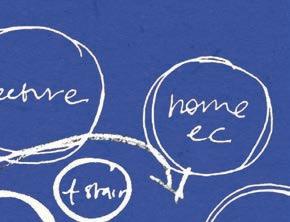



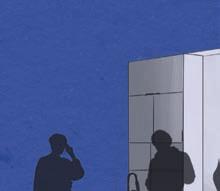
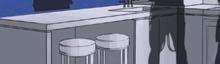


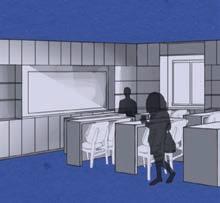


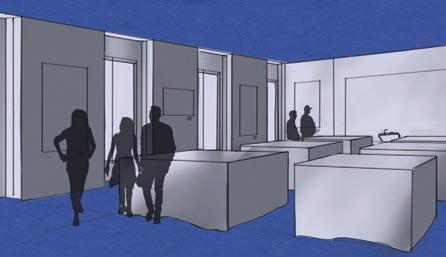



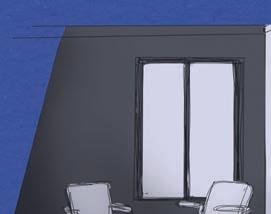
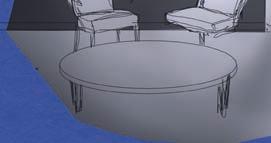








































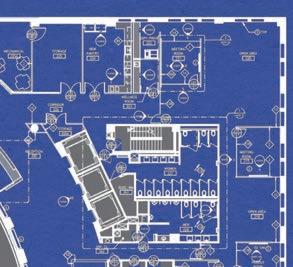
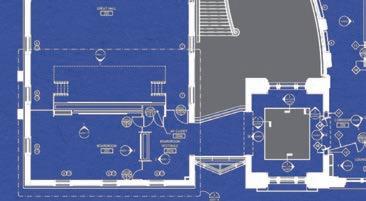
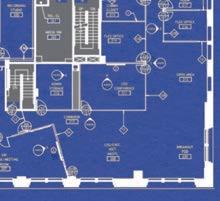




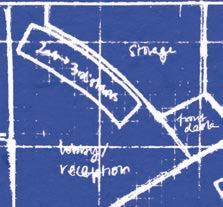


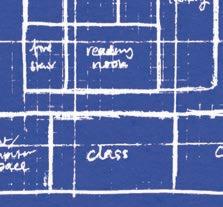



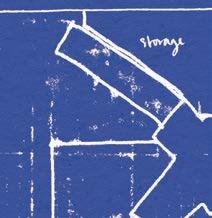





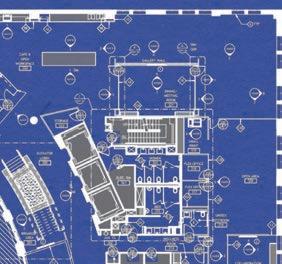
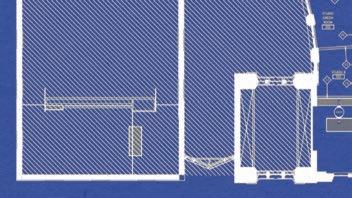
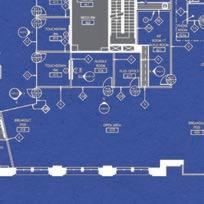


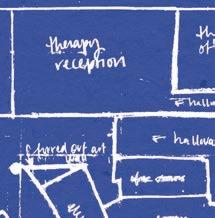
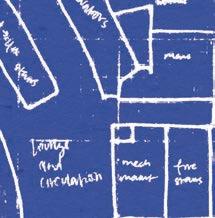
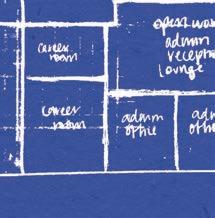
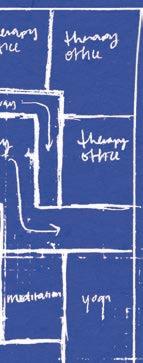
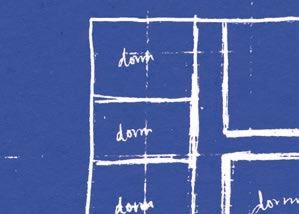
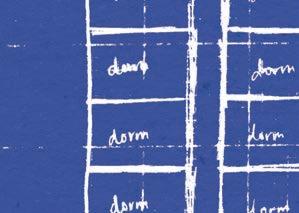
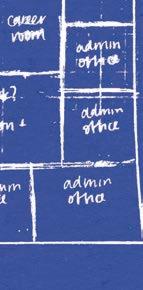


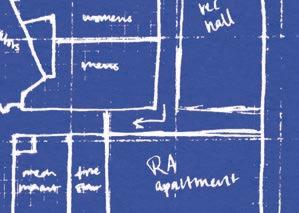
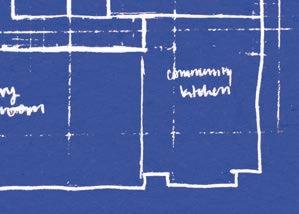


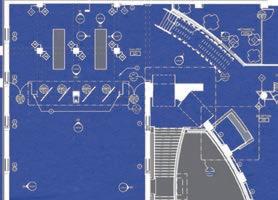
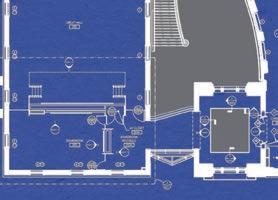


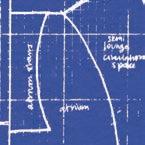
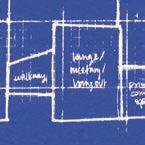
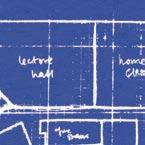
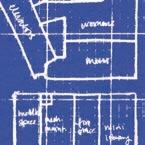
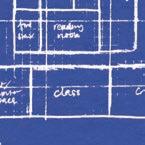



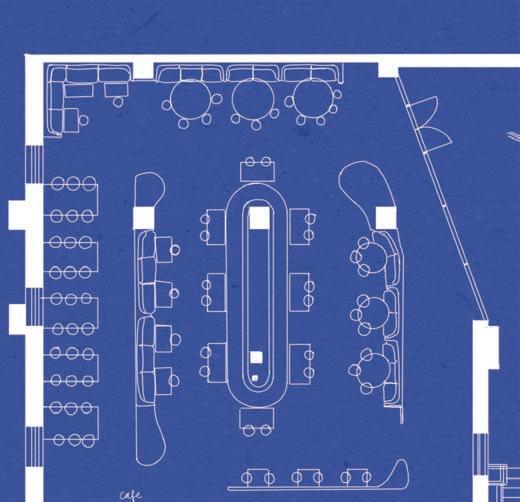
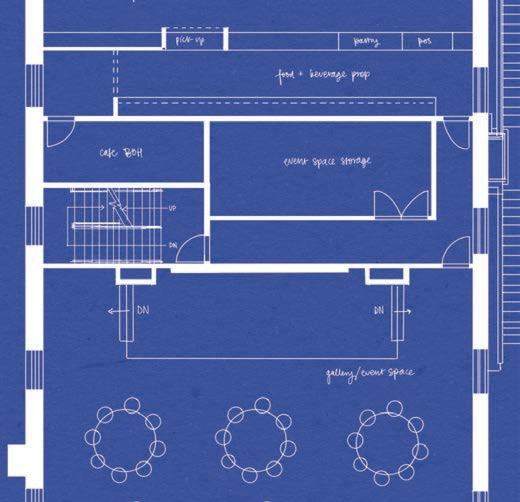


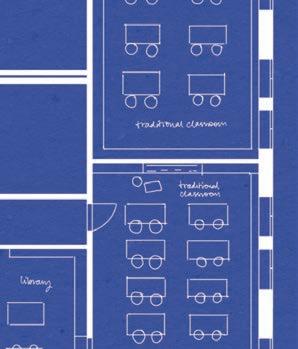
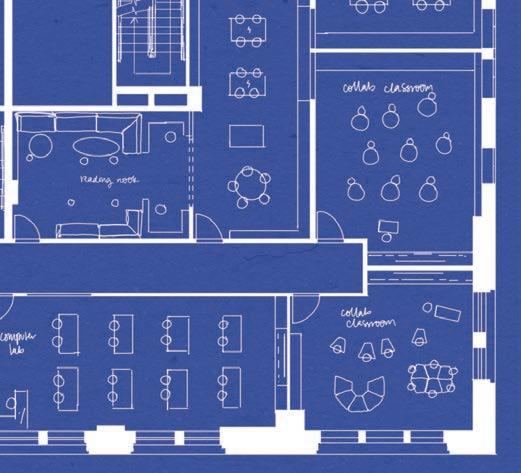



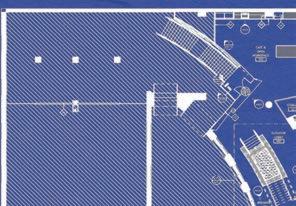
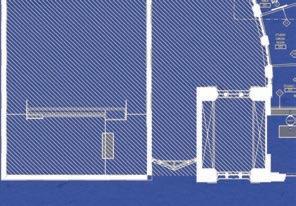





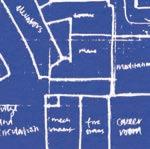
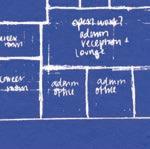
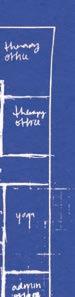


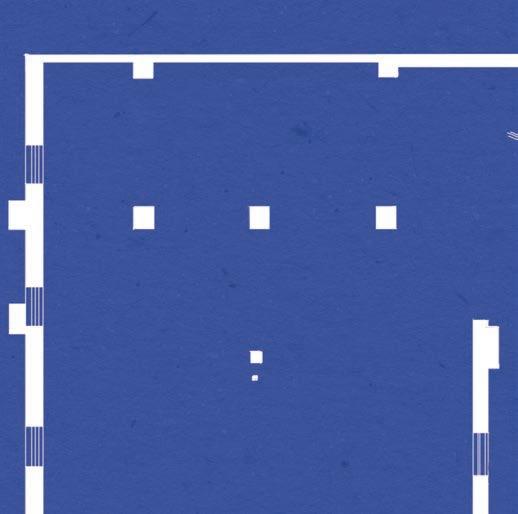









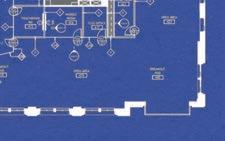
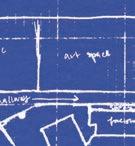

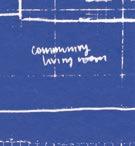
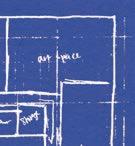
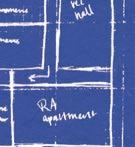
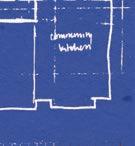
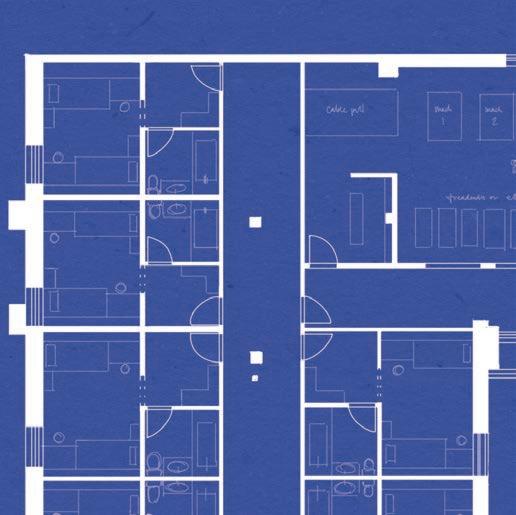
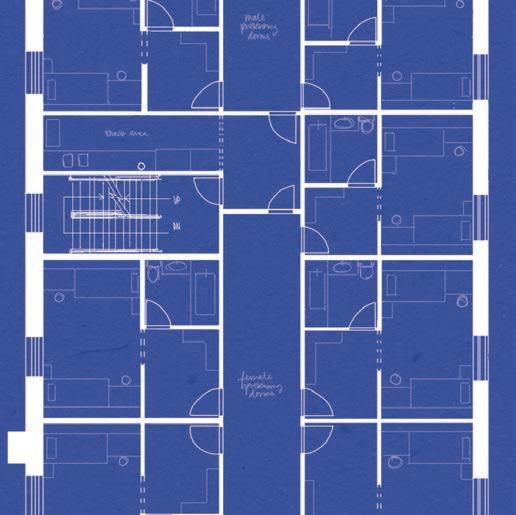
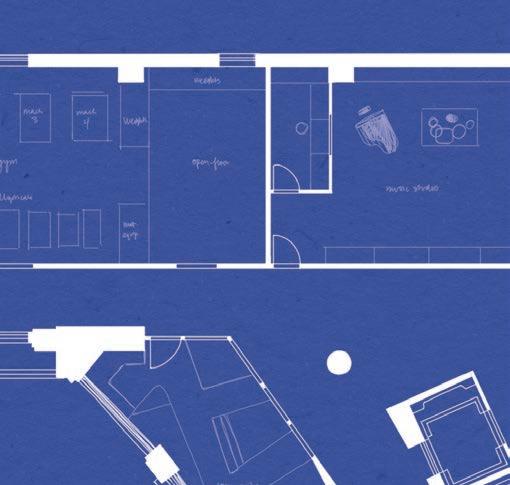
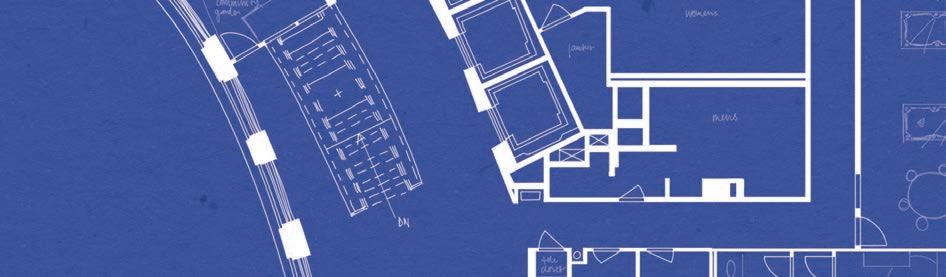
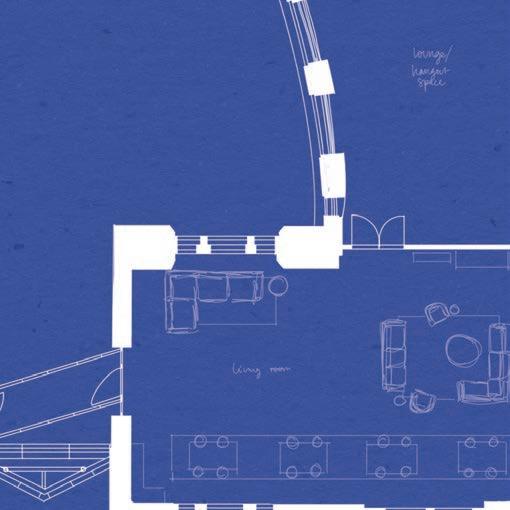

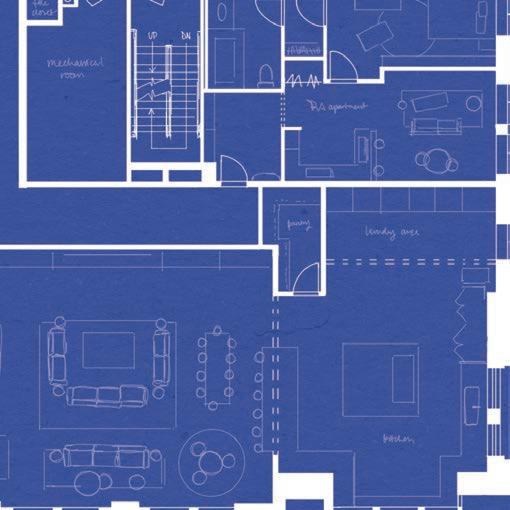







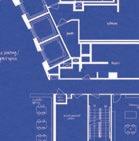

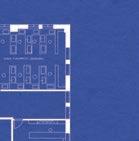
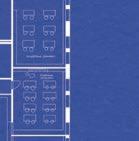
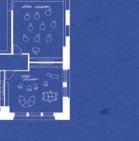


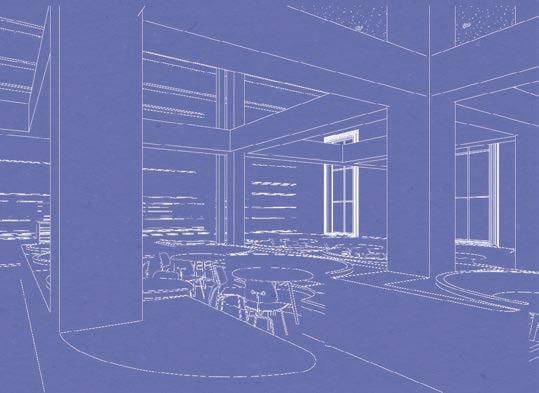

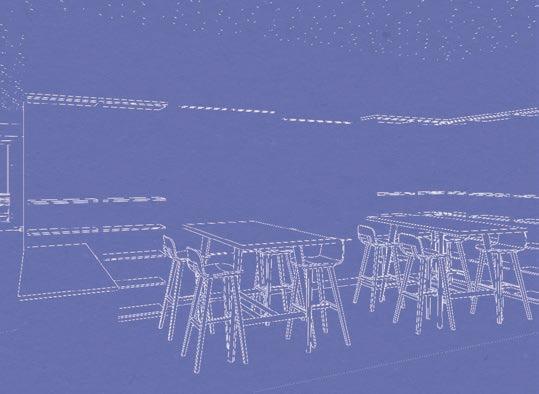

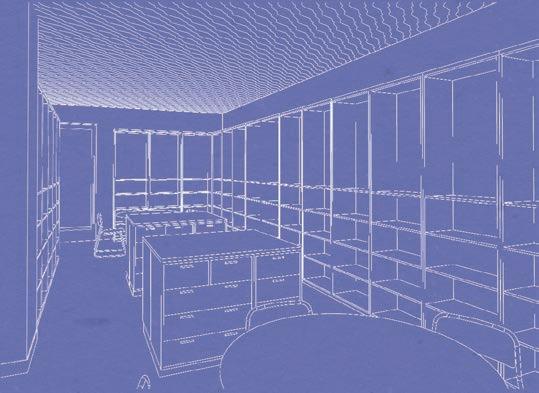

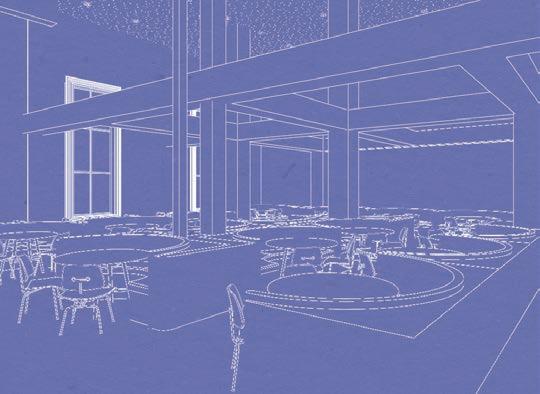

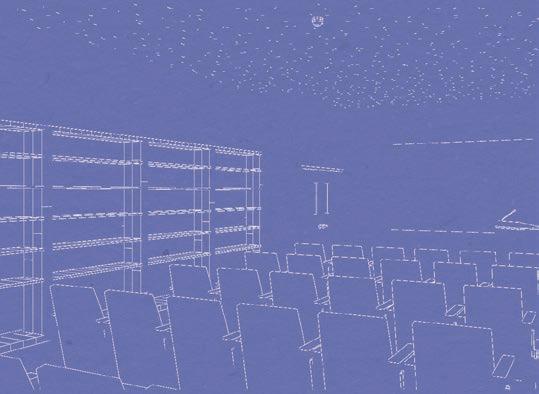

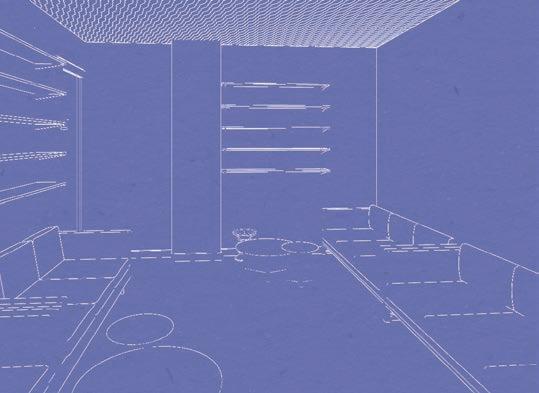

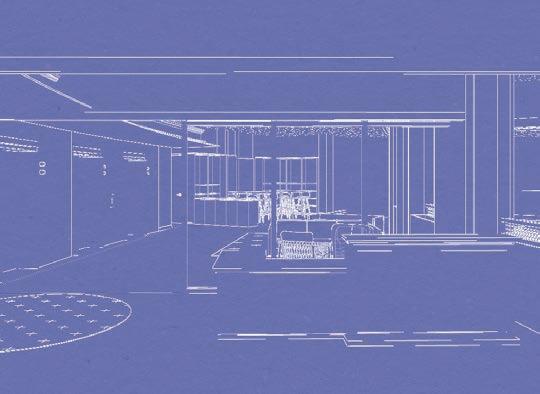



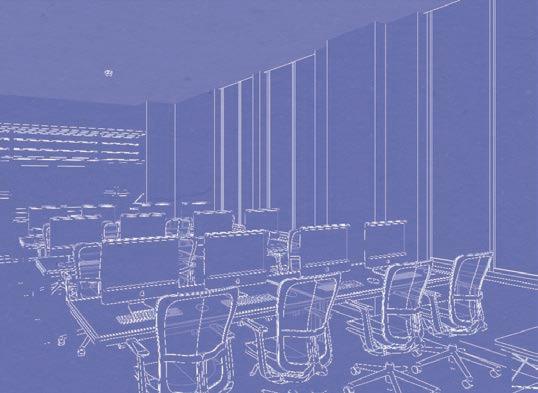








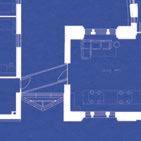
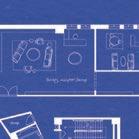
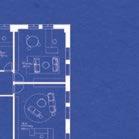
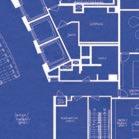
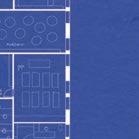
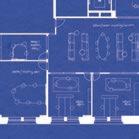
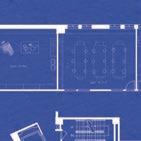
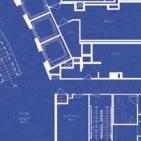
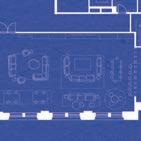
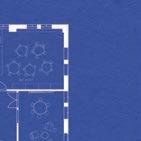
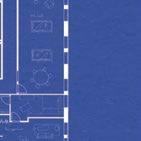
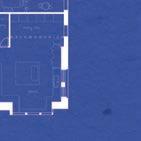

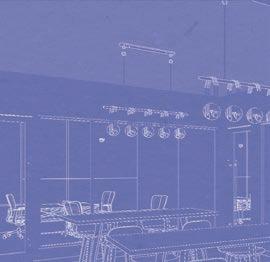
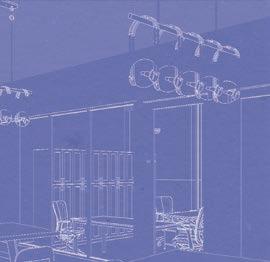

ADMIN OFFICE
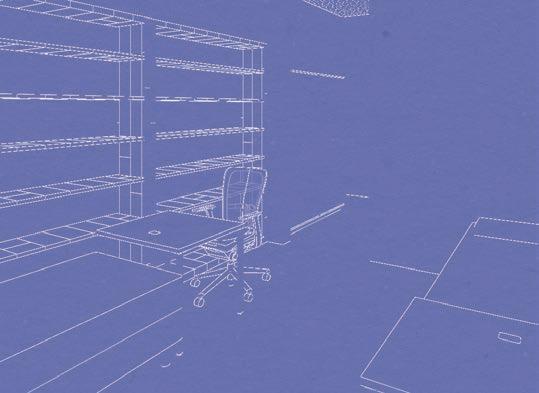
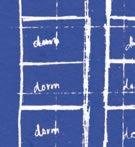
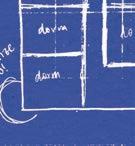
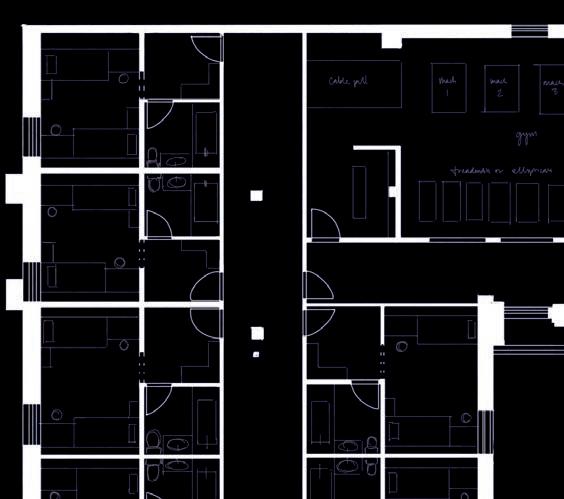
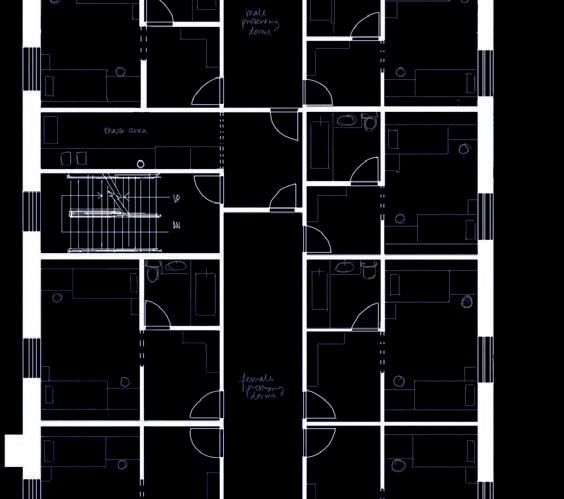
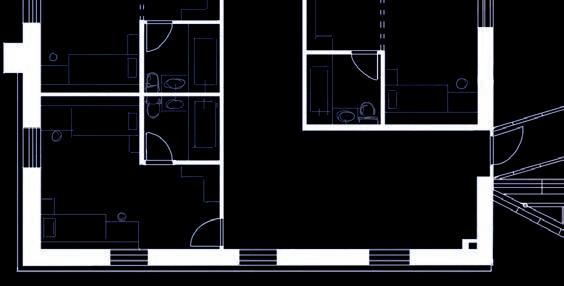
DORMITORY

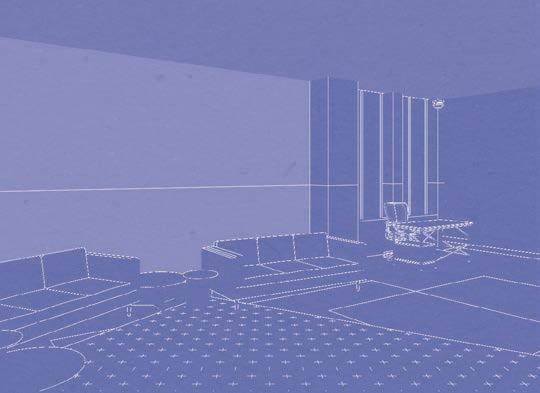


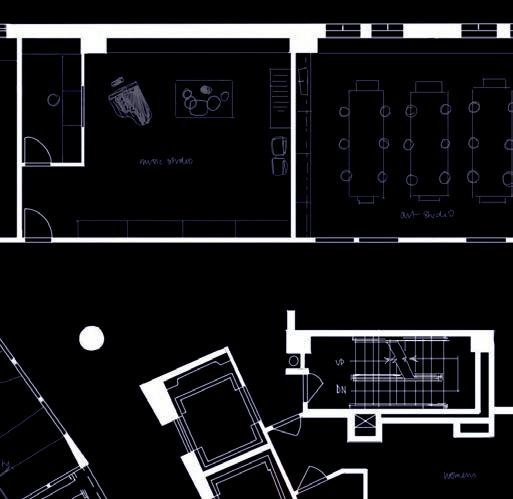
ART STUDIO








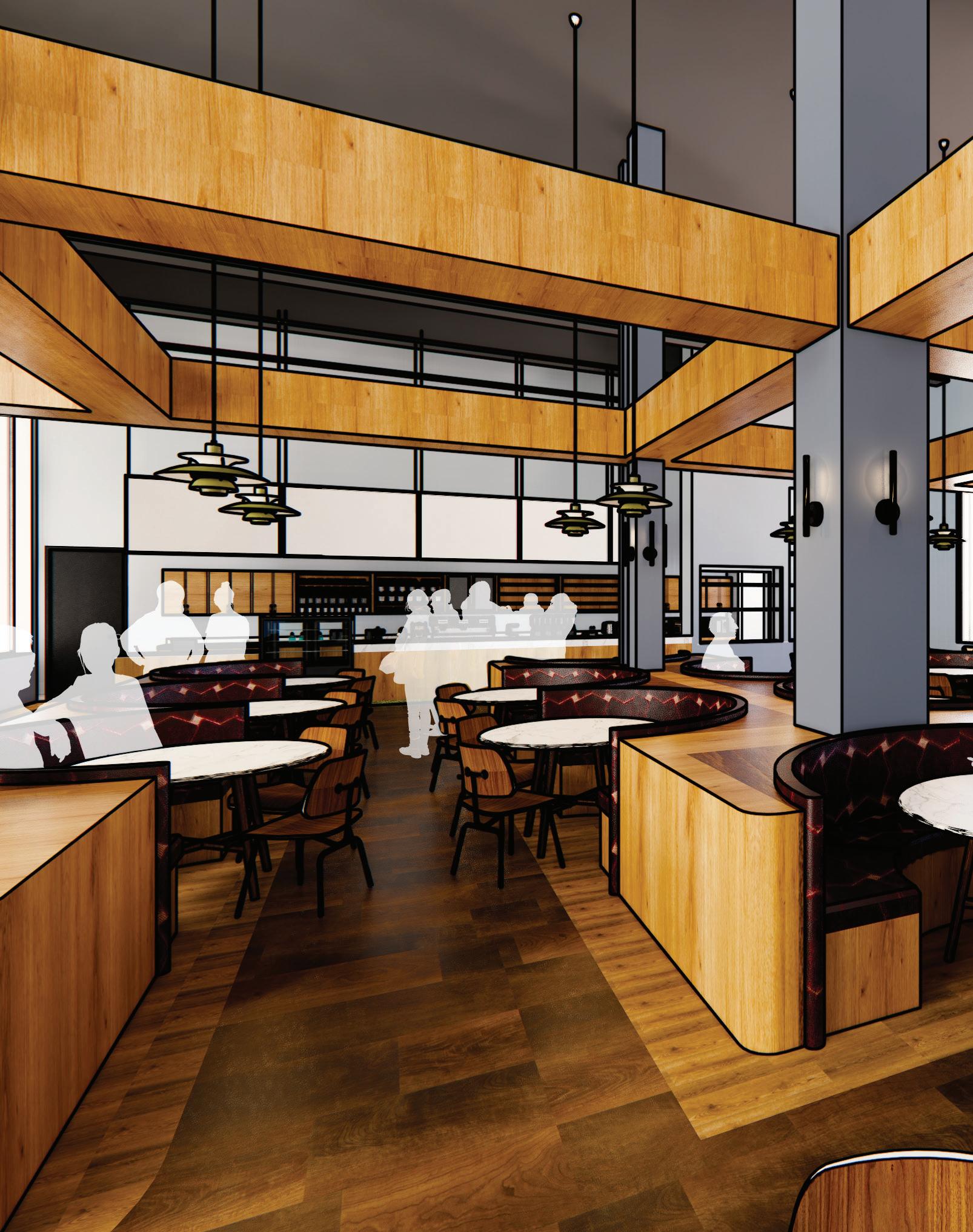
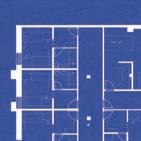
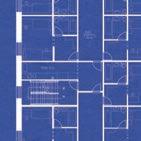
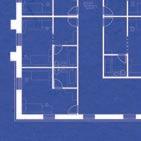
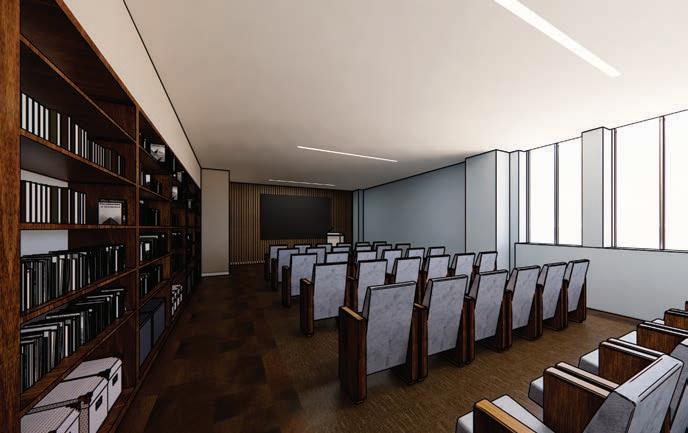
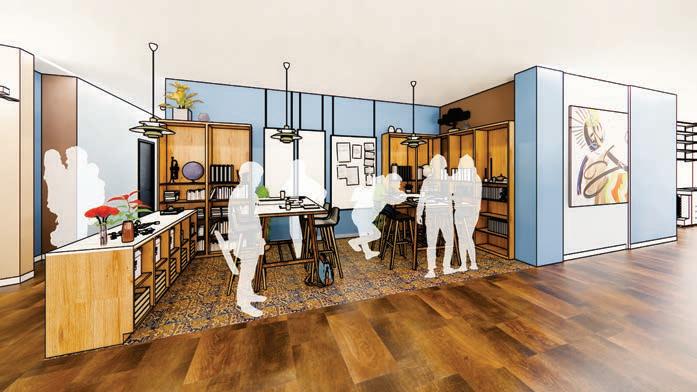
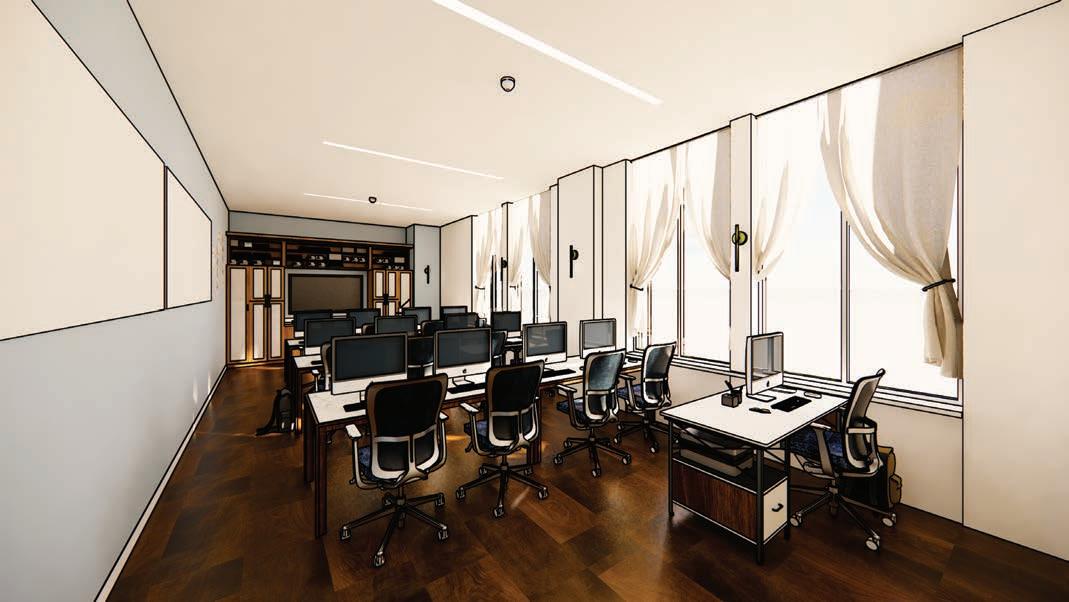
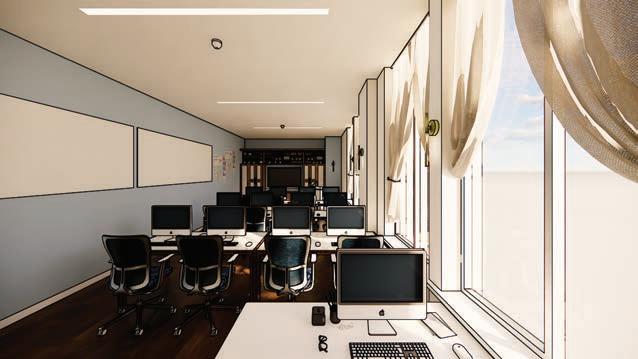
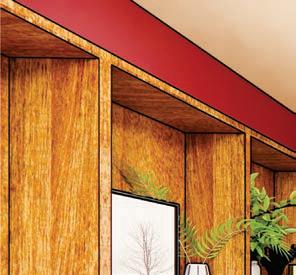
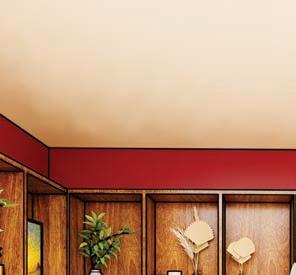
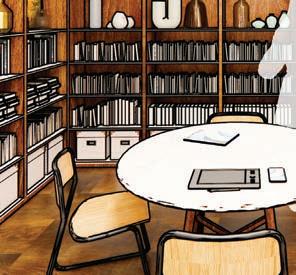
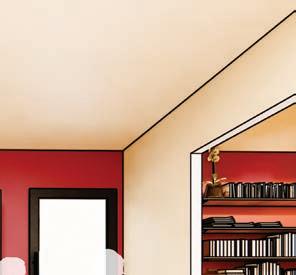
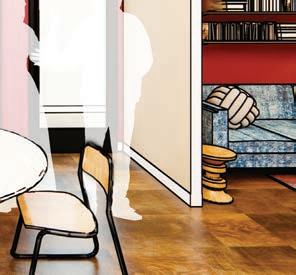
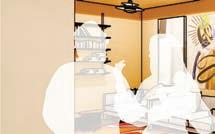
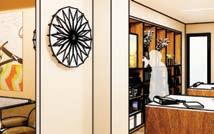
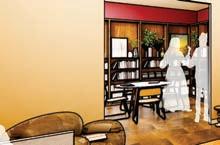
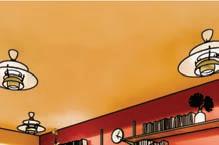
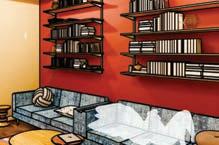
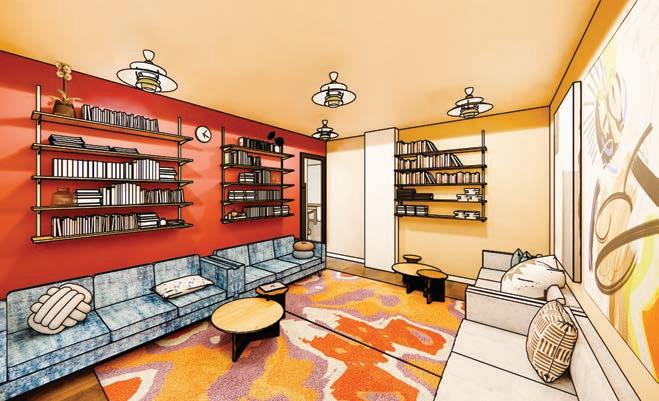
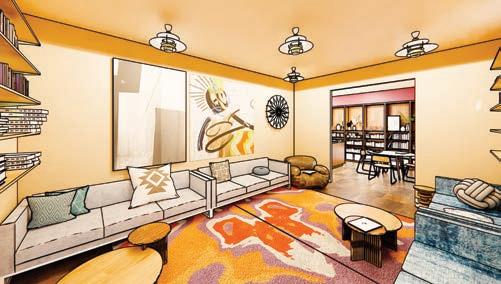
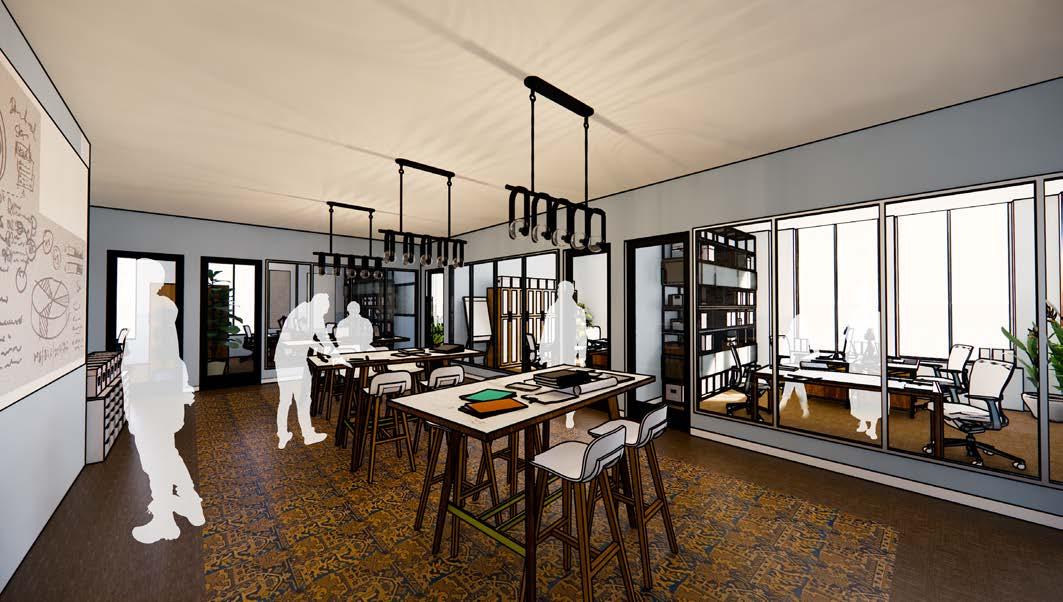
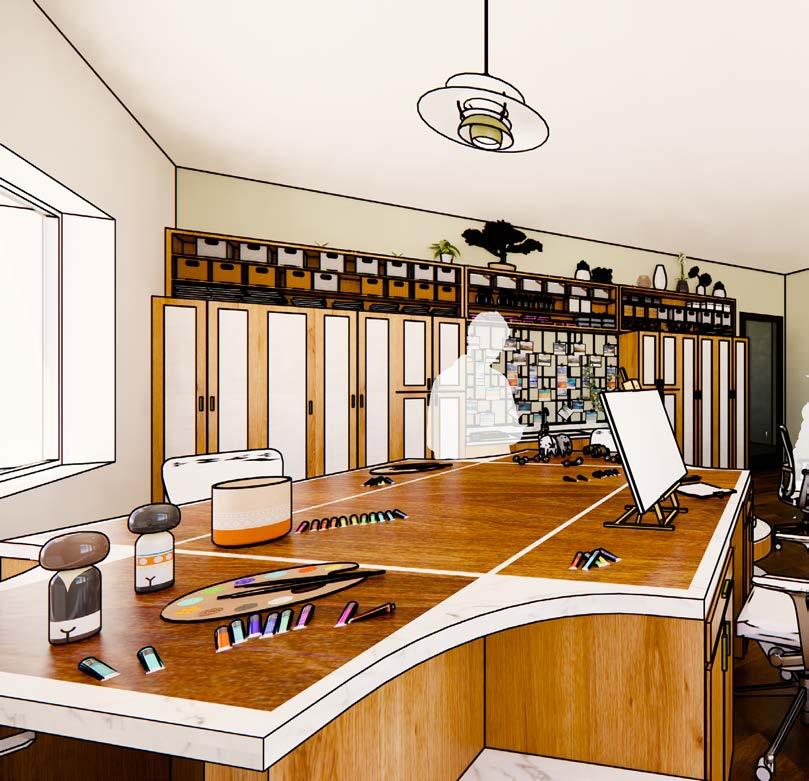
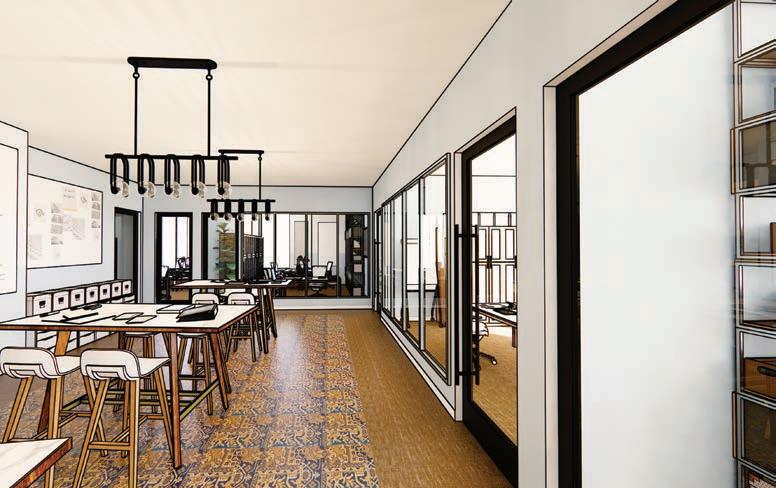
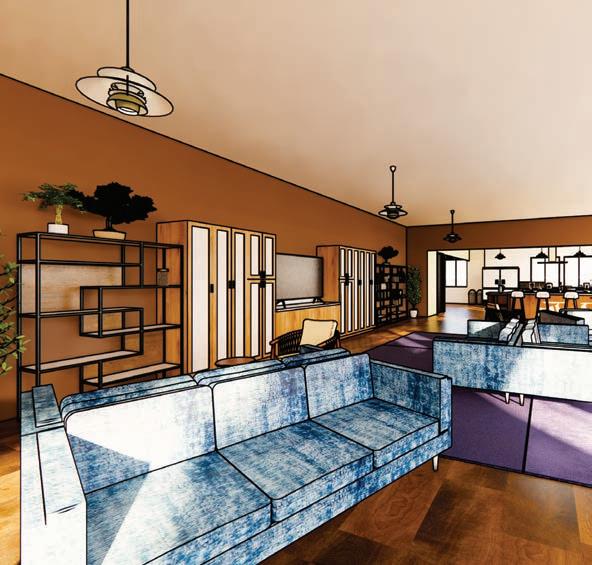
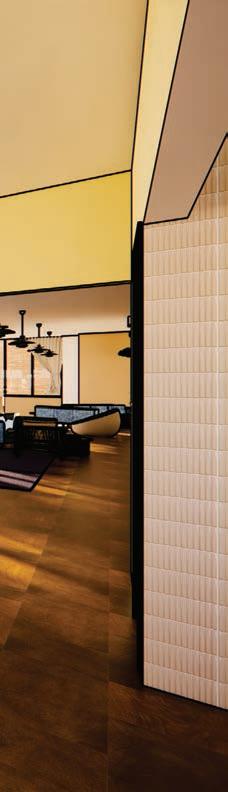
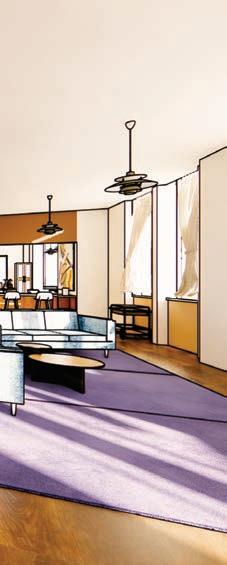
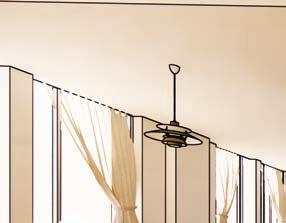
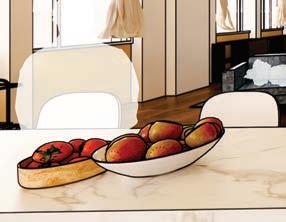
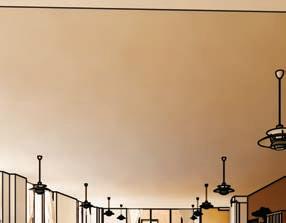
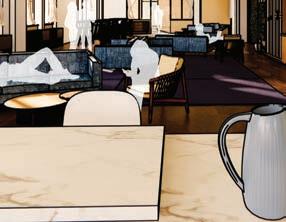
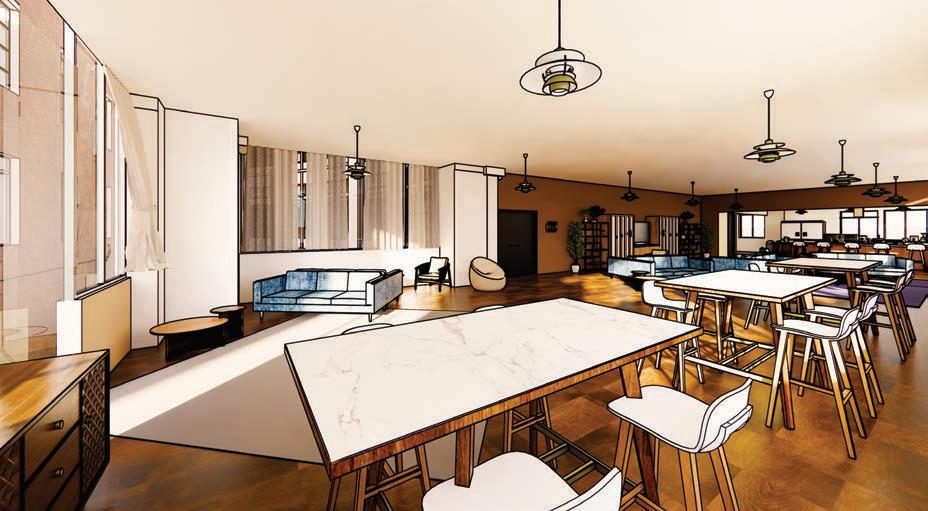
Welcome to Second Spark! This is the culmination of all of the research, development, and schematics done prior to this. This portion includes floor plans with renderings of the the most developed spaces, section/elevations of those spaces, prototypes of special millwork, and the final renderings themselves. There are also QR codes with the renderings that take you to panoramic, virtual reality scans of the spaces to really put you in the space.


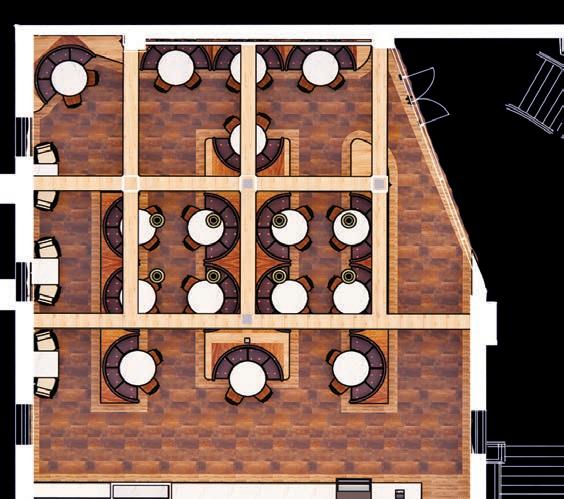
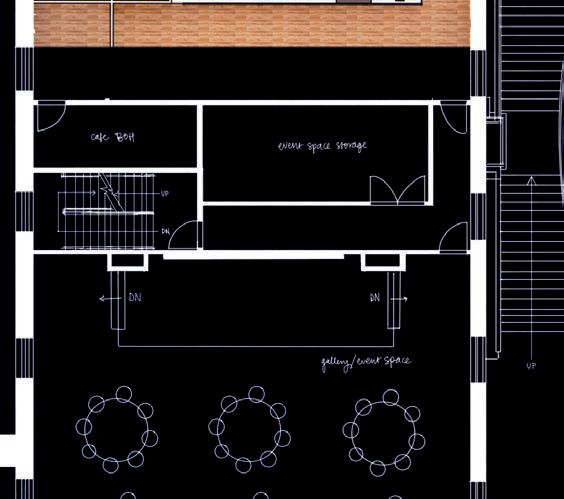
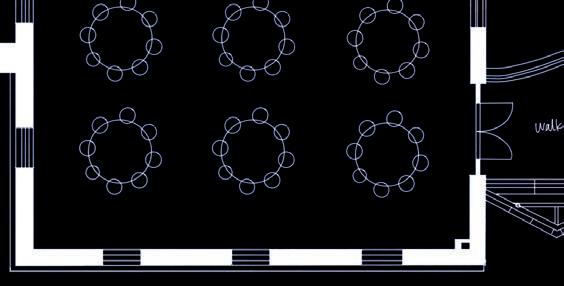


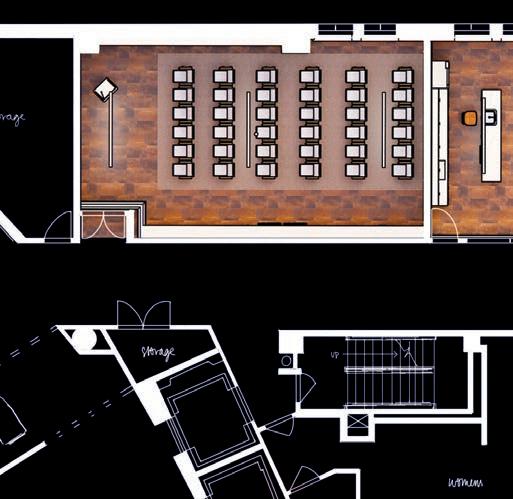
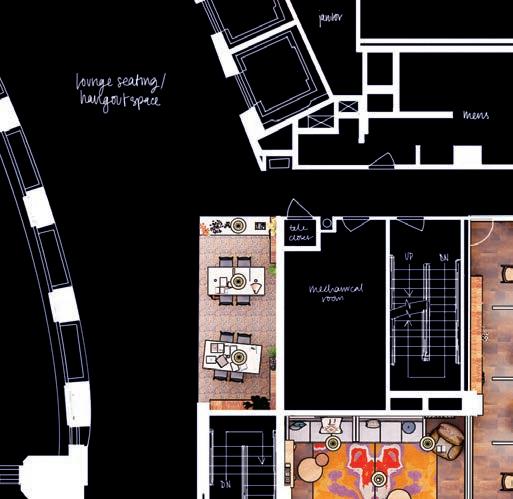
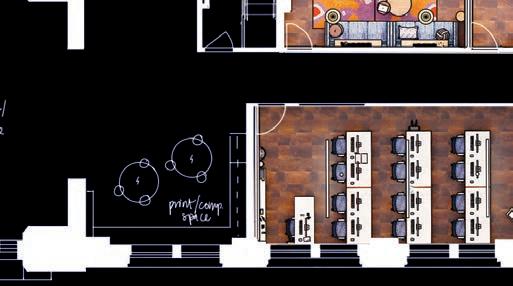
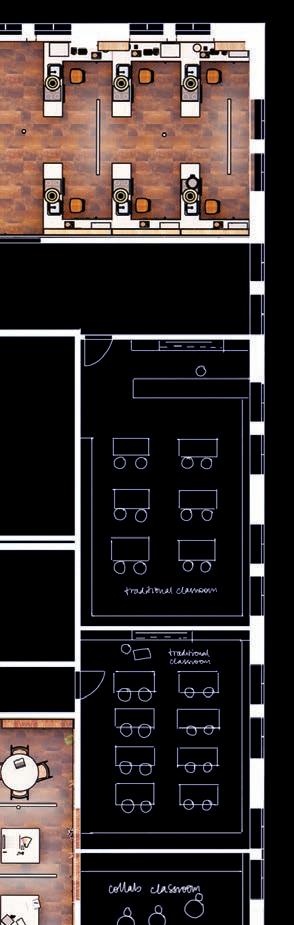
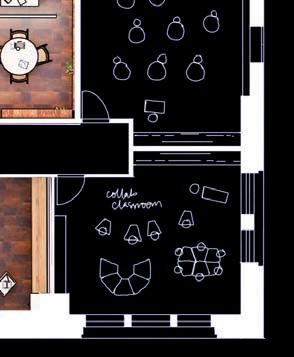


LEVEL 2 N


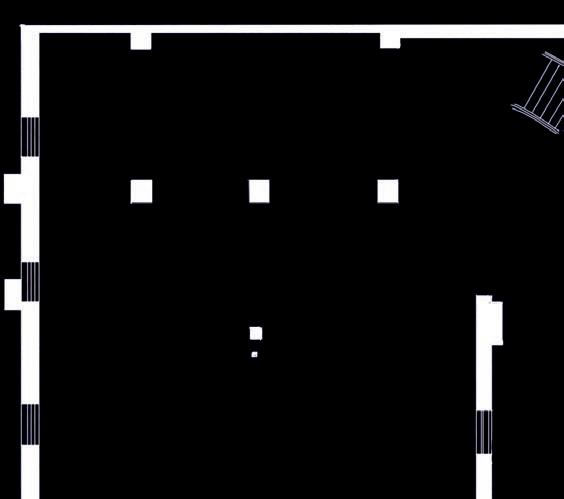

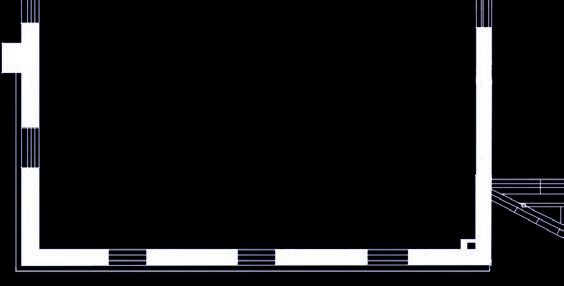

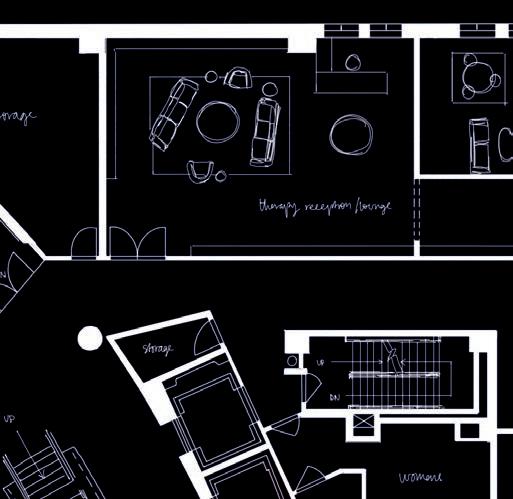
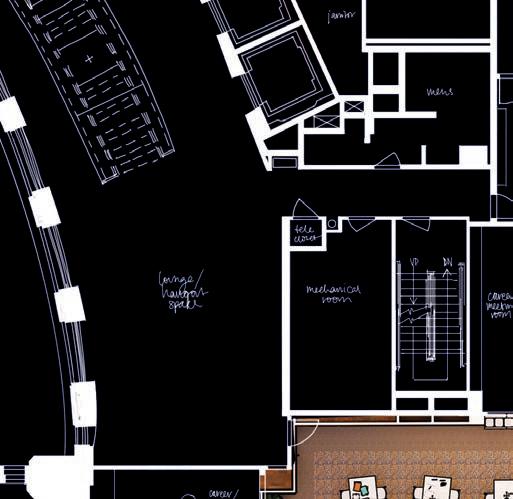
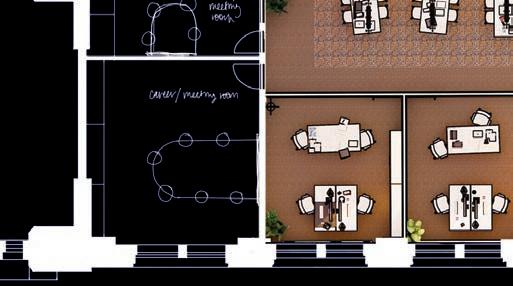
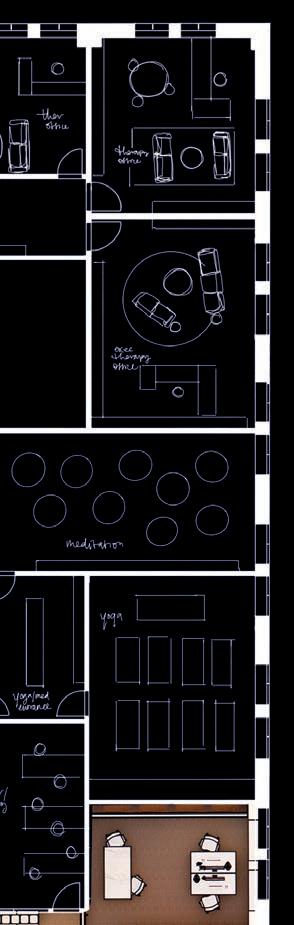
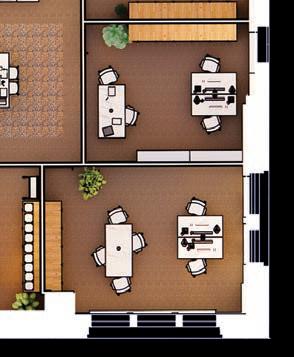
LEVEL 3 N

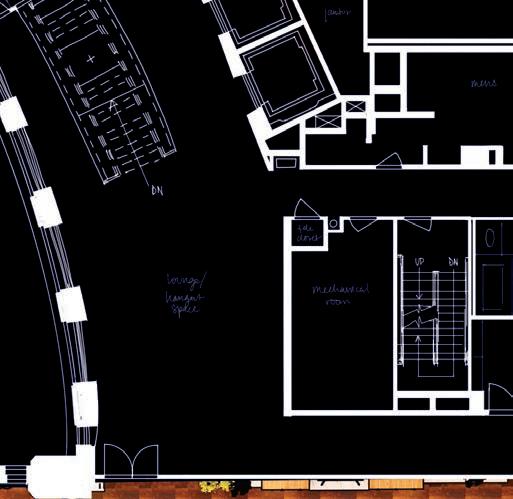
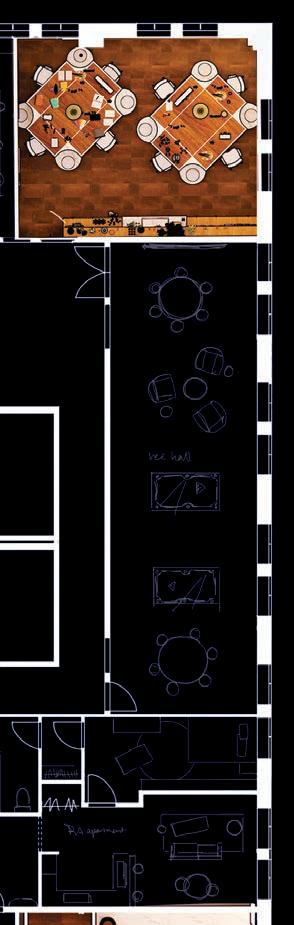
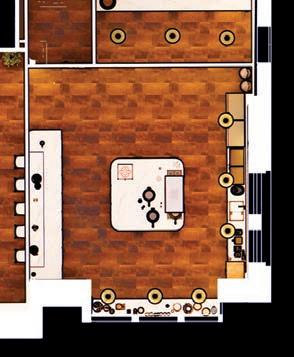
LEVEL 4 N

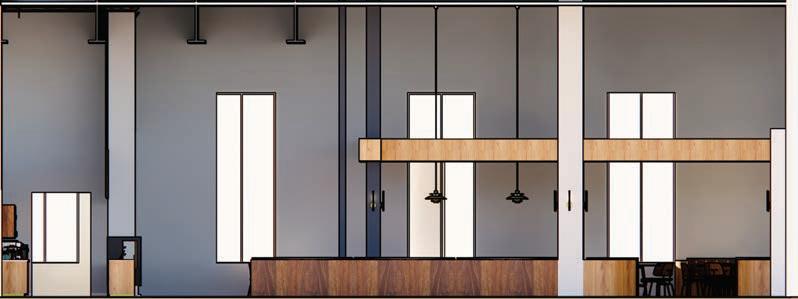
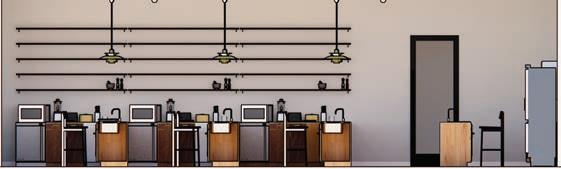
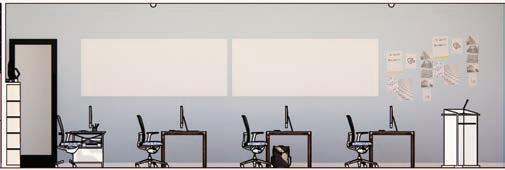
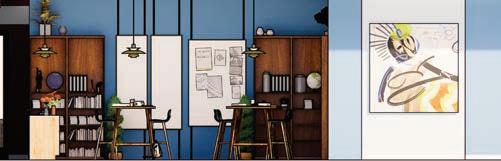
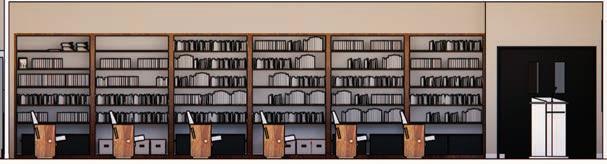
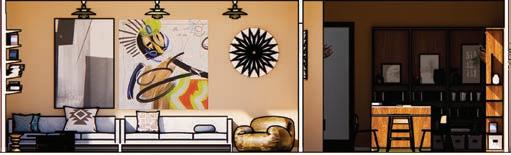

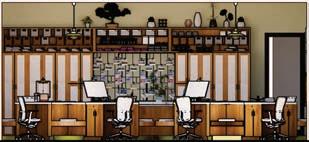

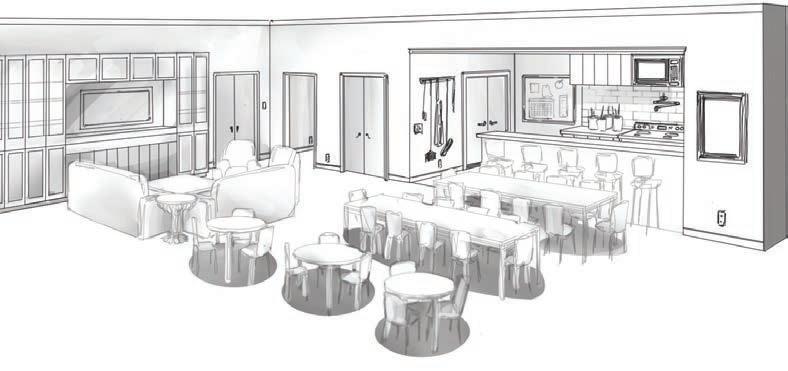
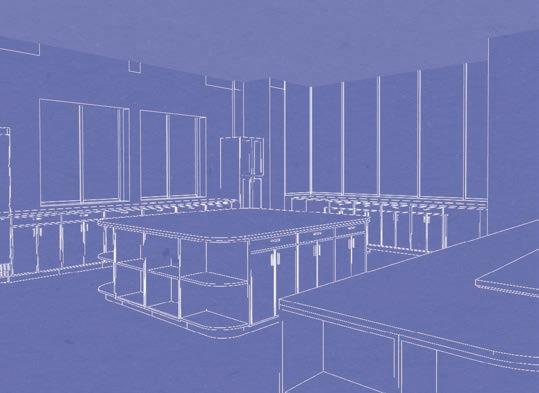
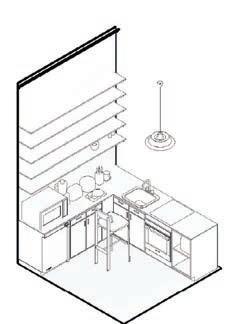
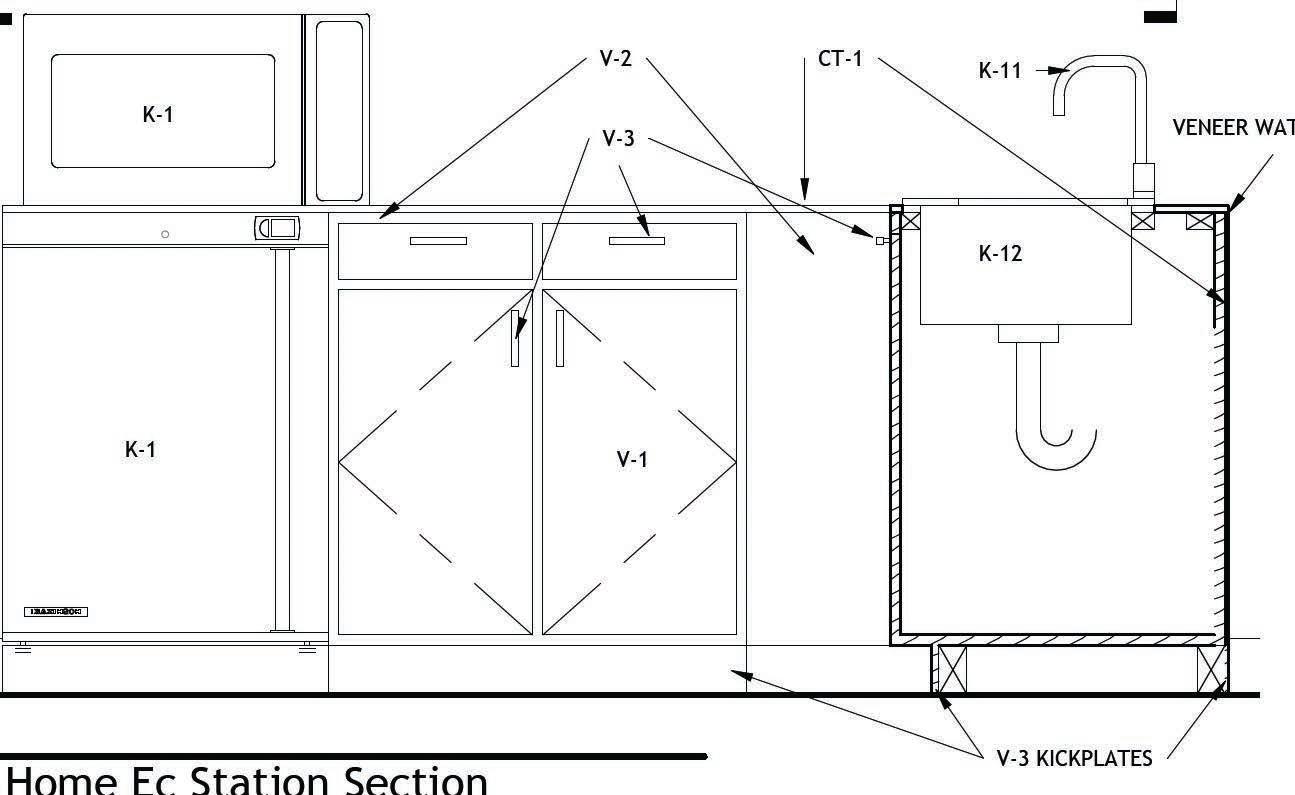
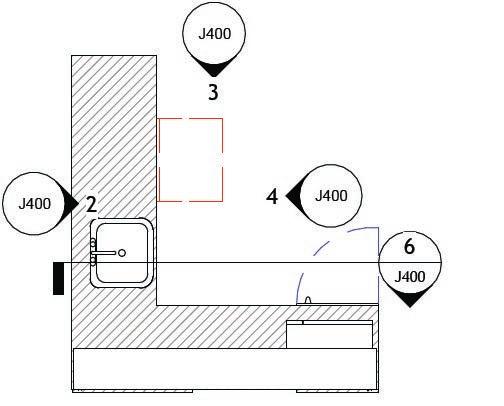
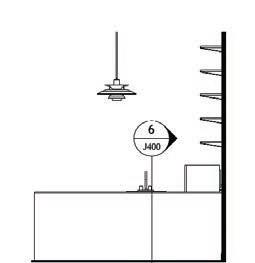
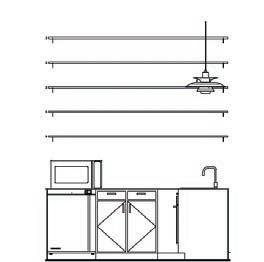
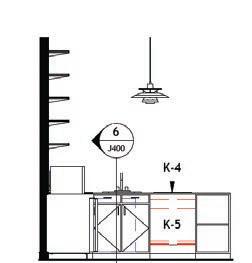
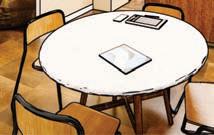
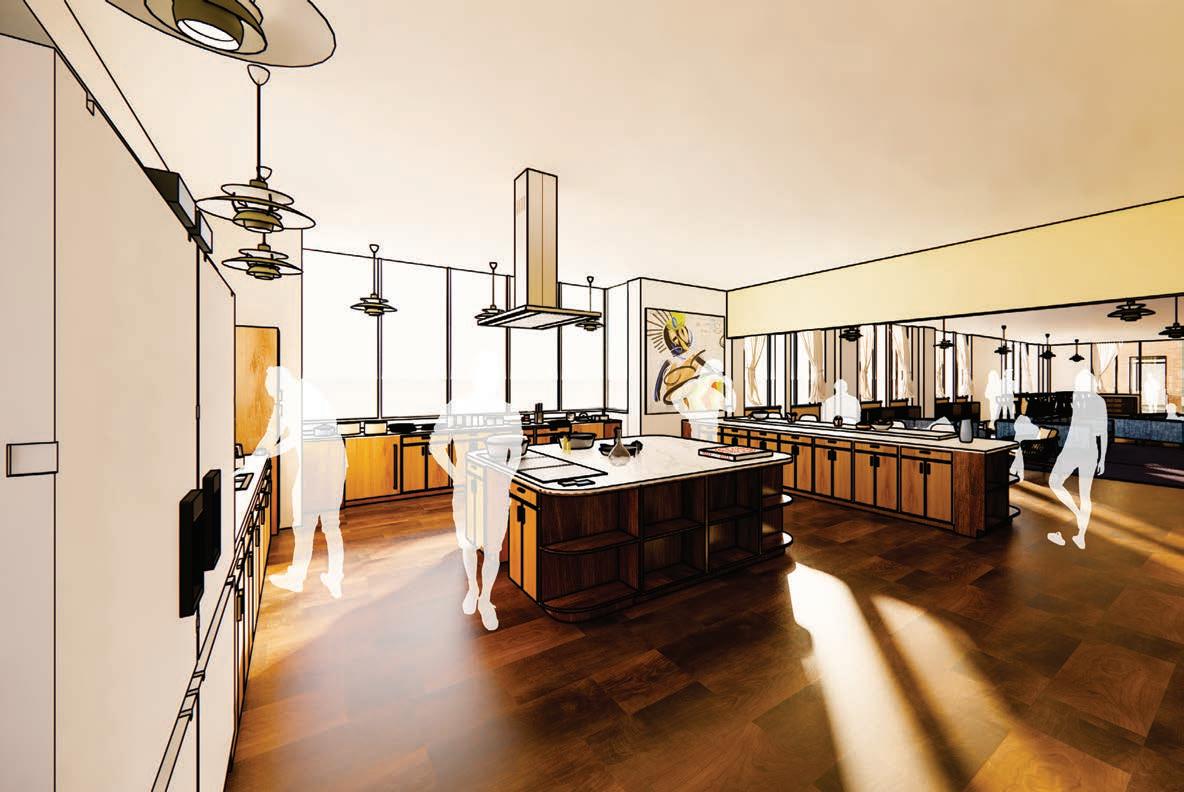
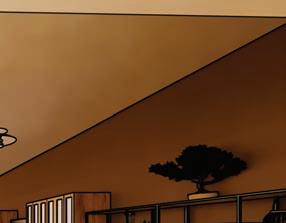
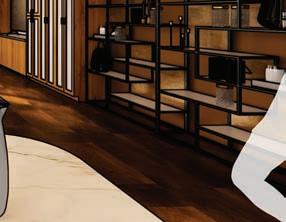
The Home Economics Classroom. Level 2.
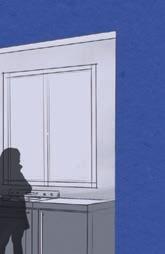
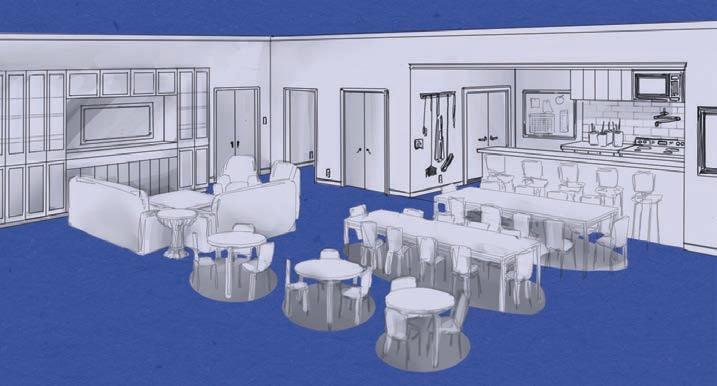
The home economics acts as a mini kitchen and home that has several kitchen appliances and general home needs to facilitate lessons on life/home skills. The user can practice cooking, cleaning, reparations, first aid, and more at these stations giving them self sufficiency and comfort.
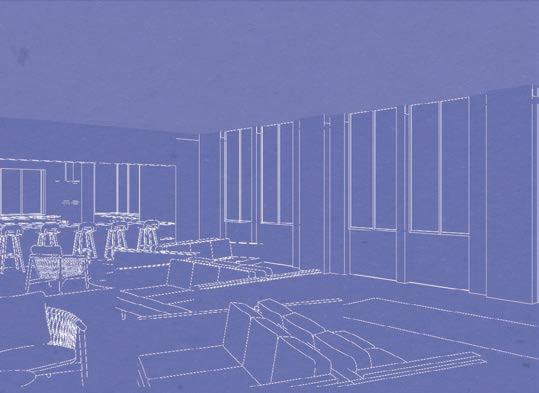
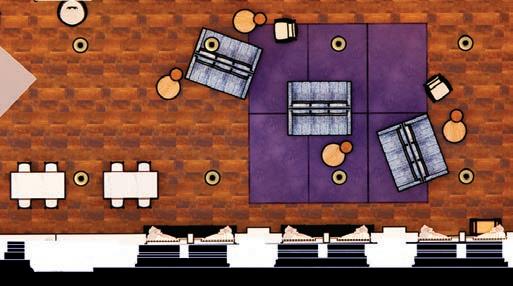
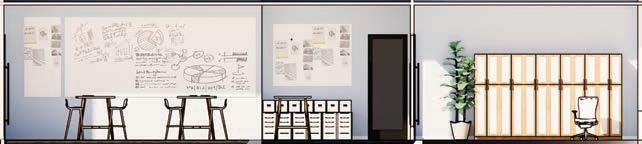
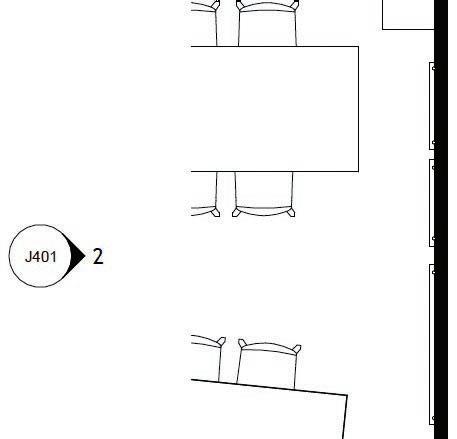
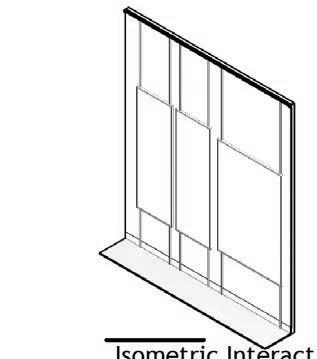
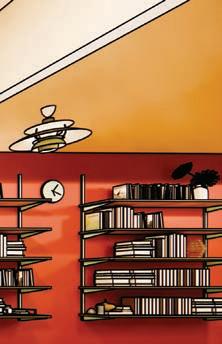
The Huddle Space. Level 2.
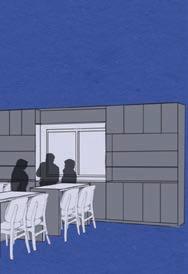
The interactive/display walls exists to show past work of students and events going on within the facility. The interactive element also comes from the game wallpaper that gets replaced regularly and the tangible nature of the student content.

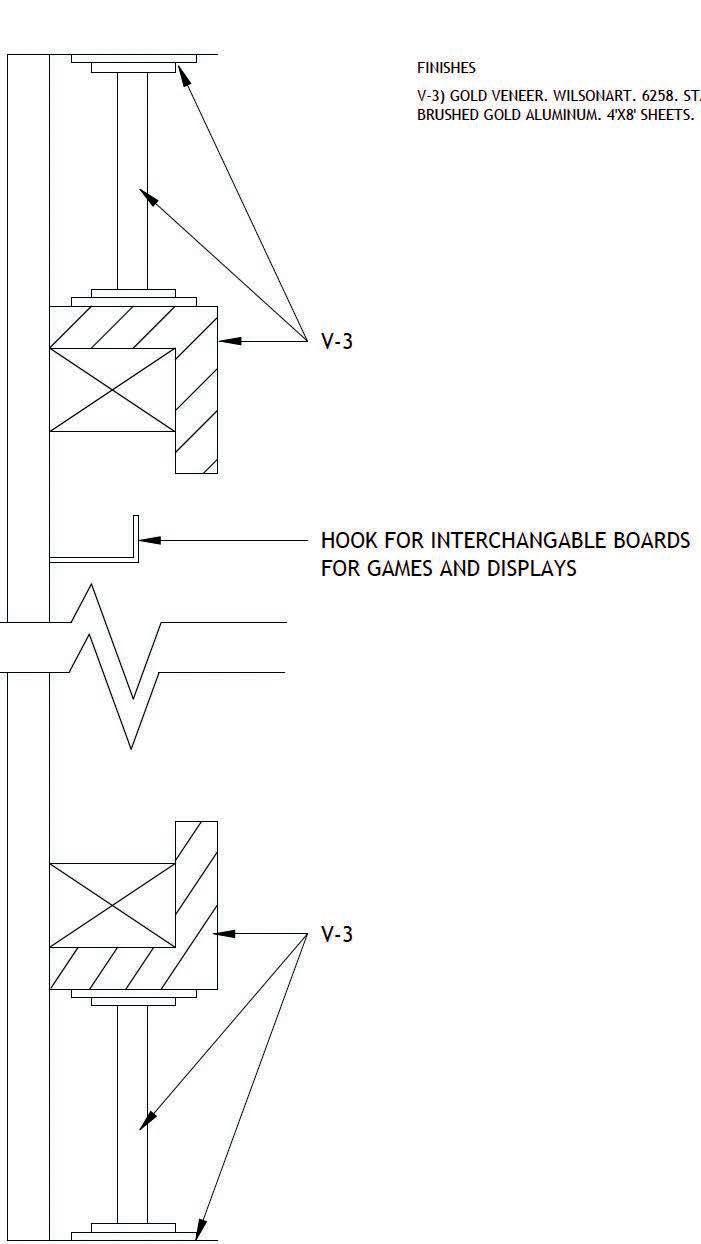
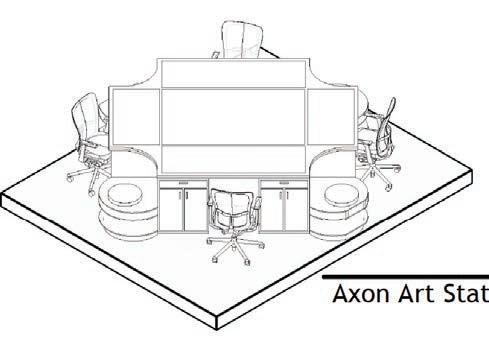
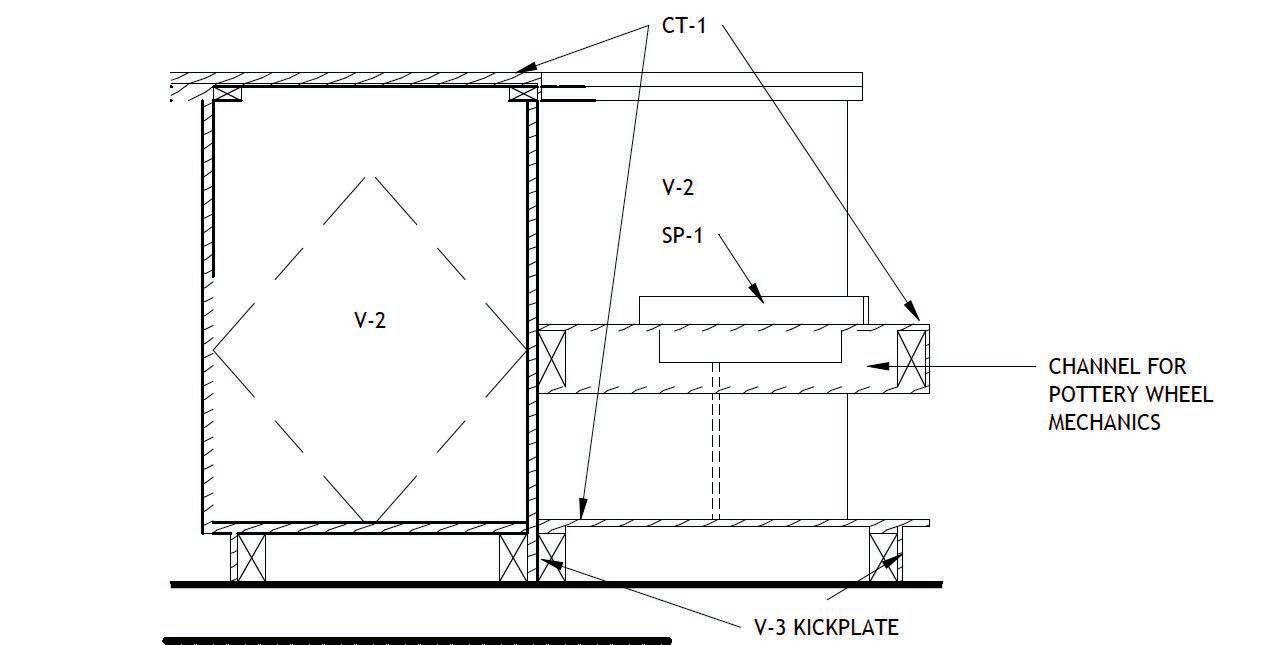
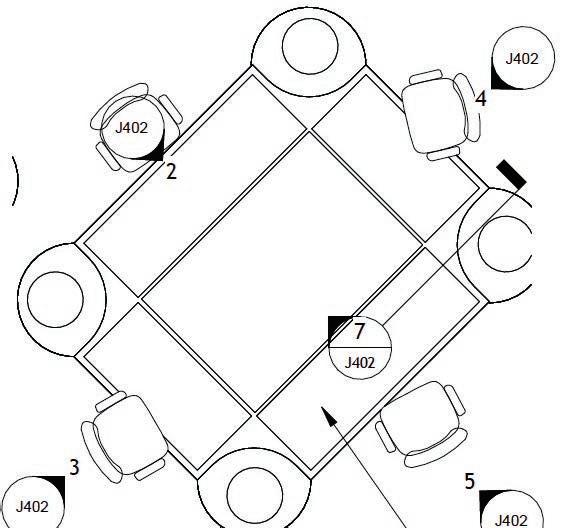
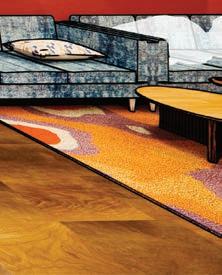
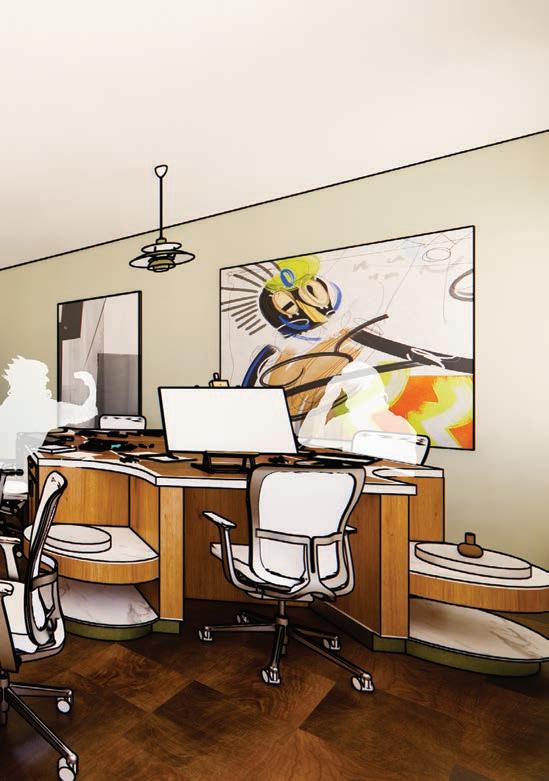
The Art Studio. Level 4.
The art station functions as a one size actually fits all option to exploring creative avenues whether it be jewelry making, ceramics, painting, whittling, drawing, sewing/knitting, and more.
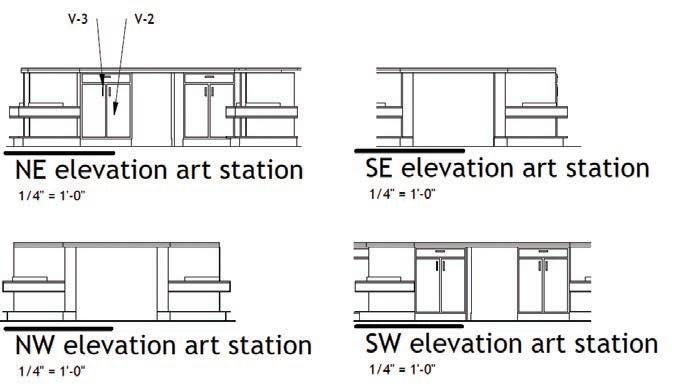
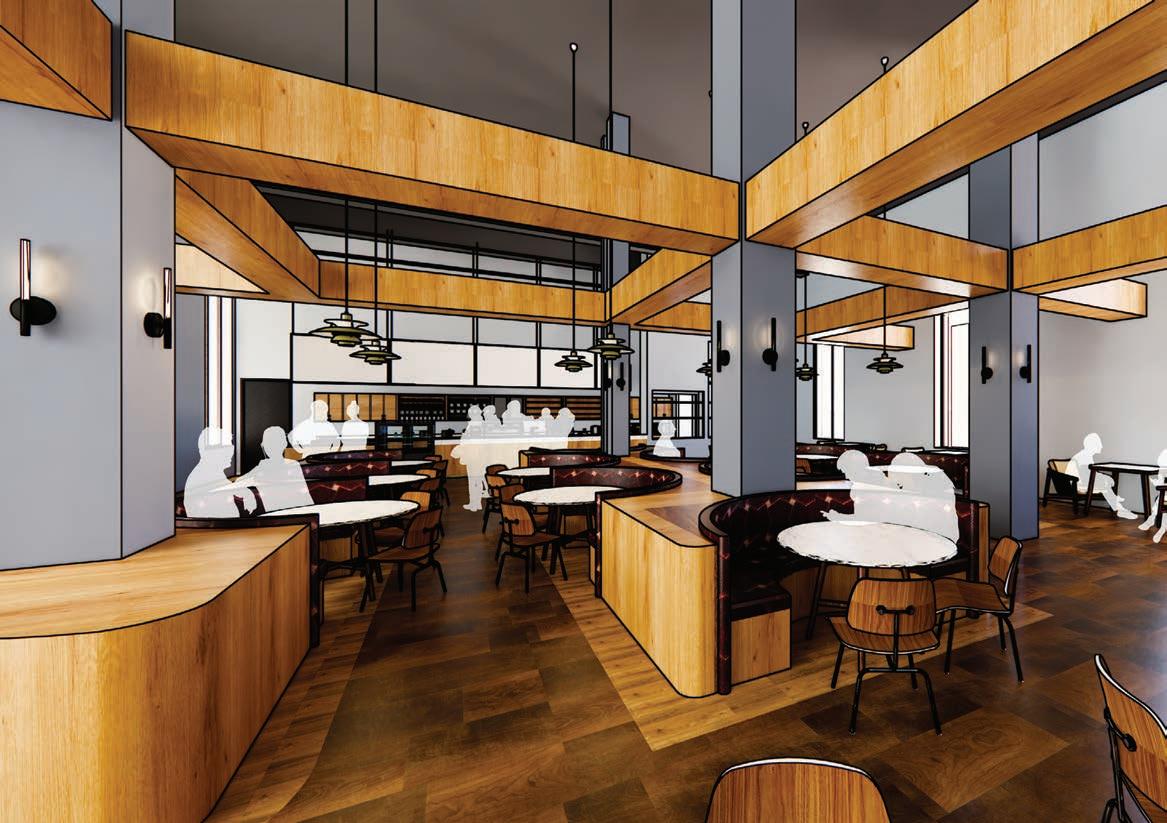
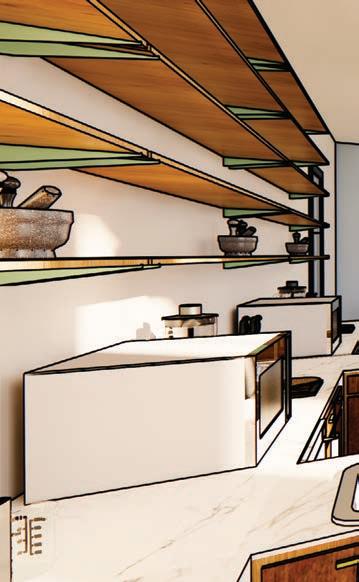
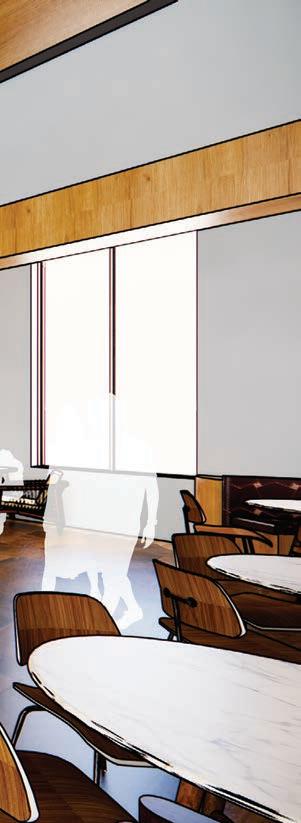

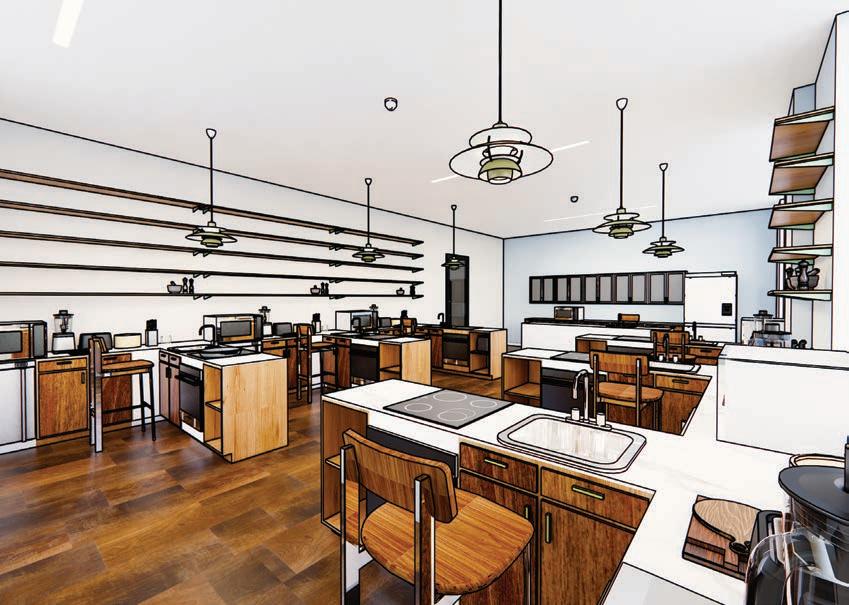
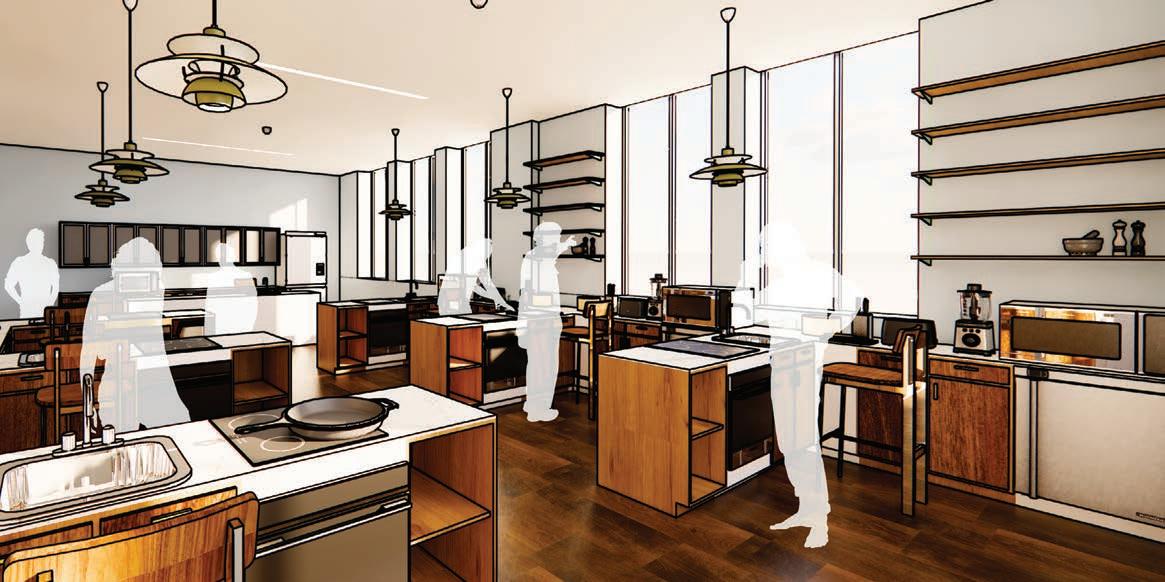
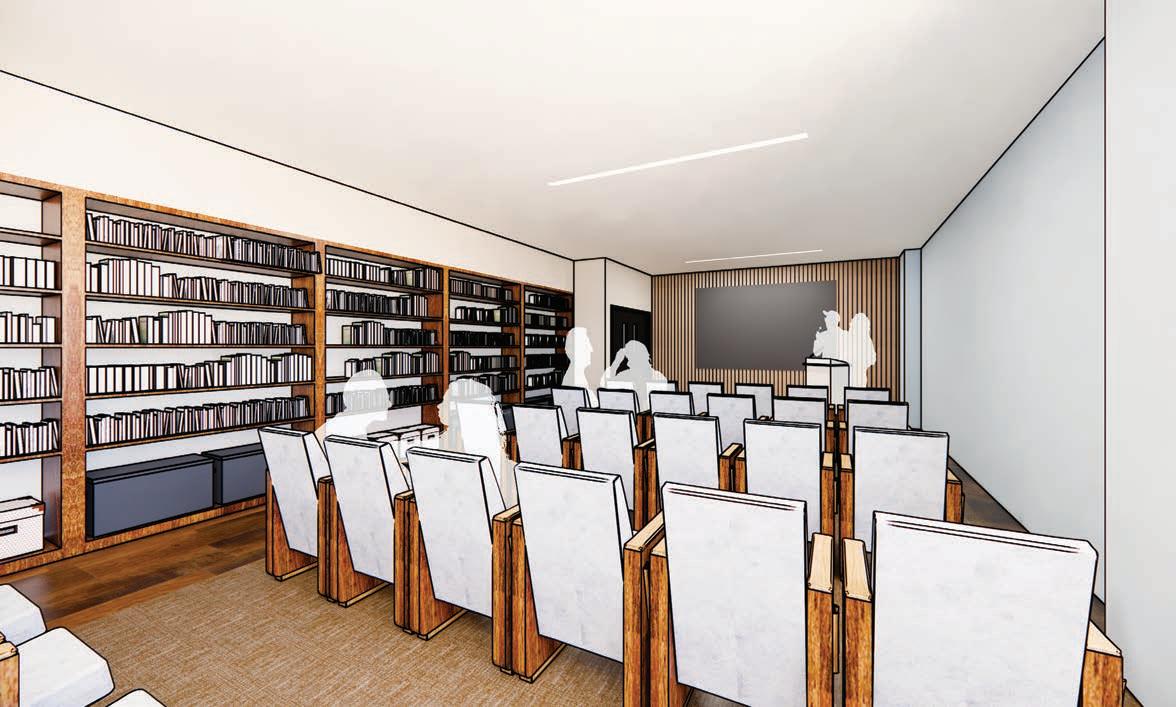




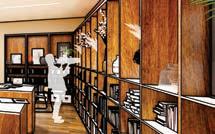



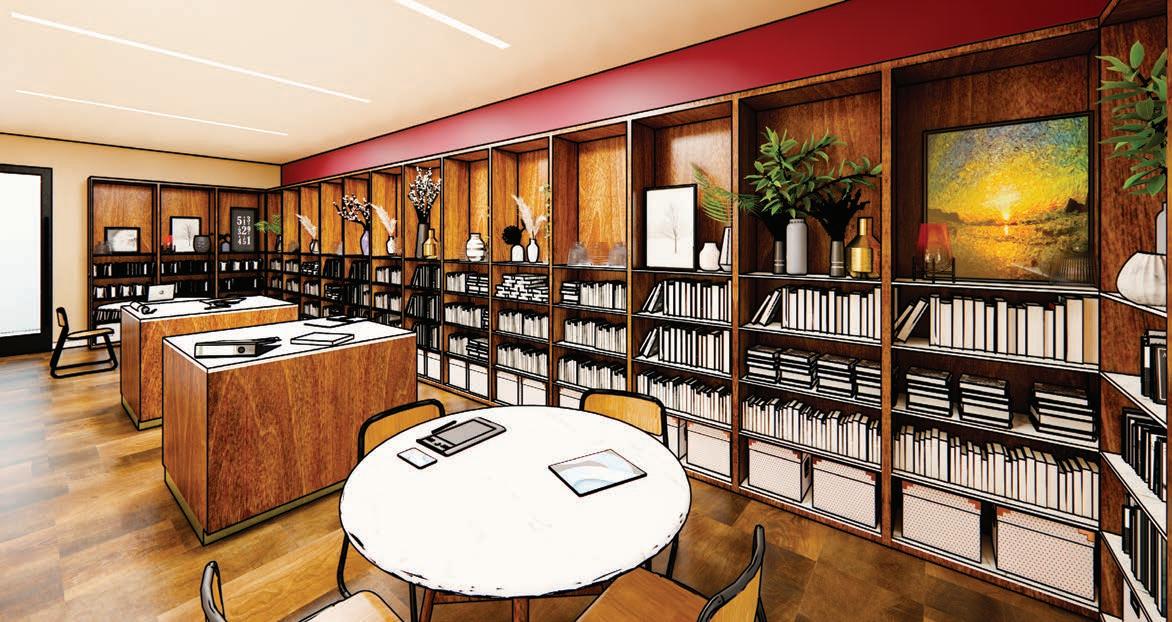








5 In order to fully design a space, some specifications and selections must be done. This is simply the FFE and finishes schedules to complete Second Spark. There is everything from paint, to gym equipment, to switch plates, to chairs, the refrigerators included.
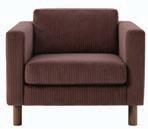
STG-1
Herman Miller
LHD-CHR-ST/Walnut, 59P14
Walnut Finish & Passage Upholstery Line 28”H x 33”W x 34”D
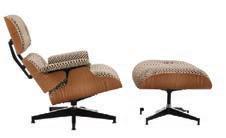
Herman Miller
Item No. 100299883
Walnut Finish & Siena Dark/Khaki
Chair: 33.25”H x 33.5”W x 37.75”D, Ottoman: 17.25”H x 20.75”W x 21.5”D

Herman Miller
Item No. 656894
Walnut Finish & Black Powdercoat 30.25”H x 20”W x 21”D
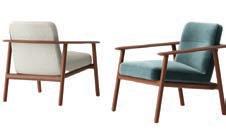
Boss Design
KAT/1/ABW
ABW Finish & Camira Colorway Upholstery
29.75”H x 29.5”W x 21.25”D

Herman Miller
Item No. 100406375
Lotus Prone Leather Upholstery
41”H x 45.4”W x 43”D
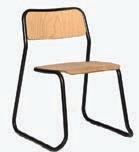
naughtone BOUCH
Walnut Finish & Black Powdercoat 29.5”H x 22”W x 21.5”D

STG-3
Herman Miller
Item No. 100074625
Walnut Finish, Black String, Stone
Capri Upholstery
28.5”H x 31.25”W x 30.25”D
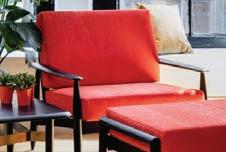
ARMCHAIR | STG-7
BuzziSpace ST100
Walnut Finish & Cat B Velvet Upholstery (BuzziSpace line)
28.14”H x 30.71”W x 31.89” D
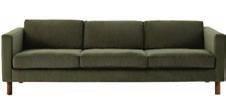
Herman Miller
Item No. 100473329
Walnut Finish & Passage Upholstery Line 28”H x 88”W x 35.5”D
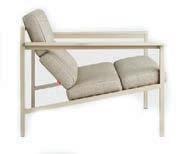
Gus* Modern Andorra Almond Color Palette
27”H x 31”W x 33”D
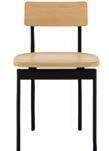
Herman Miller
Item No. 100257360
Oak Finish & Black Powdercoat
29.25”H x 18.5”W x 19”D
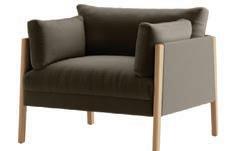
Boss Design BOD/2
ABW Finish & Camira Colorway Upholstery
30”H x 72.75”W x 33.5”D
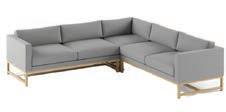
SECTIONAL H | STG-13
Boss Design
ORT/##/# SEAT
ABW Finish & Camira Upholstery
3 Seat Armless: 28”H x 83”W x 33”D
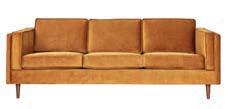
Gus* Modern
Any Colorway 31”H x 84”W x 36”D
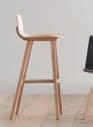
Studio TK
Cocoa Brown
39.5”H x 16”W x 19”D
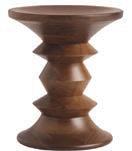
Herman Miller
Item No. 104470
Walnut Finish 15”H x 13.5”W x 13.85”D
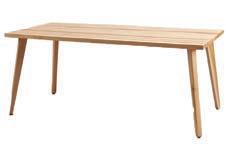
ANDY COMMUNAL
TABLE | CG-5
Grand Rapids Chair AND-42-72-RT-36
Walnut Finish, High Glossed Metal, Eased Edge 42”H x 72”W x 36”D
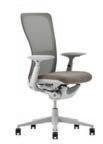
Haworth Stone Color Palette 38”H x 19.5”W x 29”D
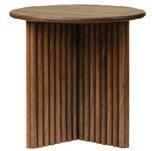
CG-2
Gus* Modern
Classic Walnut Finish 17”H x 17”W x 17”D
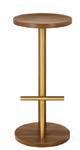
Herman Miller
Item No. 100113163
Walnut Finish & Brass 30”H x 13.75”W x 13.75”D
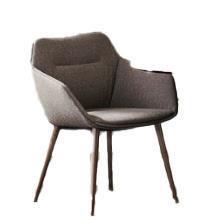
Davis
SA-1005
Classic Walnut Finish & Camira Path HTK03 Upholstery 38.25”H x 26.75”W x 27”D
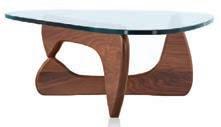
Herman Miller
Item No. 103695
Walnut Finish 15.75”H x 50”W x 36”D
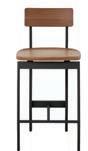
|
Herman Miller
Item No. 100199797
Walnut Finish & Black Powdercoat 38.25”H x 18.5”W x 19”D
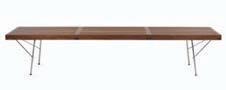
Herman Miller
Item No. 9203017
Walnut Finish & Chrome 13.85”H x 71.75”W x 18.13”D
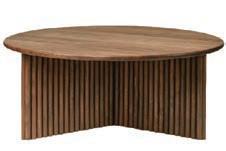
CG-4
Gus* Modern
Classic Walnut Finish 13”H x 21.5”W x 21.5”D
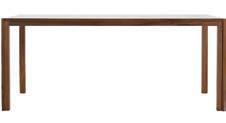
ANDY COMMUNAL TABLE | CG-6
Grand Rapids Chair AND-36-36-SQ-30
Walnut Finish, High Glossed Metal, Eased Edge 30”H x 36”W x 36”D
ANDY COMMUNAL TABLE | CG-7
Grand Rapids Chair AND-36-72-RT-30
Walnut Finish, High Glossed Metal, Eased Edge 30”H x 72”W x 36”D
CG-8
Herman Miller
Item No. 100176243
Walnut Finish & Carrara Top 30”H x 70”,92”W x 36”D
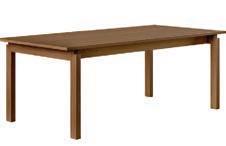
ANNEX EXTENDABLE DINING TABLE | CG-9
Gus* Modern
Walnut Finish 29.5”H x 82.5”W x 39.5”D
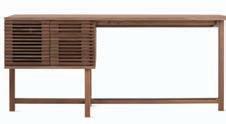
CG-13
Herman Miller
Item No. 100154529
Walnut Finish
29.25”H x 67”W x 26.5”D
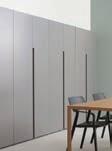
HUE WARDROBE | CG-17
Davis
Hue-4119-L and R
Classic Walnut Veneer
86.6”H x 19.6”W x 17.4”D
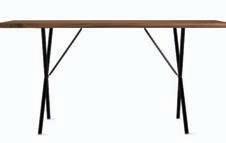
CG-10
Herman Miller
Item No. 9047758
Santos Palisander Finish & Black Powdercoat 28.5”H x 72”W x 36”D
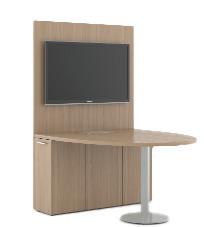
INTERMIX COLLABORATIVE CONFERENCE TABLE | CG-14
OFS
Pecan Quarter Cut Finish, Caldera Top, Soft Rectangle Cut Installation specific
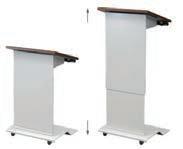
HEIGHT ADJUSTABLE PODIUM | CG-18
Podiums Direct
LEXYZ28-RCT
River Cherry Finish 34”-50.5”H x 21”W x 21”D
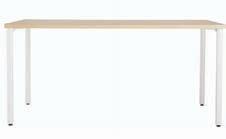
EVERYWHERE TABLE |
CG-11
Herman Miller
Item No. 100100663
White & Maple Finish 28.5”H x 60”W x 30”D
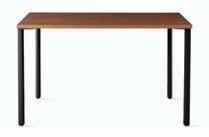
OE1 TABLE 24X48 | CG-15
Herman Miller
LHD-CHR-ST/Walnut, 59P14
Walnut Finish & Passage Upholstery Line 28”H x 33”W x 34”D
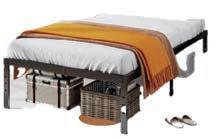
ALWYN HOME OTTERY HEAVY DUTY METAL BEDFRAME | CG-19
Alywn Home
Black Powdercoat 18”H x 39”W x 80”L
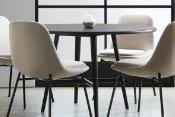
CG-12
Bernhardt Design
Walnut 839 Finish 29.5”H x 48”W x 48”D

METALWORK NIGHTSTAND | CG-16
West Elm
Hot Rolled Steel Finish 24.75”H x 16”W x 16”D
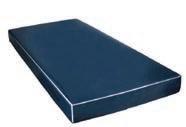
BLUE NYLON DORMITORY MATTRESS | EQ-1
Sleepworks twin xl
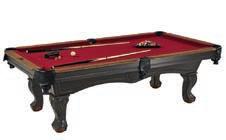
BARRINGTON 100
ARLINGTON BILLIARD
TABLE | EQ-5
Barrington
BL100Y20001
31”H x 56”W x 100”D
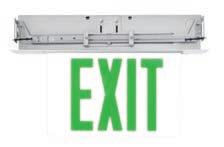
RECESSED EDGE LIT EXIT
SIGN | EQ-9
Advanced LED Supply
EM LIGHTING:EL
Clear and Green
7.25”H x 12.5”W x 4.5”D
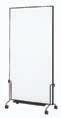
OE1 MOBILE EASEL |
EQ-2
Herman Miller Item No. 10043219
Black and White
75”H x 36”W x 17”D
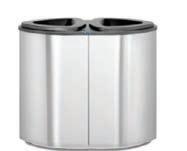
BERMUDA DOUBLE WASTE/RECYCLING BIN|
EQ-6
Finbin
SST Finbin Black 1945
Chrome
770mmH x 860mmW x 450mmD

HONEYWELL WIRELESS PULL STATION| EQ-10
Honeywell
NBG-12WL
5.6”H x 4.2”W x 2.1”D
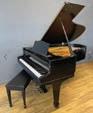
YAHAMA MODEL G3 GRAND PIANO | EQ-3
Yahama
Black
39”H x 57”W x 72”D
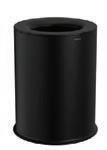
BOUTIQUE PERSONAL TRASHCAN | EQ-7
The Bathroom Boutique COS.BTC.ACC.08
Chrome
10.2”H x 7.87”W x 7.87”D
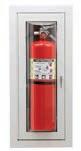
FIRE EXTINGUISHER CABINET | EQ-11
Babcock Davis
BFC-73
Chrome
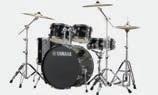
YAHAMA RYDEEN 5
PIECE DRUM KIT | EQ-4
Yahama
RDP2F5BLG
Black Glitter
Installation Specific
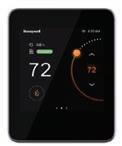
TC500A COMMERCIAL THERMOSTAT | EQ-8
Honeywell
TC500A
Black
4.5”H x 3.5”W x 0.9”D
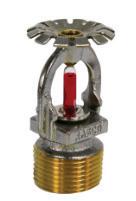
F1/F1FR CONVENTIONAL SPRINKLER | EQ-12
Reliable Sprinkler
RA1475
Chrome/White 2.5”H x 1.25” diameter
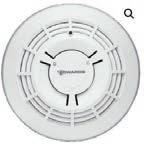
EDWARDS EST SIGA SMOKE/CO DETECTOR |
EQ-13
Edwards
SIGA-OSCD
White
2.3”H x 4.3” diameter
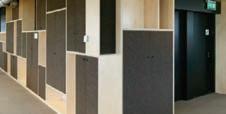
BUZZIBACK ACOUSTIC PANELING | EQ-17
Buzzispace
Grey, Taupe, Black
Measurements Vary
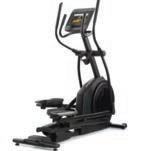
AIRGLIDE 7I ELLIPTICAL |
GYM-3
Nordic Track
NTEL79823
Black
71”H x 25”W x 69”D
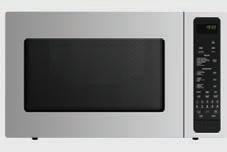
COMBINATION
MICROWAVE OVEN | K-1
Fisher & Paykel
CMO-24SS-3Y
Black and Chrome
14.85”H x 24.6”W x 19”D
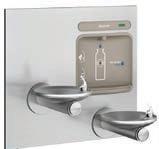
ELKAY WATER FOUNTAIN | EQ-14
Elkay
EZWS-EDFPBM1
34.5”H x 38.5”W x 18.5”D
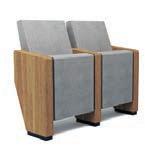
SEDIA SYSTEM
AUDITORIUM SEATING WITH TABLET | EQ-18
Sedia Systems
L40
Dulce Upholstery, Judicial Walnut
36”H x 28”W from centers x 32” D
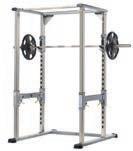
EVOLUTION POWER CAGE | GYM-4
Tuffstuff Fitness
CPR-265
Black
84”H x 51”W x 57”D
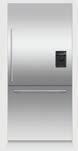
INTEGRATED FRIGERATOR FREEZER | K-2
Fisher & Paykel
RS36W80RU1_N
Black and Chrome
79.8”H x 35.1”W x 23.75”W
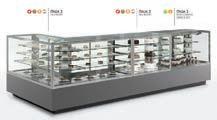
PASTRY DISPLAY CASE |
EQ-15
Oscartek
ITL1BT47
45.25”H x 47.5”W x 34.8”D
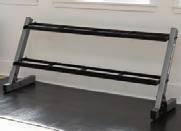
PREMIUM DUMBBELL RACK | GYM-1
Nordic Track
NTDBRK19
Black
31”H x 69”W x 21”D
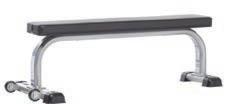
EVOLUTION FLAT BENCH | GYM-5
Tuffstuff Fitness
CFB-305
Black
18”H x 27”W x 56”D
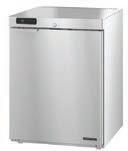
UNDERCOUNTER REFRIGERATOR | K-3
Hoshizaki
MFR #: HR24C
Black and Chrome
31.5”H x 23.4”W x 26.5”D

BUZZIPLEAT ACOUSTIC PANELING | EQ-16
Buzzispace
Grey and Taupe with Black String Measurements Vary
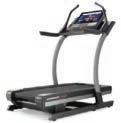
TOP-RATED HIGH INCLINE TREADMILL | GYM-2
Nordic Track
NTL29221
Black
72.5”H x 39”W x70”D
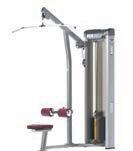
PROFORMANCE PLUS LAT PULLDOWN | GYM-6
Tuffstuff Fitness
PPS-210
Black
89”H x 48”W x 55”D
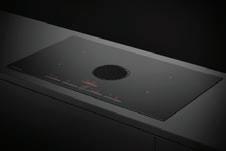
INDUCTION COOKTOP | K-4
Fisher & Paykel
CID364DTB4
Black
8.5”H x 36”W x 20.25”D
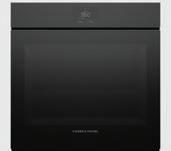
CONTEMPORARY SELF CLEANING OVEN| K-5
Fisher & Paykel
OB24SMPTNB1
Black and Chrome
23.5”H x 23.5”W x 22.75”D

COMMERCIAL LG WASHER | K-9
LG
GCWM1069
38.7”H x 27”W x 30.2”D

STAINLESS STEEL SINGLE BOWL KITCHEN SINK
E10740 | K-13
Roca
A870E10740
Chrome 200mmH x 450mmW x 790mmD
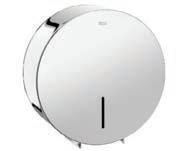
INDUSTRIAL PAPER DISPENSER | B-4
Roca
A817407001
Chrome 315mmH x 310mmW x 130mmD
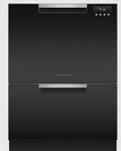
DOUBLE DISHWASHER | K-6
Fisher & Paykel
DD24DCTB9_N
Black and Chrome
35”H x 23.5”W x 22.5”D
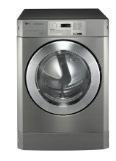
COMMERCIAL LG DRYER | K-10
LG
GDL1329 Dryer 38.7”H x 27”W x 30.1”D
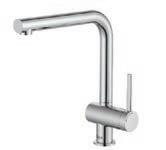
SINK MIXER FIXED SPOUT| B-1
Roca
A5A831FC00
Chrome 265mmH x 35mmW x 225mmD
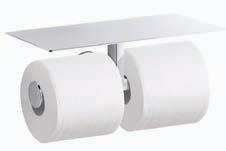
COVERED DOUBLE TOILET TISSUE HOLDER | B-5
Kohler
K-78384-CP
Chrome 4.25”H x 11.75”W x 5.5”D
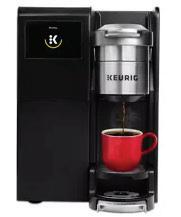
COMMERCIAL COFFEE MAKER 3500 | K-7
Keurig
10611247379551
Black
17.25”H x 12.4”W x 19”D
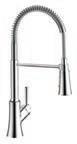
SEMI-PRO KITCHEN FAUCET 2 SPRAY | K-11
Hansgrohe
4792000
Chrome
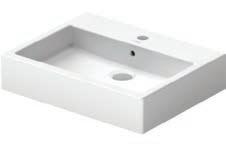
RAISED BATHROOM SINK | B-2
Duravit
#045260
White
8”H x 23.4”W x 18.25”D
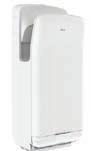
HEPA ANTIBACTERIAL HAND DRYER| B-6
Roca
A817419001
White
685mmH x 300mmW x 218mmD
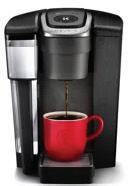
LISPENARD ARMCHAIR | K-8
Keurig
10611247377946
Black
12.35”H x 10.25”W x 12.1”D
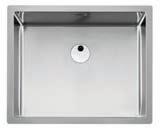
STAINLESS STEEL SINGLE
BOWL KITCHEN SINK E10500 | K-12
Roca
A870E10500
Chrome 200mmH x 450mmW x 550mD

ROCA MIRROR | B-3
Roca
A812189000
35.5”H x 39.3”W x 1.1”D
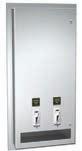
SANITARY NAPKIN DISPENSER | B-7
Allpartitions
A0864
Chrome
28.1”H x 13.75”W x 6.5”D
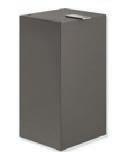
HEWI HYGIENE
WASTEBIN | B-8
Hewi
900.05.00560 SC
Dark Grey Pearl Mica 290mmH x 160mmW x 140mmD
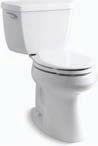
HIGHLINE CLASSIC COMFORT HEIGHT
TOILET | B-12
Kohler
K-3713-0
White
16.5”H seat x 14”W x 29.5”D
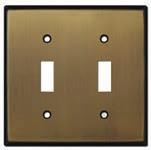
2 TOGGLE SWITCH PLATE
COVER B | HD-2
Kyle Switch Plates
SPD-K
Antique Brass
4.5”H x 4.5”W x .25”D
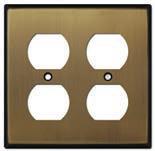
2 DUPLEX OUTLET PLATE
COVER B | HD-6
Kyle Switch Plates
SPE-K
Antique Brass 4.5”H x 4.5”W x .25”D
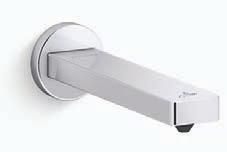
COMPOSED TOUCHLESS FOAMING SOAP
DISPENSER | B-9
Kohler
K-22847-CP
Chrome 0.75”H x 0.75”W x 5.6”D
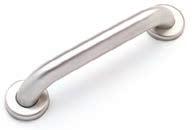
ADA HANDRAILS | B-13
Barrier Free
Chrome 1.25” diameter x appropriate length
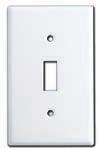
1 TOGGLE SWITCH PLATE
COVER W | HD-3
Kyle Switch Plates
SPS-W
White
4.5”H x 2.75”W x .25”D
1 DUPLEX OUTLET PLATE
COVER W | HD-7
Kyle Switch Plates
PLSP-R-W
White
4.5”H x 2.75”W x .25”D
KINGSTON ULTRA TOILET | B-10
Kohler
K-PR84325-T5D-NA
White
13.6”H seat x 16”W x 26”D
ARTIFACTS TOWEL RACK|
B-14
Kohler
K-72575-CP
Chrome 7.5”H x 24”W x 10”D
2 TOGGLE SWITCH PLATE
COVER W | HD-4
Kyle Switch Plates
SPD-W
White
4.5”H x 4.5”W x .25”D
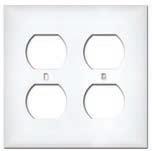
2 DUPLEX OUTLET PLATE
COVER W | HD-8
Kyle Switch Plates
PLSP-E-W
White
4.5”H x 4.5”W x .25”D
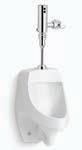
DEXTER HIGH EFFICIENCY URINAL | B-11
Kohler
K-PR5016-T2H-NA
White
21”H x 14”W x 14.5”D
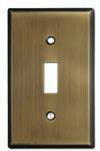
1 TOGGLE SWITCH PLATE
COVER B | HD-1
Kyle Switch Plates
SPS-K
Antique Brass 4.5”H x 2.75”W x .25”D
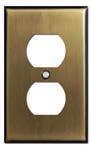
1 DUPLEX OUTLET PLATE
COVER B | HD-5
Kyle Switch Plates
SPR-K
Antique Brass 4.5”H x 2.75”W x .25”D
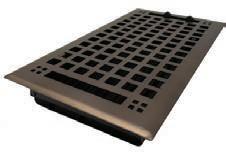
VENTILATION GRATE | HD-9
Vent Covers Unlimited
MCS-M
Antique Brass or PT Match 2.75”D x appropriate duct size
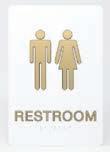
HD-10
Office Sign Company
4010-002777
White, Gold, Braille, Futura font 9”H x 6”W
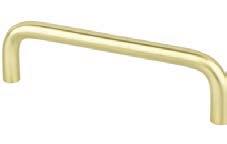
CENTER UPTOWN PULL BRASS | HD-14
Berenson Hardware
6160-2SB-P
Satin Brass 1.25” projection x 4.4” W x 0.4”D
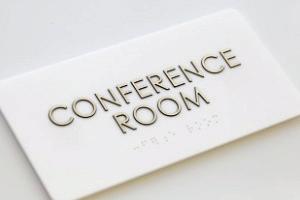
Office Sign Company
4010-014040
White, Gold, Braille, Futura font 3”H x 4”W
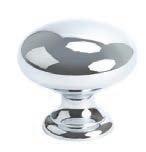
KNOB CHROME | HD-15
Berenson Hardware
9951-126-P
Chrome
1.1” projection x 1.25” diamater
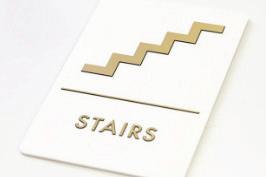
Office Sign Company
4010-013202
White, Gold, Braille, Futura font 9”H x 6”W

KNOB BRASS | HD-16
Berenson Hardware
9955-1SB-P
Satin Brass 1.1” projection x 1.25” diamater
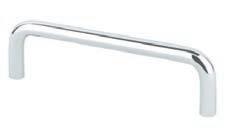
CENTER UPTOWN PULL CHROME | HD-13
Berenson Hardware
6140-226-P
Chrome
1.25” projection x 4.4” W x 0.4”D
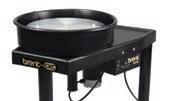
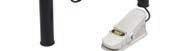
CXC POTTERY
| SP-1
Bailey Pottery Equipment
C-122-4-B
Black
21”H x 21”W x 28”L
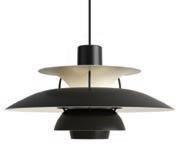
PH-5 PENDANT | L-2
Louis Poulsen
5741934854
Monochrome Black with Black
Cord 10.5”H x 19.5” diam
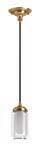
ARTIFACTS ONE LIGHT PENDANT | L-6
Kohler
K-22653-PE01-BG
Moderne Brushed Gold, Oil Rubbed Bronze, Polished Chrome 12.5”H x 5.5” diam
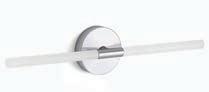
COMPONENTS TWO LIGHT LED SCONCE| L-10
Kohler
K-23464-SCLED-C
Moderne Brushed Gold, Oil Rubbed Bronze, Polished Chrome 5.2”H x 24”W x 3.25”D
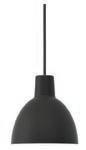
TOLDBOLD PENDANT | L-3
Louis Poulsen
10000149814 Black 10”H x 9.8” diam
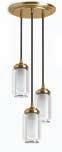
ARTIFACTS THREE LIGHT PENDANT CLOUD | L-7
Kohler
K-22655-PE03-BG
Moderne Brushed Gold, Oil Rubbed Bronze, Polished Chrome 26.5”H x 10.75” diam
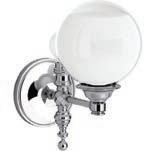
DAMASK ONE LIGHT LACEMAKER SCONCE | L-11
Kohler
K-22546-SC01-CP
Moderne Brushed Gold, Oil Rubbed Bronze, Polished Chrome 11”H x 5”W x 10.5”D
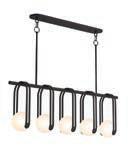
KRAGA 45 5 LIGHT LINEAR CHANDELIER | L-4
Kohler
K-32380-CH05-BLL
Matte Black 23.5”-77.5”H x 45”W x 6.75”D
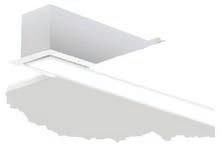
ARCHITECTURAL RECESSED LINEAR LIGHTING | L-8
Alcon Lighting Model 12100-20-R
T-bar Mount, 5000k Daylight built to order
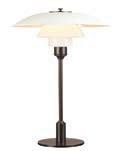
PH3-2 TABLE LIGHT | L-12
Louis Poulsen
5744902715
White 17.7”H x 13” diam
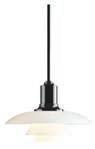
Louis Poulsen
5741925300
Black Metallised or High Chrome with Black Cord 5.5”H x 7.9” diam

ARTIFACTS ONE LIGHT ADJUSTABLE PENDANT | L-5
Kohler
K-22654-PE01-BG
Moderne Brushed Gold, Oil Rubbed Bronze, Polished Chrome 18.5”H x 8” diam
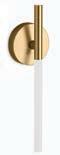
COMPONENTS ONE LIGHT LED SCONCE | L-9
Kohler
K-23463-SCLED-B
Moderne Brushed Gold, Oil Rubbed Bronze, Polished Chrome 18”H x 5”W x 3.25”D
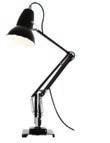
1227 TASK LAMP | L-13
Herman Miller
Item No. 10006082
Black 38”H x 31”W x 5.75”D



Sherwin
Sherwin









EXTRA BLUE PAINTWINDY BLUE | P-13
Sherwin Williams
SW 6240

BURGUNDY PAINTBURGUNDY | P-14
Sherwin Williams
SW 6300

LATTE PAINT - LATTE | P-17
Sherwin Williams
SW 6108

CHOCOLATE PAINTSABLE | P-18
Sherwin Williams
SW 6083
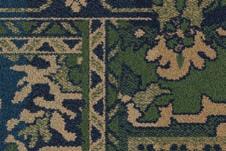
Interface
108321 Jade - Antiquities
50cm x 50cm
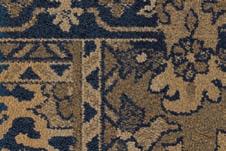
Interface
108233 Amber - Antiquities
50cm x 50cm
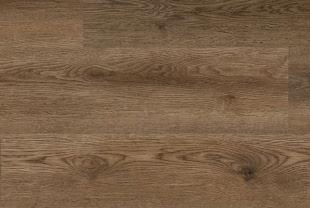


PLUM PAINT - FRAMBOISE | P-15
Sherwin Williams
SW 6566

BROWN PAINT - FRENCH ROAST | P-16
Sherwin Williams
SW 6069
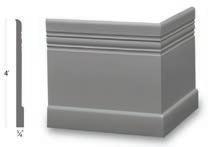
BASEBOARDS | BB-1
Coveworks
Exalted Z-980
Snowbound 4”H x 0.25” thick

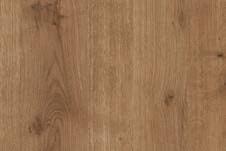
Interface
103186 Hickory - Open Ended 25cm x 1m
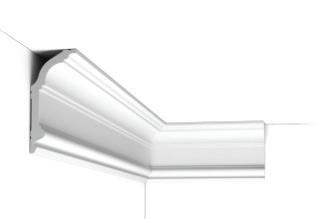
Orac
C339 NOBLESSE 14.1” H x 6.4cm W
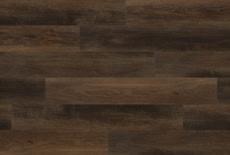
Parterre
11391
Auburn Walnut 7.25” x 48” x 3mm
Parterre
11270
Scarlet Oak
Lab Design Laminate
WC522
Shirin Walnut Gold
Formica
9312
Planked Urban Oak 0.035” thick x 30”x96”+ sheets

Wilsonart
6258
Satin Brushed Gold Aluminum

BLACK UPHOLSTERY | UP-1
Herman Miller
Black, 3DM05
Daydream Black 54”

GREY
HEY007
Heyward Linen 54”

DARK
Ariane

WHITE UPHOLSTERY | UP-2
Maharam
Pepper 466486
Harlequin, White w Color Dots 58”

YELLOW
LXV04
Lux

DARK

Maharam
Raven, VM01
NGE002

CREAM UPHOLSTERY | UP-3
Herman Miller
Sand Dollar, 1WS01
Whisper, Sand Dollar 54”


TAUPE UPHOLSTERY | UP-4
Geiger Textiles
1AU03 Trench
Trench, Piccolo collection 54”

DUSTY
KB
LXV09
Luxe Velvet Mink 54”

LIGHT

LIGHT
KB
NGE003

MAROON
Carnegie
6552 11
Hinge Maroon Upholstery 55” wide

PLUM UPHOLSTERY
Samelson Chatelane Wiser-S Rioja
Wiser-S Rioja 54” wide

BROWN
Maharam
LHD-CHR-ST/Walnut, 59P14
Walnut Finish & Passage Upholstery Line 55”

UP-17
Maharam
459950–044 Burrow
Aria Collection
55”

Formica
3460
Calacatta Marble Laminate
Various Sizes, 0.035” thick

CHOCOLATE
UPHOLSTERY | UP-18
Justin David Textile
Cabin Fever Tacoma 54” wide

Nasco Stone Tile
Luna White Various Sizes, 3/8” thick

GREY FABRIC
WALLCOVERING | WC-1
Wolf Gordon
TOUL 11006
Toulon Linen 54”

Nasco Stone Tile
Nero Bianco
Various Sizes, 3/8” thick

WALLCOVERING | WC-2
Wolf Gordon BEAD 11110
Beadle 11110 Wallcovering 54”

Nasco Stone Tile
Love Bars Deep White Glossy 5”x10”x3/8”
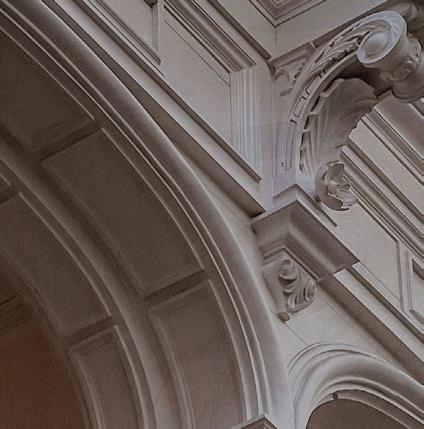
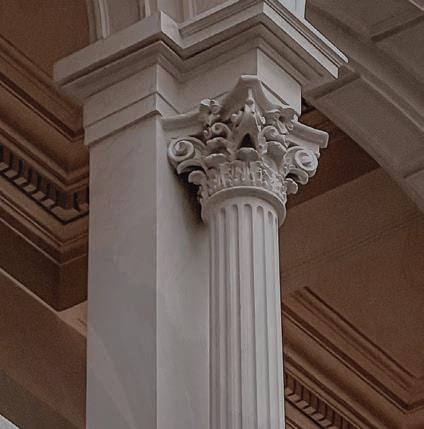
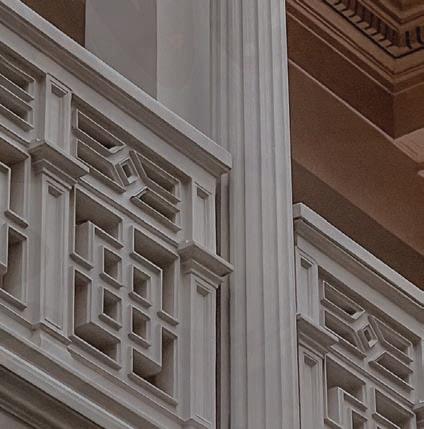


6
At the beginning of the design process, we had to do research to establish the real issue we were trying to address. This contains my annotated bibliography and any additional resources used when conducting the initial research.
Blanch, A. (2003). Developing trauma-informed behavioral health systems. Report from NTAC’s National Experts Meeting on Trauma and Violence. August 5-6, 2002. Alexandria, VA. National Technical Assistance Center for State Mental Health Planning, National Association of State Mental Health Program Directors. https://www. nasmhpd.org/sites/default/files/ TraumaExpertsMtgreport-final.pdf
In the NTAC experts research, they found that the most crucial parts of developing a trauma-informed behavioral health system are: formalized state trauma policy, trauma screenings and assessment, informed clinical practice guidelines and treatment approaches, specialized trauma programs with integrated mental health and substance abuse services, procedures to avoid retraumatization, staff trauma awareness with training and emphasis on proper competency and job standards. They also found that connection with higher education and furthering research into needs assessment and quality improvement data regarding trauma. They also emphasized not neglecting financing mechanisms to continue these efforts, and a focus on consumer/ survivor/recovering person involvements and their rights being prioritized. They discussed respecting peoples’ culture, race, ethnicity, gender, age, sexual orientation, and/or disabilities when giving treatment and that treatment systems should integrate life-space perspective with trauma-informed disaster and terrorism responses.
Center for Mental Health Services. (2005). Roadmap to seclusion and restraint free mental health services. DHHS Pub. No. (SMA) 05-4055. Rockville, MD: Center for Mental Health Services, Substance Abuse and Mental Health Services Administration. https://www.samhsa.gov/ sites/default/files/topics/trauma_and_ violence/seclusion-restraints-4.pdf
This article breaks down the dangers of seclusion and restraint practices and how institutions and facilities can remove these harmful procedures to help people without causing further trauma. Seclusion and restraint procedures are counter productive and have healthier options that should be informed and thoroughly developed. This article includes a detailed event in which a little boy was killed during a “routine prone physical hold” after he had already had his leg broken on two previous occasions at this facility due to the harsh physical restraint methods. According to studies by LeBel & Goldstein (2005) and Thomann (2009), youth in Massachusetts inpatient and residential programs said that seclusion and restraint led to longer stays and increased chances of readmission from additional trauma.
The National Association of State Mental Health Program Directors (2009) has a training program is referenced in and emphasizes this article’s point of the dangers of S/R in that, on top of literal cost of readmission and injury from S/R, interpersonal relationships, therapeutic alliances, and trust in the healthcare system are severely damaged. S/R practices lead to similar results as that of traumatized previous inmates who no longer trust authority.
Fleck, A. (September 20, 2022). The U.S. Has a Jails Suicide Crisis on Its Hands [Digital image]. Retrieved September 18, 2023, from https://0www-statista-com.library.scad.edu/ chart/28290/suicide-rates-in-usjails-prisons-and-general-public/
According to the US Bureau of Justice Statistics, in 2019, 49 out of every 100k prisoners in local jails committed suicide, 27 out of every 100k in state prisons, 20 out of every 100k in federal prisons, and 13.9 out of every 100k overall. The suicide rate within prisons in 3x higher than that of the general public. It is also important to note that jails are considered to have worse conditions than longer term corrections facilities where the looming uncertainty of pending sentences dwell. According to NPR, first-time offenders are more likely to be suicidal from the sheer traumatic “shock of confinement” when they lose their social support system. This shock of confinement is definitely something to consider for young people and their reactions to institutionalization, the traumatic shock of confinement or the general separation from their social support on top of the reason they have been institutionalized in the first place.
National Association of State Mental Health Program Directors (NASMHPD), (2009). Training curriculum for creation of violence-free, coercion-free treatment settings and the reduction
7th edition. Alexandria, VA: National Association of State Mental Health Program Directors, Office of Technical Assistance.
Healthy Minds Network. (August 15, 2023). Percentage of college students with diagnosed mental disorders in the United States in 2022-2023, by disorder [Graph]. In Statista. Retrieved September 18, 2023, from https://0-www-statista-com.library.scad.edu/statistics/1126287/ percentage-of-college-students-with-mental-disorders-us/
According to statistics from a survey facilitated by The Healthy Minds Study in 2022, 46% of college students have reported a mental disorder. From a pool of 76,406 people, 36% of them have been diagnosed with anxiety, 30% diagnosed with depression, 12% with neurodevelopmental disorder, 10% trauma/stress related disorders, 5% diagnosed with eating disorders, 3% diagnosed with bipolar disorders, 3% diagnosed with OCD or related disorders, 2% diagnosed with substance abuse disorders, 2% diagnosed with personality disorders, 1% diagnosis with a psychosis like schizophrenia.
Ipsos. (August 22, 2021). Core values among teenagers in the United States as of 2021 [Graph]. In Statista. Retrieved September 14, 2023, from https://www. statista.com/statistics/1261775/core-values-among-american-teenagers/
According to a survey by Ipsos and the Washington Post, some core values for teenager in 2021 from highest to lowest percentage are having enough free time (95%), career success (93%), college degree (82%), having a family of their own (80%), making a difference in the world (76%), community involvement (67%), lots of close friends (66%), religion (54%), wealth (47%), running as a candidate for public office (10%) which illustrates what might be the strongest motivators and prevalent goals for young adults.
Ipsos. (August 22, 2021). Overall, what kind of impact has the coronavirus pandemic had on you? [Graph]. In Statista. Retrieved September 14, 2023, from https://www.statista.com/ statistics/1261755/social-impact-ofpandemic-on-american-teenagers/
Ipsos. (August 22, 2021). Major threats to their generation according to American teenagers as of 2021 [Graph]. In Statista. Retrieved September 14, 2023, from https://www.statista.com/ statistics/1261759/major-threats-totheir-generation-according-to-americanteenagers/
According to a survey by Ipsos and the Washington Post, Gen Z finds major threats like political divisions (59%), gun violence (57%), cost of healthcare (57%), racial discrimination (57%), terrorism (53%), climate change (49%), lack of career opportunities (34%), immigration (30%), access to education (28%) affect them at notable levels.
According to a survey by Ipsos and the Washington Post, teenagers in 2021 felt the impact of the coronavirus pandemic affected them in their academics, their mental health, their relationships with their friends, and their relationships with their parents. 49% of the teenagers that answered the survey noted a negative impact on their academics, 45% had a negative impact on their mental health, 40% had a negative impact on their relationship with their friends, and 11% had a negative impact on their relationship with their parents.
Ipsos. (August 22, 2021). Core values among teenagers in the United States as of 2021 [Graph]. In Statista. Retrieved September 14, 2023, from https://www.statista. com/statistics/1261775/core-valuesamong-american-teenagers/
According to a survey by Ipsos and the Washington Post, some core values for teenager in 2021 from highest to lowest percentage are having enough free time (95%), career success (93%), college degree (82%), having a family of their own (80%), making a difference in the world (76%), community involvement (67%), lots of close friends (66%), religion (54%), wealth (47%), running as a candidate for public office (10%) which illustrates what might be the strongest motivators and prevalent goals for young adults.
Kaiser Family Foundation, & CNN. (October 5, 2022). Percentage of adults in the United States who stated they were very or somewhat concerned about the following negatively impacting the lives of teenagers as of 2022 [Graph]. In Statista. Retrieved September 14, 2023, from https://www.statista.com/ statistics/1384142/adults-worry-healthissues-impact-teenagers-us/
According to a statistic conducted by the Kaiser Family Foundation and CNN, concerned adults, particularly parents, are worried about how different things are going to negatively affect the lives of teenagers where they think that 85% of teenagers are going to be affected by depression, 80% affected by drug use, 83% affected by anxiety, 73% affected by loneliness or isolation, 74% affected by self harm, and 65% affected by eating disorders.
Kristiina Janhonen, Cecilia Olsson & Maria Waling (2023) Collaborative participation in a home economics context: using school meals as a part of sustainable education, Education Inquiry, DOI: 10.1080/20004508.2022.2163073
In a study completed in a Finnish secondary school, students were exposed to food education and learned about culinary planning while learning the ins and outs of the school’s food manager. From this study, they found the students had better nutrition literacy, culinary skill, an understanding for culinary sustainability, and respect for the career field and method of food management. A course like this, or similar exposure, can open career paths and life skills that are under addressed and valuable.
Larson, S. (2008). The Relationship Trauma Crisis. Reclaiming Children & Youth, 17(3), 9–12. http://0-searchebscohost-com.library.scad.edu/login.asp x?direct=true&db=aph&AN=35442928 &site=ehost-live&scope=site
Kostanjevec, S., & Kozina, F. L. (2021). Home Economics Education as Needed in the 21st Century. CEPS Journal : Center for Educational Policy Studies Journal, 11(4), 7-11. https://doi.org/10.26529/ cepsj.1348
In this education policy journal entry, Kostanjevec and Kozina explain the importance of home economics and it being taught in the 21st century. They say that “lifestyle is the centre of home economics, a multidisciplinary domain that is based on the needs of the individual and society in a given setting and time… home economics includes priority areas such as food, eating habits, healthy lifestyle, textile and clothing, home, consumerism, and personal/family economics.” which shows what access to courses like these can inform and support.
According to scholars at the National Research Council, at least one of every four kids/adolescents in the United States is currently at serious risk of not achieving productive adulthood (IAV, 2003). In the United States, children as a whole are reporting more anxiety than children who were psychiatric patients in the 1950s (National Commission on Children, 1993). Youth in the US aren’t only suffering from mental illness or emotional problems, but also the increase in behavioral problems like “substance abuse, school dropout, interpersonal violence, premature sexual intercourse, and teenage sexually transmitted diseases and pregnancy” (IAV, 2003) as a result. There aren’t many systems set in place to help youth once they are out of institutionalization as, Brendtro and Larson point out in their 2006 work “Resilience Revolution”, schools have policies to keep ‘troubled youth’ out of classrooms, churches don’t want the ‘good’ and ‘bad’ kids mixing, most employers refuse ex-offenders, some neighborhood authorities even evict families with troubled kids, and some people purposefully invoke police punishment on kids with the hope of removing them from the community. (Brendtro & Larson 2006) Larson points out that in Moffitt’s assessment of psychological research, she explains how the current juvenile justice system detains youth for long amounts of time and, instead of truly reforming/helping them, it disrupts their education, social/familial/friend communities and connections, and instills a
hatred for authority and a deep distrust for a corrupt system all the while they are being exposed to “more hardened criminals” which in the end only interrupts normal development and spurs on behavior that often results in recidivism. (Moffit, 1993) Essentially, there is a vicious cycle set in place with a system that actively punishes kids and makes situations progressively worse and there is little to no recourse set in place to help those affected.
National Association of State Mental Health Program Directors (NASMHPD). (2009). Training curriculum for creation of violence-free, coercion-free treatment settings and the reduction of seclusion and restraint, 7th edition. Alexandria, VA: National Association of State Mental Health Program Directors, Office of Technical Assistance. https://www.nasmhpd.org/ sites/default/files/Consolidated%20Six%20 Core%20Strategies%20Document.pdf
SAMHSA. (December 22, 2021). Percentage of U.S. mental health facilities offering specific treatment approaches in 2020 [Graph]. In Statista. Retrieved September 19, 2023, from https://www.statista. com/statistics/712811/mentalhealth-facilities-offering-specifictreatment-approaches-in-us/
Miller, N. A., & Najavits, L. M. (2012). Creating trauma-informed correctional care: a balance of goals and environment. European Journal of Psychotraumatology, 3, 1–N. PAG. https://0-doi-org.library.scad. edu/10.3402/ejpt.v3i0.17246
In this article, Miller and Najavits explore the benefits of trauma-informed correctional care. They emphasize “minimizing triggers, stabilizing offenders, reducing critical incidents, de-escalating situations, and avoiding restraint, seclusion or other measures that may repeat aspects of past abuse”. They also point out how clinical staff being trained in counseling models and appropriate application to specific trauma would drastically promote trauma recovery.
The National Association of State Mental Health Program Directors state that, in order to work towards reduction of S/R, there needs to be an improvement in leadership working towards organizational change, use of data to inform monitoring and situational maintenance methods, in workforce development, in use of S/R prevention tools, in consumer roles in inpatient settings, and in debriefing techniques to keep everyone aware and vigilant.
NCES. (October 31, 2020). Rate of studentreported nonfatal crimes against students at school in the United States in 2020 , by age group and type of crime (per 1,000 students) [Graph]. In Statista. Retrieved September 14, 2023, from https://www. statista.com/statistics/183606/nonfatalcrimes-against-students-at-school/
According to these statistics collected by NCES, in 2020 14.3 out of 1000 students ages 12-14 reported nonfatal crimes against other students while at school and 8.2 out of 1000 students ages 15-18. The nonfatal crimes reported are primarily theft or violence.
According to a report composed for the Substance Abuse and Mental Health Services Administration (SAMHSA) within the Department of Health and Human Services regarding data on mental health treatment facilities, the methods of treatment in mental health facilities are individual psychotherapy, cognitive behavioral therapy, group therapy, trauma therapy, couples/family therapy, behavior modification, and integrated duals disorder treatment. This illustrates a variety of therapy options that could be implemented in the center. There is also an expansive collection of programs, classes, and services that can be included to help in that empowering youth to being self-sufficient, fulfilled, and well: family psycho education, case management, suicide prevention services, screening for tobacco use, court order outpatient treatment, smoking/ tobacco cessation counciling, psychosocial rehabilitation services, consumer run services, diet and exercise counciling, psychiatric emergency walk-in services, education services, nicotine replacement therapy, non-nicotine cessation medications, illness management and recovery, integrated primary care services, intensive care management, housing services, supported employment, chronic disease/illness management, supported housing, vocational rehabilitation services, assertive community treatment, legal advocacy, and therapeutic foster care.
Underwood, L.A., & Washington. A. (February 18, 2016). Mental illness and juvenile offenders. Int J Environ Res Public Health, v.13, p.228, 2016. doi:10.3390/ijerph13020228
In this journal article by Underwood and Washington completed for the International Journal of Environmental Research and Public Health, they cover the links between mental illness and juvenile defense. They explain how juvenile detention facilities have changed their practices over the decades from a rehabilitation center in the 80s to zero-tolerance facilities that seem to nurture recidivism. They address some attempts to change back to a healthy, rehabilitation focused system that acknowledges and utilizes community. “In contrast, community-based alternatives have been found to decrease re-offending, even for youth who commit serious and violent crimes. During the 1990s, most states saw a reduction in the availability of public mental health services for children. Many communities began using the juvenile justice system to try to fill the gap caused by the decreased availability. Additionally, public opinion regarding the US juvenile justice system has been shifting again from a punitive approach toward a rehabilitative model of care, mirroring the shift of the juvenile courts in recent years.”
WWP. (February 21, 2023). Share of U.S. veterans and active service members of the Wounded Warrior Project who used select resources and tools for coping with stress, emotional challenges, or mental health concerns 2022* [Graph]. In Statista. Retrieved September 18, 2023, from https://0-www-statista-com. library.scad.edu/statistics/1102243/use-ofcoping-tools-and-resources-veterans-andactive-service-members/
From a study completed by the Wounded Warrior Project, veterans with mental illness use a variety of coping mechanisms like talking with family, friends, and vets. They also take prescription medication, seek therapy at VA centers, focus on physical activity, engage in religion, interact with service animals, meditate, journal, do yoga, complete psychotherapy with a non-institutional therapist, and attend support groups. This study shows how people tend to seek comfort, guidance, and help when they are struggling.
At Risk Youth Discovery Article
https://atriskyouthprograms.com/what-are-at-risk-youthcenters/#
Child Development Center Discovery Case Study
https://www.archdaily.com/993885/cuna-de-campeoneschild-development-center-espacio-colectivo-arquitectos?ad_ source=search&ad_medium=projects_tab
Maslow’s Hierarchy
Desmet, P. & Fokkinga, S. (2020). Beyond Maslow’s Pyramid: Introducing a Typology of Thirteen Fundamental Needs for Human-Centered Design [Graph]. Multimodal Technol. Interact. 2020, 4(3), 38; https://doi.org/10.3390/mti4030038
Union Mission Info
https://www.unionmission.org
https://www.causeiq.com/organizations/unionmission,580827524/
Instagram Profiles / Social Media Research
https://www.instagram.com/kiteen.kansanopisto
https://www.instagram.com/johnccampbellfolkschool/ https://www.instagram.com/vasterbergsfhs/ https://www.instagram.com/textillinjenblekingefhsk/?img_ index=1
Documentaries
https://youtu.be/VqrH_7lQMvc?si=XIhfKcS_VRQISeSrZjDRh2
https://youtu.be/hIwNpSMhCuk?si=Vmb3xRclnrZjDRh2
https://youtu.be/X_lsfnRg5yc?si=nn2vXDuAwav8q5UT
Typology
https://danishfolkhighschools.com/about-folk-high-schools/history
https://danishfolkhighschools.com/media/11348/19danishfolkhighschool-haefte-web.pdf
https://www.smithgroup.com/projects/sunnyvale-civic-center-campus
https://www.newyorker.com/culture/dept-of-design/how-thecoronavirus-will-reshape-architecture
https://www.stevenholl.com/project/beijing-linked-hybrid/
Precedent Studies
https://www.archdaily.com/803544/rehovot-community-centerkimmel-eshkolot-architects
https://www.archdaily.com/1006300/faculty-of-learning-sciencesand-education-thammasat-university-arsomslip-community-andenvironmental-architect-c-ltd
https://www.dezeen.com/2023/08/27/central-somers-town-childrenscentre-adam-khan/
https://www.dezeen.com/2023/01/03/scalloped-facade-housing-facilitylos-angeles-brooks-scarpa/