

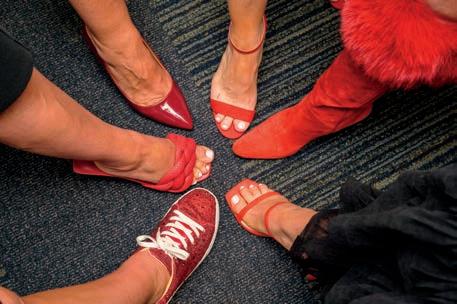
This signature event features: Saint John’s Resort, Plymouth Saturday, April 25, 2026
Live and Silent Auctions
Cocktails and Dinner Mission-Focused Program
Join us for our 14 Annual th Sponsorships & tickets now available

Afterglow featuring Fifty Amp Fuse
Promote your business and help Ronald McDonald House Ann Arbor keep families close when it matters most.



Media Sponsor Presented By

www.rmhcannarbor.org/redshoeaffair


Please consider a donation to support The Rock. Since we began publishing more than five years ago, our goal has been to provide our readers with valuable information about the Plymouth community each and every month. Your support is vital if you would like to see us survive and grow. The Rock is sent free to every address in Plymouth, yet is not free to produce.
That is the foundation of this magazine. If you find it of value, please consider supporting it. We need your support.
Please send donations to: Journeyman Publishing 16435 Franklin Northville, MI 48168
You can also make donations via Pay Pal to kurtkuban@gmail.com.
Thanks in advance,

Here is the list of readers who supported local journalism this month: Al Johnson
• Reach 21,000 addresses every month.
• We direct mail to every address in the 48170 zip code.
• Our locally-owned and produced publication is an affordable way for your business to reach the entire Plymouth market.

To secure space in an upcoming issue of The Rock, contact Advertising Director Scott Buie at (313) 399-5231, or via email at scottbuie@therockmagazine.com or advertising@therockmagazine.com.

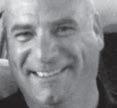
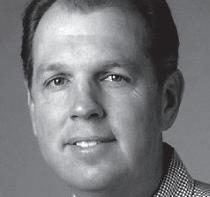

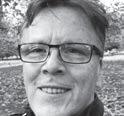


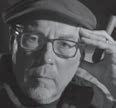
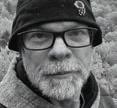
KURT KUBAN – Publisher
Kurt is an award-winning journalist, having served as a reporter and editor for several local newspapers and magazines, including the Plymouth Observer He has been a journalist for over two decades. He founded Journeyman Publishing, which also publishes The ‘Ville, in 2017.
SCOTT SPIELMAN – Editor
Scott graduated from the University of Oregon with a degree in Journalism. He covered western Wayne County for more than 12 years at several publications before transitioning into corporate communications and media relations. A Canton resident, he has also finished his first novel and is hard at work on his next.
SCOTT BUIE – Advertising Director/Vice President of Sales
Scott has 20+ years creating advertising campaigns for clients in Metro Detroit. After managing sales for radio stations for 17 years he purchased Street Marketing, where he works closely with a variety of businesses and events. Scott and his family have lived in the Plymouth/Northville area for over 23 years.
JENNY PEARSALL – Creative Director
Jenny has been in the design and print industry for over twenty years, holding various positions in graphic design, print buying, production and print management. She also owns Bovia Design Group, a company specializing in publications and corporate branding.
BRAD EMONS – Writer
Over the course of his four decades with the Observer & Eccentric, Brad established himself as one of the preeminent prep sports reporters in the state, winning many journalism awards along the way. His greatest joy is interviewing local athletes and coaches, and reporting on their efforts.
MICHELE FECHT – Writer
Michele is an award-winning journalist whose first post-college reporter position was at The Northville Record before moving on to The Detroit News She has been a City of Northville resident for nearly 40 years and is an author, researcher and local history enthusiast.
TIM SMITH – Writer
Tim brings a penchant for telling personal stories that run the gamut from news to sports. During more than 35 years in journalism, mostly with the Observer & Eccentric, he has earned numerous state and national awards. The Wayne State grad is a published author and rec ice hockey player.
SUE VOYLES – Writer
Growing up, Sue always knew she wanted to be a writer. She has written for many publications over her long career in public relations and journalism, and taught English and journalism at Schoolcraft College. In 2022, she received the national Headliner Award from the Association for Women in Communications.
KEN VOYLES – Writer/Photographer
Ken is an award-winning writer, photographer and designer whose career has spanned nearly five decades in and around metro Detroit. He started his journalism career in Plymouth, working for the Community Crier. He is the author of two books on Detroit history, loves to travel and has finished his first novel.
BILL BRESLER – Photographer
Bill arrived in Plymouth in 1977 to work for the Community Crier. He also worked for the Plymouth Observer for many years. Bill, who taught photography at Madonna University, retired from what was left of the newspaper business in 2019 and now freelances. He’s happy to be back in the Plymouth community.
BRYAN MITCHELL – Photographer
Bryan started working as a photographer more than 30 years ago, and was a staff photographer for the Plymouth Observer in the 90s. He has freelanced for The Detroit News, The Guardian, Reuters, and other publications. His photography has appeared in newspapers and magazines around the globe.
this publication without the written permission of the publisher is strictly prohibited. Comments are welcome at kurtkuban@therockmagazine.com .
Every time I step into the Plymouth Historical Museum, I’m reminded of what a gem it is for our community.
I encourage everyone who hasn’t been there to go check it out—and to make it a regular item on your to-do list, because it is the kind of place you shouldn’t just visit once. The beauty of the museum is that it is always changing. There are frequently new exhibits and new additions to older ones, as Director Liz Kerstens and her staff continually look for different stories to share and new patrons to bring in. The museum itself is like a living piece of history—any preconceived notions about a dusty, small-town archive can be quickly dispelled by a visit or two.
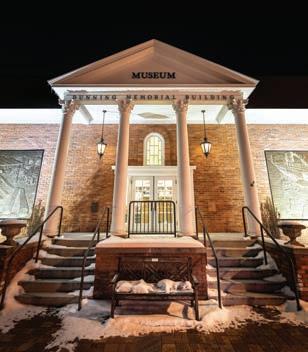
The most recent exhibit is a perfect example. In researching a book about the Civil War, Kerstens and local history aficionado Ellen Elliott came across the beginnings of the story of George Jackson, a free black man who lived in the community for half a century—throughout the Civil War and Reconstruction. Slavery was illegal in Michigan before the war started (it was actually banned when the state entered the union in 1837), but Jackson’s story was still unique. It not only touches on what life was like at the time, but also Plymouth’s tradition of being an inclusive, progressive community. It’s cool to see the culmination of the work to find out more about him and his life, as well as the idea to not only make it a permanent exhibit, but to give it a prominent place near the main entryway. Jackson’s exhibit is more than all of that, though. It’s the story of how a community can come together to talk about something important and pool their resources to make it happen. From Kerstens’ and Elliott’s work to find the information and reach out to his descendants, to local entrepreneur and township historic district commission member Doug Willett’s adaption of AI to bring Jackson—and the town—to life, to museum board treasurer Jim Burroughs’ donation to fund the installation, it’s a true team effort.
The use of ‘augmented reality’ is particularly fascinating to me. From just a few pictures, this technology allows Jackson to tell his own story more than a hundred years after his death. As virtual-Jackson narrates his story, you get a glimpse of what Plymouth looked like back in the day—in full color and filled with life.
I have to admit, AI generally creeps me out. I’m an avowed Luddite. One of the reasons I had a kid was so that one day I wouldn’t have to try to figure out technology. I see how AI is creeping into everything we do: we get unsolicited AI breakdowns of emails, social media posts and suggestions to improve the language that we taught it. It creeps me out. This, however, could change the way we learn about our community and about the world in general. I don’t know if they’ll be able to pull off their grand plan of creating an interactive virtual history of the community, where you can walk through a virtual portal to the past, ask a question and have it answered by someone who lived back in the 1800s, but it’s pretty exciting that we are taking steps in that direction—and that journey is beginning right here in our community, at a facility dedicated to honoring the past. It’s quite a gem, indeed.
Scott Spielman is the editor of The Rock. He welcomes your feedback or letters to the editor at scottyspielman@gmail.com.



SOUND OFF:
Please submit your letters by emailing Editor Scott Spielman at scottyspielman@ gmail.com. Letters should be no more than 150 words. We reserve the right to edit all letters.
I read with great interest the “Distinctive District” article in the December issue of The Rock. Kudos to the City of Plymouth for establishing its Old Village Corridor Improvement Authority (CIA) using this economic development tool. The Authority appears to be well-received by the community.
Plymouth Township should absolutely consider a CIA for the Five Mile corridor east of Beck Road to Northville Road, and Sheldon Road from Five Mile to M-14. SEMCOG (Southeast Michigan Council of Governments) has rated these roads in poor condition, and the 72-unit residential development, Townes at St. Johns Inn, just now under way on the east side of Sheldon Road within a potential CIA Development Area, along with other private developments could generate significant revenue for an approved CIA plan to expedite needed corridor improvements and leverage other funding sources.
Not establishing such a CIA would be a huge missed opportunity for Plymouth Township. A CIA would also complement the DDA and MITC (in cooperation with Northville Township) – two authorities previously established by the Township.
Scott Veldhuis
Thank you for Editor Scott Spielman’s editorial in the January issue of The Rock. The subject you wrote about is not only extremely pertinent but extremely important, so thank you.
One of the very best essays I have read on this subject of political unrest was written when the country was divided during the communist scare in the 1950's. Archibald MacLeish wrote "Loyalty and Freedom" published in the American Scholar in 1953. It is profound in its intellectual insight and wisdom, and as much as it was written to address certain issues in the 50's, its focus pertains to today's issues.
The essay leads the way toward unveiling the core of political unrest and skepticism among citizens and political parties. More importantly, he shows the necessity between unity and freedom. Freedom and liberty, he contends, cannot exist without a common denominator among citizens, a common thread that unites us, which is the defense of freedom. He points out that we need each other to unite against the real enemies of freedom.
I hope you have the opportunity to read it, find it as rich as I did, and pass it along. Thank you for bringing this topic to light.
Colleen Klaus
I am responding to January’s “Note from the Editor” regarding the resignation of City Commissioner Colleen Pobur.
Like you, I agreed with Brock Minton’s comments. However, both his remarks and your editorial frame this issue almost entirely from the Commission’s perspective.
Your reference to “the bizarre allegations” that the Planning Commission was pressured to force density is puzzling. Those allegations were confirmed both by Commissioners and FOIA requests. Labeling established facts as fringe claims reinforces the perception
that resident concerns are minimized rather than seriously examined.
Residents had legitimate reasons to oppose Ms. Pobur becoming mayor. She was appointed, not elected, at a time of low public trust. She repeatedly displayed contempt toward residents, accused them of improper motives, publicly alleged criminal behavior, and referred to residents as “rats.”
In her resignation remarks, Ms. Pobur claimed that 2025 was difficult “through no fault of my own” and suggested that residents who disagreed with her lacked critical thinking. That is what's truly bizarre.
Ron Picard
I read Editor Scott Spielman’s column about Ms. Pobur and wanted to make one comment.
She publicly and falsely accused me of crime for suggesting the mayor was giving special treatment to the Champion project. She did this by name and had it recorded by name in the minutes which is unusual for citizen comments. Subsequently, the mayor offered to answer questions about the project and so I asked her what other projects she has given comparable treatment to, in writing she said none.
Ms. Pobur knows this. She could have corrected the record. I publicly asked for a correction. She could have said something to me privately. She did nothing. When you make a mistake in your reportage, I bet you issue a correction. She chose not to do that.
I yearn for the days of decency and we have all gotten too comfortable with the president accusing their 'enemies' of crimes. But Colleen did the same thing to me. It was not decent. She had opportunities to demonstrate contrition, she did not take them. To use her as a foil for the decline of decency doesn't ring true to me.
David Pierce
“Ignore the bullies and they’ll stop. They only do it for attention.”
That was the common advice given to kids by parents and pop culture when I was growing up. It was good advice — just not always easy to follow. Back then, confrontation often meant risking physical harm; and it always got worse before it got better.
Now the bullies are online. They can’t physically harm you, and if everyone truly ignores them the algorithm won’t spread their posts. Yet, it seems today we are conditioned to fight back, which only gives these attention-seekers exactly what they want.
Social media platforms reward engagement, not truth. They promote whatever’s trending. So the most effective tactic really is the oldest one: ignore them — completely. Don’t react. Don’t click. Don’t like, laugh, or respond with an emoji. Don’t share or comment — even to correct misinformation or “put them in their place.” Every bit of interaction fuels their reach.
Instead, try this:
• Ignore the post and move on. Put your time and energy into things that are positive and worth supporting.
• If you want to share your perspective, make your own post about the topic — without linking to the others content.
• Use the tools available. Those three little dots on the corner of most posts aren’t decoration — they’re options to report harassment, misinformation, abuse, or even block the poster. This is the only way to respond without amplifying harmful content.
In physical spaces, ignoring a bully could feel impossible — the threat was tangible, and silence might only push them further. But online, where visibility equals power, the best defense truly is to deny them the audience they seek.
Steve Narowitz








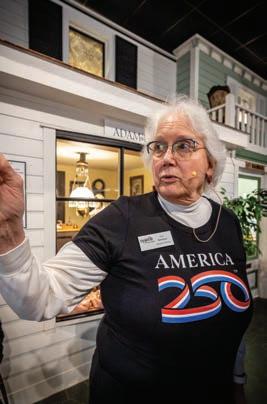
more about Jackson and his life. Kerstens said they had wanted to tell the story for a while, and were looking for the right time to tell it. That came this year, as the museum will celebrate the 250th anniversary of the country. Kerstens, who is always looking for ways to keep the museum fresh and provide new experiences, said the timing was perfect.
“As you think about how does this space need to change, how does the museum need to change,we felt like it was the right time to tell his story,” she said.
Elizabeth ‘Liz’ Kerstens and Ellen Elliott were researching a book on the American Civil War when they came across the story of a forgotten Plymouth resident.
Meet George Jackson, a free the community from about 1860 until his death in 1913.
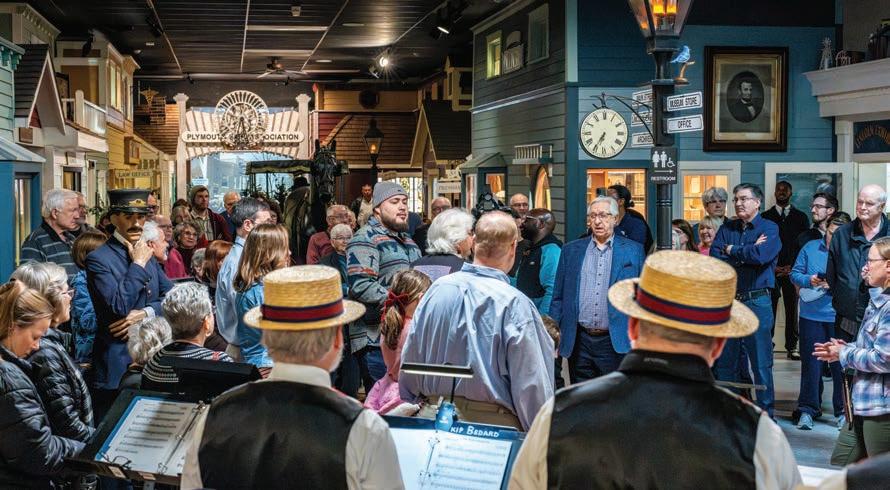
An exhibit honoring Jackson and telling his story is now on permanent display just inside the main floor of the Plymouth Historical Museum.

“We were surprised that this family was living here. They weren’t the only African American family in Plymouth, but there wasn’t that many,” said Kerstens, who is the director of the museum.
“We felt like his story needed to be told. It’s a unique story and we’re
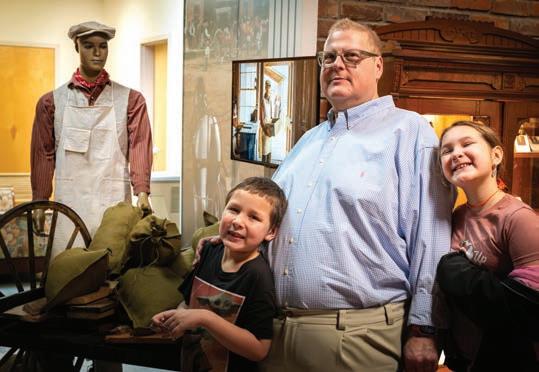
Jackson was a drayman, a title derived from the word dray, which is a flatbed cart used to transport heavy cargo. Jackson worked for Plymouth carriage maker Washington Bennett, delivering lumber, sandbags, machinery and other goods throughout the community. He and his wife, Mary, had six children.
Kerstens and Elliott, the executive director of the Friends of the Penn and an avid historian, as well, eventually tracked down Jackson’s descendants, including Chad and Terry Sesvold. Jackson is their grandmother’s great-grandfather.
just thrilled to be finally able to tell it.”
It was an 1860 census record that clued the two history sleuths about Jackson’s story. Throughout the covid pandemic they continued their research, learning

Chad said he had no idea of the history until Kerstens contacted him about it. His brother had plenty of old pictures and, as they sifted through them, they found three of Jackson.
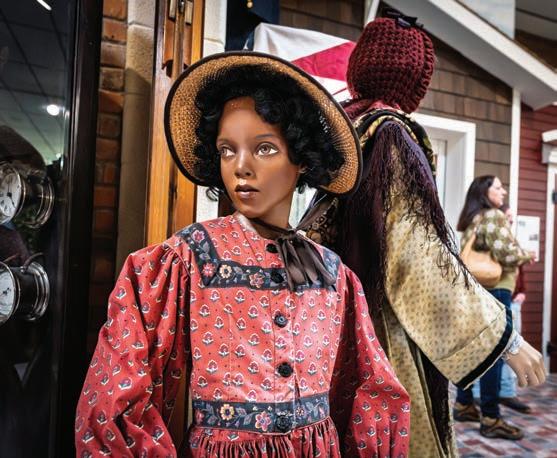
Technology did the rest. Doug Willett and his company, Luna Tech, took those historic photos, as well as those of Plymouth during that time period and, using “augmented reality,” created a virtual exhibit in which 1860s Plymouth comes to life and Jackson himself narrates his story.
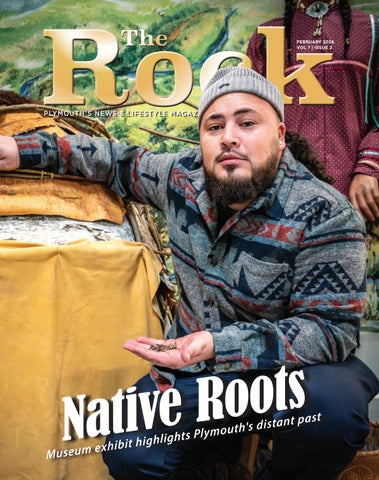
Long before Plymouth became even a dot on a map, southeastern Michigan was host to a thriving population of Native Americans.
The Nottawaseppi Huron Band of the Potawatomi roamed the land that is currently the I-94 corridor, moving with the seasons as they harvested resources like wild rice and berries, hunted deer and pulled fish from its pristine waters.
That pre-Plymouth history is depicted in a new exhibit at the Plymouth Historical Museum.
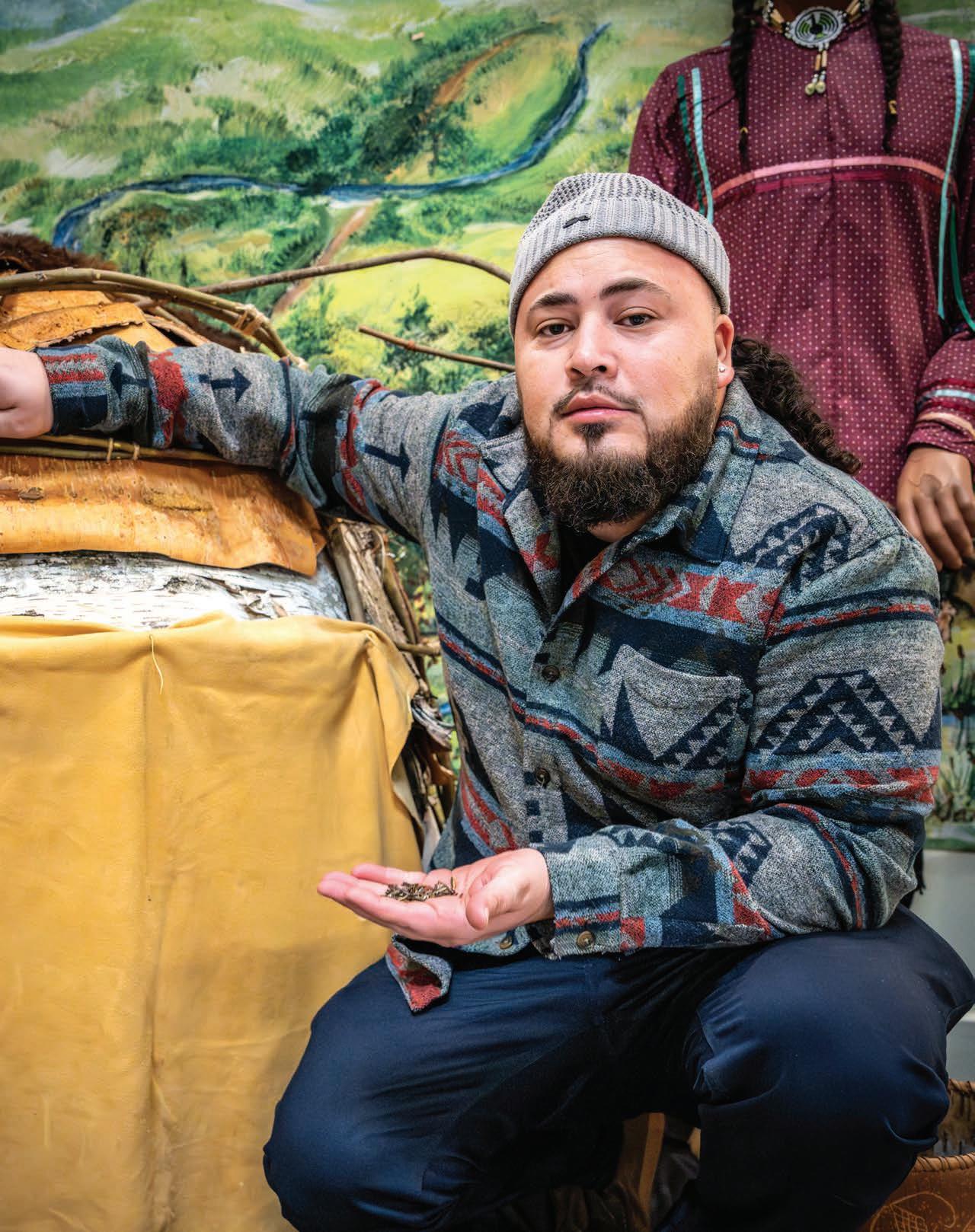
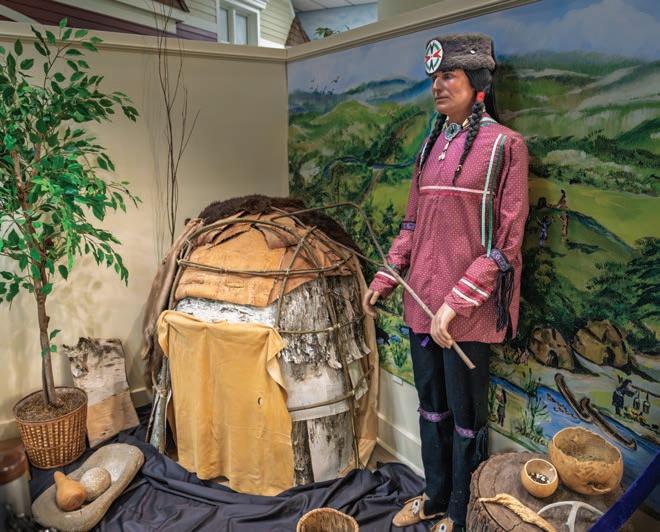
Included as part of the museum’s celebration of the first 250 years of the United States, the exhibit features a wigwam made of historically accurate materials set against an image of the land at the time and the description of what life was like.
“This is highlighting how we actually lived,” said Kevin Harris, a culture specialist with the Nottawaseppi Huron Band of the Potawatomi, which is based in Battle Creek. “We were living a good life before settlement.”
Native Americans—a story that is often overlooked or misrepresented. Harris built the to-scale model and incorporated an existing image at the museum— which was enlarged to provide a backdrop—to tell the story of the peaceful and prosperous tribe, complete with a mannequin in traditional garb.
“Sometimes you get the narrative of the Indian, the warrior, the bow and arrow, and you always get the Thanksgiving narrative,” he said. “I saw the river and the waterway. Waterways are so important to us. We’re ricers. We go out and harvest wild rice. I switched the narrative and made [the mannequin] a ricer.”
Sharing the story of his ancestors has been an emotional and educational experience for him, too.

Harris’ role with the tribe is to ensure their culture lives on and to spread the story of
“We were able to de-age him, so this is him when he was about 25 years old,” said Willett, who also serves on the Plymouth Township Historic District Commission. “Everything in the video is to scale. We colorized it and brought it to life—this is exactly what Plymouth looked like back then.”
The video plays on a monitor next to a hand-built replica of Jackson’s cart in front of a gigantic, colorized version of downtown Plymouth from the 1860s.
Chad Sevsold said he was

“We lost everything at one point. I’m a statistic of what happened during colonization and genocide,” he said. “What
impressed with the display and work that went into it.
“I thought it was really cool. They did a fantastic job,” he said. “It’s interesting seeing my great-great-great-grandfather in augmented reality.”
Once they had all the historic details and the idea for the display set, the next obstacle was funding. Kerstens and Elliott sought grants to pay for it but were unsuccessful. That’s when Jim Burroughs, treasurer of the museum board of directors, stepped in. He personally
I’m doing is bringing back a blood memory and unpeeling a historical trauma—and I’m able to learn about who I am from the inside. I’m actually breaking generational curses, every day. In my job I’m able to break that curse with one member, then another member and we’re building a whole block of culture. I love what I do because I impact others and I heal myself. It’s a win-win.”
donated much of the funds needed to bring Jackson’s story to life.
“We were trying to find the money to pay for this and weren’t having any luck,” said Burroughs. “I don’t think the money was burning a hole in my pocket, but I thought this would be a good way to spend it.
“We want to represent the whole community,” he added. “I know that Plymouth does not have a large black population, but other areas around here do and we’re trying to bring in more people, not just people who live in Plymouth.”
Museum director Liz Kerstens said it took some convincing to bring the exhibit to the museum, but the result was worth it.
“We are so lucky to have this,” she said. “This is an important part of the story of our community.”Harris said he, too, was grateful for the opportunity to share more of his culture.
Jackson’s exhibit will be on permanent display, but expect many other changes throughout the year—and beyond. The museum reopened in the first week of February after work on Jackson’s story and a to-scale wigwam that outlines some of the history of local Native Americans (see related sidebar), both of which are part of the museum’s salute to the U.S.A’s first 250 years. The
Continued on page 8
Rock
Continued from page 7
first phase of that exhibit, from 1776-1900, will run until June 7.
“One of the great things about the museum is that it’s always changing,” said Elliott. “We’re always looking for new stories to tell. It’s never static. Liz has such a great vision; we are so lucky to have a museum like this in our community.”
Technology may play a larger role, too. Willett said they are seeking new grants to expand the augmented reality
















Luke Osburn dabbled in a lot of different sports while growing up in Plymouth, but hockey was always a big part of his DNA.
The 19-year-old standout freshman defenseman for the University of Wisconsin, recent member of Team USA at 2026 IIHF World Junior Hockey Championships and 2024 fourthround pick of the NHL Buffalo Sabres enjoyed baseball growing up, played soccer in Northville and even played basketball at West Middle School.
Those sports were all an important part of his athletic development, but hockey eventually won out.
“All my family, I have four cousins that played hockey at a

pretty high level,” said Osburn, the only son of Tim and Cathy Osburn.
“My dad played and my uncle (Rick) played, so I think it was kind of easy decision for me to stick with hockey. And obviously I really enjoyed it…it was a tough decision.
I really liked baseball for a while, but I think I really liked hockey.”
Tim and Rick played at the University of Michigan-Dearborn, while two cousins played NCAA Division I hockey, including Zach (Michigan State) and Tyler (Lake Superior State University).
Osburn, meanwhile, was paid the ultimate compliment when he was selected to play for the U.S. in the prestigious Under-20 World Juniors held Dec. 26-Jan. 5 in St. Paul and Minneapolis, Minn.
The U.S. placed fifth and
dreamed as a little kid. It was a great experience.”
Putting together a team of talented collegians and NHL draftees on short notice proved to be somewhat challenging.

finished with a 3-0-1-1 record, bowing out of the tournament in the quarterfinals after a 4-3 overtime loss to Finland. Team USA finished second behind Sweden in the Group A preliminary round, which also included Germany, Slovakia and Switzerland.
Although the 6-foot-1, 189-pound defenseman didn’t get the result he and his USA teammates wanted, it proved to be an invaluable experience.
“It was a lot of fun, it was definitely an experience that I’ve never had before,” he said. “It was awesome. I got to meet a lot of new people and play against some really good competition, as well. It was something I dreamed about, dreamed playing and
“I think it’s pretty tough, but obviously every other nation kind of has to do the same thing with the players and combine them,” he said. “I feel I had to kind of step into a little bit different role than I was playing here (at Wisconsin). I had to stick back more defensively a little bit and make sure I was good defensively before joining the offensive side. I thought I could have been better, but I learned a lot from it.”
In his first season at Wisconsin, Osburn is learning the ropes as well.

After being shelved for four games during November with an illness and missing two others due to his commitment at the World Juniors, Osburn had three goals and 12 assists through his first 20 games as a Badger.
“He’s a guy who, as a freshman, is relied upon in every situation – power play, penalty kill, even strength and he’s gotten better at every one,” Wisconsin coach Mike Hastings said. “His ability to absorb positives and negatives, and realize them in both the same way to make himself better is unique. I think his upside is really high and we look forward to him continuing at what he’s already started here as an outstanding freshman year.”
After a fast start to the season, the Badgers, mired in a sixgame losing streak, fell to 15-9-2 overall and 8-8 in the Big Ten

(through Jan. 31).
Adjustments had to be made on the fly going from one style to another.
“Obviously, it was a lot of fun playing at the World Juniors, but I think I really enjoy my time here and the guys here,” Osburn said. “You learn a lot from the older group of players here, so that really helps. It’s all fast-paced hockey.
“Our coach here really tries to have us join the rush and join the offense, but obviously you make sure your responsibilities are covered. But he really lets us jump up in the rush.”
Academically, Osburn plans to apply next year to UW’s School of Business or may pursue a degree in personal finance while trying to balance hockey and school.

“I think I’m still learning a little bit,” he said. “Still managing my time, got a lot of schoolwork to do. There’s a lot going on during the day. I try to manage both things. It’s pretty tough, but I’m still learning.”
After playing two seasons for the Youngstown (Ohio) Phantoms of the USHL, he was courted by several NCAA Division I programs, but his college decision came down to Wisconsin or Michigan State.
“I love the coaching staff here,” he said. “The guys are great here and then Madison is beautiful. I think it’s a really nice campus and the school here is really good, so that kind of helped.”
During his youth days, Osburn was part of the Compuware Hockey program based in Plymouth where he played 16U, 15U and 14U AAA.
In 2023 he competed at the USA Hockey 16U Tier I Nationals and also participated in the USA Hockey Player Development Camp for Select 17s, 16s and 15s.
Osburn attended Orchard Lake St. Mary’s Prep for two years before joining the Phantoms, where he played 55 regular season games in 2024-25, recording 41 points on 10 goals and 31 assists. He also skated in three playoff games, recording one goal and one assist.
He was named the USHL Defenseman of the Year and earned first-team All-USHL honors. (He was also invited to play the 2025 World Junior Summer Showcase.)
During his first year (2023-24) in Youngstown, Osburn played 60 games with eight goals and 15 assists. He also set a career franchise record with 18 goals during his two seasons.
He earned his high school diploma while taking online learning courses while in Youngstown.
“It was my first time being away from home, so I had to learn,

had to mature a little bit there,” Osburn said. “As far as hockey goes, I think just learning to make smart decisions quick because that league is very fast-paced hockey. The biggest thing is learning how to make quick decisions.”
In the 2024 World Junior A Challenge held in Camrose, Alberta, Osburn helped the U.S. to a goal medal. And by that time Osburn, who shoots left-handed, also had drawn serious interest from pro scouts before going on to be selected 108th overall by Buffalo in the 2024 NHL Draft.
“I really wasn’t sure,” Osburn said. “You hear a lot of different things about the Draft where some kids go where they go where they are projected to go. Then there’s other kids where you don’t get picked or go early. I really had no idea where I was going to go. I had talked to Buffalo a good

amount, but I maybe thought that they’d be one of the teams that would pick me, but I really had no idea where I was going to go.”
Osburn’s childhood hockey hero growing up was Duncan Keith, who played at Michigan State and was an All-Star defenseman with the Chicago while leading the Blackhawks to three Stanley Cup championships.
“That Chicago team back in the day was pretty good and they were fun to watch,” said Osburn, who attended Bird Elementary.
“Him being the best defenseman there, and a little bit of offense to him where he scored some goals, so that’s why I kind of liked him a little bit. I’m a Red Wings fan, but they had a pretty cool run.”
Meanwhile, Osburn has taken up a couple of other sports in his spare time.
“My hobbies are pickleball and golf,” he said.
Stay on track with these highlights of upcoming deadlines, registrations, meetings, and community updates.
Expanded news coverage is available in the full digital Plymouth Pulse edition at plymouthmi.gov.
Created & paid for by the City of Plymouth | 201 S. Main Street, Plymouth, MI 48170 | plymouthmi.gov
City Commission
Linda Filipczak, Mayor
Joe Elliott, Mayor Pro-Tem
Latricia Horstman, Commissioner
Jennifer Kehoe, Commissioner
Alanna Maguire, Commissioner
Brock Minton, Commissioner
Karen Sisolak, Commissioner commission@plymouthmi.gov
Winter Tax Deadline: Payments are due Monday, March 2, 2026 (extended from Feb. 28).
Payable to: City of Plymouth
Important: Use separate checks for tax and water bills.
How to Pay: In-Person/Mail: 201 S. Main St. Drop Boxes: City Hall vestibule or the Plymouth District Library drive-thru. Do not put cash in drop boxes.
For more info, check out: tinyurl.com/City-of-PlymouthTaxes
You are the “eyes & ears” in your community!
Things to Report:
Dumping to lakes, rivers or streams
Unusual discharges from pipes
Foul odors
Large numbers of dead fish in waterways Report illegal dumping to your local community for follow-up or to Michigan’s Pollution Alert System at 800-292-4706
For more information visit: allianceofrougecommunities.com

The City of Plymouth provides passport services by appointment for NEW passport applications only.
Services are available at City Hall from 9:00 a.m. to 3:00 p.m., Monday through Friday.
Schedule your appointment here: tinyurl.com/CityofPlymouthPassportServices
Travel.state.gov now provides a service where you may renew routine passports online.
All meetings start at 7:00 p.m. unless otherwise noted
March 2: City Commission Special Meeting on Wayne County Transit Program at 5:30 p.m.
March 2: City Commission Regular Meeting
March 3: Board of Review - 12Noon
March 4: Board of Review - 3:00 p.m. - 9:00 p.m.
March 4: Historic District Commission Meeting
March 5: Board of Review - 9:00 a.m. - 4:00 p.m.
March 5: Zoning Board of Appeals Commission Meeting
March 9: Downtown Development Authority Meeting
March 11: Planning Commission Meeting
March 16: Board of Review - 9:00 a.m. - 12Noon
March 16: City Commission Regular Meeting
Find meeting agenda’s at: plymouthmi.gov/agenda_center

Programs & News
City of Plymouth Recreation
Dates & Time:
Monday Night League - April 6 to May 18, 2026
Thursday Night League - April 9 to May 21, 2026
6:30 - 8:30 p.m.
Location: Plymouth Cultural Center
Registration: February 19 - April 2 or when leagues fill
Cost - $120 / team, all players must be 18 years or older
Go to tinyurl.com/CityofPlymouthCornholeleagues for more information!
Back by Popular Demand!
Grand Experience - Mackinac Island
Dates: October 18 - 21, 2026 (3 nights, 4 days)
Location: Grand Hotel, Mackinac Island
Trip is intended for travelers aged 50+ (those under 50 may accompany a 50+ relative/friend)
Go to tinyurl.com/TheGrandExperience for more info!
For Boys & Girls Born in 2020 & 2021
Date:June 15 - August 6, 2026
Youth Gymnastics Classes: Tumble Bunnies
Registration: ends March 19, 2026
Dates: March 23 - April 27, times vary based on age group. No class March 30.
Location: Plymouth Cultural Center
Age group classes available: Itty Bitty Bunnies (1.5-2 yr olds), Bizzy Bunnies (3 & 4 yr olds), Happy Hoppers (5-7 yr olds)
Go to tinyurl.com/TumbleBunniesYouthGymnastics for more info!
Locations: Games take place at Miracle League Field, Practices take place at City of Plymouth parks
Registration:March 1 - April 30, 2026
League is non-competitive and is designed to introduce kids to baseball / softball
General information can be found at: tinyurl.com/CityofPlymouthTballLeague





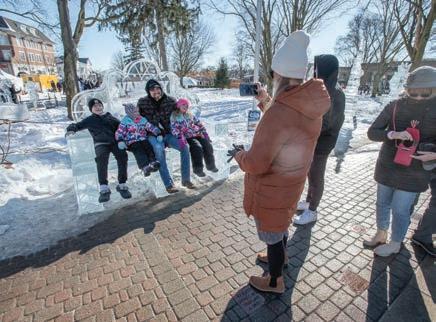
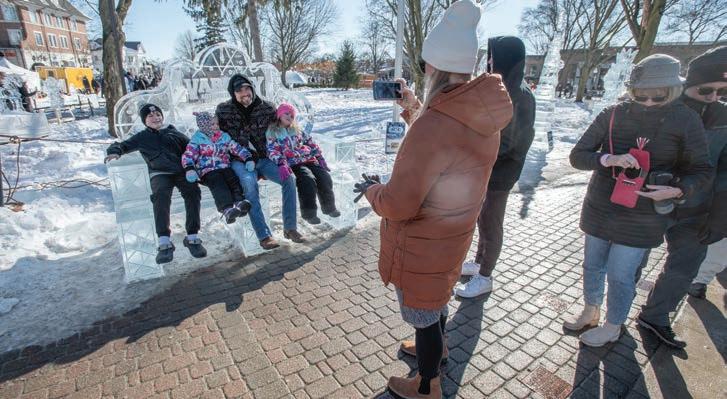
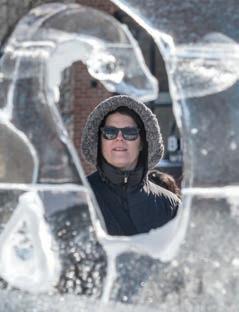
The 44th annual Plymouth Ice Festival is in the books and it truly transformed downtown Plymouth into a winter wonderland. The biting cold couldn’t keep away the crowds as throngs of people braved the frigid temperatures to gaze in wonder at more than 150 dazzling ice sculptures, each crafted painstakingly from 300-pound blocks of ice.
“Despite temperatures dipping to zero degrees Friday morning, the community showed up in a big way,” said festival organizer James Gietzen, of JAG Entertainment. “We estimate around 90,000 visitors came through downtown over the weekend, spending an average of more than an hour and a half enjoying the carvings and attractions.”
The ice carvings, as usual, were amazing. Animals—domestic, wild and fantastic—were
popular carvings, and so were ice carriages, cartoon characters and a beautiful rendition of Lady Liberty herself.
In addition to the frozen features spread around downtown, spectators watched ice carving competitions in the park, took part in interactive ice games, posed for family photos on a carved ice bench, mingled with street performers, got up close and personal with some furry friends at the petting zoo and, for the first time in Plymouth, zipped along a 300-foot line that provided an aerial view of the park.
“The petting farm, warming tents, and zip line — which saw nearly 1,500 rides — were huge hits. It was a true Michigan winter weekend and a great reminder of how much this festival means to the community,” Gietzen said.












































By Tim Smith
To quote “Strawberry Fields Forever” by The Beatles, nothing is real. At least not until you double- or triple-check your sources – even if Artificial Intelligence tells you it is.
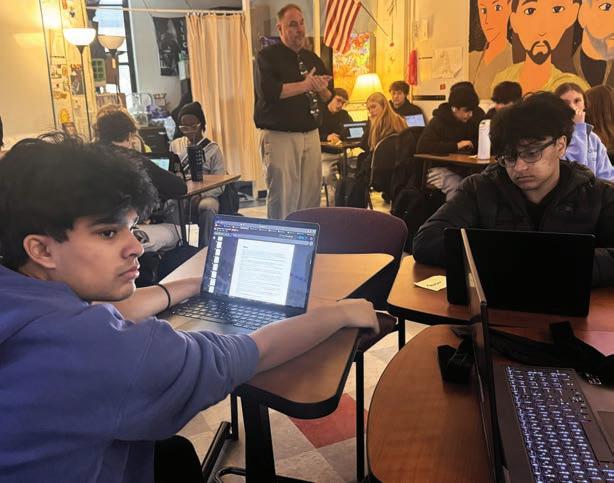
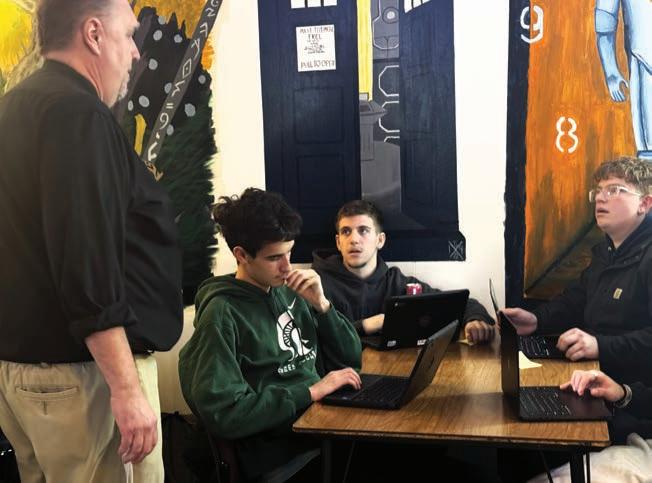
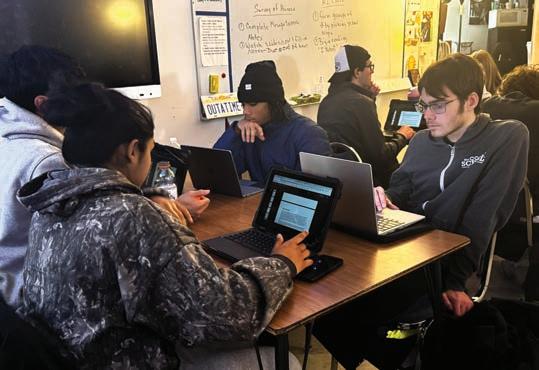
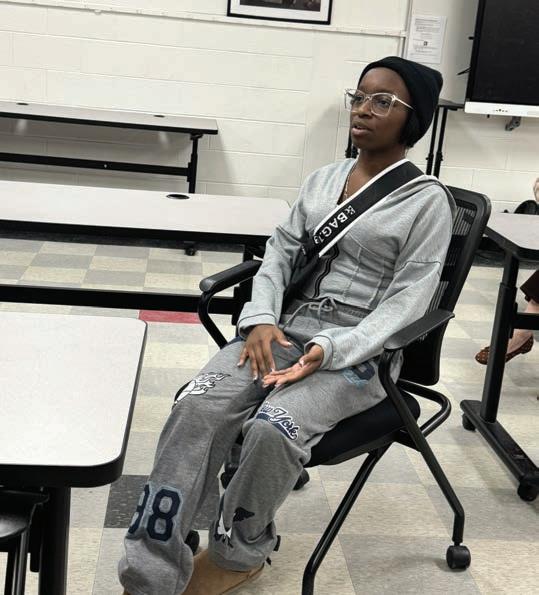
Plymouth-Canton high school students in the brand-new program, Understanding and Using AI Responsibly, are getting a semester-long crash course in helping identify and jump through the myriad landmines they might encounter while doing research or checking out an Internet story link.
“We are definitely having a whole unit on misinformation and understanding what hallucinations are,” said Jeff Blakeslee, one of two program instructors at Canton High School. “That’s the idea that AI wants to give you an answer, and it doesn’t care if it’s real or not. So, we’re teaching them you have to be really, really careful, and (about) the importance of learning your information, verifying your information and not using AI as
a search engine. Because that’s where the most problems happen.”
His program colleague Heather Schram agreed, noting that students are learning enough foundational pieces during early classes, to “take a look under the hood” and begin to get a basic understanding of the concept.
“Once they understand the ethical implications and the social justice implications, bias and all that, and they see how that’s formed within an AI system, then we can start teaching them how to use AI responsibly,” Schram added.
That is the blueprint for learning now being absorbed by 32 students from Canton, Plymouth and Salem high schools, such as Andrew Common and Mya Ivory.
Early takeaways from the class include how creepily life imitates art – students recently read chapters of the 1950 sci-fi book I, Robot by Isaac Asimov, which foretold something like artificial intelligence taking over the world. The tale is an introduction of sorts to the AI that is prevalent today.
“I’ve only read part of the book,” said Common, a junior at Plymouth. “One thing that is creeping me out is it’s kind of true.”
PARALLELS EXIST
Ivory, a Canton junior, chimed in that she could see some parallels to what is described in the pages of I, Robot and modern life.
“It’s a lot coming at you at once,” Ivory said. “Honestly, like when we talked about a story yesterday, a girl was so dependent on a robot that she didn’t see the outside world and couldn’t fathom the fact that when her parents took the robot away, she instantly went crazy. I feel like it’s the same thing when you take a (smart) phone away from a teenager for just one day.”
Blakeslee said it was intentional to have the class read the Asimov book.
“What we found, it’s nine short stories put together,” Blakeslee said. “And after the first one, they were asking ‘How did you know this was going to happen?’”
Another concept getting traction is young people deciphering good information from bad, gaming out how they can live with AI – and realizing the importance of thinking for themselves now and well into the future.
“I feel like people maybe think ‘Oh, AI, it’s going to take over the world,” Ivory said. “It hasn’t gotten to that point yet. But I think students right now just see AI as a ‘get out of jail free’ card, like ‘Oh, I’m just going to use this to do everything and then I’ll just use that and it will help me throughout life’ when it’s really not going to.”
Common said he is worried he might become over-reliant on AI. The knowledge gained from a computer might be fool’s gold if not independently vetted, he said.
“Sometimes I rely on AI to do all my work,” said Common, “but after I take this class I'll reconsider what I’m doing now. I still use it sometimes. But now that I heard what the dangers are, or how it can impact me, I’m
using it less and more properly.”
On Fridays, they take a more low-key with what is dubbed “Food and Facts,” where class members research something current that they find exciting and interesting in the realm of AI, Schram said. What they discover is shared with their classmates, all while enjoying snacks.
“The feedback from it was interesting, because they’re mostly seniors and so they were doing research that tended toward what their degree is possibly going to be, ‘Am I going to be replaced by AI?’” Blakeslee noted. “But several of them posted interesting things like ‘Did you know that it’s doing this in medicine?’ “Did you know it found some new galaxies?’ It’s cool to see them finding these things out and being able to share with us”
If students are struggling to find out what artificial intelligence boundaries are when it comes to education, so are educators and school districts.
teaching responsible use of AI was born out of the task force.
According to Education Week, about 45 percent of American school principals are launching AI policies with a focus on ethical use.
Moreover, an estimated 86 percent of districts provide professional development on AI to teachers; just under 65 percent of districts are providing students with tools to gain essential insight.
“One of the items they were
because it changes so fast.”
That staggering amount of change can be worrisome for some students, although Blakeslee and Schram toil to take down the blood pressure by reassuring them that AI – at least in Plymouth-Canton – won’t delete the traditional learning connection. They insist artificial intelligence will augment education, not overtake it.
“What we do is so much more than just give information—that’s what AI does,” Blakeslee said.
“But we’re counselors, and we’re surrogate parents, and we’re mentors and coaches—all those different things. So I don’t think we’ll ever be replaced by AI.”
Schram said AI benefits educators, too, as long as they don’t use it as a crutch or substitute for actual teaching.

That is why PlymouthCanton Community Schools established an AI task force in 2025. Blakeslee and Schram are on it, and so is Montyne Barbee, assistant principal and Career Tech Education director at Canton. The program on
thinking about when they created that (program) was: since it changes daily, it’s one way to get students up with the every-day change,” Barbee said. “Something you learned last week has now morphed and it’s something different this week
“I can take a question from a test, paste it into AI and I could say ‘Sixty-two percent of my students got this question wrong in the exam. Can you analyze this and point out reasons why you think this is?’” Schram explained. “‘Do you see it as a specific concept that maybe they’re not understanding?’ And then I could go back and re-teach or alter questions, the wording. There are a lot of little things like that that really help students as a whole in ways that maybe
I wouldn’t have been able to do otherwise.”
Andrew Common said other important thing to remember is people tend to adapt to new ideas, concepts and how things are done over the course of time.
“I’d say it’s similar logic to when cameras were introduced,” Common said. “People would think it’s bad because all the painters and everything, they’d lose their jobs because of cameras.
“But they still have their jobs and everything. I do have hope for it, for having a bright future more than having a dark future.”
There’s undoubtedly a bright future ahead for them merely by how quickly they have grasped complex material presented in the “Understanding and Using AI Responsibly” program.
“The students are awesome,” Blakeslee said. “Because we told them on that first day, we’re building the airplane as we fly it. Things change every single day. We have an outline, a skeleton, kind of a guideline of ‘This is what we plan to do, but we’re open to suggestions.’
“And we’ve already used several of their suggestions. It’s truly a collaborative effort with the 32 students, us, and the administration.”

QDr. Jacobi, I am really worried I am going to lose my independence. My retina doctor told me that my macular degeneration is progressing and that soon I might lose my driver’s license. I am an 81-year-old widow who lives alone. In addition, it is becoming more difficult for me to read the mail. Yes, my four children live close to me and enjoy doting on me but I really like to do things for myself. Am I really just destined to surrender my independence?
ADo not sell your car any time soon! First, the fact that you can still drive and knowing that most eye doctors exaggerate the whole loss of driving privileges, we have time. Also, the fact that you can still somewhat read is a predictor of usable sight. There are eyeglass mounted telescopes that can allow you to accomplish driving, seeing faces and watching television.
After we meet and do a low vision evaluation, I will be able to prescribe the proper telescopes to make you a safe and legal driver. It is always easiest to go through the driver’s license process before it is revoked. I will prescribe a separate device so you will be able to read your mail.
Stop struggling with poor vision – call today to schedule an appointment.
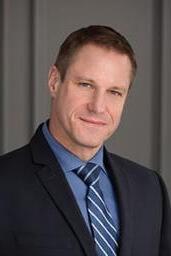
For more than 35 years, John P. Jacobi, OD, FCOVD, FIALVS has been helping partially sighted people get their lives back. Dr. Jacobi is a Fellow of the College of Vision Development and the International Academy of Low Vision Specialists, a member of the Michigan and American Optometric Associations.

By Tim Smith
Time is of the essence for Northville and Plymouth residents to make their collective voices heard and attempt to block a proposed second landfill across the border in Salem Township.
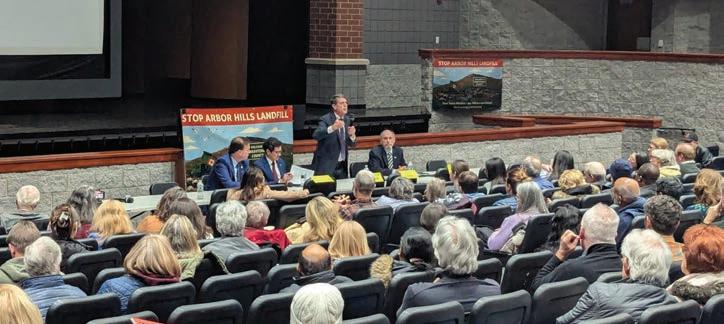
That was a watchdog group’s message to about 300 concerned citizens who attended the “Stop Arbor Hills” community town hall meeting held Jan. 12 at Northville High School.
Hosted by The Conservancy Initiative, a Northville-based non-profit, the meeting provided details about Arbor Hills landfill owner Green for Life’s (GFL) proposal to build a second landfill not far from the existing 50-year-old dump located along Napier Road between Five Mile and Six Mile roads. The group stressed urgency is needed to stop the proposal.
A recommendation from Washtenaw County’s Managed Materials Planning Committee to the county commission is merely months away, according to the group.
“One of the things that came out of it was we really do want to get people to start trying to influence the Washtenaw County commissioners,” said David Drinan, vice president for The Conservancy Initiative.
The county commission meets twice a month (first and third Wednesday of each month) and there’s a forum at the beginning of every meeting to give public comments, Drinan said.
“And there’s always quite a few people there that give comments. We’re going to try and give them a little push to get them out over the next couple months,” he said.
State Rep. Jason Morgan (D-Ann Arbor), who is a former member of the Washtenaw County board, said the meeting succeeded in getting people up to speed on the proposal as well as who the decision makers are and
how they can take action to weigh in on the process.
“I felt the meeting went really great,” said Morgan, whose 23rd District includes portions of Northville, Plymouth and Salem townships. “I was so glad that so many people came out and they were supportive of the work that we’re doing to stop a new landfill. And I was just thrilled with the amount of energy focused on taking on that issue.”
Morgan said an engaged public made all the difference before, noting that community push-back a decade or so ago stopped an effort to expand the existing landfill.
“It is absolutely possible to prevent this landfill from happening and folks need to know that,” Morgan said. “Don’t give up and I believe if we’re able to stop a new landfill this time, then we would see the existing landfill closed. And I would see that as a huge win for the entire area.”
Northville Mayor Brian Turnbull said the town hall felt more like a call to action than an informational session. He was joined at the meeting by Northville Township Supervisor Mark Abbo, State Rep. Matt Koleszar of Plymouth, and other local officials.
Some of the topics at the meeting included the actual need for another landfill and the environmental and health considerations.
The latter is top of mind for many, with the proposed new landfill as close as 1,000-to2,000 feet from subdivisions near Six Mile and Napier. It is a hovering presence.
During the nearly two hours of public comments and questions, a mother of two young children in the Steeplechase subdivision (east of the Six Mile-Napier intersection) detailed major health problems among its residents, and said she was “very, very concerned about the health of my kids.”
Although the existing dump is in Salem Township, Turnbull emphasized that Northvillians bear the brunt of the environmental impact – including noxious odors wafting eastward, polluted water running into Johnson Creek, a cold water trout stream, and the noise and traffic generated by hundreds of trash-toting semi-tractor-trailers coming from around metro Detroit and Canada.
“Water and air, they don’t know their boundaries, do they?” asked Turnbull. “They will go where the wind goes or where the water flows.”
According to The Conservancy Initiative:
• From 2022 to 2024, more than 1,600 odor complaints against the landfill were submitted, more than any other location in Michigan.
• As many as 800 trucks per day cause congestion and increase maintenance costs in Northville and Plymouth Townships.
• Leachate disposal utilizes the Northville sanitary sewer system, not Salem Township.
• Salem is guaranteed $2.4 million per year in gas royalties, which will continue for decades while Washtenaw County will receive $1.5 million per year for hosting the proposed new landfill.
According to Drinan, it is hoped that members of the Washtenaw Materials Management panel will consider that there is no need for a new landfill – especially when there is more than 20 years of available landfill space in Michigan and state lawmakers are pushing to increase the recycling rate from the current 20 percent to about 30 percent by 2029.
“If we reduce the amount of waste going to landfills, we’ll have even more than 20 years of capacity,” Drinan said.
Meanwhile, Morgan said he thought the amount of landfill space available in Michigan probably wouldn’t sway Green for Life to take the foot off the gas in its bid for a new facility.
“I suspect they are going to want an expanded or additional landfill no matter what things look like statewide,” Morgan explained. “That’s where it’s on us to make sure that folks know what’s happening and they can weigh in to push back against any landfill.”
Drinan and others were encouraged by the turnout at the meeting, and hope it leads to more pressure on Washtenaw County.
“It seemed like we had new people there, and there was that energy that they wanted to get involved and fight this thing,” Drinan continued.
To learn more about the Stop Arbor Hills initiative and how citizens can help, visit conservancyinitiative.org.
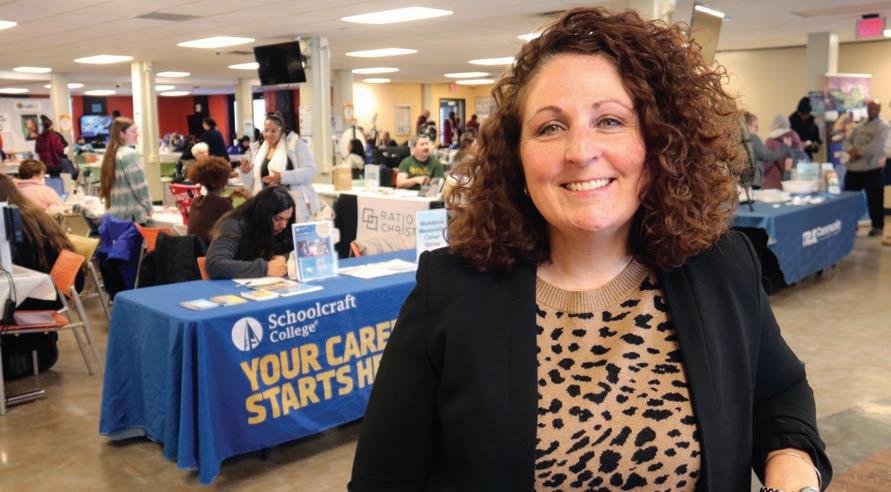
another student shows Kelly books he has gathered to donate to children who don’t have access to them. In one corner is her colleague, Catreese Qualls, who has her own unique story, wants a photo with Kelly. Another young woman who helps run the summer kids camps and diverse adult education classes says hello to her.
“Even if community isn’t in our name anymore, Schoolcraft is unique because it is especially involved with all our district communities,” says Kelly. “We serve this area and we have an enormous economic impact. People around this area are very sophisticated and they know when something is a good value.”
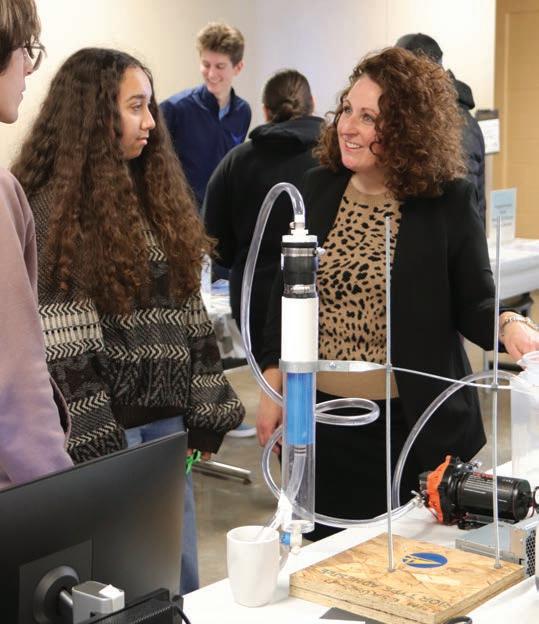
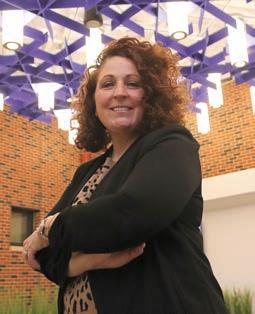
It’s a bitterly cold day in January as Michele Kelly wanders around the lower level of what used to be known as the Waterman Center at Schoolcraft College (SC), and is now called the Vistatech Center.
There’s loud music, the smell of fresh popcorn, free stuff at every table. Oh, and students everywhere.
Today is the annual “Winter Daze,” part of a two-day open house for students who want to learn about the clubs, groups, resources and support programs that enhance life at the 60-plus year-old community college serving Northville, Plymouth and other western Wayne County communities.
As Kelly wanders about saying hello, and smiling, she runs into plenty of students, faculty members she oversees and school administrators who all seem to know her or have some kind of connection with the leader who is now the new Chief Academic Instruction Officer at Schoolcraft.
Like the college she helps lead, Kelly crosses community, geographic and cultural
boundaries. And, like Schoolcraft's mission, she has an intense passion for fostering higher education, linking together students of all ages, longtime faculty and anyone else who has or wants a connection to the school.
Although she lives in Farmington and grew up in Sterling Heights, Kelly is also personally connected to both Northville and Plymouth, but more on that later.
“I think we’re living through three major disconnections right now,” says the 46-year-old, who was recently promoted to her new job from being dean of liberal arts and sciences (think vice president and you get the idea of her new title). “People are disconnected from each other, disconnected from community, and disconnected from meaning and purpose.
“There are real reasons for that,” she explains. “We have fewer natural spaces for human interaction, more of our lives are mediated by screens and AI, and there are fewer ‘third places’ like churches and neighborhoods where people can simply gather,
learn, and belong.”
Though that sounds like a mouthful, remember Kelly has been a lifelong educator who is thoughtful, passionate and a touch brainy.
“For a lot of people, it’s harder to feel hopeful about the future,” she continues. “I see my new role as an intentional counterweight to that. I want to protect and design learning spaces where real human connection can happen. At Schoolcraft, students don’t just earn credentials. They build relationships.”
For Kelly, Schoolcraft is that place away from a very fragmented world, where people can connect to each other, to their community, and purpose. The student newspaper even has connect in its name.
“I love it when people come to our campus,” she says walking around the booths. “Even that became really hard during Covid. Just look at this now. It’s very exciting.”
A student comes up to her and shows off a small science project promoting the engineering club,
SC has been hosting students since 1964 (it was founded in 1961). Kelly, who has over 20 years in academia, joined the school in 2018. Today as chief academic officer she oversees all divisions within the college academic footprint. That includes 130 program majors, 700 courses and over 100 full-time faculty, plus another 800 part-time or adjunct faculty. There’s also at least 50 academic support staff who make things run smoothly.
“My partner in this is our chief of academic operations, Keambra Pierson,” says Kelly. “It’s our job to make sure faculty are prepared and satisfied in their work and ready to support their students, because that’s how I support the students and make sure our curriculum and classes give them what they need.”
With enrollment around 10,000 students each year, and no longer being in the classroom teaching herself, it can be hard for Kelly to interact with the students very much. And yet at Winter Daze everyone seems to know her.
“I’m really excited about what we’re doing here,” she says, scanning the crowded room. “I’m proud of the partnerships we’ve made and how Schoolcraft has and continues to be showing up in our communities.”
“I want to protect and design learning spaces where real human connection can happen. At Schoolcraft, students don’t just earn credentials. They build relationships.”
Michele Kelly, Schoolcraft College’s new Chief Academic Instruction Officer
Kelly likes to cite a chart she shares that includes data about the thousands of jobs that exist in connection with the school annually, and from its graduates around all of the district including Northville and Plymouth.
Another chart shows that in 2024 Northville was the third largest feeder of students to SC, while Plymouth-Canton’s three high schools ranked fifth through seventh.
Born in Michigan, Kelly has degrees from Central Michigan, University of Cincinnati, Bowling Green State and the University of North Carolina.
As a teacher, Kelly specialized in public speaking, communications and professional and business writing. She has taught in Ohio, North Carolina and Michigan. When she returned home to the state in 2014 she taught at Macomb Community College before joining the Schoolcraft administration.
“I always wanted to be a teacher,” she says. “My family suggested I go to Macomb but I wanted something bigger so I landed at Central after touring some schools. I loved it.”
Kelly met her future husband Kevin at Central and later reunited with him at Cincinnati where he also worked. They have been married 21 years and have two daughters ages 12 and 13 who may don Ocelot gear themselves one day.
“I just added a calendar date for high school orientation soon,” she says. “They’ve been here on campus for camp. To think, we have students from everywhere and of all ages. We have summer programs and a strong dual enrollment population of high schoolers. They’re all trying to better themselves.”
Like many Schoolcraft leaders Kelly may live outside the district, but that doesn’t prevent her from making her own deep personal connections.
“We’re all active and care about these communities,” she says. “We may not live here, but we play here, we work here and we volunteer in the community, just like everyone else.”
For Kelly that includes a long list of service including for MIACE Women’s Network (she was a Distinguished Woman of the Year in 2023); Impact 100 Metro Detroit; as a board trustee of the Farmington Community Library; and a Leadership Detroit (XXI) graduate.
That’s just a few, but closer to here Kelly has been a board member of Plymouth-based Michigan Philharmonic since 2019 and a longtime member of
the Rotary Club of Northville, a group she is also a past president of (2024-2025). She’s also been involved in the Rotary Club of Mt. Clemens.
When Kelly came to Schoolcraft she knew she wanted to find a good Rotary group nearby, and she did in Northville’s highly committed organization.
“We have over 60 members and we do tons of service to support the community,” she says. “The other local service close to my heart is the Michigan Philharmonic. We’ve also even been able to do some cool partnerships between Schoolcraft and the symphony.”
Since Schoolcraft’s students come from communities like Northville and Plymouth Kelly says it is critical that she connect personally as well.
“These are really vibrant communities and we spend a lot of time in them,” she says. “When we came back home my husband was working for Rotary International and so we really focused on that and we’re proud of that.”
At Schoolcraft Kelly is also proud of the school’s center for experiential learning hub, transformative learning experiences, civic engagement institute and the many new and future partnerships she has been involved with helping create.
Even though it’s too early to say much, Kelly expects some exciting future announcements for the college sometime over the next few years. She says the campus is aging and needs a close study of its buildings to maintain its quality.
“We put tons of students through our main buildings,” she says. “We have to look at the future of our main academic buildings including our performing arts areas.”
For now though, Kelly is focused on meeting student needs and taking care of her young family.
“I think this is a great way to show how alive Schoolcraft is,” she says looking out across a room filled with dozens of college clubs, non-academic service groups, local businesses even and many of the support programs that make up life at SC.
Editor’s Note: Writer/ Photographer Ken Voyles received his first college degree from Schoolcraft. He played soccer there, and ran the newspaper. He still remembers his experience fondly.

Give your child a strong start in a full-day kindergarten experience designed to support academic, social, and emotional growth.
Kindergarten Orientation: Tuesday, May 12
Young 5s: Open to children who turn 5 between June 1 – Dec. 1, 2026
Plymouth-Canton Community Schools provides a supportive, engaging learning environment where students grow academically and socially while building confidence for the years ahead.
Full-day kindergarten programs
Developmentally appropriate instruction
Aligned with Michigan Academic Standards
Focus on the whole child — academically, socially, and emotionally

It’s the call no one wants to get. But for one local doctor, it became a mission to save others from the “Blind Spot” in modern medicine.
(Southfield, MI)

Softball Size Tumors Silently Grew
You feel fine. You have no aches.
endured brutal treatments and cruel side effects. Tragically, the cancer later returned as a brain tumor.
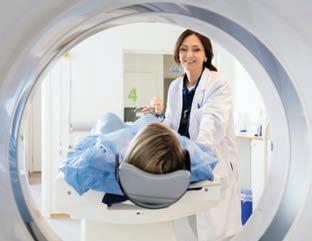
your insides. Unlike CT scans or X-rays, this machine emits NO radiation and is completely non-invasive.
You pass your annual physical with flying colors. You think you’re safe. But what if something sinister is silently growing inside you right now, waiting to strike? That is the terrifying reality Dr. Warren Ringold faced. As a respected family physician for 40 years, he knew the rules of medicine better than anyone. He felt perfectly fine until a sudden onset of shortness of breath sent him to the ER. The diagnosis was a shockwave: Stage 4 cancer.
(South eld, MI) e late Dr. Warren Ringold knew rsthand the devastating impact of late-stage cancer diagnoses. As a respected family physician, he witnessed countless patients battling illnesses that could have been detected earlier. His own grueling battle with late-stage cancer ignited a passion, leading him to create Michigan’s rst MRI full body screening center called Bionicc Body Screening.
Raising Awareness
But before he passed, Dr. Ringold left behind a legacy—and a warning—for the rest of us.
Full Body MRI Scans Without a Doctor’s Order
The “Dirty Little Secret” of modern medicine: Here is the hard truth your insurance company won’t tell you: The current healthcare system is reactive, not proactive.
Today, his son Ryan carries on this mission. ough not a medical professional himself, Ryan’s dedication to his father’s legacy drives him to raising awareness of this service for families of Michigan.
“Every week I learn of another person who felt perfectly ne, only to wake up with an unexplained symptom and discover they have stage four cancer. Once symptoms manifest cancer is usually advanced,” says his son Ryan. “My father never wanted another family to su er the emotional and physical hardships that our family and he endured. He wanted to save lives.”
Dr. Ringold discovered he had stage four cancer with tumors as large as softballs silently growing inside his body after experiencing shortness of breath. His treatment was brutal. He su ered cruel side e ects. After his cancer went into remission, it returned a year later as a brain tumor. Dr. Ringold believed there had to be a better way. He envisioned a future where individuals could take control of their health and detect potential problems before they escalated. In his nal days, Dr. Ringold passionately advocated for MRI full body screenings, a proactive approach he believed could empower individuals to take control of their health.
Bionicc Body Screening o ers elective, full-body MRI screenings that provide a comprehensive picture of your internal health, going beyond what traditional checkups often reveal. State-of-the-art technology can detect tumors as small as a pea, aneurysms, risk of stroke and a multitude of other conditions that might otherwise go unnoticed. Screenings include scans of the head, neck, chest, abdomen, pelvis, hips, shoulders and spine.
A Life Saved
Standard medical screenings (like mammograms and colonoscopies) only catch 29% of cancers. That means 71% of tumors grow undetected in areas doctors aren’t even looking at.
By the time you feel a lump or pain, it is often Stage 3 or 4. As Dr. Ringold warned, “Once you have symptoms, cancer is usually advanced.”
Mark B. and his younger brother decided to visit Bionicc Body Screening last spring for a proactive screening because cancer ran in their family. Mark was skeptical until his results returned a 3-centimeter mass on his lung, which tested positive for cancer. He had three-fourths of his lung removed. He credits the scan for saving his life. Meanwhile, his brother’s results were clean.
It scans the brain, neck, chest, abdomen, pelvis, and spine, looking for tumors as small as a pencil eraser. It can also detect silent killers like aneurysms and stroke risks before they become life-threatening emergencies.
Scans
Take Control: No Doctor’s Order Required The traditional medical system makes you jump through hoops. At Bionicc Body Screening, there is no red tape.
Scans are safe, non-invasive, emit no radiation and are available without a doctor’s referral. Scans can detect tumors, aneurysms, stroke risk and other conditions.
While he felt healthy on the outside, tumors the size of softballs had been silently growing on the inside. He
The Technology That Sees What Doctors Miss: Determined to stop this tragedy from happening to other families, Dr. Ringold founded Bionicc Body Screening in Southfield, Michigan’s first MRI full-body screening center. Using advanced MRI technology, Bionicc provides a “high-definition movie” of

• No Doctor’s Referral Needed: You are in charge of your own health.
$200 savings offer. Book an appointment by calling 1-833-BIONICC. (833-246-6422)
• No Insurance Hassles: This is an out of pocket, elective service for those who prioritize peace of mind and proactive care.
• Immediate Answers: Don’t wait for a crisis to find out what’s going on inside your body.
Do not wait until you feel a symptom. A small tumor today could be a major problem tomorrow. The only difference between a tragedy and a survival story is early detection.


Michigan’s first MRI Full Body Screening Center –Located in Southfield




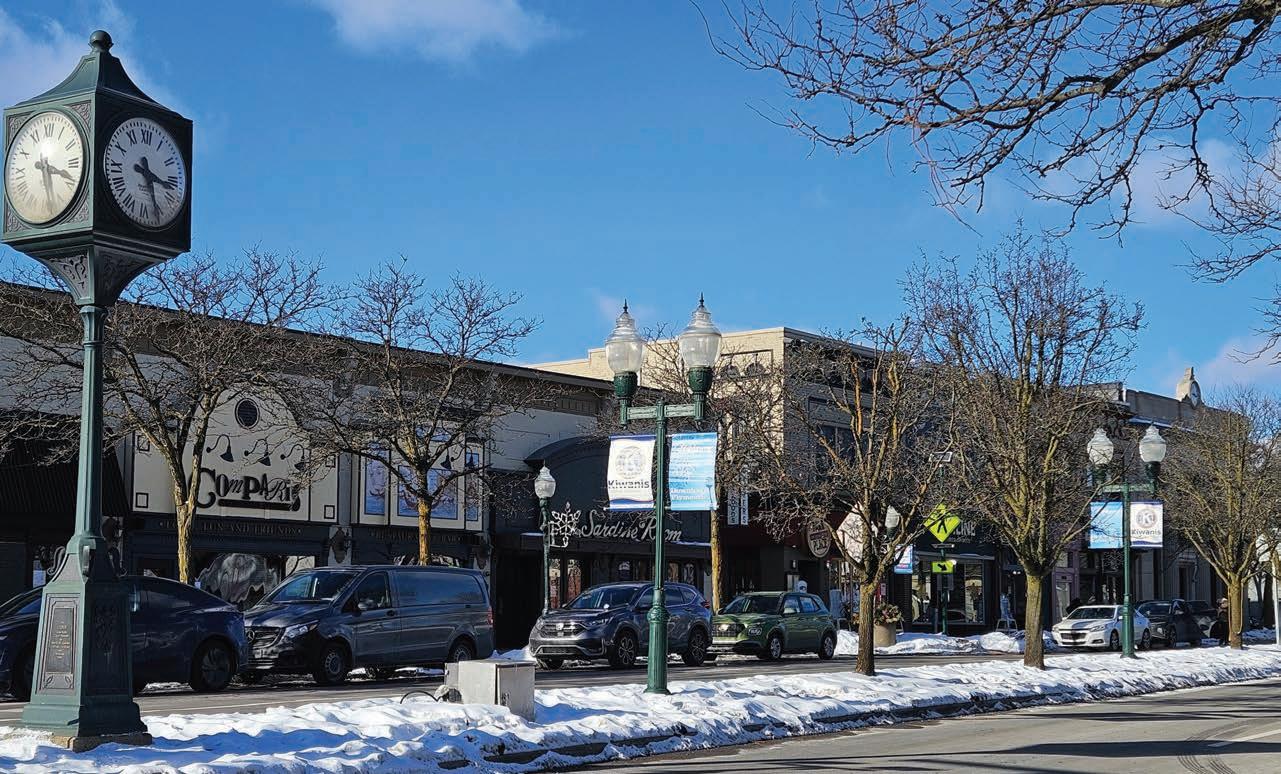
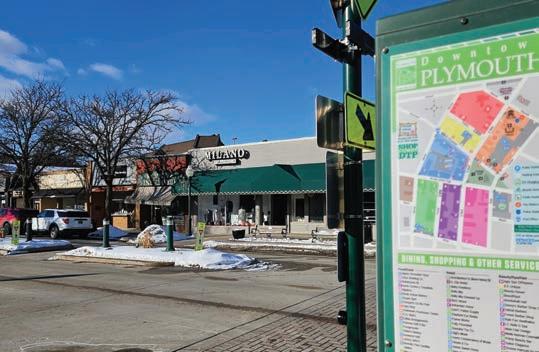
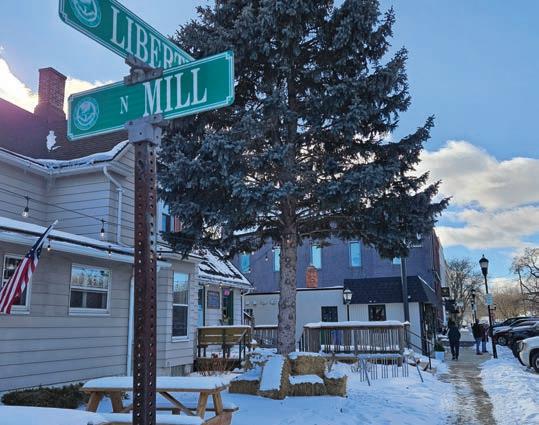
Nearly halfway through the planning and engagement process that will lead to changes in Downtown Plymouth and Old Village, officials in the City of Plymouth are narrowing down potential projects for both areas.
In the downtown, where the DTPForward project is moving ahead, another public engagement session is planned for the end of the month in advance of the final public hearing in May. Members of the Downtown Development Authority (DDA) board and staff have been soliciting feedback since the middle of last year as they gauge public support for a refreshed or redesigned streetscape as well as other potential projects within the district.
“This is really a chance to help reimagine downtown Plymouth and the street environment, but to do it in a way that maintains the dynamism, the vibrancy and to ensure that downtown remains
a vital place for generations to come,” said Oliver Kiley, principal architect with SmithGroup, the firm working with the city on the process.
There has already been plenty of engagement, too. The DDA has sent out surveys, hosting public forums, walked the streets and hosted pop-up input booths at popular events like the Fall Festival and the Ice Festival. They’ve received nearly a thousand replies to the surveys and a public engagement meeting in December attracted about 100 people. DDA Director Sam Plymale said public engagement was a crucial first step in the process and he was pleased with the response so far.
From the feedback through the first several months, Kiley said they’ve developed some rough concepts of the types of projects the public is interested in. He’ll present those on Feb. 25 and further narrow them down prior
to the May public hearing.
“A lot of the comments were: ‘Don’t mess it up,’” he said. “There’s a lot of great things happening here. We want to be sensitive to that. We don’t want to get things out of kilter.”
Feedback so far has centered around pedestrian improvements, better connections, traffic calming effects, trees and greenery, preserving history and culture and, of course, parking capacity. New designs could include anything from additional benches and gathering places, wider sidewalks, honoring history and architecture, perhaps with historical markers, Improved bike lanes and connections to Old Village and, through it, Hines Park to name a few. Storm water management was also a concern, as well as maintaining a good business mix.
As they build a consensus with residents, business owners and visitors, city officials will
separate proposed projects into three areas: light, moderate and significant changes in order to prioritize what should be done, and when.
Significant projects would look at the overall design of the streets and how they work together.
The City of Plymouth is hosting its next open house about the DTPForward project from 5:30-8:30 p.m. Feb. 25 at the Plymouth Cultural Center, where you can:
· Learn about everything that’s happened so far
· Take part in the ongoing discussion
· Provide feedback and offer suggestions
You can also take part in an online survey and read previous comments on the Downtown Development Authority website, www. downtownplymouth.org.
Main Street, for example, could be reduced to three lanes with a wider sidewalk—more of a pathway—on one side that could accommodate pedestrians and cyclists alike. It would necessitate the removal or reduction of the boulevard in front of Kellogg Park, but also bring additional parking to the downtown area. Curbless streets would also make the city more pedestrian friendly.
“I think it would really elongate the downtown,” said DDA member Jennifer Frey. “I think it would activate those businesses, bring more people to the front of them and make a strong connection to the park. With the road width you have, there’s a ton of opportunity.
“It may look wider, but it’s not
cutting into Kellogg Park,” she added.
Plymale said he liked the concept and said it could improve the overall walkability of the downtown, but would ultimately depend on whether the residents and business owners were on board.
“It’s a creative solution that makes both sides happy. I’m interested to see what the wider community feedback is,” he said.
Officials also discussed making similar changes to other streets: by narrowing oversized lanes, sidewalks could be widened and pedestrian access improved without expanding existing rights-of-way. Additional mid-block crossing points would also help.

The next step in the process is a public open house, scheduled for 5:30-8:30 Feb. 25 at the Plymouth Cultural Center. Kiley said SmithGroup would present some concepts then and solicit additional feedback from all stakeholders.
“We’ll be able to take that feedback and narrow it down into a list of priority recommendations that we can bring forward,” he said.
Any major changes would most likely be more than a year away, according to Plymale.
“I think in 2027 there might be some potential in the second half of the year for some smaller changes, but I think the first big project would be in 2028, when we do a bigger chunk of the downtown,” he said. “Could things accelerate or slow down? Yes, but that’s how I visualize the timeline.”
The city is currently in the midst of a second state-mandated 60-day waiting period before a
Corridor Improvement Authority (CIA) can be fully implemented to fund ongoing improvements in Old Village. The CIA, initiated last year, operates similar to the DDA in that it captures increases in taxable value and directs that money to pay for projects within the DDA. It could bring $30,000 for projects this year and more than $2 million to Old Village throughout its 25-year span — if taxing authorities like Wayne County sign off on it. They must do so within the 60-day period, according to City Manager Chris Poorman. The 60-day period ends on March 23.
“We’ll have better revenue projections based on those participating jurisdictions then,” he said.
We are always interested to hear your thoughts on issues regarding the city and township of Plymouth. Email scottyspielman@gmail.com



Ashwin Building Company is a family-owned home building & remodeling business based in Northville, Michigan with 35 years of experience in construction, home remodeling, and contracting. Blending time-tested construction practices and design, we personally strive to provide the best services to our customers before, during, and after project completion.


Let us bring your vision to life and create a space that truly reflects your style and personality. Contact us today to begin your journey to a beautiful home!

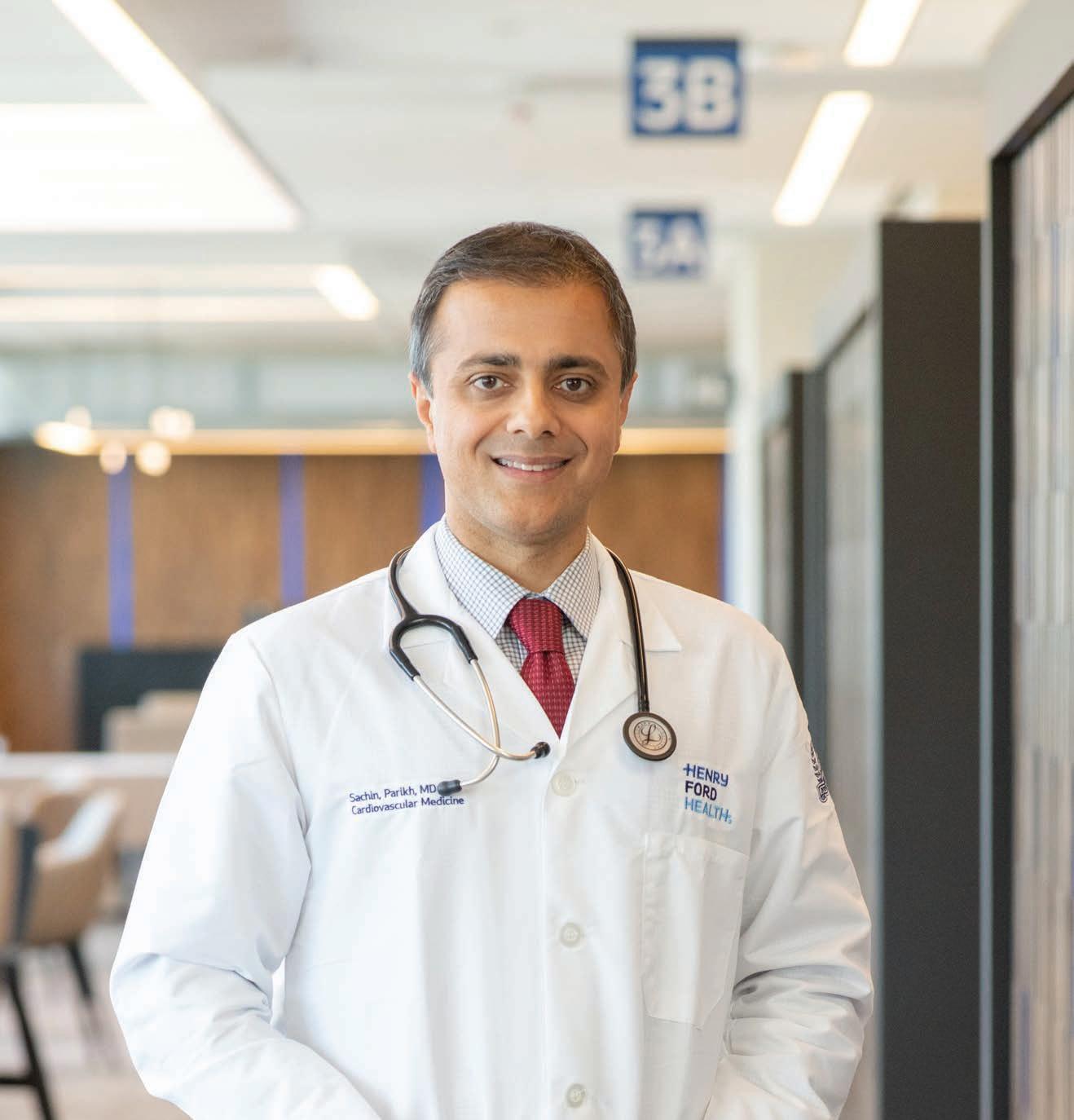
Sachin Parikh, M.D. Cardiologist