
BORNON31stAUG2001
CompletedaBachelor’sinArchitecture,with a strong foundation in architectural design complementedbyvaluableexposuretourban studies and interior design. Eager to apply corearchitecturalprincipleswhileembracing opportunities for learning and adaptation in diverse working environments. Committed tocontributinginnovativesolutionsto real-worldprojectswithafocuson architecturalexcellence.
CONTACT
PHONE +919360789199
EMAIL joshinipriyankaa@gmail.com
ADDRESS 1/143,SouthRamNagar,karur-6
LINKEDIN: www.linkedin.com/in/joshini-priyaka-3b9649249
BACHELOROFARCHITECTURE-VTU 2019-2023
HIGHERSCEONDARYEDUCATION-CBSE 2017-2019
ACADEMICEXPOSURE
SOFTWARESKILLS
Drafting&Modelling
AutoCad Revit Rhino
3-DVisualization
V-Rayforsketchup Lumion
LANGUAGESINTERESTS
English - Advanced Tamil - Native Hindi - Intermediate Kannada- Basic
Graphicdesign Sketching
DayanandaSagarAcademyof TechnologyandManagement(DSATM), Bangalore.
TheIndianPublicSchool(TIPS), Erode.
PROFESSIONAL EXPERIENCE
Architecturalintern,DesignshalaCollaborative Student internship|January-May2024|Pune, India
-Developedinteriordesignandarchitecturaldrawings -Workedonurbandesigndocumentation -Productdeisgn
Graphics&Presentation
Photoshop
Illustrator
Indesign
Microsoftoffice
Googledocs/drive
I am deeply grateful to Designshala Collaborative for providing me with the invaluable opportunity to take me on an enriching architectural internship experience that transcended traditional boundaries.
I extend my heartfelt thanks to Ar. Ashik Jain, whose guidance, mentorship, and support have been paramount in shaping my growth as an aspiring architect and designer. Their expertise, constructive feedback, and encouragement have profoundly inßuenced my development throughout this internship journey.
Furthermore, I am immensely appreciative of the opportunity to explore diverse domains within the realm of design, including interior design, product design, and urban design, during my time at Designshala Collaborative. This exposure has broadened my horizons, enriched my skill set, and got me a deeper appreciation for the interdisciplinary nature of design practice.
I am also indebted to the junior architects Ar. Gautami Karampuri and Ar. Niti Nerliker at the Þrm, whose collaboration and shared passion for design have enriched my experience. Working alongside such talented and dedicated individuals has not only enhanced my technical skills but has also brought a sense of community and collective learning.
The Cycle On event on March 30, 2024, experts in architecture and urban planning to address the critical need for safer and more sustainable urban transportation. Panelists emphasized the importance of dedicated cycle lanes within urban landscapes to enhance safety for cyclists and promote sustainable transportation options. They stressed the integration of cycle lanes into city fabric, highlighting the signiÞcance of landscape considerations and respect for urban aesthetics.
During the interactive panel discussion, attendees had the opportunity to engage with experts, raising queries and concerns about cycling infrastructure. Representatives from various schools also participated, underlining a collective commitment to promoting safety for cyclists of all ages. Overall, the event served as a collaborative platform to bring innovative solutions for improving urban cycling infrastructure and ensuring safer mobility for all residents.


























































Area of plot : 273.54 sq. m
Internal road widening (A) : 15.09 sq.m
Gross area of plot : (273.54 - 15.09)= 258.45 sq.m
Permissible basic FSI : (1.1 X 258.45)= 284.29 sq.m
Permissible Ancillary FSI : (284.29 X 80%)= 227.43 sq. m
TDR of Road (15.09 X 1.1)= 16.59 sq.m
Total Permissible FSI : 528.31sq.m










































































The ground ßoor is designated for parking. This requires careful planning to maximize space efÞciency while ensuring ease of access and maneuverability for vehicles.





The Þrst and second ßoors will be rented out as ofÞce spaces. This includes providing open-plan layouts, private ofÞces, meeting rooms, and amenities such as restrooms and kitchenettes.



The client intends to use the third and fourth ßoors for their own ofÞce space. The design should incorporate features that promote productivity, collaboration, and employee well-being.














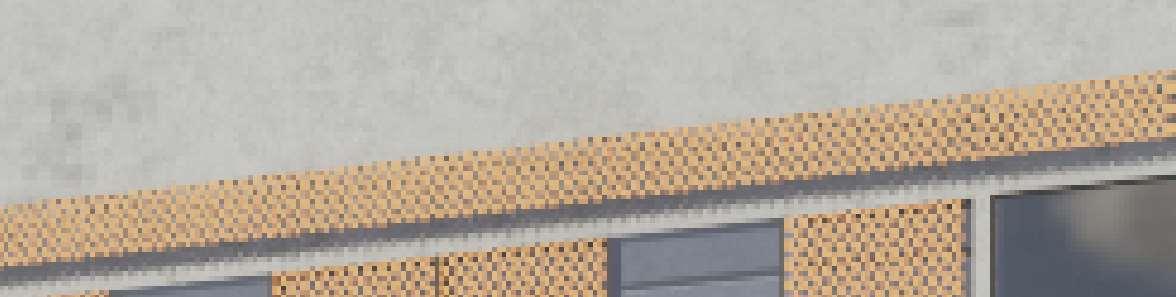
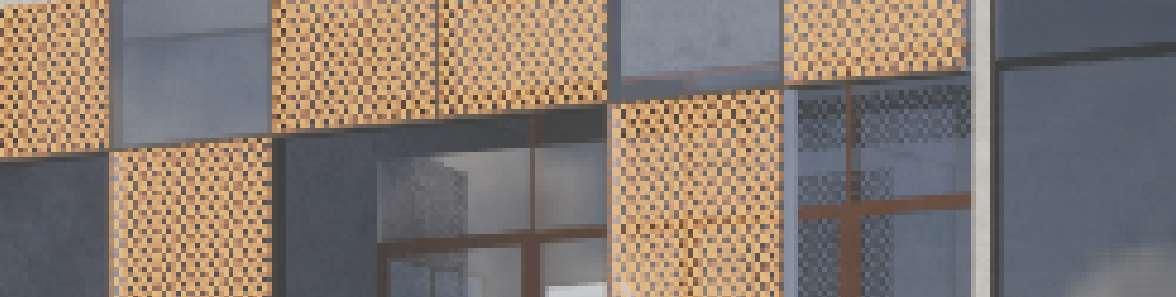

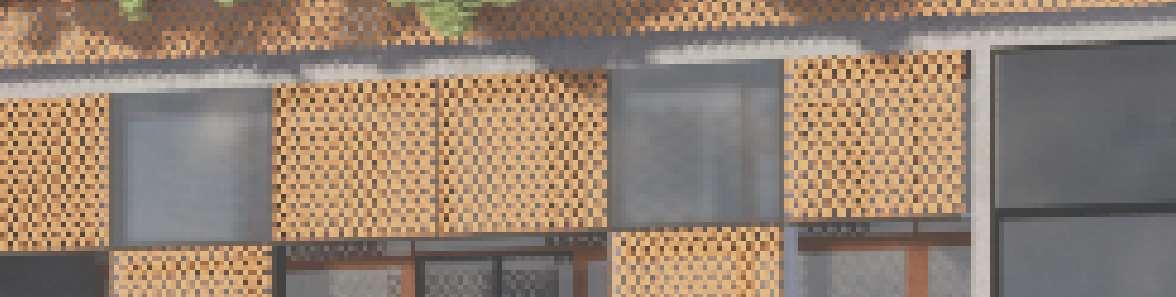
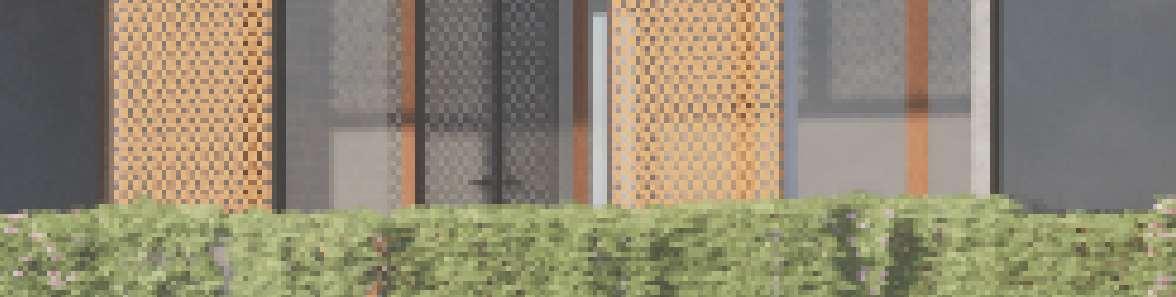



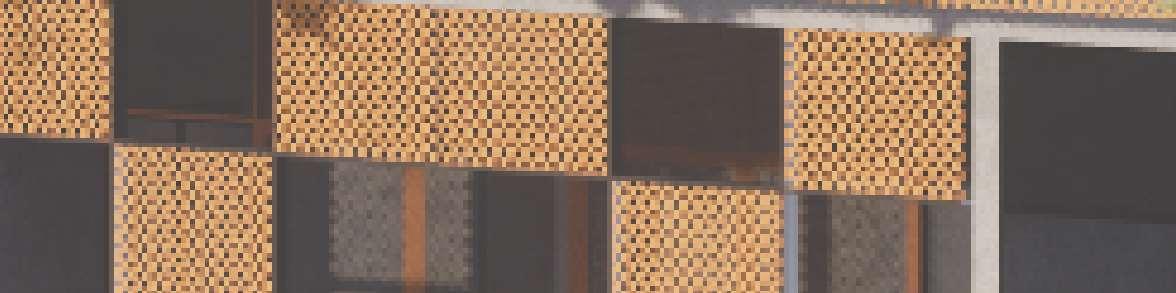




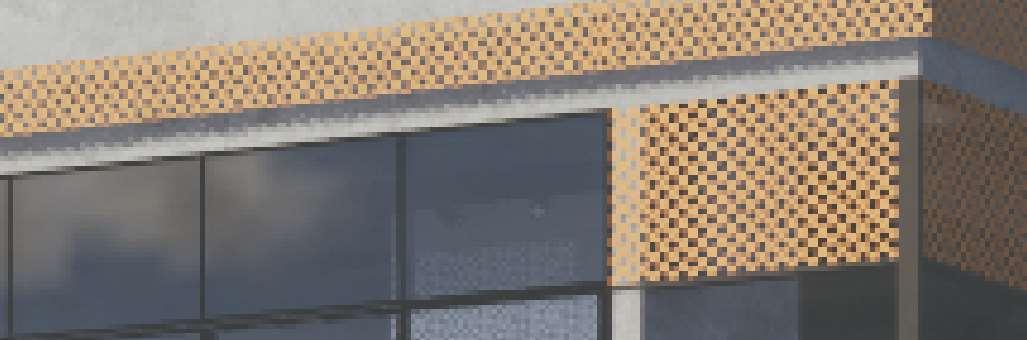

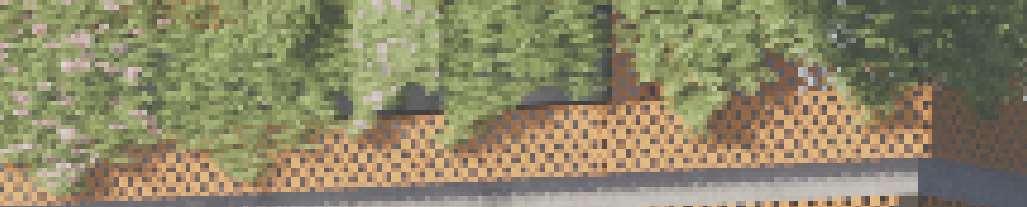


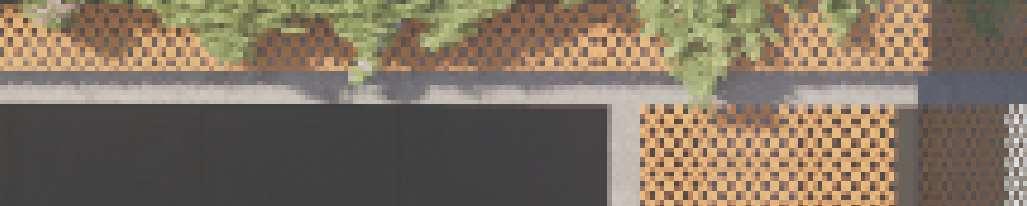

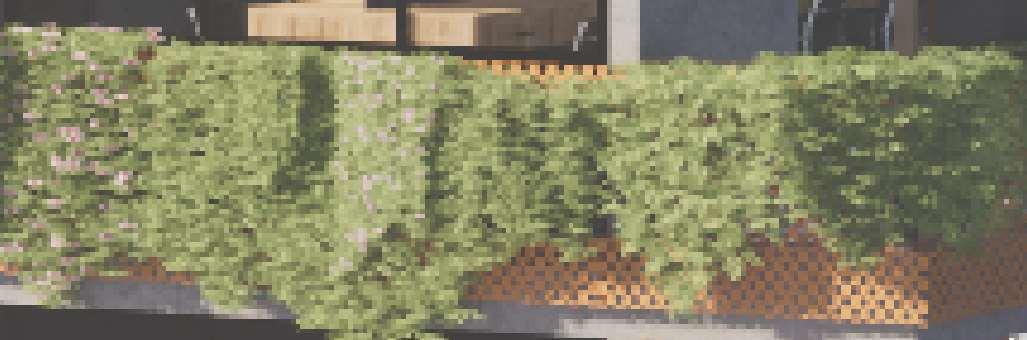






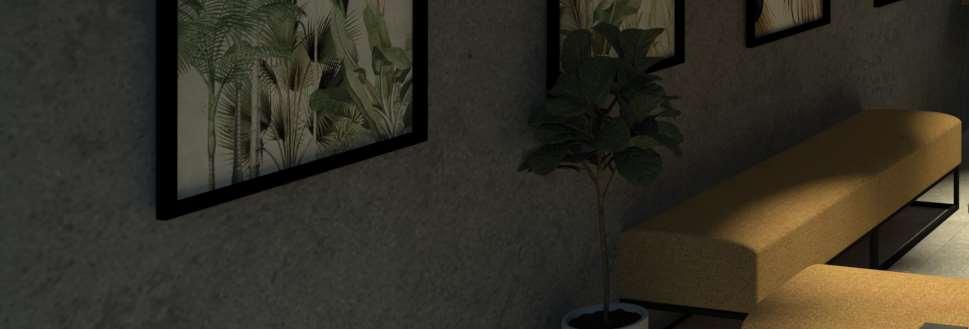
The layout would be optimized to enhance workßow, comfort, and efÞciency, ensuring that each zone serves its intended purpose effectively. By reducing the reliance on artiÞcial lighting, the design contributes to energy efÞciency, lowering electricity consumption and operational costs.

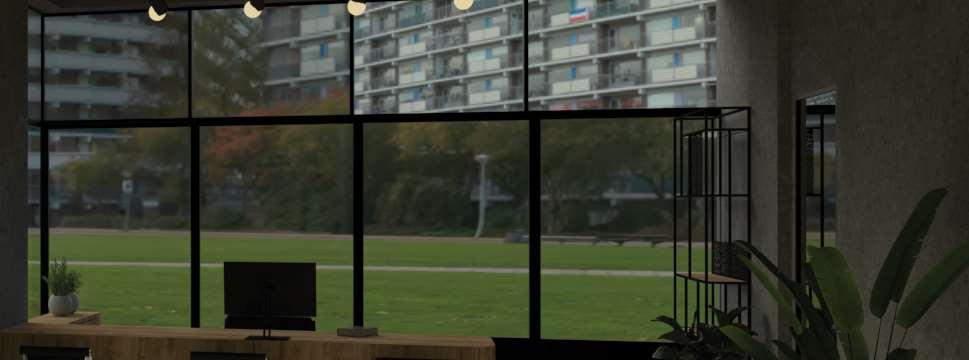
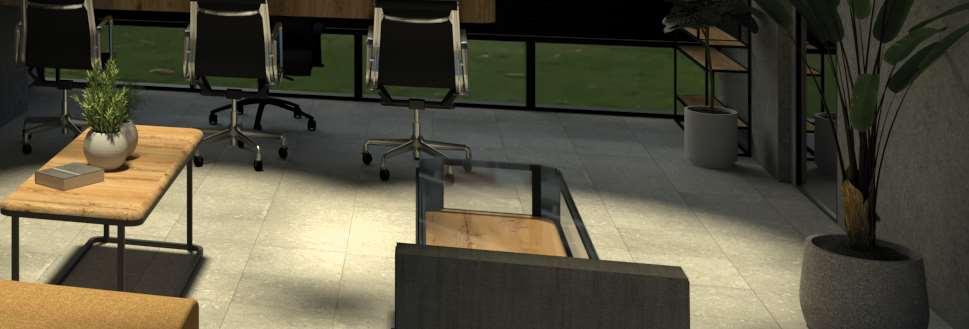
Various design concepts were explored, taking into account functional requirements,aesthetic preferences, and site constraints. The Þnalized concept aimed to maximize space utilization and provide a modern, welcoming environment for tenants and owners alike.



Interior spaces were carefully planned to accommodate the functional needs of tenants and owners. Layouts included open-plan workspaces, private cabins, conference rooms, lounges, and pantry areas. Emphasis was placed on creating conducive work environments that foster productivity and collaboration.



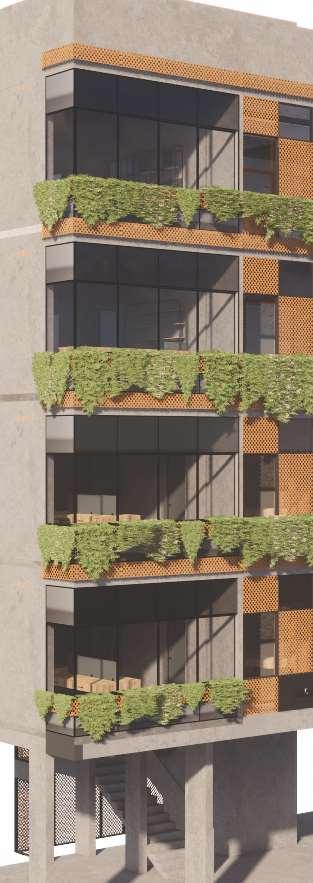
The design prioritizes natural lighting, which can have numerous beneÞts including reducing energy consumption, improving mood, and creating a more pleasant environment. Natural light is generally preferred over artiÞcial lighting for its quality and the ambiance it creates.














































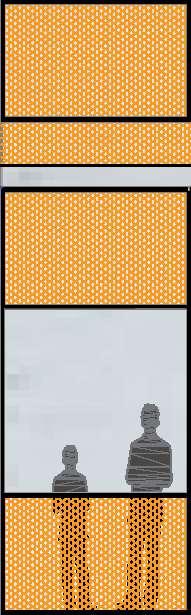
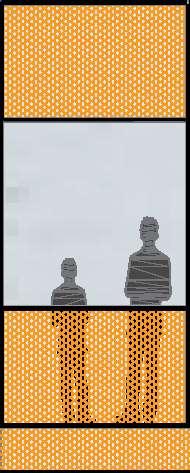
The facade of the building was designed with perforations—holes and openings—to allow more natural light to enter the building. This can help in enhancing the interior lighting without compromising privacy or security.















Perforations can also add an interesting visual element to the building’s exterior. They can create patterns or textures that contribute to the overall aesthetic appeal of the facade.



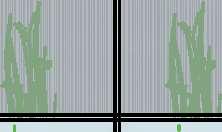





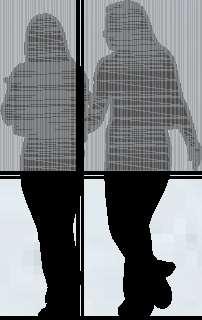







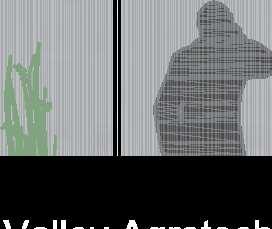























The perforations in the facade can be designed in various patterns, adding a unique character to the building. This can make the building stand out and become a notable landmark.
















































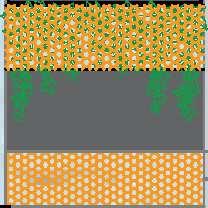

















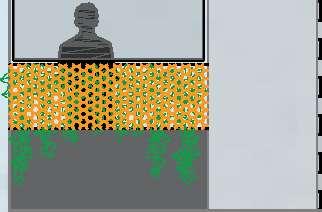

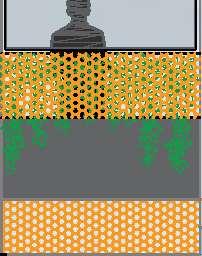






















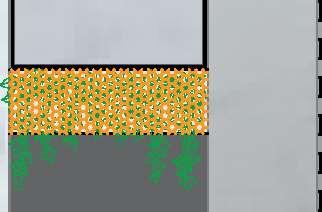
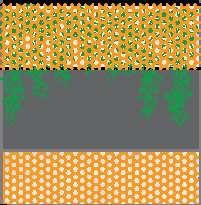













































Perforations can assist in natural ventilation, allowing for better airßow and potentially improving the building’s climate control and indoor air quality.





















































































































Perforations also adds an interesting visual element to the building’s exterior. They can create patterns or textures that contribute to the overall aesthetic appeal of the facade.






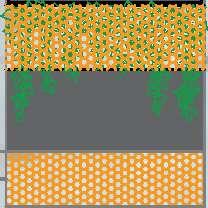







Perforated bricks can reduce the overall weight of the brickwork, which can decrease the structural load on a building and potentially lower construction costs.
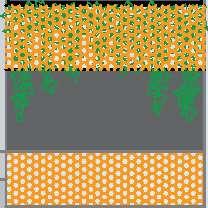





















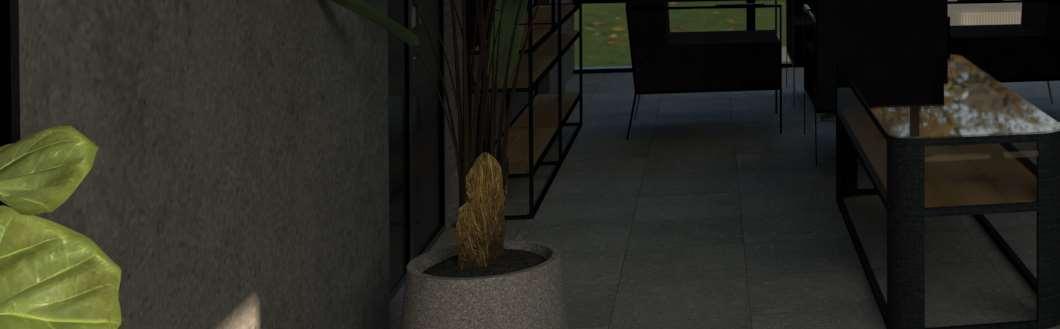

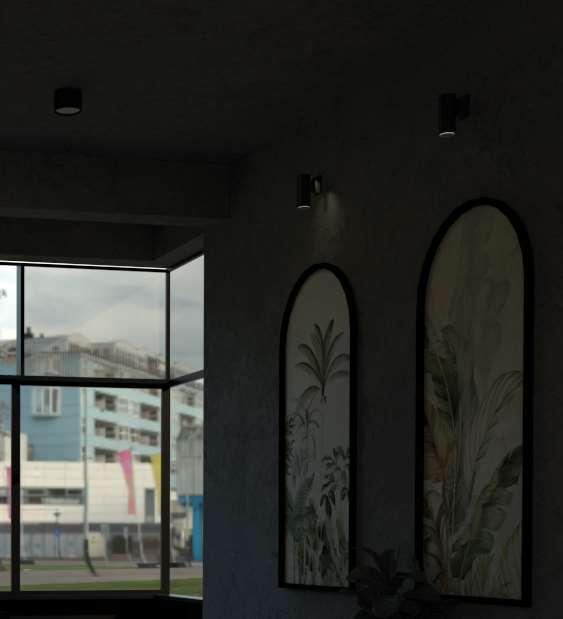
The design must comply with local building codes, zoning regulations, and accessibility standards. This includes requirements related to safety, occupancy load, Þre protection, and environmental sustainability.
Incorporating sustainable design principles can enhance the building’s environmental performance and reduce operating costs. This may involve strategies such as energy-efÞcient lighting and HVAC systems, natural ventilation, green roofs, water-saving Þxtures, and use of eco-friendly materials.
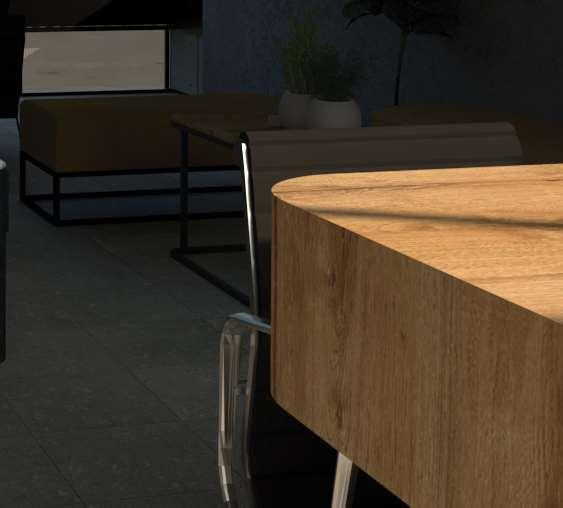






The design should seamlessly integrate essential services and utilities such as electricity, water supply, HVAC systems, and telecommunications infrastructure. Each ßoor must be equipped with the necessary connections and provisions to support modern ofÞce operations.
Accessibility is crucial for ensuring that the building is user-friendly for tenants, employees, and visitors. Adequate elevators, staircases, and ramps should be provided to facilitate movement between ßoors. Additionally, the layout should prioritize efÞcient circulation to minimize congestion and optimize ßow within the building.
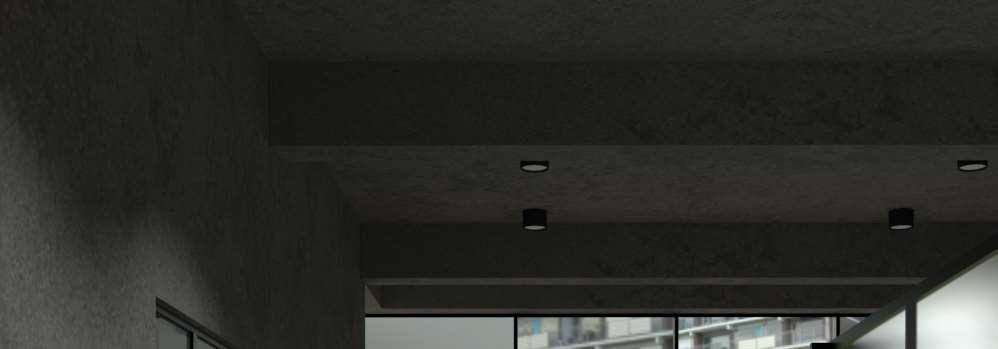
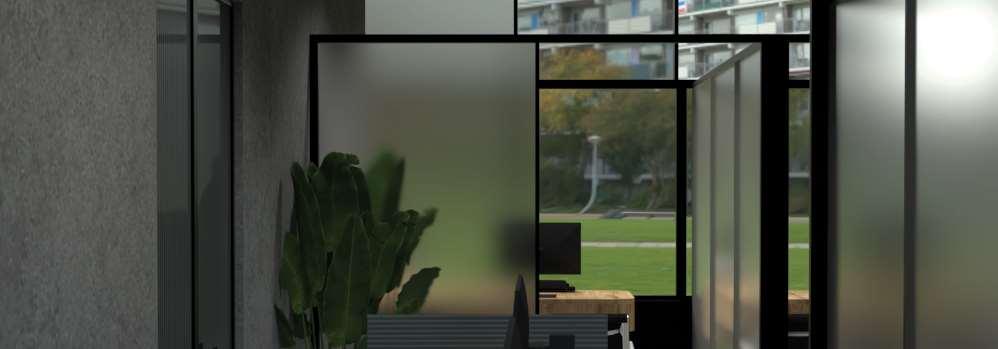


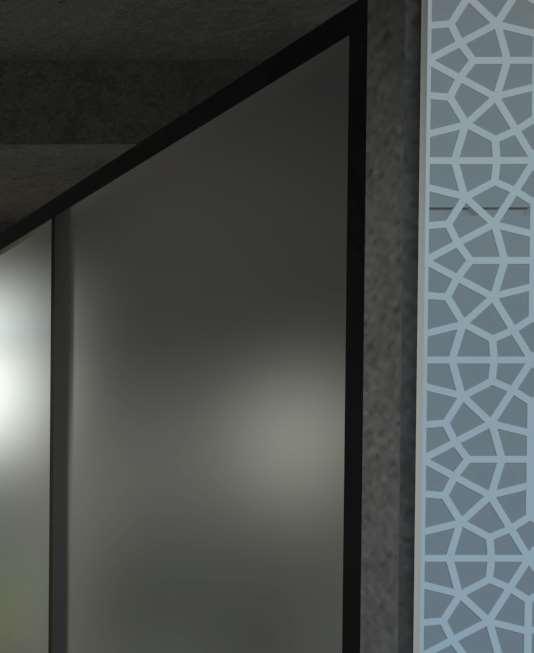
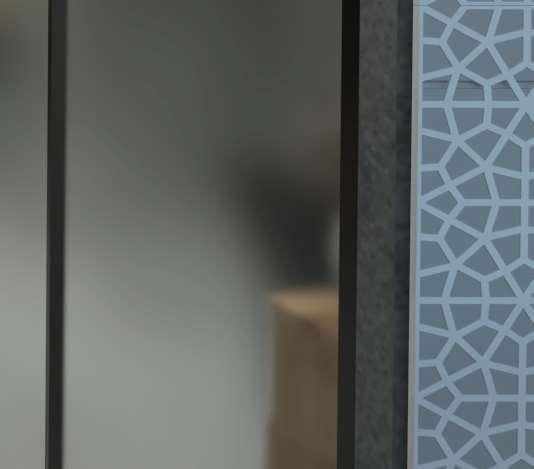


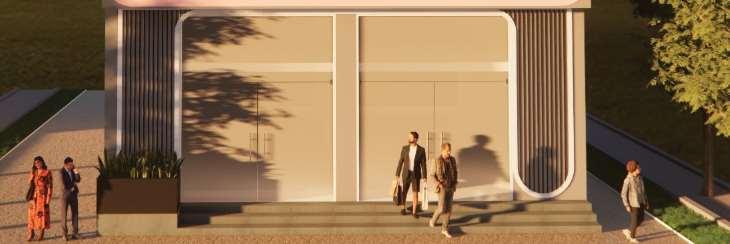































:
This drawing provides a front-facing view of the facade, showing the arrangement of elements such as windows, doors, cladding panels, and architectural features. Measurements are provided throughout the drawings to indicate the sizes, clearances, and spacing of facade elements, ensuring accurate construction according to the design speciÞcations. While not typically part of working drawings, 3D visualizations and renderings may be included to provide stakeholders with a realistic representation of the Þnished facade, aiding in design re-




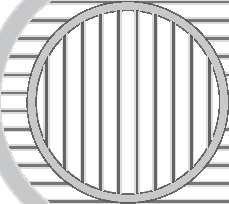


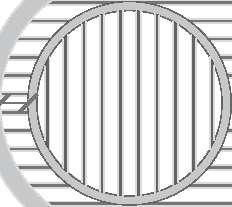











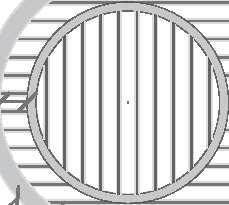
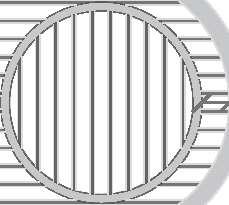
Hollow metal steel offers architects a wide range of design possibilities due to its ability to be fabricated into various shapes and proÞles. This versatility allows for the creation of unique and visually striking facade designs, including curved surfaces, intricate patterns, and geometric forms.
Hollow metal steel sections are lightweight compared to solid steel or other building materials such as concrete. This characteristic makes them easier to handle and install, reducing the overall load on the building structure and foundation. Additionally, it can lead to cost savings in construction and transportation.
Despite their lightweight nature, hollow metal steel sections maintain high levels of structural integrity. They offer excellent strength-toweight ratios, making them suitable for supporting facade elements such as cladding panels, glazing systems, and sunshades. This structural stability ensures the longevity and safety of the facade.
Hollow metal steel sections can be easily customized to meet speciÞc design requirements. Steel facades can be seamlessly integrated with other building materials such as glass, concrete, and wood.










































































































































The interior layout should be intuitive and easy to navigate. Key areas like display cases, customer service desks, and transaction counters should be strategically placed to guide the customer journey seamlessly. Ensure that the design complies with local building codes and regulations, especially concerning security and safety measures.



DRAWINGS :
This drawing provides a front-facing view of the facade, showing the arrangement of elements such as windows, doors, cladding panels, and architectural features. Measurements are provided throughout the drawings to indicate the sizes, clearances, and spacing of facade elements, ensuring accurate construction according to the design speciÞcations. While not typically part of working drawings, 3D visualizations and renderings may be included to provide stakeholders with a realistic representation of the Þnished facade, aiding in design review and decision-making.





High-quality display cases that are both aesthetically pleasing and secure are essential. They should allow customers to view products easily while ensuring that the items are protected. Effective lighting is crucial for highlighting the beauty of gold and other precious items. Use of ambient, accent, and task lighting can enhance the visibility and appeal of the products. Use high-quality materials such as polished marble, elegant wood Þnishes, and luxurious fabrics to create an upscale atmosphere.
A dedicated area for customer service and transactions should be easily accessible. This area needs to be well-organized and equipped with necessary technology for handling sales and customer inquiries. For high-value transactions, private consultation rooms can offer a more secure and personalized service experience. Secure storage for inventory, including both high-value items and general stock, should be strategically placed to facilitate efÞcient operations. Gold stores, dealing with valuable assets, require advanced security measures. This includes reinforced walls, bulletproof glass, and secure vaults for storing high-value items.





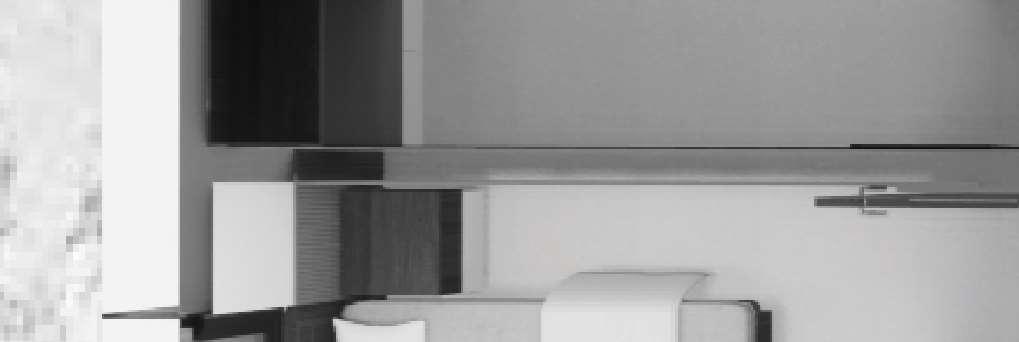
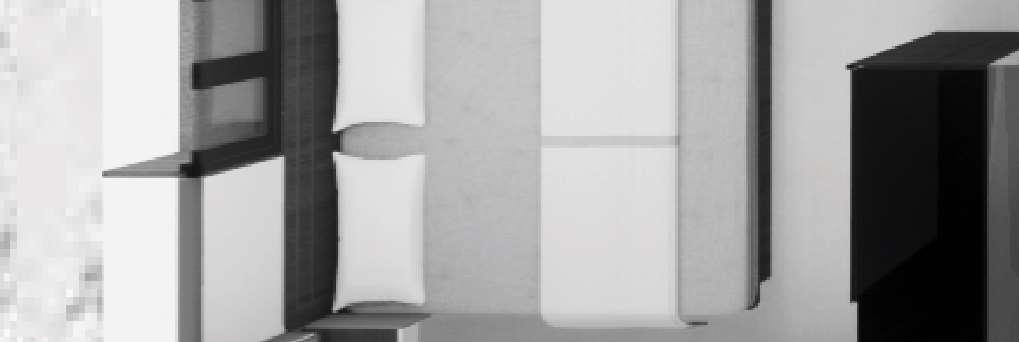
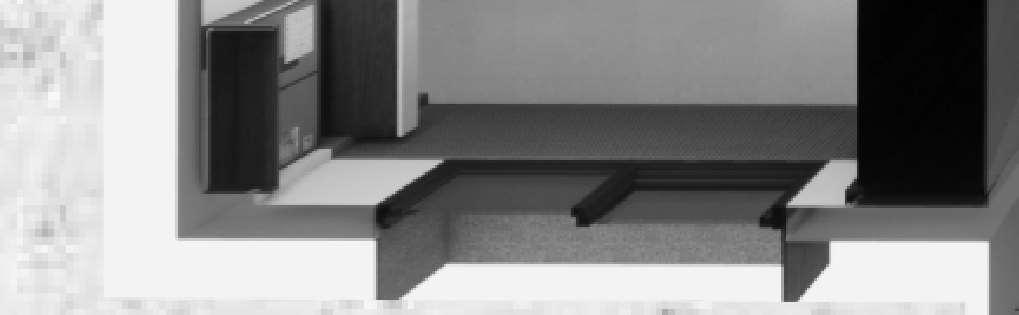
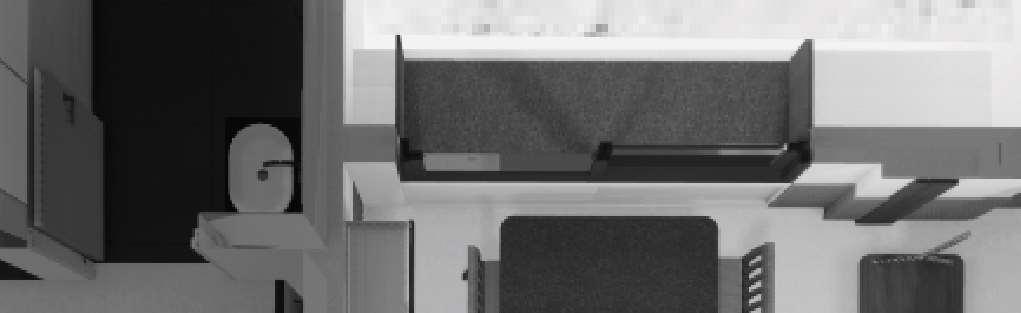

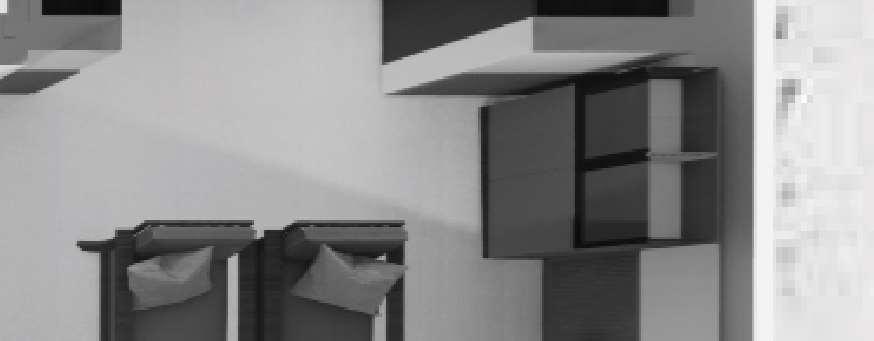
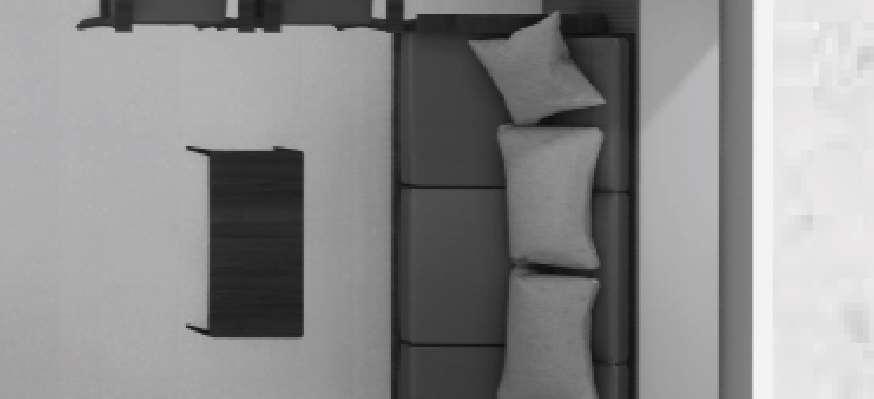
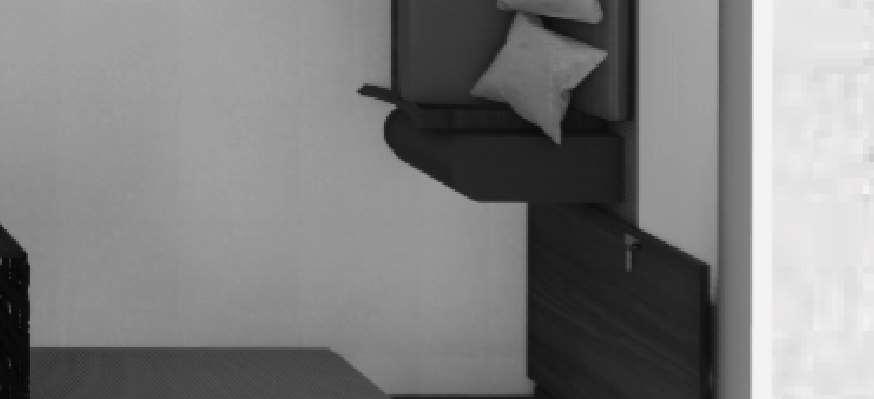


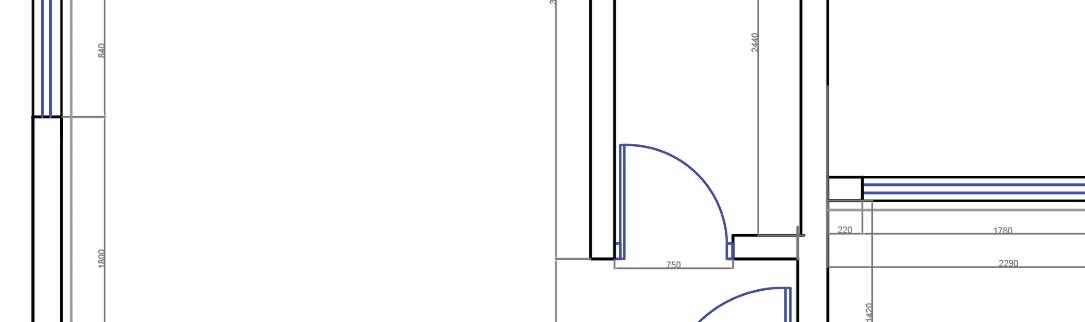
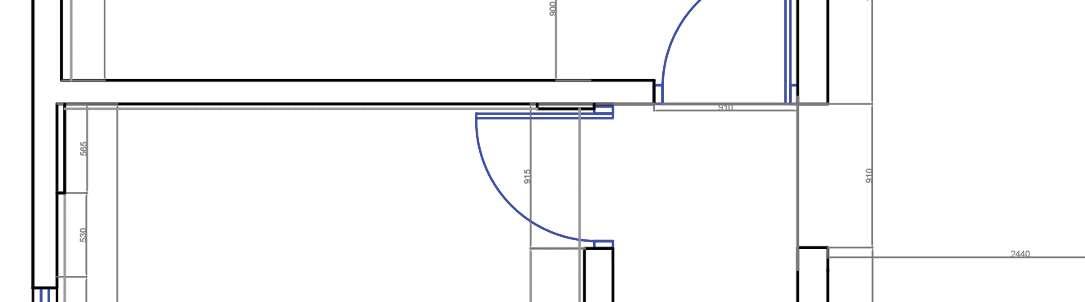
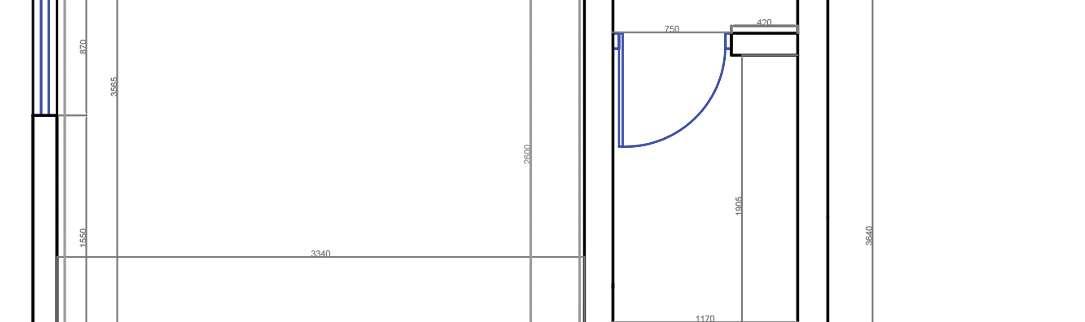
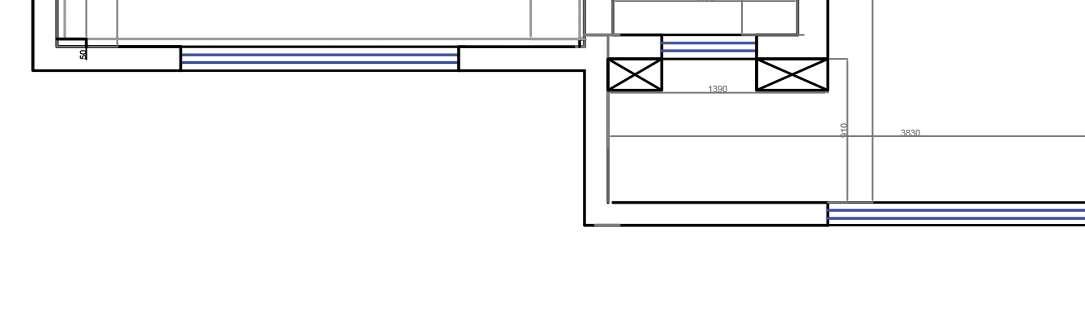

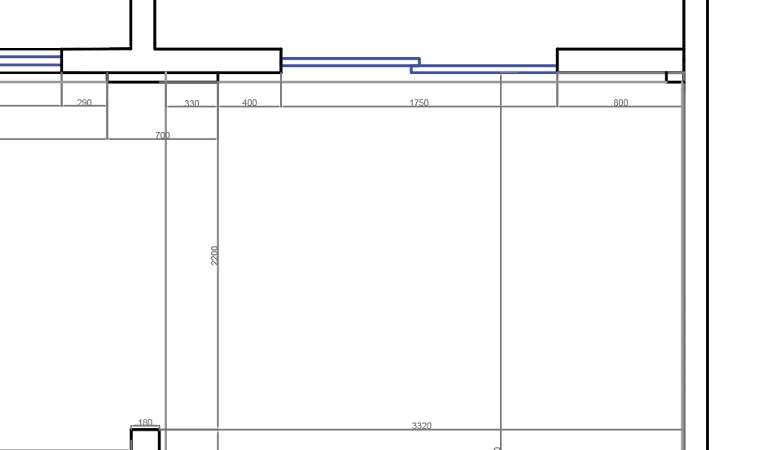

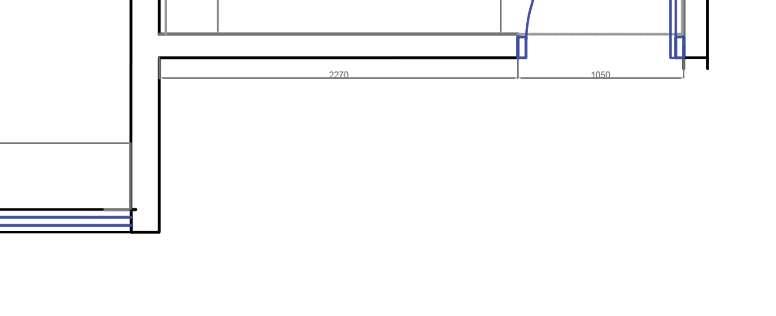
The Magarpatta City society has strict regulations prohibiting renovations that alter the facade’s elevation. Renovation plans should prioritize interior modiÞcations or enhancements that do not impact the external appearance.
CURRENT SITUATION: There is a need of demolition work and addition of plumbing points, electrical points as mentioned in their requirements and read the scope of work possible onsite.
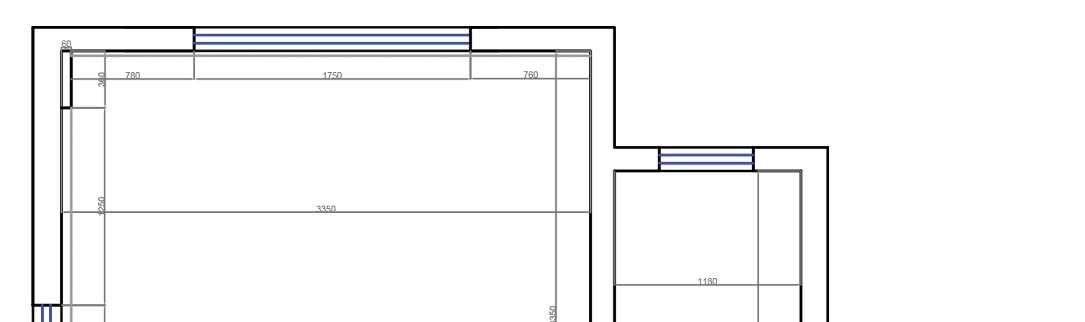
The working drawing of the plan was again updated by us , measuring the site dimensions to avoid on-site work mistakes.
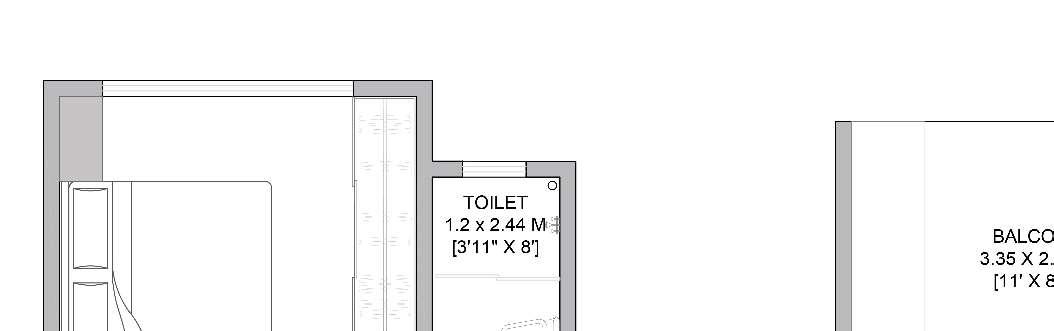
The theme of the interior work was set as mixture of traditional and contemporary nature where in brown applies more giving vintage atmosphere and othere two puts comtemporary feeling.
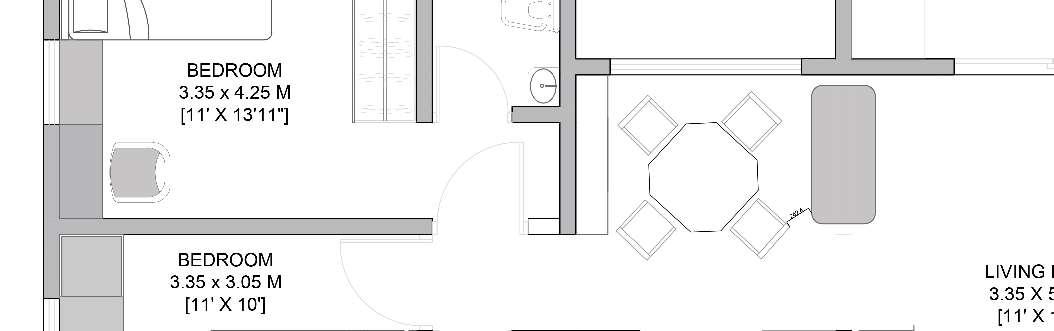
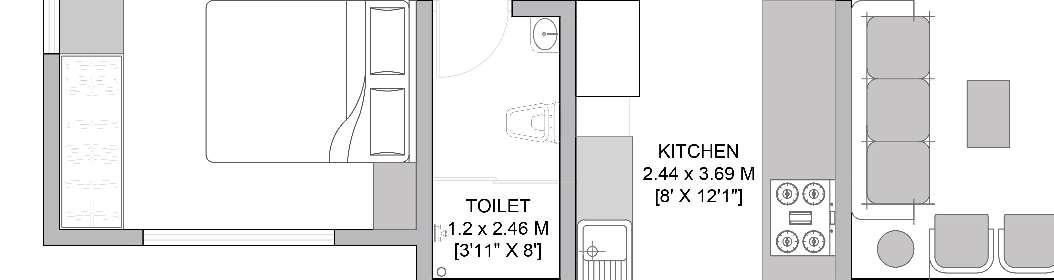

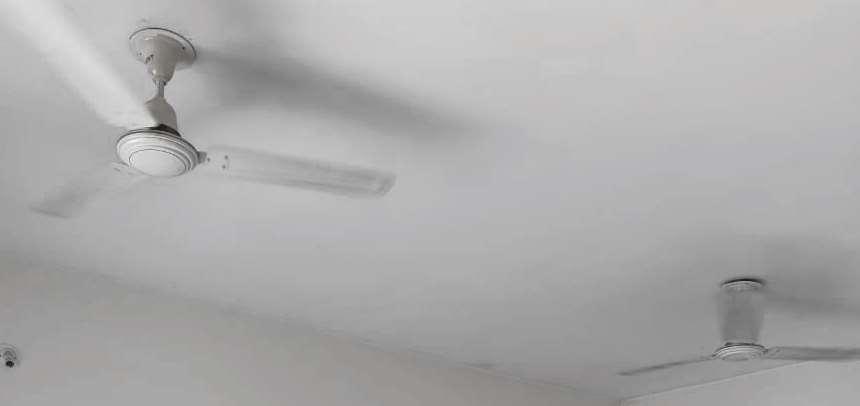
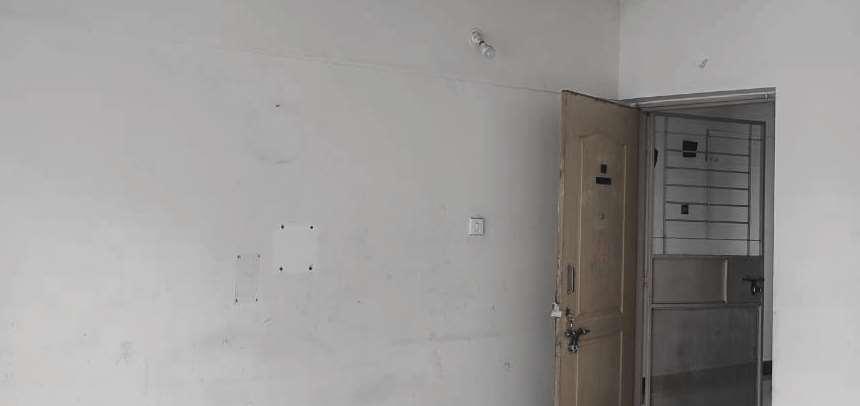
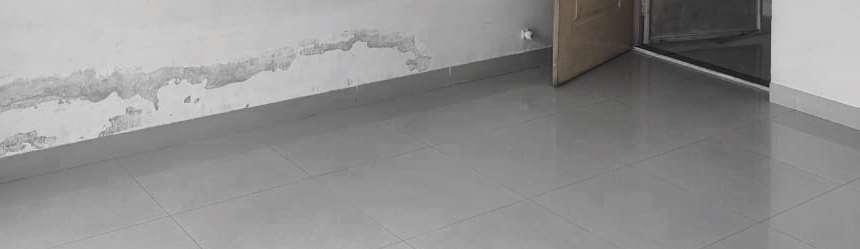
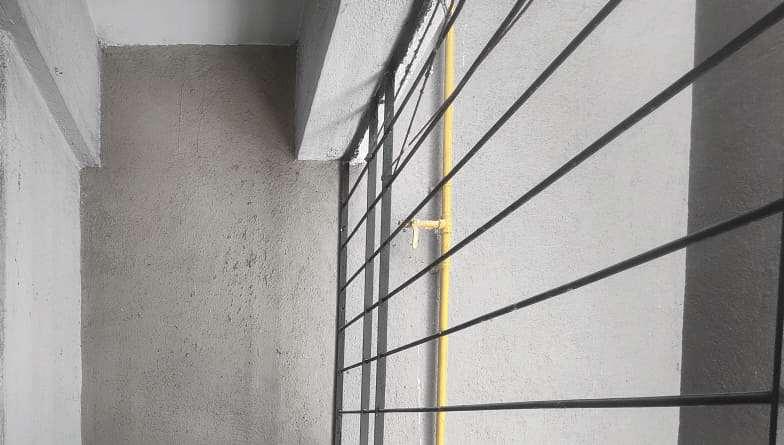
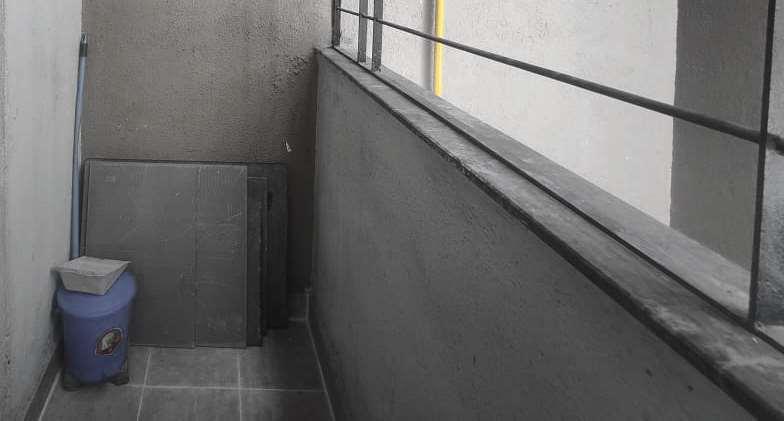
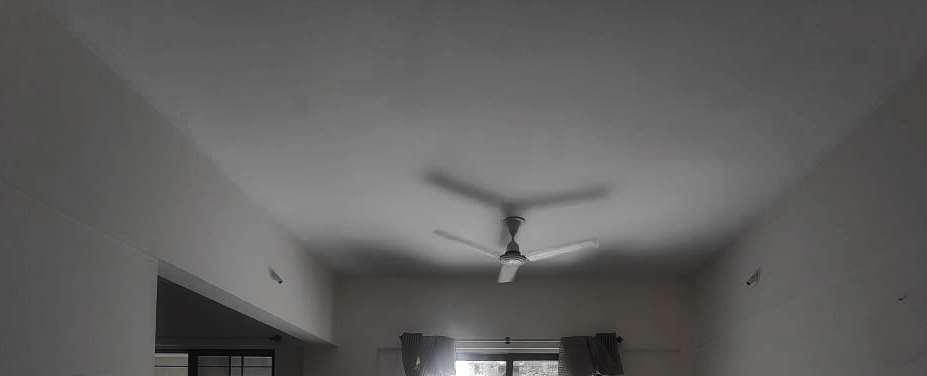
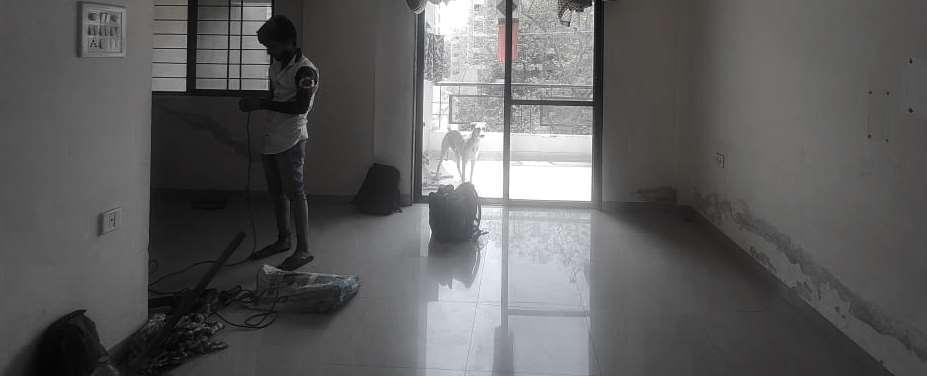
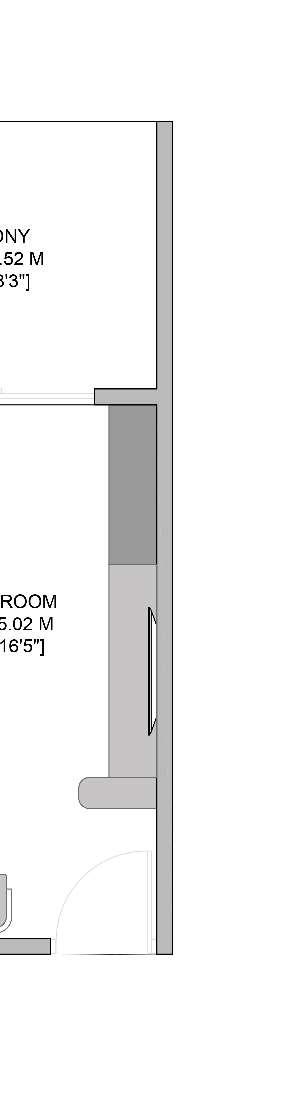
Primarily, this plan was one of the option made earlier , which was later updated with the respective remarks
Oversee the construction process to ensure that structural modiÞcations, installations, and other building works are executed correctly. They monitor progress, address any issues that arise, and ensure compliance with safety standards and regulations. This involves the placement and installation of furniture, Þxtures, equipment, lighting Þxtures, decorative elements, and other interior elements speciÞed in the design plan.

This work schedule was made with on-going site requirements and priorities, we have contacted with carpenter,electrician, Tiling person,False ceiling person to check their availability and importances of the work to be
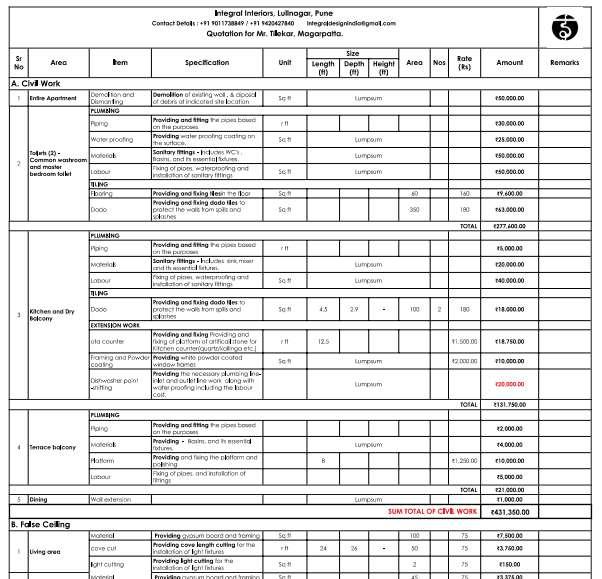
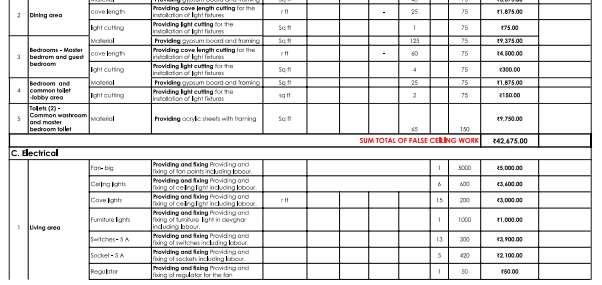

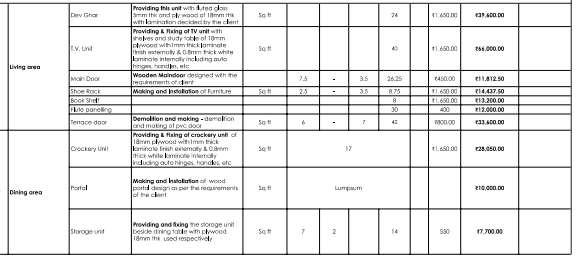
This is BOQ list worked on the basis of market study I did. This was upgraded several times with correspondence to client’s total estimation.It was discussed priorly to avoid future Þnancial issue.


















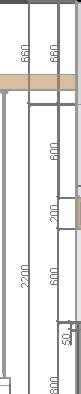

























































































































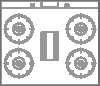


























































































































































































































































































































































Produce orthographic drawings that show the bed frame from multiple views, including front, side, and top views. These drawings should include dimensions for each component of the bed frame. Create exploded views that illustrate how the various components of the bed frame Þt together. This helps clarify assembly instructions for construction. Compile a list of materials needed for construction, including lumber dimensions, hardware, fasteners, and Þnishing supplies. Review the carpentry drawings to ensure accuracy, clarity, and feasibility of construction. Check for any inconsistencies or errors that may affect the Þnal product. Purchase the necessary materials and prepare them for construction, including cutting lumber to size and milling components to the required dimensions.

Follow the carpentry drawings to assemble the bed frame, using appropriate joinery techniques and fasteners. Take care to ensure that components are aligned properly and securely fastened. Sand the surfaces of the bed frame to smooth any rough edges or imperfections. Apply a Þnish such as stain, paint, or clear coat to protect the wood and enhance its appearance.







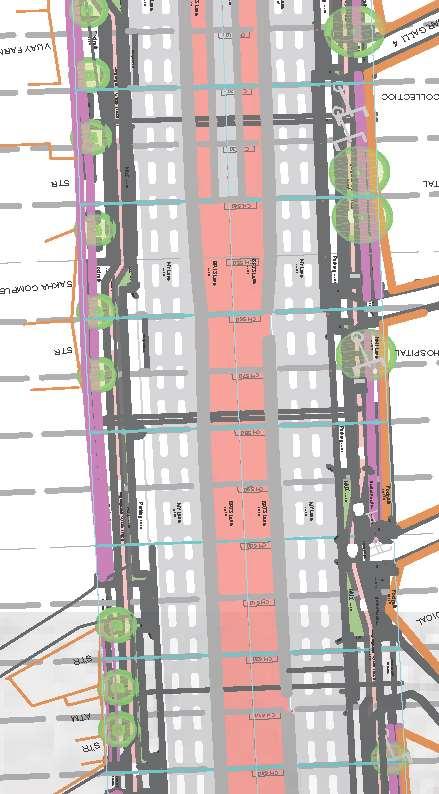

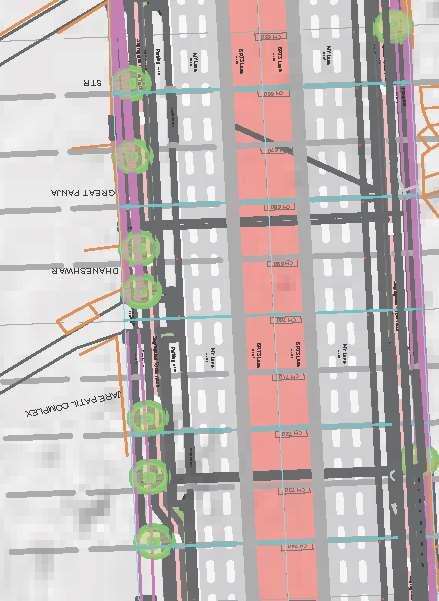


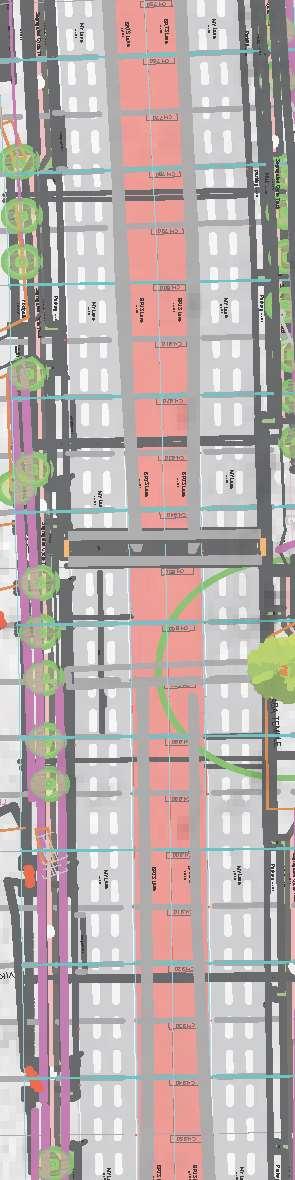
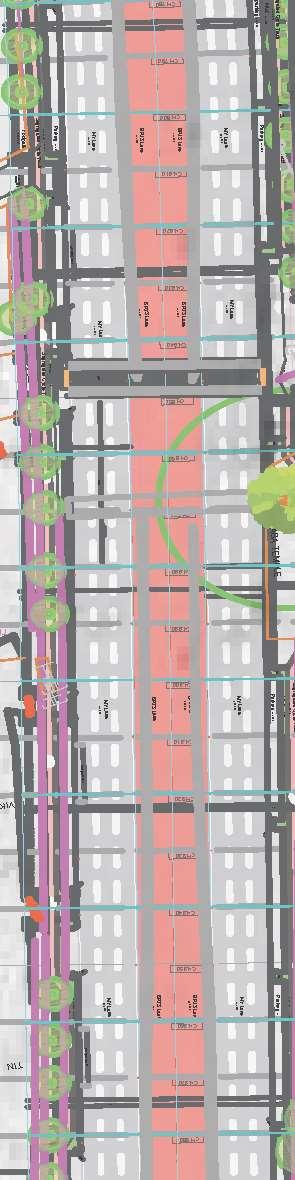



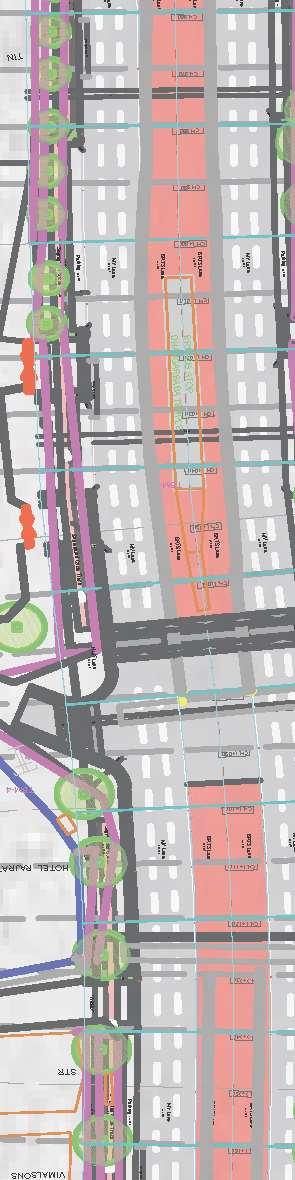
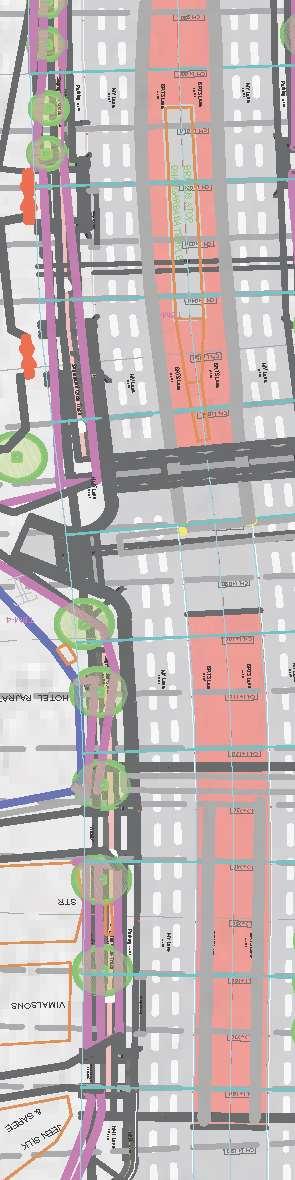




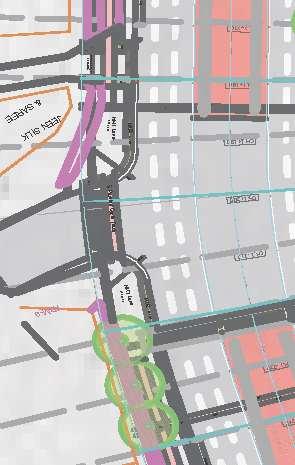

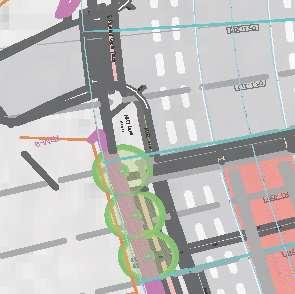
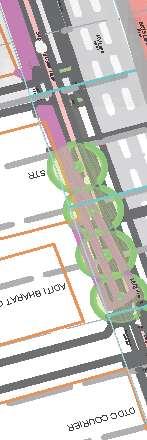






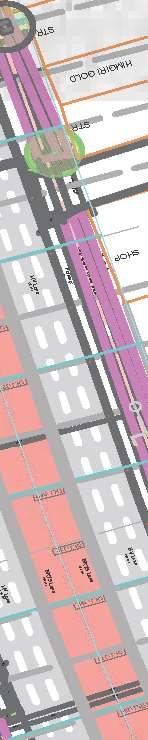
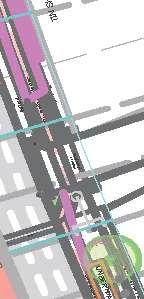

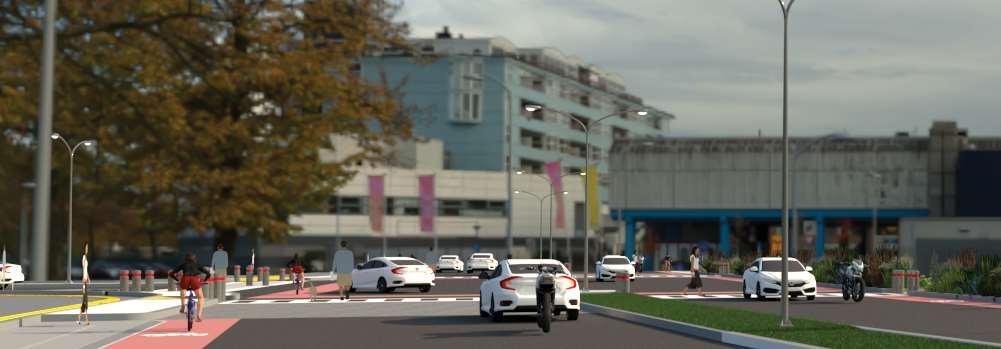
Urban street design is a critical aspect of urban planning that directly impacts considers a range of elements to create vibrant, accessible, and well-connected comfortably and be made of durable materials that ensure safety and accessibility. disabilities, including curb ramps and tactile paving. Pedestrian signals and countdown

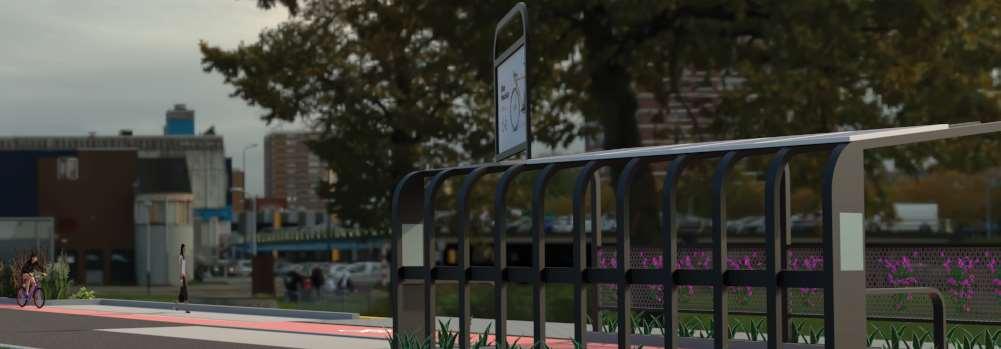
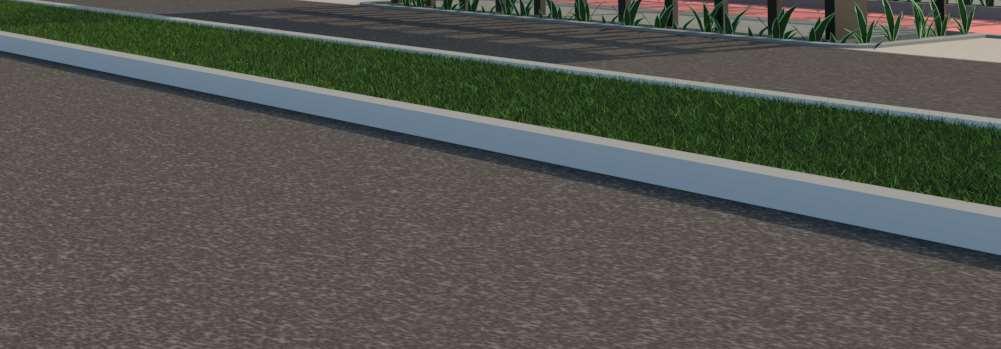
the functionality, safety, and aesthetics of city environments. Effective street design well-connected urban spaces. Sidewalks should be wide enough to accommodate pedestrians accessibility. Design must comply with accessibility standards to accommodate people with countdown timers at intersections to facilitate safe and efÞcient crossing.
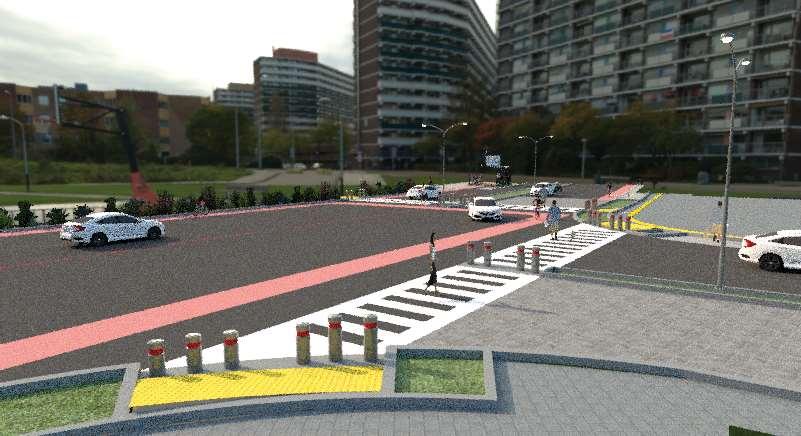
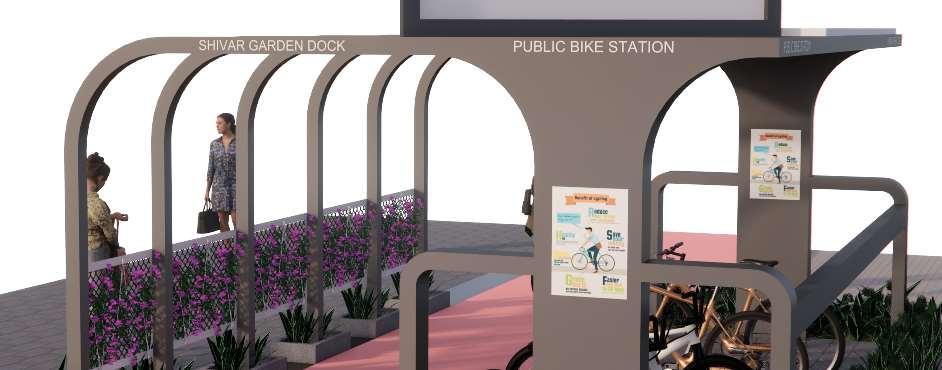
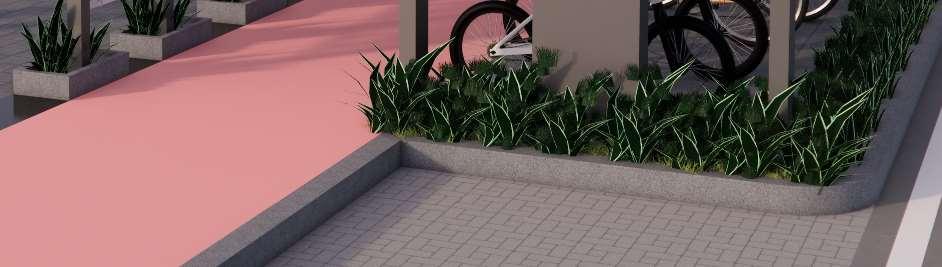
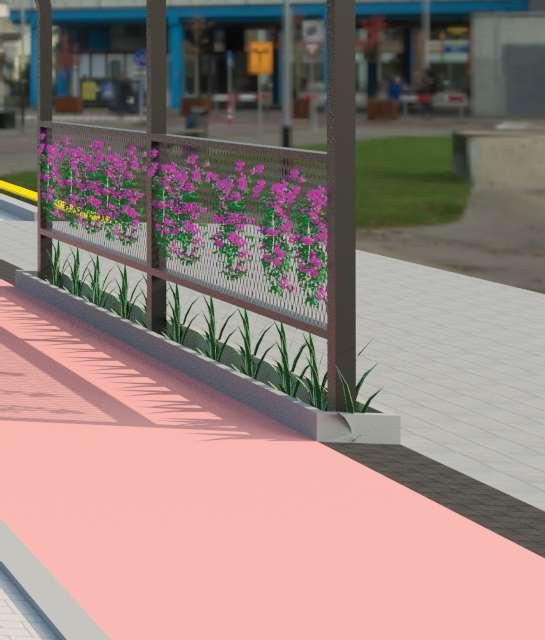
Dedicated lanes or paths for cyclists to ensure safe and convenient travel. Can be separated from vehicular trafÞc by physical barriers or markings. Bike lanes should connect to other parts of the city and integrate with bike-sharing systems and parking facilities.
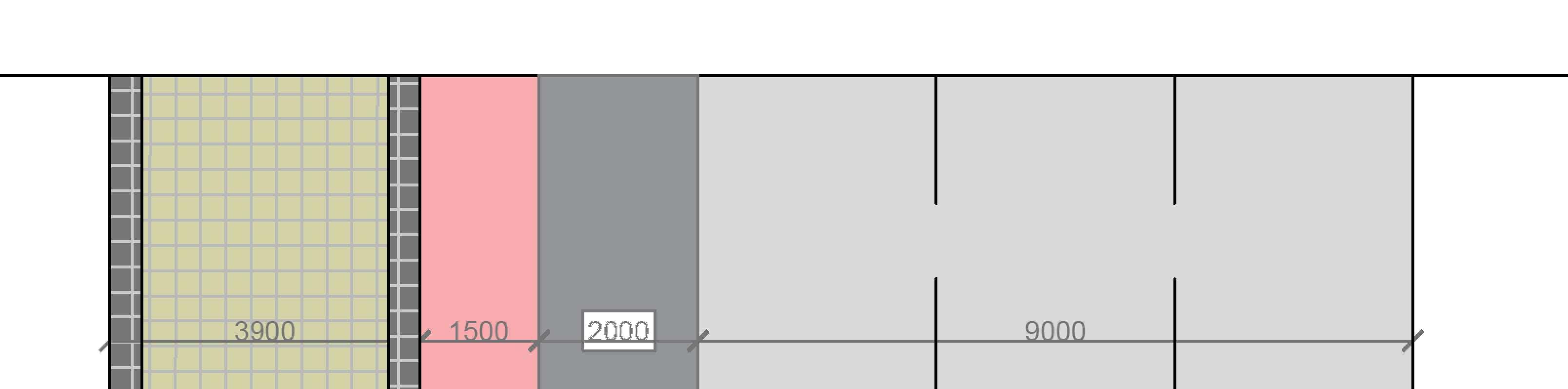
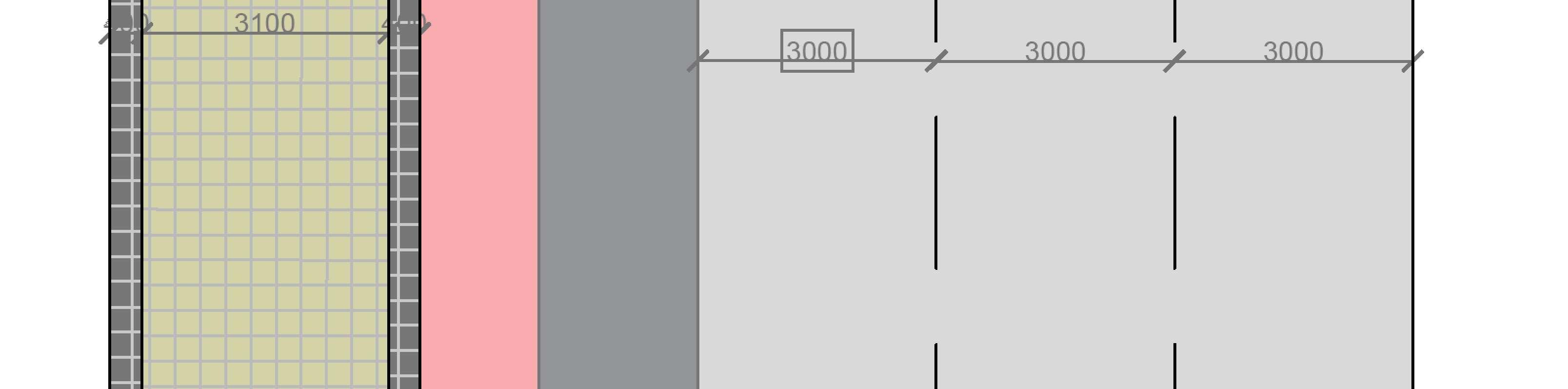
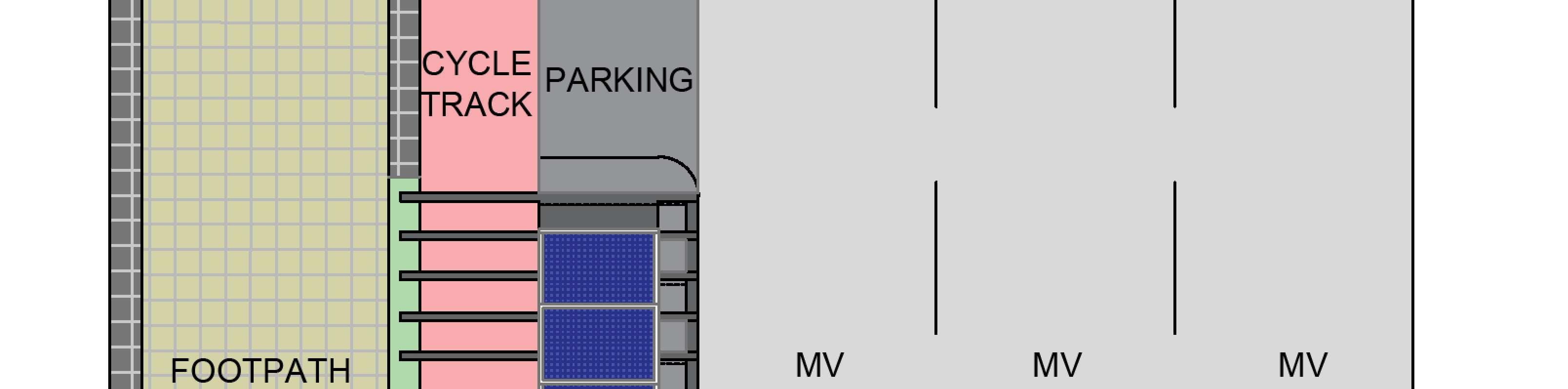


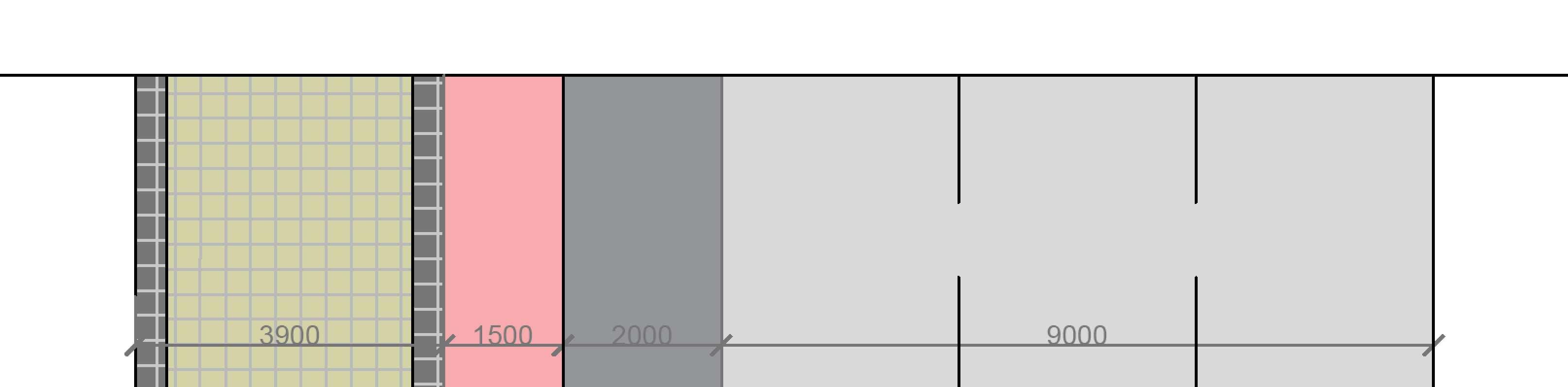
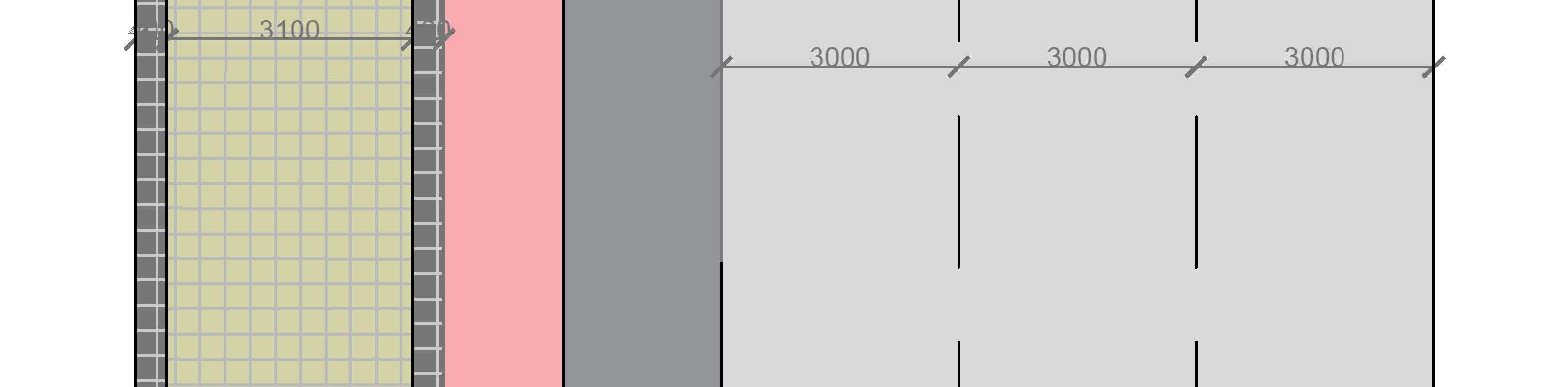
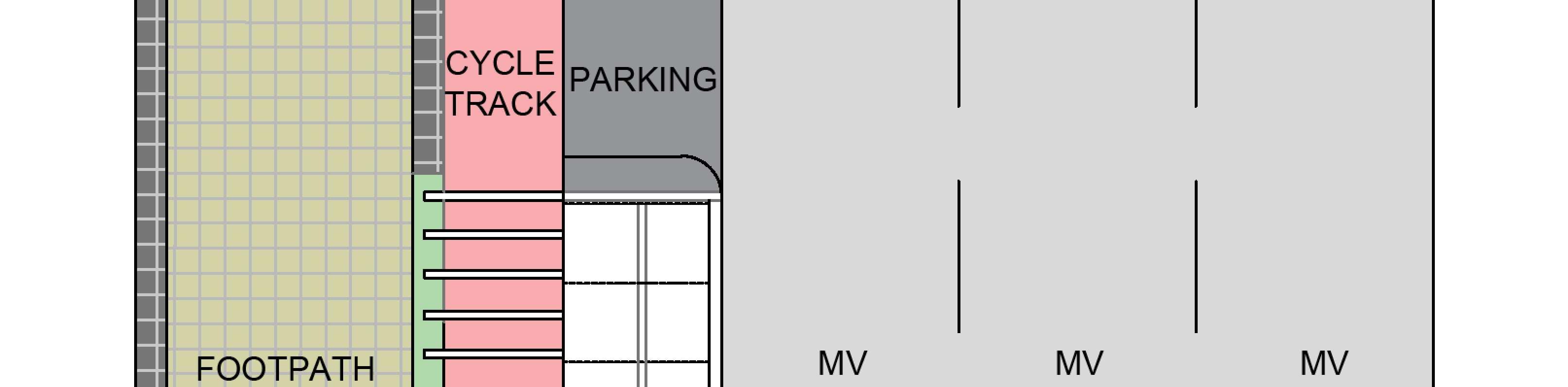
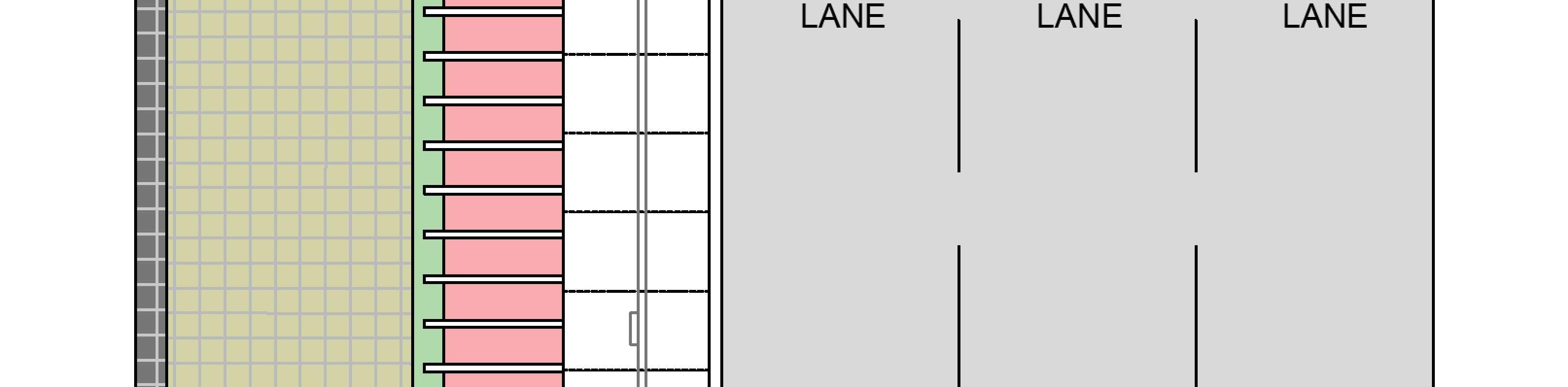

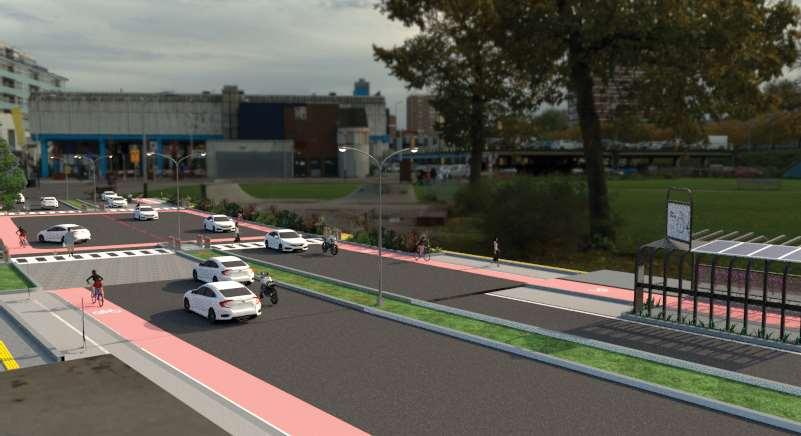
Planting trees along streets to provide shade, enhance aesthetics, and improve air quality. Use of plantings or green strips to separate sidewalks from roadways, enhancing safety and comfort. Decorative lighting that enhances the streetscape and contributes to the city’s visual identity.


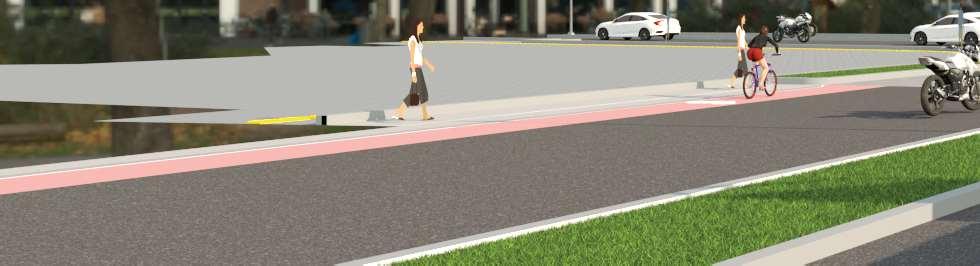


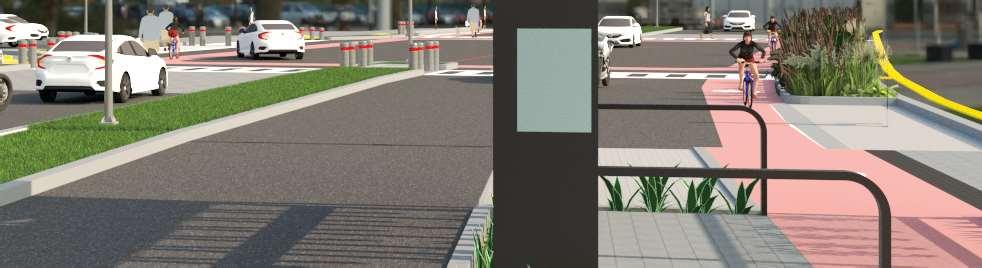











Public bicycle sharing systems are a popular and effective way to promote cycling as a sustainable mode of transportation. These systems often include two types of stations: mother stations and community stations. Each serves a distinct purpose and contributes to the overall functionality and accessibility of the bike-sharing network


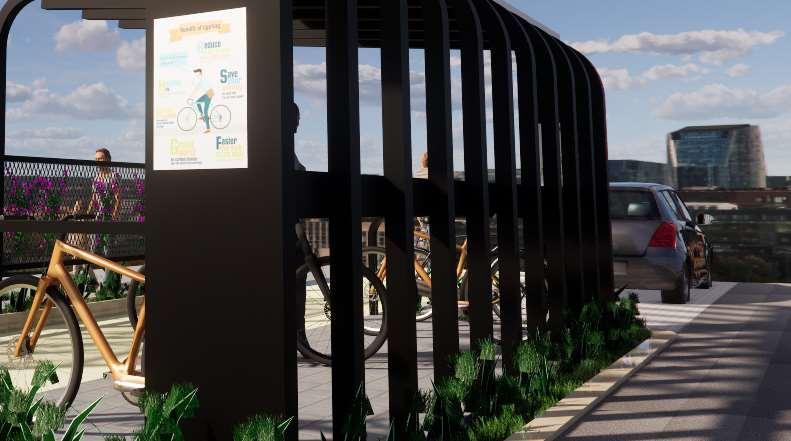
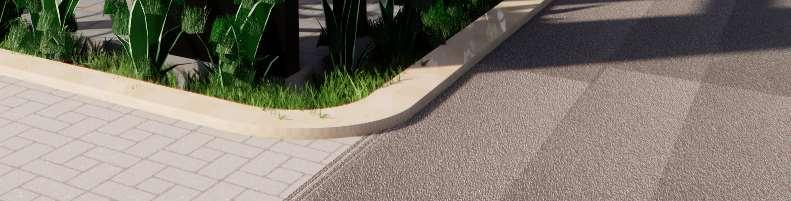
Community stations typically have fewer docking points compared to mother stations. They are designed to serve local users and Þt into neighborhood contexts.
Bikes are frequently redistributed between mother stations an community stations ensure an even distribution and to meet demand. This helps prevent overcrowding at mother stations and ensures availability at community stations.
The system uses data on bike usage patterns to manage the ßow between different types of stations, optimizing bike availability and station capacity.
Mother stations are designed to accommodate a large number of bicycles and docking points. They often have dozens or even hundreds of docking spaces.
These stations are usually situated in high-trafÞc areas such as transport hubs (e.g., train or bus stations), major business districts, and popular public spaces. Charging Stations: For electric bikes, if available, mother stations may include charging facilities.