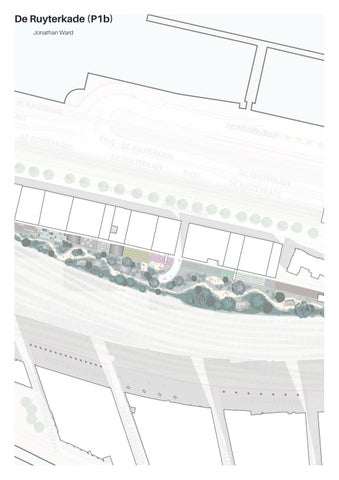
Ruyterkade (P1b)
 Jonathan Ward
De
Table of Contents
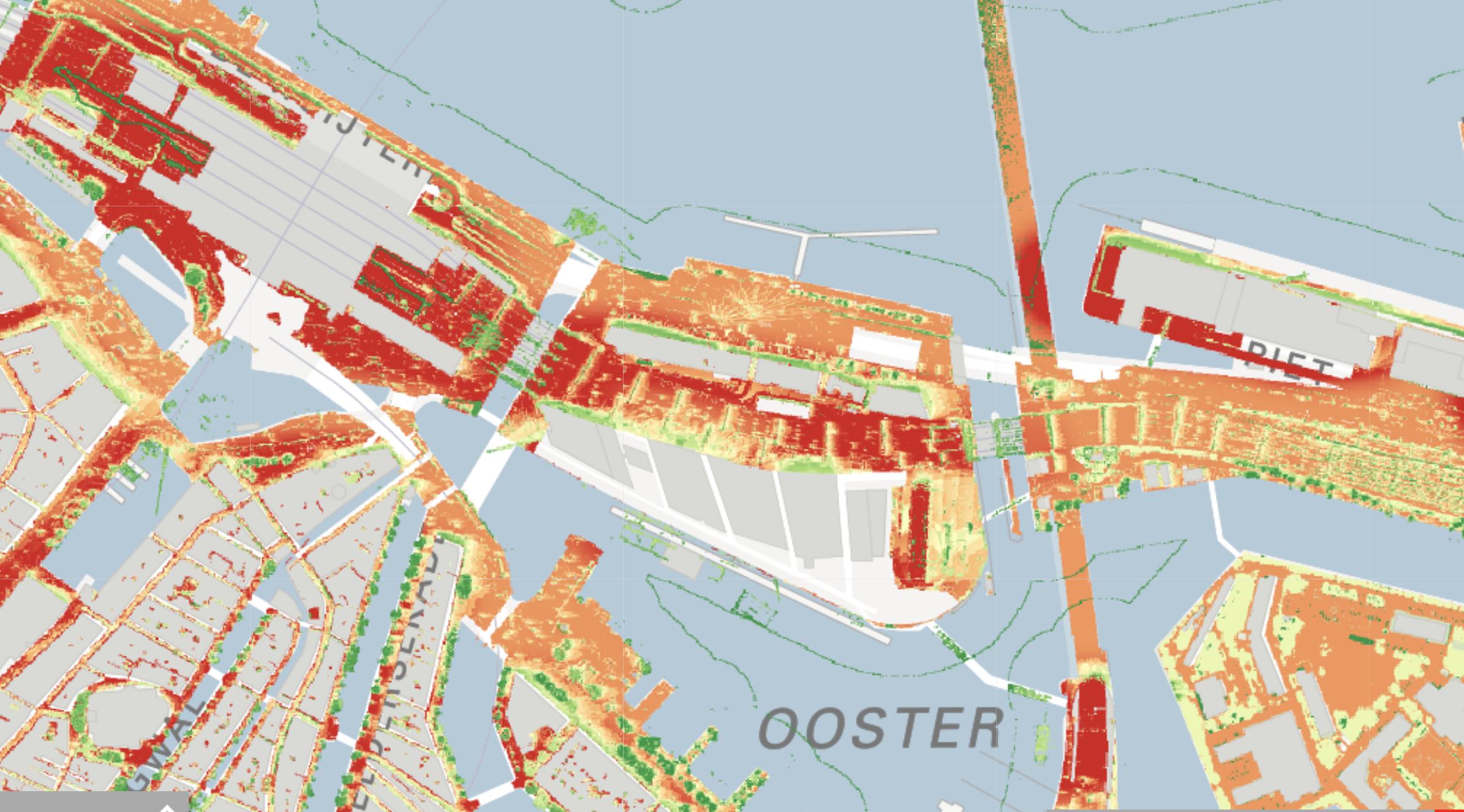
Brief Orientation Photos Site analysis Building function scheme Heat island effect map Problems section Opportunities Concept Definition Zoning Principles Masterplan Sections Detail Longitudinal section Planting list Render
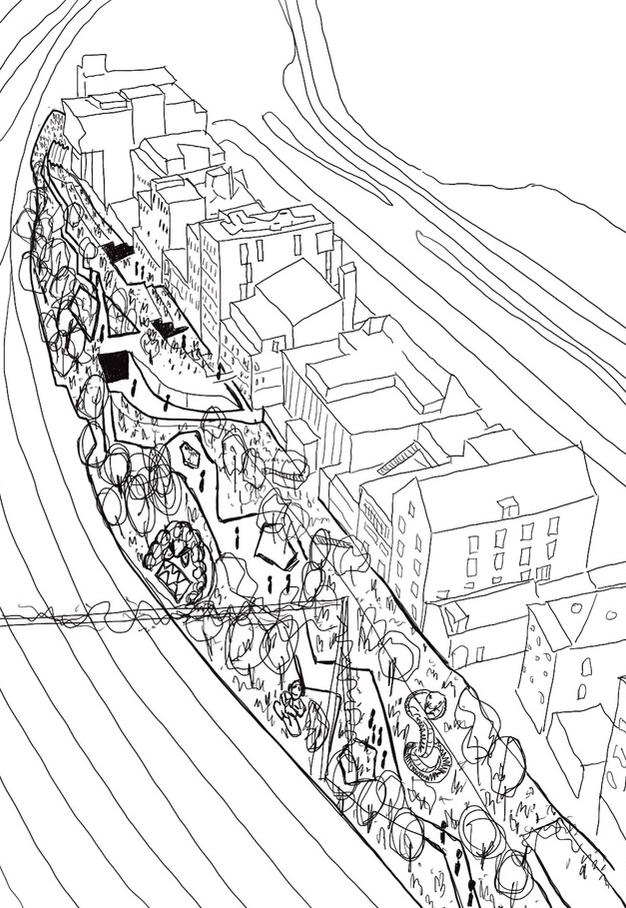
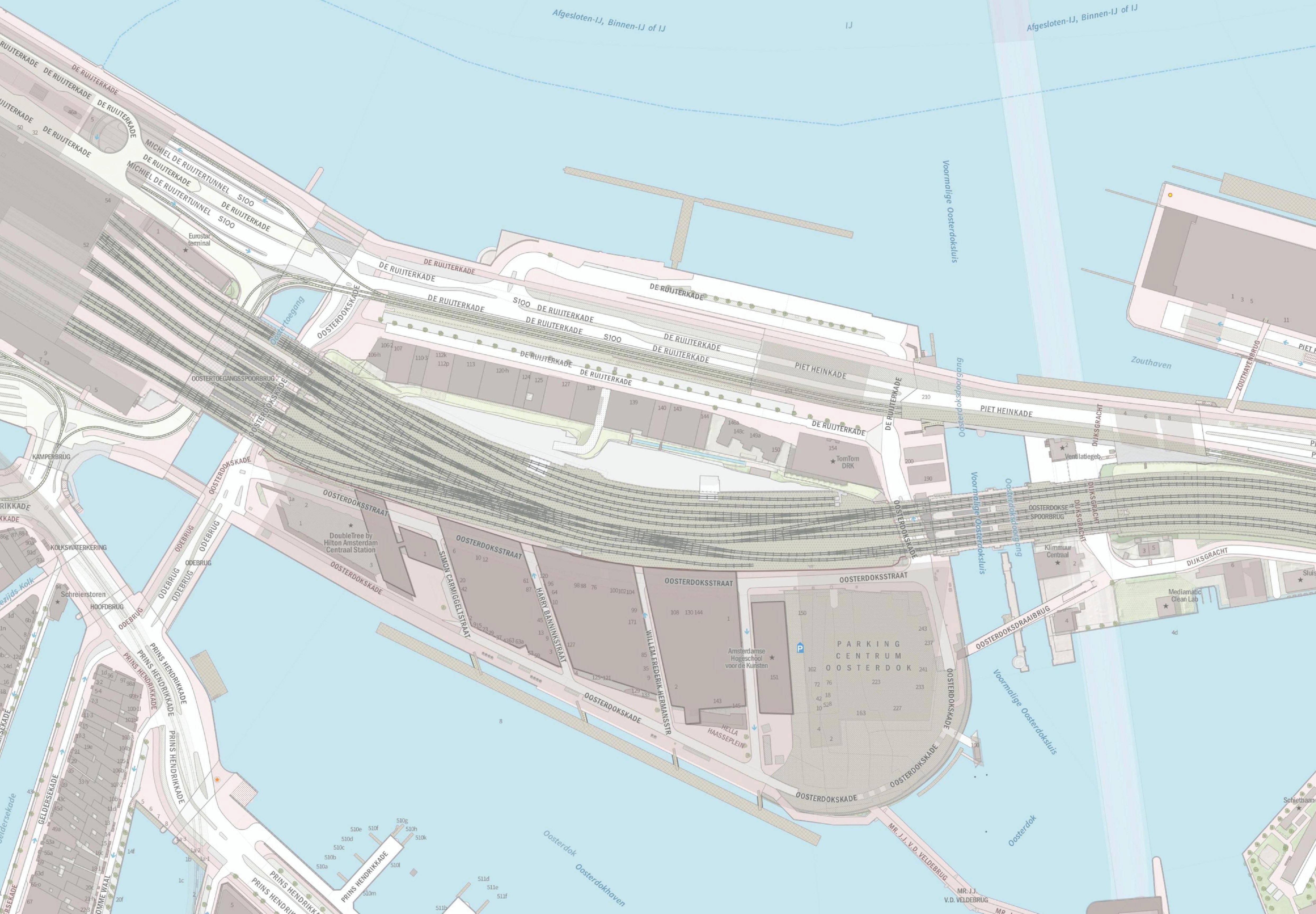
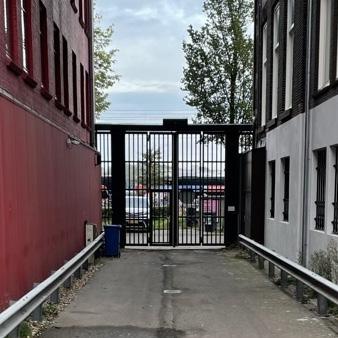
The location at De Ruyterkade is a place that thousands of people see every day, but only few can enter. Caught between the train tracks and the buildings along the former marshalling yard, the studio location is a non-place. Almost completely paved and solely used for parking. It is an isolated island in the middle of the city, that can be experienced by many for a split of a second. However, at the same time, it is a place connected with faraway places, as trains can carry seeds, insects even little animals. A place of accidental feral ecology, that can inhibit and transforms the hard surfaces into lush wilderness in the city.
In this studio, we will design and ponder upon the concept of a garden. A garden as a place of solitude and privacy, versus a global garden, connected to its bigger urban and ecological systems. A garden as an icon, that catches the eye of a train passenger vs. garden as a place where we don’t only look at but also smell, feel and taste. During the studio, we will try to give answers to the question such as: What are the potential and challenges of the location to become a garden? How can we create not only visually appealing space, but as well ecological part of the bigger system.
Description Brief
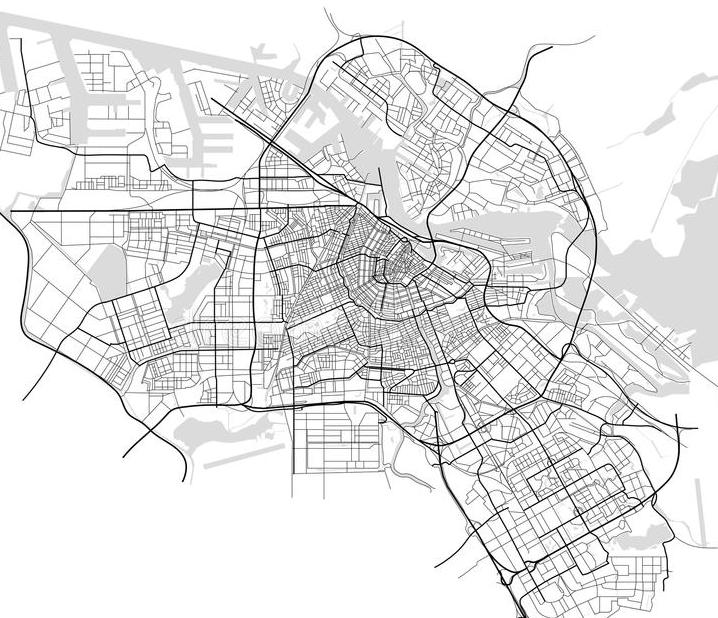
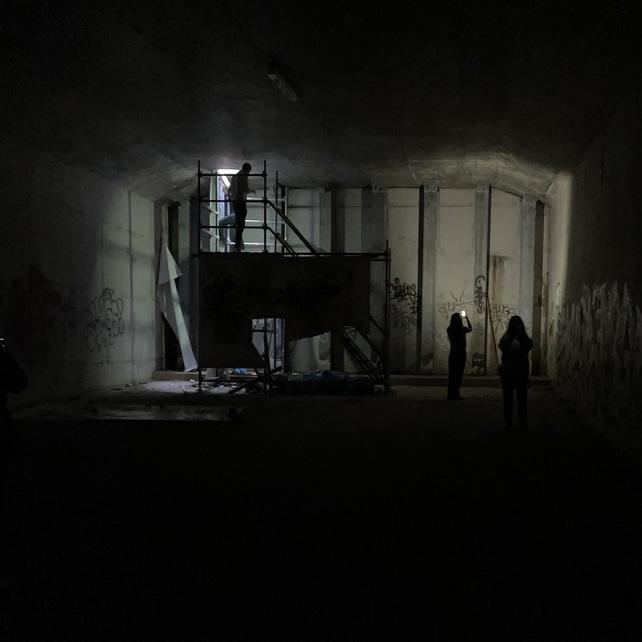
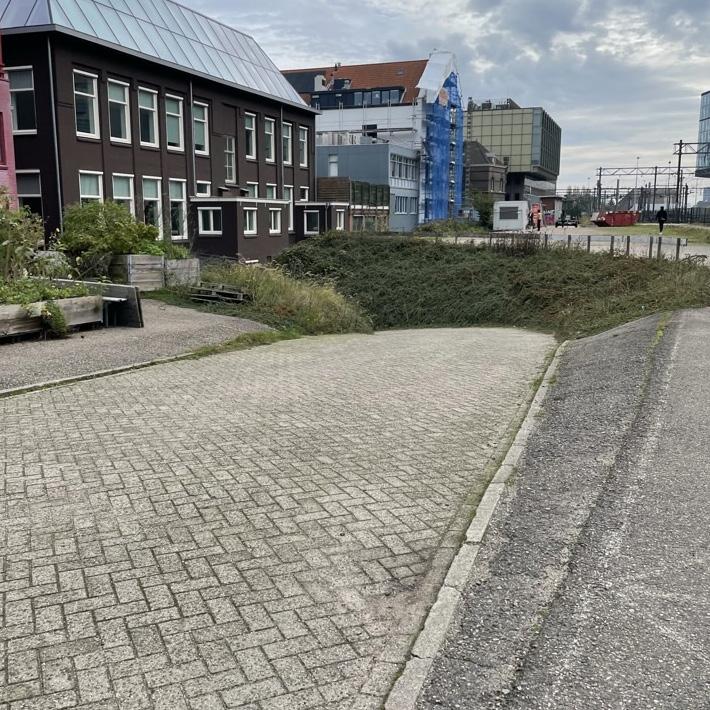
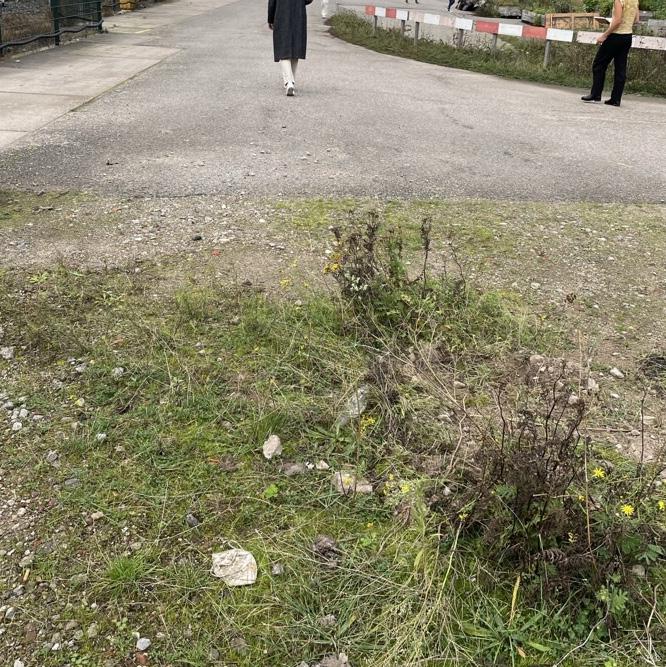
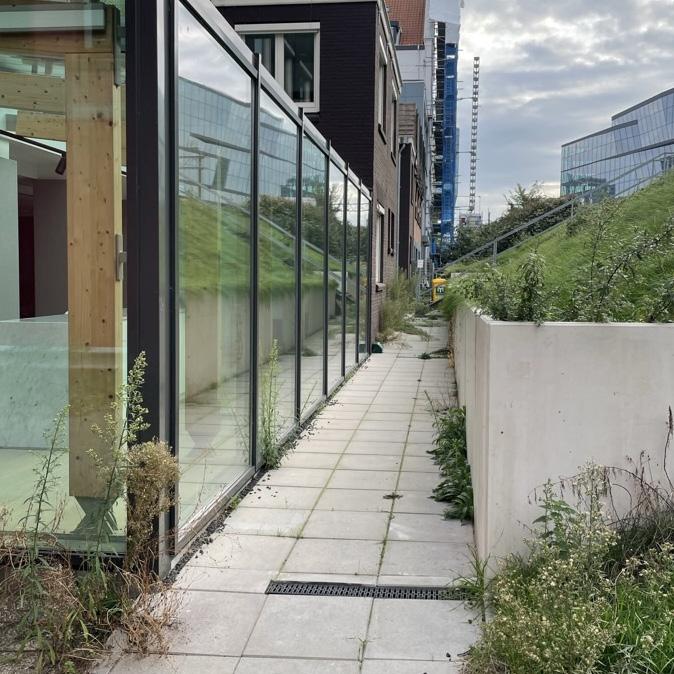
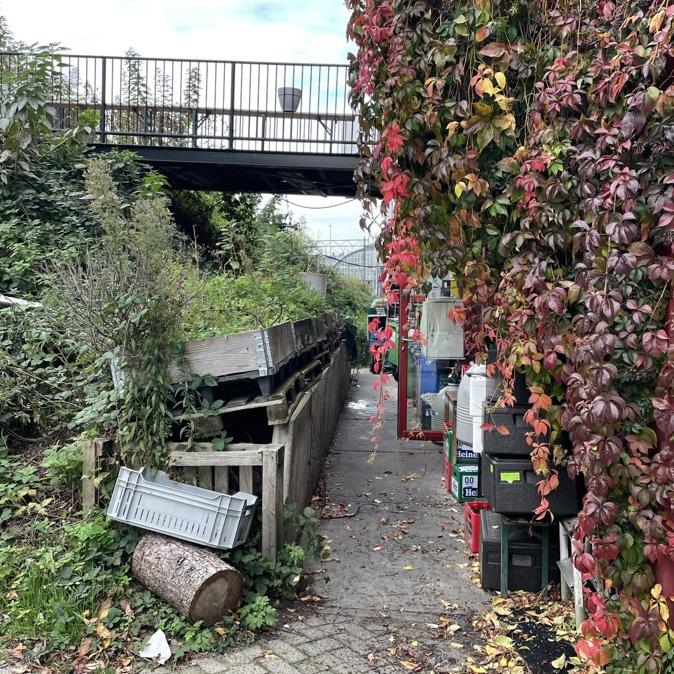
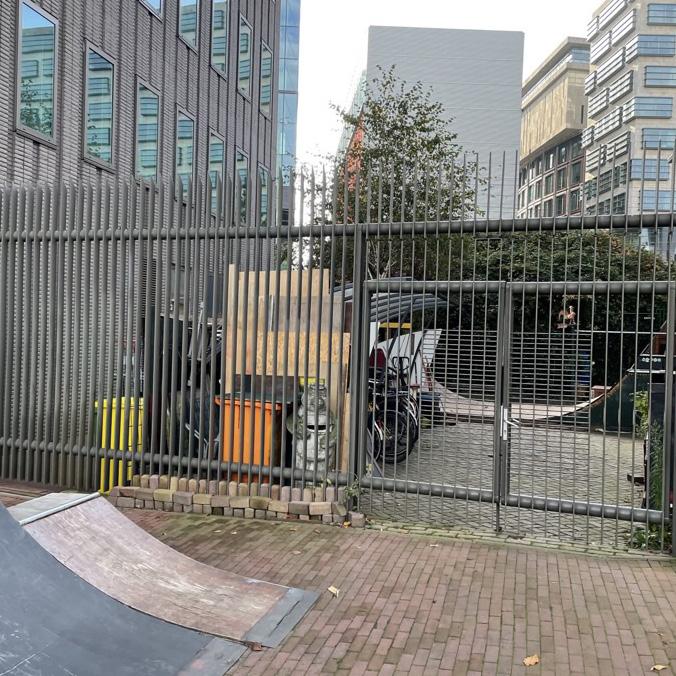
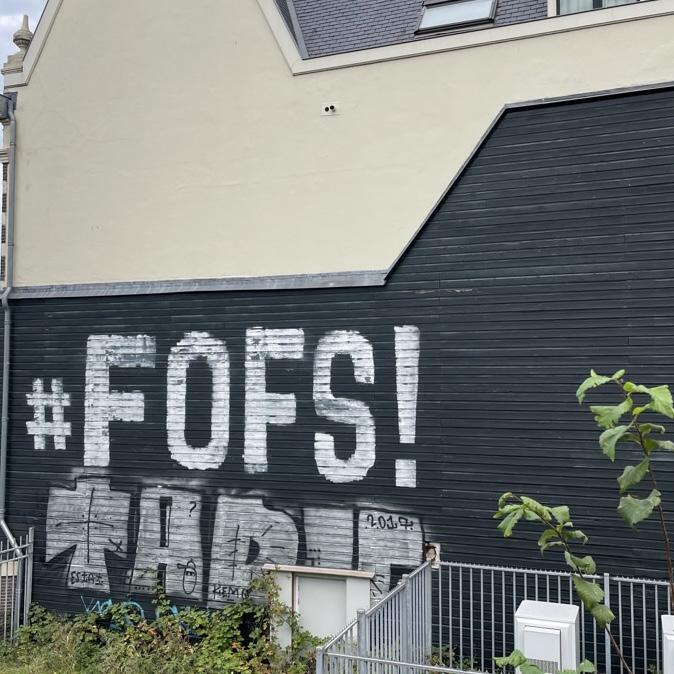
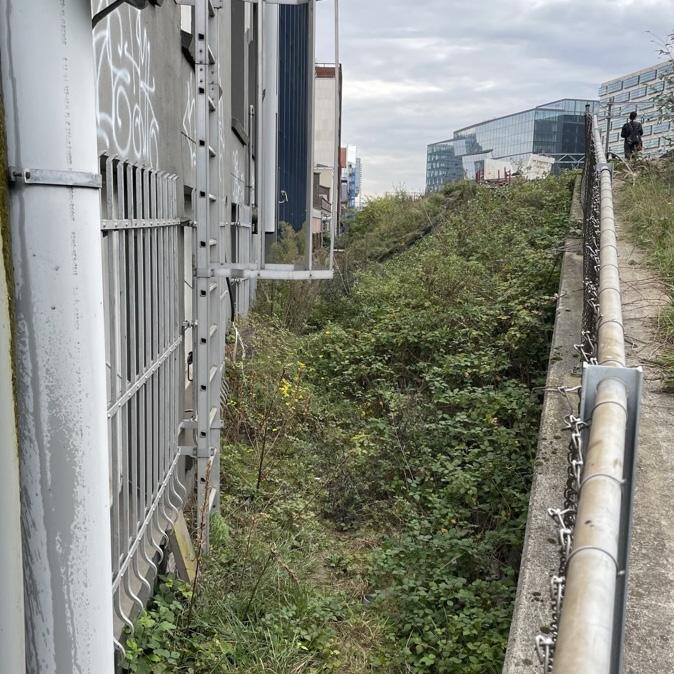
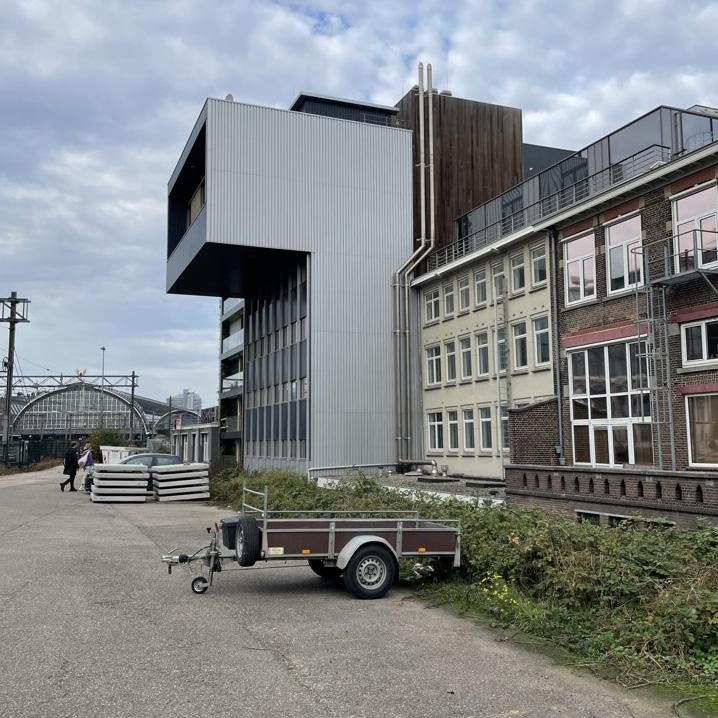
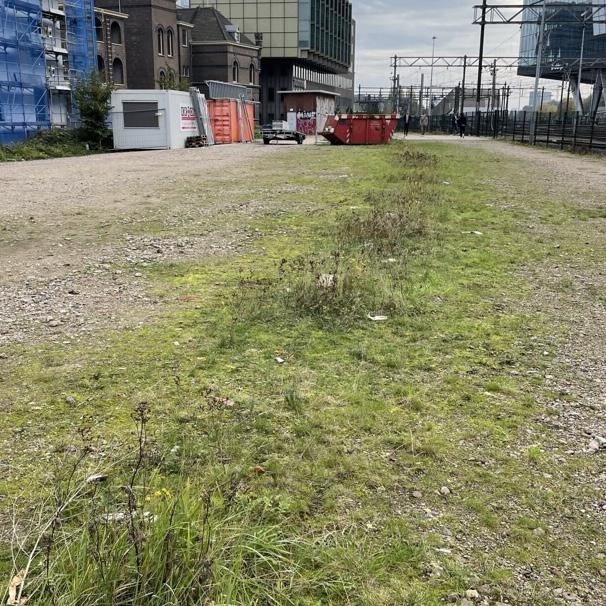
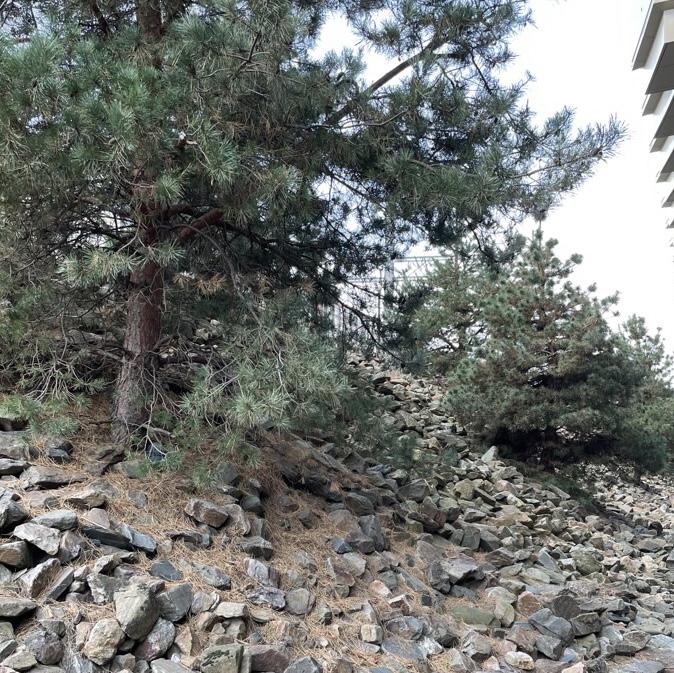
Analysis
1 6 7 7 4 8 5 3 9 10 2 11 12 13 14 16 14 17 18
1. Centraal station 2. Boundary of mixed material 3. Industrial soil 4. Asfalt 5. Gravel and Stelcon plates 6. Views in and out of the site 7. Tunnel entry 8. Train tracks 9. Slope (variation in appropriation) 10. Building functions 11. quiet street 12. Busy street and tramline 13. Busy junction 14. Ferry dock 15. ODE 16. OBA 17. Sky lounge Amsterdam 18. Eastwood Cafe
Office Short stay Living Horeca Gathering Miscellaneous
6 15
close to where the territory particular country, proprietorial
Zoning
Private garden (decisions per building users)
Semi public common garden ( collaborative space all connected buildings)
Super public (temporary exhibition space)
Backyard Principles Fenced Private Personal Forgotten
Design Principles
Scale Attention grabbing Surreal atmosphere Visibility Light/Dark (spotlighting)
Masterplan
Water Sand



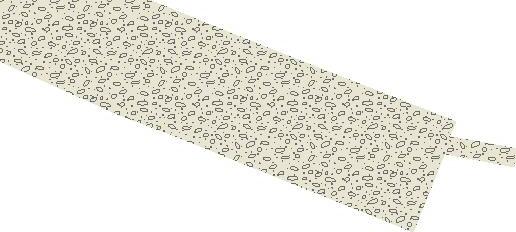

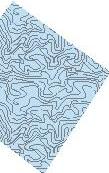
Wooden path Gravel path Tribune
Acer campestre
Amelanchier lamarckii
Robina sp.
Shrub
Corylus avellana Magnolia sp. Malus sp. Perennials Sculpture

Legend North
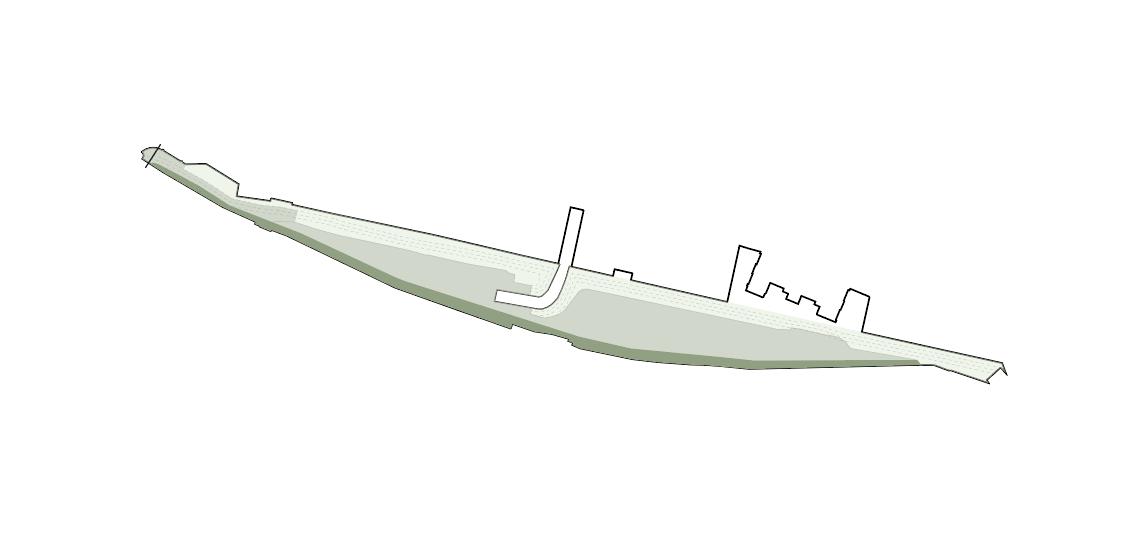
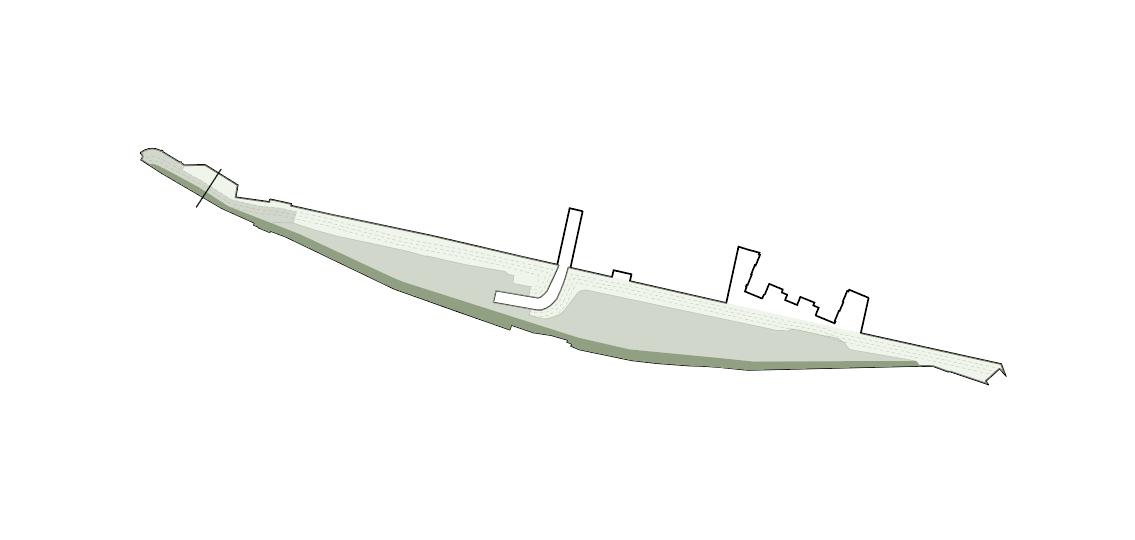
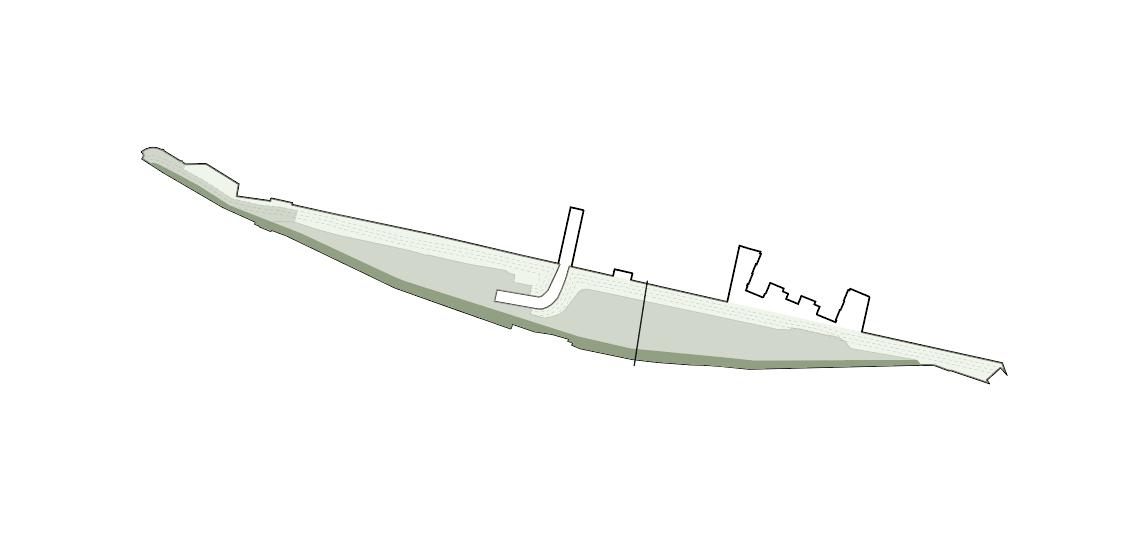
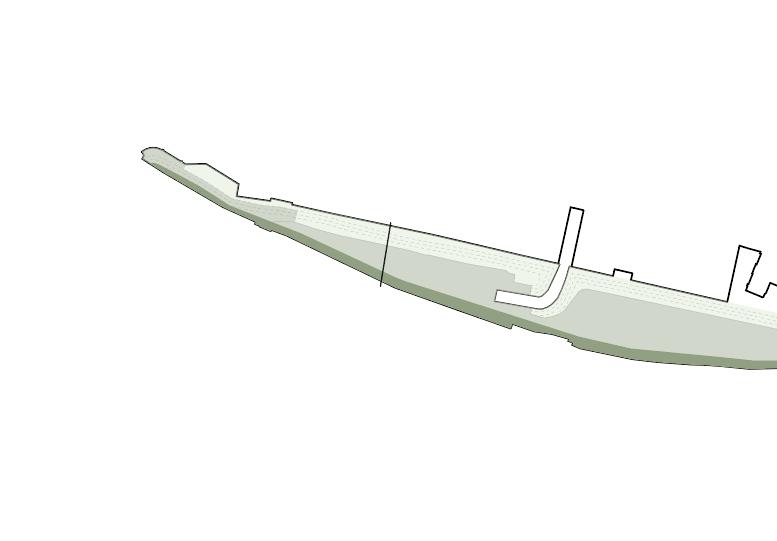
Sections A A B B D D C C 5.70 5.60 5.65 2.08 1.60 1.60 D D +50 cm hill Private
Temporary
C
B B A A Sun
Pioneer
terraced garden and connection to common area
sculpture Common meeting area
Opening in tunnel roof
tubes that create spotlights
species Tribune Wildflower mixture Scaffolding sculpture
Semi public terraced garden
Opening in tunnel roof
Gravel pathway
Opening in the tunnel side
Retaining wall and strais too tunnel garden
Clear dome Storm collar Flashing Insulation 30cm - 41cm tube
Ceiling wall Prismatic di user lense 10m² - 15m²
Sun tube detail
Private garden
Common meeting spaces
Temporary sculpture
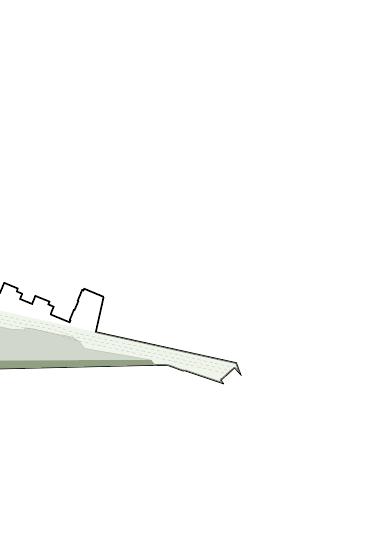
Audience Ammended clay soil
Clear dome Storm collar Flashing
Insulation 30cm - 41cm tube
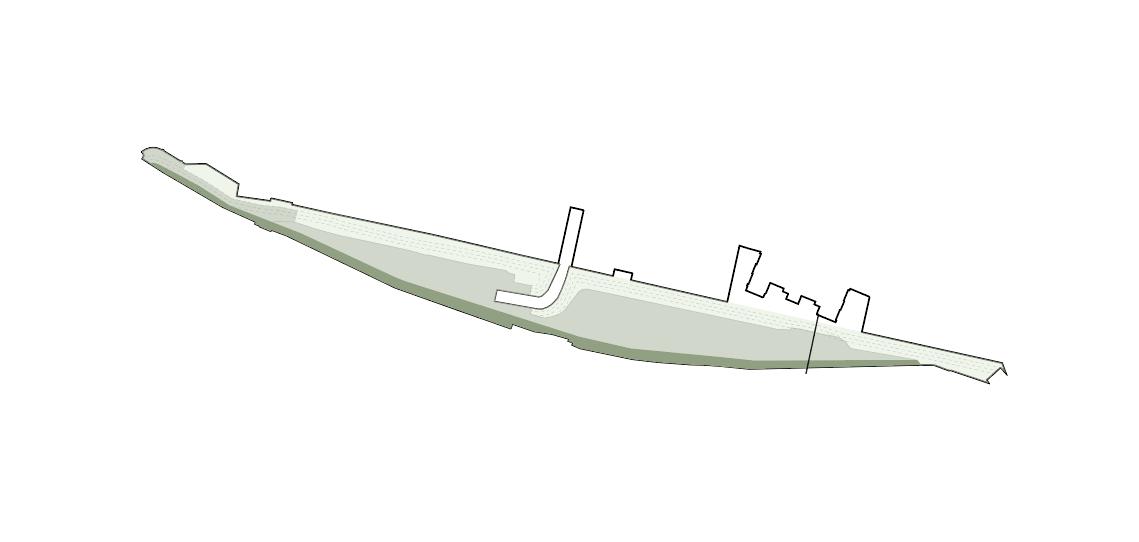
E E
5.65 2.08 5.70 1.60
E E
C
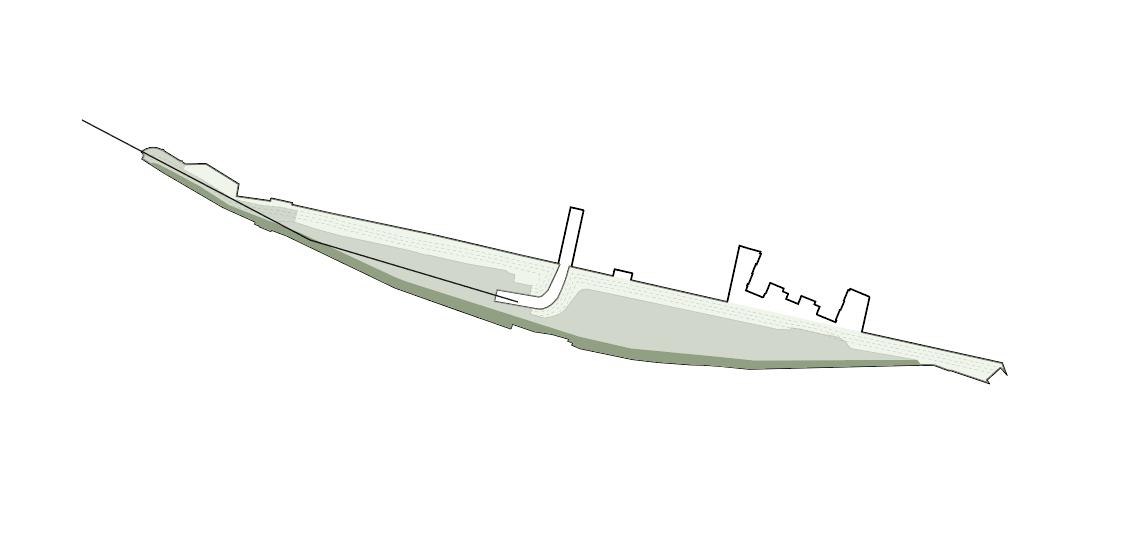
Longitudinal section
F F
Tunnel garden sandy soil
Openings in the tunnel roof
Openings in the tunnel side F Wooden
Sun tubes that create spotlights
Ammended clay based soil
Scaffolding sculpture
5.70 1.65
pathway Sloping and filtering Water collection
Tribune F
Clay (top)
Trees
Perennials
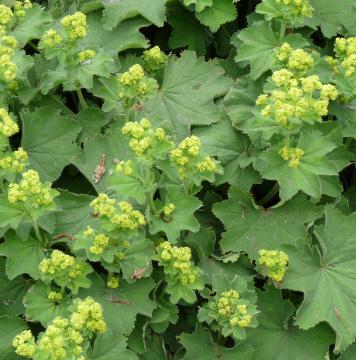
Alchemilla mollis
Planting list
an shrubs
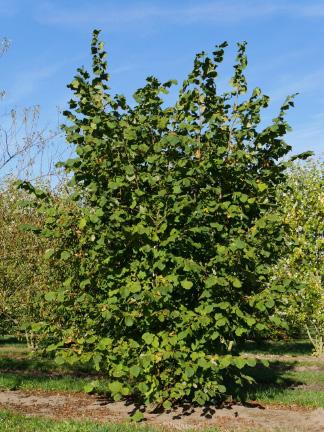
Corylus avellana
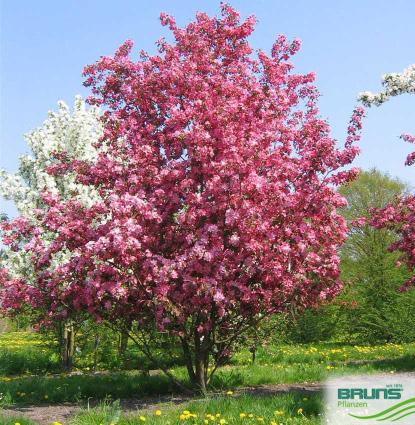
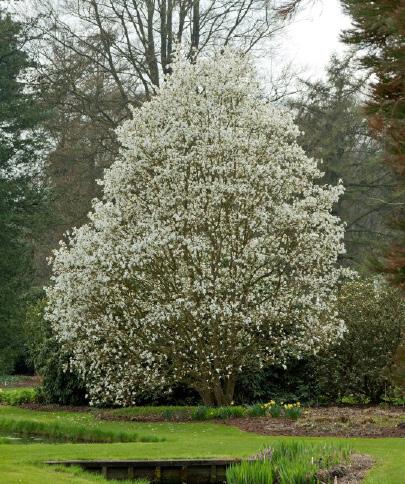
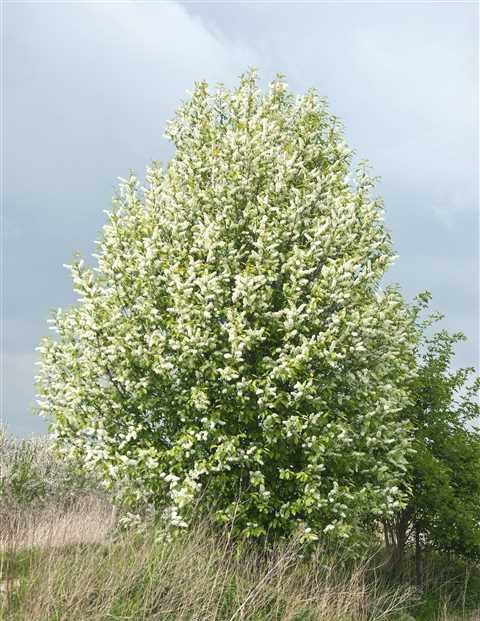
Magnolia ‘Wada’s Memory’ Malus ‘Liset’ Prunus padus
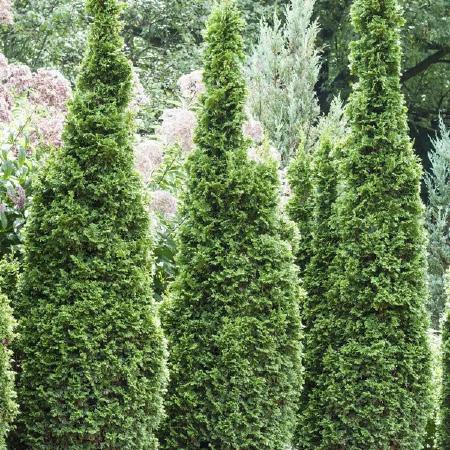
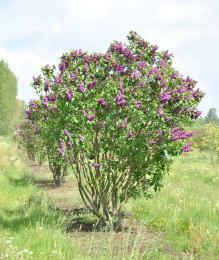
Thuja occidentalis Syringa vulgaris
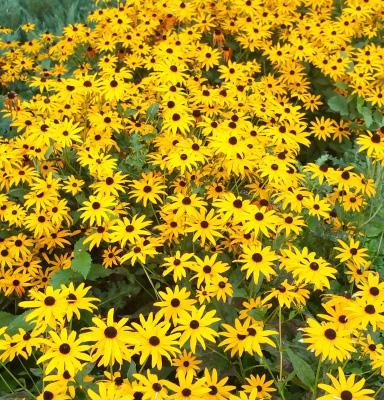
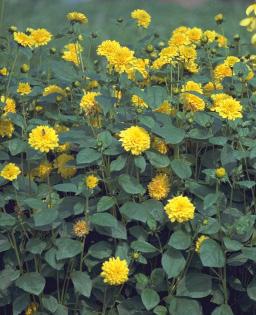
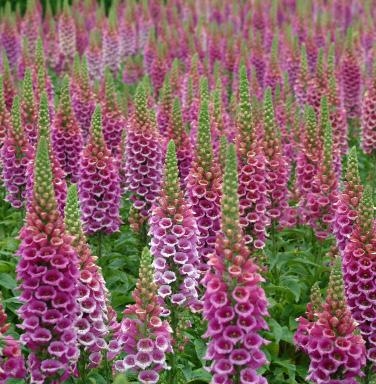
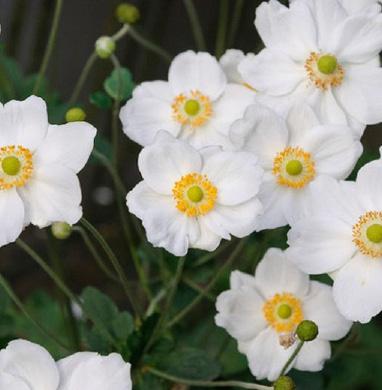
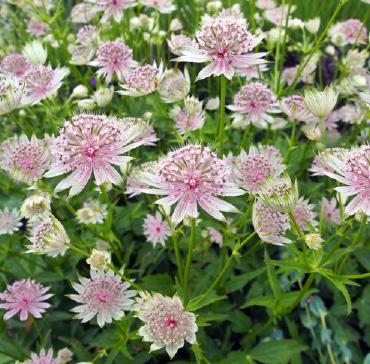
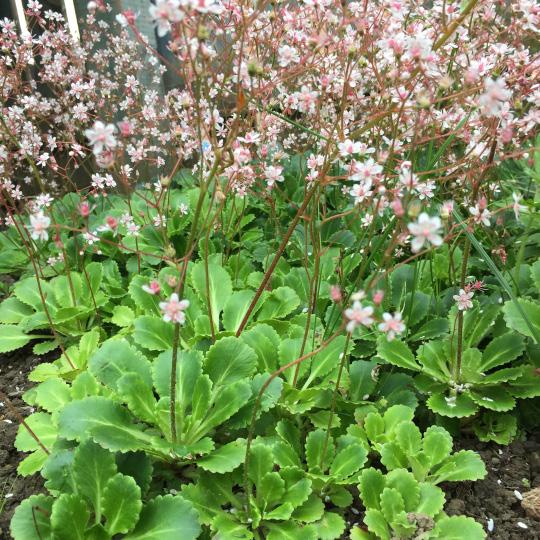
Astrantia major Anemone x hybrida Digitalis purpurea Helianthus decapetalus Saxifraga x urbium Rudbeckia ‘Goldstrum’
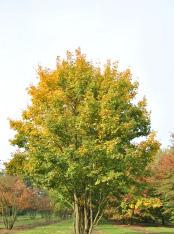
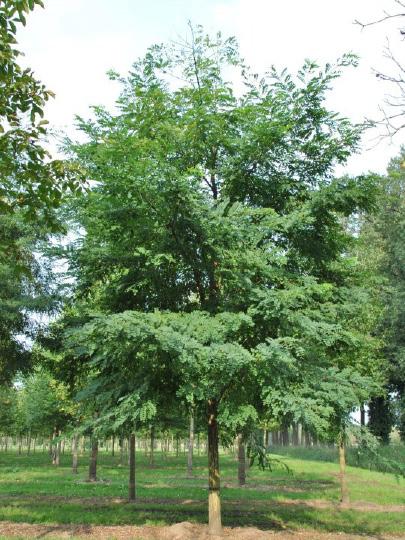
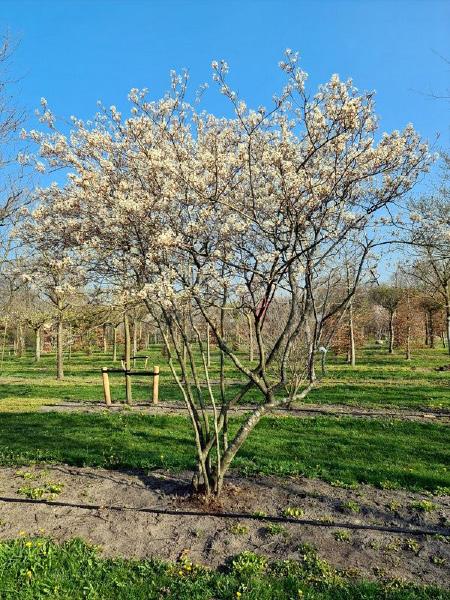
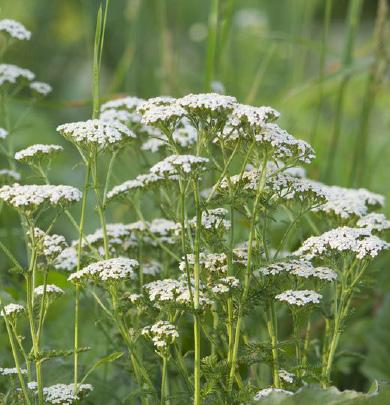
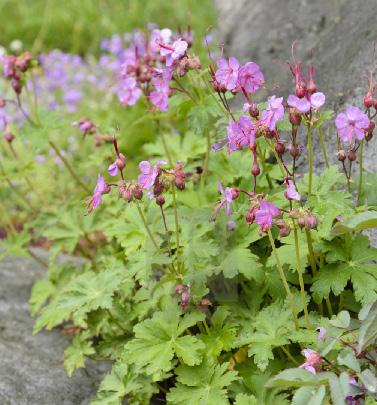
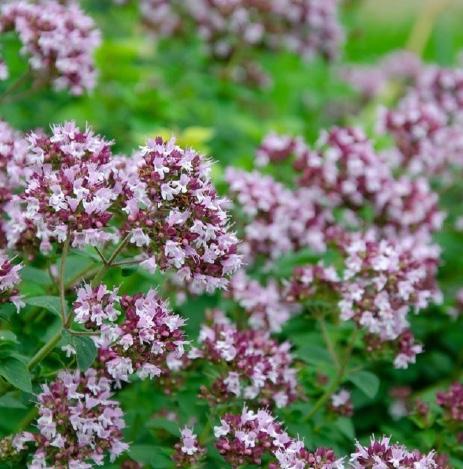
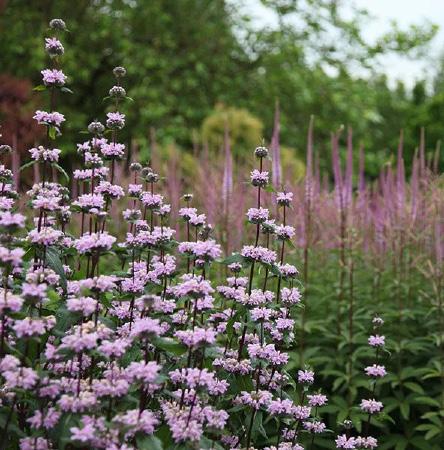
Trees Acer campestre Amelanchier lamarckii Robinia pseudoacacia Perennials Achillea millefolium Geranium macrorrhizum Origanum vulgare Phlomis tuberosa ‘Amazone’
Sand (tunnel)