Carbon Sequestered Future Ruins
Jonathan Ward (September 2022)
P1a:
AMS
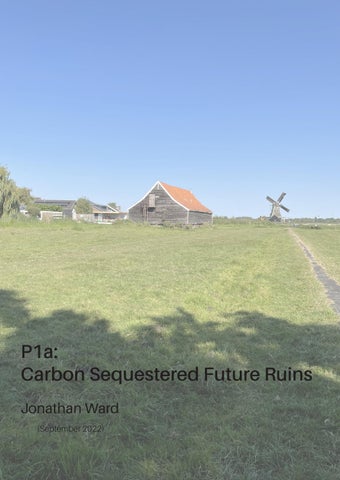
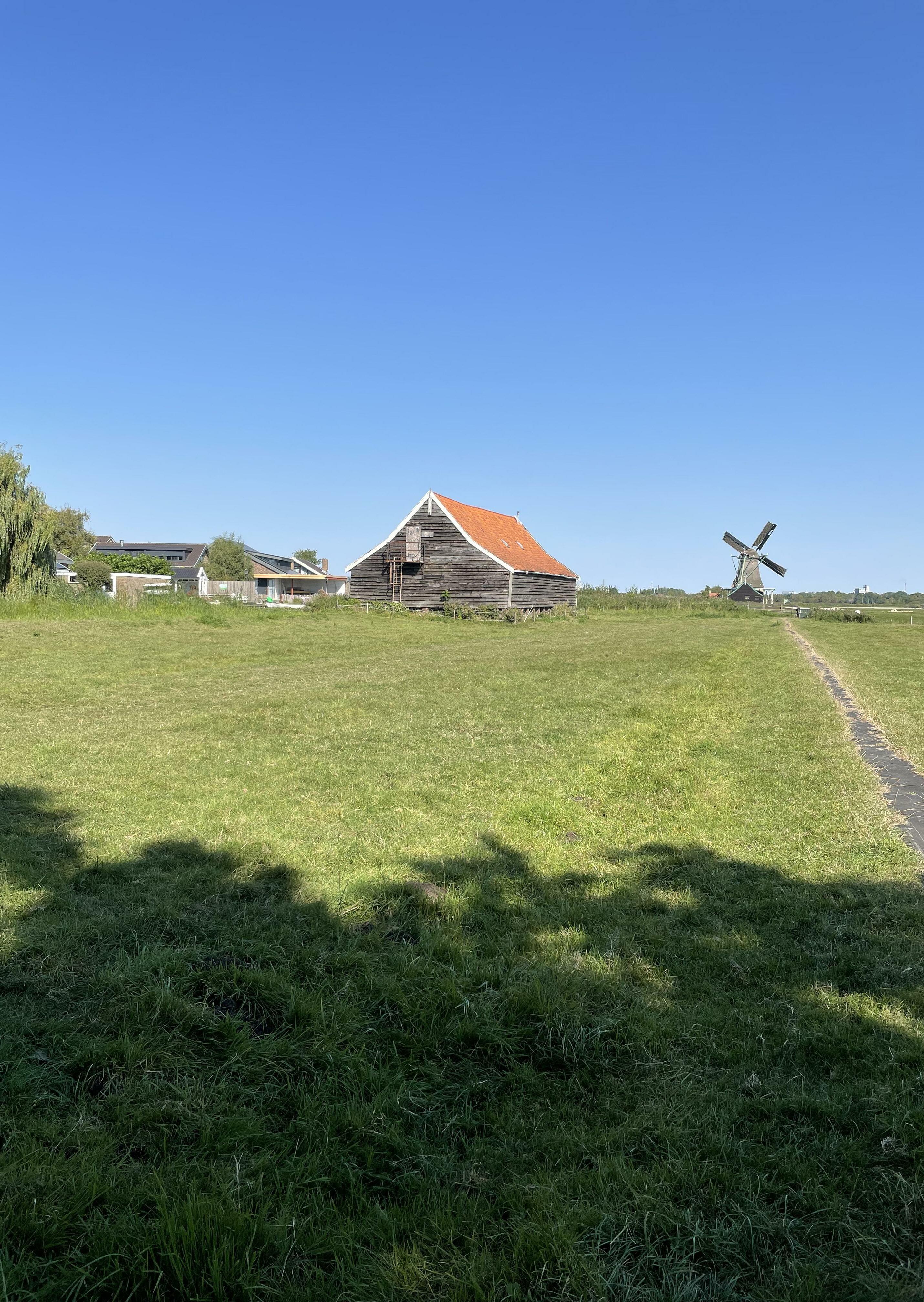
Westzaan, Noord Holland
60mins (bike) 75 mins (public transport) from Amsterdam Centraal
Currently a “rural area”, this location was once the industrial backbone of Amsterdam up until the 19th century. Built with the (sustainable) materials of the time; wood and reed. There were more than 1.000 windmils and even more warehouses which culminated in a productive industrial region.
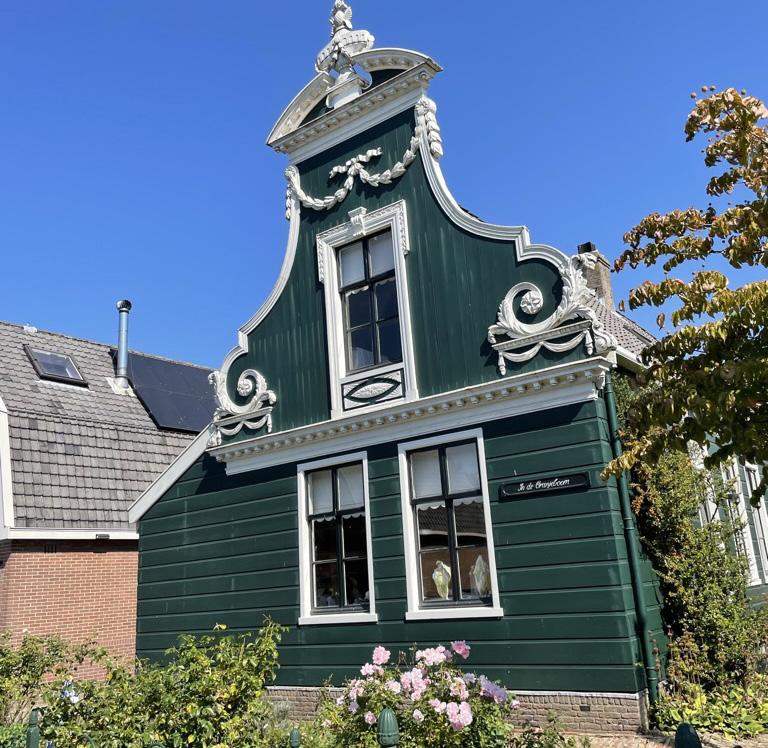
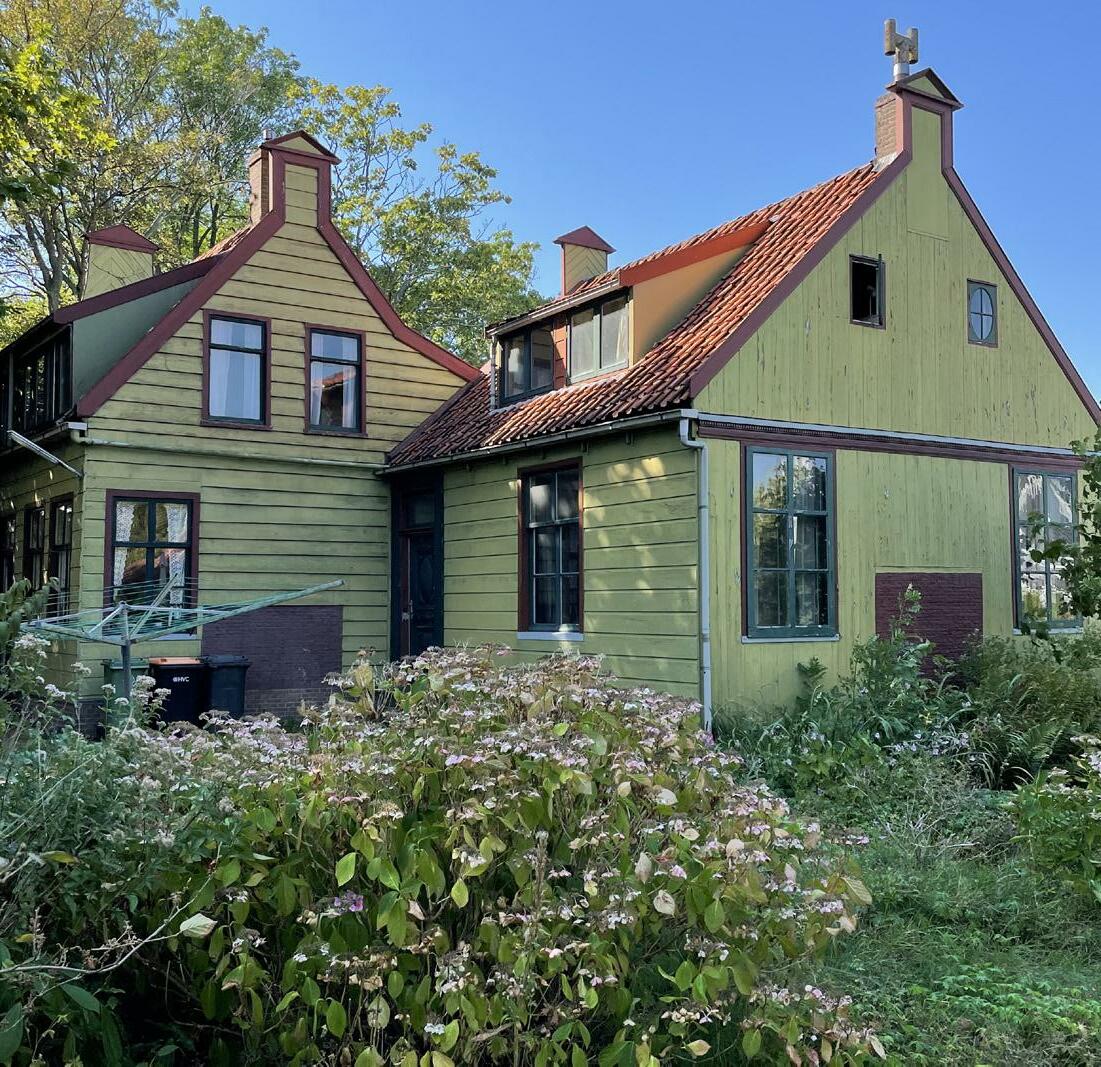
Open landscape Historical water system Traditional facades
Angry farmers
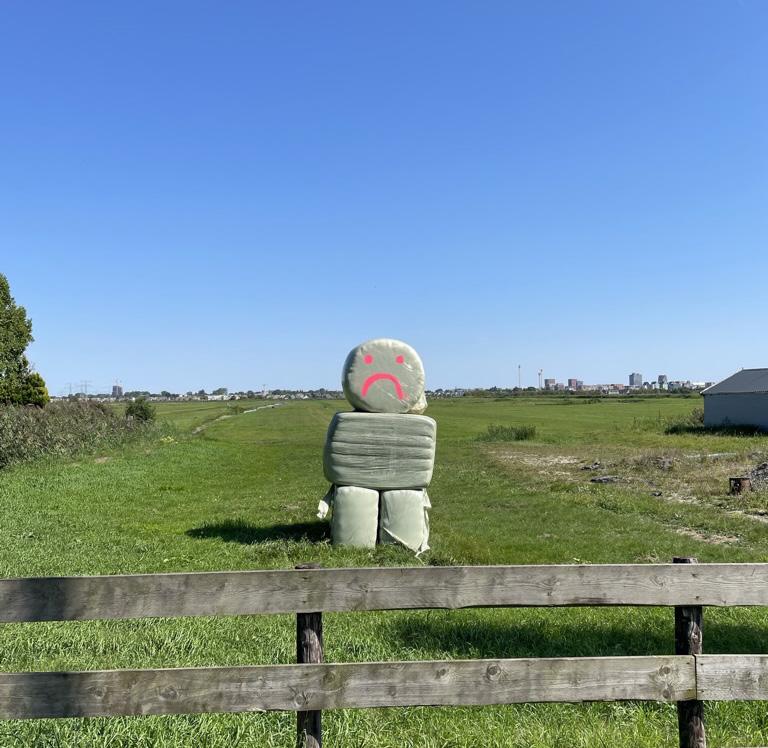
Overrun building Open landscape
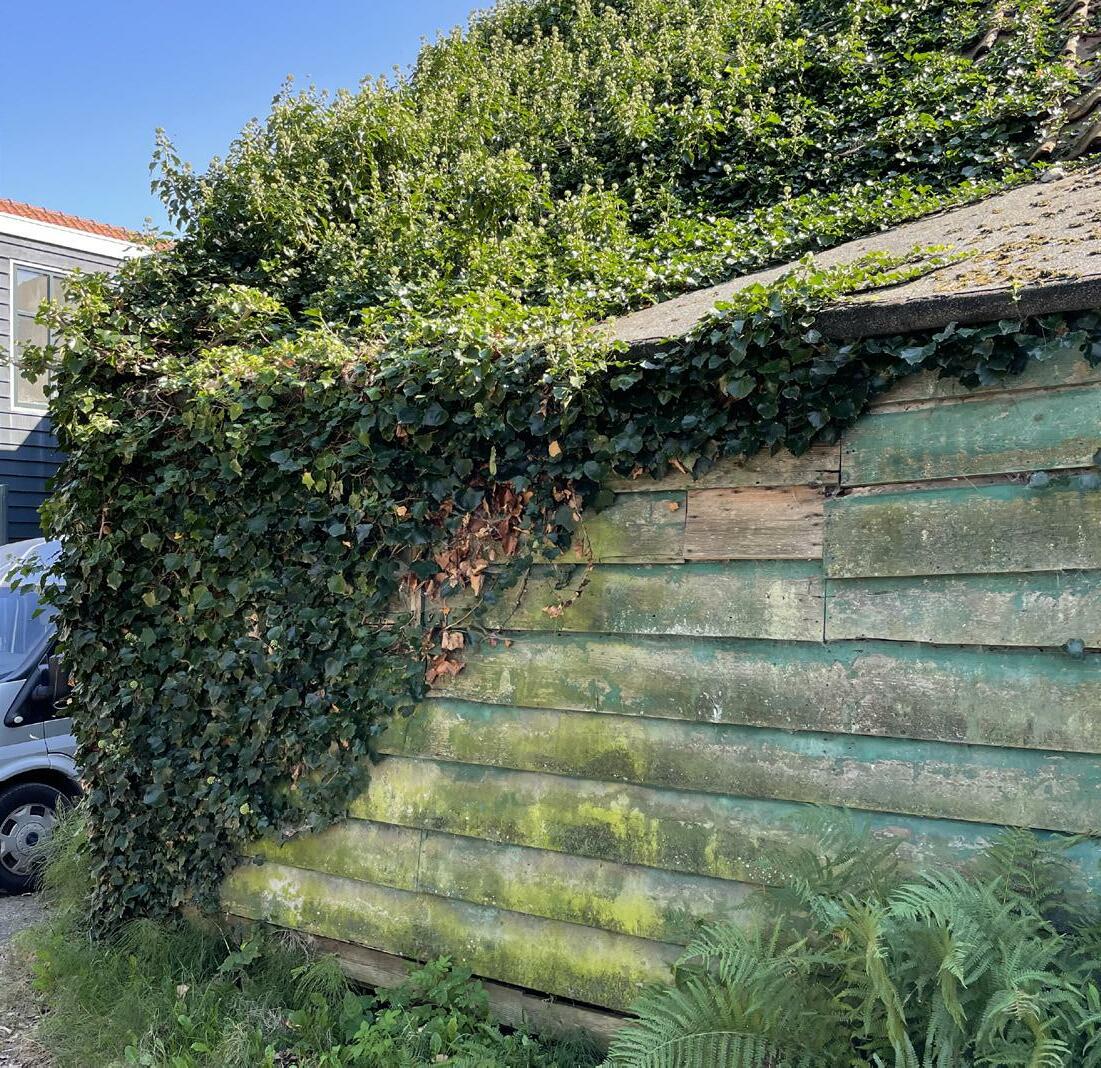
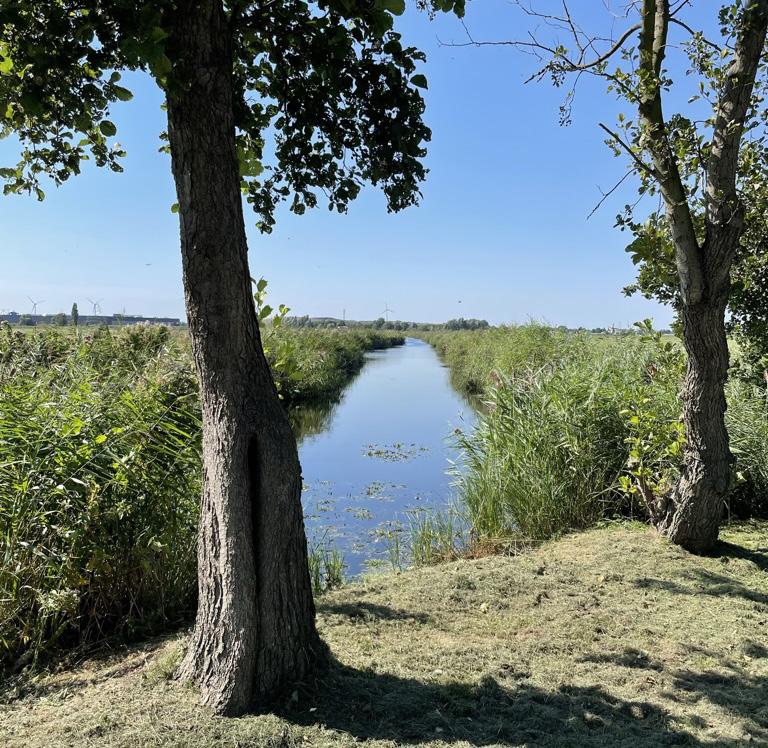
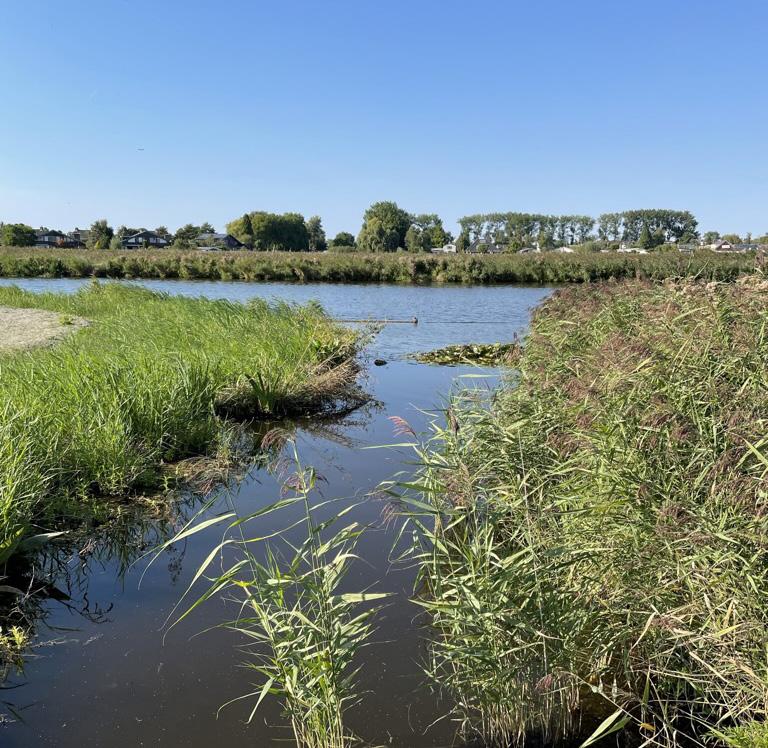
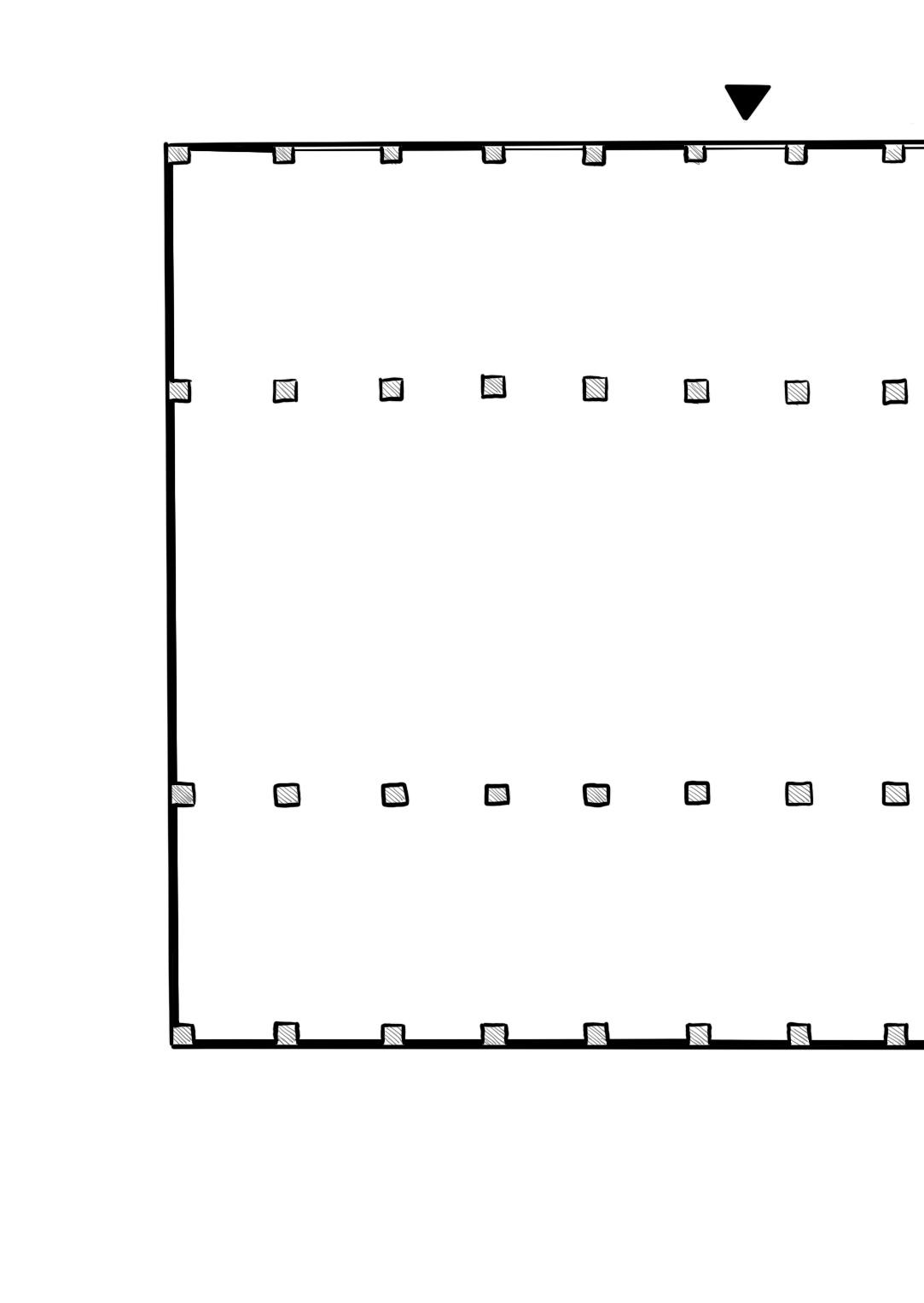
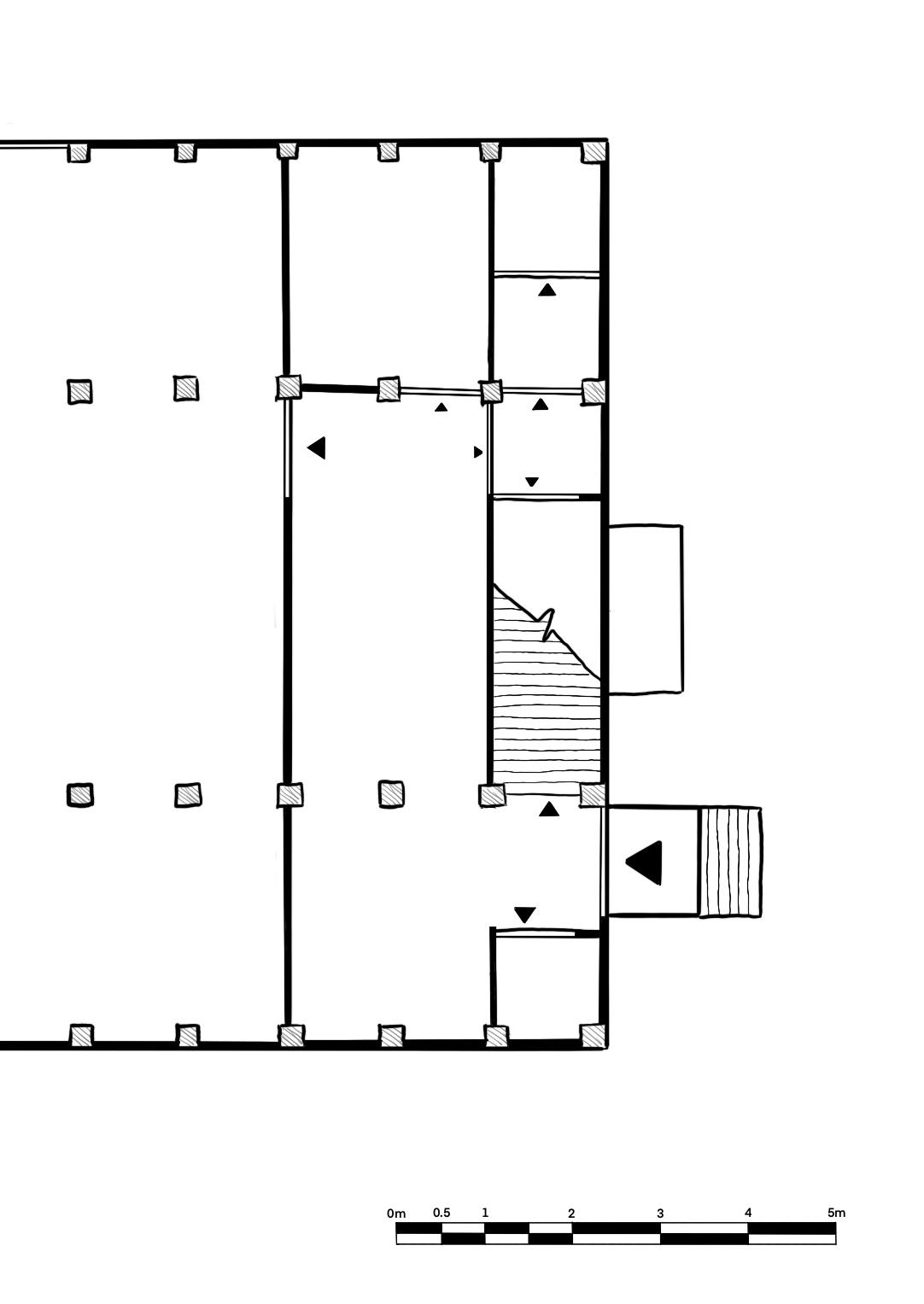
Floor 01
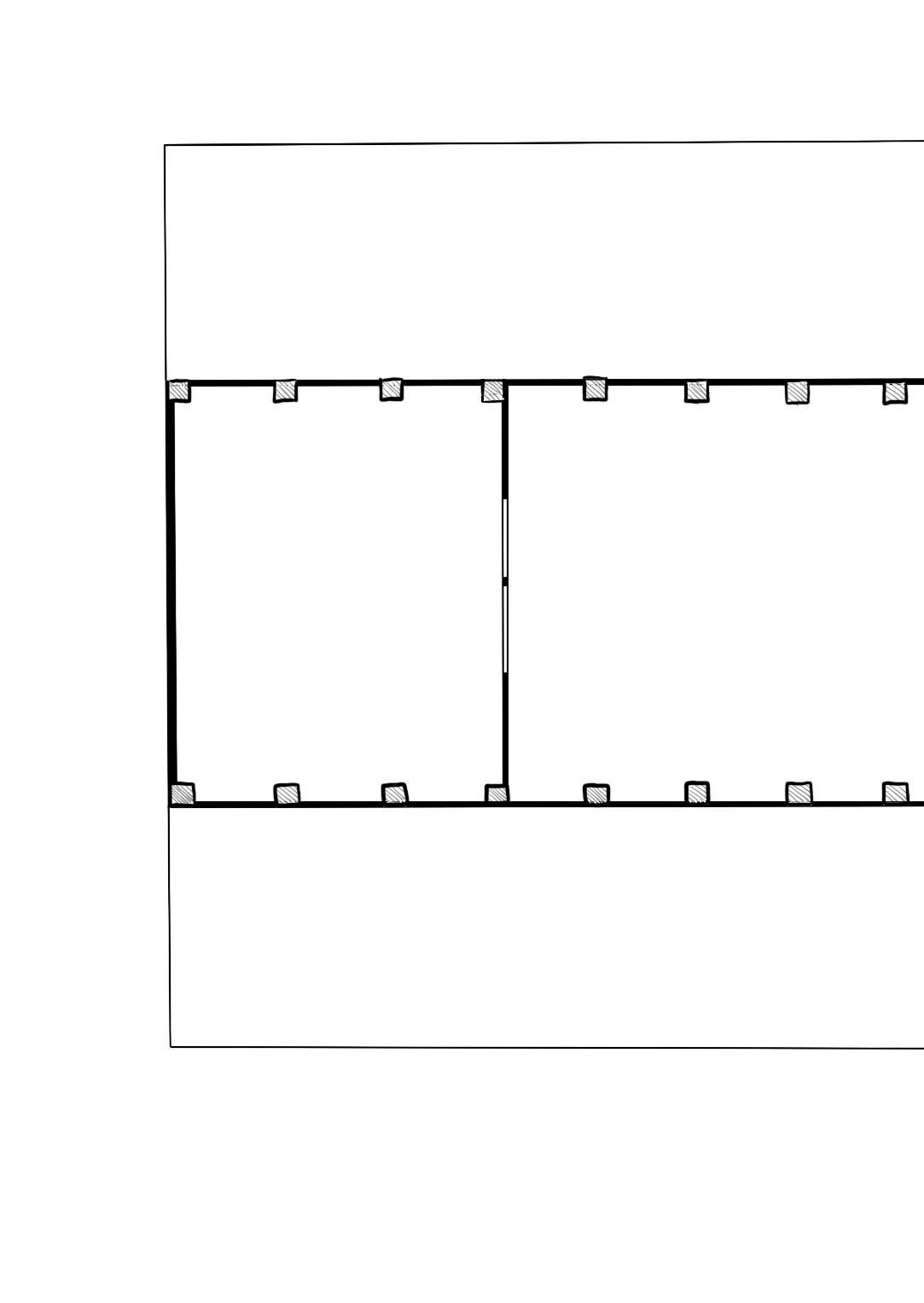
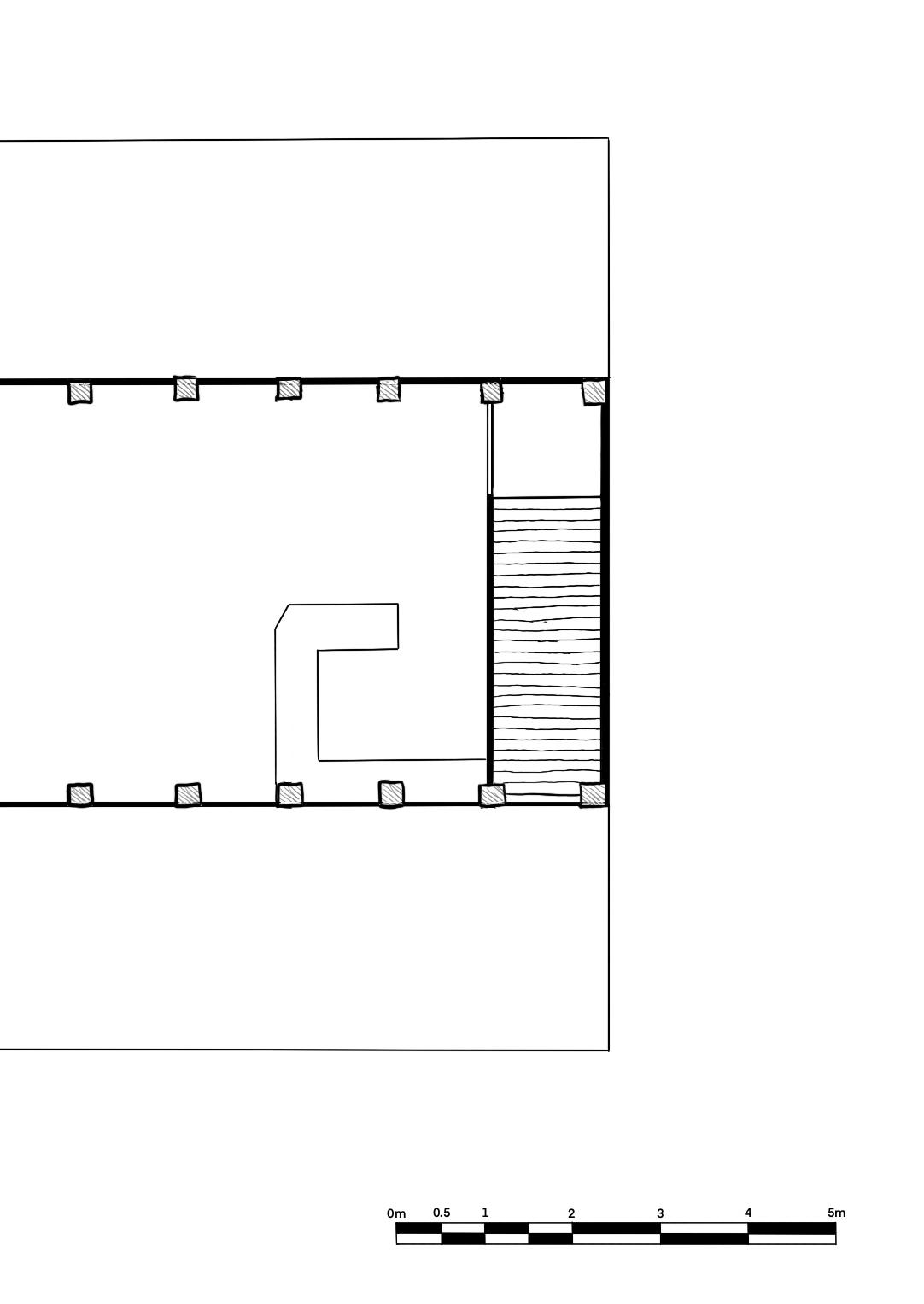
Floor 02
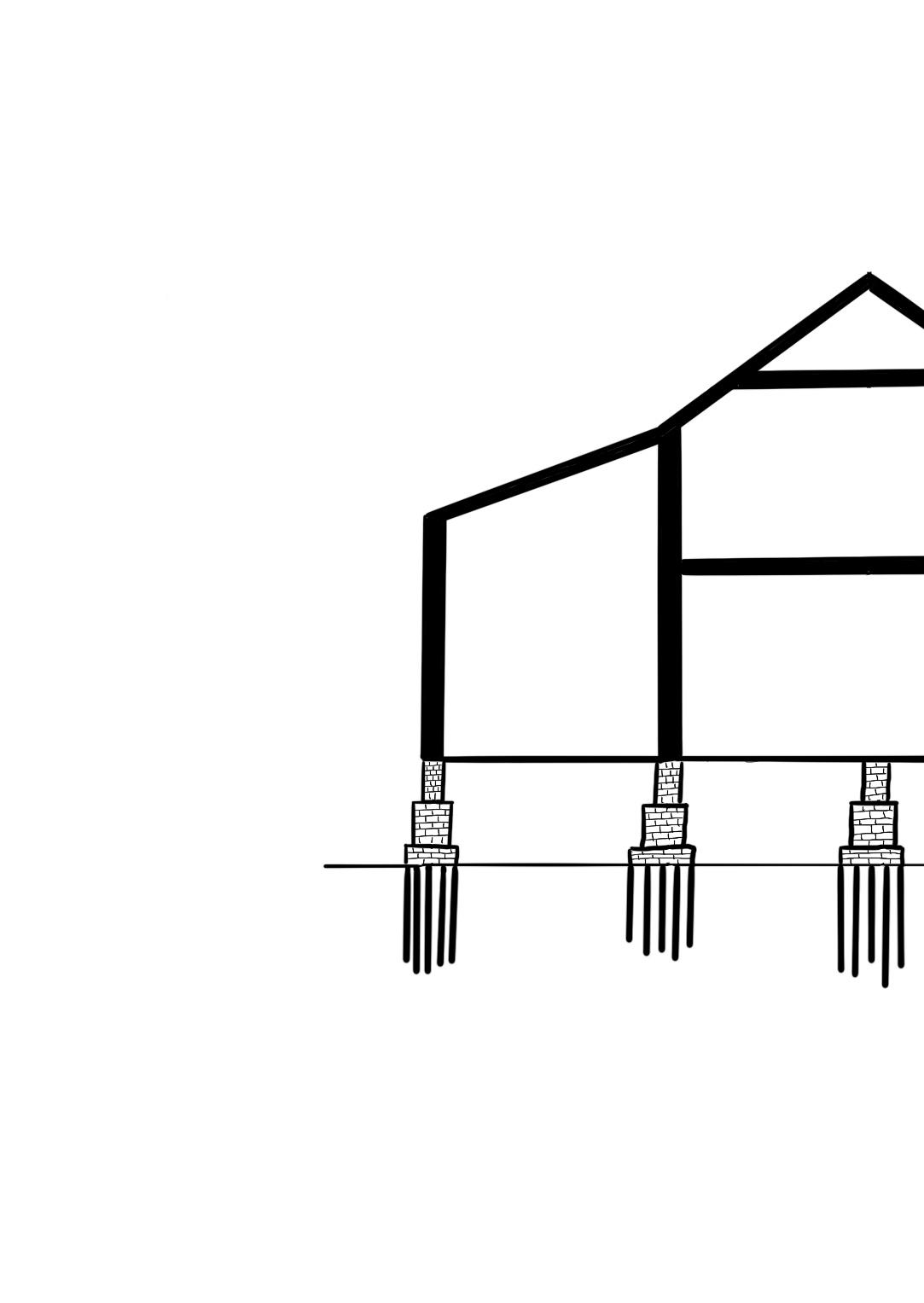
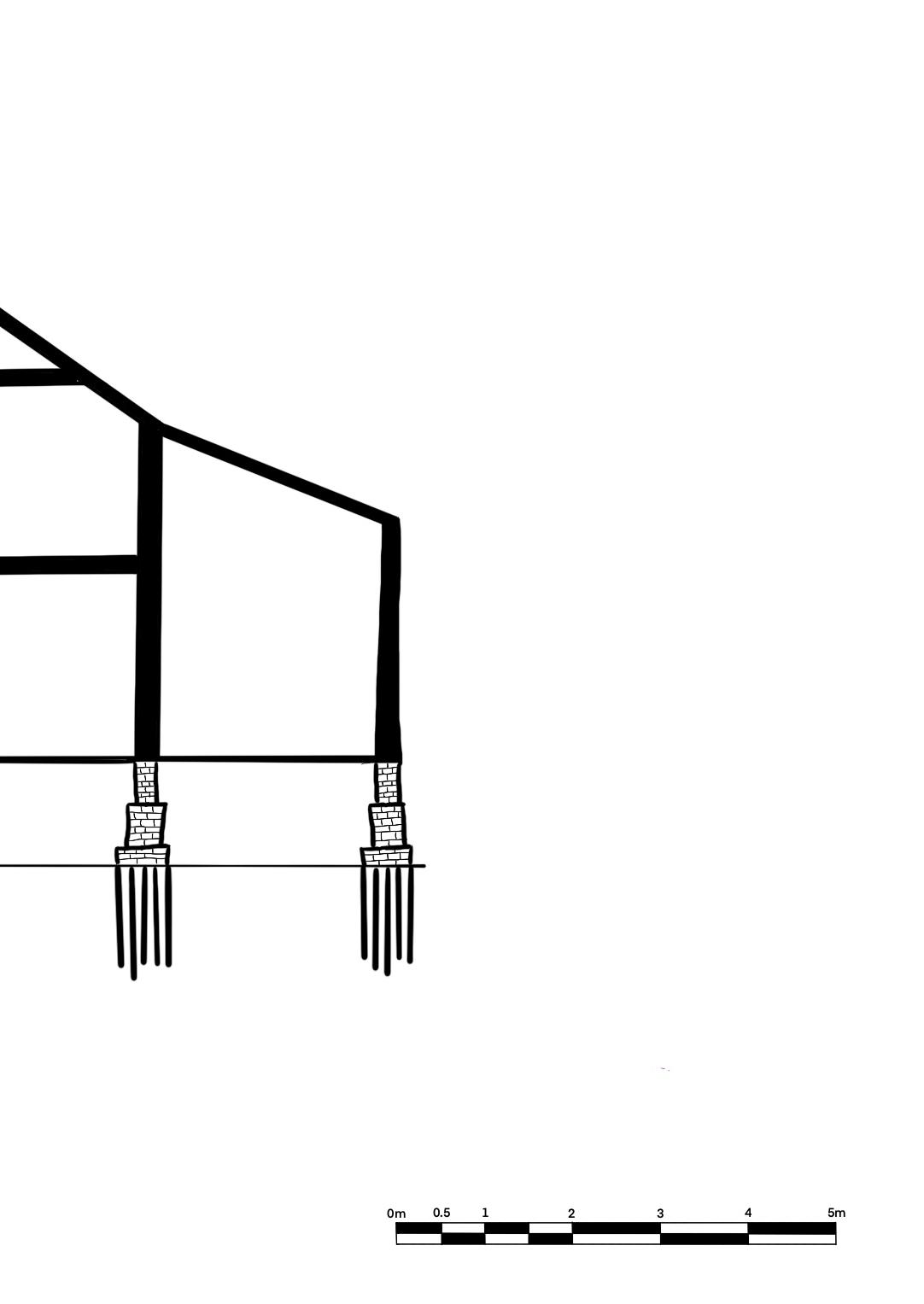
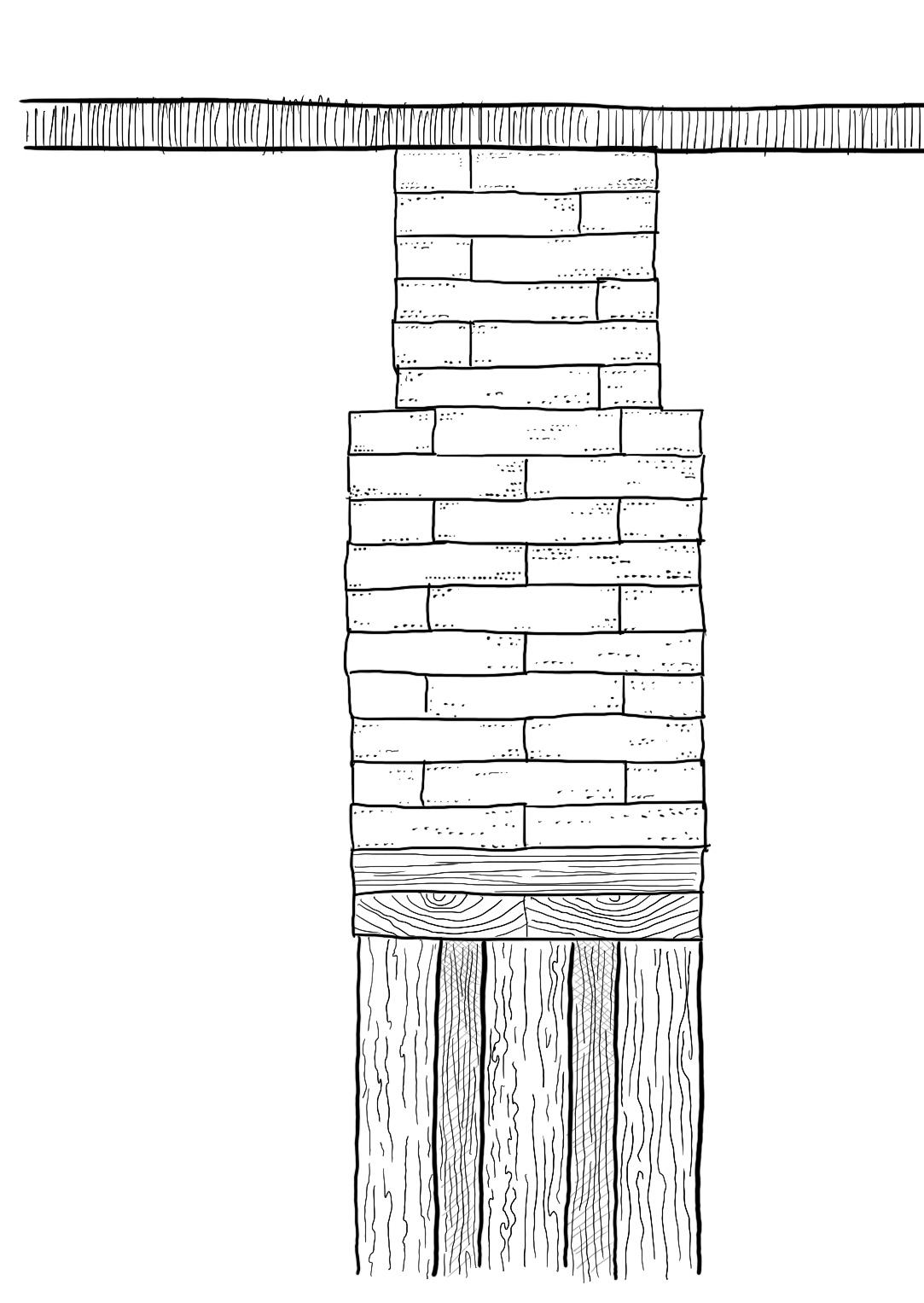
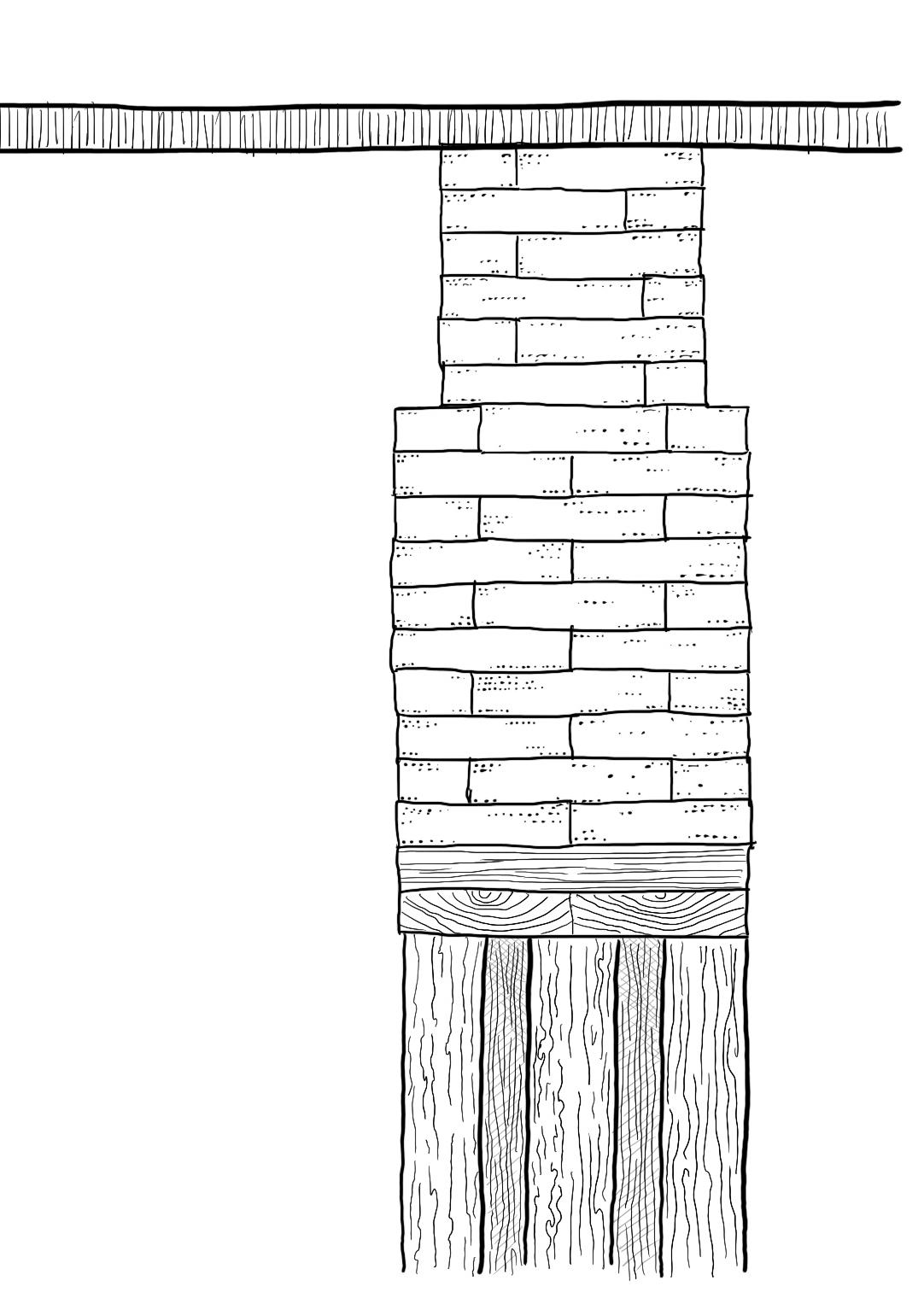
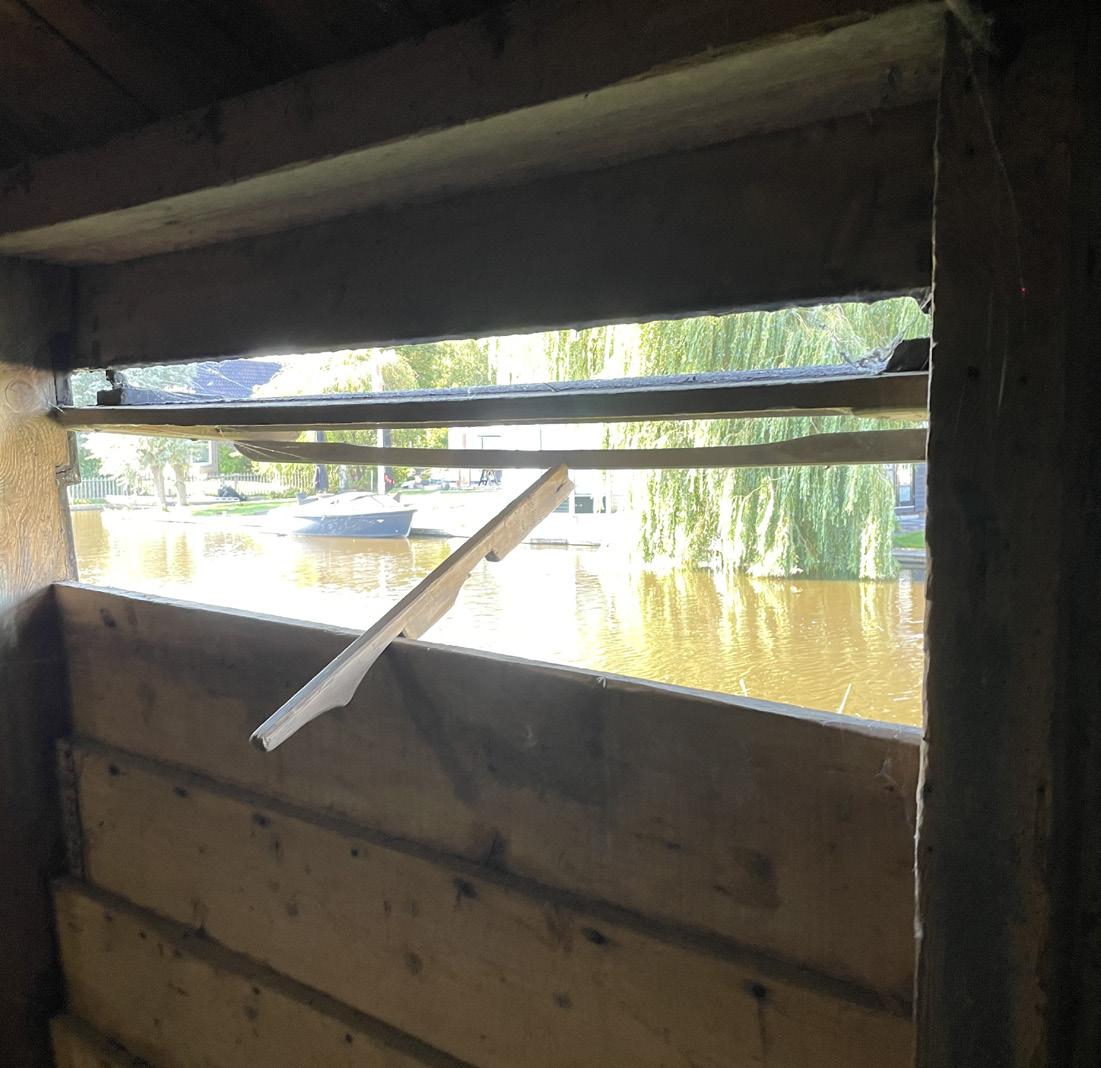
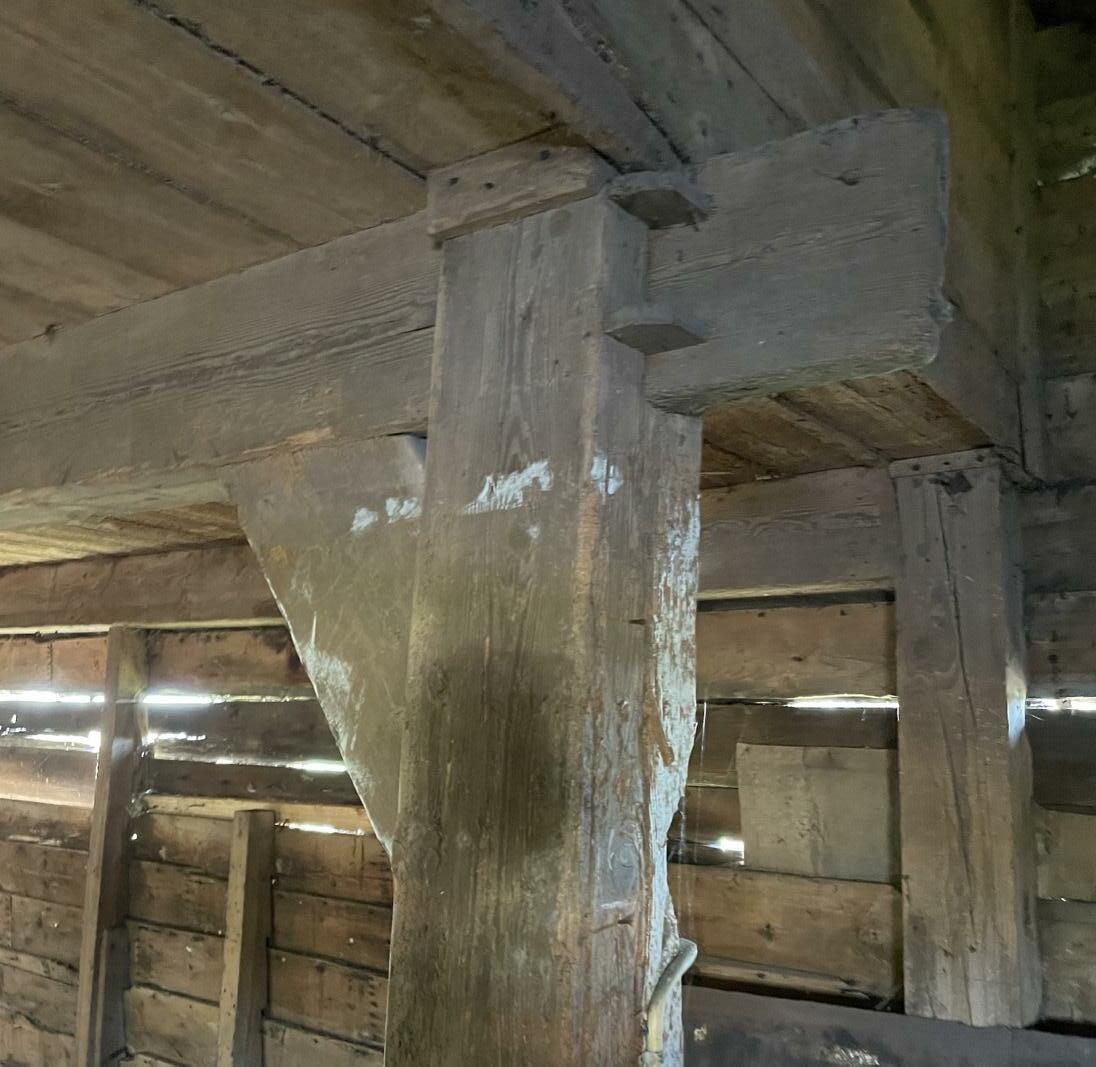
 Wooden windows Traditional joinery
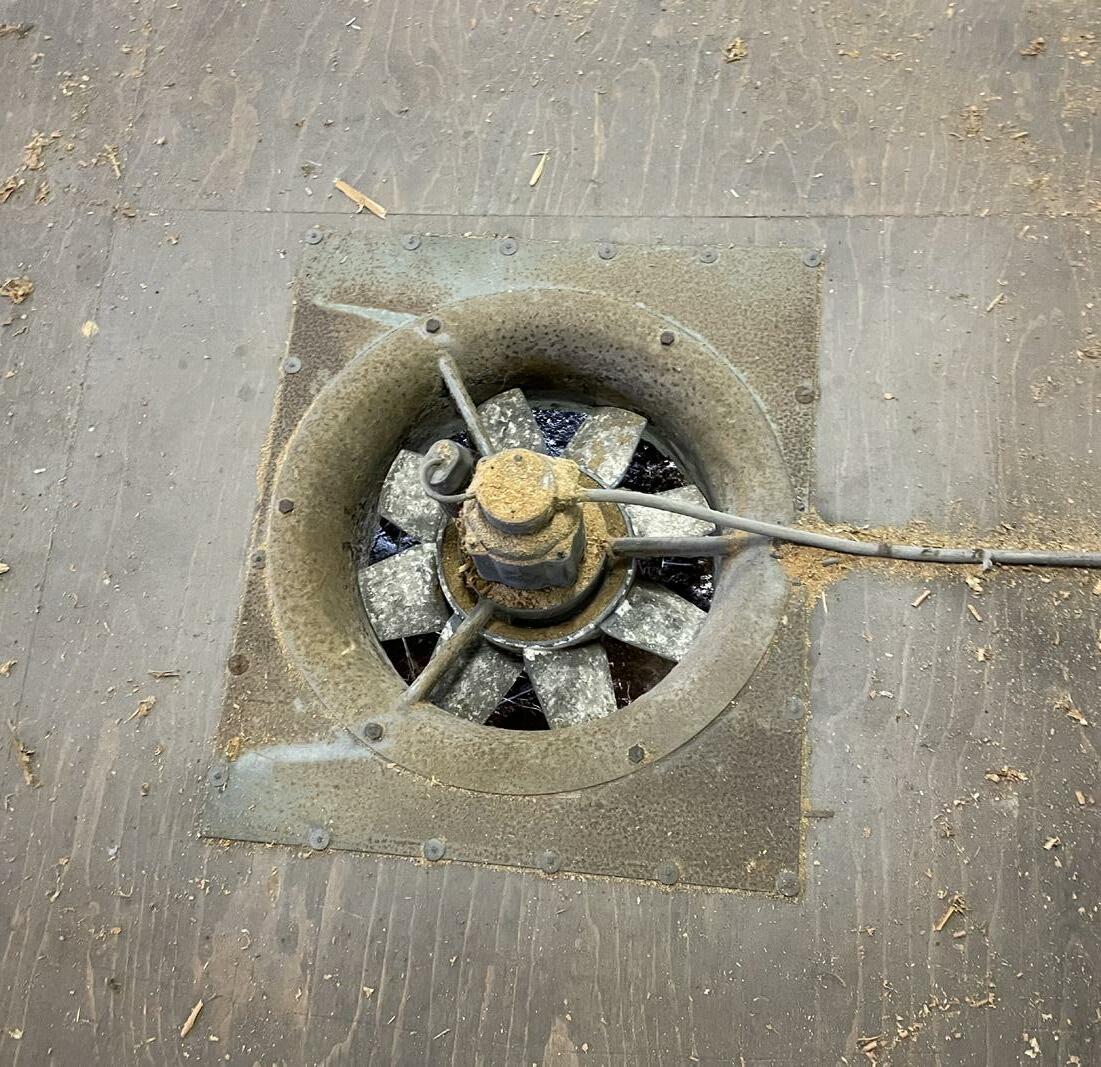
Fan for drying Barley Gypsum 02 floor
Wooden windows Traditional joinery
Fan for drying Barley Gypsum 02 floor
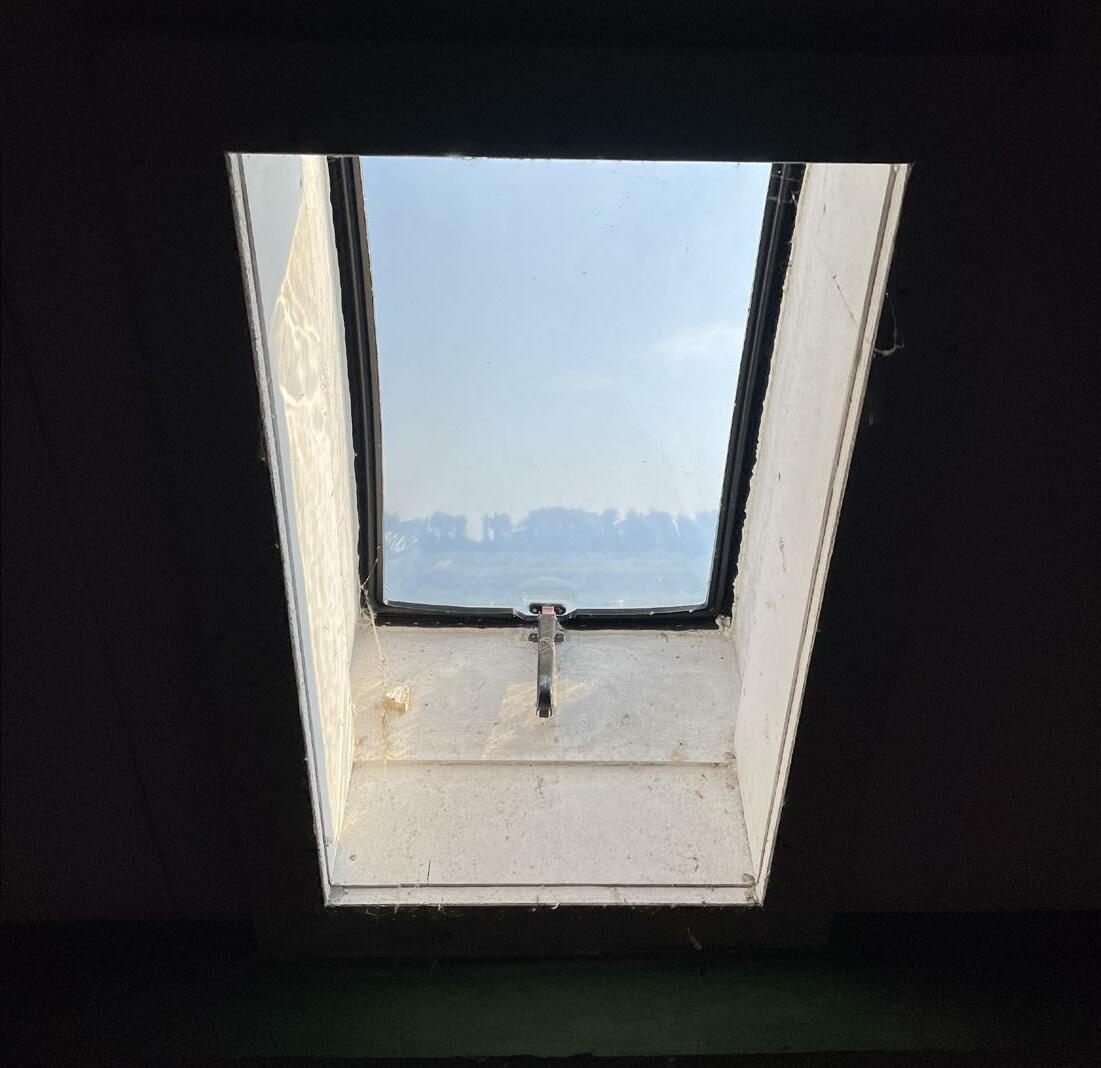
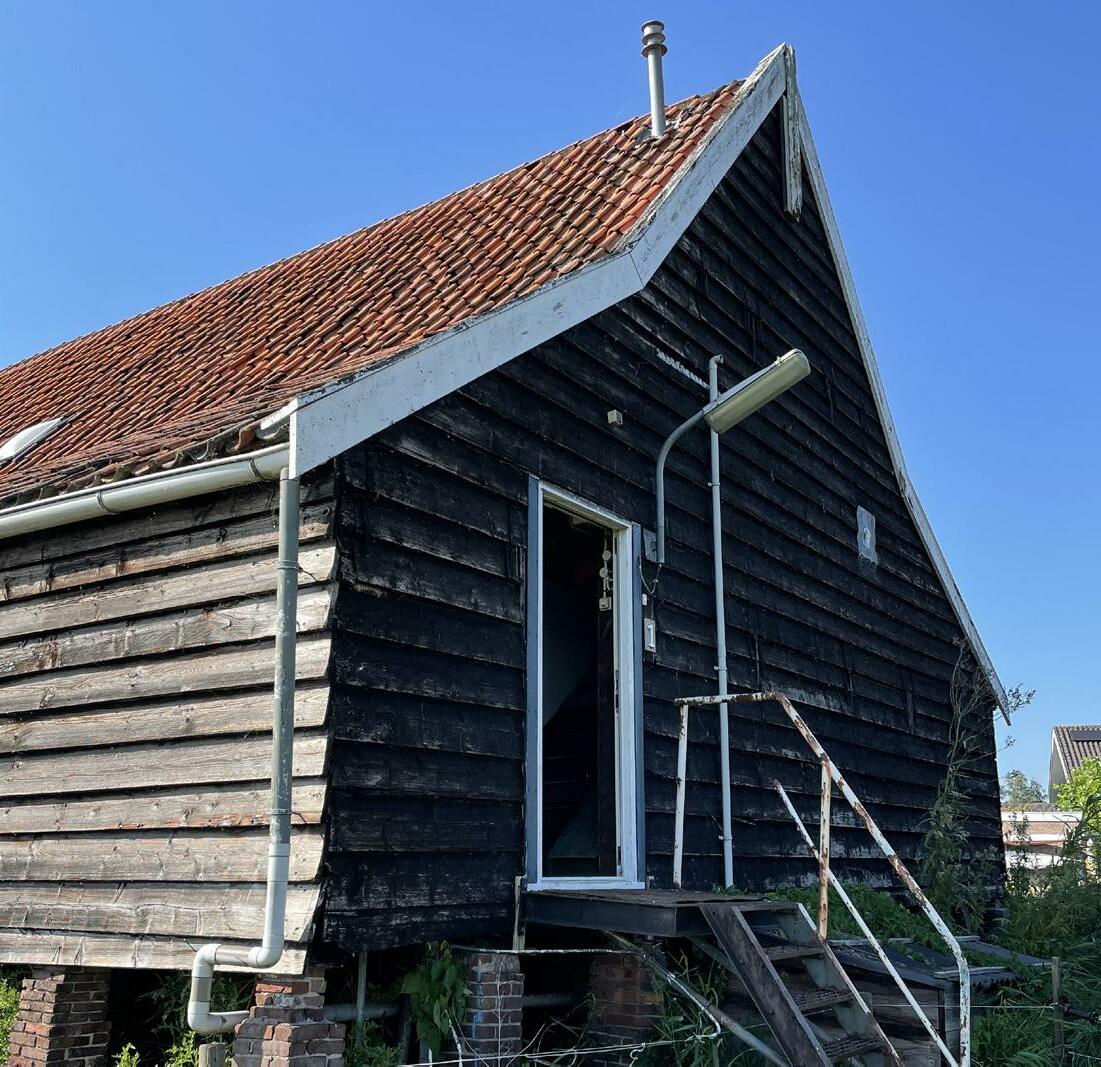
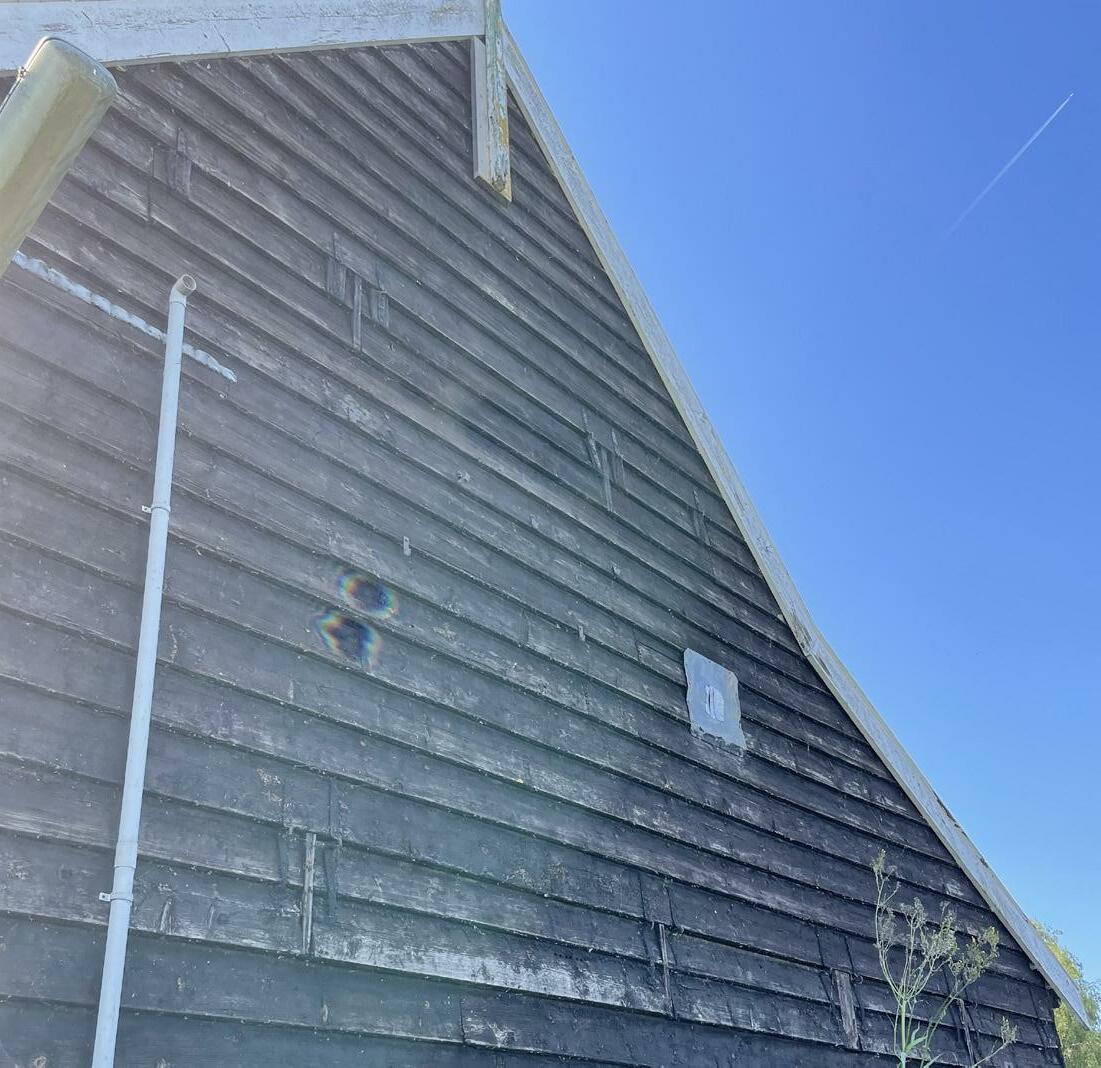
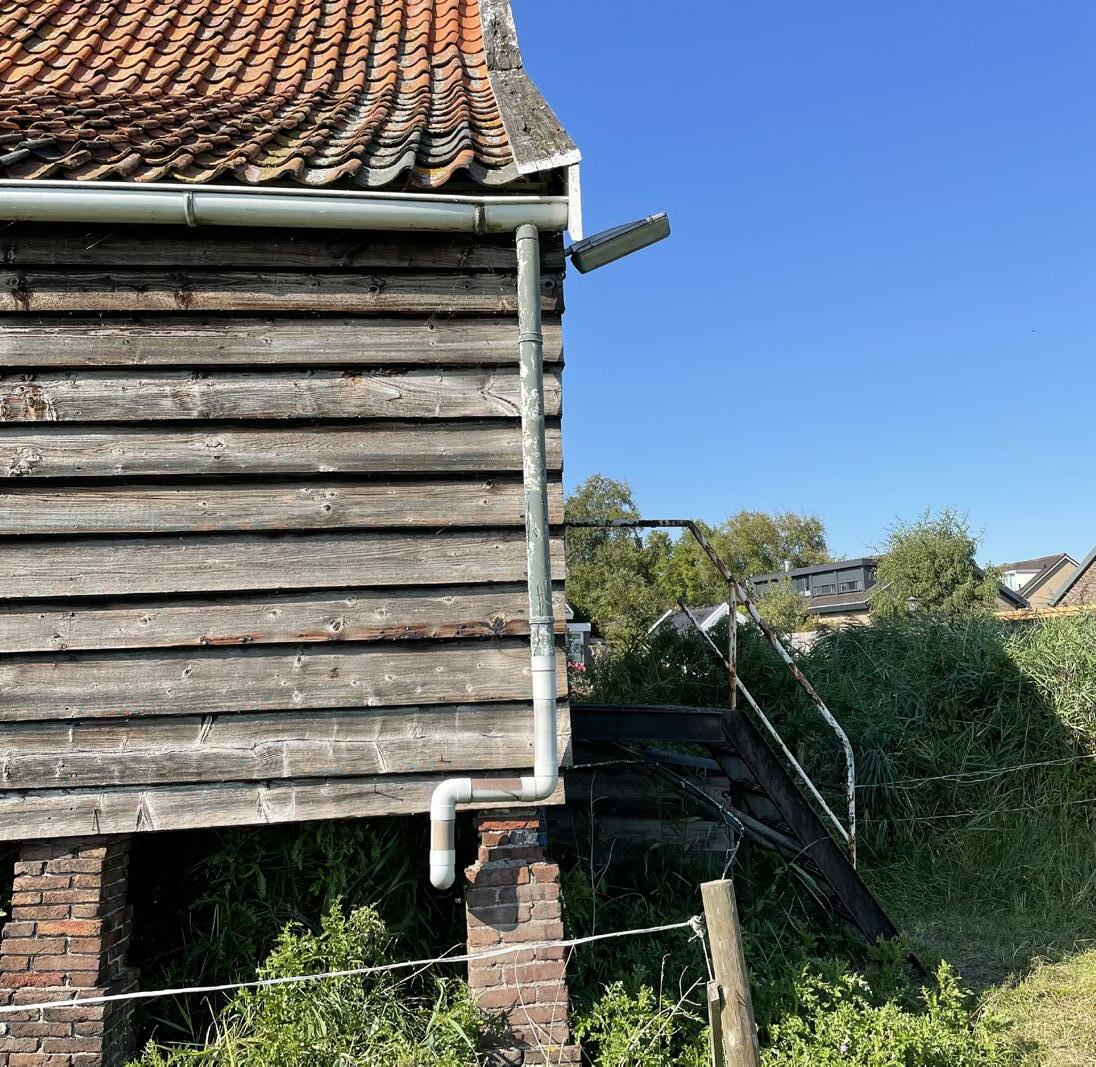
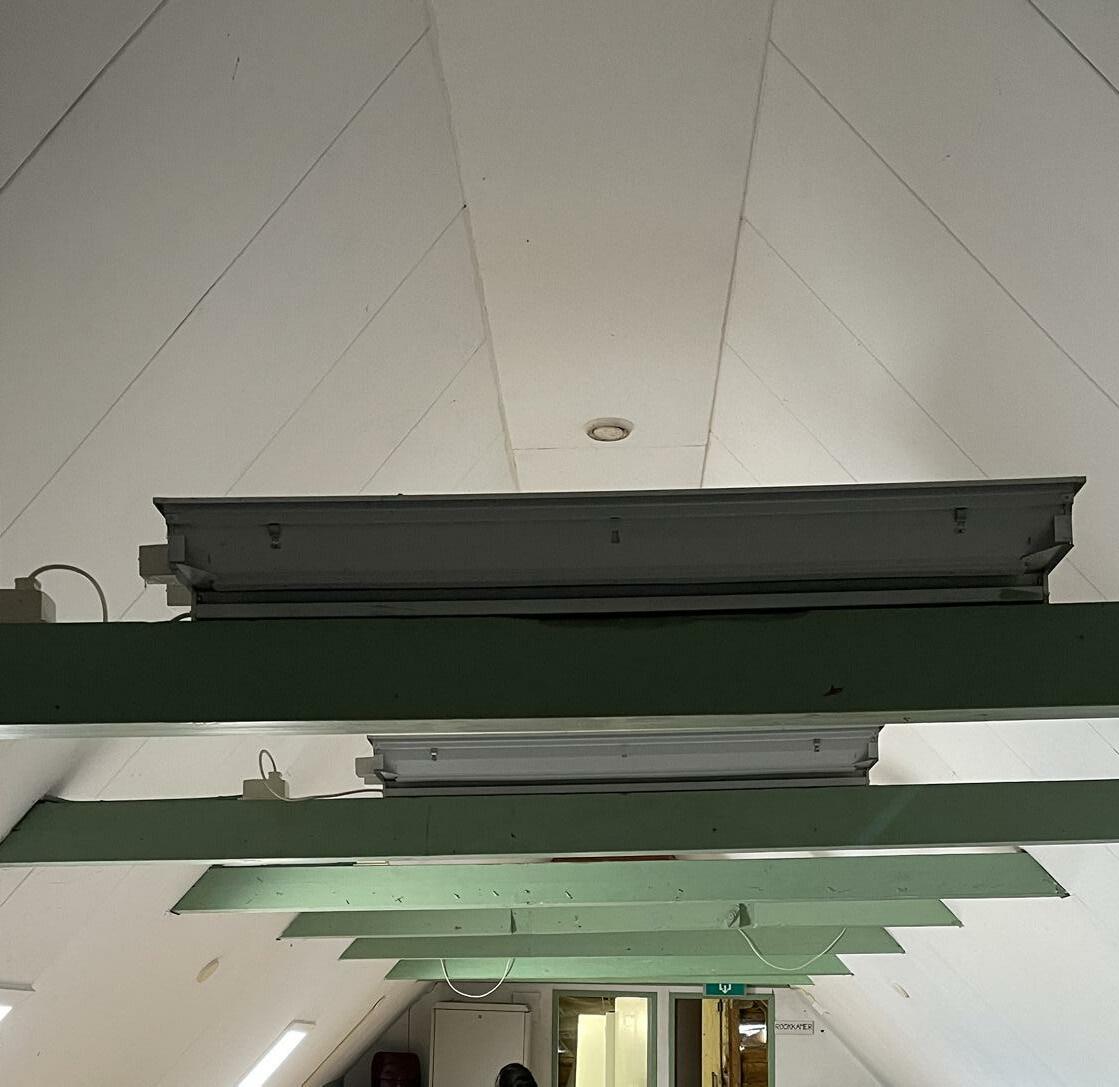
outfitted Shingled roof
Modern window Wooden facades Electrically
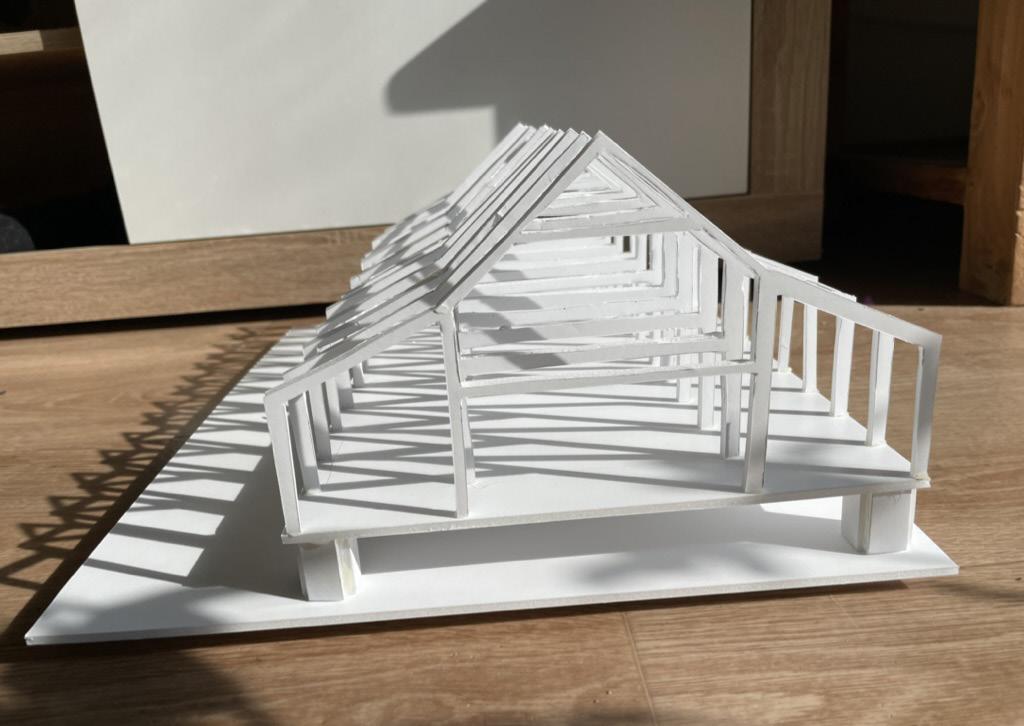

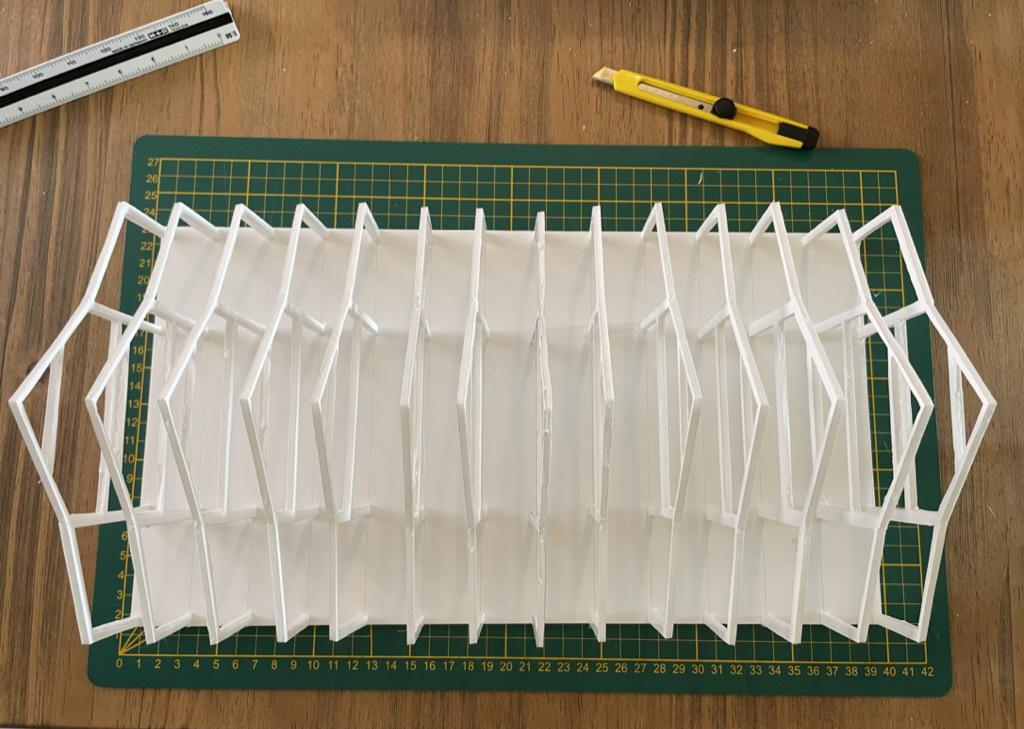
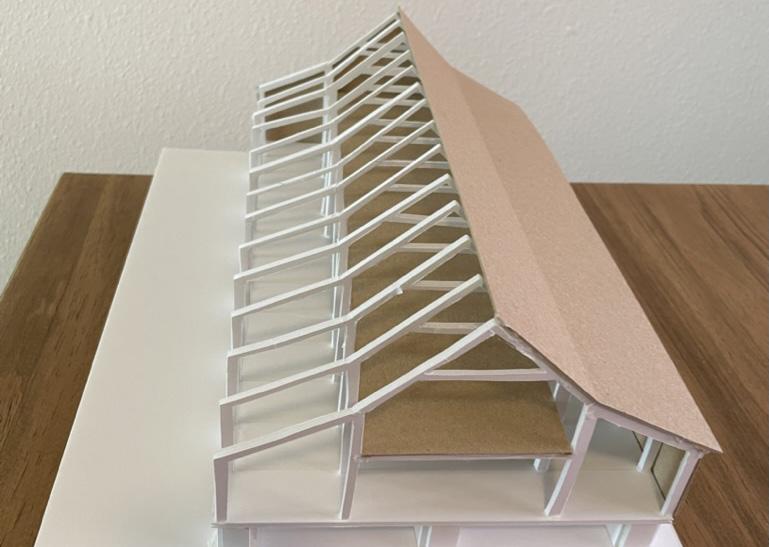
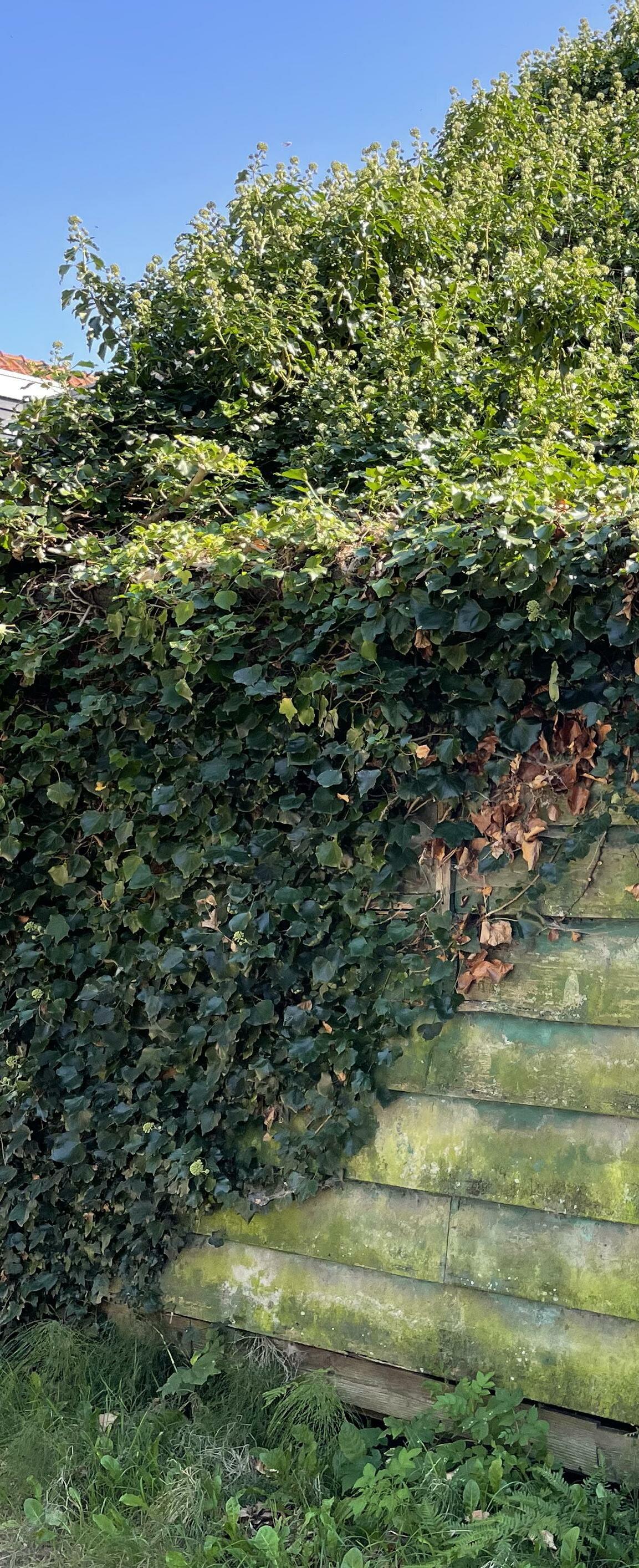
What if the building was
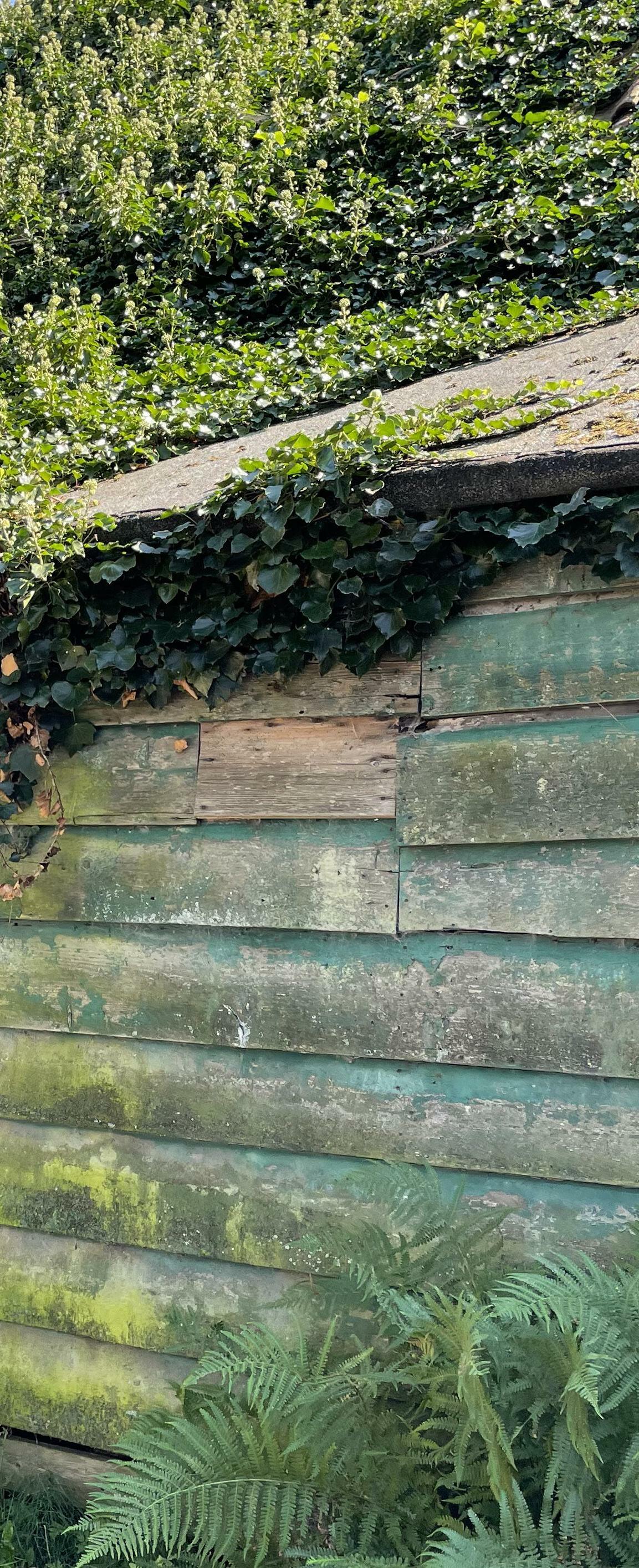
was given back to nature?
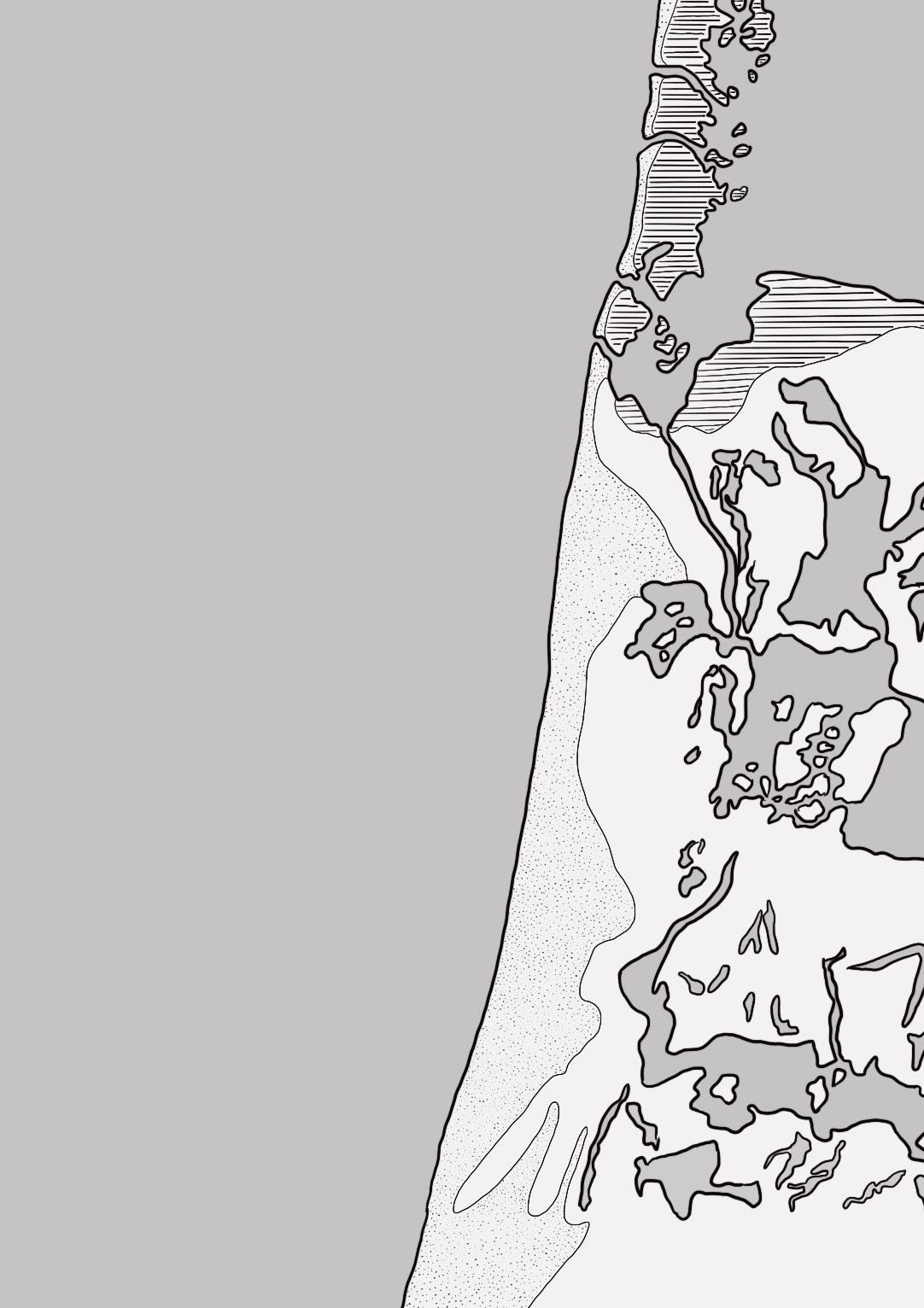
1350
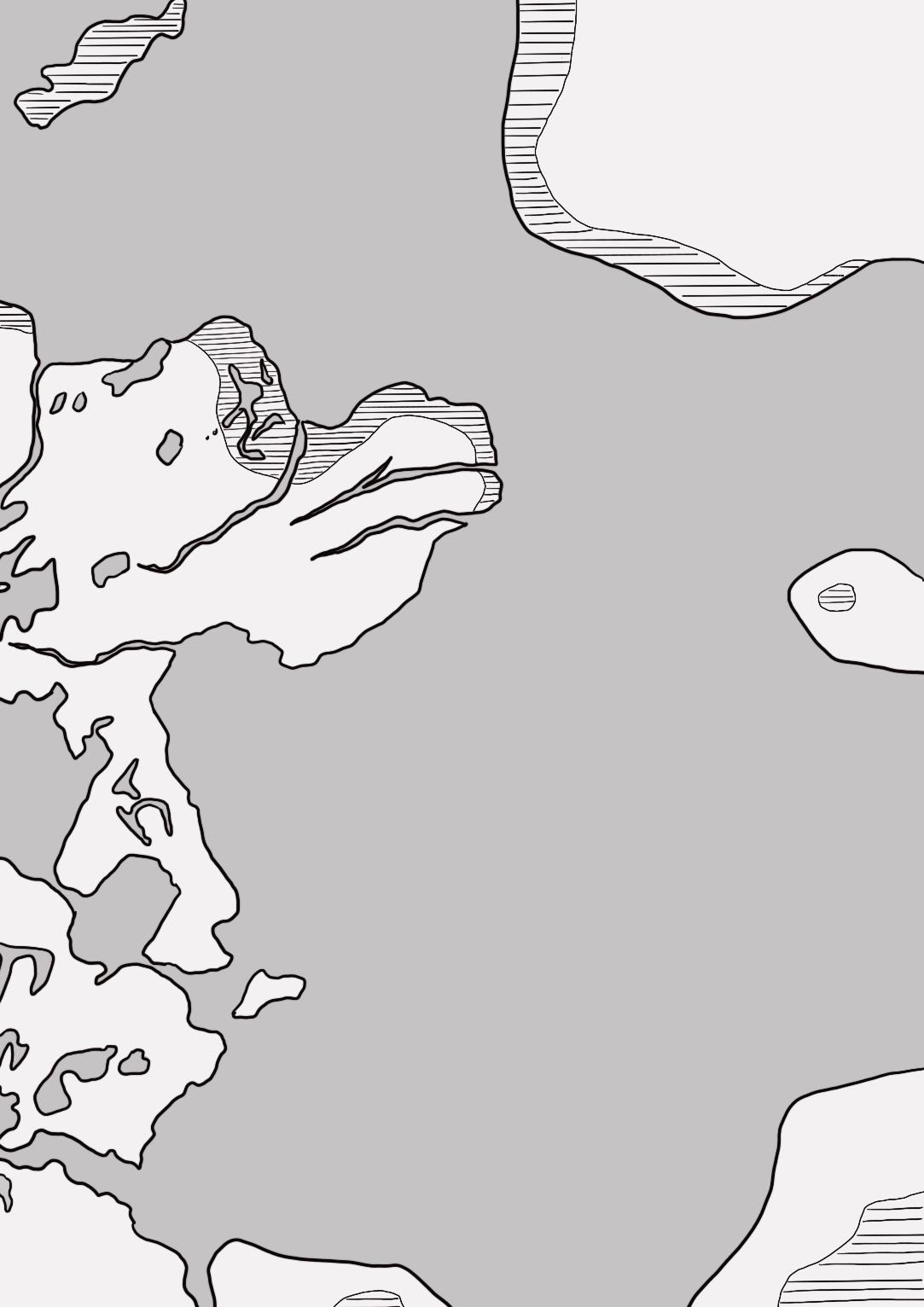
1800
0 +3 -3 -6
0 +3 -3 -6
0 +3 -3 -6
0 +3 -3 -6 BC 1000 BC 1000 AC 1500 AC 2000 AC
0
+3
-3 -6
Sand
Silty-clay
Peat-clay
Reed peat
Peat mos Sedge peat
Peat forest Water
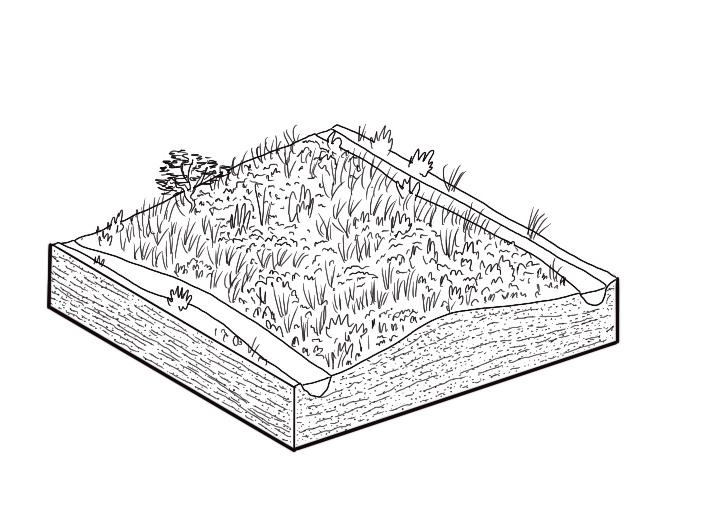
Since the 1970s the world has lost 35% of it’s peatlands; which store twice as much carbon than rain forests
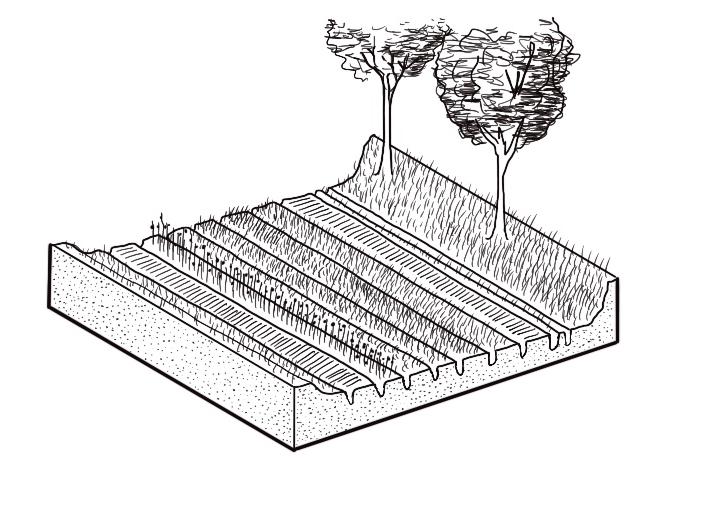
C C C C C C
C C
or 2.500
Low ground water level Oxidization 5.000 tonnes =
C C C C C
= €20.000.000 or 2.500 ha
C High ground water level Carbon sink
Peat landscape Cultivated landscape
Wind Water Demolish Vegetation
Future Ruins
landscape 50 years 100 years