[PORTFOLIO COVER PAGE]
JONATHAN RIVERS
[1]
[2]
+
[3] Heights and Yards [Headquarters] 4-11 Heights and Yards [Campus] 12-19 Maison de Couture 20-27 Gerrymandering Pavilion 28-35 Fabrication Studies 42-49 + AIA GEORGIA DESIGN COMPETITION + STUDIO VII + AIA GEORGIA DESIGN COMPETITION + STUDIO VII
TVS EXHIBIT COMPETITION
STUDIO V
+
+
STUDIO IV
BACH. RESEARCH STUDENT ASSISTANT + FABRICATION LAB JOB
+
HEIGHTS and YARDS [HEADQUARTERS]
[4]
01

YARDS
Heights and Yards [Headquarters]
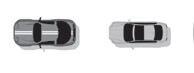
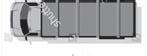
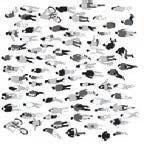
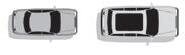
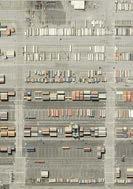
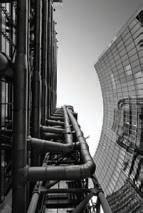
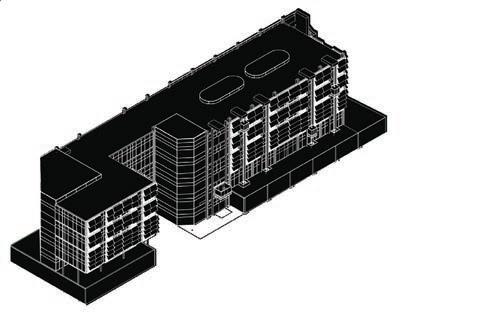
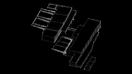
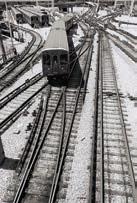
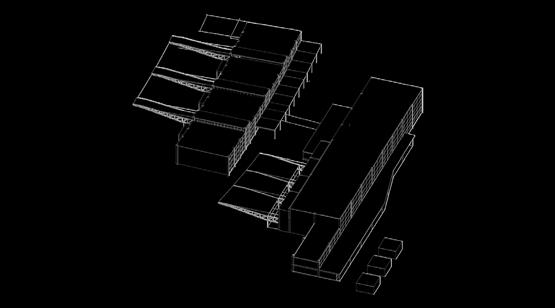
Heights and Yards, a visionary project, redefines the concept of a solar panel factory by weaving together cutting-edge innovation, mindful community engagement, and environmental responsibility. Its unique dual-site architecture, linked by existing railroad tracks, seamlessly integrates within Atlanta, fostering a holistic approach to green energy and sustainable development. By nurturing both technological advancements and human well-being, it paves the way toward a future powered by clean energy, driven by collective action, and seamlessly connected by efficient public transportation.
[6]
HEIGHTS AND YARDS / [TEXT]
[7] [PROCESS] / HEIGHTS AND YARDS








[8] HEIGHTS AND YARDS / [FLOOR PLAN]
[9] [SECTION] / HEIGHTS AND YARDS
[10] HEIGHTS AND YARDS /
[11] / HEIGHTS AND YARDS

[12] HEIGHTS AND YARDS / [SITE MAP AXON]
[13] [SITE MAP AXON] / HEIGHTS AND YARDS
02
HEIGHTS and YARDS [CAMPUS]
[14]

Heights and Yards [Campus]
Heights and Yards, a visionary project, redefines the concept of a solar panel factory by weaving together cutting-edge innovation, mindful community engagement, and environmental responsibility. Its unique dual-site architecture, linked by existing railroad tracks, seamlessly integrates within Atlanta, fostering a holistic approach to green energy and sustainable development. By nurturing both technological advancements and human well-being, it paves the way toward a future powered by clean energy, driven by collective action, and seamlessly connected by efficient public transportation.
[16] HEIGHTS AND YARDS / [TEXT]
[17] [PROCESS] / HEIGHTS AND YARDS
[18] HEIGHTS AND YARDS / [EXPLODED FACADE AXON]
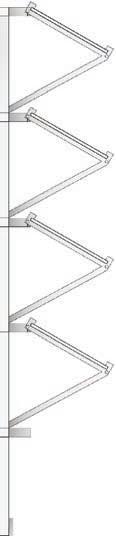
[19] [SECTION] / HEIGHTS AND YARDS 1 01_CONCRETE SLABS 02_FOUNDATION 03_EARTH 04_CONCRETE FOOTER 05_METAL PLATE 06_METAL SILL 07_WINDOW 08_MULLIONS 10_4’ TRUSS SYSTEM 11_METAL DECKING 12_CONCRETE BASE 13_FRP WATER PROOFING MEMBRANE 14_DRAINAGE SYSTEM 15_FILTER FABRIC ROOT BARRIER 16_GROWING SUBTRATE MEDIUM 17_VEGETATION 18_PRECAST CONCRETE COLUMN 19_PERVIOUS ROOF PAVERS 20_CATWALK 21_SOLAR PANELS 22_RAILING 2 3 4 5 6 7 8 10 11 12 14 16 17 18 21 20 LEGEND: 13 15 18 19 22
[20] HEIGHTS AND YARDS / [SECTION]
[21] [SECTION] / HEIGHTS AND YARDS
MAISON de COUTURE
[22]
03
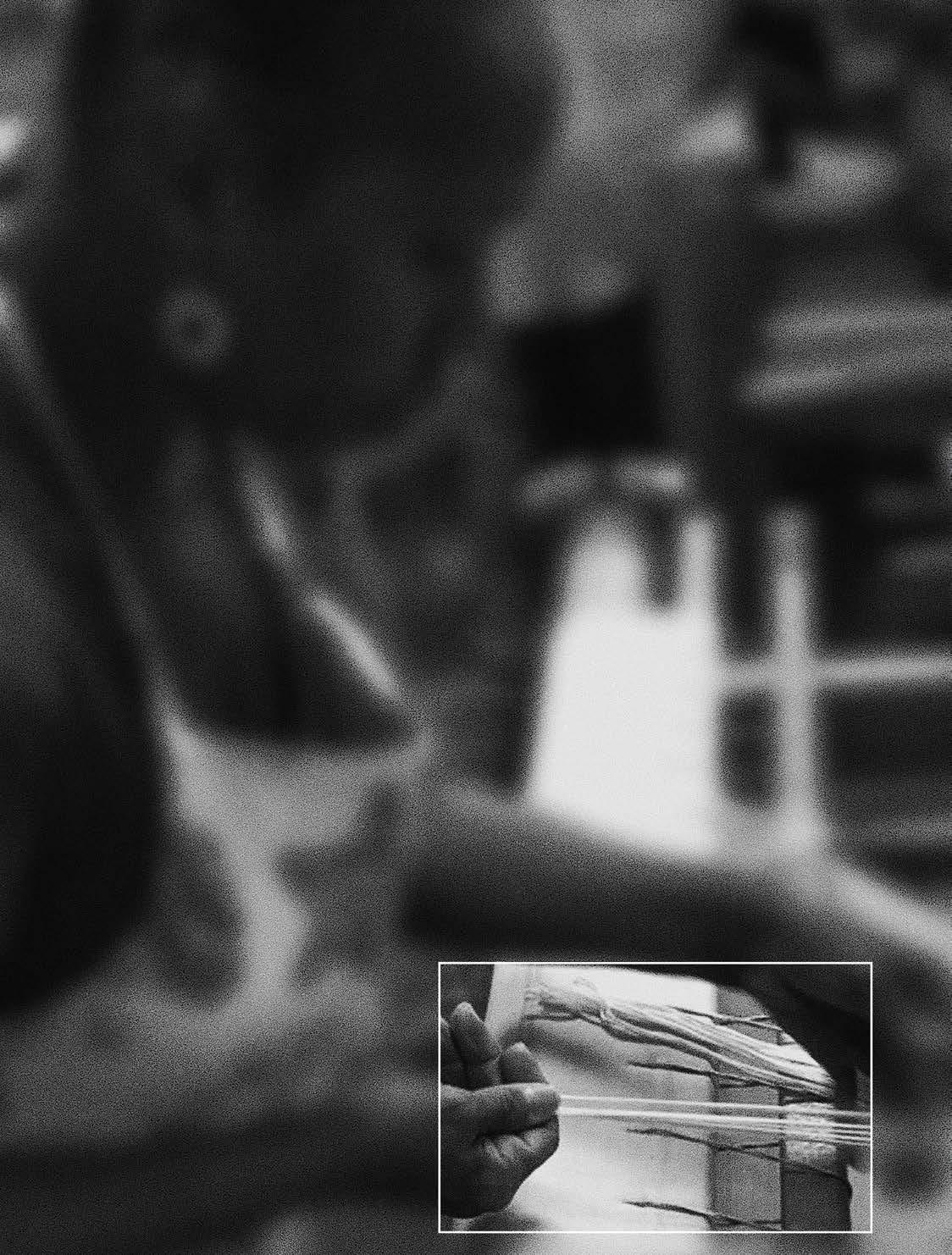
an apparatus for making fabric by weaving yarn or thread. “tweed was traditionally hand-woven on a loom”
[23]
loom1 /loom/ noun
Maison de Couture
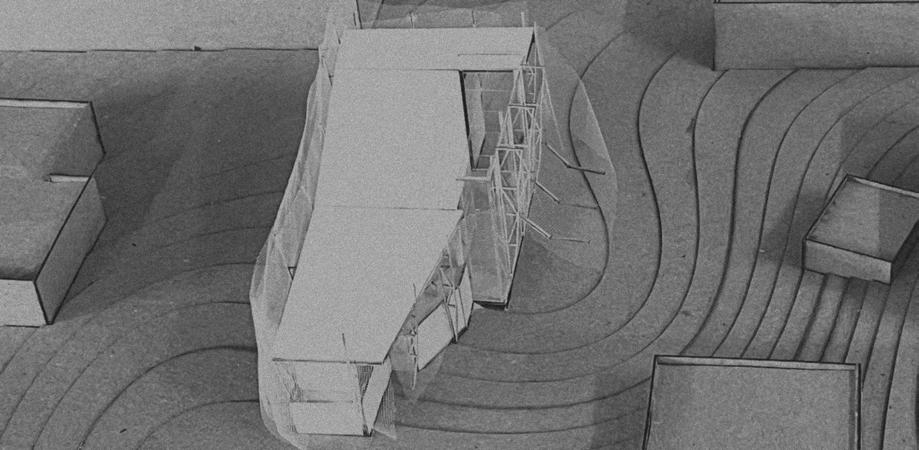
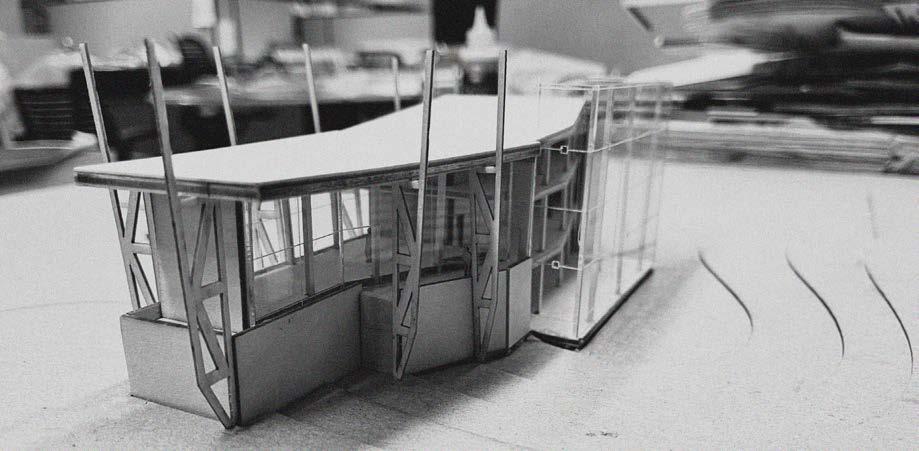
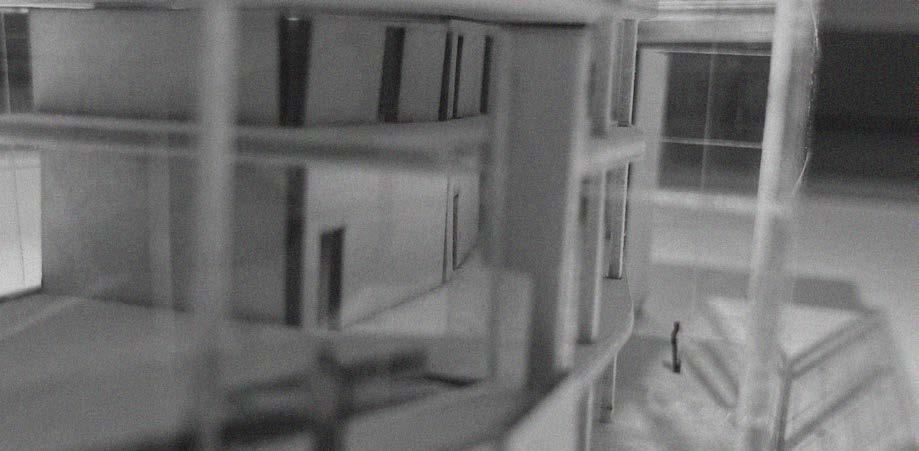
This project stemmed from a desire to empower refugee women in Atlanta through textile creation. The brief focused on revitalizing the existing loom house, a space where these women, many of whom were non-English speakers, used looms to craft beautiful fabrics from salvaged and reusable materials. Recognizing the importance of both functionality and symbolism, the studio embraced a holistic approach, encompassing sustainability, program integration, and a captivating facade design.
To address the needs of the workers and foster public engagement, the concept revolved around a three-story structure. Each level offered a distinct level of privacy and public interaction, catering to the diverse needs of the occupants and visitors. The building’s exterior became an artistic statement itself. Wrapped in a shimmering chainmail fabric, the facade served a dual purpose. It alluded to the intricate weaving process that took place within, a subtle homage to the women’s craft. More importantly, the chainmail symbolized the strength and resilience of the refugee women themselves, a powerful testament to their spirit in the face of adversity. This project transcended mere architectural design, transforming into a space that empowered, provided a platform for artistic expression, and fostered a deeper connection between the refugee community and the public.
[24]
MAISON de COUTURE / [TEXT]
[25] [PROCESS] / MAISON de COUTURE
[26] MAISON de COUTURE / [FIRST FLOOR PLAN]
[27] [SECOND FLOOR PLAN] / MAISON de COUTURE
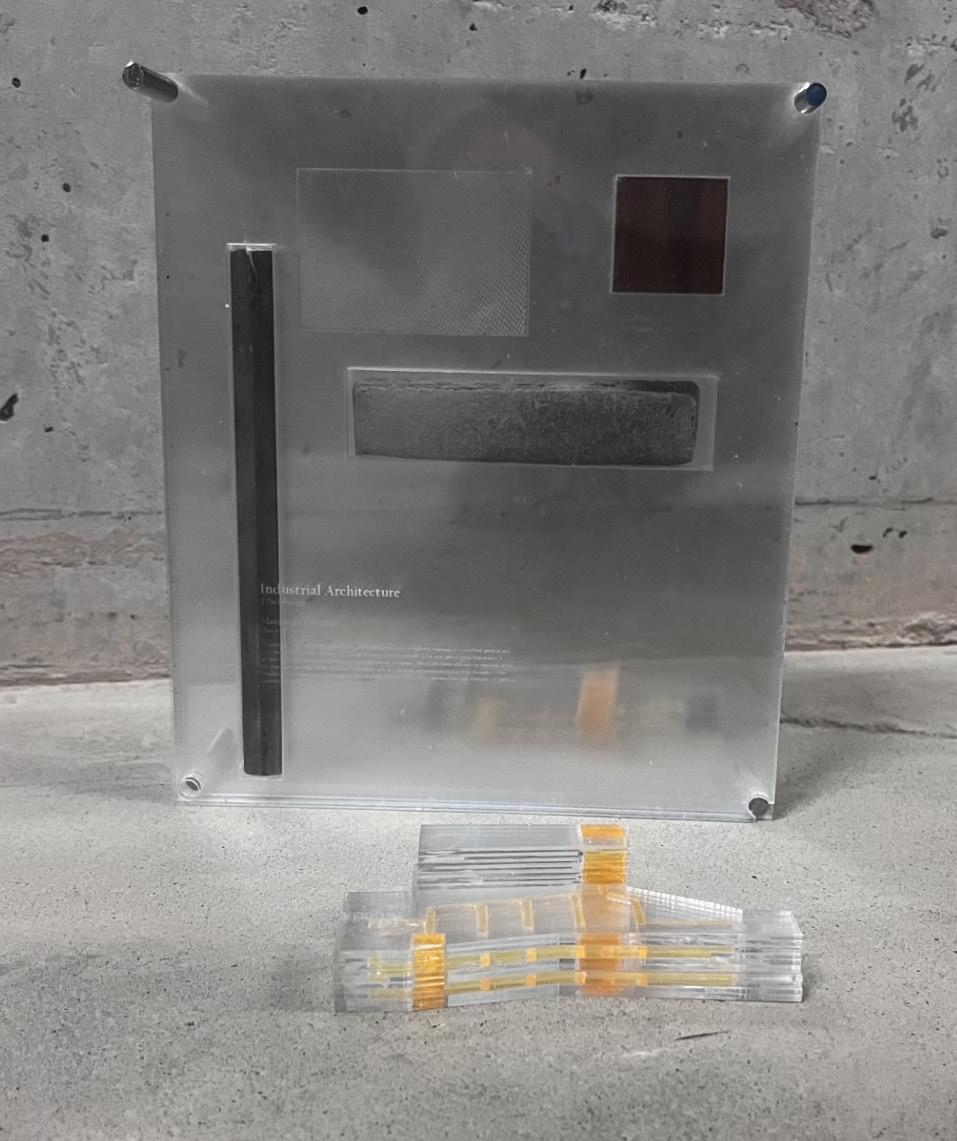
These models pictured above explain what materials were used and how much in ratio to each other based on the size of the pieces in the model, while the other models show the circulation of each floor plan.
[28] MAISON de COUTURE / [DIAGRAM MODEL PICTURE]
[29] [MODEL PICTURES] / MAISON de COUTURE
GERRYMANDERING PAVILION
[30] 04
[31]
Gerrymandering Pavilion
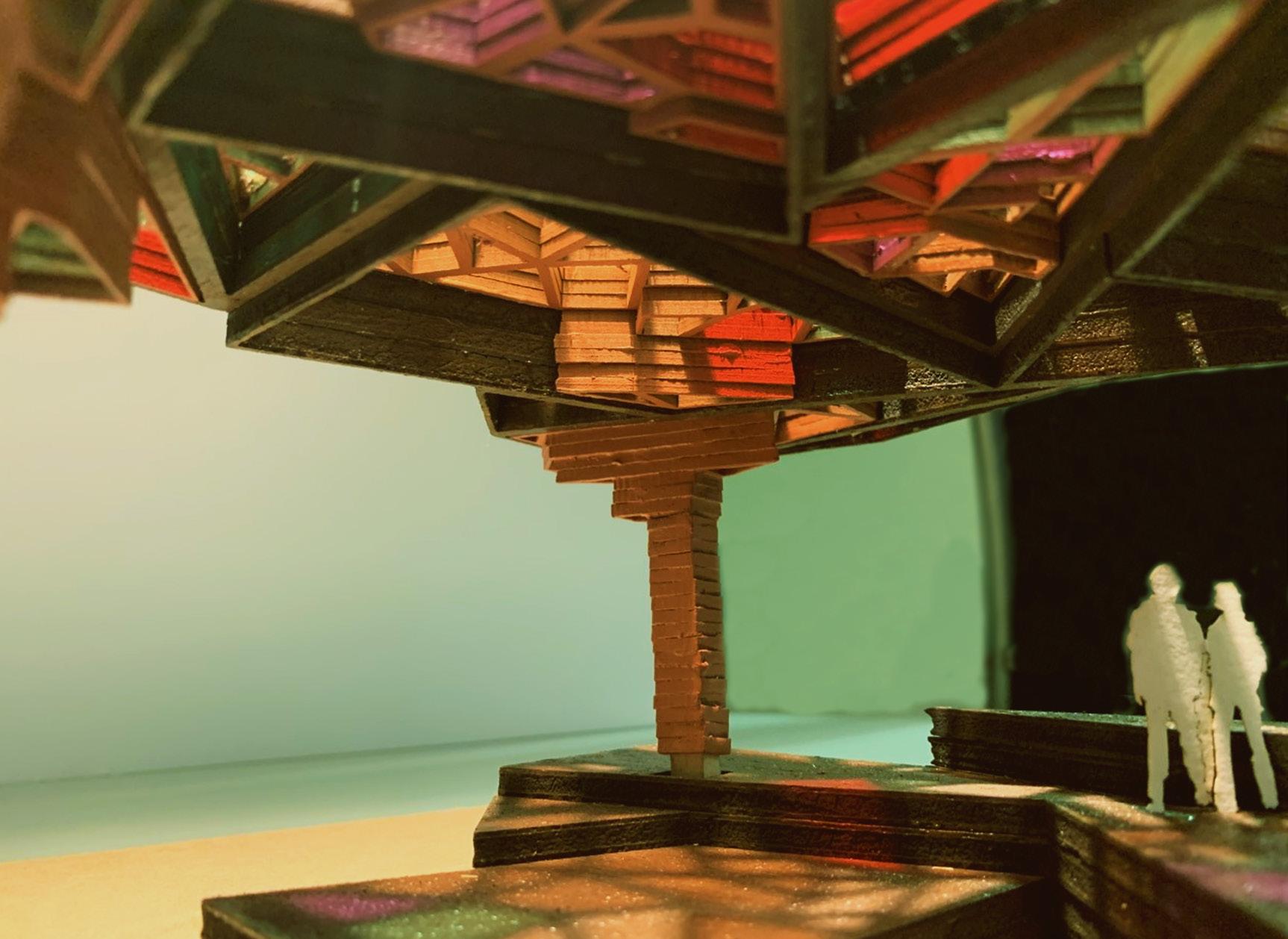
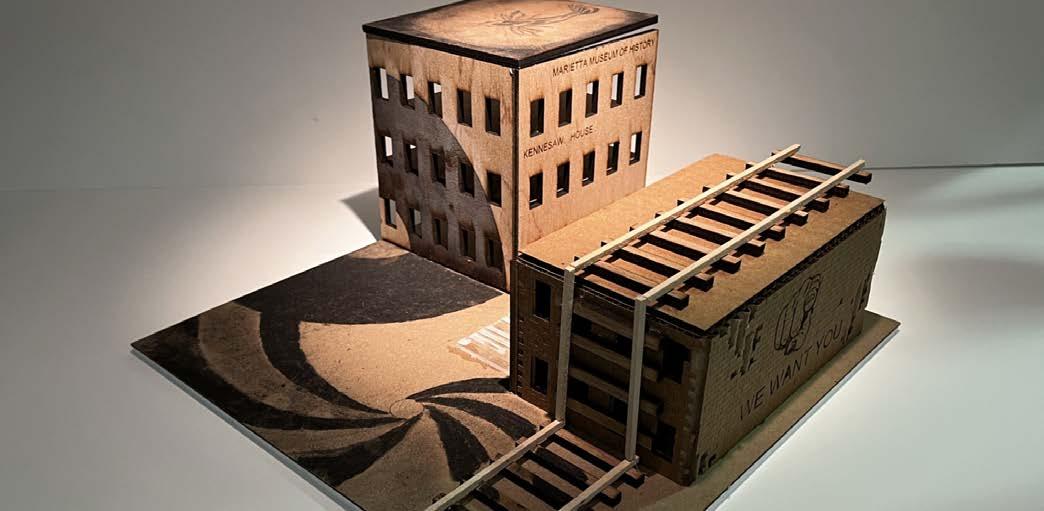
This module was designing a pavilion that would replace the previous one in Marietta Square. This design was supposed to have enough space for a professor or teacher to be able to have a class lecture and for normal people to walk under and use for talking or just enjoying the design. The space would be on the North side of the Square and should be treated as almost an art piece.
My pavilion was designed as a diagram of Cobb County showing the relationship between race, school districts and voting districts in terms of gerrymandering. The design works to specifically show cracking and packing among race and bring gerrymandering practices, used by our leading political officials, to light.
The Design breaks down each of the relational effects of school funding, race, voting districts and the educational districts in the different components of the structure.
[32]
GERRYMANDERING PAVILION / [TEXT]
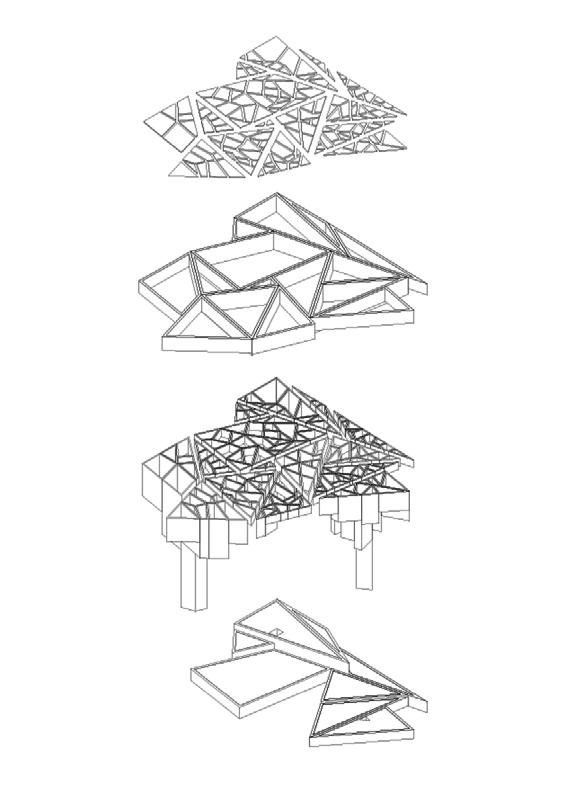
Stained glass sits on the wooden cells representing different ethnicities by color
Wooden “beams” that hold the cells together and represent the different educational districts in Cobb County Wooden cells held together by using nails near the top so that they are hidden and represents the voting districts of Cobb County
Stained Glass that sits on the wooden cells representing different ethnicities by color Wooden “beams” that hold the cells together and represent the different educational districts in Cobb County Wooden cells held together by using nails near the top so they’re hidden and represents the voting districts of Cobb County
Wooden seating work to hold 2/3 of three of the cell columns using the same cell wall theory representing the school funding
Wooden seating work to hold the 2/3 of the cell columns using the same cell wall theory representing the school funding
[33] 45
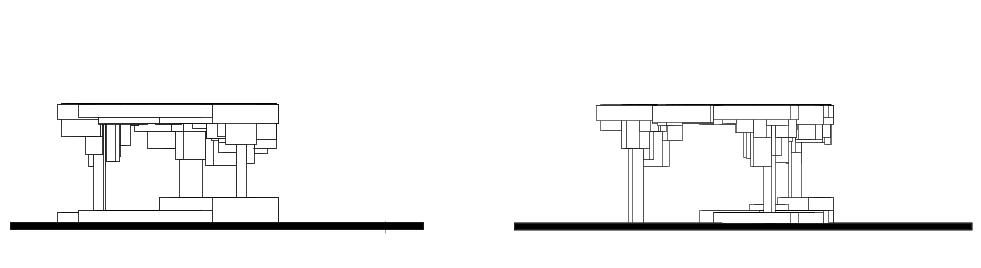
North Elevation
East Elevation
South Elevation
West Elevation
[AXON] / GERRYMANDERING PAVILION
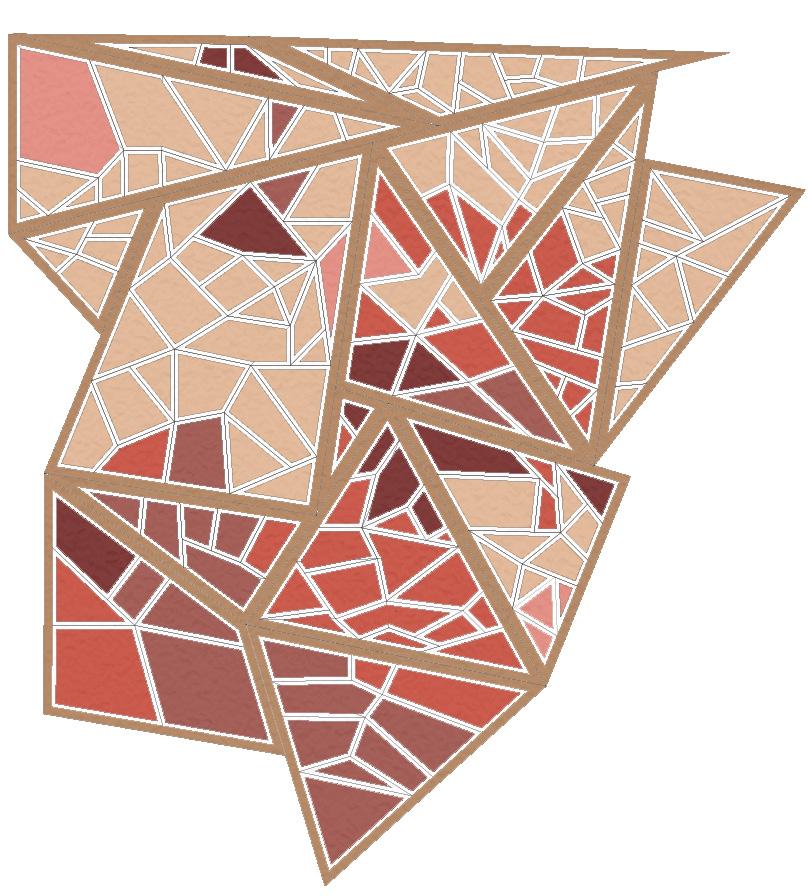
White Population
Asian Population
Afro-Latinx Population
Black Population
Hispanic Population
White Asian Afro-Latino Black Hispanic
* The white lines show the voting districts while the brown lines show the education districts
This is an abstracted map of the most common ethnicity among citizens in Marietta (exaggerated to help show the minorities of each area because their vote tends to reflect the overall vote of the area) to showing Gerrymandering. The drawing functions as a more than interesting roof, an educational diagram and an art piece in of itself.
This is an abstracted map pf the most common ethnicity among citizens in Marietta (exaggerated to help show the minorities of each area) to show Gerrymandering. The drawing functions as a more than interesting roof, an educational diagram and an art piece.
[34]
44
GERRYMANDERING PAVILION / [DIAGRAM]
[35]
43
[MODEL PICTURE] / GERRYMANDERING PAVILION
FABRICATION STUDIES
[36] 05
[37]
SPINE CHAIR MODULE
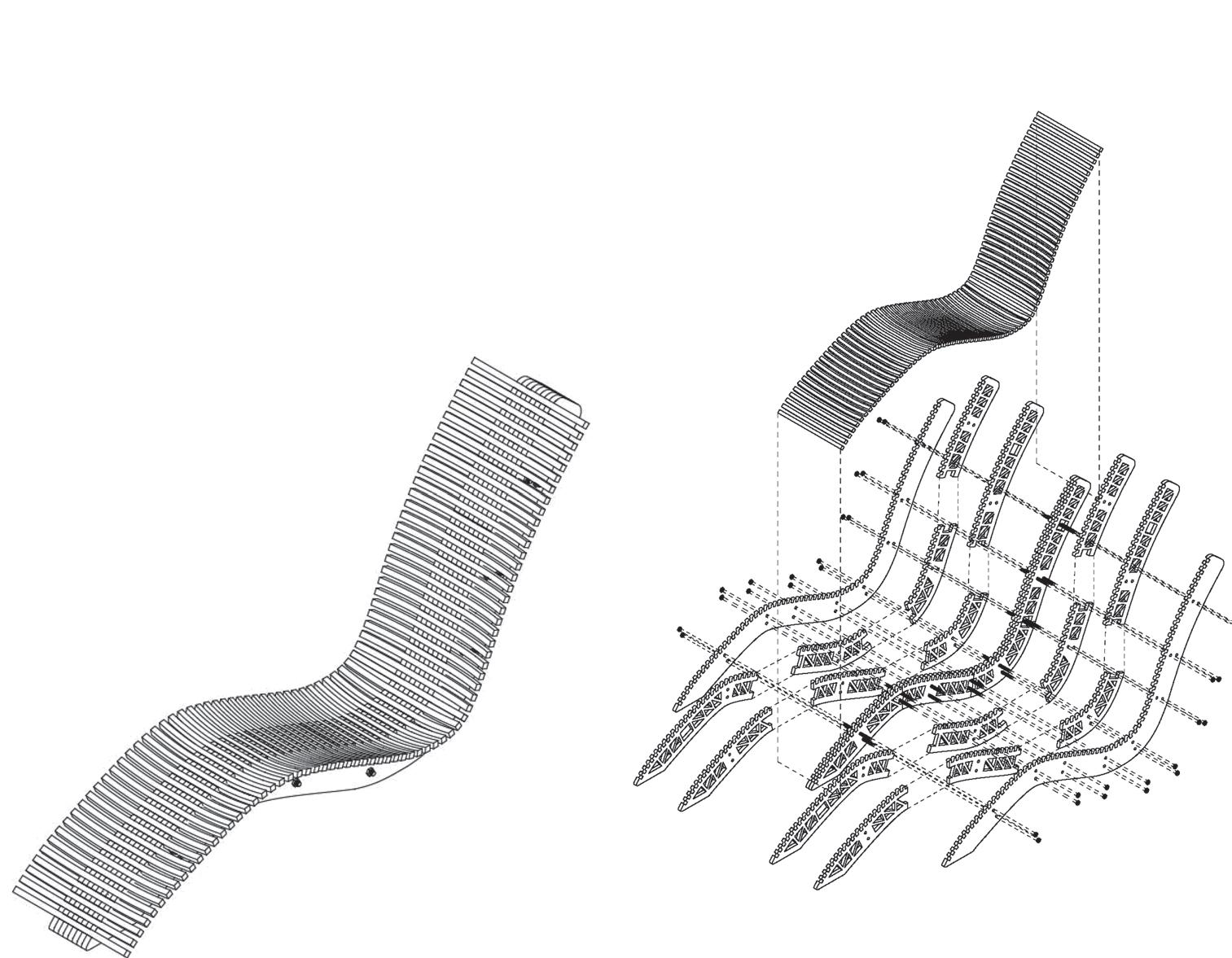
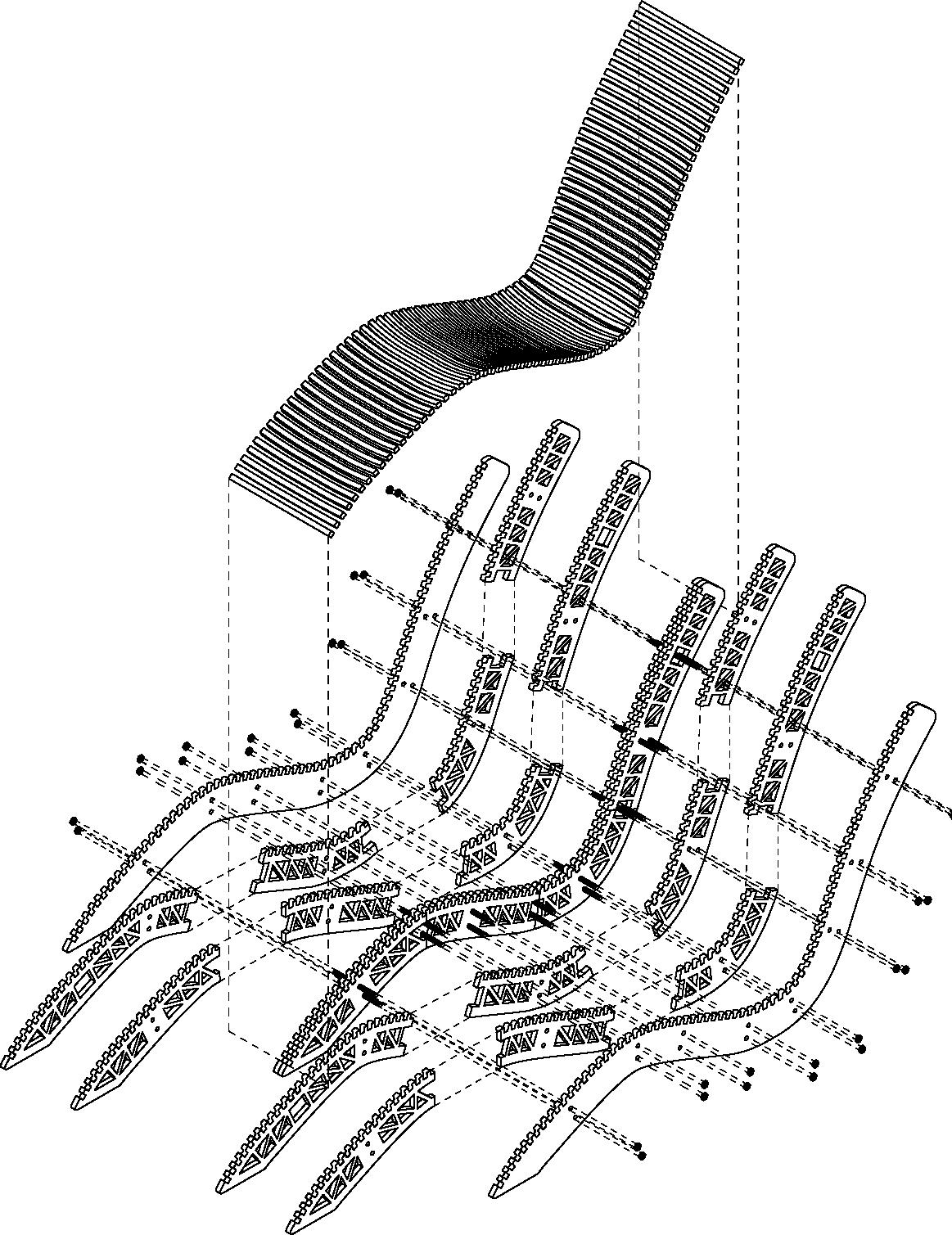
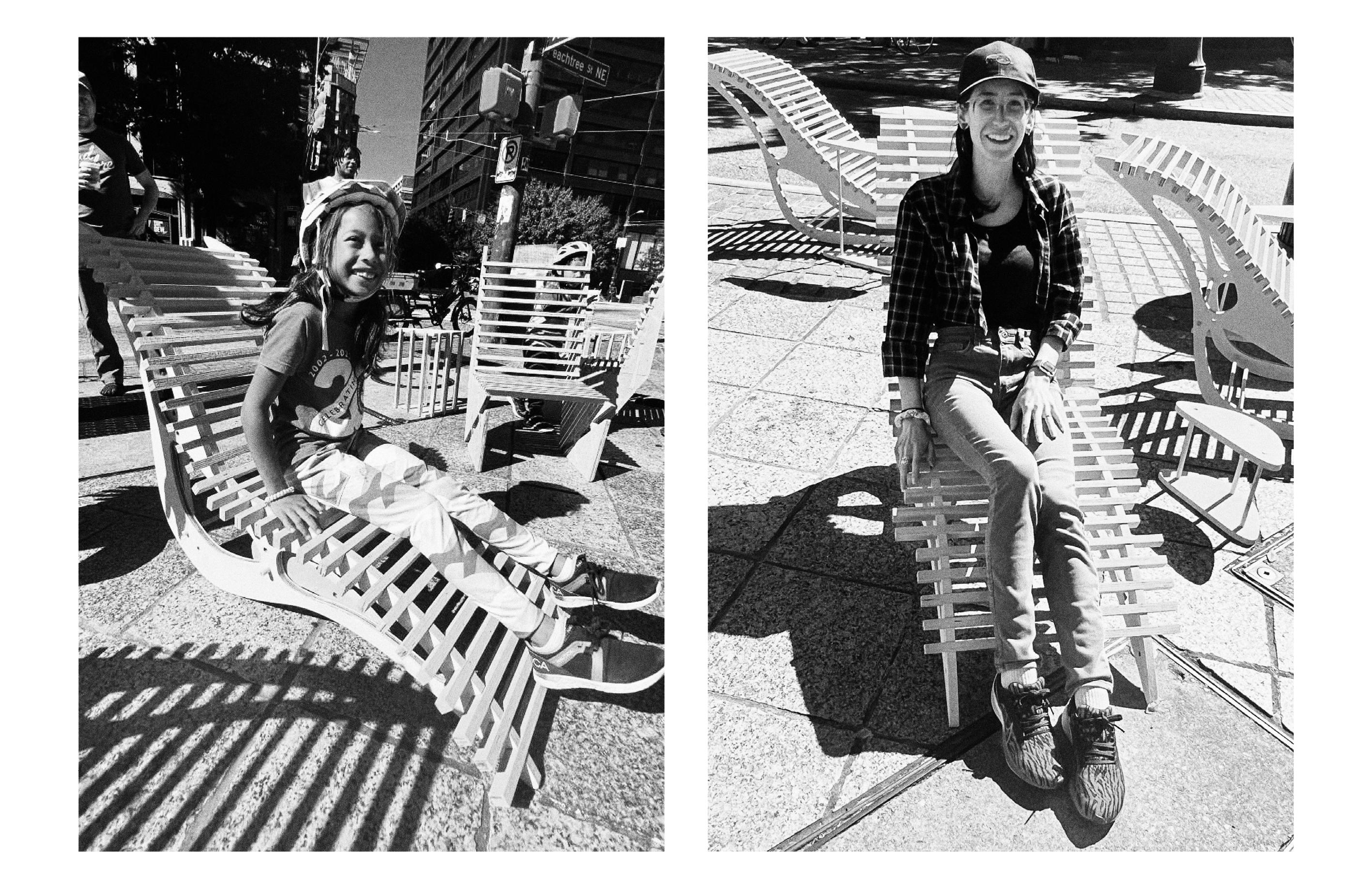
The core structure is constructed from eight layers of plywood, totaling a substantial six inches in thickness, each layer was CNC’d to resemble the vertebrae of the human spine. To achieve optimal weight distribution and maintain structural integrity, the middle six layers utilize an strategic A-B form construction technique. This method involves strategically placed cutouts within the A forms, which then become the key support points for the interlocking B forms. Metal screws act as the connective tissue, ensuring a robust yet lightweight frame.
The seat itself breaks away from the traditional flat design, instead utilizing elegantly curved plywood fins. These fins are meticulously shaped to mirror the natural curvature of the human spine, thereby promoting optimal lumbar support and fostering a comfortable sitting experience for extended periods.
This unique chair transcends mere functionality, transforming into a visually striking conversation piece. Its vertebrae-inspired design is guaranteed to capture attention, while its focus on ergonomic principles prioritizes the user's well-being, making it a perfect choice for both home and office environments.
[38]
FABRICATION STUDIES / [TEXT]
DESIGN
that looks like a spine. There are 8 layers of the spine that equal 6 layers are broken into pieces to and follow an A B structure, where the structure is cut in the A form, become the strong part of metal screws. The fins that allow the people to sit on it, are curved of the spine. The inside is also cut to act like a beam, meaning
[39]
[AXON + EXPLODED] / FABRICATION STUDIES
T6 CHAIR MODULE
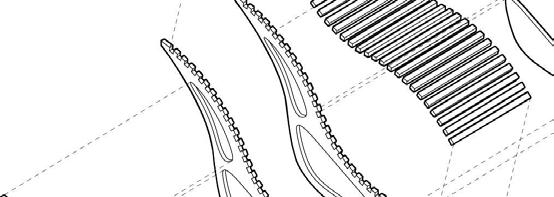
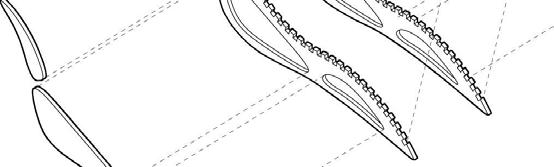
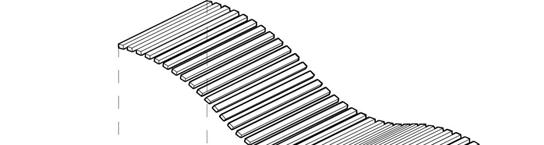
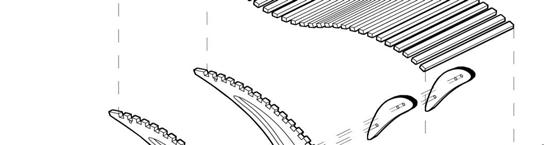
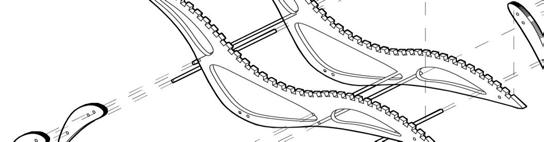
The "T6" chair design is a culmination of two distinct yet complementary inspirations: the nurturing environment of the womb and the body's natural support system provided by the spine. The initial concept drew from the profound sense of comfort and security a fetus experiences nestled within its mother. We envisioned replicating this feeling of complete physical and emotional ease within the chair's design. Secondly, we recognized the importance of ergonomic support, drawing inspiration from the human spine's inherent ability to promote proper posture and alleviate strain.
By merging these two concepts, the "T6" chair aims to provide a level of comfort akin to a mother's embrace, while simultaneously offering the supportive structure akin to the human spine. This fusion not only elevates user experience but also creates a visually captivating design that embodies the essence of both nurturing comfort and natural support.
[40]
FABRICATION STUDIES / [TEXT]
FINAL DESIGN 1
Axonometric: Inner pieces used to create a transformative and interchangeable design
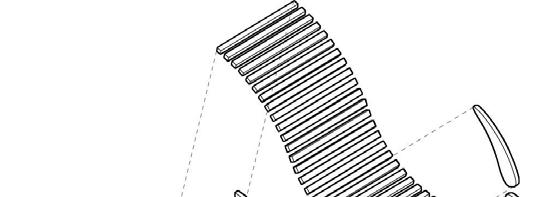


FINAL DESIGN 2
Axonometric: Dowel and Inner pieces for final chair design.


[41]
[EXPLODED AXON] / FABRICATION STUDIES

FABRICATION STUDIES / [SPINE PICTURE]
[T6 CHAIR] / FABRICATION STUDIES
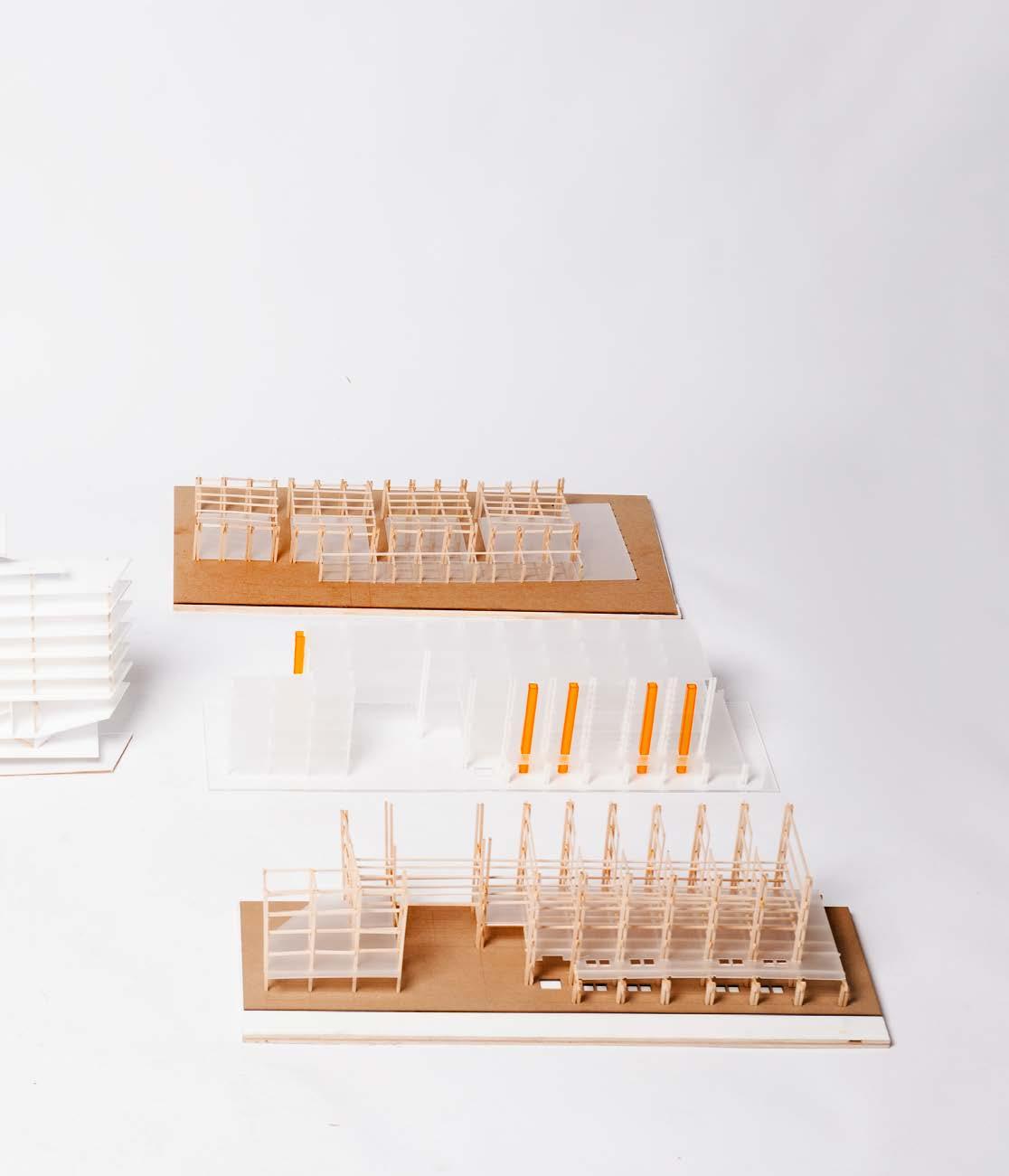
General Models
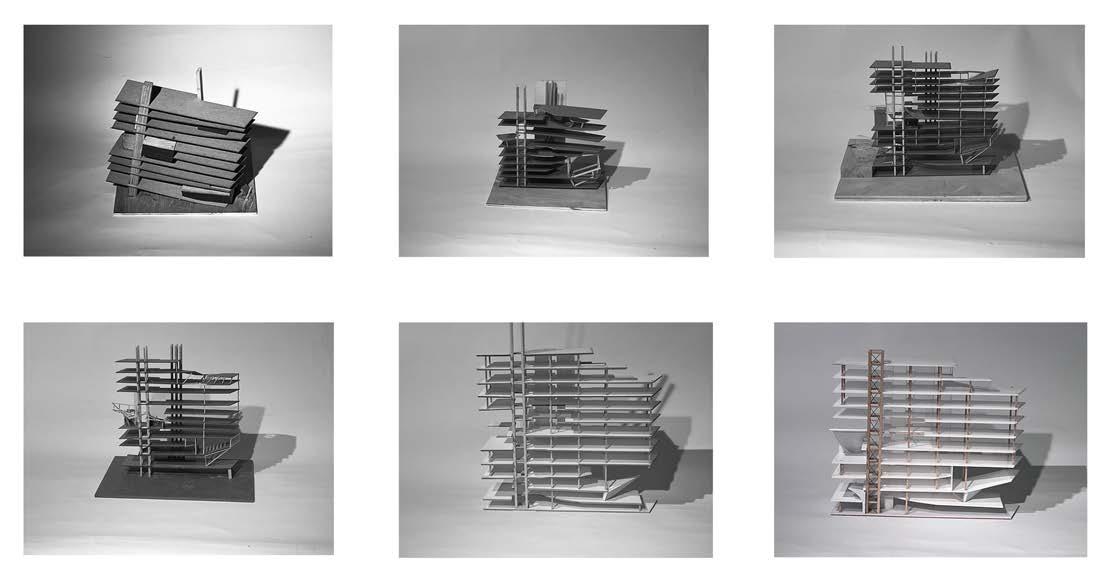
My time in architecture school has fostered a deep passion for models and the unique insights they offer. The process of crafting a model isn’t just about replicating a physical structure; it’s a gateway to a deeper understanding of the building’s potential. Through the act of creation, I’ve come to appreciate how models unlock the secrets of a design’s structural integrity and expose the intricacies of the architect’s vision.
Over the past four years, I’ve continually been impressed by the power of models as communication tools. They have a remarkable ability to bridge the gap between abstract ideas and tangible realities, fostering a clear and comprehensive understanding of the design intent.
[44]
FABRICATION STUDIES / [TEXT]
AGORA [MODEL PROCESS]
[45] [MODEL PROCESS] / FABRICATION STUDIES
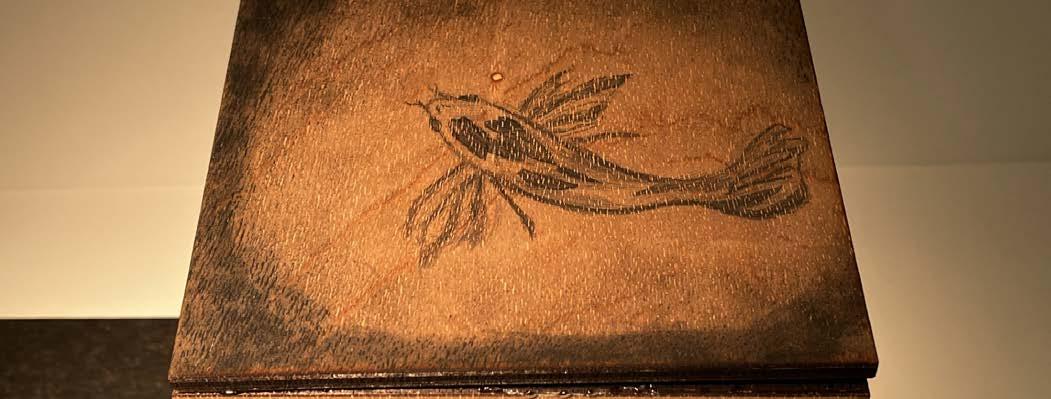
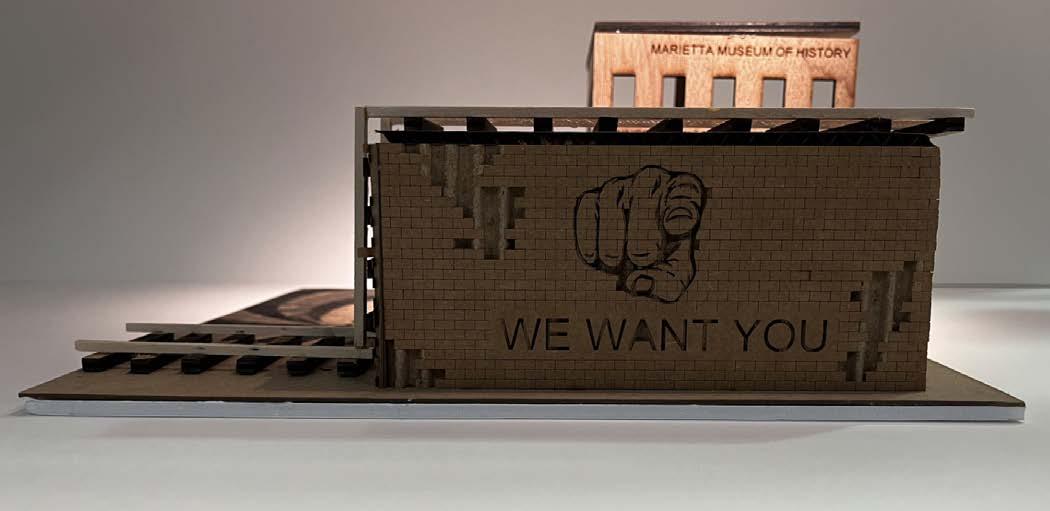
[46] FABRICATION STUDIES / [PSYCHOLOGICAL MAP MODEL]
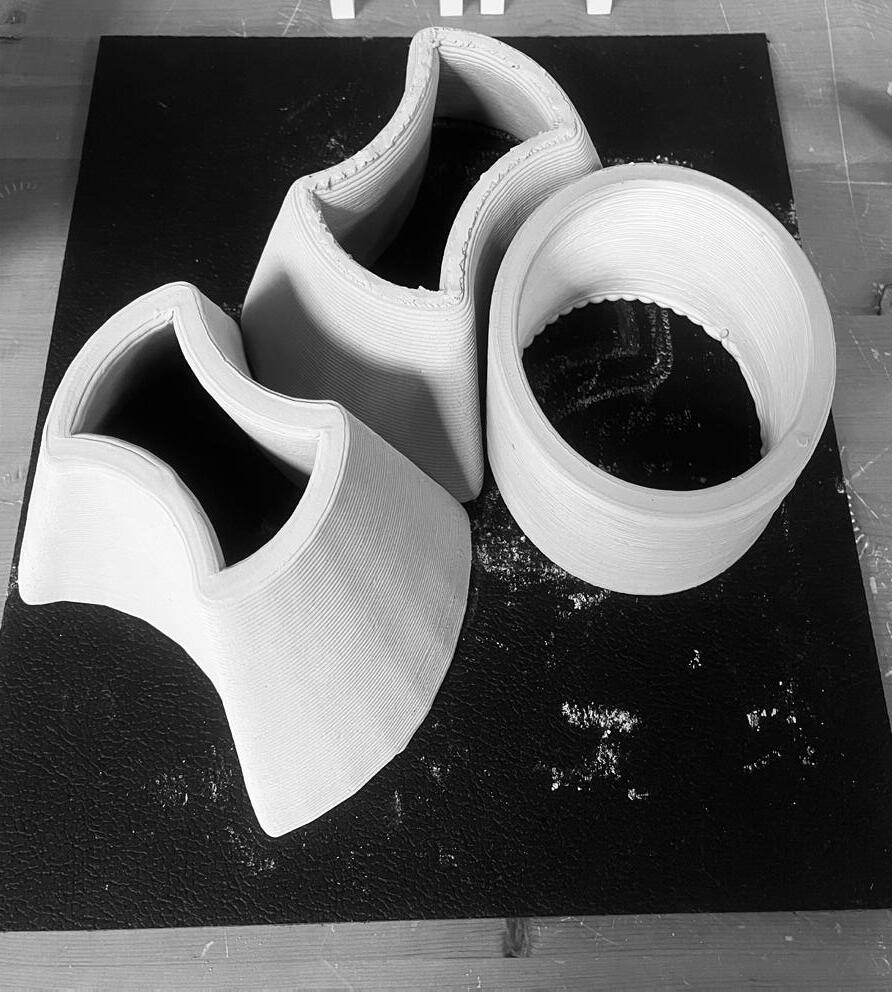
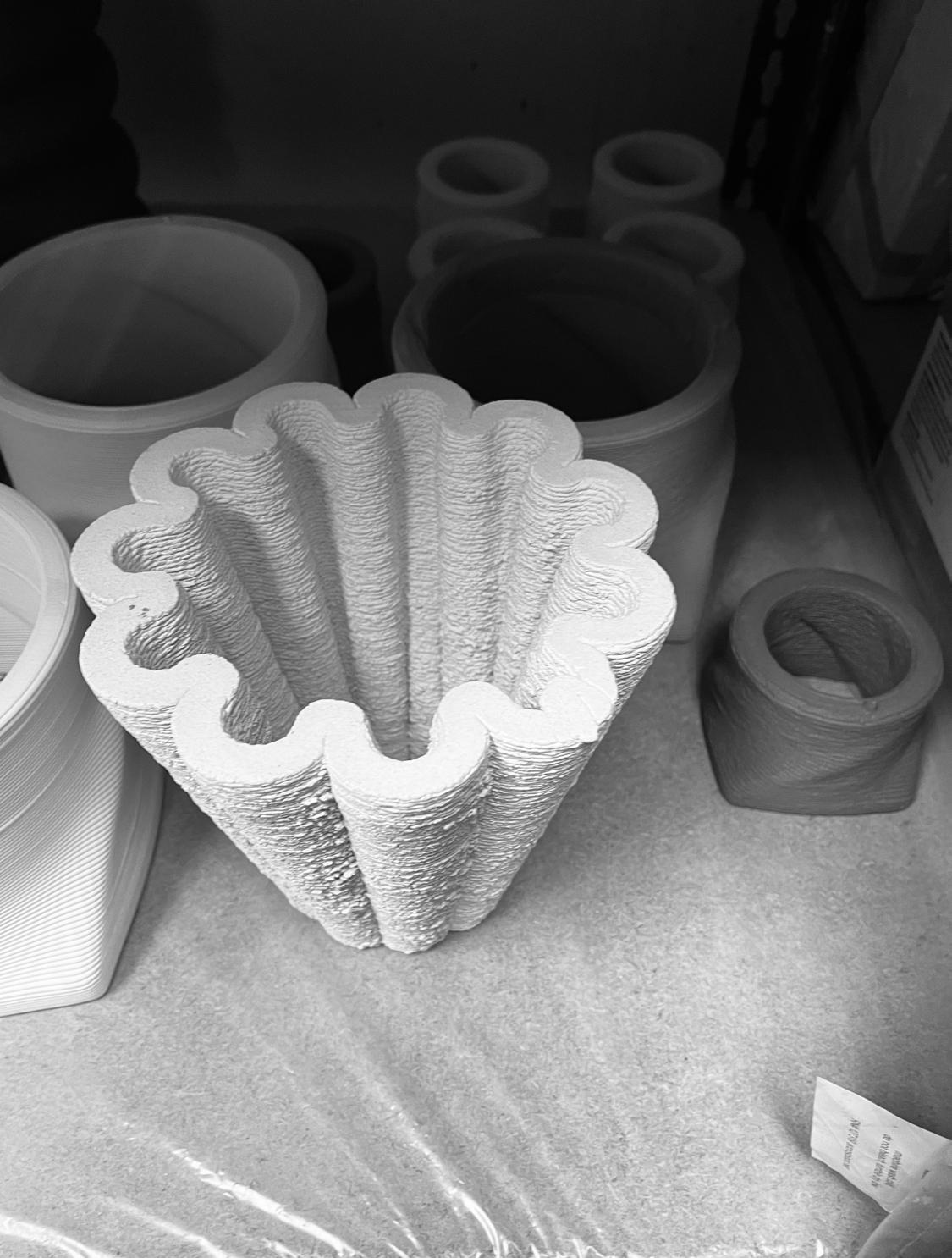
[47] [3D PRINTED CLAY] / FABRICATION STUDIES
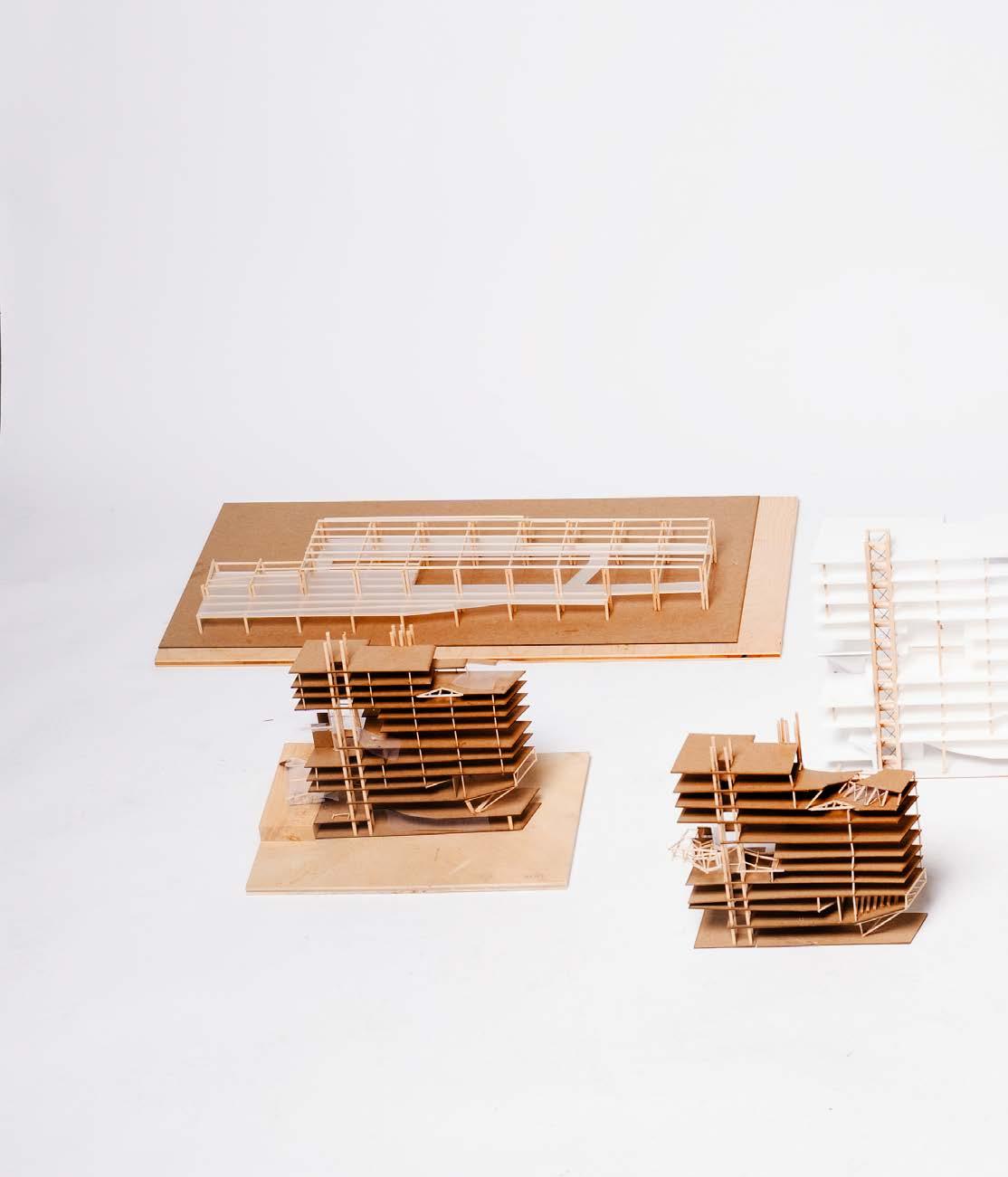
[48] FABRICATION STUDIES / [MODELS]
[49] [MODELS] / FABRICATION STUDIES
THANKS FOR WATCHING
[50]